



Jamie Cameron
-
Posts
1,341 -
Joined
-
Last visited
-
Days Won
4
Content Type
Profiles
News
Minnesota Twins Videos
2026 Minnesota Twins Top Prospects Ranking
2022 Minnesota Twins Draft Picks
Minnesota Twins Free Agent & Trade Rumors, Notes, & Tidbits
Guides & Resources
2023 Minnesota Twins Draft Picks
The Minnesota Twins Players Project
2024 Minnesota Twins Draft Picks
2025 Minnesota Twins Draft Pick Tracker
2026 Minnesota Twins Draft Tracker: Picks & Bonuses
Forums
Blogs
Events
Store
Downloads
Gallery
Everything posted by Jamie Cameron
-
Emmanuel Rodríguez's Patience is a Virtue, But Only to a Point
Jamie Cameron posted an article in Minor Leagues
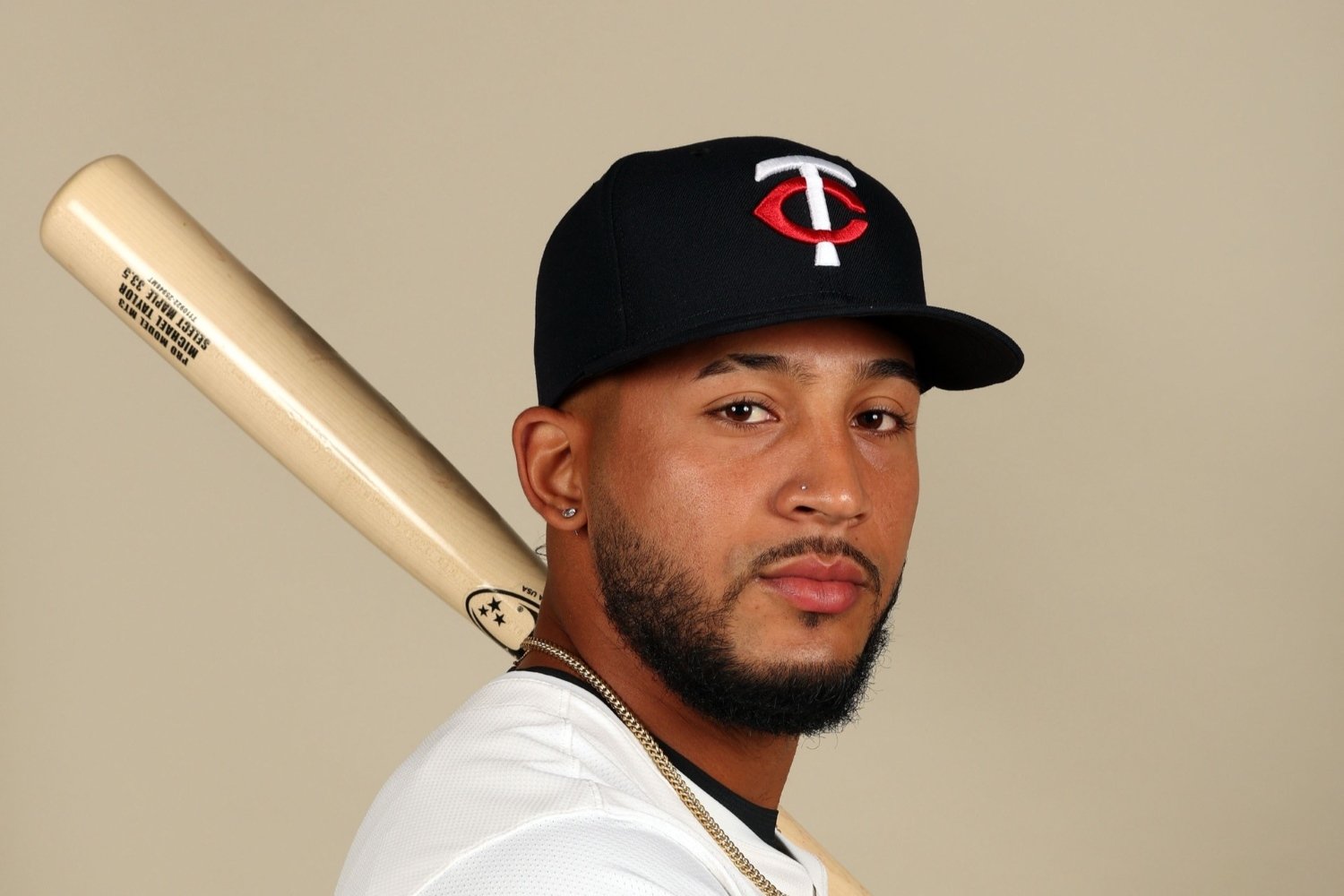 The Twins continued their offensive struggles with another series loss to the Tigers on Sunday. Through Apr. 21, Minnesota has scored more than four runs just three times in 20 games. Small sample or not, they have often looked ill-prepared, or been unable to muster competent execution in their plate appearances. Twins Twitter was clamoring for change shortly after the third game of Detroit's visit, with some even calling for an aggressive promotion of Emmanuel Rodriguez, who has played 14 games at Double-A through the end of the day Sunday. Rodríguez is one of the most fascinating prospects in baseball, with an irresistible pairing of top-of-the-scale raw power and plate discipline that has catapulted him to the level of a consensus top-75 prospect. Rodríguez has also started well at Double-A Wichita as a 21-year-old, three years younger than the average for the level. Through his first 14 games, Rodríguez has put together a .289/.508/.711 line with 4 home runs, 5 doubles, a triple, and 8 stolen bases (in 9 attempts). Call him up! Get him to Target Field! Nothing can be worse than what we’ve seen so far, right? Not so fast. Not only should the Twins stay well away from promoting Rodríguez, there’s an important tension to resolve in his overall development that needs to be addressed sooner, rather than later. Rodríguez has a contrasting set of traits at the plate that give him an incredible floor, but they raise some concerns and make him an incredibly difficult prospect to prognosticate. First, the good: Rodríguez has a 30.8 BB% thus far in 2024. That’s up significantly from 2023 (20.2%). That number is incredible. In 2023, Juan Soto led MLB in BB%, at 18.6%. While it’s unlikely Rodríguez maintains that (at Double-A or beyond), walking that much sets a very high floor for your value at the plate. The orange flag that’s been raised regarding Rodríguez in his career to date is the dependency of his bat-to-ball skills. In 2023, he had a Contact% of 69.6% (nice) (except not really). Thus far in 2024, it’s 65.1%. It’s still early days, but it tracks that your contact erodes slightly as you see better and better pitching. A Contact% of 65.1% would put Rodriguez 129th out of 133 qualified MLB hitters, and that’s not accounting for the significant quality increase in stuff and strike-throwing he’ll see in MLB. Indeed, it’s about 5% lower than average at his current level. In Double-A, Rodríguez has been thrown strikes 47% of the time. In MLB, the current average is 64%. Those figures include swinging strikes, foul balls, and balls in play on pitches outside the zone, but still, that's a gap the league will close, at least part of the way. This helps explain the boost to his current walk rate. When he's not walking or hitting the ball hard, he's striking out. Rodríguez is already rocking a 30.8 K% through his opening salvo in Double-A. Simply put, his current passivity at the plate and contact issues would be untenable in the majors today. That’s OK: He’s incredibly young and talented, let’s give him some time to find his way and see if he can make some discernible adjustments. What’s more interesting to me than a call-up, is the knife's edge that his development rests on moving forward. Consider some of these numbers, comparing his approach in 2023 and to date in 2024. In 2023, the average MLB Swing% was 47.2%. His current Swing% is a full 5% lower than any qualified MLB hitter in 2023. While there are a handful of hitters in the 35-40% range (Lars Nootbaar, Juan Soto, and Mookie Betts, for example), all of these players have above-average bat-to-ball skills (Contact% over 75%). The one exception to this is Kyle Schwarber, but Schwarber's profile illustrates the incredibly thin margin for error and limiting effects of that blend between approach and skills. While Rodríguez's current approach is working beautifully in the minors (where he is not getting thrown a lot of strikes), against better pitchers, he would find himself in a lot of 0-2 counts, out-leveraged, where his deficient bat-to-ball skills will be exposed. Therein lies the daunting question for the Twins' player-development team: when do you push Rodríguez to be more aggressive at the plate? Are we seeing incremental changes with him dialing back swings in pitchers' counts? Do you let him be successful now with a skill set that will run into a wall later? Alternatively, do you push for change now that may cause the path to be more bumpy, but which (in so doing) gives him the longest possible window to adjust to what might work at the big-league level? For that matter, do the Twins realize this problem exists? Their own organizationally prescribed approach, especially deep in counts, mirrors Rodríguez's so closely that they lead the league in being called out on strikes, with no close rival. Notably, this brief analysis is left wanting, because I don’t have access to heat maps and other data that might give us clues to holes in his swing that contribute to some of his contact challenges. After reading this, you might think I’m a Rodriguez doubter, I’m actually a huge believer. There’s little evidence to suggest that a promotion now would serve him or the Twins well, though. How much and when Twins player development can influence him to dial up the aggression at the plate will go a long way to governing how close he comes to realizing his considerable ceiling. Patience is a virtue, but only to a point, and that point is coming into view on Rodríguez's developmental horizon.
 -
Emmanuel Rodriguez is off to a hot start at Double-A. Before he's considered for a call-up to the Minnesota Twins, though, he needs to resolve a key unfilled box on his developmental checklist. Image courtesy of © Kim Klement Neitzel-USA TODAY Sports The Twins continued their offensive struggles with another series loss to the Tigers on Sunday. Through Apr. 21, Minnesota has scored more than four runs just three times in 20 games. Small sample or not, they have often looked ill-prepared, or been unable to muster competent execution in their plate appearances. Twins Twitter was clamoring for change shortly after the third game of Detroit's visit, with some even calling for an aggressive promotion of Emmanuel Rodriguez, who has played 14 games at Double-A through the end of the day Sunday. Rodríguez is one of the most fascinating prospects in baseball, with an irresistible pairing of top-of-the-scale raw power and plate discipline that has catapulted him to the level of a consensus top-75 prospect. Rodríguez has also started well at Double-A Wichita as a 21-year-old, three years younger than the average for the level. Through his first 14 games, Rodríguez has put together a .289/.508/.711 line with 4 home runs, 5 doubles, a triple, and 8 stolen bases (in 9 attempts). Call him up! Get him to Target Field! Nothing can be worse than what we’ve seen so far, right? Not so fast. Not only should the Twins stay well away from promoting Rodríguez, there’s an important tension to resolve in his overall development that needs to be addressed sooner, rather than later. Rodríguez has a contrasting set of traits at the plate that give him an incredible floor, but they raise some concerns and make him an incredibly difficult prospect to prognosticate. First, the good: Rodríguez has a 30.8 BB% thus far in 2024. That’s up significantly from 2023 (20.2%). That number is incredible. In 2023, Juan Soto led MLB in BB%, at 18.6%. While it’s unlikely Rodríguez maintains that (at Double-A or beyond), walking that much sets a very high floor for your value at the plate. The orange flag that’s been raised regarding Rodríguez in his career to date is the dependency of his bat-to-ball skills. In 2023, he had a Contact% of 69.6% (nice) (except not really). Thus far in 2024, it’s 65.1%. It’s still early days, but it tracks that your contact erodes slightly as you see better and better pitching. A Contact% of 65.1% would put Rodriguez 129th out of 133 qualified MLB hitters, and that’s not accounting for the significant quality increase in stuff and strike-throwing he’ll see in MLB. Indeed, it’s about 5% lower than average at his current level. In Double-A, Rodríguez has been thrown strikes 47% of the time. In MLB, the current average is 64%. Those figures include swinging strikes, foul balls, and balls in play on pitches outside the zone, but still, that's a gap the league will close, at least part of the way. This helps explain the boost to his current walk rate. When he's not walking or hitting the ball hard, he's striking out. Rodríguez is already rocking a 30.8 K% through his opening salvo in Double-A. Simply put, his current passivity at the plate and contact issues would be untenable in the majors today. That’s OK: He’s incredibly young and talented, let’s give him some time to find his way and see if he can make some discernible adjustments. What’s more interesting to me than a call-up, is the knife's edge that his development rests on moving forward. Consider some of these numbers, comparing his approach in 2023 and to date in 2024. In 2023, the average MLB Swing% was 47.2%. His current Swing% is a full 5% lower than any qualified MLB hitter in 2023. While there are a handful of hitters in the 35-40% range (Lars Nootbaar, Juan Soto, and Mookie Betts, for example), all of these players have above-average bat-to-ball skills (Contact% over 75%). The one exception to this is Kyle Schwarber, but Schwarber's profile illustrates the incredibly thin margin for error and limiting effects of that blend between approach and skills. While Rodríguez's current approach is working beautifully in the minors (where he is not getting thrown a lot of strikes), against better pitchers, he would find himself in a lot of 0-2 counts, out-leveraged, where his deficient bat-to-ball skills will be exposed. Therein lies the daunting question for the Twins' player-development team: when do you push Rodríguez to be more aggressive at the plate? Are we seeing incremental changes with him dialing back swings in pitchers' counts? Do you let him be successful now with a skill set that will run into a wall later? Alternatively, do you push for change now that may cause the path to be more bumpy, but which (in so doing) gives him the longest possible window to adjust to what might work at the big-league level? For that matter, do the Twins realize this problem exists? Their own organizationally prescribed approach, especially deep in counts, mirrors Rodríguez's so closely that they lead the league in being called out on strikes, with no close rival. Notably, this brief analysis is left wanting, because I don’t have access to heat maps and other data that might give us clues to holes in his swing that contribute to some of his contact challenges. After reading this, you might think I’m a Rodriguez doubter, I’m actually a huge believer. There’s little evidence to suggest that a promotion now would serve him or the Twins well, though. How much and when Twins player development can influence him to dial up the aggression at the plate will go a long way to governing how close he comes to realizing his considerable ceiling. Patience is a virtue, but only to a point, and that point is coming into view on Rodríguez's developmental horizon. View full article
-
 In episode 33 of Destination: The Show, Jeremy and Jamie sit down with Twins Vice President of Amateur Scouting Sean Johnson. Sean details his journey with the Twins, walks through the scouting calendar and details some of the work that goes into putting a draft board together. He offers insights into evaluation of high school versus college players, how his team evaluates their work and gives some of his impressions of the 2024 class. The guys then give some updates from the MLB Consensus Draft Board. They talk through Nick Kurtz and Jac Caglianone’s hot streaks, in addition to injury woes at the top of the class. They discuss some risers and fallers in this weeks’ board update, before taking deeper dives into Florida State third baseman Cam Smith, Oklahoma State outfielder Carson Benge, and Florida State outfielder James Tibbs III. 1:45 Sean Johnson, Twins VP of Amateur Scouting. His role with the organization, approach to draft cycle/process, this year's class. 40:30 Draft Notes 49:00 Consensus Board Updates for Cubs, Brewers, and Twins You can support the show by downloading it from wherever you get your podcasts, including iTunes and Spotify. If you enjoy the content, consider leaving us a five-star rating and review in addition to sharing or retweeting DTS-related content. You can follow us on Twitter @DTS_POD1, @Jeremynygaard, @J_D_Cameron, and @TheodoreTollef1. You can also find full episodes and clips of our shows on our YouTube page @DestinationTheShow.
 -
Draft tandem Jeremy Nygaard and JD Cameron team up for a podcast to discuss prospects on their way to the big leagues and the MLB draft, produced by Theo Tollefson. Image courtesy of Thieres Rabelo In episode 33 of Destination: The Show, Jeremy and Jamie sit down with Twins Vice President of Amateur Scouting Sean Johnson. Sean details his journey with the Twins, walks through the scouting calendar and details some of the work that goes into putting a draft board together. He offers insights into evaluation of high school versus college players, how his team evaluates their work and gives some of his impressions of the 2024 class. The guys then give some updates from the MLB Consensus Draft Board. They talk through Nick Kurtz and Jac Caglianone’s hot streaks, in addition to injury woes at the top of the class. They discuss some risers and fallers in this weeks’ board update, before taking deeper dives into Florida State third baseman Cam Smith, Oklahoma State outfielder Carson Benge, and Florida State outfielder James Tibbs III. 1:45 Sean Johnson, Twins VP of Amateur Scouting. His role with the organization, approach to draft cycle/process, this year's class. 40:30 Draft Notes 49:00 Consensus Board Updates for Cubs, Brewers, and Twins You can support the show by downloading it from wherever you get your podcasts, including iTunes and Spotify. If you enjoy the content, consider leaving us a five-star rating and review in addition to sharing or retweeting DTS-related content. You can follow us on Twitter @DTS_POD1, @Jeremynygaard, @J_D_Cameron, and @TheodoreTollef1. You can also find full episodes and clips of our shows on our YouTube page @DestinationTheShow. View full article
-
The MLB draft is a vastly different experience from all of the other four major men's sports. Jeremy and Jamie break it down into simpler terms and share what fans of the MLB draft can expect to see on Day One of the Draft. View full video
-
The MLB draft is a vastly different experience from all of the other four major men's sports. Jeremy and Jamie break it down into simpler terms and share what fans of the MLB draft can expect to see on Day One of the Draft.
-
The 2024 MLB Draft may still be three months away, but Jamie is the guy to ensure all Twins Daily, Brewer Fanatic, Northside Baseball, and Fish on First readers are up to date with the consensus board. See how this year's board is the best put together on Twins Daily and our sister sites, plus how frequently you can expect updates as the draft draws closer. View the draft board: https://twinsdaily.com/mlb-baseball-mock-draft-order-2024/
-
The 2024 MLB Draft may still be three months away, but Jamie is the guy to ensure all Twins Daily, Brewer Fanatic, Northside Baseball, and Fish on First readers are up to date with the consensus board. See how this year's board is the best put together on Twins Daily and our sister sites, plus how frequently you can expect updates as the draft draws closer. View the draft board: https://twinsdaily.com/mlb-baseball-mock-draft-order-2024/ View full video
-
 In episode 31 of Destination: The Show, baseball is back! Jeremy and JD talk through the opening few games of the new MLB season and spend time ruing injuries. They touch on the complexity of the prospect promotion incentive draft picks and introduce the new Consensus MLB Draft Board. The guys then talk about Brewers and Twins MiLB rosters and discuss the players and teams they’re most excited to see in action this season. Finally, they walk through three risers on the latest version of the draft board in Kellon Lindsey, Billy Amick, and Luke Holman. 0:00 Intro - MLB Highlights, Injuries and PPI 15:07 Draft slots and bonus pools 16:19 Consensus Board 23:09 MiLB Rosters - Brewers and Twins 50:00 Draft Stuff 1:01:50 Listener Question You can support the show by downloading it from wherever you get your podcasts, including iTunes and Spotify. If you enjoy the content, consider leaving us a five-star rating and review in addition to sharing or retweeting DTS-related content. You can follow us on Twitter @DTS_POD1, @Jeremynygaard, @J_D_Cameron, and @TheodoreTollef1. You can also find full episodes and clips of our shows on our YouTube page @DestinationTheShow.
 -
Draft tandem Jeremy Nygaard and JD Cameron team up for a podcast to discuss prospects on their way to the big leagues and the MLB Draft, produced by Theo Tollefson. Image courtesy of Thieres Rabelo In episode 31 of Destination: The Show, baseball is back! Jeremy and JD talk through the opening few games of the new MLB season and spend time ruing injuries. They touch on the complexity of the prospect promotion incentive draft picks and introduce the new Consensus MLB Draft Board. The guys then talk about Brewers and Twins MiLB rosters and discuss the players and teams they’re most excited to see in action this season. Finally, they walk through three risers on the latest version of the draft board in Kellon Lindsey, Billy Amick, and Luke Holman. 0:00 Intro - MLB Highlights, Injuries and PPI 15:07 Draft slots and bonus pools 16:19 Consensus Board 23:09 MiLB Rosters - Brewers and Twins 50:00 Draft Stuff 1:01:50 Listener Question You can support the show by downloading it from wherever you get your podcasts, including iTunes and Spotify. If you enjoy the content, consider leaving us a five-star rating and review in addition to sharing or retweeting DTS-related content. You can follow us on Twitter @DTS_POD1, @Jeremynygaard, @J_D_Cameron, and @TheodoreTollef1. You can also find full episodes and clips of our shows on our YouTube page @DestinationTheShow. View full article
-
MLB today announced the 2024 MLB Draft and 2025 international signing period bonus pools. Read to find out where the Twins rank financially against other MLB organizations. Image courtesy of Brock Beauchamp Today, MLB released bonus pool allocations and pick values for the 2024 MLB Draft. Additionally, MLB released international signing bonus pools for the 2025 signing period. Despite making the divisional round of the playoffs and only picking 21st in the first round, the Twins find themselves in a favorable position for the 2024 draft. They have the 11th largest bonus pool overall, at $12,209,600. This is primarily a function of the compensation pick they landed for Sonny Gray signing with the Cardinals, which landed them an extra $2.75 million in draft capital. The Twins top 100 picks and slot values are as follows: Slot value for pick 21: $3,934,400 (Round 1) Slot value for pick 33: $2,766,100 (compensation for Sonny Gray rejecting QO) Slot value for pick 60: $1,453,700 (Round 2) Slot value for pick 69: $1,168,000 (Competitive Balance Round B) Slot value for pick 96: $759,700 (Round 3) This combination of financial and pick flexibility puts the Twins in a strong position ahead of a draft class shaping up to be much weaker than 2023, but with a strong and deep crop of college players. Reminders on Draft Financials Organizations are allowed to spend up to 5% more than their total pool without incurring a penalty, a choice many teams take advantage of. The Twins and the Rockies are the only MLB teams who have never spent any overage on their bonus pool. Any amount up to 5% over the pool is met with a 75% tax on the overage. If a team spends between 5-10% more than their pool, the penalty is 75% tax on the overage and loss of a future first rounder. Any team who exceeds their bonus pool by more than 10% up to 15% pays 100% tax on the overage and will lose a first and second round future pick. Any team who exceeds their bonus pool by more than 15% loses two future first round picks in addition to paying 100% tax on the overage. Rounds 11-20 work differently to the first half of the draft. These picks do not come with an assigned slot value. Teams can spend up to $150,000 per pick without that spending coming out of their bonus pool. If they spend over that amount, any overage will be deducted from their bonus pool. For example, an 11th round pick signing for $250,000 will result in $100,000 being subtracted from that teams’ bonus pool. MLB Announces 2025 International Bonus Pools MLB announced bonus pools for the 2025 international signing period today. The 2025 signing window opens on January 15th, 2025 and runs through December 15th, 2025. The Twins are in a group of eight teams (which also includes the Tigers) who have the joint largest bonus pools. The Twins can spend $7,555,500 in the 2025 international signing window. View full article
-
 Today, MLB released bonus pool allocations and pick values for the 2024 MLB Draft. Additionally, MLB released international signing bonus pools for the 2025 signing period. Despite making the divisional round of the playoffs and only picking 21st in the first round, the Twins find themselves in a favorable position for the 2024 draft. They have the 11th largest bonus pool overall, at $12,209,600. This is primarily a function of the compensation pick they landed for Sonny Gray signing with the Cardinals, which landed them an extra $2.75 million in draft capital. The Twins top 100 picks and slot values are as follows: Slot value for pick 21: $3,934,400 (Round 1) Slot value for pick 33: $2,766,100 (compensation for Sonny Gray rejecting QO) Slot value for pick 60: $1,453,700 (Round 2) Slot value for pick 69: $1,168,000 (Competitive Balance Round B) Slot value for pick 96: $759,700 (Round 3) This combination of financial and pick flexibility puts the Twins in a strong position ahead of a draft class shaping up to be much weaker than 2023, but with a strong and deep crop of college players. Reminders on Draft Financials Organizations are allowed to spend up to 5% more than their total pool without incurring a penalty, a choice many teams take advantage of. The Twins and the Rockies are the only MLB teams who have never spent any overage on their bonus pool. Any amount up to 5% over the pool is met with a 75% tax on the overage. If a team spends between 5-10% more than their pool, the penalty is 75% tax on the overage and loss of a future first rounder. Any team who exceeds their bonus pool by more than 10% up to 15% pays 100% tax on the overage and will lose a first and second round future pick. Any team who exceeds their bonus pool by more than 15% loses two future first round picks in addition to paying 100% tax on the overage. Rounds 11-20 work differently to the first half of the draft. These picks do not come with an assigned slot value. Teams can spend up to $150,000 per pick without that spending coming out of their bonus pool. If they spend over that amount, any overage will be deducted from their bonus pool. For example, an 11th round pick signing for $250,000 will result in $100,000 being subtracted from that teams’ bonus pool. MLB Announces 2025 International Bonus Pools MLB announced bonus pools for the 2025 international signing period today. The 2025 signing window opens on January 15th, 2025 and runs through December 15th, 2025. The Twins are in a group of eight teams (which also includes the Tigers) who have the joint largest bonus pools. The Twins can spend $7,555,500 in the 2025 international signing window.
 -
Introducing the 2024 Consensus MLB Draft Board
Jamie Cameron replied to Jamie Cameron's topic in Twins Daily Front Page News
It's hard to compare everyone as we don't have a full body of work from anyone in this class, however, imo, no one in this years' class is cracking the top 5 last year. Crews and Langford are/were a cut above Bazzana and Condon. Might we feel differently in July? Possibly but I doubt it. Same goes for Skenes versus Burns and Smith. The two from this years' class have amazing stuff, but as a draft prospect, Skenes was above both imo. Let's revisit this in July, though. -
Introducing the 2024 Consensus MLB Draft Board
Jamie Cameron replied to Jamie Cameron's topic in Twins Daily Front Page News
Thanks for this. I'll work on getting this cleaned up on an update, hopefully overnight. Appreciate the feedback -
Introducing the 2024 Consensus MLB Draft Board
Jamie Cameron replied to Jamie Cameron's topic in Twins Daily Front Page News
Much better class of college catchers this year. I think last I counted I have 7 legit catcher profiles in the current top 100 (last year it was 3). I like Lomavita and Cozart both, and Walker Janek is another guy to look out for in the 50-75 range currently. -
Introducing the 2024 Consensus MLB Draft Board
Jamie Cameron replied to Jamie Cameron's topic in Twins Daily Front Page News
Thanks for reading and commenting, as always, I appreciate it. So, I'd tweak your language slightly. This impact is light on impact talent, especially at the top, but I think the college position player demo is really solid, especially through about 60 picks. College pitching is trending towards being stronger than last season also (which is a low bar to clear). It's really too early to say on strategy. I think this FO has shown that they believe they can find arms with unique traits later in the draft and trust their development staff to go to work (Ober, Varland etc are good examples). If I were guessing today, I'd think college hitter first as that's the strength of the first round, There is ample time for things to change thought, and this initial top 50 is still a little noisy with folks updating their draft boards around now (I'd expect a pretty decent shake up in the next two weeks throughout the top 50 or so picks.). -
Introducing the 2024 Consensus MLB Draft Board
Jamie Cameron replied to Jamie Cameron's topic in Twins Daily Front Page News
21, 33, 60, 69, 96 in the top 100. There'll be a ton of content that covers the draft bonus pools, picks Twins have etc. down the road. Also, if you click into the board, Brock added the team logo in each slot where the Twins pick (you should see a little TC next to pick 21, for example). -
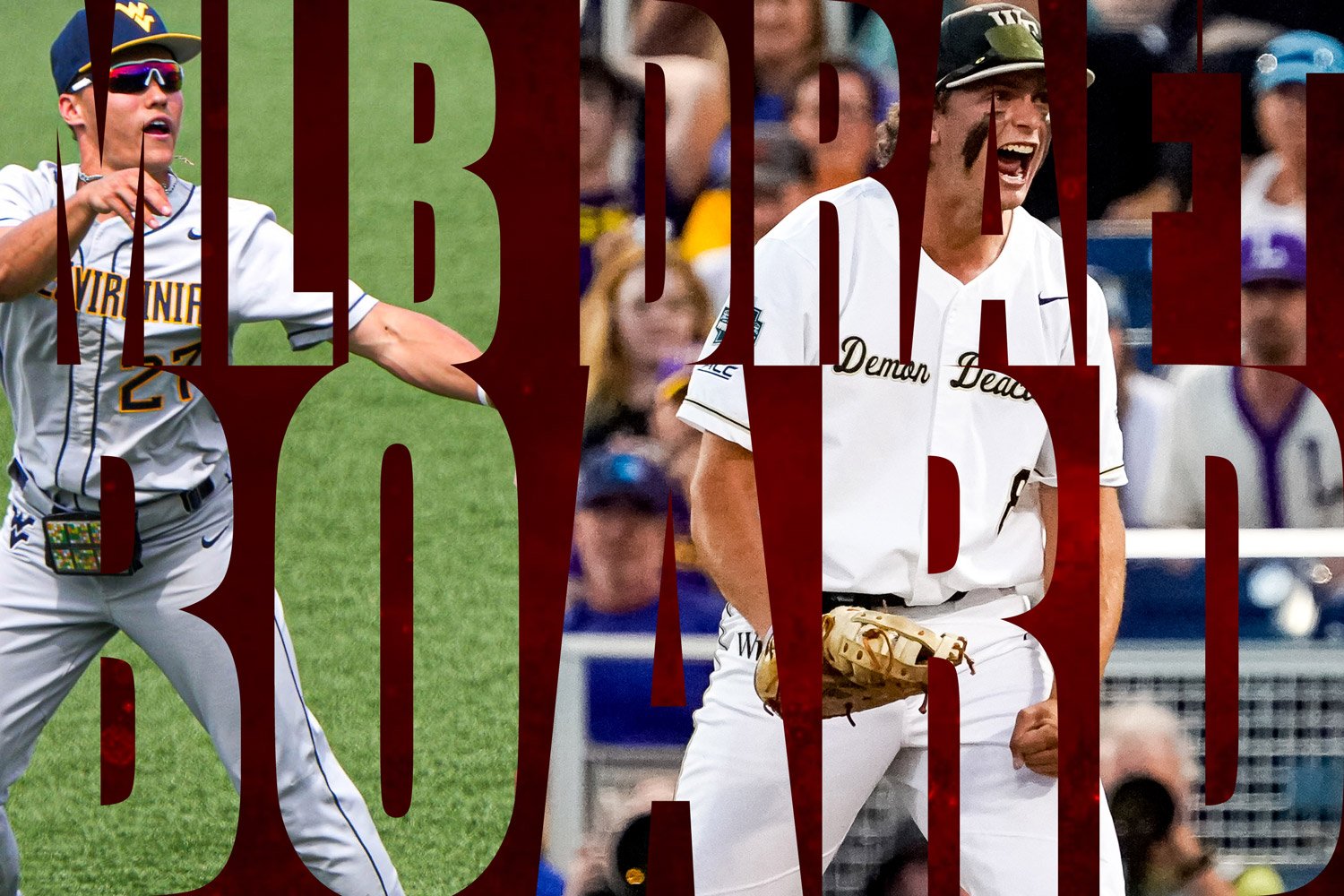 Welcome to the 2024 MLB Consensus Draft Board! What is the Consensus MLB Draft Board? This is the third draft cycle for which I’m co-authoring content, alongside @Jeremy Nygaard, who has probably forgotten more about the draft process than I’ll ever know. When I first started, I found I was craving a tool that cut through some of the noise and variance of different draft rankings and industry boards, so I decided to create a consensus board. Following Arif Hasan’s original NFL consensus board format, the premise is simple; the board combines all industry boards I can find into a composite ranking for each player. The final number of ‘input’ boards is impossible to know at this early date, but it will likely be in the 8-12 range by the time we get to July. The rationale is that there’s value in consensus, particularly to more casual fans of the MLB Draft. How is the Board Organized? It should be relatively easy to orient yourself to the board. For each player, you’ll find their current consensus ranking, position, name, age, height, weight, handedness, and school. Additionally, you’ll find a write-up of 150-200 words per player in the top 50, which I have been working on since February. One note regarding rankings on this board: Most industry boards make major updates on a monthly basis, typically toward the end of the month. As such, there’s some ‘lag time’ between other boards you read and those rankings being reflected in the consensus. Simply put, it takes a little time to process major updates, and they usually come in clusters. What’s Coming Next? One of the biggest advantages of having the board as a page, as opposed to a Google Sheet, is the possibility of real-time updates. Last year, I published three versions of the consensus board. This approach allows daily updates, if and when we want to publish them. Early in the draft cycle, you can expect an update every week or two. We’re also thinking through possibilities that would make the write-ups collapsible, and allow us to track movement of players up and down the board, as I did in previous cycles. For now, it’s a simply organized top 50, which you can expect us to expand upon more frequently than in 2023. When the board is final, I expect there will be 150-200 write-ups of players and a total of around 300 players listed. What You Can Do to Support This Project The publication of this board at Twins Daily, Brewer Fanatic, and North Side Baseball is the culmination of a ton of work, with the aim being to create a draft board that casual and hardcore MLB Draft fans can find useful. I’d like to share some public appreciation for Brock Beauchamp, who helps turn ideas into real-life projects at all three of these sites. This wouldn’t be possible without him. If you enjoy this resource, I’d appreciate it if you'd consider sharing it, retweeting it, and passing it along to others. In order to grow the board, add features, increase the time I can put into it, and so on, I need to show that folks find it useful. Anything anyone reading this can do to support that, I’ll be truly grateful for. There’s much more to come as the draft cycle really gets going. For now, I hope folks enjoy this first top 50. If you have feedback, thoughts, or comments, we’d love to hear them, to help us improve the board. View the Draft Board
 -
For the third consecutive draft cycle, I'm releasing the Consensus MLB Draft Board, combining rankings from as many public boards as we can find to help you navigate the 2024 MLB Draft. Image courtesy of Brock Beauchamp Welcome to the 2024 MLB Consensus Draft Board! What is the Consensus MLB Draft Board? This is the third draft cycle for which I’m co-authoring content, alongside @Jeremy Nygaard, who has probably forgotten more about the draft process than I’ll ever know. When I first started, I found I was craving a tool that cut through some of the noise and variance of different draft rankings and industry boards, so I decided to create a consensus board. Following Arif Hasan’s original NFL consensus board format, the premise is simple; the board combines all industry boards I can find into a composite ranking for each player. The final number of ‘input’ boards is impossible to know at this early date, but it will likely be in the 8-12 range by the time we get to July. The rationale is that there’s value in consensus, particularly to more casual fans of the MLB Draft. How is the Board Organized? It should be relatively easy to orient yourself to the board. For each player, you’ll find their current consensus ranking, position, name, age, height, weight, handedness, and school. Additionally, you’ll find a write-up of 150-200 words per player in the top 50, which I have been working on since February. One note regarding rankings on this board: Most industry boards make major updates on a monthly basis, typically toward the end of the month. As such, there’s some ‘lag time’ between other boards you read and those rankings being reflected in the consensus. Simply put, it takes a little time to process major updates, and they usually come in clusters. What’s Coming Next? One of the biggest advantages of having the board as a page, as opposed to a Google Sheet, is the possibility of real-time updates. Last year, I published three versions of the consensus board. This approach allows daily updates, if and when we want to publish them. Early in the draft cycle, you can expect an update every week or two. We’re also thinking through possibilities that would make the write-ups collapsible, and allow us to track movement of players up and down the board, as I did in previous cycles. For now, it’s a simply organized top 50, which you can expect us to expand upon more frequently than in 2023. When the board is final, I expect there will be 150-200 write-ups of players and a total of around 300 players listed. What You Can Do to Support This Project The publication of this board at Twins Daily, Brewer Fanatic, and North Side Baseball is the culmination of a ton of work, with the aim being to create a draft board that casual and hardcore MLB Draft fans can find useful. I’d like to share some public appreciation for Brock Beauchamp, who helps turn ideas into real-life projects at all three of these sites. This wouldn’t be possible without him. If you enjoy this resource, I’d appreciate it if you'd consider sharing it, retweeting it, and passing it along to others. In order to grow the board, add features, increase the time I can put into it, and so on, I need to show that folks find it useful. Anything anyone reading this can do to support that, I’ll be truly grateful for. There’s much more to come as the draft cycle really gets going. For now, I hope folks enjoy this first top 50. If you have feedback, thoughts, or comments, we’d love to hear them, to help us improve the board. View the Draft Board View full article
-
The Twins prospects made their mark in the inaugural spring breakout game and J.D. and Jeremy break down the highlights and what they liked and didn't like from the future Minnesota Twins.
-
The Twins prospects made their mark in the inaugural spring breakout game and J.D. and Jeremy break down the highlights and what they liked and didn't like from the future Minnesota Twins. View full video
-
Draft tandem Jeremy Nygaard and JD Cameron team up for a podcast to discuss prospects on their way to the big leagues and the MLB draft, produced by Theo Tollefson. Image courtesy of Thieres Rabelo In episode 29 of Destination: The Show, Jeremy and JD review the inaugural spring breakout games for the Twins and Brewers. The guys then complete a 16 pick mock MLB draft, alternating picks to help listeners get familiar with the top of the class before ending with listener questions. 0:00 Intro 3:30 Spring Breakout - Twins 14:20 Spring Breakout - Brewers 20:40 Mini-Mock Jamie and Jeremy take turns selecting players. Jamie goes first and they alternate for 16 picks. The only rules are each team must have a prep and college player and a hitter and a pitcher. Who's team do you like more? 1:01:49 Listener Question - Benn Hess versus Drew Beam You can support the show by downloading it from wherever you get your podcasts, including iTunes and Spotify. If you enjoy the content, consider leaving us a five-star rating and review in addition to sharing or retweeting DTS-related content. You can follow us on Twitter @DTS_POD1, @Jeremynygaard, @J_D_Cameron, and @TheodoreTollef1. You can also find full episodes and clips of our shows on our YouTube page @DestinationTheShow. View full article
-
 In episode 29 of Destination: The Show, Jeremy and JD review the inaugural spring breakout games for the Twins and Brewers. The guys then complete a 16 pick mock MLB draft, alternating picks to help listeners get familiar with the top of the class before ending with listener questions. 0:00 Intro 3:30 Spring Breakout - Twins 14:20 Spring Breakout - Brewers 20:40 Mini-Mock Jamie and Jeremy take turns selecting players. Jamie goes first and they alternate for 16 picks. The only rules are each team must have a prep and college player and a hitter and a pitcher. Who's team do you like more? 1:01:49 Listener Question - Benn Hess versus Drew Beam You can support the show by downloading it from wherever you get your podcasts, including iTunes and Spotify. If you enjoy the content, consider leaving us a five-star rating and review in addition to sharing or retweeting DTS-related content. You can follow us on Twitter @DTS_POD1, @Jeremynygaard, @J_D_Cameron, and @TheodoreTollef1. You can also find full episodes and clips of our shows on our YouTube page @DestinationTheShow.
 -
Brooks Lee dominated on the left-side of the plate at Triple-A but was well below the Mendoza line as a right-handed hitter. Will Lee's numbers outgrow the small sample size he had in St. Paul in 2024?
-
Brooks Lee dominated on the left-side of the plate at Triple-A but was well below the Mendoza line as a right-handed hitter. Will Lee's numbers outgrow the small sample size he had in St. Paul in 2024? View full video


