



Jamie Cameron
-
Posts
1,341 -
Joined
-
Last visited
-
Days Won
4
Content Type
Profiles
News
Minnesota Twins Videos
2026 Minnesota Twins Top Prospects Ranking
2022 Minnesota Twins Draft Picks
Minnesota Twins Free Agent & Trade Rumors, Notes, & Tidbits
Guides & Resources
2023 Minnesota Twins Draft Picks
The Minnesota Twins Players Project
2024 Minnesota Twins Draft Picks
2025 Minnesota Twins Draft Pick Tracker
2026 Minnesota Twins Draft Tracker: Picks & Bonuses
Forums
Blogs
Events
Store
Downloads
Gallery
Everything posted by Jamie Cameron
-
Draft tandem JD Cameron and Jeremy Nygaard team up for a new podcast to discuss prospects on their way to the big leagues. In this episode, we break down the ins and outs of the international signing window, which opens on January 15th. Image courtesy of Thieres Rabelo In this episode, Jeremy and Jamie discuss the ins and outs of the international signing window, which opens on January 15th. The fellas discuss the signing rules, bonus pool allocations, rules for trading funds, and the problematic nature of the current setup for international prospects. They talk through top 50 ranked prospects expected to sign with the Twins, Brewers, and Cubs before answering a bunch of listener questions (where are the pitchers?). You can support the show by downloading it from wherever you get your podcasts, leaving us a positive review and five star rating at I-Tunes or Spotify, retweeting show related content on Twitter, and subscribing to the Twins Daily YouTube page. You can follow us @DTS_POD1, @J_D_Cameron, @Jeremynygaard, and @TheodoreTollef1 on Twitter. Send us your prospect and draft related questions for our next episode. 0:00 Intro 5:00 DTS Giveaway 7:00 Let's go! 8:40 International Signing Period starts on the 15th of the month 13:00 The Money 15:10 Teams can send money out and take money in 18:30 What's wrong with this system? Is there a better way? 23:00 Cubs 28:50 Brewers 32:30 Twins 36:40 Other notes about IFA 40:41 Listener Questions View full article
-
 In this episode, Jeremy and Jamie discuss the ins and outs of the international signing window, which opens on January 15th. The fellas discuss the signing rules, bonus pool allocations, rules for trading funds, and the problematic nature of the current setup for international prospects. They talk through top 50 ranked prospects expected to sign with the Twins, Brewers, and Cubs before answering a bunch of listener questions (where are the pitchers?). You can support the show by downloading it from wherever you get your podcasts, leaving us a positive review and five star rating at I-Tunes or Spotify, retweeting show related content on Twitter, and subscribing to the Twins Daily YouTube page. You can follow us @DTS_POD1, @J_D_Cameron, @Jeremynygaard, and @TheodoreTollef1 on Twitter. Send us your prospect and draft related questions for our next episode. 0:00 Intro 5:00 DTS Giveaway 7:00 Let's go! 8:40 International Signing Period starts on the 15th of the month 13:00 The Money 15:10 Teams can send money out and take money in 18:30 What's wrong with this system? Is there a better way? 23:00 Cubs 28:50 Brewers 32:30 Twins 36:40 Other notes about IFA 40:41 Listener Questions
 -
I think the Cedar Rapids rotation will be split up from spring this year, Lewis and mayyyybe Culpepper in Wichita with Matthews and Morris in CR to start. I am planning on a part two, tentatively if folks enjoyed this one.
-
A group of four pitchers made waves for the Twins farm system in 2023. Cory Lewis, C.J. Culpepper, Andrew Morris, and Zebby Matthews all enjoyed success at both Fort Myers and Cedar Rapids. What are some of the attributes and numbers behind their success? Let's dig in. Image courtesy of Jean Pfiefer (aka, go4twinkies on Instagram) The Twins' 2022 draft class is quickly shaping up to be an exciting one. Brooks Lee is on the doorstep of MLB. Tanner Schobel had an exceptional first half for Cedar Rapids before struggling with the adjustment to Double A. One draft tendency that’s well established with the Sean Johnson-run Twins draft room is success in drafting unpolished pitching gems in the middle and late rounds, with the fruits of those labors finally impacting the big-league rotation in Bailey Ober and Louie Varland. Cory Lewis, C.J. Culpepper, Andrew Morris, and Zebby Matthews are a cluster of starting pitching prospects who have moved from Fort Myers to Cedar Rapids, and who comprised the Kernels rotation for the majority of 2023. But, what makes them unique? I dug into some numbers to highlight some of the unique traits and skill sets that have drawn so much attention to this group. Cory Lewis Lewis was pre-famous when he was drafted by the Twins in the ninth round in 2023 out of UC Santa Barbara, as he boasted a knuckleball as part of his repertoire, and not merely as a gimmick. It’s worth highlighting a feature that makes Lewis’ knuckleball unique: velocity. If, like me, you remember watching Tim Wakefield and R.A. Dickey pitch, they are likely a large part of your schema for what the pitch looks like. Wakefield’s velocity was typically in the high 60s and low 70s. Dickey threw a slower version in the low to mid 70s, and a fast version that reached 83 mph. Lewis routinely throws his knuckleball in the 82-84 mph range and cranked it as high as 87 mph in 2023! There’s an argument to be made that the latter figure might be too hard. The majority of pitches where Lewis achieved minimal spin on the pitch (the desired outcome to maximize variance), were in the 82-84 mph range. The graphic below plots spin and tilt for all of Lewis’ offerings. The blue cluster in the center is his knuckleball, with a minimum spin of 120 rpm (compared to a typical fastball, around 2,150 rpm). But how effective was it? He threw 66 that we have tracking data for in 2023. He gave up two hits, and allowed a FIP of -2.14 on the pitch. Hitters are whiffing on the pitch, or hitting it into the ground. For Lewis, his knuckleball and breaking or offspeed pitches are set up by a fastball with the characteristics to succeed. While Lewis's fastball velocity typically sits 90-92 mph, it can be a weapon. He gets good extension (max 6.71 feet in 2023; the MLB average is around 6.5 feet). Couple this with an induced vertical break that was as high as 24.8 inches (averaging 20.6 inches), and you have a pitch that can perform extremely well at the top of the strike zone. If Lewis can continue to refine his fastball command, it’ll help him mitigate the challenge of moving up to Double A in 2024. C.J. Culpepper C.J. Culpepper has risen in the estimation of evaluators, such that he’s joined the group of David Festa, Marco Raya, and Lewis as one of Minnesota’s best pitching prospects and should be considered a borderline top-10 prospect in the system. After strong performances as a reliever at California Baptist and an effective stint in the Cape Cod league, Culpepper went to the Twins in the 13th round. He threw 86 innings in 2023, posting a 2.87 FIP despite wearing down a little at the end of the season at Cedar Rapids. What stands out about Culpepper is the scope of his pitch mix. He throws two fastballs: a traditional four-seamer with a 90th-percentile velocity of 96 mph; and a two-seamer with a 90th-percentile velocity of 95.8 mph with up to 19 inches of run (averaging 13.4 inches). Culpepper also throws a curveball, slider, changeup, and cutter. Both iterations of Culpepper’s fastball were effective in 2023. While his four-seamer doesn’t get a ton of chase, his two-seamer is a real worm killer, generating a 78% ground ball rate. The graphic below plots Culpepper’s pitch mix by vertical and horizontal break. His arsenal allows him diversity of movement (both horizontal, and vertical) that keeps hitters off balance. All of Culpepper's breaking and offspeed pitches showed promising results in 2023, with his slider being the most commonly thrown. In 2024, Culpepper will have to refine the command of his slider in particular, as its sweeping action makes it leak out of the strike zone too often. If his command of his newer offerings improves in 2024, he has the velocity and diversity of arsenal to be another in the line of Twins rotation contributors from the mid-late rounds of the draft. What are your thoughts on the promising group of pitcher at Cedar Rapids? What are your expectations for 2024? Join the conversation with a comment below. Research assistance provided by TruMedia View full article
-
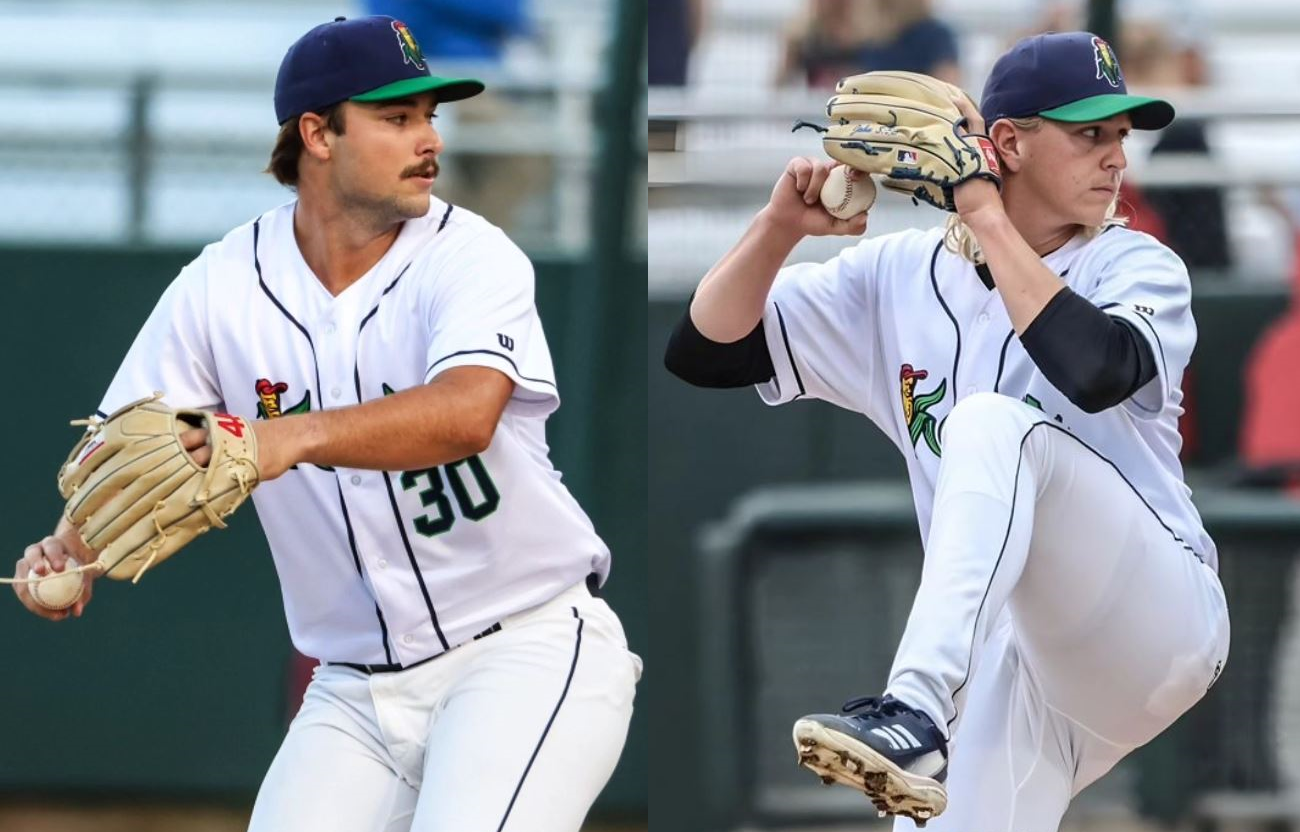 The Twins' 2022 draft class is quickly shaping up to be an exciting one. Brooks Lee is on the doorstep of MLB. Tanner Schobel had an exceptional first half for Cedar Rapids before struggling with the adjustment to Double A. One draft tendency that’s well established with the Sean Johnson-run Twins draft room is success in drafting unpolished pitching gems in the middle and late rounds, with the fruits of those labors finally impacting the big-league rotation in Bailey Ober and Louie Varland. Cory Lewis, C.J. Culpepper, Andrew Morris, and Zebby Matthews are a cluster of starting pitching prospects who have moved from Fort Myers to Cedar Rapids, and who comprised the Kernels rotation for the majority of 2023. But, what makes them unique? I dug into some numbers to highlight some of the unique traits and skill sets that have drawn so much attention to this group. Cory Lewis Lewis was pre-famous when he was drafted by the Twins in the ninth round in 2023 out of UC Santa Barbara, as he boasted a knuckleball as part of his repertoire, and not merely as a gimmick. It’s worth highlighting a feature that makes Lewis’ knuckleball unique: velocity. If, like me, you remember watching Tim Wakefield and R.A. Dickey pitch, they are likely a large part of your schema for what the pitch looks like. Wakefield’s velocity was typically in the high 60s and low 70s. Dickey threw a slower version in the low to mid 70s, and a fast version that reached 83 mph. Lewis routinely throws his knuckleball in the 82-84 mph range and cranked it as high as 87 mph in 2023! There’s an argument to be made that the latter figure might be too hard. The majority of pitches where Lewis achieved minimal spin on the pitch (the desired outcome to maximize variance), were in the 82-84 mph range. The graphic below plots spin and tilt for all of Lewis’ offerings. The blue cluster in the center is his knuckleball, with a minimum spin of 120 rpm (compared to a typical fastball, around 2,150 rpm). But how effective was it? He threw 66 that we have tracking data for in 2023. He gave up two hits, and allowed a FIP of -2.14 on the pitch. Hitters are whiffing on the pitch, or hitting it into the ground. For Lewis, his knuckleball and breaking or offspeed pitches are set up by a fastball with the characteristics to succeed. While Lewis's fastball velocity typically sits 90-92 mph, it can be a weapon. He gets good extension (max 6.71 feet in 2023; the MLB average is around 6.5 feet). Couple this with an induced vertical break that was as high as 24.8 inches (averaging 20.6 inches), and you have a pitch that can perform extremely well at the top of the strike zone. If Lewis can continue to refine his fastball command, it’ll help him mitigate the challenge of moving up to Double A in 2024. C.J. Culpepper C.J. Culpepper has risen in the estimation of evaluators, such that he’s joined the group of David Festa, Marco Raya, and Lewis as one of Minnesota’s best pitching prospects and should be considered a borderline top-10 prospect in the system. After strong performances as a reliever at California Baptist and an effective stint in the Cape Cod league, Culpepper went to the Twins in the 13th round. He threw 86 innings in 2023, posting a 2.87 FIP despite wearing down a little at the end of the season at Cedar Rapids. What stands out about Culpepper is the scope of his pitch mix. He throws two fastballs: a traditional four-seamer with a 90th-percentile velocity of 96 mph; and a two-seamer with a 90th-percentile velocity of 95.8 mph with up to 19 inches of run (averaging 13.4 inches). Culpepper also throws a curveball, slider, changeup, and cutter. Both iterations of Culpepper’s fastball were effective in 2023. While his four-seamer doesn’t get a ton of chase, his two-seamer is a real worm killer, generating a 78% ground ball rate. The graphic below plots Culpepper’s pitch mix by vertical and horizontal break. His arsenal allows him diversity of movement (both horizontal, and vertical) that keeps hitters off balance. All of Culpepper's breaking and offspeed pitches showed promising results in 2023, with his slider being the most commonly thrown. In 2024, Culpepper will have to refine the command of his slider in particular, as its sweeping action makes it leak out of the strike zone too often. If his command of his newer offerings improves in 2024, he has the velocity and diversity of arsenal to be another in the line of Twins rotation contributors from the mid-late rounds of the draft. What are your thoughts on the promising group of pitcher at Cedar Rapids? What are your expectations for 2024? Join the conversation with a comment below. Research assistance provided by TruMedia
 -
Educated guess on my part, but you may well be right. There was conversation about having him in CR for the playoffs at the end of last season. I can get on board with either bc I don't think it'll make much material difference, it'll either be 'CR' or 'CR soon'. Thanks for reading!
-
Not every fifth overall pick enters their first full season as a pro among the game's top 20 prospects. This one will. Let's look ahead to his coming campaign. Image courtesy of Thieres Rabelo Entering the 2023 MLB Draft, Walker Jenkins was considered one of two consensus elite prep prospects. After an exceptional pro debut, expectations are sky-high entering 2024. What can Twins fans expect from his sophomore season? The prospect preview series will tell the stories of a number of Twins draft picks from 2023, detailing their signing, skillsets, and expectations for 2024. Draft Context In 2023, for the second consecutive draft, the Minnesota Twins had a gift fall into their lap. In 2022, it was Brooks Lee, the most well-rounded college bat, falling to No. 8 overall. In 2023, the Twins’ boon came via the draft lottery. Minnesota moved from a default position of 13th to fifth overall, the first example of a team moving up under the new collectively bargained draft lottery system. Minnesota’s good fortune gave them access to the upper echelon of talent in a potentially historic draft class. It’s worth revisiting how the 2023 pool of draftable talent became such an embarrassment of riches. The 2020 draft was shortened to five rounds, due to COVID-19. Organizations had limited access to prospects, resulting in an inflated number of prep prospects going to college. The majority of those became draftable again in 2023. Add that to a prep class full of excellent up-the-middle prospects, and 2023 looks like the strongest draft class since 2011 (in which 17 of the top 46 picks became MLB All-Stars). Scouting and Signing Entering draft day, Jenkins was the consensus number-four prospect in an incredibly strong group comprising Dylan Crews, Wyatt Langford, Paul Skenes, Jenkins, and Max Clark. Pre-draft industry chatter linked the Twins to down-the-board names like Jacob Gonzalez (who was picked 15th overall, by the White Sox). The Tigers provided the first modest surprise, taking Clark third. After the Rangers selected Langford, Jenkins became a shoo-in for the Twins, who honored legendary scout Mike Radcliff with the pick. Jenkins has a sweet, left-handed swing defined by simplicity. He has a quiet pre-swing approach and efficient, simple movements. Jenkins has already developed strong, in-game pull-side power, which extends to the opposite field. The repeatability of his swing, consistency of his mechanics, and athleticism afford him good barrel manipulation, which he consistently demonstrated in hitting everything hard in his pro debut. Jenkins’s athleticism is on display defensively, too. He has a plus arm and at least above-average speed. An above-average glove should keep him in center field to start his pro career. At worst, he’ll have the tools to be a strong defensive presence in right field. Jenkins, and indeed any of the top five players in the 2023 draft, would easily qualify as the top prospect in the 2024 draft; such was the strength of a loaded class. Jenkins debuted in most prospect lists as a consensus top-25 player, and he’s only ascended after obliterating any pitching he’s seen in his first two minor-league levels. If Jenkins can stay healthy and keep hitting, he’ll be in the conversation for the best prospect in baseball a year from now. Jenkins is represented by the Boras Corporation. As such, negotiations over his signing bonus dragged on throughout the allowed window, post-draft. As the signing deadline approached, there was mounting anxiety from Twins fans. Minnesota remains one of two MLB organizations who have never spent into their allotted draft pool overage (orgs are permitted to spend five percent beyond their draft bonus pool without meaningful penalty). This, undoubtedly, was the hold up in negotiations. Jenkins eventually signed for a slightly above-slot $7,144,200, as the final first-round draftee to put pen to paper. An Impressive Pro Debut Jenkins was too strong for any competition he faced in 2023. He made short work of the Florida Complex League, hitting .333/.390/.537 with a 138 wRC+ in 59 plate appearances. After moving up to Low-A Fort Myers, he accelerated. In 56 plate appearances, he managed .392/.446/.608 with a 182 wRC+. Jenkins barely walked (or struck out) at either level. Simply put, he hasn’t been tested by pitching as a professional yet. It was as good a debut as anyone could have hoped for. Were it not for Langford blasting his way to the doorstep of the Texas Rangers clubhouse, Jenkins’s impressive start would have commanded more attention. Expectations for 2024 Having quickly proven he is too good for Loa A, Jenkins likely starts 2024 at High-A Cedar Rapids. That will be a step up in competition, and a step away from the comfort of the Twins Fort Myers complex and the reliably palatable Florida weather. Jenkins has answered every question asked of him in his young career with ease. If he can remain healthy and maintain his levels of performance in 2024, finishing the year at Double A is attainable. Reaching Wichita would open the door to an MLB debut in 2025, in his age-20 season. Jenkins, continuing on his current path in 2024, can cement his status as the best Twins prospect since Byron Buxton. What will count as a successful 2024 for Jenkins, in your opinion? Where are you setting his benchmarks, and how fast do you want to see the Twins advance him? Let's talk about the future, right here in the future's past. View full article
-
 Entering the 2023 MLB Draft, Walker Jenkins was considered one of two consensus elite prep prospects. After an exceptional pro debut, expectations are sky-high entering 2024. What can Twins fans expect from his sophomore season? The prospect preview series will tell the stories of a number of Twins draft picks from 2023, detailing their signing, skillsets, and expectations for 2024. Draft Context In 2023, for the second consecutive draft, the Minnesota Twins had a gift fall into their lap. In 2022, it was Brooks Lee, the most well-rounded college bat, falling to No. 8 overall. In 2023, the Twins’ boon came via the draft lottery. Minnesota moved from a default position of 13th to fifth overall, the first example of a team moving up under the new collectively bargained draft lottery system. Minnesota’s good fortune gave them access to the upper echelon of talent in a potentially historic draft class. It’s worth revisiting how the 2023 pool of draftable talent became such an embarrassment of riches. The 2020 draft was shortened to five rounds, due to COVID-19. Organizations had limited access to prospects, resulting in an inflated number of prep prospects going to college. The majority of those became draftable again in 2023. Add that to a prep class full of excellent up-the-middle prospects, and 2023 looks like the strongest draft class since 2011 (in which 17 of the top 46 picks became MLB All-Stars). Scouting and Signing Entering draft day, Jenkins was the consensus number-four prospect in an incredibly strong group comprising Dylan Crews, Wyatt Langford, Paul Skenes, Jenkins, and Max Clark. Pre-draft industry chatter linked the Twins to down-the-board names like Jacob Gonzalez (who was picked 15th overall, by the White Sox). The Tigers provided the first modest surprise, taking Clark third. After the Rangers selected Langford, Jenkins became a shoo-in for the Twins, who honored legendary scout Mike Radcliff with the pick. Jenkins has a sweet, left-handed swing defined by simplicity. He has a quiet pre-swing approach and efficient, simple movements. Jenkins has already developed strong, in-game pull-side power, which extends to the opposite field. The repeatability of his swing, consistency of his mechanics, and athleticism afford him good barrel manipulation, which he consistently demonstrated in hitting everything hard in his pro debut. Jenkins’s athleticism is on display defensively, too. He has a plus arm and at least above-average speed. An above-average glove should keep him in center field to start his pro career. At worst, he’ll have the tools to be a strong defensive presence in right field. Jenkins, and indeed any of the top five players in the 2023 draft, would easily qualify as the top prospect in the 2024 draft; such was the strength of a loaded class. Jenkins debuted in most prospect lists as a consensus top-25 player, and he’s only ascended after obliterating any pitching he’s seen in his first two minor-league levels. If Jenkins can stay healthy and keep hitting, he’ll be in the conversation for the best prospect in baseball a year from now. Jenkins is represented by the Boras Corporation. As such, negotiations over his signing bonus dragged on throughout the allowed window, post-draft. As the signing deadline approached, there was mounting anxiety from Twins fans. Minnesota remains one of two MLB organizations who have never spent into their allotted draft pool overage (orgs are permitted to spend five percent beyond their draft bonus pool without meaningful penalty). This, undoubtedly, was the hold up in negotiations. Jenkins eventually signed for a slightly above-slot $7,144,200, as the final first-round draftee to put pen to paper. An Impressive Pro Debut Jenkins was too strong for any competition he faced in 2023. He made short work of the Florida Complex League, hitting .333/.390/.537 with a 138 wRC+ in 59 plate appearances. After moving up to Low-A Fort Myers, he accelerated. In 56 plate appearances, he managed .392/.446/.608 with a 182 wRC+. Jenkins barely walked (or struck out) at either level. Simply put, he hasn’t been tested by pitching as a professional yet. It was as good a debut as anyone could have hoped for. Were it not for Langford blasting his way to the doorstep of the Texas Rangers clubhouse, Jenkins’s impressive start would have commanded more attention. Expectations for 2024 Having quickly proven he is too good for Loa A, Jenkins likely starts 2024 at High-A Cedar Rapids. That will be a step up in competition, and a step away from the comfort of the Twins Fort Myers complex and the reliably palatable Florida weather. Jenkins has answered every question asked of him in his young career with ease. If he can remain healthy and maintain his levels of performance in 2024, finishing the year at Double A is attainable. Reaching Wichita would open the door to an MLB debut in 2025, in his age-20 season. Jenkins, continuing on his current path in 2024, can cement his status as the best Twins prospect since Byron Buxton. What will count as a successful 2024 for Jenkins, in your opinion? Where are you setting his benchmarks, and how fast do you want to see the Twins advance him? Let's talk about the future, right here in the future's past.
 -
Yeah so this is an oft-asked question. In the current top 50 from Pipeline, only two of those prospects are pitchers. It's pretty rare to see high caliber int prospect arms. Think about the ratio of starting pitching arms taken in the first round of the draft. In 2023, that was Skenes, Lowder, Dollander, Meyer, and Waldrep (you can throw in Eldridge, whose a two way guy). That's 6 out of the first 30 ~20%. Now take 1-2 years off the age of those prospects and you have the guys they are trying to project in the world of international prospecting. These are boys, and that really shows up in pitching evaluations.
-
The window to sign international free agent prospects opens on January 15th. Check out the prospects whom the Twins will add to their farm system, and where they stack up in the top 50 prospects in this class. Image courtesy of © Stan Szeto-USA TODAY Sports The international amateur free agent signing period kicks off on Jan. 15, and runs through Dec. 15, 2024. The signing period is now hard-capped, so organizations may no longer exceed their bonus pool by any amount. Players signed to an amount of $10,000 or less do not count against a team's bonus pool. The Twins fall into signing pool A--confusingly, the second-highest cap amount behind bonus pool B. The pools are based on teams' market size, revenue, and adjustments around spending on players with qualifying offers attached to them or money spent in excess of the competitive-balance tax thresholds. The Twins will rotate back into the highest tier of spending allowance next season. Their 2024 spend can be up to $6,520,000. This class will be of particular significance for the Twins, as it will be overseen by new personnel. The team parted ways with director of Latin American scouting Fred Guerrero in 2023 (now with the Royals). Guerrero’s role was filled by Roman Barinas, an external hire. Barinas is a well-respected name, formerly with the Dodgers. He had a hand in bringing Yordan Alvarez, Diego Cartaya, and several other top prospects into the organization. In recent seasons, the Twins' tendency with international prospects has been to headline their class with two or three players from the ‘middle class’ of prospects. These prospects typically occupy spots between 13-35 in a given top-50 list, and command bonuses in the $1-3 million range. The class is supplemented by additional players who have lower bonuses. International free agent prospects are fun to follow, and incredibly difficult to accurately assess, given that most are 16 or 17 years old at the time of signing. Here’s a look at whom the Twins snagged in the top 50 for the 2024 class. Daibel De Los Santos, SS, Dominican Republic 17 years old, 6’1", 160 lbs, R/R Per Baseball America, De Los Santos will command the 13th-largest bonus in the 2024 class. He’s currently ranked as the eighth-best prospect by MLB Pipeline. If you were a fan of the Twins' 2023 draft class, headlined by toolsy high schoolers Walker Jenkins, Charlee Soto, and Brandon Winokur, De Los Santos is a prospect for you. Plus raw power and a plus arm underpin an outstanding athletic profile that make evaluators increasingly confident he can become a good defender at shortstop. At the plate, De Los Santos has good bat speed. Currently displaying gap power in games, this will likely translate to more raw power as he develops. The question will likely be the hit tool, as De Los Santos is aggressive at the plate, and (like most prospects his age) needs to refine his approach and pitch recognition. Based on his athletic profile, center field could be a viable option for De Los Santos, if he eventually moves off shortstop. Eduardo Beltre, OF, D.R. 17 years old, 6’0", 170 lbs, R/R Per Baseball America, Beltre will receive the 25th-largest bonus in the 2024 class. He’s currently ranked as the 39th-best prospect by MLB Pipeline. Beltre is an athletic outfield prospect, currently playing center. He has an intriguing platform of tools that include power, speed, and a strong defensive skill set. Good bat speed and an ability to manipulate the barrel allow him to make consistent hard contact, with a chance to develop above-average power. There’s swing-and-miss to his offensive profile, but that's not surprising for a young prospect. Defensively, Beltre is a plus runner with an above-average arm. Add in his ability to run effective outfield routes and there’s a good chance to stick in center field. If Beltre does move off the position, his tools should allow him to be a strong right fielder. His speed also adds another dimension to his game, as a threat on the base paths. Monitoring the lesser-known names the Twins sign will be as fun and rewarding as the headliners. Luis Arráez was once an international prospect who commanded a measly $40,000 signing bonus. As more names are added to the Twins' international prospect class, we'll cover them at Twins Daily. What are your thoughts on the first names in the organization's 2024 international class? View full article
-
 The international amateur free agent signing period kicks off on Jan. 15, and runs through Dec. 15, 2024. The signing period is now hard-capped, so organizations may no longer exceed their bonus pool by any amount. Players signed to an amount of $10,000 or less do not count against a team's bonus pool. The Twins fall into signing pool A--confusingly, the second-highest cap amount behind bonus pool B. The pools are based on teams' market size, revenue, and adjustments around spending on players with qualifying offers attached to them or money spent in excess of the competitive-balance tax thresholds. The Twins will rotate back into the highest tier of spending allowance next season. Their 2024 spend can be up to $6,520,000. This class will be of particular significance for the Twins, as it will be overseen by new personnel. The team parted ways with director of Latin American scouting Fred Guerrero in 2023 (now with the Royals). Guerrero’s role was filled by Roman Barinas, an external hire. Barinas is a well-respected name, formerly with the Dodgers. He had a hand in bringing Yordan Alvarez, Diego Cartaya, and several other top prospects into the organization. In recent seasons, the Twins' tendency with international prospects has been to headline their class with two or three players from the ‘middle class’ of prospects. These prospects typically occupy spots between 13-35 in a given top-50 list, and command bonuses in the $1-3 million range. The class is supplemented by additional players who have lower bonuses. International free agent prospects are fun to follow, and incredibly difficult to accurately assess, given that most are 16 or 17 years old at the time of signing. Here’s a look at whom the Twins snagged in the top 50 for the 2024 class. Daibel De Los Santos, SS, Dominican Republic 17 years old, 6’1", 160 lbs, R/R Per Baseball America, De Los Santos will command the 13th-largest bonus in the 2024 class. He’s currently ranked as the eighth-best prospect by MLB Pipeline. If you were a fan of the Twins' 2023 draft class, headlined by toolsy high schoolers Walker Jenkins, Charlee Soto, and Brandon Winokur, De Los Santos is a prospect for you. Plus raw power and a plus arm underpin an outstanding athletic profile that make evaluators increasingly confident he can become a good defender at shortstop. At the plate, De Los Santos has good bat speed. Currently displaying gap power in games, this will likely translate to more raw power as he develops. The question will likely be the hit tool, as De Los Santos is aggressive at the plate, and (like most prospects his age) needs to refine his approach and pitch recognition. Based on his athletic profile, center field could be a viable option for De Los Santos, if he eventually moves off shortstop. Eduardo Beltre, OF, D.R. 17 years old, 6’0", 170 lbs, R/R Per Baseball America, Beltre will receive the 25th-largest bonus in the 2024 class. He’s currently ranked as the 39th-best prospect by MLB Pipeline. Beltre is an athletic outfield prospect, currently playing center. He has an intriguing platform of tools that include power, speed, and a strong defensive skill set. Good bat speed and an ability to manipulate the barrel allow him to make consistent hard contact, with a chance to develop above-average power. There’s swing-and-miss to his offensive profile, but that's not surprising for a young prospect. Defensively, Beltre is a plus runner with an above-average arm. Add in his ability to run effective outfield routes and there’s a good chance to stick in center field. If Beltre does move off the position, his tools should allow him to be a strong right fielder. His speed also adds another dimension to his game, as a threat on the base paths. Monitoring the lesser-known names the Twins sign will be as fun and rewarding as the headliners. Luis Arráez was once an international prospect who commanded a measly $40,000 signing bonus. As more names are added to the Twins' international prospect class, we'll cover them at Twins Daily. What are your thoughts on the first names in the organization's 2024 international class?
 -
Corey, thanks for the kind words and the note. Can you share what platform you used? Really appreciate you passing it along.
-
It's been a topic of conversation for years: Where should Royce Lewis play defensively? I think there was some agreement... on DTS anyway. View full video
-
It's been a topic of conversation for years: Where should Royce Lewis play defensively? I think there was some agreement... on DTS anyway.
-
 The boys are back to recap the slow Winter Meetings. There's a detailed breakdown of the Draft Lottery including winners and losers, revenue sharing comp picks, a summary of first day picks and bonus pools for the Brewers, Cubs, and Twins, and how MLB could make the draft lottery broadcast better. Jeremy and JD also dig into the Rule 5 draft, recapping players gained and lost for each org in the minor league portion, before ending with some listener questions. You can support the show by downloading it from wherever you get your podcasts, leaving us a positive review and five star rating at I-Tunes or Spotify, retweeting show related content on Twitter, and subscribing to the Twins Daily YouTube page. You can follow us @DTS_POD1, @J_D_Cameron, @Jeremynygaard, and @TheodoreTollef1 on Twitter. Send us your prospect and draft related questions for our next episode. 0:00 Intro - Winter Meetings, Chourio Extension, Twins lose coach to Red Sox 8:14 Draft Content (Overview, Comp picks) 24:10 Bonus pools 25:00 Twins 25:40 Brewers 26:20 Cubs 27:00 Lots of other draft talk 39:18 Rule 5 Draft 47:50 Listener Questions 55:30 Preview for next week
 -
Draft tandem JD Cameron and Jeremy Nygaard team up for a new podcast to discuss prospects on their way to the big leagues. Image courtesy of Thieres Rabelo The boys are back to recap the slow Winter Meetings. There's a detailed breakdown of the Draft Lottery including winners and losers, revenue sharing comp picks, a summary of first day picks and bonus pools for the Brewers, Cubs, and Twins, and how MLB could make the draft lottery broadcast better. Jeremy and JD also dig into the Rule 5 draft, recapping players gained and lost for each org in the MiLB portion, before ending with some listener questions. You can support the show by downloading it from wherever you get your podcasts, leaving us a positive review and five star rating at I-Tunes or Spotify, retweeting show related content on Twitter, and subscribing to the Twins Daily YouTube page. You can follow us @DTS_POD1, @J_D_Cameron, @Jeremynygaard, and @TheodoreTollef1 on Twitter. Send us your prospect and draft related questions for our next episode. 0:00 Intro - Winter Meetings, Chourio Extension, Twins lose coach to Red Sox 8:14 Draft Content (Overview, Comp picks) 24:10 Bonus pools 25:00 Twins 25:40 Brewers 26:20 Cubs 27:00 Lots of other draft talk 39:18 Rule 5 Draft 47:50 Listener Questions 55:30 Preview for next week View full article
-
Sonny Gray is reportedly heading to St. Louis on a three-year, $75-million deal with the Cardinals. What is the impact on the Twins' 2024 Draft bonus pool? Image courtesy of Jeffrey Becker, USA Today Sports The St. Louis Cardinals are expected to finalize a deal with free agent right-hander Sonny Gray today, according to several prominent national reports. Per The Athletic’s Ken Rosenthal, it's a three-year pact worth $75 million. While Gray’s departure leaves a significant void in the Twins' 2024 rotation, it also has implications for the 2024 MLB draft. Let’s dig in. All MLB organizations are entitled to a compensatory pick if a player who received and rejected the qualifying offer signs elsewhere. If the team losing the player is a revenue sharing recipient (the Twins are) and the player signs for more than $50 million, the comp pick awarded falls between the end of the first round and Competitive Balance Round A. The upshot for the Twins will be an additional pick in the 30-40 range, worth anywhere from $2.2-2.7 million. The pick is likely to be 33rd overall, worth approximately $2.5 million in 2023. This may seem like a relatively small financial boon for the Twins, but it is significant. In 2023, Minnesota had the fifth-largest draft pool, at $14.3 million. In 2024, the Twins will have a significantly smaller figure to play with (although they will receive an additional Competitive Balance pick in either Round A or Round B, situated just before the second or the third round). It’s likely that the additional dollars received from Gray departing for St. Louis will add 15-20 percent to their 2024 bonus pool--all the more significant in a weaker draft class than 2023's. Additionally, the Gray compensation pick allows the Twins greater flexibility this offseason with self-imposed payroll limits in mind. Having secured a pick just outside the first round, Minnesota could look to include their Competitive Balance pick in a trade for rotation help. Although such moves remain unusual, they're allowed under the rules, and one or two of those picks typically changes hands each year. A comp pick has value far beyond the dollar amount tied to it, and could sweeten any potential trade as the Twins look to replace Gray's production. There are a number of as-yet undetermined factors that will finalize the 2024 draft order, including Prospect Promotion Incentive picks, other qualifying-offer comp picks, and teams falling in the draft due to surpassing the third luxury tax threshold. After several strong drafts in recent seasons, the Twins' acquisition of Gray has proven particularly savvy. His impact on the field was significant. His value to the organization will outlive his time in it. View full article
-
 The St. Louis Cardinals are expected to finalize a deal with free agent right-hander Sonny Gray today, according to several prominent national reports. Per The Athletic’s Ken Rosenthal, it's a three-year pact worth $75 million. While Gray’s departure leaves a significant void in the Twins' 2024 rotation, it also has implications for the 2024 MLB draft. Let’s dig in. All MLB organizations are entitled to a compensatory pick if a player who received and rejected the qualifying offer signs elsewhere. If the team losing the player is a revenue sharing recipient (the Twins are) and the player signs for more than $50 million, the comp pick awarded falls between the end of the first round and Competitive Balance Round A. The upshot for the Twins will be an additional pick in the 30-40 range, worth anywhere from $2.2-2.7 million. The pick is likely to be 33rd overall, worth approximately $2.5 million in 2023. This may seem like a relatively small financial boon for the Twins, but it is significant. In 2023, Minnesota had the fifth-largest draft pool, at $14.3 million. In 2024, the Twins will have a significantly smaller figure to play with (although they will receive an additional Competitive Balance pick in either Round A or Round B, situated just before the second or the third round). It’s likely that the additional dollars received from Gray departing for St. Louis will add 15-20 percent to their 2024 bonus pool--all the more significant in a weaker draft class than 2023's. Additionally, the Gray compensation pick allows the Twins greater flexibility this offseason with self-imposed payroll limits in mind. Having secured a pick just outside the first round, Minnesota could look to include their Competitive Balance pick in a trade for rotation help. Although such moves remain unusual, they're allowed under the rules, and one or two of those picks typically changes hands each year. A comp pick has value far beyond the dollar amount tied to it, and could sweeten any potential trade as the Twins look to replace Gray's production. There are a number of as-yet undetermined factors that will finalize the 2024 draft order, including Prospect Promotion Incentive picks, other qualifying-offer comp picks, and teams falling in the draft due to surpassing the third luxury tax threshold. After several strong drafts in recent seasons, the Twins' acquisition of Gray has proven particularly savvy. His impact on the field was significant. His value to the organization will outlive his time in it.
 -
While teams were busy adjusting their rosters, a division rival DFA'd a pitcher whom the Twins were fans of coming out of the draft. Should they consider making a move to acquire Cal Quantrill? View full video
-
While teams were busy adjusting their rosters, a division rival DFA'd a pitcher whom the Twins were fans of coming out of the draft. Should they consider making a move to acquire Cal Quantrill?
-
 It's awards season for MLB. Jeremy and JD break down ROY awards in the AL and NL and talk through prospect promotion incentive draft picks, highlighting players from the Brewers, Cubs, and Twins most likely to earn their organization one in 2024. The guys dig into prospects added to 40 man rosters for each org to protect them from Rule 5 selection, in addition to highlighting a possible low cost pitching add for the Twins who was a 40-man roster casualty. You can support the show by downloading it from wherever you get your podcasts, leaving us a positive review and five star rating at I-Tunes or Spotify, retweeting show related content on Twitter, and subscribing to the Twins Daily YouTube page. You can follow us @DTS_POD1, @J_D_Cameron, @Jeremynygaard, and @TheodoreTollef1 on Twitter. Send us your prospect and draft related questions for our next episode. 0:00 Intro 2:15 Sonny Gray Rejection 7:43 AL/NL Rookie of the Year 13:06 Prospect Promotion Incentive 25:35 Rule 5 Protection Day 30:09 Twins Additions 35:50 Brewers Additions 37:30 Cal Quantrill Pitch Usage 46:08 Cubs Additions 52:30 Questions
 -
Draft tandem JD Cameron and Jeremy Nygaard team up for a new podcast to discuss prospects on their way to the big leagues. Image courtesy of Thieres Rabelo It's awards season for MLB. Jeremy and JD break down ROY awards in the AL and NL and talk through prospect promotion incentive draft picks, highlighting players from the Brewers, Cubs, and Twins most likely to earn their organization one in 2024. The guys dig into prospects added to 40 man rosters for each org to protect them from Rule 5 selection, in addition to highlighting a possible low cost pitching add for the Twins who was a 40-man roster casualty. You can support the show by downloading it from wherever you get your podcasts, leaving us a positive review and five star rating at I-Tunes or Spotify, retweeting show related content on Twitter, and subscribing to the Twins Daily YouTube page. You can follow us @DTS_POD1, @J_D_Cameron, @Jeremynygaard, and @TheodoreTollef1 on Twitter. Send us your prospect and draft related questions for our next episode. 0:00 Intro 2:15 Sonny Gray Rejection 7:43 AL/NL Rookie of the Year 13:06 Prospect Promotion Incentive 25:35 Rule 5 Protection Day 30:09 Twins Additions 35:50 Brewers Additions 37:30 Cal Quantrill Pitch Usage 46:08 Cubs Additions 52:30 Questions View full article
-
 The World Series concluded while we were recording. What better time to reflect on each organizations top prospects? As we get ready to enter the offseason, JD and Jeremy break down the Just Baseball Top 100 Prospects list in depth, digging into 2023 numbers for Emmanuel Rodriguez, Brooks Lee, and Walker Jenkins . You can support the show by downloading it from wherever you get your podcasts, leaving us a positive review and five star rating at I-Tunes or Spotify, retweeting show related content on Twitter, and subscribing to the Twins Daily YouTube page. You can follow us @DTS_POD1, @J_D_Cameron, @Jeremynygaard, and @TheodoreTollef1 on Twitter. Send us your prospect and draft related questions for our next episode. 0:00 Intro - Halloween, Bremer, AFL 12:28 Top 100 Prospects 17:32 Tyler Black 25:19 Luis Lara 29:32 Matt Shaw 33:30 - Jacob Misiorowski 39:53 - Kevin Alcantara 44:00 - Emmanuel Rodriguez 50:12 - Owen Caissie 54:13 - Brooks Lee 1:00:00 - Jeferson Quero 1:02:58 - Cade Horton 1:07:35 - Pete Crow-Armstrong 1:09:32 - Walker Jenkins 1:13:00 - Jackson Chourio
-
- 2
-

-
- emmanuel rodriguez
- brooks lee
- (and 1 more)
-
Draft tandem JD Cameron and Jeremy Nygaard team up for a new podcast to discuss prospects on their way to the big leagues. Image courtesy of Thieres Rabelo The World Series concluded while we were recording. What better time to reflect on each organizations top prospects? As we get ready to enter the offseason, JD and Jeremy break down the Just Baseball Top 100 Prospects list in depth, digging into 2023 numbers for Emmanuel Rodriguez, Brooks Lee, and Walker Jenkins. You can support the show by downloading it from wherever you get your podcasts, leaving us a positive review and five star rating at I-Tunes or Spotify, retweeting show related content on Twitter, and subscribing to the Twins Daily YouTube page. You can follow us @DTS_POD1, @J_D_Cameron, @Jeremynygaard, and @TheodoreTollef1 on Twitter. Send us your prospect and draft related questions for our next episode. 0:00 Intro - Halloween, Bremer, AFL 12:28 Top 100 Prospects 17:32 Tyler Black 25:19 Luis Lara 29:32 Matt Shaw 33:30 - Jacob Misiorowski 39:53 - Kevin Alcantara 44:00 - Emmanuel Rodriguez 50:12 - Owen Caissie 54:13 - Brooks Lee 1:00:00 - Jeferson Quero 1:02:58 - Cade Horton 1:07:35 - Pete Crow-Armstrong 1:09:32 - Walker Jenkins 1:13:00 - Jackson Chourio View full article
-
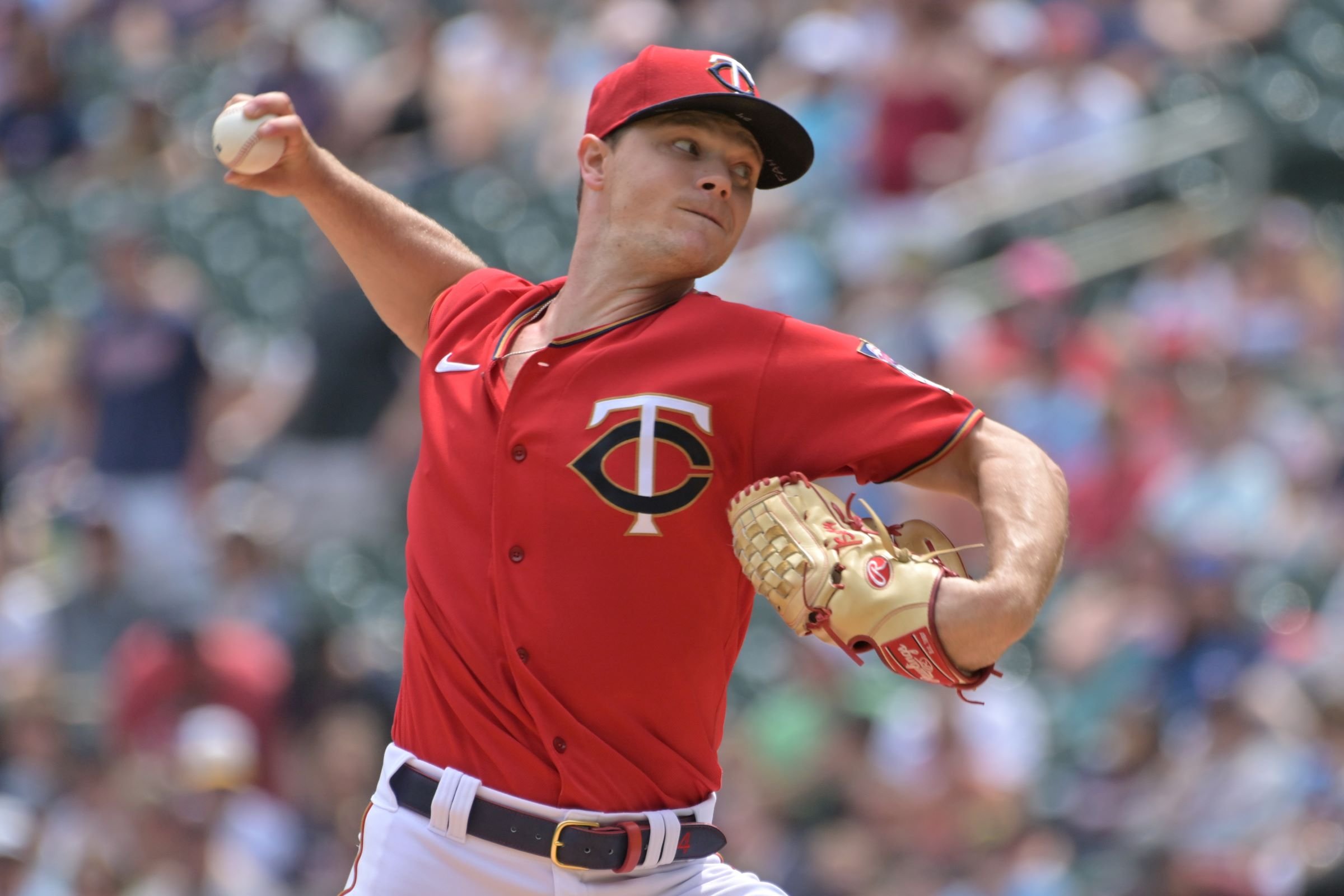
Kernels co-pitching coach Jonas Lovin discusses C.J. Culpepper, who is steadily climbing up the Top 30 prospect rankings.

