



Jamie Cameron
-
Posts
1,341 -
Joined
-
Last visited
-
Days Won
4
Content Type
Profiles
News
Minnesota Twins Videos
2026 Minnesota Twins Top Prospects Ranking
2022 Minnesota Twins Draft Picks
Minnesota Twins Free Agent & Trade Rumors, Notes, & Tidbits
Guides & Resources
2023 Minnesota Twins Draft Picks
The Minnesota Twins Players Project
2024 Minnesota Twins Draft Picks
2025 Minnesota Twins Draft Pick Tracker
2026 Minnesota Twins Draft Tracker: Picks & Bonuses
Forums
Blogs
Events
Store
Downloads
Gallery
Everything posted by Jamie Cameron
-
Kernels co-pitching coach Jonas Lovin discusses C.J. Culpepper, who is steadily climbing up the Top 30 prospect rankings. View full video
-
 In our first ever mailbag episode, Jeremy, JD and Theo discuss Kim Ng stepping down as the GM of the Marlins and talk through Twins, Brewers and Cubs prospects in the AFL. Jeremy and JD banter about the new Just Baseball Top 100 prospects lists before answering questions on Ben Ross and Jorel Ortega, Noah Miller, which Twins prospects are the most likely candidates to be MLB starters, which position player prospects other organizations would be the most interested in, and under the radar Twins prospects in the lower levels of the system You can support the show by downloading it from wherever you get your podcasts, leaving us a positive review and five star rating at I-Tunes or Spotify, retweeting show related content on Twitter, and subscribing to the Twins Daily YouTube page. You can follow us @DTS_POD1, @J_D_Cameron, @Jeremynygaard, and @TheodoreTollef1 on Twitter. Send us your prospect and draft related questions for our next episode. 2:25 Kim Ng out as Marlins GM 8:32 AFL Updates 9:10 Twins in the AFL 14:21 Brewers in the AFL 17:09 Cubs in the AFL 21:10 Just Baseball Top 100 Prospects 31:45 (Twins-heavy) Listener Questions 32:22 Ben Ross/Jorel Ortega question 40:01 Upcoming International Free Agency 41:32 Noah Miller question 45:52 Which prospects to send to Driveline? 49:08 Which pitching prospects could be an MLB starter in the next two years? 55:05 Uncertainty in the infield 58:30 Buy/Sell prospects in the future 59:04 Which position players outside the top three would other teams be most interested in 1:02:10 Which prospects outside the Top 20 have a potential to break out in 2024
 -
Draft tandem JD Cameron and Jeremy Nygaard team up for a new podcast to discuss prospects on their way to the big leagues. Image courtesy of Thieres Rabelo In our first ever mailbag episode, Jeremy, JD and Theo discuss Kim Ng stepping down as the GM of the Marlins and talk through Twins, Brewers and Cubs prospects in the AFL. Jeremy and JD banter about the new Just Baseball top 100 prospects lists before answering questions on Ben Ross and Jorel Ortega, Noah Miller, which Twins prospects are the most likely candidates to be MLB starters, which position player prospects other organizations would be the most interested in, and under the radar Twins prospects in the lower levels of the system You can support the show by downloading it from wherever you get your podcasts, leaving us a positive review and five star rating at I-Tunes or Spotify, retweeting show related content on Twitter, and subscribing to the Twins Daily YouTube page. You can follow us @DTS_POD1, @J_D_Cameron, @Jeremynygaard, and @TheodoreTollef1 on Twitter. Send us your prospect and draft related questions for our next episode. 2:25 Kim Ng out as Marlins GM 8:32 AFL Updates 9:10 Twins in the AFL 14:21 Brewers in the AFL 17:09 Cubs in the AFL 21:10 Just Baseball Top 100 Prospects 31:45 (Twins-heavy) Listener Questions 32:22 Ben Ross/Jorel Ortega question 40:01 Upcoming International Free Agency 41:32 Noah Miller question 45:52 Which prospects to send to Driveline? 49:08 Which pitching prospects could be an MLB starter in the next two years? 55:05 Uncertainty in the infield 58:30 Buy/Sell prospects in the future 59:04 Which position players outside the top three would other teams be most interested in 1:02:10 Which prospects outside the Top 20 have a potential to break out in 2024 View full article
-
Will the Twins make a play for the big arm in free agency?
-
Will the Twins make a play for the big arm in free agency? View full video
-
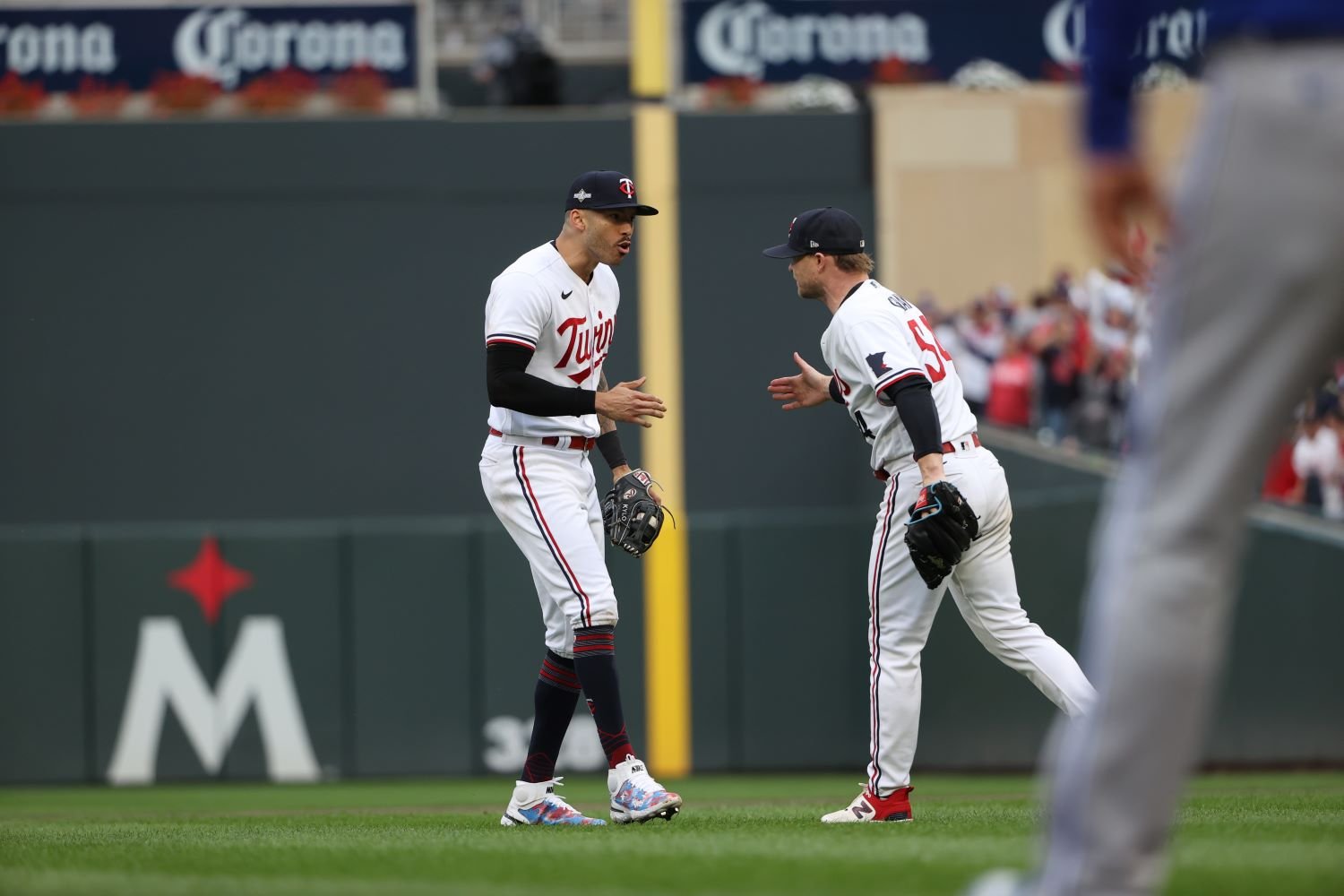 A cacophony of crowd noise rained down from the Target Field seats as Jhoan Duran prepared to throw the pitch. ‘Let’s go Twins, let’s go Twins’ rang the rhythmic chant. Duran released the pitch, a 101 mph laser above the strike zone that Daulton Varsho swung hopelessly at, and inevitably through. Target Field erupted again in a swell of excitement and relief. Much has been made of the Target Field crowd; how it stacks up, and whether the atmosphere at the Twins ballpark meets the moment with enough regularity. Here are some things noticed from Wild Card games one and two, in an attempt to add some nuance to the debate. Ahead of the Twins first game against the Blue Jays, Dan Hayes caused a stir in an article for The Athletic in which former and current players and journalists were critical of the atmosphere at Target Field. This was bait, and boy did Twins Twitter latch on. Any argument on social media is quickly reduced to its simplest, polar terms as quickly as possible. Two sides quickly emerged; ‘Target Field is a library’ and ‘The Twins need to earn support with their play’ charged into an online battle. The truth is, of course, there’s much more nuance to this discussion than emerged in most of the debate. For baseball fans lucky enough to be well-traveled, Target Field is a quieter ballpark, that’s not debatable. Visit Oracle, Dodger Stadium, and several others and the discrepancy is stark. It’s also true that playoff games at Target Field have been few and far between, and the Twins play in said games has been as drab and uninspiring as the October weather in the Twin Cities. There’s room for all of that to be true. Here are some observations of the atmosphere in each game. During Game 1, I stood with several Twins Daily writers on the 100 level down the third base line. ‘If Pablo can throw a scoreless inning, and the Twins offense can do something’ it’ll get the crowd worked up’, was our shared sentiment. The crowd was immediately electrified by Royce Lewis’ two-run home run off Kevin Gausman. In addition to 20 years of emotional baggage associated with breaking their 0-18 playoff streak, there were plenty of moments in Game 1 to keep the crowd engaged. Gausman throwing away baseball after baseball elicited boos and loud ‘Gauuuuuusman’ chants. Royce Lewis’ second home run in as many at-bats, Carlos Correa's herculean effort to nab Bo Bichette at home plate after a botched play at third by Jorge Polanco. The pacing and spacing of these events crescendoed with the Twins shrugging off almost 20 years of playoff futility and misery. The energy was incredible. Game 2 was a different experience, with a different context. The crowd at the beginning of game two was absolutely more quiet. Target Field was packed to the rafters. There was a nervous, horse, hungover feel to the place for a tense first few innings. The crowd in Game 2 was more engaged with Sonny Gray than the offense, (the offense did very little until the fourth inning when Kikuchi entered the game). Gray had traffic constantly, it felt like he needed it more. When Donovan Solano walked to load the bases with no outs and Correa at the plate, everything changed. From that moment on, the crowd was electric. No play captures this more than the pickoff play in the fifth inning which served as a death knell to the Blue Jays’ hopes in the series. The stealthy creep by Correa was incredible, the dart from Gray was perfect, and the deafening noise from the Target Field crowd built the foundation on which that play was executed. In his postgame comments, Gray reflected on the impact of the crowd, noting that it was so loud, that the Blue Jays base runners couldn’t hear the instructions of their third base coach. The most important defensive play in the decisive game of the series was made possible by the Target Field crowd meeting the moment. There’s something uniquely Minnesotan about seeking a feeling of relevance. We want our sporting heroes to espouse a love for the state. We don’t want our ballpark to be compared to Citizens Bank. The truth is, Target Field won’t be louder than Philly, LA, or Baltimore, and that doesn’t matter one bit. Twins fans, for the first time in a quarter century, are experiencing, however short-lived, a playoff run. We’re learning to create and cultivate our own special atmosphere at Target Field. In a two-game series against the Blue Jays, it energized the players and had an impact on a series-altering play. The only thing I can be certain of is it’ll be just as raucous when the Astros visit for Game 3 on Tuesday. Did you attend either game? Watch on TV? What was your take on the Target Field crowd?
 -
For days prior to the Twins Wild Card series against the Blue Jays, debate raged in Twins fandom about the Target Field crowd. What was the atmosphere in each Wild Card game? Did the crowd have a tangible impact in the series, and if so, can the 10th man help against the Astros? Image courtesy of Jesse Johnson, USA Today Sports A cacophony of crowd noise rained down from the Target Field seats as Jhoan Duran prepared to throw the pitch. ‘Let’s go Twins, let’s go Twins’ rang the rhythmic chant. Duran released the pitch, a 101 mph laser above the strike zone that Daulton Varsho swung hopelessly at, and inevitably through. Target Field erupted again in a swell of excitement and relief. Much has been made of the Target Field crowd; how it stacks up, and whether the atmosphere at the Twins ballpark meets the moment with enough regularity. Here are some things noticed from Wild Card games one and two, in an attempt to add some nuance to the debate. Ahead of the Twins first game against the Blue Jays, Dan Hayes caused a stir in an article for The Athletic in which former and current players and journalists were critical of the atmosphere at Target Field. This was bait, and boy did Twins Twitter latch on. Any argument on social media is quickly reduced to its simplest, polar terms as quickly as possible. Two sides quickly emerged; ‘Target Field is a library’ and ‘The Twins need to earn support with their play’ charged into an online battle. The truth is, of course, there’s much more nuance to this discussion than emerged in most of the debate. For baseball fans lucky enough to be well-traveled, Target Field is a quieter ballpark, that’s not debatable. Visit Oracle, Dodger Stadium, and several others and the discrepancy is stark. It’s also true that playoff games at Target Field have been few and far between, and the Twins play in said games has been as drab and uninspiring as the October weather in the Twin Cities. There’s room for all of that to be true. Here are some observations of the atmosphere in each game. During Game 1, I stood with several Twins Daily writers on the 100 level down the third base line. ‘If Pablo can throw a scoreless inning, and the Twins offense can do something’ it’ll get the crowd worked up’, was our shared sentiment. The crowd was immediately electrified by Royce Lewis’ two-run home run off Kevin Gausman. In addition to 20 years of emotional baggage associated with breaking their 0-18 playoff streak, there were plenty of moments in Game 1 to keep the crowd engaged. Gausman throwing away baseball after baseball elicited boos and loud ‘Gauuuuuusman’ chants. Royce Lewis’ second home run in as many at-bats, Carlos Correa's herculean effort to nab Bo Bichette at home plate after a botched play at third by Jorge Polanco. The pacing and spacing of these events crescendoed with the Twins shrugging off almost 20 years of playoff futility and misery. The energy was incredible. Game 2 was a different experience, with a different context. The crowd at the beginning of game two was absolutely more quiet. Target Field was packed to the rafters. There was a nervous, horse, hungover feel to the place for a tense first few innings. The crowd in Game 2 was more engaged with Sonny Gray than the offense, (the offense did very little until the fourth inning when Kikuchi entered the game). Gray had traffic constantly, it felt like he needed it more. When Donovan Solano walked to load the bases with no outs and Correa at the plate, everything changed. From that moment on, the crowd was electric. No play captures this more than the pickoff play in the fifth inning which served as a death knell to the Blue Jays’ hopes in the series. The stealthy creep by Correa was incredible, the dart from Gray was perfect, and the deafening noise from the Target Field crowd built the foundation on which that play was executed. In his postgame comments, Gray reflected on the impact of the crowd, noting that it was so loud, that the Blue Jays base runners couldn’t hear the instructions of their third base coach. The most important defensive play in the decisive game of the series was made possible by the Target Field crowd meeting the moment. There’s something uniquely Minnesotan about seeking a feeling of relevance. We want our sporting heroes to espouse a love for the state. We don’t want our ballpark to be compared to Citizens Bank. The truth is, Target Field won’t be louder than Philly, LA, or Baltimore, and that doesn’t matter one bit. Twins fans, for the first time in a quarter century, are experiencing, however short-lived, a playoff run. We’re learning to create and cultivate our own special atmosphere at Target Field. In a two-game series against the Blue Jays, it energized the players and had an impact on a series-altering play. The only thing I can be certain of is it’ll be just as raucous when the Astros visit for Game 3 on Tuesday. Did you attend either game? Watch on TV? What was your take on the Target Field crowd? View full article
-
Draft tandem JD Cameron and Jeremy Nygaard team up for a new podcast to discuss prospects on their way to the big leagues. Image courtesy of Thieres Rabelo In this episode, Jeremy, JD and Theo discuss whether the Twins last World Series was in 1987 or 1991, whether the team is fraudulent, and show some love for an amazing Twins themed YouTube passion project. The fellas walk through the prospects the Twins, Cubs and Brewers sent to the Arizona Fall League, before finishing with listener questions. You can support the show by downloading it from wherever you get your podcasts, leaving us a positive review and five star rating at I-Tunes or Spotify, retweeting show related content on Twitter, and subscribing to the Twins Daily YouTube page. You can follow us @DTS_POD1, @J_D_Cameron, @Jeremynygaard, and @TheodoreTollef1 on Twitter. Send us your prospect and draft related questions for our next episode. 0:00 Intro 1:40 Playoff Baseball 6:52 And That's Baseball Video 11:00 Minnesota Twins and the Cruelest Streak in Sports 13:12 Arizona Fall League 15:57 Glendale Desert Dogs (Twins) in the AFL 18:50 Twins Prospects to Watch 23:58 Mesa Solar Sox (Cubs) in the AFL 25:02 Cubs Prospects to Watch 28:52 Surprise Saguaros (Brewers) in the AFL 31:45 Brewers Prospects to Watch 38:20 Listener Questions 48:57 Closing Time View full article
-
 In this episode, Jeremy, JD and Theo discuss whether the Twins last World Series was in 1987 or 1991, whether the team is fraudulent, and show some love for an amazing Twins themed YouTube passion project. The fellas walk through the prospects the Twins, Cubs and Brewers sent to the Arizona Fall League, before finishing with listener questions. You can support the show by downloading it from wherever you get your podcasts, leaving us a positive review and five star rating at I-Tunes or Spotify, retweeting show related content on Twitter, and subscribing to the Twins Daily YouTube page. You can follow us @DTS_POD1, @J_D_Cameron, @Jeremynygaard, and @TheodoreTollef1 on Twitter. Send us your prospect and draft related questions for our next episode. 0:00 Intro 1:40 Playoff Baseball 6:52 And That's Baseball Video 11:00 Minnesota Twins and the Cruelest Streak in Sports 13:12 Arizona Fall League 15:57 Glendale Desert Dogs (Twins) in the AFL 18:50 Twins Prospects to Watch 23:58 Mesa Solar Sox (Cubs) in the AFL 25:02 Cubs Prospects to Watch 28:52 Surprise Saguaros (Brewers) in the AFL 31:45 Brewers Prospects to Watch 38:20 Listener Questions 48:57 Closing Time
 -
 In this episode, we debate the ceiling of Twins outfield prospect Emmanuel Rodriguez, talk through potential 2024 ROY candidates for the Twins, Cubs, and Brewers, and answer listener questions on AFL rosters and the Twins 2022 pitching draft haul. You can support the show by downloading it from wherever you get your podcasts, leaving us a positive review and five star rating at I-Tunes or Spotify, retweeting show related content on Twitter, and subscribing to the Twins Daily YouTube page. You can follow us @DTS_POD1, @J_D_Cameron, @Jeremynygaard, and @TheodoreTollef1 on Twitter. Send us your prospect and draft related questions for our next episode. 5:50 Emmanuel Rodriguez Debate 7:32 Background Context 10:15 Jeremy's Case 14:09 Jamie's Counterpoints 22:00 Plenty of back-and-forth on-and-off topic 31:02 2024 Rookie of the Year candidates 34:57 Twins 36:20 Cubs 41:00 Brewers 45:00 Take our best shot at a Rookie of the Year next year 49:00 Listener Questions 49:25 Twins potential AFL players 52:52 Brooks Lee and David Festa 2024 outlook 55:50 Last year's pitching haul
 -
Draft tandem JD Cameron and Jeremy Nygaard team up for a new podcast to discuss prospects on their way to the big leagues. Image courtesy of Thieres Rabelo In this episode, we debate the ceiling of Twins outfield prospect Emmanuel Rodriguez, talk through potential 2024 ROY candidates for the Twins, Cubs, and Brewers, and answer listener questions on AFL rosters and the Twins 2022 pitching draft haul. You can support the show by downloading it from wherever you get your podcasts, leaving us a positive review and five star rating at I-Tunes or Spotify, retweeting show related content on Twitter, and subscribing to the Twins Daily YouTube page. You can follow us @DTS_POD1, @J_D_Cameron, @Jeremynygaard, and @TheodoreTollef1 on Twitter. Send us your prospect and draft related questions for our next episode. 5:50 Emmanuel Rodriguez Debate 7:32 Background Context 10:15 Jeremy's Case 14:09 Jamie's Counterpoints 22:00 Plenty of back-and-forth on-and-off topic 31:02 2024 Rookie of the Year candidates 34:57 Twins 36:20 Cubs 41:00 Brewers 45:00 Take our best shot at a Rookie of the Year next year 49:00 Listener Questions 49:25 Twins potential AFL players 52:52 Brooks Lee and David Festa 2024 outlook 55:50 Last year's pitching haul View full article
-
The Fort Myers season ended and despite Cedar Rapids continuing to play, Jenkins did not. What's the thinking behind that? View full video
-
The Fort Myers season ended and despite Cedar Rapids continuing to play, Jenkins did not. What's the thinking behind that?
-
 Join JD Cameron and Jeremy Nygaard for Episode 4 as they discuss the Twins draft with Baseball America's draft expert, Carlos Collazo. Listen to Carlos' reflections on the Twins class, under the radar picks, and prospects who are off to a fast start in pro ball. Carlos also reflects on the current state of the 2024 draft class, answers listeners draft questions, and answers some quickfire hypotheticals on the Holliday brothers. Time-Stamped Running Order 1:49 Welcome Carlos Collazo from Baseball America 4:00 Headlines/takeaways from each draft class 4:39 Twins 6:51 Cubs 8:43 Brewers 11:07 Carlos's "Under the Radar" Favorites 16:42 Impressive pro performances 17:10 Twins 18:12 Cubs 19:02 Brewers 20:40 2024 Draft Preview 21:40 How do you familiarize yourself with the names of the next class? 24:37 Strengths and weaknesses of 2024 draft 27:35 Who's Going to Emerge? 30:54 Listener Questions: 32:30 Brandon Winokur 35:45 Soto vs Knoth 39:20 Holliday Szn 47:33 Final Thoughts You can find Destination: The Show on all major podcast platforms including Spotify, iTunes, iHeartRadio and Amazon Music. The show is available on Libsyn, our podcasting platform, in addition to Youtube.
- 2 comments
-
- 1
-

-
- brandon winokur
- walker jenkins
- (and 1 more)
-
Draft tandem JD Cameron and Jeremy Nygaard team up for a new podcast called Destination: The Show. The focus will be on the draft, the minor leagues and everything else that happens on the way to Major League Baseball. Image courtesy of Thieres Rabelo Join JD Cameron and Jeremy Nygaard for Episode 4 as they discuss the Twins draft with Baseball America's draft expert, Carlos Collazo. Listen to Carlos' reflections on the Twins class, under the radar picks, and prospects who are off to a fast start in pro ball. Carlos also reflects on the current state of the 2024 draft class, answers listeners draft questions, and answers some quickfire hypotheticals on the Holliday brothers. Time-Stamped Running Order 1:49 Welcome Carlos Collazo from Baseball America 4:00 Headlines/takeaways from each draft class 4:39 Twins 6:51 Cubs 8:43 Brewers 11:07 Carlos's "Under the Radar" Favorites 16:42 Impressive pro performances 17:10 Twins 18:12 Cubs 19:02 Brewers 20:40 2024 Draft Preview 21:40 How do you familiarize yourself with the names of the next class? 24:37 Strengths and weaknesses of 2024 draft 27:35 Who's Going to Emerge? 30:54 Listener Questions: 32:30 Brandon Winokur 35:45 Soto vs Knoth 39:20 Holliday Szn 47:33 Final Thoughts You can find Destination: The Show on all major podcast platforms including Spotify, iTunes, iHeartRadio and Amazon Music. The show is available on Libsyn, our podcasting platform, in addition to Youtube. View full article
-
Thursday was an exciting day in the Twins system as Walker Jenkins made his High-A debut. What should we make of that promotion? View full video
-
Thursday was an exciting day in the Twins system as Walker Jenkins made his High-A debut. What should we make of that promotion?
-
Draft tandem JD Cameron and Jeremy Nygaard team up for a new podcast called Destination: The Show. The focus will be on the draft, the minor leagues and everything else that happens on the way to Major League Baseball. Image courtesy of Thieres Rabelo In the second episode - we tackle three main topics: Updated Farm System Rankings - We looked at how MLB Pipeline and BA ranked organizational talent for the Twins, Brewers, and Cubs. Draft Review for the Cubs - A deeper look at the Cubs picks. We will take turn our focus to the Brewers next week. Listener Questions - We answered questions on Marco Raya, Twins organizational pitching depth, and Pete Crow-Armstrong. Time Stamps: Farm System Rankings: 4:00 Favorite prospects in Cubs/Brewers Systems: 16:50 Jamie's Favorite Cubs/Brewers: 21:44 Cubs Draft Recap: 29:25 Matt Shaw Talk: 34:11 Jaxon Wiggins: 39:08 Listener Questions: 52:45 News and Notes: 1:02:47 You can find Destination: The Show on all major podcast platforms including Spotify, iTunes, iHeartRadio and Amazon Music. (There may be some delay in getting the first episode through their approval process.). The show is available on Libsyn, our podcasting platform. You're also able to watch the video-version on YouTube. We're welcome to any feedback, so please let us know in the comments below, feedback on the show pages or through Twitter (@J_D_Cameron, @jeremynygaard, @TheodoreTollef1, @DTS_POD1). If you liked what you heard, please leave us a five star rating and a positive review wherever you get your podcasts. Special thanks to Theo Tollefson for being the show's producer, Thiéres Rabelo for our logo and the crew of John Bonnes, Brock Beauchamp and Seth Stohs for their continued support of the show. View full article
-
 In the second episode - we tackle three main topics: Updated Farm System Rankings - We looked at how MLB Pipeline and BA ranked organizational talent for the Twins, Brewers, and Cubs. Draft Review for the Cubs - A deeper look at the Cubs picks. We will take turn our focus to the Brewers next week. Listener Questions - We answered questions on Marco Raya, Twins organizational pitching depth, and Pete Crow-Armstrong. Time Stamps: Farm System Rankings: 4:00 Favorite prospects in Cubs/Brewers Systems: 16:50 Jamie's Favorite Cubs/Brewers: 21:44 Cubs Draft Recap: 29:25 Matt Shaw Talk: 34:11 Jaxon Wiggins: 39:08 Listener Questions: 52:45 News and Notes: 1:02:47 You can find Destination: The Show on all major podcast platforms including Spotify, iTunes, iHeartRadio and Amazon Music. (There may be some delay in getting the first episode through their approval process.). The show is available on Libsyn, our podcasting platform. You're also able to watch the video-version on YouTube. We're welcome to any feedback, so please let us know in the comments below, feedback on the show pages or through Twitter (@J_D_Cameron, @jeremynygaard, @TheodoreTollef1, @DTS_POD1). If you liked what you heard, please leave us a five star rating and a positive review wherever you get your podcasts. Special thanks to Theo Tollefson for being the show's producer, Thiéres Rabelo for our logo and the crew of John Bonnes, Brock Beauchamp and Seth Stohs for their continued support of the show.
 -
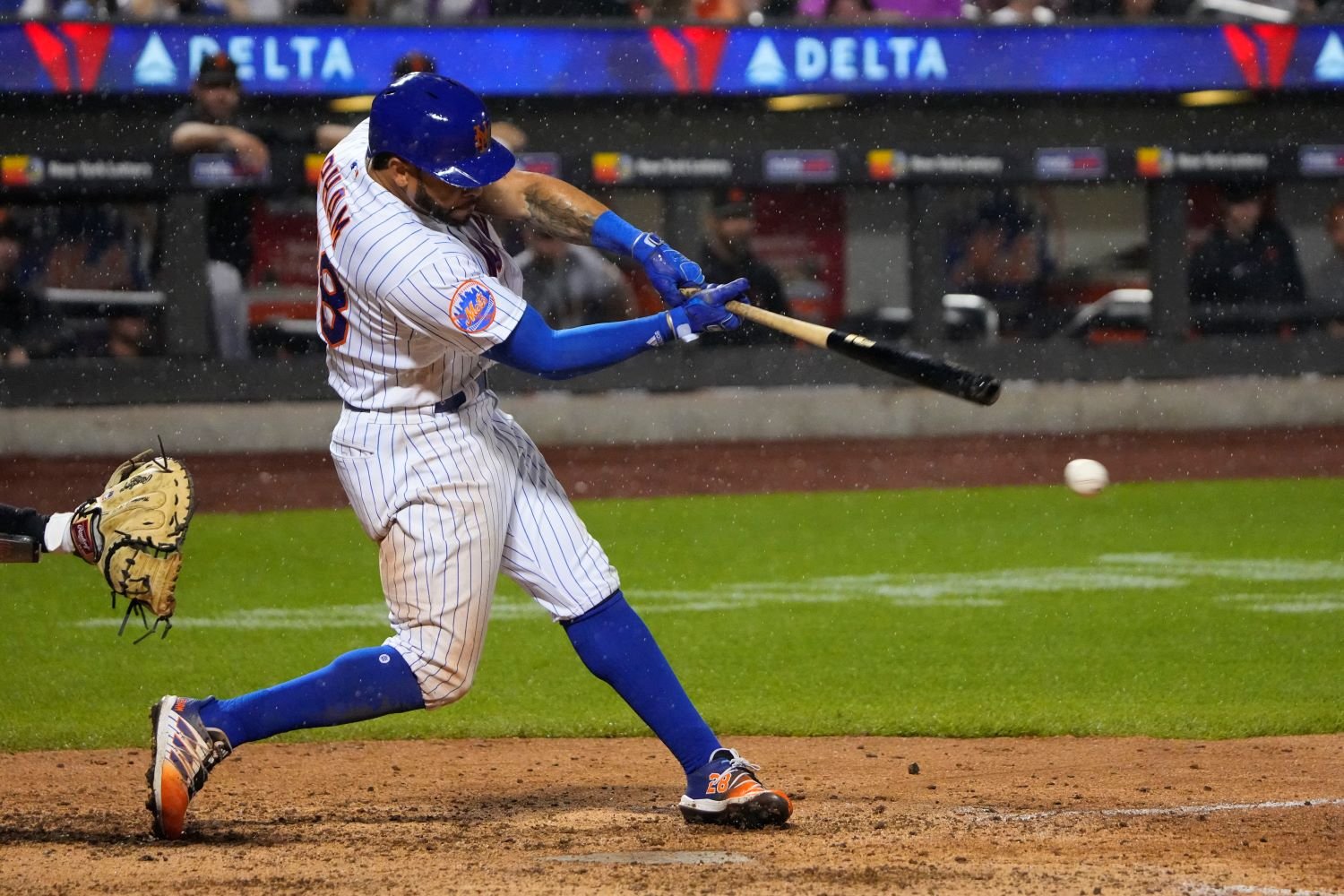 Deadline day is upon us! The Guardians unfroze Noah Syndergaard from carbonite in time for him to inherit the standard portion of organizational good fortune prior to pitching against Houston. Despite this, Cleveland’s bullpen wilted against an offensive storm from the Astros, and the Twins entered deadline day with a slender half-game lead in the AL Central. Despite a five-game losing streak, other Central teams have or will trade away from their MLB rosters. The Twins have the fifth-easiest finish in baseball. The Guardians? Fifth hardest. It’s time to put up, and shut everyone up. The Twins have to buy in a measured way. Despite clanking almost every hurdle in their lane this season, they have a clear path to a division title. If you’ve been put off from the ill-fated 2022 deadline, good news, it shouldn’t be that hard to plug the gaps. Here are names I’d be prioritizing on deadline day. For the purposes of this exercise, I made the assumption that the Twins focus mostly on rentals. Acquire OF Adam Duvall from the Red Sox or OF Tommy Pham from the Mets The Twins need a right-handed bat. The Groundhog Day water cooler conversations around the bottleneck of left-handed outfielders must come to a close at some point, right? I think it’s likely Gallo is DFA’d in the near future as he’s essentially been a non-contributor for months, but the Twins remain horrendously inept against left-handed pitching. The Red Sox are still in contention for a wild card berth, but it’s possible they hedge and facilitate a soft sell at the deadline. Duvall checks most boxes you might want to see. He can play center field (passably). He’s a rental. He bats right-handed. So what’s the production like? A 128 wRC+ so far in 2023 carrying the best SLG (.542), and wOBA (.364) since he was in Atlanta in 2019. He’s not a lefty masher, but he fits the roster need well. Pham is another bat who fits the bill. Right-handed, rental, with some ancillary skills (like excellent baserunning) that the Twins don’t usually do well. Pham has a 1.7 fWAR and 127 wRC+ thus far in 2023. Crucially, he has a .871 OPS against left-handed pitching. There are plenty of other options here, including Teoscar Hernandez. The Twins have to come away with a right-handed hitting upgrade today. Acquire RHP Carlos Hernandez from the Royals or RHP Kyle Finnegan from the Nationals The injuries to Caleb Thielbar and Brock Stewart, combined with some severe regression of the erstwhile outstanding rotation, have left the Twins bullpen on thin ice, overworked and overleveraged. Even with Thielbar returning and Stewart soon to start a rehab assignment, a deep bullpen is critical in September as starts shorten. The price on Hernandez is probably too high, but I have to admit I’m intrigued. The Royals flamethrower isn’t a free agent until 2028. So why would the Royals sell? Well, they’re terrible, and they don’t have a single Top 100 prospect on Baseball America’s mid-season re-ranking. In 53 innings of relief thus far in 2023, Hernandez has a 30 K%, 7.1 BB%, 3.31 xERA, and he throws 100 mph. He’ll cost a ton, but I’m thinking about it. If Hernandez is the upper echelon of what you want to meaningfully bolster the bullpen, Kyle Finnegan is probably the bare minimum. A free agent in 2026, Finnegan has pitched in 44 innings in 2023. 23.5 K%, 7.8 BB%, and a 3.07 ERA (4.37 xERA) probably slots him somewhere at the bottom of the Thielbar and Stewart tier. The velocity is good (97 mph average fastball), though it’s possible the Twins look to true rental options such as Jose Cisnero or Keynan Middleton. Acquire LHP Brooks Raley from the Mets or LHP Brent Suter from the Rockies A few weeks ago, I convinced myself that this wasn’t a great need for the Twins. If Caleb Thielbar (activated for the Cardinals series), returns to good health and form, the need is certainly lessened. Having watched Jovani Moran walk just south of 5.0 BB/9 over 90 MLB innings, he just doesn’t feel like someone you can comfortably use in a playoff game. The Twins need to add a left-handed arm to the bullpen. Raley is a solid option from the Mets. This season, he’s posted a 26.2 K% and 11 BB% in 28 innings of work. That’s underpinned by a solid 3.31 xERA. That’s all capped off by an affordable 2024 club option which raises the appeal, and the price. Suter is a true rental after signing a one-year, $3 million deal with the Rockies for 2023. He’s put together a great season so far although he has even less velocity than Raley and he doesn’t generate a ton of strikeouts. In 48 1/3 innings, Suter has a 20.2 K% (not great), a 7.6 BB% (great), and a 2.59 xERA. I love Jovani Moran, and I believe in his stuff, but if you can’t throw strikes, you can’t be relied upon to pitch in the playoffs. On average through the last two seasons, there have been just south of 30 trades on deadline day (on average), so I expect today to be busy. It’s likely the Twins do something creative. Maybe they sell high on a pitcher, maybe they make another challenge trade. What’s evident, after more than half a season, is they have the talent to win the AL Central comfortably. They should maximize their chances with measured aggression on deadline day. Who do you want the Twins to target today? Join the discussion in the comments below.
 -
It's trade deadline day! The Twins have been quiet so far yet have plenty of holes to address on their roster. Here are three acquisitions they should prioritize to set them up for the postseason. Image courtesy of Gregory Fisher, USA Today Sports Deadline day is upon us! The Guardians unfroze Noah Syndergaard from carbonite in time for him to inherit the standard portion of organizational good fortune prior to pitching against Houston. Despite this, Cleveland’s bullpen wilted against an offensive storm from the Astros, and the Twins entered deadline day with a slender half-game lead in the AL Central. Despite a five-game losing streak, other Central teams have or will trade away from their MLB rosters. The Twins have the fifth-easiest finish in baseball. The Guardians? Fifth hardest. It’s time to put up, and shut everyone up. The Twins have to buy in a measured way. Despite clanking almost every hurdle in their lane this season, they have a clear path to a division title. If you’ve been put off from the ill-fated 2022 deadline, good news, it shouldn’t be that hard to plug the gaps. Here are names I’d be prioritizing on deadline day. For the purposes of this exercise, I made the assumption that the Twins focus mostly on rentals. Acquire OF Adam Duvall from the Red Sox or OF Tommy Pham from the Mets The Twins need a right-handed bat. The Groundhog Day water cooler conversations around the bottleneck of left-handed outfielders must come to a close at some point, right? I think it’s likely Gallo is DFA’d in the near future as he’s essentially been a non-contributor for months, but the Twins remain horrendously inept against left-handed pitching. The Red Sox are still in contention for a wild card berth, but it’s possible they hedge and facilitate a soft sell at the deadline. Duvall checks most boxes you might want to see. He can play center field (passably). He’s a rental. He bats right-handed. So what’s the production like? A 128 wRC+ so far in 2023 carrying the best SLG (.542), and wOBA (.364) since he was in Atlanta in 2019. He’s not a lefty masher, but he fits the roster need well. Pham is another bat who fits the bill. Right-handed, rental, with some ancillary skills (like excellent baserunning) that the Twins don’t usually do well. Pham has a 1.7 fWAR and 127 wRC+ thus far in 2023. Crucially, he has a .871 OPS against left-handed pitching. There are plenty of other options here, including Teoscar Hernandez. The Twins have to come away with a right-handed hitting upgrade today. Acquire RHP Carlos Hernandez from the Royals or RHP Kyle Finnegan from the Nationals The injuries to Caleb Thielbar and Brock Stewart, combined with some severe regression of the erstwhile outstanding rotation, have left the Twins bullpen on thin ice, overworked and overleveraged. Even with Thielbar returning and Stewart soon to start a rehab assignment, a deep bullpen is critical in September as starts shorten. The price on Hernandez is probably too high, but I have to admit I’m intrigued. The Royals flamethrower isn’t a free agent until 2028. So why would the Royals sell? Well, they’re terrible, and they don’t have a single Top 100 prospect on Baseball America’s mid-season re-ranking. In 53 innings of relief thus far in 2023, Hernandez has a 30 K%, 7.1 BB%, 3.31 xERA, and he throws 100 mph. He’ll cost a ton, but I’m thinking about it. If Hernandez is the upper echelon of what you want to meaningfully bolster the bullpen, Kyle Finnegan is probably the bare minimum. A free agent in 2026, Finnegan has pitched in 44 innings in 2023. 23.5 K%, 7.8 BB%, and a 3.07 ERA (4.37 xERA) probably slots him somewhere at the bottom of the Thielbar and Stewart tier. The velocity is good (97 mph average fastball), though it’s possible the Twins look to true rental options such as Jose Cisnero or Keynan Middleton. Acquire LHP Brooks Raley from the Mets or LHP Brent Suter from the Rockies A few weeks ago, I convinced myself that this wasn’t a great need for the Twins. If Caleb Thielbar (activated for the Cardinals series), returns to good health and form, the need is certainly lessened. Having watched Jovani Moran walk just south of 5.0 BB/9 over 90 MLB innings, he just doesn’t feel like someone you can comfortably use in a playoff game. The Twins need to add a left-handed arm to the bullpen. Raley is a solid option from the Mets. This season, he’s posted a 26.2 K% and 11 BB% in 28 innings of work. That’s underpinned by a solid 3.31 xERA. That’s all capped off by an affordable 2024 club option which raises the appeal, and the price. Suter is a true rental after signing a one-year, $3 million deal with the Rockies for 2023. He’s put together a great season so far although he has even less velocity than Raley and he doesn’t generate a ton of strikeouts. In 48 1/3 innings, Suter has a 20.2 K% (not great), a 7.6 BB% (great), and a 2.59 xERA. I love Jovani Moran, and I believe in his stuff, but if you can’t throw strikes, you can’t be relied upon to pitch in the playoffs. On average through the last two seasons, there have been just south of 30 trades on deadline day (on average), so I expect today to be busy. It’s likely the Twins do something creative. Maybe they sell high on a pitcher, maybe they make another challenge trade. What’s evident, after more than half a season, is they have the talent to win the AL Central comfortably. They should maximize their chances with measured aggression on deadline day. Who do you want the Twins to target today? Join the discussion in the comments below. View full article
-
For sure agree on two big points you make: 1) We'll never know how that extra revenue is appropriated, so I guess we can't make a useful judgement call. 2) I definitely think this was the hold up with Jenkins. My assertion would be that Boras was pushing them to dig into their 5%, which, for whatever reason, seems like an organizational line in the sand. Definitely will be monitoring if they dip into overage moving forwards. I'll just close with this: keeping company with the Rockies is not generally where I want to be.
-
Why are the Twins Leaving Draft Bonus Pool Money on the Table?
Jamie Cameron posted an article in MLB Draft
 Since the beginning of the Derek Falvey era in Minnesota, the stated goal has been to build a sustainable winner. The extent to which the Twins infrastructure, front office staff, and player development has expanded is easily glossed over or even forgotten. A rotation once known for a lack of velocity and strikeouts is now one of the best in baseball. That’s one clear, tangible example of the development of the organization since 2017. It’s also notable how impressive a job the Twins have done in drafting and player development in recent seasons. Limiting ourselves to a 2021 and 2022 draft retrospective, the Twins added Chase Petty, Cade Povich, Christian Encarnacion-Strand, David Festa Brooks Lee, Tanner Schobel, and a stable of young, rapidly improving college pitchers who now make up the entire Cedar Rapids rotation to the mix. The Twins signed Walker Jenkins on Monday after protracted negotiations to a deal $5,000 above the $7,139,700 slot number for the fifth overall pick. In doing so, the Twins spent their entire bonus pool of $14,345,600 to cap an exciting draft class. But are the Twins leaving a draft efficiency on the table? Is there a way they could better maximize the talent entering the farm system? Why Your Bonus Pool Isn’t Actually Your Bonus Pool The Twins had the fourth-most money to spend in the 2023 draft, $14,345,600. The rules of the draft dictate that a team can spend between 0-5% in addition to their bonus pool with a tax penalty of 75% on any overage used. For the Twins, that would have created an additional $717,280 in bonus pool money. If you add the tax, the total additional spend would be $1,255,240, of which the team would be responsible for $537,960 in tax. The draft is the second cheapest way to get team controlled talent into your organization (after international signings). To cherry pick some examples, the Twins drafted and signed Bailey Ober and Louie Varland for a combined $240,000. Not bad. In the bonus pool era, only two teams have never spent over their bonus pool. The Twins are the first. The other? The Rockies. Who Does This? What are the Implications? You might be wondering if this is a common practice for MLB organizations? This isn’t some quirk that only a few teams take advantage of. Since the beginning of the bonus pool era (11 seasons), teams have outspent their bonus pools a whopping 195 times going into the 2023 draft. So how did this year look? Three teams, including the Twins, spend their exact bonus pool allotment. Five teams spend under their total allotment. 22 teams spent into their bonus pool overage, including every other AL Central team. Cleveland, arguably the smartest of the bunch, spent closest to their 5% overage. So, what is the possible impact of spending an additional 5% on top of your bonus pool? This, of course, depends on the year and the bonus pool. This year, the Twins could have had an outsized impact from an overspend given their large bonus pool and an incredibly deep draft class. To put the additional $717,280 into perspective, that’s about the equivalent of the 94th overall pick. Obviously, the calculus is not that simple and hopefully, the Twins won’t always have such a large bonus pool. It’s also, of course, not a foregone conclusion that paying overage on a bonus pool can be easily or accurately allocated (as the protracted nature of the negotiations with Walker Jenkins served to remind us). With players’ bonus demands usually well known, what is likely is if the Twins choose to start overspending, they can likely add a prep player with some upside between rounds 10-20, where bonuses are standardized at $150,000 and any overage dips into your bonus pool. The Brewers are a great example of this practice, nabbing Bishop Letson, a prep pitcher, in the 11th round (332nd pick), the 179th ranked overall player and paying him $482,000 to forgo college. So Why Not Overspend if it's Advantageous? If overspending is so advantageous, why not do it? Well, there is a tangible benefit of not overspending for revenue sharing teams, of which the Twins are one. Small market teams equally split the bonus pool tax of teams who overspent in a given year in the draft. This year, that equates to a net gain of around $882,000 for the Twins. While that obviously attractive to owners and the organization, without any transparency around where that revenue goes, it's likely to frustrate fans, particularly if draftable talent is being left on the table. It seems likely that not spending over the bonus pool is an organizational directive for the Twins. It still feels like a missed opportunity to add more impactful talent to the organization, leveraging one of the cheapest avenues available to teams to do so. What do you think of the idea of the Twins spending over their bonus pool? Add your thoughts in the comments.
 -
The Twins are one of two MLB organizations to never spend a dollar over their draft bonus pool. What are the rules of spending more than your allotted pool? Who does this? What is the potential positive impact? Image courtesy of Brock Beauchamp Since the beginning of the Derek Falvey era in Minnesota, the stated goal has been to build a sustainable winner. The extent to which the Twins infrastructure, front office staff, and player development has expanded is easily glossed over or even forgotten. A rotation once known for a lack of velocity and strikeouts is now one of the best in baseball. That’s one clear, tangible example of the development of the organization since 2017. It’s also notable how impressive a job the Twins have done in drafting and player development in recent seasons. Limiting ourselves to a 2021 and 2022 draft retrospective, the Twins added Chase Petty, Cade Povich, Christian Encarnacion-Strand, David Festa Brooks Lee, Tanner Schobel, and a stable of young, rapidly improving college pitchers who now make up the entire Cedar Rapids rotation to the mix. The Twins signed Walker Jenkins on Monday after protracted negotiations to a deal $5,000 above the $7,139,700 slot number for the fifth overall pick. In doing so, the Twins spent their entire bonus pool of $14,345,600 to cap an exciting draft class. But are the Twins leaving a draft efficiency on the table? Is there a way they could better maximize the talent entering the farm system? Why Your Bonus Pool Isn’t Actually Your Bonus Pool The Twins had the fourth-most money to spend in the 2023 draft, $14,345,600. The rules of the draft dictate that a team can spend between 0-5% in addition to their bonus pool with a tax penalty of 75% on any overage used. For the Twins, that would have created an additional $717,280 in bonus pool money. If you add the tax, the total additional spend would be $1,255,240, of which the team would be responsible for $537,960 in tax. The draft is the second cheapest way to get team controlled talent into your organization (after international signings). To cherry pick some examples, the Twins drafted and signed Bailey Ober and Louie Varland for a combined $240,000. Not bad. In the bonus pool era, only two teams have never spent over their bonus pool. The Twins are the first. The other? The Rockies. Who Does This? What are the Implications? You might be wondering if this is a common practice for MLB organizations? This isn’t some quirk that only a few teams take advantage of. Since the beginning of the bonus pool era (11 seasons), teams have outspent their bonus pools a whopping 195 times going into the 2023 draft. So how did this year look? Three teams, including the Twins, spend their exact bonus pool allotment. Five teams spend under their total allotment. 22 teams spent into their bonus pool overage, including every other AL Central team. Cleveland, arguably the smartest of the bunch, spent closest to their 5% overage. So, what is the possible impact of spending an additional 5% on top of your bonus pool? This, of course, depends on the year and the bonus pool. This year, the Twins could have had an outsized impact from an overspend given their large bonus pool and an incredibly deep draft class. To put the additional $717,280 into perspective, that’s about the equivalent of the 94th overall pick. Obviously, the calculus is not that simple and hopefully, the Twins won’t always have such a large bonus pool. It’s also, of course, not a foregone conclusion that paying overage on a bonus pool can be easily or accurately allocated (as the protracted nature of the negotiations with Walker Jenkins served to remind us). With players’ bonus demands usually well known, what is likely is if the Twins choose to start overspending, they can likely add a prep player with some upside between rounds 10-20, where bonuses are standardized at $150,000 and any overage dips into your bonus pool. The Brewers are a great example of this practice, nabbing Bishop Letson, a prep pitcher, in the 11th round (332nd pick), the 179th ranked overall player and paying him $482,000 to forgo college. So Why Not Overspend if it's Advantageous? If overspending is so advantageous, why not do it? Well, there is a tangible benefit of not overspending for revenue sharing teams, of which the Twins are one. Small market teams equally split the bonus pool tax of teams who overspent in a given year in the draft. This year, that equates to a net gain of around $882,000 for the Twins. While that obviously attractive to owners and the organization, without any transparency around where that revenue goes, it's likely to frustrate fans, particularly if draftable talent is being left on the table. It seems likely that not spending over the bonus pool is an organizational directive for the Twins. It still feels like a missed opportunity to add more impactful talent to the organization, leveraging one of the cheapest avenues available to teams to do so. What do you think of the idea of the Twins spending over their bonus pool? Add your thoughts in the comments. View full article
-
Great point. With the new class, guessing the Twins will be somewhere 15-20 on most farm lists. That's impressive after all the departures.
