Cody Christie
-
Posts
7,794 -
Joined
-
Last visited
-
Days Won
5
Content Type
Profiles
News
Minnesota Twins Videos
2026 Minnesota Twins Top Prospects Ranking
2022 Minnesota Twins Draft Picks
Minnesota Twins Free Agent & Trade Rumors, Notes, & Tidbits
Guides & Resources
2023 Minnesota Twins Draft Picks
The Minnesota Twins Players Project
2024 Minnesota Twins Draft Picks
2025 Minnesota Twins Draft Pick Tracker
2026 Minnesota Twins Draft Tracker: Picks & Bonuses
Forums
Blogs
Events
Store
Downloads
Gallery
Everything posted by Cody Christie
-
 Image courtesy of Bruce Kluckhohn-Imagn Images On Sunday, Joe Ryan walked off the mound after just nine pitches, and Twins Territory collectively held its breath. The initial diagnosis was right elbow soreness. With Pablo López already sidelined for the season following Tommy John surgery, concern spread quickly. Minnesota fans have seen this story before, and it rarely ends well. Fortunately, the tone shifted quickly. Imaging revealed no structural damage, and Ryan was back on the field playing catch before Tuesday’s game. A bullpen session Wednesday went well, and there is a real chance Ryan takes his next turn in the rotation. For now, the organization and its fan base can ease their nerves, even if only slightly. “I didn’t feel too much discomfort,” Ryan said. “You never know. The injuries I’ve had in the past have kind of been—it wasn’t this excruciating pain or anything crazy, and then I’ve been optimistic on the other side and had bad results. This time around, having good results definitely was, obviously, a win-win and reassuring. You never know until the imaging comes back.” “There will be a watchful eye,” Twins manager Derek Shelton said. “The first thing you want with any of your players, or especially your pitchers, is if they feel something, especially in their arm, we want them to communicate it. We want to make sure we’re not going to put him in harm’s way. We will carefully monitor this situation. The one really great thing about Joe is, he is probably in tune with his body as any player I’ve ever been around. He can articulate really well what he’s feeling.” That awareness represents growth. Not long ago, Ryan tried to pitch through an injury, rather than being proactive about communication with the team. In 2023, he took the ball against the Atlanta Braves despite dealing with a groin issue suffered during warmups. The results were brutal (5 homers), and the lingering effects were even worse. He carried the injury through multiple outings, posting an ERA north of 8.00 before finally acknowledging something was wrong. This time, he did the opposite. He spoke up immediately, and that decision may have prevented a far more serious outcome. Still, even a minor scare like this can ripple through a front office. Coming into this season, Ryan looked as important to the Twins' future as anyone on the team—whether he was destined to be physically present in Minnesota for that future or not. His name has surfaced in trade speculation before, including last year when a false report briefly sent him to the Boston Red Sox in the rumor mill. That chatter has not disappeared. If anything, it's growing louder as the deadline approaches. This situation complicates things. On one hand, Ryan’s clean MRI and quick return to throwing should reassure potential buyers. On the other hand, it serves as a reminder of how fragile pitching depth can be. Minnesota has already lost López for the year, and Ryan himself missed significant time in 2024 with a shoulder strain that ended his season early. That track record matters, both internally and in trade conversations. If the team has decided that trading Ryan is the best way to balance their short- and long-term competitive goals, this scare could motivate them to act fast. Waiting until late July won't materially increase his value, and in the meantime, all the injury risk associated with him is the Twins' to manage. An early trade to one of the many teams who weren't so lucky this spring when their ace came up with a barking elbow makes sense. There's also the possibility that this moment pushes Minnesota in the opposite direction. Rather than entertaining offers, the front office could decide that holding onto Ryan is the safer path. Twins ownership has been vocal about the team contending this year, even if the results haven’t matched that narrative. Contending teams rarely subtract stability from their rotation, and even a brief injury scare can reinforce just how important that stability is. The more aggressive scenario would be exploring an earlier move, perhaps in June, once Ryan has reestablished himself. That approach would be unconventional, but it could allow the Twins to maximize return while avoiding the frenzy and uncertainty of late July. Of course, any acquiring team would scrutinize his medical history closely, making this far from a straightforward decision. Ryan’s nine-pitch outing Sunday may not impact the standings, but it could shape the direction of the season. The Twins were given a fortunate outcome this time: clean imaging, quick recovery, and no immediate damage. But it also served as a reminder that plans can change instantly. For a team with an unclear future, that kind of reminder can be enough to rethink everything. Should the Twins consider an early trade deadline deal for Ryan? Leave a comment and start the discussion. View full article
 -
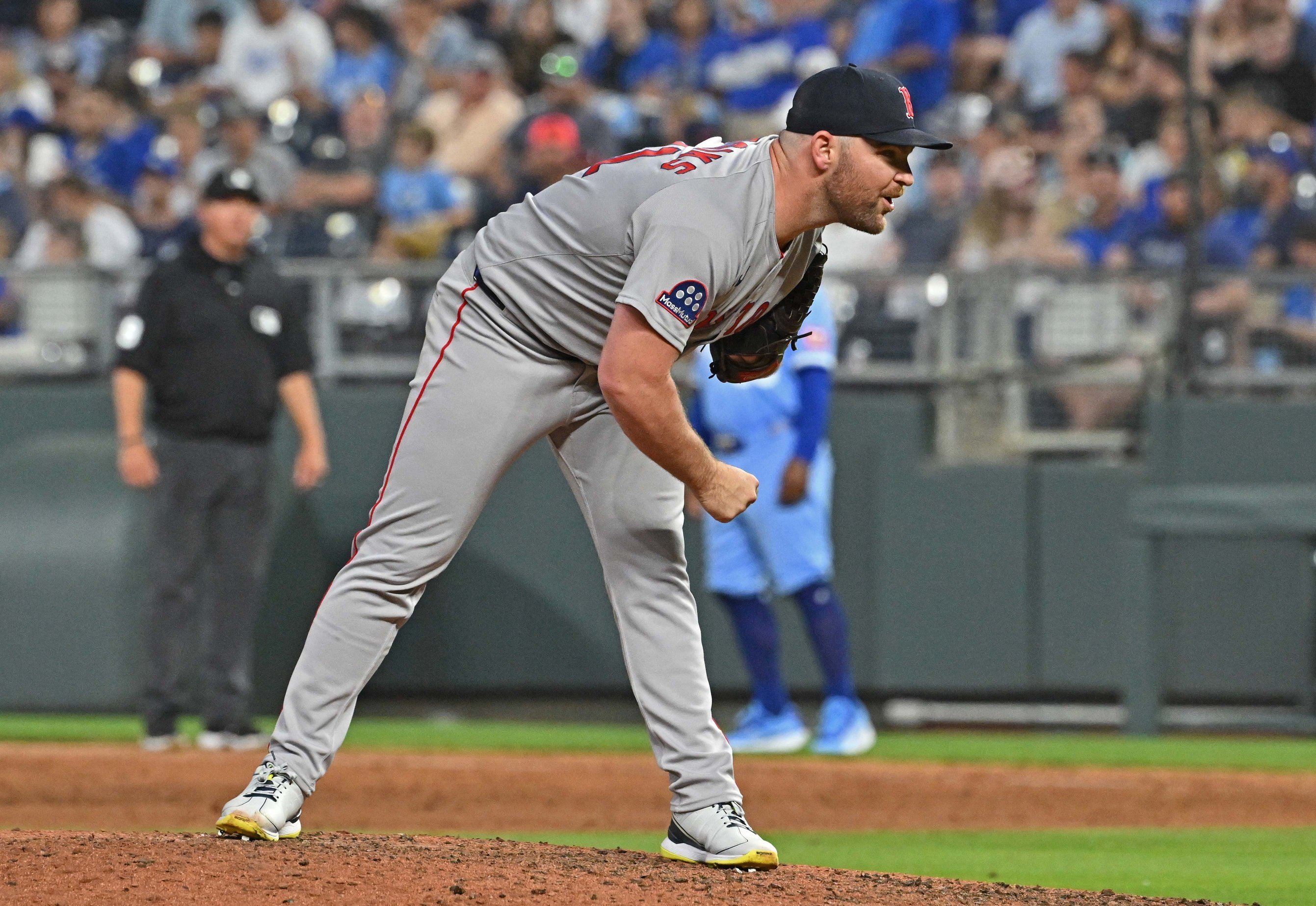 The Minnesota Twins bullpen has spent the opening weeks of the season doing an impressive impression of a piñata. Opponents are lining up, taking their swings, and walking away with something sweet. Near the bottom of the league in ERA, WPA, FIP, and just about every other acronym that signals distress, Minnesota’s relief corps has quickly turned from a question mark into a flashing red warning sign. Naturally, this led the front office to a bold and innovative solution: revisiting the exact veteran option they decided they did not need roughly five minutes ago. Back in spring training, the Twins had a handful of experienced bullpen arms in camp, including former All-Star closer Liam Hendriks. The narrative practically wrote itself. A respected veteran returning to the organization where his career began, providing leadership and stability to a group that needed both. It had all the makings of a feel-good story. Instead, the Twins released him before Opening Day. Fast-forward to early May, and with the bullpen actively setting new and creative ways to lose leads, the front office reportedly found itself staring at Hendriks’s contact information like a middle schooler debating whether to text their crush in the wake of a mortifying mutual rejection. “It was a tough call,” said one anonymous front office member. “Not emotionally. Just, you know, logistically. We had to figure out what to even say. There is no template for ‘Hey, remember when we said you were not good enough? Quick follow-up, about that.’” Another executive described the internal discussion leading up to the call. “We ran the numbers,” they said. “Then we ran them again, hoping they would change. They did not. At some point, someone just said, ‘What if we simply pretended none of that happened?’ and honestly that was the best plan we had.” According to sources, the call itself was… not smooth. “Hey Liam, it’s us,” one staffer reportedly began. “Just checking in. How have you been? Crazy weather lately, right? Anyway, quick question, how do you feel about high-leverage innings on a team that currently treats them like a suggestion?” Hendriks, for his part, handled the situation about as well as could be expected. “I missed the part where I was supposed to be gone long enough for this to make sense,” Hendriks said. “But I appreciate the confidence now. It is very… timely.” He paused before adding, “Do I get bonus points for pretending I didn't hear them laugh nervously before asking if I still had my glove?” Twins fans, meanwhile, have taken the development in stride, which is to say not at all. “I thought the plan was to build a bullpen,” said one fan outside Target Field. “Not crowdsource one after two weeks.” Another fan was more direct. “They let him go, watched the bullpen implode, and now they're calling him like they forgot their wallet at dinner,” they said. “At this point, I'm expecting them to check if Joe Nathan is free, too.” There is, of course, a certain symmetry to all of this. The Twins identified a potential solution, moved on from it, and then rediscovered it only after exhausting less effective alternatives. It's not quite a full circle moment, so much as a slow, awkward shuffle back to where they started. Whether Hendriks actually returns remains to be seen. Pride, practicality, and the memory of that spring decision all loom large. But the mere existence of the call says plenty about where things stand. For now, the bullpen continues to search for answers, the front office continues to search for better decisions, and somewhere out there, a phone sits quietly, hoping it does not ring again. Because if it does, everyone already knows how that conversation is going to go.
 -
Image courtesy of Peter Aiken-Imagn Images The Minnesota Twins bullpen has spent the opening weeks of the season doing an impressive impression of a piñata at a birthday party. Opponents are lining up, taking their swings, and walking away with something sweet. Near the bottom of the league in ERA, WPA, FIP, and just about every other acronym that signals distress, Minnesota’s relief corps has quickly turned from a question mark into a flashing red warning sign. Naturally, this led the front office to a bold and innovative solution: revisiting the exact veteran option they decided they did not need roughly five minutes ago. Back in spring training, the Twins had a handful of experienced bullpen arms in camp, including former All Star closer Liam Hendriks. The narrative practically wrote itself. A respected veteran returning to the organization where his career began, providing leadership and stability to a group that needed both. It had all the makings of a feel good story. Instead, the Twins released him before Opening Day. Fast forward to early May, and with the bullpen actively setting new and creative ways to lose leads, the front office reportedly found itself staring at Hendriks’ contact information like a middle schooler debating whether to text their ex. “It was a tough call,” said one anonymous front office member. “Not emotionally. Just, you know, logistically. We had to figure out what to even say. There is no template for ‘Hey, remember when we said you were not good enough? Quick follow up, about that.’” Another executive described the internal discussion leading up to the call. “We ran the numbers,” they said. “Then we ran them again hoping they would change. They did not. At some point someone just said, ‘What if we simply pretended none of that happened?’ and honestly that was the best plan we had.” According to sources, the call itself was… not smooth. “Hey Liam, it’s us,” one staffer reportedly began. “Just checking in. How have you been? Crazy weather lately, right? Anyway, quick question, how do you feel about high leverage innings on a team that currently treats them like a suggestion?” Hendriks, for his part, handled the situation about as well as could be expected. “I missed the part where I was supposed to be gone long enough for this to make sense,” Hendriks said. “But I appreciate the confidence now. It is very… timely.” He paused before adding, “Do I get bonus points for pretending I did not hear them laugh nervously before asking if I still had my glove?” Twins fans, meanwhile, have taken the development in stride, which is to say not at all. “I thought the plan was to build a bullpen,” said one fan outside Target Field. “Not crowdsource one after two weeks.” Another fan was more direct. “They let him go, watched the bullpen implode, and now they are calling him like they forgot their wallet at dinner,” they said. “At this point I am expecting them to check if Joe Nathan is free too.” There is, of course, a certain symmetry to all of this. The Twins identified a potential solution, moved on from it, and then rediscovered it only after exhausting less effective alternatives. It is not quite a full circle moment so much as a slow, awkward shuffle back to where they started. Whether Hendriks actually returns remains to be seen. Pride, practicality, and the memory of that spring decision all loom large. But the mere existence of the call says plenty about where things stand. For now, the bullpen continues to search for answers, the front office continues to search for better decisions, and somewhere out there, a phone sits quietly, hoping it does not ring again. Because if it does, everyone already knows how that conversation is going to go. View full article
-
Twins Lean Into Innovation With Pitching Development Overhaul
Cody Christie posted an article in Minor Leagues
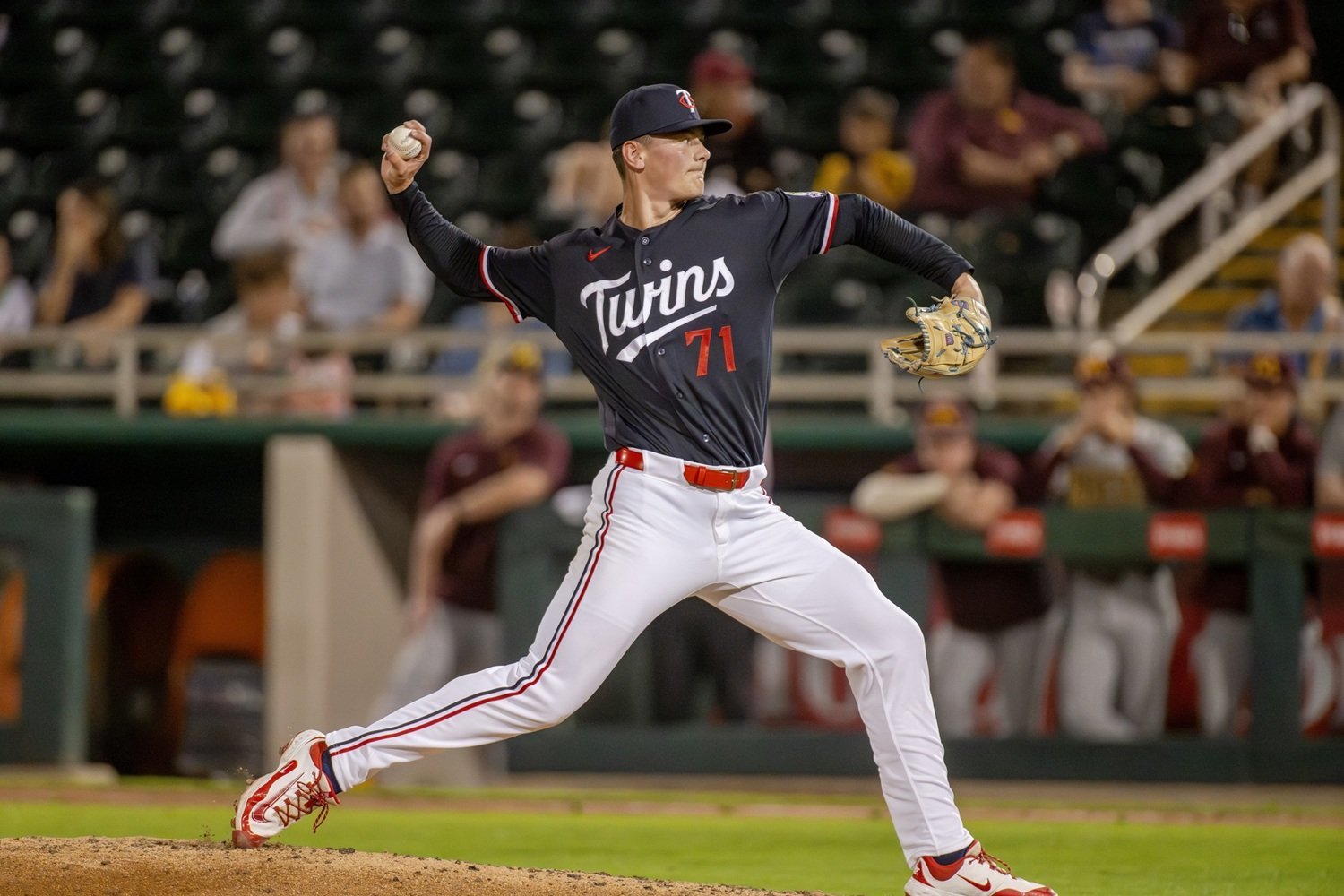 Player development is often where organizations separate themselves, and the Minnesota Twins are making sure they are not standing still. In a recent appearance on Inside Twins, Director of Player Development Drew MacPhail offered a detailed look into how the organization is rethinking pitching usage and in-game strategy across the minor leagues. What emerged from the conversation was a clear theme. The Twins are not just tweaking around the edges. They are actively challenging long-held norms about how pitchers are deployed and how information flows during a game. The goal is not only better performance today, but a more adaptable and durable pitching pipeline for the future. One of the most notable changes centers on how starting pitchers are used. Traditionally, starters work every five days and build toward 100 pitch outings. Minnesota is pushing against that model by experimenting with a four-day rotation paired with shorter outings. Last year, the Twins tried it with a handful of guys, but this year, it's expanded to about a dozen pitchers. “Honestly, we've been doing a lot of research and talking a lot about this for a long time,” said MacPhail. “We experimented with it in 2025 in a smaller group, and we saw a ton of success. I think the idea behind it…was basically the idea that some of your starting pitcher type guys, some of your best pitchers in the organization, if you put them on a four-day, there's actually some interesting research that they could actually bounce back a little bit quicker if kept under a certain pitch count.” MacPhail continued, “And the benefit of that was they'd actually be able to accrue more innings over the course of a season on that schedule. So we sort of started with a pilot program, and what we saw was the guys that we put on that program having more success in that four-day type role than they had in the previous year, as well as taking down more innings. The group was excited about kind of rolling it out to a bigger group this year, and that's what you're seeing so far in the 2026 season.” The early results gave the Twins confidence to expand the program, and the structure has already produced meaningful workloads. Pitchers like John Klein approached the 100-inning mark last season, a significant benchmark for developing arms. That shift, however, creates logistical challenges. With a mix of four-day and five-day starters and a universal off day, overlap is inevitable. Instead of viewing that as a problem, Minnesota is turning it into an advantage through piggyback outings. “I think what you ultimately see is you have some of your best starting pitchers sort of piggybacking each other,” said MacPhail. “So, an example of that that happened recently was Connor Prielipp and Kendry Rojas. Kendry was on that four-day schedule, Connor was in a true five-day starter type role. Those guys piggybacked each other and ended up taking down eight plus innings of incredible baseball and Triple-A.” “So I think what it ultimately means is you have sort of more of your starter type guys pitching on top of each other more, but ultimately that's sort of one of the benefits as well, is you kind of have two guys going back and forth, giving you a lot of innings, actually more than a starter pro typically would, is the idea and some two of your best pitchers taking over that workload.” Beyond the immediate results, the approach also creates flexibility in how pitchers transition to the majors. Instead of forcing a binary choice between starter and reliever, the Twins are building pitchers who can handle multiple roles depending on need. The Twins are not stopping with pitcher usage. They are also experimenting with coaches calling pitches during games, a responsibility that has traditionally been the catcher's at the professional level. This is the norm in college baseball, with nearly every program having the coaches call the pitches. “The first is our pitching coaches spend a ton of time going over the advanced process game planning for hitters,” said MacPhail. “Our catchers do as well. But I think if you broke down that time a lot, then the pitching coaches are really the ones that are digging into it and putting in the most work and effort on that front and then helping educate the catchers on that.” MacPhail discussed how the pitching coaches have the information in front of them during the game, making it easier to call pitches. The catcher is relying on recall and memory, which can be challenging with in-game batter changes, different matchups, etc. “I think if you think about it from the outside looking in, it makes sense, just like you see an offensive coordinator or defensive coordinator in the NFL or college football calling plays, that the pitching coach would be calling plays, right? So I think it's a copycat league. We've seen some other organizations do that this past year.” So, what are the benefits of coaches calling pitches? “I think there's an ancillary benefit of our lower-level catching prospects, learning the pitch coach calling process from our pitching coaches, kind of spurring more dialogue there. Additionally, I think those games when they're not calling pitches, it helps free them up, and we're interested in do they perform better offensively? Do they perform better from a receiving standpoint, from a blocking and throwing standpoint?” “There's so many things they have to worry about during the course of a game. If we take this sort of mental workload off them, well, we actually see their performance take up some too. So, you know, I'm not going to pretend like we know for sure that it's going to be a huge success, but it's something that we want to experiment with in the minor leagues, and ultimately, you know, it's a testing ground to bring these concepts to the major league team.” For an organization that has consistently emphasized development, these changes represent a willingness to rethink the blueprint. Not every experiment will stick, and MacPhail was clear that there are tradeoffs worth evaluating. Still, the Twins are leaning into the idea that the minor leagues should be a proving ground for innovation. If the early returns hold, Minnesota may not just be developing pitchers. It may be reshaping how they are developed across the game. Will these changes be successful in the minors? How will this impact the big-league level? Leave a comment and start the discussion.
- 14 comments
-
- 8
-

-

-
- john klein
- kendry rojas
- (and 1 more)
-
Image courtesy of William Parmeter Player development is often where organizations separate themselves, and the Minnesota Twins are making sure they are not standing still. In a recent appearance on Inside Twins, Director of Player Development Drew MacPhail offered a detailed look into how the organization is rethinking pitching usage and in-game strategy across the minor leagues. What emerged from the conversation was a clear theme. The Twins are not just tweaking around the edges. They are actively challenging long-held norms about how pitchers are deployed and how information flows during a game. The goal is not only better performance today, but a more adaptable and durable pitching pipeline for the future. One of the most notable changes centers on how starting pitchers are used. Traditionally, starters work every five days and build toward 100 pitch outings. Minnesota is pushing against that model by experimenting with a four-day rotation paired with shorter outings. Last year, the Twins tried it with a handful of guys, but this year, it's expanded to about a dozen pitchers. “Honestly, we've been doing a lot of research and talking a lot about this for a long time,” said MacPhail. “We experimented with it in 2025 in a smaller group, and we saw a ton of success. I think the idea behind it…was basically the idea that some of your starting pitcher type guys, some of your best pitchers in the organization, if you put them on a four-day, there's actually some interesting research that they could actually bounce back a little bit quicker if kept under a certain pitch count.” MacPhail continued, “And the benefit of that was they'd actually be able to accrue more innings over the course of a season on that schedule. So we sort of started with a pilot program, and what we saw was the guys that we put on that program having more success in that four-day type role than they had in the previous year, as well as taking down more innings. The group was excited about kind of rolling it out to a bigger group this year, and that's what you're seeing so far in the 2026 season.” The early results gave the Twins confidence to expand the program, and the structure has already produced meaningful workloads. Pitchers like John Klein approached the 100-inning mark last season, a significant benchmark for developing arms. That shift, however, creates logistical challenges. With a mix of four-day and five-day starters and a universal off day, overlap is inevitable. Instead of viewing that as a problem, Minnesota is turning it into an advantage through piggyback outings. “I think what you ultimately see is you have some of your best starting pitchers sort of piggybacking each other,” said MacPhail. “So, an example of that that happened recently was Connor Prielipp and Kendry Rojas. Kendry was on that four-day schedule, Connor was in a true five-day starter type role. Those guys piggybacked each other and ended up taking down eight plus innings of incredible baseball and Triple-A.” “So I think what it ultimately means is you have sort of more of your starter type guys pitching on top of each other more, but ultimately that's sort of one of the benefits as well, is you kind of have two guys going back and forth, giving you a lot of innings, actually more than a starter pro typically would, is the idea and some two of your best pitchers taking over that workload.” Beyond the immediate results, the approach also creates flexibility in how pitchers transition to the majors. Instead of forcing a binary choice between starter and reliever, the Twins are building pitchers who can handle multiple roles depending on need. The Twins are not stopping with pitcher usage. They are also experimenting with coaches calling pitches during games, a responsibility that has traditionally been the catcher's at the professional level. This is the norm in college baseball, with nearly every program having the coaches call the pitches. “The first is our pitching coaches spend a ton of time going over the advanced process game planning for hitters,” said MacPhail. “Our catchers do as well. But I think if you broke down that time a lot, then the pitching coaches are really the ones that are digging into it and putting in the most work and effort on that front and then helping educate the catchers on that.” MacPhail discussed how the pitching coaches have the information in front of them during the game, making it easier to call pitches. The catcher is relying on recall and memory, which can be challenging with in-game batter changes, different matchups, etc. “I think if you think about it from the outside looking in, it makes sense, just like you see an offensive coordinator or defensive coordinator in the NFL or college football calling plays, that the pitching coach would be calling plays, right? So I think it's a copycat league. We've seen some other organizations do that this past year.” So, what are the benefits of coaches calling pitches? “I think there's an ancillary benefit of our lower-level catching prospects, learning the pitch coach calling process from our pitching coaches, kind of spurring more dialogue there. Additionally, I think those games when they're not calling pitches, it helps free them up, and we're interested in do they perform better offensively? Do they perform better from a receiving standpoint, from a blocking and throwing standpoint?” “There's so many things they have to worry about during the course of a game. If we take this sort of mental workload off them, well, we actually see their performance take up some too. So, you know, I'm not going to pretend like we know for sure that it's going to be a huge success, but it's something that we want to experiment with in the minor leagues, and ultimately, you know, it's a testing ground to bring these concepts to the major league team.” For an organization that has consistently emphasized development, these changes represent a willingness to rethink the blueprint. Not every experiment will stick, and MacPhail was clear that there are tradeoffs worth evaluating. Still, the Twins are leaning into the idea that the minor leagues should be a proving ground for innovation. If the early returns hold, Minnesota may not just be developing pitchers. It may be reshaping how they are developed across the game. Will these changes be successful in the minors? How will this impact the big-league level? Leave a comment and start the discussion. View full article
-
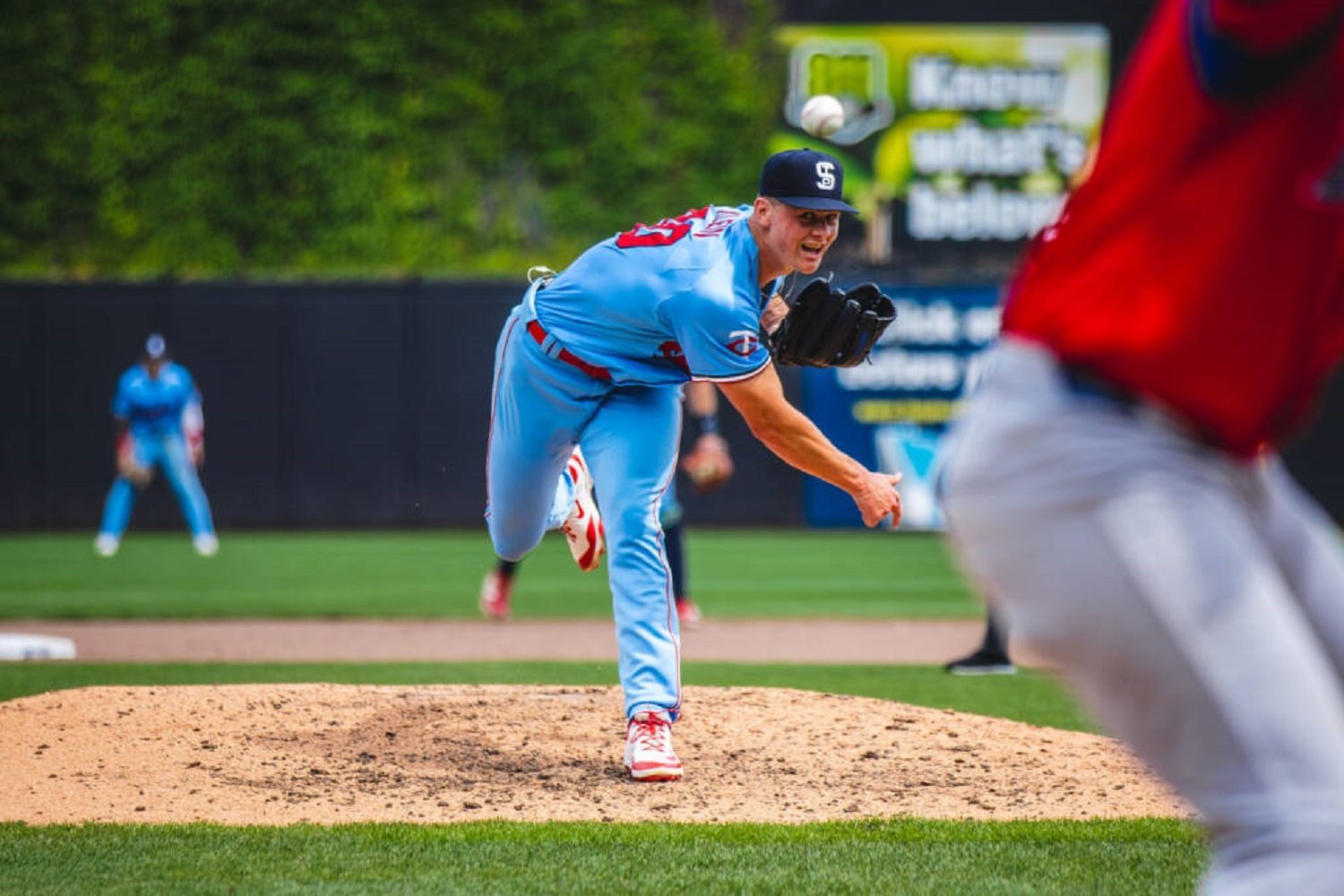 Not every prospect arrives with hype, signing bonuses, or a clear path to the majors. Some take the scenic route, winding through back fields, small schools, and relative anonymity before forcing their way into the conversation. John Klein fits that description perfectly. After a breakout 2025 season, he is no longer flying under the radar. A Minnesota native from Brooklyn Park, Klein’s baseball journey started without much fanfare. He went undrafted out of Iowa Central Community College in 2022, eventually signing with the Twins as a free agent after showing promise in the Northwoods League. At the time, he looked like organizational depth: a tall right-hander with projection, but limited present stuff. What has happened since then is a steady and impressive climb. Klein spent the next two seasons quietly working his way through A ball, refining his mechanics and building strength. In 2023, he moved from Rookie ball to High-A. He posted a 4.17 ERA, with a 23.9 K% and a 9.0 BB% across 58 1/3 innings. Minnesota had him return to Cedar Rapids for the entire 2024 season. In 100 1/3 innings, he posted a 4.57 ERA with a 20.4 K% and an 8.6 BB%. He wasn’t overpowering or putting himself on the prospect radar. That changed in 2025, when everything started to click. Pitching for Double-A Wichita, Klein posted a 3.12 ERA with 95 strikeouts across 80 2/3 innings, establishing himself as a legitimate arm in the system. A late-season promotion to Triple-A brought mixed results, but he still managed 33 strikeouts in 25 2/3 innings against more advanced competition. The transformation is not just statistical. At 6-foot-5 and now around 225 pounds, Klein has added noticeable strength to his frame. Early in his pro career, he sat around 90 mph with his fastball. By 2025, that number had climbed into the mid-90s, averaging 94 and touching 97. The Twins’ development system deserves credit here—particularly their velocity programs, which have unlocked more from previously modest arms. Klein’s delivery adds deception, allowing the fastball to play up even further. His arsenal has grown alongside the velocity. What once was a limited mix has evolved into five distinct pitches. The biggest development has been his curveball, now sitting around 80 mph with sharper break and the potential to miss bats when located well. He's also worked in a splitter in the mid-80s and an upper-80s cutter, giving him multiple looks against hitters from both sides of the plate. That said, there are still questions about his long-term role. While Klein has the repertoire of a starter, he doesn't yet possess a consistent put-away pitch. The curveball flashes that potential, but can be inconsistent, and without a true swing-and-miss offering, he may struggle to turn lineups over multiple times at the highest level. Some within the organization believe his stuff could tick up even more in a bullpen role, where shorter outings might allow everything to play at peak intensity. Even with that uncertainty, Klein has already forced his way into the Twins’ plans at the highest level. After being added to the 40-man roster this offseason, he didn't have to wait long for his opportunity, making his big-league debut on Saturday. The early look confirmed what the organization has believed for a while now: that his development has put him in a position to contribute in a meaningful way. There's something fitting about Klein’s trajectory. A local kid who grew up a short drive from Target Field now is pitching there, not as a highly touted draft pick, but as a player who earned every step along the way. Whether he settles into a rotation spot, a swingman role, or a multi-inning relief job, Klein has already exceeded expectations and reshaped his outlook. For an organization constantly searching for pitching depth, stories like this matter. And for Klein, the next chapter could be the most meaningful yet.
 -
Image courtesy of Rob Thompson, St. Paul Saints (Photo of John Klein) Not every prospect arrives with hype, signing bonuses, or a clear path to the majors. Some take the scenic route, winding through back fields, small schools, and relative anonymity before forcing their way into the conversation. John Klein fits that description perfectly, and after a breakout 2025 season, he is no longer flying under the radar. A Minnesota native from Brooklyn Park, Klein’s baseball journey started without much fanfare. He went undrafted out of Iowa Central Community College in 2022, eventually signing with the Twins as a free agent after showing promise in the Northwoods League. At the time, he looked like organizational depth, a tall right-hander with projection but limited present stuff. What has followed since then is a steady and impressive climb. Klein spent the next two seasons quietly working his way through A ball, refining his mechanics and building strength. In 2023, he moved from rookie ball to High-A. He posted a 4.17 ERA with a 23.9 K% and a 9.0 BB% across 58 1/3 innings. Minnesota had him return to Cedar Rapids for the entire 2024 season. In 100 1/3 innings, he posted a 4.57 ERA with a 20.4 K% and an 8.6 BB%. He wasn’t overpowering or putting himself on the prospect radar. That changed in 2025 when everything started to click. Pitching for Double-A, Klein posted a 3.12 ERA with 95 strikeouts across 80 2/3 innings, establishing himself as a legitimate arm in the system. A late-season promotion to Triple-A brought mixed results, but he still managed 33 strikeouts in 25 2/3 innings against more advanced competition. The transformation is not just statistical. At 6 feet 5 and now around 225 pounds, Klein has added noticeable strength to his frame. Early in his pro career, he sat around 90 mph with his fastball. By 2025, that number had climbed into the mid-90s, averaging 94 and touching 97. The Twins’ development system deserves credit here, particularly their velocity programs that have helped unlock more from previously modest arms. Klein’s delivery adds deception, allowing the fastball to play up even further. His arsenal has grown alongside the velocity. What once was a limited mix has evolved into five distinct pitches. The biggest development has been his curveball, now sitting around 80 mph with sharper break and the potential to miss bats when located well. He has also worked in a splitter in the mid-80s and an upper-80s cutter, giving him multiple looks against hitters from both sides of the plate. That said, there are still questions about his long-term role. While Klein has the repertoire of a starter, he does not yet possess a consistent put-away pitch. The curveball flashes that potential, but can be inconsistent, and without a true swing and miss offering, he may struggle to turn lineups over multiple times at the highest level. Some within the organization believe his stuff could tick up even more in a bullpen role, where shorter outings might allow everything to play at peak intensity. Even with that uncertainty, Klein has already forced his way into the Twins’ plans at the highest level. After being added to the 40-man roster this offseason, he did not have to wait long for his opportunity, making his big-league debut in recent days. The early look confirmed what the organization has believed for a while now, that his development has put him in a position to contribute in a meaningful way. There is something fitting about Klein’s trajectory. A local kid who grew up a short drive from Target Field now is pitching there, not as a highly touted draft pick but as a player who earned every step along the way. Whether he settles into a rotation spot, a swingman role, or a multi- inning relief job, Klein has already exceeded expectations and reshaped his outlook. For an organization constantly searching for pitching depth, stories like this matter. And for Klein, the next chapter could be the most meaningful yet. View full article
-
Twins Prospect Hot Sheet: Walker Jenkins and Khadim Diaw Shine
Cody Christie posted an article in Minor Leagues
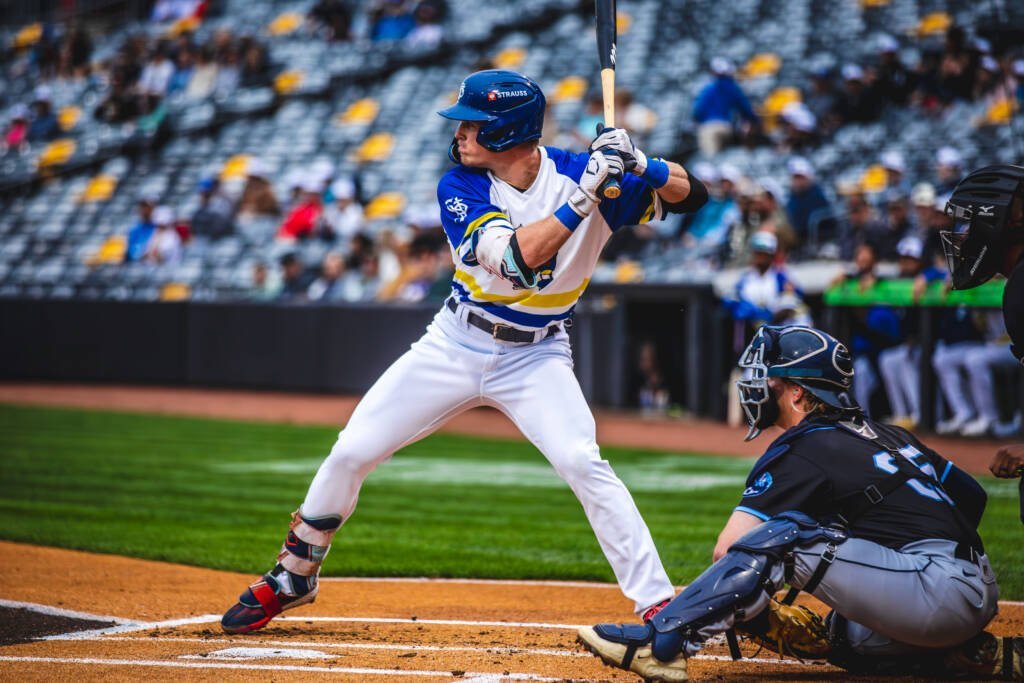 As the calendar turns to May, minor league players are starting to find a rhythm. Early-season noise starts to fade, and what remains is a clearer picture of who is making real adjustments and turning tools into production. This is often the point at which prospects either stabilize or begin to separate themselves. For several of the Twins’ top prospects, that separation is already taking shape. Strong underlying approaches are now translating into box score results, and a handful of names are forcing their way into bigger conversations within the organization. Whether it's former top picks showing why they were so highly regarded or emerging talents finding another gear, the system is beginning to generate some real momentum. OF Walker Jenkins– St. Paul Saints How He Got Here: Since being selected fifth overall in the 2023 draft, Jenkins has looked every bit like the advanced bat scouts envisioned out of high school. His climb to Triple-A before his 21st birthday speaks to both his polish and upside. When he has been available, the production has followed, highlighted by a career OPS north of .850 and strong underlying metrics against upper-level pitching. The challenge has been staying on the field. Various lower-body injuries have limited his total games played, slowing what could have been an even faster rise. Even so, he still managed to be one of the most productive hitters in the system last year. Hitting the Hot Button: Jenkins was locked in at the plate over the past week. Entering play on Sunday, Jenkins had gone 7-for-16 (.438) with four doubles and a home run over his last seven days. He drew four walks to help him get on base nearly 53% of the time and posted a 1.401 OPS. On Friday, he tied the Saints franchise record with three doubles in one game. The momentum hit an unfortunate pause, though, when he exited Sunday’s game after colliding with the outfield fence. He has a Grade 2 sprain of the AC joint in his shoulder and is likely to miss several weeks. C Khadim Diaw– Cedar Rapids Kernels How He Got Here: Diaw’s track record is as much about perseverance as it is about performance. When healthy, he has consistently hit, dating back to his college days, where he showed a strong combination of contact ability and on-base skills. Injuries have interrupted that trajectory at multiple points, but each return has brought more of the same offensive profile. After impressing in summer leagues and pre-draft workouts, the Twins invested a 2024 third-round pick in his bat. His first full professional season has followed a familiar pattern with flashes of production mixed with missed time, but the underlying approach continues to stand out. Hitting the Hot Button: Few hitters in the system have been tougher to retire recently than Diaw. He strung together a remarkable stretch of plate appearances where he reached base a dozen times in a row, combining consistent contact with a disciplined eye. A standout midweek performance saw him reach base five times in a single game. For the season, he is slashing .279/.426/.349, with four extra-base hits and a 26-to-17 strikeout-to-walk ratio, even while facing older pitchers in 65% of his plate appearances. The blend of patience and contact is turning heads. OF/1B Jaime Ferrer– Cedar Rapids Kernels How He Got Here: Ferrer entered pro ball with a solid offensive foundation after being selected in the fourth round of the 2024 MLB Draft out of Florida State. His debut offered glimpses of that potential as he posted a .748 OPS in 24 games. However, his first extended run at High-A exposed areas that needed refinement. In 101 games, he hit .216/.296/.339 (.634) with 27 extra-base hits and 84 strikeouts compared to 23 walks. The Twins challenged him by sending him back to the same level to start 2026. Hitting the Hot Button: That decision is already paying dividends, with adjustments to his approach and swing decisions that have helped unlock a more complete offensive profile. Ferrer has been one of the most productive hitters in the Midwest League to start the season. A breakout game on Saturday featuring two home runs (in the same inning) highlighted his growing power, but the broader story is his improved plate discipline and overall offensive balance. In 25 games this season, he is hitting .319/.449/.611, with six home runs and three doubles. His ability to produce against older pitching (1.160 OPS) only adds to the intrigue, suggesting real growth rather than a small sample spike. The common thread with this group is impact through adversity. Each player has dealt with interruptions or developmental hurdles, yet all three are showing the ability to adjust and produce when given the opportunity. That combination of resilience and performance is exactly what organizations hope to see from players pushing toward the next level. Of course, what happened to Jenkins is exactly what everyone hopes not to see. What stands out about this trio of prospects? Leave a comment and start the discussion.
- 13 comments
-
- 4
-
-
- walker jenkins
- khadim diaw
- (and 1 more)
-
Image courtesy of Rob Thompson, St. Paul Saints As the calendar turns to May, minor league players are starting to find a rhythm. Early-season noise starts to fade, and what remains is a clearer picture of who is making real adjustments and turning tools into production. This is often the point at which prospects either stabilize or begin to separate themselves. For several of the Twins’ top prospects, that separation is already taking shape. Strong underlying approaches are now translating into box score results, and a handful of names are forcing their way into bigger conversations within the organization. Whether it's former top picks showing why they were so highly regarded or emerging talents finding another gear, the system is beginning to generate some real momentum. OF Walker Jenkins– St. Paul Saints How He Got Here: Since being selected fifth overall in the 2023 draft, Jenkins has looked every bit like the advanced bat scouts envisioned out of high school. His climb to Triple-A before his 21st birthday speaks to both his polish and upside. When he has been available, the production has followed, highlighted by a career OPS north of .850 and strong underlying metrics against upper-level pitching. The challenge has been staying on the field. Various lower-body injuries have limited his total games played, slowing what could have been an even faster rise. Even so, he still managed to be one of the most productive hitters in the system last year. Hitting the Hot Button: Jenkins was locked in at the plate over the past week. Entering play on Sunday, Jenkins had gone 7-for-16 (.438) with four doubles and a home run over his last seven days. He drew four walks to help him get on base nearly 53% of the time and posted a 1.401 OPS. On Friday, he tied the Saints franchise record with three doubles in one game. The momentum hit an unfortunate pause, though, when he exited Sunday’s game after colliding with the outfield fence. He has a Grade 2 sprain of the AC joint in his shoulder and is likely to miss several weeks. C Khadim Diaw– Cedar Rapids Kernels How He Got Here: Diaw’s track record is as much about perseverance as it is about performance. When healthy, he has consistently hit, dating back to his college days, where he showed a strong combination of contact ability and on-base skills. Injuries have interrupted that trajectory at multiple points, but each return has brought more of the same offensive profile. After impressing in summer leagues and pre-draft workouts, the Twins invested a 2024 third-round pick in his bat. His first full professional season has followed a familiar pattern with flashes of production mixed with missed time, but the underlying approach continues to stand out. Hitting the Hot Button: Few hitters in the system have been tougher to retire recently than Diaw. He strung together a remarkable stretch of plate appearances where he reached base a dozen times in a row, combining consistent contact with a disciplined eye. A standout midweek performance saw him reach base five times in a single game. For the season, he is slashing .279/.426/.349, with four extra-base hits and a 26-to-17 strikeout-to-walk ratio, even while facing older pitchers in 65% of his plate appearances. The blend of patience and contact is turning heads. OF/1B Jaime Ferrer– Cedar Rapids Kernels How He Got Here: Ferrer entered pro ball with a solid offensive foundation after being selected in the fourth round of the 2024 MLB Draft out of Florida State. His debut offered glimpses of that potential as he posted a .748 OPS in 24 games. However, his first extended run at High-A exposed areas that needed refinement. In 101 games, he hit .216/.296/.339 (.634) with 27 extra-base hits and 84 strikeouts compared to 23 walks. The Twins challenged him by sending him back to the same level to start 2026. Hitting the Hot Button: That decision is already paying dividends, with adjustments to his approach and swing decisions that have helped unlock a more complete offensive profile. Ferrer has been one of the most productive hitters in the Midwest League to start the season. A breakout game on Saturday featuring two home runs (in the same inning) highlighted his growing power, but the broader story is his improved plate discipline and overall offensive balance. In 25 games this season, he is hitting .319/.449/.611, with six home runs and three doubles. His ability to produce against older pitching (1.160 OPS) only adds to the intrigue, suggesting real growth rather than a small sample spike. The common thread with this group is impact through adversity. Each player has dealt with interruptions or developmental hurdles, yet all three are showing the ability to adjust and produce when given the opportunity. That combination of resilience and performance is exactly what organizations hope to see from players pushing toward the next level. Of course, what happened to Jenkins is exactly what everyone hopes not to see. What stands out about this trio of prospects? Leave a comment and start the discussion. View full article
-
Prior to Sunday’s matchup with Toronto, Twins general manager Jeremy Zoll met with reporters and shared updates on several injured players across the organization. Among those, David Festa’s status stood out for all the wrong reasons. Festa had been building toward a return after dealing with a shoulder issue during Spring Training, but that progress hit a snag. Following his third live batting practice session, he experienced renewed discomfort, forcing the organization to halt his ramp-up and reassess. The timing is unfortunate, as he appeared to be nearing a minor league rehab assignment before this latest development. He has yet to pitch in a game this season, and the road back has already been complicated. Festa was diagnosed with thoracic outlet syndrome late in 2025 and then dealt with right shoulder impingement earlier this year. Each step forward has required patience, and now that patience will be tested again. The situation leaves the Twins balancing short-term needs with long-term value. When healthy, Festa still projects as a meaningful piece of the organization’s pitching depth. Entering last season, he was arguably the team’s top pitching prospect. However, shoulder concerns can quickly alter timelines, and the team may need to remain flexible about how they eventually deploy him. There is at least some reason to believe a different role could unlock more consistency. Over the past two seasons, Festa has posted a 5.12 ERA alongside a more encouraging 4.27 FIP, backed by a 25.7% strikeout rate and an 8.3% walk rate. Those underlying metrics hint at a pitcher whose arsenal could benefit from shorter bursts, where his stuff may play up, and the physical demands are easier to manage. Even so, any conversation about role changes is secondary right now. The Twins are focused on getting Festa back to a place where he can throw regularly without setbacks. That means taking a deliberate approach and avoiding any temptation to accelerate the process. There is still a path for Festa to contribute in 2026, but it will depend on how his body responds in the coming weeks. Whether he ultimately returns as a starter or shifts into a relief role will sort itself out over time. For now, the objective is straightforward. Get healthy and stay healthy. For a team already navigating questions about its pitching depth, every update carries weight. This one may not be what Minnesota hoped for, but it does not close the door. If Festa can resume his progression without further interruption, he still has a chance to factor into the picture later this season. View full rumor
-
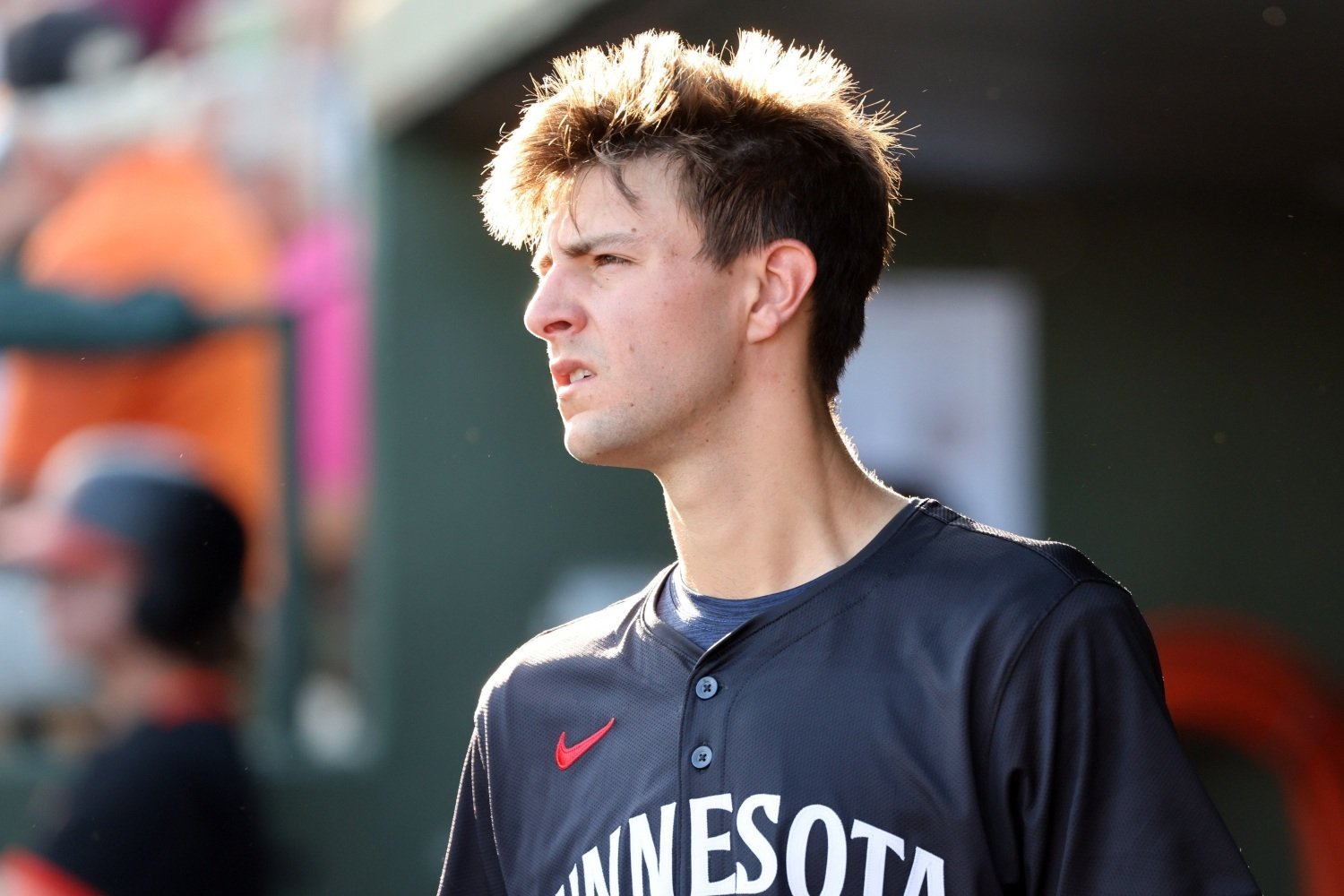 Prior to Sunday’s matchup with Toronto, Twins general manager Jeremy Zoll met with reporters and shared updates on several injured players across the organization. Among those, David Festa’s status stood out for all the wrong reasons. Festa had been building toward a return after dealing with a shoulder issue during Spring Training, but that progress hit a snag. Following his third live batting practice session, he experienced renewed discomfort, forcing the organization to halt his ramp-up and reassess. The timing is unfortunate, as he appeared to be nearing a minor league rehab assignment before this latest development. He has yet to pitch in a game this season, and the road back has already been complicated. Festa was diagnosed with thoracic outlet syndrome late in 2025 and then dealt with right shoulder impingement earlier this year. Each step forward has required patience, and now that patience will be tested again. The situation leaves the Twins balancing short-term needs with long-term value. When healthy, Festa still projects as a meaningful piece of the organization’s pitching depth. Entering last season, he was arguably the team’s top pitching prospect. However, shoulder concerns can quickly alter timelines, and the team may need to remain flexible about how they eventually deploy him. There is at least some reason to believe a different role could unlock more consistency. Over the past two seasons, Festa has posted a 5.12 ERA alongside a more encouraging 4.27 FIP, backed by a 25.7% strikeout rate and an 8.3% walk rate. Those underlying metrics hint at a pitcher whose arsenal could benefit from shorter bursts, where his stuff may play up, and the physical demands are easier to manage. Even so, any conversation about role changes is secondary right now. The Twins are focused on getting Festa back to a place where he can throw regularly without setbacks. That means taking a deliberate approach and avoiding any temptation to accelerate the process. There is still a path for Festa to contribute in 2026, but it will depend on how his body responds in the coming weeks. Whether he ultimately returns as a starter or shifts into a relief role will sort itself out over time. For now, the objective is straightforward. Get healthy and stay healthy. For a team already navigating questions about its pitching depth, every update carries weight. This one may not be what Minnesota hoped for, but it does not close the door. If Festa can resume his progression without further interruption, he still has a chance to factor into the picture later this season.
 -
Another Ace Injured: Joe Ryan Leaves Start With Elbow Soreness
Cody Christie posted an article in Twins
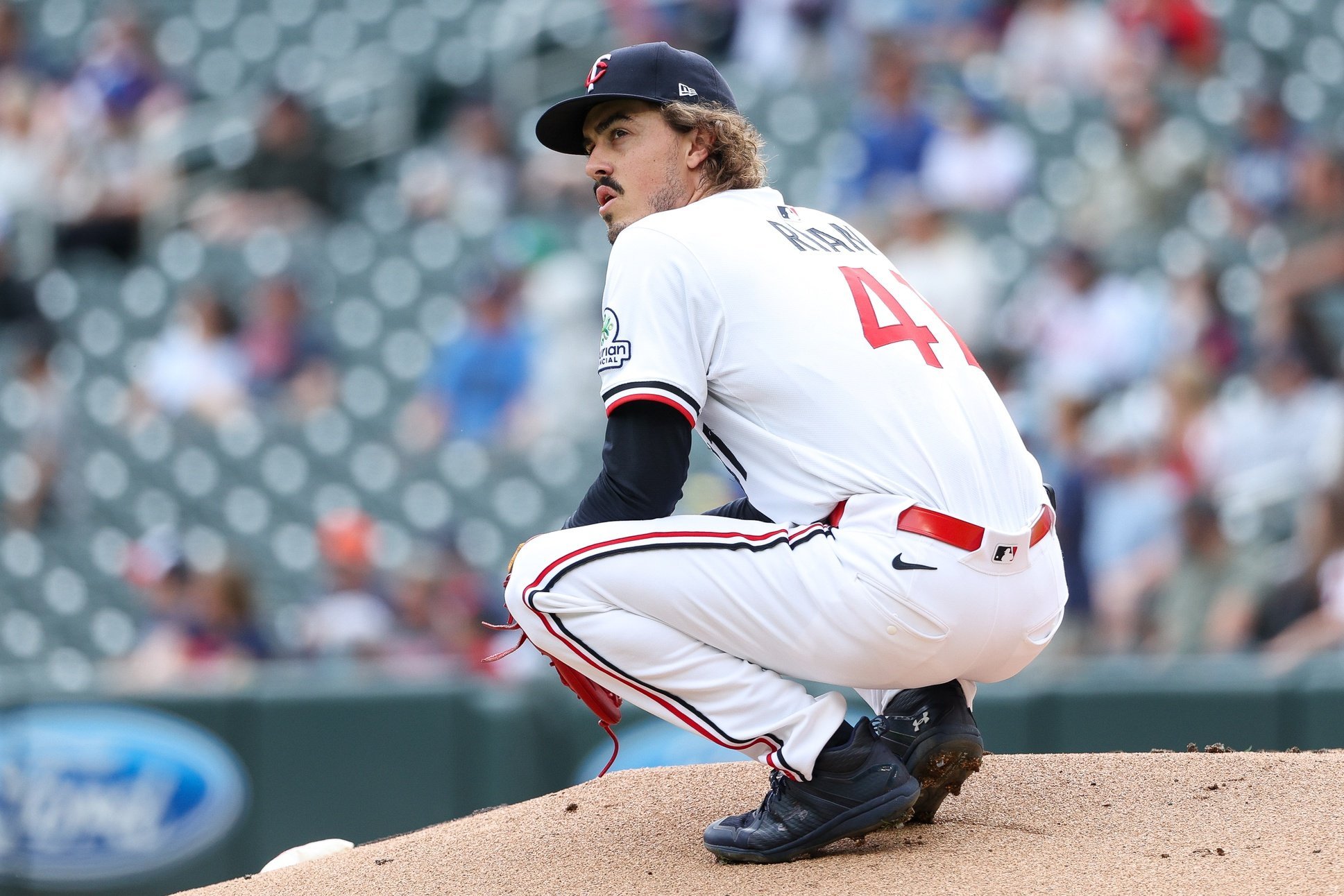 After an eight-run implosion turned a potential win into a blowout loss Saturday, Twins fans might have wondered how much worse things could get. They didn't have to wait long to find out. Just two batters into Sunday's game, Joe Ryan was walking off the mound and heading toward the clubhouse, leaving behind more questions than answers. Ryan struck out the first hitter he faced and appeared to be settling in. However, after issuing a walk to Toronto third baseman Kazuma Okamoto on his ninth pitch, the right-hander signaled to the dugout. Moments later, his day was done. The Twins quickly announced that Ryan exited with right elbow soreness, a phrase that immediately grabs attention for any pitcher. “He walked out and said he felt something in his elbow,” Twins manager Derek Shelton said during an in-game interview. “It’s unfortunate, especially this early in the game, but it’s something we’ve got to deal with. Hopefully Joe’s in a good spot.” Back on February 21, Ryan was forced out of what was supposed to be his first spring outing due to lower back tightness. He worked his way back by March 10, made three spring starts, and did not miss a turn once the regular season began. Now, it's anyone's guess when he might take the mound again. Over the course of his career, Ryan has quietly been one of the more reliable starters in the league. From 2022-25, he averaged 27.5 starts and 153.6 innings per season, consistently taking the ball every fifth day. There have been minor bumps along the way, including back inflammation, a minor shoulder injury, and a groin issue he attempted to pitch through in previous seasons, but nothing that significantly derailed his availability. That reliability has been paired with strong performance in 2026. Entering Sunday, Ryan owned a 3.76 ERA with a 118 ERA+ and a 1.04 WHIP. His underlying numbers painted an even more encouraging picture. A 25.2% strikeout rate and a 5.8% walk rate highlight his command, and a 2.99 FIP suggests he has pitched better than his ERA indicates. All of that makes this early exit feel even heavier. The Twins aren't just losing innings if Ryan misses time. They are potentially losing one of the most stable and effective arms in their rotation. In the immediate aftermath, Andrew Morris was asked to pick up the pieces out of the bullpen. Morris has been operating in a long relief role, a somewhat awkward middle ground for a pitcher who many believed was next in line for a rotation spot. If Ryan is sidelined, Morris could be stretched back out into a starting role, though that transition is rarely seamless. Beyond Morris, the Twins do have reinforcements, but each comes with its own level of uncertainty. Mick Abel is nearing a return from the injured list and was off to an impressive start before going down. Zebby Matthews, already on the 40-man roster, endured early struggles this season but has begun to show signs of progress. Kendry Rojas, who debuted earlier this year in a relief capacity, has been building back up as a starter after missing time. None of those options fully replace what Ryan provides when he is right. That's what makes the coming days so critical for Minnesota. Elbow soreness can mean many things, ranging from precautionary rest to something far more serious. The Twins will be hoping this leans toward the former. For now, the focus shifts from Sunday’s game to the status of one of their most important pitchers. The Twins have navigated adversity before, but losing Ryan for any stretch would test their depth in a significant way. It would probably prove more than they could handle, without freefalling toward another summer deconstruction. This story will be updated as more information becomes available.
 -
Image courtesy of Matt Krohn-Imagn Images The Minnesota Twins did not have to wait long to feel the weight of Sunday’s matchup against the Toronto Blue Jays. Just two batters into the game, Joe Ryan was walking off the mound and heading toward the clubhouse, leaving behind more questions than answers. Ryan struck out the first hitter he faced and appeared to be settling in. However, after issuing a walk to Toronto third baseman Kazuma Okamoto on his ninth pitch, the right-hander signaled to the dugout. Moments later, his day was done. The Twins quickly announced that Ryan exited with right elbow soreness, a phrase that immediately grabs attention for any pitcher. “He walked out and said he felt something in his elbow,” Twins manager Derek Shelton said during an in-game interview. “It’s unfortunate, especially this early in the game, but it’s something we’ve got to deal with. Hopefully Joe’s in a good spot.” Back on February 21, Ryan was forced out of what was supposed to be his first spring outing due to lower back tightness. He worked his way back by March 10, made three spring starts, and did not miss a turn once the regular season began. Until now, durability has been one of Ryan’s calling cards. Over the course of his career, Ryan has quietly been one of the more reliable starters in the league. He has averaged 27.5 starts and 153.6 innings per season, consistently taking the ball every fifth day. There have been minor bumps along the way, including back inflammation, a minor shoulder injury, and a groin issue he attempted to pitch through in previous seasons, but nothing that significantly derailed his availability. That reliability has been paired with strong performance in 2026. Entering Sunday, Ryan owned a 3.76 ERA with a 118 ERA+ and a 1.04 WHIP. His underlying numbers painted an even more encouraging picture. A 25.2% strikeout rate paired with just a 5.8% walk rate highlights his command, and a 2.99 FIP suggests he has pitched better than his ERA indicates. All of that makes this early exit feel even heavier. The Twins are not just losing innings if Ryan misses time. They are potentially losing one of the most stable and effective arms in their rotation. In the immediate aftermath, Andrew Morris was asked to pick up the pieces out of the bullpen. Morris has been operating in a long-relief role, a somewhat awkward middle ground for a pitcher who many believed was next in line for a rotation spot. If Ryan is sidelined, Morris could be stretched back out into a starting role, though that transition is rarely seamless. Beyond Morris, the Twins do have reinforcements, but each comes with its own level of uncertainty. Mick Abel is nearing a return from the injured list and had been off to an impressive start before going down. Zebby Matthews, already on the 40-man roster, endured early struggles this season but has begun to show signs of progress. Kendry Rojas, who debuted earlier this year in a relief capacity, has been building back up as a starter after missing time. None of those options fully replace what Ryan provides when he is right. That is what makes the coming days so critical for Minnesota. Elbow soreness can mean many things, ranging from precautionary rest to something far more serious. The Twins will be hoping this leans toward the former. For now, the focus shifts from Sunday’s game to the status of one of their most important pitchers. The Twins have navigated adversity before, but losing Ryan for any stretch would test their depth in a significant way. This story will be updated as more information becomes available. View full article
-
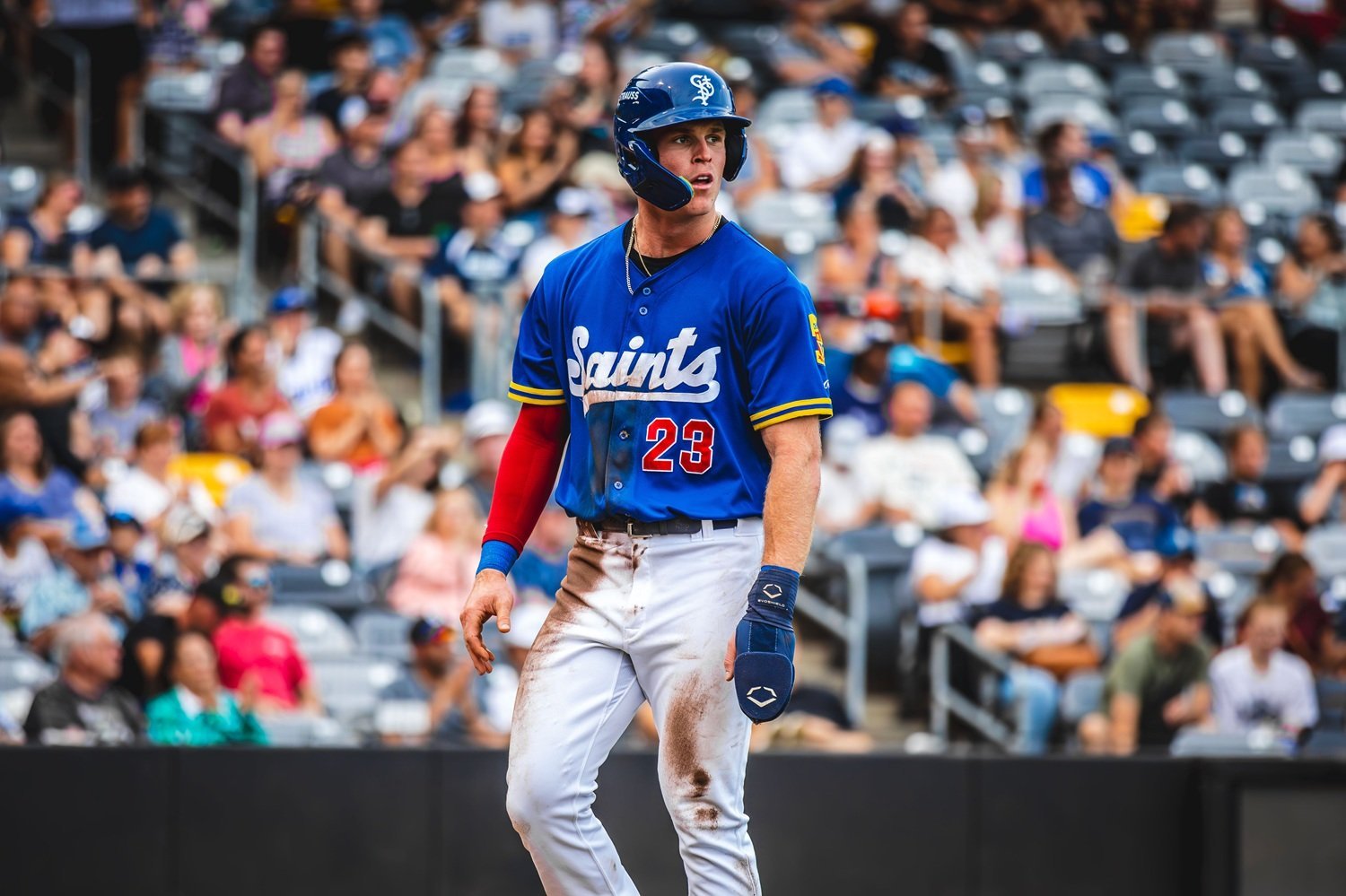 There is a certain point in every season when the conversation shifts from what a team could be to what it actually is. For the Minnesota Twins, that moment is arriving earlier than anyone hoped. A slow start in the standings has already created urgency, and the idea of reinforcements from St Paul offered a sense of optimism. Over the weekend, that optimism took a hit. Walker Jenkins, Twins Daily’s top-ranked prospect, exited Sunday’s game for Triple-A St Paul after a frightening collision in the outfield. With two outs in the sixth inning, he tracked a deep drive into right-center, made the catch, and slammed hard into the wall. Jenkins got to his feet but immediately reached for his left shoulder. He was removed from the game without delay, and the initial concern was evident. At just 21 years old, Jenkins is navigating his first full season at Triple-A, and the early returns have been a mix of adjustment and recent progress. After a slow start, he had begun to find a rhythm at the plate with a 1.400 OPS over the last week, showing why he is viewed as a potential impact bat in Minnesota’s future lineup. That momentum now pauses, at least temporarily, as the organization evaluates his shoulder. He is not alone. Emmanuel Rodriguez, another top 100 prospect and Twins Daily’s number four-ranked player in the system, also landed on the injury report this weekend. Rodriguez suffered a muscle strain in his left thumb on Friday night when he dove headfirst into first base. The 23-year-old outfielder left the game early, adding another layer of concern for a team already lacking offensive consistency. There is at least some reason for cautious optimism with Rodriguez. He was seen taking batting practice on the field at CHS Field on Sunday, suggesting the injury may not require an extended absence. Before the injury, Rodriguez had been one of the Saints’ most productive hitters, posting a .247/.417/.506 slash line across 25 games. His blend of patience and power has long made him a candidate to be the next call when the Twins need a boost. That need is becoming more obvious by the day. Minnesota’s lineup has struggled to generate consistent pressure. In that context, the presence of Jenkins and Rodriguez at Triple A represented more than just long-term upside. They were potential solutions, players capable of injecting energy and production into a stagnant offense. For a Twins team searching for a spark, the timing could not be worse. Jenkins was beginning to heat up. Rodriguez looked close to forcing the conversation. Now, both timelines are on hold, even if only briefly. In the big picture, fans will still need to wait for further news on the injuries. Still, these two players are viewed as key pieces of the organization’s future. In the short term, however, it slows what felt like an inevitable push toward their major league debuts. And for a Minnesota club that could use a breath of fresh air, that delay is more than just inconvenient. It is another obstacle in a season that is already trending in the wrong direction.
 -
There is a certain point in every season when the conversation shifts from what a team could be to what it actually is. For the Minnesota Twins, that moment is arriving earlier than anyone hoped. A slow start in the standings has already created urgency, and the idea of reinforcements from St Paul offered a sense of optimism. Over the weekend, that optimism took a hit. Walker Jenkins, Twins Daily’s top-ranked prospect, exited Sunday’s game for Triple-A St Paul after a frightening collision in the outfield. With two outs in the sixth inning, he tracked a deep drive into right-center, made the catch, and slammed hard into the wall. Jenkins got to his feet but immediately reached for his left shoulder. He was removed from the game without delay, and the initial concern was evident. At just 21 years old, Jenkins is navigating his first full season at Triple-A, and the early returns have been a mix of adjustment and recent progress. After a slow start, he had begun to find a rhythm at the plate with a 1.400 OPS over the last week, showing why he is viewed as a potential impact bat in Minnesota’s future lineup. That momentum now pauses, at least temporarily, as the organization evaluates his shoulder. He is not alone. Emmanuel Rodriguez, another top 100 prospect and Twins Daily’s number four-ranked player in the system, also landed on the injury report this weekend. Rodriguez suffered a muscle strain in his left thumb on Friday night when he dove headfirst into first base. The 23-year-old outfielder left the game early, adding another layer of concern for a team already lacking offensive consistency. There is at least some reason for cautious optimism with Rodriguez. He was seen taking batting practice on the field at CHS Field on Sunday, suggesting the injury may not require an extended absence. Before the injury, Rodriguez had been one of the Saints’ most productive hitters, posting a .247/.417/.506 slash line across 25 games. His blend of patience and power has long made him a candidate to be the next call when the Twins need a boost. That need is becoming more obvious by the day. Minnesota’s lineup has struggled to generate consistent pressure. In that context, the presence of Jenkins and Rodriguez at Triple A represented more than just long-term upside. They were potential solutions, players capable of injecting energy and production into a stagnant offense. For a Twins team searching for a spark, the timing could not be worse. Jenkins was beginning to heat up. Rodriguez looked close to forcing the conversation. Now, both timelines are on hold, even if only briefly. In the big picture, fans will still need to wait for further news on the injuries. Still, these two players are viewed as key pieces of the organization’s future. In the short term, however, it slows what felt like an inevitable push toward their major league debuts. And for a Minnesota club that could use a breath of fresh air, that delay is more than just inconvenient. It is another obstacle in a season that is already trending in the wrong direction. View full rumor
-
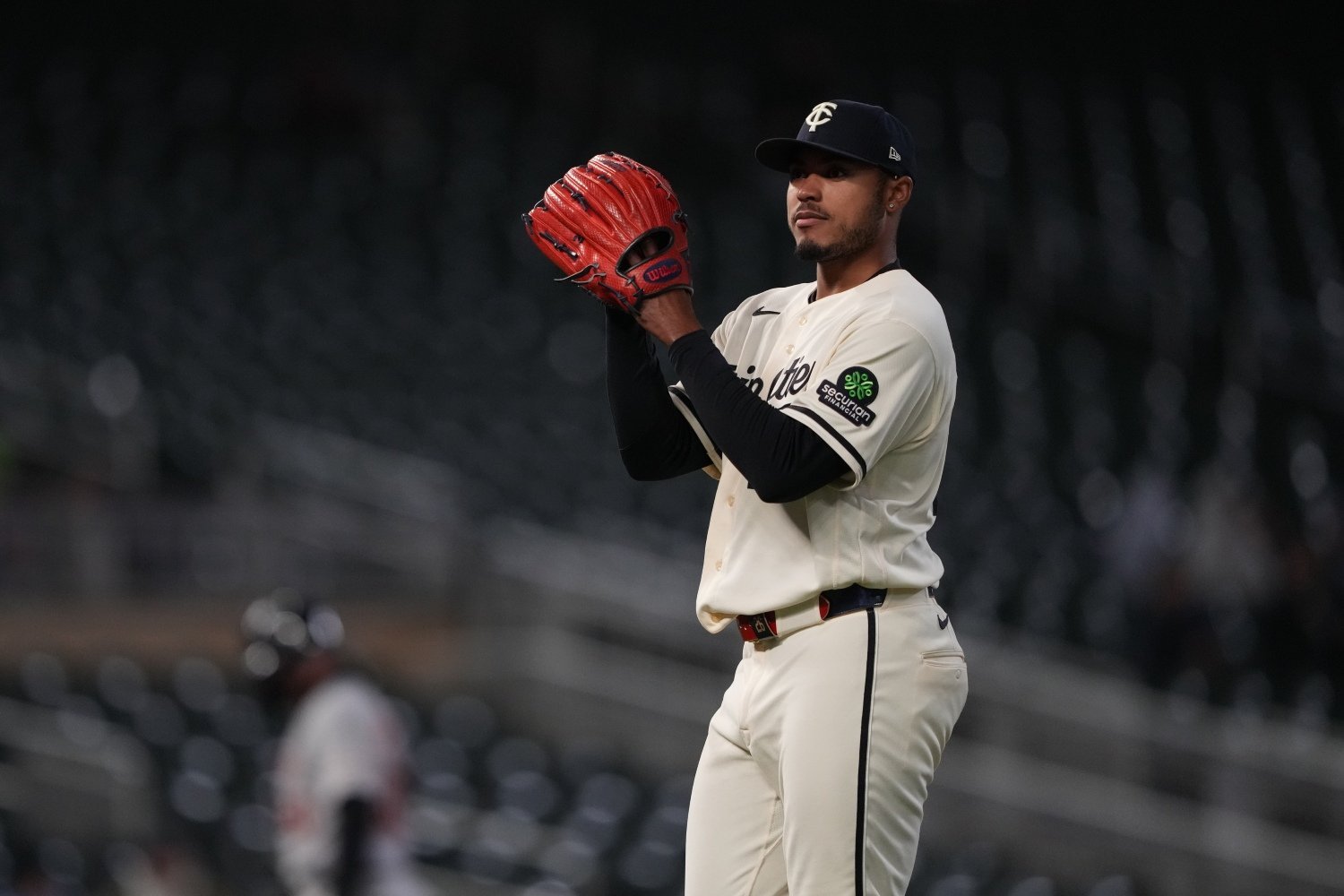 The story of April for the Minnesota Twins' pitching staff starts with opportunity arriving ahead of schedule. Top prospects Connor Prielipp, Kendry Rojas, and Andrew Morris all made their big league debuts earlier than most would have predicted coming out of spring training. Injuries and inconsistency forced the Twins to tap into their upper-level depth, but the early returns suggest this organization may be better positioned than expected. It is not just about filling innings. There is legitimate long-term upside in this group, and while the results have been uneven, the foundation being built could pay dividends well beyond 2026. Here’s a look at the top-performing pitchers for the Twins in the season’s first month. 4. Kody Funderburk March/April Stats: 14 G, 11 2 3 IP, 2.31 ERA, 1.46 WHIP, 8 K, 9 BB, 5.70 FIP, 195 ERA+ The bullpen has offered very little stability, particularly as the calendar flipped deeper into April and late leads began to slip away. In that environment, Funderburk has quietly become one of the few arms Derek Shelton can trust. The underlying numbers suggest some turbulence with more walks than strikeouts, but context matters. As one of the few left-handed options, he has often been deployed in situations that do not favor him, including frequent matchups against right-handed hitters. He has managed to navigate those assignments well enough to keep games within reach. His role may continue to evolve, but for now, he stands as one of the lone steady pieces in an otherwise volatile bullpen. 3. Bailey Ober March/April Stats: 7 G, 38 IP, 3.55 ERA, 1.13 WHIP, 29 K, 13 BB, 4.16 FIP, 125 ERA+ It would not have been surprising to see Ober fighting for his rotation spot by the end of April. Instead, he has been one of the Twins' most dependable starters. The drop in velocity that raised concerns in spring training has not disappeared, but Ober has adjusted in a way that feels reminiscent of pitchers from another era. He is leaning more heavily on his changeup, mixing speeds, and attacking hitters with precision rather than power. There is always some risk when a pitcher lives in that margin, but through the first month, Ober has done more than just survive. He has been a stabilizing force in a rotation that needed one. 2. Joe Ryan March/April Stats: 7 G, 38 1 3 IP, 3.76 ERA, 1.04 WHIP, 39 K, 9 BB, 2.98 FIP, 118 ERA+ Ryan’s performance might be the easiest to overlook simply because it looks so familiar. He continues to post numbers that align with his previous seasons as a near All-Star caliber arm. The strikeout-to-walk profile remains strong, and his ability to limit baserunners has kept him effective even when results have fluctuated. What stands out more this year is the approach. Run support has been inconsistent at best, yet Ryan has not shown the visible frustration that occasionally surfaced in the past. If that steadier mindset holds, it could allow his underlying consistency to translate into even better results throughout the season. Twins Pitcher of the Month: Taj Bradley March and April Stats: 7 G, 41 IP, 2.85 ERA, 1.22 WHIP, 44 K, 15 BB, 3.82 FIP, 155 ERA+ Bradley has taken a significant step forward and looks like a completely different pitcher than the one acquired at last year’s trade deadline. He has assumed the role of staff ace, not just in terms of results but also in terms of workload. With the bullpen struggling, the Twins have leaned on him to pitch deeper into games, and he has responded. His pitch mix adjustments have allowed him to miss more bats while still finding ways to navigate lineups multiple times. If recognition were handed out today, he would be the clear representative for this staff, and his early performance has placed him firmly in the conversation among the league’s top starters. The Twins did not script April to unfold this way, but there are signs of progress beneath the surface. Bradley’s emergence gives the rotation a legitimate anchor, while Ober’s ability to adapt has provided unexpected stability. Ryan continues to deliver his usual reliability, even if it has flown under the radar. The bullpen remains a concern, yet Funderburk has carved out a role as one of the few dependable options. Combined with the early exposure for the next wave of pitching prospects, this month may ultimately be remembered less for its growing pains and more for the groundwork it laid. How would your ballot look for Minnesota’s top pitcher in April? Leave a comment and start the discussion.
- 4 comments
-
- 2
-
-
- taj bradley
- bailey ober
- (and 2 more)
-
Image courtesy of © Jordan Johnson-Imagn Images The story of April for the Minnesota Twins' pitching staff starts with opportunity arriving ahead of schedule. Top prospects Connor Prielipp, Kendry Rojas, and Andrew Morris all made their big league debuts earlier than most would have predicted coming out of spring training. Injuries and inconsistency forced the Twins to tap into their upper-level depth, but the early returns suggest this organization may be better positioned than expected. It is not just about filling innings. There is legitimate long-term upside in this group, and while the results have been uneven, the foundation being built could pay dividends well beyond 2026. Here’s a look at the top-performing pitchers for the Twins in the season’s first month. 4. Kody Funderburk March/April Stats: 14 G, 11 2 3 IP, 2.31 ERA, 1.46 WHIP, 8 K, 9 BB, 5.70 FIP, 195 ERA+ The bullpen has offered very little stability, particularly as the calendar flipped deeper into April and late leads began to slip away. In that environment, Funderburk has quietly become one of the few arms Derek Shelton can trust. The underlying numbers suggest some turbulence with more walks than strikeouts, but context matters. As one of the few left-handed options, he has often been deployed in situations that do not favor him, including frequent matchups against right-handed hitters. He has managed to navigate those assignments well enough to keep games within reach. His role may continue to evolve, but for now, he stands as one of the lone steady pieces in an otherwise volatile bullpen. 3. Bailey Ober March/April Stats: 7 G, 38 IP, 3.55 ERA, 1.13 WHIP, 29 K, 13 BB, 4.16 FIP, 125 ERA+ It would not have been surprising to see Ober fighting for his rotation spot by the end of April. Instead, he has been one of the Twins' most dependable starters. The drop in velocity that raised concerns in spring training has not disappeared, but Ober has adjusted in a way that feels reminiscent of pitchers from another era. He is leaning more heavily on his changeup, mixing speeds, and attacking hitters with precision rather than power. There is always some risk when a pitcher lives in that margin, but through the first month, Ober has done more than just survive. He has been a stabilizing force in a rotation that needed one. 2. Joe Ryan March/April Stats: 7 G, 38 1 3 IP, 3.76 ERA, 1.04 WHIP, 39 K, 9 BB, 2.98 FIP, 118 ERA+ Ryan’s performance might be the easiest to overlook simply because it looks so familiar. He continues to post numbers that align with his previous seasons as a near All-Star caliber arm. The strikeout-to-walk profile remains strong, and his ability to limit baserunners has kept him effective even when results have fluctuated. What stands out more this year is the approach. Run support has been inconsistent at best, yet Ryan has not shown the visible frustration that occasionally surfaced in the past. If that steadier mindset holds, it could allow his underlying consistency to translate into even better results throughout the season. Twins Pitcher of the Month: Taj Bradley March and April Stats: 7 G, 41 IP, 2.85 ERA, 1.22 WHIP, 44 K, 15 BB, 3.82 FIP, 155 ERA+ Bradley has taken a significant step forward and looks like a completely different pitcher than the one acquired at last year’s trade deadline. He has assumed the role of staff ace, not just in terms of results but also in terms of workload. With the bullpen struggling, the Twins have leaned on him to pitch deeper into games, and he has responded. His pitch mix adjustments have allowed him to miss more bats while still finding ways to navigate lineups multiple times. If recognition were handed out today, he would be the clear representative for this staff, and his early performance has placed him firmly in the conversation among the league’s top starters. The Twins did not script April to unfold this way, but there are signs of progress beneath the surface. Bradley’s emergence gives the rotation a legitimate anchor, while Ober’s ability to adapt has provided unexpected stability. Ryan continues to deliver his usual reliability, even if it has flown under the radar. The bullpen remains a concern, yet Funderburk has carved out a role as one of the few dependable options. Combined with the early exposure for the next wave of pitching prospects, this month may ultimately be remembered less for its growing pains and more for the groundwork it laid. How would your ballot look for Minnesota’s top pitcher in April? Leave a comment and start the discussion. View full article
-
The Twins' Pitching Philosophy Is at War With Itself
Cody Christie posted an article in Minor Leagues
 The unraveling of the Minnesota Twins over the past two seasons has been anything but subtle. Payroll was slashed heading into 2024, the 2025 trade deadline turned into a full-scale fire sale, and Derek Falvey exited just before spring training this year. What once looked like a sustainable contender after the 2023 playoff run has instead snowballed into an organization searching for alignment. For a franchise operating under strict payroll limitations, every dollar matters. That reality should push the organization to build a reliable, self-sustaining pitching pipeline. Instead, the Twins have found themselves caught between two philosophies that do not quite meet in the middle. Their development system prioritizes starting pitching depth, while their major league roster construction increasingly demands bullpen solutions they are unwilling to buy. Keeping Pitchers Starting As Long As Possible Minnesota has made it clear that pitching prospects will remain starters for as long as possible. In theory, that approach maximizes value. Starters are harder to find, and developing one internally can provide significant surplus value. But the execution has created a bottleneck. Take Connor Prielipp and Kendry Rojas as examples. There has been outside speculation about potential bullpen futures, yet the organization continues to develop them as starters. Prielipp has flashed promise in his first taste of the big leagues, but there is no certainty that his performance will hold over a full workload. Waiting for that answer delays the ability to address immediate bullpen needs. The Twins have also had success stories. David Festa and Zebby Matthews were not premium draft picks, yet both added velocity and broke out within the system. That is the development model working as intended. However, the reality is less clean. Festa is now dealing with a shoulder injury that could shift his long-term role, while Matthews has struggled to find consistency early this season at Triple-A. The transition from starter to reliever is often reactive rather than proactive. Injuries or underperformance force the issue. That path worked beautifully for Jhoan Duran, Griffin Jax, and Louis Varland, all of whom saw velocity spikes and became dominant late-inning arms. But those outcomes are the exception, not the rule. Relying on that conversion pipeline year after year is a risky bet. Marco Raya highlights the downside. Developed aggressively as a starter, he moved quickly through the system while rarely facing lineups multiple times. Even after reaching Triple-A at 21 years old, he never established consistency. A late move to the bullpen has not unlocked another level, leaving the organization without clarity on his role or value. Andrew Morris might be the clearest example of the organization being caught in between philosophies at the big-league level. He entered the year looking like the next starter in line for a rotation spot, but instead has been deployed in a long relief role. It is a usage pattern that keeps him stretched out without offering a real opportunity to claim a starting job, while also limiting his ability to adapt to the intensity of shorter bullpen outings. The Twins are hesitant to close the door on his future as a starter, yet they are not committing to that path in a meaningful way. That leaves Morris in a developmental gray area, neither building toward a defined rotation role nor being put in a position to succeed as a true reliever. Not Spending Money on the Bullpen If the development strategy leans heavily toward starting pitching, the roster construction doubles down by avoiding bullpen spending altogether. During Falvey’s tenure, the Twins consistently bypassed the top end of the reliever market. Instead, they relied on minor league deals, waiver claims, and buy-low trades. That philosophy only works if the pipeline consistently produces major league-ready relievers. Right now, it is not. The 2026 bullpen is a reflection of that gap. Taylor Rogers was the most notable addition at $2 million, and he appears to be nearing the end of his effectiveness. Beyond that, the unit is a patchwork of interchangeable pieces without defined roles. The result has been one of the least effective bullpens in baseball. The lack of investment creates compounding pressure. The front office must develop relievers internally, but the system is not designed to produce them quickly. Prospects are stretched as starters, delaying their transition, while injuries to arms like Pablo López and Festa thin the rotation and force even more prospects to remain in starting roles. Meanwhile, the Triple-A bullpen has not provided obvious reinforcements. There is no wave of high-leverage arms ready to step in, and no financial safety net to cover the gap. The Twins are operating with two ideas that make sense independently but clash in practice. Developing starters has value, and avoiding risky bullpen contracts can be justified under payroll constraints. But doing both at the same time without adjustment creates a structural imbalance. Minnesota needs to pick a lane or find a better middle ground. That could mean identifying relievers earlier in the development process, being more aggressive with role changes, or selectively investing in proven bullpen arms to stabilize the roster. Right now, they are asking their system to solve a problem it is not built to address. Until those philosophies align, the Twins will continue to develop pitchers with long-term upside while struggling to get outs in the innings that matter most. How can the Twins fix the pitching development philosophy? Leave a comment and start the discussion.
- 36 comments
-
- 4
-
-
- marco raya
- david festa
- (and 7 more)
-
Image courtesy of Brad Penner-Imagn Images The unraveling of the Minnesota Twins over the past two seasons has been anything but subtle. Payroll was slashed heading into 2024, the 2025 trade deadline turned into a full-scale fire sale, and Derek Falvey exited just before spring training this year. What once looked like a sustainable contender after the 2023 playoff run has instead snowballed into an organization searching for alignment. For a franchise operating under strict payroll limitations, every dollar matters. That reality should push the organization to build a reliable, self-sustaining pitching pipeline. Instead, the Twins have found themselves caught between two philosophies that do not quite meet in the middle. Their development system prioritizes starting pitching depth, while their major league roster construction increasingly demands bullpen solutions they are unwilling to buy. Keeping Pitchers Starting As Long As Possible Minnesota has made it clear that pitching prospects will remain starters for as long as possible. In theory, that approach maximizes value. Starters are harder to find, and developing one internally can provide significant surplus value. But the execution has created a bottleneck. Take Connor Prielipp and Kendry Rojas as examples. There has been outside speculation about potential bullpen futures, yet the organization continues to develop them as starters. Prielipp has flashed promise in his first taste of the big leagues, but there is no certainty that his performance will hold over a full workload. Waiting for that answer delays the ability to address immediate bullpen needs. The Twins have also had success stories. David Festa and Zebby Matthews were not premium draft picks, yet both added velocity and broke out within the system. That is the development model working as intended. However, the reality is less clean. Festa is now dealing with a shoulder injury that could shift his long-term role, while Matthews has struggled to find consistency early this season at Triple-A. The transition from starter to reliever is often reactive rather than proactive. Injuries or underperformance force the issue. That path worked beautifully for Jhoan Duran, Griffin Jax, and Louis Varland, all of whom saw velocity spikes and became dominant late-inning arms. But those outcomes are the exception, not the rule. Relying on that conversion pipeline year after year is a risky bet. Marco Raya highlights the downside. Developed aggressively as a starter, he moved quickly through the system while rarely facing lineups multiple times. Even after reaching Triple-A at 21 years old, he never established consistency. A late move to the bullpen has not unlocked another level, leaving the organization without clarity on his role or value. Andrew Morris might be the clearest example of the organization being caught in between philosophies at the big-league level. He entered the year looking like the next starter in line for a rotation spot, but instead has been deployed in a long relief role. It is a usage pattern that keeps him stretched out without offering a real opportunity to claim a starting job, while also limiting his ability to adapt to the intensity of shorter bullpen outings. The Twins are hesitant to close the door on his future as a starter, yet they are not committing to that path in a meaningful way. That leaves Morris in a developmental gray area, neither building toward a defined rotation role nor being put in a position to succeed as a true reliever. Not Spending Money on the Bullpen If the development strategy leans heavily toward starting pitching, the roster construction doubles down by avoiding bullpen spending altogether. During Falvey’s tenure, the Twins consistently bypassed the top end of the reliever market. Instead, they relied on minor league deals, waiver claims, and buy-low trades. That philosophy only works if the pipeline consistently produces major league-ready relievers. Right now, it is not. The 2026 bullpen is a reflection of that gap. Taylor Rogers was the most notable addition at $2 million, and he appears to be nearing the end of his effectiveness. Beyond that, the unit is a patchwork of interchangeable pieces without defined roles. The result has been one of the least effective bullpens in baseball. The lack of investment creates compounding pressure. The front office must develop relievers internally, but the system is not designed to produce them quickly. Prospects are stretched as starters, delaying their transition, while injuries to arms like Pablo López and Festa thin the rotation and force even more prospects to remain in starting roles. Meanwhile, the Triple-A bullpen has not provided obvious reinforcements. There is no wave of high-leverage arms ready to step in, and no financial safety net to cover the gap. The Twins are operating with two ideas that make sense independently but clash in practice. Developing starters has value, and avoiding risky bullpen contracts can be justified under payroll constraints. But doing both at the same time without adjustment creates a structural imbalance. Minnesota needs to pick a lane or find a better middle ground. That could mean identifying relievers earlier in the development process, being more aggressive with role changes, or selectively investing in proven bullpen arms to stabilize the roster. Right now, they are asking their system to solve a problem it is not built to address. Until those philosophies align, the Twins will continue to develop pitchers with long-term upside while struggling to get outs in the innings that matter most. How can the Twins fix the pitching development philosophy? Leave a comment and start the discussion. View full article
-
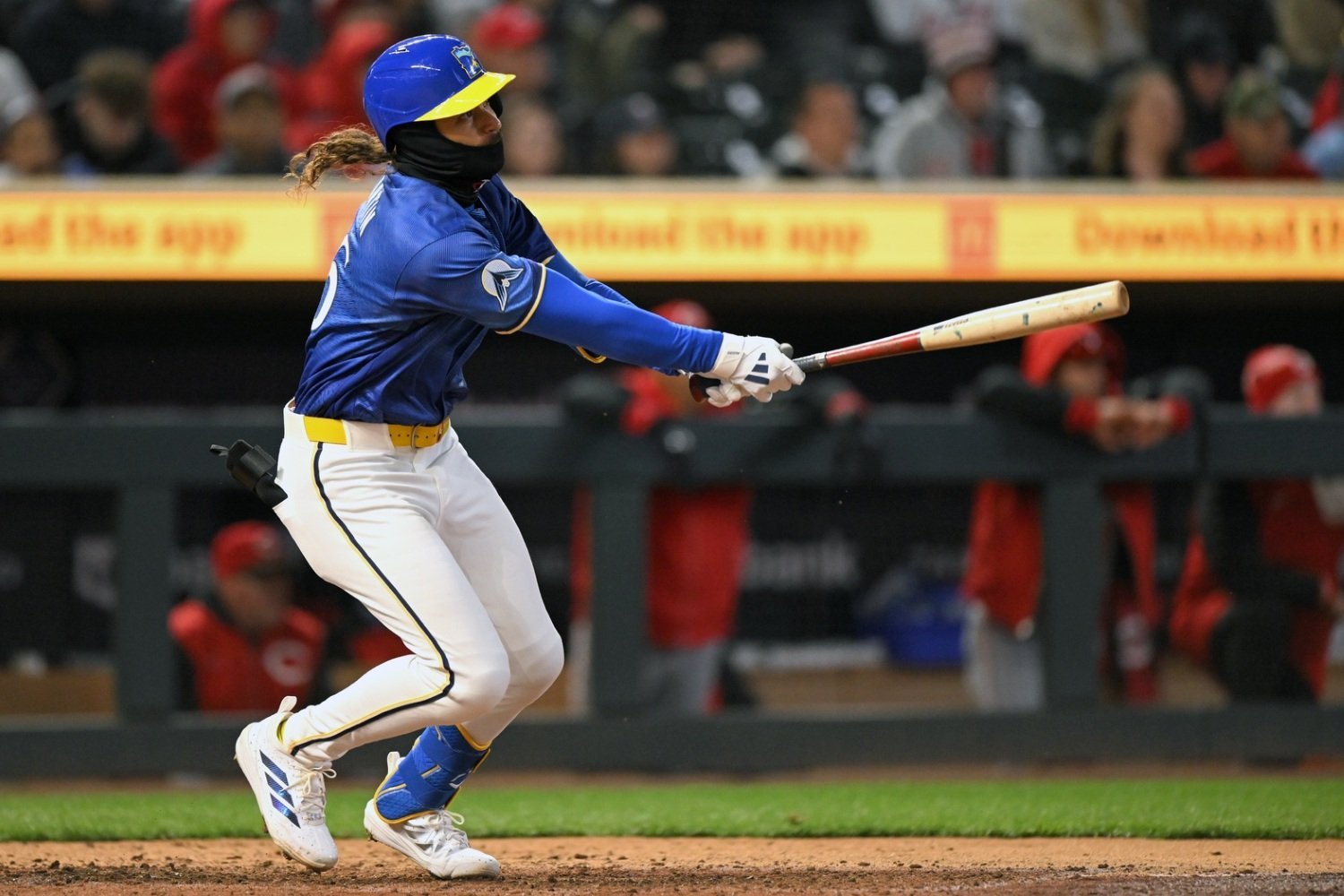 The Minnesota Twins opened the 2026 season with what the team hoped was a clear offensive identity. They consistently delivered in big moments, especially with runners in scoring position, helping fuel a strong start in the standings. It’s hard to believe the team sat atop the AL standings at one point this month, but here we are. The team’s timely hitting faded as April came to a close, with the lineup going cold in those same situations and leaving runs on the table. This has led to some frustrating losses in close games. Even with that dip, a handful of hitters stood out and helped set the tone for the season’s first full month. 4. Byron Buxton March/April Stats: .252/.306/.504 (.810), 5 2B, 1 3B, 8 HR, 8 BB, 36 K, 120 wRC+ April was a mixed bag for Buxton. After a spring limited by his participation in the World Baseball Classic, he took time to find his rhythm at the plate. The power showed up as he led the team in home runs, but the overall production has not quite matched his recent standards. His OPS+ has dipped 16 points compared to the last two seasons, and his struggles with runners in scoring position have been particularly noticeable during the team’s late-month skid. However, he ended the month on quite the hot streak with three homers in his last four games and five in his last nine. 3. Trevor Larnach March/April Stats: .269/.424/.403 (.827), 4 2B, 1 3B, 1 HR, 18 BB, 15 K, 138 wRC+ Larnach entered the season with something to prove. After a league-average campaign in 2025 (100 OPS+), there were legitimate questions about whether he fit into the Twins’ long-term plans. Early returns suggest a different story. Even while facing a schedule heavy with left-handed pitching that limited his opportunities, Larnach has shown a refined approach. His plate discipline has stood out immediately, posting more walks than strikeouts and consistently extending at-bats. He has already surpassed last season’s WAR total and is trending toward a career year if this approach holds. 2. Ryan Jeffers March/April Stats: .291/.411/.494 (.904), 2 2B, 1 3B, 4 HR, 15 BB, 17 K, 155 wRC+ Jeffers is treating 2026 like exactly what it is: a contract year. Already established as one of the American League’s better offensive catchers, he took another step forward in April. His on-base skills have been excellent, and his slugging percentage has jumped nearly 100 points from last season. What makes his performance even more valuable is the increased workload behind the plate. He is producing at a high level while handling a larger share of catching duties. If this continues, Jeffers is positioning himself for a significant payday this offseason. Twins Hitter of the Month: Austin Martin March/April Stats: .313/.477/.422 (.899), 4 2B, 1 HR, 19 BB, 13 K, 4 SB, 163 wRC+ Martin has been the engine of the Twins' offense in April. He finished the 2025 season on a high note with a 107 OPS+ and 11 steals in the team’s final 50 games. Martin has carried that momentum into this season and elevated his game even further. He leads the team in multiple offensive categories and has become a catalyst at the top of the lineup. His ability to control the strike zone stands out, with a sharp increase in walks and a reduction in strikeouts. Every plate appearance feels competitive, and his approach has had a ripple effect on the rest of the lineup. What once looked like a bench or platoon profile is quickly turning into something much more impactful. The biggest takeaway from April might not just be who performed, but who exceeded expectations. Martin and Larnach have flipped the narrative early in the season. Neither entered the year with a guaranteed everyday role, and both faced questions about their long-term fit on the roster. Instead, they have become key pieces of the lineup. If this is the version of each player the Twins are getting, it significantly raises the offense's ceiling. At the same time, the rest of the lineup cannot afford to coast. The organization is experiencing a wave of high-end talent pushing up from the upper minors, including Walker Jenkins, Emmanuel Rodriguez, Gabriel Gonzalez, and Kaelen Culpepper. With that kind of depth waiting at Triple-A, performance at the big-league level will dictate opportunity. April showed that unexpected contributors can emerge, but it also served as a reminder that spots in this lineup are far from guaranteed moving forward. How would your ballot look for the Twins’ Hitter of the Month? Leave a comment and start the discussion.
- 29 comments
-
- 6
-
-
- byron buxton
- trevor larnach
- (and 2 more)
-
Image courtesy of © Nick Wosika-Imagn Images The Minnesota Twins opened the 2026 season with what the team hoped was a clear offensive identity. They consistently delivered in big moments, especially with runners in scoring position, helping fuel a strong start in the standings. It’s hard to believe the team sat atop the AL standings at one point this month, but here we are. The team’s timely hitting faded as April came to a close, with the lineup going cold in those same situations and leaving runs on the table. This has led to some frustrating losses in close games. Even with that dip, a handful of hitters stood out and helped set the tone for the season’s first full month. 4. Byron Buxton March/April Stats: .252/.306/.504 (.810), 5 2B, 1 3B, 8 HR, 8 BB, 36 K, 120 wRC+ April was a mixed bag for Buxton. After a spring limited by his participation in the World Baseball Classic, he took time to find his rhythm at the plate. The power showed up as he led the team in home runs, but the overall production has not quite matched his recent standards. His OPS+ has dipped 16 points compared to the last two seasons, and his struggles with runners in scoring position have been particularly noticeable during the team’s late-month skid. However, he ended the month on quite the hot streak with three homers in his last four games and five in his last nine. 3. Trevor Larnach March/April Stats: .269/.424/.403 (.827), 4 2B, 1 3B, 1 HR, 18 BB, 15 K, 138 wRC+ Larnach entered the season with something to prove. After a league-average campaign in 2025 (100 OPS+), there were legitimate questions about whether he fit into the Twins’ long-term plans. Early returns suggest a different story. Even while facing a schedule heavy with left-handed pitching that limited his opportunities, Larnach has shown a refined approach. His plate discipline has stood out immediately, posting more walks than strikeouts and consistently extending at-bats. He has already surpassed last season’s WAR total and is trending toward a career year if this approach holds. 2. Ryan Jeffers March/April Stats: .291/.411/.494 (.904), 2 2B, 1 3B, 4 HR, 15 BB, 17 K, 155 wRC+ Jeffers is treating 2026 like exactly what it is, a contract year. Already established as one of the American League’s better offensive catchers, he took another step forward in April. His on-base skills have been excellent, and his slugging percentage has jumped nearly 100 points from last season. What makes his performance even more valuable is the increased workload behind the plate. He is producing at a high level while handling a larger share of catching duties. If this continues, Jeffers is positioning himself for a significant payday this offseason. Twins Hitter of the Month: Austin Martin March/April Stats: .313/.477/.422 (.899), 4 2B, 1 HR, 19 BB, 13 K, 4 SB, 163 wRC+ Martin has been the engine of the Twins' offense in April. He finished the 2025 season on a high note with a 107 OPS+ and 11 steals in the team’s final 50 games. Martin has carried that momentum into this season and elevated his game even further. He leads the team in multiple offensive categories and has become a catalyst at the top of the lineup. His ability to control the strike zone stands out, with a sharp increase in walks and a reduction in strikeouts. Every plate appearance feels competitive, and his approach has had a ripple effect on the rest of the lineup. What once looked like a bench or platoon profile is quickly turning into something much more impactful. The biggest takeaway from April might not just be who performed, but who exceeded expectations. Martin and Larnach have flipped the narrative early in the season. Neither entered the year with a guaranteed everyday role, and both faced questions about their long-term fit on the roster. Instead, they have become key pieces of the lineup. If this is the version of each player the Twins are getting, it significantly raises the offense's ceiling. At the same time, the rest of the lineup cannot afford to coast. The organization is experiencing a wave of high-end talent pushing up from the upper minors, including Walker Jenkins, Emmanuel Rodriguez, Gabriel Gonzalez, and Kaelen Culpepper. With that kind of depth waiting at Triple-A, performance at the big-league level will dictate opportunity. April showed that unexpected contributors can emerge, but it also served as a reminder that spots in this lineup are far from guaranteed moving forward. How would your ballot look for the Twins’ Hitter of the Month? Leave a comment and start the discussion. View full article
-
Austin Martin, Brooks Lee, and a Changing Developmental Blueprint
Cody Christie posted an article in Twins
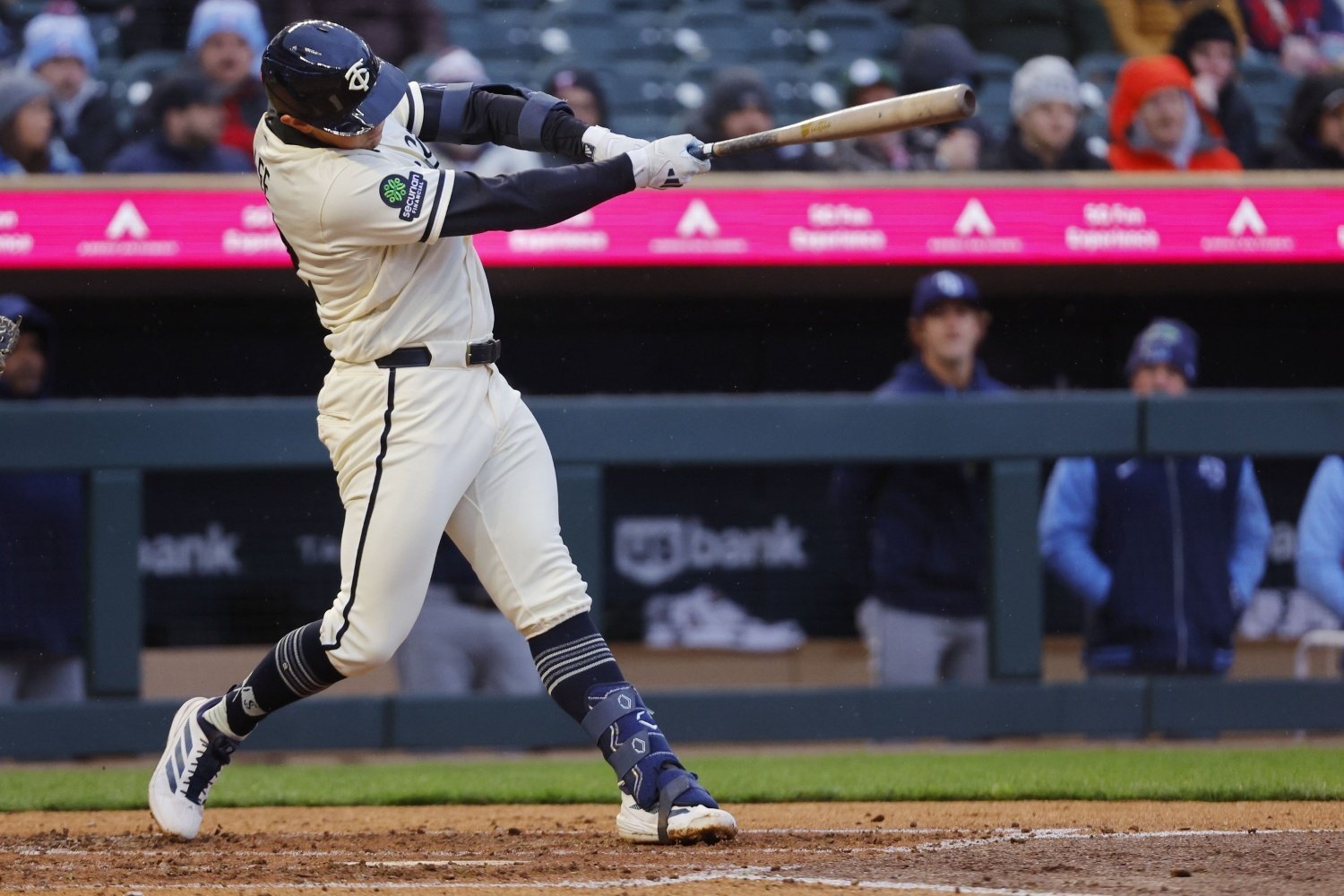 Player development has never been a simple, linear process, but the modern version of it might be more unpredictable than ever. Organizations map out a vision for prospects when they are drafted or signed, but that vision often changes as players face better competition, adjust to new information, and learn what actually works against major-league pitching. Some players arrive exactly as advertised. Others have to reshape their identities entirely, even after they reach the highest level. That evolution is not a failure of scouting or development. It reflects how difficult it is to project human performance years into the future. The version of a player at age 21 is rarely the same as the finished product at 27. Adjustments happen. Bodies change. Approaches shift. The result can look very different from the initial blueprint. Take Byron Buxton as the clearest example. Early in his career, the Twins tried to mold him into a traditional leadoff hitter. The focus was on putting the ball on the ground, using his elite speed, and letting him create offense with his legs. In theory, it made sense. In reality, it limited what Buxton could become. With time, it became obvious that the best version of Buxton is not a slap hitter. He's a middle-of-the-order force who punishes mistakes and changes games with power, while still bringing elite speed as a secondary weapon. The shift in expectations unlocked a different level of production. That same theme is playing out across the 2026 roster. Austin Martin Original Expectations: Coming out of Vanderbilt University, Martin built a reputation as one of the most polished bats in his draft class. His .368/.474/.532 collegiate slash line made him the No. 5 overall pick in the 2020 MLB Draft. His offensive identity centered around elite bat-to-ball skills, strike-zone control, and the ability to spray contact to all fields. Early returns in pro ball backed that up, including a .414 OBP in his debut season, though questions lingered about how much impact he would generate. Updated Expectations: That question has followed him into the big leagues, and the answer has taken an unexpected shape. Over-the-fence power hasn't materialized, but Martin has leaned fully into what he does best. Over the first month of this year, he has more walks (18) than strikeouts (13), and that level of discipline has allowed him to function as a table-setter in a very different way than originally envisioned. He may never reach the 20-home run mark, but his ability to control at-bats, use the entire field, and turn routine hits into extra bases with his legs gives him value. At 27 years old, he looks like a player who's finally settling into a sustainable version of himself after a development path that was anything but typical. Brooks Lee Original Expectations: Lee’s amateur track record suggested one of the safest bats in the 2022 MLB Draft. After starring at California Polytechnic State University, he entered pro ball with a reputation for elite contact skills and advanced feel from both sides of the plate. He consistently walked more than he struck out in college, ran a strikeout rate of just 11.7%, and showed the ability to drive the ball with wood bats during summer leagues. The expectation was a high-average hitter with steady production and enough strength to grow into moderate power. Updated Expectations: His transition to the majors has not followed that script. Lee has found it difficult to maintain consistent contact, carrying a career batting average under .240. Pitchers have found ways to attack Lee and get him to chase poor pitches on the edges of the zone. At the same time, another part of his game has taken a step forward. Through the first 28 games, he has launched five home runs, trailing only Buxton on the team. His 106 OPS+ and 109 wRC+ point to above-average offensive production, especially for a player handling a premium position. Long term, he may slide off shortstop, but the emergence of legitimate power has added a layer that was not part of his original profile. Lee and Martin’s development arcs remind us that improvement is not always predictable. The carrying tool can regress, while another tool rises to take its place. What matters is the overall package, not whether it matches the initial report—and that package can change over time, too. The idea of a fixed player archetype is fading. Development is more fluid now, shaped by data, experience, and a willingness to adapt. Players are trying a wider variety of things, to find the version of themselves that works once they get to the highest level. For the Twins, that has meant rethinking what success looks like for players like Buxton, Martin, and Lee. The original expectations still matter, but they no longer define the outcome. In many cases, the best version of a player is the one that no one fully saw coming. Can Lee and Martin continue to meet their updated expectations? Leave a comment and start the discussion.
- 43 comments
-
- 4
-
-
- austin martin
- brooks lee
- (and 1 more)
-
Image courtesy of © Bruce Kluckhohn-Imagn Images Player development has never been a simple, linear process, but the modern version of it might be more unpredictable than ever. Organizations map out a vision for prospects when they are drafted or signed, but that vision often changes as players face better competition, adjust to new information, and learn what actually works against major-league pitching. Some players arrive exactly as advertised. Others have to reshape their identities entirely, even after they reach the highest level. That evolution is not a failure of scouting or development. It reflects how difficult it is to project human performance years into the future. The version of a player at age 21 is rarely the same as the finished product at 27. Adjustments happen. Bodies change. Approaches shift. The result can look very different from the initial blueprint. Take Byron Buxton as the clearest example. Early in his career, the Twins tried to mold him into a traditional leadoff hitter. The focus was on putting the ball on the ground, using his elite speed, and letting him create offense with his legs. In theory, it made sense. In reality, it limited what Buxton could become. With time, it became obvious that the best version of Buxton is not a slap hitter. He's a middle-of-the-order force who punishes mistakes and changes games with power, while still bringing elite speed as a secondary weapon. The shift in expectations unlocked a different level of production. That same theme is playing out across the 2026 roster. Austin Martin Original Expectations: Coming out of Vanderbilt University, Martin built a reputation as one of the most polished bats in his draft class. His .368/.474/.532 collegiate slash line made him the No. 5 overall pick in the 2020 MLB Draft. His offensive identity centered around elite bat-to-ball skills, strike-zone control, and the ability to spray contact to all fields. Early returns in pro ball backed that up, including a .414 OBP in his debut season, though questions lingered about how much impact he would generate. Updated Expectations: That question has followed him into the big leagues, and the answer has taken an unexpected shape. Over-the-fence power hasn't materialized, but Martin has leaned fully into what he does best. Over the first month of this year, he has more walks (18) than strikeouts (13), and that level of discipline has allowed him to function as a table-setter in a very different way than originally envisioned. He may never reach the 20-home run mark, but his ability to control at-bats, use the entire field, and turn routine hits into extra bases with his legs gives him value. At 27 years old, he looks like a player who's finally settling into a sustainable version of himself after a development path that was anything but typical. Brooks Lee Original Expectations: Lee’s amateur track record suggested one of the safest bats in the 2022 MLB Draft. After starring at California Polytechnic State University, he entered pro ball with a reputation for elite contact skills and advanced feel from both sides of the plate. He consistently walked more than he struck out in college, ran a strikeout rate of just 11.7%, and showed the ability to drive the ball with wood bats during summer leagues. The expectation was a high-average hitter with steady production and enough strength to grow into moderate power. Updated Expectations: His transition to the majors has not followed that script. Lee has found it difficult to maintain consistent contact, carrying a career batting average under .240. Pitchers have found ways to attack Lee and get him to chase poor pitches on the edges of the zone. At the same time, another part of his game has taken a step forward. Through the first 28 games, he has launched five home runs, trailing only Buxton on the team. His 106 OPS+ and 109 wRC+ point to above-average offensive production, especially for a player handling a premium position. Long term, he may slide off shortstop, but the emergence of legitimate power has added a layer that was not part of his original profile. Lee and Martin’s development arcs remind us that improvement is not always predictable. The carrying tool can regress, while another tool rises to take its place. What matters is the overall package, not whether it matches the initial report—and that package can change over time, too. The idea of a fixed player archetype is fading. Development is more fluid now, shaped by data, experience, and a willingness to adapt. Players are trying a wider variety of things, to find the version of themselves that works once they get to the highest level. For the Twins, that has meant rethinking what success looks like for players like Buxton, Martin, and Lee. The original expectations still matter, but they no longer define the outcome. In many cases, the best version of a player is the one that no one fully saw coming. Can Lee and Martin continue to meet their updated expectations? Leave a comment and start the discussion. View full article
-
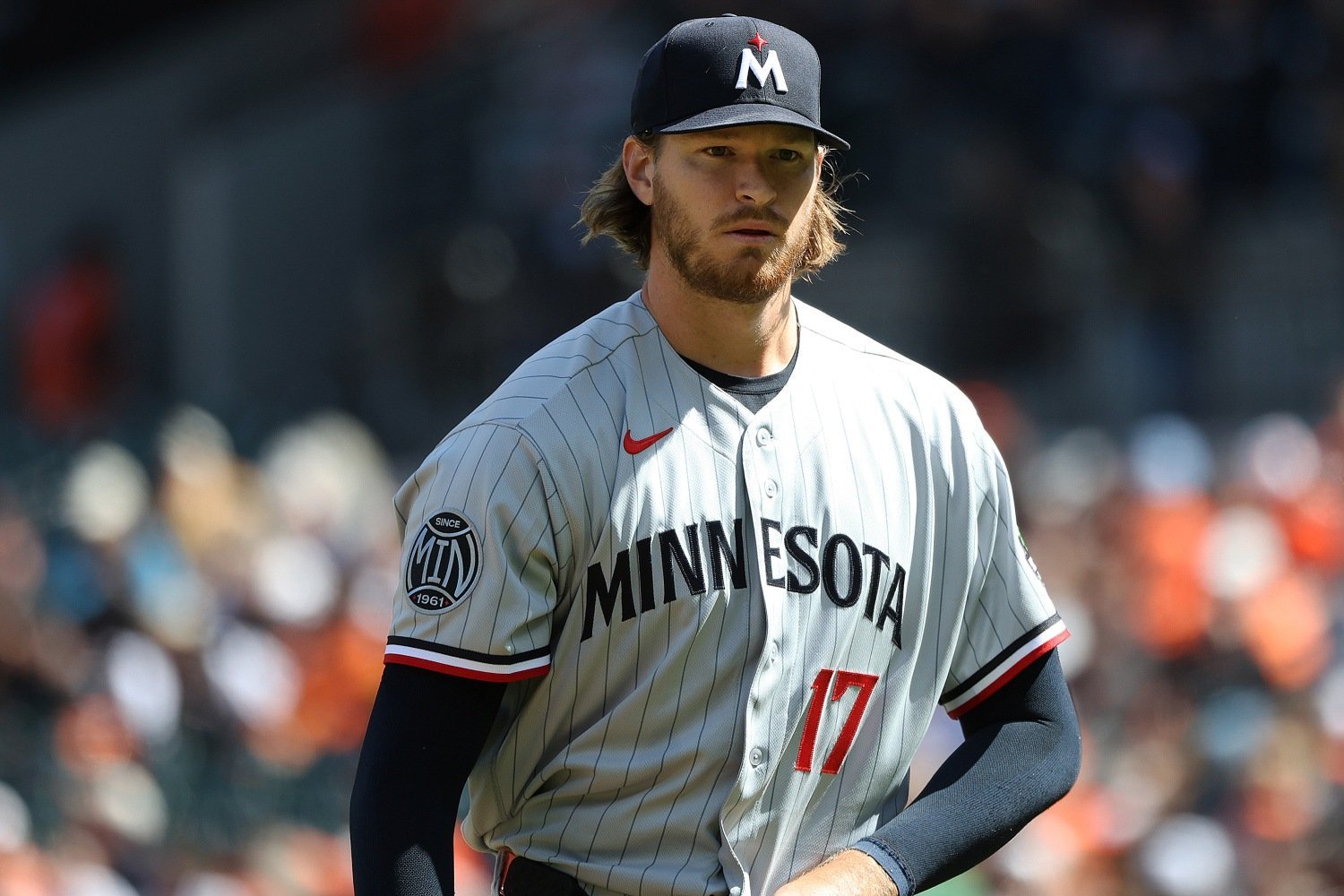 There was a style of mid-rotation starter that used to populate rotations across baseball in the 1990s. He did not light up the radar gun. He did not need to. He lived on the edges of the strike zone, changed speeds with intent, and trusted that a well-executed plan could beat raw power. In 2026, Bailey Ober is starting to look like that guy. The conversation around Ober entering the year centered on whether he could bounce back. Last season, he never quite clicked. His health was inconsistent, his stuff lacked its usual crispness, and the subpar results followed. The expectation for this winter was straightforward. Get healthy, get the fastball back into the low 90s, and let his natural feel for pitching carry the rest. That version hasn't materialized. The velocity has continued to trend in the wrong direction. Yet, the results have stabilized in a way that suggests Ober has found a different path forward. Ober has never been reliant on velocity. Even at his peak, when his fastball sat in the 91-92 mph range in 2024, his success came from how he used it, rather than how hard he threw. By 2025, that number dipped closer to 90 mph, and the margin for error shrank. For a pitcher who relies on deception, even a slight drop can flatten the entire arsenal. Hitters began to make more consistent contact, and his ability to finish plate appearances took a hit. In 2026, the radar gun tells a more concerning story at first glance. His fastball is averaging 88.7 mph, down from 90.3 mph a year ago. In a vacuum, that kind of drop should be a red flag. Instead, Ober has adjusted in a way that feels deliberate. The biggest change is in how he sequences his pitches. For the first time in his career, the changeup has become his most frequently used offering. After sitting at 28.9% usage last season, it has climbed to 34.4% this year. It's his best pitch, and is central to everything he's trying to do. And it's working, at least in terms of limiting damage. Opponents are hitting just .190 against the pitch, a noticeable improvement from last year, even if the underlying run value suggests it has been more neutral (-1 Run Value) than dominant. What matters more is how it sets the table. By leaning into the changeup, Ober is forcing hitters to respect a different speed band and a different shape profile, even without a significant gap between it and his fastball. That altered timing shows up elsewhere. His slider has quietly become his most effective weapon. It carries a Run Value of 4 and has emerged as his primary finisher. With a 21.1% put away rate, along with a .206 xBA and .282 xSLG, the pitch is doing the heavy lifting when Ober needs an out. Hitters are not squaring it up with the same authority, reflected in a drop in exit velocity against the pitch compared to last year. Then there's the fastball, the pitch that draws the most scrutiny and the most skepticism. At 88.7 mph, it should be vulnerable. Instead, it has been more effective than it was a year ago. Opponents have managed just a .213 xBA against it, a significant improvement, and the expected slugging percentage has dropped to .306, a drop of over .230 compared to last year. That doesn't happen by accident. Ober is locating it with precision, using it in different parts of the zone, and pairing it more effectively with his off-speed pitches. The reduced velocity has actually tightened the relationship between his pitches, making it harder for hitters to sit on one speed or one movement profile. It's not overpowering; It's not flashy. It is, however, intentional. The question now is sustainability. Pitchers who live in this range have a thinner margin for error. If the command slips even slightly, there is less velocity to fall back on. If hitters begin to anticipate the sequencing, the entire structure can unravel quickly. At the same time, this is a blueprint that's worked before, even if it feels out of place in today’s game. Ober isn't trying to win with pure stuff. He is trying to win each pitch, each count, each decision. There is a level of craft to that approach that can age well, if it is maintained. For now, Ober is proving that success does not have to follow a single formula. In a league obsessed with velocity, he is carving out a role by going in the opposite direction. It may not look like the modern prototype, but it is starting to look like something just as reliable. Can Ober continue to find success with his current pitching profile? Leave a comment and start the discussion.
 -
Image courtesy of © Daniel Kucin Jr.-Imagn Images There was a version of a mid-rotation starter that used to populate rotations across baseball in the 1990s. He did not light up the radar gun. He did not need to. He lived on the edges of the strike zone, changed speeds with intent, and trusted that a well-executed plan could beat raw power. In 2026, Bailey Ober is starting to look like that guy. The conversation around Ober entering the year centered on whether he could bounce back. Last season never quite clicked. His health was inconsistent, his stuff lacked its usual crispness, and the subpar results followed. The expectation for this winter was straightforward. Get healthy, get the fastball back into the low 90s, and let his natural feel for pitching carry the rest. That version has not fully returned. The velocity has continued to trend in the wrong direction, and yet, the results have stabilized in a way that suggests Ober has found a different path forward. Ober has never been built on velocity. Even at his peak, when his fastball sat in the 91-92 mph range in 2024, his success came from how he used it rather than how hard he threw it. By 2025, that number dipped closer to 90 mph, and the margin for error shrank. For a pitcher who relies on deception, even a slight drop can flatten the entire arsenal. Hitters began to make more consistent contact, and his ability to finish plate appearances took a hit. Now in 2026, the radar gun tells a more concerning story at first glance. His fastball is averaging 88.7 mph, down from 90.3 mph a year ago. In a vacuum, that kind of drop should be a red flag. Instead, Ober has adjusted in a way that feels deliberate. The biggest change is in how he sequences his pitches. For the first time in his career, the changeup has become his most frequently used offering. After sitting at 28.9% usage last season, it has climbed to 34.4% this year. It is his best pitch and central to everything he is trying to do. And it is working, at least in terms of limiting damage. Opponents are hitting just .190 against the pitch, a noticeable improvement from last year, even if the underlying run value suggests it has been more neutral (-1 Run Value) than dominant. What matters more is how it sets the table. By leaning into the changeup, Ober is forcing hitters to respect a different speed band, even without a significant gap between it and his fastball. That altered timing shows up elsewhere. His slider has quietly become his most effective weapon. It carries a positive four Run Value and has emerged as his primary finisher. With a 21.1% put away rate, along with a .206 xBA and .282 xSLG, the pitch is doing the heavy lifting when Ober needs an out. Hitters are not squaring it up with the same authority, reflected in a drop in exit velocity against the pitch compared to last year. Then there is the fastball, the pitch that draws the most scrutiny and the most skepticism. At 88.7 mph, it should be vulnerable. Instead, it has been more effective than it was a year ago. Opponents have managed just a .213 xBA against it, a significant improvement, and the expected slugging percentage has dropped to .306, a drop of over 230 points compared to last year. That does not happen by accident. Ober is locating it with precision, using it in different parts of the zone, and pairing it more effectively with his off-speed pitches. The reduced velocity has actually tightened the relationship between his pitches, making it harder for hitters to sit on one speed or one movement profile. It is not overpowering. It is not flashy. It is, however, intentional. The question now is sustainability. Pitchers who live in this range have a thinner margin for error. If the command slips even slightly, there is less velocity to fall back on. If hitters begin to anticipate the sequencing, the entire structure can unravel quickly. At the same time, this is a blueprint that has worked before, even if it feels out of place in today’s game. Ober is not trying to win with pure stuff. He is trying to win each pitch, each count, each decision. There is a level of craft to that approach that can age well if it is maintained. For now, Ober is proving that success does not have to follow a single formula. In a league obsessed with velocity, he is carving out a role by going in the opposite direction. It may not look like the modern prototype, but it is starting to look like something just as reliable. Can Ober continue to find success with his current pitching profile? Leave a comment and start the discussion. View full article