



Cody Christie
-
Posts
7,803 -
Joined
-
Last visited
-
Days Won
5
Content Type
Profiles
News
Minnesota Twins Videos
2026 Minnesota Twins Top Prospects Ranking
2022 Minnesota Twins Draft Picks
Minnesota Twins Free Agent & Trade Rumors, Notes, & Tidbits
Guides & Resources
2023 Minnesota Twins Draft Picks
The Minnesota Twins Players Project
2024 Minnesota Twins Draft Picks
2025 Minnesota Twins Draft Pick Tracker
2026 Minnesota Twins Draft Tracker: Picks & Bonuses
Forums
Blogs
Events
Store
Downloads
Gallery
Everything posted by Cody Christie
-

Where Does Vahn Lackey Rank Among Twins Top Prospects?
Cody Christie posted an article in Minor Leagues
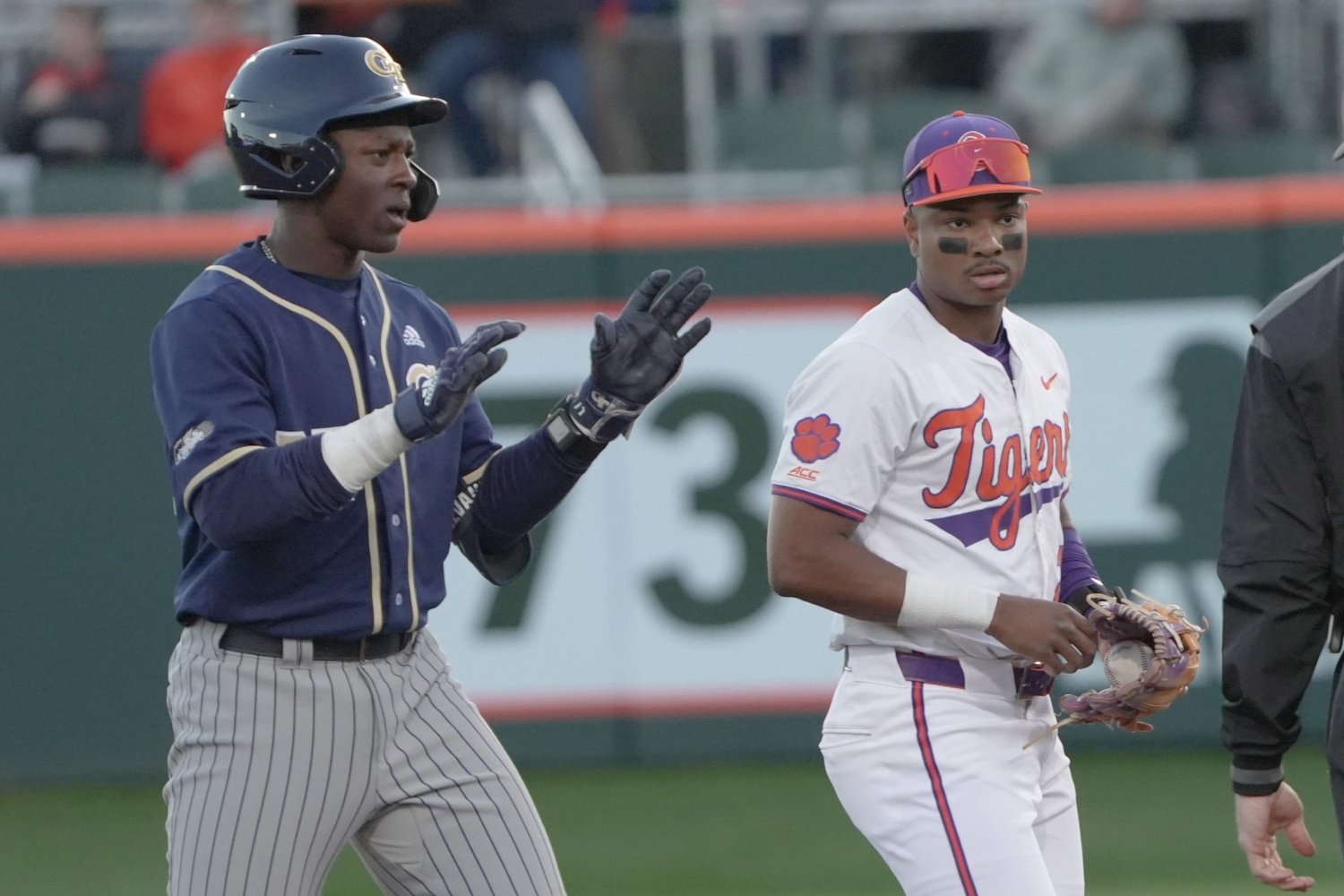 When the Twins walked to the podium with the third overall pick in the 2026 MLB Draft, there wasn't much suspense left. For weeks leading up to the draft, the biggest question centered around what the White Sox and Rays would do with the first two selections. Would one of them throw a curveball and shake up the board? Instead, the draft unfolded almost exactly how most evaluators expected. Roch Cholowsky went first overall, Grady Emerson followed at No. 2, and Minnesota happily selected Vahn Lackey with the third pick. It was a dream scenario for the Twins. Lackey entered the draft as one of the most complete prospects available, combining impact offensive upside with elite defensive ability behind the plate. Catchers with legitimate plus-plus tools on both sides of the ball are exceptionally rare, which is why many evaluators viewed him as one of the best overall talents in the class regardless of position. Once he officially signs, Lackey will immediately become one of the premier prospects in one of baseball's deepest farm systems. The question isn't whether he'll rank near the top, but exactly where he belongs in that cluster. TD Current No. 1: OF Walker Jenkins Jenkins has occupied the top spot in the Twins Daily rankings for good reason. The former fifth overall pick has done everything the organization could have hoped for since entering professional baseball and remains one of the game's elite outfield prospects. He reached Triple-A during his age-20 season and has continued to perform despite injuries in each professional season. There is also a bit of a "prove-it" test that every newly drafted player has to pass. No matter how impressive an amateur résumé may be, every prospect has to show they can translate those tools into professional baseball. The Twins have generally taken a measured approach with recent first-round picks, so it wouldn't be surprising to see Lackey begin his career in Low-A before finishing the season with Cedar Rapids if he performs well. Why Lackey Could Eventually Be No. 1 Lackey has a legitimate argument to become Minnesota's top prospect in short order. He's about 2 1/2 years younger than Kaelen Culpepper and only slightly older than Jenkins, despite coming from the college ranks. More importantly, he's a potential plus-plus offensive and defensive catcher. Those players don't show up very often. Even fewer develop into franchise cornerstones like Joe Mauer or Buster Posey. For now, Jenkins's proximity to the major leagues gives him a slight edge. He's already answered many of the developmental questions every prospect faces. But if Lackey gets off to the explosive professional start many scouts expect, it wouldn't be surprising if he's sitting atop Minnesota's prospect rankings entering next season. TD Current No. 2: SS Kaelen Culpepper Culpepper found himself in a similar position just two years ago after the Twins selected him in the first round out of Kansas State. Since then, he's done nothing but strengthen his prospect profile. The shortstop broke out in 2025 with a 138 wRC+ between High-A Cedar Rapids and Double-A Wichita before carrying that momentum into Triple-A this season. Despite dealing with a nagging glute strain in recent weeks, Culpepper has still posted a 122 wRC+ and looks poised to make his major league debut once he's healthy. Why Lackey Should Rank No. 2 This feels like the sweet spot for Lackey. Culpepper has earned his standing after proving he can dominate upper-level pitching. He's become a consensus Top 100 prospect and appears ready to contribute in Minnesota in the near future. That said, Lackey entered professional baseball with an even stronger reputation than Culpepper did coming out of college. He's viewed as a more polished player offensively and defensively, and many national prospect outlets will likely rank him slightly ahead of Culpepper once post-draft rankings are updated. That's not an indictment of Culpepper. It simply speaks to how highly the industry views Lackey's overall package. TD Current No. 3: OF Emmanuel Rodriguez Few prospects in baseball have generated as much excitement (and frustration) as Emmanuel Rodriguez. The talented outfielder has been a consensus Top 100 prospect since 2023 and reached Triple-A as a 21-year-old. His production has been outstanding whenever he's been healthy. Rodriguez posted a remarkable 180 wRC+ in 2024 despite appearing in only 47 games, then followed that with a 135 wRC+ over 65 games last season. Unfortunately, staying on the field has become the biggest obstacle in his development. Rodriguez is currently on the injured list after undergoing surgery to repair a torn UCL in his thumb, and since making his professional debut in 2021, he has yet to appear in more than 99 games during a single season. Why Lackey Should Be No. 3 This is where the debate becomes especially interesting. There's a strong argument for leaving Culpepper ahead of Lackey because he's already demonstrated success against Double-A and Triple-A competition. The jump from college baseball to professional baseball isn't always seamless, even for elite prospects. Still, Lackey is coming off one of the best collegiate seasons in recent memory and possesses one of the highest ceilings in the organization. Some evaluators may prefer to keep him behind Culpepper until he proves himself in pro ball, which would slide Rodriguez to fourth in the system. Given Rodriguez's lengthy injury history, it wouldn't be surprising if Lackey quickly leapfrogs him in most organizational rankings once he signs. Where Should He Land? Ranking prospects is always a balancing act between ceiling, proximity, performance and risk. Jenkins has earned the benefit of the doubt after succeeding at every stop while inching closer to Target Field. Culpepper has elevated himself into one of baseball's better infield prospects through outstanding production in the upper minors. Rodriguez still possesses star-level talent, but injuries continue to cloud his outlook. Lackey enters the conversation with perhaps the highest long-term upside of the group. Premium catchers with impact offensive potential are among the rarest commodities in baseball, and the Twins believe they've landed exactly that with the third overall pick. For now, No. 2 feels like the right place to slot him, narrowly behind Jenkins. But don't be surprised if that changes quickly. If Lackey's first taste of professional baseball goes as smoothly as many expect, there's a very real chance he'll open next season as Minnesota's No. 1 prospect. Where should Lackey rank among the Twins' top prospects? Leave a comment and start the discussion.
- 50 comments
-
- 6
-

-
- vahn lackey
- walker jenkins
- (and 2 more)
-
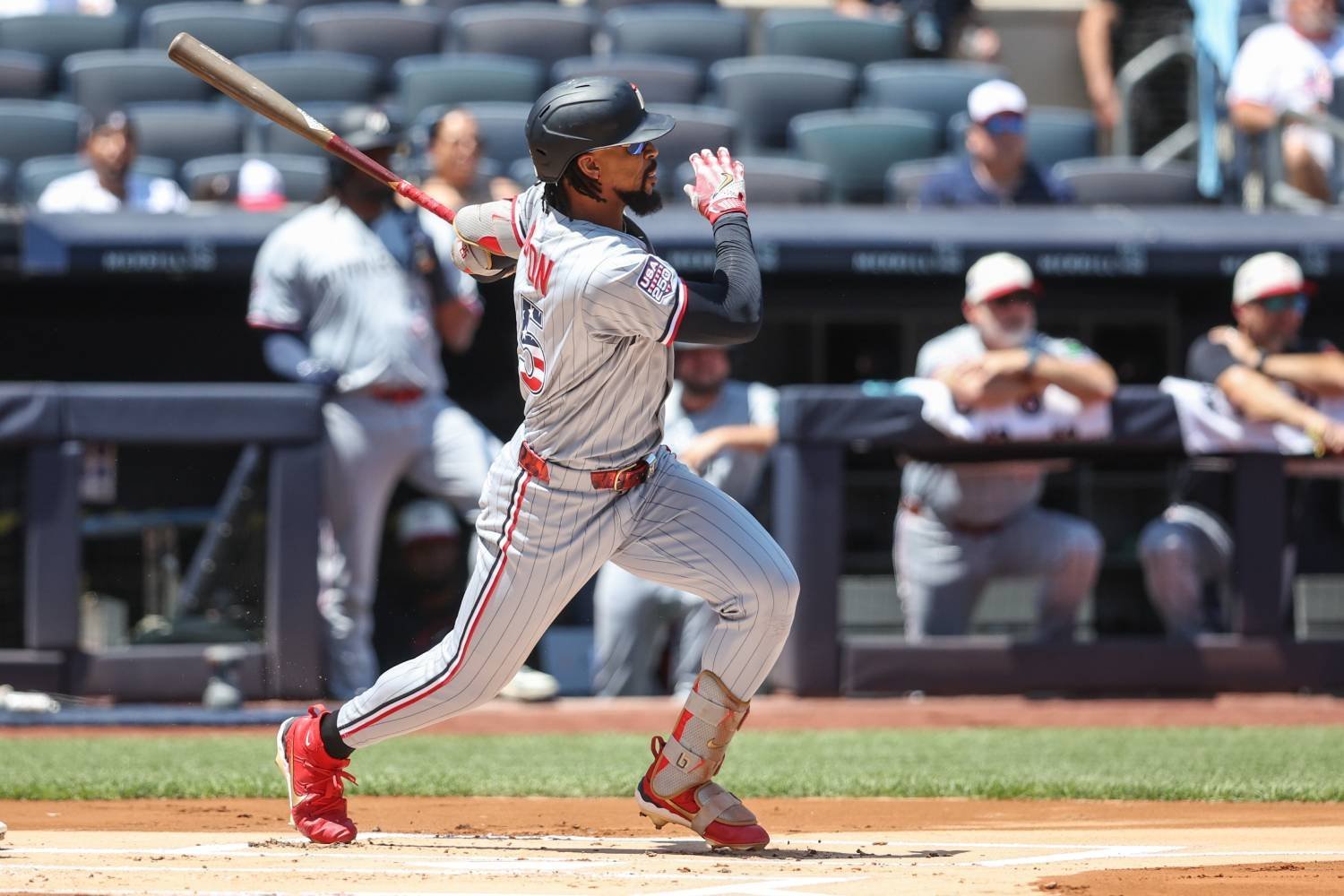 Every time Byron Buxton steps onto one of baseball's biggest stages, the questions inevitably follow. The Twins' franchise cornerstone drew national attention again this week after earning a starting spot in the All-Star Game, prompting another round of speculation about whether a player of his caliber could eventually end up elsewhere. Those conversations aren't new, and they likely won't disappear anytime soon. A healthy, productive Buxton is the type of impact player every contender covets. But while the outside noise continues, Buxton has remained remarkably consistent about where he wants his future to unfold. For him, Minnesota isn't simply the place where he plays baseball. It's home. “I have that peace of mind,” Buxton told the Minnesota Star Tribune. “My family, Minnesota is home for us. That’s where we want to be. That’s where they want to be. And that’s something that is not going to change. We done built our family up, two more kids now from Minnesota since I’ve been here. This is all they know, too.” Buxton's connection to the organization extends well beyond his contract. Drafted second overall by the Twins in 2012, he's spent his entire professional career wearing a Minnesota uniform. Through injuries, playoff appearances, individual accolades, and organizational transitions, he's remained the face of the franchise. That longevity is something Buxton has come to value even more as his career has progressed. Early in his career, he watched Joe Mauer spend an entire Hall of Fame-caliber career with one organization. More recently, during this spring's World Baseball Classic, Buxton found himself asking another lifelong franchise icon about what that experience has meant. The conversation came with future Hall of Fame pitcher Clayton Kershaw, who has spent his entire career with the Los Angeles Dodgers. “I was like, ‘Dang, bro, the only thing you know is blue and white, ain’t it?’” Buxton said. “He was like, ‘Love it.’ Just to see his reaction, though, I was like, ‘That’s going to be me.’ “We’re blessed already to be able to play baseball, but to be able to do it with one team, and make your legacy there, that’s what makes it special. It’s somewhere you can always call home no matter what.” In today's game, careers with a single franchise have become increasingly rare. Free agency, trades, and shifting competitive windows make it difficult for players to stay in one place from debut to retirement. Buxton understands that reality, which is why the opportunity to build a lasting legacy in Minnesota means so much to him. It's also one of the reasons events like the All-Star Game carry added significance. Buxton isn't just representing himself on baseball's national stage. He's representing the organization and fan base that have supported him throughout his career. “That’s why you want to do those things,” Buxton said. “Putting on that Twins jersey, going out there in front of all those people and representing Minnesota, that’s special.” The speculation will likely continue whenever Buxton is healthy enough to remind the baseball world just how dynamic he can be. Elite center field defense, game-changing speed, and middle-of-the-order power make him one of the sport's most unique players. But while others continue imagining him in another uniform, Buxton has never sounded interested in the possibility. His focus remains on adding to his legacy with the only organization he's ever known, in the state his family now calls home. For a player who has experienced nearly every high and low imaginable in a Twins uniform, that commitment has never appeared stronger.
- 9 comments
-
- 2
-
-
- byron buxton
- joe mauer
- (and 1 more)
-
Every time Byron Buxton steps onto one of baseball's biggest stages, the questions inevitably follow. The Twins' franchise cornerstone drew national attention again this week after earning a starting spot in the All-Star Game, prompting another round of speculation about whether a player of his caliber could eventually end up elsewhere. Those conversations aren't new, and they likely won't disappear anytime soon. A healthy, productive Buxton is the type of impact player every contender covets. But while the outside noise continues, Buxton has remained remarkably consistent about where he wants his future to unfold. For him, Minnesota isn't simply the place where he plays baseball. It's home. “I have that peace of mind,” Buxton told the Minnesota Star Tribune. “My family, Minnesota is home for us. That’s where we want to be. That’s where they want to be. And that’s something that is not going to change. We done built our family up, two more kids now from Minnesota since I’ve been here. This is all they know, too.” Buxton's connection to the organization extends well beyond his contract. Drafted second overall by the Twins in 2012, he's spent his entire professional career wearing a Minnesota uniform. Through injuries, playoff appearances, individual accolades, and organizational transitions, he's remained the face of the franchise. That longevity is something Buxton has come to value even more as his career has progressed. Early in his career, he watched Joe Mauer spend an entire Hall of Fame-caliber career with one organization. More recently, during this spring's World Baseball Classic, Buxton found himself asking another lifelong franchise icon about what that experience has meant. The conversation came with future Hall of Fame pitcher Clayton Kershaw, who has spent his entire career with the Los Angeles Dodgers. “I was like, ‘Dang, bro, the only thing you know is blue and white, ain’t it?’” Buxton said. “He was like, ‘Love it.’ Just to see his reaction, though, I was like, ‘That’s going to be me.’ “We’re blessed already to be able to play baseball, but to be able to do it with one team, and make your legacy there, that’s what makes it special. It’s somewhere you can always call home no matter what.” In today's game, careers with a single franchise have become increasingly rare. Free agency, trades, and shifting competitive windows make it difficult for players to stay in one place from debut to retirement. Buxton understands that reality, which is why the opportunity to build a lasting legacy in Minnesota means so much to him. It's also one of the reasons events like the All-Star Game carry added significance. Buxton isn't just representing himself on baseball's national stage. He's representing the organization and fan base that have supported him throughout his career. “That’s why you want to do those things,” Buxton said. “Putting on that Twins jersey, going out there in front of all those people and representing Minnesota, that’s special.” The speculation will likely continue whenever Buxton is healthy enough to remind the baseball world just how dynamic he can be. Elite center field defense, game-changing speed, and middle-of-the-order power make him one of the sport's most unique players. But while others continue imagining him in another uniform, Buxton has never sounded interested in the possibility. His focus remains on adding to his legacy with the only organization he's ever known, in the state his family now calls home. For a player who has experienced nearly every high and low imaginable in a Twins uniform, that commitment has never appeared stronger. View full rumor
-
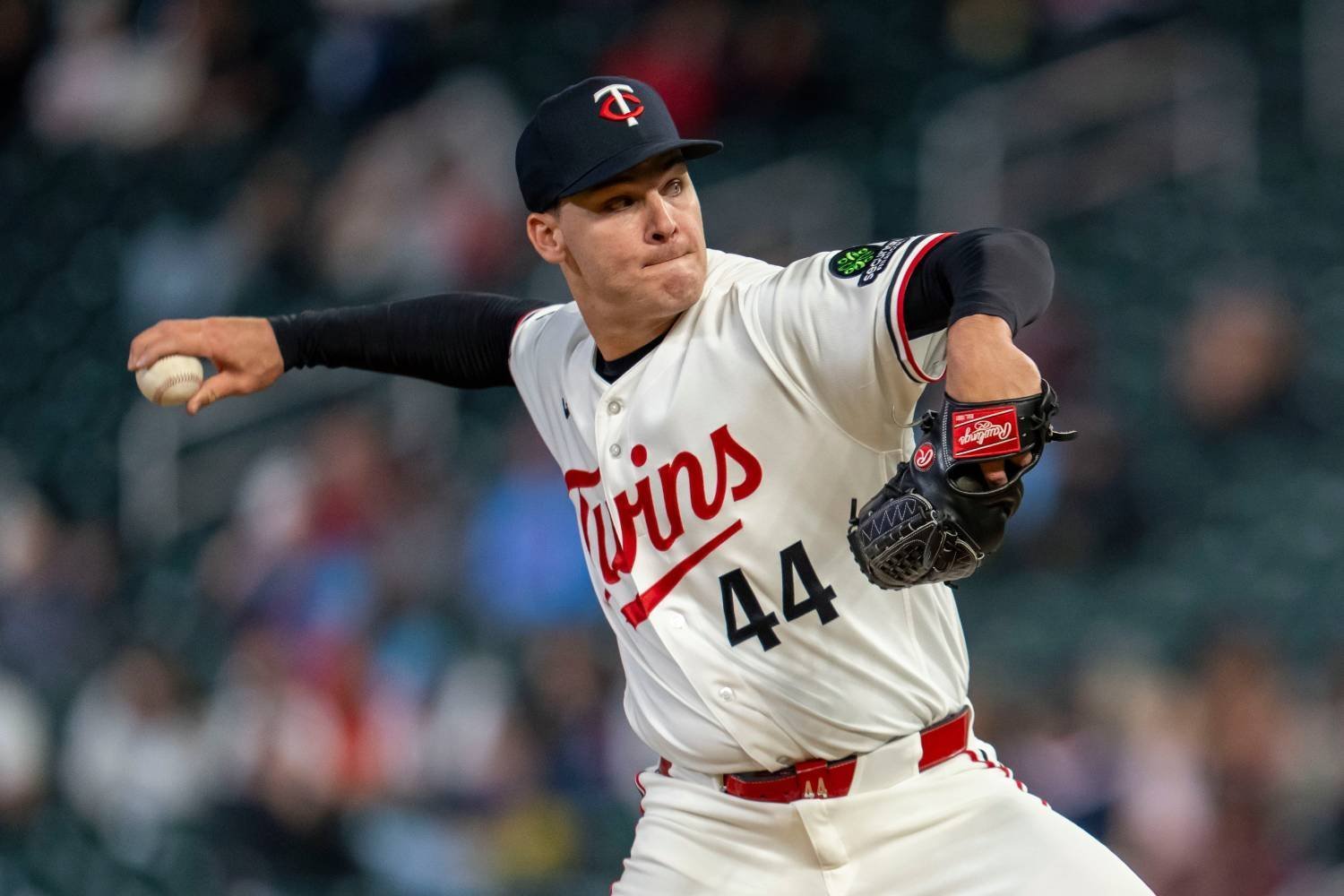 The Twins have spent much of the season trying to patch together their bullpen without one of their most dependable relievers. Right-hander Cole Sands has been sidelined since early May with a right forearm strain, but after navigating a frustrating rehab process that included an unexpected setback, he appears to be trending in the right direction. Minnesota placed Sands on the 15-day injured list on May 2 after forearm discomfort forced him out of action. The organization originally hoped he would return relatively quickly, and he was cleared to begin a rehab assignment in early June. Those plans were delayed when inflammation resurfaced, forcing the Twins to shut him down and allow the injury to calm before restarting the process. After completing another throwing progression, Sands resumed his rehab assignment and immediately showed encouraging signs. During one of his recent appearances, his fastball averaged 93.7 mph, a noticeable improvement from where it had been earlier this season and an indication that his arm strength is continuing to return. His latest outing may have been his most encouraging yet. Pitching for Triple-A St. Paul on Saturday, Sands tossed a scoreless inning while once again seeing all of his pitch velocities climb above his season averages. It marked the second consecutive rehab appearance in which his velocity ticked upward, another positive indicator that he is getting closer to full strength. Even with the improved results, the Twins aren't quite ready to activate him. Saturday's outing came four days after his previous appearance, and Minnesota wants to see how Sands responds to a more typical major league workload before bringing him back. That likely means pitching on shorter rest, with back-to-back appearances a possibility, before the club is convinced he can handle the demands of a late-inning role. Before the injury, Sands wasn't producing at the level Twins fans had become accustomed to seeing. Over 11 2/3 innings this season, he owns a 4.63 ERA with a 22% strikeout rate and an eight percent walk rate. Opposing hitters have also produced a hefty 51.4% hard-hit rate against him. One of the biggest differences has been his fastball. Sands averaged 95 mph during the 2025 season, but that figure dropped to 93.1 mph before landing on the injured list. Even so, there were signs that better results could have been on the horizon. His 3.65 SIERA sits nearly a full run lower than his actual ERA, suggesting his underlying performance was stronger than the surface numbers indicate. It's also fair to wonder whether his forearm issue contributed to his rough final outing on April 28 against Seattle, when he surrendered two runs while recording just two outs. Despite his uneven start to 2026, Sands has earned the benefit of the doubt. Since the beginning of the 2024 season, he has developed into one of Minnesota's most dependable relievers, regularly taking on high-leverage innings while providing valuable multi-inning flexibility. The Twins have managed to survive his absence by leaning on relievers such as Yoendrys Gomez, Andrew Morris, and Anthony Banda before Banda's season-ending injury further thinned the bullpen. While several pitchers have stepped into larger roles, adding an experienced arm like Sands would give manager Derek Shelton another trusted option for the stretch run. If Sands continues checking the remaining boxes during his rehab assignment, his return may not be far away. A healthy version of the right-hander could help stabilize a relief corps that has spent much of the season searching for consistency. With velocity returning and his workload gradually increasing, the Twins finally have reason to believe one of their most reliable relievers is nearing his return.
 -
The Twins have spent much of the season trying to patch together their bullpen without one of their most dependable relievers. Right-hander Cole Sands has been sidelined since early May with a right forearm strain, but after navigating a frustrating rehab process that included an unexpected setback, he appears to be trending in the right direction. Minnesota placed Sands on the 15-day injured list on May 2 after forearm discomfort forced him out of action. The organization originally hoped he would return relatively quickly, and he was cleared to begin a rehab assignment in early June. Those plans were delayed when inflammation resurfaced, forcing the Twins to shut him down and allow the injury to calm before restarting the process. After completing another throwing progression, Sands resumed his rehab assignment and immediately showed encouraging signs. During one of his recent appearances, his fastball averaged 93.7 mph, a noticeable improvement from where it had been earlier this season and an indication that his arm strength is continuing to return. His latest outing may have been his most encouraging yet. Pitching for Triple-A St. Paul on Saturday, Sands tossed a scoreless inning while once again seeing all of his pitch velocities climb above his season averages. It marked the second consecutive rehab appearance in which his velocity ticked upward, another positive indicator that he is getting closer to full strength. Even with the improved results, the Twins aren't quite ready to activate him. Saturday's outing came four days after his previous appearance, and Minnesota wants to see how Sands responds to a more typical major league workload before bringing him back. That likely means pitching on shorter rest, with back-to-back appearances a possibility, before the club is convinced he can handle the demands of a late-inning role. Before the injury, Sands wasn't producing at the level Twins fans had become accustomed to seeing. Over 11 2/3 innings this season, he owns a 4.63 ERA with a 22% strikeout rate and an eight percent walk rate. Opposing hitters have also produced a hefty 51.4% hard-hit rate against him. One of the biggest differences has been his fastball. Sands averaged 95 mph during the 2025 season, but that figure dropped to 93.1 mph before landing on the injured list. Even so, there were signs that better results could have been on the horizon. His 3.65 SIERA sits nearly a full run lower than his actual ERA, suggesting his underlying performance was stronger than the surface numbers indicate. It's also fair to wonder whether his forearm issue contributed to his rough final outing on April 28 against Seattle, when he surrendered two runs while recording just two outs. Despite his uneven start to 2026, Sands has earned the benefit of the doubt. Since the beginning of the 2024 season, he has developed into one of Minnesota's most dependable relievers, regularly taking on high-leverage innings while providing valuable multi-inning flexibility. The Twins have managed to survive his absence by leaning on relievers such as Yoendrys Gomez, Andrew Morris, and Anthony Banda before Banda's season-ending injury further thinned the bullpen. While several pitchers have stepped into larger roles, adding an experienced arm like Sands would give manager Derek Shelton another trusted option for the stretch run. If Sands continues checking the remaining boxes during his rehab assignment, his return may not be far away. A healthy version of the right-hander could help stabilize a relief corps that has spent much of the season searching for consistency. With velocity returning and his workload gradually increasing, the Twins finally have reason to believe one of their most reliable relievers is nearing his return. View full rumor
-
Image courtesy of David Malamut (photo of Brandon Winokur) Every prospect reaches a point where projection gives way to proof. For Brandon Winokur, that next step has arrived. Minnesota promoted the 21-year-old to Double-A Wichita after another intriguing stint at High-A Cedar Rapids. It isn't a promotion offered because he has answered every question about his game. Instead, it's an opportunity to answer one of the biggest questions remaining: whether one of the organization's highest-upside athletes can begin turning tantalizing tools into a complete package against upper-level competition. The Twins have always believed Winokur was worth the gamble. Now comes the biggest test of his young professional career. A Rare Draft Profile When the Twins selected Winokur in the third round of the 2023 MLB Draft, they weren't drafting a polished high-school hitter. They were betting on traits that simply don't come around very often. At 6-foot-6, Winokur was an unusual shortstop with flashes of all five tools. His size, athleticism, plus arm, power potential, and speed made him one of the more fascinating players in the draft class. Those same tools also came with significant questions about his hit tool and whether he would sign instead of honoring his commitment to Texas Tech. Minnesota believed enough in the upside to offer him a $1.5-million signing bonus (essentially second-round money) to bring him into the organization. Since then, his professional career has looked much like evaluators expected: equal parts exciting and frustrating. Flashes of the Ceiling Winokur's first two full seasons have showcased why the Twins were willing to invest heavily. He's developed into one of the better athletes in the system, while proving he can stay on the infield much longer than many expected. When he was drafted, some scouts believed his size would quickly force a move off shortstop. Instead, his agility, flexibility, and athleticism have allowed him to continue handling the position while also seeing time at third base and all three outfield spots. That defensive versatility dramatically raises his floor. Offensively, the power-speed combination has been impossible to ignore. Last season, he tied for the Midwest League lead with 17 home runs while stealing 26 bases. Few players in the organization possess that kind of raw power combined with above-average speed. The challenge has never been whether the power exists. It's getting to it consistently. Throughout his career, Winokur's swing has produced too many pull-side ground balls and opposite-field flares, instead of hard contact in the air. The Twins have worked with him on adjustments designed to help him find the barrel more consistently and unlock the elite raw power that's been evident since high school. Another Encouraging Season Returning to High-A in 2026 wasn't the most exciting assignment, but it gave Winokur another opportunity to refine his approach. In 74 games with Cedar Rapids, he hit .252/.362/.421 with 13 doubles, two triples, 10 home runs, and 19 stolen bases in 25 attempts. Perhaps the most encouraging development was his improved plate discipline. His walk rate climbed to 12.6%, more than four percentage points better than last season, showing a more mature approach and improved strike-zone awareness. That's an important step for a hitter whose offensive value depends on getting into favorable counts. However, the strikeout concerns remain. Winokur struck out in 29.4% of his plate appearances, nearly five percentage points higher than last season. His contact rate remains below 60%, highlighting the biggest obstacle standing between him and becoming an everyday major leaguer. Even so, there are reasons for optimism beneath the surface. More than 83% of his plate appearances came against pitchers older than him, but he produced an impressive .836 OPS against those opponents. Considering he spent the year facing more experienced competition, his offensive production becomes a bit more encouraging. What Double-A Will Reveal The jump to Double-A is often where prospect dreams become reality, or where flaws become impossible to ignore. For Winokur, it's less about the box score and more about the quality of his at-bats. Texas League pitchers will consistently attack the weaknesses that have followed him throughout his career. Elevated fastballs have given his long levers trouble, while quality breaking balls have exposed inconsistent pitch recognition. Those issues become far more pronounced against experienced upper-level pitchers capable of executing good game plans. The Twins don't necessarily need him to eliminate strikeouts. Plenty of productive power hitters strike out at high rates. Instead, they need him to prove the contact can reach an acceptable level while continuing to impact the baseball when he does connect. If the swing decisions continue improving and the contact quality remains strong, the rest of his offensive profile starts to look much more realistic. Even if he never develops into an everyday middle-of-the-order bat, Winokur's athleticism gives him multiple paths to contributing in the majors. He has the defensive versatility to play shortstop, third base, and all three outfield positions, including center field. His arm strength and range make him a legitimate late-inning defensive weapon, and his power against left-handed pitching could eventually carve out a valuable role. The Next Step Prospect development is rarely linear, especially for players with Winokur's profile. The Twins knew they were drafting one of the highest-risk, highest-reward players in the 2023 class. Three years later, both sides of that equation remain true. The tools still jump off the field. The athleticism is still exceptional. The power remains among the best in the organization. Now, Double-A will determine whether the bat is beginning to catch up. If Winokur can make enough contact against more advanced pitching while continuing to control the strike zone, his ceiling becomes much more than an intriguing collection of tools. If the contact issues persist, his future may still be valuable, but likely in a versatile utility role, rather than as an everyday regular. Either way, Wichita represents the most important checkpoint of his professional career, and perhaps the clearest indication yet of what Winokur can ultimately become. What does Winokur need to improve at Double-A? Leave a comment and start the discussion. View full article
-
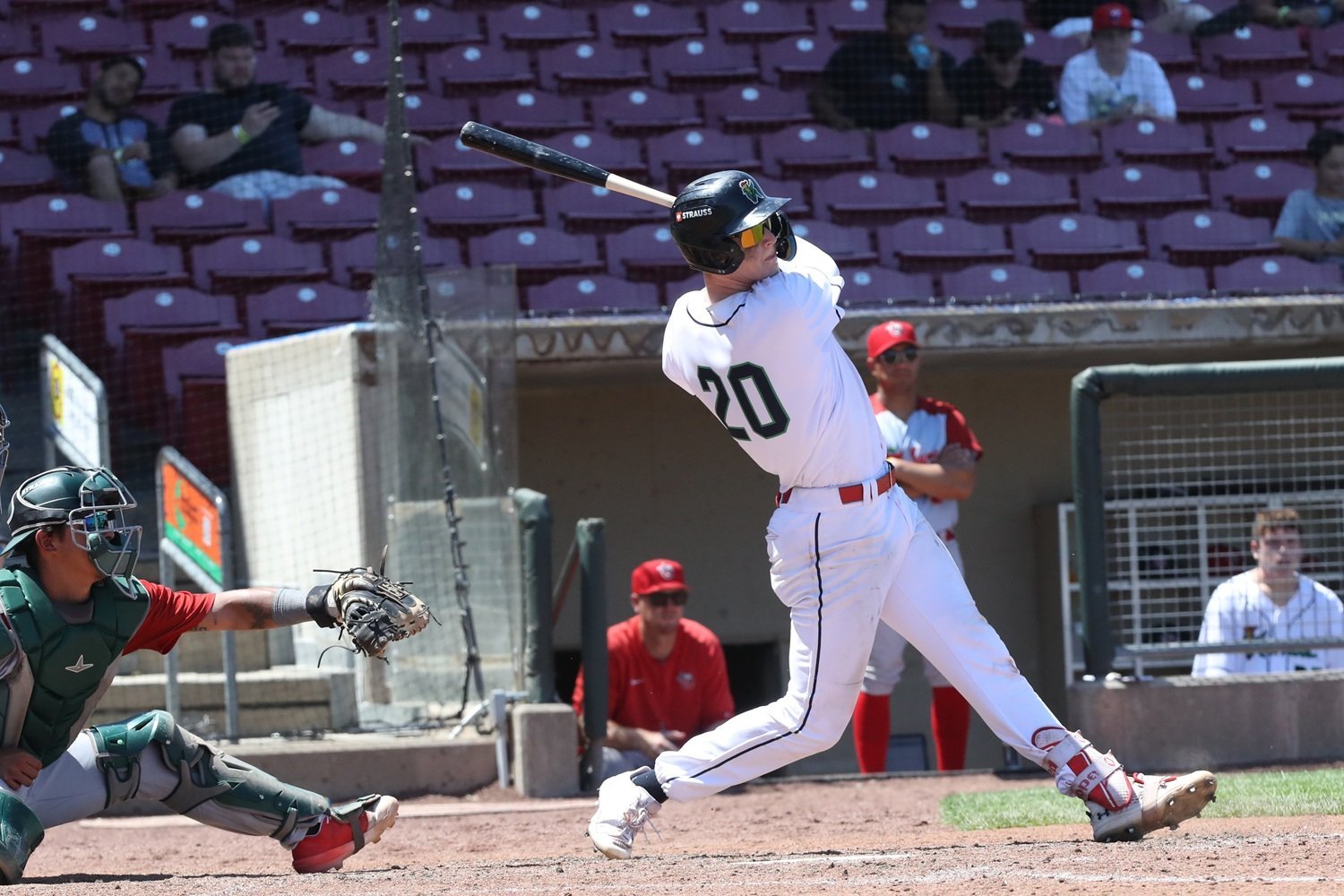 Every prospect reaches a point where projection gives way to proof. For Brandon Winokur, that next step has arrived. Minnesota promoted the 21-year-old to Double-A Wichita after another intriguing stint at High-A Cedar Rapids. It isn't a promotion offered because he has answered every question about his game. Instead, it's an opportunity to answer one of the biggest questions remaining: whether one of the organization's highest-upside athletes can begin turning tantalizing tools into a complete package against upper-level competition. The Twins have always believed Winokur was worth the gamble. Now comes the biggest test of his young professional career. A Rare Draft Profile When the Twins selected Winokur in the third round of the 2023 MLB Draft, they weren't drafting a polished high-school hitter. They were betting on traits that simply don't come around very often. At 6-foot-6, Winokur was an unusual shortstop with flashes of all five tools. His size, athleticism, plus arm, power potential, and speed made him one of the more fascinating players in the draft class. Those same tools also came with significant questions about his hit tool and whether he would sign instead of honoring his commitment to Texas Tech. Minnesota believed enough in the upside to offer him a $1.5-million signing bonus (essentially second-round money) to bring him into the organization. Since then, his professional career has looked much like evaluators expected: equal parts exciting and frustrating. Flashes of the Ceiling Winokur's first two full seasons have showcased why the Twins were willing to invest heavily. He's developed into one of the better athletes in the system, while proving he can stay on the infield much longer than many expected. When he was drafted, some scouts believed his size would quickly force a move off shortstop. Instead, his agility, flexibility, and athleticism have allowed him to continue handling the position while also seeing time at third base and all three outfield spots. That defensive versatility dramatically raises his floor. Offensively, the power-speed combination has been impossible to ignore. Last season, he tied for the Midwest League lead with 17 home runs while stealing 26 bases. Few players in the organization possess that kind of raw power combined with above-average speed. The challenge has never been whether the power exists. It's getting to it consistently. Throughout his career, Winokur's swing has produced too many pull-side ground balls and opposite-field flares, instead of hard contact in the air. The Twins have worked with him on adjustments designed to help him find the barrel more consistently and unlock the elite raw power that's been evident since high school. Another Encouraging Season Returning to High-A in 2026 wasn't the most exciting assignment, but it gave Winokur another opportunity to refine his approach. In 74 games with Cedar Rapids, he hit .252/.362/.421 with 13 doubles, two triples, 10 home runs, and 19 stolen bases in 25 attempts. Perhaps the most encouraging development was his improved plate discipline. His walk rate climbed to 12.6%, more than four percentage points better than last season, showing a more mature approach and improved strike-zone awareness. That's an important step for a hitter whose offensive value depends on getting into favorable counts. However, the strikeout concerns remain. Winokur struck out in 29.4% of his plate appearances, nearly five percentage points higher than last season. His contact rate remains below 60%, highlighting the biggest obstacle standing between him and becoming an everyday major leaguer. Even so, there are reasons for optimism beneath the surface. More than 83% of his plate appearances came against pitchers older than him, but he produced an impressive .836 OPS against those opponents. Considering he spent the year facing more experienced competition, his offensive production becomes a bit more encouraging. What Double-A Will Reveal The jump to Double-A is often where prospect dreams become reality, or where flaws become impossible to ignore. For Winokur, it's less about the box score and more about the quality of his at-bats. Texas League pitchers will consistently attack the weaknesses that have followed him throughout his career. Elevated fastballs have given his long levers trouble, while quality breaking balls have exposed inconsistent pitch recognition. Those issues become far more pronounced against experienced upper-level pitchers capable of executing good game plans. The Twins don't necessarily need him to eliminate strikeouts. Plenty of productive power hitters strike out at high rates. Instead, they need him to prove the contact can reach an acceptable level while continuing to impact the baseball when he does connect. If the swing decisions continue improving and the contact quality remains strong, the rest of his offensive profile starts to look much more realistic. Even if he never develops into an everyday middle-of-the-order bat, Winokur's athleticism gives him multiple paths to contributing in the majors. He has the defensive versatility to play shortstop, third base, and all three outfield positions, including center field. His arm strength and range make him a legitimate late-inning defensive weapon, and his power against left-handed pitching could eventually carve out a valuable role. The Next Step Prospect development is rarely linear, especially for players with Winokur's profile. The Twins knew they were drafting one of the highest-risk, highest-reward players in the 2023 class. Three years later, both sides of that equation remain true. The tools still jump off the field. The athleticism is still exceptional. The power remains among the best in the organization. Now, Double-A will determine whether the bat is beginning to catch up. If Winokur can make enough contact against more advanced pitching while continuing to control the strike zone, his ceiling becomes much more than an intriguing collection of tools. If the contact issues persist, his future may still be valuable, but likely in a versatile utility role, rather than as an everyday regular. Either way, Wichita represents the most important checkpoint of his professional career, and perhaps the clearest indication yet of what Winokur can ultimately become. What does Winokur need to improve at Double-A? Leave a comment and start the discussion.
 -
Image courtesy of Conor Lacefield, Midland RockHounds (photo of Marek Houston) The MLB Draft always brings a fresh wave of excitement to an organization’s farm system. The Twins added an influx of talent during the 2026 MLB Draft, and depending on how quickly those players sign and get acclimated, some could find their way into affiliated action later in the second half. A strong finish could even put a few new names on the Twins Prospect Hot Sheet before the season comes to a close. Before that happens, several players already in the system are making sure they remain part of the conversation. The Wichita Wind Surge have been one of the biggest sources of recent production, with a trio of prospects showing why the Twins continue to have one of baseball’s deepest pipelines. Here are this week’s hottest performers. SS Marek Houston — Wichita Wind Surge How He Got Here: Houston entered the 2025 MLB Draft as one of the most intriguing college bats available. The Wake Forest shortstop spent three seasons as the Demon Deacons’ everyday shortstop, earning the position as a freshman because of his defensive ability before gradually developing into a complete player. A swing adjustment before his junior season unlocked another level offensively. Houston began impacting the baseball more consistently, launching 15 home runs while posting a 1.055 OPS. That offensive breakout pushed him into the middle of the first round, where the Twins selected him and signed him for $4.5 million. After signing, Houston made his professional debut with a 24-game stint split between Single-A Fort Myers and High-A Cedar Rapids. He returned to Cedar Rapids to begin the 2026 season, but his performance quickly forced the organization to challenge him at the next level. Hitting the Hot Button: The biggest question surrounding Houston entering professional baseball was whether his offensive development would continue against more advanced pitching. Early returns suggest the Twins may have found an answer. Houston appeared in six games for the Wind Surge this week and collected eight hits in 26 at-bats (.308), including a double, a triple, a home run, and seven RBI. He came just one double shy of hitting for the cycle Tuesday against Northwest Arkansas. Before earning his promotion, Houston posted a 126 wRC+ with an .867 OPS in Cedar Rapids. The defensive ability was never in question, but his offensive ceiling was the biggest factor in determining his future. So far, Houston has shown the bat is capable of catching up with his glove. OF Caden Kendle — Wichita Wind Surge How He Got Here: Kendle has taken a slightly longer road through the Twins organization, but his offensive track record has always stood out. Minnesota selected him in the fifth round of the 2024 MLB Draft out of the University of California, Irvine. The Cardinals had previously drafted him in 2023, but Kendle elected to return to school for his senior season. That decision paid off as he finished his collegiate career with a .983 OPS, including a dominant senior year where he posted a 1.069 OPS with 28 extra-base hits in 51 games. The Twins sent Kendle to Fort Myers after signing, and he immediately showed his offensive potential with a 120 wRC+ across 22 games. He spent the entire 2025 season with Cedar Rapids, producing a 103 wRC+ with a .705 OPS, 19 doubles, and eight home runs over 97 games. Hitting the Hot Button: The Twins sent Kendle back to Cedar Rapids for the start of the 2026 season, despite the fact that he was nearly two years older than the average player in the league. He responded by showing exactly why he was ready for a new challenge. Kendle posted a .916 OPS across 32 games with the Kernels before earning a promotion to Double-A. The 24-year-old continued that production during his first week with the Wind Surge. In four games, Kendle went 9-for-16 (.563) with a double, a home run, six RBI, and four walks. He wasted no time making an impact after arriving in Wichita, hitting a home run in his first game Tuesday against Northwest Arkansas. For a prospect who has consistently produced while climbing the ladder, the next test will be proving that his bat can continue to play against more advanced pitching. RHP Ruddy Gomez — Wichita Wind Surge How He Got Here: Gomez’s path through professional baseball has been anything but traditional. After going undrafted out of Central Florida, he spent time playing independent baseball before earning an opportunity with the Twins organization ahead of the 2025 season. Minnesota quickly discovered a valuable bullpen arm. Gomez began the year moving from the Florida Complex League to the Midwest League while working exclusively as a reliever. In 30 appearances, he posted a dominant 1.58 ERA with a 0.92 WHIP, a 33.1 K%, and a 5.8 BB%. His performance made him one of the most effective relief pitchers in the entire Twins system. Hitting the Hot Button: The Twins rewarded Gomez’s breakout by pushing him to Double-A in 2026, where he entered the season more than a year older than the average player in the league. That age difference hasn’t stopped him from continuing to miss bats. Gomez, 26, appeared in two games for the Wind Surge this week, striking out five of the nine batters he faced while issuing one walk across 4.0 innings. His season numbers remain impressive, with a 2.63 ERA, a 1.46 WHIP, a 35.4 K%, and a 7.7 BB%. Relievers often have to move quickly through the minor league system, and Gomez continues to make a strong case that he deserves opportunities against higher-level competition. The Twins’ 2026 MLB Draft class has added another layer of talent to an already deep farm system. Some of those new additions could begin their professional journeys soon and potentially force their way onto future editions of the Prospect Hot Sheet. For now, the spotlight belongs to the players already proving themselves. Houston is showing that his bat belongs alongside his defensive reputation, Kendle continues to hit at every stop, and Gomez remains one of the organization’s most dominant bullpen arms. The second half is just beginning, but the Twins’ farm system continues to provide plenty of reasons for optimism. What stands out about this trio? Leave a comment and start the discussion. View full article
-
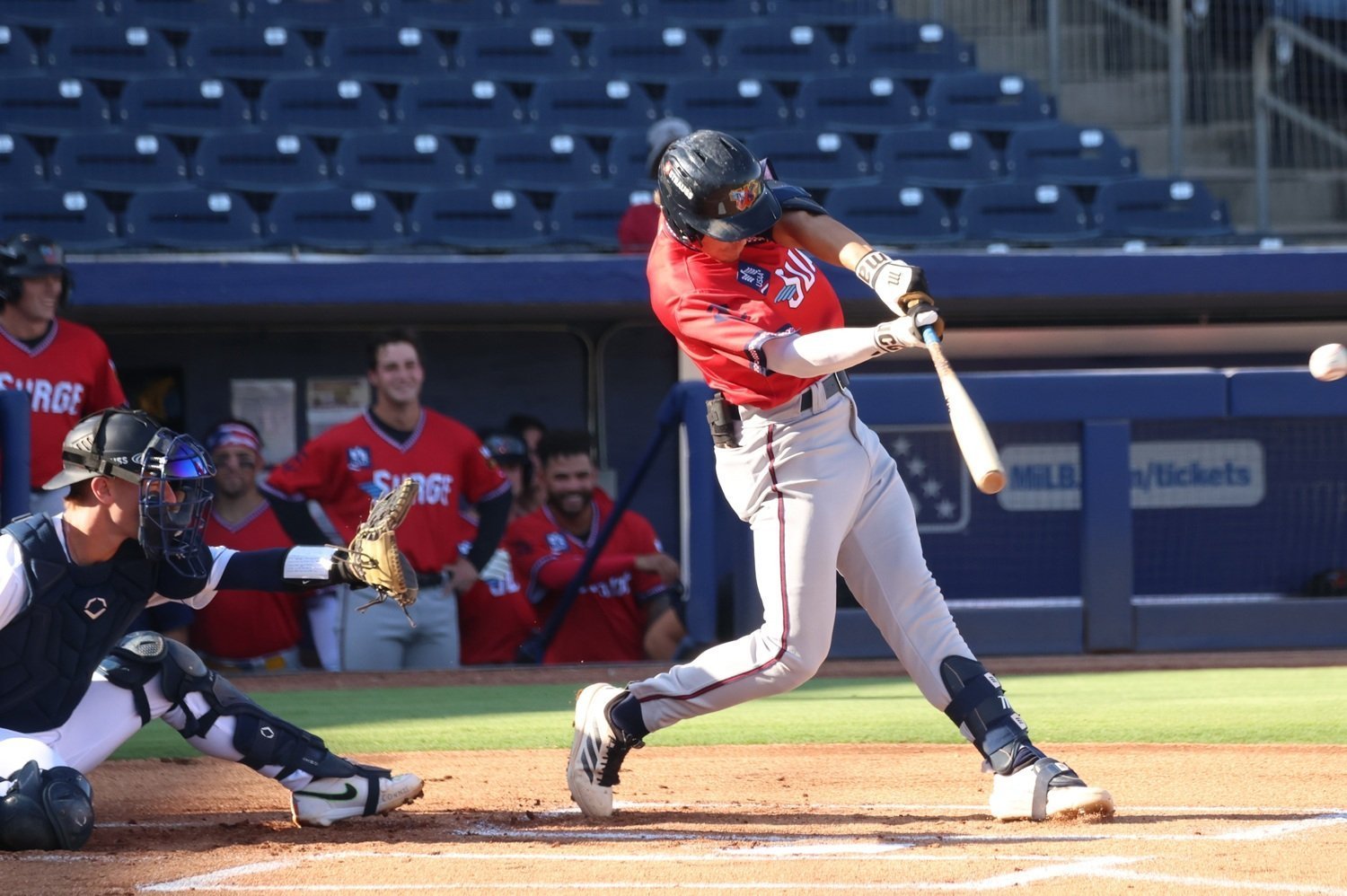 The MLB Draft always brings a fresh wave of excitement to an organization’s farm system. The Twins added an influx of talent during the 2026 MLB Draft, and depending on how quickly those players sign and get acclimated, some could find their way into affiliated action later in the second half. A strong finish could even put a few new names on the Twins Prospect Hot Sheet before the season comes to a close. Before that happens, several players already in the system are making sure they remain part of the conversation. The Wichita Wind Surge have been one of the biggest sources of recent production, with a trio of prospects showing why the Twins continue to have one of baseball’s deepest pipelines. Here are this week’s hottest performers. SS Marek Houston — Wichita Wind Surge How He Got Here: Houston entered the 2025 MLB Draft as one of the most intriguing college bats available. The Wake Forest shortstop spent three seasons as the Demon Deacons’ everyday shortstop, earning the position as a freshman because of his defensive ability before gradually developing into a complete player. A swing adjustment before his junior season unlocked another level offensively. Houston began impacting the baseball more consistently, launching 15 home runs while posting a 1.055 OPS. That offensive breakout pushed him into the middle of the first round, where the Twins selected him and signed him for $4.5 million. After signing, Houston made his professional debut with a 24-game stint split between Single-A Fort Myers and High-A Cedar Rapids. He returned to Cedar Rapids to begin the 2026 season, but his performance quickly forced the organization to challenge him at the next level. Hitting the Hot Button: The biggest question surrounding Houston entering professional baseball was whether his offensive development would continue against more advanced pitching. Early returns suggest the Twins may have found an answer. Houston appeared in six games for the Wind Surge this week and collected eight hits in 26 at-bats (.308), including a double, a triple, a home run, and seven RBI. He came just one double shy of hitting for the cycle Tuesday against Northwest Arkansas. Before earning his promotion, Houston posted a 126 wRC+ with an .867 OPS in Cedar Rapids. The defensive ability was never in question, but his offensive ceiling was the biggest factor in determining his future. So far, Houston has shown the bat is capable of catching up with his glove. OF Caden Kendle — Wichita Wind Surge How He Got Here: Kendle has taken a slightly longer road through the Twins organization, but his offensive track record has always stood out. Minnesota selected him in the fifth round of the 2024 MLB Draft out of the University of California, Irvine. The Cardinals had previously drafted him in 2023, but Kendle elected to return to school for his senior season. That decision paid off as he finished his collegiate career with a .983 OPS, including a dominant senior year where he posted a 1.069 OPS with 28 extra-base hits in 51 games. The Twins sent Kendle to Fort Myers after signing, and he immediately showed his offensive potential with a 120 wRC+ across 22 games. He spent the entire 2025 season with Cedar Rapids, producing a 103 wRC+ with a .705 OPS, 19 doubles, and eight home runs over 97 games. Hitting the Hot Button: The Twins sent Kendle back to Cedar Rapids for the start of the 2026 season, despite the fact that he was nearly two years older than the average player in the league. He responded by showing exactly why he was ready for a new challenge. Kendle posted a .916 OPS across 32 games with the Kernels before earning a promotion to Double-A. The 24-year-old continued that production during his first week with the Wind Surge. In four games, Kendle went 9-for-16 (.563) with a double, a home run, six RBI, and four walks. He wasted no time making an impact after arriving in Wichita, hitting a home run in his first game Tuesday against Northwest Arkansas. For a prospect who has consistently produced while climbing the ladder, the next test will be proving that his bat can continue to play against more advanced pitching. RHP Ruddy Gomez — Wichita Wind Surge How He Got Here: Gomez’s path through professional baseball has been anything but traditional. After going undrafted out of Central Florida, he spent time playing independent baseball before earning an opportunity with the Twins organization ahead of the 2025 season. Minnesota quickly discovered a valuable bullpen arm. Gomez began the year moving from the Florida Complex League to the Midwest League while working exclusively as a reliever. In 30 appearances, he posted a dominant 1.58 ERA with a 0.92 WHIP, a 33.1 K%, and a 5.8 BB%. His performance made him one of the most effective relief pitchers in the entire Twins system. Hitting the Hot Button: The Twins rewarded Gomez’s breakout by pushing him to Double-A in 2026, where he entered the season more than a year older than the average player in the league. That age difference hasn’t stopped him from continuing to miss bats. Gomez, 26, appeared in two games for the Wind Surge this week, striking out five of the nine batters he faced while issuing one walk across 4.0 innings. His season numbers remain impressive, with a 2.63 ERA, a 1.46 WHIP, a 35.4 K%, and a 7.7 BB%. Relievers often have to move quickly through the minor league system, and Gomez continues to make a strong case that he deserves opportunities against higher-level competition. The Twins’ 2026 MLB Draft class has added another layer of talent to an already deep farm system. Some of those new additions could begin their professional journeys soon and potentially force their way onto future editions of the Prospect Hot Sheet. For now, the spotlight belongs to the players already proving themselves. Houston is showing that his bat belongs alongside his defensive reputation, Kendle continues to hit at every stop, and Gomez remains one of the organization’s most dominant bullpen arms. The second half is just beginning, but the Twins’ farm system continues to provide plenty of reasons for optimism. What stands out about this trio? Leave a comment and start the discussion.
- 18 comments
-
- 7
-
-
- marek houston
- caden kendle
- (and 1 more)
-
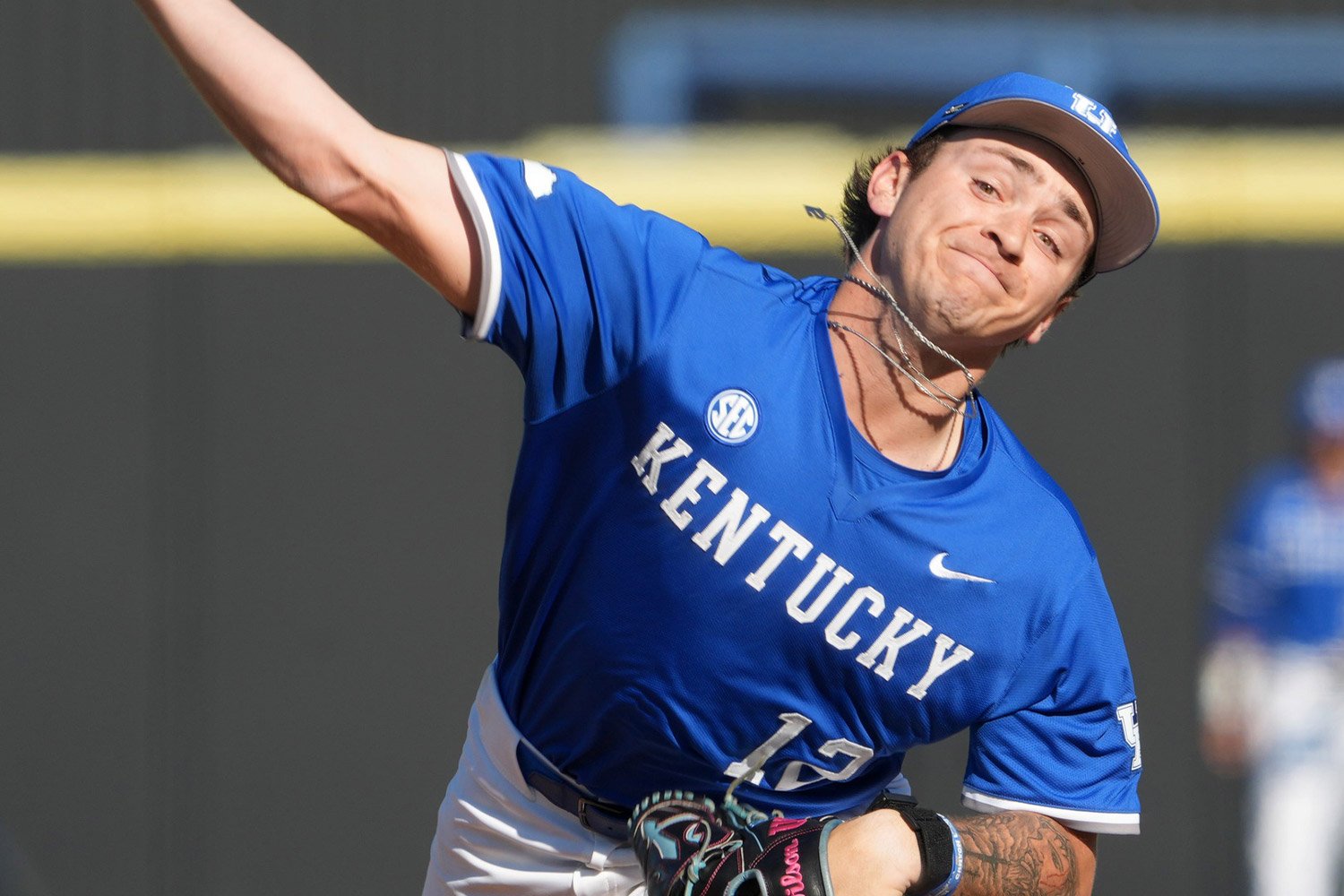 The early rounds of the MLB Draft are where organizations find their potential franchise players, but the later rounds are where scouting departments can truly separate themselves. These picks often require teams to identify traits that can be developed into something more. Maybe it’s a pitcher with one dominant pitch but some command concerns. Maybe it’s a power hitter whose defensive home remains uncertain. Or maybe it’s a player who simply needs the right development environment to unlock his potential. The Twins have found plenty of value outside the top rounds throughout franchise history. Kent Hrbek famously became a franchise icon after being selected in the 14th round. Taylor Rogers was an 11th-round pick who developed into an All-Star closer. Even Gene Larkin, whose pinch-hit heroics helped Minnesota win the 1991 World Series, was a 20th-round selection. There is value to be found throughout the draft, and the Twins continued their search for future contributors in Rounds 16-20 of the 2026 MLB Draft. 16th Round, 467th Overall: RHP Connor Mattison, Kentucky Mattison is a 6-foot-2, 195-pound right-handed pitcher with a history of missing bats. Before transferring to Kentucky, he spent two seasons at Grand Canyon, where he became one of the program’s most accomplished young pitchers. As a freshman, Mattison threw Grand Canyon’s first no-hitter in 42 years, striking out 10 batters against Sacramento State. He earned national recognition while finishing the season with a 12.5 K/9 rate and multiple weekly honors. In 2025, Mattison continued to show swing-and-miss ability, leading the team with 41 strikeouts in just 33 1/3 innings while earning WAC Pitcher of the Week honors after throwing five shutout innings against Vanderbilt. The move to the SEC level at Kentucky proved more challenging. Mattison made 14 appearances (six starts) and posted an 8.10 ERA with a 1.53 WHIP. However, some underlying numbers suggest there could be more upside. His 6.33 FIP and .337 BABIP indicate some bad luck, while his strikeout rate remained above 20%. The Twins are betting that their pitching development staff can help Mattison recapture the dominant stuff he showed earlier in his career. 17th Round, 497th Overall: C Hideki Prather, California Prather enters professional baseball as one of the more intriguing offensive profiles in this group. After limited playing time early in his college career, he broke out in 2026 with California. The catcher slashed .333/.421/.632 (1.053) with 14 home runs and 17 doubles across 52 games. He posted a .299 ISO, a 10.8% walk rate, and a 123 wRC+, showing impressive power and plate discipline. Prather missed the 2024 season because of injury and saw limited action at Clemson before transferring. That lack of consistent catching experience means he still has development ahead of him defensively, particularly with receiving and game-calling responsibilities. The bat gives him a chance to climb quickly if the Twins can help him continue developing behind the plate. 18th Round, 527th Overall: RHP Colter McAnelly, Utah McAnelly brings plenty of starting experience to the Twins organization after serving as Utah’s Friday night starter during his final two collegiate seasons. In 2025, he earned All-Big 12 First Team honors after making 14 starts and posting a 3.79 ERA across 92 2/3 innings. He struck out 92 batters, averaged 8.9 K/9, and ranked among the conference leaders in innings pitched and opponent batting average. McAnelly followed that performance with another solid season in 2026, recording 70 strikeouts over 67⅓ innings. He finished his Utah career ranked fourth all-time in program history with 207 strikeouts. The right-hander has experience handling a starter’s workload and has consistently shown the ability to generate swings and misses. His next challenge will be translating that success against professional hitters. 19th Round, 557th Overall: SS PJ Moutzouridis, Arizona State Moutzouridis gives the Twins another athletic middle-infield option with a strong approach at the plate. In 55 games with Arizona State in 2026, he hit .286/.410/.417 (.827) with 14 extra-base hits. His 13.0% walk rate and 15.0% strikeout rate highlighted his advanced approach, while his .131 ISO and 94 wRC+ showed room for additional offensive growth. Before transferring to Arizona State, Moutzouridis spent time at California, where he emerged as one of the better young shortstops in the country. He earned Freshman All-American and All-Pac-12 honors after starting all 55 games at shortstop. Moutzouridis has the defensive foundation and plate discipline that teams look for in middle infielders. If the power develops, he could become an interesting organizational piece. 20th Round, 587th Overall: RHP Michael Barnett, UCLA Barnett gives the Twins another experienced college starter with a proven track record of durability and winning. Over four seasons at UCLA, he compiled a 24-3 record, finishing eighth in program history in career victories while serving as a key member of the Bruins' weekend rotation. His best season came in 2025 when he earned Second Team All-Big Ten honors after leading the conference with 12 wins, posting a 3.98 ERA over 86 innings with 75 strikeouts and an impressive 75-to-22 strikeout-to-walk ratio. He followed that with another productive senior season in 2026, going 6-0 with a 4.18 ERA across a team-high 71 innings while helping UCLA go 15-1 in his starts. Barnett struck out 58 batters and allowed one earned run or fewer in seven of his 16 outings. While he doesn't possess overpowering velocity, his experience, command, and ability to throw strikes give him a chance to move quickly through the Twins' system as organizational pitching depth with the potential to develop into more. The final five rounds of the draft are about finding players with one or two standout traits and trusting the development system to maximize their potential. Whether it's power stuff, defensive versatility, or an advanced approach at the plate, the Twins added several intriguing bets. History has shown that impactful big leaguers can come from anywhere in the draft, and Minnesota will hope one of these late-round selections becomes the next hidden gem. What stands out about the players in this group? Leave a comment and start the discussion.
- 9 comments
-
- 7
-
-
- connor mattison
- hideki prather
- (and 5 more)
-
Image courtesy of © Scott Utterback/Courier Journal / USA TODAY NETWORK via Imagn Images The early rounds of the MLB Draft are where organizations find their potential franchise players, but the later rounds are where scouting departments can truly separate themselves. These picks often require teams to identify traits that can be developed into something more. Maybe it’s a pitcher with one dominant pitch but some command concerns. Maybe it’s a power hitter whose defensive home remains uncertain. Or maybe it’s a player who simply needs the right development environment to unlock his potential. The Twins have found plenty of value outside the top rounds throughout franchise history. Kent Hrbek famously became a franchise icon after being selected in the 14th round. Taylor Rogers was an 11th-round pick who developed into an All-Star closer. Even Gene Larkin, whose pinch-hit heroics helped Minnesota win the 1991 World Series, was a 20th-round selection. There is value to be found throughout the draft, and the Twins continued their search for future contributors in Rounds 16-20 of the 2026 MLB Draft. 16th Round, 467th Overall: RHP Connor Mattison, Kentucky Mattison is a 6-foot-2, 195-pound right-handed pitcher with a history of missing bats. Before transferring to Kentucky, he spent two seasons at Grand Canyon, where he became one of the program’s most accomplished young pitchers. As a freshman, Mattison threw Grand Canyon’s first no-hitter in 42 years, striking out 10 batters against Sacramento State. He earned national recognition while finishing the season with a 12.5 K/9 rate and multiple weekly honors. In 2025, Mattison continued to show swing-and-miss ability, leading the team with 41 strikeouts in just 33 1/3 innings while earning WAC Pitcher of the Week honors after throwing five shutout innings against Vanderbilt. The move to the SEC level at Kentucky proved more challenging. Mattison made 14 appearances (six starts) and posted an 8.10 ERA with a 1.53 WHIP. However, some underlying numbers suggest there could be more upside. His 6.33 FIP and .337 BABIP indicate some bad luck, while his strikeout rate remained above 20%. The Twins are betting that their pitching development staff can help Mattison recapture the dominant stuff he showed earlier in his career. 17th Round, 497th Overall: C Hideki Prather, California Prather enters professional baseball as one of the more intriguing offensive profiles in this group. After limited playing time early in his college career, he broke out in 2026 with California. The catcher slashed .333/.421/.632 (1.053) with 14 home runs and 17 doubles across 52 games. He posted a .299 ISO, a 10.8% walk rate, and a 123 wRC+, showing impressive power and plate discipline. Prather missed the 2024 season because of injury and saw limited action at Clemson before transferring. That lack of consistent catching experience means he still has development ahead of him defensively, particularly with receiving and game-calling responsibilities. The bat gives him a chance to climb quickly if the Twins can help him continue developing behind the plate. 18th Round, 527th Overall: RHP Colter McAnelly, Utah McAnelly brings plenty of starting experience to the Twins organization after serving as Utah’s Friday night starter during his final two collegiate seasons. In 2025, he earned All-Big 12 First Team honors after making 14 starts and posting a 3.79 ERA across 92 2/3 innings. He struck out 92 batters, averaged 8.9 K/9, and ranked among the conference leaders in innings pitched and opponent batting average. McAnelly followed that performance with another solid season in 2026, recording 70 strikeouts over 67⅓ innings. He finished his Utah career ranked fourth all-time in program history with 207 strikeouts. The right-hander has experience handling a starter’s workload and has consistently shown the ability to generate swings and misses. His next challenge will be translating that success against professional hitters. 19th Round, 557th Overall: SS PJ Moutzouridis, Arizona State Moutzouridis gives the Twins another athletic middle-infield option with a strong approach at the plate. In 55 games with Arizona State in 2026, he hit .286/.410/.417 (.827) with 14 extra-base hits. His 13.0% walk rate and 15.0% strikeout rate highlighted his advanced approach, while his .131 ISO and 94 wRC+ showed room for additional offensive growth. Before transferring to Arizona State, Moutzouridis spent time at California, where he emerged as one of the better young shortstops in the country. He earned Freshman All-American and All-Pac-12 honors after starting all 55 games at shortstop. Moutzouridis has the defensive foundation and plate discipline that teams look for in middle infielders. If the power develops, he could become an interesting organizational piece. 20th Round, 587th Overall: RHP Michael Barnett, UCLA Barnett gives the Twins another experienced college starter with a proven track record of durability and winning. Over four seasons at UCLA, he compiled a 24-3 record, finishing eighth in program history in career victories while serving as a key member of the Bruins' weekend rotation. His best season came in 2025 when he earned Second Team All-Big Ten honors after leading the conference with 12 wins, posting a 3.98 ERA over 86 innings with 75 strikeouts and an impressive 75-to-22 strikeout-to-walk ratio. He followed that with another productive senior season in 2026, going 6-0 with a 4.18 ERA across a team-high 71 innings while helping UCLA go 15-1 in his starts. Barnett struck out 58 batters and allowed one earned run or fewer in seven of his 16 outings. While he doesn't possess overpowering velocity, his experience, command, and ability to throw strikes give him a chance to move quickly through the Twins' system as organizational pitching depth with the potential to develop into more. The final five rounds of the draft are about finding players with one or two standout traits and trusting the development system to maximize their potential. Whether it's power stuff, defensive versatility, or an advanced approach at the plate, the Twins added several intriguing bets. History has shown that impactful big leaguers can come from anywhere in the draft, and Minnesota will hope one of these late-round selections becomes the next hidden gem. What stands out about the players in this group? Leave a comment and start the discussion. View full article
-
Image courtesy of © Saul Young/News Sentinel / USA TODAY NETWORK via Imagn Images The first few rounds of the MLB Draft always command the spotlight. That's where the future stars and top-100 prospects come off the board, making headlines across baseball. But championship organizations separate themselves in the middle and late rounds by consistently identifying overlooked talent that can be developed into major league contributors. The Twins have done exactly that in recent years. Zebby Matthews arrived as an eighth-round pick before quickly becoming one of baseball's fastest-rising pitching prospects. Bailey Ober was selected in the 12th round and developed into a reliable major league starter. Minnesota's player development staff has built a reputation for finding pitchers with specific traits they believe they can maximize, and this year's class continues that trend. From experienced college starters to power relievers with elite stuff, here's a look at the Twins' selections in rounds six through 10. 6th Round, 168th Overall: RHP Ethan Lay, Sacramento State Lay fits the profile of a potential bonus pool savings pick as a fourth-year college senior, but he's also a pitcher who has steadily improved throughout his college career. The 6-foot-3, 230-pound right-hander struggled during his freshman season at Chico State, posting a 6.10 ERA and 1.72 WHIP while battling inconsistent command and allowing too much hard contact. Everything changed during his sophomore season. Lay cut his ERA to 3.74 and issued only eight walks in 55 1/3 innings, showing the type of strike-throwing ability that has become a hallmark of many Twins pitching prospects. That breakout prompted a transfer to Sacramento State, where he became the Saturday starter in 2025. He logged 76 innings with a 3.55 ERA, 1.24 WHIP, 66 strikeouts and only 16 walks. While he still surrendered more than a hit per inning and uncorked eight wild pitches, the overall trend was encouraging enough to return for his senior season after going undrafted. Promoted to the Friday night role in 2026, Lay took another step forward. His strikeout rate climbed from 20.6% to 24.7% while lowering his walk rate from 5.0% to 4.3%. He attacks hitters with a four-pitch mix, relying more on pitchability than overpowering velocity. The Twins have had success developing college pitchers with command and feel for multiple offerings, making Lay another intriguing arm for their pitching development staff. 7th Round, 197th Overall: RHP Max Bayles, Santa Clara Bayles has been on scouts' radars for several years. Baseball America labeled him one of college baseball's "most underrated draft prospects" entering the 2026 season after he steadily climbed from freshman reliever to Friday night ace at Santa Clara. Bayles immediately contributed as a reliever at Santa Clara, collecting five saves and earning West Coast Conference All-Freshman honors before transitioning into the rotation. After earning Second Team All-WCC recognition in 2025, he became one of the conference's best starters this spring, posting a 2.54 ERA while holding opponents to a .185 batting average. His calling card is a devastating high-spin slider. The low-80s breaking ball generated an incredible 50% whiff rate and is thrown even more frequently than his fastball. Sitting around 91 mph and touching 94, his fastball plays up because it tunnels effectively with the slider, although inconsistent command limits its effectiveness. If the Twins can clean up his delivery and improve his strike throwing, his plus slider gives him a chance to move quickly through the system. 8th Round, 227th Overall: RHP Thomas Burns, Texas Burns might possess the loudest raw stuff of any pitcher Minnesota selected on Day 2. The 6-foot-3, 240-pound Wisconsin native has one of the draft's biggest fastballs, routinely sitting between 95-98 mph while touching triple digits. His riding life from a high arm slot allows the pitch to miss bats even when hitters know it's coming. His college career has taken an unconventional path. Burns opened at Arizona State as a weekend starter before shoulder tendinitis cut short his freshman campaign after six starts. He later transferred to Texas, where he spent the past two seasons pitching out of the bullpen. Despite posting a 5.64 ERA this year, he struck out 42% of opposing hitters, highlighting just how overpowering his arsenal can be. Burns complements his fastball with an upper-80s cutter that flashes plus potential, though he struggles to consistently throw it for strikes. He also mixes in a mid-80s changeup, but it remains well behind his other offerings and frequently misses the strike zone. The biggest obstacle is command. Burns has posted a 16% walk rate during his college career, making it difficult to trust him in leverage situations despite his elite swing-and-miss ability. Minnesota will undoubtedly see an arm with premium traits worth developing. If the Twins can help him throw more consistent strikes, Burns has the ceiling of a late-inning power reliever. 9th Round, 257th Overall: RHP JT Raab, Georgetown Raab gives the Twins another experienced college arm who may come with some bonus pool flexibility as a fourth-year senior. Standing 6-foot-5 and weighing 225 pounds, he has the size teams covet and enough raw stuff to intrigue evaluators. He began his career at Stony Brook, where he pitched primarily out of the bullpen before transferring to Georgetown ahead of the 2025 season. During his first year, Raab started 14 games and threw 74 1/3 innings with a 3.63 ERA, earning All-Big East Second Team honors. His walk rate increased from 4.9% to 10.6%, however, and opponents hit .280 against him. After going undrafted, Raab returned for his senior season looking to improve his stock. His strikeout rate jumped to an impressive 31.4%, but inconsistent command and poor luck limited the results. He surrendered 12 home runs in only 45 2/3 innings while allowing opponents to hit .308, though a .410 BABIP suggests some unfortunate batted-ball results. Raab's fastball reaches the mid-90s, and he showed what he could look like at his best during the Cape Cod League last summer, posting a 1.80 ERA across 20 innings. The Twins will hope that version becomes the norm as they continue refining another high-strikeout college arm. 10th Round, 287th Overall: RHP Kole Klecker, Arizona State Klecker closes Minnesota's run of college pitchers after spending his final season at Arizona State following three years at TCU. His career has been defined by steady adjustments and improving strikeout ability despite moving between the rotation and bullpen. He burst onto the scene as a freshman, making 17 starts while posting a 3.72 ERA and 1.12 WHIP. His 10 victories made him the first TCU freshman since 2014 to reach double-digit wins. During his sophomore campaign, his K-BB rate improved from 10.4% to 17.3%, although opponents continued to square him up, hitting .300 with a 5.82 FIP. His junior season was interrupted by injuries and inconsistency, but he still struck out 20 batters in just 19 1/3 innings, while the Horned Frogs went 10-0 in games he appeared in. After transferring to Arizona State, Klecker produced arguably his most complete collegiate season. He posted a career-best 26.5% strikeout rate, trimmed his walk rate from 11.9% to 8.2%, and limited hitters to a .247 batting average, his best mark since his freshman year. Like several of Minnesota's Day 2 pitching selections, Klecker offers a solid blend of strike-throwing ability, improving swing-and-miss stuff, and a track record of development that fits the type of pitcher the Twins have targeted successfully in recent drafts. The Twins clearly leaned into pitching throughout rounds six through 10, selecting five consecutive college right-handers with varying levels of polish and upside. Some, like Lay and Raab, provide experienced depth and potential bonus pool savings. Others, like Burns and Bayles, possess swing-and-miss stuff that could play in high-leverage bullpen roles if their command improves. Minnesota has shown it doesn't need a first-round pedigree to develop quality pitching, and history suggests at least one of these names could emerge as the next hidden gem in the organization's system. View full article
-
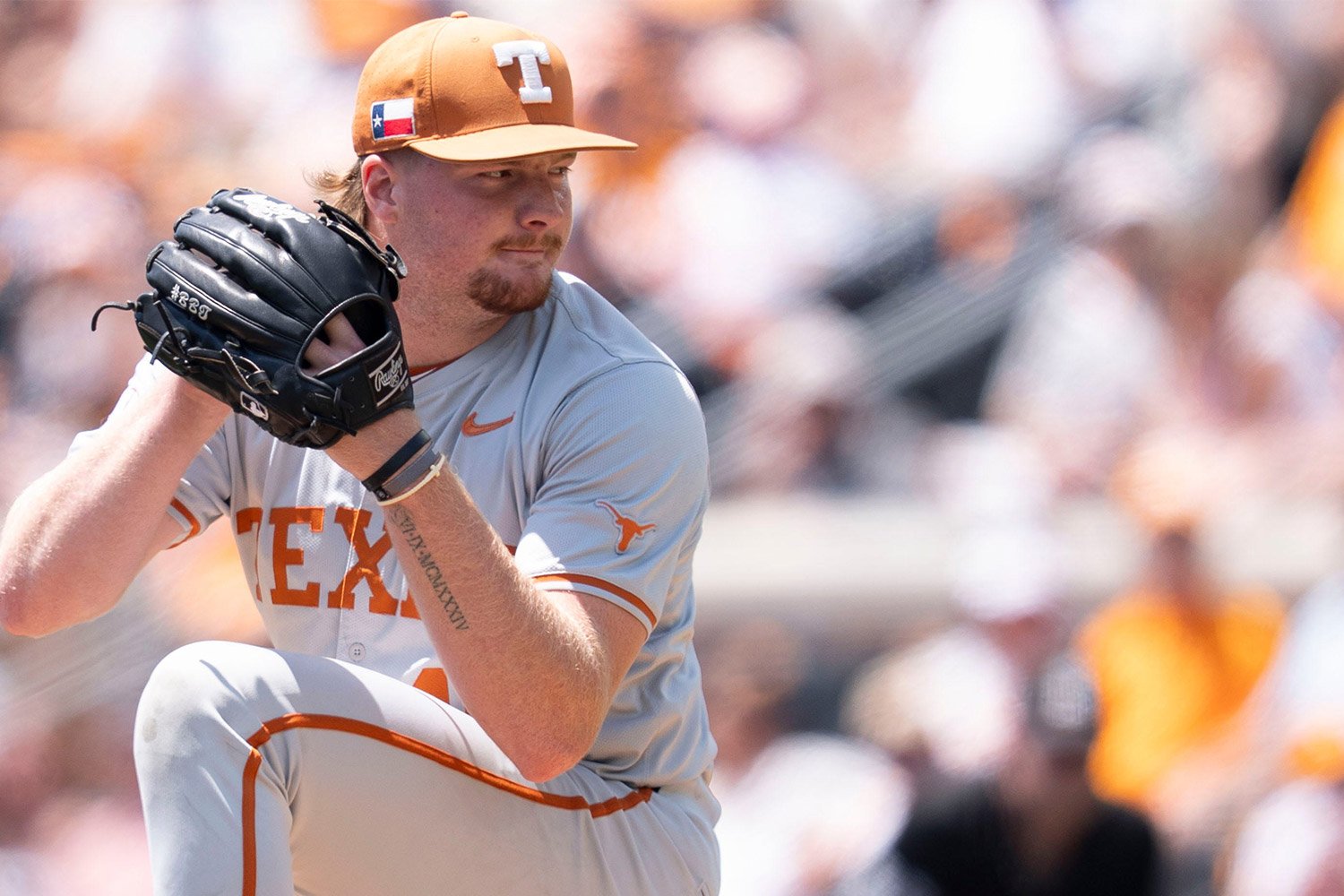 The first few rounds of the MLB Draft always command the spotlight. That's where the future stars and top-100 prospects come off the board, making headlines across baseball. But championship organizations separate themselves in the middle and late rounds by consistently identifying overlooked talent that can be developed into major league contributors. The Twins have done exactly that in recent years. Zebby Matthews arrived as an eighth-round pick before quickly becoming one of baseball's fastest-rising pitching prospects. Bailey Ober was selected in the 12th round and developed into a reliable major league starter. Minnesota's player development staff has built a reputation for finding pitchers with specific traits they believe they can maximize, and this year's class continues that trend. From experienced college starters to power relievers with elite stuff, here's a look at the Twins' selections in rounds six through 10. 6th Round, 168th Overall: RHP Ethan Lay, Sacramento State Lay fits the profile of a potential bonus pool savings pick as a fourth-year college senior, but he's also a pitcher who has steadily improved throughout his college career. The 6-foot-3, 230-pound right-hander struggled during his freshman season at Chico State, posting a 6.10 ERA and 1.72 WHIP while battling inconsistent command and allowing too much hard contact. Everything changed during his sophomore season. Lay cut his ERA to 3.74 and issued only eight walks in 55 1/3 innings, showing the type of strike-throwing ability that has become a hallmark of many Twins pitching prospects. That breakout prompted a transfer to Sacramento State, where he became the Saturday starter in 2025. He logged 76 innings with a 3.55 ERA, 1.24 WHIP, 66 strikeouts and only 16 walks. While he still surrendered more than a hit per inning and uncorked eight wild pitches, the overall trend was encouraging enough to return for his senior season after going undrafted. Promoted to the Friday night role in 2026, Lay took another step forward. His strikeout rate climbed from 20.6% to 24.7% while lowering his walk rate from 5.0% to 4.3%. He attacks hitters with a four-pitch mix, relying more on pitchability than overpowering velocity. The Twins have had success developing college pitchers with command and feel for multiple offerings, making Lay another intriguing arm for their pitching development staff. 7th Round, 197th Overall: RHP Max Bayles, Santa Clara Bayles has been on scouts' radars for several years. Baseball America labeled him one of college baseball's "most underrated draft prospects" entering the 2026 season after he steadily climbed from freshman reliever to Friday night ace at Santa Clara. Bayles immediately contributed as a reliever at Santa Clara, collecting five saves and earning West Coast Conference All-Freshman honors before transitioning into the rotation. After earning Second Team All-WCC recognition in 2025, he became one of the conference's best starters this spring, posting a 2.54 ERA while holding opponents to a .185 batting average. His calling card is a devastating high-spin slider. The low-80s breaking ball generated an incredible 50% whiff rate and is thrown even more frequently than his fastball. Sitting around 91 mph and touching 94, his fastball plays up because it tunnels effectively with the slider, although inconsistent command limits its effectiveness. If the Twins can clean up his delivery and improve his strike throwing, his plus slider gives him a chance to move quickly through the system. 8th Round, 227th Overall: RHP Thomas Burns, Texas Burns might possess the loudest raw stuff of any pitcher Minnesota selected on Day 2. The 6-foot-3, 240-pound Wisconsin native has one of the draft's biggest fastballs, routinely sitting between 95-98 mph while touching triple digits. His riding life from a high arm slot allows the pitch to miss bats even when hitters know it's coming. His college career has taken an unconventional path. Burns opened at Arizona State as a weekend starter before shoulder tendinitis cut short his freshman campaign after six starts. He later transferred to Texas, where he spent the past two seasons pitching out of the bullpen. Despite posting a 5.64 ERA this year, he struck out 42% of opposing hitters, highlighting just how overpowering his arsenal can be. Burns complements his fastball with an upper-80s cutter that flashes plus potential, though he struggles to consistently throw it for strikes. He also mixes in a mid-80s changeup, but it remains well behind his other offerings and frequently misses the strike zone. The biggest obstacle is command. Burns has posted a 16% walk rate during his college career, making it difficult to trust him in leverage situations despite his elite swing-and-miss ability. Minnesota will undoubtedly see an arm with premium traits worth developing. If the Twins can help him throw more consistent strikes, Burns has the ceiling of a late-inning power reliever. 9th Round, 257th Overall: RHP JT Raab, Georgetown Raab gives the Twins another experienced college arm who may come with some bonus pool flexibility as a fourth-year senior. Standing 6-foot-5 and weighing 225 pounds, he has the size teams covet and enough raw stuff to intrigue evaluators. He began his career at Stony Brook, where he pitched primarily out of the bullpen before transferring to Georgetown ahead of the 2025 season. During his first year, Raab started 14 games and threw 74 1/3 innings with a 3.63 ERA, earning All-Big East Second Team honors. His walk rate increased from 4.9% to 10.6%, however, and opponents hit .280 against him. After going undrafted, Raab returned for his senior season looking to improve his stock. His strikeout rate jumped to an impressive 31.4%, but inconsistent command and poor luck limited the results. He surrendered 12 home runs in only 45 2/3 innings while allowing opponents to hit .308, though a .410 BABIP suggests some unfortunate batted-ball results. Raab's fastball reaches the mid-90s, and he showed what he could look like at his best during the Cape Cod League last summer, posting a 1.80 ERA across 20 innings. The Twins will hope that version becomes the norm as they continue refining another high-strikeout college arm. 10th Round, 287th Overall: RHP Kole Klecker, Arizona State Klecker closes Minnesota's run of college pitchers after spending his final season at Arizona State following three years at TCU. His career has been defined by steady adjustments and improving strikeout ability despite moving between the rotation and bullpen. He burst onto the scene as a freshman, making 17 starts while posting a 3.72 ERA and 1.12 WHIP. His 10 victories made him the first TCU freshman since 2014 to reach double-digit wins. During his sophomore campaign, his K-BB rate improved from 10.4% to 17.3%, although opponents continued to square him up, hitting .300 with a 5.82 FIP. His junior season was interrupted by injuries and inconsistency, but he still struck out 20 batters in just 19 1/3 innings, while the Horned Frogs went 10-0 in games he appeared in. After transferring to Arizona State, Klecker produced arguably his most complete collegiate season. He posted a career-best 26.5% strikeout rate, trimmed his walk rate from 11.9% to 8.2%, and limited hitters to a .247 batting average, his best mark since his freshman year. Like several of Minnesota's Day 2 pitching selections, Klecker offers a solid blend of strike-throwing ability, improving swing-and-miss stuff, and a track record of development that fits the type of pitcher the Twins have targeted successfully in recent drafts. The Twins clearly leaned into pitching throughout rounds six through 10, selecting five consecutive college right-handers with varying levels of polish and upside. Some, like Lay and Raab, provide experienced depth and potential bonus pool savings. Others, like Burns and Bayles, possess swing-and-miss stuff that could play in high-leverage bullpen roles if their command improves. Minnesota has shown it doesn't need a first-round pedigree to develop quality pitching, and history suggests at least one of these names could emerge as the next hidden gem in the organization's system.
- 28 comments
-
- 6
-
-
- ethan lay
- max bayles
- (and 3 more)
-
Image courtesy of © Steven Branscombe-Imagn Images The MLB Draft can reshape an organization in a single night, and that's exactly the opportunity sitting in front of the Minnesota Twins. After a disappointing 2025 campaign, Minnesota owns the third overall selection in the 2026 MLB Draft, marking the franchise's highest pick since selecting Royce Lewis first overall in 2017. History suggests those opportunities don't come around often. The Twins also used top-three selections on Byron Buxton in 2012 and Joe Mauer in 2001, making this the kind of draft position that can alter the direction of the organization for years. The front office has assembled one of baseball's deepest farm systems through trades and strong player development, but landing another cornerstone piece could elevate the system to another level. While there are several directions Minnesota could go, some outcomes are clearly more appealing than others. 4. Take an Under-slot Deal to Diversify the Bonus Pool There is always temptation to play the bonus pool game. If Minnesota believes another prospect can provide similar long-term value while signing for less than slot value, the savings could be redistributed throughout the rest of the draft. It's a strategy that has worked for several organizations in recent years, especially when multiple players are graded similarly. Someone like Jackson Flora, the top collegiate pitcher in the class, or explosive outfielder Drew Burress could fit that mold. Still, it would be difficult for Twins fans to embrace that approach while one of the consensus top-three prospects remains available. Passing on elite talent in favor of financial flexibility would inevitably revive criticism of the organization's spending habits, regardless of how successful the overall draft ultimately becomes (and of the fact that it would merely represent moving money around, not actually spending less). Unless Minnesota's evaluators genuinely believe another player belongs in that top tier, the safest path is simply taking the best player available. 3. Draft Vahn Lackey Catchers always come with additional risk near the top of the draft. Their development tends to take longer than other position players, and there's never a guarantee they'll remain behind the plate throughout their professional careers. That makes Vahn Lackey a fascinating evaluation. Fortunately for whichever organization selects him, Lackey checks nearly every box. Long praised for his defensive ability, he elevated himself into the conversation as arguably the best player in college baseball after an offensive breakout. His swing generates plenty of power thanks to excellent bat speed and an aggressive lower-half load. He attacks fastballs ferociously and has steadily improved his strike-zone discipline over the last two seasons. There is some understandable concern about whether the amount of pre-swing movement could create additional swing-and-miss against professional breaking pitches. Even so, the combination of above-average contact ability and plus power gives him legitimate middle-of-the-order upside. Defensively, Lackey separates himself even further. He's remarkably athletic for a catcher, stealing 18 bases in 2025 before swiping another 15 this spring. His quick feet allow him to block balls with ease, while his plus arm and lightning-fast release make controlling the running game look effortless. Few catching prospects offer this combination of offensive upside, defensive polish, and athleticism. He may require additional patience in the minor leagues while the bat continues to develop, but his defensive foundation creates one of the highest floors in the class. Minnesota hasn't used a first-round pick on a catcher since Joe Mauer. Lackey has the talent to end that drought. 2. Draft Grady Emerson Few (if any) players in this draft possess Grady Emerson's upside. The high school shortstop has been viewed as one of the elite talents in the class for years, and his combination of polish and projection continues to impress evaluators. Everything starts with the swing. It's compact, balanced, and incredibly efficient. Emerson consistently keeps the barrel in the zone, producing hard contact to all fields while rarely chasing pitches outside the strike zone. He hit an eye-popping .532 during his senior season, pairing elite bat-to-ball skills with emerging power and an advanced approach rarely seen from prep hitters. While there's obvious room for additional strength as he matures physically, his offensive profile already projects as one capable of producing both average and power at the highest level. Defensively, Emerson remains at shortstop thanks to smooth actions, quality instincts, and above-average arm strength. He isn't the flashiest defender in the class, but he does everything well and plays with a level of consistency that gives scouts confidence he'll remain at the position. Like every high school player, there is additional risk simply because projecting physical development isn't an exact science. Added strength could unlock another level offensively, but it's impossible to know exactly how his body will change over the next several years. The ceiling is enormous, even if there's naturally more uncertainty than with a polished college player. 1. Draft Roch Cholowsky If Roch Cholowsky somehow reaches the third pick, Minnesota's decision should become remarkably simple. While some evaluators have recently elevated Emerson or Lackey atop their personal draft boards, Cholowsky continues to offer perhaps the most complete package in the class. After entering UCLA instead of signing out of high school, he added strength without sacrificing athleticism, transforming an already impressive skill set into one of college baseball's most complete profiles. At the plate, Cholowsky combines elite bat speed with a compact swing. He consistently drives the baseball to every part of the field while showing the combination of contact ability and power teams covet at premium defensive positions. His aggressive mindset occasionally leads him to expand the strike zone, but the overall offensive profile projects as an impact bat capable of producing both average and power throughout his career. The defensive upside may be even more exciting. Cholowsky owns one of the strongest arms in the draft and routinely makes highlight-reel throws from deep in the hole. Although he's only an average runner, his instincts and internal clock allow him to maximize every bit of his athleticism. His range, hands, and overall defensive actions have many evaluators projecting Gold Glove potential at shortstop. For an organization that has spent recent years searching for long-term answers in the middle infield, Cholowsky would fit beautifully alongside Marek Houston and Kaelen Culpepper, giving Minnesota an impressive collection of premium defensive infield talent. And that's before considering that he might also develop into one of the best hitters from the entire class. The odds still favor Cholowsky hearing his name called before the Twins pick, but recent draft buzz has at least created a realistic possibility. If he's still available, Minnesota would be difficult to fault for sprinting the card to the podium. The beauty of drafting third overall is that Minnesota is almost guaranteed to walk away with one of the premier talents in the country. Whether it's the polished all-around game of Cholowsky, the immense upside of Emerson, or the rare two-way value Lackey provides behind the plate, the Twins should have an opportunity to add another elite prospect to an already loaded farm system. The only disappointing outcome would be allowing bonus pool strategy to outweigh elite talent if one of the consensus top prospects remains on the board. Opportunities to draft this high are rare, and history has shown that the Twins have made the most of them before. This weekend offers another chance to find the franchise's next legend. Do you agree with the rankings above? Leave a comment and start the discussion. View full article
-
Ranking the Twins' Potential Outcomes with the Third Overall Pick
Cody Christie posted an article in MLB Draft
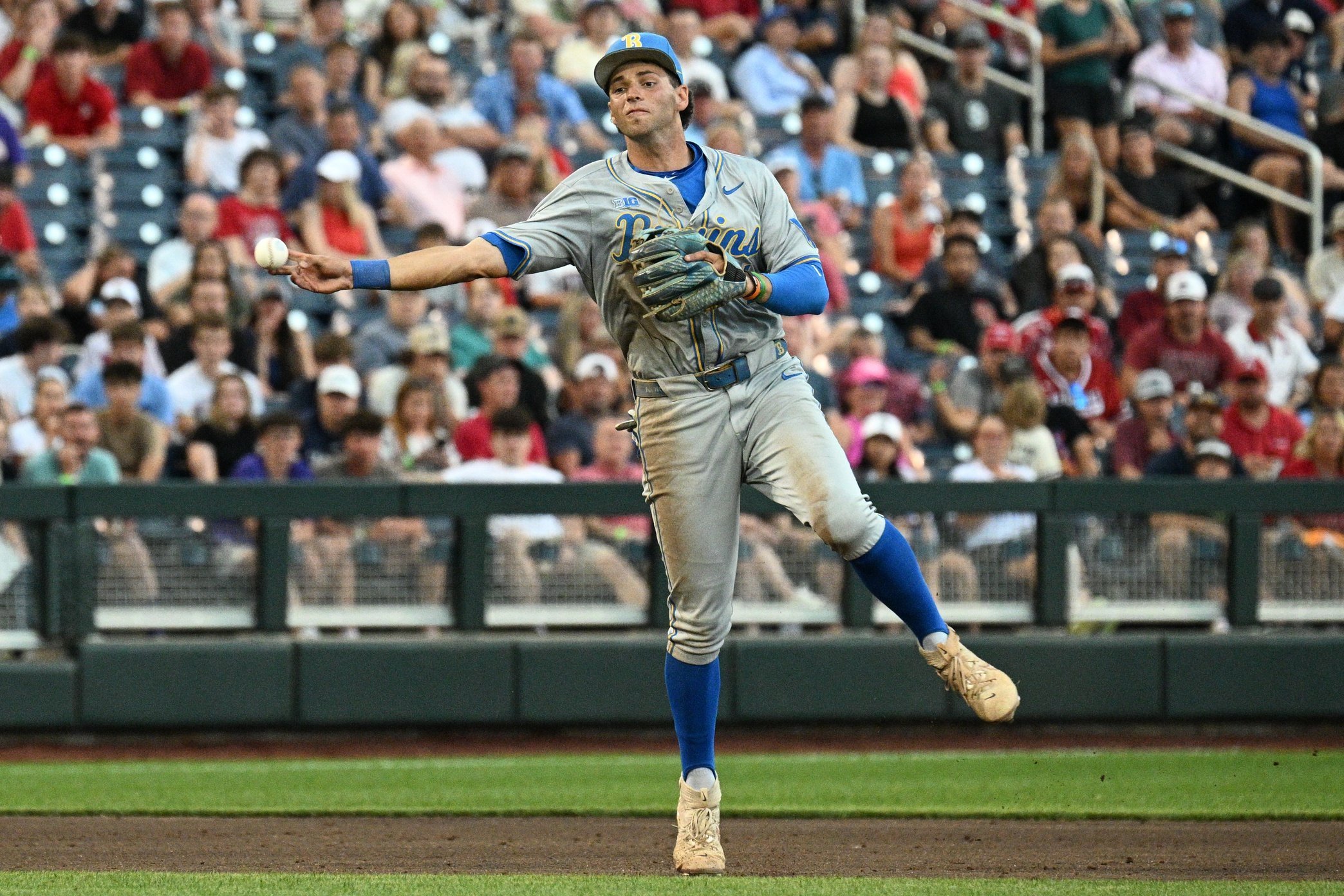 The MLB Draft can reshape an organization in a single night, and that's exactly the opportunity sitting in front of the Minnesota Twins. After a disappointing 2025 campaign, Minnesota owns the third overall selection in the 2026 MLB Draft, marking the franchise's highest pick since selecting Royce Lewis first overall in 2017. History suggests those opportunities don't come around often. The Twins also used top-three selections on Byron Buxton in 2012 and Joe Mauer in 2001, making this the kind of draft position that can alter the direction of the organization for years. The front office has assembled one of baseball's deepest farm systems through trades and strong player development, but landing another cornerstone piece could elevate the system to another level. While there are several directions Minnesota could go, some outcomes are clearly more appealing than others. 4. Take an Under-slot Deal to Diversify the Bonus Pool There is always temptation to play the bonus pool game. If Minnesota believes another prospect can provide similar long-term value while signing for less than slot value, the savings could be redistributed throughout the rest of the draft. It's a strategy that has worked for several organizations in recent years, especially when multiple players are graded similarly. Someone like Jackson Flora, the top collegiate pitcher in the class, or explosive outfielder Drew Burress could fit that mold. Still, it would be difficult for Twins fans to embrace that approach while one of the consensus top-three prospects remains available. Passing on elite talent in favor of financial flexibility would inevitably revive criticism of the organization's spending habits, regardless of how successful the overall draft ultimately becomes (and of the fact that it would merely represent moving money around, not actually spending less). Unless Minnesota's evaluators genuinely believe another player belongs in that top tier, the safest path is simply taking the best player available. 3. Draft Vahn Lackey Catchers always come with additional risk near the top of the draft. Their development tends to take longer than other position players, and there's never a guarantee they'll remain behind the plate throughout their professional careers. That makes Vahn Lackey a fascinating evaluation. Fortunately for whichever organization selects him, Lackey checks nearly every box. Long praised for his defensive ability, he elevated himself into the conversation as arguably the best player in college baseball after an offensive breakout. His swing generates plenty of power thanks to excellent bat speed and an aggressive lower-half load. He attacks fastballs ferociously and has steadily improved his strike-zone discipline over the last two seasons. There is some understandable concern about whether the amount of pre-swing movement could create additional swing-and-miss against professional breaking pitches. Even so, the combination of above-average contact ability and plus power gives him legitimate middle-of-the-order upside. Defensively, Lackey separates himself even further. He's remarkably athletic for a catcher, stealing 18 bases in 2025 before swiping another 15 this spring. His quick feet allow him to block balls with ease, while his plus arm and lightning-fast release make controlling the running game look effortless. Few catching prospects offer this combination of offensive upside, defensive polish, and athleticism. He may require additional patience in the minor leagues while the bat continues to develop, but his defensive foundation creates one of the highest floors in the class. Minnesota hasn't used a first-round pick on a catcher since Joe Mauer. Lackey has the talent to end that drought. 2. Draft Grady Emerson Few (if any) players in this draft possess Grady Emerson's upside. The high school shortstop has been viewed as one of the elite talents in the class for years, and his combination of polish and projection continues to impress evaluators. Everything starts with the swing. It's compact, balanced, and incredibly efficient. Emerson consistently keeps the barrel in the zone, producing hard contact to all fields while rarely chasing pitches outside the strike zone. He hit an eye-popping .532 during his senior season, pairing elite bat-to-ball skills with emerging power and an advanced approach rarely seen from prep hitters. While there's obvious room for additional strength as he matures physically, his offensive profile already projects as one capable of producing both average and power at the highest level. Defensively, Emerson remains at shortstop thanks to smooth actions, quality instincts, and above-average arm strength. He isn't the flashiest defender in the class, but he does everything well and plays with a level of consistency that gives scouts confidence he'll remain at the position. Like every high school player, there is additional risk simply because projecting physical development isn't an exact science. Added strength could unlock another level offensively, but it's impossible to know exactly how his body will change over the next several years. The ceiling is enormous, even if there's naturally more uncertainty than with a polished college player. 1. Draft Roch Cholowsky If Roch Cholowsky somehow reaches the third pick, Minnesota's decision should become remarkably simple. While some evaluators have recently elevated Emerson or Lackey atop their personal draft boards, Cholowsky continues to offer perhaps the most complete package in the class. After entering UCLA instead of signing out of high school, he added strength without sacrificing athleticism, transforming an already impressive skill set into one of college baseball's most complete profiles. At the plate, Cholowsky combines elite bat speed with a compact swing. He consistently drives the baseball to every part of the field while showing the combination of contact ability and power teams covet at premium defensive positions. His aggressive mindset occasionally leads him to expand the strike zone, but the overall offensive profile projects as an impact bat capable of producing both average and power throughout his career. The defensive upside may be even more exciting. Cholowsky owns one of the strongest arms in the draft and routinely makes highlight-reel throws from deep in the hole. Although he's only an average runner, his instincts and internal clock allow him to maximize every bit of his athleticism. His range, hands, and overall defensive actions have many evaluators projecting Gold Glove potential at shortstop. For an organization that has spent recent years searching for long-term answers in the middle infield, Cholowsky would fit beautifully alongside Marek Houston and Kaelen Culpepper, giving Minnesota an impressive collection of premium defensive infield talent. And that's before considering that he might also develop into one of the best hitters from the entire class. The odds still favor Cholowsky hearing his name called before the Twins pick, but recent draft buzz has at least created a realistic possibility. If he's still available, Minnesota would be difficult to fault for sprinting the card to the podium. The beauty of drafting third overall is that Minnesota is almost guaranteed to walk away with one of the premier talents in the country. Whether it's the polished all-around game of Cholowsky, the immense upside of Emerson, or the rare two-way value Lackey provides behind the plate, the Twins should have an opportunity to add another elite prospect to an already loaded farm system. The only disappointing outcome would be allowing bonus pool strategy to outweigh elite talent if one of the consensus top prospects remains on the board. Opportunities to draft this high are rare, and history has shown that the Twins have made the most of them before. This weekend offers another chance to find the franchise's next legend. Do you agree with the rankings above? Leave a comment and start the discussion.
- 11 comments
-
- 5
-
-
- vahn lackey
- roch cholowsky
- (and 3 more)
-
What the Brewers Can Teach the Twins About Trading Joe Ryan
Cody Christie posted an article in Twins
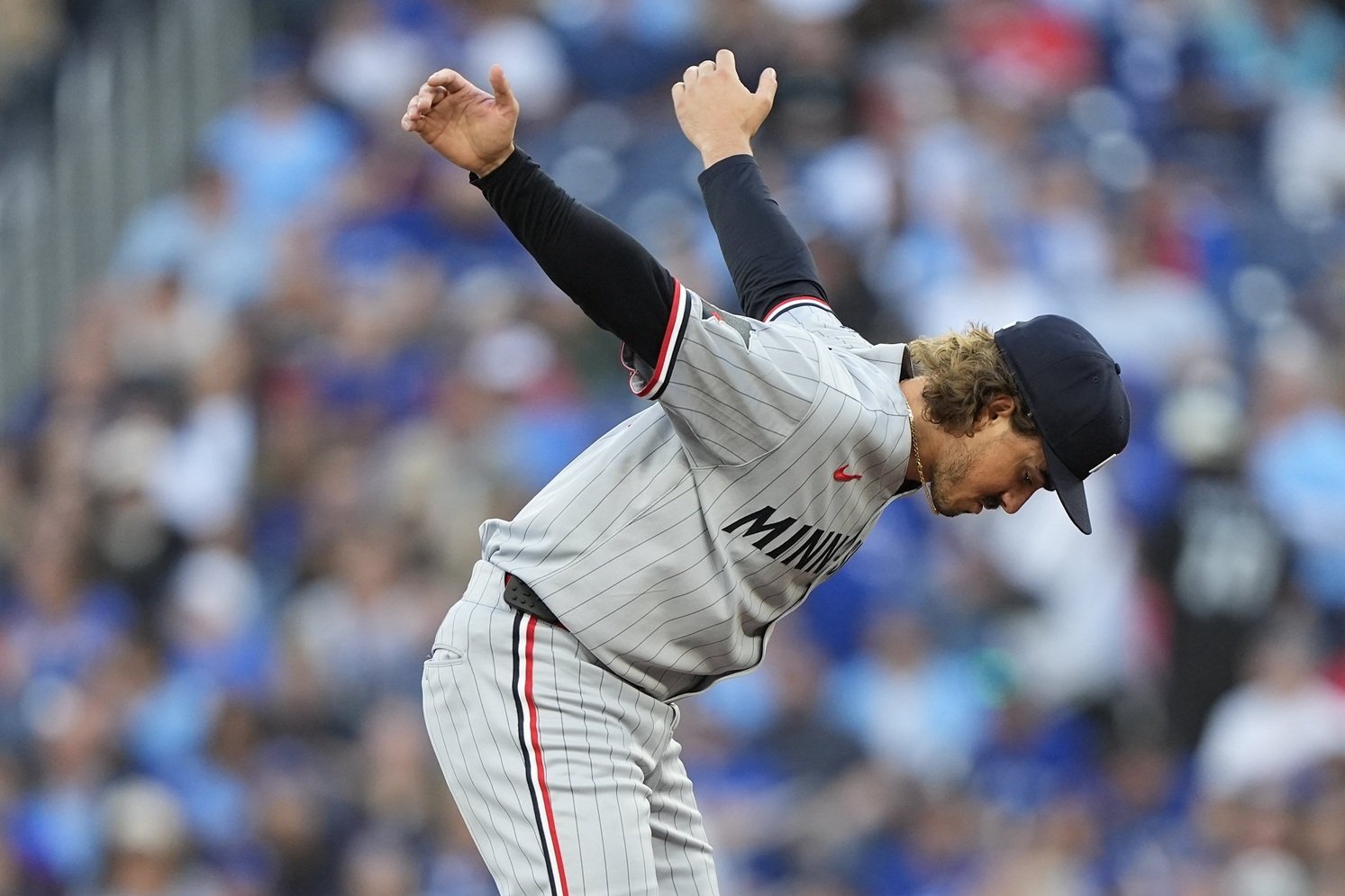 The word "seller" carries a negative connotation around the trade deadline. It signals surrender, rebuilding, and punting on the current season. That's why it's understandable that the Twins have shown little interest in waving the white flag while they remain in the American League playoff race. But what if there was another way to approach the deadline? Over the last several years, the Milwaukee Brewers have built one of baseball's most sustainable organizations by refusing to let emotion dictate difficult roster decisions. They haven't traded stars because they were rebuilding. They've traded them because they understood the value of moving elite players before their trade value began to decline. The Twins may soon face that same crossroads with Joe Ryan. Ryan has developed into one of the American League's best starting pitchers. Through 104 1/3 innings this season, the 30-year-old owns a 2.85 ERA with 122 strikeouts. He's pitching like a legitimate front-line starter, and has earned a second straight All-Star nod. He's also under club control through next season, giving any acquiring team two postseason runs to make the most of his upside. That combination is incredibly valuable. It also means Ryan's value may never be higher. If Minnesota wants to maximize its long-term championship window, it should at least consider following Milwaukee's blueprint. The Brewers Never Wait Too Long Small-market teams rarely win by keeping everyone together forever. Instead, they maximize every asset before free agency forces difficult decisions. Milwaukee has mastered that philosophy. Rather than allowing stars to walk away for draft-pick compensation, the Brewers have consistently identified the moment when a player's value peaked and turned those players into multiple years of affordable talent. That strategy hasn't pushed Milwaukee into rebuilding. Instead, it has helped the Brewers remain one of baseball's most consistent contenders. Here's a look at how Milwaukee has handled similar decisions with some of its biggest arms. One detail immediately stands out: only one of these trades happened at the deadline. The others came during the offseason, when teams were willing to pay a premium for a full season of control. Corbin Burnes Trade Date: February 2024 After the 2023 season, Milwaukee traded Burnes with one year of club control remaining. Rather than settling for draft-pick compensation, the Brewers landed two players capable of contributing immediately in DL Hall and Joey Ortiz—and they picked up a competitive-balance pick from Baltimore to bolster their 2024 class. Hall has transitioned into a bullpen role and taken a significant step forward this season, lowering his ERA to 2.03 while increasing his strikeout rate from 17.4% to 25.4%. Ortiz produced 2.8 WAR with a 102 OPS+ during his first season in Milwaukee before taking a step back offensively. Neither player has become a superstar, but Milwaukee turned one remaining season of Burnes into two controllable major leaguers while staying in contention. (Blake Burke, whom they took with that draft pick and on whom they also saved about $500,000 in bonus pool money to spend elsewhere, has an .846 OPS in his pro career and is likely to reach Triple-A this summer.) Josh Hader Trade Date: August 2022 Perhaps no Brewers trade was more controversial than dealing Josh Hader in the middle of a division race. At the time, fans questioned why Milwaukee would move arguably baseball's best closer while trying to reach the postseason. The Brewers looked beyond the current standings. Milwaukee acquired Robert Gasser, Taylor Rogers, Dinelson Lamet, and Esteury Ruiz. Gasser has already become a capable big-league starter, despite a significant setback in the form of Tommy John surgery in 2024. Rogers added a lefty to the bullpen for the stretch run, and Ruiz was later included in the three-team trade that brought William Contreras to Milwaukee. In fact, he was all the Crew gave up to land Contreras, who has now made two All-Star teams for them. Hader had limited club control remaining, and relievers rarely carry more value than as elite closers with a chance to anchor a playoff bullpen for multiple seasons. Milwaukee capitalized before that value began to decline. This one comes closest to being a cautionary tale, because that was the only time since 2017 that the Brewers have missed the postseason, and the front office was blamed for that, based on the vibes of a midseason trade of such magnitude. However, in the medium and long term, it looks like a brilliant maneuver. Devin Williams Trade Date: December 2024 Milwaukee repeated the process with Devin Williams. Rather than extending an expensive closer into his 30s, the Brewers again moved one of baseball's premier relievers while his value remained exceptionally high. The Brewers received Nestor Cortes and infielder Caleb Durbin for Williams in the 2024-25 offseason. Cortes's injuries limited his impact before he was moved at the following trade deadline, while Durbin later became part of another multi-player deal that brought Shane Drohan, David Hamilton, and Kyle Harrison to Milwaukee. Once again, the Brewers turned one valuable reliever into multiple controllable assets, and got production even in the meantime. Freddy Peralta Trade Date: January 2026 Freddy Peralta represents the same type of decision the Twins may soon face with Ryan. After years of trade speculation, Milwaukee finally dealt Peralta to the Mets for top prospect Jett Williams and right-hander Brandon Sproat. Williams remains one of baseball's top prospects despite an uneven season at Triple-A, while Sproat immediately stepped into Milwaukee's major-league rotation. Ryan fits a similar profile. As was true with Peralta, an acquiring club wouldn't simply be renting him for two months. Ryan would provide a postseason run this year and another full season of control in 2027. That dramatically increases the asking price. Why Ryan Could Bring Even More Ryan's combination of production, durability, and contract status makes him one of the most valuable pitchers who could realistically become available. He's not owed a massive contract, and he's pitching like a legitimate ace. That's exactly the type of arm contenders are willing to overpay to acquire. With the extra half-year of control baked in, he would have to fetch Minnesota more than what Burnes or Peralta got for Milwaukee. The Twins already possess one of baseball's strongest farm systems after last year's deadline additions. Trading Ryan wouldn't signal the end of their competitive window—it could extend it. Imagine adding multiple top-100 prospects, upper-level pitching depth, and another high-upside position player to an organization that already features Walker Jenkins, Kaelen Culpepper, Emmanuel Rodriguez, Eduardo Tait, and several other premium young talents. The Timing Matters One lesson stands out from Milwaukee's recent history: only Hader was traded during the season. Burnes and Williams were moved during the offseason, while Peralta remained with the Brewers through another postseason run before they eventually cashed in. That's an important distinction for Minnesota. The Twins don't have to make this decision before the trade deadline. If they believe this team can reach the postseason, Ryan can remain atop the rotation through October before the front office revisits trade discussions this winter. In fact, that could be the better path. Teams often pay a premium for a pitcher with a full season of control, rather than just two months, giving Minnesota the opportunity to compete now while preserving Ryan's long-term trade value. The Brewers have repeatedly shown that patience can be just as valuable as urgency. It's About Extending the Window The Brewers have shown there is a difference between selling and managing a championship window. They've remained annual contenders because they consistently make emotionally difficult decisions before circumstances force them into weaker ones. The Twins don't have to trade Joe Ryan. If they believe they can sign him to a long-term extension, keeping him is the obvious choice. But if an extension isn't realistic, waiting until the final months of his contract could dramatically reduce his value. At that point, acquiring teams would receive only a few months of control, instead of another full season, shrinking both the number of interested clubs and the quality of offers. Trading Ryan would undoubtedly be unpopular. It would also require tremendous confidence in Minnesota's scouting and player development departments. That's exactly the type of move successful small-market organizations make—though, we ought to note, the Twins are a small-market team more in self-image and by default than in fact. Milwaukee has demonstrated that moving elite pitchers before free agency isn't waving the white flag—it's investing in sustained success. The Twins may not consider themselves sellers this summer, and they probably shouldn't. However, if another organization is willing to offer the type of franchise-altering package Milwaukee has repeatedly secured for its stars, Minnesota owes it to itself to listen. Whether that decision comes in a few weeks or this winter, the Brewers have already provided the blueprint. Sometimes the hardest trade isn't the one that closes a championship window—it's the one that keeps it open for years to come. Can Minnesota follow Milwaukee’s blueprint? Leave a comment and start the discussion.
- 66 comments
-
- 6
-
-
- joe ryan
- devin williams
- (and 3 more)
-
Image courtesy of © John E. Sokolowski-Imagn Images The word "seller" carries a negative connotation around the trade deadline. It signals surrender, rebuilding, and punting on the current season. That's why it's understandable that the Twins have shown little interest in waving the white flag while they remain in the American League playoff race. But what if there was another way to approach the deadline? Over the last several years, the Milwaukee Brewers have built one of baseball's most sustainable organizations by refusing to let emotion dictate difficult roster decisions. They haven't traded stars because they were rebuilding. They've traded them because they understood the value of moving elite players before their trade value began to decline. The Twins may soon face that same crossroads with Joe Ryan. Ryan has developed into one of the American League's best starting pitchers. Through 104 1/3 innings this season, the 30-year-old owns a 2.85 ERA with 122 strikeouts. He's pitching like a legitimate front-line starter, and has earned a second straight All-Star nod. He's also under club control through next season, giving any acquiring team two postseason runs to make the most of his upside. That combination is incredibly valuable. It also means Ryan's value may never be higher. If Minnesota wants to maximize its long-term championship window, it should at least consider following Milwaukee's blueprint. The Brewers Never Wait Too Long Small-market teams rarely win by keeping everyone together forever. Instead, they maximize every asset before free agency forces difficult decisions. Milwaukee has mastered that philosophy. Rather than allowing stars to walk away for draft-pick compensation, the Brewers have consistently identified the moment when a player's value peaked and turned those players into multiple years of affordable talent. That strategy hasn't pushed Milwaukee into rebuilding. Instead, it has helped the Brewers remain one of baseball's most consistent contenders. Here's a look at how Milwaukee has handled similar decisions with some of its biggest arms. One detail immediately stands out: only one of these trades happened at the deadline. The others came during the offseason, when teams were willing to pay a premium for a full season of control. Corbin Burnes Trade Date: February 2024 After the 2023 season, Milwaukee traded Burnes with one year of club control remaining. Rather than settling for draft-pick compensation, the Brewers landed two players capable of contributing immediately in DL Hall and Joey Ortiz—and they picked up a competitive-balance pick from Baltimore to bolster their 2024 class. Hall has transitioned into a bullpen role and taken a significant step forward this season, lowering his ERA to 2.03 while increasing his strikeout rate from 17.4% to 25.4%. Ortiz produced 2.8 WAR with a 102 OPS+ during his first season in Milwaukee before taking a step back offensively. Neither player has become a superstar, but Milwaukee turned one remaining season of Burnes into two controllable major leaguers while staying in contention. (Blake Burke, whom they took with that draft pick and on whom they also saved about $500,000 in bonus pool money to spend elsewhere, has an .846 OPS in his pro career and is likely to reach Triple-A this summer.) Josh Hader Trade Date: August 2022 Perhaps no Brewers trade was more controversial than dealing Josh Hader in the middle of a division race. At the time, fans questioned why Milwaukee would move arguably baseball's best closer while trying to reach the postseason. The Brewers looked beyond the current standings. Milwaukee acquired Robert Gasser, Taylor Rogers, Dinelson Lamet, and Esteury Ruiz. Gasser has already become a capable big-league starter, despite a significant setback in the form of Tommy John surgery in 2024. Rogers added a lefty to the bullpen for the stretch run, and Ruiz was later included in the three-team trade that brought William Contreras to Milwaukee. In fact, he was all the Crew gave up to land Contreras, who has now made two All-Star teams for them. Hader had limited club control remaining, and relievers rarely carry more value than as elite closers with a chance to anchor a playoff bullpen for multiple seasons. Milwaukee capitalized before that value began to decline. This one comes closest to being a cautionary tale, because that was the only time since 2017 that the Brewers have missed the postseason, and the front office was blamed for that, based on the vibes of a midseason trade of such magnitude. However, in the medium and long term, it looks like a brilliant maneuver. Devin Williams Trade Date: December 2024 Milwaukee repeated the process with Devin Williams. Rather than extending an expensive closer into his 30s, the Brewers again moved one of baseball's premier relievers while his value remained exceptionally high. The Brewers received Nestor Cortes and infielder Caleb Durbin for Williams in the 2024-25 offseason. Cortes's injuries limited his impact before he was moved at the following trade deadline, while Durbin later became part of another multi-player deal that brought Shane Drohan, David Hamilton, and Kyle Harrison to Milwaukee. Once again, the Brewers turned one valuable reliever into multiple controllable assets, and got production even in the meantime. Freddy Peralta Trade Date: January 2026 Freddy Peralta represents the same type of decision the Twins may soon face with Ryan. After years of trade speculation, Milwaukee finally dealt Peralta to the Mets for top prospect Jett Williams and right-hander Brandon Sproat. Williams remains one of baseball's top prospects despite an uneven season at Triple-A, while Sproat immediately stepped into Milwaukee's major-league rotation. Ryan fits a similar profile. As was true with Peralta, an acquiring club wouldn't simply be renting him for two months. Ryan would provide a postseason run this year and another full season of control in 2027. That dramatically increases the asking price. Why Ryan Could Bring Even More Ryan's combination of production, durability, and contract status makes him one of the most valuable pitchers who could realistically become available. He's not owed a massive contract, and he's pitching like a legitimate ace. That's exactly the type of arm contenders are willing to overpay to acquire. With the extra half-year of control baked in, he would have to fetch Minnesota more than what Burnes or Peralta got for Milwaukee. The Twins already possess one of baseball's strongest farm systems after last year's deadline additions. Trading Ryan wouldn't signal the end of their competitive window—it could extend it. Imagine adding multiple top-100 prospects, upper-level pitching depth, and another high-upside position player to an organization that already features Walker Jenkins, Kaelen Culpepper, Emmanuel Rodriguez, Eduardo Tait, and several other premium young talents. The Timing Matters One lesson stands out from Milwaukee's recent history: only Hader was traded during the season. Burnes and Williams were moved during the offseason, while Peralta remained with the Brewers through another postseason run before they eventually cashed in. That's an important distinction for Minnesota. The Twins don't have to make this decision before the trade deadline. If they believe this team can reach the postseason, Ryan can remain atop the rotation through October before the front office revisits trade discussions this winter. In fact, that could be the better path. Teams often pay a premium for a pitcher with a full season of control, rather than just two months, giving Minnesota the opportunity to compete now while preserving Ryan's long-term trade value. The Brewers have repeatedly shown that patience can be just as valuable as urgency. It's About Extending the Window The Brewers have shown there is a difference between selling and managing a championship window. They've remained annual contenders because they consistently make emotionally difficult decisions before circumstances force them into weaker ones. The Twins don't have to trade Joe Ryan. If they believe they can sign him to a long-term extension, keeping him is the obvious choice. But if an extension isn't realistic, waiting until the final months of his contract could dramatically reduce his value. At that point, acquiring teams would receive only a few months of control, instead of another full season, shrinking both the number of interested clubs and the quality of offers. Trading Ryan would undoubtedly be unpopular. It would also require tremendous confidence in Minnesota's scouting and player development departments. That's exactly the type of move successful small-market organizations make—though, we ought to note, the Twins are a small-market team more in self-image and by default than in fact. Milwaukee has demonstrated that moving elite pitchers before free agency isn't waving the white flag—it's investing in sustained success. The Twins may not consider themselves sellers this summer, and they probably shouldn't. However, if another organization is willing to offer the type of franchise-altering package Milwaukee has repeatedly secured for its stars, Minnesota owes it to itself to listen. Whether that decision comes in a few weeks or this winter, the Brewers have already provided the blueprint. Sometimes the hardest trade isn't the one that closes a championship window—it's the one that keeps it open for years to come. Can Minnesota follow Milwaukee’s blueprint? Leave a comment and start the discussion. View full article
- 66 replies
-
- 2
-
-
- joe ryan
- devin williams
- (and 3 more)
-
The MLB trade deadline is quickly approaching, but identifying buyers and sellers has rarely been more difficult. With the American League playoff picture packed tightly together, a single hot streak can transform a fringe contender into a postseason favorite. That uncertainty has made projecting deadline moves especially challenging, and the Twins are one of the biggest surprises in the mix. After a disappointing start to the season, Minnesota has clawed its way back toward the .500 mark and remains firmly in the Wild Card conversation. Even with obvious flaws, the Twins have stayed within striking distance in an American League that has lacked dominant contenders beyond the top teams. With that in mind, ESPN's Jeff Passan recently outlined the ideal deadline additions for playoff hopefuls, and he believes Minnesota's biggest need is clear: starting pitching. The most realistic fit on Passan's list is Nationals left-hander Foster Griffin, a pitcher who has quietly become one of baseball's better breakout stories. After spending the previous three seasons pitching in Japan, Griffin returned to Major League Baseball by signing with Washington before the 2026 season. The results have been outstanding. Across 110 1/3 innings, the left-hander owns a 2.77 ERA while pairing it with a 4.04 FIP, a sparkling 1.02 WHIP, a 24.5% strikeout rate, and an excellent 5.8% walk rate. Just as importantly for Minnesota, Griffin isn't simply a rental. He won't be eligible for arbitration until 2028 and isn't scheduled to become a free agent until after the 2030 season. That type of club control would make him valuable beyond this year's playoff race and could help stabilize a rotation that has battled inconsistency and injuries throughout the season. Adding Griffin would also fit the Twins' typical approach under their front office. Rather than paying premium prospect prices for a short-term acquisition, Minnesota has often targeted controllable players who can contribute for multiple seasons. Of course, Passan also included a much bigger name. His "dream" acquisition for the Twins is veteran right-hander Kevin Gausman of the Blue Jays. On paper, it's easy to understand why. Gausman has the experience and swing-and-miss arsenal to front a postseason rotation despite a somewhat uneven regular season. Through 106 1/3 innings, Gausman has compiled a 4.32 ERA, but his underlying numbers remain encouraging. He owns a 3.77 FIP, a 1.22 WHIP, a 24.3 percent strikeout rate, and a 6.5 percent walk rate while heading toward free agency this winter. Passan summed up the appeal simply: "If Toronto does wind up dumping its impending free agents, Minnesota adding Gausman to (Joe) Ryan and Taj Bradley in a three-game wild-card series certainly would play." The obstacle, however, is obvious. Toronto sits only a couple of games behind Minnesota in the standings and is chasing a postseason berth of its own after falling just short in last year's World Series. Unless the Blue Jays suffer a significant collapse over the next few weeks, it is difficult to imagine them moving one of their veteran starters to a direct Wild Card competitor. That makes Griffin feel like the more attainable target. Whether the Twins ultimately pursue Griffin, aim higher for a bigger name, or stand pat will depend on where they sit as August 3 approaches. But if Minnesota intends to capitalize on an unexpectedly competitive season, improving the rotation should be at the top of the priority list. Griffin may not be the flashiest deadline acquisition, but he could be exactly the type of move that helps the Twins turn a surprising season into a legitimate playoff run. View full rumor
-
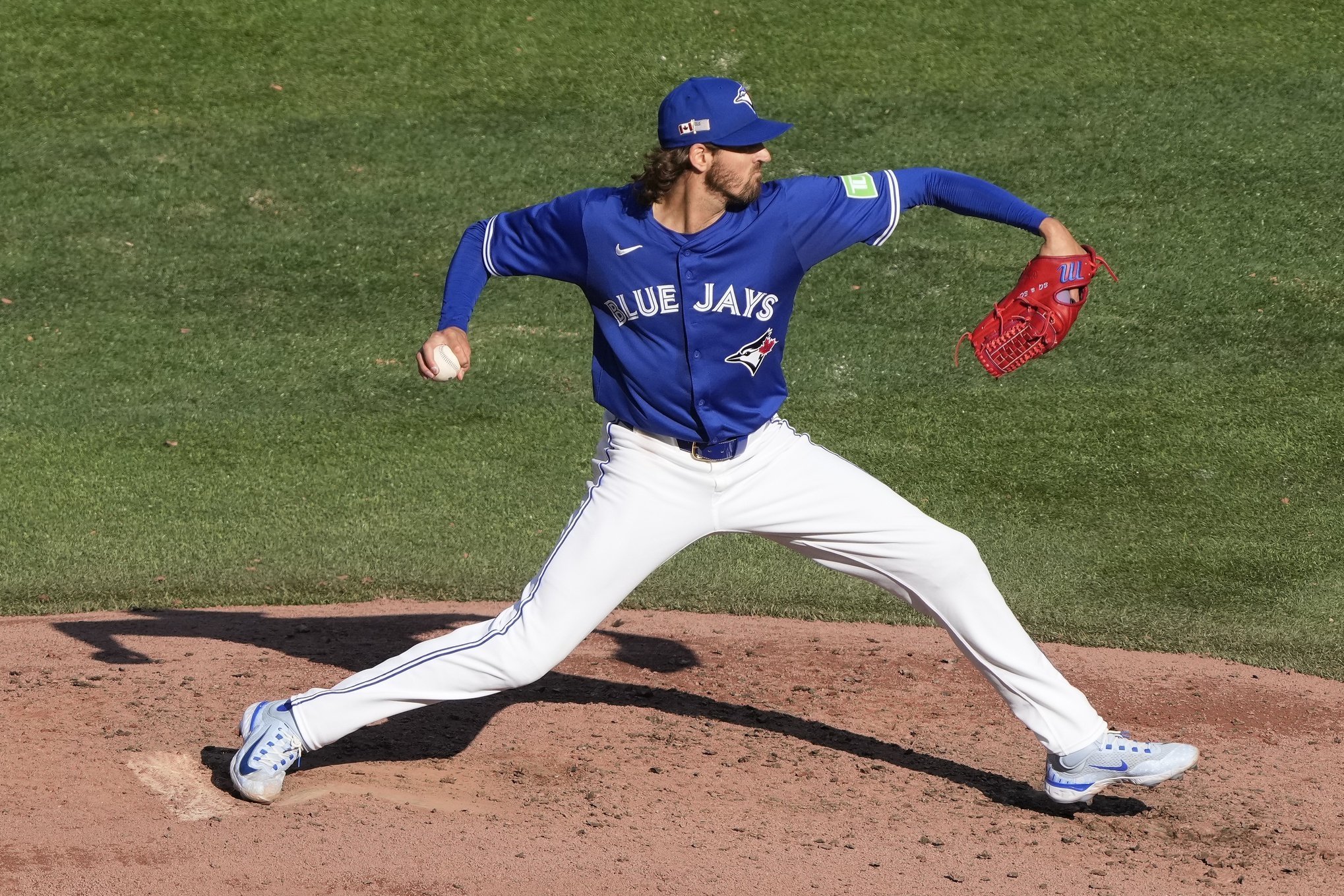 The MLB trade deadline is quickly approaching, but identifying buyers and sellers has rarely been more difficult. With the American League playoff picture packed tightly together, a single hot streak can transform a fringe contender into a postseason favorite. That uncertainty has made projecting deadline moves especially challenging, and the Twins are one of the biggest surprises in the mix. After a disappointing start to the season, Minnesota has clawed its way back toward the .500 mark and remains firmly in the Wild Card conversation. Even with obvious flaws, the Twins have stayed within striking distance in an American League that has lacked dominant contenders beyond the top teams. With that in mind, ESPN's Jeff Passan recently outlined the ideal deadline additions for playoff hopefuls, and he believes Minnesota's biggest need is clear: starting pitching. The most realistic fit on Passan's list is Nationals left-hander Foster Griffin, a pitcher who has quietly become one of baseball's better breakout stories. After spending the previous three seasons pitching in Japan, Griffin returned to Major League Baseball by signing with Washington before the 2026 season. The results have been outstanding. Across 110 1/3 innings, the left-hander owns a 2.77 ERA while pairing it with a 4.04 FIP, a sparkling 1.02 WHIP, a 24.5% strikeout rate, and an excellent 5.8% walk rate. Just as importantly for Minnesota, Griffin isn't simply a rental. He won't be eligible for arbitration until 2028 and isn't scheduled to become a free agent until after the 2030 season. That type of club control would make him valuable beyond this year's playoff race and could help stabilize a rotation that has battled inconsistency and injuries throughout the season. Adding Griffin would also fit the Twins' typical approach under their front office. Rather than paying premium prospect prices for a short-term acquisition, Minnesota has often targeted controllable players who can contribute for multiple seasons. Of course, Passan also included a much bigger name. His "dream" acquisition for the Twins is veteran right-hander Kevin Gausman of the Blue Jays. On paper, it's easy to understand why. Gausman has the experience and swing-and-miss arsenal to front a postseason rotation despite a somewhat uneven regular season. Through 106 1/3 innings, Gausman has compiled a 4.32 ERA, but his underlying numbers remain encouraging. He owns a 3.77 FIP, a 1.22 WHIP, a 24.3 percent strikeout rate, and a 6.5 percent walk rate while heading toward free agency this winter. Passan summed up the appeal simply: "If Toronto does wind up dumping its impending free agents, Minnesota adding Gausman to (Joe) Ryan and Taj Bradley in a three-game wild-card series certainly would play." The obstacle, however, is obvious. Toronto sits only a couple of games behind Minnesota in the standings and is chasing a postseason berth of its own after falling just short in last year's World Series. Unless the Blue Jays suffer a significant collapse over the next few weeks, it is difficult to imagine them moving one of their veteran starters to a direct Wild Card competitor. That makes Griffin feel like the more attainable target. Whether the Twins ultimately pursue Griffin, aim higher for a bigger name, or stand pat will depend on where they sit as August 3 approaches. But if Minnesota intends to capitalize on an unexpectedly competitive season, improving the rotation should be at the top of the priority list. Griffin may not be the flashiest deadline acquisition, but he could be exactly the type of move that helps the Twins turn a surprising season into a legitimate playoff run.
 -
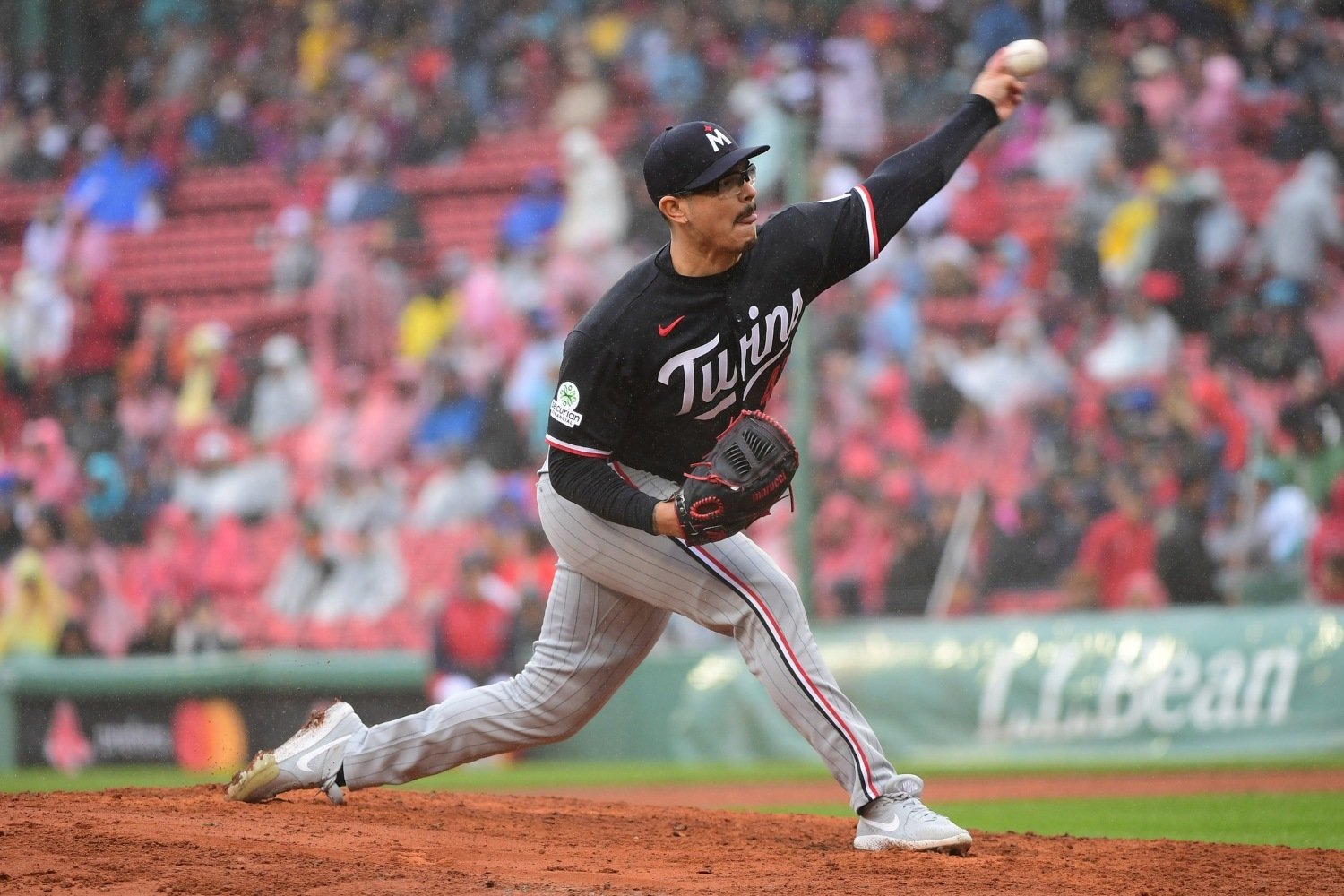 The Twins will have to finish the 2026 season without one of their veteran left-handed relievers. Anthony Banda told reporters that he recently underwent surgery to repair his injured lat, ending his season. The veteran southpaw expects to be fully recovered in time for spring training next February. While the news isn't entirely surprising, it officially closes the door on any chance of Banda returning for a late-season playoff push. Banda was placed on the 15-day injured list earlier this month with what the Twins initially described as a lat strain. At the time, manager Derek Shelton acknowledged the injury was significant and suggested Banda's recovery would be measured in months rather than weeks. There was still some optimism that he could return, but this specific surgery eliminates that possibility. Minnesota will eventually transfer him to the 60-day injured list once it needs another spot on the 40-man roster. Although Banda's overall numbers don't jump off the page, he had quietly become one of the Twins' more dependable relievers before getting hurt. He finished the year with a 4.46 ERA across 34 1/3 innings, but those numbers were heavily skewed by a difficult start to the season. Beginning on May 5, Banda posted a 1.33 ERA over his final 20 1/3 innings. That stretch came with some favorable fortune, including a .259 batting average on balls in play and a 90.6% strand rate, but he consistently gave the Twins quality innings during that stretch. That's a difficult arm to lose for a bullpen that has struggled to find consistency all season. Minnesota's relievers own a collective 5.24 ERA, tied with the Royals for the worst mark in Major League Baseball. Even if Banda's dominant stretch wasn't completely sustainable, his absence leaves the Twins with even fewer reliable late-inning options as they continue to chase a postseason berth. Despite those bullpen struggles, Minnesota remains in the thick of the American League playoff race, sitting just a half-game out of a Wild Card spot. For now, Taylor Rogers and Kody Funderburk become the club's primary left-handed relief options, while Kendry Rojas was recalled to provide additional length out of the bullpen. If the Twins remain in contention over the next few weeks, adding another bullpen arm could become an even bigger priority before the trade deadline. For Banda, the injury comes at an unfortunate time in his career. After spending 2025 with the Dodgers, Banda struggled during the postseason and found himself designated for assignment in February because he was out of minor league options. The Twins acquired him by sending international bonus pool space to Los Angeles, hoping his recent success would carry over to Minnesota. Financially, the Twins still have a decision looming this offseason. Banda is earning $1.625 million this season and remains arbitration eligible for 2027. Minnesota will need to determine whether to tender him a contract before November, and the progress of his recovery will likely factor into that decision. Unfortunately for both Banda and the Twins, they'll have to wait until 2027 to find out whether he can continue building on his success with the club.
 -
The Twins will have to finish the 2026 season without one of their veteran left-handed relievers. Anthony Banda told reporters that he recently underwent surgery to repair his injured lat, ending his season. The veteran southpaw expects to be fully recovered in time for spring training next February. While the news isn't entirely surprising, it officially closes the door on any chance of Banda returning for a late-season playoff push. Banda was placed on the 15-day injured list earlier this month with what the Twins initially described as a lat strain. At the time, manager Derek Shelton acknowledged the injury was significant and suggested Banda's recovery would be measured in months rather than weeks. There was still some optimism that he could return, but this specific surgery eliminates that possibility. Minnesota will eventually transfer him to the 60-day injured list once it needs another spot on the 40-man roster. Although Banda's overall numbers don't jump off the page, he had quietly become one of the Twins' more dependable relievers before getting hurt. He finished the year with a 4.46 ERA across 34 1/3 innings, but those numbers were heavily skewed by a difficult start to the season. Beginning on May 5, Banda posted a 1.33 ERA over his final 20 1/3 innings. That stretch came with some favorable fortune, including a .259 batting average on balls in play and a 90.6% strand rate, but he consistently gave the Twins quality innings during that stretch. That's a difficult arm to lose for a bullpen that has struggled to find consistency all season. Minnesota's relievers own a collective 5.24 ERA, tied with the Royals for the worst mark in Major League Baseball. Even if Banda's dominant stretch wasn't completely sustainable, his absence leaves the Twins with even fewer reliable late-inning options as they continue to chase a postseason berth. Despite those bullpen struggles, Minnesota remains in the thick of the American League playoff race, sitting just a half-game out of a Wild Card spot. For now, Taylor Rogers and Kody Funderburk become the club's primary left-handed relief options, while Kendry Rojas was recalled to provide additional length out of the bullpen. If the Twins remain in contention over the next few weeks, adding another bullpen arm could become an even bigger priority before the trade deadline. For Banda, the injury comes at an unfortunate time in his career. After spending 2025 with the Dodgers, Banda struggled during the postseason and found himself designated for assignment in February because he was out of minor league options. The Twins acquired him by sending international bonus pool space to Los Angeles, hoping his recent success would carry over to Minnesota. Financially, the Twins still have a decision looming this offseason. Banda is earning $1.625 million this season and remains arbitration eligible for 2027. Minnesota will need to determine whether to tender him a contract before November, and the progress of his recovery will likely factor into that decision. Unfortunately for both Banda and the Twins, they'll have to wait until 2027 to find out whether he can continue building on his success with the club. View full rumor
-
Image courtesy of © Nathan Ray Seebeck-Imagn Images The Minnesota Twins have emphasized versatility when constructing their roster over the last few seasons. Players capable of handling multiple positions give manager Derek Shelton (or former manager Rocco Baldelli) more options when building his lineup, mixing and matching based on opposing pitchers, injuries, or late-game situations. On paper, it makes plenty of sense.A flexible roster should maximize matchups while allowing the Twins maintain depth without sacrificing offense. But despite all that versatility, Minnesota has spent much of the 2026 season effectively operating with a 25-man roster. One player has consistently occupied the final bench spot while rarely receiving opportunities to contribute. Why would the Twins do this? The answer, like in many aspects of life, is complicated. James Outman Never Found His Opportunity To open the season, that player was James Outman. Acquired from the Dodgers last July, Outman entered spring training without any minor league options remaining. Rather than risk losing him, the Twins kept him on the Opening Day roster, hoping he could rediscover the tools that once made him one of baseball's more intriguing young outfielders. That opportunity never materialized. Outman started only 17 games despite appearing in 49 contests. Most of those appearances came as a late-inning defensive replacement or pinch runner instead of meaningful offensive opportunities. It's difficult for any hitter to establish a rhythm under those circumstances, but Outman also failed to capitalize on the limited chances he did receive. He slashed just .156/.229/.250 (.479 OPS) with five extra-base hits in 70 plate appearances while producing -0.3 rWAR. The Twins eventually designated him for assignment in mid-June, and the Detroit Tigers claimed him off waivers. For Minnesota, the experiment quietly came to an end. Kyler Fedko Is Following the Same Path Outman's departure created an opportunity for Kyler Fedko. The Twins' 12th-round selection from the University of Connecticut in the 2021 MLB Draft has steadily climbed the organizational ladder and finally forced the club's hand with his production at Triple-A St. Paul. Fedko hit .286/.372/.578 with a .950 OPS through 58 games with the Saints this season. He blasted 15 home runs, drove in 45 runs, scored 44 times, and added nine stolen bases. After swiping 38 bases across Double-A and Triple-A last season, he has continued to show the blend of athleticism and power that made him one of the organization's biggest breakout stories. Yet, his first taste of the big leagues has looked remarkably similar to Outman's. Since arriving in Minnesota, Fedko has started only three games despite appearing in 12. Through his first 17 plate appearances, he has gone 0-for-14 with one RBI, one run scored, and a 7-to-2 strikeout-to-walk ratio. More telling is how those opportunities have come. Only three of his appearances have included more than two plate appearances. In six games, he entered solely as a pinch runner or defensive replacement without ever stepping into the batter's box. For a player trying to prove he belongs in the majors, those scattered opportunities make an already difficult adjustment even more challenging. Is This the Best Use of a Roster Spot? The question isn't necessarily whether Fedko deserves everyday playing time. The Twins have Byron Buxton, Luke Keaschall, Trevor Larnach, and other established outfield options ahead of him. Finding consistent at-bats isn't easy for a contending club trying to win every night. But if the coaching staff doesn't envision enough opportunities for Fedko to play, why keep him in Minnesota at all? As I wrote about earlier this season, the answer is likely that the front office doesn’t believe in Fedko. Regular at-bats in St. Paul would likely do more for his long-term development than sitting on the end of the major league bench. Meanwhile, the Twins could use that roster spot on another bench bat who better fits their game-planning needs. Instead, they've now spent months carrying players whose primary responsibilities have been running the bases or replacing someone defensively in the ninth inning. That's a luxury few teams can afford over a six-month season. A Familiar Pattern This isn't simply about Outman or Fedko. It's about a roster construction strategy that has left one spot largely unused for much of the year. In previous years, the Twins have done this with players like DaShawn Keirsey Jr. and Carson McCusker. Whether the Twins are trying to preserve organizational depth, evaluate players, or simply avoid exposing someone to waivers, the result has been the same. One player rarely plays. With the American League Wild Card race expected to remain tight throughout the summer, every roster spot becomes increasingly valuable. Injuries pile up, rosters get taxed, and bench depth can decide close games. If the final player on the roster isn't receiving meaningful opportunities, it's fair to wonder whether that spot could be better utilized elsewhere. The Twins have built a roster around flexibility. Ironically, their handling of the final bench spot has been anything but. Can the Twins continue to survive with a 25-man roster while one player gathers dust at the end of the bench? Leave a comment and start the discussion. View full article
-
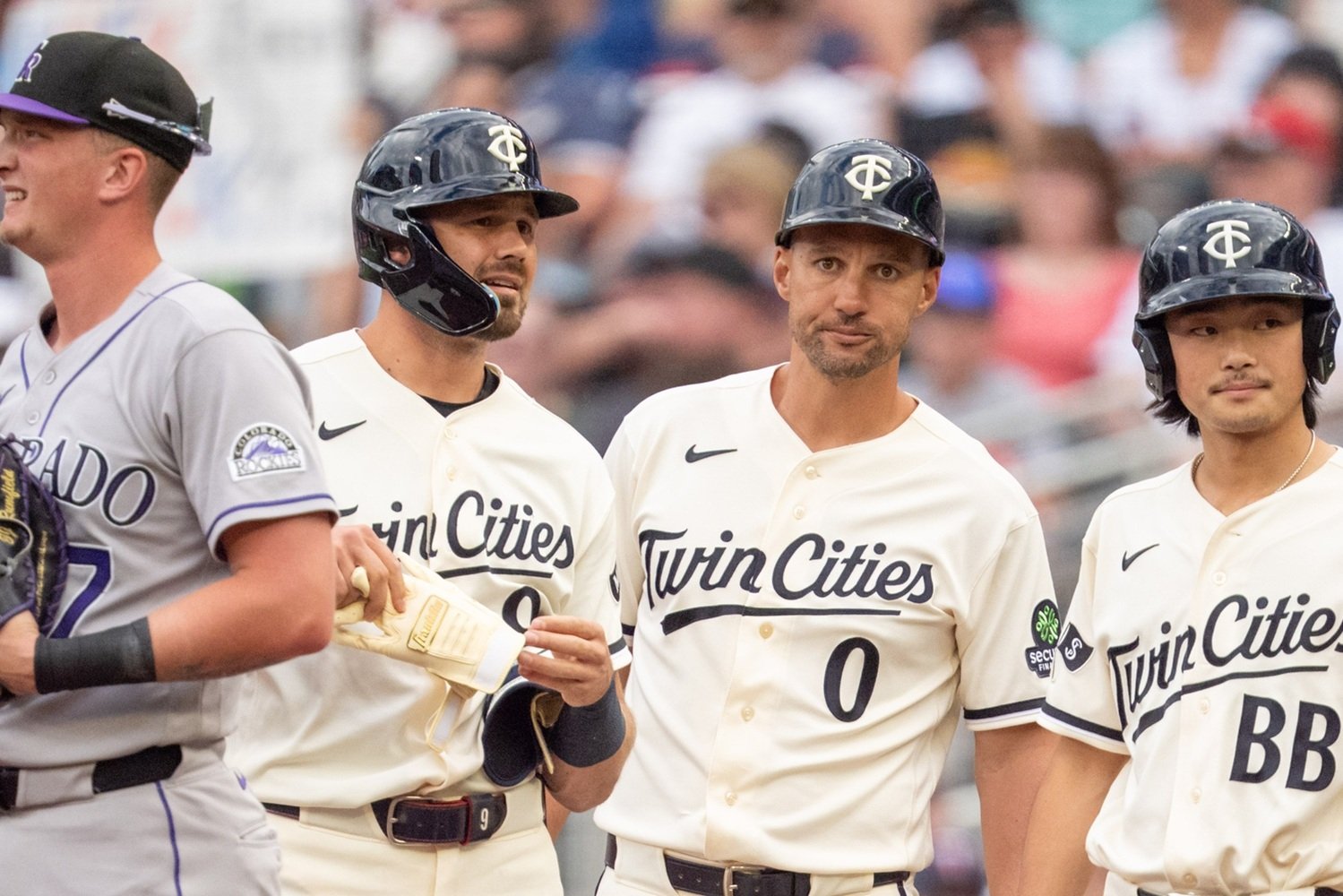 When the Twins hired Grady Sizemore this offseason, the move wasn't accompanied by the same fanfare as adding a high-profile bench coach or pitching guru. Derek Shelton brought the former All-Star aboard as the club's first base coach with an emphasis on working with the outfielders, hoping one of baseball's premier defensive center fielders could pass along some of the instincts that made him a two-time Gold Glove winner. Halfway through the season, that investment is paying off. Minnesota's outfield defense has taken a noticeable step forward, and several players who entered the season with defensive question marks have become reliable contributors on the grass. Whether it's refining an established outfielder's routes or helping an infielder learn an entirely new position, Sizemore's fingerprints are becoming increasingly visible. It's fair to wonder whether the Twins have found their own outfield whisperer. Sizemore's playing career ended far sooner than anyone expected. Though he was once on a Hall of Fame trajectory during his prime in Cleveland, injuries ultimately forced him to retire after the 2015 season at only 33 years old. Coaching wasn't initially part of his plan, but conversations with current players eventually reignited his passion for the game. His coaching journey started modestly with an internship in the Diamondbacks organization before the White Sox promoted him through their staff. By the middle of the disastrous 2024 season, Chicago asked him to serve as interim manager before he transitioned into the organization's offensive coordinator role in 2025. Shelton knew exactly what he was getting when he assembled his first coaching staff in Minnesota. The two overlapped in Cleveland during Sizemore's playing days, and Shelton wanted coaches who had experienced success at the highest level. "The biggest thing with Grady … is just getting him to talk," Shelton said. "The wealth of knowledge, he's so humble. I was fortunate to coach Grady Sizemore because he was such an elite player. There is so much in there." Players have gravitated toward Sizemore's calm personality and willingness to teach. Trevor Larnach has repeatedly praised him for helping with every aspect of the game, while Shelton describes Sizemore as someone with a unique presence who naturally connects with players. Sizemore, however, refuses to take much credit. "I enjoy working with them and pushing them," Sizemore said. "They're teaching me as much as I'm teaching them. Every day, I'm asking them for feedback on what I can do better." That collaborative approach appears to be producing results. Austin Martin's Defensive Turnaround Few players illustrate Sizemore's impact better than Austin Martin. Martin's rookie campaign in 2024 was rough defensively. He finished with a -9 Run Value in the outfield, as inconsistent routes and reads overshadowed the athleticism that made him such an intriguing prospect. Last season didn't provide many opportunities to improve. Martin suffered an injury at Triple-A before earning a late-season promotion following Minnesota's trade deadline selloff, limiting his defensive reps at the major league level. This year has looked dramatically different. He has a 2 Run Value in the outfield. Martin has played with more confidence, taking cleaner routes while making better first-step reads off the bat. The athletic ability was never in question. Under Sizemore's guidance, the consistency has started matching the talent. Luke Keaschall's Position Change Keaschall's season has featured one of the more fascinating defensive developments in the organization. Originally expected to handle second base, Keaschall struggled throughout the first half. His -7 Outs Above Average at second made him one of Minnesota's least effective defenders at the position, forcing the Twins to consider alternatives. Rather than limiting his playing time, they moved him to the outfield. Working closely with Sizemore, Keaschall has adapted remarkably quickly. In only 15 opportunities, he's already posted 1 Outs Above Average, a dramatic improvement that reflects both his athleticism and the instruction he's received. The transition hasn't been flawless, but the encouraging moments have far outweighed the mistakes. During Minnesota's recent homestand, Keaschall made a highlight-reel running catch while also demonstrating improved instincts on balls hit toward the wall. After misjudging a carom that turned into a triple against Colorado, he quickly applied that lesson days later against Houston. On Cam Smith's second-inning drive, Keaschall correctly recognized the ball would either clear the fence or rebound sharply off the wall. Instead of drifting too close, he backed away, played the bounce perfectly, and held Smith to a double. Those are the types of adjustments coaches love to see. "It's more learning as we go, but I feel good out there, confident, relaxed," Keaschall said. "I've got good people around me, so that helps a lot, too." For a player who looked overwhelmed at second base just weeks earlier, the early returns in right field have been remarkably encouraging. More Than Just Technique What makes Sizemore's impact stand out isn't simply the defensive improvements. It's the relationships he's built. Players consistently praise his humility, communication, and willingness to listen. Rather than presenting himself as a former star with all the answers, Sizemore approaches coaching as a collaborative process. That's likely one reason why players have embraced his instruction so quickly. Whether he's helping Martin unlock the athleticism that always existed or guiding Keaschall through a midseason position change, Sizemore has become an important resource throughout Minnesota's clubhouse. None of those improvements happened by accident. Great coaches rarely seek the spotlight, and Sizemore has consistently redirected praise toward his players. Still, the evidence continues to mount that Minnesota's investment in one of baseball's former elite defensive outfielders is paying dividends. If these early returns continue, the Twins may have found far more than a first base coach—they may have found the outfield whisperer they didn't know they needed. What stands out about Sizemore’s impact so far this season? Leave a comment and start the discussion.
- 14 comments
-
- 10
-

-
-

-
- grady sizemore
- austin martin
- (and 2 more)
-
Image courtesy of © Jordan Johnson-Imagn Images The MLB trade deadline is only a few weeks away, and the Twins once again find themselves walking the line between buying and selling. Minnesota remains in the thick of the American League Wild Card race despite battling injuries across nearly every area of the roster, making this year's deadline more about targeted additions than blockbuster moves. If the Twins continue to hover around playoff position, adding the right pieces could be enough to extend meaningful baseball into September. They don't need to overhaul the roster, but there are clearly areas where reinforcements would have the biggest impact. Here's how the Twins' roster needs rank heading toward the deadline. 3. Bats Of the three major areas on the roster, adding offense feels like the least likely scenario. In fact, there's a better chance Minnesota subtracts from this group than adds to it. Ryan Jeffers and Josh Bell are both free agents, making each a logical trade candidate if the front office believes it can replace their production internally while improving another area of the roster. That isn't without risk. Veteran production carries value during a playoff chase, and replacing experienced hitters with unproven players always introduces some uncertainty. This is similar to what small-market teams do at the trade deadline as they balance buying and selling. Still, the organization has positioned itself well for exactly this scenario. The Twins lead the American League in runs scored, despite several core hitters enduring lengthy slumps during the first half. That's an encouraging sign, because even more offensive help could be arriving from within. Walker Jenkins has done everything necessary to put himself on the doorstep of the major leagues at Triple-A St. Paul. Alan Roden, acquired at last year's trade deadline, has looked like a quality depth option since returning from injury. Meanwhile, Matt Wallner appears to have rediscovered his swing after being sent to Triple-A, earning International League Player of the Month honors for June. Not every contender can point to that kind of offensive depth waiting in the wings (though, of course, Byron Buxton's injury has already forced Roden to join the active roster). 2. Starting Pitching The Twins have managed to survive a wave of rotation injuries, but asking them to continue doing so for another two months feels optimistic. Connor Prielipp has been impressive at times, but the organization will almost certainly have to monitor his workload as he approaches an innings limit during the second half. At the same time, Minnesota has already lost a trio of pitchers for the year, including Pablo López, David Festa, and Mick Abel. This has forced the coaching staff to piece together stretches of the schedule with regular bullpen games. Bailey Ober is expected back soon, which should stabilize the rotation, but one healthy return doesn't erase the lack of depth behind the current starters. Kendry Rojas and John Klein are already on the 40-man roster, but both have primarily been used in long relief, rather than traditional starting roles. Ryan Gallagher, another pitcher acquired at last year's deadline, has intriguing upside at Triple-A but needs to demonstrate more consistency before earning a promotion. He's also not yet on the 40-man roster. One dependable veteran starter could dramatically change the outlook for Minnesota's rotation. It would reduce the strain on younger arms, lessen the need for bullpen games, and provide valuable stability over the season's final two months. 1. Bullpen The bullpen has been Minnesota's biggest need for nearly a full calendar year. That reality became even more painful when Jhoan Duran and Louis Varland were both selected as first-time All-Stars in 2026. Either one would be anchoring the back end of the Twins' bullpen right now, had they remained in the organization. Instead, Minnesota entered the season already searching for reliable late-inning depth, before injuries created an even bigger problem. Anthony Banda had settled into the primary setup role after a difficult April, posting a sparkling 1.00 ERA over 20 appearances since May 10. Just as he found his groove, a significant lat strain knocked him out for multiple months, leaving another major hole in the bullpen. Cole Sands has also been unavailable for most of the season after suffering a mild right forearm strain in early May. He has appeared in only 12 games this year. He's now out on a rehab assignment and could be back in the majors almost right away, but there's no guarantee that he'll be the best version of himself when he returns—and the team needs that version of him, or something even better. Even before those injuries, the bullpen lacked enough trustworthy options behind the late-inning arms. Now, the group could benefit from reinforcements from both the right and left sides. The encouraging part is that relief pitching is often the easiest area to address at the trade deadline. Contending teams routinely shuffle bullpen pieces, and quality relievers can usually be acquired without paying the premium attached to starting pitchers. If the Twins ultimately decide to make only one significant addition before the deadline, it should be a reliever capable of handling meaningful outs in the seventh, eighth, or ninth. Improving the bullpen would not only strengthen the relief corps, but also protect a rotation that has already absorbed more than its share of injuries. Minnesota's offense has carried the club through stretches of the first half, giving the front office the flexibility to focus almost exclusively on pitching before the deadline. A veteran starter would provide welcome stability, but the bullpen remains the clear priority. Between injuries, a lack of dependable depth, and the increased workload created by bullpen games, the Twins need more reliable relief options if they're serious about staying in the postseason race. A couple of smart, targeted pitching additions could be enough to support an offense that has already proven capable of carrying its share of the load. If the Twins remain in contention over the next few weeks, that's exactly the type of deadline approach fans should expect. Do you agree with the rankings? What would be a perfect trade deadline for the Twins? Leave a comment and start the discussion. View full article
-
Twins 2026 Trade Deadline Needs: Ranking Minnesota's Biggest Priorities
Cody Christie posted an article in Twins
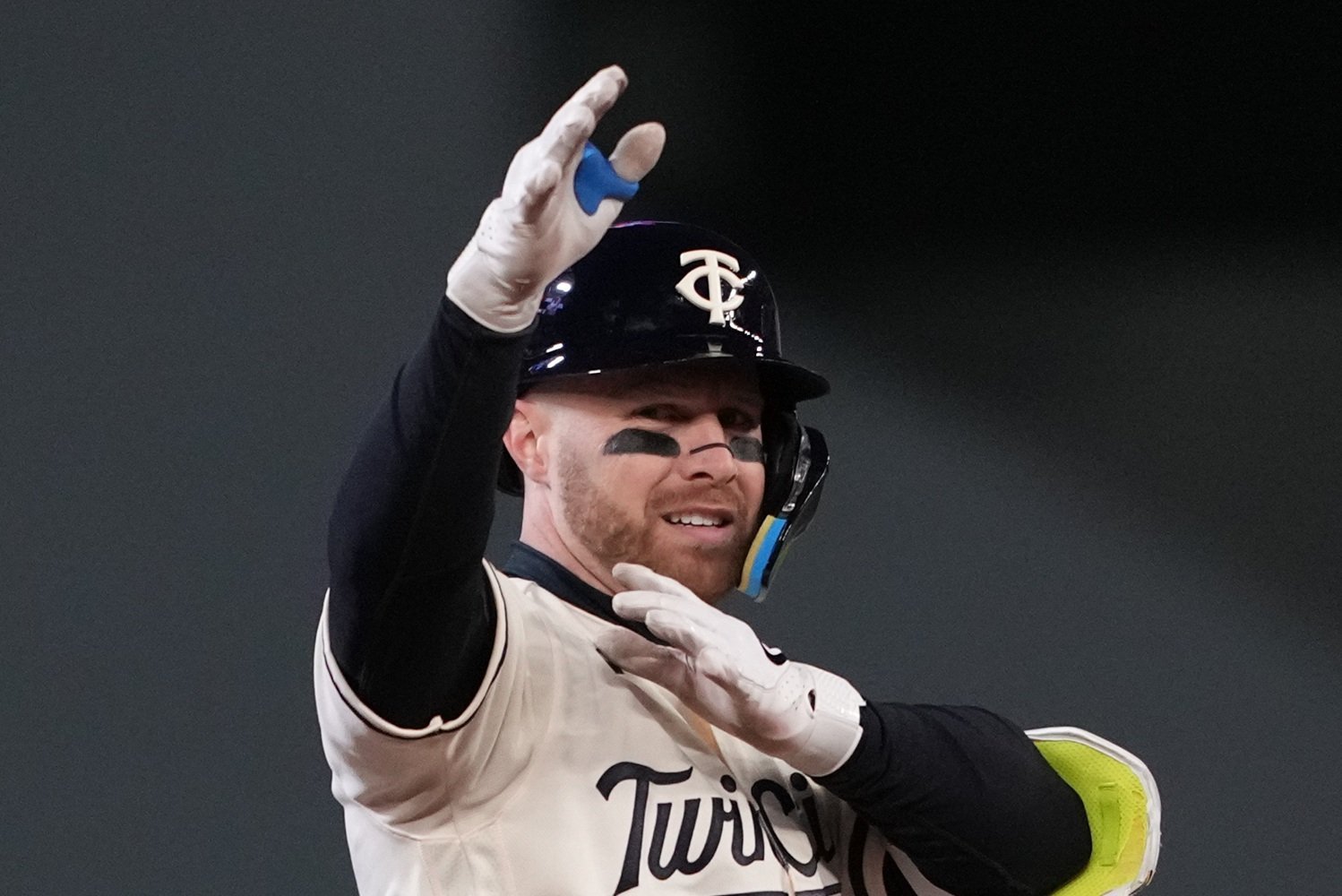 The MLB trade deadline is only a few weeks away, and the Twins once again find themselves walking the line between buying and selling. Minnesota remains in the thick of the American League Wild Card race despite battling injuries across nearly every area of the roster, making this year's deadline more about targeted additions than blockbuster moves. If the Twins continue to hover around playoff position, adding the right pieces could be enough to extend meaningful baseball into September. They don't need to overhaul the roster, but there are clearly areas where reinforcements would have the biggest impact. Here's how the Twins' roster needs rank heading toward the deadline. 3. Bats Of the three major areas on the roster, adding offense feels like the least likely scenario. In fact, there's a better chance Minnesota subtracts from this group than adds to it. Ryan Jeffers and Josh Bell are both free agents, making each a logical trade candidate if the front office believes it can replace their production internally while improving another area of the roster. That isn't without risk. Veteran production carries value during a playoff chase, and replacing experienced hitters with unproven players always introduces some uncertainty. This is similar to what small-market teams do at the trade deadline as they balance buying and selling. Still, the organization has positioned itself well for exactly this scenario. The Twins lead the American League in runs scored, despite several core hitters enduring lengthy slumps during the first half. That's an encouraging sign, because even more offensive help could be arriving from within. Walker Jenkins has done everything necessary to put himself on the doorstep of the major leagues at Triple-A St. Paul. Alan Roden, acquired at last year's trade deadline, has looked like a quality depth option since returning from injury. Meanwhile, Matt Wallner appears to have rediscovered his swing after being sent to Triple-A, earning International League Player of the Month honors for June. Not every contender can point to that kind of offensive depth waiting in the wings (though, of course, Byron Buxton's injury has already forced Roden to join the active roster). 2. Starting Pitching The Twins have managed to survive a wave of rotation injuries, but asking them to continue doing so for another two months feels optimistic. Connor Prielipp has been impressive at times, but the organization will almost certainly have to monitor his workload as he approaches an innings limit during the second half. At the same time, Minnesota has already lost a trio of pitchers for the year, including Pablo López, David Festa, and Mick Abel. This has forced the coaching staff to piece together stretches of the schedule with regular bullpen games. Bailey Ober is expected back soon, which should stabilize the rotation, but one healthy return doesn't erase the lack of depth behind the current starters. Kendry Rojas and John Klein are already on the 40-man roster, but both have primarily been used in long relief, rather than traditional starting roles. Ryan Gallagher, another pitcher acquired at last year's deadline, has intriguing upside at Triple-A but needs to demonstrate more consistency before earning a promotion. He's also not yet on the 40-man roster. One dependable veteran starter could dramatically change the outlook for Minnesota's rotation. It would reduce the strain on younger arms, lessen the need for bullpen games, and provide valuable stability over the season's final two months. 1. Bullpen The bullpen has been Minnesota's biggest need for nearly a full calendar year. That reality became even more painful when Jhoan Duran and Louis Varland were both selected as first-time All-Stars in 2026. Either one would be anchoring the back end of the Twins' bullpen right now, had they remained in the organization. Instead, Minnesota entered the season already searching for reliable late-inning depth, before injuries created an even bigger problem. Anthony Banda had settled into the primary setup role after a difficult April, posting a sparkling 1.00 ERA over 20 appearances since May 10. Just as he found his groove, a significant lat strain knocked him out for multiple months, leaving another major hole in the bullpen. Cole Sands has also been unavailable for most of the season after suffering a mild right forearm strain in early May. He has appeared in only 12 games this year. He's now out on a rehab assignment and could be back in the majors almost right away, but there's no guarantee that he'll be the best version of himself when he returns—and the team needs that version of him, or something even better. Even before those injuries, the bullpen lacked enough trustworthy options behind the late-inning arms. Now, the group could benefit from reinforcements from both the right and left sides. The encouraging part is that relief pitching is often the easiest area to address at the trade deadline. Contending teams routinely shuffle bullpen pieces, and quality relievers can usually be acquired without paying the premium attached to starting pitchers. If the Twins ultimately decide to make only one significant addition before the deadline, it should be a reliever capable of handling meaningful outs in the seventh, eighth, or ninth. Improving the bullpen would not only strengthen the relief corps, but also protect a rotation that has already absorbed more than its share of injuries. Minnesota's offense has carried the club through stretches of the first half, giving the front office the flexibility to focus almost exclusively on pitching before the deadline. A veteran starter would provide welcome stability, but the bullpen remains the clear priority. Between injuries, a lack of dependable depth, and the increased workload created by bullpen games, the Twins need more reliable relief options if they're serious about staying in the postseason race. A couple of smart, targeted pitching additions could be enough to support an offense that has already proven capable of carrying its share of the load. If the Twins remain in contention over the next few weeks, that's exactly the type of deadline approach fans should expect. Do you agree with the rankings? What would be a perfect trade deadline for the Twins? Leave a comment and start the discussion.
- 33 comments
-
- 6
-
-
- ryan jeffers
- josh bell
- (and 4 more)

