Cody Christie
-
Posts
7,515 -
Joined
-
Last visited
-
Days Won
5
Content Type
Profiles
News
Minnesota Twins Videos
2026 Minnesota Twins Top Prospects Ranking
2022 Minnesota Twins Draft Picks
Minnesota Twins Free Agent & Trade Rumors, Notes, & Tidbits
Guides & Resources
2023 Minnesota Twins Draft Picks
The Minnesota Twins Players Project
2024 Minnesota Twins Draft Picks
2025 Minnesota Twins Draft Pick Tracker
2026 Minnesota Twins Draft Tracker: Picks & Bonuses
Forums
Blogs
Events
Store
Downloads
Gallery
Everything posted by Cody Christie
-
 Emilio Pagán was brought back as part of the Taylor Rogers trade to give the Twins a late-inning bullpen option. Unfortunately, some signs and projection systems point to him being a potential bullpen bust. Are they right? Pagán is entering his age-31 season, and he has bounced around MLB over the last six seasons. His first two seasons were in AL West as he pitched in relief for Seattle and Oakland. In 112 1/3 innings, he posted a 3.85 ERA with a 1.08 WHIP and 9.5 K/9. Tampa Bay added him for the 2019 season, and he posted career-bests in nearly every statistical category, including 20 saves. Like many relievers, the Rays were able to get the best out of him before shipping him away. His time in San Diego pointed to a few concerning trends as he posted a 4.75 ERA and a 1.14 WHIP in 85 1/3 innings. In Tampa, he was able to keep the ball in the park, avoid hard contact, and miss enough bats to be effective. There's a reason the Padres were looking for a different late-inning reliever, and Minnesota is searching for the 2019 version of Pagán. During the 2021 season, there were plenty of things that went wrong in San Diego, and Pagán may have played a role in the team's downfall. His Hard Hit % and Barrel % ranked in the 7th percentile or lower, which resulted in him allowing one of baseball's worst average exit velocities. Batters posted a .538 SLG against his fastball last season, so changing his pitch mix may be something the Twins examine with him. Giving up that much hard contact also results in more home runs. Last season, he posted a career-worst 2.3 HR/9 after posting a 1.6 HR/9 for his career. His 13 home runs allowed in 2021 may have been higher had he not been pitching with San Diego's spacious outfield behind him. Home run rates can be unstable, especially for relievers, but it will be something to watch this season. Another concern from 2021 was his lack of first-pitch strikes, which tends to increase a pitcher's walk rate. Last season, he posted a 2.6 BB/9, which was slightly above his 2.3 BB/9 for his career. Many projection systems viewed his walk rate as an area of concern for the 2022 campaign. If a reliever can't throw first-pitch strikes, there is a good chance he will allow more base runners, which is a recipe for disaster. FanGraphs’s ZiPs projection identified Pagán as a potential bust candidate. According to them, “A bust is a player who will step down a tier in performance or who is in a down cycle and has passed the window to get back to what they used to be. None of the players involved are literally without value, and some of them are still really good.“ There is still an opportunity for Pagán to provide value to the Twins this season. In limited action this season, the Twins have already attempted to make some changes with Pagán. His fastball usage has decreased while his cutter has stayed the same. So, what's the most significant change? For the first time in his career, he is using a split-finger pitch. Relievers tend to have such a small sample size throughout a season, but it will be interesting to see his success in adding this pitch to his repertoire. Even with some struggles last season, Pagán showcased some strong areas on which the Twins can capitalize. His fastball spin ranked in the 91st percentile, even with MLB cracking down on the use of sticky substances. His Whiff% ranked in the 74th percentile, his K% ranked in the 67th percentile, and his xBA ranked in the 65th percentile. If Minnesota trusts Pagán in late-inning situations, he needs to continue to improve in these areas. Do you think Pagán is destined to be a bust this season, or do you think he can be a reliable option in the back of the Twins' bullpen? Leave a COMMENT and join the discussion. View full article
 -
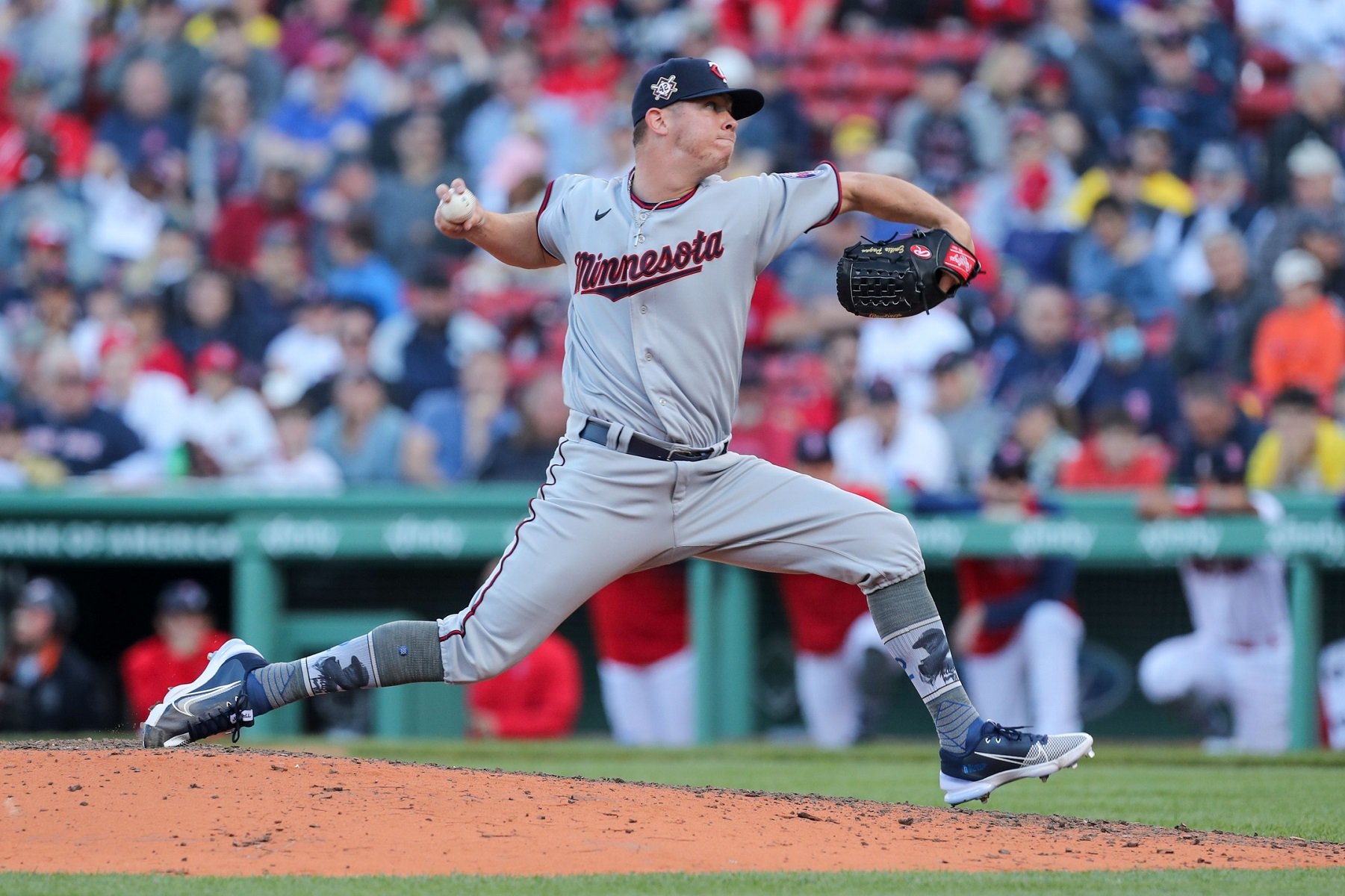 Pagán is entering his age-31 season, and he has bounced around MLB over the last six seasons. His first two seasons were in AL West as he pitched in relief for Seattle and Oakland. In 112 1/3 innings, he posted a 3.85 ERA with a 1.08 WHIP and 9.5 K/9. Tampa Bay added him for the 2019 season, and he posted career-bests in nearly every statistical category, including 20 saves. Like many relievers, the Rays were able to get the best out of him before shipping him away. His time in San Diego pointed to a few concerning trends as he posted a 4.75 ERA and a 1.14 WHIP in 85 1/3 innings. In Tampa, he was able to keep the ball in the park, avoid hard contact, and miss enough bats to be effective. There's a reason the Padres were looking for a different late-inning reliever, and Minnesota is searching for the 2019 version of Pagán. During the 2021 season, there were plenty of things that went wrong in San Diego, and Pagán may have played a role in the team's downfall. His Hard Hit % and Barrel % ranked in the 7th percentile or lower, which resulted in him allowing one of baseball's worst average exit velocities. Batters posted a .538 SLG against his fastball last season, so changing his pitch mix may be something the Twins examine with him. Giving up that much hard contact also results in more home runs. Last season, he posted a career-worst 2.3 HR/9 after posting a 1.6 HR/9 for his career. His 13 home runs allowed in 2021 may have been higher had he not been pitching with San Diego's spacious outfield behind him. Home run rates can be unstable, especially for relievers, but it will be something to watch this season. Another concern from 2021 was his lack of first-pitch strikes, which tends to increase a pitcher's walk rate. Last season, he posted a 2.6 BB/9, which was slightly above his 2.3 BB/9 for his career. Many projection systems viewed his walk rate as an area of concern for the 2022 campaign. If a reliever can't throw first-pitch strikes, there is a good chance he will allow more base runners, which is a recipe for disaster. FanGraphs’s ZiPs projection identified Pagán as a potential bust candidate. According to them, “A bust is a player who will step down a tier in performance or who is in a down cycle and has passed the window to get back to what they used to be. None of the players involved are literally without value, and some of them are still really good.“ There is still an opportunity for Pagán to provide value to the Twins this season. In limited action this season, the Twins have already attempted to make some changes with Pagán. His fastball usage has decreased while his cutter has stayed the same. So, what's the most significant change? For the first time in his career, he is using a split-finger pitch. Relievers tend to have such a small sample size throughout a season, but it will be interesting to see his success in adding this pitch to his repertoire. Even with some struggles last season, Pagán showcased some strong areas on which the Twins can capitalize. His fastball spin ranked in the 91st percentile, even with MLB cracking down on the use of sticky substances. His Whiff% ranked in the 74th percentile, his K% ranked in the 67th percentile, and his xBA ranked in the 65th percentile. If Minnesota trusts Pagán in late-inning situations, he needs to continue to improve in these areas. Do you think Pagán is destined to be a bust this season, or do you think he can be a reliable option in the back of the Twins' bullpen? Leave a COMMENT and join the discussion.
 -
As Byron Buxton slid into second base, all of Twins Territory collectively held their breath. Thankfully, his knee injury doesn’t appear to be serious, but the Twins may need to shift Buxton’s role when he returns to action. There’s no way that it happened again. Most fans had to be thinking after watching Buxton slide into second base at Fenway Park. He slapped the ground in frustration and walked off the field under his own power, but it would mean more missed time for Buxton with an offense that has struggled to start 2022. So, what can the Twins do with their star center fielder? Injuries have been part of Byron Buxton’s story throughout his professional career. Minnesota has already tried various techniques to keep Buxton healthy, including altering his jumping technique at the wall and positioning him deeper in the outfield. Those strategies may have helped him avoid some injuries, but every game he misses is value he isn’t providing to the Twins. Shifting Buxton to a more regular designated hitter role is a unique idea that deserves some exploration. Alex Fast is a VP at Pitcher List and he creates content for ESPN and MLB Network. He has over 26.1 K follows on Twitter, so he is certainly a voice that many listen to in the baseball world. However, many Twins fans may have been a little stunned by his suggestion over the weekend. Buxton doesn’t have any structural damage to his knee, and the team hopes he can avoid an IL trip. One way to get him back into the line-up is to have him serve as DH. Minnesota utilized this strategy in recent years with Josh Donaldson and his aging legs. Nick Gordon is undoubtedly a defensive downgrade, but Buxton in the line-up is more valuable than having him on the bench. On the surface, this might seem like a logical solution, but many of Buxton’s recent injuries have occurred while on offense. His knee injury resulted from him stretching a single into a double. Last season, he broke his hand on a hit by pitch and suffered through some hamstring issues. While his hamstrings may benefit from less time in the outfield, these other injuries are still likely to occur when he serves in a DH role. Buxton has never played a game at the DH position in his career. It may seem easy to slide a player into that spot, but it can be a difficult transition for some hitters. Not playing on the defensive side can take focus off the game and make it harder for a hitter to lock in when it is time to step into the batter’s box. Buxton may be able to handle the transition, but he’s passionate about his defensive ability and the value he provides the team in center field. While Buxton’s bat is elite, he provides so much value on the defensive side of the ball. This season, even in limited action, he ranks in the 95th percentile for Outs Above Average (OAA). Since 2016, he has compiled 60 OAA even with his time missed due to injury. He is arguably baseball’s best defensive center fielder. Gordon has showcased some defensive versatility during his big-league career, but he is a significant downgrade in centerfield, especially since he just started playing the position in 2021. Playing centerfield is one of baseball’s most taxing defensive positions, so allowing Buxton a respite from the outfield may get him back into the line-up. However, this seems like a short-term solution while the Twins are looking for a long-term answer for Buxton’s injury woes. When on the field, Buxton plays with an all-out effort that separates him from many other big-league players. Unfortunately, this has resulted in a myriad of injuries, and it might be time for the team to take a new approach. Do you think shifting Buxton to a more regular DH role would keep him in the line-up? Leave a COMMENT and start the discussion. View full article
-
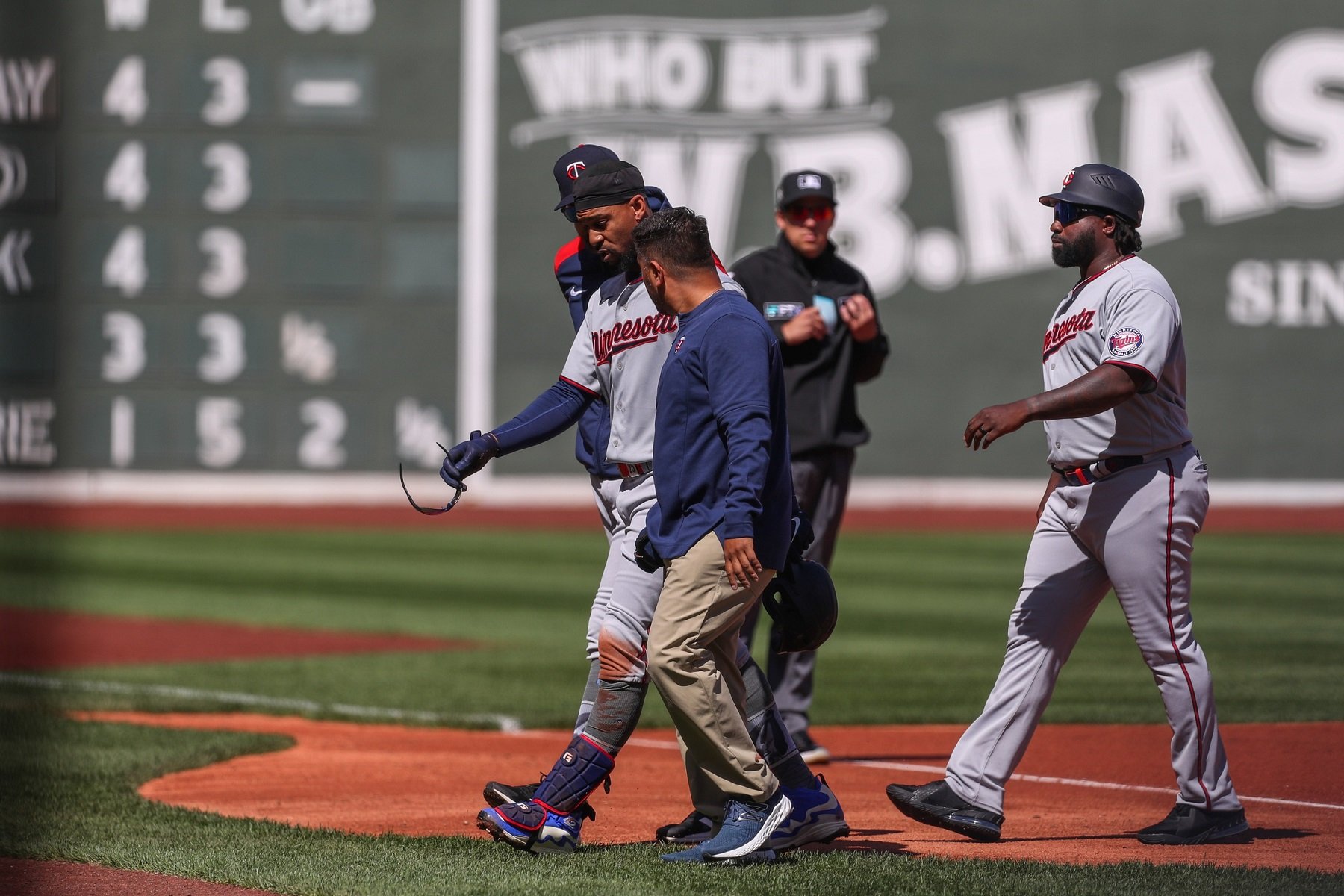 There’s no way that it happened again. Most fans had to be thinking after watching Buxton slide into second base at Fenway Park. He slapped the ground in frustration and walked off the field under his own power, but it would mean more missed time for Buxton with an offense that has struggled to start 2022. So, what can the Twins do with their star center fielder? Injuries have been part of Byron Buxton’s story throughout his professional career. Minnesota has already tried various techniques to keep Buxton healthy, including altering his jumping technique at the wall and positioning him deeper in the outfield. Those strategies may have helped him avoid some injuries, but every game he misses is value he isn’t providing to the Twins. Shifting Buxton to a more regular designated hitter role is a unique idea that deserves some exploration. Alex Fast is a VP at Pitcher List and he creates content for ESPN and MLB Network. He has over 26.1 K follows on Twitter, so he is certainly a voice that many listen to in the baseball world. However, many Twins fans may have been a little stunned by his suggestion over the weekend. Buxton doesn’t have any structural damage to his knee, and the team hopes he can avoid an IL trip. One way to get him back into the line-up is to have him serve as DH. Minnesota utilized this strategy in recent years with Josh Donaldson and his aging legs. Nick Gordon is undoubtedly a defensive downgrade, but Buxton in the line-up is more valuable than having him on the bench. On the surface, this might seem like a logical solution, but many of Buxton’s recent injuries have occurred while on offense. His knee injury resulted from him stretching a single into a double. Last season, he broke his hand on a hit by pitch and suffered through some hamstring issues. While his hamstrings may benefit from less time in the outfield, these other injuries are still likely to occur when he serves in a DH role. Buxton has never played a game at the DH position in his career. It may seem easy to slide a player into that spot, but it can be a difficult transition for some hitters. Not playing on the defensive side can take focus off the game and make it harder for a hitter to lock in when it is time to step into the batter’s box. Buxton may be able to handle the transition, but he’s passionate about his defensive ability and the value he provides the team in center field. While Buxton’s bat is elite, he provides so much value on the defensive side of the ball. This season, even in limited action, he ranks in the 95th percentile for Outs Above Average (OAA). Since 2016, he has compiled 60 OAA even with his time missed due to injury. He is arguably baseball’s best defensive center fielder. Gordon has showcased some defensive versatility during his big-league career, but he is a significant downgrade in centerfield, especially since he just started playing the position in 2021. Playing centerfield is one of baseball’s most taxing defensive positions, so allowing Buxton a respite from the outfield may get him back into the line-up. However, this seems like a short-term solution while the Twins are looking for a long-term answer for Buxton’s injury woes. When on the field, Buxton plays with an all-out effort that separates him from many other big-league players. Unfortunately, this has resulted in a myriad of injuries, and it might be time for the team to take a new approach. Do you think shifting Buxton to a more regular DH role would keep him in the line-up? Leave a COMMENT and start the discussion.
 -
In 2019, the Twins had CJ Cron and Miguel Sanó on the same roster and a decision needed to be made. Minnesota extended Sanó and let Cron walk, but hindsight might point to that being a poor decision. The 2019 season was one of the most memorable Twins seasons in recent memory. After nearly a decade of irrelevancy, Minnesota’s Bomba Squad was born, with the team clubbing an MLB-record 307 home runs. Five Twins hitters combined for 30 or more home runs, and the team won over 100 games for only the second time in franchise history. During the 2019 season, Miguel Sanó became a first-time member of the 30 home run club. For the season, he hit .247/.346/.576 (.923) with 34 home runs and a 139 OPS+. He set career highs in nearly every offensive category but so did a lot of other Twins players. MLB’s baseballs from that season were flying out of parks at tremendous rates, so many players accumulated hollow stats that season before the baseballs returned to normal. Following the season, the Twins signed Sanó to a three-year, $30 million contract that would keep him in Minnesota through the 2022 season. Since signing his extension, Sanó has frustrated fans with his record-breaking strikeout totals and offensive inconsistencies. In 197 games, he has batted .213/.302/.459 (.761) with a 109 OPS+ and 283 strikeouts. His slow start to the 2022 season was also concerning, but fans have seen his streakiness in the past. It’s also very early into the 2022 campaign, and all of Minnesota’s hitters have struggled so far. CJ Cron was another member of that Bomba Squad roster, but he fell just shy of the 30 home run plateau. In 125 games, he hit .253/.311/.496 (.780) with 25 home runs and a 104 OPS+. It was disappointing to see Cron post an OPS+ that was eight points below his career mark in a heightened offensive environment. He missed time during the season with a thumb injury, and there were concerns that the injury could linger into the 2020 campaign. Minnesota non-tendered him during the offseason, and he hit the free-agent market. Since leaving the Twins, Cron has provided tremendous value when he has been on the field. A knee injury limited him to 13 games in 2020, but he posted an .894 OPS with seven extra-base hits. Cron headed to Colorado in 2021 and posted one of the best seasons of his career. In 142 games, he hit .281/.375/.530 (.905) with 31 doubles and 28 home runs. Over the last three seasons, FanGraphs ranks Cron as the 13th most valuable first baseman. Sanó is 25th on the list and ranks only ahead of three players with a minimum of 600 plate appearances. Cron’s overall value comes from how much better defensively he is at first base compared to Sanó. According to SABR’s Defensive Index, Cron posted a 1.2 SDI last season, which ranked seventh in the National League. Only one AL first baseman, Bobby Dalbec, posted a lower mark than Sanó’s -5.6 SDI. Cron was also worth five more outs above average than Sanó during the 2021 season. Overall, Cron might not be elite defensively, but he is a step up compared to Sanó. Many teams will look at the Cron versus Sanó situation with the same lens as the Twins. Sanó was multiple years younger and coming off a season where he had a 139 OPS+. That same winter, the Twins added Josh Donaldson to play third base, which pushed Sanó over to first. Cron was a solid player during his time in Minnesota, but he never fit into the team’s long-term plans. Now, that might look like the team took a swing and a miss. Do you think the Twins made the wrong choice at first base? Leave a COMMENT and start the discussion. View full article
-
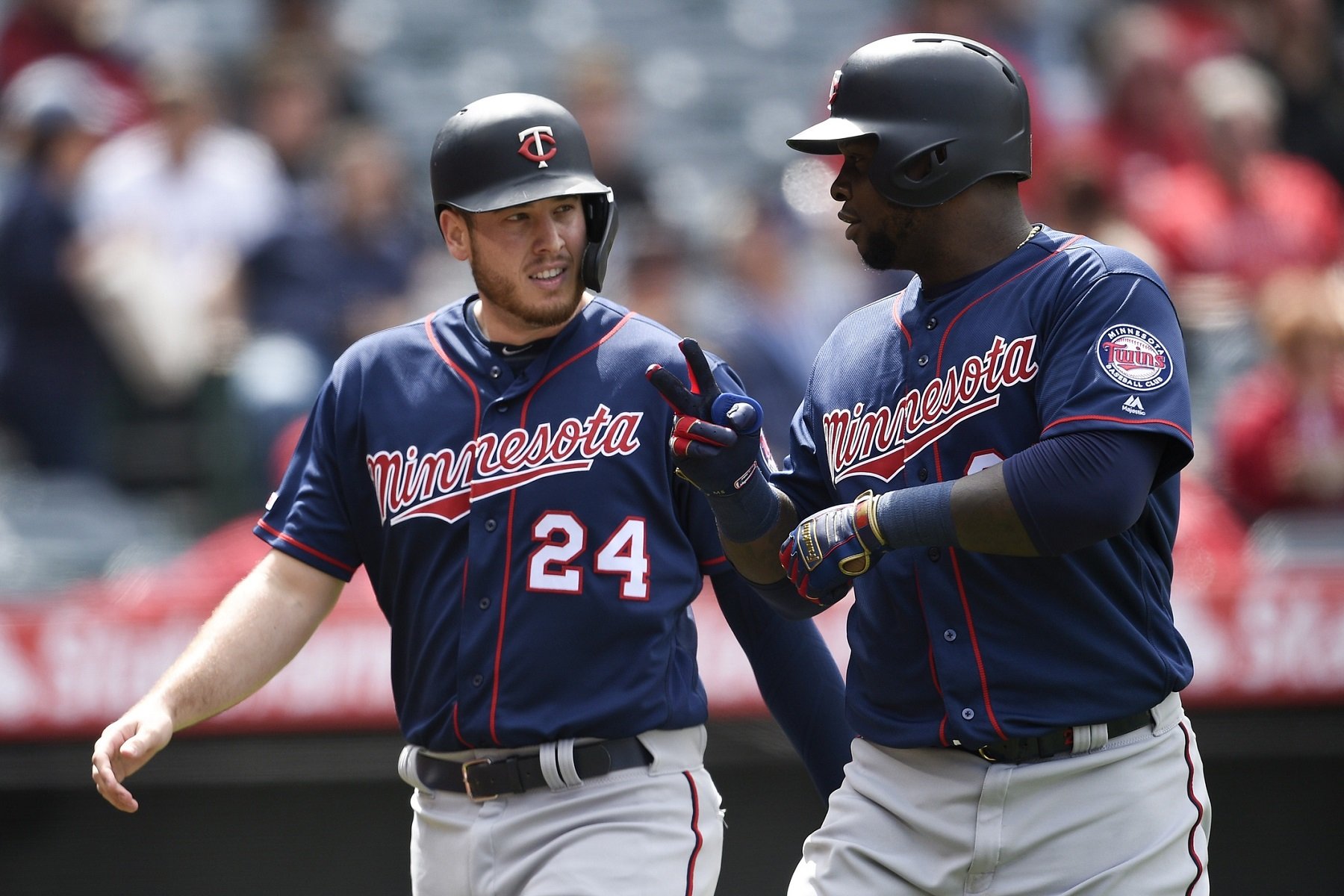 The 2019 season was one of the most memorable Twins seasons in recent memory. After nearly a decade of irrelevancy, Minnesota’s Bomba Squad was born, with the team clubbing an MLB-record 307 home runs. Five Twins hitters combined for 30 or more home runs, and the team won over 100 games for only the second time in franchise history. During the 2019 season, Miguel Sanó became a first-time member of the 30 home run club. For the season, he hit .247/.346/.576 (.923) with 34 home runs and a 139 OPS+. He set career highs in nearly every offensive category but so did a lot of other Twins players. MLB’s baseballs from that season were flying out of parks at tremendous rates, so many players accumulated hollow stats that season before the baseballs returned to normal. Following the season, the Twins signed Sanó to a three-year, $30 million contract that would keep him in Minnesota through the 2022 season. Since signing his extension, Sanó has frustrated fans with his record-breaking strikeout totals and offensive inconsistencies. In 197 games, he has batted .213/.302/.459 (.761) with a 109 OPS+ and 283 strikeouts. His slow start to the 2022 season was also concerning, but fans have seen his streakiness in the past. It’s also very early into the 2022 campaign, and all of Minnesota’s hitters have struggled so far. CJ Cron was another member of that Bomba Squad roster, but he fell just shy of the 30 home run plateau. In 125 games, he hit .253/.311/.496 (.780) with 25 home runs and a 104 OPS+. It was disappointing to see Cron post an OPS+ that was eight points below his career mark in a heightened offensive environment. He missed time during the season with a thumb injury, and there were concerns that the injury could linger into the 2020 campaign. Minnesota non-tendered him during the offseason, and he hit the free-agent market. Since leaving the Twins, Cron has provided tremendous value when he has been on the field. A knee injury limited him to 13 games in 2020, but he posted an .894 OPS with seven extra-base hits. Cron headed to Colorado in 2021 and posted one of the best seasons of his career. In 142 games, he hit .281/.375/.530 (.905) with 31 doubles and 28 home runs. Over the last three seasons, FanGraphs ranks Cron as the 13th most valuable first baseman. Sanó is 25th on the list and ranks only ahead of three players with a minimum of 600 plate appearances. Cron’s overall value comes from how much better defensively he is at first base compared to Sanó. According to SABR’s Defensive Index, Cron posted a 1.2 SDI last season, which ranked seventh in the National League. Only one AL first baseman, Bobby Dalbec, posted a lower mark than Sanó’s -5.6 SDI. Cron was also worth five more outs above average than Sanó during the 2021 season. Overall, Cron might not be elite defensively, but he is a step up compared to Sanó. Many teams will look at the Cron versus Sanó situation with the same lens as the Twins. Sanó was multiple years younger and coming off a season where he had a 139 OPS+. That same winter, the Twins added Josh Donaldson to play third base, which pushed Sanó over to first. Cron was a solid player during his time in Minnesota, but he never fit into the team’s long-term plans. Now, that might look like the team took a swing and a miss. Do you think the Twins made the wrong choice at first base? Leave a COMMENT and start the discussion.
 -
Luis Arraez entered the season as a bench bat, but it has to be hard to keep his name out of the line-up. So, does Luis Arraez deserve a full-time starting role? Arraez has quickly become a fan favorite during his four seasons as a big leaguer. His energy at the plate and ability to spit at pitches on the edges of the strike zone make him exciting for even casual fans. It's hard to believe he just turned 25-years-old over the weekend. Fans would be thrilled to have him take over a starting role, but there may be a method to the team's madness. On the team's depth chart, Arraez is the backup defender at second base, third base, and designated hitter. He's played outfield in the past, but the team spoke about not using him in the outfield this spring. His defensive starts have come at third base this season, which is his best defensive position. Last season, he finished fifth among the AL's third basemen according to SABR's Defensive Index. Minnesota may have a natural platoon at third base with Arraez and recently-acquired Gio Urshela. For his career, Arraez, a left-handed hitter, has hit .332/.380/.441 (.820) versus right-handed pitching. His platoon splits are significantly different as his OPS is 152 points higher when facing lefties. Urshela, a right-handed hitter, doesn't have the extreme splits as Arraez, but his OPS is 39 points higher against left-handed pitchers. There's a scenario where the Twins can continue to rotate through these two players, allowing Arraez to get regular at-bats. Arraez's bat is also valuable in a pinch-hitting role as he is 5-for-15 (.333 BA) in his career. His MLB debut was as a pinch hitter, and he has already been used as a pinch hitter this season. "His special skills, I think, are the same skills that make him a good hitter in general," manager Rocco Baldelli said. "… His feel in the box as a hitter, his ability to see the ball, his hand-eye coordination. He's not going up there, generally ever, swinging and missing, almost ever. He's putting good swings on the ball always. That's kind of who he is." An argument can also be made for giving Arraez regular time off. He has missed time with knee issues throughout his career, including stints on the IL last season. He has only played more than 120 games in one season in his big-league career. His career-high for games played is 146 games during the 2019 season, when he played 92 MLB games and 54 games in the minors. Rocco Baldelli has advocated for giving players regular rest during his tenure, so giving Arraez time off may be best for his problematic knees. Opportunities may arise during the season for Arraez to take on a more regular role. One injury to a regular starter may cause the team to need Arraez to be a starter. Many of the team's top prospects at Triple-A are infielders, so it seems likely that Jose Miranda and Royce Lewis will make their debuts in 2022. If a player gets injured, the Twins may keep Arraez in his current role and promote a top prospect to become the everyday starter. Arraez provides value to the Twins no matter his role on the team. It's critical for the team to keep him healthy this season, and that might mean keeping him out of the line-up when there is a tough left-handed pitcher on the mound. Arraez provides a spark to the team, but he has to be healthy, and that is on the field less than some fans would like him to be. Do you think Arraez has earned a starting role? Leave a COMMENT and start the discussion. View full article
-
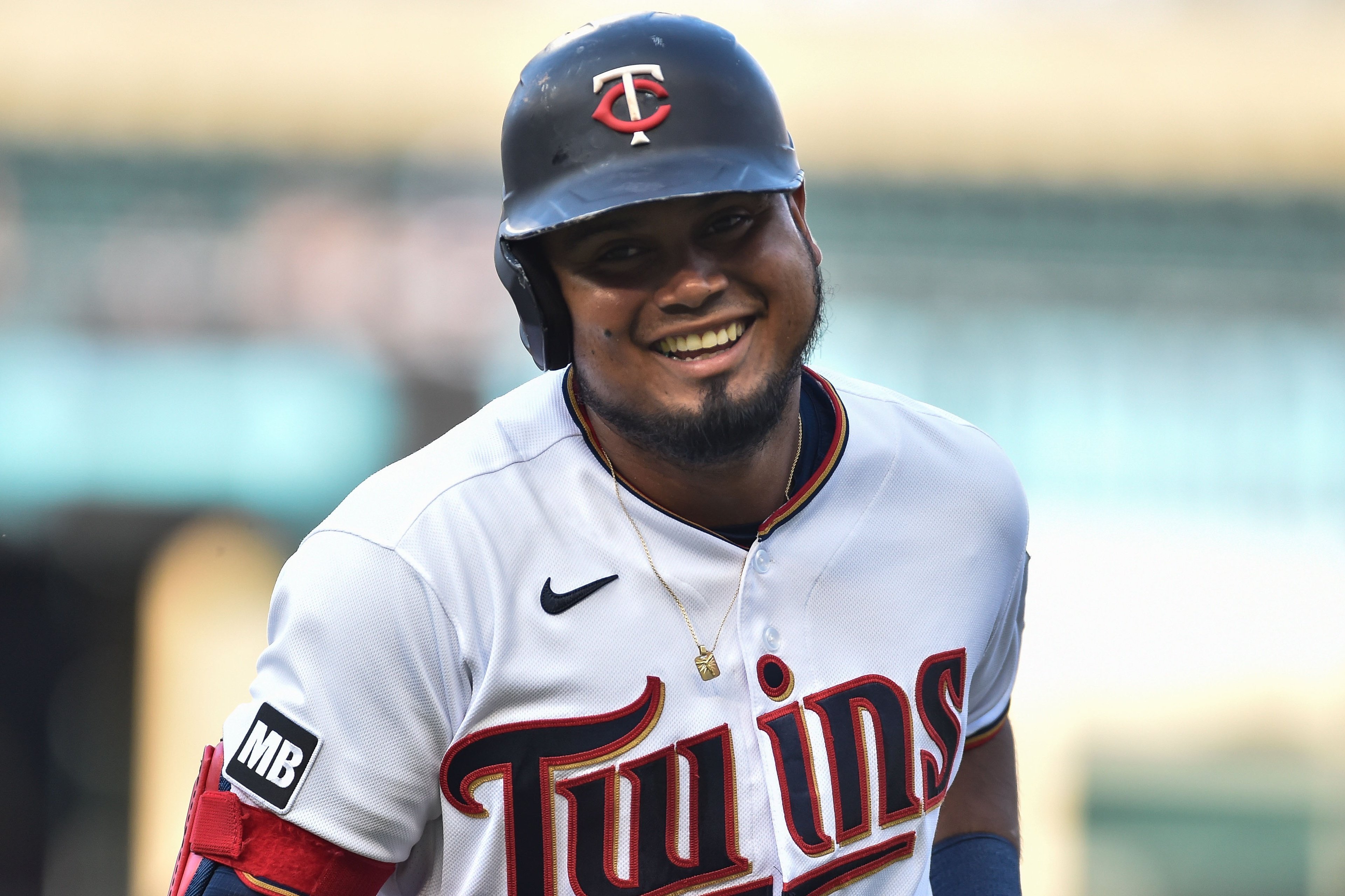 Arraez has quickly become a fan favorite during his four seasons as a big leaguer. His energy at the plate and ability to spit at pitches on the edges of the strike zone make him exciting for even casual fans. It's hard to believe he just turned 25-years-old over the weekend. Fans would be thrilled to have him take over a starting role, but there may be a method to the team's madness. On the team's depth chart, Arraez is the backup defender at second base, third base, and designated hitter. He's played outfield in the past, but the team spoke about not using him in the outfield this spring. His defensive starts have come at third base this season, which is his best defensive position. Last season, he finished fifth among the AL's third basemen according to SABR's Defensive Index. Minnesota may have a natural platoon at third base with Arraez and recently-acquired Gio Urshela. For his career, Arraez, a left-handed hitter, has hit .332/.380/.441 (.820) versus right-handed pitching. His platoon splits are significantly different as his OPS is 152 points higher when facing lefties. Urshela, a right-handed hitter, doesn't have the extreme splits as Arraez, but his OPS is 39 points higher against left-handed pitchers. There's a scenario where the Twins can continue to rotate through these two players, allowing Arraez to get regular at-bats. Arraez's bat is also valuable in a pinch-hitting role as he is 5-for-15 (.333 BA) in his career. His MLB debut was as a pinch hitter, and he has already been used as a pinch hitter this season. "His special skills, I think, are the same skills that make him a good hitter in general," manager Rocco Baldelli said. "… His feel in the box as a hitter, his ability to see the ball, his hand-eye coordination. He's not going up there, generally ever, swinging and missing, almost ever. He's putting good swings on the ball always. That's kind of who he is." An argument can also be made for giving Arraez regular time off. He has missed time with knee issues throughout his career, including stints on the IL last season. He has only played more than 120 games in one season in his big-league career. His career-high for games played is 146 games during the 2019 season, when he played 92 MLB games and 54 games in the minors. Rocco Baldelli has advocated for giving players regular rest during his tenure, so giving Arraez time off may be best for his problematic knees. Opportunities may arise during the season for Arraez to take on a more regular role. One injury to a regular starter may cause the team to need Arraez to be a starter. Many of the team's top prospects at Triple-A are infielders, so it seems likely that Jose Miranda and Royce Lewis will make their debuts in 2022. If a player gets injured, the Twins may keep Arraez in his current role and promote a top prospect to become the everyday starter. Arraez provides value to the Twins no matter his role on the team. It's critical for the team to keep him healthy this season, and that might mean keeping him out of the line-up when there is a tough left-handed pitcher on the mound. Arraez provides a spark to the team, but he has to be healthy, and that is on the field less than some fans would like him to be. Do you think Arraez has earned a starting role? Leave a COMMENT and start the discussion.
 -
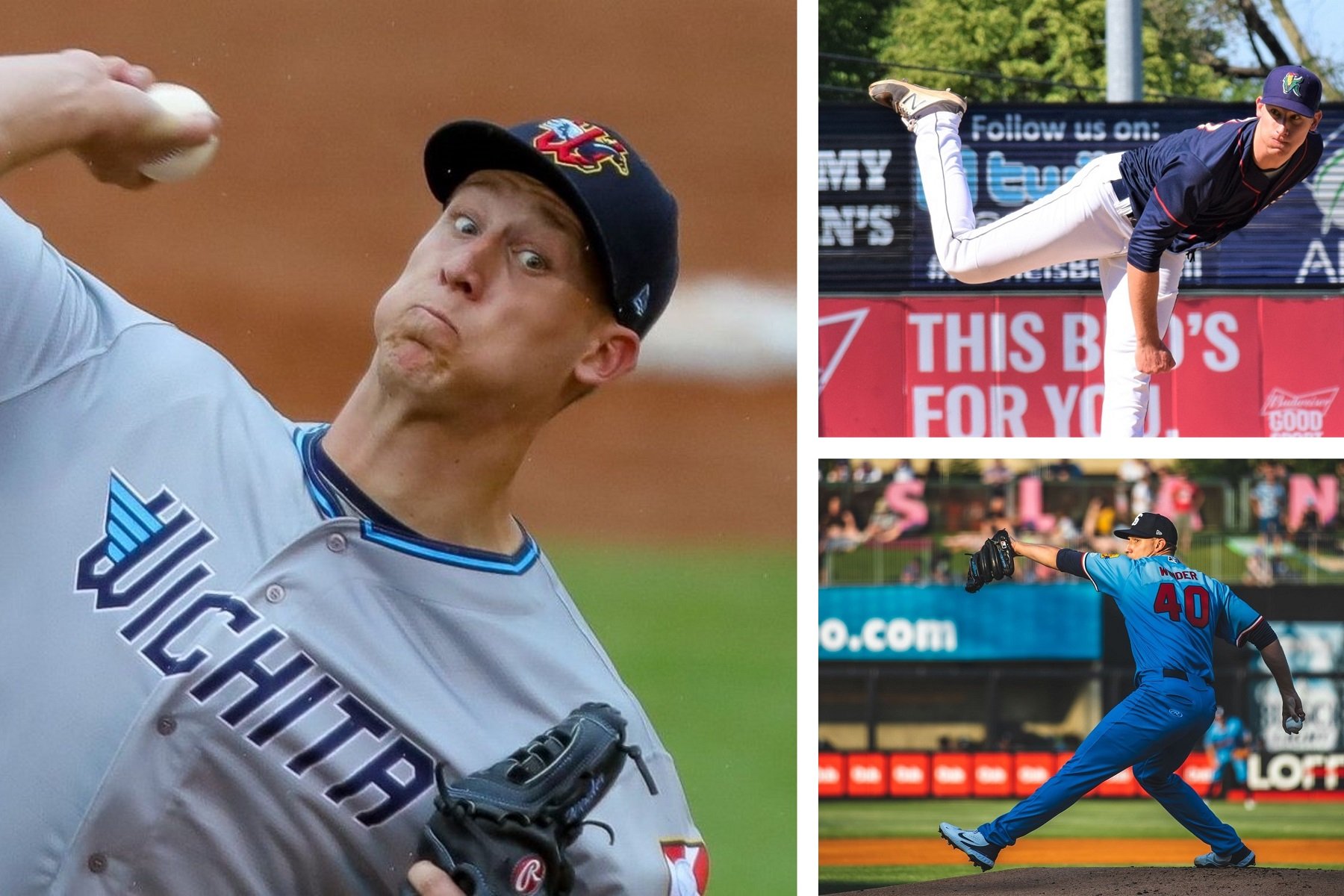 The Twins selected Winder with their 7th round pick back in 2018 from Virginia Military Institute. Derek Falvey and Thad Levine were at the helm of their second draft, and Winder is projected to be a steal at that late point in the draft. Out of the 2018 draft, only two players have debuted, Trevor Larnach (1st round) and Ryan Jeffers (2nd round). In college, He posted a 4.52 ERA with a 1.26 WHIP and 9.0 K/9. Winder numbers were hardly outstanding, but the Twins must have seen something that intrigued the scouting department. Winder’s professional debut came in the Appalachian League shortly after signing with the Twins. He started nine games (38 2/3 innings) and posted a 3.72 ERA with a 1.11 WHIP. Nearly all of his numbers were better than his collegiate career including an improved K/9 and BB/9. Even in a small sample size, there were signs pointing to Winder improving. During the 2019 season, Winder continued to carve up lower level hitters in Cedar Rapids. He pitched 125 2/3 innings with a 2.65 ERA and a 0.98 WHIP. His strikeout rate dipped from over 9.8 K/9 in his debut to 8.5 K/9, but it's hard to ignore the other numbers he was able to compile. Like many prospects, it looked like the 2020 season was going to be important for his development. Unfortunately, the minor league season didn’t happen, but Winder was able to make improvements outside of game action. Winder added to his frame during the shutdown and those results were evident during the 2021 season. His fastball sat in the low-90s when the Twins signed him and last season it averaged 95 mph while topping out in the high-90s. He moved from Double- to Triple-A and was the organization’s lone participant in the Futures Game. He posted career highs in K/9, WHIP, and ERA. His season was cut short by a shoulder injury, but the Twins believe he is healthy and ready to produce in 2022. Minnesota’s plan for Winder is to start him as a long reliever, but he will continue to work as a starter later in the season. Expanded rosters to start the season allow teams to carry more pitching, but the Twins need to avoid not using Winder. Last season, Randy Dobnak was pushed from the rotation to long relief, but the club didn’t get him regular use at the season’s start. Look for Winder to be used as a piggy-back starter for others in the rotation that may not be able to go more than four innings. When roster sizes decrease, Winder will likely head to St. Paul to get further stretched out as a starter. It’s imperative for the team to get off to a good start. Last season, fans saw the bullpen struggle to begin the year and it impacted the remainder of the season. Minnesota wants to avoid a repeat of that performance in 2022 and Winder can be one of the arms to help Minnesota start the year on the right foot. What are your memories of Winder’s time as a prospect? Leave a COMMENT and start the discussion.
 -
Minnesota’s pitching pipeline is already evident on the Opening Day roster. Let’s look back at how much Josh Winder improved in the Twins farm system. The Twins selected Winder with their 7th round pick back in 2018 from Virginia Military Institute. Derek Falvey and Thad Levine were at the helm of their second draft, and Winder is projected to be a steal at that late point in the draft. Out of the 2018 draft, only two players have debuted, Trevor Larnach (1st round) and Ryan Jeffers (2nd round). In college, He posted a 4.52 ERA with a 1.26 WHIP and 9.0 K/9. Winder numbers were hardly outstanding, but the Twins must have seen something that intrigued the scouting department. Winder’s professional debut came in the Appalachian League shortly after signing with the Twins. He started nine games (38 2/3 innings) and posted a 3.72 ERA with a 1.11 WHIP. Nearly all of his numbers were better than his collegiate career including an improved K/9 and BB/9. Even in a small sample size, there were signs pointing to Winder improving. During the 2019 season, Winder continued to carve up lower level hitters in Cedar Rapids. He pitched 125 2/3 innings with a 2.65 ERA and a 0.98 WHIP. His strikeout rate dipped from over 9.8 K/9 in his debut to 8.5 K/9, but it's hard to ignore the other numbers he was able to compile. Like many prospects, it looked like the 2020 season was going to be important for his development. Unfortunately, the minor league season didn’t happen, but Winder was able to make improvements outside of game action. Winder added to his frame during the shutdown and those results were evident during the 2021 season. His fastball sat in the low-90s when the Twins signed him and last season it averaged 95 mph while topping out in the high-90s. He moved from Double- to Triple-A and was the organization’s lone participant in the Futures Game. He posted career highs in K/9, WHIP, and ERA. His season was cut short by a shoulder injury, but the Twins believe he is healthy and ready to produce in 2022. Minnesota’s plan for Winder is to start him as a long reliever, but he will continue to work as a starter later in the season. Expanded rosters to start the season allow teams to carry more pitching, but the Twins need to avoid not using Winder. Last season, Randy Dobnak was pushed from the rotation to long relief, but the club didn’t get him regular use at the season’s start. Look for Winder to be used as a piggy-back starter for others in the rotation that may not be able to go more than four innings. When roster sizes decrease, Winder will likely head to St. Paul to get further stretched out as a starter. It’s imperative for the team to get off to a good start. Last season, fans saw the bullpen struggle to begin the year and it impacted the remainder of the season. Minnesota wants to avoid a repeat of that performance in 2022 and Winder can be one of the arms to help Minnesota start the year on the right foot. What are your memories of Winder’s time as a prospect? Leave a COMMENT and start the discussion. View full article
-
With the team coming off a big Sunday win, the Twins can turn their attention to the series finale with the Mariners. Dylan Bundy is scheduled to make his Minnesota debut, so what can fans look for when he takes the mound. Minnesota signed Bundy to add depth to a pitching staff that had no veteran presence at the time. The 29-year-old spent the last two years pitching in the Angels rotation with some up and down moments. Last season he posted a 6.06 ERA with a 1.36 WHIP in 90 2/3 innings. However, his 2020 campaign was his best as a big leaguer as he posted career-best totals in ERA (3.29), WHIP (1.03), K/9 (9.9), and BB/9 (0.7). He finished in the top-10 for the AL Cy Young, so how can the Twins get that version of Bundy? Off-Speed Pitch Usage One of the most significant changes in Bundy's repertoire last season was a switch in his off-speed pitch usage. During his breakout 2020 campaign, he used his slider 25% of the time, his changeup 21% of the time, and his sinker 8% of the time. His slider usage dropped nearly 4% last season, but the most significant change was with his sinker, which went up to 17.3% and became his third most used pitch. Bundy's sinker was not very effective, so it's interesting that he used that pitch so regularly. Batters posted a .609 SLG when facing this pitch, which was over 100 points higher than any of his other pitches. His changeup was the pitch that saw the most considerable decrease in use last season, but he held batters to a .441 SLG against that pitch. Minnesota's coaching staff had all spring for him to concentrate on his pitch usage, and it seems likely for the club to want him to use more sliders and fewer sinkers. Keep the Ball in the Park Outside of 2020, Bundy posted a home run rate north of 1.4 HR/9 in every season. He cut that number in half during the shortened 2020 campaign as batters struggled to barrel up the ball. During that season, Bundy posted career-best totals in Barrel %, Hard Hit % and average exit velocity. For the first time in his career, he did an excellent job limiting home runs, which can be tricky for a flyball pitcher. Minnesota's defense behind Bundy will be one of baseball's best, especially up the middle. Carlos Correa has already made multiple outstanding defensive plays in his limited time with the Twins. Byron Buxton can easily track down balls in the gap, which should help a flyball pitcher like Bundy. These defenders can't pull back every hard-hit home run, but they should help provide a solid defense to assist the team's pitching staff. Fastball Spin MLB cracked down on sticking substances last season, and some pitchers were impacted more than others. Bundy has ranked exceptionally well throughout his career in fastball spin, with him usually being in the 85th percentile or higher. One of his worst seasons for fastball spin was the 2020 campaign, when he ranked in the 80th percentile. Last season, his fastball spin was in the 89th percentile even though his velocity is below league average. Batters hit .237 with a .474 SLG against his fastball during the 2021 season. Bundy is a crucial cog in the Twins' plan for the 2022 season, and his success or failure will go a long way in deciding the team's playoff fortunes. What will you be watching for with Bundy? Leave a COMMENT and start the discussion. View full article
-
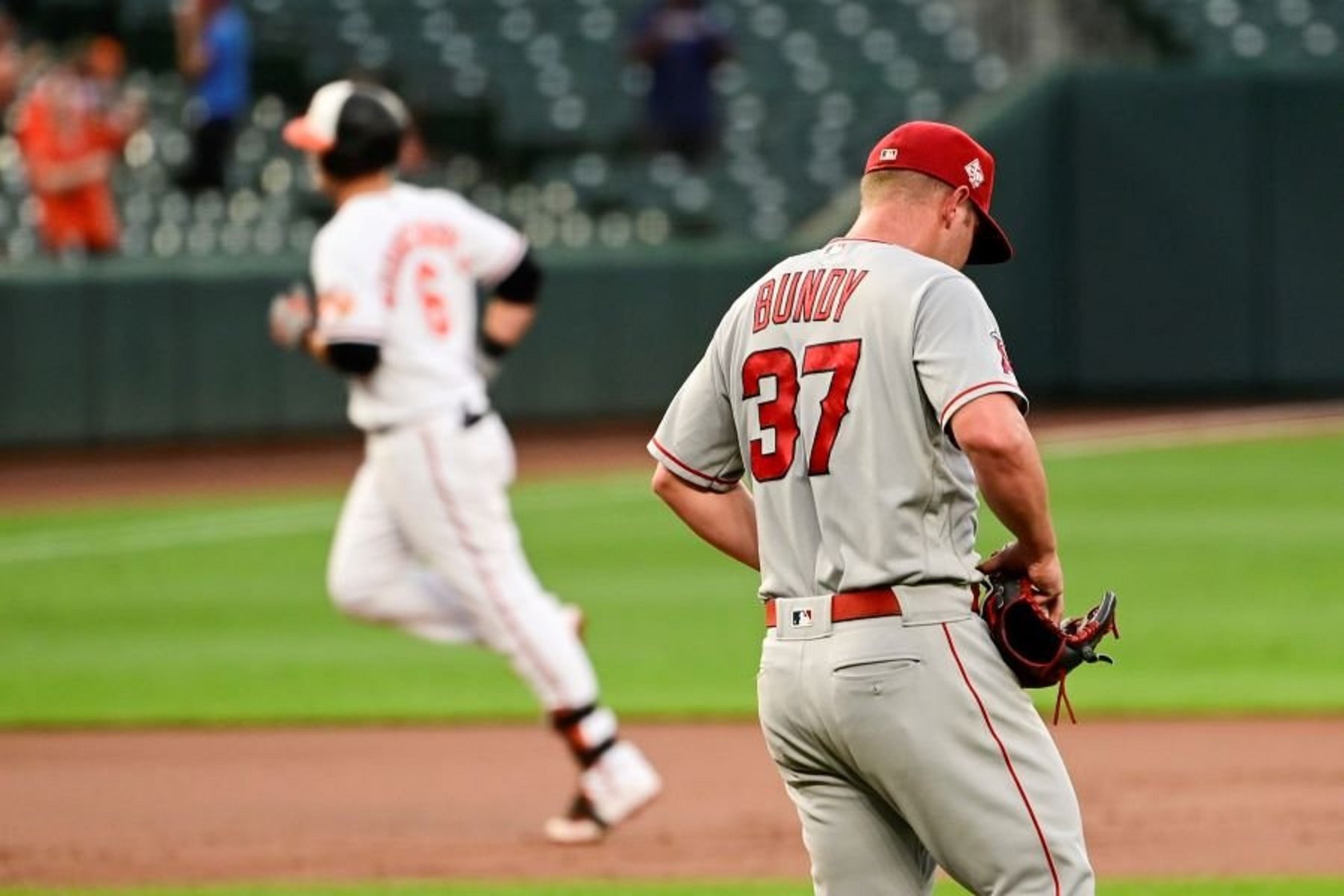 Minnesota signed Bundy to add depth to a pitching staff that had no veteran presence at the time. The 29-year-old spent the last two years pitching in the Angels rotation with some up and down moments. Last season he posted a 6.06 ERA with a 1.36 WHIP in 90 2/3 innings. However, his 2020 campaign was his best as a big leaguer as he posted career-best totals in ERA (3.29), WHIP (1.03), K/9 (9.9), and BB/9 (0.7). He finished in the top-10 for the AL Cy Young, so how can the Twins get that version of Bundy? Off-Speed Pitch Usage One of the most significant changes in Bundy's repertoire last season was a switch in his off-speed pitch usage. During his breakout 2020 campaign, he used his slider 25% of the time, his changeup 21% of the time, and his sinker 8% of the time. His slider usage dropped nearly 4% last season, but the most significant change was with his sinker, which went up to 17.3% and became his third most used pitch. Bundy's sinker was not very effective, so it's interesting that he used that pitch so regularly. Batters posted a .609 SLG when facing this pitch, which was over 100 points higher than any of his other pitches. His changeup was the pitch that saw the most considerable decrease in use last season, but he held batters to a .441 SLG against that pitch. Minnesota's coaching staff had all spring for him to concentrate on his pitch usage, and it seems likely for the club to want him to use more sliders and fewer sinkers. Keep the Ball in the Park Outside of 2020, Bundy posted a home run rate north of 1.4 HR/9 in every season. He cut that number in half during the shortened 2020 campaign as batters struggled to barrel up the ball. During that season, Bundy posted career-best totals in Barrel %, Hard Hit % and average exit velocity. For the first time in his career, he did an excellent job limiting home runs, which can be tricky for a flyball pitcher. Minnesota's defense behind Bundy will be one of baseball's best, especially up the middle. Carlos Correa has already made multiple outstanding defensive plays in his limited time with the Twins. Byron Buxton can easily track down balls in the gap, which should help a flyball pitcher like Bundy. These defenders can't pull back every hard-hit home run, but they should help provide a solid defense to assist the team's pitching staff. Fastball Spin MLB cracked down on sticking substances last season, and some pitchers were impacted more than others. Bundy has ranked exceptionally well throughout his career in fastball spin, with him usually being in the 85th percentile or higher. One of his worst seasons for fastball spin was the 2020 campaign, when he ranked in the 80th percentile. Last season, his fastball spin was in the 89th percentile even though his velocity is below league average. Batters hit .237 with a .474 SLG against his fastball during the 2021 season. Bundy is a crucial cog in the Twins' plan for the 2022 season, and his success or failure will go a long way in deciding the team's playoff fortunes. What will you be watching for with Bundy? Leave a COMMENT and start the discussion.
 -
Many of Minnesota's minor league affiliates began their 2022 seasons this week, which can get fans excited about the organization's future. Here is one potential breakout prospect for each minor league affiliate. Minor league rosters are fluid, and many of the players below will play at multiple levels during the 2022 campaign. Jose Miranda was the farm system's breakout prospect last season, but many in the organization predicted that improvements were imminent. So, who are some players to follow at each level to start the year? Triple-A: Royce Lewis, SS Minnesota stacked the Triple-A roster with some of the team's top prospects, including Jordan Balazovic, Cole Sands, and Jose Miranda. For good reasons, many prospect rankings have dropped Lewis. Baseball America dropped him 53 spots, MLB Pipeline dropped him 29 spots, and Baseball Prospectus took him out of their top-100. Entering the 2022 season, Lewis hadn't seen game action since the 2019 Arizona Fall League. His speed is one of his best tools, and there were questions about how much his knee surgery would impact this skill. Lewis is looking to prove his doubters wrong this season and put his name back into the conversation as one of baseball's best prospects. Double-A: Simeon Woods Richardson, SP Austin Martin, Matt Canterino, and Matt Wallner are all on the Wichita roster, but Woods Richardson is poised to breakout. Toronto and Minnesota were aggressive with Woods Richardson last season as he made 15 appearances at the Double-A level last season as a 20-year-old. He was over 4.5 years younger than the average age of the competition at his level, and he only had four at-bats where he faced a younger batter. He will still be young for Double-A in his first full season in the Twins organization, but now he has had the opportunity to get out some of the kinks. Also, he is in his third organization since the start of the 2018 season. Staying at a level and getting used to a coaching staff can help him thrive in 2022. High-A: Yunior Severino, IF Cedar Rapids has a loaded roster with plenty of players with breakout potential. Aaron Sabato, Cade Povich, and Alerick Soularie will all look to make their mark this season. Severino is looking to have his first professional season with 100+ games, which has the potential to result in some strong numbers. Last season, he raised his OPS from .740 at Low-A to .907 at High-A. In 35 games with Cedar Rapids, he hit .321/.414/.493 (.907) with 16 extra-base hits. He struck out 125 times in 98 games, so that will be a number to watch. He ended the year with 29 doubles, and if a few more of those balls make it over the fence, he suddenly looks like a very intriguing prospect. Low-A: Steve Hajjar, SP In Fort Myers, there is a collection of young players with plenty of upside, including Noah Miller, Emmanuel Rodriguez, and Keoni Cavaco. Hajjar's college experience means he has the chance to dominate in the lower levels of the minors. He has the potential to move quickly from Low-A to High-A and a chance of reaching Double-A by the season's end. There's no reason to rush him, but the Twins have already helped him make some promising mechanical adjustments. During the 2021 college season, his fastball averaged 90 mph, but the Twins have helped him add a little more velocity. He's also focused on his slider to try and help him improve against left-handed batters. Minnesota has a lot of young pitchers ready to debut this season, but Hajjar is a solid piece to have waiting in the wings for the years ahead. Which of these players is poised to breakout? Do you have other picks? Leave a COMMENT and start the discussion. View full article
- 13 replies
-
- 2
-

-
- steve hajjar
- yunior severino
- (and 2 more)
-
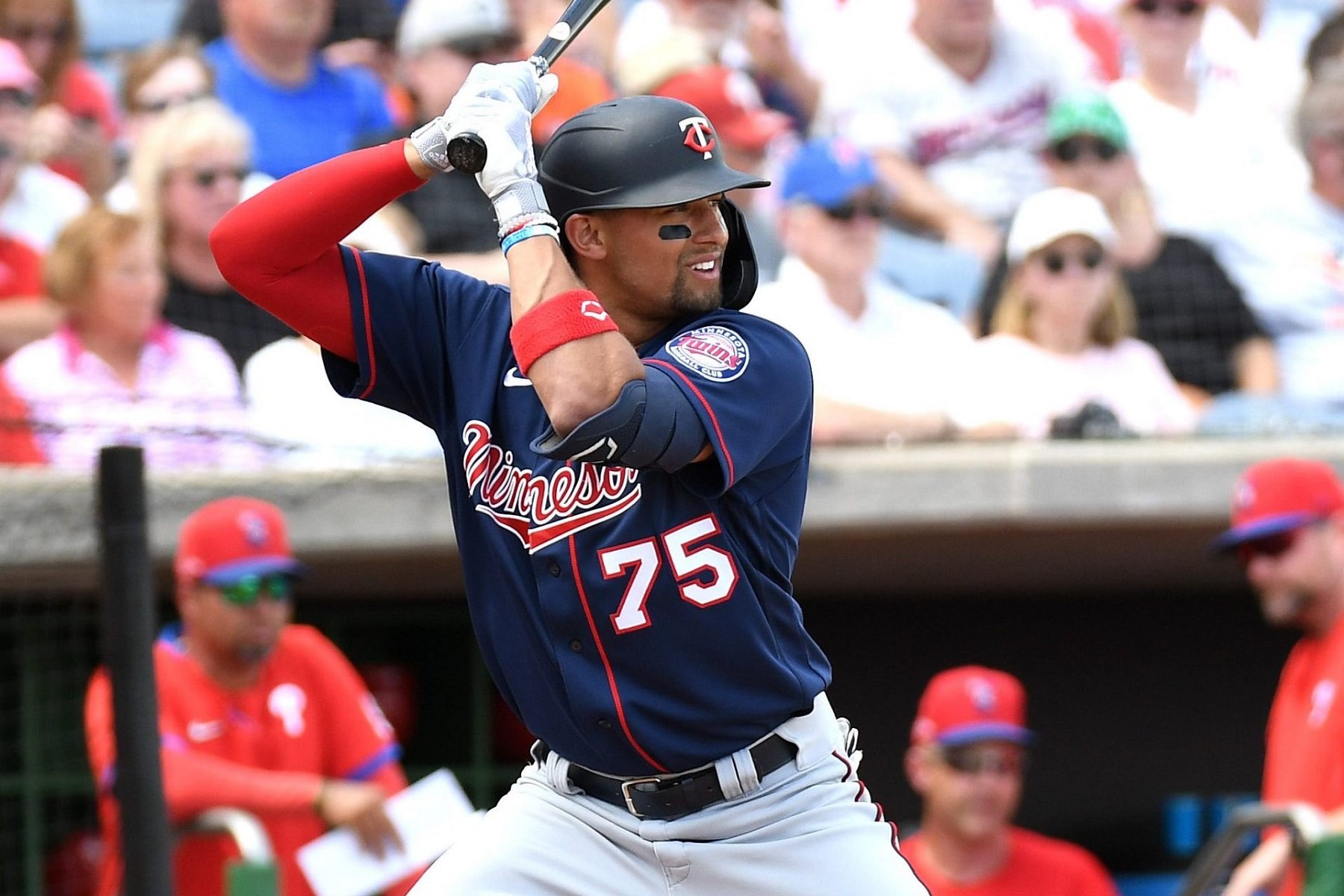 Minor league rosters are fluid, and many of the players below will play at multiple levels during the 2022 campaign. Jose Miranda was the farm system's breakout prospect last season, but many in the organization predicted that improvements were imminent. So, who are some players to follow at each level to start the year? Triple-A: Royce Lewis, SS Minnesota stacked the Triple-A roster with some of the team's top prospects, including Jordan Balazovic, Cole Sands, and Jose Miranda. For good reasons, many prospect rankings have dropped Lewis. Baseball America dropped him 53 spots, MLB Pipeline dropped him 29 spots, and Baseball Prospectus took him out of their top-100. Entering the 2022 season, Lewis hadn't seen game action since the 2019 Arizona Fall League. His speed is one of his best tools, and there were questions about how much his knee surgery would impact this skill. Lewis is looking to prove his doubters wrong this season and put his name back into the conversation as one of baseball's best prospects. Double-A: Simeon Woods Richardson, SP Austin Martin, Matt Canterino, and Matt Wallner are all on the Wichita roster, but Woods Richardson is poised to breakout. Toronto and Minnesota were aggressive with Woods Richardson last season as he made 15 appearances at the Double-A level last season as a 20-year-old. He was over 4.5 years younger than the average age of the competition at his level, and he only had four at-bats where he faced a younger batter. He will still be young for Double-A in his first full season in the Twins organization, but now he has had the opportunity to get out some of the kinks. Also, he is in his third organization since the start of the 2018 season. Staying at a level and getting used to a coaching staff can help him thrive in 2022. High-A: Yunior Severino, IF Cedar Rapids has a loaded roster with plenty of players with breakout potential. Aaron Sabato, Cade Povich, and Alerick Soularie will all look to make their mark this season. Severino is looking to have his first professional season with 100+ games, which has the potential to result in some strong numbers. Last season, he raised his OPS from .740 at Low-A to .907 at High-A. In 35 games with Cedar Rapids, he hit .321/.414/.493 (.907) with 16 extra-base hits. He struck out 125 times in 98 games, so that will be a number to watch. He ended the year with 29 doubles, and if a few more of those balls make it over the fence, he suddenly looks like a very intriguing prospect. Low-A: Steve Hajjar, SP In Fort Myers, there is a collection of young players with plenty of upside, including Noah Miller, Emmanuel Rodriguez, and Keoni Cavaco. Hajjar's college experience means he has the chance to dominate in the lower levels of the minors. He has the potential to move quickly from Low-A to High-A and a chance of reaching Double-A by the season's end. There's no reason to rush him, but the Twins have already helped him make some promising mechanical adjustments. During the 2021 college season, his fastball averaged 90 mph, but the Twins have helped him add a little more velocity. He's also focused on his slider to try and help him improve against left-handed batters. Minnesota has a lot of young pitchers ready to debut this season, but Hajjar is a solid piece to have waiting in the wings for the years ahead. Which of these players is poised to breakout? Do you have other picks? Leave a COMMENT and start the discussion.
- 13 comments
-
- 6
-
-
- steve hajjar
- yunior severino
- (and 2 more)
-
With the trade of Taylor Rogers, the Twins are putting a lot of faith in some young bullpen arms. Jhoan Duran is one of those pitchers and his big-league career is just beginning, so here’s a look back at his time as a prospect. Duran originally signed with the Arizona Diamondbacks back in February 2015 out of the Dominican Republic. His professional debut came in the Dominican Summer League, where he posted a 3.25 ERA and a 1.32 WHIP in 63 2/3 innings. He struggled to strike out batters (6.2 K/9), but he was two years younger than the average age of the competition at his level. During the 2016 season, Duran made his stateside debut, but he was limited to seven starts. It was such a small sample size that it’s hard to read much into his 4.96 ERA and 1.47 WHIP. He made his full-season debut during the 2017 season. In 62 1/3 innings at Low-A, he posted a 4.24 ERA with a 1.20 WHIP, but his K/9 was still below 6.4. His early career numbers didn’t exactly put him on the prospect map. As a 20-year-old in 2018, Duran moved up to High-A and struggled to transition to the next level. In 64 2/3 innings (15 starts), he allowed 34 earned runs, but his strikeout numbers were on the rise. After posting a 7.1 K/9 or lower in 2017, he posted a 9.9 K/9 while keeping his walk rate reasonably consistent. Scouts were starting to come around on Duran, and teams like Minnesota noticed. At the 2018 trade deadline, the Twins acquired Duran along with Gabriel Maciel and Ernie De La Trinidad for Eduardo Escobar’s expiring contract. Besides Duran, the other two players are no longer in the organization. Duran posted even better numbers after the trade at High-A as he tossed 36 innings with a 2.00 ERA, a 0.81 WHIP, and 11.0 K/9. As the 2018 season ended, he posted career-best totals in nearly every statistical category. While the 2018 season saw Duran emerge, the 2019 season is when he firmly established himself on the prospect map. As a 21-year-old, he reached Double-A while posting a 10.6 K/9. He pitched 115 innings with a 3.76 ERA and a 1.19 WHIP. He established himself as one of Minnesota’s top pitching prospects, and Baseball America had him ranked on their top-100 list. Duran’s development may have been impacted by the missed 2020 minor league season. Minnesota had added him to the 40-man roster leading into the season, allowing him to work at the team’s alternate site. His innings pitched increased in every professional season, so it would be interesting to see if a different scenario played out during the 2020 campaign. However, that didn’t happen, and Duran retook the mound in 2021. He made five appearances at Triple-A, and there were some electric moments as he hit triple-digits with his fastball. Unfortunately, he was limited to 16 innings due to an elbow strain, but he avoided surgery. Minnesota’s front office likely considered this when deciding to transition him to relief pitching in 2022. His triple-digit fastball and splinker combo can make him a dangerous relief option. His splinker is a pitch rarely seen in baseball, making it challenging for hitters to know how to attack it. As a reliever, he can ignore some of his less effective pitches and focus on his two best offerings. He was very successful this spring, but now he will need to prove he can translate this success to the big-league level. Baseball’s use of pitchers continues to evolve, and Duran can still provide value even if he isn’t used as a starter. In the wake of trading away the team’s current closer, it’s hard not to look at Duran and wonder if he can be the team’s closer in the future. What memories do you have of Duran’s time in the minors? Leave a COMMENT and start the discussion. View full article
-
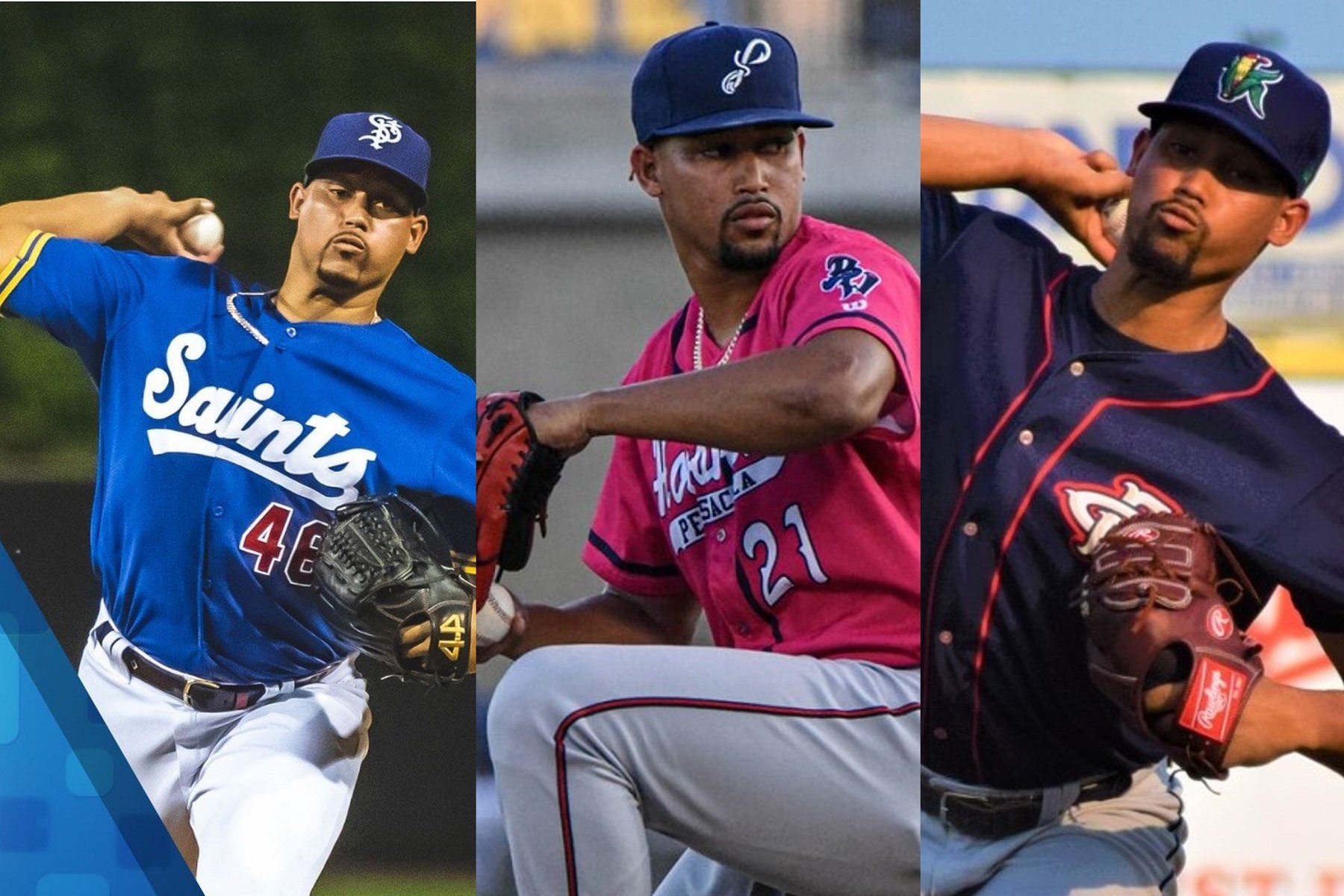 Duran originally signed with the Arizona Diamondbacks back in February 2015 out of the Dominican Republic. His professional debut came in the Dominican Summer League, where he posted a 3.25 ERA and a 1.32 WHIP in 63 2/3 innings. He struggled to strike out batters (6.2 K/9), but he was two years younger than the average age of the competition at his level. During the 2016 season, Duran made his stateside debut, but he was limited to seven starts. It was such a small sample size that it’s hard to read much into his 4.96 ERA and 1.47 WHIP. He made his full-season debut during the 2017 season. In 62 1/3 innings at Low-A, he posted a 4.24 ERA with a 1.20 WHIP, but his K/9 was still below 6.4. His early career numbers didn’t exactly put him on the prospect map. As a 20-year-old in 2018, Duran moved up to High-A and struggled to transition to the next level. In 64 2/3 innings (15 starts), he allowed 34 earned runs, but his strikeout numbers were on the rise. After posting a 7.1 K/9 or lower in 2017, he posted a 9.9 K/9 while keeping his walk rate reasonably consistent. Scouts were starting to come around on Duran, and teams like Minnesota noticed. At the 2018 trade deadline, the Twins acquired Duran along with Gabriel Maciel and Ernie De La Trinidad for Eduardo Escobar’s expiring contract. Besides Duran, the other two players are no longer in the organization. Duran posted even better numbers after the trade at High-A as he tossed 36 innings with a 2.00 ERA, a 0.81 WHIP, and 11.0 K/9. As the 2018 season ended, he posted career-best totals in nearly every statistical category. While the 2018 season saw Duran emerge, the 2019 season is when he firmly established himself on the prospect map. As a 21-year-old, he reached Double-A while posting a 10.6 K/9. He pitched 115 innings with a 3.76 ERA and a 1.19 WHIP. He established himself as one of Minnesota’s top pitching prospects, and Baseball America had him ranked on their top-100 list. Duran’s development may have been impacted by the missed 2020 minor league season. Minnesota had added him to the 40-man roster leading into the season, allowing him to work at the team’s alternate site. His innings pitched increased in every professional season, so it would be interesting to see if a different scenario played out during the 2020 campaign. However, that didn’t happen, and Duran retook the mound in 2021. He made five appearances at Triple-A, and there were some electric moments as he hit triple-digits with his fastball. Unfortunately, he was limited to 16 innings due to an elbow strain, but he avoided surgery. Minnesota’s front office likely considered this when deciding to transition him to relief pitching in 2022. His triple-digit fastball and splinker combo can make him a dangerous relief option. His splinker is a pitch rarely seen in baseball, making it challenging for hitters to know how to attack it. As a reliever, he can ignore some of his less effective pitches and focus on his two best offerings. He was very successful this spring, but now he will need to prove he can translate this success to the big-league level. Baseball’s use of pitchers continues to evolve, and Duran can still provide value even if he isn’t used as a starter. In the wake of trading away the team’s current closer, it’s hard not to look at Duran and wonder if he can be the team’s closer in the future. What memories do you have of Duran’s time in the minors? Leave a COMMENT and start the discussion.
 -
Opening Day is nearly here, and with it comes the excitement of every team having an opportunity to turn into a contender. Here are five bold predictions about the 2022 Minnesota Twins. Minnesota's goal this year is to go from worst to first in the AL Central. Many predictions below will need to happen if the Twins want to overshoot their projected preseason position. Players need to be healthy and perform at a high level, while young pitchers will need to join the pitching staff and avoid rookie struggles. 5. Minnesota will have multiple Gold Glove winners Minnesota's up-the-middle defense is among baseball's best, and the Twins have two former Platinum Glove winners on the roster. Carlos Correa was arguably baseball's best defender last season, as he posted baseball's highest SABR Defensive Index total. Like Correa, Buxton has won a Platinum Glove, but he hasn't been on the field enough to qualify in recent years. When healthy, he is arguably the best defensive center fielder in the game. Other players on the roster have the chance to be in the Gold Glove conversation. Jorge Polanco's defense made great strides in his shift to second. Alex Kirilloff is tremendous at first base if the team moves him out of a corner outfield spot. 4. Kenta Maeda pitches games in September Last September, Maeda underwent Tommy John surgery, which can mean an entire season away from baseball. One reason for optimism with Maeda's recovery is an adjustment made to his Tommy John surgery. Maeda had a brace added to the impacted elbow to speed up his recovery time. This newer development can cut the recovery time from the standard 12-16 months to 9-12 months. Nine months after his surgery puts him on the mound in June, while 12 months would be September. At the time of the surgery, president of baseball operations Derek Falvey said he is "hopeful for sure" that the right-hander will see the mound next year. Maeda can provide a late-season boost to the pitching staff that can help amid a pennant chase. 3. Carlos Correa and Byron Buxton will finish in the top-10 for AL MVP Many consider Buxton a dark-horse candidate for AL MVP, but the hype surrounding his 2022 season is real. His contract extension also includes incentives for him finishing in the MVP voting. Buxton has an opportunity to establish himself as baseball's best centerfielder. Correa has been a perennial MVP candidate when he is healthy. Because of his unique contract, he can re-enter free agency next winter, so he has an incentive to have a career year. If both players are in the MVP conversation, Minnesota will have to be in the playoff hunt, which has to get fans excited for 2022. 2. Max Kepler gets traded before the trade deadline Max Kepler is under team control through 2024, so his trade value may never be higher than in 2022. Outfield depth is one of Minnesota's strengths, so the team may be able to trade for an area of need. Trevor Larnach is at Triple-A, and the team still has faith in him to take over a full-time role at the big-league level. Austin Martin may also shift to an outfield spot, especially if the team deems him ready. Will the Twins need more starting pitching at the deadline? Can a bullpen upgrade put the team on a path to postseason success? Kepler might be the player needed to make a deadline deal. 1. The streak ends Minnesota hasn't won a playoff game in nearly two decades. The streak ends this season, and it will be exciting to see how far this team can go. Which bold prediction do you think is most likely to come to fruition? Leave a COMMENT and start the discussion. View full article
-
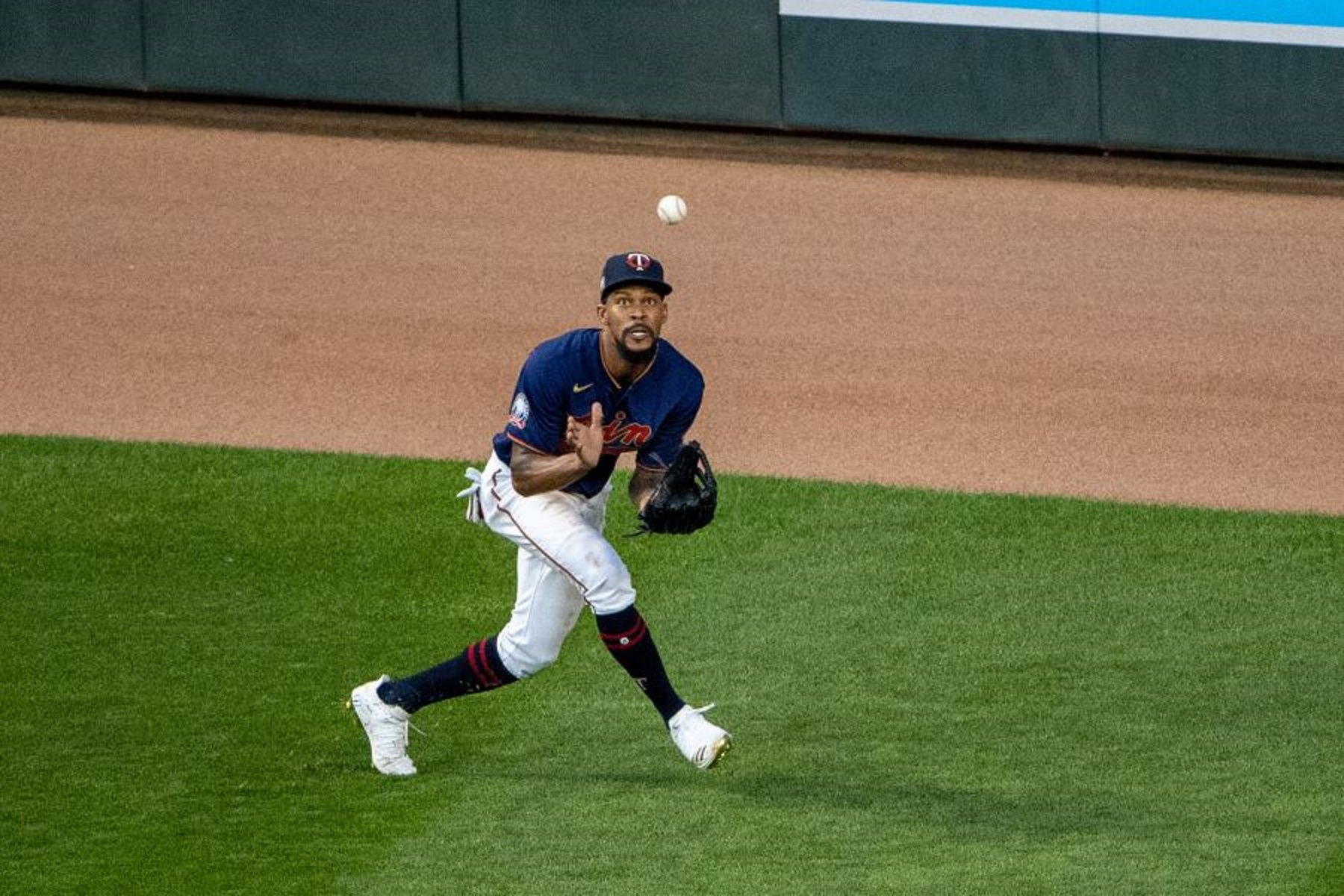 Minnesota's goal this year is to go from worst to first in the AL Central. Many predictions below will need to happen if the Twins want to overshoot their projected preseason position. Players need to be healthy and perform at a high level, while young pitchers will need to join the pitching staff and avoid rookie struggles. 5. Minnesota will have multiple Gold Glove winners Minnesota's up-the-middle defense is among baseball's best, and the Twins have two former Platinum Glove winners on the roster. Carlos Correa was arguably baseball's best defender last season, as he posted baseball's highest SABR Defensive Index total. Like Correa, Buxton has won a Platinum Glove, but he hasn't been on the field enough to qualify in recent years. When healthy, he is arguably the best defensive center fielder in the game. Other players on the roster have the chance to be in the Gold Glove conversation. Jorge Polanco's defense made great strides in his shift to second. Alex Kirilloff is tremendous at first base if the team moves him out of a corner outfield spot. 4. Kenta Maeda pitches games in September Last September, Maeda underwent Tommy John surgery, which can mean an entire season away from baseball. One reason for optimism with Maeda's recovery is an adjustment made to his Tommy John surgery. Maeda had a brace added to the impacted elbow to speed up his recovery time. This newer development can cut the recovery time from the standard 12-16 months to 9-12 months. Nine months after his surgery puts him on the mound in June, while 12 months would be September. At the time of the surgery, president of baseball operations Derek Falvey said he is "hopeful for sure" that the right-hander will see the mound next year. Maeda can provide a late-season boost to the pitching staff that can help amid a pennant chase. 3. Carlos Correa and Byron Buxton will finish in the top-10 for AL MVP Many consider Buxton a dark-horse candidate for AL MVP, but the hype surrounding his 2022 season is real. His contract extension also includes incentives for him finishing in the MVP voting. Buxton has an opportunity to establish himself as baseball's best centerfielder. Correa has been a perennial MVP candidate when he is healthy. Because of his unique contract, he can re-enter free agency next winter, so he has an incentive to have a career year. If both players are in the MVP conversation, Minnesota will have to be in the playoff hunt, which has to get fans excited for 2022. 2. Max Kepler gets traded before the trade deadline Max Kepler is under team control through 2024, so his trade value may never be higher than in 2022. Outfield depth is one of Minnesota's strengths, so the team may be able to trade for an area of need. Trevor Larnach is at Triple-A, and the team still has faith in him to take over a full-time role at the big-league level. Austin Martin may also shift to an outfield spot, especially if the team deems him ready. Will the Twins need more starting pitching at the deadline? Can a bullpen upgrade put the team on a path to postseason success? Kepler might be the player needed to make a deadline deal. 1. The streak ends Minnesota hasn't won a playoff game in nearly two decades. The streak ends this season, and it will be exciting to see how far this team can go. Which bold prediction do you think is most likely to come to fruition? Leave a COMMENT and start the discussion.
- 17 comments
-
- 4
-
-
- byron buxton
- carlos correa
- (and 2 more)
-
How Long of Leash Will Chris Archer Get?
Cody Christie posted a topic in Twins Daily Front Page News
Last season, fans grew frustrated as veterans J.A. Happ and Matt Shoemaker struggled through multiple turns in the rotation. Will Chris Archer get the same kind of leash in 2022? Entering the 2021 season, the Twins had a clear plan for the club’s rotation. Kenta Maeda and José Berríos sat at the top of the rotation and were coming off tremendous 2020 seasons. J.A. Happ and Matt Shoemaker signed later in the offseason to add a veteran presence to the back of the rotation. On paper, the moves seemed justifiable as the team was coming off of back-to-back AL Central titles, and the front office had earned a level of trust from the fanbase. Unfortunately, not much went right for the 2021 Twins. Happ started 19 games in Minnesota and posted a 6.77 ERA with a 1.59 WHIP before being traded at the deadline. Shoemaker’s results were even worse as he accumulated an 8.06 ERA with a 1.66 WHIP while allowing 15 home runs in 16 appearances. He ended up being demoted to Triple-A and eventually released. With few other starting options, the Twins were forced to keep trotting out both of these pitchers even while each was struggling. It was tough to watch in a disappointing season. Flashforward to 2022, and Twins fans may have trepidation when it comes to any veteran pitcher. However, Chris Archer doesn’t fit the same mold as Happ and Shoemaker did in 2021. Last year’s veteran duo needed to be good for the team to have a chance to contend, and that didn’t happen. With no minor league season in 2020, many of Minnesota’s top pitching prospects weren’t going to be ready to contribute. That isn’t the case this season, as Archer may feel the team’s top prospects breathing down his neck from St. Paul. Before signing Archer, Josh Winder had the upper hand to win the final rotation spot. Because of the shorter spring training, many teams must be creative in how they handle their pitching staff early in the season. Randy Dobnak’s injury forced the team to reevaluate the roster, and Archer’s signing is a result of the team needing more starting pitching depth. Archer’s deal is very incentive-based, so the Twins don’t have as much of a financial commitment as they did with Happ’s $8 million deal last winter. There were plenty of rumors of the Twins looking to trade for other starting pitching, but those rumors didn’t come to fruition. Minnesota’s investment in Archer looks like a fallback option with the potential for there to still be some upside. Archer has been a great pitcher in the past, but there is a reason he was available this late in the winter. From Minnesota’s perspective, there are a few different scenarios that play out in the team’s favor. The first scenario is that Archer pitches well enough to stay in the rotation for the first couple of months of the season. That gets the team into June, when more of the team’s pitching prospects may be ready to contribute. At that time, the team can reevaluate what role Archer plays moving forward. Maybe Archer will have a renaissance season and surprise the baseball world, but his recent track record doesn’t point to this being a reality. Another scenario can play out where Minnesota’s young pitching is throwing so well in the minors that they push Archer out of the rotation. Jordan Balazovic, Cole Sands, and Drew Strotman all project to be in St. Paul’s starting rotation, with Winder pitching out of the bullpen at the MLB level. The front office has tremendous faith in their young pitching, and this is the year the pipeline may pay dividends at the big-league level. As a backup plan, Archer has some upside, and he certainly has something to prove. Hopefully, Minnesota learned something from last year’s debacle with veteran starting pitching. This may make Archer’s time in Minnesota a little shorter, but that can be forgotten if the team gets back to its winning ways. How long do you think Archer pitches in the Twins rotation? Should the team have a short leash with him? Leave a COMMENT and start the discussion. View full article -
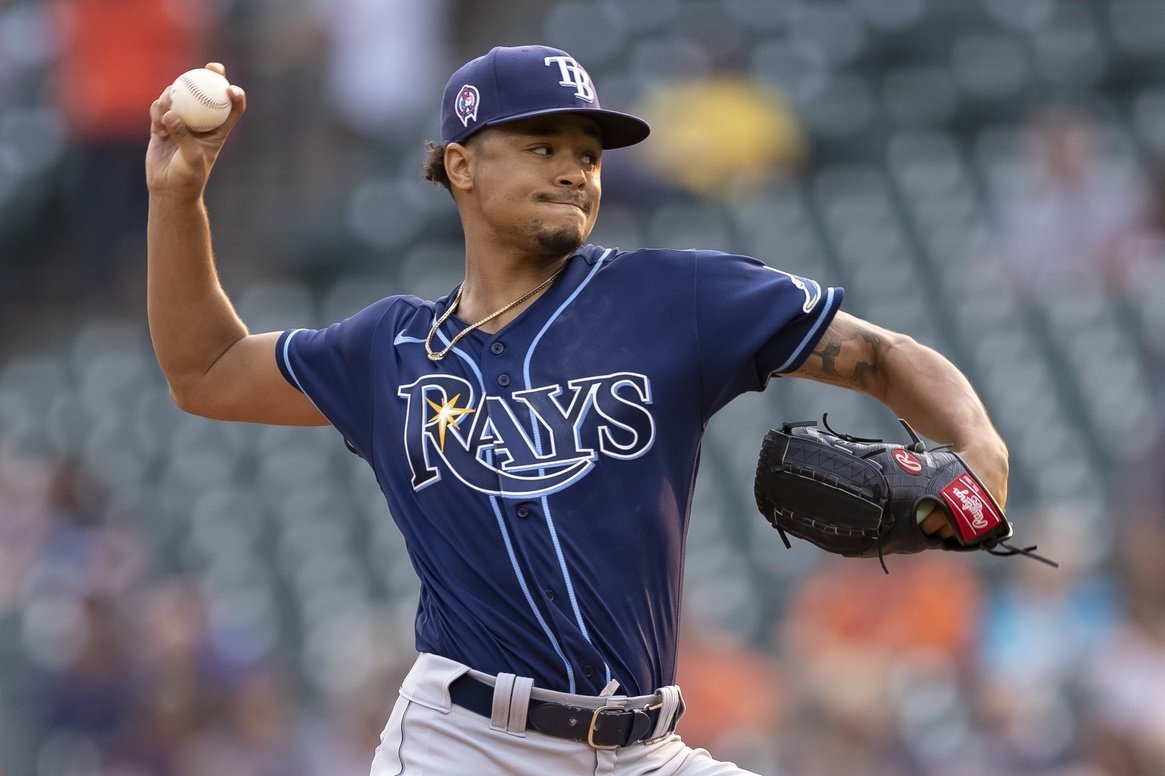 Entering the 2021 season, the Twins had a clear plan for the club’s rotation. Kenta Maeda and José Berríos sat at the top of the rotation and were coming off tremendous 2020 seasons. J.A. Happ and Matt Shoemaker signed later in the offseason to add a veteran presence to the back of the rotation. On paper, the moves seemed justifiable as the team was coming off of back-to-back AL Central titles, and the front office had earned a level of trust from the fanbase. Unfortunately, not much went right for the 2021 Twins. Happ started 19 games in Minnesota and posted a 6.77 ERA with a 1.59 WHIP before being traded at the deadline. Shoemaker’s results were even worse as he accumulated an 8.06 ERA with a 1.66 WHIP while allowing 15 home runs in 16 appearances. He ended up being demoted to Triple-A and eventually released. With few other starting options, the Twins were forced to keep trotting out both of these pitchers even while each was struggling. It was tough to watch in a disappointing season. Flashforward to 2022, and Twins fans may have trepidation when it comes to any veteran pitcher. However, Chris Archer doesn’t fit the same mold as Happ and Shoemaker did in 2021. Last year’s veteran duo needed to be good for the team to have a chance to contend, and that didn’t happen. With no minor league season in 2020, many of Minnesota’s top pitching prospects weren’t going to be ready to contribute. That isn’t the case this season, as Archer may feel the team’s top prospects breathing down his neck from St. Paul. Before signing Archer, Josh Winder had the upper hand to win the final rotation spot. Because of the shorter spring training, many teams must be creative in how they handle their pitching staff early in the season. Randy Dobnak’s injury forced the team to reevaluate the roster, and Archer’s signing is a result of the team needing more starting pitching depth. Archer’s deal is very incentive-based, so the Twins don’t have as much of a financial commitment as they did with Happ’s $8 million deal last winter. There were plenty of rumors of the Twins looking to trade for other starting pitching, but those rumors didn’t come to fruition. Minnesota’s investment in Archer looks like a fallback option with the potential for there to still be some upside. Archer has been a great pitcher in the past, but there is a reason he was available this late in the winter. From Minnesota’s perspective, there are a few different scenarios that play out in the team’s favor. The first scenario is that Archer pitches well enough to stay in the rotation for the first couple of months of the season. That gets the team into June, when more of the team’s pitching prospects may be ready to contribute. At that time, the team can reevaluate what role Archer plays moving forward. Maybe Archer will have a renaissance season and surprise the baseball world, but his recent track record doesn’t point to this being a reality. Another scenario can play out where Minnesota’s young pitching is throwing so well in the minors that they push Archer out of the rotation. Jordan Balazovic, Cole Sands, and Drew Strotman all project to be in St. Paul’s starting rotation, with Winder pitching out of the bullpen at the MLB level. The front office has tremendous faith in their young pitching, and this is the year the pipeline may pay dividends at the big-league level. As a backup plan, Archer has some upside, and he certainly has something to prove. Hopefully, Minnesota learned something from last year’s debacle with veteran starting pitching. This may make Archer’s time in Minnesota a little shorter, but that can be forgotten if the team gets back to its winning ways. How long do you think Archer pitches in the Twins rotation? Should the team have a short leash with him? Leave a COMMENT and start the discussion.
- 39 comments
-
- 4
-
-
- chris archer
- ja happ
- (and 1 more)
-
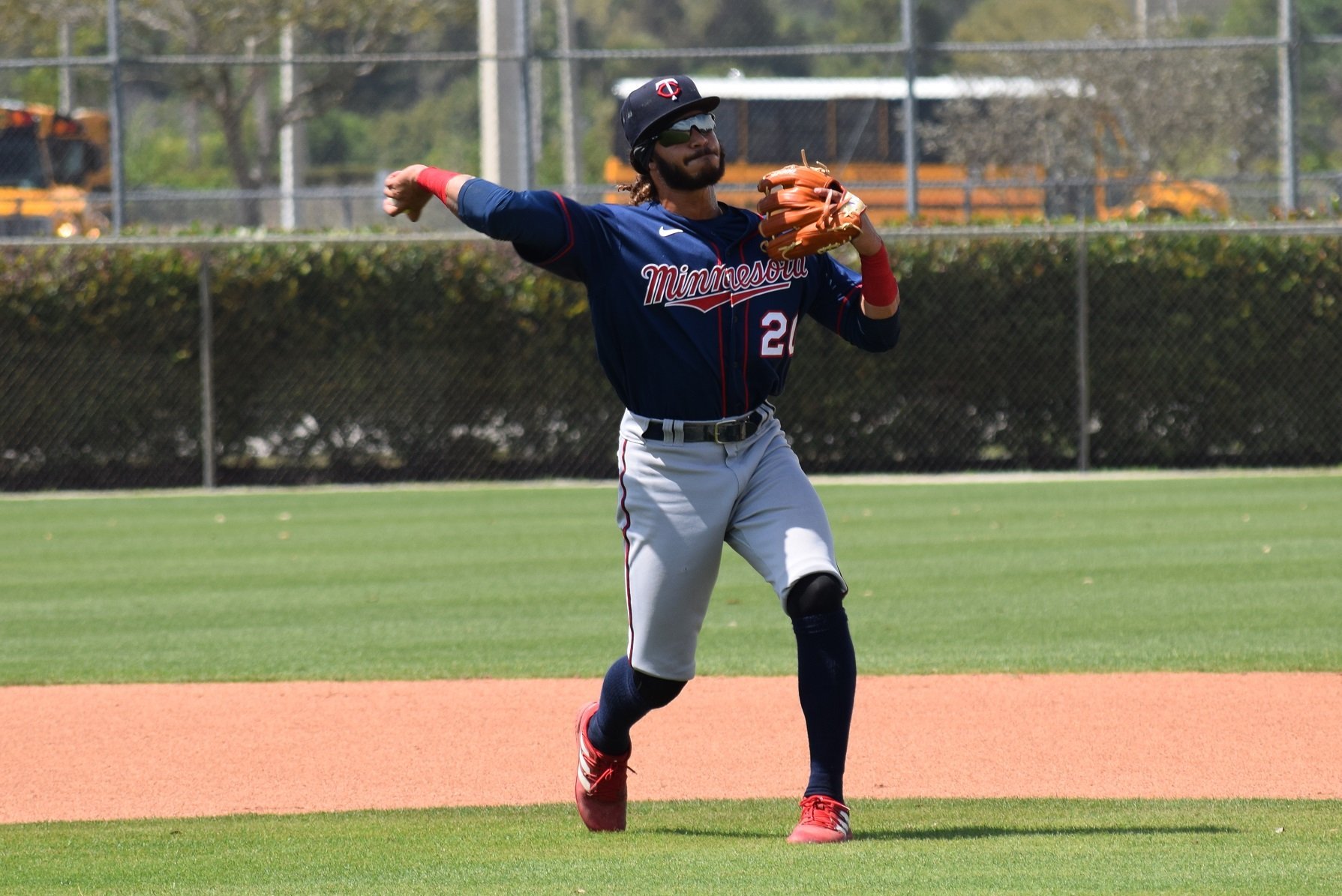 Not that long ago, evaluators considered Minnesota’s farm system among baseball’s best. It helped that the Twins were terrible for multiple seasons, and they were able to stockpile high draft picks to rebuild their system. Entering the 2022 season, many national rankings put the Twins farm system in the bottom half of the league. Many of the organization’s top prospects are on the brink of making their debuts, so what does that mean for the future of the farm system? Prospects on the Brink According to MLB Pipeline, the team’s top eight ranked prospects are all expected to debut in 2022. Minnesota’s pitching pipeline looks ready to start producing big-league talent. Joe Ryan was recently named the team’s Opening Day starter, even though he has only made five starts in his big-league career. Jhoan Duran looks like he can be a dominant bullpen option if the team decides to keep him in a relief role. Josh Winder also has an opportunity to be used out of the bullpen to start 2022. Besides these Opening Day options, Jordan Balazovic, Simeon Woods Richardson, and Drew Strotman all project to debut at some point in 2022. Minnesota’s top position player prospects also project to start the season at St. Paul. Jose Miranda dominated the Double- and Triple-A levels, so it seems like he has little left to prove in the minors. Austin Martin is widely considered the team’s top prospect, and he was an on-base machine at Double-A last season. Minnesota has worked with him on his power production and that should put him on a path toward a 2022 debut. Royce Lewis is returning from an injury, so he must prove he can produce like a top prospect. All eight of these prospects may use up their rookie eligibility during the 2022 season, and this has the potential to leave little on the shelves in the minor leagues. What Will Be Left? Minnesota’s pitching depth means some of the team’s top pitching prospects are behind other pitchers in the organization's pecking order. An argument can be made that Matt Canterino is the best pitching prospect in the organization, but all the other names mentioned above are ahead of him on the depth chart. Ronny Henriquez and Louie Varland are both intriguing prospects, but they have multiple stops left to get to the big-league level. Blayne Enlow is returning from Tommy John surgery, so he will likely wait until 2023 to debut. Steve Hajjar is an intriguing name to watch because of his collegiate experience. Last year’s second-round pick may end up being a top-10 prospect in the organization entering the 2023 season. He’s certainly a player to watch this season. Two of the organization's top power prospects will likely still be in the system entering next season. Aaron Sabato and Matt Wallner fit the mold of a typical power hitter with little value on the defensive side of the ball. Noah Miller and Keoni Cavaco are two higher draft picks from this regime with something to prove. Other position players like Spencer Steer and Misael Urbina are also working their way towards Target Field. All of these players have upside, but they aren’t in the same category of prospect as Martin, Lewis, or Miranda. Ramifications So, what does this all mean? Minnesota has a plethora of talent in the upper level of the minors, which is a great problem for any organization. However, is the team less likely to trade these players away because of their proximity to the majors? Teams with top-ranked farm systems can move their prospects for MLB talent to make their team even more competitive. This MLB-ready pipeline should allow the Twins to keep their winning window open, but the team’s future depth relies on a strong farm system that can churn out big-league talent. Minnesota projects to have plenty of young talent in the big leagues, but it will result in a dramatically depleted depth in the minors. Do you think the Twins will have one of baseball’s worst farm systems entering next season? Leave a COMMENT and start the discussion.
 -
Entering the 2022 campaign, the Twins have plenty of talent on the cusp of the big-league level. Does that mean the farm system will be tapped out by 2023? Not that long ago, evaluators considered Minnesota’s farm system among baseball’s best. It helped that the Twins were terrible for multiple seasons, and they were able to stockpile high draft picks to rebuild their system. Entering the 2022 season, many national rankings put the Twins farm system in the bottom half of the league. Many of the organization’s top prospects are on the brink of making their debuts, so what does that mean for the future of the farm system? Prospects on the Brink According to MLB Pipeline, the team’s top eight ranked prospects are all expected to debut in 2022. Minnesota’s pitching pipeline looks ready to start producing big-league talent. Joe Ryan was recently named the team’s Opening Day starter, even though he has only made five starts in his big-league career. Jhoan Duran looks like he can be a dominant bullpen option if the team decides to keep him in a relief role. Josh Winder also has an opportunity to be used out of the bullpen to start 2022. Besides these Opening Day options, Jordan Balazovic, Simeon Woods Richardson, and Drew Strotman all project to debut at some point in 2022. Minnesota’s top position player prospects also project to start the season at St. Paul. Jose Miranda dominated the Double- and Triple-A levels, so it seems like he has little left to prove in the minors. Austin Martin is widely considered the team’s top prospect, and he was an on-base machine at Double-A last season. Minnesota has worked with him on his power production and that should put him on a path toward a 2022 debut. Royce Lewis is returning from an injury, so he must prove he can produce like a top prospect. All eight of these prospects may use up their rookie eligibility during the 2022 season, and this has the potential to leave little on the shelves in the minor leagues. What Will Be Left? Minnesota’s pitching depth means some of the team’s top pitching prospects are behind other pitchers in the organization's pecking order. An argument can be made that Matt Canterino is the best pitching prospect in the organization, but all the other names mentioned above are ahead of him on the depth chart. Ronny Henriquez and Louie Varland are both intriguing prospects, but they have multiple stops left to get to the big-league level. Blayne Enlow is returning from Tommy John surgery, so he will likely wait until 2023 to debut. Steve Hajjar is an intriguing name to watch because of his collegiate experience. Last year’s second-round pick may end up being a top-10 prospect in the organization entering the 2023 season. He’s certainly a player to watch this season. Two of the organization's top power prospects will likely still be in the system entering next season. Aaron Sabato and Matt Wallner fit the mold of a typical power hitter with little value on the defensive side of the ball. Noah Miller and Keoni Cavaco are two higher draft picks from this regime with something to prove. Other position players like Spencer Steer and Misael Urbina are also working their way towards Target Field. All of these players have upside, but they aren’t in the same category of prospect as Martin, Lewis, or Miranda. Ramifications So, what does this all mean? Minnesota has a plethora of talent in the upper level of the minors, which is a great problem for any organization. However, is the team less likely to trade these players away because of their proximity to the majors? Teams with top-ranked farm systems can move their prospects for MLB talent to make their team even more competitive. This MLB-ready pipeline should allow the Twins to keep their winning window open, but the team’s future depth relies on a strong farm system that can churn out big-league talent. Minnesota projects to have plenty of young talent in the big leagues, but it will result in a dramatically depleted depth in the minors. Do you think the Twins will have one of baseball’s worst farm systems entering next season? Leave a COMMENT and start the discussion. View full article
- 25 replies
-
- 2
-
-
- royce lewis
- austin martin
- (and 3 more)
-
Johan Santana had the most famous changeup in Twins history, but it took him time to find the pitch. Will any of these players improve their changeup as they get closer to Target Field? When evaluating players, scouts and front offices use a 20-80 scale to grade current and future value. The pitchers below still have development to complete, which points to their changeups being even better in the future. Here are the top-five changeups in the Twins organization. 5. Steven Hajjar, RHP Current Changeup/Future Changeup: 50/55 Minnesota selected Hajjar out of Michigan in the second round of the 2021 MLB Draft. In his final college season, he led the Big Ten in strikeouts. Because of his full collegiate season, he has yet to make his pro debut. Since joining the Twins system, he has been able to add more velocity to his fastball, which will pair well with his changeup, which is considered a plus pitch. His college experience and solid stuff could make him a fast riser during the 2022 season. 4. Ronny Henriquez, RHP Current Changeup/Future Changeup: 55/55 Henriquez was the prospect the Twins received along with Isiah Kiner-Falefa for Mitch Garver. He already occupies a 40-man roster spot, so there is a chance he will make his big-league debut in 2022. Henriquez is under six feet tall, so his size leads to questions about his long-term durability as a starter. However, his fastball, slider, and changeup all have a chance to be plus pitches. He consistently throws strikes, so it will be intriguing to see what tweaks the Twins make to his repertoire this season. 3. Matt Canterino, RHP Current Changeup/Future Changeup: 55/60 Canterino’s changeup was one of the reasons he was able to strike out 100-plus batters in each of his collegiate seasons. His changeup may currently be his worst pitch out of his four pitches. He’s a talented player that the Twins have a lot of faith in, but there are health questions like many pitchers from Rice University. Injuries have limited him to 48 innings so far in his professional career. When healthy, he may be the system’s best pitching prospect, so 2022 will be a pivotal year to prove he can stay on the mound. 2. Simeon Woods Richardson, RHP Current Changeup/Future Changeup: 55/60 Wood Richardson may feel like the forgotten prospect in the José Berríos trade, but he is a legitimate starting pitching prospect. Last season, the Blue Jays were aggressive by sending him to Double-A as a 20-year-old. He posted a 5.91 ERA and a 1.54 WHIP, but he was over 4.5 years younger than the average age of the competition at his level. His fastball velocity dipped a little last season, so that is one of the things the Twins have worked to improve, and it will likely help improve his changeup. 1. Jovani Moran, RHP Current Changeup/Future Changeup: 70/70 Moran’s changeup led him to put up unheard-of strikeout numbers in the minors last season. He collected 109 strikeouts In 67 1/3 innings between Double- and Triple-A. Minnesota called him up for his big-league debut, where he pitched in five games and allowed seven earned runs. Even with some rough outings, he posted an 11.3 K/9 which is just below his 13.3 K/9 from his time in the minors. Minnesota’s bullpen can take on a different look after 2022, and Moran has an opportunity to be part of the team’s long-term solution. Can anyone contend with Moran for the best changeup in the Twins system? Should someone else make the list? Leave a COMMENT and start the discussion. OTHER POSTS IN THE SERIES — Top Slider Prospects — Top Fastball Prospects — Top Power Tool Prospects — Top Hit Tool Prospects — Top Speed Tool Prospects View full article
-
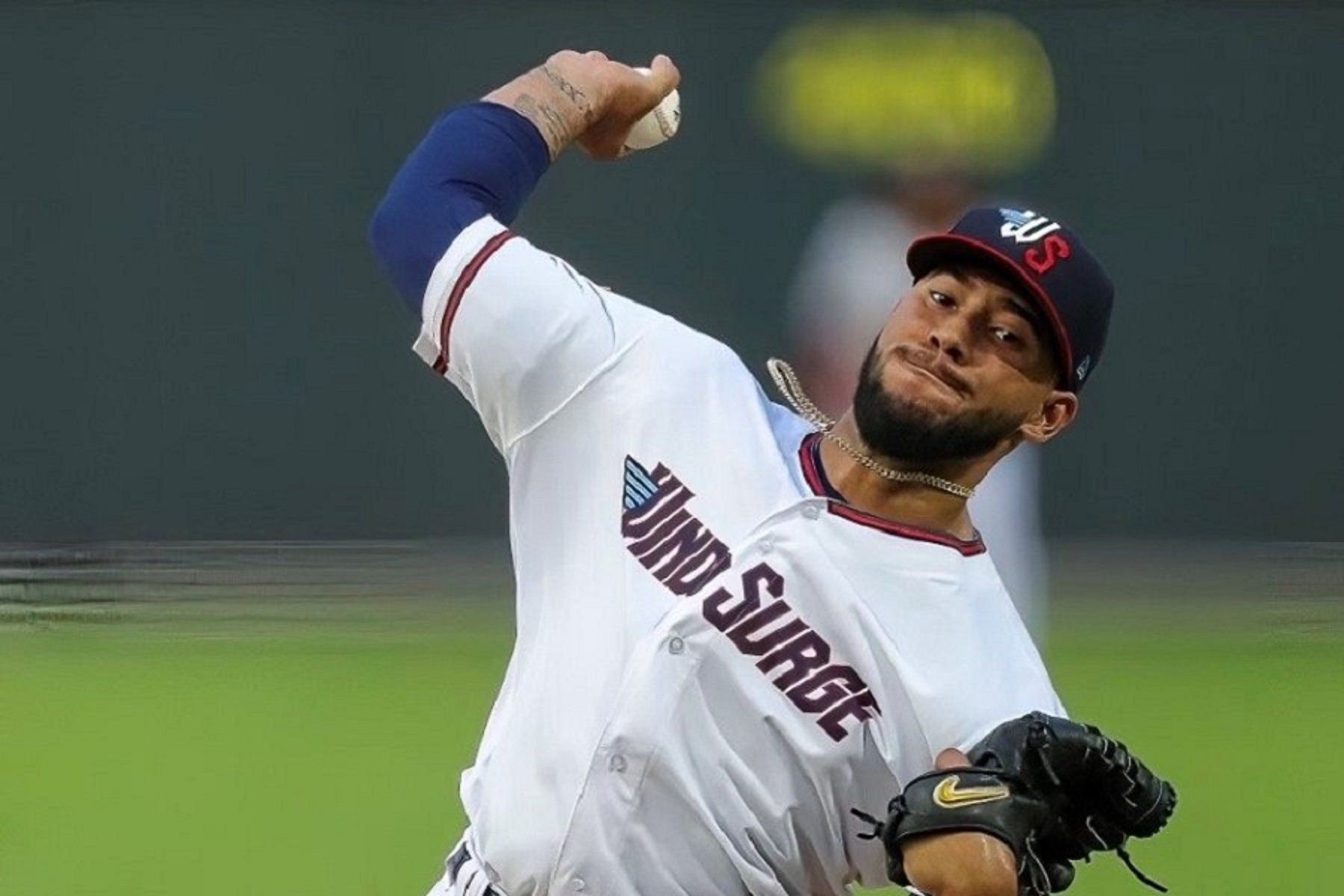 When evaluating players, scouts and front offices use a 20-80 scale to grade current and future value. The pitchers below still have development to complete, which points to their changeups being even better in the future. Here are the top-five changeups in the Twins organization. 5. Steven Hajjar, RHP Current Changeup/Future Changeup: 50/55 Minnesota selected Hajjar out of Michigan in the second round of the 2021 MLB Draft. In his final college season, he led the Big Ten in strikeouts. Because of his full collegiate season, he has yet to make his pro debut. Since joining the Twins system, he has been able to add more velocity to his fastball, which will pair well with his changeup, which is considered a plus pitch. His college experience and solid stuff could make him a fast riser during the 2022 season. 4. Ronny Henriquez, RHP Current Changeup/Future Changeup: 55/55 Henriquez was the prospect the Twins received along with Isiah Kiner-Falefa for Mitch Garver. He already occupies a 40-man roster spot, so there is a chance he will make his big-league debut in 2022. Henriquez is under six feet tall, so his size leads to questions about his long-term durability as a starter. However, his fastball, slider, and changeup all have a chance to be plus pitches. He consistently throws strikes, so it will be intriguing to see what tweaks the Twins make to his repertoire this season. 3. Matt Canterino, RHP Current Changeup/Future Changeup: 55/60 Canterino’s changeup was one of the reasons he was able to strike out 100-plus batters in each of his collegiate seasons. His changeup may currently be his worst pitch out of his four pitches. He’s a talented player that the Twins have a lot of faith in, but there are health questions like many pitchers from Rice University. Injuries have limited him to 48 innings so far in his professional career. When healthy, he may be the system’s best pitching prospect, so 2022 will be a pivotal year to prove he can stay on the mound. 2. Simeon Woods Richardson, RHP Current Changeup/Future Changeup: 55/60 Wood Richardson may feel like the forgotten prospect in the José Berríos trade, but he is a legitimate starting pitching prospect. Last season, the Blue Jays were aggressive by sending him to Double-A as a 20-year-old. He posted a 5.91 ERA and a 1.54 WHIP, but he was over 4.5 years younger than the average age of the competition at his level. His fastball velocity dipped a little last season, so that is one of the things the Twins have worked to improve, and it will likely help improve his changeup. 1. Jovani Moran, RHP Current Changeup/Future Changeup: 70/70 Moran’s changeup led him to put up unheard-of strikeout numbers in the minors last season. He collected 109 strikeouts In 67 1/3 innings between Double- and Triple-A. Minnesota called him up for his big-league debut, where he pitched in five games and allowed seven earned runs. Even with some rough outings, he posted an 11.3 K/9 which is just below his 13.3 K/9 from his time in the minors. Minnesota’s bullpen can take on a different look after 2022, and Moran has an opportunity to be part of the team’s long-term solution. Can anyone contend with Moran for the best changeup in the Twins system? Should someone else make the list? Leave a COMMENT and start the discussion. OTHER POSTS IN THE SERIES — Top Slider Prospects — Top Fastball Prospects — Top Power Tool Prospects — Top Hit Tool Prospects — Top Speed Tool Prospects
- 4 comments
-
- 2
-
-
- simeon woods richardson
- jovani moran
- (and 3 more)
-
Can Byron Buxton Pass Mike Trout As Baseball’s Best Center Fielder?
Cody Christie posted an article in Twins
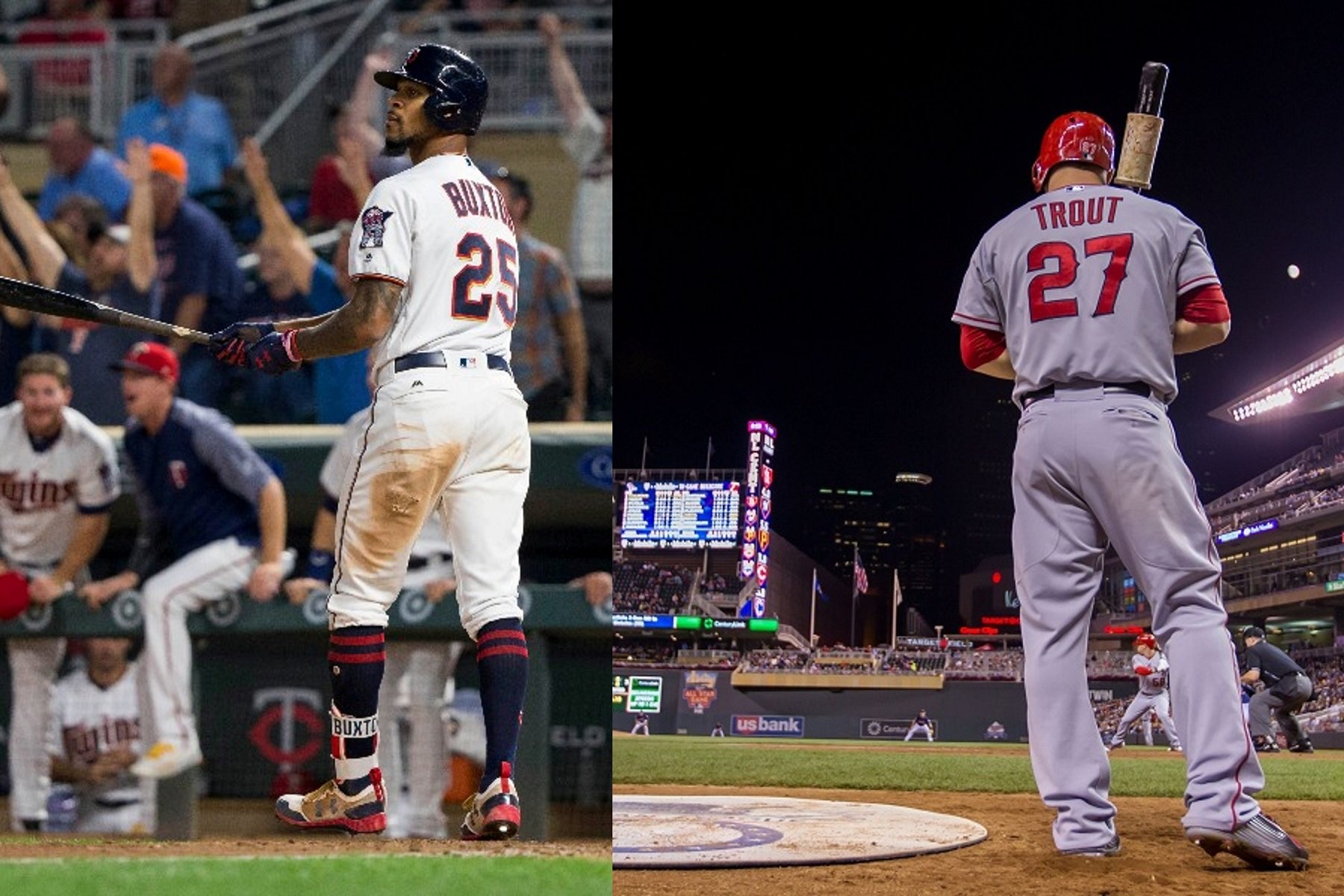 MLB Network counts down baseball’s best players as the season starts while also naming the top players at each position. MLB has ranked Trout as the best center fielder, but other players are coming for his crown. Buxton was the 10th-ranked centerfielder entering the 2021 season, and he has risen to the third overall behind Trout and George Springer. Buxton had the highest jump among players that were on the 2021 list. Buxton’s rise ties to his 2021 performance, where he proved that he could be one of baseball’s most valuable players. His month of April 2021 was one of the best offensive months in team history as he posted a 1.363 OPS. He was limited to 61 games for the year but accumulated 4.5 WAR. His defense also puts him in elite company as the Twins now have one of baseball’s best up-the-middle defenses. Trout has been otherworldly during his professional career as he has averaged over 9.0 WAR in every season where he’s played at least 130 games. Last season, injuries limited Trout to 36 games, but he still posted a 1.090 OPS. He’s clearly on a path to Cooperstown. He has won three MVPs, been a nine-time All-Star, and won eight Silver Slugger Awards. So, are Buxton and Trout even in the same conversation regarding on-field production? The answer is "It’s complicated." At the beginning of their pro careers, both Buxton and Trout were considered the best prospect in baseball. Trout flew through the minors and reached the MLB level as a teenager. Buxton had a few more bumps in the road, but he still compiled some tremendous numbers in the minors. Over their last 162 games, Buxton and Trout have very comparable numbers. Buxton has hit .281 with 41 home runs, a .916 OPS, and 19 stolen bases. Trout has hit .294 with 53 home runs, a 1.047 OPS, and seven stolen bases. Another thing to consider is entering his age-29 season while Trout is a year older. Trout debuted as a 19-year old, while Buxton took a little longer and debuted as a 21-year old. Buxton is still among baseball’s best defensive center fielders. Last season he had an Outs Above Average in the 94th percentile. This spring, there were some rumblings of the Angels pushing Trout out of centerfield. He is staying in the position to start 2022, but he hasn’t been worth more than one out above average since 2018. It seems likely for Trout to get shifted to a corner outfield spot in the years ahead. Health is the key for Buxton to be considered in the same conversation as Trout. Minnesota can utilize various strategies to keep Buxton healthy, including his outfield positioning and giving him rest days. The organization has already tried some of these strategies, so it might come down to him being a little luckier in 2022. With Buxton signed long-term, Twins fans are excited about what he can mean to the team. An entire season of Buxton may be one of the most valuable seasons for any player in team history. Trout is still baseball’s best center fielder, but like a liner to center, Buxton looks to be closing the gap. What will it take for Buxton to be considered baseball’s best center fielder? Leave a COMMENT and start the discussion.