



Cody Christie
-
Posts
7,515 -
Joined
-
Last visited
-
Days Won
5
Content Type
Profiles
News
Minnesota Twins Videos
2026 Minnesota Twins Top Prospects Ranking
2022 Minnesota Twins Draft Picks
Minnesota Twins Free Agent & Trade Rumors, Notes, & Tidbits
Guides & Resources
2023 Minnesota Twins Draft Picks
The Minnesota Twins Players Project
2024 Minnesota Twins Draft Picks
2025 Minnesota Twins Draft Pick Tracker
2026 Minnesota Twins Draft Tracker: Picks & Bonuses
Forums
Blogs
Events
Store
Downloads
Gallery
Everything posted by Cody Christie
-

The Twins Can Still Earn One of Next Year's Top Draft Picks
Cody Christie posted an article in Twins
 Last winter's lockout may not have been all bad for baseball because one new aspect of the collective bargaining agreement is a change to MLB's Draft. Recently, the team with baseball's worst record received the first overall pick and the highest pick in each subsequent round. For many reasons, tanking became a common practice by many organizations looking to rebuild a franchise. The Houston Astros may be the most famous example, as they lost over 100 games in three consecutive seasons before eventually rebuilding into an American League powerhouse. Starting in 2023, the first six picks in each year's draft will be assigned through a draft lottery. All 18 teams that fail to qualify for the postseason will have a chance to move into the top six picks. Odds for each team receiving the number one selection are assigned in reverse order of regular season winning percentage. If a team doesn't receive a lottery selection, they will pick in reverse order of winning percentage from the previous season. The odds of receiving the draft's top pick are as follows: Worst record: 16.5% 2nd-worst record: 16.5% 3rd-worst record: 16.5% 4th: 13.25% 5th: 10% 6th: 7.5% 7th: 5.5% 8th: 3.9% 9th: 2.7% 10th: 1.8% 11th: 1.4% 12th: 1.1% 13th: 0.90% 14th: 0.76% 15th: 0.62% 16th: 0.48% 17th: 0.36% 18th: 0.23% Adding a lottery helps to deter tanking, but other rules were added to deter tanking even further. Teams that receive revenue sharing can't receive a top-six pick for more than two consecutive seasons. On the opposite side, clubs that pay revenue sharing can't get a lottery pick more than one year in a row. Organizations are significantly helped by adding talent at the top of the draft, and Minnesota's system has dropped according to national rankings. The Twins' top two prospects, Royce Lewis and Brooks Lee, were both top-8 picks in the first round of their respective draft. Lewis looked fantastic in his first taste of the big leagues, and Lee's already seen his stock rise since joining the Twins organization. The more times the Twins can get a top-10 pick, the better their chances of adding impact talent to a farm system that needs a boost. Entering play on Monday, the Twins have a .500 record which translates to baseball's 15th worst record. Minnesota would have a 0.62% chance of earning the first overall pick if the season ended today. Minnesota trails Boston by two games for the 14th spot and San Francisco by 3.5 games for the 13th worst record. Gaining ground on these teams helps increase Minnesota's odds, but it's only a small jump for teams that have been in contention. If you'd like to simulate MLB's draft lottery, Tankathon has updated its site to include a simulation tool for the lottery. My first lottery scored the Twins the third overall pick, but the team never won the top overall pick in over 200 simulations. Minnesota has time to help their odds over the season's final weeks, so it will be interesting to see how the team fares in their first chance at the draft lottery. Do you like MLB's new lottery system? Do you think it will deter teams from tanking in the years ahead? Leave a COMMENT and start the discussion.
 -
Spin rate is back up across baseball after a crackdown on sticky substances last season. Are Twins pitchers following this trend or falling behind? Image courtesy of Gary A. Vasquez-USA TODAY Sports Over the last year, MLB has tried to crack down on the substances pitchers use on the ball to generate more spin. When first enforced, there were some heated moments, including Josh Donaldson, a Twins player at the time, calling out pitchers he knew were violating the rule. Initially, baseball saw a decline in spin rate, but those numbers have increased this season. Now, spin rates are nearly back to the same level as before enforcement began. Starting in 2020, Statcast posted an active spin leaderboard, which can also include an active spin %. They offer a longer explanation at their site, but the nuts-and-bolts description is the spin that contributes to movement, including up or down and side to side. Twins Four-Seam Leaderboard (Active Spin %) Tyler Mahle (99.5%), Jorge Lopez (98.1%), Joe Ryan (96.5%), Chris Archer (96.5%) Minnesota’s top-two trade deadline acquisitions rank the best on the team regarding active spin % on their four-seam fastballs. In fact, Mahle sits atop the leaderboard among all MLB pitchers that have thrown a minimum of 1000 pitches. Opponents have posted a .205 BA and a .368 SLG when facing Mahle’s four-seamer. His numbers also include his recent starts, where his shoulder hasn’t allowed him to reach his normal velocity levels. Lopez ranks in the top 25, while Ryan and Archer are in the top 50. Twins Changeup Leaderboard (Active Spin %) Joe Ryan (99.5%), Jorge Lopez (98.3%), Chris Archer (96%), Ryan throws his fastball over 60% of the time, but his changeup might be vital to unlocking his full potential. His changeup leads MLB in active spin among pitchers with a minimum of 1000 pitches thrown. Ryan has thrown his changeup fewer than 300 times this season, but he has increased his percentage from his 2021 big-league appearances. Lopez ranks in the top 35, and Archer is near the backend of the top 75 with his changeup’s active spin. Twins Sinker Leaderboard (Active Spin %) Jorge Lopez (96%), Devin Smeltzer (93.2%), Dylan Bundy (93.1%) Minnesota ranks well in the two pitches mentioned above, but the team doesn’t have a regular sinker ball pitcher with a high active spin %. Lopez cracks the top-30 with his sinker, which is the pitch he throws over 50% of the time. Opponents have posted a .230 BA and a .341 SLG facing his sinker. Smeltzer and Bundy sit just outside the top-40 according to the active spin on their sinkers. According to Baseball Savant, Smeltzer has only thrown ten sinkers this season, so that is hardly a large sample. Bundy’s sinker is his least utilized pitch (7.9%), as he has allowed a .500 SLG so far in 2022. Twins Slider Leaderboard (Active Spin %) Sonny Gray (63.6%), Devin Smeltzer (58.4%), Jorge Lopez (40.7%) Active spin on sliders is much different compared to other pitches because only two pitchers (Rich Hill and Steve Cishek) have an active spin % above 80%. Gray currently sits in fifth place on the MLB leaderboard, with only two AL pitchers ranking higher than him. He throws his slider 11.4% of the time, and batters have a .291 SLG when facing that pitch. Smeltzer ranks just outside the top-10 as he has held opponents to a .214 BA versus his slider. Lopez, who ranks in the top 60, appears on these leaderboards thanks to the amount of spin he generates. He doesn’t tend to get a lot of strikeouts, so he needs spin to coax outs. Are you surprised by any of the names on the leaderboards mentioned above? Leave a COMMENT and start the discussion. View full article
-
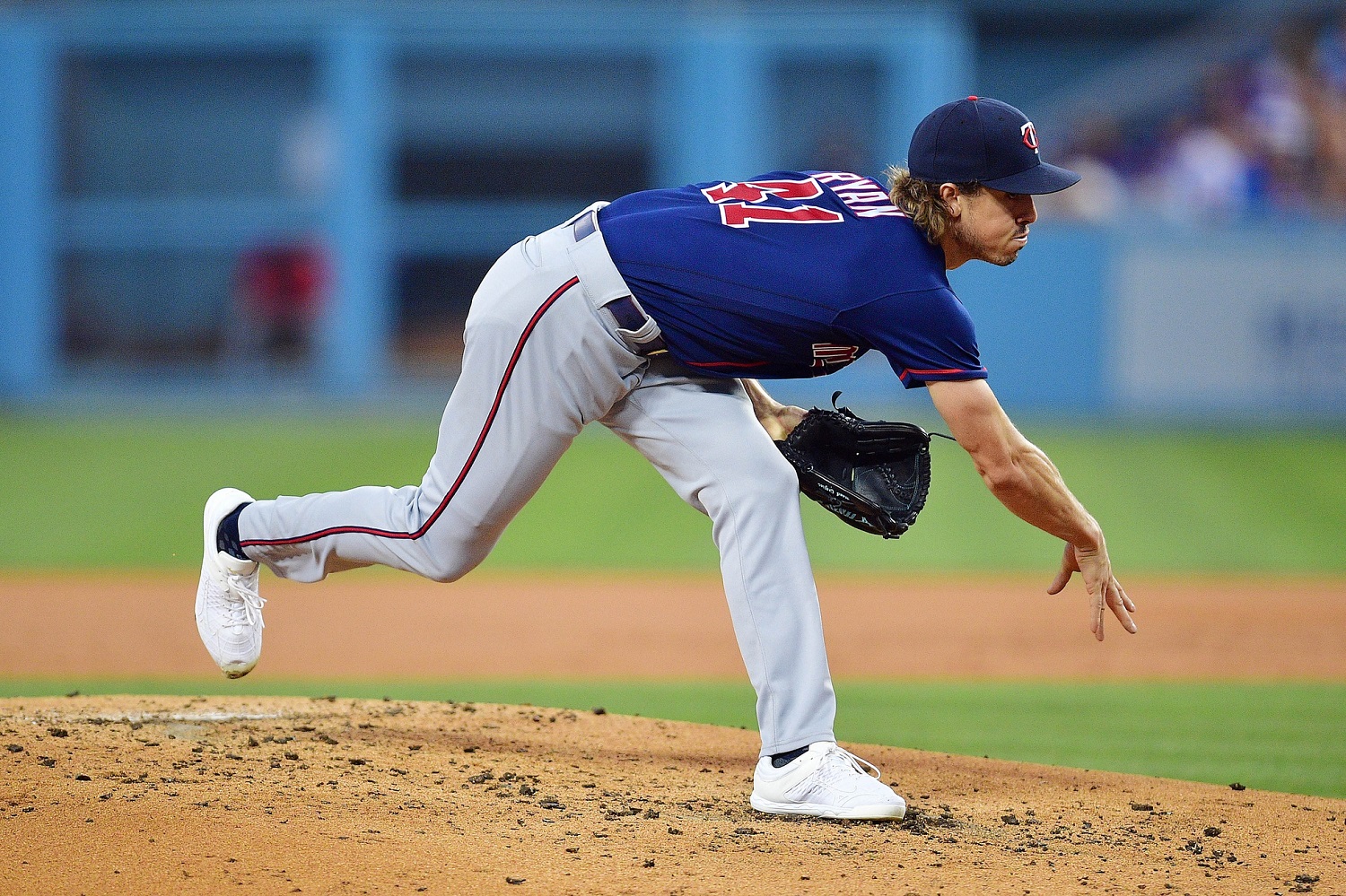 Over the last year, MLB has tried to crack down on the substances pitchers use on the ball to generate more spin. When first enforced, there were some heated moments, including Josh Donaldson, a Twins player at the time, calling out pitchers he knew were violating the rule. Initially, baseball saw a decline in spin rate, but those numbers have increased this season. Now, spin rates are nearly back to the same level as before enforcement began. Starting in 2020, Statcast posted an active spin leaderboard, which can also include an active spin %. They offer a longer explanation at their site, but the nuts-and-bolts description is the spin that contributes to movement, including up or down and side to side. Twins Four-Seam Leaderboard (Active Spin %) Tyler Mahle (99.5%), Jorge Lopez (98.1%), Joe Ryan (96.5%), Chris Archer (96.5%) Minnesota’s top-two trade deadline acquisitions rank the best on the team regarding active spin % on their four-seam fastballs. In fact, Mahle sits atop the leaderboard among all MLB pitchers that have thrown a minimum of 1000 pitches. Opponents have posted a .205 BA and a .368 SLG when facing Mahle’s four-seamer. His numbers also include his recent starts, where his shoulder hasn’t allowed him to reach his normal velocity levels. Lopez ranks in the top 25, while Ryan and Archer are in the top 50. Twins Changeup Leaderboard (Active Spin %) Joe Ryan (99.5%), Jorge Lopez (98.3%), Chris Archer (96%), Ryan throws his fastball over 60% of the time, but his changeup might be vital to unlocking his full potential. His changeup leads MLB in active spin among pitchers with a minimum of 1000 pitches thrown. Ryan has thrown his changeup fewer than 300 times this season, but he has increased his percentage from his 2021 big-league appearances. Lopez ranks in the top 35, and Archer is near the backend of the top 75 with his changeup’s active spin. Twins Sinker Leaderboard (Active Spin %) Jorge Lopez (96%), Devin Smeltzer (93.2%), Dylan Bundy (93.1%) Minnesota ranks well in the two pitches mentioned above, but the team doesn’t have a regular sinker ball pitcher with a high active spin %. Lopez cracks the top-30 with his sinker, which is the pitch he throws over 50% of the time. Opponents have posted a .230 BA and a .341 SLG facing his sinker. Smeltzer and Bundy sit just outside the top-40 according to the active spin on their sinkers. According to Baseball Savant, Smeltzer has only thrown ten sinkers this season, so that is hardly a large sample. Bundy’s sinker is his least utilized pitch (7.9%), as he has allowed a .500 SLG so far in 2022. Twins Slider Leaderboard (Active Spin %) Sonny Gray (63.6%), Devin Smeltzer (58.4%), Jorge Lopez (40.7%) Active spin on sliders is much different compared to other pitches because only two pitchers (Rich Hill and Steve Cishek) have an active spin % above 80%. Gray currently sits in fifth place on the MLB leaderboard, with only two AL pitchers ranking higher than him. He throws his slider 11.4% of the time, and batters have a .291 SLG when facing that pitch. Smeltzer ranks just outside the top-10 as he has held opponents to a .214 BA versus his slider. Lopez, who ranks in the top 60, appears on these leaderboards thanks to the amount of spin he generates. He doesn’t tend to get a lot of strikeouts, so he needs spin to coax outs. Are you surprised by any of the names on the leaderboards mentioned above? Leave a COMMENT and start the discussion.
 -
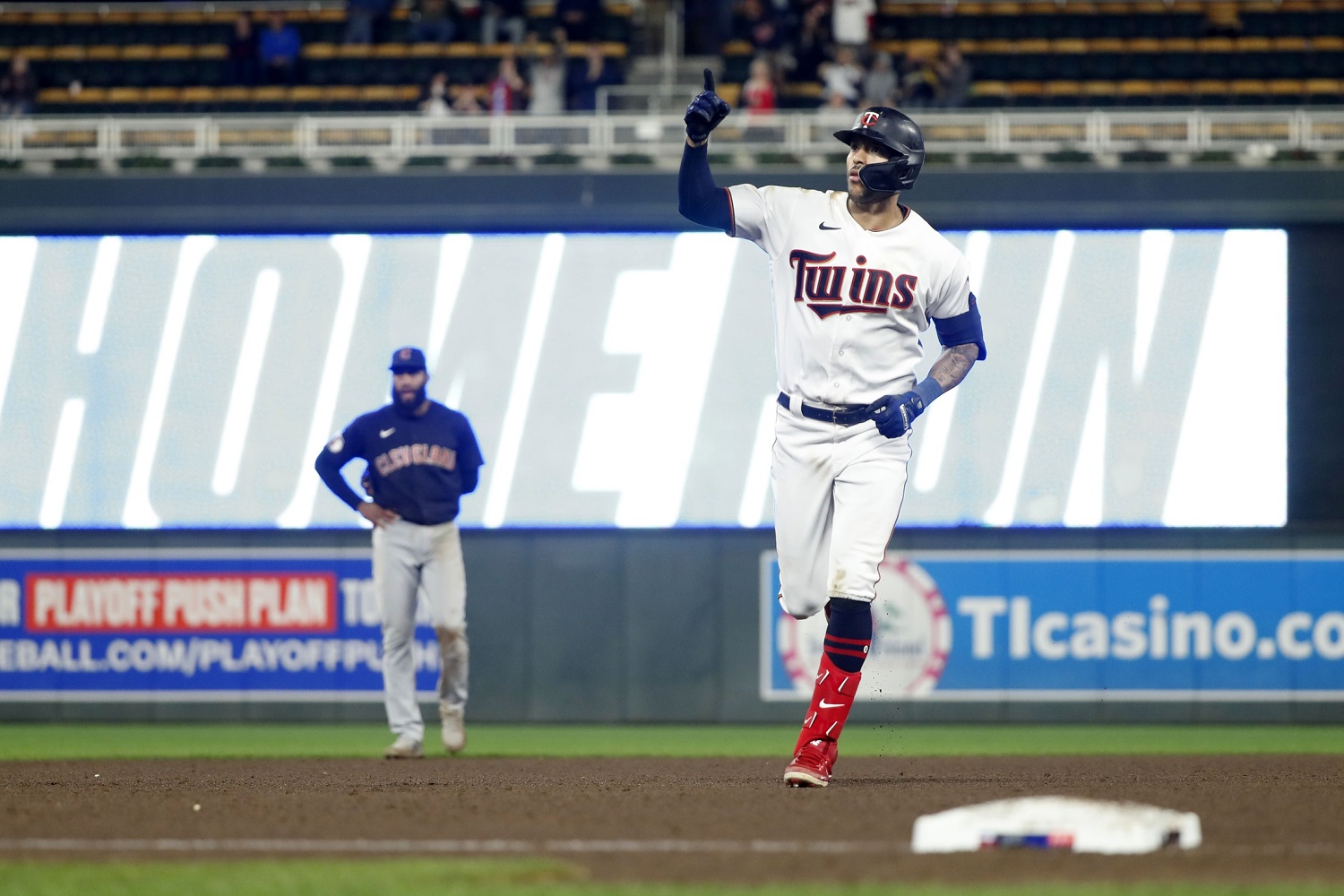 Most franchises have seasons a fanbase can remember fondly for how their team fought to the season's final days. The Twins are no stranger to some late-season comebacks, and younger fans may have forgotten about the below-mentioned runs. In September, the current Twins team is facing its largest deficit in the division so far in 2022. Minnesota is running out of games to win the AL Central, but so were these three teams. 2006 Twins (96-66) Farthest Behind: 12.5 Games (May 27) September Deficit: 5 Games with 23 Remaining (September 7) The 2006 Twins only spent four total days in first place, but the club was on the top of the standings when it mattered most. With 96 wins, Minnesota already headed to the postseason, but that didn't take away from the drama. In the season's final series, the Twins lost the first two games against Chicago to make things more interesting. Minnesota won their final game, but fans refused to leave the Metrodome as the division title was still up for grabs. The Tigers and Royals headed to extra-innings, and the fans and players could watch the final innings on the stadium's screens. Detroit entered the day tied with the Twins, but the 100-loss Royals put up a final day fight. Kansas City eventually won in 12 innings, and the Twins stormed the field before taking a victory lap. 2008 Twins (88-75) Farthest Behind: 6 Games (June 10) September Deficit: 2.5 Games with 6 Remaining (September 21) Minnesota made up three games in three days to enter the season's final weekend up a half-game on the White Sox. Unfortunately, the Twins couldn't take advantage of facing the Royals in the season's final series and ended up tied with Chicago. Everything came down to a Game 163 where future Twin Jim Thome hit a home run that accounted for the game's lone run. It was a brutal ending after a thrilling race to the division's top, but the Twins put themselves in a position to win the Central. During the 2022 season, there will be no tie-breaker games, so the Twins need to win the head-to-head match-up with the Guardians. Entering play this weekend, Minnesota has gone 5-9 versus Cleveland, so the Twins need a five-game sweep to take the season series. 2009 Twins (87-76) Farthest Behind: 7 Games (September 6) September Deficit: 7 Games with 26 Remaining(September 6) Minnesota saved their longest winning streak for the season's final month with six straight wins from September 13-19. For the second consecutive year, the Twins ended the season with a series versus the Royals, but this time the Twins needed a sweep to force a decisive tie-breaker game. Detroit and Minnesota played one of the most memorable games in team history as Alexi Casilla's one-out single in the bottom of the 12th inning scored Carlos Gomez. Minnesota went on to be swept by the Yankees, but the Tigers didn't reach the postseason, and fans were left with one final Metrodome memory. Like the seasons mentioned above, Kansas City will play a role in deciding who eventually wins the AL Central. Because of the lockout, Cleveland's final six games are all at home against the Royals. It looks like Kansas City doesn't have much fight in them if the Twins recently concluded series is any indication. Minnesota will likely need KC to win multiple games in the season's final week for more Minnesota magic to unfold. Do you think the Twins still have a chance to win the division? Leave a COMMENT and start the discussion.
 -
Throughout Twins history, there have been mutiple seasons where the team has overcome seemingly insurmountable odds to win the AL Central. Can the current roster find some Minnesota magic and surge back into contention? Image courtesy of Bruce Kluckhohn-USA TODAY Sports Most franchises have seasons a fanbase can remember fondly for how their team fought to the season's final days. The Twins are no stranger to some late-season comebacks, and younger fans may have forgotten about the below-mentioned runs. In September, the current Twins team is facing its largest deficit in the division so far in 2022. Minnesota is running out of games to win the AL Central, but so were these three teams. 2006 Twins (96-66) Farthest Behind: 12.5 Games (May 27) September Deficit: 5 Games with 23 Remaining (September 7) The 2006 Twins only spent four total days in first place, but the club was on the top of the standings when it mattered most. With 96 wins, Minnesota already headed to the postseason, but that didn't take away from the drama. In the season's final series, the Twins lost the first two games against Chicago to make things more interesting. Minnesota won their final game, but fans refused to leave the Metrodome as the division title was still up for grabs. The Tigers and Royals headed to extra-innings, and the fans and players could watch the final innings on the stadium's screens. Detroit entered the day tied with the Twins, but the 100-loss Royals put up a final day fight. Kansas City eventually won in 12 innings, and the Twins stormed the field before taking a victory lap. 2008 Twins (88-75) Farthest Behind: 6 Games (June 10) September Deficit: 2.5 Games with 6 Remaining (September 21) Minnesota made up three games in three days to enter the season's final weekend up a half-game on the White Sox. Unfortunately, the Twins couldn't take advantage of facing the Royals in the season's final series and ended up tied with Chicago. Everything came down to a Game 163 where future Twin Jim Thome hit a home run that accounted for the game's lone run. It was a brutal ending after a thrilling race to the division's top, but the Twins put themselves in a position to win the Central. During the 2022 season, there will be no tie-breaker games, so the Twins need to win the head-to-head match-up with the Guardians. Entering play this weekend, Minnesota has gone 5-9 versus Cleveland, so the Twins need a five-game sweep to take the season series. 2009 Twins (87-76) Farthest Behind: 7 Games (September 6) September Deficit: 7 Games with 26 Remaining(September 6) Minnesota saved their longest winning streak for the season's final month with six straight wins from September 13-19. For the second consecutive year, the Twins ended the season with a series versus the Royals, but this time the Twins needed a sweep to force a decisive tie-breaker game. Detroit and Minnesota played one of the most memorable games in team history as Alexi Casilla's one-out single in the bottom of the 12th inning scored Carlos Gomez. Minnesota went on to be swept by the Yankees, but the Tigers didn't reach the postseason, and fans were left with one final Metrodome memory. Like the seasons mentioned above, Kansas City will play a role in deciding who eventually wins the AL Central. Because of the lockout, Cleveland's final six games are all at home against the Royals. It looks like Kansas City doesn't have much fight in them if the Twins recently concluded series is any indication. Minnesota will likely need KC to win multiple games in the season's final week for more Minnesota magic to unfold. Do you think the Twins still have a chance to win the division? Leave a COMMENT and start the discussion. View full article
- 4 replies
-
- 1
-

-
- carlos gomez
- alexi casilla
- (and 1 more)
-
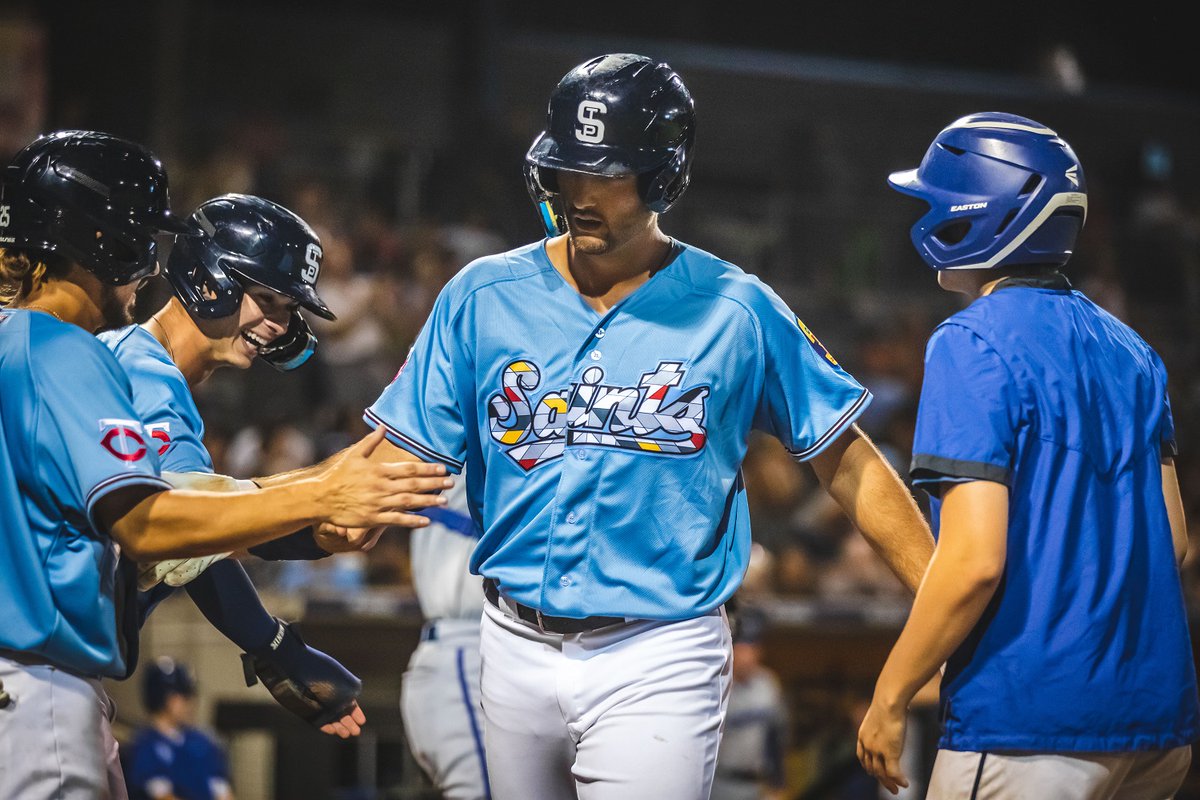 It's no secret that Minnesota has struggled in recent months with mounting injuries and replacement-level players trying to keep the Twins in the AL Central race. August was one of Minnesota's worst offensive months of the season, with a .385 SLG and a .701 OPS. Things haven't improved since the calendar turned to September, with the team hitting .251/.307/.377 (.684) entering play this weekend. Many of the team's offensive struggles are tied to the players the Twins have been forced to use in September. The team assumed Trevor Larnach would be back in the line-up, but his recovery has taken longer than expected. Minnesota's current corner outfield options include Max Kepler, Nick Gordon, Gilberto Celestino, Jake Cave, and Kyle Garlick. All of those players can succeed if used in favorable match-ups, but one of the team's best offensive options has been destroying the ball at Triple-A. In his age-24 season, Matt Wallner started the year at Double-A, where he destroyed the ball over his first 78 games. He hit .299/.436/.597 (1.033) while being slightly younger than the average age of the competition in the Texas League. At midseason, he was elected to the Futures Game, and he showcased his power with a home run during the game. Many national outlets started to notice, and he rose on prospect rankings. On their midseason list, MLB Pipeline named Wallner the fifth best prospect in the Twins organization. Shortly after the Futures Game, Minnesota promoted Wallner to Triple-A, and there were a few struggles with the transition. In his first ten games, he went 4-for-38 (.105 BA) with no extra-base hits and 16 strikeouts. From there, he started to find his swing. In 39 games from August 2-September 15, he hit .289/.414/.564 (.978) with 17 doubles, three triples, and six home runs. Wallner was also able to record the first cycle in Saints' history. As a left-handed hitter, the Twins may not have a perfect spot for Wallner to slide into the line-up and get regular playing time. Many of the team's other outfield options are left-handed, but Wallner has found success against righties and lefties this season. During 2022, Wallner has posted a .949 OPS against right-handed pitchers and a .979 OPS against left-handed hurlers. He's also done this while facing older pitchers in nearly 72% of his plate appearances. His bat seems ready for the big-league level, but the team isn't calling him up. Some might argue that the Twins are playing a service time game with Wallner, but the team is in contention, and his bat can help. As a college draftee, Minnesota will have team control over Wallner for the prime of his career, so service time shouldn't be an issue. The team also has players on the bench, like Caleb Hamilton and Billy Hamilton, that aren't getting regular playing time. Wallner can help the Twins, and he should already be on the roster. Do you think the Twins will call up Wallner? Leave a COMMENT and start the discussion.
 -
Minnesota's offense hasn't exactly been clicking on all cylinders in recent weeks, while one of the organization's top prospects is hitting well at Triple-A. So, why haven't the Twins called up Matt Wallner? Image courtesy of Rob Thompson, St. Paul Saints It's no secret that Minnesota has struggled in recent months with mounting injuries and replacement-level players trying to keep the Twins in the AL Central race. August was one of Minnesota's worst offensive months of the season, with a .385 SLG and a .701 OPS. Things haven't improved since the calendar turned to September, with the team hitting .251/.307/.377 (.684) entering play this weekend. Many of the team's offensive struggles are tied to the players the Twins have been forced to use in September. The team assumed Trevor Larnach would be back in the line-up, but his recovery has taken longer than expected. Minnesota's current corner outfield options include Max Kepler, Nick Gordon, Gilberto Celestino, Jake Cave, and Kyle Garlick. All of those players can succeed if used in favorable match-ups, but one of the team's best offensive options has been destroying the ball at Triple-A. In his age-24 season, Matt Wallner started the year at Double-A, where he destroyed the ball over his first 78 games. He hit .299/.436/.597 (1.033) while being slightly younger than the average age of the competition in the Texas League. At midseason, he was elected to the Futures Game, and he showcased his power with a home run during the game. Many national outlets started to notice, and he rose on prospect rankings. On their midseason list, MLB Pipeline named Wallner the fifth best prospect in the Twins organization. Shortly after the Futures Game, Minnesota promoted Wallner to Triple-A, and there were a few struggles with the transition. In his first ten games, he went 4-for-38 (.105 BA) with no extra-base hits and 16 strikeouts. From there, he started to find his swing. In 39 games from August 2-September 15, he hit .289/.414/.564 (.978) with 17 doubles, three triples, and six home runs. Wallner was also able to record the first cycle in Saints' history. As a left-handed hitter, the Twins may not have a perfect spot for Wallner to slide into the line-up and get regular playing time. Many of the team's other outfield options are left-handed, but Wallner has found success against righties and lefties this season. During 2022, Wallner has posted a .949 OPS against right-handed pitchers and a .979 OPS against left-handed hurlers. He's also done this while facing older pitchers in nearly 72% of his plate appearances. His bat seems ready for the big-league level, but the team isn't calling him up. Some might argue that the Twins are playing a service time game with Wallner, but the team is in contention, and his bat can help. As a college draftee, Minnesota will have team control over Wallner for the prime of his career, so service time shouldn't be an issue. The team also has players on the bench, like Caleb Hamilton and Billy Hamilton, that aren't getting regular playing time. Wallner can help the Twins, and he should already be on the roster. Do you think the Twins will call up Wallner? Leave a COMMENT and start the discussion. View full article
-
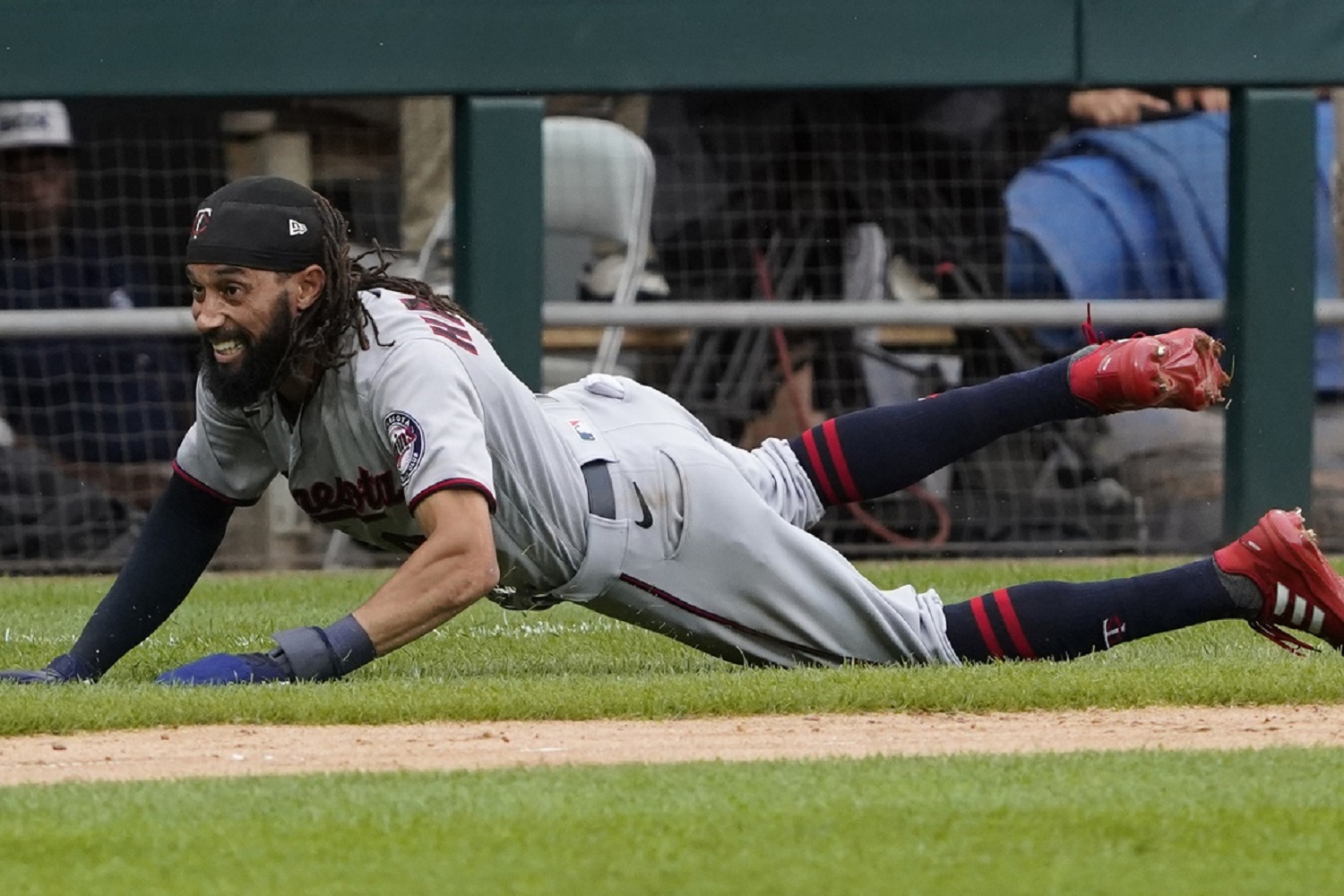 Nearly every baseball fan base will suffer frustration in any given season. Only one team walks away with the World Series title, and even the best clubs go through slides in a 162-game season. Minnesota still has a small window to reach the postseason, but it will take a tremendous turnaround from a very injured roster. So, what makes this season more frustrating than last year? Early-Season Success Most national projections had the Twins as the second-best team in the AL Central going into the season. Minnesota's early success masked the fact that the club was likely heading for a .500 record. Obviously, projections can be taken with a grain of salt, but the Twins' early season success changed the team's outlook. The AL Central was a mess, and it looked like the Twins had an opportunity to capitalize on one of baseball's worst divisions. During the 2021 season, the team was out of playoff contention by the end of the season's first month. While this was frustrating, it was easier for fans not to get wrapped up in the team's poor play for the remainder of the year. Trade Deadline Success and Failure As July ended, the Twins were playing poorly, but they still sat at the top of the AL Central. Even so, the front office went into the trade deadline looking to add pieces to the roster. For the first time under this regime, it felt like the front office was trying to set the Twins up for second-half success and a possible playoff run. On paper, the players acquired at the deadline looked like a success, but it has turned into a failure. Tyler Mahle is injured, and likely won't pitch again in 2022. Jorge Lopez hasn't been a dominant reliever with the Twins while being pushed out of the closer role. Ideally, both players would lead Minnesota to a division title, which adds to fans' frustration when they aren't meeting expectations. Mounting Injuries Last season, it didn't matter if there were injured players because the Twins were out of contention. Every team deals with injuries, but they have been catastrophic for the 2022 Twins. Injuries have become the theme for Minnesota as the club has put more players on the injured list than any other American League team. This has to be frustrating for the coaching staff because it feels like the team is playing without a full deck. It becomes easy to point fingers when a club isn't performing as expected, but the Twins can field a full roster of currently injured players. Not Meeting Injury Timelines Another frustration related to injuries is how frequently the club has been wrong about timelines for players to return. It has been standard practice for teams to provide an injury timeline when a player goes on the IL. Unfortunately, the club has placed numerous players on the IL, but they haven't seemed to be able to get return timelines correct for multiple seasons. Traditionally, Minnesota has been conservative with their provided injury timelines, so one would hope the players could meet those timelines. For fans, this can add to frustration levels because there is an expectation that the team will improve when players get back on the field. Ultimately, the 2022 season has been frustrating for everything involved with the Twins. Fans have every right to be frustrated as the club has squandered an opportunity for a third division title in the last four seasons. Do you think the 2022 season has been more frustrating than 2021? Leave a COMMENT and start the discussion.
- 36 comments
-
- 1
-
-
- rocco baldelli
- thad levine
- (and 1 more)
-
Twins fans have been left frustrated at the end of the last two seasons, but for entirely different reasons. Here are four reasons why the 2022 season is more frustrating than last year. Image courtesy of David Banks-USA TODAY Sports Nearly every baseball fan base will suffer frustration in any given season. Only one team walks away with the World Series title, and even the best clubs go through slides in a 162-game season. Minnesota still has a small window to reach the postseason, but it will take a tremendous turnaround from a very injured roster. So, what makes this season more frustrating than last year? Early-Season Success Most national projections had the Twins as the second-best team in the AL Central going into the season. Minnesota's early success masked the fact that the club was likely heading for a .500 record. Obviously, projections can be taken with a grain of salt, but the Twins' early season success changed the team's outlook. The AL Central was a mess, and it looked like the Twins had an opportunity to capitalize on one of baseball's worst divisions. During the 2021 season, the team was out of playoff contention by the end of the season's first month. While this was frustrating, it was easier for fans not to get wrapped up in the team's poor play for the remainder of the year. Trade Deadline Success and Failure As July ended, the Twins were playing poorly, but they still sat at the top of the AL Central. Even so, the front office went into the trade deadline looking to add pieces to the roster. For the first time under this regime, it felt like the front office was trying to set the Twins up for second-half success and a possible playoff run. On paper, the players acquired at the deadline looked like a success, but it has turned into a failure. Tyler Mahle is injured, and likely won't pitch again in 2022. Jorge Lopez hasn't been a dominant reliever with the Twins while being pushed out of the closer role. Ideally, both players would lead Minnesota to a division title, which adds to fans' frustration when they aren't meeting expectations. Mounting Injuries Last season, it didn't matter if there were injured players because the Twins were out of contention. Every team deals with injuries, but they have been catastrophic for the 2022 Twins. Injuries have become the theme for Minnesota as the club has put more players on the injured list than any other American League team. This has to be frustrating for the coaching staff because it feels like the team is playing without a full deck. It becomes easy to point fingers when a club isn't performing as expected, but the Twins can field a full roster of currently injured players. Not Meeting Injury Timelines Another frustration related to injuries is how frequently the club has been wrong about timelines for players to return. It has been standard practice for teams to provide an injury timeline when a player goes on the IL. Unfortunately, the club has placed numerous players on the IL, but they haven't seemed to be able to get return timelines correct for multiple seasons. Traditionally, Minnesota has been conservative with their provided injury timelines, so one would hope the players could meet those timelines. For fans, this can add to frustration levels because there is an expectation that the team will improve when players get back on the field. Ultimately, the 2022 season has been frustrating for everything involved with the Twins. Fans have every right to be frustrated as the club has squandered an opportunity for a third division title in the last four seasons. Do you think the 2022 season has been more frustrating than 2021? Leave a COMMENT and start the discussion. View full article
-
Minnesota’s Other Breakout Pitching Prospect
Cody Christie posted a topic in Twins Minor League Talk
Louie Varland is getting a lot of attention this season, especially with his performance in the upper minors. Another pitcher from Varland’s draft class is also putting his name on the prospect map. Image courtesy of Ed Bailey, Wichita Wind Surge Twins fans know Louie Varland after his impressive debut at Yankee Stadium. He’s the organization’s reigning minor league pitcher of the year, but he might not have gotten the respect he deserved entering the season. Many Twins rankings didn’t have him in the organization’s top-10, and another prospect may be following his path to the big leagues. Drafting and developing pitching is one of the critical strategies for teams to keep their winning window open as long as possible. Varland was a 15th-round pick in 2019, and the Twins have developed him into a legitimate starting pitching prospect. Picks later in the draft can allow for some sneaky value, and Brent Headrick fits that mold. The Twins drafted Headrick in the 9th round of the 2019 MLB Draft from Illinois State University. It was tough to know what to expect from Headrick as he posted a 6.40 ERA as a sophomore. Following that season, he headed to the Northwoods Summer League and had a 2.63 ERA with 35 strikeouts in 27 1/3 innings. Some of those positives translated to his junior season, where he posted a 10.8 K/9 with a 1.09 WHIP. Minnesota saw potential and selected him later in the draft. Entering the 2021 season, Headrick was limited to three professional appearances because of the missing 2020 campaign. Minnesota sent him to Fort Myers in 2021, where he was over a year older than the average age of the competition at that level. In 15 appearances, he posted a 3.82 ERA with a 12.6 K/9 over 61 1/3 innings. His biggest issue was allowing more than a hit per inning, resulting in a 1.58 WHIP. Luckily, Headrick has made vast improvements in 2022. Headrick started the year by dominating at High-A, where he posted a 2.34 ERA with a 0.89 WHIP in 15 starts. He significantly reduced the number of hits per nine from 9.3 H/9 in 2021 to 7.3 H/9 in 2022. Since being promoted to Double-A, his strikeout rate has improved to 12.2 K/9, and he is slightly younger than the competition for the first time in his career. Only one Twins prospect has struck out more batters than Headrick this season. Varland has accumulated 146 strikeouts in 126 1/3 innings, while Headrick has 130 strikeouts in 104 1/3 innings. For the season, his 11.2 K/9 is the highest among Twins prospects who have pitched at least 80 innings. Headrick is one of a handful of Twins prospects who will pitch more than 100 innings this season, and he is making the most of his time on the mound. Headrick won’t finish the season ranked as highly as Varland, but he is having a standout performance while other top prospects struggle. He should enter next season as one of the team’s top-30 prospects with a chance to prove himself in the upper minors. His ceiling may be a back-end of the rotation starter, but that can provide value to a Twins organization that has recently filled those spots with veterans. Keep your eye on Headrick in 2023 and beyond. What are your thoughts on Headricks’ performance so far in 2022? What is his ceiling? Leave a COMMENT and start the discussion. View full article -
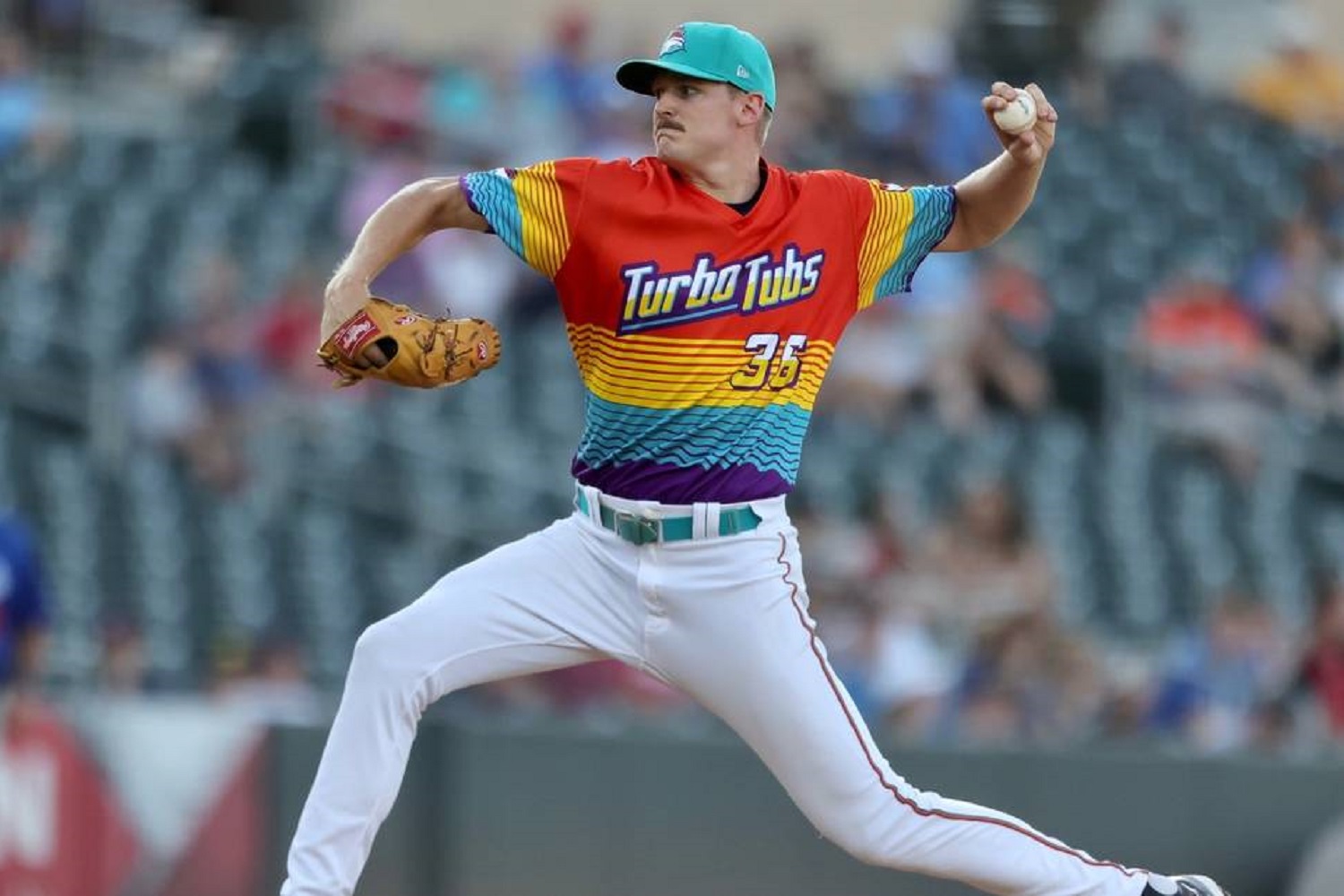 Twins fans know Louie Varland after his impressive debut at Yankee Stadium. He’s the organization’s reigning minor league pitcher of the year, but he might not have gotten the respect he deserved entering the season. Many Twins rankings didn’t have him in the organization’s top-10, and another prospect may be following his path to the big leagues. Drafting and developing pitching is one of the critical strategies for teams to keep their winning window open as long as possible. Varland was a 15th-round pick in 2019, and the Twins have developed him into a legitimate starting pitching prospect. Picks later in the draft can allow for some sneaky value, and Brent Headrick fits that mold. The Twins drafted Headrick in the 9th round of the 2019 MLB Draft from Illinois State University. It was tough to know what to expect from Headrick as he posted a 6.40 ERA as a sophomore. Following that season, he headed to the Northwoods Summer League and had a 2.63 ERA with 35 strikeouts in 27 1/3 innings. Some of those positives translated to his junior season, where he posted a 10.8 K/9 with a 1.09 WHIP. Minnesota saw potential and selected him later in the draft. Entering the 2021 season, Headrick was limited to three professional appearances because of the missing 2020 campaign. Minnesota sent him to Fort Myers in 2021, where he was over a year older than the average age of the competition at that level. In 15 appearances, he posted a 3.82 ERA with a 12.6 K/9 over 61 1/3 innings. His biggest issue was allowing more than a hit per inning, resulting in a 1.58 WHIP. Luckily, Headrick has made vast improvements in 2022. Headrick started the year by dominating at High-A, where he posted a 2.34 ERA with a 0.89 WHIP in 15 starts. He significantly reduced the number of hits per nine from 9.3 H/9 in 2021 to 7.3 H/9 in 2022. Since being promoted to Double-A, his strikeout rate has improved to 12.2 K/9, and he is slightly younger than the competition for the first time in his career. Only one Twins prospect has struck out more batters than Headrick this season. Varland has accumulated 146 strikeouts in 126 1/3 innings, while Headrick has 130 strikeouts in 104 1/3 innings. For the season, his 11.2 K/9 is the highest among Twins prospects who have pitched at least 80 innings. Headrick is one of a handful of Twins prospects who will pitch more than 100 innings this season, and he is making the most of his time on the mound. Headrick won’t finish the season ranked as highly as Varland, but he is having a standout performance while other top prospects struggle. He should enter next season as one of the team’s top-30 prospects with a chance to prove himself in the upper minors. His ceiling may be a back-end of the rotation starter, but that can provide value to a Twins organization that has recently filled those spots with veterans. Keep your eye on Headrick in 2023 and beyond. What are your thoughts on Headricks’ performance so far in 2022? What is his ceiling? Leave a COMMENT and start the discussion.
 -
Minnesota may have fallen out of playoff contention over the last week, but many of the club’s affiliated teams will be vying for postseason championships. Here are some of the prospects to watch in the days ahead. Image courtesy of Steve Buhr, Twins Daily On Sunday, the High- and Low-A regular seasons came to a close. Luckily, both of Minnesota’s affiliates qualified for the postseason, and they will begin play on Tuesday. In the Midwest League, the Cedar Rapids Kernels face the South Bend Cubs in a semifinal round. For the Florida State League, the Fort Myers Mighty Mussels square off against the Dunedin Blue Jays. Multiple names below will be getting their first taste of postseason action. Cedar Rapids Prospects To Watch Brooks Lee, SS (TD No. 2) Lee has already impressed during his professional career after being taken as a top-10 pick in June. The Twins had him skip Low-A and head directly to High-A. In 25 games, he posted a .848 OPS with four doubles and four home runs. An argument can be made that he is the organization’s best prospect, and now he has a chance to prove it on a big stage. David Festa, RHP (TD No. 13) Festa was a 13th-round pick in the 2021 MLB Draft, but his stock has risen significantly over the last year. Between Low- and High-A, he has a 2.43 ERA with a 1.09 WHIP and a 108-to-34 strikeout to walk ratio. Festa is a year younger than the average age of the competition in the Midwest League, and the team will ask him to get some big outs if they make a September run. Kernels Expected Starters Game 1: David Festa Game 2: Travis Adams Game 3: Jaylen Nowlin Fort Myers Prospects To Watch Noah Miller, SS (TD No. 7) Minnesota took Miller with the 36th overall pick in the 2021 MLB Draft out of high school in Wisconsin. During the 2022 season, he was over two years younger than the average age of the competition in the FSL. Miller lacked power production during his first full professional season, but the playoffs offer a new opportunity. He has the potential to be one of the team’s top prospects by 2024. Marco Raya, RHP (TD No. 8) Raya was Minnesota’s first draft pick from high school in 2020 as the team took him in the fourth round. As a teenager in the FSL, over 82% of his plate appearances have come against older batters. In 19 appearances (65 innings), he has a 3.05 ERA with a 1.08 WHIP and 10.5 K/9. He missed time at the beginning of August, so he has averaged less than four innings per start in September. Tanner Schobel, SS (TD No. 18) Schobel was Minnesota’s second-round pick in 2022 from Virginia Tech, where he had a .980 OPS in three seasons. He hit 18 doubles and 19 home runs during his final collegiate season. As a professional, he has been limited to a .651 OPS with five extra-base hits in 32 games. Hopefully, his college experience shines through in the postseason. Kala’i Rosario, OF (TD No. 20) Like Raya, the Twins took Rosario out of high school in the 2020 MLB Draft. As a regular in the Mussels line-up, he has hit .239/.320/.408 (.727) with 21 doubles, three triples, and 12 home runs. His numbers are even more impressive, considering that nearly 90% of his plate appearances have come against older pitchers. Mighty Mussels Expected Starters Game 1: Pierson Ohl Game 2: Marco Raya Game 3: Jordan Carr Obviously, any player can shine under the postseason spotlight, but big players step up in critical games. Will any of the names above lead their teams to championships? Who are you looking forward to watching? Leave a COMMENT and start the discussion. View full article
-
Multiple Twins Top Prospects Vying for Postseason Rings
Cody Christie posted an article in Minor Leagues
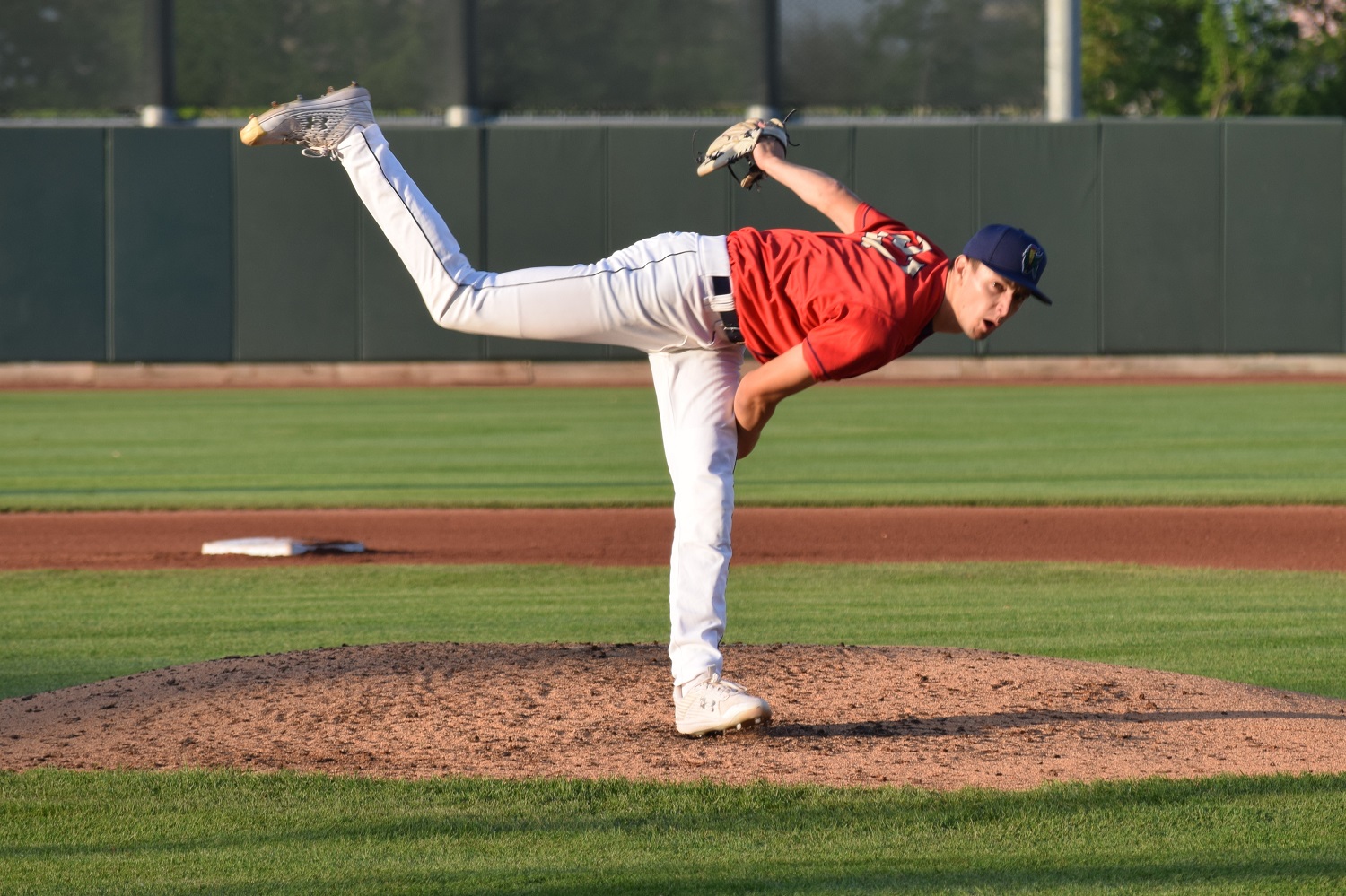 On Sunday, the High- and Low-A regular seasons came to a close. Luckily, both of Minnesota’s affiliates qualified for the postseason, and they will begin play on Tuesday. In the Midwest League, the Cedar Rapids Kernels face the South Bend Cubs in a semifinal round. For the Florida State League, the Fort Myers Mighty Mussels square off against the Dunedin Blue Jays. Multiple names below will be getting their first taste of postseason action. Cedar Rapids Prospects To Watch Brooks Lee, SS (TD No. 2) Lee has already impressed during his professional career after being taken as a top-10 pick in June. The Twins had him skip Low-A and head directly to High-A. In 25 games, he posted a .848 OPS with four doubles and four home runs. An argument can be made that he is the organization’s best prospect, and now he has a chance to prove it on a big stage. David Festa, RHP (TD No. 13) Festa was a 13th-round pick in the 2021 MLB Draft, but his stock has risen significantly over the last year. Between Low- and High-A, he has a 2.43 ERA with a 1.09 WHIP and a 108-to-34 strikeout to walk ratio. Festa is a year younger than the average age of the competition in the Midwest League, and the team will ask him to get some big outs if they make a September run. Kernels Expected Starters Game 1: David Festa Game 2: Travis Adams Game 3: Jaylen Nowlin Fort Myers Prospects To Watch Noah Miller, SS (TD No. 7) Minnesota took Miller with the 36th overall pick in the 2021 MLB Draft out of high school in Wisconsin. During the 2022 season, he was over two years younger than the average age of the competition in the FSL. Miller lacked power production during his first full professional season, but the playoffs offer a new opportunity. He has the potential to be one of the team’s top prospects by 2024. Marco Raya, RHP (TD No. 8) Raya was Minnesota’s first draft pick from high school in 2020 as the team took him in the fourth round. As a teenager in the FSL, over 82% of his plate appearances have come against older batters. In 19 appearances (65 innings), he has a 3.05 ERA with a 1.08 WHIP and 10.5 K/9. He missed time at the beginning of August, so he has averaged less than four innings per start in September. Tanner Schobel, SS (TD No. 18) Schobel was Minnesota’s second-round pick in 2022 from Virginia Tech, where he had a .980 OPS in three seasons. He hit 18 doubles and 19 home runs during his final collegiate season. As a professional, he has been limited to a .651 OPS with five extra-base hits in 32 games. Hopefully, his college experience shines through in the postseason. Kala’i Rosario, OF (TD No. 20) Like Raya, the Twins took Rosario out of high school in the 2020 MLB Draft. As a regular in the Mussels line-up, he has hit .239/.320/.408 (.727) with 21 doubles, three triples, and 12 home runs. His numbers are even more impressive, considering that nearly 90% of his plate appearances have come against older pitchers. Mighty Mussels Expected Starters Game 1: Pierson Ohl Game 2: Marco Raya Game 3: Jordan Carr Obviously, any player can shine under the postseason spotlight, but big players step up in critical games. Will any of the names above lead their teams to championships? Who are you looking forward to watching? Leave a COMMENT and start the discussion.
- 3 comments
-
- 1
-
-
- brooks lee
- david festa
- (and 3 more)
-
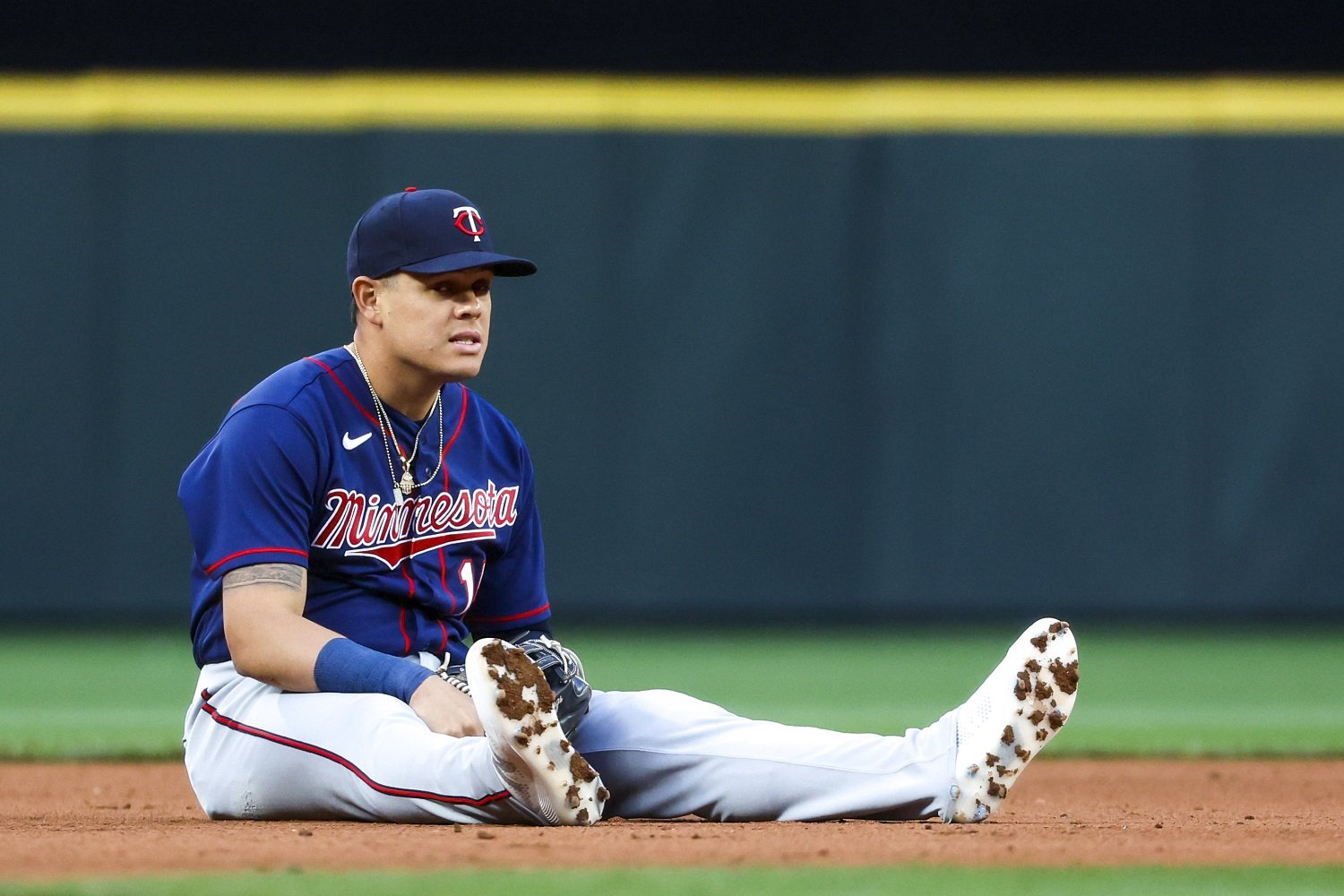 Baseball's grueling 162-game season is something that sets it apart from the other major sports leagues. A team can play well for a short period, but flaws become evident as a team deals with the up-and-down nature of a long season. Minnesota's flaws showed themselves in the season's second half, but the team might end up where they were supposed to be from the beginning. Entering the 2022 season, many projection systems had the Twins pegged to finish around the .500 mark. FanGraphs projected the Twins to finish 82-80, which translated to a second-place finish in the AL Central behind the White Sox. After finishing in last place in 2021, this was quite the jump for a team that didn't make significant upgrades in the offseason. Carlos Correa's signing changed the vibe surrounding the team, but one player can't push a team to playoff contention. The Twins early season success changed many fans' expectations for where the team was heading in 2022. Minnesota finished the season's first two months with a 30-21 record (.588 W-L%) as they looked like one of baseball's best teams. Byron Buxton was off to an MVP start, and Luis Arraez seemed to be able to put any ball in play. All the right buttons were being pushed, and it looked like the Twins could walk to the AL Central title. June and July didn't go as smoothly for the Twins as the team posted a sub .500 record in both months. Minnesota's bullpen issues became apparent, and injuries started to mount with all parts of the roster. With the trade deadline approaching, the front office had a clear shopping list, with the team needing multiple relievers and a frontline starting pitcher. Luckily, the team could cross all these needs off their list, but not all the moves have panned out as planned. Tyler Mahle was the team's biggest tradeline acquisition, and a shoulder injury has limited him to four starts with the Twins. Since being acquired, he has spent more time on the injured list than on the active roster. Jorge Lopez was the best reliever acquired at the deadline as the tea immediately gave him the closer role. In his Twins tenure, he has posted a negative WPA, and Minnesota has moved him to a lower-leverage role. Michael Fulmer has performed the best out of trade deadline acquisitions with a 3.24 ERA with 18 strikeouts in 16 2/3 innings. Minnesota's front office used prospect capital to keep the team in the AL Central race, and mounting injuries have hindered that progress. Every team deals with injuries, but few teams have faced the number of injuries the Twins have accrued in 2022. Minnesota has put more players on the injured list than any other American League team. In fact, the Twins can create a competitive roster with the players currently on the injured list. When Minnesota was playing well, the team could hide injuries with solid performances from other players. Now, injuries will be the team's theme for the 2022 season, and those concerns will follow the club throughout the offseason. There have been exciting moments for the 2022 Twins with early surprises and some strong performances. However, this team looks more likely to finish the season around .500 with double-digit players on the injured list. In the offseason, there will be time to reevaluate the club's future direction, but for now, the team has taken the long road back to mediocrity. Do you think the Twins will finish the season with a .500 record? Leave a COMMENT and start the discussion.
- 13 comments
-
- 1
-
-
- tyler mahle
- jorge lopez
- (and 1 more)
-
Minnesota's strong start to the season changed expectations for the 2022 campaign. However, the club might have just taken the long route to return to being a .500 team. Image courtesy of Joe Nicholson-USA TODAY Sports Baseball's grueling 162-game season is something that sets it apart from the other major sports leagues. A team can play well for a short period, but flaws become evident as a team deals with the up-and-down nature of a long season. Minnesota's flaws showed themselves in the season's second half, but the team might end up where they were supposed to be from the beginning. Entering the 2022 season, many projection systems had the Twins pegged to finish around the .500 mark. FanGraphs projected the Twins to finish 82-80, which translated to a second-place finish in the AL Central behind the White Sox. After finishing in last place in 2021, this was quite the jump for a team that didn't make significant upgrades in the offseason. Carlos Correa's signing changed the vibe surrounding the team, but one player can't push a team to playoff contention. The Twins early season success changed many fans' expectations for where the team was heading in 2022. Minnesota finished the season's first two months with a 30-21 record (.588 W-L%) as they looked like one of baseball's best teams. Byron Buxton was off to an MVP start, and Luis Arraez seemed to be able to put any ball in play. All the right buttons were being pushed, and it looked like the Twins could walk to the AL Central title. June and July didn't go as smoothly for the Twins as the team posted a sub .500 record in both months. Minnesota's bullpen issues became apparent, and injuries started to mount with all parts of the roster. With the trade deadline approaching, the front office had a clear shopping list, with the team needing multiple relievers and a frontline starting pitcher. Luckily, the team could cross all these needs off their list, but not all the moves have panned out as planned. Tyler Mahle was the team's biggest tradeline acquisition, and a shoulder injury has limited him to four starts with the Twins. Since being acquired, he has spent more time on the injured list than on the active roster. Jorge Lopez was the best reliever acquired at the deadline as the tea immediately gave him the closer role. In his Twins tenure, he has posted a negative WPA, and Minnesota has moved him to a lower-leverage role. Michael Fulmer has performed the best out of trade deadline acquisitions with a 3.24 ERA with 18 strikeouts in 16 2/3 innings. Minnesota's front office used prospect capital to keep the team in the AL Central race, and mounting injuries have hindered that progress. Every team deals with injuries, but few teams have faced the number of injuries the Twins have accrued in 2022. Minnesota has put more players on the injured list than any other American League team. In fact, the Twins can create a competitive roster with the players currently on the injured list. When Minnesota was playing well, the team could hide injuries with solid performances from other players. Now, injuries will be the team's theme for the 2022 season, and those concerns will follow the club throughout the offseason. There have been exciting moments for the 2022 Twins with early surprises and some strong performances. However, this team looks more likely to finish the season around .500 with double-digit players on the injured list. In the offseason, there will be time to reevaluate the club's future direction, but for now, the team has taken the long road back to mediocrity. Do you think the Twins will finish the season with a .500 record? Leave a COMMENT and start the discussion. View full article
-
Minnesota was ecstatic to have Brooks Lee fall to them with the 8th overall pick in the 2022 MLB Draft. Now, he's proving that other teams might have been wrong to leave him on the board that long. Image courtesy of Steve Buhr, Twins Daily MLB scouting departments have followed Brooks Lee since he was a high schooler in California. As the son of Cal Poly's head coach Larry Lee, he has grown up around baseball. In the 2019 MLB Draft, he fell to the 35th round because teams knew he wanted to play in college for his dad. Unfortunately, the pandemic limited his first college season, and he suffered an injury that required knee and hamstring surgery. In 2021, Lee returned and showed why he had been a highly ranked high school prospect. He hit .342/.384/.626 (1.010) with 27 doubles, three triples, and ten home runs in 55 games. Lee also showed tremendous control of the strike zone with a 34-to-18 strikeout to walk ratio. He was named the co-Big West Player of the Year at the season's end. After the season, he headed to the Cape Cod League and continued to hit with a 1.099 OPS. This performance helped improve his draft stock because this league utilizes wood bats, and it didn't stop Lee from putting up strong numbers. It's hard to imagine, but Lee performed better during his junior year, establishing himself as the best college bat in the 2022 draft class. In 58 games, he hit .357/.462/.664 (1.125) with 25 doubles and 15 home runs. Some felt he should be a top-3 pick in the draft, so it was surprising that he fell to the Twins with the eighth overall selection. Another team's loss is Minnesota's gain, as he is already showing his potential in his first professional season. Minnesota has been aggressive with Lee as the team promoted him to High-A after only four games in rookie ball. Since arriving in Cedar Rapids, he has hit .297/.391/.473 (.863) with four doubles and four home runs. Even as a college draftee, he is over a year younger than the average age of the competition at his level, with over 73% of his at-bats coming against older pitchers. It's a small sample size, but Lee is already showcasing his elite hit tool. The Twins drafted Lee as a shortstop, but he will likely move to third base as he continues to mature. His arm is considered above average, so that he will play well at the hot corner. So far in his professional career, all his defensive innings have been at shortstop, so the Twins aren't ready to move him yet. Overall, his hit tool will carry him no matter his eventual defensive position. Many national outlets updated their prospect lists throughout the season, and Lee is in the discussion for Minnesota's top prospect. For instance, MLB.com has Lee ranked as baseball's 33rd best prospect, and that was before his performance at High-A. According to their rankings, Lee is one of three prospects to have a hit grade of 65 or higher, with the potential to reach a 70-hit tool in the future. Lee will likely continue to rise on national prospect lists as other players graduate and he continues to build his professional resume. How high is Lee's ceiling? Where do you think he will rank on top-100 lists heading into the 2023 season? Leave a COMMENT and start the discussion. View full article
-
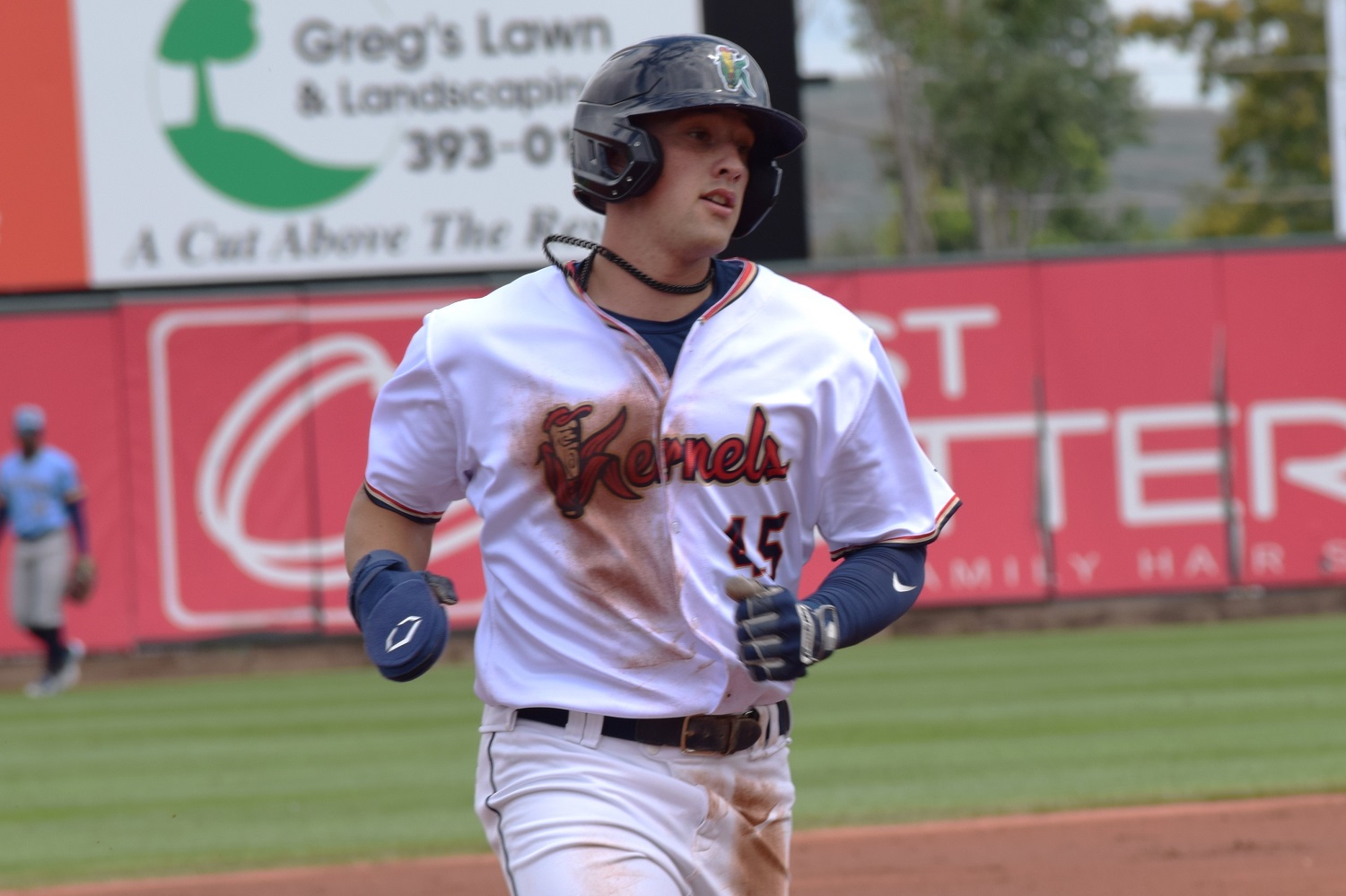 MLB scouting departments have followed Brooks Lee since he was a high schooler in California. As the son of Cal Poly's head coach Larry Lee, he has grown up around baseball. In the 2019 MLB Draft, he fell to the 35th round because teams knew he wanted to play in college for his dad. Unfortunately, the pandemic limited his first college season, and he suffered an injury that required knee and hamstring surgery. In 2021, Lee returned and showed why he had been a highly ranked high school prospect. He hit .342/.384/.626 (1.010) with 27 doubles, three triples, and ten home runs in 55 games. Lee also showed tremendous control of the strike zone with a 34-to-18 strikeout to walk ratio. He was named the co-Big West Player of the Year at the season's end. After the season, he headed to the Cape Cod League and continued to hit with a 1.099 OPS. This performance helped improve his draft stock because this league utilizes wood bats, and it didn't stop Lee from putting up strong numbers. It's hard to imagine, but Lee performed better during his junior year, establishing himself as the best college bat in the 2022 draft class. In 58 games, he hit .357/.462/.664 (1.125) with 25 doubles and 15 home runs. Some felt he should be a top-3 pick in the draft, so it was surprising that he fell to the Twins with the eighth overall selection. Another team's loss is Minnesota's gain, as he is already showing his potential in his first professional season. Minnesota has been aggressive with Lee as the team promoted him to High-A after only four games in rookie ball. Since arriving in Cedar Rapids, he has hit .297/.391/.473 (.863) with four doubles and four home runs. Even as a college draftee, he is over a year younger than the average age of the competition at his level, with over 73% of his at-bats coming against older pitchers. It's a small sample size, but Lee is already showcasing his elite hit tool. The Twins drafted Lee as a shortstop, but he will likely move to third base as he continues to mature. His arm is considered above average, so that he will play well at the hot corner. So far in his professional career, all his defensive innings have been at shortstop, so the Twins aren't ready to move him yet. Overall, his hit tool will carry him no matter his eventual defensive position. Many national outlets updated their prospect lists throughout the season, and Lee is in the discussion for Minnesota's top prospect. For instance, MLB.com has Lee ranked as baseball's 33rd best prospect, and that was before his performance at High-A. According to their rankings, Lee is one of three prospects to have a hit grade of 65 or higher, with the potential to reach a 70-hit tool in the future. Lee will likely continue to rise on national prospect lists as other players graduate and he continues to build his professional resume. How high is Lee's ceiling? Where do you think he will rank on top-100 lists heading into the 2023 season? Leave a COMMENT and start the discussion.
 -
Few MLB teams have been bitten by the injury bug like the Twins this season. Could Minnesota win the AL Central with the players currently on the injured list? Image courtesy of Jim Cowsert-USA TODAY Sports Minnesota's injury list has continued to fill up with players up and down the roster. No AL team has put more players on the injured list than the Twins, making it tough to evaluate the team's overall talent value. Looking back on the 2022 season, it will be easy to point to all the team's injuries as one of the reasons for its downfall. That being said, the AL Central is still up for grabs, so could the Twins' injured players win the division? Catcher: Ryan Jeffers Jeffers was supposed to take over the full-time catching duties this season after the team traded Mitch Garver. Before fracturing his thumb, he saw his OPS+ rise eight points compared to 2021. He also does a great job behind the plate as his framing ranks in the 65th percentile. 1B: Miguel Sano There's no question that Sano struggled during the 2022 season, but this is a player that averaged a 122 OPS+ over the last three seasons. He's been streaky throughout his career, which doesn't help how fans view him. His Twins tenure is likely done, but he was a solid contributor during that time. 2B: Jorge Polanco Polanco had avoided the injured list for much of his career until the 2022 season. He's played through injuries in the past and been relatively productive. This season the injuries were clearly bothering him at the plate, and his defensive numbers took a significant drop. Even with injuries, his WAR ranks in the team's top 5. 3B: No Current Injury <Knock on Wood> Minnesota doesn't have a current injured third baseman, but this position can be filled with an infielder from St. Paul. Andrew Bechtold seems like a possible fit since he can be a replacement-level player and has played third base during the 2022 season. SS: Royce Lewis It's hard not to think about what Lewis might have meant to the 2022 Twins if he had stayed healthy. His first taste of the big leagues was spectacular as he went 12-for-40 (.300) with four doubles and two home runs. Lewis looked like a star, and the Twins could desperately use a right-handed power bat for the stretch run. OF: Byron Buxton, Alex Kirilloff, Trevor Larnach Minnesota expected all three players to fit into the middle of the lineup this season. Buxton avoided the injured list for much of the season, but now he hasn't been available for the team's stretch run. Kirilloff put together some eye-popping numbers at Triple-A as he returned from injury. Unfortunately, something was still wrong with his wrist, and he underwent a unique surgery to alleviate some of the pain. Larnach had a 105 OPS+ in 2022, and the team has been forced to use replacement-level players to fill in for his production. Rotation: Tyler Mahle, Chris Paddack, Kenta Maeda, Bailey Ober, Randy Dobnak The top three pitchers in the injured rotation have been acquired by the current front office in trades. Now it seems unlikely that any of the three will be available for Minnesota's stretch run. Ober and Dobnak have started their rehab assignments, but it's questionable how much they will be able to provide the club for the season's remainder. Josh Winder is also another name to consider as he is no longer rehabbing but he is getting back to strength in the Saints rotation. Adding him to this rotation allows Dobnak to be a long-man out of the bullpen. Bullpen: Jorge Alcala, Danny Coulombe, Jhon Romero, Cole Sands, Cody Stashak Minnesota's bullpen has been a mess, so it's intriguing to consider what these missing players may have been able to provide the team. Alcala has the make-up to be an elite reliever and had the potential to take over a late-inning role in 2022. Stashak and Sands can fit into this team's imaginary set-up roles. Not much was expected from Coulombe and Romero, but relievers can surprise in small sample sizes. Cleveland and Chicago have flaws, and the Twins roster above might be good enough to compete in the AL Central. Do you think they'd have enough pieces to compete in the division? Is the Twins injured roster better than their current roster? Leave a COMMENT and start the discussion. View full article
- 25 replies
-
- 1
-
-
- byron buxton
- jorge polanco
- (and 3 more)
-
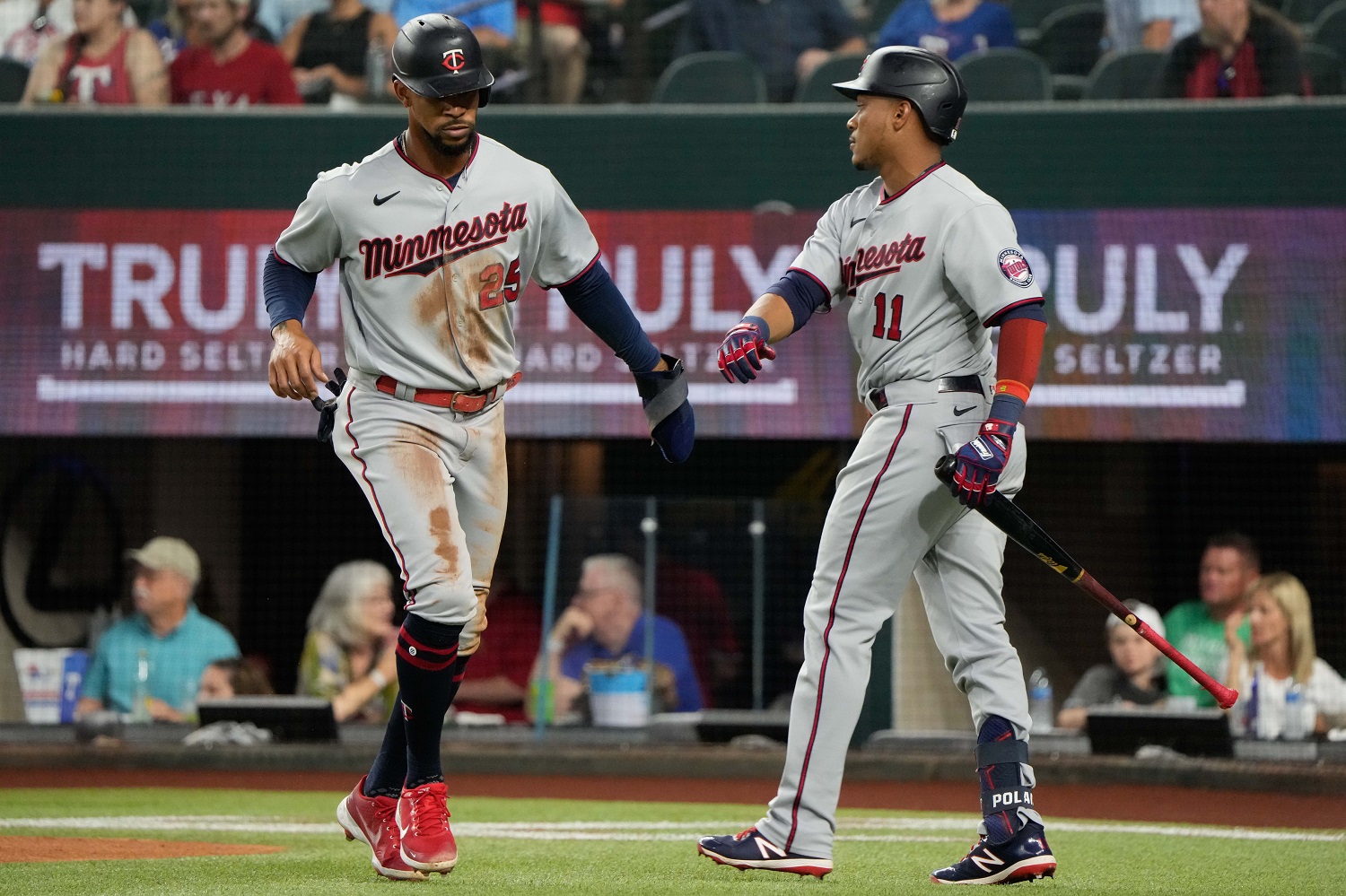 Minnesota's injury list has continued to fill up with players up and down the roster. No AL team has put more players on the injured list than the Twins, making it tough to evaluate the team's overall talent value. Looking back on the 2022 season, it will be easy to point to all the team's injuries as one of the reasons for its downfall. That being said, the AL Central is still up for grabs, so could the Twins' injured players win the division? Catcher: Ryan Jeffers Jeffers was supposed to take over the full-time catching duties this season after the team traded Mitch Garver. Before fracturing his thumb, he saw his OPS+ rise eight points compared to 2021. He also does a great job behind the plate as his framing ranks in the 65th percentile. 1B: Miguel Sano There's no question that Sano struggled during the 2022 season, but this is a player that averaged a 122 OPS+ over the last three seasons. He's been streaky throughout his career, which doesn't help how fans view him. His Twins tenure is likely done, but he was a solid contributor during that time. 2B: Jorge Polanco Polanco had avoided the injured list for much of his career until the 2022 season. He's played through injuries in the past and been relatively productive. This season the injuries were clearly bothering him at the plate, and his defensive numbers took a significant drop. Even with injuries, his WAR ranks in the team's top 5. 3B: No Current Injury <Knock on Wood> Minnesota doesn't have a current injured third baseman, but this position can be filled with an infielder from St. Paul. Andrew Bechtold seems like a possible fit since he can be a replacement-level player and has played third base during the 2022 season. SS: Royce Lewis It's hard not to think about what Lewis might have meant to the 2022 Twins if he had stayed healthy. His first taste of the big leagues was spectacular as he went 12-for-40 (.300) with four doubles and two home runs. Lewis looked like a star, and the Twins could desperately use a right-handed power bat for the stretch run. OF: Byron Buxton, Alex Kirilloff, Trevor Larnach Minnesota expected all three players to fit into the middle of the lineup this season. Buxton avoided the injured list for much of the season, but now he hasn't been available for the team's stretch run. Kirilloff put together some eye-popping numbers at Triple-A as he returned from injury. Unfortunately, something was still wrong with his wrist, and he underwent a unique surgery to alleviate some of the pain. Larnach had a 105 OPS+ in 2022, and the team has been forced to use replacement-level players to fill in for his production. Rotation: Tyler Mahle, Chris Paddack, Kenta Maeda, Bailey Ober, Randy Dobnak The top three pitchers in the injured rotation have been acquired by the current front office in trades. Now it seems unlikely that any of the three will be available for Minnesota's stretch run. Ober and Dobnak have started their rehab assignments, but it's questionable how much they will be able to provide the club for the season's remainder. Josh Winder is also another name to consider as he is no longer rehabbing but he is getting back to strength in the Saints rotation. Adding him to this rotation allows Dobnak to be a long-man out of the bullpen. Bullpen: Jorge Alcala, Danny Coulombe, Jhon Romero, Cole Sands, Cody Stashak Minnesota's bullpen has been a mess, so it's intriguing to consider what these missing players may have been able to provide the team. Alcala has the make-up to be an elite reliever and had the potential to take over a late-inning role in 2022. Stashak and Sands can fit into this team's imaginary set-up roles. Not much was expected from Coulombe and Romero, but relievers can surprise in small sample sizes. Cleveland and Chicago have flaws, and the Twins roster above might be good enough to compete in the AL Central. Do you think they'd have enough pieces to compete in the division? Is the Twins injured roster better than their current roster? Leave a COMMENT and start the discussion.
- 25 comments
-
- 1
-
-
- byron buxton
- jorge polanco
- (and 3 more)
-
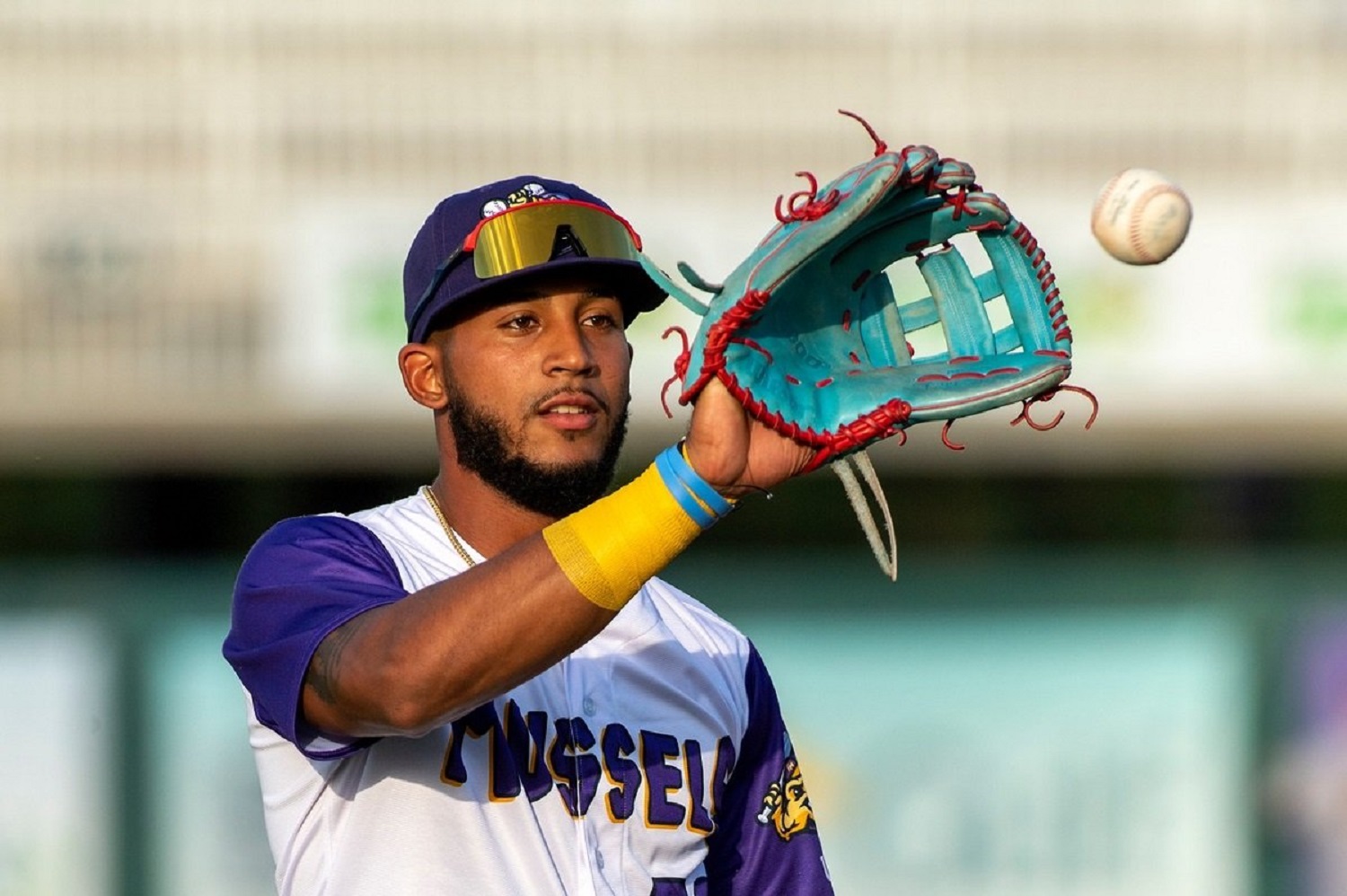 Currently, one can make an argument for both Royce Lewis and Brooks Lee being Minnesota's top prospect. By 2024, both will have graduated from prospect lists and should be helping the Twins at the big-league level. In recent years, Minnesota's farm system has dropped in national rankings, but it's hard not to get excited about the talent level of the players listed below. 1. Emmanuel Rodriguez, OF ETA: 2024 Rodriguez's stock has significantly risen this season as many national outlets included him in their updated top-100 rankings. As a 19-year-old, he hit .272/.493/.552 (1.044) with five doubles, three triples, and nine home runs in 47 games. He only faced younger pitchers in four plate appearances during the 2022 campaign. Unfortunately, a knee injury ended his season prematurely. Minnesota can have him repeat Fort Myers to start 2023, and he has plenty of development to do before he reaches Target Field. 2. Connor Prielipp, LHP ETA: 2025 The Twins took Prielipp with their second-round pick in 2022 from the University of Alabama. He was initially projected as a top-10 pick but missed the 2022 collegiate season due to Tommy John surgery. Minnesota will likely hold off on his professional debut until 2023, but he is already in the conversation as one of the team's top pitching prospects. By 2024, Prielipp has the potential to be the team's top prospect if he can return to his pre-injury form. 3. Marco Raya, RHP ETA: 2024 Like Rodriguez, Raya is another player that has put himself on the prospect map as a teenager in the Florida State League. In 61 innings, he has posted a 3.25 ERA with a 1.12 WHIP and a 69-to-22 strikeout to walk ratio. Over 81% of his at-bats have come against older batters who Raya has held to a .592 OPS. He has three terrific secondary pitches that should allow him to continue as a starter as he moves up the organizational ladder. 4. David Festa, RHP ETA: 2024 The Twins drafted Festa in the 13th round of the 2021 MLB Draft. It's exciting when a team can find value late in the draft and develop a prospect in the organization. His velocity has significantly jumped since joining the Twins organization, as he can consistently hit in the upper-90s. In 100 2/3 innings, he has a 2.43 ERA with a 1.09 WHIP and a 108-to-34 strikeout to walk ratio. In 2023, he should get a chance to pitch in the upper minors with a chance to prove he is part of the team's long-term plans. 5. Noah Miller, SS ETA: 2025 Minnesota has traded away much of their 2021 draft class, and Miller is the highest pick still with the organization. The Twins sent him to Fort Myers this season, where he has hit .212/.347/.281 (.628) with 108 strikeouts in 106 games. As a 19-year-old, he still has offensive development to accomplish, especially as he adds weight to his body. His baseball instincts should allow him to stick at shortstop, a position the Twins have previously struggled to fill. Which player will be the team's top prospect in 2024? Leave a COMMENT and start the discussion.
- 23 comments
-
- 3
-
-
- emmanuel rodriguez
- marco raya
- (and 3 more)
-
Identifying a team's top prospect can be challenging, but looking forward can provide even more excitement for a franchise's future. Here are the names that will be in consideration for the team's top prospect in 2024. Image courtesy of William Parmeter Currently, one can make an argument for both Royce Lewis and Brooks Lee being Minnesota's top prospect. By 2024, both will have graduated from prospect lists and should be helping the Twins at the big-league level. In recent years, Minnesota's farm system has dropped in national rankings, but it's hard not to get excited about the talent level of the players listed below. 1. Emmanuel Rodriguez, OF ETA: 2024 Rodriguez's stock has significantly risen this season as many national outlets included him in their updated top-100 rankings. As a 19-year-old, he hit .272/.493/.552 (1.044) with five doubles, three triples, and nine home runs in 47 games. He only faced younger pitchers in four plate appearances during the 2022 campaign. Unfortunately, a knee injury ended his season prematurely. Minnesota can have him repeat Fort Myers to start 2023, and he has plenty of development to do before he reaches Target Field. 2. Connor Prielipp, LHP ETA: 2025 The Twins took Prielipp with their second-round pick in 2022 from the University of Alabama. He was initially projected as a top-10 pick but missed the 2022 collegiate season due to Tommy John surgery. Minnesota will likely hold off on his professional debut until 2023, but he is already in the conversation as one of the team's top pitching prospects. By 2024, Prielipp has the potential to be the team's top prospect if he can return to his pre-injury form. 3. Marco Raya, RHP ETA: 2024 Like Rodriguez, Raya is another player that has put himself on the prospect map as a teenager in the Florida State League. In 61 innings, he has posted a 3.25 ERA with a 1.12 WHIP and a 69-to-22 strikeout to walk ratio. Over 81% of his at-bats have come against older batters who Raya has held to a .592 OPS. He has three terrific secondary pitches that should allow him to continue as a starter as he moves up the organizational ladder. 4. David Festa, RHP ETA: 2024 The Twins drafted Festa in the 13th round of the 2021 MLB Draft. It's exciting when a team can find value late in the draft and develop a prospect in the organization. His velocity has significantly jumped since joining the Twins organization, as he can consistently hit in the upper-90s. In 100 2/3 innings, he has a 2.43 ERA with a 1.09 WHIP and a 108-to-34 strikeout to walk ratio. In 2023, he should get a chance to pitch in the upper minors with a chance to prove he is part of the team's long-term plans. 5. Noah Miller, SS ETA: 2025 Minnesota has traded away much of their 2021 draft class, and Miller is the highest pick still with the organization. The Twins sent him to Fort Myers this season, where he has hit .212/.347/.281 (.628) with 108 strikeouts in 106 games. As a 19-year-old, he still has offensive development to accomplish, especially as he adds weight to his body. His baseball instincts should allow him to stick at shortstop, a position the Twins have previously struggled to fill. Which player will be the team's top prospect in 2024? Leave a COMMENT and start the discussion. View full article
-
Under the current regime, Minnesota has acquired multiple pitchers that have suffered an injury after being acquired. Is this bad luck, or is this something the front office can avoid in the future? Image courtesy of Jeffrey Becker-USA TODAY Sports Many teams struggled to find enough pitching to make it through the season, and the Twins are no stranger to this problem. Minnesota has been in the middle of a winning window over the last four seasons, requiring the front office to be active in the trade market. Unfortunately, multiple pitchers acquired by the team have ended up dealing with injuries after being acquired. Is this something the team can avoid? Sam Dyson, RP Acquired: 2019 Trade Deadline from the Giants Minnesota’s line-up was firing on all cylinders during the 2019 season, and the team looked to bolster the Bomba Squad at the trade deadline. Minnesota traded for relievers Sam Dyson and Sergio Romo, but Dyson’s Twins tenure was short-lived. He allowed nine earned runs in 11 1/3 innings while also making multiple trips to the IL. Eventually, he revealed that he had been pitching through shoulder discomfort for multiple weeks. The Twins eventually investigated if the Giants knew anything about his injury before the trade. There were no signs of his injury or poor performance before the trade, so this deal looks like bad luck for the Twins. Kenta Maeda, SP Acquired: Before the 2020 Season from the Dodgers The Twins were looking to build off the 2019 season, and acquiring Maeda helped to put them back in contention for 2020. His first season in Minnesota couldn’t have gone much better as he posted a 2.70 ERA while leading baseball with a 0.75 WHIP. Maeda’s second season in Minnesota didn’t go as smoothly as his ERA rose to 4.66, and he eventually needed to undergo Tommy John surgery. There were some concerns with Maeda’s elbow when he originally signed with the Dodgers, and that’s why Los Angeles was able to sign him to a team-friendly deal. He pitched over 760 innings before needing Tommy John surgery, so it doesn’t seem like the Twins should have noticed this red flag. Chris Paddack, SP Acquired: Before the 2022 Season from the Padres The trade that brought Paddack to Minnesota will be discussed for quite some time. In the end, both teams aren’t happy with the results, with all players struggling or dealing with an injury. One of the reasons the Twins were able to acquire Paddack was because of some of his lingering injury concerns. As a prospect in the Padres system, Paddack underwent Tommy John surgery, and his 2021 season ended after he sprained his UCL last September. It was a tough blow for Minnesota because of how well he’d pitched in 2022, but it wasn’t much of a surprise that his season ended with a second Tommy John procedure. Tyler Mahle, SP Acquired: 2022 Trade Deadline from the Reds Mahle was arguably Minnesota’s most prominent trade deadline acquisition, but he hasn’t been able to stay on the field. He has struggled with velocity in his last two starts, which have required stints on the injured list. Now there is no guarantee he will be able to help the team for their most important games in September. Before the trade deadline, Mahle had been on the injured list because of his shoulder, but he had returned and pitched well. Even in 2021, Mahle led all of baseball with 33 games started, so he has been a consistent starter for multiple seasons. His injuries can be even more frustrating when looking at the other names mentioned above. Derek Falvey and Thad Levine are forced to be creative when it comes to making baseball decisions. They aren’t going to surrender the prospect capital needed to acquire a top-tier pitcher because of the long-term ramifications of emptying a farm system. This forces the team to examine trades for players with flaws, including previous injury concerns. Nearly every MLB pitcher deals with injuries at some point in their career, so Minnesota has gotten unlucky with some players mentioned above. In retrospect, Dyson’s deal looks the worst, but the other three pitchers have the potential to impact the 2023 Twins. Do you think the Twins can avoid these types of pitchers in the future? Leave a COMMENT and start the discussion. View full article
-
Analyzing Minnesota’s Trend of Acquiring Potentially Injured Pitchers
Cody Christie posted an article in Twins
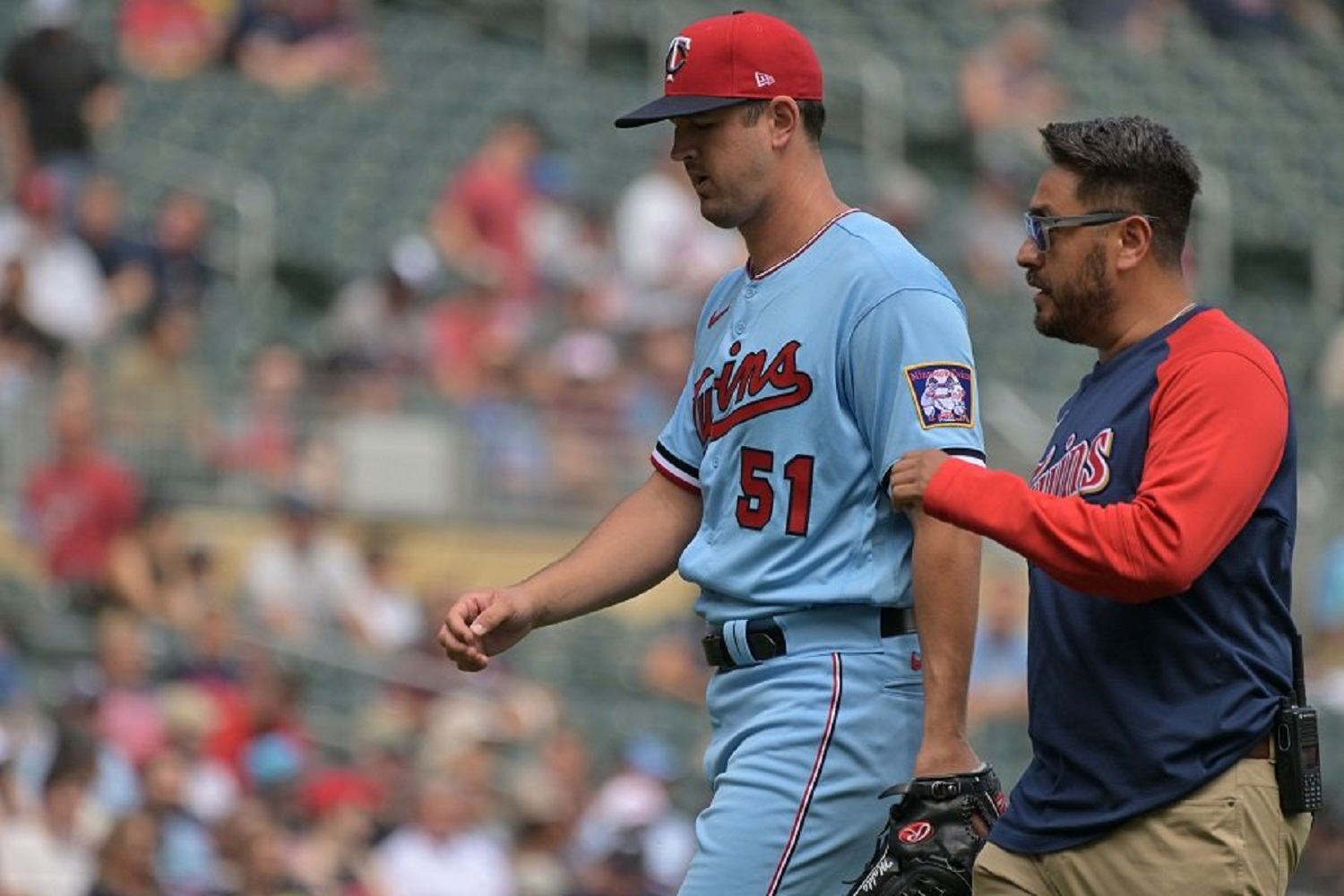 Many teams struggled to find enough pitching to make it through the season, and the Twins are no stranger to this problem. Minnesota has been in the middle of a winning window over the last four seasons, requiring the front office to be active in the trade market. Unfortunately, multiple pitchers acquired by the team have ended up dealing with injuries after being acquired. Is this something the team can avoid? Sam Dyson, RP Acquired: 2019 Trade Deadline from the Giants Minnesota’s line-up was firing on all cylinders during the 2019 season, and the team looked to bolster the Bomba Squad at the trade deadline. Minnesota traded for relievers Sam Dyson and Sergio Romo, but Dyson’s Twins tenure was short-lived. He allowed nine earned runs in 11 1/3 innings while also making multiple trips to the IL. Eventually, he revealed that he had been pitching through shoulder discomfort for multiple weeks. The Twins eventually investigated if the Giants knew anything about his injury before the trade. There were no signs of his injury or poor performance before the trade, so this deal looks like bad luck for the Twins. Kenta Maeda, SP Acquired: Before the 2020 Season from the Dodgers The Twins were looking to build off the 2019 season, and acquiring Maeda helped to put them back in contention for 2020. His first season in Minnesota couldn’t have gone much better as he posted a 2.70 ERA while leading baseball with a 0.75 WHIP. Maeda’s second season in Minnesota didn’t go as smoothly as his ERA rose to 4.66, and he eventually needed to undergo Tommy John surgery. There were some concerns with Maeda’s elbow when he originally signed with the Dodgers, and that’s why Los Angeles was able to sign him to a team-friendly deal. He pitched over 760 innings before needing Tommy John surgery, so it doesn’t seem like the Twins should have noticed this red flag. Chris Paddack, SP Acquired: Before the 2022 Season from the Padres The trade that brought Paddack to Minnesota will be discussed for quite some time. In the end, both teams aren’t happy with the results, with all players struggling or dealing with an injury. One of the reasons the Twins were able to acquire Paddack was because of some of his lingering injury concerns. As a prospect in the Padres system, Paddack underwent Tommy John surgery, and his 2021 season ended after he sprained his UCL last September. It was a tough blow for Minnesota because of how well he’d pitched in 2022, but it wasn’t much of a surprise that his season ended with a second Tommy John procedure. Tyler Mahle, SP Acquired: 2022 Trade Deadline from the Reds Mahle was arguably Minnesota’s most prominent trade deadline acquisition, but he hasn’t been able to stay on the field. He has struggled with velocity in his last two starts, which have required stints on the injured list. Now there is no guarantee he will be able to help the team for their most important games in September. Before the trade deadline, Mahle had been on the injured list because of his shoulder, but he had returned and pitched well. Even in 2021, Mahle led all of baseball with 33 games started, so he has been a consistent starter for multiple seasons. His injuries can be even more frustrating when looking at the other names mentioned above. Derek Falvey and Thad Levine are forced to be creative when it comes to making baseball decisions. They aren’t going to surrender the prospect capital needed to acquire a top-tier pitcher because of the long-term ramifications of emptying a farm system. This forces the team to examine trades for players with flaws, including previous injury concerns. Nearly every MLB pitcher deals with injuries at some point in their career, so Minnesota has gotten unlucky with some players mentioned above. In retrospect, Dyson’s deal looks the worst, but the other three pitchers have the potential to impact the 2023 Twins. Do you think the Twins can avoid these types of pitchers in the future? Leave a COMMENT and start the discussion.
- 15 comments
-
- 2
-

-
-
- sam dyson
- kenta maeda
- (and 2 more)
-
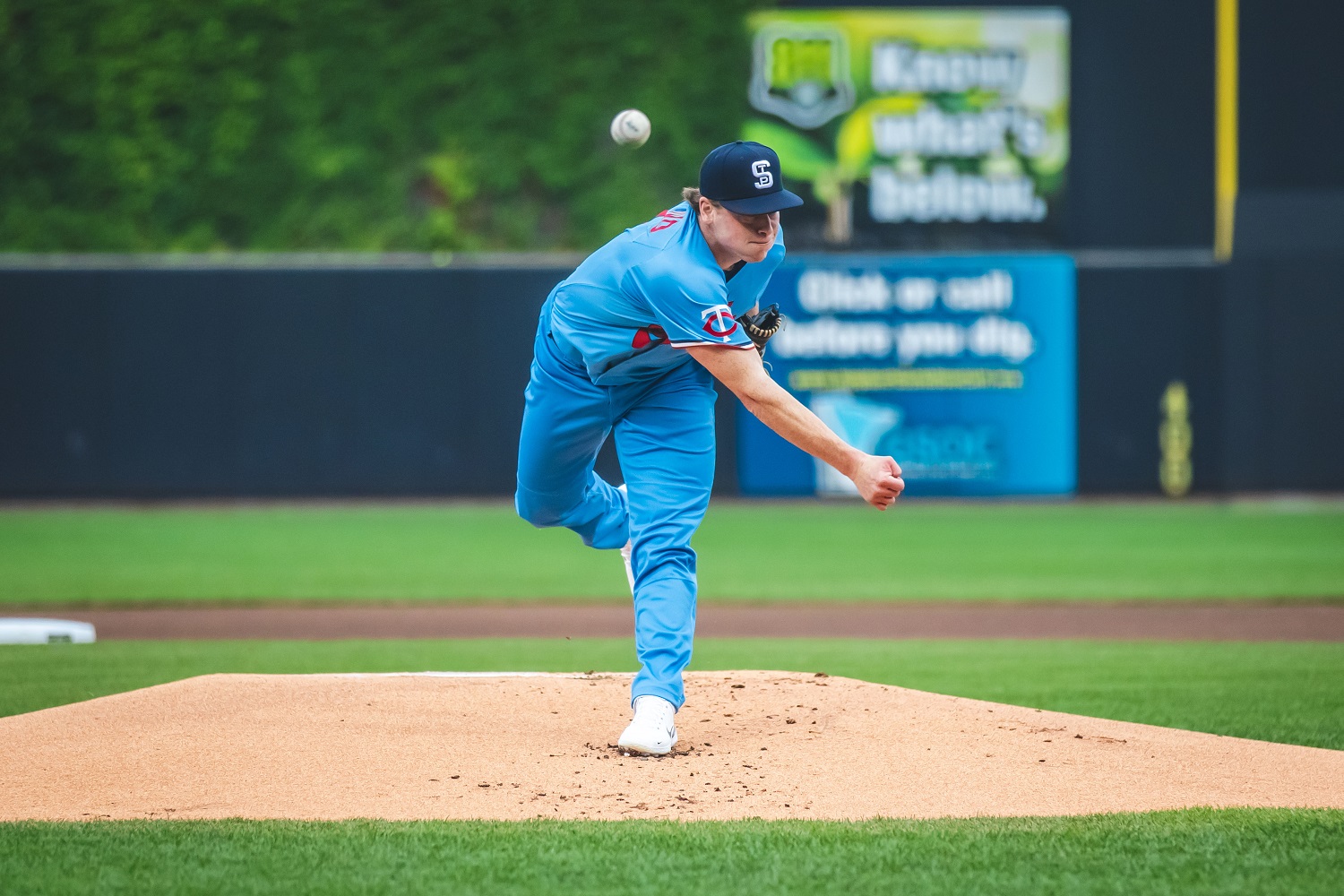 Louie Varland's rise from 15th-round pick to top pitching prospect has been well documented at Twins Daily. Since the Twins drafted him, there have been over 50 articles where he has been tagged at the site. Varland, a St. Paul native, will be debuting for his hometown team with the added pressure of being in a tight division race. Here are some things to watch as he debuts against the New York Yankees. 1. Fastball Velocity Throughout his collegiate career, Varland topped out in the low 90s with his fastball. With no 2020 minor league season, he used his time to rework his arm action to put less stress on his joints. These changes allowed him to see a significant jump in velocity as he averaged 94 mph during the 2021 season, and he can now reach into the high 90s. He will likely have some adrenaline pumping during his debut, so he will likely be able to reach back and hit the higher end of his velocity range. 2. Strikeout Totals Striking out batters in the minor leagues differs from attacking hitters at the big-league level. Throughout his professional career, Varland has posted 11.3 K/9, including 10.4 K/9 in 2022 at Double- and Triple-A. He has struck out seven or more batters in three of four Triple-A appearances. Unfortunately, the Yankees don't strike out much as their 22.2 K% ranks 7th in the American League. Varland can hope that New York will be unfamiliar with his repertoire since none of their batters have faced him. 3. Minimizing Home Runs Yankee Stadium is famous for its short outfield porch that allows for more regular home runs. As a right-handed hurler, Varland will likely face multiple lefties in the Yankees line-up. During the 2022 season, lefties have hit .249/.320/.385 (.704) with eight home runs against Varland. For his career, he has allowed 0.8 HR/9, including 15 home runs in 24 appearances this season. Luckily, many of the Bronx Bombers' best hitters are right-handed, including Aaron Judge, Giancarlo Stanton, and DJ LeMahieu. Judge's bat in this series has already hurt Minnesota, so Varland needs to minimize the damage done by the long ball. 4. Enjoy the Moment Pitching at Yankee Stadium can be a thoroughly unenjoyable experience, but players only get one chance to make their big-league debut. Varland has been a great story to follow throughout the last two seasons. The Twins named him the organization's minor league pitcher of the year last season, and he has a chance to win back-to-back honors. He and his family also have deep roots in the Twin Cities. Varland was born in St. Paul and attended college at the same school as his brother, a prospect in the Dodgers organization. Twins fans have clamored for this front office regime to produce pitching prospects, and Varland is one of the best starting pitchers produced under their watch. What will you keep an eye on during Varland's debut? Leave a COMMENT and start the discussion.
 -
Louie Varland is scheduled to make his big-league debut on Wednesday in Yankee Stadium. Here are four things to keep an eye on during his much-anticipated debut. Image courtesy of Rob Thompson, St. Paul Saints Louie Varland's rise from 15th-round pick to top pitching prospect has been well documented at Twins Daily. Since the Twins drafted him, there have been over 50 articles where he has been tagged at the site. Varland, a St. Paul native, will be debuting for his hometown team with the added pressure of being in a tight division race. Here are some things to watch as he debuts against the New York Yankees. 1. Fastball Velocity Throughout his collegiate career, Varland topped out in the low 90s with his fastball. With no 2020 minor league season, he used his time to rework his arm action to put less stress on his joints. These changes allowed him to see a significant jump in velocity as he averaged 94 mph during the 2021 season, and he can now reach into the high 90s. He will likely have some adrenaline pumping during his debut, so he will likely be able to reach back and hit the higher end of his velocity range. 2. Strikeout Totals Striking out batters in the minor leagues differs from attacking hitters at the big-league level. Throughout his professional career, Varland has posted 11.3 K/9, including 10.4 K/9 in 2022 at Double- and Triple-A. He has struck out seven or more batters in three of four Triple-A appearances. Unfortunately, the Yankees don't strike out much as their 22.2 K% ranks 7th in the American League. Varland can hope that New York will be unfamiliar with his repertoire since none of their batters have faced him. 3. Minimizing Home Runs Yankee Stadium is famous for its short outfield porch that allows for more regular home runs. As a right-handed hurler, Varland will likely face multiple lefties in the Yankees line-up. During the 2022 season, lefties have hit .249/.320/.385 (.704) with eight home runs against Varland. For his career, he has allowed 0.8 HR/9, including 15 home runs in 24 appearances this season. Luckily, many of the Bronx Bombers' best hitters are right-handed, including Aaron Judge, Giancarlo Stanton, and DJ LeMahieu. Judge's bat in this series has already hurt Minnesota, so Varland needs to minimize the damage done by the long ball. 4. Enjoy the Moment Pitching at Yankee Stadium can be a thoroughly unenjoyable experience, but players only get one chance to make their big-league debut. Varland has been a great story to follow throughout the last two seasons. The Twins named him the organization's minor league pitcher of the year last season, and he has a chance to win back-to-back honors. He and his family also have deep roots in the Twin Cities. Varland was born in St. Paul and attended college at the same school as his brother, a prospect in the Dodgers organization. Twins fans have clamored for this front office regime to produce pitching prospects, and Varland is one of the best starting pitchers produced under their watch. What will you keep an eye on during Varland's debut? Leave a COMMENT and start the discussion. View full article
