



Nick Nelson
-
Posts
8,327 -
Joined
-
Last visited
-
Days Won
56
Content Type
Profiles
News
Minnesota Twins Videos
2026 Minnesota Twins Top Prospects Ranking
2022 Minnesota Twins Draft Picks
Minnesota Twins Free Agent & Trade Rumors, Notes, & Tidbits
Guides & Resources
2023 Minnesota Twins Draft Picks
The Minnesota Twins Players Project
2024 Minnesota Twins Draft Picks
2025 Minnesota Twins Draft Pick Tracker
2026 Minnesota Twins Draft Tracker: Picks & Bonuses
Forums
Blogs
Events
Store
Downloads
Gallery
Everything posted by Nick Nelson
-
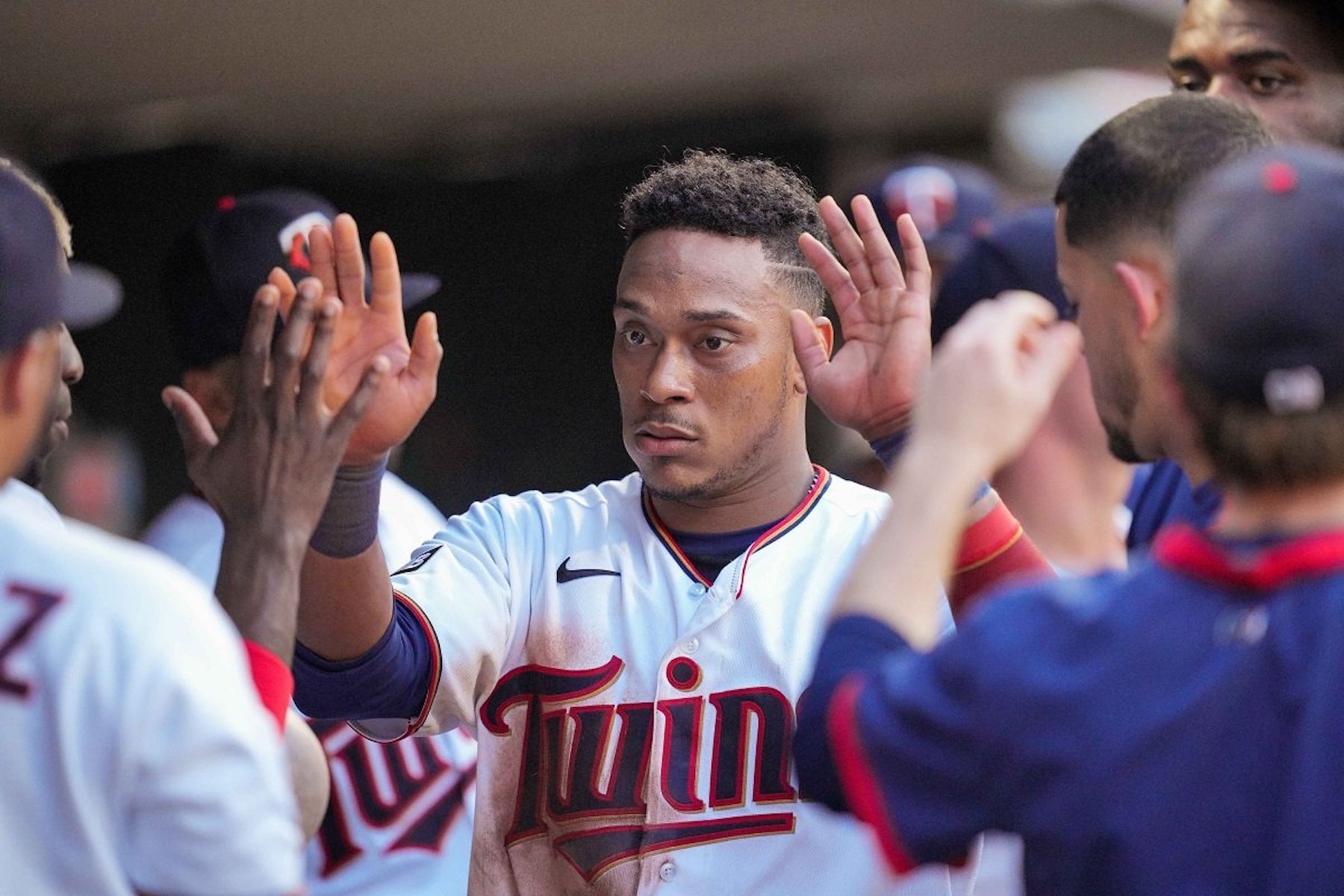 May 5th was a bad day. I attended the Twins game at Target Field and watched a lifeless team sink to 11-18 with a 3-1 loss against the last-place Rangers. Polanco and Max Kepler went a combined 0-for-8 with six strikeouts. I came home grumpy, and lamented that the Twins had seemingly founded their team-building strategy upon faulty cornerstones. In my frustration, I may or may not have fired out a tweet labeling Polanco and a couple other laggards "garbage." That same night, I declared I had seen enough, and wrote off the 2021 Twins as contenders. Sadly I was not wrong on the latter assertion, but the unkind assessment of Polanco looks downright silly in the wake of his dramatic and remarkable turnaround. In my defense, there was plenty of validity in the expression of doubt. Polanco became a heightened subject of my scrutiny, in part because his swing looked so blatantly bad and in part because his manager seemed oddly unconcerned. In mid-April, I wrote an article here wondering when Rocco Baldelli's faith in Polanco's bat would be shaken, noting the mounting evidence of his diminished offensive ability. At that point, Polanco owned a .358 OPS and had slashed .260/.313/.393 over his previous 164 games – good for a .303 wOBA that was nearly identical to Andrelton Simmons over the same time period. Given this evidence, there was just no real reason to believe in Polanco. I didn't doubt that his poor production was more a reflection of ongoing health issues than his true talent, but there were no signs of improvement on that front. Even after a second consecutive offseason ankle surgery, he was still unable to put his lower half into his left-handed swing, and thus, his numbers against right-handed pitchers remained abysmal. What's happened since is a good reminder that the body can sometimes take a long time to get right, and patience is generally a good policy. Since my aforementioned cranky tweet on May 5th, Polanco has slashed .290/.351/.533 with 20 home runs in 86 games, and lately he's turned into a walk-off machine. His Statcast metrics look radically different from the ones I shared in April. He's hitting for as much power as anyone in the league. Polanco is not just playing at an All-Star level; he'd be right in the MVP conversation if the Twins weren't so bad. Most importantly, Polanco has re-established himself as a high-quality building block and a key fixture in the club's contention hopes going forward. Hard to remember another time when I've been this delighted to be this wrong. Sorry again, Jorge. MORE FROM TWINS DAILY — Latest Twins coverage from our writers — Recent Twins discussion in our forums — Follow Twins Daily via Twitter, Facebook or email
 -
Watching him flail away and fail to produce, month after month, my confidence in Jorge Polanco as a hitter totally eroded. I wasn't too shy about it. I'm happy to say that Polanco has proven me, and his other skeptics, very wrong. Sorry for doubting you, Jorge. May 5th was a bad day. I attended the Twins game at Target Field and watched a lifeless team sink to 11-18 with a 3-1 loss against the last-place Rangers. Polanco and Max Kepler went a combined 0-for-8 with six strikeouts. I came home grumpy, and lamented that the Twins had seemingly founded their team-building strategy upon faulty cornerstones. In my frustration, I may or may not have fired out a tweet labeling Polanco and a couple other laggards "garbage." That same night, I declared I had seen enough, and wrote off the 2021 Twins as contenders. Sadly I was not wrong on the latter assertion, but the unkind assessment of Polanco looks downright silly in the wake of his dramatic and remarkable turnaround. In my defense, there was plenty of validity in the expression of doubt. Polanco became a heightened subject of my scrutiny, in part because his swing looked so blatantly bad and in part because his manager seemed oddly unconcerned. In mid-April, I wrote an article here wondering when Rocco Baldelli's faith in Polanco's bat would be shaken, noting the mounting evidence of his diminished offensive ability. At that point, Polanco owned a .358 OPS and had slashed .260/.313/.393 over his previous 164 games – good for a .303 wOBA that was nearly identical to Andrelton Simmons over the same time period. Given this evidence, there was just no real reason to believe in Polanco. I didn't doubt that his poor production was more a reflection of ongoing health issues than his true talent, but there were no signs of improvement on that front. Even after a second consecutive offseason ankle surgery, he was still unable to put his lower half into his left-handed swing, and thus, his numbers against right-handed pitchers remained abysmal. What's happened since is a good reminder that the body can sometimes take a long time to get right, and patience is generally a good policy. Since my aforementioned cranky tweet on May 5th, Polanco has slashed .290/.351/.533 with 20 home runs in 86 games, and lately he's turned into a walk-off machine. His Statcast metrics look radically different from the ones I shared in April. He's hitting for as much power as anyone in the league. Polanco is not just playing at an All-Star level; he'd be right in the MVP conversation if the Twins weren't so bad. Most importantly, Polanco has re-established himself as a high-quality building block and a key fixture in the club's contention hopes going forward. Hard to remember another time when I've been this delighted to be this wrong. Sorry again, Jorge. MORE FROM TWINS DAILY — Latest Twins coverage from our writers — Recent Twins discussion in our forums — Follow Twins Daily via Twitter, Facebook or email View full article
-

Week in Review: Rookies Pitching In
Nick Nelson replied to Nick Nelson's topic in Twins Daily Front Page News
Well, those terms only apply to the pitcher Pineda has been over the past couple months, in a diminished form. The idea here is to get him back to the pitcher he's been on balance with the Twins, which is a very good starter and not a mediocre "innings eater" by any stretch. Dude has a 3.98 ERA and 3.95 FIP in 258 IP here. That's outstanding. The idea that you can easily find better arms for the middle/back of your rotation is extremely off-base. -
Week in Review: Rookies Pitching In
Nick Nelson replied to Nick Nelson's topic in Twins Daily Front Page News
His career OPS is like 70 points lower than Sano's. I wouldn't say they are "surprisingly close." Vargas produced 0.6 WAR in his best season whereas Sano has only been below that number once (not counting the 60-game season). You can say the Twins were of the right mind to give Vargas a decent look back then, but you can't really say in hindsight it was valuable to give him all those PAs at the expense of others. And that's the lesson I'm trying to apply here with Rooker. Y'all are frankly wild to be putting either of these guys in the same category as Sano. He's had multiple seasons that are beyond either of their ceilings.- 34 replies
-
- 1
-

-
- griffin jax
- bailey ober
- (and 2 more)
-
Week in Review: Rookies Pitching In
Nick Nelson replied to Nick Nelson's topic in Twins Daily Front Page News
Not unless he can hit enough to offset it, like a Cruz or Schwarber. That's an incredibly high bar, but Rooker's raw power is so amazing it's really hard to just give up. Then again, there's an opportunity cost to chasing that perceived power potential. I think of someone like Kennys Vargas, who got wayyy more chances than he should have -- at the expense of other possible assets -- because he could mash in BP and looked good during a brief MLB debut. (Actually, that example makes me a little apprehensive about Rooker going on a tear in September...) -
Week in Review: Rookies Pitching In
Nick Nelson replied to Nick Nelson's topic in Twins Daily Front Page News
He was remarkably consistent (when on the field) up until these last couple months, where he clearly hasn't been at full health/strength. That's why I like the idea of bringing him back on a favorable deal. The pitcher he was in his first ~40 starts as a Twin is a huge asset (literally and figuratively) for the middle or back of a rotation. Even the diminished version has been a mostly serviceable strike-thrower.- 34 replies
-
- 1
-
-
- griffin jax
- bailey ober
- (and 2 more)
-
Week in Review: Rookies Pitching In
Nick Nelson replied to Nick Nelson's topic in Twins Daily Front Page News
I'm not saying he can't ever make a play, but Rooker's gonna be the worst corner OF on the roster pretty much no matter what, and that's evidently the only place he can play. That the Twins seem to have zero trust in him at first base is eye-opening to me.- 34 replies
-
- 2
-
-
- griffin jax
- bailey ober
- (and 2 more)
-
As the Twins experienced further veteran attrition in the rotation, rookie pitchers continued to answer the call with a slate of impressive performances, helping propel Minnesota to a second consecutive winning week against high-quality competition. What more could you ask for at this stage of the season? Weekly Snapshot: Mon, 8/9 thru Sun, 8/15 *** Record Last Week: 4-2 (Overall: 52-66) Run Differential Last Week: -1 (Overall: -74) Standing: 4th Place in AL Central (16.0 GB) Last Week's Game Recaps: Game 113 | CWS 11, MIN 1: Sox Build Huge Early Lead in Laugher Game 114 | MIN 4, CWS 3: Jax Fans 10 as Twins Eke Out Tight Win Game 115 | MIN 1, CWS 0: Ober and Bullpen Combine for Shutout Game 116 | TB 10, MIN 4: Cruz Homers in Return, Rays Roll Game 117 | MIN 12, TB 0: Maeda and Arraez Lead Charge in Blowout Game 118 | MIN 5, TB 4: Twins Walk Off Tampa, Take 3rd Straight Series NEWS & NOTES The Twins lost two-fifths of their rotation via trade on deadline day, and lost another piece to injury on Friday when Michael Pineda exited with an oblique strain amidst an underwhelming outing against Tampa Bay. He was quickly placed on the Injured List and replaced on the active roster by reliever Ralph Garza Jr., a recent waiver acquisition. Garza Jr. shined in his Twins debut, tossing two perfect innings in Saturday night's blowout win. No timeline was announced for Pineda but he is in all likelihood done for the season. It's been a tough go for the big right-hander in 2021 following a strong start; since the beginning of June, he's been able to make only nine starts while going 1-6 with a 5.80 ERA. The silver lining for the Twins, I suppose, is that re-signing Pineda to solidify the back end of the '22 rotation shouldn't take a whole lot at this point. Pineda's absence will require the Twins to lean even harder on their young pitching depth. Logically the next in line will be Lewis Thorpe, who put up 5 ⅔ innings of one-run ball for the Saints on Friday while building up to 65 pitches. Thorpe lines up perfectly for Pineda's next turn in the rotation, on Wednesday against Cleveland. Other roster moves for the week saw Beau Burrows and his 12.54 ERA optioned to Triple-A, replaced by veteran journeyman Nick Vincent (Alex Kirilloff moved to 60-day IL to make room on the 40-man), while Jorge Alcala landed on IL and was replaced in the bullpen by another waiver pickup, Edgar García. HIGHLIGHTS With Pineda sidelined, it's now Kenta and the Kids in the Minnesota Twins rotation. Kenta Maeda looked the part of an exemplary veteran leader on Saturday, firing six shutout innings against the Rays, while the rookies joined the fun with strong performances of their own against first-place teams. Griffin Jax was flat-out dominant against the White Sox on Tuesday night, striking out 10 over six innings. Chicago managed to score three runs on a couple of homers, but Jax was otherwise excellent, pounding the zone with sliders and fastballs to keep a potent lineup in check. Interestingly, Jax has piled up 16 strikeouts over 10 innings with a 20% swinging strike rate in two starts against the White Sox this year, compared to 16 strikeouts in 28 innings and a 6% swinging strike rate against all other opponents. The following day, Bailey Ober helped lift the Twins to a series victory over the division leaders, contributing 5 ⅓ scoreless innings to an eventual shutout. Ober struck out six and walked one, pushing his K/BB ratio to 62-to-16 in 57 ⅔ innings this season. Like with Jax, keeping the ball in the park is the biggest challenge for Ober and on days like this where he's able to do so, he looks quite legit. Ober owns a 3.55 ERA in seven starts dating back to the end of June, and Minnesota has gone 5-2 in those games. Even Charlie Barnes joined in on the rookie revitalization of the rotation. While he wasn't particularly effective in his first outing on Monday, yielding three runs in 4 ⅔ innings as bulk guy behind the opener Burrows, Barnes rebounded on Sunday, holding the White Sox to one run over five frames. The lefty was in line for his first MLB win, leaving with a three-run lead, but the bullpen and defense let him down in the late innings. García was among the culprits, surrendering a two-run homer in the sixth, but it was his only blemish in a strong stretch overall. The right-hander stepped up in a pair of earlier long-relief appearances, allowing just one hit over 4 ⅓ scoreless innings versus Chicago and Tampa. In total he struck out five with only one walk, inducing 12 swinging strikes on 80 pitches (15%) while finding the zone with 68% of his offerings. Combined with Garza Jr.'s outstanding debut on Saturday, it was an encouraging week for the club's latest bullpen waiver adds. It might fairly be described as "too little, too late," but Alex Colomé has quietly become the steady rock of this relief corps, looking very much like the reliable closer he's been in years past following an unbelievably ugly April. Since May 1st, he's got a 3.00 ERA and is 5-for-6 in save opportunities. The past week saw him rattle off a pair of saves, both in one-run games against the Sox, and he also worked a scoreless ninth on Sunday to set up Minnesota's win in the bottom half. Offensively, Jorge Polanco continues to be the star of the show – his 21st homer on Wednesday proved decisive in a 1-0 win, and he walked off the Rays with sac fly on Sunday – but Miguel Sanó's re-emergence should not be ignored. His bat, and more generally his offensive approach, have been resuscitated. The past week saw Sanó collect five hits, including a double and homer, but most importantly, he drew as many walks (4) as strikeouts. After leading the league in Ks last year, and fanning in 39% of his plate appearances through May of this year, Sanó has cut that rate down to 31% since the start of June. During that span he is slashing .249/.321/.477 in 56 games. Spectacular? No. But very serviceable and suggestive that the big slugger still has something left in the tank. LOWLIGHTS The Tampa series was a high point for Brent Rooker, who went 6-for-9 with two homers and four RBIs in his two starts. The Chicago series was anything but. In three games against the White Sox, Rooker went 0-for-11 with nine strikeouts, extending a brutal slump at a time where the rookie slugger desperately needs to rake. Prior to his four-hit game against the Rays on Friday night, Rooker was slashing just .098/.159/.171 in the month of August, while regularly slotting in as the Twins' No. 2 hitter. His big weekend was not enough to offset the larger struggles this month, and that's sort of been the story of his season. Rooker shows flashes, but has a .198 average and .676 OPS through 119 plate appearances. His power is not in doubt, but a .252 on-base percentage ain't gonna cut it, especially when you factor in the total absence of defensive value. Unless and until he can find some semblance of strike zone control, it's difficult to project any real value for Rooker as a big-leaguer. In a sense, it feels too soon to rush to judgment on Rooker. But then again, he'll turn 27 this offseason and the Twins are staring down a potential 40-man roster crunch. With the redundant and superior Sanó already in the plans for 2022, where does Rooker fit in? Weeks like these present a crucial opportunity to make his case. Rooker needs more than a random blow-up game here and there to maximize it. Trevor Larnach isn't so much fighting to prove he's got an MLB future – that's not really in doubt – but he too is battling to carve out an immediate spot on the 2022 team. With the way things have been going for him of late, it'll be tough for the Twins to pencil him in. It was another lackluster week for Larnach, who went 1-for-11 with a single and five strikeouts in his four starts. The outfielder's last home run came on July 7th; since then he's batting .156 with a .188 slugging percentage in in 110 plate appearances, while striking out 43% of the time. Larnach doesn't really appear to be benefiting from getting repeatedly beaten by major-league pitching. The signs of growth and adjustment aren't there. With the Triple-A schedule extending through September this year, there's still time to get him back in the minors so he can find his swing and rebuild some confidence. Will the Twins go that route, or are they committed to seeing it through in the majors? TRENDING STORYLINE For those of us keeping a close eye on the Twins' pitching pipeline, Sunday was a big day. Matt Canterino, who ranked 8th in TD's recently-updated prospect rankings, made his first official appearance at Cedar Rapids since May, following a lengthy rest-and-rehab program to address elbow soreness. Canterino picked up right where he left off, overpowering High-A hitters to an absurd degree. After striking out eight of the 10 he faced over three hitless innings on Sunday, he now has a 0.86 ERA with 43 strikeouts in 21 innings for the Kernels. Yes, that is an 18.4 K/9 rate. This isn't even fair. Time to get him up to the next level and see how Double-A fares against him. I'm eager to find out. Even though he has yet to pitch above A-ball, the 23-year-old is going to be fast-tracked and has the ability to factor as a pivotal difference-maker for the Twins next year if he can stay healthy. LOOKING AHEAD Minnesota's run against solid competition rolls on as they welcome Cleveland to Target Field, wrapping up a long homestand before heading to the East Coast for a four-game set against the dreaded Yankees. Can Kenta and the Kids keep it clicking? MONDAY, 8/16: CLEVELAND @ TWINS – RHP Cal Quantrill v. RHP Griffin Jax TUESDAY, 8/17: CLEVELAND @ TWINS – RHP Eli Morgan v. RHP Bailey Ober WEDNESDAY, 8/18: CLEVELAND @ TWINS – RHP Zach Plesac v. TBD THURSDAY, 8/19: TWINS @ YANKEES – RHP Kenta Maeda v. RHP Jameson Taillon FRIDAY, 8/20: TWINS @ YANKEES – LHP Charlie Barnes v. LHP Nestor Cortes SATURDAY, 8/21: TWINS @ YANKEES – RHP Griffin Jax v. RHP Gerrit Cole SUNDAY, 8/22: TWINS @ YANKEES – RHP Bailey Ober v. LHP Jordan Montgomery MORE FROM TWINS DAILY — Latest Twins coverage from our writers — Recent Twins discussion in our forums — Follow Twins Daily via Twitter, Facebook or email View full article
-
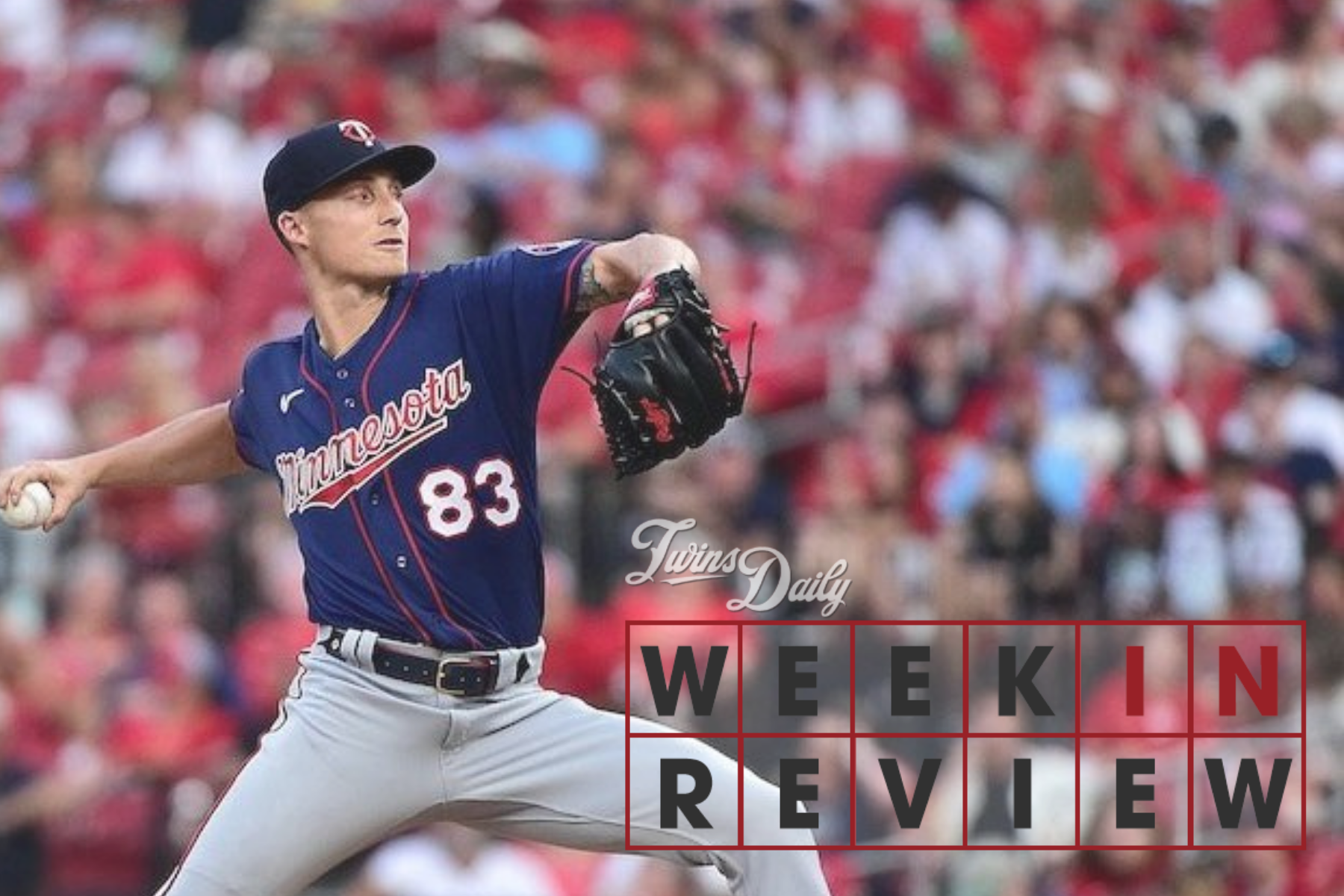 Weekly Snapshot: Mon, 8/9 thru Sun, 8/15 *** Record Last Week: 4-2 (Overall: 52-66) Run Differential Last Week: -1 (Overall: -74) Standing: 4th Place in AL Central (16.0 GB) Last Week's Game Recaps: Game 113 | CWS 11, MIN 1: Sox Build Huge Early Lead in Laugher Game 114 | MIN 4, CWS 3: Jax Fans 10 as Twins Eke Out Tight Win Game 115 | MIN 1, CWS 0: Ober and Bullpen Combine for Shutout Game 116 | TB 10, MIN 4: Cruz Homers in Return, Rays Roll Game 117 | MIN 12, TB 0: Maeda and Arraez Lead Charge in Blowout Game 118 | MIN 5, TB 4: Twins Walk Off Tampa, Take 3rd Straight Series NEWS & NOTES The Twins lost two-fifths of their rotation via trade on deadline day, and lost another piece to injury on Friday when Michael Pineda exited with an oblique strain amidst an underwhelming outing against Tampa Bay. He was quickly placed on the Injured List and replaced on the active roster by reliever Ralph Garza Jr., a recent waiver acquisition. Garza Jr. shined in his Twins debut, tossing two perfect innings in Saturday night's blowout win. No timeline was announced for Pineda but he is in all likelihood done for the season. It's been a tough go for the big right-hander in 2021 following a strong start; since the beginning of June, he's been able to make only nine starts while going 1-6 with a 5.80 ERA. The silver lining for the Twins, I suppose, is that re-signing Pineda to solidify the back end of the '22 rotation shouldn't take a whole lot at this point. Pineda's absence will require the Twins to lean even harder on their young pitching depth. Logically the next in line will be Lewis Thorpe, who put up 5 ⅔ innings of one-run ball for the Saints on Friday while building up to 65 pitches. Thorpe lines up perfectly for Pineda's next turn in the rotation, on Wednesday against Cleveland. Other roster moves for the week saw Beau Burrows and his 12.54 ERA optioned to Triple-A, replaced by veteran journeyman Nick Vincent (Alex Kirilloff moved to 60-day IL to make room on the 40-man), while Jorge Alcala landed on IL and was replaced in the bullpen by another waiver pickup, Edgar García. HIGHLIGHTS With Pineda sidelined, it's now Kenta and the Kids in the Minnesota Twins rotation. Kenta Maeda looked the part of an exemplary veteran leader on Saturday, firing six shutout innings against the Rays, while the rookies joined the fun with strong performances of their own against first-place teams. Griffin Jax was flat-out dominant against the White Sox on Tuesday night, striking out 10 over six innings. Chicago managed to score three runs on a couple of homers, but Jax was otherwise excellent, pounding the zone with sliders and fastballs to keep a potent lineup in check. Interestingly, Jax has piled up 16 strikeouts over 10 innings with a 20% swinging strike rate in two starts against the White Sox this year, compared to 16 strikeouts in 28 innings and a 6% swinging strike rate against all other opponents. The following day, Bailey Ober helped lift the Twins to a series victory over the division leaders, contributing 5 ⅓ scoreless innings to an eventual shutout. Ober struck out six and walked one, pushing his K/BB ratio to 62-to-16 in 57 ⅔ innings this season. Like with Jax, keeping the ball in the park is the biggest challenge for Ober and on days like this where he's able to do so, he looks quite legit. Ober owns a 3.55 ERA in seven starts dating back to the end of June, and Minnesota has gone 5-2 in those games. Even Charlie Barnes joined in on the rookie revitalization of the rotation. While he wasn't particularly effective in his first outing on Monday, yielding three runs in 4 ⅔ innings as bulk guy behind the opener Burrows, Barnes rebounded on Sunday, holding the White Sox to one run over five frames. The lefty was in line for his first MLB win, leaving with a three-run lead, but the bullpen and defense let him down in the late innings. García was among the culprits, surrendering a two-run homer in the sixth, but it was his only blemish in a strong stretch overall. The right-hander stepped up in a pair of earlier long-relief appearances, allowing just one hit over 4 ⅓ scoreless innings versus Chicago and Tampa. In total he struck out five with only one walk, inducing 12 swinging strikes on 80 pitches (15%) while finding the zone with 68% of his offerings. Combined with Garza Jr.'s outstanding debut on Saturday, it was an encouraging week for the club's latest bullpen waiver adds. It might fairly be described as "too little, too late," but Alex Colomé has quietly become the steady rock of this relief corps, looking very much like the reliable closer he's been in years past following an unbelievably ugly April. Since May 1st, he's got a 3.00 ERA and is 5-for-6 in save opportunities. The past week saw him rattle off a pair of saves, both in one-run games against the Sox, and he also worked a scoreless ninth on Sunday to set up Minnesota's win in the bottom half. Offensively, Jorge Polanco continues to be the star of the show – his 21st homer on Wednesday proved decisive in a 1-0 win, and he walked off the Rays with sac fly on Sunday – but Miguel Sanó's re-emergence should not be ignored. His bat, and more generally his offensive approach, have been resuscitated. The past week saw Sanó collect five hits, including a double and homer, but most importantly, he drew as many walks (4) as strikeouts. After leading the league in Ks last year, and fanning in 39% of his plate appearances through May of this year, Sanó has cut that rate down to 31% since the start of June. During that span he is slashing .249/.321/.477 in 56 games. Spectacular? No. But very serviceable and suggestive that the big slugger still has something left in the tank. LOWLIGHTS The Tampa series was a high point for Brent Rooker, who went 6-for-9 with two homers and four RBIs in his two starts. The Chicago series was anything but. In three games against the White Sox, Rooker went 0-for-11 with nine strikeouts, extending a brutal slump at a time where the rookie slugger desperately needs to rake. Prior to his four-hit game against the Rays on Friday night, Rooker was slashing just .098/.159/.171 in the month of August, while regularly slotting in as the Twins' No. 2 hitter. His big weekend was not enough to offset the larger struggles this month, and that's sort of been the story of his season. Rooker shows flashes, but has a .198 average and .676 OPS through 119 plate appearances. His power is not in doubt, but a .252 on-base percentage ain't gonna cut it, especially when you factor in the total absence of defensive value. Unless and until he can find some semblance of strike zone control, it's difficult to project any real value for Rooker as a big-leaguer. In a sense, it feels too soon to rush to judgment on Rooker. But then again, he'll turn 27 this offseason and the Twins are staring down a potential 40-man roster crunch. With the redundant and superior Sanó already in the plans for 2022, where does Rooker fit in? Weeks like these present a crucial opportunity to make his case. Rooker needs more than a random blow-up game here and there to maximize it. Trevor Larnach isn't so much fighting to prove he's got an MLB future – that's not really in doubt – but he too is battling to carve out an immediate spot on the 2022 team. With the way things have been going for him of late, it'll be tough for the Twins to pencil him in. It was another lackluster week for Larnach, who went 1-for-11 with a single and five strikeouts in his four starts. The outfielder's last home run came on July 7th; since then he's batting .156 with a .188 slugging percentage in in 110 plate appearances, while striking out 43% of the time. Larnach doesn't really appear to be benefiting from getting repeatedly beaten by major-league pitching. The signs of growth and adjustment aren't there. With the Triple-A schedule extending through September this year, there's still time to get him back in the minors so he can find his swing and rebuild some confidence. Will the Twins go that route, or are they committed to seeing it through in the majors? TRENDING STORYLINE For those of us keeping a close eye on the Twins' pitching pipeline, Sunday was a big day. Matt Canterino, who ranked 8th in TD's recently-updated prospect rankings, made his first official appearance at Cedar Rapids since May, following a lengthy rest-and-rehab program to address elbow soreness. Canterino picked up right where he left off, overpowering High-A hitters to an absurd degree. After striking out eight of the 10 he faced over three hitless innings on Sunday, he now has a 0.86 ERA with 43 strikeouts in 21 innings for the Kernels. Yes, that is an 18.4 K/9 rate. This isn't even fair. Time to get him up to the next level and see how Double-A fares against him. I'm eager to find out. Even though he has yet to pitch above A-ball, the 23-year-old is going to be fast-tracked and has the ability to factor as a pivotal difference-maker for the Twins next year if he can stay healthy. LOOKING AHEAD Minnesota's run against solid competition rolls on as they welcome Cleveland to Target Field, wrapping up a long homestand before heading to the East Coast for a four-game set against the dreaded Yankees. Can Kenta and the Kids keep it clicking? MONDAY, 8/16: CLEVELAND @ TWINS – RHP Cal Quantrill v. RHP Griffin Jax TUESDAY, 8/17: CLEVELAND @ TWINS – RHP Eli Morgan v. RHP Bailey Ober WEDNESDAY, 8/18: CLEVELAND @ TWINS – RHP Zach Plesac v. TBD THURSDAY, 8/19: TWINS @ YANKEES – RHP Kenta Maeda v. RHP Jameson Taillon FRIDAY, 8/20: TWINS @ YANKEES – LHP Charlie Barnes v. LHP Nestor Cortes SATURDAY, 8/21: TWINS @ YANKEES – RHP Griffin Jax v. RHP Gerrit Cole SUNDAY, 8/22: TWINS @ YANKEES – RHP Bailey Ober v. LHP Jordan Montgomery MORE FROM TWINS DAILY — Latest Twins coverage from our writers — Recent Twins discussion in our forums — Follow Twins Daily via Twitter, Facebook or email
- 34 comments
-
- 2
-
-
- griffin jax
- bailey ober
- (and 2 more)
-
In Defense of the Twins Front Office
Nick Nelson replied to Nick Nelson's topic in Twins Daily Front Page News
Man, these exaggerations are out of control. Game 1 last year was 1-1 going into the ninth, Game 2 was 2-1. "Not remotely competitive." Come on. -
In Defense of the Twins Front Office
Nick Nelson replied to Nick Nelson's topic in Twins Daily Front Page News
Ha, good find. Can't help but notice you didn't quote the preceding graph: "So, although the Twins are coming off one of the worst seasons ever in terms of run prevention, there is plenty of reason to expect much better things in the near future, particularly if the new baseball ops leaders are able to bolster the developmental process." I'd say the fact that basically all those young arms that I – and the previous front office – believed in at the time failed to pan in any way, but the Twins improved tremendously at run prevention in the following years anyway, is more of a point in favor of my argument here than against it. No? -
In Defense of the Twins Front Office
Nick Nelson replied to Nick Nelson's topic in Twins Daily Front Page News
... What? It absolutely has panned out. They were in AL contention the very next year, made the playoffs in 3 of the next 4. They were one of the winningest teams in baseball over the past two seasons. Are yall in some Bizarro World where the last four years didn't happen or are you just dismissing all the success because they didn't win one of 6 postseason games? I am honestly baffled. -
In Defense of the Twins Front Office
Nick Nelson replied to Nick Nelson's topic in Twins Daily Front Page News
Also let's be clear here: I'm using Terry Ryan as a shorthand. The front office was largely the same when he stepped back and he was still involved. I don't differentiate between 2008-11 and 2012-16 all that much and I'm not sure why you would. Very little changed operationally. -
In Defense of the Twins Front Office
Nick Nelson replied to Nick Nelson's topic in Twins Daily Front Page News
The fact that they were successful in the first decade of the 2000s is not being debated and also not really relevant. The game passed that front office by. During the entirety of Ryan's second tenure the Twins ranked near the bottom of the league – if not at the bottom – in K-rate every single year, without exception. You can't win like that, period. There was no sign it was going to change under that regime. Claiming I'm being "obviously dishonest" and then making some long-winded, nonsensical argument that concludes "what we know about Terry Ryan was that, unlike this FO, he could build up minor league pitching pipeline" is pretty hilarious, I'll give you that. If this is a bit I commend you. The top pitching prospects when he left (after 5 straight years of top draft picks and waiver positions) were Kohl Stewart, Tyler Jay and Stephen Gonsalves ? ? -
In Defense of the Twins Front Office
Nick Nelson replied to Nick Nelson's topic in Twins Daily Front Page News
You recall the state of their pitching staff in 2016, right?? Who other than Erv looked like a major-league starter on that roster? We've already gone over what the pitching pipeline looked like at that point. The idea they can't contend next year is not only an overreaction to this season but an overreaction to the unbelievably disastrous first 6 weeks of this season. The Twins went 14-28 in their first 42 games and are since 34-37. With all that's continued to go wrong, they've basically been a .500 team over the span of 3 months. That's almost entirely without Byron Buxton who was the most valuable player in baseball before he got hurt. It's not nearly as inconceivable as you're making it out to be. -
In Defense of the Twins Front Office
Nick Nelson replied to Nick Nelson's topic in Twins Daily Front Page News
OK. You can look back in hindsight and claim all these pieces were in place, and things were inevitably going to turn around even if the same regime stayed here, but that's extremely speculative, reductive, and not supported by evidence. The previous front office repeatedly showed an inability to develop and maximize its own young talent, especially pitching, so why would we assume things would've played out the same way? You're going so far out of your way to minimize the impact of Falvey and his operation (which made significant changes in coaching and development approaches throughout the system) and it's weird. Again: the Twins lost the most games in baseball in 2016, as well as from 2011 through 2016 overall, and went 6 straight years without making the playoffs. It is not controversial in the least to say the franchise was in despair at that point in time. (I didn't say roster, or farm system, so please quit twisting the original statement to suit your argument.) You don't make an overhaul as radical as the Twins did if you're not in despair. -
In Defense of the Twins Front Office
Nick Nelson replied to Nick Nelson's topic in Twins Daily Front Page News
Yes. Of course there is. We've already seen the Twins make year-over-year improvements of 26 wins (2017) and 23 wins (2019) in this front office's short tenure. There's no reason they couldn't do something similar next year with better health and some good breaks. They've got the offensive pieces in place and a bunch of young arms verging on MLB-ready. Definitely need a few offseason hits on the pitching staff but I believe they're capable. I'm sure it felt at times in 2016 and 2018 like there was no path to contention but things can change in a hurry. We need to not lose sight of the forest for the trees, which is essentially the point of this post. -
In Defense of the Twins Front Office
Nick Nelson replied to Nick Nelson's topic in Twins Daily Front Page News
While it's a boogeyman term for some, analytics is essentially the systematic study and analysis of what happened to inform decisions. Which is why I feel good about this front office learning valuable lessons from this year. They will take a hard look at everything that went wrong and assess a path forward based on evidence rather than fanciful thinking (i.e., the plan after 2011's disaster). -
In Defense of the Twins Front Office
Nick Nelson replied to Nick Nelson's topic in Twins Daily Front Page News
I would add that they're also two of the most analytical front offices in baseball, whose operational models the Twins have clearly tried to mimic and whose talent the Twins have repeatedly plundered in trades. Which is an ironic element of some of the critiques I've seen. "These geeky over-analytic execs and coaches! Why can't they be more like the Rays?!" lol wut -
In Defense of the Twins Front Office
Nick Nelson replied to Nick Nelson's topic in Twins Daily Front Page News
And last year the Twins had the Cy Young runner-up + a bullpen that ranked third in MLB in WAR behind the two World Series finalists. Again: I'm not saying the Twins front office doesn't deserve criticism for blowing it this year, only that it needs to be tempered against their successes from past years. -
In Defense of the Twins Front Office
Nick Nelson replied to Nick Nelson's topic in Twins Daily Front Page News
I think it's fair to say a franchise that led all of baseball in losses the previous 6 years and coming off a season with the most losses in Twins history was lacking vitality and vigor. You could say their system was healthy at that time but... was it? Their top 10 in 2016 included Nick Gordon (#4), Tyler Jay (#5), Stephen Gonsalves (#6), Alex Meyer (#8), Kohl Stewart (#9) and Nick Burdi (#10). I think you're looking through a really rose-colored hindsight lens to suggest this franchise was in anything other than a dire state when new leadership took over. TR's front office had been rebuilding fruitlessly for half a decade.- 231 replies
-
- 15
-
-
The Minnesota Twins' front office blew it this year. There is no way around that, and no credible argument against it. But ultimately, it's one year. The number of statements from fans I've seen along the lines of "Clean house!" and "Fire Falvine!" and "These guys have no idea what they're doing" ... It demonstrates short-term memory at best. At worst? A bit of an entitled mindset. The Twins hired Derek Falvey (who hired Thad Levine) in the wake of a disastrous 103-loss season in 2016. By that point, the Twins had gone six straight years without making the playoffs, and during that span they lost more games than any team in baseball. The following year, Minnesota stunningly reached the postseason as a wild-card team. Then they missed out in 2018, still finishing second, before rebounding in 2019 with one of the greatest seasons in franchise history. The Twins followed in 2020 with another division title. To run all that back: this front office took over a team that had gone 407-565 (.419) with zero playoff appearances in its previous six years, and went 300-246 (.549) with three playoff appearances in the next four. Does their success owe somewhat to the foundation built before they arrived? Of course. No one would deny that Terry Ryan and Co. had cultivated an impressive nucleus before being ousted. But during those years, the Twins repeatedly failed in the draft, failed in acquisitions, and failed in player development. The results bore that out. Let's be clear about something here: This current regime was so successful and so impressive through four years that they were repeatedly poached of talent, both in the front office and the coaching staffs they assembled. Not only that, but Falvey and Levine themselves have been courted by big-name franchises like the Red Sox and Phillies. What did they say, according to publicized reports on the matter? "No thanks, we're going to see through what we're building here." And so, to see flocks of fans calling for their heads because of one bad season, which is no worse than the ones we saw repeatedly before they arrived ... it's a little hard to take. Falvey became the youngest head exec in the league when he took Minnesota's top job. Currently he is 38 years old, which is three years younger than the DH he traded to Tampa Bay last month. Up until now he never experienced serious adversity during his tenure, which speaks to how smoothly things have gone in the first four years. The same could be said, by the way, for his managerial choice Rocco Baldelli, who was named Manager of the Year in 2019 (as the youngest skipper in baseball, with no experience in the role) and then won a second straight division title in his second season. These people have shown their mettle. They've won. A lot. I realize they haven't won in the playoffs, and that sucks, but they haven't had nearly the opportunity of their predecessors. Are we not going to give them a chance to learn from failure? Obviously the free agent pitching additions from the past winter have failed at every level. But this front office has made plenty of good and savvy pickups in the past, which helped fuel the success of high-quality staffs the last two years. And in any case, Falvey wasn't really hired to sign pitchers. He was hired to develop them. On that front, the jury is still out. This operation was four years in when a pandemic came along and wiped out an entire minor-league season. The fact that Minnesota's upper minors are currently loaded with intriguing high-upside arms would suggest the mission was on track, and is just now getting back on the rails. Soon we'll start seeing those arms (along with the ones acquired at the deadline this year) ushered into majors, and at that point we'll be able to make real assessments. But until then, you're judging an incomplete project. This reassembled baseball ops department has been working ahead of schedule basically since they took over a moribund franchise in despair. They hit a setback this year, and it's been painful. Let's give them a chance to get back on track in the wake of a major disruptive event and humbling follow-up season. MORE FROM TWINS DAILY — Latest Twins coverage from our writers — Recent Twins discussion in our forums — Follow Twins Daily via Twitter, Facebook or email View full article
-
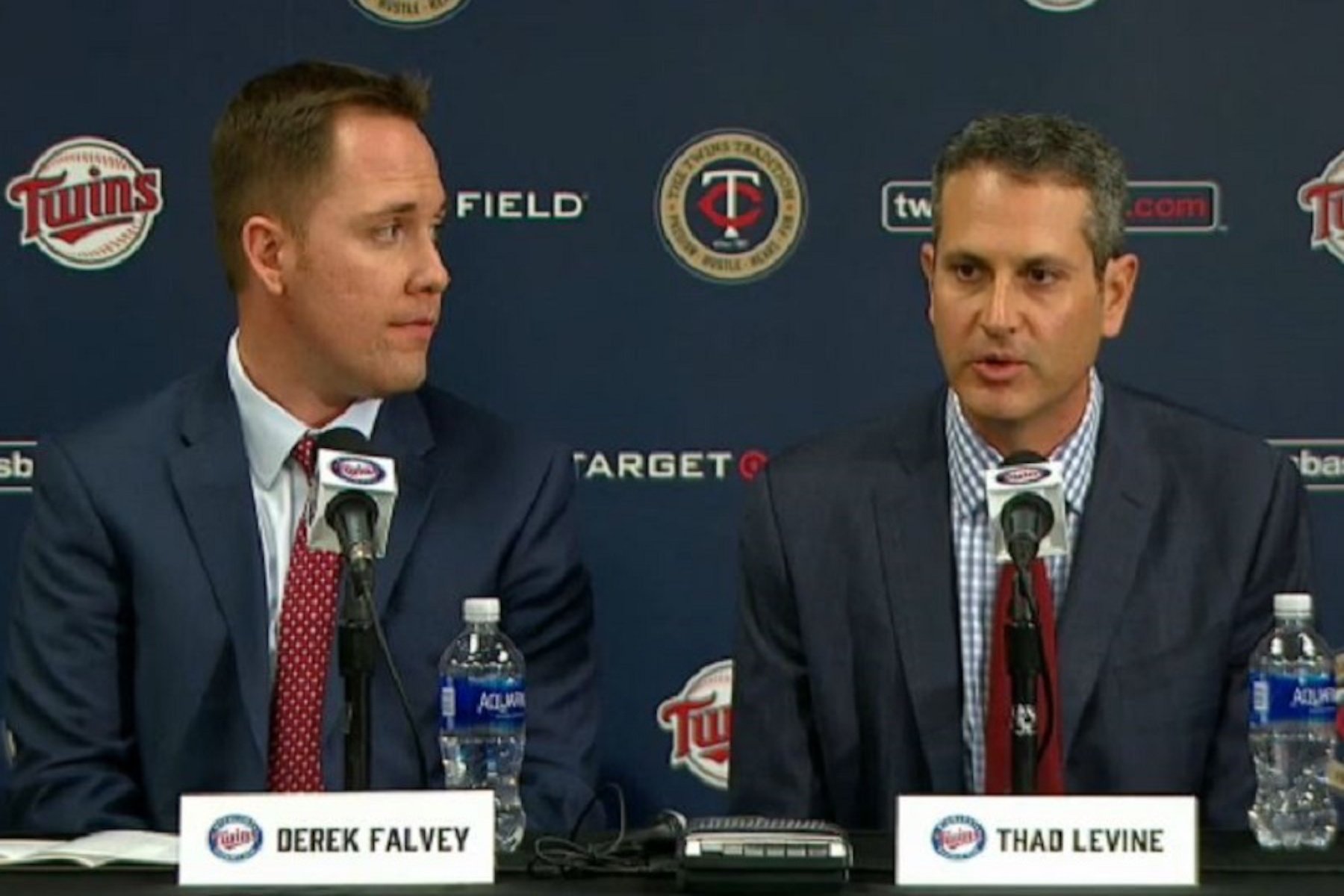 The Twins hired Derek Falvey (who hired Thad Levine) in the wake of a disastrous 103-loss season in 2016. By that point, the Twins had gone six straight years without making the playoffs, and during that span they lost more games than any team in baseball. The following year, Minnesota stunningly reached the postseason as a wild-card team. Then they missed out in 2018, still finishing second, before rebounding in 2019 with one of the greatest seasons in franchise history. The Twins followed in 2020 with another division title. To run all that back: this front office took over a team that had gone 407-565 (.419) with zero playoff appearances in its previous six years, and went 300-246 (.549) with three playoff appearances in the next four. Does their success owe somewhat to the foundation built before they arrived? Of course. No one would deny that Terry Ryan and Co. had cultivated an impressive nucleus before being ousted. But during those years, the Twins repeatedly failed in the draft, failed in acquisitions, and failed in player development. The results bore that out. Let's be clear about something here: This current regime was so successful and so impressive through four years that they were repeatedly poached of talent, both in the front office and the coaching staffs they assembled. Not only that, but Falvey and Levine themselves have been courted by big-name franchises like the Red Sox and Phillies. What did they say, according to publicized reports on the matter? "No thanks, we're going to see through what we're building here." And so, to see flocks of fans calling for their heads because of one bad season, which is no worse than the ones we saw repeatedly before they arrived ... it's a little hard to take. Falvey became the youngest head exec in the league when he took Minnesota's top job. Currently he is 38 years old, which is three years younger than the DH he traded to Tampa Bay last month. Up until now he never experienced serious adversity during his tenure, which speaks to how smoothly things have gone in the first four years. The same could be said, by the way, for his managerial choice Rocco Baldelli, who was named Manager of the Year in 2019 (as the youngest skipper in baseball, with no experience in the role) and then won a second straight division title in his second season. These people have shown their mettle. They've won. A lot. I realize they haven't won in the playoffs, and that sucks, but they haven't had nearly the opportunity of their predecessors. Are we not going to give them a chance to learn from failure? Obviously the free agent pitching additions from the past winter have failed at every level. But this front office has made plenty of good and savvy pickups in the past, which helped fuel the success of high-quality staffs the last two years. And in any case, Falvey wasn't really hired to sign pitchers. He was hired to develop them. On that front, the jury is still out. This operation was four years in when a pandemic came along and wiped out an entire minor-league season. The fact that Minnesota's upper minors are currently loaded with intriguing high-upside arms would suggest the mission was on track, and is just now getting back on the rails. Soon we'll start seeing those arms (along with the ones acquired at the deadline this year) ushered into majors, and at that point we'll be able to make real assessments. But until then, you're judging an incomplete project. This reassembled baseball ops department has been working ahead of schedule basically since they took over a moribund franchise in despair. They hit a setback this year, and it's been painful. Let's give them a chance to get back on track in the wake of a major disruptive event and humbling follow-up season. MORE FROM TWINS DAILY — Latest Twins coverage from our writers — Recent Twins discussion in our forums — Follow Twins Daily via Twitter, Facebook or email
- 231 comments
-
- 22
-
-
Week in Review: New-Look Rotation
Nick Nelson replied to Nick Nelson's topic in Twins Daily Front Page News
There's a risk here when it comes to giving Gordon "more seasoning" though. You're taking away opportunities from others to give to him. You're potentially clogging a 40-man roster spot throughout the offseason on the longshot hope that he turns a corner, which could lead to another Akil Baddoo situation. Gordon will be 26 and out of options next year. The Twins have basically run out of rope on developing him. I think that's the main disconnect a lot of people have with regards to his situation.- 37 replies
-
- 1
-
-
- griffin jax
- bailey ober
- (and 3 more)
-
The first week of post-deadline baseball saw highs and lows for a reshaped rotation that now consists of 60% rookies. Ultimately, with help from the bats, Twins pitching was good enough to produce a winning week on the road against some solid competition. Let us review. Weekly Snapshot: Mon, 8/2 thru Sun, 8/8 *** Record Last Week: 4-2 (Overall: 48-64) Run Differential Last Week: +2 (Overall: -73) Standing: 5th Place in AL Central (17.5 GB) Last Week's Game Recaps: Game 107 | MIN 7, CIN 5: Garver, Polanco Power Exciting Win Game 108 | CIN 6, MIN 5: Twins Comeback Falls Short Game 109 | MIN 5, HOU 3: Jax Earns First MLB Win as Starter Game 110 | MIN 5, HOU 4: Twins Rally from Early Deficit Game 111 | HOU 4, MIN 0: Lineup Has No Answers for Houston Pitching Game 112 | MIN 7, HOU 5: Polanco's 2 Homers Lift Twins to Series Win NEWS & NOTES Sidelined since early June by a bad hammy strain, Rob Refsnyder finally returned from the Injured List on Thursday, and has since resumed his role as semi-regular center fielder in Byron Buxton's absence. Refsnyder's activation led to Nick Gordon being optioned to Triple-A, which caused some consternation among fans who wished to see Gordon get a real shot. I get it. I like Gordon as a person and would love to see him succeed. It can feel hard to understand what's holding him back from more playing time on a bad team that's going nowhere. But this move makes it all the clearer how the Twins view him, and ... can you really blame them? While the speed is nice, Gordon has simply shown no signs that he can be an impactful contributor on a major-league team. He's a capable defender at several spots, but nowhere is he a standout, and the Twins seem to have zero interest in playing him at short. When you combine that defensive profile with a completely punchless bat, there isn't much value to be found. During his time in the majors, Gordon put 70 balls in play and recorded one barrel. He slashed .176/.263/.235 in his final 20 games. He lacks any discipline at the plate, offering at 45.8% pitches outside the zone, which is second on the team behind (of course) Willians Astudillo. It's not happening for Gordon this year. Now that doesn't preclude the possibility that he works his ass off during the winter, bulks up, and comes out next spring with a significantly bolstered skill set. We'll see if the Twins hold him on the 40-man roster and pursue that avenue. For now, the sad fact is that Refsnyder has a better chance of being a valuable contributor on the 2022 Twins. In other roster news of the week: Another right-handed reliever picked up off waivers. Just days after snagging Edgar Garcia following his DFA from Cincinnati, the Twins claimed former Astro Ralph Garza Jr., who was immediately optioned to Triple-A to join Garcia on the Saints. Garza, like many pitchers the Twins have added of late, has intriguing attributes and big strikeout rates in the minors, but also some clear flaws. There's no particular reason to think he or Garcia – discarded cast-offs from other organizations – will turn to anything useful. But then again, the same thing applies in the bullpen as in the rotation: the Twins are going to need help from the minors and every lottery ticket helps. It's a numbers game and the team is improving its odds. HIGHLIGHTS With veterans José Berríos and J.A. Happ departing at the deadline, Minnesota plugged in Griffin Jax and Charlie Barnes, who join incumbent rookie Bailey Ober in a suddenly very inexperienced rotation. It's quite the departure from Opening Day, when Berríos was their youngest starter. While veteran holdovers Kenta Maeda and Michael Pineda are interesting to track for their own reasons, the youth movement is now the central focus for the starting corps. None of the three rookies currently in the rotation are top prospects, but in the numbers game, it's all about letting them run and seeing if one emerges. This past week, the numbers showed some things to like from Jax and Ober: Jax spun 5 ⅓ innings of one-run ball in Houston on Thursday against the highest-scoring offense in the majors. (Albeit one missing several key bats.) He allowed only three hits and one walk in an efficient and impressive performance. Jax recorded zero strikeouts and only three swinging strikes in the outing, which is concerning, but he did pile up six strikeouts on 16 whiffs against the White Sox two starts prior, so he has at least shown the capability to miss bats. In his past three starts dating back to that one, Jax has a 1.88 ERA with six hits allowed in 14 ⅓ frames. Ober's start on Saturday was a mixed bag. On the one hand, we saw his strengths on display, with five strikeouts and one walk pushing his outstanding seasonal ratio to 56-to-15 ratio in 52 ⅓ innings. Ober's 3.7 K/BB ranks second among Twins starters behind Pineda. Ober also gave up two home runs in his five innings of work, surfacing his biggest weakness, but in general he too has been on a good track. In his past three starts, Ober has a 3.77 ERA and 15-to-3 K/BB ratio in 14 ⅓ frames. Several relievers also had strong showings as the bullpen rebounded from a very ugly run the previous week. Jorge Alcala allowed one hit (a home run) in three innings of work, striking out six of the 11 batters he faced. Alex Colomé worked four scoreless appearances and picked up three saves. Juan Minaya struck out eight over 4 ⅓ shutout innings between three appearances, allowing just two hits. On the offensive side, it was a relatively quiet week with a few standout performances. In spite of his barking knees, Luis Arraez continues to rake; he notched hits in every game he played and went 10-for-17 overall to raise his average to .318, which would rank sixth in baseball if qualified. Jorge Polanco drilled three more homers, and leads the American League in long balls over the past month. It's a remarkable turnaround from a player whose power had been totally sapped. Miguel Sanó did not have a particularly strong week overall, but he did make a game-saving defensive play at third on Friday night, and did this to a baseball on Sunday: LOWLIGHTS While Jax and Ober came through with encouraging performances, Barnes was less inspiring. Facing Cincinnati on Wednesday, the left-hander was knocked around for five earned runs on seven hits and two walks in four innings of work. Through two major-league starts he has a 6.23 ERA with three strikeouts and three walks in 8 ⅔ innings. He has induced only seven swinging strikes on 148 pitches between the two outings (5%). Barnes isn't embarrassing as a spot-starter type but it'd be nice to get someone in that fifth rotation slot with a little more upside. The Twins are slowly starting to get healthier in their starting pitching ranks, so maybe a few options will emerge in the coming weeks. Lewis Thorpe was activated from a lengthy IL stint and started Sunday for the Saints. Randy Dobnak was reportedly doing some "light throwing at Target Field" on Sunday morning, suggesting he's on the comeback trail. I realize these names aren't going to have folks leaping with excitement but they both have a better chance of factoring significantly into the 2022 rotation than Barnes. Brent Rooker cooled off following a red-hot start to his second stint with the Twins this year, going just 3-for-22, although he continued to flash power with all three hits going for doubles. Selectiveness at the plate will be the key thing to watch from Rooker, and he's leaving much to be desired in that area. He's not working into enough favorable counts and when at-bats end with pitchers ahead, he's just 1-for-29 this season. Alas, Rooker looks like an unstoppable offensive force in comparison to Andrelton Simmons. Anyone does. Simmons just continues sinking to new depths, with a 2-for-18 week dropping his slash line to a pitiful .216/.280/.275. His last extra-base hit came on July 2nd, 30 games ago, and since then he has a .355 OPS. There's no point in continuing to run him out there. Remaining money owed is unfortunately a sunk cost. The Twins would be better off sliding Polanco back over to short for the rest of the season and giving the reps at second base to someone like Arraez or Gordon or even Jose Miranda. TRENDING STORYLINE When they acquired him as the headliner in the Berríos trade, I wrote about why Austin Martin is a prospect very much worth getting excited about. Since the trade, he's been doing plenty to fuel the hype. Following a three-hit game for the Wichita Wind Surge on Sunday, Martin is now batting .400 with a .571 on-base percentage since coming over to the Twins organization. His eye at the plate is outrageously good, as illustrated by a 1-to-6 K/BB ratio in six games with Wichita. He has proven already to be a playmaker in the outfield and on the basepaths. Since the start of July, Martin has reached base in 52% of his plate appearances. That's no tiny sample. The idea of him complementing Arraez at the top of order, in front of a proven pack of power hitters, is beyond tantalizing. How far is it from becoming a reality? Next year seems likely, and maybe even from the start. But in order to make Martin a viable candidate for Opening Day, the Twins will need to take some preparatory steps. I'll be quite curious to see if he joins the club as a September call-up, or at least gets a late-season look in Triple-A. His defensive profile makes Martin an especially intriguing piece in the team's planning. Could he take over in center field if Buxton is traded this offseason? Maybe Martin steps in at second with Polanco pivoting back to short. Or perhaps, as I posited in my theoretical 2022 lineup on Twitter, left field is Martin's best initial entry point into the majors. LOOKING AHEAD It bums me out to look ahead at the schedule right now. If things had gone as planned, this would've been an absolutely crucial and thrilling stretch: The Twins, returning home from their longest road trip of the year, face off against the White Sox, Rays, and Cleveland, in consecutive series at Target Field. Could you imagine the stakes and intensity if Minnesota was in contention?! Alas, they are not. So all we can really look forward to is the return of Nelson Cruz to Target Field in another uniform. Hooray. MONDAY, 8/9: WHITE SOX @ TWINS – RHP Lucas Giolito v. LHP Charlie Barnes TUESDAY, 8/10: WHITE SOX @ TWINS – LHP Dallas Keuchel v. RHP Griffin Jax WEDNESDAY, 8/11: WHITE SOX @ TWINS – RHP Lance Lynn v. RHP Bailey Ober FRIDAY, 8/13: RAYS @ TWINS – LHP Shane McClanahan v. RHP Michael Pineda SATURDAY, 8/14: RAYS @ TWINS – RHP Michael Wacha v. RHP Kenta Maeda SUNDAY, 8/15: RAYS @ TWINS – LHP Josh Fleming v. LHP Charlie Barnes MORE FROM TWINS DAILY — Latest Twins coverage from our writers — Recent Twins discussion in our forums — Follow Twins Daily via Twitter, Facebook or email View full article

