



Nick Nelson
-
Posts
8,326 -
Joined
-
Last visited
-
Days Won
56
Content Type
Profiles
News
Minnesota Twins Videos
2026 Minnesota Twins Top Prospects Ranking
2022 Minnesota Twins Draft Picks
Minnesota Twins Free Agent & Trade Rumors, Notes, & Tidbits
Guides & Resources
2023 Minnesota Twins Draft Picks
The Minnesota Twins Players Project
2024 Minnesota Twins Draft Picks
2025 Minnesota Twins Draft Pick Tracker
2026 Minnesota Twins Draft Tracker: Picks & Bonuses
Forums
Blogs
Events
Store
Downloads
Gallery
Everything posted by Nick Nelson
-
 As the Twins embark on the daunting offseason task of building their 2022 pitching staff nearly from scratch, it's worth wondering if their forward-thinking front office might step outside the box and take a nontraditional approach. A revealing recent quote from general manager Thad Levine leads one to believe it's a path they're considering. Earlier this week, Dan Hayes of The Athletic penned a piece sizing up the monumental challenge ahead of the Twins as they seek to fill the top three spots in their rotation from the outside. The end of the piece includes this quote from the Twins GM, which really caught my attention: “I think with the challenge comes opportunity,” Levine said. “We’re going to be as creative as we can be in terms of not being necessarily hemmed into the notion of it has to look exactly the way it has always looked. We may end up looking at this from the lens of how many multi-inning guys can we add to a staff and how far does that take us?” While Levine's allusion is not overly specific, one could take it to mean the Twins are envisioning a staff filled with "hybrid" pitchers – not quite starters, but not traditional one-inning relievers either – stringing together nine-inning games, without the expectation of one guy throwing six or seven. This is, in some respects, the direction baseball is trending, and it's been very noticeable in recent postseasons. For a team in Minnesota's position, embracing this revolution fully would make a lot of sense. Here are some reasons why: Free agent starting pitchers are expensive and hazardous. Mid-market teams like the Twins rarely play at the highest level because it's tough to be outbid resource-intensive (not to mention more appealing) heavy hitters, and because getting it wrong on a guy you commit $100+ million to can really set you back. As Hayes notes in his article, the Twins face an especially tough challenge because the two "sure things" in their rotation, Bailey Ober and Joe Ryan, are young and inexperienced starters who threw about 100 innings apiece this season. They'll surely have workload limits in place next year, and the model we're discussing would help accommodate that, while reducing a need to compensate by going out and finding proven durable workhorses on the open market (far and few between, highly expensive). Theoretically this could be a way to maximize effectiveness for a multitude of pitchers. We've seen many failing starters reinvent themselves as outstanding relievers, and this would be a pivot in the same vein. Guys can let loose more in shorter stints, rely on a two- or three-pitch mix, and avoid going through the lineup multiple times. In the not-too-distant past, it would've been difficult if not impossible to facilitate a system like this, but the expansion of rosters and the ability to continually carry 13-14 pitchers makes it feasible. You might ask, what types of pitchers would fit under an approach like this? There are a few names on the free agent market that catch my eye, but first, let's discuss some internal candidates to thrive under such an arrangement. Randy Dobnak: He's not really built up to a starter's full workload after throwing 46 and 70 innings in the last two seasons. As a multi-inning reliever or "extended opener" type starter, he'd be able to stretch out without pushing too hard. Griffin Jax: I wrote a while ago about why I like Jax as a candidate to level-up in a relief role: he's got one really good pitch (his slider), and he held opponents to a .597 OPS the first time through the lineup this year. Limiting him to two- or three-inning stints could help unlock his peak form. Lewis Thorpe: I'm not sure if the Twins will continue to try and see things through with Thorpe, and it wouldn't surprise me if he's dumped from the 40-man roster in the near future. That said, if they are committed to giving him one more shot to get healthy and show his stuff, this seems like the way to do it. Full-time starter is out the window at this point. Upcoming Prospects: The Twins have a wealth of near-ready prospects in the minors, but most of them have been plagued by injury issues and nearly all will need to be carefully managed and monitored. This approach helps here, just as it does with managing young MLB starters like Ober and Ryan. Of course, the Twins can't do it all with what they have on hand. They'll need to bring in some talent. The downside of this model is that established MLB starters are probably not going to want to sign on for such unconventional and reduced usage. The upside is that you can possibly make savvy and cost-effective moves, signing down-and-out guys and turning them around. To be clear, the kinds of pitchers who would likely to be signed to support this framework are NOT going to excite anyone. As you look at some of the names I'll throw out below, it's important to think of them not as they are, but as what they could be. Surely no one in Seattle was excited when they signed downtrodden starter Kendall Graveman for $1.25M last year, but now he's suddenly a hot commodity after posting a 1.77 ERA as a reliever. Here are a few pitchers from the current free agent class who strike me as fits in the hybrid mold: Garrett Richards: Struggled as a starter for Boston this year, but moved to the bullpen in mid-August and posted a 3.42 ERA with one homer allowed in 18 appearances the rest of the way. He threw two or more innings in five of those appearances. Jordan Lyles: Been terrible the past two years while mostly pitching out of the rotation. But he's still only 31 and had some success as a multi-inning RP/swing-man type as recently as 2018. Vince Velasquez: I don't have a specific reason for identifying Velasquez in this mix other than he's always had good stuff that has never really played as a starter. Why not try something else? He'll be extremely cheap despite a career 9.9 K/9 rate. Trevor Cahill: Sort of the same deal here as above. Cahill has a good repertoire but has struggled to sustainably harness it. He has plenty of experience as both starter and reliever, so the shift to a role like this could be relatively natural for him. Josh Tomlin: There's nothing very interesting or exciting about Tomlin; I just think he'd be a likely target if the Twins were to take an approach like this. He's an experienced veteran who spent the past three years in Atlanta pitching in such a capacity – frequent multi-inning relief appearances with the occasional start mixed in – and he has Derek Falvey ties from his days in Cleveland. I'm sure much of the response to names like these, or even to an overall experimental approach like the one being proposed, will be some variation of "Cheap Pohlads." But I'd submit that the cost efficiencies of this approach enable the team to invest heavily elsewhere – say, a star shortstop, or a high-end closer, or putting all of their chips on one workhorse type starter while using the shorter-duration usage patterns otherwise. Will the Twins actually lean into a radically innovative pitching staff model like this? I don't know. Would I personally advise it? I'm not sure. But you don't have to read between the lines much to see they're considering something along these lines, and you don't have to squint too hard to see the logic and potential value in it. "How many multi-inning guys can we add to a staff and how far does that take us?” Maybe we're about to find out. MORE FROM TWINS DAILY — Order the Offseason Handbook — Latest Twins coverage from our writers — Recent Twins discussion in our forums — Follow Twins Daily via Twitter, Facebook or email View full article
 -
Are the Twins About to Build a Radically Unconventional Pitching Staff?
Nick Nelson posted an article in Twins
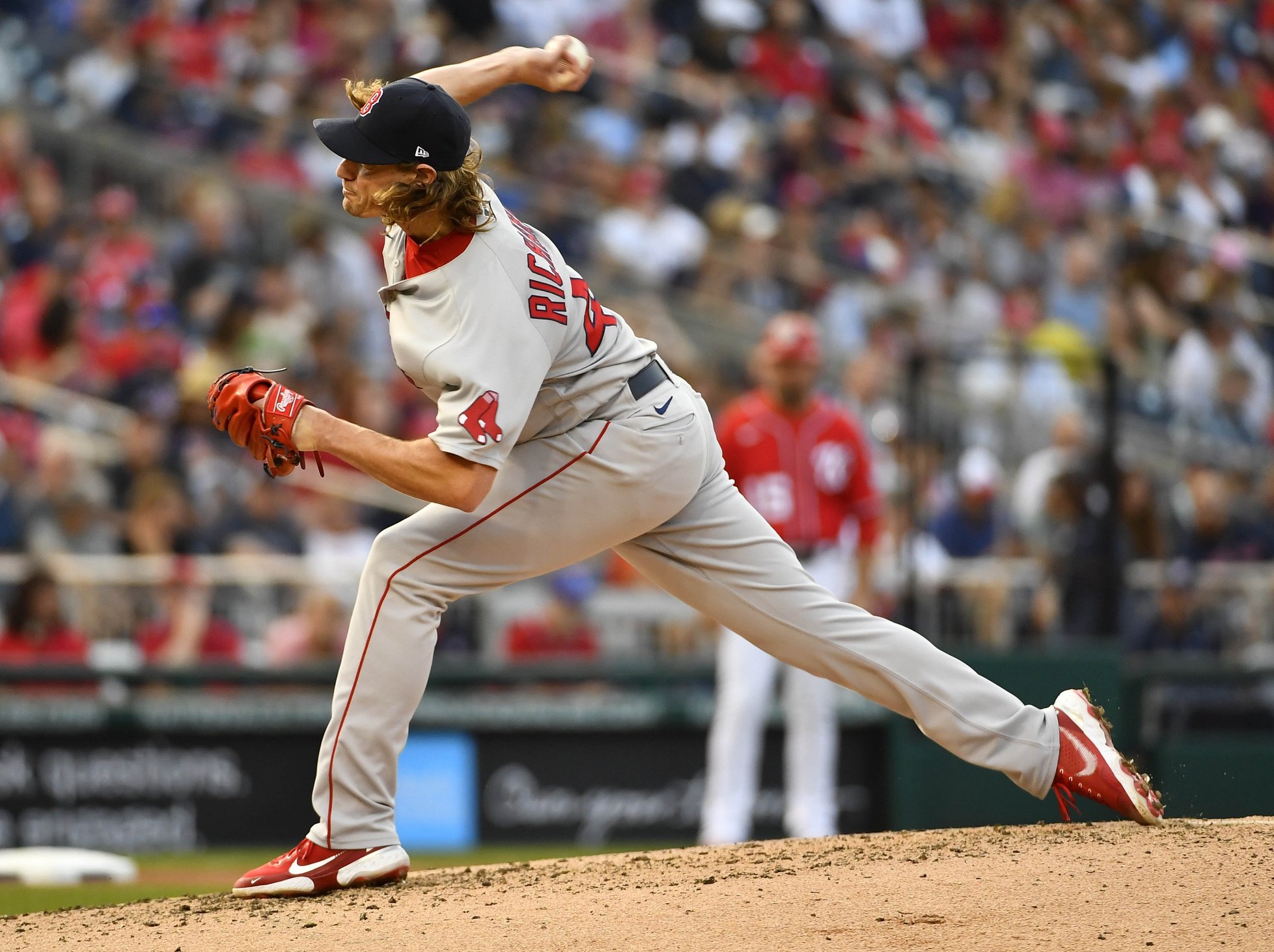 Earlier this week, Dan Hayes of The Athletic penned a piece sizing up the monumental challenge ahead of the Twins as they seek to fill the top three spots in their rotation from the outside. The end of the piece includes this quote from the Twins GM, which really caught my attention: “I think with the challenge comes opportunity,” Levine said. “We’re going to be as creative as we can be in terms of not being necessarily hemmed into the notion of it has to look exactly the way it has always looked. We may end up looking at this from the lens of how many multi-inning guys can we add to a staff and how far does that take us?” While Levine's allusion is not overly specific, one could take it to mean the Twins are envisioning a staff filled with "hybrid" pitchers – not quite starters, but not traditional one-inning relievers either – stringing together nine-inning games, without the expectation of one guy throwing six or seven. This is, in some respects, the direction baseball is trending, and it's been very noticeable in recent postseasons. For a team in Minnesota's position, embracing this revolution fully would make a lot of sense. Here are some reasons why: Free agent starting pitchers are expensive and hazardous. Mid-market teams like the Twins rarely play at the highest level because it's tough to be outbid resource-intensive (not to mention more appealing) heavy hitters, and because getting it wrong on a guy you commit $100+ million to can really set you back. As Hayes notes in his article, the Twins face an especially tough challenge because the two "sure things" in their rotation, Bailey Ober and Joe Ryan, are young and inexperienced starters who threw about 100 innings apiece this season. They'll surely have workload limits in place next year, and the model we're discussing would help accommodate that, while reducing a need to compensate by going out and finding proven durable workhorses on the open market (far and few between, highly expensive). Theoretically this could be a way to maximize effectiveness for a multitude of pitchers. We've seen many failing starters reinvent themselves as outstanding relievers, and this would be a pivot in the same vein. Guys can let loose more in shorter stints, rely on a two- or three-pitch mix, and avoid going through the lineup multiple times. In the not-too-distant past, it would've been difficult if not impossible to facilitate a system like this, but the expansion of rosters and the ability to continually carry 13-14 pitchers makes it feasible. You might ask, what types of pitchers would fit under an approach like this? There are a few names on the free agent market that catch my eye, but first, let's discuss some internal candidates to thrive under such an arrangement. Randy Dobnak: He's not really built up to a starter's full workload after throwing 46 and 70 innings in the last two seasons. As a multi-inning reliever or "extended opener" type starter, he'd be able to stretch out without pushing too hard. Griffin Jax: I wrote a while ago about why I like Jax as a candidate to level-up in a relief role: he's got one really good pitch (his slider), and he held opponents to a .597 OPS the first time through the lineup this year. Limiting him to two- or three-inning stints could help unlock his peak form. Lewis Thorpe: I'm not sure if the Twins will continue to try and see things through with Thorpe, and it wouldn't surprise me if he's dumped from the 40-man roster in the near future. That said, if they are committed to giving him one more shot to get healthy and show his stuff, this seems like the way to do it. Full-time starter is out the window at this point. Upcoming Prospects: The Twins have a wealth of near-ready prospects in the minors, but most of them have been plagued by injury issues and nearly all will need to be carefully managed and monitored. This approach helps here, just as it does with managing young MLB starters like Ober and Ryan. Of course, the Twins can't do it all with what they have on hand. They'll need to bring in some talent. The downside of this model is that established MLB starters are probably not going to want to sign on for such unconventional and reduced usage. The upside is that you can possibly make savvy and cost-effective moves, signing down-and-out guys and turning them around. To be clear, the kinds of pitchers who would likely to be signed to support this framework are NOT going to excite anyone. As you look at some of the names I'll throw out below, it's important to think of them not as they are, but as what they could be. Surely no one in Seattle was excited when they signed downtrodden starter Kendall Graveman for $1.25M last year, but now he's suddenly a hot commodity after posting a 1.77 ERA as a reliever. Here are a few pitchers from the current free agent class who strike me as fits in the hybrid mold: Garrett Richards: Struggled as a starter for Boston this year, but moved to the bullpen in mid-August and posted a 3.42 ERA with one homer allowed in 18 appearances the rest of the way. He threw two or more innings in five of those appearances. Jordan Lyles: Been terrible the past two years while mostly pitching out of the rotation. But he's still only 31 and had some success as a multi-inning RP/swing-man type as recently as 2018. Vince Velasquez: I don't have a specific reason for identifying Velasquez in this mix other than he's always had good stuff that has never really played as a starter. Why not try something else? He'll be extremely cheap despite a career 9.9 K/9 rate. Trevor Cahill: Sort of the same deal here as above. Cahill has a good repertoire but has struggled to sustainably harness it. He has plenty of experience as both starter and reliever, so the shift to a role like this could be relatively natural for him. Josh Tomlin: There's nothing very interesting or exciting about Tomlin; I just think he'd be a likely target if the Twins were to take an approach like this. He's an experienced veteran who spent the past three years in Atlanta pitching in such a capacity – frequent multi-inning relief appearances with the occasional start mixed in – and he has Derek Falvey ties from his days in Cleveland. I'm sure much of the response to names like these, or even to an overall experimental approach like the one being proposed, will be some variation of "Cheap Pohlads." But I'd submit that the cost efficiencies of this approach enable the team to invest heavily elsewhere – say, a star shortstop, or a high-end closer, or putting all of their chips on one workhorse type starter while using the shorter-duration usage patterns otherwise. Will the Twins actually lean into a radically innovative pitching staff model like this? I don't know. Would I personally advise it? I'm not sure. But you don't have to read between the lines much to see they're considering something along these lines, and you don't have to squint too hard to see the logic and potential value in it. "How many multi-inning guys can we add to a staff and how far does that take us?” Maybe we're about to find out. MORE FROM TWINS DAILY — Order the Offseason Handbook — Latest Twins coverage from our writers — Recent Twins discussion in our forums — Follow Twins Daily via Twitter, Facebook or email
 -
I continue to believe people are way too down on Dobnak! The guy was pitching through a bum finger on his pitching hand most of last year. When healthy and on his game, he's a great fit in a long-relief role: a strike-throwing, efficient, GB pitcher who can bridge several innings on a regular basis. I'm not ready to judge him entirely on the basis of his 2021 season. He did some special things in the first ~60 MLB innings and he has a legit formula to succeed.
-
The offseason is officially underway, and while the Stove's temperature could hardly be described as Hot, there's been plenty of action percolating in MLB, with some surprising early moves. For the Twins, efforts have largely been geared toward clearing roster space and preparing for the work ahead. But there has been one noteworthy addition, and some intriguing rumors bouncing around. Roster and Payroll Outlook as of Nov 10th, 2021 In each of these "status update" posts, we'll share an up-to-the-moment look at the 40-man roster as well as the projected 2022 roster/payroll. On the 40-man front, we've already seen a cascade of cuts, with the Twins needing to create significant room for new acquisitions, 60-day Injured List activations, and protecting key prospects from the Rule 5 draft. Since season's end, the team has already removed Drew Maggi, Rob Refsnyder, John Gant, Andrew Albers, Kyle Barraclough, Nick Vincent, Ian Gibaut and Luke Farrell. That's in addition to Andrelton Simmons, Alex Colome and Michael Pineda, who all exited via free agency. That's eight cuts to go along with one addition (which we'll cover shortly), leaving the number of spaces currently occupied at 30. However, this doesn't account for players who will need to be re-added from the 60-day IL (Dobnak, Kirilloff and Maeda at the very least) nor the prospects who need to be added (Lewis, Miranda, Sands, Winder -- jury's out on Enlow). Several key questions emerge in looking at this current breakdown. Will any of Smeltzer, Stashak or Thorpe be re-added after totally lost years? Are the Twins going to retain Garlick? Will any prospects other than the aforementioned handful be protected? Regardless, it's clear that there are still cuts yet to come, because one way or another, the front office will need more than 2-3 open spots to work with. Astudillo, Cave, Barnes, and Strotman strike me as players who are especially at risk, on the fringe of the team's plans. Here's a look at the 2022 squad as it currently projects, from my view (courtesy of our Roster & Payroll tool? Cotton Claimed Off Waivers The Twins added the former Rangers reliever on Friday, and as you'll notice above, we've now got Jharel Cotton penciled into the 2022 bullpen. That's not a lock by any means, but I don't think Minnesota would've committed a roster spot to him unless they intended to keep him. The right-hander is projected to make around $1.2M in his coming first year of arbitration eligibility. That price tag likely compelled Texas to part ways. Cotton is coming off a solid but shortened season in the majors (30.2 IP, 3.52 ERA, 3.72 FIP) and his track record is riddled with injuries, so he's far from a sure thing. It would be tremendously disappointing if he turns out to be anywhere near the club's biggest bullpen addition, but Cotton's a clear upgrade over much of the flotsam that comprised their relief depth in 2021. It's a bold strategy, Cotton. We'll see if it pays off. Twins Exploring SS Market No surprise here, but Jon Heyman reports that Minnesota is among the 13 teams "at least gauging the SS market." As Heyman notes, the level of early competition for this group is good news for an historically great class of free agent shortstops, but less so for any needy team like the Twins that might've hoped to strike a bargain. Aaron Gleeman has a great new piece at The Athletic analyzing this winter's SS class in depth. Oakland Open for Business Another development that Twins fans should have eyes on: the Athletics appear ready to blow it up. This became somewhat evident when they let their world-class manager leave for San Diego, and quotes from their GM only serve to confirm that an offseason of scaled-back spending and talent-dumping is ahead. For teams like the Twins that are in the market for pitching and possessing robust farm systems, this is a big moment of opportunity. Oakland, as usual, is deep on arms, and there are a few specific names that jump out as candidates for immediate and dramatic impact in the rotation. Per Heyman, Chris Bassitt, Frankie Montas and Sean Manaea are all on the table. Montas and Bassitt bordered on ace status in 2021. Manaea was one step behind, but still very good with a 3.91 ERA, 3.66 FIP and 9.7 K/9 rate. Because he's entering his final year of team control, and will be fairly expensive next year (~$10M), Manaea is someone the A's will be motivated to move, and will come at a lower price than the other two. Regardless of whom they're targeting, it's a no-brainer for the Twins to engage in talks and make a push for at least one of these quality starters. The more they can reduce their reliance on the free agent pitching market, the better. Heaney Comes Off the SP Market There was a sense that free agency would remain in mostly a holding pattern throughout November as teams brace for an expected lockout in December. But while there certainly has been no rush out of the gates, there's already been one significant starting pitcher signing that puts the Twins on notice: Andrew Heaney inked a one-year, $8.5M deal with the Dodgers. I don't know if Heaney was a target of particular interest to the Twins, but he's certainly the type of guy they should be eyeing as a secondary free agent addition for the rotation, given his age and upside. The fact that Los Angeles jumped on him so aggressively hints that it may not be wise to wait on other players in this range, who won't be as inclined to wait out a slow offseason as the top names. Speaking of which, that top tier of potential FA starters might get thinned out a bit more in the coming week. Robbie Ray, Noah Syndergaard, Justin Verlander and Eduardo Rodriguez were among the 14 players to receive qualifying offers. If any of them take it, they'll cease to be options for the Twins and others. Their deadline to make a decision is November 17th. 2 Key Additions to the Coaching Staff Finally, in non-roster news, the Twins have already filled the two biggest needs on their coaching staff, adding a bench coach and hitting coach to replace Mike Bell (R.I.P.) and Edgar Varela. The addition of David Popkins leaked in late October but was made official on Monday, when the Twins also announced the hiring of former Padres manager Jayce Tingler. Tingler, 40, is of a similar ilk to Rocco Baldelli in that he's relatively young (40) and was considered a rising managerial star in the game before things went sideways in 2021. He was NL Manager of the Year runner-up in 2020. MORE FROM TWINS DAILY — Order the Offseason Handbook — Latest Twins coverage from our writers — Recent Twins discussion in our forums — Follow Twins Daily via Twitter, Facebook or email View full article
-
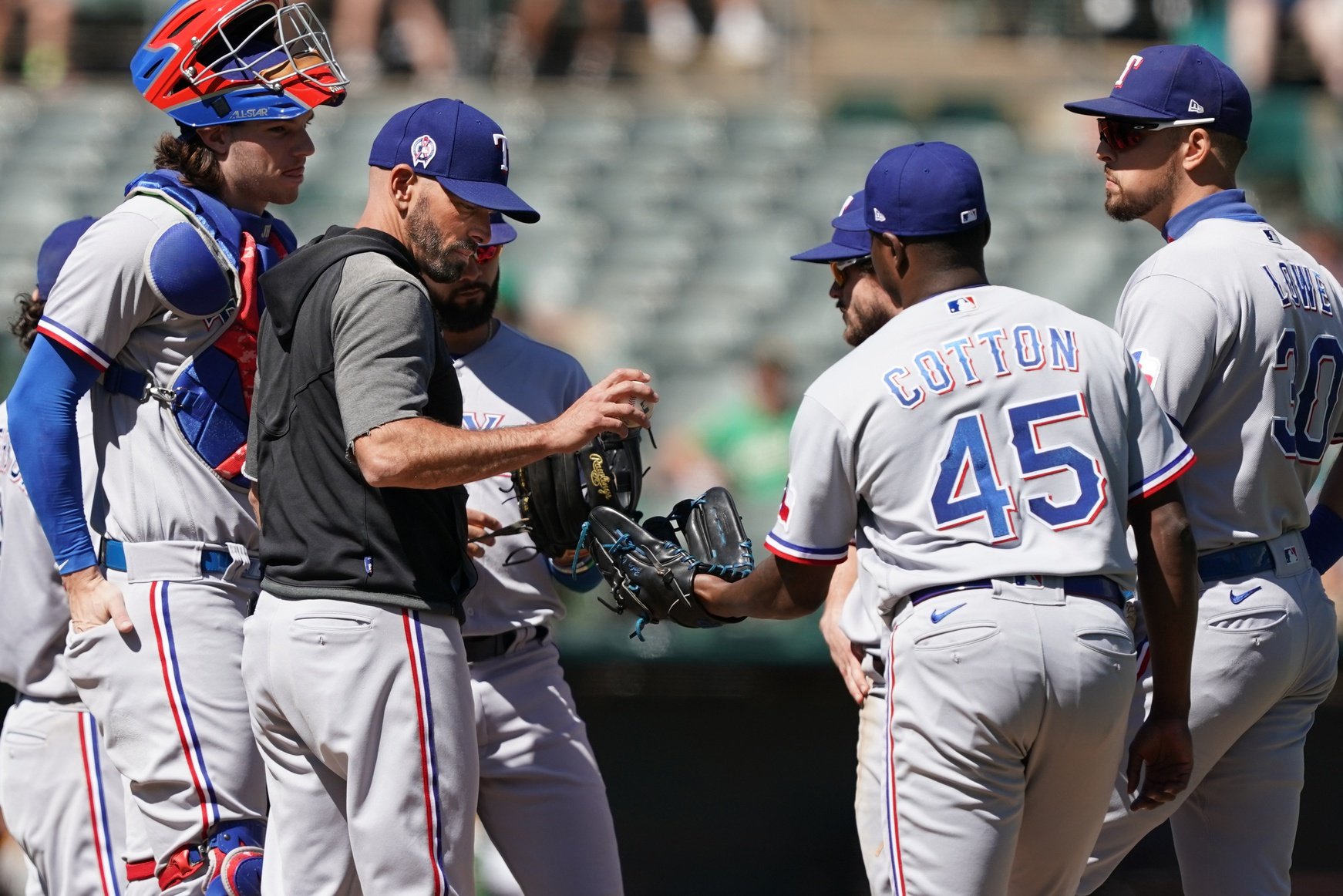 Roster and Payroll Outlook as of Nov 10th, 2021 In each of these "status update" posts, we'll share an up-to-the-moment look at the 40-man roster as well as the projected 2022 roster/payroll. On the 40-man front, we've already seen a cascade of cuts, with the Twins needing to create significant room for new acquisitions, 60-day Injured List activations, and protecting key prospects from the Rule 5 draft. Since season's end, the team has already removed Drew Maggi, Rob Refsnyder, John Gant, Andrew Albers, Kyle Barraclough, Nick Vincent, Ian Gibaut and Luke Farrell. That's in addition to Andrelton Simmons, Alex Colome and Michael Pineda, who all exited via free agency. That's eight cuts to go along with one addition (which we'll cover shortly), leaving the number of spaces currently occupied at 30. However, this doesn't account for players who will need to be re-added from the 60-day IL (Dobnak, Kirilloff and Maeda at the very least) nor the prospects who need to be added (Lewis, Miranda, Sands, Winder -- jury's out on Enlow). Several key questions emerge in looking at this current breakdown. Will any of Smeltzer, Stashak or Thorpe be re-added after totally lost years? Are the Twins going to retain Garlick? Will any prospects other than the aforementioned handful be protected? Regardless, it's clear that there are still cuts yet to come, because one way or another, the front office will need more than 2-3 open spots to work with. Astudillo, Cave, Barnes, and Strotman strike me as players who are especially at risk, on the fringe of the team's plans. Here's a look at the 2022 squad as it currently projects, from my view (courtesy of our Roster & Payroll tool? Cotton Claimed Off Waivers The Twins added the former Rangers reliever on Friday, and as you'll notice above, we've now got Jharel Cotton penciled into the 2022 bullpen. That's not a lock by any means, but I don't think Minnesota would've committed a roster spot to him unless they intended to keep him. The right-hander is projected to make around $1.2M in his coming first year of arbitration eligibility. That price tag likely compelled Texas to part ways. Cotton is coming off a solid but shortened season in the majors (30.2 IP, 3.52 ERA, 3.72 FIP) and his track record is riddled with injuries, so he's far from a sure thing. It would be tremendously disappointing if he turns out to be anywhere near the club's biggest bullpen addition, but Cotton's a clear upgrade over much of the flotsam that comprised their relief depth in 2021. It's a bold strategy, Cotton. We'll see if it pays off. Twins Exploring SS Market No surprise here, but Jon Heyman reports that Minnesota is among the 13 teams "at least gauging the SS market." As Heyman notes, the level of early competition for this group is good news for an historically great class of free agent shortstops, but less so for any needy team like the Twins that might've hoped to strike a bargain. Aaron Gleeman has a great new piece at The Athletic analyzing this winter's SS class in depth. Oakland Open for Business Another development that Twins fans should have eyes on: the Athletics appear ready to blow it up. This became somewhat evident when they let their world-class manager leave for San Diego, and quotes from their GM only serve to confirm that an offseason of scaled-back spending and talent-dumping is ahead. For teams like the Twins that are in the market for pitching and possessing robust farm systems, this is a big moment of opportunity. Oakland, as usual, is deep on arms, and there are a few specific names that jump out as candidates for immediate and dramatic impact in the rotation. Per Heyman, Chris Bassitt, Frankie Montas and Sean Manaea are all on the table. Montas and Bassitt bordered on ace status in 2021. Manaea was one step behind, but still very good with a 3.91 ERA, 3.66 FIP and 9.7 K/9 rate. Because he's entering his final year of team control, and will be fairly expensive next year (~$10M), Manaea is someone the A's will be motivated to move, and will come at a lower price than the other two. Regardless of whom they're targeting, it's a no-brainer for the Twins to engage in talks and make a push for at least one of these quality starters. The more they can reduce their reliance on the free agent pitching market, the better. Heaney Comes Off the SP Market There was a sense that free agency would remain in mostly a holding pattern throughout November as teams brace for an expected lockout in December. But while there certainly has been no rush out of the gates, there's already been one significant starting pitcher signing that puts the Twins on notice: Andrew Heaney inked a one-year, $8.5M deal with the Dodgers. I don't know if Heaney was a target of particular interest to the Twins, but he's certainly the type of guy they should be eyeing as a secondary free agent addition for the rotation, given his age and upside. The fact that Los Angeles jumped on him so aggressively hints that it may not be wise to wait on other players in this range, who won't be as inclined to wait out a slow offseason as the top names. Speaking of which, that top tier of potential FA starters might get thinned out a bit more in the coming week. Robbie Ray, Noah Syndergaard, Justin Verlander and Eduardo Rodriguez were among the 14 players to receive qualifying offers. If any of them take it, they'll cease to be options for the Twins and others. Their deadline to make a decision is November 17th. 2 Key Additions to the Coaching Staff Finally, in non-roster news, the Twins have already filled the two biggest needs on their coaching staff, adding a bench coach and hitting coach to replace Mike Bell (R.I.P.) and Edgar Varela. The addition of David Popkins leaked in late October but was made official on Monday, when the Twins also announced the hiring of former Padres manager Jayce Tingler. Tingler, 40, is of a similar ilk to Rocco Baldelli in that he's relatively young (40) and was considered a rising managerial star in the game before things went sideways in 2021. He was NL Manager of the Year runner-up in 2020. MORE FROM TWINS DAILY — Order the Offseason Handbook — Latest Twins coverage from our writers — Recent Twins discussion in our forums — Follow Twins Daily via Twitter, Facebook or email
 -
This past weekend, several of the top free agent starters received qualifying offers, meaning they'll either come off the market by accepting, or inherit a draft-pick attachment by rejecting. One name conspicuously absent from the list: Jon Gray, who is now available in free agency with no strings attached. He'll have plenty of suitors, and the Twins are sure to be among them. In an alternate universe, the Twins very well could've been matched with Gray from the very start. They held the No. 4 overall pick in the 2013 draft, with a clear need for pitching, and he was considered the top college arm after Stanford's Mark Appel, who went to Houston first overall. The Twins had deeply scouted their eventual pick, prep pitcher Kohl Stewart (who turned out to be a disastrous bust). But if the University of Oklahoma star Gray hadn't been claimed one spot ahead of Minnesota, by the Rockies at No. 3, would the Twins have opted for the far less risky commodity? Alas, we will never know. But now the Twins have an opportunity to reunite with the pitcher they just missed. As for Gray, his journey with the Rockies could best be described as ... rocky. Jon Gray's Tenure in Colorado The top draft pick established himself accordingly in the minors, and emerged as a consensus top-20 prospect after dominating the low minors. He moved quickly to the majors and finished sixth in Rookie of the Year voting. His performance in that rookie season of 2016 – 168 IP, 4.61 ERA, 3.60 FIP, 9.9 K/9, 1.26 WHIP – would basically set the benchmark for Gray. He was more or less that same guy throughout his time with the Rockies, with some high points and low points mixed in. He completes his run in Colorado with a 4.59 ERA and 3.91 FIP, displaying the gap one expects from a pitcher in Coors. While we all know the mile-high environment suppresses pitching results, Gray has failed to break through on any merit. He's never posted an ERA lower than 3.67, and he has a 4.19 FIP over the past four seasons. His year-to-year performance places him firmly in the "mid-rotation starter" category, which helps explain why Colorado didn't want to commit for $18.4 million. Gray likely would've accepted the QO, if offered. Instead he'll turn to the open market for a longer-term deal. The Rockies reportedly reached out with an extension offer before season's end, but were rejected. Patrick Saunders of the Denver Post posited that Gray "is likely seeking a three- or four-year deal at about $9 million-$10 million a season." That's right in Minnesota's wheelhouse, for their second rotation addition if not their first. Is Gray worthy of an intense pursuit? 3 Things to Know About Jon Gray He's durable. But not super durable. Gray has mostly avoided arm injuries throughout his professional career, despite hurling a fastball in the mid-90s plus a consistently heavy dose of sliders. He did miss a bit of time with an elbow flexor injury this past June, though he returned without issue. Gray ended up throwing 149 innings this year, which is almost exactly what he averaged from 2016 through 2019. He's never thrown more than 173 innings in a season but he's also never missed more than a handful of starts in a season, save for 2017 when a stress fracture in his foot cost him two months. In Colorado, Gray has mostly been treated as a five-and-fly type, pitching five or at most six innings before giving way to the bullpen. Some might say that fits the Twins' style of management. I'd argue its more reflective of the sport's evolution at large, but alas, it adds to the sense of alignment. He gets strikeouts, but doesn't make people chase. Gray has averaged more than a strikeout per inning in every full season he's pitched, including 2021 where he averaged 9.5 K/9. However, he did so this year with a chase rate ranking in the 5th percentile of all major-leaguers. O-Swing % represents the percentage of pitches where a batter swings outside the zone, and in this category Gray's 25.8% mark in 2021 would've ranked 29th out of 35 pitchers who pitched for the Twins this year, surpassing only Beau Burrows, Shaun Anderson, Kyle Barraclough, Andrew Albers, Edgar Garcia, Brandon Waddell and Willians Astudillo. Yeesh. The latest season was no outlier. Since his debut in 2015, Gray ranks 54th out of 54 pitchers (800+ IP) in chase rate. It's impressive Gray has been able to find relative success despite this critical shortcoming. But it also speaks to a potential opportunity to level-up. If Gray could make more batters chase out of the zone, he'd likely cut down on his mediocre walk rates, increase his already-good strikeout rates, and unlock greater overall efficiency. Undoubtedly his coaches in Colorado were working on this fairly obvious fix, but maybe a new voice helps him turn a corner — perhaps via increased usage of the changeup and curveball, which have generated his highest chase rates this year despite being his least-used offerings. He's one of the youngest starting pitchers in free agency. By nature, free agents tend to be past 30, and sometimes well past 30, because it takes six-plus years to reach that point. But Gray's reaching the open market on the early side, as a collegiate top draft pick who was fast-tracked to the big leagues by age 23. He just wrapped up his age-29 season and turned 30 a few days ago on November 5th. Given his relative lack of career earnings (he's banked about $16 million total up to this point), Gray may value the security of a longer-term deal at a reasonable sum, which holds appeal for teams given his age. In this respect, and also because he won't cost a draft pick to sign, Gray feels like a good fit for the Twins with their stuck-in-between status of contending and rebuilding. He could be a real difference-maker in 2022 but also '23 and '24. Jon Gray and the Twins An important thing to recognize about free agency is that you're not paying for what someone has done, you're paying for what they are going to do. No one can predict the future, obviously, but there are numerous indicators and signs. It's foolish to treat history as the only impactful one. Teams (including the Twins) didn't fixate on the past when they went hard after Zack Wheeler a couple years ago in free agency, despite his unspectacular career numbers (3.77 ERA, 3.71 FIP, 1.29 WHIP, 100 ERA+). The Phillies ultimately won out, signing Wheeler to a $118 million contract, and they've been richly rewarded as he's been one of the best pitchers in baseball since, posting a 2.82 ERA in two ultra-durable seasons. Now, I'm not saying Gray is anywhere close to the same as Wheeler, whose flaws were less readily apparent and his upside more so. Because of that, he won't get a deal anywhere near that same range. But there will be plenty of teams intrigued by his seemingly unscratched potential, and it would be no surprise if a modest bidding war breaks out. In the Offseason Handbook we projected a $10 million yearly salary, figuring he'd land a deal in the 3 years, $30M range, which jibes with what the Denver Post projected he would get. However, it would come as no shock at all if his eventual price tag climbs considerably higher. Ricky Nolasco territory (4 years, $49M) seems achievable. Would the Twins go that high? Should they? Are they even a destination of interest to Gray, whose own preferences will ultimately play a pivotal role in where he lands? It's hard to say. But what's clear is that Twins fans should be paying close attention to him, because there's little doubt Minnesota will be in the running. And despite expectations that this offseason would crawl its way to an early stop with a lockout looming, LA's signing of Andrew Heaney on Monday throws this presumption into doubt. Teams are out here looking to score early values on the market. If the Twins are serious about Gray, they'd be wise to make their intentions known quickly (if they haven't already). MORE FROM TWINS DAILY — Order the Offseason Handbook — Latest Twins coverage from our writers — Recent Twins discussion in our forums — Follow Twins Daily via Twitter, Facebook or email View full article
-
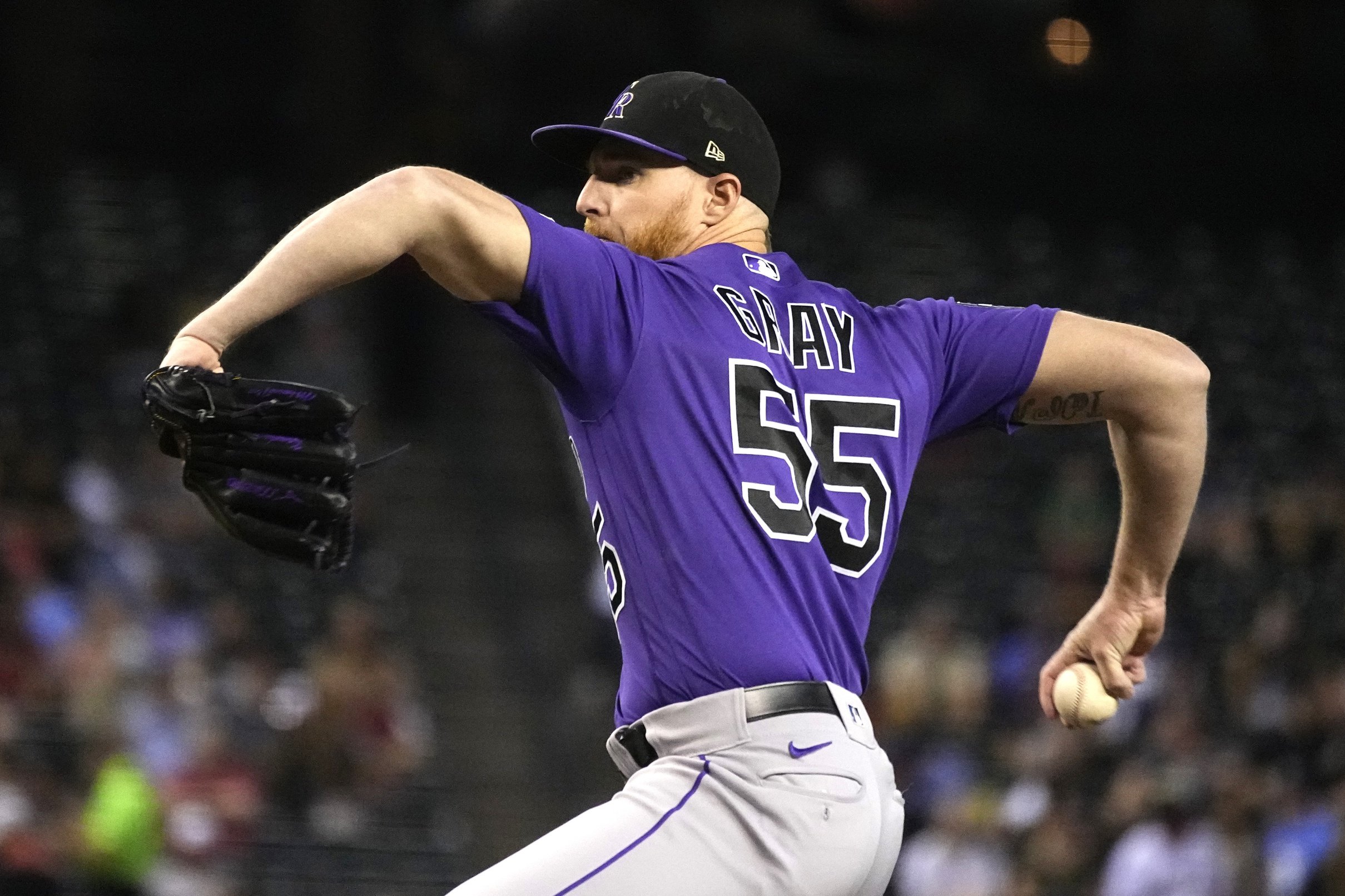 In an alternate universe, the Twins very well could've been matched with Gray from the very start. They held the No. 4 overall pick in the 2013 draft, with a clear need for pitching, and he was considered the top college arm after Stanford's Mark Appel, who went to Houston first overall. The Twins had deeply scouted their eventual pick, prep pitcher Kohl Stewart (who turned out to be a disastrous bust). But if the University of Oklahoma star Gray hadn't been claimed one spot ahead of Minnesota, by the Rockies at No. 3, would the Twins have opted for the far less risky commodity? Alas, we will never know. But now the Twins have an opportunity to reunite with the pitcher they just missed. As for Gray, his journey with the Rockies could best be described as ... rocky. Jon Gray's Tenure in Colorado The top draft pick established himself accordingly in the minors, and emerged as a consensus top-20 prospect after dominating the low minors. He moved quickly to the majors and finished sixth in Rookie of the Year voting. His performance in that rookie season of 2016 – 168 IP, 4.61 ERA, 3.60 FIP, 9.9 K/9, 1.26 WHIP – would basically set the benchmark for Gray. He was more or less that same guy throughout his time with the Rockies, with some high points and low points mixed in. He completes his run in Colorado with a 4.59 ERA and 3.91 FIP, displaying the gap one expects from a pitcher in Coors. While we all know the mile-high environment suppresses pitching results, Gray has failed to break through on any merit. He's never posted an ERA lower than 3.67, and he has a 4.19 FIP over the past four seasons. His year-to-year performance places him firmly in the "mid-rotation starter" category, which helps explain why Colorado didn't want to commit for $18.4 million. Gray likely would've accepted the QO, if offered. Instead he'll turn to the open market for a longer-term deal. The Rockies reportedly reached out with an extension offer before season's end, but were rejected. Patrick Saunders of the Denver Post posited that Gray "is likely seeking a three- or four-year deal at about $9 million-$10 million a season." That's right in Minnesota's wheelhouse, for their second rotation addition if not their first. Is Gray worthy of an intense pursuit? 3 Things to Know About Jon Gray He's durable. But not super durable. Gray has mostly avoided arm injuries throughout his professional career, despite hurling a fastball in the mid-90s plus a consistently heavy dose of sliders. He did miss a bit of time with an elbow flexor injury this past June, though he returned without issue. Gray ended up throwing 149 innings this year, which is almost exactly what he averaged from 2016 through 2019. He's never thrown more than 173 innings in a season but he's also never missed more than a handful of starts in a season, save for 2017 when a stress fracture in his foot cost him two months. In Colorado, Gray has mostly been treated as a five-and-fly type, pitching five or at most six innings before giving way to the bullpen. Some might say that fits the Twins' style of management. I'd argue its more reflective of the sport's evolution at large, but alas, it adds to the sense of alignment. He gets strikeouts, but doesn't make people chase. Gray has averaged more than a strikeout per inning in every full season he's pitched, including 2021 where he averaged 9.5 K/9. However, he did so this year with a chase rate ranking in the 5th percentile of all major-leaguers. O-Swing % represents the percentage of pitches where a batter swings outside the zone, and in this category Gray's 25.8% mark in 2021 would've ranked 29th out of 35 pitchers who pitched for the Twins this year, surpassing only Beau Burrows, Shaun Anderson, Kyle Barraclough, Andrew Albers, Edgar Garcia, Brandon Waddell and Willians Astudillo. Yeesh. The latest season was no outlier. Since his debut in 2015, Gray ranks 54th out of 54 pitchers (800+ IP) in chase rate. It's impressive Gray has been able to find relative success despite this critical shortcoming. But it also speaks to a potential opportunity to level-up. If Gray could make more batters chase out of the zone, he'd likely cut down on his mediocre walk rates, increase his already-good strikeout rates, and unlock greater overall efficiency. Undoubtedly his coaches in Colorado were working on this fairly obvious fix, but maybe a new voice helps him turn a corner — perhaps via increased usage of the changeup and curveball, which have generated his highest chase rates this year despite being his least-used offerings. He's one of the youngest starting pitchers in free agency. By nature, free agents tend to be past 30, and sometimes well past 30, because it takes six-plus years to reach that point. But Gray's reaching the open market on the early side, as a collegiate top draft pick who was fast-tracked to the big leagues by age 23. He just wrapped up his age-29 season and turned 30 a few days ago on November 5th. Given his relative lack of career earnings (he's banked about $16 million total up to this point), Gray may value the security of a longer-term deal at a reasonable sum, which holds appeal for teams given his age. In this respect, and also because he won't cost a draft pick to sign, Gray feels like a good fit for the Twins with their stuck-in-between status of contending and rebuilding. He could be a real difference-maker in 2022 but also '23 and '24. Jon Gray and the Twins An important thing to recognize about free agency is that you're not paying for what someone has done, you're paying for what they are going to do. No one can predict the future, obviously, but there are numerous indicators and signs. It's foolish to treat history as the only impactful one. Teams (including the Twins) didn't fixate on the past when they went hard after Zack Wheeler a couple years ago in free agency, despite his unspectacular career numbers (3.77 ERA, 3.71 FIP, 1.29 WHIP, 100 ERA+). The Phillies ultimately won out, signing Wheeler to a $118 million contract, and they've been richly rewarded as he's been one of the best pitchers in baseball since, posting a 2.82 ERA in two ultra-durable seasons. Now, I'm not saying Gray is anywhere close to the same as Wheeler, whose flaws were less readily apparent and his upside more so. Because of that, he won't get a deal anywhere near that same range. But there will be plenty of teams intrigued by his seemingly unscratched potential, and it would be no surprise if a modest bidding war breaks out. In the Offseason Handbook we projected a $10 million yearly salary, figuring he'd land a deal in the 3 years, $30M range, which jibes with what the Denver Post projected he would get. However, it would come as no shock at all if his eventual price tag climbs considerably higher. Ricky Nolasco territory (4 years, $49M) seems achievable. Would the Twins go that high? Should they? Are they even a destination of interest to Gray, whose own preferences will ultimately play a pivotal role in where he lands? It's hard to say. But what's clear is that Twins fans should be paying close attention to him, because there's little doubt Minnesota will be in the running. And despite expectations that this offseason would crawl its way to an early stop with a lockout looming, LA's signing of Andrew Heaney on Monday throws this presumption into doubt. Teams are out here looking to score early values on the market. If the Twins are serious about Gray, they'd be wise to make their intentions known quickly (if they haven't already). MORE FROM TWINS DAILY — Order the Offseason Handbook — Latest Twins coverage from our writers — Recent Twins discussion in our forums — Follow Twins Daily via Twitter, Facebook or email
 -
The Minnesota Twins announced on Monday that they've hired former San Diego Padres manager Jayce Tingler as their new bench coach. He joins fellow newcomer David Popkins, who was also officially announced as the team's hitting coach. Tingler, who turns 41 later this month, previously served as a coach in the Texas Rangers system. In 2016, when the Twins hired away Thad Levine to become one their general manager, Tingler moved into an assistant GM role with the Rangers. He was hired to become manager of the Padres in October of 2019, but lasted only two years on the job. He was fired last month after San Diego came up well short of expectations following an active offseason. Tingler fills a role on the Twins staff that has been vacant since its previous tenant, Mike Bell, passed away tragically last spring. The news that David Popkins would be the Twins next hitting coach broke a couple of weeks ago on Twitter. The 31-year-old had been the hitting coach for the Great Lakes Loons, the Dodgers' High-A affiliate. While Tingler is a Missouri native who was the San Diego manager, Popkins is a San Diego native who played at UC-Davis before spending three seasons in affiliates ball (Cardinals) and then three seasons in independent baseball). He was going to be the Dodgers' Arizona League hitting coach in 2020, but then the minor league season was cancelled, and he moved up to High-A in 2021. Tingler played at the University of Missouri and then was a tenth round pick of the Blue Jays in 2003. He played four seasons in the minors before becoming a coach in the Dominican Summer League, and then he managed the team. He become a Coordinator (of Instruction) in 2011, and then the Rangers minor league Field Coordinator for three seasons. We'll have more details about the new hire here shortly. Stay tuned and share your initial thoughts below. View full article
-
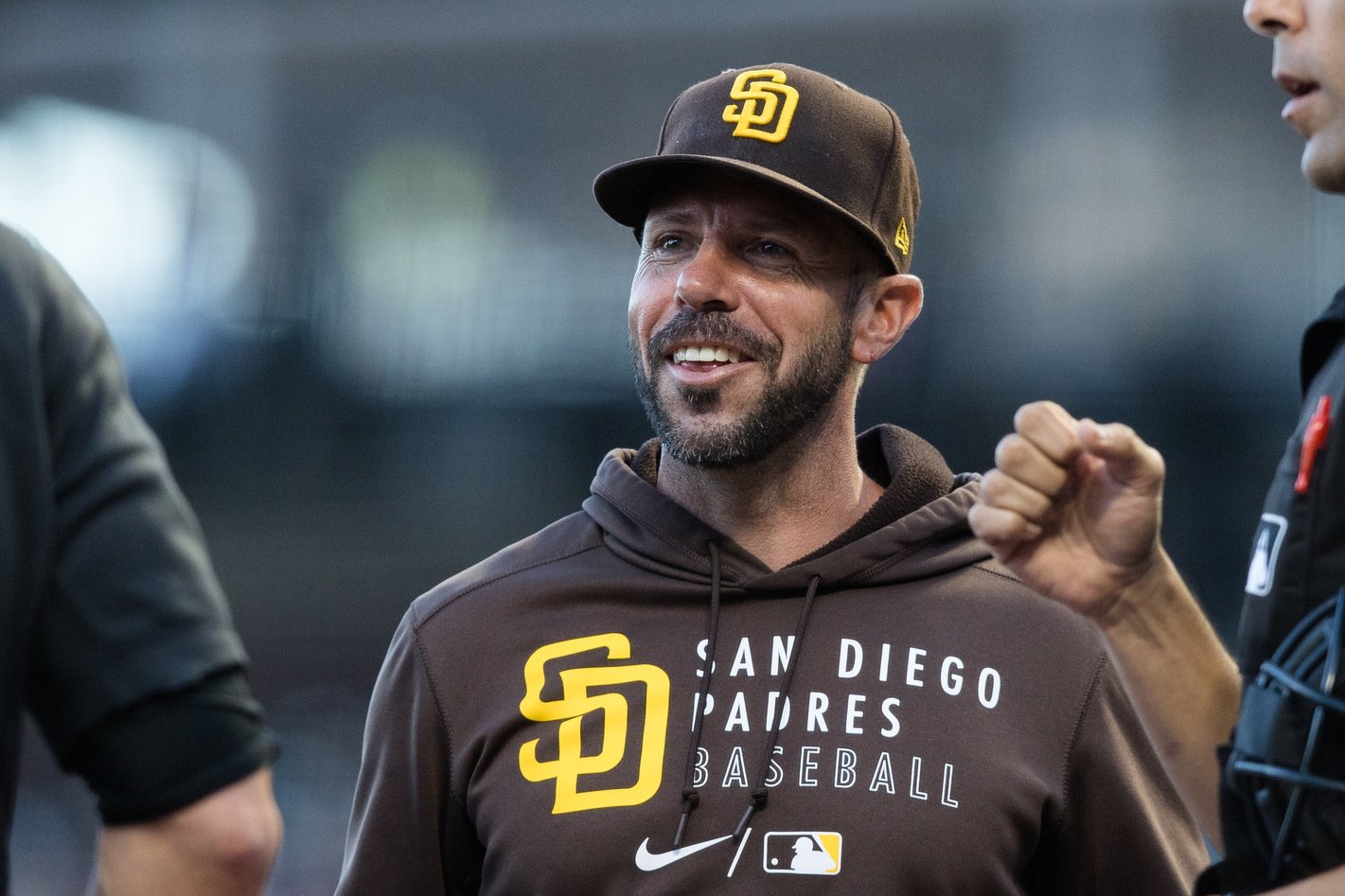 Tingler, who turns 41 later this month, previously served as a coach in the Texas Rangers system. In 2016, when the Twins hired away Thad Levine to become one their general manager, Tingler moved into an assistant GM role with the Rangers. He was hired to become manager of the Padres in October of 2019, but lasted only two years on the job. He was fired last month after San Diego came up well short of expectations following an active offseason. Tingler fills a role on the Twins staff that has been vacant since its previous tenant, Mike Bell, passed away tragically last spring. The news that David Popkins would be the Twins next hitting coach broke a couple of weeks ago on Twitter. The 31-year-old had been the hitting coach for the Great Lakes Loons, the Dodgers' High-A affiliate. While Tingler is a Missouri native who was the San Diego manager, Popkins is a San Diego native who played at UC-Davis before spending three seasons in affiliates ball (Cardinals) and then three seasons in independent baseball). He was going to be the Dodgers' Arizona League hitting coach in 2020, but then the minor league season was cancelled, and he moved up to High-A in 2021. Tingler played at the University of Missouri and then was a tenth round pick of the Blue Jays in 2003. He played four seasons in the minors before becoming a coach in the Dominican Summer League, and then he managed the team. He become a Coordinator (of Instruction) in 2011, and then the Rangers minor league Field Coordinator for three seasons. We'll have more details about the new hire here shortly. Stay tuned and share your initial thoughts below.
 -
Knebel was an extremely popular FA relief option in these blueprints. Probably the most popular. I definitely get the appeal.
-
Share a link and I'll add it to the list in the article! My searching process was by no means comprehensive
-
Fans in our community have been coming up with their own ideas, suggestions, and plans for the Minnesota Twins this offseason. We reviewed a bunch of them, and here we'll highlight some common threads, intriguing notions, and outside-the-box proposals. We created our Roster & Payroll Creator tool with the hopes that fans would dive in and devise their own blueprints illustrating different approaches to this crucial Twins offseason. I shared my own to kick things off. We're thrilled to see that in just a couple weeks since we officially launched the tool alongside the Offseason Handbook, several of you have taken us up on the challenge. In fact, we're kind of blown away. I went through the forums and blogs over the weekend and came across about a dozen submissions, most of them with thoughtful explanations of the decisions and motivations. You can click through to view any of them below. Each one has its own comment thread so you can share your thoughts: Andrew Mahlke blueprint Cory Engelhardt blueprint terrydactyls blueprint Greglw3 blueprint Sconnie blueprint TheLeviathan blueprint DocBauer blueprint mk blueprint mitcho8 blueprint sthpstm blueprint Ian23 blueprint wildtwinsfan045 blueprint As I perused these various perspectives on what a successful Twins offseason would look like, here are a few trends and specifics that caught my attention. Everyone Wants a Buxton Extension Almost every single blueprint submitted includes a contract extension for Byron Buxton, and it was usually the top priority accounted for. I was legitimately impressed by how many people took a stab at laying out their version of a reasonable framework. The particulars varied, but most conceptual deals called for about $15M in annual base salary plus incentives over 5-7 seasons. I don't think I saw a single blueprint proposing a Buxton trade – a little surprising, given the likelihood of such an outcome in real life. (For what it's worth, I tried hypothesizing one in this piece.) Basically everyone seems to be reaching the same conclusion. If reports in July were true – that Buxton's camp was comfortable with a deal built largely on incentives – it simply makes no sense for the Twins not to find a way to get it done. The Most Popular High-End SP Target Is... Blueprinters erred toward the side of realism, as I didn't see any write-ups that suggested signing Max Scherzer, or Clayton Kershaw, or Noah Syndergaard. The most common Tier 1 SP free agent to appear in these plans was Marcus Stroman, which doesn't surprise me because he looks like a fairly natural Twins fit. In the Handbook we noted how similarly he profiles to José Berríos as a fringe #1/2 type in the rotation. As @DocBauer put it succinctly in their blueprint: "He's quality and proven." Robbie Ray was the prime choice of those who wanted to dream big, such as @Greglw3 and @Sconnie, and Carlos Rodón showed up in the blueprints from @Andrew Mahlke and @mk. I was a little surprised by the lack of love for Kevin Gausman, who didn't appear in a single one of these blueprints. We Like Big Mike The most common free agent signing across all of these different plans was easily Michael Pineda. More than half of the blueprint submissions call for a Big Mike reunion. It's just too logical a fit. He has a known affinity for playing in Minnesota and should come with a reasonable mid-rotation price tag. In the Handbook we project him for an $8M salary – it may wind up coming in a little higher or lower, but that should be in the ballpark. If you have any faith in him staying healthy and keeping his fastball in the 93-MPH range, that's a good value and a rotation spot taken care of. What to Do at Shortstop? Opinions were very split on how to approach the Twins' biggest positional need. A few users called for going big – @mitcho8 proposed a Trevor Story signing, while @TheLeviathan and @wildtwinsfan045 made Corey Seager their centerpieces – but many relented to a stopgap like Jose Iglesias or Freddy Galvis. (Notably, Andrelton Simmons was absent from all blueprints.) Who Should Close for the Twins? It's a key question. Most blueprints advise the Twins to stick with Taylor Rogers in his final year of arbitration. Some call for adding a co-closer to offset some of the injury risk. User @Doctor Gast decided to crowdsource the question in the forums, which created some good discussion. Aside from Rogers, the most popular name seems to be Raisel Iglesias. Ryan Tepera and Kirby Yates (on an incentive-laden deal) were also tossed around. @Rosterman wondered if perhaps Jorge Alcalá could become a closer option as soon as 2022. (There may be something to that.) Kenley Jansen and Craig Kimbrel are pretty clearly out of the question, but one name that conspicuously didn't seem to come up was Mark Melancon. The fact that no one seems to be looking at him almost makes me wonder if the Twins will. Rounding out that top tier with Jansen, Kimbrel and Iglesias, Melancon seems to be the unsexy choice given his age (36) and his unspectacular strikeout rate (8.2 K/9 this year, and in his career). But the guy's track record in the closer role is pretty incredible, and he was an All-Star in 2021. Some believe the Twins are better off keeping closer as a backburner priority, such as @nicksaviking, who made this comment that's (at least for me) hard to argue with: "Unless it's some surprisingly big name who is a year-in year-out reliable stud, I don't want to hand over the closer gig to any free agent. Relievers rarely have similar years back to back. Their small sample sizes, transient nature and lack of a third pitch tend to make them more unpredictable than other baseball players. In 2022 the high leverage relievers should = whomever is currently the hottest pitchers RIGHT NOW; not last year, or whomever is paid the most." Manaea Mania! There were several different creative trade scenarios outlined in these blueprints. The most frequent player targeted was Oakland's Sean Manaea. Packages used to acquire the lefty starter differed greatly, and illustrated the difficulty of predicting trades – @Cory Engelhardt pitched a return of Matt Canterino, Matt Wallner and Blayne Enlow (a bit much, IMO), while @Ian23 drew up an exchange of Drew Strotman, Keoni Cavaco and Jermaine Palacios for Manaea and shortstop Elvis Andrus (a bit light, although I like the two-birds-with-one-stone execution here). The bottom line is that Manaea looks like a very plausible trade candidate as a starter getting expensive in his final year of arbitration for the low-spending A's. (He's projected to make about $10M in 2021.) He's an excellent fit for the Twins and their needs. Mingling with Miami Aside from the Manaea trades, there were a few other interesting ideas offered up. For example, @terrydactyls mapped out a blockbuster that involves Minnesota sending Max Kepler, Luis Arraez, Mitch Garver, and Simeon Woods Richardson to Miami in exchange for Sandy Alcantera and Richard Bleier, with Alcantara serving as a young ace-type centerpiece. A blueprint from @sthpstm gives another take on a Twins/Marlins trade, proposing the following: Garver, Trevor Larnach, Miguel Sanó, Canterino (or similar), and $4M to Miami for Edward Cabrera, Jesus Luzardo, and Nick Fortes. Another high-scale concept that brings in high-end young pitching talent, this time with a top prospect as the prize rather than an established MLB starter like Alcantara. @TheLeviathan's blueprint included a straight swap of Garver for Sixto Sanchez. Clearly, people are zeroing in on the Marlins as a trade partner for Minnesota, and that makes plenty of sense: they have a wealth of young pitching and need bats. As Nash Walker wrote in his feature for the Handbook, "No team is a better trade partner for Minnesota than the Miami Marlins." Let's See Your Plan We've seen a lot of different ideas laid out above, but there are still endless combinations and permutations of what this Twins offseason could look like. We'd love to see yours, so if you haven't put one together yet, we invite you to grab a copy of the Offseason Handbook, pull up the Roster & Payroll tool, and show us what you've got. MORE FROM TWINS DAILY — Order the Offseason Handbook — Latest Twins coverage from our writers — Recent Twins discussion in our forums — Follow Twins Daily via Twitter, Facebook or email View full article
-
Community Blueprints: What Do Twins Fans Want to See This Offseason?
Nick Nelson posted an article in Twins
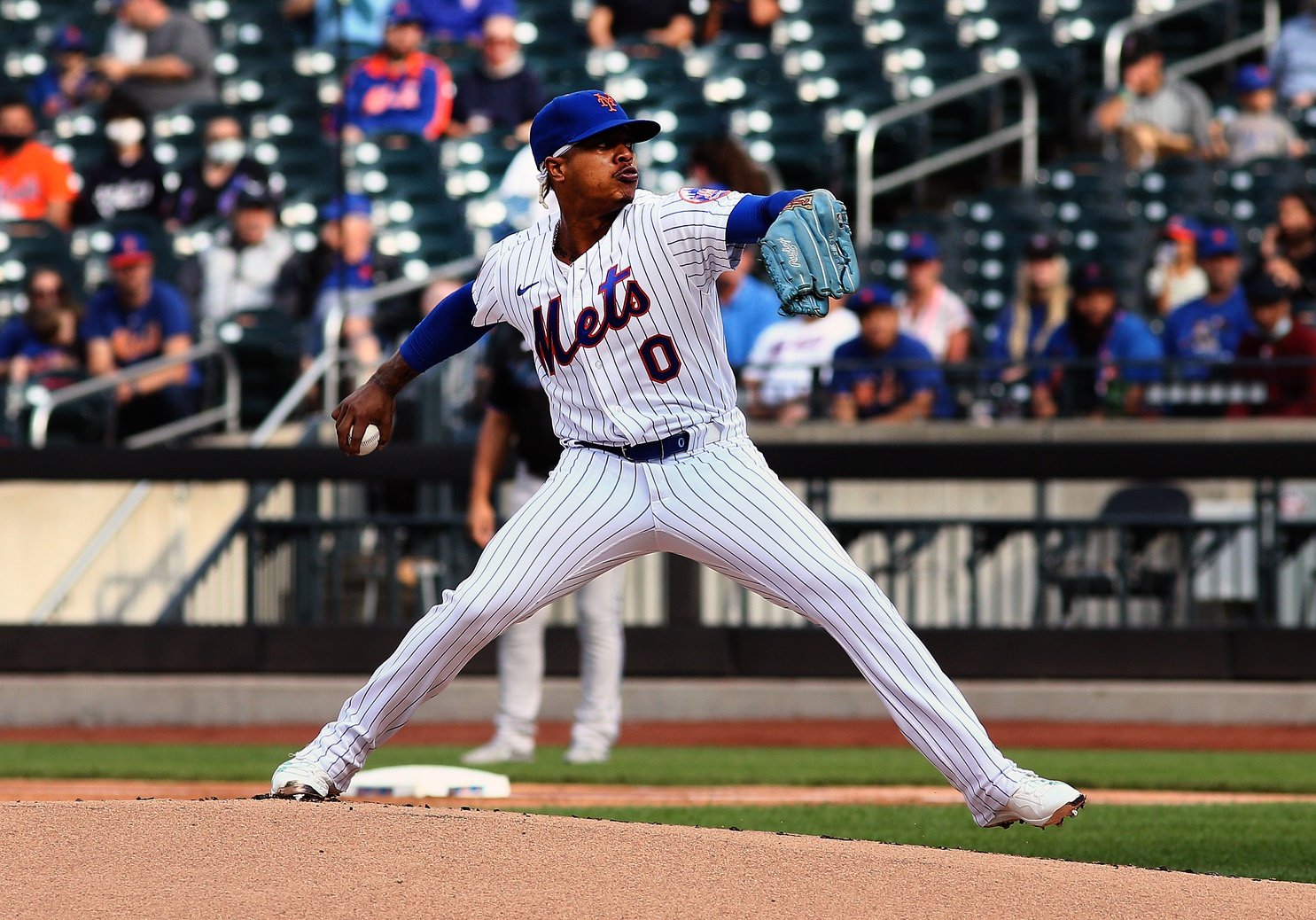 We created our Roster & Payroll Creator tool with the hopes that fans would dive in and devise their own blueprints illustrating different approaches to this crucial Twins offseason. I shared my own to kick things off. We're thrilled to see that in just a couple weeks since we officially launched the tool alongside the Offseason Handbook, several of you have taken us up on the challenge. In fact, we're kind of blown away. I went through the forums and blogs over the weekend and came across about a dozen submissions, most of them with thoughtful explanations of the decisions and motivations. You can click through to view any of them below. Each one has its own comment thread so you can share your thoughts: Andrew Mahlke blueprint Cory Engelhardt blueprint terrydactyls blueprint Greglw3 blueprint Sconnie blueprint TheLeviathan blueprint DocBauer blueprint mk blueprint mitcho8 blueprint sthpstm blueprint Ian23 blueprint wildtwinsfan045 blueprint As I perused these various perspectives on what a successful Twins offseason would look like, here are a few trends and specifics that caught my attention. Everyone Wants a Buxton Extension Almost every single blueprint submitted includes a contract extension for Byron Buxton, and it was usually the top priority accounted for. I was legitimately impressed by how many people took a stab at laying out their version of a reasonable framework. The particulars varied, but most conceptual deals called for about $15M in annual base salary plus incentives over 5-7 seasons. I don't think I saw a single blueprint proposing a Buxton trade – a little surprising, given the likelihood of such an outcome in real life. (For what it's worth, I tried hypothesizing one in this piece.) Basically everyone seems to be reaching the same conclusion. If reports in July were true – that Buxton's camp was comfortable with a deal built largely on incentives – it simply makes no sense for the Twins not to find a way to get it done. The Most Popular High-End SP Target Is... Blueprinters erred toward the side of realism, as I didn't see any write-ups that suggested signing Max Scherzer, or Clayton Kershaw, or Noah Syndergaard. The most common Tier 1 SP free agent to appear in these plans was Marcus Stroman, which doesn't surprise me because he looks like a fairly natural Twins fit. In the Handbook we noted how similarly he profiles to José Berríos as a fringe #1/2 type in the rotation. As @DocBauer put it succinctly in their blueprint: "He's quality and proven." Robbie Ray was the prime choice of those who wanted to dream big, such as @Greglw3 and @Sconnie, and Carlos Rodón showed up in the blueprints from @Andrew Mahlke and @mk. I was a little surprised by the lack of love for Kevin Gausman, who didn't appear in a single one of these blueprints. We Like Big Mike The most common free agent signing across all of these different plans was easily Michael Pineda. More than half of the blueprint submissions call for a Big Mike reunion. It's just too logical a fit. He has a known affinity for playing in Minnesota and should come with a reasonable mid-rotation price tag. In the Handbook we project him for an $8M salary – it may wind up coming in a little higher or lower, but that should be in the ballpark. If you have any faith in him staying healthy and keeping his fastball in the 93-MPH range, that's a good value and a rotation spot taken care of. What to Do at Shortstop? Opinions were very split on how to approach the Twins' biggest positional need. A few users called for going big – @mitcho8 proposed a Trevor Story signing, while @TheLeviathan and @wildtwinsfan045 made Corey Seager their centerpieces – but many relented to a stopgap like Jose Iglesias or Freddy Galvis. (Notably, Andrelton Simmons was absent from all blueprints.) Who Should Close for the Twins? It's a key question. Most blueprints advise the Twins to stick with Taylor Rogers in his final year of arbitration. Some call for adding a co-closer to offset some of the injury risk. User @Doctor Gast decided to crowdsource the question in the forums, which created some good discussion. Aside from Rogers, the most popular name seems to be Raisel Iglesias. Ryan Tepera and Kirby Yates (on an incentive-laden deal) were also tossed around. @Rosterman wondered if perhaps Jorge Alcalá could become a closer option as soon as 2022. (There may be something to that.) Kenley Jansen and Craig Kimbrel are pretty clearly out of the question, but one name that conspicuously didn't seem to come up was Mark Melancon. The fact that no one seems to be looking at him almost makes me wonder if the Twins will. Rounding out that top tier with Jansen, Kimbrel and Iglesias, Melancon seems to be the unsexy choice given his age (36) and his unspectacular strikeout rate (8.2 K/9 this year, and in his career). But the guy's track record in the closer role is pretty incredible, and he was an All-Star in 2021. Some believe the Twins are better off keeping closer as a backburner priority, such as @nicksaviking, who made this comment that's (at least for me) hard to argue with: "Unless it's some surprisingly big name who is a year-in year-out reliable stud, I don't want to hand over the closer gig to any free agent. Relievers rarely have similar years back to back. Their small sample sizes, transient nature and lack of a third pitch tend to make them more unpredictable than other baseball players. In 2022 the high leverage relievers should = whomever is currently the hottest pitchers RIGHT NOW; not last year, or whomever is paid the most." Manaea Mania! There were several different creative trade scenarios outlined in these blueprints. The most frequent player targeted was Oakland's Sean Manaea. Packages used to acquire the lefty starter differed greatly, and illustrated the difficulty of predicting trades – @Cory Engelhardt pitched a return of Matt Canterino, Matt Wallner and Blayne Enlow (a bit much, IMO), while @Ian23 drew up an exchange of Drew Strotman, Keoni Cavaco and Jermaine Palacios for Manaea and shortstop Elvis Andrus (a bit light, although I like the two-birds-with-one-stone execution here). The bottom line is that Manaea looks like a very plausible trade candidate as a starter getting expensive in his final year of arbitration for the low-spending A's. (He's projected to make about $10M in 2021.) He's an excellent fit for the Twins and their needs. Mingling with Miami Aside from the Manaea trades, there were a few other interesting ideas offered up. For example, @terrydactyls mapped out a blockbuster that involves Minnesota sending Max Kepler, Luis Arraez, Mitch Garver, and Simeon Woods Richardson to Miami in exchange for Sandy Alcantera and Richard Bleier, with Alcantara serving as a young ace-type centerpiece. A blueprint from @sthpstm gives another take on a Twins/Marlins trade, proposing the following: Garver, Trevor Larnach, Miguel Sanó, Canterino (or similar), and $4M to Miami for Edward Cabrera, Jesus Luzardo, and Nick Fortes. Another high-scale concept that brings in high-end young pitching talent, this time with a top prospect as the prize rather than an established MLB starter like Alcantara. @TheLeviathan's blueprint included a straight swap of Garver for Sixto Sanchez. Clearly, people are zeroing in on the Marlins as a trade partner for Minnesota, and that makes plenty of sense: they have a wealth of young pitching and need bats. As Nash Walker wrote in his feature for the Handbook, "No team is a better trade partner for Minnesota than the Miami Marlins." Let's See Your Plan We've seen a lot of different ideas laid out above, but there are still endless combinations and permutations of what this Twins offseason could look like. We'd love to see yours, so if you haven't put one together yet, we invite you to grab a copy of the Offseason Handbook, pull up the Roster & Payroll tool, and show us what you've got. MORE FROM TWINS DAILY — Order the Offseason Handbook — Latest Twins coverage from our writers — Recent Twins discussion in our forums — Follow Twins Daily via Twitter, Facebook or email
 -
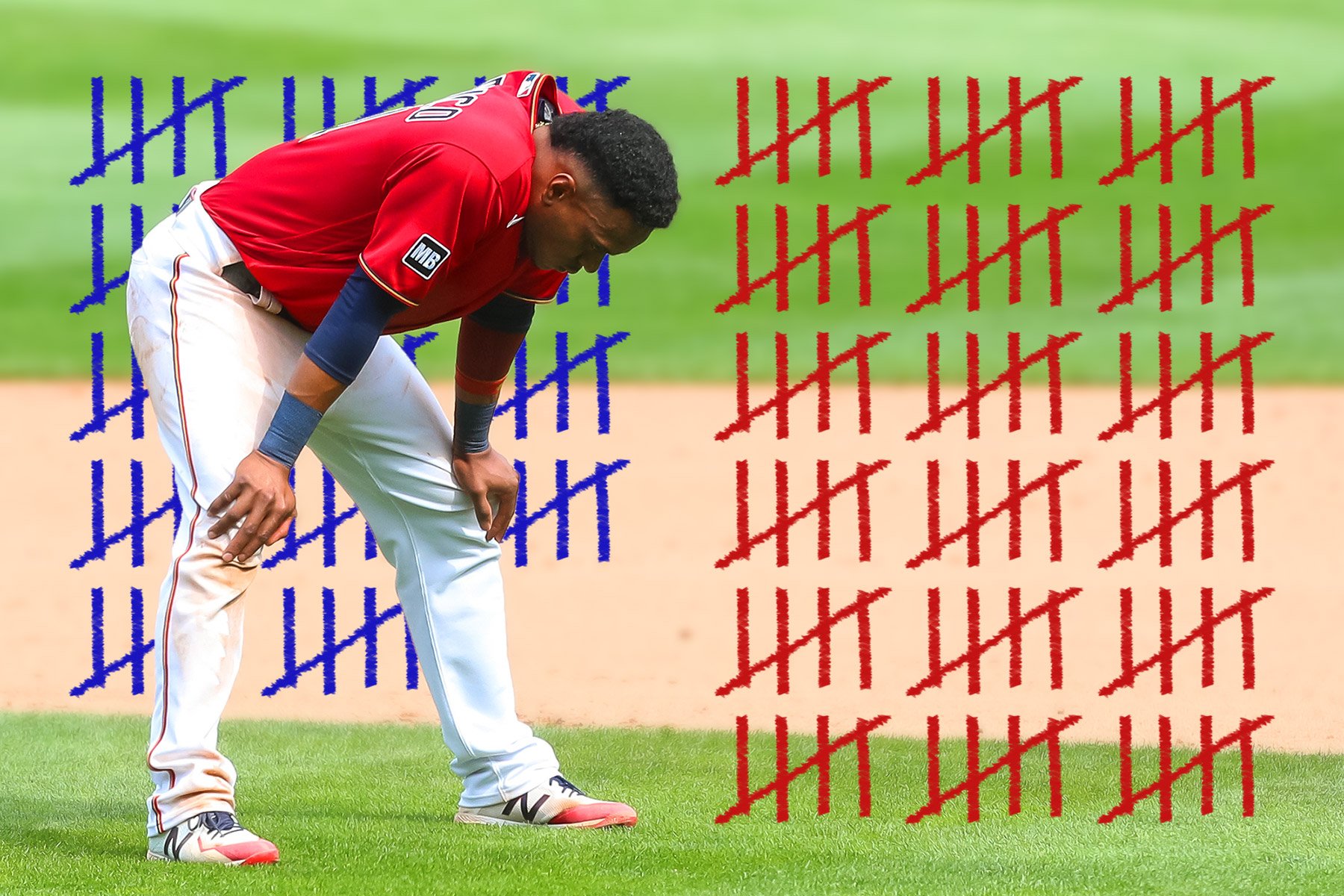 It's no secret that the coming offseason will probably not be a "normal" one, with the impending expiration of Major League Baseball's collective bargaining agreement on December 1st looming like a dark storm cloud on the horizon. This is discussed in one of the first chapters of the Handbook, in which John Bonnes lays out the situation and charts possible scenarios. Outcomes range from a cancellation of the 2022 season (very unlikely) to a delayed start of significant activity in the coming offseason (very likely). We may have to wait longer than usual for the Hot Stove action to get underway, but ultimately, the Twins do have a roster to build for next year. They'll have some work to do with a pitching staff to rebuild and a key vacancy at shortstop. You'll be able to spend the early offseason downtime sizing up all the possibilities and mapping out different paths forward. Within this full-color, 63-page digital guide to the Hot Stove landscape, you'll find: Profiles on more than 100 free agents at positions of need, including SP, RP, and SS Trade scenarios covered from both sides (who are the Twins most likely to deal, and which pitchers could they target?) A comprehensive overview of the organization's depth at each position, highlighting breakout prospects to watch Write-ups on the 12 arbitration-eligible Twins players, weighing pros and cons plus projected salaries Analysis of the budget and spending, with an eye on what's possible and what's realistic in terms of 2022 resources Feature stories examining the various avenues to rebuilding a sparse pitching staff, and the critical Byron Buxton decision If you're so inclined, you can use the Offseason Handbook in conjunction with our Roster & Payroll Creator tool to draw up your own scenarios and blueprints. In what figures to a slow-moving and drawn-out offseason, we're hopeful that these resources provide fans with some entertainment and enjoyment in the ongoing absence of real baseball news. Despite some expected turbulence along the way, there's a general consensus that the 2022 MLB season will proceed (mostly) as planned. The Twins have some work to do before then. With your copy of the Offseason Handbook, you'll have all the information and insight you need to analyze the road ahead. We eternally appreciate contributions of all sizes, but be assured: we're not the least bit offended if you grab a copy for free. Most of all we just want everyone to enjoy the product. Order yours now!
 -
With the World Series reaching its end, the baseball world now turns its attention to the offseason ahead. You can do the same by snagging your copy of the 2022 Offseason Handbook. The 63-page ebook is now available for immediate download on a name-your-price basis (including free). It's no secret that the coming offseason will probably not be a "normal" one, with the impending expiration of Major League Baseball's collective bargaining agreement on December 1st looming like a dark storm cloud on the horizon. This is discussed in one of the first chapters of the Handbook, in which John Bonnes lays out the situation and charts possible scenarios. Outcomes range from a cancellation of the 2022 season (very unlikely) to a delayed start of significant activity in the coming offseason (very likely). We may have to wait longer than usual for the Hot Stove action to get underway, but ultimately, the Twins do have a roster to build for next year. They'll have some work to do with a pitching staff to rebuild and a key vacancy at shortstop. You'll be able to spend the early offseason downtime sizing up all the possibilities and mapping out different paths forward. Within this full-color, 63-page digital guide to the Hot Stove landscape, you'll find: Profiles on more than 100 free agents at positions of need, including SP, RP, and SS Trade scenarios covered from both sides (who are the Twins most likely to deal, and which pitchers could they target?) A comprehensive overview of the organization's depth at each position, highlighting breakout prospects to watch Write-ups on the 12 arbitration-eligible Twins players, weighing pros and cons plus projected salaries Analysis of the budget and spending, with an eye on what's possible and what's realistic in terms of 2022 resources Feature stories examining the various avenues to rebuilding a sparse pitching staff, and the critical Byron Buxton decision If you're so inclined, you can use the Offseason Handbook in conjunction with our Roster & Payroll Creator tool to draw up your own scenarios and blueprints. In what figures to a slow-moving and drawn-out offseason, we're hopeful that these resources provide fans with some entertainment and enjoyment in the ongoing absence of real baseball news. Despite some expected turbulence along the way, there's a general consensus that the 2022 MLB season will proceed (mostly) as planned. The Twins have some work to do before then. With your copy of the Offseason Handbook, you'll have all the information and insight you need to analyze the road ahead. We eternally appreciate contributions of all sizes, but be assured: we're not the least bit offended if you grab a copy for free. Most of all we just want everyone to enjoy the product. Order yours now! View full article
-
I don't think this is quite fair. The average AL catcher had a .694 OPS this year. Jeffers has a .691 career OPS and was at .670 this season. If he gets slightly better he'll be average, and if he returns simply to his 2020 level he'll be very good. (Is it a coincidence he was more successful while playing more regularly in 2020 with Garver down?) Catchers, by and large, don't hit. If they're good at defense and you have bats elsewhere in the lineup, they don't need to. Houston got a .614 OPS from catcher this year. Atlanta got a .588 OPS from theirs. An offensive catcher like Garver is a luxury, but not that much of one when his playing time is so limited. Garver hasn't started more than 75 games in a season at catcher. I'm simply proposing we lower that planned number, and give him more PAs at DH to maximize his impact.
- 52 replies
-
- 3
-

-

-
- byron buxton
- miguel sano
- (and 1 more)
-
He also hit 14 HR as a good defensive catcher, and essentially a 24-year-old rookie. More uncommon than you imply. How many players at his age and experience level were in that sample of catchers with 250-PA this year? Yes, his plate discipline needs a lot of work. IMO the best way to help him develop that is to provide more regular ABs instead of having him split time with one of the team's best hitters in Garver. Keep in mind Jeffers has less than 50 total games worth of experience above Single-A in the minors. You can't evaluate him as some sort of finished product right now. If the Twins were all-in on a championship next year I might agree that Jeffers is best relegated to the bench, but that's not the case. The Twins need to get a clear read on what they have in him, because Garver is only under control for two more seasons...
- 52 replies
-
- 1
-
-
- byron buxton
- miguel sano
- (and 1 more)
-
That's exactly how I see him. A stopgap until Lewis or Martin or Celestino can emerge. They're not far off at all. I definitely share your perception on the team's stance, but if Buxton leaves, the Twins should rethink their view on Kepler, holding him less as a top-of-order RF and more as a bottom-of-order CF, or even 4th OF. The great glove/sub-mediocre offense from right might work when you've got Buxton playing center and slugging like Bambino. Less so when you have to find a Buxton replacement, and you've got Kepler right there, with an adequate glove for CF. As far as the health thing goes, he wasn't that healthy this year while barely playing center so -- shrug --
- 52 replies
-
- 5
-
-
- byron buxton
- miguel sano
- (and 1 more)
-
I have him at DH, although I envision him spending a decent amount of time at catcher and maybe 1B as well, with Arraez, Miranda, Rooker, etc all rotating through the DH spot. My thought is that Garver is more likely to stay healthy this way, and IF he can stay relatively healthy he's a decent replacement for Cruz. (Cruz the last 3 years: 936 OPS / Garver: 894.) I actually think it's a wise approach regardless of what else the Twins do. It gives Jeffers more of a chance to play regularly and find his stride, plus I guess I'm not as down on others on Rortvedt as a backup C.
- 52 replies
-
- 3
-
-
- byron buxton
- miguel sano
- (and 1 more)
-
In the roster blueprint I had Miranda written in as the starting 3B, so my thought is that he'd be starting there pretty regularly. I just put Arraez in the Opening Day lineup because if it's against a RHP I figure that's what they'd do.
- 52 replies
-
- 6
-
-
- byron buxton
- miguel sano
- (and 1 more)
-
You seem to have a pretty high bar for "significant." Nelson Cruz was not a significant free agent signing?
- 52 replies
-
- 4
-
-
- byron buxton
- miguel sano
- (and 1 more)
-
What Would a Dramatic Roster Upheaval Look Like for the Twins?
Nick Nelson posted an article in Twins
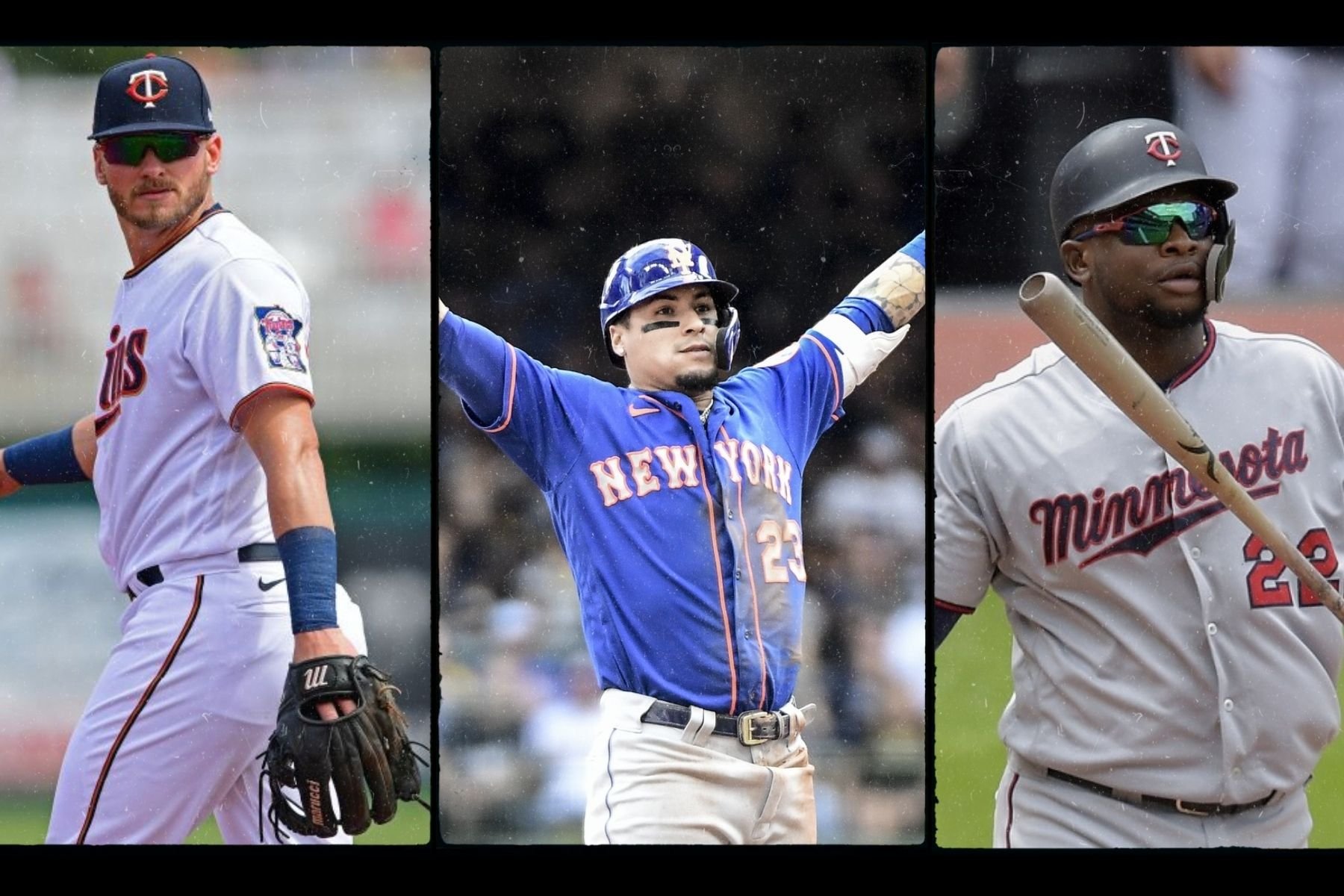 To be clear, the scenario we're hypothesizing here is not a commitment to a rebuild, which could involve gutting the payroll, trading stars for distant prospects, and letting the kids run. Instead, we're trying to depict what it might look like if the organization says, "We still want to compete, we still want to spend, but the current mix just isn't working." It will involve keeping some core pieces in place, but unloading large or expiring contracts and charting a new, dramatically different course for the franchise. This means starting with... THE SUBTRACTIONS Trade 1B Miguel Sanó to San Diego Padres for OF Samuel Zavala This is mainly a salary dump. The Twins owe Sanó $9.25M in 2022, with a $3M team option for 2023, so I have them picking up that option amount (added to the "Dead Money" section) while San Diego takes on the rest of his salary and exchanges a lotto ticket in 17-year-old Samuel Zavala. He's an athletic rookie-ball outfielder ranked as the organization's #17 prospect. This idea presumes that universal DH is implemented, which seems like a safe bet. The championship-minded Padres could use more pop in the lineup, with first baseman Eric Hosmer and the corner outfielders not providing a ton. Trade 3B Josh Donaldson to Washington Nationals for RHP Joan Adon and LHP Matt Cronin Another trade aimed more at salary relief than upgrading talent. This swap was proposed by J.D. Cameron in his story for the Offseason Handbook, so I'll just repurpose it here because it seems like a reasonable framework for a Donaldson deal: Washington sends a couple of mid-tier pitching prospects (ranked #12 and #22 in their system) while taking on two-thirds of JD's remaining commitment. The Twins eat the rest of his salary, so $7M gets added to the Dead Money pool. Trade OF Byron Buxton to Philadelphia Phillies for RHP Mick Abel and RHP Francisco Morales Here the Twins start getting some real value back. If they determine that an extension with Buxton can't be reached, this is the logical path. Philadelphia reportedly expressed interest in Buxton around the deadline, so here the two sides revisit and strike an accord now that the star center fielder is healthy. For a cost-efficient final year of Buxton's control, Philadelphia gives up its #1 pitching prospect in Abel, who was drafted 15th overall in 2020 (10 picks after Austin Martin) and was ranked by MLB Pipeline ahead of this season as the game's #76 prospect. Abel offers plentiful upside, but he's still a ways off (pitched in Single-A this year and turned 20 in August). To round out the package, Philly adds in Morales, their #6-ranked prospect. He's 22 and reached Triple-A this season, and would bring further depth to Minnesota's substantial crop of near-ready arms in the minors. To be clear, I don't personally endorse a move like this – I think failing to retain Buxton would be a colossal mistake – but if they can't make an extension happen, this feels like a reasonable way to soften the blow by acquiring some quality talent in offsetting the loss. Non-tender Taylor Rogers Of course a trade would be preferable, but in this scenario I'm assuming the Twins (and other teams) don't feel confident enough in his injured finger to tender an offer in the $7M range, because they feel they can make that money stretch further in free agency. (We'll get to the reallocation of these funds in the bullpen shortly.) THE ADDITIONS A lineup that's lost three key fixtures in Sanó, Donaldson in Buxton now needs an infusion, and of course there are still those three open rotation spots to address – not to mention a closer spot to fill. The good news is that the above moves have left us with about $85M in spending money for 2022 (assuming a steady $130M payroll). Let's take advantage of this flexibility with a free-agent spending spree, led by two landmark signings that radically reshape the franchise's identity. Sign SP Robbie Ray to a 5-year, $125M contract At long last, the Twins make their long-awaited plunge into the deep end of the pitching market, signing Ray to the largest free agent contract in team history, coming off a spectacular season in Toronto that will likely earn the Cy Young Award. Ray led the league in strikeouts, innings, and ERA. It had the looks of a true breakout for the 30-year-old, but Ray's mediocre previous run (4.53 ERA from 2018 through 2020) should keep him out of the Gerrit Cole range, meaning the Twins could plausibly win a bidding war. So, we've got our rotation-fronter. Now we turn our attention to a big splash at the shortstop position to counteract the significant subtraction of electricity from Buxton and others. Sign SS Javier Báez to a 4-year, $88M contract Like Ray, Báez is a high-tier prospect in his free agent class, but not quite at the top because he has some warts. Namely, Báez hasn't been all that great the past couple years. But in 2018 and 2019 he broke out as a superstar, finishing as MVP runner-up in the former. Báez would be well worth the $22M AAV if he his 2021 performance (3.6 fWAR) becomes his norm, but the Twins are banking on a return to form of sorts from the 29-year-old. He becomes a cornerstone next to Jorge Polanco, while the Twins hope that one of Royce Lewis, Austin Martin, or Gilberto Celestino can emerge in center to solidify their long-term strength up the middle. WIth that, we turn our attention back to the rotation. Sign SP Eduardo Rodriguez to a 3-year, $36M contract Rodriguez's advanced metrics shine a much more favorable light on him than his ERA, so it'll be interesting to see how the market gauges him. Based on FanGraphs' value calculation, E-Rod's 3.8 fWAR with Boston in 2021 made him worth nearly $30M; his record of durability and his age (only 28) help his case as well. Still, it's hard to see someone signing Rodriguez to a mega-deal coming off a 4.74 ERA and 1.39 WHIP. This looks like the type of opportunistic buy-low play the Twins aspire toward. The framework and approach are not dissimilar to the Rangers' (highly effective) strategy in free agent signings like Mike Minor, Lance Lynn, and Kyle Gibson. Sign OF Mark Canha to a 3-year, $30M contract Even with Baez added to the mix, the position player group still needs more veteran reinforcements to aid the internally-driven evolution of the lineup. Canha looks like a nice fit – he's a right-handed bat capable of playing left field, center, and first base. On-base skills are his calling card, as illustrated by a .377 OBP over the past three seasons. He's been a steady fixture for the A's. There will surely be some reservations about handing the reins to Jose Miranda and Trevor Larnach as starters. Canha's presence in the lineup mitigates the rookie risk by provide needed experience and leadership. Sign RP Raisel Iglesias to a 2-year, $16M contract The loss of Rogers obviously leaves a huge hole at the end of the bullpen. To address it, we're signing Iglesias coming off a great year with the Angels. His track record as a closer (134 saves and a 2.87 ERA over the past five years) may have yielded a bigger deal in years past, but I wonder if the league's generally declining fixation on the save statistic – along with a competitive high end of free agency that also includes Kenley Jansen, Craig Kimbrel, and Mark Melancon – might keep Iglesias relatively affordable. The FA relief market is notoriously volatile, but Iglesias looks like as much of a sure thing as you're going to find. (Of course, the same could've been said about Addison Reed when they the Twins signed him to a similar deal in 2018.) In case you can't tell, I'm not too enthusiastic about throwing guaranteed money at relievers, which is why this is my only significant move in the bullpen. But in order for this unit to have a fighting chance, we needed at least one. Sign SP Corey Kluber to a 1-year, $7M contract We've got a bit of money left and one key vacancy to account for: the third rotation spot. Kluber fits the bill as a short-term stopgap with some upside. Since signing his one-year, $11 deal with the Yankees for 2021, Kluber has gotten a year older and dealt with more injuries. His velocity was down, he was limited to 16 starts and 80 innings, and he did not appear in the postseason. With that said, the 35-year-old showed enough positive signs while on the field – 3.83 ERA, 3.85 FIP, 9.2 K/9 rate, above-average ratings in many key Statcast metrics – to merit belief that his tank is not yet emptied. SUMMARY This plan represents a complete change in direction for the Twins, both substantively and stylistically. In Buxton, Donaldson, and Sanó, we're losing our three most established power bats, eschewing the homer-driven Bomba Squad offensive model in search of greater balance and a youth infusion. I'd imagine an Opening Day lineup that looks something like this: Arraez, 3B Baez, SS Polanco, 2B Kirilloff, 1B Garver, DH Kepler, CF Canha, LF Larnach, RF Jeffers, C On the pitching side, Ray and Rodriguez become veteran building blocks – to be rejoined by Kenta Maeda in 2023 – as the system feeds the rest of the rotation. We're counting on Iglesias to become an anchor in the back of the bullpen, supported by returns of Tyler Duffey, Jorge Alcala, Caleb Thielbar, and Juan Minaya. Would the Twins actually follow a path this drastic during the offseason? I doubt it. But there are signs that a significant shakeup could be at hand. This blueprint shows a semi-extreme version of what this could look like in practice. MORE FROM TWINS DAILY — Order the Offseason Handbook — Latest Twins coverage from our writers — Recent Twins discussion in our forums — Follow Twins Daily via Twitter, Facebook or email
- 52 comments
-
- 6
-
-
- byron buxton
- miguel sano
- (and 1 more)
-
We recently released our Twins Roster & Payroll Creation tool, which allows any user to take a shot at crafting their own offseason blueprint for the team. (As I did last week.) The tool also can be used to map out different scenarios and strategic approaches. Here I'll try to answer a pertinent question: what would a major shakeup and roster overhaul look like for the Twins this winter? To be clear, the scenario we're hypothesizing here is not a commitment to a rebuild, which could involve gutting the payroll, trading stars for distant prospects, and letting the kids run. Instead, we're trying to depict what it might look like if the organization says, "We still want to compete, we still want to spend, but the current mix just isn't working." It will involve keeping some core pieces in place, but unloading large or expiring contracts and charting a new, dramatically different course for the franchise. This means starting with... THE SUBTRACTIONS Trade 1B Miguel Sanó to San Diego Padres for OF Samuel Zavala This is mainly a salary dump. The Twins owe Sanó $9.25M in 2022, with a $3M team option for 2023, so I have them picking up that option amount (added to the "Dead Money" section) while San Diego takes on the rest of his salary and exchanges a lotto ticket in 17-year-old Samuel Zavala. He's an athletic rookie-ball outfielder ranked as the organization's #17 prospect. This idea presumes that universal DH is implemented, which seems like a safe bet. The championship-minded Padres could use more pop in the lineup, with first baseman Eric Hosmer and the corner outfielders not providing a ton. Trade 3B Josh Donaldson to Washington Nationals for RHP Joan Adon and LHP Matt Cronin Another trade aimed more at salary relief than upgrading talent. This swap was proposed by J.D. Cameron in his story for the Offseason Handbook, so I'll just repurpose it here because it seems like a reasonable framework for a Donaldson deal: Washington sends a couple of mid-tier pitching prospects (ranked #12 and #22 in their system) while taking on two-thirds of JD's remaining commitment. The Twins eat the rest of his salary, so $7M gets added to the Dead Money pool. Trade OF Byron Buxton to Philadelphia Phillies for RHP Mick Abel and RHP Francisco Morales Here the Twins start getting some real value back. If they determine that an extension with Buxton can't be reached, this is the logical path. Philadelphia reportedly expressed interest in Buxton around the deadline, so here the two sides revisit and strike an accord now that the star center fielder is healthy. For a cost-efficient final year of Buxton's control, Philadelphia gives up its #1 pitching prospect in Abel, who was drafted 15th overall in 2020 (10 picks after Austin Martin) and was ranked by MLB Pipeline ahead of this season as the game's #76 prospect. Abel offers plentiful upside, but he's still a ways off (pitched in Single-A this year and turned 20 in August). To round out the package, Philly adds in Morales, their #6-ranked prospect. He's 22 and reached Triple-A this season, and would bring further depth to Minnesota's substantial crop of near-ready arms in the minors. To be clear, I don't personally endorse a move like this – I think failing to retain Buxton would be a colossal mistake – but if they can't make an extension happen, this feels like a reasonable way to soften the blow by acquiring some quality talent in offsetting the loss. Non-tender Taylor Rogers Of course a trade would be preferable, but in this scenario I'm assuming the Twins (and other teams) don't feel confident enough in his injured finger to tender an offer in the $7M range, because they feel they can make that money stretch further in free agency. (We'll get to the reallocation of these funds in the bullpen shortly.) THE ADDITIONS A lineup that's lost three key fixtures in Sanó, Donaldson in Buxton now needs an infusion, and of course there are still those three open rotation spots to address – not to mention a closer spot to fill. The good news is that the above moves have left us with about $85M in spending money for 2022 (assuming a steady $130M payroll). Let's take advantage of this flexibility with a free-agent spending spree, led by two landmark signings that radically reshape the franchise's identity. Sign SP Robbie Ray to a 5-year, $125M contract At long last, the Twins make their long-awaited plunge into the deep end of the pitching market, signing Ray to the largest free agent contract in team history, coming off a spectacular season in Toronto that will likely earn the Cy Young Award. Ray led the league in strikeouts, innings, and ERA. It had the looks of a true breakout for the 30-year-old, but Ray's mediocre previous run (4.53 ERA from 2018 through 2020) should keep him out of the Gerrit Cole range, meaning the Twins could plausibly win a bidding war. So, we've got our rotation-fronter. Now we turn our attention to a big splash at the shortstop position to counteract the significant subtraction of electricity from Buxton and others. Sign SS Javier Báez to a 4-year, $88M contract Like Ray, Báez is a high-tier prospect in his free agent class, but not quite at the top because he has some warts. Namely, Báez hasn't been all that great the past couple years. But in 2018 and 2019 he broke out as a superstar, finishing as MVP runner-up in the former. Báez would be well worth the $22M AAV if he his 2021 performance (3.6 fWAR) becomes his norm, but the Twins are banking on a return to form of sorts from the 29-year-old. He becomes a cornerstone next to Jorge Polanco, while the Twins hope that one of Royce Lewis, Austin Martin, or Gilberto Celestino can emerge in center to solidify their long-term strength up the middle. WIth that, we turn our attention back to the rotation. Sign SP Eduardo Rodriguez to a 3-year, $36M contract Rodriguez's advanced metrics shine a much more favorable light on him than his ERA, so it'll be interesting to see how the market gauges him. Based on FanGraphs' value calculation, E-Rod's 3.8 fWAR with Boston in 2021 made him worth nearly $30M; his record of durability and his age (only 28) help his case as well. Still, it's hard to see someone signing Rodriguez to a mega-deal coming off a 4.74 ERA and 1.39 WHIP. This looks like the type of opportunistic buy-low play the Twins aspire toward. The framework and approach are not dissimilar to the Rangers' (highly effective) strategy in free agent signings like Mike Minor, Lance Lynn, and Kyle Gibson. Sign OF Mark Canha to a 3-year, $30M contract Even with Baez added to the mix, the position player group still needs more veteran reinforcements to aid the internally-driven evolution of the lineup. Canha looks like a nice fit – he's a right-handed bat capable of playing left field, center, and first base. On-base skills are his calling card, as illustrated by a .377 OBP over the past three seasons. He's been a steady fixture for the A's. There will surely be some reservations about handing the reins to Jose Miranda and Trevor Larnach as starters. Canha's presence in the lineup mitigates the rookie risk by provide needed experience and leadership. Sign RP Raisel Iglesias to a 2-year, $16M contract The loss of Rogers obviously leaves a huge hole at the end of the bullpen. To address it, we're signing Iglesias coming off a great year with the Angels. His track record as a closer (134 saves and a 2.87 ERA over the past five years) may have yielded a bigger deal in years past, but I wonder if the league's generally declining fixation on the save statistic – along with a competitive high end of free agency that also includes Kenley Jansen, Craig Kimbrel, and Mark Melancon – might keep Iglesias relatively affordable. The FA relief market is notoriously volatile, but Iglesias looks like as much of a sure thing as you're going to find. (Of course, the same could've been said about Addison Reed when they the Twins signed him to a similar deal in 2018.) In case you can't tell, I'm not too enthusiastic about throwing guaranteed money at relievers, which is why this is my only significant move in the bullpen. But in order for this unit to have a fighting chance, we needed at least one. Sign SP Corey Kluber to a 1-year, $7M contract We've got a bit of money left and one key vacancy to account for: the third rotation spot. Kluber fits the bill as a short-term stopgap with some upside. Since signing his one-year, $11 deal with the Yankees for 2021, Kluber has gotten a year older and dealt with more injuries. His velocity was down, he was limited to 16 starts and 80 innings, and he did not appear in the postseason. With that said, the 35-year-old showed enough positive signs while on the field – 3.83 ERA, 3.85 FIP, 9.2 K/9 rate, above-average ratings in many key Statcast metrics – to merit belief that his tank is not yet emptied. SUMMARY This plan represents a complete change in direction for the Twins, both substantively and stylistically. In Buxton, Donaldson, and Sanó, we're losing our three most established power bats, eschewing the homer-driven Bomba Squad offensive model in search of greater balance and a youth infusion. I'd imagine an Opening Day lineup that looks something like this: Arraez, 3B Baez, SS Polanco, 2B Kirilloff, 1B Garver, DH Kepler, CF Canha, LF Larnach, RF Jeffers, C On the pitching side, Ray and Rodriguez become veteran building blocks – to be rejoined by Kenta Maeda in 2023 – as the system feeds the rest of the rotation. We're counting on Iglesias to become an anchor in the back of the bullpen, supported by returns of Tyler Duffey, Jorge Alcala, Caleb Thielbar, and Juan Minaya. Would the Twins actually follow a path this drastic during the offseason? I doubt it. But there are signs that a significant shakeup could be at hand. This blueprint shows a semi-extreme version of what this could look like in practice. MORE FROM TWINS DAILY — Order the Offseason Handbook — Latest Twins coverage from our writers — Recent Twins discussion in our forums — Follow Twins Daily via Twitter, Facebook or email View full article
-
I like this a lot Greg! Well thought out. Ray would be so fun. Big fan of Canha and consider him a very plausible Twins target.
-
Back in the Saddle: My Twins Offseason Blueprint
Nick Nelson replied to Nick Nelson's topic in Twins Daily Front Page News
In favor of Oakland? It's three cost-controlled years of a good outfielder for one year of a fairly expensive pitcher, and as usual the A's have a ton of pitching depth to offset his loss. Based on the responses here I think a ton of Twins fans are vastly underestimating Kepler's trade value.

