



Nick Nelson
-
Posts
8,326 -
Joined
-
Last visited
-
Days Won
56
Content Type
Profiles
News
Minnesota Twins Videos
2026 Minnesota Twins Top Prospects Ranking
2022 Minnesota Twins Draft Picks
Minnesota Twins Free Agent & Trade Rumors, Notes, & Tidbits
Guides & Resources
2023 Minnesota Twins Draft Picks
The Minnesota Twins Players Project
2024 Minnesota Twins Draft Picks
2025 Minnesota Twins Draft Pick Tracker
2026 Minnesota Twins Draft Tracker: Picks & Bonuses
Forums
Blogs
Events
Store
Downloads
Gallery
Everything posted by Nick Nelson
-
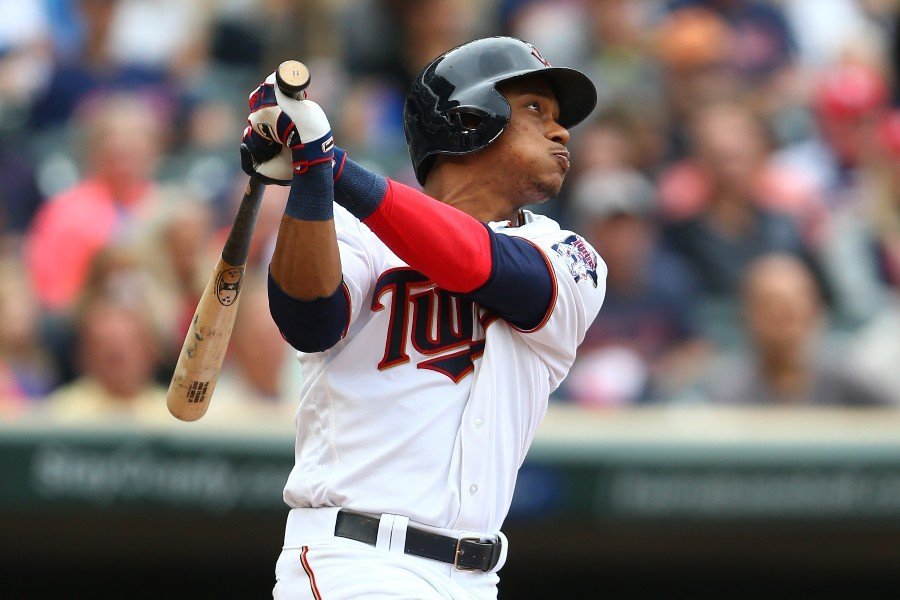 Before getting started, you can get up to speed on the ground rules, which were covered in the first installment. Here are the players we've ranked so far: 20. Matt Canterino, RHP 19. Josh Winder, RHP 18. Simeon Woods Richardson, RHP 17. Gilberto Celestino, CF 16. Chase Petty, RHP 15. Jose Miranda, 2B/3B 14. Jhoan Duran, RHP 13. Jordan Balazovic, RHP 12. Trevor Larnach, OF 11. Luis Arraez, UTIL 10. Ryan Jeffers, C 9. Max Kepler, RF 8. Mitch Garver, C 7. Joe Ryan, RHP 6. Bailey Ober, RHP From there, we round it out with the top five. If you haven't yet, be sure to check out the writeups on #6 through #20: Top 20 Twins Assets of 2022: 16-20 Top 20 Twins Assets of 2022: 11-15 Top 20 Twins Assets of 2022: 6-10 Top 20 Twins Assets of 2022: 1 through 5 5. Austin Martin, OF 2021 Ranking: NR Since I started putting these rankings together after the 2017 season, here's where José Berríos has ranked: #3, #2, #3, #4. Ideally you keep an asset like that, but as it became clear the Twins were not going to be able to extend their two-time All-Star, they opted for the next-best thing: recouping value. By taking advantage of deadline urgency, as well as Berríos' additional year of team control, the Twins were able to extract a premium talent package from Toronto, including Simeon Woods Richardson (#18 on this list) but headlined by Austin Martin. The 22-year-old was one year removed from being the #5 overall draft pick, and recipient of a $7M signing bonus from Toronto. He was unanimously ranked as a Top 25 prospect in the game ahead of 2021, and appeared in the Futures Game in July. An athletic on-base machine who is nearly ready for The Show, Martin is one of baseball's premier young talents. His high floor – reflected by a .414 OBP through 93 minor-league games, all played at Double-A – offsets a ceiling that's uncertain due to his lack of established power or a clear defensive home. There is very realistic star potential here, and that's known around the league. Which is why some folks are wondering if the Twins might look to flip him in a trade for pitching when action resumes this offseason. Although he's played a lot of shortstop in the minors, no one really expects him to end up there. Martin's most valuable positions are likely center field and second base, where the Twins happen to be well set. 4. Royce Lewis, SS 2021 Ranking: 5 Here's an example of the Twins' needs outweighing a neutral assessment of player value. In a vacuum, I would probably rate Martin as a better prospect and player asset than Royce Lewis, who is an unknown commodity after struggling in 2019 and then missing two straight years. In spite of this, we shouldn't lose sight of the fact that Lewis was a #1 overall draft pick who has been a regular on the top end of prospect rankings since joining the pro ranks. His high character and innate physical gifts lead many to believe he'll find his footing quickly and re-establish himself as an electric difference-maker across multiple phases of the game. Most importantly, for the purposes of this list, you'll notice that Lewis is the only player on it listed as "SS." He's hardly a lock to stick at short, but he's got a better chance than any other player or prospect in the system currently. The Twins seem to firmly believe he can remain there, which may have guided them away from pursuing a free agent on a long-term deal. Unless the situation changes, Minnesota is putting the future of a vital position in Lewis' hands, which makes him one of the organization's most critical players. Here's hoping he can rise to the occasion after a lengthy dormant period. 3. Alex Kirilloff, 1B/OF 2021 Ranking: 2 Long viewed as one of the most advanced and explosive bats in the minor leagues, Alex Kirilloff arrived in 2021 and affirmed his rep. The overall numbers – .251/.299/.423 with eight homers and 34 RBIs in 59 games – were perfectly solid for a 23-year-old rookie. They also undersell his performance, which was hampered by a flukishly bad 0-for-15 start and then a serious wrist injury he played through for weeks before shutting it down in mid-July. Kirilloff underwent surgery around that time, and is expected to be back at full strength for spring training (whenever it starts). Hopefully he'll pick up where he left off: straight mashing. Kirilloff's xSLG as a rookie, according to Statcast, was .541 – same as Josh Donaldson (who was in the Top 8% of all qualified MLB hitters). With superb plate coverage, Kirilloff drives the ball to all fields and tortures opposing pitchers. Having watched him, I have little doubt he is going to be an offensive force (maybe even an MVP-caliber hitter) so long as he can keep future bouts with injury at bay. Defensively, he was serviceable in left but looked like a natural at first base, with instincts and movements that point to Gold Glove potential. For the time being, he's blocked there by Miguel Sanó, and given the team's current needs, Kirilloff's ability to play in the corners is quite helpful. The Twins still control him for six years (through age 29) after slightly delaying his arrival in 2021. 2. Jorge Polanco, 2B 2021 Ranking: 6 It's been quite the roller coaster for Jorge Polanco over the past few years. Coming off a breakthrough season where he was an All-Star shortstop and credible MVP candidate at age 25, he and his team-friendly contract reached the #1 spot in our rankings heading into 2020. Then, Polanco's performance nosedived in a shortened campaign marred by ankle issues. He dropped back to #6 last year – his more customary range prior to the 2019 glow-up. Unlike Max Kepler, however, Polanco rebounded to prove his star turn with the Bomba Squad was no outlier. In 2021, following a move to second base, Polanco regained his peak offensive form, shaking off a slow start to launch 33 homers and 35 doubles while setting career highs in SLG (.503) and OPS+ (125). He was a consistent centerpiece of the lineup, mashing from both sides of the plate as a switch-hitter. His transition to a new position was rocky at times, but Polanco seemed to get more comfortable as the season went on and showed all the skills to excel. Shifting down the defensive spectrum is theoretically a ding to his value, but sub-par play at shortstop limited his benefit there. He can offer plenty of value as a top-tier offensive second baseman in his prime, with two years of inexpensive team control followed by a pair of reasonable team options. 1. Byron Buxton, CF 2021 Ranking: 9 Byron Buxton's durability issues were hardly erased in 2021, another season cut short by long absences. But while he was on the field for 61 games, the center fielder's brilliance and MVP-caliber impact was more evident than ever before. He won AL Player of the Month in April, and had a 1.180 OPS in early May before back-to-back major injuries (a strained hip and broken hand) cost him nearly four months. When he was able to play, Buxton was a remarkable difference-maker, producing an absurd 4.2 fWAR in less than half a season. But while he was out, the team struggled to counteract his absence. Buxton's reliable unreliability will remain a reality until it's not. But his newly-minted contract extension accounts for that. The stunningly favorable terms of Buxton's deal make him an easy choice for #1 on this list. It's essentially unheard of to be able to lock up an elite talent throughout his prime while largely paying him based on rate of production. Buck's recurring base salary of $15M/year is an absolute bargain for a franchise centerpiece and premier player in the game. His unique contract, driven heavily by MVP voting incentives, is a perpetual self-motivator. Any other team in the league would be thrilled to have this contract. But a no-trade clause ensures none of them can have it. Buxton's here for the long haul, and now the Twins can fully focus on building a championship team around him. With our countdown complete, here's a look at the full list of the top 20 Twins assets of 2022: Byron Buxton, CF Jorge Polanco, 2B Alex Kirilloff, 1B/OF Royce Lewis, SS Austin Martin, OF Bailey Ober, RHP Joe Ryan, RHP Mitch Garver, C Max Kepler, RF Ryan Jeffers, C Luis Arraez, UTIL Trevor Larnach, OF Jordan Balazovic, RHP Jhoan Duran, RHP Jose Miranda, 2B/3B Chase Petty, RHP Gilberto Celestino, CF Simeon Woods Richardson, RHP Josh Winder, RHP Matt Canterino, RHP Check back next week for a full recap of the list, featuring analysis, takeaways, and more. Thanks for reading, and feel free to share your thoughts on these rankings in the comments below. MORE FROM TWINS DAILY — Order the Offseason Handbook — Latest Twins coverage from our writers — Recent Twins discussion in our forums — Follow Twins Daily via Twitter, Facebook or email
- 13 comments
-
- 5
-

-
- austin martin
- royce lewis
- (and 3 more)
-
 Completing our rankings of the most valuable player assets in the Minnesota Twins organization, we share our picks for one through five. This list attempts to answer a simple question: Which 20 players and prospects are most indispensable in the team's quest to win a championship? Before getting started, you can get up to speed on the ground rules, which were covered in the first installment. Here are the players we've ranked so far: 20. Matt Canterino, RHP 19. Josh Winder, RHP 18. Simeon Woods Richardson, RHP 17. Gilberto Celestino, CF 16. Chase Petty, RHP 15. Jose Miranda, 2B/3B 14. Jhoan Duran, RHP 13. Jordan Balazovic, RHP 12. Trevor Larnach, OF 11. Luis Arraez, UTIL 10. Ryan Jeffers, C 9. Max Kepler, RF 8. Mitch Garver, C 7. Joe Ryan, RHP 6. Bailey Ober, RHP From there, we round it out with the top five. If you haven't yet, be sure to check out the writeups on #6 through #20: Top 20 Twins Assets of 2022: 16-20 Top 20 Twins Assets of 2022: 11-15 Top 20 Twins Assets of 2022: 6-10 Top 20 Twins Assets of 2022: 1 through 5 5. Austin Martin, OF 2021 Ranking: NR Since I started putting these rankings together after the 2017 season, here's where José Berríos has ranked: #3, #2, #3, #4. Ideally you keep an asset like that, but as it became clear the Twins were not going to be able to extend their two-time All-Star, they opted for the next-best thing: recouping value. By taking advantage of deadline urgency, as well as Berríos' additional year of team control, the Twins were able to extract a premium talent package from Toronto, including Simeon Woods Richardson (#18 on this list) but headlined by Austin Martin. The 22-year-old was one year removed from being the #5 overall draft pick, and recipient of a $7M signing bonus from Toronto. He was unanimously ranked as a Top 25 prospect in the game ahead of 2021, and appeared in the Futures Game in July. An athletic on-base machine who is nearly ready for The Show, Martin is one of baseball's premier young talents. His high floor – reflected by a .414 OBP through 93 minor-league games, all played at Double-A – offsets a ceiling that's uncertain due to his lack of established power or a clear defensive home. There is very realistic star potential here, and that's known around the league. Which is why some folks are wondering if the Twins might look to flip him in a trade for pitching when action resumes this offseason. Although he's played a lot of shortstop in the minors, no one really expects him to end up there. Martin's most valuable positions are likely center field and second base, where the Twins happen to be well set. 4. Royce Lewis, SS 2021 Ranking: 5 Here's an example of the Twins' needs outweighing a neutral assessment of player value. In a vacuum, I would probably rate Martin as a better prospect and player asset than Royce Lewis, who is an unknown commodity after struggling in 2019 and then missing two straight years. In spite of this, we shouldn't lose sight of the fact that Lewis was a #1 overall draft pick who has been a regular on the top end of prospect rankings since joining the pro ranks. His high character and innate physical gifts lead many to believe he'll find his footing quickly and re-establish himself as an electric difference-maker across multiple phases of the game. Most importantly, for the purposes of this list, you'll notice that Lewis is the only player on it listed as "SS." He's hardly a lock to stick at short, but he's got a better chance than any other player or prospect in the system currently. The Twins seem to firmly believe he can remain there, which may have guided them away from pursuing a free agent on a long-term deal. Unless the situation changes, Minnesota is putting the future of a vital position in Lewis' hands, which makes him one of the organization's most critical players. Here's hoping he can rise to the occasion after a lengthy dormant period. 3. Alex Kirilloff, 1B/OF 2021 Ranking: 2 Long viewed as one of the most advanced and explosive bats in the minor leagues, Alex Kirilloff arrived in 2021 and affirmed his rep. The overall numbers – .251/.299/.423 with eight homers and 34 RBIs in 59 games – were perfectly solid for a 23-year-old rookie. They also undersell his performance, which was hampered by a flukishly bad 0-for-15 start and then a serious wrist injury he played through for weeks before shutting it down in mid-July. Kirilloff underwent surgery around that time, and is expected to be back at full strength for spring training (whenever it starts). Hopefully he'll pick up where he left off: straight mashing. Kirilloff's xSLG as a rookie, according to Statcast, was .541 – same as Josh Donaldson (who was in the Top 8% of all qualified MLB hitters). With superb plate coverage, Kirilloff drives the ball to all fields and tortures opposing pitchers. Having watched him, I have little doubt he is going to be an offensive force (maybe even an MVP-caliber hitter) so long as he can keep future bouts with injury at bay. Defensively, he was serviceable in left but looked like a natural at first base, with instincts and movements that point to Gold Glove potential. For the time being, he's blocked there by Miguel Sanó, and given the team's current needs, Kirilloff's ability to play in the corners is quite helpful. The Twins still control him for six years (through age 29) after slightly delaying his arrival in 2021. 2. Jorge Polanco, 2B 2021 Ranking: 6 It's been quite the roller coaster for Jorge Polanco over the past few years. Coming off a breakthrough season where he was an All-Star shortstop and credible MVP candidate at age 25, he and his team-friendly contract reached the #1 spot in our rankings heading into 2020. Then, Polanco's performance nosedived in a shortened campaign marred by ankle issues. He dropped back to #6 last year – his more customary range prior to the 2019 glow-up. Unlike Max Kepler, however, Polanco rebounded to prove his star turn with the Bomba Squad was no outlier. In 2021, following a move to second base, Polanco regained his peak offensive form, shaking off a slow start to launch 33 homers and 35 doubles while setting career highs in SLG (.503) and OPS+ (125). He was a consistent centerpiece of the lineup, mashing from both sides of the plate as a switch-hitter. His transition to a new position was rocky at times, but Polanco seemed to get more comfortable as the season went on and showed all the skills to excel. Shifting down the defensive spectrum is theoretically a ding to his value, but sub-par play at shortstop limited his benefit there. He can offer plenty of value as a top-tier offensive second baseman in his prime, with two years of inexpensive team control followed by a pair of reasonable team options. 1. Byron Buxton, CF 2021 Ranking: 9 Byron Buxton's durability issues were hardly erased in 2021, another season cut short by long absences. But while he was on the field for 61 games, the center fielder's brilliance and MVP-caliber impact was more evident than ever before. He won AL Player of the Month in April, and had a 1.180 OPS in early May before back-to-back major injuries (a strained hip and broken hand) cost him nearly four months. When he was able to play, Buxton was a remarkable difference-maker, producing an absurd 4.2 fWAR in less than half a season. But while he was out, the team struggled to counteract his absence. Buxton's reliable unreliability will remain a reality until it's not. But his newly-minted contract extension accounts for that. The stunningly favorable terms of Buxton's deal make him an easy choice for #1 on this list. It's essentially unheard of to be able to lock up an elite talent throughout his prime while largely paying him based on rate of production. Buck's recurring base salary of $15M/year is an absolute bargain for a franchise centerpiece and premier player in the game. His unique contract, driven heavily by MVP voting incentives, is a perpetual self-motivator. Any other team in the league would be thrilled to have this contract. But a no-trade clause ensures none of them can have it. Buxton's here for the long haul, and now the Twins can fully focus on building a championship team around him. With our countdown complete, here's a look at the full list of the top 20 Twins assets of 2022: Byron Buxton, CF Jorge Polanco, 2B Alex Kirilloff, 1B/OF Royce Lewis, SS Austin Martin, OF Bailey Ober, RHP Joe Ryan, RHP Mitch Garver, C Max Kepler, RF Ryan Jeffers, C Luis Arraez, UTIL Trevor Larnach, OF Jordan Balazovic, RHP Jhoan Duran, RHP Jose Miranda, 2B/3B Chase Petty, RHP Gilberto Celestino, CF Simeon Woods Richardson, RHP Josh Winder, RHP Matt Canterino, RHP Check back next week for a full recap of the list, featuring analysis, takeaways, and more. Thanks for reading, and feel free to share your thoughts on these rankings in the comments below. MORE FROM TWINS DAILY — Order the Offseason Handbook — Latest Twins coverage from our writers — Recent Twins discussion in our forums — Follow Twins Daily via Twitter, Facebook or email View full article
 -
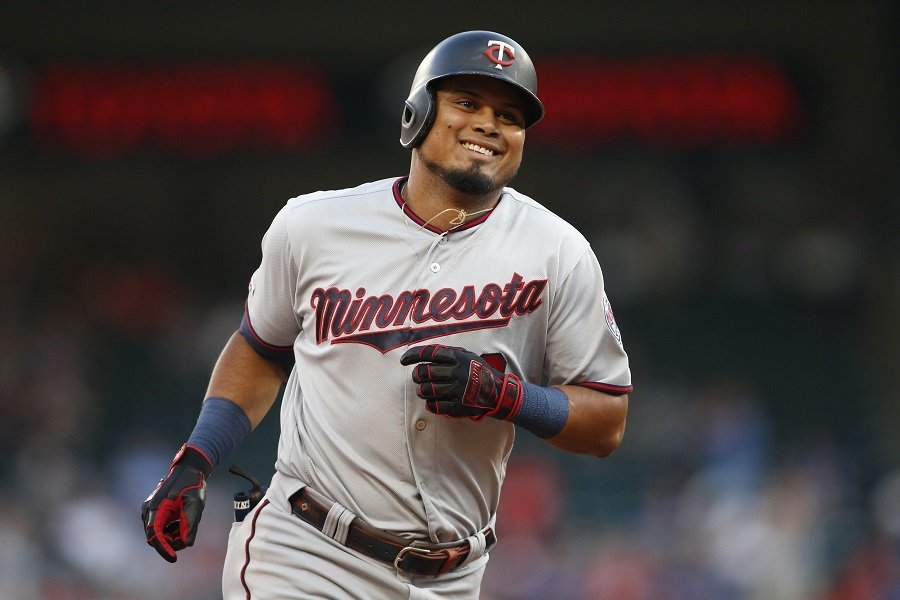 Luis Arraez is an extremely popular player. This is known. Merely bringing up the idea of trading him can stir up considerable emotion and anger, as I've learned here and on Twitter. I get it. It's easy to see why he is so popular. Arraez has earned the affinity of casual fans and hardcores alike. His consistent .300 batting averages, in an era where those are increasingly rare, endear him to the more traditional follower. For those who gravitate more toward sabermetrics and advanced stats, it is the healthy OBPs driven by Arraez's bat and discipline that define his indispensable value. Everyone can agree that his personality and his amusing mannerisms on the field are treasures. Arraez is a joy to behold. But the front office can't make decisions based solely on likability or popularity if they want to steer this ship back into contention. They need to make savvy moves and opportunistic improvements. They need to make hard choices. Trading Arraez would certainly qualify, but the logic is undeniable: The 24-year-old's considerable strengths are balanced by significant detriments. His knees have already proven to be a chronic issue at his young age. He's not a defensive asset anywhere on the field. He doesn't hit for any power. Despite these drawbacks, he'd clearly be a coveted asset on the trade market. Arraez is still at the front end of his physical prime, with three remaining years of team control. He's a bona fide OBP machine at the top of the lineup, and still has a chance to develop some pop. His defensive versatility could be viewed as highly appealing for many teams. However... Arraez is very redundant within the Twins' roster planning. The two positions he's most capable of playing — second and third — are manned by two of the team's best veteran players, who are both under guaranteed contract for the next two years. Meanwhile, top prospects Austin Martin and Jose Miranda also seem destined to end up at one of the three positions Arraez has played most (2B/3B/LF). A year ago, ultra-plugged national reporter Ken Rosenthal mentioned the idea of Arraez being floated as a trade piece, suggesting the Twins had at least entertained such discussions. That was before the arrival of Martin and the emergence of Miranda. In the present situation, there's an urgency to clear a logjam and acquire impact pitching in the process. Arraez doesn't necessarily have to be the guy sent out in such an undertaking, but he sure strikes me as the most likely. Are fans ready for that? Is the front office ready for the reaction that would likely follow? How about ownership, which was reportedly applying pressure for a Byron Buxton contract extension in part because of dwindling fan morale? The Twins and their decision makers aren't exactly on firm footing in the eyes of a fanbase beaten down by a brutal season and totally inactive offseason thus far. If they make a move like this, the return had better be undeniably strong, as well as the messaging. MORE FROM TWINS DAILY — Order the Offseason Handbook — Latest Twins coverage from our writers — Recent Twins discussion in our forums — Follow Twins Daily via Twitter, Facebook or email
 -
Last week's second installment of my annual top 20 Twins assets rankings included Luis Arraez at #11. I concluded his blurb with what I feel is a fairly obvious reality: Arraez is a prime trade candidate. The sour reaction to that idea hints at how such a move would be widely received, regardless of the strategic logic behind it. Luis Arraez is an extremely popular player. This is known. Merely bringing up the idea of trading him can stir up considerable emotion and anger, as I've learned here and on Twitter. I get it. It's easy to see why he is so popular. Arraez has earned the affinity of casual fans and hardcores alike. His consistent .300 batting averages, in an era where those are increasingly rare, endear him to the more traditional follower. For those who gravitate more toward sabermetrics and advanced stats, it is the healthy OBPs driven by Arraez's bat and discipline that define his indispensable value. Everyone can agree that his personality and his amusing mannerisms on the field are treasures. Arraez is a joy to behold. But the front office can't make decisions based solely on likability or popularity if they want to steer this ship back into contention. They need to make savvy moves and opportunistic improvements. They need to make hard choices. Trading Arraez would certainly qualify, but the logic is undeniable: The 24-year-old's considerable strengths are balanced by significant detriments. His knees have already proven to be a chronic issue at his young age. He's not a defensive asset anywhere on the field. He doesn't hit for any power. Despite these drawbacks, he'd clearly be a coveted asset on the trade market. Arraez is still at the front end of his physical prime, with three remaining years of team control. He's a bona fide OBP machine at the top of the lineup, and still has a chance to develop some pop. His defensive versatility could be viewed as highly appealing for many teams. However... Arraez is very redundant within the Twins' roster planning. The two positions he's most capable of playing — second and third — are manned by two of the team's best veteran players, who are both under guaranteed contract for the next two years. Meanwhile, top prospects Austin Martin and Jose Miranda also seem destined to end up at one of the three positions Arraez has played most (2B/3B/LF). A year ago, ultra-plugged national reporter Ken Rosenthal mentioned the idea of Arraez being floated as a trade piece, suggesting the Twins had at least entertained such discussions. That was before the arrival of Martin and the emergence of Miranda. In the present situation, there's an urgency to clear a logjam and acquire impact pitching in the process. Arraez doesn't necessarily have to be the guy sent out in such an undertaking, but he sure strikes me as the most likely. Are fans ready for that? Is the front office ready for the reaction that would likely follow? How about ownership, which was reportedly applying pressure for a Byron Buxton contract extension in part because of dwindling fan morale? The Twins and their decision makers aren't exactly on firm footing in the eyes of a fanbase beaten down by a brutal season and totally inactive offseason thus far. If they make a move like this, the return had better be undeniably strong, as well as the messaging. MORE FROM TWINS DAILY — Order the Offseason Handbook — Latest Twins coverage from our writers — Recent Twins discussion in our forums — Follow Twins Daily via Twitter, Facebook or email View full article
-
It's a risk that exists with any pitcher, of course. I'd be more anxious about it with these two if there were clear signs of over-performing. But these guys both dominated throughout the minors, and they both had spectacular K/BB rates, which to me is one of the most straightforward indicators of sustainable effectiveness. Both Ober and Ryan were homer-prone and I could see that getting out of control. That's the biggest red flag for me. But it's true of many pitchers today, and not just young ones.
- 16 replies
-
- 4
-
-

-
- ryan jeffers
- max kepler
- (and 3 more)
-
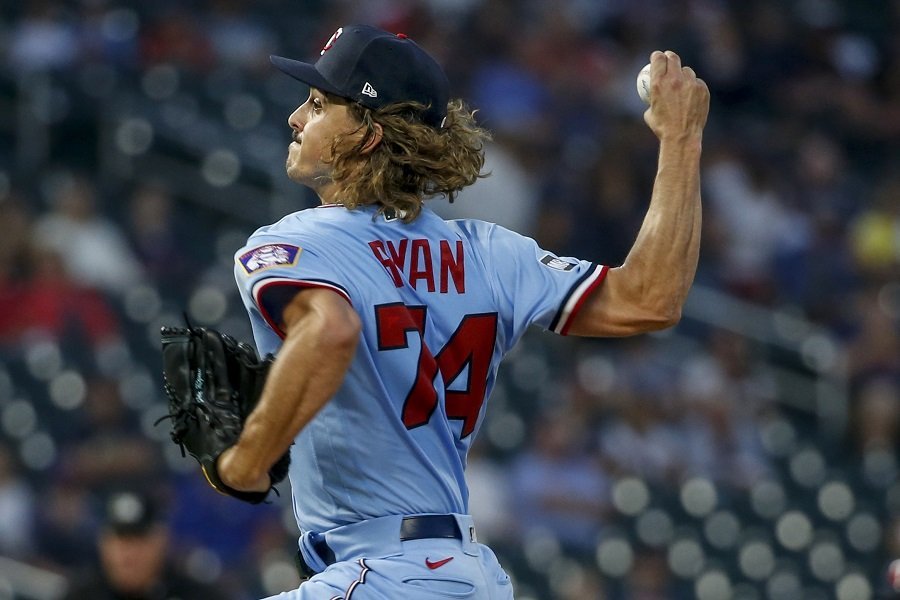 Before getting started, you can get up to speed on the ground rules, which were covered in the first installment, and also read up on our picks for #11-15. Here are the players we've ranked so far: 20. Matt Canterino, RHP 19. Josh Winder, RHP 18. Simeon Woods Richardson, RHP 17. Gilberto Celestino, CF 16. Chase Petty, RHP 15. Jose Miranda, 2B/3B 14. Jhoan Duran, RHP 13. Jordan Balazovic, RHP 12. Trevor Larnach, OF 11. Luis Arraez, UTIL From there, we crack into the top 10. Top 20 Twins Assets of 2022: 6 through 10 10. Ryan Jeffers, C 2021 Ranking: 7 Two-way catchers are among the most valuable commodities in baseball. It's not yet clear that Jeffers will be one, but his young major-league career has offered promising signs. Defensively, Jeffers established himself as a strong pitcher framer and good overall backstop. His instincts and reaction speed enable him to make special plays. He seems to have the confidence of the pitching staff – no small feat for a 24-year-old who went from college to the majors in two years. Offensively, his rushed development has been evident. After an impressive rookie showing in 2020, Jeffers saw his OPS drop by 120 points as lacking plate discipline derailed his production. But while the .199 average and .270 on-base percentage were tough to stomach, Jeffers kept bringing the power with 14 home runs in 85 games. At worst, Jeffers looks like a good defensive catcher who can take one deep here and there. (A poor man's Salvador Perez, perhaps?) If he can evolve a bit in the batter's box, he'll become a highly coveted asset – the heralded two-way catcher. It's important to keep in mind Jeffers' age and experience; when Mitch Garver was 24, he was posting a .688 OPS in Single-A. 9. Max Kepler, RF 2021 Ranking: 3 Kepler is an average hitter and an elite defensive right fielder with a very favorable contract. That combination would have more value to a lot of other teams than it does to the Twins, who wouldn't mind spending on an outfielder and already have a top-notch defender in center. A persistent inability to turn the corner offensively – outside of a short-lived breakout in 2019 – has made Kepler a frustrating player to follow. But when you look past that, he's an excellent athlete and quality regular, still a year short of 30 and under team control at reasonable rates for the next two seasons, with a $10M option in 2024. 8. Mitch Garver, C 2021 Ranking: 8 Garver's struggles with the bat in 2020 carried over into the beginning of 2021, where he slashed .151/.196/.321 through 17 games while striking out half the time. As the catcher's incredible 2019 faded further from view, many began to wonder if his approach was broken. Maybe it was, but Garver fixed it in a hurry. He homered twice in his last game of April, and pretty much never looked back, hitting .292/.406/.584 with 11 homers and 12 doubles in 51 games the rest of the way. Garver rediscovered his plate discipline, and as soon as that happened, he got back to dominating and basically out-homering the world (on a per-rate basis). It was a second consecutive season for Garver that was cut short by injuries. The punishment he's taken behind the plate, along with the increasingly evident need to have his bat in the lineup, could compel the Twins to start shifting Garver to different positions more. But that needs to be weighed against the tremendous advantage gained by writing him in at catcher. Since 2019 Garver ranks second among all MLB backstops in wOBA (min. 500 PA). He'd be higher on this list if not for his waning team control, with free agency only two seasons away. 7. Joe Ryan, RHP 2021 Ranking: NR Managing to secure Ryan in exchange for Nelson Cruz ahead of the trade deadline was a nifty bit of work by the front office, and one that probably doesn't get talked about often enough. As a 40-year-old designated hitter approaching free agency, Cruz had limited value, but the Twins leveraged Tampa's situation and were able to add an asset that immediately becomes a key part of their plans. The 25-year-old Ryan dominated at Triple-A this year, and translated his performance to the majors. In five starts for the Twins, he struck out six times as many batters as he walked, and allowed only 16 hits in 26 ⅓ innings. The right-hander cemented his spot in a needy rotation, and he's lined up to be an inexpensive fixture for years to come. All in return for an aging and expensive DH who didn't really help the Rays that much, and is now a free agent. In terms of asset upgrades, it doesn't get much better than what the Twins pulled off here. 6. Bailey Ober, RHP 2021 Ranking: NR Like Ryan, Ober is a newcomer to the rankings and finds himself near the top. But unlike Ryan, he's not a newcomer to the system. The former 12th-round draft pick boosted his stock immensely over the past couple years by significantly increasing his velocity to shed the "soft-tossing" label. Aided by a more effective fastball, which plays up from his 6-foot-9 frame, Ober was highly impressive as a rookie. There was nothing particularly fluky about his performance for the Twins, although home runs were a bit of a recurring issue. He looks the part of a mid-rotation staple, and a guy you'd feel okay about starting in the playoffs. We've seen how difficult it is for the Twins to acquire impact pitching via free agency. Developing cost-controlled arms is instrumental to this front office's vision for success. That's why Ober and Ryan rank so highly on this list: the team's fate (especially in the short-term) is tied to them. Check back in on Wednesday when we wrap up these rankings with our picks for the top 5! MORE FROM TWINS DAILY — Order the Offseason Handbook — Latest Twins coverage from our writers — Recent Twins discussion in our forums — Follow Twins Daily via Twitter, Facebook or email
- 16 comments
-
- 4
-
-
- ryan jeffers
- max kepler
- (and 3 more)
-
Continuing our rankings of the most valuable player assets in the Minnesota Twins organization, we share our picks for six through 10. This list attempts to answer a simple question: Which 20 players and prospects are most indispensable in the team's quest to win a championship? Before getting started, you can get up to speed on the ground rules, which were covered in the first installment, and also read up on our picks for #11-15. Here are the players we've ranked so far: 20. Matt Canterino, RHP 19. Josh Winder, RHP 18. Simeon Woods Richardson, RHP 17. Gilberto Celestino, CF 16. Chase Petty, RHP 15. Jose Miranda, 2B/3B 14. Jhoan Duran, RHP 13. Jordan Balazovic, RHP 12. Trevor Larnach, OF 11. Luis Arraez, UTIL From there, we crack into the top 10. Top 20 Twins Assets of 2022: 6 through 10 10. Ryan Jeffers, C 2021 Ranking: 7 Two-way catchers are among the most valuable commodities in baseball. It's not yet clear that Jeffers will be one, but his young major-league career has offered promising signs. Defensively, Jeffers established himself as a strong pitcher framer and good overall backstop. His instincts and reaction speed enable him to make special plays. He seems to have the confidence of the pitching staff – no small feat for a 24-year-old who went from college to the majors in two years. Offensively, his rushed development has been evident. After an impressive rookie showing in 2020, Jeffers saw his OPS drop by 120 points as lacking plate discipline derailed his production. But while the .199 average and .270 on-base percentage were tough to stomach, Jeffers kept bringing the power with 14 home runs in 85 games. At worst, Jeffers looks like a good defensive catcher who can take one deep here and there. (A poor man's Salvador Perez, perhaps?) If he can evolve a bit in the batter's box, he'll become a highly coveted asset – the heralded two-way catcher. It's important to keep in mind Jeffers' age and experience; when Mitch Garver was 24, he was posting a .688 OPS in Single-A. 9. Max Kepler, RF 2021 Ranking: 3 Kepler is an average hitter and an elite defensive right fielder with a very favorable contract. That combination would have more value to a lot of other teams than it does to the Twins, who wouldn't mind spending on an outfielder and already have a top-notch defender in center. A persistent inability to turn the corner offensively – outside of a short-lived breakout in 2019 – has made Kepler a frustrating player to follow. But when you look past that, he's an excellent athlete and quality regular, still a year short of 30 and under team control at reasonable rates for the next two seasons, with a $10M option in 2024. 8. Mitch Garver, C 2021 Ranking: 8 Garver's struggles with the bat in 2020 carried over into the beginning of 2021, where he slashed .151/.196/.321 through 17 games while striking out half the time. As the catcher's incredible 2019 faded further from view, many began to wonder if his approach was broken. Maybe it was, but Garver fixed it in a hurry. He homered twice in his last game of April, and pretty much never looked back, hitting .292/.406/.584 with 11 homers and 12 doubles in 51 games the rest of the way. Garver rediscovered his plate discipline, and as soon as that happened, he got back to dominating and basically out-homering the world (on a per-rate basis). It was a second consecutive season for Garver that was cut short by injuries. The punishment he's taken behind the plate, along with the increasingly evident need to have his bat in the lineup, could compel the Twins to start shifting Garver to different positions more. But that needs to be weighed against the tremendous advantage gained by writing him in at catcher. Since 2019 Garver ranks second among all MLB backstops in wOBA (min. 500 PA). He'd be higher on this list if not for his waning team control, with free agency only two seasons away. 7. Joe Ryan, RHP 2021 Ranking: NR Managing to secure Ryan in exchange for Nelson Cruz ahead of the trade deadline was a nifty bit of work by the front office, and one that probably doesn't get talked about often enough. As a 40-year-old designated hitter approaching free agency, Cruz had limited value, but the Twins leveraged Tampa's situation and were able to add an asset that immediately becomes a key part of their plans. The 25-year-old Ryan dominated at Triple-A this year, and translated his performance to the majors. In five starts for the Twins, he struck out six times as many batters as he walked, and allowed only 16 hits in 26 ⅓ innings. The right-hander cemented his spot in a needy rotation, and he's lined up to be an inexpensive fixture for years to come. All in return for an aging and expensive DH who didn't really help the Rays that much, and is now a free agent. In terms of asset upgrades, it doesn't get much better than what the Twins pulled off here. 6. Bailey Ober, RHP 2021 Ranking: NR Like Ryan, Ober is a newcomer to the rankings and finds himself near the top. But unlike Ryan, he's not a newcomer to the system. The former 12th-round draft pick boosted his stock immensely over the past couple years by significantly increasing his velocity to shed the "soft-tossing" label. Aided by a more effective fastball, which plays up from his 6-foot-9 frame, Ober was highly impressive as a rookie. There was nothing particularly fluky about his performance for the Twins, although home runs were a bit of a recurring issue. He looks the part of a mid-rotation staple, and a guy you'd feel okay about starting in the playoffs. We've seen how difficult it is for the Twins to acquire impact pitching via free agency. Developing cost-controlled arms is instrumental to this front office's vision for success. That's why Ober and Ryan rank so highly on this list: the team's fate (especially in the short-term) is tied to them. Check back in on Wednesday when we wrap up these rankings with our picks for the top 5! MORE FROM TWINS DAILY — Order the Offseason Handbook — Latest Twins coverage from our writers — Recent Twins discussion in our forums — Follow Twins Daily via Twitter, Facebook or email View full article
-
 Reports emerged last month indicating that MLB and its Players Association were not expected to start talking core economics until January. We're here now, and still no movement is apparent. Bob Nightingale tweeted on Monday that "no negotiating sessions [are] currently scheduled" between the two sides. Seemingly determined to further tarnish his own tattered reputation while presiding over the first labor stoppage in three decades, commissioner Rob Manfred made waves this week by dropping the axe on Ken Rosenthal, one of the finest sports reporters in the biz, over perceived negative coverage. Rosenthal will no longer appear on MLB Network, though thankfully his exceptional work can still be found via FOX and The Athletic. Speaking of exceptional reporters, the latest writeup from Jeff Passan of ESPN opens up with this burst of sunshine: The first month of the lockout was largely unnoticeable to me amidst the bustle of the holiday season, but now I can feel my irritation growing and compounding. Manfred and the league are doing nothing to engender sympathy or support with their lack of urgency and bizarrely adversarial actions. To keep my mind off that whole stagnant situation for the time being, I'm focusing on Twins-related distractions. I've been putting together my annual top 20 Twins asset rankings, and rolled out part 1 (16 through 20) and part 2 (11 through 15) this week. I'm excited to dig into the top 10 next week. I'm also excited about a new podcast/video series project that I've been working with the team on. More details on that soon. For now, these serve as sufficient diversions. But as the month of January progresses and the traditional reporting date for pitchers and catchers grows nearer, it'll be harder and harder to ignore the elephant in the room. Before long, we'll be looking at an inevitable delay to spring training, and Opening Day will enter the crosshairs. How much more bad press will Manfred and the league manage to attract by then?
 -
Dear journal, It's been 35 days since darkness fell upon the world of baseball. A new year is upon us, and under normal circumstances we'd be looking ahead eagerly to the start of spring training in a few short weeks. Alas, there is no end to this lockout in sight. Reports emerged last month indicating that MLB and its Players Association were not expected to start talking core economics until January. We're here now, and still no movement is apparent. Bob Nightingale tweeted on Monday that "no negotiating sessions [are] currently scheduled" between the two sides. Seemingly determined to further tarnish his own tattered reputation while presiding over the first labor stoppage in three decades, commissioner Rob Manfred made waves this week by dropping the axe on Ken Rosenthal, one of the finest sports reporters in the biz, over perceived negative coverage. Rosenthal will no longer appear on MLB Network, though thankfully his exceptional work can still be found via FOX and The Athletic. Speaking of exceptional reporters, the latest writeup from Jeff Passan of ESPN opens up with this burst of sunshine: The first month of the lockout was largely unnoticeable to me amidst the bustle of the holiday season, but now I can feel my irritation growing and compounding. Manfred and the league are doing nothing to engender sympathy or support with their lack of urgency and bizarrely adversarial actions. To keep my mind off that whole stagnant situation for the time being, I'm focusing on Twins-related distractions. I've been putting together my annual top 20 Twins asset rankings, and rolled out part 1 (16 through 20) and part 2 (11 through 15) this week. I'm excited to dig into the top 10 next week. I'm also excited about a new podcast/video series project that I've been working with the team on. More details on that soon. For now, these serve as sufficient diversions. But as the month of January progresses and the traditional reporting date for pitchers and catchers grows nearer, it'll be harder and harder to ignore the elephant in the room. Before long, we'll be looking at an inevitable delay to spring training, and Opening Day will enter the crosshairs. How much more bad press will Manfred and the league manage to attract by then? View full article
-
I mean, he played all of 10 games after returning to Triple-A. He did have an injury, and it wasn't undisclosed: he mentioned being bothered by a foot injury for much of the summer, and one wonders if this played a role in the team shutting him down for all of September (ostensibly due to a hand contusion). One year ago Larnach was a top 100 prospect in baseball according to Baseball America, MLB.com and Baseball Prospectus (top 40 according to BA!). I understand why folks are down on him, but ranking him any lower than 12th on this list would feel like a major overreaction to me.
- 15 replies
-
- 5
-
-
- jose miranda
- jhoan duran
- (and 3 more)
-
Continuing our rankings of the most valuable player assets in the Minnesota Twins organization, we highlight our picks for 11 through 15. This list attempts to answer a simple question: Which 20 players and prospects are most indispensable in the team's quest to win a championship? Before getting started, you can get up to speed on the ground rules, which were covered in the first installment. Here are the players we've ranked so far: 20. Matt Canterino, RHP 19. Josh Winder, RHP 18. Simeon Woods Richardson, RHP 17. Gilberto Celestino, CF 16. Chase Petty, RHP From there, we dive into the top 15. Top 20 Twins Assets of 2022: 11 through 15 15. Jose Miranda, 3B/2B 2021 Ranking: NR The system's shining star of 2021. Since being drafted in the second round back in 2016, Miranda always seemed on the verge of a breakout, and last year it finally came. In 127 games between Double-A and Triple-A, he slashed .344/.401/.572 with 30 homers and 94 RBIs. The infielder's emergence was no accident. Similar to former Twin (and fellow Puerto Rican) Eddie Rosario, Miranda is gifted with amazing bat-to-ball skills, which can lead to overly aggressive tendencies. In 2021, the 23-year-old turned a corner that Rosario never really did. "At instructs last fall, our guys worked with Jose on the value of hard contact, of going deeper into counts if it meant getting a better pitch,” Derek Falvey told Phil Miller. “He saw the advantage of patience.” That's not to say drawing walks was a strength for Miranda. He's an aggressive hitter who wants to swing, and in 2021 he did damage. So much that it's impossible to dismiss as a one-off outlier from a perennial underperformer. The infielder's bat is legit. The question is HOW legit, and where will he settle in defensively. 14. Jhoan Duran, RHP 2021 Ranking: 12 In the last installment, I talked about the clustered grouping of minor-league pitchers at the back end of this list. As a composite, they're pivotal to the franchise's future, but individually, none have separated all that much. Duran and Jordan Balazovic are the pitching prospects in this system that have separated. Duran's demonstrated upside may exceed that of Balazovic, but injuries hold him back as an asset. In 2021, Duran was able to throw only 16 total innings, with an elbow strain costing him nearly the whole season. Surgery was not deemed necessary, and that hopeful sign keeps him relatively high on this year's rankings. With Brusdar Graterol gone, there isn't a more powerful arm in the system. It now seems more likely than ever that Duran will follow Graterol's path and wind up as a flamethrowing reliever, but he can bring huge value in that role. 13. Jordan Balazovic, RHP 2021 Ranking: 13 While he didn't avoid the injury bug entirely, missing the first month with a back issue, Balazovic held up better than most pitching prospects in 2021's return to action. He set a career high with 97 innings, and threw well at Double-A: 3.62 ERA, 9.5 K/9, 3.5 BB/9, 9 HR allowed in 20 GS. The fact that 97 IP marked a new personal record shows how slowly Balazovic has come along from a workload standpoint. Drafted back in 2016, he has accrued only 325 total innings as a pro. He's still very much on a starting pitcher track, but it's going to take some time to build his stamina to the level of a traditional SP workload. Maybe that's not what the Twins have in mind. 12. Trevor Larnach, OF 2021 Ranking: 10 Coming into the 2021 season, Larnach was one of the Twins' most outstanding outfield prospects. His debut brought forth both sides of that descriptor: "outstanding" and "prospect." During his first few weeks in the big leagues, Larnach looked like a natural, working counts and driving the ball with authority. Before long he was routinely batting third in Rocco Baldelli's lineups. Then, we were reminded that Larnach is a 24-year-old whose development was rushed by circumstance. While not quite as out-of-place in the majors as Gilberto Celestino, Larnach was definitely called up out of necessity, having only three Triple-A games under his belt after a lost year. To his credit, he handled it well, for a while. Through 32 games and 118 PA, Larnach was slashing .273/.390/.434 with a 29% K-rate. In the next 47 games and 183 PA, he'd slash .193/.279/.298 with a 38% K-rate. He further struggled after returning to Triple-A. It's hard to get a true feel for where he's at, and how heavily we should weigh the flaws that dragged him down after that good start. I tend to lean toward favoring his pedigree, reputation for adjustments, and raw skill. Larnach remains a crux piece for this organization going forward. 11. Luis Arraez, UTIL 2021 Ranking: 11 Many won't like to hear it, but this is a very generous ranking for Arraez. He's extremely popular and beloved among fans – understandably so – but there are a number of factors detracting from his value as an asset. First, there are the bad knees. They've frequently forced him off the field, and hobbled him while playing. Not a great long-term indicator for a 24-year-old. Then there is the lack of defensive impact. He's not above-average anywhere he plays, maybe not even average. Also, Arraez hasn't hit for any power, having turned in a paltry .376 slugging percentage last year. It feels necessary to get these drawbacks out of the way, only because anyone who's watched him knows Arraez is special. He has rarefied bat-to-ball skills, and a keen eye at the plate. His on-base proficiency is key to making a power-driven Twins lineup run. Arraez has a .313 average and .374 OBP through three big-league seasons. Those numbers speak for themselves. Though he's not great defensively at any one position, Arraez's ability to hold his own at several could be viewed as a major strength. I'm just not sure it's one that fits well with the Twins and their current situation. Will they trade him? Check back in next week for Part 3, where we'll crack into the top 10 of our rankings! MORE FROM TWINS DAILY — Order the Offseason Handbook — Latest Twins coverage from our writers — Recent Twins discussion in our forums — Follow Twins Daily via Twitter, Facebook or email View full article
-
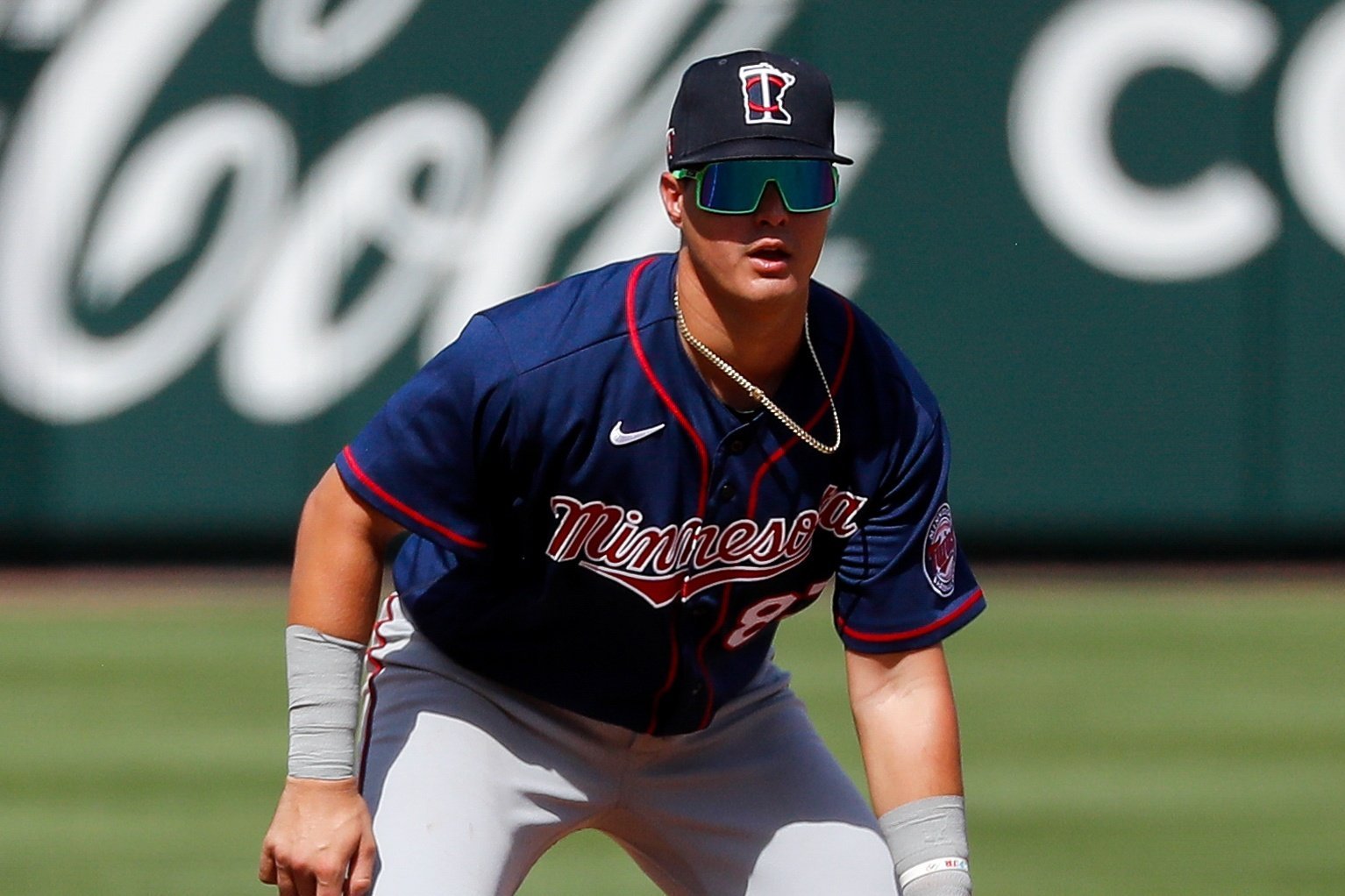 Before getting started, you can get up to speed on the ground rules, which were covered in the first installment. Here are the players we've ranked so far: 20. Matt Canterino, RHP 19. Josh Winder, RHP 18. Simeon Woods Richardson, RHP 17. Gilberto Celestino, CF 16. Chase Petty, RHP From there, we dive into the top 15. Top 20 Twins Assets of 2022: 11 through 15 15. Jose Miranda, 3B/2B 2021 Ranking: NR The system's shining star of 2021. Since being drafted in the second round back in 2016, Miranda always seemed on the verge of a breakout, and last year it finally came. In 127 games between Double-A and Triple-A, he slashed .344/.401/.572 with 30 homers and 94 RBIs. The infielder's emergence was no accident. Similar to former Twin (and fellow Puerto Rican) Eddie Rosario, Miranda is gifted with amazing bat-to-ball skills, which can lead to overly aggressive tendencies. In 2021, the 23-year-old turned a corner that Rosario never really did. "At instructs last fall, our guys worked with Jose on the value of hard contact, of going deeper into counts if it meant getting a better pitch,” Derek Falvey told Phil Miller. “He saw the advantage of patience.” That's not to say drawing walks was a strength for Miranda. He's an aggressive hitter who wants to swing, and in 2021 he did damage. So much that it's impossible to dismiss as a one-off outlier from a perennial underperformer. The infielder's bat is legit. The question is HOW legit, and where will he settle in defensively. 14. Jhoan Duran, RHP 2021 Ranking: 12 In the last installment, I talked about the clustered grouping of minor-league pitchers at the back end of this list. As a composite, they're pivotal to the franchise's future, but individually, none have separated all that much. Duran and Jordan Balazovic are the pitching prospects in this system that have separated. Duran's demonstrated upside may exceed that of Balazovic, but injuries hold him back as an asset. In 2021, Duran was able to throw only 16 total innings, with an elbow strain costing him nearly the whole season. Surgery was not deemed necessary, and that hopeful sign keeps him relatively high on this year's rankings. With Brusdar Graterol gone, there isn't a more powerful arm in the system. It now seems more likely than ever that Duran will follow Graterol's path and wind up as a flamethrowing reliever, but he can bring huge value in that role. 13. Jordan Balazovic, RHP 2021 Ranking: 13 While he didn't avoid the injury bug entirely, missing the first month with a back issue, Balazovic held up better than most pitching prospects in 2021's return to action. He set a career high with 97 innings, and threw well at Double-A: 3.62 ERA, 9.5 K/9, 3.5 BB/9, 9 HR allowed in 20 GS. The fact that 97 IP marked a new personal record shows how slowly Balazovic has come along from a workload standpoint. Drafted back in 2016, he has accrued only 325 total innings as a pro. He's still very much on a starting pitcher track, but it's going to take some time to build his stamina to the level of a traditional SP workload. Maybe that's not what the Twins have in mind. 12. Trevor Larnach, OF 2021 Ranking: 10 Coming into the 2021 season, Larnach was one of the Twins' most outstanding outfield prospects. His debut brought forth both sides of that descriptor: "outstanding" and "prospect." During his first few weeks in the big leagues, Larnach looked like a natural, working counts and driving the ball with authority. Before long he was routinely batting third in Rocco Baldelli's lineups. Then, we were reminded that Larnach is a 24-year-old whose development was rushed by circumstance. While not quite as out-of-place in the majors as Gilberto Celestino, Larnach was definitely called up out of necessity, having only three Triple-A games under his belt after a lost year. To his credit, he handled it well, for a while. Through 32 games and 118 PA, Larnach was slashing .273/.390/.434 with a 29% K-rate. In the next 47 games and 183 PA, he'd slash .193/.279/.298 with a 38% K-rate. He further struggled after returning to Triple-A. It's hard to get a true feel for where he's at, and how heavily we should weigh the flaws that dragged him down after that good start. I tend to lean toward favoring his pedigree, reputation for adjustments, and raw skill. Larnach remains a crux piece for this organization going forward. 11. Luis Arraez, UTIL 2021 Ranking: 11 Many won't like to hear it, but this is a very generous ranking for Arraez. He's extremely popular and beloved among fans – understandably so – but there are a number of factors detracting from his value as an asset. First, there are the bad knees. They've frequently forced him off the field, and hobbled him while playing. Not a great long-term indicator for a 24-year-old. Then there is the lack of defensive impact. He's not above-average anywhere he plays, maybe not even average. Also, Arraez hasn't hit for any power, having turned in a paltry .376 slugging percentage last year. It feels necessary to get these drawbacks out of the way, only because anyone who's watched him knows Arraez is special. He has rarefied bat-to-ball skills, and a keen eye at the plate. His on-base proficiency is key to making a power-driven Twins lineup run. Arraez has a .313 average and .374 OBP through three big-league seasons. Those numbers speak for themselves. Though he's not great defensively at any one position, Arraez's ability to hold his own at several could be viewed as a major strength. I'm just not sure it's one that fits well with the Twins and their current situation. Will they trade him? Check back in next week for Part 3, where we'll crack into the top 10 of our rankings! MORE FROM TWINS DAILY — Order the Offseason Handbook — Latest Twins coverage from our writers — Recent Twins discussion in our forums — Follow Twins Daily via Twitter, Facebook or email
- 15 comments
-
- 7
-
-
- jose miranda
- jhoan duran
- (and 3 more)
-
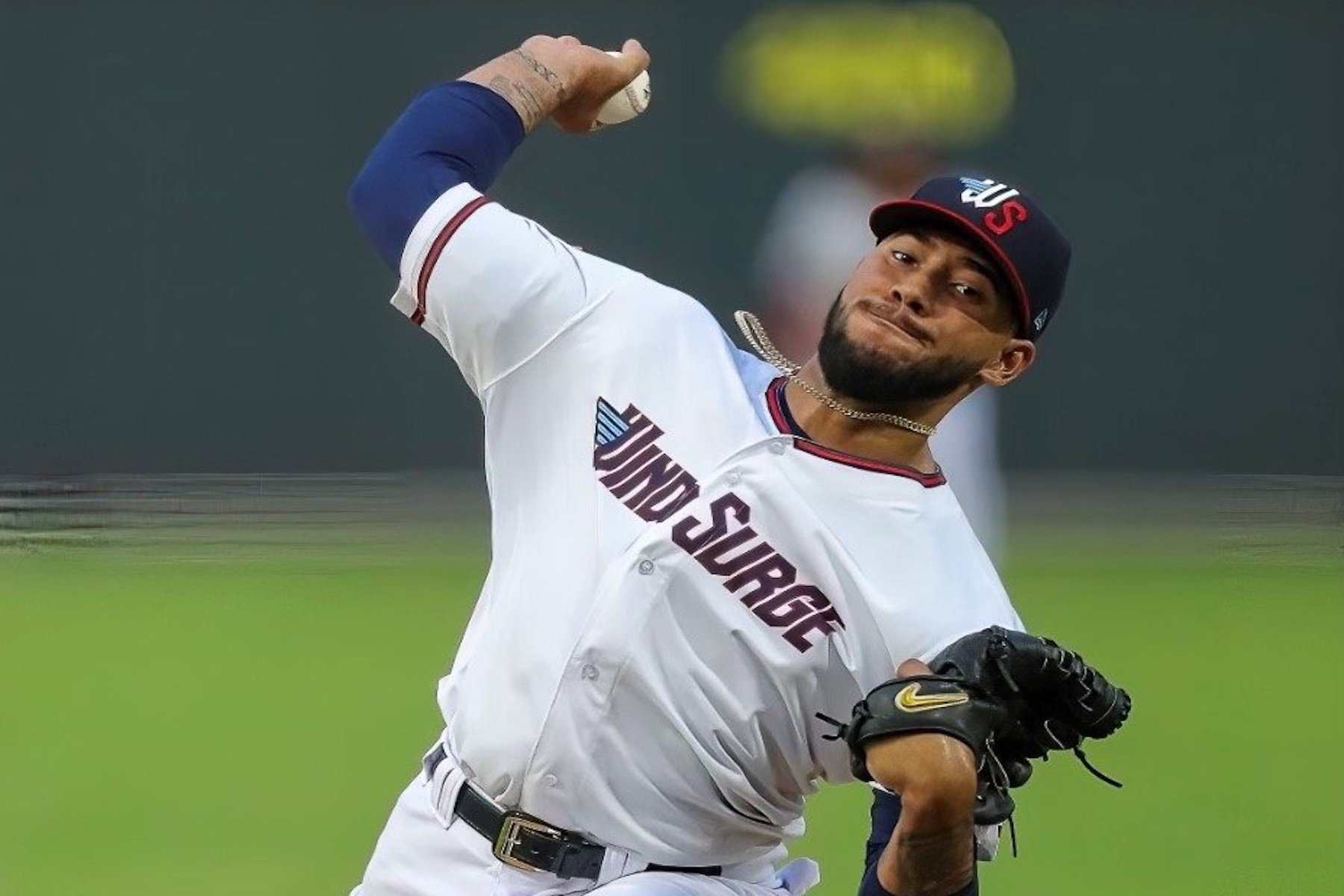 Before we get started, a quick overview of the ground rules: Things that are factored into these rankings: production, age, upside, pedigree, health, length of team control, favorability of contract, positional scarcity (within the system, and generally). Players are people. Their value to the organization, and its fans, goes well beyond the strictly business-like scope we're using here. But for the purposes of this list, we're analyzing solely in terms of asset evaluation. Intangible qualities and popularity are not factors. The idea is to assess players' importance to the future of the Minnesota Twins. In this regard, it's not exactly a ranking in terms of trade value, because that's dependent on another team's situation and needs. With that said, the ability to bring back assets in a trade is a major factor. This is a snapshot in time. Rankings are heavily influenced by recent trends and where things stood as of the end of 2021. Current major-leaguers and prospects are all eligible. The ultimate goal here to answer this question: Which current players in the organization are most indispensable to fulfilling the vision of building a champion? Before diving into our latest rankings, feel free to check out the last few years so you can get a baseline: Top 20 Twins Assets: 2018 Top 20 Twins Assets: 2019 Top 20 Twins Assets: 2020 Top 20 Twins Assets: 2021 With that out of the way, let's get started. Top 20 Twins Assets of 2022: 16 through 20 20. Matt Canterino, RHP 2021 Ranking: NR The back end of this list was extremely challenging to put together. Basically all the candidates are high-upside pitching prospects who are nearing major-league readiness: Canterino, Cole Sands, Drew Strotman, Chris Vallimont, Blayne Enlow, Louie Varland, etc. As a group, this collection is absolutely essential to the franchise's future, but individually, they kinda blur together. It's hard to differentiate and rank them. I elevated Canterino because I think he's a slight cut above the pack. His stuff is incredible and has produced absurd results in a limited pro sample – 1.13 ERA, 14.3 K/9, 0.63 WHIP with 18 hits allowed in 48 innings. But injuries restricted him to six starts in 2021, and he's made only 13 total since being drafted in 2019. If he can get healthy there's a little doubt he'll skyrocket in these rankings, but at age 24 the time is now to make it happen. Canterino recently told Nash Walker that it's "all systems go for 2022." 19. Josh Winder, RHP 2021 Ranking: NR Winder sits in that stable of intriguing near-ready arms alongside Canterino et al. He's relatively advanced, having reached Triple-A in late 2021, and was added to the 40-man roster this offseason. Like Canterino, this right-hander's velocity has risen dramatically over past couple years, along with his stock. Winder is poised to make a more immediate impact than anyone else in this tier because he's already so close. And if his minor-league track record is suggestive, that impact could be significant. In the most recent season, Winder posted a 2.63 ERA and 80-to-13 K/BB ratio in 72 innings between Double-A and Triple-A. Our Lucas Seehafer just wrote up a scouting report on Winder, drawing a loose comparison to former Twin Scott Baker. 18. Simeon Woods Richardson, RHP 2021 Ranking: NR Another quality pitching prospect who has reached the upper minors but still has much to prove. Comparatively, Woods Richardson has a bit more prestige – he's a former second-round draft pick (#48 overall, in 2018) who appeared in the top 100 overall prospect rankings from both Baseball America and MLB.com in each of the last two years. He was also a costly acquisition for the Twins, comprising half of the package they received for trading José Berríos at the deadline. The team's investment in him raises the stakes on Woods Richardson's development. Despite the fact he's already reached Double-A, the righty is still only 21 years old, so there's ample time left for him to realize his potential. A big, imposing, broad-shouldered presence on the mound, he oozes projectability. 17. Gilberto Celestino, CF 2021 Ranking: NR A lot of Twins fans are underrating Celestino. This is understandable, since he was terrible in his major-league debut last year, slashing .136/.177/.288 in 62 PA with a -0.7 fWAR. The 22-year-old was not nearly ready for prime time, and the team knew that, but they had little choice as their CF depth evaporated. I wonder how differently Celestino might be viewed right now if he was never called up out of desperation. He was a good prospect coming into 2021 – ranking 11th in our preseason rankings – and hit .290/.384/.443 in 49 games at Triple-A. As a center fielder who was young for the level, that's quite strong. Celestino shapes up as long-term Byron Buxton insurance at least, or maybe even an impact trade chip. 16. Chase Petty, RHP 2021 Ranking: NR All we know about Petty is that he's a highly-touted teenage pitcher with standout velocity plus a promising slider, and the Twins liked him enough to use their first-round pick on him in July. That seems especially notable for a risk-averse front office that has largely trended toward drafting college players with its high draft picks. Petty offers plenty of promising traits to justify his selection at #26 overall, and he showed well during a very brief pro debut, striking out six of 21 batters faced with one walk at rookie ball. But the data we have to go on is incredibly limited. We should learn a great deal more about him in 2022. Check back later this week when we continue the rankings with Part 2. In the meantime, feel free to share your thoughts on these players and where they're ranked in the comments. MORE FROM TWINS DAILY — Order the Offseason Handbook — Latest Twins coverage from our writers — Recent Twins discussion in our forums — Follow Twins Daily via Twitter, Facebook or email
- 10 comments
-
- 3
-
-
- matt canterino
- josh winder
- (and 3 more)
-
With the arrival of a new year, it's time to update my annual rankings of the most valuable player assets in the Minnesota Twins organization. This list attempts to answer a simple question: Which 20 players and prospects are most indispensable in the team's quest to win a championship? Before we get started, a quick overview of the ground rules: Things that are factored into these rankings: production, age, upside, pedigree, health, length of team control, favorability of contract, positional scarcity (within the system, and generally). Players are people. Their value to the organization, and its fans, goes well beyond the strictly business-like scope we're using here. But for the purposes of this list, we're analyzing solely in terms of asset evaluation. Intangible qualities and popularity are not factors. The idea is to assess players' importance to the future of the Minnesota Twins. In this regard, it's not exactly a ranking in terms of trade value, because that's dependent on another team's situation and needs. With that said, the ability to bring back assets in a trade is a major factor. This is a snapshot in time. Rankings are heavily influenced by recent trends and where things stood as of the end of 2021. Current major-leaguers and prospects are all eligible. The ultimate goal here to answer this question: Which current players in the organization are most indispensable to fulfilling the vision of building a champion? Before diving into our latest rankings, feel free to check out the last few years so you can get a baseline: Top 20 Twins Assets: 2018 Top 20 Twins Assets: 2019 Top 20 Twins Assets: 2020 Top 20 Twins Assets: 2021 With that out of the way, let's get started. Top 20 Twins Assets of 2022: 16 through 20 20. Matt Canterino, RHP 2021 Ranking: NR The back end of this list was extremely challenging to put together. Basically all the candidates are high-upside pitching prospects who are nearing major-league readiness: Canterino, Cole Sands, Drew Strotman, Chris Vallimont, Blayne Enlow, Louie Varland, etc. As a group, this collection is absolutely essential to the franchise's future, but individually, they kinda blur together. It's hard to differentiate and rank them. I elevated Canterino because I think he's a slight cut above the pack. His stuff is incredible and has produced absurd results in a limited pro sample – 1.13 ERA, 14.3 K/9, 0.63 WHIP with 18 hits allowed in 48 innings. But injuries restricted him to six starts in 2021, and he's made only 13 total since being drafted in 2019. If he can get healthy there's a little doubt he'll skyrocket in these rankings, but at age 24 the time is now to make it happen. Canterino recently told Nash Walker that it's "all systems go for 2022." 19. Josh Winder, RHP 2021 Ranking: NR Winder sits in that stable of intriguing near-ready arms alongside Canterino et al. He's relatively advanced, having reached Triple-A in late 2021, and was added to the 40-man roster this offseason. Like Canterino, this right-hander's velocity has risen dramatically over past couple years, along with his stock. Winder is poised to make a more immediate impact than anyone else in this tier because he's already so close. And if his minor-league track record is suggestive, that impact could be significant. In the most recent season, Winder posted a 2.63 ERA and 80-to-13 K/BB ratio in 72 innings between Double-A and Triple-A. Our Lucas Seehafer just wrote up a scouting report on Winder, drawing a loose comparison to former Twin Scott Baker. 18. Simeon Woods Richardson, RHP 2021 Ranking: NR Another quality pitching prospect who has reached the upper minors but still has much to prove. Comparatively, Woods Richardson has a bit more prestige – he's a former second-round draft pick (#48 overall, in 2018) who appeared in the top 100 overall prospect rankings from both Baseball America and MLB.com in each of the last two years. He was also a costly acquisition for the Twins, comprising half of the package they received for trading José Berríos at the deadline. The team's investment in him raises the stakes on Woods Richardson's development. Despite the fact he's already reached Double-A, the righty is still only 21 years old, so there's ample time left for him to realize his potential. A big, imposing, broad-shouldered presence on the mound, he oozes projectability. 17. Gilberto Celestino, CF 2021 Ranking: NR A lot of Twins fans are underrating Celestino. This is understandable, since he was terrible in his major-league debut last year, slashing .136/.177/.288 in 62 PA with a -0.7 fWAR. The 22-year-old was not nearly ready for prime time, and the team knew that, but they had little choice as their CF depth evaporated. I wonder how differently Celestino might be viewed right now if he was never called up out of desperation. He was a good prospect coming into 2021 – ranking 11th in our preseason rankings – and hit .290/.384/.443 in 49 games at Triple-A. As a center fielder who was young for the level, that's quite strong. Celestino shapes up as long-term Byron Buxton insurance at least, or maybe even an impact trade chip. 16. Chase Petty, RHP 2021 Ranking: NR All we know about Petty is that he's a highly-touted teenage pitcher with standout velocity plus a promising slider, and the Twins liked him enough to use their first-round pick on him in July. That seems especially notable for a risk-averse front office that has largely trended toward drafting college players with its high draft picks. Petty offers plenty of promising traits to justify his selection at #26 overall, and he showed well during a very brief pro debut, striking out six of 21 batters faced with one walk at rookie ball. But the data we have to go on is incredibly limited. We should learn a great deal more about him in 2022. Check back later this week when we continue the rankings with Part 2. In the meantime, feel free to share your thoughts on these players and where they're ranked in the comments. MORE FROM TWINS DAILY — Order the Offseason Handbook — Latest Twins coverage from our writers — Recent Twins discussion in our forums — Follow Twins Daily via Twitter, Facebook or email View full article
-
If you can throw strikes and miss bats in the majors I feel pretty good about your chances of having at least moderate success. Mejia and Romero never quite nailed down the "throwing strikes" part. How often have we seen a rookie pitcher (let alone two) come through and have the kind of K/BB success that Ober and Ryan did?
-
 A big theme for me in the past year, and especially the past week, has been gratitude. During the Christmas holiday, I was able to spend time with numerous family members and close friends — in person. Maybe not as many as I would under "normal" circumstances but it was a seismic improvement over 2020, when these interactions largely took place through a computer screen. I wasn't going to take that for granted. I doubt I ever will again. One of the few silver linings to emerge from this awful pandemic is a renewed sense of perspective and awareness. You don't know what you've got til it's gone. As I look back on the 2021 Twins season, I'm struck by the same feelings. Around the All-Star break, I wrote up a post reflecting on the best and worst first half ever. It sort of summarizes my sentiments on the season as a whole. In terms of the product on the field, it sucked. The team was incredibly disappointing, and managed to effectively eliminate itself from contention by Memorial Day. There were heartbreaking defeats, devastating injuries, and seemingly endless setbacks. At the same time, to even HAVE a product on the field, and to be able to watch it live, in-person, surrounded by my baseball-loving brethren, was reinvigorating. I went to more games at Target Field than in any season before. I savored each moment in the ballpark, even as my favorite team spiraled before my eyes. A road trip to Kansas City with the wife in early June probably best epitomized my experience as a Twins fan in 2021. The six-hour cruise down I35 is one of our favorite summer traditions, and another that went conspicuously amiss in 2020. Arriving in time for a series opener between the Royals and Twins, we strolled into Kauffman Stadium on a gorgeous Friday night. After grabbing a couple of local beers, we found our way to our seats with the first inning already underway. Once we sat down, Matt Shoemaker had already given up three runs. By the end of the inning, that total would be nine. Like the Twins season as a whole, this game was really never competitive. In fact, it was at times kind of embarrassing (particularly while in hostile territory!). But you know what? I still enjoyed the hell out of it. The surrounding fans were never mean-spirited or contentious. We were all just happy to be back at the ballpark. While I very much want the Twins to get back to playing better baseball next year, the more immediate concern is whether (and when) they'll be playing baseball at all. Which brings us back to this whole lockout business. Things remain stagnant on the CBA front, as expected. Negotiations are understandably set aside during the Christmas and New Year's stretch. But once we've rung in 2022, the vibe will quickly change. Suddenly, the scheduled start of spring training is only six weeks away, with dozens of free agents unsigned, and Minnesota among many teams whose needs are largely unaddressed. Going forward, dear journal, I suspect these missives will grow more urgent and less forgiving. But for the time being, I'll happily put my energy toward celebrating the end of a weird year, and embracing my deep gratitude for everything it brought back.
 -
Dear journal, It's been 28 days since darkness fell upon the world of baseball. As the start of a new year bears down, this feels like a good time to reflect, and to look forward. A big theme for me in the past year, and especially the past week, has been gratitude. During the Christmas holiday, I was able to spend time with numerous family members and close friends — in person. Maybe not as many as I would under "normal" circumstances but it was a seismic improvement over 2020, when these interactions largely took place through a computer screen. I wasn't going to take that for granted. I doubt I ever will again. One of the few silver linings to emerge from this awful pandemic is a renewed sense of perspective and awareness. You don't know what you've got til it's gone. As I look back on the 2021 Twins season, I'm struck by the same feelings. Around the All-Star break, I wrote up a post reflecting on the best and worst first half ever. It sort of summarizes my sentiments on the season as a whole. In terms of the product on the field, it sucked. The team was incredibly disappointing, and managed to effectively eliminate itself from contention by Memorial Day. There were heartbreaking defeats, devastating injuries, and seemingly endless setbacks. At the same time, to even HAVE a product on the field, and to be able to watch it live, in-person, surrounded by my baseball-loving brethren, was reinvigorating. I went to more games at Target Field than in any season before. I savored each moment in the ballpark, even as my favorite team spiraled before my eyes. A road trip to Kansas City with the wife in early June probably best epitomized my experience as a Twins fan in 2021. The six-hour cruise down I35 is one of our favorite summer traditions, and another that went conspicuously amiss in 2020. Arriving in time for a series opener between the Royals and Twins, we strolled into Kauffman Stadium on a gorgeous Friday night. After grabbing a couple of local beers, we found our way to our seats with the first inning already underway. Once we sat down, Matt Shoemaker had already given up three runs. By the end of the inning, that total would be nine. Like the Twins season as a whole, this game was really never competitive. In fact, it was at times kind of embarrassing (particularly while in hostile territory!). But you know what? I still enjoyed the hell out of it. The surrounding fans were never mean-spirited or contentious. We were all just happy to be back at the ballpark. While I very much want the Twins to get back to playing better baseball next year, the more immediate concern is whether (and when) they'll be playing baseball at all. Which brings us back to this whole lockout business. Things remain stagnant on the CBA front, as expected. Negotiations are understandably set aside during the Christmas and New Year's stretch. But once we've rung in 2022, the vibe will quickly change. Suddenly, the scheduled start of spring training is only six weeks away, with dozens of free agents unsigned, and Minnesota among many teams whose needs are largely unaddressed. Going forward, dear journal, I suspect these missives will grow more urgent and less forgiving. But for the time being, I'll happily put my energy toward celebrating the end of a weird year, and embracing my deep gratitude for everything it brought back. View full article
-
 On the latest episode of the Gleeman and Geek podcast, Aaron and John lamented the Twins' lack of significant action before the lockout. They were echoing the sentiments of fans far and wide, who are underwhelmed by the club's lack of urgency and glaringly incomplete current product. I know I found myself nodding along. Inspired by that conversation, I wrote up a blog post examining the front office's mindset and rationale. We're all frustrated with what appears to be a major missed opportunity at the high end of the free agent market. I wanted to understand why. The best theory I can come up with, which I outlined, is that the Twins are seeking to maintain maximum flexibility with a long list of pitching prospects who are about ready for a shot in the big leagues. The pipeline this regime has been building and cultivating for half a decade is ready to start producing, and they want to see what they've got. They need to, in fact. That's not to say they are done. The Twins will have work to do when things fire back up, and no one denies it. But I do see some logic in the reluctance to pursue expensive multi-year deals for veteran starting pitchers. That article sparked a lot of good discourse, with nearly 100 comments nesting beneath. Beyond the enjoyable chatter with Twins fans on TD and Twitter, I've had other tangentially baseball-related diversions to lean on this past week. Seeing our friend, and MLB.com Twins beat writer, Do-Hyoung Park compete on Monday's episode of Jeopardy! was an absolute thrill. He made us all proud by giving the dominant Amy Schneider a run for her money. Speaking of Twins writers, I had a chance to grab beers with John Bonnes and Dan Hayes the other night, which led to plenty of jokes, laughs, and diatribes over baseball and beyond. Chatting with Dan served as a stark reminder that – while I might be bored and annoyed by the lockout drama as a fan – it's a whole different level when your entire job is dedicated to covering a shuttered team. For me, the stoppage has been mostly unnoticeable, in part because of the above diversions and in part because MLB tends to be very quiet in the latter half of December anyway. We'll see how long the remains true, because we still seem to have a long road ahead. It sounds like the league and union don't even intend to start getting into the meat for their negotiations until after the new year. Tension and discontent will likely start rising around that time. But right now, 'tis the season for none of that. And so I wish a warm Christmas and holiday season to you, journal, along with anyone who might be reading.
 -
Dear journal, It's been 21 days since darkness fell upon the world of baseball. Despite a total lack of news or activity from the realm of MLB, Twins fans are finding ways to generate lively discussion and spirited debate. Here in the holiday season, I find it rather heartwarming. Like the Whos of Whoville singing and celebrating in defiance of the greedy Grinch. On the latest episode of the Gleeman and Geek podcast, Aaron and John lamented the Twins' lack of significant action before the lockout. They were echoing the sentiments of fans far and wide, who are underwhelmed by the club's lack of urgency and glaringly incomplete current product. I know I found myself nodding along. Inspired by that conversation, I wrote up a blog post examining the front office's mindset and rationale. We're all frustrated with what appears to be a major missed opportunity at the high end of the free agent market. I wanted to understand why. The best theory I can come up with, which I outlined, is that the Twins are seeking to maintain maximum flexibility with a long list of pitching prospects who are about ready for a shot in the big leagues. The pipeline this regime has been building and cultivating for half a decade is ready to start producing, and they want to see what they've got. They need to, in fact. That's not to say they are done. The Twins will have work to do when things fire back up, and no one denies it. But I do see some logic in the reluctance to pursue expensive multi-year deals for veteran starting pitchers. That article sparked a lot of good discourse, with nearly 100 comments nesting beneath. Beyond the enjoyable chatter with Twins fans on TD and Twitter, I've had other tangentially baseball-related diversions to lean on this past week. Seeing our friend, and MLB.com Twins beat writer, Do-Hyoung Park compete on Monday's episode of Jeopardy! was an absolute thrill. He made us all proud by giving the dominant Amy Schneider a run for her money. Speaking of Twins writers, I had a chance to grab beers with John Bonnes and Dan Hayes the other night, which led to plenty of jokes, laughs, and diatribes over baseball and beyond. Chatting with Dan served as a stark reminder that – while I might be bored and annoyed by the lockout drama as a fan – it's a whole different level when your entire job is dedicated to covering a shuttered team. For me, the stoppage has been mostly unnoticeable, in part because of the above diversions and in part because MLB tends to be very quiet in the latter half of December anyway. We'll see how long the remains true, because we still seem to have a long road ahead. It sounds like the league and union don't even intend to start getting into the meat for their negotiations until after the new year. Tension and discontent will likely start rising around that time. But right now, 'tis the season for none of that. And so I wish a warm Christmas and holiday season to you, journal, along with anyone who might be reading. View full article
-
Exactly this! I picked the AL Central because, well, that's the division the Twins are trying to win, and the teams they compete against most frequently. But I also picked it because those teams operate on somewhat similar financial footing. It is utterly irrelevant to say "Look, the Yankees/Dodgers/Astros signed a big free agent pitcher, why don't the Twins??" Those teams operate in a completely different context. So many people act like throwing money at free agent pitching is some surefire path to contention or getting over the hump. From my view there is just no real evidence of this being true, at least for a team like the Twins.
- 94 replies
-
- 2
-
-
- jordan balazovic
- jhoan duran
- (and 1 more)
-
That sure is a long-winded way of not answering the question!
- 94 replies
-
- 2
-
-
- jordan balazovic
- jhoan duran
- (and 1 more)
-
The goalposts haven't shifted. The plan has always been to develop pitching as a means to success. The Twins rebuilt their infrastructure around that philosophy. They made outside-the-box coaching and front office hires. Falvey was hired away from Cleveland on this basis, and he was always going to be judged ultimately on the merits of his pitching development system. The goalposts are the same. I don't know why you act like this is such a radical idea. When was the last time an AL Central champion was propelled in any significant way by a big free agent starting pitcher? Serious question. As for the bit about "rationalizing sitting out an offseason and wasting a year," this is is what I'd call moving the goalposts. No one is out here defending the notion of sitting out the rest of the offseason and making no more significant additions. And that isn't going to happen. The article is specifically addressing the team's choice to bypass the top tier of free agent starting pitching.
- 94 replies
-
- 7
-
-
-
- jordan balazovic
- jhoan duran
- (and 1 more)
-
I wasn't specifying them? When I say "You can't treat their development cycle like a typical 24/25 year old's" I meant typical as in pre-2020. The same applies to any minor-leaguer. 25 is the new 23, if you will,
- 94 replies
-
- 2
-
-
-
- jordan balazovic
- jhoan duran
- (and 1 more)
-
I don't think that's a fair way to look at it. They missed an entire minor-league season and then had to try to build back up the following year. You can't treat their development cycle like a typical 24/25 year old's. I do think that point underscores the urgency of getting them looks in the near future, however. The widespread injuries, to me, are the foreboding concern. But you've gotta believe some of these guys will see their lack turn around on that front after last summer. And I wonder how many of the IL trips/shutdowns were the result of extreme caution, given the circumstances.
- 94 replies
-
- 3
-
-
-
- jordan balazovic
- jhoan duran
- (and 1 more)
-
The offseason is not over folks! Not even close. Just want to make sure we're all aware of that.
- 94 replies
-
- 6
-
-
-
- jordan balazovic
- jhoan duran
- (and 1 more)
