Nick Nelson
-
Posts
8,326 -
Joined
-
Last visited
-
Days Won
56
Content Type
Profiles
News
Minnesota Twins Videos
2026 Minnesota Twins Top Prospects Ranking
2022 Minnesota Twins Draft Picks
Minnesota Twins Free Agent & Trade Rumors, Notes, & Tidbits
Guides & Resources
2023 Minnesota Twins Draft Picks
The Minnesota Twins Players Project
2024 Minnesota Twins Draft Picks
2025 Minnesota Twins Draft Pick Tracker
2026 Minnesota Twins Draft Tracker: Picks & Bonuses
Forums
Blogs
Events
Store
Downloads
Gallery
Everything posted by Nick Nelson
-
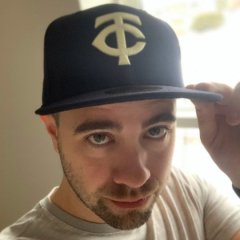 On February 19th, Twins Daily will be celebrating its 10-year anniversary. To honor this upcoming milestone, we're looking back at the most-read articles from each year since our site launched. Today, we dive into the 2016 season. Total System Failure and 103 losses. ByungHo Park. Brain Dozier's 42-HR explosion. What a year. One of the worst seasons in Twins history was also apparently the year of Nick Nelson here at Twins Daily. All five of the most-read articles in 2016 were written by me. I suppose there's some sort of poetic justice at play there. Despite the abysmal quality of the on-field product, it wasn't articles full of venting and frustration that drew the most attention. (Though there were plenty of them.) Instead, ever-optimistic readers turned toward stories of hope, possibility, and upside. 5. All About Jose De Leon By Nick Nelson | Dec 20, 2016 In the wake of a nightmarish 59-103 campaign, Dozier stood out as a clear top trade candidate, coming off an historic season with two years of team control remaining. The Twins had been connected to the Dodgers in trade rumors, and pitching prospect José De León was a coveted headliner. In this article, I pointed out some of the reasons why. He was a meteoric riser in the minors with huge strikeouts rates and a vaunted changeup. He looked like the kind of building block Minnesota's rotation needed. Ultimately, the Twins opted not to trade Dozier, perhaps in part because they were working through a front office transition with Derek Falvey and Thad Levine taking over. Los Angeles pivoted to Plan B and dealt De León to Tampa for Logan Forsythe. Ironically, the Twins ended up getting a more impactful return by waiting two years and trading Dozier to the Dodgers in a deadline dump. Devin Smeltzer has thrown 69 innings in the majors with a 4.26 ERA, while De León – now 29 – has since totaled 31 innings with a 9.58 ERA. 4. Has Average Joe Returned? By Nick Nelson | April 17, 2016 By this time, Joe Mauer had faded to a mere shell of his former self. "Average Joe" was an accurate reference to his overall value – a decent-hitting first baseman who wouldn't hurt you much, but was hardly an asset. In this article, I wondered whether another meaning of this label might return for the three-time batting champ, whose signature was once hitting over .300 on a regular basis. Mauer was off to a hot start for the struggling Twins, batting .372 through two weeks when this article went live. Sadly, the answer to the titular question turned out to be a resounding "no." Mauer batted .251 the rest of the way and finished with a .261 average, lowest in his career. But his burst of early life did prove to be a precursor – in 2017, Mauer would hit .305 and arguably should've earned strong consideration for a Gold Glove. 3. Dozier Trade Talk Heating Up? By Nick Nelson | Nov 27, 2016 As mentioned earlier, Dozier trade rumors were a hot topic after the 2016 season concluded. In late November, there was a sense that things were beginning to pick up steam. In this piece I highlighted some rumors that were surfacing and explored the Dodgers as a trad partner. Several names were mentioned as possible returns. Perhaps most amusing was to come across a tweet from former Twins beat writer Mike Berardino sharing that he "had an AL pro scout suggest [Cody] Bellinger as the centerpiece of a Dozier deal would make sense." That would've worked out okay! 2. 5 Reasons To Be Excited About 2016 By Nick Nelson | Jan 4, 2016 LOL. In fairness, there was seemingly a lot of reason for optimism heading into the 2016 season. The Twins were coming off a brush with contention, having welcomed several of their top prospects into the fold in a resurgent 2015. This all served to make the coming gut punch EXTRA painful. Looking back at these "reasons to be excited," and how they turned out, perfectly encapsulates the Total System Failure: ByungHo Park arrives. And bats .191 in what would prove to be his lone major-league season. Miguel Sanó settles in. In actuality, rather than letting the third baseman "settle in," the Twins decided to move him to right field, which went horribly. José Berríos debuts. And posts an 8.02 ERA in 14 starts. Byron Buxton breaks through. Hardly. Buxton slashed .225/.284/.430, with only a late power surge (1.011 OPS and 9 HR, with the Twins well out of contention) salvaging his overall numbers. The rotation comes together. It did not. Ervin Santana had a good year and nobody else posted an ERA under five. Kyle Gibson, Tyler Duffey, Ricky Nolasco, and Berríos were all miles below average. 1. Park Factor: Did Twins Hit Home Run With Byung Ho? By Nick Nelson | April 16, 2017 Park was a very exciting signing – a slugging star from Korea brought in to supplement a developing young lineup. In mid-April I wrote about some of the positive signs he was putting forth. At the time he had homered three times in the past four games – including a majestic shot that measured as the longest in Target Field history – and was slugging .558 through a dozen big-league games. Park would stay hot, slashing .308/.378/.641 with three more homers in his next 12 games, but that was basically the end of the ride. He hit .143/.232/.293 with just five home runs in his next 38 games before undergoing wrist surgery in August. The new front office regime seemingly never had much interest in seeing things through with Park. He didn't make the team in 2017, despite a good spring, and in 2018 headed back to Korea, where he resumed dominating with a 1.175 OPS and 43 home runs. MORE FROM TWINS DAILY — Order the Offseason Handbook — Latest Twins coverage from our writers — Recent Twins discussion in our forums — Follow Twins Daily via Twitter, Facebook or email View full article
 -
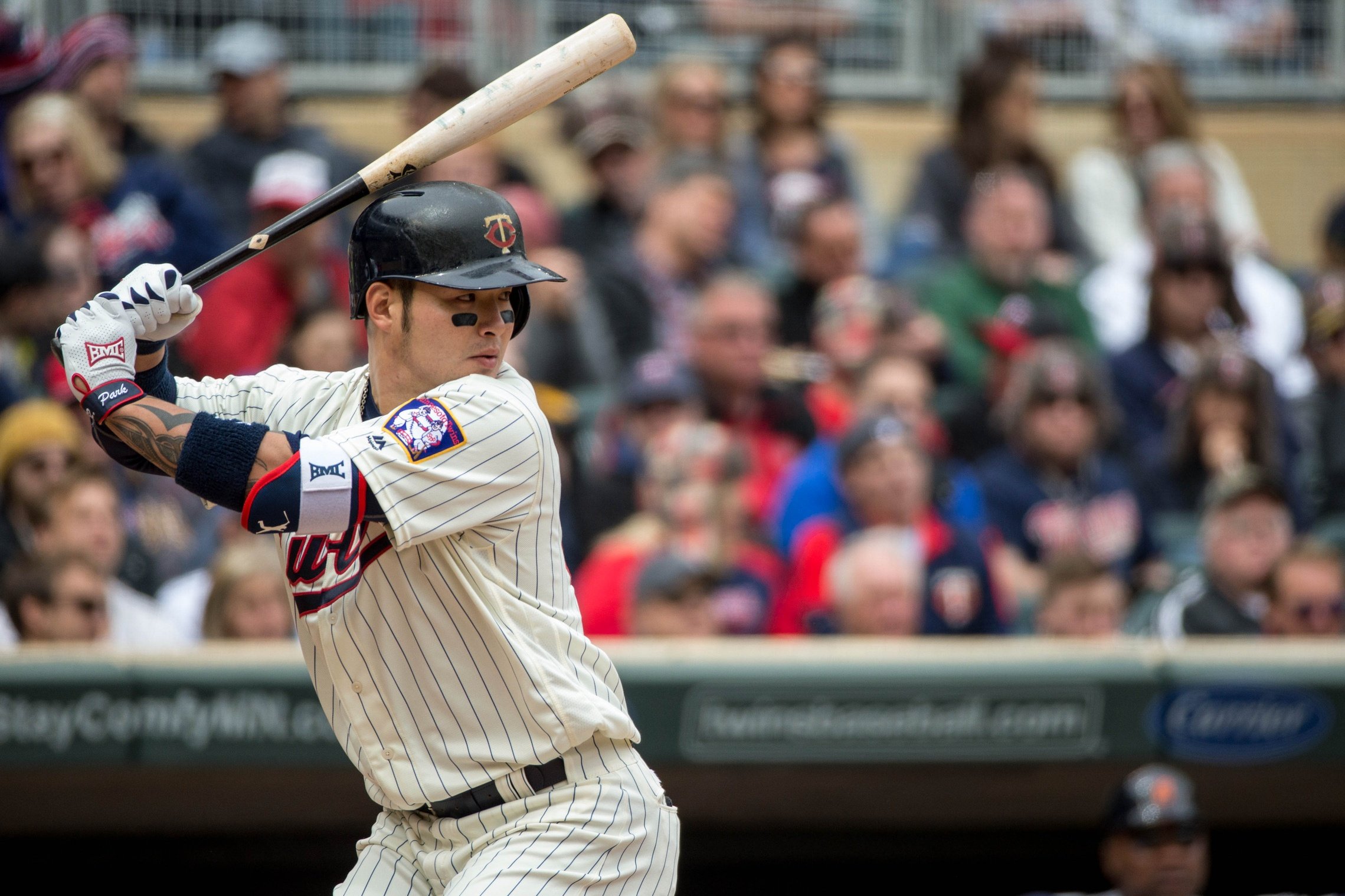 One of the worst seasons in Twins history was also apparently the year of Nick Nelson here at Twins Daily. All five of the most-read articles in 2016 were written by me. I suppose there's some sort of poetic justice at play there. Despite the abysmal quality of the on-field product, it wasn't articles full of venting and frustration that drew the most attention. (Though there were plenty of them.) Instead, ever-optimistic readers turned toward stories of hope, possibility, and upside. 5. All About Jose De Leon By Nick Nelson | Dec 20, 2016 In the wake of a nightmarish 59-103 campaign, Dozier stood out as a clear top trade candidate, coming off an historic season with two years of team control remaining. The Twins had been connected to the Dodgers in trade rumors, and pitching prospect José De León was a coveted headliner. In this article, I pointed out some of the reasons why. He was a meteoric riser in the minors with huge strikeouts rates and a vaunted changeup. He looked like the kind of building block Minnesota's rotation needed. Ultimately, the Twins opted not to trade Dozier, perhaps in part because they were working through a front office transition with Derek Falvey and Thad Levine taking over. Los Angeles pivoted to Plan B and dealt De León to Tampa for Logan Forsythe. Ironically, the Twins ended up getting a more impactful return by waiting two years and trading Dozier to the Dodgers in a deadline dump. Devin Smeltzer has thrown 69 innings in the majors with a 4.26 ERA, while De León – now 29 – has since totaled 31 innings with a 9.58 ERA. 4. Has Average Joe Returned? By Nick Nelson | April 17, 2016 By this time, Joe Mauer had faded to a mere shell of his former self. "Average Joe" was an accurate reference to his overall value – a decent-hitting first baseman who wouldn't hurt you much, but was hardly an asset. In this article, I wondered whether another meaning of this label might return for the three-time batting champ, whose signature was once hitting over .300 on a regular basis. Mauer was off to a hot start for the struggling Twins, batting .372 through two weeks when this article went live. Sadly, the answer to the titular question turned out to be a resounding "no." Mauer batted .251 the rest of the way and finished with a .261 average, lowest in his career. But his burst of early life did prove to be a precursor – in 2017, Mauer would hit .305 and arguably should've earned strong consideration for a Gold Glove. 3. Dozier Trade Talk Heating Up? By Nick Nelson | Nov 27, 2016 As mentioned earlier, Dozier trade rumors were a hot topic after the 2016 season concluded. In late November, there was a sense that things were beginning to pick up steam. In this piece I highlighted some rumors that were surfacing and explored the Dodgers as a trad partner. Several names were mentioned as possible returns. Perhaps most amusing was to come across a tweet from former Twins beat writer Mike Berardino sharing that he "had an AL pro scout suggest [Cody] Bellinger as the centerpiece of a Dozier deal would make sense." That would've worked out okay! 2. 5 Reasons To Be Excited About 2016 By Nick Nelson | Jan 4, 2016 LOL. In fairness, there was seemingly a lot of reason for optimism heading into the 2016 season. The Twins were coming off a brush with contention, having welcomed several of their top prospects into the fold in a resurgent 2015. This all served to make the coming gut punch EXTRA painful. Looking back at these "reasons to be excited," and how they turned out, perfectly encapsulates the Total System Failure: ByungHo Park arrives. And bats .191 in what would prove to be his lone major-league season. Miguel Sanó settles in. In actuality, rather than letting the third baseman "settle in," the Twins decided to move him to right field, which went horribly. José Berríos debuts. And posts an 8.02 ERA in 14 starts. Byron Buxton breaks through. Hardly. Buxton slashed .225/.284/.430, with only a late power surge (1.011 OPS and 9 HR, with the Twins well out of contention) salvaging his overall numbers. The rotation comes together. It did not. Ervin Santana had a good year and nobody else posted an ERA under five. Kyle Gibson, Tyler Duffey, Ricky Nolasco, and Berríos were all miles below average. 1. Park Factor: Did Twins Hit Home Run With Byung Ho? By Nick Nelson | April 16, 2017 Park was a very exciting signing – a slugging star from Korea brought in to supplement a developing young lineup. In mid-April I wrote about some of the positive signs he was putting forth. At the time he had homered three times in the past four games – including a majestic shot that measured as the longest in Target Field history – and was slugging .558 through a dozen big-league games. Park would stay hot, slashing .308/.378/.641 with three more homers in his next 12 games, but that was basically the end of the ride. He hit .143/.232/.293 with just five home runs in his next 38 games before undergoing wrist surgery in August. The new front office regime seemingly never had much interest in seeing things through with Park. He didn't make the team in 2017, despite a good spring, and in 2018 headed back to Korea, where he resumed dominating with a 1.175 OPS and 43 home runs. MORE FROM TWINS DAILY — Order the Offseason Handbook — Latest Twins coverage from our writers — Recent Twins discussion in our forums — Follow Twins Daily via Twitter, Facebook or email
 -
Good ask, will do!
-
On February 19th, Twins Daily will be celebrating its 10-year anniversary. To honor this upcoming milestone, we're looking back at the most-read articles from each year since our site launched. Today, we dive into the 2015 season, in which the Twins welcomed a new manager, debuted their two most prized prospects, and returned (briefly) to relevance. Coming out of the 2014 season, the Twins franchise was mired in a devastating funk. They'd lost 90+ games in four consecutive seasons, haunted by a perpetual inability to address their pitching woes. The luster of their beautiful new stadium had pretty much worn off entirely. Fans needed a boost. The 2015 season brought some welcome change and initiative. Ron Gardenhire had been dismissed as manager, replaced by Hall of Famer and Minnesota baseball legend Paul Molitor. Terry Ryan made his biggest free agent splash ever, handing Ervin Santana a $55 million deal. Franchise icon Torii Hunter returned on a one-year deal. It was evident to all that Byron Buxton and Miguel Sanó, two of the best Twins prospects to come along in some time, were on the verge of reaching the majors. Rejuvenated interest in the major-league product was reflected in the most-read articles of the year at Twins Daily. Whereas every top article from 2014 was focused on prospects, or even college players, the top stories of 2015 were all about the emergent big-league Twins and how they could keep getting better. 5. Will Twins Address Their Most Glaring Weakness? By Nick Nelson From my view, the organization's "most glaring weakness" at this point was at the catcher position. Joe Mauer was now a first baseman. Journeyman Kurt Suzuki had reverted to sub-mediocrity following his random All-Star appearance in 2014. The two other players to receive starts at catcher for the Twins in 2015 were Chris Herrmann and Eric Fryer. Mitch Garver had not yet emerged as any kind of legitimate prospect. In this piece, I suggested Jonathan Lucroy, Derek Norris, and Andrew Susac as deadline targets. Instead, the Twins waited until the offseason, where they traded Aaron Hicks to the Yankees for John Ryan Murphy. A disastrous decision. 4. Twins Add Seven To Their 40 Man Roster, Lose Achter, Pinto By Seth Stohs Roster moves that earn only a passing mention in mainstream press often become hot topics within our community. We wouldn't have it any other way. Here Seth covered the Twins' postseason 40-man roster shakeup. Of the seven players added at this time, only one (Taylor Rogers) would go on to find significant major-league success. Catcher Josmil Pinto and reliever A.J. Achter were lost on waivers, but neither came back to bite the team. 3. Twins Trade Chips By Seth Stohs Trades are always a popular subject of discussion, but that was especially true around this time. As the deadline arrived in 2015, the Twins were five games above .500 and in second place, a competitive team for the first time in five years. In this article, Seth took stock of the team's tradable assets. As he accurately pointed out at the time, "Everyone is looking for pitching." This included the Twins, who ended up moving to acquire reliever Kevin Jepsen from the Rays. And they needed to give up pitching to get him, in the form of prospect Chih-Wei Hu, who ended up getting a cup of coffee in Tampa but nothing more. 2. A Look At The Latest Twins Signings By Nick Nelson Sometimes, in the dead of winter, fans will gravitate toward whatever scraps of "news" they can find. That was likely the case with this mid-December story on four minor-league signings, although as it turned out, the group of new additions would prove consequential. Three of them – Darin Mastroinanni, Buddy Boshers, and Brandon Kintzler – went on to play for the Twins, and Kintzler even became an All-Star! 1. Twins, Rockies Talk Tulowitzki By Jeremy Nygaard Have I mentioned trade talks were a trendy topic around this time? In this piece, Jeremy (who's had some connections in the organization over the years) spoke of rumblings he'd heard about early trade talks between the Twins and Rockies, centered on star shortstop Troy Tulowitzki. Jeremy emphasized that these talks were not advanced, and that all kinds of conversations happen before the deadline, but the idea of a splashy move of this magnitude obviously sparked major intrigue. Ultimately, it was Toronto that stepped up and acquired Tulo a week later. There is a parallel to current day here. The Twins were bereft of long-term vision at shortstop (their top candidates at the time were Danny Santana and Eduardo Escobar, with Nick Gordon freshly drafted out of high school). They weighed the idea of investing to acquire a former Colorado Rockies power-hitting stud, whose ability to maintain elite performance outside of Coors Field while aging into his 30s was in question. Fast forward to Trevor Story. The Twins wouldn't be trading for him this offseason, but the 29-year-old is one of the last remaining big names in free agency within their plausible scope. He'd require a huge monetary investment and the loss of a draft pick. Is he worth it? To the extent it's instructive, Tulowitzi fizzled out very quickly in Toronto. MORE FROM TWINS DAILY — Order the Offseason Handbook — Latest Twins coverage from our writers — Recent Twins discussion in our forums — Follow Twins Daily via Twitter, Facebook or email View full article
-
 Coming out of the 2014 season, the Twins franchise was mired in a devastating funk. They'd lost 90+ games in four consecutive seasons, haunted by a perpetual inability to address their pitching woes. The luster of their beautiful new stadium had pretty much worn off entirely. Fans needed a boost. The 2015 season brought some welcome change and initiative. Ron Gardenhire had been dismissed as manager, replaced by Hall of Famer and Minnesota baseball legend Paul Molitor. Terry Ryan made his biggest free agent splash ever, handing Ervin Santana a $55 million deal. Franchise icon Torii Hunter returned on a one-year deal. It was evident to all that Byron Buxton and Miguel Sanó, two of the best Twins prospects to come along in some time, were on the verge of reaching the majors. Rejuvenated interest in the major-league product was reflected in the most-read articles of the year at Twins Daily. Whereas every top article from 2014 was focused on prospects, or even college players, the top stories of 2015 were all about the emergent big-league Twins and how they could keep getting better. 5. Will Twins Address Their Most Glaring Weakness? By Nick Nelson From my view, the organization's "most glaring weakness" at this point was at the catcher position. Joe Mauer was now a first baseman. Journeyman Kurt Suzuki had reverted to sub-mediocrity following his random All-Star appearance in 2014. The two other players to receive starts at catcher for the Twins in 2015 were Chris Herrmann and Eric Fryer. Mitch Garver had not yet emerged as any kind of legitimate prospect. In this piece, I suggested Jonathan Lucroy, Derek Norris, and Andrew Susac as deadline targets. Instead, the Twins waited until the offseason, where they traded Aaron Hicks to the Yankees for John Ryan Murphy. A disastrous decision. 4. Twins Add Seven To Their 40 Man Roster, Lose Achter, Pinto By Seth Stohs Roster moves that earn only a passing mention in mainstream press often become hot topics within our community. We wouldn't have it any other way. Here Seth covered the Twins' postseason 40-man roster shakeup. Of the seven players added at this time, only one (Taylor Rogers) would go on to find significant major-league success. Catcher Josmil Pinto and reliever A.J. Achter were lost on waivers, but neither came back to bite the team. 3. Twins Trade Chips By Seth Stohs Trades are always a popular subject of discussion, but that was especially true around this time. As the deadline arrived in 2015, the Twins were five games above .500 and in second place, a competitive team for the first time in five years. In this article, Seth took stock of the team's tradable assets. As he accurately pointed out at the time, "Everyone is looking for pitching." This included the Twins, who ended up moving to acquire reliever Kevin Jepsen from the Rays. And they needed to give up pitching to get him, in the form of prospect Chih-Wei Hu, who ended up getting a cup of coffee in Tampa but nothing more. 2. A Look At The Latest Twins Signings By Nick Nelson Sometimes, in the dead of winter, fans will gravitate toward whatever scraps of "news" they can find. That was likely the case with this mid-December story on four minor-league signings, although as it turned out, the group of new additions would prove consequential. Three of them – Darin Mastroinanni, Buddy Boshers, and Brandon Kintzler – went on to play for the Twins, and Kintzler even became an All-Star! 1. Twins, Rockies Talk Tulowitzki By Jeremy Nygaard Have I mentioned trade talks were a trendy topic around this time? In this piece, Jeremy (who's had some connections in the organization over the years) spoke of rumblings he'd heard about early trade talks between the Twins and Rockies, centered on star shortstop Troy Tulowitzki. Jeremy emphasized that these talks were not advanced, and that all kinds of conversations happen before the deadline, but the idea of a splashy move of this magnitude obviously sparked major intrigue. Ultimately, it was Toronto that stepped up and acquired Tulo a week later. There is a parallel to current day here. The Twins were bereft of long-term vision at shortstop (their top candidates at the time were Danny Santana and Eduardo Escobar, with Nick Gordon freshly drafted out of high school). They weighed the idea of investing to acquire a former Colorado Rockies power-hitting stud, whose ability to maintain elite performance outside of Coors Field while aging into his 30s was in question. Fast forward to Trevor Story. The Twins wouldn't be trading for him this offseason, but the 29-year-old is one of the last remaining big names in free agency within their plausible scope. He'd require a huge monetary investment and the loss of a draft pick. Is he worth it? To the extent it's instructive, Tulowitzi fizzled out very quickly in Toronto. MORE FROM TWINS DAILY — Order the Offseason Handbook — Latest Twins coverage from our writers — Recent Twins discussion in our forums — Follow Twins Daily via Twitter, Facebook or email
 -
What Happens if the MLB Season Gets Delayed?
Nick Nelson replied to Nick Nelson's topic in Twins Daily Front Page News
Great comment, all very fair. I didn't mean to imply that one side is totally at fault overall, although obviously I'm much more sympathetic to the players. My point was this: owners initiated the lockout. Owners waited 6 weeks to engage in any kind of negotiations. Owners claimed they were going to submit a new proposal and didn't, then said they want to bring in a mediator. It's all just terrible optics for the billionaire class charged with overseeing this great game. As far as the fundamentally unfair ground rules, this graphic sorta says it all to me: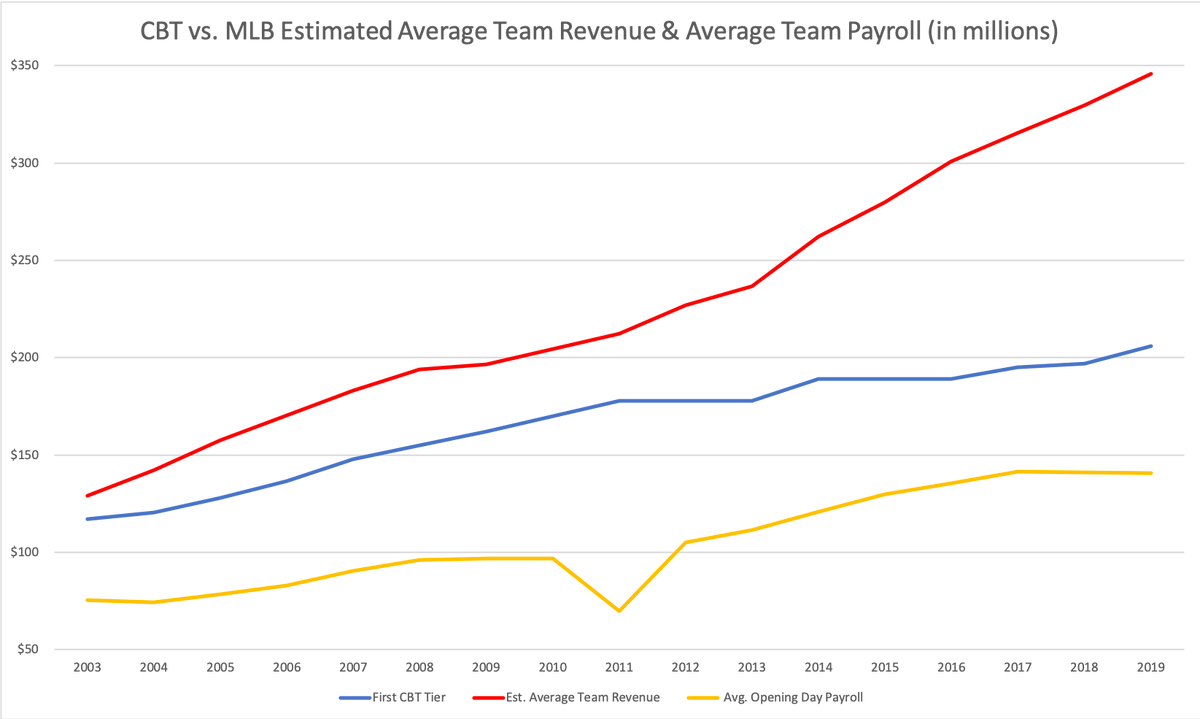
-
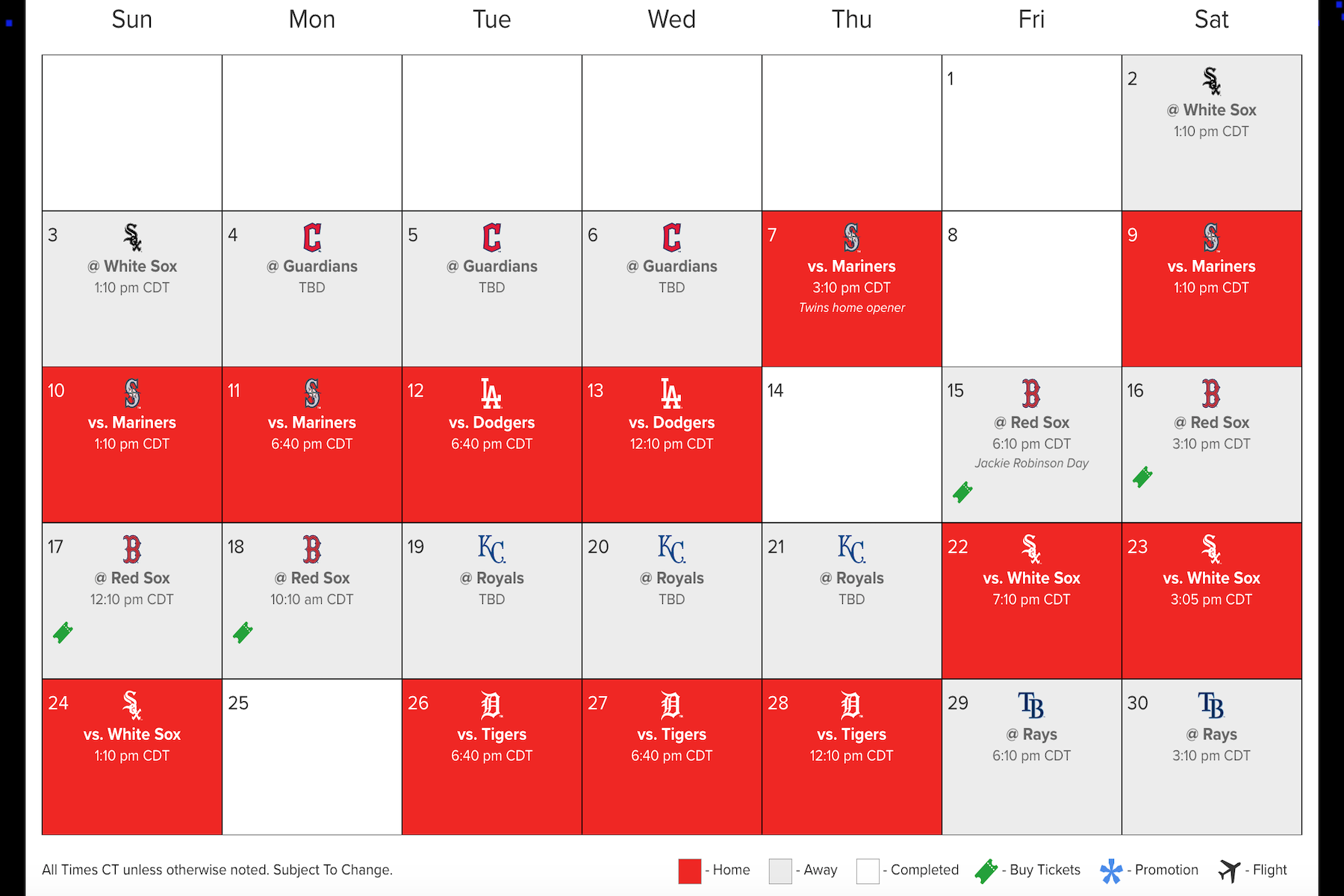 The Twins are scheduled to open their season on March 31st in Chicago, against a White Sox team they hope to challenge for the division crown. In fact, the Twins are slated to face Chicago six times in their first 22 games, a series of showdowns that could prove pivotal in setting the tone for this year's AL Central race. Will those games even happen? Sports Illustrated's Tom Verducci wrote over the weekend that the start of the MLB season is in jeopardy, which comes as news to nobody who has been paying attention. The latest developments in this ongoing saga saw Major League Baseball request a federal mediator to assist and accelerate stalling talks (which, to be clear are stalling because of them). The union rejected this step on the grounds that an outside entity can't be expected to spur a fair compromise when the existing precedent is fundamentally lopsided and unfair. Alas, we're going nowhere fast. The scheduled Opening Day in Chicago is a mere 52 days away. An article from Mike Axisa at CBS Sports estimates deadlines for various scenarios to play out, and here's where he landed: February 1st: Full spring training. We're past this point. There's no chance pitchers and catchers are reporting in 10 days. February 7th: Full exhibition schedule. Cactus and Grapefruit League games are scheduled to begin on February 26th. Accounting for reporting logistics, COVID intake testing, and team workouts, Axisa sees Monday as "the latest possible date for an agreement that does not sacrifice spring training games." So we're basically past that too. March 1st: Opening Day. "This is the first true drop dead date. Beyond March 1, there's basically no way MLB and the MLBPA could reach an agreement in time to avoid disrupting the regular season, when paychecks are on the line." A mere three weeks away. March 15th: Delayed Opening Day. Even if the season doesn't start as scheduled, there is still a possibility of getting in a full 162 games, by starting late and extending the end of the season. Axisa believes that once we get past mid-March, it'll be nigh impossible not to lose games. May 1st: 100-game season. Now we start reaching various scenarios for truncated seasons. Axisa uses this as an example because it's a round number but there are many different possibilities, all based on when the league and union can reach an agreement. Axisa figures it'll take about five weeks (two to finish the offseason, three to get through an expedited spring training) from the completion of a deal to the start of a season. In the article, he also touches on some grimmer outcomes, like a season starting at the All-Star break or getting wiped out entirely. But what I'm interested in exploring is those partial season scenarios that still get a bulk of the games in. What would it mean for the Twins' schedule if, say, the first month were chopped off the season and around 140 games were played? We have a few precedents we can look to in assessing how a delayed start would be handled: The 2020 Season: Shortened to 60 games due to the pandemic. Schedule was completely overhauled and rewritten. This doesn't feel like a good comparison, both because the season was so short and because traveling concerns led to regionalized competition. The 1990 Season: Delayed by one week due to a 32-day lockout, initiated in February. An agreement was reached on March 19th, and the regular season started on April 9th. They needed to add a few days to the end of the season to accommodate, but no games were lost and no substantial schedule changes were necessary. This is starting to feel like a best-case scenario. The 1995 Season: A shortened 144-game season commenced on April 25th. The players' strike that cut short the '94 season carried over into this one before an agreement was finally reached on April 2nd. This feels like the most pertinent example to unpack. The simplest approach in this scenario – given all the work that goes into building the original schedule, all the travel planning that's been done, and so forth – would be to just chop off the first chunk of games and pick up wherever the season starts. But that doesn't really work, because you lose the balance and parity of the schedule. Divisional competition is based on the idea that each team plays one another an equal number of times, and experiences a relatively similar strength of schedule outside the division. Throwing that out of whack threatens the integrity of the season and its results. So alterations of some kind are going to be necessary, although those alterations don't necessarily need to be extreme. Walter LeConte wrote a review of the 1995 original and revised schedules, published at Retrosheet. He mentions there were many additions and subtractions from the original schedule, sites of series moved, doubleheaders added. An unfortunate byproduct of the shakeup was numerous one-game homestands. "To my knowledge, no major league schedule was as unbalanced as the revised one," LeConte wrote. "As a result, some oddities became evident. For example, there was no scheduled game set for Florida at San Diego for the entire season, the only such occurrence in the either league. In the American League, there were eight occurrences of only two championship games being planned versus an opponent at home for the entire season." A fun little factoid from this analysis: "The only club in either league not requiring changes of any kind was the Minnesota Twins." Suffice to say that wouldn't be the case this year. Any kind of significant shortening of the season would require a fair amount of juggling for the schedules of the Twins and many other teams. It shouldn't be taken for granted what an undertaking this is. As LeConte concluded in his review, "I must truly commend those involved in creating the revised schedule, an effort worthy of much praise!" The bottom line: if you were thinking about planning a trip this summer around a Twins road series (as I almost always do) ... I'd recommend holding off for now. Everything is up in the air. MORE FROM TWINS DAILY — Order the Offseason Handbook — Latest Twins coverage from our writers — Recent Twins discussion in our forums — Follow Twins Daily via Twitter, Facebook or email
 -
With negotiations between MLB and the MLBPA remaining gridlocked as we progress into February, a delay of spring training is all but inevitable and a delayed start to the regular season feels increasingly likely. What would that mean for the Minnesota Twins and their schedule? The Twins are scheduled to open their season on March 31st in Chicago, against a White Sox team they hope to challenge for the division crown. In fact, the Twins are slated to face Chicago six times in their first 22 games, a series of showdowns that could prove pivotal in setting the tone for this year's AL Central race. Will those games even happen? Sports Illustrated's Tom Verducci wrote over the weekend that the start of the MLB season is in jeopardy, which comes as news to nobody who has been paying attention. The latest developments in this ongoing saga saw Major League Baseball request a federal mediator to assist and accelerate stalling talks (which, to be clear are stalling because of them). The union rejected this step on the grounds that an outside entity can't be expected to spur a fair compromise when the existing precedent is fundamentally lopsided and unfair. Alas, we're going nowhere fast. The scheduled Opening Day in Chicago is a mere 52 days away. An article from Mike Axisa at CBS Sports estimates deadlines for various scenarios to play out, and here's where he landed: February 1st: Full spring training. We're past this point. There's no chance pitchers and catchers are reporting in 10 days. February 7th: Full exhibition schedule. Cactus and Grapefruit League games are scheduled to begin on February 26th. Accounting for reporting logistics, COVID intake testing, and team workouts, Axisa sees Monday as "the latest possible date for an agreement that does not sacrifice spring training games." So we're basically past that too. March 1st: Opening Day. "This is the first true drop dead date. Beyond March 1, there's basically no way MLB and the MLBPA could reach an agreement in time to avoid disrupting the regular season, when paychecks are on the line." A mere three weeks away. March 15th: Delayed Opening Day. Even if the season doesn't start as scheduled, there is still a possibility of getting in a full 162 games, by starting late and extending the end of the season. Axisa believes that once we get past mid-March, it'll be nigh impossible not to lose games. May 1st: 100-game season. Now we start reaching various scenarios for truncated seasons. Axisa uses this as an example because it's a round number but there are many different possibilities, all based on when the league and union can reach an agreement. Axisa figures it'll take about five weeks (two to finish the offseason, three to get through an expedited spring training) from the completion of a deal to the start of a season. In the article, he also touches on some grimmer outcomes, like a season starting at the All-Star break or getting wiped out entirely. But what I'm interested in exploring is those partial season scenarios that still get a bulk of the games in. What would it mean for the Twins' schedule if, say, the first month were chopped off the season and around 140 games were played? We have a few precedents we can look to in assessing how a delayed start would be handled: The 2020 Season: Shortened to 60 games due to the pandemic. Schedule was completely overhauled and rewritten. This doesn't feel like a good comparison, both because the season was so short and because traveling concerns led to regionalized competition. The 1990 Season: Delayed by one week due to a 32-day lockout, initiated in February. An agreement was reached on March 19th, and the regular season started on April 9th. They needed to add a few days to the end of the season to accommodate, but no games were lost and no substantial schedule changes were necessary. This is starting to feel like a best-case scenario. The 1995 Season: A shortened 144-game season commenced on April 25th. The players' strike that cut short the '94 season carried over into this one before an agreement was finally reached on April 2nd. This feels like the most pertinent example to unpack. The simplest approach in this scenario – given all the work that goes into building the original schedule, all the travel planning that's been done, and so forth – would be to just chop off the first chunk of games and pick up wherever the season starts. But that doesn't really work, because you lose the balance and parity of the schedule. Divisional competition is based on the idea that each team plays one another an equal number of times, and experiences a relatively similar strength of schedule outside the division. Throwing that out of whack threatens the integrity of the season and its results. So alterations of some kind are going to be necessary, although those alterations don't necessarily need to be extreme. Walter LeConte wrote a review of the 1995 original and revised schedules, published at Retrosheet. He mentions there were many additions and subtractions from the original schedule, sites of series moved, doubleheaders added. An unfortunate byproduct of the shakeup was numerous one-game homestands. "To my knowledge, no major league schedule was as unbalanced as the revised one," LeConte wrote. "As a result, some oddities became evident. For example, there was no scheduled game set for Florida at San Diego for the entire season, the only such occurrence in the either league. In the American League, there were eight occurrences of only two championship games being planned versus an opponent at home for the entire season." A fun little factoid from this analysis: "The only club in either league not requiring changes of any kind was the Minnesota Twins." Suffice to say that wouldn't be the case this year. Any kind of significant shortening of the season would require a fair amount of juggling for the schedules of the Twins and many other teams. It shouldn't be taken for granted what an undertaking this is. As LeConte concluded in his review, "I must truly commend those involved in creating the revised schedule, an effort worthy of much praise!" The bottom line: if you were thinking about planning a trip this summer around a Twins road series (as I almost always do) ... I'd recommend holding off for now. Everything is up in the air. MORE FROM TWINS DAILY — Order the Offseason Handbook — Latest Twins coverage from our writers — Recent Twins discussion in our forums — Follow Twins Daily via Twitter, Facebook or email View full article
-
That's a good question. I assume it's overall traffic since the publish date, but I will defer to @Brock Beauchamp since he pulled the data.
-
On February 19th, Twins Daily will be celebrating its 10-year anniversary. To honor this upcoming milestone, we're looking back at the most-read articles from each year since our site launched. Today, we dive into 2014, a year full of transformative change for the Twins. Joe Mauer was settling into his new position at first base. New free agent signings Ricky Nolasco and Phil Hughes were trying to help turn around a bottom-tier pitching staff. The All-Star Game came to Target Field. And as it turned out, Ron Gardenhire was reaching the end of his tenure as Twins skipper. The 2014 season was full of interesting developments and storylines, even if the on-field product continued to languish. Fans weren't particularly drawn to the big-league club by this point, as our top articles of the year illustrate: nearly all of them focused on prospects and futures. 5. TD Top Prospects: #4 Kohl Stewart By John Bonnes Seven months after being selected with the #4 overall draft pick, and coming off a solid pro debut in rookie ball, Stewart appeared near the top of our prospect rankings. Unsurprisingly, his profile was the most-read in the series this year. Described by John as "the consensus highest upside arm in the draft," Stewart immediately became a fixture of hope for downtrodden Twins fans. But this writeup also hinted at the hazards of a teenage pitcher fresh out of high school – no matter how highly drafted: "He’s high reward, high risk. The high risk is that he’s an 18-year-old pitcher – and there are lots of risks, both developmental and physical, associated with pitchers that young." Alas, the risk came to bear. Stewart's stuff and command never really developed. He never showed much with the Twins – cut loose after 60 poor innings in 2018/19 – and hasn't been able to find traction elsewhere, although he's still only 27. 4. Twins Feel Prospect Eddie Rosario Close to Major League Ready By Parker Hageman While Stewart would never end up making much of an impact for the Twins, that certainly wasn't true of Rosario. Parker wrote this in-depth story on the 23-year-old outfield prospect at the end of the 2014 season, and its premise proved correct: Rosario would make his MLB debut just a month into the next season, and wound up placing sixth in Rookie of the Year voting. It's fun to go back now and read about the view on Eddie at the time. Parker's article featured lots of quotes from Terry Ryan, Mike Radcliff, and prospect analysts. 3. Hangout and Talk Twins, September 16, Episode 42 By Jeremy Nygaard Jeremy and Seth used to regularly convene via the Google Hangouts app for interactive chats with readers and fans. It was always a fun time! As to what made this particular random mid-September episode compelling enough to become one of the year's top-performing articles? I have no idea. Maybe it's because Adrian Peterson (embroiled in child abuse controversy at the time) was a topic of discussion? 2. Twins Top Ten Prospects (Preliminary) By Seth Stohs As another last-place season came to a close, fans were eager to turn the page and look forward. They gravitated toward Seth's updated rankings, published just a couple days after the regular season ended. If you're curious how those rankings shook out back then, here's a snapshot: Byron Buxton Miguel Sanó Jose Berríos (or JO Berríos, as he was more commonly known then) Kohl Stewart Alex Meyer Nick Gordon Jorge Polanco Trevor May Taylor Rogers Nick Burdi 1. Get To Know: Gophers RHP Tyler Hanson (And Gophers Notes) By Seth Stohs Twins Daily was built to celebrate not just Twins baseball, but Minnesota baseball at large. This has materialized in various ways over the years, including occasional coverage of the Gophers baseball program. (We're still very open to it, if you're reading this and happen to have any interest!) Here Seth conducts an interview with Hanson, a Burnsville native and one of the Gophers' standouts at the time. MORE FROM TWINS DAILY — Order the Offseason Handbook — Latest Twins coverage from our writers — Recent Twins discussion in our forums — Follow Twins Daily via Twitter, Facebook or email View full article
-
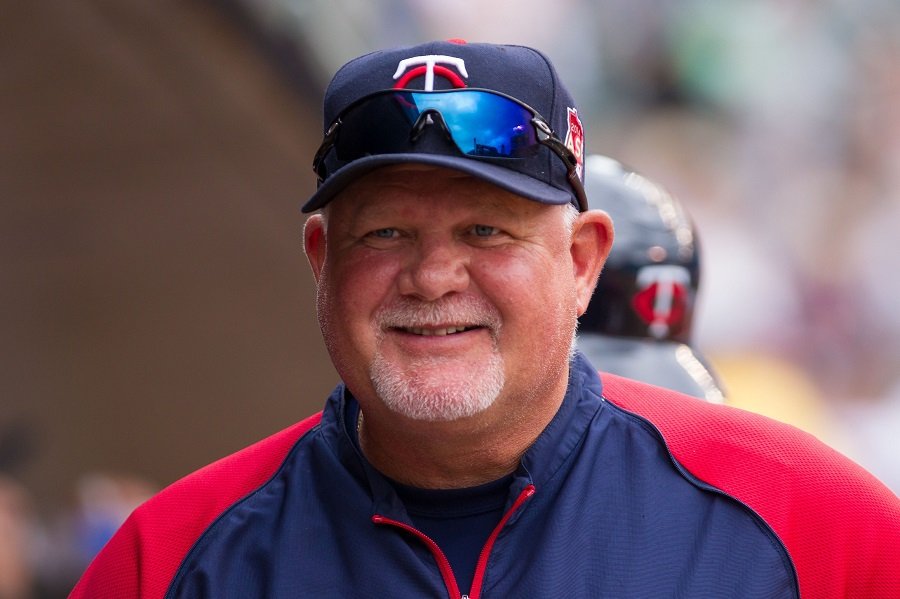 Joe Mauer was settling into his new position at first base. New free agent signings Ricky Nolasco and Phil Hughes were trying to help turn around a bottom-tier pitching staff. The All-Star Game came to Target Field. And as it turned out, Ron Gardenhire was reaching the end of his tenure as Twins skipper. The 2014 season was full of interesting developments and storylines, even if the on-field product continued to languish. Fans weren't particularly drawn to the big-league club by this point, as our top articles of the year illustrate: nearly all of them focused on prospects and futures. 5. TD Top Prospects: #4 Kohl Stewart By John Bonnes Seven months after being selected with the #4 overall draft pick, and coming off a solid pro debut in rookie ball, Stewart appeared near the top of our prospect rankings. Unsurprisingly, his profile was the most-read in the series this year. Described by John as "the consensus highest upside arm in the draft," Stewart immediately became a fixture of hope for downtrodden Twins fans. But this writeup also hinted at the hazards of a teenage pitcher fresh out of high school – no matter how highly drafted: "He’s high reward, high risk. The high risk is that he’s an 18-year-old pitcher – and there are lots of risks, both developmental and physical, associated with pitchers that young." Alas, the risk came to bear. Stewart's stuff and command never really developed. He never showed much with the Twins – cut loose after 60 poor innings in 2018/19 – and hasn't been able to find traction elsewhere, although he's still only 27. 4. Twins Feel Prospect Eddie Rosario Close to Major League Ready By Parker Hageman While Stewart would never end up making much of an impact for the Twins, that certainly wasn't true of Rosario. Parker wrote this in-depth story on the 23-year-old outfield prospect at the end of the 2014 season, and its premise proved correct: Rosario would make his MLB debut just a month into the next season, and wound up placing sixth in Rookie of the Year voting. It's fun to go back now and read about the view on Eddie at the time. Parker's article featured lots of quotes from Terry Ryan, Mike Radcliff, and prospect analysts. 3. Hangout and Talk Twins, September 16, Episode 42 By Jeremy Nygaard Jeremy and Seth used to regularly convene via the Google Hangouts app for interactive chats with readers and fans. It was always a fun time! As to what made this particular random mid-September episode compelling enough to become one of the year's top-performing articles? I have no idea. Maybe it's because Adrian Peterson (embroiled in child abuse controversy at the time) was a topic of discussion? 2. Twins Top Ten Prospects (Preliminary) By Seth Stohs As another last-place season came to a close, fans were eager to turn the page and look forward. They gravitated toward Seth's updated rankings, published just a couple days after the regular season ended. If you're curious how those rankings shook out back then, here's a snapshot: Byron Buxton Miguel Sanó Jose Berríos (or JO Berríos, as he was more commonly known then) Kohl Stewart Alex Meyer Nick Gordon Jorge Polanco Trevor May Taylor Rogers Nick Burdi 1. Get To Know: Gophers RHP Tyler Hanson (And Gophers Notes) By Seth Stohs Twins Daily was built to celebrate not just Twins baseball, but Minnesota baseball at large. This has materialized in various ways over the years, including occasional coverage of the Gophers baseball program. (We're still very open to it, if you're reading this and happen to have any interest!) Here Seth conducts an interview with Hanson, a Burnsville native and one of the Gophers' standouts at the time. MORE FROM TWINS DAILY — Order the Offseason Handbook — Latest Twins coverage from our writers — Recent Twins discussion in our forums — Follow Twins Daily via Twitter, Facebook or email
 -
 The league and MLBPA have begun to meet with greater frequency, which is good I guess, but there are no signs of tangible progress – at least not the kind we need to see with Opening Day supposedly less than two months away. We're nine weeks in, and still at the "baby steps" stage of the negotiations. Really great stuff. Normally around this time I'd be scouring sources like the Twins website for news and tidbits ahead of spring training. To visit that website now is a sad and strange thing. Top headlines there as I write this include: Lew Ford robbing a home run in 2004 David Ortiz reaching the Hall of Fame in his first year of eligibility (certainly not a sore subject for any Twins fan) A list of the best baseball movies for kids A story about Joe Nathan's 2004 season A list of the best baseball movies based on a true story Can you feel the preseason excitement coursing through your veins?! Seventeen-year-old Lew Ford highlights! Kids baseball movies! Whoo!! The roster page is a sea of faceless names. The Twins are drifting further and further from my mind at a time where anticipation for baseball usually consumes much of my attention. It pains me to think how much more this is affecting or alienating someone who isn't nearly as obsessed and invested in the sport as I am. It pains me to think about what this will mean for baseball's future if they don't rapidly pick up the pace on these negotiations.
 -
Dear journal, It's been 63 days since darkness fell upon the world of baseball. We're now into February, and the end of this lockout really feels no closer than it did a week in. The league and MLBPA have begun to meet with greater frequency, which is good I guess, but there are no signs of tangible progress – at least not the kind we need to see with Opening Day supposedly less than two months away. We're nine weeks in, and still at the "baby steps" stage of the negotiations. Really great stuff. Normally around this time I'd be scouring sources like the Twins website for news and tidbits ahead of spring training. To visit that website now is a sad and strange thing. Top headlines there as I write this include: Lew Ford robbing a home run in 2004 David Ortiz reaching the Hall of Fame in his first year of eligibility (certainly not a sore subject for any Twins fan) A list of the best baseball movies for kids A story about Joe Nathan's 2004 season A list of the best baseball movies based on a true story Can you feel the preseason excitement coursing through your veins?! Seventeen-year-old Lew Ford highlights! Kids baseball movies! Whoo!! The roster page is a sea of faceless names. The Twins are drifting further and further from my mind at a time where anticipation for baseball usually consumes much of my attention. It pains me to think how much more this is affecting or alienating someone who isn't nearly as obsessed and invested in the sport as I am. It pains me to think about what this will mean for baseball's future if they don't rapidly pick up the pace on these negotiations. View full article
-
On February 19th, Twins Daily will be celebrating its 10-year anniversary. To honor this upcoming milestone, we're looking back at the most-read articles from each year since our site launched. Today, we dive into 2013, TD's second year and another non-competitive season for the Twins. In some ways, I feel like Twins Daily was built for times like 2013. The team was on its way to a third straight 95+ loss season. Casual fans tuned out, and so most major outlets understandably scaled back their coverage. It was tough to find much Twins content. We dug in our heels. And our top articles of the year illustrate that: profiles of lesser-known prospects, dreaming on future outcomes, and nitty-gritty payroll analysis. TD became a place to talk about the Twins without talking about the (waves hand in direction of awful 2013 team) Twins. That's not to say it's an ideal scenario. As we'd later learn, running this site is a lot more fun when the team is good (and our traffic certainly benefits). But in Twins Daily's second year, as the team continued to spin its wheels, we were finding our stride. 5. Minnesota Twins Top 50 Prospects: 21-25 By Seth Stohs Prior to partnering on Twins Daily, Seth had built up a sizable audience on his personal blog, Seth Speaks. One thing people loved about it was the extensive coverage of the minor leagues, going well beyond the ballyhooed top prospects. So many players grind away in relative anonymity to pursue their dreams, and Seth was one of the few to shine a light on them. This article, and its popularity, exemplify the resonance of this content, and why it's a crucial aspect of Twins Daily's identity. There were no amazing prospects in this lower-tier group, which included future major-leaguers Felix Jorge and Michael Tonkin. But I remember them all, because I followed Seth and TD. 4. Minnesota Twins Top 50 Prospects: 31-35 By Seth Stohs Here Seth dives deeper yet into prospect obscurity, with an article that performed even better than the last. This group also features two players who eventually reached the majors, including Luke Bard who is still hanging around with the Angels. (It might be his relation to Daniel Bard, a star reliever for the Red Sox around that time, that made this installment especially magnetic.) This is another reason hardcore fans have always enjoyed the more extensive prospect coverage: even in these deeper pockets of the system, you find guys who become contributors. And I like to think that Twins Daily readers feel they're equipped with special intel when such players arrive and have the casual crowd going, "Who?!" 3. Twins To Sign Phil Hughes By John Bonnes It was fairly obvious from almost the moment it happened that signing Phil Hughes would be one of the best free agent moves of Terry Ryan's tenure as GM. Even though Hughes was coming off a so-so final season in New York, it was fairly stunning to be able to lock up a 27-year-old pitcher with his pedigree for three years at just $24 million TOTAL. In his writeup on the move, John explained the upside of signing Hughes with a callback to recent history: "In 2008, the Yankees weren’t willing to trade Hughes for (Johan) Santana. Read that last sentence again. Actually, let me rewrite it, with the hidden words shown. In 2008 (eight years into their “drought” of not winning a championship), the Yankees (for whom dollars are nothing more than monopoly money) were not willing to trade (21-year-old pitching prospect) Hughes (with all of 72 innings of major league experience) for Santana (who had finished in the top five of Cy Young voting for four consecutive years)." Ironically, Hughes went on in 2014 to have the best season for any Twins starter since Santana left town. 2. Five Offseason Predictions By Nick Nelson Ahh, who doesn't love a predictions piece? Especially in the wake of a third straight last-place season that everyone wanted to forget. In this mid-October article, I laid out five prognostications for the upcoming offseason. Since we're bringing it up, we might as well look back and grade my work: The Twins will make a bid for Masahiro Tanaka but will come up short of the winning post: It's unknown whether Minnesota made any offer, but they weren't mentioned openly as bidders. The Yankees ended up posting $20 million and then signing him to a massive seven-year deal. A veteran catcher will be signed: One was indeed, with Kurt Suzuki inking a one-year, $3 million contract in January. (He shockingly became an All-Star the next year!) By then the need was obvious; about a month after this article was published, it was announced Joe Mauer would be moving to first base. Terry Ryan will hand out the largest free agent contract in franchise history: He sure did, signing Ricky Nolasco to a four-year, $49 million deal. Let's not talk about it. Miguel Sanó will emerge as the favorite to start 2014 at third base: Semi-plausible notion, as Sanó was one of the best prospects in baseball, coming off an explosive showing in Double-A. Trevor Plouffe hardly had an iron grip on the third base job. Unfortunately, Sanó never had a chance to mount his bid, tearing his UCL the next spring. Brian Duensing will be non-tendered: Nope. They paid $2 million and were happy enough to have him around in 2014, where he posted a 3.31 ERA as a lefty specialist in the bullpen. 1. Minnesota Twins Roster & Payroll 2013 By Jeremy Nygaard As a refuge for fellow hardcore fans and nerds, we at Twins Daily specialize in serving up numbers, data, and analysis. The Offseason Handbook project that basically sparked the site's inception (and ranked as the #1 article in our first year) was founded on this idea, providing roster and payroll details to inform your Hot Stove hypothesizing. This top-visited article from 2013 (which was actually posted by Jeremy on the final day of 2012) encompasses that specific type of appeal. I will say that if you click through and read the article now, it will look like a bit of a garbled mess. Twins Daily has evolved technologically over the years and sometimes that means old formatting and code get left behind. But you'll get the idea. MORE FROM TWINS DAILY — Order the Offseason Handbook — Latest Twins coverage from our writers — Recent Twins discussion in our forums — Follow Twins Daily via Twitter, Facebook or email View full article
-
Ten Years of TD: The Top 5 Twins Daily Articles from 2013
Nick Nelson posted an article in Twins Daily
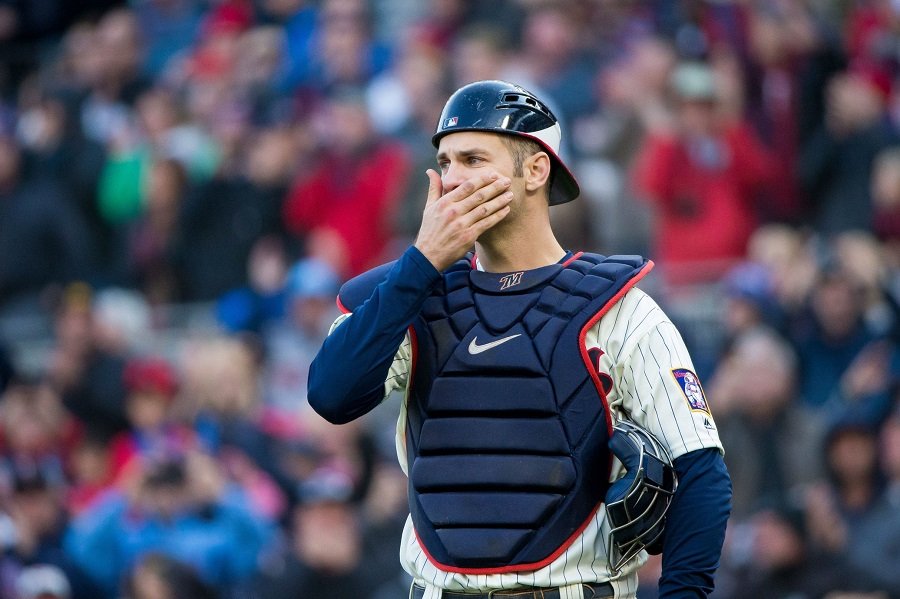 In some ways, I feel like Twins Daily was built for times like 2013. The team was on its way to a third straight 95+ loss season. Casual fans tuned out, and so most major outlets understandably scaled back their coverage. It was tough to find much Twins content. We dug in our heels. And our top articles of the year illustrate that: profiles of lesser-known prospects, dreaming on future outcomes, and nitty-gritty payroll analysis. TD became a place to talk about the Twins without talking about the (waves hand in direction of awful 2013 team) Twins. That's not to say it's an ideal scenario. As we'd later learn, running this site is a lot more fun when the team is good (and our traffic certainly benefits). But in Twins Daily's second year, as the team continued to spin its wheels, we were finding our stride. 5. Minnesota Twins Top 50 Prospects: 21-25 By Seth Stohs Prior to partnering on Twins Daily, Seth had built up a sizable audience on his personal blog, Seth Speaks. One thing people loved about it was the extensive coverage of the minor leagues, going well beyond the ballyhooed top prospects. So many players grind away in relative anonymity to pursue their dreams, and Seth was one of the few to shine a light on them. This article, and its popularity, exemplify the resonance of this content, and why it's a crucial aspect of Twins Daily's identity. There were no amazing prospects in this lower-tier group, which included future major-leaguers Felix Jorge and Michael Tonkin. But I remember them all, because I followed Seth and TD. 4. Minnesota Twins Top 50 Prospects: 31-35 By Seth Stohs Here Seth dives deeper yet into prospect obscurity, with an article that performed even better than the last. This group also features two players who eventually reached the majors, including Luke Bard who is still hanging around with the Angels. (It might be his relation to Daniel Bard, a star reliever for the Red Sox around that time, that made this installment especially magnetic.) This is another reason hardcore fans have always enjoyed the more extensive prospect coverage: even in these deeper pockets of the system, you find guys who become contributors. And I like to think that Twins Daily readers feel they're equipped with special intel when such players arrive and have the casual crowd going, "Who?!" 3. Twins To Sign Phil Hughes By John Bonnes It was fairly obvious from almost the moment it happened that signing Phil Hughes would be one of the best free agent moves of Terry Ryan's tenure as GM. Even though Hughes was coming off a so-so final season in New York, it was fairly stunning to be able to lock up a 27-year-old pitcher with his pedigree for three years at just $24 million TOTAL. In his writeup on the move, John explained the upside of signing Hughes with a callback to recent history: "In 2008, the Yankees weren’t willing to trade Hughes for (Johan) Santana. Read that last sentence again. Actually, let me rewrite it, with the hidden words shown. In 2008 (eight years into their “drought” of not winning a championship), the Yankees (for whom dollars are nothing more than monopoly money) were not willing to trade (21-year-old pitching prospect) Hughes (with all of 72 innings of major league experience) for Santana (who had finished in the top five of Cy Young voting for four consecutive years)." Ironically, Hughes went on in 2014 to have the best season for any Twins starter since Santana left town. 2. Five Offseason Predictions By Nick Nelson Ahh, who doesn't love a predictions piece? Especially in the wake of a third straight last-place season that everyone wanted to forget. In this mid-October article, I laid out five prognostications for the upcoming offseason. Since we're bringing it up, we might as well look back and grade my work: The Twins will make a bid for Masahiro Tanaka but will come up short of the winning post: It's unknown whether Minnesota made any offer, but they weren't mentioned openly as bidders. The Yankees ended up posting $20 million and then signing him to a massive seven-year deal. A veteran catcher will be signed: One was indeed, with Kurt Suzuki inking a one-year, $3 million contract in January. (He shockingly became an All-Star the next year!) By then the need was obvious; about a month after this article was published, it was announced Joe Mauer would be moving to first base. Terry Ryan will hand out the largest free agent contract in franchise history: He sure did, signing Ricky Nolasco to a four-year, $49 million deal. Let's not talk about it. Miguel Sanó will emerge as the favorite to start 2014 at third base: Semi-plausible notion, as Sanó was one of the best prospects in baseball, coming off an explosive showing in Double-A. Trevor Plouffe hardly had an iron grip on the third base job. Unfortunately, Sanó never had a chance to mount his bid, tearing his UCL the next spring. Brian Duensing will be non-tendered: Nope. They paid $2 million and were happy enough to have him around in 2014, where he posted a 3.31 ERA as a lefty specialist in the bullpen. 1. Minnesota Twins Roster & Payroll 2013 By Jeremy Nygaard As a refuge for fellow hardcore fans and nerds, we at Twins Daily specialize in serving up numbers, data, and analysis. The Offseason Handbook project that basically sparked the site's inception (and ranked as the #1 article in our first year) was founded on this idea, providing roster and payroll details to inform your Hot Stove hypothesizing. This top-visited article from 2013 (which was actually posted by Jeremy on the final day of 2012) encompasses that specific type of appeal. I will say that if you click through and read the article now, it will look like a bit of a garbled mess. Twins Daily has evolved technologically over the years and sometimes that means old formatting and code get left behind. But you'll get the idea. MORE FROM TWINS DAILY — Order the Offseason Handbook — Latest Twins coverage from our writers — Recent Twins discussion in our forums — Follow Twins Daily via Twitter, Facebook or email
 -
I remember thinking it looked great back then! Now in retrospect it looks like a Geocities page ?
-
On February 19th, Twins Daily will be celebrating its 10-year anniversary. To honor this upcoming milestone, we're looking back at the most-read articles from each year since our site launched. Today, we start with 2012, TD's first year and one that proved to portend a rebuild rather than a rebound for the Twins. Ahh, the 2012 season. Almost as ugly as our website looked back then. I mean look at it! You'd think we launched in the late '90s. Meanwhile, the Twins were taking it back to the late '90s with their play on the field, where a 96-loss disaster hammered home a cold reality: 2011's collapse was no blip on the radar. Nevertheless, this season gave us some memorable moments – both good and bad – and several were captured in the five most popular articles of Twins Daily's inaugural year. 5. Twins Trade Denard Span for Nationals' 2011 First Round Pick By Parker Hageman Ten years ago, Twins had an abundance of center fielders and a major need for pitching. (Sound familiar?) In an effort to rejuvenate the pitching pipeline, Terry Ryan traded Span for Alex Meyer, a big 6-foot-9 right-hander and highly regarded pitching prospect. It was a reasonable move at the time, and Parker noted as much in his writeup, but he also included this excerpt from Baseball America's Aaron Fitt, which proved to be sadly prescient: "There is risk with this guy. He is 6-foot-9 and like many tall pitchers there are a lot of moving parts. There is a lot going on in that delivery. It takes a lot for those guys to put it all together." So it does, and unfortunately, Meyer never did. All those moving parts led to constant control problems and injuries. He retired in 2019 with a 4.63 career ERA (including 14.21 with the Twins). 4. Correia Signing is a Sad Thing By Nick Nelson I remember this well. The signing. My reaction. Mashing out this rant on my keyboard. The decision to sign Kevin Correia to a two-year, $10 million contract epitomized my frustration with the Ryan regime. From the very start, it was a zero-upside move. Millions of dollars thrown at an "established innings eater" when they would've been better off giving those innings to young pitchers who couldn't have possibly been much worse. (On that note, the money line from this article: "It's not clear that he's a significantly better option than Liam Hendriks or Sam Deduno, particularly if you're building toward a future contender.") Say what you will about the current front office, but they don't make moves like this, and looking back at signings like Correia (along with Mike Pelfrey, signed the same offseason) reminds me how much I appreciate it. 3. Ben Revere Traded to Philly for RHP Vance Worley & Top Pitching Prospect By Seth Stohs The decision to trade Span wasn't all that surprising. Revere getting traded a week later came as a much bigger shock. Still, it made sense, given the impending arrival of Aaron Hicks and the prevailing need for arms. Here, Ryan did much better than in the Span deal. Vance Worley was a bust, but the additional "top pitching prospect" cited by Seth in the title was Trevor May, who had a nice career with the Twins and was a high-end reliever by the time he left. Revere had a few solid years in Philly, but was done as a big-leaguer by age 30. Turns out that's what happens when speed is basically your only standout skill. 2. 2012 Minnesota Twins Draft Picks By Seth Stohs Twins Daily was designed to cater to hardcore fans. We wanted to dive deeper into the areas less covered by mainstream media. So we knew things like prospect coverage and the draft were going to be some of our biggest draws. Thus it came as no surprise that our running list of selections in the June draft was among our most-viewed articles. In retrospect, the interest in this particular draft class makes even more sense, because it turned out to be one of the best in Twins history. Among the picks: Byron Buxton (2nd overall), José Berríos (32nd), Tyler Duffey (160th), and Taylor Rogers (340th). 1. Happy Offseason! 2013 TwinsCentric Offseason Handbook Is Released! By John Bonnes The Offseason Handbook is an idea that predates Twins Daily. In fact, it basically validated the concept of Twins Daily. Before we launched TD, I came together with John, Parker and Seth to talk about ways we could collaborate on content, and create something bigger than our disparate blogs. We collectively produced the first Offseason Handbook, under the "TwinsCentric" banner. The reception of that product helped convince us there was a community capable of propelling Twins Daily to success. So it feels fitting that the most popular article of the site's first year was the announcement of a new Handbook release. A decade later, both Twins Daily and the Offseason Handbook are still going strong. MORE FROM TWINS DAILY — Order the Offseason Handbook — Latest Twins coverage from our writers — Recent Twins discussion in our forums — Follow Twins Daily via Twitter, Facebook or email View full article
-
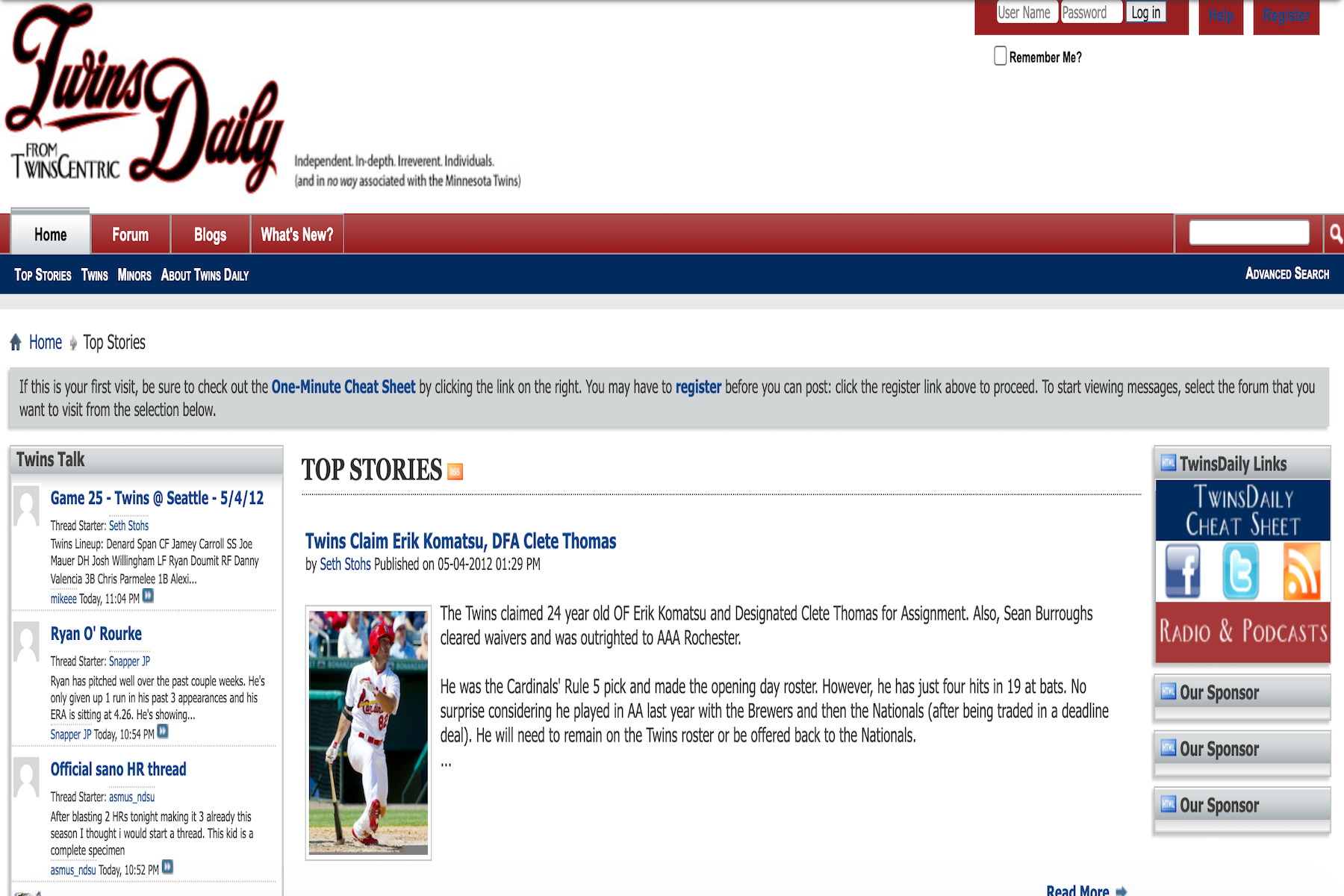 Ahh, the 2012 season. Almost as ugly as our website looked back then. I mean look at it! You'd think we launched in the late '90s. Meanwhile, the Twins were taking it back to the late '90s with their play on the field, where a 96-loss disaster hammered home a cold reality: 2011's collapse was no blip on the radar. Nevertheless, this season gave us some memorable moments – both good and bad – and several were captured in the five most popular articles of Twins Daily's inaugural year. 5. Twins Trade Denard Span for Nationals' 2011 First Round Pick By Parker Hageman Ten years ago, Twins had an abundance of center fielders and a major need for pitching. (Sound familiar?) In an effort to rejuvenate the pitching pipeline, Terry Ryan traded Span for Alex Meyer, a big 6-foot-9 right-hander and highly regarded pitching prospect. It was a reasonable move at the time, and Parker noted as much in his writeup, but he also included this excerpt from Baseball America's Aaron Fitt, which proved to be sadly prescient: "There is risk with this guy. He is 6-foot-9 and like many tall pitchers there are a lot of moving parts. There is a lot going on in that delivery. It takes a lot for those guys to put it all together." So it does, and unfortunately, Meyer never did. All those moving parts led to constant control problems and injuries. He retired in 2019 with a 4.63 career ERA (including 14.21 with the Twins). 4. Correia Signing is a Sad Thing By Nick Nelson I remember this well. The signing. My reaction. Mashing out this rant on my keyboard. The decision to sign Kevin Correia to a two-year, $10 million contract epitomized my frustration with the Ryan regime. From the very start, it was a zero-upside move. Millions of dollars thrown at an "established innings eater" when they would've been better off giving those innings to young pitchers who couldn't have possibly been much worse. (On that note, the money line from this article: "It's not clear that he's a significantly better option than Liam Hendriks or Sam Deduno, particularly if you're building toward a future contender.") Say what you will about the current front office, but they don't make moves like this, and looking back at signings like Correia (along with Mike Pelfrey, signed the same offseason) reminds me how much I appreciate it. 3. Ben Revere Traded to Philly for RHP Vance Worley & Top Pitching Prospect By Seth Stohs The decision to trade Span wasn't all that surprising. Revere getting traded a week later came as a much bigger shock. Still, it made sense, given the impending arrival of Aaron Hicks and the prevailing need for arms. Here, Ryan did much better than in the Span deal. Vance Worley was a bust, but the additional "top pitching prospect" cited by Seth in the title was Trevor May, who had a nice career with the Twins and was a high-end reliever by the time he left. Revere had a few solid years in Philly, but was done as a big-leaguer by age 30. Turns out that's what happens when speed is basically your only standout skill. 2. 2012 Minnesota Twins Draft Picks By Seth Stohs Twins Daily was designed to cater to hardcore fans. We wanted to dive deeper into the areas less covered by mainstream media. So we knew things like prospect coverage and the draft were going to be some of our biggest draws. Thus it came as no surprise that our running list of selections in the June draft was among our most-viewed articles. In retrospect, the interest in this particular draft class makes even more sense, because it turned out to be one of the best in Twins history. Among the picks: Byron Buxton (2nd overall), José Berríos (32nd), Tyler Duffey (160th), and Taylor Rogers (340th). 1. Happy Offseason! 2013 TwinsCentric Offseason Handbook Is Released! By John Bonnes The Offseason Handbook is an idea that predates Twins Daily. In fact, it basically validated the concept of Twins Daily. Before we launched TD, I came together with John, Parker and Seth to talk about ways we could collaborate on content, and create something bigger than our disparate blogs. We collectively produced the first Offseason Handbook, under the "TwinsCentric" banner. The reception of that product helped convince us there was a community capable of propelling Twins Daily to success. So it feels fitting that the most popular article of the site's first year was the announcement of a new Handbook release. A decade later, both Twins Daily and the Offseason Handbook are still going strong. MORE FROM TWINS DAILY — Order the Offseason Handbook — Latest Twins coverage from our writers — Recent Twins discussion in our forums — Follow Twins Daily via Twitter, Facebook or email
 -
Thanks for the thoughtful comment! To this point, I think the shorter-term commitments are a feature not a flaw. Arms break down. Expensive long-term contracts for aging pitchers just don't very often work out. Large-market teams can afford to live with the payroll bloat, small/mid-market teams not so much. (Which is why you almost always see large-market teams signing the big SP contracts.) When you look at the most impactful rotation acquisitions in the AL Central over the years, they're almost always trades. Lance Lynn, Kenta Maeda, Jake Odorizzi, Trevor Bauer, James Shields, Luc Giolito, Corey Kluber ... all acquired via trade. How many big-money free agent SPs have been big difference-makers?
-
You could just as easily say Polanco persistently playing baseball is responsible for his drop in production and ankle problems. Given that he never really played anywhere other than SS, I'm not sure you can clearly call it a positional correlation. To be clear, I'm not in favor of Polanco moving back to short with all other things being equal. I think switching him to 2B was the right move and I prefer him there. It's just that all other things are not equal.
-
What is the basis for this?? Polanco was a 4.1 WAR player and All-Star at shortstop for a 101-win team in 2019. In 2020, when he was injured and bad, he was still tracking to be worth 2.1 WAR in a full season, which is a very respectable regular. This notion that he is completely unusable at short seems based entirely on exaggerated recollections of his play there, and an irrational perception of the difference in physical rigors between playing 2B and SS. They're not THAT different. It's not like he moved to first base.
-
Trades have consistently proven to be a better and safer method of acquiring impact pitching than free agency over the years. Those reasons remain uncompelling to me. The idea that starting Niko Goodrum at shortstop (or some other marginal FA behind Simmons/Iglesias) in order to keep Polanco at 2B is absurd. People are REALLY buying that much into the Twins' stated logic about his injury risk and such? Again: the guy was a starting SS for back-to-back division winners before last year.
-
 #1: Complete a Trade for a Starting Pitcher I've heard rumblings that the Twins were deep into trade talks on multiple fronts before the lockout commenced. If true, hopefully this generates momentum for a deal to materialize quickly once a new CBA agreement is reached. The upper tier of free agency is mostly picked over, leaving trades as really the only avenue for Minnesota to add the kind of difference-making rotation help it needs. Many possibilities exist. At The Athletic, Dan Hayes teamed up with writers from other beats to postulate Twins trade ideas, and they all seem appealing to me in their own ways. As I discussed recently when taking stock of the organization and its talent assets, the Twins have some clear areas of redundant value, giving them plenty of ammo to work with. I would say the likelihood of at least one trade for an established starting pitcher is extremely high, although their level of ambition with such a move is to be determined. #2: Sign Yusei Kikuchi, Zack Greinke, or Michael Pineda Their passive approach ahead of the shutdown means the Twins have basically missed out on their opportunity to target front-of-rotation upside in free agency. But they still have money to spend and minimal assurances. In my mind, signing one or more from the above trio is how you accomplish that. These are proven veteran commodities who can provide innings – potentially quality innings. Greinke is a horse, and basically hasn't missed a start in five years. He's topped 200 innings nine times in his career. His velocity and performance have tailed off in the past couple seasons, but the 38-year-old former Cy Young winner would bring tremendous experience and perspective to a young group. Kikuchi could hardly be described as an "innings eater" (he hasn't thrown more than 162 in a season), but like Greinke, he takes the ball every fifth day. Outside of a brief stint on the COVID list last July, Kikuchi never missed a start in Seattle, and while his overall results haven't been great (4.97 ERA, 4.93 FIP), there may be untapped potential in the former NPB star. Pineda's name is not associated with "reliability" given the time he missed in Minnesota due to suspensions and injuries, but he's a steady veteran performer whose presence would make a world of difference for a Twins staff that is lacking certified credibility at the moment. Dylan Bundy on his own is a very uninspiring pickup for the Twins rotation. Dylan Bundy in addition to one of the free agents above, plus a trade acquisition who's better than either of them? Now that's a solid offseason. #3: Figure Out the Plan at Shortstop Even though Minnesota's need at shortstop is glaring, I place it as a secondary priority behind pitching. Why? Two reasons. First, because I don't find it quite as essential to the team's success. The Twins have enough quality and balance throughout their lineup that I trust the overall position player group, even without a major addition at shortstop. I can't say the same about the rotation. There's no real base to work with. Secondly, the Twins have an in-house option available to solve the shortstop problem. While there's no player in the organization right now who you could look at and say, "Alright there's our #1 starting pitcher," they could turn back to Jorge Polanco at short and call it done. No one's saying that's an ideal course of action, but it's a reasonable one. I doubt it's the direction this front office will go. They seem firmly committed to Polanco as a second baseman. But that means they will need to address their complete void at the shortstop position, and quickly, because external options have already thinned out. Carlos Correa is seeking upwards of $350 million, and likely off the Twins' radar. Trevor Story is a possibility, but not a strong one. That leaves the best remaining free agent options as José Iglesias and Andrelton Simmons, followed by a bunch of backup-caliber options. Will they make a splash on Story? Will they go back to Andrelton? Maybe gamble on Iglesias' late-season breakout in Boston? Whatever their plan, they better act on it fast, because the Twins aren't the only team with a need at shortstop, and the musical chairs are running out. MORE FROM TWINS DAILY — Order the Offseason Handbook — Latest Twins coverage from our writers — Recent Twins discussion in our forums — Follow Twins Daily via Twitter, Facebook or email
 -
At some point, theoretically, the MLB lockout will conclude, and teams will make a mad dash to round out their rosters ahead of spring training and the regular season. Here's where the Twins will need to immediately take action once that happens. #1: Complete a Trade for a Starting Pitcher I've heard rumblings that the Twins were deep into trade talks on multiple fronts before the lockout commenced. If true, hopefully this generates momentum for a deal to materialize quickly once a new CBA agreement is reached. The upper tier of free agency is mostly picked over, leaving trades as really the only avenue for Minnesota to add the kind of difference-making rotation help it needs. Many possibilities exist. At The Athletic, Dan Hayes teamed up with writers from other beats to postulate Twins trade ideas, and they all seem appealing to me in their own ways. As I discussed recently when taking stock of the organization and its talent assets, the Twins have some clear areas of redundant value, giving them plenty of ammo to work with. I would say the likelihood of at least one trade for an established starting pitcher is extremely high, although their level of ambition with such a move is to be determined. #2: Sign Yusei Kikuchi, Zack Greinke, or Michael Pineda Their passive approach ahead of the shutdown means the Twins have basically missed out on their opportunity to target front-of-rotation upside in free agency. But they still have money to spend and minimal assurances. In my mind, signing one or more from the above trio is how you accomplish that. These are proven veteran commodities who can provide innings – potentially quality innings. Greinke is a horse, and basically hasn't missed a start in five years. He's topped 200 innings nine times in his career. His velocity and performance have tailed off in the past couple seasons, but the 38-year-old former Cy Young winner would bring tremendous experience and perspective to a young group. Kikuchi could hardly be described as an "innings eater" (he hasn't thrown more than 162 in a season), but like Greinke, he takes the ball every fifth day. Outside of a brief stint on the COVID list last July, Kikuchi never missed a start in Seattle, and while his overall results haven't been great (4.97 ERA, 4.93 FIP), there may be untapped potential in the former NPB star. Pineda's name is not associated with "reliability" given the time he missed in Minnesota due to suspensions and injuries, but he's a steady veteran performer whose presence would make a world of difference for a Twins staff that is lacking certified credibility at the moment. Dylan Bundy on his own is a very uninspiring pickup for the Twins rotation. Dylan Bundy in addition to one of the free agents above, plus a trade acquisition who's better than either of them? Now that's a solid offseason. #3: Figure Out the Plan at Shortstop Even though Minnesota's need at shortstop is glaring, I place it as a secondary priority behind pitching. Why? Two reasons. First, because I don't find it quite as essential to the team's success. The Twins have enough quality and balance throughout their lineup that I trust the overall position player group, even without a major addition at shortstop. I can't say the same about the rotation. There's no real base to work with. Secondly, the Twins have an in-house option available to solve the shortstop problem. While there's no player in the organization right now who you could look at and say, "Alright there's our #1 starting pitcher," they could turn back to Jorge Polanco at short and call it done. No one's saying that's an ideal course of action, but it's a reasonable one. I doubt it's the direction this front office will go. They seem firmly committed to Polanco as a second baseman. But that means they will need to address their complete void at the shortstop position, and quickly, because external options have already thinned out. Carlos Correa is seeking upwards of $350 million, and likely off the Twins' radar. Trevor Story is a possibility, but not a strong one. That leaves the best remaining free agent options as José Iglesias and Andrelton Simmons, followed by a bunch of backup-caliber options. Will they make a splash on Story? Will they go back to Andrelton? Maybe gamble on Iglesias' late-season breakout in Boston? Whatever their plan, they better act on it fast, because the Twins aren't the only team with a need at shortstop, and the musical chairs are running out. MORE FROM TWINS DAILY — Order the Offseason Handbook — Latest Twins coverage from our writers — Recent Twins discussion in our forums — Follow Twins Daily via Twitter, Facebook or email View full article
-
The Lockout Diaries: Week 8
Nick Nelson replied to Nick Nelson's topic in Twins Daily Front Page News
I believe their stance is that it incentivizes smaller-market teams to not spend or try to compete. You look at teams like Tampa and Cleveland and they're making a farce of the system. If teams acted in good faith it'd be a fine rule (which is probably why players originally agreed to it). Yeah but it reflects onto MLB and the overall perception of it right now. That was more my point.