Nick Nelson
-
Posts
8,372 -
Joined
-
Last visited
-
Days Won
56
Content Type
Profiles
News
Minnesota Twins Videos
2026 Minnesota Twins Top Prospects Ranking
2022 Minnesota Twins Draft Picks
Minnesota Twins Free Agent & Trade Rumors, Notes, & Tidbits
Guides & Resources
2023 Minnesota Twins Draft Picks
The Minnesota Twins Players Project
2024 Minnesota Twins Draft Picks
2025 Minnesota Twins Draft Pick Tracker
2026 Minnesota Twins Draft Tracker: Picks & Bonuses
Forums
Blogs
Events
Store
Downloads
Gallery
Everything posted by Nick Nelson
-
Will the Minnesota Twins Reverse the Pablo López Trade This Offseason?
Nick Nelson posted an article in Twins
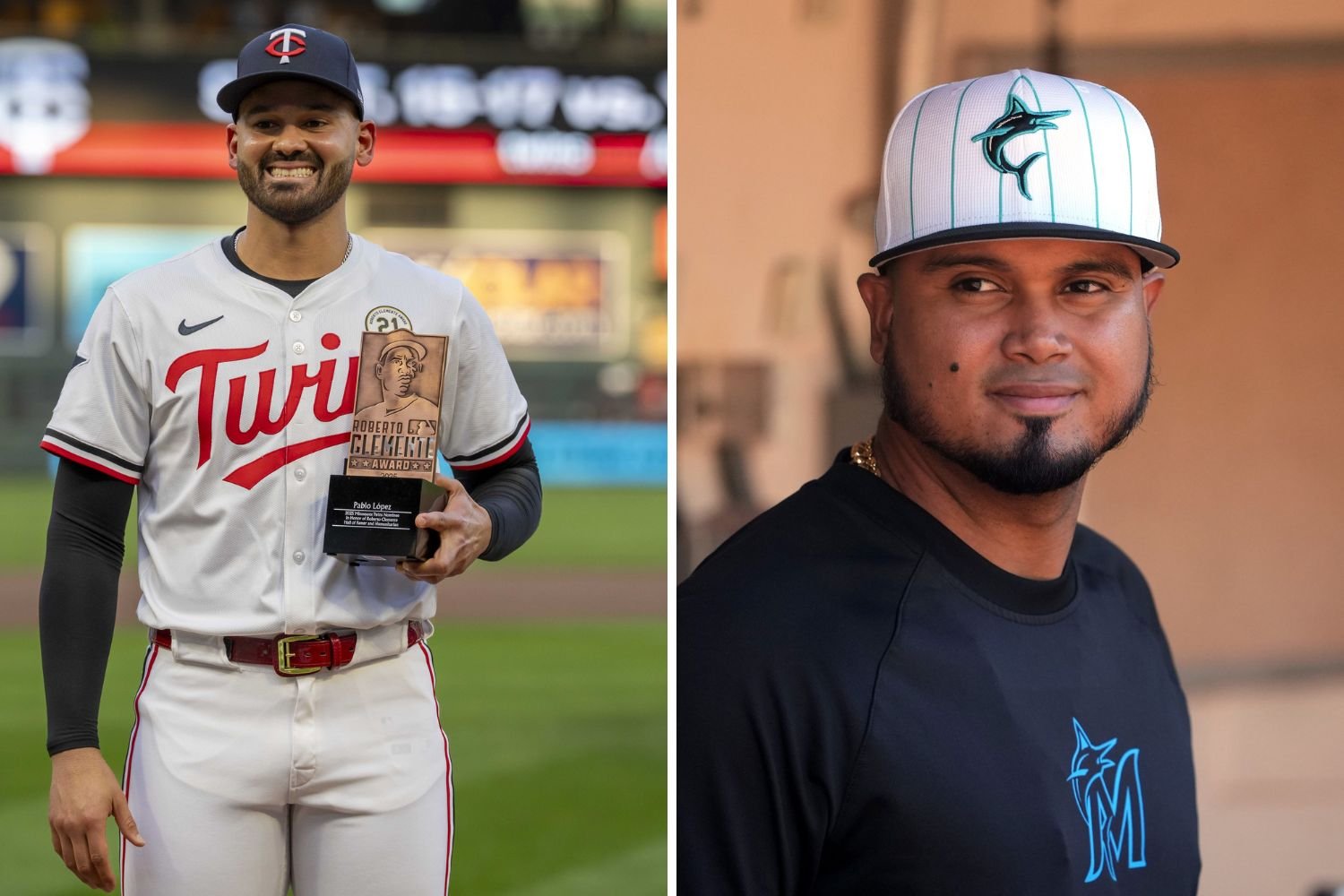 We all need to brace for a Pablo López trade this winter. It's an outcome that ranges somewhere between vague possibility and probability, depending on how much weight you put into the percolating rumor mill. "Potential trade partners believe the Twins will deal one of their co-aces, not both," wrote Jeff Passan at ESPN. Elsewhere, at the New York Post, Joel Sherman suggested that Minnesota is "more likely" to trade López than Joe Ryan. Yes, they're just rumors and relays—albeit from well-respected industry veterans. But fans need only use their eyes and ears to recognize that a López trade is very much on the table. His $21-million salary casts a glare for this rebuilding team facing payroll uncertainty, and Twins officials have shied away from ruling out the idea. I'm on the record with my belief that a López trade would be equivalent to a white flag for the 2026 season—not only because of losing him, but the rippling implications. That's not a fact, though; it's an opinion. At this point, it's still plausible the Twins will be trying to win next year, and it wouldn't be impossible for a deftly executed deal involving López to support that goal. It'll just be a tricky needle to thread. There aren't a ton of examples of an established frontline starting pitcher being traded for an established top-of-the-order bat, which is (presumably) what the Twins would be seeking to accomplish in such an endeavor. Incidentally, one of the few in recent memory was the Pablo López trade. In January 2023, the Twins dealt from an area of perceived strength when they sent reigning batting champ Luis Arraez to the Miami Marlins in exchange for López. On Opening Day a couple of months later, López was Minnesota's starting pitcher and Arraez was batting leadoff for Miami. The Marlins, at the time, were in a somewhat similar situation to the Twins now, needing a boost coming off a 93-loss season and viewing the top of their rotation as a strength, with López accompanied by Sandy Alcantara and Jesús Luzardo. Miami hoped the addition of Arraez could jumpstart an offense that tied for last in the NL in OPS+ in 2022. He certainly ended up doing his part. In 2023, Arraez batted .354 with a 128 OPS+, while earning All-Star and Silver Slugger honors. The Marlins improved by 15 wins and made the playoffs as a Wild Card. It's pretty much the same model the Twins would be looking to enact, just from the other end. A hitter who can deliver the level of impact that Arraez did in his first season with Miami is exactly what the Twins need to take a step forward in 2026, and theoretically, Minnesota's pitching depth and added spending flexibility could help soften the blow of losing López. A pertinent question: How does López's trade value now compare to back when the Twins acquired him at such a lofty price? On the one hand, he's three years older and much more expensive. On the other hand, he's under 30, more proven (including in the playoffs), and still under team control for two more years at surplus value. A team acquiring López could do exactly what the Twins did: immediately lock him into a long-term contract, shoring up the top of their rotation for years to come. That has a lot of appeal. Plenty of contending teams would love to get their hands on López. The problem is that it's hard to find contending teams with high-impact bats with which they are willing to part, which is why these trades more often take shape as star-for-prospect swaps. The Arraez situation was unique in that the Twins had Jorge Polanco and Alex Kirilloff on hand, with Edouard Julien in the wings. Minnesota's front office also seemed to harbor some doubt about Arraez's outlook—which has been largely validated. Like I said, it's a difficult needle to thread, but it's not impossible. The Twins have shown there's a path to win/win trades of this nature that ultimately make both clubs better. Can they find a match this time? The Boston Red Sox stand out as a potential partner, with rumors swirling around the availability of Jarren Duran and Wilyer Abreu. I'm curious if any other fits come to mind. Sound off in the comments, and let us know what it would take for you to get on board with a Pablo López trade this offseason.
-
Image courtesy of John Vittas- Fort Myers Mighty Mussels When prospects get added to the 40-man roster, it's a sign that their big-league arrival is at least somewhat imminent. Last year at this time the Twins made two additions: Travis Adams and Marco Raya. Adams went on to debut and make 18 appearances in the majors. Raya surely would have come up at some point if he wasn't a disaster in Triple-A. (And Derek Falvey has already name-dropped Raya as a candidate for this year's bullpen picture.) On Tuesday, the Twins added six minor-league players to their 40-man roster – three times the number from last year and one of their biggest totals in recent memory. It signifies something deeper: a greatly increased reliance on their farm system to fuel MLB success as the franchise openly pivots away from spending competitively. "We know we're going to be young," Falvey said recently. Each of the six players added to the roster on Tuesday, as well as a seventh acquired via trade, could easily play a role as soon as the upcoming season. Here's a quick look at how that could come to pass. Connor Prielipp, LHP I'm increasingly convinced the Twins are hoping to lean on Prielipp as a high-leverage reliever out of the gate. He was finally healthy last year and unleashed his dominance across multiple levels of the system, earning the organization's minor-league pitcher of the year nod. His combination of a mid-90s fastball and wipeout slider can play in the majors now. Injuries have prevented him from building up any kind of workload baseline, so a relief role seems like a given, and there's no reason to waste any more bullets in the minors if his arm feels good. I'd bet on Prielipp breaking camp in the Twins bullpen, maybe even as their closer. Role: Late-inning reliever Kendry Rojas, LHP Rojas earned attention while rising quickly through the Blue Jays system, and was already in Triple-A at age 22 by the time the Twins acquired him in the Louis Varland trade. He got crushed at that level, and will likely open with the Saints next year, but that puts him just a step away from the majors. Depending on how things play out, it's plausible Rojas could debut as either a starter or reliever, with the Twins hoping his impressive repertoire from the left side can lead to a quick impact. Role: Swingman John Klein, RHP He was quietly one of the breakthrough stories in the Twins system this year. The Brooklyn Park, MN native came out of nowhere to strike out 128 in 106 innings between Double-A and Triple-A, making enough waves that the front office felt compelled to protect him from pitching-hungry teams in the Rule 5 draft. At 6-foot-5 and 225 lbs, he's got a big-league build and his stuff took a massive step forward this year. I suspect the Twins are counting on him to play a significant role for their bullpen in 2026. Role: Middle reliever Andrew Morris, RHP Coming off a stellar 2024 season that carved out his place in a promising pitching pipeline, Morris reached Triple-A at age 23 and held his own between some injury troubles. I wouldn't be totally shocked if the Twins fast-tracked him into a relief role but I suspect they'll keep him starting for now, in which case he'll likely open the season somewhere in the 6-9 range of the rotation depth chart. Given how quickly attrition tends to strike, that could line him up for a debut before midseason. Role: Starter Gabriel Gonzalez, OF Gonzalez raked last year, flashing .329/.395/.513, and he finished the season at Triple-A at 21. It's not out of the question we're talking about him as a dark horse for the Opening Day roster in spring training. But if not, he'll definitely be in the mix for a call-up early on if he's able to start hot again in St. Paul. The Twins have quite a few ostensibly bat-first players with questionable gloves, but a majority of them are left-handed, which is one reason Gonzalez's righty bat was important to protect. Role: Corner outfielder/DH Hendry Mendez, OF/1B When the Twins acquired Mendez at the deadline in exchange for Harrison Bader, his defensive experience was exclusively in the outfield, but the front office quickly started talking him up as a future first base option. Months later, after spending time in Wichita and the Arizona Fall League, Mendez still hasn't logged any official game time at first base but the Twins are working him out there and I'd be surprised if he doesn't start breaking in the 1B mitt next spring. First base is a position where Minnesota could sorely use short-term help, with Kody Clemens currently lined up as starter, and Mendez is one of the top candidates to succeed him. Role: First baseman/DH Eric Orze, RHP Unlike the six players above, Orze wasn't a 40-man addition from within the organization but rather a trade pickup in exchange for pitcher Jacob Kisting, a 14th-round pick from 2024. The potential role for Orze is pretty straightforward – he made 33 appearances out of the Rays bullpen last year and adds a semblance of MLB experience to a relief corps that is currently lacking. Right now he should be viewed as an odds-on favorite to make the Opening Day roster, albeit as a low-leverage and low-upside option. Role: Middle reliever View full article
-
Envisioning a 2026 Role for All 7 New Additions to the Twins 40-Man Roster
Nick Nelson posted an article in Twins
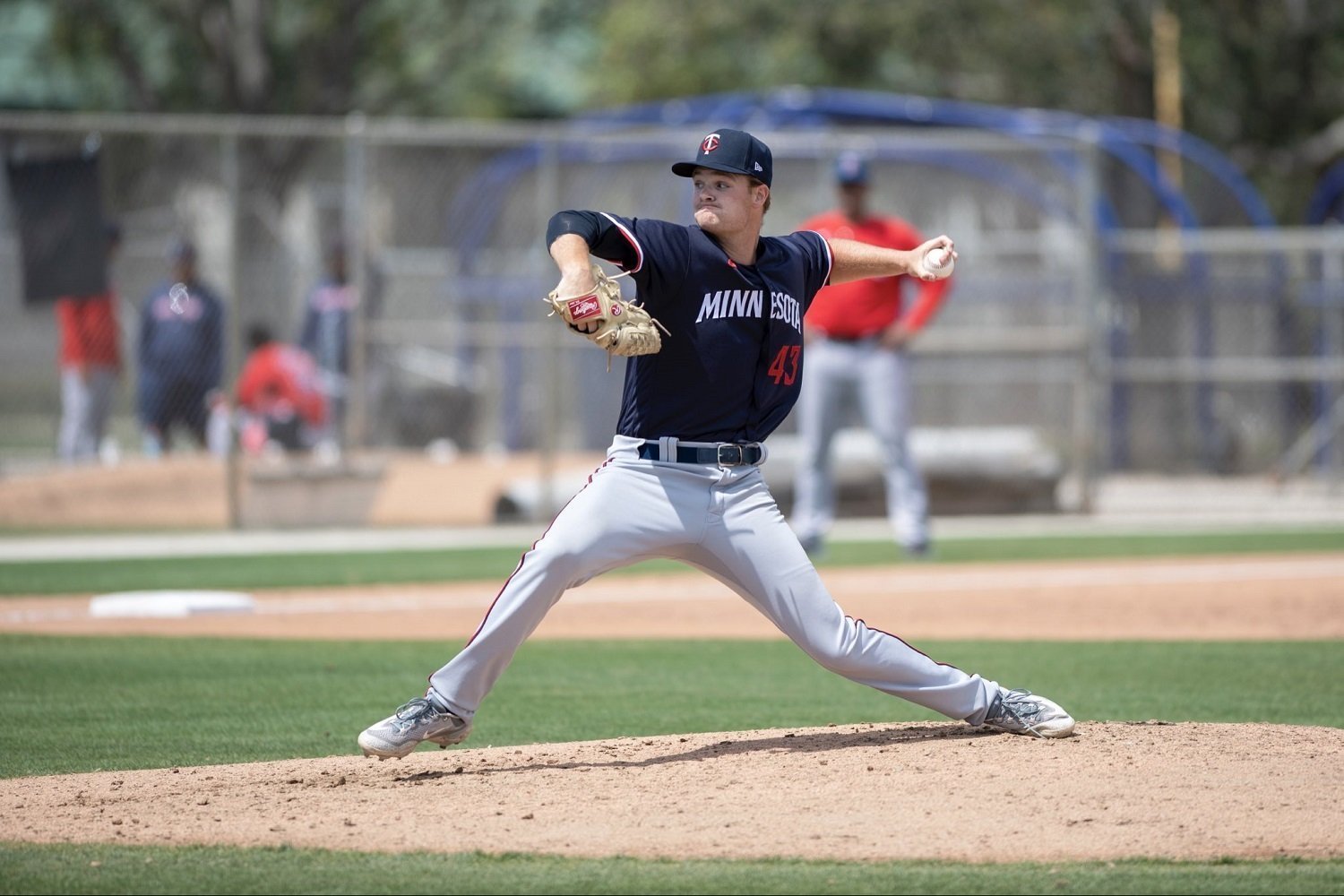 When prospects get added to the 40-man roster, it's a sign that their big-league arrival is at least somewhat imminent. Last year at this time the Twins made two additions: Travis Adams and Marco Raya. Adams went on to debut and make 18 appearances in the majors. Raya surely would have come up at some point if he wasn't a disaster in Triple-A. (And Derek Falvey has already name-dropped Raya as a candidate for this year's bullpen picture.) On Tuesday, the Twins added six minor-league players to their 40-man roster – three times the number from last year and one of their biggest totals in recent memory. It signifies something deeper: a greatly increased reliance on their farm system to fuel MLB success as the franchise openly pivots away from spending competitively. "We know we're going to be young," Falvey said recently. Each of the six players added to the roster on Tuesday, as well as a seventh acquired via trade, could easily play a role as soon as the upcoming season. Here's a quick look at how that could come to pass. Connor Prielipp, LHP I'm increasingly convinced the Twins are hoping to lean on Prielipp as a high-leverage reliever out of the gate. He was finally healthy last year and unleashed his dominance across multiple levels of the system, earning the organization's minor-league pitcher of the year nod. His combination of a mid-90s fastball and wipeout slider can play in the majors now. Injuries have prevented him from building up any kind of workload baseline, so a relief role seems like a given, and there's no reason to waste any more bullets in the minors if his arm feels good. I'd bet on Prielipp breaking camp in the Twins bullpen, maybe even as their closer. Role: Late-inning reliever Kendry Rojas, LHP Rojas earned attention while rising quickly through the Blue Jays system, and was already in Triple-A at age 22 by the time the Twins acquired him in the Louis Varland trade. He got crushed at that level, and will likely open with the Saints next year, but that puts him just a step away from the majors. Depending on how things play out, it's plausible Rojas could debut as either a starter or reliever, with the Twins hoping his impressive repertoire from the left side can lead to a quick impact. Role: Swingman John Klein, RHP He was quietly one of the breakthrough stories in the Twins system this year. The Brooklyn Park, MN native came out of nowhere to strike out 128 in 106 innings between Double-A and Triple-A, making enough waves that the front office felt compelled to protect him from pitching-hungry teams in the Rule 5 draft. At 6-foot-5 and 225 lbs, he's got a big-league build and his stuff took a massive step forward this year. I suspect the Twins are counting on him to play a significant role for their bullpen in 2026. Role: Middle reliever Andrew Morris, RHP Coming off a stellar 2024 season that carved out his place in a promising pitching pipeline, Morris reached Triple-A at age 23 and held his own between some injury troubles. I wouldn't be totally shocked if the Twins fast-tracked him into a relief role but I suspect they'll keep him starting for now, in which case he'll likely open the season somewhere in the 6-9 range of the rotation depth chart. Given how quickly attrition tends to strike, that could line him up for a debut before midseason. Role: Starter Gabriel Gonzalez, OF Gonzalez raked last year, flashing .329/.395/.513, and he finished the season at Triple-A at 21. It's not out of the question we're talking about him as a dark horse for the Opening Day roster in spring training. But if not, he'll definitely be in the mix for a call-up early on if he's able to start hot again in St. Paul. The Twins have quite a few ostensibly bat-first players with questionable gloves, but a majority of them are left-handed, which is one reason Gonzalez's righty bat was important to protect. Role: Corner outfielder/DH Hendry Mendez, OF/1B When the Twins acquired Mendez at the deadline in exchange for Harrison Bader, his defensive experience was exclusively in the outfield, but the front office quickly started talking him up as a future first base option. Months later, after spending time in Wichita and the Arizona Fall League, Mendez still hasn't logged any official game time at first base but the Twins are working him out there and I'd be surprised if he doesn't start breaking in the 1B mitt next spring. First base is a position where Minnesota could sorely use short-term help, with Kody Clemens currently lined up as starter, and Mendez is one of the top candidates to succeed him. Role: First baseman/DH Eric Orze, RHP Unlike the six players above, Orze wasn't a 40-man addition from within the organization but rather a trade pickup in exchange for pitcher Jacob Kisting, a 14th-round pick from 2024. The potential role for Orze is pretty straightforward – he made 33 appearances out of the Rays bullpen last year and adds a semblance of MLB experience to a relief corps that is currently lacking. Right now he should be viewed as an odds-on favorite to make the Opening Day roster, albeit as a low-leverage and low-upside option. Role: Middle reliever
- 32 comments
-
- 12
-

-
- connor prielipp
- andrew morris
- (and 3 more)
-
It Sounds Like Kody Clemens Will Be the Twins' Starting First Baseman
Nick Nelson posted an article in Twins
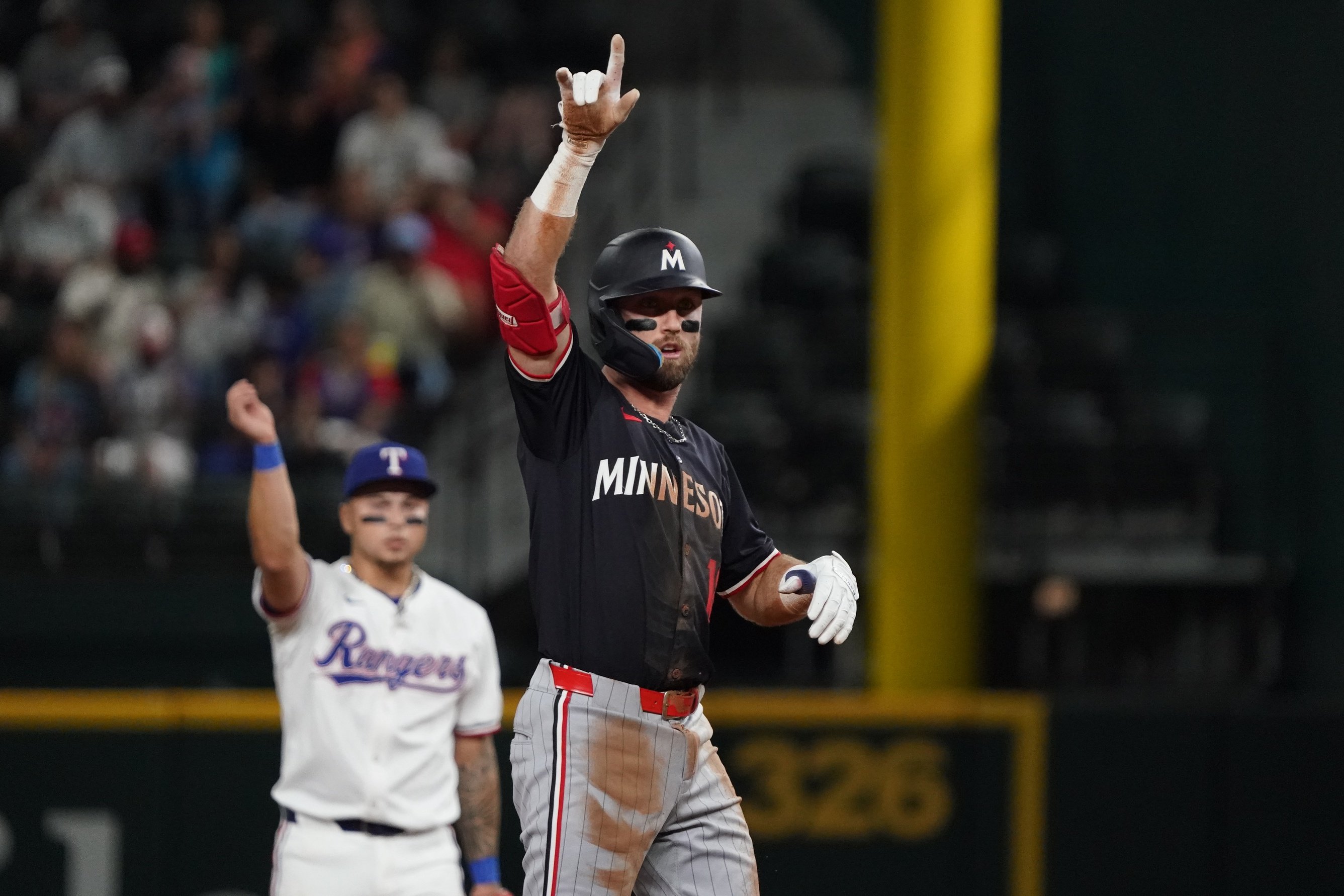 As the Minnesota Twins look to take a step forward offensively in 2026, one of the biggest question marks in their lineup is first base. Last year, after Ty France was traded at the deadline, all but one start at the position went to either Kody Clemens or Edouard Julien. Looking forward, it sure sounds like Derek Falvey and the Twins are inclined to stay the course. When asked at the GM Meetings in Las Vegas last week about his intentions to add at first base during the offseason, Falvey told reporters, including John Bonnes of Twins Daily: "I guess I view it through a couple lenses. I think it's an area where we're going to hope that there's a few guys internally that we've asked to continue to kind of grow and develop there. Eddie Julien got some time there, and will continue to get a little bit more work. Kody Clemens was a huge value add for us last year there. There's no way around it. Like, great fit, great kid, I thought was a lift in the clubhouse, and had really good year there. So I think give him another winter, get his legs under him. Like, could we find a complement there from the right-handed side? That's possible too, but that's an area that we know, that we have some players that can play there, but maybe not a single designated person. But we want to give Kody a lot of runway there too, because he was really a good fit for us last year." Well, that wasn't very ambiguous was it? Clemens is your starting first baseman, with the team likely to add some possible righty-hitting options to their capability mix. Julien will need a monster spring to make the team, and that's if he sticks on the 40-man roster all winter, but Clemens apparently has an open door to "a lot of runway" at the position. One could cynically view this as another cheap move fueled by stingy ownership. In fact it's not really even cynical. Clemens is a low-cost option who will cost the minimum and will negate a need to shop externally. But that doesn't mean this can't also be a reasonable course of action. If the team's plan is indeed to go with Clemens at first, at least as an interim plug-in, I don't hate it. Clemens, like Julien, didn't do much with his expanded post-deadline opportunity at first base. He mostly slumped throughout August and September, dragging down the surprisingly strong numbers he'd amassed through his first couple of months as a Twin. But within the generally underwhelming second half, Clemens also produced one of the greatest single-game offensive performances in franchise history. On September 12th against the Diamondbacks, Clemens went 4-for-4 with three home runs and a double, narrowly missing the first ever four-homer game by a Twin. Even amidst a sea of late-season struggle, it was the type of flash that makes Clemens an intriguing player, despite being a bit of a journeyman at age 29. You've got to have some ability to put together a game like that. Just like you've got to have some ability to rip 12 homers in 54 games, as Clemens did during his initial stretch with Minnesota in May, June and July. These weren't all garbage-time cheapies either; he hit some big game-changing bombs and was a key figure in the 18-win May that temporarily thrust the Twins into contention. To become a true asset as a starting first baseman in the majors, Clemens needs to harness that ability more consistently and cut down on prolonged droughts. But the ingredients are there. His xSLG, average exit velocity, barrel and hard hit rates were all solidly in the upper quartile of MLB players this year. He walked and made enough contact to hold his own with strike zone control. His xwOBA (.341) was substantially higher than his actual wOBA (.307), suggesting room for growth. Importantly, he also adds some other much-needed qualities to the mix as a regular for the Twins. Clemens was said to have assumed a leadership role on a team that now faces a leadership void. He's pretty good defensively, and vastly better than Julien, which helps give him a major edge (to the extent that a competition exists). And Clemens is an above-average runner — in the same range as Austin Martin and Alan Roden — which is not often the case at first base. As the Twins look to get faster and more aggressive, having some speed at an unorthodox position can be helpful, especially if they team is resigned to having one of its slowest runners (Brooks Lee) at shortstop. We can't overlook the uninspiring overall track record for Clemens, who was never a top prospect and has been 20% below average as an MLB hitter through 265 games as he approaches 30. He was on waivers when the Twins acquired him for a reason. But in many ways his breakthrough in 2026 looked legit, featuring career highs and favorable indicators across the board. Clemens attributed much of his success this year to reps and consistency. He's never had many opportunities for regular big-league playing time in the past — his 379 plate appearances with the Twins nearly tripled his previous season high. In that sense, I can buy into Falvey's stated vision: give Clemens an offseason to prep for the starting job, ramp him up accordingly in spring training, and see if he can fully unlock his potential with everyday starts against righties, while also providing value in other ways. If the alternative is going after someone like Ty France in free agency — and, let's be honest, it probably is — why not?
-
Image courtesy of Raymond Carlin III-Imagn Images As the Minnesota Twins look to take a step forward offensively in 2026, one of the biggest question marks in their lineup is first base. Last year, after Ty France was traded at the deadline, all but one start at the position went to either Kody Clemens or Edouard Julien. Looking forward, it sure sounds like Derek Falvey and the Twins are inclined to stay the course. When asked at the GM Meetings in Las Vegas last week about his intentions to add at first base during the offseason, Falvey told reporters, including John Bonnes of Twins Daily: "I guess I view it through a couple lenses. I think it's an area where we're going to hope that there's a few guys internally that we've asked to continue to kind of grow and develop there. Eddie Julien got some time there, and will continue to get a little bit more work. Kody Clemens was a huge value add for us last year there. There's no way around it. Like, great fit, great kid, I thought was a lift in the clubhouse, and had really good year there. So I think give him another winter, get his legs under him. Like, could we find a complement there from the right-handed side? That's possible too, but that's an area that we know, that we have some players that can play there, but maybe not a single designated person. But we want to give Kody a lot of runway there too, because he was really a good fit for us last year." Well, that wasn't very ambiguous was it? Clemens is your starting first baseman, with the team likely to add some possible righty-hitting options to their capability mix. Julien will need a monster spring to make the team, and that's if he sticks on the 40-man roster all winter, but Clemens apparently has an open door to "a lot of runway" at the position. One could cynically view this as another cheap move fueled by stingy ownership. In fact it's not really even cynical. Clemens is a low-cost option who will cost the minimum and will negate a need to shop externally. But that doesn't mean this can't also be a reasonable course of action. If the team's plan is indeed to go with Clemens at first, at least as an interim plug-in, I don't hate it. Clemens, like Julien, didn't do much with his expanded post-deadline opportunity at first base. He mostly slumped throughout August and September, dragging down the surprisingly strong numbers he'd amassed through his first couple of months as a Twin. But within the generally underwhelming second half, Clemens also produced one of the greatest single-game offensive performances in franchise history. On September 12th against the Diamondbacks, Clemens went 4-for-4 with three home runs and a double, narrowly missing the first ever four-homer game by a Twin. Even amidst a sea of late-season struggle, it was the type of flash that makes Clemens an intriguing player, despite being a bit of a journeyman at age 29. You've got to have some ability to put together a game like that. Just like you've got to have some ability to rip 12 homers in 54 games, as Clemens did during his initial stretch with Minnesota in May, June and July. These weren't all garbage-time cheapies either; he hit some big game-changing bombs and was a key figure in the 18-win May that temporarily thrust the Twins into contention. To become a true asset as a starting first baseman in the majors, Clemens needs to harness that ability more consistently and cut down on prolonged droughts. But the ingredients are there. His xSLG, average exit velocity, barrel and hard hit rates were all solidly in the upper quartile of MLB players this year. He walked and made enough contact to hold his own with strike zone control. His xwOBA (.341) was substantially higher than his actual wOBA (.307), suggesting room for growth. Importantly, he also adds some other much-needed qualities to the mix as a regular for the Twins. Clemens was said to have assumed a leadership role on a team that now faces a leadership void. He's pretty good defensively, and vastly better than Julien, which helps give him a major edge (to the extent that a competition exists). And Clemens is an above-average runner — in the same range as Austin Martin and Alan Roden — which is not often the case at first base. As the Twins look to get faster and more aggressive, having some speed at an unorthodox position can be helpful, especially if they team is resigned to having one of its slowest runners (Brooks Lee) at shortstop. We can't overlook the uninspiring overall track record for Clemens, who was never a top prospect and has been 20% below average as an MLB hitter through 265 games as he approaches 30. He was on waivers when the Twins acquired him for a reason. But in many ways his breakthrough in 2026 looked legit, featuring career highs and favorable indicators across the board. Clemens attributed much of his success this year to reps and consistency. He's never had many opportunities for regular big-league playing time in the past — his 379 plate appearances with the Twins nearly tripled his previous season high. In that sense, I can buy into Falvey's stated vision: give Clemens an offseason to prep for the starting job, ramp him up accordingly in spring training, and see if he can fully unlock his potential with everyday starts against righties, while also providing value in other ways. If the alternative is going after someone like Ty France in free agency — and, let's be honest, it probably is — why not? View full article
-
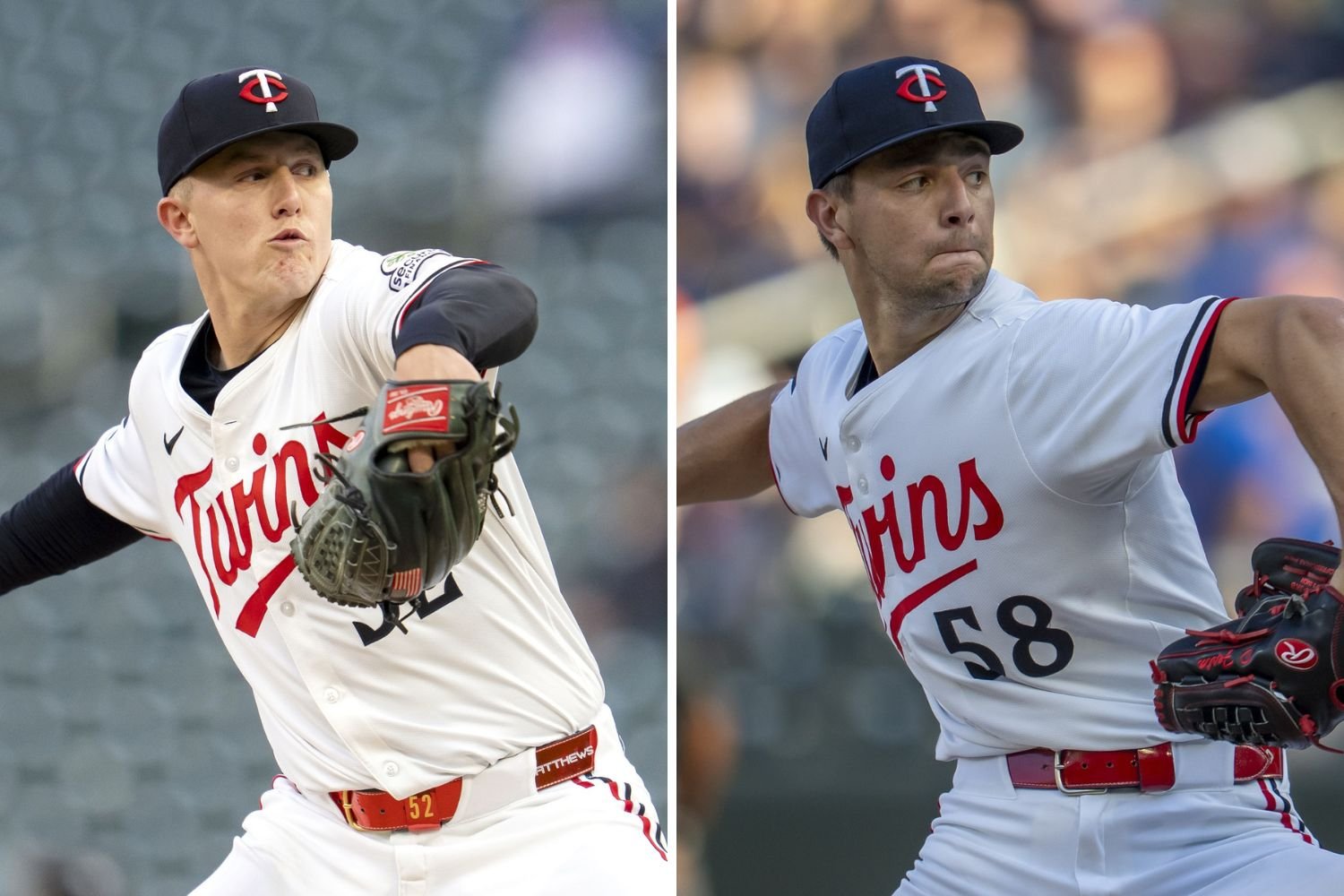 At the GM Meetings in Las Vegas this week, Derek Falvey insisted that his hope is to build around what he currently has, rather than further subtracting pieces, in an earnest effort at competitiveness in 2026. This is a semi-plausible notion in theory, with the team possessing enough rotation depth and intriguing hitters make themselves a threat. The glaring flaw in this vision, of course, is the bullpen. You can't compete without at least a decent one, as we've seen, and the Twins are starting nearly from scratch after selling off the entire unit in July. No reliever who auditioned in the latter part of the season looked very good, so the Twins are going to need to rapidly identify and activate arms to fill these roles. External additions will be part of the picture, for sure. But from the moment they shipped off four future-controlled relievers at the trade deadline, Minnesota's intention was clear: draw from the abundance of decent-to-great pitching prospects in their system — a pool that expanded from all their trades — to develop the next wave of outstanding homegrown relievers. In some ways, this approach is hard to argue against. After all, it's the same formula used to forge the relief corps that was in such high demand at the deadline. Falvey noted as much when speaking to reporters, including Twins Daily's John Bonnes, in Las Vegas. "When you look across the game at good bullpens that emerge from within, a lot of them are starters that transitioned," Falvey said. "We ourselves had multiple of those, whether it's Griffin Jax or Jhoan Duran or others that came through our system as starters. I wouldn't expect that to be any different." This is valid. But one factor that must be considered with this approach is the player's preference and receptiveness. Generally speaking, professional pitchers want to pursue a path to starting first, and exhaust the possibility before they submit to a bullpen role. There is, quite simply, a lot more money to be made and more stability to be had in a rotation spot. Duran and Jax are interesting examples to cite. In each case, you could see why the team would envision a well-suited relief role. But in each case, you could also why the player would be amenable to the plan when it was implemented. Duran had long struggled with arm injuries, and missed nearly the entire 2021 season with a forearm issue before stepping into the Twins bullpen in 2022 and immediately thriving. Jax had been bashed into submission with a 6.37 ERA as a 26-year-old rookie in 2021 before making his own successful role pivot in 2022. Ultimately, the team and coaches make calls about player usage, but forcing players down paths they aren't necessarily aligned to can create friction. In this sense, it's worth noting the two prospective candidates that Falvey specifically called out in his answer: "I am kind of excited about some of the arms we have at Triple-A and Double-A over the last couple of years that while they haven't always hit their stride as starters, they might have an ability to impact us in different ways. I'd hate to put too much pressure on any of them, but you see Connor Prielipp throw the way he can at times, you see Marco Raya throw the way he has." Similar to Jax and Duran, one can see the appeal on both sides for reliever transitions in these cases. Prielipp has been besieged by injuries since he was in college, and has thrown barely 100 innings in three years since being drafted. The idea of building up a starter workload is all but impractical at this point. Raya is coming off a brutal season at Triple-A that now has him questioning if he'll reach the majors rather than when. Both these guys are probably open to immediate bullpen transitions, with the promise of an MLB fast-track, and I'm guessing it's already been broached with them if Falvey is discussing it openly. But at best, that leaves several other vacancies needing to be filled, and while there are certainly a number of pitchers in Minnesota's mix with the makings of quality relievers, they make for tougher decisions and conversations. David Festa, Zebby Matthews, Taj Bradley, Mick Abel, Simeon Woods Richardson, Kendry Rojas, Andrew Morris. Some of these pitchers are going to end up in the bullpen. But who? And how do you get them on board with it when, by circumstantial necessity, it's got to happen now? The Twins don't have the luxury of waiting around for some of their higher-upside relief candidates to fully fizzle out as starters if the team has any hopes of shocking the world with a good bullpen in 2026. I find myself wondering if this was a big part of the motivation for hiring LaTroy Hawkins as bullpen coach, while keeping Pete Maki in place to lead the staff. There's value in familiarity and trust when navigating these kinds of tricky situations. Hawkins, specifically, can be a voice of experience and validation in this journey. He's the perfect real-world example: a promising young pitcher who came up, didn't take as a starter, transitioned into bullpen role in his mid-20s, and then enjoyed a tremendously long and fruitful career. Can he sell some of the current young Twins pitchers on a similar path, and a relief transition before they've really had their fair shake at starting? That's one of the biggest questions facing the team as they look ahead to a high-stakes bullpen experiment in 2026.
- 35 comments
-
- 12
-
-
- zebby matthews
- david festa
- (and 2 more)
-
Image courtesy of Jesse Johnson-Imagn Images At the GM Meetings in Las Vegas this week, Derek Falvey insisted that his hope is to build around what he currently has, rather than further subtracting pieces, in an earnest effort at competitiveness in 2026. This is a semi-plausible notion in theory, with the team possessing enough rotation depth and intriguing hitters make themselves a threat. The glaring flaw in this vision, of course, is the bullpen. You can't compete without at least a decent one, as we've seen, and the Twins are starting nearly from scratch after selling off the entire unit in July. No reliever who auditioned in the latter part of the season looked very good, so the Twins are going to need to rapidly identify and activate arms to fill these roles. External additions will be part of the picture, for sure. But from the moment they shipped off four future-controlled relievers at the trade deadline, Minnesota's intention was clear: draw from the abundance of decent-to-great pitching prospects in their system — a pool that expanded from all their trades — to develop the next wave of outstanding homegrown relievers. In some ways, this approach is hard to argue against. After all, it's the same formula used to forge the relief corps that was in such high demand at the deadline. Falvey noted as much when speaking to reporters, including Twins Daily's John Bonnes, in Las Vegas. "When you look across the game at good bullpens that emerge from within, a lot of them are starters that transitioned," Falvey said. "We ourselves had multiple of those, whether it's Griffin Jax or Jhoan Duran or others that came through our system as starters. I wouldn't expect that to be any different." This is valid. But one factor that must be considered with this approach is the player's preference and receptiveness. Generally speaking, professional pitchers want to pursue a path to starting first, and exhaust the possibility before they submit to a bullpen role. There is, quite simply, a lot more money to be made and more stability to be had in a rotation spot. Duran and Jax are interesting examples to cite. In each case, you could see why the team would envision a well-suited relief role. But in each case, you could also why the player would be amenable to the plan when it was implemented. Duran had long struggled with arm injuries, and missed nearly the entire 2021 season with a forearm issue before stepping into the Twins bullpen in 2022 and immediately thriving. Jax had been bashed into submission with a 6.37 ERA as a 26-year-old rookie in 2021 before making his own successful role pivot in 2022. Ultimately, the team and coaches make calls about player usage, but forcing players down paths they aren't necessarily aligned to can create friction. In this sense, it's worth noting the two prospective candidates that Falvey specifically called out in his answer: "I am kind of excited about some of the arms we have at Triple-A and Double-A over the last couple of years that while they haven't always hit their stride as starters, they might have an ability to impact us in different ways. I'd hate to put too much pressure on any of them, but you see Connor Prielipp throw the way he can at times, you see Marco Raya throw the way he has." Similar to Jax and Duran, one can see the appeal on both sides for reliever transitions in these cases. Prielipp has been besieged by injuries since he was in college, and has thrown barely 100 innings in three years since being drafted. The idea of building up a starter workload is all but impractical at this point. Raya is coming off a brutal season at Triple-A that now has him questioning if he'll reach the majors rather than when. Both these guys are probably open to immediate bullpen transitions, with the promise of an MLB fast-track, and I'm guessing it's already been broached with them if Falvey is discussing it openly. But at best, that leaves several other vacancies needing to be filled, and while there are certainly a number of pitchers in Minnesota's mix with the makings of quality relievers, they make for tougher decisions and conversations. David Festa, Zebby Matthews, Taj Bradley, Mick Abel, Simeon Woods Richardson, Kendry Rojas, Andrew Morris. Some of these pitchers are going to end up in the bullpen. But who? And how do you get them on board with it when, by circumstantial necessity, it's got to happen now? The Twins don't have the luxury of waiting around for some of their higher-upside relief candidates to fully fizzle out as starters if the team has any hopes of shocking the world with a good bullpen in 2026. I find myself wondering if this was a big part of the motivation for hiring LaTroy Hawkins as bullpen coach, while keeping Pete Maki in place to lead the staff. There's value in familiarity and trust when navigating these kinds of tricky situations. Hawkins, specifically, can be a voice of experience and validation in this journey. He's the perfect real-world example: a promising young pitcher who came up, didn't take as a starter, transitioned into bullpen role in his mid-20s, and then enjoyed a tremendously long and fruitful career. Can he sell some of the current young Twins pitchers on a similar path, and a relief transition before they've really had their fair shake at starting? That's one of the biggest questions facing the team as they look ahead to a high-stakes bullpen experiment in 2026. View full article
-
Image courtesy of © Junfu Han / USA TODAY NETWORK One year ago, the Twins made David Popkins their sacrificial lamb, hoping that a new voice of leadership for the hitting group could help reverse an offensive collapse that sank their 2024 season. It didn't work. Popkins went on to Toronto and enjoyed remarkable success with the AL Champion Blue Jays, while the Twins brought in Matt Borgschulte and watched basically all of their negative trends in the lineup worsen. One year later, Borgschulte is out and the Twins have brought in a new hitting coach. Bobby Nightengale of the Star Tribune reported on Thursday that the Twins are hiring Keith Beauregard to take over the head role, with assistants Trevor Amicone and Rayden Sierra remaining in place. Unlike Borgschulte and Shelton, not to mention apparent bench-coach frontrunner James Rowson, Beauregard is a true organizational outsider rather than a retread. But one trait shared by all of these names is a background and specialization in hitting instruction, signifying the front office's effort to fundamentally reshape this aspect of their club. Here's a deeper look at the journey that brought Beauregard to this point, and what he brings to the table as Minnesota's new head hitting coach. Keith Beauregard's History in Baseball Born on May 15th, 1983, Beauregard was a successful college baseball player at Saint Anselm in New Hampshire. He spent a few years playing independent ball, dabbled in real estate for a bit, and then was drawn back to the game, joining the staff at University of Massachusetts-Lowell as a hitting coach in 2011. In two seasons, he distinguished himself to gain the notice of Santa Clara University, which hired him to their staff as an assistant in 2012. “Keith Beauregard will be missed,” said UMass Lowell head coach Ken Harring at the time. “He has a knowledge, passion and energy for the game of baseball that you can't teach. His goal of becoming a full time coach came true and it is well deserved.” In 2019, Beauregard took another step forward, reaching the pro baseball ranks by joining the Los Angeles Dodgers system as a hitting coach in the low minors. His role in the Dodgers organization grew until he was hired by the Detroit Tigers as an assistant hitting coach in 2022. After the 2025 season, the Tigers parted ways with Beauregard, making him available for the Twins. Parallels to David Popkins You don't have to squint to see the shades of Popkins in this hire. Both were total outsiders with no previous connection to the Twins organization, and both got their start as professional coaches in the Dodgers farm system (where they "worked alongside" one another). Both of these guys were, and are, considered emergent instructional talents. There are also some less-positive parallels, which may offer insight. Popkins was fired by the Twins in 2024 after a second-half collapse that saw Minnesota spiral out of playoff contention behind an anemic offense. Beauregard just departed from Detroit under starkly similar circumstances; although the Tigers made the playoff this year, they fumbled a surefire division title with a 28-37 post-break record, as their team OPS dropped by 50 points from the first half. "Not a big surprise that someone would have to take some heat for the Tigers hitting performance in the second half of the season," wrote Brandon Day on the Tigers blog Bless You Boys. "Beauregard probably just drew the short straw in that regard." We've seen with Popkins the kind of success a scapegoated, previously ascendant coaching talent can immediately experience with a change of scenery, and the Twins are hoping for the exact same outcome here. Notable Success Stories for Keith Beauregard It's difficult if not impossible to quantify or specifically measure the impact of coach, particularly an assistant hitting coach, on a player's success. But Beauregard does have his name attached to some notable development wins, including a familiar name. In 2023, as James Outman embarked on what would prove to be an excellent rookie season for the Dodgers, Jack Harris of the Los Angeles Times wrote about the ingredients in his rise from an unheralded seventh-round draft pick to a major-leaguer. Beauregard was part of the minor-league development staff that helped rebuild his "Caveman-like" swing, introducing an unorthodox method. "[Outman] added a front leg kick to hone his timing and flattened what had been a strikeout-prone bat path — common staples of many Dodgers swing-change plans," Harris wrote. "He also trained his front side to remain more stable and closed off. And he even embraced some unusual tactics from former minor league hitting instructor Keith Beauregard (now the hitting coach of the Detroit Tigers) to improve his coordination with his weaker left hand — a crucial component of his left-handed swing." The unusual tactic in question? Coloring books. "Keith was saying, you got to learn to develop special skills with your left hand,” said Dodgers hitting consultant Craig Wallenbrock. “So he bought him a bunch of coloring books and crayons, and told him to start coloring in between the lines, keep it fine tuned.” Outman is a pertinent example since he's likely to be on the Twins roster next year, albeit not a crucial piece. Beauregard's tenure in Detroit might be more meaningful in terms of his desired impact here in Minnesota. His offseason work with Tigers hitters is credited with helping lineup cornerstones like Riley Greene, Spencer Torkelson and Kerry Carpenter break through. I don't know what it will take to get key Twins hitters like Royce Lewis, Brooks Lee and Matt Wallner on track. But I hope Beauregard will have some fresh ideas. If not coloring books, at least he brings a blank slate. View full article
-
 One year ago, the Twins made David Popkins their sacrificial lamb, hoping that a new voice of leadership for the hitting group could help reverse an offensive collapse that sank their 2024 season. It didn't work. Popkins went on to Toronto and enjoyed remarkable success with the AL Champion Blue Jays, while the Twins brought in Matt Borgschulte and watched basically all of their negative trends in the lineup worsen. One year later, Borgschulte is out and the Twins have brought in a new hitting coach. Bobby Nightengale of the Star Tribune reported on Thursday that the Twins are hiring Keith Beauregard to take over the head role, with assistants Trevor Amicone and Rayden Sierra remaining in place. Unlike Borgschulte and Shelton, not to mention apparent bench-coach frontrunner James Rowson, Beauregard is a true organizational outsider rather than a retread. But one trait shared by all of these names is a background and specialization in hitting instruction, signifying the front office's effort to fundamentally reshape this aspect of their club. Here's a deeper look at the journey that brought Beauregard to this point, and what he brings to the table as Minnesota's new head hitting coach. Keith Beauregard's History in Baseball Born on May 15th, 1983, Beauregard was a successful college baseball player at Saint Anselm in New Hampshire. He spent a few years playing independent ball, dabbled in real estate for a bit, and then was drawn back to the game, joining the staff at University of Massachusetts-Lowell as a hitting coach in 2011. In two seasons, he distinguished himself to gain the notice of Santa Clara University, which hired him to their staff as an assistant in 2012. “Keith Beauregard will be missed,” said UMass Lowell head coach Ken Harring at the time. “He has a knowledge, passion and energy for the game of baseball that you can't teach. His goal of becoming a full time coach came true and it is well deserved.” In 2019, Beauregard took another step forward, reaching the pro baseball ranks by joining the Los Angeles Dodgers system as a hitting coach in the low minors. His role in the Dodgers organization grew until he was hired by the Detroit Tigers as an assistant hitting coach in 2022. After the 2025 season, the Tigers parted ways with Beauregard, making him available for the Twins. Parallels to David Popkins You don't have to squint to see the shades of Popkins in this hire. Both were total outsiders with no previous connection to the Twins organization, and both got their start as professional coaches in the Dodgers farm system (where they "worked alongside" one another). Both of these guys were, and are, considered emergent instructional talents. There are also some less-positive parallels, which may offer insight. Popkins was fired by the Twins in 2024 after a second-half collapse that saw Minnesota spiral out of playoff contention behind an anemic offense. Beauregard just departed from Detroit under starkly similar circumstances; although the Tigers made the playoff this year, they fumbled a surefire division title with a 28-37 post-break record, as their team OPS dropped by 50 points from the first half. "Not a big surprise that someone would have to take some heat for the Tigers hitting performance in the second half of the season," wrote Brandon Day on the Tigers blog Bless You Boys. "Beauregard probably just drew the short straw in that regard." We've seen with Popkins the kind of success a scapegoated, previously ascendant coaching talent can immediately experience with a change of scenery, and the Twins are hoping for the exact same outcome here. Notable Success Stories for Keith Beauregard It's difficult if not impossible to quantify or specifically measure the impact of coach, particularly an assistant hitting coach, on a player's success. But Beauregard does have his name attached to some notable development wins, including a familiar name. In 2023, as James Outman embarked on what would prove to be an excellent rookie season for the Dodgers, Jack Harris of the Los Angeles Times wrote about the ingredients in his rise from an unheralded seventh-round draft pick to a major-leaguer. Beauregard was part of the minor-league development staff that helped rebuild his "Caveman-like" swing, introducing an unorthodox method. "[Outman] added a front leg kick to hone his timing and flattened what had been a strikeout-prone bat path — common staples of many Dodgers swing-change plans," Harris wrote. "He also trained his front side to remain more stable and closed off. And he even embraced some unusual tactics from former minor league hitting instructor Keith Beauregard (now the hitting coach of the Detroit Tigers) to improve his coordination with his weaker left hand — a crucial component of his left-handed swing." The unusual tactic in question? Coloring books. "Keith was saying, you got to learn to develop special skills with your left hand,” said Dodgers hitting consultant Craig Wallenbrock. “So he bought him a bunch of coloring books and crayons, and told him to start coloring in between the lines, keep it fine tuned.” Outman is a pertinent example since he's likely to be on the Twins roster next year, albeit not a crucial piece. Beauregard's tenure in Detroit might be more meaningful in terms of his desired impact here in Minnesota. His offseason work with Tigers hitters is credited with helping lineup cornerstones like Riley Greene, Spencer Torkelson and Kerry Carpenter break through. I don't know what it will take to get key Twins hitters like Royce Lewis, Brooks Lee and Matt Wallner on track. But I hope Beauregard will have some fresh ideas. If not coloring books, at least he brings a blank slate.
-
I mentioned this in the article briefly, but I think it's sort of a misperception. Yes, Rocco did juggle lineups a lot (which is very common practice among all MLB managers these days) but the lack of a regular #3 hitter was more of a personnel issue than a matter of personal philosophy. No one on this team (sans Buxton) deserved to be hitting third! Nelson Cruz was pretty much the everyday #3 hitter the whole time he was here.
- 57 replies
-
- 8
-
-
- trevor larnach
- luke keaschall
- (and 3 more)
-
Who Is the No. 3 Hitter of the Future for the Minnesota Twins?
Nick Nelson posted an article in Twins
 When you think of the great teams in Twins history, you quickly think of outstanding and iconic hitters who anchored the lineup from the three-hole: Tony Oliva in 1965. Kirby Puckett in 1987 and 1991. Joe Mauer in 2006. Nelson Cruz in 2019. In the modern MLB landscape, the distinction of a No. 3 hitter as beacon of the lineup has diminished, with managers increasingly plugging their best bats second or even leadoff (e.g. Byron Buxton). But across the league, the third spot in the order is still home to the game's best offensive players on balance. It produced the highest OPS of any lineup spot this past season, at .780, and that was true in 2024 as well. The lack of a standout No. 3 hitter has become a signature shortcoming for Minnesota. In 2025, the third spot in their order produced a lower OPS (.656) than any other, including ninth, which was typically occupied by the likes of Christian Vázquez, DaShawn Keirsey Jr. and James Outman. It's an astonishing stat that's almost hard to believe, but really gets to the root of how broken this lineup was. As Derek Shelton takes over the Twins, one of his first priorities will be sorting out the offense and figuring out who's actually going to carry this lineup forward. I'd be surprised if he messed around with Buxton's role as leadoff man, given how well that was working, and either way, Buxton is 32. Somebody needs to emerge and headline the next generation of the Twins offense. Who's it going to be? Here are five candidates for the short (and long?) term. Trevor Larnach I know, not the most exciting name. I lead with Larnach because he is the incumbent and de facto choice; he topped the 2025 Twins in three-hole appearances with 26. That's not a high number, and it reflects the constant churn of Rocco Baldelli's lineups — which I think says as much about his options as his managing style. Twelve different players appeared as No. 3 hitter. Larnach led the pack, and he also led the Twins in starts as No. 2 hitter, while ranking second in starts at leadoff and cleanup. No Minnesota hitter was written into the top four spots of the lineup more. Was this a big reason for the offense's letdown, given how Larnach languished? Yeah. But it does say something about his esteem as an offensive talent. With a new manager aboard and a directive for "fast-paced baseball" in place, the lumbering Larnach could be on his way out. But, the whole idea of this refresh in leadership is to wash away last season's disappointment, and rejuvenate the talent that's already in place. Why not him? A longtime hitting specialist like Shelton can surely see the raw ability of Larnach, who flashed impressively in 2024. If he does stick around, I could easily envision Larnach as the No. 3 hitter on Opening Day. He'd be one of the most experienced and highly paid hitters on the team. But I can't imagine he'll have a strong grip on the job. Luke Keaschall When you bat .302 with an .827 OPS through your first 207 plate appearances in the majors, at age 23, you're going to be in the conversation for batting third. He might be, at this moment, the odds-on favorite for most appearances as No. 3 hitter in 2026. Unfortunately, Twins fans know better than to assume a successful rookie season will carry forward. Keaschall's plate approach and speed are not in doubt, but his power is, and he's already had a hard time staying healthy. If he can't add more pop, he probably profiles better as a No. 1 or 2 hitter, which is hardly a knock. The question becomes: who's gonna drive him in? Royce Lewis Lewis has the power you want from a No. 3 hitter. The problem is, these days he offers little else. Eighteen doubles and 13 home runs in 403 plate appearances isn't bad, albeit not amazing, but Lewis's lack of patience and consistency led to a .237 average and .283 on-base percentage. He was well below average as a hitter, but everyone knows his track record. At his peak Lewis was the prototype for a No. 3 hitter, and he fulfilled the duty admirably in the 2023 playoffs when he lifted the Twins lineup in the ALDS. It's been a long time since we've seen that form but he's only 26, and surely more determined than ever to get his career back on track. The idea of Royce locking back in, batting third behind Buxton and Keaschall, is something you can really dream on for 2026. On September 28th, the final day of this past season, Lewis hit third for the Twins, his first appearance in that spot since May 21st. Maybe a statement of some kind? They know how important it is to hype him up and build his confidence. I'll be fascinated to see Shelton's approach with Lewis, assuming he's not traded. Brooks Lee The Twins would surely love for Lee to be occupying the No. 3 spot regularly. In theory, he's a switch-hitter who can make contact and slash the ball everywhere with 20-HR power, a born run producer and ignitor. In practice, though, he's been a light-hitting, replacement-level infielder prone to lengthy production slumps, and best suited for the bottom of the lineup. He's been unable to break through so far in 189 major-league games, but Lee turns just 25 in February and has plenty of time to figure things out, especially with the Twins taking a step back competitively. I would be surprised to see him hitting near the top of the lineup next April, barring an overwhelming spring, but he'll have a quick path to prime time if he can find what's missing in his offensive game. The vision for Lee as a multi-year lineup centerpiece is fading, but it's not gone. Walker Jenkins If all goes according to plan, Jenkins will be the guy. THE guy. He's one of the top hitting prospects in the minors, and he's on the precipice of major-league readiness after reaching Triple-A in 2025. I don't think it's out of the question that he's batting third for the Twins on Opening Day next year but that certainly isn't the expectation right now. More likely he'll start back with the Saints with a midseason ETA. Whenever he arrives, Jenkins will be angling to bat third. He's got all the tools to become a premier offensive player, and in many ways, the premise of a return to relevance for the Twins hinges on him being The One. He exhibited all the traits this past season, cruising through three levels while slashing .286/.399/.451 in 84 games. Not to jinx anything, but this has been a Mauer-esque ascent thus far. We'll see if Jenkins can unlock at least a fraction of the awesome potential he's shown. If not, the Twins will need some of the above players to lead the charge ... or, they'll perhaps have to pivot and pin their hopes on whichever player they take at the top of next year's draft. By and large, great teams have great No. 3 hitters. That's clearly been the case in this franchise's history. So, which hitter is going to catalyze the next great Twins team? As Shelton and the front office aim to steer the franchise back to a better place, it's one of the main questions they need to answer. Luckily, they do have some legitimate candidates to work with. Who'd I miss? Arguments can be made for Matt Wallner, Emmanuel Rodriguez, Gabriel Gonzalez, Kaelen Culpepper and others. Let us know who you think will be the star hitter on the next exceptional Minnesota Twins team.
- 57 comments
-
- 4
-
-
- trevor larnach
- luke keaschall
- (and 3 more)
-
Image courtesy of Matt Blewett, Troy Taormina-Imagn Images, Brady Boehm When you think of the great teams in Twins history, you quickly think of outstanding and iconic hitters who anchored the lineup from the three-hole: Tony Oliva in 1965. Kirby Puckett in 1987 and 1991. Joe Mauer in 2006. Nelson Cruz in 2019. In the modern MLB landscape, the distinction of a No. 3 hitter as beacon of the lineup has diminished, with managers increasingly plugging their best bats second or even leadoff (e.g. Byron Buxton). But across the league, the third spot in the order is still home to the game's best offensive players on balance. It produced the highest OPS of any lineup spot this past season, at .780, and that was true in 2024 as well. The lack of a standout No. 3 hitter has become a signature shortcoming for Minnesota. In 2025, the third spot in their order produced a lower OPS (.656) than any other, including ninth, which was typically occupied by the likes of Christian Vázquez, DaShawn Keirsey Jr. and James Outman. It's an astonishing stat that's almost hard to believe, but really gets to the root of how broken this lineup was. As Derek Shelton takes over the Twins, one of his first priorities will be sorting out the offense and figuring out who's actually going to carry this lineup forward. I'd be surprised if he messed around with Buxton's role as leadoff man, given how well that was working, and either way, Buxton is 32. Somebody needs to emerge and headline the next generation of the Twins offense. Who's it going to be? Here are five candidates for the short (and long?) term. Trevor Larnach I know, not the most exciting name. I lead with Larnach because he is the incumbent and de facto choice; he topped the 2025 Twins in three-hole appearances with 26. That's not a high number, and it reflects the constant churn of Rocco Baldelli's lineups — which I think says as much about his options as his managing style. Twelve different players appeared as No. 3 hitter. Larnach led the pack, and he also led the Twins in starts as No. 2 hitter, while ranking second in starts at leadoff and cleanup. No Minnesota hitter was written into the top four spots of the lineup more. Was this a big reason for the offense's letdown, given how Larnach languished? Yeah. But it does say something about his esteem as an offensive talent. With a new manager aboard and a directive for "fast-paced baseball" in place, the lumbering Larnach could be on his way out. But, the whole idea of this refresh in leadership is to wash away last season's disappointment, and rejuvenate the talent that's already in place. Why not him? A longtime hitting specialist like Shelton can surely see the raw ability of Larnach, who flashed impressively in 2024. If he does stick around, I could easily envision Larnach as the No. 3 hitter on Opening Day. He'd be one of the most experienced and highly paid hitters on the team. But I can't imagine he'll have a strong grip on the job. Luke Keaschall When you bat .302 with an .827 OPS through your first 207 plate appearances in the majors, at age 23, you're going to be in the conversation for batting third. He might be, at this moment, the odds-on favorite for most appearances as No. 3 hitter in 2026. Unfortunately, Twins fans know better than to assume a successful rookie season will carry forward. Keaschall's plate approach and speed are not in doubt, but his power is, and he's already had a hard time staying healthy. If he can't add more pop, he probably profiles better as a No. 1 or 2 hitter, which is hardly a knock. The question becomes: who's gonna drive him in? Royce Lewis Lewis has the power you want from a No. 3 hitter. The problem is, these days he offers little else. Eighteen doubles and 13 home runs in 403 plate appearances isn't bad, albeit not amazing, but Lewis's lack of patience and consistency led to a .237 average and .283 on-base percentage. He was well below average as a hitter, but everyone knows his track record. At his peak Lewis was the prototype for a No. 3 hitter, and he fulfilled the duty admirably in the 2023 playoffs when he lifted the Twins lineup in the ALDS. It's been a long time since we've seen that form but he's only 26, and surely more determined than ever to get his career back on track. The idea of Royce locking back in, batting third behind Buxton and Keaschall, is something you can really dream on for 2026. On September 28th, the final day of this past season, Lewis hit third for the Twins, his first appearance in that spot since May 21st. Maybe a statement of some kind? They know how important it is to hype him up and build his confidence. I'll be fascinated to see Shelton's approach with Lewis, assuming he's not traded. Brooks Lee The Twins would surely love for Lee to be occupying the No. 3 spot regularly. In theory, he's a switch-hitter who can make contact and slash the ball everywhere with 20-HR power, a born run producer and ignitor. In practice, though, he's been a light-hitting, replacement-level infielder prone to lengthy production slumps, and best suited for the bottom of the lineup. He's been unable to break through so far in 189 major-league games, but Lee turns just 25 in February and has plenty of time to figure things out, especially with the Twins taking a step back competitively. I would be surprised to see him hitting near the top of the lineup next April, barring an overwhelming spring, but he'll have a quick path to prime time if he can find what's missing in his offensive game. The vision for Lee as a multi-year lineup centerpiece is fading, but it's not gone. Walker Jenkins If all goes according to plan, Jenkins will be the guy. THE guy. He's one of the top hitting prospects in the minors, and he's on the precipice of major-league readiness after reaching Triple-A in 2025. I don't think it's out of the question that he's batting third for the Twins on Opening Day next year but that certainly isn't the expectation right now. More likely he'll start back with the Saints with a midseason ETA. Whenever he arrives, Jenkins will be angling to bat third. He's got all the tools to become a premier offensive player, and in many ways, the premise of a return to relevance for the Twins hinges on him being The One. He exhibited all the traits this past season, cruising through three levels while slashing .286/.399/.451 in 84 games. Not to jinx anything, but this has been a Mauer-esque ascent thus far. We'll see if Jenkins can unlock at least a fraction of the awesome potential he's shown. If not, the Twins will need some of the above players to lead the charge ... or, they'll perhaps have to pivot and pin their hopes on whichever player they take at the top of next year's draft. By and large, great teams have great No. 3 hitters. That's clearly been the case in this franchise's history. So, which hitter is going to catalyze the next great Twins team? As Shelton and the front office aim to steer the franchise back to a better place, it's one of the main questions they need to answer. Luckily, they do have some legitimate candidates to work with. Who'd I miss? Arguments can be made for Matt Wallner, Emmanuel Rodriguez, Gabriel Gonzalez, Kaelen Culpepper and others. Let us know who you think will be the star hitter on the next exceptional Minnesota Twins team. View full article
-
 On Thursday it was reported that LaTroy Hawkins will join the reconfigured Minnesota Twins coaching staff as bullpen coach under new manager Derek Shelton. Without doing much research, I would venture to guess that few people in the history of baseball have ever been as qualified for this role, at least on paper. First there is the unparalleled practical experience. He pitched for 11 different teams over his 21-year major-league career and ranks 10th all-time in appearances with 1,042. During his playing days, Hawkins experienced pretty much everything that a modern-day relief pitcher might be dealing with: pressure, failure, success, trades, demotions, transitioning from a starter, and so on. Secondly, there is all the added perspective Hawkins has gained in his post-playing career. He has coached college players and youth of various age groups as part of USA Baseball. He has served as a special assistant in the Twins front office for several years, and has frequently appeared on broadcasts as an analyst. The one thing you consistently hear about Hawkins is how well he blends old-school sensibilities with new-age philosophies, bringing a perpetual curiosity and learning mentality despite his depth of experience in the game. That will be important as the Twins look to forge a new identity under Shelton. Hawkins is going to be tasked with a monumental challenge. Minnesota's front office will be rebuilding its bullpen essentially from scratch after shipping out nearly all of their established relievers at the 2024 deadline. However the team goes about putting together a relief corps next season, it promises to be a big ol' experiment. Gambles on low-cost free agents? Another round of reclamation projects off waivers? Converting marginal minor-league starters into relievers on the fly? It's all in play and each of these avenues is likely to play a role in constructing the 2026 Twins bullpen. What you are not likely to see is the addition of high-profile, established arms that will be plug-and-play. In this context, the presence of a respected, seasoned, deeply knowledgeable voice like Hawk could be massively impactful, making this one of the most commendable moves we've seen from the Twins in some time. You can never predict how a coach is going to take to the job at the MLB level, but the credentials here are nearly unparalleled and as a bonus, it will be nice to see a likable and familiar face back in uniform during what may be a trying season. I have huge doubts about the ability of the Twins to field even a reasonably competent bullpen next year, given how little they have to work with. But the addition of Hawkins and his wealth of experience gives me a little more faith and optimism.
-
Image courtesy of Ron Chenoy-Imagn Images On Thursday it was reported that LaTroy Hawkins will join the reconfigured Minnesota Twins coaching staff as bullpen coach under new manager Derek Shelton. Without doing much research, I would venture to guess that few people in the history of baseball have ever been as qualified for this role, at least on paper. First there is the unparalleled practical experience. He pitched for 11 different teams over his 21-year major-league career and ranks 10th all-time in appearances with 1,042. During his playing days, Hawkins experienced pretty much everything that a modern-day relief pitcher might be dealing with: pressure, failure, success, trades, demotions, transitioning from a starter, and so on. Secondly, there is all the added perspective Hawkins has gained in his post-playing career. He has coached college players and youth of various age groups as part of USA Baseball. He has served as a special assistant in the Twins front office for several years, and has frequently appeared on broadcasts as an analyst. The one thing you consistently hear about Hawkins is how well he blends old-school sensibilities with new-age philosophies, bringing a perpetual curiosity and learning mentality despite his depth of experience in the game. That will be important as the Twins look to forge a new identity under Shelton. Hawkins is going to be tasked with a monumental challenge. Minnesota's front office will be rebuilding its bullpen essentially from scratch after shipping out nearly all of their established relievers at the 2024 deadline. However the team goes about putting together a relief corps next season, it promises to be a big ol' experiment. Gambles on low-cost free agents? Another round of reclamation projects off waivers? Converting marginal minor-league starters into relievers on the fly? It's all in play and each of these avenues is likely to play a role in constructing the 2026 Twins bullpen. What you are not likely to see is the addition of high-profile, established arms that will be plug-and-play. In this context, the presence of a respected, seasoned, deeply knowledgeable voice like Hawk could be massively impactful, making this one of the most commendable moves we've seen from the Twins in some time. You can never predict how a coach is going to take to the job at the MLB level, but the credentials here are nearly unparalleled and as a bonus, it will be nice to see a likable and familiar face back in uniform during what may be a trying season. I have huge doubts about the ability of the Twins to field even a reasonably competent bullpen next year, given how little they have to work with. But the addition of Hawkins and his wealth of experience gives me a little more faith and optimism. View full article
-
 One of the big Twins-related storylines of this MLB postseason was the resounding success of the Toronto Blue Jays offense, and the widespread acclaim for their new hitting coach David Popkins and his role. It's obviously not a narrative that reflects especially well on the Twins, who scapegoated Popkins after the 2024 collapse only to see their offense further regress under Matt Borgschulte in 2025. But in some ways, it really does reflect well. Minnesota's front office saw something in Popkins when they fished him out of the Dodgers minor-league system years earlier. They knew the type of impact he could have, even if it never fully came to fruition here. That's been a long-running theme for the Twins since Derek Falvey came aboard. Back in the Terry Ryan era, it was almost stunning how rarely other teams tried to pillage the Minnesota staff, even when the Twins were darlings of the league in the oughts. During the Falvey era, this organization has become a recruiting hot spot. Among the names we've seen plucked away by other teams over the years: Jeremy Hefner (Mets), Tanner Swanson (Yankees), Pete Fatse (Red Sox), James Rowson (Marlins), Wes Johnson (LSU??). In fact, new manager Derek Shelton himself is a fine example, hired by Pittsburgh away from his bench role with the Twins after just two years. As is Borgschulte, who was pilfered from Minnesota's Triple-A affiliate by Baltimore in 2022. Popkins wasn't poached from the Twins by Toronto — rather, he landed there very quickly after his dismissal from Minnesota last year. A similar story played out for Jayce Tingler, who just got hired as bench coach by the Giants before his future with Minnesota was even officially addressed. (Writing was certainly on the wall.) And now we have yet another example to add to the pile: Corbin Day has been hired by the Marlins, joining their big-league staff as an assistant hitting coach. Previously, Day distinguished himself as a hitting coach in Single-A and Double-A for the Twins before serving as an MLB advance scout in 2025. Not all of these in-demand departures have experienced success at their next stop, but many did. Popkins is the most striking example. Swanson remains quality control coach and catching coordinator for the Yankees, six years after joining their staff. Rowson is now New York's hitting coach, contending for managerial positions. Fatse has survived coaching staff purges in three consecutive years with Boston. Hefner lasted six years as Mets hitting coach before exiting and quickly getting snapped up by the Braves. We'll see what the future holds for Day and Tingler (and Baldelli?!). But there's an unmistakable trend here: Coaches in the Twins organization, during Falvey's tenure, have repeatedly caught the attention of other teams. They've been recruited away, or snagged quickly after departing, and they've often enjoyed a lot of success elsewhere. It begs a critical question: What the heck is wrong with this Twins organization? Why are quality coaches being held back from getting sustained results and developing talented minor-leaguers into productive big-leaguers? That question looms large in my mind, and it's one of the main things that makes me highly skeptical a change in managers will do much to cure what ails this franchise, even if Shelton is indeed the man for the job. For too many of his forebears, the job has proven unmanageable.
- 24 comments
-
- 7
-
-
- derek shelton
- rocco baldelli
- (and 2 more)
-
Image courtesy of Nick Turchiaro-Imagn Images One of the big Twins-related storylines of this MLB postseason was the resounding success of the Toronto Blue Jays offense, and the widespread acclaim for their new hitting coach David Popkins and his role. It's obviously not a narrative that reflects especially well on the Twins, who scapegoated Popkins after the 2024 collapse only to see their offense further regress under Matt Borgschulte in 2025. But in some ways, it really does reflect well. Minnesota's front office saw something in Popkins when they fished him out of the Dodgers minor-league system years earlier. They knew the type of impact he could have, even if it never fully came to fruition here. That's been a long-running theme for the Twins since Derek Falvey came aboard. Back in the Terry Ryan era, it was almost stunning how rarely other teams tried to pillage the Minnesota staff, even when the Twins were darlings of the league in the oughts. During the Falvey era, this organization has become a recruiting hot spot. Among the names we've seen plucked away by other teams over the years: Jeremy Hefner (Mets), Tanner Swanson (Yankees), Pete Fatse (Red Sox), James Rowson (Marlins), Wes Johnson (LSU??). In fact, new manager Derek Shelton himself is a fine example, hired by Pittsburgh away from his bench role with the Twins after just two years. As is Borgschulte, who was pilfered from Minnesota's Triple-A affiliate by Baltimore in 2022. Popkins wasn't poached from the Twins by Toronto — rather, he landed there very quickly after his dismissal from Minnesota last year. A similar story played out for Jayce Tingler, who just got hired as bench coach by the Giants before his future with Minnesota was even officially addressed. (Writing was certainly on the wall.) And now we have yet another example to add to the pile: Corbin Day has been hired by the Marlins, joining their big-league staff as an assistant hitting coach. Previously, Day distinguished himself as a hitting coach in Single-A and Double-A for the Twins before serving as an MLB advance scout in 2025. Not all of these in-demand departures have experienced success at their next stop, but many did. Popkins is the most striking example. Swanson remains quality control coach and catching coordinator for the Yankees, six years after joining their staff. Rowson is now New York's hitting coach, contending for managerial positions. Fatse has survived coaching staff purges in three consecutive years with Boston. Hefner lasted six years as Mets hitting coach before exiting and quickly getting snapped up by the Braves. We'll see what the future holds for Day and Tingler (and Baldelli?!). But there's an unmistakable trend here: Coaches in the Twins organization, during Falvey's tenure, have repeatedly caught the attention of other teams. They've been recruited away, or snagged quickly after departing, and they've often enjoyed a lot of success elsewhere. It begs a critical question: What the heck is wrong with this Twins organization? Why are quality coaches being held back from getting sustained results and developing talented minor-leaguers into productive big-leaguers? That question looms large in my mind, and it's one of the main things that makes me highly skeptical a change in managers will do much to cure what ails this franchise, even if Shelton is indeed the man for the job. For too many of his forebears, the job has proven unmanageable. View full article
-
I did embed the full video so people could watch it for themselves. You can interpret as you please but I will say that you'd have to be quite generous to have a favorable read on the quote you shared above. Shelton had no other manager job offers! Of course he wanted the job! Anything they were going to say was going to make him want it.
-
To be clear my expectation was never that he would "go rogue." I just hoped that he and the front office might have orchestrated or prepared some more compelling answers to these questions they knew were coming. All I'm asking is for anyone involved with the team to give me a reason to believe or feel inspired. I'm not seeing it. "We're going to play competitive fundamental baseball" is an empty platitude that is completely contradicted by Shelton's track record over the past 6 years. And that is apparently all they got.
-
The 5 Most Telling Quotes from Derek Shelton's Introductory Presser
Nick Nelson posted an article in Twins
 By now we've become accustomed to public-facing words from Minnesota Twins leadership that are long on jargon but short on substance. So that's where expectations were set heading into Tuesday's press conference introducing Derek Shelton as the club's new manager. To his credit, Shelton kept the first part in check, answering questions succinctly in a quick session that ran less than 30 minutes front to back. But alas, there wasn't much substance to be found in Shelton's responses from reporters who pressed him on what he'll do differently as Twins managers, and why fans should believe in better days ahead. There is more insight to be drawn from what Shelton didn't say — flat-out refused to say, really — than the few things he did emphasize, which on their own rung pretty hollow. Here are five quotes from the presser that I found especially striking, and why. "Attention to detail and fundamentals are extremely, extremely important to me ... There is no detail that's too small." He's singing the right notes, given how much frustration had mounted with the Twins' sloppy play by the end of the Rocco Baldelli era. But in his only major-league stop as a manager so far, attention to detail was not a strength of Shelton's teams. "Constant struggles with fundamentals" was cited by Jason Mackey of the Pittsburgh Post-Gazette as a primary downfall of the Pirates under Shelton. That doesn't necessarily mean it was the manager's fault, but Shelton hasn't shown any demonstrable ability to elevate decision-making and execution in a poor fundamental bunch, which these Twins have proven to be. "We're gonna have to continue to work in that market of growing, competing, developing." This came as part of an answer from Shelton on what he sees as the Twins' strengths. First he mentioned the "good starting pitching group" (which ranked 23rd in the majors in ERA this year) and Byron Buxton (conspicuously the only specific player h named). Then he pointed to the standout farm system, portraying internal development as the "market" in which the Twins must operate — an interesting word choice. And again, this is the same market Pittsburgh was operating in while failing miserably under his watch. "I think we'll get into that more, as we go through. I think that's something that as we talked about there was clarity, but it's also going to be a group that's going to learn and grow, but yeah, I think we'll probably get into that more as we continue to go." To me, this was the flashing red-light moment of the entire press conference. Shelton was asked by one reporter if the front office pitched a vision to him for how they planned to turn the team around, and what the near future held in store. He gave a fairly long-winded answer about the complete transparency he was given, and how everything was on the table, but failed to elaborate. Moments later, another reporter followed up asking directly: What did they say? Shelton responded with the laughably evasive answer above, firmly asserting that he fully knows of the team's intentions but is unwilling to peep a word about them, even directionally. And I think we can all put two and two together on why that would be the case. "Excitement about the young group we have. Excitement about the pitching group we have." These are the two things Shelton led with when asked to give Twins fans a reason to feel enthused about this team. And it's one of those answers that just completely falls flat. Why would we feel excited about the young talent that we've been watching flounder over the past two seasons? Why would we feel excited about a pitching staff that just had its bullpen wiped out, with underwhelming initial returns from the deadline? Maybe it's a question with no satisfying honest answer to be given, but I fear this is a preview of the empty youth-based vision that will be pitched to fans on a further whittled down roster in 2026. "I'm not using the term rebuild. People are always gonna go to a certain term, but I think we're gonna develop young players." So, he's not using the term because he doesn't like it, that's more or less what fans can expect. Got it.
-
Image courtesy of Charles LeClaire-Imagn Images By now we've become accustomed to public-facing words from Minnesota Twins leadership that are long on jargon but short on substance. So that's where expectations were set heading into Tuesday's press conference introducing Derek Shelton as the club's new manager. To his credit, Shelton kept the first part in check, answering questions succinctly in a quick session that ran less than 30 minutes front to back. But alas, there wasn't much substance to be found in Shelton's responses from reporters who pressed him on what he'll do differently as Twins managers, and why fans should believe in better days ahead. There is more insight to be drawn from what Shelton didn't say — flat-out refused to say, really — than the few things he did emphasize, which on their own rung pretty hollow. Here are five quotes from the presser that I found especially striking, and why. "Attention to detail and fundamentals are extremely, extremely important to me ... There is no detail that's too small." He's singing the right notes, given how much frustration had mounted with the Twins' sloppy play by the end of the Rocco Baldelli era. But in his only major-league stop as a manager so far, attention to detail was not a strength of Shelton's teams. "Constant struggles with fundamentals" was cited by Jason Mackey of the Pittsburgh Post-Gazette as a primary downfall of the Pirates under Shelton. That doesn't necessarily mean it was the manager's fault, but Shelton hasn't shown any demonstrable ability to elevate decision-making and execution in a poor fundamental bunch, which these Twins have proven to be. "We're gonna have to continue to work in that market of growing, competing, developing." This came as part of an answer from Shelton on what he sees as the Twins' strengths. First he mentioned the "good starting pitching group" (which ranked 23rd in the majors in ERA this year) and Byron Buxton (conspicuously the only specific player h named). Then he pointed to the standout farm system, portraying internal development as the "market" in which the Twins must operate — an interesting word choice. And again, this is the same market Pittsburgh was operating in while failing miserably under his watch. "I think we'll get into that more, as we go through. I think that's something that as we talked about there was clarity, but it's also going to be a group that's going to learn and grow, but yeah, I think we'll probably get into that more as we continue to go." To me, this was the flashing red-light moment of the entire press conference. Shelton was asked by one reporter if the front office pitched a vision to him for how they planned to turn the team around, and what the near future held in store. He gave a fairly long-winded answer about the complete transparency he was given, and how everything was on the table, but failed to elaborate. Moments later, another reporter followed up asking directly: What did they say? Shelton responded with the laughably evasive answer above, firmly asserting that he fully knows of the team's intentions but is unwilling to peep a word about them, even directionally. And I think we can all put two and two together on why that would be the case. "Excitement about the young group we have. Excitement about the pitching group we have." These are the two things Shelton led with when asked to give Twins fans a reason to feel enthused about this team. And it's one of those answers that just completely falls flat. Why would we feel excited about the young talent that we've been watching flounder over the past two seasons? Why would we feel excited about a pitching staff that just had its bullpen wiped out, with underwhelming initial returns from the deadline? Maybe it's a question with no satisfying honest answer to be given, but I fear this is a preview of the empty youth-based vision that will be pitched to fans on a further whittled down roster in 2026. "I'm not using the term rebuild. People are always gonna go to a certain term, but I think we're gonna develop young players." So, he's not using the term because he doesn't like it, that's more or less what fans can expect. Got it. View full article
-
Image courtesy of Bruce Kluckhohn-Imagn Images Over the past two years, starting with their open pronouncement that they'd be "right-sizing" payroll in the aftermath of a postseason breakthrough, the Minnesota Twins have been steadily devolving into a complete and total mess that no one much wants to be associated with. By the trade deadline in 2025, we had players melting down on the field, requesting trades and taking shots on their way out the door. ("These facilities here, all the coaching staff, nutritionists, the kitchen — it's amazing what they have compared to what we had over at the Twins," said Chris Paddack shortly after being traded to Detroit.) Star Tribune columnist La Velle E. Neal III suggested that the Twins were almost doing Rocco Baldelli a favor by letting him go. This is a wayward, rudderless franchise with unpopular ownership, questionable baseball leadership and meager fan interest. The most optimistic view is that the team will reinvest their Carlos Correa savings this offseason and push spending back to at least 2024-25 levels, potentially enabling the types of key additions to the bullpen and lineup required for a return to relevance. Even if they have money to spend, though, the front office is going to find it difficult to recruit quality players who are in demand on the open market. Minnesota is just a blatantly unattractive destination at this point in time. That same dynamic applies to their search for new coaching talent. We'll find out soon how many members of Rocco Baldelli's staff new manager Derek Shelton intends to keep around, if any, but presumably the Twins be looking to add at least a couple of new voices to the room. The bench coach role feels particularly important, potentially being staged as an heir-in-waiting behind the 55-year-old Shelton. Will the best and brightest be drawn to this situation? Low expectations can be advantageous in some ways, but I just have a hard time seeing sought-after candidates gravitating toward this Twins team that is in such disarray. The Shelton hiring itself feels like a bit of an ill omen. The Twins moved somewhat quickly to get their new skipper in place, ensuring they wouldn't get left standing in a game of musical chairs, but Shelton was hardly a hot commodity coming off a fairly disastrous run in Pittsburgh that led to his firing last May. If Minnesota didn't hire him, would anyone? This is unfortunately a constraint that needs to be kept in mind as we plot out what's possible for the Twins this offseason. There are plenty of signals pointing to a continued teardown, but even in the scenario where they keep their veteran standouts and try to bring in some impact players, their work will be cut out for them. With that in mind, the best hope for a turnaround lies in making good trades and getting more out of their current talent. The problem there is that Minnesota's only valuable trade assets (i.e. Joe Ryan and Pablo Lopez) are also pretty essential to any vision for competitiveness next year. And while fresh coaching voices under Shelton could be a positive, the rising stars in that field are also being heavily recruited as staffs across the league get rebuilt. If they have any desire to rebound, recapture fan interest and get things started on the right foot under a reshaped ownership structure, Derek Falvey and Co. are going to need to get creative. Because they've put themselves in a place where they'll really to struggle in talent acquisition regardless of their resources View full article
-
 Over the past two years, starting with their open pronouncement that they'd be "right-sizing" payroll in the aftermath of a postseason breakthrough, the Minnesota Twins have been steadily devolving into a complete and total mess that no one much wants to be associated with. By the trade deadline in 2025, we had players melting down on the field, requesting trades and taking shots on their way out the door. ("These facilities here, all the coaching staff, nutritionists, the kitchen — it's amazing what they have compared to what we had over at the Twins," said Chris Paddack shortly after being traded to Detroit.) Star Tribune columnist La Velle E. Neal III suggested that the Twins were almost doing Rocco Baldelli a favor by letting him go. This is a wayward, rudderless franchise with unpopular ownership, questionable baseball leadership and meager fan interest. The most optimistic view is that the team will reinvest their Carlos Correa savings this offseason and push spending back to at least 2024-25 levels, potentially enabling the types of key additions to the bullpen and lineup required for a return to relevance. Even if they have money to spend, though, the front office is going to find it difficult to recruit quality players who are in demand on the open market. Minnesota is just a blatantly unattractive destination at this point in time. That same dynamic applies to their search for new coaching talent. We'll find out soon how many members of Rocco Baldelli's staff new manager Derek Shelton intends to keep around, if any, but presumably the Twins be looking to add at least a couple of new voices to the room. The bench coach role feels particularly important, potentially being staged as an heir-in-waiting behind the 55-year-old Shelton. Will the best and brightest be drawn to this situation? Low expectations can be advantageous in some ways, but I just have a hard time seeing sought-after candidates gravitating toward this Twins team that is in such disarray. The Shelton hiring itself feels like a bit of an ill omen. The Twins moved somewhat quickly to get their new skipper in place, ensuring they wouldn't get left standing in a game of musical chairs, but Shelton was hardly a hot commodity coming off a fairly disastrous run in Pittsburgh that led to his firing last May. If Minnesota didn't hire him, would anyone? This is unfortunately a constraint that needs to be kept in mind as we plot out what's possible for the Twins this offseason. There are plenty of signals pointing to a continued teardown, but even in the scenario where they keep their veteran standouts and try to bring in some impact players, their work will be cut out for them. With that in mind, the best hope for a turnaround lies in making good trades and getting more out of their current talent. The problem there is that Minnesota's only valuable trade assets (i.e. Joe Ryan and Pablo Lopez) are also pretty essential to any vision for competitiveness next year. And while fresh coaching voices under Shelton could be a positive, the rising stars in that field are also being heavily recruited as staffs across the league get rebuilt. If they have any desire to rebound, recapture fan interest and get things started on the right foot under a reshaped ownership structure, Derek Falvey and Co. are going to need to get creative. Because they've put themselves in a place where they'll really to struggle in talent acquisition regardless of their resources
-
I'm not making a case for Shelton or trying to rally anyone around the hire. I'm not really a fan personally. I'm just pointing out that those "incredibly low Vegas win projections" are evidence of how little he had to work with in Pittsburgh. I also don't really agree that a major-league manager's job is to develop players, although I agree it would've been nice to see a few more hitters break through under his watch.
-
Image courtesy of © Charles LeClaire-Imagn Images Reception to Minnesota's announcement of Derek Shelton as new manager has been mixed, at best. While partially owing to the general state of fan morale, it's been tough to find much enthusiasm surrounding the next chapter in Twins managerial lore. He's a retread, some say. He's being brought in to oversee a low-stakes rebuild, others say. And of course, there is the matter of his extremely underwhelming run with the Pittsburgh Pirates, who never finished even close to .500 or above fourth place during his six seasons at the helm. In fact, his winning percentage was among the worst in MLB history. There's validity to all of these critiques, but I would caution against putting too much stock into the last one. If you're expecting a manager to magically turn a bad team into a good one, you're setting yourself up for disappointment. The question isn't whether Shelton's teams in Pittsburgh were bad, it's whether they underperformed. I'm not sure you can really say they did. Yes, his 306-440 record as manager of the Pirates was ugly. But that needs to be paired with the context of highly talent-deficient teams that never had any realistic hope to begin with. According to SportsOddsHistory, these are the Vegas over-unders for the Pirates heading into each season under Shelton's tenure, along with the eventual win totals for those teams: 2025: 76.5 (71) - Shelton fired on May 8 2024: 75.5 (76) 2023: 67.5 (76) 2022: 64.5 (62) 2021: 58.5 (61) 2020: 25.5 (19) - 60-game season If we're looking at overall record as a manager, Shelton was minus-134 in his six years with Pittsburgh. If we're looking at his record relative to expectations (at least from Vegas), he's just a couple games in the red, and his biggest deviation came in 2023 when the Pirates exceeded their projection by eight games. Now, to be clear, I'm not necessarily trying to let him off the hook. Ideally it'd be nice to see a manager bring a little more out of his squad and spearhead a trend of sustained improvement (which was kind of happening up through 2024). But you can only work with what you've got. I doubt there was a manager in the world that was going to steer this year's Pirates team, which had absolutely no hitting ability across the roster, anywhere other than last place. The problem with Rocco Baldelli wasn't that he didn't radically elevate Twins players beyond their level of talent and ability. It's that in 2024 and 2025 his teams fell well short of their potential. Entering both years, Minnesota was at least a co-favorite in the AL Central, per Vegas, and in both years they finished in fourth place. The job of Shelton, or any manager, is not to spin straw into gold. It is to take the makings of a quality team and help the players collectively see it through. That's where Rocco failed and I'm not sure we can fairly say it's an opportunity Shelton has ever had, managing Pirates teams that were at a constant disadvantage in resources and talent. Whether he will get a viable opportunity in the next few years with the Twins, who very well may be leaning into an all-out rebuild, is another story. But that story pertains a lot more to ownership and the front office than it does to Shelton, whose true prowess as a manager will remain unknown until he actually gets to manage a team that's equipped to win. View full article
-
Twins Fans: Don't Hold Derek Shelton's Tenure with the Pirates Against Him
Nick Nelson posted an article in Twins
 Reception to Minnesota's announcement of Derek Shelton as new manager has been mixed, at best. While partially owing to the general state of fan morale, it's been tough to find much enthusiasm surrounding the next chapter in Twins managerial lore. He's a retread, some say. He's being brought in to oversee a low-stakes rebuild, others say. And of course, there is the matter of his extremely underwhelming run with the Pittsburgh Pirates, who never finished even close to .500 or above fourth place during his six seasons at the helm. In fact, his winning percentage was among the worst in MLB history. There's validity to all of these critiques, but I would caution against putting too much stock into the last one. If you're expecting a manager to magically turn a bad team into a good one, you're setting yourself up for disappointment. The question isn't whether Shelton's teams in Pittsburgh were bad, it's whether they underperformed. I'm not sure you can really say they did. Yes, his 306-440 record as manager of the Pirates was ugly. But that needs to be paired with the context of highly talent-deficient teams that never had any realistic hope to begin with. According to SportsOddsHistory, these are the Vegas over-unders for the Pirates heading into each season under Shelton's tenure, along with the eventual win totals for those teams: 2025: 76.5 (71) - Shelton fired on May 8 2024: 75.5 (76) 2023: 67.5 (76) 2022: 64.5 (62) 2021: 58.5 (61) 2020: 25.5 (19) - 60-game season If we're looking at overall record as a manager, Shelton was minus-134 in his six years with Pittsburgh. If we're looking at his record relative to expectations (at least from Vegas), he's just a couple games in the red, and his biggest deviation came in 2023 when the Pirates exceeded their projection by eight games. Now, to be clear, I'm not necessarily trying to let him off the hook. Ideally it'd be nice to see a manager bring a little more out of his squad and spearhead a trend of sustained improvement (which was kind of happening up through 2024). But you can only work with what you've got. I doubt there was a manager in the world that was going to steer this year's Pirates team, which had absolutely no hitting ability across the roster, anywhere other than last place. The problem with Rocco Baldelli wasn't that he didn't radically elevate Twins players beyond their level of talent and ability. It's that in 2024 and 2025 his teams fell well short of their potential. Entering both years, Minnesota was at least a co-favorite in the AL Central, per Vegas, and in both years they finished in fourth place. The job of Shelton, or any manager, is not to spin straw into gold. It is to take the makings of a quality team and help the players collectively see it through. That's where Rocco failed and I'm not sure we can fairly say it's an opportunity Shelton has ever had, managing Pirates teams that were at a constant disadvantage in resources and talent. Whether he will get a viable opportunity in the next few years with the Twins, who very well may be leaning into an all-out rebuild, is another story. But that story pertains a lot more to ownership and the front office than it does to Shelton, whose true prowess as a manager will remain unknown until he actually gets to manage a team that's equipped to win.