



Nick Nelson
-
Posts
8,315 -
Joined
-
Last visited
-
Days Won
56
Content Type
Profiles
News
Minnesota Twins Videos
2026 Minnesota Twins Top Prospects Ranking
2022 Minnesota Twins Draft Picks
Minnesota Twins Free Agent & Trade Rumors, Notes, & Tidbits
Guides & Resources
2023 Minnesota Twins Draft Picks
The Minnesota Twins Players Project
2024 Minnesota Twins Draft Picks
2025 Minnesota Twins Draft Pick Tracker
2026 Minnesota Twins Draft Tracker: Picks & Bonuses
Forums
Blogs
Events
Store
Downloads
Gallery
Everything posted by Nick Nelson
-
 Image courtesy of Bill Streicher, Matt Blewett, Jesse Johnson-Imagn Images Here at the start of 2026, we're taking stock of talent in the Twins organization by ranking their top 20 player assets. You can read the ground rules in our introductory post from Monday, but the short version is this: We're trying to answer the question, "Which current players in the organization are most indispensable to fulfilling the vision of building a champion?" You can catch up on my picks for #16 through #20 in that post, but here's a quick glance at the list so far: 20. Marek Houston, SS 19. Ryan Jeffers, C 18. Brooks Lee, SS 17. Bailey Ober, RHP 16. Connor Prielipp, LHP Now let's keep the countdown moving as we break down the next five in my rankings The Top 20 Twins Player Assets of 2026: 11-15 15. David Festa, RHP Age: 25 Controlled through: 2030 2025 Ranking: 9 In 2024, Festa channeled his rapid minor-league ascent into an encouraging major-league debut, posting a 3.76 FIP with 77 strikeouts in 64 innings. But coming out of 2025, question marks loom large for the right-hander, causing a moderate drop in these rankings even as his ability and upside keep him firmly on the list of potential difference-makers. Festa battled on-and-off shoulder issues throughout the season before ultimately being diagnosed with thoracic outlet syndrome. While that's a scary phrase for any pitcher, there's a healthy optimism around the outlook for Festa, who didn't require surgery. It sounds like he's feeling better after resting up and is expected to be at full strength for spring training. Even while taking a step back in 2025, Festa showed the qualities of a standout, limiting opponents to a .240 batting average while averaging a strikeout per inning. Given the injury hiccups and the makeup of Minnesota's pitching personnel, I wouldn't be surprised if Festa transitions to the bullpen sooner than later, but there's a little question he could be a dominant force in the late innings. 14. Eduardo Tait, C Age: 19 Controlled through: 2031+ 2025 Ranking: NR It's tough to rank a player like this. Tait is still a teenager and hasn't played above Single-A. He has a long way to go and the flameout rate on this player type is high. But when the Twins made Tait a central part of their Jhoan Duran trade, they were investing in him as their future at catcher, and with valid reason. Tait was widely viewed as a top-100 prospect entering 2025. He more than held his own at 18 and 19 against advanced Single-A pitching and his catching skills are considered legit. Tait is still probably several years away from being an MLB regular if all goes well, but he's on the right track and if he emerges as a quality backstop in the big leagues this move will be a big win for the Twins. 13. Royce Lewis, 3B Age: 26 Controlled through: 2028 2025 Ranking: 2 In terms of what he can be, Lewis remains one of the very top players in the Twins organization. But we have to rank him based on what he is. And unfortunately the 2025 season only reinforced the third baseman's fade from upper-echelon stardom into mediocrity. He slumped frequently on the way to a career-worst .671 OPS, lamenting a swing that felt "horrible" while futilely grasping for answers. On the bright side, it was also the healthiest season of his career, in terms of both games played and how he looked visually down the stretch, stealing bases aggressively and making spritely plays at third. That seems to bode well as Lewis enters a pivotal 2026 season. The Twins are doing everything they can to remove his barriers (real or perceived) and set him up for success. I started putting these rankings together in 2018, the year after Lewis was drafted number one overall. In the eight annual lists I've compiled, he has never been outside of the top five, until now. Hopefully it'll prove to be an outlier in the larger story of his career, but it's hard to justify putting him any higher at this moment in time, especially as his salary starts ticking up in arbitration. Then again, knowing what he's capable of and what his resurgence would mean for this franchise, how could I rank him any lower? 12. Matt Wallner, OF Age: 28 Controlled through: 2029 2025 Ranking: 8 The 2025 season was Wallner's worst as a major-leaguer, but it was still ... pretty solid. That's the kind of floor you're working with when you've got power and patience like his. He posted a 110 OPS+ and ranked sixth among Twins position players in fWAR at 1.4. If it's a bump in the road, no problem, but if it's Wallner's new norm, he's not going to be a terribly valuable player going forward. There are some troubling signs — pitchers increasingly blowing him away up in the zone as his defense trends downward — but Wallner's core strengths should not be overlooked or downplayed. There are very few players who hit the ball as hard, and few hitters who've been more productive in general since he arrived in the majors. 11. Zebby Matthews, RHP Age: 25 Controlled through: 2030 2025 Ranking: 13 Good young starting pitchers with team control are inherently among of the most valuable assets in baseball, treasured by teams across the league. There's a reason why the Twins front office has focused so heavily on developing this particular type of player, and why they targeted several in their sell-off a the trade deadline. Matthews is shaping up as one of their biggest success stories, though he's yet to fully turn the corner. A spectacular run in the minors has led to a rocky introduction at the big-league level, where Matthews has a 5.92 ERA in 117 innings with too many home runs allowed. But he's also got a 131-to-35 K/BB ratio powered by a mid-90s fastball and sharp secondaries. Matthews needs to prove his shoulder can hold up and needs to unlock consistency in his performance on the mound, but if he can pull it together in 2026 he'll likely vault into the top five on these rankings. If that doesn't click in, a reliever transition could be in the cards sooner than later. What are your thoughts on the rankings so far? Which of these players do you think will be most important to the team's outlook? Should any of these five have cracked the top 10? Let us know in the comments, and check back in tomorrow when we count down 10 through six. View full article
 -
The Top Minnesota Twins Player Assets of 2026: Part 2 (11-15)
Nick Nelson posted an article in Twins
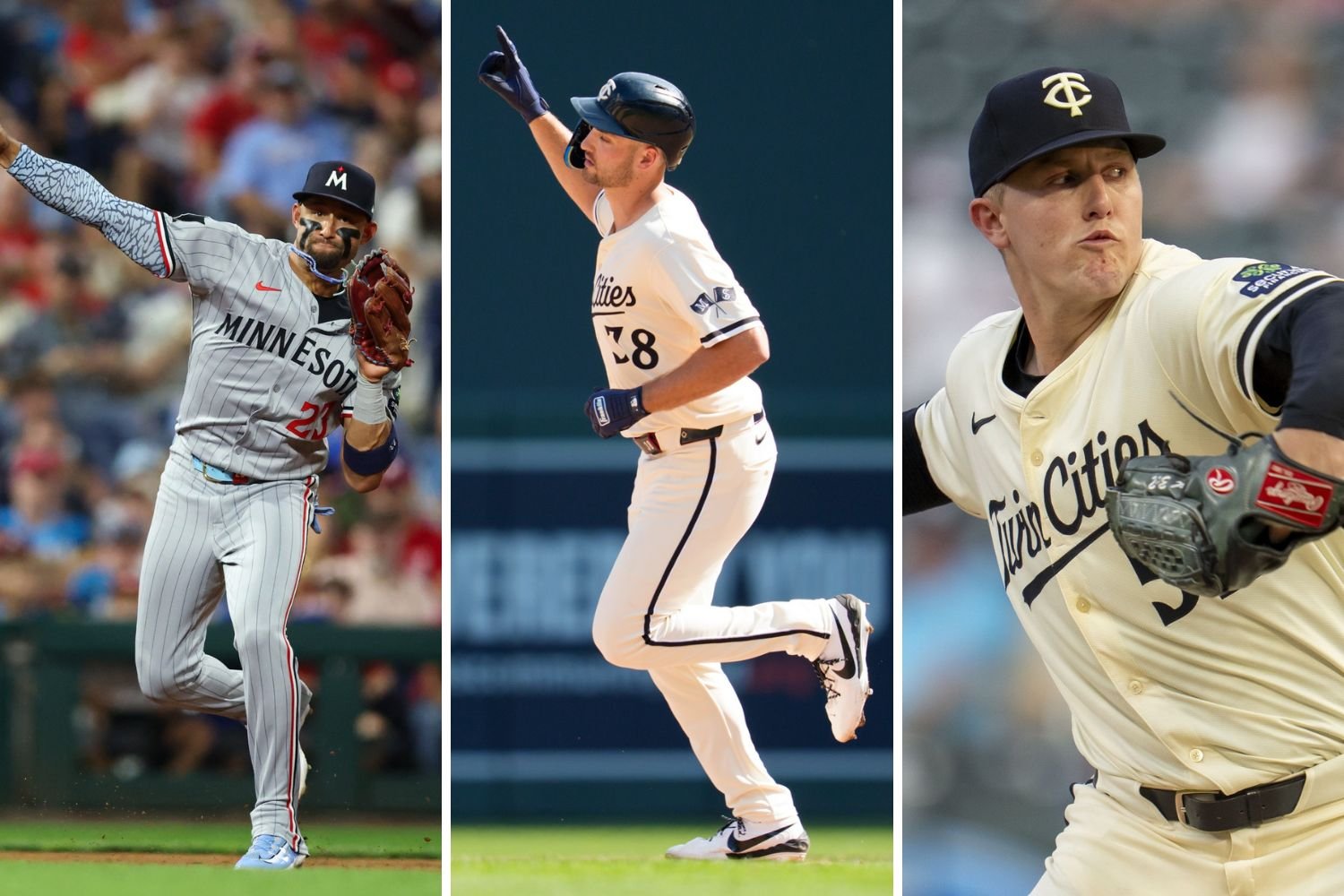 Here at the start of 2026, we're taking stock of talent in the Twins organization by ranking their top 20 player assets. You can read the ground rules in our introductory post from Monday, but the short version is this: We're trying to answer the question, "Which current players in the organization are most indispensable to fulfilling the vision of building a champion?" You can catch up on my picks for #16 through #20 in that post, but here's a quick glance at the list so far: 20. Marek Houston, SS 19. Ryan Jeffers, C 18. Brooks Lee, SS 17. Bailey Ober, RHP 16. Connor Prielipp, LHP Now let's keep the countdown moving as we break down the next five in my rankings The Top 20 Twins Player Assets of 2026: 11-15 15. David Festa, RHP Age: 25 Controlled through: 2030 2025 Ranking: 9 In 2024, Festa channeled his rapid minor-league ascent into an encouraging major-league debut, posting a 3.76 FIP with 77 strikeouts in 64 innings. But coming out of 2025, question marks loom large for the right-hander, causing a moderate drop in these rankings even as his ability and upside keep him firmly on the list of potential difference-makers. Festa battled on-and-off shoulder issues throughout the season before ultimately being diagnosed with thoracic outlet syndrome. While that's a scary phrase for any pitcher, there's a healthy optimism around the outlook for Festa, who didn't require surgery. It sounds like he's feeling better after resting up and is expected to be at full strength for spring training. Even while taking a step back in 2025, Festa showed the qualities of a standout, limiting opponents to a .240 batting average while averaging a strikeout per inning. Given the injury hiccups and the makeup of Minnesota's pitching personnel, I wouldn't be surprised if Festa transitions to the bullpen sooner than later, but there's a little question he could be a dominant force in the late innings. 14. Eduardo Tait, C Age: 19 Controlled through: 2031+ 2025 Ranking: NR It's tough to rank a player like this. Tait is still a teenager and hasn't played above Single-A. He has a long way to go and the flameout rate on this player type is high. But when the Twins made Tait a central part of their Jhoan Duran trade, they were investing in him as their future at catcher, and with valid reason. Tait was widely viewed as a top-100 prospect entering 2025. He more than held his own at 18 and 19 against advanced Single-A pitching and his catching skills are considered legit. Tait is still probably several years away from being an MLB regular if all goes well, but he's on the right track and if he emerges as a quality backstop in the big leagues this move will be a big win for the Twins. 13. Royce Lewis, 3B Age: 26 Controlled through: 2028 2025 Ranking: 2 In terms of what he can be, Lewis remains one of the very top players in the Twins organization. But we have to rank him based on what he is. And unfortunately the 2025 season only reinforced the third baseman's fade from upper-echelon stardom into mediocrity. He slumped frequently on the way to a career-worst .671 OPS, lamenting a swing that felt "horrible" while futilely grasping for answers. On the bright side, it was also the healthiest season of his career, in terms of both games played and how he looked visually down the stretch, stealing bases aggressively and making spritely plays at third. That seems to bode well as Lewis enters a pivotal 2026 season. The Twins are doing everything they can to remove his barriers (real or perceived) and set him up for success. I started putting these rankings together in 2018, the year after Lewis was drafted number one overall. In the eight annual lists I've compiled, he has never been outside of the top five, until now. Hopefully it'll prove to be an outlier in the larger story of his career, but it's hard to justify putting him any higher at this moment in time, especially as his salary starts ticking up in arbitration. Then again, knowing what he's capable of and what his resurgence would mean for this franchise, how could I rank him any lower? 12. Matt Wallner, OF Age: 28 Controlled through: 2029 2025 Ranking: 8 The 2025 season was Wallner's worst as a major-leaguer, but it was still ... pretty solid. That's the kind of floor you're working with when you've got power and patience like his. He posted a 110 OPS+ and ranked sixth among Twins position players in fWAR at 1.4. If it's a bump in the road, no problem, but if it's Wallner's new norm, he's not going to be a terribly valuable player going forward. There are some troubling signs — pitchers increasingly blowing him away up in the zone as his defense trends downward — but Wallner's core strengths should not be overlooked or downplayed. There are very few players who hit the ball as hard, and few hitters who've been more productive in general since he arrived in the majors. 11. Zebby Matthews, RHP Age: 25 Controlled through: 2030 2025 Ranking: 13 Good young starting pitchers with team control are inherently among of the most valuable assets in baseball, treasured by teams across the league. There's a reason why the Twins front office has focused so heavily on developing this particular type of player, and why they targeted several in their sell-off a the trade deadline. Matthews is shaping up as one of their biggest success stories, though he's yet to fully turn the corner. A spectacular run in the minors has led to a rocky introduction at the big-league level, where Matthews has a 5.92 ERA in 117 innings with too many home runs allowed. But he's also got a 131-to-35 K/BB ratio powered by a mid-90s fastball and sharp secondaries. Matthews needs to prove his shoulder can hold up and needs to unlock consistency in his performance on the mound, but if he can pull it together in 2026 he'll likely vault into the top five on these rankings. If that doesn't click in, a reliever transition could be in the cards sooner than later. What are your thoughts on the rankings so far? Which of these players do you think will be most important to the team's outlook? Should any of these five have cracked the top 10? Let us know in the comments, and check back in tomorrow when we count down 10 through six.
- 16 comments
-
- 5
-

-
- david festa
- eduardo tait
- (and 3 more)
-
It's meant to be a blend of near-term and long-term. I put a little extra weight in the near future but I try to basically look at it from a 5-year view. Comparing the value of someone like Jeffers vs someone like Marek is challenging through this lens but it's what I find interesting.
- 29 replies
-
- 3
-
-
- marek houston
- bailey ober
- (and 3 more)
-
Image courtesy of Jesse Johnson, Eric Hartline, Matt Krohn-Imagn Images Dating back to 2018, I've created these rankings every year in early January. The idea is to take stock of talent throughout the Twins organization to understand what the front office has to work with, and to contextualize how their best players fit in — either as building blocks or trade candidates. In essence, we're trying to answer the question, "Which current players in the organization are most indispensable to fulfilling the vision of building a champion?" We account for age, contract, controllability, upside, etc. It's not exactly a ranking of trade value, because that would be more team-agnostic, whereas this list aims to capture a very Twins-specific point of view. As such, players at areas of scarcity (i.e. shortstop) get elevated, while those at areas of abundance (i.e. lefty-hitting corner outfielders) get downgraded a bit. Going back through the lists year by year (linked below) provides a progressive glimpse into Minnesota's evolving talent landscape. We've seen players rise and fall. We've seen some young players fulfill their promise while others have fallen far short. Putting together the rankings this year, in the aftermath of a major talent overhaul at the trade deadline, has proven to be fascinating. One thing to note up-front is that despite the big purge, the Twins actually didn't trade any of the players who we viewed as most being their most essential (yet). Although Griffin Jax, Jhoan Duran and Carlos Correa were among the team's best players, the first two are relievers and the second is a 30-year-old underperformer on a huge contract, which are big detractors in this analysis. They ranked 10th, 12th and 18th respectively on last year's list. You can review that list, plus the previous seven, below. From there we'll kick off our 2026 list with a look at the players I chose to rank 16th through 20th. Past organizational rankings: Top 20 Minnesota Twins Player Assets of 2025 Top 20 Minnesota Twins Player Assets of 2024 Top 20 Minnesota Twins Player Assets of 2023 Top 20 Minnesota Twins Player Assets of 2022 Top 20 Minnesota Twins Player Assets of 2021 Top 20 Minnesota Twins Player Assets of 2020 Top 20 Minnesota Twins Player Assets of 2019 Top 20 Minnesota Twins Player Assets of 2018 Okay, now let's dive into the 20 Twins players and prospects who are — in my humble opinion — most critical to making this rebuild effort a success, starting with their top draft pick from this past season. The Top 20 Twins Player Assets of 2026: 16-20 20. Marek Houston, SS Age: 21 Controlled through: 2031+ 2025 Ranking: NR When the Twins traded Correa and his contract at the deadline, they committed to a new future course at shortstop. Right now it's not clear exactly how that course will take shape, at least long-term, which is one of the biggest question marks surrounding the team's outlook. In terms of pure ability to play the position, Houston is pretty much unparalleled in the organization. His glove was his ticket to being selected in the mid-first round. Many evaluators believe he could play shortstop defensively in the majors right now. Hitting is where the developmental challenge lies for the Wake Forest product. He held his own at two levels of Single-A, batting .270 in 24 games after being drafted, but posted a .680 OPS with no power. Currently he projects as a light-hitting defensive specialist. That can play at short, but his ceiling will be capped unless he can turn a big corner at the plate. 19. Ryan Jeffers, C Age: 28 Controlled through: 2026 2025 Ranking: 11 Jeffers is on the opposite end of the spectrum from Houston: his value is all tied up in the short-term, but he is proven and essential. The Twins replaced Christian Vazquez with Alex Jackson, leaving Jeffers as the only catcher in the organization with a modicum of hitting ability or track record as a starter. Although his production has been unspectacular the past couple years, Jeffers remains a high-end offensive player at the position: Since 2023 his .772 OPS ranks fifth in the majors among catchers with 1,000+ plate appearances. His defense has declined, detracting from his overall value, but Jeffers is so far-and-away the team's best all-around catching option for the immediate future that losing him would feel like a complete white flag for 2026. There aren't many other players you can singularly say that about. 18. Brooks Lee, SS Age: 24 Controlled through: 2030 2025 Ranking: 6 I want to believe. He just hasn't given us much concrete reason up to this point. Lee's 12-spot drop in the rankings from last year reflects an extremely discouraging first full season in the majors. The production was lackluster and the underlying metrics were uninspiring. Lee has physical limitations — speed and arm strength chief among them — and has shown no capability of offsetting them in the majors. At the same time, he's 24 years old, and a former top draft pick and top prospect. The book is far from closed on him. Lee has shown occasional bursts of power and he can definitely make contact with consistency. He's a credible shortstop and likely a strong defender at second or third. Those are good ingredients to build around. But his overall game is trending the wrong way. 17. Bailey Ober, RHP Age: 30 Controlled through: 2027 2025 Ranking: 3 Another free-fall in the rankings from one year ago. The 2025 season saw Ober struggle with mechanics and health, lose precious ticks of velocity, and post an ERA that was 16% below league average. His strikeout rate plummeted and batters teed off for a career-high 30 home runs in just under 150 innings. Now past 30, Ober no longer has youth on his side. What he does have, though, is a superb track record prior to last year. Ober's ERA was above average in each of his first four MLB seasons and he had developed into a legit frontline starter heading into 2025, which is why this list had him ranked as a top-three organizational asset at the time. His drop-off is alarming in several ways, but we can't dismiss the possibility of a turnaround driven by a velocity uptick or arsenal tweak. 16. Connor Prielipp, LHP Age: 24 Controlled through: 2031+ 2025 Ranking: NR From down-and-out to up-and-coming. Prielipp has yet to make his major-league debut, but it's likely to come this year (maybe even on Opening Day) if he can stay healthy. That's the big hitch: Prielipp originally fell in the draft due to concerns over his health, which have been validated. He's thrown only 113 innings in the minors since joining the Twins org in 2022, after logging just 28 official innings in college at Alabama. Prielipp turns 25 in a few days, and hasn't even thrown 85 innings in a season. That puts him on a pretty surefire relief path, which the Twins haven't really shied away from. But in that role, there seems to be little doubt he can be a major difference-maker, with his explosive fastball/slider combo drawing loose comparisons to Josh Hader. If Minnesota is able to field a capable bullpen in 2026, I believe Prielipp will be a big part of the reason. He just needs to stay healthy. How important do you view these five players to the future of the Minnesota Twins? Share your thoughts in the comments, and check back tomorrow to find my picks for 11th through 15th in the rankings. View full article
-
The Top Minnesota Twins Player Assets of 2026: Part 1 (16-20)
Nick Nelson posted an article in Twins
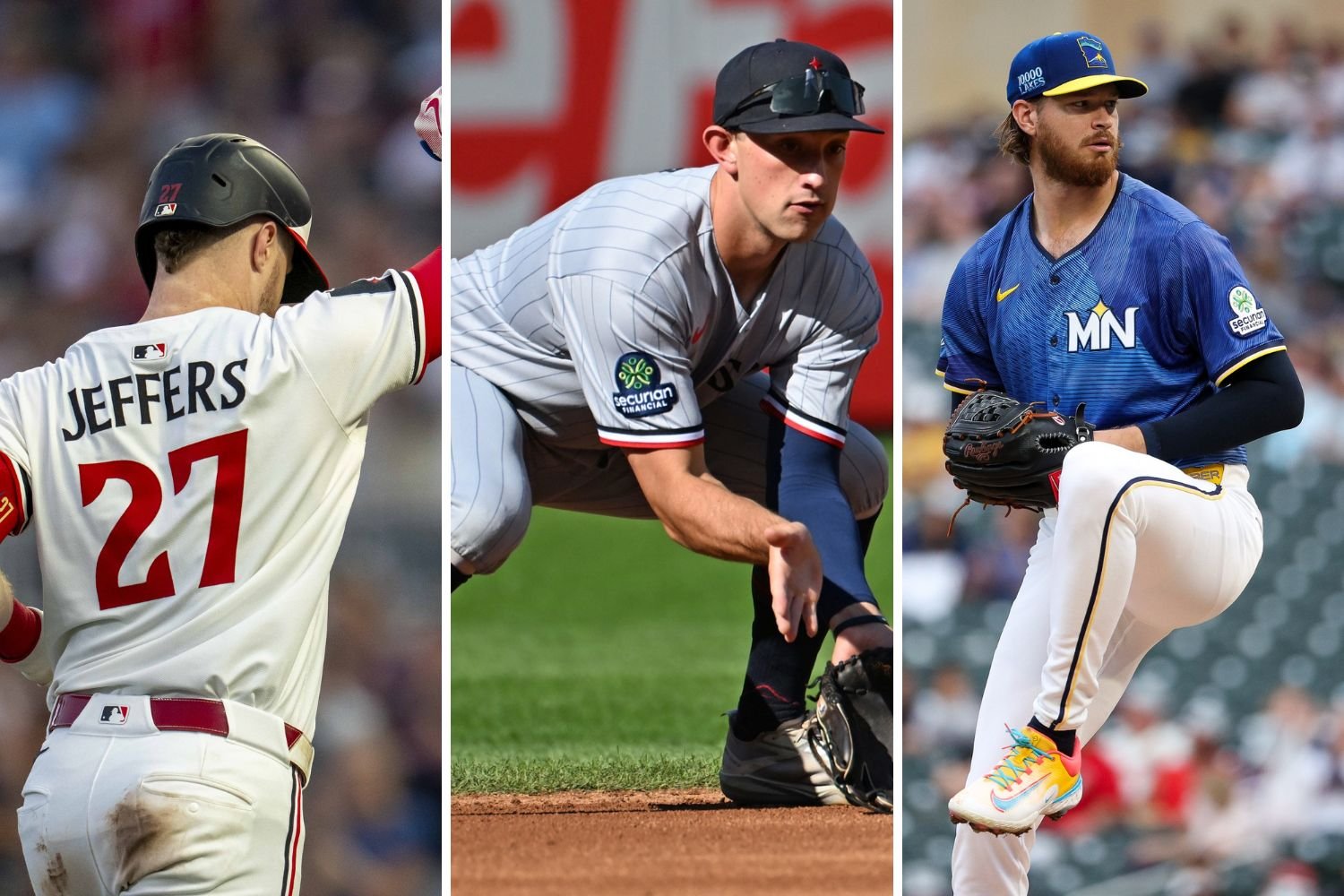 Dating back to 2018, I've created these rankings every year in early January. The idea is to take stock of talent throughout the Twins organization to understand what the front office has to work with, and to contextualize how their best players fit in — either as building blocks or trade candidates. In essence, we're trying to answer the question, "Which current players in the organization are most indispensable to fulfilling the vision of building a champion?" We account for age, contract, controllability, upside, etc. It's not exactly a ranking of trade value, because that would be more team-agnostic, whereas this list aims to capture a very Twins-specific point of view. As such, players at areas of scarcity (i.e. shortstop) get elevated, while those at areas of abundance (i.e. lefty-hitting corner outfielders) get downgraded a bit. Going back through the lists year by year (linked below) provides a progressive glimpse into Minnesota's evolving talent landscape. We've seen players rise and fall. We've seen some young players fulfill their promise while others have fallen far short. Putting together the rankings this year, in the aftermath of a major talent overhaul at the trade deadline, has proven to be fascinating. One thing to note up-front is that despite the big purge, the Twins actually didn't trade any of the players who we viewed as most being their most essential (yet). Although Griffin Jax, Jhoan Duran and Carlos Correa were among the team's best players, the first two are relievers and the second is a 30-year-old underperformer on a huge contract, which are big detractors in this analysis. They ranked 10th, 12th and 18th respectively on last year's list. You can review that list, plus the previous seven, below. From there we'll kick off our 2026 list with a look at the players I chose to rank 16th through 20th. Past organizational rankings: Top 20 Minnesota Twins Player Assets of 2025 Top 20 Minnesota Twins Player Assets of 2024 Top 20 Minnesota Twins Player Assets of 2023 Top 20 Minnesota Twins Player Assets of 2022 Top 20 Minnesota Twins Player Assets of 2021 Top 20 Minnesota Twins Player Assets of 2020 Top 20 Minnesota Twins Player Assets of 2019 Top 20 Minnesota Twins Player Assets of 2018 Okay, now let's dive into the 20 Twins players and prospects who are — in my humble opinion — most critical to making this rebuild effort a success, starting with their top draft pick from this past season. The Top 20 Twins Player Assets of 2026: 16-20 20. Marek Houston, SS Age: 21 Controlled through: 2031+ 2025 Ranking: NR When the Twins traded Correa and his contract at the deadline, they committed to a new future course at shortstop. Right now it's not clear exactly how that course will take shape, at least long-term, which is one of the biggest question marks surrounding the team's outlook. In terms of pure ability to play the position, Houston is pretty much unparalleled in the organization. His glove was his ticket to being selected in the mid-first round. Many evaluators believe he could play shortstop defensively in the majors right now. Hitting is where the developmental challenge lies for the Wake Forest product. He held his own at two levels of Single-A, batting .270 in 24 games after being drafted, but posted a .680 OPS with no power. Currently he projects as a light-hitting defensive specialist. That can play at short, but his ceiling will be capped unless he can turn a big corner at the plate. 19. Ryan Jeffers, C Age: 28 Controlled through: 2026 2025 Ranking: 11 Jeffers is on the opposite end of the spectrum from Houston: his value is all tied up in the short-term, but he is proven and essential. The Twins replaced Christian Vazquez with Alex Jackson, leaving Jeffers as the only catcher in the organization with a modicum of hitting ability or track record as a starter. Although his production has been unspectacular the past couple years, Jeffers remains a high-end offensive player at the position: Since 2023 his .772 OPS ranks fifth in the majors among catchers with 1,000+ plate appearances. His defense has declined, detracting from his overall value, but Jeffers is so far-and-away the team's best all-around catching option for the immediate future that losing him would feel like a complete white flag for 2026. There aren't many other players you can singularly say that about. 18. Brooks Lee, SS Age: 24 Controlled through: 2030 2025 Ranking: 6 I want to believe. He just hasn't given us much concrete reason up to this point. Lee's 12-spot drop in the rankings from last year reflects an extremely discouraging first full season in the majors. The production was lackluster and the underlying metrics were uninspiring. Lee has physical limitations — speed and arm strength chief among them — and has shown no capability of offsetting them in the majors. At the same time, he's 24 years old, and a former top draft pick and top prospect. The book is far from closed on him. Lee has shown occasional bursts of power and he can definitely make contact with consistency. He's a credible shortstop and likely a strong defender at second or third. Those are good ingredients to build around. But his overall game is trending the wrong way. 17. Bailey Ober, RHP Age: 30 Controlled through: 2027 2025 Ranking: 3 Another free-fall in the rankings from one year ago. The 2025 season saw Ober struggle with mechanics and health, lose precious ticks of velocity, and post an ERA that was 16% below league average. His strikeout rate plummeted and batters teed off for a career-high 30 home runs in just under 150 innings. Now past 30, Ober no longer has youth on his side. What he does have, though, is a superb track record prior to last year. Ober's ERA was above average in each of his first four MLB seasons and he had developed into a legit frontline starter heading into 2025, which is why this list had him ranked as a top-three organizational asset at the time. His drop-off is alarming in several ways, but we can't dismiss the possibility of a turnaround driven by a velocity uptick or arsenal tweak. 16. Connor Prielipp, LHP Age: 24 Controlled through: 2031+ 2025 Ranking: NR From down-and-out to up-and-coming. Prielipp has yet to make his major-league debut, but it's likely to come this year (maybe even on Opening Day) if he can stay healthy. That's the big hitch: Prielipp originally fell in the draft due to concerns over his health, which have been validated. He's thrown only 113 innings in the minors since joining the Twins org in 2022, after logging just 28 official innings in college at Alabama. Prielipp turns 25 in a few days, and hasn't even thrown 85 innings in a season. That puts him on a pretty surefire relief path, which the Twins haven't really shied away from. But in that role, there seems to be little doubt he can be a major difference-maker, with his explosive fastball/slider combo drawing loose comparisons to Josh Hader. If Minnesota is able to field a capable bullpen in 2026, I believe Prielipp will be a big part of the reason. He just needs to stay healthy. How important do you view these five players to the future of the Minnesota Twins? Share your thoughts in the comments, and check back tomorrow to find my picks for 11th through 15th in the rankings.
- 29 comments
-
- 3
-
-
- marek houston
- bailey ober
- (and 3 more)
-
Image courtesy of Patrick Gorski-Imagn Images The Minnesota Twins made big news in the past week by signing free agent Josh Bell, and then formally announcing a drastic shakeup to the franchise's ownership structure. Outside of that, however, it's been fairly quiet on the offseason front. Most notably, the club has yet to take serious action on its most clear and pressing need: the bullpen. Cole Sands, coming off a disappointing season, is accompanied by Justin Topa as the only veteran relievers in the mix. Kody Funderburk seems likely to return. Outside of that, the Twins entered this winter with essentially an open slate. They acquired Eric Orze, coming off a solid age-27 rookie season with the Rays, in a low-wattage trade. He's lined up for a spot. More recently, Minnesota brought in two right-handers with major-league experience on minor-league deals: Grant Hartwig and Dan Altavilla. It's easy to see why fringy free agents like these would be drawn here. Aside from the four aforementioned names — who are all shaky in their own ways — there's nothing standing in the way of major-league bullpen spots other than the likes of Travis Adams, Pierson Ohl, John Klein, Marco Raya and Connor Prielipp. I'm sure the Twins are planning on turning to all of those guys at some point, but there's no need to feel compelled to rush any of them. In many cases, these young pitchers could stand to get some true relief experience in the minors after largely working in starting or hybrid roles in the past. Yeah, the Twins will probably add a more established reliever or two via signing or trade, but I doubt they'll go much beyond that in terms of MLB contracts. Investing heavily in the bullpen would clash with the philosophies this front office has held strong to, and also, incoming ownership figurehead Tom Pohlad made clear that big spending is not in the cards. Plus most of the top free-agent relievers are off the market already. Flexibility is going to be the point. I don't want to paint it as a good thing that the Twins are so short on dependable, proven major-league relievers. It's not. But there are some advantages in creating this stage of opportunity. We've seen plenty of instances where the Twins had an exceptional relief pitcher in hand — Jeff Hoffman, Yennier Cano, Ronny Henriquez — only to let him slip away because they couldn't afford the patience to stick with him through struggles, or to give him innings ahead of more accomplished arms. That's not going to be much of an impediment in 2026. The Twins will take an experimental approach and hope it yields success stories that actually take root here instead of elsewhere. But again, this comes with major downsides from a perspective of short-term competitiveness. While the trial-by-fire formula can eventually lead to a high-quality, cost-efficient relief corps, it is pollyannaish to believe that's going to take hold immediately. For every Hoffman, Cano and Henriquez, there are many more borderline pitchers with hints of upside who flop and never figure it out. The Twins had to go through many misfires to land on the deep, methodically developed bullpen that they unloaded at last year's deadline. On their way to figuring out what works in a completely reinvented unit, we're going to have to endure some pain. Any baseball fan knows how much a terrible bullpen can sabotage the fortunes of an otherwise capable team. That's the big paradox facing the Twins, and as Tom Pohlad framed it more broadly, "the needle we're trying to thread this year." I have no expectation that the Twins will be terribly ambitious in adding to their bullpen over the remainder of the offseason, but I'm eager to see how creative they can get. One way or another, it should be an adventure. View full article
-
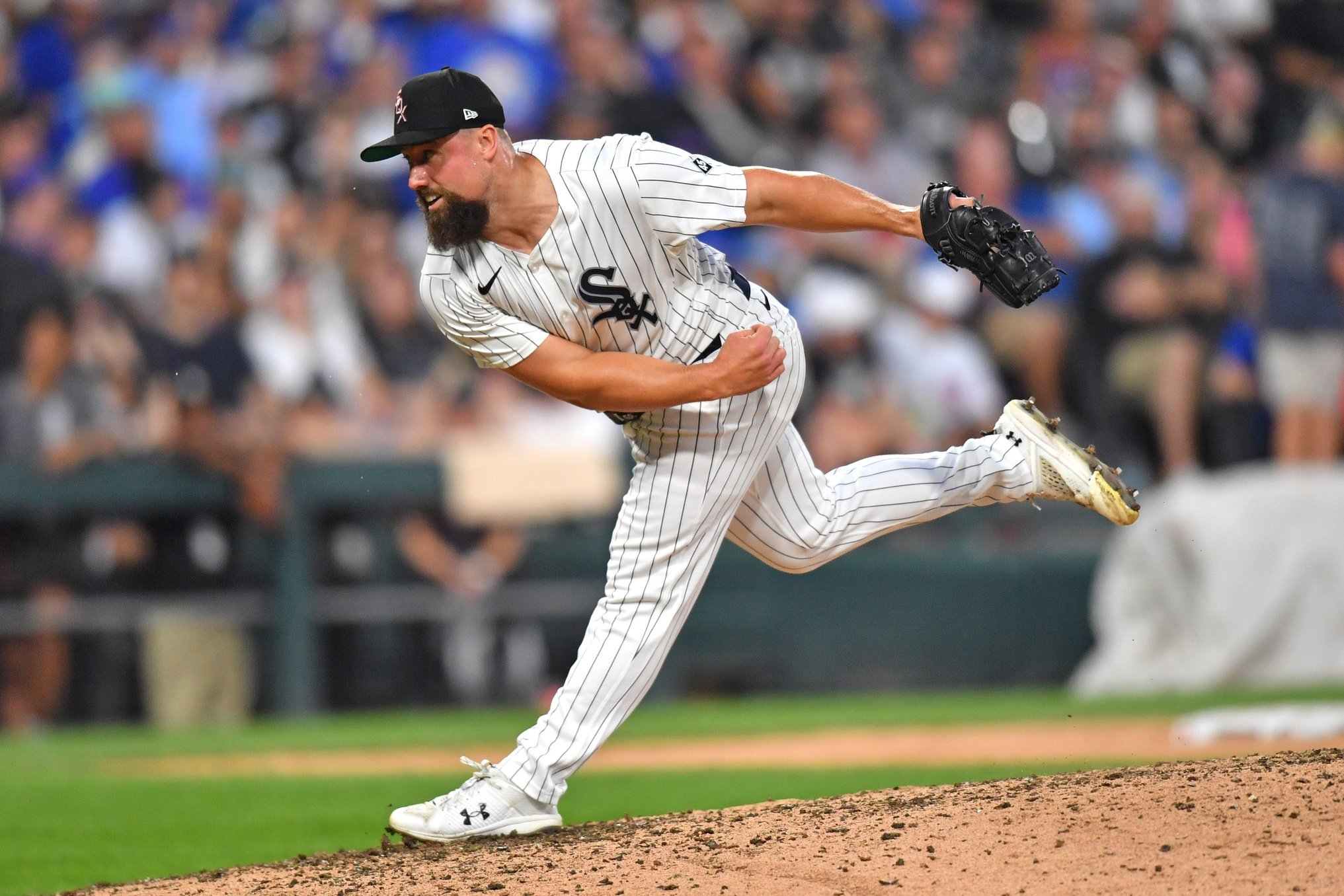 The Minnesota Twins made big news in the past week by signing free agent Josh Bell, and then formally announcing a drastic shakeup to the franchise's ownership structure. Outside of that, however, it's been fairly quiet on the offseason front. Most notably, the club has yet to take serious action on its most clear and pressing need: the bullpen. Cole Sands, coming off a disappointing season, is accompanied by Justin Topa as the only veteran relievers in the mix. Kody Funderburk seems likely to return. Outside of that, the Twins entered this winter with essentially an open slate. They acquired Eric Orze, coming off a solid age-27 rookie season with the Rays, in a low-wattage trade. He's lined up for a spot. More recently, Minnesota brought in two right-handers with major-league experience on minor-league deals: Grant Hartwig and Dan Altavilla. It's easy to see why fringy free agents like these would be drawn here. Aside from the four aforementioned names — who are all shaky in their own ways — there's nothing standing in the way of major-league bullpen spots other than the likes of Travis Adams, Pierson Ohl, John Klein, Marco Raya and Connor Prielipp. I'm sure the Twins are planning on turning to all of those guys at some point, but there's no need to feel compelled to rush any of them. In many cases, these young pitchers could stand to get some true relief experience in the minors after largely working in starting or hybrid roles in the past. Yeah, the Twins will probably add a more established reliever or two via signing or trade, but I doubt they'll go much beyond that in terms of MLB contracts. Investing heavily in the bullpen would clash with the philosophies this front office has held strong to, and also, incoming ownership figurehead Tom Pohlad made clear that big spending is not in the cards. Plus most of the top free-agent relievers are off the market already. Flexibility is going to be the point. I don't want to paint it as a good thing that the Twins are so short on dependable, proven major-league relievers. It's not. But there are some advantages in creating this stage of opportunity. We've seen plenty of instances where the Twins had an exceptional relief pitcher in hand — Jeff Hoffman, Yennier Cano, Ronny Henriquez — only to let him slip away because they couldn't afford the patience to stick with him through struggles, or to give him innings ahead of more accomplished arms. That's not going to be much of an impediment in 2026. The Twins will take an experimental approach and hope it yields success stories that actually take root here instead of elsewhere. But again, this comes with major downsides from a perspective of short-term competitiveness. While the trial-by-fire formula can eventually lead to a high-quality, cost-efficient relief corps, it is pollyannaish to believe that's going to take hold immediately. For every Hoffman, Cano and Henriquez, there are many more borderline pitchers with hints of upside who flop and never figure it out. The Twins had to go through many misfires to land on the deep, methodically developed bullpen that they unloaded at last year's deadline. On their way to figuring out what works in a completely reinvented unit, we're going to have to endure some pain. Any baseball fan knows how much a terrible bullpen can sabotage the fortunes of an otherwise capable team. That's the big paradox facing the Twins, and as Tom Pohlad framed it more broadly, "the needle we're trying to thread this year." I have no expectation that the Twins will be terribly ambitious in adding to their bullpen over the remainder of the offseason, but I'm eager to see how creative they can get. One way or another, it should be an adventure.
- 37 comments
-
- 9
-
-

-
- grant hartwig
- dan altavilla
- (and 1 more)
-
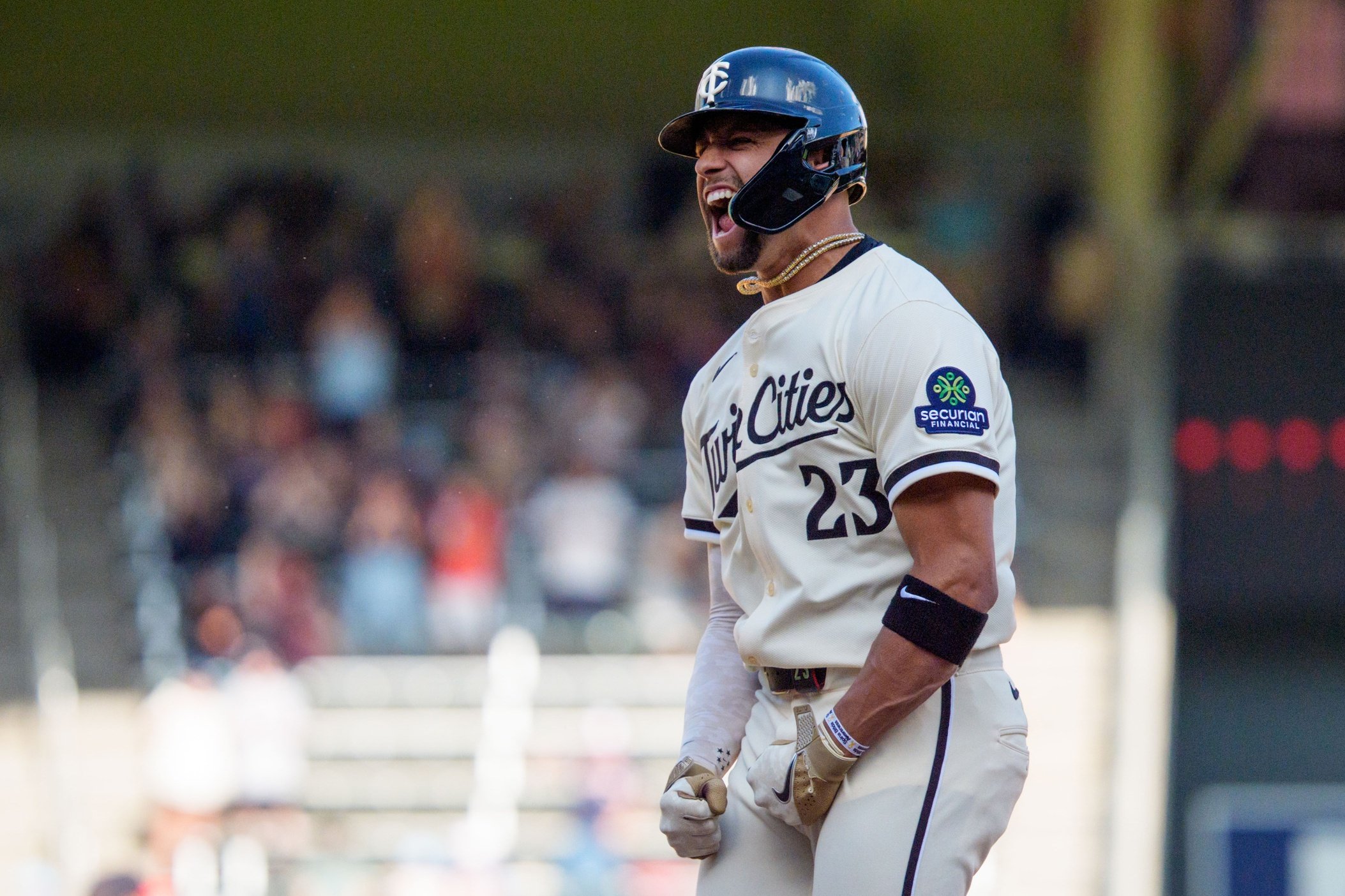 The Twins seem to be intent on trying to win in 2026 versus leaning further into a rebuild and kicking the competitive can down the road. There are good arguments against this course of action, but one of the best in its favor is the presence of Royce Lewis. The former #1 overall pick is 26 years old, in the heart of his prime window, and under team control for three more years. In the past he has looked like a worthy centerpiece for a championship-contending club. Not so much lately. But that ability is in there, and unlocking it again seems to be a guiding focus for the Twins. Making the managerial switch from Rocco Baldelli to his stylistically-similar former bench coach Derek Shelton was driven by a desire to bring in a fresh voice — for the team and, quite specifically I think, for Lewis. It's no coincidence that Shelton went out of his way to visit the third baseman in Texas shortly after being hired. Here, Shelton is taking a page straight out of his predecessor's playbook. When he was first hired back in 2018, Baldelli made personal trips to visit Miguel Sanó in the Dominican Republic and Byron Buxton in Georgia, seeking to build initial rapport with players that he knew would be instrumental to the team's (and thus his) success. At the time, circumstances were somewhat similar. The Twins were coming off a disappointing season, which was a nightmare for both of the ascending young stars and former top prospects. Buxton, 24, was besieged by injuries and played horribly when on the field (.383 OPS in 94 PA). Sanó, 25, struggled so much that he was demoted from the majors to Single-A in the middle of the season for a reset. Fans were questioning whether these highly-touted talents were the real deal. Great examples of the nonlinear path that baseball development often takes. The 2018 seasons of Sanó and Buxton are stark reminders of why no one should be giving up on Lewis after a tumultuous run in his mid-20s. In 2019, Baldelli's first venture as manager, both rebounded as key contributors in a 101-win campaign, and while Sanó has since fallen off, Buxton channeled that breakthrough into becoming a true upper-echelon big-leaguer. The Twins are surely hoping for something similar to transpire in the coming year. Lewis has the talent to help spearhead a turnaround. We've seen what he's capable of on the biggest stage. The front office seems to be doing everything in its power to placate him and rebuild his shattered confidence. Lewis complained in 2024 about highly-paid veterans being held to a different standard. One year later, Carlos Correa was gone. More recently Lewis has made comments about not feeling valued or important in the clubhouse. And now Baldelli is gone, replaced by a manager who made a point of immediately visiting Lewis with a message of support and belief. There will be other fresh voices in Lewis's ear as well. A new hitting coach in Keith Beauregard who's helped other stalling top prospects (e.g. Spencer Torkelson) get over the hump in Detroit. A new bench coach in Mark Hallberg who brings unique perspective from his fascinating background. And a familiar face on the coaching staff in Toby Gardenhire, who managed Lewis in the minors. If the Twins are serious about competing in 2026, rebooting Royce Lewis is priority number one. The roster, the coaching overhaul, and even the managerial hire all point to an organization betting that Lewis’s best version is still ahead of him, not behind. It's a bet they almost have to make, given his lack of trade value. Development is rarely linear, and the Twins have already lived through what a well-timed reset can unlock. Whether this approach ultimately works will define the next phase of the franchise, but one thing is clear: everything the Twins are doing right now flows through Royce Lewis. If he reawakens, so do they
- 34 comments
-
- 9
-
-
- royce lewis
- byron buxton
- (and 1 more)
-
Image courtesy of Matt Blewett-Imagn Images The Twins seem to be intent on trying to win in 2026 versus leaning further into a rebuild and kicking the competitive can down the road. There are good arguments against this course of action, but one of the best in its favor is the presence of Royce Lewis. The former #1 overall pick is 26 years old, in the heart of his prime window, and under team control for three more years. In the past he has looked like a worthy centerpiece for a championship-contending club. Not so much lately. But that ability is in there, and unlocking it again seems to be a guiding focus for the Twins. Making the managerial switch from Rocco Baldelli to his stylistically-similar former bench coach Derek Shelton was driven by a desire to bring in a fresh voice — for the team and, quite specifically I think, for Lewis. It's no coincidence that Shelton went out of his way to visit the third baseman in Texas shortly after being hired. Here, Shelton is taking a page straight out of his predecessor's playbook. When he was first hired back in 2018, Baldelli made personal trips to visit Miguel Sanó in the Dominican Republic and Byron Buxton in Georgia, seeking to build initial rapport with players that he knew would be instrumental to the team's (and thus his) success. At the time, circumstances were somewhat similar. The Twins were coming off a disappointing season, which was a nightmare for both of the ascending young stars and former top prospects. Buxton, 24, was besieged by injuries and played horribly when on the field (.383 OPS in 94 PA). Sanó, 25, struggled so much that he was demoted from the majors to Single-A in the middle of the season for a reset. Fans were questioning whether these highly-touted talents were the real deal. Great examples of the nonlinear path that baseball development often takes. The 2018 seasons of Sanó and Buxton are stark reminders of why no one should be giving up on Lewis after a tumultuous run in his mid-20s. In 2019, Baldelli's first venture as manager, both rebounded as key contributors in a 101-win campaign, and while Sanó has since fallen off, Buxton channeled that breakthrough into becoming a true upper-echelon big-leaguer. The Twins are surely hoping for something similar to transpire in the coming year. Lewis has the talent to help spearhead a turnaround. We've seen what he's capable of on the biggest stage. The front office seems to be doing everything in its power to placate him and rebuild his shattered confidence. Lewis complained in 2024 about highly-paid veterans being held to a different standard. One year later, Carlos Correa was gone. More recently Lewis has made comments about not feeling valued or important in the clubhouse. And now Baldelli is gone, replaced by a manager who made a point of immediately visiting Lewis with a message of support and belief. There will be other fresh voices in Lewis's ear as well. A new hitting coach in Keith Beauregard who's helped other stalling top prospects (e.g. Spencer Torkelson) get over the hump in Detroit. A new bench coach in Mark Hallberg who brings unique perspective from his fascinating background. And a familiar face on the coaching staff in Toby Gardenhire, who managed Lewis in the minors. If the Twins are serious about competing in 2026, rebooting Royce Lewis is priority number one. The roster, the coaching overhaul, and even the managerial hire all point to an organization betting that Lewis’s best version is still ahead of him, not behind. It's a bet they almost have to make, given his lack of trade value. Development is rarely linear, and the Twins have already lived through what a well-timed reset can unlock. Whether this approach ultimately works will define the next phase of the franchise, but one thing is clear: everything the Twins are doing right now flows through Royce Lewis. If he reawakens, so do they View full article
-
Right, that's the point made under the third header in the article. If you buy into the framing from these projections, then it's going to be all the more irritating to watch a bunch of similarly talented teams blast past the Twins by making moves this offseason while MN stands pat or subtracts.
- 118 replies
-
- 1
-
-
- byron buxton
- pablo lopez
- (and 1 more)
-
Jax and Duran are two of the biggest reliever transition success stories in recent franchise history. They both arrived in the bullpen in 2022 and were immediately good. But you know what? That Twins bullpen was still below-average overall. This is the problem. Even if the Twins mega-hit on a couple of guys (Prielipp and Festa?) they still have so many innings to fill, and you know some of the transitions or low-wattage pickups are going to flop. If they'd kept just ONE of their core guys from last year I'd feel a lot better. Naming Henriquez is interesting since he's one of many examples of guys who couldn't get it to click until they left here.
- 118 replies
-
- 7
-
-
- byron buxton
- pablo lopez
- (and 1 more)
-
I think we all understand that this is what the Twins are trying to do. Assuming they can just snap their fingers and materialize a bullpen out of thin air after trading all the relievers they'd developed through this approach is the problem. To the extent that any team would be able to do so, Minnesota has not proven to have the chops of an org like Tampa or Cleveland in that regard. I can definitely envision the Twins eventually developing a solid bullpen through this method. But in 2026? Massive stretch. The Twins don't have a Jhoan Duran caliber arm in their organization right now. Also, they traded for him in 2018 and it took 4 years for him to reach the majors. This is the issue I'm talking about, it seems like there is a complete lack of realism with timelines and track record when people talk aspirationally about building a relief corps.
- 118 replies
-
- 9
-
-
- byron buxton
- pablo lopez
- (and 1 more)
-
What to Make of the Minnesota Twins' 82-Win Projection from FanGraphs?
Nick Nelson posted an article in Twins
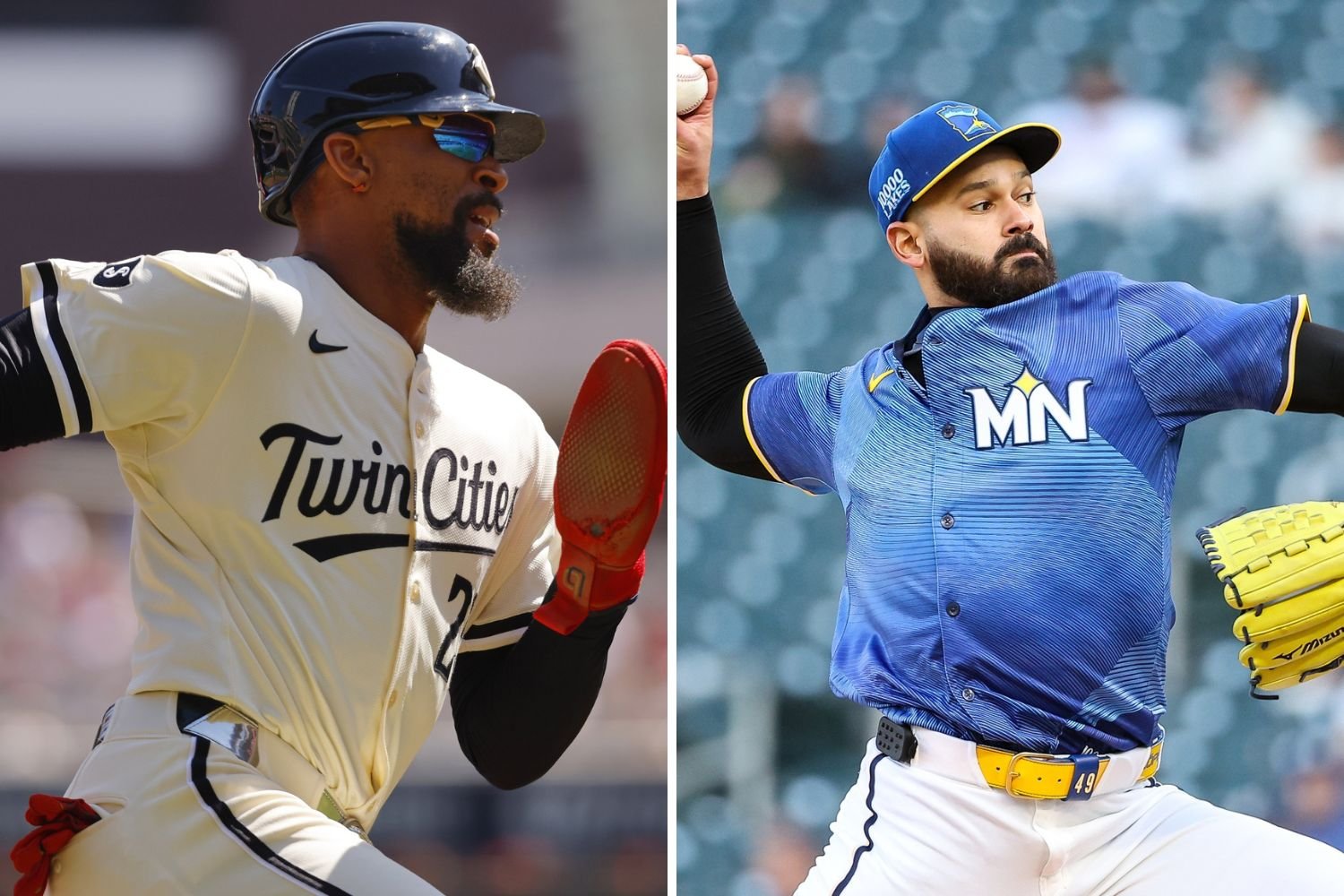 A couple weeks ago, Jake Mailhot of FanGraphs presented the site's very preliminary power rankings for the 2026 MLB season, using "an elegant ranking format that measures teams’ relative strength and is very reactive to recent performance." The idea was to provide a benchmark on where each roster stands heading into the most active stretch of the offseason. Many Twins fans (including myself) were downright shocked to see Minnesota ranked 12th on the list with a projected record of 82-80. Obviously that's nothing to write home about, but it's roughly 10 rankings slots and 10 wins higher than I have set my own expectations personally. "Fringe playoff contender" feels a lot more like a best-case scenario to me than a median outcome. But maybe I'm being too harsh? To be clear, these types of predictive forecasts and rankings aren't necessarily all that meaningful. The Twins have repeatedly fallen short of their projections from FanGraphs, including by an MLB-high 14 wins this past season. But, as Aaron Gleeman notes at The Athletic, these projections can "provide useful league-wide and narrative-free context" when assessing the club's relative strength. In other words, objective data like this can help us get out of our own heads. So let's take a closer look. Why does a system like this one view the Twins more favorably than many fans might? And further, if we treat the premise as valid — that Minnesota enters this offseason as a .500-ish team with room to grow — how much should that insight guide the front office's approach? A proven talent nucleus remains in place (for now) I find it easy to get lost in the disposable assets littering the Twins' 40-man roster, and the massive question marks surrounding guys like Royce Lewis and Brooks Lee. But what this FanGraphs ranking really brings to light is the value of Minnesota's remaining contingent of established star talent. Few other teams can boast a core trio matching the caliber of Byron Buxton, Pablo Lopez and Joe Ryan. It helps to have your best players at positions like center field and starting pitcher, where impact is maximized. Of course, all three have seen their names bandied about in trade rumors. The concentration of projected value in these players alone underscores how much the team's fortunes will be affected if they deal one or more — presuming they aren't getting back similar present-day value, which is a tough needle to thread. ESPN's own projections view the Twins a bit less favorably, but still not terribly, at 17th in the majors. "If the Twins' roster trends even younger and cheaper," writes Bradford Doolittle, "this ranking will tumble accordingly." Projections are more about form than function Does a model like FanGraphs account specifically for the fact that the Twins currently have no viable late-inning relievers? Not really. It just sees an overall pitching staff that is undeniably deep on quality, and assumes the logistics will work themselves out. In real life, we know it's not that simple. You're just not going to win without at least a decent bullpen and right now that's the most difficult gap to envision getting filled. The Twins have so many late-game roles to address and so little to work with. Even if you assume a couple of immediately successful starter transitions, and a bounce-back year from Cole Sands, the Twins are still probably short of a dependable all-around unit. Similarly, projection systems that are looking at raw performance forecasts might not account for the challenges posed by an overabundance of left-handed hitting corner outfielders. But maybe this example poses an opportunity: flipping one of their redundant bats for relief help from other rosters. There's work to be done In the power rankings from FanGraphs, the Twins were listed above several larger market teams — Rangers, Cubs, Orioles, Astros, Giants, etc. — that are very likely to leapfrog them through a more aggressive course of action this offseason. Unless the Twins surprise us by focusing more on adding that subtracting, they're bound to fall behind in the hot-stove reshuffle. Admittedly I've found myself wondering whether it even makes sense to push much, given all they lost at the deadline last year and all the structural issues plaguing this roster. If the ESPN ranking (17th) is more accurate than the FanGraphs ranking (12th), is it even logical to try and keep pace with the lower-middle of the pack versus blowing it all up and supplementing the farm for future efforts? These are the weighty questions hanging over the Twins and their front office as the Winter Meetings get rolling and the offseason action accelerates. Up to this point there has been little indication that Minnesota intends to lean into a competitive approach, aside from what Derek Falvey has positioned as wishful thinking at the mercy of ownership. But if you put any stock into the projection system from FanGraphs, it's possible the Twins don't have THAT much work to do in order to become a credible threat in 2026.
- 118 comments
-
- 3
-
-
- byron buxton
- pablo lopez
- (and 1 more)
-
Image courtesy of Bruce Kluckhohn, Matt Krohn-Imagn Images A couple weeks ago, Jake Mailhot of FanGraphs presented the site's very preliminary power rankings for the 2026 MLB season, using "an elegant ranking format that measures teams’ relative strength and is very reactive to recent performance." The idea was to provide a benchmark on where each roster stands heading into the most active stretch of the offseason. Many Twins fans (including myself) were downright shocked to see Minnesota ranked 12th on the list with a projected record of 82-80. Obviously that's nothing to write home about, but it's roughly 10 rankings slots and 10 wins higher than I have set my own expectations personally. "Fringe playoff contender" feels a lot more like a best-case scenario to me than a median outcome. But maybe I'm being too harsh? To be clear, these types of predictive forecasts and rankings aren't necessarily all that meaningful. The Twins have repeatedly fallen short of their projections from FanGraphs, including by an MLB-high 14 wins this past season. But, as Aaron Gleeman notes at The Athletic, these projections can "provide useful league-wide and narrative-free context" when assessing the club's relative strength. In other words, objective data like this can help us get out of our own heads. So let's take a closer look. Why does a system like this one view the Twins more favorably than many fans might? And further, if we treat the premise as valid — that Minnesota enters this offseason as a .500-ish team with room to grow — how much should that insight guide the front office's approach? A proven talent nucleus remains in place (for now) I find it easy to get lost in the disposable assets littering the Twins' 40-man roster, and the massive question marks surrounding guys like Royce Lewis and Brooks Lee. But what this FanGraphs ranking really brings to light is the value of Minnesota's remaining contingent of established star talent. Few other teams can boast a core trio matching the caliber of Byron Buxton, Pablo Lopez and Joe Ryan. It helps to have your best players at positions like center field and starting pitcher, where impact is maximized. Of course, all three have seen their names bandied about in trade rumors. The concentration of projected value in these players alone underscores how much the team's fortunes will be affected if they deal one or more — presuming they aren't getting back similar present-day value, which is a tough needle to thread. ESPN's own projections view the Twins a bit less favorably, but still not terribly, at 17th in the majors. "If the Twins' roster trends even younger and cheaper," writes Bradford Doolittle, "this ranking will tumble accordingly." Projections are more about form than function Does a model like FanGraphs account specifically for the fact that the Twins currently have no viable late-inning relievers? Not really. It just sees an overall pitching staff that is undeniably deep on quality, and assumes the logistics will work themselves out. In real life, we know it's not that simple. You're just not going to win without at least a decent bullpen and right now that's the most difficult gap to envision getting filled. The Twins have so many late-game roles to address and so little to work with. Even if you assume a couple of immediately successful starter transitions, and a bounce-back year from Cole Sands, the Twins are still probably short of a dependable all-around unit. Similarly, projection systems that are looking at raw performance forecasts might not account for the challenges posed by an overabundance of left-handed hitting corner outfielders. But maybe this example poses an opportunity: flipping one of their redundant bats for relief help from other rosters. There's work to be done In the power rankings from FanGraphs, the Twins were listed above several larger market teams — Rangers, Cubs, Orioles, Astros, Giants, etc. — that are very likely to leapfrog them through a more aggressive course of action this offseason. Unless the Twins surprise us by focusing more on adding that subtracting, they're bound to fall behind in the hot-stove reshuffle. Admittedly I've found myself wondering whether it even makes sense to push much, given all they lost at the deadline last year and all the structural issues plaguing this roster. If the ESPN ranking (17th) is more accurate than the FanGraphs ranking (12th), is it even logical to try and keep pace with the lower-middle of the pack versus blowing it all up and supplementing the farm for future efforts? These are the weighty questions hanging over the Twins and their front office as the Winter Meetings get rolling and the offseason action accelerates. Up to this point there has been little indication that Minnesota intends to lean into a competitive approach, aside from what Derek Falvey has positioned as wishful thinking at the mercy of ownership. But if you put any stock into the projection system from FanGraphs, it's possible the Twins don't have THAT much work to do in order to become a credible threat in 2026. View full article
-
This skepticism is fair but I didn't include them because, a) they're both more or less locked into next year's roster whereas almost all of the guys I listed could be cut anytime, and b) they've actually shown some semblance of ability to provide value. Clemens and Jackson were both worth more than 1 fWAR last year. which is nothing special but it's something. Almost all the other guys were sub-replacement.
- 82 replies
-
- 4
-
-
- edouard julien
- mickey gasper
- (and 2 more)
-
Image courtesy of Matt Blewett, Matt Krohn-Imagn Images The surest sign of a healthy competitive team is a constant 40-man crunch — when the roster is so laden with desirable talent that any decision to sign, claim or trade for a new player must be weighed heavily against the cost of losing quality talent that will be eagerly swooped up on waivers. The Twins have been in this type of position at times during the Derek Falvey era. They are far from it right now. Following a series of moves in recent days, Minnesota's 40-man roster is technically full, but it's not exactly brimming with quality. Particularly on the position-player side, it is staggering just how much of the roster is occupied by borderline (at best) major-league talents who are no longer young enough to offer meaningful upside. Of the 21 hitters currently on the 40-man roster, I would count a full third (7) in this category. Here's where each stands in the team's planning as we head into December: Edouard Julien – Hasn't hit for two years and offers no defensive value. Julien is out of options next year and it's hard to see him making the roster barring injury or a huge spring. He seems to be merely keeping a spot warm, but at the same time, he's undeniably a tier above almost everyone else on this list in terms of proven track record. James Outman – Similar to Julien in that he hit well in 2023 but hasn't since, and is beyond the post-hype phase approaching 30. He's more likely to stick around because he can play center (kinda) but it's highly questionable whether he belongs in the big leagues. The Dodgers' desire to clear him off their own 40-man roster played a role in the trade that sent Outman here for Brock Stewart. Ryan Kreidler – Has appeared briefly in each of the past four seasons with the Tigers. Among players to receive 200 or more plate appearances during that span, he ranks 343rd out of 343 in OPS. The Twins recently got him off waivers from a fellow cellar-dweller in Pittsburgh. Sub-replacement level player. Ryan Fitzgerald – A nice story and all, but there's a reason Fitzgerald was nearly 31 when he made his big-league debut for the Twins this past season. He flashed a bit in 50 plate appearances and I could envision him holding his own in a bench role, but again, we're talking about the definition of a fringe MLB talent here. Mickey Gasper – Despite his success in Triple-A, he looked overmatched against major-league pitching at age 29, and he's a defensive non-factor aside from the ability to serve as an emergency catcher. Would any other team claim him off waivers? I find myself asking that about many of these guys. Jhonny Pereda – Another waiver pickup, added last July when the Twins needed catching depth. He rarely saw the field thereafter, though he spent a decent amount of time on the roster. Trading for Alex Jackson means Pereda's days are numbered. Carson McCusker – Kind of stunning he is still on the 40-man roster after the Twins showed no interest in using him at all despite ample opportunity. Maybe some other team will think he's a big-leaguer but Minnesota made clear through their actions that they don't. That's seven extremely fringe major-league talents occupying space on Minnesota's 40-man roster. All but one or two of these players would likely pass through waivers unclaimed. Not an ideal starting point for the offseason, especially considering that several other hitters I didn't name (Kody Clemens, Brooks Lee, Austin Martin, Alan Roden) are very much in doubt as MLB-caliber bats. But that's all this is: a starting point. Which brings us to the flip side. There's no shortage of room to add! The big question is how much they will. I would envision a couple of these roster spots going to newly acquired pitchers; they need more relievers and relative to the position-player side, there aren't many arms you'd want to part with among the 19 currently rostered. That will somewhat limit their ability to shake things up on the offensive end, but there's zero question that a shakeup is a needed. You look at the current roster makeup and it's just structurally unsound. They have eight left-handed hitting outfielders. They have only a handful of hitters with any level of accomplishment in the major leagues. They have six pitchers with even modest experience in a major-league bullpen, and that includes Travis Adams and Pierson Ohl who have ERAs over five. The front office has a lot of work to do, but still plenty of time to do it as the offseason gets underway in earnest. The Winter Meetings are in less than two weeks and that's often a catalyst for hot-stove action, though no one's really expecting the Twins to act quickly or aggressively. I'm dubious they'll ultimately invest much at all in upgrading these spots, which is a bummer. But they've got to do something. Right now their 40-man roster is at capacity, filled with clutter and redundancy. Even through the scope of a non-competitive rebuilding team, which is the path they seem likely to follow, the makeup of the roster makes little sense at the moment. View full article
-
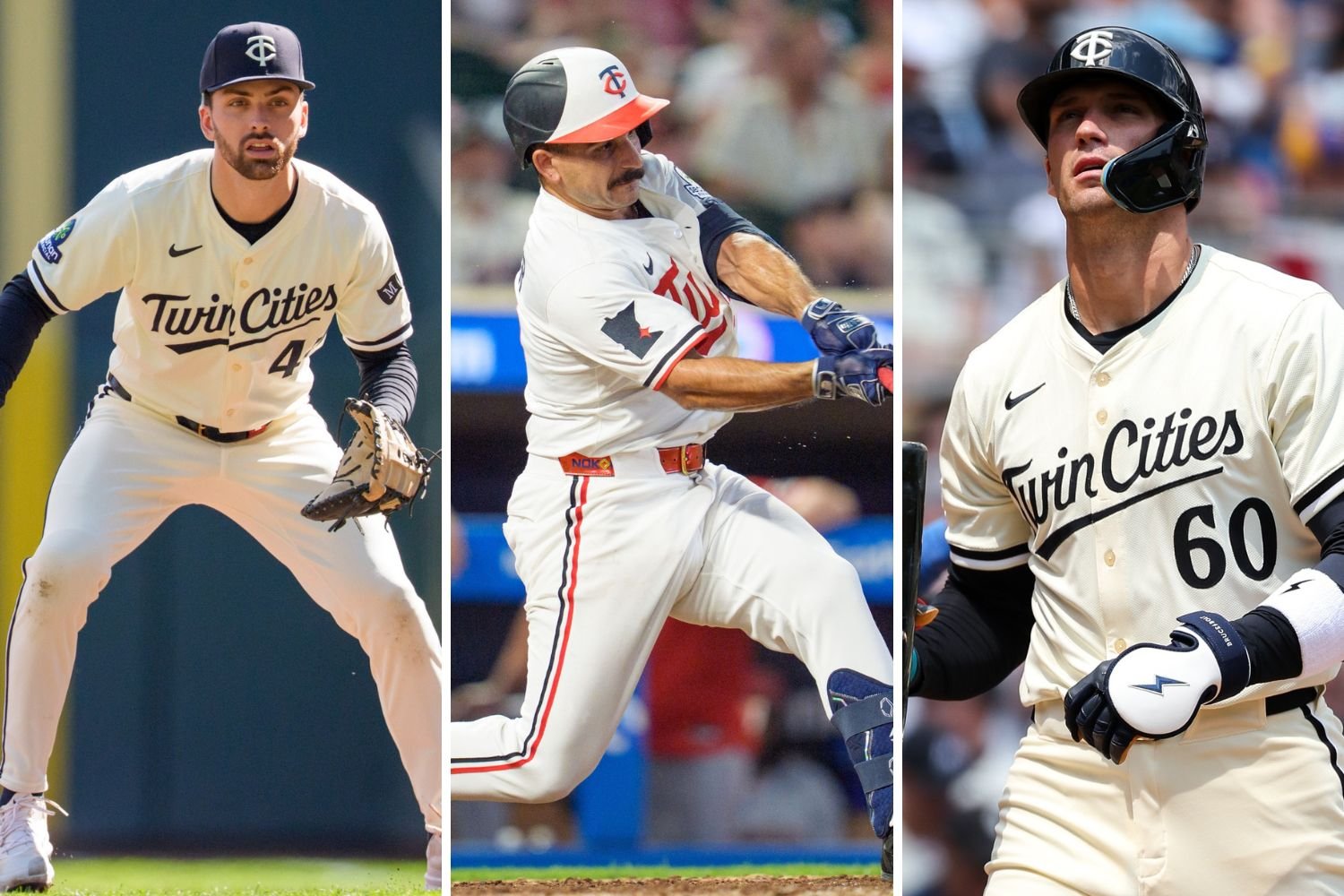 The surest sign of a healthy competitive team is a constant 40-man crunch — when the roster is so laden with desirable talent that any decision to sign, claim or trade for a new player must be weighed heavily against the cost of losing quality talent that will be eagerly swooped up on waivers. The Twins have been in this type of position at times during the Derek Falvey era. They are far from it right now. Following a series of moves in recent days, Minnesota's 40-man roster is technically full, but it's not exactly brimming with quality. Particularly on the position-player side, it is staggering just how much of the roster is occupied by borderline (at best) major-league talents who are no longer young enough to offer meaningful upside. Of the 21 hitters currently on the 40-man roster, I would count a full third (7) in this category. Here's where each stands in the team's planning as we head into December: Edouard Julien – Hasn't hit for two years and offers no defensive value. Julien is out of options next year and it's hard to see him making the roster barring injury or a huge spring. He seems to be merely keeping a spot warm, but at the same time, he's undeniably a tier above almost everyone else on this list in terms of proven track record. James Outman – Similar to Julien in that he hit well in 2023 but hasn't since, and is beyond the post-hype phase approaching 30. He's more likely to stick around because he can play center (kinda) but it's highly questionable whether he belongs in the big leagues. The Dodgers' desire to clear him off their own 40-man roster played a role in the trade that sent Outman here for Brock Stewart. Ryan Kreidler – Has appeared briefly in each of the past four seasons with the Tigers. Among players to receive 200 or more plate appearances during that span, he ranks 343rd out of 343 in OPS. The Twins recently got him off waivers from a fellow cellar-dweller in Pittsburgh. Sub-replacement level player. Ryan Fitzgerald – A nice story and all, but there's a reason Fitzgerald was nearly 31 when he made his big-league debut for the Twins this past season. He flashed a bit in 50 plate appearances and I could envision him holding his own in a bench role, but again, we're talking about the definition of a fringe MLB talent here. Mickey Gasper – Despite his success in Triple-A, he looked overmatched against major-league pitching at age 29, and he's a defensive non-factor aside from the ability to serve as an emergency catcher. Would any other team claim him off waivers? I find myself asking that about many of these guys. Jhonny Pereda – Another waiver pickup, added last July when the Twins needed catching depth. He rarely saw the field thereafter, though he spent a decent amount of time on the roster. Trading for Alex Jackson means Pereda's days are numbered. Carson McCusker – Kind of stunning he is still on the 40-man roster after the Twins showed no interest in using him at all despite ample opportunity. Maybe some other team will think he's a big-leaguer but Minnesota made clear through their actions that they don't. That's seven extremely fringe major-league talents occupying space on Minnesota's 40-man roster. All but one or two of these players would likely pass through waivers unclaimed. Not an ideal starting point for the offseason, especially considering that several other hitters I didn't name (Kody Clemens, Brooks Lee, Austin Martin, Alan Roden) are very much in doubt as MLB-caliber bats. But that's all this is: a starting point. Which brings us to the flip side. There's no shortage of room to add! The big question is how much they will. I would envision a couple of these roster spots going to newly acquired pitchers; they need more relievers and relative to the position-player side, there aren't many arms you'd want to part with among the 19 currently rostered. That will somewhat limit their ability to shake things up on the offensive end, but there's zero question that a shakeup is a needed. You look at the current roster makeup and it's just structurally unsound. They have eight left-handed hitting outfielders. They have only a handful of hitters with any level of accomplishment in the major leagues. They have six pitchers with even modest experience in a major-league bullpen, and that includes Travis Adams and Pierson Ohl who have ERAs over five. The front office has a lot of work to do, but still plenty of time to do it as the offseason gets underway in earnest. The Winter Meetings are in less than two weeks and that's often a catalyst for hot-stove action, though no one's really expecting the Twins to act quickly or aggressively. I'm dubious they'll ultimately invest much at all in upgrading these spots, which is a bummer. But they've got to do something. Right now their 40-man roster is at capacity, filled with clutter and redundancy. Even through the scope of a non-competitive rebuilding team, which is the path they seem likely to follow, the makeup of the roster makes little sense at the moment.
- 82 comments
-
- 20
-
-

-
-
- edouard julien
- mickey gasper
- (and 2 more)
-
Will the Minnesota Twins Reverse the Pablo López Trade This Offseason?
Nick Nelson posted an article in Twins
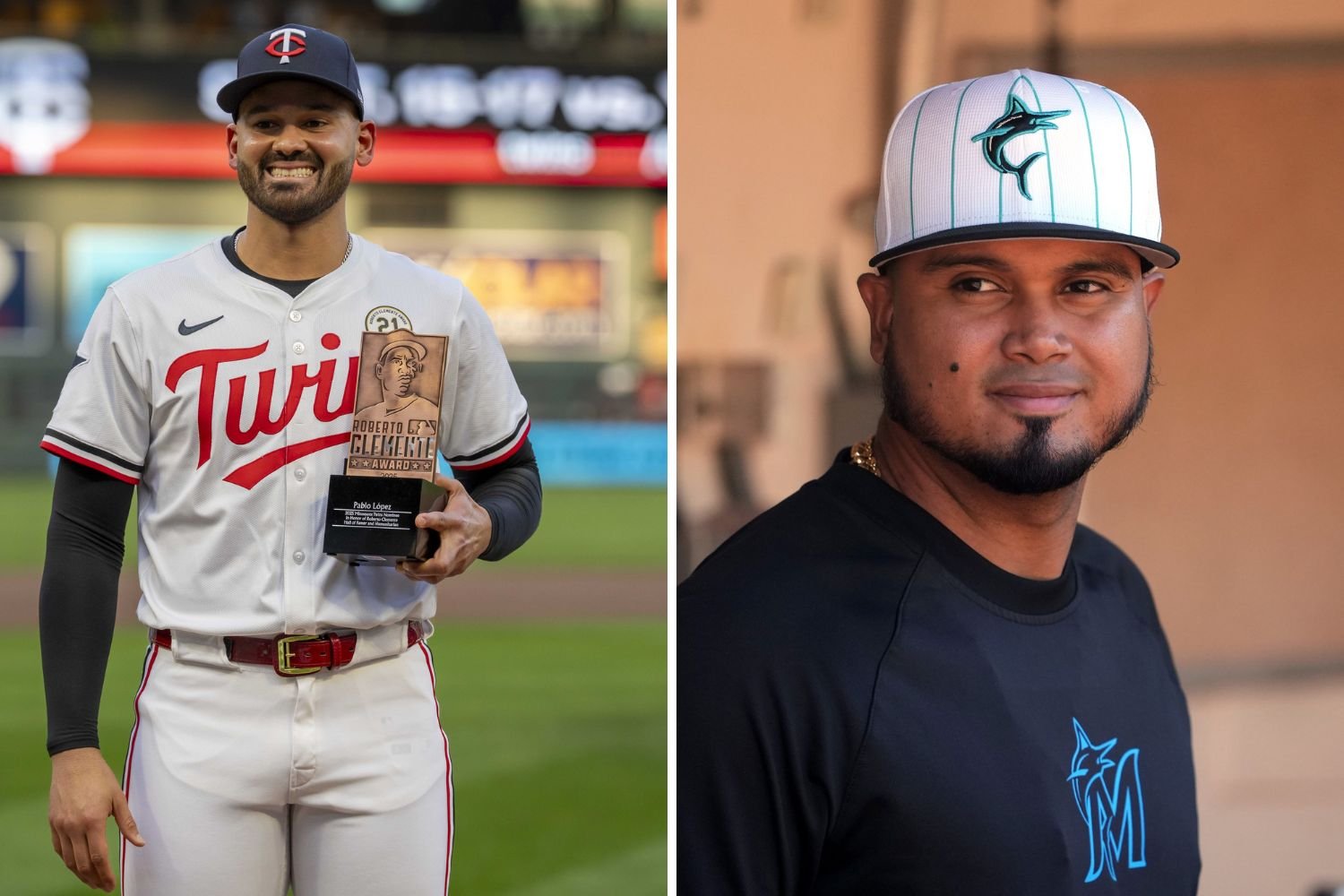 We all need to brace for a Pablo López trade this winter. It's an outcome that ranges somewhere between vague possibility and probability, depending on how much weight you put into the percolating rumor mill. "Potential trade partners believe the Twins will deal one of their co-aces, not both," wrote Jeff Passan at ESPN. Elsewhere, at the New York Post, Joel Sherman suggested that Minnesota is "more likely" to trade López than Joe Ryan. Yes, they're just rumors and relays—albeit from well-respected industry veterans. But fans need only use their eyes and ears to recognize that a López trade is very much on the table. His $21-million salary casts a glare for this rebuilding team facing payroll uncertainty, and Twins officials have shied away from ruling out the idea. I'm on the record with my belief that a López trade would be equivalent to a white flag for the 2026 season—not only because of losing him, but the rippling implications. That's not a fact, though; it's an opinion. At this point, it's still plausible the Twins will be trying to win next year, and it wouldn't be impossible for a deftly executed deal involving López to support that goal. It'll just be a tricky needle to thread. There aren't a ton of examples of an established frontline starting pitcher being traded for an established top-of-the-order bat, which is (presumably) what the Twins would be seeking to accomplish in such an endeavor. Incidentally, one of the few in recent memory was the Pablo López trade. In January 2023, the Twins dealt from an area of perceived strength when they sent reigning batting champ Luis Arraez to the Miami Marlins in exchange for López. On Opening Day a couple of months later, López was Minnesota's starting pitcher and Arraez was batting leadoff for Miami. The Marlins, at the time, were in a somewhat similar situation to the Twins now, needing a boost coming off a 93-loss season and viewing the top of their rotation as a strength, with López accompanied by Sandy Alcantara and Jesús Luzardo. Miami hoped the addition of Arraez could jumpstart an offense that tied for last in the NL in OPS+ in 2022. He certainly ended up doing his part. In 2023, Arraez batted .354 with a 128 OPS+, while earning All-Star and Silver Slugger honors. The Marlins improved by 15 wins and made the playoffs as a Wild Card. It's pretty much the same model the Twins would be looking to enact, just from the other end. A hitter who can deliver the level of impact that Arraez did in his first season with Miami is exactly what the Twins need to take a step forward in 2026, and theoretically, Minnesota's pitching depth and added spending flexibility could help soften the blow of losing López. A pertinent question: How does López's trade value now compare to back when the Twins acquired him at such a lofty price? On the one hand, he's three years older and much more expensive. On the other hand, he's under 30, more proven (including in the playoffs), and still under team control for two more years at surplus value. A team acquiring López could do exactly what the Twins did: immediately lock him into a long-term contract, shoring up the top of their rotation for years to come. That has a lot of appeal. Plenty of contending teams would love to get their hands on López. The problem is that it's hard to find contending teams with high-impact bats with which they are willing to part, which is why these trades more often take shape as star-for-prospect swaps. The Arraez situation was unique in that the Twins had Jorge Polanco and Alex Kirilloff on hand, with Edouard Julien in the wings. Minnesota's front office also seemed to harbor some doubt about Arraez's outlook—which has been largely validated. Like I said, it's a difficult needle to thread, but it's not impossible. The Twins have shown there's a path to win/win trades of this nature that ultimately make both clubs better. Can they find a match this time? The Boston Red Sox stand out as a potential partner, with rumors swirling around the availability of Jarren Duran and Wilyer Abreu. I'm curious if any other fits come to mind. Sound off in the comments, and let us know what it would take for you to get on board with a Pablo López trade this offseason.
 -
Image courtesy of Jesse Johnson, Darren Yamashita-Imagn Images We all need to brace for a Pablo López trade this winter. It's an outcome that ranges somewhere between vague possibility and probability, depending on how much weight you put into the percolating rumor mill. "Potential trade partners believe the Twins will deal one of their co-aces, not both," wrote Jeff Passan at ESPN. Elsewhere, at the New York Post, Joel Sherman suggested that Minnesota is "more likely" to trade López than Joe Ryan. Yes, they're just rumors and relays—albeit from well-respected industry veterans. But fans need only use their eyes and ears to recognize that a López trade is very much on the table. His $21-million salary casts a glare for this rebuilding team facing payroll uncertainty, and Twins officials have shied away from ruling out the idea. I'm on the record with my belief that a López trade would be equivalent to a white flag for the 2026 season—not only because of losing him, but the rippling implications. That's not a fact, though; it's an opinion. At this point, it's still plausible the Twins will be trying to win next year, and it wouldn't be impossible for a deftly executed deal involving López to support that goal. It'll just be a tricky needle to thread. There aren't a ton of examples of an established frontline starting pitcher being traded for an established top-of-the-order bat, which is (presumably) what the Twins would be seeking to accomplish in such an endeavor. Incidentally, one of the few in recent memory was the Pablo López trade. In January 2023, the Twins dealt from an area of perceived strength when they sent reigning batting champ Luis Arraez to the Miami Marlins in exchange for López. On Opening Day a couple of months later, López was Minnesota's starting pitcher and Arraez was batting leadoff for Miami. The Marlins, at the time, were in a somewhat similar situation to the Twins now, needing a boost coming off a 93-loss season and viewing the top of their rotation as a strength, with López accompanied by Sandy Alcantara and Jesús Luzardo. Miami hoped the addition of Arraez could jumpstart an offense that tied for last in the NL in OPS+ in 2022. He certainly ended up doing his part. In 2023, Arraez batted .354 with a 128 OPS+, while earning All-Star and Silver Slugger honors. The Marlins improved by 15 wins and made the playoffs as a Wild Card. It's pretty much the same model the Twins would be looking to enact, just from the other end. A hitter who can deliver the level of impact that Arraez did in his first season with Miami is exactly what the Twins need to take a step forward in 2026, and theoretically, Minnesota's pitching depth and added spending flexibility could help soften the blow of losing López. A pertinent question: How does López's trade value now compare to back when the Twins acquired him at such a lofty price? On the one hand, he's three years older and much more expensive. On the other hand, he's under 30, more proven (including in the playoffs), and still under team control for two more years at surplus value. A team acquiring López could do exactly what the Twins did: immediately lock him into a long-term contract, shoring up the top of their rotation for years to come. That has a lot of appeal. Plenty of contending teams would love to get their hands on López. The problem is that it's hard to find contending teams with high-impact bats with which they are willing to part, which is why these trades more often take shape as star-for-prospect swaps. The Arraez situation was unique in that the Twins had Jorge Polanco and Alex Kirilloff on hand, with Edouard Julien in the wings. Minnesota's front office also seemed to harbor some doubt about Arraez's outlook—which has been largely validated. Like I said, it's a difficult needle to thread, but it's not impossible. The Twins have shown there's a path to win/win trades of this nature that ultimately make both clubs better. Can they find a match this time? The Boston Red Sox stand out as a potential partner, with rumors swirling around the availability of Jarren Duran and Wilyer Abreu. I'm curious if any other fits come to mind. Sound off in the comments, and let us know what it would take for you to get on board with a Pablo López trade this offseason. View full article
-
Envisioning a 2026 Role for All 7 New Additions to the Twins 40-Man Roster
Nick Nelson posted an article in Twins
 When prospects get added to the 40-man roster, it's a sign that their big-league arrival is at least somewhat imminent. Last year at this time the Twins made two additions: Travis Adams and Marco Raya. Adams went on to debut and make 18 appearances in the majors. Raya surely would have come up at some point if he wasn't a disaster in Triple-A. (And Derek Falvey has already name-dropped Raya as a candidate for this year's bullpen picture.) On Tuesday, the Twins added six minor-league players to their 40-man roster – three times the number from last year and one of their biggest totals in recent memory. It signifies something deeper: a greatly increased reliance on their farm system to fuel MLB success as the franchise openly pivots away from spending competitively. "We know we're going to be young," Falvey said recently. Each of the six players added to the roster on Tuesday, as well as a seventh acquired via trade, could easily play a role as soon as the upcoming season. Here's a quick look at how that could come to pass. Connor Prielipp, LHP I'm increasingly convinced the Twins are hoping to lean on Prielipp as a high-leverage reliever out of the gate. He was finally healthy last year and unleashed his dominance across multiple levels of the system, earning the organization's minor-league pitcher of the year nod. His combination of a mid-90s fastball and wipeout slider can play in the majors now. Injuries have prevented him from building up any kind of workload baseline, so a relief role seems like a given, and there's no reason to waste any more bullets in the minors if his arm feels good. I'd bet on Prielipp breaking camp in the Twins bullpen, maybe even as their closer. Role: Late-inning reliever Kendry Rojas, LHP Rojas earned attention while rising quickly through the Blue Jays system, and was already in Triple-A at age 22 by the time the Twins acquired him in the Louis Varland trade. He got crushed at that level, and will likely open with the Saints next year, but that puts him just a step away from the majors. Depending on how things play out, it's plausible Rojas could debut as either a starter or reliever, with the Twins hoping his impressive repertoire from the left side can lead to a quick impact. Role: Swingman John Klein, RHP He was quietly one of the breakthrough stories in the Twins system this year. The Brooklyn Park, MN native came out of nowhere to strike out 128 in 106 innings between Double-A and Triple-A, making enough waves that the front office felt compelled to protect him from pitching-hungry teams in the Rule 5 draft. At 6-foot-5 and 225 lbs, he's got a big-league build and his stuff took a massive step forward this year. I suspect the Twins are counting on him to play a significant role for their bullpen in 2026. Role: Middle reliever Andrew Morris, RHP Coming off a stellar 2024 season that carved out his place in a promising pitching pipeline, Morris reached Triple-A at age 23 and held his own between some injury troubles. I wouldn't be totally shocked if the Twins fast-tracked him into a relief role but I suspect they'll keep him starting for now, in which case he'll likely open the season somewhere in the 6-9 range of the rotation depth chart. Given how quickly attrition tends to strike, that could line him up for a debut before midseason. Role: Starter Gabriel Gonzalez, OF Gonzalez raked last year, flashing .329/.395/.513, and he finished the season at Triple-A at 21. It's not out of the question we're talking about him as a dark horse for the Opening Day roster in spring training. But if not, he'll definitely be in the mix for a call-up early on if he's able to start hot again in St. Paul. The Twins have quite a few ostensibly bat-first players with questionable gloves, but a majority of them are left-handed, which is one reason Gonzalez's righty bat was important to protect. Role: Corner outfielder/DH Hendry Mendez, OF/1B When the Twins acquired Mendez at the deadline in exchange for Harrison Bader, his defensive experience was exclusively in the outfield, but the front office quickly started talking him up as a future first base option. Months later, after spending time in Wichita and the Arizona Fall League, Mendez still hasn't logged any official game time at first base but the Twins are working him out there and I'd be surprised if he doesn't start breaking in the 1B mitt next spring. First base is a position where Minnesota could sorely use short-term help, with Kody Clemens currently lined up as starter, and Mendez is one of the top candidates to succeed him. Role: First baseman/DH Eric Orze, RHP Unlike the six players above, Orze wasn't a 40-man addition from within the organization but rather a trade pickup in exchange for pitcher Jacob Kisting, a 14th-round pick from 2024. The potential role for Orze is pretty straightforward – he made 33 appearances out of the Rays bullpen last year and adds a semblance of MLB experience to a relief corps that is currently lacking. Right now he should be viewed as an odds-on favorite to make the Opening Day roster, albeit as a low-leverage and low-upside option. Role: Middle reliever
- 32 comments
-
- 12
-
-
- connor prielipp
- andrew morris
- (and 3 more)
-
Image courtesy of John Vittas- Fort Myers Mighty Mussels When prospects get added to the 40-man roster, it's a sign that their big-league arrival is at least somewhat imminent. Last year at this time the Twins made two additions: Travis Adams and Marco Raya. Adams went on to debut and make 18 appearances in the majors. Raya surely would have come up at some point if he wasn't a disaster in Triple-A. (And Derek Falvey has already name-dropped Raya as a candidate for this year's bullpen picture.) On Tuesday, the Twins added six minor-league players to their 40-man roster – three times the number from last year and one of their biggest totals in recent memory. It signifies something deeper: a greatly increased reliance on their farm system to fuel MLB success as the franchise openly pivots away from spending competitively. "We know we're going to be young," Falvey said recently. Each of the six players added to the roster on Tuesday, as well as a seventh acquired via trade, could easily play a role as soon as the upcoming season. Here's a quick look at how that could come to pass. Connor Prielipp, LHP I'm increasingly convinced the Twins are hoping to lean on Prielipp as a high-leverage reliever out of the gate. He was finally healthy last year and unleashed his dominance across multiple levels of the system, earning the organization's minor-league pitcher of the year nod. His combination of a mid-90s fastball and wipeout slider can play in the majors now. Injuries have prevented him from building up any kind of workload baseline, so a relief role seems like a given, and there's no reason to waste any more bullets in the minors if his arm feels good. I'd bet on Prielipp breaking camp in the Twins bullpen, maybe even as their closer. Role: Late-inning reliever Kendry Rojas, LHP Rojas earned attention while rising quickly through the Blue Jays system, and was already in Triple-A at age 22 by the time the Twins acquired him in the Louis Varland trade. He got crushed at that level, and will likely open with the Saints next year, but that puts him just a step away from the majors. Depending on how things play out, it's plausible Rojas could debut as either a starter or reliever, with the Twins hoping his impressive repertoire from the left side can lead to a quick impact. Role: Swingman John Klein, RHP He was quietly one of the breakthrough stories in the Twins system this year. The Brooklyn Park, MN native came out of nowhere to strike out 128 in 106 innings between Double-A and Triple-A, making enough waves that the front office felt compelled to protect him from pitching-hungry teams in the Rule 5 draft. At 6-foot-5 and 225 lbs, he's got a big-league build and his stuff took a massive step forward this year. I suspect the Twins are counting on him to play a significant role for their bullpen in 2026. Role: Middle reliever Andrew Morris, RHP Coming off a stellar 2024 season that carved out his place in a promising pitching pipeline, Morris reached Triple-A at age 23 and held his own between some injury troubles. I wouldn't be totally shocked if the Twins fast-tracked him into a relief role but I suspect they'll keep him starting for now, in which case he'll likely open the season somewhere in the 6-9 range of the rotation depth chart. Given how quickly attrition tends to strike, that could line him up for a debut before midseason. Role: Starter Gabriel Gonzalez, OF Gonzalez raked last year, flashing .329/.395/.513, and he finished the season at Triple-A at 21. It's not out of the question we're talking about him as a dark horse for the Opening Day roster in spring training. But if not, he'll definitely be in the mix for a call-up early on if he's able to start hot again in St. Paul. The Twins have quite a few ostensibly bat-first players with questionable gloves, but a majority of them are left-handed, which is one reason Gonzalez's righty bat was important to protect. Role: Corner outfielder/DH Hendry Mendez, OF/1B When the Twins acquired Mendez at the deadline in exchange for Harrison Bader, his defensive experience was exclusively in the outfield, but the front office quickly started talking him up as a future first base option. Months later, after spending time in Wichita and the Arizona Fall League, Mendez still hasn't logged any official game time at first base but the Twins are working him out there and I'd be surprised if he doesn't start breaking in the 1B mitt next spring. First base is a position where Minnesota could sorely use short-term help, with Kody Clemens currently lined up as starter, and Mendez is one of the top candidates to succeed him. Role: First baseman/DH Eric Orze, RHP Unlike the six players above, Orze wasn't a 40-man addition from within the organization but rather a trade pickup in exchange for pitcher Jacob Kisting, a 14th-round pick from 2024. The potential role for Orze is pretty straightforward – he made 33 appearances out of the Rays bullpen last year and adds a semblance of MLB experience to a relief corps that is currently lacking. Right now he should be viewed as an odds-on favorite to make the Opening Day roster, albeit as a low-leverage and low-upside option. Role: Middle reliever View full article
-
It Sounds Like Kody Clemens Will Be the Twins' Starting First Baseman
Nick Nelson posted an article in Twins
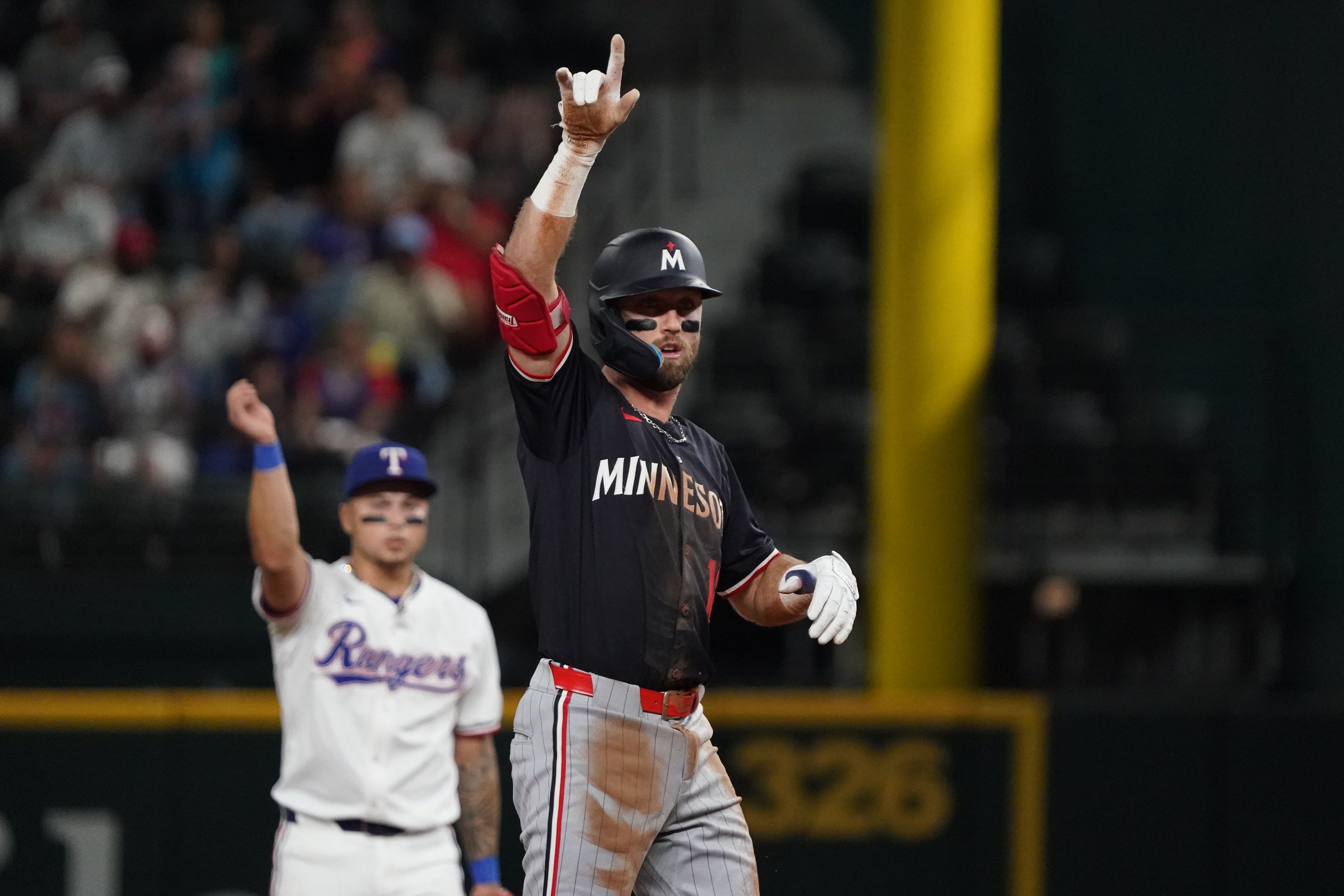 As the Minnesota Twins look to take a step forward offensively in 2026, one of the biggest question marks in their lineup is first base. Last year, after Ty France was traded at the deadline, all but one start at the position went to either Kody Clemens or Edouard Julien. Looking forward, it sure sounds like Derek Falvey and the Twins are inclined to stay the course. When asked at the GM Meetings in Las Vegas last week about his intentions to add at first base during the offseason, Falvey told reporters, including John Bonnes of Twins Daily: "I guess I view it through a couple lenses. I think it's an area where we're going to hope that there's a few guys internally that we've asked to continue to kind of grow and develop there. Eddie Julien got some time there, and will continue to get a little bit more work. Kody Clemens was a huge value add for us last year there. There's no way around it. Like, great fit, great kid, I thought was a lift in the clubhouse, and had really good year there. So I think give him another winter, get his legs under him. Like, could we find a complement there from the right-handed side? That's possible too, but that's an area that we know, that we have some players that can play there, but maybe not a single designated person. But we want to give Kody a lot of runway there too, because he was really a good fit for us last year." Well, that wasn't very ambiguous was it? Clemens is your starting first baseman, with the team likely to add some possible righty-hitting options to their capability mix. Julien will need a monster spring to make the team, and that's if he sticks on the 40-man roster all winter, but Clemens apparently has an open door to "a lot of runway" at the position. One could cynically view this as another cheap move fueled by stingy ownership. In fact it's not really even cynical. Clemens is a low-cost option who will cost the minimum and will negate a need to shop externally. But that doesn't mean this can't also be a reasonable course of action. If the team's plan is indeed to go with Clemens at first, at least as an interim plug-in, I don't hate it. Clemens, like Julien, didn't do much with his expanded post-deadline opportunity at first base. He mostly slumped throughout August and September, dragging down the surprisingly strong numbers he'd amassed through his first couple of months as a Twin. But within the generally underwhelming second half, Clemens also produced one of the greatest single-game offensive performances in franchise history. On September 12th against the Diamondbacks, Clemens went 4-for-4 with three home runs and a double, narrowly missing the first ever four-homer game by a Twin. Even amidst a sea of late-season struggle, it was the type of flash that makes Clemens an intriguing player, despite being a bit of a journeyman at age 29. You've got to have some ability to put together a game like that. Just like you've got to have some ability to rip 12 homers in 54 games, as Clemens did during his initial stretch with Minnesota in May, June and July. These weren't all garbage-time cheapies either; he hit some big game-changing bombs and was a key figure in the 18-win May that temporarily thrust the Twins into contention. To become a true asset as a starting first baseman in the majors, Clemens needs to harness that ability more consistently and cut down on prolonged droughts. But the ingredients are there. His xSLG, average exit velocity, barrel and hard hit rates were all solidly in the upper quartile of MLB players this year. He walked and made enough contact to hold his own with strike zone control. His xwOBA (.341) was substantially higher than his actual wOBA (.307), suggesting room for growth. Importantly, he also adds some other much-needed qualities to the mix as a regular for the Twins. Clemens was said to have assumed a leadership role on a team that now faces a leadership void. He's pretty good defensively, and vastly better than Julien, which helps give him a major edge (to the extent that a competition exists). And Clemens is an above-average runner — in the same range as Austin Martin and Alan Roden — which is not often the case at first base. As the Twins look to get faster and more aggressive, having some speed at an unorthodox position can be helpful, especially if they team is resigned to having one of its slowest runners (Brooks Lee) at shortstop. We can't overlook the uninspiring overall track record for Clemens, who was never a top prospect and has been 20% below average as an MLB hitter through 265 games as he approaches 30. He was on waivers when the Twins acquired him for a reason. But in many ways his breakthrough in 2026 looked legit, featuring career highs and favorable indicators across the board. Clemens attributed much of his success this year to reps and consistency. He's never had many opportunities for regular big-league playing time in the past — his 379 plate appearances with the Twins nearly tripled his previous season high. In that sense, I can buy into Falvey's stated vision: give Clemens an offseason to prep for the starting job, ramp him up accordingly in spring training, and see if he can fully unlock his potential with everyday starts against righties, while also providing value in other ways. If the alternative is going after someone like Ty France in free agency — and, let's be honest, it probably is — why not?
 -
Image courtesy of Raymond Carlin III-Imagn Images As the Minnesota Twins look to take a step forward offensively in 2026, one of the biggest question marks in their lineup is first base. Last year, after Ty France was traded at the deadline, all but one start at the position went to either Kody Clemens or Edouard Julien. Looking forward, it sure sounds like Derek Falvey and the Twins are inclined to stay the course. When asked at the GM Meetings in Las Vegas last week about his intentions to add at first base during the offseason, Falvey told reporters, including John Bonnes of Twins Daily: "I guess I view it through a couple lenses. I think it's an area where we're going to hope that there's a few guys internally that we've asked to continue to kind of grow and develop there. Eddie Julien got some time there, and will continue to get a little bit more work. Kody Clemens was a huge value add for us last year there. There's no way around it. Like, great fit, great kid, I thought was a lift in the clubhouse, and had really good year there. So I think give him another winter, get his legs under him. Like, could we find a complement there from the right-handed side? That's possible too, but that's an area that we know, that we have some players that can play there, but maybe not a single designated person. But we want to give Kody a lot of runway there too, because he was really a good fit for us last year." Well, that wasn't very ambiguous was it? Clemens is your starting first baseman, with the team likely to add some possible righty-hitting options to their capability mix. Julien will need a monster spring to make the team, and that's if he sticks on the 40-man roster all winter, but Clemens apparently has an open door to "a lot of runway" at the position. One could cynically view this as another cheap move fueled by stingy ownership. In fact it's not really even cynical. Clemens is a low-cost option who will cost the minimum and will negate a need to shop externally. But that doesn't mean this can't also be a reasonable course of action. If the team's plan is indeed to go with Clemens at first, at least as an interim plug-in, I don't hate it. Clemens, like Julien, didn't do much with his expanded post-deadline opportunity at first base. He mostly slumped throughout August and September, dragging down the surprisingly strong numbers he'd amassed through his first couple of months as a Twin. But within the generally underwhelming second half, Clemens also produced one of the greatest single-game offensive performances in franchise history. On September 12th against the Diamondbacks, Clemens went 4-for-4 with three home runs and a double, narrowly missing the first ever four-homer game by a Twin. Even amidst a sea of late-season struggle, it was the type of flash that makes Clemens an intriguing player, despite being a bit of a journeyman at age 29. You've got to have some ability to put together a game like that. Just like you've got to have some ability to rip 12 homers in 54 games, as Clemens did during his initial stretch with Minnesota in May, June and July. These weren't all garbage-time cheapies either; he hit some big game-changing bombs and was a key figure in the 18-win May that temporarily thrust the Twins into contention. To become a true asset as a starting first baseman in the majors, Clemens needs to harness that ability more consistently and cut down on prolonged droughts. But the ingredients are there. His xSLG, average exit velocity, barrel and hard hit rates were all solidly in the upper quartile of MLB players this year. He walked and made enough contact to hold his own with strike zone control. His xwOBA (.341) was substantially higher than his actual wOBA (.307), suggesting room for growth. Importantly, he also adds some other much-needed qualities to the mix as a regular for the Twins. Clemens was said to have assumed a leadership role on a team that now faces a leadership void. He's pretty good defensively, and vastly better than Julien, which helps give him a major edge (to the extent that a competition exists). And Clemens is an above-average runner — in the same range as Austin Martin and Alan Roden — which is not often the case at first base. As the Twins look to get faster and more aggressive, having some speed at an unorthodox position can be helpful, especially if they team is resigned to having one of its slowest runners (Brooks Lee) at shortstop. We can't overlook the uninspiring overall track record for Clemens, who was never a top prospect and has been 20% below average as an MLB hitter through 265 games as he approaches 30. He was on waivers when the Twins acquired him for a reason. But in many ways his breakthrough in 2026 looked legit, featuring career highs and favorable indicators across the board. Clemens attributed much of his success this year to reps and consistency. He's never had many opportunities for regular big-league playing time in the past — his 379 plate appearances with the Twins nearly tripled his previous season high. In that sense, I can buy into Falvey's stated vision: give Clemens an offseason to prep for the starting job, ramp him up accordingly in spring training, and see if he can fully unlock his potential with everyday starts against righties, while also providing value in other ways. If the alternative is going after someone like Ty France in free agency — and, let's be honest, it probably is — why not? View full article
-
Image courtesy of Jesse Johnson-Imagn Images At the GM Meetings in Las Vegas this week, Derek Falvey insisted that his hope is to build around what he currently has, rather than further subtracting pieces, in an earnest effort at competitiveness in 2026. This is a semi-plausible notion in theory, with the team possessing enough rotation depth and intriguing hitters make themselves a threat. The glaring flaw in this vision, of course, is the bullpen. You can't compete without at least a decent one, as we've seen, and the Twins are starting nearly from scratch after selling off the entire unit in July. No reliever who auditioned in the latter part of the season looked very good, so the Twins are going to need to rapidly identify and activate arms to fill these roles. External additions will be part of the picture, for sure. But from the moment they shipped off four future-controlled relievers at the trade deadline, Minnesota's intention was clear: draw from the abundance of decent-to-great pitching prospects in their system — a pool that expanded from all their trades — to develop the next wave of outstanding homegrown relievers. In some ways, this approach is hard to argue against. After all, it's the same formula used to forge the relief corps that was in such high demand at the deadline. Falvey noted as much when speaking to reporters, including Twins Daily's John Bonnes, in Las Vegas. "When you look across the game at good bullpens that emerge from within, a lot of them are starters that transitioned," Falvey said. "We ourselves had multiple of those, whether it's Griffin Jax or Jhoan Duran or others that came through our system as starters. I wouldn't expect that to be any different." This is valid. But one factor that must be considered with this approach is the player's preference and receptiveness. Generally speaking, professional pitchers want to pursue a path to starting first, and exhaust the possibility before they submit to a bullpen role. There is, quite simply, a lot more money to be made and more stability to be had in a rotation spot. Duran and Jax are interesting examples to cite. In each case, you could see why the team would envision a well-suited relief role. But in each case, you could also why the player would be amenable to the plan when it was implemented. Duran had long struggled with arm injuries, and missed nearly the entire 2021 season with a forearm issue before stepping into the Twins bullpen in 2022 and immediately thriving. Jax had been bashed into submission with a 6.37 ERA as a 26-year-old rookie in 2021 before making his own successful role pivot in 2022. Ultimately, the team and coaches make calls about player usage, but forcing players down paths they aren't necessarily aligned to can create friction. In this sense, it's worth noting the two prospective candidates that Falvey specifically called out in his answer: "I am kind of excited about some of the arms we have at Triple-A and Double-A over the last couple of years that while they haven't always hit their stride as starters, they might have an ability to impact us in different ways. I'd hate to put too much pressure on any of them, but you see Connor Prielipp throw the way he can at times, you see Marco Raya throw the way he has." Similar to Jax and Duran, one can see the appeal on both sides for reliever transitions in these cases. Prielipp has been besieged by injuries since he was in college, and has thrown barely 100 innings in three years since being drafted. The idea of building up a starter workload is all but impractical at this point. Raya is coming off a brutal season at Triple-A that now has him questioning if he'll reach the majors rather than when. Both these guys are probably open to immediate bullpen transitions, with the promise of an MLB fast-track, and I'm guessing it's already been broached with them if Falvey is discussing it openly. But at best, that leaves several other vacancies needing to be filled, and while there are certainly a number of pitchers in Minnesota's mix with the makings of quality relievers, they make for tougher decisions and conversations. David Festa, Zebby Matthews, Taj Bradley, Mick Abel, Simeon Woods Richardson, Kendry Rojas, Andrew Morris. Some of these pitchers are going to end up in the bullpen. But who? And how do you get them on board with it when, by circumstantial necessity, it's got to happen now? The Twins don't have the luxury of waiting around for some of their higher-upside relief candidates to fully fizzle out as starters if the team has any hopes of shocking the world with a good bullpen in 2026. I find myself wondering if this was a big part of the motivation for hiring LaTroy Hawkins as bullpen coach, while keeping Pete Maki in place to lead the staff. There's value in familiarity and trust when navigating these kinds of tricky situations. Hawkins, specifically, can be a voice of experience and validation in this journey. He's the perfect real-world example: a promising young pitcher who came up, didn't take as a starter, transitioned into bullpen role in his mid-20s, and then enjoyed a tremendously long and fruitful career. Can he sell some of the current young Twins pitchers on a similar path, and a relief transition before they've really had their fair shake at starting? That's one of the biggest questions facing the team as they look ahead to a high-stakes bullpen experiment in 2026. View full article
-
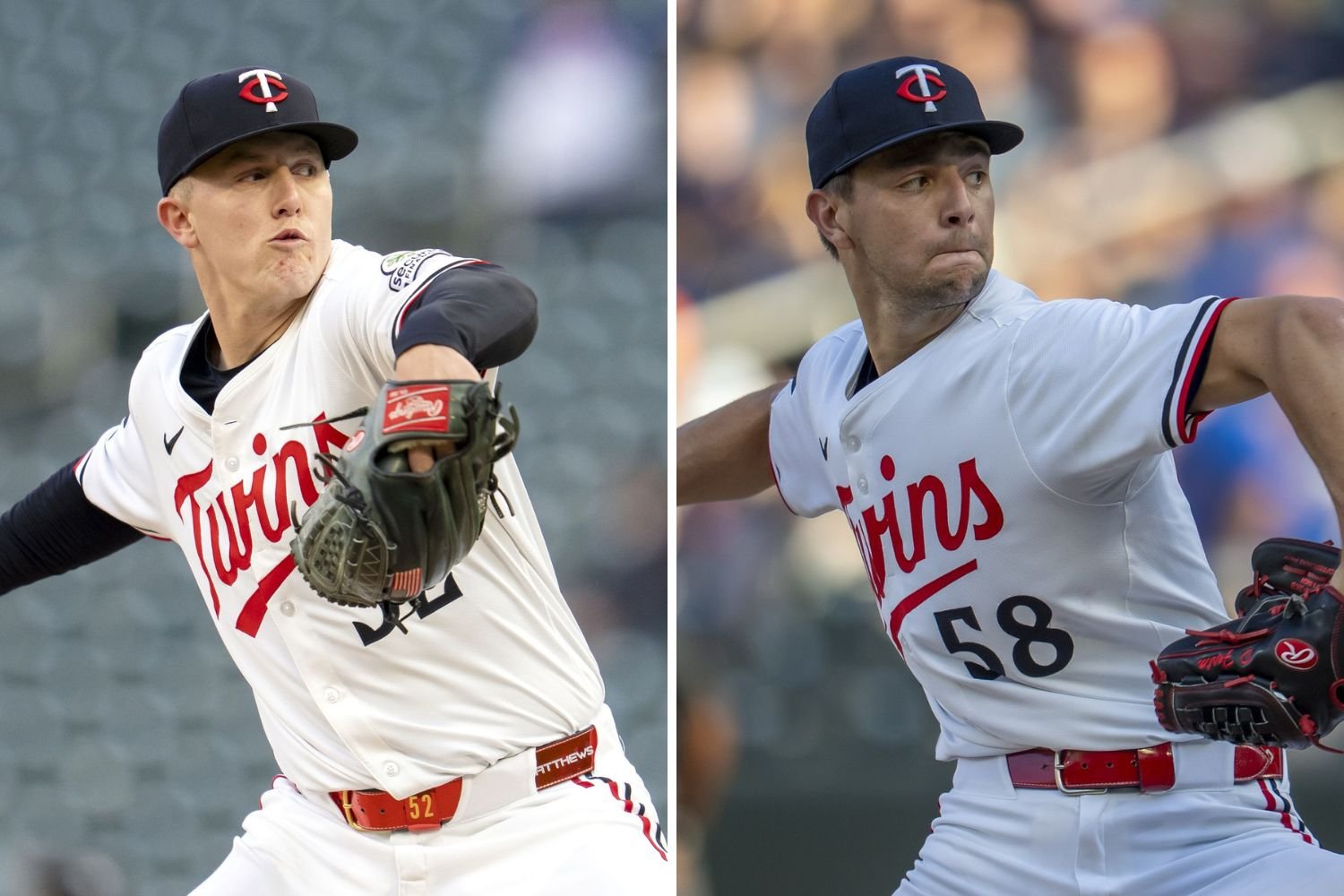 At the GM Meetings in Las Vegas this week, Derek Falvey insisted that his hope is to build around what he currently has, rather than further subtracting pieces, in an earnest effort at competitiveness in 2026. This is a semi-plausible notion in theory, with the team possessing enough rotation depth and intriguing hitters make themselves a threat. The glaring flaw in this vision, of course, is the bullpen. You can't compete without at least a decent one, as we've seen, and the Twins are starting nearly from scratch after selling off the entire unit in July. No reliever who auditioned in the latter part of the season looked very good, so the Twins are going to need to rapidly identify and activate arms to fill these roles. External additions will be part of the picture, for sure. But from the moment they shipped off four future-controlled relievers at the trade deadline, Minnesota's intention was clear: draw from the abundance of decent-to-great pitching prospects in their system — a pool that expanded from all their trades — to develop the next wave of outstanding homegrown relievers. In some ways, this approach is hard to argue against. After all, it's the same formula used to forge the relief corps that was in such high demand at the deadline. Falvey noted as much when speaking to reporters, including Twins Daily's John Bonnes, in Las Vegas. "When you look across the game at good bullpens that emerge from within, a lot of them are starters that transitioned," Falvey said. "We ourselves had multiple of those, whether it's Griffin Jax or Jhoan Duran or others that came through our system as starters. I wouldn't expect that to be any different." This is valid. But one factor that must be considered with this approach is the player's preference and receptiveness. Generally speaking, professional pitchers want to pursue a path to starting first, and exhaust the possibility before they submit to a bullpen role. There is, quite simply, a lot more money to be made and more stability to be had in a rotation spot. Duran and Jax are interesting examples to cite. In each case, you could see why the team would envision a well-suited relief role. But in each case, you could also why the player would be amenable to the plan when it was implemented. Duran had long struggled with arm injuries, and missed nearly the entire 2021 season with a forearm issue before stepping into the Twins bullpen in 2022 and immediately thriving. Jax had been bashed into submission with a 6.37 ERA as a 26-year-old rookie in 2021 before making his own successful role pivot in 2022. Ultimately, the team and coaches make calls about player usage, but forcing players down paths they aren't necessarily aligned to can create friction. In this sense, it's worth noting the two prospective candidates that Falvey specifically called out in his answer: "I am kind of excited about some of the arms we have at Triple-A and Double-A over the last couple of years that while they haven't always hit their stride as starters, they might have an ability to impact us in different ways. I'd hate to put too much pressure on any of them, but you see Connor Prielipp throw the way he can at times, you see Marco Raya throw the way he has." Similar to Jax and Duran, one can see the appeal on both sides for reliever transitions in these cases. Prielipp has been besieged by injuries since he was in college, and has thrown barely 100 innings in three years since being drafted. The idea of building up a starter workload is all but impractical at this point. Raya is coming off a brutal season at Triple-A that now has him questioning if he'll reach the majors rather than when. Both these guys are probably open to immediate bullpen transitions, with the promise of an MLB fast-track, and I'm guessing it's already been broached with them if Falvey is discussing it openly. But at best, that leaves several other vacancies needing to be filled, and while there are certainly a number of pitchers in Minnesota's mix with the makings of quality relievers, they make for tougher decisions and conversations. David Festa, Zebby Matthews, Taj Bradley, Mick Abel, Simeon Woods Richardson, Kendry Rojas, Andrew Morris. Some of these pitchers are going to end up in the bullpen. But who? And how do you get them on board with it when, by circumstantial necessity, it's got to happen now? The Twins don't have the luxury of waiting around for some of their higher-upside relief candidates to fully fizzle out as starters if the team has any hopes of shocking the world with a good bullpen in 2026. I find myself wondering if this was a big part of the motivation for hiring LaTroy Hawkins as bullpen coach, while keeping Pete Maki in place to lead the staff. There's value in familiarity and trust when navigating these kinds of tricky situations. Hawkins, specifically, can be a voice of experience and validation in this journey. He's the perfect real-world example: a promising young pitcher who came up, didn't take as a starter, transitioned into bullpen role in his mid-20s, and then enjoyed a tremendously long and fruitful career. Can he sell some of the current young Twins pitchers on a similar path, and a relief transition before they've really had their fair shake at starting? That's one of the biggest questions facing the team as they look ahead to a high-stakes bullpen experiment in 2026.
- 35 comments
-
- 12
-
-
- zebby matthews
- david festa
- (and 2 more)
