Cody Pirkl
-
Posts
1,336 -
Joined
-
Last visited
-
Days Won
4
Content Type
Profiles
Minnesota Twins News, Rumors & Analysis
Minnesota Twins Videos
2026 Minnesota Twins Top Prospect Rankings
2022 Minnesota Twins Draft Picks & Signing Bonuses
Minnesota Twins Trade & Free Agent Rumors
Minnesota Twins Fan Guides & Resources
2023 Minnesota Twins Draft Picks & Signing Bonuses
2024 Minnesota Twins Draft Picks & Signing Bonuses
2025 Minnesota Twins Draft Picks & Signing Bonuses
2026 Minnesota Twins Draft Picks & Signing Bonuses
Forums
Blogs
Events
Store
Downloads
Gallery
Everything posted by Cody Pirkl
-
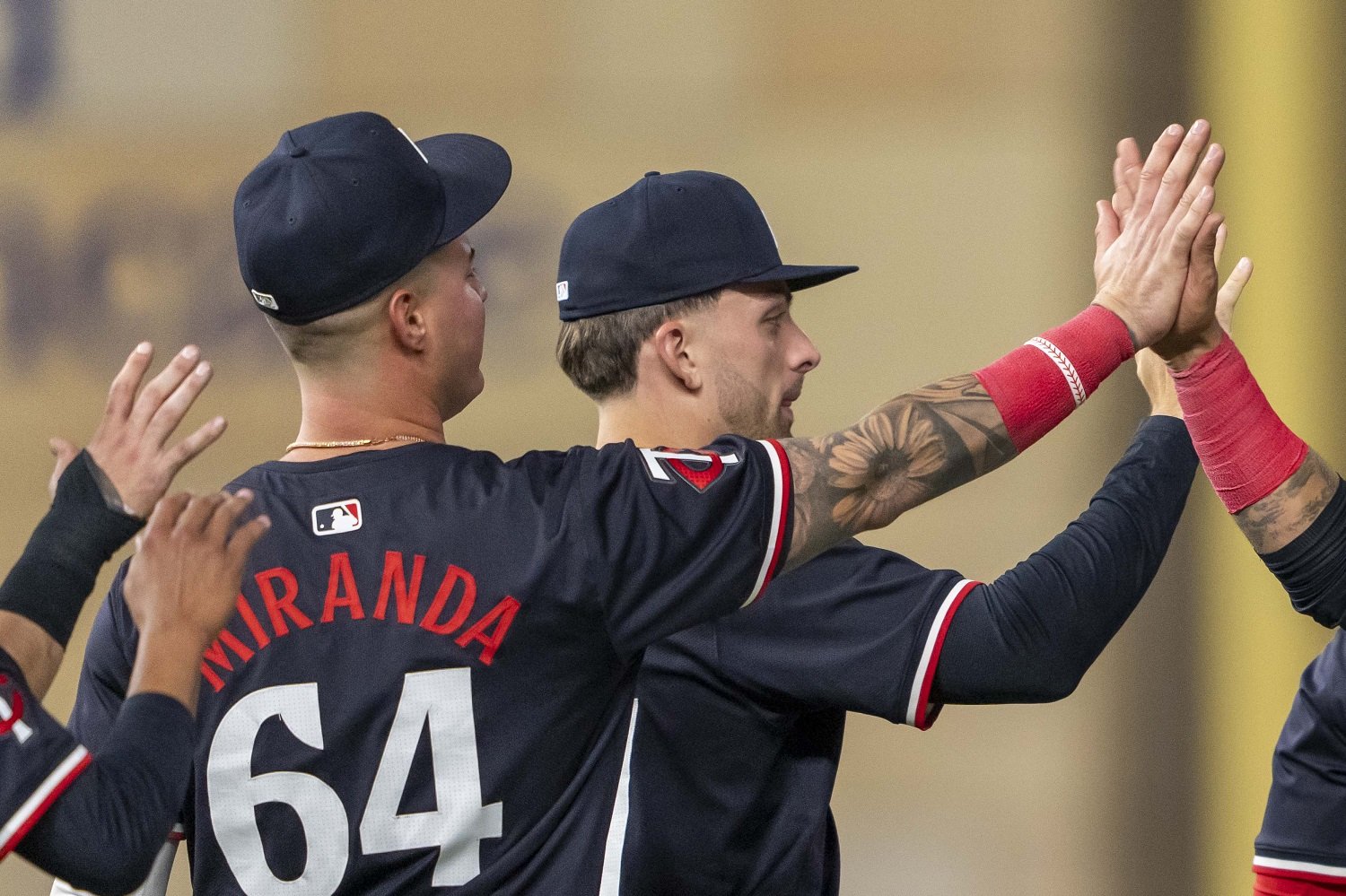 A pair of previously promising hitters are now settled in St. Paul, and if the parent club enjoys even moderately good health, they'll be there for the foreseeable future. Each of them struggled mightily to begin the season, after two different but similar sagas of highs and lows in 2023 and 2024. Each was demoted following costly mistakes that the Twins may be completely fed up with. Are Edouard Julien and Jose Miranda now on the outside looking in? Edouard Julien Julien’s recent demotion came on the heels of oversliding a base to make an out and committing several costly errors in the field, contributing to a loss to the Boston Red Sox. This capped off a 29-game sample size in which he hit .198/.288/.319. According to FanGraphs, he was worth half a win less than a replacement-level player. Julien showed promise earlier this season after changing his plate approach, but could never fully put it together. His defensive struggles afforded him less patience from the Twins, as with the return of (first) Brooks Lee and (most recently) the duo of Royce Lewis and Willi Castro, the team had superior defensive options for second base. The front office chose demoting him over parting ways with Kody Clemens or Jonah Bride. While it is true that the move can be justified by saying Julien is a more valuable piece of the organization needing everyday at-bats, this demotion feels different. The Twins have a lot of ground to make up for their slow start, and they don’t see Julien as part of the solution. He was given an extended opportunity after injuries hit this spring, and performed more poorly offensively and defensively than last season—when he lost his job at second base. Given his age and the state of the Twins' season, this demotion was about more than continuing Julien’s development. Julien is now behind both Castro and Lee in the depth chart at second base, and is likely to be passed by Luke Keaschall shortly after he returns from injury. His career OPS in Triple A is around .900, leaving little to prove in the minor leagues. Julien has found himself in no-man’s land in the Twins organization, and his recent demotion shows just how far he’s fallen over the last year. Jose Miranda In a season with several contenders for “rock bottom” moments, Miranda's contribution may take the cake. After a brutal baserunning gaffe in mid-April, he was demoted to Triple-A, where he has yet to play because of a hand injury sustained off the diamond. Dating back to Aug. 1, 2024, Miranda is slashing .207/.228/.299, with a 38:4 strikeout-to-walk ratio. Now 27 years old, Miranda has failed to hone his free-swinging plate approach, and has remained a streaky hitter with extreme highs and lows. While he can be a middle-of-the-order contributor when running hot, he’s been unable to sustain those stretches and fully establish himself as a part of the core. While he’s been perfectly serviceable at third base, Miranda’s range limits him defensively and buries him behind Lewis, Lee, and Bride on the active roster. The Twins had a tentative plan for him to see more time at first base, but we’ve seen very little of him at the position so far. Julien and Miranda are in similarly difficult circumstances. Each is questionable defensively, without the track record offensively to keep them afloat. Each has returned to Triple A after costly mistakes and has little left to prove at that level. Both previously promising young players have extremely murky outlooks beyond this season and may be due for changes of scenery more momentous than a ride up and down the Green Line. They have fallen out of favor with the current front office, and each lacks the track record to hold onto their roster spots if a new front office is in place in 2026. There are no boxes to check for l Julien or Miranda to find themselves back in the big leagues. Their opportunities likely depend on the health of the active roster—which is, admittedly, to say that another chance could still crop up for either. They’re still young enough to break through and have shown too much talent to write off, but their paths to becoming meaningful contributors to the Twins roster remain narrow. Is time running out for Edouard Julien and Jose Miranda? Given their age and history of success, should they be given more time to earn roster spots? Let us know below!
-
Image courtesy of Jesse Johnson- Imagn Sports A pair of previously promising hitters are now settled in St. Paul, and if the parent club enjoys even moderately good health, they'll be there for the foreseeable future. Each of them struggled mightily to begin the season, after two different but similar sagas of highs and lows in 2023 and 2024. Each was demoted following costly mistakes that the Twins may be completely fed up with. Are Edouard Julien and Jose Miranda now on the outside looking in? Edouard Julien Julien’s recent demotion came on the heels of oversliding a base to make an out and committing several costly errors in the field, contributing to a loss to the Boston Red Sox. This capped off a 29-game sample size in which he hit .198/.288/.319. According to FanGraphs, he was worth half a win less than a replacement-level player. Julien showed promise earlier this season after changing his plate approach, but could never fully put it together. His defensive struggles afforded him less patience from the Twins, as with the return of (first) Brooks Lee and (most recently) the duo of Royce Lewis and Willi Castro, the team had superior defensive options for second base. The front office chose demoting him over parting ways with Kody Clemens or Jonah Bride. While it is true that the move can be justified by saying Julien is a more valuable piece of the organization needing everyday at-bats, this demotion feels different. The Twins have a lot of ground to make up for their slow start, and they don’t see Julien as part of the solution. He was given an extended opportunity after injuries hit this spring, and performed more poorly offensively and defensively than last season—when he lost his job at second base. Given his age and the state of the Twins' season, this demotion was about more than continuing Julien’s development. Julien is now behind both Castro and Lee in the depth chart at second base, and is likely to be passed by Luke Keaschall shortly after he returns from injury. His career OPS in Triple A is around .900, leaving little to prove in the minor leagues. Julien has found himself in no-man’s land in the Twins organization, and his recent demotion shows just how far he’s fallen over the last year. Jose Miranda In a season with several contenders for “rock bottom” moments, Miranda's contribution may take the cake. After a brutal baserunning gaffe in mid-April, he was demoted to Triple-A, where he has yet to play because of a hand injury sustained off the diamond. Dating back to Aug. 1, 2024, Miranda is slashing .207/.228/.299, with a 38:4 strikeout-to-walk ratio. Now 27 years old, Miranda has failed to hone his free-swinging plate approach, and has remained a streaky hitter with extreme highs and lows. While he can be a middle-of-the-order contributor when running hot, he’s been unable to sustain those stretches and fully establish himself as a part of the core. While he’s been perfectly serviceable at third base, Miranda’s range limits him defensively and buries him behind Lewis, Lee, and Bride on the active roster. The Twins had a tentative plan for him to see more time at first base, but we’ve seen very little of him at the position so far. Julien and Miranda are in similarly difficult circumstances. Each is questionable defensively, without the track record offensively to keep them afloat. Each has returned to Triple A after costly mistakes and has little left to prove at that level. Both previously promising young players have extremely murky outlooks beyond this season and may be due for changes of scenery more momentous than a ride up and down the Green Line. They have fallen out of favor with the current front office, and each lacks the track record to hold onto their roster spots if a new front office is in place in 2026. There are no boxes to check for l Julien or Miranda to find themselves back in the big leagues. Their opportunities likely depend on the health of the active roster—which is, admittedly, to say that another chance could still crop up for either. They’re still young enough to break through and have shown too much talent to write off, but their paths to becoming meaningful contributors to the Twins roster remain narrow. Is time running out for Edouard Julien and Jose Miranda? Given their age and history of success, should they be given more time to earn roster spots? Let us know below! View full article
-
Injuries have presented Brooks Lee with an opportunity again this season, after he did little to seize one in 2024. While his surface-level numbers are unimpressive, Lee looks like a different player in 2025. Image courtesy of Jonathan Dyer-Imagn Images Injuries have presented Brooks Lee with an opportunity again this season, after he did little to seize one in 2024. While his surface-level numbers are unimpressive, Lee looks like a different player in 2025. Brooks Lee was overmatched at the plate in 2024, and while it was his first taste of MLB action, his performance at least started to raise some red flags on the former 8th overall pick. He’s putting those concerns to bed in 2025, even if his superficial stats aren’t showing it. Lee’s most significant issue in 2024 was that he showed no semblance of the elite plate discipline he displayed across the minor leagues. It appeared Lee was overmatched and overanxious, chasing 35.8% of the time while continuing to make contact at a high rate. As we’ve seen with players like Jose Miranda, there comes a point where a lack of swing-and-miss becomes detrimental, particularly when the contact being made is outside of the strike zone. While Lee’s game is not centered upon his ability to do significant damage at the plate, his lack of power in 2024 was alarming. His average exit velocity of 85.8 mph would have ranked him in the bottom 15 of qualified hitters last season. His hard-hit percentage would have been in the bottom 10. While far from a death sentence in such a small sample, he had a long way to go to meet already low expectations in the power department. This season has been a much different story for Brooks Lee. His modest .683 OPS is slightly above the league-average hitter, but the process is entirely different. He’s improved his quality of contact across the board, including adding roughly 4 mph to his average exit velocity. Hard-hit rate, barrel rate, expected slugging, and even Lee’s expected batting average have spiked so far, and it’s only a matter of time before these improvements show up in his bottom-line performance. Brooks.mp4 Much like Lee’s struggles in 2024, these metrics have a root cause that can be traced back to his plate approach. He’s swung at more pitches in the zone while cutting 16% off his chase rate. He’s making less weak contact, letting these pitches outside of the zone go, and setting himself up with more favorable hitting counts to get pitches he can barrel. This is the approach that made him such a polished hitting prospect. Lee’s change in plate approach is likely a result of the newfound confidence he feels at the plate, which shows in multiple layers of his profile. In 2024, he appeared to be sitting back to fight everything off. He hit .175 against fastballs with a .275 slugging percentage. So far in 2025, he’s hitting .273 with a .455 slugging against them, and expected stats say he’s been unlucky. He’s hit offspeed pitches even better than fastballs, but has yet to collect a hit against breaking balls. How he adjusts to pitchers who try to abuse this weakness will likely determine how high Brooks Lee’s ceiling can be offensively. Brooks Lee looks like a player who acknowledged his struggles in his brief debut and went to work in the offseason. Despite an early season back injury delaying his start to the season, he looks like a different player at the plate. His overall performance is unimpressive, but his underlying numbers provide exciting foreshadowing. His .368 xwOBA is ahead of players like Randy Arozarena and Francisco Lindor. If Lee can maintain this performance, he’ll be a serious contributor to the Twins’ roster. Lee looks like a completely different player so far in 2025. Given his minor-league track record, his plate approach supports the quality of contact and makes 2024 look like the outlier in his career. The raw production should be right around the corner for Brooks Lee, and he may simply be a core member of the Twins’ lineup for years to come. View full article
-
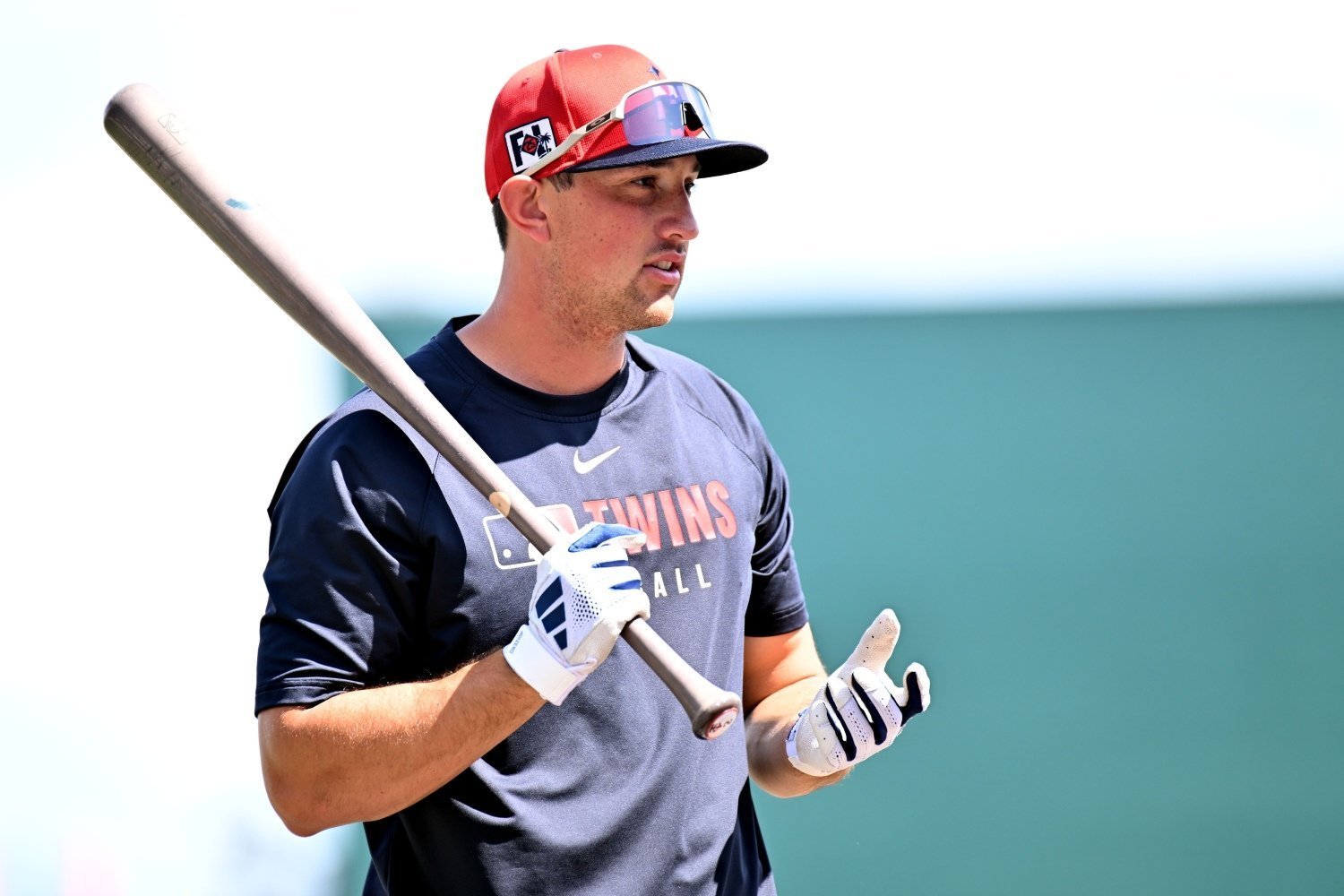 Brooks Lee was overmatched at the plate in 2024, and while it was his first taste of MLB action, his performance at least started to raise some red flags on the former 8th overall pick. He’s putting those concerns to bed in 2025, even if his superficial stats aren’t showing it. Lee’s most significant issue in 2024 was that he showed no semblance of the elite plate discipline he displayed across the minor leagues. It appeared Lee was overmatched and overanxious, chasing 35.8% of the time while continuing to make contact at a high rate. As we’ve seen with players like Jose Miranda, there comes a point where a lack of swing-and-miss becomes detrimental, particularly when the contact being made is outside of the strike zone. While Lee’s game is not centered upon his ability to do significant damage at the plate, his lack of power in 2024 was alarming. His average exit velocity of 85.8 mph would have ranked him in the bottom 15 of qualified hitters last season. His hard-hit percentage would have been in the bottom 10. While far from a death sentence in such a small sample, he had a long way to go to meet already low expectations in the power department. This season has been a much different story for Brooks Lee. His modest .683 OPS is slightly above the league-average hitter, but the process is entirely different. He’s improved his quality of contact across the board, including adding roughly 4 mph to his average exit velocity. Hard-hit rate, barrel rate, expected slugging, and even Lee’s expected batting average have spiked so far, and it’s only a matter of time before these improvements show up in his bottom-line performance. Brooks.mp4 Much like Lee’s struggles in 2024, these metrics have a root cause that can be traced back to his plate approach. He’s swung at more pitches in the zone while cutting 16% off his chase rate. He’s making less weak contact, letting these pitches outside of the zone go, and setting himself up with more favorable hitting counts to get pitches he can barrel. This is the approach that made him such a polished hitting prospect. Lee’s change in plate approach is likely a result of the newfound confidence he feels at the plate, which shows in multiple layers of his profile. In 2024, he appeared to be sitting back to fight everything off. He hit .175 against fastballs with a .275 slugging percentage. So far in 2025, he’s hitting .273 with a .455 slugging against them, and expected stats say he’s been unlucky. He’s hit offspeed pitches even better than fastballs, but has yet to collect a hit against breaking balls. How he adjusts to pitchers who try to abuse this weakness will likely determine how high Brooks Lee’s ceiling can be offensively. Brooks Lee looks like a player who acknowledged his struggles in his brief debut and went to work in the offseason. Despite an early season back injury delaying his start to the season, he looks like a different player at the plate. His overall performance is unimpressive, but his underlying numbers provide exciting foreshadowing. His .368 xwOBA is ahead of players like Randy Arozarena and Francisco Lindor. If Lee can maintain this performance, he’ll be a serious contributor to the Twins’ roster. Lee looks like a completely different player so far in 2025. Given his minor-league track record, his plate approach supports the quality of contact and makes 2024 look like the outlier in his career. The raw production should be right around the corner for Brooks Lee, and he may simply be a core member of the Twins’ lineup for years to come.
-
There was always hope that Louie Varland could be a valuable reliever, whenever the Twins officially transitioned him to the bullpen. So far, he’s exceeded all expectations, giving the Twins all kinds of options. Image courtesy of Jordan Johnson-Imagn Images There was always hope that Louie Varland could be a valuable reliever, whenever the Twins officially transitioned him to the bullpen. So far, he’s exceeded all expectations, giving the Twins all kinds of options. Louis Varland might currently be second on the Twins' bullpen hierarchy, due in equal measure to Griffin Jax’s struggles and his own performance. Varland looks like the fire-breathing relief ace we all hoped for so far, and it’s opened a whole new world of possibilities for the Twins. On Tuesday night, we saw the next step in Varland’s ascent. The maligned Jax pitched the 7th inning, with Varland left to bridge the 8th to Jhoan Duran, facing the heart of the opposing lineup. With a 1-2-3 inning, Varland continued with what had already been an impressive start to the season. He should now be considered one of their top relief arms. He may factor into that conversation for years to come. Varland has struck out nearly one-third of opposing hitters so far this season. While his struggles with allowing hard contact haven’t completely vanished, he’s posted career bests in many metrics, like expected batting average and slugging percentage. His knuckle-curve has become a legitimate weapon, allowing just one hit so far and drawing a near 50% whiff rate as his second-most used offering. His fastball is averaging 98.1 mph and has been nearly unhittable. Varland’s emergence gives the Twins a wealth of options at the back end of games. If Brock Stewart and Jax return to form (as already seems to be happening), they have four legitimate options to turn to in high-leverage situations. While both continue to get their footing to begin the season, one could argue that Varland has emerged as the second option in the bullpen, below only Duran. The Twins may currently be struggling to keep their heads above water, but if they have a season-saving comeback in them, the back end of this bullpen is likely to play a huge part. Varland’s emergence affects more than just the effectiveness of the Twins' bullpen in 2025. There’s no sugarcoating how much damage the Twins have done to their playoff odds to begin the season. If their poor play continues, they’re sure to find themselves fielding more and more calls from opposing teams on back-end relievers. Varland rising through the ranks gives them more ability to entertain such calls. This front office doesn’t believe in paying bullpen arms, and the team’s payroll and ownership are uncertain situations for the medium-term future. Continued struggles may create the perfect storm to part with at least one high-leverage reliever. Varland, being the youngest member of this group, is the most cost-controlled. The Twins may find themselves more comfortable parting with a more expensive relief arm, knowing that Varland is effective and under team control for years to come. While it may be a disappointing season so far, 2025 hasn’t been without its bright spots. Varland is becoming the reliever we thought he could be, which is beneficial for the Twins, whether they fight back into contention or continue to flounder. He can be a valuable piece of a competitive Twins bullpen down the stretch, or allow the team to shop older relievers with their sights set on reinforcing the 2026 roster. While one reality is much more desirable than the other, it’s worth recognizing the doors Varland’s performance so far has opened. Time will tell how, exactly, this development benefits the Twins, but it’s been one of the bright spots of a disappointing start to 2025. View full article
-
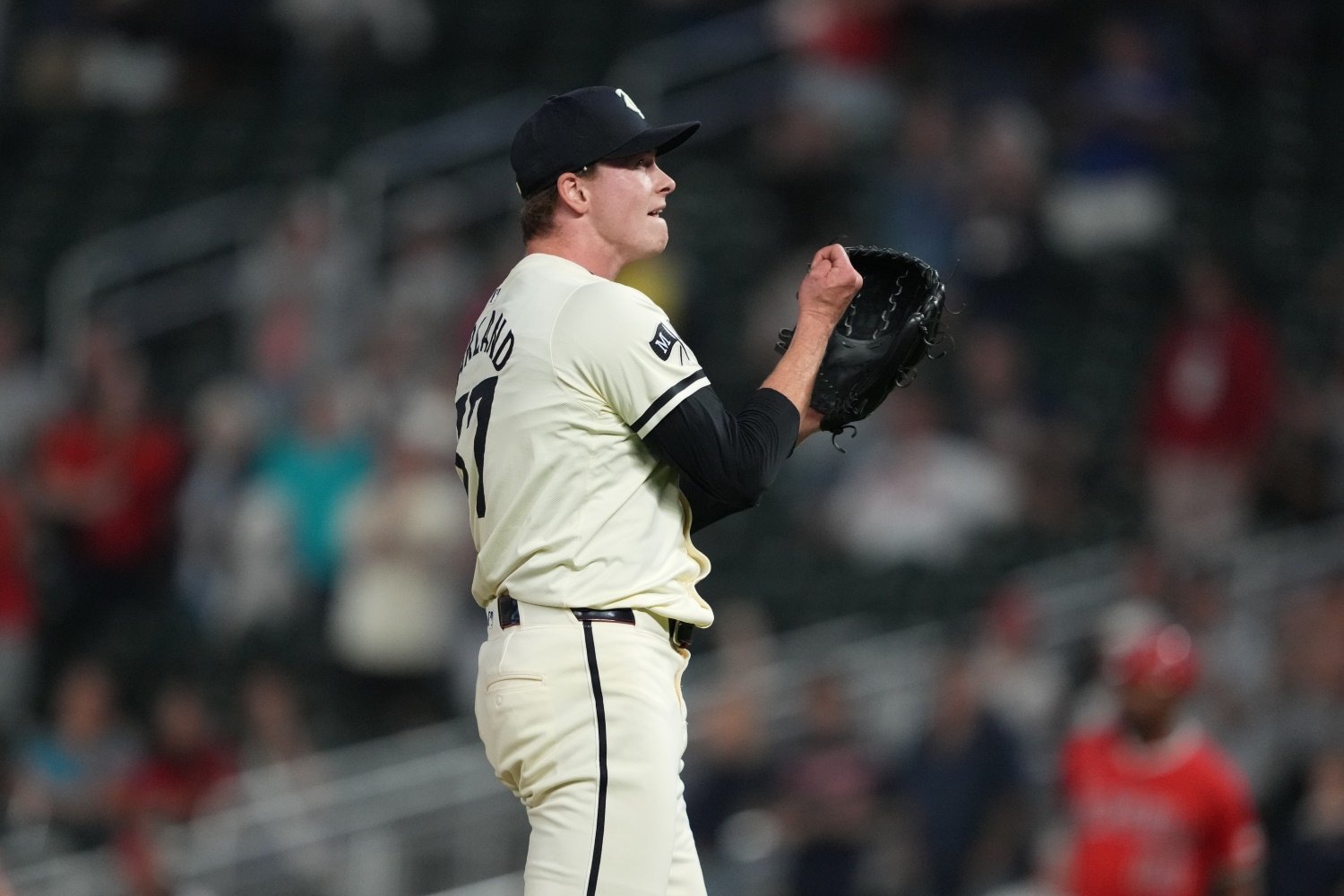 Louis Varland might currently be second on the Twins' bullpen hierarchy, due in equal measure to Griffin Jax’s struggles and his own performance. Varland looks like the fire-breathing relief ace we all hoped for so far, and it’s opened a whole new world of possibilities for the Twins. On Tuesday night, we saw the next step in Varland’s ascent. The maligned Jax pitched the 7th inning, with Varland left to bridge the 8th to Jhoan Duran, facing the heart of the opposing lineup. With a 1-2-3 inning, Varland continued with what had already been an impressive start to the season. He should now be considered one of their top relief arms. He may factor into that conversation for years to come. Varland has struck out nearly one-third of opposing hitters so far this season. While his struggles with allowing hard contact haven’t completely vanished, he’s posted career bests in many metrics, like expected batting average and slugging percentage. His knuckle-curve has become a legitimate weapon, allowing just one hit so far and drawing a near 50% whiff rate as his second-most used offering. His fastball is averaging 98.1 mph and has been nearly unhittable. Varland’s emergence gives the Twins a wealth of options at the back end of games. If Brock Stewart and Jax return to form (as already seems to be happening), they have four legitimate options to turn to in high-leverage situations. While both continue to get their footing to begin the season, one could argue that Varland has emerged as the second option in the bullpen, below only Duran. The Twins may currently be struggling to keep their heads above water, but if they have a season-saving comeback in them, the back end of this bullpen is likely to play a huge part. Varland’s emergence affects more than just the effectiveness of the Twins' bullpen in 2025. There’s no sugarcoating how much damage the Twins have done to their playoff odds to begin the season. If their poor play continues, they’re sure to find themselves fielding more and more calls from opposing teams on back-end relievers. Varland rising through the ranks gives them more ability to entertain such calls. This front office doesn’t believe in paying bullpen arms, and the team’s payroll and ownership are uncertain situations for the medium-term future. Continued struggles may create the perfect storm to part with at least one high-leverage reliever. Varland, being the youngest member of this group, is the most cost-controlled. The Twins may find themselves more comfortable parting with a more expensive relief arm, knowing that Varland is effective and under team control for years to come. While it may be a disappointing season so far, 2025 hasn’t been without its bright spots. Varland is becoming the reliever we thought he could be, which is beneficial for the Twins, whether they fight back into contention or continue to flounder. He can be a valuable piece of a competitive Twins bullpen down the stretch, or allow the team to shop older relievers with their sights set on reinforcing the 2026 roster. While one reality is much more desirable than the other, it’s worth recognizing the doors Varland’s performance so far has opened. Time will tell how, exactly, this development benefits the Twins, but it’s been one of the bright spots of a disappointing start to 2025.
- 23 comments
-
- 7
-

-
- louis varland
- jhoan duran
- (and 1 more)
-
After a solid 2024 season, the young outfielder is off to a poor start this spring, and the underlying numbers suggest his struggles aren’t just bad luck. What’s changed for the Twins' left fielder? Image courtesy of Jordan Johnson-USA TODAY Sports After a solid 2024 season, the young outfielder is off to a poor start this spring, and the underlying numbers suggest his struggles aren’t just bad luck. What’s changed for the Twins' left fielder? Trevor Larnach made significant strides in 2024, particularly in his whiff rates and performance against non-fastballs. After slashing his strikeout rate to 22.3% last season, he’s striking out even less in 2025. He also has yet to barrel a single ball, and has contributed very little offensively. Could Larnach be leaning too far into his adjusted plate approach? In 2024, we finally saw Larnach make good on his prospect pedigree. He posted career bests across the board, resulting in a 15-homer season with a .771 OPS despite playing through foot problems. He was 21% better than the league-average hitter, and looked to break through as a trustworthy piece of the Twins lineup while so many others struggled. He pulled the ball more, swung and missed less, and showed a balanced plate approach that should hold up consistently. So far in 2025, Larnach has shown some concerning trends that have led to his struggles. Dropping his strikeout rate in 2024 was a welcome development. Dropping it even further in 2025 has led to some unintended consequences. Larnach’s quality of contact has been extremely poor so far this season, and it’s easy to see why. While he’s still posting strong walk rates, his chase rate is above 30%, a mark he’s never come close to in his career. This hasn’t been reflected in his strikeout rate, because he’s making contact on these swings outside of the zone over half the time, but that's just leading to poor contact. It’s the same issue we saw from Jose Miranda before his demotion. The ability to make contact isn’t always valuable. Despite Larnach’s suddenly free-swinging tendencies, he’s also become oddly passive in certain situations. He’s swung at just over 13% of first pitches in his at-bats, by far the lowest rate of his career. Perhaps on a related note, he’s swung at a career-low 60% of pitches in the heart of the plate. It makes sense, then, that he’s slashing just .143/.409/.214 when ahead in the count. It’s impossible to succeed while swinging at so many pitches outside the zone and letting so many hittable pitches go by. When Larnach does make contact, he’s pulling the ball a career-low 34.9% of the time and using the opposite field a career-high 32.6% of the time. It’s tough to say what’s going through Larnach’s head when he’s at the plate, but it sure looks like he’s in survival mode, trying to fight off pitches and make sure he makes contact. He’s swinging and missing at a career-low rate so far, but it’s coming at the expense of any offensive production. It’s possible that, after significantly reducing his strikeouts last season, Larnach is trying to take things a step further in 2025 and has taken his adjustments too far. Regardless of the reason, he’s entirely out of sorts at the plate, and the Twins are taking notice. He’s already been moved down in the order as the offense has continued to struggle, and top prospect Emmanuel Rodriguez could push for playing time at the MLB level sometime this season. At 28 years old and in his fifth season at the MLB level, Larnach will have to show something relatively quickly, given his lack of track record. If the offense continues to struggle, the range of available options may widen in the Twins’ eyes as they look for any spark. We’re watching the downside of avoiding strikeouts at all costs. After finding a winning formula last season, he hasn’t been able to repeat it in 2025. Can he adjust his plate approach before it’s too late? View full article
- 24 replies
-
- 1
-
-
- trevor larnach
- emmanuel rodriguez
- (and 1 more)
-
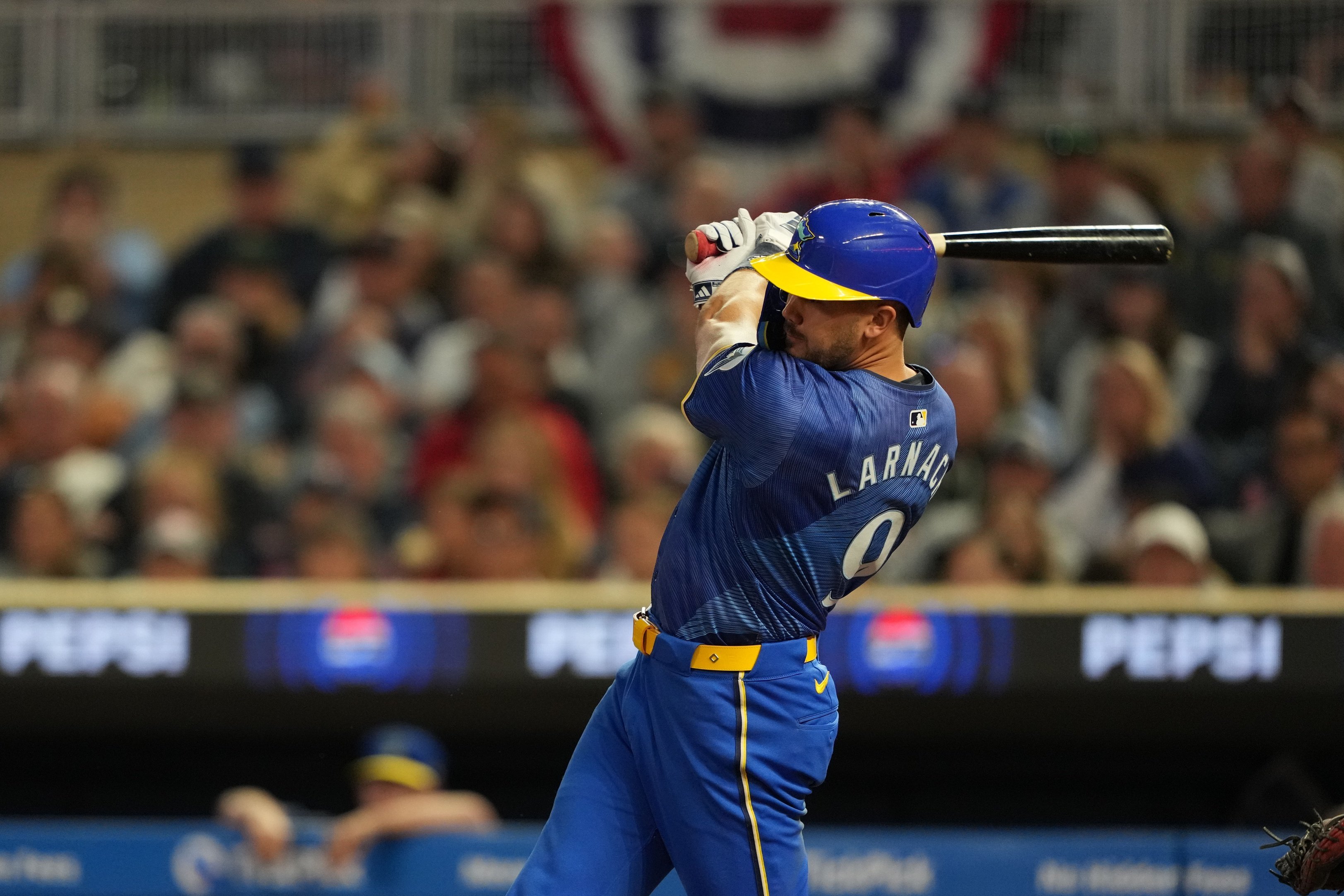 Trevor Larnach made significant strides in 2024, particularly in his whiff rates and performance against non-fastballs. After slashing his strikeout rate to 22.3% last season, he’s striking out even less in 2025. He also has yet to barrel a single ball, and has contributed very little offensively. Could Larnach be leaning too far into his adjusted plate approach? In 2024, we finally saw Larnach make good on his prospect pedigree. He posted career bests across the board, resulting in a 15-homer season with a .771 OPS despite playing through foot problems. He was 21% better than the league-average hitter, and looked to break through as a trustworthy piece of the Twins lineup while so many others struggled. He pulled the ball more, swung and missed less, and showed a balanced plate approach that should hold up consistently. So far in 2025, Larnach has shown some concerning trends that have led to his struggles. Dropping his strikeout rate in 2024 was a welcome development. Dropping it even further in 2025 has led to some unintended consequences. Larnach’s quality of contact has been extremely poor so far this season, and it’s easy to see why. While he’s still posting strong walk rates, his chase rate is above 30%, a mark he’s never come close to in his career. This hasn’t been reflected in his strikeout rate, because he’s making contact on these swings outside of the zone over half the time, but that's just leading to poor contact. It’s the same issue we saw from Jose Miranda before his demotion. The ability to make contact isn’t always valuable. Despite Larnach’s suddenly free-swinging tendencies, he’s also become oddly passive in certain situations. He’s swung at just over 13% of first pitches in his at-bats, by far the lowest rate of his career. Perhaps on a related note, he’s swung at a career-low 60% of pitches in the heart of the plate. It makes sense, then, that he’s slashing just .143/.409/.214 when ahead in the count. It’s impossible to succeed while swinging at so many pitches outside the zone and letting so many hittable pitches go by. When Larnach does make contact, he’s pulling the ball a career-low 34.9% of the time and using the opposite field a career-high 32.6% of the time. It’s tough to say what’s going through Larnach’s head when he’s at the plate, but it sure looks like he’s in survival mode, trying to fight off pitches and make sure he makes contact. He’s swinging and missing at a career-low rate so far, but it’s coming at the expense of any offensive production. It’s possible that, after significantly reducing his strikeouts last season, Larnach is trying to take things a step further in 2025 and has taken his adjustments too far. Regardless of the reason, he’s entirely out of sorts at the plate, and the Twins are taking notice. He’s already been moved down in the order as the offense has continued to struggle, and top prospect Emmanuel Rodriguez could push for playing time at the MLB level sometime this season. At 28 years old and in his fifth season at the MLB level, Larnach will have to show something relatively quickly, given his lack of track record. If the offense continues to struggle, the range of available options may widen in the Twins’ eyes as they look for any spark. We’re watching the downside of avoiding strikeouts at all costs. After finding a winning formula last season, he hasn’t been able to repeat it in 2025. Can he adjust his plate approach before it’s too late?
- 24 comments
-
- 3
-
-
- trevor larnach
- emmanuel rodriguez
- (and 1 more)
-
The French-Canadian God of Walks hasn’t had much success this season, but he’s been a changed man at the plate. Finally abandoning his overly patient plate approach, he's worth watching as a Twins breakout hitter in 2025. Image courtesy of Matt Marton-Imagn Images The French-Canadian God of Walks hasn’t had much success this season, but he’s been a changed man at the plate. Finally abandoning his overly patient plate approach, he's worth watching as a Twins breakout hitter in 2025. Edouard Julien’s patient plate approach was taken advantage of by opposing pitchers last season. While he didn’t hint at being more aggressive, he did recognize his need to compete against non-fastballs this season to bounce back. So far, in 2025, he’s been able to do both. His sophomore campaign was a massive disappointment for Julien, whose patient approach sometimes crossed over into outright passivity. Opposing pitchers put together a rock-solid scouting report against him, as evidenced by Julien leading the league in called strikeouts—despite spending a good chunk of the season at Triple A. It was time for Julien to make a big adjustment, and that’s precisely what he’s done. For the first time in his major-league career, Julien is swinging at more than half the pitches he sees. After constantly finding himself down in the count last season, he’s no longer willing to let the borderline pitches sneak by. While he hasn’t worked counts and taken walks as much as we’ve come to expect, he’s also cut down on the strikeouts so far this season. The quality of contact has also remained steady in the early going. Julien’s hard-hit rate is back to the level it was in his breakout rookie season, and his barrel rate is better than it’s ever been. He’s not just selling out to try to make contact of any kind, he’s consistently putting a charge into the ball. More encouraging is Julien’s performance against non-fastballs. Last season, he had no chance in non-fastball counts, and pitchers repeatedly attacked him with soft stuff when he was behind. While Julien may not be punishing fastballs like we’ve seen him do in the past, it’s hard to imagine he’s lost his ability to do so long-term. More importantly, the talk of spring training regarding Julien was his need to compete against other pitches, and so far, he’s doing so at a level we’ve never seen from him before. While the sample size is small, it coincides with a change in approach, which should always be given at least some attention. It's not just that he's timing his swing to the softer stuff, either—though there might be truth in that, and he might need to make a next wave of adjustments because of it, so he can catch up to the heat. Julien is also hitting from a slightly more spread-out stance, and using a slightly shorter stride this year. That's allowed him to make contact farther in front of his own body, and to catch the ball in front of home plate—which usually means more thump, particularly against breaking and offspeed pitches. Julien likely still has a bit to iron out with his plate approach in 2025. Swinging so often can also be taken advantage of, particularly when chasing pitches outside the zone. Julien has chased nearly 30% of the time this season, a notable increase from the 18% rate he showed in 2024. While his strikeout rate has declined, his per-swing whiff rate has increased from 30.9% to 35.7%. It’s hard to expect Julien to come out this season with a completely different plate approach and have it optimized, but this is a start. Instead of looking for the perfect pitch, it appears he’s more willing to expand what he’s hunting for, and so far it’s worked. Julien Hit.mp4 Julien has shown plenty to be excited about early this season. Watching him take strike three so consistently in 2024 became maddening, and we’re seeing some encouraging signs of him putting that tendency in the rearview mirror. He's a different hitter in 2025. Can he keep it up? View full article
-
Edouard Julien Is A New Man. Can He Regain His Former Excellence?
Cody Pirkl posted an article in Twins
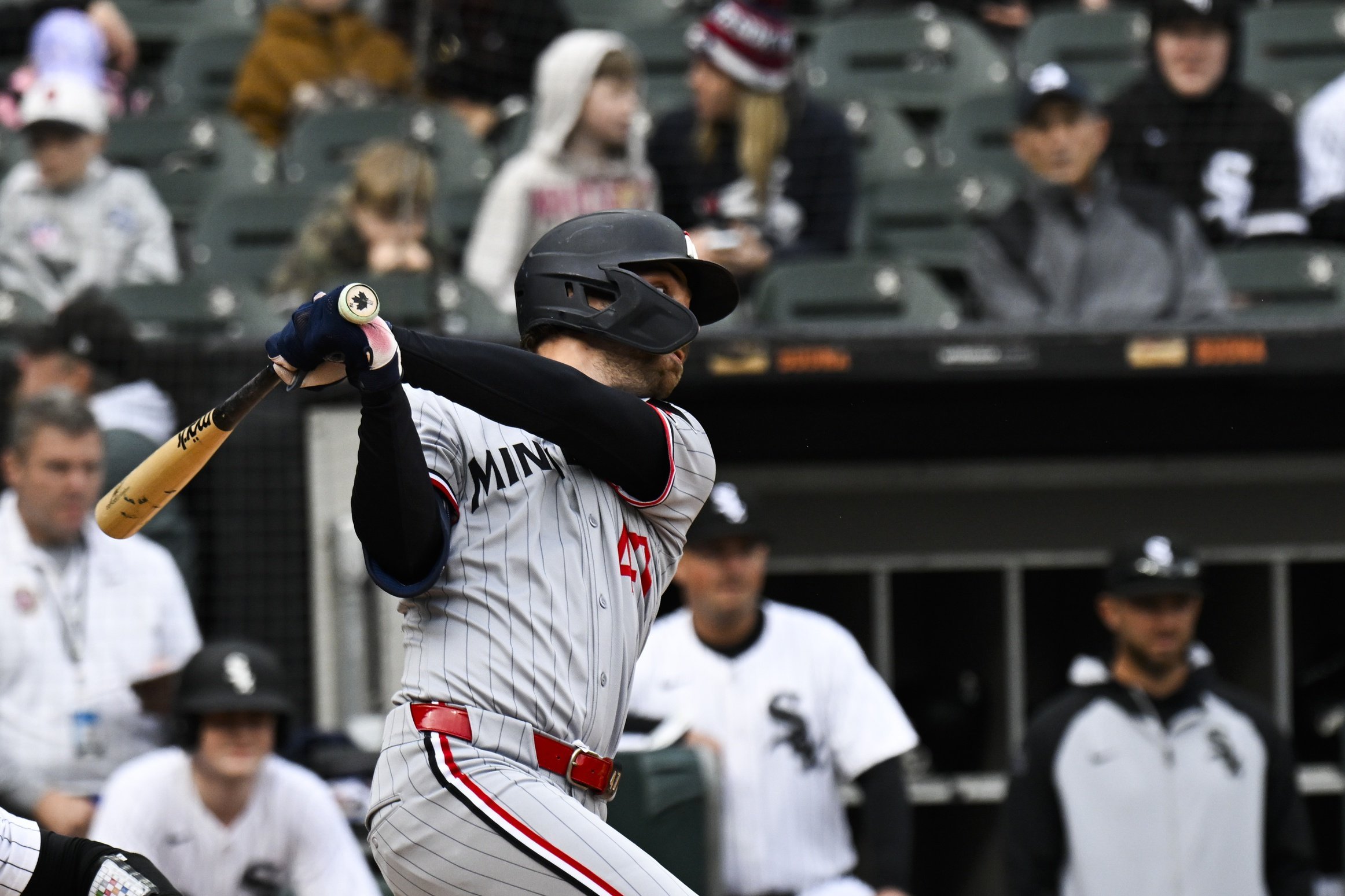 Edouard Julien’s patient plate approach was taken advantage of by opposing pitchers last season. While he didn’t hint at being more aggressive, he did recognize his need to compete against non-fastballs this season to bounce back. So far, in 2025, he’s been able to do both. His sophomore campaign was a massive disappointment for Julien, whose patient approach sometimes crossed over into outright passivity. Opposing pitchers put together a rock-solid scouting report against him, as evidenced by Julien leading the league in called strikeouts—despite spending a good chunk of the season at Triple A. It was time for Julien to make a big adjustment, and that’s precisely what he’s done. For the first time in his major-league career, Julien is swinging at more than half the pitches he sees. After constantly finding himself down in the count last season, he’s no longer willing to let the borderline pitches sneak by. While he hasn’t worked counts and taken walks as much as we’ve come to expect, he’s also cut down on the strikeouts so far this season. The quality of contact has also remained steady in the early going. Julien’s hard-hit rate is back to the level it was in his breakout rookie season, and his barrel rate is better than it’s ever been. He’s not just selling out to try to make contact of any kind, he’s consistently putting a charge into the ball. More encouraging is Julien’s performance against non-fastballs. Last season, he had no chance in non-fastball counts, and pitchers repeatedly attacked him with soft stuff when he was behind. While Julien may not be punishing fastballs like we’ve seen him do in the past, it’s hard to imagine he’s lost his ability to do so long-term. More importantly, the talk of spring training regarding Julien was his need to compete against other pitches, and so far, he’s doing so at a level we’ve never seen from him before. While the sample size is small, it coincides with a change in approach, which should always be given at least some attention. It's not just that he's timing his swing to the softer stuff, either—though there might be truth in that, and he might need to make a next wave of adjustments because of it, so he can catch up to the heat. Julien is also hitting from a slightly more spread-out stance, and using a slightly shorter stride this year. That's allowed him to make contact farther in front of his own body, and to catch the ball in front of home plate—which usually means more thump, particularly against breaking and offspeed pitches. Julien likely still has a bit to iron out with his plate approach in 2025. Swinging so often can also be taken advantage of, particularly when chasing pitches outside the zone. Julien has chased nearly 30% of the time this season, a notable increase from the 18% rate he showed in 2024. While his strikeout rate has declined, his per-swing whiff rate has increased from 30.9% to 35.7%. It’s hard to expect Julien to come out this season with a completely different plate approach and have it optimized, but this is a start. Instead of looking for the perfect pitch, it appears he’s more willing to expand what he’s hunting for, and so far it’s worked. Julien Hit.mp4 Julien has shown plenty to be excited about early this season. Watching him take strike three so consistently in 2024 became maddening, and we’re seeing some encouraging signs of him putting that tendency in the rearview mirror. He's a different hitter in 2025. Can he keep it up?
-
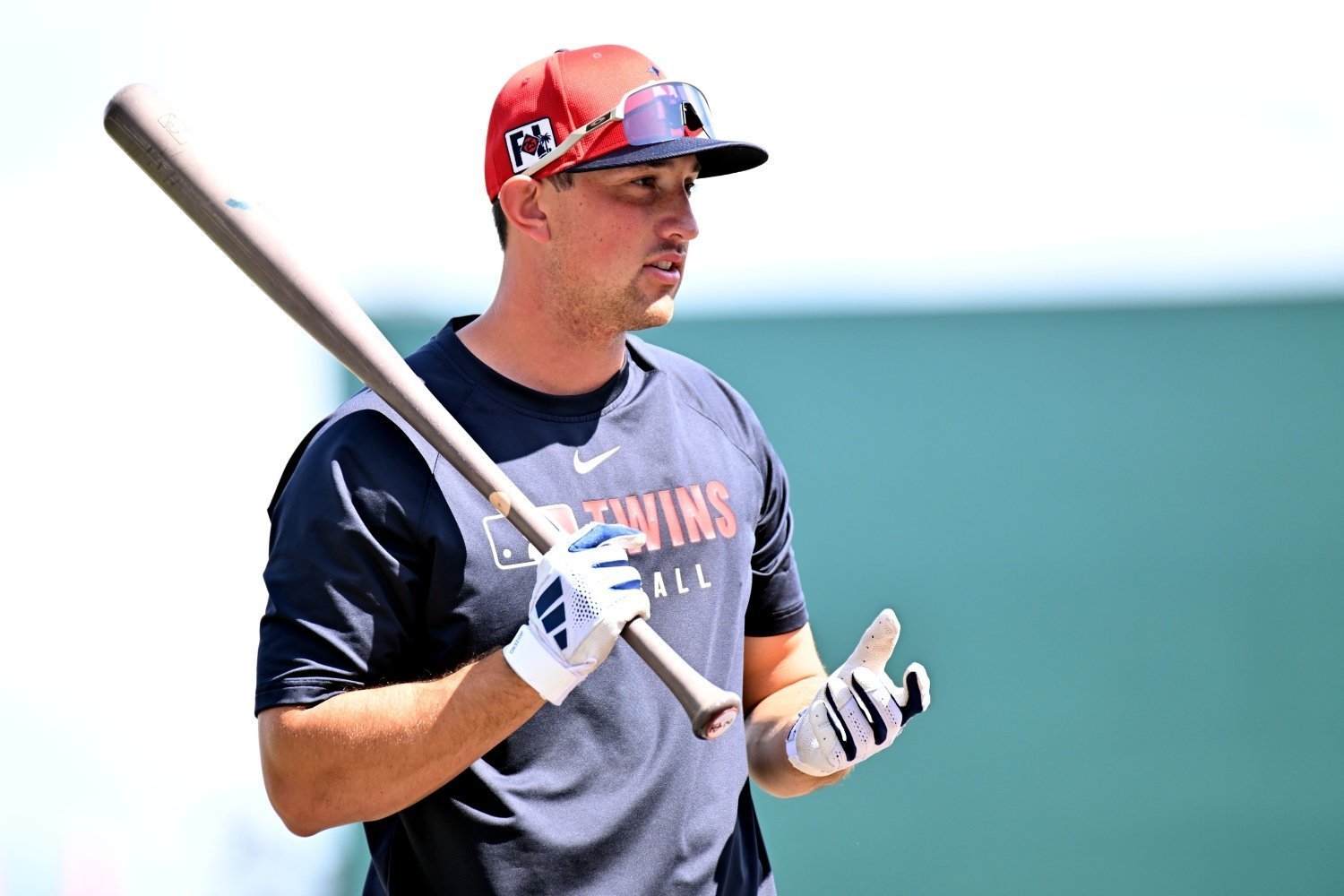 Brooks Lee was never a lock to make the Opening Day roster out of spring training, and in different circumstances, he may have remained in St. Paul for some time, even after his rehab assignment ended. Given the Twins' poor start, however, the plan will likely be to get Lee back up as soon as he’s ready. Which player stands to lose their job? Unfortunately, there are a few viable candidates. Mickey Gasper Gasper is a great story, but we may be seeing why it’s taken so long for him to get a shot at the MLB level. His discerning eye at the plate is his calling card. To his credit, he’s walked 20% of the time. He’s also struck out 40% of the time and has only one hit, effectively canceling out the walks. Gasper hasn’t been able to punish pitches in the zone, as even his one hit was a dribbler that barely left the infield. If pitchers have no concerns filling up the strike zone, Gasper’s primary tool dries up. If he were a stronger defensive player, Gasper would be a solid bench option, but that’s not proven to be the case. Despite being labeled a catcher when the Twins acquired him, the team clearly doesn’t see him that way. He’s played first base, but his size has already cost him on one occasion at that position. He also made a tough error on Tuesday night in Kansas City at second base, where he played for the first time this season. He doesn’t have much immediate utility to the roster or a track record to wait on, making Gasper the likeliest player to lose out upon Lee’s return. Jose Miranda While it’s a long shot, there’s certainly a world where Jose Miranda gets demoted back to St. Paul. Aside from a big three-run homer against Houston, he’s looked completely lost at the plate. Miranda’s free-swinging ways have been on full display. He's had, seemingly, no idea what’s a ball and what’s a strike. If the Twins feel like Miranda would benefit from seeing lesser pitching to get back into a groove, St. Paul could be an option. Miranda has done a fine job filling in at third base, but Lee would be an upgrade defensively. He has rarely seen time at first base, and with the way Harrison Bader is being used, there are much better options for the DH spot. If the Twins decide Lee is going to play a lot of third base, a Miranda demotion becomes realistic. Edouard Julien The Twins’ view of Edouard Julien has soured, making him a sleeper pick of this trio. Julien is no longer a lock to start, even against right-handed pitching. While he’s barreled some balls so far this season, he doesn’t have the production to show for it. These barrels have also come at the expense of Julien’s plate approach. He’s chasing nearly 30% of pitches outside the zone and is whiffing over 35% of the time. This level of aggressiveness is a 180° from the passiveness he's shown in the past, but that seems to have been an overcorrection. There are reasons for optimism, but it may take time for Julien to hone this new plate approach, and it may be easier to do so in Triple-A. Most concerning for Julien was Gasper starting over him at second base on Tuesday. Gasper learned this position on the fly in spring training, and the Twins preferred him there on Tuesday. while Julien served as the DH. Gasper made an error, but Julien has made plenty of those himself in the last two years, and he’s starting to look like a player without a defensive home. It may be more telling if Julien isn’t optioned back to Triple-A, as it would indicate the Twins are no longer prioritizing getting him everyday at-bats. Julien has found himself in a precarious spot. These three all deserve a demotion in different ways, and to different degrees. It’s become clear that Lee needs to be up as soon as he’s ready, to shore up the defense and add a new face to an already stale roster. Which player should be the one headed back to St. Paul?
- 91 comments
-
- 6
-
-
- brooks lee
- edouard julien
- (and 2 more)
-
The Twins' 2022 first-round pick has returned to Triple-A in his rehab assignment, and his return to the Twins is looming. With no shortage of candidates, which player on the current roster should be replaced? Image courtesy of Jonathan Dyer-Imagn Images The Twins' 2022 first-round pick has returned to Triple-A in his rehab assignment, and his return to the Twins is looming. With no shortage of candidates, which player on the current roster should be replaced? Brooks Lee was never a lock to make the Opening Day roster out of spring training, and in different circumstances, he may have remained in St. Paul for some time, even after his rehab assignment ended. Given the Twins' poor start, however, the plan will likely be to get Lee back up as soon as he’s ready. Which player stands to lose their job? Unfortunately, there are a few viable candidates. Mickey Gasper Gasper is a great story, but we may be seeing why it’s taken so long for him to get a shot at the MLB level. His discerning eye at the plate is his calling card. To his credit, he’s walked 20% of the time. He’s also struck out 40% of the time and has only one hit, effectively canceling out the walks. Gasper hasn’t been able to punish pitches in the zone, as even his one hit was a dribbler that barely left the infield. If pitchers have no concerns filling up the strike zone, Gasper’s primary tool dries up. If he were a stronger defensive player, Gasper would be a solid bench option, but that’s not proven to be the case. Despite being labeled a catcher when the Twins acquired him, the team clearly doesn’t see him that way. He’s played first base, but his size has already cost him on one occasion at that position. He also made a tough error on Tuesday night in Kansas City at second base, where he played for the first time this season. He doesn’t have much immediate utility to the roster or a track record to wait on, making Gasper the likeliest player to lose out upon Lee’s return. Jose Miranda While it’s a long shot, there’s certainly a world where Jose Miranda gets demoted back to St. Paul. Aside from a big three-run homer against Houston, he’s looked completely lost at the plate. Miranda’s free-swinging ways have been on full display. He's had, seemingly, no idea what’s a ball and what’s a strike. If the Twins feel like Miranda would benefit from seeing lesser pitching to get back into a groove, St. Paul could be an option. Miranda has done a fine job filling in at third base, but Lee would be an upgrade defensively. He has rarely seen time at first base, and with the way Harrison Bader is being used, there are much better options for the DH spot. If the Twins decide Lee is going to play a lot of third base, a Miranda demotion becomes realistic. Edouard Julien The Twins’ view of Edouard Julien has soured, making him a sleeper pick of this trio. Julien is no longer a lock to start, even against right-handed pitching. While he’s barreled some balls so far this season, he doesn’t have the production to show for it. These barrels have also come at the expense of Julien’s plate approach. He’s chasing nearly 30% of pitches outside the zone and is whiffing over 35% of the time. This level of aggressiveness is a 180° from the passiveness he's shown in the past, but that seems to have been an overcorrection. There are reasons for optimism, but it may take time for Julien to hone this new plate approach, and it may be easier to do so in Triple-A. Most concerning for Julien was Gasper starting over him at second base on Tuesday. Gasper learned this position on the fly in spring training, and the Twins preferred him there on Tuesday. while Julien served as the DH. Gasper made an error, but Julien has made plenty of those himself in the last two years, and he’s starting to look like a player without a defensive home. It may be more telling if Julien isn’t optioned back to Triple-A, as it would indicate the Twins are no longer prioritizing getting him everyday at-bats. Julien has found himself in a precarious spot. These three all deserve a demotion in different ways, and to different degrees. It’s become clear that Lee needs to be up as soon as he’s ready, to shore up the defense and add a new face to an already stale roster. Which player should be the one headed back to St. Paul? View full article
-
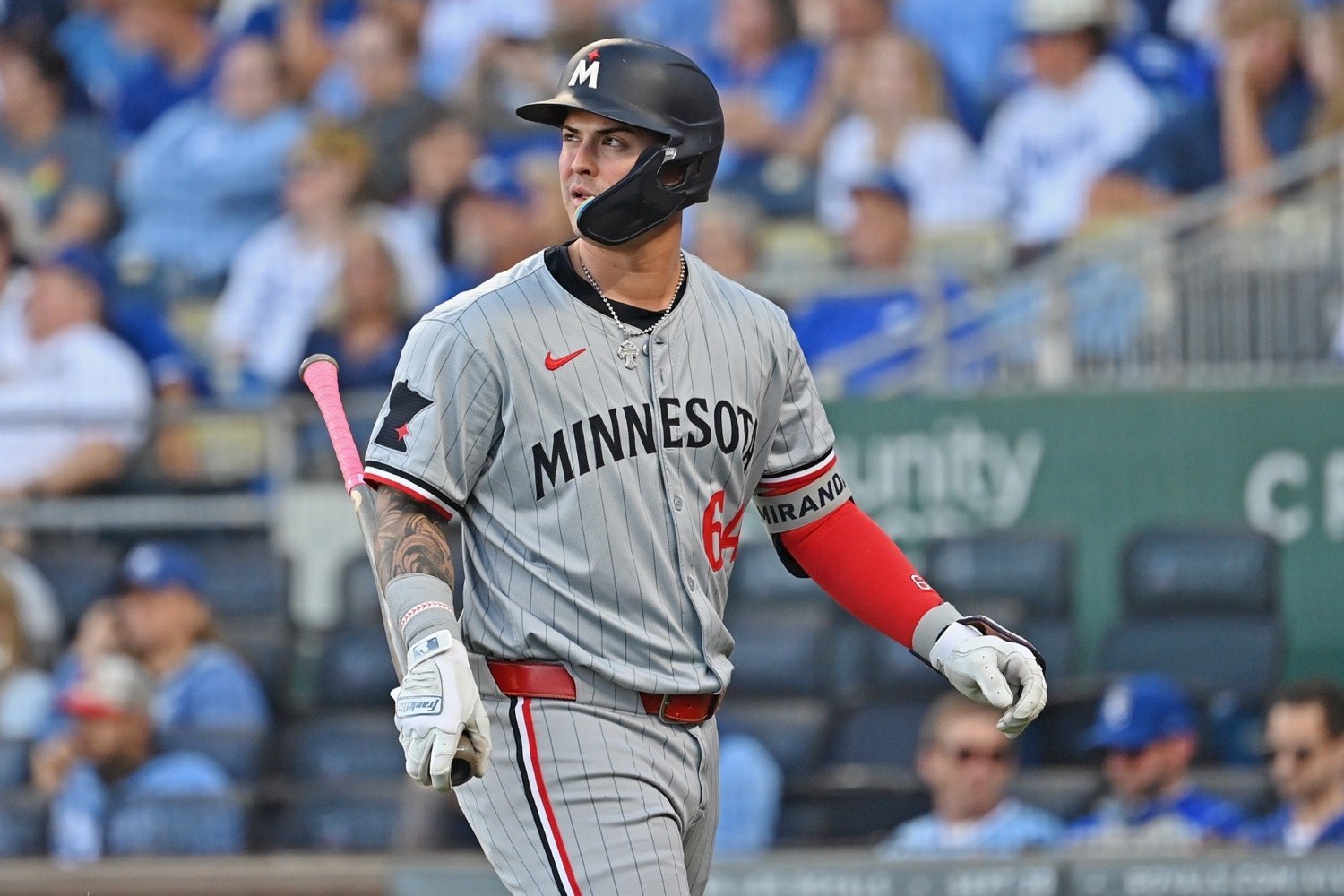 At the midway point of last season, José Miranda looked like he had hit his way back into the Twins' plans. He slashed .325/.366/.522 in the first half, but suffered a back injury and posted a .543 OPS to finish the season. As a result, the Twins didn’t trust him to become the full-time first baseman headed into 2025. In a small sample this season, he’s proven their decision correct. Miranda was a late-blooming prospect. It took him a few years to turn his ability to make frequent contact into an ability to do damage. Even as he ascended through the minor leagues, his consistency was always the question, as his lack of patience canceled out his lack of swing-and-miss. That's precisely what we’ve seen from him (at his worst) at the MLB level. So far this season, Miranda’s plate approach has continued to hold him back. The Royce Lewis and Brooks Lee injuries have allowed him to play in every game thus far, but he has done little to seize the opportunity. Miranda whiffing at nearly 33% of pitches is likely the result of the small sample, but the rest of his profile affirms the concerns many have long harbored about him. He’s chased over 40% of pitches outside the zone, which has always been his chief flaw. It’s resulted in minimal hard contact, which will continue even as the whiff rate stabilizes. We’re watching the worst version of Miranda right now. We’ve seen it before, and so far in 2025, it appears he hasn’t ironed out these tendencies. We know he can be a force at the plate when locked in and 100% healthy, but he’s continually bounced between extreme highs and extreme lows in his career, with little in between. When he’s seeing pitches in the zone, his ability to make contact has resulted in some memorable performances. When pitchers decide not to throw him anything to hit, he’s taking the same swings and badly slumping. It also results in very low walk rates, and Miranda has yet to earn a free pass this season. We still aren’t sure of the timelines for Brooks Lee and Royce Lewis, but Miranda will have to go on a run offensively before either of them returns. The Twins have no shortage of options in the DH spot, where Miranda will likely need most of his playing time to come from when another third baseman is ready to take over in the field. The Twins are doubtful of him, considering he’s been hitting in the 8th spot against right-handed pitching. It’s up to Miranda to prove them wrong. A major-league hitter can make a living chasing pitches and making frequent contact. Twins fans got to experience the highs and lows of this strategy for years when Eddie Rosario was roaming the outfield. It’s a difficult needle to thread regarding sustained performance, though, and it typically doesn’t age well. The Twins, notably, cut bait with Rosario in his last year of arbitration at age 29 and were proven correct. The hope was that Miranda could evolve at the plate to become more well-rounded and consistent. The early returns in 2025 show the same problematic plate approach, and as he nears 27 years of age, the likelihood of adjusting has significantly declined. He may always be a feast-or-famine hitter, cut from the opposite end of the same cloth as hitters such as Joey Gallo and Miguel Sano. It’s an important year for Miranda, and he’s gotten off to a discouraging start. While the sample size is minuscule, many of his past deficiencies at the plate have been alive and well so far. Can he turn it around before another third baseman is ready to return?
- 24 comments
-
- 8
-
-
- jose miranda
- royce lewis
- (and 1 more)
-
His career has had many ups and downs—some due to injury, and some due to the nature of his plate approach. He can run white-hot for long periods, and then turn ice-cold without warning. To begin 2025, we’ve seen the latter. Image courtesy of Peter Aiken-Imagn Images His career has had many ups and downs—some due to injury, and some due to the nature of his plate approach. He can run white-hot for long periods, and then turn ice-cold without warning. To begin 2025, we’ve seen the latter. At the midway point of last season, José Miranda looked like he had hit his way back into the Twins' plans. He slashed .325/.366/.522 in the first half, but suffered a back injury and posted a .543 OPS to finish the season. As a result, the Twins didn’t trust him to become the full-time first baseman headed into 2025. In a small sample this season, he’s proven their decision correct. Miranda was a late-blooming prospect. It took him a few years to turn his ability to make frequent contact into an ability to do damage. Even as he ascended through the minor leagues, his consistency was always the question, as his lack of patience canceled out his lack of swing-and-miss. That's precisely what we’ve seen from him (at his worst) at the MLB level. So far this season, Miranda’s plate approach has continued to hold him back. The Royce Lewis and Brooks Lee injuries have allowed him to play in every game thus far, but he has done little to seize the opportunity. Miranda whiffing at nearly 33% of pitches is likely the result of the small sample, but the rest of his profile affirms the concerns many have long harbored about him. He’s chased over 40% of pitches outside the zone, which has always been his chief flaw. It’s resulted in minimal hard contact, which will continue even as the whiff rate stabilizes. We’re watching the worst version of Miranda right now. We’ve seen it before, and so far in 2025, it appears he hasn’t ironed out these tendencies. We know he can be a force at the plate when locked in and 100% healthy, but he’s continually bounced between extreme highs and extreme lows in his career, with little in between. When he’s seeing pitches in the zone, his ability to make contact has resulted in some memorable performances. When pitchers decide not to throw him anything to hit, he’s taking the same swings and badly slumping. It also results in very low walk rates, and Miranda has yet to earn a free pass this season. We still aren’t sure of the timelines for Brooks Lee and Royce Lewis, but Miranda will have to go on a run offensively before either of them returns. The Twins have no shortage of options in the DH spot, where Miranda will likely need most of his playing time to come from when another third baseman is ready to take over in the field. The Twins are doubtful of him, considering he’s been hitting in the 8th spot against right-handed pitching. It’s up to Miranda to prove them wrong. A major-league hitter can make a living chasing pitches and making frequent contact. Twins fans got to experience the highs and lows of this strategy for years when Eddie Rosario was roaming the outfield. It’s a difficult needle to thread regarding sustained performance, though, and it typically doesn’t age well. The Twins, notably, cut bait with Rosario in his last year of arbitration at age 29 and were proven correct. The hope was that Miranda could evolve at the plate to become more well-rounded and consistent. The early returns in 2025 show the same problematic plate approach, and as he nears 27 years of age, the likelihood of adjusting has significantly declined. He may always be a feast-or-famine hitter, cut from the opposite end of the same cloth as hitters such as Joey Gallo and Miguel Sano. It’s an important year for Miranda, and he’s gotten off to a discouraging start. While the sample size is minuscule, many of his past deficiencies at the plate have been alive and well so far. Can he turn it around before another third baseman is ready to return? View full article
-
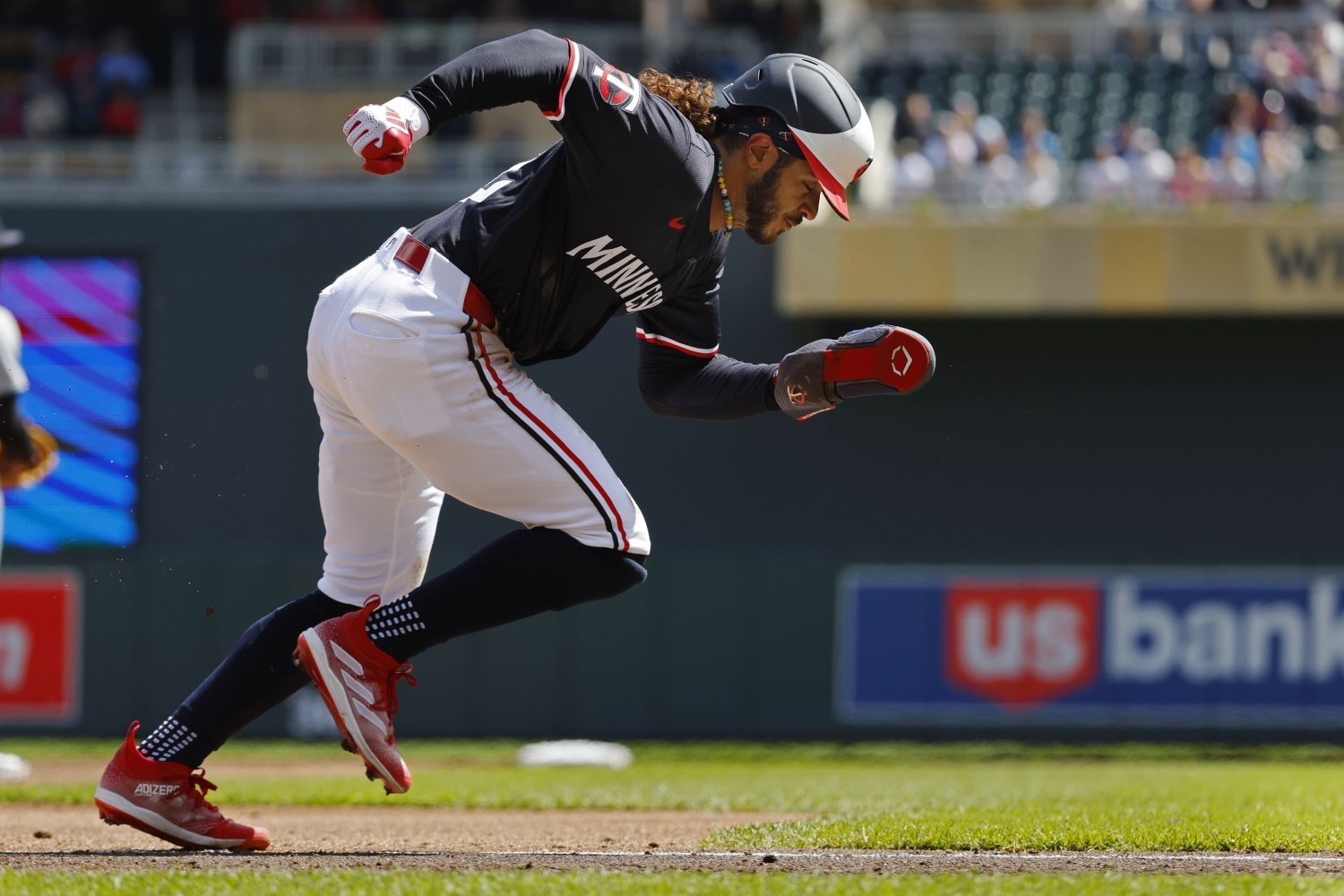 The Twins made a series of announcements this week, awarding roster spots to several players who will travel north with the team when the regular season begins this week. Austin Martin is on the outside looking in, raising significant questions for the 26-year-old former fifth overall pick. Several roster spots have opened up unexpectedly on the position player side this spring, as Royce Lewis and Brooks Lee opened the season on the IL. While disappointing, this created an opportunity for a handful of players. At this point, it must be alarming that the Twins perceive Austin Martin so far down the depth chart. Offensively, Martin has struggled to make good on his draft pedigree at almost every stop in the minor leagues. He’s often displayed impressive plate discipline and ability to make contact but hasn’t been able to develop any power whatsoever throughout his career. He has yet to slug .400 in an entire season, which leaves a murky path to being anything close to a regular in the MLB. Even with an 18.3% walk rate at the MLB level in 2024, he was a below-average hitter. The hope was that Martin’s athleticism could still earn him a bench spot and afford him more time to seize an opportunity and develop further. Unfortunately, Martin hasn’t been able to translate that athleticism to the defensive side of his game, which is likely what cost him an Opening Day roster spot. Martin saw significant playing time in the infield throughout his minor league career despite the Blue Jays and Twins having little faith that he would stick there long term. The hope was that Martin would immediately become a strong outfielder defensively because of his raw physical talent when they finally made the change. So far, in his brief MLB action, this has not proven to be the case. Martin was a negative defensively at every position the Twins tried him at in 2024. His speed hasn’t been able to compensate for his lack of instincts at these positions, leaving him without a defensive home. The lack of confidence in Martin’s ability to contribute on either side of the ball will result in him spending the beginning of his age-26 season in St. Paul. He’s already performed there as well as can be expected over the last two seasons, which begs the question of what precisely the Twins need to see from him to trust him at the MLB level. Martin is a depth piece, behind several players at multiple positions on the depth chart, with several top prospects approaching who may quickly surpass him. Luke Keaschall will warrant playing time at second base. Emmanuel Rodriguez will see time in center field at some point this season. DaShawn Keirsey Jr. will likely play ahead of him if he gets squeezed off the MLB roster. It’s not a good spot for Martin to be. Austin Martin could further develop his outfield defense to at least earn a bench spot in the future, but time is likely running out for the former headliner of the Jose Berrios trade to work his way into the Twins plans. He has nothing left to prove in Triple-A, and the Twins don’t feel he can help them at the MLB level. It will take quite a series of events for Martin to have a chance to establish himself in Minnesota at this point, raising the question of whether this opportunity may have to come elsewhere. Monday’s roster cuts were a worst-case scenario for Austin Martin and raised some significant questions about his future with the Minnesota Twins. Is his time about to run out? What should the Twins do with Austin Martin? Where does he go from here? Let us know in the comments.
- 18 comments
-
- 4
-
-
- austin martin
- dashawn keirsey jr
- (and 2 more)
-
Good news for players like Mickey Gasper and DaShawn Keirsey Jr. meant bad news for Austin Martin today. What’s next for the former top prospect left off the Opening Day roster? Image courtesy of Bruce Kluckhohn-USA TODAY Sports Good news for players like Mickey Gasper and DaShawn Keirsey Jr. meant bad news for Austin Martin today. What’s next for the former top prospect left off the Opening Day roster? The Twins made a series of announcements this week, awarding roster spots to several players who will travel north with the team when the regular season begins this week. Austin Martin is on the outside looking in, raising significant questions for the 26-year-old former fifth overall pick. Several roster spots have opened up unexpectedly on the position player side this spring, as Royce Lewis and Brooks Lee opened the season on the IL. While disappointing, this created an opportunity for a handful of players. At this point, it must be alarming that the Twins perceive Austin Martin so far down the depth chart. Offensively, Martin has struggled to make good on his draft pedigree at almost every stop in the minor leagues. He’s often displayed impressive plate discipline and ability to make contact but hasn’t been able to develop any power whatsoever throughout his career. He has yet to slug .400 in an entire season, which leaves a murky path to being anything close to a regular in the MLB. Even with an 18.3% walk rate at the MLB level in 2024, he was a below-average hitter. The hope was that Martin’s athleticism could still earn him a bench spot and afford him more time to seize an opportunity and develop further. Unfortunately, Martin hasn’t been able to translate that athleticism to the defensive side of his game, which is likely what cost him an Opening Day roster spot. Martin saw significant playing time in the infield throughout his minor league career despite the Blue Jays and Twins having little faith that he would stick there long term. The hope was that Martin would immediately become a strong outfielder defensively because of his raw physical talent when they finally made the change. So far, in his brief MLB action, this has not proven to be the case. Martin was a negative defensively at every position the Twins tried him at in 2024. His speed hasn’t been able to compensate for his lack of instincts at these positions, leaving him without a defensive home. The lack of confidence in Martin’s ability to contribute on either side of the ball will result in him spending the beginning of his age-26 season in St. Paul. He’s already performed there as well as can be expected over the last two seasons, which begs the question of what precisely the Twins need to see from him to trust him at the MLB level. Martin is a depth piece, behind several players at multiple positions on the depth chart, with several top prospects approaching who may quickly surpass him. Luke Keaschall will warrant playing time at second base. Emmanuel Rodriguez will see time in center field at some point this season. DaShawn Keirsey Jr. will likely play ahead of him if he gets squeezed off the MLB roster. It’s not a good spot for Martin to be. Austin Martin could further develop his outfield defense to at least earn a bench spot in the future, but time is likely running out for the former headliner of the Jose Berrios trade to work his way into the Twins plans. He has nothing left to prove in Triple-A, and the Twins don’t feel he can help them at the MLB level. It will take quite a series of events for Martin to have a chance to establish himself in Minnesota at this point, raising the question of whether this opportunity may have to come elsewhere. Monday’s roster cuts were a worst-case scenario for Austin Martin and raised some significant questions about his future with the Minnesota Twins. Is his time about to run out? What should the Twins do with Austin Martin? Where does he go from here? Let us know in the comments. View full article
-
Kind of a lot to address here for me on mobile, so I'll just say this: I didn't only cite Paddack's ERA as the reason he's a worthy back end starting pitcher. I know you say you care about results, so none of this is likely meaningful, but Paddack pitched much better than his near 5.00 ERA he wound up with. The projection systems agree by the way. Steamer projects a 4.15 ERA for him in 2025, while the worst projection for him is a 4.41. For many people, this means absolutely nothing, which is their prerogative. Many of his numbers last season point to him deserving much better results though, and the projection systems value that and see what he could provide with the skills he's shown while healthy.
- 49 replies
-
- 1
-
-
- chris paddack
- zebby matthews
- (and 1 more)
-
Absolutely true, but I don't think there's significant data showing that moving him to the bullpen where he'll empty the tank in shorter stints will keep him healthy either. This is something I would have liked to see them try earlier with Matt Canterino, but that's because he was a young highly drafted arm with team control who hadn't impacted the team in any way since being drafted. Paddack has shown the ability to perform like at least a back end starting pitcher when healthy over his career, and is currently healthy and built up to start the season in the rotation.
-
This is a common argument, but I assume you're referencing David Festa and Zebby Matthews, who each have their own concerns. Festa wasn't trusted to turn the lineup over last season which strained the bullpen. He also made some mechanical adjustments and really struggled this spring. Zebby had a very tough audition last season after going from A Ball to the MLB. If either had done enough to earn the spot over Paddack, I would assume the Twins would have been happy to give Paddack to another team and save the salary.
-
I just think this scale sets you up for disappointment. By these measures Pablo Lopez falls into the #4-5 starter range by last seasons measures. How often do MLB teams have a consensus back end starter put up a season on par with 2024 Pablo Lopez?
-
They don't need him in the bullpen either, though. Worst case scenario he either struggles or gets injured down the line and Zebby or Festa make the 5 minute trip from CHS field at that point. There isn't a reason to make that decision right now.
-
The bar for a back end starting pitcher is pretty low. Go look at the depth charts for the Mets, Yankees, Astros etc. It's unrealistic to expect an entire rotation of top end starting pitchers. Paddack also allowed almost 1/3 of his total runs between two starts, which is exactly why it's worth looking at more just just ERA.
-
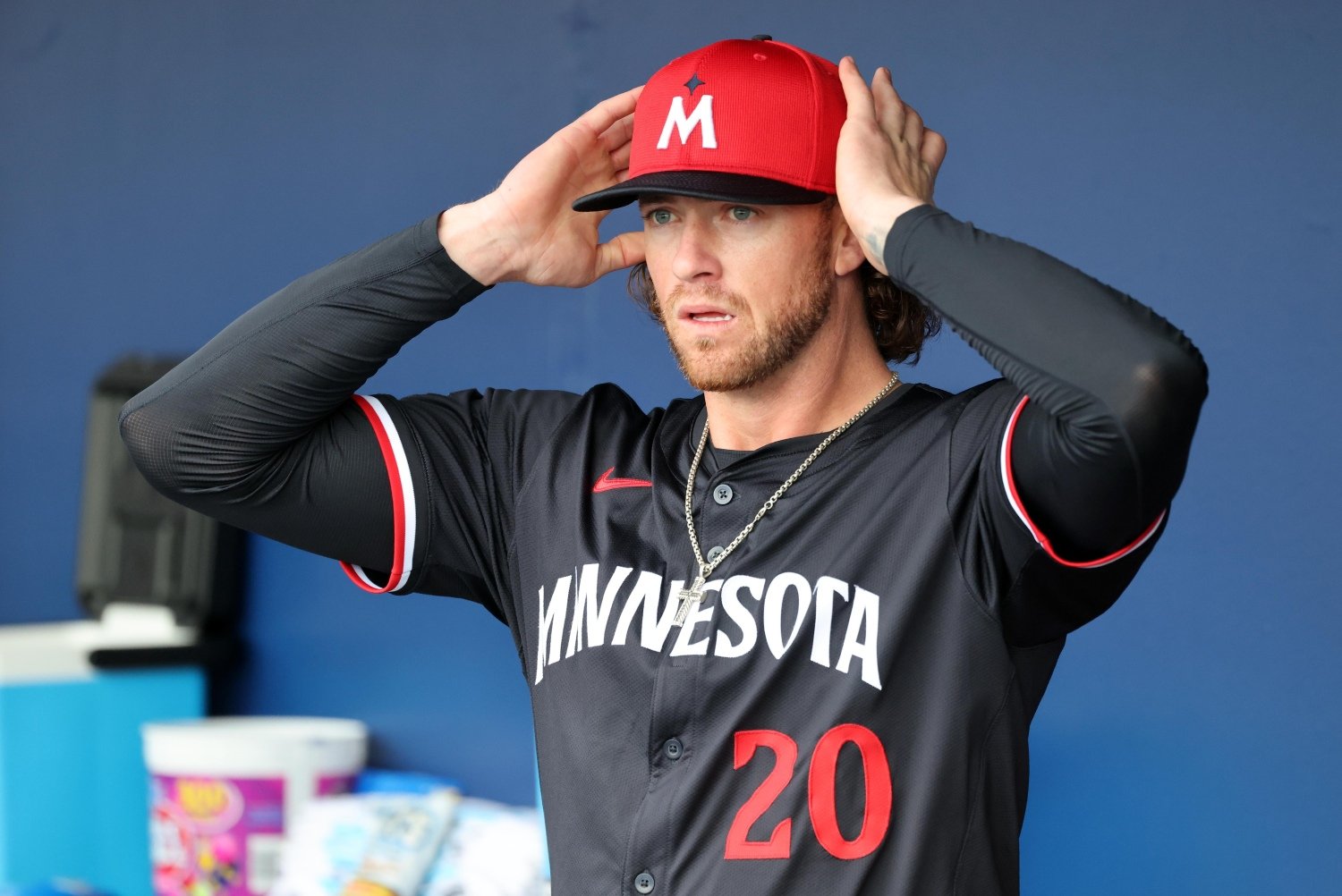 Coming off another injury-plagued season, Chris Paddack looks to bounce back in 2025 and reestablish his value before hitting free agency. Despite being far from a sure thing, he’ll have a rotation spot from the get-go. The Twins have several other worthy candidates for his role, but Paddack has earned it. In three years with the Twins organization, Paddack has yet to make a significant impact. The shine of his early career has worn off, as he’s struggled with injuries and inconsistency. After another season-ending injury in 2024, the Twins stuck with Paddack, instead of dumping his salary this offseason or simply awarding a younger arm with his rotation spot. There are several arguments to support this decision, including roster construction, finances, and the maintenance of organizational depth. Still, Paddack himself has done his part to justify it. Paddack’s 2024 season was underwhelming, but far from a failure. In 88 innings, he posted an ERA of just under 5.00, with his peripherals (such as FIP and xFIP) suggesting that better times may have been ahead had he stayed healthy. He was on pace to be worth around 2 Wins Above Replacement in FanGraphs's calculation, which would be a more-than-capable back-end starting pitcher in any rotation. Michael Lorenzen signed with Kansas City this winter for $7 million. Mike Soroka signed with Washington for $9 million. A 37-year-old Alex Cobb pitched 16 innings last season and signed with Detroit for $15 million. If we look at Paddack alongside those hurlers, he fares well. His health concerns are no reason to keep him from the Opening Day rotation; he can be swapped out anytime. Speaking of health, Paddack has given the Twins no reason to doubt where he’s at. He’s struck out 26.7% of hitters he’s faced this spring, and has a walk rate of just 3.3%. His surface-level performance won’t blow anyone away, but four of the seven runs he’s allowed this spring came in his first appearance on March 7th. More recently, Paddack has shown signs of a pitcher the Twins haven’t seen since he returned in a bullpen role in 2023. Rocco Baldelli noted as much, saying it’s the best he’s seen Paddack pitch. One outing in spring training only matters so much, and the rotation battle was never much of an actual competition. Still, for Paddack to dominate as he did so close to the regular season has to count for something. When healthy, Paddack was more than serviceable in 2024 and has looked better as spring training has ramped up. While pitchers like Zebby Matthews or David Festa are more exciting options who are likelier to figure into the long-term picture, neither is without concerns of their own, and having to earn a spot by dominating in St. Paul isn’t the worst thing. We’ll see them both this season, but keeping Paddack in the organization and stretched out as a starter best allows them to manage the eventuality of injuries. Who knows what Chris Paddack’s ceiling is at this point, or how he’ll hold up physically in 2025? For now, he’s earned a rotation spot, based on his performance in 2024 and how he’s looked this spring. Do you agree?
- 49 comments
-
- 7
-
-
- chris paddack
- zebby matthews
- (and 1 more)
-
The veteran right-hander made the Twins’ Opening Day rotation, and it seems like this decision was never in doubt. Some may argue this is based on his salary, but he earned this opportunity. Image courtesy of © Kim Klement Neitzel-Imagn Images The veteran right-hander made the Twins’ Opening Day rotation, and it seems like this decision was never in doubt. Some may argue this is based on his salary, but he earned this opportunity. Coming off another injury-plagued season, Chris Paddack looks to bounce back in 2025 and reestablish his value before hitting free agency. Despite being far from a sure thing, he’ll have a rotation spot from the get-go. The Twins have several other worthy candidates for his role, but Paddack has earned it. In three years with the Twins organization, Paddack has yet to make a significant impact. The shine of his early career has worn off, as he’s struggled with injuries and inconsistency. After another season-ending injury in 2024, the Twins stuck with Paddack, instead of dumping his salary this offseason or simply awarding a younger arm with his rotation spot. There are several arguments to support this decision, including roster construction, finances, and the maintenance of organizational depth. Still, Paddack himself has done his part to justify it. Paddack’s 2024 season was underwhelming, but far from a failure. In 88 innings, he posted an ERA of just under 5.00, with his peripherals (such as FIP and xFIP) suggesting that better times may have been ahead had he stayed healthy. He was on pace to be worth around 2 Wins Above Replacement in FanGraphs's calculation, which would be a more-than-capable back-end starting pitcher in any rotation. Michael Lorenzen signed with Kansas City this winter for $7 million. Mike Soroka signed with Washington for $9 million. A 37-year-old Alex Cobb pitched 16 innings last season and signed with Detroit for $15 million. If we look at Paddack alongside those hurlers, he fares well. His health concerns are no reason to keep him from the Opening Day rotation; he can be swapped out anytime. Speaking of health, Paddack has given the Twins no reason to doubt where he’s at. He’s struck out 26.7% of hitters he’s faced this spring, and has a walk rate of just 3.3%. His surface-level performance won’t blow anyone away, but four of the seven runs he’s allowed this spring came in his first appearance on March 7th. More recently, Paddack has shown signs of a pitcher the Twins haven’t seen since he returned in a bullpen role in 2023. Rocco Baldelli noted as much, saying it’s the best he’s seen Paddack pitch. One outing in spring training only matters so much, and the rotation battle was never much of an actual competition. Still, for Paddack to dominate as he did so close to the regular season has to count for something. When healthy, Paddack was more than serviceable in 2024 and has looked better as spring training has ramped up. While pitchers like Zebby Matthews or David Festa are more exciting options who are likelier to figure into the long-term picture, neither is without concerns of their own, and having to earn a spot by dominating in St. Paul isn’t the worst thing. We’ll see them both this season, but keeping Paddack in the organization and stretched out as a starter best allows them to manage the eventuality of injuries. Who knows what Chris Paddack’s ceiling is at this point, or how he’ll hold up physically in 2025? For now, he’s earned a rotation spot, based on his performance in 2024 and how he’s looked this spring. Do you agree? View full article
-
There's Real Reason to Worry About Jhoan Durán
Cody Pirkl replied to Cody Pirkl's topic in Twins Daily Front Page News
That's totally my bad, I've had my mind on whiffs for most of this conversation and those two stats always make my head spin. Swinging strike rate is valuable, and I can't check it right this moment, but I imagine he wasn't exactly cruising along in that department before his last outing either. And swinging strike rate is another metric he declined in in 2024. I have no problem with anyone defense more to swinging strike rate as an indicator because generally I'm in that same camp. I will say CSW is typically my favorite, and that's way down at 23% this spring too. Paired with the overall lack of swing and miss so far, it's something I'll be watching very closely when the season starts.