


Twins Video
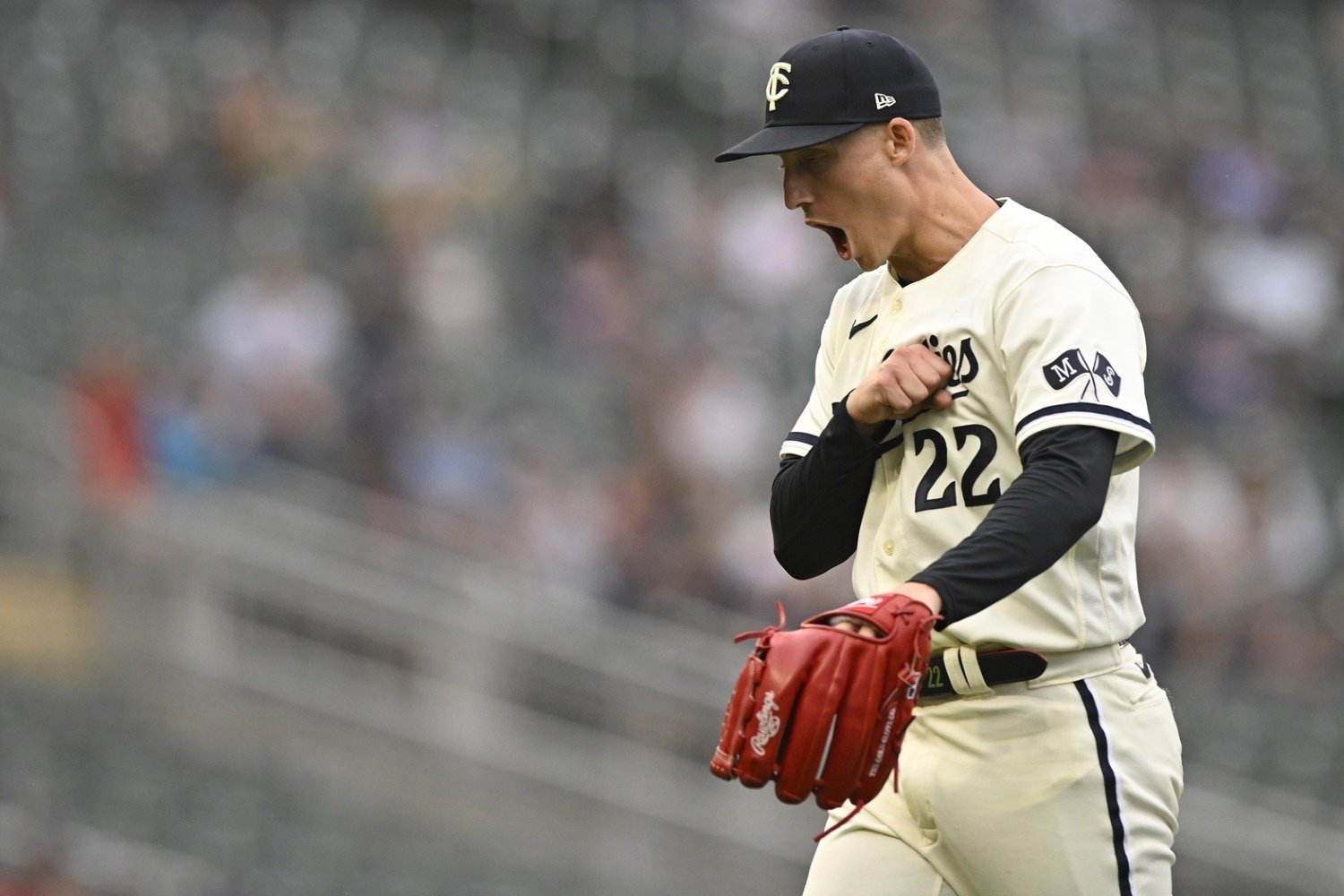
The Twins face an intriguing offseason decision regarding Griffin Jax. A bullpen mainstay in recent years, Jax is coming off a strong season as a late-inning arm. However, there’s been speculation about whether he deserves another opportunity in the starting rotation. While a transition like this could pay dividends, there are significant risks the Twins must consider before altering Jax's role.
Mike Ferrin of MLB Network shared on social media that Twins bench coach Jace Tingler mentioned this on the network. While the Twins are open to the possibility, it's far from certain. Given Minnesota’s financial uncertainty due to declining television revenue and potential ownership changes, they likely won't have the flexibility to pursue big-name starting pitchers in free agency. If they are serious about upgrading the rotation, transitioning Jax into a starting role might be one of their few viable options for making a significant impact.
"I think ultimately, it's going to come down to what is Griffin, deep down in his heart, what does he want to do? Does he want to continue to grow and be a dominant relief pitcher? Which I think he knows he can do. He's got a ton of confidence in that," Tingler said. "Or does he have it deep in his heart, like 'You know what? I've always been a starter and I think I can do this. This is a road I want to go down.' We, as an organization, feel very confident he can do either one."
Derek Falvey has also been open to the possibility of Jax returning to a starting role. “We want to continue to have conversations with him about what he thinks he needs to do to prepare for it, how he would go through a season,” Falvey said. “We're trying to be as transparent with each other as possible about, what could this look like? And then ultimately, not rule out the possibility that a starting option is in play.”
Here are three reasons why moving Jax to the rotation comes with risk.
1. Risk of Underperformance as a Starter
For Jax to be considered a success in the rotation, he’d need to pitch over 150 innings with an ERA in the 3.70-3.85 range. That’s a high bar for a pitcher who hasn’t started a game since 2021. Starters must face opposing lineups multiple times, which often exposes weaknesses that a reliever can mask in shorter stints. Jax has a starter’s pitch mix, which has worked wonders in the bullpen but may not translate back to the rotation.
The Twins took Jax in the third round of the 2016 MLB Draft, but he was never viewed as a top pitching prospect. In six minor league seasons, he posted a 3.24 ERA with a 1.19 WHIP. However, he struggled to strike out batters (6.8 K/9), and his inability to miss bats allowed for extra-base runners (8.7 H/9). Converting a reliever to a starter can lead to uneven results, so the Twins risk using a valuable roster spot on a pitcher who may not produce value.
2. Losing an Elite Bullpen Arm
Jax has established himself as one of baseball’s elite relievers. In 2024, he posted a 2.03 ERA, 1.94 FIP, 0.87 WHIP, 95 strikeouts, and 15 walks in 71 innings. The Twins’ relief corps has relied heavily on him, especially in high-leverage moments. His knack for securing crucial late-inning outs has been vital, particularly when closer Jhoan Durán has required rest. Transitioning Jax to the rotation would leave a significant void in the bullpen.
If he transitions to the rotation and fails, the Twins may be unable to reintegrate him back into the bullpen with the same level of effectiveness. This risk looms large, considering the team’s current roster makeup. The Twins have depth in the starting rotation, with young arms like David Festa, Zebby Matthews, and Marco Raya not projected to be in the team’s starting rotation to start the year. Meanwhile, the bullpen has been a sore spot, especially in the middle innings. Moving Jax could leave the bullpen even thinner, creating another hole for the front office to address this winter.
3. Increased Injury Risk
Due to their workload, starting pitchers carry a greater injury risk. Jax has been conditioned as a reliever for the past three seasons and has shown the ability to handle short but intense outings. Transitioning to a starter’s workload (typically over 25-30 starts and 150+ innings) requires a completely different level of physical preparation.
Entering his age-30 season, Jax’s body may not respond well to the rigors of starting pitching, especially since he hasn’t built up starter endurance since 2021. Additionally, high-leverage bullpen usage can leave lingering wear and tear. Asking him to shoulder a significantly larger workload could increase his susceptibility to injuries, risking his availability and the team’s depth.
While the idea of giving Jax another shot as a starter is tempting, the risks may outweigh the rewards. His current role as a bullpen stalwart aligns with the Twins' roster needs, and the uncertainty surrounding his ability to handle a starter’s workload adds another layer of concern.
Ultimately, the Twins must ask themselves: is the potential upside of Jax as a starter worth the possibility of losing a proven bullpen arm and increasing his injury risk? For a team with playoff aspirations, the safer bet might be keeping Jax right where he’s been most effective, and that’s in the bullpen. He anchors a unit that will need all the help it can get in 2025.
Should the Twins still consider moving Jax to a starting role? Do the risks outweigh the rewards? Leave a COMMENT and start the discussion.
Which team do you dislike the most in the AL Central?

Follow Twins Daily For Minnesota Twins News & Analysis



- Heiny, nclahammer, PatPfund and 9 others
-
 12
12



Recommended Comments
Create an account or sign in to comment
You need to be a member in order to leave a comment
Create an account
Sign up for a new account in our community. It's easy!
Register a new accountSign in
Already have an account? Sign in here.
Sign In Now