


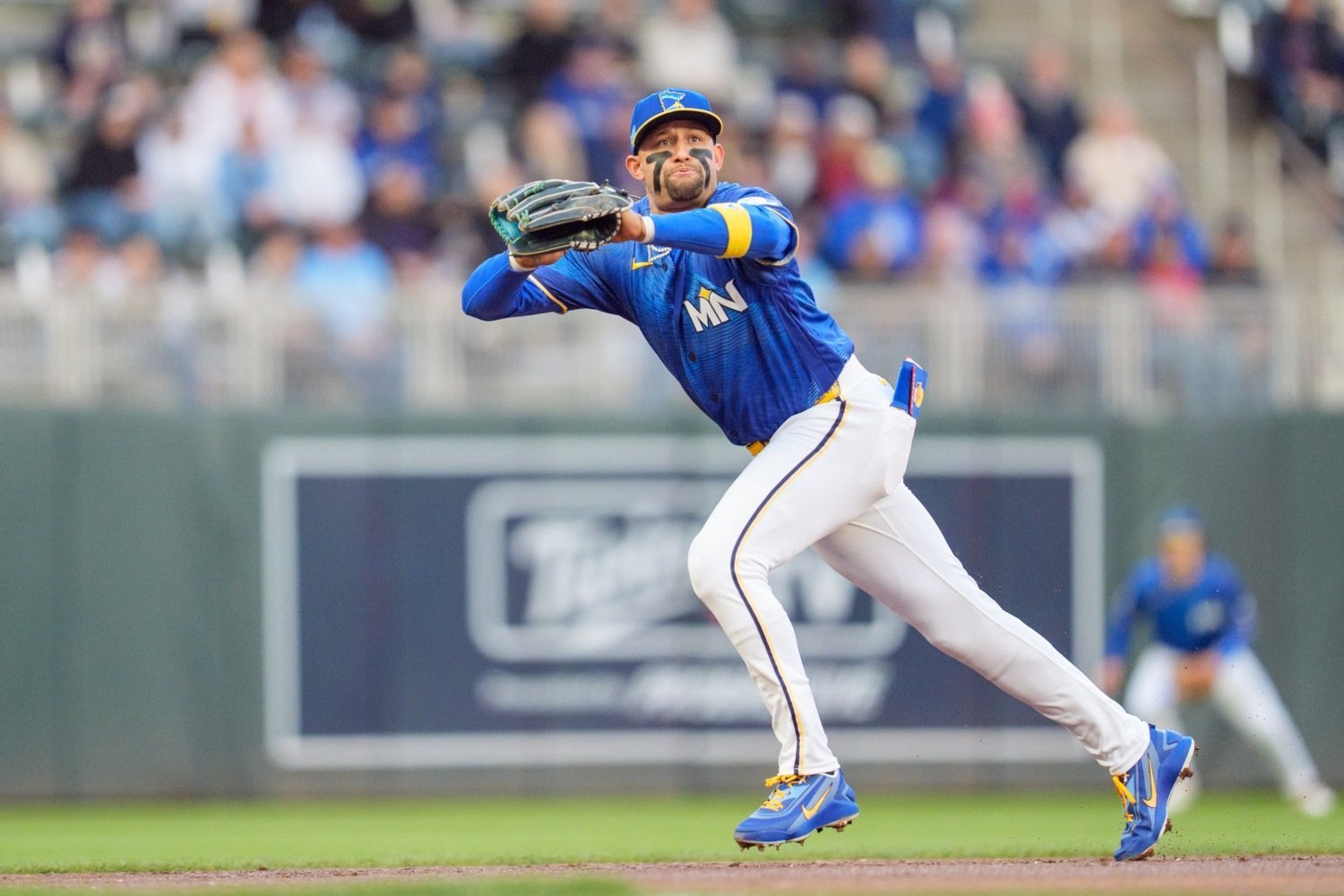
Twins Video
The Twins enter the offseason with plenty of questions and an opportunity to change the narrative surrounding the franchise. After several seasons of declining payroll and disappointing results, chairman Tom Pohlad has promised to invest meaningfully in the 2027 roster. He hasn't provided a specific payroll target, but he has acknowledged that a payroll near $100 million is not enough to consistently compete for postseason success.
That commitment is only the beginning. Jeremy Zoll will oversee his first full offseason leading baseball operations, following Derek Falvey's departure in January. He must determine which veterans belong in the team's future plans, where additional spending will have the biggest impact, and how aggressively to pursue outside talent.
There are reasons for optimism. Walker Jenkins, Emmanuel Rodriguez , and Kaelen Culpepper give Minnesota an exciting group of young players to build around. However, a promising collection of prospects does not automatically translate to a playoff contender. The Twins need established major-league talent to complement that group.
The bullpen is an obvious area of concern, after they finished 26th in MLB with a 4.74 ERA. Ryan Jeffers is also a prominent pending free agent, and the roster still has several questions that cannot be answered by prospect development alone. With those challenges in mind, here are three bold predictions for the Twins' offseason.
Bold Prediction 1: The Twins Will Give a Reliever a Multi-Year Contract
For years, the Twins have preferred to build their bullpen through internal development, inexpensive additions, and shorter-term commitments, rather than making substantial investments in established relievers. That approach has occasionally worked, but it also leaves the team vulnerable when several bullpen arms struggle simultaneously.
Minnesota cannot afford to repeat that strategy this winter. The Twins lost too many games early in the 2026 season when a reliable late-inning reliever could have helped protect a lead. A bullpen doesn't need to be filled with expensive veterans to be successful, but it does need dependable options who can handle high-leverage situations. Even after the front office added pitching help at the trade deadline, the bullpen needs more reliable arms if Minnesota hopes to contend in 2027.
Tom Pohlad's payroll pledge creates an opportunity for Zoll to change the organization's approach. Rather than limiting the search to pitchers looking for an opportunity to rebuild their value on one-year contracts, the Twins should pursue a proven reliever who can become a fixture in the late innings.
A two-year or three-year contract would represent a meaningful change in philosophy. It would also give the coaching staff another pitcher it could trust in close games instead of relying on favorable matchups and hoping an unproven arm emerges.
The Twins don't necessarily need to pursue the most expensive closer on the market. They do need to identify a reliever whose stuff, command, and track record justify a multi-year investment. With payroll expected to rise, this is precisely the type of addition that would demonstrate the organization is serious about competing.
Bold Prediction 2: Royce Lewis Will Be Traded
Trading Lewis would be a difficult decision for a franchise that once viewed him as a centerpiece of its future. The former first overall pick has delivered some memorable moments in a Twins uniform, and his offensive ceiling remains appealing. However, the organization may be reaching a point where moving him makes more sense than continuing to search for the right role.
Lewis endured another frustrating season in 2026. He finished with a .227/.287/.380 batting line, 15 home runs, 57 RBI, and 16 stolen bases in 463 at-bats. His .667 OPS was well below the level Minnesota needs from a player who has previously been viewed as a potential middle-of-the-order presence.
The season also included a demotion to Triple-A in May. Lewis was struggling badly enough that the Twins sent him to St. Paul to work through his issues. He returned in June after producing an impressive .340/.417/.868 line with the Saints, but the overall results in the majors never developed into the consistent production the organization wanted.
His role has also become less straightforward. The Twins have moved him around the diamond as they have attempted to find the best way to keep his bat in the lineup. With Brooks Lee establishing himself at third base, Culpepper arriving at shortstop, and other infield options like Kody Clemens, Minnesota has more competition for playing time.
There are still reasons another team could be interested. Lewis is only 27, has demonstrated significant offensive upside, and remains under team control for multiple seasons. A change of scenery could appeal to a club that believes it can help him rediscover the production he has shown during his best stretches.
For Minnesota, the question is whether Lewis remains the best use of a roster spot and potential trade value. The Twins could retain him and hope for a rebound, but doing so might mean carrying another season of uncertainty at a time when the organization needs more reliable production.
Bold Prediction 3: The Twins Will Trade Multiple Top-30 Prospects
The Twins have spent years assembling one of baseball's more interesting farm systems. Jenkins, Rodríguez, and Culpepper headline a group that gives the organization legitimate hope for the future. There are also other prospects who could eventually become valuable contributors in Minnesota. But a strong farm system is most useful when the front office knows when to turn its potential into major league production.
If the Twins are serious about returning to the playoffs, they cannot rely exclusively on free agency to address every weakness. Even with an increased payroll, the best available free agents might not fit Minnesota's needs, and competition for proven talent could push prices beyond what the organization is comfortable paying.
That is where Zoll should consider the trade market. Minnesota has the prospect depth to pursue established players who can make an immediate impact. A veteran starting pitcher, an established middle-of-the-order bat, or another proven player at a position of need could help the Twins become more competitive while their young core develops.
The key is identifying the right targets. Trading prospects merely to acquire recognizable names would accomplish very little. Zoll needs to focus on players who offer dependable production, fit the roster, and can contribute throughout a meaningful portion of the team's competitive window.
That could require packaging multiple prospects from the organization's top 30. One prospect might not be enough to acquire the type of established player Minnesota wants, but a package of two or three players could make a deal more appealing to a rebuilding club.
This prediction does not mean the Twins should make Jenkins or Culpepper available without considerable thought. Those players could become foundational pieces for the next successful Minnesota team. Instead, the organization should recognize that prospects outside its very top tier can still have considerable trade value.
The timing matters, too. The Twins have an opportunity to surround their emerging young talent with established players rather than waiting for every prospect to reach the majors before addressing the team's weaknesses. That strategy would give Minnesota a better chance to capitalize on the development of its young core.
Pohlad's payroll commitment should give Zoll more flexibility, but financial investment and prospect trades should complement each other. The Twins can spend money on the right free agents while using their farm system to pursue players who might not be available through free agency.
Bold Predictions or Wishful Thinking?
The Twins have reached an important point in their roster construction. The young talent is arriving, the owner has promised additional financial support, and Zoll has an opportunity to reshape the roster during his first full offseason leading baseball operations.
That does not mean every decision will be easy. Committing multiple years to a reliever carries risk. Trading Lewis could mean watching a talented player flourish elsewhere. Dealing prospects could cost Minnesota a future contributor who eventually becomes a major league regular.
However, playing it safe carries risks of its own. A talented young core can only take the Twins so far if the supporting roster remains inconsistent. Minnesota needs dependable bullpen arms, clearer answers in its position-player group, and established talent that can help turn potential into wins.
These three predictions would represent a more aggressive approach than Twins fans have grown accustomed to seeing in recent offseasons. More importantly, they would show that the organization is willing to make uncomfortable decisions in pursuit of a better team.
Pohlad has said the Twins intend to invest meaningfully in 2027. The challenge now is turning that promise into a roster capable of delivering results. Zoll's decisions this winter will go a long way toward determining whether Minnesota takes a genuine step forward or simply enters another season hoping its young players can carry the load.
Do you agree with these predictions? What predictions do you have about the Twins this winter? Leave a comment and start the discussion.
Which team do you dislike the most in the AL Central?
Follow Twins Daily For Minnesota Twins News & Analysis



- DannySD, glunn, nclahammer and 1 other
-
 4


Recommended Comments
Create an account or sign in to comment
You need to be a member in order to leave a comment
Create an account
Sign up for a new account in our community. It's easy!
Register a new accountSign in
Already have an account? Sign in here.
Sign In Now