Matthew Trueblood
-
Posts
1,033 -
Joined
-
Last visited
Content Type
Profiles
News
Minnesota Twins Videos
2026 Minnesota Twins Top Prospects Ranking
2022 Minnesota Twins Draft Picks
Minnesota Twins Free Agent & Trade Rumors, Notes, & Tidbits
Guides & Resources
2023 Minnesota Twins Draft Picks
The Minnesota Twins Players Project
2024 Minnesota Twins Draft Picks
2025 Minnesota Twins Draft Pick Tracker
2026 Minnesota Twins Draft Tracker: Picks & Bonuses
Forums
Blogs
Events
Store
Downloads
Gallery
Everything posted by Matthew Trueblood
-
Not as many times as we've seen people cleave to a causal explanation for coincidences... :)
-
I want this to be super clear: they took an MRI at the time of that injury and it was clean. Zoll stressed that today. This injury is UNRELATED to the scare in September.
-
Image courtesy of © Jonah Hinebaugh/Naples Daily News/USA Today Network-Florida / USA TODAY NETWORK via Imagn Images Pablo López eluded the Scalpel of Damocles last fall. He hurt his arm on an awkward dive in September, and he admitted afterward that he feared the worst. At the time, he escaped serious damage to his elbow, but spring is the reaping season for this kind of thing, and López was part of Jobe’s Harvest. He left the team’s first full-squad workout Monday with elbow soreness and underwent an MRI. On Tuesday, the team announced the bad news: López has a "significant tear" in his elbow and is likely to need season-ending (or, rather, season-thwarting) surgery. General manager Jeremy Zoll stressed that López, who will seek a second opinion before proceeding with the operation, suffered a new injury this spring. His MRIs from early 2023 and late 2025 looked identical; the damage to his ligament is new. López will get that second opinion from noted surgeon Dr. Keith Meister, but given the "significant tearing to his UCL in his elbow," even the best-case scenario would see him sidelined for a long time. "When it first happened, I was taken back to a bullpen session I threw in October 2013, where I threw a pitch and it felt like my elbow was right behind the ball," said a disappointed López, demonstrating his exceptional recall and attunement to his own body. "And it's, like, a raw way to put it, but that's kind of what it felt like, just something sharp happening by where I have a scar already." López, who will turn 30 early next month, also missed time with strains of his hamstring and shoulder in 2025. He made just 14 starts, but posted a 2.74 ERA and continued to be the co-ace of a strong starting rotation. If he elects surgery, he’ll miss the third season of a four-year contract extension worth a total of $73.5 million, which he signed in April 2023. He’s owed $21.5 million this season, and the same amount in 2027, after which he’ll become a free agent. Without him, Minnesota will struggle to maintain the rotation depth needed to compete even in the weak AL Central. Last year, starting pitching was a strength, but not a strong enough one to keep the team afloat. That was partially due to the prolonged absence of López for the middle stretch of the season, but also to Bailey Ober having a season marred by high home-run rates and a massive decrease in strikeout rate. Perhaps foreseeing this possibility, the team attempted to bolster their starting rotation in the final stages of free agency, pursuing Framber Valdez. Instead, though, Valdez signed with the Tigers, and now, there’s no strong candidate to replace what the Twins had hoped they would get from López this year. The loss of López does create more room in the rotation for the team’s young hurlers. In addition to Ober and Joe Ryan, the team has Simeon Woods Richardson, Zebby Matthews, Mick Abel, Taj Bradley and David Festa in position to push for starting roles. That’s hollow consolation, though, since none of that group is likely to be as good as López, even if one or more stays healthy and pitches to the best of their ability all year. "We spent a lot of the offseason talking about the strength of our roster being in the rotation depth, and [you can] view it as a real opportunity, as a 'next man up'," Zoll said, listing the aforementioned pitchers as candidates to thrive in expanded roles. "But, you know, we'll pick up the pieces once we have a better handle on things and catch our breath from where everything has shaken out here." The Twins acquired López from the Marlins in exchange for Luis Arraez. Almost immediately, both López and the Twins made it clear that he was more than a short-term boost for the starting rotation. The aforementioned extension cemented López as a pillar of the organization’s pitching plans. Now, the final guaranteed year of that contract looms as both a financial commitment and a target date for the club’s hopes of a full return. On the field, López largely delivered on that investment in his first two seasons in Minnesota. In 2023, he posted a 3.66 ERA across 194 innings with 234 strikeouts, immediately pitching like a staff leader and earning All-Star recognition. In 2024, he again took the ball 32 times, going 15–10 with a 4.08 ERA, striking out 198 in 185 1/3 innings. The raw ERA uptick didn’t change the larger picture: Minnesota had the kind of dependable, high-end starter the franchise has long prized. But the path to Tuesday was paved by a frustrating, stop-and-start 2025 season—one that offered both a reminder of López’s ceiling and a warning about his health. Even in his limited, interrupted workload, López was effective. He was the biggest source of the hopeful “what could have been” feeling around a season defined by missed opportunities and disappointment. That was supposed to carry him into a bounce-back 2026 season. Alas, those hopes are now scuttled. Zoll acknowledged that López, who first had Tommy John surgery as a teenager in the Marlins system, had exceeded the window of protection from reinjury that the operation typically affords. "It's an unfortunate reality with, you know, him originally having Tommy John surgery 12 years ago, and the reality of those, the shelf life of those ligaments, you just never know when these things could happen," Zoll said. The new top baseball executive said the team will explore the possibility of external additions to the rotation via free agency. All of that, however, undersells the irreplaceability of López. In addition to his excellence on the mound, he's been the team's most consistent leader and a pillar of the community for the last three baseball seasons. It would surprise no one in or around the Twins if he makes extraordinary efforts to be present with the team throughout the season, but players sidelined by injury have a hard time exercising the same influence in the clubhouse and the dugout, especially when they have to be away for significant stretches to complete major rehab processes. López's thoughtfulness, amiability and leadership will be missed just as much as his kick-change and his curveball. Characteristically, he went out of his way to express appreciation for how quickly the Twins and their medical team got him set up for an MRI on the Presidents Day holiday afternoon. López will cling to some hope while he awaits the second opinion, but was very realistic about it. "I think the second opinion is more just to shed a light or, you know, just one last hope that something can be interpreted in a different way," he said, acknowledging that the torn ligament "won't regenerate itself." Reader @rdehring raised a fair and good question in the comments on this piece, asking whether López's faster ramp-up to prepare for the World Baseball Classic could have contributed to this injury. Unfortunately, it's an impossible question to answer, but the theory is reasonable. For what it's worth, Zoll praised López's preparation in every particular and believed there was no red flag of any kind en route to this unhappy turn of events. "I guess to some extent, [this] feels like more of an inevitability than something he specifically did," Zoll said. "He had hit all his checkpoints throughout his build-up here in the offseason, and hadn't had any issues or soreness. And this was the first issue he had." In general, the WBC has been found to slightly increase the risk of pitcher injuries late in the season in which they take place, or the following spring. No systematic effect seems to produce more injuries to pitchers preparing for the Classic, but it's certainly one variable in the equation that bears further study. Twins Daily's John Bonnes is on site in Ft. Myers and provided reporting on this news. View full article
-
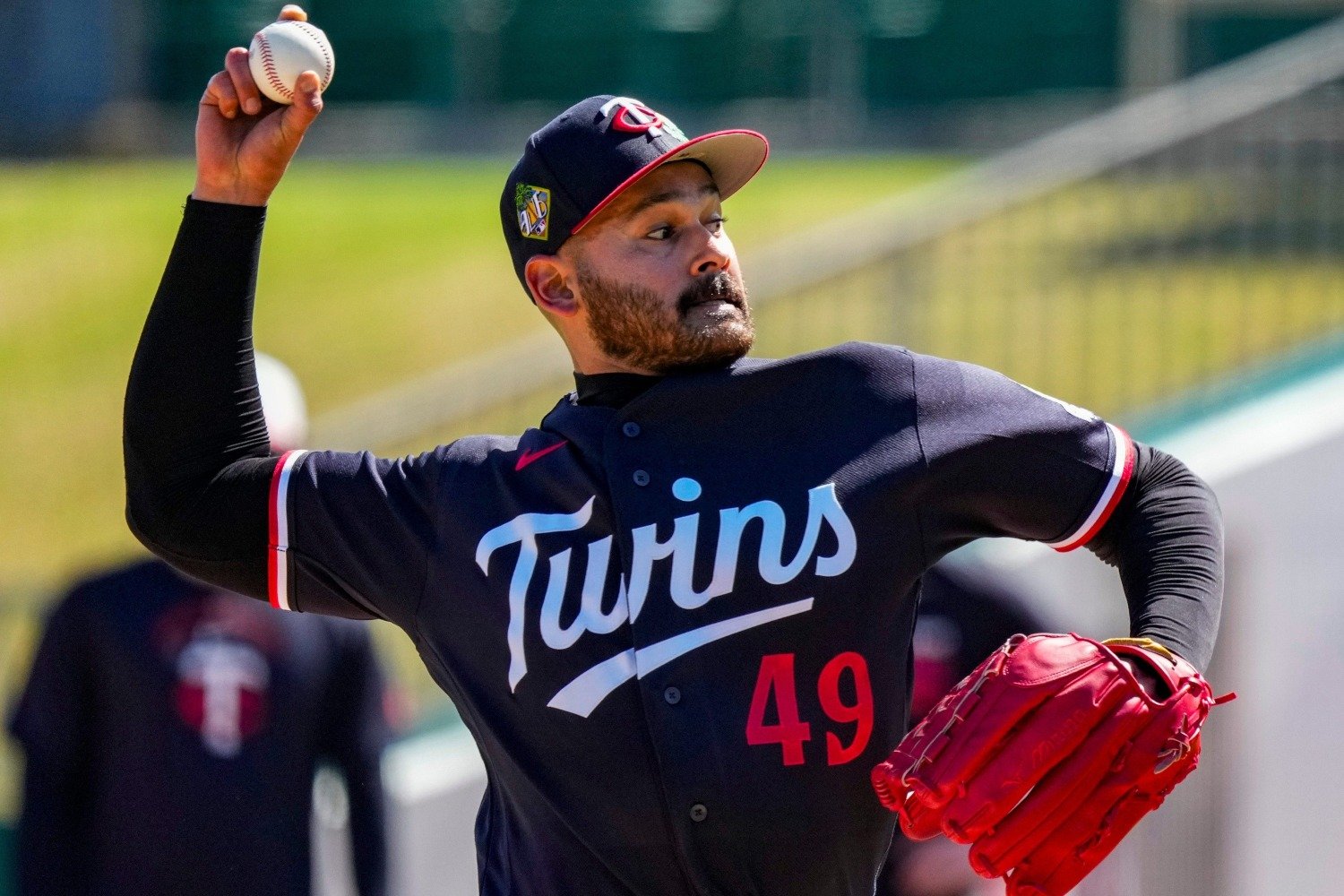 Pablo López eluded the Scalpel of Damocles last fall. He hurt his arm on an awkward dive in September, and he admitted afterward that he feared the worst. At the time, he escaped serious damage to his elbow, but spring is the reaping season for this kind of thing, and López was part of Jobe’s Harvest. He left the team’s first full-squad workout Monday with elbow soreness and underwent an MRI. On Tuesday, the team announced the bad news: López has a "significant tear" in his elbow and is likely to need season-ending (or, rather, season-thwarting) surgery. General manager Jeremy Zoll stressed that López, who will seek a second opinion before proceeding with the operation, suffered a new injury this spring. His MRIs from early 2023 and late 2025 looked identical; the damage to his ligament is new. López will get that second opinion from noted surgeon Dr. Keith Meister, but given the "significant tearing to his UCL in his elbow," even the best-case scenario would see him sidelined for a long time. "When it first happened, I was taken back to a bullpen session I threw in October 2013, where I threw a pitch and it felt like my elbow was right behind the ball," said a disappointed López, demonstrating his exceptional recall and attunement to his own body. "And it's, like, a raw way to put it, but that's kind of what it felt like, just something sharp happening by where I have a scar already." López, who will turn 30 early next month, also missed time with strains of his hamstring and shoulder in 2025. He made just 14 starts, but posted a 2.74 ERA and continued to be the co-ace of a strong starting rotation. If he elects surgery, he’ll miss the third season of a four-year contract extension worth a total of $73.5 million, which he signed in April 2023. He’s owed $21.5 million this season, and the same amount in 2027, after which he’ll become a free agent. Without him, Minnesota will struggle to maintain the rotation depth needed to compete even in the weak AL Central. Last year, starting pitching was a strength, but not a strong enough one to keep the team afloat. That was partially due to the prolonged absence of López for the middle stretch of the season, but also to Bailey Ober having a season marred by high home-run rates and a massive decrease in strikeout rate. Perhaps foreseeing this possibility, the team attempted to bolster their starting rotation in the final stages of free agency, pursuing Framber Valdez. Instead, though, Valdez signed with the Tigers, and now, there’s no strong candidate to replace what the Twins had hoped they would get from López this year. The loss of López does create more room in the rotation for the team’s young hurlers. In addition to Ober and Joe Ryan, the team has Simeon Woods Richardson, Zebby Matthews, Mick Abel, Taj Bradley and David Festa in position to push for starting roles. That’s hollow consolation, though, since none of that group is likely to be as good as López, even if one or more stays healthy and pitches to the best of their ability all year. "We spent a lot of the offseason talking about the strength of our roster being in the rotation depth, and [you can] view it as a real opportunity, as a 'next man up'," Zoll said, listing the aforementioned pitchers as candidates to thrive in expanded roles. "But, you know, we'll pick up the pieces once we have a better handle on things and catch our breath from where everything has shaken out here." The Twins acquired López from the Marlins in exchange for Luis Arraez. Almost immediately, both López and the Twins made it clear that he was more than a short-term boost for the starting rotation. The aforementioned extension cemented López as a pillar of the organization’s pitching plans. Now, the final guaranteed year of that contract looms as both a financial commitment and a target date for the club’s hopes of a full return. On the field, López largely delivered on that investment in his first two seasons in Minnesota. In 2023, he posted a 3.66 ERA across 194 innings with 234 strikeouts, immediately pitching like a staff leader and earning All-Star recognition. In 2024, he again took the ball 32 times, going 15–10 with a 4.08 ERA, striking out 198 in 185 1/3 innings. The raw ERA uptick didn’t change the larger picture: Minnesota had the kind of dependable, high-end starter the franchise has long prized. But the path to Tuesday was paved by a frustrating, stop-and-start 2025 season—one that offered both a reminder of López’s ceiling and a warning about his health. Even in his limited, interrupted workload, López was effective. He was the biggest source of the hopeful “what could have been” feeling around a season defined by missed opportunities and disappointment. That was supposed to carry him into a bounce-back 2026 season. Alas, those hopes are now scuttled. Zoll acknowledged that López, who first had Tommy John surgery as a teenager in the Marlins system, had exceeded the window of protection from reinjury that the operation typically affords. "It's an unfortunate reality with, you know, him originally having Tommy John surgery 12 years ago, and the reality of those, the shelf life of those ligaments, you just never know when these things could happen," Zoll said. The new top baseball executive said the team will explore the possibility of external additions to the rotation via free agency. All of that, however, undersells the irreplaceability of López. In addition to his excellence on the mound, he's been the team's most consistent leader and a pillar of the community for the last three baseball seasons. It would surprise no one in or around the Twins if he makes extraordinary efforts to be present with the team throughout the season, but players sidelined by injury have a hard time exercising the same influence in the clubhouse and the dugout, especially when they have to be away for significant stretches to complete major rehab processes. López's thoughtfulness, amiability and leadership will be missed just as much as his kick-change and his curveball. Characteristically, he went out of his way to express appreciation for how quickly the Twins and their medical team got him set up for an MRI on the Presidents Day holiday afternoon. López will cling to some hope while he awaits the second opinion, but was very realistic about it. "I think the second opinion is more just to shed a light or, you know, just one last hope that something can be interpreted in a different way," he said, acknowledging that the torn ligament "won't regenerate itself." Reader @rdehring raised a fair and good question in the comments on this piece, asking whether López's faster ramp-up to prepare for the World Baseball Classic could have contributed to this injury. Unfortunately, it's an impossible question to answer, but the theory is reasonable. For what it's worth, Zoll praised López's preparation in every particular and believed there was no red flag of any kind en route to this unhappy turn of events. "I guess to some extent, [this] feels like more of an inevitability than something he specifically did," Zoll said. "He had hit all his checkpoints throughout his build-up here in the offseason, and hadn't had any issues or soreness. And this was the first issue he had." In general, the WBC has been found to slightly increase the risk of pitcher injuries late in the season in which they take place, or the following spring. No systematic effect seems to produce more injuries to pitchers preparing for the Classic, but it's certainly one variable in the equation that bears further study. Twins Daily's John Bonnes is on site in Ft. Myers and provided reporting on this news.
 -
Image courtesy of © Kirby Lee-Imagn Images The Minnesota Twins traded international bonus pool allotments to the Los Angeles Dodgers in exchange for left-handed reliever Anthony Banda on Thursday, they announced. Twins Daily's John Bonnes was on site in Ft. Myers for the news. Banda, 32, has pitched in nine major-league seasons for eight different teams. He has an unimpressive 4.44 career ERA, but since the start of 2024, he's appeared in 119 games and has a 3.14 ERA. He pitched in 17 postseason games for the Dodgers during their back-to-back World Series championship runs. He struck out 23.3% of opposing batters over those two campaigns. Despite having pitched in each of the last nine big-league seasons, Banda has only amassed a bit over 4 years of major-league service time. The Dodgers agreed to a $1.625-million deal with Banda in early January, to avoid arbitration, but they designated him for assignment a month later. Now, the Twins have a chance to control Banda through 2027, at a low price. They designated right-handed journeyman Jackson Kowar for assignment to make room on the 40-man roster for Banda. With a low three-quarter arm slot and a plus sweeper, Banda is tough on fellow lefties. He throws both a sinker and a four-seamer, each around 96 miles per hour, leaning on the former against lefties and the latter against righties. His changeup is nothing to write home about, but as a left-handed middle reliever, you can do much worse than Banda. He joins Taylor Rogers and Kody Funderburk as likely candidates for the lefty side of the Minnesota bullpen this year. Slowly and late in the game, the team is cobbling together a semi-reliable bullpen, although they still lack anyone who feels like a relief ace. View full article
-
TRADE: Twins Acquire Left-Handed Reliever Anthony Banda from Dodgers
Matthew Trueblood posted an article in Twins
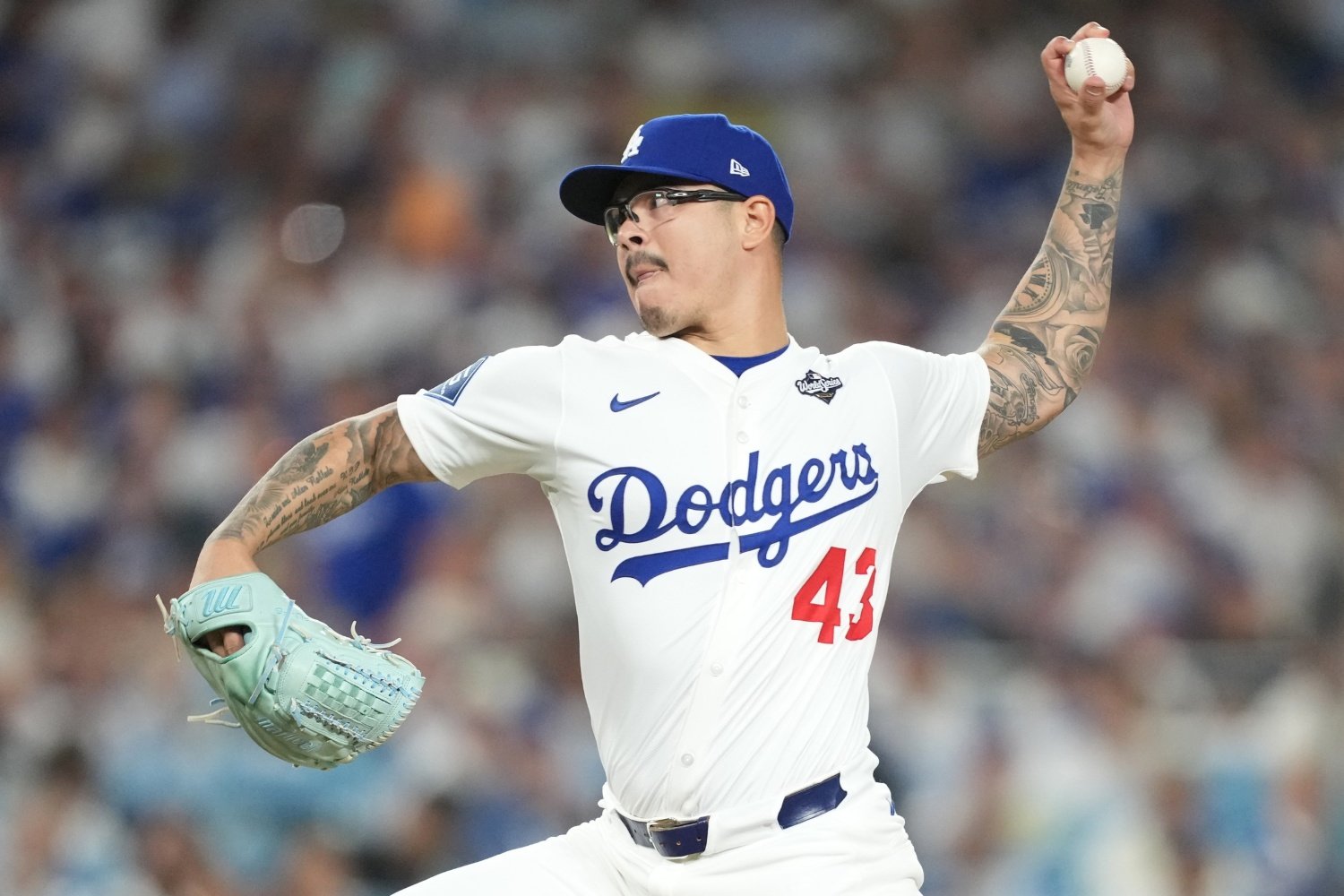 The Minnesota Twins traded international bonus pool allotments to the Los Angeles Dodgers in exchange for left-handed reliever Anthony Banda on Thursday, they announced. Twins Daily's John Bonnes was on site in Ft. Myers for the news. Banda, 32, has pitched in nine major-league seasons for eight different teams. He has an unimpressive 4.44 career ERA, but since the start of 2024, he's appeared in 119 games and has a 3.14 ERA. He pitched in 17 postseason games for the Dodgers during their back-to-back World Series championship runs. He struck out 23.3% of opposing batters over those two campaigns. Despite having pitched in each of the last nine big-league seasons, Banda has only amassed a bit over 4 years of major-league service time. The Dodgers agreed to a $1.625-million deal with Banda in early January, to avoid arbitration, but they designated him for assignment a month later. Now, the Twins have a chance to control Banda through 2027, at a low price. They designated right-handed journeyman Jackson Kowar for assignment to make room on the 40-man roster for Banda. With a low three-quarter arm slot and a plus sweeper, Banda is tough on fellow lefties. He throws both a sinker and a four-seamer, each around 96 miles per hour, leaning on the former against lefties and the latter against righties. His changeup is nothing to write home about, but as a left-handed middle reliever, you can do much worse than Banda. He joins Taylor Rogers and Kody Funderburk as likely candidates for the lefty side of the Minnesota bullpen this year. Slowly and late in the game, the team is cobbling together a semi-reliable bullpen, although they still lack anyone who feels like a relief ace.
 -
Image courtesy of © Eric Canha-Imagn Images Letting Liam Hendriks slip away from them before he morphed into a bulldog of a closer was one of the most regrettable failures of the Twins' front office in the final days of the Terry Ryan regime. Bringing him back as a reclamation project in a weak bullpen doesn't make up for it, but it's a feel-good story, anyway. Robert Murray of FanSided was first with the news. Hendriks isn't getting a guaranteed big-league deal. He'll be invited to big-league camp to compete for a place in the bullpen, but the Twins don't have to expend big money or (for now) even a 40-man roster spot. After becoming an All-Star closer with the Athletics and White Sox, Hendriks, 37, suffered a series of health setbacks. He was diagnosed with cancer in January 2023, and missed the first two-plus months of that season. His return was a triumphant, wonderful moment—but within a few weeks, he was shelved by an elbow injury that eventually required Tommy John surgery. He hasn't been the same since. He missed all of 2024 and was only intermittently available last year for the Red Sox. His numbers were ugly when he did take the mound, too, though his stuff still impresses some models. If he can stay healthy, Hendriks has the makeup and the arsenal to be a useful right-handed reliever. The Twins are rolling the dice on his positive influence on the clubhouse and his body getting back to normal after a long period of disruption. If they lose, they won't have sacrificed anything substantial to try it. View full article
-
Welcome Back: Twins Sign Free-Agent Reliever Liam Hendriks
Matthew Trueblood posted an article in Twins
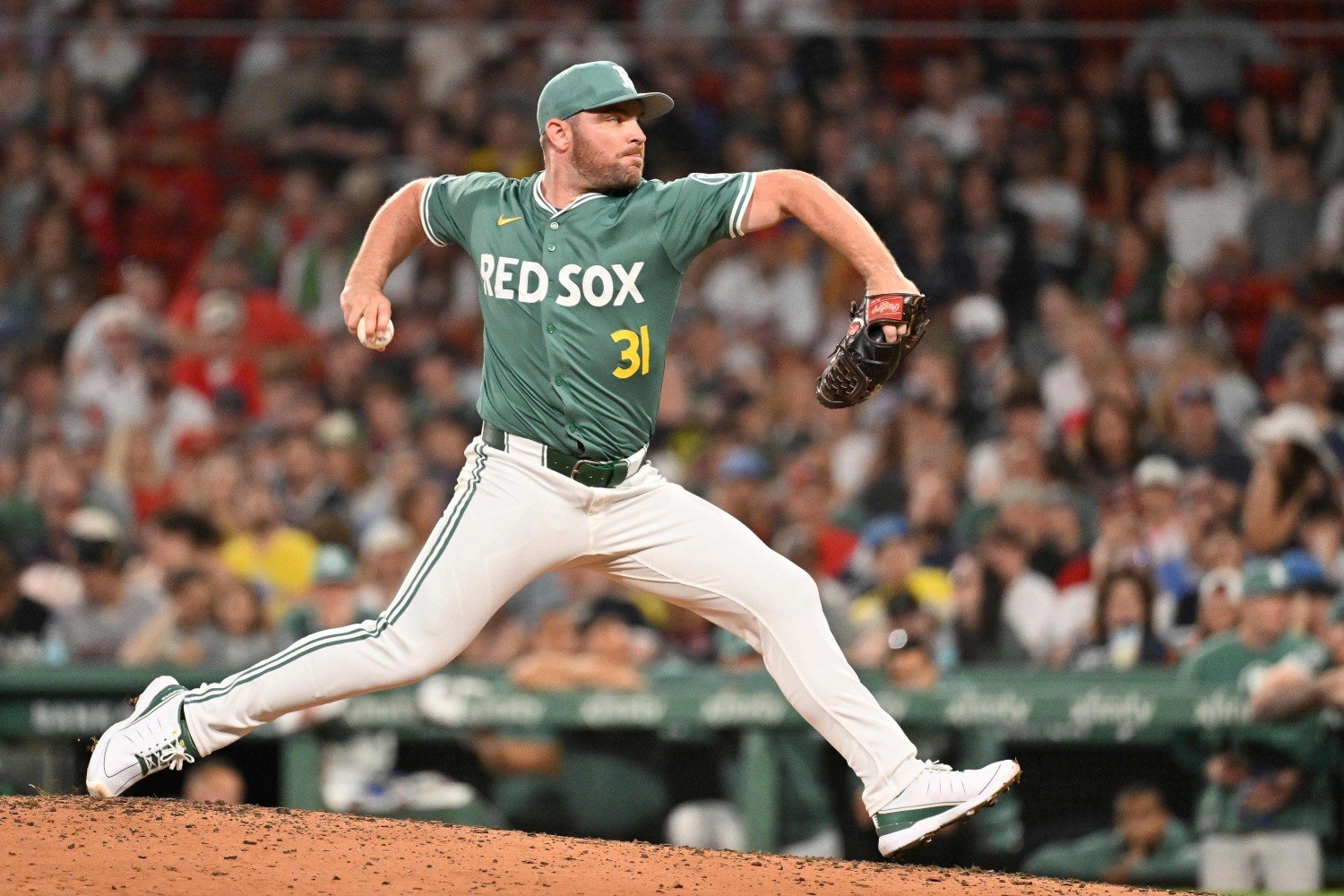 Letting Liam Hendriks slip away from them before he morphed into a bulldog of a closer was one of the most regrettable failures of the Twins' front office in the final days of the Terry Ryan regime. Bringing him back as a reclamation project in a weak bullpen doesn't make up for it, but it's a feel-good story, anyway. Robert Murray of FanSided was first with the news. Hendriks isn't getting a guaranteed big-league deal. He'll be invited to big-league camp to compete for a place in the bullpen, but the Twins don't have to expend big money or (for now) even a 40-man roster spot. After becoming an All-Star closer with the Athletics and White Sox, Hendriks, 37, suffered a series of health setbacks. He was diagnosed with cancer in January 2023, and missed the first two-plus months of that season. His return was a triumphant, wonderful moment—but within a few weeks, he was shelved by an elbow injury that eventually required Tommy John surgery. He hasn't been the same since. He missed all of 2024 and was only intermittently available last year for the Red Sox. His numbers were ugly when he did take the mound, too, though his stuff still impresses some models. If he can stay healthy, Hendriks has the makeup and the arsenal to be a useful right-handed reliever. The Twins are rolling the dice on his positive influence on the clubhouse and his body getting back to normal after a long period of disruption. If they lose, they won't have sacrificed anything substantial to try it.
 -
Image courtesy of © Bruce Kluckhohn-Imagn Images Baseball Prospectus released its full PECOTA projections for 2026 Tuesday morning, including projected standings and playoff odds. The Twins are, unsurprisingly, forecasted to be a mediocre team, with 79 projected wins, good for third place in the AL Central. The Guardians, who had an even more maddening winter than did the local nine, come in fourth in PECOTA's pecking order, with 75.8 wins. The Tigers are ahead of Minnesota, at 83.9 wins, and gallingly, the Royals are projected to win the division with just 84.4 victories. Kansas City's division-leading win total is 4.1 wins lower than that of the second-lowest division winner on the projected standings page. Every other division in the league has at least one team with a good chance to win 90 games; most of them have two. The AL Central, however, has shown no ambition, and is rewarded with tepid forecasts. Despite a projection that marks them as solidly below average, the Twins have a 12.7% chance to win the division and a 22.3% shot to make the playoffs, according to PECOTA. These are the just desserts of a team that chose not to tear things down this winter, but also opted not to make significant investments in winning more games in 2026. As you would guess, the system likes the core of this team just fine. It expects All-Star-caliber seasons from Joe Ryan and Pablo López. It's high on Luke Keaschall's bat. However, the only team in baseball with a worse projected Deserved Runs Prevented (DRP), Prospectus's flagship fielding metric, is the Angels. They have an average projected offense and a slightly above-average projected pitching staff. If they had even a neutral defense, they would be neck-and-neck with the Royals and Tigers. Defense isn't even an expensive skill to acquire. Yet, the team has left themselves worst in the league in this crucial facet. Part of the projection is PECOTA (and DRP itself) disliking Byron Buxton's defense in center field, as he ages. Buxton's DRP was -4.7 in 2024 and -7.4 in 2025. PECOTA foresees a further decline, at age 32, to -9.4, making Buxton almost half the defensive problem for a team projected to lose roughly 19 runs to poor fielding. That's hard for many Twins fans to accept, with good reason. Buxton has been a defensive hero throughout his career. Early on, when he was extremely inconsistent at the plate, his glove propped up his profile and made him a star. Even now, he makes semi-frequent highlight-reel plays. However, Buxton has always been inclined to freeze when the ball leaves the bat, then take off with his elite speed and make up whatever ground he lost by not getting a great jump. As he's aged, that has become harder, and his success rate has sagged. He still posts elite sprint speeds, as measured by Statcast, but most of those come on the bases, where he knows Point A and Point B and can accelerate smoothly. On fly balls, he's lost a step, and it's showed up in a big way at times over the last two years. Buxton being part of the problem highlights the challenge the team faced this winter. They have some young players to whom they're committed, but who have shown little sign that they're ready to be pluses as everyday big-leaguers. Starting Brooks Lee and Royce Lewis on the left side of the infield means giving up some defense for the hope of their bats coming together, but each struggled at the plate last year. Some of the places where one would most like to see the team make a defensive upgrade would come at prohibitive costs in terms of offensive production. Still, the latest projections highlight the extent to which Minnesota was in position to push for an AL Central title in 2026, and the way they appear to have let that opportunity pass them by. The offseason isn't over, but the Twins don't look like a smart bet to make up the five-game gap between themselves and the Royals by the time it is. View full article
-
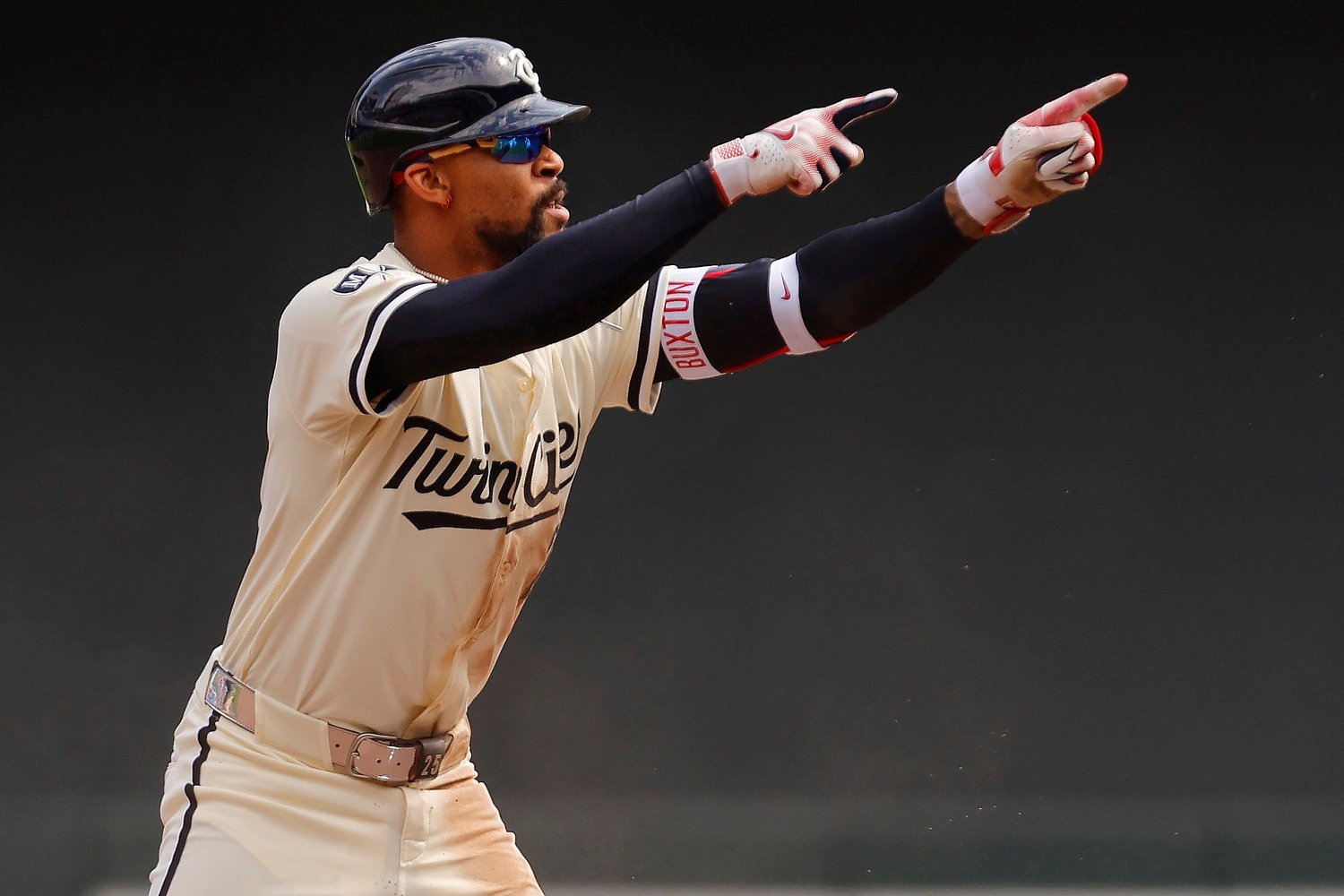 Baseball Prospectus released its full PECOTA projections for 2026 Tuesday morning, including projected standings and playoff odds. The Twins are, unsurprisingly, forecasted to be a mediocre team, with 79 projected wins, good for third place in the AL Central. The Guardians, who had an even more maddening winter than did the local nine, come in fourth in PECOTA's pecking order, with 75.8 wins. The Tigers are ahead of Minnesota, at 83.9 wins, and gallingly, the Royals are projected to win the division with just 84.4 victories. Kansas City's division-leading win total is 4.1 wins lower than that of the second-lowest division winner on the projected standings page. Every other division in the league has at least one team with a good chance to win 90 games; most of them have two. The AL Central, however, has shown no ambition, and is rewarded with tepid forecasts. Despite a projection that marks them as solidly below average, the Twins have a 12.7% chance to win the division and a 22.3% shot to make the playoffs, according to PECOTA. These are the just desserts of a team that chose not to tear things down this winter, but also opted not to make significant investments in winning more games in 2026. As you would guess, the system likes the core of this team just fine. It expects All-Star-caliber seasons from Joe Ryan and Pablo López. It's high on Luke Keaschall's bat. However, the only team in baseball with a worse projected Deserved Runs Prevented (DRP), Prospectus's flagship fielding metric, is the Angels. They have an average projected offense and a slightly above-average projected pitching staff. If they had even a neutral defense, they would be neck-and-neck with the Royals and Tigers. Defense isn't even an expensive skill to acquire. Yet, the team has left themselves worst in the league in this crucial facet. Part of the projection is PECOTA (and DRP itself) disliking Byron Buxton's defense in center field, as he ages. Buxton's DRP was -4.7 in 2024 and -7.4 in 2025. PECOTA foresees a further decline, at age 32, to -9.4, making Buxton almost half the defensive problem for a team projected to lose roughly 19 runs to poor fielding. That's hard for many Twins fans to accept, with good reason. Buxton has been a defensive hero throughout his career. Early on, when he was extremely inconsistent at the plate, his glove propped up his profile and made him a star. Even now, he makes semi-frequent highlight-reel plays. However, Buxton has always been inclined to freeze when the ball leaves the bat, then take off with his elite speed and make up whatever ground he lost by not getting a great jump. As he's aged, that has become harder, and his success rate has sagged. He still posts elite sprint speeds, as measured by Statcast, but most of those come on the bases, where he knows Point A and Point B and can accelerate smoothly. On fly balls, he's lost a step, and it's showed up in a big way at times over the last two years. Buxton being part of the problem highlights the challenge the team faced this winter. They have some young players to whom they're committed, but who have shown little sign that they're ready to be pluses as everyday big-leaguers. Starting Brooks Lee and Royce Lewis on the left side of the infield means giving up some defense for the hope of their bats coming together, but each struggled at the plate last year. Some of the places where one would most like to see the team make a defensive upgrade would come at prohibitive costs in terms of offensive production. Still, the latest projections highlight the extent to which Minnesota was in position to push for an AL Central title in 2026, and the way they appear to have let that opportunity pass them by. The offseason isn't over, but the Twins don't look like a smart bet to make up the five-game gap between themselves and the Royals by the time it is.
 -
Why the Twins Should Sign Free-Agent Starter Framber Valdez
Matthew Trueblood posted an article in Twins
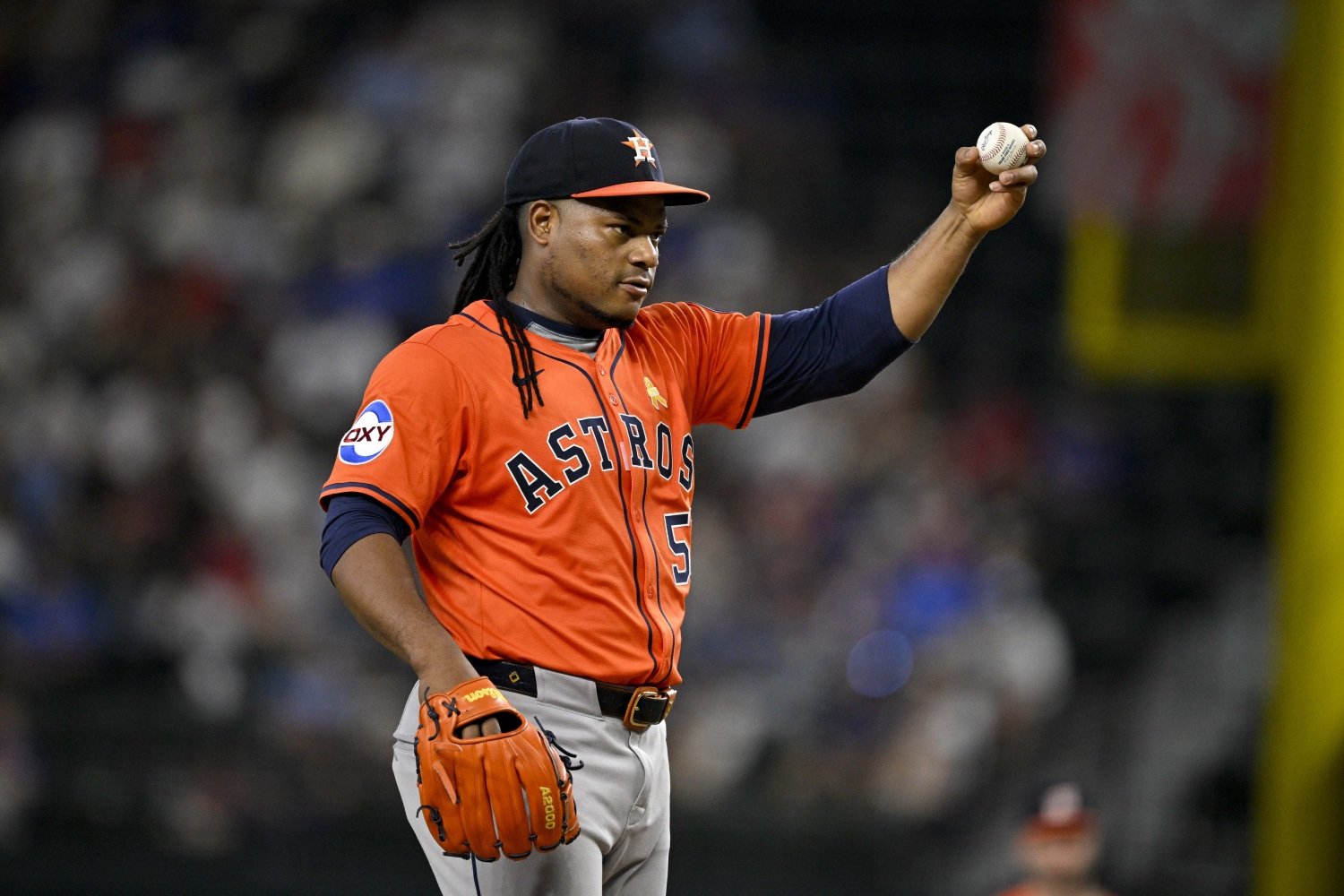 As the MLB offseason nears its end, the best remaining free agents are starting pitchers Zac Gallen and Framber Valdez. Even the next-best tier is made up mostly of starters, too—guys like Nick Martinez, Justin Verlander, Max Scherzer, Chris Bassitt, Lucas Giolito and Zack Littell. For the Minnesota Twins, that's not obviously helpful, because the starting rotation is the strongest segment of their roster right now. Led by frontline, playoff-caliber starters Pablo López and Joe Ryan, the rotation has been the pillar around which the rest of the roster has crumbled over the last two seasons. However, the team's depth in starters doesn't prohibit them from improving by adding to the group, as long as they land someone who is genuinely likely to deliver above-average performance. Last year, injuries and shaky command left Bailey Ober a shell of his previous self, but he's penciled in as the No. 3 starter for the team with spring training on the horizon. A signing that pushes Ober down to fourth in the rotation and leaves the club's cluster of young, controllable starters vying for places in the bullpen or Triple-A St. Paul would be a wise investment, since new chairman Tom Pohlad seems intent on having the team challenge for a playoff berth in 2026. Thus, Valdez is beginning to make some sense for the Twins. It would be a very unusual move from a team this deep in an offseason this underwhelming, but Minnesota could still increase their payroll a bit from the present projection of $108.9 million. Valdez, 32, is a two-time All-Star and has averaged 192 innings per year over the last four seasons. He's as reliable an innings-eater as any starter in the league, and although Gallen is almost as durable, Valdez is the one guy who combines volume and impact in a way that could take the Twins' pitching staff to another level. It would take a minor miracle of coaching and development (not to mention good health) to make the 2026 Twins more than an average team when it comes to run production. However, with another high-upside arm like Valdez's in the mix, they could become a nearly elite run prevention club. That's the most realistic path to an AL Central title for the team this year, and if they do get to October with a starting rotation of Valdez, López and Ryan, anything is possible. They might even find that they can reinforce the positional side of the roster at the trade deadline, or that young players like Walker Jenkins and Luke Keaschall transform them into a more complete team by season's end. Valdez is still available because the long-term, nine-figure deal he envisioned when the winter began has not materialized. His price would have to swoop quite low for the Twins to become a legitimate candidate to sign him, but the team has been known to pull off unexpected February splashes. More importantly, there are already signs that Valdez's market is down low enough for that possibility to appear on the radar. A deal somewhat similar to the one the Padres roughed out with Nick Pivetta last winter—whereby Pivetta was guaranteed up to $55 million over four years and had the right to hit the market again after either of the first two seasons, but which helped San Diego by being heavily backloaded and including conditional club options—might end up making sense for both sides. After the departure of Derek Falvey last week, the temptation to doubt that the Twins will do anything of note for the balance of the offseason is understandable. The team continues to proclaim their intention to get better, though, and in a market drying up in a hurry, signing Valdez is one of very few ways they could still concretely do so.
 -
Image courtesy of © Jerome Miron-Imagn Images As the MLB offseason nears its end, the best remaining free agents are starting pitchers Zac Gallen and Framber Valdez. Even the next-best tier is made up mostly of starters, too—guys like Nick Martinez, Justin Verlander, Max Scherzer, Chris Bassitt, Lucas Giolito and Zack Littell. For the Minnesota Twins, that's not obviously helpful, because the starting rotation is the strongest segment of their roster right now. Led by frontline, playoff-caliber starters Pablo López and Joe Ryan, the rotation has been the pillar around which the rest of the roster has crumbled over the last two seasons. However, the team's depth in starters doesn't prohibit them from improving by adding to the group, as long as they land someone who is genuinely likely to deliver above-average performance. Last year, injuries and shaky command left Bailey Ober a shell of his previous self, but he's penciled in as the No. 3 starter for the team with spring training on the horizon. A signing that pushes Ober down to fourth in the rotation and leaves the club's cluster of young, controllable starters vying for places in the bullpen or Triple-A St. Paul would be a wise investment, since new chairman Tom Pohlad seems intent on having the team challenge for a playoff berth in 2026. Thus, Valdez is beginning to make some sense for the Twins. It would be a very unusual move from a team this deep in an offseason this underwhelming, but Minnesota could still increase their payroll a bit from the present projection of $108.9 million. Valdez, 32, is a two-time All-Star and has averaged 192 innings per year over the last four seasons. He's as reliable an innings-eater as any starter in the league, and although Gallen is almost as durable, Valdez is the one guy who combines volume and impact in a way that could take the Twins' pitching staff to another level. It would take a minor miracle of coaching and development (not to mention good health) to make the 2026 Twins more than an average team when it comes to run production. However, with another high-upside arm like Valdez's in the mix, they could become a nearly elite run prevention club. That's the most realistic path to an AL Central title for the team this year, and if they do get to October with a starting rotation of Valdez, López and Ryan, anything is possible. They might even find that they can reinforce the positional side of the roster at the trade deadline, or that young players like Walker Jenkins and Luke Keaschall transform them into a more complete team by season's end. Valdez is still available because the long-term, nine-figure deal he envisioned when the winter began has not materialized. His price would have to swoop quite low for the Twins to become a legitimate candidate to sign him, but the team has been known to pull off unexpected February splashes. More importantly, there are already signs that Valdez's market is down low enough for that possibility to appear on the radar. A deal somewhat similar to the one the Padres roughed out with Nick Pivetta last winter—whereby Pivetta was guaranteed up to $55 million over four years and had the right to hit the market again after either of the first two seasons, but which helped San Diego by being heavily backloaded and including conditional club options—might end up making sense for both sides. After the departure of Derek Falvey last week, the temptation to doubt that the Twins will do anything of note for the balance of the offseason is understandable. The team continues to proclaim their intention to get better, though, and in a market drying up in a hurry, signing Valdez is one of very few ways they could still concretely do so. View full article
-
Image courtesy of John Bonnes The Minnesota Twins and top baseball executive Derek Falvey are parting ways, the team announced to staff in a stunning internal email Friday morning. Falvey, 42, ran baseball operations for Minnesota for nine seasons. The team issued a press release announcing the move shortly after sharing it internally. Falvey began his career with Cleveland, worked his way through a variety of front-office roles, and ultimately rose to assistant general manager. He joined Minnesota in the fall of 2016 as the Twins’ top baseball decision-maker, with a background built on process, research, and analytics (particularly in regard to pitching) and emphasizing relationships and culture. The Twins hired Falvey to lead a reset after a 103-loss season, and much of his early impact came behind the scenes. Under his leadership, Minnesota invested in technology and information, modernizing how they integrated pro scouting, player development, medical/performance, and research. That foundation helped fuel competitive peaks, including a quick return to the postseason in 2017, and the 2019 breakout, when the Twins won 101 games with their Bomba Squad. These efforts were recognized by Executive Chair Tom Pohlad in the Twins press release. "When he joined the Twins nine years ago, it was, in many ways, a watershed moment for this franchise. His leadership was transformational. He helped modernize every aspect of our baseball operations and led with strong values, intention, and purpose," stated Pohlad. With success came some bold roster bets: signing Josh Donaldson, committing long-term to Byron Buxton, aggressively pursuing Carlos Correa, and trading Luis Arráez for Pablo López. He also developed the pitching pipeline the fans were promised, with somewhat middling results. After the 2023 season, when the Twins snapped their 18-game postseason losing streak, won a Wild Card series, and advanced to the ALDS, the club’s payroll was cut by roughly $30 million. Those reductions have continued, with next year’s payroll currently projected around $100 million, down from roughly $160 million in 2023. With fewer resources, the team’s offseason additions have been modest, and at the most recent trade deadline the Twins pivoted sharply toward shedding salary and stockpiling depth, moving 11 players in total, including Carlos Correa. In this latest phase, Falvey was elevated to President, expanding his responsibilities to include both the baseball and business sides of the operation. He’s held that role amid major organizational turbulence: an effort to sell the franchise, a restructuring of approximately $500 million in team debt, and an ownership transition, with Tom Pohlad succeeding Joe Pohlad as the club’s Executive Chair. His role, his boss, and the franchise's trajectory have changed significantly over the last two years compared with his first seven years with the franchise. "Ownership transitions naturally create moments for reflection and honest dialogue about leadership, vision, and how an organization wants to move forward," wrote Derek Falvey in the team's press release. "Over the past several weeks we had those conversations openly and constructively and ultimately reached a shared understanding that this was the right step both for the organization and for me personally." Those changes were also recognized by Tom Pohlad. "Over the past several weeks, Derek and I had thoughtful and candid conversations about leadership, structure, and the future of the club," Pohlad wrote in the team's press release. "We reached a shared understanding that the needs of the organization are evolving and that a leadership transition is the best way to move forward." Jeremy Zoll, previously Falvey's lieutenant and the general manager, will take over his duties running baseball operations, while Tom Pohlad will become the point person for business operations, which Falvey had taken under his purview in 2024. Falvey is not leaving for another job, or at least that has not been announced. The Twins released a statement saying the two sides "mutually agree to part ways." "On a personal level, I’m looking forward to taking some time to be with my family, reflect and consider what comes next," Falvey wrote in the press release. "I don’t have specific plans yet, but I’m grateful for the experiences I’ve had here and excited about the next chapter when the time is right." Zoll will not get an immediate title bump, but he becomes the new head of baseball operations, which Pohlad said would remain true. Dave St. Peter, who served in that role since 2002, stepped down last March, but has remained with the team as an adviser. It's hard to predict how soon the team will find a suitable candidate for a vacancy that comes at the most unusual point in the baseball calendar. That timing is perhaps the most interesting aspect of the news. It is unusual for any organization to have a leadership vacuum without a transition plan at this critical time of year. For instance, when Dave St. Peter left the Twins, the announcement was made in November 2024, but the move didn't take effect until Opening Day. Tom Pohlad has been leading the organization for just over a month. On the baseball side, the offseason moves are not yet complete. On the business side, the season is ramping up. And while the Twins' press release says that there have been going on for the past several weeks, this change is sudden and seemingly unforeseen. The team is holding a press conference today at 11:15, with Pohlad and Falvey answering questions, though at separate times. Editor's Note: An earlier version of this story indicated the team would begin an immediate search for a new president of baseball operations. During his press conference, a reporter asked Pohlad about that search, and Pohlad corrected the record: Zoll will be in charge of baseball ops. The team is not pursuing a replacemeny for Falvey outside the organization at this time. View full article
-
What The?!: Derek Falvey to Depart Minnesota Twins Front Office
Matthew Trueblood posted an article in Twins
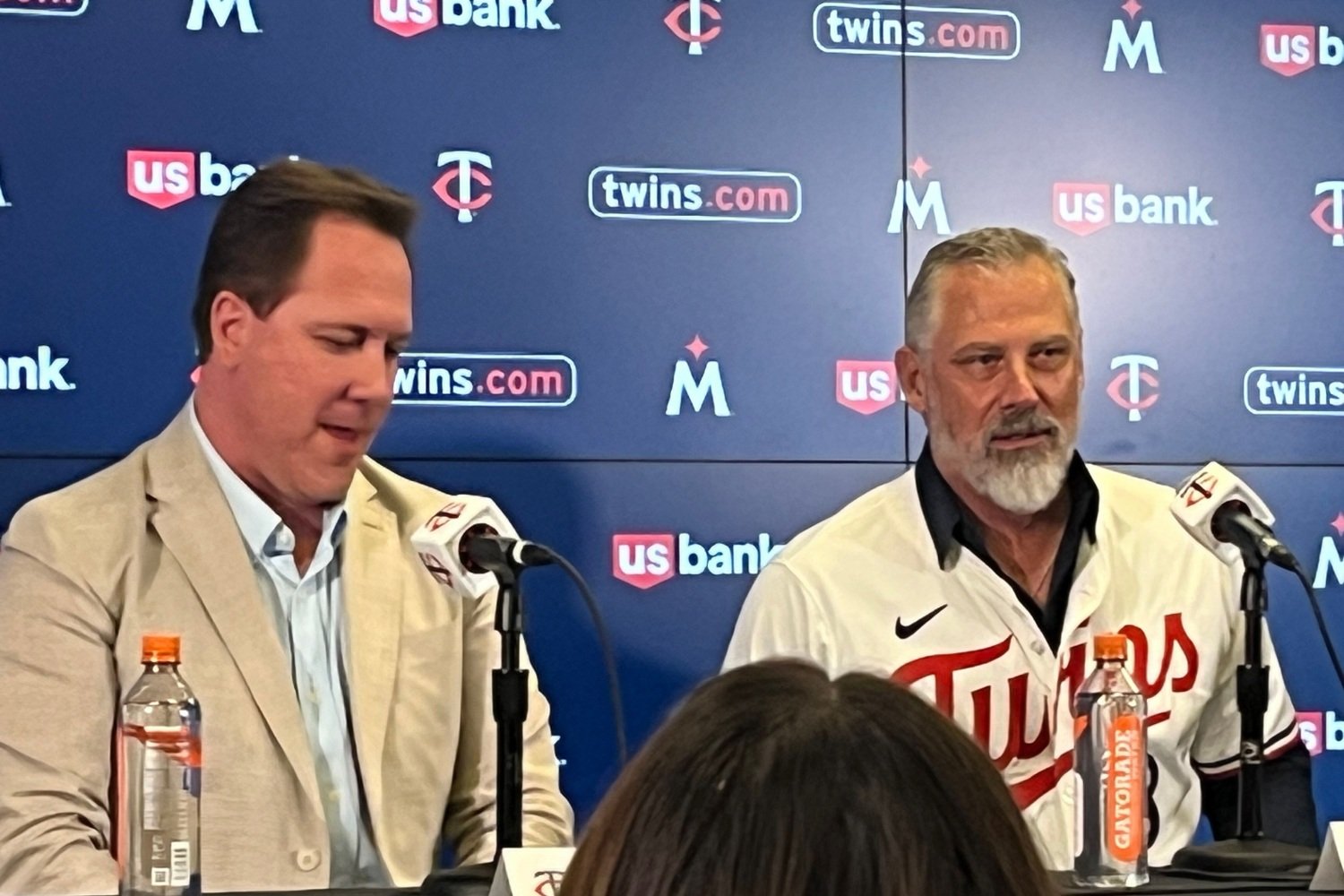 The Minnesota Twins and top baseball executive Derek Falvey are parting ways, the team announced to staff in a stunning internal email Friday morning. Falvey, 42, ran baseball operations for Minnesota for nine seasons. The team issued a press release announcing the move shortly after sharing it internally. Falvey began his career with Cleveland, worked his way through a variety of front-office roles, and ultimately rose to assistant general manager. He joined Minnesota in the fall of 2016 as the Twins’ top baseball decision-maker, with a background built on process, research, and analytics (particularly in regard to pitching) and emphasizing relationships and culture. The Twins hired Falvey to lead a reset after a 103-loss season, and much of his early impact came behind the scenes. Under his leadership, Minnesota invested in technology and information, modernizing how they integrated pro scouting, player development, medical/performance, and research. That foundation helped fuel competitive peaks, including a quick return to the postseason in 2017, and the 2019 breakout, when the Twins won 101 games with their Bomba Squad. These efforts were recognized by Executive Chair Tom Pohlad in the Twins press release. "When he joined the Twins nine years ago, it was, in many ways, a watershed moment for this franchise. His leadership was transformational. He helped modernize every aspect of our baseball operations and led with strong values, intention, and purpose," stated Pohlad. With success came some bold roster bets: signing Josh Donaldson, committing long-term to Byron Buxton, aggressively pursuing Carlos Correa, and trading Luis Arráez for Pablo López. He also developed the pitching pipeline the fans were promised, with somewhat middling results. After the 2023 season, when the Twins snapped their 18-game postseason losing streak, won a Wild Card series, and advanced to the ALDS, the club’s payroll was cut by roughly $30 million. Those reductions have continued, with next year’s payroll currently projected around $100 million, down from roughly $160 million in 2023. With fewer resources, the team’s offseason additions have been modest, and at the most recent trade deadline the Twins pivoted sharply toward shedding salary and stockpiling depth, moving 11 players in total, including Carlos Correa. In this latest phase, Falvey was elevated to President, expanding his responsibilities to include both the baseball and business sides of the operation. He’s held that role amid major organizational turbulence: an effort to sell the franchise, a restructuring of approximately $500 million in team debt, and an ownership transition, with Tom Pohlad succeeding Joe Pohlad as the club’s Executive Chair. His role, his boss, and the franchise's trajectory have changed significantly over the last two years compared with his first seven years with the franchise. "Ownership transitions naturally create moments for reflection and honest dialogue about leadership, vision, and how an organization wants to move forward," wrote Derek Falvey in the team's press release. "Over the past several weeks we had those conversations openly and constructively and ultimately reached a shared understanding that this was the right step both for the organization and for me personally." Those changes were also recognized by Tom Pohlad. "Over the past several weeks, Derek and I had thoughtful and candid conversations about leadership, structure, and the future of the club," Pohlad wrote in the team's press release. "We reached a shared understanding that the needs of the organization are evolving and that a leadership transition is the best way to move forward." Jeremy Zoll, previously Falvey's lieutenant and the general manager, will take over his duties running baseball operations, while Tom Pohlad will become the point person for business operations, which Falvey had taken under his purview in 2024. Falvey is not leaving for another job, or at least that has not been announced. The Twins released a statement saying the two sides "mutually agree to part ways." "On a personal level, I’m looking forward to taking some time to be with my family, reflect and consider what comes next," Falvey wrote in the press release. "I don’t have specific plans yet, but I’m grateful for the experiences I’ve had here and excited about the next chapter when the time is right." Zoll will not get an immediate title bump, but he becomes the new head of baseball operations, which Pohlad said would remain true. Dave St. Peter, who served in that role since 2002, stepped down last March, but has remained with the team as an adviser. It's hard to predict how soon the team will find a suitable candidate for a vacancy that comes at the most unusual point in the baseball calendar. That timing is perhaps the most interesting aspect of the news. It is unusual for any organization to have a leadership vacuum without a transition plan at this critical time of year. For instance, when Dave St. Peter left the Twins, the announcement was made in November 2024, but the move didn't take effect until Opening Day. Tom Pohlad has been leading the organization for just over a month. On the baseball side, the offseason moves are not yet complete. On the business side, the season is ramping up. And while the Twins' press release says that there have been going on for the past several weeks, this change is sudden and seemingly unforeseen. The team is holding a press conference today at 11:15, with Pohlad and Falvey answering questions, though at separate times. Editor's Note: An earlier version of this story indicated the team would begin an immediate search for a new president of baseball operations. During his press conference, a reporter asked Pohlad about that search, and Pohlad corrected the record: Zoll will be in charge of baseball ops. The team is not pursuing a replacemeny for Falvey outside the organization at this time.
 -
Image courtesy of © Matt Blewett-Imagn Images The Twins traded right-handed pitcher Pierson Ohl and infielder Edouard Julien to the Colorado Rockies Wednesday, a source confirmed to Twins Daily. They'll receive minor-league righthander Jace Kaminska in return. Dan Hayes of The Athletic first reported the deal. Kaminska, 24, was a 10th-round pick out of the University of Nebraska-Lincoln in 2023, and he had an encouraging first season in the minors. He made 17 appearances and posted a 2.78 ERA for Low-A Fresno in 2024, striking out 104 and walking just 12 of the 353 batters he faced. However, he ended that season on the injured list with elbow trouble, and wound up having Tommy John surgery late last March. After missing the entire 2025 campaign, he will also get a slow start to 2026, after which he'll be eligible for the Rule 5 Draft. However, he should be safely stashable, and there's a modicum of upside here. Solidly built, Kaminska has been up to 96 mph with his fastball in the past, and he adds a two-plane breaking ball that has flashed average. His changeup lags behind those offerings, but given his rocky professional road so far, it might not matter much. His best and quickest path to the majors is as a reliever, and while the Twins are likely to keep him stretched out as he builds back up post-surgery, it wouldn't be surprised if he finishes 2026 as a fast-rising short reliever who can run his heater into the upper 90s. Minnesota found Julien in the 18th round of the 2019 Draft, out of Auburn University. His combination of plate discipline and power got him to the majors with a bit of prospect steam, and his tremendous rookie season in 2023 (a .381 OBP in 408 plate appearances) raised fans’ expectations. He’s been unable to meet them since then, however, with a .208/.299/.324 line in 158 big-league games since the start of 2024. His vulnerability to whiffs caught up to him, and he was unable to recalibrate and correct the passivity of his approach. A poor second baseman, he’s been increasingly pushed toward first base, where his bat doesn’t meet the standard of acceptability for any would-be contender. Ohl, 26, was another late find and player-development win for the team, rising from being a 14th-round pick in the 2021 Draft to pitch 14 times for the Twins in 2025. His changeup is a plus pitch, and has a chance to work even in the thin air of Coors Field. However, his results were ugly in his brief stay in the majors. His 5.10 ERA was a bit unlucky, but it also traced back to too few strikeouts and susceptibility to home runs. Julien has four years of team control remaining, but can’t be optioned to the minors, so he’ll have to stick on the Opening Day roster to stay in the Rockies organization past spring training. Ohl is under control through at least 2031, and can still be sent to the minors if needed. The Twins designated Ohl for assignment when they made the signings of Taylor Rogers and Victor Caratini official Saturday, so only Julien comes off the 40-man roster with this move. Once a player is designated for assignment, almost any trade is worthwhile, because the alternative is to lose the player for the very modest waiver fee. In this case, with the Rockies first in the waiver order, the Twins might have known that the team would claim Ohl, and sought to get a deal done to extract any value they could. Julien was probably not long for the roster, anyway, after the offseason additions of Josh Bell and Victor Caratini (each of whom play at least some first base) and with Kody Clemens serving as a better version of Julien for much of 2025. This is a sad denouement for the French-Canadian Julien, who briefly looked like a piece of the club's long-term puzzle. As they try to finish their offseason strongly, though, the Twins clearly felt they were better off with some extra depth and a clear roster spot for their next move than by letting the decision on Julien wait and losing Ohl for a small amount of cash. Kaminska gives them organizational depth, and they can now focus on making their 40-man a more functional big-league amalgam. View full article
-
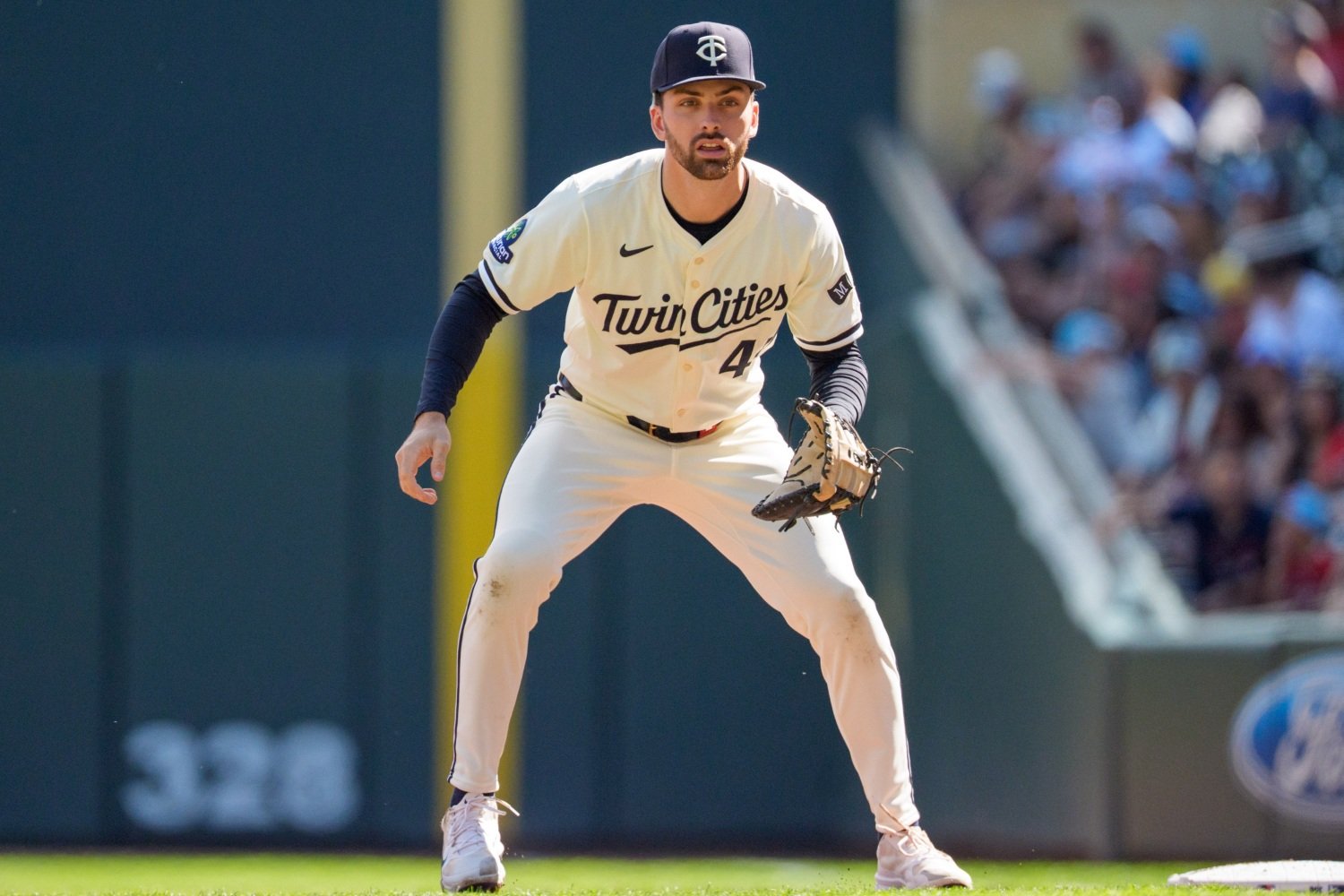 The Twins traded right-handed pitcher Pierson Ohl and infielder Edouard Julien to the Colorado Rockies Wednesday, a source confirmed to Twins Daily. They'll receive minor-league righthander Jace Kaminska in return. Dan Hayes of The Athletic first reported the deal. Kaminska, 24, was a 10th-round pick out of the University of Nebraska-Lincoln in 2023, and he had an encouraging first season in the minors. He made 17 appearances and posted a 2.78 ERA for Low-A Fresno in 2024, striking out 104 and walking just 12 of the 353 batters he faced. However, he ended that season on the injured list with elbow trouble, and wound up having Tommy John surgery late last March. After missing the entire 2025 campaign, he will also get a slow start to 2026, after which he'll be eligible for the Rule 5 Draft. However, he should be safely stashable, and there's a modicum of upside here. Solidly built, Kaminska has been up to 96 mph with his fastball in the past, and he adds a two-plane breaking ball that has flashed average. His changeup lags behind those offerings, but given his rocky professional road so far, it might not matter much. His best and quickest path to the majors is as a reliever, and while the Twins are likely to keep him stretched out as he builds back up post-surgery, it wouldn't be surprised if he finishes 2026 as a fast-rising short reliever who can run his heater into the upper 90s. Minnesota found Julien in the 18th round of the 2019 Draft, out of Auburn University. His combination of plate discipline and power got him to the majors with a bit of prospect steam, and his tremendous rookie season in 2023 (a .381 OBP in 408 plate appearances) raised fans’ expectations. He’s been unable to meet them since then, however, with a .208/.299/.324 line in 158 big-league games since the start of 2024. His vulnerability to whiffs caught up to him, and he was unable to recalibrate and correct the passivity of his approach. A poor second baseman, he’s been increasingly pushed toward first base, where his bat doesn’t meet the standard of acceptability for any would-be contender. Ohl, 26, was another late find and player-development win for the team, rising from being a 14th-round pick in the 2021 Draft to pitch 14 times for the Twins in 2025. His changeup is a plus pitch, and has a chance to work even in the thin air of Coors Field. However, his results were ugly in his brief stay in the majors. His 5.10 ERA was a bit unlucky, but it also traced back to too few strikeouts and susceptibility to home runs. Julien has four years of team control remaining, but can’t be optioned to the minors, so he’ll have to stick on the Opening Day roster to stay in the Rockies organization past spring training. Ohl is under control through at least 2031, and can still be sent to the minors if needed. The Twins designated Ohl for assignment when they made the signings of Taylor Rogers and Victor Caratini official Saturday, so only Julien comes off the 40-man roster with this move. Once a player is designated for assignment, almost any trade is worthwhile, because the alternative is to lose the player for the very modest waiver fee. In this case, with the Rockies first in the waiver order, the Twins might have known that the team would claim Ohl, and sought to get a deal done to extract any value they could. Julien was probably not long for the roster, anyway, after the offseason additions of Josh Bell and Victor Caratini (each of whom play at least some first base) and with Kody Clemens serving as a better version of Julien for much of 2025. This is a sad denouement for the French-Canadian Julien, who briefly looked like a piece of the club's long-term puzzle. As they try to finish their offseason strongly, though, the Twins clearly felt they were better off with some extra depth and a clear roster spot for their next move than by letting the decision on Julien wait and losing Ohl for a small amount of cash. Kaminska gives them organizational depth, and they can now focus on making their 40-man a more functional big-league amalgam.
- 85 comments
-
- 15
-

-

-
- pierson ohl
- edouard julien
- (and 1 more)
-
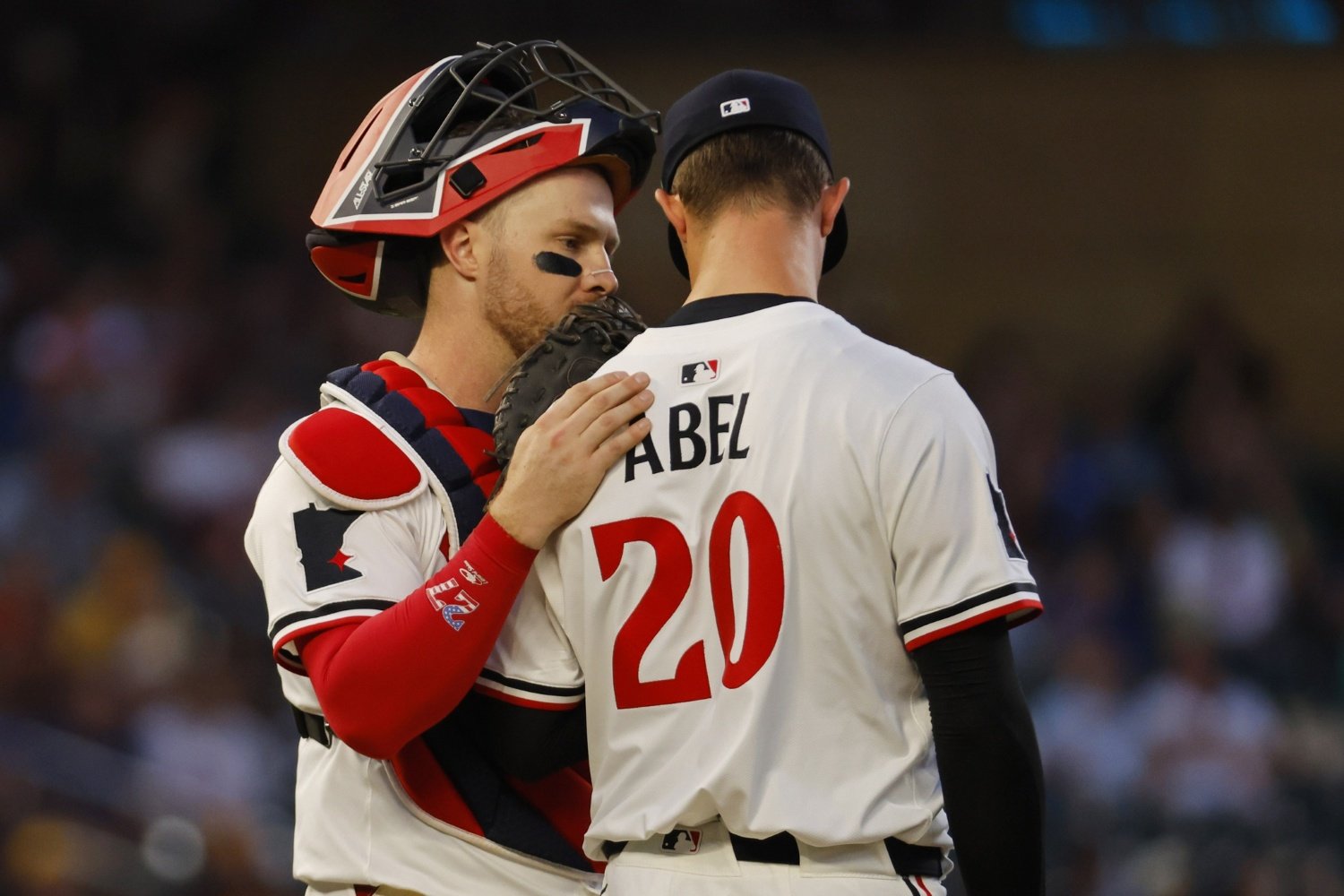 When the Twins signed catcher Victor Caratini to a two-year deal earlier this month, many wondered what would become of Ryan Jeffers, their incumbent backstop. Jeffers, 28, will be a free agent at the end of this season, and after the fire sale at last year's trade deadline, the possibility of a trade sending him elsewhere felt very real. Alternatively, of course, the team could keep both players, and deploy them in the same exceptionally even timeshare that Jeffers and Christian Vázquez effected over the last three seasons. The major downside to that plan wouldn't even be about performance, but about morale. Jeffers has been forthright about his desire to take on a truer starting role, catching 100 or more games a year, and in the last season before he reaches free agency, that desire has surely never been more urgent. Jeffers made an appearance on Inside Twins, the team's web show, last week, and sounded like a man confident he'll get the opportunity he's been waiting for, without changing teams. New manager Derek Shelton sang the same tune at Friday's Twins media luncheon. "Jeffers is going to be the [starter]," Shelton said. "We've talked to Victor about it. The thing we thought about there is we get a guy we think of as a frontline, as someone who is going to play behind Ryan, but he can also play first; he can also DH. Going into this offseason, I don't think anyone predicted that we would be the [team to sign him]. The fact we were able to add him to our group was extremely exciting." Shelton confirmed that he called and spoke to Jeffers directly, so the assurances Jeffers said he'd gotten appear to have come right from the man who will make out the lineup card. General manager Jeremy Zoll also alluded to Caratini's ability to play first base when discussing the team's interest in him, so ostensibly, the 81/81 split appears to be dead. Caratini can be penciled in for perhaps 60 starts behind the plate, if everyone stays healthy, and will find more at-bats at first base and DH. Jeffers can aim to qualify for the batting title for the first time, after taking 465 and 464 plate appearances in 2024 and 2025, respectively. Everyone can stop asking pointed questions, now. On the other hand: baseball teams lie. They lie to their players, all the time, although not usually as directly as by calling them up to tell them something false. More importantly, they lie to each other and to fans, usually indirectly, using misdirection and/or obfuscation. There are lots of little advantages to be found by being cagey, and no baseball executive (at least none of this generation; Dave Dombrowski is a good reminder that it used to be different) is so eager to be honest as to let any possible edge be dulled. In other words: the Twins still might end up playing Caratini half the time at catcher. It's even more likely, though, that they're going to trade Jeffers, even though they say they aren't. They talked to Caratini about being ok with a backup catching role and filling in elsewhere to round out his playing time, but they also bid $14 million on a two-year deal for (arguably) the second-best catcher who was on the market this winter, despite knowing they have a limited budget. That investment bespeaks a greater commitment than their words do. Caratini is also the second catcher they've proactively acquired this winter, and one way or another, his arrival means the exit of another backstop. The Twins (even more than most teams) can ill afford to carry three catchers, so one of Jeffers and Alex Jackson is a goner. It could certainly be Jackson, who cost very little to acquire and would be easy to dump for a similar return to some team who doesn't find a suitable backup catcher by the end of spring training. Jeffers's looming free agency is hard to ignore, though. The fact that Caratini will be paid more than Jeffers this season is notable, too. Jeffers would net the team a solid return, from any of several teams still looking to figure out that position in a season in which they expect to contend. I doubt that Jeffers, Shelton or even Zoll are consciously lying to reporters about what all involved expect to happen at catcher this year. However, that doesn't mean they're telling the whole truth—and more importantly, the truth is always changing. Jeffers is slated to be the 108-game guy behind the plate for the team in 2026. Within a week, he could well be preparing for the same role with a different team. Three months from now, he could well be muddling through a fourth straight season in a half-time role. Don't assume anything any of the key players in this miniature drama have said is a solid fact. Everyone involved is working with imperfect or fluid information, and that makes them untrustworthy, even if they have no reason to mislead you.
 -
Image courtesy of © Bruce Kluckhohn-Imagn Images When the Twins signed catcher Victor Caratini to a two-year deal earlier this month, many wondered what would become of Ryan Jeffers, their incumbent backstop. Jeffers, 28, will be a free agent at the end of this season, and after the fire sale at last year's trade deadline, the possibility of a trade sending him elsewhere felt very real. Alternatively, of course, the team could keep both players, and deploy them in the same exceptionally even timeshare that Jeffers and Christian Vázquez effected over the last three seasons. The major downside to that plan wouldn't even be about performance, but about morale. Jeffers has been forthright about his desire to take on a truer starting role, catching 100 or more games a year, and in the last season before he reaches free agency, that desire has surely never been more urgent. Jeffers made an appearance on Inside Twins, the team's web show, last week, and sounded like a man confident he'll get the opportunity he's been waiting for, without changing teams. New manager Derek Shelton sang the same tune at Friday's Twins media luncheon. "Jeffers is going to be the [starter]," Shelton said. "We've talked to Victor about it. The thing we thought about there is we get a guy we think of as a frontline, as someone who is going to play behind Ryan, but he can also play first; he can also DH. Going into this offseason, I don't think anyone predicted that we would be the [team to sign him]. The fact we were able to add him to our group was extremely exciting." Shelton confirmed that he called and spoke to Jeffers directly, so the assurances Jeffers said he'd gotten appear to have come right from the man who will make out the lineup card. General manager Jeremy Zoll also alluded to Caratini's ability to play first base when discussing the team's interest in him, so ostensibly, the 81/81 split appears to be dead. Caratini can be penciled in for perhaps 60 starts behind the plate, if everyone stays healthy, and will find more at-bats at first base and DH. Jeffers can aim to qualify for the batting title for the first time, after taking 465 and 464 plate appearances in 2024 and 2025, respectively. Everyone can stop asking pointed questions, now. On the other hand: baseball teams lie. They lie to their players, all the time, although not usually as directly as by calling them up to tell them something false. More importantly, they lie to each other and to fans, usually indirectly, using misdirection and/or obfuscation. There are lots of little advantages to be found by being cagey, and no baseball executive (at least none of this generation; Dave Dombrowski is a good reminder that it used to be different) is so eager to be honest as to let any possible edge be dulled. In other words: the Twins still might end up playing Caratini half the time at catcher. It's even more likely, though, that they're going to trade Jeffers, even though they say they aren't. They talked to Caratini about being ok with a backup catching role and filling in elsewhere to round out his playing time, but they also bid $14 million on a two-year deal for (arguably) the second-best catcher who was on the market this winter, despite knowing they have a limited budget. That investment bespeaks a greater commitment than their words do. Caratini is also the second catcher they've proactively acquired this winter, and one way or another, his arrival means the exit of another backstop. The Twins (even more than most teams) can ill afford to carry three catchers, so one of Jeffers and Alex Jackson is a goner. It could certainly be Jackson, who cost very little to acquire and would be easy to dump for a similar return to some team who doesn't find a suitable backup catcher by the end of spring training. Jeffers's looming free agency is hard to ignore, though. The fact that Caratini will be paid more than Jeffers this season is notable, too. Jeffers would net the team a solid return, from any of several teams still looking to figure out that position in a season in which they expect to contend. I doubt that Jeffers, Shelton or even Zoll are consciously lying to reporters about what all involved expect to happen at catcher this year. However, that doesn't mean they're telling the whole truth—and more importantly, the truth is always changing. Jeffers is slated to be the 108-game guy behind the plate for the team in 2026. Within a week, he could well be preparing for the same role with a different team. Three months from now, he could well be muddling through a fourth straight season in a half-time role. Don't assume anything any of the key players in this miniature drama have said is a solid fact. Everyone involved is working with imperfect or fluid information, and that makes them untrustworthy, even if they have no reason to mislead you. View full article
-
Image courtesy of © Peter Aiken-Imagn Images There's not a shortage of comps for Brooks Lee's swing. From the left side and from the right, he has roughly 35th-percentile bat speed and a slightly flatter swing plane than the average hitter. Over 60 big-league hitters met those basic criteria last season, from one or both sides of the plate. What's difficult is finding players who swing that way, and are good. Such creatures do exist. I limited a search to the 200 players with the slowest swings (among those with at leat 100 competitive swings from one side of the plate) and looked for those with swing planes as flat as Lee's or flatter, using Baseball Savant's bat tracking data. José Ramírez fits the criteria, from the left side. So does Jose Altuve. So do Brendan Donovan, Sal Frelick and Caleb Durbin. Reds sparkplug TJ Friedl and high-average speedster Xavier Edwards are on the list. You can see the pattern. You can probably also see the problem. Last season, Friedl was an above-average hitter, but it was largely due to his 11.8% walk rate and 16 times being hit by pitches. Durbin, too, relied on getting hit by pitches a lot. More importantly, though, all of these guys have good plate discipline, and/or are much better athletes than Lee. In fact, almost the entire list of hitters whose swing speeds and tilt match his are defense-first guys, like Johan Rojas of the Phillies; Nick Allen, now of Houston; DaShawn Keirsey Jr.; and Christian Vázquez. The guys who succeed with swings like the one Lee deploys from each side are hand-eye coordination freaks, have superb approaches, use their legs to beat defenses, or fit all of those descriptors. By contrast, Lee is a below-average baseball athlete. He's stretched at shortstop, and having him play it for a full season in 2026 is likely to both make the Twins' infield more porous and wear him down at the plate. He doesn't throw or run well. Worse, he's not good at controlling the strike zone. He chases pitches outside the zone more than an average batter, and doesn't make much contact when he does. Within the zone, he makes a lot of contact, but it's not optimized. In his first full season in the majors, he hit more balls on the ground and pulled fewer of his flies than in his 2024 stint. What Lee does well is square up the ball, but he gives up too much bat speed to do it, and because his swings are both fairly inefficient, he also has to decide early in order to get the barrel to the hitting zone on time. That leads to too many poor swing decisions for a player whose swing itself can't drive his offensive profile. He needs to make big changes, to increase his bat speed, trading some contact within the zone for more power; and to his approach, to reduce the frequency of bad contact and pitcher-friendly counts. All of that is still at least vaguely possible, because even though he was supposed to be a polished collegiate hitter when the Twins took him in 2022, he's still just 24 years old. He could turn a corner, with a better plan and enough openness to what the Twins recommend to him. Right now, though, it's unfair to expect him to be good in 2026. He batted .236/.285/.370 in 2025, and because real and important weaknesses underpinned that line, we should expect about the same this year, until we see evidence of the major changes he needs to make. Can a team contend for the postseason with a shortstop who posts a .655 OPS? Of course. Any one player on a roster can be (more or less) made up for by another. The Twins don't have the depth to make it very likely that they stay in the race without a breakout from Lee, though. He's not a good defender, and he plays one of the three most important defensive positions on the diamond. Big-league teams aren't chains; they can survive a weak spot in a way a chain can't survive a weak link. Lee is a marked weakness for this team, though, and right now, they haven't surrounded him with enough strength to hide that weakness. They don't have good defenders flanking him on the infield; they don't have the lineup depth to let him hit ninth and forget about him. They need the best version of Lee, which means a major set of physical and mental adjustments and some good luck in the health department. Otherwise, they'll need to pin their hopes on Kaelen Culpepper—but he won't be ready for the majors soon enough to save this season if Lee imperils it. View full article
-
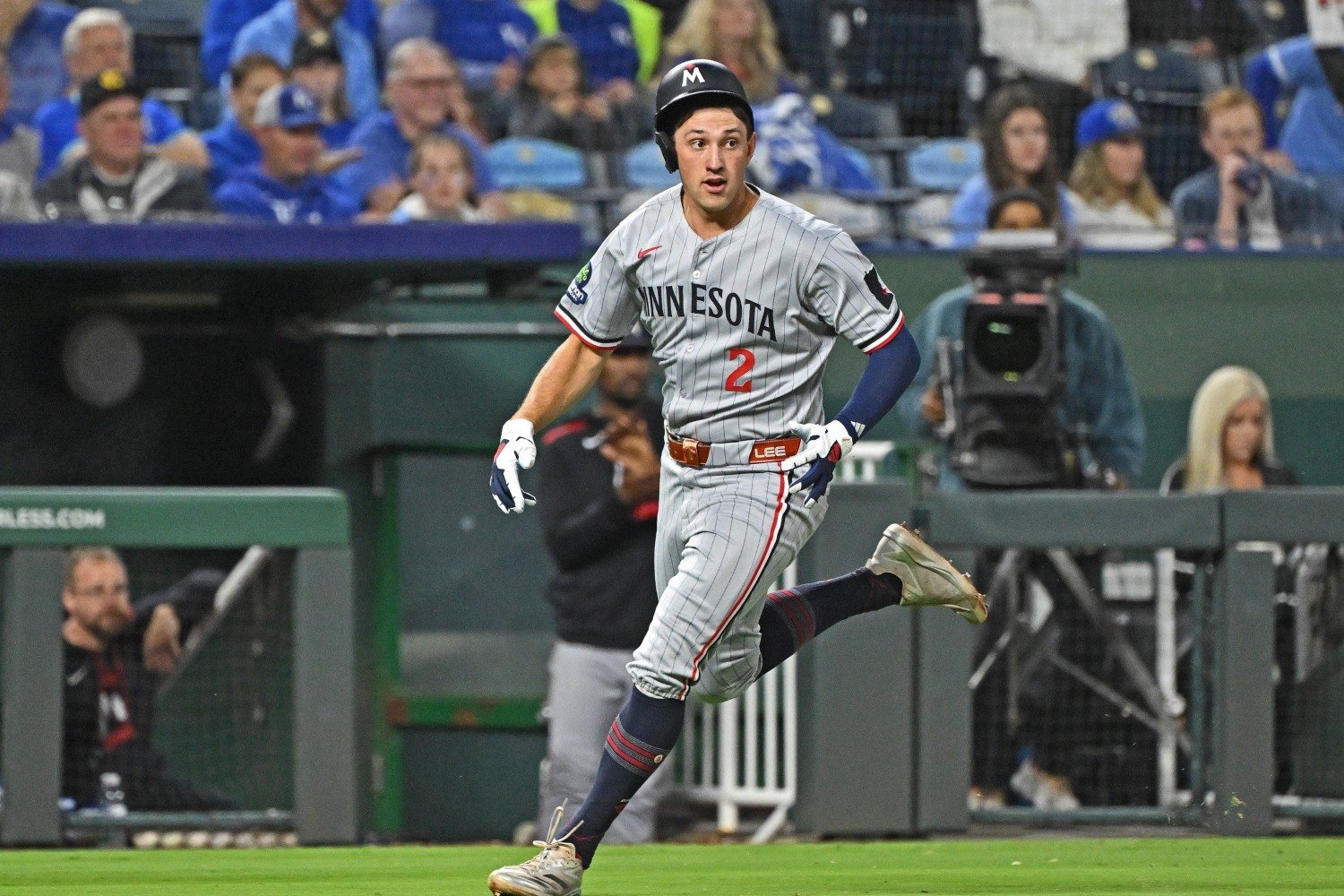 There's not a shortage of comps for Brooks Lee's swing. From the left side and from the right, he has roughly 35th-percentile bat speed and a slightly flatter swing plane than the average hitter. Over 60 big-league hitters met those basic criteria last season, from one or both sides of the plate. What's difficult is finding players who swing that way, and are good. Such creatures do exist. I limited a search to the 200 players with the slowest swings (among those with at leat 100 competitive swings from one side of the plate) and looked for those with swing planes as flat as Lee's or flatter, using Baseball Savant's bat tracking data. José Ramírez fits the criteria, from the left side. So does Jose Altuve. So do Brendan Donovan, Sal Frelick and Caleb Durbin. Reds sparkplug TJ Friedl and high-average speedster Xavier Edwards are on the list. You can see the pattern. You can probably also see the problem. Last season, Friedl was an above-average hitter, but it was largely due to his 11.8% walk rate and 16 times being hit by pitches. Durbin, too, relied on getting hit by pitches a lot. More importantly, though, all of these guys have good plate discipline, and/or are much better athletes than Lee. In fact, almost the entire list of hitters whose swing speeds and tilt match his are defense-first guys, like Johan Rojas of the Phillies; Nick Allen, now of Houston; DaShawn Keirsey Jr.; and Christian Vázquez. The guys who succeed with swings like the one Lee deploys from each side are hand-eye coordination freaks, have superb approaches, use their legs to beat defenses, or fit all of those descriptors. By contrast, Lee is a below-average baseball athlete. He's stretched at shortstop, and having him play it for a full season in 2026 is likely to both make the Twins' infield more porous and wear him down at the plate. He doesn't throw or run well. Worse, he's not good at controlling the strike zone. He chases pitches outside the zone more than an average batter, and doesn't make much contact when he does. Within the zone, he makes a lot of contact, but it's not optimized. In his first full season in the majors, he hit more balls on the ground and pulled fewer of his flies than in his 2024 stint. What Lee does well is square up the ball, but he gives up too much bat speed to do it, and because his swings are both fairly inefficient, he also has to decide early in order to get the barrel to the hitting zone on time. That leads to too many poor swing decisions for a player whose swing itself can't drive his offensive profile. He needs to make big changes, to increase his bat speed, trading some contact within the zone for more power; and to his approach, to reduce the frequency of bad contact and pitcher-friendly counts. All of that is still at least vaguely possible, because even though he was supposed to be a polished collegiate hitter when the Twins took him in 2022, he's still just 24 years old. He could turn a corner, with a better plan and enough openness to what the Twins recommend to him. Right now, though, it's unfair to expect him to be good in 2026. He batted .236/.285/.370 in 2025, and because real and important weaknesses underpinned that line, we should expect about the same this year, until we see evidence of the major changes he needs to make. Can a team contend for the postseason with a shortstop who posts a .655 OPS? Of course. Any one player on a roster can be (more or less) made up for by another. The Twins don't have the depth to make it very likely that they stay in the race without a breakout from Lee, though. He's not a good defender, and he plays one of the three most important defensive positions on the diamond. Big-league teams aren't chains; they can survive a weak spot in a way a chain can't survive a weak link. Lee is a marked weakness for this team, though, and right now, they haven't surrounded him with enough strength to hide that weakness. They don't have good defenders flanking him on the infield; they don't have the lineup depth to let him hit ninth and forget about him. They need the best version of Lee, which means a major set of physical and mental adjustments and some good luck in the health department. Otherwise, they'll need to pin their hopes on Kaelen Culpepper—but he won't be ready for the majors soon enough to save this season if Lee imperils it.
 -
Good questions. The point, though, is that the nature of arbitration is such that Ryan's unlikely to be in line for $13 million via that system in his final year of eligibility next year. If he IS on track for more than that, they'll exercise the option and pay him only that, but it's more likely that he'll be in line for less, so they'll decline the option and pay him less—because they can.
-
Twins, Joe Ryan Agree to Face-Saving Deal to Avoid Arbitration
Matthew Trueblood posted an article in Twins
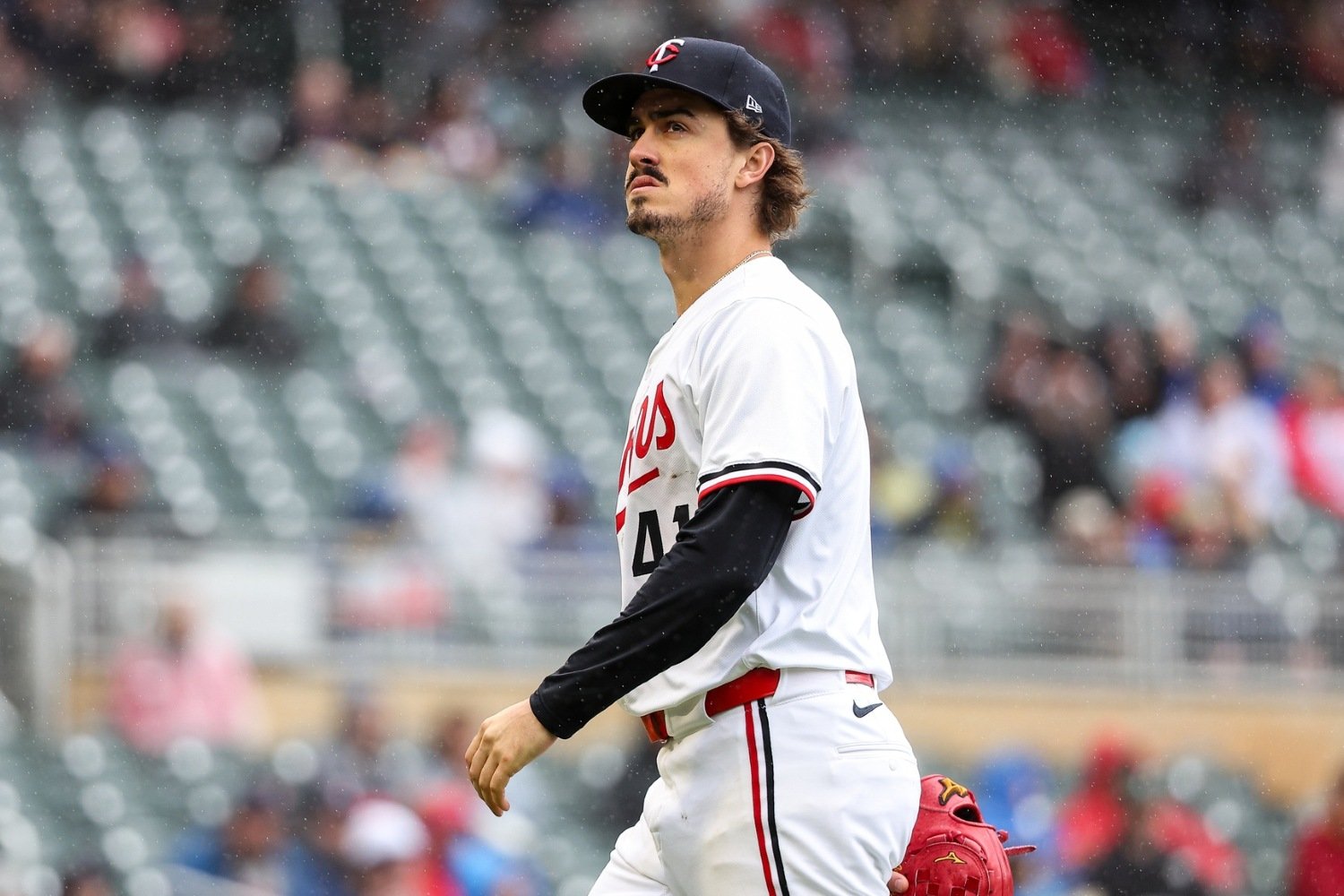 The Twins and righthander Joe Ryan agreed to a one-year deal to avoid arbitration Monday, according to Jon Heyman of the New York Post. Ryan will earn $6.1 million in 2026, and the Twins hold a $13-million club option for 2027, with a $100,000 buyout. The $6.1 million figure is the midpoint between the figures filed by the two sides earlier this month, when Ryan asked for $6.35 million and the Twins countered with $5.85 million. The deal doesn't extend Minnesota's term of team control, which would have ended after 2027, anyway. It's just the result of Minnesota pulling the ripcord to avoid a needlessly damaging arbitration hearing. Because the whole league takes the job of suppressing player salaries seriously, there's meaningful pressure on every front office in MLB to adopt a "file-and-trial" policy when it comes to arbitration. The term refers to the fact that, by a given deadline in the middle of January each year, teams and players must either agree to terms to avoid arbitration or file official proposed salaries for the player in the coming season. After that filing period, teams who hew to "file-and-trial" refuse to settle on one-year deals. It's a hardline tactic designed to bend players toward teams' desired salaries for them, but it's also become a way that teams subtly hold one another to account. Other teams and the league's central office watch and tut disapprovingly about settlements after the filing date but before hearings, because they compromise the notion of "file-and-trial" and weaken the leverage teams try to establish by setting that policy. To save face, when a team (usually, it's the team, because the player was generally more willing to settle near the midpoint in the first place) wants to avoid a hearing, they set up a deal like this one. Technically, the Twins have cost certainty on Ryan for 2027, now. He can't earn more than $13 million, because if he has a good enough year to be in position to do so, the Twins will pick up the option. That's unlikely, though. Ryan's platform earnings (this year's $6.1 million) will probably keep his earning power for 2027 to the $12-million range, which would make declining the option and paying the $100,000 buyout a no-brainer. Although part of a boring aspect of baseball, this particular process is funny. When teams and players fall together on a deal like this, it's worth a chuckle. Without technically buckling the fragile, largely fake leverage lattice that is "file-and-trial", these deals give the lie to the whole thing. Yes, technically, the Twins have agreed to a multi-year deal with Ryan, because they gained an option for next year. The odds that that option will be exercised are intentionally low, though. This is, essentially, the Twins paying Ryan $6.2 million for 2026. It's them admitting that a hearing would not only have made Ryan angry with the team over a small amount of money (in baseball terms), but likely have resulted in Ryan winning. The Brewers strike these kinds of deals fairly often. They did it with William Contreras late last January, after he'd filed for $6.5 million and they'd countered with $5.6 million. The deal paid him $6 million in 2025, with a club option for $12 million in 2026. They declined that option in November, paying him another $100,000, and he'll make less than $10 million this season. It was the same copout. Teams want to maintain the facade of being hardliners, but they don't want to actually go to arbitration any more than they used to. Nor do players like that experience. This works out on both sides; it just comes with some negotiation theater. Ryan will be eminently tradable under the terms of this deal, if it comes to that. In the happy event that he's still a Twin in November, the option will probably be declined, and Ryan and the Twins can do this dance again next January—or whenever the likely offseason lockout is resolved. For now, the sides have avoided the needless headache of a hearing next month, and Ryan can focus on baseball as he gets ready to report to spring training.
 -
Image courtesy of © Matt Blewett-Imagn Images The Twins and righthander Joe Ryan agreed to a one-year deal to avoid arbitration Monday, according to Jon Heyman of the New York Post. Ryan will earn $6.1 million in 2026, and the Twins hold a $13-million club option for 2027, with a $100,000 buyout. The $6.1 million figure is the midpoint between the figures filed by the two sides earlier this month, when Ryan asked for $6.35 million and the Twins countered with $5.85 million. The deal doesn't extend Minnesota's term of team control, which would have ended after 2027, anyway. It's just the result of Minnesota pulling the ripcord to avoid a needlessly damaging arbitration hearing. Because the whole league takes the job of suppressing player salaries seriously, there's meaningful pressure on every front office in MLB to adopt a "file-and-trial" policy when it comes to arbitration. The term refers to the fact that, by a given deadline in the middle of January each year, teams and players must either agree to terms to avoid arbitration or file official proposed salaries for the player in the coming season. After that filing period, teams who hew to "file-and-trial" refuse to settle on one-year deals. It's a hardline tactic designed to bend players toward teams' desired salaries for them, but it's also become a way that teams subtly hold one another to account. Other teams and the league's central office watch and tut disapprovingly about settlements after the filing date but before hearings, because they compromise the notion of "file-and-trial" and weaken the leverage teams try to establish by setting that policy. To save face, when a team (usually, it's the team, because the player was generally more willing to settle near the midpoint in the first place) wants to avoid a hearing, they set up a deal like this one. Technically, the Twins have cost certainty on Ryan for 2027, now. He can't earn more than $13 million, because if he has a good enough year to be in position to do so, the Twins will pick up the option. That's unlikely, though. Ryan's platform earnings (this year's $6.1 million) will probably keep his earning power for 2027 to the $12-million range, which would make declining the option and paying the $100,000 buyout a no-brainer. Although part of a boring aspect of baseball, this particular process is funny. When teams and players fall together on a deal like this, it's worth a chuckle. Without technically buckling the fragile, largely fake leverage lattice that is "file-and-trial", these deals give the lie to the whole thing. Yes, technically, the Twins have agreed to a multi-year deal with Ryan, because they gained an option for next year. The odds that that option will be exercised are intentionally low, though. This is, essentially, the Twins paying Ryan $6.2 million for 2026. It's them admitting that a hearing would not only have made Ryan angry with the team over a small amount of money (in baseball terms), but likely have resulted in Ryan winning. The Brewers strike these kinds of deals fairly often. They did it with William Contreras late last January, after he'd filed for $6.5 million and they'd countered with $5.6 million. The deal paid him $6 million in 2025, with a club option for $12 million in 2026. They declined that option in November, paying him another $100,000, and he'll make less than $10 million this season. It was the same copout. Teams want to maintain the facade of being hardliners, but they don't want to actually go to arbitration any more than they used to. Nor do players like that experience. This works out on both sides; it just comes with some negotiation theater. Ryan will be eminently tradable under the terms of this deal, if it comes to that. In the happy event that he's still a Twin in November, the option will probably be declined, and Ryan and the Twins can do this dance again next January—or whenever the likely offseason lockout is resolved. For now, the sides have avoided the needless headache of a hearing next month, and Ryan can focus on baseball as he gets ready to report to spring training. View full article
-
Thanks! I dunno *what* happened there, but it's fixed now.
-
Image courtesy of © Charles LeClaire-Imagn Images The Minnesota Twins have agreed to a one-year, major-league deal with left-handed reliever Taylor Rogers, sources tell Twins Daily. Rogers, 35, was the Twins' 11th-round draft pick in 2012 and spent the first six seasons of his major-league career with the team, posting a 3.15 ERA in 319 appearances and recording 50 saves. Last season, for the Reds and Cubs, he had a 3.38 ERA in 57 relief appearances. Once a high-strikeout control artist, Rogers misses fewer bats these days, and his walk rate has ticked up sharply in the last few years. Twins fans remember a pitcher whose fastball could play like a two-seamer with solid ride and who utilized two distinct breaking balls, but Rogers is now purely a sinker-slider guy, with age and injuries having frayed his command of each. Nonetheless, he's an effective middle reliever, especially when he can be shielded from right-handed batters. Rogers first hit free agency after the 2022 season, and signed a three-year $33-million deal with the Giants. San Francisco dumped his salary in a trade that sent Rogers to the Reds last winter, and he was technically dealt twice in July, going from the Reds to the Pirates to the Cubs without actually appearing in Pittsburgh. His strikeout rate of 24% last season was his lowest since 2017, and he's no longer in high demand, but he remains a sturdy relief option—and a cheap one, at just $2 million. Presumably, he'll slot in alongside Kody Funderburk as the main lefties in a bullpen that leans to the right. There's a chance that Rogers will even pick up some save opportunities for Minnesota; he's easily the most accomplished big-league reliever on their staff. Picking up Josh Bell, Victor Caratini and a melange of fringier players gave Derek Falvey's front office the depth they craved on the positional side. However, until now, they'd neglected the bullpen, which was emptied at last year's trade deadline and looks like the most glaring weakness for the 2026 team. This move is a small step toward fully addressing that issue, but it's a concrete one. Rogers is a familiar face, and a reliable addition to a high-variance collection of arms. View full article