



Matthew Trueblood
-
Posts
1,018 -
Joined
-
Last visited
Content Type
Profiles
News
Minnesota Twins Videos
2026 Minnesota Twins Top Prospects Ranking
2022 Minnesota Twins Draft Picks
Minnesota Twins Free Agent & Trade Rumors, Notes, & Tidbits
Guides & Resources
2023 Minnesota Twins Draft Picks
The Minnesota Twins Players Project
2024 Minnesota Twins Draft Picks
2025 Minnesota Twins Draft Pick Tracker
2026 Minnesota Twins Draft Tracker: Picks & Bonuses
Forums
Blogs
Events
Store
Downloads
Gallery
Everything posted by Matthew Trueblood
-
Image courtesy of Jesse Johnson-Imagn Images "I just follow the card," Luke Keaschall said last week, standing in the home dugout at Target Field. "I take the card Grady makes for me and go where he tells me." Keaschall has been an outfielder for just over a month now and racked up 246 innings there so far, with 137 of those innings coming in center field. He's doing his best to sand off the rough edges, but he's a confident athlete who wants to trust his instincts and play without fear. He's highly complimentary of Sizemore, who wants the same things. "He just tells us to be free, be relaxed and ready out there," Keaschall said. "He wants us to be comfortable and go get the ball; pretty simple." It is. It also isn't, and there seems to be a key detail Keaschall, Sizemore and the Twins have overlooked. As Cody Schoenmann wrote last month, Keaschall has been playing deeper in center field than almost anyone else in the sport, often to the detriment of his ability to catch lazy fly balls. After Keaschall noted that the positioning card with which the team furnishes him indicates in which direction and by how much to shade each batter, I asked how he and Sizemore set his initial position. Therein, as it turns out, lies the rub: It's all Keaschall. Trying to preserve his comfort, the Twins have been hands-off when it comes to setting the default starting spot for Keaschall in center. He adjusts based on information from batter to batter, but his anchor—his starting point, taking the batter's tendencies out of the equation—is his own to drop. That's a mistake, and it's become a glaring one. When a ball falls in front of Keaschall because of a poor read or a mistaken last-second adjustment—two things we've seen happen to him multiple times already—that's understandable. Even great athletes need time to learn the nuances and to get accustomed to the specific skills of playing a new position. Over the weekend, we saw the latest instance of that, when Keaschall was unable to catch a ball that had a 90% catch probability, based on his starting position, the landing point of the ball and the hang time on the ball. He took a bad route, and when he did bend his run in toward the sinking liner, he did so too hesitantly. SzRCcjJfWGw0TUFRPT1fQVFnRFhRQlhVRlFBVzFVSEJBQUhBRklEQUFCUVZGZ0FDMUZYVVFWWFVBWUhWZ2Rm.mp4 However, just as often, we're seeing Keaschall prove unable to catch balls that should have been not only catchable, but easy. They're not even counting against him in some defensive metrics, because based on his starting position, they were uncatchable—but that's an indictment of his starting position, which he and the Twins say is his own to determine right now. This ball, which Keaschall misplayed into a triple, counts against him almost only because of the extra bases he allowed by mishandling the ball, according to Statcast. It gives the liner a 5% catch probability. But if Keaschall had been playing 10 feet shallower (as he unequivocally should have been, against low-power Nico Hoerner), that expected catch rate would be much, much higher. Whether Keaschall himself would have gotten to the ball is a fair question, but by starting so deep, he gave himself no chance. SzRCWmxfWGw0TUFRPT1fRGdBSFZBWU1CVlFBWFZSVEFnQUhBUUJmQUFBRlZWRUFWMUFIQWdGV0NRb0RBZ1pV.mp4 One reason for the Twins' willingness to let Keaschall play so deep, manager Derek Shelton indicated, is so he can feel less fear and be at less risk when going back toward the wall. That benefit hasn't materialized, though. More than once, Keaschall has gotten too close to the wall and had the ball carom past him. More than once, he's short-armed possible catches as he nears the wall, bracing for impact rather than making the play. Meanwhile, he's been forced to charge in an out-of-control way on liners in front of him, often with disastrous results. The coaching staff needs to intervene, rather than passively waiting for Keaschall to get more comfortable and move in a few steps. They need to address this issue immediately, to clean up their defense at a vital spot while Byron Buxton remains on the injured list. Unless and until they do, Sizemore's capacity to influence his pupils will go to waste where Keaschall is concerned. View full article
-
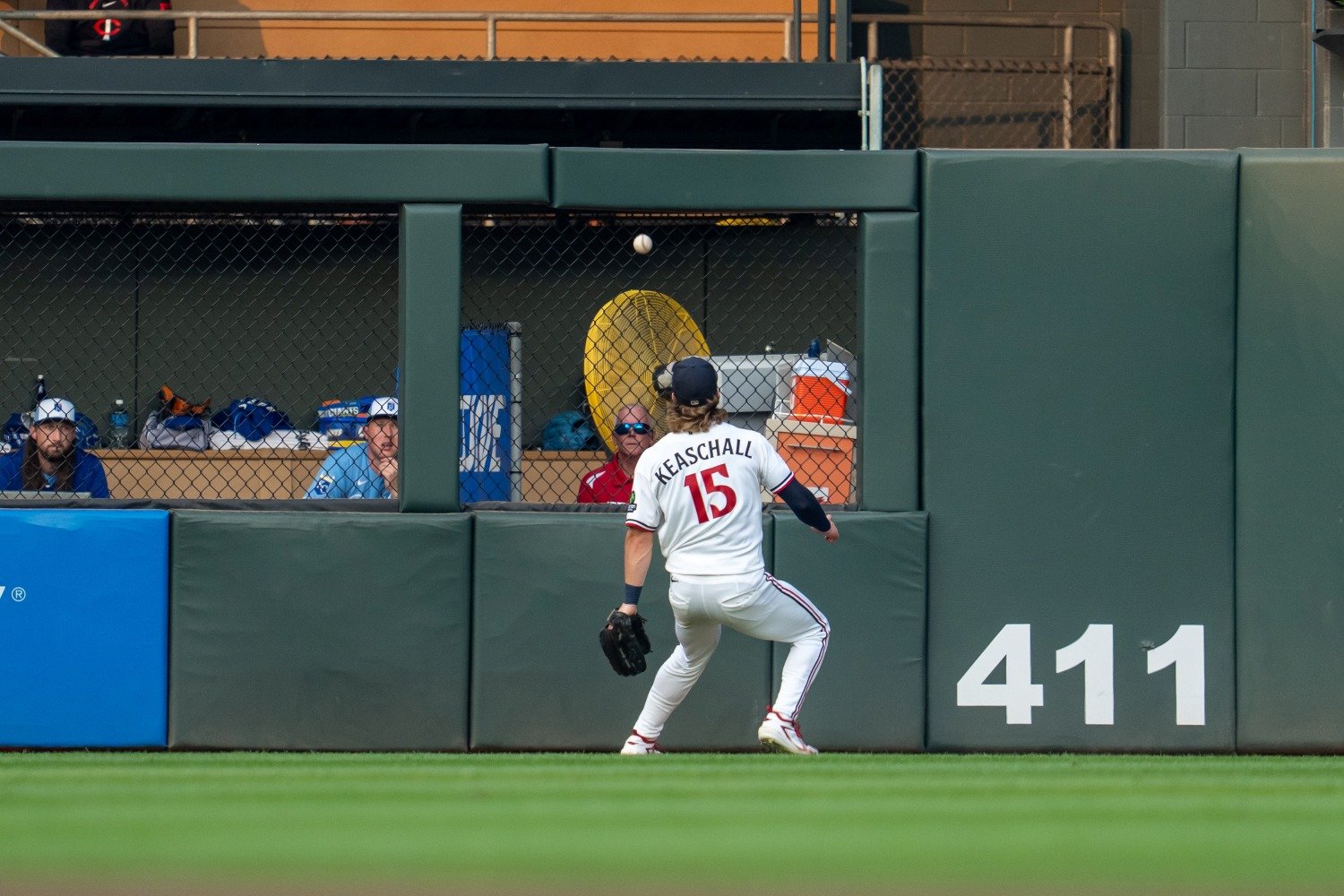 "I just follow the card," Luke Keaschall said last week, standing in the home dugout at Target Field. "I take the card Grady makes for me and go where he tells me." Keaschall has been an outfielder for just over a month now and racked up 246 innings there so far, with 137 of those innings coming in center field. He's doing his best to sand off the rough edges, but he's a confident athlete who wants to trust his instincts and play without fear. He's highly complimentary of Sizemore, who wants the same things. "He just tells us to be free, be relaxed and ready out there," Keaschall said. "He wants us to be comfortable and go get the ball; pretty simple." It is. It also isn't, and there seems to be a key detail Keaschall, Sizemore and the Twins have overlooked. As Cody Schoenmann wrote last month, Keaschall has been playing deeper in center field than almost anyone else in the sport, often to the detriment of his ability to catch lazy fly balls. After Keaschall noted that the positioning card with which the team furnishes him indicates in which direction and by how much to shade each batter, I asked how he and Sizemore set his initial position. Therein, as it turns out, lies the rub: It's all Keaschall. Trying to preserve his comfort, the Twins have been hands-off when it comes to setting the default starting spot for Keaschall in center. He adjusts based on information from batter to batter, but his anchor—his starting point, taking the batter's tendencies out of the equation—is his own to drop. That's a mistake, and it's become a glaring one. When a ball falls in front of Keaschall because of a poor read or a mistaken last-second adjustment—two things we've seen happen to him multiple times already—that's understandable. Even great athletes need time to learn the nuances and to get accustomed to the specific skills of playing a new position. Over the weekend, we saw the latest instance of that, when Keaschall was unable to catch a ball that had a 90% catch probability, based on his starting position, the landing point of the ball and the hang time on the ball. He took a bad route, and when he did bend his run in toward the sinking liner, he did so too hesitantly. SzRCcjJfWGw0TUFRPT1fQVFnRFhRQlhVRlFBVzFVSEJBQUhBRklEQUFCUVZGZ0FDMUZYVVFWWFVBWUhWZ2Rm.mp4 However, just as often, we're seeing Keaschall prove unable to catch balls that should have been not only catchable, but easy. They're not even counting against him in some defensive metrics, because based on his starting position, they were uncatchable—but that's an indictment of his starting position, which he and the Twins say is his own to determine right now. This ball, which Keaschall misplayed into a triple, counts against him almost only because of the extra bases he allowed by mishandling the ball, according to Statcast. It gives the liner a 5% catch probability. But if Keaschall had been playing 10 feet shallower (as he unequivocally should have been, against low-power Nico Hoerner), that expected catch rate would be much, much higher. Whether Keaschall himself would have gotten to the ball is a fair question, but by starting so deep, he gave himself no chance. SzRCWmxfWGw0TUFRPT1fRGdBSFZBWU1CVlFBWFZSVEFnQUhBUUJmQUFBRlZWRUFWMUFIQWdGV0NRb0RBZ1pV.mp4 One reason for the Twins' willingness to let Keaschall play so deep, manager Derek Shelton indicated, is so he can feel less fear and be at less risk when going back toward the wall. That benefit hasn't materialized, though. More than once, Keaschall has gotten too close to the wall and had the ball carom past him. More than once, he's short-armed possible catches as he nears the wall, bracing for impact rather than making the play. Meanwhile, he's been forced to charge in an out-of-control way on liners in front of him, often with disastrous results. The coaching staff needs to intervene, rather than passively waiting for Keaschall to get more comfortable and move in a few steps. They need to address this issue immediately, to clean up their defense at a vital spot while Byron Buxton remains on the injured list. Unless and until they do, Sizemore's capacity to influence his pupils will go to waste where Keaschall is concerned.
 -
Image courtesy of Kevin Sousa-Imagn Images Jeff Hoffman was briefly Minnesota Twins property once before. Now, he's back, as the team made a last-minute trade to acquire him from the Toronto Blue Jays Monday afternoon. Ken Rosenthal of The Athletic broke the news. Hoffman, 33, dominates righties with a vicious power slider. Against lefties, he divides his mix more evenly among that slider; a four-seamer that averages 96 MPH; and a splitter that can miss bats. For some stretches over the last four seasons, he’s been outright elite among high-leverage relievers. He’s given up some gut-punch homers since joining the Blue Jays, but broadly speaking, he remains a lethal weapon. He’s owed $11 million next season and a prorated share of the same amount the rest of this year. The Twins will take on all of the money for 2026, but Toronto will send some to help cover next year's salary. In exchange, Minnesota gives up three prospects. John Klein debuted for Minnesota earlier this year, and will be in position to contribute for the reloading Jays down the stretch. Along with him come two upside plays for Toronto, in high-upside (but, lately, messy) pitching prospect Dasan Hill and infielder Dameury Pena, each of whom are far from the big leagues. Minnesota will also send international bonus pool allotments to Toronto as part of the deal, effectively undoing a portion of the earlier trade in which Toronto sent some of those allotments to Minnesota along with Tommy Nance. Hoffman immediately becomes the Twins' relief ace. He takes pressure off Yoendrys Gómez and Andrew Morris, and gives the team newfound depth in their high-leverage options. The rest of the way, the trick will be getting to the late innings with leads; holding onto those advantages should be easier. View full article
-
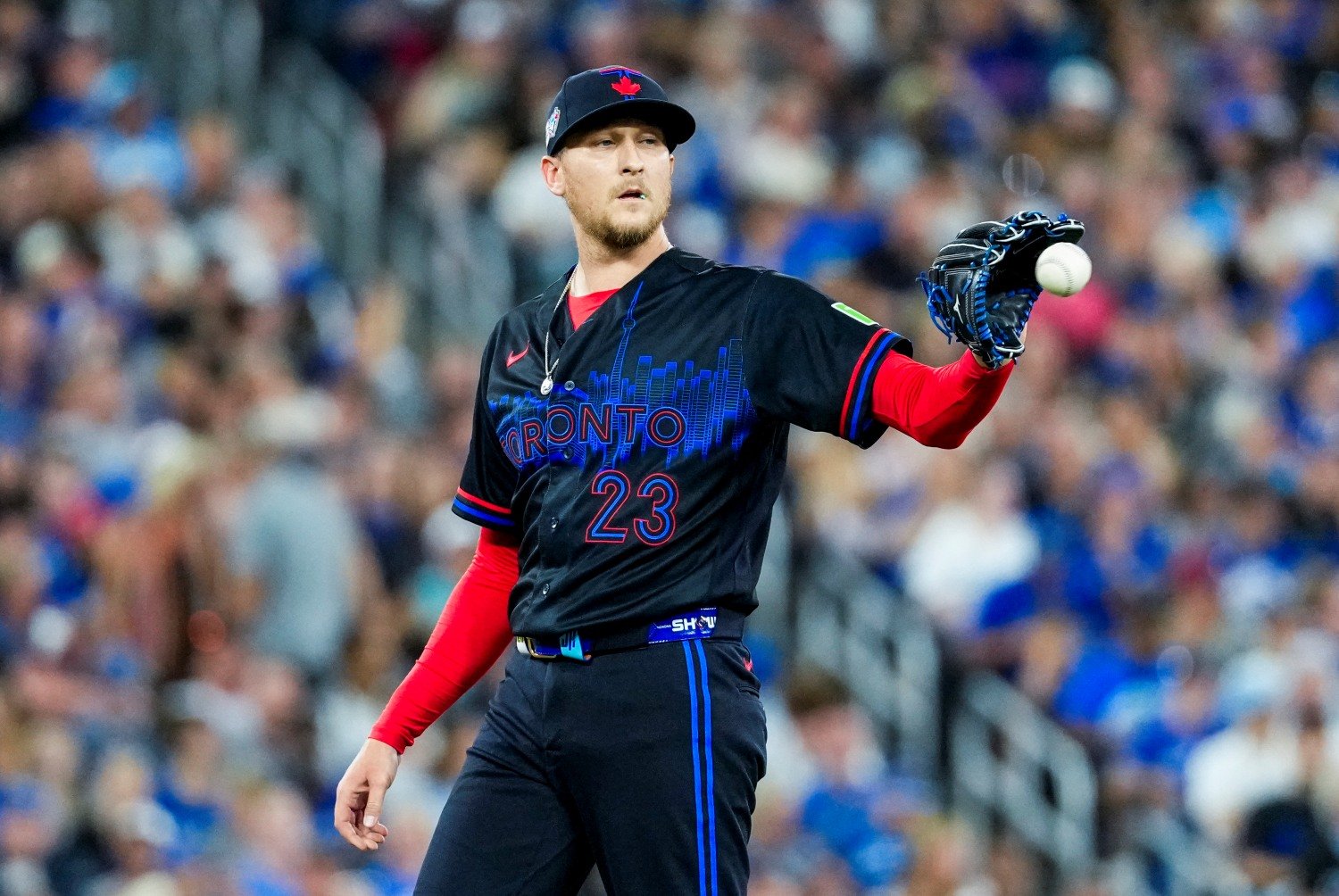 Jeff Hoffman was briefly Minnesota Twins property once before. Now, he's back, as the team made a last-minute trade to acquire him from the Toronto Blue Jays Monday afternoon. Ken Rosenthal of The Athletic broke the news. Hoffman, 33, dominates righties with a vicious power slider. Against lefties, he divides his mix more evenly among that slider; a four-seamer that averages 96 MPH; and a splitter that can miss bats. For some stretches over the last four seasons, he’s been outright elite among high-leverage relievers. He’s given up some gut-punch homers since joining the Blue Jays, but broadly speaking, he remains a lethal weapon. He’s owed $11 million next season and a prorated share of the same amount the rest of this year. The Twins will take on all of the money for 2026, but Toronto will send some to help cover next year's salary. In exchange, Minnesota gives up three prospects. John Klein debuted for Minnesota earlier this year, and will be in position to contribute for the reloading Jays down the stretch. Along with him come two upside plays for Toronto, in high-upside (but, lately, messy) pitching prospect Dasan Hill and infielder Dameury Pena, each of whom are far from the big leagues. Minnesota will also send international bonus pool allotments to Toronto as part of the deal, effectively undoing a portion of the earlier trade in which Toronto sent some of those allotments to Minnesota along with Tommy Nance. Hoffman immediately becomes the Twins' relief ace. He takes pressure off Yoendrys Gómez and Andrew Morris, and gives the team newfound depth in their high-leverage options. The rest of the way, the trick will be getting to the late innings with leads; holding onto those advantages should be easier.
 -
Well, just for one thing, he didn't do this willingly, NOR without saying a word. Haha.
-
You're certainly right that making that play doesn't guarantee winning the game. But you saw the state of Seattle's bullpen, today. They'd have had a good shot. I WILL guess that, one way or another, this season will come down to one game. If they make the playoffs, we can say it was because of any one of several games where they seemed to have lost and then won, like Royce's own walkoff this past week. If they MISS by one game, though, I think we should remember this one. It was winnable. It was there. And the underlying lesson about who can and can't be trusted on the infield and the costs of accepting the unacceptable seems important to me, even beyond this year.
-
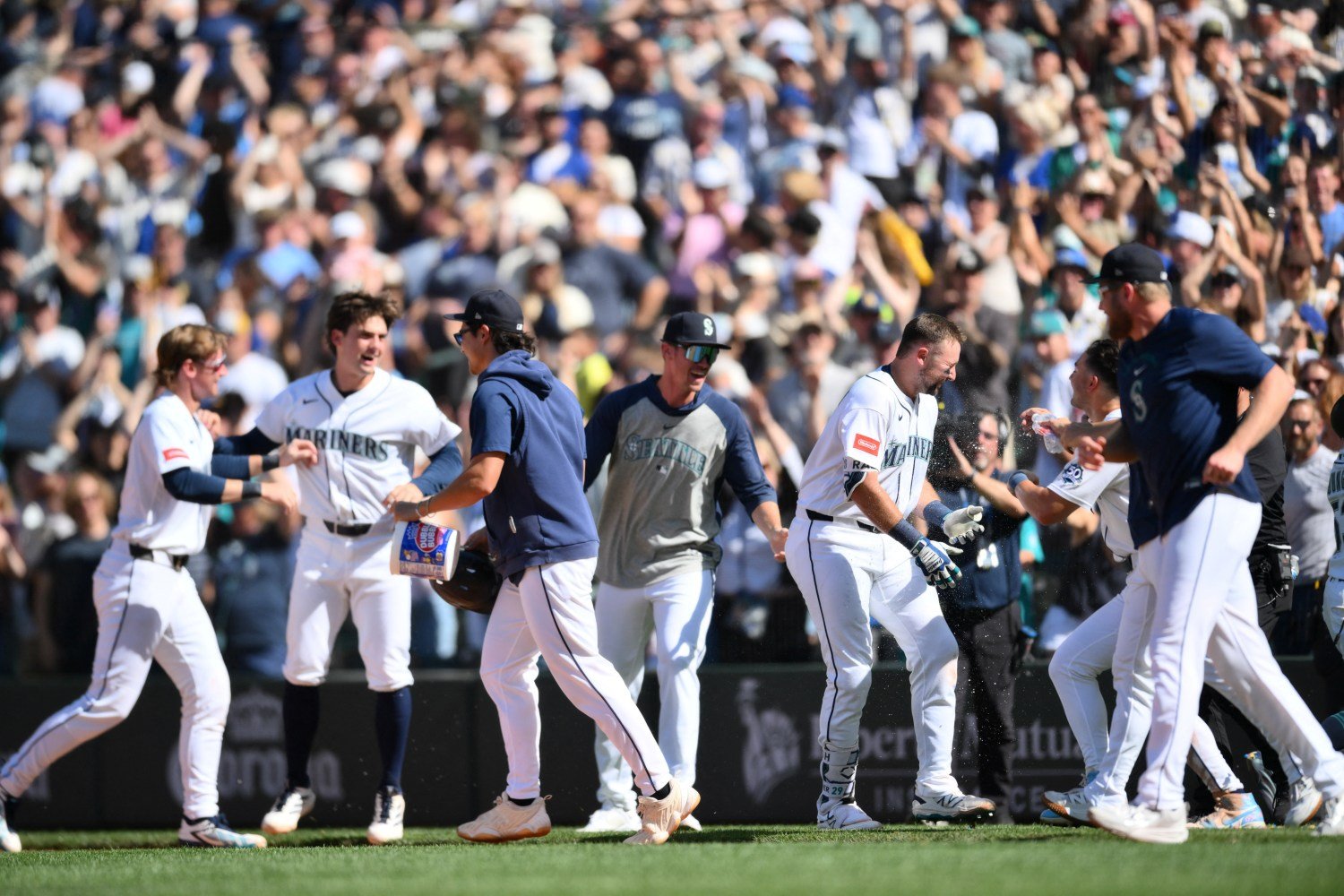 Royce Lewis hasn't spent much time at first base. He doesn't even really think of himself as a first baseman; he still longs to get back to the left side of the infield. The reality, though, is that he's not the athlete or the thrower he would need to be to return to shortstop or third base—and, unfortunately, Saturday delivered an excruciating reminder that he's not the quick processor required even of a right-side infielder. The situation demanded a lot of him—maybe more than can fairly be asked of a guy who was still all the way across the diamond three months ago. With a runner on third base and one out in the bottom of the ninth, the Twins went to a five-man infield and issued an intentional walk, bringing Cal Raleigh to the plate with runners on the corners. Randy Arozarena, at third, carried the winning run, so the idea in issuing Julio Rodríguez an intentional walk was to set up a double play on the big-dumpered Raleigh. Everyone involved had to understand, though, that the right way to make the play would depend on the specific play that happened. Each infielder's responsibility, in the very short time they had, was to arrange the field in their minds and to visualize the variety of plays that might present themselves. There was no one correct thing to do; what was correct would depend on the batted ball. Lewis didn't have a robust enough set of plans. The ball came his way, and he made the wrong play. Raleigh hit a one-hop smash, 105.4 miles per hour off the bat. Lewis's reflexes were fine; those have never been his problem. He lunged to his left, speared the ball cleanly, and managed not to go all the way to the ground. He'd been crowding the line, with two other infielders on his side of the second-base bag, so the ball took him right to the first-base bag. Right away, though, you could see him thinking—and not in a good way. SzRCcjJfWGw0TUFRPT1fVTFVRFZsWldYd1lBRFFRRlVRQUhWUWNGQUZsV1ZnTUFCQVpXQkFGWFZBUlRBUUZW.mp4 As Lewis took the step and a half left to reach the base after fielding the ball, he turned to look over his left shoulder to find Rodríguez. That was smart, really. It was one of those plays where, if he hadn't picked up Rodríguez and the Mariners outfielder had been especially wily, he could have snuck back into first base after Lewis tagged it. Because he had been so concerned about getting down the line and minimizing the risk of a double play, though, Rodríguez never even thought about a retreat. Therefore, as Lewis stepped on first, his eyes took him toward second, where Rodríguez was charging for the base and two teammates awaited a throw. That caused all kinds of trouble. First, as soon as Lewis started moving toward first and turned away from third, Arozarena could break for the plate freely. If Lewis gets up and stomps on the pillow while staring down Arozarena, the chance for a double play is likely lost, but the result is the second out and a chance to get out of the inning by retiring the next batter. However, you can make the play the way Lewis initially did and still get the double play. Once he turned his back to third, Arozarena was going, but if Lewis merely uses that turn to check for a dive-back by Rodríguez and then pivots to the plate with his eyes and mind clear, he retires Arozarena easily. Alas, we're all wired a certain way, and the way Lewis is wired is to be captured a bit by his own gaze. He turned and saw Rodríguez far enough short of second to be beaten by a good throw, and for a fatal half-second, he planned to make that throw. His eyes committed him to it. His brain kicked in. It overrode that command and turned him to the plate, and he threw. That throw was a bit later than it should have been, but if it had been strong and accurate, Arozarena still would have been out. Instead, it was to the first-base side of the plate, and Victor Caratini was unable to position himself to receive it and make a tag in time. The game was over. Though his arm has never been great—that's a big part of why he's no longer on the left side—Lewis is capable of that throw, physically. The problem, again, was mental. He wasn't fully turned, wasn't fully targeted. Having cost himself a moment with the mistaken pump toward second, he rushed the process of lining up his throw to the plate. After the game, manager Derek Shelton said the right play would have been to throw to second when Lewis got the ball. That could have worked, but it would have been risky. Shelton might not have appreciated how much of Lewis's momentum had to move toward first base to snare the ball. Turning that momentum and making a good throw to second, then aligning oneself for the return throw to double up Raleigh, would have been tough. Lewis isn't a good enough infielder, regardless of position, to do that; throwing to second right away wouldn't have been the right play. What needed to happen, rather, is what I described above. That's an unusual play, though—a rare progression. It demands that a player be a fast and confident processor of information during a play. Lewis isn't that, either. Rocco Baldelli talked about this on a much different (but not so different, really) play last season, when Lewis was playing third with the bases loaded and had to decide between trying to turn a double play and taking the out at the plate. He saw, and articulated, that Lewis is not the kind of processor who can reliably make that difficult series of incredibly fast decisions. Shelton hasn't put it the same way, but it's clear that the organization feels that way as a group. They're right. That leaves the team in a bit of a quandary. Lewis remains endlessly self-assured, at least before and after each difficult play that comes his way. He's been better at the plate since returning from his demotion to Triple-A St. Paul. However, he looks unlikely to be a competent defender at key moments, anywhere on the diamond. The closest thing to a position he can play well might be second base. The Twins simply don't have enough instinctive, intelligent and skillful defenders to fill out a lineup; they have to make do with Lewis, Luke Keaschall and others who lack that nous. As Saturday suggests, that could be what costs them a playoff berth this season. Hopefully, they can overcome that shortcoming, but sometimes, the ball finds you. The same things are true at the trade deadline. It's not the wrong decision that costs you; it's the quick decision not made, or the balk and non-committal move right after it. The sport comes down to quick decisions and to the hard work of being decisive under pressure—even off the field.
 -
Image courtesy of Steven Bisig-Imagn Images Royce Lewis hasn't spent much time at first base. He doesn't even really think of himself as a first baseman; he still longs to get back to the left side of the infield. The reality, though, is that he's not the athlete or the thrower he would need to be to return to shortstop or third base—and, unfortunately, Saturday delivered an excruciating reminder that he's not the quick processor required even of a right-side infielder. The situation demanded a lot of him—maybe more than can fairly be asked of a guy who was still all the way across the diamond three months ago. With a runner on third base and one out in the bottom of the ninth, the Twins went to a five-man infield and issued an intentional walk, bringing Cal Raleigh to the plate with runners on the corners. Randy Arozarena, at third, carried the winning run, so the idea in issuing Julio Rodríguez an intentional walk was to set up a double play on the big-dumpered Raleigh. Everyone involved had to understand, though, that the right way to make the play would depend on the specific play that happened. Each infielder's responsibility, in the very short time they had, was to arrange the field in their minds and to visualize the variety of plays that might present themselves. There was no one correct thing to do; what was correct would depend on the batted ball. Lewis didn't have a robust enough set of plans. The ball came his way, and he made the wrong play. Raleigh hit a one-hop smash, 105.4 miles per hour off the bat. Lewis's reflexes were fine; those have never been his problem. He lunged to his left, speared the ball cleanly, and managed not to go all the way to the ground. He'd been crowding the line, with two other infielders on his side of the second-base bag, so the ball took him right to the first-base bag. Right away, though, you could see him thinking—and not in a good way. SzRCcjJfWGw0TUFRPT1fVTFVRFZsWldYd1lBRFFRRlVRQUhWUWNGQUZsV1ZnTUFCQVpXQkFGWFZBUlRBUUZW.mp4 As Lewis took the step and a half left to reach the base after fielding the ball, he turned to look over his left shoulder to find Rodríguez. That was smart, really. It was one of those plays where, if he hadn't picked up Rodríguez and the Mariners outfielder had been especially wily, he could have snuck back into first base after Lewis tagged it. Because he had been so concerned about getting down the line and minimizing the risk of a double play, though, Rodríguez never even thought about a retreat. Therefore, as Lewis stepped on first, his eyes took him toward second, where Rodríguez was charging for the base and two teammates awaited a throw. That caused all kinds of trouble. First, as soon as Lewis started moving toward first and turned away from third, Arozarena could break for the plate freely. If Lewis gets up and stomps on the pillow while staring down Arozarena, the chance for a double play is likely lost, but the result is the second out and a chance to get out of the inning by retiring the next batter. However, you can make the play the way Lewis initially did and still get the double play. Once he turned his back to third, Arozarena was going, but if Lewis merely uses that turn to check for a dive-back by Rodríguez and then pivots to the plate with his eyes and mind clear, he retires Arozarena easily. Alas, we're all wired a certain way, and the way Lewis is wired is to be captured a bit by his own gaze. He turned and saw Rodríguez far enough short of second to be beaten by a good throw, and for a fatal half-second, he planned to make that throw. His eyes committed him to it. His brain kicked in. It overrode that command and turned him to the plate, and he threw. That throw was a bit later than it should have been, but if it had been strong and accurate, Arozarena still would have been out. Instead, it was to the first-base side of the plate, and Victor Caratini was unable to position himself to receive it and make a tag in time. The game was over. Though his arm has never been great—that's a big part of why he's no longer on the left side—Lewis is capable of that throw, physically. The problem, again, was mental. He wasn't fully turned, wasn't fully targeted. Having cost himself a moment with the mistaken pump toward second, he rushed the process of lining up his throw to the plate. After the game, manager Derek Shelton said the right play would have been to throw to second when Lewis got the ball. That could have worked, but it would have been risky. Shelton might not have appreciated how much of Lewis's momentum had to move toward first base to snare the ball. Turning that momentum and making a good throw to second, then aligning oneself for the return throw to double up Raleigh, would have been tough. Lewis isn't a good enough infielder, regardless of position, to do that; throwing to second right away wouldn't have been the right play. What needed to happen, rather, is what I described above. That's an unusual play, though—a rare progression. It demands that a player be a fast and confident processor of information during a play. Lewis isn't that, either. Rocco Baldelli talked about this on a much different (but not so different, really) play last season, when Lewis was playing third with the bases loaded and had to decide between trying to turn a double play and taking the out at the plate. He saw, and articulated, that Lewis is not the kind of processor who can reliably make that difficult series of incredibly fast decisions. Shelton hasn't put it the same way, but it's clear that the organization feels that way as a group. They're right. That leaves the team in a bit of a quandary. Lewis remains endlessly self-assured, at least before and after each difficult play that comes his way. He's been better at the plate since returning from his demotion to Triple-A St. Paul. However, he looks unlikely to be a competent defender at key moments, anywhere on the diamond. The closest thing to a position he can play well might be second base. The Twins simply don't have enough instinctive, intelligent and skillful defenders to fill out a lineup; they have to make do with Lewis, Luke Keaschall and others who lack that nous. As Saturday suggests, that could be what costs them a playoff berth this season. Hopefully, they can overcome that shortcoming, but sometimes, the ball finds you. The same things are true at the trade deadline. It's not the wrong decision that costs you; it's the quick decision not made, or the balk and non-committal move right after it. The sport comes down to quick decisions and to the hard work of being decisive under pressure—even off the field. View full article
-
You kinda put a 'but' where an 'and' goes, no? Larnach would net the better return. Bell is the more popular and powerful clubhouse presence. I don't think they view this as an either/or, by the way. They really aren't even considering trading Bell. That could change, but they'd have to hear an offer they don't expect to hear AT ALL. Larnach can get them a reliever, or the kind of extra prospect juice that makes one less painful to acquire, and they like their replacement for him (obviously). The only place where trading Bell instead of Larnach is being entertained is here on the web.
- 62 replies
-
- 4
-

-
- 2026 trade deadline
- trevor larnach
- (and 4 more)
-
The Twins certainly COULD trade Jeffers, the same way they could trade Larnach. But he absolutely is NOT *needed* to get the kind of deal they want to do done, and in fact, they could pay the price to get the reliever they want, keep Jeffers and lose him for nothing this winter and still be fine, depth-wise. I won't be stunned either way, but I'd put the odds of a Jeffers trade under 40%. I think he sticks around.
- 62 replies
-
- 8
-
-
- 2026 trade deadline
- trevor larnach
- (and 4 more)
-
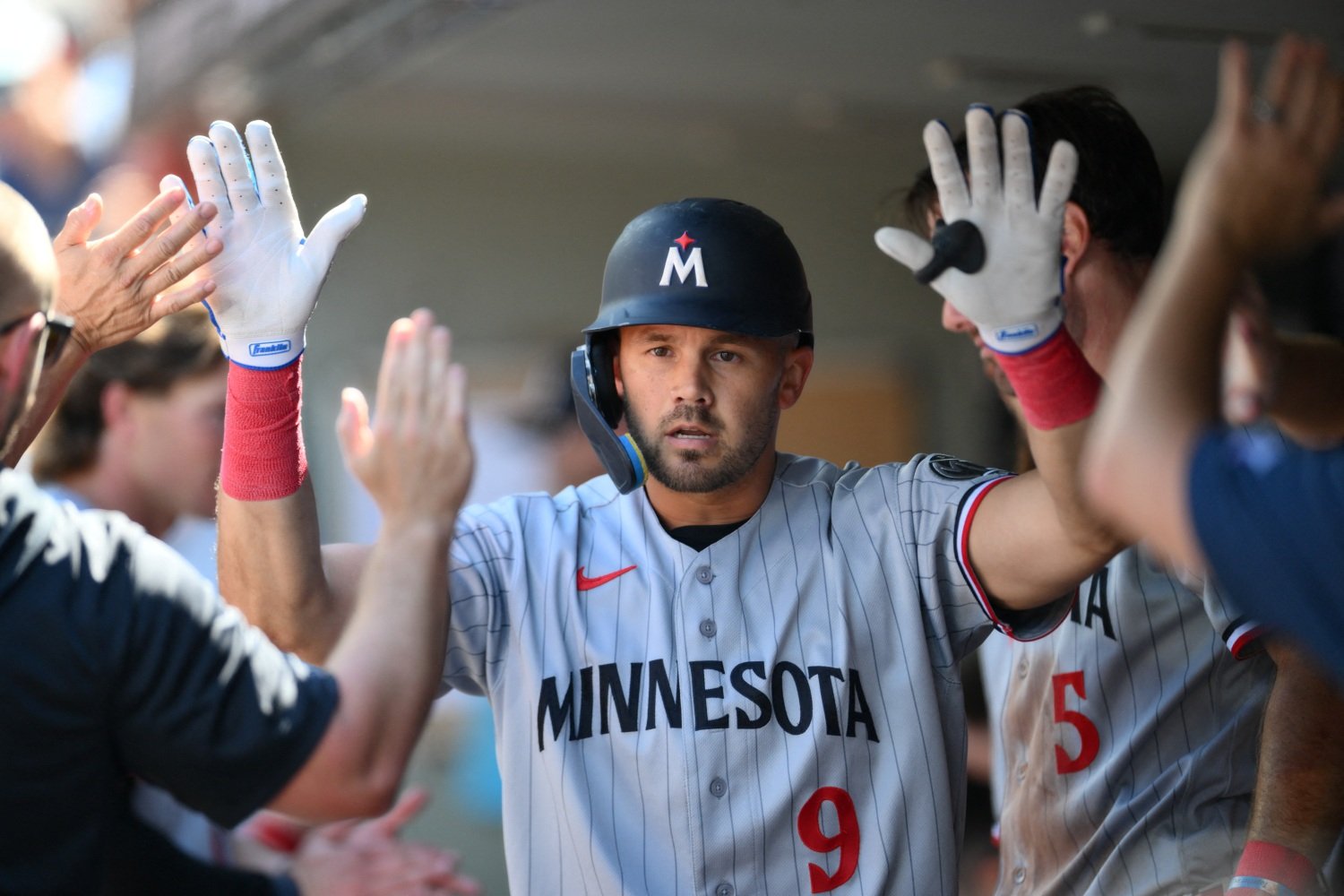 There's nothing better than a three-team division race in August and September. This looks like the rare one where there might not even be a soft landing in a Wild Card spot for the losers; that makes it extra juicy. The Twins are locked in a fierce battle for the AL Central title, entering Sunday trailing the White Sox by three games and in a dead heat with the Guardians—though, in a rare bit of good news about that matchup, they hold the edge on Cleveland in the season series, so they'd need to win just one of their final three games against them to secure the tiebreaker. (They have six games left against the Sox, and need to win four of them to gain the tiebreaker edge there.) If that race wasn't already feeling heated, it gained both intensity and clarity this weekend. The Twins made trades on Thursday and Friday njights to add pitchers A.J. Minter and Dean Kremer. On Saturday morning, the Guardians took a turn, swinging a four-player swap with the Brewers that clears the runway a bit for another move to bolster their roster in the next day or so. Then, on Saturday night, the White Sox dealt for veteran Mariners starter Luis Castillo, who should reinforce their rotation nicely—a move sandwiched by trades in which the Royals (Lane Thomas and Bailey Falter to the team from just outside Atlanta) and Tigers (Tarik Skubal to the Dodgers) began their selloffs. Every team in the division has selected their direction; every team now has to make good on that direction by making more moves in the next 30 hours or so. The Twins, for their part, are still working hard to make a major addition before the deadline. They really did have a deal in place with the Astros that would have sent Trevor Larnach to Houston in exchange for right-handed reliever Bryan Abreu, a source confirmed. That was first reported on Twitter Saturday morning and more robustly documented by Bobby Nightengale of the Minnesota Star-Tribune later in the day. Their efforts to move Larnach haven't stopped with that thwarted transaction, though. Larnach has been a topic of discussion with multiple other teams, a source familiar with the conversations said, including the Padres. Ideally, the Twins would swap their current platoon left fielder for a relief arm with high-leverage potential, like Abreu or Padres righty Jeremiah Estrada. As intriguing as that kind of trade itself, however, is what sources within the organization say would happen if the club can find the right deal for Larnach: a call-up of top prospect Walker Jenkins to take on an everyday role in the outfield, That could mean playing Jenkins in left field, or having him take over center, with Austin Martin, Alan Roden, Kody Clemens and Luke Keaschall flanking him, depending on matchups. If the team can't get either a solid reliever or a strong prospect return for Larnach, however, they're content to keep him and leave their outfield mix intact. The priority is not to create space for Jenkins, though they're ready to do so if he continues to push the envelope; it's to improve the bullpen. Minnesota remains active in talks with multiple teams about hurlers who would round out their relief corps, multiple league sources said late Saturday night. That could mean ousted Blue Jays closer Jeff Hoffman, a strikeout machine with a filthy slider whom the team briefly had in camp years ago, before he broke out with the Phillies. It could mean old friend Tyler Wells, whom the Twins lost to Baltimore via the Rule 5 Draft ahead of the 2021 season. Wells, a high-slot righty with a pitch mix that fits what the Twins like to get from relievers, comes with a year of team control beyond this one, as does Hoffman (though Hoffman's comes via an expensive contractual obligation). Estrada is a controllable high-octane arm, too. The Twins have even checked in on Luke Weaver, perhaps the most accomplished and expensive reliever on the market, though they feel the asking price will rise beyond their willingness to pay. Nor has the team foreclosed on the possibility of a combo deal wherein they would add both another important relieve and more help for the starting rotation; that could be a truly transformative splash. It's a bit of a mudfight, this division battle. The leading White Sox would be at least seven games out of first place in four of the other five divisions in the majors. The thing is there to be won, though, and the Guardians, Twins and White Sox all have ample motivation to win it. For Minnesota, the upside is huge. Take home a division title, and you not only get that achievement itself, but earn the goodwill of many fans who had all but abandoned the team. As a bonus (maybe more than a bonus, if your surname is Pohlad), you also get to host a playoff series. Even if you lose it, that's a handsome revenue infusion. And don't overlook this bit: The two byes past the Wild Card Series go to the two best records among division winners. If the Twins play well enough to beat the White Sox, they have as good a chance as any team in the AL West (currently paced by those renegade Astros, at 57-55) to be that second-best division winner. A fastt pass to the Division Series is a big prize worth paying for; the Twins are ready to pay for it.
- 62 comments
-
- 6
-
-

-
- 2026 trade deadline
- trevor larnach
- (and 4 more)
-
Image courtesy of Steven Bisig-Imagn Images There's nothing better than a three-team division race in August and September. This looks like the rare one where there might not even be a soft landing in a Wild Card spot for the losers; that makes it extra juicy. The Twins are locked in a fierce battle for the AL Central title, entering Sunday trailing the White Sox by three games and in a dead heat with the Guardians—though, in a rare bit of good news about that matchup, they hold the edge on Cleveland in the season series, so they'd need to win just one of their final three games against them to secure the tiebreaker. (They have six games left against the Sox, and need to win four of them to gain the tiebreaker edge there.) If that race wasn't already feeling heated, it gained both intensity and clarity this weekend. The Twins made trades on Thursday and Friday njights to add pitchers A.J. Minter and Dean Kremer. On Saturday morning, the Guardians took a turn, swinging a four-player swap with the Brewers that clears the runway a bit for another move to bolster their roster in the next day or so. Then, on Saturday night, the White Sox dealt for veteran Mariners starter Luis Castillo, who should reinforce their rotation nicely—a move sandwiched by trades in which the Royals (Lane Thomas and Bailey Falter to the team from just outside Atlanta) and Tigers (Tarik Skubal to the Dodgers) began their selloffs. Every team in the division has selected their direction; every team now has to make good on that direction by making more moves in the next 30 hours or so. The Twins, for their part, are still working hard to make a major addition before the deadline. They really did have a deal in place with the Astros that would have sent Trevor Larnach to Houston in exchange for right-handed reliever Bryan Abreu, a source confirmed. That was first reported on Twitter Saturday morning and more robustly documented by Bobby Nightengale of the Minnesota Star-Tribune later in the day. Their efforts to move Larnach haven't stopped with that thwarted transaction, though. Larnach has been a topic of discussion with multiple other teams, a source familiar with the conversations said, including the Padres. Ideally, the Twins would swap their current platoon left fielder for a relief arm with high-leverage potential, like Abreu or Padres righty Jeremiah Estrada. As intriguing as that kind of trade itself, however, is what sources within the organization say would happen if the club can find the right deal for Larnach: a call-up of top prospect Walker Jenkins to take on an everyday role in the outfield, That could mean playing Jenkins in left field, or having him take over center, with Austin Martin, Alan Roden, Kody Clemens and Luke Keaschall flanking him, depending on matchups. If the team can't get either a solid reliever or a strong prospect return for Larnach, however, they're content to keep him and leave their outfield mix intact. The priority is not to create space for Jenkins, though they're ready to do so if he continues to push the envelope; it's to improve the bullpen. Minnesota remains active in talks with multiple teams about hurlers who would round out their relief corps, multiple league sources said late Saturday night. That could mean ousted Blue Jays closer Jeff Hoffman, a strikeout machine with a filthy slider whom the team briefly had in camp years ago, before he broke out with the Phillies. It could mean old friend Tyler Wells, whom the Twins lost to Baltimore via the Rule 5 Draft ahead of the 2021 season. Wells, a high-slot righty with a pitch mix that fits what the Twins like to get from relievers, comes with a year of team control beyond this one, as does Hoffman (though Hoffman's comes via an expensive contractual obligation). Estrada is a controllable high-octane arm, too. The Twins have even checked in on Luke Weaver, perhaps the most accomplished and expensive reliever on the market, though they feel the asking price will rise beyond their willingness to pay. Nor has the team foreclosed on the possibility of a combo deal wherein they would add both another important relieve and more help for the starting rotation; that could be a truly transformative splash. It's a bit of a mudfight, this division battle. The leading White Sox would be at least seven games out of first place in four of the other five divisions in the majors. The thing is there to be won, though, and the Guardians, Twins and White Sox all have ample motivation to win it. For Minnesota, the upside is huge. Take home a division title, and you not only get that achievement itself, but earn the goodwill of many fans who had all but abandoned the team. As a bonus (maybe more than a bonus, if your surname is Pohlad), you also get to host a playoff series. Even if you lose it, that's a handsome revenue infusion. And don't overlook this bit: The two byes past the Wild Card Series go to the two best records among division winners. If the Twins play well enough to beat the White Sox, they have as good a chance as any team in the AL West (currently paced by those renegade Astros, at 57-55) to be that second-best division winner. A fastt pass to the Division Series is a big prize worth paying for; the Twins are ready to pay for it. View full article
- 62 replies
-
- 2
-
-
- 2026 trade deadline
- trevor larnach
- (and 4 more)
-
Image courtesy of Eric Canha-Imagn Images The Minnesota Twins have doubled down on their stated intention to support the existing roster and make a push for the postseason. On Friday night, they made the biggest move for a starting pitcher of the trade deadline period to date, scooping up Orioles right-hander Dean Kremer for minor league outfielder Jhomnardo Reyes . Ken Rosenthal of The Athletic broke the initial trade news on Twitter. Kremer is a seven-year veteran who has been a fairly durable mid-rotation innings-eater with a career ERA of 4.37 and a 7.8 K/9 strikeout rate. He avoided arbitration with the Orioles by signing a $5.75M contract, but started the year in AAA after losing the fifth starter job to Zach Eflin. He was recalled on April 13th when Eflin underwent Tommy John surgery. In Kremer's first two starts this year, he struck out 16 before a right quadriceps strain shelved him until July. His results since returning have been uneven. He beat the White Sox with a six-inning, one-run outing on July 1, then surrendered four solo homers to the Cubs, lasted just four innings against Houston, and gave up 14 runs over his last two outings. His 6.50 ERA looks worse than the arm behind it: a 38:11 strikeout-to-walk ratio in 36 IP suggests a pitcher throwing better than the runs indicate. The thirty-year-old's biggest problem this year has been home runs; he's given up 12(!) in 36 IP. That rate is an outlier - he only had a 1.3 HR/9IP rate coming into this year - but that will need to be lowered considerably if he's to have any success. One thing that will work in his favor is no longer pitching in Camden Yards, which has become notorious for giving up home runs since they moved the fences in. He has a five-pitch mix, with a fastball and a cutter that he throws a little over one-third of the time, a splitter he throws another third, and a sinker and curveball to round out his options. His fastball averages about 93 mph, which is slightly lower but still in line with his career average. He's only been throwing his splitter - his most-used pitch now - for the last three years. In addition to his contributions to this season's postseason push, the Twins can offer arbitration to Kremer next year, too. He doesn't qualify for free agency until after the 2027 season. As of now, it is not clear who is paying the roughly $1.9M that is due Kremer through the end of this year. But that remains to be seen. He was acquired this year to help a rotation that has grown increasingly thin, starting on the first day of spring training when staff ace Pablo Gomez was sidelined with a sore elbow that required Tommy John surgery. They've also lost Mick Abel, David Festa, and Mike Paredes to injuries, and Simeon Woods Richardson was released. The three most reliable starters - Bailey Ober, Taj Bradley and Joe Ryan - have all dealt with injuries or arm fatigue. Those move have necessitated callups for Zebby Matthews, Conner Prielipp, and Kendry Rojas, who have all had some success but also have their own usage limitations. Kremer, at the very least, provides some additional and necessary depth in case there are any further injuries. He may also allow one of the recent call-ups to be moved to the bullpen, which helps the bullpen, providing a potentially high-octane arm. In return for Kremer, the Twins sent the Orioles Jhomnardo Reyes, who is not in Twins Daily's Top 20 Prospect List, but he made Limestone Pipeline's 7/20 update as the 16th overall Twins prospect. True to form for the prospects that tend to get moved at the deadline, he's got "steam." The 18-year-old Dominican outfielder excelled in the Complex League the first half of this year, posting a 950 OPS, and was recently promoted to Low A Fort Myers. He's got a very long way to go, but there is plenty of potential there. This is the Twins second trade deadline deal that involved acquiring a veteran pitcher for a lower-level Twins prospect that is not in their near-future plans. View full article
-
BREAKING: Twins Acquire Starting Pitcher Dean Kremer from Orioles
Matthew Trueblood posted an article in Twins
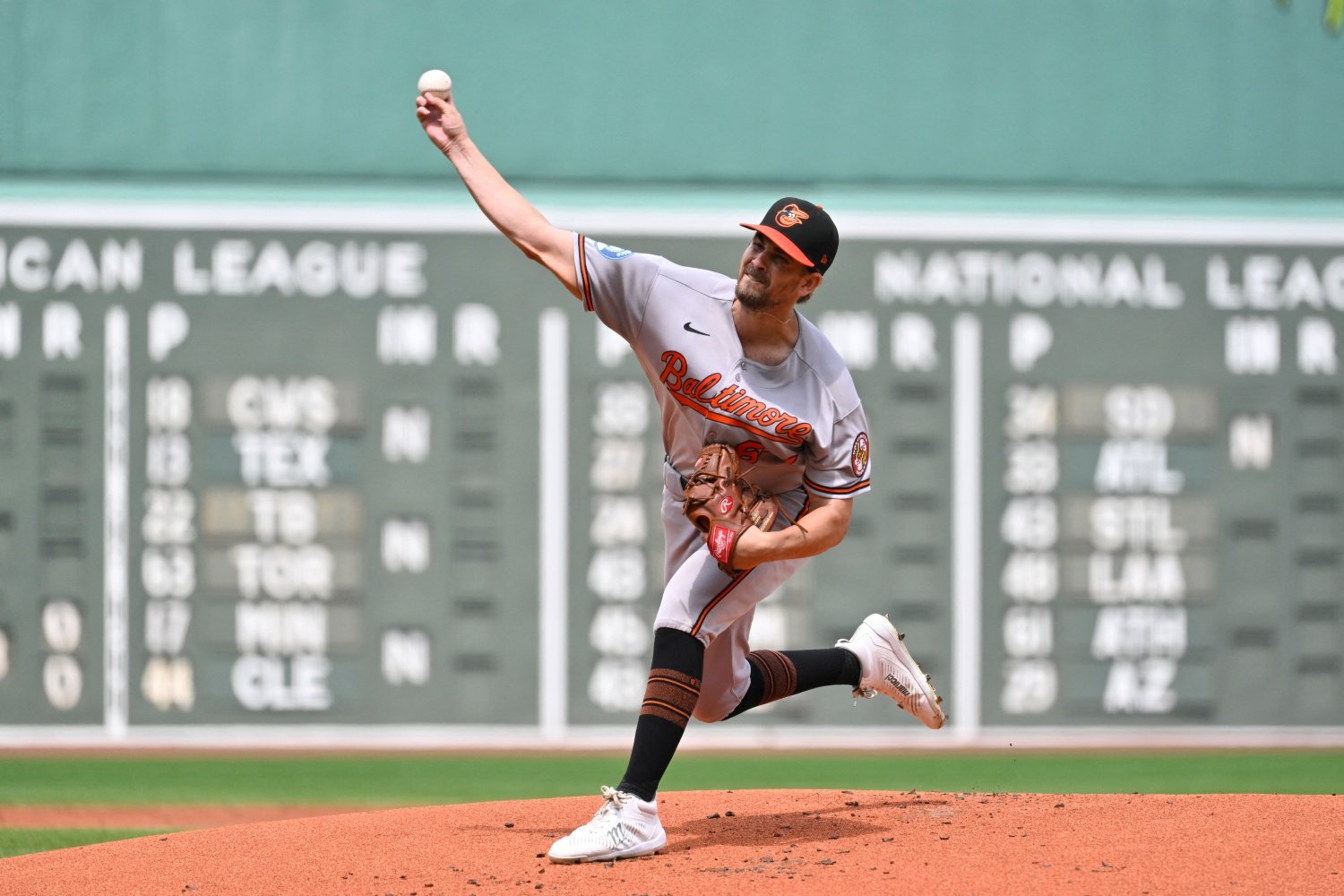 The Minnesota Twins have doubled down on their stated intention to support the existing roster and make a push for the postseason. On Friday night, they made the biggest move for a starting pitcher of the trade deadline period to date, scooping up Orioles right-hander Dean Kremer for minor league outfielder Jhomnardo Reyes . Ken Rosenthal of The Athletic broke the initial trade news on Twitter. Kremer is a seven-year veteran who has been a fairly durable mid-rotation innings-eater with a career ERA of 4.37 and a 7.8 K/9 strikeout rate. He avoided arbitration with the Orioles by signing a $5.75M contract, but started the year in AAA after losing the fifth starter job to Zach Eflin. He was recalled on April 13th when Eflin underwent Tommy John surgery. In Kremer's first two starts this year, he struck out 16 before a right quadriceps strain shelved him until July. His results since returning have been uneven. He beat the White Sox with a six-inning, one-run outing on July 1, then surrendered four solo homers to the Cubs, lasted just four innings against Houston, and gave up 14 runs over his last two outings. His 6.50 ERA looks worse than the arm behind it: a 38:11 strikeout-to-walk ratio in 36 IP suggests a pitcher throwing better than the runs indicate. The thirty-year-old's biggest problem this year has been home runs; he's given up 12(!) in 36 IP. That rate is an outlier - he only had a 1.3 HR/9IP rate coming into this year - but that will need to be lowered considerably if he's to have any success. One thing that will work in his favor is no longer pitching in Camden Yards, which has become notorious for giving up home runs since they moved the fences in. He has a five-pitch mix, with a fastball and a cutter that he throws a little over one-third of the time, a splitter he throws another third, and a sinker and curveball to round out his options. His fastball averages about 93 mph, which is slightly lower but still in line with his career average. He's only been throwing his splitter - his most-used pitch now - for the last three years. In addition to his contributions to this season's postseason push, the Twins can offer arbitration to Kremer next year, too. He doesn't qualify for free agency until after the 2027 season. As of now, it is not clear who is paying the roughly $1.9M that is due Kremer through the end of this year. But that remains to be seen. He was acquired this year to help a rotation that has grown increasingly thin, starting on the first day of spring training when staff ace Pablo Gomez was sidelined with a sore elbow that required Tommy John surgery. They've also lost Mick Abel, David Festa, and Mike Paredes to injuries, and Simeon Woods Richardson was released. The three most reliable starters - Bailey Ober, Taj Bradley and Joe Ryan - have all dealt with injuries or arm fatigue. Those move have necessitated callups for Zebby Matthews, Conner Prielipp, and Kendry Rojas, who have all had some success but also have their own usage limitations. Kremer, at the very least, provides some additional and necessary depth in case there are any further injuries. He may also allow one of the recent call-ups to be moved to the bullpen, which helps the bullpen, providing a potentially high-octane arm. In return for Kremer, the Twins sent the Orioles Jhomnardo Reyes, who is not in Twins Daily's Top 20 Prospect List, but he made Limestone Pipeline's 7/20 update as the 16th overall Twins prospect. True to form for the prospects that tend to get moved at the deadline, he's got "steam." The 18-year-old Dominican outfielder excelled in the Complex League the first half of this year, posting a 950 OPS, and was recently promoted to Low A Fort Myers. He's got a very long way to go, but there is plenty of potential there. This is the Twins second trade deadline deal that involved acquiring a veteran pitcher for a lower-level Twins prospect that is not in their near-future plans.
 -
Rolling Stones
Matthew Trueblood replied to Matthew Trueblood's topic in Twins Daily Front Page News
I was glad people enjoyed that booth. But yeah, man, it turns out professional PBP people add value! I wish they'd do a bit less stunt stuff, because when moments like that one come, you want to have a person like Cory at the mic.- 29 replies
-
- 3
-
-

-
- royce lewis
- 2026 trade deadline
- (and 2 more)
-
Rolling Stones
Matthew Trueblood replied to Matthew Trueblood's topic in Twins Daily Front Page News
If Infantino would get off his ass and back to work creating a FIFA Post Prize, this one should win that.- 29 replies
-
- 3
-

-
-
-
- royce lewis
- 2026 trade deadline
- (and 2 more)
-
Image courtesy of Bruce Kluckhohn-Imagn Images The song that gave rock-and-roll's flagship publication its name and turned Bob Dylan into a whole new caliber of superstar was not, at first, part of a grand plan. Dylan was a popular musician just back from a tour in England, but he was tired and cranky. He started putting down lyrics as a means of processing those feelings—and then a funny thing happened. "Last spring, I guess I was going to quit singing. I was very drained, and the way things were going, it was a very draggy situation," Dylan told Playboy in 1966. "But 'Like a Rolling Stone' changed it all. I mean it was something that I myself could dig. It's very tiring having other people tell you how much they dig you if you yourself don't dig you." Ballplayers talk about that a lot. They can sometimes seem brash, and even ridiculous, but as they point out, the great game of failure demands deep reservoirs of confidence. It's also the great game of daily grinding, and thus, it demands deep reservoirs of energy. You can only find positive energy, sometimes, by digging yourself. Before the 108th game of the 2026 Twins' season—the one that marks two-thirds of the campaign done and signals that it's time to shift out of marathon mode and into a sprint—GM Jeremy Zoll met with reporters in the work room at the back of the Target Field press box. He does this often, but he doesn't always do it like he did Tuesday. Zoll himself is never in dig-me mode, but it was time for the team to operate that way a bit. Twins media relations were more proactive about finding reporters and gathering them in that room. There was a Twins.tv camera in the room, and a portable backdrop had been set up behind Zoll. This wasn't just another chance to give injury updates and answer questions. This was an announcement. The thrust of it: Minnesota has officially returned to relevance. This week, Zoll said, the Twins are buyers at the MLB trade deadline. "If we go back to spring training, we spent a lot of time talking about [how] our goal was to play meaningful games in September," Zoll said. "We're really excited about how the team has played over this last stretch. We're really encouraged about that. In turn, we're going to use this next stretch, this next week, to do everything we can to find ways to improve the club and continue to execute on that goal and make it a reality." As has been a theme all year, this was Zoll doing the same things behind the scenes that predecessor Derek Falvey would have done, but going about the job very differently in public. Falvey compulsively clutched his cards to his vest. He never minded leaving the media a little bit in doubt about the depth of his dedication to a direction or about the specifics of anything. In fact, he felt that it was essential. Information, to Falvey, is precious. He never wanted to surrender any of it, to let any of it filter out of his office and become a resource for the agents and other teams with whom he needed to negotiate. Zoll, with the urging of Tom Pohlad, has taken the opposite tack. When in doubt, he communicates clearly about the team's plans. He did so by tamping down Byron Buxton trade rumors earlier this summer, and he did it in grand fashion Tuesday night. Pohlad and Zoll are trying to win over a fan base whose relationship to the team has grown chilly and distant over the last two years; they believe being direct and earnest is more important than staying guarded. Again, though, Falvey would have come to the same conclusion Zoll has. Although the national media has kept the Twins in the in-between space (or even persisted in treating them as sellers), it's been clear for a week that the team would be in position to buy. They entered play Tuesday just three games back in the AL Central and 1.5 games out of a Wild Card spot. More importantly, as Zoll acknowledged, the team has shown immense resiliency. When they lost four in a row in Chicago and Cleveland just after the All-Star break, there was some remote chance that the team would be forced to sell because of another July collapse. They bounced right back to win four of five, though, responding just in time for the third or fourth time this year, and Zoll and company never had to seriously entertain selling. "All along, we were optimistic we were going to be in this spot to be able to add," the GM said. "I know the playoff odds have ebbed and flowed along the way. But looking at the standings, it's felt really tight both between the Wild Card and the division this whole way. We remained confident there was going to be another bounce-back, given how resilient the group has been. This has been what we were focusing on and what our pro personnel group over the last couple of months has been focused on: the 'buy' version of things. It wasn't some situation where they were prepping [to] sell and we're switching. Now we're looking forward to [trying to] execute on that work." Without question, the league has swung open to the team, like an aged gate. When Zoll gave his mission statement to the press, the team was still one game under .500, at 53-54. They're not a great baseball team. They're unequivocally in the mix, though, because of the weakness of the AL Central and the muddle that is the Wild Card race. Given where the team stands with its fans after last year's fire sale at the deadline and a botched ownership transition, the circumstances demanded that they capitalize on this chance. That's what they'll try to do. In the game that followed, however, it looked for a while like the team would only realize some moral victories. Manager Derek Shelton is hardly ever seen in the clubhouse or his office, anymore, without a "Hunt the Good" t-shirt on, but it felt like one of those nights when that would require a skilled sportsman, indeed. Byron Buxton, who has remained hampered even since his return from the injured list last week, left the game in the fifth inning after experiencing more soreness in his right hip. When he departed, Minnesota led 1-0, but in the top of the sixth, the Royals stole one run, and the Twins gifted them another. With runners on the corners, Kansas City executed the double-steal perfectly. Lane Thomas took off for second. As soon as Ryan Jeffers threw through, lead runner Josh Rojas broke for the plate. Minnesota's defense wasn't crisp enough at either end to thwart the play. Then, with two outs, Salvador Perez hit a lofted wedge into right-center field. It was poorly struck, but when Buxton left the game, the Twins shifted Luke Keaschall from right field to center and installed Alan Roden in right. Keaschall was playing at his standard too-deep depth and had shaded Perez toward left-center, so he had no chance to reach the ball. Roden could have had a play with a good jump; he got a bad one. In a blink, a sterling showing from Taj Bradley had turned sour, and the Twins offense kept snatching frustration from the jaws of opportunity at the plate. The pivotal moment, as it would later turn out, came in the bottom of the seventh—but it paid no immediate dividends. Shelton pinch-hit Royce Lewis for Trevor Larnach in the bottom of the seventh, with a runner on second and two outs. Larnach had been due to face left-handed Royals reliever Daniel Lynch IV, but Shelton's move prompted Kansas City manager Matt Quatraro to go to right-handed reliever John Schreiber. Schreiber is a low-slot right-handed reliever; it was a tough matchup for Lewis. Shelton, however, had a plan. "I forced them to make a move; I wanted to see what would happen," the skipper said after the game. What happened immediately was that, in an excellent six-pitch at-bat, Lewis drew a walk against Schreiber, revealing one benefit of choosing that matchup over the Larnach-Lynch one. Next up was Roden, who had come into Buxton's place in the batting order and got to face a righty instead of Lynch. Alas, his sharp opposite-field liner was snared by the Royals' Isaac Collins, quelching the rally. That good plate appearance off the bench by Lewis was a positive takeaway, even as the team appeared to trend toward a loss. So was Bradley's 10-strikeout start. Roden's well-struck ball was an encouraging sign of his progress. The Twins bullpen added another moral victory, too. In successive innings, Kody Funderburk, Travis Adams and Jack Anderson held the Royals scoreless, so it was still 2-1 going into the bottom of the ninth. That's a good amount of 'good,' for those hunting it. One of the bittersweet liberties of being a contender again, though, is that you're free from moral victories. The night would have felt hollow and ominous—a good start wasted, a star reinjured, and worst, a game down in the standings—if nothing had changed, even to an optimist, and even after Zoll's proclamation of progress. We'll never have to molder in that particular feeling; it burned off in a sudden zap of heat as intense as a summer lightning strike. Victor Caratini cracked a leadoff single. Luke Keaschall was robbed by Collins on a diving play down the left-field line, but Brooks Lee worked a smart hitter's walk to put the winning run on base. After Ryan Kreidler swung ferociously but came up empty, it was Lewis again—Lewis, in a do-or-die moment, after two-plus years of being the very embodiment of the Twins' ups and downs, and after starting the game on the bench. On a 1-1 count, he got an Alex Lange cutter up and away and hit it squarely. "I've faced him before," Lewis said of Lange, afterward. "He hammered me with cutters. And so I was like, 'Yeah, I hope he throws that same pitch.'" The ball arced high and had good backspin, soaring toward the deepest part of the park: right-center field. It hit partway up the high wall and caromed right past Thomas, the visitors' center fielder. Just like that, the game was over. With two outs, Lee had been able to run without hesitation from first base, so once it got past Thomas, the Royals had no hope of stopping the winning run from scoring. As Lewis charged around second, sprinting toward and diving into third base, something interesting happened. The crowd (21,518, officially, as the community only slowly falls back in love with this team; there were fewer than that in the stands by the end, but they were straining to sound like more) roared and the players jumped and laughed and jubilated—and "Like a Rolling Stone" played over the Target Field sound system. The Twins' victory song, for years now, has been "Don't Stop Me Now," by Queen. They played it, for instance, when Lewis had his first career walkoff hit, on June 25. "Like a Rolling Stone" is not usually played at moments like that one, and if you listen to the lyrics at all, it doesn't especially fit that mood, either. It's a sneering song. It's self-righteous and self-satisfied, and although it's not quite angry, it's not happy, either. The edge Dylan found—the way he stepped, in writing and then collaborating on the recording of that tune, from folk-bound bard to symbol of rock and its unapologetic bluntness—is a sharp and jagged one. There's just enough bounce in the guitars and the Hammond organ that burble over Dylan's prose to give the sneer that upturn toward a smile at the corner, though, so the song landed just fine on the raucous celebrants of this now-.500 team. They hit a huge milestone Tuesday in their climb out of the very pit into which Dylan observes his subject plunging throughout the song. All of life is reference points. When you hear "Like a Rolling Stone" at a moment of triumph, it's all that jangling organ and none of the haunting metaphors, and when Dylan lets his voice swell into the chorus's "How does it feel?", it hits like the DJ screaming over a dubstep beat. How does this feel? Incredible! The Twins have survived. They're 38-31 in their last 69 games. The White Sox and Guardians are floundering; the team is now just 2 games behind Chicago for the AL Central lead and a half-game out of a playoff spot. In this contest, they survived grounding into five double plays and their best player leaving due to injury. They won without using any of their true high-leverage relievers. Lewis, who was in St. Paul two months ago, cast down very much like the antagonist Dylan's protagonist taunts throughout "Like a Rolling Stone," put together two excellent at-bats and got another chance to dig himself. Like Dylan, he feeds off those moments, when he can fall in love with his own brilliance. "I think my walkoff hit, personally, shows the intent to never give up," Lewis said after the game. "I mean, my story just keeps living on. It's so impressive. I'm proud of myself in that, just because—whether it's two ACL injuries, or other soft-tissue injuries, I just keep pushing and keep coming back." It's hard not to laugh at that genuine, unabashed self-regard. It can sound ridiculous, at times, and when Lewis said many similar-sounding things during the lowest of his lows, it felt like a lethal cocktail of delusion and solipsism. On a night like Tuesday, though, you can see it in a more forgiving light, as the shield that protects a player (and a team) from the grind and the failure of the season. Dylan, to be sure, has built his own legend and legacy on an unrepentant self-regard. The song that taught him to dig himself fueled him to keep going, and it played over the latest symbol of the Twins' own ability to keep going. "I think the thing about this group ... is just the resiliency," Shelton said. "They continue. They don't let that stuff affect them." Tuesday might be remembered a long time in Twins Territory, as a pivotal one in the history of the franchise. Under a new owner (albeit with an old name), the team vowed to do its best to build on the success they've had this year, and then they went out and sustained that success, in improbable fashion. On a night all about reaching out to Minnesota itself and trying to forge a new and robust connection, at their moment of unexpected triumph, they played—perhaps accidentally, or perhaps unthinkingly—a song that not only emphasizes that connection by emanating from Minnesota itself, but captures some of the feelings they and their fan base have had to survive over the past two-plus years. The notion of a rolling stone—the one that gathers no moss, as the saying from which Dylan borrowed his chorus and title goes—is that lacking a firm place to rest leaves one without the stability to foster growth. This Twins team is, in a sense, made up of those rolling stones. Buxton has moss all over him, but he's not going to be able to carry them to playoffs himself. That's been clear since he first tweaked his hip. He has a .514 OPS in July, and it's only .611 even if you go back to the midpoint of June. The team will have to depend, instead, on the likes of Josh Bell, Caratini, Kody Clemens, Bradley, and more—journeymen who have landed here but won't stay especially long. In the medium-term future, the organization will get back to relying heavily on a homegrown core, but the homegrown and long-tenured members of the current squad are mostly struggling or injured. Instead, it's Shelton—a rolling stone in his own right—leading a group that has forced the front office into this buying posture at the deadline. Neither Shelton's nor Zoll's work is by any means done; it never is. Sisyphus's rolling stone is just as good a metaphor for this team's plight as Dylan's is. For one night, though, the Twins got to the top of the hill in style, and a moment to take stock of what's already been accomplished isn't unearned or inappropriate. How does it feel? It feels like October, even though it's scorching-hot and the calendar still says July. It feels like this team of complete unknowns has a direction again—and like it's starting to reestablish its connection to its home. View full article
- 29 replies
-
- 2
-
-
- royce lewis
- 2026 trade deadline
- (and 2 more)
-
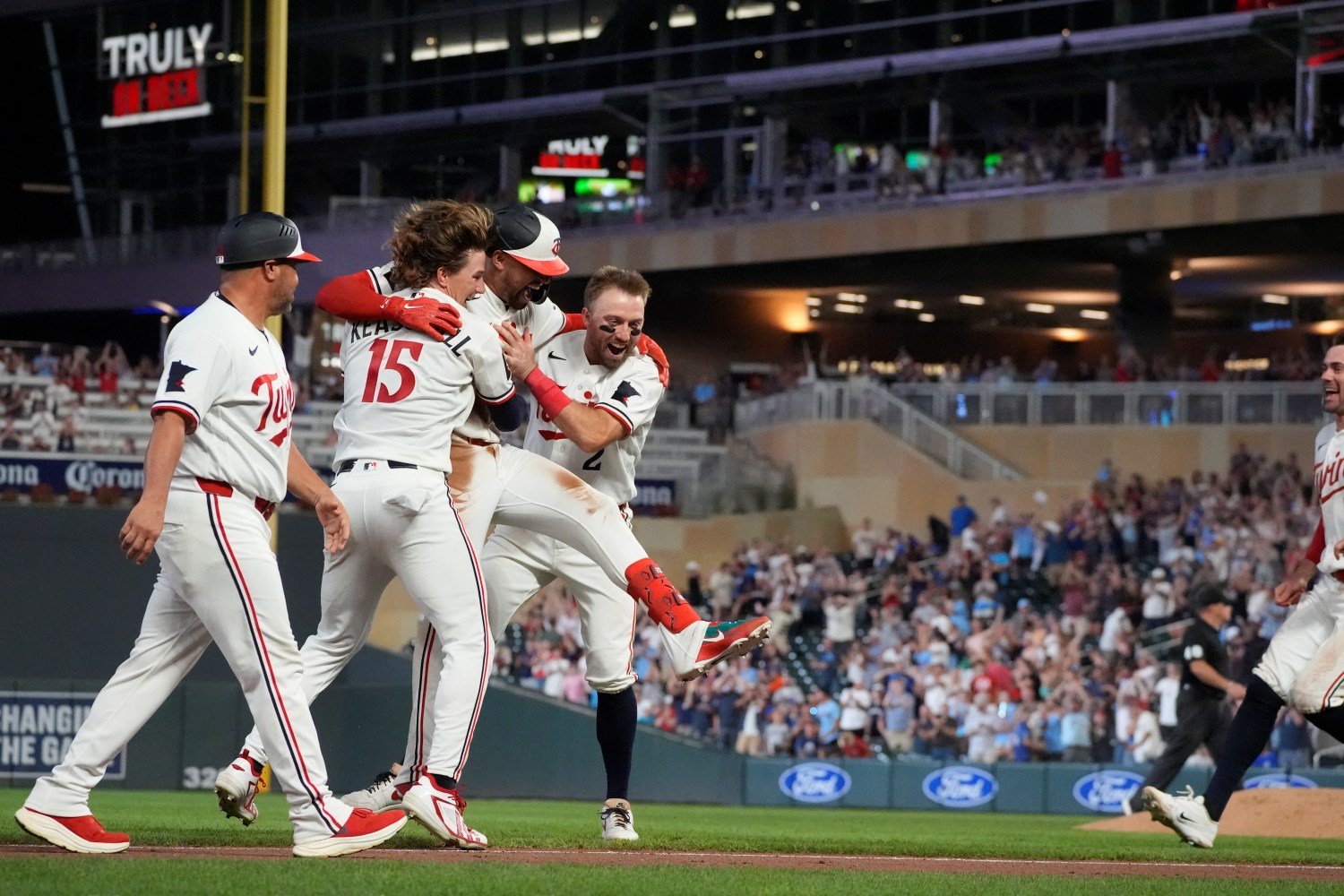 The song that gave rock-and-roll's flagship publication its name and turned Bob Dylan into a whole new caliber of superstar was not, at first, part of a grand plan. Dylan was a popular musician just back from a tour in England, but he was tired and cranky. He started putting down lyrics as a means of processing those feelings—and then a funny thing happened. "Last spring, I guess I was going to quit singing. I was very drained, and the way things were going, it was a very draggy situation," Dylan told Playboy in 1966. "But 'Like a Rolling Stone' changed it all. I mean it was something that I myself could dig. It's very tiring having other people tell you how much they dig you if you yourself don't dig you." Ballplayers talk about that a lot. They can sometimes seem brash, and even ridiculous, but as they point out, the great game of failure demands deep reservoirs of confidence. It's also the great game of daily grinding, and thus, it demands deep reservoirs of energy. You can only find positive energy, sometimes, by digging yourself. Before the 108th game of the 2026 Twins' season—the one that marks two-thirds of the campaign done and signals that it's time to shift out of marathon mode and into a sprint—GM Jeremy Zoll met with reporters in the work room at the back of the Target Field press box. He does this often, but he doesn't always do it like he did Tuesday. Zoll himself is never in dig-me mode, but it was time for the team to operate that way a bit. Twins media relations were more proactive about finding reporters and gathering them in that room. There was a Twins.tv camera in the room, and a portable backdrop had been set up behind Zoll. This wasn't just another chance to give injury updates and answer questions. This was an announcement. The thrust of it: Minnesota has officially returned to relevance. This week, Zoll said, the Twins are buyers at the MLB trade deadline. "If we go back to spring training, we spent a lot of time talking about [how] our goal was to play meaningful games in September," Zoll said. "We're really excited about how the team has played over this last stretch. We're really encouraged about that. In turn, we're going to use this next stretch, this next week, to do everything we can to find ways to improve the club and continue to execute on that goal and make it a reality." As has been a theme all year, this was Zoll doing the same things behind the scenes that predecessor Derek Falvey would have done, but going about the job very differently in public. Falvey compulsively clutched his cards to his vest. He never minded leaving the media a little bit in doubt about the depth of his dedication to a direction or about the specifics of anything. In fact, he felt that it was essential. Information, to Falvey, is precious. He never wanted to surrender any of it, to let any of it filter out of his office and become a resource for the agents and other teams with whom he needed to negotiate. Zoll, with the urging of Tom Pohlad, has taken the opposite tack. When in doubt, he communicates clearly about the team's plans. He did so by tamping down Byron Buxton trade rumors earlier this summer, and he did it in grand fashion Tuesday night. Pohlad and Zoll are trying to win over a fan base whose relationship to the team has grown chilly and distant over the last two years; they believe being direct and earnest is more important than staying guarded. Again, though, Falvey would have come to the same conclusion Zoll has. Although the national media has kept the Twins in the in-between space (or even persisted in treating them as sellers), it's been clear for a week that the team would be in position to buy. They entered play Tuesday just three games back in the AL Central and 1.5 games out of a Wild Card spot. More importantly, as Zoll acknowledged, the team has shown immense resiliency. When they lost four in a row in Chicago and Cleveland just after the All-Star break, there was some remote chance that the team would be forced to sell because of another July collapse. They bounced right back to win four of five, though, responding just in time for the third or fourth time this year, and Zoll and company never had to seriously entertain selling. "All along, we were optimistic we were going to be in this spot to be able to add," the GM said. "I know the playoff odds have ebbed and flowed along the way. But looking at the standings, it's felt really tight both between the Wild Card and the division this whole way. We remained confident there was going to be another bounce-back, given how resilient the group has been. This has been what we were focusing on and what our pro personnel group over the last couple of months has been focused on: the 'buy' version of things. It wasn't some situation where they were prepping [to] sell and we're switching. Now we're looking forward to [trying to] execute on that work." Without question, the league has swung open to the team, like an aged gate. When Zoll gave his mission statement to the press, the team was still one game under .500, at 53-54. They're not a great baseball team. They're unequivocally in the mix, though, because of the weakness of the AL Central and the muddle that is the Wild Card race. Given where the team stands with its fans after last year's fire sale at the deadline and a botched ownership transition, the circumstances demanded that they capitalize on this chance. That's what they'll try to do. In the game that followed, however, it looked for a while like the team would only realize some moral victories. Manager Derek Shelton is hardly ever seen in the clubhouse or his office, anymore, without a "Hunt the Good" t-shirt on, but it felt like one of those nights when that would require a skilled sportsman, indeed. Byron Buxton, who has remained hampered even since his return from the injured list last week, left the game in the fifth inning after experiencing more soreness in his right hip. When he departed, Minnesota led 1-0, but in the top of the sixth, the Royals stole one run, and the Twins gifted them another. With runners on the corners, Kansas City executed the double-steal perfectly. Lane Thomas took off for second. As soon as Ryan Jeffers threw through, lead runner Josh Rojas broke for the plate. Minnesota's defense wasn't crisp enough at either end to thwart the play. Then, with two outs, Salvador Perez hit a lofted wedge into right-center field. It was poorly struck, but when Buxton left the game, the Twins shifted Luke Keaschall from right field to center and installed Alan Roden in right. Keaschall was playing at his standard too-deep depth and had shaded Perez toward left-center, so he had no chance to reach the ball. Roden could have had a play with a good jump; he got a bad one. In a blink, a sterling showing from Taj Bradley had turned sour, and the Twins offense kept snatching frustration from the jaws of opportunity at the plate. The pivotal moment, as it would later turn out, came in the bottom of the seventh—but it paid no immediate dividends. Shelton pinch-hit Royce Lewis for Trevor Larnach in the bottom of the seventh, with a runner on second and two outs. Larnach had been due to face left-handed Royals reliever Daniel Lynch IV, but Shelton's move prompted Kansas City manager Matt Quatraro to go to right-handed reliever John Schreiber. Schreiber is a low-slot right-handed reliever; it was a tough matchup for Lewis. Shelton, however, had a plan. "I forced them to make a move; I wanted to see what would happen," the skipper said after the game. What happened immediately was that, in an excellent six-pitch at-bat, Lewis drew a walk against Schreiber, revealing one benefit of choosing that matchup over the Larnach-Lynch one. Next up was Roden, who had come into Buxton's place in the batting order and got to face a righty instead of Lynch. Alas, his sharp opposite-field liner was snared by the Royals' Isaac Collins, quelching the rally. That good plate appearance off the bench by Lewis was a positive takeaway, even as the team appeared to trend toward a loss. So was Bradley's 10-strikeout start. Roden's well-struck ball was an encouraging sign of his progress. The Twins bullpen added another moral victory, too. In successive innings, Kody Funderburk, Travis Adams and Jack Anderson held the Royals scoreless, so it was still 2-1 going into the bottom of the ninth. That's a good amount of 'good,' for those hunting it. One of the bittersweet liberties of being a contender again, though, is that you're free from moral victories. The night would have felt hollow and ominous—a good start wasted, a star reinjured, and worst, a game down in the standings—if nothing had changed, even to an optimist, and even after Zoll's proclamation of progress. We'll never have to molder in that particular feeling; it burned off in a sudden zap of heat as intense as a summer lightning strike. Victor Caratini cracked a leadoff single. Luke Keaschall was robbed by Collins on a diving play down the left-field line, but Brooks Lee worked a smart hitter's walk to put the winning run on base. After Ryan Kreidler swung ferociously but came up empty, it was Lewis again—Lewis, in a do-or-die moment, after two-plus years of being the very embodiment of the Twins' ups and downs, and after starting the game on the bench. On a 1-1 count, he got an Alex Lange cutter up and away and hit it squarely. "I've faced him before," Lewis said of Lange, afterward. "He hammered me with cutters. And so I was like, 'Yeah, I hope he throws that same pitch.'" The ball arced high and had good backspin, soaring toward the deepest part of the park: right-center field. It hit partway up the high wall and caromed right past Thomas, the visitors' center fielder. Just like that, the game was over. With two outs, Lee had been able to run without hesitation from first base, so once it got past Thomas, the Royals had no hope of stopping the winning run from scoring. As Lewis charged around second, sprinting toward and diving into third base, something interesting happened. The crowd (21,518, officially, as the community only slowly falls back in love with this team; there were fewer than that in the stands by the end, but they were straining to sound like more) roared and the players jumped and laughed and jubilated—and "Like a Rolling Stone" played over the Target Field sound system. The Twins' victory song, for years now, has been "Don't Stop Me Now," by Queen. They played it, for instance, when Lewis had his first career walkoff hit, on June 25. "Like a Rolling Stone" is not usually played at moments like that one, and if you listen to the lyrics at all, it doesn't especially fit that mood, either. It's a sneering song. It's self-righteous and self-satisfied, and although it's not quite angry, it's not happy, either. The edge Dylan found—the way he stepped, in writing and then collaborating on the recording of that tune, from folk-bound bard to symbol of rock and its unapologetic bluntness—is a sharp and jagged one. There's just enough bounce in the guitars and the Hammond organ that burble over Dylan's prose to give the sneer that upturn toward a smile at the corner, though, so the song landed just fine on the raucous celebrants of this now-.500 team. They hit a huge milestone Tuesday in their climb out of the very pit into which Dylan observes his subject plunging throughout the song. All of life is reference points. When you hear "Like a Rolling Stone" at a moment of triumph, it's all that jangling organ and none of the haunting metaphors, and when Dylan lets his voice swell into the chorus's "How does it feel?", it hits like the DJ screaming over a dubstep beat. How does this feel? Incredible! The Twins have survived. They're 38-31 in their last 69 games. The White Sox and Guardians are floundering; the team is now just 2 games behind Chicago for the AL Central lead and a half-game out of a playoff spot. In this contest, they survived grounding into five double plays and their best player leaving due to injury. They won without using any of their true high-leverage relievers. Lewis, who was in St. Paul two months ago, cast down very much like the antagonist Dylan's protagonist taunts throughout "Like a Rolling Stone," put together two excellent at-bats and got another chance to dig himself. Like Dylan, he feeds off those moments, when he can fall in love with his own brilliance. "I think my walkoff hit, personally, shows the intent to never give up," Lewis said after the game. "I mean, my story just keeps living on. It's so impressive. I'm proud of myself in that, just because—whether it's two ACL injuries, or other soft-tissue injuries, I just keep pushing and keep coming back." It's hard not to laugh at that genuine, unabashed self-regard. It can sound ridiculous, at times, and when Lewis said many similar-sounding things during the lowest of his lows, it felt like a lethal cocktail of delusion and solipsism. On a night like Tuesday, though, you can see it in a more forgiving light, as the shield that protects a player (and a team) from the grind and the failure of the season. Dylan, to be sure, has built his own legend and legacy on an unrepentant self-regard. The song that taught him to dig himself fueled him to keep going, and it played over the latest symbol of the Twins' own ability to keep going. "I think the thing about this group ... is just the resiliency," Shelton said. "They continue. They don't let that stuff affect them." Tuesday might be remembered a long time in Twins Territory, as a pivotal one in the history of the franchise. Under a new owner (albeit with an old name), the team vowed to do its best to build on the success they've had this year, and then they went out and sustained that success, in improbable fashion. On a night all about reaching out to Minnesota itself and trying to forge a new and robust connection, at their moment of unexpected triumph, they played—perhaps accidentally, or perhaps unthinkingly—a song that not only emphasizes that connection by emanating from Minnesota itself, but captures some of the feelings they and their fan base have had to survive over the past two-plus years. The notion of a rolling stone—the one that gathers no moss, as the saying from which Dylan borrowed his chorus and title goes—is that lacking a firm place to rest leaves one without the stability to foster growth. This Twins team is, in a sense, made up of those rolling stones. Buxton has moss all over him, but he's not going to be able to carry them to playoffs himself. That's been clear since he first tweaked his hip. He has a .514 OPS in July, and it's only .611 even if you go back to the midpoint of June. The team will have to depend, instead, on the likes of Josh Bell, Caratini, Kody Clemens, Bradley, and more—journeymen who have landed here but won't stay especially long. In the medium-term future, the organization will get back to relying heavily on a homegrown core, but the homegrown and long-tenured members of the current squad are mostly struggling or injured. Instead, it's Shelton—a rolling stone in his own right—leading a group that has forced the front office into this buying posture at the deadline. Neither Shelton's nor Zoll's work is by any means done; it never is. Sisyphus's rolling stone is just as good a metaphor for this team's plight as Dylan's is. For one night, though, the Twins got to the top of the hill in style, and a moment to take stock of what's already been accomplished isn't unearned or inappropriate. How does it feel? It feels like October, even though it's scorching-hot and the calendar still says July. It feels like this team of complete unknowns has a direction again—and like it's starting to reestablish its connection to its home.
- 29 comments
-
- 21
-
-
-
- royce lewis
- 2026 trade deadline
- (and 2 more)
-
Baseball Gods to Tom Pohlad: 'Aight, Bet'
Matthew Trueblood replied to Matthew Trueblood's topic in Minnesota Twins Talk
-
Baseball Gods to Tom Pohlad: 'Aight, Bet'
Matthew Trueblood replied to Matthew Trueblood's topic in Minnesota Twins Talk
I know it's increasingly ubiquitous, but I will never stop pushing back at the idea that the only goal should be a championship. The Twins have a chance to win their division. They have a chance to make the playoffs. Those are objectives worth pursuing. This is not an all-or-nothing game and it costs you nothing, really, to put the best team you can together when you're in a position like this in late July. Winning more than you lose, winning your division, going to October, those are worth doing, even if your hopes of winning a Series in a given year are remote. Not to mention, this team right now is as good as the 1987 Twins were—maybe better. The format is expanded; it's harder to luck your way into a title. But no fan base should be more keenly aware that you don't have to be Great to win a championship than this one.- 128 replies
-
- 3
-
-
- kevin gausman
- luke weaver
- (and 3 more)
-
Image courtesy of Jeffrey Becker-Imagn Images It wasn't equivocal, and it wasn't compulsory. This April, as part of a slow-motion goodwill tour in which he's tried to rebuild the fan base's faith in (or even tolerance for) his family, Tom Pohlad piped up. He gave Dan Hayes of The Athletic a quote that left little wiggle room. That even seemed to be by design. You can't gain much goodwill by going halfway. "As we go throughout the year and more opportunities present themselves for us to put action to words, so long as we do that, I’ll be happy," Pohlad said. And later: "We owe it to our fan base as much as we owe it to [Derek Shelton], [Jeremy Zoll] and the players, to do everything we can to improve our team at that point.” We should presume he meant it, because whatever goodwill (and time) it did buy him was nowhere near worth the backlash he'll receive if he goes back on that asseveration. However, it was an easy time to say those words. The Twins were 13-17 when Hayes's article ran, which was right on schedule; most fans, pundits and projection systems forecasted a losing season for them. In fairness, they're still sub-.500, too. Since that day, however, they've gone 40-37, and they find themselves right in the thick of the race for the AL Central, as well as a possible Wild Card berth. They've proved themselves resilient, and they've played near the top of their spectrum of possible outcomes based on their talent. Unequivocally, this team is in position to buy at next week's MLB trade deadline. It's time, in other words, for Pohlad to pony up. In fact, the baseball gods have offered him no quarter. Although this team (frankly) is not all that good, they're also plainly not bad, and they're playing in one of the weakest divisions and leagues in recent memory. They have a glaring need for pitching help, and a strong farm system with which to pursue it. They have, by any reasonable reckoning, plenty of money to spend. The stars all aligned. The dictate is clear, and Pohlad's own words have painted him into a corner. Admittedly, it would be strange (and ill-advised) for the team to go all-in and trade top prospects to bolster this squad. They're just entering a competitive window, not peaking or trying to maximize the final phase of a cycle. They can get better easily, though, and Pohlad's money can do a lot of that work. Here are five guys they could acquire, for whom the prospect cost could be minimized if the Twins take on the salaries involved. Kevin Gausman is a tough, durable veteran starter—someone who could start a playoff game and give the Twins a chance to win even against a tough lineup. He's an impending free agent and is still owed over $7 million. If the Twins are willing to take on that money, he wouldn't cost that much, and he could be a difference-maker for them both in the regular season and come october. A major bullpen upgrade is the most obvious way the Twins could get better this week. Weaver is under contract for 2027, too, so while he would cost a good prospect or two, he could help them not only this year, but next. He's an ideal fit for their situation, as long as Pohlad is willing to shell out the relatively high financial cost for a non-closer. It's a similar situation to that of Weaver, but Antonio Senzatela offers the bonus of not being obligated to pay up for 2027. The salary taken on for this season wouldn't be terribly onerous, and if it pans out well, the team could elect to bring him back at a moderate price. Dustin May could be a huge upside play for the Twins, and although the mutual option on his deal for 2027 is almost certain not to be mutually exercised, even a fistful of starts that get the team over the hump and into the postseason could be a huge windfall. The Cardinals will want something good for May, but his salary does give the Twins leverage, if they're willing to eat that money. This should, at this point, be the bare minimum. The Twins need help in the bullpen. Andrew Kittredge is one of several available right-handed hurlers who could assume a high-leverage role for them and slightly upgrade the relief corps, and who are making somewhere between $7 million and $12 million. If the Twins don't at least trade for someone like Kittredge, Pohlad will have failed to keep his promise to the fan base and to the team. The good news is that this team is in the hunt. The even better news is that the season has left much less uncertainty than one might have worried it would even a month ago. The only bad news is for Pohlad, and then only for his bottom line. He said he wants to help Zoll make this team better. Now, he gets to prove that he meant it. View full article
- 128 replies
-
- 1
-
-
- kevin gausman
- luke weaver
- (and 3 more)
-
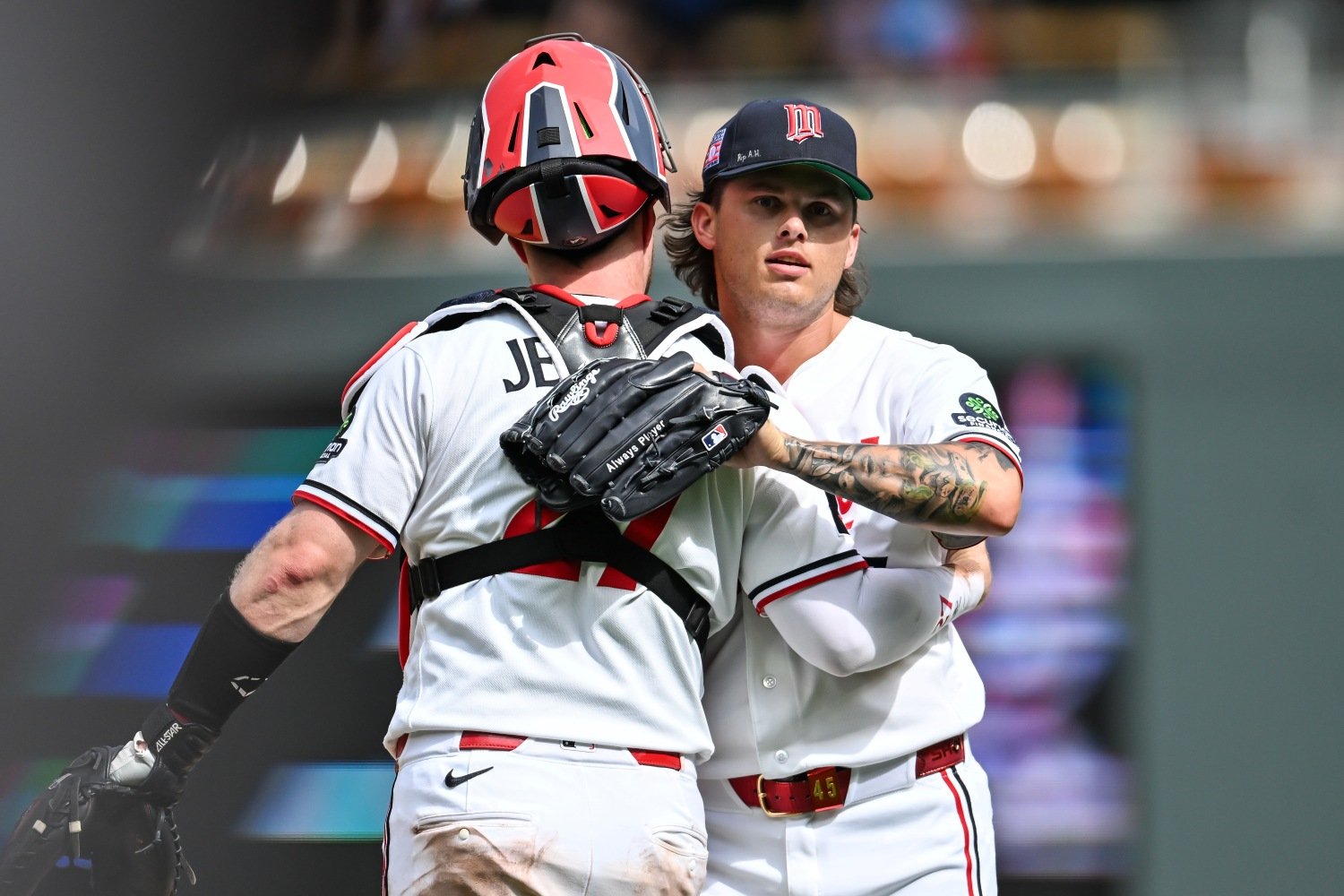 It wasn't equivocal, and it wasn't compulsory. This April, as part of a slow-motion goodwill tour in which he's tried to rebuild the fan base's faith in (or even tolerance for) his family, Tom Pohlad piped up. He gave Dan Hayes of The Athletic a quote that left little wiggle room. That even seemed to be by design. You can't gain much goodwill by going halfway. "As we go throughout the year and more opportunities present themselves for us to put action to words, so long as we do that, I’ll be happy," Pohlad said. And later: "We owe it to our fan base as much as we owe it to [Derek Shelton], [Jeremy Zoll] and the players, to do everything we can to improve our team at that point.” We should presume he meant it, because whatever goodwill (and time) it did buy him was nowhere near worth the backlash he'll receive if he goes back on that asseveration. However, it was an easy time to say those words. The Twins were 13-17 when Hayes's article ran, which was right on schedule; most fans, pundits and projection systems forecasted a losing season for them. In fairness, they're still sub-.500, too. Since that day, however, they've gone 40-37, and they find themselves right in the thick of the race for the AL Central, as well as a possible Wild Card berth. They've proved themselves resilient, and they've played near the top of their spectrum of possible outcomes based on their talent. Unequivocally, this team is in position to buy at next week's MLB trade deadline. It's time, in other words, for Pohlad to pony up. In fact, the baseball gods have offered him no quarter. Although this team (frankly) is not all that good, they're also plainly not bad, and they're playing in one of the weakest divisions and leagues in recent memory. They have a glaring need for pitching help, and a strong farm system with which to pursue it. They have, by any reasonable reckoning, plenty of money to spend. The stars all aligned. The dictate is clear, and Pohlad's own words have painted him into a corner. Admittedly, it would be strange (and ill-advised) for the team to go all-in and trade top prospects to bolster this squad. They're just entering a competitive window, not peaking or trying to maximize the final phase of a cycle. They can get better easily, though, and Pohlad's money can do a lot of that work. Here are five guys they could acquire, for whom the prospect cost could be minimized if the Twins take on the salaries involved. Kevin Gausman is a tough, durable veteran starter—someone who could start a playoff game and give the Twins a chance to win even against a tough lineup. He's an impending free agent and is still owed over $7 million. If the Twins are willing to take on that money, he wouldn't cost that much, and he could be a difference-maker for them both in the regular season and come october. A major bullpen upgrade is the most obvious way the Twins could get better this week. Weaver is under contract for 2027, too, so while he would cost a good prospect or two, he could help them not only this year, but next. He's an ideal fit for their situation, as long as Pohlad is willing to shell out the relatively high financial cost for a non-closer. It's a similar situation to that of Weaver, but Antonio Senzatela offers the bonus of not being obligated to pay up for 2027. The salary taken on for this season wouldn't be terribly onerous, and if it pans out well, the team could elect to bring him back at a moderate price. Dustin May could be a huge upside play for the Twins, and although the mutual option on his deal for 2027 is almost certain not to be mutually exercised, even a fistful of starts that get the team over the hump and into the postseason could be a huge windfall. The Cardinals will want something good for May, but his salary does give the Twins leverage, if they're willing to eat that money. This should, at this point, be the bare minimum. The Twins need help in the bullpen. Andrew Kittredge is one of several available right-handed hurlers who could assume a high-leverage role for them and slightly upgrade the relief corps, and who are making somewhere between $7 million and $12 million. If the Twins don't at least trade for someone like Kittredge, Pohlad will have failed to keep his promise to the fan base and to the team. The good news is that this team is in the hunt. The even better news is that the season has left much less uncertainty than one might have worried it would even a month ago. The only bad news is for Pohlad, and then only for his bottom line. He said he wants to help Zoll make this team better. Now, he gets to prove that he meant it.
- 128 comments
-
- 6
-
-
- kevin gausman
- luke weaver
- (and 3 more)
-
Image courtesy of © Matt Blewett-Imagn Images The Twins officially optioned Royce Lewis to Triple-A St. Paul on May 18. That very day, they lost Ryan Jeffers to a broken hamate bone. At that point, they were already a sub-.500 team, and the trend arrows were all pointing in the wrong direction. Many assumed, reasonably, that the team was about to collapse. It nearly did, too. After hanging tough for about a week, Minnesota lost 10 of 13 and fell all the way to 30-38, fading even in an extremely forgiving AL Wild Card race. They were on the brink. Since then, however, they've turned things around admirably. Lewis returned from the minors on June 1, and is hitting .269/.328/.500 since. Jeffers just returned for the final series before the All-Star break, and even while he was gone, hard-working fallback plan Alex Jackson kept the team afloat. They're 18-11 since hitting their nadir in mid-June. They're right back in the thick of the race, with guys they'd hoped to count on but been forced to live without (Lewis, Jeffers, Bailey Ober) back in the mix, to boot. That invites a new question: How can they keep this going? The pace at which the team has played for the last month is impressive, but they have to sustain it for a while to climb into a safe position in the jostle for playoff berths. That should be easier, in theory, because they're a stronger roster coming out of the break than they were until just before it—and certainly than they were in May and the first part of June. They've reorganized the team defensively, fixed Lewis's bat, and reinstated Jeffers and Ober from the injured list. Alas, regression will tug on their capes as they endeavor to take flight. To be as good a team as they've been of late, they have to improve their roster—or at least the deployment of their current one—to stave off the pull toward average (or worse) that will afflict several members of the team. Here are three ways the Twins can proactively swat at the gnats of regression during this summer heat wave, to keep enjoying that heat without being bitten or pestered into irrelevance. Make Royce Lewis a Platoon Bat The very first suggestion—first because I feel it has the greatest potential to help the team sustain its overachievement—comes with some friction. Lewis is an ebullient teammate, but he's not without ego, and this would come as a blow to that. It could sour some of the clubhouse sweetness that has given the team such positive energy the last several weeks. However, with Jeffers returning to the roster, it has to be a real consideration. The coincidence of Lewis being optioned and Jeffers being hurt means that we've yet to see how the lineup best works when they have the revived Lewis (but no longer as a third baseman, with Brooks Lee having taken up that post) and Jeffers each available. With Jeffers back in the fold, Victor Caratini is free to contribute at first base again—especially since the club is carrying three catchers at the moment. When a right-handed hurler starts for the opponents, the best version of this lineup doesn't contain Lewis. Even since he returned to the majors, much of his value has come from crushing left-handed pitching. Here are the key stat lines for Twins hitters against righty pitchers since June 1: Lewis: .258/.311/.464, 7.5% walk rate, 26.4% strikeout rate, .308 BABIP Caratini: .313/.420/.567, 13.6%, 12.3%, .315 Josh Bell: .293/.346/.596, 7.5%, 19.6%, .319 Kody Clemens: .288/.321/.644, 5.4%, 17.9%, .263 Jeffers will remain the regular catcher, unless the team trades him before the August 3 trade deadline—which is unlikely, according to multiple league sources. That makes sense, but it means that Caratini is likely to find some playing time elsewhere, and that has knock-on effects. Lewis can't make a strong case to play over Bell (with Caratini as the DH), Clemens (at second) or Caratini. Yes, some of the players listed here have been hitting better than they're likely to hit the rest of the way against righties, but then again, how confident are you that Lewis won't regress a bit, himself? Against righties, the everyday lineup should look like this: Trevor Larnach - LF Byron Buxton - CF Kody Clemens - 2B Ryan Jeffers - C Josh Bell - DH Victor Caratini - 1B Brooks Lee - 3B Ryan Kreidler - SS Luke Keaschall - RF If Buxton doesn't return from the injured list immediately, the team could resume the project it rapidly abandoned last month and try Lewis out at second for a while, with Clemens sliding back out to center field. Even in that case, though, playing Lewis wouldn't be the optimal deployment of their talent. Alan Roden is batting .269/.402/.471 against righties between Triple-A St. Paul and the majors this year. The sample is small, but the promise is real, and an alignment in which Roden plays center and Clemens is at second is stronger defensively than one with Lewis at second, anyway. This whole conversation highlights the fact that Lewis's hot streak since rejoining the team might only play him out of town. We don't have to tackle that notion in full right now. Suffice it to say that if Lewis is around, he should be in a roving, lefty-mashing role at least while the team is at this level of health and availability. He's their best option against southpaws. You can't say the same on the big side of the platoon. Shift Mike Paredes to the Bullpen, and End the Woo-Suk Go Experiment Because more pitching injuries seem to jump out at this team every time they turn the corner, the temptation to send Mike Paredes back to St. Paul to stay stretched out will be strong. The team will reinstate Cole Sands from the injured list soon, barring a setback in his rehab assignment, and Connor Prielipp could be close on Sands's heels. Optioning Paredes would allow him to stay available for bulk appearances and keep an extra arm in the organization; Go can't be optioned to the minors. Paredes is the better pitcher, though. If you put all the pitches each hurler throws into a shared ranking, Paredes's sweeper and changeup would be first and second, ahead of anything Go throws. If the team hopes to compete into September or even reach October, they need a further infusion of pitching depth, anyway. They shouldn't prioritize preserving shaky depth over optimizing the skills of the players they have. Making Paredes a full-time reliever would give them a genuinely useful right-handed relief boost and leave flexibility for them to piggyback starts with Ober and/or Prielipp. It's the best short-term management plan for that roster spot, once Prielipp is healthy enough to resume his role as the fifth starter. Start Ryan Kreidler at Shortstop Every Day Until Kaelen Culpepper gets healthy again and has his nagging butt issue figured out (it's a glute muscle injury, but 'butt issue' is funnier, right?), the Twins should give Ryan Kreidler all the playing time at shortstop. There's no need to keep auditioning Tristan Gray there; there's no need to so much as keep Gray on the roster. When Buxton is activated (whether that comes immediately or in a week or so), Gray should be the rsoter casualty. Keeping Alex Jackson around until the trade deadline plan is fully solidified is a must. Roden and Austin Martin have clear utility for the team, even if it's limited to specific roles and their playing time will be a bit sparse. Gray, whose approach has collapsed and whose glove at shortstop has been unimpressive, has no such defense for being farmed out. By contrast, there are concrete reasons to play Kreidler more often, including against righties. For one thing, he's not hitting lefties at all. He's actually been much better against right-handed pitchers this year. He didn't hit well at all in the final stretch before the break, but neither did Gray. Offensively and defensively, Kreidler has been the superior player for weeks, now. He's also more versatile, and thus more worthy of keeping around whenever Culpepper does get the call. In the meantime, though, Kreidler should play every day. Lee can be the backup plan, for a little while. Each of these recommendations are about roster decision points. This one will come down to the Twins having the guts to jettison Gray when they reinstate Buxton, keeping three catchers and a bunch of guys they don't particularly like at various infield spots. Keaschall is an outfielder now; so is Martin. Clemens has slid as far up the defensive spectrum as is at all possible for him. Lee and Lewis are already playing different spots from the ones at which they began the campaign, and the new roles are demotions. Across the board, this is a team with flaws. They're 48-49 for a reason. With some momentum and improving health, however, they have a chance to make the playoffs, anyway. They ought to seize it, and that means making some changes that precede and even replace traditional "buyer"-coded trades. View full article
-
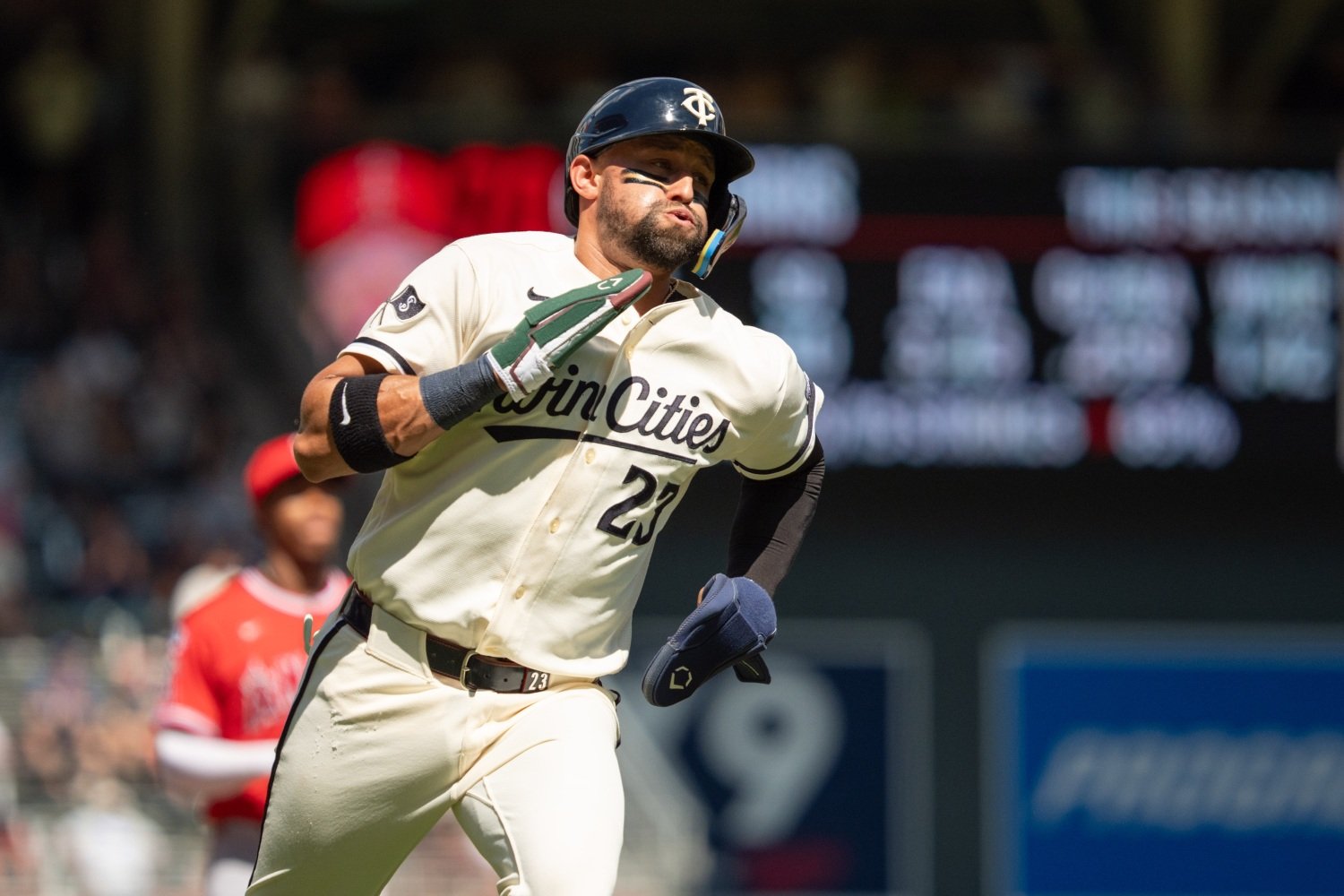 The Twins officially optioned Royce Lewis to Triple-A St. Paul on May 18. That very day, they lost Ryan Jeffers to a broken hamate bone. At that point, they were already a sub-.500 team, and the trend arrows were all pointing in the wrong direction. Many assumed, reasonably, that the team was about to collapse. It nearly did, too. After hanging tough for about a week, Minnesota lost 10 of 13 and fell all the way to 30-38, fading even in an extremely forgiving AL Wild Card race. They were on the brink. Since then, however, they've turned things around admirably. Lewis returned from the minors on June 1, and is hitting .269/.328/.500 since. Jeffers just returned for the final series before the All-Star break, and even while he was gone, hard-working fallback plan Alex Jackson kept the team afloat. They're 18-11 since hitting their nadir in mid-June. They're right back in the thick of the race, with guys they'd hoped to count on but been forced to live without (Lewis, Jeffers, Bailey Ober) back in the mix, to boot. That invites a new question: How can they keep this going? The pace at which the team has played for the last month is impressive, but they have to sustain it for a while to climb into a safe position in the jostle for playoff berths. That should be easier, in theory, because they're a stronger roster coming out of the break than they were until just before it—and certainly than they were in May and the first part of June. They've reorganized the team defensively, fixed Lewis's bat, and reinstated Jeffers and Ober from the injured list. Alas, regression will tug on their capes as they endeavor to take flight. To be as good a team as they've been of late, they have to improve their roster—or at least the deployment of their current one—to stave off the pull toward average (or worse) that will afflict several members of the team. Here are three ways the Twins can proactively swat at the gnats of regression during this summer heat wave, to keep enjoying that heat without being bitten or pestered into irrelevance. Make Royce Lewis a Platoon Bat The very first suggestion—first because I feel it has the greatest potential to help the team sustain its overachievement—comes with some friction. Lewis is an ebullient teammate, but he's not without ego, and this would come as a blow to that. It could sour some of the clubhouse sweetness that has given the team such positive energy the last several weeks. However, with Jeffers returning to the roster, it has to be a real consideration. The coincidence of Lewis being optioned and Jeffers being hurt means that we've yet to see how the lineup best works when they have the revived Lewis (but no longer as a third baseman, with Brooks Lee having taken up that post) and Jeffers each available. With Jeffers back in the fold, Victor Caratini is free to contribute at first base again—especially since the club is carrying three catchers at the moment. When a right-handed hurler starts for the opponents, the best version of this lineup doesn't contain Lewis. Even since he returned to the majors, much of his value has come from crushing left-handed pitching. Here are the key stat lines for Twins hitters against righty pitchers since June 1: Lewis: .258/.311/.464, 7.5% walk rate, 26.4% strikeout rate, .308 BABIP Caratini: .313/.420/.567, 13.6%, 12.3%, .315 Josh Bell: .293/.346/.596, 7.5%, 19.6%, .319 Kody Clemens: .288/.321/.644, 5.4%, 17.9%, .263 Jeffers will remain the regular catcher, unless the team trades him before the August 3 trade deadline—which is unlikely, according to multiple league sources. That makes sense, but it means that Caratini is likely to find some playing time elsewhere, and that has knock-on effects. Lewis can't make a strong case to play over Bell (with Caratini as the DH), Clemens (at second) or Caratini. Yes, some of the players listed here have been hitting better than they're likely to hit the rest of the way against righties, but then again, how confident are you that Lewis won't regress a bit, himself? Against righties, the everyday lineup should look like this: Trevor Larnach - LF Byron Buxton - CF Kody Clemens - 2B Ryan Jeffers - C Josh Bell - DH Victor Caratini - 1B Brooks Lee - 3B Ryan Kreidler - SS Luke Keaschall - RF If Buxton doesn't return from the injured list immediately, the team could resume the project it rapidly abandoned last month and try Lewis out at second for a while, with Clemens sliding back out to center field. Even in that case, though, playing Lewis wouldn't be the optimal deployment of their talent. Alan Roden is batting .269/.402/.471 against righties between Triple-A St. Paul and the majors this year. The sample is small, but the promise is real, and an alignment in which Roden plays center and Clemens is at second is stronger defensively than one with Lewis at second, anyway. This whole conversation highlights the fact that Lewis's hot streak since rejoining the team might only play him out of town. We don't have to tackle that notion in full right now. Suffice it to say that if Lewis is around, he should be in a roving, lefty-mashing role at least while the team is at this level of health and availability. He's their best option against southpaws. You can't say the same on the big side of the platoon. Shift Mike Paredes to the Bullpen, and End the Woo-Suk Go Experiment Because more pitching injuries seem to jump out at this team every time they turn the corner, the temptation to send Mike Paredes back to St. Paul to stay stretched out will be strong. The team will reinstate Cole Sands from the injured list soon, barring a setback in his rehab assignment, and Connor Prielipp could be close on Sands's heels. Optioning Paredes would allow him to stay available for bulk appearances and keep an extra arm in the organization; Go can't be optioned to the minors. Paredes is the better pitcher, though. If you put all the pitches each hurler throws into a shared ranking, Paredes's sweeper and changeup would be first and second, ahead of anything Go throws. If the team hopes to compete into September or even reach October, they need a further infusion of pitching depth, anyway. They shouldn't prioritize preserving shaky depth over optimizing the skills of the players they have. Making Paredes a full-time reliever would give them a genuinely useful right-handed relief boost and leave flexibility for them to piggyback starts with Ober and/or Prielipp. It's the best short-term management plan for that roster spot, once Prielipp is healthy enough to resume his role as the fifth starter. Start Ryan Kreidler at Shortstop Every Day Until Kaelen Culpepper gets healthy again and has his nagging butt issue figured out (it's a glute muscle injury, but 'butt issue' is funnier, right?), the Twins should give Ryan Kreidler all the playing time at shortstop. There's no need to keep auditioning Tristan Gray there; there's no need to so much as keep Gray on the roster. When Buxton is activated (whether that comes immediately or in a week or so), Gray should be the rsoter casualty. Keeping Alex Jackson around until the trade deadline plan is fully solidified is a must. Roden and Austin Martin have clear utility for the team, even if it's limited to specific roles and their playing time will be a bit sparse. Gray, whose approach has collapsed and whose glove at shortstop has been unimpressive, has no such defense for being farmed out. By contrast, there are concrete reasons to play Kreidler more often, including against righties. For one thing, he's not hitting lefties at all. He's actually been much better against right-handed pitchers this year. He didn't hit well at all in the final stretch before the break, but neither did Gray. Offensively and defensively, Kreidler has been the superior player for weeks, now. He's also more versatile, and thus more worthy of keeping around whenever Culpepper does get the call. In the meantime, though, Kreidler should play every day. Lee can be the backup plan, for a little while. Each of these recommendations are about roster decision points. This one will come down to the Twins having the guts to jettison Gray when they reinstate Buxton, keeping three catchers and a bunch of guys they don't particularly like at various infield spots. Keaschall is an outfielder now; so is Martin. Clemens has slid as far up the defensive spectrum as is at all possible for him. Lee and Lewis are already playing different spots from the ones at which they began the campaign, and the new roles are demotions. Across the board, this is a team with flaws. They're 48-49 for a reason. With some momentum and improving health, however, they have a chance to make the playoffs, anyway. They ought to seize it, and that means making some changes that precede and even replace traditional "buyer"-coded trades.
- 51 comments
-
- 12
-
-
-
- mike paredes
- bailey ober
- (and 3 more)
-
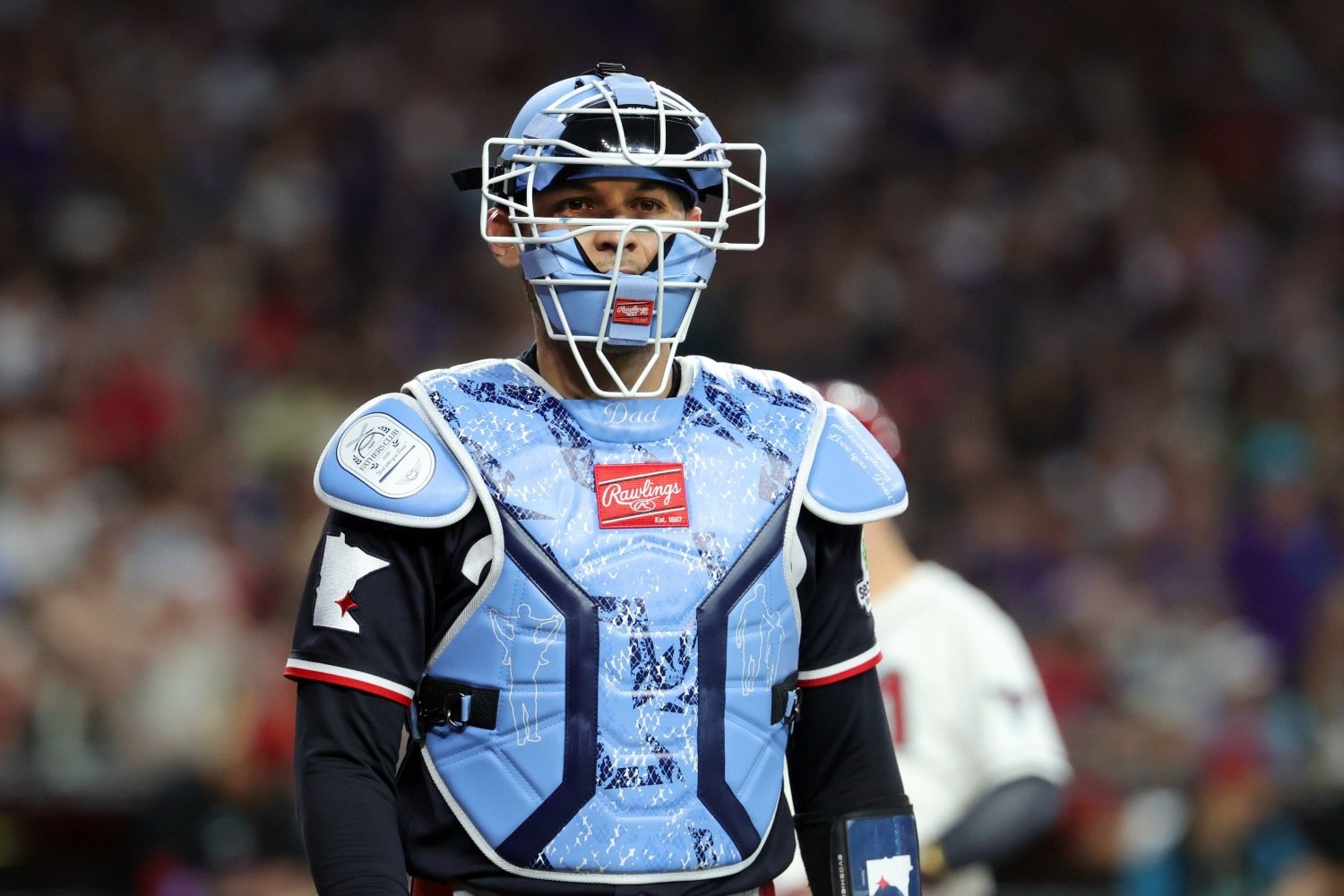 Alex Jackson will make his 15th start of the season Thursday afternoon, as the Twins go for a pivotal sweep of the Guardians at Target Field. Surprisingly, that doesn't feel ominous in the least. Jackson came into this season as a .153/.239/.288 hitter—a former top-10 overall pick turned journeyman, whom the Twins became the seventh team to trade for in a paripatetic 12-year pro career. Even after they dealt for him, the team went out and added Victor Caratini to supplant him as the backup to Ryan Jeffers, stashing Jackson at Triple-A St. Paul to start the season. Now, though, he's become a surprisingly vital ingredient in the team's unexpected surge toward the postseason. In his first 14 starts behind the plate, Jackson is 9-5. For the second year in a row, he's showing plus bat speed, and results to match. He's batting .314/.340/.431. He's struck out 15 times and drawn zero walks in 53 plate appearances, so that batting line isn't exactly sustainable, but to suggest he'll revert to his previous career norms would be to rashly dismiss what has been not only a tangible improvement, but an impressive bit of hard-won hustle value. Jackson is a plus athlete for a catcher. He even has average-plus raw sprint speed, according to Statcast. That makes his surge in bat speed, which happened last year in Baltimore, unsurprising; he just needed longer than initially hoped to learn how to get off his 'A' swing. More surprisng, though, is the way he's applied that athleticism every time he takes the field, with a relentlessness and tenacity that have endeared him to fans, teammates and coaches alike. Jackson has three bunt hits this season. He also hustles down the line on ground balls harder than anyone else on the team. On Saturday against the Yankees, for instance—despite searing heat, the demands of catching under those conditions, and a preposterous combination of hidebound rulemaking and poor preparation that meant the Twins could each wear only one jersey during the game, rather than changing once or twice over nine innings as catchers usually do in such heat—Jackson busted it out of the box on a routine double-play ball in the sixth inning. He beat it out, keeping a rally going. The Twins didn't even go on to score in the frame, but that moment was one distillation of a trend that has been on full display whenever Jackson gets onto the field: effort and hustle in the extreme. TDY1eXFfWGw0TUFRPT1fQUFNQUFGWlFYd1lBRDFzRVhnQUhVQUpTQUFBR0J3Y0FCZ1pVVTFVQ0JRUUdWbFJR.mp4 The bunts Jackson has laid down and the grounders on which he's put pressure on the defense by running hard are good examples of the same traits he shows behind the plate: unselfish dedication to the team. It's an impressive attitude for a player who has rarely stayed with any organization for very long and didn't get especially generous treatment from the one he's in now. Jackson hasn't been a great defender, in the measurable ways. He's not a good pitch framer, and hasn't navigated the ABS system well. He's not excellent at blocking pitches, though he does have an elite throwing arm. In terms of managing a young and not-very-talented pitching staff, though, he's been great. Between the hustle on offense and the situation management on defense, he's gotten the team over the hump nine times in 14 tries since coming up to take Jeffers's spot when the starting catcher got hurt. Yes, the Twins clearly still trust Caratini more. No, this won't necessarily stop them from demoting Jackson (even at the risk of losing him on waivers) when Jeffers returns from the IL. However, when you're a fringy playoff hopeful with a star-caliber catcher and that guy goes down for over six weeks, you brace for a handful of extra losses. In 15 starts, you have to accept that you might lose 10. If the Twins were 4-10 in Jackson's starts, entering Thursday, they'd be lagging the Tigers, in fourth place in the AL Central. They'd be 5.5 games out of the final AL Wild Card spot, with several teams clustered ahead of them. As it is, they're 2 games back in the division and a half-game behind the Rangers for the last prospective playoff berth. Not all of that difference is attributable to Jackson, of course. The team has stepped up in various ways over the last few weeks to salvage their season, staying alive longer than was expected of them. They've also gotten a bit lucky, along the way. But Jackson's motor and his surprising competence are echoes of what the team got right from the moment they acquired Kody Clemens, and of what they've gotten from Ryan Kreidler since turning to him in a similar pinch earlier this year. They're giving chances to guys who had nearly run out of them, and those guys are finding success. That's a testament to the team's scouting and analytics groups and to their coaches, but it's also a testament to the dedication, perseverance and baseball IQ of those players. Jackson is as good a symbol of that as anyone. He's the guy the team saw something in and proactively acquired, but whom they didn't quite trust until they were left with no alternative—and who has essentially saved their season, once the chance to do so arose.

