



Ted Schwerzler
-
Posts
5,149 -
Joined
-
Last visited
Content Type
Profiles
News
Minnesota Twins Videos
2026 Minnesota Twins Top Prospects Ranking
2022 Minnesota Twins Draft Picks
Minnesota Twins Free Agent & Trade Rumors, Notes, & Tidbits
Guides & Resources
2023 Minnesota Twins Draft Picks
The Minnesota Twins Players Project
2024 Minnesota Twins Draft Picks
2025 Minnesota Twins Draft Pick Tracker
2026 Minnesota Twins Draft Tracker: Picks & Bonuses
Forums
Blogs
Events
Store
Downloads
Gallery
Everything posted by Ted Schwerzler
-
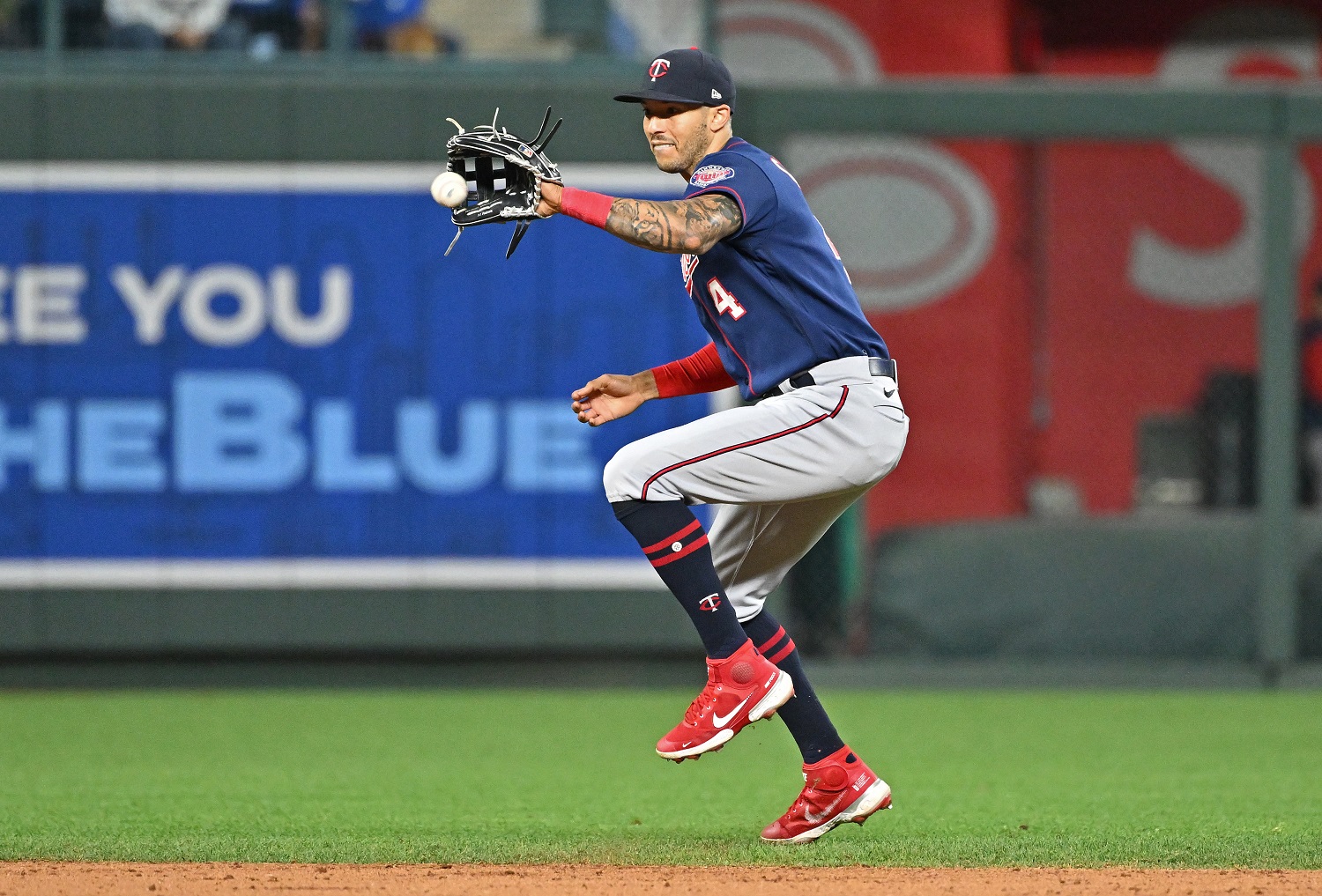 This offseason Derek Falvey and Thad Levine are faced with a decision as to how much money they will offer Carlos Correa to remain in a Twins uniform. It probably won’t be the most money he gets offered, and it’s ultimately unlikely that he returns to Minnesota. Even if he does though, he’d join Jorge Polanco and Pedro Florimon as the only shortstops to start consecutive Opening Day games since Cristian Guzman in 2004. Looking back at the list for Minnesota, it’s been a revolving door at one of baseball’s most important positions. Prior to Correa, it was Andrelton Simmons, Polanco, Eduardo Escobar, Danny Santana, Florimon, Jamey Carroll, Alexi Casilla, J.J. Hardy, Nick Punto, Adam Everett, Jason Bartlett, and Juan Castro. It’s a group that features zero superstars, and even fewer regular talents. Over the past two decades, Terry Ryan, Bill Smith, and Derek Falvey have all but punted on continuity for one of the most important positions on the diamond. Signing Correa to a long-term deal is the only way to snuff this scenario out. The Twins are faced with an interesting situation this offseason. Correa’s $35.1 million deal for 2022 was always looked at like a one-year agreement. Despite being a three-year contract, the player options following each of the first two years allowed the former Houston Astros superstar an opportunity to get paid. Yes, the Twins could’ve done that during the season, or immediately after, but his best bet was always to consult the open market. Yes, Royce Lewis looked the part of an eventual superstar, but we’re dealing with a very small sample size. Austin Martin doesn’t appear to be a long-term answer at shortstop, and while Brooks Lee might be, he certainly isn’t ready to take over the position on Opening Day in 2023. Again, we revert back to Correa as the lone answer for continuity going forward. As good teams go, so do their superstars. The Twins are again in a position to figure out where they turn. Another star starting pitching option is probably necessary, and if Correa isn’t the answer at shortstop, then someone else has to be. They shored up the centerfield position with Byron Buxton, even if he’s only available for a portion of the season. For the Minnesota fan, you have to be hoping an emergence of the next Guzman happens sooner rather than later. To be fair, Guzman was not a good player. He posted an 80 OPS+, well below league average offensively. He held down the position until someone else was available, however, and was a mainstay during a period in which baseball was evaluated differently. Now knowing how integral the up-the-middle positions are, it’s time for Falvey and Levine to get the spot right. If they aren’t going to pay Correa, there better be a rock-solid belief in one of the internal option's ability to be a multi-year starter into the foreseeable future.
- 23 comments
-
- 3
-

-
- carlos correa
- cristian guzman
- (and 3 more)
-
Going into the 2023 Major League Baseball season the Minnesota Twins need to find an answer at shortstop. With a departing superstar and a questionable prospect, plenty of options will be at their disposal. How likely are they to rely on a former Rangers, A's and White Sox slugger? Image courtesy of Matt Marton-USA TODAY Sports There were rumors and reports prior to the 2022 MLB season that Derek Falvey and Thad Levine may entertain Billy Beane’s Oakland Athletics in hopes of dealing for Frankie Montas. The popular “Where’s Frankie” monkey reared its head all over Twitter. One avenue toward making that happen seemed to be acquiring Elvis Andrus’s $14.25 million deal. As you all know, it never happened. Eventually, the Athletics released Andrus after the 33-year-old posted a .673 OPS across 106 games. That equated to just a 96 OPS+ in a year in which Major League Baseball saw offense down as a whole, but the terrible Athletics had no use for an aging veteran posting numbers below the league average. When Tim Anderson was injured, the Chicago White Sox signed Andrus and made him their starting shortstop. In 43 games, Andrus posted a .271/.309/.464 slash line with 17 extra-base hits including nine home runs. He’s a free agent coming off an eight-year, $120 million deal signed by the Texas Rangers, and now there’s the question as to whether he can (or should) be a stopgap option with any remaining upside for a team like the Twins. Although the Twins' best bet for production is a new contract with Carlos Correa, they’ll likely explore all options. Andrus could be an answer until Royce Lewis returns midseason, and he won’t block the likes of Austin Martin or Brooks Lee. In his time with the White Sox, Andrus was largely the same player. His 30/9 K/BB was still far too out of whack when it comes to getting on base, and the .464 slugging was hardly an overwhelming tradeoff. Despite being a 14-year veteran, Andrus has never hit more than 20 homers in a season, and his 17 this year seems relatively uncharacteristic. After launching just eight homers in more than 100 games with the Athletics, Andrus somehow blasted another nine dingers with Chicago in just 43 contests. To categorize Andrus’ season as positive offensively, you have to look at his numbers with the White Sox in a vacuum. They aren’t in line with his career norms from a power perspective, and you’d be kidding yourself to suggest a 34-year-old is now entering his prime having reinvented himself. The last time Andrus posted a positive Defensive Runs Saved (DRS) was 2018, but his Outs Above Average (OAA) do equate to him being above average. Realistically, the offensive production shouldn’t be expected to continue, and while he can be average or slightly above defensively, that’s where the payday needs to derive from. When it comes to aging veteran stopgap options for the Twins, Andrus will be among them. They simply can’t get drawn into what he should ask for from his time with the White Sox, and must instead pay for what remains likely based on the workload as a whole. View full article
-
Is Elvis Andrus Really a Shortstop Candidate for the Twins?
Ted Schwerzler posted an article in Twins
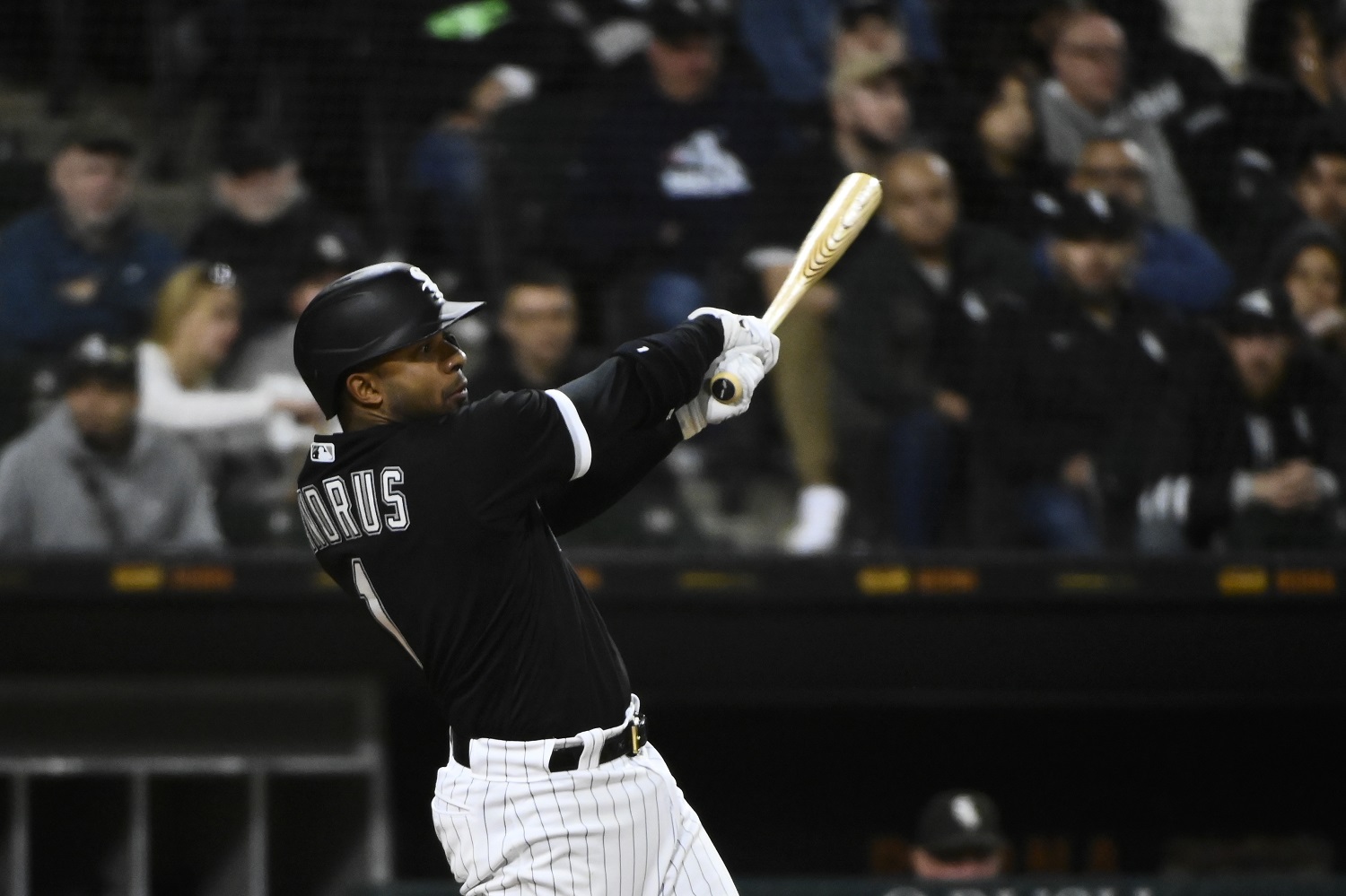 There were rumors and reports prior to the 2022 MLB season that Derek Falvey and Thad Levine may entertain Billy Beane’s Oakland Athletics in hopes of dealing for Frankie Montas. The popular “Where’s Frankie” monkey reared its head all over Twitter. One avenue toward making that happen seemed to be acquiring Elvis Andrus’s $14.25 million deal. As you all know, it never happened. Eventually, the Athletics released Andrus after the 33-year-old posted a .673 OPS across 106 games. That equated to just a 96 OPS+ in a year in which Major League Baseball saw offense down as a whole, but the terrible Athletics had no use for an aging veteran posting numbers below the league average. When Tim Anderson was injured, the Chicago White Sox signed Andrus and made him their starting shortstop. In 43 games, Andrus posted a .271/.309/.464 slash line with 17 extra-base hits including nine home runs. He’s a free agent coming off an eight-year, $120 million deal signed by the Texas Rangers, and now there’s the question as to whether he can (or should) be a stopgap option with any remaining upside for a team like the Twins. Although the Twins' best bet for production is a new contract with Carlos Correa, they’ll likely explore all options. Andrus could be an answer until Royce Lewis returns midseason, and he won’t block the likes of Austin Martin or Brooks Lee. In his time with the White Sox, Andrus was largely the same player. His 30/9 K/BB was still far too out of whack when it comes to getting on base, and the .464 slugging was hardly an overwhelming tradeoff. Despite being a 14-year veteran, Andrus has never hit more than 20 homers in a season, and his 17 this year seems relatively uncharacteristic. After launching just eight homers in more than 100 games with the Athletics, Andrus somehow blasted another nine dingers with Chicago in just 43 contests. To categorize Andrus’ season as positive offensively, you have to look at his numbers with the White Sox in a vacuum. They aren’t in line with his career norms from a power perspective, and you’d be kidding yourself to suggest a 34-year-old is now entering his prime having reinvented himself. The last time Andrus posted a positive Defensive Runs Saved (DRS) was 2018, but his Outs Above Average (OAA) do equate to him being above average. Realistically, the offensive production shouldn’t be expected to continue, and while he can be average or slightly above defensively, that’s where the payday needs to derive from. When it comes to aging veteran stopgap options for the Twins, Andrus will be among them. They simply can’t get drawn into what he should ask for from his time with the White Sox, and must instead pay for what remains likely based on the workload as a whole.
- 14 comments
-
- 1
-
-
- elvis andrus
- royce lewis
- (and 3 more)
-
The Minnesota Twins enter the offseason prior to 2023 with a massive question mark at shortstop. Carlos Correa is going to opt out of his three-year deal, as was the expectation from the moment he signed it. Why would the club pay big for anyone but him? Image courtesy of Jeffrey Becker-USA TODAY Sports Last offseason, as spring training was already underway, Derek Falvey and Thad Levine found themselves with an opportunity to land superstar Carlos Correa. With the New York Yankees willing to take on Josh Donaldson’s albatross of a contract, the Twins had a hole and money to spend. No longer was this club going to start Isiah Kiner-Falefa at shortstop, and Correa remained on the market. Overlord, err agent Scott Boras, was angling for his client to land the highest average annual value for a Major League infielder. Guaranteeing Correa $100,000 more than Los Angeles Angels third basemen Anthony Rendon, Minnesota accomplished that. The contract was a three-year pact for $105.3 million, but each of the additional years were simply player options. Correa gave himself an opportunity to get paid should he not perform, but his goal has always remained the same, a long-term, big-dollar deal. Prior to the 2021 season, former Cleveland Guardians shortstop Francisco Lindor inked a 10-year, $341 million extension with the New York Mets. Yes, Steve Cohen is a filthy rich owner, but there’s little argument that the shortstop wasn’t worth it. Correa checks in at roughly the same age, and while his health has been a bit more questionable, he’s been the same or better on the field. Looking for his payday this winter, that’s probably the number he’ll target to get above. If you need another comparable when considering Correa, the Texas Rangers also entered the land of crazy spending when they inked former Los Angeles Dodgers shortstop Corey Seager to a ten-year, $325 million deal this winter. That was consummate alongside Marcus Semien’s seven-year, $175 million pact they agree to following a third-place finish in the American League MVP voting. What it boils down to, is that Carlos Correa is going to get paid. Where does this leave the Twins? Probably in no man’s land. I’ve been told from sources that Minnesota will make an offer somewhere in the upper-$200 millions. Whatever that means remains up for discussion, but it’s a far cry from where both Seager and Semien ended up last season. It’s also well below what Lindor got from the Mets. This offseason, both Trea Turner and Dansby Swanson will be available on the open market alongside Correa. I’m not sure you can make an argument that the latter is better than the Twins shortstop, and the former has his warts too. Regardless, Minnesota would seem silly to pay another top shortstop a similar amount of money when one they already know is available. If Falvey and Levine want to create long-term continuity at one of the most impactful positions on the diamond, why would they not stick with the guy they already know? Correa’s 4.4 fWAR was the third highest of his career, and that was achieved despite acclimating to a new club and missing time following a hit by pitch. Of course, Correa has said all of the right things on his own. He loves Minnesota, and his wife does as well. He’s suggested he would be open to staying here, but that decision gets substantially more clouded should the returning employer come up with something like $70 million short of other suitors. At the end of the day it’s as simple as this; how difficult do the Twins want to make the decision? If the offer isn’t competitive, they only have themselves to blame. Either you’re entirely betting on Royce Lewis, Austin Martin, Brooks Lee, and your own youth, or you want to lock up a needed position for the next decade and do what’s necessary to make that happen. View full article
-
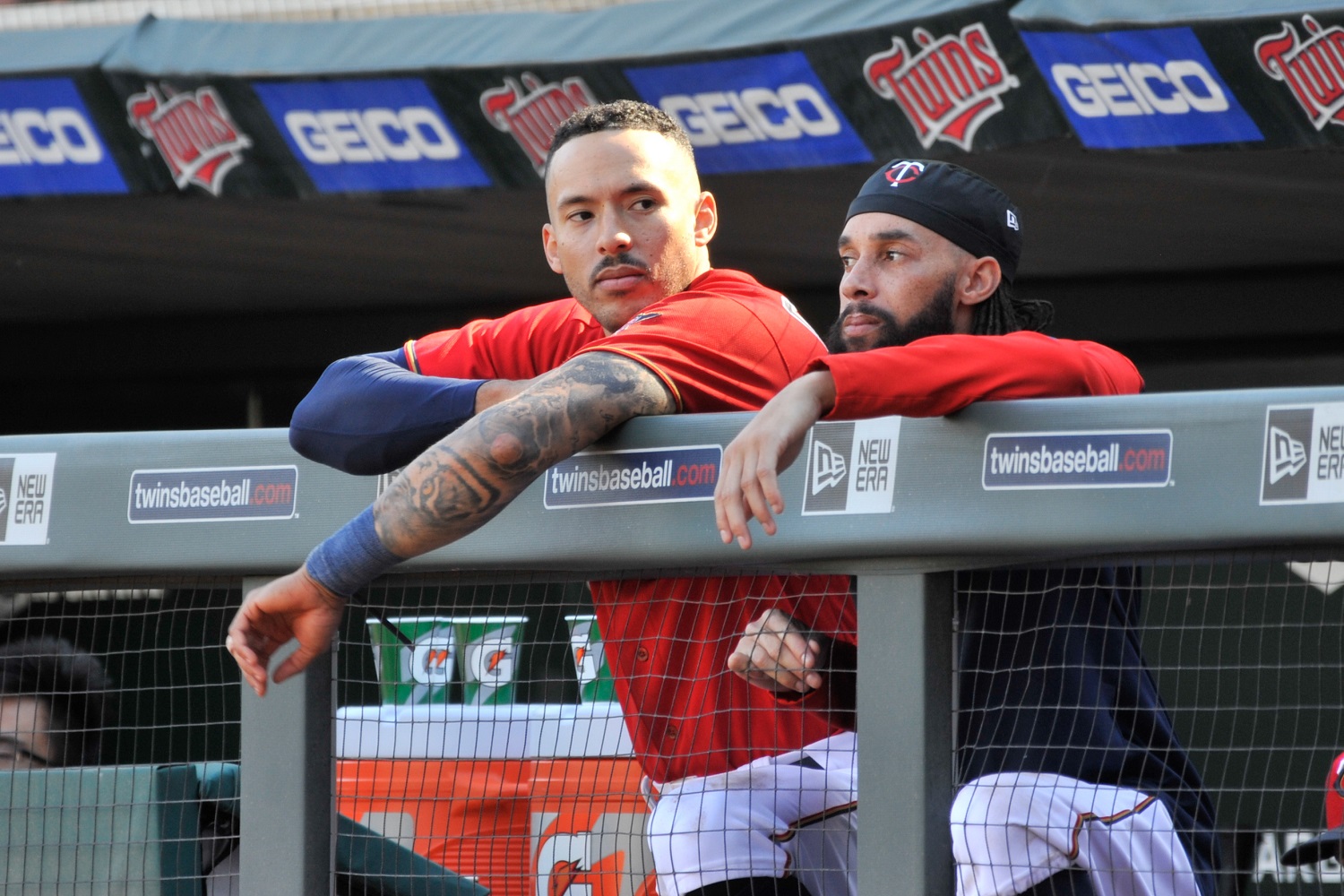 Last offseason, as spring training was already underway, Derek Falvey and Thad Levine found themselves with an opportunity to land superstar Carlos Correa. With the New York Yankees willing to take on Josh Donaldson’s albatross of a contract, the Twins had a hole and money to spend. No longer was this club going to start Isiah Kiner-Falefa at shortstop, and Correa remained on the market. Overlord, err agent Scott Boras, was angling for his client to land the highest average annual value for a Major League infielder. Guaranteeing Correa $100,000 more than Los Angeles Angels third basemen Anthony Rendon, Minnesota accomplished that. The contract was a three-year pact for $105.3 million, but each of the additional years were simply player options. Correa gave himself an opportunity to get paid should he not perform, but his goal has always remained the same, a long-term, big-dollar deal. Prior to the 2021 season, former Cleveland Guardians shortstop Francisco Lindor inked a 10-year, $341 million extension with the New York Mets. Yes, Steve Cohen is a filthy rich owner, but there’s little argument that the shortstop wasn’t worth it. Correa checks in at roughly the same age, and while his health has been a bit more questionable, he’s been the same or better on the field. Looking for his payday this winter, that’s probably the number he’ll target to get above. If you need another comparable when considering Correa, the Texas Rangers also entered the land of crazy spending when they inked former Los Angeles Dodgers shortstop Corey Seager to a ten-year, $325 million deal this winter. That was consummate alongside Marcus Semien’s seven-year, $175 million pact they agree to following a third-place finish in the American League MVP voting. What it boils down to, is that Carlos Correa is going to get paid. Where does this leave the Twins? Probably in no man’s land. I’ve been told from sources that Minnesota will make an offer somewhere in the upper-$200 millions. Whatever that means remains up for discussion, but it’s a far cry from where both Seager and Semien ended up last season. It’s also well below what Lindor got from the Mets. This offseason, both Trea Turner and Dansby Swanson will be available on the open market alongside Correa. I’m not sure you can make an argument that the latter is better than the Twins shortstop, and the former has his warts too. Regardless, Minnesota would seem silly to pay another top shortstop a similar amount of money when one they already know is available. If Falvey and Levine want to create long-term continuity at one of the most impactful positions on the diamond, why would they not stick with the guy they already know? Correa’s 4.4 fWAR was the third highest of his career, and that was achieved despite acclimating to a new club and missing time following a hit by pitch. Of course, Correa has said all of the right things on his own. He loves Minnesota, and his wife does as well. He’s suggested he would be open to staying here, but that decision gets substantially more clouded should the returning employer come up with something like $70 million short of other suitors. At the end of the day it’s as simple as this; how difficult do the Twins want to make the decision? If the offer isn’t competitive, they only have themselves to blame. Either you’re entirely betting on Royce Lewis, Austin Martin, Brooks Lee, and your own youth, or you want to lock up a needed position for the next decade and do what’s necessary to make that happen.
- 86 comments
-
- 3
-
-
- carlos correa
- trea turner
- (and 3 more)
-
The Minnesota Twins outrighted lefty Devin Smeltzer off the 40-man roster this week, and rather than take another trip across town to St. Paul, he opted for an opportunity to utilize his skills at the big league level for an organization willing to keep him. In doing so, the Twins chapter with Brian Dozier is closed. Image courtesy of Bruce Kluckhohn-USA TODAY Sports Brian Dozier hasn’t played professional baseball since the 2020-pandemic-stricken-season. He last played for the Minnesota Twins during 2018. There was talk of him being traded to the Los Angeles Dodgers earlier for Jose De Leon, and even while Minnesota asked for the like of Cody Bellinger or Walker Buehler, those discussions never moved far. Ultimately, Minnesota netted a return of Logan Forsythe, Luke Raley, and Devin Smeltzer following an agreement set by Derek Falvey and Thad Levine. Fast forward to where we are now, and things have come full circle for both organizations. Dozier wound up playing in just 47 games for the Dodgers. Down the stretch in 2018, he posted a .650 OPS and was never able to regain his 134 OPS+ form from the 42-homer season in 2016. Raley was ultimately sent back to the Dodgers when Minnesota acquired Kenta Maeda by including Brusdar Graterol. Forsythe was never meant to be more than a stopgap, and Smeltzer was the only player remaining. Set to become a free agent following the World Series this season, Smeltzer got a jumpstart on his alternatives by denying his outright to St. Paul. Coming off a career-high 70 1/3 innings for Minnesota, Smeltzer posted a career-best 3.71 ERA. He made 15 appearances, including 12 stars, and while the 5.23 FIP suggests some smoke and mirrors, his results ultimately didn’t reflect the path set out for him. Over the course of his Twins career, there has been a handful of realities. As a southpaw, Smeltzer is not a high-velocity arm, and he doesn’t pile up strikeouts, but he’s a guy that’s shown an ability to create a slow bleed and benefit as his outings go on. Homers have certainly been a bugaboo for him at times, but the former Los Angeles prospect has also done a great job in limiting free passes. The H/9 totals have jumped in recent seasons, and the strikeout numbers have tumbled, but he’s worked around traffic to generate solid outings. Ultimately, it looked as though Smeltzer could be an ideal long reliever for a big-league club. It’s odd that Minnesota didn’t opt for that path more frequently this season with a bullpen so obviously needing someone in that role. Having been shuttled back and forth with no real opportunity to settle in at either place, Smeltzer likely finds the lack of direction for his future with the Twins, and therefore will look to greener pastures. You’d be hard-pressed to argue against Smeltzer being a big-league arm, and at just 27 years old, he has the runway to become an arm that got away. No matter where he winds up, his focus will likely be in contributing at the Major League level regardless of his outlined role. The Twins will turn to the rest of their internal depth when looking to eat innings, and we’ll see what’s next for the final piece of the Dozier trade. View full article
- 15 replies
-
- 1
-
-
- devin smeltzer
- brian dozier
- (and 3 more)
-
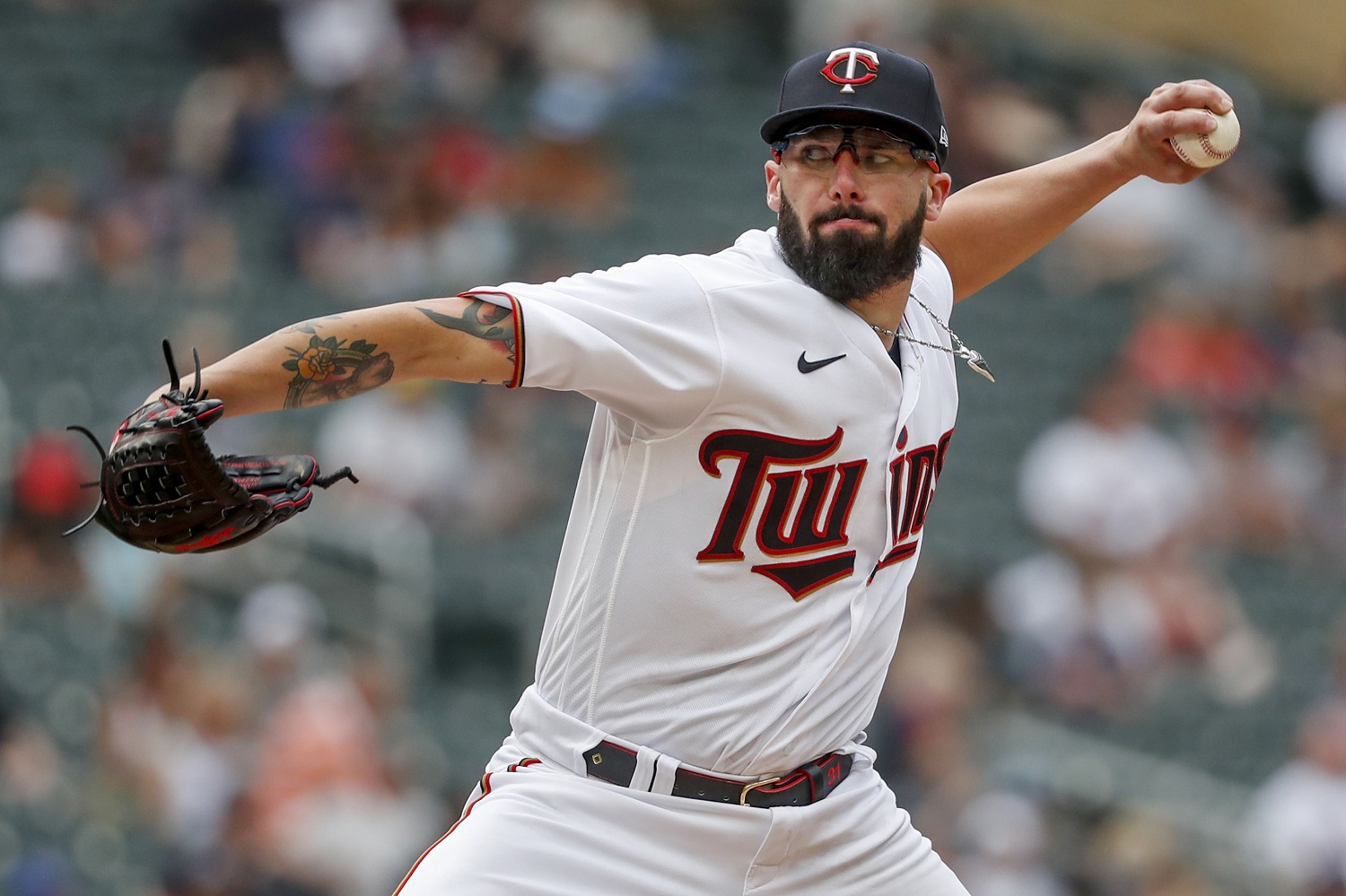 Brian Dozier hasn’t played professional baseball since the 2020-pandemic-stricken-season. He last played for the Minnesota Twins during 2018. There was talk of him being traded to the Los Angeles Dodgers earlier for Jose De Leon, and even while Minnesota asked for the like of Cody Bellinger or Walker Buehler, those discussions never moved far. Ultimately, Minnesota netted a return of Logan Forsythe, Luke Raley, and Devin Smeltzer following an agreement set by Derek Falvey and Thad Levine. Fast forward to where we are now, and things have come full circle for both organizations. Dozier wound up playing in just 47 games for the Dodgers. Down the stretch in 2018, he posted a .650 OPS and was never able to regain his 134 OPS+ form from the 42-homer season in 2016. Raley was ultimately sent back to the Dodgers when Minnesota acquired Kenta Maeda by including Brusdar Graterol. Forsythe was never meant to be more than a stopgap, and Smeltzer was the only player remaining. Set to become a free agent following the World Series this season, Smeltzer got a jumpstart on his alternatives by denying his outright to St. Paul. Coming off a career-high 70 1/3 innings for Minnesota, Smeltzer posted a career-best 3.71 ERA. He made 15 appearances, including 12 stars, and while the 5.23 FIP suggests some smoke and mirrors, his results ultimately didn’t reflect the path set out for him. Over the course of his Twins career, there has been a handful of realities. As a southpaw, Smeltzer is not a high-velocity arm, and he doesn’t pile up strikeouts, but he’s a guy that’s shown an ability to create a slow bleed and benefit as his outings go on. Homers have certainly been a bugaboo for him at times, but the former Los Angeles prospect has also done a great job in limiting free passes. The H/9 totals have jumped in recent seasons, and the strikeout numbers have tumbled, but he’s worked around traffic to generate solid outings. Ultimately, it looked as though Smeltzer could be an ideal long reliever for a big-league club. It’s odd that Minnesota didn’t opt for that path more frequently this season with a bullpen so obviously needing someone in that role. Having been shuttled back and forth with no real opportunity to settle in at either place, Smeltzer likely finds the lack of direction for his future with the Twins, and therefore will look to greener pastures. You’d be hard-pressed to argue against Smeltzer being a big-league arm, and at just 27 years old, he has the runway to become an arm that got away. No matter where he winds up, his focus will likely be in contributing at the Major League level regardless of his outlined role. The Twins will turn to the rest of their internal depth when looking to eat innings, and we’ll see what’s next for the final piece of the Dozier trade.
- 15 comments
-
- 1
-
-
- devin smeltzer
- brian dozier
- (and 3 more)
-
The Minnesota Twins had a less-than-ideal catching situation at times throughout the 2022 season. As they turn the page to 2023, it’s become clear that the front office views Ryan Jeffers as the guy they’re all-in behind. Image courtesy of Rick Osentoski-USA TODAY Sports Prior to 2022, Derek Falvey and Thad Levine made a somewhat surprising move in dealing Mitch Garver to the Texas Rangers. Garver has had injuries throughout his career but was a Silver Slugger-winning backstop, and among the best offensive producers in the game when healthy. That left Ryan Jeffers and Ben Rortvedt as the only catchers on the 40-man roster. Not long after, Minnesota pivoted again when they sent Josh Donaldson and Rortvedt to the New York Yankees for Gio Urshela and Gary Sanchez. The hope was that Sanchez would benefit from a change of scenery. He’s never been a good defensive player, but the Twins have done a great job coaching catchers, although Tanner Swanson was a leader in that department and is now with the Yankees. Sanchez had once flashed a big bat, however, and there was hope that it would return. Fast forward to where we are now, and Jeffers is the lone catcher on Minnesota’s 40-man roster. Sanchez will be a free agent after the World Series, as will Sandy Leon. Sanchez posted a career-worst season and shouldn’t be entertained as an option. Leon found himself injured down the stretch and wound up on the 60-day injured list. With Caleb Hamilton being designated for assignment and subsequently claimed by the Boston Red Sox, no immediate backup presents itself. Ultimately, the starting option is the way Falvey and Levine would have it. Jeffers was seen as a reach in the Major League Baseball draft, with some analysts not knowing if he could ever stick behind the plate. Since, he’s become a solid to above-average defender and the carrying tool has always been his bat. The .648 OPS in 2022 is not good by any means, but the .756 OPS across 24 games prior to his injury suggested the bat was heating up. Catcher is not traditionally a position of great offensive production across the Major Leagues. Only 10 teams generated more than 2.7 fWAR in 2022 from their backstops. Even with as bad or rotating as Minnesota’s situation was, the 1.8 fWAR from the catching position ranked 13th in the sport. It’s really a situation of a few haves, and a ton of have-nots. The have-nots come in varying degrees of success, however, and the Twins would like to remain in the middle of the pack, if not move up that list. With Jeffers, Rocco Baldelli has upside offensively while getting a strong defensive option. Behind him in 2023, it’s almost a guarantee that Minnesota will need another Leon type. There isn’t a single prospect in the Twins' Top 30 that calls behind the plate home, and the best-case player with upside is Jair Camargo, who experienced a breakout year at Single and Double-A as a 22-year-old. However, Camargo can be a free agent following the World Series too. There’s more than a handful of capable veterans to spell Jeffers on the open market, and while Willson Contreras is the gold standard, it would seem odd for the Twins to spring for such an expense behind the plate. Ultimately, this is now the 25-year-old Jeffers' position to be in for 120-plus games per season, and the front office wants to cash in on their belief from the 2018 draft. View full article
-
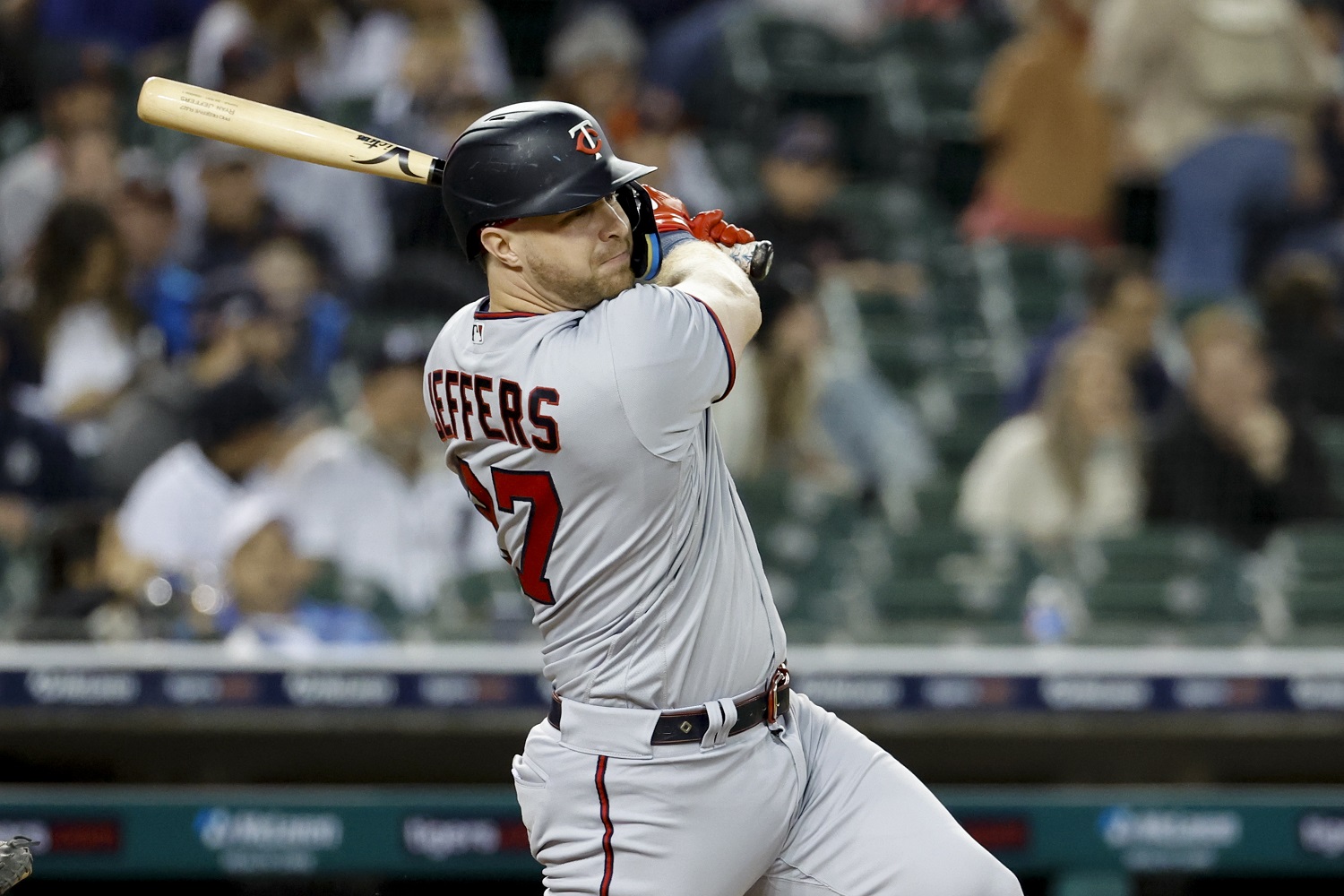 Prior to 2022, Derek Falvey and Thad Levine made a somewhat surprising move in dealing Mitch Garver to the Texas Rangers. Garver has had injuries throughout his career but was a Silver Slugger-winning backstop, and among the best offensive producers in the game when healthy. That left Ryan Jeffers and Ben Rortvedt as the only catchers on the 40-man roster. Not long after, Minnesota pivoted again when they sent Josh Donaldson and Rortvedt to the New York Yankees for Gio Urshela and Gary Sanchez. The hope was that Sanchez would benefit from a change of scenery. He’s never been a good defensive player, but the Twins have done a great job coaching catchers, although Tanner Swanson was a leader in that department and is now with the Yankees. Sanchez had once flashed a big bat, however, and there was hope that it would return. Fast forward to where we are now, and Jeffers is the lone catcher on Minnesota’s 40-man roster. Sanchez will be a free agent after the World Series, as will Sandy Leon. Sanchez posted a career-worst season and shouldn’t be entertained as an option. Leon found himself injured down the stretch and wound up on the 60-day injured list. With Caleb Hamilton being designated for assignment and subsequently claimed by the Boston Red Sox, no immediate backup presents itself. Ultimately, the starting option is the way Falvey and Levine would have it. Jeffers was seen as a reach in the Major League Baseball draft, with some analysts not knowing if he could ever stick behind the plate. Since, he’s become a solid to above-average defender and the carrying tool has always been his bat. The .648 OPS in 2022 is not good by any means, but the .756 OPS across 24 games prior to his injury suggested the bat was heating up. Catcher is not traditionally a position of great offensive production across the Major Leagues. Only 10 teams generated more than 2.7 fWAR in 2022 from their backstops. Even with as bad or rotating as Minnesota’s situation was, the 1.8 fWAR from the catching position ranked 13th in the sport. It’s really a situation of a few haves, and a ton of have-nots. The have-nots come in varying degrees of success, however, and the Twins would like to remain in the middle of the pack, if not move up that list. With Jeffers, Rocco Baldelli has upside offensively while getting a strong defensive option. Behind him in 2023, it’s almost a guarantee that Minnesota will need another Leon type. There isn’t a single prospect in the Twins' Top 30 that calls behind the plate home, and the best-case player with upside is Jair Camargo, who experienced a breakout year at Single and Double-A as a 22-year-old. However, Camargo can be a free agent following the World Series too. There’s more than a handful of capable veterans to spell Jeffers on the open market, and while Willson Contreras is the gold standard, it would seem odd for the Twins to spring for such an expense behind the plate. Ultimately, this is now the 25-year-old Jeffers' position to be in for 120-plus games per season, and the front office wants to cash in on their belief from the 2018 draft.
- 23 comments
-
- 1
-
-
- ryan jeffers
- mitch garver
- (and 3 more)
-
The Minnesota Twins were projected to be roughly a .500 team coming into the 2022 Major League Baseball season. Then a strong month of May had them looking like division winners. When the dust settled and had them at home for the postseason, plenty of changes became expected, but the front office decided not to make hardly any. Image courtesy of Jeffrey Becker-USA TODAY Sports Earlier this week the Twins announced that Derek Falvey and Thad Levine had opted to keep the entirety of their coaching staff intact. Head trainer Michael Salazar was relieved of his duties, but Rocco Baldelli, Tommy Watkins, Jayce Tingler, Pete Maki, David Popkins, and the rest of the field staff were set to return. Maybe that’s shocking, but then again, maybe it shouldn’t be. Talking with a source in the Twins front office, there was a conversation less than two weeks ago that Minnesota had decided to move on from at least two individuals that have since been retained. That shift may have even surprised some within the organization, but if the front office has shown anything since their hiring, maybe we should have seen it coming. Falvey and Levine have always operated to the beat of their own drum, and they’ve been extremely process oriented. For the sake of organizational change, this line of thinking seems imperative. The tandem was handed Paul Molitor as their manager following the firing of Terry Ryan, and despite a Manager of the Year award that kept him around a bit longer, it never seemed like the sides' intentions were married. Minnesota’s front office has relied heavily on forward-thinking and process being able to drive results. The nature of that reality means having a coaching staff that can disseminate ideas and generates buy-in from players on the field. Former Twins reliever Ryan Pressly noted something along these lines when he touched on how the Houston Astros helped him to turn a corner. It’s in that reasoning that someone like pitching coach Pete Maki would be retained. The front office continues to invest heavily in pitching development. Encouraging signs from expected talents such as Josh Winder and Simeon Woods Richardson are necessary, but it’s the breakthroughs from the likes of Louie Varland, Bailey Ober, David Festa, and many others that should have fans believing that the system works. Wes Johnson was supposed to orchestrate it at the highest level but left for a payday too good to pass up from Louisiana State University. Maki was someone the Twins plucked from the college ranks as well, and although he may have been thrust into a situation sooner than anticipated, he’s been able to connect with his subjects. Maybe Minnesota could’ve made Popkins the fall guy for a terrible amount of run production with runners in scoring position, and maybe Watkins should’ve been held a bit more accountable on some egregious sends. Still, both have a substantial history in the game and have been able to generate production with this team. On the bench, Tingler brings previous managerial experience and has a wealth of knowledge to impart to a clubhouse he can certainly resonate with. As a whole, there’s more benefit for Falvey and Levine sticking with their guys than not. Salazar was in charge for two previous seasons of relative health, and although 2022 was disastrous, it’s hardly fair to suggest some level of substantial onus being on his plate. At the end of the day, this has always been publicly made about injuries, and therefore that’s the path of least resistance. Moving forward, Falvey and Levine must show they got it right. That starts with a reversal of production in 2023. The coaching staff can only do what the on-field talent gives them. Minnesota’s front office will again need to supplement a core that should compete, but advancing themselves along the edges is the goal of this team, and if there was a belief in those at the helm entering the season, it seems that remains for 2023 as well. View full article
-
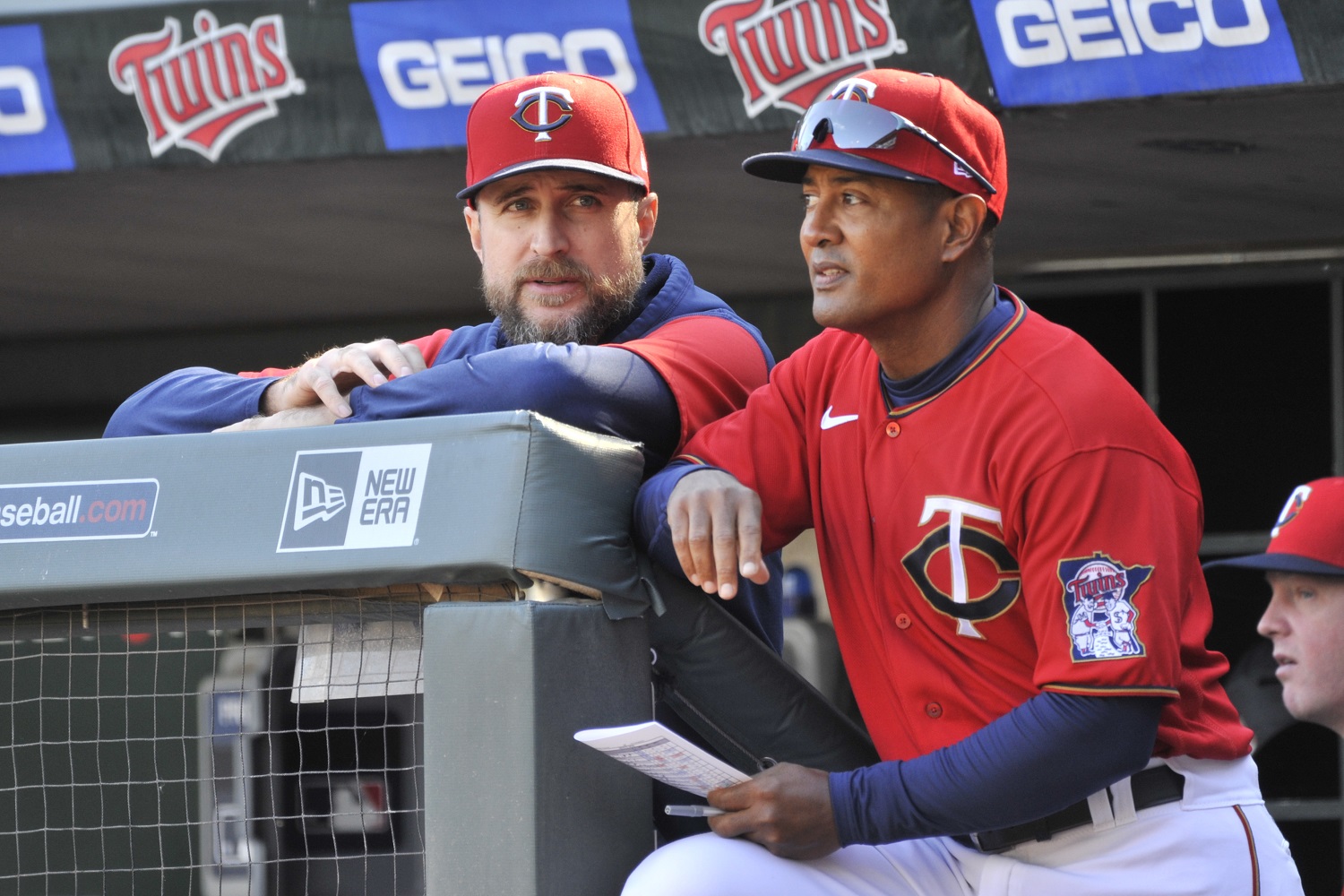 Earlier this week the Twins announced that Derek Falvey and Thad Levine had opted to keep the entirety of their coaching staff intact. Head trainer Michael Salazar was relieved of his duties, but Rocco Baldelli, Tommy Watkins, Jayce Tingler, Pete Maki, David Popkins, and the rest of the field staff were set to return. Maybe that’s shocking, but then again, maybe it shouldn’t be. Talking with a source in the Twins front office, there was a conversation less than two weeks ago that Minnesota had decided to move on from at least two individuals that have since been retained. That shift may have even surprised some within the organization, but if the front office has shown anything since their hiring, maybe we should have seen it coming. Falvey and Levine have always operated to the beat of their own drum, and they’ve been extremely process oriented. For the sake of organizational change, this line of thinking seems imperative. The tandem was handed Paul Molitor as their manager following the firing of Terry Ryan, and despite a Manager of the Year award that kept him around a bit longer, it never seemed like the sides' intentions were married. Minnesota’s front office has relied heavily on forward-thinking and process being able to drive results. The nature of that reality means having a coaching staff that can disseminate ideas and generates buy-in from players on the field. Former Twins reliever Ryan Pressly noted something along these lines when he touched on how the Houston Astros helped him to turn a corner. It’s in that reasoning that someone like pitching coach Pete Maki would be retained. The front office continues to invest heavily in pitching development. Encouraging signs from expected talents such as Josh Winder and Simeon Woods Richardson are necessary, but it’s the breakthroughs from the likes of Louie Varland, Bailey Ober, David Festa, and many others that should have fans believing that the system works. Wes Johnson was supposed to orchestrate it at the highest level but left for a payday too good to pass up from Louisiana State University. Maki was someone the Twins plucked from the college ranks as well, and although he may have been thrust into a situation sooner than anticipated, he’s been able to connect with his subjects. Maybe Minnesota could’ve made Popkins the fall guy for a terrible amount of run production with runners in scoring position, and maybe Watkins should’ve been held a bit more accountable on some egregious sends. Still, both have a substantial history in the game and have been able to generate production with this team. On the bench, Tingler brings previous managerial experience and has a wealth of knowledge to impart to a clubhouse he can certainly resonate with. As a whole, there’s more benefit for Falvey and Levine sticking with their guys than not. Salazar was in charge for two previous seasons of relative health, and although 2022 was disastrous, it’s hardly fair to suggest some level of substantial onus being on his plate. At the end of the day, this has always been publicly made about injuries, and therefore that’s the path of least resistance. Moving forward, Falvey and Levine must show they got it right. That starts with a reversal of production in 2023. The coaching staff can only do what the on-field talent gives them. Minnesota’s front office will again need to supplement a core that should compete, but advancing themselves along the edges is the goal of this team, and if there was a belief in those at the helm entering the season, it seems that remains for 2023 as well.
- 49 comments
-
- 1
-
-
- derek falvey
- thad levine
- (and 3 more)
-
Going into this offseason, the Minnesota Twins are going to face a serious decision at the shortstop position. Carlos Correa can, and will, opt out of his contract following the World Series. It is then on the organization to decide their next move, and they’ve provided some context as to what we should expect from there. Image courtesy of Brett Davis-USA TODAY Sports Derek Falvey and Thad Levine made arguably the biggest splash of their tenure leading the Twins when they inked Carlos Correa to a deal last offseason. Ultimately, after pawning Josh Donaldson off on the New York Yankees, Correa fell in their laps. Minnesota had substantial money to spend, and a need that he could fill. This offseason, that same reality remains true, but Correa should have suitors willing to pay him Francisco Lindor money. It’s probably unlikely that the Twins are one of them. So, where does that leave a team waiting on Royce Lewis’ eventual return? It’s a big gamble to believe Lewis, coming off a second ACL surgery, will be the same player. However, his debut provided enough excitement to suggest he can hold down the position. Isiah Kiner-Falefa was who this front office targeted initially, before Correa, and that would have been a defense-only option that ultimately filled the void. Now facing a similar scenario, the front office will need to navigate a path forward. Despite the position being arguably one of the most important on the diamond, there are not a ton of options this winter. That is unless you want to play in the deep end of the pool. Trea Turner, Dansby Swanson, and Correa are going to be the top tier, but from there it’s quite a drop-off. Minnesota would seem an unlikely landing spot for Chicago White Sox Tim Anderson. He’s not a good defender, and a long-term deal there doesn’t make much sense. They could opt for an Ehire Adrianza reunion, but Jermaine Palacios would probably have been a better option before he was DFA’d and claimed by the Tigers. Both Elvis Andrus and Aledmys Diaz check the veteran box with some offensive upside, but it’s hard to envision either being an ideal fit for the Twins. Andrus provided production in just a limited sample, and Diaz hasn’t held down a single position in years. With external options waning and one name still yet to be discussed, things keep coming back to Jose Iglesias. The well-traveled veteran is coming off a one-year deal with the Colorado Rockies. He’s never been more than a league-average hitter, outside of the 2020 outlier with the Baltimore Orioles, but he does hit for a solid average. Defensively Iglesias has rated poorly from a Defensive Runs Saved standpoint, but has been roughly even when it comes to outs above average. As a whole, he’s the ideal type of player to operate in a stopgap role. There should be little reason Minnesota would need to pay handsomely for Iglesias. He made just $5 million last season in Colorado, and likely could be had for a similar amount in his age-33 season. Iglesias has been a reliably healthy option for years now, and could certainly hold down the fort until Lewis is ready to make his return. There’s no reason to suggest that Iglesias would be a big move for Minnesota, and if anything, it’d likely be received somewhat poorly. Coming off Correa though, the only way to lessen the blow is by re-upping on a new deal or swinging big on one of the other top two options. Going the stopgap route at shortstop could allow the Twins more funds to hand out elsewhere, however. Ultimately, there are not a ton of options on the free agent market. It doesn’t make much sense for Minnesota to swing a trade for a shortstop, and if they aren’t paying Correa, it’s odd to think they’d spend on someone else. Iglesias is where I’d put the highest odds at this point, especially considering the lack of internal options. ----------------------------------------------------------------------------- See where Jose Iglesias ranks among free-agent shortstops according to Cody's article from yesterday. View full article
-
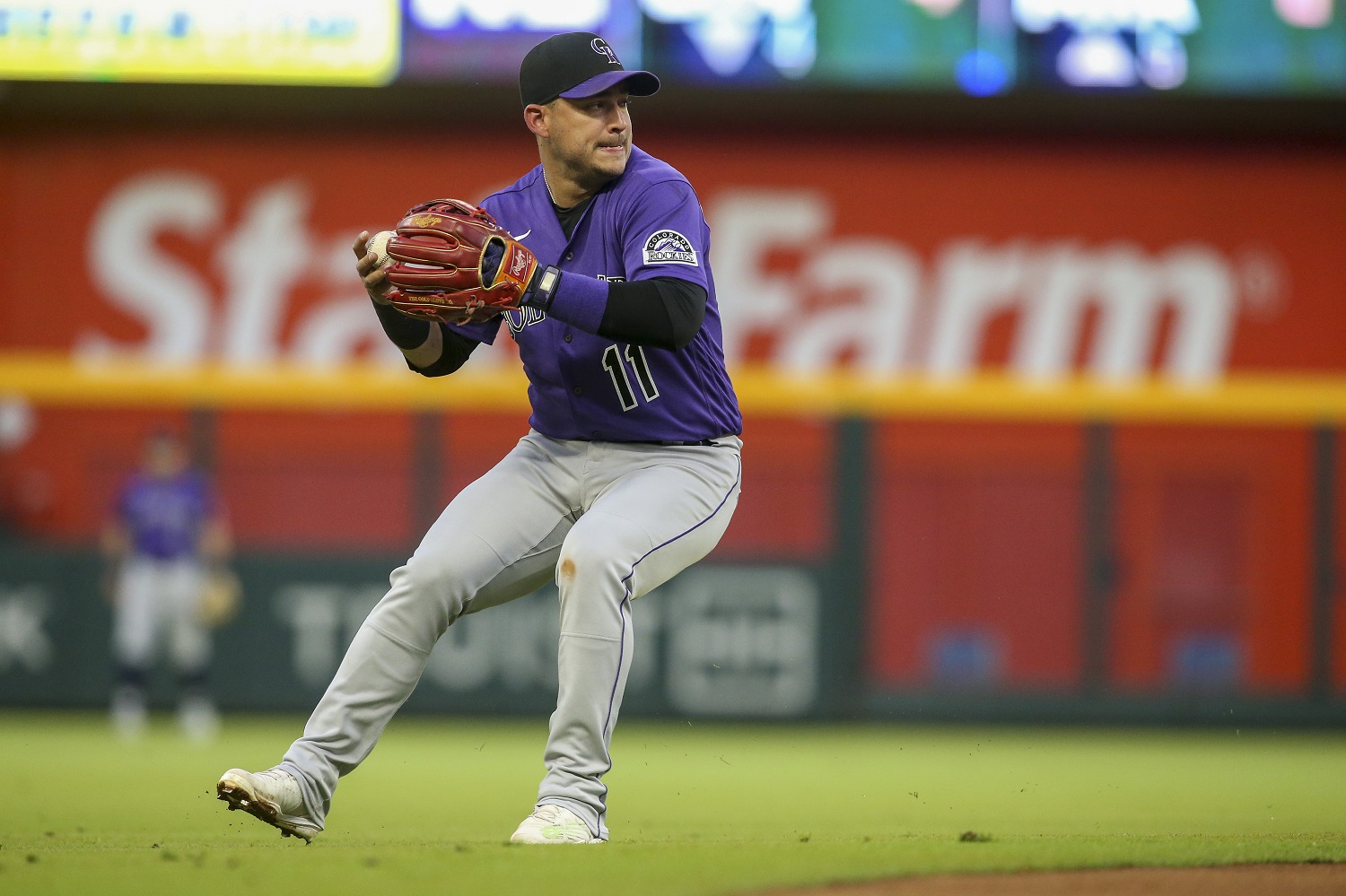 Derek Falvey and Thad Levine made arguably the biggest splash of their tenure leading the Twins when they inked Carlos Correa to a deal last offseason. Ultimately, after pawning Josh Donaldson off on the New York Yankees, Correa fell in their laps. Minnesota had substantial money to spend, and a need that he could fill. This offseason, that same reality remains true, but Correa should have suitors willing to pay him Francisco Lindor money. It’s probably unlikely that the Twins are one of them. So, where does that leave a team waiting on Royce Lewis’ eventual return? It’s a big gamble to believe Lewis, coming off a second ACL surgery, will be the same player. However, his debut provided enough excitement to suggest he can hold down the position. Isiah Kiner-Falefa was who this front office targeted initially, before Correa, and that would have been a defense-only option that ultimately filled the void. Now facing a similar scenario, the front office will need to navigate a path forward. Despite the position being arguably one of the most important on the diamond, there are not a ton of options this winter. That is unless you want to play in the deep end of the pool. Trea Turner, Dansby Swanson, and Correa are going to be the top tier, but from there it’s quite a drop-off. Minnesota would seem an unlikely landing spot for Chicago White Sox Tim Anderson. He’s not a good defender, and a long-term deal there doesn’t make much sense. They could opt for an Ehire Adrianza reunion, but Jermaine Palacios would probably have been a better option before he was DFA’d and claimed by the Tigers. Both Elvis Andrus and Aledmys Diaz check the veteran box with some offensive upside, but it’s hard to envision either being an ideal fit for the Twins. Andrus provided production in just a limited sample, and Diaz hasn’t held down a single position in years. With external options waning and one name still yet to be discussed, things keep coming back to Jose Iglesias. The well-traveled veteran is coming off a one-year deal with the Colorado Rockies. He’s never been more than a league-average hitter, outside of the 2020 outlier with the Baltimore Orioles, but he does hit for a solid average. Defensively Iglesias has rated poorly from a Defensive Runs Saved standpoint, but has been roughly even when it comes to outs above average. As a whole, he’s the ideal type of player to operate in a stopgap role. There should be little reason Minnesota would need to pay handsomely for Iglesias. He made just $5 million last season in Colorado, and likely could be had for a similar amount in his age-33 season. Iglesias has been a reliably healthy option for years now, and could certainly hold down the fort until Lewis is ready to make his return. There’s no reason to suggest that Iglesias would be a big move for Minnesota, and if anything, it’d likely be received somewhat poorly. Coming off Correa though, the only way to lessen the blow is by re-upping on a new deal or swinging big on one of the other top two options. Going the stopgap route at shortstop could allow the Twins more funds to hand out elsewhere, however. Ultimately, there are not a ton of options on the free agent market. It doesn’t make much sense for Minnesota to swing a trade for a shortstop, and if they aren’t paying Correa, it’s odd to think they’d spend on someone else. Iglesias is where I’d put the highest odds at this point, especially considering the lack of internal options. ----------------------------------------------------------------------------- See where Jose Iglesias ranks among free-agent shortstops according to Cody's article from yesterday.
- 42 comments
-
- 4
-
-
- jose iglesias
- carlos correa
- (and 2 more)
-
The Minnesota Twins were snakebit at times this season, and that led to a need for reinforcements to step in. Unfortunately much of the Opening Day roster remained in flux, but that allowed ample opportunity for prospects to make their mark. A special debut came from a Minnesota kid, and it’s now an opportune time to look back at what a special 2022 it was for Matt Wallner. Image courtesy of Nick Wosika-USA TODAY Sports Starting at Double-A Wichita this season, Matt Wallner came out focused on altering his approach at the plate. This is a prospect with a ton of power, but he had previously shown a need to improve his plate discipline. Knowing that he needed to make more contact and be more selective when attempting to do damage, he came in with a renewed focus. Wallner blitzed the Twins minor league system this season, making Double-A look like little challenge, and then easily settling in at Triple-A following a short acclimation period. Twins Daily named him the Minor League Hitter of the Year. I talked to Wallner over the summer about his season to that point, but after making a three-week cameo in September for the Minnesota Twins, it was time to get some insight as to how he looks back on it all. Twins Daily: We talked earlier this year about your shift in approach at the plate, looking for pitches you could do damage on. How did you keep up with the strong OBP and K/BB progress at Triple-A? Matt Wallner: I felt like I was able to continue developing in that area at Triple-A, and felt good about my continued progress on that front. TD: You saw a bit more of a challenge in St. Paul, how did that position you for success in the big leagues? MW: It was more of the same with obviously more experienced players in St. Paul. Seeing how I would get pitched by older guys there gave me a step in the door for the continued move up to the big leagues. TD: What were some of the emotions surrounding your debut? Your first hit was a homer, obviously, that’s huge. What will you remember from that day? MW: It was an awesome day, was fun, and very nice to get that first one out of the way. Most importantly, I was just happy my family could be there watching and able to see my first game in person. TD: Going into the offseason, will you have a different focus or emphasis on training and preparation having seen the highest level? MW: More of the same in training, trying to keep building my game and hopefully come in as healthy and fit as I ever have been going into Spring Training 2023. TD: Fast forward to a year from now, how do you want 2023 to be defined? MW: Hopefully 2023 is one where I continue to make improvements in my game, and hopefully, I put myself in a position where most, if not all of that time, is at the big league level. TD: Last one, what are you looking forward to this offseason off of the diamond? MW: Looking forward to some time off, and recovery from my first fully healthy full season of pro ball. No matter where Matt Wallner starts out in 2023, you can bet he'll factor into an outfield that includes Byron Buxton, Max Kepler, Trevor Larnach, and Alex Kirilloff for the Minnesota Twins. Some of those names may move, but Wallner has shown he definitely can play at the highest level. For more Matt Wallner Twins Daily content, click here. View full article
-
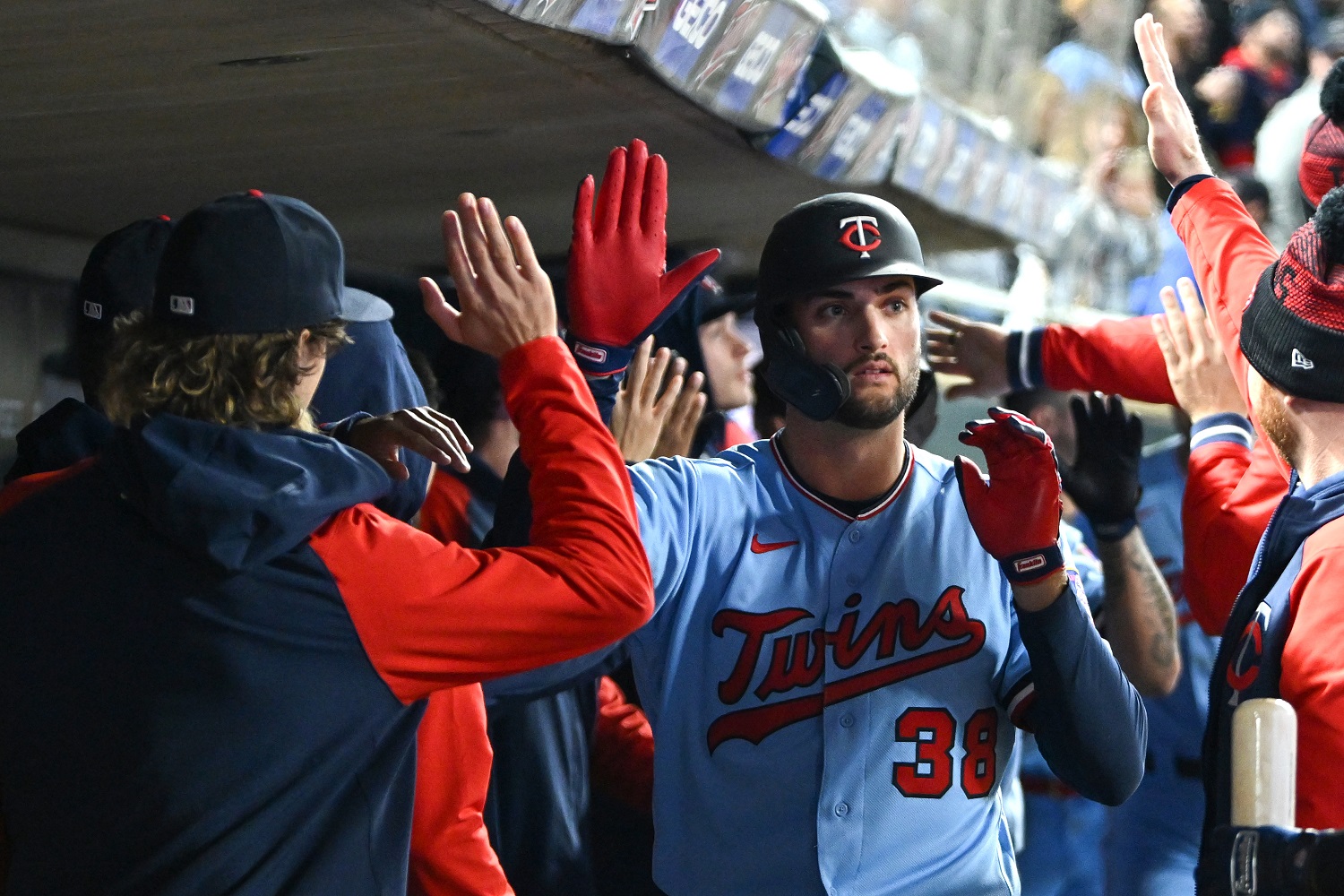 Starting at Double-A Wichita this season, Matt Wallner came out focused on altering his approach at the plate. This is a prospect with a ton of power, but he had previously shown a need to improve his plate discipline. Knowing that he needed to make more contact and be more selective when attempting to do damage, he came in with a renewed focus. Wallner blitzed the Twins minor league system this season, making Double-A look like little challenge, and then easily settling in at Triple-A following a short acclimation period. Twins Daily named him the Minor League Hitter of the Year. I talked to Wallner over the summer about his season to that point, but after making a three-week cameo in September for the Minnesota Twins, it was time to get some insight as to how he looks back on it all. Twins Daily: We talked earlier this year about your shift in approach at the plate, looking for pitches you could do damage on. How did you keep up with the strong OBP and K/BB progress at Triple-A? Matt Wallner: I felt like I was able to continue developing in that area at Triple-A, and felt good about my continued progress on that front. TD: You saw a bit more of a challenge in St. Paul, how did that position you for success in the big leagues? MW: It was more of the same with obviously more experienced players in St. Paul. Seeing how I would get pitched by older guys there gave me a step in the door for the continued move up to the big leagues. TD: What were some of the emotions surrounding your debut? Your first hit was a homer, obviously, that’s huge. What will you remember from that day? MW: It was an awesome day, was fun, and very nice to get that first one out of the way. Most importantly, I was just happy my family could be there watching and able to see my first game in person. TD: Going into the offseason, will you have a different focus or emphasis on training and preparation having seen the highest level? MW: More of the same in training, trying to keep building my game and hopefully come in as healthy and fit as I ever have been going into Spring Training 2023. TD: Fast forward to a year from now, how do you want 2023 to be defined? MW: Hopefully 2023 is one where I continue to make improvements in my game, and hopefully, I put myself in a position where most, if not all of that time, is at the big league level. TD: Last one, what are you looking forward to this offseason off of the diamond? MW: Looking forward to some time off, and recovery from my first fully healthy full season of pro ball. No matter where Matt Wallner starts out in 2023, you can bet he'll factor into an outfield that includes Byron Buxton, Max Kepler, Trevor Larnach, and Alex Kirilloff for the Minnesota Twins. Some of those names may move, but Wallner has shown he definitely can play at the highest level. For more Matt Wallner Twins Daily content, click here.
 -
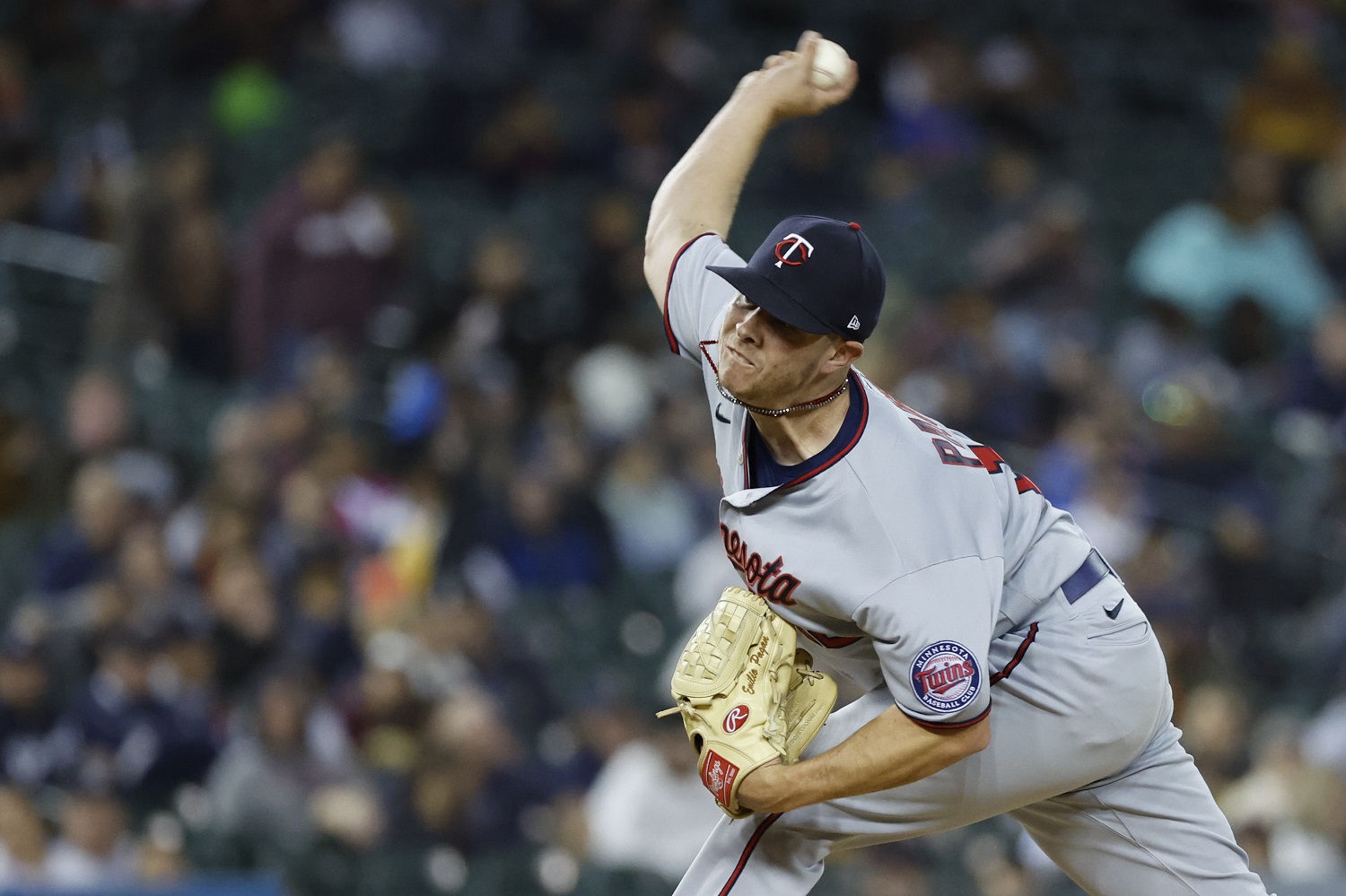 Right before Opening Day 2022 Derek Falvey and Thad Levine sent Taylor Rogers to the San Diego Padres (along with Brent Rooker) in exchange for Chris Paddack and Emilio Pagan (as well as Brayan Medina). Without them ever suggesting as much, I think there’s a few reasons this deal was made. Rogers was coming off an injury and lacking performance in 2021. He wasn’t going to be re-signed and was in the final year of his contract. Minnesota saw an opportunity to buy low on a high-ceiling starter pitcher, and they assumed risk, likely knowing his medical issues. Without Rogers in the fold, and Joe Smith being the only bullpen addition last winter, Pagan was targeted as a necessary add to the relief unit. He hadn’t been good for a while, but the stuff suggested it could play, and previous success with Tampa Bay was just two years away. So, the decision (at least in a vacuum) to swing the deal from Minnesota’s perspective made sense. Now though, we know exactly how this has gone. Rocco Baldelli was saddled with Pagan as his closer from the get-go. He made a negative impact in his second outing of the year, taking a loss against the Los Angeles Dodgers in Minnesota’s fifth game. His ERA ballooned to 5.34 by his 30th outing, and he wound up responsible for six losses and seven blown saves. Pagan was demoted from the closer role all the way to mop-up duty, and he constantly struggled even there. It was a complete disaster. Bought into by the front office, Baldelli had to deploy an arm that was at his disposal, even when the result became predictable. From a few different sources within the front office and connected to the team, I have been told there had been some initial pushback from Pagan in regard to change. The Twins clearly saw an opportunity to get him right, or at least tap into analytically-driven numbers suggesting his stuff could play. Rather than embracing the information, he leaned on the belief that what he was doing could work, and the definition of insanity continued to play out for a period. I don’t know whether a lacking connection with former pitching coach Wes Johnson, or current coach Pete Maki, was ever an issue, but something changed. Over his last 13 outings, dating back to August 23rd, Pagan has allowed a run just four times and none of those instances were crooked numbers. He owns a 2.16 ERA across 16 2/3 innings with an 21/8 K/BB and, most notably, just one home run. It seems he’s deployed a new pitch, and if it helps to keep the ball in the yard while limiting walks, everyone is better for it. I’m not here to suggest that 13 outings is reason to keep Pagan around for 2023. What would make absolutely zero sense though, is to cut bait over the winter after hanging on through what the Twins did. The front office all but allowed Pagan to sink their season at critical junctures this season, and even with the cloud of dust that was 2022, his statistics are better than what they were when he was traded for. Making just $2.3 million this year, he’ll be due for a bump in arbitration, but the results should mute just how far it goes. The Twins focus over the winter has to be figuring out how to marry their starting and relief pitching plans. Either acquire and develop better starters or create a lockdown bullpen. Keeping Pagan, at least to start the year, as a middle reliever would make sense. There’s no downside to that move, as long as there is a quicker hook when things go sideways. There’s no reason the Twins should feel compelled to carry Pagan all of 2023, but in doing so through 2022, dumping him where he’ll likely be claimed on recent success alone at this point would be a suggestion of process gone entirely wrong.
- 56 comments
-
- 4
-
-
- emilio pagan
- chris paddack
- (and 2 more)
-
The Minnesota Twins are soon going to be looking at decisions for 2023 with their offseason underway. They’ll have plenty of new faces for the upcoming year, but it’s one decision that could present the biggest head-scratcher of the past nine months. Image courtesy of Rick Osentoski-USA TODAY Sports Right before Opening Day 2022 Derek Falvey and Thad Levine sent Taylor Rogers to the San Diego Padres (along with Brent Rooker) in exchange for Chris Paddack and Emilio Pagan (as well as Brayan Medina). Without them ever suggesting as much, I think there’s a few reasons this deal was made. Rogers was coming off an injury and lacking performance in 2021. He wasn’t going to be re-signed and was in the final year of his contract. Minnesota saw an opportunity to buy low on a high-ceiling starter pitcher, and they assumed risk, likely knowing his medical issues. Without Rogers in the fold, and Joe Smith being the only bullpen addition last winter, Pagan was targeted as a necessary add to the relief unit. He hadn’t been good for a while, but the stuff suggested it could play, and previous success with Tampa Bay was just two years away. So, the decision (at least in a vacuum) to swing the deal from Minnesota’s perspective made sense. Now though, we know exactly how this has gone. Rocco Baldelli was saddled with Pagan as his closer from the get-go. He made a negative impact in his second outing of the year, taking a loss against the Los Angeles Dodgers in Minnesota’s fifth game. His ERA ballooned to 5.34 by his 30th outing, and he wound up responsible for six losses and seven blown saves. Pagan was demoted from the closer role all the way to mop-up duty, and he constantly struggled even there. It was a complete disaster. Bought into by the front office, Baldelli had to deploy an arm that was at his disposal, even when the result became predictable. From a few different sources within the front office and connected to the team, I have been told there had been some initial pushback from Pagan in regard to change. The Twins clearly saw an opportunity to get him right, or at least tap into analytically-driven numbers suggesting his stuff could play. Rather than embracing the information, he leaned on the belief that what he was doing could work, and the definition of insanity continued to play out for a period. I don’t know whether a lacking connection with former pitching coach Wes Johnson, or current coach Pete Maki, was ever an issue, but something changed. Over his last 13 outings, dating back to August 23rd, Pagan has allowed a run just four times and none of those instances were crooked numbers. He owns a 2.16 ERA across 16 2/3 innings with an 21/8 K/BB and, most notably, just one home run. It seems he’s deployed a new pitch, and if it helps to keep the ball in the yard while limiting walks, everyone is better for it. I’m not here to suggest that 13 outings is reason to keep Pagan around for 2023. What would make absolutely zero sense though, is to cut bait over the winter after hanging on through what the Twins did. The front office all but allowed Pagan to sink their season at critical junctures this season, and even with the cloud of dust that was 2022, his statistics are better than what they were when he was traded for. Making just $2.3 million this year, he’ll be due for a bump in arbitration, but the results should mute just how far it goes. The Twins focus over the winter has to be figuring out how to marry their starting and relief pitching plans. Either acquire and develop better starters or create a lockdown bullpen. Keeping Pagan, at least to start the year, as a middle reliever would make sense. There’s no downside to that move, as long as there is a quicker hook when things go sideways. There’s no reason the Twins should feel compelled to carry Pagan all of 2023, but in doing so through 2022, dumping him where he’ll likely be claimed on recent success alone at this point would be a suggestion of process gone entirely wrong. View full article
- 56 replies
-
- 1
-
-
- emilio pagan
- chris paddack
- (and 2 more)
-
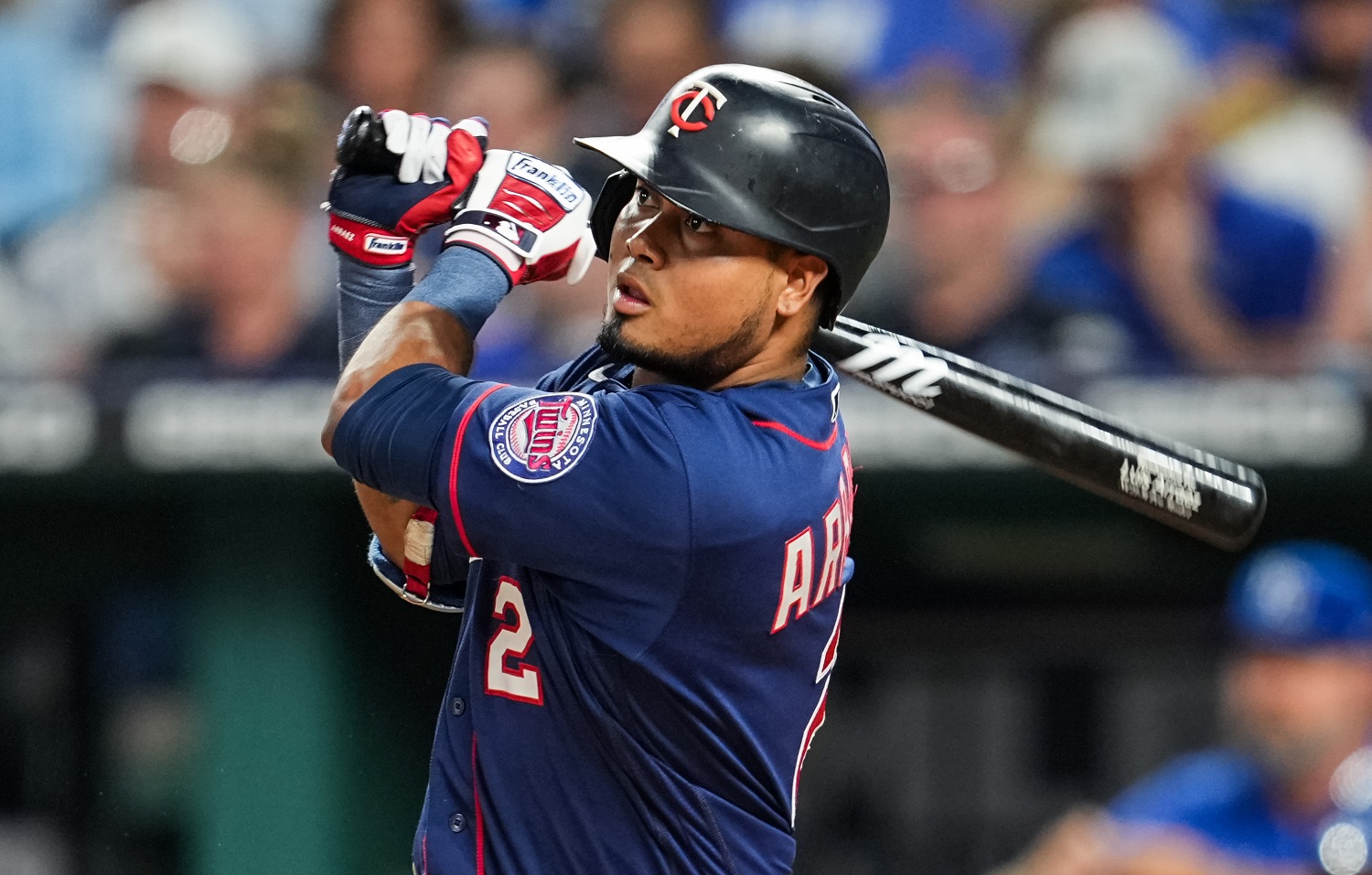 Ever since Luis Arraez took a 9th inning walk coming into the game cold against an 0-2 count and star closer Edwin Diaz, there was something different about him. He had the plate antics of a confident hitter, and his diminutive stature might have drawn comparisons to Rod Carew before we knew the bat would. Now having chased down the Twins first batting title since that of Joe Mauer, Arraez made his mark plenty this offseason. This season Arraez posted three separate four-hit games, and another thirteen three-hit games. Without singling out specific balls in play, these are the five most impactful games Arraez put forth at the dish in 2022 in terms of Win Probability Added (WPA) 5. July 4 vs Chicago White Sox 0.256 WPA Playing as the designated hitter and batting leadoff on Independence Day against the division rival White Sox, Arraez had five plate appearances. Johnny Cueto had been rolling for Chicago and despite being a right-handed pitcher, he still should’ve been expected to keep it going against Minnesota. Arraez led off the game with a double, his first of two on the day. After his second double, Byron Buxton’s fifth-inning home run brought Arraez home as part of Minnesota’s first two runs. Needing a 10th inning and forcing the inherited runner, Arraez delivered when his single off Kendall Gravemen brought Gilberto Celestino home to give the Twins a lead. This was also the game that the Twins turned a ridiculous 8-5 triple play. 4. June 11 vs Tampa Bay Rays 0.268 WPA Again batting leadoff, Arraez began this game as the Minnesota first baseman, a position he learned on the fly in 2022. After a lineout against Rays Shane Baz in his first plate appearance, Arraez blasted a grand slam in the 3rd inning to score Gilberto Celestino, Nick Gordon, and Ryan Jeffers. That was going to be tough to top, but Arraez added two more singles on the day to grab a three-hit game. His grand slam added 26% of win probability to Minnesota’s chances for the contest. 3. August 7 vs Toronto Blue Jays 0.270 WPA Another extra-inning affair, Arraez was off his feet in this one as Minnesota’s designated hitter. Facing Toronto Blue Jays star pitcher Kevin Gausman, one would think he’d have an uphill battle at the dish. Gausman did get him to fly out in his first at-bat, but then Arraez went to work. A line drive double in the 3rd inning was his first hit of the game before a single moved Celestino to second base in the 5th inning. Trailing 2-1 in the bottom of the 9th inning with one out, Arraez drove in Tim Beckham to force extras. The Twins wound up losing this one in extras after Major League Baseball made a mess of themselves calling Whit Merrifield safe after he was thrown out at home and tagged by Gary Sanchez. 2. June 21 vs Cleveland Guardians 0.310 WPA Despite being his second most impactful game of the season, this is Arraez’s first on the list in which he had just two hits. Timing and circumstance are weighed heavily into WPA, and we see that here. Going 0-for-2 in his first two plate appearances, Arraez got on the board with a 5th inning double off of Cleveland starter Aaron Civale. Needing a run in the 7th inning to tie the score at three, Arraez did the Twins much better. Tagging Eli Morgan for a three-run blast scoring Trevor Larnach and Ryan Jeffers, Minnesota was positioned to win this one before an Emilio Pagan meltdown. 1. July 2 vs Baltimore Orioles 0.323 WPA Just a couple of days prior to the Independence Day heroics, Arraez started at first base against Jordan Lyles and the Orioles. Another two-hit contest here, it was a pair of doubles that created the greatest impact in a single game of Arraez’s season. Down 2-0 in the 3rd inning, Arraez doubled and pushed teammate Gio Urshela to third base. Ultimately Carlos Correa and Max Kepler left them stranded, but it was the start of a rally. Trailing 3-1 in the bottom of the 8th inning, Arraez’s second double put Celestino in position to score on a sacrifice fly. Jorge Polanco homered off now-teammate Jorge Lopez in the bottom of the 9th inning to tie it before Jose Miranda walked it off. What have been some of your other favorite moments from Luis Arraez’s league-leading season?
- 14 comments
-
- 3
-
-
- luis arraez
- carlos correa
- (and 3 more)
-
Although the Minnesota Twins season has shifted into meaningless territory following their postseason elimination, Luis Arraez provided excitement en route to winning his first batting title. Looking to keep the competition at bay, there are more than a few games where he’s been the straw to stir the Twins drink. Image courtesy of Jay Biggerstaff-USA TODAY Sports Ever since Luis Arraez took a 9th inning walk coming into the game cold against an 0-2 count and star closer Edwin Diaz, there was something different about him. He had the plate antics of a confident hitter, and his diminutive stature might have drawn comparisons to Rod Carew before we knew the bat would. Now having chased down the Twins first batting title since that of Joe Mauer, Arraez made his mark plenty this offseason. This season Arraez posted three separate four-hit games, and another thirteen three-hit games. Without singling out specific balls in play, these are the five most impactful games Arraez put forth at the dish in 2022 in terms of Win Probability Added (WPA) 5. July 4 vs Chicago White Sox 0.256 WPA Playing as the designated hitter and batting leadoff on Independence Day against the division rival White Sox, Arraez had five plate appearances. Johnny Cueto had been rolling for Chicago and despite being a right-handed pitcher, he still should’ve been expected to keep it going against Minnesota. Arraez led off the game with a double, his first of two on the day. After his second double, Byron Buxton’s fifth-inning home run brought Arraez home as part of Minnesota’s first two runs. Needing a 10th inning and forcing the inherited runner, Arraez delivered when his single off Kendall Gravemen brought Gilberto Celestino home to give the Twins a lead. This was also the game that the Twins turned a ridiculous 8-5 triple play. 4. June 11 vs Tampa Bay Rays 0.268 WPA Again batting leadoff, Arraez began this game as the Minnesota first baseman, a position he learned on the fly in 2022. After a lineout against Rays Shane Baz in his first plate appearance, Arraez blasted a grand slam in the 3rd inning to score Gilberto Celestino, Nick Gordon, and Ryan Jeffers. That was going to be tough to top, but Arraez added two more singles on the day to grab a three-hit game. His grand slam added 26% of win probability to Minnesota’s chances for the contest. 3. August 7 vs Toronto Blue Jays 0.270 WPA Another extra-inning affair, Arraez was off his feet in this one as Minnesota’s designated hitter. Facing Toronto Blue Jays star pitcher Kevin Gausman, one would think he’d have an uphill battle at the dish. Gausman did get him to fly out in his first at-bat, but then Arraez went to work. A line drive double in the 3rd inning was his first hit of the game before a single moved Celestino to second base in the 5th inning. Trailing 2-1 in the bottom of the 9th inning with one out, Arraez drove in Tim Beckham to force extras. The Twins wound up losing this one in extras after Major League Baseball made a mess of themselves calling Whit Merrifield safe after he was thrown out at home and tagged by Gary Sanchez. 2. June 21 vs Cleveland Guardians 0.310 WPA Despite being his second most impactful game of the season, this is Arraez’s first on the list in which he had just two hits. Timing and circumstance are weighed heavily into WPA, and we see that here. Going 0-for-2 in his first two plate appearances, Arraez got on the board with a 5th inning double off of Cleveland starter Aaron Civale. Needing a run in the 7th inning to tie the score at three, Arraez did the Twins much better. Tagging Eli Morgan for a three-run blast scoring Trevor Larnach and Ryan Jeffers, Minnesota was positioned to win this one before an Emilio Pagan meltdown. 1. July 2 vs Baltimore Orioles 0.323 WPA Just a couple of days prior to the Independence Day heroics, Arraez started at first base against Jordan Lyles and the Orioles. Another two-hit contest here, it was a pair of doubles that created the greatest impact in a single game of Arraez’s season. Down 2-0 in the 3rd inning, Arraez doubled and pushed teammate Gio Urshela to third base. Ultimately Carlos Correa and Max Kepler left them stranded, but it was the start of a rally. Trailing 3-1 in the bottom of the 8th inning, Arraez’s second double put Celestino in position to score on a sacrifice fly. Jorge Polanco homered off now-teammate Jorge Lopez in the bottom of the 9th inning to tie it before Jose Miranda walked it off. What have been some of your other favorite moments from Luis Arraez’s league-leading season? View full article
-
The Minnesota Twins are not going to make the 2022 Major League Baseball postseason, but there's plenty of exciting action on tap for October. With the field set, I figured it's time to put my predictions on paper. Rays over Guardians, Blue Jays over Mariners Tampa wins the battle of pitching having been a bit more battle tested in a ridiculously difficult AL East division. I like the Mariners, but think the Blue Jays lineup is too deep. What Jose Berrios looks like in October could be key for Toronto's rotation. Phillies over Cardinals, Mets over Padres The Cardinals are winning at the right time, and well, Philadelphia is not. That said, I think the Phillies are a deep enough team to make a run. Seeing Albert Pujols, Yadier Molina, and Adam Wainwright continue the storybook ending would be fun though. For the Mets, in a three game series, it's pretty hard to go against Jacob deGrom and Max Scherzer. Yankees over Rays, Astros over Blue Jays New York's lineup has plenty of questions, but the rotation of Gerrit Cole, Nestor Cortes, and Luis Severino should be the difference in this series. Houston is just too good here, and I don't think the Blue Jays fare as well in a longer series. Braves over Phillies, Mets over Dodgers I'd love to take the Phillies here, but Atlanta is rolling right now and is incredibly deep. They may be the best team in the National League. Despite the regular season success for the Dodgers, I'm concerned about their rotation in the postseason. Again, leaning on deGrom and Scherzer. Astros over Yankees Houston goes back to the World Series and they do so as the best team in baseball. Mets over Braves Even though the Braves chased down New York in the standings, give me the Mets getting the last laugh. Astros over Mets Houston wins yet another World Series, with no scandal attached. For more from Off The Baggy, click here.
-
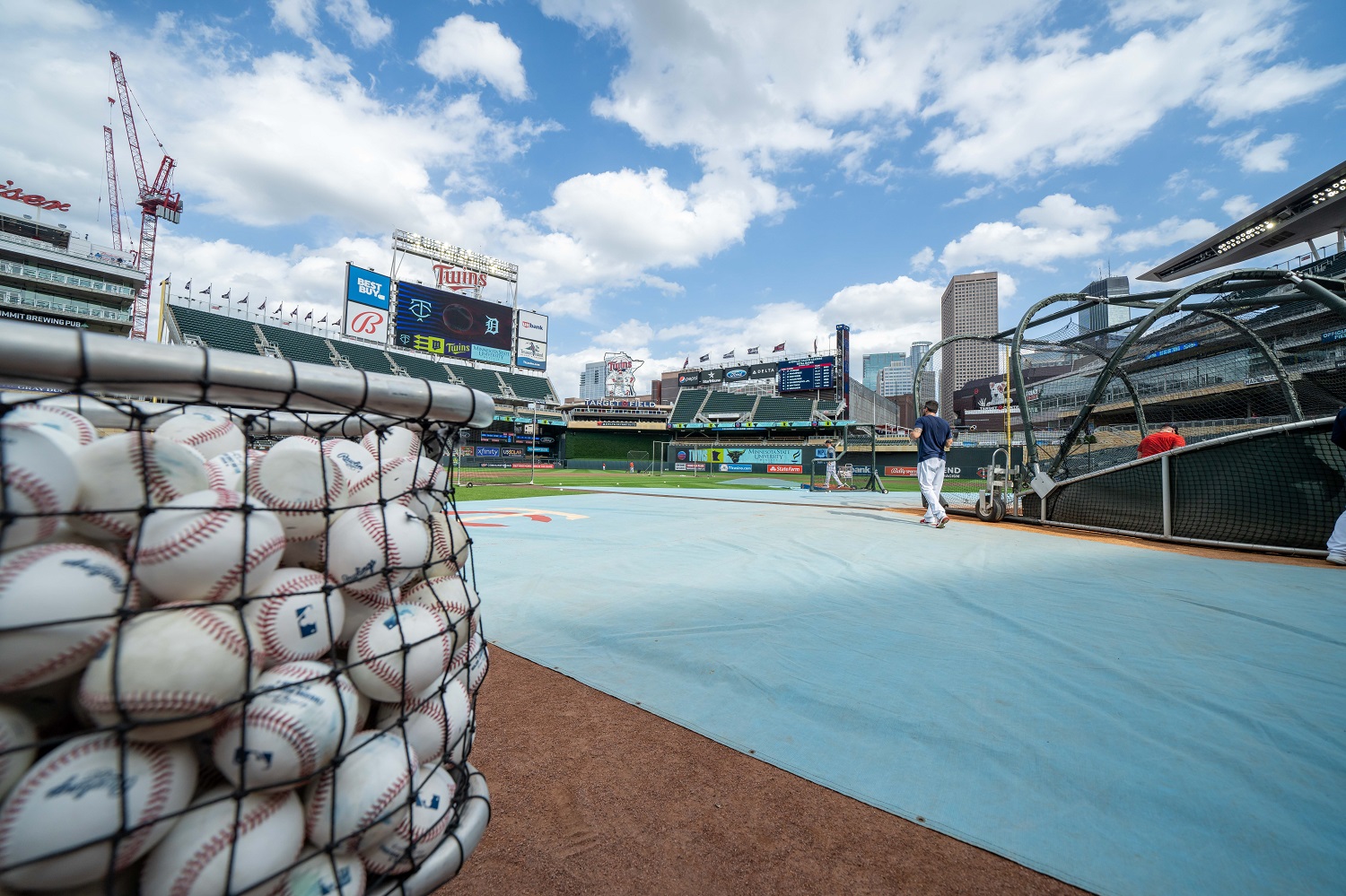 There’s no denying that Minnesota Twins fans spoke with their wallets this season. Minnesota saw its lowest attendance total since 2001, and not even a now 12-year-old-Target-Field could save them from that fate. Following an 89-loss campaign in 2021, the Twins may have come in right around projection totals, but it’s hard not to see why fans wanted more. Plenty went wrong for the 2021 Minnesota Twins, but after sending Josh Donaldson to New York and spending big on Carlos Correa, it looked like this team could compete in a division where the White Sox and Guardians were their lone competition. Derek Falvey and Thad Levine made a pitching addition in the form of Sonny Gray, but the signings of Dylan Bundy and Chris Archer should’ve never been expected to move the needle too much. Having been hired prior to the 2017 season, fans are wanting better results from a front office that, at times, has been too cute. Although Terry Ryan and Bill Smith also wore out their welcomes, loud voices are now ringing to a tune of 2023 being a critical juncture for the duo. How the pair can be brought back into the good graces of fans likely is a multi-faceted question. Strike Strong this Winter It’s hardly fair to ever expect any plan to be rigid when it comes to sports. Having alternatives for when options change is a must. Minnesota displayed that last season when they initially targeted Isiah Kiner-Falefa as their shortstop until the opportunity to dump Donaldson with Correa falling in their lap became a possibility. That said, the Twins targeted Bundy as their first signing of the offseason. Only Joe Smith and a handful of waiver claims were their answer in the bullpen. Establishing themselves with more certain options that present a much higher ceiling is a must. Minnesota used a team-record 38 pitchers this season. Plenty of the starters are young and should be expected to provide results of the pitching pipeline Falvey was brought in to create. Josh Winder, Bailey Ober, Louie Varland, Joe Ryan, and Simeon Woods Richardson are all nice pieces to round out a rotation. That should be the back half though. Kenta Maeda returns, Tyler Mahle will hopefully be healthy, Gray option should be picked up, and Chris Paddack will be here at some point late in the year. There’s no reason to add middling options to that group. Another #1 or #2 arm has to be the focus if you want a rotation taken seriously. The bullpen is in better shape assuming Jorge Alcala and Cody Stashak can be healthy. Matt Canterino won’t be an option for a while, and although Jhoan Duran has emerged alongside Griffin Jax as success stories, they need help. Supplementing short starts with elite relievers is a route you can go, but half in on both is something we’ve seen fail. Find a Shortstop There’s no reason why the Twins can’t pay Correa, and there’s arguably less of one why they shouldn’t. That said, he’s going to command a boatload, and it’s probably fool’s gold to suggest he’ll get top dollar here. However, if Minnesota can make a strong offer, then a city he seems to enjoy may become more enticing. If it’s not Correa, going half-in on a team that needs leadership and the ability to sustain winning simply won’t work. Brooks Lee would be a longshot for Opening Day, and Noah Miller can’t hit yet even though he's great in the field. Royce Lewis won’t be back until mid-summer at the earliest, and what he looks like at that point remains to be seen. This isn’t another Kiner-Falefa or Jose Iglesias scenario. Maybe the Twins shy away from going for a long-term deal that locks down the position (although it’s been a revolving door for years) but paying handsomely for a position that will quarterback a poor defensive infield is a must. Be Open to Change Arguably the largest detractor for a good portion of Minnesota’s fanbase when it comes to the front office is their reliance on analytics. While data is an incredibly powerful tool when driving decisions, being so rooted in it as a finality has seemingly dug some graves. Emilio Pagan was terrible and sank the Twins early this year. He’s shown a better ability once coming around to making changes, but Minnesota stuck with him because of stuff that could be exploited if it ever started to work out. There were also data-driven decisions behind the acquisition of Bundy, Archer, and Smith, thinking the brain trust and what they employ could unlock a higher level of performance that never showed itself. Being willing to cut ties, or change direction when something isn’t working hasn’t been evident on a quicker timeline. The Twins were dreadful with runners in scoring position this season, and while the lineup wasn’t built to bash the longball like that of the Bomba Squad, little was done schematically to change run production opportunities on the fly. Spend…Again We saw the highest payroll in franchise history during 2022 when Minnesota dropped roughly $140 million on this club. Whether Correa returns or not, there’s going to be a ton of money to spend. While revenues will obviously have taken a hit following a lacking attendance and likely slowed renewal of season tickets, paying for premium talent is a must. Falvey and Levine have cultivated a core of players such as Lewis, Alex Kirilloff, Trevor Larnach, Ryan, and many others. With their salaries all stymied through the arbitration process, it’s that group that should be supplemented by this regime to prove the youth is here and believed to be ready to compete. What else do you need to see from the Twins front office to dive back in? If you’re out, where did they lose you? What have you appreciated most?
- 66 comments
-
- 4
-
-
- derek falvey
- thad levine
- (and 2 more)
-
Although the Minnesota Twins rode a strong month of May into the final weeks of the season before sputtering out, plenty of ire has been directed at the front office regarding the lackluster performance for a second straight year. How can the front office regain favor from fans? Image courtesy of Jordan Johnson-USA TODAY Sports There’s no denying that Minnesota Twins fans spoke with their wallets this season. Minnesota saw its lowest attendance total since 2001, and not even a now 12-year-old-Target-Field could save them from that fate. Following an 89-loss campaign in 2021, the Twins may have come in right around projection totals, but it’s hard not to see why fans wanted more. Plenty went wrong for the 2021 Minnesota Twins, but after sending Josh Donaldson to New York and spending big on Carlos Correa, it looked like this team could compete in a division where the White Sox and Guardians were their lone competition. Derek Falvey and Thad Levine made a pitching addition in the form of Sonny Gray, but the signings of Dylan Bundy and Chris Archer should’ve never been expected to move the needle too much. Having been hired prior to the 2017 season, fans are wanting better results from a front office that, at times, has been too cute. Although Terry Ryan and Bill Smith also wore out their welcomes, loud voices are now ringing to a tune of 2023 being a critical juncture for the duo. How the pair can be brought back into the good graces of fans likely is a multi-faceted question. Strike Strong this Winter It’s hardly fair to ever expect any plan to be rigid when it comes to sports. Having alternatives for when options change is a must. Minnesota displayed that last season when they initially targeted Isiah Kiner-Falefa as their shortstop until the opportunity to dump Donaldson with Correa falling in their lap became a possibility. That said, the Twins targeted Bundy as their first signing of the offseason. Only Joe Smith and a handful of waiver claims were their answer in the bullpen. Establishing themselves with more certain options that present a much higher ceiling is a must. Minnesota used a team-record 38 pitchers this season. Plenty of the starters are young and should be expected to provide results of the pitching pipeline Falvey was brought in to create. Josh Winder, Bailey Ober, Louie Varland, Joe Ryan, and Simeon Woods Richardson are all nice pieces to round out a rotation. That should be the back half though. Kenta Maeda returns, Tyler Mahle will hopefully be healthy, Gray option should be picked up, and Chris Paddack will be here at some point late in the year. There’s no reason to add middling options to that group. Another #1 or #2 arm has to be the focus if you want a rotation taken seriously. The bullpen is in better shape assuming Jorge Alcala and Cody Stashak can be healthy. Matt Canterino won’t be an option for a while, and although Jhoan Duran has emerged alongside Griffin Jax as success stories, they need help. Supplementing short starts with elite relievers is a route you can go, but half in on both is something we’ve seen fail. Find a Shortstop There’s no reason why the Twins can’t pay Correa, and there’s arguably less of one why they shouldn’t. That said, he’s going to command a boatload, and it’s probably fool’s gold to suggest he’ll get top dollar here. However, if Minnesota can make a strong offer, then a city he seems to enjoy may become more enticing. If it’s not Correa, going half-in on a team that needs leadership and the ability to sustain winning simply won’t work. Brooks Lee would be a longshot for Opening Day, and Noah Miller can’t hit yet even though he's great in the field. Royce Lewis won’t be back until mid-summer at the earliest, and what he looks like at that point remains to be seen. This isn’t another Kiner-Falefa or Jose Iglesias scenario. Maybe the Twins shy away from going for a long-term deal that locks down the position (although it’s been a revolving door for years) but paying handsomely for a position that will quarterback a poor defensive infield is a must. Be Open to Change Arguably the largest detractor for a good portion of Minnesota’s fanbase when it comes to the front office is their reliance on analytics. While data is an incredibly powerful tool when driving decisions, being so rooted in it as a finality has seemingly dug some graves. Emilio Pagan was terrible and sank the Twins early this year. He’s shown a better ability once coming around to making changes, but Minnesota stuck with him because of stuff that could be exploited if it ever started to work out. There were also data-driven decisions behind the acquisition of Bundy, Archer, and Smith, thinking the brain trust and what they employ could unlock a higher level of performance that never showed itself. Being willing to cut ties, or change direction when something isn’t working hasn’t been evident on a quicker timeline. The Twins were dreadful with runners in scoring position this season, and while the lineup wasn’t built to bash the longball like that of the Bomba Squad, little was done schematically to change run production opportunities on the fly. Spend…Again We saw the highest payroll in franchise history during 2022 when Minnesota dropped roughly $140 million on this club. Whether Correa returns or not, there’s going to be a ton of money to spend. While revenues will obviously have taken a hit following a lacking attendance and likely slowed renewal of season tickets, paying for premium talent is a must. Falvey and Levine have cultivated a core of players such as Lewis, Alex Kirilloff, Trevor Larnach, Ryan, and many others. With their salaries all stymied through the arbitration process, it’s that group that should be supplemented by this regime to prove the youth is here and believed to be ready to compete. What else do you need to see from the Twins front office to dive back in? If you’re out, where did they lose you? What have you appreciated most? View full article
-
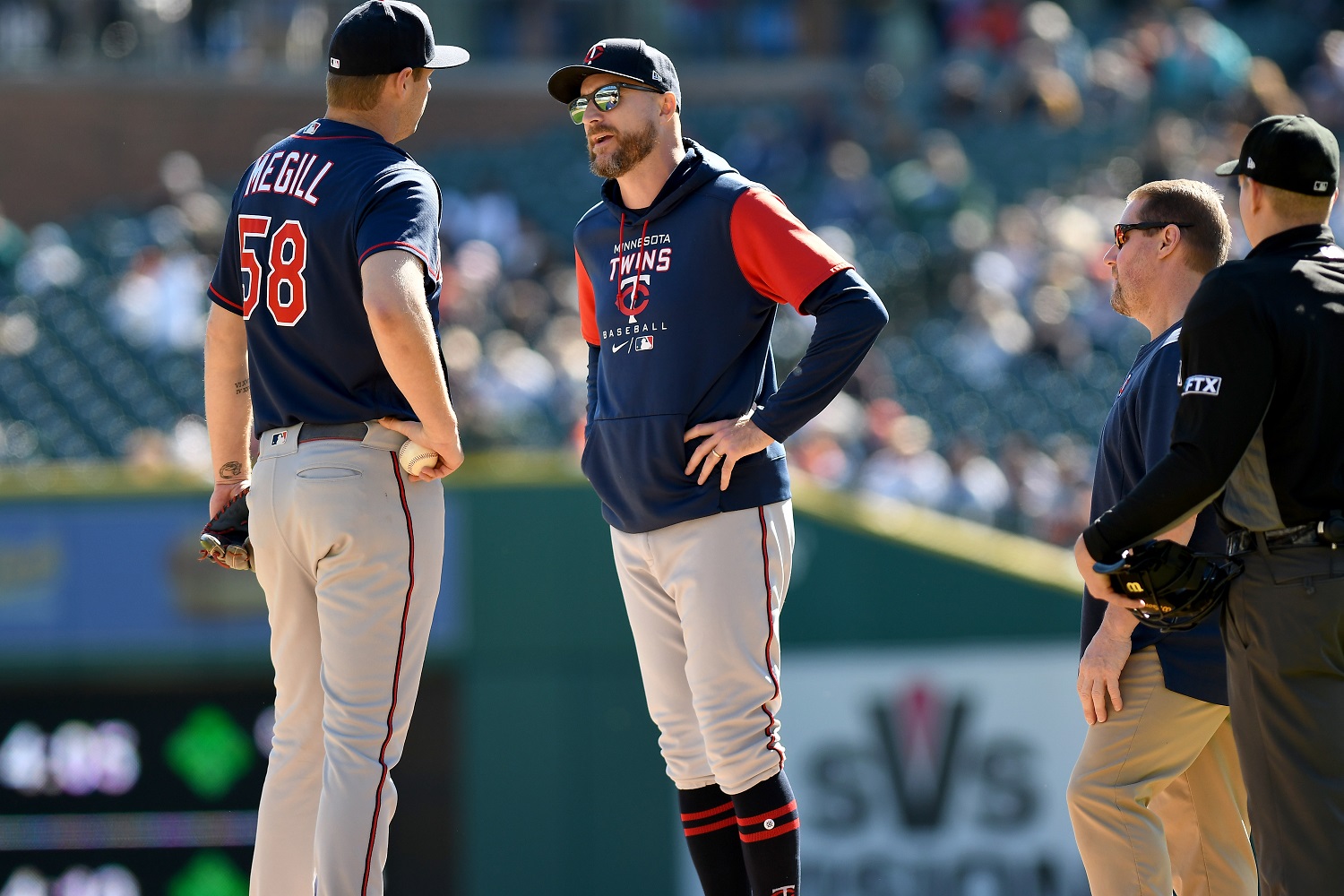 Rocco Baldelli took over as manager for the Minnesota Twins prior to the 2019 season. He replaced Hall of Fame player, Paul Molitor. Although Molitor was seen favorably in his time on the field, he was more of a figurehead manager, celebrated for his own accolades, than those accomplished from the dugout. Molitor seemed to be on the hot seat following a 103-loss campaign in 2016, but the 85-win season brought him Manager of the Year honors and spared him another season under Derek Falvey and Thad Levine. Wanting to bring in their own manager and distance themselves from the Terry Ryan regime, Falvey and Levine cast a wide net and ultimately landed on Baldelli. A former top prospect with a solid career, this is Baldelli’s first managing gig. He came highly respected from the forward-thinking, and analytically driven, Tampa Bay Rays organization. In year one (2019), Baldelli was praised mightily as he orchestrated one of the most successful regular seasons in franchise history. The Bomba Squad invigorated the fanbase, and a club led by Nelson Cruz launched the most home runs by any team over a single season in Major League Baseball history. 2020 is hard to quantify given the truncated nature of the pandemic-influenced season, and we know how the past two years have gone. After what can be categorized as a wildly successful beginning, Baldelli’s allure with fans has hit the skids. Is that largely due to a reflection of what his team has done lately, more of a response to what he’s brought to the table as a whole, or something in between? If there are two chief complaints for the Twins manager, I’d likely boil them down to pitching management and lack of ultimate success. Pitching Management The first relates directly to starting pitchers and bullpen usage. Over the course of recent seasons, it’s become a major complaint from the fanbase that Baldelli pulls his starters too soon. To date in 2022, the Twins 4.8 innings per start is tied for 28th across Major League Baseball. That average is higher than only the Washington Nationals and Tampa Bay Rays. That’s notable as the former is doing so by circumstance, while the latter is doing so by choice. The league average innings per start is 5.2, which is just above Minnesota’s tally. As discussed earlier this year, short starts aren’t simply a Twins thing, and they really aren’t a Baldelli thing either. Baseball has trended toward pulling pitchers earlier as hitters have become so much more advanced, and there are so few truly elite arms. A team like Tampa Bay has supplemented that reality with strong tactics and bullpen help, while the teams who rely most on their starters such as the Astros, Guardians, and Phillies have arms like Justin Verlander, Shane Bieber, and Aaron Nola. Across baseball in 2022, there was an average of 32.2 pitchers used in 2023. That’s the second highest number in the history of the sport, trailing only the 34.4 used last season. What has to happen for Baldelli to allow starters a longer leash is two-fold. Minnesota must produce more runs than they did in 2022, and the starting pitchers have to be better. Expecting the likes of Chris Archer and Dylan Bundy to give five or more innings on a routine basis isn’t logical. While Baldelli has a say in player acquisition, he’s also at the mercy of the team provided to him. Implore the front office to better when it comes to acquisitions on the front end (or the bullpen if following the Rays model) and the results should follow. Win When it Counts While it’s not the fault of this current Twins club that the franchise totes an 0-18 record in the postseason currently, it is at the forefront of fans’ minds. The reality is that no matter how many division titles the Twins have won, and they’ve gone .500 in that regard under Baldelli, they’ve also bowed out without even a playoff victory while he’s been in charge. It’s certainly not easy to win in October, especially if you’re getting paired up against a juggernaut like New York or Houston. However, there’s no reason why a team winning 101 games should bow out with a whimper, or why you can’t grab a victory at home in a short series. Twins fans want to see the regular season translate into playoff success. With 30 teams, and only one winning their final tilt, it’s hard to suggest World Series or bust as an expectation, but doing something of note beyond the 162-game calendar would go a long way. Knowing 2023 is an integral point for Minnesota and Baldelli, what are you hoping for in a change of pace? If you support what Rocco has brought to the table, why? If you need to see better, what could change your opinion?
- 147 comments
-
- 2
-
-
- rocco baldelli
- derek falvey
- (and 3 more)
-
Over the course of the past few seasons, plenty has been made of the struggles plaguing the Minnesota Twins. While the product on the field has failed, there’s also been plenty of finger-pointing at those that control it. When it comes to the manager, what do fans need to see? Image courtesy of Lon Horwedel-USA TODAY Sports Rocco Baldelli took over as manager for the Minnesota Twins prior to the 2019 season. He replaced Hall of Fame player, Paul Molitor. Although Molitor was seen favorably in his time on the field, he was more of a figurehead manager, celebrated for his own accolades, than those accomplished from the dugout. Molitor seemed to be on the hot seat following a 103-loss campaign in 2016, but the 85-win season brought him Manager of the Year honors and spared him another season under Derek Falvey and Thad Levine. Wanting to bring in their own manager and distance themselves from the Terry Ryan regime, Falvey and Levine cast a wide net and ultimately landed on Baldelli. A former top prospect with a solid career, this is Baldelli’s first managing gig. He came highly respected from the forward-thinking, and analytically driven, Tampa Bay Rays organization. In year one (2019), Baldelli was praised mightily as he orchestrated one of the most successful regular seasons in franchise history. The Bomba Squad invigorated the fanbase, and a club led by Nelson Cruz launched the most home runs by any team over a single season in Major League Baseball history. 2020 is hard to quantify given the truncated nature of the pandemic-influenced season, and we know how the past two years have gone. After what can be categorized as a wildly successful beginning, Baldelli’s allure with fans has hit the skids. Is that largely due to a reflection of what his team has done lately, more of a response to what he’s brought to the table as a whole, or something in between? If there are two chief complaints for the Twins manager, I’d likely boil them down to pitching management and lack of ultimate success. Pitching Management The first relates directly to starting pitchers and bullpen usage. Over the course of recent seasons, it’s become a major complaint from the fanbase that Baldelli pulls his starters too soon. To date in 2022, the Twins 4.8 innings per start is tied for 28th across Major League Baseball. That average is higher than only the Washington Nationals and Tampa Bay Rays. That’s notable as the former is doing so by circumstance, while the latter is doing so by choice. The league average innings per start is 5.2, which is just above Minnesota’s tally. As discussed earlier this year, short starts aren’t simply a Twins thing, and they really aren’t a Baldelli thing either. Baseball has trended toward pulling pitchers earlier as hitters have become so much more advanced, and there are so few truly elite arms. A team like Tampa Bay has supplemented that reality with strong tactics and bullpen help, while the teams who rely most on their starters such as the Astros, Guardians, and Phillies have arms like Justin Verlander, Shane Bieber, and Aaron Nola. Across baseball in 2022, there was an average of 32.2 pitchers used in 2023. That’s the second highest number in the history of the sport, trailing only the 34.4 used last season. What has to happen for Baldelli to allow starters a longer leash is two-fold. Minnesota must produce more runs than they did in 2022, and the starting pitchers have to be better. Expecting the likes of Chris Archer and Dylan Bundy to give five or more innings on a routine basis isn’t logical. While Baldelli has a say in player acquisition, he’s also at the mercy of the team provided to him. Implore the front office to better when it comes to acquisitions on the front end (or the bullpen if following the Rays model) and the results should follow. Win When it Counts While it’s not the fault of this current Twins club that the franchise totes an 0-18 record in the postseason currently, it is at the forefront of fans’ minds. The reality is that no matter how many division titles the Twins have won, and they’ve gone .500 in that regard under Baldelli, they’ve also bowed out without even a playoff victory while he’s been in charge. It’s certainly not easy to win in October, especially if you’re getting paired up against a juggernaut like New York or Houston. However, there’s no reason why a team winning 101 games should bow out with a whimper, or why you can’t grab a victory at home in a short series. Twins fans want to see the regular season translate into playoff success. With 30 teams, and only one winning their final tilt, it’s hard to suggest World Series or bust as an expectation, but doing something of note beyond the 162-game calendar would go a long way. Knowing 2023 is an integral point for Minnesota and Baldelli, what are you hoping for in a change of pace? If you support what Rocco has brought to the table, why? If you need to see better, what could change your opinion? View full article
-
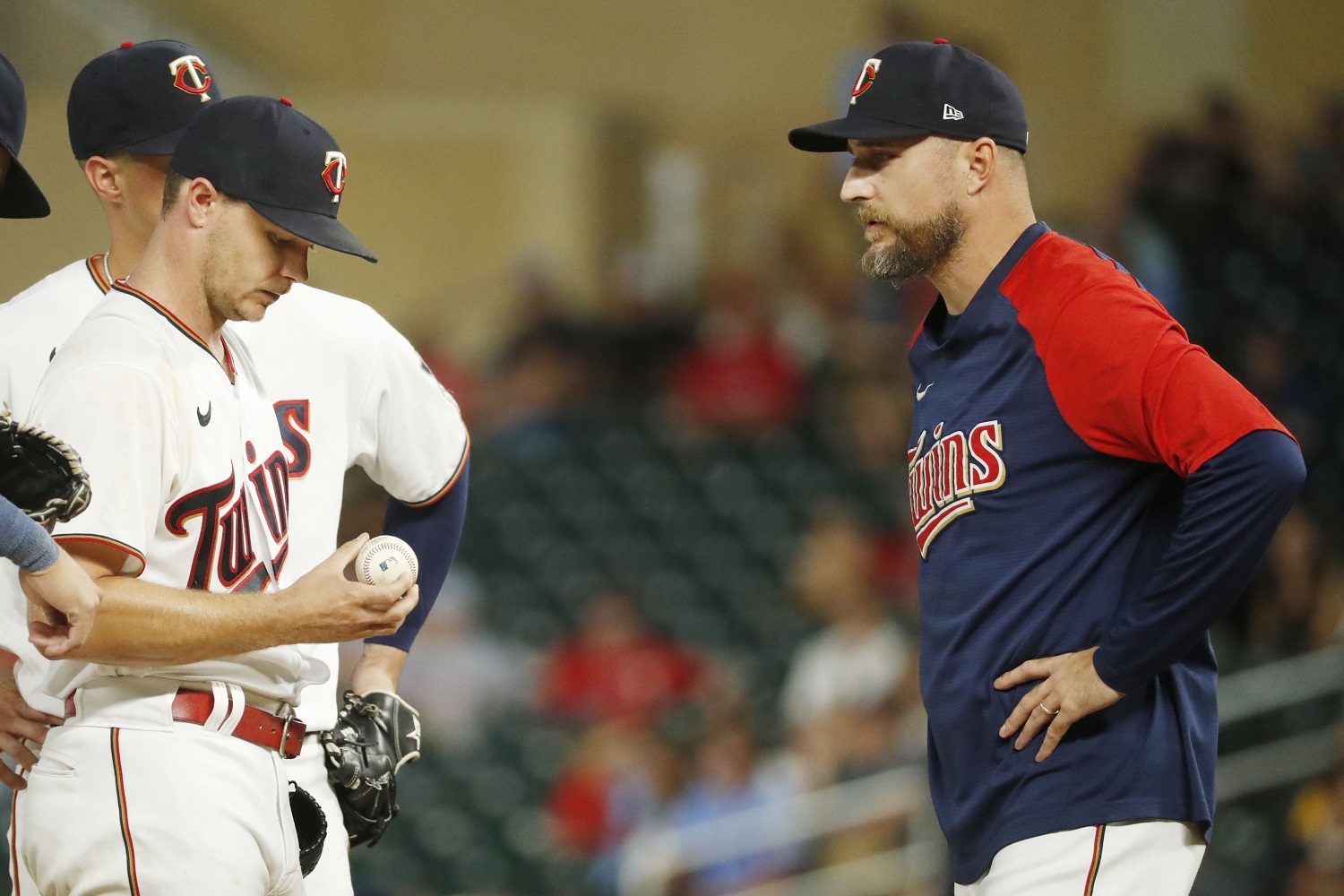 Derek Falvey and Thad Levine took over the Minnesota Twins front office six seasons ago. 2023 will be year seven. In that timeframe the club has been to the postseason three times while winning two AL Central division titles. There’s certainly some success there, but ultimately it comes with an 0-6 record in the postseason, which has accounted for one-third of the 0-18 futility during October. There’s only a partial pass for the Twins to be had in 2022. The injuries were significant. 37 pitchers have been used for the first time in franchise history. Byron Buxton played injured from the jump, and time was missed by Alex Kirilloff, Trevor Larnach, Max Kepler, and Jorge Polanco. All those things are fair to suggest that plenty has been working against Rocco Baldelli and his bosses. It’s also time to realize there’s no more room for error or excuses. It’s safe to say that the front office, and the manager, aren’t looking for a pass. Both those in the clubhouse and those employing it are looking for a way to create a sustainable winner for the future. Falvey was brought in to develop a pitching pipeline similar to that of Cleveland. Levine is a smart general manager who has made some shrewd moves. Baldelli can run a clubhouse and has orchestrated difficult decisions. For all the good each party has done, the results now have to follow. In year seven the Twins won’t, and shouldn’t be given the benefit of doubt. 2022 saw a franchise-high payroll that included the signing of superstar shortstop Carlos Correa. He fell into Minnesota’s lap and is likely gone over the offseason. It will be on the front office to appropriately name his replacement, and find ways to use that money. Plenty of the roster is penciled but almost all of it carries some level of uncertainty as to availability or expectation. There’s no more room for acquisitions like Dylan Bundy or Chris Archer. Every offseason addition has to be made under the premise of creating the best roster possible, with nothing added just to fill the fringes. Management can’t dictate any more reclamation projects to play a substantial role, and when something doesn’t work similar to Emilio Pagan this season, the plug has to be pulled. It’s more than fair to understand those running the Twins are an incredibly smart group with very good ideas. Both rooted in analytical outcomes and results based decision making, there’s probably never been a better group across the board. Ultimately though, the only thing that matters is the wins and losses, and they haven’t had enough of them. Over the winter the front office and coaching staff will need to find ways to improve internally. That will mean staffers being replaced, coaches being changed out, and developmental areas being addressed. This should be the last go-round for the collective as a whole, and there’s no excuse to forgo bringing in fresh faces to help reach the ultimate goal. There’s plenty of argument to be made that 2022 was never seen as the year to go “all in.” The trade deadline was navigated with a focus on the now, but a vision to the future as well. Fast forwarding to Opening Day 2023 and the future becomes now, with no more room for missteps. It’s time to come through on the vision, or change it entirely.
- 46 comments
-
- 9
-
-
- rocco baldelli
- derek falvey
- (and 3 more)
