



Cody Christie
-
Posts
7,805 -
Joined
-
Last visited
-
Days Won
5
Content Type
Profiles
News
Minnesota Twins Videos
2026 Minnesota Twins Top Prospects Ranking
2022 Minnesota Twins Draft Picks
Minnesota Twins Free Agent & Trade Rumors, Notes, & Tidbits
Guides & Resources
2023 Minnesota Twins Draft Picks
The Minnesota Twins Players Project
2024 Minnesota Twins Draft Picks
2025 Minnesota Twins Draft Pick Tracker
2026 Minnesota Twins Draft Tracker: Picks & Bonuses
Forums
Blogs
Events
Store
Downloads
Gallery
Everything posted by Cody Christie
-
 Image courtesy of © Brian Fluharty-Imagn Images Coming out of the Winter Meetings, the Twins find themselves circling back to a familiar need. The team's offense struggled down the stretch and remains the most obvious place to upgrade a roster that is trying to stay afloat while reshaping its long-term direction. Earlier this week, the Twins signed Josh Bell to a one-year, $7 million deal that comes with ramifications for the current roster. Minnesota could let him be the team's everyday first baseman, but he has been a poor defender for most of his career. To field the best lineup, Bell might be better suited for a DH role with a different player taking over at first base. That brings us back to Houston and to a decision that still hangs over the organization. The Twins shocked their fan base and much of the baseball world when they sent Carlos Correa back to the Astros last July. The deal felt like a final acknowledgement that the previous competitive window had closed. The return only sharpened that feeling. Minnesota received a 26-year-old low-minors pitcher in Matt Mikulski, who the team already released, and agreed to retain $33 million of Correa’s contract. At the time, it looked like the Twins took the best offer available. Now, we know the talks may have been more complicated. According to Bob Nightengale of USA Today, Minnesota initially pushed for veteran first baseman Christian Walker as part of those negotiations. Houston declined. Walker had just signed a free agent deal the previous winter and still had two years and $40 million remaining. The ask suggested the Twins were not simply dumping salary but actively searching for a way to remain respectable in the short term without Correa. Fast forward to this offseason, and Walker’s name is back in circulation. Reports indicate the Astros are attempting to clear a logjam at first base and designated hitter. Chandler Rome of The Athletic has noted that interest around the league has been limited. Walker’s 2025 numbers explain some of that hesitation. Over 154 games, he slashed .238/.297/.421 (.718) with a 99 wRC+ and produced 1.1 fWAR. There are reasons to think there is still something left. Walker was far better in the second half, launching 15 home runs and posting a 120 wRC+. He will be 35 years old in 2026 but remains a strong defender at first base (2 OAA in 2025), which carries real value for a pitching staff that will include young infielders across the diamond. This is where the Correa trade could be partially salvaged. Minnesota is already sending $10 million per season to Houston as part of Correa’s deal. A creative solution could see the Astros send Walker to the Twins while covering roughly half of his remaining salary ($16-20 million of the $40 million owed). Minnesota would likely need to include a lower-level prospect to make it work, but the cost would be manageable. It would not erase the sting of trading Correa for such a light return. However, landing a steady first baseman who can provide average offense and above-average defense would help stabilize the roster and provide a more transparent bridge between rebuilding and competing. Sometimes saving a trade does not mean winning it outright. Sometimes it means finding a way to make the aftermath hurt a little less. Does Walker make sense for the Twins? How much of his salary could the front office expect to acquire? Leave a comment and start the discussion. View full article
 -
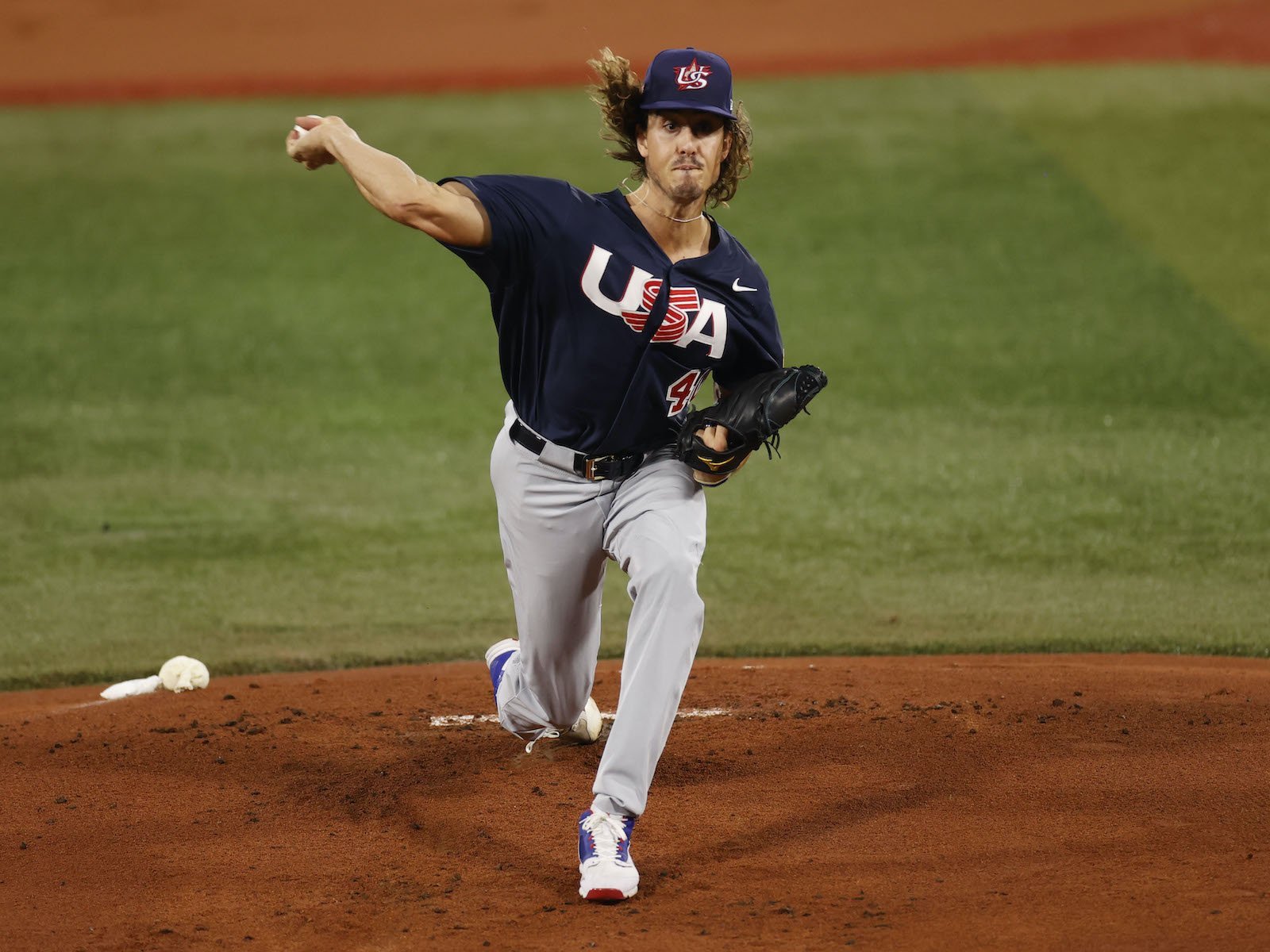 Joe Ryan is headed back to the international stage. The Minnesota Twins right hander will pitch for Team USA in the 2026 World Baseball Classic, continuing a growing résumé that already includes Olympic experience and a rising profile within Major League Baseball. This will not be Ryan’s first time wearing the red white and blue. He previously represented Team USA at the 2020 Olympics in Tokyo, which were ultimately held in 2021 due to the pandemic. That trip came at a memorable point in his career. Ryan was still a member of the Rays organization when the Games began, and he was in Japan when the Twins acquired him in a deadline deal that sent Nelson Cruz to Tampa Bay. By the time Ryan returned stateside, he belonged to a new organization and was on the doorstep of the big leagues. Five years later, Ryan is no longer a prospect getting his first taste of the majors. He is an established member of the Twins rotation and one of the more recognizable arms in the American League. His selection for Team USA reflects that progression and also highlights the trust both the national team and the Twins have in his preparation. The 2026 World Baseball Classic is scheduled to run from March 5 through March 17 and will feature 20 teams competing across four host cities. Pool play will take place in Miami, Houston, San Juan, and Tokyo. The quarterfinals will then be split between Miami and Houston before the tournament returns to Miami for the semifinals and championship round. It will mark the sixth edition of the event, with Japan entering as the defending champions after winning the 2023 tournament. For Ryan to participate, the Twins must sign off on his involvement, which suggests confidence in his offseason program and overall workload heading into the 2026 season. That decision carries some added context. Ryan was a first time All Star last season after a dominant first half, but he ran into challenges as the year wore on and his performance dipped in the later months. Allowing him to pitch in meaningful games during March indicates the organization believes he can handle the ramp up and benefit from the competitive environment. Ryan is not the only Twin expected to be part of Team USA. Byron Buxton has also been connected to the roster, potentially giving Minnesota multiple representatives on a high profile international stage. For Ryan, the opportunity is both familiar and new, another chance to pitch in pressure situations while adding to a career that has already taken some unexpected and memorable turns.
 -
Joe Ryan is headed back to the international stage. The Minnesota Twins right hander will pitch for Team USA in the 2026 World Baseball Classic, continuing a growing résumé that already includes Olympic experience and a rising profile within Major League Baseball. This will not be Ryan’s first time wearing the red white and blue. He previously represented Team USA at the 2020 Olympics in Tokyo, which were ultimately held in 2021 due to the pandemic. That trip came at a memorable point in his career. Ryan was still a member of the Rays organization when the Games began, and he was in Japan when the Twins acquired him in a deadline deal that sent Nelson Cruz to Tampa Bay. By the time Ryan returned stateside, he belonged to a new organization and was on the doorstep of the big leagues. Five years later, Ryan is no longer a prospect getting his first taste of the majors. He is an established member of the Twins rotation and one of the more recognizable arms in the American League. His selection for Team USA reflects that progression and also highlights the trust both the national team and the Twins have in his preparation. The 2026 World Baseball Classic is scheduled to run from March 5 through March 17 and will feature 20 teams competing across four host cities. Pool play will take place in Miami, Houston, San Juan, and Tokyo. The quarterfinals will then be split between Miami and Houston before the tournament returns to Miami for the semifinals and championship round. It will mark the sixth edition of the event, with Japan entering as the defending champions after winning the 2023 tournament. For Ryan to participate, the Twins must sign off on his involvement, which suggests confidence in his offseason program and overall workload heading into the 2026 season. That decision carries some added context. Ryan was a first time All Star last season after a dominant first half, but he ran into challenges as the year wore on and his performance dipped in the later months. Allowing him to pitch in meaningful games during March indicates the organization believes he can handle the ramp up and benefit from the competitive environment. Ryan is not the only Twin expected to be part of Team USA. Byron Buxton has also been connected to the roster, potentially giving Minnesota multiple representatives on a high profile international stage. For Ryan, the opportunity is both familiar and new, another chance to pitch in pressure situations while adding to a career that has already taken some unexpected and memorable turns. View full rumor
-
Twins Officially Announce Additions to Team’s Ownership Group
Cody Christie posted an article in Twins
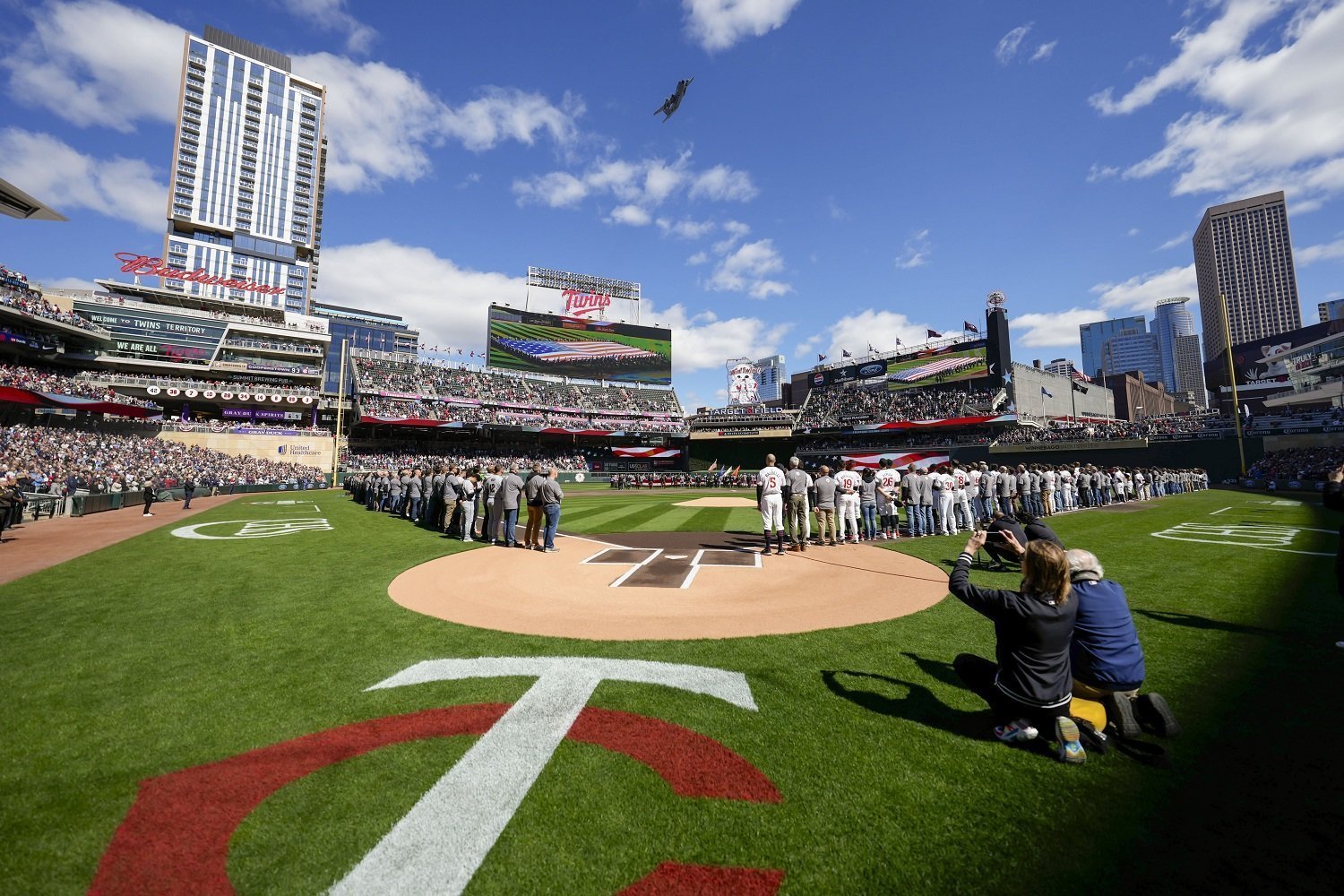 Four months after publicly backing away from a full sale of the franchise, the Minnesota Twins have taken a significant step toward financial and organizational stability. On Wednesday, the club announced the addition of several new limited partners, all while the Pohlad family maintains controlling interest and responsibility for day-to-day operations. The new ownership additions include Minnesota Wild owner Craig Leipold, New York-based Glick Family Investments, and Minnesota native George G. Hicks, founder of global investment firm Värde Partners. Major League Baseball has approved the transaction, which brings in minority investors with extensive experience across business, sports, and entertainment. The Twins emphasized that the Pohlad family remains firmly in charge, a key distinction after a turbulent year that included payroll cuts, public backlash, and an aborted attempt to sell the team outright. This move instead reflects a middle ground, adding capital and stability without fully relinquishing control. “As a lifelong Twins fan, I am honored and excited to join the Pohlad family as a steward of this beloved franchise,” said Hicks. “Like many in the state, some of my favorite memories are of times spent watching and cheering for the Twins. The leaders I represent share these values and recognize the importance of Twins baseball to our communities. This is the opportunity of a lifetime and one we view as a true privilege and responsibility.” Alongside the ownership announcement, the Twins also revealed a notable shift in leadership structure. Tom Pohlad will succeed his brother Joe in overseeing the organization and will replace his uncle Jim as the franchise’s primary liaison to Major League Baseball. “It is a profound honor to have the opportunity to continue a legacy that has been part of my family — and this community — for the past 40 years,” Tom Pohlad said. “My uncle and my brother have led this organization with integrity, dedication, and a genuine love for the game. As I assume my new role, I do so with great respect for our history and a clear focus on the future — one defined by accountability and stewardship in our relentless pursuit of a championship.” Joe Pohlad will step away from his day-to-day role, but remain involved as an advocate for the organization and its employees. “It has been one of the greatest responsibilities and privileges of my life to work alongside the people in this organization and to serve our fans,” Joe Pohlad said. “As we begin this next chapter in our ownership of the Twins, I will be stepping away from my day-to-day role. I will continue to champion our employees and Twins Territory as our organization moves forward.” Taken together, the additions of limited partners and the reshuffling of leadership suggest a franchise attempting to reset its footing. While this does not represent the clean break some fans expected when a sale was first floated, it does signal renewed commitment and a clearer organizational direction. For a team searching for stability after two bruising years, that alone may be a meaningful step forward.
- 85 comments
-
- 4
-

-
- jim pohlad
- joe pohlad
- (and 1 more)
-
Image courtesy of © Jordan Johnson-Imagn Images Four months after publicly backing away from a full sale of the franchise, the Minnesota Twins have taken a significant step toward financial and organizational stability. On Wednesday, the club announced the addition of several new limited partners, all while the Pohlad family maintains controlling interest and responsibility for day-to-day operations. The new ownership additions include Minnesota Wild owner Craig Leipold, New York-based Glick Family Investments, and Minnesota native George G. Hicks, founder of global investment firm Värde Partners. Major League Baseball has approved the transaction, which brings in minority investors with extensive experience across business, sports, and entertainment. The Twins emphasized that the Pohlad family remains firmly in charge, a key distinction after a turbulent year that included payroll cuts, public backlash, and an aborted attempt to sell the team outright. This move instead reflects a middle ground, adding capital and stability without fully relinquishing control. “As a lifelong Twins fan, I am honored and excited to join the Pohlad family as a steward of this beloved franchise,” said Hicks. “Like many in the state, some of my favorite memories are of times spent watching and cheering for the Twins. The leaders I represent share these values and recognize the importance of Twins baseball to our communities. This is the opportunity of a lifetime and one we view as a true privilege and responsibility.” Alongside the ownership announcement, the Twins also revealed a notable shift in leadership structure. Tom Pohlad will succeed his brother Joe in overseeing the organization and will replace his uncle Jim as the franchise’s primary liaison to Major League Baseball. “It is a profound honor to have the opportunity to continue a legacy that has been part of my family — and this community — for the past 40 years,” Tom Pohlad said. “My uncle and my brother have led this organization with integrity, dedication, and a genuine love for the game. As I assume my new role, I do so with great respect for our history and a clear focus on the future — one defined by accountability and stewardship in our relentless pursuit of a championship.” Joe Pohlad will step away from his day-to-day role, but remain involved as an advocate for the organization and its employees. “It has been one of the greatest responsibilities and privileges of my life to work alongside the people in this organization and to serve our fans,” Joe Pohlad said. “As we begin this next chapter in our ownership of the Twins, I will be stepping away from my day-to-day role. I will continue to champion our employees and Twins Territory as our organization moves forward.” Taken together, the additions of limited partners and the reshuffling of leadership suggest a franchise attempting to reset its footing. While this does not represent the clean break some fans expected when a sale was first floated, it does signal renewed commitment and a clearer organizational direction. For a team searching for stability after two bruising years, that alone may be a meaningful step forward. View full article
-
ZiPS Sees Paths Forward for the 2026 Twins, Despite Familiar Questions
Cody Christie posted an article in Twins
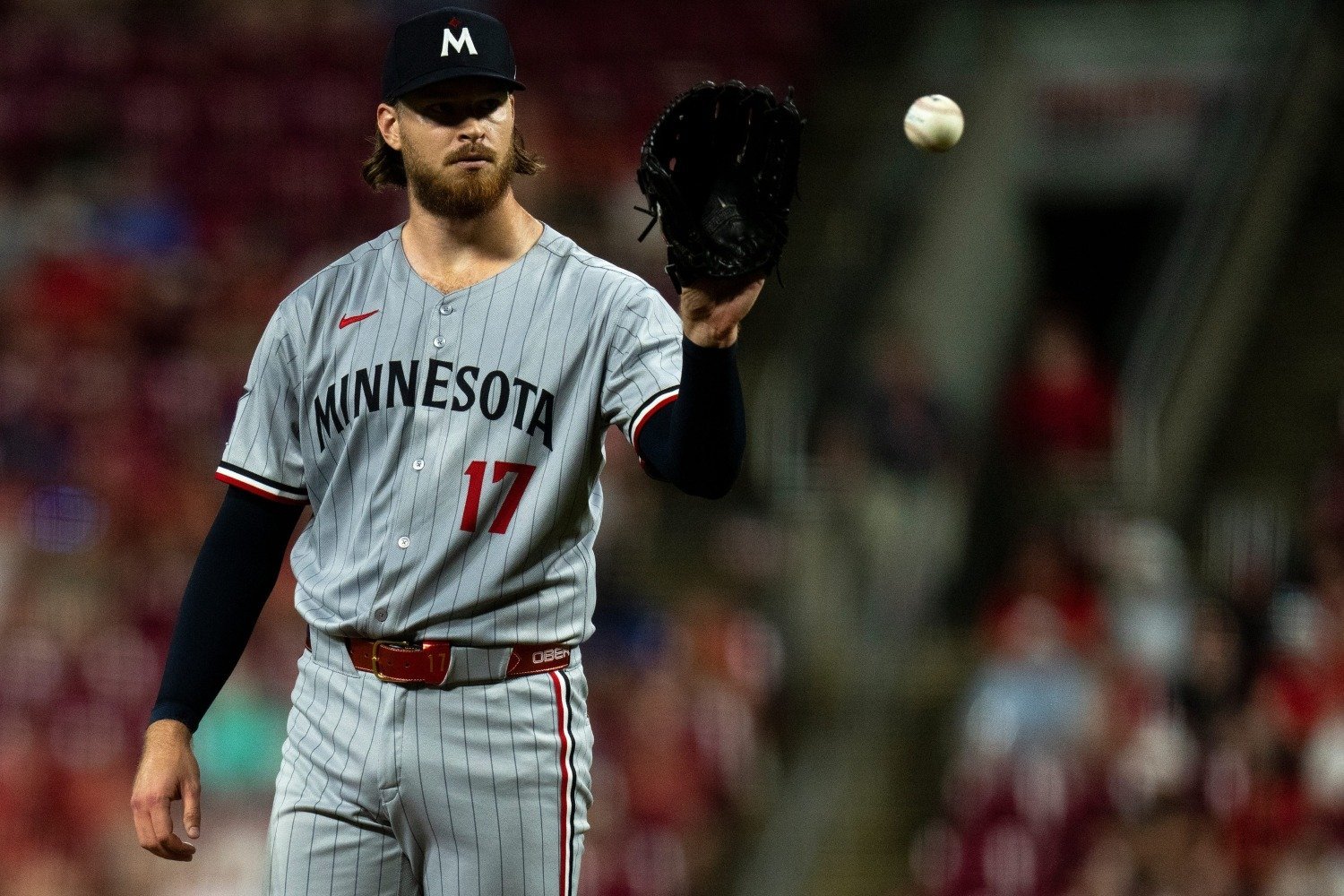 FanGraphs released its annual ZiPS projections for the Twins this week, giving Twins fans their first broad statistical snapshot of what the 2026 season could look like. ZiPS, created by Dan Szymborski, is a projection system that blends recent performance, aging curves, historical comps, and a healthy dose of probabilistic modeling to estimate future value. It is not a prediction set in stone, but it does offer a valuable lens for identifying strengths, weaknesses, and areas where upside may be hiding. For the Twins, ZiPS paints a picture that feels familiar. There are clear problem areas, a few positions of relative strength, and a farm system that still drives significant optimism. Problem Positions Shortstop and left field stand out as the thinnest areas on the roster. Brooks Lee is projected as the primary shortstop, and while ZiPS sees him as playable, it does not treat the position as a strength. Lee’s bat (83 OPS+) profiles better than his defense (-5 Def), and the overall projection reflects a player who can hold his own but may not elevate the lineup. Left field is even murkier, with a combined 0.8 fWAR. The current mix of Austin Martin, Trevor Larnach, James Outman, and Alan Roden projects as serviceable but uninspiring. ZiPS does not see a clear above-average regular in that group. Minnesota does have high-end prospects who could eventually change the picture (see below), but most of that help is more realistic for the second half of the season, rather than Opening Day. Top Positions At the top of the list is Byron Buxton, who is coming off arguably the best season of his career. ZiPS still likes his overall impact (119 OPS+, 3.0 WAR), but the ever-present health concerns naturally cap expectations for his playing time (473 PA). The hope is that he can come close to repeating last season’s All-Star and Silver Slugger-level production, though nothing about Buxton has ever come with guarantees, especially as he gets further into his 30s. Second base checks in as the Twins’ second-strongest position. Luke Keaschall is projected to handle the bulk of the workload and comes in with a 106 OPS+ and 1.8 fWAR. Edouard Julien is projected for 1.2 fWAR, a number that feels optimistic after his uneven 2025 campaign, but ZiPS continues to believe in the underlying offensive skill set. Minnesota has talked about Keaschall getting time in the outfield, so that might help the team’s glaring hole in left field. Top Prospects Get Mixed Reviews ZiPS is particularly bullish on Kaelen Culpepper, projecting him for 1.9 fWAR in 510 PA. That raises an interesting question about how aggressively the Twins plan to push him, given that he finished last season at Double-A Wichita. The Twins are comfortable letting Lee ride at shortstop for now, and it seems more likely for Culpepper to get 200 PA or fewer in 2026. Injuries could always impact that number, but there is no reason to rush one of their top prospects. The system also sees potential in Emmanuel Rodriguez, assuming health cooperates. ZiPS projects a 98 OPS+ and 1.3 fWAR, ranking in the team’s top 10 in position-player WAR. There is a scenario where he could claim left field quickly if things break right. Walker Jenkins, on the other hand, receives a more cautious outlook with a 93 three-year OPS+, signaling some uncertainty about how soon his elite tools will fully translate. Starting Pitching for Days Where ZiPS really lights up is the rotation. Bailey Ober’s projection leans more on his broader track record than his 2025 struggles, viewing him as a solid middle-of-the-rotation arm (102 ERA+, 4.20 FIP). ZiPS is also enthusiastic about Zebby Matthews, projecting a 110 ERA+. Simeon Woods Richardson at 104 ERA+, Taj Bradley at 101 ERA+, and Mick Abel at 97 ERA+ all come in as valuable contributors. The common thread is depth, as the system clearly likes the organization’s pitching inventory across the majors and upper minors. Minnesota’s bullpen carries far more uncertainty than the rotation. ZiPS views Cole Sands, Justin Topa, Kody Funderburk, and Eric Orze as capable setup caliber options rather than true late-inning anchors. Sands stands out with the third-best projected ERA+ on the roster, a sign that ZiPS is buying into the adjustments he made over the second half. Topa, Funderburk, and Orze all land at a 107 ERA+, suggesting steady but unspectacular production. The hope is that the Twins supplement this group with additional veteran arms while continuing to lean on the front office’s recent success in turning Triple-A depth into usable bullpen contributors. In the end, ZiPS offers a reminder not to let frustration define expectations. As Szymborski put it, “The easiest thing for people to do is set this past season as a baseline and understand that this team isn’t going to be much better in 2026. But using last season’s record as a baseline is generally a poor idea, as there’s a good argument that a lot of the 2025 Twins underperformed their actual ability.” His perspective neatly sums up the tension surrounding this roster. The ZiPS projections are not screaming contender, with a win total estimated between 78 and 84, but they are not confirming a lost cause either. There are obvious holes, particularly on the left side of the defense and in the corner outfield, yet there is also enough pitching depth and prospect-driven upside to envision a better outcome if a few things break right. For a Twins team trying to reset expectations after a disappointing year, ZiPS offers something closer to cautious encouragement than cold reality, and that may be exactly what this fan base needs heading into the spring. What stands out about Minnesota’s ZiPS projections? Leave a comment and start the discussion.
- 17 comments
-
- 4
-
-
- bailey ober
- byron buxton
- (and 6 more)
-
Image courtesy of © Albert Cesare/The Enquirer / USA TODAY NETWORK via Imagn Images FanGraphs released its annual ZiPS projections this week, giving Twins fans their first broad statistical snapshot of what the 2026 season could look like. ZiPS, created by Dan Szymborski, is a projection system that blends recent performance, aging curves, historical comps, and a healthy dose of probabilistic modeling to estimate future value. It is not a prediction set in stone, but it does offer a valuable lens for identifying strengths, weaknesses, and areas where upside may be hiding. For the Twins, ZiPS paints a picture that feels familiar. There are clear problem areas, a few positions of relative strength, and a farm system that still drives significant optimism. Problem Positions Shortstop and left field stand out as the thinnest areas on the roster. Brooks Lee is projected as the primary shortstop, and while ZiPS sees him as playable, it does not treat the position as a strength. Lee’s bat (83 OPS+) profiles better than his defense (-5 Def), and the overall projection reflects a player who can hold his own but may not elevate the lineup. Left field is even murkier with a combined 0.8 fWAR. The current mix of Austin Martin, Trevor Larnach, James Outman, and Alan Roden projects as serviceable but uninspiring. ZiPS does not see a clear above-average regular in that group. Minnesota does have high-end prospects who could eventually change the picture (see below), but most of that help is more realistic for the second half of the season rather than Opening Day. Top Positions At the top of the list is Byron Buxton, who is coming off arguably the best season of his career. ZiPS still likes his overall impact (119 OPS+, 3.0 WAR), but the ever-present health concerns naturally cap expectations for his playing time (473 PA). The hope is that he can come close to repeating last season’s All-Star and Silver Slugger level production, though nothing about Buxton has ever come with guarantees, especially as he gets further into his 30s. Second base checks in as the Twins’ second strongest position. Luke Keaschall is projected to handle the bulk of the workload and comes in with a 106 OPS+ and 1.8 fWAR. Edouard Julien is projected for 1.2 fWAR, a number that feels optimistic after his uneven 2025 campaign, but ZiPS continues to believe in the underlying offensive skill set. Minnesota has talked about Keaschall getting time in the outfield, so that might help the team’s glaring hole in left field. Top Prospects Get Mixed Reviews ZiPS is particularly bullish on Kaelen Culpepper, projecting him for 1.9 fWAR in 510 PA. That raises an interesting question about how aggressively the Twins plan to push him, given that he finished last season at Double-A. The Twins are comfortable letting Lee ride at shortstop for now, and it seems more likely for Culpepper to get 200 PA or fewer in 2026. Injuries could always impact that number, but there is no reason to rush one of their top prospects. The system also sees potential in Emmanuel Rodriguez, assuming health cooperates. ZiPS projects a 98 OPS+ and 1.3 fWAR, ranking in the team’s top-10 in position player WAR. There is a scenario where he could claim left field quickly if things break right. Walker Jenkins, on the other hand, receives a more cautious outlook with a 93 three-year OPS+, signaling some uncertainty about how soon his elite tools will fully translate. Starting Pitching for Days Where ZiPS really lights up is the rotation. Bailey Ober’s projection leans more on his broader track record than his 2025 struggles, viewing him as a solid middle-of-the-rotation arm (102 ERA+, 4.20 FIP). ZiPS is also enthusiastic about Zebby Matthews, projecting a 110 ERA+. Simeon Woods Richardson at 104 ERA+, Taj Bradley at 101 ERA+, and Mick Abel at 97 ERA+ all come in as valuable contributors. The common thread is depth, as the system clearly likes the organization’s pitching inventory across the majors and upper minors. Minnesota’s bullpen carries far more uncertainty than the rotation. ZiPS views Cole Sands, Justin Topa, Kody Funderburk, and Eric Orze as capable setup caliber options rather than true late inning anchors. Sands stands out with the third best projected ERA+ on the roster, a sign that ZiPS is buying into the adjustments he made over the second half. Topa, Funderburk, and Orze all land at a 107 ERA+, suggesting steady but unspectacular production. The hope is that the Twins supplement this group with additional veteran arms while continuing to lean on the front office’s recent success in turning Triple-A depth into usable bullpen contributors. In the end, ZiPS offers a reminder not to let frustration define expectations. As Szymborski put it, “The easiest thing for people to do is set this past season as a baseline and understand that this team isn’t going to be much better in 2026. But using last season’s record as a baseline is generally a poor idea, as there’s a good argument that a lot of the 2025 Twins underperformed their actual ability.” His perspective neatly sums up the tension surrounding this roster. The ZiPS projections are not screaming contender, with a win total estimated between 78 and 84, but they are not confirming a lost cause either. There are obvious holes, particularly on the left side of the defense and in the corner outfield, yet there is also enough pitching depth and prospect-driven upside to envision a better outcome if a few things break right. For a Twins team trying to reset expectations after a disappointing year, ZiPS offers something closer to cautious encouragement than cold reality, and that may be exactly what this fan base needs heading into the spring. What stands out about Minnesota’s ZiPS projections? Leave a comment and start the discussion. View full article
-
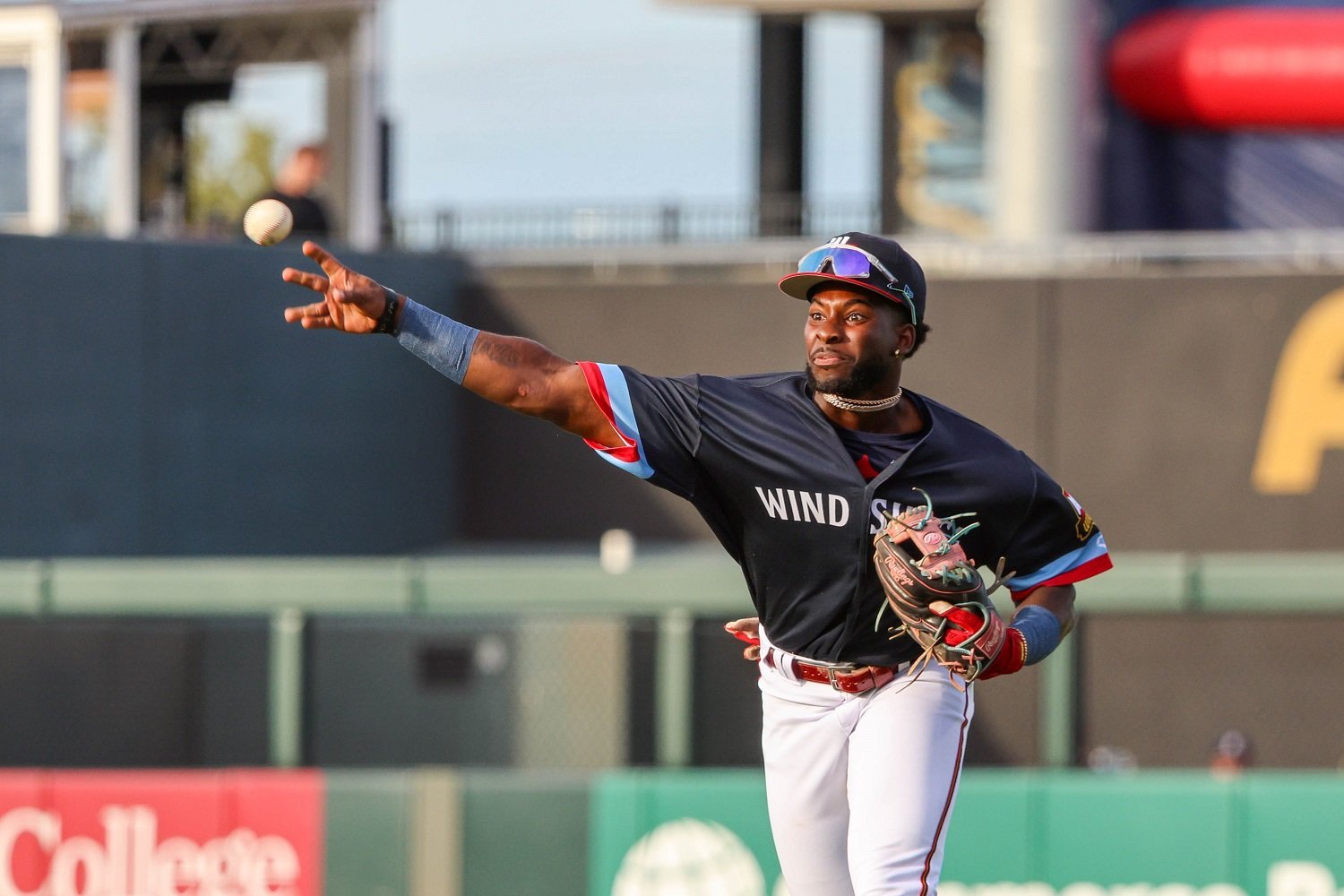 The Twins have been methodical in building an infield pipeline that could anchor the franchise for years, and the 2026 season marks the first true step toward that plan becoming reality. Brooks Lee will open the year at shortstop with Luke Keaschall alongside him at second base, while Kaelen Culpepper continues his climb after a breakthrough season in the minors. Their development is intertwined, and Minnesota is preparing for multiple scenarios where all three could play significant roles. Keaschall’s positional path is already expanding, and Derek Falvey made clear that the organization views him as more than just a second baseman. Falvey explained that Keaschall’s broken forearm last season paused their original plan to explore outfield reps earlier. “For Luke specifically, obviously got a ton of time at second. With the way his season went with the broken forearm, it kind of screwed up our plans for exploring the outfield more like we were originally going to do this past year,” he said. With Keaschall now past his arm rehab, the Twins are revisiting that developmental track. “That’s something that from a throwing program perspective this offseason, we’re going to spend more time making sure he’s building out to get some reps out there in the outfield,” Falvey said. The Twins see Keaschall’s versatility as key to fitting all their pieces together. Falvey said the organization will be having more conversations with him about what that transition will look like and emphasized that both he and Derek Shelton believe it can benefit the club. “We think it could be a real opportunity for him to keep finding as many ways in the lineup that help the group as we try to fit all the pieces together and slide other guys around, too. It could be really valuable if he could run out to left field or center field along the way.” Unstated, there, is the other major reason the team is considering that move: Keaschall looked bad at second base in 2025. He probably doesn't have the fluidity or the hands to play on the dirt on an everyday basis, though the club hopes he can stay there at least part of the time. Culpepper remains a step behind Keaschall and Lee in terms of timeline, but his stock continues to rise. After splitting the year between High A and Double A, he solidified himself as one of Minnesota’s most promising prospects. “Yeah, Kaelen had an awesome year," Falvey said. "Really could not have asked for it to go much better.” Culpepper played shortstop most of the time, but also saw early work at second and third base as the organization began expanding his defensive profile. “He’s getting some work, you know, early work at second base, third base, a little bit of game exposure in those spots. And we’ll let that continue to play out as we get through spring training into the season,” Falvey noted. If all three players are healthy at the same time (a big if when it comes to Twins top prospects), Minnesota has several intriguing defensive configurations. The most straightforward setup would feature Culpepper at third, Lee at shortstop, and Keaschall at second. That alignment keeps all three in the infield, while still allowing Keaschall to move into the outfield when needed. Another scenario emerges if Culpepper arrives ready to take over second base. In that case, Keaschall’s growing experience in the outfield becomes even more critical. Lee would remain at shortstop in that alignment, giving the Twins a strong defensive foundation up the middle. There is also the possibility that early-season struggles or injuries force a different arrangement. If Lee has a problematic defensive start, Culpepper has the skill set to take over at shortstop, sliding Lee to second base. The Twins value the ability to shift players around as needed, and this trio gives them more flexibility than they have had in years. Whatever alignment Minnesota ultimately settles into, Lee, Keaschall, and Culpepper will be central to the organization’s future. Their versatility allows the Twins to adapt to performance, injuries, and roster construction in a way few clubs can match. The next step is seeing how quickly all three can grow into the roles the Twins envision for them. How will these three players fit into Minnesota’s long-term plans? Leave a comment and start the discussion.
- 76 comments
-
- 5
-
-
- brooks lee
- luke keaschall
- (and 1 more)
-
Image courtesy of Ed Bailey, Wichita Wind Surge (Photo of Kaelen Culpepper) The Twins have been methodical in building an infield pipeline that could anchor the franchise for years, and the 2026 season marks the first true step toward that plan becoming reality. Brooks Lee will open the year at shortstop with Luke Keaschall alongside him at second base, while Kaelen Culpepper continues his climb after a breakthrough season in the minors. Their development is intertwined, and Minnesota is preparing for multiple scenarios where all three could play significant roles. Keaschall’s positional path is already expanding, and Derek Falvey made clear that the organization views him as more than just a second baseman. Falvey explained that Keaschall’s broken forearm last season paused their original plan to explore outfield reps earlier. “For Luke specifically, obviously got a ton of time at second. With the way his season went with the broken forearm, it kind of screwed up our plans for exploring the outfield more like we were originally going to do this past year,” he said. With Keaschall now past his arm rehab, the Twins are revisiting that developmental track. “That’s something that from a throwing program perspective this offseason, we’re going to spend more time making sure he’s building out to get some reps out there in the outfield,” Falvey said. The Twins see Keaschall’s versatility as key to fitting all their pieces together. Falvey said the organization will be having more conversations with him about what that transition will look like and emphasized that both he and Derek Shelton believe it can benefit the club. “We think it could be a real opportunity for him to keep finding as many ways in the lineup that help the group as we try to fit all the pieces together and slide other guys around, too. It could be really valuable if he could run out to left field or center field along the way.” Unstated, there, is the other major reason the team is considering that move: Keaschall looked bad at second base in 2025. He probably doesn't have the fluidity or the hands to play on the dirt on an everyday basis, though the club hopes he can stay there at least part of the time. Culpepper remains a step behind Keaschall and Lee in terms of timeline, but his stock continues to rise. After splitting the year between High A and Double A, he solidified himself as one of Minnesota’s most promising prospects. “Yeah, Kaelen had an awesome year," Falvey said. "Really could not have asked for it to go much better.” Culpepper played shortstop most of the time, but also saw early work at second and third base as the organization began expanding his defensive profile. “He’s getting some work, you know, early work at second base, third base, a little bit of game exposure in those spots. And we’ll let that continue to play out as we get through spring training into the season,” Falvey noted. If all three players are healthy at the same time (a big if when it comes to Twins top prospects), Minnesota has several intriguing defensive configurations. The most straightforward setup would feature Culpepper at third, Lee at shortstop, and Keaschall at second. That alignment keeps all three in the infield, while still allowing Keaschall to move into the outfield when needed. Another scenario emerges if Culpepper arrives ready to take over second base. In that case, Keaschall’s growing experience in the outfield becomes even more critical. Lee would remain at shortstop in that alignment, giving the Twins a strong defensive foundation up the middle. There is also the possibility that early-season struggles or injuries force a different arrangement. If Lee has a problematic defensive start, Culpepper has the skill set to take over at shortstop, sliding Lee to second base. The Twins value the ability to shift players around as needed, and this trio gives them more flexibility than they have had in years. Whatever alignment Minnesota ultimately settles into, Lee, Keaschall, and Culpepper will be central to the organization’s future. Their versatility allows the Twins to adapt to performance, injuries, and roster construction in a way few clubs can match. The next step is seeing how quickly all three can grow into the roles the Twins envision for them. How will these three players fit into Minnesota’s long-term plans? Leave a comment and start the discussion. View full article
-
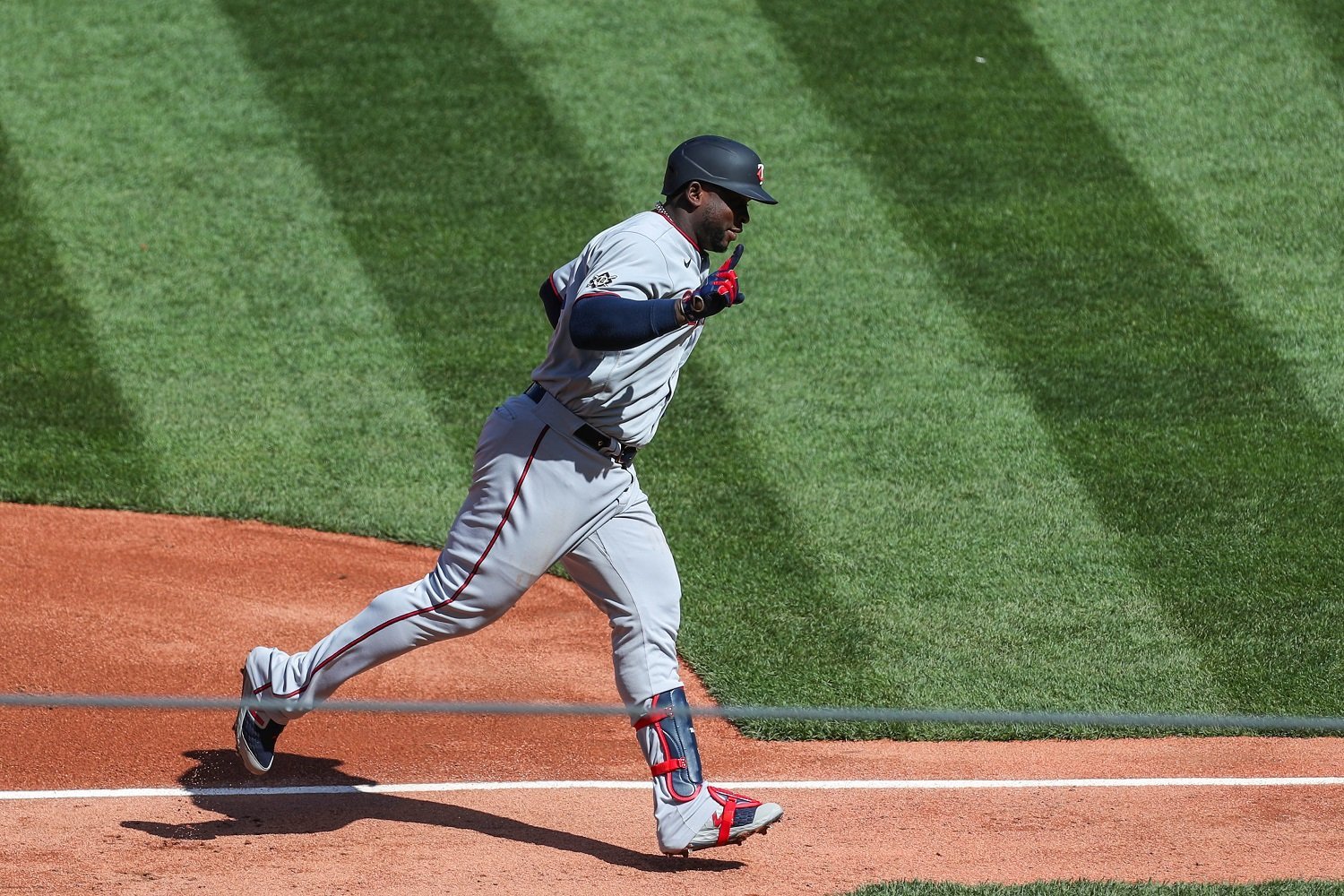 Miguel Sanó is headed back to professional relevance, even if it comes on the other side of the world. According to Francys Romero, the Chunichi Dragons of Nippon Professional Baseball are finalizing a one-year deal with the former Minnesota Twins slugger, pending a physical. For a player who has spent the last few seasons bouncing on and off the margins of Major League rosters, this represents both a reset and a reward. Sanó has not appeared in a regular-season Major League game since being released by the Angels in July of 2024. Since then, he has returned home to the Dominican Republic, quietly rebuilding his value in winter ball. The results have been impossible to ignore. Across the most recent Dominican league season, Sanó slashed .315/.376/.663 (1.039) with nine home runs in just 24 games. That performance followed an .856 OPS campaign the previous winter, making this less of a fluke and more of a trend. For Twins fans, Sanó will always be a complicated figure. Signed as a teenager with generational power, he reached the big leagues quickly and delivered on that promise in bursts. He was an All-Star, posted multiple 30 home run seasons, and helped anchor lineups that regularly finished near the top of the American League in power. In just under 3,000 career plate appearances, Sanó launched 164 home runs and produced a .233/.325/.477 (.802) line with a 115 OPS+. The problem was never talent. Injuries derailed multiple seasons, strikeouts piled up at record-setting rates, and defensive limitations narrowed his paths to playing time. After an above-average showing in 2021, Sanó became a fringe option, appearing in just 48 total games between the Twins and Angels from 2022 through 2024. His last stint in the majors came in 28 games with Los Angeles. If that proves to be his final Major League chapter, Sanó still walks away with a respectable career résumé. But players do not sign seven-figure deals overseas because they are finished. They do it because someone still believes the bat can play. In this case, that belief was earned through dominance against professional pitching, not nostalgia. Nippon Professional Baseball has become a viable bridge back to MLB relevance for power hitters willing to adjust and prove themselves again. Sanó will be tested by a different pitching style and a more demanding daily routine. If the power carries over, the conversation changes quickly. Is a return to the big leagues likely? Probably not. But Miguel Sanó has made a career out of defying neat timelines. As long as the ball keeps leaving the yard, never say never.
 -
Miguel Sanó is headed back to professional relevance, even if it comes on the other side of the world. According to Francys Romero, the Chunichi Dragons of Nippon Professional Baseball are finalizing a one-year deal with the former Minnesota Twins slugger, pending a physical. For a player who has spent the last few seasons bouncing on and off the margins of Major League rosters, this represents both a reset and a reward. Sanó has not appeared in a regular-season Major League game since being released by the Angels in July of 2024. Since then, he has returned home to the Dominican Republic, quietly rebuilding his value in winter ball. The results have been impossible to ignore. Across the most recent Dominican league season, Sanó slashed .315/.376/.663 (1.039) with nine home runs in just 24 games. That performance followed an .856 OPS campaign the previous winter, making this less of a fluke and more of a trend. For Twins fans, Sanó will always be a complicated figure. Signed as a teenager with generational power, he reached the big leagues quickly and delivered on that promise in bursts. He was an All-Star, posted multiple 30 home run seasons, and helped anchor lineups that regularly finished near the top of the American League in power. In just under 3,000 career plate appearances, Sanó launched 164 home runs and produced a .233/.325/.477 (.802) line with a 115 OPS+. The problem was never talent. Injuries derailed multiple seasons, strikeouts piled up at record-setting rates, and defensive limitations narrowed his paths to playing time. After an above-average showing in 2021, Sanó became a fringe option, appearing in just 48 total games between the Twins and Angels from 2022 through 2024. His last stint in the majors came in 28 games with Los Angeles. If that proves to be his final Major League chapter, Sanó still walks away with a respectable career résumé. But players do not sign seven-figure deals overseas because they are finished. They do it because someone still believes the bat can play. In this case, that belief was earned through dominance against professional pitching, not nostalgia. Nippon Professional Baseball has become a viable bridge back to MLB relevance for power hitters willing to adjust and prove themselves again. Sanó will be tested by a different pitching style and a more demanding daily routine. If the power carries over, the conversation changes quickly. Is a return to the big leagues likely? Probably not. But Miguel Sanó has made a career out of defying neat timelines. As long as the ball keeps leaving the yard, never say never. View full rumor
-
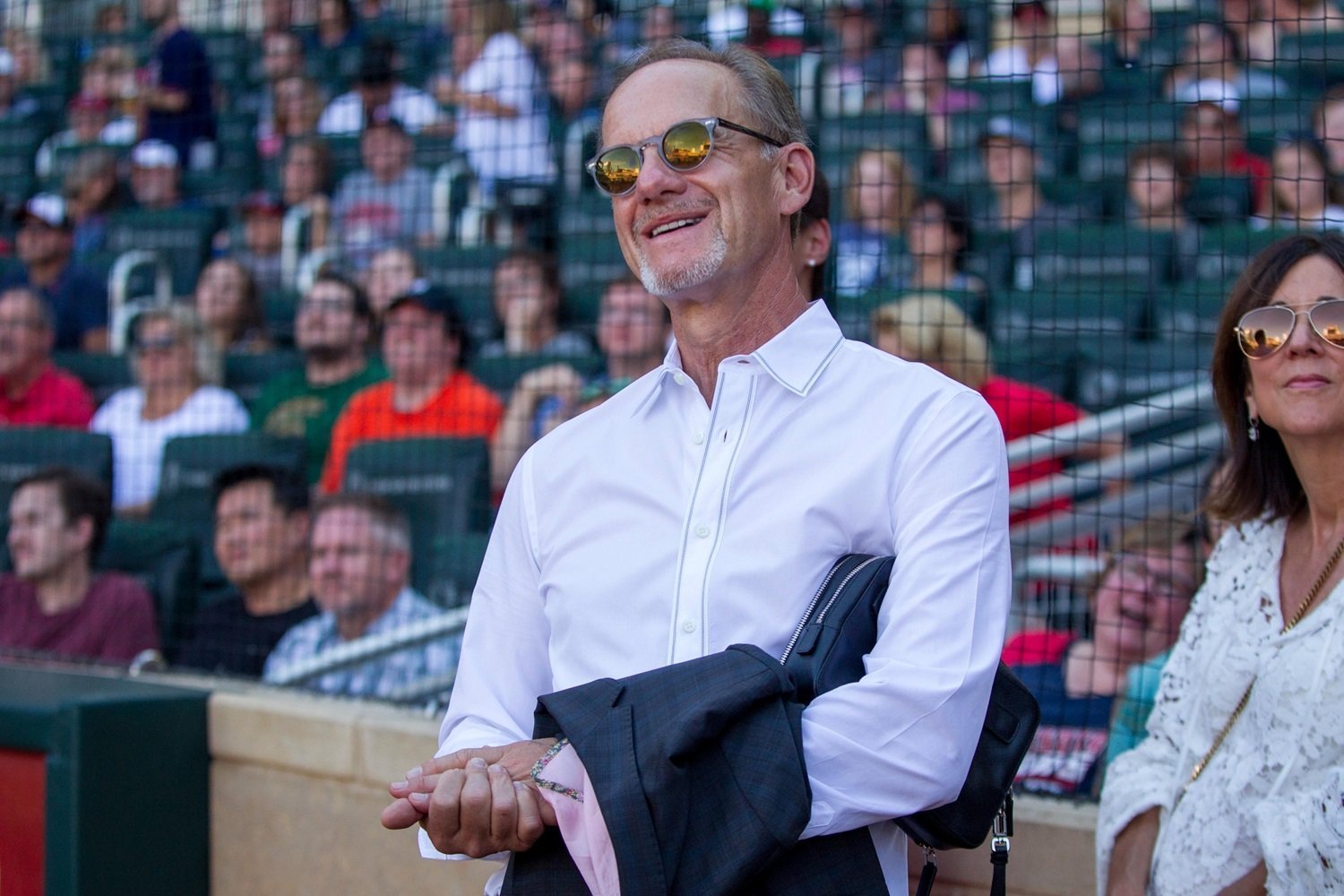 The Minnesota Twins appear close to formally announcing a partial sale that does not change who runs the franchise but meaningfully changes the math behind it. By selling just over 20% of the club at a reported valuation of $1.75 billion, the Pohlad family is positioning the organization to finally address debt that has lingered since the pandemic while also improving the team’s standing should a larger sale ever come back into focus. The structure of the deal matters. This is not a handoff of power or a succession plan in disguise. According to Dan Hayes, the new investors are limited partners with no path to control and no mechanism to force decisions. The Pohlad family remains firmly in charge, with league sources indicating Tom Pohlad will take on a larger role alongside Joe Pohlad. Three new seats will be added to the ownership advisory board, but the family’s authority remains intact. Where the change is real is on the balance sheet. Multiple sources have described the debt reduction tied to this deal as significant, and that word has been repeated intentionally. The Twins accumulated substantial debt over the last five seasons, driven by a combination of COVID disruptions, flat attendance and revenue losses tied to their television situation. Unlike many clubs, the Twins continued paying employees and minor league players during the shutdown, a decision that was laudable but expensive. The debt came on quickly and never truly came off. Attendance trends underline the problem. Target Field has not returned to its pre-pandemic levels despite a division title and multiple playoff appearances. Payroll reductions only intensified fan frustration, further limiting gate revenue. At the same time, the collapse of the regional sports network model cost the Twins tens of millions annually. Twins TV keeps games accessible, but it does not replace what was lost financially. That context helps explain why this deal took longer than expected and why interest grew rather than faded. Once the franchise made clear it was open to minority investment, more groups stepped forward. Instead of two limited partnerships, three ultimately formed, each purchasing smaller slices that required additional league approval. From the team’s perspective, more interest meant better terms and a cleaner exit from debt. The longer view is where this becomes more interesting. A Twins franchise with manageable debt looks very different to potential buyers in the late 2020s than one weighed down by pandemic era obligations. New national television deals arrive in 2029. Any labor uncertainty from the next collective bargaining agreement should be resolved. Franchise values almost certainly continue to rise. That future upside likely explains why none of the new investors demanded a roadmap to control. The appeal is growth, not governance. For now, the Pohlad family insists it is committed to owning the team, and several third generation members have expressed interest in staying involved. Still, this deal quietly restores optionality. Whether the Twins are ever sold outright remains an open question. What is clear is that the franchise has taken an important step toward financial stability, one that could eventually ripple onto the field.
- 39 comments
-
- 3
-
-
- joe pohlad
- tom pohlad
- (and 1 more)
-
The Minnesota Twins appear close to formally announcing a partial sale that does not change who runs the franchise but meaningfully changes the math behind it. By selling just over 20% of the club at a reported valuation of $1.75 billion, the Pohlad family is positioning the organization to finally address debt that has lingered since the pandemic while also improving the team’s standing should a larger sale ever come back into focus. The structure of the deal matters. This is not a handoff of power or a succession plan in disguise. According to Dan Hayes, the new investors are limited partners with no path to control and no mechanism to force decisions. The Pohlad family remains firmly in charge, with league sources indicating Tom Pohlad will take on a larger role alongside Joe Pohlad. Three new seats will be added to the ownership advisory board, but the family’s authority remains intact. Where the change is real is on the balance sheet. Multiple sources have described the debt reduction tied to this deal as significant, and that word has been repeated intentionally. The Twins accumulated substantial debt over the last five seasons, driven by a combination of COVID disruptions, flat attendance and revenue losses tied to their television situation. Unlike many clubs, the Twins continued paying employees and minor league players during the shutdown, a decision that was laudable but expensive. The debt came on quickly and never truly came off. Attendance trends underline the problem. Target Field has not returned to its pre-pandemic levels despite a division title and multiple playoff appearances. Payroll reductions only intensified fan frustration, further limiting gate revenue. At the same time, the collapse of the regional sports network model cost the Twins tens of millions annually. Twins TV keeps games accessible, but it does not replace what was lost financially. That context helps explain why this deal took longer than expected and why interest grew rather than faded. Once the franchise made clear it was open to minority investment, more groups stepped forward. Instead of two limited partnerships, three ultimately formed, each purchasing smaller slices that required additional league approval. From the team’s perspective, more interest meant better terms and a cleaner exit from debt. The longer view is where this becomes more interesting. A Twins franchise with manageable debt looks very different to potential buyers in the late 2020s than one weighed down by pandemic era obligations. New national television deals arrive in 2029. Any labor uncertainty from the next collective bargaining agreement should be resolved. Franchise values almost certainly continue to rise. That future upside likely explains why none of the new investors demanded a roadmap to control. The appeal is growth, not governance. For now, the Pohlad family insists it is committed to owning the team, and several third generation members have expressed interest in staying involved. Still, this deal quietly restores optionality. Whether the Twins are ever sold outright remains an open question. What is clear is that the franchise has taken an important step toward financial stability, one that could eventually ripple onto the field. View full rumor
-
What Josh Bell’s Signing Means for the Rest of the Twins’ Lineup
Cody Christie posted an article in Twins
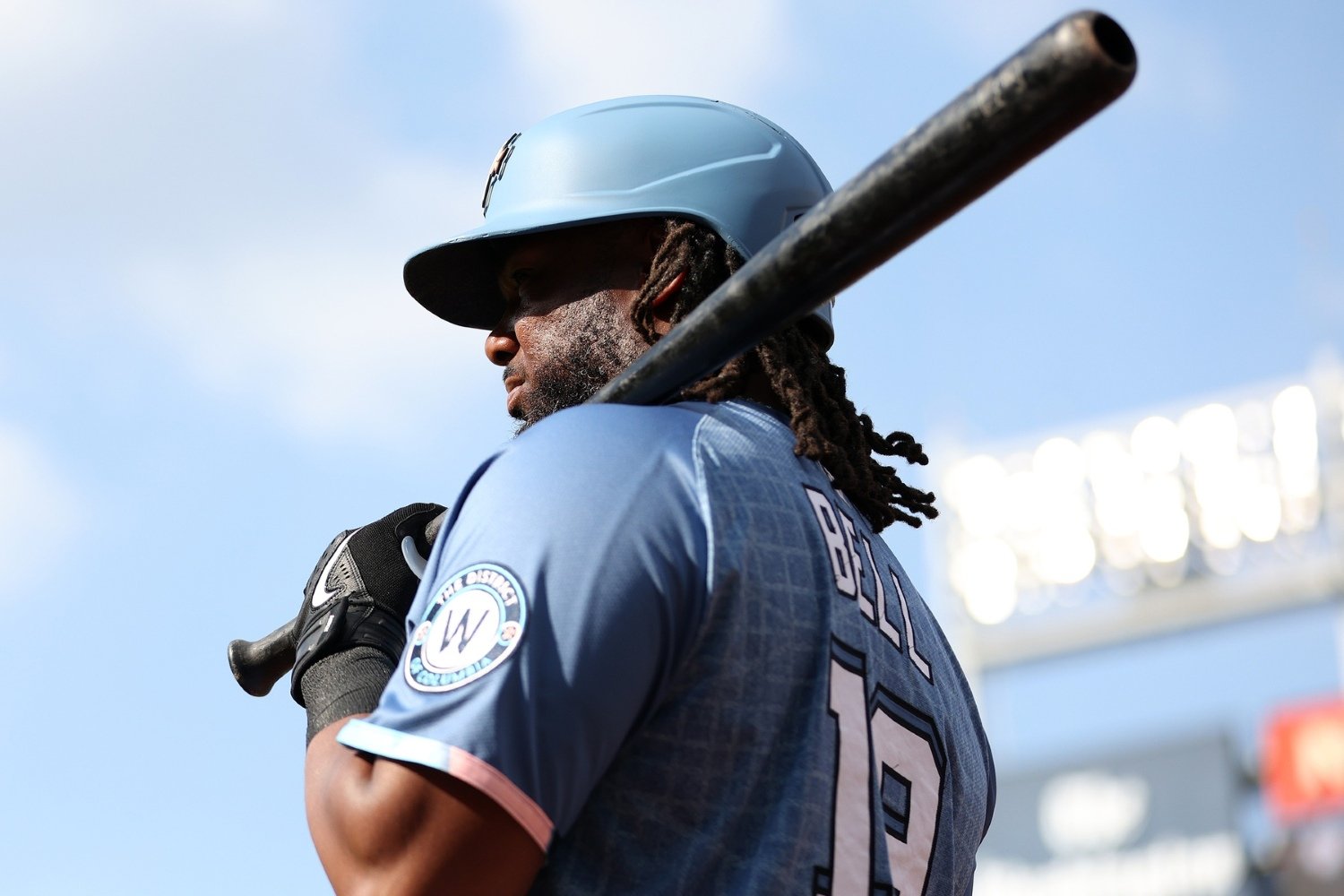 Josh Bell is not the kind of signing that flips an organization on its head, but he is the kind that quietly reshapes how a lineup comes together. At 33, Bell arrives in Minnesota as a known quantity. He has been an above-average hitter for nearly a decade—durable to a fault, and consistently productive even when the overall package has not quite matched the star-level expectations once placed on his prospect profile. Bell has spent much of his career teasing something more. The power is real. The plate discipline is real. The problem has always been the ground balls. Despite that flaw, Bell has averaged better than 26 home runs per 162 games over the past seven season, and has shown an ability to carry an offense for weeks at a time when he gets hot. The Twins are betting that stability and experience can help lift a lineup that has too often relied on streaky young bats to do the heavy lifting. First Base Fit and Defensive Tradeoffs Bell figures to be the primary first baseman for new manager Derek Shelton, who briefly overlapped with Bell in Pittsburgh. The Twins' current internal options at first base are serviceable, but limited. Edouard Julien can handle the position in short spurts, but is stretched defensively. Kody Clemens brings versatility and pop, but profiles better as a part-time player. Neither option offers the middle-of-the-order presence that Bell provides. The downside is obvious. Bell is not a good defender. While he posted solid grades at first base in 2021 and 2022, the longer-term numbers are ugly. Over his past 1,551 innings in the field, Bell has been charged with -20 Defensive Runs Saved and -16 Outs Above Average. He struggles with range and consistency, and his lack of speed shows when plays require lateral movement. Minnesota is scheduled to have a young infield around Bell, which could throw his defensive shortcomings into sharp relief. Royce Lewis saw improvements at third base last year, but he has previously struggled with throwing issues. Brooks Lee and Luke Keaschall will form the team’s double-play duo, at least some of the time, but both are seen as below-average defenders. The Twins need someone at first who can help their young infield with scoops and errant throws. That reality likely pushes the Twins toward a flexible usage plan. Bell will play first base often, but the club can mitigate some of the defensive damage by rotating him through the designated hitter spot. That would also open occasional opportunities for Julien or Clemens to see time at first, keeping more bats in the lineup without asking Bell to shoulder the full defensive burden. The Designated Hitter Picture Like most teams, the Twins do not operate with a fixed designated hitter. That fluid approach becomes even more critical with Bell in the fold. Sliding him into the DH role on certain days helps the overall defense and keeps him fresh across what is typically a heavy workload. Bell has appeared in 91.5 percent of his team’s possible games since becoming a full-time regular, averaging better than 148 games per season. The DH situation also intersects with Trevor Larnach, whom the Twins retained through the arbitration process. Larnach remains a bat-first corner outfielder who can soak up DH at-bats, particularly against right-handed pitching. At the same time, he is one of the more logical trade candidates on the roster, if the Twins look to rebalance or address another need. With Bell in the mix, the Twins have more freedom to rotate players through the DH spot. That flexibility could keep Larnach involved, while also making him expendable. If Bell occupies first base on a given night, the DH can be used to rest a regular or to keep an extra left-handed bat in the lineup. If Bell is the DH, Julien or Clemens can slide to first, and the outfield alignment becomes easier to manage. How Bell Reshapes the Lineup Even with the defensive shortcomings, Bell adds a legitimate bat to the middle of Minnesota’s order. When he elevates the ball, he does so with authority. Statcast ranked his 96.4-mph average exit velocity on line drives and fly balls 25th among 251 qualified hitters. His isolated power of .507 on fly balls sits well above the league average, even if it falls short of elite territory. Bell’s long-standing issue has been his tendency to hit the ball on the ground. Last season’s 45.7% ground ball rate was actually the second-lowest of his career, trailing only the 44% mark from his 37-homer season in 2019. Even so, that number remains well above the league average. For a hitter with terrible speed for a big-leaguer, grounders sap value and suppress overall production. In the lineup, Bell slots neatly into the top half of the Twins’ batting order. Minnesota needs more right-handed pop, but Bell, a switch-hitter, had an OPS that was 252 points lower against lefties last season. His .804 OPS against righties should make him an everyday player when lefties aren’t on the mound. His presence eases pressure on talented but inconsistent hitters like Lewis, Lee, and Matt Wallner, while also providing insulation if Larnach remains with the club. If the Twins compete in 2025, it will be because in-house talents take meaningful steps forward. Bell, alone, does not change that equation. What he does offer is reliability. He has been at least an average bat in every full season of his career (outside of the shortened 2020 campaign). In a lineup searching for stability, that matters. If the season veers the other direction in a competitive AL Central, Bell’s durability and track record make him a sensible trade chip. In that sense, his signing fits the Twins' current reality. It raises the floor without closing doors, and it gives the lineup a clearer shape heading into spring. What does Bell bring to the Twins lineup? Leave a comment and start the discussion.
- 107 comments
-
- 7
-
-
- josh bell
- edouard julien
- (and 3 more)
-
Image courtesy of © Daniel Kucin Jr.-Imagn Images Josh Bell is not the kind of signing that flips an organization on its head, but he is the kind that quietly reshapes how a lineup comes together. At 33, Bell arrives in Minnesota as a known quantity. He has been an above-average hitter for nearly a decade—durable to a fault, and consistently productive even when the overall package has not quite matched the star-level expectations once placed on his prospect profile. Bell has spent much of his career teasing something more. The power is real. The plate discipline is real. The problem has always been the ground balls. Despite that flaw, Bell has averaged better than 26 home runs per 162 games over the past seven season, and has shown an ability to carry an offense for weeks at a time when he gets hot. The Twins are betting that stability and experience can help lift a lineup that has too often relied on streaky young bats to do the heavy lifting. First Base Fit and Defensive Tradeoffs Bell figures to be the primary first baseman for new manager Derek Shelton, who briefly overlapped with Bell in Pittsburgh. The Twins' current internal options at first base are serviceable, but limited. Edouard Julien can handle the position in short spurts, but is stretched defensively. Kody Clemens brings versatility and pop, but profiles better as a part-time player. Neither option offers the middle-of-the-order presence that Bell provides. The downside is obvious. Bell is not a good defender. While he posted solid grades at first base in 2021 and 2022, the longer-term numbers are ugly. Over his past 1,551 innings in the field, Bell has been charged with -20 Defensive Runs Saved and -16 Outs Above Average. He struggles with range and consistency, and his lack of speed shows when plays require lateral movement. Minnesota is scheduled to have a young infield around Bell, which could throw his defensive shortcomings into sharp relief. Royce Lewis saw improvements at third base last year, but he has previously struggled with throwing issues. Brooks Lee and Luke Keaschall will form the team’s double-play duo, at least some of the time, but both are seen as below-average defenders. The Twins need someone at first who can help their young infield with scoops and errant throws. That reality likely pushes the Twins toward a flexible usage plan. Bell will play first base often, but the club can mitigate some of the defensive damage by rotating him through the designated hitter spot. That would also open occasional opportunities for Julien or Clemens to see time at first, keeping more bats in the lineup without asking Bell to shoulder the full defensive burden. The Designated Hitter Picture Like most teams, the Twins do not operate with a fixed designated hitter. That fluid approach becomes even more critical with Bell in the fold. Sliding him into the DH role on certain days helps the overall defense and keeps him fresh across what is typically a heavy workload. Bell has appeared in 91.5 percent of his team’s possible games since becoming a full-time regular, averaging better than 148 games per season. The DH situation also intersects with Trevor Larnach, whom the Twins retained through the arbitration process. Larnach remains a bat-first corner outfielder who can soak up DH at-bats, particularly against right-handed pitching. At the same time, he is one of the more logical trade candidates on the roster, if the Twins look to rebalance or address another need. With Bell in the mix, the Twins have more freedom to rotate players through the DH spot. That flexibility could keep Larnach involved, while also making him expendable. If Bell occupies first base on a given night, the DH can be used to rest a regular or to keep an extra left-handed bat in the lineup. If Bell is the DH, Julien or Clemens can slide to first, and the outfield alignment becomes easier to manage. How Bell Reshapes the Lineup Even with the defensive shortcomings, Bell adds a legitimate bat to the middle of Minnesota’s order. When he elevates the ball, he does so with authority. Statcast ranked his 96.4-mph average exit velocity on line drives and fly balls 25th among 251 qualified hitters. His isolated power of .507 on fly balls sits well above the league average, even if it falls short of elite territory. Bell’s long-standing issue has been his tendency to hit the ball on the ground. Last season’s 45.7% ground ball rate was actually the second-lowest of his career, trailing only the 44% mark from his 37-homer season in 2019. Even so, that number remains well above the league average. For a hitter with terrible speed for a big-leaguer, grounders sap value and suppress overall production. In the lineup, Bell slots neatly into the top half of the Twins’ batting order. Minnesota needs more right-handed pop, but Bell, a switch-hitter, had an OPS that was 252 points lower against lefties last season. His .804 OPS against righties should make him an everyday player when lefties aren’t on the mound. His presence eases pressure on talented but inconsistent hitters like Lewis, Lee, and Matt Wallner, while also providing insulation if Larnach remains with the club. If the Twins compete in 2025, it will be because in-house talents take meaningful steps forward. Bell, alone, does not change that equation. What he does offer is reliability. He has been at least an average bat in every full season of his career (outside of the shortened 2020 campaign). In a lineup searching for stability, that matters. If the season veers the other direction in a competitive AL Central, Bell’s durability and track record make him a sensible trade chip. In that sense, his signing fits the Twins' current reality. It raises the floor without closing doors, and it gives the lineup a clearer shape heading into spring. What does Bell bring to the Twins lineup? Leave a comment and start the discussion. View full article
-
Image courtesy of © Mitch Stringer-Imagn Images The Minnesota Twins spent last summer trading away nearly every living relief pitcher in the organization. Fans watched as the front office moved five arms at the deadline, several of them with multiple years of team control, and then acted surprised when the bullpen depth chart looked like a garage sale table the next morning. Now, after Joey Gallo posted a short social media video of himself throwing a few pitches, the Twins front office has decided that this is exactly the kind of forward thinking they need. Gallo’s three pitch cameo on social media sounded impressive. You could not see where the ball went but it made a loud noise, which is half of pitching anyway. The Twins immediately logged it as a scouting report. Front office officials reportedly gathered around Derek Falvey’s phone like teenagers watching a viral highlight, nodding solemnly as if they had discovered a new setup man. With the bullpen thinned from last year’s sell off, they are willing to consider anything. That willingness has opened the door to a new era of creativity. If Gallo can reinvent himself on the mound, the Twins wonder who else might be hiding untapped bullpen potential. The team will soon introduce the Community Tryout Initiative at Target Field. Anyone who has ever thrown out a ceremonial first pitch is apparently on a short list of candidates. A marketing intern says the team already has radar guns ready for the next school field trip. If a fourth grader accidentally breaks 80 miles per hour, he will be offered a minor league deal and a voucher for ballpark nachos. The Twins have also reportedly asked position players to attend a voluntary pitching seminar that is not actually voluntary. Royce Lewis has been encouraged to learn a splitter because the analytics department believes it could help his recovery timeline even if he never throws it in a game. Matt Wallner and his cannon of an arm was handed a brochure titled So You Might Be A Reliever Now. Even Byron Buxton, a standout high school pitcher, was approached but declined politely since trying to pitch would almost certainly lead to twelve new injury updates. Minnesota is also considering an initiative to convert past Twins who return to the ballpark for alumni events. Latroy Hawkins, the team’s new bullpen coach, is the most logical choice. Plus, it helps add to his career totals. Michael Cuddyer is in the conversation too. Torii Hunter is safe only because the front office assumes he would laugh and walk out of the room before they finished the sentence. In the end, the Twins may actually sign a few real relievers. They always do. But for now the bullpen plan remains a blend of hope, improvisation, and mild panic. And if Gallo keeps posting videos of his fastball, there is a real chance that he becomes the most experienced arm in the entire relief corps. View full article
-
The Twins Bullpen Search Has Reached the Joey Gallo Stage
Cody Christie posted an article in Just For Fun
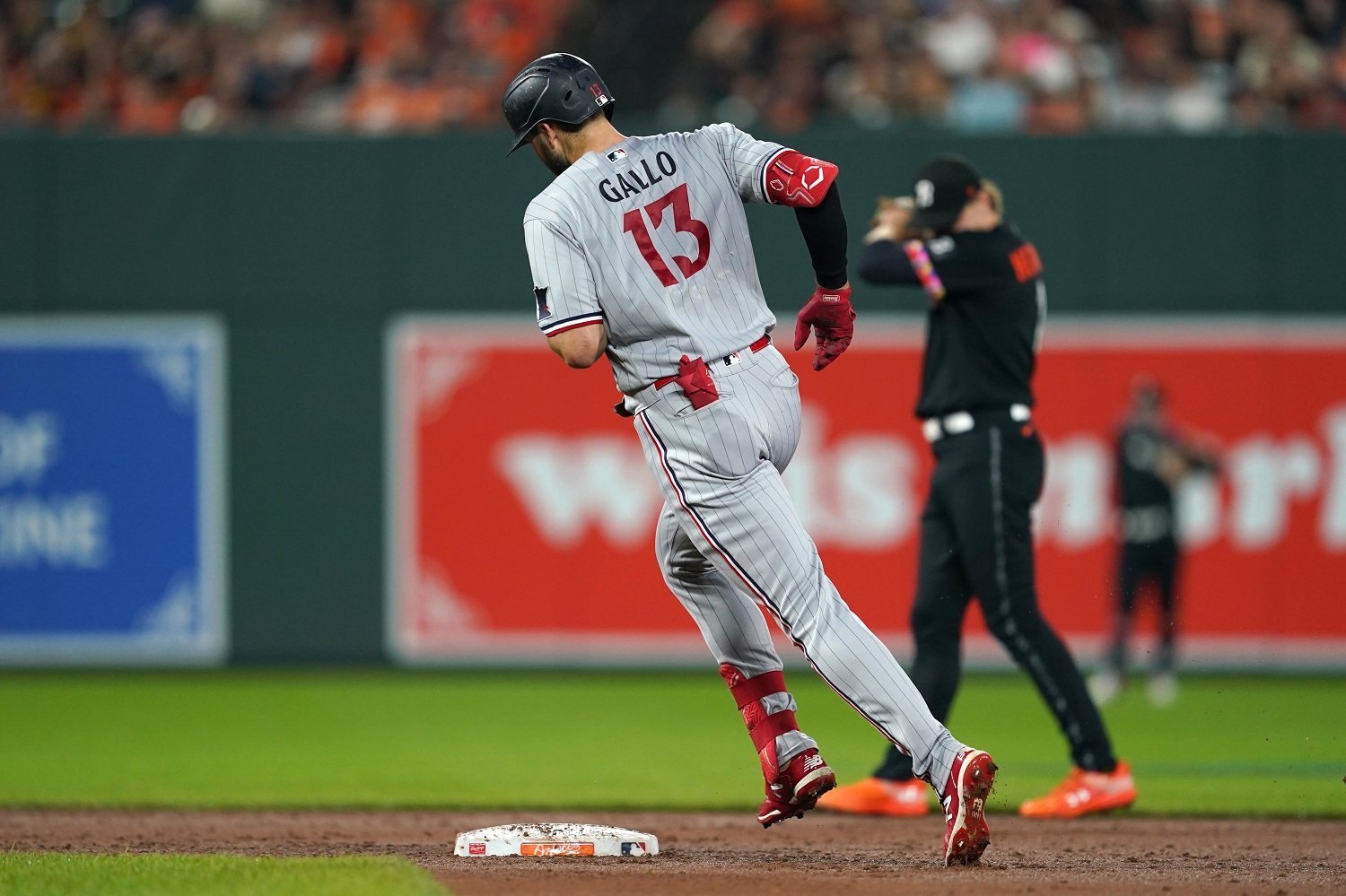 The Minnesota Twins spent last summer trading away nearly every living relief pitcher in the organization. Fans watched as the front office moved five arms at the deadline, several of them with multiple years of team control, and then acted surprised when the bullpen depth chart looked like a garage sale table the next morning. Now, after Joey Gallo posted a short social media video of himself throwing a few pitches, the Twins front office has decided that this is exactly the kind of forward thinking they need. Gallo’s three pitch cameo on social media sounded impressive. You could not see where the ball went but it made a loud noise, which is half of pitching anyway. The Twins immediately logged it as a scouting report. Front office officials reportedly gathered around Derek Falvey’s phone like teenagers watching a viral highlight, nodding solemnly as if they had discovered a new setup man. With the bullpen thinned from last year’s sell off, they are willing to consider anything. That willingness has opened the door to a new era of creativity. If Gallo can reinvent himself on the mound, the Twins wonder who else might be hiding untapped bullpen potential. The team will soon introduce the Community Tryout Initiative at Target Field. Anyone who has ever thrown out a ceremonial first pitch is apparently on a short list of candidates. A marketing intern says the team already has radar guns ready for the next school field trip. If a fourth grader accidentally breaks 80 miles per hour, he will be offered a minor league deal and a voucher for ballpark nachos. The Twins have also reportedly asked position players to attend a voluntary pitching seminar that is not actually voluntary. Royce Lewis has been encouraged to learn a splitter because the analytics department believes it could help his recovery timeline even if he never throws it in a game. Matt Wallner and his cannon of an arm was handed a brochure titled So You Might Be A Reliever Now. Even Byron Buxton, a standout high school pitcher, was approached but declined politely since trying to pitch would almost certainly lead to twelve new injury updates. Minnesota is also considering an initiative to convert past Twins who return to the ballpark for alumni events. Latroy Hawkins, the team’s new bullpen coach, is the most logical choice. Plus, it helps add to his career totals. Michael Cuddyer is in the conversation too. Torii Hunter is safe only because the front office assumes he would laugh and walk out of the room before they finished the sentence. In the end, the Twins may actually sign a few real relievers. They always do. But for now the bullpen plan remains a blend of hope, improvisation, and mild panic. And if Gallo keeps posting videos of his fastball, there is a real chance that he becomes the most experienced arm in the entire relief corps.
 -
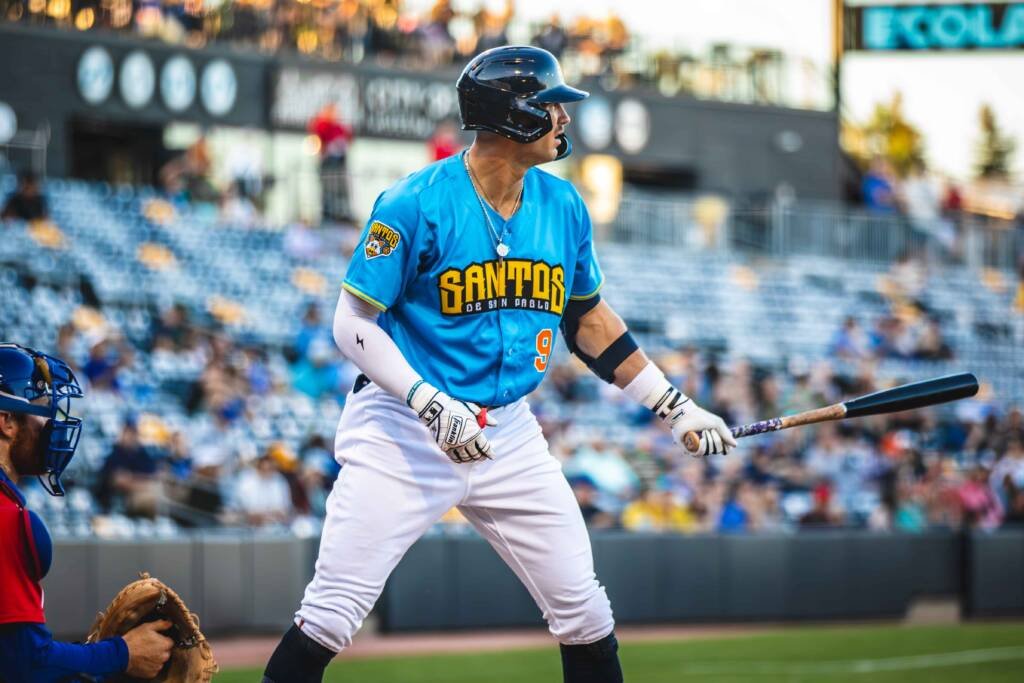 Former Twins outfielder Carson McCusker has found his next baseball home. According to Francys Romero of Beisbol FR, McCusker has signed a one year contract with the Tohoku Rakuten Golden Eagles of Japan’s Nippon Professional Baseball. The move comes shortly after Minnesota placed McCusker on unconditional release waivers during the Winter Meeting. At the time, reports indicated McCusker was expected to play in Asia in 2026, though the destination had not yet been finalized. The timing mattered for Minnesota. Releasing McCusker dropped the club’s 40-man roster count to 39 just hours before the Rule 5 draft, opening the door for activity. The Twins used that flexibility to select catcher Daniel Susac from the A’s organization and quickly flipped him to the San Francisco Giants for rookie ball catcher Miguel Caraballo. From the Twins’ perspective, the transaction was more about roster mechanics than performance. From McCusker’s perspective, it marked another unexpected turn in a career defined by persistence. McCusker will turn 28 in May and his path to the big leagues was anything but traditional. He went undrafted out of college and spent parts of the 2021 and 2022 seasons in independent ball. The Twins signed him with little fanfare, and over the next few years he steadily climbed the ladder. In 2025, that work paid off with a call to the majors. His time in Minnesota was brief but meaningful. McCusker appeared in 16 games and stepped to the plate 30 times, posting a .172/.200/.172 (.372) slash line. The production was below average, but simply reaching the majors represented a massive personal victory for a player who had been outside affiliated baseball not long before. The more compelling case for McCusker has always lived in the minors. From 2023 through 2025, he logged 1,146 plate appearances across multiple levels of the Twins system. The strikeouts were plentiful, with a 32.1 percent rate, but so was the power. McCusker launched 55 home runs and slashed .265/.335/.494 (.829), good for a 119 wRC+. Opportunity, however, was going to be scarce going forward. Minnesota’s outfield picture is crowded with Byron Buxton, Trevor Larnach, Matt Wallner, James Outman, Alan Roden, Austin Martin, and Kody Clemens. Top prospects Walker Jenkins, Emmanuel Rodriguez, Gabriel Gonzalez, and Hendry Mendez all played in the upper minors last season and will be on track to debut in 2026. By heading overseas, McCusker likely secures a stronger financial guarantee and a clearer path to regular playing time. Success in Japan could open the door to a return to North America or additional opportunities abroad. Given the route he has already taken, betting on another unconventional chapter feels entirely on brand.
 -
Former Twins outfielder Carson McCusker has found his next baseball home. According to Francys Romero of Beisbol FR, McCusker has signed a one year contract with the Tohoku Rakuten Golden Eagles of Japan’s Nippon Professional Baseball. The move comes shortly after Minnesota placed McCusker on unconditional release waivers during the Winter Meeting. At the time, reports indicated McCusker was expected to play in Asia in 2026, though the destination had not yet been finalized. The timing mattered for Minnesota. Releasing McCusker dropped the club’s 40-man roster count to 39 just hours before the Rule 5 draft, opening the door for activity. The Twins used that flexibility to select catcher Daniel Susac from the A’s organization and quickly flipped him to the San Francisco Giants for rookie ball catcher Miguel Caraballo. From the Twins’ perspective, the transaction was more about roster mechanics than performance. From McCusker’s perspective, it marked another unexpected turn in a career defined by persistence. McCusker will turn 28 in May and his path to the big leagues was anything but traditional. He went undrafted out of college and spent parts of the 2021 and 2022 seasons in independent ball. The Twins signed him with little fanfare, and over the next few years he steadily climbed the ladder. In 2025, that work paid off with a call to the majors. His time in Minnesota was brief but meaningful. McCusker appeared in 16 games and stepped to the plate 30 times, posting a .172/.200/.172 (.372) slash line. The production was below average, but simply reaching the majors represented a massive personal victory for a player who had been outside affiliated baseball not long before. The more compelling case for McCusker has always lived in the minors. From 2023 through 2025, he logged 1,146 plate appearances across multiple levels of the Twins system. The strikeouts were plentiful, with a 32.1 percent rate, but so was the power. McCusker launched 55 home runs and slashed .265/.335/.494 (.829), good for a 119 wRC+. Opportunity, however, was going to be scarce going forward. Minnesota’s outfield picture is crowded with Byron Buxton, Trevor Larnach, Matt Wallner, James Outman, Alan Roden, Austin Martin, and Kody Clemens. Top prospects Walker Jenkins, Emmanuel Rodriguez, Gabriel Gonzalez, and Hendry Mendez all played in the upper minors last season and will be on track to debut in 2026. By heading overseas, McCusker likely secures a stronger financial guarantee and a clearer path to regular playing time. Success in Japan could open the door to a return to North America or additional opportunities abroad. Given the route he has already taken, betting on another unconventional chapter feels entirely on brand. View full rumor
-
Image courtesy of © Kirby Lee-Imagn Images The dust is finally settling after MLB’s Winter Meetings in Orlando, and the Twins seem to have a more defined path forward. For weeks, the offseason was clouded by rumors surrounding Pablo López, Joe Ryan, and Byron Buxton. That chatter quieted dramatically once Minnesota’s leadership met with the media. Instead of shopping their cornerstone pieces, the front office emphasized stability and a plan to keep the roster intact while searching for incremental upgrades. If Minnesota does plan to make a notable move, it likely will not come from a traditional sell-off. There were not many teams signaling that they were ready to move established players for futures. As president of baseball and business operations, Derek Falvey explained, this time of year is geared toward more balanced swaps between competitive clubs. “If two teams are both trying to compete and both have needs, and different ways, how can you swap them? It led to us in our Pablo acquisition a few years ago,” Falvey said. “They wanted Luis Arraez, and we wanted Pablo López, and that was ultimately a fit for us and a fit for them at the same time. It does not always happen like that, but we certainly are looking for that this time of year. We will see if we can execute.” This concept is not new for the Twins. The front office has repeatedly leaned on MLB-for-MLB trades in the winter because the marketplace is fundamentally different from the one in July. In the offseason, most organizations still believe they can compete, which limits the number of clear sellers. A deal becomes more about matching needs rather than collecting prospects. Falvey reinforced that point when he noted, “But it is not with a goal of trying to figure out how to push those guys out into the future in terms of players coming back.” The Twins want major league contributors, and they hope to exchange from areas of depth to address areas of need. Minnesota’s recent history supports this approach. The Arraez-for-López trade stands as the most successful example, giving the Twins a frontline starter who immediately helped anchor a playoff rotation. Two winters ago, the Jorge Polanco deal fit a similar mold. While the Mariners sent notable top prospect Gabriel Gonzalez, the swap also included MLB players Anthony DeSclafani and Justin Topa. The Twins targeted players who could help right away and found a club that valued Polanco in a win-now environment. This winter offers similar possibilities. Baltimore might be an interesting match after bringing in Pete Alonso to play first base. That decision could open the door for Ryan Mountcastle or highly touted corner infielder Coby Mayo. Mountcastle has one year remaining of team control but is coming off a career-worst season with an 83 OPS+ in 89 games. Mayo has a career 79 OPS+ in 102 big-league games and could be a good change-of-scenery candidate. In the outfield, the Twins could look toward the Angels, who have already traded one outfielder this winter. Last season, Jo Adell broke out with 37 home runs, 98 runs batted in, and a .778 OPS in 2025. He remains under control for two more seasons and would give Minnesota the right-handed power presence it currently lacks. Philadelphia’s Nick Castellanos fits the same profile, though his remaining salary ($20 million) would require the Phillies to pay down a portion of the contract to make a deal work. He hit 17 homers last season, but was worth an 88 OPS+ and a -0.8 rWAR. Some ideas are bolder. Twins Daily’s Nate Palmer explored a scenario that would send Royce Lewis to Washington for shortstop C.J. Abrams. It is the type of headline-generating move that always sparks debate, yet it also reflects how the MLB-for-MLB framework can create opportunities when teams are searching for the right blend of skill and long-term control. Nothing is guaranteed as the Twins continue through the offseason, but their direction is now clearer than it was a week ago. They want to keep their core intact and make upgrades without sacrificing their ability to compete in 2026. If the next splash comes, it will likely come from a team looking for the same thing. Should the Twins target any of the players mentioned above? Leave a comment and start the discussion. View full article
-
Why the Twins Are Looking to Trade for Help, Not the Future
Cody Christie posted an article in Twins
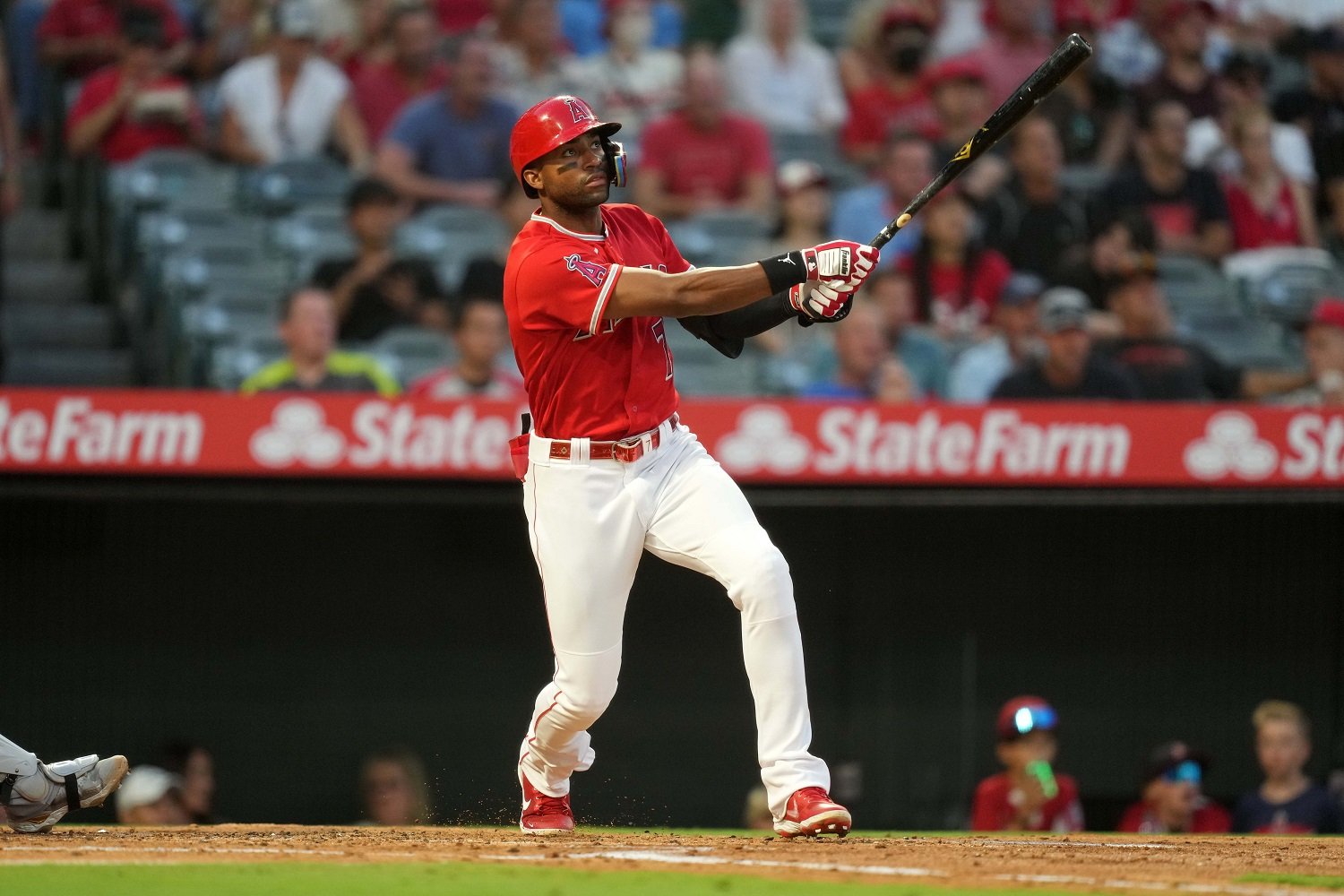 The dust is finally settling after MLB’s Winter Meetings in Orlando, and the Twins seem to have a more defined path forward. For weeks, the offseason was clouded by rumors surrounding Pablo López, Joe Ryan, and Byron Buxton. That chatter quieted dramatically once Minnesota’s leadership met with the media. Instead of shopping their cornerstone pieces, the front office emphasized stability and a plan to keep the roster intact while searching for incremental upgrades. If Minnesota does plan to make a notable move, it likely will not come from a traditional sell-off. There were not many teams signaling that they were ready to move established players for futures. As president of baseball and business operations, Derek Falvey explained, this time of year is geared toward more balanced swaps between competitive clubs. “If two teams are both trying to compete and both have needs, and different ways, how can you swap them? It led to us in our Pablo acquisition a few years ago,” Falvey said. “They wanted Luis Arraez, and we wanted Pablo López, and that was ultimately a fit for us and a fit for them at the same time. It does not always happen like that, but we certainly are looking for that this time of year. We will see if we can execute.” This concept is not new for the Twins. The front office has repeatedly leaned on MLB-for-MLB trades in the winter because the marketplace is fundamentally different from the one in July. In the offseason, most organizations still believe they can compete, which limits the number of clear sellers. A deal becomes more about matching needs rather than collecting prospects. Falvey reinforced that point when he noted, “But it is not with a goal of trying to figure out how to push those guys out into the future in terms of players coming back.” The Twins want major league contributors, and they hope to exchange from areas of depth to address areas of need. Minnesota’s recent history supports this approach. The Arraez-for-López trade stands as the most successful example, giving the Twins a frontline starter who immediately helped anchor a playoff rotation. Two winters ago, the Jorge Polanco deal fit a similar mold. While the Mariners sent notable top prospect Gabriel Gonzalez, the swap also included MLB players Anthony DeSclafani and Justin Topa. The Twins targeted players who could help right away and found a club that valued Polanco in a win-now environment. This winter offers similar possibilities. Baltimore might be an interesting match after bringing in Pete Alonso to play first base. That decision could open the door for Ryan Mountcastle or highly touted corner infielder Coby Mayo. Mountcastle has one year remaining of team control but is coming off a career-worst season with an 83 OPS+ in 89 games. Mayo has a career 79 OPS+ in 102 big-league games and could be a good change-of-scenery candidate. In the outfield, the Twins could look toward the Angels, who have already traded one outfielder this winter. Last season, Jo Adell broke out with 37 home runs, 98 runs batted in, and a .778 OPS in 2025. He remains under control for two more seasons and would give Minnesota the right-handed power presence it currently lacks. Philadelphia’s Nick Castellanos fits the same profile, though his remaining salary ($20 million) would require the Phillies to pay down a portion of the contract to make a deal work. He hit 17 homers last season, but was worth an 88 OPS+ and a -0.8 rWAR. Some ideas are bolder. Twins Daily’s Nate Palmer explored a scenario that would send Royce Lewis to Washington for shortstop C.J. Abrams. It is the type of headline-generating move that always sparks debate, yet it also reflects how the MLB-for-MLB framework can create opportunities when teams are searching for the right blend of skill and long-term control. Nothing is guaranteed as the Twins continue through the offseason, but their direction is now clearer than it was a week ago. They want to keep their core intact and make upgrades without sacrificing their ability to compete in 2026. If the next splash comes, it will likely come from a team looking for the same thing. Should the Twins target any of the players mentioned above? Leave a comment and start the discussion.
- 50 comments
-
- 4
-
-
- pablo lopez
- luis arraez
- (and 7 more)
-
 Joey Gallo has seen a career of highs and lows, but his latest chapter might be his most unexpected yet. After a decade of towering home runs, highlight reel throws, and extended slumps, the 32-year-old is now pursuing a return to the big leagues as a relief pitcher. And according to reports from the Winter Meetings, multiple teams are giving the idea more than a passing glance. Gallo sparked renewed attention this offseason by posting a 15-second video on X that showed him unleashing three pitches. The clip was short, and viewers could not see the catcher, but the sound told the story. Each pitch popped the mitt with enough force to make evaluators wonder if his elite arm strength could finally find a new home on the mound. For a player searching for a way back into the league, it felt like a statement that he is taking this transition seriously. The interest he has generated is not just social media buzz either. MLB Network insider Jon Heyman reported that several clubs have legitimate intrigue in the former slugger as a pitcher. For someone who launched 208 career home runs and once served as one of the most feared left-handed bats in the game, it is remarkable to see teams now asking whether he can help them in the bullpen instead of the batter’s box. The Twins have multiple open spots in the bullpen, so a minor league deal with an invite to spring training could be on the table. It is easy to understand why the idea is compelling. At his peak with the Rangers, Gallo owned one of the strongest throwing arms in the sport. His average outfield throw in 2021 clocked in at 93.9 miles per hour, ranking fifth in MLB. Even as he shifted more toward first base late in his career, he still averaged nearly 90 miles per hour on his throws. Translating that raw arm talent to the mound is far from guaranteed, but the baseline tools give pitching coaches something intriguing to mold. Gallo’s decision to remake himself began earlier this year when he told the White Sox that his future was on the mound, not in the outfield. Chicago released him shortly afterward, but the move only opened the door for him to commit to this experiment fully. Since then, he has been posting training clips and working to develop a delivery that can hold up at the professional level. The progress appears real enough that teams are now willing to explore the possibility. It would be one of the most surprising reinventions in recent memory if Gallo were to pitch in a major league game. This is a player who once hit 40 home runs in back-to-back seasons and won two Gold Gloves. But careers rarely move in straight lines, and Gallo’s willingness to try something bold has given him a new path. Whether it results in an MLB comeback remains unclear, but for the first time in a while, there is genuine optimism surrounding Gallo again.
 -
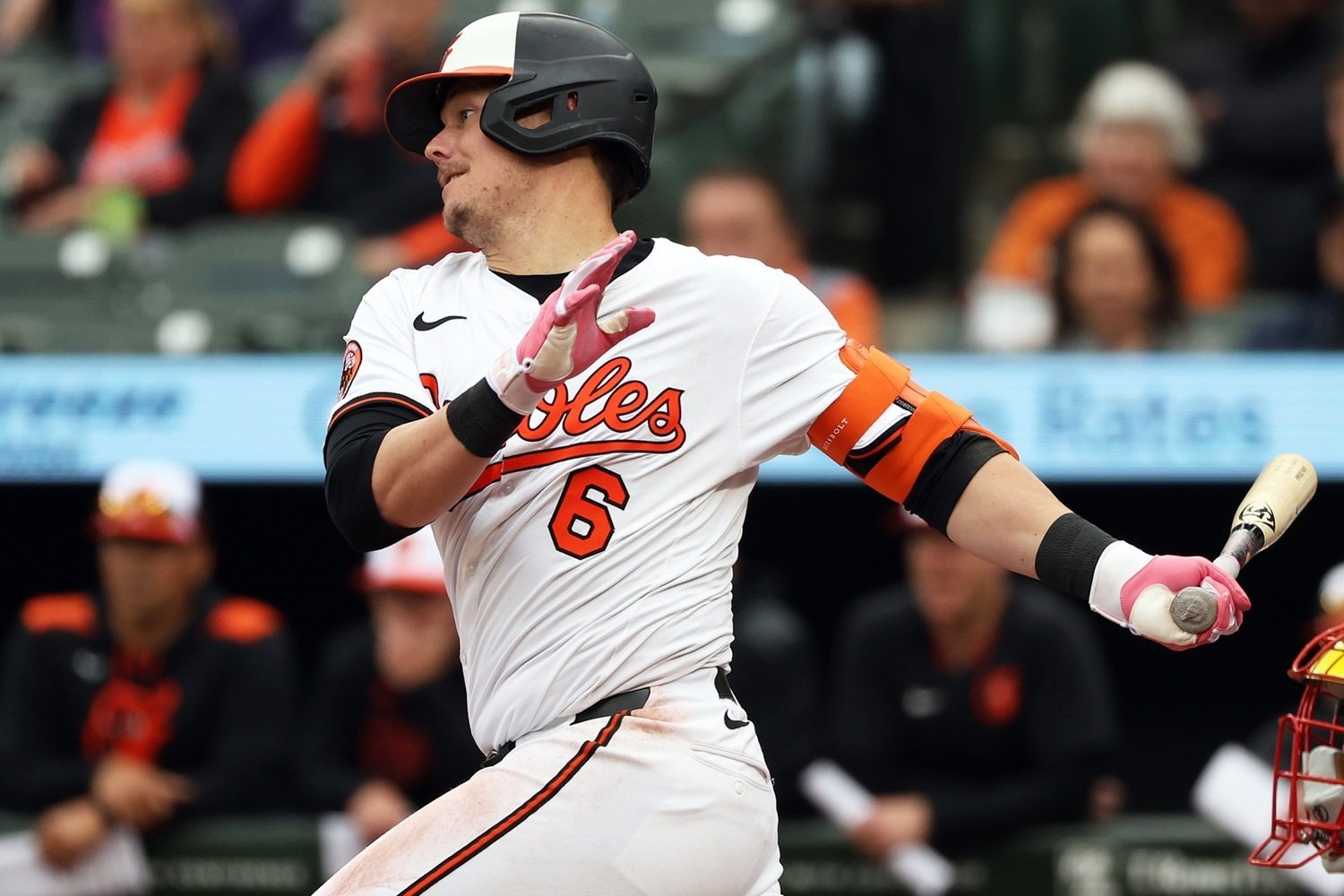 As the dust settles from MLB's Winter Meetings, the Orioles made one of the loudest moves by signing Pete Alonso to take over first base and provide the middle-of-the-order thump they have been seeking. It is a win for Baltimore, but it also creates a very real roster squeeze. The Orioles now have three players who primarily fit at first base or designated hitter, yet they only have two spots to place them. That imbalance should immediately draw the attention of a Twins team that desperately needs help at first base. Minnesota has multiple avenues to improve its lineup, but first base remains one of the clearest openings on the roster. There are multiple free-agent options, but the Twins are operating on a shoestring budget with needs in the bullpen, too. Baltimore’s situation changes that, because the combination of Alonso’s arrival and the Orioles' depth makes them one of the few clubs that can trade from a surplus. If the Twins want to find a solution without paying premium free-agent prices, this is the kind of opportunity they cannot afford to overlook. Here’s a look at Baltimore’s two first base options, besides Alonso. Each comes with different levels of intrigue. Ryan Mountcastle Mountcastle represents the most straightforward option for Minnesota, because his situation in Baltimore feels increasingly cramped. He is entering the final year of team control, which limits long-term risk for any acquiring team. MLB Trade Rumors projects him to earn $7.8 million in his final arbitration season. That also means the Orioles have motivation to listen, especially after his worst season to date. In 2025, he hit seven home runs with a .653 OPS in 89 games, a steep drop from what he showed earlier in his career. His track record still matters, though, because through his first five seasons, he produced a .265 average with a .766 OPS and a 113 OPS+. He has been an above-average bat for most of his career. Mountcastle’s cost should be manageable, because the Orioles no longer have room to give regular at-bats to Alonso, Mountcastle, and either Samuel Basallo or Adley Rutschmann. (On any given day, one of the latter two can catch, but the team will want the other's bat in the lineup most of the time.) That positional overlap lowers the asking price and allows the Twins to explore a short-term addition, without spending significant prospect capital. His pros are easy to see. Mountcastle has proven big-league power, a history of above-average production, and the appeal of a one-year commitment if things do not work out. The cons include the uncertainty around his recent decline, questions about his ability to rebound, and limited defensive value beyond first base. Still, the affordability and upside make him a natural fit for Minnesota’s needs. Coby Mayo If the Twins want to chase ceiling rather than floor, Coby Mayo is the more ambitious target. Mayo was once a consensus top-50 prospect with big raw power and a profile built around offensive damage. His big-league performance has not met expectations so far, as in 102 career games, he has hit .201 with a .634 OPS and an OPS+ of 79. Even with those struggles, though, his long-term value remains significant. He is not arbitration eligible until 2028, and is under team control through 2031. The pros with Mayo revolve around projection, as his power potential remains enormous and his underlying contact quality hints at untapped upside. Last season, his 74.7 mph bat speed would have ranked in the upper quartile of the league if he qualified. In September, he posted a .941 OPS with five homers. He could give the Twins a long-term answer at first base if he develops into the hitter scouts once envisioned. The cons stem from risk, as his early performance raises reasonable questions about how quickly he can adjust and whether he will ever reach his ceiling. Acquiring him would require a substantial trade package, and Minnesota would need confidence in its ability to smooth out the rough edges in his game. Minnesota also doesn’t have the greatest track record with young hitters in recent seasons. He is the higher-ceiling play, but also the higher-volatility one. Baltimore created a roster bottleneck by signing Alonso, and the Twins happen to have a clear path to playing time at first base. Whether Minnesota targets Mountcastle for short-term stability or Mayo for long-term upside, the Orioles are one of the few organizations positioned to deal from depth. The alignment is there, and it is a path the Twins should seriously consider pursuing. Should the Twins trade for Mountcastle or Mayo? Leave a comment and start the discussion.
 -
Joey Gallo has seen a career of highs and lows, but his latest chapter might be his most unexpected yet. After a decade of towering home runs, highlight reel throws, and extended slumps, the 32-year-old is now pursuing a return to the big leagues as a relief pitcher. And according to reports from the Winter Meetings, multiple teams are giving the idea more than a passing glance. Gallo sparked renewed attention this offseason by posting a 15-second video on X that showed him unleashing three pitches. The clip was short, and viewers could not see the catcher, but the sound told the story. Each pitch popped the mitt with enough force to make evaluators wonder if his elite arm strength could finally find a new home on the mound. For a player searching for a way back into the league, it felt like a statement that he is taking this transition seriously. The interest he has generated is not just social media buzz either. MLB Network insider Jon Heyman reported that several clubs have legitimate intrigue in the former slugger as a pitcher. For someone who launched 208 career home runs and once served as one of the most feared left-handed bats in the game, it is remarkable to see teams now asking whether he can help them in the bullpen instead of the batter’s box. The Twins have multiple open spots in the bullpen, so a minor league deal with an invite to spring training could be on the table. It is easy to understand why the idea is compelling. At his peak with the Rangers, Gallo owned one of the strongest throwing arms in the sport. His average outfield throw in 2021 clocked in at 93.9 miles per hour, ranking fifth in MLB. Even as he shifted more toward first base late in his career, he still averaged nearly 90 miles per hour on his throws. Translating that raw arm talent to the mound is far from guaranteed, but the baseline tools give pitching coaches something intriguing to mold. Gallo’s decision to remake himself began earlier this year when he told the White Sox that his future was on the mound, not in the outfield. Chicago released him shortly afterward, but the move only opened the door for him to commit to this experiment fully. Since then, he has been posting training clips and working to develop a delivery that can hold up at the professional level. The progress appears real enough that teams are now willing to explore the possibility. It would be one of the most surprising reinventions in recent memory if Gallo were to pitch in a major league game. This is a player who once hit 40 home runs in back-to-back seasons and won two Gold Gloves. But careers rarely move in straight lines, and Gallo’s willingness to try something bold has given him a new path. Whether it results in an MLB comeback remains unclear, but for the first time in a while, there is genuine optimism surrounding Gallo again. View full rumor
-
Image courtesy of © Daniel Kucin Jr.-Imagn Images As the dust settles from MLB's Winter Meetings, the Orioles made one of the loudest moves by signing Pete Alonso to take over first base and provide the middle-of-the-order thump they have been seeking. It is a win for Baltimore, but it also creates a very real roster squeeze. The Orioles now have three players who primarily fit at first base or designated hitter, yet they only have two spots to place them. That imbalance should immediately draw the attention of a Twins team that desperately needs help at first base. Minnesota has multiple avenues to improve its lineup, but first base remains one of the clearest openings on the roster. There are multiple free-agent options, but the Twins are operating on a shoestring budget with needs in the bullpen, too. Baltimore’s situation changes that, because the combination of Alonso’s arrival and the Orioles' depth makes them one of the few clubs that can trade from a surplus. If the Twins want to find a solution without paying premium free-agent prices, this is the kind of opportunity they cannot afford to overlook. Here’s a look at Baltimore’s two first base options, besides Alonso. Each comes with different levels of intrigue. Ryan Mountcastle Mountcastle represents the most straightforward option for Minnesota, because his situation in Baltimore feels increasingly cramped. He is entering the final year of team control, which limits long-term risk for any acquiring team. MLB Trade Rumors projects him to earn $7.8 million in his final arbitration season. That also means the Orioles have motivation to listen, especially after his worst season to date. In 2025, he hit seven home runs with a .653 OPS in 89 games, a steep drop from what he showed earlier in his career. His track record still matters, though, because through his first five seasons, he produced a .265 average with a .766 OPS and a 113 OPS+. He has been an above-average bat for most of his career. Mountcastle’s cost should be manageable, because the Orioles no longer have room to give regular at-bats to Alonso, Mountcastle, and either Samuel Basallo or Adley Rutschmann. (On any given day, one of the latter two can catch, but the team will want the other's bat in the lineup most of the time.) That positional overlap lowers the asking price and allows the Twins to explore a short-term addition, without spending significant prospect capital. His pros are easy to see. Mountcastle has proven big-league power, a history of above-average production, and the appeal of a one-year commitment if things do not work out. The cons include the uncertainty around his recent decline, questions about his ability to rebound, and limited defensive value beyond first base. Still, the affordability and upside make him a natural fit for Minnesota’s needs. Coby Mayo If the Twins want to chase ceiling rather than floor, Coby Mayo is the more ambitious target. Mayo was once a consensus top-50 prospect with big raw power and a profile built around offensive damage. His big-league performance has not met expectations so far, as in 102 career games, he has hit .201 with a .634 OPS and an OPS+ of 79. Even with those struggles, though, his long-term value remains significant. He is not arbitration eligible until 2028, and is under team control through 2031. The pros with Mayo revolve around projection, as his power potential remains enormous and his underlying contact quality hints at untapped upside. Last season, his 74.7 mph bat speed would have ranked in the upper quartile of the league if he qualified. In September, he posted a .941 OPS with five homers. He could give the Twins a long-term answer at first base if he develops into the hitter scouts once envisioned. The cons stem from risk, as his early performance raises reasonable questions about how quickly he can adjust and whether he will ever reach his ceiling. Acquiring him would require a substantial trade package, and Minnesota would need confidence in its ability to smooth out the rough edges in his game. Minnesota also doesn’t have the greatest track record with young hitters in recent seasons. He is the higher-ceiling play, but also the higher-volatility one. Baltimore created a roster bottleneck by signing Alonso, and the Twins happen to have a clear path to playing time at first base. Whether Minnesota targets Mountcastle for short-term stability or Mayo for long-term upside, the Orioles are one of the few organizations positioned to deal from depth. The alignment is there, and it is a path the Twins should seriously consider pursuing. Should the Twins trade for Mountcastle or Mayo? Leave a comment and start the discussion. View full article



