



Cody Christie
-
Posts
7,515 -
Joined
-
Last visited
-
Days Won
5
Content Type
Profiles
News
Minnesota Twins Videos
2026 Minnesota Twins Top Prospects Ranking
2022 Minnesota Twins Draft Picks
Minnesota Twins Free Agent & Trade Rumors, Notes, & Tidbits
Guides & Resources
2023 Minnesota Twins Draft Picks
The Minnesota Twins Players Project
2024 Minnesota Twins Draft Picks
2025 Minnesota Twins Draft Pick Tracker
2026 Minnesota Twins Draft Tracker: Picks & Bonuses
Forums
Blogs
Events
Store
Downloads
Gallery
Everything posted by Cody Christie
-

Projecting Minnesota’s Competition in the Carlos Correa Bidding War
Cody Christie posted an article in Twins
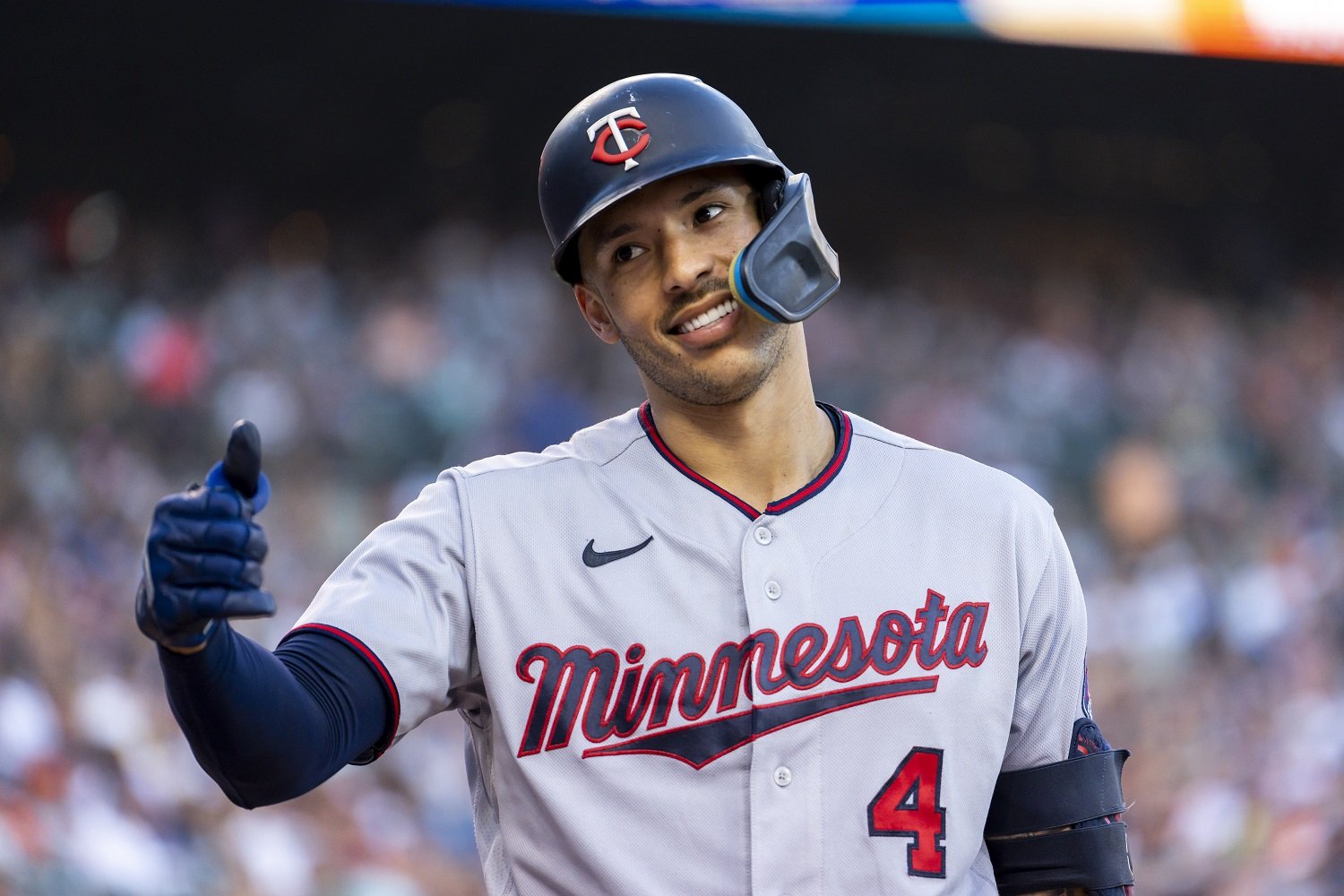 Last week, Carlos Correa made it clear that he plans to opt-out of his contract with the Twins. This wasn’t a surprise as he and his representation feel that he is deserving of a long-term deal similar to other top-tier shortstops. Last winter, Corey Seager signed a 10-year, $325 million contract as one of the best shortstops on the market. Seager and Correa are similar ages, so it makes sense for Correa to want a similar contract. Not every team will be looking for a shortstop this winter, but some of baseball’s biggest spenders have a shortstop need. Here are six teams that can potentially be in a bidding war for Correa. Atlanta Braves The Braves surprised many by getting hot last October and going on a World Series run. One of the key cogs in their line-up has been Dansby Swanson, who is heading to free agency this winter. Swanson is having a career year as he has a 116 OPS+ and was a first-time All-Star. Correa is seven months younger than Swanson and has a better track record at the big-league level. If the Braves fail to repeat, will they want to make a change at shortstop? Chicago White Sox Not much went right for the White Sox this season, and now the team will have a new manager for the 2023 campaign. Experts widely projected Chicago to win the AL Central, but injuries and poor play impacted the team throughout the year. Tim Anderson has been one of the team’s regulars in recent seasons, so the team would need to move him to another position to sign Correa. Will the White Sox want to make a big splash for their new manager? Boston Red Sox Boston will be looking to fill a hole at shortstop as Xander Bogaerts will be a free agent this winter. The four-time All-Star is two years older than Swanson and Correa, so his cost will be significantly less. They added Trevor Story on a six-year contract in the spring, so they could just move him back to the position. The Red Sox expected to contend this season, but they finished in last place in a very competitive AL East. Is it time for a rebuild in Boston, or will the front office try to prop open the club’s winning window? Philadelphia Phillies The Phillies backed into the playoffs as the NL’s third Wild Card team without playing very well down the stretch. Bryson Stott has played most of the team’s games at shortstop and has an 80 OPS+ for the season. Considering what Bryce Harper and Correa could do in the middle of Philadelphia’s line-up must be intriguing. Will the Phillies be willing to hand out another monster contract? Los Angeles Dodgers Dodgers fans might implode if Correa signs with the club after the Astros used an elaborate cheating scandal in previous playoff appearances. That being said, LA needs a shortstop for next season as Trea Turner will join Correa on the free agent market. The Dodgers seem more likely to re-sign Turner, especially with how high the club’s payroll has been in recent years. Can the Dodgers look past the cheating scandal from Correa and the Astros? New York Yankees The Yankees dominated the AL for a large portion of the 2022 season, but struggles in the second half might point to some flaws with the team. Isiah Kiner Falefa was the team’s primary shortstop and posted an 85 OPS+ for the season. The Yankees top two prospects are shortstops as well. New York also has to worry about resigning Aaron Judge this winter. If the Yankees fall short of their World Series goal, will the club be willing to hand out two giant contracts to free agents? Will the Twins be able to outbid any of these teams for Correa? Where do you think he signs? Leave a COMMENT and start the discussion.
- 41 comments
-
- 4
-

-
- carlos correa
- trea turner
- (and 2 more)
-
Carlos Correa was always expected to opt out of his contract with the Twins. Now, the focus turns to if the Twins can re-sign their superstar shortstop. Here are six teams that Minnesota might need to outbid for Correa’s services. Image courtesy of Raj Mehta-USA TODAY Sports Last week, Carlos Correa made it clear that he plans to opt-out of his contract with the Twins. This wasn’t a surprise as he and his representation feel that he is deserving of a long-term deal similar to other top-tier shortstops. Last winter, Corey Seager signed a 10-year, $325 million contract as one of the best shortstops on the market. Seager and Correa are similar ages, so it makes sense for Correa to want a similar contract. Not every team will be looking for a shortstop this winter, but some of baseball’s biggest spenders have a shortstop need. Here are six teams that can potentially be in a bidding war for Correa. Atlanta Braves The Braves surprised many by getting hot last October and going on a World Series run. One of the key cogs in their line-up has been Dansby Swanson, who is heading to free agency this winter. Swanson is having a career year as he has a 116 OPS+ and was a first-time All-Star. Correa is seven months younger than Swanson and has a better track record at the big-league level. If the Braves fail to repeat, will they want to make a change at shortstop? Chicago White Sox Not much went right for the White Sox this season, and now the team will have a new manager for the 2023 campaign. Experts widely projected Chicago to win the AL Central, but injuries and poor play impacted the team throughout the year. Tim Anderson has been one of the team’s regulars in recent seasons, so the team would need to move him to another position to sign Correa. Will the White Sox want to make a big splash for their new manager? Boston Red Sox Boston will be looking to fill a hole at shortstop as Xander Bogaerts will be a free agent this winter. The four-time All-Star is two years older than Swanson and Correa, so his cost will be significantly less. They added Trevor Story on a six-year contract in the spring, so they could just move him back to the position. The Red Sox expected to contend this season, but they finished in last place in a very competitive AL East. Is it time for a rebuild in Boston, or will the front office try to prop open the club’s winning window? Philadelphia Phillies The Phillies backed into the playoffs as the NL’s third Wild Card team without playing very well down the stretch. Bryson Stott has played most of the team’s games at shortstop and has an 80 OPS+ for the season. Considering what Bryce Harper and Correa could do in the middle of Philadelphia’s line-up must be intriguing. Will the Phillies be willing to hand out another monster contract? Los Angeles Dodgers Dodgers fans might implode if Correa signs with the club after the Astros used an elaborate cheating scandal in previous playoff appearances. That being said, LA needs a shortstop for next season as Trea Turner will join Correa on the free agent market. The Dodgers seem more likely to re-sign Turner, especially with how high the club’s payroll has been in recent years. Can the Dodgers look past the cheating scandal from Correa and the Astros? New York Yankees The Yankees dominated the AL for a large portion of the 2022 season, but struggles in the second half might point to some flaws with the team. Isiah Kiner Falefa was the team’s primary shortstop and posted an 85 OPS+ for the season. The Yankees top two prospects are shortstops as well. New York also has to worry about resigning Aaron Judge this winter. If the Yankees fall short of their World Series goal, will the club be willing to hand out two giant contracts to free agents? Will the Twins be able to outbid any of these teams for Correa? Where do you think he signs? Leave a COMMENT and start the discussion. View full article
-
 Minnesota has 18 players on the injured list, with 11 players on the 60-day IL. Because of these injuries, the team currently has 50 players on the 40-man roster. Before the team makes any moves this winter, the 40-man roster must be cleaned up. Here are the moves the Twins will need to explore before the offseason begins. Heading to Free Agency: Carlos Correa (player option), Gary Sanchez, Sandy Leon, Billy Hamilton, Michael Fulmer, Miguel Sano (club option), Chris Archer (club option), Dylan Bundy (club option) Correa’s opt-out will be something fans eagerly watch, but all signs point to him opting out and looking for a significant free agent contract. Minnesota will need catching depth with Sanchez and Leon out of the picture, so the team may look to re-sign one of their veterans. Fulmer is an intriguing option if the club wants to add him to the bullpen mix for 2023. Based on their performances this season, it seems unlikely for the team to bring back Sano, Archer, or Bundy. 40-Man Roster: Down to 42 with these subtractions Designate for Assignment: Jake Cave, Jermaine Palacios, Mark Contreras, Emilio Pagan (arbitration-eligible), Kyle Garlick, Danny Coulombe, Jhon Romero, Devin Smeltzer, Trevor Megill There are some tough decisions in this group and some players many fans don’t want to see again. Cave was optioned off the 40-man roster earlier this season and stayed in the organization, so the Twins may try something similar this winter. Minnesota can attempt to trade Pagan for a low-level prospect, or the team might DFA him without receiving anything in return. Megill is also a tough call to make for the roster. Megill looked good at different points during the 2022 season, and certainly has some really good "stuff," but has struggled recently. 40-Man Roster: Down to 33 with these subtractions Prospects to Add: Simeon Woods Richardson, Matt Canterino, Edouard Julien, Misael Urbina Woods Richardson was added on Sunday before his MLB debut and is part of the team’s long-term pitching plans. Canterino will miss most of the 2023 season as he recovers from Tommy John surgery. However, he has one of the highest upsides of any prospect in the organization. Julien posted a .931 OPS at Double-A this season and has experience playing multiple defensive positions. According to MLB Pipeline, Urbina is a top-10 prospect in the Twins organization. He struggled in 2021 with a .585 OPS in Fort Myers, and his 2022 season started late because of visa issues. This year, he hit .247/.323/.407 (.730) with 26 extra-base hits in 60 games. Do the Twins still view him as highly as when he signed back in 2018? 40-Man Roster: Up to 37 with these additions The Twins will have room to add a player in the Rule 5 Draft by making these moves. This roster flexibility also allows the team to add other players via free agency when the World Series ends. Will Minnesota keep any of the players mentioned above on the 40-man roster? Has Urbina done enough to earn a 40-man spot? Leave a COMMENT and start the discussion.
- 59 comments
-
- 11
-
-
- jake cave
- mark contreras
- (and 3 more)
-
Injuries have forced the Twins to dig deep into the organization to fill spots on the active roster. Before this winter’s Rule 5 Draft, Minnesota has some housecleaning to do on the 40-man roster. Image courtesy of Aaron Josefczyk-USA TODAY Sports Minnesota has 18 players on the injured list, with 11 players on the 60-day IL. Because of these injuries, the team currently has 50 players on the 40-man roster. Before the team makes any moves this winter, the 40-man roster must be cleaned up. Here are the moves the Twins will need to explore before the offseason begins. Heading to Free Agency: Carlos Correa (player option), Gary Sanchez, Sandy Leon, Billy Hamilton, Michael Fulmer, Miguel Sano (club option), Chris Archer (club option), Dylan Bundy (club option) Correa’s opt-out will be something fans eagerly watch, but all signs point to him opting out and looking for a significant free agent contract. Minnesota will need catching depth with Sanchez and Leon out of the picture, so the team may look to re-sign one of their veterans. Fulmer is an intriguing option if the club wants to add him to the bullpen mix for 2023. Based on their performances this season, it seems unlikely for the team to bring back Sano, Archer, or Bundy. 40-Man Roster: Down to 42 with these subtractions Designate for Assignment: Jake Cave, Jermaine Palacios, Mark Contreras, Emilio Pagan (arbitration-eligible), Kyle Garlick, Danny Coulombe, Jhon Romero, Devin Smeltzer, Trevor Megill There are some tough decisions in this group and some players many fans don’t want to see again. Cave was optioned off the 40-man roster earlier this season and stayed in the organization, so the Twins may try something similar this winter. Minnesota can attempt to trade Pagan for a low-level prospect, or the team might DFA him without receiving anything in return. Megill is also a tough call to make for the roster. Megill looked good at different points during the 2022 season, and certainly has some really good "stuff," but has struggled recently. 40-Man Roster: Down to 33 with these subtractions Prospects to Add: Simeon Woods Richardson, Matt Canterino, Edouard Julien, Misael Urbina Woods Richardson was added on Sunday before his MLB debut and is part of the team’s long-term pitching plans. Canterino will miss most of the 2023 season as he recovers from Tommy John surgery. However, he has one of the highest upsides of any prospect in the organization. Julien posted a .931 OPS at Double-A this season and has experience playing multiple defensive positions. According to MLB Pipeline, Urbina is a top-10 prospect in the Twins organization. He struggled in 2021 with a .585 OPS in Fort Myers, and his 2022 season started late because of visa issues. This year, he hit .247/.323/.407 (.730) with 26 extra-base hits in 60 games. Do the Twins still view him as highly as when he signed back in 2018? 40-Man Roster: Up to 37 with these additions The Twins will have room to add a player in the Rule 5 Draft by making these moves. This roster flexibility also allows the team to add other players via free agency when the World Series ends. Will Minnesota keep any of the players mentioned above on the 40-man roster? Has Urbina done enough to earn a 40-man spot? Leave a COMMENT and start the discussion. View full article
- 59 replies
-
- 1
-
-
- jake cave
- mark contreras
- (and 3 more)
-
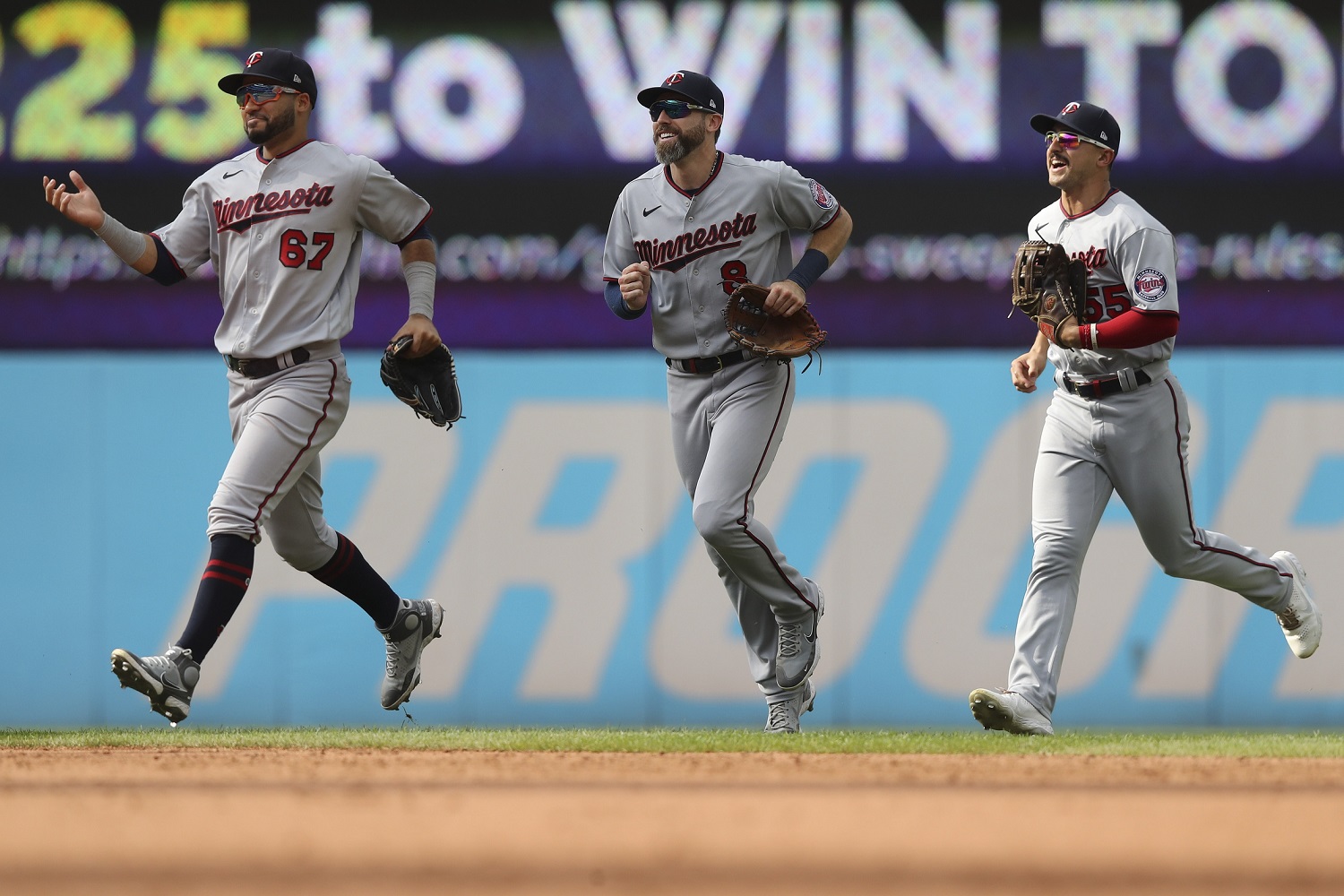
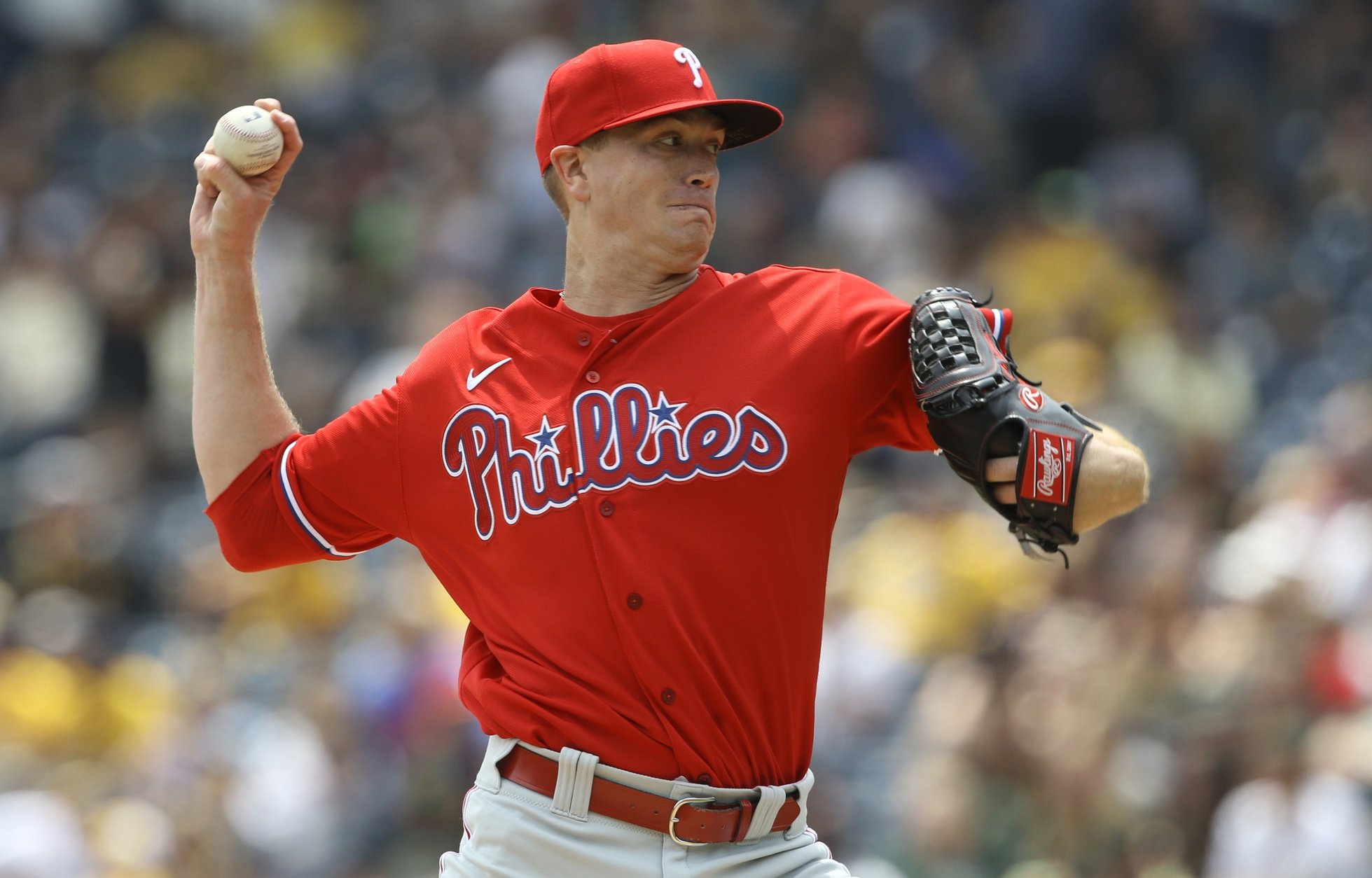 Plenty of former fan favorites populate the rosters of the National League’s best teams this season. Not all of these players have performed admirably this season, but the playoffs allow for players to shine on the biggest stage. Here are eight former Twins to watch on the NL’s playoff teams. Mets: Trevor May, Eduardo Escobar Escobar is in his 12th big league season with his fifth different organization. During the 2022 campaign, he has been the primary third baseman for the Mets in their fight for the NL East title. However, his defense at third ranks among the NL’s worst for third basemen, as only Alec Bohm has a lower SDI. Escobar provides other dynamics to a club as he has an OPS+ above 100 for the fifth consecutive season, where he has played more than 60 games. The Mets haven’t made the playoffs since 2016, so the club has pressure to win in October. May is heading to free agency at the season’s end, so he wants to end his Mets tenure on a high note. In 23 appearances, he has an ERA north of 5.50 with a 1.57 WHIP. He is striking out more than ten batters per nine innings for the sixth consecutive season. He’s had multiple IL stints this year for a stress reaction on the lower portion of his humerus and a COVID situation. In September, he has a 3.14 ERA while holding opponents to a .694 OPS, so the Mets hope this carries over to the postseason. Braves: Jake Odorizzi, Ehire Adrianza, Eddie Rosario, Robbie Grossman Odorizzi was pitching well for the Astros to start the season, but the Braves traded for him at the deadline for reliever Will Smith. Since joining Atlanta, Odorizzi has posted a 5.66 ERA with a 1.67 WHIP in nine starts. Odorizzi isn’t guaranteed to make the playoff rotation with other strong pitchers, but Spencer Strider’s injury may give Odorizzi an opportunity. Adrianza made ten playoff appearances during the Braves’ 2021 World Series run, and the club found a way to bring him back for 2022. He started the year in the Nationals organization, but the Braves traded Trey Harris to Washington for Adrianza. So far in 2022, Adrianza has hit .174/.267/.207 (.473) in limited action. He will likely serve as a bench option for Atlanta as a late-inning defensive replacement. Rosario was a playoff hero for the Braves last season, winning the NLCS MVP before heading to free agency. Atlanta re-signed the outfielder to a 2-year, $18 million contract, and he’s having a career-worst offensive season. In 76 games, he has posted a 69 OPS+ with 18 extra-base hits. Rosario has missed time this season with an eye injury and a hamstring problem. Can Rosario make Braves fans forget his poor season with another October to remember? After leaving the Twins, Grossman revitalized his career in the A’s and Tigers organizations. Since 2019, he has posted a 99 OPS+ while playing strong outfield defense. The Braves acquired Grossman from the Tigers at the trade deadline for Kris Anglin, and he has raised his OPS by 61 points since moving to the NL. Atlanta has multiple outfield injuries that may push Grossman into a more critical role. Dodgers: Brusdar Graterol Graterol is having his best big-league season as he has set career-best marks in ERA, strikeouts, H/9, and ERA+. Los Angeles continued to use him in late-inning situations as he earned the first three saves of his career. His postseason numbers are even better than his regular season totals. In 18 appearances, he has a 2.04 ERA with a 0.62 WHIP and a 13-to-1 strikeout to walk ratio. The Dodgers look like one of baseball’s best teams, and Graterol will be asked to get some big outs in October. Phillies: Kyle Gibson The Phillies are fighting for their playoff lives, and Gibson might be one of the players to push them into the postseason. Gibson is heading to free agency this winter, so October is an opportunity for him to shine. Last season, he was a first-time All-Star but struggled after being traded to the Phillies (5.09 ERA). In 2022, he posted a 4.84 ERA with a 1.32 WHIP across 30 starts. Gibson was terrific in August with a 2.30 ERA as he held batters to a .637 OPS. Philadelphia will need that version of Gibson to make a deep October run. Can any of these players have an Eddie Rosario-type October in 2022? Leave a COMMENT and start the discussion.
- 12 comments
-
- 1
-
-
- kyle gibson
- eduardo escobar
- (and 3 more)
-
Last season, Eddie Rosario was a key player for the Braves on their way to a World Series title. Can any other former Twins help their club find postseason glory in 2022? Image courtesy of Charles LeClaire, USA TODAY Sports Plenty of former fan favorites populate the rosters of the National League’s best teams this season. Not all of these players have performed admirably this season, but the playoffs allow for players to shine on the biggest stage. Here are eight former Twins to watch on the NL’s playoff teams. Mets: Trevor May, Eduardo Escobar Escobar is in his 12th big league season with his fifth different organization. During the 2022 campaign, he has been the primary third baseman for the Mets in their fight for the NL East title. However, his defense at third ranks among the NL’s worst for third basemen, as only Alec Bohm has a lower SDI. Escobar provides other dynamics to a club as he has an OPS+ above 100 for the fifth consecutive season, where he has played more than 60 games. The Mets haven’t made the playoffs since 2016, so the club has pressure to win in October. May is heading to free agency at the season’s end, so he wants to end his Mets tenure on a high note. In 23 appearances, he has an ERA north of 5.50 with a 1.57 WHIP. He is striking out more than ten batters per nine innings for the sixth consecutive season. He’s had multiple IL stints this year for a stress reaction on the lower portion of his humerus and a COVID situation. In September, he has a 3.14 ERA while holding opponents to a .694 OPS, so the Mets hope this carries over to the postseason. Braves: Jake Odorizzi, Ehire Adrianza, Eddie Rosario, Robbie Grossman Odorizzi was pitching well for the Astros to start the season, but the Braves traded for him at the deadline for reliever Will Smith. Since joining Atlanta, Odorizzi has posted a 5.66 ERA with a 1.67 WHIP in nine starts. Odorizzi isn’t guaranteed to make the playoff rotation with other strong pitchers, but Spencer Strider’s injury may give Odorizzi an opportunity. Adrianza made ten playoff appearances during the Braves’ 2021 World Series run, and the club found a way to bring him back for 2022. He started the year in the Nationals organization, but the Braves traded Trey Harris to Washington for Adrianza. So far in 2022, Adrianza has hit .174/.267/.207 (.473) in limited action. He will likely serve as a bench option for Atlanta as a late-inning defensive replacement. Rosario was a playoff hero for the Braves last season, winning the NLCS MVP before heading to free agency. Atlanta re-signed the outfielder to a 2-year, $18 million contract, and he’s having a career-worst offensive season. In 76 games, he has posted a 69 OPS+ with 18 extra-base hits. Rosario has missed time this season with an eye injury and a hamstring problem. Can Rosario make Braves fans forget his poor season with another October to remember? After leaving the Twins, Grossman revitalized his career in the A’s and Tigers organizations. Since 2019, he has posted a 99 OPS+ while playing strong outfield defense. The Braves acquired Grossman from the Tigers at the trade deadline for Kris Anglin, and he has raised his OPS by 61 points since moving to the NL. Atlanta has multiple outfield injuries that may push Grossman into a more critical role. Dodgers: Brusdar Graterol Graterol is having his best big-league season as he has set career-best marks in ERA, strikeouts, H/9, and ERA+. Los Angeles continued to use him in late-inning situations as he earned the first three saves of his career. His postseason numbers are even better than his regular season totals. In 18 appearances, he has a 2.04 ERA with a 0.62 WHIP and a 13-to-1 strikeout to walk ratio. The Dodgers look like one of baseball’s best teams, and Graterol will be asked to get some big outs in October. Phillies: Kyle Gibson The Phillies are fighting for their playoff lives, and Gibson might be one of the players to push them into the postseason. Gibson is heading to free agency this winter, so October is an opportunity for him to shine. Last season, he was a first-time All-Star but struggled after being traded to the Phillies (5.09 ERA). In 2022, he posted a 4.84 ERA with a 1.32 WHIP across 30 starts. Gibson was terrific in August with a 2.30 ERA as he held batters to a .637 OPS. Philadelphia will need that version of Gibson to make a deep October run. Can any of these players have an Eddie Rosario-type October in 2022? Leave a COMMENT and start the discussion. View full article
-
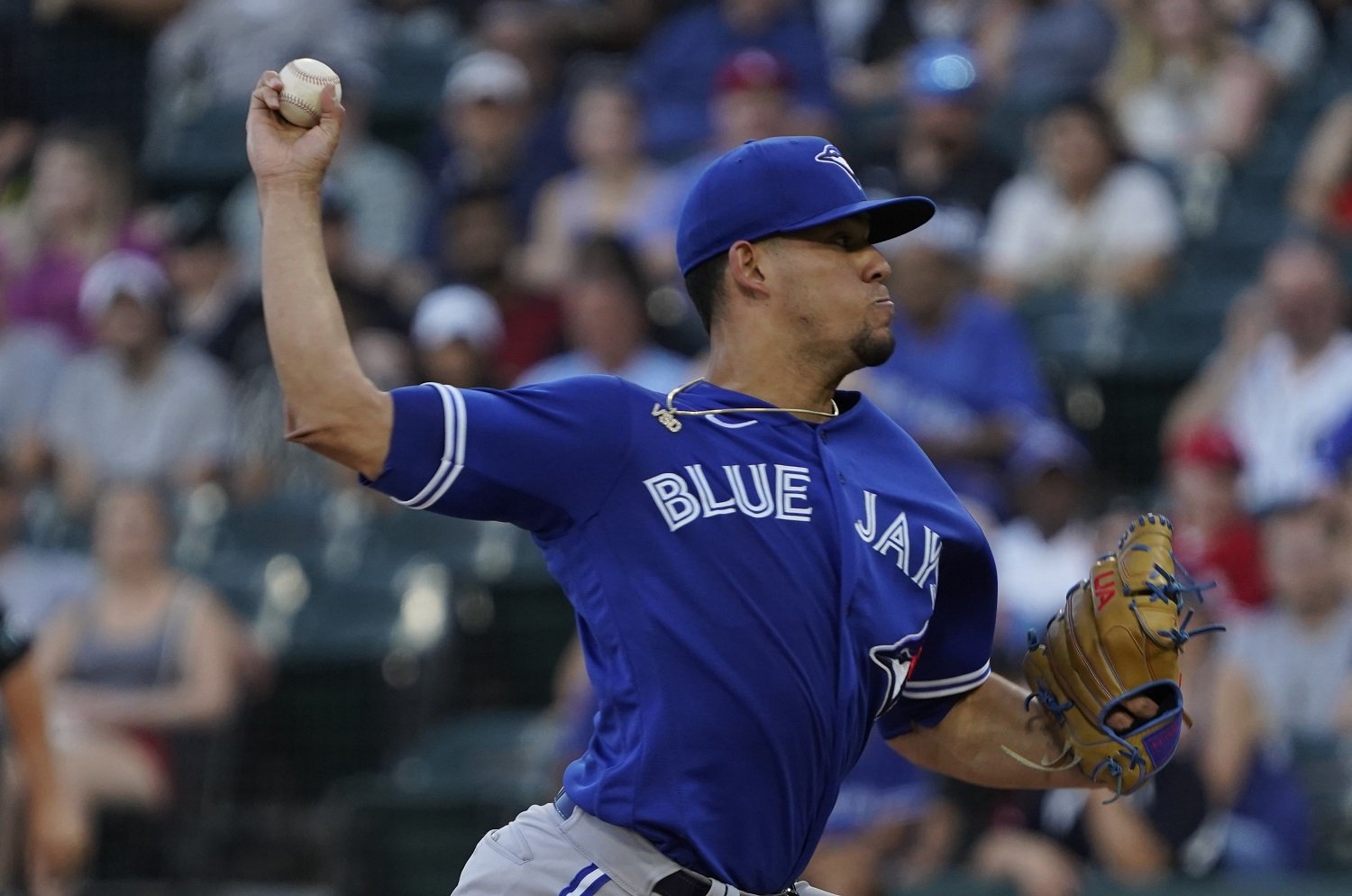 Some of these players left after poor performances, while others were never even given a chance to suit up in a game. New York has seen multiple former Twins find different levels of success on the position player side, while the other playoff rosters will use former Minnesota pitchers. There’s a good chance at least one former Twins player will represent the AL in the World Series. Yankees: Josh Donaldson, Isiah Kiner-Falefa, Aaron Hicks Hicks is the longest-tenured Yankee of this group, as he has played over 600 games in pinstripes. During the 2022 season, he has hit .224/.334/.324 (.658), which translates to a 90 OPS+ in over 120 games. It’s only the second time he has played over 123 games since being traded to New York. Most Of his defensive innings have come in center field, where his -4.0 SDI is the second lowest in the American League. Age has continued to impact Donaldson, and the Yankees have less time for him to play DH. In his age-36 season, his OPS dropped below .750 for the first time in a decade. His defense continues to be terrific as he leads all AL third basemen in SDI, and only four defenders have accumulated more SDI than him this season. Donaldson has over 167 playoff plate appearances, and the Yankees hope his experience pays off in October. Kiner-Falefa’s Twins tenure lasted hours as the team quickly dealt him to the Yankees after acquiring him from the Rangers. His first season in New York has gone about as expected on both sides of the plate. Offensively, he has hit .263/.315/.331 (.646) with 24 extra-base hits in 137 games. Defensively, he ranks seventh among AL shortstops in SDI, which is two spots behind Minnesota’s Carlos Correa. Astros: Ryan Pressly Pressly continues to be a dominant closer for the Astros, one of two powerhouse teams in the AL. In 47 appearances this season, he has a 2.91 ERA with a 0.86 WHIP and a career-high 31 saves. He has posted an 11.8 K/9 as he has struck out nearly 35% of the batters facing him. The Astros are one of the favorites for the AL pennant, and Pressly will be asked to close out some critical games in the coming weeks. Blue Jays: Jose Berrios Berrios has gone through a terrible first full season in Toronto as he leads in AL in hits allowed and earned runs. He had been so consistent throughout his career that it’s hard to pinpoint where things have gone wrong with the Blue Jays. There is no guarantee that Berrios will be included in Toronto’s rotation for the playoffs. Would the team try to use him as a bullpen option? That seems unlikely since he has never previously been used in that role. Rays: JT Chargois Minnesota selected Chargois in the second round of the 2012 MLB Draft, but he only made 25 appearances with the club back in 2016. Since then, he has bounced around to multiple organizations before landing with the Rays over the last two seasons. He’s been limited to 19 appearances this season because of an oblique injury, but he seems to be healthy as the team gets closer to October. In 19 1/3 innings, he has a 2.79 ERA with a 1.03 WHIP and a 14-to-5 strikeout to walk ratio. Perhaps Chargois can be a secret weapon for the Rays. Which former Twin will have the best postseason? Leave a COMMENT and start the discussion.
- 8 comments
-
- 1
-
-
- jose berrios
- josh donaldson
- (and 3 more)
-
Minnesota fell out of playoff contention, but there are plenty of former Twins to watch in October. Here are six former Twins that fans can follow during their new team’s playoff run. Image courtesy of David Banks-USA TODAY Sports Some of these players left after poor performances, while others were never even given a chance to suit up in a game. New York has seen multiple former Twins find different levels of success on the position player side, while the other playoff rosters will use former Minnesota pitchers. There’s a good chance at least one former Twins player will represent the AL in the World Series. Yankees: Josh Donaldson, Isiah Kiner-Falefa, Aaron Hicks Hicks is the longest-tenured Yankee of this group, as he has played over 600 games in pinstripes. During the 2022 season, he has hit .224/.334/.324 (.658), which translates to a 90 OPS+ in over 120 games. It’s only the second time he has played over 123 games since being traded to New York. Most Of his defensive innings have come in center field, where his -4.0 SDI is the second lowest in the American League. Age has continued to impact Donaldson, and the Yankees have less time for him to play DH. In his age-36 season, his OPS dropped below .750 for the first time in a decade. His defense continues to be terrific as he leads all AL third basemen in SDI, and only four defenders have accumulated more SDI than him this season. Donaldson has over 167 playoff plate appearances, and the Yankees hope his experience pays off in October. Kiner-Falefa’s Twins tenure lasted hours as the team quickly dealt him to the Yankees after acquiring him from the Rangers. His first season in New York has gone about as expected on both sides of the plate. Offensively, he has hit .263/.315/.331 (.646) with 24 extra-base hits in 137 games. Defensively, he ranks seventh among AL shortstops in SDI, which is two spots behind Minnesota’s Carlos Correa. Astros: Ryan Pressly Pressly continues to be a dominant closer for the Astros, one of two powerhouse teams in the AL. In 47 appearances this season, he has a 2.91 ERA with a 0.86 WHIP and a career-high 31 saves. He has posted an 11.8 K/9 as he has struck out nearly 35% of the batters facing him. The Astros are one of the favorites for the AL pennant, and Pressly will be asked to close out some critical games in the coming weeks. Blue Jays: Jose Berrios Berrios has gone through a terrible first full season in Toronto as he leads in AL in hits allowed and earned runs. He had been so consistent throughout his career that it’s hard to pinpoint where things have gone wrong with the Blue Jays. There is no guarantee that Berrios will be included in Toronto’s rotation for the playoffs. Would the team try to use him as a bullpen option? That seems unlikely since he has never previously been used in that role. Rays: JT Chargois Minnesota selected Chargois in the second round of the 2012 MLB Draft, but he only made 25 appearances with the club back in 2016. Since then, he has bounced around to multiple organizations before landing with the Rays over the last two seasons. He’s been limited to 19 appearances this season because of an oblique injury, but he seems to be healthy as the team gets closer to October. In 19 1/3 innings, he has a 2.79 ERA with a 1.03 WHIP and a 14-to-5 strikeout to walk ratio. Perhaps Chargois can be a secret weapon for the Rays. Which former Twin will have the best postseason? Leave a COMMENT and start the discussion. View full article
-
 Simeon Woods Richardson has had a whirlwind professional career as he has been part of three different organizations and two blockbuster trades. His professional journey started in the Mets organization when they took him with a second-round pick in 2018 out of high school in Texas. After signing, he split time between the GCL and the Appalachian League, posting a 1.56 ERA and a 1.10 WHIP in seven appearances. New York was aggressive with him to start 2019 as they sent him to Low-A, where he was nearly four years younger than the average age of the competition. Woods Richardson allowed 37 runs in 78 1/3 innings with a 1.21 WHIP and 97 strikeouts. At the trade deadline, Woods Richardson was dealt along with Anthony Kay to the Blue Jays for Marcus Stroman. Toronto was even more aggressive with Woods Richardson by sending him to High-A. He improved in his six starts following the trade as he lowered his ERA to 2.54 and posted a 29-to-7 strikeout to walk ratio. His stock rose as the 2020 season began, with Baseball America and MLB.com including him in their top-100 prospects. Unfortunately, the pandemic wiped out the 2020 minor league season, and Woods Richardson couldn’t build off his success from the end of 2019. The Blue Jays continued to be aggressive with Woods Richardson in 2021 by sending him to Double-A. He was so young for the level that he only had four at-bats versus younger batters for the entire season. There were struggles throughout the season as he adjusted to one of baseball’s highest levels. He posted a 6.55 ERA and a 1.50 WHIP in his first 11 starts. From there, he headed to Japan to represent the United States in the Olympics, but his opportunities were limited on the international stage. While he was overseas, the Twins traded for Woods Richardson and Austin Martin in a deal that sent Jose Berrios to Toronto. Woods Richardson only made four appearances in the Twins organization after the trade deadline and allowed six earned runs in eight innings. It was a disappointing end to a season where he never seemed to get his feet under him at Double-A. With his sub-par performance, Baseball America and MLB.com dropped Woods Richardson from their top-100 prospects entering the 2022 season. Minnesota had him repeat the Double-A level, where he continued to be 3.5 years younger than the average age of the competition. In 16 appearances (70 2/3 innings), he posted a 3.06 ERA with a 1.16 WHIP and a 77-to-26 strikeout to walk ratio. By the middle of August, the Twins had seen enough and called him up to Triple-A. Woods Richardson’s performance improved after the promotion. He had a 2.21 ERA with a 0.85 WHIP in seven starts with the Saints. He struck out more than a batter per inning while continuing to show command of the strike zone. His performance was so good that he finished runner-up for the TD Minor League Starting Pitcher of the Year. He has pitched well in the upper levels of the minors, and now the Twins hope he can translate that success to the big-league level. What stands out most to you about Woods Richardson’s professional career? What is his ceiling? Leave a COMMENT and start the discussion.
 -
Simeon Woods Richardson has risen on Twins prospect lists over the last year. Now, the Twins are calling him up to make his big league debut. Image courtesy of Rob Thompson, St. Paul Saints Simeon Woods Richardson has had a whirlwind professional career as he has been part of three different organizations and two blockbuster trades. His professional journey started in the Mets organization when they took him with a second-round pick in 2018 out of high school in Texas. After signing, he split time between the GCL and the Appalachian League, posting a 1.56 ERA and a 1.10 WHIP in seven appearances. New York was aggressive with him to start 2019 as they sent him to Low-A, where he was nearly four years younger than the average age of the competition. Woods Richardson allowed 37 runs in 78 1/3 innings with a 1.21 WHIP and 97 strikeouts. At the trade deadline, Woods Richardson was dealt along with Anthony Kay to the Blue Jays for Marcus Stroman. Toronto was even more aggressive with Woods Richardson by sending him to High-A. He improved in his six starts following the trade as he lowered his ERA to 2.54 and posted a 29-to-7 strikeout to walk ratio. His stock rose as the 2020 season began, with Baseball America and MLB.com including him in their top-100 prospects. Unfortunately, the pandemic wiped out the 2020 minor league season, and Woods Richardson couldn’t build off his success from the end of 2019. The Blue Jays continued to be aggressive with Woods Richardson in 2021 by sending him to Double-A. He was so young for the level that he only had four at-bats versus younger batters for the entire season. There were struggles throughout the season as he adjusted to one of baseball’s highest levels. He posted a 6.55 ERA and a 1.50 WHIP in his first 11 starts. From there, he headed to Japan to represent the United States in the Olympics, but his opportunities were limited on the international stage. While he was overseas, the Twins traded for Woods Richardson and Austin Martin in a deal that sent Jose Berrios to Toronto. Woods Richardson only made four appearances in the Twins organization after the trade deadline and allowed six earned runs in eight innings. It was a disappointing end to a season where he never seemed to get his feet under him at Double-A. With his sub-par performance, Baseball America and MLB.com dropped Woods Richardson from their top-100 prospects entering the 2022 season. Minnesota had him repeat the Double-A level, where he continued to be 3.5 years younger than the average age of the competition. In 16 appearances (70 2/3 innings), he posted a 3.06 ERA with a 1.16 WHIP and a 77-to-26 strikeout to walk ratio. By the middle of August, the Twins had seen enough and called him up to Triple-A. Woods Richardson’s performance improved after the promotion. He had a 2.21 ERA with a 0.85 WHIP in seven starts with the Saints. He struck out more than a batter per inning while continuing to show command of the strike zone. His performance was so good that he finished runner-up for the TD Minor League Starting Pitcher of the Year. He has pitched well in the upper levels of the minors, and now the Twins hope he can translate that success to the big-league level. What stands out most to you about Woods Richardson’s professional career? What is his ceiling? Leave a COMMENT and start the discussion. View full article
-
Not much went right for Jordan Balazovic during the 2022 season. Thankfully, he finished the season strongly with an eye toward 2023. Image courtesy of Rob Thompson, St. Paul Saints Baseball development is not a linear path. Prospects can look great one month and then spiral downward later in the same year. Organizations with the greatest success level can minimize slumps and help their prospects improve before reaching their ultimate goal. The Twins drafted Jordan Balazovic in the fifth round of the 2016 MLB Draft. He was a high school pitcher from Ontario, Canada, which isn’t exactly a hotbed of MLB talent. Minnesota liked his frame and projectability, and those scouting reports looked true as he began his professional career. Since he was 17 years old, Minnesota kept Balazovic in the GCL for two seasons to start acclimating to the professional ranks. He posted a 3.61 ERA with a 1.35 WHIP, but he was adding to his frame and making adjustments to help him as he moved up the organizational ladder. His first full season came in 2018 at Cedar Rapids, where he posted an 11.4 K/9 with a 1.17 WHIP and a 3.94 ERA. At the time, he was nearly three years younger than the average age of the competition in the Midwest League. The 2019 season put Balazovic on the prospect map as he continued to be young for his level. In 18 appearances (93 2/3 innings), he posted a 2.69 ERA with a 0.98 WHIP and a 129-to-25 strikeout to walk ratio. He represented the Twins at the 2019 Futures Game, and it looked like the Twins had developed a top-of-the-rotation starter. Baseball America and MLB.com placed him in their top-100 lists entering the 2020 season. Coming out of the lost COVID season, Minnesota sent Balazovic to Double-A, and he made 20 starts in the Wind Surge rotation. He continued to strike out more than a batter per inning (9.5 K/9), but he also started giving up more hits (9.1 H/9) and walks (3.5 BB/9). By the season’s end, he had a 3.62 ERA with a 1.40 WHIP as over 81% of his at-bats came against older batters. The 2022 season was setting up to be a critical turning point in Balazovic’s development. Balazovic entered the 2022 season as a borderline top-100 prospect, with Baseball America and Baseball Prospectus including him on their list. At Twins Daily, he was the fourth overall prospect in the Twins organization and the highest-rated pitcher. He had success in the upper minors and was projected to make his big-league debut, but that plan didn’t work out. During spring training, Balazovic suffered a back injury that forced him to begin the 2022 season on the injured list. His first appearance came in May for Fort Myers as he worked his way back. By May 7th, he was in the Saints rotation, but there were struggles to start the year. Through his first nine starts, he posted a 9.24 ERA as batters accumulated a 1.141 OPS with eight home runs against him. His next eight starts slightly improved as his ERA dropped to 8.88, but he continued to surrender too many home runs. It looked like a lost season for Balazovic, but something clicked near the season’s end. During September, Balazovic had his best month of the season. He posted a 3.43 ERA in five starts with 30 strikeouts and ten walks in 21 innings. Batters still hit four home runs, but two of those home runs came in the same game. For the month, batters hit .247/.330/.469 (.799) as he filled the strike zone with a 62% strike rate. It had to be a satisfying end to a season that didn’t go as planned for Balazovic. Entering 2023, Balazovic won’t make any top-100 lists, and he will drop on Twins prospect rankings. However, he has something to build off of for 2023. Sometimes struggles are part of the development process, and Minnesota hopes Balazovic can learn from a rough 2022 season. What are your thoughts on Balazovic’s 2022 season? What is his ceiling? Leave a COMMENT and start the discussion. View full article
-
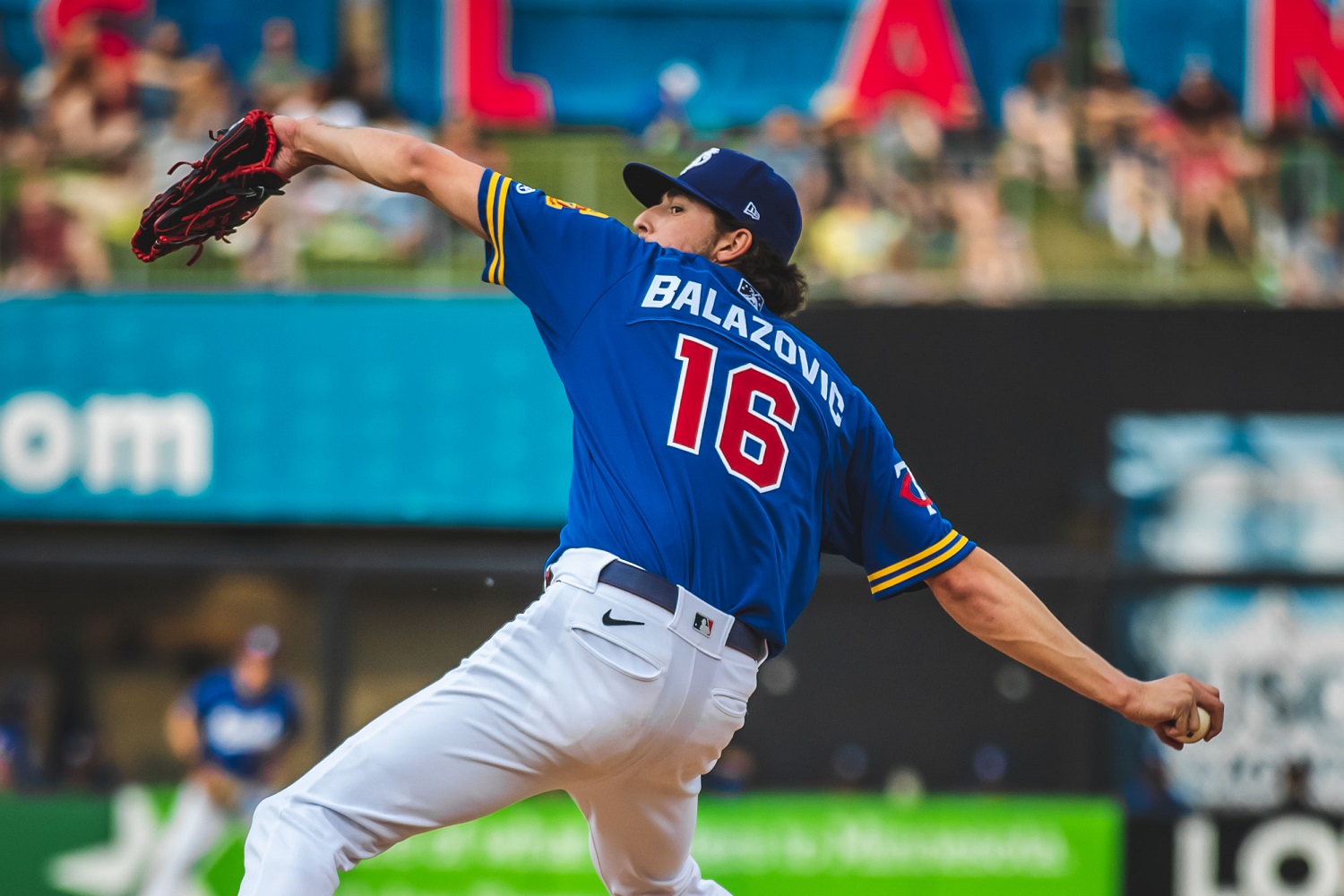 Baseball development is not a linear path. Prospects can look great one month and then spiral downward later in the same year. Organizations with the greatest success level can minimize slumps and help their prospects improve before reaching their ultimate goal. The Twins drafted Jordan Balazovic in the fifth round of the 2016 MLB Draft. He was a high school pitcher from Ontario, Canada, which isn’t exactly a hotbed of MLB talent. Minnesota liked his frame and projectability, and those scouting reports looked true as he began his professional career. Since he was 17 years old, Minnesota kept Balazovic in the GCL for two seasons to start acclimating to the professional ranks. He posted a 3.61 ERA with a 1.35 WHIP, but he was adding to his frame and making adjustments to help him as he moved up the organizational ladder. His first full season came in 2018 at Cedar Rapids, where he posted an 11.4 K/9 with a 1.17 WHIP and a 3.94 ERA. At the time, he was nearly three years younger than the average age of the competition in the Midwest League. The 2019 season put Balazovic on the prospect map as he continued to be young for his level. In 18 appearances (93 2/3 innings), he posted a 2.69 ERA with a 0.98 WHIP and a 129-to-25 strikeout to walk ratio. He represented the Twins at the 2019 Futures Game, and it looked like the Twins had developed a top-of-the-rotation starter. Baseball America and MLB.com placed him in their top-100 lists entering the 2020 season. Coming out of the lost COVID season, Minnesota sent Balazovic to Double-A, and he made 20 starts in the Wind Surge rotation. He continued to strike out more than a batter per inning (9.5 K/9), but he also started giving up more hits (9.1 H/9) and walks (3.5 BB/9). By the season’s end, he had a 3.62 ERA with a 1.40 WHIP as over 81% of his at-bats came against older batters. The 2022 season was setting up to be a critical turning point in Balazovic’s development. Balazovic entered the 2022 season as a borderline top-100 prospect, with Baseball America and Baseball Prospectus including him on their list. At Twins Daily, he was the fourth overall prospect in the Twins organization and the highest-rated pitcher. He had success in the upper minors and was projected to make his big-league debut, but that plan didn’t work out. During spring training, Balazovic suffered a back injury that forced him to begin the 2022 season on the injured list. His first appearance came in May for Fort Myers as he worked his way back. By May 7th, he was in the Saints rotation, but there were struggles to start the year. Through his first nine starts, he posted a 9.24 ERA as batters accumulated a 1.141 OPS with eight home runs against him. His next eight starts slightly improved as his ERA dropped to 8.88, but he continued to surrender too many home runs. It looked like a lost season for Balazovic, but something clicked near the season’s end. During September, Balazovic had his best month of the season. He posted a 3.43 ERA in five starts with 30 strikeouts and ten walks in 21 innings. Batters still hit four home runs, but two of those home runs came in the same game. For the month, batters hit .247/.330/.469 (.799) as he filled the strike zone with a 62% strike rate. It had to be a satisfying end to a season that didn’t go as planned for Balazovic. Entering 2023, Balazovic won’t make any top-100 lists, and he will drop on Twins prospect rankings. However, he has something to build off of for 2023. Sometimes struggles are part of the development process, and Minnesota hopes Balazovic can learn from a rough 2022 season. What are your thoughts on Balazovic’s 2022 season? What is his ceiling? Leave a COMMENT and start the discussion.
 -
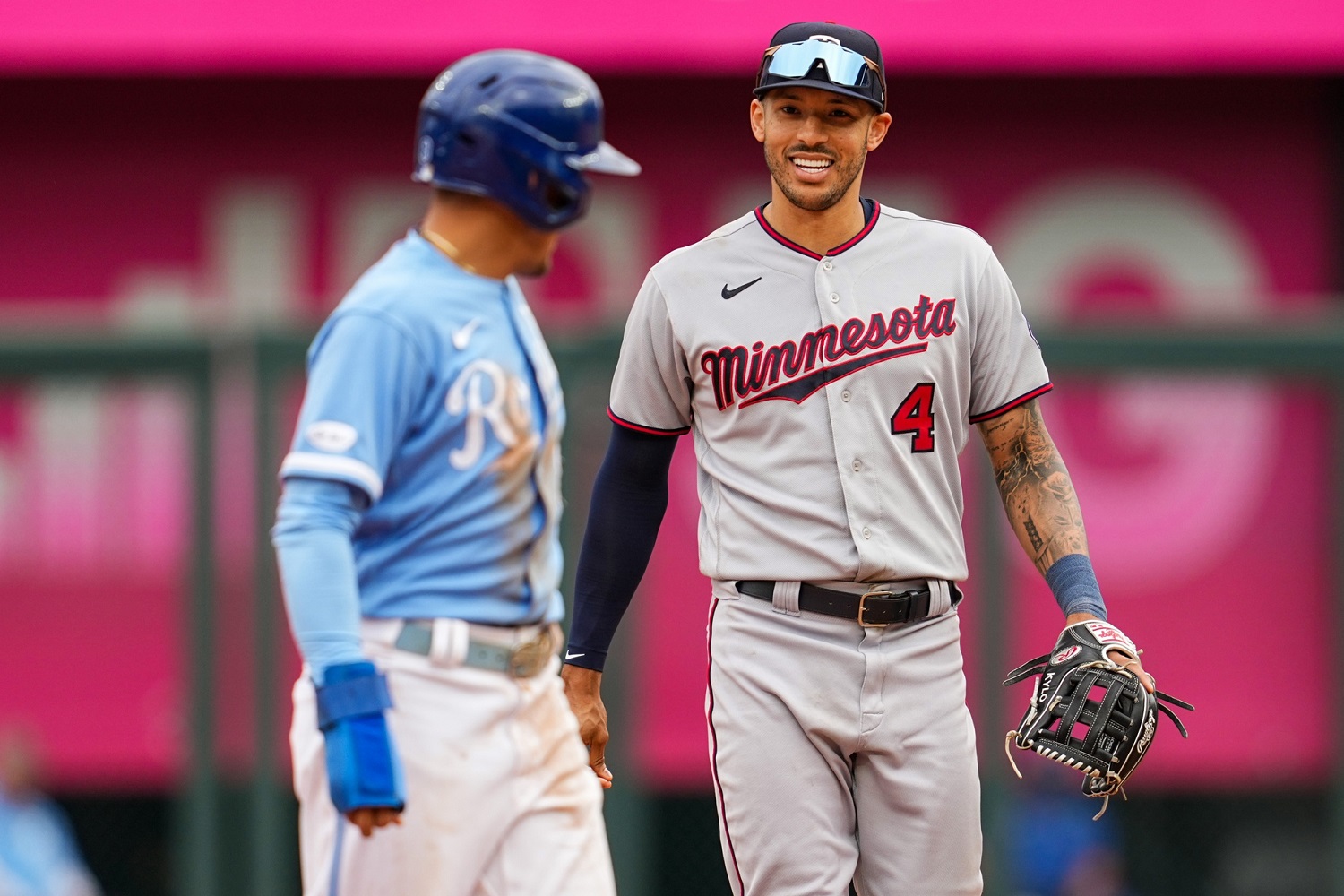 There were many reasons why the Twins were able to sign Carlos Correa. Minnesota freed up salary space by dumping Josh Donaldson's contract on the Yankees. The front office also hadn't made any major free agent signings, so there was still payroll flexibility. And that was just the beginning of the Correa free agent puzzle. Correa's new agent, Scott Boras, didn't want to split his major contract with his previous representatives. His free agent market didn't develop exactly as planned, and he was young to reach free agency, so pushing his major contract one year shouldn't hurt his long-term value. The perfect storm allowed Correa to wear a Twins' uniform for the year. Correa started slowly in 2022, but some of that may have been expected after an abbreviated spring training. His OPS was under .700 in the season's first month, and the rest of the campaign became a roller coaster ride. He posted an OPS above 1.000 in July and saw it dip to under .620 in August. While the Twins have faded in September, Correa has been playing his best. In 25 games, he has hit .347/.405/.594 (1.000) with seven doubles and six home runs. His 5.1 WAR leads the Twins, and he's also made defensive improvements after a slow start on that side of the ball. Through the 2022 season, Correa has made it clear that he'd love to stay with the Twins. He has two years remaining on the $105.3 million deal he signed this winter. However, he told reporters what it would take for him to stay with the Twins for 2023 and beyond. Correa said, "When I go to the mall and I go to the Dior store and I want something, I get it. I ask how much it costs and I buy it. So if you really want something, you just go get it. I'm the product here, so if they want my product, they just gotta come get it." It seems clear from this message that Correa will opt out of his contract in the days following the World Series. He's also making it clear that the club won't be receiving any type of discount even after paying him the highest annual contract for any infielder in baseball history. The Twins would have to pay up to sign Correa long-term, which seems unlikely to happen. If he opts out, Correa will join a free agent class that is expected to include Trea Turner, Xander Bogaerts, and Dansby Swanson. Last winter, Corey Seager received $325 million from the Texas Rangers, so it seems likely for Correa to want to be around that contract amount. Minnesota can give him a contract near that total, but this front office enjoys payroll flexibility. As the Twins finish the season, it's even more apparent now than before that Correa's on his way out the door. Did Correa's comments surprise you? Leave a COMMENT and start the discussion.
 -
For most of the season, fans have wondered if Carlos Correa would opt out of his unique Twins contract. His message on Thursday points to a clear decision already in his mind. Image courtesy of Jay Biggerstaff-USA TODAY Sports There were many reasons why the Twins were able to sign Carlos Correa. Minnesota freed up salary space by dumping Josh Donaldson's contract on the Yankees. The front office also hadn't made any major free agent signings, so there was still payroll flexibility. And that was just the beginning of the Correa free agent puzzle. Correa's new agent, Scott Boras, didn't want to split his major contract with his previous representatives. His free agent market didn't develop exactly as planned, and he was young to reach free agency, so pushing his major contract one year shouldn't hurt his long-term value. The perfect storm allowed Correa to wear a Twins' uniform for the year. Correa started slowly in 2022, but some of that may have been expected after an abbreviated spring training. His OPS was under .700 in the season's first month, and the rest of the campaign became a roller coaster ride. He posted an OPS above 1.000 in July and saw it dip to under .620 in August. While the Twins have faded in September, Correa has been playing his best. In 25 games, he has hit .347/.405/.594 (1.000) with seven doubles and six home runs. His 5.1 WAR leads the Twins, and he's also made defensive improvements after a slow start on that side of the ball. Through the 2022 season, Correa has made it clear that he'd love to stay with the Twins. He has two years remaining on the $105.3 million deal he signed this winter. However, he told reporters what it would take for him to stay with the Twins for 2023 and beyond. Correa said, "When I go to the mall and I go to the Dior store and I want something, I get it. I ask how much it costs and I buy it. So if you really want something, you just go get it. I'm the product here, so if they want my product, they just gotta come get it." It seems clear from this message that Correa will opt out of his contract in the days following the World Series. He's also making it clear that the club won't be receiving any type of discount even after paying him the highest annual contract for any infielder in baseball history. The Twins would have to pay up to sign Correa long-term, which seems unlikely to happen. If he opts out, Correa will join a free agent class that is expected to include Trea Turner, Xander Bogaerts, and Dansby Swanson. Last winter, Corey Seager received $325 million from the Texas Rangers, so it seems likely for Correa to want to be around that contract amount. Minnesota can give him a contract near that total, but this front office enjoys payroll flexibility. As the Twins finish the season, it's even more apparent now than before that Correa's on his way out the door. Did Correa's comments surprise you? Leave a COMMENT and start the discussion. View full article
-
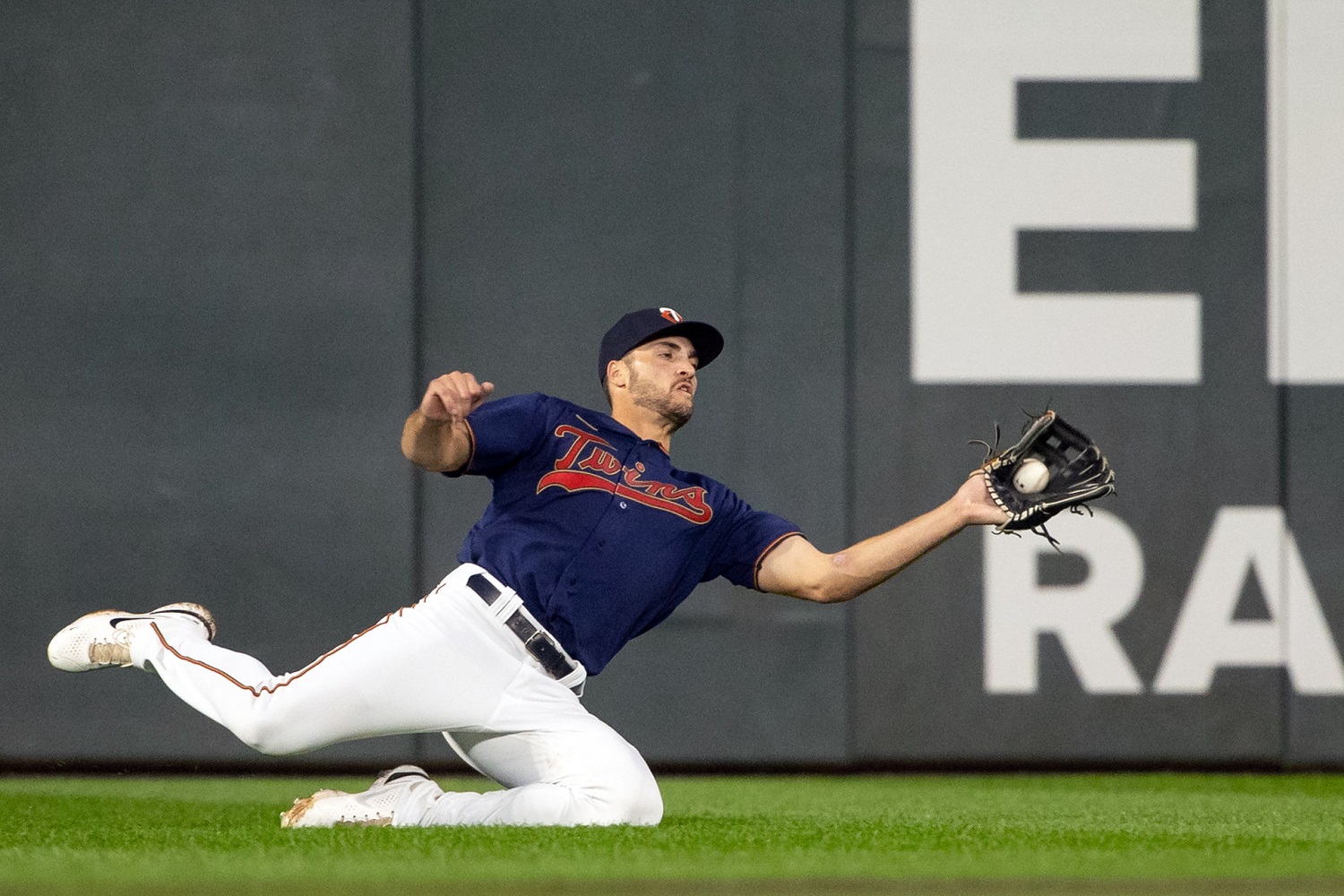 Alex Kirilloff and Trevor Larnach both made top-100 prospect lists on their way to the big leagues. Minnesota expected both players to be in the middle of the order for the next decade. Over the last 12 months, Matt Wallner has put himself on the prospect map, and he may have altered the team’s future outfield outlook. Alex Kirilloff 2022 Stats (45 G): .250/.290/.361 (.651), 7 2B, 3 HR, 36 K, 5 BB Kirilloff’s 2022 season was plagued by a wrist injury that eventually required surgery. Each of his first two seasons has been cut short because of a wrist injury. His wrist surgery this season is unique in the fact that they are shortening his ulna, which is something that few MLB players have had done. Kirilloff showed signs of being able to play through the injury as he dominated at Triple-A with a 1.106 OPS in 35 games. Eventually, he wasn’t able to play through the injury. "Any time you're talking about shaving a bone down or shortening a bone, I mean that's a substantial procedure," Twins manager Rocco Baldelli said. "But we're hopeful that by getting it done now gives us a chance to use the offseason to get right, to start swinging the bat again, to feel good and to start getting ready for next year." Minnesota hopes Kirilloff is ready for the start of spring training, but there is no guarantee with this type of surgery. Out of these players, Kirilloff was seen as the best prospect, because Baseball America and MLB.com had him in their top-15 prospects leading into the 2019 campaign. Entering his age-25 season, questions will continue to follow him regarding his wrist and whether or not he can get his career back on track. Trevor Larnach 2022 Stats (51 G): .231/.306/.406 (.712), 13 2B, 5 HR, 57 K, 18 BB Like Kirilloff, injuries have impacted Larnach’s first two seasons in the majors. Last year, he posted an .806 OPS through his first 50 games, but things went south. His OPS dropped to .672 before the team eventually demoted him to Triple-A. He eventually revealed that a hand injury had bothered him through part of the season. Larnach started the 2022 season well and was one of the team’s best hitters during May as he posted a 1.077 OPS. By the end of June, his performance had suffered and the team announced he’d undergo a bilateral surgical repair to treat the core muscle strain. At the time, the team announced that he’d need about 6-8 weeks before returning, but he learned that he needed more time to recover. “You learn really quick that that’s not really even reasonable, especially for a professional athlete trying to play at their highest level,” Larnach said. “It wasn’t really relevant to me. I had to take a step back to look at what I needed to do to feel really good. I did that, and I learned a lot from it." During his rehab with the Saints, Larnach suffered a wrist injury that will end his season. He seemed close to returning, so this is likely a frustrating end for the 24-year-old. He has been limited to 130 games in his first two seasons, and injuries have stopped him from producing like he did in the minors. Matt Wallner 2022 Stats (AA/AAA 128 G): .277/.412/.542 (.953), 32 2B, 4 3B, 27 HR, 170 K, 97 BB Unlike Larnach and Kirilloff, Wallner is coming off a tremendous season where he played well in the upper minors and made his big-league debut. In 128 minor league games, Wallner posted a .953 OPS on his way to being named the Twins Daily Minor League Hitter of the Year. Kirilloff (2018) and Larnach (2019) were both previous winners of this award, but Wallner’s stock is on the rise. He’s seen limited action at the big-league level, but he has been on base over 30% of the time and three of his eight hits have been for extra bases. Wallner used last year’s Arizona Fall League to make adjustments for the 2022 season. “It’s just cool to bounce ideas off different guys and strategies that they have going into the game, at the plate, in the field, whatever,” Wallner said during last year’s AFL. “I’ve definitely learned a lot since I’ve been out here, even in a short six weeks. So, it’s definitely been good for me.” All three outfielders will be entering their age-25 season in 2023. Kirilloff and Larnach were seen as better prospects in the minors with both making top-100 lists before debuting. Now, Wallner may have passed them by, especially with the injury concerns facing the other two outfielders. There's no question that Minnesota’s future line-up is better with all three bats being healthy and hitting in the middle of the order. Do you think Wallner has passed Kirilloff and Larnach this season? Will all three players be able to stay healthy in 2023? Leave a COMMENT and start the discussion.
- 43 comments
-
- 5
-
-
- matt wallner
- alex kirilloff
- (and 1 more)
-
The Twins have seen a trio of talented outfielders move through the farm system in recent years. After a rough 2022 season, what does the future hold for these young players? Image courtesy of Jordan Johnson-USA TODAY Sports Alex Kirilloff and Trevor Larnach both made top-100 prospect lists on their way to the big leagues. Minnesota expected both players to be in the middle of the order for the next decade. Over the last 12 months, Matt Wallner has put himself on the prospect map, and he may have altered the team’s future outfield outlook. Alex Kirilloff 2022 Stats (45 G): .250/.290/.361 (.651), 7 2B, 3 HR, 36 K, 5 BB Kirilloff’s 2022 season was plagued by a wrist injury that eventually required surgery. Each of his first two seasons has been cut short because of a wrist injury. His wrist surgery this season is unique in the fact that they are shortening his ulna, which is something that few MLB players have had done. Kirilloff showed signs of being able to play through the injury as he dominated at Triple-A with a 1.106 OPS in 35 games. Eventually, he wasn’t able to play through the injury. "Any time you're talking about shaving a bone down or shortening a bone, I mean that's a substantial procedure," Twins manager Rocco Baldelli said. "But we're hopeful that by getting it done now gives us a chance to use the offseason to get right, to start swinging the bat again, to feel good and to start getting ready for next year." Minnesota hopes Kirilloff is ready for the start of spring training, but there is no guarantee with this type of surgery. Out of these players, Kirilloff was seen as the best prospect, because Baseball America and MLB.com had him in their top-15 prospects leading into the 2019 campaign. Entering his age-25 season, questions will continue to follow him regarding his wrist and whether or not he can get his career back on track. Trevor Larnach 2022 Stats (51 G): .231/.306/.406 (.712), 13 2B, 5 HR, 57 K, 18 BB Like Kirilloff, injuries have impacted Larnach’s first two seasons in the majors. Last year, he posted an .806 OPS through his first 50 games, but things went south. His OPS dropped to .672 before the team eventually demoted him to Triple-A. He eventually revealed that a hand injury had bothered him through part of the season. Larnach started the 2022 season well and was one of the team’s best hitters during May as he posted a 1.077 OPS. By the end of June, his performance had suffered and the team announced he’d undergo a bilateral surgical repair to treat the core muscle strain. At the time, the team announced that he’d need about 6-8 weeks before returning, but he learned that he needed more time to recover. “You learn really quick that that’s not really even reasonable, especially for a professional athlete trying to play at their highest level,” Larnach said. “It wasn’t really relevant to me. I had to take a step back to look at what I needed to do to feel really good. I did that, and I learned a lot from it." During his rehab with the Saints, Larnach suffered a wrist injury that will end his season. He seemed close to returning, so this is likely a frustrating end for the 24-year-old. He has been limited to 130 games in his first two seasons, and injuries have stopped him from producing like he did in the minors. Matt Wallner 2022 Stats (AA/AAA 128 G): .277/.412/.542 (.953), 32 2B, 4 3B, 27 HR, 170 K, 97 BB Unlike Larnach and Kirilloff, Wallner is coming off a tremendous season where he played well in the upper minors and made his big-league debut. In 128 minor league games, Wallner posted a .953 OPS on his way to being named the Twins Daily Minor League Hitter of the Year. Kirilloff (2018) and Larnach (2019) were both previous winners of this award, but Wallner’s stock is on the rise. He’s seen limited action at the big-league level, but he has been on base over 30% of the time and three of his eight hits have been for extra bases. Wallner used last year’s Arizona Fall League to make adjustments for the 2022 season. “It’s just cool to bounce ideas off different guys and strategies that they have going into the game, at the plate, in the field, whatever,” Wallner said during last year’s AFL. “I’ve definitely learned a lot since I’ve been out here, even in a short six weeks. So, it’s definitely been good for me.” All three outfielders will be entering their age-25 season in 2023. Kirilloff and Larnach were seen as better prospects in the minors with both making top-100 lists before debuting. Now, Wallner may have passed them by, especially with the injury concerns facing the other two outfielders. There's no question that Minnesota’s future line-up is better with all three bats being healthy and hitting in the middle of the order. Do you think Wallner has passed Kirilloff and Larnach this season? Will all three players be able to stay healthy in 2023? Leave a COMMENT and start the discussion. View full article
-
Earlier this week, the Twins announced that the team will be rebranding for the 2023 season. What will this mean for the Twins, and how have their jerseys changed throughout the franchise's history? Image courtesy of graphics by Thieres Rabelo Dave St. Peter told the Star Tribune that the Twins will rehaul all their on-field looks before the 2023 season. These changes will include a new logo, new lettering, and new uniforms. However, the plan is for the colors to stay the same, which may upset some fans that don't like the Kasota gold that has been prominently used in recent years. "Our uniforms are going to evolve and take a step toward the future," St. Peter told the Star-Tribune. "There is always a sensitivity to paying respect to the history and the heritage of the franchise, but there's also a desire to move it forward, much like we did in the mid-'80s." Minnesota used the same uniforms for the first decade the club was in the Twin Cities. In the early 1970s, the club added the famous baby blue road uniform. By the late 1980s, the club switched to a pinstripe look at home and on the road. For one season (1997), the club infamously had a red alternate jersey that the team only wore twice for the entire season. There were plenty of other alternate jerseys used in the Metrodome era, but the Target Field era has seen some changes. Minnesota removed pinstripes on the road jerseys for the 2010 season and added a cream-colored home alternate. Then some of the most significant changes were made following the 2014 All-Star Game as the team added Kasota gold to the team's uniforms, and pinstripes became a thing of the past. "The Padres are a great example — they went with a refresh that actually reached back to their origins, but they did it in a really bold, dynamic way," St. Peter also said. "It wasn't just a cookie-cutter of what Steve Garvey wore in 1984. And our goals are the same. How do you pay tribute to that history and heritage but do it in a very modern way?" Minnie and Paul aren't going to be going away from Target Field. The Twins don't want to lose the franchise's identity that has been formed over six decades. There is going to be a modern spin to the uniforms while also including some classic elements. Will the team use the TC logo or bring back the M logo from the World Series era? Will Kasota gold continue to be part of the color scheme? Will pinstripes be added back to the home or road jerseys? We won't know the answers to those questions until later this off-season. Other MLB clubs have also been getting City Connect uniforms, but the Twins aren't scheduled to wear those until 2024. In his interview, St. Peter hinted that the Twins might unveil the City Connect uniforms next year. The Timberwolves have had multiple City Edition jerseys, so the Twins can learn from the good and the bad at Target Center. What do you want from a new Twins uniform? Leave a COMMENT and start the discussion. View full article
-
Minnesota Twins' New Uniforms Plan to "Take a Step Toward the Future"
Cody Christie posted an article in Twins
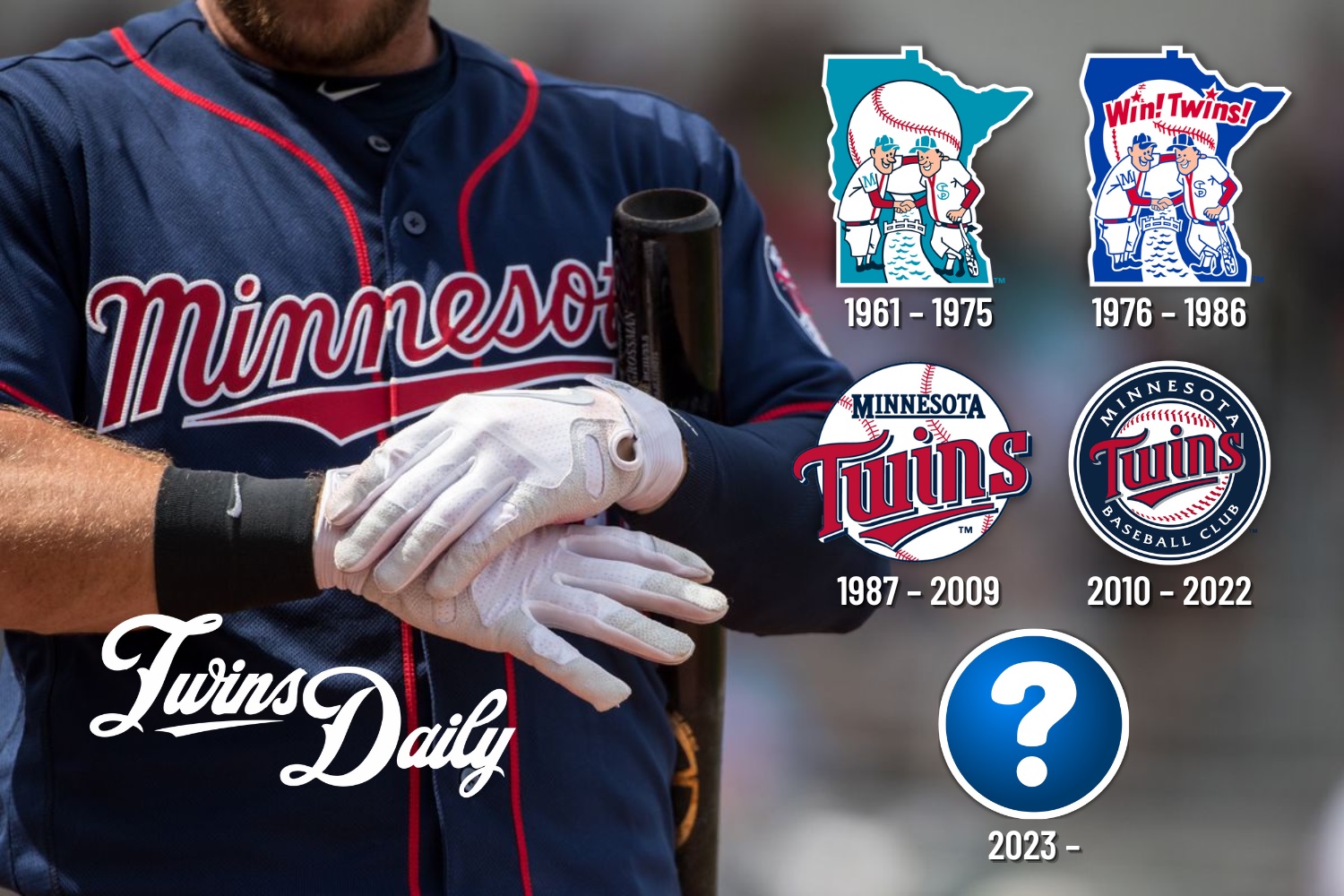 Dave St. Peter told the Star Tribune that the Twins will rehaul all their on-field looks before the 2023 season. These changes will include a new logo, new lettering, and new uniforms. However, the plan is for the colors to stay the same, which may upset some fans that don't like the Kasota gold that has been prominently used in recent years. "Our uniforms are going to evolve and take a step toward the future," St. Peter told the Star-Tribune. "There is always a sensitivity to paying respect to the history and the heritage of the franchise, but there's also a desire to move it forward, much like we did in the mid-'80s." Minnesota used the same uniforms for the first decade the club was in the Twin Cities. In the early 1970s, the club added the famous baby blue road uniform. By the late 1980s, the club switched to a pinstripe look at home and on the road. For one season (1997), the club infamously had a red alternate jersey that the team only wore twice for the entire season. There were plenty of other alternate jerseys used in the Metrodome era, but the Target Field era has seen some changes. Minnesota removed pinstripes on the road jerseys for the 2010 season and added a cream-colored home alternate. Then some of the most significant changes were made following the 2014 All-Star Game as the team added Kasota gold to the team's uniforms, and pinstripes became a thing of the past. "The Padres are a great example — they went with a refresh that actually reached back to their origins, but they did it in a really bold, dynamic way," St. Peter also said. "It wasn't just a cookie-cutter of what Steve Garvey wore in 1984. And our goals are the same. How do you pay tribute to that history and heritage but do it in a very modern way?" Minnie and Paul aren't going to be going away from Target Field. The Twins don't want to lose the franchise's identity that has been formed over six decades. There is going to be a modern spin to the uniforms while also including some classic elements. Will the team use the TC logo or bring back the M logo from the World Series era? Will Kasota gold continue to be part of the color scheme? Will pinstripes be added back to the home or road jerseys? We won't know the answers to those questions until later this off-season. Other MLB clubs have also been getting City Connect uniforms, but the Twins aren't scheduled to wear those until 2024. In his interview, St. Peter hinted that the Twins might unveil the City Connect uniforms next year. The Timberwolves have had multiple City Edition jerseys, so the Twins can learn from the good and the bad at Target Center. What do you want from a new Twins uniform? Leave a COMMENT and start the discussion.
 -
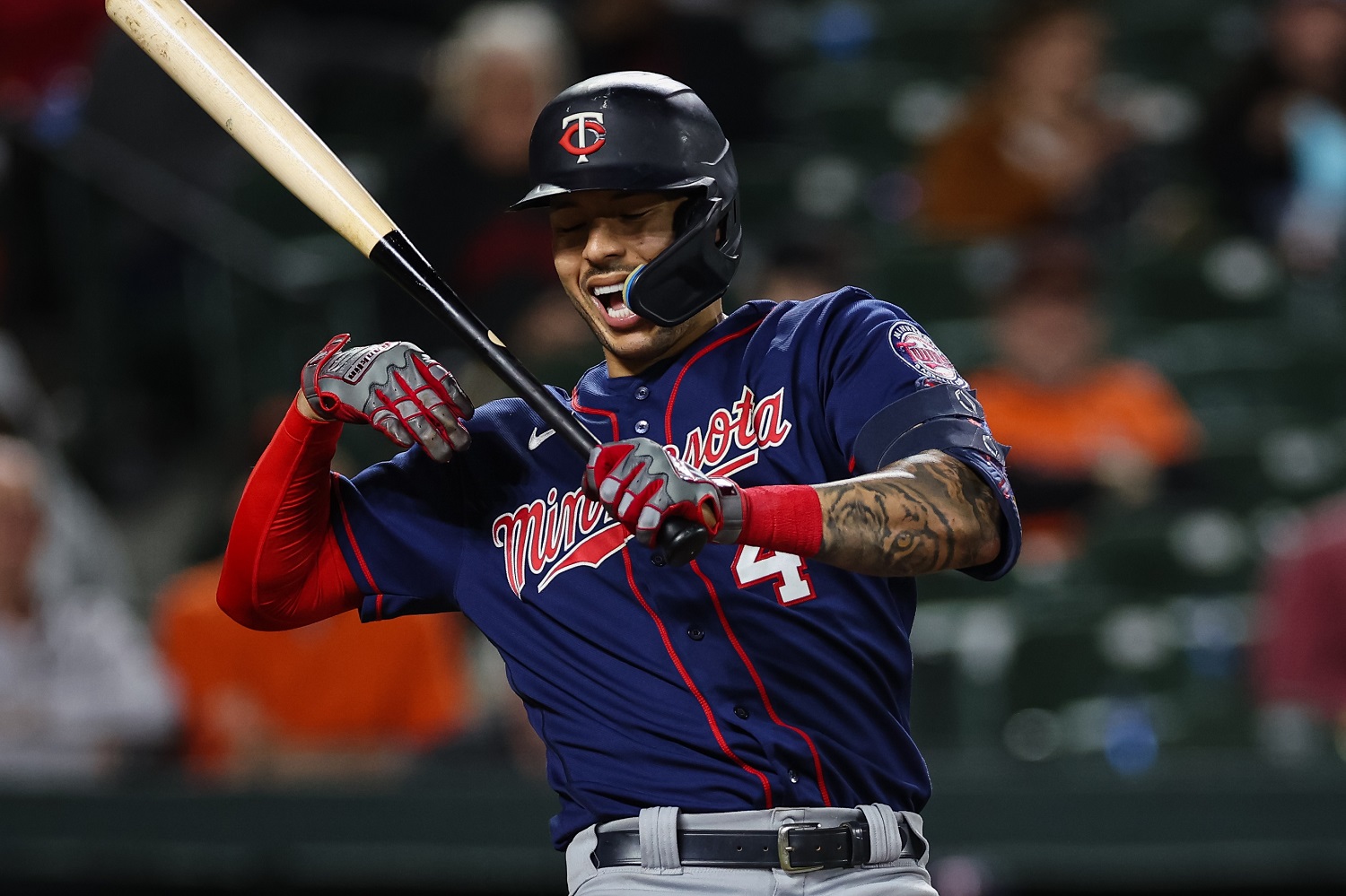 The Twins are finishing a terrible September that saw the team go from contender to pretender in a few weeks. There are plenty of reasons for fans to be frustrated, but the season's conclusion offers time to reflect on the 2022 campaign. Here are the people most responsible for the Twins' downfall this season. Culprit 1: The Front Office The front office will take the brunt of the blame for any team that falls short of its ultimate goal. Last off-season was unique because of the lockout, and Minnesota took a unique approach to construct the roster. Derek Falvey and Thad Levine thought the pitching pipeline was ready to contribute in 2022, so the team didn't need to acquire any of the best free agent pitchers. This plan failed as the team's farm system took a step back, and the pitching pipeline has yet to arrive. It's also easy to blame the front office for some of the prominent players the team acquired during the 2022 season. Minnesota traded Taylor Rogers shortly before Opening Day for Chris Paddack and Emilio Pagan. The timing of the trade was terrible, even if Rogers ended up having a poor season. Paddack was terrific for four games before needing Tommy John surgery. Pagan has been one of baseball's worst relievers for multiple seasons, and the team continued to use him in high-leverage situations. Minnesota's front office received praise following July's trade deadline because it seemed like the team was "going for it." Neither of the other AL Central teams made significant moves, and the Twins acquired Tyler Mahle, Jorge Lopez, and Michael Fulmer. Mahle has struggled with a shoulder injury since being acquired, and Lopez hasn't lived up to his All-Star performance from the first half. Mahle's acquisition might be the most frustrating as he added his name to a growing list of injured pitchers the Twins acquired via trade. In the end, the front office was wrong about the organization's young pitchers being ready to contribute. Falvey and Levine didn't address the bullpen in the offseason, which haunted the team. It cost the team multiple prospects at the trade deadline after the club had already been treading water for most of June and July. Now, the front office is facing a critical offseason as this current group's winning window is closing. Culprit 2: Rocco Baldelli Minnesota's front office gave Baldelli a vote of confidence over the weekend when they said he is part of the team's long-term plans. Fans may still blame the manager for the team's poor performance for multiple months. Obviously, he has been dealing with one of baseball's most injured rosters, but the team doesn't seem to have much fight left in them. Last season, the team was out of the race for much of the season, but the club played well in September as younger players got an opportunity. This year's team played its worst baseball in September. Sometimes it's easy to forget that preseason models projected this team to finish around .500. Pitching staff usage is one of the most significant areas where fans blame a manager. Many will point fingers at Baldelli for his bullpen usage or for pulling his starters too early. However, it is also essential to consider that the team lost its pitching coach in the middle of the season. Minnesota's bullpen was terrible, and there is only so much Baldelli can do with the players on the roster. Also, Twins starters were rarely allowed to face a line-up for the third time, a philosophy many organizations have adopted in recent years. Baldelli deserves some blame, but even baseball's best manager wouldn't have won with Minnesota this season. Culprit 3: Injuries It's easy for anyone looking at the Twins' 2022 season to blame injuries for the team's poor performance. No American League team has put more players on the IL than the Twins this season. At one point, Minnesota had nearly a full roster of players on the IL, and it was a team that could be reasonably competitive in the AL Central. The Reds are the only club with more days lost to injury than the Twins, but anyone following the team knows that number doesn't tell the whole story. Minnesota allowed many players to stay off the IL even when injuries hampered their performance. Bryon Buxton talked his way out of multiple IL stints, and there were stretches where he struggled on the field. Jorge Polanco tried to play through an injury, Tyler Mahle made two starts at less than 100%, and Max Kepler played through a broken toe. Few organizations have the depth to withstand the number of injuries the Twins suffered in 2022. Reflecting on a season that started with renewed expectations can be challenging. However, there is plenty of blame to go around as the season winds to a close. Who deserves the most blame for the Twins' failures in 2022? Leave a COMMENT and start the discussion.
- 39 comments
-
- 6
-
-
- derek falvey
- thad levine
- (and 2 more)
-
Blame can be passed around when a team doesn't meet expectations. Who should receive blame for the Twins' failures, and who is most responsible? Image courtesy of Scott Taetsch-USA TODAY Sports The Twins are finishing a terrible September that saw the team go from contender to pretender in a few weeks. There are plenty of reasons for fans to be frustrated, but the season's conclusion offers time to reflect on the 2022 campaign. Here are the people most responsible for the Twins' downfall this season. Culprit 1: The Front Office The front office will take the brunt of the blame for any team that falls short of its ultimate goal. Last off-season was unique because of the lockout, and Minnesota took a unique approach to construct the roster. Derek Falvey and Thad Levine thought the pitching pipeline was ready to contribute in 2022, so the team didn't need to acquire any of the best free agent pitchers. This plan failed as the team's farm system took a step back, and the pitching pipeline has yet to arrive. It's also easy to blame the front office for some of the prominent players the team acquired during the 2022 season. Minnesota traded Taylor Rogers shortly before Opening Day for Chris Paddack and Emilio Pagan. The timing of the trade was terrible, even if Rogers ended up having a poor season. Paddack was terrific for four games before needing Tommy John surgery. Pagan has been one of baseball's worst relievers for multiple seasons, and the team continued to use him in high-leverage situations. Minnesota's front office received praise following July's trade deadline because it seemed like the team was "going for it." Neither of the other AL Central teams made significant moves, and the Twins acquired Tyler Mahle, Jorge Lopez, and Michael Fulmer. Mahle has struggled with a shoulder injury since being acquired, and Lopez hasn't lived up to his All-Star performance from the first half. Mahle's acquisition might be the most frustrating as he added his name to a growing list of injured pitchers the Twins acquired via trade. In the end, the front office was wrong about the organization's young pitchers being ready to contribute. Falvey and Levine didn't address the bullpen in the offseason, which haunted the team. It cost the team multiple prospects at the trade deadline after the club had already been treading water for most of June and July. Now, the front office is facing a critical offseason as this current group's winning window is closing. Culprit 2: Rocco Baldelli Minnesota's front office gave Baldelli a vote of confidence over the weekend when they said he is part of the team's long-term plans. Fans may still blame the manager for the team's poor performance for multiple months. Obviously, he has been dealing with one of baseball's most injured rosters, but the team doesn't seem to have much fight left in them. Last season, the team was out of the race for much of the season, but the club played well in September as younger players got an opportunity. This year's team played its worst baseball in September. Sometimes it's easy to forget that preseason models projected this team to finish around .500. Pitching staff usage is one of the most significant areas where fans blame a manager. Many will point fingers at Baldelli for his bullpen usage or for pulling his starters too early. However, it is also essential to consider that the team lost its pitching coach in the middle of the season. Minnesota's bullpen was terrible, and there is only so much Baldelli can do with the players on the roster. Also, Twins starters were rarely allowed to face a line-up for the third time, a philosophy many organizations have adopted in recent years. Baldelli deserves some blame, but even baseball's best manager wouldn't have won with Minnesota this season. Culprit 3: Injuries It's easy for anyone looking at the Twins' 2022 season to blame injuries for the team's poor performance. No American League team has put more players on the IL than the Twins this season. At one point, Minnesota had nearly a full roster of players on the IL, and it was a team that could be reasonably competitive in the AL Central. The Reds are the only club with more days lost to injury than the Twins, but anyone following the team knows that number doesn't tell the whole story. Minnesota allowed many players to stay off the IL even when injuries hampered their performance. Bryon Buxton talked his way out of multiple IL stints, and there were stretches where he struggled on the field. Jorge Polanco tried to play through an injury, Tyler Mahle made two starts at less than 100%, and Max Kepler played through a broken toe. Few organizations have the depth to withstand the number of injuries the Twins suffered in 2022. Reflecting on a season that started with renewed expectations can be challenging. However, there is plenty of blame to go around as the season winds to a close. Who deserves the most blame for the Twins' failures in 2022? Leave a COMMENT and start the discussion. View full article
-
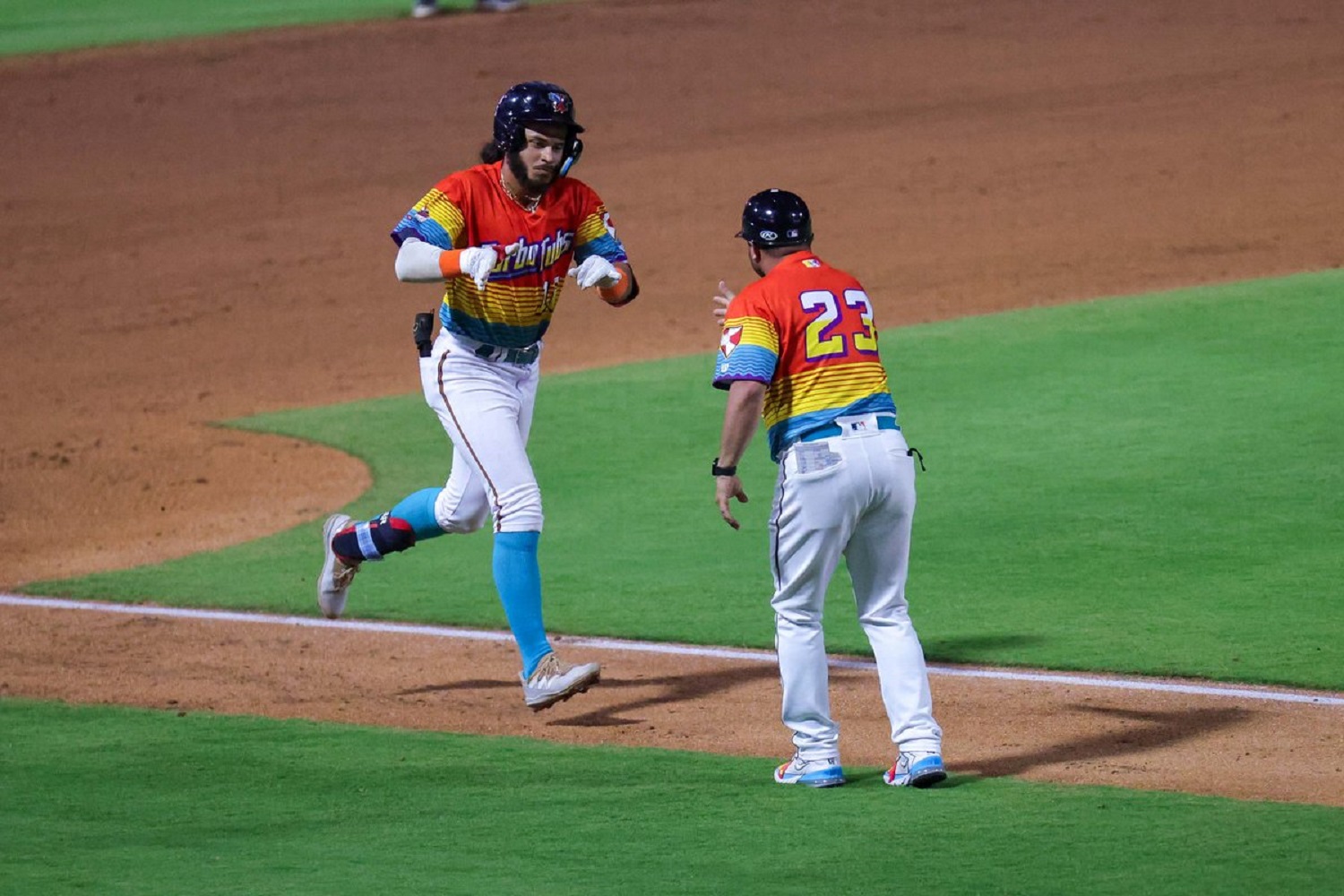 Hitting was never supposed to be a problem for Austin Martin. He was widely considered the top college bat in the 2020 MLB Draft after finishing a tremendous three years at Vanderbilt. In three seasons, he hit .368/.474/.532 (1.007) with 43 steals and more walks (85) than strikeouts (82). During his sophomore season, he posted a 1.091 OPS with 33 extra-base hits in 65 games as he helped Vanderbilt win the 2019 College World Series. Toronto had to be excited when Martin fell to them with the fifth overall pick in 2020, which will be an intriguing draft to examine in future years. The pandemic wiped out college and high school seasons, so it became challenging to scout players without any games to watch. Martin received the draft’s second-highest signing bonus, but his professional debut had to wait until 2021. All three national prospect rankings put Martin in their top-25 prospects entering the 2021 season. The Blue Jays were aggressive with him by sending him directly to Double-A. In his first 56 games, he hit .281/.424/.383 (.807) with 14 extra-base hits and a 53-to-37 strikeout to walk ratio. Minnesota acquired him at the trade deadline as part of the Jose Berrios deal. His OPS dropped to .779, but he collected 11 extra-base hits in 37 games. His prospect stock dropped a little, but he’d still be considered one of baseball’s top-55 prospects entering the 2022 campaign. Minnesota sent Martin back to Double-A for the 2022 season, hoping his performance would warrant a move up the organizational ladder. For various reasons, Martin’s performance has struggled in 2022, with a wrist injury weakening his power. His OPS dropped from .796 in 2021 to .685 in 92 games this season. He suffered a wrist injury while diving for a ball at the beginning of July, but he has returned strongly to end the season. In September, Martin compiled his best numbers of the season as he hit .277/.392/.431 (.823). His OPS was over 100 points higher than any other month in the season, and two of his three home runs came this month. Martin has been over a year younger than the competition at his level, and over 78% of his at-bats have come against older pitchers. After a bleak season, it helps to end the season on a positive note. Martin will get the opportunity to build off his strong September by representing the Twins in the Arizona Fall League. He will be one of the team’s top prospects participating in the AFL this season, and it can be an important opportunity for players closing in on the big leagues. Last season, Matt Wallner headed to the AFL and used it as a springboard for a tremendous 2022 season. Wallner was recently named the Twins Daily Minor League Player of the Year. Next season, Martin will begin the season as a 24-year-old with over 180 games played at the Double-A level. He is no longer considered a top-100 prospect, and many have dropped him out of the top-10 prospects in the Twins organization. He has plenty to prove in 2023, and the Twins hope this September is the beginning of him getting back on track. What do you think Martin can prove in the AFL? Is this September a positive sign for the future? Leave a COMMENT and start the discussion.
 -
Austin Martin’s time in the Twins organization hasn’t gone perfectly. After struggling through most of 2022, he may have finally broken out over the last month. Image courtesy of Ed Bailey, Wichita Wind Surge Hitting was never supposed to be a problem for Austin Martin. He was widely considered the top college bat in the 2020 MLB Draft after finishing a tremendous three years at Vanderbilt. In three seasons, he hit .368/.474/.532 (1.007) with 43 steals and more walks (85) than strikeouts (82). During his sophomore season, he posted a 1.091 OPS with 33 extra-base hits in 65 games as he helped Vanderbilt win the 2019 College World Series. Toronto had to be excited when Martin fell to them with the fifth overall pick in 2020, which will be an intriguing draft to examine in future years. The pandemic wiped out college and high school seasons, so it became challenging to scout players without any games to watch. Martin received the draft’s second-highest signing bonus, but his professional debut had to wait until 2021. All three national prospect rankings put Martin in their top-25 prospects entering the 2021 season. The Blue Jays were aggressive with him by sending him directly to Double-A. In his first 56 games, he hit .281/.424/.383 (.807) with 14 extra-base hits and a 53-to-37 strikeout to walk ratio. Minnesota acquired him at the trade deadline as part of the Jose Berrios deal. His OPS dropped to .779, but he collected 11 extra-base hits in 37 games. His prospect stock dropped a little, but he’d still be considered one of baseball’s top-55 prospects entering the 2022 campaign. Minnesota sent Martin back to Double-A for the 2022 season, hoping his performance would warrant a move up the organizational ladder. For various reasons, Martin’s performance has struggled in 2022, with a wrist injury weakening his power. His OPS dropped from .796 in 2021 to .685 in 92 games this season. He suffered a wrist injury while diving for a ball at the beginning of July, but he has returned strongly to end the season. In September, Martin compiled his best numbers of the season as he hit .277/.392/.431 (.823). His OPS was over 100 points higher than any other month in the season, and two of his three home runs came this month. Martin has been over a year younger than the competition at his level, and over 78% of his at-bats have come against older pitchers. After a bleak season, it helps to end the season on a positive note. Martin will get the opportunity to build off his strong September by representing the Twins in the Arizona Fall League. He will be one of the team’s top prospects participating in the AFL this season, and it can be an important opportunity for players closing in on the big leagues. Last season, Matt Wallner headed to the AFL and used it as a springboard for a tremendous 2022 season. Wallner was recently named the Twins Daily Minor League Player of the Year. Next season, Martin will begin the season as a 24-year-old with over 180 games played at the Double-A level. He is no longer considered a top-100 prospect, and many have dropped him out of the top-10 prospects in the Twins organization. He has plenty to prove in 2023, and the Twins hope this September is the beginning of him getting back on track. What do you think Martin can prove in the AFL? Is this September a positive sign for the future? Leave a COMMENT and start the discussion. View full article
-
 Max Kepler was part of one of the best international signing classes in Twins' history. Back in 2009, Kepler signed as a teenager out of Germany and joined Miguel Sano and Jorge Polanco in the same class. All three players have impacted the Twins over the last 13 years, but Kepler showed his potential as a prospect moving through the system. During the 2015 season, Kepler dominated in the minor leagues on his way to being one of baseball's top-60 prospects. He spent most of that season at Double-A, where he hit .322/.416/.531 (.947) with 32 doubles, 13 triples, and nine home runs. At season's end, Twins Daily named him the Minor League Hitter of the Year, and he was well on his way to debuting in 2016. At the big-league level, Kepler hasn't been able to replicate some of his numbers from earlier in his professional career. His OPS+ was below league average in his first three seasons, even though he averaged 27 doubles and 19 home runs per year. Many thought he finally broke out during the 2019 campaign as he hit 32 doubles and 36 home runs. However, it turned out that the baseballs were juiced, increasing power leaguewide. Like many players, Kepler hasn't been able to repeat his numbers from the 2019 campaign. Over the last three seasons, he has hit .220/.314/.392 (.706) while averaging 16 doubles and 12 home runs. Even with an above-average OPS+ in 2020, he has combined for 98 OPS+ since the start of that season. Sometimes he can be frustrating to watch at the plate, but his value goes beyond his offensive struggles. Kepler's value during the 2022 season can be deceiving. He has gone through terrible stretches at the plate as he fought through various injuries, and his 93 OPS+ is the worst total of his career. Defensively, he has been among the league's best right fielders. In SABR's updated SDI rankings, Kepler was the second-ranked right fielder behind Houston's Kyle Tucker. He will likely be a Gold Glove finalist, but his recent injury won't let him pass Tucker. It's easy to look at Kepler's offensive numbers and believe he is a below-average player. However, his defensive totals help to raise his overall value. Minnesota paid Kepler $6.75 million in 2022, and he is due to make $8.5 million next season. The Twins also control his age-31 campaign for $10 million, or the club can exercise a $1 million buyout. FanGraphs pegs Kepler as providing the Twins with $16 million in value this season, so it's reasonable to think the team will want him back next year. MLB rule changes for the 2023 season will impact all players differently, but some may benefit more than others. Teams tend to shift on Kepler because he is a pull hitter, so he might be able to get a few more hits that find a way through the infield. However, it might not be as many hits as one would think because Kepler's outs tend to be weak fly balls. It likely won't result in Kepler turning back into the power hitter he was back in 2019. It seems likely for the Twins to ride out Kepler's contract in 2022, but it's not out of the question for the team to consider a trade. In the past, Kepler was considered one of Minnesota's most valuable trade assets because of his team-friendly deal. Now, his Twins tenure is inching closer, and the front office will need to decide what's best for the 2023 club. What do you think the team should do with Kepler moving forward? Is it time for the team to go in a different direction? Leave a COMMENT and start the discussion.
 -
Max Kepler enters the winter with one guaranteed year remaining on his contract. What does that mean for his future with the Twins organization? Image courtesy of Jeffrey Becker-USA TODAY Sports Max Kepler was part of one of the best international signing classes in Twins' history. Back in 2009, Kepler signed as a teenager out of Germany and joined Miguel Sano and Jorge Polanco in the same class. All three players have impacted the Twins over the last 13 years, but Kepler showed his potential as a prospect moving through the system. During the 2015 season, Kepler dominated in the minor leagues on his way to being one of baseball's top-60 prospects. He spent most of that season at Double-A, where he hit .322/.416/.531 (.947) with 32 doubles, 13 triples, and nine home runs. At season's end, Twins Daily named him the Minor League Hitter of the Year, and he was well on his way to debuting in 2016. At the big-league level, Kepler hasn't been able to replicate some of his numbers from earlier in his professional career. His OPS+ was below league average in his first three seasons, even though he averaged 27 doubles and 19 home runs per year. Many thought he finally broke out during the 2019 campaign as he hit 32 doubles and 36 home runs. However, it turned out that the baseballs were juiced, increasing power leaguewide. Like many players, Kepler hasn't been able to repeat his numbers from the 2019 campaign. Over the last three seasons, he has hit .220/.314/.392 (.706) while averaging 16 doubles and 12 home runs. Even with an above-average OPS+ in 2020, he has combined for 98 OPS+ since the start of that season. Sometimes he can be frustrating to watch at the plate, but his value goes beyond his offensive struggles. Kepler's value during the 2022 season can be deceiving. He has gone through terrible stretches at the plate as he fought through various injuries, and his 93 OPS+ is the worst total of his career. Defensively, he has been among the league's best right fielders. In SABR's updated SDI rankings, Kepler was the second-ranked right fielder behind Houston's Kyle Tucker. He will likely be a Gold Glove finalist, but his recent injury won't let him pass Tucker. It's easy to look at Kepler's offensive numbers and believe he is a below-average player. However, his defensive totals help to raise his overall value. Minnesota paid Kepler $6.75 million in 2022, and he is due to make $8.5 million next season. The Twins also control his age-31 campaign for $10 million, or the club can exercise a $1 million buyout. FanGraphs pegs Kepler as providing the Twins with $16 million in value this season, so it's reasonable to think the team will want him back next year. MLB rule changes for the 2023 season will impact all players differently, but some may benefit more than others. Teams tend to shift on Kepler because he is a pull hitter, so he might be able to get a few more hits that find a way through the infield. However, it might not be as many hits as one would think because Kepler's outs tend to be weak fly balls. It likely won't result in Kepler turning back into the power hitter he was back in 2019. It seems likely for the Twins to ride out Kepler's contract in 2022, but it's not out of the question for the team to consider a trade. In the past, Kepler was considered one of Minnesota's most valuable trade assets because of his team-friendly deal. Now, his Twins tenure is inching closer, and the front office will need to decide what's best for the 2023 club. What do you think the team should do with Kepler moving forward? Is it time for the team to go in a different direction? Leave a COMMENT and start the discussion. View full article
-
 Minnesota knew what it was getting into when they signed Byron Buxton to a long-term deal. His injury history is well documented, but his positive impact on the Twins roster is undeniable. He will make $9.1 million this season, and FanGraphs pegs his total value at nearly $32 million this season. The Twins utilized multiple strategies to try and keep Buxton healthy, but injuries impacted him throughout different parts of the season. Here’s the good, the bad, and the ugly with Buxton’s health this season. The Good Buxton played in over 90 games for only the third time in his career, which helped him amass 4.0 WAR, which ranks second on the team. In two months during the season, he posted a slugging percentage north of .710 with an OPS of over 1.060. This performance helped him earn the starting center field position for the American League during the All-Star Game, and he helped the team by hitting a home run. It was one of the best portions of the season because the Twins were in first place, and they looked to be heading for the team’s third division title in four seasons. The Bad Mixed in with the good were some sub-par performances as Buxton attempted to play through injury. His offensive production was a roller coaster ride as he’d be an otherworldly hitter for a stretch and then slump. From May 7-June 2, Buxton went 9-for-71 (.127 BA) in 19 games. This slump also included a career-worst 30 consecutive at-bats without a hit. He became a more patient hitter during the stretch as he drew eight walks compared to 16 strikeouts. At the end of June, he had a 15-game stretch that saw him go 6-for-58 (.103 BA), but four of his six hits were home runs. In the season’s second half, it became evident that Buxton was struggling through injury to the point where the team needed to put him on the IL, and that’s when things turned ugly for the Twins. The Ugly The Twins spent 108 days in first place in the AL Central, but the month of September has been brutal. Now, Minnesota is set to finish in third place in the division with hopes of ending with a .500 record. Buxton hasn’t been in the line-up since August 22, and the Twins have gone 11-17 during that stretch, which translates to a 0.392 winning percentage. Over the course of 162-games, that translates to a 98-loss season. Minnesota has been playing some of its most important games in September without Buxton in the line-up, and the team can feel his loss. He brings an energy to the roster that has been lacking over the last. Wins in April and May can be as important as wins in September, but the stakes are much higher in the season’s final weeks. Buxton clearly helped the Twins out of the gate to establish themselves at the top of the division, but the team’s plan to keep him on the field didn’t work. Extra off days and time at designated hitter helped Buxton provide value in just over 90 games. Buxton is Minnesota’s best player, and the club’s success is tied to him being on the field for the team’s critical moments. Should Buxton have gone on the IL earlier in the season? Would he have been available later in the season? Leave a COMMENT and start the discussion.

