



Cody Christie
-
Posts
7,515 -
Joined
-
Last visited
-
Days Won
5
Content Type
Profiles
News
Minnesota Twins Videos
2026 Minnesota Twins Top Prospects Ranking
2022 Minnesota Twins Draft Picks
Minnesota Twins Free Agent & Trade Rumors, Notes, & Tidbits
Guides & Resources
2023 Minnesota Twins Draft Picks
The Minnesota Twins Players Project
2024 Minnesota Twins Draft Picks
2025 Minnesota Twins Draft Pick Tracker
2026 Minnesota Twins Draft Tracker: Picks & Bonuses
Forums
Blogs
Events
Store
Downloads
Gallery
Everything posted by Cody Christie
-
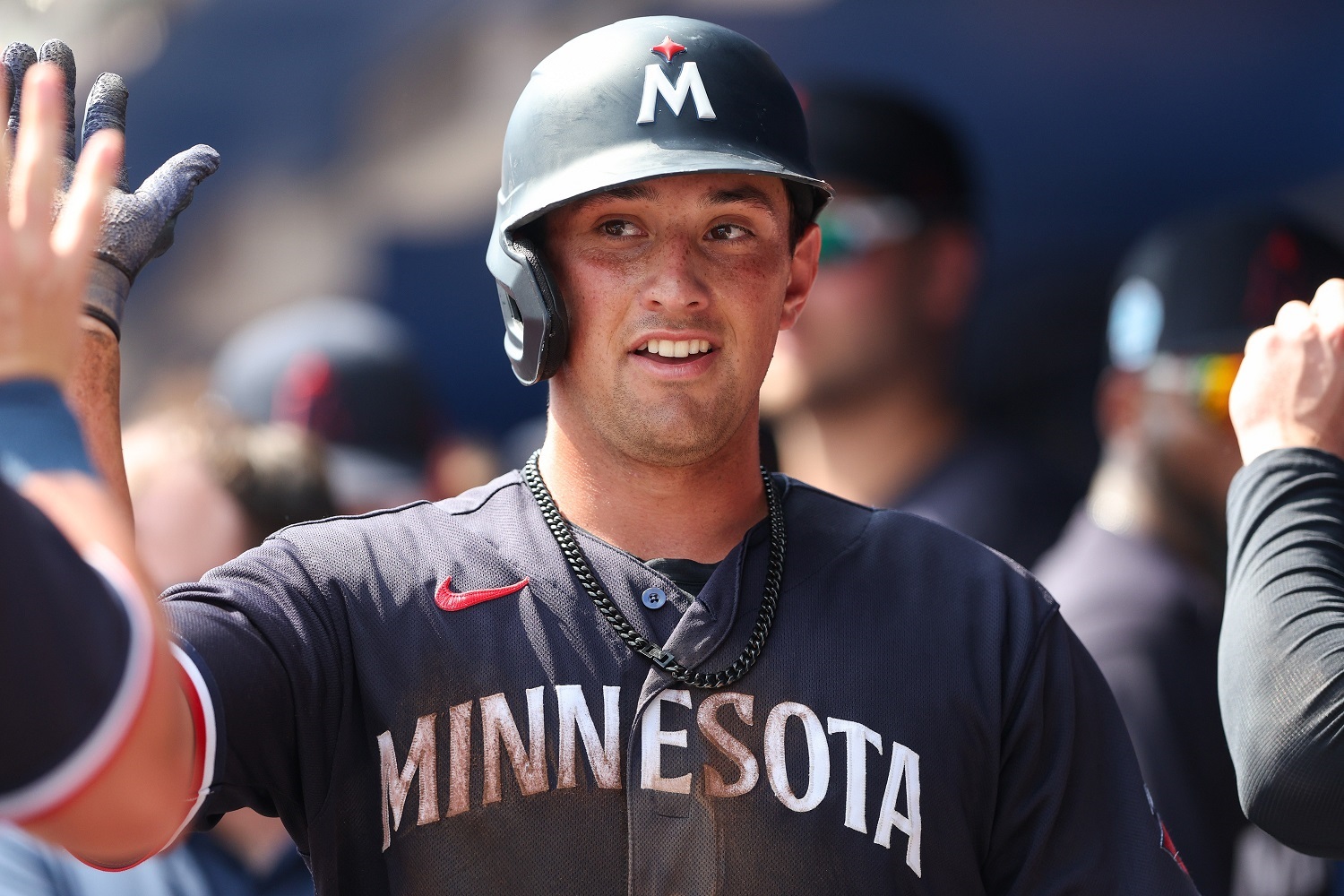 In an ideal world, every top Twins prospect would reach their full potential and become a star. That obviously doesn't happen, but fans can still look to the minors for hope for the future. Twins Daily's top five prospects face an important development season in 2023 with questions surrounding their future. Brooks Lee: Will he make his big-league debut? TD Prospect Ranking: 1 Lee has been the talk of spring training, with players like Carlos Correa gushing over his performance. Many outlets, including Twins Daily, rank him as the organization's top prospect, and he's barely played 30 games in his professional career. He shot through three different levels during his pro debut and finished the year impacting the Double-A line-up in the playoffs. He's likely heading back to Wichita to start the season, and prospects of his caliber don't necessarily need time at Triple-A. The Twins don't need to rush him to the big leagues, but his performance might dictate a call-up at some point during the 2023 season. Royce Lewis: How will the team handle him when he is healthy? TD Prospect Ranking: 2 Lewis showed flashes of his five-tool talent during his big-league debut, but it was a small sample size before he injured his ACL for the second consecutive season. He should be back by the middle of the 2023 season, and it will be interesting to see how the club treats him when he is fully healthy. Will they treat him like a minor leaguer and make him prove his bat is ready with an extended stay at Triple-A? Or will they immediately add him to the big-league roster when he completes his rehab assignment? Regardless of the team's path, Lewis can boost the line-up in the second half. Emmanuel Rodriguez: Does he have the highest ceiling of any Twins prospect? TD Prospect Ranking: 3 There is plenty of hype surrounding Rodriguez and his breakout performance at Low-A in 2023. As a 19-year-old, he hit .272/.493/.552 (1.044) with five doubles, three triples, and nine home runs. He drew more walks (57 BB) than strikeouts (52 K) in 199 plate appearances. His season was cut short by a knee meniscus injury that required surgery in June. Rodriguez is a long way from Target Field, and he has plenty of development left to make in the years ahead. However, it's hard not to get excited about a prospect of his caliber. If he continues progressing, he can be a top-15 global prospect entering the 2024 season. Marco Raya: Can his body type hold up with more innings? TD Prospect Ranking: 4 Raya is similar in size to former Twins pitcher Jose Berrios, so evaluators tend to question whether pitchers of his body type can hold up to the rigors of more professional innings. Minnesota drafted him in 2020, but he missed the 2021 season with shoulder soreness. He has been limited to 65 innings in his professional career but had a 3.05 ERA with a 1.08 WHIP and 10.5 K/9. Baseball America ranked Raya as baseball's 53rd-best prospect entering the season, which was his lone top-100 appearance. A good goal for this season would be to crack the 100-inning mark, but the Twins will continue to monitor his usage as he gets closer to Target Field. Edouard Julien: How quickly can he impact the big-league roster? TD Prospect Ranking: 5 Twins fans have seen what kind of impact Julien can have on games earlier during spring training. During the WBC, he will be on Canada's roster with a chance to put his name on the international map. He spent all of 2022 at Double-A, hitting .300/.441/.490 (.931) with 19 doubles, three triples, and 17 home runs. He transitioned that success to the AFL, where he posted a 1.248 OPS in 21 games. The Twins will likely send him to St. Paul, where he will wait for his call-up when an injury occurs in the infield, which should happen before May. What questions do you have about these prospects? Leave a COMMENT and start the discussion.
- 31 comments
-
- 7
-

-
- brooks lee
- royce lewis
- (and 3 more)
-

Pros and Cons of a Jhoan Duran Extension
Cody Christie posted a topic in Twins Daily Front Page News
If this offseason is any indication, elite relievers will continue to get paid. Here are the pros and cons of approaching Jhoan Duran with a contract extension. Image courtesy of Raj Mehta-USA TODAY Sports There is no question about what Jhoan Duran meant to the Minnesota Twins during his rookie campaign. He immediately became one of baseball’s most dominant late-inning relievers. In 67 2/3 innings, he allowed 14 earned runs (1.86 ERA) with 89 strikeouts and 16 walks. He showed the Twins could use him in multiple situations, including closing games, multi-inning appearances, and getting the club out of jams. Duran led all AL pitchers in Win Probability Added while establishing himself as vital to the team’s long-term plans. Duran is entering his sophomore season so he won’t be eligible for arbitration until the 2025 season, and his earliest free agency is 2028. He has yet to make life-changing money, and that can be a good window for a club to approach a player about a long-term deal that buys out some of his free-agent years. For both sides, there isn’t a rush to do this, but these types of deals typically happen before a player reaches the arbitration process. Here are some pros and cons of getting a long-term deal for Duran. Pro: Cost Certainty Earlier in the offseason, the Mets signed Edwin Diaz to a five-year, $102 million contract, the richest reliever contract in history. He was scheduled to become a free agent, but the Mets ensured he didn’t reach the open market. It seems unlikely that the Twins will spend over $100 million to sign a relief pitcher because this front office has relied on internal options to fill bullpen roles. Other recent contracts might be more similar to what the Twins can offer to Duran. Entering last season, the Guardians signed Emmanuel Clase to a five-year, $20 million extension. The deal included a $2 million signing bonus and two option years (2027-28) at $10 million each. Incentives can make those option years worth $13 million, and they buy out his first two free agency years. Duran is a couple of months older than Clase, but Clase had roughly the same amount of service time as Duran when he agreed to his extension. Pro: Investing in Bullpen Derek Falvey and Thad Levine have shied away from multi-year contracts for relievers. Addison Reed is the only reliever signed to a multi-year contract during their tenure. The Twins gave him $16.75 million, and he was limited to 56 innings because of multiple injuries. Reed was only 29 when he signed with the Twins, and he had been one of baseball’s most reliable relievers. Unfortunately, he wouldn’t pitch again at the big-league level following the 2018 season. At some point, the Twins will need to invest in the bullpen. No one knows what baseball revenues will look like in five years, and Joe Pohlad has noted that he expects the team’s payroll to rise in the coming years. Minnesota is entering the 2023 season with the highest recorded payroll in team history at $157 million, which ranks 17th in baseball and second in the AL Central. Duran differs from many relievers, and the Twins should make a statement by investing in him. Con: Health One of the main reasons Duran is in the bullpen is because of his health issues throughout his minor-league career. The Twins managed to keep Duran healthy during his rookie season, but there are no guarantees he will stay healthy in the future. Injuries highly impacted Minnesota’s roster last season, so the club might not want to invest significant capital into any pitcher, especially those with injury concerns. Reliever usage continues to evolve, and the Twins may continue using Duran in multi-inning appearances. Last season, the Twins were very careful with Duran and used him for more than an inning in 14 of his 57 appearances. It seems likely for that number to increase in the years ahead, but there are no guarantees his body can hold up to that increased workload. He has been a starter in the past, but there are scheduled rest days between appearances that aren’t guaranteed for a bullpen arm. Con: Age The Twins already have Duran under team control through his age-29 season. Even if he is baseball’s best reliever during the next five seasons, do the Twins want to guarantee him money into his early-30s? Clase’s contract has team options ($10 million) with buyouts of $2 million per season. That could help the Twins to approach this contract since they could get out of the deal for a relatively small amount. Minnesota has been spoiled with All-Star caliber relievers in the past, like Joe Nathan, Glen Perkins, and Taylor Rogers. Duran can enter the same category, but not all relievers can be this good. Relievers tend to have a high-level performance window that only lasts a few seasons before burning out. The Twins saw this recently with Tyler Duffey, one of baseball’s best relievers for multiple seasons, before being released last season. Few relievers can be among baseball’s best for more than a few seasons. Can you see the Twins reaching out with a deal similar to Clase? Is the timing right for an extension or should the Twins wait until next offseason? Leave a COMMENT and start the discussion. View full article -
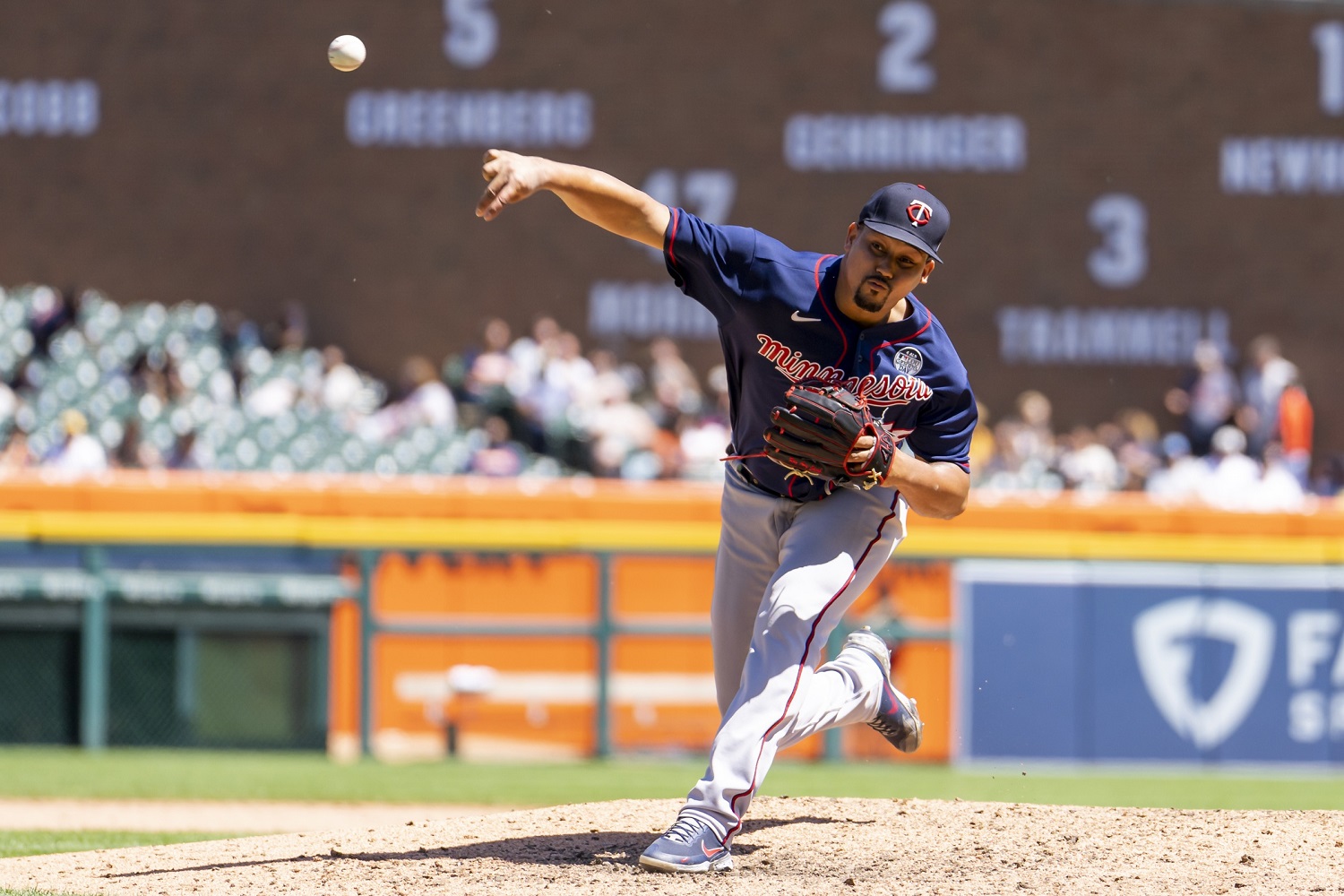 There is no question about what Jhoan Duran meant to the Minnesota Twins during his rookie campaign. He immediately became one of baseball’s most dominant late-inning relievers. In 67 2/3 innings, he allowed 14 earned runs (1.86 ERA) with 89 strikeouts and 16 walks. He showed the Twins could use him in multiple situations, including closing games, multi-inning appearances, and getting the club out of jams. Duran led all AL pitchers in Win Probability Added while establishing himself as vital to the team’s long-term plans. Duran is entering his sophomore season so he won’t be eligible for arbitration until the 2025 season, and his earliest free agency is 2028. He has yet to make life-changing money, and that can be a good window for a club to approach a player about a long-term deal that buys out some of his free-agent years. For both sides, there isn’t a rush to do this, but these types of deals typically happen before a player reaches the arbitration process. Here are some pros and cons of getting a long-term deal for Duran. Pro: Cost Certainty Earlier in the offseason, the Mets signed Edwin Diaz to a five-year, $102 million contract, the richest reliever contract in history. He was scheduled to become a free agent, but the Mets ensured he didn’t reach the open market. It seems unlikely that the Twins will spend over $100 million to sign a relief pitcher because this front office has relied on internal options to fill bullpen roles. Other recent contracts might be more similar to what the Twins can offer to Duran. Entering last season, the Guardians signed Emmanuel Clase to a five-year, $20 million extension. The deal included a $2 million signing bonus and two option years (2027-28) at $10 million each. Incentives can make those option years worth $13 million, and they buy out his first two free agency years. Duran is a couple of months older than Clase, but Clase had roughly the same amount of service time as Duran when he agreed to his extension. Pro: Investing in Bullpen Derek Falvey and Thad Levine have shied away from multi-year contracts for relievers. Addison Reed is the only reliever signed to a multi-year contract during their tenure. The Twins gave him $16.75 million, and he was limited to 56 innings because of multiple injuries. Reed was only 29 when he signed with the Twins, and he had been one of baseball’s most reliable relievers. Unfortunately, he wouldn’t pitch again at the big-league level following the 2018 season. At some point, the Twins will need to invest in the bullpen. No one knows what baseball revenues will look like in five years, and Joe Pohlad has noted that he expects the team’s payroll to rise in the coming years. Minnesota is entering the 2023 season with the highest recorded payroll in team history at $157 million, which ranks 17th in baseball and second in the AL Central. Duran differs from many relievers, and the Twins should make a statement by investing in him. Con: Health One of the main reasons Duran is in the bullpen is because of his health issues throughout his minor-league career. The Twins managed to keep Duran healthy during his rookie season, but there are no guarantees he will stay healthy in the future. Injuries highly impacted Minnesota’s roster last season, so the club might not want to invest significant capital into any pitcher, especially those with injury concerns. Reliever usage continues to evolve, and the Twins may continue using Duran in multi-inning appearances. Last season, the Twins were very careful with Duran and used him for more than an inning in 14 of his 57 appearances. It seems likely for that number to increase in the years ahead, but there are no guarantees his body can hold up to that increased workload. He has been a starter in the past, but there are scheduled rest days between appearances that aren’t guaranteed for a bullpen arm. Con: Age The Twins already have Duran under team control through his age-29 season. Even if he is baseball’s best reliever during the next five seasons, do the Twins want to guarantee him money into his early-30s? Clase’s contract has team options ($10 million) with buyouts of $2 million per season. That could help the Twins to approach this contract since they could get out of the deal for a relatively small amount. Minnesota has been spoiled with All-Star caliber relievers in the past, like Joe Nathan, Glen Perkins, and Taylor Rogers. Duran can enter the same category, but not all relievers can be this good. Relievers tend to have a high-level performance window that only lasts a few seasons before burning out. The Twins saw this recently with Tyler Duffey, one of baseball’s best relievers for multiple seasons, before being released last season. Few relievers can be among baseball’s best for more than a few seasons. Can you see the Twins reaching out with a deal similar to Clase? Is the timing right for an extension or should the Twins wait until next offseason? Leave a COMMENT and start the discussion.
- 30 comments
-
- 3
-
-
- jhoan duran
- tyler duffey
- (and 1 more)
-
No team can have a perfect roster heading into the season. For the Twins, there are weak spots on the roster, but there is hope for some of those positions. Image courtesy of Raj Mehta-USA TODAY Sports In recent weeks, there has been a lot of analysis of team and player projections here at Twins Daily. Not all of these models are perfect, but it gives fans a sense of reasonable expectations for each player and the team. Some players exceed their expected performance every year, and others struggle to meet expectations. Here are the weakest positions on the Twins roster and how they may impact the club in 2023. 3. Right Field- Projected WAR: 2.7 Max Kepler's name was in the rumor mill for most of the winter, but the Twins seemingly didn't get an offer they liked, so he's set to be an everyday player. There's no question that Kepler is one of baseball's best defensive right-fielders. Last season, Kepler hit .227/.318/.348 (.666) with 18 doubles and nine home runs. Minnesota has other options in right field if the Twins need to use Kepler in more of a platoon role, including Joey Gallo, Nick Gordon, Trevor Larnach, and Matt Wallner. It's an important season for Kepler because the Twins have a $10 million team option for 2024. He'd need to outperform his projections for the team not to buy out his contract for $1 million. Reason for Optimism: There is some optimism that Kepler will benefit from the limits on defensive shifts. He has already picked up a few hits this spring that might have been outs if defenders were allowed to have more exaggerated shifts. This spring, he has already discussed how he won't need to overthink in the batter's box with three infielders on one side of second base. Reports also have him in a good mindset after spending the offseason overseas to mentally reset himself while recovering from a toe fracture. 2. Left Field- Projected WAR: 2.1 Left field ranks close to the top for the Twins in early season projections because Joey Gallo is coming off his worst professional season. In 126 games, he posted a 79 OPS+ with 163 strikeouts. If Gallo can't improve, the Twins have depth in left field with players like Nick Gordon, Trevor Larnach, and Matt Wallner. Out of that trio, only Gordon projects to make the Opening Day roster. Larnach and Wallner will head to Triple-A and need to hit their way back to the big leagues. Other top prospects like Royce Lewis and Austin Martin are options to take over a corner outfield spot later in the season. Reason for Optimism: The Twins hope Gallo has a bounce-back season and can be closer to the All-Star level player he was in the past. FanGraphs projects his OPS to increase by 93 points, which would still be lower than his career mark (.794 OPS). Left field is the easiest position for the Twins players to exceed their expected performance, and it is the position I am least worried about on this list. 1. First Base- Projected WAR: 1.9 FanGraphs recently ranked the weakest positions on every contending team, and first base came out as the low spot on the Twins. Alex Kirilloff is a question mark at first base since he has averaged just over 50 games in the last two seasons. Projection systems won't help Kirilloff because he has tried to play through his wrist injury, and his on-field performance has suffered. The Twins won't rely solely on Kirilloff at first base. Kyle Farmer, Joey Gallo, Jose Miranda, and Donovan Solano can all play first base if Kirilloff is forced to miss time again in 2023. Reason for Optimism: The Twins hope Kirilloff's surgery to shorten his ulnar bone will put him back on track to where he was as a top prospect. Fans have seen flashes of him being an elite hitter, but his wrist injury saps power from his swing. If this most recent wrist surgery is a long-term solution to his wrist woes, he can be one of the club's best overall hitters. Luckily, all the Twins' weakest positions are in corner spots which can be easier to address during the season. As the trade deadline approaches, first basemen and corner outfielders are usually easier to acquire and have lower acquisition costs. The Twins also have multiple top prospects close to the big leagues that can step into an everyday role if the club feels like they are ready. Do you agree with these rankings? Is there a reason for optimism at each of the positions? Leave a COMMENT and start the discussion. View full article
- 22 replies
-
- 1
-
-
- alex kirilloff
- joey gallo
- (and 2 more)
-
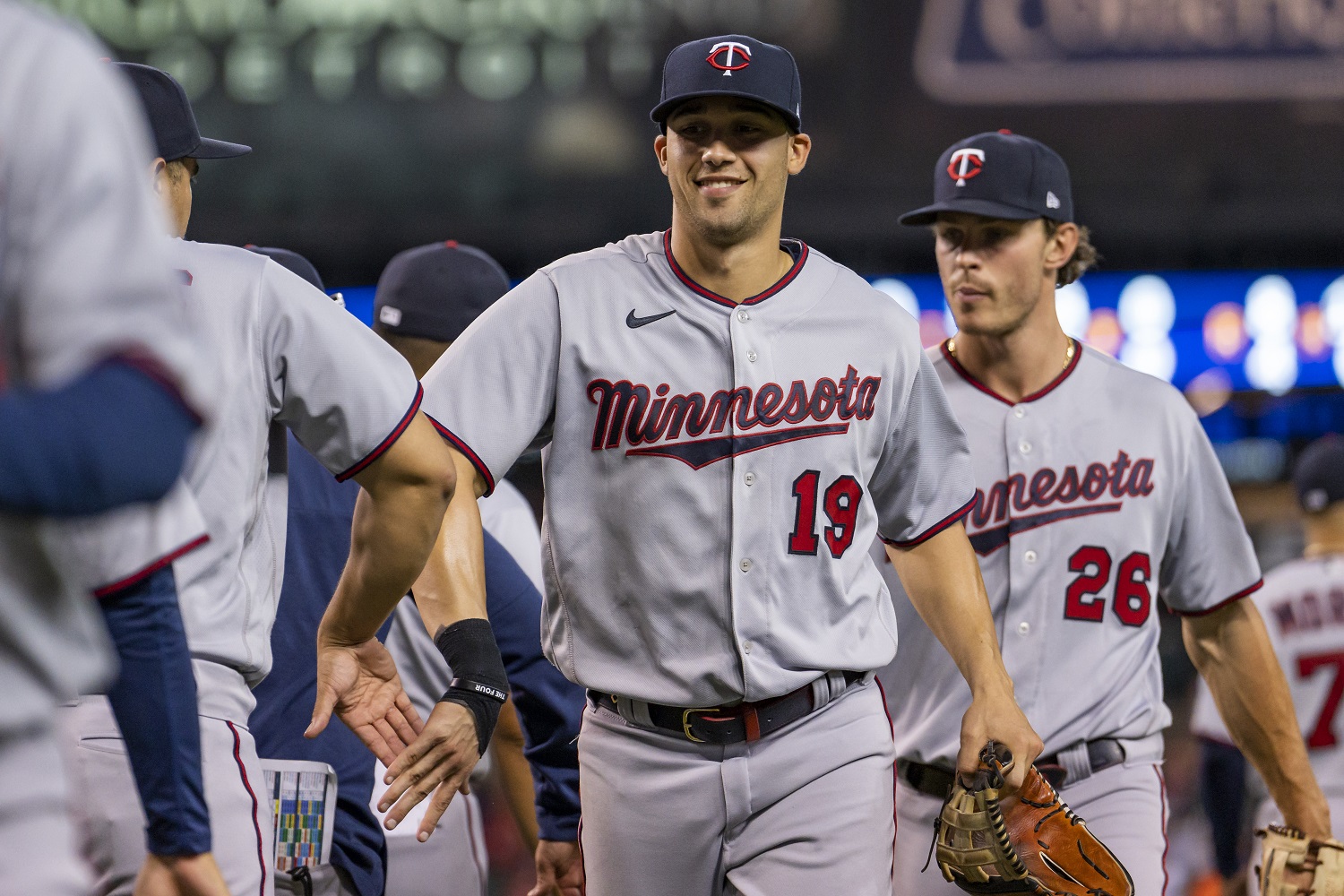 In recent weeks, there has been a lot of analysis of team and player projections here at Twins Daily. Not all of these models are perfect, but it gives fans a sense of reasonable expectations for each player and the team. Some players exceed their expected performance every year, and others struggle to meet expectations. Here are the weakest positions on the Twins roster and how they may impact the club in 2023. 3. Right Field- Projected WAR: 2.7 Max Kepler's name was in the rumor mill for most of the winter, but the Twins seemingly didn't get an offer they liked, so he's set to be an everyday player. There's no question that Kepler is one of baseball's best defensive right-fielders. Last season, Kepler hit .227/.318/.348 (.666) with 18 doubles and nine home runs. Minnesota has other options in right field if the Twins need to use Kepler in more of a platoon role, including Joey Gallo, Nick Gordon, Trevor Larnach, and Matt Wallner. It's an important season for Kepler because the Twins have a $10 million team option for 2024. He'd need to outperform his projections for the team not to buy out his contract for $1 million. Reason for Optimism: There is some optimism that Kepler will benefit from the limits on defensive shifts. He has already picked up a few hits this spring that might have been outs if defenders were allowed to have more exaggerated shifts. This spring, he has already discussed how he won't need to overthink in the batter's box with three infielders on one side of second base. Reports also have him in a good mindset after spending the offseason overseas to mentally reset himself while recovering from a toe fracture. 2. Left Field- Projected WAR: 2.1 Left field ranks close to the top for the Twins in early season projections because Joey Gallo is coming off his worst professional season. In 126 games, he posted a 79 OPS+ with 163 strikeouts. If Gallo can't improve, the Twins have depth in left field with players like Nick Gordon, Trevor Larnach, and Matt Wallner. Out of that trio, only Gordon projects to make the Opening Day roster. Larnach and Wallner will head to Triple-A and need to hit their way back to the big leagues. Other top prospects like Royce Lewis and Austin Martin are options to take over a corner outfield spot later in the season. Reason for Optimism: The Twins hope Gallo has a bounce-back season and can be closer to the All-Star level player he was in the past. FanGraphs projects his OPS to increase by 93 points, which would still be lower than his career mark (.794 OPS). Left field is the easiest position for the Twins players to exceed their expected performance, and it is the position I am least worried about on this list. 1. First Base- Projected WAR: 1.9 FanGraphs recently ranked the weakest positions on every contending team, and first base came out as the low spot on the Twins. Alex Kirilloff is a question mark at first base since he has averaged just over 50 games in the last two seasons. Projection systems won't help Kirilloff because he has tried to play through his wrist injury, and his on-field performance has suffered. The Twins won't rely solely on Kirilloff at first base. Kyle Farmer, Joey Gallo, Jose Miranda, and Donovan Solano can all play first base if Kirilloff is forced to miss time again in 2023. Reason for Optimism: The Twins hope Kirilloff's surgery to shorten his ulnar bone will put him back on track to where he was as a top prospect. Fans have seen flashes of him being an elite hitter, but his wrist injury saps power from his swing. If this most recent wrist surgery is a long-term solution to his wrist woes, he can be one of the club's best overall hitters. Luckily, all the Twins' weakest positions are in corner spots which can be easier to address during the season. As the trade deadline approaches, first basemen and corner outfielders are usually easier to acquire and have lower acquisition costs. The Twins also have multiple top prospects close to the big leagues that can step into an everyday role if the club feels like they are ready. Do you agree with these rankings? Is there a reason for optimism at each of the positions? Leave a COMMENT and start the discussion.
- 22 comments
-
- 8
-
-

-
- alex kirilloff
- joey gallo
- (and 2 more)
-
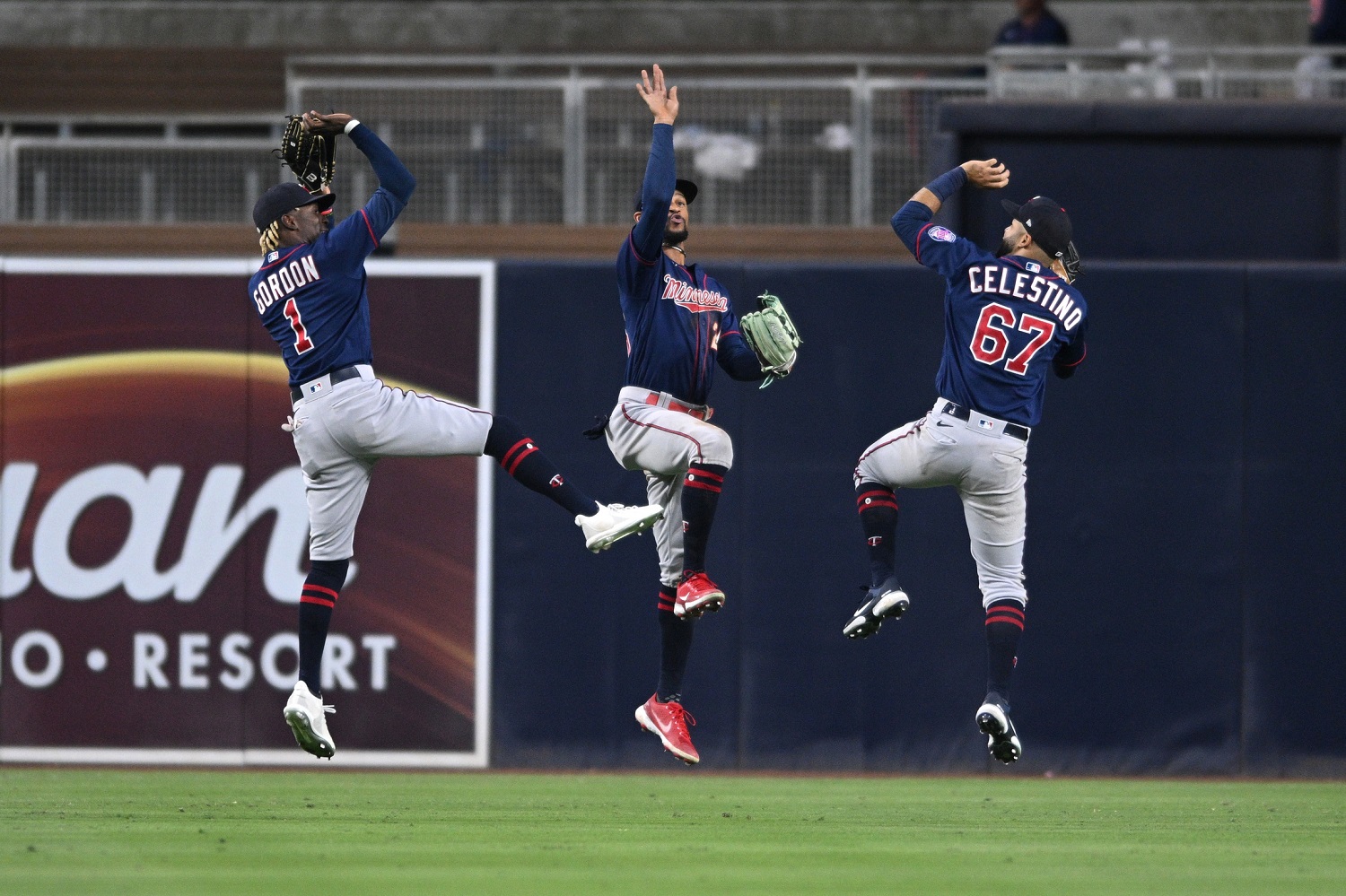 Every team will deal with injuries during the 2023 season, and that's one of the reasons the Twins added depth at nearly every position this winter. Here are the known injuries this spring and how each will impact the Opening Day roster. Jose Miranda: Right Shoulder Soreness Miranda planned to join Puerto Rico in the World Baseball Classic, but a shoulder injury has forced him to withdraw his name. He was the talk of TwinsFest after spending the off-season getting in better shape to handle the rigors of a 162-game season. Last season, he hit .268/.325/.426 (.751) with 25 doubles and 15 home runs, but he tired down the stretch. The Twins are handing him the reins at third base, but his shoulder has limited him to designated hitter duties in recent games. He hit two home runs in a game over the weekend, so his hitting clearly isn't impacted by the soreness. Roster Impact: Miranda can switch to first base and DH if Alex Kirilloff isn't ready for Opening Day. The Twins have multiple third-base options, including Donovan Solano, Kyle Farmer, or Willi Castro. Nick Gordon: Mild-to-Moderate High Ankle Sprain High ankle sprains can impact players differently, but initial reports are that Gordon avoided a more severe injury. He was in a walking boot following Friday's game and will be off his foot to start the week. Gordon is looking to build off a breakout 2022 season where he was named the Twins Daily Most Improved Player. In 136 games, he hit .272/.316/.427 (.743) with 41 extra-base hits and a 113 OPS+. Roster Impact: Gordon was going to get time as designated hitter when the club was facing right-handed starters. He's also the backup at multiple outfield positions. If he's not ready to start the year, another left-handed bat like Trevor Larnach or Matt Wallner might make the roster. Byron Buxton: Right Knee Surgery Buxton has yet to appear in a spring training game after having arthroscopic surgery on his right knee at the beginning of October. The Twins are taking it slow with Buxton while he ramps up for the season. Big league regulars see limited action in early spring training games, and that's one reason to hold Buxton out of these contests. He can get more focused work in the batting cages and on the back fields. Minnesota wants Buxton to play more than 100 games this season, which might mean he sees limited in-game action throughout the spring. Roster Impact: The Twins traded for Michael A. Taylor to provide depth in center field behind Buxton. In recent seasons, Taylor has been a starter for the Royals, and he can assume that role if/when Buxton is hurt. Jorge Polanco: Left Knee Tendinitis Polanco was placed on the IL for the first time in his career last season, but that doesn't mean injuries haven't impacted him in the past. He's a player that has dealt with ankle and knee injuries for multiple seasons. Like Buxton, Polanco is taking things slowly at the start of spring training with more time in the training room. In 2022, he hit .235/.346/.405 (.751) with a 117 OPS+ and 32 extra-base hits. Roster Impact: Farmer or Solano can share time at second base if Polanco misses time. Two of the organization's top prospects, Brooks Lee and Eduoard Julien, have been praised this spring. Either player could be an option if Polanco has to miss significant time. Alex Kirilloff: Wrist Surgery According to reports, Kirilloff continues to make progress from the wrist surgery that ended his 2022 season. It was the second consecutive season he missed time with a wrist injury. The Twins are taking it slow with him, and he likely will play in spring training games later in March. He is taking live batting practice with no pain in his wrist, which is a good sign from where he has been the last two years. Kirilloff was considered the team's top prospect before his debut, so hopes remain high for his future. Roster Impact: He's on track to be the team's first baseman or designated hitter to start the year. Solano, Miranda, Farmer, and Joey Gallo will get time at first base when Kirilloff isn't available. Trevor Larnach: Lower Body Injury Larnach has been dealing with a lower-body injury, but the Twins expect him to play in games this week, including defensive duties in the outfield. In 2022, Larnach posted a 104 OPS+ but was limited to 51 big-league games because of a core muscle surgery. Larnach, a former first-round pick, was ranked as one of the team’s top prospects, and he’s shown signs of his powerful bat. The Twins hope he can put his injury concerns behind him and slide into the middle of the line-up. Roster Impact: Solano’s addition initially pushed Larnach out of the team’s Opening Day roster. With the other injuries on this list, Larnach can break camp on the 26-man roster if he is healthy. Gilberto Celestino: Left Thumb Surgery Celestino ruptured the ulnar collateral ligament in his left thumb, which has six to eight weeks of recovery. Injuries forced the Twins to use Celestino in 122 games last season. In his age-23 season, he hit .238/.313/.302 (.615) with a 80 OPS+ and 15 extra-base hits. He has seen limited action at Triple-A, and this season was his opportunity to establish himself at that level. It is an important season for him to reestablish his long-term value to the Twins, but now that's pushed back a few months. Roster Impact: Celestino was scheduled to start the year at Triple-A, but he's had plenty of big-league experience over the last two seasons. Minnesota can move Celestino to the 60-day IL if they need the roster spot for a waiver claim, a signing, or a non-roster invitee. Jordan Balazovic: Broken Jaw The Twins made a statement when Balazovic became the first (and only) player in the team's first round of cuts. He broke his jaw in an incident at a bar in downtown Fort Myers. Balazovic has significantly fallen over the last calendar year as he entered 2022 as one of baseball's top-100 prospects. Last season, he arrived at spring training with a left knee injury and could never fully recover. In 23 appearances (72 2/3 innings), he posted a 7.68 ERA with a 1.97 WHIP. He ended the season on a high note, but now he will have to wait to build off that performance. Roster Impact: Balazovic wasn't in the running for the Opening Day roster, but he is entering a pivotal season in his professional career. He saw multiple starters pass him on the way to the big leagues last season, and he didn't need another setback. Austin Martin: UCL Sprain Martin has a UCL sprain in his right elbow, which means the team will shut him down from throwing and hitting. Sometimes this injury results in Tommy John surgery, which happened in recent years with players like Alex Kirilloff and Edouard Julien. Martin had a redeeming September and showcased those improvements in the Arizona Fall League, where he posted a .936 OPS. He was having a solid start to his spring, and the team expected him to impact the big-league roster at some point in 2023. Roster Impact: Martin was likely scheduled to start the year at Triple-A, but he was an injury or two away from making his debut. Now he will have to wait and see if rest and rehab can help him avoid going under the knife. Ronny Henriquez: Right Posterior Elbow Soreness Henriquez made his big-league debut last season after the Twins acquired him as part of the Mitch Garver trade. He made 24 appearances (95 1/3 innings) at Triple-A with a 5.66 ERA and a 1.39 WHIP. In St. Paul, Henriquez was five years younger than the average age of the competition so some struggles can be expected against older hitters. The Saints rotation is set up to be loaded with top prospects, so finding him innings in a starting role might be challenging. Roster Impact: Henriquez had an outside chance to make the team as a reliever, but the team may want him to continue to start. He’s only made 16 appearances at Double-A, so the team could send him to that level to start games. Which injuries will impact the Twins the most in 2023? Leave a COMMENT and start the discussion.
- 22 comments
-
- 3
-
-
- nick gordon
- austin martin
- (and 3 more)
-
Injuries were one of the main reasons the Twins couldn't hang on to the 2022 AL Central title. Entering this spring, the Twins hoped to enter the season with a healthy roster, but injuries are starting to mount. Image courtesy of Orlando Ramirez-USA TODAY Sports Every team will deal with injuries during the 2023 season, and that's one of the reasons the Twins added depth at nearly every position this winter. Here are the known injuries this spring and how each will impact the Opening Day roster. Jose Miranda: Right Shoulder Soreness Miranda planned to join Puerto Rico in the World Baseball Classic, but a shoulder injury has forced him to withdraw his name. He was the talk of TwinsFest after spending the off-season getting in better shape to handle the rigors of a 162-game season. Last season, he hit .268/.325/.426 (.751) with 25 doubles and 15 home runs, but he tired down the stretch. The Twins are handing him the reins at third base, but his shoulder has limited him to designated hitter duties in recent games. He hit two home runs in a game over the weekend, so his hitting clearly isn't impacted by the soreness. Roster Impact: Miranda can switch to first base and DH if Alex Kirilloff isn't ready for Opening Day. The Twins have multiple third-base options, including Donovan Solano, Kyle Farmer, or Willi Castro. Nick Gordon: Mild-to-Moderate High Ankle Sprain High ankle sprains can impact players differently, but initial reports are that Gordon avoided a more severe injury. He was in a walking boot following Friday's game and will be off his foot to start the week. Gordon is looking to build off a breakout 2022 season where he was named the Twins Daily Most Improved Player. In 136 games, he hit .272/.316/.427 (.743) with 41 extra-base hits and a 113 OPS+. Roster Impact: Gordon was going to get time as designated hitter when the club was facing right-handed starters. He's also the backup at multiple outfield positions. If he's not ready to start the year, another left-handed bat like Trevor Larnach or Matt Wallner might make the roster. Byron Buxton: Right Knee Surgery Buxton has yet to appear in a spring training game after having arthroscopic surgery on his right knee at the beginning of October. The Twins are taking it slow with Buxton while he ramps up for the season. Big league regulars see limited action in early spring training games, and that's one reason to hold Buxton out of these contests. He can get more focused work in the batting cages and on the back fields. Minnesota wants Buxton to play more than 100 games this season, which might mean he sees limited in-game action throughout the spring. Roster Impact: The Twins traded for Michael A. Taylor to provide depth in center field behind Buxton. In recent seasons, Taylor has been a starter for the Royals, and he can assume that role if/when Buxton is hurt. Jorge Polanco: Left Knee Tendinitis Polanco was placed on the IL for the first time in his career last season, but that doesn't mean injuries haven't impacted him in the past. He's a player that has dealt with ankle and knee injuries for multiple seasons. Like Buxton, Polanco is taking things slowly at the start of spring training with more time in the training room. In 2022, he hit .235/.346/.405 (.751) with a 117 OPS+ and 32 extra-base hits. Roster Impact: Farmer or Solano can share time at second base if Polanco misses time. Two of the organization's top prospects, Brooks Lee and Eduoard Julien, have been praised this spring. Either player could be an option if Polanco has to miss significant time. Alex Kirilloff: Wrist Surgery According to reports, Kirilloff continues to make progress from the wrist surgery that ended his 2022 season. It was the second consecutive season he missed time with a wrist injury. The Twins are taking it slow with him, and he likely will play in spring training games later in March. He is taking live batting practice with no pain in his wrist, which is a good sign from where he has been the last two years. Kirilloff was considered the team's top prospect before his debut, so hopes remain high for his future. Roster Impact: He's on track to be the team's first baseman or designated hitter to start the year. Solano, Miranda, Farmer, and Joey Gallo will get time at first base when Kirilloff isn't available. Trevor Larnach: Lower Body Injury Larnach has been dealing with a lower-body injury, but the Twins expect him to play in games this week, including defensive duties in the outfield. In 2022, Larnach posted a 104 OPS+ but was limited to 51 big-league games because of a core muscle surgery. Larnach, a former first-round pick, was ranked as one of the team’s top prospects, and he’s shown signs of his powerful bat. The Twins hope he can put his injury concerns behind him and slide into the middle of the line-up. Roster Impact: Solano’s addition initially pushed Larnach out of the team’s Opening Day roster. With the other injuries on this list, Larnach can break camp on the 26-man roster if he is healthy. Gilberto Celestino: Left Thumb Surgery Celestino ruptured the ulnar collateral ligament in his left thumb, which has six to eight weeks of recovery. Injuries forced the Twins to use Celestino in 122 games last season. In his age-23 season, he hit .238/.313/.302 (.615) with a 80 OPS+ and 15 extra-base hits. He has seen limited action at Triple-A, and this season was his opportunity to establish himself at that level. It is an important season for him to reestablish his long-term value to the Twins, but now that's pushed back a few months. Roster Impact: Celestino was scheduled to start the year at Triple-A, but he's had plenty of big-league experience over the last two seasons. Minnesota can move Celestino to the 60-day IL if they need the roster spot for a waiver claim, a signing, or a non-roster invitee. Jordan Balazovic: Broken Jaw The Twins made a statement when Balazovic became the first (and only) player in the team's first round of cuts. He broke his jaw in an incident at a bar in downtown Fort Myers. Balazovic has significantly fallen over the last calendar year as he entered 2022 as one of baseball's top-100 prospects. Last season, he arrived at spring training with a left knee injury and could never fully recover. In 23 appearances (72 2/3 innings), he posted a 7.68 ERA with a 1.97 WHIP. He ended the season on a high note, but now he will have to wait to build off that performance. Roster Impact: Balazovic wasn't in the running for the Opening Day roster, but he is entering a pivotal season in his professional career. He saw multiple starters pass him on the way to the big leagues last season, and he didn't need another setback. Austin Martin: UCL Sprain Martin has a UCL sprain in his right elbow, which means the team will shut him down from throwing and hitting. Sometimes this injury results in Tommy John surgery, which happened in recent years with players like Alex Kirilloff and Edouard Julien. Martin had a redeeming September and showcased those improvements in the Arizona Fall League, where he posted a .936 OPS. He was having a solid start to his spring, and the team expected him to impact the big-league roster at some point in 2023. Roster Impact: Martin was likely scheduled to start the year at Triple-A, but he was an injury or two away from making his debut. Now he will have to wait and see if rest and rehab can help him avoid going under the knife. Ronny Henriquez: Right Posterior Elbow Soreness Henriquez made his big-league debut last season after the Twins acquired him as part of the Mitch Garver trade. He made 24 appearances (95 1/3 innings) at Triple-A with a 5.66 ERA and a 1.39 WHIP. In St. Paul, Henriquez was five years younger than the average age of the competition so some struggles can be expected against older hitters. The Saints rotation is set up to be loaded with top prospects, so finding him innings in a starting role might be challenging. Roster Impact: Henriquez had an outside chance to make the team as a reliever, but the team may want him to continue to start. He’s only made 16 appearances at Double-A, so the team could send him to that level to start games. Which injuries will impact the Twins the most in 2023? Leave a COMMENT and start the discussion. View full article
- 22 replies
-
- 1
-

-
- nick gordon
- austin martin
- (and 3 more)
-
The Twins added depth to the big-league pitching staff, and one of the biggest beneficiaries might be the Triple-A rotation. St. Paul is setting up to have a rotation full of the team's top pitching prospects waiting for their call back to the big leagues. Image courtesy of Rob Thompson, St. Paul Saints Saints fans can be excited about the amount of talent projected in St. Paul to start the 2023 season. Many of the team's top prospects are closing in on the big-league level, including multiple starting pitchers that debuted in 2022. Here's a look at who could populate the Saints' pitching staff on Opening Day. Trio At the Top: Bailey Ober, Louie Varland, Simeon Woods Richardson Ober was potentially pushed out of the Twins rotation after the team acquired Pablo Lopez from the Marlins. However, he is only one injury away from being back at the big-league level. Last season, Ober made 11 starts (56 innings) for the Twins and posted a 3.21 ERA with a 1.05 WHIP and a 51-to-11 strikeout-to-walk ratio. He missed a large chunk of the season with a groin injury and has pitched fewer than 100 innings in all but one professional season. Ober will be in St. Paul for a short time with injury questions surrounding multiple starters on the big-league roster. Varland is the first Twins pitcher to win back-to-back Twins Minor League Pitcher of the Year since Jose Berrios. The St. Paul native changed his arm action after joining the Twins organization, improving his entire pitching repertoire. As a 24-year-old, he dominated the upper minors with a 3.06 ERA and a 10.4 K/9 in over 126 innings. He got a brief taste of the big leagues at the end of 2022 with a 3.81 ERA and a 1.23 WHIP in five starts. Varland might not profile as an ace, but the Twins believe he can fit into the middle of the team's rotation for the majority of the next decade. Woods Richardson has the highest ceiling of any pitcher on this list and is coming off his best professional season. The Twins sent him back to Double-A, a level he struggled at in 2021, and he posted a 3.06 ERA with a 1.16 WHIP and 9.8 K/9. He performed even better after his promotion to Triple-A, lowering his ERA to 2.21 and posting a 38-to-10 strikeout-to-walk ratio. His walk rate had been a concern in 2021 (5.7 BB/9) but returned to form with a 3.0 BB/9 last season. Only one pitching prospect ranks higher than SWR in the Twins Daily Top Prospect Rankings. Options to Fill Out the Rotation The Twins have a variety of directions to go when it comes to filling out the rest of the starting rotation. Some of these decisions will be based on health and injuries, while others will be based on the team's long-term role for the pitcher. Are they a starter or a reliever? Josh Winder is in the mix for a starting role, but he just started throwing bullpens this week after dealing with shoulder issues in the offseason. His shoulder has bothered him for multiple seasons, so it might be time to move to a bullpen role. Ronny Henriquez is one of the youngest pitchers on the 40-man roster, and the team likely wants him to continue to start games. Last season, Cole Sands split time between starter and reliever, so his best path back to the big league might be a multi-inning reliever. Randy Dobnak, Brent Headrick, and Jordan Balazovic are also interesting names to consider at Triple-A. Dobnak missed time over the last two seasons with a finger injury, and he is no longer on the 40-man roster. Expectations don't need to be high for him, but there is a good chance he will return to the MLB level if his finger injury is behind him. Balazovic is currently recovering from a broken jaw after being punched at a Fort Myers bar. His build-up to the season will be behind other pitchers while he waits for the injury to heal. Headrick had a breakout season in 2022, and the Twins hope he can continue to build on that success. What are your thoughts on the Triple-A rotation? Which players fill the final spots? Who will have the most significant impact on the Twins in 2023? Leave a COMMENT and start the discussion. View full article
-
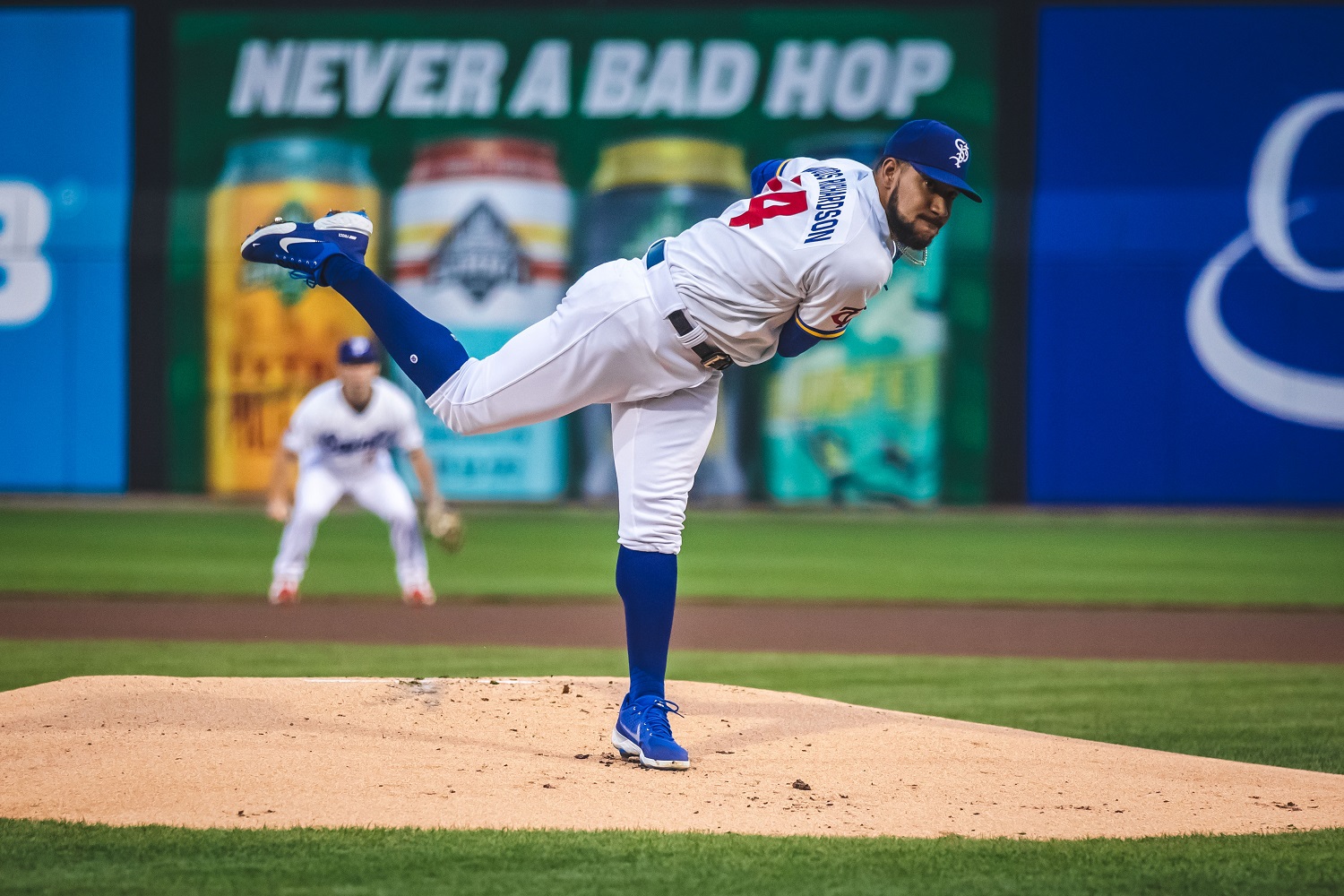 Saints fans can be excited about the amount of talent projected in St. Paul to start the 2023 season. Many of the team's top prospects are closing in on the big-league level, including multiple starting pitchers that debuted in 2022. Here's a look at who could populate the Saints' pitching staff on Opening Day. Trio At the Top: Bailey Ober, Louie Varland, Simeon Woods Richardson Ober was potentially pushed out of the Twins rotation after the team acquired Pablo Lopez from the Marlins. However, he is only one injury away from being back at the big-league level. Last season, Ober made 11 starts (56 innings) for the Twins and posted a 3.21 ERA with a 1.05 WHIP and a 51-to-11 strikeout-to-walk ratio. He missed a large chunk of the season with a groin injury and has pitched fewer than 100 innings in all but one professional season. Ober will be in St. Paul for a short time with injury questions surrounding multiple starters on the big-league roster. Varland is the first Twins pitcher to win back-to-back Twins Minor League Pitcher of the Year since Jose Berrios. The St. Paul native changed his arm action after joining the Twins organization, improving his entire pitching repertoire. As a 24-year-old, he dominated the upper minors with a 3.06 ERA and a 10.4 K/9 in over 126 innings. He got a brief taste of the big leagues at the end of 2022 with a 3.81 ERA and a 1.23 WHIP in five starts. Varland might not profile as an ace, but the Twins believe he can fit into the middle of the team's rotation for the majority of the next decade. Woods Richardson has the highest ceiling of any pitcher on this list and is coming off his best professional season. The Twins sent him back to Double-A, a level he struggled at in 2021, and he posted a 3.06 ERA with a 1.16 WHIP and 9.8 K/9. He performed even better after his promotion to Triple-A, lowering his ERA to 2.21 and posting a 38-to-10 strikeout-to-walk ratio. His walk rate had been a concern in 2021 (5.7 BB/9) but returned to form with a 3.0 BB/9 last season. Only one pitching prospect ranks higher than SWR in the Twins Daily Top Prospect Rankings. Options to Fill Out the Rotation The Twins have a variety of directions to go when it comes to filling out the rest of the starting rotation. Some of these decisions will be based on health and injuries, while others will be based on the team's long-term role for the pitcher. Are they a starter or a reliever? Josh Winder is in the mix for a starting role, but he just started throwing bullpens this week after dealing with shoulder issues in the offseason. His shoulder has bothered him for multiple seasons, so it might be time to move to a bullpen role. Ronny Henriquez is one of the youngest pitchers on the 40-man roster, and the team likely wants him to continue to start games. Last season, Cole Sands split time between starter and reliever, so his best path back to the big league might be a multi-inning reliever. Randy Dobnak, Brent Headrick, and Jordan Balazovic are also interesting names to consider at Triple-A. Dobnak missed time over the last two seasons with a finger injury, and he is no longer on the 40-man roster. Expectations don't need to be high for him, but there is a good chance he will return to the MLB level if his finger injury is behind him. Balazovic is currently recovering from a broken jaw after being punched at a Fort Myers bar. His build-up to the season will be behind other pitchers while he waits for the injury to heal. Headrick had a breakout season in 2022, and the Twins hope he can continue to build on that success. What are your thoughts on the Triple-A rotation? Which players fill the final spots? Who will have the most significant impact on the Twins in 2023? Leave a COMMENT and start the discussion.
- 31 comments
-
- 2
-
-
- bailey ober
- louis varland
- (and 3 more)
-
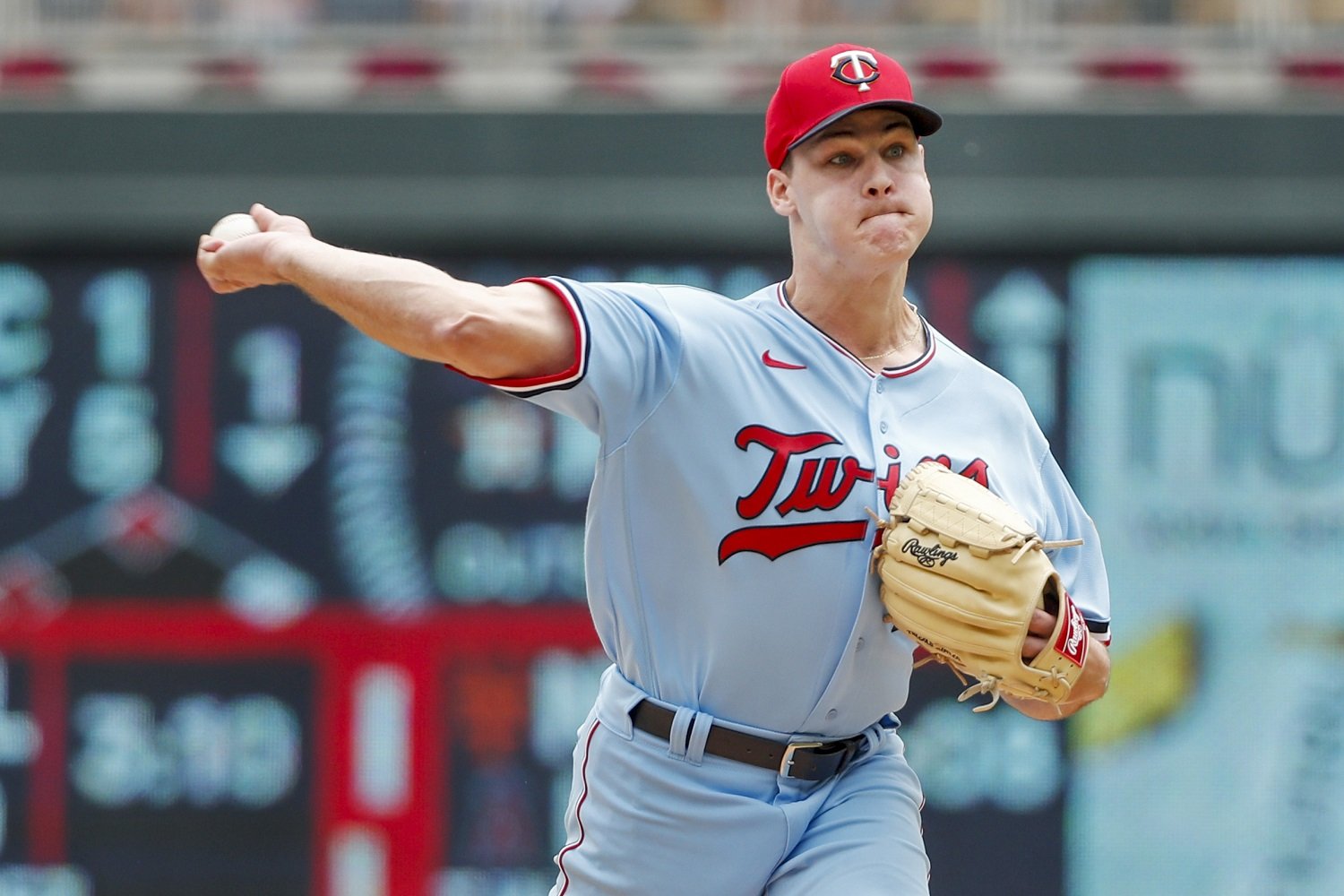 Entering last season, Jhoan Duran had been a starting pitcher for his entire career. A lengthy injury history made the Twins reconsider his long-term role with the club. He was shifted to the bullpen and became one of the team's most valuable assets. Only some players can be as successful in transitioning to the bullpen, but there are multiple players the Twins may consider shifting to a bullpen role during the upcoming season. The Twins selected Cole Sands with their fifth-round pick in the 2018 MLB Draft from Florida State University. His professional career started at Low-A in 2019, and he made it to Double-A by the season's end. In 97 1/3 innings, he posted a 2.68 ERA with a 1.03 WHIP and 108 strikeouts. He controlled the strike zone and limited batters to 1.8 BB/9. The Twins would have penciled him into the Double-A rotation for the 2020 season, but he was limited to time in the instructional leagues due to the pandemic. Sands started the 2021 season back at Double-A, where he ended the 2019 campaign. As a 23-year-old, he was still over 1.5 years younger than the average age of the competition. He made 19 appearances (18 starts) and posted a 2.46 ERA with a 1.17 WHIP and 10.8 K/9. Injuries also limited him to just over 80 innings, but he entered the 2022 season ranked among the Twins' best pitching prospects. Season in Review 2022 Sands started the year in the Saints rotation and posted quality starts in his first two appearances (10 IP, 1 ER). In his next two appearances, he allowed ten earned runs in fewer than three innings, but the Twins had a need, and the team promoted him for his big-league debut. He pitched two innings at the end of a blowout win and allowed two runs on three hits. He spent most of May bouncing back and forth between Triple-A and the MLB level, and that trend continued for the remainder of the season. For the season, Sands split his time between being a reliever (14 appearances) and a starter (16 appearances). The opponent's OPS against Sands was only separated by four points in these two roles. The Twins never gave him an extended look at the big-league level, with the team bringing him up to make spot starts or to fill in for injured players. Sands never made more than four consecutive appearances with the Twins. His last 11 appearances came in a relief role, which might indicate the team's long-term plan for him entering the 2023 season. Projections for 2023 Currently, the Twins' rotation and bullpen don't have any glaring openings to fit someone like Sands. Injuries or poor performance might open a bullpen battle, but it seems likely for Sands to head to St. Paul, where higher-ranking prospects will pack the rotation. During the 2022 season, his longest stretch of starting games was 12 in a row in the middle of the season, but that was interrupted with multiple calls up. In July, Sands will turn 26 years old and has yet to establish himself at the big-league level. To get the most from Sands, it might help him find consistent success at one level in a specific role. On the mound, Sands threw his fastball over 50% of the time last season, averaging 92 mph. His lower arm slot helps to deceive batters, and he can top out in the high-90s. His best breaking pitch is classified as a curveball but has horizontal movement, so it has some qualities that resemble a slider. His split-finger held batters to a .292 SLG last season, so it will be interesting to see if he can use that pitch more regularly. He has a cutter that he uses against righties and a changeup against lefties, but opponents hit both pitches hard last season. Even with a five-pitch mix, Sands seems more comfortable utilizing his top three pitches. Summary Sands makes the most sense to move to a bullpen role out of the pitchers covered in the series so far. He's most successful when using his top two-three pitches and has shown the ability to add more velocity when used in multi-inning relief appearances. During the 2022 season, nearly half of his appearances were in a relief role, so that percentage likely would increase during the 2023 campaign. Should the Twins transition Sands to a multi-inning reliever? Can he add even more velocity in the bullpen? Leave a COMMENT and start the discussion. OTHER POSTS IN THE SERIES -Ronny Henriquez -Josh Winder
 -
Lines continue to blur between starting pitcher and reliever, with starters pitching fewer innings and relievers often asked to record more than three outs. Minnesota may ask multiple players to shift to a non-starting role in 2023. Image courtesy of Bruce Kluckhohn-USA TODAY Sports Entering last season, Jhoan Duran had been a starting pitcher for his entire career. A lengthy injury history made the Twins reconsider his long-term role with the club. He was shifted to the bullpen and became one of the team's most valuable assets. Only some players can be as successful in transitioning to the bullpen, but there are multiple players the Twins may consider shifting to a bullpen role during the upcoming season. The Twins selected Cole Sands with their fifth-round pick in the 2018 MLB Draft from Florida State University. His professional career started at Low-A in 2019, and he made it to Double-A by the season's end. In 97 1/3 innings, he posted a 2.68 ERA with a 1.03 WHIP and 108 strikeouts. He controlled the strike zone and limited batters to 1.8 BB/9. The Twins would have penciled him into the Double-A rotation for the 2020 season, but he was limited to time in the instructional leagues due to the pandemic. Sands started the 2021 season back at Double-A, where he ended the 2019 campaign. As a 23-year-old, he was still over 1.5 years younger than the average age of the competition. He made 19 appearances (18 starts) and posted a 2.46 ERA with a 1.17 WHIP and 10.8 K/9. Injuries also limited him to just over 80 innings, but he entered the 2022 season ranked among the Twins' best pitching prospects. Season in Review 2022 Sands started the year in the Saints rotation and posted quality starts in his first two appearances (10 IP, 1 ER). In his next two appearances, he allowed ten earned runs in fewer than three innings, but the Twins had a need, and the team promoted him for his big-league debut. He pitched two innings at the end of a blowout win and allowed two runs on three hits. He spent most of May bouncing back and forth between Triple-A and the MLB level, and that trend continued for the remainder of the season. For the season, Sands split his time between being a reliever (14 appearances) and a starter (16 appearances). The opponent's OPS against Sands was only separated by four points in these two roles. The Twins never gave him an extended look at the big-league level, with the team bringing him up to make spot starts or to fill in for injured players. Sands never made more than four consecutive appearances with the Twins. His last 11 appearances came in a relief role, which might indicate the team's long-term plan for him entering the 2023 season. Projections for 2023 Currently, the Twins' rotation and bullpen don't have any glaring openings to fit someone like Sands. Injuries or poor performance might open a bullpen battle, but it seems likely for Sands to head to St. Paul, where higher-ranking prospects will pack the rotation. During the 2022 season, his longest stretch of starting games was 12 in a row in the middle of the season, but that was interrupted with multiple calls up. In July, Sands will turn 26 years old and has yet to establish himself at the big-league level. To get the most from Sands, it might help him find consistent success at one level in a specific role. On the mound, Sands threw his fastball over 50% of the time last season, averaging 92 mph. His lower arm slot helps to deceive batters, and he can top out in the high-90s. His best breaking pitch is classified as a curveball but has horizontal movement, so it has some qualities that resemble a slider. His split-finger held batters to a .292 SLG last season, so it will be interesting to see if he can use that pitch more regularly. He has a cutter that he uses against righties and a changeup against lefties, but opponents hit both pitches hard last season. Even with a five-pitch mix, Sands seems more comfortable utilizing his top three pitches. Summary Sands makes the most sense to move to a bullpen role out of the pitchers covered in the series so far. He's most successful when using his top two-three pitches and has shown the ability to add more velocity when used in multi-inning relief appearances. During the 2022 season, nearly half of his appearances were in a relief role, so that percentage likely would increase during the 2023 campaign. Should the Twins transition Sands to a multi-inning reliever? Can he add even more velocity in the bullpen? Leave a COMMENT and start the discussion. OTHER POSTS IN THE SERIES -Ronny Henriquez -Josh Winder View full article
-
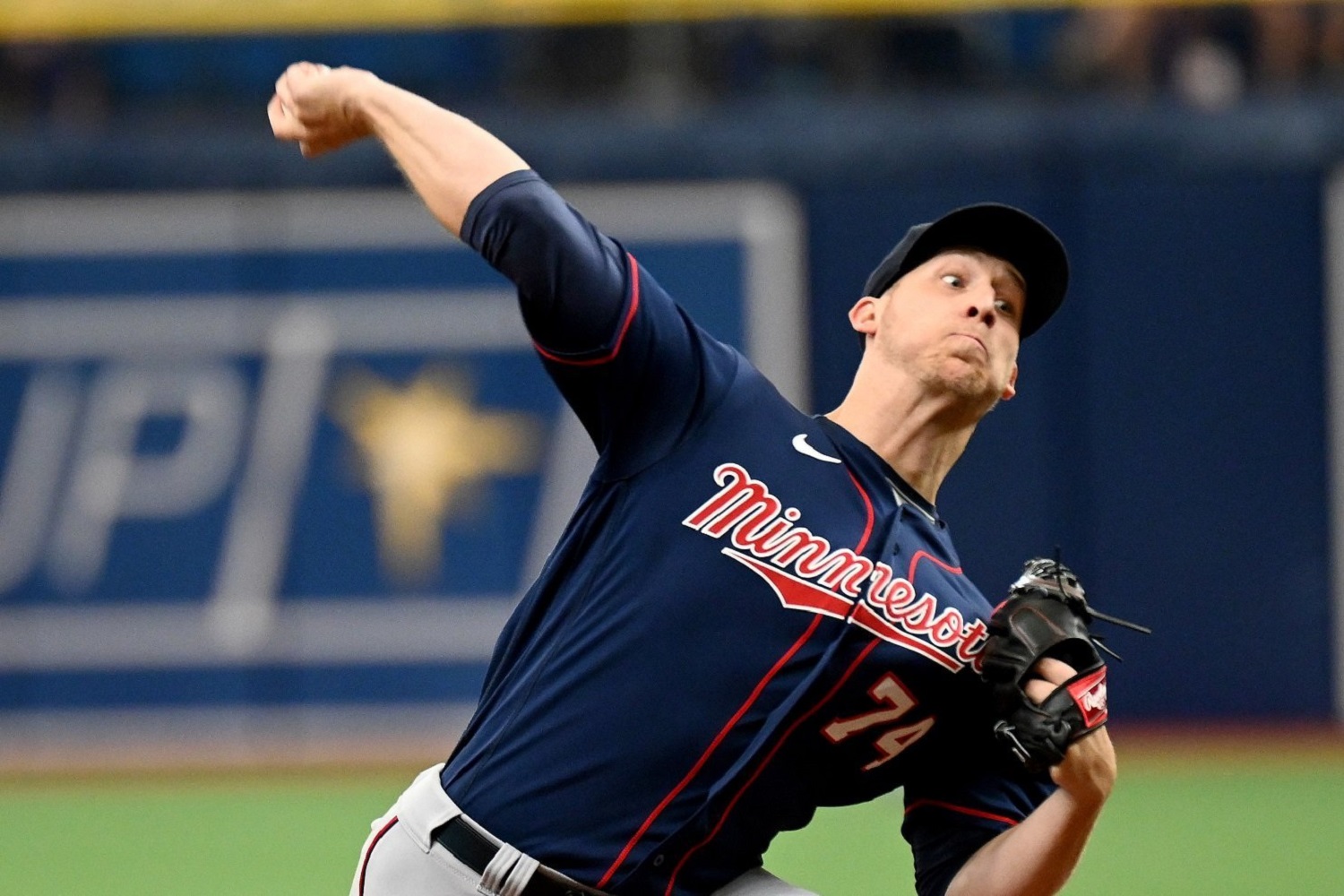 Entering last season, Jhoan Duran had been a starting pitcher for his entire career. A lengthy injury history made the Twins reconsider his long-term role with the club. He was shifted to the bullpen and became one of the team's most valuable assets. Only some players can be as successful in transitioning to the bullpen, but there are multiple players the Twins may consider shifting to a bullpen role during the upcoming season. Josh Winder joined the Twins organization as a seventh-round pick in the 2018 MLB Draft from Virginia Military Institute. He made nine starts (38 1/3 innings) in rookie ball after signing and posted a 3.72 ERA with a 1.11 WHIP and 42 strikeouts. During 2019, he spent the year at Low-A and lowered his ERA to 2.65 with a 118-to-30 strikeout-to-walk ratio in 125 2/3 innings. Winder led the Midwest League in ERA and WHIP during the 2019 season. He was putting himself on the prospect map, but then the pandemic took away a season. Winder added strength during the shutdown and saw his velocity jump coming into 2021. The Twins had Winder skip High-A coming out of the pandemic, which meant he split time between Double-A and Triple-A. Due to injury, his season started in May, but he dominated for Wichita. In 10 games, he had a 1.98 ERA and a 0.93 WHIP with 10.7 K/9. The Twins promoted him to Triple-A, but shoulder fatigue ended his season after four starts at that level. It was a disappointing end to what could have been a breakout season. Season in Review 2022 Last spring, Winder was in the running to win a spot in the starting rotation before the team signed Chris Archer at the end of March. He still made the Opening Day roster to help add depth out of the bullpen. His first five appearances were strong as he limited the opposition to four earned runs in 22 1/3 innings. However, he struggled in his subsequent two appearances and ended up on the Injured List with a right shoulder impingement. He worked his way back to the big-league level, but his shoulder continued to bother him throughout the season. He went on the Triple-A Injury List in July with right shoulder impingement syndrome and didn't throw a bullpen until the middle of August. He returned to the big leagues in September, but the Twins had already fallen out of the division race. Overall, he made 15 appearances with the Twins, and four were out of the bullpen. He posted a 4.70 ERA with a 1.30 WHIP and a 47-to-18 strikeout-to-walk ratio. Projections for 2023 Winder is coming off a somewhat eventful off-season. His name popped up in trade rumors because he was the initial trade piece requested by the Royals for Michael A. Taylor. Minnesota balked at that request, and Kansas City lowered its asking price to two relievers, Evan Sisk and Steven Cruz. Both pitchers are considered relievers, and this might point to the Twins believing Winder can still be an asset as a starting pitcher. Winder also dealt with shoulder issues as he started ramping up for the season, which means he's a little behind entering camp. Early in his career, Winder's fastball sat in the low 90s, but he averaged 94 mph last season and can hit in the upper-90s. His slider velocity sits in the mid-80s, and he throws this pitch a third of the time. His changeup and curve have helped him to keep big-league batters off-balanced, and his increase in velocity makes those pitches more of a weapon. He pounds the strike zone and limits walks, which can be ideal for a starting pitcher. Summary For 2023, the Twins need to find a way to keep Winder healthy no matter what role he fulfills for the organization. The Twins have worked to alter his mechanics, but his shoulder has been problematic for multiple seasons. During instructional league play in 2020, his velocity was even higher than what he has showcased in big-league action. These totals were in smaller sample sizes, which might indicate the bullpen being his long-term role. His college experience means he will be 26 years old for the entire 2023 season. Winder will start the year on track to be a starter, but his shoulder concerns mean the team should shift him to the bullpen in 2023. Can Winder's shoulder hold up to the rigors of being a starter? Leave a COMMENT and start the discussion. OTHER POSTS IN THE SERIES -Ronny Henriquez
 -
Many of baseball's all-time great relief pitchers started their careers as starting pitchers. The Twins' 40-man roster is littered with players searching for their long-term roles to find a permanent spot at the big-league level. Image courtesy of Jonathan Dyer, USA TODAY Sports Entering last season, Jhoan Duran had been a starting pitcher for his entire career. A lengthy injury history made the Twins reconsider his long-term role with the club. He was shifted to the bullpen and became one of the team's most valuable assets. Only some players can be as successful in transitioning to the bullpen, but there are multiple players the Twins may consider shifting to a bullpen role during the upcoming season. Josh Winder joined the Twins organization as a seventh-round pick in the 2018 MLB Draft from Virginia Military Institute. He made nine starts (38 1/3 innings) in rookie ball after signing and posted a 3.72 ERA with a 1.11 WHIP and 42 strikeouts. During 2019, he spent the year at Low-A and lowered his ERA to 2.65 with a 118-to-30 strikeout-to-walk ratio in 125 2/3 innings. Winder led the Midwest League in ERA and WHIP during the 2019 season. He was putting himself on the prospect map, but then the pandemic took away a season. Winder added strength during the shutdown and saw his velocity jump coming into 2021. The Twins had Winder skip High-A coming out of the pandemic, which meant he split time between Double-A and Triple-A. Due to injury, his season started in May, but he dominated for Wichita. In 10 games, he had a 1.98 ERA and a 0.93 WHIP with 10.7 K/9. The Twins promoted him to Triple-A, but shoulder fatigue ended his season after four starts at that level. It was a disappointing end to what could have been a breakout season. Season in Review 2022 Last spring, Winder was in the running to win a spot in the starting rotation before the team signed Chris Archer at the end of March. He still made the Opening Day roster to help add depth out of the bullpen. His first five appearances were strong as he limited the opposition to four earned runs in 22 1/3 innings. However, he struggled in his subsequent two appearances and ended up on the Injured List with a right shoulder impingement. He worked his way back to the big-league level, but his shoulder continued to bother him throughout the season. He went on the Triple-A Injury List in July with right shoulder impingement syndrome and didn't throw a bullpen until the middle of August. He returned to the big leagues in September, but the Twins had already fallen out of the division race. Overall, he made 15 appearances with the Twins, and four were out of the bullpen. He posted a 4.70 ERA with a 1.30 WHIP and a 47-to-18 strikeout-to-walk ratio. Projections for 2023 Winder is coming off a somewhat eventful off-season. His name popped up in trade rumors because he was the initial trade piece requested by the Royals for Michael A. Taylor. Minnesota balked at that request, and Kansas City lowered its asking price to two relievers, Evan Sisk and Steven Cruz. Both pitchers are considered relievers, and this might point to the Twins believing Winder can still be an asset as a starting pitcher. Winder also dealt with shoulder issues as he started ramping up for the season, which means he's a little behind entering camp. Early in his career, Winder's fastball sat in the low 90s, but he averaged 94 mph last season and can hit in the upper-90s. His slider velocity sits in the mid-80s, and he throws this pitch a third of the time. His changeup and curve have helped him to keep big-league batters off-balanced, and his increase in velocity makes those pitches more of a weapon. He pounds the strike zone and limits walks, which can be ideal for a starting pitcher. Summary For 2023, the Twins need to find a way to keep Winder healthy no matter what role he fulfills for the organization. The Twins have worked to alter his mechanics, but his shoulder has been problematic for multiple seasons. During instructional league play in 2020, his velocity was even higher than what he has showcased in big-league action. These totals were in smaller sample sizes, which might indicate the bullpen being his long-term role. His college experience means he will be 26 years old for the entire 2023 season. Winder will start the year on track to be a starter, but his shoulder concerns mean the team should shift him to the bullpen in 2023. Can Winder's shoulder hold up to the rigors of being a starter? Leave a COMMENT and start the discussion. OTHER POSTS IN THE SERIES -Ronny Henriquez View full article
-
The Twins have added depth to the starting rotation, pushing some players down the organizational depth chart. Today we start a series looking at young pitchers that might need to shift to a bullpen role to impact the big-league roster in 2023. Image courtesy of Ken Blaze-USA TODAY Sports Entering last season, Jhoan Duran had been a starting pitcher for his entire career. A lengthy injury history made the Twins reconsider his long-term role with the club. He was shifted to the bullpen and became one of the team's most valuable assets. Only some players can be as successful in transitioning to the bullpen, but there are multiple players the Twins may consider shifting to a bullpen role during the upcoming season. The Twins acquired Ronny Henriquez and Isiah Kiner-Falefa last March from the Rangers for Mitch Garver. Texas had initially signed Henriquez as a teenager from the Dominican Republic. He pitched well in his professional debut with a 1.55 ERA and a 0.78 WHIP with 12.3 K/9. In 2019, he made his stateside debut and saw his ERA rise to 4.50, but he struck out 99 batters in 82 innings. The Rangers were aggressive with Henriquez coming out of the pandemic. He pitched at High-A and Double-A in 2021 and posted an impressive 105-to-25 strikeout-to-walk ratio in 93 2/3 innings. He was over two years younger than the average age of the competition at each level and only faced younger batters in 10 plate appearances. Most of the damage against him came via the long ball, but he held opponents to hitting .220/.277/.421 (.697) in 21 appearances (16 starts). Season in Review: 2022 Last season marked Henriquez's first in the Twins organization, and they followed the Rangers' aggressive development plan. Henriquez started in extended spring training before being assigned to St. Paul. He split time between the rotation and bullpen with the Saints while posting a 5.66 ERA and a 1.39 WHIP across 95 1/3 innings. He made 14 starts and 10 relief appearances with a 106-to-33 strikeout-to-walk ratio. For his minor league career, he has posted a 10.6 K/9 and a 2.5 BB/9 while being used primarily as a starter. He made three brief appearances for the Twins last season, all in a long-relief role. He pitched well in a small sample size with a 2.31 ERA, 0.94 WHIP, and a 9-to-3 strikeout-to-walk ratio in 11 2/3 innings. Henriquez pitched three innings or more in every appearance. All three earned runs came in his big-league debut at Cleveland in four innings. There were positives to build off of as he headed toward the 2023 campaign. Projections for 2023 Henriquez is dealing with right posterior elbow soreness this spring. The right-hander underwent an MRI, and the plan is to reevaluate him a week after receiving an injection. This likely means he won't have an opportunity to make the Opening Day roster, but he was likely scheduled to start the year in St. Paul. He's the second youngest pitcher on the 40-man roster, so the Twins may want him to continue to get opportunities to start. Those starting opportunities might be tough to find with the Triple-A starting rotation scheduled to be packed with higher-profile pitching prospects. However, a bullpen role might be his best path to the big leagues in 2023. Depending on the severity of his elbow injury, it seems likely for the Twins to continue to use the 22 year old as a starter. His fastball sits in the mid-90s with a high spin rate that can be deceptive in the upper part of the zone. His slider and changeup already have shown flashes of being plus pitches. His age and pitch mix make it hard to give up this early on him as a starter. Summary For 2023, expect Henriquez to continue to make starts in St. Paul and be ready for either role with the Twins when needed. Long-term, the assumption should be that he will pitch out of the bullpen. Much will depend on his third-pitch consistency. However, with his small frame, and some history of minor injuries, it probably makes sense. There are plenty of examples in MLB history where a player who stands under 6-0 and under 170 pounds being great starters. Pedro Martinez wasn't any bigger. It can work, and Henriquez's whip-like arm action is intriguing. Either way, expect Henriquez to be a multi-inning pitcher. The Twins will likely need every pitcher on the 40-man roster during the 2023 season. Does Henriquez need a longer look as a starter or is it time to shift him to a bullpen role? Leave a COMMENT and start the discussion. View full article
-
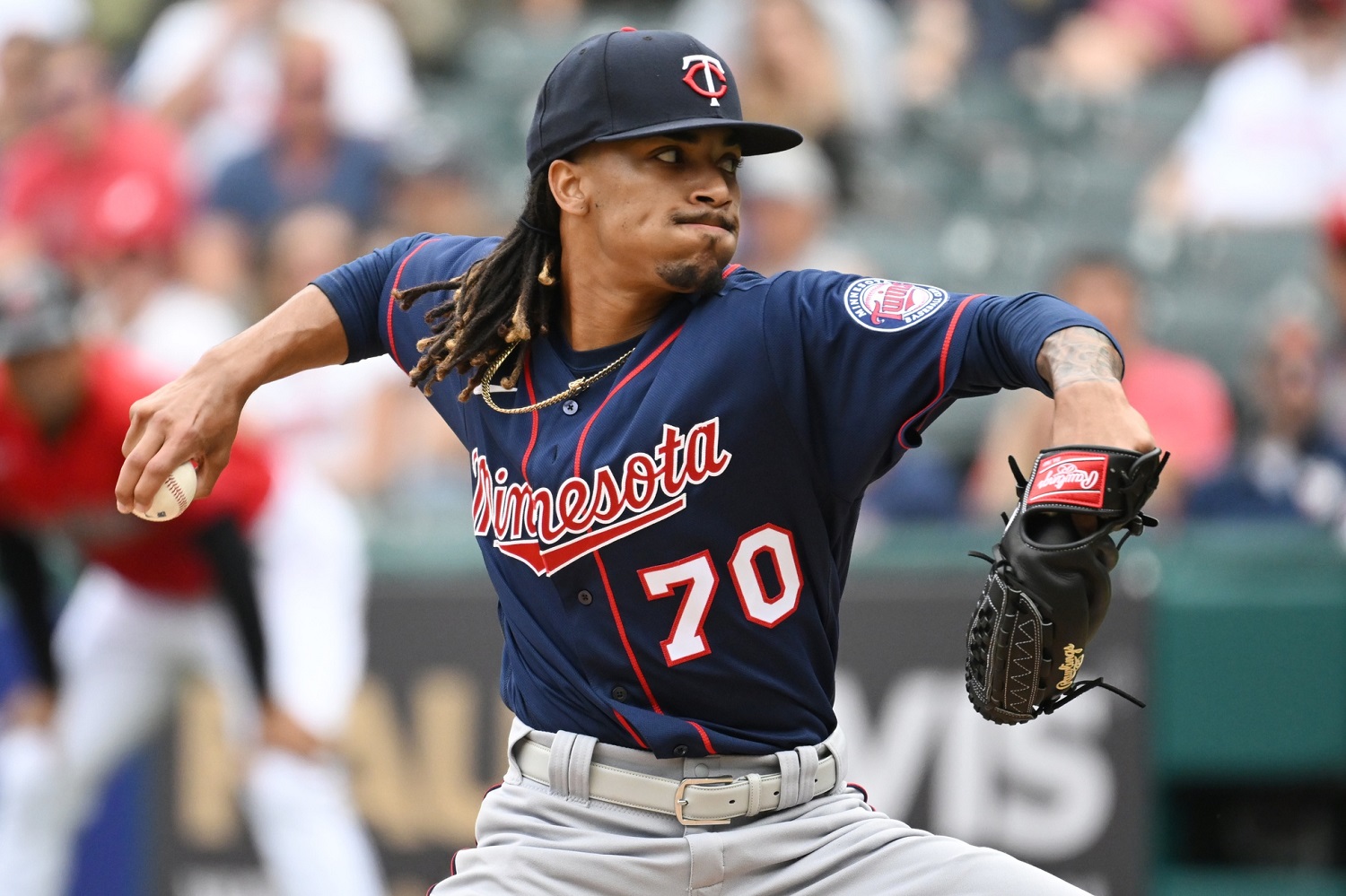 Entering last season, Jhoan Duran had been a starting pitcher for his entire career. A lengthy injury history made the Twins reconsider his long-term role with the club. He was shifted to the bullpen and became one of the team's most valuable assets. Only some players can be as successful in transitioning to the bullpen, but there are multiple players the Twins may consider shifting to a bullpen role during the upcoming season. The Twins acquired Ronny Henriquez and Isiah Kiner-Falefa last March from the Rangers for Mitch Garver. Texas had initially signed Henriquez as a teenager from the Dominican Republic. He pitched well in his professional debut with a 1.55 ERA and a 0.78 WHIP with 12.3 K/9. In 2019, he made his stateside debut and saw his ERA rise to 4.50, but he struck out 99 batters in 82 innings. The Rangers were aggressive with Henriquez coming out of the pandemic. He pitched at High-A and Double-A in 2021 and posted an impressive 105-to-25 strikeout-to-walk ratio in 93 2/3 innings. He was over two years younger than the average age of the competition at each level and only faced younger batters in 10 plate appearances. Most of the damage against him came via the long ball, but he held opponents to hitting .220/.277/.421 (.697) in 21 appearances (16 starts). Season in Review: 2022 Last season marked Henriquez's first in the Twins organization, and they followed the Rangers' aggressive development plan. Henriquez started in extended spring training before being assigned to St. Paul. He split time between the rotation and bullpen with the Saints while posting a 5.66 ERA and a 1.39 WHIP across 95 1/3 innings. He made 14 starts and 10 relief appearances with a 106-to-33 strikeout-to-walk ratio. For his minor league career, he has posted a 10.6 K/9 and a 2.5 BB/9 while being used primarily as a starter. He made three brief appearances for the Twins last season, all in a long-relief role. He pitched well in a small sample size with a 2.31 ERA, 0.94 WHIP, and a 9-to-3 strikeout-to-walk ratio in 11 2/3 innings. Henriquez pitched three innings or more in every appearance. All three earned runs came in his big-league debut at Cleveland in four innings. There were positives to build off of as he headed toward the 2023 campaign. Projections for 2023 Henriquez is dealing with right posterior elbow soreness this spring. The right-hander underwent an MRI, and the plan is to reevaluate him a week after receiving an injection. This likely means he won't have an opportunity to make the Opening Day roster, but he was likely scheduled to start the year in St. Paul. He's the second youngest pitcher on the 40-man roster, so the Twins may want him to continue to get opportunities to start. Those starting opportunities might be tough to find with the Triple-A starting rotation scheduled to be packed with higher-profile pitching prospects. However, a bullpen role might be his best path to the big leagues in 2023. Depending on the severity of his elbow injury, it seems likely for the Twins to continue to use the 22 year old as a starter. His fastball sits in the mid-90s with a high spin rate that can be deceptive in the upper part of the zone. His slider and changeup already have shown flashes of being plus pitches. His age and pitch mix make it hard to give up this early on him as a starter. Summary For 2023, expect Henriquez to continue to make starts in St. Paul and be ready for either role with the Twins when needed. Long-term, the assumption should be that he will pitch out of the bullpen. Much will depend on his third-pitch consistency. However, with his small frame, and some history of minor injuries, it probably makes sense. There are plenty of examples in MLB history where a player who stands under 6-0 and under 170 pounds being great starters. Pedro Martinez wasn't any bigger. It can work, and Henriquez's whip-like arm action is intriguing. Either way, expect Henriquez to be a multi-inning pitcher. The Twins will likely need every pitcher on the 40-man roster during the 2023 season. Does Henriquez need a longer look as a starter or is it time to shift him to a bullpen role? Leave a COMMENT and start the discussion.
 -
 Prospect development isn't a linear path, and a player's long-term defensive future is far from decided the day he signs with an organization. Former Twins like Miguel Sano, Brian Dozier, and Trevor Plouffe originally signed as shortstops, but their long-term defensive position would differ. Teams value when a player can be a strong offensive asset and provide defensive value at multiple positions. Looking at the Twins' top prospects, most of the players don't have a permanent defensive position. Here is a rundown of Twins Daily's top position players with projections of their defensive futures. Brooks Lee TD Prospect Rank: 1 The Twins drafted Lee as a shortstop, and that's the only defensive position he has played in his brief professional career. Many expect him to add muscle as he climbs the organizational ladder, which means a likely shift to a different defensive position. He has a very strong arm, so third base is his projected defensive home. If third doesn't work, the Twins could move Lee to second base or a corner outfield spot. Royce Lewis TD Prospect Rank: 2 Lewis has played over 2600 defensive innings at shortstop in his professional career, but there have been questions about his long-term defensive position. Last season, the Twins used Lewis at shortstop when Carlos Correa was on the IL, but then the team had him start working at other positions. Lewis has been praised for his athleticism throughout his career, so he can fit at second base or in the outfield, even though that's where he was injured last season. Emmanuel Rodriguez TD Prospect Rank: 3 Rodriguez has played most of his professional career in center field, with five starts in the corner outfield. He turns 20 years old at the end of February, and expectations are for him to put on more muscle. His 2022 season was cut short by a knee injury, which might also cause him to lose a step. Rodriguez's powerful bat is one of the best in the Twins system, and he seems destined for a corner outfield spot. Edouard Julien TD Prospect Rank: 5 Julien has shot up prospect rankings after a breakout 2022 campaign, including moving up 14 spots on Twins Daily's offseason rankings. Second base has been his primary defensive position over the last two seasons, but he has made 18 appearances or more at first base, third base, and left field. He played a lot of second base in the Arizona Fall League, and there were mixed reports on his performance. His defensive versatility can help him reach the big leagues at some point in 2023. Jose Salas TD Prospect Rank: 8 Salas has yet to make his debut in the Twins system after joining the organization in the Luis Arraez and Pablo Lopez trade. Baseball Prospectus has him ranked as baseball's 93rd-best prospect. As a 19-year-old, he played shortstop, third base, and second base at two different levels last season. He made 16-of-18 starts at shortstop in the AFL, so it was a clear focus for him. Some scouts think he can stick at shortstop, but other options include second base, third base, or center field. Austin Martin TD Prospect Rank: 10 In college, Martin played all over the diamond before being selected by the Blue Jays with a top-five pick. Since turning pro, Martin has played shortstop and centerfield. He has suffered some growing pains since joining the Twins organization, including throwing issues at shortstop. His best long-term fit might be in the outfield because of his athleticism. It's also possible that he will shift to a super-utility role. What positions will these prospects play at the big-league level? Who will be the best defender? Leave a COMMENT and start the discussion.
 -
Baseball continues to evolve, and front offices view defensive value in various ways. Positional flexibility becomes essential as players get closer to the big leagues, and the Twins might prefer positionless prospects. Image courtesy of Ed Bailey, Wichita Wind Surge Prospect development isn't a linear path, and a player's long-term defensive future is far from decided the day he signs with an organization. Former Twins like Miguel Sano, Brian Dozier, and Trevor Plouffe originally signed as shortstops, but their long-term defensive position would differ. Teams value when a player can be a strong offensive asset and provide defensive value at multiple positions. Looking at the Twins' top prospects, most of the players don't have a permanent defensive position. Here is a rundown of Twins Daily's top position players with projections of their defensive futures. Brooks Lee TD Prospect Rank: 1 The Twins drafted Lee as a shortstop, and that's the only defensive position he has played in his brief professional career. Many expect him to add muscle as he climbs the organizational ladder, which means a likely shift to a different defensive position. He has a very strong arm, so third base is his projected defensive home. If third doesn't work, the Twins could move Lee to second base or a corner outfield spot. Royce Lewis TD Prospect Rank: 2 Lewis has played over 2600 defensive innings at shortstop in his professional career, but there have been questions about his long-term defensive position. Last season, the Twins used Lewis at shortstop when Carlos Correa was on the IL, but then the team had him start working at other positions. Lewis has been praised for his athleticism throughout his career, so he can fit at second base or in the outfield, even though that's where he was injured last season. Emmanuel Rodriguez TD Prospect Rank: 3 Rodriguez has played most of his professional career in center field, with five starts in the corner outfield. He turns 20 years old at the end of February, and expectations are for him to put on more muscle. His 2022 season was cut short by a knee injury, which might also cause him to lose a step. Rodriguez's powerful bat is one of the best in the Twins system, and he seems destined for a corner outfield spot. Edouard Julien TD Prospect Rank: 5 Julien has shot up prospect rankings after a breakout 2022 campaign, including moving up 14 spots on Twins Daily's offseason rankings. Second base has been his primary defensive position over the last two seasons, but he has made 18 appearances or more at first base, third base, and left field. He played a lot of second base in the Arizona Fall League, and there were mixed reports on his performance. His defensive versatility can help him reach the big leagues at some point in 2023. Jose Salas TD Prospect Rank: 8 Salas has yet to make his debut in the Twins system after joining the organization in the Luis Arraez and Pablo Lopez trade. Baseball Prospectus has him ranked as baseball's 93rd-best prospect. As a 19-year-old, he played shortstop, third base, and second base at two different levels last season. He made 16-of-18 starts at shortstop in the AFL, so it was a clear focus for him. Some scouts think he can stick at shortstop, but other options include second base, third base, or center field. Austin Martin TD Prospect Rank: 10 In college, Martin played all over the diamond before being selected by the Blue Jays with a top-five pick. Since turning pro, Martin has played shortstop and centerfield. He has suffered some growing pains since joining the Twins organization, including throwing issues at shortstop. His best long-term fit might be in the outfield because of his athleticism. It's also possible that he will shift to a super-utility role. What positions will these prospects play at the big-league level? Who will be the best defender? Leave a COMMENT and start the discussion. View full article
-
The Twins don't have a player like Nelson Cruz or Jim Thome to plug into the designated hitter spot daily. So, what does that mean for the team's DH role during the 2023 campaign? Image courtesy of Jim Cowsert-USA TODAY Sports Throughout the Twins' history, some tremendous players have filled the designated hitter role. For some players like Tony Oliva, the shift to DH was necessary because of mounting injuries. For other players like Paul Molitor and Jim Thome, it was a line-up spot to fill near the end of a Hall of Fame career. The Twins don't have a player like that on the 2023 roster, so their approach to the DH role will look similar to recent seasons. Rocco Baldelli told reporters, "We're going to rotate the DH. You could probably almost name every guy out there in the regular lineup that's going to have some time at DH. There's a lot of them. We're going to have some options." He went on to say, "I actually think it's a good way to use the DH slot. If you have Nelson Cruz like we've had or David Ortiz and a few guys that really fit in that spot well, you're going to go with guys like that. But I think for most clubs the best way to do it is rotate that thing around." Keeping Players In the Line-Up Since Nelson Cruz's departure, the Twins have left the DH spot open to provide a partial rest day for a player while keeping his bat in the line-up. Last season, Minnesota started 15 different players at DH, including Luis Arraez (34), Byron Buxton (34), and Gary Sanchez (32), starting more than 30 games at DH. Arraez and Buxton were battling injuries, so it was a way to take stress off their bodies on the defensive side of the ball. Buxton made it clear this spring that he doesn't like serving in the DH role. "Mentally, it's very hard," he said because he has to stay warm between at-bats. He's not just watching the game from the dugout and waiting for his turn to bat. Buxton is down in the cage, taking more swings than if he were playing in the outfield. Even with this disdain for the role, Buxton will likely lead the team in appearances as the DH. The Twins are a better team with him in the line-up, and the DH spot allows him to make sure his body is prepared for the rigors of a 162-game schedule. Besides Buxton, plenty of other veterans will see time at DH in 2023, including Jorge Polanco, Carlos Correa, Joey Gallo, Max Kepler, and Nick Gordon. Those players are the tip of the iceberg for the DH role, especially if the Twins want to employ different line-up strategies. Platoon Options The Twins can also utilize a platoon strategy depending on the pitching match-up. Nick Gordon showed tremendous improvements with his power numbers in last season's second half, as his OPS improved by 76 points. As a lefty, most of his damage came against right-handed pitchers by hitting .289/.329/.465 (.793). Gordon is out of minor league options, so he will be on the Opening Day roster, and DH at-bats might be one way to get him into the line-up regularly. Other infielders can benefit from being used in a platoon situation. Kyle Farmer looked to be the team's starting shortstop before the club re-signed Correa. Now a bench player, Farmer will get starts around the infield, but he should be in the line-up whenever the team faces a lefty. Last season, he destroyed lefties by hitting .309/.380/.568 (.948) with 19 extra-base hits in 139 at-bats. Minnesota officially added Donovan Solano to the big-league roster in the last week. The 35-year-old has averaged around 90 games per season over the last two years. As a righty, his OPS was 66 points higher (.770 OPS vs. .704 OPS) when facing left-handed pitchers last season. The Solano signing has multiple facets, including him getting time at DH and first base. Other DH Options The Twins have a trio of young corner outfielders trying to earn time on the big-league roster. Alex Kirilloff is penciled in as the everyday first baseman, but he is slowly returning from offseason wrist surgery. Minnesota will be cautious with him throughout the spring, and there's a chance he will need regular days off to start the year. After the Twins signed Solano, Trevor Larnach and Matt Wallner seem destined for St. Paul. Both bats will impact the big-league roster this season, and some of those appearances will come in a DH role. Leaving the DH spot open provides the Twins with flexibility, but there isn't a player that would be considered a big bat off the bench. This DH strategy may work for the Twins, but they have to hope it can keep more players healthy in 2023. Outside of Buxton, who do you think makes the most appearances as the designated hitter? Leave a COMMENT and start the discussion. View full article
-
 Throughout the Twins' history, some tremendous players have filled the designated hitter role. For some players like Tony Oliva, the shift to DH was necessary because of mounting injuries. For other players like Paul Molitor and Jim Thome, it was a line-up spot to fill near the end of a Hall of Fame career. The Twins don't have a player like that on the 2023 roster, so their approach to the DH role will look similar to recent seasons. Rocco Baldelli told reporters, "We're going to rotate the DH. You could probably almost name every guy out there in the regular lineup that's going to have some time at DH. There's a lot of them. We're going to have some options." He went on to say, "I actually think it's a good way to use the DH slot. If you have Nelson Cruz like we've had or David Ortiz and a few guys that really fit in that spot well, you're going to go with guys like that. But I think for most clubs the best way to do it is rotate that thing around." Keeping Players In the Line-Up Since Nelson Cruz's departure, the Twins have left the DH spot open to provide a partial rest day for a player while keeping his bat in the line-up. Last season, Minnesota started 15 different players at DH, including Luis Arraez (34), Byron Buxton (34), and Gary Sanchez (32), starting more than 30 games at DH. Arraez and Buxton were battling injuries, so it was a way to take stress off their bodies on the defensive side of the ball. Buxton made it clear this spring that he doesn't like serving in the DH role. "Mentally, it's very hard," he said because he has to stay warm between at-bats. He's not just watching the game from the dugout and waiting for his turn to bat. Buxton is down in the cage, taking more swings than if he were playing in the outfield. Even with this disdain for the role, Buxton will likely lead the team in appearances as the DH. The Twins are a better team with him in the line-up, and the DH spot allows him to make sure his body is prepared for the rigors of a 162-game schedule. Besides Buxton, plenty of other veterans will see time at DH in 2023, including Jorge Polanco, Carlos Correa, Joey Gallo, Max Kepler, and Nick Gordon. Those players are the tip of the iceberg for the DH role, especially if the Twins want to employ different line-up strategies. Platoon Options The Twins can also utilize a platoon strategy depending on the pitching match-up. Nick Gordon showed tremendous improvements with his power numbers in last season's second half, as his OPS improved by 76 points. As a lefty, most of his damage came against right-handed pitchers by hitting .289/.329/.465 (.793). Gordon is out of minor league options, so he will be on the Opening Day roster, and DH at-bats might be one way to get him into the line-up regularly. Other infielders can benefit from being used in a platoon situation. Kyle Farmer looked to be the team's starting shortstop before the club re-signed Correa. Now a bench player, Farmer will get starts around the infield, but he should be in the line-up whenever the team faces a lefty. Last season, he destroyed lefties by hitting .309/.380/.568 (.948) with 19 extra-base hits in 139 at-bats. Minnesota officially added Donovan Solano to the big-league roster in the last week. The 35-year-old has averaged around 90 games per season over the last two years. As a righty, his OPS was 66 points higher (.770 OPS vs. .704 OPS) when facing left-handed pitchers last season. The Solano signing has multiple facets, including him getting time at DH and first base. Other DH Options The Twins have a trio of young corner outfielders trying to earn time on the big-league roster. Alex Kirilloff is penciled in as the everyday first baseman, but he is slowly returning from offseason wrist surgery. Minnesota will be cautious with him throughout the spring, and there's a chance he will need regular days off to start the year. After the Twins signed Solano, Trevor Larnach and Matt Wallner seem destined for St. Paul. Both bats will impact the big-league roster this season, and some of those appearances will come in a DH role. Leaving the DH spot open provides the Twins with flexibility, but there isn't a player that would be considered a big bat off the bench. This DH strategy may work for the Twins, but they have to hope it can keep more players healthy in 2023. Outside of Buxton, who do you think makes the most appearances as the designated hitter? Leave a COMMENT and start the discussion.
- 38 comments
-
- 4
-
-
-
- byron buxton
- jorge polanco
- (and 3 more)
-
Every organization seeks a powerful bat to plug into the middle of its lineup. The Twins hoped one former first-round pick would follow this path, but the team is still waiting for him to break out. Image courtesy of William Parmeter The 2020 season was unlike any other in baseball history on and off the field. Major League Baseball found a way to play a shortened season during a pandemic, but different facets of the game had to be altered. Front offices changed their scouting and development processes because limited high school and college games were played nationwide. Entering the 2020 MLB Draft, the Twins had a late first-round pick, which added even more uncertainty to their selection. Minnesota took Aaron Sabato with the 27th overall pick in the 2020 MLB Draft, and he signed for $2.75 million. The slugging first baseman had spent two collegiate seasons pounding the ball for the University of North Carolina, a strong college team. In 83 games, he hit .332/.459/.698 (1.158) with 31 doubles and 25 home runs. Some evaluators questioned the pick because he was projected to provide little defensive value, which means his bat must produce at a high level. The Twins were betting on his bat, but he hasn’t put it all together in his professional career. Sabato spent his first professional season between Low- and High-A. In 107 games, he hit .202/.373/.410 (.783) with 18 doubles and 19 home runs. Most of his offensive damage came following his promotion to Cedar Rapids, where he posted a 1.015 OPS in the season’s final 22 games. Even with college experience, he faced older pitchers in over 69% of his plate appearances. He ended the year on a strong note, so there was some hope for even better numbers in 2022. The Twins had Sabato return to Cedar Rapids to start the 2022 season. In 80 games, he hit .226/.351/.448 (.799) with 13 doubles and 17 home runs. Sabato drew 49 walks to help his OBP, but he struck out 111 times in 288 at-bats. He posted a 1.084 OPS in July, so Minnesota promoted him to Double-A. In Wichita, he was over a year younger than the average age of the competition for the first time. His OPS dropped to .688 with nine extra-base hits across 23 games. There were brief signs of his powerful swing, but he lacked the consistency to rank among the team’s top prospects. Sabato is going to feel pressure for multiple reasons during the 2023 campaign. College players taken in the 2020 Draft must be added to their club’s 40-man roster next winter to be exempt from the Rule 5 Draft. Unless Sabato has a monster 2023 season, the Twins are unlikely to add him to the 40-man roster prior to the Rule 5 Draft. He turns 24 years old at the beginning of June, and the Twins have other slugging prospects ahead of him on the organization’s depth chart. Minnesota will likely send Sabato back to Double-A to start the 2023 season. He has yet to succeed at that level, and that follows a similar development path the team has used with him in his first two professional seasons. The current front office thought highly enough of Sabato to take him in the first round, so they will give him every opportunity to succeed. However, Sabato needs a solid start to the 2023 campaign to insert himself back into the organization’s long-term plans. Can Sabato put it all together in 2023? How do you view his ceiling after two professional seasons? Leave a COMMENT and start the discussion. View full article
-
 The 2020 season was unlike any other in baseball history on and off the field. Major League Baseball found a way to play a shortened season during a pandemic, but different facets of the game had to be altered. Front offices changed their scouting and development processes because limited high school and college games were played nationwide. Entering the 2020 MLB Draft, the Twins had a late first-round pick, which added even more uncertainty to their selection. Minnesota took Aaron Sabato with the 27th overall pick in the 2020 MLB Draft, and he signed for $2.75 million. The slugging first baseman had spent two collegiate seasons pounding the ball for the University of North Carolina, a strong college team. In 83 games, he hit .332/.459/.698 (1.158) with 31 doubles and 25 home runs. Some evaluators questioned the pick because he was projected to provide little defensive value, which means his bat must produce at a high level. The Twins were betting on his bat, but he hasn’t put it all together in his professional career. Sabato spent his first professional season between Low- and High-A. In 107 games, he hit .202/.373/.410 (.783) with 18 doubles and 19 home runs. Most of his offensive damage came following his promotion to Cedar Rapids, where he posted a 1.015 OPS in the season’s final 22 games. Even with college experience, he faced older pitchers in over 69% of his plate appearances. He ended the year on a strong note, so there was some hope for even better numbers in 2022. The Twins had Sabato return to Cedar Rapids to start the 2022 season. In 80 games, he hit .226/.351/.448 (.799) with 13 doubles and 17 home runs. Sabato drew 49 walks to help his OBP, but he struck out 111 times in 288 at-bats. He posted a 1.084 OPS in July, so Minnesota promoted him to Double-A. In Wichita, he was over a year younger than the average age of the competition for the first time. His OPS dropped to .688 with nine extra-base hits across 23 games. There were brief signs of his powerful swing, but he lacked the consistency to rank among the team’s top prospects. Sabato is going to feel pressure for multiple reasons during the 2023 campaign. College players taken in the 2020 Draft must be added to their club’s 40-man roster next winter to be exempt from the Rule 5 Draft. Unless Sabato has a monster 2023 season, the Twins are unlikely to add him to the 40-man roster prior to the Rule 5 Draft. He turns 24 years old at the beginning of June, and the Twins have other slugging prospects ahead of him on the organization’s depth chart. Minnesota will likely send Sabato back to Double-A to start the 2023 season. He has yet to succeed at that level, and that follows a similar development path the team has used with him in his first two professional seasons. The current front office thought highly enough of Sabato to take him in the first round, so they will give him every opportunity to succeed. However, Sabato needs a solid start to the 2023 campaign to insert himself back into the organization’s long-term plans. Can Sabato put it all together in 2023? How do you view his ceiling after two professional seasons? Leave a COMMENT and start the discussion.
 -
Twins Daily recently finished counting down the club's top prospects entering the 2023 season. Let's examine the crystal ball and project who will rank as the team's top prospect in two years. Image courtesy of Steve Buhr (Rodriguez), William Parmeter (Raya), Mark J. Rebilas-USA TODAY Sports (Salas) Minnesota's farm system has some strong players at the top, but not all of them will still qualify as prospects over the next two years. Last year at this time, I projected the team's top-5 prospects entering the 2024 season, and so far, those rankings are doing reasonably well. A lot can happen in one year for a team's farm system, so who will be the Twins' top prospect in 2025? 1. Emmanuel Rodriguez- OF Current TD Ranking: 3 ETA: 2025 Rodriguez topped this list at the same point last season, and he's only solidified his prospect status over the last year. He's a Top-100 global prospect, and there was a good chance he would have moved higher on the list if he hadn't been injured last season. He has one of the best power bats in the Twins system, and there is a chance he will move into the top 10 on national prospect lists with another strong year. During the 2023 season, Rodriguez should spend most of the year at High-A, where he will be younger than the average age of the competition. He should be on track to debut in 2025 if he continues on his current development path. 2. Marco Raya- SP Current TD Ranking: 4 ETA: 2025 Raya has pitched 65 innings in his professional career, but Baseball Prospectus has him ranked as baseball's 53rd overall prospect. He was three years younger than the average age of the competition at Low-A last season while posting a 3.05 ERA and a 73-to-23 strikeout-to-walk ratio. He has one of the highest ceilings of any pitching prospect to come through the Twins system in quite some time. However, he is a long way from Target Field, and a lot can go wrong with a pitching prospect on their way to the big leagues. Raya can be the team's top prospect entering next season if he puts together even better numbers at High-A. 3. Connor Prielipp- SP Current TD Ranking: 7 ETA: 2024 Prielipp is one of the most intriguing pitching prospects in the Twins system, even though he has yet to make his professional debut. He was in the conversation for being selected near the top of the 2022 MLB Draft, but he fell to the second round after undergoing Tommy John surgery. He pitched in pre-draft workouts leading into the draft so teams could see how his rehab was progressing. MLB.com already has Prielipp ranked as the team's top pitching prospect. There is no reason to rush him next season, but there is a chance he will pass Raya over the next two years. 4. Jose Salas- INF Current TD Ranking: 8 ETA: 2025 Salas was one of two prospects in the Pablo Lopez and Luis Arraez trade earlier this winter. He was considered one of the Marlins' top prospects at the time of the trade. Last season, he hit .250/.339/.384 (.723) with 20 doubles, four triples, and nine home runs in 109 games. He only had one at-bat versus a younger pitcher last season, and Miami sent him to the Arizona Fall League as a 19-year-old. He likely spends most of the year in Cedar Rapids with a chance to reach Double-A by the season's end. 5. Yasser Mercedes- OF Current TD Ranking: 12 ETA: 2026 Mercedes was one of the top international prospects available during the 2022 signing period, and he showcased his skills during his professional debut. Minnesota sent him to the Dominican Summer League, and he hit .355/.421/.555 (.975) with 13 doubles, three triples, and four home runs in 41 games. He was also a threat on the bases by going 30-for-35 in stolen base attempts. It seems likely for him to make his stateside debut in 2023, and he could have an Emmanuel Rodriguez-style breakout if everything goes well. The Twins have a top-5 draft pick in 2023, so that player will also likely be in the mix to be at the top of this list. Who do you think will be the team's top prospect in 2025? Leave a COMMENT and start the discussion. View full article
-
 Minnesota's farm system has some strong players at the top, but not all of them will still qualify as prospects over the next two years. Last year at this time, I projected the team's top-5 prospects entering the 2024 season, and so far, those rankings are doing reasonably well. A lot can happen in one year for a team's farm system, so who will be the Twins' top prospect in 2025? 1. Emmanuel Rodriguez- OF Current TD Ranking: 3 ETA: 2025 Rodriguez topped this list at the same point last season, and he's only solidified his prospect status over the last year. He's a Top-100 global prospect, and there was a good chance he would have moved higher on the list if he hadn't been injured last season. He has one of the best power bats in the Twins system, and there is a chance he will move into the top 10 on national prospect lists with another strong year. During the 2023 season, Rodriguez should spend most of the year at High-A, where he will be younger than the average age of the competition. He should be on track to debut in 2025 if he continues on his current development path. 2. Marco Raya- SP Current TD Ranking: 4 ETA: 2025 Raya has pitched 65 innings in his professional career, but Baseball Prospectus has him ranked as baseball's 53rd overall prospect. He was three years younger than the average age of the competition at Low-A last season while posting a 3.05 ERA and a 73-to-23 strikeout-to-walk ratio. He has one of the highest ceilings of any pitching prospect to come through the Twins system in quite some time. However, he is a long way from Target Field, and a lot can go wrong with a pitching prospect on their way to the big leagues. Raya can be the team's top prospect entering next season if he puts together even better numbers at High-A. 3. Connor Prielipp- SP Current TD Ranking: 7 ETA: 2024 Prielipp is one of the most intriguing pitching prospects in the Twins system, even though he has yet to make his professional debut. He was in the conversation for being selected near the top of the 2022 MLB Draft, but he fell to the second round after undergoing Tommy John surgery. He pitched in pre-draft workouts leading into the draft so teams could see how his rehab was progressing. MLB.com already has Prielipp ranked as the team's top pitching prospect. There is no reason to rush him next season, but there is a chance he will pass Raya over the next two years. 4. Jose Salas- INF Current TD Ranking: 8 ETA: 2025 Salas was one of two prospects in the Pablo Lopez and Luis Arraez trade earlier this winter. He was considered one of the Marlins' top prospects at the time of the trade. Last season, he hit .250/.339/.384 (.723) with 20 doubles, four triples, and nine home runs in 109 games. He only had one at-bat versus a younger pitcher last season, and Miami sent him to the Arizona Fall League as a 19-year-old. He likely spends most of the year in Cedar Rapids with a chance to reach Double-A by the season's end. 5. Yasser Mercedes- OF Current TD Ranking: 12 ETA: 2026 Mercedes was one of the top international prospects available during the 2022 signing period, and he showcased his skills during his professional debut. Minnesota sent him to the Dominican Summer League, and he hit .355/.421/.555 (.975) with 13 doubles, three triples, and four home runs in 41 games. He was also a threat on the bases by going 30-for-35 in stolen base attempts. It seems likely for him to make his stateside debut in 2023, and he could have an Emmanuel Rodriguez-style breakout if everything goes well. The Twins have a top-5 draft pick in 2023, so that player will also likely be in the mix to be at the top of this list. Who do you think will be the team's top prospect in 2025? Leave a COMMENT and start the discussion.
- 34 comments
-
- 2
-
-
- emmanuel rodriguez
- marco raya
- (and 3 more)
-
Spring training games start later this week, and the team's offseason moves are coming to a close. Looking around the AL Central, who are the most improved teams? Image courtesy of Jordan Johnson-USA TODAY Sports Spring training's start is a time to reflect on the off-season and look ahead to the upcoming campaign. The Twins' off-season plan included a whirlwind of moves, including signing the biggest free-agent contract in team history. Other AL Central teams were less active, so that begs the question: Are the Twins the AL Central's Most Improved Team? Last Friday, The Athletic's Jayson Stark surveyed 29 executives, former executives, coaches, and scouts for their opinions on the upcoming season. The Twins ranked as the sixth most-improved team in the American League. All the remaining AL Central teams ranked in the top five among the least-improved teams in the AL. The Tigers ranked as the overall least-improved team with 19 votes. Let's recap what happened in the AL Central this winter. 5. Tigers Off-Season Recap: Traded Gregory Soto and Kody Clemens for Nick Maton, Matt Vierling, and Donny Sands; Signed Michael Lorenzen; Signed Matthew Boyd; Traded Joe Jimenez for Justyn-Henry Malloy and Jake Higginbotham In 2021, the Tigers surprised many on the way to a third-place finish in the AL Central. Last season, there was even more anticipation surrounding the team, with many of their top prospects expected to impact the big-league roster. Their season failed to get off the ground for Detroit as the club struggled to a 66-96 record. The team's offseason moves will minimally impact the roster, and that's why the club projects to lose 90 games. Tigers fans can hope that Tarik Skubal, Casey Mize, Matt Manning, Spencer Torkelson, and Riley Greene improve at the big-league level, but Detroit's season looks bleak. 4. White Sox Off-Season Recap: Lost Jose Abreu and Johnny Cueto to free agency; Signed Mike Clevinger; Signed Andrew Benintendi; Signed Elvis Andrus; Traded Theo Denlinger for Franklin German Many expected the White Sox to run away with the AL Central in 2021, but the club finished with a .500 record. Pedro Grifol, the former Royals bench coach, is stepping into the managerial role. Like the Twins, Chicago was hit hard by the injury bug last season. Jose Abreu has been a team leader on and off the field, so it will be interesting to see how the team adjusts to not having him in the lineup. Mike Clevinger is under investigation for domestic violence, so there is no guarantee of how much he will pitch for the club this season. Andrew Benintendi is a solid addition to the club, but there are other holes on the roster. Elvis Andrus was still on the market and agreed to a deal over the weekend. The White Sox had room to make plenty of other moves but decided to put their faith in a healthier club in 2023. 3. Royals Off-Season Recap: Signed Jordan Lyles; Traded Wyatt Mills for Jacob Wallace; Signed Ryan Yarbrough; Signed Aroldis Chapman; Traded Adalberto Mondesi for Josh Taylor; Traded Michael A. Taylor for Evan Sisk and Steven Cruz; Signed Zack Greinke Kansas City seems stuck in rebuilding mode with some high-end young players and a farm system ranking in the middle of the pack. The Royals aren't going to contend in the near future, but some exciting players are on the roster. Their place on this list is related more to what the other AL Central teams did or didn't do this winter. Aroldis Chapman is an all-time great relief pitcher, but it's hard to know what he has left in the tank. Kansas City can hope he has a great first half, and they can deal him before the trade deadline. Royals fans can pin their hopes on watching Zack Greinke join the 3,000 strikeout club with 108 Ks in 2023. 2. Guardians Off-Season Recap: Traded Carlos Vargas for Ross Carver; Traded Nolan Jones for Juan Brito; Signed Mike Zunino; Signed Josh Bell; Traded Owen Miller for a PTBNL; Traded Will Benson for Justin Boyd Cleveland didn't need to add much to their roster to be projected near the top of the AL Central. Last season, projections didn't have the Guardians running away with the division, but Minnesota and Chicago fell apart. Many experts will pick Cleveland to win the division again, but they must prove that 2022 wasn't a fluke. The Guardians had a couple of offseason needs, which the team filled with Mike Zunino and Josh Bell. Those aren't big-name free agents, but the club was already considered the most complete in the AL Central. Their organization continues to pump out big-league-caliber pitchers, and Jose Ramirez is one of the game's best hitters. Cleveland fans can look to the future when David Blitzer takes full ownership of the club, which could increase the team's payroll. 1. Twins Off-Season Recap: Signed Carlos Correa; Signed Christian Vazquez; Signed Joey Gallo; Trade Casey Legumina for Kyle Farmer, Trade Evan Sisk and Steven Cruz for Michael A. Taylor; Trade Luis Arraez for Pablo Lopez, Jose Salas, and Byron Chourio; Trade Gio Urshela for Alejandro Hidalgo Minnesota's whirlwind winter has been full of ups and downs. Correa seemed headed to multiple other organizations before returning to the Twins. Vazquez adds depth behind the plate, which was one of the team's most significant needs this winter. The front office also upgraded the rotation by trading for Pablo Lopez, even though it cost Luis Arraez. On paper, the Twins have tremendous depth throughout the roster, which can help if/when injuries impact the team in 2023. Some of the moves will help the team more than others, but the team's leaders have set high goals. Can this roster meet expectations? How would you rank the moves made by the AL Central teams this offseason? Leave a COMMENT and start the discussion. View full article
-
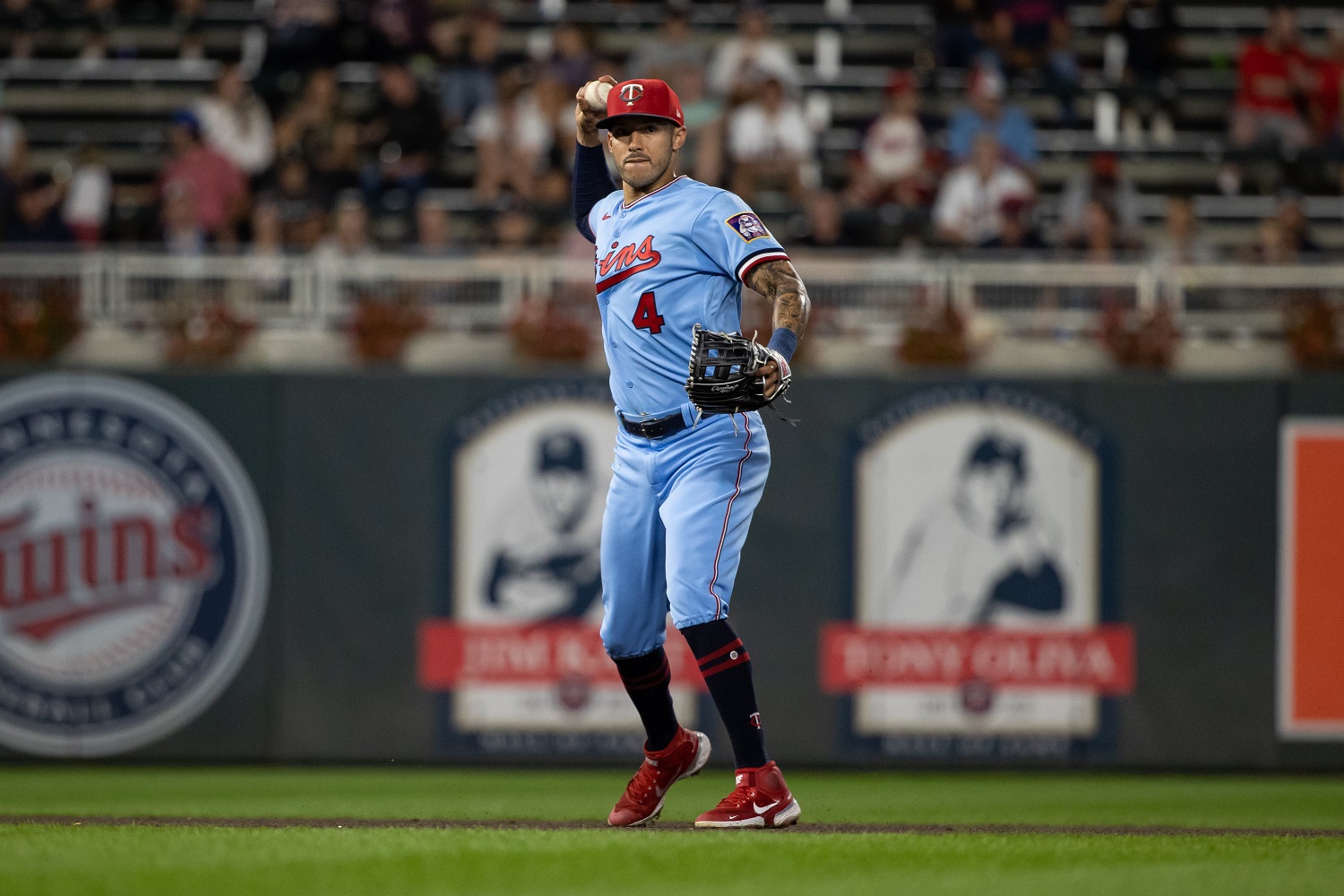 Spring training's start is a time to reflect on the off-season and look ahead to the upcoming campaign. The Twins' off-season plan included a whirlwind of moves, including signing the biggest free-agent contract in team history. Other AL Central teams were less active, so that begs the question: Are the Twins the AL Central's Most Improved Team? Last Friday, The Athletic's Jayson Stark surveyed 29 executives, former executives, coaches, and scouts for their opinions on the upcoming season. The Twins ranked as the sixth most-improved team in the American League. All the remaining AL Central teams ranked in the top five among the least-improved teams in the AL. The Tigers ranked as the overall least-improved team with 19 votes. Let's recap what happened in the AL Central this winter. 5. Tigers Off-Season Recap: Traded Gregory Soto and Kody Clemens for Nick Maton, Matt Vierling, and Donny Sands; Signed Michael Lorenzen; Signed Matthew Boyd; Traded Joe Jimenez for Justyn-Henry Malloy and Jake Higginbotham In 2021, the Tigers surprised many on the way to a third-place finish in the AL Central. Last season, there was even more anticipation surrounding the team, with many of their top prospects expected to impact the big-league roster. Their season failed to get off the ground for Detroit as the club struggled to a 66-96 record. The team's offseason moves will minimally impact the roster, and that's why the club projects to lose 90 games. Tigers fans can hope that Tarik Skubal, Casey Mize, Matt Manning, Spencer Torkelson, and Riley Greene improve at the big-league level, but Detroit's season looks bleak. 4. White Sox Off-Season Recap: Lost Jose Abreu and Johnny Cueto to free agency; Signed Mike Clevinger; Signed Andrew Benintendi; Signed Elvis Andrus; Traded Theo Denlinger for Franklin German Many expected the White Sox to run away with the AL Central in 2021, but the club finished with a .500 record. Pedro Grifol, the former Royals bench coach, is stepping into the managerial role. Like the Twins, Chicago was hit hard by the injury bug last season. Jose Abreu has been a team leader on and off the field, so it will be interesting to see how the team adjusts to not having him in the lineup. Mike Clevinger is under investigation for domestic violence, so there is no guarantee of how much he will pitch for the club this season. Andrew Benintendi is a solid addition to the club, but there are other holes on the roster. Elvis Andrus was still on the market and agreed to a deal over the weekend. The White Sox had room to make plenty of other moves but decided to put their faith in a healthier club in 2023. 3. Royals Off-Season Recap: Signed Jordan Lyles; Traded Wyatt Mills for Jacob Wallace; Signed Ryan Yarbrough; Signed Aroldis Chapman; Traded Adalberto Mondesi for Josh Taylor; Traded Michael A. Taylor for Evan Sisk and Steven Cruz; Signed Zack Greinke Kansas City seems stuck in rebuilding mode with some high-end young players and a farm system ranking in the middle of the pack. The Royals aren't going to contend in the near future, but some exciting players are on the roster. Their place on this list is related more to what the other AL Central teams did or didn't do this winter. Aroldis Chapman is an all-time great relief pitcher, but it's hard to know what he has left in the tank. Kansas City can hope he has a great first half, and they can deal him before the trade deadline. Royals fans can pin their hopes on watching Zack Greinke join the 3,000 strikeout club with 108 Ks in 2023. 2. Guardians Off-Season Recap: Traded Carlos Vargas for Ross Carver; Traded Nolan Jones for Juan Brito; Signed Mike Zunino; Signed Josh Bell; Traded Owen Miller for a PTBNL; Traded Will Benson for Justin Boyd Cleveland didn't need to add much to their roster to be projected near the top of the AL Central. Last season, projections didn't have the Guardians running away with the division, but Minnesota and Chicago fell apart. Many experts will pick Cleveland to win the division again, but they must prove that 2022 wasn't a fluke. The Guardians had a couple of offseason needs, which the team filled with Mike Zunino and Josh Bell. Those aren't big-name free agents, but the club was already considered the most complete in the AL Central. Their organization continues to pump out big-league-caliber pitchers, and Jose Ramirez is one of the game's best hitters. Cleveland fans can look to the future when David Blitzer takes full ownership of the club, which could increase the team's payroll. 1. Twins Off-Season Recap: Signed Carlos Correa; Signed Christian Vazquez; Signed Joey Gallo; Trade Casey Legumina for Kyle Farmer, Trade Evan Sisk and Steven Cruz for Michael A. Taylor; Trade Luis Arraez for Pablo Lopez, Jose Salas, and Byron Chourio; Trade Gio Urshela for Alejandro Hidalgo Minnesota's whirlwind winter has been full of ups and downs. Correa seemed headed to multiple other organizations before returning to the Twins. Vazquez adds depth behind the plate, which was one of the team's most significant needs this winter. The front office also upgraded the rotation by trading for Pablo Lopez, even though it cost Luis Arraez. On paper, the Twins have tremendous depth throughout the roster, which can help if/when injuries impact the team in 2023. Some of the moves will help the team more than others, but the team's leaders have set high goals. Can this roster meet expectations? How would you rank the moves made by the AL Central teams this offseason? Leave a COMMENT and start the discussion.
- 27 comments
-
- 6
-
-
- carlos correa
- zack greinke
- (and 3 more)
