


.png.7846f23ff7308bd0a60773982c8c4137.png)
William Malone
-
Posts
786 -
Joined
-
Last visited
Content Type
Profiles
News
Minnesota Twins Videos
2026 Minnesota Twins Top Prospects Ranking
2022 Minnesota Twins Draft Picks
Minnesota Twins Free Agent & Trade Rumors, Notes, & Tidbits
Guides & Resources
2023 Minnesota Twins Draft Picks
The Minnesota Twins Players Project
2024 Minnesota Twins Draft Picks
2025 Minnesota Twins Draft Pick Tracker
2026 Minnesota Twins Draft Tracker: Picks & Bonuses
Forums
Blogs
Events
Store
Downloads
Gallery
Everything posted by William Malone
-
Johan Ramon Santana was born on December 12, 1982 in the Dominican Republic. He legally changed his first name to Ervin in 2003. The Anaheim Angels signed him as an amateur free agent in 2000. He made his Major League debut for them in 2005, after the franchise had changed their name to the Los Angeles Angels of Anaheim. Santana spent the first eight years of his big league career with the Angels, going 96-80 with a 4.33 ERA over 233 starts. He was an All-Star in 2008, and pitched a no-hitter in 2011. He was acquired by the Kansas City Royals in a trade on October 31, 2012. Santana had a career best 3.24 ERA in 32 starts with the Royals in 2013, and became a free agent after declining the qualifying offer. Despite having a career year in 2013, the free agent market wasn’t good to Santana. He remained unsigned as spring training began. After asking for six and seven year deals throughout the off-season, Santana fired his agent and began searching for a one year deal. A verbal agreement with the Toronto Blue Jays fell through at the last minute, and he eventually signed with the Atlanta Braves on March 12th. Santana 14-10 with a 3.95 ERA during his lone season in Atlanta. Free agency was a much smoother process for Santana the following off-season. He inked a four year deal with the Minnesota Twins in early December, but his Twins tenure got off to a rocky start when he was suspended for the first 80 games of 2015 due to a failed PED test. Santana went 7-5 with a 4.00 ERA in 17 starts during the 2015 season. He established himself as the Twins ace in 2016. His 7-11 record that season was due to poor run support on a 103 loss team, but his 3.38 ERA was good for tenth in the American League. Santana was even better in 2017, getting named an All-Star for the second time in his career. His five complete games and three shutouts both led the Majors. He was also fifth in the American League with a 3.28 ERA. The 2017 AL Wild Card Game didn’t go so well for Santana, as he allowed four runs over two innings. Somehow, this was still a better performance than Yankees starter Luis Severino. But the Yankees bullpen was better than the Twins bullpen that night, and Minnesota’s postseason run ended after just one game. Santana underwent finger surgery right before the start of spring training in 2018, delaying the start of his season for several months. He returned to the big league mound on July 25th, but was shut down after five starts as his discomfort continued. Santana became a free agent after the 2018 season. He signed a minor league contract with the Chicago White Sox that winter, and had his contract selected in early April. His 9.45 ERA with the White Sox saw him get designated for assignment after just three starts. Santana sat out the 2020 season unsigned, which was ultimately shortened to just 60 games because of the COVID-19 pandemic. He returned to the Royals organization on a minor league deal for the 2021 season, and was re-called to Major League duty on April 13th. Santana spent most of the 2021 campaign in a long relief role. He had a 4.68 ERA over 65.1 innings, which was accumulated over 36 relief appearances and two spot starts. View full player
-
.thumb.png.131fdf97b843dfc7f73f4f987002a0f8.png)
Harmon Killebrew
William Malone replied to Cody Christie's topic in The Minnesota Twins Players Project
Can't forget the walks though. He led the league in walks four times. Despite being a career .256 hitter, he has a high on-base percentage than career .305 hitter Hank Aaron. -
Matthew Thomas Belisle was born on June 6, 1980 in Austin, Texas. The Atlanta Braves took him in round two of the 1998 MLB Draft. He became one of the best pitching prospects in baseball, peaking as the 28th ranked prospect on the Baseball American preseason top 100 in 2001. Only 11 of the players ranked ahead of him were pitchers. Belisle was acquired by the Cincinnati Reds on August 14, 2003 as the player to be named later from a previous deal. He made his Major League debut for them on September 7, 2003. Belisle pitched with the Reds through 2008. He mostly worked out of the bullpen during his first few seasons, becoming a full time starter in 2007. Early season struggles in 2008 saw Belisle sent back down to Triple-A, where he began working as a reliever again. Cincinnati non-tendered Belisle after the season. He signed with the Colorado Rockies on January 14, 2009. Belisle was designated for assignment twice during the season, clearing waivers both times and remaining in their minor league system. He made their Opening Day roster in 2010, and enjoyed a career year. Belisle had a 2.93 ERA across 76 appearances in 2010, serving as the primary set-up man for Rockies closer Huston Street. He remained a regular in the Colorado bullpen through the end of the 2014 season, owning a 3.88 ERA across his six seasons with the club. The St. Louis Cardinals signed him to a one year deal for the 2015 season. He had a 2.67 ERA with them, but was limited to just 34 appearances due to an arm injury that caused him to miss July, August and the first week of September. Belisle was on their NLDS roster that fall, but did not appear in a game as the Cardinals fell to the Chicago Cubs in four games. He signed with the Washington Nationals for the 2016 season, boasting a 1.76 ERA in 40 relief appearances. His availability was once again limited due to injuries, and Belisle was left off the Nationals playoff roster that fall. The Minnesota Twins signed Belisle ahead of the 2017 campaign as part of an underwhelming off-season for the club. Minnesota was coming off a disappointing 103 loss season in 2016, and they only added two outside players on Major League deals that off-season; Belisle and catcher Jason Castro. Belisle got off to a rough start with the Twins, recording a 6.53 ERA over 33 appearances through the end of June. But things turned around quickly for the veteran reliever, and he didn't allow a single run over 12.1 innings in July. Belisle only allowed seven base runners that entire month. Minnesota traded All-Star closer at the deadline, and manager Paul Molitor gave the role to Belise. He continued his strong play through the end of the season, going 9-for-11 in save chances and helping the Twins sneak into the final playoff spot. Belisle tossed a 1-2-3 eighth inning against the Yankees in the 2017 AL Wild Card Game, facing the top of their order. Unfortunately, this didn't really mean much with Minnesota trailing by four runs. Belisle signed with the Cleveland Indians in the ensuing off-season, but he struggled early on and was designated for assignment in mid-May. The Twins picked him back up a few weeks later, hoping Belisle could repeat his second half turnaround that they saw in 2017. Things didn't work out that way, and his ERA with Minnesota in 2018 was north of nine. He spent a chunk of the second half on the injured list, serving as a mentor to many young Twins relievers while inactive. He did return to the active roster in September, taking part in Joe Mauer's de facto retirement celebration. With Mauer getting behind the plate to catch one final pitch, he requested that Belisle be the one to throw it. This would also wind up being the final Major League appearance for the 38-year old Belisle. View full player
-
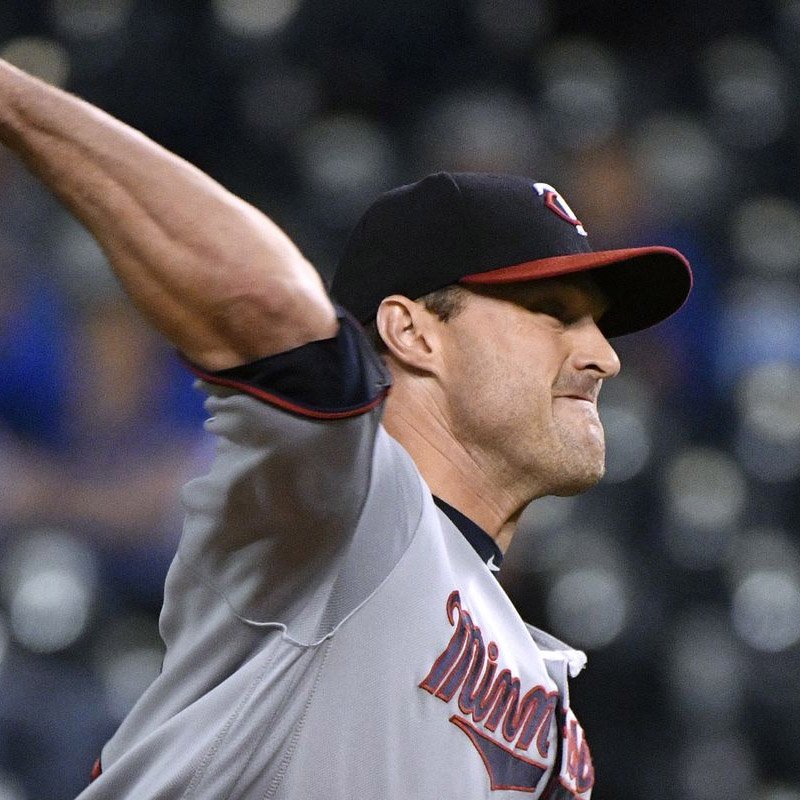 Matthew Thomas Belisle was born on June 6, 1980 in Austin, Texas. The Atlanta Braves took him in round two of the 1998 MLB Draft. He became one of the best pitching prospects in baseball, peaking as the 28th ranked prospect on the Baseball American preseason top 100 in 2001. Only 11 of the players ranked ahead of him were pitchers. Belisle was acquired by the Cincinnati Reds on August 14, 2003 as the player to be named later from a previous deal. He made his Major League debut for them on September 7, 2003. Belisle pitched with the Reds through 2008. He mostly worked out of the bullpen during his first few seasons, becoming a full time starter in 2007. Early season struggles in 2008 saw Belisle sent back down to Triple-A, where he began working as a reliever again. Cincinnati non-tendered Belisle after the season. He signed with the Colorado Rockies on January 14, 2009. Belisle was designated for assignment twice during the season, clearing waivers both times and remaining in their minor league system. He made their Opening Day roster in 2010, and enjoyed a career year. Belisle had a 2.93 ERA across 76 appearances in 2010, serving as the primary set-up man for Rockies closer Huston Street. He remained a regular in the Colorado bullpen through the end of the 2014 season, owning a 3.88 ERA across his six seasons with the club. The St. Louis Cardinals signed him to a one year deal for the 2015 season. He had a 2.67 ERA with them, but was limited to just 34 appearances due to an arm injury that caused him to miss July, August and the first week of September. Belisle was on their NLDS roster that fall, but did not appear in a game as the Cardinals fell to the Chicago Cubs in four games. He signed with the Washington Nationals for the 2016 season, boasting a 1.76 ERA in 40 relief appearances. His availability was once again limited due to injuries, and Belisle was left off the Nationals playoff roster that fall. The Minnesota Twins signed Belisle ahead of the 2017 campaign as part of an underwhelming off-season for the club. Minnesota was coming off a disappointing 103 loss season in 2016, and they only added two outside players on Major League deals that off-season; Belisle and catcher Jason Castro. Belisle got off to a rough start with the Twins, recording a 6.53 ERA over 33 appearances through the end of June. But things turned around quickly for the veteran reliever, and he didn't allow a single run over 12.1 innings in July. Belisle only allowed seven base runners that entire month. Minnesota traded All-Star closer at the deadline, and manager Paul Molitor gave the role to Belise. He continued his strong play through the end of the season, going 9-for-11 in save chances and helping the Twins sneak into the final playoff spot. Belisle tossed a 1-2-3 eighth inning against the Yankees in the 2017 AL Wild Card Game, facing the top of their order. Unfortunately, this didn't really mean much with Minnesota trailing by four runs. Belisle signed with the Cleveland Indians in the ensuing off-season, but he struggled early on and was designated for assignment in mid-May. The Twins picked him back up a few weeks later, hoping Belisle could repeat his second half turnaround that they saw in 2017. Things didn't work out that way, and his ERA with Minnesota in 2018 was north of nine. He spent a chunk of the second half on the injured list, serving as a mentor to many young Twins relievers while inactive. He did return to the active roster in September, taking part in Joe Mauer's de facto retirement celebration. With Mauer getting behind the plate to catch one final pitch, he requested that Belisle be the one to throw it. This would also wind up being the final Major League appearance for the 38-year old Belisle.
 -
Brandon Lee Kintzler was born on August 1, 1984 in Las Vegas, Nevada. He was drafted by the San Diego Padres in round 40 of the 2004 MLB Draft. The Padres released him after the 2005 season, with Kintzler only getting as high as Class-A. He didn't sign with any club in 2006, instead taking a job at a Las Vegas area Cold Stone Creamery while mending an injured shoulder. With his velocity down due to his injuries, Kintzler worked with fellow Las Vegas native Greg Maddux to develop a two seam fastball. He pitched for the Winnipeg Goldeneyes of the Northern League in 2007 and 2008, before joining the then-independent St. Paul Saints in 2009. Kintzler was an All-Star in the American Association for the Saints, and he signed a minor league deal with the Milwaukee Brewers one day after striking out five of the six batters he faced in that All-Star Game. Kintzler dominated various levels of the minors in 2010, recording a 1.47 ERA with 16 saves between Double-A and Triple-A. He reached the Majors as a September call-up later that season, remaining in Quad-A limbo over the next three seasons. Kintzler finally became a bullpen regular in 2013, appearing in 71 games with a 2.69 ERA. He followed this up with a solid 2014 season, but a late season knee injury forced him to miss most of 2015. The Minnesota Twins signed Kintzler to a minor league contract on December 17, 2015. He had been limited to just 29.1 innings between the Majors and minors in 2015 while recovering from his 2014 knee surgery. A struggling Twins team added him to their big league roster during the first week of May. Kintzler got his first career save on June 8th, and was the full time closer by early July. He finished the season with a 3.15 ERA and 17 saves across 54 appearances. He returned as Twins closer in 2017, and was named to the All-Star team after posting a 2.29 ERA with 24 saves in the first half. The Twins traded Kintzler to the Washington Nationals at the deadline. He continued to pitch well for the duration of the regular season, but ran into some issues during the 2017 postseason. Kintzler was the losing pitcher for Washington in game three of the 2017 NLDS, also allowing a run out of the bullpen in their 9-8 game five defeat. The rest of his career was met with several ups and downs. He was acquired by the Cubs at the deadline in 2018, but was left off their playoff roster after owning a 7.00 ERA after the trade. Kintzler returned to Chicago in 2019, boasting a 2.68 ERA over 62 outings. During the COVID shortened 2020 campaign, Kintzler served as the Miami Marlins closer and helped them reach the postseason for the first time since 2003. He recorded one save over three scoreless appearances in the 2020 postseason. 2021 was the final year of his big league career. Kintzler signed with the Philadelphia Phillies, but was designated for assignment with his ERA sitting above six in 29 appearances. View full player
-
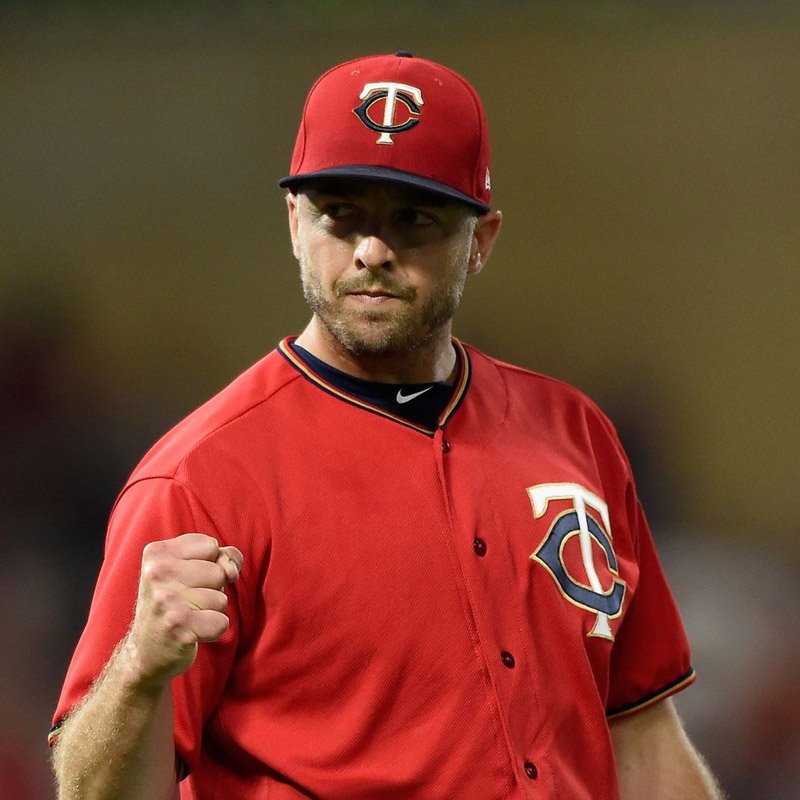 Brandon Lee Kintzler was born on August 1, 1984 in Las Vegas, Nevada. He was drafted by the San Diego Padres in round 40 of the 2004 MLB Draft. The Padres released him after the 2005 season, with Kintzler only getting as high as Class-A. He didn't sign with any club in 2006, instead taking a job at a Las Vegas area Cold Stone Creamery while mending an injured shoulder. With his velocity down due to his injuries, Kintzler worked with fellow Las Vegas native Greg Maddux to develop a two seam fastball. He pitched for the Winnipeg Goldeneyes of the Northern League in 2007 and 2008, before joining the then-independent St. Paul Saints in 2009. Kintzler was an All-Star in the American Association for the Saints, and he signed a minor league deal with the Milwaukee Brewers one day after striking out five of the six batters he faced in that All-Star Game. Kintzler dominated various levels of the minors in 2010, recording a 1.47 ERA with 16 saves between Double-A and Triple-A. He reached the Majors as a September call-up later that season, remaining in Quad-A limbo over the next three seasons. Kintzler finally became a bullpen regular in 2013, appearing in 71 games with a 2.69 ERA. He followed this up with a solid 2014 season, but a late season knee injury forced him to miss most of 2015. The Minnesota Twins signed Kintzler to a minor league contract on December 17, 2015. He had been limited to just 29.1 innings between the Majors and minors in 2015 while recovering from his 2014 knee surgery. A struggling Twins team added him to their big league roster during the first week of May. Kintzler got his first career save on June 8th, and was the full time closer by early July. He finished the season with a 3.15 ERA and 17 saves across 54 appearances. He returned as Twins closer in 2017, and was named to the All-Star team after posting a 2.29 ERA with 24 saves in the first half. The Twins traded Kintzler to the Washington Nationals at the deadline. He continued to pitch well for the duration of the regular season, but ran into some issues during the 2017 postseason. Kintzler was the losing pitcher for Washington in game three of the 2017 NLDS, also allowing a run out of the bullpen in their 9-8 game five defeat. The rest of his career was met with several ups and downs. He was acquired by the Cubs at the deadline in 2018, but was left off their playoff roster after owning a 7.00 ERA after the trade. Kintzler returned to Chicago in 2019, boasting a 2.68 ERA over 62 outings. During the COVID shortened 2020 campaign, Kintzler served as the Miami Marlins closer and helped them reach the postseason for the first time since 2003. He recorded one save over three scoreless appearances in the 2020 postseason. 2021 was the final year of his big league career. Kintzler signed with the Philadelphia Phillies, but was designated for assignment with his ERA sitting above six in 29 appearances.
 -
Hello, fellow humans! My name is William Malone IV. Son of William Malone III. And I come with great news! Opening Day is almost here. It will be here within the month. Opening Day will come with an Opening Day lineup! Throughout the brilliant history of the Minnesota Twins, they have started 24 men at first base on Opening Day. It appears the wonderful Ty France will be the 25th such player when the season commences later in March. But who are these other 24 amazing baseball players who have taken the field for Minnesota at first base to open various seasons? That is exactly what this post will tell you! And for fun, we will rank their careers. Keep in mind, we are ranking entire careers. Not just their time as first baseman for the Twins. But don't forget to flood the comments calling your ole pal William Malone IV a big stupid dum dum when you disagree with where your favorite player is ranked! 24. Chris Parmelee (2012) Parmelee was penciled in as an Opening Day starter for 2012 following an epic September call-up performance the year before. His arrival displaced Justin Morneau, moving the Twins longtime first baseman to a DH role. But Parmelee never build on that September 2011 showing, and Morneau had his old job back by the end of April. 23. Kevin Maas (1995) The post Kent Hrbek-era saw Minnesota start career Quad-A first baseman Kevin Maas on Opening Day. He was runner-up for AL Rookie of the Year in 1990 while filling in for an injured Don Mattingly on the New York Yankees, but things never really got going after that one short burst. His time with the Twins was just a 22 game stint in 1995. 22. Scott Stahoviak (1996-97) Another career Quad-A player, Stahoviak played 344 big league games for the Twins between 1993 and 1998. He also played 251 games at the Triple-A level in that same time frame. His 1996 season was pretty nice, hitting 13 home runs with a 112 OPS+. This season accounted for 1.4 of his career 1.0 WAR. So you can do the math on what the rest of his career looked like. 21. Mickey Hatcher (1981) Opening Day in 1981 was one of just seven games Hatcher played at first base that season. Most of his 12-year career was spent as a backup outfielder, which included six seasons in Minnesota. He just missed out on the 1987 World Series by getting traded to the Dodgers following the 1986 campaign, but he did get a ring the following year when Los Angeles won it all in 1988. 20. Mike Cubbage (1980) Cubbage was the Twins regular third baseman for most of the late 70's, but he moved across the diamond for the 1980 season. Regardless of what position he played, the offense was never there. He hit 34 home runs with a .699 OPS during his eight years in the big leagues. 19. Ron Jackson (1979) 1979 probably was a career year for Jackson, who spent seven of his ten big league seasons with the California Angels. Given the impossible task of replacing Rod Career, he hit a career high 14 homers that season for Minnesota. His 68 RBI that year was also a career best. 18. Gene Larkin (1992) With Kent Hrbek unenviable for Opening Day in 1992, the Twins trusty utility man filled in as the starter to open that year. His entire seven year career was spent with the Twins, posting a 98 OPS+ while playing a lot of first base and corner outfield. 17. Joe Lis (1973-74) Lis was a career utility man who just happened to get back-to-back Opening Day nods at first base for the Twins. He played a lot of third base and left field as well in his career, with some rare catching appearances randomly scattered throughout his eight year Major League career. 16. Steve Braun (1975) Left field and third base were more common positions for Braun during his six seasons in Minnesota. He was more notably a pinch hitting specialist and double switch aficionado later in his career with the St. Louis Cardinals, helping them win a World Series in 1982. 15. Rich Reese (1969-71) The Twins got a career year out of Reese in 1969. He hit .322 with 16 home runs and 69 RBI. Nothing else in his ten year career came remotely close to what he did that season. Minnesota reached the ALCS in 1969 and 1970 with Reese as their starting first baseman, but he hit just .158 with no extra base hits during those two postseasons. 14. Orlando Merced (1998) Merced was the Pittsburgh Pirates starting right fielder for much of the early and mid 90's. Minnesota signed him as a free agent ahead of the 1998 season, and moved him to first base. He hit .289 for the Twins, and was traded to a contending Red Sox club at the deadline. For his career, Merced hit .277 with a 107 OPS+ over 13 big league seasons. 13. Miguel Sano (2020-22) Sano had some extreme pros and cons to his game. He had two 30 home run seasons, and a 28 home run campaign in 2017 when he was named an All-Star. And his on-base percentage was usually above the league average due to a solid walk rate. But the batting average was low, the strikeouts were high, the defense was bad, and the injuries were often. 12. Don Mincher (1966) He was a two time All-Star, but neither of those came with the Twins. Most of his time with the Twins/Senators was spent as a backup first baseman and pinch hitting specialist. Mincher became an All-Star later on his career after he was traded to the California Angels in a deal for ace starter Dean Chance. 11. Doug Mientkiewicz (1999, 2001-04) Mientkiewicz had an impressive 12-year career, spending seven seasons in Minnesota. He won a Gold Glove in 2001, also hitting a career best .306 that season. The biggest piece of his legacy might be catching the final out of the 2004 World Series for the Boston Red Sox, breaking the Curse of the Bambino. Mientkiewicz famously did not give that ball back to the organization without a fight though. 10. Joey Gallo (2023) It's easy to compare him to Miguel Sano. For the most part it's also a fair comparison. High power, high walk rate, high strikeout rate, low batting average. But a huge difference is the fact that Joey Gallo is a two time Gold Glove winner in the outfield. He also found himself on the injured list a lot less frequently. 9. C.J. Cron (2019) Cron snuck into an All-Star Game late in his career with the Colorado Rockies. Maybe he was riding the Coors Field effect a little bit, but you can't take the All-Star selection away from the guy. Even before playing at altitude, Cron was still a very solid player. He provided some very solid defense at first base, along with 25-30 homers per year. 8. Carlos Santana (2024) We've probably reached the best version of Miguel Sano and Joey Gallo. Santana has never hit for a high batting average, but it was usually better than Sano or Gallo. Like the others, he makes up for his average with a very good walk rate. Santana has even led the league in walks twice. He's also been more durable than both of them throughout his career. 7. Vic Power (1962-63) Power was a six time All-Star and seven time Gold Glove winner. Most of these accolades were accomplished as a member of the Kansas City Athletics or Cleveland Indians, but he did win two Gold Gloves after coming to Minnesota in his mid-30's. 6. Bob Allison (1964) Most of his career was spent as a corner outfielder for the Senators or Twins, but Allison had a short stint at first base and started there on Opening Day in 1964. He was a three time All-Star and 1959 Rookie of the Year, leading the American League with a .911 OPS in 1963. His 256 home runs are third in Twins/Senators history, but he drops to sixth if you take away his time with the Senators and only do Twins history. 5. Kent Hrbek (1982-91, 1993-94) The accolades Hrbek probably deserved aren't there. He's only a one time All-Star who never won a Gold Glove or Silver Slugger, but two World Series rings is a nice consolation prize. His playoff stats aren't that impressive, sporting a .516 OPS in 24 postseason games. But Hrbek always made sure the Twins got off to good starts in a playoff series. He had an .856 OPS in game ones, helping Minnesota go 4-0 in such games. 4. Justin Morneau (2005-11, 2013) Morneau won AL MVP in 2006, and he was runner-up for the award in 2008. The Canadian slugger was also crowned NL batting champion in 2014 when he was with the Colorado Rockies. 3. Joe Mauer (2014-18) The peak of Joe Mauer was obviously when he was playing behind home plate, and that's why he ranks so highly on this list. It's a Hall of Fame peak. You can't dispute that. He's right there in Cooperstown with all the other legends of the sport. The resume includes three batting titles, three Gold Gloves, and five Silver Sluggers. 2. Harmon Killebrew (1961, 1965, 1967-68, 1972) Killebrew was way ahead of his time in terms of being a three true outcome guy. A low batting average and a high strikeout total were the reasons it took him four ballots of voting to reach Cooperstown. But he still hit 573 home runs, and his incredible walk rate gave him a higher on-base percentage than career .305 hitter Henry Aaron. 1. Rod Carew (1976-78) This is one of the most impressive resumes in baseball history. Carew was an 18 time All-Star who won seven American League batting titles. He was American League MVP in 1977, and won Rookie of the Year a decade earlier in 1967.
-
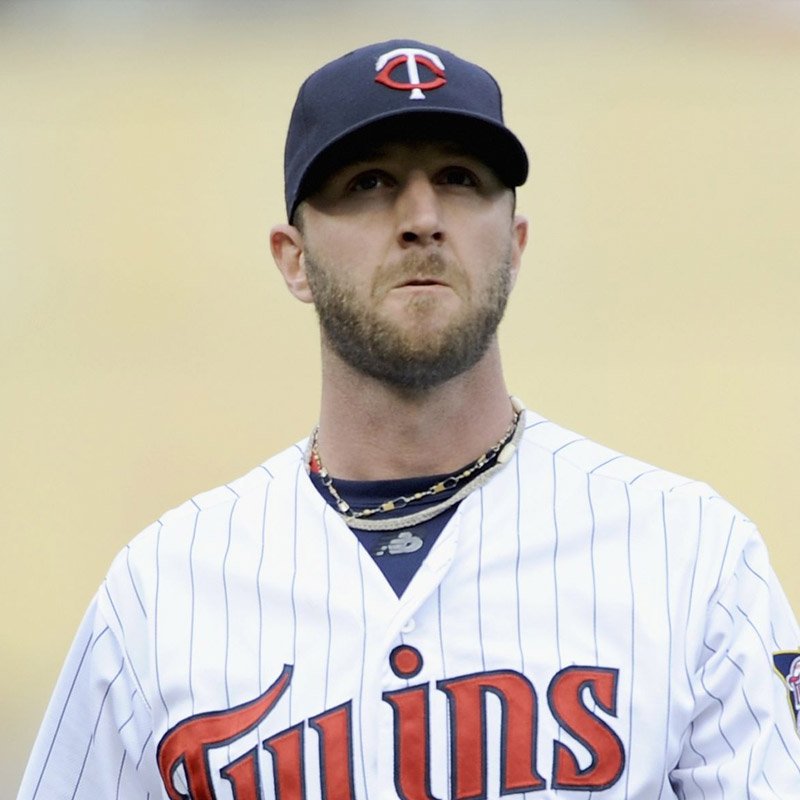 Levi Jared Burton was born on June 2, 1981 in Westminster, South Carolina. He was an eighth round pick of the Oakland Athletics in 2002. Burton spent five years in their minor league system, before getting selected in the Rule-5 Draft by the Cincinnati Reds in 2006. His big league debut didn't go that well, walking three batters while only recording one out. Things quickly got better, and Burton finished his rookie year with a 2.51 ERA across 47 appearances. He established himself as a viable middle relief option over the next few seasons, but various injuries limited him to just ten appearances between the 2010 and 2011 seasons. The Reds outrighed him off the roster following the 2011 season. Burton finished his tenure in Cincinnati with a 3.41 ERA. The Minnesota Twins signed Burton to minor league deal on November 12, 2011. He was able to make the Opening Day roster, and proceeded to have a career year at the age of 31. Fully healthy for the first time in almost three years, Burton had a 2.18 ERA with a 0.919 WHIP during his 64 appearances in 2012. While the Twins struggled to a 66-96 record that season, the back of their bullpen had become a strength. This was the same season in which future three time All-Star Glen Perkins began to establish himself as the full time closer. Casey Fien also boasted a 2.06 ERA and 0.971 WHIP. Burton remained with the Twins for two more seasons, pitching to a 4.08 ERA over 139 games between the 2013 and 2014 campaigns. These numbers were ballooned a bit by a bad first half in 2014. Burton had a 5.45 ERA across 35 appearances between Opening Day and the end of June that season. He had a 3.19 ERA over 33 appearances after July 1st. He signed with the New York Yankees ahead of the 2015 season, but was released after spring training. He re-signed with the Yankees on a minor league deal a few days later. After spending all of 2015 in the minor leagues, Burton was suspended 50 games for a failed drug test in January 2016. This dampened his free agent market, and he never played professionally again.
 -
Levi Jared Burton was born on June 2, 1981 in Westminster, South Carolina. He was an eighth round pick of the Oakland Athletics in 2002. Burton spent five years in their minor league system, before getting selected in the Rule-5 Draft by the Cincinnati Reds in 2006. His big league debut didn't go that well, walking three batters while only recording one out. Things quickly got better, and Burton finished his rookie year with a 2.51 ERA across 47 appearances. He established himself as a viable middle relief option over the next few seasons, but various injuries limited him to just ten appearances between the 2010 and 2011 seasons. The Reds outrighed him off the roster following the 2011 season. Burton finished his tenure in Cincinnati with a 3.41 ERA. The Minnesota Twins signed Burton to minor league deal on November 12, 2011. He was able to make the Opening Day roster, and proceeded to have a career year at the age of 31. Fully healthy for the first time in almost three years, Burton had a 2.18 ERA with a 0.919 WHIP during his 64 appearances in 2012. While the Twins struggled to a 66-96 record that season, the back of their bullpen had become a strength. This was the same season in which future three time All-Star Glen Perkins began to establish himself as the full time closer. Casey Fien also boasted a 2.06 ERA and 0.971 WHIP. Burton remained with the Twins for two more seasons, pitching to a 4.08 ERA over 139 games between the 2013 and 2014 campaigns. These numbers were ballooned a bit by a bad first half in 2014. Burton had a 5.45 ERA across 35 appearances between Opening Day and the end of June that season. He had a 3.19 ERA over 33 appearances after July 1st. He signed with the New York Yankees ahead of the 2015 season, but was released after spring training. He re-signed with the Yankees on a minor league deal a few days later. After spending all of 2015 in the minor leagues, Burton was suspended 50 games for a failed drug test in January 2016. This dampened his free agent market, and he never played professionally again. View full player
-
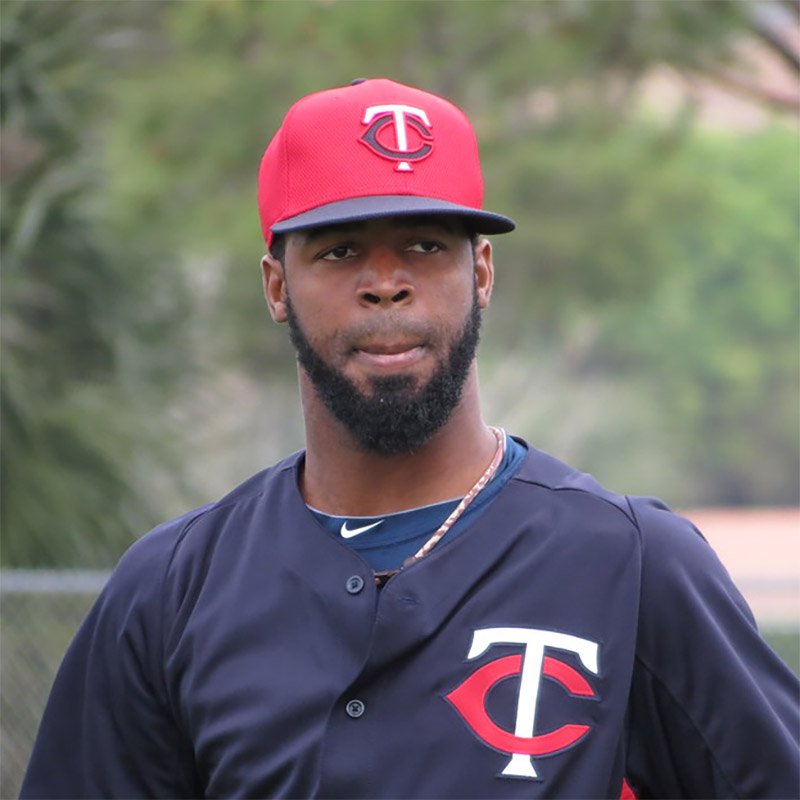 Luis M. Perdomo was born on April 27, 1984 in the Dominican Republic. He was signed by the Cleveland Indians as an amateur free agent in 2003, reaching Double-A before he was traded to the St. Louis Cardinals in a 2006 deadline deal for starting pitcher Anthony Reyes. Perdomo was taken by the San Francisco Giants in the 2008 Rule-5 Draft, but was waived after not making their Opening Day roster in 2009. The San Diego Padres claimed Perdomo, assuming the Rule-5 stipulations that were in place. During his rookie season, the Padres mostly used Perdomo in low leverage long relief. This is somewhat similar to how the Minnesota Twins used Johan Santana when he was a Rule-5 pick in 2000. After they were allowed to be optioned down in year two, both Santana and Perdomo spent most of their sophomore campaigns in the minors. While back down in the minors, Santana famously developed a change-up that eventually made him the game's best pitcher for a 5-6 year stretch. The same cannot be said for Perdomo. He was eventually DFA'd after the 2011 season, signing a minor league deal with the Twins. Perdomo had seven saves and a 2.43 ERA with the Rochester Red Wings in 2012, which earned him a big league call-up in late July. He made 15 relief appearances for the Twins, posting a 3.18 ERA over 17.0 innings. Three of the six earned runs he allowed came in one bad outing against the Kansas City Royals on September 11th. Perdomo was viewed as "effectively wild" at times, walking 12 opponents in those 17 innings. He spent all of 2013 with the Red Wings, putting up a 5.95 ERA across 45 relief appearances. This ended his time in affiliated ball. Perdomo spent the next several seasons pitching for three different teams in the Atlantic League, as well as the Mexican league.
 -
Luis M. Perdomo was born on April 27, 1984 in the Dominican Republic. He was signed by the Cleveland Indians as an amateur free agent in 2003, reaching Double-A before he was traded to the St. Louis Cardinals in a 2006 deadline deal for starting pitcher Anthony Reyes. Perdomo was taken by the San Francisco Giants in the 2008 Rule-5 Draft, but was waived after not making their Opening Day roster in 2009. The San Diego Padres claimed Perdomo, assuming the Rule-5 stipulations that were in place. During his rookie season, the Padres mostly used Perdomo in low leverage long relief. This is somewhat similar to how the Minnesota Twins used Johan Santana when he was a Rule-5 pick in 2000. After they were allowed to be optioned down in year two, both Santana and Perdomo spent most of their sophomore campaigns in the minors. While back down in the minors, Santana famously developed a change-up that eventually made him the game's best pitcher for a 5-6 year stretch. The same cannot be said for Perdomo. He was eventually DFA'd after the 2011 season, signing a minor league deal with the Twins. Perdomo had seven saves and a 2.43 ERA with the Rochester Red Wings in 2012, which earned him a big league call-up in late July. He made 15 relief appearances for the Twins, posting a 3.18 ERA over 17.0 innings. Three of the six earned runs he allowed came in one bad outing against the Kansas City Royals on September 11th. Perdomo was viewed as "effectively wild" at times, walking 12 opponents in those 17 innings. He spent all of 2013 with the Red Wings, putting up a 5.95 ERA across 45 relief appearances. This ended his time in affiliated ball. Perdomo spent the next several seasons pitching for three different teams in the Atlantic League, as well as the Mexican league. View full player
-
Erik Komatsu
William Malone replied to William Malone's topic in The Minnesota Twins Players Project
For the Twins, I don't think they saw a long term piece. Just needed a guy for a few weeks while they were nursing some injuries. Never ideal, but all 30 teams get into that situation every now and again. More of a mystery as to why Cardinals took him in Rule-5. But was only really used as a class NL pinch hit/double switch guy. 15 appearances for St. Louis and he only started one game. Was mostly just a tool in the old school NL rules. -
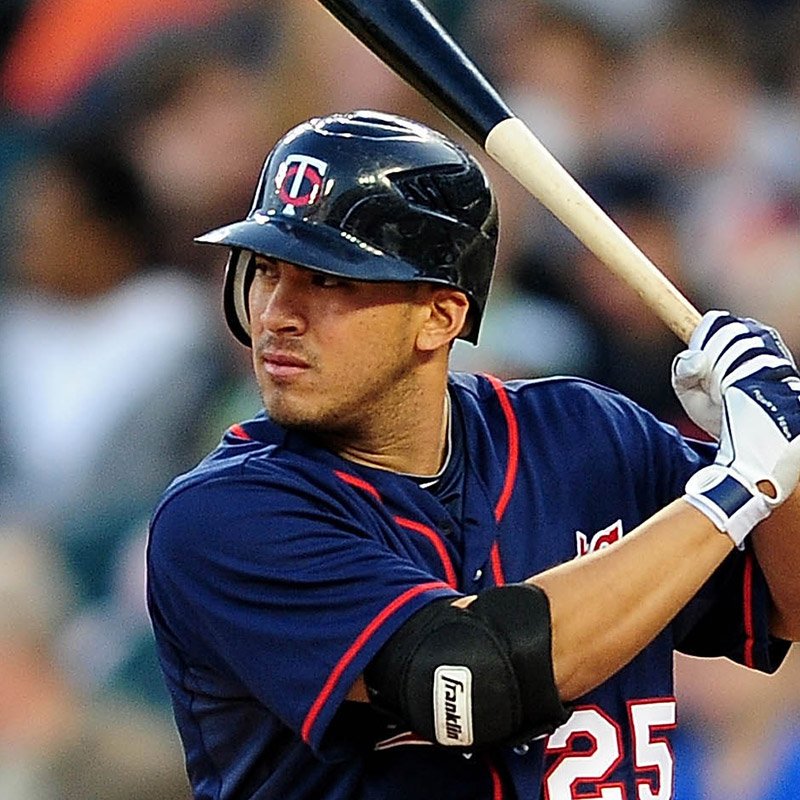 Erik Jordan Komatsu was born on October 1, 1987 in Camarillo, California. He was selected by the Milwaukee Brewers in round eight of the 2008 MLB Draft. Komatsu reached Double-A before getting traded to the Washington Nationals for Jerry Hairston at the deadline in 2011. The St. Louis Cardinals took Komatsu in the Rule-5 Draft later that year, and he made his Major League debut for them on April 6, 2012. The Minnesota Twins acquired Komatsu through waivers on May 4, 2012. He slashed .219/.297/.219 across 19 games for the club. Komatsu drove in one run, and spent time defensively at all three outfield positions. Rule-5 stipulations still applied to Komatsu after the Twins claimed him on waivers, so he was returned to the Nationals system later that month when removed from the 25-man roster. Komatsu never played at the Major League level again. He spent the next few years bouncing around various minor league systems. His last stint in professional baseball was with the Long Island Ducks of the Atlantic League in 2015.
 -
Erik Jordan Komatsu was born on October 1, 1987 in Camarillo, California. He was selected by the Milwaukee Brewers in round eight of the 2008 MLB Draft. Komatsu reached Double-A before getting traded to the Washington Nationals for Jerry Hairston at the deadline in 2011. The St. Louis Cardinals took Komatsu in the Rule-5 Draft later that year, and he made his Major League debut for them on April 6, 2012. The Minnesota Twins acquired Komatsu through waivers on May 4, 2012. He slashed .219/.297/.219 across 19 games for the club. Komatsu drove in one run, and spent time defensively at all three outfield positions. Rule-5 stipulations still applied to Komatsu after the Twins claimed him on waivers, so he was returned to the Nationals system later that month when removed from the 25-man roster. Komatsu never played at the Major League level again. He spent the next few years bouncing around various minor league systems. His last stint in professional baseball was with the Long Island Ducks of the Atlantic League in 2015. View full player
-
Hello, fellow humans! My name is William Malone IV. Son of William Malone III. And I come with great news! The Minnesota Twins play a spring training baseball game against the Boston Red Sox today. How awesome is baseball? Man, it's the coolest. Right? Even the stressful times are cool. Some of these stressful times come in tightly contested one run games. Under the managerial tenure of Rocco Baldelli, the Twins are 118-111 in these one run games, including a 22-20 record last season. While it hurts to lose these games, it's so thrilling to pull them out. Here is one random one run memory for each season under Baldelli. 2019 The 2019 Minnesota Twins were 23-12 (.657) in one run games. This was the 12th most one run wins in the Majors, but the second best winning percentage in one run games. A great offense led by Nelson Cruz and the Bomba Squad helped Minnesota pull away late in many games, helping them often avoid one run finishes. Perhaps their most notable one run game was a 1-0 win against the Houston Astros on April 29th. As expected, Astros ace Justin Verlander was unbelievable. Six innings, two hits, seven strikeouts. But one of those two hits was a solo shot that gave Minnesota their only run. There are lots of people who could've hit that homer. Afterall, this was the famous "Bomba Squad." Nelson Cruz? No. Miguel Sano? No. Eddie Rosario? No. It was Ehire Adrianza! The hero of the day! Going against Verlander was Jake Odorizzi. He certainly answered the bell. Seven shutout innings with seven strikeouts and only five base runners allowed. Nobody reached second base against him until the sixth inning, but Odorizzi struck out Carlos Correa and Yuli Gurriel to stand the runners. Taylor Rogers had to escape a bit of a jam in the eighth inning, and then Blake Parker faced the minimum in the ninth. He allowed a leadoff single to Correa, but immediately cleaned it up by getting Gurriel to ground into a double play on the next pitch. Josh Reddick grounded out to end the game. 2020 The 2020 Minnesota Twins went 9-5 (.643) in one run games. This was the eighth most one run wins in the Majors, but the fourth best winning percentage in one run games. Once again, a great offense helped Minnesota pull away late in many games. One of their most important victories of the season was a 3-2 comeback win over the then-first place Chicago White Sox on September 1st. The Twins had lost six games in a row. In a 60-game season, that's the equivalent of 16.2 game skid for a 162 game sample. Trailing 2-0 after the first inning, they seemed destined to lose a seventh consecutive game. But Michael Pineda shook off a rough first inning, and got the Twins through six. A bullpen trio of Caleb Thielbar, Sergio Romo and Matt Wisler allowed just one base runner over three innings. The Twins offense chipped away with runs in the fifth, sixth and seventh. Marwin Gonzalez got the fifth inning RBI, driving in Jorge Polanco with an RBI groundout. Jake Cave led off the sixth inning with a triple, and Luis Arraez drove him home with an RBI single. They pulled ahead in the seventh when Byron Buxton drove in Nelson Cruz with an RBI single. This comeback gave Thielbar his first big league win since 2014. Wisler got his first save since 2016. 2021 The 2021 Minnesota Twins were 25-19 (.568) in one run games. This was the seventh most one run wins in the Majors, and the eighth best winning percentage in one run games. An impressive aspect of this record is that Minnesota went 1-6 in one run games during the month of April, having to go 24-13 in such games from May 1st on. That lone one run win in April was quite the thriller. It came on April 15th against the Boston Red Sox. Minnesota has been swept in a doubleheader the day before, and the team was desperate for a victory. Luis Arraez drove in two runs early with a multi-run single against Garrett Richards in the second inning. Miguel Sano added a solo homer in the sixth to make it 3-0. On top of that, Michael Pineda tossed seven shutout innings. It seemed like the Twins were well on their way to a much needed win. However, things didn't come so easily. The eighth inning didn't go so well. Hansel Robles loaded the bases without giving up a hit, then Taylor Rogers allowed a bases clearing double while facing Alex Verdugo. Just like that, the game was tied. The Twins went down quietly in the bottom half of the eighth, Alex Colome pitched a dominant ninth, and that gave Minnesota a chance at a walk-off. Max Kepler was the hero that day! This shouldn't come as a surprise. His 11 career walk-off plate appearances are tied for a franchise record. This game featured one of those 11. Luis Arraez led off the inning with a single, and Jorge Polanco was hit by a pitch. With the winning run now in scoring position, Kepler came up and delivered the game winning single. 2022 The 2022 Minnesota Twins went 20-28 (.417) in one run games. This was the 25th best winning percentage in one run games, or sixth worst if you want to be a glass half empty person. Stinks to lose these games, but it was only a matter of time. After going 57-36 during the first three years under Rocco Baldelli, they were a little due to start losing a few more coin toss games. Minnesota did have a memorable one run win in their House of Horrors; Yankee Stadium in the Bronx. While their struggling and injury riddled team had been losing ground in a tight playoff race over the last few weeks, they temporarily delayed this slide with a thrilling win on September 8th. Sonny Gray tossed six innings of two run ball against his former club, and only one of the runs was earned. Gary Sanchez and Nick Gordon proved RBI hits in the fifth inning against Nestor Cortes, and it all came down to the bullpens. Carlos Correa took Greg Weissert deep in the eighth inning, and there was a runner on base! Minnesota had a two run lead. Disappointing deadline accusation Jorge Lopez allowed a run in the eighth, and still couldn't finish it. He turned it over to Caleb Thielbar with two outs and runners at the corners. His opponent was the mighty Giancarlo Stanton. But perhaps not so mighty on that night. The crafty lefty got Stanton to strikeout as part of a nine pitch battle, silencing the faithful Yankee fans. Things didn't get easier in the ninth, as Michael Fulmer was out there with the bases loaded and just one out. But he struck out Gleyber Torres, then got Twin for a day Isiah Kiner-Falefa to ground out. 2023 The 2023 Minnesota Twins went 19-27 (.413) in one run games. This was the 26th best winning percentage in one run games, or the fifth worst if you want to be a glass half empty person. Okay, another bad year in one run games. This one even worse. But sometimes, winning one run games isn't actually the "X-factor" fans think it is. The 2023 World Series champion Texas Rangers went 14-22 (.389) in one run games. Speaking of the Rangers, that's where we'll go to find a memorable one run win from the 2023 season. The Twins were down 5-0 on August 28th, but then Royce Lewis got them back into the game with a fifth inning grand slam. Donovan Solano tied up the game with a ninth inning RBI knock against Aroldis Chapman. Extra innings gave us some gross baseball. There were four double plays, two for each team. The teams did trade 12th inning runs, both coming on "productive outs." Nobody wanted to get that big hit. So it's only natural that the game didn't end on a hit. In fact, the Twins didn't even put the ball in play during the 13th inning when they walked things off. Royce Lewis and Ryan Jeffers both struck out with the ghost runner on second base, Joey Gallo and Matt Wallner drew walks, and then Michael A. Taylor also drew a walk. This allowed the ghost runner, we'll call him Carlos Correa, to come in and score the winning run. 2024 The 2024 Minnesota Twins went 22-20 (.524) in one run games. This was the 15th best winning percentage in one run games. Finally, a winning record in one run games again. This brings the six year total for Rocco Baldelli to 118-111 (.515) in one run games. For the random one run win in 2014, we'll look at July 7th against the Houston Astros. Houston took a 2-0 lead in the second, but then started to get mowed down. Simeon Woods Richardson retired the final 13 hitters he faced. Josh Staumont pitched a 1-2-3 seventh, then Griffin Jax worked around a leadoff double to complete a scoreless eighth. Jhoan Duran had a rough go at it in the ninth, but got himself out of a self created jam. On the offensive side of things, it was a great day for Christian Vazquez. He drove in all three runs as the Twins won 3-2. An RBI single in the bottom of the second helped get one of those early runs back, and an RBI groundout tied things up in the fourth. Facing all-world closer Josh Hader in the ninth, Vazquez launched a walk-off homer and sent the Target Field faithful home happy.
-
Ryan Matthew Doumit was born on April 3, 1981 in Lake Moses, Washington. He was a second round pick of the Pittsburgh Pirates in 1999, making is big league debut for them in 2005. Doumit spent a lot of time playing catcher, first base and corner outfield in his early seasons. His breakout season came in 2008, batting .318 with 15 home runs over 116 games. This allowed Doumit to become the Pirates full time starting catcher. The Minnesota Twins singed Doumit as a free agent ahead of the 2012 season. Their plan was to use him as a backup catcher to Joe Mauer, while also regularly playing him at some of those other positions Doumit had played earlier in his career. He hit a career high 18 home runs during the 2012 season, starting 56 games behind home plate and another 22 in the outfield. Doumit also spent a significant portion of the season as the Twins designated hitter. 2013 saw him play a similar role, with Doumit hitting 14 home runs and driving in 55. Minnesota traded Doumit to the Atlanta Braves following the 2013 season, receiving pitching prospect Sean Gilmartin in return. Gilmartin had a six year big league career with three different teams, but none of that came with the Twins. The New York Mets took Gilmartin in the Rule-5 Draft a year later. As for Doumit, he hit just .197 with five home runs over 100 games during his lone season with the Braves. This was his final year in the Majors. View full player
-
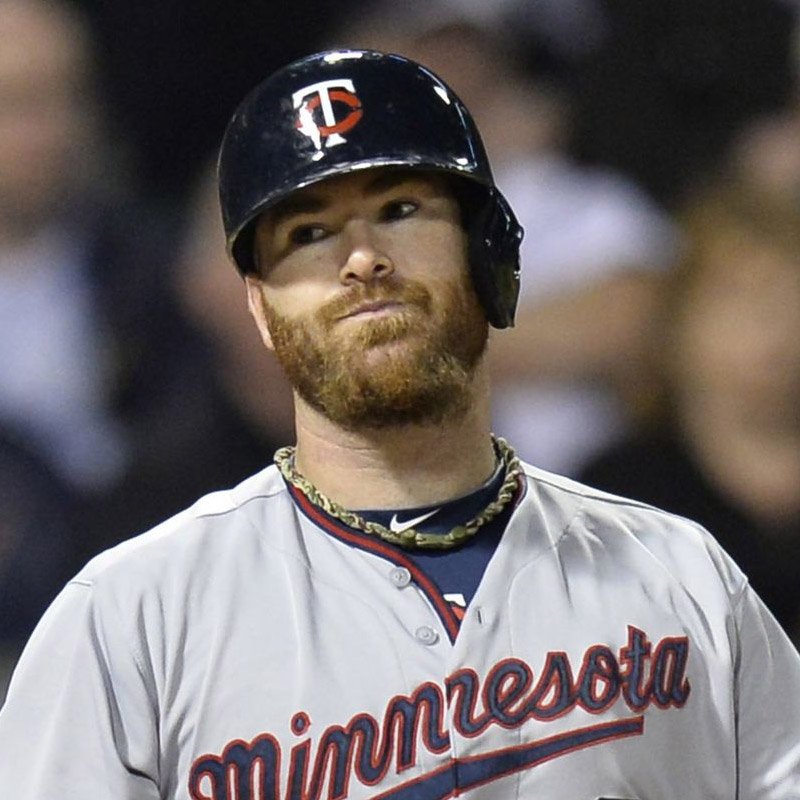 Ryan Matthew Doumit was born on April 3, 1981 in Lake Moses, Washington. He was a second round pick of the Pittsburgh Pirates in 1999, making is big league debut for them in 2005. Doumit spent a lot of time playing catcher, first base and corner outfield in his early seasons. His breakout season came in 2008, batting .318 with 15 home runs over 116 games. This allowed Doumit to become the Pirates full time starting catcher. The Minnesota Twins singed Doumit as a free agent ahead of the 2012 season. Their plan was to use him as a backup catcher to Joe Mauer, while also regularly playing him at some of those other positions Doumit had played earlier in his career. He hit a career high 18 home runs during the 2012 season, starting 56 games behind home plate and another 22 in the outfield. Doumit also spent a significant portion of the season as the Twins designated hitter. 2013 saw him play a similar role, with Doumit hitting 14 home runs and driving in 55. Minnesota traded Doumit to the Atlanta Braves following the 2013 season, receiving pitching prospect Sean Gilmartin in return. Gilmartin had a six year big league career with three different teams, but none of that came with the Twins. The New York Mets took Gilmartin in the Rule-5 Draft a year later. As for Doumit, he hit just .197 with five home runs over 100 games during his lone season with the Braves. This was his final year in the Majors.
 -
While Steve Cohen has the deepest pockets of all owners, the Mets have reached a threshold where they get taxed 110% for every dollar they spend. Taking on Christian Vazuez at $10m would be a $21m hit with their tax situation. No matter how deep an owner's pockets are and no matter how badly you need catching, that's not worth it. If anything, Mets would be more likely to ask for Camargo, who makes nothing.
-
Hello, fellow humans! My name is William Malone IV. Son of William Malone III. And I come with great news! Opening Day for Major League Baseball is only a week away. Granted, the Minnesota Twins will not be playing a week from today. The Los Angeles Dodgers and Chicago Cubs will be opening the season in Japan. Even without the mighty Twins, it is still a most exciting time for baseball fans everywhere. A new season comes with hope! Many of the 30 teams will be awesome! Many of the 30 teams will stink. And many of them will be in some middle ground between awesome and stink. Does anyone remember the 2019 Twins? That team was awesome, even if the playoffs brought much sadness to the Land of Many Lakes. They set the world record for big dingers hit over the fence that season. The whole thing was quite exciting to watch. This team became known as the "Bomba Squad." But what happened to the wonderful humans who made up this record breaking offense? Let's take a look, while also ranking them by their bWAR following the 2019 campaign. Remember my friends, if you disagree with these rankings then you must take it up with Baseball Reference and their judgement of bWAR. Don't be calling your ole pal William Malone IV a big stupid dum dum in the comments because you don't like where your favorite Bomba Squad player is ranked. 1. Byron Buxton (15.0 bWAR after 2019) Injuries continue to be the story for Buxton, who wasn't healthy enough to play alongside the Bomba Squad in the 2019 postseason. He did get some down ballot MVP votes in 2020, and was an All-Star in 2022. But there's still another level that Twins fans would love to see him reach. 2. Luis Arraez (14.4 bWAR after 2019) There are some holes in his game. This is why Arraez seems to bounce around the league a bit. But you still can't argue with three batting titles. That's why Luis Arraez is towards the top of these rankings. 3. Jorge Polanco (11.1 bWAR after 2019) The Twins got a lot of good baseball out of Polanco for the first few years after 2019, but injuries and a rising core of infield prospects eventually saw him traded following their 2023 division title. Polanco hit a career best 33 home runs in 2021. 4. Max Kepler (9.1 bWAR after 2019) There have been some bad stretches for Kepler since 2019, but this has come with good runs as well. His OPS+ of 124 in 2023 actually matched his 2019 clip, although the juiced baseball beefing up everyone's number league wide in 2019 mean Kepler's raw stats were better in the Bomba Squad season. As always, Kepler has provided solid defense. 5. LaMonte Wade (6.0 bWAR after 2019) The Twins lost Wade in a very forgettable trade. He's turned himself into a respectable player with the Giants, although maybe a bit limited. Wade has a .564 career OPS against left handed pitching, and is one of the worst defensive outfielders in baseball. He's a bit better when playing first base, but not much better. None the less, he's still a hell of a lot better than Shaun Anderson even with these limitations. 6. C.J. Cron (5.3 bWAR after 2019) Cron was an All-Star for the Colorado Rockies in 2023, and his 2022 season was statically better. But you might be able to chalk this success up to the Coors Field effect. After a poor 2023, he didn't play professional baseball at any level last year. 7. Mitch Garver (4.4 bWAR after 2019) There has been a lot of good and bad for Garver since 2019. His 2020 season was about as bad it could get for a player, as he became almost unplayable. But weird circumstances for the COVID season can make you look past that. Injuries have limited him to just 80 games per season since the start of 2021, and he now plays more DH than catcher. 8. Nelson Cruz (4.1 bWAR after 2019) Cruz continued to be awesome after 2019, winning a Silver Slugger in 2020 and making the All-Star team in 2021. He was traded to the Tampa Bay Rays at the deadline in 2021, and it would appear Minnesota moved on at the exact right moment. Cruz was bad in the second half of 2021, and never found his form again after that. Father Time is undefeated. 9. Jonathan Schoop (2.7 bWAR after 2019) He played pretty well for the Detroit Tigers in 2020 and 2021, owning a 110 OPS+ across those two seasons. This was a slight improvement over the 102 he posted during the 2019 season in Minnesota. But then he began to decline a bit in 2022 and 2023. Schoop is currently playing professionally in Mexico. t10. Marwin Gonzalez (0.2 bWAR after 2019) Gonzalez played three seasons after 2019, helping three different teams make the playoffs while playing his familiar utility role. The first came with the Twins in 2020. He then played for the Astros in 2021 and the Yankees in 2022. The stats don't jump off the page, but you also can't put a price on veteran leadership off the bench. t10. Jason Castro (0.2 bWAR after 2019) An underlying story of the Bomba Squad was that Minnesota set the record for home runs by catchers that season. While a lot of that was Silver Slugger winning Mitch Garver doing his thing, Castro still hit 13 of his own. After leaving the Twins, he bounced around a bit as a backup catcher. Castro got a World Series ring with the Astros in 2022. t10. Ronald Torreyes (0.2 bWAR after 2019) One memorable moment for the Twins in 2019 was Ronald Torreyes winning a game for them by drawing a walk-off hit by pitch. He was a career Quad-A guy who played 115 games for parts of two seasons with the Phillies after 2019. t13. Miguel Sano (0.0 bWAR after 2019) Getting Sano back to an even 0.0 bWAR since 2019 is carried by a solid 2021 season in which he hit 30 home runs with a decent walk rate. Everything around that was a display of very bad baseball for the inconsistent slugger. t13. Ryan LaMarre (0.0 bWAR after 2019) This was only a nine game sample with the Yankees in 2021, so it was really hard to move the WAR needle in either direction. LaMarre did hit two home runs in that short nine game stint, but those two homers were part of a 4-for-24 (.190) showing at the plate. t13. Ian Miller (0.0 bWAR after 2019) His sample size was even smaller than LaMarre. Miller only appeared in one game after 2019. It was a pinch running appearance for the Cubs in 2020. He did not come to bat, he did not play the field. 16. Ehire Adrianza (-0.2 bWAR after 2019) The post-Twins highlight for Adrianza was winning the 2021 World Series as a member of the Braves. He went 1-for-10 (.100) in that postseason, and never played the field. Those were ten pinch hitting appearances. Keep in mind, this was back when the NL still had pitchers batting. That's how he got so many pinch hitting attempts over such a small sample. 17. Jake Cave (-0.9 bWAR after 2019) For all the complaints that Jake Cave played too much, he found even more playing time after leaving the Twins. He was on the Phillies Opening Day and playoff rosters in 2023, and then played a career high 123 games for the Colorado Rockies in 2024. But his numbers still weren't any better from his time in Minnesota, and he's now playing in Korea. 18. Eddie Rosario (-1.1 bWAR after 2019) Winning NLCS MVP in 2021 is a great accomplishment, but that was really just a flash in the pan for what has been a rapid drop off. Rosario has an 87 OPS+ and -5 defensive runs saved since 2019 concluded. He didn't even play that well in the 2021 World Series after his NLCS MVP performance, going 5-for-22 (.227) with no RBI. 19. Willians Astuillo (-1.4 bWAR after 2019) It's honestly incredible to accumulate -1.4 bWAR over such a small sample. He only played 101 big league games after the 2019 season. The guy just wasn't good at playing baseball. At least Eddie Rosario got his negative bWAR number over a 481 game run. DNQ. Tyler Austin (DNP in MLB after 2019) 2019 was the end of the road for Tyler Austin, in terms of his Major League career. He still plays professionally in Japan, and won a silver medal with Team USA at the Tokyo Olympics.
-
Jamey Blake Carroll was born on Febuary 18, 1974 in Evansville, Indiana. He was a 14th round pick of the Montreal Expos in 1996, and he made his Major League debut for them in 2002. Carroll played four seasons with the Expos/Nationals franchise, before joining the Colorado Rockies for cash in 2006. His involvement in arguably the most famous play in Rockies history helped them win the 2007 NL Wild Card tiebreaker game. His 13th inning sacrifice fly drove in Matt Holliday and walked off the San Diego Padres, but it came with a great deal of controversy. Replayed showed that Holliday missed home plate while sliding into score the winning run. Unfortunately for the Padres, this was before replay was used to help overturn calls. Colorado won the game, clinched the final playoff spot, and eventually reached the World Series. They were swept by the Boston Red Sox in that year's fall classic. The Minnesota Twins acquired Carroll as a free agent ahead of the 2012 season. He played a healthy dose of second base, third base and shortstop during his two years in Minnesota, slashing .257/.327/.301 across 196 games. Fans at Target Field loved his ability to perform in clutch situations, going 49-for-160 (.306) with runners in scoring position while in a Twins uniform. This includes his very first RBI with the club, which was a go-ahead single against LaTroy Hawkins in the seventh inning of a game against the Los Angeles Angels of Anaheim. He was traded to the Kansas City Royals for cash late in the 2013 season. He signed a minor league contract with the Nationals that off-season, but was released after spring training. This ended his professional playing career. Carroll worked in the Pittsburgh Pirates from office from 2015 through 2022. View full player
-
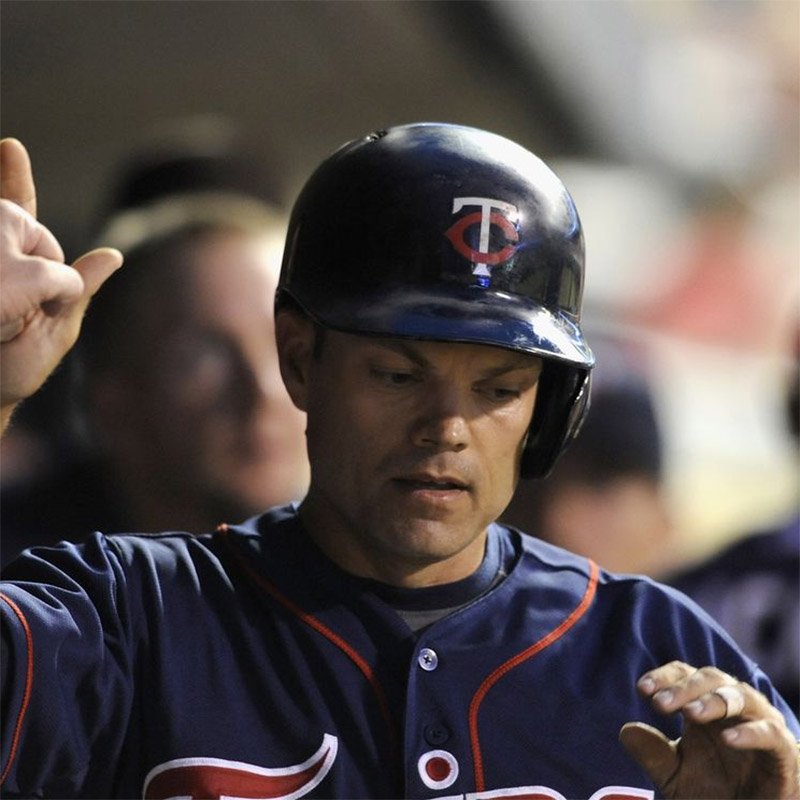 Jamey Blake Carroll was born on Febuary 18, 1974 in Evansville, Indiana. He was a 14th round pick of the Montreal Expos in 1996, and he made his Major League debut for them in 2002. Carroll played four seasons with the Expos/Nationals franchise, before joining the Colorado Rockies for cash in 2006. His involvement in arguably the most famous play in Rockies history helped them win the 2007 NL Wild Card tiebreaker game. His 13th inning sacrifice fly drove in Matt Holliday and walked off the San Diego Padres, but it came with a great deal of controversy. Replayed showed that Holliday missed home plate while sliding into score the winning run. Unfortunately for the Padres, this was before replay was used to help overturn calls. Colorado won the game, clinched the final playoff spot, and eventually reached the World Series. They were swept by the Boston Red Sox in that year's fall classic. The Minnesota Twins acquired Carroll as a free agent ahead of the 2012 season. He played a healthy dose of second base, third base and shortstop during his two years in Minnesota, slashing .257/.327/.301 across 196 games. Fans at Target Field loved his ability to perform in clutch situations, going 49-for-160 (.306) with runners in scoring position while in a Twins uniform. This includes his very first RBI with the club, which was a go-ahead single against LaTroy Hawkins in the seventh inning of a game against the Los Angeles Angels of Anaheim. He was traded to the Kansas City Royals for cash late in the 2013 season. He signed a minor league contract with the Nationals that off-season, but was released after spring training. This ended his professional playing career. Carroll worked in the Pittsburgh Pirates from office from 2015 through 2022.
 -
The Yankees budget is not infinity. They’re still very cautious about how big their luxury tax bill is. It’s a champagne problem. Twins fans would love to have ownership/front office who is concerned about where are the luxury tax line is. But giving a $21m hit that Lopez brings to the Yankees would make the twins take a bad contract back. Yes, you could get some good prospects. You’d also have DJ LeMahieu taking out bats away from some of your young infielders as a result
-
Would/should the Twins help the Evil Empire?
William Malone commented on Doc Munson's blog entry in Fantasy GM
The Yankees budget is not infinity. Even if they were fully healthy, they still have holes (most notably third base). Team is very cautious about what their tax bill is. Champaign problems. Twins fans would love if their ownership/front office had that issue. But they wouldn't take $21 million for Pablo Lopez just for prospects who don't make any money. -
Predicting every single 2025 Minnesota Twins game
William Malone posted a blog entry in William Malone IV blogs about Twins
Hello, fellow humans! My name is William Malone IV. Son of William Malone III. And I come with great news! Regular season baseball starts next week. But this great news comes with a catch. The Minnesota Twins will not be playing regular season baseball next week. Instead, the Chicago Cubs and Los Angeles Dodgers will have an epic clash overseas. But we need not worry. Our beloved Twins will be playing regular season baseball soon enough. There will be 162 beautiful regular season games, and die hard fans will not miss a single pitch. But if you have to miss some games here or there, your ole pal William Malone IV has you covered. For I have seen the future! And by seeing the future, I already know the results of every single game from the 2025 Major League Baseball season. So here they are! Game 1 at St. Louis - W (1-0) Game 2 at St. Louis - W (2-0) Game 3 at St. Louis - W (3-0) Game 4 at Chicago AL - W (4-0) Game 5 at Chicago AL - L (4-1) Game 6 at Chicago AL - L (4-2) Game 7 vs Houston - L (4-3) Game 8 vs Houston - W (5-3) Game 9 vs Houston - W (6-3) Game 10 at Kansas City - L (6-4) Game 11 at Kansas City - L (6-5) Game 12 at Kansas City - W (7-5) Game 13 at Kansas City - L (7-6) Game 14 vs Detroit - W (8-6) Game 15 vs Detroit - W (9-6) Game 16 vs Detroit - W (10-6) Game 17 vs New York NL - W (11-6) Game 18 vs New York NL - L (11-7) Game 19 vs New York NL - L (11-8) Game 20 at Atlanta - L (11-9) Game 21 at Atlanta - L (11-10) Game 22 at Atlanta - W (12-10) Game 23 vs Chicago AL - L (12-11) Game 24 vs Chicago AL - W (13-11) Game 25 vs Chicago AL - L (13-12) Game 26 vs Los Angeles AL - W (14-12) Game 27 vs Los Angeles AL - L (14-13) Game 28 vs Los Angeles AL - W (15-13) Game 29 at Cleveland - W (16-13) Game 30 at Cleveland - W (17-13) Game 31 at Cleveland - L (17-14) Game 32 at Cleveland - L (17-15) Game 33 at Boston - W (18-15) Game 34 at Boston - L (18-16) Game 35 at Boston - W (19-16) Game 36 vs Baltimore - W (20-16) Game 37 vs Baltimore - W (21-16) Game 38 vs Baltimore - L (21-17) Game 39 vs San Francisco - W (22-17) Game 40 vs San Francisco - W (23-17) Game 41 vs San Francisco - L (23-18) Game 42 at Baltimore - L (23-19) Game 43 at Baltimore - W (24-19) Game 44 at Baltimore - L (24-20) Game 45 at Milwaukee - W (25-20) Game 46 at Milwaukee - W (26-20) Game 47 at Milwaukee - W (27-20) Game 48 vs Cleveland - L (27-21) Game 49 vs Cleveland - L (27-22) Game 50 vs Cleveland - W (28-22) Game 51 vs Kansas City - W (29-22) Game 52 vs Kansas City - W (30-22) Game 53 vs Kansas City - L (30-23) Game 54 at Tampa Bay - W (31-23) Game 55 at Tampa Bay - L (31-24) Game 56 at Tampa Bay - W (32-24) Game 57 at Seattle - L (32-25) Game 58 at Seattle - W (33-25) Game 59 at Seattle - W (34-25) Game 60 at Sacramento - W (35-25) Game 61 at Sacramento - W (36-25) Game 62 at Sacramento - W (37-25) Game 63 at Sacramento - L (37-26) Game 64 vs Toronto - L (37-27) Game 65 vs Toronto - L (37-28) Game 66 vs Toronto - W (38-28) Game 67 vs Texas - L (38-29) Game 68 vs Texas - W (39-29) Game 69 vs Texas - L (39-30) Game 70 at Houston - W (40-30) Game 71 at Houston - W (41-30) Game 72 at Houston - L (41-31) Game 73 at Cincinnati - W (42-31) Game 74 at Cincinnati - W (43-31) Game 75 at Cincinnati - W (44-31) Game 76 vs Milwaukee - L (44-32) Game 77 vs Milwaukee - L (44-33) Game 78 vs Milwaukee - W (45-33) Game 79 vs Seattle - W (46-33) Game 80 vs Seattle - W (47-33) Game 81 vs Seattle - L (47-34) Game 82 vs Seattle - L (47-35) Game 83 at Detroit - W (48-35) Game 84 at Detroit - W (49-35) Game 85 at Detroit - W (50-35) Game 86 at Miami - L (50-36) Game 87 at Mimai - L (50-37) Game 88 at Miami - L (50-38) Game 89 vs Tampa Bay - L (50-39) Game 90 vs Tampa Bay - L (50-40) Game 91 vs Tampa Bay - W (51-40) Game 92 vs Chicago NL - W (52-40) Game 93 vs Chicago NL - L (52-41) Game 94 vs Chicago NL - W (53-41) Game 95 vs Pittsburgh - L (53-42) Game 96 vs Pittsburgh - W (54-42) Game 97 vs Pittsburgh - W (55-42) Game 98 at Colorado - W (56-42) Game 99 at Colorado - W (57-42) Game 100 at Colorado - W (58-42) Game 101 at Los Angeles NL - W (59-42) Game 102 at Los Angeles NL - L (59-43) Game 103 at Los Angeles NL - L (59-44) Game 104 vs Washington - W (60-44) Game 105 vs Washington - W (61-44) Game 106 vs Washington - L (61-45) Game 107 vs Boston - W (62-45) Game 108 vs Boston - L (62-46) Game 109 vs Boston - W (63-46) Game 110 at Cleveland - L (63-47) Game 111 at Cleveland - W (64-47) Game 112 at Cleveland - L (64-48) Game 113 at Detroit - W (65-48) Game 114 at Detroit - L (65-49) Game 115 at Detroit - W (66-49) Game 116 vs Kansas City - W (67-49) Game 117 vs Kansas City - L (67-50) Game 118 vs Kansas City - W (68-50) Game 119 at New York AL - L (68-51) Game 120 at New York AL - L (68-52) Game 121 at New York AL - W (69-52) Game 122 vs Detroit - W (70-52) Game 123 vs Detroit - W (71-52) Game 124 vs Detroit - W (72-52) Game 125 vs Detroit - L (72-53) Game 126 vs Sacramento - W (73-53) Game 127 vs Sacramento - L (73-54) Game 128 vs Sacramento - W (74-54) Game 129 at Chicago AL - W (75-54) Game 130 at Chicago AL - W (76-54) Game 131 at Chicago AL - W (77-54) Game 132 at Toronto - L (77-55) Game 133 at Toronto - L (77-56) Game 134 at Toronto - W (78-56) Game 135 vs San Diego - W (79-56) Game 136 vs San Diego - W (80-56) Game 137 vs San Diego - L (80-57) Game 138 vs Chicago AL - W (81-57) Game 139 vs Chicago AL - W (82-57) Game 140 vs Chicago AL - L (82-58) Games 141 vs Chicago AL - W (83-58) Game 142 at Kansas City - L (83-59) Game 143 at Kansas City - L (83-60) Game 144 at Kansas City - W (84-60) Game 145 at Los Angeles AL - L (84-61) Game 146 at Los Angeles AL - W (85-61) Game 147 at Los Angeles AL - W (86-61) Game 148 vs Arizona - W (87-61) Game 149 vs Arizona - W (88-61) Game 150 vs Arizona - L (88-62) Game 151 vs New York AL - W (89-62) Game 152 vs New York AL - L (89-63) Game 153 vs New York AL - L (89-64) Game 154 vs Cleveland - W (90-64) Game 155 vs Cleveland - W (91-64) Game 156 vs Cleveland - W (92-64) Game 157 at Texas - L (92-65) Game 158 at Texas - L (92-66) Game 159 at Texas - W (93-66) Game 160 at Philadelphia - W (94-66) Game 161 at Philadelphia - W (95-66) Game 162 at Philadelphia - L (95-67) ALDS Game 1 vs Boston - W (1-0) ALDS Game 2 vs Boston - L (1-1) ALDS Game 3 at Boston - L (1-2) ALDS Game 4 at Boston - W (2-2) ALDS Game 5 at Boston - L (2-3) -
Michael Anthony Smith was born on September 19, 1977 in Norwood, Massachusetts. He was a fifth round pick of the Toronto Blue Jays in 2000, reaching the Majors in 2002 and pitching 35.1 innings for them that season. Smith bounced around the minors for a few seasons after that, resurfacing with the Minnesota Twins to make one spot start in 2006. He allowed four runs over three innings in a loss to the Kansas City Royals, and was optioned the next day. This ended his Major League career. Smith continued to play professionally until 2012, spending time in various international and stateside independent leagues. View full player
.thumb.png.131fdf97b843dfc7f73f4f987002a0f8.png)

