


.png.7846f23ff7308bd0a60773982c8c4137.png)
William Malone
-
Posts
786 -
Joined
-
Last visited
Content Type
Profiles
News
Minnesota Twins Videos
2026 Minnesota Twins Top Prospects Ranking
2022 Minnesota Twins Draft Picks
Minnesota Twins Free Agent & Trade Rumors, Notes, & Tidbits
Guides & Resources
2023 Minnesota Twins Draft Picks
The Minnesota Twins Players Project
2024 Minnesota Twins Draft Picks
2025 Minnesota Twins Draft Pick Tracker
2026 Minnesota Twins Draft Tracker: Picks & Bonuses
Forums
Blogs
Events
Store
Downloads
Gallery
Everything posted by William Malone
-
 Michael Anthony Smith was born on September 19, 1977 in Norwood, Massachusetts. He was a fifth round pick of the Toronto Blue Jays in 2000, reaching the Majors in 2002 and pitching 35.1 innings for them that season. Smith bounced around the minors for a few seasons after that, resurfacing with the Minnesota Twins to make one spot start in 2006. He allowed four runs over three innings in a loss to the Kansas City Royals, and was optioned the next day. This ended his Major League career. Smith continued to play professionally until 2012, spending time in various international and stateside independent leagues.
 -
Phillip Joseph Nevin was born on January 19, 1971 in Fullerton, California. He was drafted first overall by the Houston Astros in 1992, and was a journeyman utility player for most of his 12-year Major League career. Nevin played a lot of corner infield, corner outfield and catcher for seven different big league clubs. The final stop of his playing career came with the Minnesota Twins in 2006. Minnesota acquired him in a buzzer beating waiver deadline trade with the Chicago Cubs on August 31, 2006. They got him for a player to be named later, which turned out to be career minor leaguer Adam Harben. Despite only playing with the Twins for a month, Nevin still came away with fond memories. He had very rarely found himself in pennant races during his career, and 2006 would prove to be his only career postseason appearance. Nevin hit .190 with one home run and four RBI over 16 regular season games for Minnesota, going 0-for-3 at the plate in their ALDS loss to Oakland. ESPN hired Nevin to work as a color commentator for college baseball broadcasts in 2007, but his focus would eventually shift to coaching. Nevin managed at several levels of the Detroit Tigers minor league system between 2010 and 2013, then managed the Arizona Diamondbacks Triple-A squad from 2014 through 2016. He coached third base at the big league level for the San Francisco Giants in 2017, then had the same role with the New York Yankees for four seasons. He was hired as third base coach of the Los Angeles Angels ahead of the 2022 season, becoming their interim manager in June after Joe Maddon was fired. The Angels gave Nevin the full time job after the season ended, but fired him after just one year without the interim tag. His record as a big league manager sits at 119-149 (.444). View full player
-
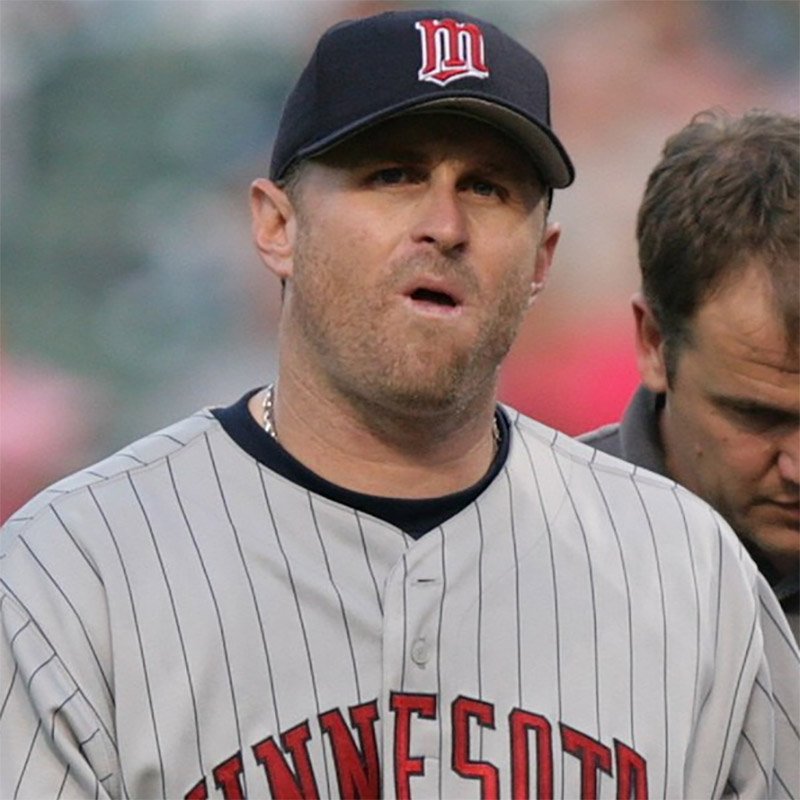 Phillip Joseph Nevin was born on January 19, 1971 in Fullerton, California. He was drafted first overall by the Houston Astros in 1992, and was a journeyman utility player for most of his 12-year Major League career. Nevin played a lot of corner infield, corner outfield and catcher for seven different big league clubs. The final stop of his playing career came with the Minnesota Twins in 2006. Minnesota acquired him in a buzzer beating waiver deadline trade with the Chicago Cubs on August 31, 2006. They got him for a player to be named later, which turned out to be career minor leaguer Adam Harben. Despite only playing with the Twins for a month, Nevin still came away with fond memories. He had very rarely found himself in pennant races during his career, and 2006 would prove to be his only career postseason appearance. Nevin hit .190 with one home run and four RBI over 16 regular season games for Minnesota, going 0-for-3 at the plate in their ALDS loss to Oakland. ESPN hired Nevin to work as a color commentator for college baseball broadcasts in 2007, but his focus would eventually shift to coaching. Nevin managed at several levels of the Detroit Tigers minor league system between 2010 and 2013, then managed the Arizona Diamondbacks Triple-A squad from 2014 through 2016. He coached third base at the big league level for the San Francisco Giants in 2017, then had the same role with the New York Yankees for four seasons. He was hired as third base coach of the Los Angeles Angels ahead of the 2022 season, becoming their interim manager in June after Joe Maddon was fired. The Angels gave Nevin the full time job after the season ended, but fired him after just one year without the interim tag. His record as a big league manager sits at 119-149 (.444).
 -
.thumb.png.131fdf97b843dfc7f73f4f987002a0f8.png) Hello, fellow humans! My name is William Malone IV. Son of William Malone III. And I come with great news! The Minnesota Twins played two baseball games today. How cool is that? Baseball is such a wonderful sport, and Twins fans got double the action today. While these were not regular season baseball games, that time of year is approaching. The beginning of the regular season is marked by Opening Day! It is a wonderful holiday, or at least should be seen as a holiday. Any president who makes Opening Day a national holiday would have all of our votes for life. Term limits be damned. Write-in it is! These games on Opening Day feature two starting pitchers. One for the Twins, and a second one for their opponent. Often times, teams will send their very best starting pitcher to the mound for this delightful contest of baseball. Because of this, Minnesota has faced many tremendous starting pitchers on Opening Day over the years. Today, we will rank them. Or at least rank the ones who have started against the Twins in game one this century (since 2000). Please note that these rankings are based on the pitcher's entire career. But feel free to comment and say what a big stupid dum dum your ole pal William Malone IV is when you don't agree where someone is ranked. 24. Mike Maroth (2003 - Detroit Tigers) The Twins handed Maroth a loss on Opening Day in 2003, and that was the first of a league high 21 losses for him that season. For his career, he pitched six seasons in the big leagues. All but 38 of his 918 career innings came with the Tigers. Maroth actually spent 2010 in the Twins system on a minor league deal, but he was never called up from Rochester. This was the final year of his professional baseball career. 23. Dylan Bundy (2018 - Baltimore Orioles) Once wildly regarded as the best pitching prospect in baseball, Bundy never really blossomed into what was expected of him. While his 4.74 ERA over eight seasons was a disappointment, his seven shutout innings against Minnesota on Opening Day was not. 22. Ricky Romero (2011 - Toronto Blue Jays) Injuries ruined what could've been a great career for Romero. He was the sixth overall pick at one point, but was limited to just five seasons in the big leagues. This did include one All-Star appearance and a tenth place Cy Young finish in 2010, but Romero was out of the league just two year later. Unlike most pitchers, it wasn't arm issues that got to him. Multiple knee surgeries and torn quads in both legs were some of the injuries keeping him off the field. 21. Chris Tillman (2016 - Baltimore Orioles) This was a weird game. Tillman and Ervin Santana both pitched two shutout innings, and then a lengthy rain delay occurred. Each team went to their bullpen when play resumed, only to have Tillman and Santana go at it again on "short rest" in the third game of their series. For his career, Tillman spent his entire ten year career in Baltimore. He had a 4.57 ERA, and was an All-Star in 2013. 20. Jeff Weaver (2001 - Detroit Tigers) Jeff Weaver was good for the Tigers on Opening Day in 2001, but Brad Radke was just a bit better. He pitched a complete game, but the Twins snuck out with a 3-2 win. For his career, Weaver pitched 11 years with six clubs. Know to be a bit wild, he led the league in hit batters three different times. 19. Erik Bedard (2007 - Baltimore Orioles) 2007 was a career year for Bedard, but you wouldn't know that by what he did on Opening Day. The Twins scored six runs in just 4.2 innings against him, and then Bedard went onto finish fifth in the AL Cy Young voting. He led the league in H/9 and K/9 that season. For his career, he owns a 4.99 ERA over 11 seasons with six clubs. 18 Brandon Woodruff (2021 - Milwaukee Brewers) The Twins took care of Woodruff on Opening Day in 2021, but their bullpen couldn't hold on and the Brewers came back to win. His career has been very good when healthy, but staying on the field has been an issue. He missed all of 2024 while recovering from shoulder surgery. 17. Robbie Ray (2022 - Seattle Mariners) The 2021 AL Cy Young winner made his Mariners debut on Opening Day in 2022 against the Twins. While he dominated on that particular day, the big free agency deal he signed with Seattle ultimately fizzled out. Through three seasons of his five year deal, Ray has only started 40-games and was used out of the bullpen when Seattle made the postseason in 2022. He has since been traded to the Giants. 16. Steve Trachsel (2000 - Tampa Bay Devil Rays) Steve Trachsel tossed seven shutout innings for Tampa Bay on Opening Day in 2000. For his career, he was a one time All-Star who pitched 16 seasons in the big leagues. Most of this time was with the Cubs and Mets. 2000 was his only season with the Devil Rays, and he didn't even last the whole year. Toronto acquired him at the deadline that summer. 15. Jeff Suppan (2002 - Kansas City Royals) Opening Day in 2002 was a high scoring affair. Suppan and Radke both got hit around pretty hard, with Minnesota hanging onto win 8-6. For his career, Suppan pitched 17 years with seven different clubs. He was named NLCS MVP in 2006, helping the St. Louis Cardinals win the World Series later on that fall. 14. Danny Duffy (2017 - Kansas City Royals) Danny Duffy was great on Opening Day in 2017, but it served as a good reminder that the elite 2014-15 Royals bullpen was a thing of the past. Minnesota teed off for six runs on the Kansas City bullpen after Duffy departed, winning the game. For his career, Duffy spent his entire 11-year career with the Royals. He had a 3.95 career ERA, and helped win a World Series in 2015. 13. Cole Ragans (2024 - Kansas City Royals) It's rather hard to rank someone so young against guys who have had full careers. So this seems like a good spot for now. 12. Lucas Giolito (2020 - Chicago White Sox) The Bomba Squad's encore was delayed due to the COVID-19 pandemic, but they opened up their 2020 season by lighting up White Sox ace Lucas Giolito. For his career, he's a one time All-Star who had gotten Cy Young votes three times. Giolito is currently with the Boston Red Sox, and missed all of last season after undergoing Tommy John surgery. 11. Jamie Moyer (2005 - Seattle Mariners) The 42-year old southpaw, who was still seven years away from retirement, pitched 5.2 innings of one run ball against Minnesota on Opening Day in 2005. The lone run was unearned, and the Twins lost 5-1. For his career, Moyer pitched 25 years and won a World Series with the Philadelphia Phillies in 2008. The 522 home runs he allowed is a Major League record, but that is mostly due to insane longevity. Not poor performance. 10. Jake Arrieta (2012 - Baltimore Orioles) Jake Arrieta didn't do much with the Baltimore Orioles, putting up a 5.46 ERA during his four seasons there. Maybe you even forgot those years happened. He broke out later on with the Chicago Cubs, winning NL Cy Young in 2015 and the World Series in 2016. His career took a downturn again after cashing in as a free agent with the Philadelphia Phillies. 9. Jared Weaver (2008 and 2010 - Los Angeles Angels of Anaheim) You might remember Jeff Weaver from earlier in this list. Here is his younger brother! Weaver was a little unproven in 2008, but by 2010 he was seen as an elite starting pitcher. For his career, Weaver was a three time All-Star and finished top five in the AL Cy Young voting three times. 8. Corey Kluber (2019 - Cleveland Indians) Jose Berrios vs. two time Cy Young winner Corey Kluber on Opening Day in 2019 was a great pitcher's duel. It was a 2-0 win for the Twins, with a two run single by Marwin Gonzalez in the seventh holding up as the difference. Injuries later on in his career will probably keep Kluber out of Cooperstown discussions, but he had a Hall of Fame peak. 7. David Price (2015 - Detroit Tigers) 8.2 shutout innings from David Price opened the door for Joe Nathan to get the final save of his career on Opening Day in 2015. For his career, Price was a five time All-Star who won the Cy Young in 2012. 6. Felix Hernandez (2009 - Seattle Mariners) Hernandez had crazy hype when he debuted at a 19-year old kid in 2005, but it took a while for him to truly become King Felix. 2009 would turn into his breakout campaign, and that started with a dominant eight inning performance against the Twins on Opening Day. He made his first of six All-Star teams that season, and finished as the Cy Young runner-up. Hernandez won the Cy Young in 2010. 5. Chris Sale (2014 - Chicago White Sox) Chris Sale didn't win a Cy Young until 2024, but he finished top five in Cy Young voting each year between 2012 and 2018. He was always a dominant force on these White Sox teams that couldn't build around him, but they were able to get a win on Opening Day in 2014 against the Twins and Ricky Nolasco. 4. Zack Greinke (2023 Kansas City Royals) Greinke was a shell of himself when starting on Opening Day in 2023, but that doesn't take away from the amazing career he had. He was a six time All-Star who won the AL Cy Young in 2009. 3. Roy Halladay (2006 - Toronto Blue Jays) Johan Santana vs. Roy Halladay in 2006 might be the best Opening Day pitching matchup in Twins history. Halladay won the AL Cy Young in 2003. Santana won it in 2004, and you can argue he should've won in 2005. And for as good as Santana was in 2005, Halladay was even better until injuries wound up limiting him to just 19 starts that year. 2. CC Sabathia (2004 - Cleveland Indians) The Hall of Fame lefty was brilliant on Opening Day in 2004, only to have his seven shutout innings ruined by the Cleveland bullpen. Twins outfielder Shannon Stewart hit a walk-off homer in the 11th. For his career, Sabathia won 251 games and was elected to Cooperstown on the first ballot. 1. Justin Verlander (2013 - Detroit Tigers) The three time Cy Young winner looked every bit like a three time Cy Young winner against the Twins on Opening Day in 2013. But he left after five innings due to a blister on his hand, which gave Minnesota a little hope. They scored a few against the Tigers bullpen, but lost 4-2.
Hello, fellow humans! My name is William Malone IV. Son of William Malone III. And I come with great news! The Minnesota Twins played two baseball games today. How cool is that? Baseball is such a wonderful sport, and Twins fans got double the action today. While these were not regular season baseball games, that time of year is approaching. The beginning of the regular season is marked by Opening Day! It is a wonderful holiday, or at least should be seen as a holiday. Any president who makes Opening Day a national holiday would have all of our votes for life. Term limits be damned. Write-in it is! These games on Opening Day feature two starting pitchers. One for the Twins, and a second one for their opponent. Often times, teams will send their very best starting pitcher to the mound for this delightful contest of baseball. Because of this, Minnesota has faced many tremendous starting pitchers on Opening Day over the years. Today, we will rank them. Or at least rank the ones who have started against the Twins in game one this century (since 2000). Please note that these rankings are based on the pitcher's entire career. But feel free to comment and say what a big stupid dum dum your ole pal William Malone IV is when you don't agree where someone is ranked. 24. Mike Maroth (2003 - Detroit Tigers) The Twins handed Maroth a loss on Opening Day in 2003, and that was the first of a league high 21 losses for him that season. For his career, he pitched six seasons in the big leagues. All but 38 of his 918 career innings came with the Tigers. Maroth actually spent 2010 in the Twins system on a minor league deal, but he was never called up from Rochester. This was the final year of his professional baseball career. 23. Dylan Bundy (2018 - Baltimore Orioles) Once wildly regarded as the best pitching prospect in baseball, Bundy never really blossomed into what was expected of him. While his 4.74 ERA over eight seasons was a disappointment, his seven shutout innings against Minnesota on Opening Day was not. 22. Ricky Romero (2011 - Toronto Blue Jays) Injuries ruined what could've been a great career for Romero. He was the sixth overall pick at one point, but was limited to just five seasons in the big leagues. This did include one All-Star appearance and a tenth place Cy Young finish in 2010, but Romero was out of the league just two year later. Unlike most pitchers, it wasn't arm issues that got to him. Multiple knee surgeries and torn quads in both legs were some of the injuries keeping him off the field. 21. Chris Tillman (2016 - Baltimore Orioles) This was a weird game. Tillman and Ervin Santana both pitched two shutout innings, and then a lengthy rain delay occurred. Each team went to their bullpen when play resumed, only to have Tillman and Santana go at it again on "short rest" in the third game of their series. For his career, Tillman spent his entire ten year career in Baltimore. He had a 4.57 ERA, and was an All-Star in 2013. 20. Jeff Weaver (2001 - Detroit Tigers) Jeff Weaver was good for the Tigers on Opening Day in 2001, but Brad Radke was just a bit better. He pitched a complete game, but the Twins snuck out with a 3-2 win. For his career, Weaver pitched 11 years with six clubs. Know to be a bit wild, he led the league in hit batters three different times. 19. Erik Bedard (2007 - Baltimore Orioles) 2007 was a career year for Bedard, but you wouldn't know that by what he did on Opening Day. The Twins scored six runs in just 4.2 innings against him, and then Bedard went onto finish fifth in the AL Cy Young voting. He led the league in H/9 and K/9 that season. For his career, he owns a 4.99 ERA over 11 seasons with six clubs. 18 Brandon Woodruff (2021 - Milwaukee Brewers) The Twins took care of Woodruff on Opening Day in 2021, but their bullpen couldn't hold on and the Brewers came back to win. His career has been very good when healthy, but staying on the field has been an issue. He missed all of 2024 while recovering from shoulder surgery. 17. Robbie Ray (2022 - Seattle Mariners) The 2021 AL Cy Young winner made his Mariners debut on Opening Day in 2022 against the Twins. While he dominated on that particular day, the big free agency deal he signed with Seattle ultimately fizzled out. Through three seasons of his five year deal, Ray has only started 40-games and was used out of the bullpen when Seattle made the postseason in 2022. He has since been traded to the Giants. 16. Steve Trachsel (2000 - Tampa Bay Devil Rays) Steve Trachsel tossed seven shutout innings for Tampa Bay on Opening Day in 2000. For his career, he was a one time All-Star who pitched 16 seasons in the big leagues. Most of this time was with the Cubs and Mets. 2000 was his only season with the Devil Rays, and he didn't even last the whole year. Toronto acquired him at the deadline that summer. 15. Jeff Suppan (2002 - Kansas City Royals) Opening Day in 2002 was a high scoring affair. Suppan and Radke both got hit around pretty hard, with Minnesota hanging onto win 8-6. For his career, Suppan pitched 17 years with seven different clubs. He was named NLCS MVP in 2006, helping the St. Louis Cardinals win the World Series later on that fall. 14. Danny Duffy (2017 - Kansas City Royals) Danny Duffy was great on Opening Day in 2017, but it served as a good reminder that the elite 2014-15 Royals bullpen was a thing of the past. Minnesota teed off for six runs on the Kansas City bullpen after Duffy departed, winning the game. For his career, Duffy spent his entire 11-year career with the Royals. He had a 3.95 career ERA, and helped win a World Series in 2015. 13. Cole Ragans (2024 - Kansas City Royals) It's rather hard to rank someone so young against guys who have had full careers. So this seems like a good spot for now. 12. Lucas Giolito (2020 - Chicago White Sox) The Bomba Squad's encore was delayed due to the COVID-19 pandemic, but they opened up their 2020 season by lighting up White Sox ace Lucas Giolito. For his career, he's a one time All-Star who had gotten Cy Young votes three times. Giolito is currently with the Boston Red Sox, and missed all of last season after undergoing Tommy John surgery. 11. Jamie Moyer (2005 - Seattle Mariners) The 42-year old southpaw, who was still seven years away from retirement, pitched 5.2 innings of one run ball against Minnesota on Opening Day in 2005. The lone run was unearned, and the Twins lost 5-1. For his career, Moyer pitched 25 years and won a World Series with the Philadelphia Phillies in 2008. The 522 home runs he allowed is a Major League record, but that is mostly due to insane longevity. Not poor performance. 10. Jake Arrieta (2012 - Baltimore Orioles) Jake Arrieta didn't do much with the Baltimore Orioles, putting up a 5.46 ERA during his four seasons there. Maybe you even forgot those years happened. He broke out later on with the Chicago Cubs, winning NL Cy Young in 2015 and the World Series in 2016. His career took a downturn again after cashing in as a free agent with the Philadelphia Phillies. 9. Jared Weaver (2008 and 2010 - Los Angeles Angels of Anaheim) You might remember Jeff Weaver from earlier in this list. Here is his younger brother! Weaver was a little unproven in 2008, but by 2010 he was seen as an elite starting pitcher. For his career, Weaver was a three time All-Star and finished top five in the AL Cy Young voting three times. 8. Corey Kluber (2019 - Cleveland Indians) Jose Berrios vs. two time Cy Young winner Corey Kluber on Opening Day in 2019 was a great pitcher's duel. It was a 2-0 win for the Twins, with a two run single by Marwin Gonzalez in the seventh holding up as the difference. Injuries later on in his career will probably keep Kluber out of Cooperstown discussions, but he had a Hall of Fame peak. 7. David Price (2015 - Detroit Tigers) 8.2 shutout innings from David Price opened the door for Joe Nathan to get the final save of his career on Opening Day in 2015. For his career, Price was a five time All-Star who won the Cy Young in 2012. 6. Felix Hernandez (2009 - Seattle Mariners) Hernandez had crazy hype when he debuted at a 19-year old kid in 2005, but it took a while for him to truly become King Felix. 2009 would turn into his breakout campaign, and that started with a dominant eight inning performance against the Twins on Opening Day. He made his first of six All-Star teams that season, and finished as the Cy Young runner-up. Hernandez won the Cy Young in 2010. 5. Chris Sale (2014 - Chicago White Sox) Chris Sale didn't win a Cy Young until 2024, but he finished top five in Cy Young voting each year between 2012 and 2018. He was always a dominant force on these White Sox teams that couldn't build around him, but they were able to get a win on Opening Day in 2014 against the Twins and Ricky Nolasco. 4. Zack Greinke (2023 Kansas City Royals) Greinke was a shell of himself when starting on Opening Day in 2023, but that doesn't take away from the amazing career he had. He was a six time All-Star who won the AL Cy Young in 2009. 3. Roy Halladay (2006 - Toronto Blue Jays) Johan Santana vs. Roy Halladay in 2006 might be the best Opening Day pitching matchup in Twins history. Halladay won the AL Cy Young in 2003. Santana won it in 2004, and you can argue he should've won in 2005. And for as good as Santana was in 2005, Halladay was even better until injuries wound up limiting him to just 19 starts that year. 2. CC Sabathia (2004 - Cleveland Indians) The Hall of Fame lefty was brilliant on Opening Day in 2004, only to have his seven shutout innings ruined by the Cleveland bullpen. Twins outfielder Shannon Stewart hit a walk-off homer in the 11th. For his career, Sabathia won 251 games and was elected to Cooperstown on the first ballot. 1. Justin Verlander (2013 - Detroit Tigers) The three time Cy Young winner looked every bit like a three time Cy Young winner against the Twins on Opening Day in 2013. But he left after five innings due to a blister on his hand, which gave Minnesota a little hope. They scored a few against the Tigers bullpen, but lost 4-2. -
Francisco Liriano Casillas was born on October 26, 1983 in the Dominican Republic. He was signed by the San Francisco Giants as an international free agent in 2000, and was traded to the Minnesota Twins for A.J. Pierzynski after the 2003 season. Minnesota also acquired Joe Nathan and Boof Bonser in that trade. Liriano made his Major League debut as a September call-up in 2005, and had a breakout season in 2006. He went 12-3 with a 2.16 ERA that season, making 16 starts and 12 more relief appearances. The Twins skipped him in the rotation due to elbow pain in early August, but he returned after a nine day layoff. That next start proved to be his worst of the season, and Liriano wound up on the disabled list. Liriano made a brief two inning return on September 13th, before opting to have Tommy John surgery. It was a long road back to effectiveness for Liriano. He missed the entire 2007 season while recovering from elbow surgery, and then posted an 11.32 ERA in April 2008. The Dominican southpaw was sent down to Triple-A, not seeing the Majors again until early August. Liriano briefly found his 2006 form down the stretch, going 6-0 with a 2.05 ERA in his first ten starts after getting recalled to the big leagues. But his final start of the season proved costly to the Twins playoff chances, as he was shelled by the Kansas City Royals in what was the team's 160th regular season game. Minnesota wound up losing to the Chicago White Sox in a game 163 tiebreaker. Ron Gardenhire named Liriano his Opening Day starter in 2009. He allowed four runs over seven innings in a 6-1 loss against the Seattle Mariners. Things didn't get better from there, and Liriano found himself pitching low leverage long relief by the end of that season. His 5.80 ERA that season would wind up being a career worst. 2010 was the first time Liriano was able to put a full season of effective pitching together. He went 14-10 with a 3.62 ERA, earning Cy Young votes for the first time in his career. Liriano also won American League Comeback Player of the Year. Liriano recorded a 9.13 ERA across five starts in April 2011, then threw a no-hitter against the White Sox on May 3rd. It was the fifth no-hitter in Twins history, and seventh in Twins/Senators history. Things stabilized a bit after his rocky April, pitching to a 3.90 ERA in 19 starts between the beginning of May and the end of August. A shoulder strain limited him to just two relief appearances in September. 2012 proved to be the final season for Liriano with the Twins. He had a 5.31 ERA over 17 starts, getting sent to the White Sox for Eduardo Escobar and Pedro Hernandez at the deadline. Liriano signed with the Pittsburgh Pirates in free agency that winter, and proceeded to win his second Comeback Player of the Year award while finishing ninth in NL Cy Young voting. He tossed seven innings of one run ball in the 2013 NL Wild Card game, helping Pittsburgh defeat the Cincinnati Reds. Liriano would later become the first pitcher to win the Wild Card Game in both leagues while with the Toronto Blue Jays in 2016, although that win came in a relief role. He won a World Series as a member of the Houston Astros in 2017, pitching 2.1 innings out of the bullpen during the postseason that year. View full player
-
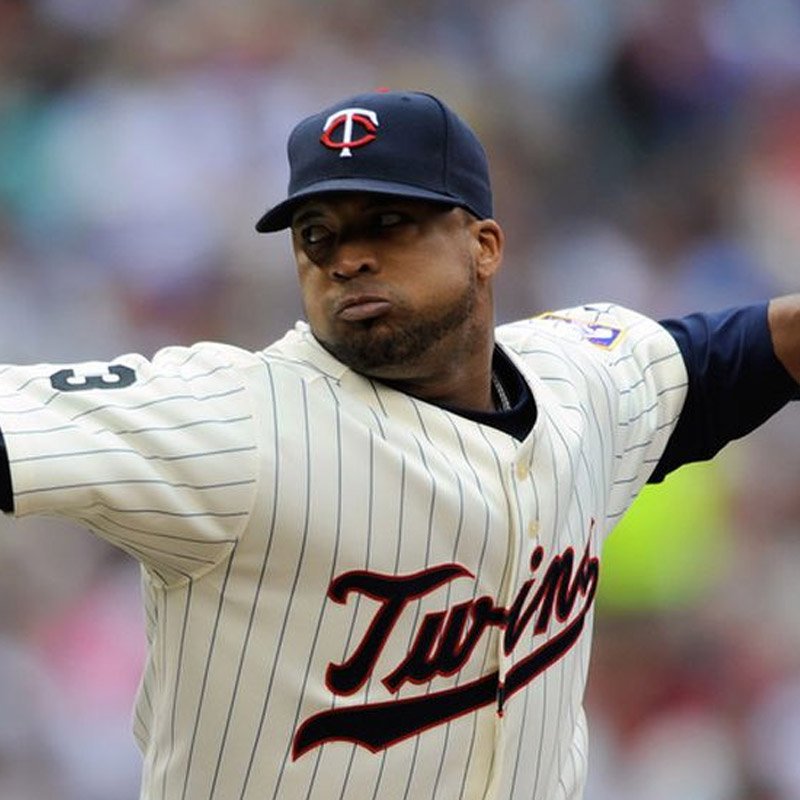 Francisco Liriano Casillas was born on October 26, 1983 in the Dominican Republic. He was signed by the San Francisco Giants as an international free agent in 2000, and was traded to the Minnesota Twins for A.J. Pierzynski after the 2003 season. Minnesota also acquired Joe Nathan and Boof Bonser in that trade. Liriano made his Major League debut as a September call-up in 2005, and had a breakout season in 2006. He went 12-3 with a 2.16 ERA that season, making 16 starts and 12 more relief appearances. The Twins skipped him in the rotation due to elbow pain in early August, but he returned after a nine day layoff. That next start proved to be his worst of the season, and Liriano wound up on the disabled list. Liriano made a brief two inning return on September 13th, before opting to have Tommy John surgery. It was a long road back to effectiveness for Liriano. He missed the entire 2007 season while recovering from elbow surgery, and then posted an 11.32 ERA in April 2008. The Dominican southpaw was sent down to Triple-A, not seeing the Majors again until early August. Liriano briefly found his 2006 form down the stretch, going 6-0 with a 2.05 ERA in his first ten starts after getting recalled to the big leagues. But his final start of the season proved costly to the Twins playoff chances, as he was shelled by the Kansas City Royals in what was the team's 160th regular season game. Minnesota wound up losing to the Chicago White Sox in a game 163 tiebreaker. Ron Gardenhire named Liriano his Opening Day starter in 2009. He allowed four runs over seven innings in a 6-1 loss against the Seattle Mariners. Things didn't get better from there, and Liriano found himself pitching low leverage long relief by the end of that season. His 5.80 ERA that season would wind up being a career worst. 2010 was the first time Liriano was able to put a full season of effective pitching together. He went 14-10 with a 3.62 ERA, earning Cy Young votes for the first time in his career. Liriano also won American League Comeback Player of the Year. Liriano recorded a 9.13 ERA across five starts in April 2011, then threw a no-hitter against the White Sox on May 3rd. It was the fifth no-hitter in Twins history, and seventh in Twins/Senators history. Things stabilized a bit after his rocky April, pitching to a 3.90 ERA in 19 starts between the beginning of May and the end of August. A shoulder strain limited him to just two relief appearances in September. 2012 proved to be the final season for Liriano with the Twins. He had a 5.31 ERA over 17 starts, getting sent to the White Sox for Eduardo Escobar and Pedro Hernandez at the deadline. Liriano signed with the Pittsburgh Pirates in free agency that winter, and proceeded to win his second Comeback Player of the Year award while finishing ninth in NL Cy Young voting. He tossed seven innings of one run ball in the 2013 NL Wild Card game, helping Pittsburgh defeat the Cincinnati Reds. Liriano would later become the first pitcher to win the Wild Card Game in both leagues while with the Toronto Blue Jays in 2016, although that win came in a relief role. He won a World Series as a member of the Houston Astros in 2017, pitching 2.1 innings out of the bullpen during the postseason that year.
 -
Ranking every Opening Day designated hitter in Twins history
William Malone commented on William Malone's blog entry in William Malone IV blogs about Twins
Margot did well in the role he was brought to Twins for. As mentioned in post, he hit lefties really well. But the issue with being so platoon reliant is that you need everyone healthy and in their intended role. Over half of Margot's at-bats wound up coming against right handers. One mistake might've been sending Wallner down after his bad April (and it was a horrible start for Wallner). So the next two months featured Margot playing a lot more against right handed pitching than they really should've asked him to do -
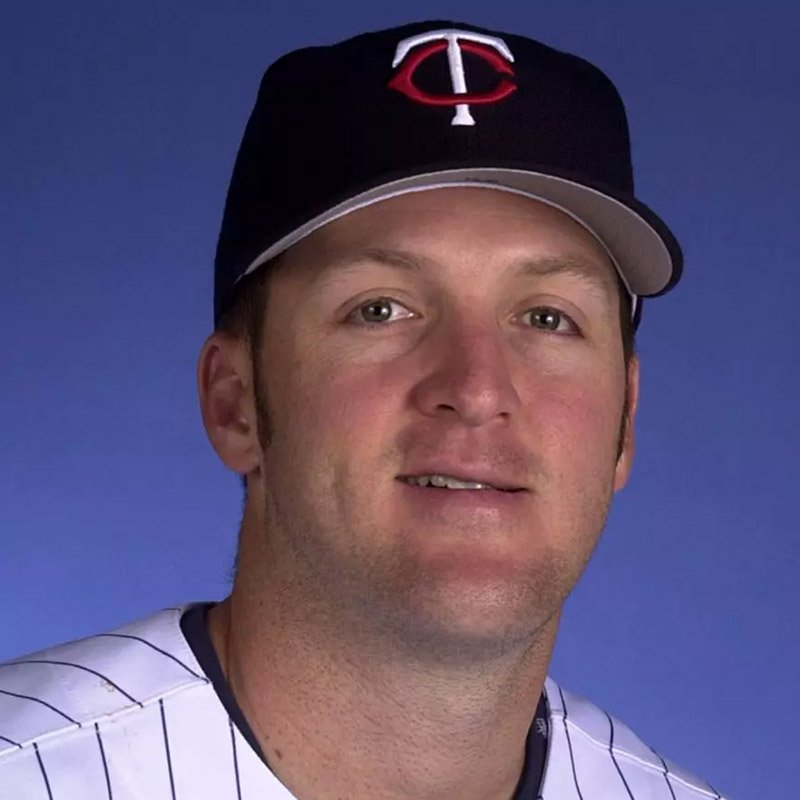 Christopher John Heintz was born on August 6, 1974 in Syosset, New York. He was a star catcher for the University of South Florida, and is now enshrined in their athletic Hall of Fame. The Chicago White Sox used a 19th round pick on him in 1999. Heintz bounced around several minor league systems before making his Major League debut with the Minnesota Twins as a 31-year old rookie on September 10, 2005. Minnesota used him as a third catcher behind Joe Mauer and Mike Redmond for the next few seasons. Heintz spent most of his time with the Rochester Red Wings, making 34 big league appearances for the Twins between 2005 and 2007. He hit .232 with three doubles and nine RBI while in the Majors, throwing out two of a potential 18 base stealers from behind the plate. After spending all of 2008 in Triple-A, the Twins hired Heinz as a minor league coach. He managed the GCL Twins in 2009, and ran the club's extended spring training camp. The University of South Florida, his alma mater, hired him as an assistant coach in 2010. He has coached at various levels of the Phillies minor league system since 2018, and is set to be their Single-A hitting coach in 2025.
 -
Christopher John Heintz was born on August 6, 1974 in Syosset, New York. He was a star catcher for the University of South Florida, and is now enshrined in their athletic Hall of Fame. The Chicago White Sox used a 19th round pick on him in 1999. Heintz bounced around several minor league systems before making his Major League debut with the Minnesota Twins as a 31-year old rookie on September 10, 2005. Minnesota used him as a third catcher behind Joe Mauer and Mike Redmond for the next few seasons. Heintz spent most of his time with the Rochester Red Wings, making 34 big league appearances for the Twins between 2005 and 2007. He hit .232 with three doubles and nine RBI while in the Majors, throwing out two of a potential 18 base stealers from behind the plate. After spending all of 2008 in Triple-A, the Twins hired Heinz as a minor league coach. He managed the GCL Twins in 2009, and ran the club's extended spring training camp. The University of South Florida, his alma mater, hired him as an assistant coach in 2010. He has coached at various levels of the Phillies minor league system since 2018, and is set to be their Single-A hitting coach in 2025. View full player
-
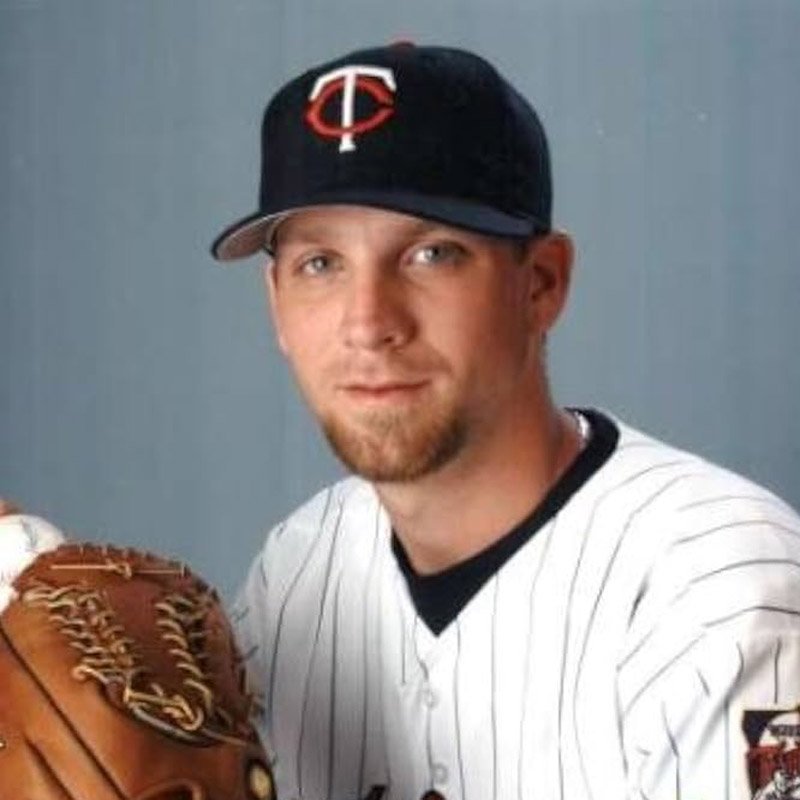 Matthew Olson Guerrier was born on August 2, 1978 in Cleveland, Ohio. He was a tenth round pick of the Chicago White Sox out of Kent State University in 1999, coming to the Minnesota Twins as a waiver claim in November 2003. Guerrier made his Major League debut on June 17, 2004 against the Montreal Expos, allowing three runs over four innings as the starting pitcher. Minnesota came from behind to win that game in the late innings, thanks to a go-ahead double by Torii Hunter in the eighth inning. Guerrier would become a bullpen regular in 2005, averaging over 75 innings per year between 2005 and 2010. He led the American League with 76 pitching appearances in 2008, leading the league again with 79 relief outing in 2009. His ERA was 3.28 across those six seasons, ballooned a bit by a 5.19 clip in 2008. Without that season, his ERA over this stretch would sit at 2.89. Guerrier was reliable as the came in October, not allowing a run over his career postseason appearances. He signed a three year deal with the Dodgers following the 2010 season, recording a 4.07 ERA across 70 appearances in his first season out west. Elbow tendinitis limited him to just 14 innings in 2012, and a torn flexor muscle in his forearm ended his 2013 campaign early. Minnesota brought back Guerrier on a minor league deal in 2014, and he was re-called to the big league roster on May 8th. Guerrier posted a 3.86 ERA across 27 outings with the club, but the underlying numbers were never that great and he was DFA'd following a four run outing on July 22nd. This marked the end of his professional career.
 -
Matthew Olson Guerrier was born on August 2, 1978 in Cleveland, Ohio. He was a tenth round pick of the Chicago White Sox out of Kent State University in 1999, coming to the Minnesota Twins as a waiver claim in November 2003. Guerrier made his Major League debut on June 17, 2004 against the Montreal Expos, allowing three runs over four innings as the starting pitcher. Minnesota came from behind to win that game in the late innings, thanks to a go-ahead double by Torii Hunter in the eighth inning. Guerrier would become a bullpen regular in 2005, averaging over 75 innings per year between 2005 and 2010. He led the American League with 76 pitching appearances in 2008, leading the league again with 79 relief outing in 2009. His ERA was 3.28 across those six seasons, ballooned a bit by a 5.19 clip in 2008. Without that season, his ERA over this stretch would sit at 2.89. Guerrier was reliable as the came in October, not allowing a run over his career postseason appearances. He signed a three year deal with the Dodgers following the 2010 season, recording a 4.07 ERA across 70 appearances in his first season out west. Elbow tendinitis limited him to just 14 innings in 2012, and a torn flexor muscle in his forearm ended his 2013 campaign early. Minnesota brought back Guerrier on a minor league deal in 2014, and he was re-called to the big league roster on May 8th. Guerrier posted a 3.86 ERA across 27 outings with the club, but the underlying numbers were never that great and he was DFA'd following a four run outing on July 22nd. This marked the end of his professional career. View full player
-
Ranking every Opening Day designated hitter in Twins history
William Malone commented on William Malone's blog entry in William Malone IV blogs about Twins
Thome was brought to Minnesota to be a bench bat. Started just 37 of 88 games before the All-Star break in 2010. The Morneau injury moved Cuddyer to first, Kubel to right and Thome to the DH spot regularly. Then Thome was their best hitter by a wide margin in second half. Defiantly fair to question why he didn't have that starting job on day one in 2011 though. -
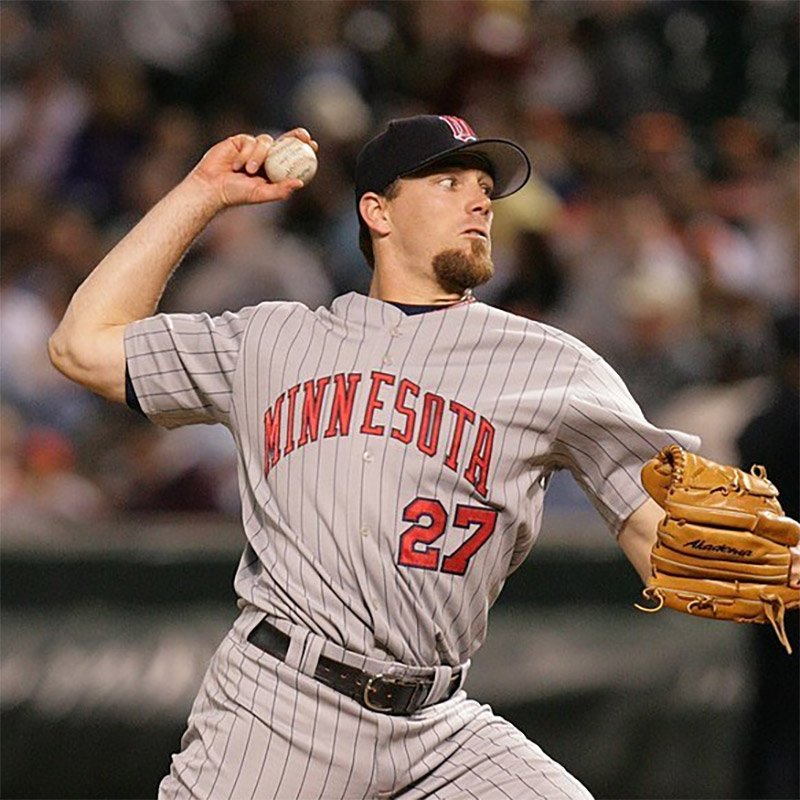 William Mays Eyre was born on July 21, 1978 in Fountain Valley, California. He was an All-American outfielder at JUCO's College of Eastern Utah, but drafted by the Minnesota Twins in 1999 with the intent of bringing him through the minor league system as a pitcher. It was a slow trek through the minors, not reaching Triple-A until 2004 and not reaching the Majors until 2006. Eyre made the Opening Day roster in 2006, debuting with a shutout innings of relief work on April 6th. He remained on their big league roster for the entire season, recording a 5.31 ERA across 59.1 innings out of the bullpen. Twins manager Ron Gardenhire mostly called on him for long relief work, with Eyre getting six or more outs in 12 of his 42 appearances that season. Much of his usage was also in lower leverage, with the Twins either leading or trailing by four or more runs in 30 of those 42 appearances. His lone decision was a win against the Chicago White Sox on August 26th. Minnesota non-tendered Eyre after his rookie season, making him a free agent. He signed a minor league deal with the Texas Rangers, but was called up to the Majors by mid-April in 2007. Eyre pitched 68.0 innings for the Rangers in 2007, serving as a long reliever and occasional spot starter. His season ended in late August due to a torn UCL, causing him to miss all of 2008 while rehabbing from Tommy John surgery. He returned to the Rangers when healthy in 2009, before spending all of 2010 in the minor leagues. Eyre had a brief stint with the Baltimore Orioles in 2011. He last pitched professionally in 2012 for the Round Rock Express, the Triple-A affiliate of the Rangers.
 -
William Mays Eyre was born on July 21, 1978 in Fountain Valley, California. He was an All-American outfielder at JUCO's College of Eastern Utah, but drafted by the Minnesota Twins in 1999 with the intent of bringing him through the minor league system as a pitcher. It was a slow trek through the minors, not reaching Triple-A until 2004 and not reaching the Majors until 2006. Eyre made the Opening Day roster in 2006, debuting with a shutout innings of relief work on April 6th. He remained on their big league roster for the entire season, recording a 5.31 ERA across 59.1 innings out of the bullpen. Twins manager Ron Gardenhire mostly called on him for long relief work, with Eyre getting six or more outs in 12 of his 42 appearances that season. Much of his usage was also in lower leverage, with the Twins either leading or trailing by four or more runs in 30 of those 42 appearances. His lone decision was a win against the Chicago White Sox on August 26th. Minnesota non-tendered Eyre after his rookie season, making him a free agent. He signed a minor league deal with the Texas Rangers, but was called up to the Majors by mid-April in 2007. Eyre pitched 68.0 innings for the Rangers in 2007, serving as a long reliever and occasional spot starter. His season ended in late August due to a torn UCL, causing him to miss all of 2008 while rehabbing from Tommy John surgery. He returned to the Rangers when healthy in 2009, before spending all of 2010 in the minor leagues. Eyre had a brief stint with the Baltimore Orioles in 2011. He last pitched professionally in 2012 for the Round Rock Express, the Triple-A affiliate of the Rangers. View full player
-
Ranking every Opening Day designated hitter in Twins history
William Malone commented on William Malone's blog entry in William Malone IV blogs about Twins
It’s funny you bring this up. Rondell White Would blame his struggles with the twins on playing DH. Said he focused better in the field. and when I mentioned his really good 2006 playoff numbers, albeit in just a three game sample, he was playing left field -
Hello, fellow humans! My name is William Malone IV. Son of William Malone III. And I come with great news! Regular season baseball is getting closer and closer every day. The Minnesota Twins played a spring training baseball game against the Atlanta Braves today. The Braves were not able to get revenge from the 1991 World Series, as they failed to defeat the Twins. However, Minnesota failed to win as well. It was a 0-0 tie. The bats were not doing anything for either side. Speaking of bats, there is a position in the wonderful sport of baseball known to many as the designated hitter. All this guy does is bat. He does not play defense. This position was invented in 1973, and the Twins have started 36 different men on Opening Day at this spot in the years since. Let's rank them all! Please note that we are ranking their entire careers. Not just their time as designated hitter for the Twins. Don't for get to call your ole pal William Malone IV a big stupid dum dum in the comments when you don't like where your favorite DH is ranked. 36. Mike Stenhouse (1985) He hit .190 with a .598 OPS over 207 big league games with the Expos, Twins and Red Sox. But don't feel bad for the guy. He graduated from Harvard before getting drafted. Not too shabby! 35. ByungHo Park (2016) Terry Ryan 1.0 was a great general manager who was rightfully inducted into the Twins Hall of Fame. His second stint in that role didn't go as well, and the signing of ByungHo Park was one of the final nails in his coffin. Park batted .191 with a .684 OPS in what was his only Major League season. 34. Danny Goodwin (1980) Goodwin never played more than 60 games in any of his seven big league seasons, and his career OPS+ is only 84. But despite his lackluster numbers, he was the Twins designed hitter on Opening Day in 1980. 33. Chris Colabello (2014) This was a low point for Twins lineup construction. Colabello struggled to the tune of a .631 OPS as a 29-year old rookie in 2013, and that was good enough to start him on Opening Day the next season. To be fair, he raked for the first month or so. But it was a flash in the pan. 32. Glenn Adams (1978-79, 1981) Adams might be one of the worst players in League history who can call himself a "career DH." 78.7% of his career appearances were either as a designated hitter or pinch hitter, as he only made 114 starts in the field during his eight year Major League career. Adams never hit double digit home runs in any of those seasons, and his career OPS+ was just 96. 31. Craig Kusick (1977) This guy actually wound up having a pretty nice season in 1977 after starting as the designated hitter on Opening Day. Kusick played 115 games with a 120 OPS+, but that was about as good as it got during his seven years in the big leagues. 30. Kennys Vargas (2015) Vargas crushed the ball for two months after the Twins called him up on August 1, 2014. This made him an easy choice to be the Opening Day designated hitter and five hole hitter in 2015. But perhaps those two months in 2014 were a flash in the pan. He was never flat out bad, but just not good enough to keep around as a hitting only player with little to no defensive value. 29. Pedro Munoz (1995) Munoz spent most of his career as a backup outfielder, posting a 98 OPS+ across 517 big league games. Some years were better than others, but he was out of the Majors by age 28. 28. Matthew LeCroy (2003-04) LeCroy was a pretty solid platoon option. He hit lefties really well during his time in the Majors. It's just a bit silly to be platooning your DH slot, and the Twins cut bait on the wrong guy from their early-2000's DH platoon of David Ortiz and LeCroy. 27. Butch Husky (2000) Husky had a few decent seasons with the New York Mets in the mid-90's when his career was just beginning, but things fell off fast as he bounced around with several teams in the late-90's and early 2000's. This included 64 games with the Twins in 2000. 26. Craig Monroe (2008) It would be more than fair to move some guys on this list up or down a few sports, because a lot of these careers were more or less the same. That goes Craig Monroe and Butch Husky. A solid few years early on, Monroe's coming with the Detroit Tigers, followed by a quick fall off later on. Monroe hit .202 over 58 games for the Twins in 2008. 25. Logan Morrison (2018) Morrison was having himself a decent career as a first baseman and corner outfielder for the Marlins, Mariners and Rays. Then he really found it in 2017, launching 38 home runs for Tampa Bay. This turned out to be a flash in the pan, and Morrison had a disappointing season with Minnesota in 2018. 24. Gene Larkin (1989-90) Larkin was a steady bench bat for the Twins between 1987 and 1993. He brought the ability to fill in at corner outfield and first base, helping them win the World Series in 1987 and 1991. Larkin appeared in 13 combined playoff games during those title runs, but none of them were starts. 23. Lew Ford (2005) Fan favorite Lew Ford had quite the run for Minnesota during the early stages of his career. He even got MVP votes in 2004, but was out of the league after just five seasons...until making a brief 25 game cameo for the Baltimore Orioles in 2012. That was five years after his final game for the Twins. 22. Manuel Margot (2024) Margot has had a solid nine year career as a platoon bat. This includes his 2023 season with the Twins, where he hit .331 with an .846 OPS across 165 plate appearances against left handed starting pitchers. Miserable numbers against righties and bench appearances sunk his overall statistics. 21. Randy Bush (1983-84, 1988) The Twins had Bush in several roles during his 12-year run with the club. He had runs as the starting right fielder, left fielder and designated hitter. Bush also had runs as a bench bat, starting just 82 games from 1991-93 while appearing 228 times over those three seasons. 20. Steve Braun (1976) A chunk of his 15-year career was spent as a pinch hitting specialist and a defensive replacement in the National League, winning the 1982 World Series as a member of the Cardinals. Braun did play for the Twins for six seasons in the early-to-mid 1970's though, sending a lot of time in left field and at third base. He was the Opening Day designated hitter in 1976. 19. Ryan Doumit (2013) His versatile glove wasn't needed on Opening Day in 2013, but Doumit brought the ability to regularly play catcher and corner outfield. Doumit had a .756 OPS over a decade long career. His best offensive season might've come in 2012 with the Twins. 18. Jason Kubel (2009-11) Kubel was a top 20 league wide prospect, and made the Twins playoff roster as a 22-year old rookie in 2004. They sent him to the Arizona Fall League to get some more at-bats after the team was eliminated, and he proceeded to tear his ACL. He still had a pretty good career, but you have to wonder if it could've been even better. 17. Robbie Grossman (2017) For as dark as the Twins season was in 2016, one bright spot was Robbie Grossman. He was signed to a minor league contract in May 2016 after getting released by the Cleveland Indians, and was instantly able to give his struggling career a spark. Today, he's a career ten WAR player who has been to the playoffs with five different franchises. 16. Marty Cordova (1999) The 1995 AL Rookie of the Year hit .277 with a .799 OPS over his five seasons with the Twins. Cordova became a bit of a journeyman after leaving Minnesota, but still had a solid season or two. 15. Dan Gladden (1987) 1987 marked the Twins debut for Dan Gladden, who was expected to be a bench bat for the club after coming over from the San Francisco Giants. He started just eight of the team's first 25 games that season, before settling in as their starting left fielder. Gladden kept that role for several years, and he's now in the Twins Hall of Fame. 14. Rondell White (2006) The former All-Star didn't fare too well with the Twins in his mid-30's, sporting a 62 OPS+ during his two seasons with the club. If there is a silver lining, he was 5-for-12 (.417) with a home run and a double during the 2006 ALDS. Minnesota got swept. But it wasn't because of Rondell White. 13. Gary Sanchez (2022) It's easy to clown some of his issues with passed balls. There were a lot of really bad ones with the Yankees during some of their playoff runs. But Sanchez is still a two time All-Star who won a Silver Slugger in 2017. He also had a solid season with the San Diego Padres in 2023, and is currently with the Baltimore Orioles. 12. Gary Ward (1982) Ward was named an All-Star twice during his 12 seasons in the big leagues, once with the Twins in 1983 and again with the Rangers in 1985. But despite this, 1982 might've been a career year for Ward. His 28 homers and 91 RBI that season were career highs. 11. Roy Smalley (1986) Smalley was an All-Star who got MVP voters during a career year in 1979. He was a decent starting shortstop for the front part of his career, and a capable backup infielder in the back half. 1986 marked his second stint with the Twins, as his 13-year career was getting towards the end. 10. Jeff Cirillo (2007) Before coming to Minnesota towards the end of his 14-year career, Cirillo was a two time All-Star third baseman for the Milwaukee Brewers. He hit over .300 five times, including four consecutive seasons from 1998-01. 9. Byron Buxton (2023) The all-world defensive center fielder had to play designated hitter in 2023 due to knee issues, but he was back out on defense in 2024. Buxton was an All-Star in 2022. He also received MVP votes in 2017 and 2020. 8. Chili Davis (1991-92) This three time All-Star with 350 home runs to his name put up an .862 OPS over his two seasons in Minnesota, helping them win the 1991 World Series. Davis also closed his career by winning two more rings with the Yankees in 1998 and 1999. 7. Justin Morneau (2012) He doesn't quite have the longevity that Chili Davis did, but Morneau can be just a head of him on this rankings list due to his MVP peak. The Canadian slugger was AL MVP in 2006, and was MVP runner-up in 2008. He also won the NL batting title in 2014 while playing for the Colorado Rockies. 6. Nelson Cruz (2019-20) Cruz raked to the tune of 464 career home runs, winning a Silver Slugger four times. Two of those came as a member of the Twins. His decorated career didn't include any World Series rings, but he still sported a .979 postseason OPS and was named 2011 ALCS MVP. 5. Tony Oliva (1973, 1975) The American League adopted the designated hitter rule at the perfect time for Tony Oliva. Knee injuries had taken away his ability to play defense, but the DH was added in 1973. This helped extend his Hall of Fame career for a few extra seasons. 4. David Ortiz (2001-02) This one might hurt Twins fans a bit, but David Ortiz was their starting designated hitter on Opening Day in 2000 and 2001. He slugged 541 career home runs, and led the American League in RBI three times. Sadly, the Twins were not the team primarily benefiting from all this success. 3. Paul Molitor (1996-98) The list of accolades here is very long! Molitor is a member of the 3,000 hit club and was an All-Star seven times. He also won World Series MVP for the Toronto Blue Jays in 1993. 2. Dave Winfield (1993-94) After winning a World Series with Toronto in 1992, the Minnesota native came home and got his 3,000th career hit in a Twins uniform. Winfield was a 12 time All-Star who won seven Gold Gloves and six Silver Sluggers. 1. Harmon Killebew (1974) Killebrew led the league in home runs six times, and paced the league in RBI four times. While his career .256 batting average isn't much to write home about, his ability to draw walks gives him the same on-base percentage as career .305 hitter Henry Aaron.
-
Michael Brent Cuddyer was born on March 27, 1979 in Norfolk, Virginia. He grew up in nearby Chesapeake, leading the way for an impressive local pipeline to the Majors. Cuddyer was drafted in round one out of high school by the Minnesota Twins in 1997. Fellow Chesapeake natives David Wright (drafted 2001), B.J. Upton (drafted 2002) and Justin Upton (drafted 2005) were all first round picks in the coming years. Being the oldest of this group, Cuddyer was often seen as a role model for local players in the area. Wright even called him a God after the New York Mets signed Cuddyer ahead of the 2015 season. Signing Cuddyer after the draft proved to be difficult for the Twins. He had football and baseball scholarship offers from Florida State, much like Joe Mauer, and negotiations with the Twins came right down to the wire. He finally agreed once Minnesota increased their signing bonus offer from $700,000 to $1.3 million. Cuddyer quickly became one of the best prospects in baseball, peaking as the league's 18th ranked prospect on the 1999 preseason list produced by Baseball America. After being drafted as a shortstop, the Twins moved him to third base in 1999. By 2001, he seemed to be playing everywhere except shortstop. This continued for much of his Major League career. His big league debut came on September 23, 2001 after driving over 20 hours from New Britain to Minneapolis with planes still grounded after the 9/11 terrorist attacks. Despite spending most of 2002 in Triple-A, Cuddyer made the Twins postseason roster and started seven of the team's ten playoff games in right field. He made his first career Opening Day start in 2003, but a mid-season trade for Shannon Stewart saw Jacque Jones slide over to right field and take those at-bats away from Cuddyer. The next several seasons saw him in a super utility role, playing almost every day but not having a full time position. Between 2001 and 2005, Cuddyer logged time at third base (157 games), right field (70 games), second base (60 games), first base (34 games) and left field (8 games). 2006 was the first time Cuddyer had a full time role with the Twins. He started 137 games in right field for them that season, also providing a breakout season at the plate. His 41 doubles and 109 RBI in 2006 were career highs, and his .284 average was the best mark of his career without the benefit of playing his home games at Coors Field. Cuddyer remained the Twins starting right fielder through 2011, with a stint as their first baseman in the second half of 2010 after Justin Morneau suffered a career altering concussion. He received MVP votes in 2009 when he launched a career high 32 home runs, and was named to the All-Star team in 2011. He left Minnesota as a free agent after the 2011 season, signing with the Colorado Rockies. Cuddyer is one of just four players in Twins history with 100 home runs, 200 doubles, and 30 triples (Mauer, Oliva, Puckett). He was inducted to the Twins Hall of Fame in 2017. During his three seasons with the Rockies, Cuddyer hit .307 and won the National League batting title in 2013. However, the 2012 and 2014 seasons were both shortened by injuries. Cuddyer signed with the New York Mets ahead of the 2015 campaign, joining forces with childhood friend David Wright. They helped the Mets reach the World Series, where they fell in five games to the Kansas City Royals. Since retiring, Cuddyer has spent a lot of time working for USA Baseball. This has included several stints managing their youth teams. He most recently managed the U18 team in the 2023 U18 World Cup. View full player
-
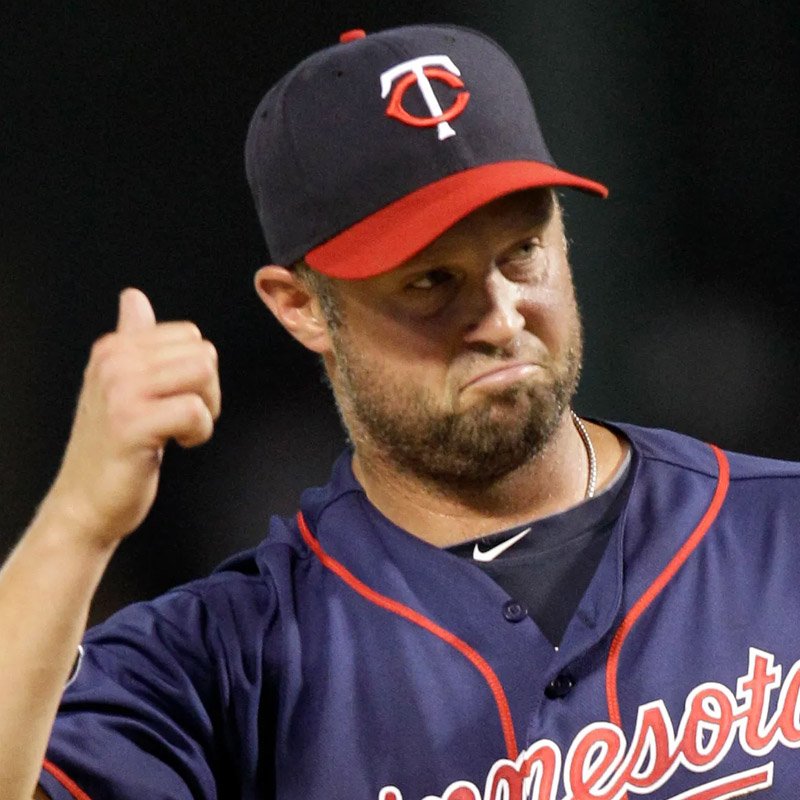 Michael Brent Cuddyer was born on March 27, 1979 in Norfolk, Virginia. He grew up in nearby Chesapeake, leading the way for an impressive local pipeline to the Majors. Cuddyer was drafted in round one out of high school by the Minnesota Twins in 1997. Fellow Chesapeake natives David Wright (drafted 2001), B.J. Upton (drafted 2002) and Justin Upton (drafted 2005) were all first round picks in the coming years. Being the oldest of this group, Cuddyer was often seen as a role model for local players in the area. Wright even called him a God after the New York Mets signed Cuddyer ahead of the 2015 season. Signing Cuddyer after the draft proved to be difficult for the Twins. He had football and baseball scholarship offers from Florida State, much like Joe Mauer, and negotiations with the Twins came right down to the wire. He finally agreed once Minnesota increased their signing bonus offer from $700,000 to $1.3 million. Cuddyer quickly became one of the best prospects in baseball, peaking as the league's 18th ranked prospect on the 1999 preseason list produced by Baseball America. After being drafted as a shortstop, the Twins moved him to third base in 1999. By 2001, he seemed to be playing everywhere except shortstop. This continued for much of his Major League career. His big league debut came on September 23, 2001 after driving over 20 hours from New Britain to Minneapolis with planes still grounded after the 9/11 terrorist attacks. Despite spending most of 2002 in Triple-A, Cuddyer made the Twins postseason roster and started seven of the team's ten playoff games in right field. He made his first career Opening Day start in 2003, but a mid-season trade for Shannon Stewart saw Jacque Jones slide over to right field and take those at-bats away from Cuddyer. The next several seasons saw him in a super utility role, playing almost every day but not having a full time position. Between 2001 and 2005, Cuddyer logged time at third base (157 games), right field (70 games), second base (60 games), first base (34 games) and left field (8 games). 2006 was the first time Cuddyer had a full time role with the Twins. He started 137 games in right field for them that season, also providing a breakout season at the plate. His 41 doubles and 109 RBI in 2006 were career highs, and his .284 average was the best mark of his career without the benefit of playing his home games at Coors Field. Cuddyer remained the Twins starting right fielder through 2011, with a stint as their first baseman in the second half of 2010 after Justin Morneau suffered a career altering concussion. He received MVP votes in 2009 when he launched a career high 32 home runs, and was named to the All-Star team in 2011. He left Minnesota as a free agent after the 2011 season, signing with the Colorado Rockies. Cuddyer is one of just four players in Twins history with 100 home runs, 200 doubles, and 30 triples (Mauer, Oliva, Puckett). He was inducted to the Twins Hall of Fame in 2017. During his three seasons with the Rockies, Cuddyer hit .307 and won the National League batting title in 2013. However, the 2012 and 2014 seasons were both shortened by injuries. Cuddyer signed with the New York Mets ahead of the 2015 campaign, joining forces with childhood friend David Wright. They helped the Mets reach the World Series, where they fell in five games to the Kansas City Royals. Since retiring, Cuddyer has spent a lot of time working for USA Baseball. This has included several stints managing their youth teams. He most recently managed the U18 team in the 2023 U18 World Cup.
 -
Jesse Alan Crain was born on July 5, 1981 in Canada. He attended the University of Houston, and was named All-Conference USA as a shortstop. Crain also worked as a relief pitcher for the Cougars, which is the role most professional organizations were scouting him for. The Minnesota Twins selected Crain in round two of the 2002 MLB Draft, and he dominated the minors. Crain was already in Triple-A by the end of 2003, posting a 1.93 ERA with a 0.857 WHIP over 84.0 innings across three minor league levels that season. His big league debut came on August 5, 2004. His time in Minnesota was inconsistent, although mostly solid. Crain had rough statistical seasons in 2007 (5.51 ERA) and 2009 (4.70 ERA), sporting a 3.10 ERA across his five other seasons with the club (2004-06, 2008, 2010). His best season with the Twins came in 2007, when he went 12-5 with a 2.71 ERA over 75 relief appearances. Despite not making a start, his 12 wins were second on the team behind Johan Santana. He left Minnesota in free agency after the 2010 season, signing a three year deal with the Chicago White Sox. The Twins also lost Matt Guerrier and Jon Rauch in free agency that winter, costing them a collective 196.2 relief innings and a 3.11 ERA from their 2010 bullpen. Deadline rental Brian Fuentes, who didn’t allow a run over 9.2 innings with the Twins, also left as a free agent. Crain began to dominate with the White Sox, posting a 2.10 ERA over the duration of his three year contract. However, a shoulder injury suffered in the final year of his deal would mark the end of his Major League career. The injury didn’t seem to be career ending at first. It didn’t even appear to be season ending. The White Sox were able to trade Crain to the contending Tampa Bay Rays at the deadline in 2013, but he never got well enough to pitch down the stretch. The Houston Astros singed him to a big league contract that winter, but Crain was on the 60-day disabled list by the time spring training was over. His final attempt at pitching came on a minor league deal with the White Sox in 2015, but that lasted just six games. For his career, Crain pitched to a 3.05 ERA over 532 appearances across ten seasons with the Twins and White Sox. He had a 16.20 ERA in the postseason, making October appearances in 2004, 2006 and 2010. The Twins left Crain off their 2009 ALDS roster, although he did pitch in the famous Game 163 AL Central tiebreaker game that season. View full player
-
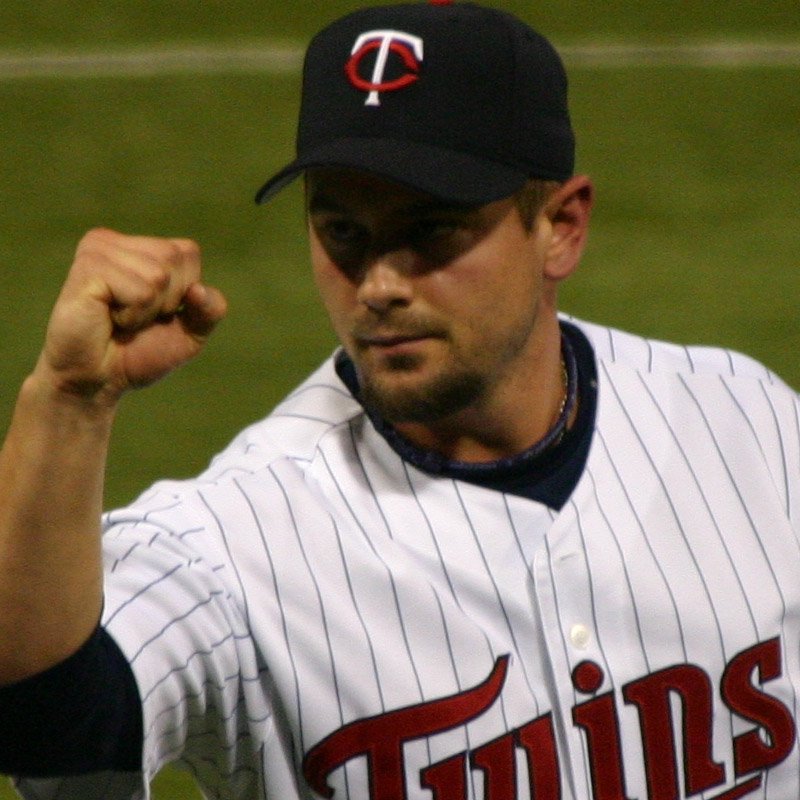 Jesse Alan Crain was born on July 5, 1981 in Canada. He attended the University of Houston, and was named All-Conference USA as a shortstop. Crain also worked as a relief pitcher for the Cougars, which is the role most professional organizations were scouting him for. The Minnesota Twins selected Crain in round two of the 2002 MLB Draft, and he dominated the minors. Crain was already in Triple-A by the end of 2003, posting a 1.93 ERA with a 0.857 WHIP over 84.0 innings across three minor league levels that season. His big league debut came on August 5, 2004. His time in Minnesota was inconsistent, although mostly solid. Crain had rough statistical seasons in 2007 (5.51 ERA) and 2009 (4.70 ERA), sporting a 3.10 ERA across his five other seasons with the club (2004-06, 2008, 2010). His best season with the Twins came in 2007, when he went 12-5 with a 2.71 ERA over 75 relief appearances. Despite not making a start, his 12 wins were second on the team behind Johan Santana. He left Minnesota in free agency after the 2010 season, signing a three year deal with the Chicago White Sox. The Twins also lost Matt Guerrier and Jon Rauch in free agency that winter, costing them a collective 196.2 relief innings and a 3.11 ERA from their 2010 bullpen. Deadline rental Brian Fuentes, who didn’t allow a run over 9.2 innings with the Twins, also left as a free agent. Crain began to dominate with the White Sox, posting a 2.10 ERA over the duration of his three year contract. However, a shoulder injury suffered in the final year of his deal would mark the end of his Major League career. The injury didn’t seem to be career ending at first. It didn’t even appear to be season ending. The White Sox were able to trade Crain to the contending Tampa Bay Rays at the deadline in 2013, but he never got well enough to pitch down the stretch. The Houston Astros singed him to a big league contract that winter, but Crain was on the 60-day disabled list by the time spring training was over. His final attempt at pitching came on a minor league deal with the White Sox in 2015, but that lasted just six games. For his career, Crain pitched to a 3.05 ERA over 532 appearances across ten seasons with the Twins and White Sox. He had a 16.20 ERA in the postseason, making October appearances in 2004, 2006 and 2010. The Twins left Crain off their 2009 ALDS roster, although he did pitch in the famous Game 163 AL Central tiebreaker game that season.
 -
Remembering the epic 2006 AL Central race
William Malone posted a blog entry in William Malone IV blogs about Twins
Hello, fellow humans! My name is William Malone IV. Son of William Malone III. And I come with great news! The Minnesota Twins will be back to playing baseball games tomorrow after having today off. It might not be a regular season game, but at least we're getting closer. And when that regular season does begin, the Twins will embark on yet another quest to win the American League Central. To date, they have won the AL Central nine times. The first occurrence was in 2002, and the most recent was in 2023. Many of these division races have been epic! Who could forget the elation of winning Game 163 in 2009? Or the crushing agony of losing Game 163 just a year earlier? Another epic divisional chase came in 2006, when Minnesota edged out the Detroit Tigers on the final day of the regular season. There was never any threat of a 163rd game, so that took a little juice out of it. Regardless of who won the division, both clubs were going to the playoffs with the lone AL Wild Card spot secure for the Central's runner-up. Back then, tiebreaker games only occurred when it was a matter of making or missing the postseason. But regardless, winning your division is still quite fun. And this race with Detroit came down to the very end. Game 159 vs Kansas City Minnesota woke up that morning a full game behind the Tigers. Detroit was hosting a very good Toronto Blue Jays club. They had the American League's sixth best record, but this was a postseason format where only four teams from each league would advance to October. There was no way Toronto could catch the Twins or Tigers, so they were just playing for pride at that point. Playing for pride worked, and the Blue Jays won their getaway day game 8-6. This meant Minnesota was only half a game back by first pitch. Ron Gardenhire turned to ole reliable for one final time. This was the final regular season start Brad Radke ever made, and he tossed a gem; five innings, three hits, and only one (unearned) run. Despite his best efforts, Radke came away with a no decision because the bats were going down quietly. Minnesota was still down 1-0 heading into the ninth inning. Nick Punto made the first out. Jason Kubel made the second out while pinch hitting for Alexi Casilla. Just when you think all is lost, up strolls Joe Mauer. I mean, who else would you rather have up? Mauer was a career .330 hitter in his career when the Twins were down to their final out. This includes three game tying or go-ahead homers in those situations. This was one of those three homers. Tie game! Extra innings! Jason Bartlett walks it off in the tenth, and the AL Central race is all tied up. Game 160 vs Chicago (AL) Once again, the Twins bats were going down without much of a fight. Minnesota found themselves down 3-0 through six innings, before Michael Cuddyer finally got things going with an RBI single. Past pal A.J. Pierzynski got the run right back with an RBI single of his own, and the Twins were down 4-1 heading into the ninth. Rally time! Nick Punto led off the ninth with a single against Chicago White Sox closer Bobby Jenks, and then stole second base. Luis Rodriguez scratched out a nine pitch walk, and Joe Mauer came up as the tying run. Sadly, he could not match his heroics from the night before. The soon-to-be batting champion struck out on three pitches, but Cuddyer picked him up with a two run double. Justin Morneau struck out, Torii Hunter beat out an infield single, and then Lew Ford drew a walk. It was all up to veteran Phil Nevin, who struck out on three pitches. Sad, for sure. But the Royals made sure the AL Central stayed all even. They came back from 5-0 down to stun the Tigers. A 22-year old Zack Greinke tossed three shutout innings out of the bullpen, earning his only win of the 2006 season. Game 161 vs Chicago (AL) It's kind of like Groundhog Day with this Twins offense down the stretch. They were once again incapable of doing anything early on. Matt Garza getting hit around pretty hard didn't help matters that much. They were down 6-0 heading into the ninth, but the bats woke up late once again. Bobby Jenks was unavailable after needing 32 pitches to close out the last game. It was also a day game after a night game, so he didn't even have a full 24 hours to recover from it. With Ozzie Guillien looking elsewhere for those final three outs, Nick Punto reaches on an error and Mike Redmond gets himself a single. Michael Cuddyer launched a three run homer, and suddenly it's 6-3. That rally would eventually fall short. Six runs was too big a mountain to climb. Shout-out to the 100 loss Royals though. After mounting an epic five run comeback the night before, they scored seven in the first inning against stud Tigers prospect Andrew Miller. Yes, that Andrew Miller. He never really got things going for Detroit. Or for the Marlins after he was a key piece of the Miguel Cabrera trade. But watch out for him ten years later when he's winning ALCS MVP for the Cleveland Indians. Game 162 vs Chicago (AL) So it's all tied up heading into the regular season finale. Detroit has the tiebreaker, so Minnesota needs a win and a Tigers loss. No way the 100 loss Royals will sweep them? Right? Regardless, they still need to take care of their own business. Down 1-0, Joe Mauer led off the fourth inning with a double. Soon-to-be MVP Justin Morneau tied the game with a double of his own, and then Torii Hunter hit a two run homer. That was all the scoring they'd need, but Michael Cuddyer and Jason Bartlett added RBI singles of their own for good measure. It was a fairly easy 5-1 victory for the good guys. In another part of the world, the evil Detroit Tigers were up 6-0 on the last place Kansas City Royals. Detroit had already blown a 5-0 lead in this series. Seems unlikely that they'd find a way to blow an even bigger lead. You might be thinking that the Tigers don't really care. They're going to the playoffs either way. But no, they really wanted to win the AL Central. Kenny Rogers, a starting pitcher who finished fifth place in the AL Cy Young voting that season, was used out of the bullpen in an attempt to nail this down. They burned their projected game one playoff starter in an effort to secure home field advantage in the ALDS. And he blew it! Kansas City won, giving Minnesota the division. Aftermath The Twins got swept by Oakland in the ALDS and the Tigers went to the World Series, where they lost to the St. Louis Cardinals in five games. Detriot's playoff run didn't come without some controversy though. Kenny Rogers, who had his next start pushed back to game three of the ALDS after his game 162 usage, dominated the Yankees in that game three start. He was also masterful in the ALCS, and threw a two hitter in the Tigers lone World Series win. But there was a thick brown sludge all over that guy's pitching hand throughout the postseason. It was clear as day. Opponents were publicly complaining about it, but the league just kind of sat around and let it happen. To this day, Yankee fans will insist they had that World Series in the bag had Rogers not cheated. -
Juan Gabriel Castro was born on June 20, 1972 in Mexico. He was signed by the Los Angeles Dodgers as an amateur free agent in 1991, debuting for them in 1995. Castro spent five seasons with Los Angeles, helping them reach the playoffs in 1996. The Cincinnati Reds acquired Castro in a trade just days before the 2000 season got underway. He spent five more years there, before becoming a free agent following the 2004 campaign. The Minnesota Twins signed Castro to a two year, $2.05 million contract very early on in the 2004-05 free agency cycle. His experience at shortstop and third base made him attractive to a team that was set to lose both Corey Koskie and Cristian Guzman. Castro would play a healthy dose of both positions in 2005, batting .257 with five home runs and 33 RBI over 97 appearances. He was the Opening Day shortstop in 2006, but eventually lost the job to a surging Jason Bartlett. The Twins traded Castro back to the Reds on June 15, 2006. Castro was a well traveled player from that point forward. After leaving the Reds in 2008, he had a second and third stint with the Dodgers. This was split by stints with the Baltimore Orioles and Philadelphia Phillies. Always more known for his versatile infield glove, he finished his 17-year big league career with a .229 average and 36 home runs. When he retired after the 2011 season, the Dodgers hired Castro to work in their front office. He was on their Major League coaching staff during the 2016 and 2017 season. The Phillies hired him as their infield coordinator for the 2019 and 2020 seasons. He has since returned to his home country, and currently manages a team in the Mexican League. View full player
-
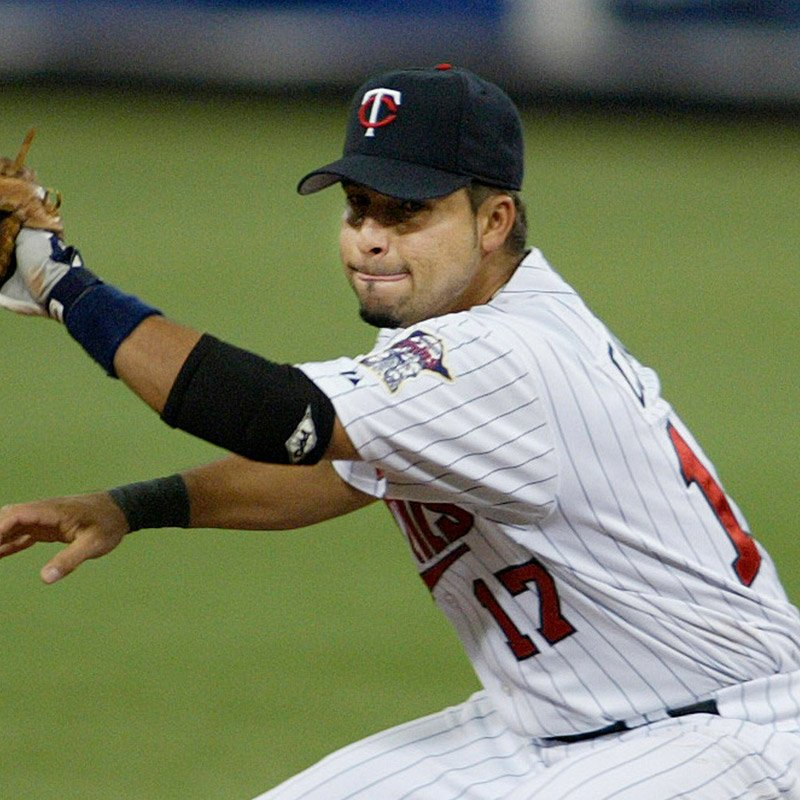 Juan Gabriel Castro was born on June 20, 1972 in Mexico. He was signed by the Los Angeles Dodgers as an amateur free agent in 1991, debuting for them in 1995. Castro spent five seasons with Los Angeles, helping them reach the playoffs in 1996. The Cincinnati Reds acquired Castro in a trade just days before the 2000 season got underway. He spent five more years there, before becoming a free agent following the 2004 campaign. The Minnesota Twins signed Castro to a two year, $2.05 million contract very early on in the 2004-05 free agency cycle. His experience at shortstop and third base made him attractive to a team that was set to lose both Corey Koskie and Cristian Guzman. Castro would play a healthy dose of both positions in 2005, batting .257 with five home runs and 33 RBI over 97 appearances. He was the Opening Day shortstop in 2006, but eventually lost the job to a surging Jason Bartlett. The Twins traded Castro back to the Reds on June 15, 2006. Castro was a well traveled player from that point forward. After leaving the Reds in 2008, he had a second and third stint with the Dodgers. This was split by stints with the Baltimore Orioles and Philadelphia Phillies. Always more known for his versatile infield glove, he finished his 17-year big league career with a .229 average and 36 home runs. When he retired after the 2011 season, the Dodgers hired Castro to work in their front office. He was on their Major League coaching staff during the 2016 and 2017 season. The Phillies hired him as their infield coordinator for the 2019 and 2020 seasons. He has since returned to his home country, and currently manages a team in the Mexican League.
 -
Alexi Casilla Lora was born on July 20, 1984 in the Dominican Republic. He was signed by the Anaheim Angels as an amateur free agent in 2003. The Minnesota Twins acquired him in a trade for J.C. Romero in December 2005, and his Major League debut came as a September call-up in 2006. Casilla slashed .250/.305/.334 over seven seasons with the Twins, regularly playing both middle infield spots and providing a lot of speed on the base paths. He was successful on 71 of 80 stolen base attempts with Minnesota, including 21-for-22 in 2012 when he played a career high 106 games. His knack for late game heroics made him a fan favorite at both the Metrodome and Target Field. Casilla was a career .283 hitter in games where he came off the bench, compared to a .246 clip in games he started. He had five walk-off hits with the Twins, including a division clinching single in the 2009 AL Central Tiebreaker Game against the Detroit Tigers. The Twins waived Casilla after the 2012 season, and he was claimed by the Baltimore Orioles. Casilla spent two seasons there, and then began to bounce around the minors. He spent 2015 and 2016 in four different minor league systems, before spending three seasons with the York Revolution of the Atlantic League. He was the hitting coach for the Long Island Ducks of the Atlantic League as recently as 2024, but Casilla was not included on their 2025 coaching roster. View full player
- 1 reply
-
- 1
-

-
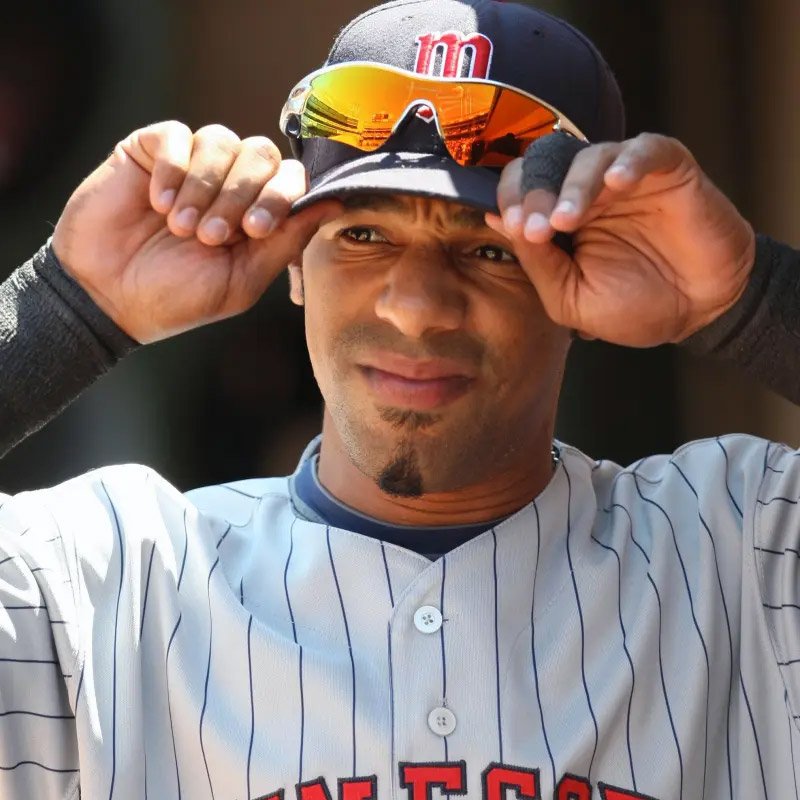 Alexi Casilla Lora was born on July 20, 1984 in the Dominican Republic. He was signed by the Anaheim Angels as an amateur free agent in 2003. The Minnesota Twins acquired him in a trade for J.C. Romero in December 2005, and his Major League debut came as a September call-up in 2006. Casilla slashed .250/.305/.334 over seven seasons with the Twins, regularly playing both middle infield spots and providing a lot of speed on the base paths. He was successful on 71 of 80 stolen base attempts with Minnesota, including 21-for-22 in 2012 when he played a career high 106 games. His knack for late game heroics made him a fan favorite at both the Metrodome and Target Field. Casilla was a career .283 hitter in games where he came off the bench, compared to a .246 clip in games he started. He had five walk-off hits with the Twins, including a division clinching single in the 2009 AL Central Tiebreaker Game against the Detroit Tigers. The Twins waived Casilla after the 2012 season, and he was claimed by the Baltimore Orioles. Casilla spent two seasons there, and then began to bounce around the minors. He spent 2015 and 2016 in four different minor league systems, before spending three seasons with the York Revolution of the Atlantic League. He was the hitting coach for the Long Island Ducks of the Atlantic League as recently as 2024, but Casilla was not included on their 2025 coaching roster.
.thumb.png.131fdf97b843dfc7f73f4f987002a0f8.png)

