.png.7846f23ff7308bd0a60773982c8c4137.png)
William Malone
-
Posts
786 -
Joined
-
Last visited
Content Type
Profiles
News
Minnesota Twins Videos
2026 Minnesota Twins Top Prospects Ranking
2022 Minnesota Twins Draft Picks
Minnesota Twins Free Agent & Trade Rumors, Notes, & Tidbits
Guides & Resources
2023 Minnesota Twins Draft Picks
The Minnesota Twins Players Project
2024 Minnesota Twins Draft Picks
2025 Minnesota Twins Draft Pick Tracker
2026 Minnesota Twins Draft Tracker: Picks & Bonuses
Forums
Blogs
Events
Store
Downloads
Gallery
Everything posted by William Malone
-
Leocadio Francisco Batista Hernandez was born on December 9, 1973 in the Dominican Republic. He was signed by the Oakland Athletics as an amateur free agent in 1991, making his Major League debut for them in 1996. Over the next decade, Batista would establish himself as a great power hitting infielder. He had four seasons with at least 30 home runs and three seasons with at least 100 RBI. This included career highs of 41 homers and 114 RBI for the Toronto Blue Jays in 2000. After hitting 31 homers and driving in 100 runs for the Montreal Expos in 2004, Batista had several offers in free agency from Major League clubs. So it came as a shock when he inked a two year, $15 million deal with the Fukuoka SoftBank Hawks of the Japanese Pacific League. There was also a $5 million signing bonus, and he instantly became one of the highest paid players in Japan. But his time overseas didn't go that well. While his statistics were solid, Batista was dubbed "Mr. Nonchalant" by a local beat writer and he was not well received by fans or teammates. His contract was bought out, and he returned to the United States on a one year deal with the Minnesota Twins. His time with the Twins got off to a great start. Batista homered on Opening Day against Blue Jays ace Roy Halladay. He went deep again a few days later in the Twins home opener, and had a pretty strong month of April. But that was as good as it got, and Batista was released in mid-June after he began to struggle. He played for the Washington Nationals in 2007, which was his final season in the Majors. Off the field, Batista was both charitable and religious. He often gave thousands of dollars to church donation baskets while on the road in churches he had never been to before. Batista was also known to frequently make himself available for autographs, often times holding up team bus departures because he was still outside signing for fans. View full player
-
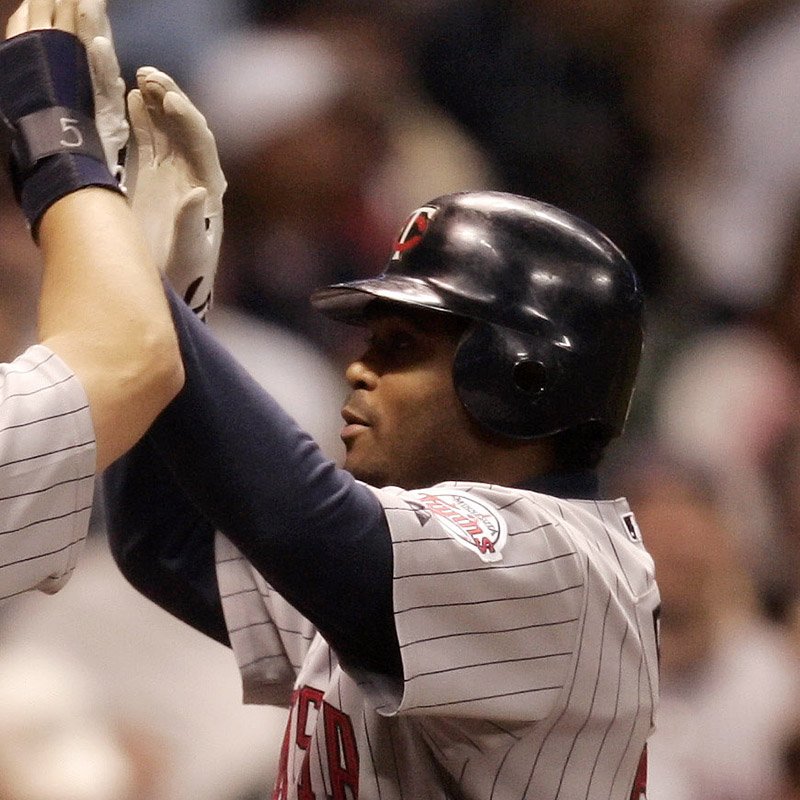 Leocadio Francisco Batista Hernandez was born on December 9, 1973 in the Dominican Republic. He was signed by the Oakland Athletics as an amateur free agent in 1991, making his Major League debut for them in 1996. Over the next decade, Batista would establish himself as a great power hitting infielder. He had four seasons with at least 30 home runs and three seasons with at least 100 RBI. This included career highs of 41 homers and 114 RBI for the Toronto Blue Jays in 2000. After hitting 31 homers and driving in 100 runs for the Montreal Expos in 2004, Batista had several offers in free agency from Major League clubs. So it came as a shock when he inked a two year, $15 million deal with the Fukuoka SoftBank Hawks of the Japanese Pacific League. There was also a $5 million signing bonus, and he instantly became one of the highest paid players in Japan. But his time overseas didn't go that well. While his statistics were solid, Batista was dubbed "Mr. Nonchalant" by a local beat writer and he was not well received by fans or teammates. His contract was bought out, and he returned to the United States on a one year deal with the Minnesota Twins. His time with the Twins got off to a great start. Batista homered on Opening Day against Blue Jays ace Roy Halladay. He went deep again a few days later in the Twins home opener, and had a pretty strong month of April. But that was as good as it got, and Batista was released in mid-June after he began to struggle. He played for the Washington Nationals in 2007, which was his final season in the Majors. Off the field, Batista was both charitable and religious. He often gave thousands of dollars to church donation baskets while on the road in churches he had never been to before. Batista was also known to frequently make himself available for autographs, often times holding up team bus departures because he was still outside signing for fans.
 -
Luis Antonio Castillo was born in the Dominican Republic on September 12, 1975. He was signed as an amateur free agent by the Florida Marlins in 1992, where he eventually blossomed into a star. Castillo was a three time All-Star with the Marlins. He won the Gold Glove at second base three times, and led the National League in stolen bases twice. His 35-game hit streak in 2002 is the second longest by any player this century, trailing only a 38-game Jimmy Rollins streak that bridged the 2005 and 2006 seasons. Castillo is currently the Marlins all-time leader in games played, at-bats, runs scored, hits, triples, walks and stolen bases. The Minnesota Twins acquired Castillo in a trade following the 2005 season, sending pitching prospects Scott Tyler and Travis Bowyer to the Marlins. Tyler never played a game in the Majors, and Bowyer's only career big league experience came with the Twins as a September call-up in 2005. During his first season with the Twins, Castillo hit .296 with 25 stolen bases. The club's 8-9-1-2 batting order combination of Jason Tyner, Jason Bartlett, Castillo and Nick Punto was famously referred to as "piranhas" by Chicago White Sox manager Ozzie Guillen. The foursome collectively hit .299 (477-for-1,549) with just six home runs between them. They all helped set the table for 2006 AL batting champion Joe Mauer and 2006 AL MVP Justin Morneau. Castillo returned to the Twins in 2007, where he hit .305 over 85 games before getting traded to the New York Mets at the deadline. Minnesota received catching prospect Drew Butera and outfield prospect Dustin Martin in return. Butera had a 12-year big league career as a light hitting backup catcher, including four seasons with the Twins. He won a World Series with the Royals in 2015. Martin never reached the Majors. With the Mets, Castillo continued to hit for average and steal bases. However, he is most known for his key role in one of the most infamous moments in Subway Series history. The Yankees were down to their final out on June 12, 2009. There were two runners on base with Alex Rodriguez at-bat. He hit an incredibly routine pop-up that Castillo, a three time Gold Glove winner, simply dropped. Both runners came around to score, walking off the Mets. He was cited by Dominican authorities on drug trafficking and money laundering chargers in 2019, but was cleared of those charges a week later. Castillo was elected to the Marlins Hall of Fame as an inaugural member in 2025. He is joined in the class by Jeff Conine, Jim Leyland and Jack McKeon. View full player
-
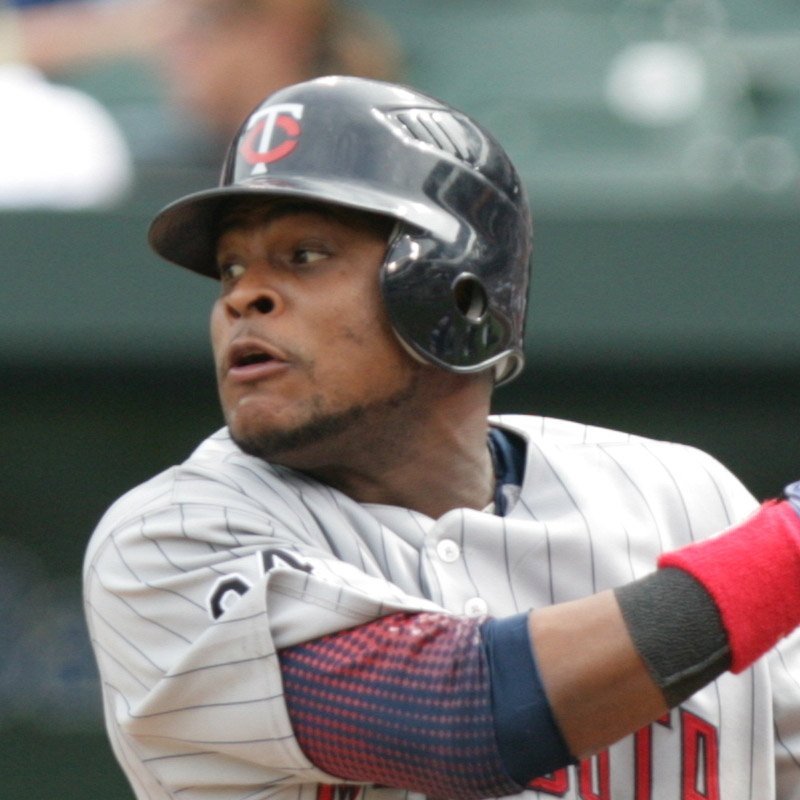 Luis Antonio Castillo was born in the Dominican Republic on September 12, 1975. He was signed as an amateur free agent by the Florida Marlins in 1992, where he eventually blossomed into a star. Castillo was a three time All-Star with the Marlins. He won the Gold Glove at second base three times, and led the National League in stolen bases twice. His 35-game hit streak in 2002 is the second longest by any player this century, trailing only a 38-game Jimmy Rollins streak that bridged the 2005 and 2006 seasons. Castillo is currently the Marlins all-time leader in games played, at-bats, runs scored, hits, triples, walks and stolen bases. The Minnesota Twins acquired Castillo in a trade following the 2005 season, sending pitching prospects Scott Tyler and Travis Bowyer to the Marlins. Tyler never played a game in the Majors, and Bowyer's only career big league experience came with the Twins as a September call-up in 2005. During his first season with the Twins, Castillo hit .296 with 25 stolen bases. The club's 8-9-1-2 batting order combination of Jason Tyner, Jason Bartlett, Castillo and Nick Punto was famously referred to as "piranhas" by Chicago White Sox manager Ozzie Guillen. The foursome collectively hit .299 (477-for-1,549) with just six home runs between them. They all helped set the table for 2006 AL batting champion Joe Mauer and 2006 AL MVP Justin Morneau. Castillo returned to the Twins in 2007, where he hit .305 over 85 games before getting traded to the New York Mets at the deadline. Minnesota received catching prospect Drew Butera and outfield prospect Dustin Martin in return. Butera had a 12-year big league career as a light hitting backup catcher, including four seasons with the Twins. He won a World Series with the Royals in 2015. Martin never reached the Majors. With the Mets, Castillo continued to hit for average and steal bases. However, he is most known for his key role in one of the most infamous moments in Subway Series history. The Yankees were down to their final out on June 12, 2009. There were two runners on base with Alex Rodriguez at-bat. He hit an incredibly routine pop-up that Castillo, a three time Gold Glove winner, simply dropped. Both runners came around to score, walking off the Mets. He was cited by Dominican authorities on drug trafficking and money laundering chargers in 2019, but was cleared of those charges a week later. Castillo was elected to the Marlins Hall of Fame as an inaugural member in 2025. He is joined in the class by Jeff Conine, Jim Leyland and Jack McKeon.
 -
Leonard Charles Green was born in Detroit, Michigan on January 6, 1933. He debuted with the Baltimore Orioles in 1957, serving mostly as a light hitting backup outfielder at all three positions. Green was traded to the Washington Senators for reigning Rookie of the Year Albie Pearson in 1959, and he established himself as the team's starting center fielder by the time they relocated to Minnesota in 1961. During parts of six seasons with the Senators/Twins, Green slashed .270/.359/.384 (.743). He had a career year in 1962, with a .367 on-base percentage that ranked tenth in the American League. His 33 doubles ranked eighth, and his eight outfield assists were the second most by a center fielder that season. Breakout rookie Jimmie Hall took the center field job from Green midway through the 1963 season, and Green was traded to the Los Angeles Angels as part of a three team deal in June of 1964. The rest of his career featured a second stint in Baltimore, two seasons with the Boston Red Sox, and another two years with his hometown Detroit Tigers. The Tigers were crowned World Series champions in 1968, but Green had been released and retired back in June. Green finished his career with a slash line of .267/.361/.379 (.731). After his playing career, Green worked for the Ford Motor Company as a security supervisor for 27 years. He passed away on his 86th birthday in 2019. View full player
-
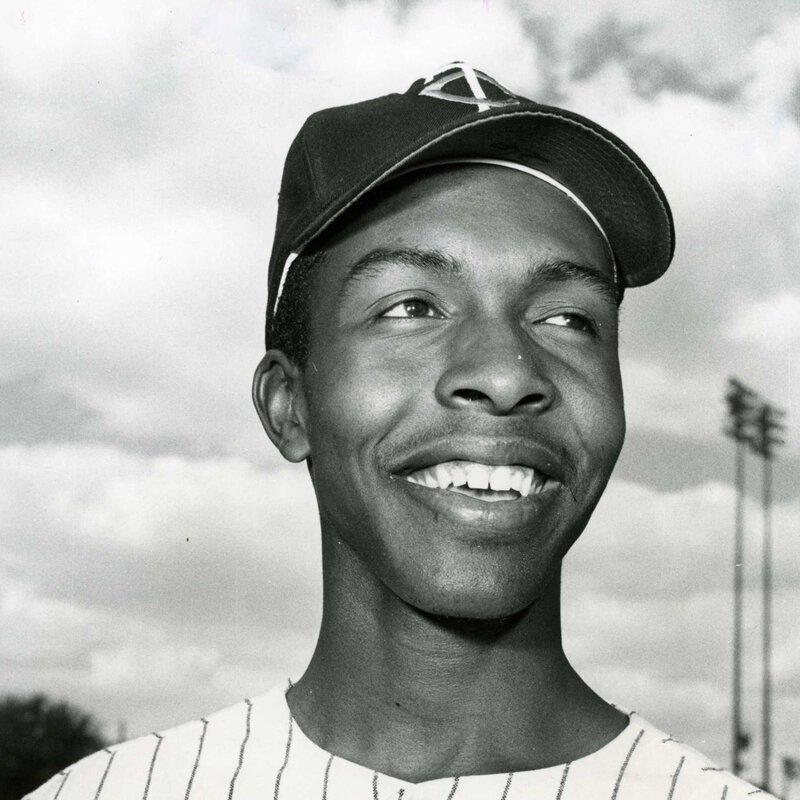 Leonard Charles Green was born in Detroit, Michigan on January 6, 1933. He debuted with the Baltimore Orioles in 1957, serving mostly as a light hitting backup outfielder at all three positions. Green was traded to the Washington Senators for reigning Rookie of the Year Albie Pearson in 1959, and he established himself as the team's starting center fielder by the time they relocated to Minnesota in 1961. During parts of six seasons with the Senators/Twins, Green slashed .270/.359/.384 (.743). He had a career year in 1962, with a .367 on-base percentage that ranked tenth in the American League. His 33 doubles ranked eighth, and his eight outfield assists were the second most by a center fielder that season. Breakout rookie Jimmie Hall took the center field job from Green midway through the 1963 season, and Green was traded to the Los Angeles Angels as part of a three team deal in June of 1964. The rest of his career featured a second stint in Baltimore, two seasons with the Boston Red Sox, and another two years with his hometown Detroit Tigers. The Tigers were crowned World Series champions in 1968, but Green had been released and retired back in June. Green finished his career with a slash line of .267/.361/.379 (.731). After his playing career, Green worked for the Ford Motor Company as a security supervisor for 27 years. He passed away on his 86th birthday in 2019.
 -
.thumb.png.131fdf97b843dfc7f73f4f987002a0f8.png) Hello, fellow humans! My name is William Malone IV. Son of William Malone III. And I come with great news! We are in the month of March. It is quite the magical time for sports fans. March Madness is coming up fast, the NBA and NHL have their playoff races heading up, and NFL free agency is set to begin. But there is one more treat for the avid sports fan. Baseball! Sometimes, the regular season begins in April. Sometimes it's July if COVID is happening. But this year, it is March! And once the regular season begins, fans can once again sweat out the tense moments that come with a baseball game. Many of these tense moments occur with the bases loaded. And despite the fact that none of you William Malone IV superfans asked for this, here are a bunch of random bases loaded stats! Jorge Polanco refuses to hit grand slams Former Twins infielder Jorge Polanco is one of the best RISP performers in franchise history. This extends to situations where the bases are loaded, despite the fact that he has never hit a grand slam. Polanco was 24-for-70 (.343) with the bases loaded during his time in Minnesota, including a stellar 5-for-7 (.714) bases loaded showing during his final season with the club. But none of those 24 hits found their way over the fence. There were five doubles and three triples though. Dudes pitched around Bob Allison and Michael Cuddyer All runs count the same. It doesn't matter if you hit a home run or draw a bases loaded walk. Twins Hall of Fame members Bob Allison and Michael Cuddyer did a lot of both. It's common knowledge that these two had power, but they also co-lead the Twins with 15 bases loaded walks. Allison actually jumps up to 18 if you include his early years with the Washington Senators. Anyone remember Lenny Green? Speaking of bases loaded walks, Lenny Green is the Twins single season record holder with five bases loaded walks in 1962. Six of his 12 big league seasons were spent with the Senators/Twins, and he was their Opening Day center fielder when the franchise came to Minnesota in 1961. His record shattering five bases loaded walks came in 1962, and nobody in a Twins uniform has caught him since. Six players have reached four. That was most recently done by Michael A. Taylor in 2023. Joe Mauer got better with age Hall of Fame catcher Joe Mauer was 45-for-119 (.378) with the bases loaded. This sample includes ten doubles and five grand slams. While these numbers are great, they got better with age. A younger Mauer was just 4-for-30 (.133) with the bases loaded over his first three big league seasons. It slowly got better over the next few years, then he eventually became a bases loaded monster. Mauer would go 27-for-60 (.450) with the bases loaded from 2012 until the end of his career. Jason Kubel hit like 572 memorable grand slams Perhaps 572 was an exaggeration, but it was a little weird how Jason Kubel hit so many grand slams. Let's be honest. Not all grand slams are the same. A lot of them might come against some struggling Quad-A reliever when your team is already up five or six runs. That's not what Kubel did. He hit five grand slams for the Twins that gave Minnesota the lead. Four of those were in the eighth inning or later. One of those came against Mariano Rivera. Another helped him complete the cycle. There was also a walk-off grand slam against the Red Sox in 2006. The fourth late, go-ahead grand slam helped break a 1-1 tie against the Tigers in 2008. Carlos Correa saved his bases loaded knocks for Minnesota Carlos Correa is 8-for-23 (.348) with the bases loaded since joining the Twins. He also had a memorable go-ahead RBI single against the Toronto Blue Jays in game two of the 2023 Wild Card Series. This is a huge step up from the .274 bases loaded batting average Correa put up with the Houston Astros. That's still a respectable number. The league as a whole hit just .259 with the bases loaded last season. But it's clear that Correa stepped up his clutch game after leaving Houston.
Hello, fellow humans! My name is William Malone IV. Son of William Malone III. And I come with great news! We are in the month of March. It is quite the magical time for sports fans. March Madness is coming up fast, the NBA and NHL have their playoff races heading up, and NFL free agency is set to begin. But there is one more treat for the avid sports fan. Baseball! Sometimes, the regular season begins in April. Sometimes it's July if COVID is happening. But this year, it is March! And once the regular season begins, fans can once again sweat out the tense moments that come with a baseball game. Many of these tense moments occur with the bases loaded. And despite the fact that none of you William Malone IV superfans asked for this, here are a bunch of random bases loaded stats! Jorge Polanco refuses to hit grand slams Former Twins infielder Jorge Polanco is one of the best RISP performers in franchise history. This extends to situations where the bases are loaded, despite the fact that he has never hit a grand slam. Polanco was 24-for-70 (.343) with the bases loaded during his time in Minnesota, including a stellar 5-for-7 (.714) bases loaded showing during his final season with the club. But none of those 24 hits found their way over the fence. There were five doubles and three triples though. Dudes pitched around Bob Allison and Michael Cuddyer All runs count the same. It doesn't matter if you hit a home run or draw a bases loaded walk. Twins Hall of Fame members Bob Allison and Michael Cuddyer did a lot of both. It's common knowledge that these two had power, but they also co-lead the Twins with 15 bases loaded walks. Allison actually jumps up to 18 if you include his early years with the Washington Senators. Anyone remember Lenny Green? Speaking of bases loaded walks, Lenny Green is the Twins single season record holder with five bases loaded walks in 1962. Six of his 12 big league seasons were spent with the Senators/Twins, and he was their Opening Day center fielder when the franchise came to Minnesota in 1961. His record shattering five bases loaded walks came in 1962, and nobody in a Twins uniform has caught him since. Six players have reached four. That was most recently done by Michael A. Taylor in 2023. Joe Mauer got better with age Hall of Fame catcher Joe Mauer was 45-for-119 (.378) with the bases loaded. This sample includes ten doubles and five grand slams. While these numbers are great, they got better with age. A younger Mauer was just 4-for-30 (.133) with the bases loaded over his first three big league seasons. It slowly got better over the next few years, then he eventually became a bases loaded monster. Mauer would go 27-for-60 (.450) with the bases loaded from 2012 until the end of his career. Jason Kubel hit like 572 memorable grand slams Perhaps 572 was an exaggeration, but it was a little weird how Jason Kubel hit so many grand slams. Let's be honest. Not all grand slams are the same. A lot of them might come against some struggling Quad-A reliever when your team is already up five or six runs. That's not what Kubel did. He hit five grand slams for the Twins that gave Minnesota the lead. Four of those were in the eighth inning or later. One of those came against Mariano Rivera. Another helped him complete the cycle. There was also a walk-off grand slam against the Red Sox in 2006. The fourth late, go-ahead grand slam helped break a 1-1 tie against the Tigers in 2008. Carlos Correa saved his bases loaded knocks for Minnesota Carlos Correa is 8-for-23 (.348) with the bases loaded since joining the Twins. He also had a memorable go-ahead RBI single against the Toronto Blue Jays in game two of the 2023 Wild Card Series. This is a huge step up from the .274 bases loaded batting average Correa put up with the Houston Astros. That's still a respectable number. The league as a whole hit just .259 with the bases loaded last season. But it's clear that Correa stepped up his clutch game after leaving Houston. -
Hello, fellow humans! My name is William Malone IV. Son of William Malone III. And I come with great news! The Minnesota Twins played a spring training baseball game against the Boston Red Sox today. Sure, they lost. But all it means is that we are one day closer to regular season contests. But while we wait for the Opening Day game against the St. Louis Cardinals, it's time to take a walk down memory lane and look at some old Opening Day lineup cards. There are a lot of household names! You'll see a lot of Joe Mauer and Justin Morneau. But you'll also see a lot of very random names as well. And that's what this blog post is all about. Here is a lineup of the most random Opening Day starters for the Minnesota Twins at every position this century (since 2000). C - Matt LeCroy (2000 vs. Tampa Bay) This was the Major League debut for LeCroy, who was seen as one of baseball's best catching prospects. Baseball America ranked LeCroy as the league's 44th best prospect ahead of 2000, and there was only one catcher among the 43 players placed ahead of LeCroy; Rockies prospect Ben Petrick. LeCroy went 1-for-3 while batting eighth in an 7-0 loss against Tampa Bay. He was sandwiched between Jacque Jones and Torii Hunter in the lineup. It was the only Opening Day start for LeCroy at catcher, who was the Twins designed hitter in game one of the 2003 and 2004 campaigns. 1B - Chris Parmelee (2012 at Baltimore) Parmelee was coming off an epic run as a September call-up in 2011. He slashed .355/.443/.592 across 21 games for the Twins the year prior, and the club immediately penciled him into their 2012 plans. He was starting at first base over incumbent Justin Morneau, who had begun the transition to a DH role. Parmelee went 1-for-4 in a 4-2 loss against the Baltimore Orioles on Opening Day, and he ultimately wasn't able to recapture that September call-up magic. Morneau had his first base job back a few weeks later, and Parmelee was playing in Triple-A. 2B - Nick Gordon (2023 at Kansas City) This was only two years ago, but some fans might have forgotten that Nick Gordon was an Opening Day starter for the Twins in 2023. Nobody really knew what their exact plans were at second base after trading Luis Arraez in the off-season. Gordon went 0-for-2 before getting lifted for Kyle Farmer as part of a clutch pinch hitting barrage. Farmer drew a walk while pinch hitting for Gordon in the sixth. Donovan Solano delivered an RBI single later in the inning while pinch hitting for Joey Gallo, and the Twins won 2-0. 3B - Tony Batista (2006 at Toronto) After spending 2005 in Japan, former All-Star Tony Batista made a return to the big leagues with the Minnesota Twins in 2006. His season got off to a great start when he homered off Blue Jays ace Roy Halladay, but that's about as good as it got for Batista. He was DFA'd in June, making way for Nick Punto to become the everyday third baseman. Batista did play for the Washington Nationals in 2007, retiring after the season. SS - Andrelton Simmons (2022 at Milwaukee) Opening Day in 2022 was a weird introduction to the Andrelton Simmons experience. He had two hits and drew a walk at the plate, also committing an error in the field. This was the exact opposite of what anyone would expect. Simmons is regarded as one of the best defensive shortstops of all-time, but his offense was always lacking. The two hit performance was not a sign of things to come for Simmons, who wound up struggling at the plate during his lone season with the club. LF - Luis Arraez (2022 at Milwaukee) Yes, Luis Arraez was the Twins left fielder on Opening Day in 2022. But only on a technicality. Josh Donaldson strained his hamstring while legging out a double in the top of the first. This moved Arraez to third base and slid Jake Cave off the bench into left field before the Twins ever played defense. This was his final career appearance as an outfielder. Arraez became the regular third baseman while Donaldson was on the injured list, and then wound up playing a ton of first base later on that season. CF - Jordan Schafer (2015 at Detroit) Hardcore fans who don't quit on lost seasons will always remember how great Schafer was down the stretch in 2014. After getting claimed on waivers in August, he posted a .345 OBP and stole 15 bags over 41 games with the club. This gave the 28-year old journeyman a role heading into 2015, but the leash was short. Byron Buxton, Eddie Rosario and Max Kepler were three minor league center fielders who were all banging on the big league door. Aaron Hicks was still with the Twins as well. Schafer struggled out of the gate, and was gone by the second week of May. RF - Miguel Sano (2016 at Baltimore) Max Kepler has started in right field for the Twins on Opening Day in eight consecutive seasons. While it looks like Matt Wallner will be taking his place in 2025, it was Miguel Sano patrolling right field back in 2016. Sano went 0-for-4 with two strikeout and three putouts during an Opening Day loss to the Orioles in 2016. His defense out there was awful as the season went along, but Sano did post a solid .864 OPS in 159 plate appearances as a right fielder. DH - Take your pick The full list is awesome! Butch Husky (2000), David Ortiz (2001-02), Matt LeCroy (2003-04), Lew Ford (2005), Rondell White (2006), Jeff Cirillo (2007), Craig Monroe (2008), Jason Kubel (2009-11), Justin Morneau (2012), Ryan Doumit (2013), Chris Colabello (2014), Kennys Vargas (2015), ByungHo Park (2016), Robbie Grossman (2017), Logan Morrison (2018), Nelson Cruz (2019-20), no DH used in NL park (2021), Gary Sanchez (2022), Bryon Buxton (2023) and Manuel Margot (2024). Honestly, a lot of teams will have a DH list that looks exactly like this. There aren't as many full time or career designated hitters as fans might think. P - Vance Worley (2013 vs. Detroit) You can make some sort of argument that Minnesota "won" the Ben Revere trade based on what Trevor May did. Revere had a sub-.700 OPS with -10 defensive runs saved during his three seasons with the Phillies. But plugging in Vance Worley as an Opening Day starter was just a bad look. Worley got hit hard on Opening Day, and things did not get better after that.
-
The history of spring training taters
William Malone posted a blog entry in William Malone IV blogs about Twins
Hello, fellow humans! My name is William Malone IV. Son of William Malone III. And I come with great news! The Minnesota Twins have some spring training baseball games under their belt. This means we are getting closer and closer to regular season baseball. With spring training games comes spring training home runs. Several Twins players have gone yard so far, including off-season pickups Harrison Bader and Ty France. But what does this all mean? Some of you might say "...but it's only spring training" and choose to not get excited over these glorious dingers. Others might choose to get excited. So who is right? Perhaps history can give us the answer. Here in the Twins spring training home run leader for every season of the Target Field-era (since 2010). 2024 - Ryan Jeffers (4) Ryan Jeffers led the Minnesota Twins with four home runs in 2024 Grapefruit League action. This went along with a .346 average and a 1.178 spring training OPS. During the regular season, Jeffers wound up hitting a career high 21 homers. But a lot of these came early in the season. The Twins catcher had 12 homers and an .892 OPS through the end of May. He began June on an 0-for-17 skid, putting up a .615 OPS from June 1st until the end of the regular season. 2023 - Jose Miranda (5) Jose Miranda led the Minnesota Twins with five home runs in 2023 Grapefruit League action. This went along with a .325 average and 1.225 spring training OPS. The regular season was not kind to Miranda, who struggled mightily. He slashed .211/.263/.303 over 40 big league games, and was eventually shut down by a shoulder injury. A healthier Miranda had a better season in 2024. 2022 - Byron Buxton (5) Byron Buxton led the Minnesota Twins with five home runs in 2022 Grapefruit League action. This went along with a .469 average and 1.094 spring training OPS. In the regular season, Buxton hit a career high 28 dingers and was an All-Star for the first time. He ever homered in the All-Star Game, and many claimed he was robbed of the game's MVP award. Unfortunately, injuries caused Buxton to miss most of the second half that year. 2021 - Kyle Garlick (5) Kyle Garlick led the Minnesota Twins with five home runs in 2021 Grapefruit League action. This went along with a .293 average and .978 spring training OPS. The man had one job in the big leagues; mash lefties. Garlick did that to the tune of an .878 OPS against left handed pitchers in 2021. Injuries to some of his teammates forced Garlick to hit against right handed pitching more than Rocco Baldelli would've liked, and those at-bats dragged Garlick's raw numbers down a bit. The injury bug eventually caught him as well, as Garlick's season was ended in July by a sports hernia. 2020 - Nelson Cruz and Trevor Larnach (3, tied) Nelson Cruz and Trevor Larnach co-led the Minnesota Twins with three home runs in 2020 Grapefruit League action. The COVID-19 pandemic caused these games to end prematurely. Trevor Larnach, still a prospect at that time, didn't make his Major League debut until 2021. COVID-19 canceled his minor league season, so he hit a grand total of zero regular season home runs that year. Cruz won the Silver Slugger at designated hitter and finished sixth in American League MVP voting. 2019 - Byron Buxton, Adam Rosales and Eddie Rosario (3, tied) Byron Buxton, Adam Rosales and Eddie Rosario co-led the Minnesota Twins with three home runs in 2019 Grapefruit League action. Rosales was a 36-year old journeyman infielder. He had played 11 big league seasons for six different clubs, and was trying to make the Twins his seventh. But his home runs barrage couldn't help him make the roster, and Rosales played 20 games for the Rochester Red Wings before getting released. Buxton and Rosario were both key pieces of the record breaking Bomba Squad offense. 2018 - Ehire Adrianza and Miguel Sano (3, tied) Ehire Adrianza and Miguel Sano co-led the Minnesota Twins with three home runs in 2018 Grapefruit League action. Adrianza, a two time World Series champion who has played in 12 big league seasons, wound up playing in a career high 114 games in 2018. This included a lot of time at shortstop early in the season when Jorge Polanco was suspended. Sano, who had been an All-Star in 2017, had a terrible campaign. He got demoted due Single-A due to conditioning concerns at one point, but did eventually bounce back with 34 homers and .923 OPS in 2019. 2017 - ByungHo Park (6) ByungHo Park led the Minnesota Twins with six home runs in 2017 Grapefruit League action. This went along with a .353 average and a 1.159 spring training OPS. After a lackluster 2016 season, Park had been taken off the 40-man roster during the off-season. He remained in the Twins organization after clearing waivers. His strong spring wasn't enough to help him earn a spot back with the big club, and he would spend the entire 2017 season in Rochester. After slashing .258/.308/.415 for the Red Wings, Park would be released outright and return to Korea. 2016 - Brian Dozier, Trevor Plouffe and Kurt Suzuki (4, tied) Brian Dozier, Trevor Plouffe and Kurt Suzuki co-led the Minnesota Twins with four home runs in 2016 Grapefruit League action. This sparked a career year out of Brian Dozier, who hit 42 home runs and drove in 99 for a miserable 103 loss Twins team. It was the second of three straight years in which he received MVP votes. Suzuki and Plouffe both struggled, ending their respective tenures with the club. 2015 - Eduardo Escobar and Kennys Vargas (4, tied) Eduardo Escobar and Kennys Vargas co-led the Minnesota Twins with four home runs in 2015 Grapefruit League action. Escobar, who had debuted back in 2011 with the Chicago White Sox, wound up hitting double digit homers for the first time that season. He also added 31 doubles, and established himself as a legit big league player. Vargas, who had finished 2014 on a hot run, wound up struggling out of the gate once the regular season began. He wound up spending most of 2015 in Triple-A. 2014 - Oswaldo Arcia and Brandon Waring (2, tied) Oswaldo Arcia and Brandon Waring co-led the Minnesota Twins with two runs in 2014 Grapefruit League action. Arcia had peaked as the 41st ranked prospect on the Baseball America league wide top 100, and had some solid numbers in 2013. He then hit 20 home runs with a 109 OPS+ in 2014, still showing much potential for what was to come. But that was as good as it ever got for Arica, and then the Buxton/Kepler/Rosario wave took all the outfield spots a year later. Waring was a 28-year old career minor leaguer who spent all of 2014 with Doulbe-A New Britain. 2013 - Aaron Hicks (4) Aaron Hicks led the Minnesota Twins with four home runs in 2013 Grapefruit League action. This went along with a .370 average and a 1.051 spring training OPS. His strong spring helped Hicks win the opening day center field job, despite never playing above Double-A beforehand. But Hicks wasn't just starting on opening day. He was the Twins leadoff hitter. It didn't really go all that well, which led to a rocky three year tenure for Hicks in Minnesota. 2012 - Luke Hughes (6) Luke Hughes led the Minnesota Twins with six home runs in 2012 Grapefruit League action. This went along with a .303 average and .983 spring training OPS. The Australian infielder was DFA'd after playing just eight games for Minnesota in 2012. Oakland claimed him on waivers, but he played just four games for the Athletics before they DFA'd him as well. This ended the big league career for Luke Hughes. 2011 - Luke Hughes (6) Luke Hughes led the Minnesota Twins with six home runs in 2011 Grapefruit League action. This went along with a .246 average and an .834 spring training OPS. What more can you say? The man mashed in spring training. He was Mr. Grapefruit League! He played 96 regular season games for the Twins in 2011, slashing .223/.298/.338 while playing everywhere in the infield. 2010 - Jason Kubel (4) Jason Kubel led the Minnesota Twins with four home runs in 2010 Grapefruit League action. This went along with a .281 average and an .865 spring training OPS. This carried over to a solid 2010 regular season showing, where he hit 21 homers with a .750 OPS. The most memorable of those 21 home runs was the first long ball in Target Field history. But enough about Kubel. How did Luke Hughes do? That's what the people want to know! He only had 21 at-bats that spring, but had seven hits (.333 average) and one homer. He would make his Major League debut on April 28th, homering off Max Scherzer in his first career big league at-bat. -
Hello, fellow humans! My name is William Malone IV. Son of William Malone III. And I come with great news! Spring training games are currently ongoing. This means we are getting closer to regular season baseball with every passing second. The Minnesota Twins went 82-80 last year. They became the tenth team in American League history to finish with an exact record of 82-80. Let's take a look at what the next season had in store for the first nine American League clubs to finish 82-80. 1965 California Angels The Los Angeles Angels went 82-80 in 1964. They changed their name to the California Angels in the off-season, but this did not make them play much better in 1965. California achieved a 75-87 record to follow up their 82-80 campaign. This was accomplished with insane home/road splits, going 46-34 at home and 29-53 on the road. Their middle infield duo of Bobby Knoop and Jim Fregosi both got MVP votes in 1965. 1969 Oakland Athletics The Oakland Athletics went 82-80 in 1968. Unlike the Angels, they did not go through a name change after posting that record, but they did change managers. Hank Bauer replaced Bill Kennedy, making him the A's third manager in three years. It turned into four managers in three years when Bauer got fired with eight games remaining. He went 80-69. John McNamara went 8-5, for a total record of 88-74. 1972 New York Yankees The New York Yankees went 82-80 in 1971. They did not change their team name. They also did not change their manager. One interesting thing they did in in 1972 was retire the number eight...twice! It was retired for Bill Dickey and Yogi Berra. Dickey wore the number from 1930-46. Berra had worn the number from 1948-63. And then in 1972, they decided to retire the number for both of them. On the field, New York went 79-76 in a season that was shortened due to a player's strike. 1975 Minnesota Twins The Minnesota Twins went 82-80 in 1974. They did not change their name. They did not change their manager. They also did not retire any numbers that next season. But one thing they did do was release a franchise legend. Harmon Killebrew was cut by the Twins on January 16, 1975. He had hit .222 with a .672 OPS in 1975. Killebrew caught on with the Royals in 1975, but didn't do much better. Neither did the Twins, who finished 76-83. 1980 Minnesota Twins The Minnesota Twins went 82-80 in 1979. They did not make a managerial change during the off-season, but they did make one during the 1980 season. Gene Mauch resigned with the team sitting at 54-71, and was replaced by Johnny Goryl. Minnesota finished strong under Goryl, going 23-13 under him. But it was too little, too late. The Twins final record was 77-84. Goryl was brought back in 1981, but was quickly fired after an 11-25 start. 1992 Kansas City Royals The Kansas City Royals went 82-80 in 1991. They had gone through three different managers during that 1991 season. Hal McRae, who was manager number three, kept the job heading into 1992 after going 66-58 down the stretch the year before. Kansas City took a step back in 1992, going 72-90. Big off-season addition Kevin McReynolds was listed to just 109 games due to injury. 1994 Seattle Mariners The Seattle Mariners went 82-80 in 1993. But hopes were high in 1994. They had generational megastars Ken Griffey Jr and Randy Johnson. Seattle also had Edgar Martinez and Jay Buhner in their lineup, and an 18-year old Alex Rodriguez was set to debut later in the year. But it takes more than five or six All-Stars, because the Mariners were sitting at 49-63 before the player's strike cut 1994 short. 2001 Anaheim Angels The Anaheim Angels went 82-80 in 2000. They did not change their name this time, although they had changed their name since the last time we read about them. And they'll change their name again soon. But not right now. The 2001 Angles went 75-87. They were missing slugger Mo Vaughn, who had hit 36 home runs with 117 RBI in 2000. He missed the entire 2001 season with a torn bicep. 2024 New York Yankees The New York Yankees went 82-80 in 2023. It was the first time they had missed the playoff since 2016, so they loaded up in the off-season by trading for star outfielder Juan Soto. He was awesome! Finishing third in the MVP voting and leading the Yankees to their first World Series since 2009. Practically carried them on his back too. Aaron Judge was nowhere to be seen in October, batting .184 in the postseason. Meanwhile, Soto hit .327 with a 1.101 OPS in the playoffs. Sadly, this wasn't enough and the Dodgers were crowned World Series champions.
-
Hello, fellow humans! My name is William Malone IV. Son of William Malone III. And I come with great news! Spring training baseball is finally here. That means regular season baseball is right around the corner. The Minnesota Twins enter this year with an over/under of 84.5, according to DraftKings. This is the 12th highest over/under total in the league, and the highest among AL Central teams. But we all know these games are not played by Las Vegas projections. They are played by human beings on a baseball field. With that in mind, let's see how the Twins have done against their over/under projections during the Target Field-era. 2024 - 85.5 (Under, 82) The Twins seemed destined to blow right past their over/under total of 85.5 in 2024. They were sitting at 70-53 on August 18th, which is a 92 win pace. But then Jorge Alcala had arguably the worst outing of his career, blowing a four run lead and costing his team a chance to sweep the defending champion Texas Rangers. Things spiraled from there, and the Twins only finished with 82 wins. 2023 - 83.5 (Over, 87) While it seemed like the 2024 Twins were destined to go over their total, the 2023 Twins were the opposite. They were below .500 at the All-Star break, and things didn't get much better after play resumed. Minnesota rode a five game losing streak into the month of August, which included a sweep at the hands of last place Kansas City. But the Twins went 33-22 from August 1st onward, comfortably winning the AL Central by nine games and clearing their 83.5 total. 2022 - 80.5 (Under, 78) There's starting to be a pattern of the over/under race flipping due to a late season surge or collapse. A late season surge saved the Twins in 2023. It sank them in 2024. 2022 was the sinking variety. Minnesota played at an 87 win pace in the first half, and they held a 3.5 game lead in the AL Central. They were still playing at an 84 win pace when August ended, but they had fallen out of first place by then. September was their worst month yet, and the club finished 78-84. 2021 - 89.5 (Under, 73) 2021 is probably the Twins most disappointing season, based on preseason expectations. They had won 101 games in 2019, and played at a 97 win pace during the COVID shortened 2020 season. But things were ugly from the start for Minnesota in 2021. They were 9-15 in April, and never fully recovered. This led to Jose Berrios and Nelson Cruz being shown the door at the deadline. Oddly, they played a little better after the deadline to help avoid a 90 loss season. The Twins went 30-28 after the deadline. But it was too little, too late. 2020 - 34.5 (Over, 36) The shortened COVID year was weird. There's probably not much you remember from it, unless you're a Dodgers fan. For reference, 34 wins over 60 games is a 92 win pace. The Twins 36-24 record means they played at a 97 win pace. Minnesota played jump rope with their over/under line all season, pushing themselves over by winning five of their final seven. Before that seven game stretch, they had lost four of five. They were as hot and cold as a team can be over a shortened 60 game sprint. This also included a six game losing streak in late August. 2019 - 84.5 (Over, 101) Slugging a Major League record 307 home runs is a good way to blow 17 wins by your preseason over/under projection. Minnesota hit this mark on September 2nd with a thrilling come from behind win over Detroit. Max Kepler decided home runs were boring, and delivered a two run single in the eighth inning to help his club pull a head that night. Over bettors were able to finally cash their tickets, but it was a result that had felt safe for a few months at that point. 2018 - 82.5 (Under, 78) Minnesota went to the playoffs in 2017, but a lot of their off-season moves blew up in their face. Logan Morrison wasn't the DH upgrade they expected, and Lance Lynn wasn't able to strengthen the rotation. Ervin Santana going down with a finger injury in spring training didn't help matters, and Jorge Polanco missed 80 games due to a failed drug test. 2017 - 70.5 (Over, 85) Fans had no reason to be optomisct heading into 2017. The Twins had lost 103 games in 2016, and followed it up with a quiet off-season. Jason Castro and Matt Belisle were the only players they added on Major League deals. Many saw Castro as a downgrade to the departing Kurt Suzuki. 70.5 was the third lowest total in the league, only ahead of the Padres and Athletics. And then look what happened? They won 85 games and wound up in the Wild Card Game. Baseball is funny sometimes! 2016 - 78.5 (Under, 59) No surprise that the worst season in Minnesota Twins history saw the club fall short of their over/under total. It's the eighth worst season if you include the Senators. They had some really lean years while in Washington. Those guys once had a 114 loss season...and they didn't even start playing 162 games until the 60's when the franchise had already moved to the Midwest. 2015 - 72.5 (Over, 83) After four straight 90+ loss seasons, the Twins didn't deserve to have a high over/under total. And maybe the 2015 Twins weren't much better than the 2011-14 teams, but they rode a crazy hot month of May to a winning record. That was actually their only winning month in 2015, but they went 20-7. This gave the Twins a nice cushion to coast to an 83-79 record. Minnesota was mathematically alive for a wild card spot as last as the 161st game, but it wasn't meant to be. 2014 - 70.5 (Under, 70) Bettors were certainly stressing out the 2014 Twins down to the very end. They were sitting at 69-91 with a series against the first place Detroit Tigers heading into the final weekend of the season. Minnesota needed a sweep to finish over 70.5 wins. They won the first two, setting up a season finale for all the marbles. And then the Tigers put their foot down, winning 3-0. These games actually mattered for Detroit too. The AL Central race between Detroit and Kansas City came down to the final day, mostly because the Twins had played spoiler in those first two games. 2013 - 70.5 (Under, 66) Much like 2024 or 2022, this is another year where a late season collapse caused the Twins to fall short of their over/under total. Except this time, it didn't cost them a playoff spot in the process. They went 3-17 in their final 20 games. All they needed to go was go 8-12 to hit 71 wins. There was also a 1-12 stretch in late June/early July, and a ten game losing streak in May. Those three stretches add up to a 4-39 record, which is a 15-147 pace. So there were obviously some good stretches too if they were flirting with 70 wins. 2012 - 74.5 (Under, 66) There was some hope that the 99 loss season in 2011 was a fluke. After all, Minnesota had won the AL Central in 2009 and 2010. They also lost a tiebreaker game for the division crown in 2008. Hall of Fame catcher Joe Mauer bounced back strong from the infamous bilateral leg weakness, leading the American League with a .416 on-base percentage. But they needed more than one person to have a bounce back year, which didn't happen. 2011 - 87.5 (Under, 63) As you just read in the 2012 section, the 2011 Twins were a giant disappointment. Ron Gardenhire had won six division titles and suffered just one losing season in his first nine years as Twins manager, but that era was over. There's a lot of blame to go around. "Piranha ball" wasn't working as well in a league that was becoming more and more analytical. Big boppers such as Joe Mauer and Justin Morneau were non-factors. While Mauer bounced back to his All-Star form in future seasons, Morneau never did. 2010 - 83.5 (Over 94) Everyone knew the 2010 Twins were going to hit, but pitching was a huge question. Carl Pavano and Francisco Lirano delivered in a big way. Liriano actually got Cy Young votes and won AL Comeback Player of the Year. It was the season Twins fans had been waiting for since his 2006 injury. Pavano went 17-11 with a 3.75 ERA, which was a huge upgrade over his 5.10 ERA for a year earlier (4.64 in 12 post-deadline starts with Twins). You could've made a Comeback Player of the Year case for him as well.
-
Hello, fellow humans! My name is William Malone IV. Son of William Malone III. And I come with great news! The Minnesota Twins will be playing a spring training baseball game against the Atlanta Braves tomorrow. What an exciting time of year this is. And the best way to celebrate these exciting times are with some bold(ish) predictions for the 2025 season. 1. Griffin Jax strikes out triple digits The Twins haven't had a primary relief pitcher strike out 100 or more batters in a single season since Juan Rincón fanned 106 in 2004. In the years since, nobody has come closer than Jax did in 2024. The Air Force product struck out 95 opponents over 71.0 innings pitched last season, and it's possible that the Twins position in the standings cost him the opportunity to reach the 100 strikeout milestone. With the playoffs out of reach, Rocco Baldelli opted out not use Jax in their final three game series of the regular season. It was well earned rest for Jax, who has logged the fifth most relief innings in the Majors since the start of 2022. 2. The Twins steal 100 bases for the first time since 2012 100 is a nice round number, so we'll make it a bit of a theme. This sounds like a big leap coming off a year where the Twins only stole 65 bases, but they have the pieces to pull this off. Minnesota didn't lose much speed over the off-season. Max Kepler, Alex Kirilloff, Kyle Farmer, Carlos Santana and Manuel Margot collectively stole nine bases in 548 games last year. Players like Austin Martin (7 SB in 93 G), Brooks Lee (3 SB in 50 G) and Edouard Julien (6 SB in 94 G) can help add to the total simply by taking away extra at-bats from some of those departed players. Harrison Bader also stole 17 bases for the New York Mets last year. For this to be even possible, Willi Castro would need to get back to his 2023 form where he stole 33 bases. The utility man swiped just 14 bags in 2024. 3. Joe Ryan is an All-Star Joe Ryan was pitching so well before a shoulder strain in August ended his season seven weeks early. He had the fourth best strikeout-to-walk ratio and eight lowest WHIP among pitchers who started at least 20 games last season. The tools are very clearly in place. As is the case with several players on the Twins, he just needs to be healthy and on the field to earn the accolades. 4. Carlos Correa wins the Silver Slugger Maybe this goes under the radar a bit, but Carlos Correa has the fifth highest OPS among shortstops since joining the Twins in 2022. And that's with a lackluster 2023 season dragging his numbers down a bit. The man produces at the plate. He just needs to be healthy enough to get the necessary at-bats. 2024 seemed like it was poised to be a career year. Correa had a .900 OPS for the first time since the ultra juiced ball year of 2019, but his foot injuries resurfaced and he didn't play at all between July 12th and September 14th. He wasn't putting up empty stats either. Correa hit .314 in high leverage situations, according to Baseball Reference. 5. Max Kepler has a solid year in his new home The bar for "solid year" will be different for everyone, but the prediction here is that Kepler adjusts to post-Twins life better than several other Bomba Squad-era teammates who have since been castoff. Kepler is going to a really good hitters park where he'll have a lot of protection up and down the lineup, and he's also been better than some of these other pieces in recent years. What Eddie Rosario did in the 2021 NLCS was fun to watch, but he still has an 83 OPS+ with -8 defensive runs saved since leaving Minnesota. Kepler's career low for OPS+ in a single season is only 91. Mitch Garver is another Bomba Squad player who went off and won a World Series with a new team, but there's only so much value you bring as a DH and occasional fill-in piece at catcher. The other players to look at from that core are Jorge Polanco and Miguel Sano, who have done even less than the previously mentioned players. 6. Ty France does not make Twins opening day roster, Jose Miranda starts at first base Ty France has a non-guaranteed contract, so the Twins would be able to release him at the end of camp for no money lost. The only thing it would've cost them is a 40-man placeholder for six or seven weeks. Minnesota had a similar arrangement with Anibal Sanchez in 2018. He signed a Major League contract in the off-season, but the money was only guaranteed if he made the opening day roster. Anyway, it's time for Jose Miranda to assume a full time role. He's moved around between first base, third base and designated hitter during his time with the Twins. After bouncing back from a poor showing in 2023, a strong showing in the Grapefruit League might be all Twins management needs to give him his first full time role. 7. Jorge Alcalá continues his hot and cold career There is no denying that Jorge Alcalá has talent. Every Twins fan who has watched him knows he can be special when pitching at his best. But his whole career has been filled with these ups and downs. It's an on again, off again relationship that rivals Ross and Rachel. Last season was no different. Alcalá owned a 1.63 ERA through 35 appearances at the end of July. His ERA was 6.41 across 19 outings in August and September. His worst outing was in an August 18th loss to Texas that many point to as the beginning of the Twins late season slide. Alcalá is turning 30 in July. He's been a big leaguer since 2019. At this point, there's no reason to expect anything different. He's going to give the Twins some good stretches, and some bad ones. 8. Twins trade for Framber Valdez at the deadline Houston doesn't bend over backwards to keep their own guys. Just look at the laundry list of core pieces they've let go; Correa, Springer, Keuchel, Morton, Tucker, Bregman, Pressly. There was even a point where they let Justin Verlander sign with the Mets, only to get him back via trade three months later. If you're not Jose Altuve, they are willing to let you walk out the door and call up their next prospect in line. For that reason, a 31-year old Framber Valdez might be available as a rental. Especially if the Astros can't withstand losing Tucker, Bregman and Pressly all in one off-season. This just might be a re-set year for the organization as they wait for their next wave of prospects. 9. Chris Paddack gives Twins 20-25 solid starts It's impossible to bank on Chris Paddack for a full 30+ start season with his injury history, but he can still be a solid fifth starter option. Think about the role Kenta Maeda played for the Twins in 2023; 20 starts with a 4.23 ERA. Maybe Paddack won't be quite that good, but Minnesota would sign up for anything close to that. And the 2023 Twins probably didn't have as much starter depth behind Maeda to supplement the time he was down. That was a team who was running Dallas Keuchel out there at points. Fans probably feel better about the Woods-Richardson, Festa, Matthews trio of depth than the shell of Dallas Keuchel. 10. The Twins win 95 games and take the AL Central Minnesota was on a 92 win pace as late as August 17th last year, and then the season went off the rails. It's always easy to blame pitching for a collapse like that, and the Twins certainly had problems with their staff. Joe Ryan was hurt, their trio of rookie starters all seemed to hit a wall, and the bullpen was falling apart. But despite all that, the bats were still a bigger issue down the stretch. From August 18th onward, the Twins scored just 137 runs. Only the White Sox and Nationals scored less over that span. In short, everything went wrong over those final 38 games. But sometimes, you need to trust bigger samples. Believe in what you saw for 124 games. Not 38. Even without doing much this off-season, Minnesota is still a very good ball club.
-
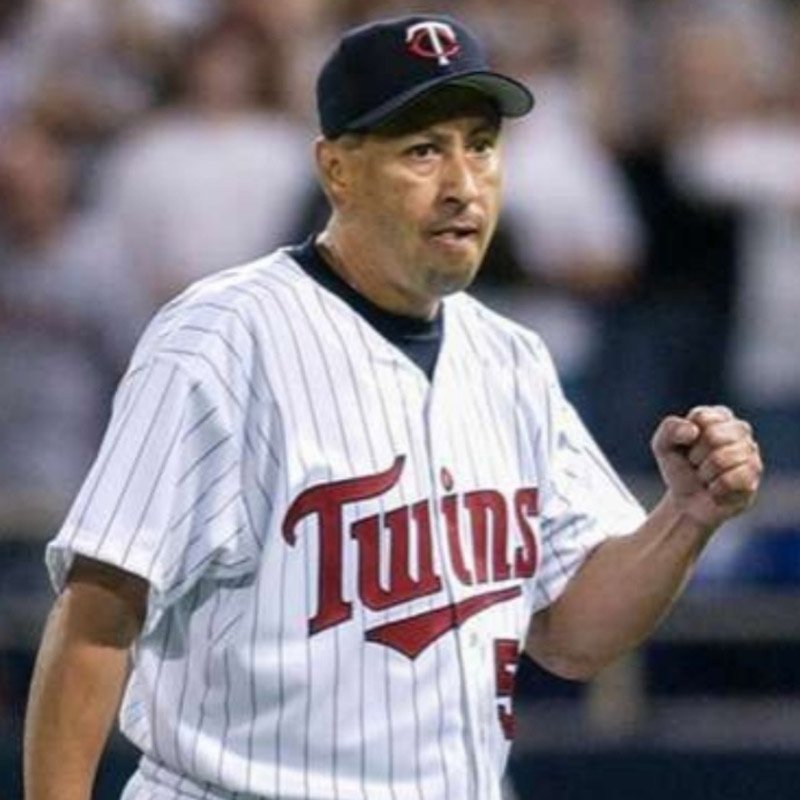 Jesse Russell Orosco was born in Santa Barbara, California on April 21, 1957. He was selected by the Minnesota Twins in round two of the 1978 January Draft, but didn't pitch in a big league game for the club until 2003. After recording a 1.13 ERA over 40.0 innings with the Rookie-level Elizabethton Twins in 1978, Orosco was traded to the New York Mets in a blockbuster deal that brought All-Star starting pitcher Jerry Koosman to Minnesota. Koosman won 20 games and posted a 7.2 bWAR during his first season with the Twins, but that was his age 36 season and his career decline began shortly after. Meanwhile, Orosco established himself as an All-Star reliever in the mid-1980's with the Mets. He was 3-0 with two saves and a 1.98 ERA over eight relief appearances during the 1986 postseason, striking out 16 hitters over 13.2 innings of work. That 16th strikeout, which victimized Boston Red Sox second baseman Marty Barrett, closed out the World Series. The left handed reliever would go onto pitch in a Major League record 1,252 games, and there were several stops along the way between the Mets and a reunion with the Twins organization. Orosco was traded to the Los Angeles Dodgers in 1988, winning his second ring during his first season out west. He also pitched for the Cleveland Indians (1989-91), Milwaukee Brewers (1992-94), Baltimore Orioles (1995-99), St. Louis Cardinals (2000) and then one more stop with the Dodgers (2001-02). Orosco singed with the San Diego Padres ahead of the 2003 season, and that's when his body finally realized he was 46-years old. San Diego traded him to the New York Yankees for cash after he put up a 7.56 ERA in 25.0 inning. His numbers with the Yankees were even worse, and the Twins acquired Orosco just before the waiver trade deadline closed on August 31st. This reunited him with his former Met teammate Ron Gardenhire, who was also born in 1957. But while Gardenhire hadn't played a Major League game since 1985, Orosco was going to pitch in a tight AL Central race. While most of the eight outings for Orosco were in lower leverage, he did get one huge out for the Twins on September 24th against Cleveland. In a tie game, Rick Reed turned the ball over to Orosco with a runner on second and two outs in the eighth inning. The savvy veteran got Indians left fielder Jody Gerut to fly out, Michael Cuddyer homered to lead off the top of the ninth, and Eddie Guardado locked things down to finish out the game. It was the 87th, and final, win of Orosco's 24-year Major League tenure.
 -
Jesse Russell Orosco was born in Santa Barbara, California on April 21, 1957. He was selected by the Minnesota Twins in round two of the 1978 January Draft, but didn't pitch in a big league game for the club until 2003. After recording a 1.13 ERA over 40.0 innings with the Rookie-level Elizabethton Twins in 1978, Orosco was traded to the New York Mets in a blockbuster deal that brought All-Star starting pitcher Jerry Koosman to Minnesota. Koosman won 20 games and posted a 7.2 bWAR during his first season with the Twins, but that was his age 36 season and his career decline began shortly after. Meanwhile, Orosco established himself as an All-Star reliever in the mid-1980's with the Mets. He was 3-0 with two saves and a 1.98 ERA over eight relief appearances during the 1986 postseason, striking out 16 hitters over 13.2 innings of work. That 16th strikeout, which victimized Boston Red Sox second baseman Marty Barrett, closed out the World Series. The left handed reliever would go onto pitch in a Major League record 1,252 games, and there were several stops along the way between the Mets and a reunion with the Twins organization. Orosco was traded to the Los Angeles Dodgers in 1988, winning his second ring during his first season out west. He also pitched for the Cleveland Indians (1989-91), Milwaukee Brewers (1992-94), Baltimore Orioles (1995-99), St. Louis Cardinals (2000) and then one more stop with the Dodgers (2001-02). Orosco singed with the San Diego Padres ahead of the 2003 season, and that's when his body finally realized he was 46-years old. San Diego traded him to the New York Yankees for cash after he put up a 7.56 ERA in 25.0 inning. His numbers with the Yankees were even worse, and the Twins acquired Orosco just before the waiver trade deadline closed on August 31st. This reunited him with his former Met teammate Ron Gardenhire, who was also born in 1957. But while Gardenhire hadn't played a Major League game since 1985, Orosco was going to pitch in a tight AL Central race. While most of the eight outings for Orosco were in lower leverage, he did get one huge out for the Twins on September 24th against Cleveland. In a tie game, Rick Reed turned the ball over to Orosco with a runner on second and two outs in the eighth inning. The savvy veteran got Indians left fielder Jody Gerut to fly out, Michael Cuddyer homered to lead off the top of the ninth, and Eddie Guardado locked things down to finish out the game. It was the 87th, and final, win of Orosco's 24-year Major League tenure. View full player
-
- 1
-

-
José Antonio Offerman was born on November 8, 1968 in the Dominican Republic. He signed with the Los Angeles Dodgers as an amateur free agent in 1986, and quickly became a top prospect. Rising quickly through their minor league system, Offerman made his Major League debut at the age of 21 in 1990. He was the Dodgers full time shortstop by 1992. Offerman made a positive impact for several big league clubs. He was an All-Star in 1995 and 1999, leading the league in triples multiple times. A skills decline in his 30's had him playing in the independent Atlantic League during the 2003 season, but Offerman resurfaced with the Minnesota Twins in a bench role in 2004 at the age of 35. He helped the Twins win their third consecutive AL Central crown in 2004, putting together one of the greatest pinch hitting seasons in club history. Offerman was 12-for-29 (.414) with seven walks as a pinch hitter that season. The .414 average is third best in a single season by a Twins player who pinch hit at least 20 times, trailing 1991 Scott Leius (.440) and 1986 Randy Bush (.433). His 1.114 OPS in the role is fourth best behind 1986 Randy Bush (1.169), 1996 Ron Coomer (1.121) and 1991 Randy Bush (1.118). There were several clutch moments within this pinch hit sample, including two game tying and two go-ahead hits. Offerman also drove in a run while pinch hitting against Mariano Rivera in game three of the 2004 ALDS, but that was part of a three run ninth inning rally that ultimately fell short. In some non-pinch hitting heroics, Offerman delivered a walk-off single in his Twins debut on April 6, 2004 while serving as the designated hitter. Offerman split the 2005 season with the Phillies and Mets, and was then out of the Majors for good. While back in the Atlantic League and playing for the Long Island Ducks in 2007, Offerman made headlines by getting arrested for assault after charging the mount in a road game against the Bridgeport Bluefish. He hit Bluefish catcher John Nathans in the head with his bat during the melee. The resulting concussion and post-concussion syndromes would end Nathans' playing career. This made Offerman the second former Twin to be arrested at the Ballpark at Harbor Yard in Bridgeport, CT. The first was former Twins center fielder Alex Cole, who was arrested on drug charges while at the park playing for the Bluefish in 2001. He is currently managing for Conspiradores de Querétaro in the Mexican League, and was named the league's Manager of the Year in 2024. View full player
-
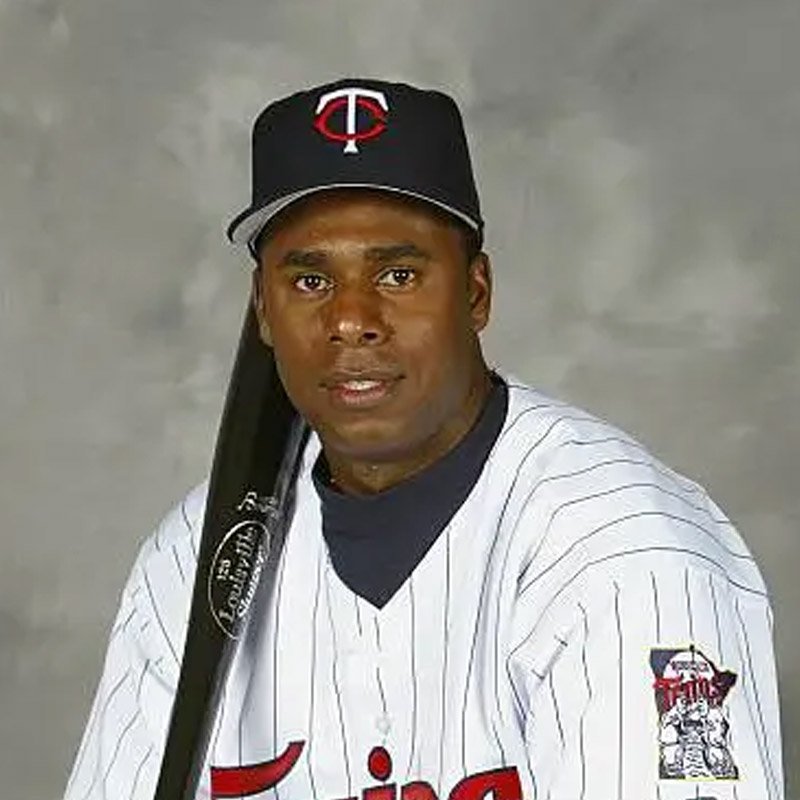 José Antonio Offerman was born on November 8, 1968 in the Dominican Republic. He signed with the Los Angeles Dodgers as an amateur free agent in 1986, and quickly became a top prospect. Rising quickly through their minor league system, Offerman made his Major League debut at the age of 21 in 1990. He was the Dodgers full time shortstop by 1992. Offerman made a positive impact for several big league clubs. He was an All-Star in 1995 and 1999, leading the league in triples multiple times. A skills decline in his 30's had him playing in the independent Atlantic League during the 2003 season, but Offerman resurfaced with the Minnesota Twins in a bench role in 2004 at the age of 35. He helped the Twins win their third consecutive AL Central crown in 2004, putting together one of the greatest pinch hitting seasons in club history. Offerman was 12-for-29 (.414) with seven walks as a pinch hitter that season. The .414 average is third best in a single season by a Twins player who pinch hit at least 20 times, trailing 1991 Scott Leius (.440) and 1986 Randy Bush (.433). His 1.114 OPS in the role is fourth best behind 1986 Randy Bush (1.169), 1996 Ron Coomer (1.121) and 1991 Randy Bush (1.118). There were several clutch moments within this pinch hit sample, including two game tying and two go-ahead hits. Offerman also drove in a run while pinch hitting against Mariano Rivera in game three of the 2004 ALDS, but that was part of a three run ninth inning rally that ultimately fell short. In some non-pinch hitting heroics, Offerman delivered a walk-off single in his Twins debut on April 6, 2004 while serving as the designated hitter. Offerman split the 2005 season with the Phillies and Mets, and was then out of the Majors for good. While back in the Atlantic League and playing for the Long Island Ducks in 2007, Offerman made headlines by getting arrested for assault after charging the mount in a road game against the Bridgeport Bluefish. He hit Bluefish catcher John Nathans in the head with his bat during the melee. The resulting concussion and post-concussion syndromes would end Nathans' playing career. This made Offerman the second former Twin to be arrested at the Ballpark at Harbor Yard in Bridgeport, CT. The first was former Twins center fielder Alex Cole, who was arrested on drug charges while at the park playing for the Bluefish in 2001. He is currently managing for Conspiradores de Querétaro in the Mexican League, and was named the league's Manager of the Year in 2024.
 -
This bullpen featured many names familiar to Twins fans. Matt Guerrier and Jesse Crain had solid seasons. Dennys Reyes posted a 0.89 ERA while dominating his lefty specialist role. Pat Neshek made his Major League debut in July and quickly became a high-leverage staple during the second-half stretch run. But the guy in the eighth inning ahead of Nathan was veteran righty Juan Rincón. Forty-six of his 75 appearances in 2006 came in the eighth inning. Another four featured him pitching into the eighth after entering in the seventh. Rincón led the Twins with 25 holds that season. The Twins' only pitchers with a higher WPA in 2006 were Nathan, Cy Young winner Johan Santana, and breakout rookie Francisco Liriano. 2006 capped off a dominant three-year run for Rincón. His 2.66 ERA from 2004-06 was the eighth lowest among major league relievers who appeared in at least 200 games. Rincón built his dominance around reverse splits, holding left-handed hitters to a .196 average and .528 OPS during that great three-year stretch. He was also a workhorse, pitching over 80 innings twice and posting a 2.22 ERA on zero days rest over his eight seasons in Minnesota. He owned a 5.19 postseason ERA in eight appearances with the Twins, but most of that is ballooned by one horrible appearance in game four of the 2004 ALDS. Rincón allowed just one earned run across the other seven appearances, covering 8.1 innings. His most notable playoff performance came in game two of the 2004 ALDS when he retired all six batters he faced in a tie game. This included strikeouts of Hideki Matsui, Jorge Posada, Ruben Sierra, and Miguel Cairo. Things began to fall apart for Rincón after 2006. He recorded a 5.13 ERA across 63 appearances during the 2007 season, as the Twins finished below .500 for the first time since 2000. His performance didn’t improve in 2008, and Minnesota designated Rincón for assignment in June. His struggles would continue over the next few seasons during stints with Cleveland, Detroit, and Colorado. Part of his career decline was tied to opponents' sudden spike in home runs. He once went 77 straight appearances without allowing a home run. LaTroy Hawkins is the only pitcher in Twins history with a longer streak, not allowing a home run in 79 consecutive outings between the 2000 and 2001 seasons. Through 2006, Rincón had allowed just 0.5 home runs per nine innings. But that number jumped to 1.2 per nine innings from 2007 onward. Current Twins manager Rocco Baldelli can say he hit Rincón at his peak, though, as his only career grand slam came against the Venezuelan righty in 2004. Rincón began to find success in closing games in independent ball. He posted a 2.86 ERA with 56 saves in the Atlantic League from 2011-13, pitching for the Bridgeport Bluefish and York Revolution. The Angels signed him to a minor league deal in the second half of 2012, but he was never called up to the bigs after making 17 appearances in Triple-A. After retiring, Rincón coached for one season in the Toronto Blue Jays minor league system. According to his LinkedIn page, he is an Athlete Relations Consultant for a private jet company. Despite having a solid big-league career, Rincón is perhaps most remembered for being one of the first players suspended for using performance-enhancing drugs. His May 2005 suspension made him the fifth player suspended for steroid use by Major League Baseball. Under today’s policy, that’s an 80-game ban. It was just ten games back then, and Rincon was back in his set-up man role later that month. You wouldn’t even know he missed time by looking at the back of his baseball card, as Rincón still appeared in 75 games during the 2005 season. View full player
- 1 reply
-
- 1
-
-
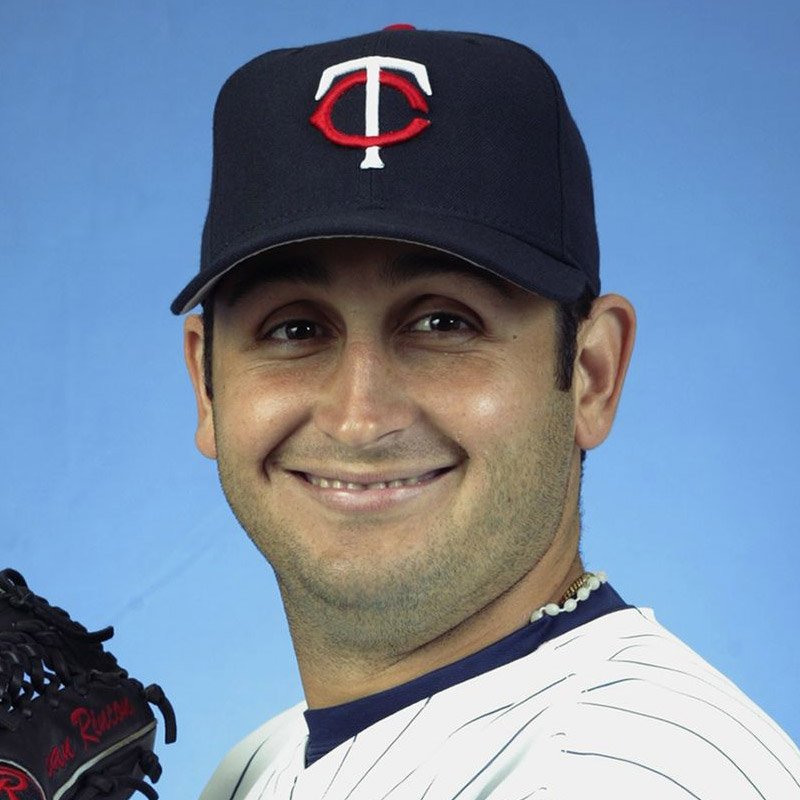 This bullpen featured many names familiar to Twins fans. Matt Guerrier and Jesse Crain had solid seasons. Dennys Reyes posted a 0.89 ERA while dominating his lefty specialist role. Pat Neshek made his Major League debut in July and quickly became a high-leverage staple during the second-half stretch run. But the guy in the eighth inning ahead of Nathan was veteran righty Juan Rincón. Forty-six of his 75 appearances in 2006 came in the eighth inning. Another four featured him pitching into the eighth after entering in the seventh. Rincón led the Twins with 25 holds that season. The Twins' only pitchers with a higher WPA in 2006 were Nathan, Cy Young winner Johan Santana, and breakout rookie Francisco Liriano. 2006 capped off a dominant three-year run for Rincón. His 2.66 ERA from 2004-06 was the eighth lowest among major league relievers who appeared in at least 200 games. Rincón built his dominance around reverse splits, holding left-handed hitters to a .196 average and .528 OPS during that great three-year stretch. He was also a workhorse, pitching over 80 innings twice and posting a 2.22 ERA on zero days rest over his eight seasons in Minnesota. He owned a 5.19 postseason ERA in eight appearances with the Twins, but most of that is ballooned by one horrible appearance in game four of the 2004 ALDS. Rincón allowed just one earned run across the other seven appearances, covering 8.1 innings. His most notable playoff performance came in game two of the 2004 ALDS when he retired all six batters he faced in a tie game. This included strikeouts of Hideki Matsui, Jorge Posada, Ruben Sierra, and Miguel Cairo. Things began to fall apart for Rincón after 2006. He recorded a 5.13 ERA across 63 appearances during the 2007 season, as the Twins finished below .500 for the first time since 2000. His performance didn’t improve in 2008, and Minnesota designated Rincón for assignment in June. His struggles would continue over the next few seasons during stints with Cleveland, Detroit, and Colorado. Part of his career decline was tied to opponents' sudden spike in home runs. He once went 77 straight appearances without allowing a home run. LaTroy Hawkins is the only pitcher in Twins history with a longer streak, not allowing a home run in 79 consecutive outings between the 2000 and 2001 seasons. Through 2006, Rincón had allowed just 0.5 home runs per nine innings. But that number jumped to 1.2 per nine innings from 2007 onward. Current Twins manager Rocco Baldelli can say he hit Rincón at his peak, though, as his only career grand slam came against the Venezuelan righty in 2004. Rincón began to find success in closing games in independent ball. He posted a 2.86 ERA with 56 saves in the Atlantic League from 2011-13, pitching for the Bridgeport Bluefish and York Revolution. The Angels signed him to a minor league deal in the second half of 2012, but he was never called up to the bigs after making 17 appearances in Triple-A. After retiring, Rincón coached for one season in the Toronto Blue Jays minor league system. According to his LinkedIn page, he is an Athlete Relations Consultant for a private jet company. Despite having a solid big-league career, Rincón is perhaps most remembered for being one of the first players suspended for using performance-enhancing drugs. His May 2005 suspension made him the fifth player suspended for steroid use by Major League Baseball. Under today’s policy, that’s an 80-game ban. It was just ten games back then, and Rincon was back in his set-up man role later that month. You wouldn’t even know he missed time by looking at the back of his baseball card, as Rincón still appeared in 75 games during the 2005 season.
 -
Matt LeCroy was a first-round pick out of Clemson in 1997 who mashed his way through the minors. LeCroy hit 30 minor league homers in 1999, including ten bombs with a .936 OPS in 29 games at the Triple-A level. Baseball America ranked him as the 44th-best prospect in baseball entering the 2000 season. Other Twins on their pre-season list were Michael Cuddyer (18th), Michael Restovich (26th), B.J. Garbe (79th), and Luis Rivas (86th). LeCroy was the Twins starting catcher on Opening Day in 2000. He hit a double in his first big league plate appearance off veteran righty Steve Trachsel but then fell into a slump. Minnesota sent him back to the minors in mid-June, and he wasn’t called up again until the rosters expanded in September. The emergence of A.J. Pierzynski kept LeCroy in the minors for most of 2001, and his big league action that season was limited to just 15 games. The Twins finally found a regular role for LeCroy in 2002, as he began platooning at DH with David Ortiz. It worked pretty well. Ortiz had a .919 OPS against right-handed pitching that season, and LeCroy had an .869 OPS against lefties. They each had a sub-.650 OPS against the opposite side. This mixing and matching kept working in the playoffs, too. LeCroy hit .417 in the 2002 postseason. Ortiz mostly struggled against a dominant Oakland pitching core, but he did go 5-for-16 (.313) in the ALCS against Anaheim. Everyone knows what happened after that. It was a mistake, a horrible one. Nothing you can say could even begin to justify how badly the Twins messed up by releasing David Ortiz. But it doesn’t change the fact that LeCroy was pretty good in 2003. He hit .287 with 17 home runs and 64 RBI in 104 games. It’s not Big Papi, but it’s respectable. LeCroy also started to hit right-handed pitching, posting an OPS over .800 against pitchers of both handedness in 2003. And then, in 2004, LeCroy unleashed one of the most magical pinch-hitting seasons of all time. His four pinch-hit home runs that season are tied for the American League record since 1973, when the designated hitter was first adopted. One of those pinch-hit dingers was a ninth-inning grand slam with the Twins down three runs. It’s one of just 49 ninth-inning grand slams with the hitter’s team trailing by three in major league history. Only 15 of those were hit by pinch hitters. 2005 was another decent season. LeCroy hit .260 with 17 home runs and a .798 OPS in 101 games. After the season, the Twins decided to part ways with LeCroy, and he signed with the Nationals. He played just 39 games with Washington before being designated for assignment. An infamous moment from his brief Nationals tenure came during a game on May 25, 2006. LeCroy, who had bone spurs in his knees and was doing anything he could to stay on the field, was pulled by manager Frank Robinson in the middle of an inning because his defense was so bad. Robinson was very emotional after the game, knowing how embarrassing it can be for a player to get pulled in the middle of an inning. He appreciated LeCroy’s effort to get himself out on the field with his knee injuries, but he also felt like he couldn’t let it go on any longer. Believing he was done as a player but respecting his dedication to the game, Washington offered LeCroy a coaching role after he was designated for assignment. LeCroy turned down the offer and returned to the Twins organization on a minor-league contract. He played just seven games with Minnesota in 2007, his final big league action. LeCroy spent spring training with the Athletics in 2008 but was released at the end of camp. He hit .326 with 22 home runs and 83 RBI for the Lancaster Barnstormers of the Atlantic League that season and then chose to retire. That previous coaching offer from the Nationals still stood, and he managed their Class-A affiliate in 2009. He has been a coach or manager in the Nationals organization ever since, including a two-year stint as the bullpen coach on the big league staff. He has been their Triple-A manager since 2020. View full player
-
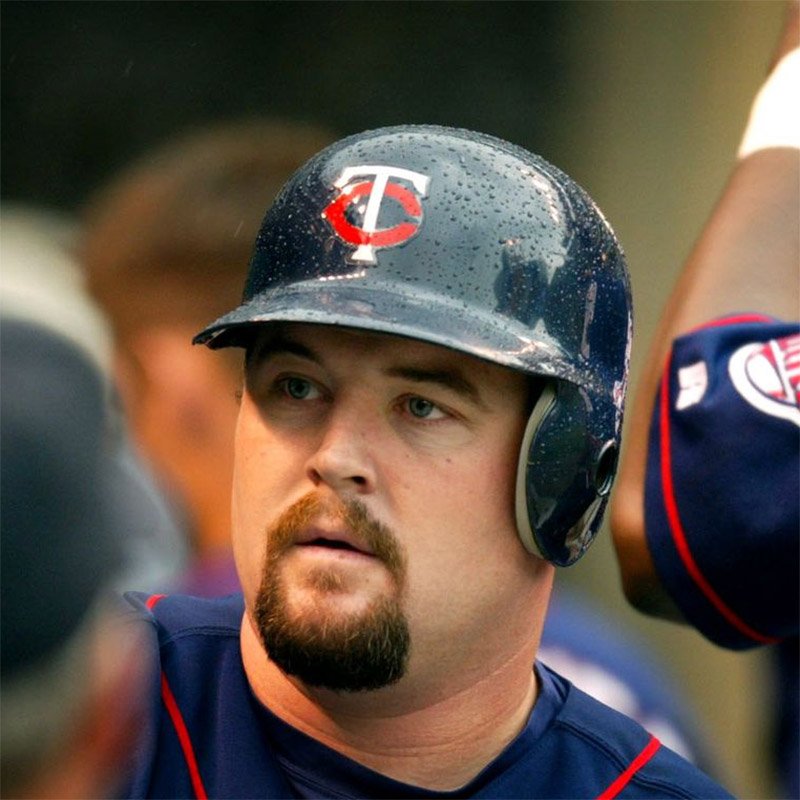 Matt LeCroy was a first-round pick out of Clemson in 1997 who mashed his way through the minors. LeCroy hit 30 minor league homers in 1999, including ten bombs with a .936 OPS in 29 games at the Triple-A level. Baseball America ranked him as the 44th-best prospect in baseball entering the 2000 season. Other Twins on their pre-season list were Michael Cuddyer (18th), Michael Restovich (26th), B.J. Garbe (79th), and Luis Rivas (86th). LeCroy was the Twins starting catcher on Opening Day in 2000. He hit a double in his first big league plate appearance off veteran righty Steve Trachsel but then fell into a slump. Minnesota sent him back to the minors in mid-June, and he wasn’t called up again until the rosters expanded in September. The emergence of A.J. Pierzynski kept LeCroy in the minors for most of 2001, and his big league action that season was limited to just 15 games. The Twins finally found a regular role for LeCroy in 2002, as he began platooning at DH with David Ortiz. It worked pretty well. Ortiz had a .919 OPS against right-handed pitching that season, and LeCroy had an .869 OPS against lefties. They each had a sub-.650 OPS against the opposite side. This mixing and matching kept working in the playoffs, too. LeCroy hit .417 in the 2002 postseason. Ortiz mostly struggled against a dominant Oakland pitching core, but he did go 5-for-16 (.313) in the ALCS against Anaheim. Everyone knows what happened after that. It was a mistake, a horrible one. Nothing you can say could even begin to justify how badly the Twins messed up by releasing David Ortiz. But it doesn’t change the fact that LeCroy was pretty good in 2003. He hit .287 with 17 home runs and 64 RBI in 104 games. It’s not Big Papi, but it’s respectable. LeCroy also started to hit right-handed pitching, posting an OPS over .800 against pitchers of both handedness in 2003. And then, in 2004, LeCroy unleashed one of the most magical pinch-hitting seasons of all time. His four pinch-hit home runs that season are tied for the American League record since 1973, when the designated hitter was first adopted. One of those pinch-hit dingers was a ninth-inning grand slam with the Twins down three runs. It’s one of just 49 ninth-inning grand slams with the hitter’s team trailing by three in major league history. Only 15 of those were hit by pinch hitters. 2005 was another decent season. LeCroy hit .260 with 17 home runs and a .798 OPS in 101 games. After the season, the Twins decided to part ways with LeCroy, and he signed with the Nationals. He played just 39 games with Washington before being designated for assignment. An infamous moment from his brief Nationals tenure came during a game on May 25, 2006. LeCroy, who had bone spurs in his knees and was doing anything he could to stay on the field, was pulled by manager Frank Robinson in the middle of an inning because his defense was so bad. Robinson was very emotional after the game, knowing how embarrassing it can be for a player to get pulled in the middle of an inning. He appreciated LeCroy’s effort to get himself out on the field with his knee injuries, but he also felt like he couldn’t let it go on any longer. Believing he was done as a player but respecting his dedication to the game, Washington offered LeCroy a coaching role after he was designated for assignment. LeCroy turned down the offer and returned to the Twins organization on a minor-league contract. He played just seven games with Minnesota in 2007, his final big league action. LeCroy spent spring training with the Athletics in 2008 but was released at the end of camp. He hit .326 with 22 home runs and 83 RBI for the Lancaster Barnstormers of the Atlantic League that season and then chose to retire. That previous coaching offer from the Nationals still stood, and he managed their Class-A affiliate in 2009. He has been a coach or manager in the Nationals organization ever since, including a two-year stint as the bullpen coach on the big league staff. He has been their Triple-A manager since 2020.
 -
 The Minnesota Twins drafted Brian Duensing in the 2005 MLB Draft in round three. He had an impressive career at the University of Nebraska, where he became known for his stellar postseason performances. The Cornhuskers reached the College World Series during two of his three seasons there. They have not been back since. While still working his way up through the minors, Duensing earned a bronze medal with Team USA at the Beijing Olympics in 2008. He made one appearance during the tournament, pitching 3.1 scoreless innings in a win over Canada. While in China, Duensing kept a blog to provide fans with his insight into the games. Other players with Twins connections on the 2008 US Olympic squad were Terry Tiffee (2004-06) and Kevin Jepsen (2015-16). He allowed two runs while eating three innings during a blowout against the Chicago White Sox during his Major League debut on April 10, 2009. The Twins immediately sent him back to Rochester to bring up a fresh arm, but he returned in early July and stuck around for the season. Minnesota was using him mostly in long relief, but he eventually shifted to the rotation and made his first start on August 22nd. Duensing was brilliant after getting moved to the rotation, posting a 2.64 ERA over eight starts down the stretch. He completed seven innings three times and tossed 6.1 shutout innings in a key win against Detroit on September 18th. Ron Gardenhire gave his rookie lefty the ball in game one of the 2009 ALDS, but part of that was because the team was simply out of options. Carl Pavano had started game 162 on three days rest, and Scott Baker pitched the AL Central tiebreaker game against the Tigers. This left Duensing and Nick Blackburn as the team’s two options. He was tagged for five runs over 4.2 innings in the Twins game one loss. Blackburn gave them a great performance in game two, but Minnesota lost in extras after Joe Nathan blew a save in the ninth inning. Carl Pavano allowed two runs over seven innings in game three, but the Twins' bats went down quietly, and the sweep was complete. Duensing began 2010 in the bullpen, and he was brilliant. Through the All-Star break, he had a 1.62 ERA through 38 appearances. Opponents were slashing .187/.257/.295 (.552) against him, and he was filling whatever role Gardenhire needed. Duensing got more than three outs seven times, lasting as long as three innings. He also served as a lefty specialist when needed, facing only one batter on four occasions. They moved him back into the rotation in late July, and Duensing posted a 3.08 ERA over 13 starts in the second half. But like many things within the Twins organization, things just fell apart for Duensing after the 2010 season. He posted a 5.19 ERA over 270.2 innings between 2011 and 2012, jumping between roles in the rotation and the bullpen. The southpaw began to find some success again as a full-time lefty specialist in the following years, putting up a 3.84 ERA over 190 appearances (164.0 IP) from 2013-15. Duensing posted a 4.05 ERA over 14 relief appearances with the Orioles in 2016, spending some time on the injured list with elbow inflammation. He was healthy enough to make Baltimore’s playoff roster that fall, striking out the only batter he faced during the Orioles' 11-inning loss against Toronto in the 2016 AL Wild Card Game. The defending champion Cubs signed Duensing that offseason, and he recorded an impressive 2.74 ERA over 68 relief appearances. Duensing allowed just one run over 5.1 innings during the 2017 postseason and was the winning pitcher in game five of the 2017 NLDS. Chicago fell to the Dodgers in the NLCS. The Cubs rewarded him with a two-year deal, but he was designated for assignment after a subpar 2018 season and never pitched in the Majors again. Over parts of ten seasons in the big leagues, Duensing was 46-38 with a 4.19 ERA and two saves. He made 61 career starts, all coming with the Twins.
 -
Brian Duensing was a versatile swingman in Minnesota for years, bouncing between the bullpen and rotation multiple times. Image courtesy of Twins Daily & Brock Beauchamp Brian Duensing was a versatile swingman in Minnesota for years, bouncing between the bullpen and rotation multiple times. The Minnesota Twins drafted Brian Duensing in the 2005 MLB Draft in round three. He had an impressive career at the University of Nebraska, where he became known for his stellar postseason performances. The Cornhuskers reached the College World Series during two of his three seasons there. They have not been back since. While still working his way up through the minors, Duensing earned a bronze medal with Team USA at the Beijing Olympics in 2008. He made one appearance during the tournament, pitching 3.1 scoreless innings in a win over Canada. While in China, Duensing kept a blog to provide fans with his insight into the games. Other players with Twins connections on the 2008 US Olympic squad were Terry Tiffee (2004-06) and Kevin Jepsen (2015-16). He allowed two runs while eating three innings during a blowout against the Chicago White Sox during his Major League debut on April 10, 2009. The Twins immediately sent him back to Rochester to bring up a fresh arm, but he returned in early July and stuck around for the season. Minnesota was using him mostly in long relief, but he eventually shifted to the rotation and made his first start on August 22nd. Duensing was brilliant after getting moved to the rotation, posting a 2.64 ERA over eight starts down the stretch. He completed seven innings three times and tossed 6.1 shutout innings in a key win against Detroit on September 18th. Ron Gardenhire gave his rookie lefty the ball in game one of the 2009 ALDS, but part of that was because the team was simply out of options. Carl Pavano had started game 162 on three days rest, and Scott Baker pitched the AL Central tiebreaker game against the Tigers. This left Duensing and Nick Blackburn as the team’s two options. He was tagged for five runs over 4.2 innings in the Twins game one loss. Blackburn gave them a great performance in game two, but Minnesota lost in extras after Joe Nathan blew a save in the ninth inning. Carl Pavano allowed two runs over seven innings in game three, but the Twins' bats went down quietly, and the sweep was complete. Duensing began 2010 in the bullpen, and he was brilliant. Through the All-Star break, he had a 1.62 ERA through 38 appearances. Opponents were slashing .187/.257/.295 (.552) against him, and he was filling whatever role Gardenhire needed. Duensing got more than three outs seven times, lasting as long as three innings. He also served as a lefty specialist when needed, facing only one batter on four occasions. They moved him back into the rotation in late July, and Duensing posted a 3.08 ERA over 13 starts in the second half. But like many things within the Twins organization, things just fell apart for Duensing after the 2010 season. He posted a 5.19 ERA over 270.2 innings between 2011 and 2012, jumping between roles in the rotation and the bullpen. The southpaw began to find some success again as a full-time lefty specialist in the following years, putting up a 3.84 ERA over 190 appearances (164.0 IP) from 2013-15. Duensing posted a 4.05 ERA over 14 relief appearances with the Orioles in 2016, spending some time on the injured list with elbow inflammation. He was healthy enough to make Baltimore’s playoff roster that fall, striking out the only batter he faced during the Orioles' 11-inning loss against Toronto in the 2016 AL Wild Card Game. The defending champion Cubs signed Duensing that offseason, and he recorded an impressive 2.74 ERA over 68 relief appearances. Duensing allowed just one run over 5.1 innings during the 2017 postseason and was the winning pitcher in game five of the 2017 NLDS. Chicago fell to the Dodgers in the NLCS. The Cubs rewarded him with a two-year deal, but he was designated for assignment after a subpar 2018 season and never pitched in the Majors again. Over parts of ten seasons in the big leagues, Duensing was 46-38 with a 4.19 ERA and two saves. He made 61 career starts, all coming with the Twins. View full article
-
The suspension was May 2005. He had a 2.49 ERA in 63 appearances in 2005 after coming off suspension. Then he was great in 2006. Took him almost two years after suspension to fall off
-
The 2006 Minnesota Twins had an exceptional bullpen. Led by superstar closer Joe Nathan, the entire unit posted a 2.91 ERA that season. This was the best bullpen ERA in baseball for the 2006 season, and it’s currently the ninth-best by any American League bullpen this century. A critical component of that bullpen was Juan Rincón. Image courtesy of Twins Daily & Brock Beauchamp The 2006 Minnesota Twins had an exceptional bullpen. Led by superstar closer Joe Nathan, the entire unit posted a 2.91 ERA that season. This was the best bullpen ERA in baseball for the 2006 season, and it’s currently the ninth-best by any American League bullpen this century. A critical component of that bullpen was Juan Rincón. This bullpen featured many names familiar to Twins fans. Matt Guerrier and Jesse Crain had solid seasons. Dennys Reyes posted a 0.89 ERA while dominating his lefty specialist role. Pat Neshek made his Major League debut in July and quickly became a high-leverage staple during the second-half stretch run. But the guy in the eighth inning ahead of Nathan was veteran righty Juan Rincón. Forty-six of his 75 appearances in 2006 came in the eighth inning. Another four featured him pitching into the eighth after entering in the seventh. Rincón led the Twins with 25 holds that season. The Twins' only pitchers with a higher WPA in 2006 were Nathan, Cy Young winner Johan Santana, and breakout rookie Francisco Liriano. 2006 capped off a dominant three-year run for Rincón. His 2.66 ERA from 2004-06 was the eighth lowest among major league relievers who appeared in at least 200 games. Rincón built his dominance around reverse splits, holding left-handed hitters to a .196 average and .528 OPS during that great three-year stretch. He was also a workhorse, pitching over 80 innings twice and posting a 2.22 ERA on zero days rest over his eight seasons in Minnesota. He owned a 5.19 postseason ERA in eight appearances with the Twins, but most of that is ballooned by one horrible appearance in game four of the 2004 ALDS. Rincón allowed just one earned run across the other seven appearances, covering 8.1 innings. His most notable playoff performance came in game two of the 2004 ALDS when he retired all six batters he faced in a tie game. This included strikeouts of Hideki Matsui, Jorge Posada, Ruben Sierra, and Miguel Cairo. Things began to fall apart for Rincón after 2006. He recorded a 5.13 ERA across 63 appearances during the 2007 season, as the Twins finished below .500 for the first time since 2000. His performance didn’t improve in 2008, and Minnesota designated Rincón for assignment in June. His struggles would continue over the next few seasons during stints with Cleveland, Detroit, and Colorado. Part of his career decline was tied to opponents' sudden spike in home runs. He once went 77 straight appearances without allowing a home run. LaTroy Hawkins is the only pitcher in Twins history with a longer streak, not allowing a home run in 79 consecutive outings between the 2000 and 2001 seasons. Through 2006, Rincón had allowed just 0.5 home runs per nine innings. But that number jumped to 1.2 per nine innings from 2007 onward. Current Twins manager Rocco Baldelli can say he hit Rincón at his peak, though, as his only career grand slam came against the Venezuelan righty in 2004. Rincón began to find success in closing games in independent ball. He posted a 2.86 ERA with 56 saves in the Atlantic League from 2011-13, pitching for the Bridgeport Bluefish and York Revolution. The Angels signed him to a minor league deal in the second half of 2012, but he was never called up to the bigs after making 17 appearances in Triple-A. After retiring, Rincón coached for one season in the Toronto Blue Jays minor league system. According to his LinkedIn page, he is an Athlete Relations Consultant for a private jet company. Despite having a solid big-league career, Rincón is perhaps most remembered for being one of the first players suspended for using performance-enhancing drugs. His May 2005 suspension made him the fifth player suspended for steroid use by Major League Baseball. Under today’s policy, that’s an 80-game ban. It was just ten games back then, and Rincon was back in his set-up man role later that month. You wouldn’t even know he missed time by looking at the back of his baseball card, as Rincón still appeared in 75 games during the 2005 season. View full article
-
 This bullpen featured many names familiar to Twins fans. Matt Guerrier and Jesse Crain had solid seasons. Dennys Reyes posted a 0.89 ERA while dominating his lefty specialist role. Pat Neshek made his Major League debut in July and quickly became a high-leverage staple during the second-half stretch run. But the guy in the eighth inning ahead of Nathan was veteran righty Juan Rincón. Forty-six of his 75 appearances in 2006 came in the eighth inning. Another four featured him pitching into the eighth after entering in the seventh. Rincón led the Twins with 25 holds that season. The Twins' only pitchers with a higher WPA in 2006 were Nathan, Cy Young winner Johan Santana, and breakout rookie Francisco Liriano. 2006 capped off a dominant three-year run for Rincón. His 2.66 ERA from 2004-06 was the eighth lowest among major league relievers who appeared in at least 200 games. Rincón built his dominance around reverse splits, holding left-handed hitters to a .196 average and .528 OPS during that great three-year stretch. He was also a workhorse, pitching over 80 innings twice and posting a 2.22 ERA on zero days rest over his eight seasons in Minnesota. He owned a 5.19 postseason ERA in eight appearances with the Twins, but most of that is ballooned by one horrible appearance in game four of the 2004 ALDS. Rincón allowed just one earned run across the other seven appearances, covering 8.1 innings. His most notable playoff performance came in game two of the 2004 ALDS when he retired all six batters he faced in a tie game. This included strikeouts of Hideki Matsui, Jorge Posada, Ruben Sierra, and Miguel Cairo. Things began to fall apart for Rincón after 2006. He recorded a 5.13 ERA across 63 appearances during the 2007 season, as the Twins finished below .500 for the first time since 2000. His performance didn’t improve in 2008, and Minnesota designated Rincón for assignment in June. His struggles would continue over the next few seasons during stints with Cleveland, Detroit, and Colorado. Part of his career decline was tied to opponents' sudden spike in home runs. He once went 77 straight appearances without allowing a home run. LaTroy Hawkins is the only pitcher in Twins history with a longer streak, not allowing a home run in 79 consecutive outings between the 2000 and 2001 seasons. Through 2006, Rincón had allowed just 0.5 home runs per nine innings. But that number jumped to 1.2 per nine innings from 2007 onward. Current Twins manager Rocco Baldelli can say he hit Rincón at his peak, though, as his only career grand slam came against the Venezuelan righty in 2004. Rincón began to find success in closing games in independent ball. He posted a 2.86 ERA with 56 saves in the Atlantic League from 2011-13, pitching for the Bridgeport Bluefish and York Revolution. The Angels signed him to a minor league deal in the second half of 2012, but he was never called up to the bigs after making 17 appearances in Triple-A. After retiring, Rincón coached for one season in the Toronto Blue Jays minor league system. According to his LinkedIn page, he is an Athlete Relations Consultant for a private jet company. Despite having a solid big-league career, Rincón is perhaps most remembered for being one of the first players suspended for using performance-enhancing drugs. His May 2005 suspension made him the fifth player suspended for steroid use by Major League Baseball. Under today’s policy, that’s an 80-game ban. It was just ten games back then, and Rincon was back in his set-up man role later that month. You wouldn’t even know he missed time by looking at the back of his baseball card, as Rincón still appeared in 75 games during the 2005 season.
.thumb.png.131fdf97b843dfc7f73f4f987002a0f8.png)