


.png.7846f23ff7308bd0a60773982c8c4137.png)
William Malone
-
Posts
786 -
Joined
-
Last visited
Content Type
Profiles
News
Minnesota Twins Videos
2026 Minnesota Twins Top Prospects Ranking
2022 Minnesota Twins Draft Picks
Minnesota Twins Free Agent & Trade Rumors, Notes, & Tidbits
Guides & Resources
2023 Minnesota Twins Draft Picks
The Minnesota Twins Players Project
2024 Minnesota Twins Draft Picks
2025 Minnesota Twins Draft Pick Tracker
2026 Minnesota Twins Draft Tracker: Picks & Bonuses
Forums
Blogs
Events
Store
Downloads
Gallery
Everything posted by William Malone
-
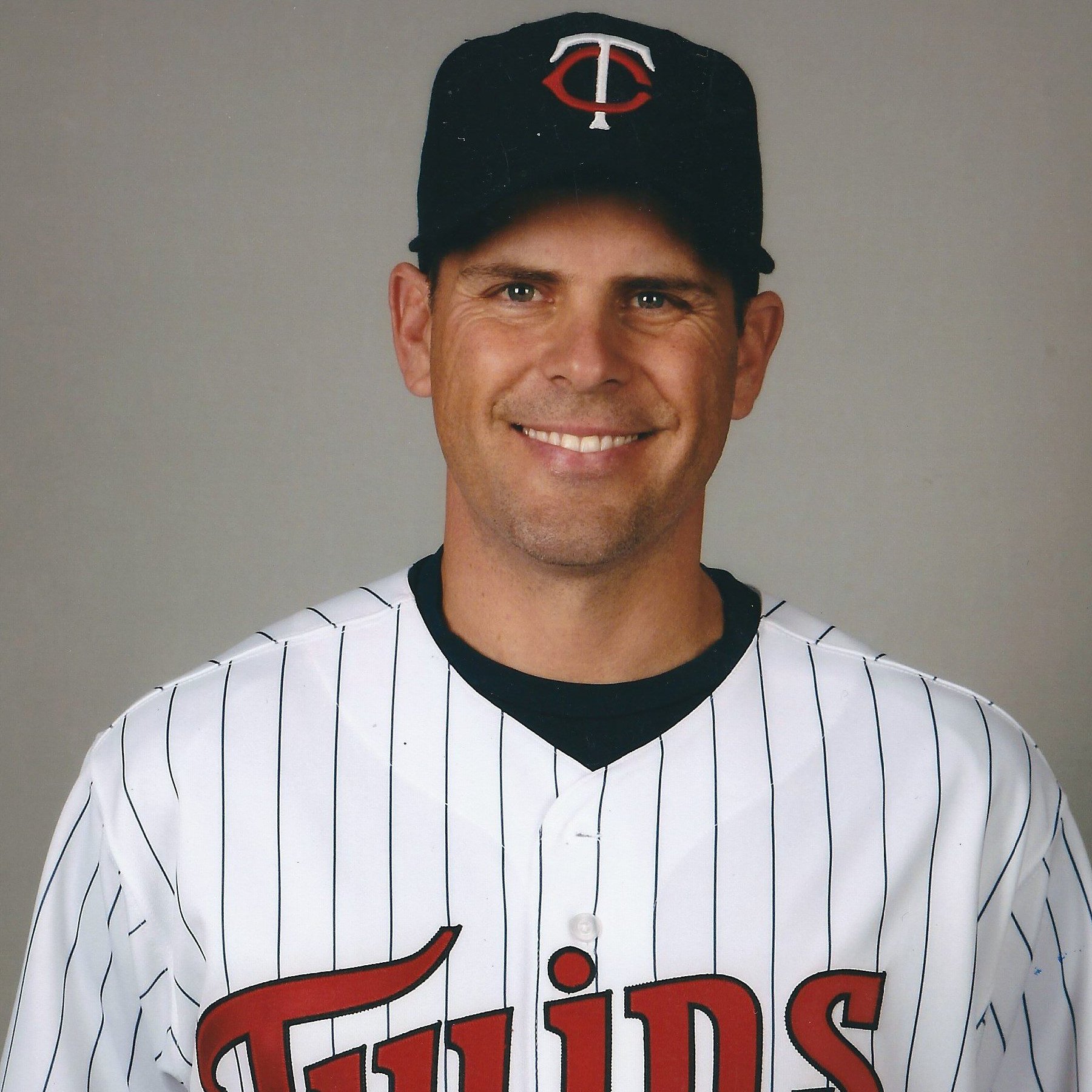 Jeffrey Howard Cirillo was born on September 23, 1969 in Pasadena, California. The Milwaukee Brewers drafted him in round 11 of the 1991 MLB Draft. He made his big league debut for Milwaukee in 1994, and became their regular third baseman in 1995. Cirillo hit .300 or better each year between 1996 and 1999, making his first All-Star team in 1997. The Brewers traded him to the Colorado Rockies as part of a three team deal after the 1999 season. Cirillo hit .320 during his two years with the Rockies, making his second All-Star team in 2000. He drove in a career high 115 runs that season. The Seattle Mariners acquired him in a trade after the 2001 season. He began to decline over the next several seasons, batting just .258 with a .667 between 2002 and 2006. This included a stint with the San Diego Padres, and a return to Milwaukee in 2005. The Minnesota Twins signed Cirillo to a one year contract ahead of the 2007 campaign. He went 1-for-2 with a walk and an RBI single as the designated hitter in their Opening Day win over the Baltimore Orioles, but quickly found himself on the disabled list with pain in the same knee that had been giving him issues for a few years at that point. He received a cortisone shot, and was back on the field in early May. The former All-Star struggled upon returning to the Twins lineup, batting .220 in 17 appearances during the month of May. He was mostly playing designated hitter, with the occasional start at third base. June was a much better month for Cirillo, batting .327 with eight RBI. However, he began to struggle again in July. Minnesota designated him for assignment in early August, and Cirillo was claimed off of waivers by the Arizona Diamondbacks. He had slashed .261/.327/.386 in 50 games for the Twins. Arizona won the NL West in 2007, which allowed Cirillo to make the postseason for the first time in his 14-year career. He went 2-for-6 in a bench role for the Diamondbacks that October, helping them reach the NLCS. Cirillo retired after the season. He was a studio analyst on Brewers television broadcasts between 2008 and 2011. Cirillo then went into scouting, first working for the Diamondbacks and then the Los Angeles Angels.
 -
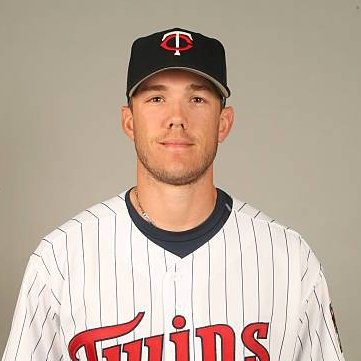 Terry Ronald Tiffee was born on April 21, 1979 in Little Rock, Arkansas. The Minnesota Twins drafted him in round 26 out of Pratt Community College during the 1999 MLB Draft. He hit consistently well throughout the minors, batting .303 (550-for-1,814) across various levels between 2001 and 2004. This included a .307/.357/.522 slash line at Triple-A in 2004, which earned him a big league opportunity that September. Tiffee wasted no time making an impact for the Twins. He hit a go-ahead two run double against All-Star closer Francisco Cordero in his Major League debut. The next night, he opened the scoring with an RBI groundout. Minnesota would go onto win that game 2-0. Two days later, the rookie infielder launched a walk-off home run against Dennys Reyes of the Kansas City Royals. This was all part of a 13-2 run by Minneota to open the month of September, which helped them avoid any late season division race drama. Tiffee was 12-for-44 (.273) with two home runs and right RBI for the Twins that month. Corey Koskie left in free agency that off-season, opening up a hole at third base. Michael Cuddyer won the job in spring training, but Tiffee was still at the big league level as a back-up corner infielder. He often started at third base when the versatile Cuddyer was asked to fill in at a different position. Tiffee went 2-for-4 with a home run and a double in his first start of the 2005 season on April 13th. He drove in two runs during his second start just two days later. Tiffee eventually cooled off, and was demoted to Triple-A in early June with a .194 batting average. The Twins called him back up in late July, but his struggles at the Major League level continued. He hit .207 with 15 RBI across 54 games for the Twins that season. Minnesota began 2006 with Tiffee in Triple-A. Tiffee was eventually called up in June, batting .244 with two home runs and eight RBI over 20 games with the Twins that year. They released him in the off-season. He hit .378 with a .978 OPS for the Las Vegas 51s (AAA - Dodgers) in 2008. Major League players were not eligible for the Olympics, so this minor league performance earned him a spot on the United States national team for the Beijing games that summer. Tiffee led Team USA with 12 hits during the Olympics, and six of them went for extra bases. The Americans took home a bronze medal, losing to Cuba in the semifinals before beating Japan in the third place game. Team USA brought Tiffee back for the 2009 Baseball World Cup, where he won gold and was named to the All-Tournament team as the designated hitter. Tiffee continued to play professionally until 2012, last playing for Lancaster Barnstormers of the Atlantic League. As of 2025, he is the head softball coach at Mansfield Legacy High School in Texas.
 -
Terry Ronald Tiffee was born on April 21, 1979 in Little Rock, Arkansas. The Minnesota Twins drafted him in round 26 out of Pratt Community College during the 1999 MLB Draft. He hit consistently well throughout the minors, batting .303 (550-for-1,814) across various levels between 2001 and 2004. This included a .307/.357/.522 slash line at Triple-A in 2004, which earned him a big league opportunity that September. Tiffee wasted no time making an impact for the Twins. He hit a go-ahead two run double against All-Star closer Francisco Cordero in his Major League debut. The next night, he opened the scoring with an RBI groundout. Minnesota would go onto win that game 2-0. Two days later, the rookie infielder launched a walk-off home run against Dennys Reyes of the Kansas City Royals. This was all part of a 13-2 run by Minneota to open the month of September, which helped them avoid any late season division race drama. Tiffee was 12-for-44 (.273) with two home runs and right RBI for the Twins that month. Corey Koskie left in free agency that off-season, opening up a hole at third base. Michael Cuddyer won the job in spring training, but Tiffee was still at the big league level as a back-up corner infielder. He often started at third base when the versatile Cuddyer was asked to fill in at a different position. Tiffee went 2-for-4 with a home run and a double in his first start of the 2005 season on April 13th. He drove in two runs during his second start just two days later. Tiffee eventually cooled off, and was demoted to Triple-A in early June with a .194 batting average. The Twins called him back up in late July, but his struggles at the Major League level continued. He hit .207 with 15 RBI across 54 games for the Twins that season. Minnesota began 2006 with Tiffee in Triple-A. Tiffee was eventually called up in June, batting .244 with two home runs and eight RBI over 20 games with the Twins that year. They released him in the off-season. He hit .378 with a .978 OPS for the Las Vegas 51s (AAA - Dodgers) in 2008. Major League players were not eligible for the Olympics, so this minor league performance earned him a spot on the United States national team for the Beijing games that summer. Tiffee led Team USA with 12 hits during the Olympics, and six of them went for extra bases. The Americans took home a bronze medal, losing to Cuba in the semifinals before beating Japan in the third place game. Team USA brought Tiffee back for the 2009 Baseball World Cup, where he won gold and was named to the All-Tournament team as the designated hitter. Tiffee continued to play professionally until 2012, last playing for Lancaster Barnstormers of the Atlantic League. As of 2025, he is the head softball coach at Mansfield Legacy High School in Texas. View full player
-
.thumb.png.131fdf97b843dfc7f73f4f987002a0f8.png)
Willy's What If: Koskie's 2004 double stays in play
William Malone posted a blog entry in William Malone IV blogs about Twins
Hello, fellow humans! My name is William Malone IV. Son of William Malone III. And I come with great news! It is another "What If Wednesday" with your ole pal William Malone IV. Scenario: what would happen if Corey Koskie's ground rule double off Mariano Rivera in game two of the 2004 ALDS had stayed in play? Let's set the scene! 2004 American League Division Series. Game two. The Minnesota Twins are playing in the Bronx against the mighty New York Yankees, but they lead the series 1-0. AL Cy Young winner Johan Santana had tossed an absolute gem in game one, but Brad Radke got hit around a bit in game two. They trailed 5-3 entering the eighth inning. Minnesota had the top of their order up, and Hall of Fame manager Joe Torre countered with veteran reliever Tom Gordon in a set-up role. Gordon had no issues retiring Shannon Stewart, and he seemingly had no issues retiring Jacque Jones as well. But Jorge Posada couldn't hold onto strike three, and Jones arrived safely at first base. Torii Hunter lined a single to center field on the second pitch of his at-bat, forcing Torii to call upon legendary closer Mariano Rivera for a five out save. This might've been a mistake on Torre's part. On paper, going to Mariano Rivera is the smartest decision any manager could ever make. But these games aren't played on paper. The humans who play them need to perform. And in order to perform, a pitcher like Rivera needs to be properly warmed up. He had not been throwing during the Jones at-bat. The ESPN broadcast cuts to him just beginning to stretch after Jones reached first. Because the Torii Hunter at-bat was just two pitches, there was almost no time for Rivera to get some real warm-up tosses from the bullpen mound. Go watch the broadcast footage for yourself. The Yankees have other options. They could've simply asked Rivera for a six out save, something he had done several times under the bright lights of October. They could've stuck with Gordon, who was pitching well. It's not really his fault that Jorge Posada couldn't block a strike three pitch in the dirt that he got Jones to bite on. The only blemish was a base hit to Hunter. A third option would've been to start the inning with Rivera already throwing, so you know he'll be ready at the first sign of trouble. But instead, they put an ice cold Mariano Rivera out there on the mound against budding superstar Justin Morneau. It wasn't the prettiest of RBI singles, but the 23-year old first baseman delivered a run scoring knock on the very first pitch he saw. The Twins now trailed by only one, and there were runners at the corners. After that, fellow Canadian infielder Corey Koskie pieced together possibly the greatest at-bat of his career. He battled with Rivera for nine pitches, eventually lofting an RBI double to the opposite field. It allowed the tying run to score, but also cost the Twins a run at the same time. Pinch runner Luis Rivas had the speed to score from first, but the ball bounced just over the left field wall for a ground rule double. Rivas was stuck at third, and now Rivera was a little more warmed up. He was finally locked in. Jason Kubel struck out. Cristian Guzman hit a weak groundout. The game was now tied going into the bottom of the eighth. So this is today's "What If Wednesday" with your ole pal William Malone IV. What if that double stayed in play? One assumption we are making is that Rivas can score from first, giving Minnesota a 6-5 lead. Juan Rincon pitched a dominant bottom of the eighth inning. He struck out Jorge Posada and Hideki Matsui, while getting Bernie Williams to ground out. He pitched an equally dominant ninth, striking out Ruben Sierra and Miguel Cairo, while getting John Olerud to ground out. But had the Twins been winning, it's safe to assume that Ron Gardenhire would've turned to Joe Nathan for those three outs in the ninth inning. The playoff struggles of Nathan have been well discussed over the years. This game is even one of those examples of failure. But he did pitch a 1-2-3 tenth inning while the game was tied, retiring the Jeter-ARod-Sheffield trio. Nathan tossed a shutout 11th to, before blowing the game in the 12th. His failures in this game came in his third inning of work. We'd only need one inning if that Koskie double stayed in play. And it was against 7-8-9 in the Yankees order too. So for this "What If" scenario, we'll say Nathan can get those three outs in the ninth inning. Now the Twins have a 2-0 series lead. They lost game three 8-4, once again scoring two runs in the ninth inning off Mariano Rivera when he came in trying to clean up someone else's mess without throwing warm-up pitches. For as great as he was, and he is the undisputed greatest relief pitcher of all-time, the inherited runner numbers are a little lacking. Part of this was because Joe Torre would frequently put him in the game without any time to properly warm-up. He allowed 35% of inherited runners to score under Torre, compared to just 24% after Joe Girardi took over in 2008. The Major League average is a little over 30% in any given year, give or take. It was 32% in 2004, the year of this playoff series. It was 33% last year. Now that that sidebar about inherited runners is over, we've got a series that Minnesota leads 2-1. We'll assume game three plays out the same way. But game four is a little trickier. Johan Santana was asked to start on three days rest when the Twins were facing elimination. If they were ahead 2-1, they would likely start Kyle Lohse instead. Lohse was 9-13 with a 5.34 ERA during the 2004 season. He also had a really bad regular season start on September 29th that season. Weirder things have happened in the wonder sport of baseball, but you can't sit here and predict that the Twins would win that game with Lohse starting. And now we're onto game five with a fully rested Johan Santana. He tossed seven shutout innings in game one, and five innings of run run ball on short rest in game four. He was pulled at 87 pitches in game four, laboring a bit in that final inning. It seemed like the short rest was finally catching up to him a bit. He had also tossed two gems against the Yankees during the regular season. They couldn't hit him. Minnesota was going to win that game with Santana on full rest. That's right. They win the damn series if Corey Koskie's double against Rivera in game two simply stays in the field of play. But what next? Minnesota would've played the Boston Red Sox in the ALCS. Because of how the schedule worked out, Santana likely wouldn't have been available until game three. Boston had swept the Angels during the ALDS, so Curt Schilling and Pedro Martinez were available in games one and two. It's honestly somewhat reasonable to think the Twins could've won game one. Schilling's ankle was soup at that point. God know what possessed him to do what he did in game six with the bloody sock, but the initial injury occurred during game one of the ALDS against Anaheim. The Yankees hit him pretty hard in game one, and Schilling allowed six runs over just three innings. A very capable Brad Radke could've held down the fort, guiding Minnesota to a game one win. Game two is trickier. Pedro Martinez pitched well, but the Red Sox just didn't hit. The Twins rotation fell off after Radke, and you feel like Boston could've scored a few more runs against Carlos Silva. Johan Santana can beat Bronson Arroyo in game three, and you're split at two games each after Derek Lowe beats Lohse. One thing people never talk about with the 2004 ALCS is how the Red Sox were bailed out by Mother Nature. A rainout between games three and four pushed game five back into the scheduled off day for travel ahead of game six. This allowed them to flip Martinez and Schilling in the rotation, giving Schilling extra time to rest his ankle. Had game five been on its regularly scheduled date, Boston might've been stuck with a bullpen day. Schilling just wasn't ready to go yet. But a strong start from Martinez in game five followed by whatever voodoo magic Schilling had working in game six could be enough to send Minnesota home. They probably would've started Santana on three days rest in game six while facing elimination. But again, Schilling just had something going for him with that damn bloody sock. That's how things would've played out if Corey Koskie's double in game two of the 2004 ALDS had stayed in play. The Minnesota Twins would reach the ALDS, but lose in six games against the Boston Red Sox. I hope you all enjoied this week's edition of "Willy's What If." How do you think things would've played out if that double stayed in play? And if you have ideas for a future topic, please send them in the comments! -
Matthew Discus Capps was born on September 3, 1983 in Douglasville, Georgia. The Pittsburgh Pirates drafted him in four seven of the 2002 MLB Draft. He reached the Majors in 2005, and pitched five seasons for the Pirates. Capps had a 3.61 ERA with 67 saves over 271 appearances during his time in Pittsburgh, but was non-tendered after posting a 5.80 ERA during the 2009 campaign. He was picked up by the Washington Nationals on a one year deal, and made the All-Star team in 2010 after a strong first half. They traded him to the Minnesota Twins for catching prospect Wilson Ramos at the deadline, and Capps got even better down the stretch. He had a 2.74 ERA and 1.304 WHIP with Washington, compared to a 2.00 ERA and 1.185 WHIP after the trade to Minnesota. His acquisition helped solidify a bullpen that had struggled in the aftermath of losing superstar closer Joe Nathan to an elbow injury during spring training. The Twins were sitting in second place the day they traded for Capps, and they wound up winning the AL Central by six games. Capps struggled to duplicate his All-Star performance in 2011, struggling to the tune of a 4.25 ERA over 69 outings. Joe Nathan was even worse in his return from Tommy John surgery, owning a 4.84 ERA in 48 appearances. They traded the closer role back-and-forth throughout the season, as Twins manager Ron Gardenhire was desperately hoping one of them would eventually get going. Capps finished with 15 saves, and Nathan had 14. Despite his rough 2011 season, the Twins still resigned Capps to a one year deal with an option for 2013. Twins general manager confidently stated "we believe Matt Capps will bounce back" when speaking to season ticket holders during the off-season. His prediction appeared to be coming true, as Capps got off to a great start in 2012. Through 25 appearances, he was 14-for-15 in save chances with a 2.96 ERA and a 0.986 WHIP. However, Ryan's prediction was eventually ruined by the injury bug. Shoulder inflammation landed Capps on the disabled list in late June. He returned for two appearances after the All-Star break, before landing right back on the disabled list. Capps returned for one game in September, tossing a shutout inning against the New York Yankees on September 24th. Minnesota declined his option after the season, making Capps a free agent. He was never able to get fully healthy after that. The Cleveland Indians signed Capps to a minor league deal in 2013, but he underwent shoulder surgery after appearing in just six Triple-A games for them. Cleveland signed him to a second minor league deal in 2014, but this time he only pitched in four minor league games before getting shut down. Capps didn't pitch at all in 2015, before trying to make a comeback on a minor league deal with the Arizona Diamondbacks in 2016. While he was healthy enough to be active for entire Triple-A campaign, Capps was mostly ineffective and retired after the season. Capps has worked on the Pirates broadcast team since 2018. He began as a studio analyst, and is currently a rotating color commentator for both their television and radio broadcasts. View full player
-
 Matthew Discus Capps was born on September 3, 1983 in Douglasville, Georgia. The Pittsburgh Pirates drafted him in four seven of the 2002 MLB Draft. He reached the Majors in 2005, and pitched five seasons for the Pirates. Capps had a 3.61 ERA with 67 saves over 271 appearances during his time in Pittsburgh, but was non-tendered after posting a 5.80 ERA during the 2009 campaign. He was picked up by the Washington Nationals on a one year deal, and made the All-Star team in 2010 after a strong first half. They traded him to the Minnesota Twins for catching prospect Wilson Ramos at the deadline, and Capps got even better down the stretch. He had a 2.74 ERA and 1.304 WHIP with Washington, compared to a 2.00 ERA and 1.185 WHIP after the trade to Minnesota. His acquisition helped solidify a bullpen that had struggled in the aftermath of losing superstar closer Joe Nathan to an elbow injury during spring training. The Twins were sitting in second place the day they traded for Capps, and they wound up winning the AL Central by six games. Capps struggled to duplicate his All-Star performance in 2011, struggling to the tune of a 4.25 ERA over 69 outings. Joe Nathan was even worse in his return from Tommy John surgery, owning a 4.84 ERA in 48 appearances. They traded the closer role back-and-forth throughout the season, as Twins manager Ron Gardenhire was desperately hoping one of them would eventually get going. Capps finished with 15 saves, and Nathan had 14. Despite his rough 2011 season, the Twins still resigned Capps to a one year deal with an option for 2013. Twins general manager confidently stated "we believe Matt Capps will bounce back" when speaking to season ticket holders during the off-season. His prediction appeared to be coming true, as Capps got off to a great start in 2012. Through 25 appearances, he was 14-for-15 in save chances with a 2.96 ERA and a 0.986 WHIP. However, Ryan's prediction was eventually ruined by the injury bug. Shoulder inflammation landed Capps on the disabled list in late June. He returned for two appearances after the All-Star break, before landing right back on the disabled list. Capps returned for one game in September, tossing a shutout inning against the New York Yankees on September 24th. Minnesota declined his option after the season, making Capps a free agent. He was never able to get fully healthy after that. The Cleveland Indians signed Capps to a minor league deal in 2013, but he underwent shoulder surgery after appearing in just six Triple-A games for them. Cleveland signed him to a second minor league deal in 2014, but this time he only pitched in four minor league games before getting shut down. Capps didn't pitch at all in 2015, before trying to make a comeback on a minor league deal with the Arizona Diamondbacks in 2016. While he was healthy enough to be active for entire Triple-A campaign, Capps was mostly ineffective and retired after the season. Capps has worked on the Pirates broadcast team since 2018. He began as a studio analyst, and is currently a rotating color commentator for both their television and radio broadcasts.
 -
Brian Christopher Fuentes was born on August 9, 1975 in Merced, California. The Seattle Mariners drafted him in round 25 of the 1995 MLB Draft. He made his Major League debut for them in 2001, making ten relief appearances and posting a 4.63 ERA. Seattle traded him to the Colorado Rockies that off-season, as part of a package for All-Star third baseman Jeff Cirillo. Fuentes became a regular in the Rockies bullpen. He had a breakout season in 2003, owning a 2.75 ERA with four saves in 75 relief appearances. The Rockies named him their full time closer in 2005, and Fuentes became a regular at the midsummer classic. His ERA was 3.04 between 2005 and 2008, making three All-Star teams and recording 111 saves. He signed a two year deal with the Los Angeles Angels of Anaheim, replacing departing closer Francisco Rodriguez. His 3.93 ERA and 1.400 WHIP in 2009 were well below the personal standards he established in Colorado, but Fuentes still led the American League with 48 saves that season. A high powered Angels offense was frequently giving him two and three run leads, allowing Fuentes a little wiggle room when on the mound in the ninth inning. Things got even worse in the first part of 2010, with his ERA ballooning up to 5.59 through 20 appearances. Despite this, Fuentes was still 12-for-15 in save chances. He began pitching a little better after that, and was traded to the Minnesota Twins in an August waiver deal. His ERA with the Angles had calmed down to 3.52 over 39 outings by the time of the trade. His first bit of action with the Twins was a memorable one. Fuentes arrived in the middle of their game against the Seattle Mariners, and was on the mound in a save situation about 90 minutes later. Nick Blackburn had tossed a gem, allowing just two hits over 8.2 brilliant innings. Ron Gardenhire tried to let Blackburn get the 27th out, but he issued a two out walk to Chone Figgins. Trying to protect a slim 1-0 lead, Gardenhire then turned to his new bullpen weapon fresh off the plane. Fuentes struck out Mariners designated hitter Russell Branyan on four pitches, earning the save in his Twins debut. It was the only save he would earn during his short time with Minnesota, serving primarily as the set-up man for fellow midseason acquisition Matt Capps. They were both brilliant down the stretch. Capps had a 2.00 ERA with 16 saves in 27 appearances, and Fuentes had a perfect 0.00 ERA in nine appearances. These two trades helped solidify a bullpen that had been shaky after losing Joe Nathan during spring training. The Twins had trailed the Chicago White Sox by 1.5 games at the end of July, partly due to bullpen issues. They wound up winning the AL Central by six games. Fuentes pitched 2.2 shutout innings for Minnesota in the ALDS loss against the New York Yankees, allowing just one of the nine batters he faced to reach base. The Oakland Athletics signed Fuentes to a two year contract that off-season. He was their closer at the beginning of the 2011 campaign, but quickly lost the job to Andrew Bailey due to performance issues. These struggles continued in 2012, and he was designated for assignment in July. The St. Louis Cardinals picked him up, and finished out the season there pitching in lower leverage situations. Fenutes was not on the Cardinals playoff roster that fall, and he retired after the season. View full player
-
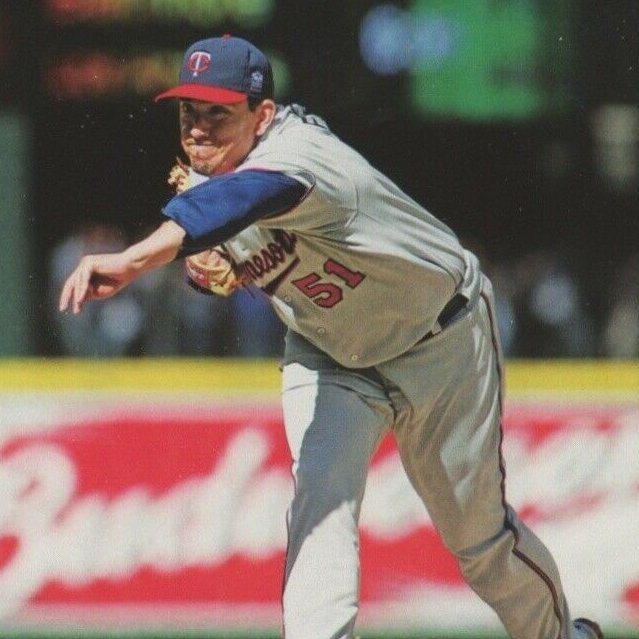 Brian Christopher Fuentes was born on August 9, 1975 in Merced, California. The Seattle Mariners drafted him in round 25 of the 1995 MLB Draft. He made his Major League debut for them in 2001, making ten relief appearances and posting a 4.63 ERA. Seattle traded him to the Colorado Rockies that off-season, as part of a package for All-Star third baseman Jeff Cirillo. Fuentes became a regular in the Rockies bullpen. He had a breakout season in 2003, owning a 2.75 ERA with four saves in 75 relief appearances. The Rockies named him their full time closer in 2005, and Fuentes became a regular at the midsummer classic. His ERA was 3.04 between 2005 and 2008, making three All-Star teams and recording 111 saves. He signed a two year deal with the Los Angeles Angels of Anaheim, replacing departing closer Francisco Rodriguez. His 3.93 ERA and 1.400 WHIP in 2009 were well below the personal standards he established in Colorado, but Fuentes still led the American League with 48 saves that season. A high powered Angels offense was frequently giving him two and three run leads, allowing Fuentes a little wiggle room when on the mound in the ninth inning. Things got even worse in the first part of 2010, with his ERA ballooning up to 5.59 through 20 appearances. Despite this, Fuentes was still 12-for-15 in save chances. He began pitching a little better after that, and was traded to the Minnesota Twins in an August waiver deal. His ERA with the Angles had calmed down to 3.52 over 39 outings by the time of the trade. His first bit of action with the Twins was a memorable one. Fuentes arrived in the middle of their game against the Seattle Mariners, and was on the mound in a save situation about 90 minutes later. Nick Blackburn had tossed a gem, allowing just two hits over 8.2 brilliant innings. Ron Gardenhire tried to let Blackburn get the 27th out, but he issued a two out walk to Chone Figgins. Trying to protect a slim 1-0 lead, Gardenhire then turned to his new bullpen weapon fresh off the plane. Fuentes struck out Mariners designated hitter Russell Branyan on four pitches, earning the save in his Twins debut. It was the only save he would earn during his short time with Minnesota, serving primarily as the set-up man for fellow midseason acquisition Matt Capps. They were both brilliant down the stretch. Capps had a 2.00 ERA with 16 saves in 27 appearances, and Fuentes had a perfect 0.00 ERA in nine appearances. These two trades helped solidify a bullpen that had been shaky after losing Joe Nathan during spring training. The Twins had trailed the Chicago White Sox by 1.5 games at the end of July, partly due to bullpen issues. They wound up winning the AL Central by six games. Fuentes pitched 2.2 shutout innings for Minnesota in the ALDS loss against the New York Yankees, allowing just one of the nine batters he faced to reach base. The Oakland Athletics signed Fuentes to a two year contract that off-season. He was their closer at the beginning of the 2011 campaign, but quickly lost the job to Andrew Bailey due to performance issues. These struggles continued in 2012, and he was designated for assignment in July. The St. Louis Cardinals picked him up, and finished out the season there pitching in lower leverage situations. Fenutes was not on the Cardinals playoff roster that fall, and he retired after the season.
 -
Paul David Abbott was born on September 15, 1967 in Van Nuys, California. The Minnesota Twins drafted him in round three of the 1985 MLB Draft. He made his Major League debut for them on August 21, 1990. Abbott remained in the Twins rotation for the remainder of that season, struggling with a 0-5 record and a 5.97 ERA over seven starts. He made three starts and 12 relief appearances in 1991, going 3-1 with a 4.75 ERA. Minnesota did not include him on their postseason roster that fall. Abbott had a 3.27 ERA in six relief appearances for the Twins in 1992. He was released after that season. Abbott made just five appearances for the Cleveland Indians in 1993. He spent the next several seasons on minor league deals with various organizations, not reaching the Majors again until 1998 with the Seattle Mariners. Abbott stuck in Seattle for five seasons, going 36-17 with a 4.48 ERA over 70 starts and 29 relief appearances. He won a career high 17 games in 2001, helping the Mariners win a Major League record 116 regular season games. The Kansas City Royals acquired Abbott in 2003. He made eight starts for them, pitching to a 5.29 ERA. Abbott split the 2004 campaign with the Tampa Bay Devil Rays and the Philadelphia Phillies. He was a longtime minor league pitching coach in the Boston Red Sox season, but his contract was not renewed after the 2023 season. As of 2025, he is the Las Vegas Aviators (AAA - Athletics) pitching coach. View full player
-
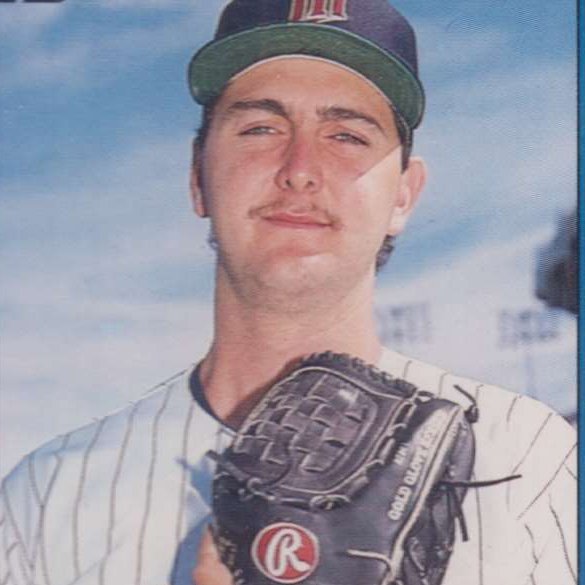 Paul David Abbott was born on September 15, 1967 in Van Nuys, California. The Minnesota Twins drafted him in round three of the 1985 MLB Draft. He made his Major League debut for them on August 21, 1990. Abbott remained in the Twins rotation for the remainder of that season, struggling with a 0-5 record and a 5.97 ERA over seven starts. He made three starts and 12 relief appearances in 1991, going 3-1 with a 4.75 ERA. Minnesota did not include him on their postseason roster that fall. Abbott had a 3.27 ERA in six relief appearances for the Twins in 1992. He was released after that season. Abbott made just five appearances for the Cleveland Indians in 1993. He spent the next several seasons on minor league deals with various organizations, not reaching the Majors again until 1998 with the Seattle Mariners. Abbott stuck in Seattle for five seasons, going 36-17 with a 4.48 ERA over 70 starts and 29 relief appearances. He won a career high 17 games in 2001, helping the Mariners win a Major League record 116 regular season games. The Kansas City Royals acquired Abbott in 2003. He made eight starts for them, pitching to a 5.29 ERA. Abbott split the 2004 campaign with the Tampa Bay Devil Rays and the Philadelphia Phillies. He was a longtime minor league pitching coach in the Boston Red Sox season, but his contract was not renewed after the 2023 season. As of 2025, he is the Las Vegas Aviators (AAA - Athletics) pitching coach.
 -
José Guillermo Morales was born on February 20, 1983 in Puerto Rico. He was drafted by the Minnesota Twins in round three of the 2001 MLB Draft, two rounds after they selected Joe Mauer with the first overall pick. Morales was viewed as one of the best offensive shortstops in that draft class, but fell due to concerns about his speed and range on the defensive side. He hit .309 in rookie ball during the 2002 season, but wound up splitting time at second and third base. Still struggling defensively, the Twins began working with him as a catcher in 2003. Injuries limited him to just seven minor league games in 2005, and he had a rough 2006 campaign at the plate while working his way back. Morales had a breakout minor league season in 2007, batting .311 in 108 games at the Triple-A level. He was called up to be the Twins third catcher behind Mauer and Mike Redmond as a September call-up after the minor league season ended. His big league debut was one for the ages, going 3-for-3 with a double and a run scored against the Chicago White Sox. Unfortunately, he suffered a sprained ankle late in the game. This landed him on the disabled list, and ended his season after just one big league outing. He hit .315 for the Red Wings in 2008, but was limited to just 54 games due to more ankle issues. Mauer began 2009 on the disabled list, allowing Morales to start that season on the Twins big league roster. He hit .349 in April, initially causing the Twins to keep him around when Mauer was healthy again in May. Carrying three catchers became a burden at times, and Minnesota wound up shuffling Morales up and down several times throughout the year. Justin Morneau suffered a season ending back injury in mid-September. This moved Michael Cuddyer from right field to first base, Jason Kubel from designated hitter to right field, and slid Morales into regular DH duties down the stretch. He started ten of the Twins final 17 games, including "Game 163" against the Detroit Tigers. For the season, Morales hit .311 in 54 games at the Major League level. He was 0-for-3 during the ALDS against the New York Yankees. His strong 2009 season played a factor in Minnesota not re-signing longtime backup catcher Mike Redmond, who signed with the Cleveland Indians in free agency. Morales injured his wrist in spring training, opening the door for Drew Butera to backup reigning MVP Joe Mauer. He returned to Major League action in late July, but was sent back down to Triple-A after going hitless in his first five games. He returned as a September call-up, but continued to struggle. Morales finished 2010 with a .194 average across 19 games with the Twins. Minnesota traded Morales to the Colorado Rockies for pitching prospect Paul Bargas, who was diagnosed with brain cancer just a few months later. Bargas passed away in 2012 at the age of 23. Morales played in 22 games for the Rockies in 2011, but the injury bug got him once again. A foul ball broke his thumb while catching, shutting him down for the year. Colorado non-tendered Morales after the season, and he never reached the Major League level again. The Pittsburgh Pirates signed him to a minor league deal in 2012, and then he spent three seasons playing for various teams in the Atlantic League. View full player
-
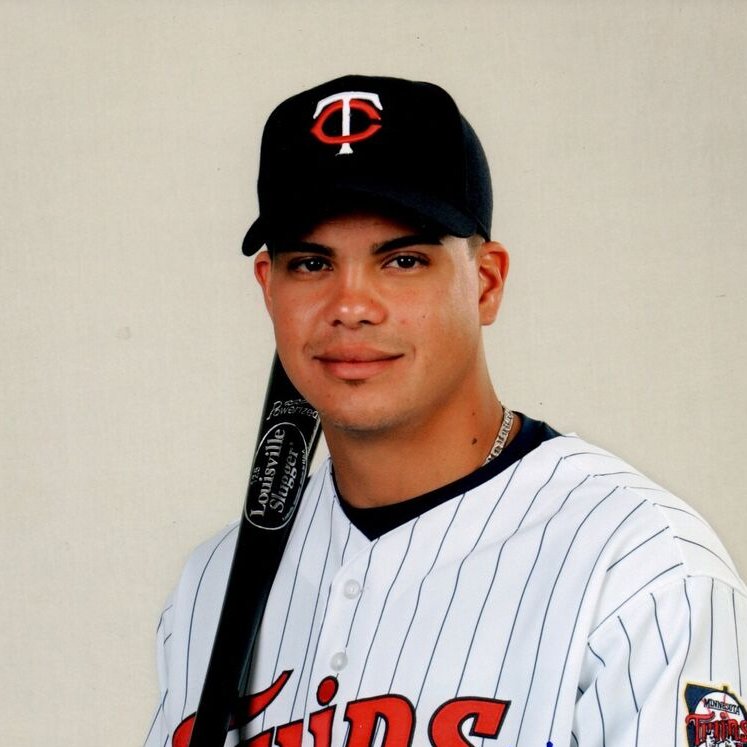 José Guillermo Morales was born on February 20, 1983 in Puerto Rico. He was drafted by the Minnesota Twins in round three of the 2001 MLB Draft, two rounds after they selected Joe Mauer with the first overall pick. Morales was viewed as one of the best offensive shortstops in that draft class, but fell due to concerns about his speed and range on the defensive side. He hit .309 in rookie ball during the 2002 season, but wound up splitting time at second and third base. Still struggling defensively, the Twins began working with him as a catcher in 2003. Injuries limited him to just seven minor league games in 2005, and he had a rough 2006 campaign at the plate while working his way back. Morales had a breakout minor league season in 2007, batting .311 in 108 games at the Triple-A level. He was called up to be the Twins third catcher behind Mauer and Mike Redmond as a September call-up after the minor league season ended. His big league debut was one for the ages, going 3-for-3 with a double and a run scored against the Chicago White Sox. Unfortunately, he suffered a sprained ankle late in the game. This landed him on the disabled list, and ended his season after just one big league outing. He hit .315 for the Red Wings in 2008, but was limited to just 54 games due to more ankle issues. Mauer began 2009 on the disabled list, allowing Morales to start that season on the Twins big league roster. He hit .349 in April, initially causing the Twins to keep him around when Mauer was healthy again in May. Carrying three catchers became a burden at times, and Minnesota wound up shuffling Morales up and down several times throughout the year. Justin Morneau suffered a season ending back injury in mid-September. This moved Michael Cuddyer from right field to first base, Jason Kubel from designated hitter to right field, and slid Morales into regular DH duties down the stretch. He started ten of the Twins final 17 games, including "Game 163" against the Detroit Tigers. For the season, Morales hit .311 in 54 games at the Major League level. He was 0-for-3 during the ALDS against the New York Yankees. His strong 2009 season played a factor in Minnesota not re-signing longtime backup catcher Mike Redmond, who signed with the Cleveland Indians in free agency. Morales injured his wrist in spring training, opening the door for Drew Butera to backup reigning MVP Joe Mauer. He returned to Major League action in late July, but was sent back down to Triple-A after going hitless in his first five games. He returned as a September call-up, but continued to struggle. Morales finished 2010 with a .194 average across 19 games with the Twins. Minnesota traded Morales to the Colorado Rockies for pitching prospect Paul Bargas, who was diagnosed with brain cancer just a few months later. Bargas passed away in 2012 at the age of 23. Morales played in 22 games for the Rockies in 2011, but the injury bug got him once again. A foul ball broke his thumb while catching, shutting him down for the year. Colorado non-tendered Morales after the season, and he never reached the Major League level again. The Pittsburgh Pirates signed him to a minor league deal in 2012, and then he spent three seasons playing for various teams in the Atlantic League.
 -
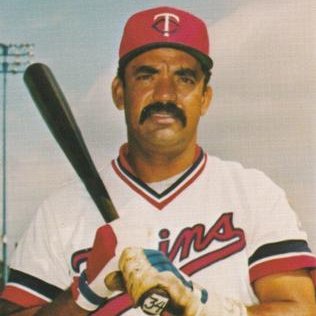 José Manuel Morales was born on December 30, 1944 in the U.S. Virgin Islands. He has no relation to former Minnesota Twins catcher José Guillermo Morales. The San Francisco Giants singed him as an amateur free agent 1963. He was acquired by the Oakland Athletics in 1968, and finally reached the Major Leagues in 1973 at the age of 28. Morales played just six games for Oakland, then had his contract sold to the Montreal Expos. He became one of the league's greatest pinch hit specialists while in Montreal. Morales was 58-for-208 (.279) as a pinch hitter for the Expos, starting just 54 games during his five seasons north of the border. His 25 hits in a pinch hitting role during the 1976 campaign was a Major League record, only to be broken by John Vander Wal of the Colorado Rockies in 1995. The Minnesota Twins acquired him for cash considerations in 1978. Moving to the American League helped Morales get more playing time than ever before, as there was still no designated hitter in the National League. Minnesota deployed a platoon of Morales and Glenn Adams as their designated hitters in 1978, often pinch hitting one for the other late in games if their opponent went to a different handed pitcher. Morales hit .314 with 38 RBI that season, starting 48 games and coming off the bench in 53 more. Adams and Morales continued to platoon in the designated hitter slot for the next two seasons. Morales hit .267 with 27 RBI in 1979, and .303 with 36 RBI in 1980. He had 756 plate appearances during his three years in Minnesota, compared to just 456 across five seasons with the Expos. Morales signed with the Baltimore Orioles as a free agent in 1981. He posted a career worst .619 OPS that season, and was traded to the Los Angeles Dodgers in 1982. Morales played three years with the Dodgers, appearing almost exclusively as a pinch hitter. He made four starts at first base in 1983, representing his only non-pinch hitting action in a Dodgers uniform. He worked as the Major League hitting coach for the San Francisco Giants (1986-88), Cleveland Indians (1990-93) and Florida Marlins (1995-96). Several players, including Will Clark and Kenny Lofton, swear that Morales was the best hitting coach they ever had. He passed up several more opportunities to be a hitting coach in the years since he last worked, but said there was too much politics in the sport and that you had to "kiss ass" to keep jobs these days.
 -
José Manuel Morales was born on December 30, 1944 in the U.S. Virgin Islands. He has no relation to former Minnesota Twins catcher José Guillermo Morales. The San Francisco Giants singed him as an amateur free agent 1963. He was acquired by the Oakland Athletics in 1968, and finally reached the Major Leagues in 1973 at the age of 28. Morales played just six games for Oakland, then had his contract sold to the Montreal Expos. He became one of the league's greatest pinch hit specialists while in Montreal. Morales was 58-for-208 (.279) as a pinch hitter for the Expos, starting just 54 games during his five seasons north of the border. His 25 hits in a pinch hitting role during the 1976 campaign was a Major League record, only to be broken by John Vander Wal of the Colorado Rockies in 1995. The Minnesota Twins acquired him for cash considerations in 1978. Moving to the American League helped Morales get more playing time than ever before, as there was still no designated hitter in the National League. Minnesota deployed a platoon of Morales and Glenn Adams as their designated hitters in 1978, often pinch hitting one for the other late in games if their opponent went to a different handed pitcher. Morales hit .314 with 38 RBI that season, starting 48 games and coming off the bench in 53 more. Adams and Morales continued to platoon in the designated hitter slot for the next two seasons. Morales hit .267 with 27 RBI in 1979, and .303 with 36 RBI in 1980. He had 756 plate appearances during his three years in Minnesota, compared to just 456 across five seasons with the Expos. Morales signed with the Baltimore Orioles as a free agent in 1981. He posted a career worst .619 OPS that season, and was traded to the Los Angeles Dodgers in 1982. Morales played three years with the Dodgers, appearing almost exclusively as a pinch hitter. He made four starts at first base in 1983, representing his only non-pinch hitting action in a Dodgers uniform. He worked as the Major League hitting coach for the San Francisco Giants (1986-88), Cleveland Indians (1990-93) and Florida Marlins (1995-96). Several players, including Will Clark and Kenny Lofton, swear that Morales was the best hitting coach they ever had. He passed up several more opportunities to be a hitting coach in the years since he last worked, but said there was too much politics in the sport and that you had to "kiss ass" to keep jobs these days. View full player
-
Fun facts straight from the 2025 Twins media guide
William Malone posted a blog entry in William Malone IV blogs about Twins
Hello, fellow humans! My name is William Malone IV. Son of William Malone III. And I come with great news! We are finally deep enough into the season where the stupid off-day after a team's first home game is no more. Less off days means more baseball! And more baseball makes fans of this wonder games so happy. Superfans of this wonderful sport are always dying for some bits of information on their favorite players. A good place to look for this is a team's media guide. Well, guess what? Your ole pal William Malone IV has gotten his hands on the 2025 Minnesota Twins Media Guide. It's 533 pages of beautiful baseball related information. So many stats, record, and of course...random information on every Twins player! Here are some things you might not have known about a few Twins players. And remember, this is just the tip of the iceberg. After all, the damn thing was 533 pages. Byron Buxton The Minnesota Twins media guide talks glowingly about the great high school football career of Byron Buxton. He was an All-State wide receiver and defensive back as a senior. The media guide also notes that Buxton was an All-Region quarterback as a junior. It claims he still keeps in touch with Miami Dolphins wide receiver Tyreek Hill, who played for a rival high school of his in Georgia. They were in the same class, and had many battles against each other as wide receivers and defensive backs. Willi Castro The Minnesota Twins media guide tells you a lot about his father, Lilliano, who is a baseball lifer. Lilliano Castro signed with the Detroit Tigers as an amateur free agent in 1987, but suffered a career ending arm injury before ever reaching the big leagues. He stayed close to the game though, working as a coach in the Tigers minor league system for almost a decade. Lilliano eventually started coaching in the New York Mets farm system. The media guide claims Willi and Lilliano text each other after every game. Carlos Correa The Minnesota Twins media guide talks about the podcast that Carlos Correa used to co-host with former Houston Astros teammate. This wasn't a baseball podcast though. It was two teammates bonding over their shared love for combat sports. It was called "The Walkout," and was picked up by SiriusXM for their mixed martial arts channel at one point. It has a 4.5 out of five star rating on Apple Podcasts, but there has not been a new episode since June of 2021. David Festa The Minnesota Twins media guide talks about the odd combination of sports teams that David Festa is a fan of. It claims he is a fan of the New York Rangers, New York Knicks, Indianapolis Colts, and Tennessee Volunteers football. Perhaps those first two make sense. Maybe the Colts/Tennessee combination works too if he was just a big Peyton Manning guy. That's speculation though, as Manning was not named in the media guide. He is also a fan of professional tennis and golf, citing Brooks Koepka as his favorite golfer. Ryan Jeffers The Minnesota Twins media guide informs readers that Ryan Jeffers spends his off-seasons working out at Hudson Rose Athletics in Wilmington, North Carolina. Walker Jenkins, who was drafted fifth overall by the Twins in 2023, also works out there in the off-season. They have both been working out there since 2019, but only began working out together in the 2023-24 off-season after Minnesota drafted Jenkins. Trevor Larnach The Minnesota Twins media guide tells you that Trevor Larnach has a strong interest in real estate, even claiming that Larnach would be a real estate agent if he was not a professional baseball player. When the Twins are on the road, he will often spend time on Zillow checking out houses in the local area of whatever city the team is in. Royce Lewis The Minnesota Twins media guide goes into the love Royce Lewis has for football, even if he can't pick a favorite team. He was a Chargers fan while growing up in the San Diego area, but has since switched allegiance to the Dallas Cowboys after making his off-season home in the Dallas area. Despite being a Cowboys fan, the media guide does say that Lewis still follows the Vikings very closely. It also claims he is an avid fantasy football player. Pablo Lopez The Minnesota Twins media guide talks about how Pablo Lopez aspires to be a nutritionist when his playing career is over. As a teenager, he had been prepping to attend medical school had baseball not worked out for him. As his playing career has gone on, Lopez has developed a great interest in taking care of his body. He would like to go back to school when his career is over, and get a degree in nutritional science. Austin Martin The Minnesota Twins media guide claims that Austin Martin is a "go with the flow" kind of guy who enjoys fishing, video games, and hanging out with friends at the beach. He learned how to play the ukulele during the COVID-19 pandemic, and likes to watch "SpongeBob SquarePants" and "Dora the Explorer." Bailey Ober The Minnesota Twins media guide discusses multiple trips Bailey Ober took to Charleston, South Carolina during this past off-season. Ober, who attended College of Charleston, began their off-season by going on vacation there. He went back a few months later to celebrate a college teammate for getting into their school's Hall of Fame. Justin Topa The Minnesota Twins media guide tells readers that Justin Topa enjoys collecting sports memorabilia, which is a hobby he shares with his father. They enjoy opening packs of baseball cards together. This love of collecting applies to memorabilia from several different sports. The Topas are huge hockey fans, which is a sport Justin played at Chenango Valley High School in New York. Louis Varland The Minnesota Twins media guide lists off several "favorites" of relief pitcher Louis Varland. Here they are... Movie: Rocky I Musical act: Red Hot Chili Peppers Sports team: Minnesota Vikings Opposing ballpark: Fenway Park Pregame meal: Chipotle Christian Vazquez The Minnesota Twins media guide explains why Christian Vazquez picked the number eight. His first choice was seven, which he wore for several seasons with the Boston Red Sox. But that is retired for legendary Twins catcher Joe Mauer. His second choice was nine, which he wore during his brief time with the Houston Astros. That was taken by Trevor Larnach. So he picked eight by settling in the middle of those two numbers. -
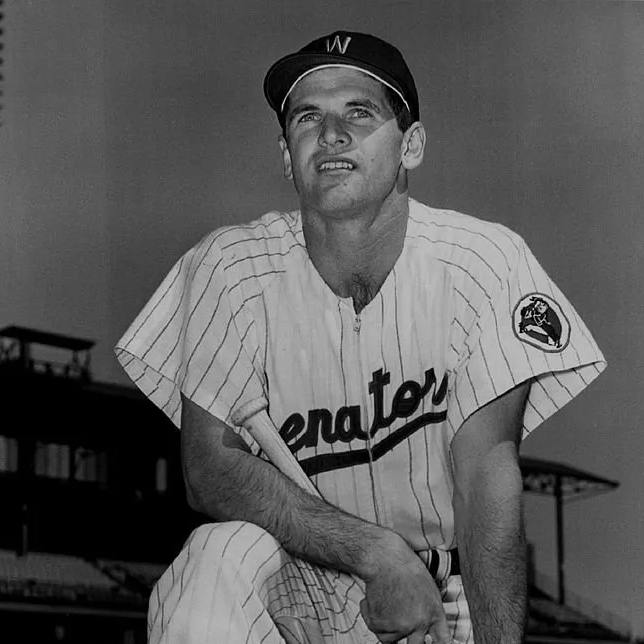 Daniel John Dobbek was born on December 6, 1934 in Ontonagon, Michigan. He signed with the Washington Senators in 1955 after a successful tenure at Western Michigan University. Dobbek made his Major League debut for them in 1959, appearing in 16 games that season. He became a frequently used bench player for the Senators in 1960, playing in 110 games. Only 55 of these appearances were starts. Washington commonly used him as a pinch runner or defensive replacement in the outfield, batting .218 with ten home runs and 34 RBI at the plate. The Senators moved to Minnesota and became the Twins ahead of the 1961 season, bringing Dobbek with them. He was used as a defensive replacement for Jim Lemon in left field on Opening Day, making him the first player in Twins history to be used off the bench. In that same game, Dobbek was hit by a pitch in the ninth inning when his spot in the order came up. This made him the first player in Twins history to be hit by a pitch. He slashed just .168/.255/.304 in 72 games with Minnesota that season. The Twins traded him to the Cincinnati Reds in the insuring off-season. Dobbek spent 1962 in the Reds minor league system, and never reached the big leagues again. He bounced around the minor league systems of a few different clubs, including a brief return to the Twins organization in 1964. Dobbek passed away in 2023 at the age of 88.
 -
Daniel John Dobbek was born on December 6, 1934 in Ontonagon, Michigan. He signed with the Washington Senators in 1955 after a successful tenure at Western Michigan University. Dobbek made his Major League debut for them in 1959, appearing in 16 games that season. He became a frequently used bench player for the Senators in 1960, playing in 110 games. Only 55 of these appearances were starts. Washington commonly used him as a pinch runner or defensive replacement in the outfield, batting .218 with ten home runs and 34 RBI at the plate. The Senators moved to Minnesota and became the Twins ahead of the 1961 season, bringing Dobbek with them. He was used as a defensive replacement for Jim Lemon in left field on Opening Day, making him the first player in Twins history to be used off the bench. In that same game, Dobbek was hit by a pitch in the ninth inning when his spot in the order came up. This made him the first player in Twins history to be hit by a pitch. He slashed just .168/.255/.304 in 72 games with Minnesota that season. The Twins traded him to the Cincinnati Reds in the insuring off-season. Dobbek spent 1962 in the Reds minor league system, and never reached the big leagues again. He bounced around the minor league systems of a few different clubs, including a brief return to the Twins organization in 1964. Dobbek passed away in 2023 at the age of 88. View full player
-
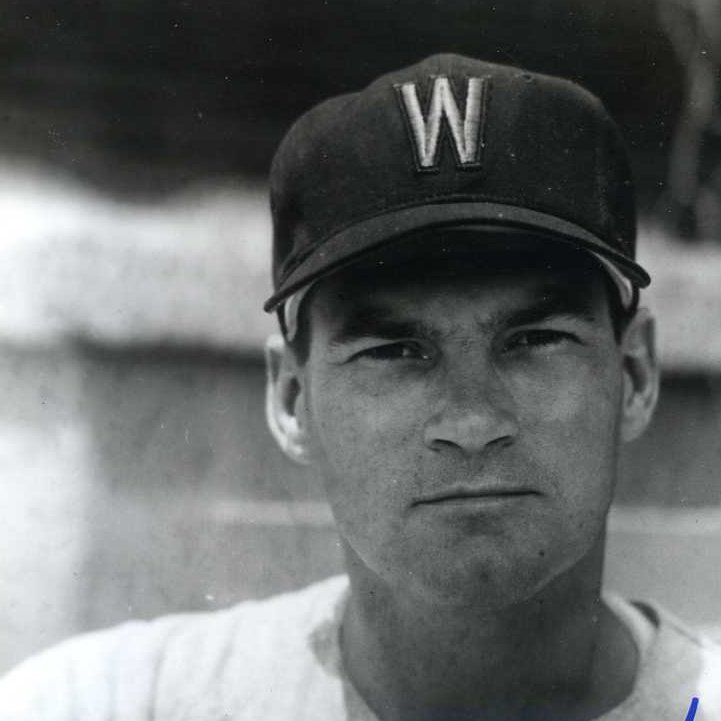 Charles Klein Stobbs was born on July 2, 1929 in Wheeling, West Virginia. He was highly sought after as a teenager, and signed with the Boston Red Sox at age 17 in 1947. He made his Major League debut shortly after his 18th birthday that same year. Stobbs was a full time starter at the big league level by 1949. He went 33-23 with a 4.70 ERA during his five seasons in Boston. They traded him to the Chicago White Sox after the 1951 season. He spent one year there, going 7-12 with a 3.13 ERA. Stobbs was then traded to the Washington Senators, going 49-68 with a 4.26 ERA between 1953 and 1957. He led the American League with 20 losses in 1957. The St. Louis Cardinals acquired Stobbs in 1958, but traded him back to Washington in 1959. Stobbs transitioned to a relief role during his second stint with the Senators, occasionally making spot starts when needed. He posted a career best 2.98 ERA over 90.2 innings in 1959, recording seven saves. The Senators re-located to Minnesota in 1961, becoming the Twins. After a 2-0 start in their inaugural season, Stobbs was the first losing pitcher in Twins history when they dropped their third contest on April 15, 1961 against the Baltimore Orioles. This was the start of his final Major League season, where he owned a 7.46 ERA with two saves. He moved back to the DC area after retiring, working as an insurance salesman. Stobbs briefly worked as a broadcaster for the new incarnation of the Washington Senators, calling their games in 1969. He was the head coach at George Washington University in 1970, then moved to Florida to work as a rookie ball pitching coach for the Kansas City Royals organization. The Cleveland Indians hired him for a similar role in 1979, and he retired after the 1981 season. Stobbs passed away in 2008 after a battle with throat cancer.
 -
Charles Klein Stobbs was born on July 2, 1929 in Wheeling, West Virginia. He was highly sought after as a teenager, and signed with the Boston Red Sox at age 17 in 1947. He made his Major League debut shortly after his 18th birthday that same year. Stobbs was a full time starter at the big league level by 1949. He went 33-23 with a 4.70 ERA during his five seasons in Boston. They traded him to the Chicago White Sox after the 1951 season. He spent one year there, going 7-12 with a 3.13 ERA. Stobbs was then traded to the Washington Senators, going 49-68 with a 4.26 ERA between 1953 and 1957. He led the American League with 20 losses in 1957. The St. Louis Cardinals acquired Stobbs in 1958, but traded him back to Washington in 1959. Stobbs transitioned to a relief role during his second stint with the Senators, occasionally making spot starts when needed. He posted a career best 2.98 ERA over 90.2 innings in 1959, recording seven saves. The Senators re-located to Minnesota in 1961, becoming the Twins. After a 2-0 start in their inaugural season, Stobbs was the first losing pitcher in Twins history when they dropped their third contest on April 15, 1961 against the Baltimore Orioles. This was the start of his final Major League season, where he owned a 7.46 ERA with two saves. He moved back to the DC area after retiring, working as an insurance salesman. Stobbs briefly worked as a broadcaster for the new incarnation of the Washington Senators, calling their games in 1969. He was the head coach at George Washington University in 1970, then moved to Florida to work as a rookie ball pitching coach for the Kansas City Royals organization. The Cleveland Indians hired him for a similar role in 1979, and he retired after the 1981 season. Stobbs passed away in 2008 after a battle with throat cancer. View full player
-
Fernando Antonio Abad was born on December 17, 1985 in the Dominican Republic. He signed with the Houston Astros as an amateur free agent in 2002, and made his Major League debut for them in 2010. Abad pitched three seasons for the Astros, appearing in 88 games and posting a 5.10 ERA. Houston non-tendered him after the 2012 season, and he signed with the Washington Nationals. Abad appeared in 39 games for the Nationals in 2013, pitching to a 3.35 ERA. Washington traded him to the Oakland Athletics after the season. The Dominican lefty specialist had a career year in 2014 with Oakland, boasting a 1.57 ERA and a 0.855 WHIP across 69 outings. He got Kansas City Royals outfielder Alex Gordon to pop out in the 12th inning of the 2014 AL Wild Card Game. This was the only batter Abad ever faced in the postseason. His strong 2014 was followed up with a 4.15 ERA over 62 games in 2015. Oakland designated him for assignment after the season. The Minnesota Twins signed Abad to a minor league contract ahead of the 2016 campaign. He wound up breaking camp with the club, and had a nearly perfect month of April. Abad allowed just seven of 37 opposing hitters to reach base against him in the opening month of 2016. The only blemish on his resume was allowing an unearned run on April 27th. When he finally gave up an earned run on May 6th, it was followed up with nine more scoreless outings. Abad continued to pitch well, and held a 2.65 ERA at the end of July. This was ballooned a bit by allowing three runs in just 0.1 innings on June 18th against the New York Yankees. He earned his first career save on June 22nd against the Philadelphia Phillies. A last place Twins team traded him to the Boston Red Sox for Pat Light, a flame throwing 25-year old who lacked control. Abad ran up a 6.39 ERA in 18 games with the Red Sox, and was left off their playoff roster. Despite his second half struggles, Boston did bring Abad back in 2017. He had a 3.30 ERA in 48 appearances, and was once again not included on their playoff roster. The New York Mets signed him to a minor league deal in 2018, but quickly released him after the league suspended him 80-games for failing a performance enhancing drug test. Abad bounced around several organizations on minor league deals for the next few seasons, logging 43 games of big league action between 2018 and 2023. View full player
-
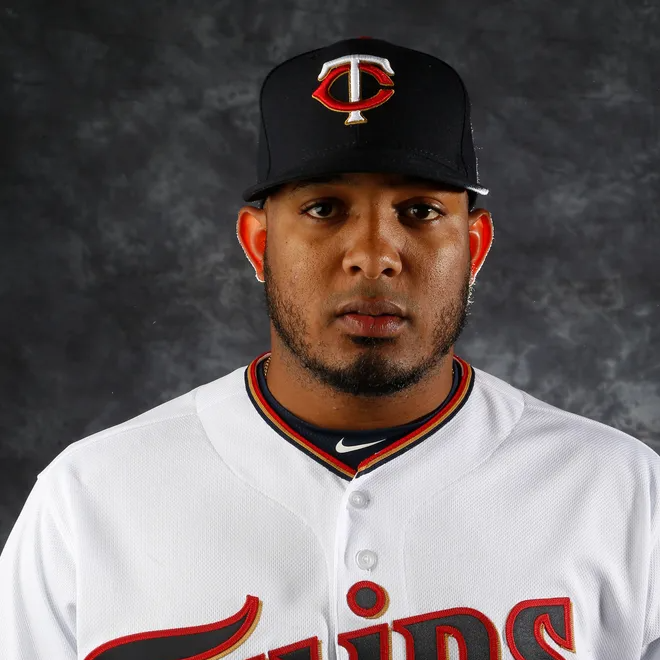 Fernando Antonio Abad was born on December 17, 1985 in the Dominican Republic. He signed with the Houston Astros as an amateur free agent in 2002, and made his Major League debut for them in 2010. Abad pitched three seasons for the Astros, appearing in 88 games and posting a 5.10 ERA. Houston non-tendered him after the 2012 season, and he signed with the Washington Nationals. Abad appeared in 39 games for the Nationals in 2013, pitching to a 3.35 ERA. Washington traded him to the Oakland Athletics after the season. The Dominican lefty specialist had a career year in 2014 with Oakland, boasting a 1.57 ERA and a 0.855 WHIP across 69 outings. He got Kansas City Royals outfielder Alex Gordon to pop out in the 12th inning of the 2014 AL Wild Card Game. This was the only batter Abad ever faced in the postseason. His strong 2014 was followed up with a 4.15 ERA over 62 games in 2015. Oakland designated him for assignment after the season. The Minnesota Twins signed Abad to a minor league contract ahead of the 2016 campaign. He wound up breaking camp with the club, and had a nearly perfect month of April. Abad allowed just seven of 37 opposing hitters to reach base against him in the opening month of 2016. The only blemish on his resume was allowing an unearned run on April 27th. When he finally gave up an earned run on May 6th, it was followed up with nine more scoreless outings. Abad continued to pitch well, and held a 2.65 ERA at the end of July. This was ballooned a bit by allowing three runs in just 0.1 innings on June 18th against the New York Yankees. He earned his first career save on June 22nd against the Philadelphia Phillies. A last place Twins team traded him to the Boston Red Sox for Pat Light, a flame throwing 25-year old who lacked control. Abad ran up a 6.39 ERA in 18 games with the Red Sox, and was left off their playoff roster. Despite his second half struggles, Boston did bring Abad back in 2017. He had a 3.30 ERA in 48 appearances, and was once again not included on their playoff roster. The New York Mets signed him to a minor league deal in 2018, but quickly released him after the league suspended him 80-games for failing a performance enhancing drug test. Abad bounced around several organizations on minor league deals for the next few seasons, logging 43 games of big league action between 2018 and 2023.
 -
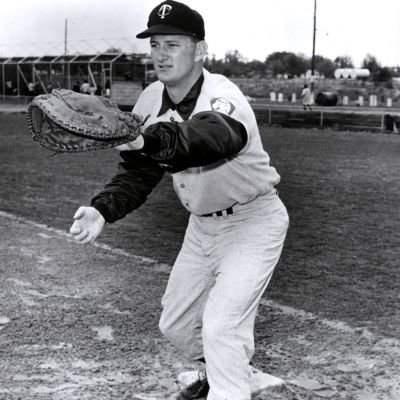 Donald Ray Mincher was born on June 24, 1938 in Huntsville, Alabama. The Chicago White Sox signed him as an amateur free agent in 1956. Mincher and Earl Battey were traded to the Washington Senators for five time All-Star Roy Sievers on the eve of the 1960 season. He made his Major League debut for the Senators on April 18, 1960. The franchise moved to Minnesota and became the Twins in 1961, bringing Mincher with them. He was primarily a bench bat for several years, hitting .238 with 33 home runs and 87 RBI over 230 games between 1960 and 1963. Mincher began to get fairly regular playing time in 1964, hitting .237 with 23 home runs in 120 games. He batted .251 with 22 home runs and 65 RBI in 1965, helping the Twins/Senators franchise reach the postseason for the first time since 1933. His second inning solo home run off Hall of Fame ace Don Drysdale in game one of the 1965 World Series was the first hit, home run, RBI and run scored in Twins playoff history. Minnesota lost in seven games against the Los Angeles Dodgers. Mincher was just 3-for-23 (.130) in the series. He returned in 1966, hitting a career high 30 doubles. The Twins traded Mincher, Jimmie Hall and Pete Cimino to the California Angels for former Cy Young winner Dean Chance following the 1966 campaign. Mincher made his first All-Star team in 1967, batting .273 with 25 home runs and 76 RBI. After a poor performance in 1968, he was traded to the Seattle Pilots and was named an All-Star again in 1969. Mincher returned to the new version of the Washington Senators in 1971, and moved with them to Texas a year later when they became the Rangers. He is one of nine players to play for both versions of the Senators, and the only player to move with them both times. Texas traded him to the Oakland Athletics during the 1972 season, and he won the World Series with Oakland that fall. He retired and moved back home to Huntsville following the 1972 World Series, becoming the team president for the minor league Huntsville Stars in 1985. Mincher remained in this role until 2001, serving as the Double-A affiliate for Oakland (1985-98) and the Seattle Mariners (99-01 and beyond his time as team president). He left the club to become commissioner of the Southern League, where the Stars played. Mincher retired from this role in 2011 due to health concerns. He passed away in 2012 at the age of 73.
 -
Donald Ray Mincher was born on June 24, 1938 in Huntsville, Alabama. The Chicago White Sox signed him as an amateur free agent in 1956. Mincher and Earl Battey were traded to the Washington Senators for five time All-Star Roy Sievers on the eve of the 1960 season. He made his Major League debut for the Senators on April 18, 1960. The franchise moved to Minnesota and became the Twins in 1961, bringing Mincher with them. He was primarily a bench bat for several years, hitting .238 with 33 home runs and 87 RBI over 230 games between 1960 and 1963. Mincher began to get fairly regular playing time in 1964, hitting .237 with 23 home runs in 120 games. He batted .251 with 22 home runs and 65 RBI in 1965, helping the Twins/Senators franchise reach the postseason for the first time since 1933. His second inning solo home run off Hall of Fame ace Don Drysdale in game one of the 1965 World Series was the first hit, home run, RBI and run scored in Twins playoff history. Minnesota lost in seven games against the Los Angeles Dodgers. Mincher was just 3-for-23 (.130) in the series. He returned in 1966, hitting a career high 30 doubles. The Twins traded Mincher, Jimmie Hall and Pete Cimino to the California Angels for former Cy Young winner Dean Chance following the 1966 campaign. Mincher made his first All-Star team in 1967, batting .273 with 25 home runs and 76 RBI. After a poor performance in 1968, he was traded to the Seattle Pilots and was named an All-Star again in 1969. Mincher returned to the new version of the Washington Senators in 1971, and moved with them to Texas a year later when they became the Rangers. He is one of nine players to play for both versions of the Senators, and the only player to move with them both times. Texas traded him to the Oakland Athletics during the 1972 season, and he won the World Series with Oakland that fall. He retired and moved back home to Huntsville following the 1972 World Series, becoming the team president for the minor league Huntsville Stars in 1985. Mincher remained in this role until 2001, serving as the Double-A affiliate for Oakland (1985-98) and the Seattle Mariners (99-01 and beyond his time as team president). He left the club to become commissioner of the Southern League, where the Stars played. Mincher retired from this role in 2011 due to health concerns. He passed away in 2012 at the age of 73. View full player
-
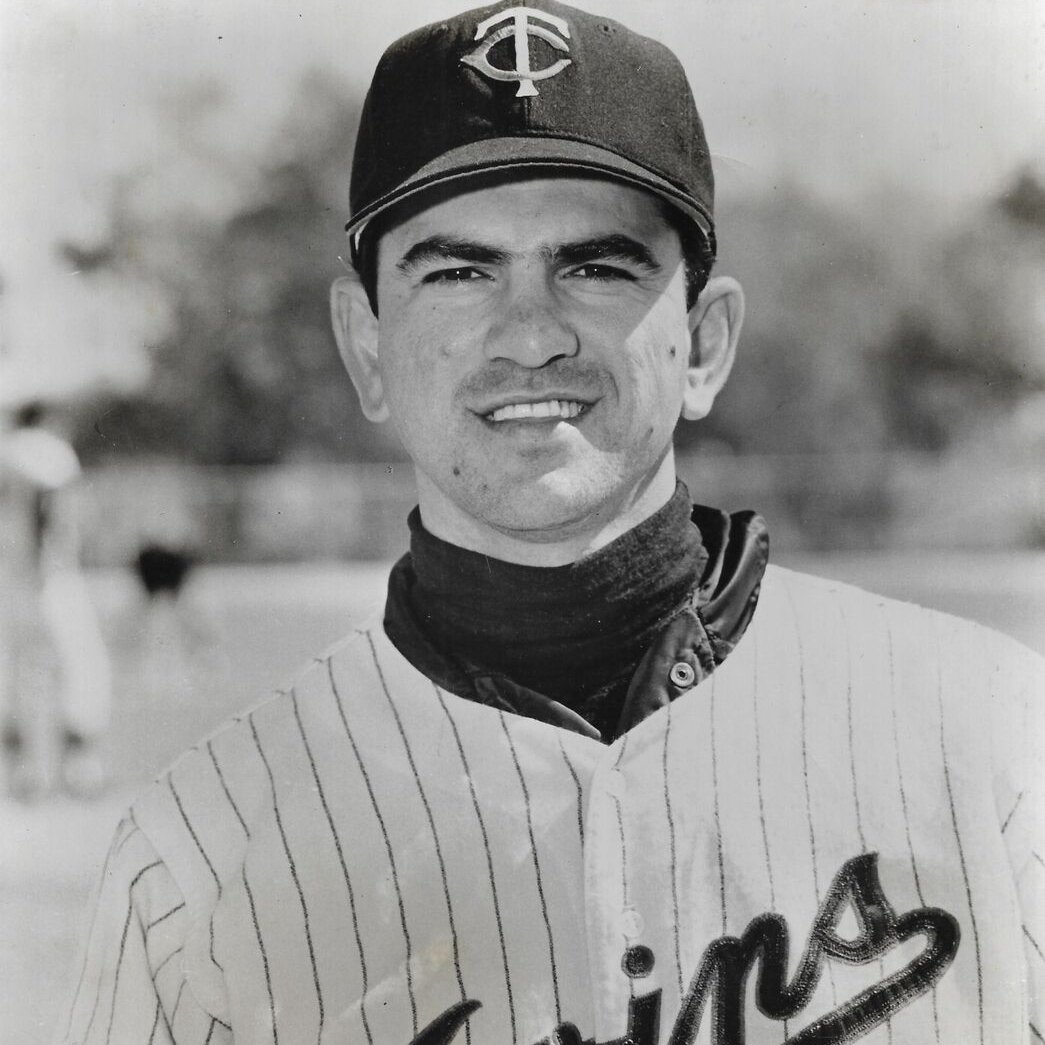 Camilo Alberto Pascual Lus was born on January 20, 1934 in Cuba. He left Havana for the United States in 1951, and signed with the Washington Senators as an amateur free agent in 1952. Pascual broke camp with the Senators in 1954 at the age of 20, making four starts and 44 relief appearances that season as a rookie. He was 4-7 with a 4.22 ERA and three saves. He established himself as a full time starter by 1957. The Cuban right hander made his first All-Star team in 1959, going 17-10 with a 2.64 ERA. The Senators moved to Minnesota in 1961, and Pascual continued to pitch at an All-Star level. He was a 20 game winner for the Twins in 1962 and 1963, forming a strong duo at the top of their rotation alongside Hall of Fame southpaw Jim Kaat. Pascual missed a chunk of the 1965 season with a shoulder injury, but returned for the stretch run and helped Minnesota reach the World Series that fall. He allowed three runs over five innings in game three of the 1965 World Series, taking the loss. That was his only career postseason appearance, and the Twins fell in seven games against the Los Angeles Dodgers. More injuries and some ineffectiveness limited Pascual in 1966, which was his final season with the Twins. They traded him back to the new version of the Washington Senators for veteran relief pitcher Ron Kline that off-season. He had a bit of a career resurgence back in Washington, posting a 2.59 ERA over 58 starts between 1967 and 1968. The 1969 season saw his ERA balloon above seven. Pascual spent the next few seasons fighting through injuries while jumping around with the Dodgers, Cincinnati Reds and Cleveland Indians. He retired after the 1971 season, but stayed involved with the sport for the next several decades. Pascual was the Twins pitching coach from 1978 to 1980, and he worked as a scout for various teams. One of the most notable players he scouted and signed was Jose Canseco, a 15th round pick of the Oakland Athletics in 1982. Pascual last worked as a scout for the Dodgers in 2013.
 -
Camilo Alberto Pascual Lus was born on January 20, 1934 in Cuba. He left Havana for the United States in 1951, and signed with the Washington Senators as an amateur free agent in 1952. Pascual broke camp with the Senators in 1954 at the age of 20, making four starts and 44 relief appearances that season as a rookie. He was 4-7 with a 4.22 ERA and three saves. He established himself as a full time starter by 1957. The Cuban right hander made his first All-Star team in 1959, going 17-10 with a 2.64 ERA. The Senators moved to Minnesota in 1961, and Pascual continued to pitch at an All-Star level. He was a 20 game winner for the Twins in 1962 and 1963, forming a strong duo at the top of their rotation alongside Hall of Fame southpaw Jim Kaat. Pascual missed a chunk of the 1965 season with a shoulder injury, but returned for the stretch run and helped Minnesota reach the World Series that fall. He allowed three runs over five innings in game three of the 1965 World Series, taking the loss. That was his only career postseason appearance, and the Twins fell in seven games against the Los Angeles Dodgers. More injuries and some ineffectiveness limited Pascual in 1966, which was his final season with the Twins. They traded him back to the new version of the Washington Senators for veteran relief pitcher Ron Kline that off-season. He had a bit of a career resurgence back in Washington, posting a 2.59 ERA over 58 starts between 1967 and 1968. The 1969 season saw his ERA balloon above seven. Pascual spent the next few seasons fighting through injuries while jumping around with the Dodgers, Cincinnati Reds and Cleveland Indians. He retired after the 1971 season, but stayed involved with the sport for the next several decades. Pascual was the Twins pitching coach from 1978 to 1980, and he worked as a scout for various teams. One of the most notable players he scouted and signed was Jose Canseco, a 15th round pick of the Oakland Athletics in 1982. Pascual last worked as a scout for the Dodgers in 2013. View full player
.thumb.png.131fdf97b843dfc7f73f4f987002a0f8.png)



