


.png.7846f23ff7308bd0a60773982c8c4137.png)
William Malone
-
Posts
786 -
Joined
-
Last visited
Content Type
Profiles
News
Minnesota Twins Videos
2026 Minnesota Twins Top Prospects Ranking
2022 Minnesota Twins Draft Picks
Minnesota Twins Free Agent & Trade Rumors, Notes, & Tidbits
Guides & Resources
2023 Minnesota Twins Draft Picks
The Minnesota Twins Players Project
2024 Minnesota Twins Draft Picks
2025 Minnesota Twins Draft Pick Tracker
2026 Minnesota Twins Draft Tracker: Picks & Bonuses
Forums
Blogs
Events
Store
Downloads
Gallery
Everything posted by William Malone
-
Glenn Charles Adams was born on October 4, 1947 in Northbridge, Massachusetts. The Houston Astros selected him with the fourth overall pick in 1968. He was released in 1972 after struggling throughout the minor leagues. Adams was signed by the San Francisco Giants, and made his Major League debut for them in 1975 at the age of 27. He hit .300 with four home runs in 61 games as a rookie. The Minnesota Twins acquired him for cash after Adams struggled in 1976. He hit .338 in 95 games for the Twins in 1977, splitting time at corner outfield and designated hitter. Adams continued to play in Minnesota through 1981, primarily serving as a designed hitter. He slashed .281/.325/.399 during his time with the Twins, which was a sample size of 501 games. These numbers are weighted down by a lackluster 1981 campaign, which was ultimately his final year with the club. Adams played 30 games for the Toronto Blue Jays in 1982, and then retired. View full player
-
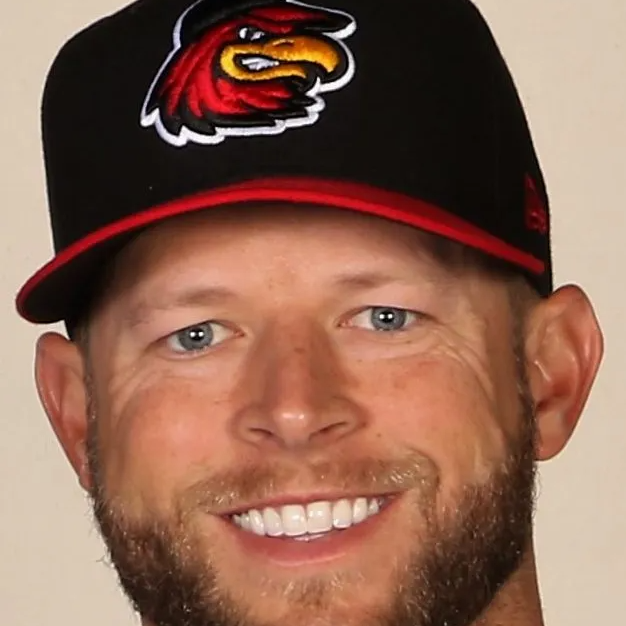 Austin David Adams was born on August 19, 1986 in Montgomery, Alabama. The Cleveland Indians drafted him in round five of the 2009 MLB Draft. He debuted for them in 2014, and made 53 relief appearances for them over parts of three seasons. Adams was 2-0 with a 6.29 ERA and one save in 58.2 innings. He spent 2017 in the Los Angeles Angels minor league system, and pitched for the Sugar Land Skeeters of the Atlantic League for most of 2018. The Minnesota Twins signed him to a minor league deal on August 19, 2018. Adams finished out that season in Double-A, and returned to the organization on another minor league deal in 2019. He pitched two scoreless innings during his Twins debut on May 18th, but was designated for assignment after allowing five runs over 0.2 innings on May 23rd. The Detroit Tigers claimed Adams. He pitched 14 innings out of their bullpen before getting designated for assignment. Adams returned to the Twins organization on a minor league deal in 2020, and spent the season at their alternate training site during the COVID shortened campaign. He pitched for the Lexington Legends of the Atlantic League in 2020 and 2021.
 -
Austin David Adams was born on August 19, 1986 in Montgomery, Alabama. The Cleveland Indians drafted him in round five of the 2009 MLB Draft. He debuted for them in 2014, and made 53 relief appearances for them over parts of three seasons. Adams was 2-0 with a 6.29 ERA and one save in 58.2 innings. He spent 2017 in the Los Angeles Angels minor league system, and pitched for the Sugar Land Skeeters of the Atlantic League for most of 2018. The Minnesota Twins signed him to a minor league deal on August 19, 2018. Adams finished out that season in Double-A, and returned to the organization on another minor league deal in 2019. He pitched two scoreless innings during his Twins debut on May 18th, but was designated for assignment after allowing five runs over 0.2 innings on May 23rd. The Detroit Tigers claimed Adams. He pitched 14 innings out of their bullpen before getting designated for assignment. Adams returned to the Twins organization on a minor league deal in 2020, and spent the season at their alternate training site during the COVID shortened campaign. He pitched for the Lexington Legends of the Atlantic League in 2020 and 2021. View full player
-
Adam Joseph Achter was born on August 27, 1988 in Oregon, Ohio. The Minnesota Twins drafted him in round 46 of the 2010 MLB Draft out of Michigan State University. With two years of college eligibility remaining, he was not expected to sign. Achter began to dominate for the Cotuit Kettleers in the Cape Cod League that summer, causing the Twins to offer him a $50,000 signing bonus just ahead of the late-August deadline for draft picks to sign. This was more money than seventh round pick from that same draft class received. Achter had a 4.52 ERA as a starter in Class-A during the 2011 season. He was then converted to the bullpen, and posted a 1.70 ERA between Class-A and High-A the following year. Achter reached Triple-A in 2013, and made his big league debut for the Twins as a September call-up in 2014. His debut went well, finishing an 11-4 win over the Chicago White Sox with a 1-2-3 inning. He allowed four runs over 11.0 innings that month (3.27 ERA). Minnesota put Achter in Triple-A to begin 2014, and he recorded a 2.63 ERA with 14 saves for the Rochester Red Wings. They called him up in mid-August. His first two appearances did not go well, getting tagged for six earned runs in 1.1 innings. Achter settled down after that, allowing just four runs over 12.0 innings (3.00 ERA) while finishing out that year with the Twins. He was non-tendered by Minnesota that off-season, getting claimed on waivers by the Los Angeles Angels. Achter had a 3.11 ERA in 37.2 innings with them in 2016, spending a chunk of the year in Triple-A. He spent the first half of 2017 in the Detroit Tigers minor league system, and the second half with the Somerset Patriots of the Atlantic League. Achter was the pitching coach at Eastern Michigan University from 2018 through 2020. View full player
-
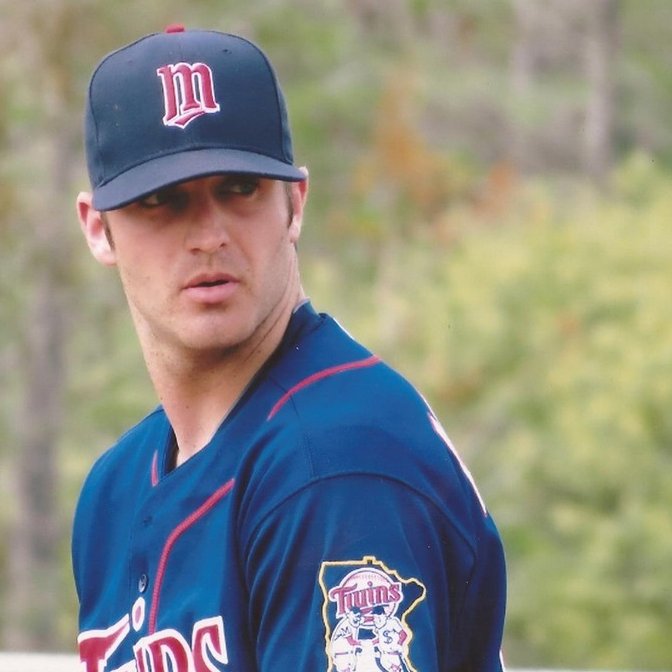 Adam Joseph Achter was born on August 27, 1988 in Oregon, Ohio. The Minnesota Twins drafted him in round 46 of the 2010 MLB Draft out of Michigan State University. With two years of college eligibility remaining, he was not expected to sign. Achter began to dominate for the Cotuit Kettleers in the Cape Cod League that summer, causing the Twins to offer him a $50,000 signing bonus just ahead of the late-August deadline for draft picks to sign. This was more money than seventh round pick from that same draft class received. Achter had a 4.52 ERA as a starter in Class-A during the 2011 season. He was then converted to the bullpen, and posted a 1.70 ERA between Class-A and High-A the following year. Achter reached Triple-A in 2013, and made his big league debut for the Twins as a September call-up in 2014. His debut went well, finishing an 11-4 win over the Chicago White Sox with a 1-2-3 inning. He allowed four runs over 11.0 innings that month (3.27 ERA). Minnesota put Achter in Triple-A to begin 2014, and he recorded a 2.63 ERA with 14 saves for the Rochester Red Wings. They called him up in mid-August. His first two appearances did not go well, getting tagged for six earned runs in 1.1 innings. Achter settled down after that, allowing just four runs over 12.0 innings (3.00 ERA) while finishing out that year with the Twins. He was non-tendered by Minnesota that off-season, getting claimed on waivers by the Los Angeles Angels. Achter had a 3.11 ERA in 37.2 innings with them in 2016, spending a chunk of the year in Triple-A. He spent the first half of 2017 in the Detroit Tigers minor league system, and the second half with the Somerset Patriots of the Atlantic League. Achter was the pitching coach at Eastern Michigan University from 2018 through 2020.
 -
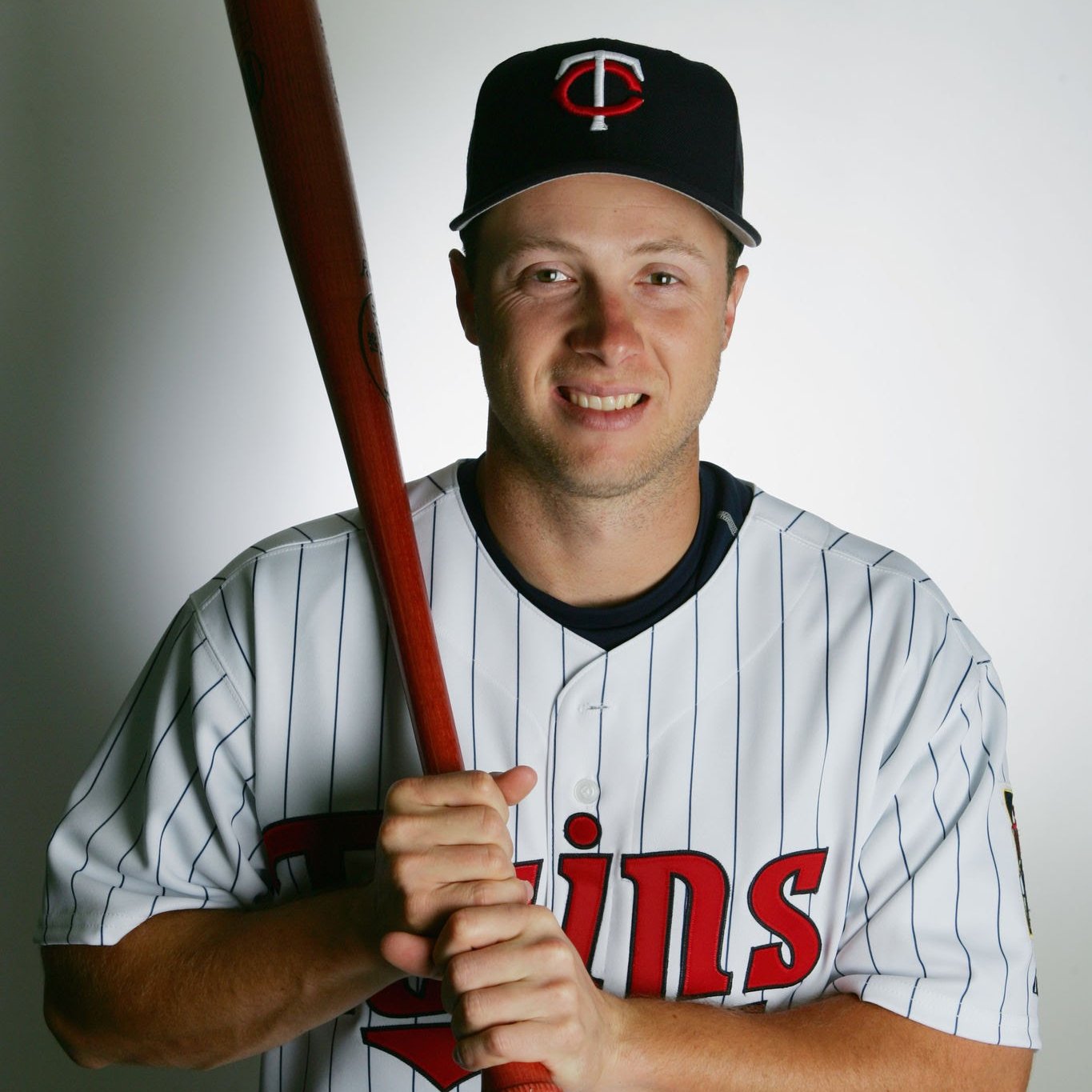 Michael Brent Abernathy was born on September 23, 1977. The Toronto Blue Jays draft him in round two of the 1996 MLB Draft. While still a prospect, he was traded to the Tampa Bay Devil Rays at the deadline in 2000 for Steve Trachsel and Mark Guthrie. Shortly after the trade, Abernathy won gold at the 2000 Olympics with Team USA. He hit .385 during the nine game tournament, and lead the Americans with six doubles. He hit .270 with five home runs and 33 RBI as a rookie for the Devil Rays in 2001. Abernathy followed that up by hitting .242 with two home runs and 40 RBI during the next year. Tampa Bay placed him on waivers after a slow start in 2003, and he was claimed by the Kansas City Royals. Abernathy spent all of 2004 in the Cleveland Indians minor league system. The Minnesota Twins signed Abernathy to a minor league deal in 2005. He hit .326 in 56 games with the Triple-A Rochester Red Wings, while also having a few cups of coffee at the big league level. Abernathy homered against Hall of Fame starter Mike Mussina in a 6-3 win over the New York Yankees on June 3rd. This was his eighth, and final, Major League home run. He also had a four game hit streak in early August, which was part of a seven game Twins win streak. Abernathy finished the year with a .239 average in 24 games, driving in six runs and stealing two bases. He continued to play professionally until 2009, but never played in the Majors after his time with the Twins.
 -
Michael Brent Abernathy was born on September 23, 1977. The Toronto Blue Jays draft him in round two of the 1996 MLB Draft. While still a prospect, he was traded to the Tampa Bay Devil Rays at the deadline in 2000 for Steve Trachsel and Mark Guthrie. Shortly after the trade, Abernathy won gold at the 2000 Olympics with Team USA. He hit .385 during the nine game tournament, and lead the Americans with six doubles. He hit .270 with five home runs and 33 RBI as a rookie for the Devil Rays in 2001. Abernathy followed that up by hitting .242 with two home runs and 40 RBI during the next year. Tampa Bay placed him on waivers after a slow start in 2003, and he was claimed by the Kansas City Royals. Abernathy spent all of 2004 in the Cleveland Indians minor league system. The Minnesota Twins signed Abernathy to a minor league deal in 2005. He hit .326 in 56 games with the Triple-A Rochester Red Wings, while also having a few cups of coffee at the big league level. Abernathy homered against Hall of Fame starter Mike Mussina in a 6-3 win over the New York Yankees on June 3rd. This was his eighth, and final, Major League home run. He also had a four game hit streak in early August, which was part of a seven game Twins win streak. Abernathy finished the year with a .239 average in 24 games, driving in six runs and stealing two bases. He continued to play professionally until 2009, but never played in the Majors after his time with the Twins. View full player
-
 William Casey Blake was born on August 23, 1973 in De Moines, Iowa. The Toronto Blue Jays selected him in round seven of the 1996 MLB Draft. He made his Major League debut for them in 1999, batting .256 with one home run in 14 games. Toronto placed him on waivers early in the 2000 season while he was back in Triple-A. The Minnesota Twins claimed him. Blake spent most of his time with the Twins in the minor leagues. He hit .317 in 2000 for their Triple-A, and .309 in 2001. Minnesota called him up periodically, and Blake was 10-for-38 (.263) with three doubles and three RBI at the Major League level in those two seasons. They placed Blake on waivers late in the 2001 campaign, and the Baltimore Orioles claimed him. He played nine games for the Orioles as a September call-up. Minnesota was able to reacquire Blake through waivers the following off-season. He hit .309 in Triple-A once again, matching his average from the year before. Blake appeared in nine Major League games for the Twins in 2002, going 4-for-20 (.200) with a double and an RBI. They released him after the season, and he signed with the Cleveland Indians. Cleveland gave Blake the playing time he had been looking for, and he spent close to six seasons there as a full time starter. Blake hit .266 with 116 home runs in 810 games for the Indians. They traded him to the Los Angeles Dodgers at the deadline in 2008. He hit .260 with 49 home runs in a Dodgers uniform, sticking with them through 2011.
 -
William Casey Blake was born on August 23, 1973 in De Moines, Iowa. The Toronto Blue Jays selected him in round seven of the 1996 MLB Draft. He made his Major League debut for them in 1999, batting .256 with one home run in 14 games. Toronto placed him on waivers early in the 2000 season while he was back in Triple-A. The Minnesota Twins claimed him. Blake spent most of his time with the Twins in the minor leagues. He hit .317 in 2000 for their Triple-A, and .309 in 2001. Minnesota called him up periodically, and Blake was 10-for-38 (.263) with three doubles and three RBI at the Major League level in those two seasons. They placed Blake on waivers late in the 2001 campaign, and the Baltimore Orioles claimed him. He played nine games for the Orioles as a September call-up. Minnesota was able to reacquire Blake through waivers the following off-season. He hit .309 in Triple-A once again, matching his average from the year before. Blake appeared in nine Major League games for the Twins in 2002, going 4-for-20 (.200) with a double and an RBI. They released him after the season, and he signed with the Cleveland Indians. Cleveland gave Blake the playing time he had been looking for, and he spent close to six seasons there as a full time starter. Blake hit .266 with 116 home runs in 810 games for the Indians. They traded him to the Los Angeles Dodgers at the deadline in 2008. He hit .260 with 49 home runs in a Dodgers uniform, sticking with them through 2011. View full player
-
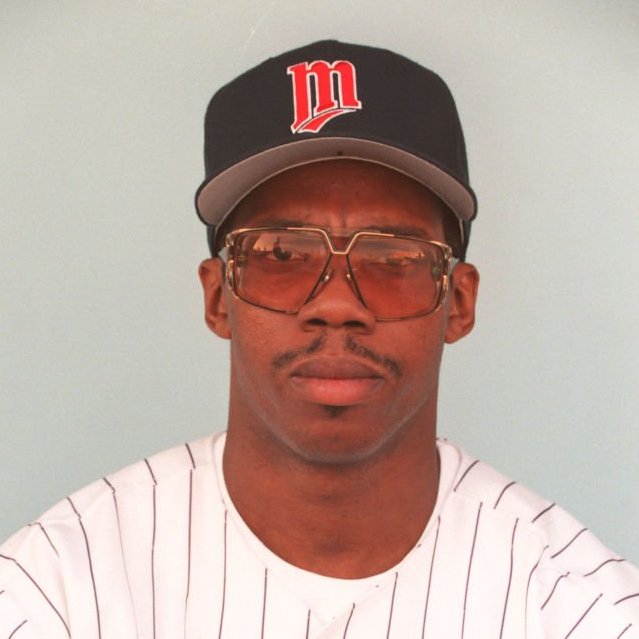 Alexander Cole Jr was born on August 17, 1965 in Fayetteville, North Carolina. The St. Louis Cardinals drafted him in round two of the 1985 MLB Draft. He was traded twice while still a minor league prospect, and made his Major League debut for the Cleveland Indians in 1990. Cole was traded to the Pittsburgh Pirates at the deadline in 1992, and he was selected by the Colorado Rockies during the 1993 Expansion Draft. He hit .256 with 30 stolen bases for the Rockies in their inaugural season, serving as their primary center fielder. Minnesota Twins legend Kirby Puckett had shifted to right field during the second half of 1993. With right field set to be his full time spot in 1994, they signed Cole to a two year deal in free agency. He hit .296 with 29 stolen bases that first season, but he led all American League center fielders with seven errors. Cole was hitting .360 with 14 RBI through 25 games in 1995, but a broken leg suffered while sliding for a ball on defense essentially ended his season. He did return for a brief three game cameo in late September, going hit less in this small dose of action off the disabled list. He played for the Boston Red Sox in 1996, and continued playing in independent leagues until getting arrested for heroin possession with the intent to distribute in 2001. Cole was playing for the Bridgeport Bluefish of the Atlantic League at the time. He was arrested at the ballpark, just minutes before first pitch of a game against the Atlantic City Surf. Cole was sentenced to 18 months in prison. He passed away in 2023 at the age of 58.
 -
Alexander Cole Jr was born on August 17, 1965 in Fayetteville, North Carolina. The St. Louis Cardinals drafted him in round two of the 1985 MLB Draft. He was traded twice while still a minor league prospect, and made his Major League debut for the Cleveland Indians in 1990. Cole was traded to the Pittsburgh Pirates at the deadline in 1992, and he was selected by the Colorado Rockies during the 1993 Expansion Draft. He hit .256 with 30 stolen bases for the Rockies in their inaugural season, serving as their primary center fielder. Minnesota Twins legend Kirby Puckett had shifted to right field during the second half of 1993. With right field set to be his full time spot in 1994, they signed Cole to a two year deal in free agency. He hit .296 with 29 stolen bases that first season, but he led all American League center fielders with seven errors. Cole was hitting .360 with 14 RBI through 25 games in 1995, but a broken leg suffered while sliding for a ball on defense essentially ended his season. He did return for a brief three game cameo in late September, going hit less in this small dose of action off the disabled list. He played for the Boston Red Sox in 1996, and continued playing in independent leagues until getting arrested for heroin possession with the intent to distribute in 2001. Cole was playing for the Bridgeport Bluefish of the Atlantic League at the time. He was arrested at the ballpark, just minutes before first pitch of a game against the Atlantic City Surf. Cole was sentenced to 18 months in prison. He passed away in 2023 at the age of 58. View full player
-
.thumb.png.131fdf97b843dfc7f73f4f987002a0f8.png)
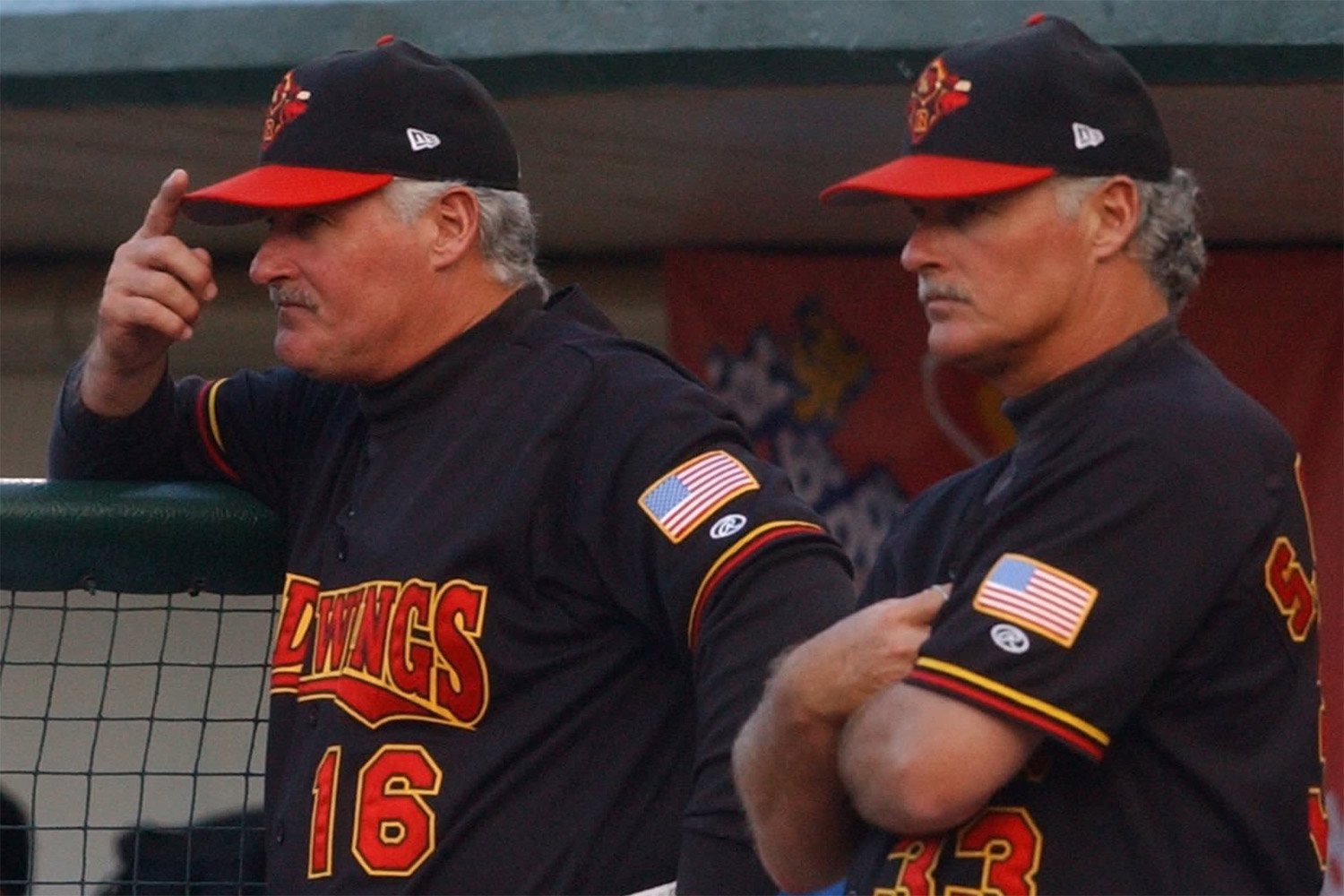 Stan Cliburn has been managing professional baseball clubs for over three decades, first heading up the Watertown Pirates of the New York-Penn League in 1988. He is currently managing the Southern Maryland Blue Crabs of the Atlantic League. Between all of this, Cliburn spent a decade managing various minor league teams within the Minnesota Twins' farm system. He developed several players who helped the organization win six AL Central titles between 2002 and 2010. Twins Daily recently caught up with him. Before joining the Twins organization, Cliburn managed in the Pittsburgh Pirates' minor league system for several seasons. In 1989, he helped transition Tim Wakefield from a light-hitting first baseman to a star knuckleballer. On Wakefield, Cliburn said: “We drafted him [in round] eight as a big power guy. Hit a lot of home runs out in college. He just couldn’t get used to the wooden bat. We took him to A-ball in Augusta. He was a first baseman. Before games, we used to have mandatory infield/outfield practice for the scouts to judge. I’d always come out and have to get on Tim because he would be playing catch with the second baseman, or his other counterpart at first base." "Just always messing around with that knuckleball. I’d always say, ‘Timmy, you’re a first baseman. Throw the ball straight. We’re getting ready for infield/outfield. Throw the ball straight.’ But every day, he was out there throwing that knuckleball. It came to the point where he wasn’t hitting. He came to me and said ‘Stan, I don’t think I’m going to be able to hit in pro ball. I just can’t get used to the wooden bat.’ Pittsburgh was very discouraged with his development as a hitter. He said ‘You know how I love throwing that knuckleball? You think there’s a chance they’ll send me back to extended spring. Go down there, show ‘em I can throw this knuckleball? And then go from there.’ So that’s what we did.” With the Twins, Cliburn managed at three different levels: Class-A Quad Cities (2000), Double-A New Britain (2001-05), and Triple-A Rochester (2006-09). Each level is different and presents its challenges for coaches. “In the Midwest League [Class-A], you’ve got a lot of young players. Just drafted out of high school and college. It’s most of your draft picks who are young. You’ve to pay attention a bit more with teaching them the professional side of the game. Not only teaching them the game between the white lines. The fundamentals of the game, how you play the game, professional etiquette, and all that. You’re more of a father figure to them. That’s something I had learned early in my Pirate days back in ‘88, ‘89 when I was a young manager." "They jumped me to Double-A in ‘01. These guys have been through the learning process of how the organization works, what the organizational policy is, and what we believe. From there, it’s just a matter of keeping the guys ready for the big league call-up." Player development was especially important in the Twins organization. “We didn’t go out and sign a lot of free agents at the big league level. Most of our young men were developed within the farm system. Those were kind of the glory years, I call them. From 2000 to 2010, I was there. Just look at the names from the past. Joe Mauer came through there. Michael Cuddyer. Michael Restovich. Dustan Mohr. Pat Neshek. A.J. Pierzynski. The list goes on and on. Trevor Plouffe. Terry Tiffee. It was player development all the way with Minnesota. That’s how they do things. That was under the old regime. [General manager] Terry Ryan, [farm system director] Jim Rantz. Mike Radcliff was the scouting director. Those guys had been over there forever. I really enjoyed those years. There’s a model in pro baseball of how to develop players, and the Minnesota Twins knew the way to do it.” Player development might take priority over winning games at the minor league level, but that didn’t stop Cliburn from racking up a ton of wins while managing in the Twins' minor league system. “Player development first. But I always believed that if you teach the game the right way and play the game the right way, wins come with that. You do the fundamentals, pay attention to detail, play defense, throw strikes, just do everything the game relies on to be successful. Teach all that, and you’re going to win games. Wins are icing on the cake. But that’s what we did. We did the little things to win games." "I think the biggest challenge I’ve ever had as a manager was in 2001. That 90-win season in the Eastern League [with Double-A New Britain]. That team went on and was named Sporting News Minor League Team of the Year… I felt more pressure. We knew we were gonna have a good club, because Minnesota had put all their best prospects in Double-A that year. There was a lot of pressure on us to do well. A lot of eyes on us." "I remember the ‘06 club and going to Rochester [Triple-A]. It was a lot of the same guys I had in Double-A. Of course, we fall one game short of winning the International League. The Toledo Mud Hens got us. But that was the concept. All those guys went to the big leagues in the middle-2000’s. And those years, the American League Central was dominated by the Twins. A lot of those same guys who we had throughout the minor leagues were now playing for Ron Gardenhire and his staff up in Minnesota.” Cliburn had success with all types of prospects, from first-round pick Joe Mauer to 26th-round picks such as Terry Tiffee. “I always took the concept, if you were a number one pick or a 40th round pick, you try to treat them all the same. Try to give them all the same time. You try to give them all the same commitment. Joe [Mauer] was really such a special talent. You didn’t have to teach Joe the intangibles or professionalism. He had all of that. The ones, like the Tiffees and the Lew Fords, were kind of diamonds in the rough. You really had to polish them up and see them develop. You love to see them make it. [Justin] Morneau was a catcher, we had to move him to first base. He was a surprise with how he turned out for us. We always knew he was gonna hit, but the way he went over and played first base was unbelievable. He really worked at it. [Michael] Cuddyer was another one. Figuring out the best way to use him…But Mauer was a special one. It didn’t take him long to get where he needed to be, and it didn’t take him long to get into the Hall of Fame. The other kids were just grinders. They believed in their ability. They believed in what they were doing. They made it. They did well. Lew Ford got there because of his grit. Tiffee was another. They just bought into the system. I’m really proud of every one of those guys." Lew Ford is now the manager for the Long Island Ducks, coaching against Cliburn in the Atlantic League. Several other Cliburn pupils have also gone into coaching, including both current Twins base coaches, Ramon Borrego and Tommy Watkins. He believes you can always tell when guys are cut out for coaching early on. “You see their passion, their competitive edge and what kind of teammate they are. How their teammates gravitate towards them when the ship starts getting rocky. Guys go to them for answers. Tommy Watkins was a good one. Ramon Borrego. Jeff Smith was a catcher. He went on to be a first base coach for Paul Molitor. You just knew they had that passion and a love for the game. You can always read those type of guys. Joe Maddon is a good example. We were teammates in the 70s and 80s in the early Angels days. We always knew Joe was gonna turn out to be a pretty good coach or manager. We knew that back when he was 21, 22 years old. It’s not tough to find those guys. They seem to glow and come out.” The Twins also employed Stu Cliburn, the twin brother of Stan. Stu served as the pitching coach on several teams that Stan was managing. “It was the most amazing thing, almost like having two managers. Stu was my pitching coach for nine years, and just did a tremendous job. We thought alike, we lived alike, our mannerisms would be the same. The communication is easy. The players were comfortable around both of us. They knew it was two guys with one mind thinking the same way. Stu did a great job with the pitchers. He had their respect. I’d be thinking something, maybe about a pitching change or bringing a guy out of the bullpen. I’d ask him what he was thinking, and he’d go ‘let’s get Neshek in there.’ Lo and behold, I was already thinking the same thing. It was a gift having two managers.” Stan and Stu apply philosophies from their Twins days to their current jobs in independent ball. Stu is currently the pitching coach of the Chicago Dogs in the American Association. “We both had good years [with the Twins organization]. We continue what we learned and what we did in Minnesota, applying it to indie ball. We want the players that we get here to get on out of here and move up the ladder. Maybe go back to Double-A and Triple-A. Hopefully, land in the big leagues one day. And that has happened to me over the last 15 or so years managing independent ball. I’m the same manager. I give the same speeches I gave Mauer and Morneau and all of those guys.”
 -
Stan Cliburn managed several levels of Twins minor-league affiliates through the 2000s. Twins Daily talked to him about his time in the organization. Stan Cliburn managed several levels of Twins minor-league affiliates through the 2000s. Twins Daily talked to him about his time in the organization. Stan Cliburn has been managing professional baseball clubs for over three decades, first heading up the Watertown Pirates of the New York-Penn League in 1988. He is currently managing the Southern Maryland Blue Crabs of the Atlantic League. Between all of this, Cliburn spent a decade managing various minor league teams within the Minnesota Twins' farm system. He developed several players who helped the organization win six AL Central titles between 2002 and 2010. Twins Daily recently caught up with him. Before joining the Twins organization, Cliburn managed in the Pittsburgh Pirates' minor league system for several seasons. In 1989, he helped transition Tim Wakefield from a light-hitting first baseman to a star knuckleballer. On Wakefield, Cliburn said: “We drafted him [in round] eight as a big power guy. Hit a lot of home runs out in college. He just couldn’t get used to the wooden bat. We took him to A-ball in Augusta. He was a first baseman. Before games, we used to have mandatory infield/outfield practice for the scouts to judge. I’d always come out and have to get on Tim because he would be playing catch with the second baseman, or his other counterpart at first base." "Just always messing around with that knuckleball. I’d always say, ‘Timmy, you’re a first baseman. Throw the ball straight. We’re getting ready for infield/outfield. Throw the ball straight.’ But every day, he was out there throwing that knuckleball. It came to the point where he wasn’t hitting. He came to me and said ‘Stan, I don’t think I’m going to be able to hit in pro ball. I just can’t get used to the wooden bat.’ Pittsburgh was very discouraged with his development as a hitter. He said ‘You know how I love throwing that knuckleball? You think there’s a chance they’ll send me back to extended spring. Go down there, show ‘em I can throw this knuckleball? And then go from there.’ So that’s what we did.” With the Twins, Cliburn managed at three different levels: Class-A Quad Cities (2000), Double-A New Britain (2001-05), and Triple-A Rochester (2006-09). Each level is different and presents its challenges for coaches. “In the Midwest League [Class-A], you’ve got a lot of young players. Just drafted out of high school and college. It’s most of your draft picks who are young. You’ve to pay attention a bit more with teaching them the professional side of the game. Not only teaching them the game between the white lines. The fundamentals of the game, how you play the game, professional etiquette, and all that. You’re more of a father figure to them. That’s something I had learned early in my Pirate days back in ‘88, ‘89 when I was a young manager." "They jumped me to Double-A in ‘01. These guys have been through the learning process of how the organization works, what the organizational policy is, and what we believe. From there, it’s just a matter of keeping the guys ready for the big league call-up." Player development was especially important in the Twins organization. “We didn’t go out and sign a lot of free agents at the big league level. Most of our young men were developed within the farm system. Those were kind of the glory years, I call them. From 2000 to 2010, I was there. Just look at the names from the past. Joe Mauer came through there. Michael Cuddyer. Michael Restovich. Dustan Mohr. Pat Neshek. A.J. Pierzynski. The list goes on and on. Trevor Plouffe. Terry Tiffee. It was player development all the way with Minnesota. That’s how they do things. That was under the old regime. [General manager] Terry Ryan, [farm system director] Jim Rantz. Mike Radcliff was the scouting director. Those guys had been over there forever. I really enjoyed those years. There’s a model in pro baseball of how to develop players, and the Minnesota Twins knew the way to do it.” Player development might take priority over winning games at the minor league level, but that didn’t stop Cliburn from racking up a ton of wins while managing in the Twins' minor league system. “Player development first. But I always believed that if you teach the game the right way and play the game the right way, wins come with that. You do the fundamentals, pay attention to detail, play defense, throw strikes, just do everything the game relies on to be successful. Teach all that, and you’re going to win games. Wins are icing on the cake. But that’s what we did. We did the little things to win games." "I think the biggest challenge I’ve ever had as a manager was in 2001. That 90-win season in the Eastern League [with Double-A New Britain]. That team went on and was named Sporting News Minor League Team of the Year… I felt more pressure. We knew we were gonna have a good club, because Minnesota had put all their best prospects in Double-A that year. There was a lot of pressure on us to do well. A lot of eyes on us." "I remember the ‘06 club and going to Rochester [Triple-A]. It was a lot of the same guys I had in Double-A. Of course, we fall one game short of winning the International League. The Toledo Mud Hens got us. But that was the concept. All those guys went to the big leagues in the middle-2000’s. And those years, the American League Central was dominated by the Twins. A lot of those same guys who we had throughout the minor leagues were now playing for Ron Gardenhire and his staff up in Minnesota.” Cliburn had success with all types of prospects, from first-round pick Joe Mauer to 26th-round picks such as Terry Tiffee. “I always took the concept, if you were a number one pick or a 40th round pick, you try to treat them all the same. Try to give them all the same time. You try to give them all the same commitment. Joe [Mauer] was really such a special talent. You didn’t have to teach Joe the intangibles or professionalism. He had all of that. The ones, like the Tiffees and the Lew Fords, were kind of diamonds in the rough. You really had to polish them up and see them develop. You love to see them make it. [Justin] Morneau was a catcher, we had to move him to first base. He was a surprise with how he turned out for us. We always knew he was gonna hit, but the way he went over and played first base was unbelievable. He really worked at it. [Michael] Cuddyer was another one. Figuring out the best way to use him…But Mauer was a special one. It didn’t take him long to get where he needed to be, and it didn’t take him long to get into the Hall of Fame. The other kids were just grinders. They believed in their ability. They believed in what they were doing. They made it. They did well. Lew Ford got there because of his grit. Tiffee was another. They just bought into the system. I’m really proud of every one of those guys." Lew Ford is now the manager for the Long Island Ducks, coaching against Cliburn in the Atlantic League. Several other Cliburn pupils have also gone into coaching, including both current Twins base coaches, Ramon Borrego and Tommy Watkins. He believes you can always tell when guys are cut out for coaching early on. “You see their passion, their competitive edge and what kind of teammate they are. How their teammates gravitate towards them when the ship starts getting rocky. Guys go to them for answers. Tommy Watkins was a good one. Ramon Borrego. Jeff Smith was a catcher. He went on to be a first base coach for Paul Molitor. You just knew they had that passion and a love for the game. You can always read those type of guys. Joe Maddon is a good example. We were teammates in the 70s and 80s in the early Angels days. We always knew Joe was gonna turn out to be a pretty good coach or manager. We knew that back when he was 21, 22 years old. It’s not tough to find those guys. They seem to glow and come out.” The Twins also employed Stu Cliburn, the twin brother of Stan. Stu served as the pitching coach on several teams that Stan was managing. “It was the most amazing thing, almost like having two managers. Stu was my pitching coach for nine years, and just did a tremendous job. We thought alike, we lived alike, our mannerisms would be the same. The communication is easy. The players were comfortable around both of us. They knew it was two guys with one mind thinking the same way. Stu did a great job with the pitchers. He had their respect. I’d be thinking something, maybe about a pitching change or bringing a guy out of the bullpen. I’d ask him what he was thinking, and he’d go ‘let’s get Neshek in there.’ Lo and behold, I was already thinking the same thing. It was a gift having two managers.” Stan and Stu apply philosophies from their Twins days to their current jobs in independent ball. Stu is currently the pitching coach of the Chicago Dogs in the American Association. “We both had good years [with the Twins organization]. We continue what we learned and what we did in Minnesota, applying it to indie ball. We want the players that we get here to get on out of here and move up the ladder. Maybe go back to Double-A and Triple-A. Hopefully, land in the big leagues one day. And that has happened to me over the last 15 or so years managing independent ball. I’m the same manager. I give the same speeches I gave Mauer and Morneau and all of those guys.” View full article
-
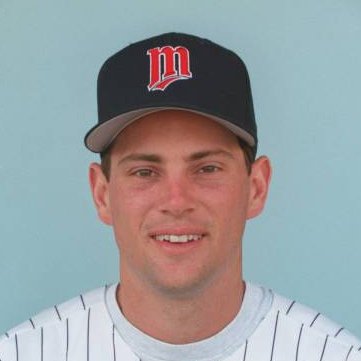 Brian Charles Raabe was born on November 5, 1967 in New Ulm, Minnesota. He was drafted by the Minnesota Twins out of the University of Minnesota in round 41 of the 1990 MLB Draft. He played 13 games for them between the 1995 and 1996 seasons, going 5-for-23 (.217) with two RBI at the plate. Raabe was always a productive minor league hitter, and won the Triple-A batting title in 1996. He continued to play professionally through the 1999 season, including brief Major League stops with the Colorado Rockies and Seattle Mariners. Raabe remained local to the Twin Cities after retiring. He was the head baseball coach at Forest Lake Area High School from 2001 through 2011. After turning them into a perennial state contender, Raabe took to the college ranks. Bethel University in St. Paul hired him 2012. Through the end of 2024, Raabe has compiled a 324-174 record as their head coach. They have made the NCAA Division III tournament four times since he took over.
 -
Brian Charles Raabe was born on November 5, 1967 in New Ulm, Minnesota. He was drafted by the Minnesota Twins out of the University of Minnesota in round 41 of the 1990 MLB Draft. He played 13 games for them between the 1995 and 1996 seasons, going 5-for-23 (.217) with two RBI at the plate. Raabe was always a productive minor league hitter, and won the Triple-A batting title in 1996. He continued to play professionally through the 1999 season, including brief Major League stops with the Colorado Rockies and Seattle Mariners. Raabe remained local to the Twin Cities after retiring. He was the head baseball coach at Forest Lake Area High School from 2001 through 2011. After turning them into a perennial state contender, Raabe took to the college ranks. Bethel University in St. Paul hired him 2012. Through the end of 2024, Raabe has compiled a 324-174 record as their head coach. They have made the NCAA Division III tournament four times since he took over. View full player
-
Riccardo Benay Ingram was born on September 10, 1966 in Douglas, Georgia. The Detroit Tigers drafted him in round four of the 1987 MLB Draft. He played 12 games for them in 1994, going 5-for-23 (.217) with a walk and two RBI. Ingram signed a minor league contract with the Minnesota Twins the following year, and appeared in four big league games for them. He was 1-for-8 (.125) with two walks. Minnesota retained him as a minor league coach when he was done playing. He managed the GCL Twins (Rookie), Fort Myers Miracle (High-A) and New Britain Rock Cats (Double-A) for a combined total of four seasons, compiling a record of 239-235 as skipper. Between these managerial stints, Ingram was employed as a hitting coach working across various levels of the Twins system. He was diagnosed with brain cancer while serving as the Triple-A Rochester Red Wings hitting coach in 2009. Ingram received radiation theory, and returned to work after a six week absence. The cancer came back in 2014, and Ingram passed away during spring training in 2015. He had been serving as a roving minor league instructor for the Twins at the time of his death. View full player
-
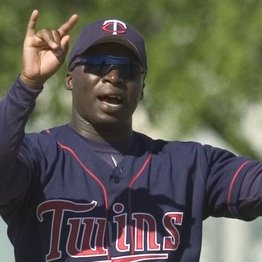 Riccardo Benay Ingram was born on September 10, 1966 in Douglas, Georgia. The Detroit Tigers drafted him in round four of the 1987 MLB Draft. He played 12 games for them in 1994, going 5-for-23 (.217) with a walk and two RBI. Ingram signed a minor league contract with the Minnesota Twins the following year, and appeared in four big league games for them. He was 1-for-8 (.125) with two walks. Minnesota retained him as a minor league coach when he was done playing. He managed the GCL Twins (Rookie), Fort Myers Miracle (High-A) and New Britain Rock Cats (Double-A) for a combined total of four seasons, compiling a record of 239-235 as skipper. Between these managerial stints, Ingram was employed as a hitting coach working across various levels of the Twins system. He was diagnosed with brain cancer while serving as the Triple-A Rochester Red Wings hitting coach in 2009. Ingram received radiation theory, and returned to work after a six week absence. The cancer came back in 2014, and Ingram passed away during spring training in 2015. He had been serving as a roving minor league instructor for the Twins at the time of his death.
 -
Kevin Christian Maas was born on January 20, 1965 in Castro Valley, California. The New York Yankees drafted him in round 22 of the 1986 MLB Draft. He eventually blossomed into one of the game's best prospects, and even flashed this potential at the Major League level. Maas was the runner-up for AL Rookie of the Year in 1990, hitting 21 home runs in just 79 games. The award went to Cleveland Indians catcher Sandy Alomar, who had played a fuller season of 132 games. He followed this up with a strong sophomore campaign in 1991, but injuries an ineffectiveness started to get the best of him going forward. Many had viewed him as the heir apparent to Don Mattingly at first base in the Bronx. It never worked out that way, but he came to the Minnesota Twins in 1995 hoping to be the heir apparent to the recently retired Kent Hrbek. Maas started at first base on Opening Day for the Twins that season, going 1-for-3 in a 9-0 loss against the Boston Red Sox. His hit was one of just two for Minnesota that afternoon. A hamstring injury put him on the disabled list just two weeks into the season, and Maas was highly ineffective once returning. His time with the Twins lasted just 22 games. He hit .193 with one home run and five RBI. This was also the final chapter of his Major League career. Maas began to work as a financial consultant at Charles Schwab back in his hometown of Castro Valley after retiring. He frequently attends Old Timers' Day at Yankee Stadium. Maas nearly caught Aaron Boone's walk-off home run in game seven of the 2003 ALCS after buying a last minute ticket while in town on business. The home run landed just a few seats over from him. View full player
-
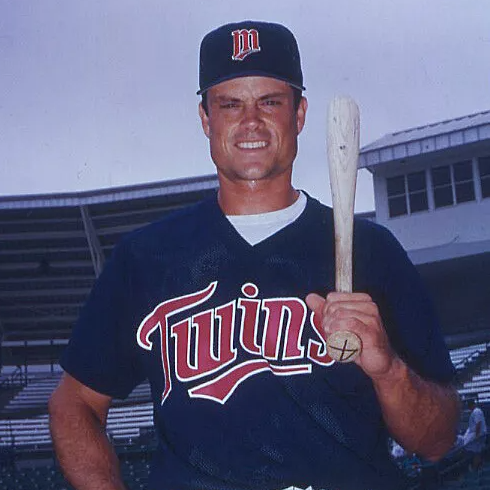 Kevin Christian Maas was born on January 20, 1965 in Castro Valley, California. The New York Yankees drafted him in round 22 of the 1986 MLB Draft. He eventually blossomed into one of the game's best prospects, and even flashed this potential at the Major League level. Maas was the runner-up for AL Rookie of the Year in 1990, hitting 21 home runs in just 79 games. The award went to Cleveland Indians catcher Sandy Alomar, who had played a fuller season of 132 games. He followed this up with a strong sophomore campaign in 1991, but injuries an ineffectiveness started to get the best of him going forward. Many had viewed him as the heir apparent to Don Mattingly at first base in the Bronx. It never worked out that way, but he came to the Minnesota Twins in 1995 hoping to be the heir apparent to the recently retired Kent Hrbek. Maas started at first base on Opening Day for the Twins that season, going 1-for-3 in a 9-0 loss against the Boston Red Sox. His hit was one of just two for Minnesota that afternoon. A hamstring injury put him on the disabled list just two weeks into the season, and Maas was highly ineffective once returning. His time with the Twins lasted just 22 games. He hit .193 with one home run and five RBI. This was also the final chapter of his Major League career. Maas began to work as a financial consultant at Charles Schwab back in his hometown of Castro Valley after retiring. He frequently attends Old Timers' Day at Yankee Stadium. Maas nearly caught Aaron Boone's walk-off home run in game seven of the 2003 ALCS after buying a last minute ticket while in town on business. The home run landed just a few seats over from him.
 -
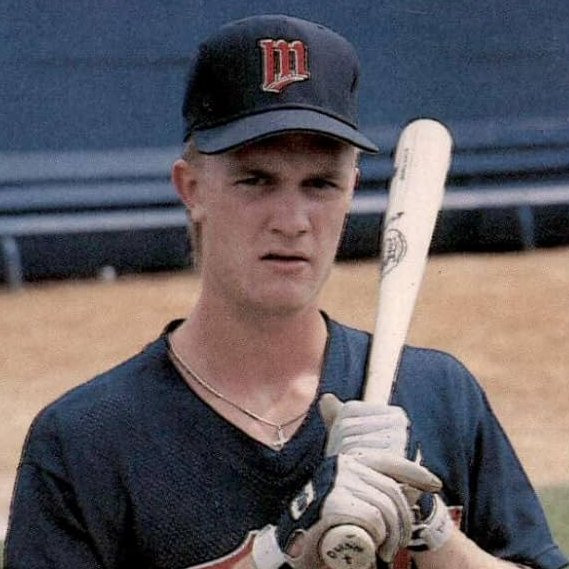 Steven Robert Dunn was born on April 18, 1970 in Champaign, Illinois. The Minnesota Twins drafted him in round four of the 1988 MLB Draft. Dunn often put up great numbers in the minor leagues. His best season on the farm came in 1992 with the Visalia Oaks (High-A). He drove in 113 runs, which was second in the California League that year. Fellow Twins prospect Marty Cordova was the only player with more. Visalia made the league's championship series, but fell to the Stockton Ports. Kent Hrbek was placed on the disabled list with a hamstring strain on May 2, 1994. The Twins called up Dunn to fill the roster spot, and he split time at first base with Dave McCarthy while Hrbek was on the mend. Dunn went 2-for-4 with a double in his Major League debut, but Minnesota lost a 7-6 shootout against the Milwaukee Brewers. He drove in his first big league run on May 10th, scoring Shane Mack with an RBI groundout. His second big league RBI came just one inning later by capping off a four run rally with a double that scored Dave Winfield. Dunn was sent back to Triple-A when Hrbek was healthy at the end of the month. He had gone 8-for-35 (.229) with five doubles and four RBI across 14 games of big league action. Hrbek retired after the season, but Minnesota signed former New York Yankees designated hitter Kevin Maas to replace him at first base. Injuries and ineffectiveness limited Maas to just 22 games for the Twins in 1995, but they called up Scott Stahoviak over Dunn as a replacement. Dunn was limited to just five games as a September call-up late in the year. As of 2025, Dunn is a teacher and the head baseball coach at Alcoa High School in Tennessee.
 -
Steven Robert Dunn was born on April 18, 1970 in Champaign, Illinois. The Minnesota Twins drafted him in round four of the 1988 MLB Draft. Dunn often put up great numbers in the minor leagues. His best season on the farm came in 1992 with the Visalia Oaks (High-A). He drove in 113 runs, which was second in the California League that year. Fellow Twins prospect Marty Cordova was the only player with more. Visalia made the league's championship series, but fell to the Stockton Ports. Kent Hrbek was placed on the disabled list with a hamstring strain on May 2, 1994. The Twins called up Dunn to fill the roster spot, and he split time at first base with Dave McCarthy while Hrbek was on the mend. Dunn went 2-for-4 with a double in his Major League debut, but Minnesota lost a 7-6 shootout against the Milwaukee Brewers. He drove in his first big league run on May 10th, scoring Shane Mack with an RBI groundout. His second big league RBI came just one inning later by capping off a four run rally with a double that scored Dave Winfield. Dunn was sent back to Triple-A when Hrbek was healthy at the end of the month. He had gone 8-for-35 (.229) with five doubles and four RBI across 14 games of big league action. Hrbek retired after the season, but Minnesota signed former New York Yankees designated hitter Kevin Maas to replace him at first base. Injuries and ineffectiveness limited Maas to just 22 games for the Twins in 1995, but they called up Scott Stahoviak over Dunn as a replacement. Dunn was limited to just five games as a September call-up late in the year. As of 2025, Dunn is a teacher and the head baseball coach at Alcoa High School in Tennessee. View full player
-
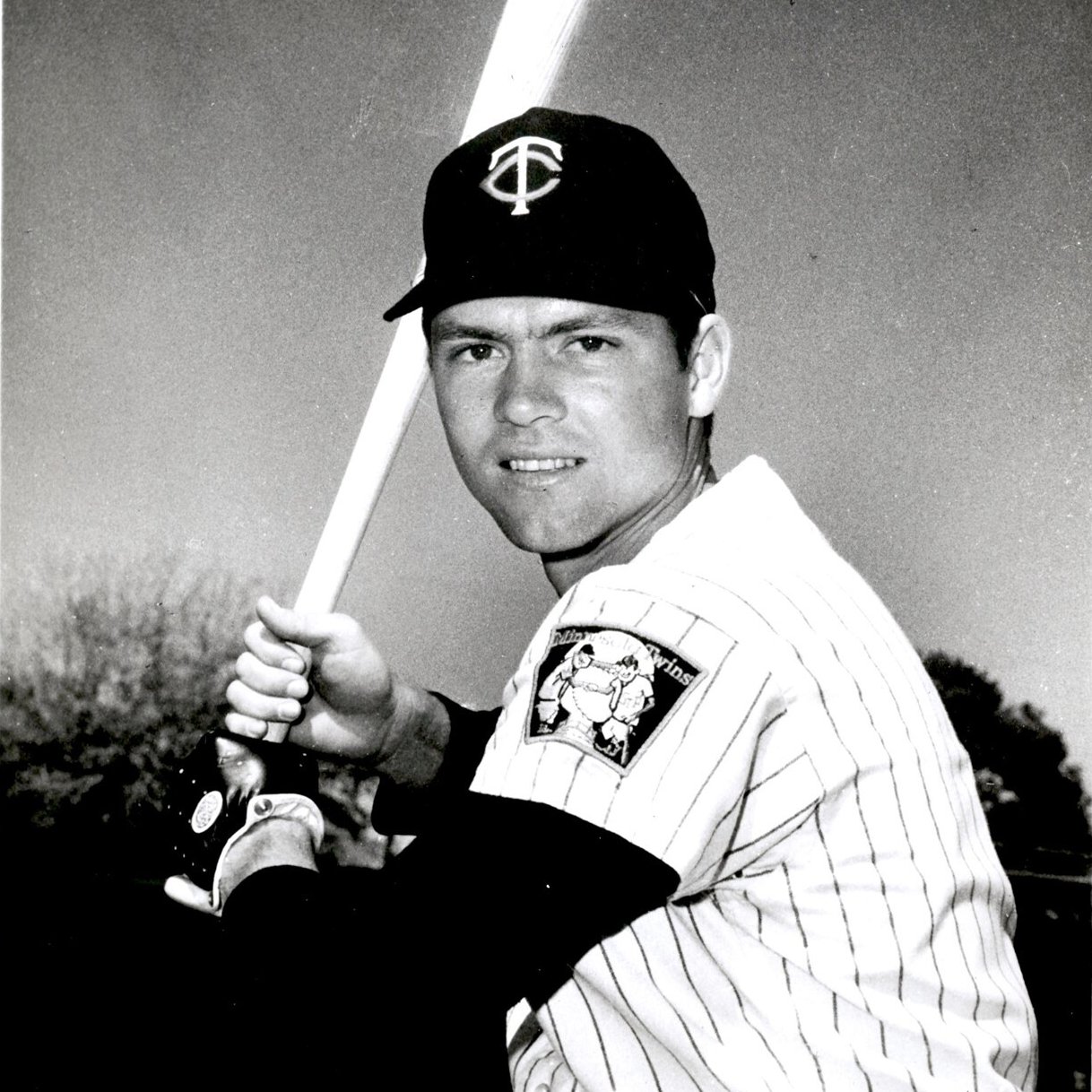 Ronald Bruce Clark was born on January 14, 1943 in Fort Worth Texas. The Philadelphia Phillies signed him as an amateur free agent in 1961. He was traded to the Minnesota Twins in 1963, and debuted for them in 1966. Clark played parts of four seasons for the Twins, batting .182 with three home runs and 25 RBI across 134 games of action. 104 of those appearances came during the 1968 campaign, where he hit .185 with 13 RBI. Minnesota traded him to the Seattle Pilots on July 11, 1969. He had only logged five games of big league action at that point of the season. The rest of his career was spent bouncing around the league as a journeyman backup infielder. Clark played for the Oakland Athletics, Milwaukee Brewers and Philadelphia Phillies after leaving the Pilots. There were several minor league stops along the way as well. His final games of Major League play came with the Phillies in 1975. He spent much of the 1980's and early 1990's jumping around the league as a first or third base coach with several big league organizations. Clark then worked as a scout for the Kansas City Royals for nearly two decades, before retiring in 2014.
 -
Ronald Bruce Clark was born on January 14, 1943 in Fort Worth Texas. The Philadelphia Phillies signed him as an amateur free agent in 1961. He was traded to the Minnesota Twins in 1963, and debuted for them in 1966. Clark played parts of four seasons for the Twins, batting .182 with three home runs and 25 RBI across 134 games of action. 104 of those appearances came during the 1968 campaign, where he hit .185 with 13 RBI. Minnesota traded him to the Seattle Pilots on July 11, 1969. He had only logged five games of big league action at that point of the season. The rest of his career was spent bouncing around the league as a journeyman backup infielder. Clark played for the Oakland Athletics, Milwaukee Brewers and Philadelphia Phillies after leaving the Pilots. There were several minor league stops along the way as well. His final games of Major League play came with the Phillies in 1975. He spent much of the 1980's and early 1990's jumping around the league as a first or third base coach with several big league organizations. Clark then worked as a scout for the Kansas City Royals for nearly two decades, before retiring in 2014. View full player
-
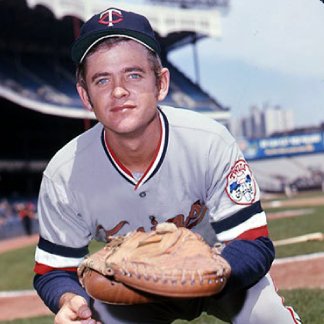 John Rikard Dempsey was born on September 13, 1949 in Fayetteville, Tennessee. The Minnesota Twins drafted him in round 15 of the 1967 MLB Draft. He debuted for them in 1969, playing very sparingly as a third catcher over the next several seasons. Dempsey played 41 big league games during his four years with the Twins, going 15-for-66 (.227) with zero RBI. He caught six of 18 potential base stealers from behind home plate. Minnesota traded him to the New York Yankees for outfielder Danny Walton on Halloween in 1972. Dempsey played just six games for the Yankees in 1973, but he began to get more regular playing time as the primary backup to All-Star catcher Thurman Munson the following year. The Baltimore Orioles acquired him in a massive ten player trade on June 15, 1976. He became the starting catcher for an Orioles team that was regularly contending for World Series titles, and Dempsey became known as a guy who always stepped up his game in October. While he hit just .238/.319/.355 across 1,245 regular season games for Baltimore, Dempsey was a .303 postseason hitter. The Orioles reached the World Series in 1979, but lost to the Pittsburgh Pirates. They won a ring in 1983, with Dempsey being named World Series MVP. His time with the Orioles came to an end in 1986. He played for the Cleveland Indians in 1987, and signed with the Los Angeles Dodgers in 1988. Dempsey won his second World Series ring that season, batting .300 in the playoffs. He played two more years with the Dodgers, before joining the Milwaukee Brewers in 1991. Dempsey badly wanted to be in uniform when the Orioles opened Camden Yards in 1992, so he signed a non-roster at the age of 42 to compete for a roster spot in spring training. He didn't make the team out of camp, but was still on hand to receive a thunderous ovation from fans during opening ceremonies at the ballpark. Dempsey wound up playing six games for the Orioles in July that summer, going 1-for-9 at the plate. He has worked as both a coach and broadcaster since retiring. Dempsey has been a first base coach, third base coach, bullpen coach and bench coach for the Orioles at various times. He began working as a studio analyst for Orioles broadcasts on MASN in 2007, but was laid off in 2021.
 -
John Rikard Dempsey was born on September 13, 1949 in Fayetteville, Tennessee. The Minnesota Twins drafted him in round 15 of the 1967 MLB Draft. He debuted for them in 1969, playing very sparingly as a third catcher over the next several seasons. Dempsey played 41 big league games during his four years with the Twins, going 15-for-66 (.227) with zero RBI. He caught six of 18 potential base stealers from behind home plate. Minnesota traded him to the New York Yankees for outfielder Danny Walton on Halloween in 1972. Dempsey played just six games for the Yankees in 1973, but he began to get more regular playing time as the primary backup to All-Star catcher Thurman Munson the following year. The Baltimore Orioles acquired him in a massive ten player trade on June 15, 1976. He became the starting catcher for an Orioles team that was regularly contending for World Series titles, and Dempsey became known as a guy who always stepped up his game in October. While he hit just .238/.319/.355 across 1,245 regular season games for Baltimore, Dempsey was a .303 postseason hitter. The Orioles reached the World Series in 1979, but lost to the Pittsburgh Pirates. They won a ring in 1983, with Dempsey being named World Series MVP. His time with the Orioles came to an end in 1986. He played for the Cleveland Indians in 1987, and signed with the Los Angeles Dodgers in 1988. Dempsey won his second World Series ring that season, batting .300 in the playoffs. He played two more years with the Dodgers, before joining the Milwaukee Brewers in 1991. Dempsey badly wanted to be in uniform when the Orioles opened Camden Yards in 1992, so he signed a non-roster at the age of 42 to compete for a roster spot in spring training. He didn't make the team out of camp, but was still on hand to receive a thunderous ovation from fans during opening ceremonies at the ballpark. Dempsey wound up playing six games for the Orioles in July that summer, going 1-for-9 at the plate. He has worked as both a coach and broadcaster since retiring. Dempsey has been a first base coach, third base coach, bullpen coach and bench coach for the Orioles at various times. He began working as a studio analyst for Orioles broadcasts on MASN in 2007, but was laid off in 2021. View full player
.thumb.png.131fdf97b843dfc7f73f4f987002a0f8.png)

