


.png.7846f23ff7308bd0a60773982c8c4137.png)
William Malone
-
Posts
786 -
Joined
-
Last visited
Content Type
Profiles
News
Minnesota Twins Videos
2026 Minnesota Twins Top Prospects Ranking
2022 Minnesota Twins Draft Picks
Minnesota Twins Free Agent & Trade Rumors, Notes, & Tidbits
Guides & Resources
2023 Minnesota Twins Draft Picks
The Minnesota Twins Players Project
2024 Minnesota Twins Draft Picks
2025 Minnesota Twins Draft Pick Tracker
2026 Minnesota Twins Draft Tracker: Picks & Bonuses
Forums
Blogs
Events
Store
Downloads
Gallery
Everything posted by William Malone
-
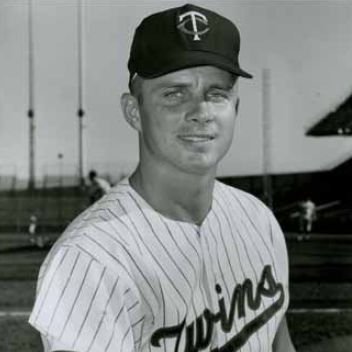 Frank Jerry Kostro was born on August 4, 1937 in Windber, Pennsylvania. The Detroit Tigers signed him as an amateur free agent in 1958. He played 16 big league games for them in 1962, and 31 more in the first half of 1963. Detroit traded him to the Los Angeles Angels that June. Kostro finished out the season with the Angels, but he began 1964 in Triple-A. Los Angeles traded him to the Minnesota Twins on June 11, 1964. He was immediately brought up to the Major League level, and hit .272 with three home runs and 12 RBI for the Twins that summer. Kostro played four different positions on defense, but his primary contributions came as a threat off the bench. He was 10-for-35 (.286) while pinch hitting during his first year with the Twins. Kostro continued to play for Minnesota for several seasons, often having success as a pinch hitter. Billy Martin took over as Twins manager in 1969, and sent Kostro to Triple-A at the end of spring training. When asked about Martin years later, he declined to answer by saying "if you can't say something good about somebody, you gotta just pass on it." Kostro hit .311 in Triple-A, but was sidelined due to a foot injury in June. Minnesota called up Kostro when the rosters expanded in September. His foot was still an issue, but this gave him enough service time to qualify for his five year pension. Kostro played just two games that month, going 0-for-2 as a pinch hitter and never playing the field. He was going to retire due to his foot injury, but the Hankyu Braves of the Japanese league reached out to offer him a contract. Kostro played one year overseas, and used the money he earned to open a successful insurance business in Denver. He was a longtime board member for the Harmon Killebrew Foundation.
 -
Frank Jerry Kostro was born on August 4, 1937 in Windber, Pennsylvania. The Detroit Tigers signed him as an amateur free agent in 1958. He played 16 big league games for them in 1962, and 31 more in the first half of 1963. Detroit traded him to the Los Angeles Angels that June. Kostro finished out the season with the Angels, but he began 1964 in Triple-A. Los Angeles traded him to the Minnesota Twins on June 11, 1964. He was immediately brought up to the Major League level, and hit .272 with three home runs and 12 RBI for the Twins that summer. Kostro played four different positions on defense, but his primary contributions came as a threat off the bench. He was 10-for-35 (.286) while pinch hitting during his first year with the Twins. Kostro continued to play for Minnesota for several seasons, often having success as a pinch hitter. Billy Martin took over as Twins manager in 1969, and sent Kostro to Triple-A at the end of spring training. When asked about Martin years later, he declined to answer by saying "if you can't say something good about somebody, you gotta just pass on it." Kostro hit .311 in Triple-A, but was sidelined due to a foot injury in June. Minnesota called up Kostro when the rosters expanded in September. His foot was still an issue, but this gave him enough service time to qualify for his five year pension. Kostro played just two games that month, going 0-for-2 as a pinch hitter and never playing the field. He was going to retire due to his foot injury, but the Hankyu Braves of the Japanese league reached out to offer him a contract. Kostro played one year overseas, and used the money he earned to open a successful insurance business in Denver. He was a longtime board member for the Harmon Killebrew Foundation. View full player
-
George Eugene Mitterwald was born on June 7, 1945 in Berkeley, California. The Minnesota Twins signed him as an amateur free agent in 1965. He made his Major League debut for them in 1966. Mitterwald was used sparingly as a third catcher over the next several seasons, appearing in just 14 big league games between 1966 and 1968. He began to get regular playing time as the primary backup to John Roseboro in 1969, and became the team's regular starter in 1970. Mitterwald hit 15 home runs and drove in 46 during the 1970 season. He caught 39 baserunners who were trying to steal, which was second most in the American League. His 53.4 caught stealing percentage was third. Minnesota won their second consecutive AL West crown, but they were swept by the Baltimore Orioles in the ALCS. Mitterwald was 4-for-8 with two RBI during that series. He had a similar season in 1971, but fell off in 1972. Mitterwald hit just .184 that year, and also had a career worst .974 fielding percentage. He bounced back in 1973, batting .259 with 16 home runs and 64 RBI. It was the only time his OPS+ was above the set league average of 100 (102). In a veteran catcher swap, Minnesota traded him to the Chicago Cubs for Randy Hundley that winter. Mitterwald played for seasons with the Cubs, batting .231 with 26 home runs and 125 RBI. He became the bullpen coach for the Oakland Athletics after retiring, then took the same post for the New York Yankees a few years later. Mitterwald then became a minor league manager, working in several different organizations. This included a two year run as manager of the Double-A Orlando Twins in the Minnesota organization. View full player
-
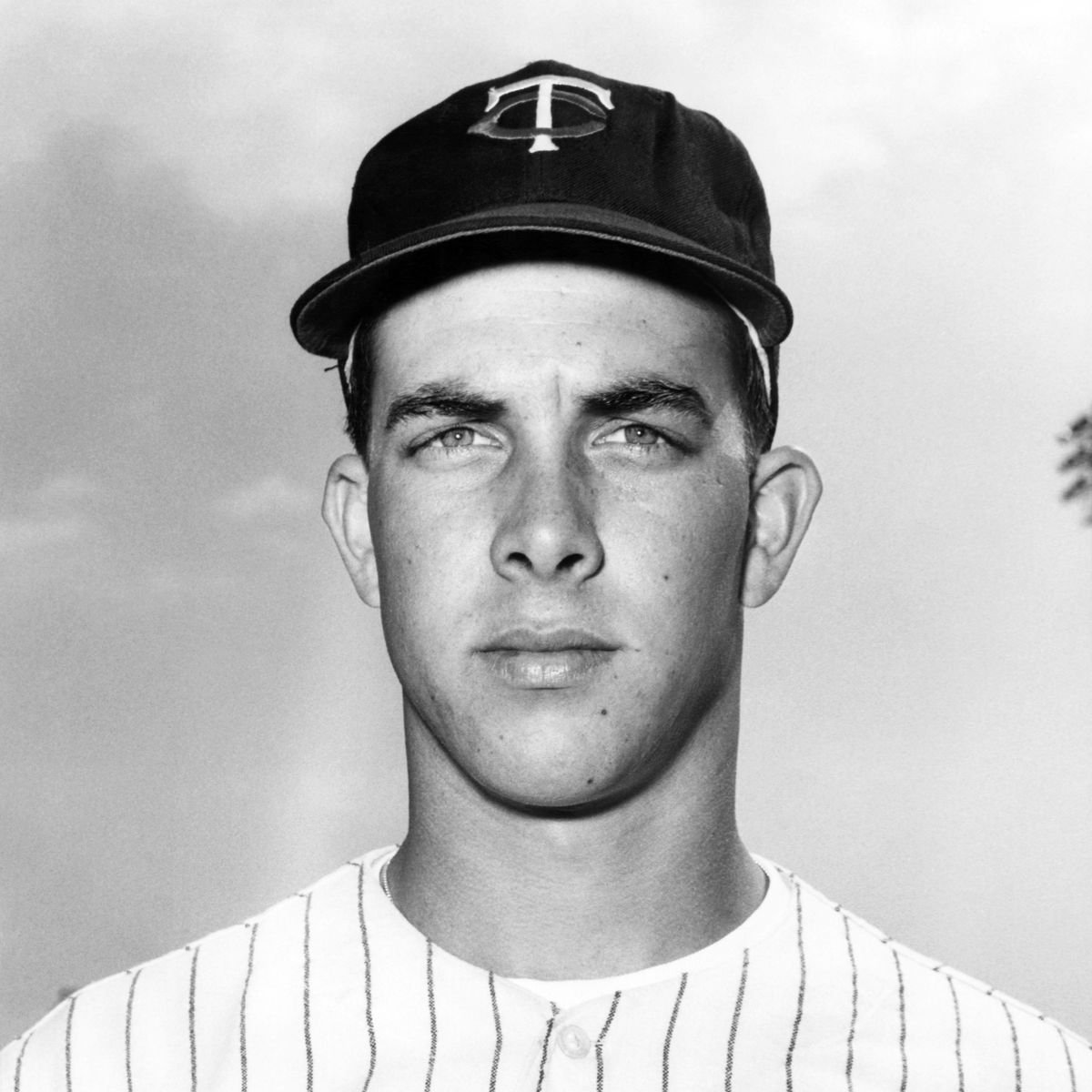 George Eugene Mitterwald was born on June 7, 1945 in Berkeley, California. The Minnesota Twins signed him as an amateur free agent in 1965. He made his Major League debut for them in 1966. Mitterwald was used sparingly as a third catcher over the next several seasons, appearing in just 14 big league games between 1966 and 1968. He began to get regular playing time as the primary backup to John Roseboro in 1969, and became the team's regular starter in 1970. Mitterwald hit 15 home runs and drove in 46 during the 1970 season. He caught 39 baserunners who were trying to steal, which was second most in the American League. His 53.4 caught stealing percentage was third. Minnesota won their second consecutive AL West crown, but they were swept by the Baltimore Orioles in the ALCS. Mitterwald was 4-for-8 with two RBI during that series. He had a similar season in 1971, but fell off in 1972. Mitterwald hit just .184 that year, and also had a career worst .974 fielding percentage. He bounced back in 1973, batting .259 with 16 home runs and 64 RBI. It was the only time his OPS+ was above the set league average of 100 (102). In a veteran catcher swap, Minnesota traded him to the Chicago Cubs for Randy Hundley that winter. Mitterwald played for seasons with the Cubs, batting .231 with 26 home runs and 125 RBI. He became the bullpen coach for the Oakland Athletics after retiring, then took the same post for the New York Yankees a few years later. Mitterwald then became a minor league manager, working in several different organizations. This included a two year run as manager of the Double-A Orlando Twins in the Minnesota organization.
 -
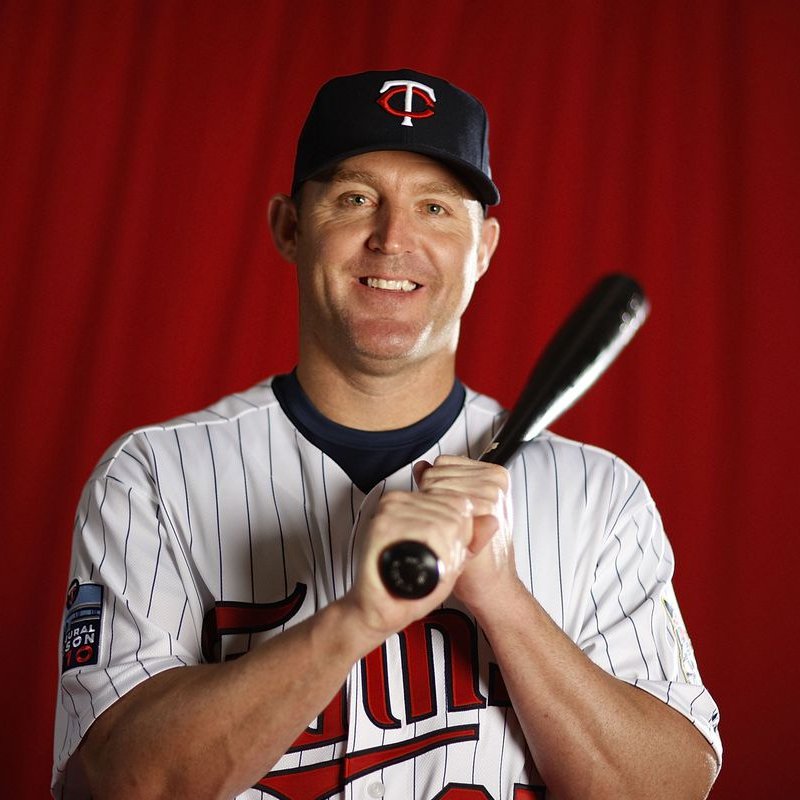 James Howard Thome was born on August 27, 1970 in Peoria, Illinois. The Cleveland Indians drafted him in round 13 of the 1989 MLB Draft. He made his Major League debut for them in 1991. Thome established himself as the starting third baseman in 1994, and blossomed into one of the greatest power hitters of all-time. He moved across the diamond to first base in 1997, and his 337 home runs are the most in franchise history. Cleveland reached the World Series twice during his 12-year tenure with the club, losing to the Atlanta Braves in 1995 and the Florida Marlins in 1997. Thome signed a massive seven year deal with the Philadelphia Phillies in 2003. He led the National League with 47 home runs that year. His 131 RBI were third in the league behind Preston Wilson of the Colorado Rockies and Gary Sheffield of the Atlanta Braves. Thome followed that up with 42 home runs and 105 RBI during the 2004 campaign. An elbow injury forced him to miss most of 2005. Ryan Howard replaced Thome at first base, and won NL Rookie of the Year. The emergence of Howard caused Philadelphia to shop Thome in the off-season, and he was traded to the defending champion Chicago White Sox. He slashed .265/.391/.542 in four years with the White Sox, launching 134 home runs. His 500th career home run came in walk-off fashion against the Los Angeles Angels of Anaheim. Thome also hit a solo home run against the Minnesota Twins during the 2008 AL Central Tiebreaker Game, which held up as the game's only run. He was traded to the Los Angeles Dodgers in a waiver deal on August 31, 2009. The Dodgers used Thome exclusively as a pinch hitter. He was 4-for-17 with no extra base hits, and 1-for-3 in the playoffs that fall. Minnesota signed him to a one year contract on January 26, 2010. He was not an everyday player to begin the season, starting just 27 of their first 75 games. The original plan was to essentially platoon him with left fielder Delmon Young, putting regular designated hitter Jason Kubel in the outfield whenever the Twins faced a right handed pitcher. Young wound up having a career year, and it became hard for Ron Gardenhire to take him out of the lineup. They began playing Michael Cuddyer at third base in mid-June, helping open up some more at-bats for Thome. He became a full fledged starter a month later when Justin Morneau suffered a season ending concussion, which permanently moved Cuddyer to first base. The timing of Morneau's injury was unfortunate, because the superstar first baseman was in the middle of a career year. But Thome ensured the Twins didn't miss the former MVP too much, slashing .303/.438/.669 in 50 games after the concussion occurred on July 7th against the Toronto Blue Jays. He hit the first walk-off home run in Target Field history on August 17th against the Chicago White Sox, which extended the team's AL Central lead to four games at the time. This lead grew even bigger after Minnesota began September on a 12-2 tear. Thome had a 1.544 OPS during that span, which included a four game home run streak. He graced the cover of Sports Illustrated on September 27, 2010. Perhaps the infamous cover jinx slowed Thome down in October, as he went 1-for-10 with two walks in the ALDS. Minnesota was swept by the New York Yankees for a second year in a row. The Twins re-signed Thome to another one year deal in the off-season. His chase for 600 career home runs turned out to be one of the only exciting storylines in an otherwise disappointing season. Several key players either got hurt or regressed, and the Twins suffered their first 90+ loss season since 2000. Thome himself was played on the disabled list twice; once in mid-April for an oblique injury, and again in early-June with a quad injury. Home run number 599 came off Rick Porcello of the Detroit Tigers on August 15, 2011. Home run number 600 came an inning later against Tigers reliever Daniel Schlereth. At the time, he was the eighth player in Major League to reach the 600 home runs plateau. As of 2025, he is the only player to hit home runs 599 and 600 in back-to-back plate appearances. Minnesota traded Thome to Cleveland for cash shortly after he hit his 600th home run, allowing him to return to the city where he had his best years at the age of 40. Thome had another homecoming in 2012 when he signed a one year deal with the Phillies. They traded him to the Baltimore Orioles in June, and that was the final stop of his big league career.
 -
James Howard Thome was born on August 27, 1970 in Peoria, Illinois. The Cleveland Indians drafted him in round 13 of the 1989 MLB Draft. He made his Major League debut for them in 1991. Thome established himself as the starting third baseman in 1994, and blossomed into one of the greatest power hitters of all-time. He moved across the diamond to first base in 1997, and his 337 home runs are the most in franchise history. Cleveland reached the World Series twice during his 12-year tenure with the club, losing to the Atlanta Braves in 1995 and the Florida Marlins in 1997. Thome signed a massive seven year deal with the Philadelphia Phillies in 2003. He led the National League with 47 home runs that year. His 131 RBI were third in the league behind Preston Wilson of the Colorado Rockies and Gary Sheffield of the Atlanta Braves. Thome followed that up with 42 home runs and 105 RBI during the 2004 campaign. An elbow injury forced him to miss most of 2005. Ryan Howard replaced Thome at first base, and won NL Rookie of the Year. The emergence of Howard caused Philadelphia to shop Thome in the off-season, and he was traded to the defending champion Chicago White Sox. He slashed .265/.391/.542 in four years with the White Sox, launching 134 home runs. His 500th career home run came in walk-off fashion against the Los Angeles Angels of Anaheim. Thome also hit a solo home run against the Minnesota Twins during the 2008 AL Central Tiebreaker Game, which held up as the game's only run. He was traded to the Los Angeles Dodgers in a waiver deal on August 31, 2009. The Dodgers used Thome exclusively as a pinch hitter. He was 4-for-17 with no extra base hits, and 1-for-3 in the playoffs that fall. Minnesota signed him to a one year contract on January 26, 2010. He was not an everyday player to begin the season, starting just 27 of their first 75 games. The original plan was to essentially platoon him with left fielder Delmon Young, putting regular designated hitter Jason Kubel in the outfield whenever the Twins faced a right handed pitcher. Young wound up having a career year, and it became hard for Ron Gardenhire to take him out of the lineup. They began playing Michael Cuddyer at third base in mid-June, helping open up some more at-bats for Thome. He became a full fledged starter a month later when Justin Morneau suffered a season ending concussion, which permanently moved Cuddyer to first base. The timing of Morneau's injury was unfortunate, because the superstar first baseman was in the middle of a career year. But Thome ensured the Twins didn't miss the former MVP too much, slashing .303/.438/.669 in 50 games after the concussion occurred on July 7th against the Toronto Blue Jays. He hit the first walk-off home run in Target Field history on August 17th against the Chicago White Sox, which extended the team's AL Central lead to four games at the time. This lead grew even bigger after Minnesota began September on a 12-2 tear. Thome had a 1.544 OPS during that span, which included a four game home run streak. He graced the cover of Sports Illustrated on September 27, 2010. Perhaps the infamous cover jinx slowed Thome down in October, as he went 1-for-10 with two walks in the ALDS. Minnesota was swept by the New York Yankees for a second year in a row. The Twins re-signed Thome to another one year deal in the off-season. His chase for 600 career home runs turned out to be one of the only exciting storylines in an otherwise disappointing season. Several key players either got hurt or regressed, and the Twins suffered their first 90+ loss season since 2000. Thome himself was played on the disabled list twice; once in mid-April for an oblique injury, and again in early-June with a quad injury. Home run number 599 came off Rick Porcello of the Detroit Tigers on August 15, 2011. Home run number 600 came an inning later against Tigers reliever Daniel Schlereth. At the time, he was the eighth player in Major League to reach the 600 home runs plateau. As of 2025, he is the only player to hit home runs 599 and 600 in back-to-back plate appearances. Minnesota traded Thome to Cleveland for cash shortly after he hit his 600th home run, allowing him to return to the city where he had his best years at the age of 40. Thome had another homecoming in 2012 when he signed a one year deal with the Phillies. They traded him to the Baltimore Orioles in June, and that was the final stop of his big league career. View full player
-
.thumb.png.131fdf97b843dfc7f73f4f987002a0f8.png)
Lyman Bostock Deserves to be in the Twins Hall of Fame!
William Malone commented on Greglw3's blog entry in Greg Allen
Nobody is denying his talent. But HoF enshrinement is often tied to longevity. And if you start grading guys on a handicap then you'll wind up letting a massive wave of people. He was a really good player. And it's not his fault he had to leave. But it still happened. Regardless of who's fault it is. -
Lyman Bostock Deserves to be in the Twins Hall of Fame!
William Malone commented on Greglw3's blog entry in Greg Allen
And the 1977 Twins you mentioned were only slightly better than last year's Twins. 84 wins vs 82 wins. More or less the same team. Did the Twins have a bunch of good batting averages last year? -
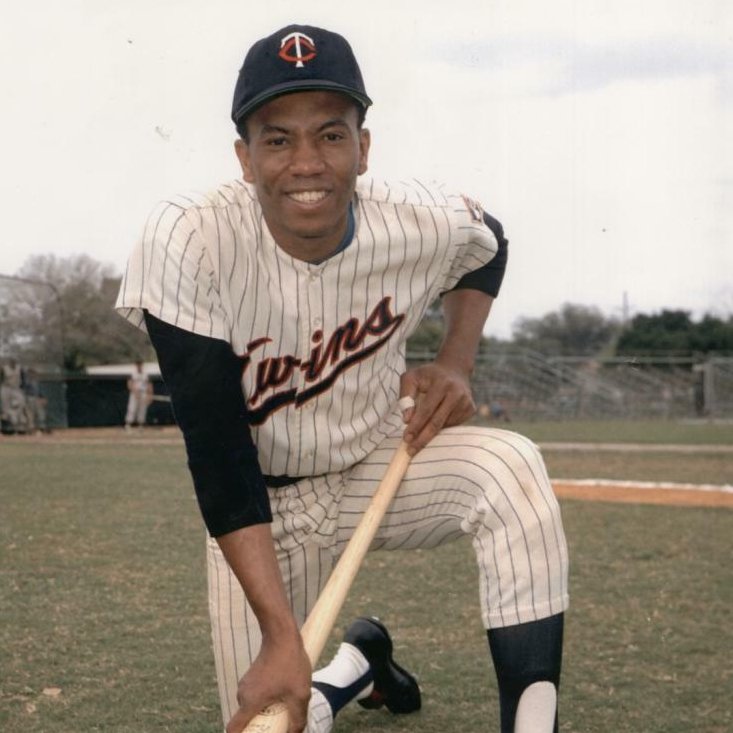 Leonardo Lazaro Cárdenas Alfonso was born on December 17, 1938 in Cuba. The Cincinnati Reds signed him as an amateur free agent in 1956. He was one of the last Cuban players to make it out of the country before their borders were sealed off. Cárdenas reached the Major Leagues in 1960, and played nine seasons for the Reds. He was an All-Star four times, and won the Gold Glove at shortstop in 1965. Cárdenas hit .333 in the 1961 World Series, but Cincinnati lost to the New York Yankees in five games. His slashline was .261/.313/.377 during his tenure with the Reds. The Minnesota Twins acquired him for Jim Merritt after the 1968 season. Cárdenas hit .280 with 70 RBI during his first year with the Twins, finishing 12th place in AL MVP voting. He hit .247 with a career high 34 doubles in 1970. Minnesota won the AL West in each of those seasons, but they were swept by the Baltimore Orioles in the ALCS both times. Cárdenas hit .167 with one RBI between these two postseasons. He made his fifth career All-Star team in 1971, and his first since moving over to the American League. He hit .264 with 18 home runs and a career high 75 RBI. Minnesota traded Cárdenas to the California Angels after the season. 1972 was his last year as a primary starting shortstop. Cárdenas hit .232 with a .555 OPS in his lone season with the Angels, then began to bounce around the league a bit as a backup infielder. He played for the Cleveland Indians in 1973, and the Texas Rangers in 1974 and 1974. As of 2025, Cárdenas lives in Cincinnati. He makes frequent appearances to meet with fans at the Reds Hall of Fame.
 -
Leonardo Lazaro Cárdenas Alfonso was born on December 17, 1938 in Cuba. The Cincinnati Reds signed him as an amateur free agent in 1956. He was one of the last Cuban players to make it out of the country before their borders were sealed off. Cárdenas reached the Major Leagues in 1960, and played nine seasons for the Reds. He was an All-Star four times, and won the Gold Glove at shortstop in 1965. Cárdenas hit .333 in the 1961 World Series, but Cincinnati lost to the New York Yankees in five games. His slashline was .261/.313/.377 during his tenure with the Reds. The Minnesota Twins acquired him for Jim Merritt after the 1968 season. Cárdenas hit .280 with 70 RBI during his first year with the Twins, finishing 12th place in AL MVP voting. He hit .247 with a career high 34 doubles in 1970. Minnesota won the AL West in each of those seasons, but they were swept by the Baltimore Orioles in the ALCS both times. Cárdenas hit .167 with one RBI between these two postseasons. He made his fifth career All-Star team in 1971, and his first since moving over to the American League. He hit .264 with 18 home runs and a career high 75 RBI. Minnesota traded Cárdenas to the California Angels after the season. 1972 was his last year as a primary starting shortstop. Cárdenas hit .232 with a .555 OPS in his lone season with the Angels, then began to bounce around the league a bit as a backup infielder. He played for the Cleveland Indians in 1973, and the Texas Rangers in 1974 and 1974. As of 2025, Cárdenas lives in Cincinnati. He makes frequent appearances to meet with fans at the Reds Hall of Fame. View full player
-
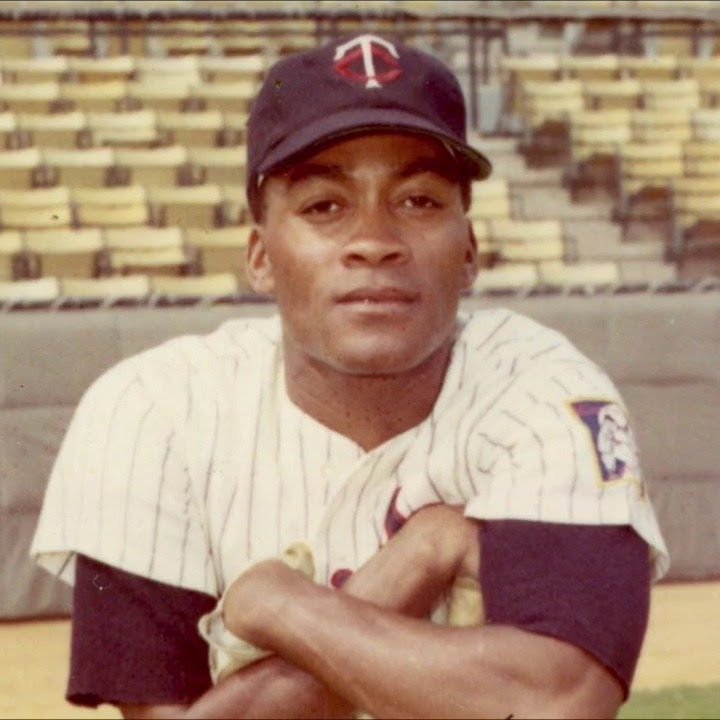 César Leonardo Tovar was born on July 3, 1940 in Venezuela. The Cincinnati Reds reluctantly signed him as an amateur free agent in 1959. Their scouts had limited interest in Tovar. They were simply trying to sweeten the pot to help sign Gus Gil, his best friend. Gil eventually signed with the Reds as well, and had a four year Major League career. Tovar temporarily came to the Minnesota Twins during the 1963 minor league season. The Reds had too many second baseman at various levels of their system to give Tovar playing time, so he was sent to the Twins system where he could get some more at-bats. He hit .297 for the Dallas Rangers, then the Triple-A affiliate for Minnesota, then was sent back the Reds system in 1964. While playing in the Twins organization, minor league coach and future big league manager Billy Martin took a strong liking to Tovar. Minnesota traded for him after the 1964 season concluded. He made his Major League debut for the Twins in 1965, but only appeared in 18 games. Tovar became a full time big league player the following season, batting .260 with 41 RBI and 16 stolen bases. He logged heavy amounts of playing time at second base, shortstop and center field. Tovar hit .269 with 94 RBI and 54 stolen bases between the 1967 and 1968 seasons, adding third base and corner outfield to his mix of positions. Minnesota beat writer Max Nichols created a small controversy in 1967 when he spoiled the opportunity for Boston Red Sox slugger Carl Yastrzemski to win the MVP unanimously. His first place vote went to Tovar, who finished seventh overall. Harmon Killebrew was the MVP runner-up that year. Martin took over as Twins manager in 1969, and Tovar took another leap forward while playing for his old minor league coach. He hit .288 with career highs in home runs (11) and stolen bases (45). Minnesota won the AL West crown that season, but Tovar went 1-for-13 in the ALCS as they were swept by the Baltimore Orioles. This ended the short managerial tenure of Billy Martin with the Twins. It was the first of four managerial stints for Martin that didn't reach a second season. Tovar continued to play well under new manager Bill Rigney. He hit .300 with 54 RBI during the 1970 campaign, leading the American League with 36 doubles and 13 triples. Minnesota once again won the AL West, and they were once again swept by the Orioles in the ALCS. From a personal statistical standpoint, Tovar did have a better postseason that fall. He was 5-for-13 with a triple and an RBI. He put up a career best .311 batting average in 1971, leading the American League with 204 hits. Tovar regressed a bit the following season, batting .265 with an OPS below .700 for the first time since 1968. They traded him to the Philadelphia Phillies after the season. The next four seasons saw Tovar become a journeyman utility player. He spent time with four big league clubs between 1973 and 1976. His time with the Texas Rangers (1974-75) and New York Yankees (1976) allowed him to play for Billy Martin again. In fact, Texas released Tovar shortly after firing Martin midway through the 1975 campaign. The organization saw them as some sort of package deal. Tovar continued to play professionally in Venezuela through 1986. He managed the Venezuelan national team to a last place finish at the 1990 Baseball World Cup, going 1-7 in tournament play. Tovar passed away in 1994 after a battle with pancreatic cancer.
 -
César Leonardo Tovar was born on July 3, 1940 in Venezuela. The Cincinnati Reds reluctantly signed him as an amateur free agent in 1959. Their scouts had limited interest in Tovar. They were simply trying to sweeten the pot to help sign Gus Gil, his best friend. Gil eventually signed with the Reds as well, and had a four year Major League career. Tovar temporarily came to the Minnesota Twins during the 1963 minor league season. The Reds had too many second baseman at various levels of their system to give Tovar playing time, so he was sent to the Twins system where he could get some more at-bats. He hit .297 for the Dallas Rangers, then the Triple-A affiliate for Minnesota, then was sent back the Reds system in 1964. While playing in the Twins organization, minor league coach and future big league manager Billy Martin took a strong liking to Tovar. Minnesota traded for him after the 1964 season concluded. He made his Major League debut for the Twins in 1965, but only appeared in 18 games. Tovar became a full time big league player the following season, batting .260 with 41 RBI and 16 stolen bases. He logged heavy amounts of playing time at second base, shortstop and center field. Tovar hit .269 with 94 RBI and 54 stolen bases between the 1967 and 1968 seasons, adding third base and corner outfield to his mix of positions. Minnesota beat writer Max Nichols created a small controversy in 1967 when he spoiled the opportunity for Boston Red Sox slugger Carl Yastrzemski to win the MVP unanimously. His first place vote went to Tovar, who finished seventh overall. Harmon Killebrew was the MVP runner-up that year. Martin took over as Twins manager in 1969, and Tovar took another leap forward while playing for his old minor league coach. He hit .288 with career highs in home runs (11) and stolen bases (45). Minnesota won the AL West crown that season, but Tovar went 1-for-13 in the ALCS as they were swept by the Baltimore Orioles. This ended the short managerial tenure of Billy Martin with the Twins. It was the first of four managerial stints for Martin that didn't reach a second season. Tovar continued to play well under new manager Bill Rigney. He hit .300 with 54 RBI during the 1970 campaign, leading the American League with 36 doubles and 13 triples. Minnesota once again won the AL West, and they were once again swept by the Orioles in the ALCS. From a personal statistical standpoint, Tovar did have a better postseason that fall. He was 5-for-13 with a triple and an RBI. He put up a career best .311 batting average in 1971, leading the American League with 204 hits. Tovar regressed a bit the following season, batting .265 with an OPS below .700 for the first time since 1968. They traded him to the Philadelphia Phillies after the season. The next four seasons saw Tovar become a journeyman utility player. He spent time with four big league clubs between 1973 and 1976. His time with the Texas Rangers (1974-75) and New York Yankees (1976) allowed him to play for Billy Martin again. In fact, Texas released Tovar shortly after firing Martin midway through the 1975 campaign. The organization saw them as some sort of package deal. Tovar continued to play professionally in Venezuela through 1986. He managed the Venezuelan national team to a last place finish at the 1990 Baseball World Cup, going 1-7 in tournament play. Tovar passed away in 1994 after a battle with pancreatic cancer. View full player
-
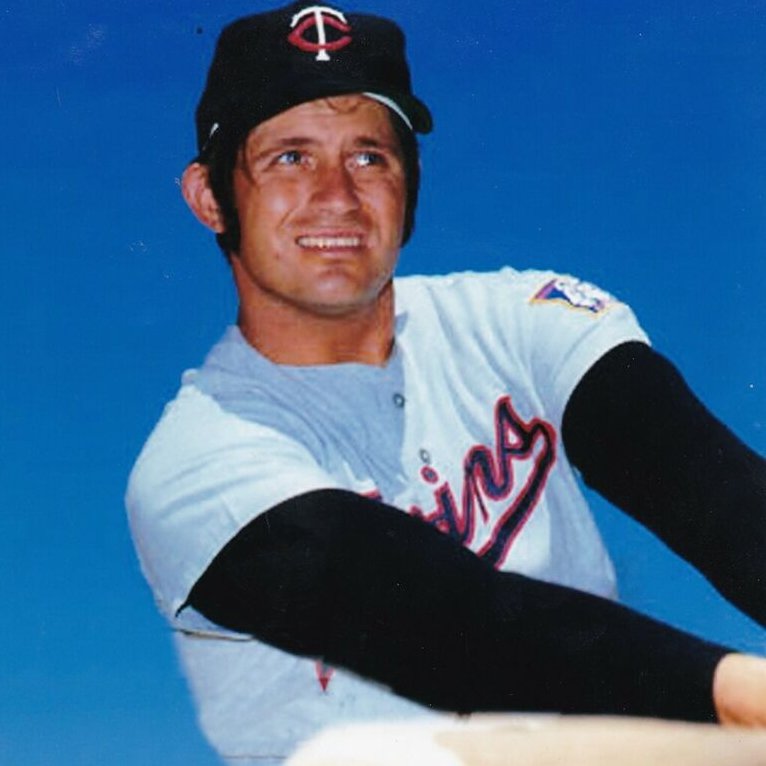 Garrabrant Ryerson Alyea was born on December 8, 1940 in Passaic, New Jersey. The Cincinnati Reds signed him as an amateur free agent in 1961, but he was taken by the new Washington Senators in the 1962 expansion draft. Alyea debuted for the Senators in 1965, and played sparingly for them as a backup outfield through the 1969 season. He played 165 games during his tenure with the Senators, batting .255 with 19 home runs and 69 RBI. Alyea was traded to the Minnesota Twins during spring training in 1970. He wasted no time making an impact with his new club, going 4-for-4 with two home runs and seven RBI on Opening Day. Alyea stayed hot through the month of April, compiling six multi-hit games and three games with four or more RBI. He finished the year batting .291/.366/.531 with 16 home runs and 61 RBI, playing 94 games as part of a left field platoon with Jim Holt. Minnesota won the AL West that year. Alyea was 0-for-7 with two walks and a run scored in the ALCS. His production dropped off in 1971. Alyea hit .177 in 79 games, and was removed from the 40-man roster once the season concluded. He was well traveled in 1972, beginning and ending the year with the Oakland Athletics. There was a 13 game stint with the St. Louis Cardinals in the middle. Alyea was left off the Athletics postseason roster that fall, but he did receive a World Series ring after Oakland defeated the Cincinnati Reds in the fall classic. He spent ten years working as a pit boss in Atlantic City after retiring from the game, then spent several more years working as a car salesman. Alyea passed away in 2024 at the age of 83.
 -
Garrabrant Ryerson Alyea was born on December 8, 1940 in Passaic, New Jersey. The Cincinnati Reds signed him as an amateur free agent in 1961, but he was taken by the new Washington Senators in the 1962 expansion draft. Alyea debuted for the Senators in 1965, and played sparingly for them as a backup outfield through the 1969 season. He played 165 games during his tenure with the Senators, batting .255 with 19 home runs and 69 RBI. Alyea was traded to the Minnesota Twins during spring training in 1970. He wasted no time making an impact with his new club, going 4-for-4 with two home runs and seven RBI on Opening Day. Alyea stayed hot through the month of April, compiling six multi-hit games and three games with four or more RBI. He finished the year batting .291/.366/.531 with 16 home runs and 61 RBI, playing 94 games as part of a left field platoon with Jim Holt. Minnesota won the AL West that year. Alyea was 0-for-7 with two walks and a run scored in the ALCS. His production dropped off in 1971. Alyea hit .177 in 79 games, and was removed from the 40-man roster once the season concluded. He was well traveled in 1972, beginning and ending the year with the Oakland Athletics. There was a 13 game stint with the St. Louis Cardinals in the middle. Alyea was left off the Athletics postseason roster that fall, but he did receive a World Series ring after Oakland defeated the Cincinnati Reds in the fall classic. He spent ten years working as a pit boss in Atlantic City after retiring from the game, then spent several more years working as a car salesman. Alyea passed away in 2024 at the age of 83. View full player
-
Lyman Bostock Deserves to be in the Twins Hall of Fame!
William Malone commented on Greglw3's blog entry in Greg Allen
Batting average is certainly important, but it's not the only stat. Especially in a Hall of Fame setting where longevity is very important. I don't think Luis Arraez will be in Twins Hall of Fame for hitting .314 over four years and winning a batting title. -
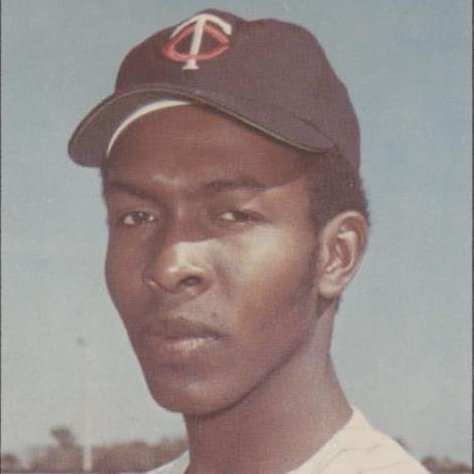 Thomas Edward Hall was born on November 23, 1947 in Thomasville, North Carolina. The Minnesota Twins drafted him in round three of the 1966 MLB Draft. He made his Major League debut for them in 1968, going 2-1 with a 2.43 ERA in four starts and four relief appearances as a rookie. Hall spent three more years with the Twins, logging time as both a starter and as a reliever. His best season came in 1970, when he went 11-6 with four saves and a 2.55 ERA over 155.1 innings. Hall was 25-21 with 13 saves and a 3.00 ERA during his four year tenure in Minnesota. He helped the team win back-to-back AL West crowns in 1969 and 1970, owning an 0-1 with a 6.00 ERA in three postseason appearances. Minnesota traded him to the Cincinnati Reds following the 1971 campaign, acquiring veteran relief pitcher Wayne Granger. Hall had an outstanding season for the Reds in 1972. He was 10-1 with a 2.61 ERA and eight saves in his familiar hybrid starter-reliever role. Cincinnati lost to the Oakland Athletics in the World Series that October, but Hall allowed just one run over 15.1 postseason innings. Injuries began to limit Hall after that. He had a 4.02 ERA between 1973 and 1977, averaging just 55 innings per season. This is compared to the 138 innings per season average Hall carried between 1969 and 1972. Hall retired after the 1977 season, and worked as a mail carrier for the United States Postal Service for 20 years.
 -
Thomas Edward Hall was born on November 23, 1947 in Thomasville, North Carolina. The Minnesota Twins drafted him in round three of the 1966 MLB Draft. He made his Major League debut for them in 1968, going 2-1 with a 2.43 ERA in four starts and four relief appearances as a rookie. Hall spent three more years with the Twins, logging time as both a starter and as a reliever. His best season came in 1970, when he went 11-6 with four saves and a 2.55 ERA over 155.1 innings. Hall was 25-21 with 13 saves and a 3.00 ERA during his four year tenure in Minnesota. He helped the team win back-to-back AL West crowns in 1969 and 1970, owning an 0-1 with a 6.00 ERA in three postseason appearances. Minnesota traded him to the Cincinnati Reds following the 1971 campaign, acquiring veteran relief pitcher Wayne Granger. Hall had an outstanding season for the Reds in 1972. He was 10-1 with a 2.61 ERA and eight saves in his familiar hybrid starter-reliever role. Cincinnati lost to the Oakland Athletics in the World Series that October, but Hall allowed just one run over 15.1 postseason innings. Injuries began to limit Hall after that. He had a 4.02 ERA between 1973 and 1977, averaging just 55 innings per season. This is compared to the 138 innings per season average Hall carried between 1969 and 1972. Hall retired after the 1977 season, and worked as a mail carrier for the United States Postal Service for 20 years. View full player
-
Lyman Bostock Deserves to be in the Twins Hall of Fame!
William Malone commented on Greglw3's blog entry in Greg Allen
Overpaying lesser players is a result of spending more. Look how much money the Dodgers waste. Chris Taylor makes $13m to be a glorified late game defensive replacement who gets one start a week. Has a .593 OPS since start of last year. Clayton Kershaw gets $7m to sit on IL just because he’s Clayton Kershaw. And because they have a heavy luxury tax bill, that $7m hits like $14m for a guy who barley plays and they knew he’d barely play when they signed him this winter -
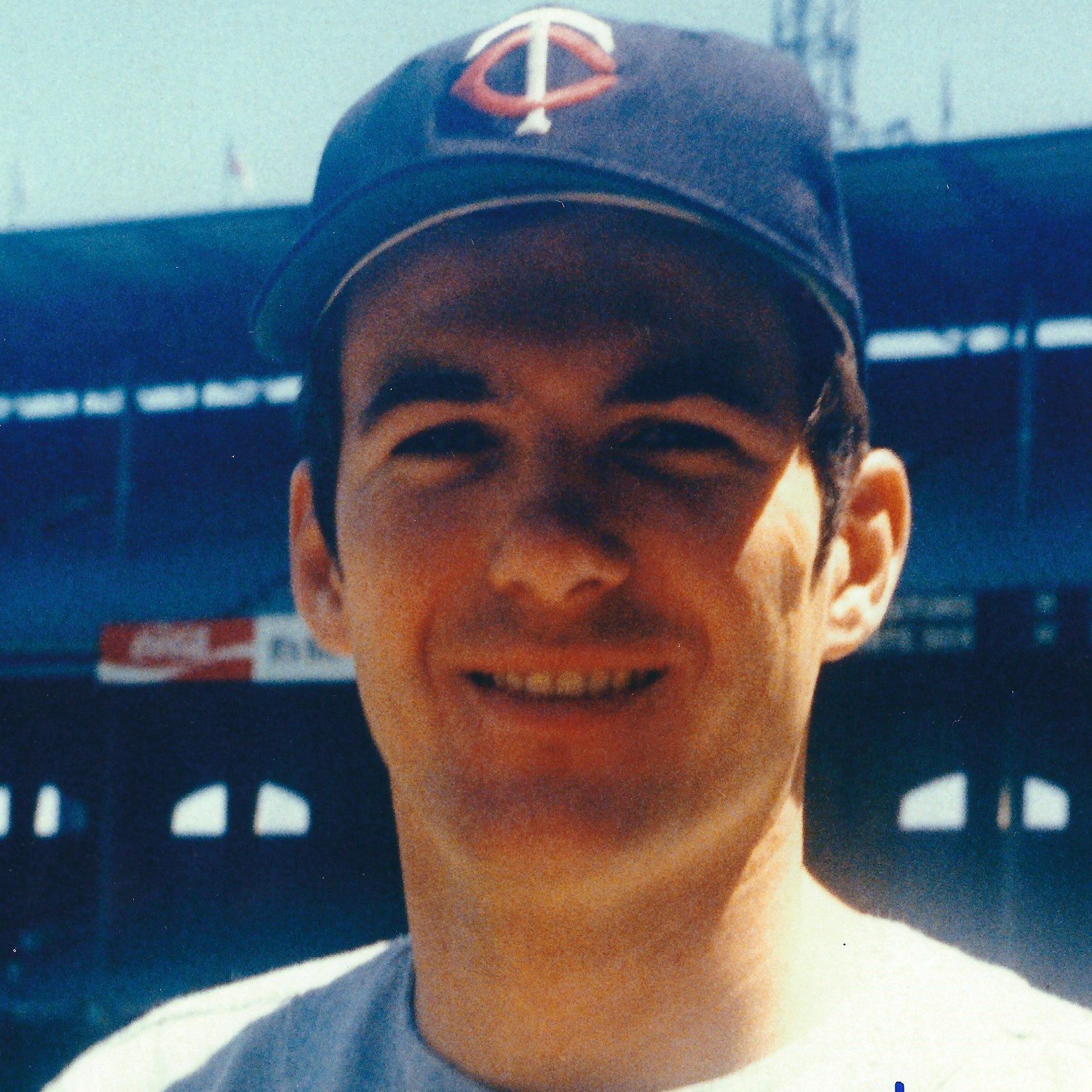 William Clinton Zepp was born on July 22, 1946 in Detroit, Michigan. The Minnesota Twins signed him as an undrafted free agent in 1968. He made his Major League debut for them on August 12, 1969. Zepp made four relief appearances for the Twins that year, allowing four runs in 5.1 innings. He had a full time role in 1970, making 20 starts and 23 more relief appearances. Zepp was 9-4 with a 3.22 ERA, and pitched a complete game shutout against the Chicago White Sox on September 11th. Minnesota won the AL West in 1970, but they were swept by the Baltimore Orioles in the ALCS. Zepp made two relief appearances during that series, allowing a run in 1.1 innings of work. Feeling homesick, Zepp told the Twins he intended to retire unless traded to his hometown Detroit Tigers. Minnesota obliged, acquiring pitching prospects Mike Adams and Arthur Clifford. This trade reunited him with Tigers manager Billy Martin, who had managed the Twins when he was first called up in 1969. Zepp logged 31.1 innings for Detroit before tearing his UCL. This was three years before Tommy John famously underwent the first ever reconstruction surgery of the ligament, so the injury essentially ended Zepp's career.
 -
William Clinton Zepp was born on July 22, 1946 in Detroit, Michigan. The Minnesota Twins signed him as an undrafted free agent in 1968. He made his Major League debut for them on August 12, 1969. Zepp made four relief appearances for the Twins that year, allowing four runs in 5.1 innings. He had a full time role in 1970, making 20 starts and 23 more relief appearances. Zepp was 9-4 with a 3.22 ERA, and pitched a complete game shutout against the Chicago White Sox on September 11th. Minnesota won the AL West in 1970, but they were swept by the Baltimore Orioles in the ALCS. Zepp made two relief appearances during that series, allowing a run in 1.1 innings of work. Feeling homesick, Zepp told the Twins he intended to retire unless traded to his hometown Detroit Tigers. Minnesota obliged, acquiring pitching prospects Mike Adams and Arthur Clifford. This trade reunited him with Tigers manager Billy Martin, who had managed the Twins when he was first called up in 1969. Zepp logged 31.1 innings for Detroit before tearing his UCL. This was three years before Tommy John famously underwent the first ever reconstruction surgery of the ligament, so the injury essentially ended Zepp's career. View full player
-
Jason Edward Repko was born on December 27, 1980 in East Chicago, Indiana. The Los Angeles Dodgers drafted him in round one of the 1999 MLB Draft. He suffered many injuries throughout the minor leagues, including a torn ACL at extended spring training in 2000 and a broken vertebra on the right side of his back in 2001. Repko finally reached the Major League level in 2005. He played 129 games for the Dodgers as a rookie, batting .221 with eight home runs and 30 RBI. An ankle injury limited him to just 69 games in 2006, and he missed the entire 2007 season after tearing his hamstring during a spring training game. He finally returned to action in 2008, but ineffectivness kept him in Triple-A for most of 2008 and 2009. The Dodgers designated Repko for assignment at the end of spring training in 2010, and he elected free agency after clearing waivers. The Minnesota Twins signed him to a minor league deal, and called Repko up in late June. His outfield defense instantly became an asset for the club. He was worth seven defensive runs saved in 306 outfield innings that season. This made him the only Twins outfielder in 2010 to have a positive number in that category. Regular left fielder Delmon Young was worth -13 defensive runs saved, and regular center fielder Denard Span was worth -5. Michael Cuddyer and Jason Kubel, who split duties in right field for most of the year, were both worth -10. There were a handful of other players who were worth zero defensive runs saved in smaller samples. Repko slashed .228/.324/.346 in a 146 plate appearance sample that year. He made the Twins playoff roster, and appeared late in game one of the ALDS as a pinch runner. Minnesota was swept in three games by the New York Yankees. Minnesota brought Repko back in 2011. It was the first time he had made an Opening Day roster since 2006. Repko was once again a bright spot in a bad defensive outfield, but he was even worse offensively than the year before. The Boston Red Sox signed Repko to a minor league deal ahead of the 2012 campaign. He appeared in five big league games for them that season. Repko continued to play professionally until 2016, spending three of those final few years with the York Revolution of the Atlantic League. View full player
-
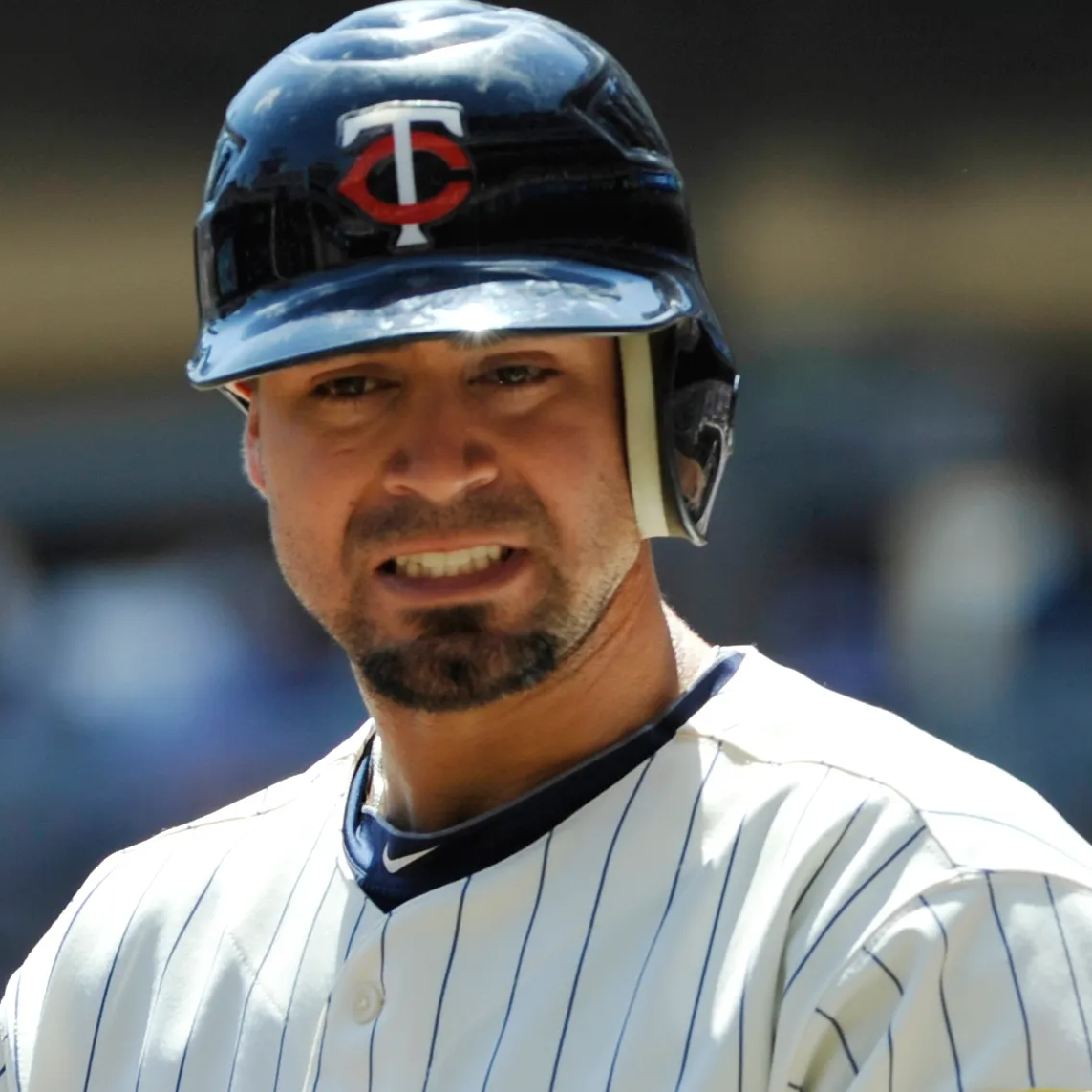 Jason Edward Repko was born on December 27, 1980 in East Chicago, Indiana. The Los Angeles Dodgers drafted him in round one of the 1999 MLB Draft. He suffered many injuries throughout the minor leagues, including a torn ACL at extended spring training in 2000 and a broken vertebra on the right side of his back in 2001. Repko finally reached the Major League level in 2005. He played 129 games for the Dodgers as a rookie, batting .221 with eight home runs and 30 RBI. An ankle injury limited him to just 69 games in 2006, and he missed the entire 2007 season after tearing his hamstring during a spring training game. He finally returned to action in 2008, but ineffectivness kept him in Triple-A for most of 2008 and 2009. The Dodgers designated Repko for assignment at the end of spring training in 2010, and he elected free agency after clearing waivers. The Minnesota Twins signed him to a minor league deal, and called Repko up in late June. His outfield defense instantly became an asset for the club. He was worth seven defensive runs saved in 306 outfield innings that season. This made him the only Twins outfielder in 2010 to have a positive number in that category. Regular left fielder Delmon Young was worth -13 defensive runs saved, and regular center fielder Denard Span was worth -5. Michael Cuddyer and Jason Kubel, who split duties in right field for most of the year, were both worth -10. There were a handful of other players who were worth zero defensive runs saved in smaller samples. Repko slashed .228/.324/.346 in a 146 plate appearance sample that year. He made the Twins playoff roster, and appeared late in game one of the ALDS as a pinch runner. Minnesota was swept in three games by the New York Yankees. Minnesota brought Repko back in 2011. It was the first time he had made an Opening Day roster since 2006. Repko was once again a bright spot in a bad defensive outfield, but he was even worse offensively than the year before. The Boston Red Sox signed Repko to a minor league deal ahead of the 2012 campaign. He appeared in five big league games for them that season. Repko continued to play professionally until 2016, spending three of those final few years with the York Revolution of the Atlantic League.
 -
Stanley Wilson Williams was born on September 14, 1936 in Enfield, New Hampshire. The Brooklyn Dodgers signed him as an amateur free agent in 1954. He made his Major League debut for them in 1958, after the franchise had relocated to Los Angeles. Williams spent five seasons with the Dodgers, going 57-46 with a 3.83 ERA. He helped them win a World Series in 1959, and was named to the All-Star team in 1960. Williams spent two seasons with the New York Yankees, and then had an injury plagued five year stint with the Cleveland Indians. The Minnesota Twins acquired Williams and Luis Tiant as part of a six player trade ahead of the 1970 season. They sent Dean Chance, Bob Miller, Graig Nettles and Ted Uhlaender back to Cleveland. All these injuries had forced Williams into a reliever role, but he was a force out of the Twins bullpen in his first year with the club. Williams went 10-1 with 15 saves and a 1.99 ERA across 68 appearances in 1970, helping Minnesota win their second consecutive AL West crown. He gave the Twins six shutout innings of relief work during the ALCS that fall, but Minnesota was still swept by the Baltimore Orioles. 1971 wasn't as successful for Williams. He had a 4.15 ERA through 46 outings, and was traded to the St. Louis Cardinals late in the year. Williams pitched for the Boston Red Sox in 1972, then retired to go into coaching. He worked on and off as a big league pitching coach for the next several decades, compiling 14 years for five different clubs between 1975 and 1999. Williams coached for the Red Sox (1975-76), Chicago White Sox (1977-78), Yankees (1980-82 and 1987-88), Cincinnati Reds (1984 and 1990-91) and Seattle Mariners (1998-99). He won a World Series with the Reds in 1990. Williams later worked as a scout for the Tampa Bay Devil Rays and Washington Nationals organizations, before retiring all together in 2010. He passed away in 2021 at the age of 84. View full player
-
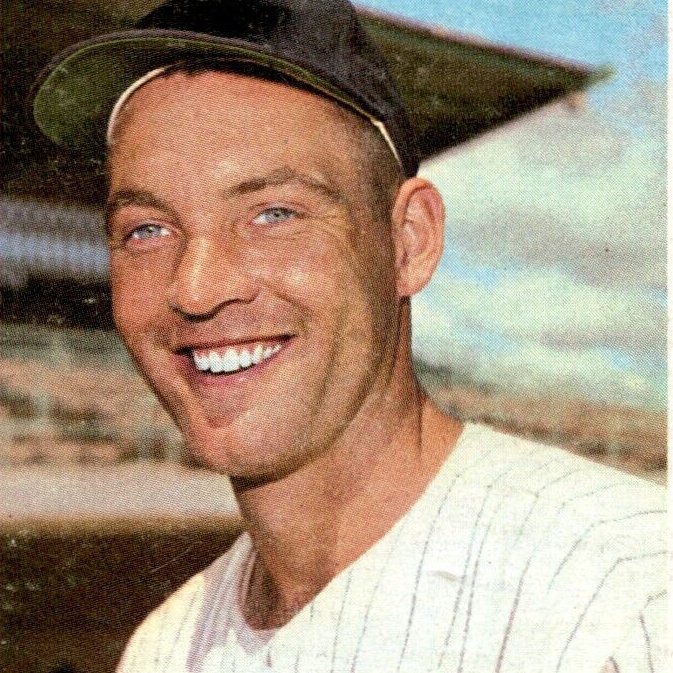 Stanley Wilson Williams was born on September 14, 1936 in Enfield, New Hampshire. The Brooklyn Dodgers signed him as an amateur free agent in 1954. He made his Major League debut for them in 1958, after the franchise had relocated to Los Angeles. Williams spent five seasons with the Dodgers, going 57-46 with a 3.83 ERA. He helped them win a World Series in 1959, and was named to the All-Star team in 1960. Williams spent two seasons with the New York Yankees, and then had an injury plagued five year stint with the Cleveland Indians. The Minnesota Twins acquired Williams and Luis Tiant as part of a six player trade ahead of the 1970 season. They sent Dean Chance, Bob Miller, Graig Nettles and Ted Uhlaender back to Cleveland. All these injuries had forced Williams into a reliever role, but he was a force out of the Twins bullpen in his first year with the club. Williams went 10-1 with 15 saves and a 1.99 ERA across 68 appearances in 1970, helping Minnesota win their second consecutive AL West crown. He gave the Twins six shutout innings of relief work during the ALCS that fall, but Minnesota was still swept by the Baltimore Orioles. 1971 wasn't as successful for Williams. He had a 4.15 ERA through 46 outings, and was traded to the St. Louis Cardinals late in the year. Williams pitched for the Boston Red Sox in 1972, then retired to go into coaching. He worked on and off as a big league pitching coach for the next several decades, compiling 14 years for five different clubs between 1975 and 1999. Williams coached for the Red Sox (1975-76), Chicago White Sox (1977-78), Yankees (1980-82 and 1987-88), Cincinnati Reds (1984 and 1990-91) and Seattle Mariners (1998-99). He won a World Series with the Reds in 1990. Williams later worked as a scout for the Tampa Bay Devil Rays and Washington Nationals organizations, before retiring all together in 2010. He passed away in 2021 at the age of 84.
 -
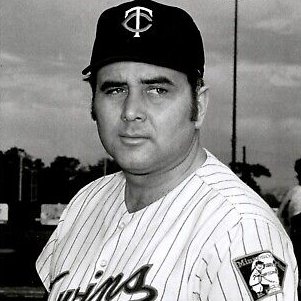 Ronald Peter Perranoski was born on April 1, 1936 in Paterson, New Jersey. The Chicago Cubs signed him as an amateur free agent in 1958. He was one of three prospects traded to the Los Angeles Dodgers for All-Star second baseman Don Zimmer in 1960. Perranoski made his Major League debut in 1961, and quickly become one of baseball's best relief pitchers. He pitched seven years for the Dodgers, leading the National League in relief appearances three times. Perranoski had 100 saves and a 2.56 ERA over this stretch. He did have some notable postseason struggles while in Los Angeles, owning a 5.75 postseason ERA with them. The Dodgers were still able to win the World Series in 1963 and 1965. They were swept by the Baltimore Orioles in the 1966 World Series. The Dodgers sent Perranoski to the Minnesota Twins in a blockbuster deal after the 1967 campaign. Minnesota sent All-Star starter Mudcat Grant and 1965 AL MVP Zoilo Versalles to Los Angeles. They received Perranoski, All-Star catcher John Roseboro and veteran pitcher Bob Miller. Perranoski was fantastic during his three full seasons with the Twins. He had a 2.49 ERA between 1968 and 1970, leading the American League with 31 saves in 1969 and again with 34 saves in 1970. But just like his time with the Dodgers, postseason play proved to be a difficult task for Perranoski. He allowed walk-off hits in games one and two of the 1969 ALCS. A year later, he allowed five runs in game two of the 1970 ALCS. Minnesota was swept in each series, which were the first two ever played. Before 1969, the American League regular season champion would just go straight to the World Series. He returned to the Twins in 1971, but was placed on waivers after recording a 6.75 ERA over 36 appearances. The Detroit Tigers claimed him, and he finished out the season there. Perranoski briefly returned to the Dodgers in 1972, and pitched for the California Angels in 1973. The Dodgers hired him as their minor league pitching coordinator in 1974. Perranoski was hired as their Major League pitching coach in 1981, helping the Dodgers win two rings during his 14 years in that role. He was the San Francisco Giants pitching coach for three years in the late 90's, then became a longtime special assistant to general manager Brian Sabean. Perranoski won three more World Series rings in this role, retiring after the Giants third championship in 2014. He passed away in 2020 at the age of 84.
.thumb.png.131fdf97b843dfc7f73f4f987002a0f8.png)


