.png.7846f23ff7308bd0a60773982c8c4137.png)
William Malone
-
Posts
786 -
Joined
-
Last visited
Content Type
Profiles
News
Minnesota Twins Videos
2026 Minnesota Twins Top Prospects Ranking
2022 Minnesota Twins Draft Picks
Minnesota Twins Free Agent & Trade Rumors, Notes, & Tidbits
Guides & Resources
2023 Minnesota Twins Draft Picks
The Minnesota Twins Players Project
2024 Minnesota Twins Draft Picks
2025 Minnesota Twins Draft Pick Tracker
2026 Minnesota Twins Draft Tracker: Picks & Bonuses
Forums
Blogs
Events
Store
Downloads
Gallery
Everything posted by William Malone
-
Scott Matthew Ullger was born on June 10, 1955 in New York City. The Minnesota Twins drafted him in round 18 of the 1977 MLB Draft. He played 35 big league games for the Twins in 1983, hitting .190 with no home runs and just five RBI. This was his only action at the Major League level, but Ullger continued playing in the minor leagues through 1987. He was hired as a manager in the Twins minor league system after retiring as a player. Ullger was 576-433 as a minor league manager between 1988 and 1994, managing at three different levels. He won the Southern League (Double-A) title with the Orlando Sun Rays in 1991. Minnesota hired him as their Major League first base coach in 1995. Ullger became the third base coach in 2006, and the bench coach in 2011. The Twins moved him back to coaching first base in 2013. He was fired, along with Ron Gardenhire and several other longtime coaches, following the 2014 season. Regardless of his role at the time, Ullger was often the Twins acting manager whenever Gardenhire got ejected. He went 3-2 during a five game Gardenhire absence in 2002, and 4-2 during six more games that Gardenhire missed in 2008. View full player
-
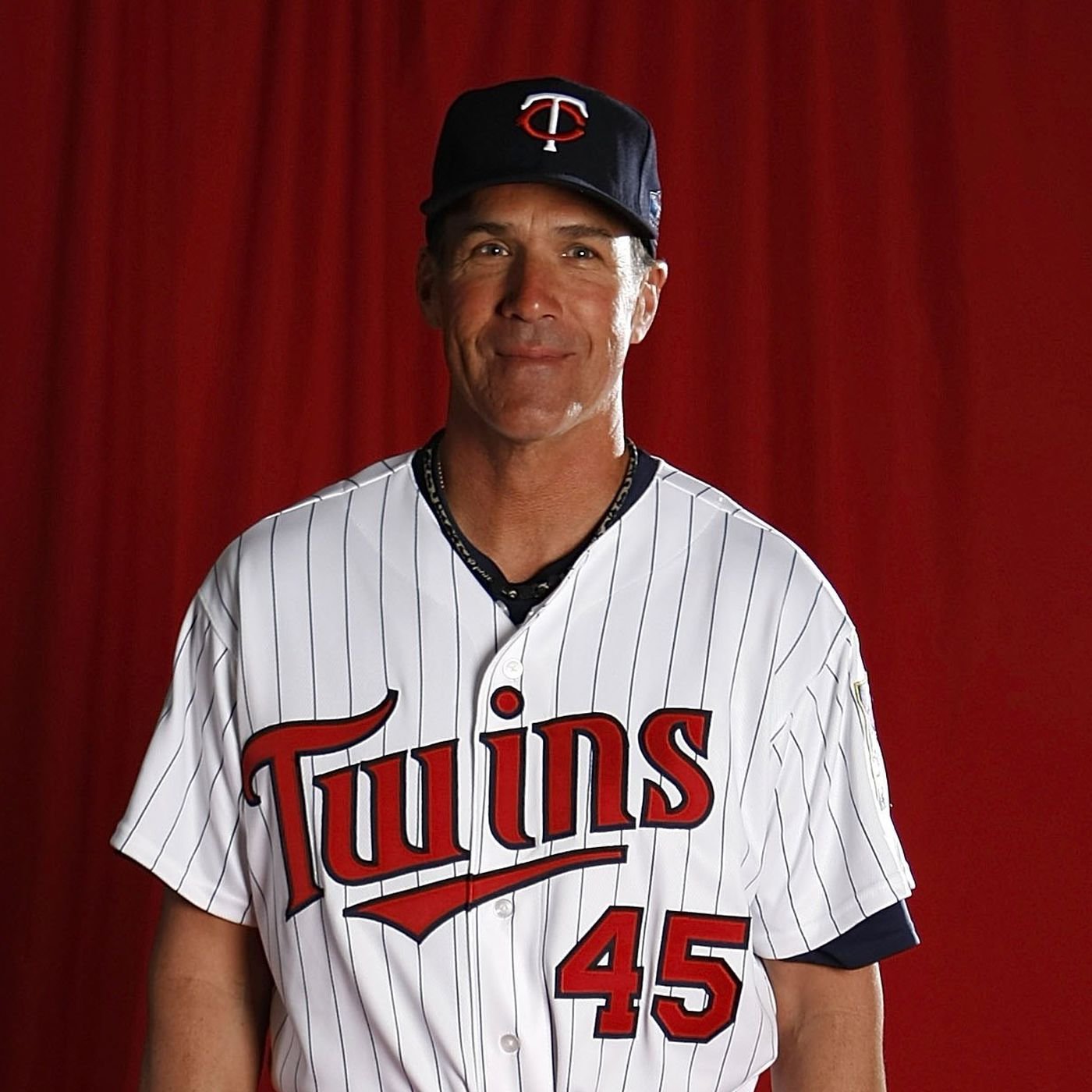 Scott Matthew Ullger was born on June 10, 1955 in New York City. The Minnesota Twins drafted him in round 18 of the 1977 MLB Draft. He played 35 big league games for the Twins in 1983, hitting .190 with no home runs and just five RBI. This was his only action at the Major League level, but Ullger continued playing in the minor leagues through 1987. He was hired as a manager in the Twins minor league system after retiring as a player. Ullger was 576-433 as a minor league manager between 1988 and 1994, managing at three different levels. He won the Southern League (Double-A) title with the Orlando Sun Rays in 1991. Minnesota hired him as their Major League first base coach in 1995. Ullger became the third base coach in 2006, and the bench coach in 2011. The Twins moved him back to coaching first base in 2013. He was fired, along with Ron Gardenhire and several other longtime coaches, following the 2014 season. Regardless of his role at the time, Ullger was often the Twins acting manager whenever Gardenhire got ejected. He went 3-2 during a five game Gardenhire absence in 2002, and 4-2 during six more games that Gardenhire missed in 2008.
 -
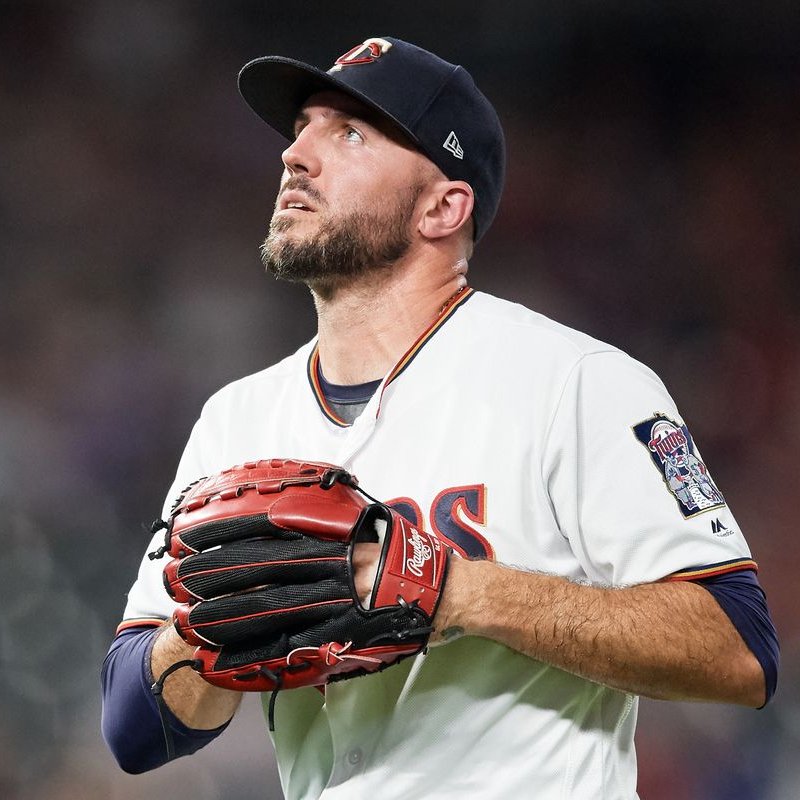 Richard Blake Parker was born on June 19, 1985 in Fayetteville, Arkansas. The Chicago Cubs drafted him as a catcher in round 16 of the 2006 MLB Draft out of the University of Arkansas. He struggled offensively that summer, going 0-for-21 in seven games at the Class-A level. Parker began pitching while at minor league spring training the next year, and then registered a 2.39 ERA in 26.1 innings between rookie ball and Low-A that season. He climbed the minor league ranks slowly, finally making his Major League debut for the Cubs in 2012. Parker became a solid journeyman reliever, pitching with four clubs between 2012 and 2018; the Cubs, Seattle Mariners, New York Yankees and Los Angeles Angels. He began to get some closer reps with the Angels, recording 22 saves between the 2017 and 2018 seasons. The Minnesota Twins signed Parker to a one year deal in 2019. His contract came with a $3.2 million guaranteed base salary, and several incentives based around games spent on the active roster. He took the loss in his Twins debut, allowing a ninth inning run during a 2-1 loss against the Cleveland Indians on March 30th. Things quickly got better, and Parker didn't allow a run for the entire month of April. He was a perfect 8-for-8 in save chances at the end of May, also registering four holds while splitting ninth inning duties with Taylor Rogers. June was not kind to Parker. He allowed nine earned runs over 10.2 innings, but only blew one lead for Minnesota. The famous "Bomba Squad" offense was building leads of four or five runs on a nightly basis, and there weren't a lot of close leads for the Twins bullpen to hold. Parker still had two saves and three holds during that month. He opened July with seven shutout consecutive innings, picking up a win and two more holds. Parker allowed four runs in a troublesome outing against the Yankees on July 23rd, and was designated for assignment. He was about a week's worth of games on the active roster away from a $500,000 bonus. The Twins would've owed Parker an extra $1.5 million had he stayed on the active roster for the remainder of the regular season. The Philadelphia Phillies signed Parker after he cleared waivers, and they re-signed him for the 2020 campaign as well. He had a strong showing during that COVID shortened season, going 3-0 with a 2.81 ERA in 16.0 innings. Parker pitched for the Cleveland Indians in 2021, posting a 3.09 ERA in 43.2 relief innings.
 -
Richard Blake Parker was born on June 19, 1985 in Fayetteville, Arkansas. The Chicago Cubs drafted him as a catcher in round 16 of the 2006 MLB Draft out of the University of Arkansas. He struggled offensively that summer, going 0-for-21 in seven games at the Class-A level. Parker began pitching while at minor league spring training the next year, and then registered a 2.39 ERA in 26.1 innings between rookie ball and Low-A that season. He climbed the minor league ranks slowly, finally making his Major League debut for the Cubs in 2012. Parker became a solid journeyman reliever, pitching with four clubs between 2012 and 2018; the Cubs, Seattle Mariners, New York Yankees and Los Angeles Angels. He began to get some closer reps with the Angels, recording 22 saves between the 2017 and 2018 seasons. The Minnesota Twins signed Parker to a one year deal in 2019. His contract came with a $3.2 million guaranteed base salary, and several incentives based around games spent on the active roster. He took the loss in his Twins debut, allowing a ninth inning run during a 2-1 loss against the Cleveland Indians on March 30th. Things quickly got better, and Parker didn't allow a run for the entire month of April. He was a perfect 8-for-8 in save chances at the end of May, also registering four holds while splitting ninth inning duties with Taylor Rogers. June was not kind to Parker. He allowed nine earned runs over 10.2 innings, but only blew one lead for Minnesota. The famous "Bomba Squad" offense was building leads of four or five runs on a nightly basis, and there weren't a lot of close leads for the Twins bullpen to hold. Parker still had two saves and three holds during that month. He opened July with seven shutout consecutive innings, picking up a win and two more holds. Parker allowed four runs in a troublesome outing against the Yankees on July 23rd, and was designated for assignment. He was about a week's worth of games on the active roster away from a $500,000 bonus. The Twins would've owed Parker an extra $1.5 million had he stayed on the active roster for the remainder of the regular season. The Philadelphia Phillies signed Parker after he cleared waivers, and they re-signed him for the 2020 campaign as well. He had a strong showing during that COVID shortened season, going 3-0 with a 2.81 ERA in 16.0 innings. Parker pitched for the Cleveland Indians in 2021, posting a 3.09 ERA in 43.2 relief innings. View full player
-
 Timothy Shawn Teufel was born on July 7, 1958 in Greenwich, Connecticut. The Minnesota Twins drafted him in round two of the 1980 MLB Draft. He blossomed into one of their best prospects, and was named their most outstanding farm system player in 1983. Teufel made his Major League debut that September, batting .308 with three home runs in 21 games. This included a five hit game on September 16th, which featured the first two home runs of his career. He was the Twins full time second baseman in 1984, batting .262 with 14 home runs and 62 RBI during his first full season as a big league player. This performance helped him finish fourth in the AL Rookie of the Year voting. Twins teammate Kirby Puckett came in third, and the award was won by Seattle Mariners first baseman Alvin Davis. Teufel hit left handed opponents especially well, slashing .298/.392/.435 against them in 1984. His hip wiggle when settling into the batter's box, affectionately known as the "Teufel Shuffle," helped make him a fan favorite. Teufel started off strong in 1985, and was batting .299 through his first 40 games. He began to slow down in the second half, causing Minnesota manager Ray Miller to start playing rookie Steve Lombardozzi more often at second base. Teufel finished the season batting .260 with ten home runs and 50 RBI. The Twins traded him to the New York Mets during the off-season, giving Lombardozzi the full time second base job. New York sent back former top prospect Billy Beane, who had struggled mightily in his two seasons at the big league level. Wally Backman and Teufel became platoon mates at second base over the next several seasons, winning the World Series together in 1986. Teufel started five of 13 playoff games for the Mets that October, batting .333 with one RBI. He hit .256 during his six seasons in New York. After beginning to lose playing time and becoming more of a bench player in 1990, the Mets traded him to the San Diego Padres just a few weeks into the 1991 regular season. There was a trade on the table for Teufel to return to Minnesota later on in the 1991 season, but he declined the opportunity. He didn't have a no trade clause, but had taken a fast liking to life in San Diego. The Padres front office respected his wishes, and even re-signed Tuefel that winter when he was a free agent. He spent two more full seasons in San Diego, then retired after the 1993 campaign. Teufel managed at several levels of the Mets minor league system between 2001 and 2011. He was hired as their Major League third base coach in 2012, spending five seasons in that role. While on the Mets staff, they reached the World Series in 2015. Teufel returned to the minor league ranks in 2017, serving as a roving instructor for the Mets. He retired after the 2022 season.
 -
Timothy Shawn Teufel was born on July 7, 1958 in Greenwich, Connecticut. The Minnesota Twins drafted him in round two of the 1980 MLB Draft. He blossomed into one of their best prospects, and was named their most outstanding farm system player in 1983. Teufel made his Major League debut that September, batting .308 with three home runs in 21 games. This included a five hit game on September 16th, which featured the first two home runs of his career. He was the Twins full time second baseman in 1984, batting .262 with 14 home runs and 62 RBI during his first full season as a big league player. This performance helped him finish fourth in the AL Rookie of the Year voting. Twins teammate Kirby Puckett came in third, and the award was won by Seattle Mariners first baseman Alvin Davis. Teufel hit left handed opponents especially well, slashing .298/.392/.435 against them in 1984. His hip wiggle when settling into the batter's box, affectionately known as the "Teufel Shuffle," helped make him a fan favorite. Teufel started off strong in 1985, and was batting .299 through his first 40 games. He began to slow down in the second half, causing Minnesota manager Ray Miller to start playing rookie Steve Lombardozzi more often at second base. Teufel finished the season batting .260 with ten home runs and 50 RBI. The Twins traded him to the New York Mets during the off-season, giving Lombardozzi the full time second base job. New York sent back former top prospect Billy Beane, who had struggled mightily in his two seasons at the big league level. Wally Backman and Teufel became platoon mates at second base over the next several seasons, winning the World Series together in 1986. Teufel started five of 13 playoff games for the Mets that October, batting .333 with one RBI. He hit .256 during his six seasons in New York. After beginning to lose playing time and becoming more of a bench player in 1990, the Mets traded him to the San Diego Padres just a few weeks into the 1991 regular season. There was a trade on the table for Teufel to return to Minnesota later on in the 1991 season, but he declined the opportunity. He didn't have a no trade clause, but had taken a fast liking to life in San Diego. The Padres front office respected his wishes, and even re-signed Tuefel that winter when he was a free agent. He spent two more full seasons in San Diego, then retired after the 1993 campaign. Teufel managed at several levels of the Mets minor league system between 2001 and 2011. He was hired as their Major League third base coach in 2012, spending five seasons in that role. While on the Mets staff, they reached the World Series in 2015. Teufel returned to the minor league ranks in 2017, serving as a roving instructor for the Mets. He retired after the 2022 season. View full player
-
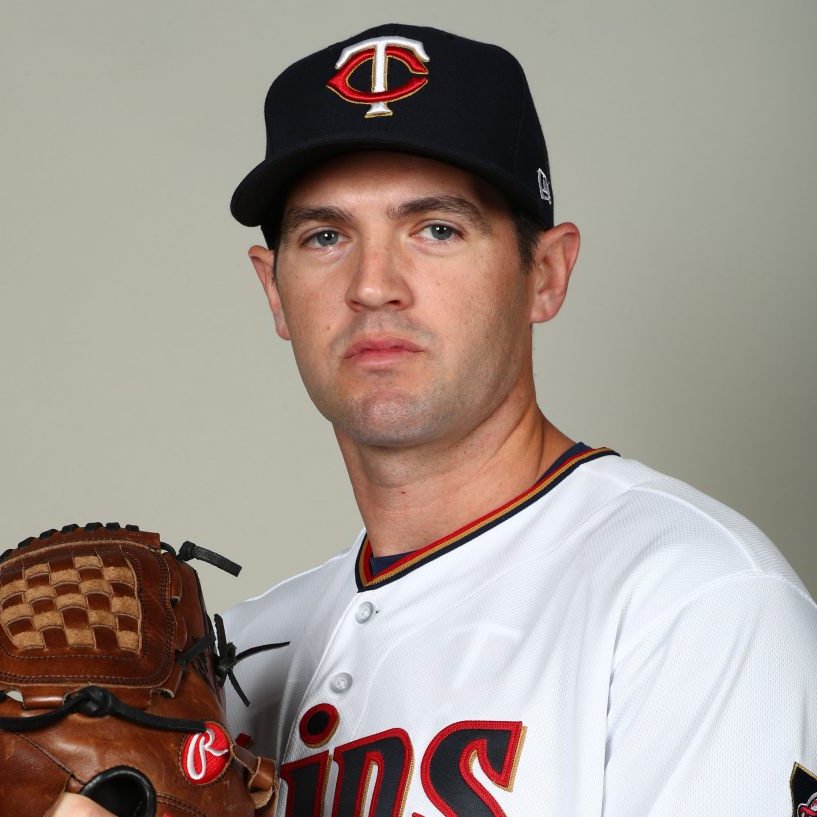 Cory Nathanial Gearrin was born on April 14, 1986 in Chattanooga, Tennessee. The Atlanta Braves selected him in round four of the 2007 MLB Draft. He debuted for them at the big league level in 2011, registering a 4.28 ERA over 77 relief appearances during his three seasons with the Braves. Gearrin missed the 2014 season after undergoing Tommy John surgery, then signed a minor league contract with the San Francisco Giants. He became a jourmany reliever after getting healthy, and owns a 3.61 career ERA over nine seasons with seven teams; the Braves, Giants, Texas Rangers, Oakland Athletics, Seattle Mariners, New York Yankees and Minnesota Twins. Minnesota was the final stop of his big league journey. They signed him to a minor league deal with an invitation to spring training on February 17, 2020. Gearrin struggled in spring training, allowing seven runs over five innings before the COVID-19 pandemic shut it all down. When things resumed in July, the Twins invited him to work out of their alternate site with other reserve players. Gearrin was called up for one game on August 9th, tossing two shutout innings out of the Twins bullpen in a 4-2 loss against the Kansas City Royals.
 -
Cory Nathanial Gearrin was born on April 14, 1986 in Chattanooga, Tennessee. The Atlanta Braves selected him in round four of the 2007 MLB Draft. He debuted for them at the big league level in 2011, registering a 4.28 ERA over 77 relief appearances during his three seasons with the Braves. Gearrin missed the 2014 season after undergoing Tommy John surgery, then signed a minor league contract with the San Francisco Giants. He became a jourmany reliever after getting healthy, and owns a 3.61 career ERA over nine seasons with seven teams; the Braves, Giants, Texas Rangers, Oakland Athletics, Seattle Mariners, New York Yankees and Minnesota Twins. Minnesota was the final stop of his big league journey. They signed him to a minor league deal with an invitation to spring training on February 17, 2020. Gearrin struggled in spring training, allowing seven runs over five innings before the COVID-19 pandemic shut it all down. When things resumed in July, the Twins invited him to work out of their alternate site with other reserve players. Gearrin was called up for one game on August 9th, tossing two shutout innings out of the Twins bullpen in a 4-2 loss against the Kansas City Royals. View full player
-
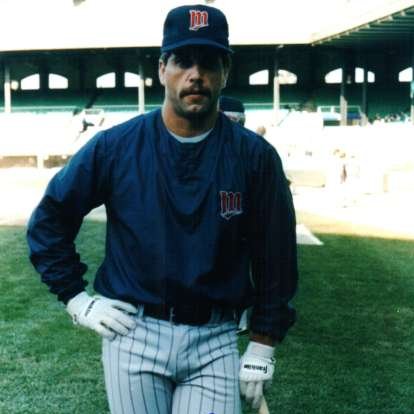 Walter Wayne Backman was born on September 22, 1959 in Hillsboro, Ohio. The New York Mets used their first round pick on him in 1977, and he made his Major League debut for them in 1980. Backman spent several years as a backup infielder, but finally became the primary starter at second base in 1984. He hit a career best .320 for the Mets in 1986, and New York won the World Series that fall. Blackman scored the game tying run in the sixth inning of game seven against the Boston Red Sox. The Mets won 8-5, despite falling down 3-0 early. Backman was traded to the Minnesota Twins after the 1988 season. He had hit .283 during his nine seasons in Queens. His lone season with the Twins got off to a great start. Backman had eight multi-hit games in April, finishing the month with a .298 average. He began May on a 1-for-12 skid, and wound up producing arguably the worst season of his career when it was all over. Backman slashed .231/.306/.284 that year. Multiple trips to the disabled list limited him to just 87 games. He signed with the Pittsburgh Pirates as a free agent that off-season, and had a bounceback year. Backman hit .292 in 1990, helping Pittsburgh squeeze out a tight NL East race against his old Mets teammates. He played three more seasons after that, but looked more like the Minnesota version of himself. Backman has been a long time minor league and independent ball coach since his playing days ended. The Arizona Diamondbacks hired him to be their big league manager in 2004, but they fired him just five days later after learning about his failure to disclose some legal issues during the hiring process. He returned to managing in the minor leagues, heading various teams in the Mets minor league system between 2008 and 2016. Backman resigned after the 2016 season, following a public spat with big league general manager Sandy Alderson. He managed the New Britain Bees of the Atlantic League in 2017, and then managed the Long Island Ducks of the Atlantic League from 2018 through 2023. Former Twins outfielder Lew Ford replaced him as Ducks manager.
 -
Walter Wayne Backman was born on September 22, 1959 in Hillsboro, Ohio. The New York Mets used their first round pick on him in 1977, and he made his Major League debut for them in 1980. Backman spent several years as a backup infielder, but finally became the primary starter at second base in 1984. He hit a career best .320 for the Mets in 1986, and New York won the World Series that fall. Blackman scored the game tying run in the sixth inning of game seven against the Boston Red Sox. The Mets won 8-5, despite falling down 3-0 early. Backman was traded to the Minnesota Twins after the 1988 season. He had hit .283 during his nine seasons in Queens. His lone season with the Twins got off to a great start. Backman had eight multi-hit games in April, finishing the month with a .298 average. He began May on a 1-for-12 skid, and wound up producing arguably the worst season of his career when it was all over. Backman slashed .231/.306/.284 that year. Multiple trips to the disabled list limited him to just 87 games. He signed with the Pittsburgh Pirates as a free agent that off-season, and had a bounceback year. Backman hit .292 in 1990, helping Pittsburgh squeeze out a tight NL East race against his old Mets teammates. He played three more seasons after that, but looked more like the Minnesota version of himself. Backman has been a long time minor league and independent ball coach since his playing days ended. The Arizona Diamondbacks hired him to be their big league manager in 2004, but they fired him just five days later after learning about his failure to disclose some legal issues during the hiring process. He returned to managing in the minor leagues, heading various teams in the Mets minor league system between 2008 and 2016. Backman resigned after the 2016 season, following a public spat with big league general manager Sandy Alderson. He managed the New Britain Bees of the Atlantic League in 2017, and then managed the Long Island Ducks of the Atlantic League from 2018 through 2023. Former Twins outfielder Lew Ford replaced him as Ducks manager. View full player
-
.thumb.png.131fdf97b843dfc7f73f4f987002a0f8.png) He was awesome to speak with! Brought up Royce all on his own too. I was going to ask later on, knowing he had coached Royce, but he brought up Royce first. Was so excited to talk about him and all his success.
He was awesome to speak with! Brought up Royce all on his own too. I was going to ask later on, knowing he had coached Royce, but he brought up Royce first. Was so excited to talk about him and all his success. -
Adam Bryant Johnson was born on July 12, 1979 in San Jose, California. The Minnesota Twins drafted him with the second overall pick in 2000 out of Cal State Fullerton. He flew up their minor league system, and was called up right after the All-Star break in 2001. Johnson allowed three runs over six innings in a solid Major League debut, but was sent back down to the minors after a few lesser outings. Minnesota recalled him in September to work out of the bullpen. He finished that season with an 8.28 ERA over 25.0 innings at the big league level. Johnson had an infamous altercation with rookie manager Ron Gardenhire during spring training in 2002. When Gardenhire informed Johnson he wouldn't make the Opening Day roster, he tore up his assignment papers and angrily stormed out of the manager's office. He spent all of 2002 in Triple-A, going 13-8 with a 5.47 ERA in 27 starts. Johnson went 6-11 with a 5.35 ERA at the Triple-A level in 2003, finally getting recalled to the Majors when the rosters expanded in September. He made two relief appearances for the Twins, allowing seven earned runs over 1.1 innings. This was the final big league action of his career. He continued to pitch professionally until 2009. Johnson was widely considered a draft bust, as were many top picks from 2000. Only six of the top 30 picks from that draft class have a positive bWAR in their big league careers. 14 of them didn't even reach the Majors. View full player
-
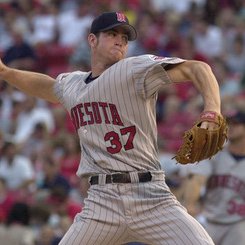 Adam Bryant Johnson was born on July 12, 1979 in San Jose, California. The Minnesota Twins drafted him with the second overall pick in 2000 out of Cal State Fullerton. He flew up their minor league system, and was called up right after the All-Star break in 2001. Johnson allowed three runs over six innings in a solid Major League debut, but was sent back down to the minors after a few lesser outings. Minnesota recalled him in September to work out of the bullpen. He finished that season with an 8.28 ERA over 25.0 innings at the big league level. Johnson had an infamous altercation with rookie manager Ron Gardenhire during spring training in 2002. When Gardenhire informed Johnson he wouldn't make the Opening Day roster, he tore up his assignment papers and angrily stormed out of the manager's office. He spent all of 2002 in Triple-A, going 13-8 with a 5.47 ERA in 27 starts. Johnson went 6-11 with a 5.35 ERA at the Triple-A level in 2003, finally getting recalled to the Majors when the rosters expanded in September. He made two relief appearances for the Twins, allowing seven earned runs over 1.1 innings. This was the final big league action of his career. He continued to pitch professionally until 2009. Johnson was widely considered a draft bust, as were many top picks from 2000. Only six of the top 30 picks from that draft class have a positive bWAR in their big league careers. 14 of them didn't even reach the Majors.
 -
Joseph Adam Durbin was born on February 24, 1982. The Minnesota Twins selected him with the 54th overall pick in the 2000 MLB Draft, and he quickly became one of baseball's best pitching prospects. Durbin was the Twins minor league Pitcher of the Year in 2002, and pitched to fellow Minnesota stud prospect Joe Mauer in the 2003 Futures Game. His self proclaimed "The Real Deal" nickname was eventually endorsed by Twins third base coach Al Newman. Durbin made his Major League debut out of the Twins bullpen on September 8, 2004. He allowed just one run over 4.1 relief innings that month, then made his first big league start on September 23rd. This didn't go well for Durbin, as he allowed five runs in just three innings against the Cleveland Indians. He entered 2005 as the 70th ranked prospect on the Baseball America preseason list, but struggled at the Triple-A level and never got called up to work at the big league level. Durbin bounced back in 2006, posting a 2.33 ERA in 16 starts for the Rochester Red Wings. He seemed destined to re-join the Major League club, especially with Francisco Liriano going down hurt, but a bicep injury ended his season before the Twins ever recalled Durbin. Minnesota waived Durbin after the 2006 season, and he was claimed by the Arizona Diamondbacks. He made their Opening Day roster, but was immediately designated for assignment after a disastrous first relief appearance; 0.2 IP, 7 H, 7 R, 7 ER, 1 BB, 1 K. The Philadelphia Phillies claimed Durbin, and he reported to Triple-A. The Phillies recalled Durbin in June, and he remained up for the rest of that season in a hybrid starter-long relief role. Durbin was 6-5 with a 5.15 ERA across ten starts and eight relief appearances for Philadelphia. That was the final season of big league action for Durbin. He pitched professionally through the 2014 season, spending time in various international and independent leagues. View full player
-
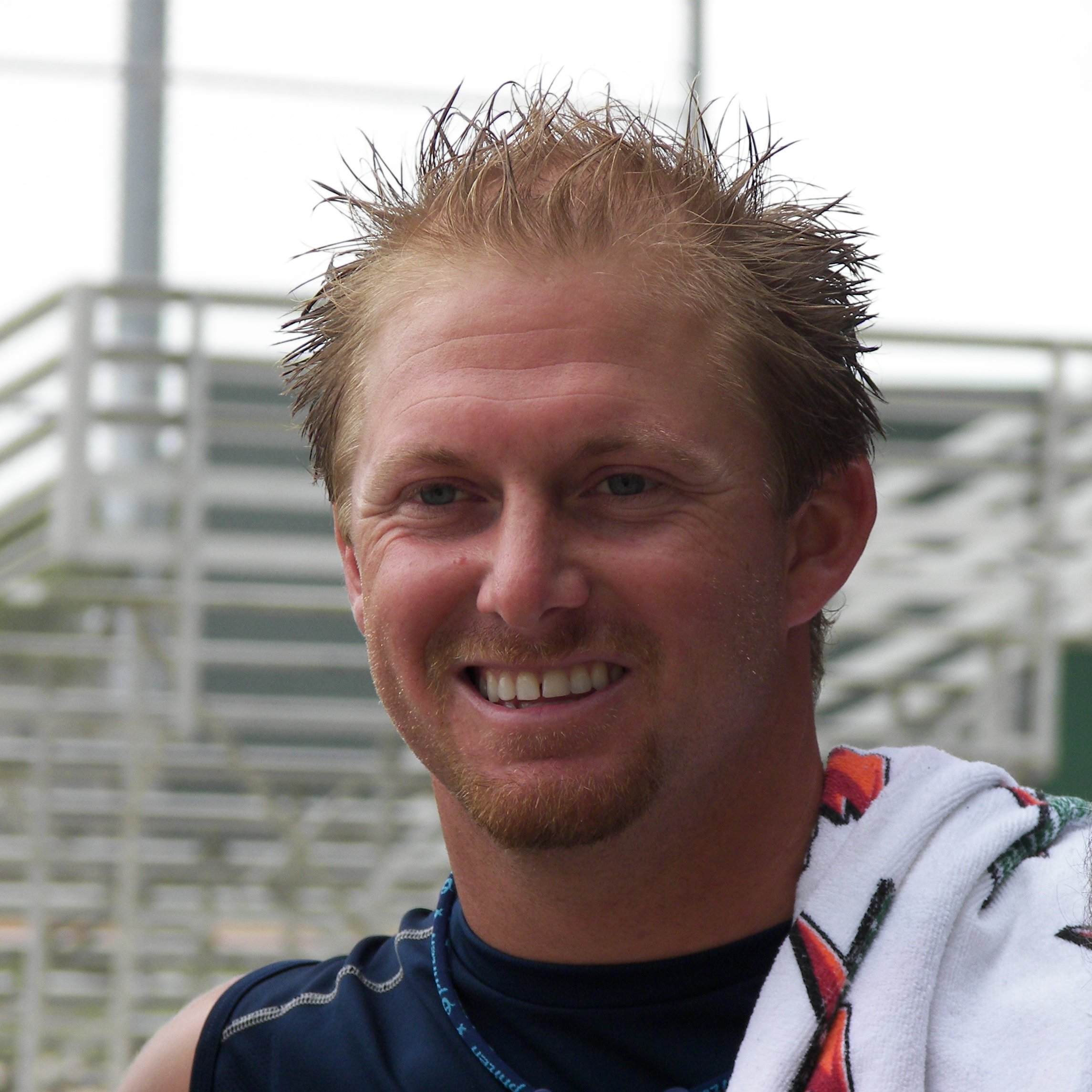 Joseph Adam Durbin was born on February 24, 1982. The Minnesota Twins selected him with the 54th overall pick in the 2000 MLB Draft, and he quickly became one of baseball's best pitching prospects. Durbin was the Twins minor league Pitcher of the Year in 2002, and pitched to fellow Minnesota stud prospect Joe Mauer in the 2003 Futures Game. His self proclaimed "The Real Deal" nickname was eventually endorsed by Twins third base coach Al Newman. Durbin made his Major League debut out of the Twins bullpen on September 8, 2004. He allowed just one run over 4.1 relief innings that month, then made his first big league start on September 23rd. This didn't go well for Durbin, as he allowed five runs in just three innings against the Cleveland Indians. He entered 2005 as the 70th ranked prospect on the Baseball America preseason list, but struggled at the Triple-A level and never got called up to work at the big league level. Durbin bounced back in 2006, posting a 2.33 ERA in 16 starts for the Rochester Red Wings. He seemed destined to re-join the Major League club, especially with Francisco Liriano going down hurt, but a bicep injury ended his season before the Twins ever recalled Durbin. Minnesota waived Durbin after the 2006 season, and he was claimed by the Arizona Diamondbacks. He made their Opening Day roster, but was immediately designated for assignment after a disastrous first relief appearance; 0.2 IP, 7 H, 7 R, 7 ER, 1 BB, 1 K. The Philadelphia Phillies claimed Durbin, and he reported to Triple-A. The Phillies recalled Durbin in June, and he remained up for the rest of that season in a hybrid starter-long relief role. Durbin was 6-5 with a 5.15 ERA across ten starts and eight relief appearances for Philadelphia. That was the final season of big league action for Durbin. He pitched professionally through the 2014 season, spending time in various international and independent leagues.
 -
Jerome Martin Koosman was born on December 23, 1942 in Appleton, Minnesota. The New York Mets signed him as an amateur free agent after he was discharged from the army in 1964. Koosman had often played baseball with fellow soldiers while stationed at Fort Bliss in Texas, and one of his catchers had been the son of a Shea Stadium usher. He made his Major League debut for the Mets in 1967, pitching 22.1 innings late in the year. Koosman was a regular in their rotation the next season, winning 19 games with a 2.08 ERA. Cincinnati Reds catcher Johnny Bench beat him by one vote in a tight Rookie of the Year race. New York won the World Series in 1969, carried by the elite rotation duo of Koosman and Tom Seaver. They reached the World Series again in 1973, but fell to the Oakland Athletics. Koosman had a 3.09 ERA during his 12 seasons with the Mets. He was the NL Cy Young runner-up in 1976. His number 36 has been retired by the club, and he's in their team Hall of Fame. The Minnesota Twins acquired a 36-year old Koosman in 1979. He went 20-13 with a 3.38 ERA during his first year with the Twins, finishing sixth in the AL Cy Young voting. It was the second 20 win season of his career, but this wasn't accomplished easily. After beginning the year 7-0, Koosman had an 11-11 record through the end of July. He then produced a dominant month of August, going 6-1 with a 1.76 ERA. Koosman got off to a slow start in 1980. His ERA through ten starts sat at 5.33, but things got better after that. He finished the season with a 4.03 ERA and a 16-13 record, making 34 starts and four relief appearances. Koosman registered two saves in those four relief outings. A slow start in 1981 had him receiving even more bullpen reps. He was 3-9 with a 4.20 ERA and five saves before getting traded to the Chicago White Sox. Between his time with the Twins and White Sox that season, Koosman compared 13 losses. This led the American League in a year that was shortened to just 110 games due to a player's strike. He spent two full seasons with the White Sox after that, then pitched for the Philadelphia Phillies in 1984 and 1985. Koosman was 42-33 with a 4.00 ERA and five saves during that four year stretch, retiring after the 1985 campaign. View full player
-
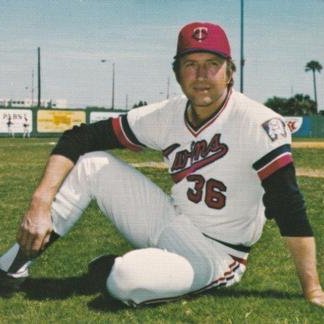 Jerome Martin Koosman was born on December 23, 1942 in Appleton, Minnesota. The New York Mets signed him as an amateur free agent after he was discharged from the army in 1964. Koosman had often played baseball with fellow soldiers while stationed at Fort Bliss in Texas, and one of his catchers had been the son of a Shea Stadium usher. He made his Major League debut for the Mets in 1967, pitching 22.1 innings late in the year. Koosman was a regular in their rotation the next season, winning 19 games with a 2.08 ERA. Cincinnati Reds catcher Johnny Bench beat him by one vote in a tight Rookie of the Year race. New York won the World Series in 1969, carried by the elite rotation duo of Koosman and Tom Seaver. They reached the World Series again in 1973, but fell to the Oakland Athletics. Koosman had a 3.09 ERA during his 12 seasons with the Mets. He was the NL Cy Young runner-up in 1976. His number 36 has been retired by the club, and he's in their team Hall of Fame. The Minnesota Twins acquired a 36-year old Koosman in 1979. He went 20-13 with a 3.38 ERA during his first year with the Twins, finishing sixth in the AL Cy Young voting. It was the second 20 win season of his career, but this wasn't accomplished easily. After beginning the year 7-0, Koosman had an 11-11 record through the end of July. He then produced a dominant month of August, going 6-1 with a 1.76 ERA. Koosman got off to a slow start in 1980. His ERA through ten starts sat at 5.33, but things got better after that. He finished the season with a 4.03 ERA and a 16-13 record, making 34 starts and four relief appearances. Koosman registered two saves in those four relief outings. A slow start in 1981 had him receiving even more bullpen reps. He was 3-9 with a 4.20 ERA and five saves before getting traded to the Chicago White Sox. Between his time with the Twins and White Sox that season, Koosman compared 13 losses. This led the American League in a year that was shortened to just 110 games due to a player's strike. He spent two full seasons with the White Sox after that, then pitched for the Philadelphia Phillies in 1984 and 1985. Koosman was 42-33 with a 4.00 ERA and five saves during that four year stretch, retiring after the 1985 campaign.
 -
Every trade between the Twins and Mets
William Malone posted a blog entry in William Malone IV blogs about Twins
Hello, fellow humans! My name is William Malone IV. Son of William Malone III. And I come with great news! The Minnesota Twins won a baseball game against the Detroit Tigers today. With the conclusion of this game, the series is over. But fear not! A new series against the New York Mets will begin tomorrow. To celebrate this highly anticipated interleague series, let us now take a look at every trade ever between these two amazing baseball clubs. December 8, 1978 Received: LHP Jerry Koosman Departed: RHP Greg Field, LHP Jesse Orosco Jerry Koosman is one of the greatest pitchers in Mets history, and even has his number retired by the club. But at age 36, his time in Queens came to an end. The Minnesota native came back home, and he was a 20 game winner for the Twins in 1979. Age seemed to catch up to Koosman shortly after that, and he even led the American League with 13 losses at age 38 in 1981. Orosco became an All-Star closer for the Mets, finishing off the 1986 World Series. He is most known for his incredible career longevity, which allowed him to finally pitch for the Twins in 2003. January 16, 1986 Received: OF Billy Beane, LHP Joe Klink, LHP Bill Latham Departed: OF Pat Crosby, 2B Tim Teufel Fans of "Moneyball" starring Brad Pitt might already know the vibe of this deal. Billy Beane was one a top prospect in baseball, but his career never really planned out. A change of scenery didn't help him that much, and he wound up retiring in 1990 at the age of 28. Teufel won a World Series in 1986 with the Mets. He started five of their 13 playoff games that fall, forming a platoon at second base with Wally Backman. December 7, 1988 Received: 2B Wally Backman, LHP Mike Santiago Departed: RHP Jeff Bumgarner, RHP Steve Gasser, RHP Toby Nivens Speaking of Wally Backman, the Twins wound up stealing Teufel's platoon mate a few years later. Bumgarner and Nivens had been first round picks in 1985 and 1986 respectively, but neither ever reached the Majors. Neither did Gasser or Santiago. The only past, present or future big leaguer in this deal was Backman. He hit .231 during his lone season in Minnesota. July 31, 1989 Received: RHP Rick Aguilera, RHP Tim Drummond, RHP Jack Savage, RHP Kevin Tapani, LHP David West Departed: LHP Frank Viola This is the second time one of these two teams traded a franchise legend "home." First, it was Mets legend and Minnesota native Jerry Koosman getting sent to the Twins in 1979. Now, Minnesota was sending 1987 World Series MVP and 1988 AL Cy Young winner Frank Viola back "home" to New York. Viola grew up on Long Island, and pitched at St. John's University in Queens. A lot of the return pieces helped Minnesota win the World Series in 1991. November 18, 1992 Received: OF Pat Howell Departed: OF Darren Reed The Twins had actually taken Howell in the 1990 Rule-5 Draft, but returned him to the Mets after he wasn't able to hold a spot on the 25-man roster. A couple of years later, Howell is coming back for 27-year old outfielder Darren Reed. This trade really isn't a needle mover for anyone. Howell and Reed collectively played 113 games at the big league level. December 12, 1997 Received: OF Alex Ochoa Departed: OF Rick Becker Ochoa and Becker were two outfields in their mid-20's with a few years of Major League experience, but none of them lasted too long with their new teams. Ochoa played just one season for the Twins, batting .257 with 25 RBI during the 1998 campaign. Becker didn't even last a full year with the Mets, getting waived in June with a .190 batting average. They both played several more seasons as journeyman outfielders. July 30, 2001 Received: RHP Rick Reed Departed: OF Matt Lawton You don't see too many trades like this. The Mets and Twins were both in tight playoff races during the 2001 season. New York wanted another bat, Minnesota wanted another arm, and a one-for-one swap occurred. Reed had been an All-Star earlier that month, and Lawton was having a very good season for the Twins. But both players regressed with their new clubs, and neither made the playoffs. Reed did have a very solid 2002 campaign with the Twins, helping them reach the ALCS. July 30, 2007 Received: C Drew Butera, OF Dustin Martin Departed: 2B Luis Castillo Castillo was a very good contact hitter and a great defensive second baseman, but he's often remembered for a very bad defensive play that cost the Mets a Subway Series game against the New York Yankees in 2009. He hit .302 that year, but nobody really remembers that. Castillo also played well in 2007 and 2008, but the Mets had late season collapses in each of those years. So he's remembered for a bad drop, and being part of two September collapses by fans in Queens. On the other side of this, Butera had a very lengthy career as a journeyman backup catcher. February 2, 2008 Received: OF Carlos Gomez, RHP Deolis Guerra, RHP Philip Humber, RHP Kevin Mulvey Departed: LHP Johan Santana This was not the best trade for Minnesota, but maybe it wasn't the best trade for New York either. The Mets signed Santana to a then-record breaking six year, $137.5 million contract extension. It would only kick in after the one year he originally had left, locking the ace up for seven full seasons. He only threw a pitch in four of those seasons, and never got the Mets to October. April 9, 2024 Received: RHP Michael Tonkin Departed: Cash 2024 was a wild year for Michael Tonkin. He pitched two games for the Mets, and was then designated for assignment. The Twins paid cash in a trade to jump the waiver line and get Tonkin, who was DFA'd by Minnesota after just one appearance. The Mets claimed him off of waivers, bringing the veteran reliever right back to Queens. This lasted just two games, and he was DFA'd for a third time...all in the month of April. The crosstown Yankees claimed him, and Tonkin stuck there for a few months before getting DFA'd once again. Minnesota put in a claim, and that's where he finished his well traveled 2024 season. -
Jason Maxwell spent two of his three big league seasons with the Minnesota Twins, playing infield for Tom Kelly in 2000 and 2001. He is currently the athletic director and head baseball coach at The Ensworth School in Nashville, Tennessee. Maxwell also coaches various 18U and 15U national teams for USA Baseball. This has given him the opportunity to work with some of baseball's brightest young stars. Image courtesy of USA Baseball Jason Maxwell spent two of his three big league seasons with the Minnesota Twins, playing infield for Tom Kelly in 2000 and 2001. He is currently the athletic director and head baseball coach at The Ensworth School in Nashville, Tennessee. Maxwell also coaches various 18U and 15U national teams for USA Baseball. This has given him the opportunity to work with some of baseball's brightest young stars. Twins Daily recently caught up with Jason Maxwell for a look back on his time with the Twins, and his thriving coaching career. The MLB Draft is only 20 rounds, but it wasn't always that way. Maxwell was a 74th round pick of the Chicago Cubs in 1993. Going from a draft round that no longer exists to the big leagues is no easy task. "It came from a place of one, believing in myself. And two, going out and actually performing and having others take notice of my abilities. But three is having people, front office and managerial positions, believe in me and believe in my abilities to help a team. I'm definitely fortunate. Never take it for granted. That was something, I had to work by butt off every single day. Because being drafted in the 74th round, there aren't many expectations. So I had to create expectations." Getting at-bats in the lower levels of the minors when competing against higher draft picks with bigger signing bonuses wasn't easy. "I will tell you, and this is the truest of true stories. Literally my first year, I get drafted and assigned to Huntington, West Virginia [Huntington Cubs of the Appalachian League]. The manager tells me 'I don't know what we're going to do with you.' Basically telling me I wasn't gonna play. So I'm like 'oh gosh I just forgave my senior year of college eligibility' and now I'm stuck. I don't know, I just wanted to play pro ball. I went the first two weeks, and maybe had a couple of at-bats here and there. And then in the first game I started, it was in Danville [against the Danville Braves of the Appalachian League], I struck out three times. And luckily, the minor league coordinator and all the minor league brass were in town. After the game, they told me 'you know, you've got a pretty good swing but we don't think you can see.' So they brought me down to do some vision tests. From that day on, I became the starting shortstop. And midway through the year, that short season, I became a prospect. I don't know how it happens. I actually performed, but I became a prospect from that point on. It was wild to think that somebody from the 74th round was a legit Cubs prospect pretty immediately." Maxwell debuted for the Cubs on September 1, 1998. This was in the thick of the famous Sammy Sosa/Mark McGwire home run chase. Chicago was also in a tight playoff race, and even had to play a game 163 tiebreaker for the NL wild card spot later that month. "It was incredible. You watch that Sosa/McGwire 30-for-30. That is something that I lived. That came out during COVID time. I remember sitting with my two sons at home and telling them everything that was happening. So, you know, it's really neat that I lived that. It was one heck of a ride for sure. To be a part of history. One thing people don't remember, that was the year Kerry Wood broke in as well. So you had that whole ride going. It was amazing. Those guys, going through spring training with them. I already had relationships with a lot of the established guys, so they took me under their wing once I got to Chicago. It was a really, really great time for me." Maxwell spent all of 1999 in Triple-A, and then signed with the Twins in 2000. "At the time, I was just looking for an opportunity to get back to the big leagues. I knew one guy with the Twins, and that was Torii [Hunter]. We became friends in the minor leagues. I remember going to the locker room that first day, and Torii and I didn't talk during the off-season. But I knew him. He looks at me and goes 'Max! You're in the right place.' That was just the vote of confidence I needed. And then to be able to play for TK [Tom Kelly] being as versatile as I was. TK loves people with versatility. And as I said, having people who believe in you is important. That man there taught me to believe in others who may not. And I give him so much credit for all my success." Tom Kelly played a big role in helping develop a young Twins core that took over the AL Central under Ron Gardenhire in the early-2000's. "Oh my gosh, he did so much. People don't realize, I remember being in Chicago and playing a game against the White Sox. After the game, we practiced. Coming in early in Minnesota after road trips, we're on the field at two o'clock getting work in before a seven o'clock game. And Gardy [Ron Gardenhire] was there the whole way too. Those guys taught you so much. One thing they taught you was to bring the culture. You see the success of those teams; 2002, 2003 and '04. The culture was established in 2000 with TK. He trusted guys. Didn't have a big payroll, but he knew what he was doing." The 2000 Twins took their lumps, finishing dead last in the AL Central at 66-93. They ran it back in 2001 with a nearly identical roster, but the results were much better. Minnesota went 85-77, which was their first winning season since 1992. "There was this confidence. Right? You bring the same guys into the locker room, so you're all familiar with each other. The confidence just grows. You've got time under your belt in the big leagues. There's another year coming, putting things together. You're starting to feel a sense of belonging, and you know the league a bit more. It was good. And again, you've got the right leader in TK. Along with Gardy, and Jerry White, and Scotty [Scott Ullger]. There were so many guys. The coaching staff was amazing. It was just like a family there. So many of those guys, we're all still close." The white ceiling of the Metrodome gave many defenders trouble, and Maxwell was no exception. "If you ever talk to somebody who says they didn't have a problem with that, they're not telling the truth. Say we're on a 12 day road trip, we'd come back in and practice fly balls. TK used to say 'ball in the roof, ball in the roof.' So we would work on that. But whenever I played shortstop and a pop-up went up, there was one spot. I don't know, maybe five or six steps out in short left field. I would always lose it for what felt like ten seconds. It was really a split second. It was just a blind spot for me. I always lost the ball in that one spot. I'd pick it back up, but I always lost it for a split second. When you hit a pop-up, you have to run it out. The visiting teams didn't have the ability to work there. So it was definitely an advantage." Maxwell always tried to take the time to sign for kids who wanted an autograph, and still does today. "There was a player when I was younger, I'm not going to name him. Growing up in Tennessee, I went to a lot of Braves games. They were playing a team, and a really popular player walked by. I remember asking him for an autograph. He threw his glove down and said 'I'm not signing autographs today.' And I always said from that day on that if I ever made it in any sport, I would always take the time to sign autographs for fans. I never wanted a kid to feel like that. And I wasn’t Torii Hunter, but I never wanted a kid to go home and say I was rude to him. As players, you can't sign them all. But you sign as many as you can. And I'm still like that today. I still get a lot of stuff sent to [The Ensworth School]. Our secretary will know when it's from a fan. She has sharpies, and I sign them. She'll put it right back in the mail, and we send 'em off." He always knew he wanted to work with kids after his playing career was over. "I didn't know it was going to be in the capacity that it is today, but I knew I wanted to work with kids as far as coaching went. The Ensworth School literally opened up right as my playing career ended. I was the first head coach here, and I'm still the head coach. On top of being the athletic director now. It's been a true blessing. So many experiences, so many influences in my life. For me to give back the things that were given to me. Guys like Tom Kelly and guys like Gardy. From Paul Molitor and all the coaches that I grew up with. Not just in professional ball, but in high school. The kids deserve that, and that's what I aspire to do every single day." Coaching for USA Baseball has given Maxwell the opportunity to work with some of the game's brightest young stars, and even do a little unofficial scouting for the Twins. "My first year working with USA Baseball was 2014. Just going in and working as a trials coach. Helping run the trials for the 15-year old team. You connect with so many of these kids, but there was this one kid that I really connected with. When he made the team, he was so appreciative. He couldn't believe he made it. When it was time for him to get drafted about two or three years later, I got a phone call from somebody and they say 'Max, who do we take?' They knew I worked with them. 'What do you think? Who should we take?' I said 'I'll tell you what. If you take one kid, he'll get you to the World Series. If you take the other kid, he'll win you the World Series.' That kid was the number one pick. It was LaTroy Hawkins calling me to ask about Royce Lewis. I said 'it's got to be Royce.'" Maxwell continued to sing the praises of Royce Lewis, who was drafted first overall by the Twins in 2017. "Royce and I really connected. We've exchanged a few messages over the last few years. I just love following his success. His dad is an amazing man too. That kid, everything he's got. I spent a few weeks with him and just thought the world of him. Anthony Volpe is another one of my favorite kids. Dylan Crews too. I mean, that USA pipeline goes on and on." The Twins brotherhood is strong in the USA Baseball coaching ranks. "I've brought [Michael] Cuddyer into coach with me. Denny Hocking has been with me coaching. We keep the Twins thing going. Nick Punto has been here too. That brotherhood is forever." View full article
-
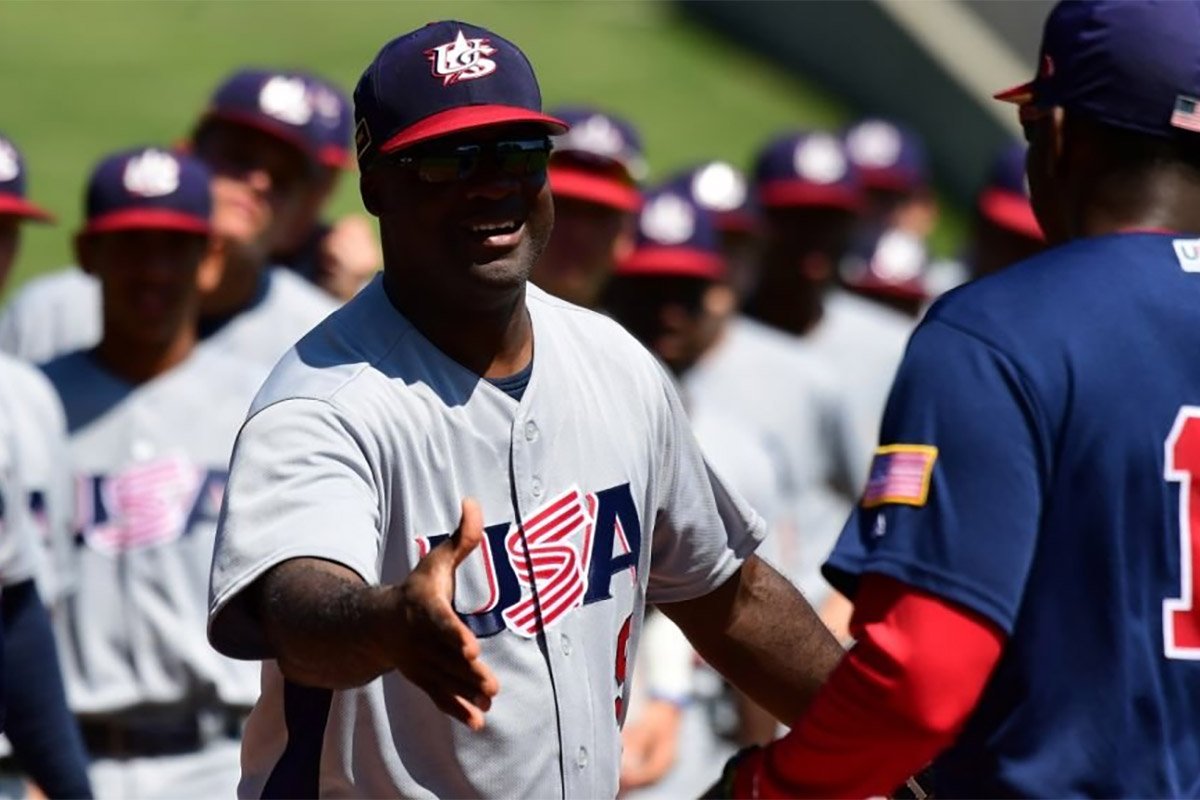 Twins Daily recently caught up with Jason Maxwell for a look back on his time with the Twins, and his thriving coaching career. The MLB Draft is only 20 rounds, but it wasn't always that way. Maxwell was a 74th round pick of the Chicago Cubs in 1993. Going from a draft round that no longer exists to the big leagues is no easy task. "It came from a place of one, believing in myself. And two, going out and actually performing and having others take notice of my abilities. But three is having people, front office and managerial positions, believe in me and believe in my abilities to help a team. I'm definitely fortunate. Never take it for granted. That was something, I had to work by butt off every single day. Because being drafted in the 74th round, there aren't many expectations. So I had to create expectations." Getting at-bats in the lower levels of the minors when competing against higher draft picks with bigger signing bonuses wasn't easy. "I will tell you, and this is the truest of true stories. Literally my first year, I get drafted and assigned to Huntington, West Virginia [Huntington Cubs of the Appalachian League]. The manager tells me 'I don't know what we're going to do with you.' Basically telling me I wasn't gonna play. So I'm like 'oh gosh I just forgave my senior year of college eligibility' and now I'm stuck. I don't know, I just wanted to play pro ball. I went the first two weeks, and maybe had a couple of at-bats here and there. And then in the first game I started, it was in Danville [against the Danville Braves of the Appalachian League], I struck out three times. And luckily, the minor league coordinator and all the minor league brass were in town. After the game, they told me 'you know, you've got a pretty good swing but we don't think you can see.' So they brought me down to do some vision tests. From that day on, I became the starting shortstop. And midway through the year, that short season, I became a prospect. I don't know how it happens. I actually performed, but I became a prospect from that point on. It was wild to think that somebody from the 74th round was a legit Cubs prospect pretty immediately." Maxwell debuted for the Cubs on September 1, 1998. This was in the thick of the famous Sammy Sosa/Mark McGwire home run chase. Chicago was also in a tight playoff race, and even had to play a game 163 tiebreaker for the NL wild card spot later that month. "It was incredible. You watch that Sosa/McGwire 30-for-30. That is something that I lived. That came out during COVID time. I remember sitting with my two sons at home and telling them everything that was happening. So, you know, it's really neat that I lived that. It was one heck of a ride for sure. To be a part of history. One thing people don't remember, that was the year Kerry Wood broke in as well. So you had that whole ride going. It was amazing. Those guys, going through spring training with them. I already had relationships with a lot of the established guys, so they took me under their wing once I got to Chicago. It was a really, really great time for me." Maxwell spent all of 1999 in Triple-A, and then signed with the Twins in 2000. "At the time, I was just looking for an opportunity to get back to the big leagues. I knew one guy with the Twins, and that was Torii [Hunter]. We became friends in the minor leagues. I remember going to the locker room that first day, and Torii and I didn't talk during the off-season. But I knew him. He looks at me and goes 'Max! You're in the right place.' That was just the vote of confidence I needed. And then to be able to play for TK [Tom Kelly] being as versatile as I was. TK loves people with versatility. And as I said, having people who believe in you is important. That man there taught me to believe in others who may not. And I give him so much credit for all my success." Tom Kelly played a big role in helping develop a young Twins core that took over the AL Central under Ron Gardenhire in the early-2000's. "Oh my gosh, he did so much. People don't realize, I remember being in Chicago and playing a game against the White Sox. After the game, we practiced. Coming in early in Minnesota after road trips, we're on the field at two o'clock getting work in before a seven o'clock game. And Gardy [Ron Gardenhire] was there the whole way too. Those guys taught you so much. One thing they taught you was to bring the culture. You see the success of those teams; 2002, 2003 and '04. The culture was established in 2000 with TK. He trusted guys. Didn't have a big payroll, but he knew what he was doing." The 2000 Twins took their lumps, finishing dead last in the AL Central at 66-93. They ran it back in 2001 with a nearly identical roster, but the results were much better. Minnesota went 85-77, which was their first winning season since 1992. "There was this confidence. Right? You bring the same guys into the locker room, so you're all familiar with each other. The confidence just grows. You've got time under your belt in the big leagues. There's another year coming, putting things together. You're starting to feel a sense of belonging, and you know the league a bit more. It was good. And again, you've got the right leader in TK. Along with Gardy, and Jerry White, and Scotty [Scott Ullger]. There were so many guys. The coaching staff was amazing. It was just like a family there. So many of those guys, we're all still close." The white ceiling of the Metrodome gave many defenders trouble, and Maxwell was no exception. "If you ever talk to somebody who says they didn't have a problem with that, they're not telling the truth. Say we're on a 12 day road trip, we'd come back in and practice fly balls. TK used to say 'ball in the roof, ball in the roof.' So we would work on that. But whenever I played shortstop and a pop-up went up, there was one spot. I don't know, maybe five or six steps out in short left field. I would always lose it for what felt like ten seconds. It was really a split second. It was just a blind spot for me. I always lost the ball in that one spot. I'd pick it back up, but I always lost it for a split second. When you hit a pop-up, you have to run it out. The visiting teams didn't have the ability to work there. So it was definitely an advantage." Maxwell always tried to take the time to sign for kids who wanted an autograph, and still does today. "There was a player when I was younger, I'm not going to name him. Growing up in Tennessee, I went to a lot of Braves games. They were playing a team, and a really popular player walked by. I remember asking him for an autograph. He threw his glove down and said 'I'm not signing autographs today.' And I always said from that day on that if I ever made it in any sport, I would always take the time to sign autographs for fans. I never wanted a kid to feel like that. And I wasn’t Torii Hunter, but I never wanted a kid to go home and say I was rude to him. As players, you can't sign them all. But you sign as many as you can. And I'm still like that today. I still get a lot of stuff sent to [The Ensworth School]. Our secretary will know when it's from a fan. She has sharpies, and I sign them. She'll put it right back in the mail, and we send 'em off." He always knew he wanted to work with kids after his playing career was over. "I didn't know it was going to be in the capacity that it is today, but I knew I wanted to work with kids as far as coaching went. The Ensworth School literally opened up right as my playing career ended. I was the first head coach here, and I'm still the head coach. On top of being the athletic director now. It's been a true blessing. So many experiences, so many influences in my life. For me to give back the things that were given to me. Guys like Tom Kelly and guys like Gardy. From Paul Molitor and all the coaches that I grew up with. Not just in professional ball, but in high school. The kids deserve that, and that's what I aspire to do every single day." Coaching for USA Baseball has given Maxwell the opportunity to work with some of the game's brightest young stars, and even do a little unofficial scouting for the Twins. "My first year working with USA Baseball was 2014. Just going in and working as a trials coach. Helping run the trials for the 15-year old team. You connect with so many of these kids, but there was this one kid that I really connected with. When he made the team, he was so appreciative. He couldn't believe he made it. When it was time for him to get drafted about two or three years later, I got a phone call from somebody and they say 'Max, who do we take?' They knew I worked with them. 'What do you think? Who should we take?' I said 'I'll tell you what. If you take one kid, he'll get you to the World Series. If you take the other kid, he'll win you the World Series.' That kid was the number one pick. It was LaTroy Hawkins calling me to ask about Royce Lewis. I said 'it's got to be Royce.'" Maxwell continued to sing the praises of Royce Lewis, who was drafted first overall by the Twins in 2017. "Royce and I really connected. We've exchanged a few messages over the last few years. I just love following his success. His dad is an amazing man too. That kid, everything he's got. I spent a few weeks with him and just thought the world of him. Anthony Volpe is another one of my favorite kids. Dylan Crews too. I mean, that USA pipeline goes on and on." The Twins brotherhood is strong in the USA Baseball coaching ranks. "I've brought [Michael] Cuddyer into coach with me. Denny Hocking has been with me coaching. We keep the Twins thing going. Nick Punto has been here too. That brotherhood is forever."
 -
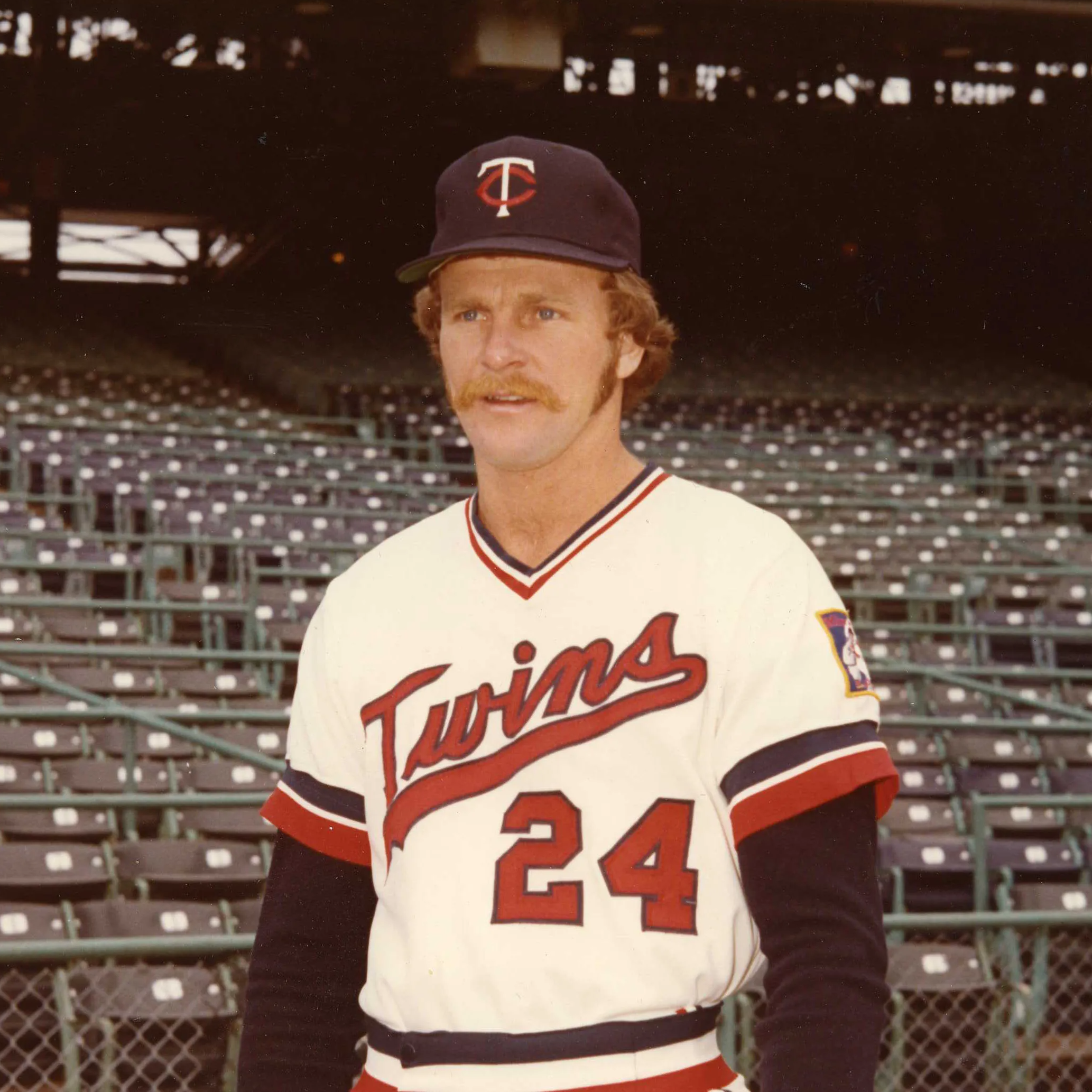 William Richard Campbell was born on August 9, 1948 in Highland Park, Michigan. The Minnesota Twins signed him as an amateur free agent out of Mount San Antonio College in 1971. He rose rapidly through their minor league system, and debuted at the big league level in 1973. Campbell made 28 appearances as a rookie, pitching to a 3.14 ERA and recording seven saves. Campbell made his first Opening Day roster in 1974, and was a workhorse in high leverage long relief. He pitched 120.1 innings across 63 relief appearances that season, leading the Twins with 19 saves. Six of those saves required nine or more outs from Campbell. His most heroic outing of the season came on August 8th when he logged seven innings in relief against the Kansas City Royals, helping Minnesota register a 3-2 victory in 14 innings. The Twins used Campbell briefly as a starter in 1975. He finished the year with a 3.79 ERA over 121.0 innings, making seven starts and 40 relief appearances. They moved him back to a full time bullpen role in 1976, putting him out there for a career high 167.2 innings in a league leading 78 relief appearances. Campbell pitched five or more innings six times that season, and three or more innings on 23 occasions. He had 20 saves and a 3.01 ERA, finishing seventh place in the AL Cy Young voting. Campbell became a free agent after the 1976 season, signing a five year deal with the Boston Red Sox. He had a 2.96 ERA and led the American League with 31 saves in 1977, finishing fifth place in the AL Cy Young voting. Arm issues started to pop up after that, limiting his effectiveness and ability to carry a massive workload out of the bullpen. Campbell had a 4.02 ERA over the final four years of his deal with the Red Sox, never pitching more than 55 innings in a single season. After leaving Boston, he pitched six more Major League seasons for five different clubs; the Chicago Cubs, Philadelphia Phillies, Detroit Tigers and Montreal Expos. Campbell temporarily got back to his workhorse ways with the Cubs, logging 122.1 innings out of the bullpen in 1983. But he wasn't nearly as effective, owning a 4.49 ERA that season. He was one of several former players to run into post-career financial difficulties due to poor investments made by sports agent LaRue Harcourt. Campbell held a marketing job after retirement, and then began serving as a minor league coach in the Milwaukee Brewers system during the mid-1990's. The Brewers promoted him to the big league staff in 1999, but he was fired after one season. Campbell worked a few more years as a minor league coach for the St. Louis Cardinals, then retired from baseball. He passed away in 2023 at the age of 74.
 -
William Richard Campbell was born on August 9, 1948 in Highland Park, Michigan. The Minnesota Twins signed him as an amateur free agent out of Mount San Antonio College in 1971. He rose rapidly through their minor league system, and debuted at the big league level in 1973. Campbell made 28 appearances as a rookie, pitching to a 3.14 ERA and recording seven saves. Campbell made his first Opening Day roster in 1974, and was a workhorse in high leverage long relief. He pitched 120.1 innings across 63 relief appearances that season, leading the Twins with 19 saves. Six of those saves required nine or more outs from Campbell. His most heroic outing of the season came on August 8th when he logged seven innings in relief against the Kansas City Royals, helping Minnesota register a 3-2 victory in 14 innings. The Twins used Campbell briefly as a starter in 1975. He finished the year with a 3.79 ERA over 121.0 innings, making seven starts and 40 relief appearances. They moved him back to a full time bullpen role in 1976, putting him out there for a career high 167.2 innings in a league leading 78 relief appearances. Campbell pitched five or more innings six times that season, and three or more innings on 23 occasions. He had 20 saves and a 3.01 ERA, finishing seventh place in the AL Cy Young voting. Campbell became a free agent after the 1976 season, signing a five year deal with the Boston Red Sox. He had a 2.96 ERA and led the American League with 31 saves in 1977, finishing fifth place in the AL Cy Young voting. Arm issues started to pop up after that, limiting his effectiveness and ability to carry a massive workload out of the bullpen. Campbell had a 4.02 ERA over the final four years of his deal with the Red Sox, never pitching more than 55 innings in a single season. After leaving Boston, he pitched six more Major League seasons for five different clubs; the Chicago Cubs, Philadelphia Phillies, Detroit Tigers and Montreal Expos. Campbell temporarily got back to his workhorse ways with the Cubs, logging 122.1 innings out of the bullpen in 1983. But he wasn't nearly as effective, owning a 4.49 ERA that season. He was one of several former players to run into post-career financial difficulties due to poor investments made by sports agent LaRue Harcourt. Campbell held a marketing job after retirement, and then began serving as a minor league coach in the Milwaukee Brewers system during the mid-1990's. The Brewers promoted him to the big league staff in 1999, but he was fired after one season. Campbell worked a few more years as a minor league coach for the St. Louis Cardinals, then retired from baseball. He passed away in 2023 at the age of 74. View full player
-
Héctor Pacheco Carrasco was born on October 22, 1969 in the Dominican Republic. He was signed by the New York Mets as an amateur free agent in 1988. Carrasco spent time in four different organizations as a minor leaguer, finally breaking in with the Cincinnati Reds during the 1994 season. His 2.24 ERA with six saves over 56.1 innings as a rookie helped him finish eighth place in the 1994 NL Rookie of the Year voting. Carrasco was traded to the Kansas City Royals at the deadline in 1997. The Arizona Diamondbacks took him during the expansion draft in the following off-season, but he didn't make the team out of camp and was claimed on waivers by the Minnesota Twins. He had a 4.38 ERA and a 1.791 WHIP across 61.2 innings for the Twins in 1998, which made him one of the team's better relievers. As a team, Minnesota owned a 4.47 bullpen ERA that year. His ERA ballooned up to 4.96 in 1999, before calming down a bit to 4.25 over 61 appearances in 2000. Carrasco was especially good during the months of July and August, pitching to a 2.28 ERA through 27.2 innings. This hot streak gave the Twins an opportunity to trade him, sending him off to the Boston Red Sox in a late season waiver trade. Minnesota received outfield prospect Lew Ford, a former 12th round pick who was still just in Single-A. Carrasco began to struggle again in Boston, posting a 9.45 ERA during his eight September appearances. This included a blown save on September 15th, and a registered loss on September 29th. The Red Sox fell three games short in a tight AL East race, also missing out of a wild card spot. He returned to the Twins as a free agent in the off-season, meaning the Red Sox had traded Ford to Minnesota for just eight games of lackluster relief work in a tight playoff race. Carrasco had a 4.64 ERA in 73.2 relief innings during the 2001 season, while Ford was in their minor league system becoming a legit prospect. This was the final season Carrasco spent with the Twins. He had a 4.53 ERA between his two stints there, getting used out of the bullpen 219 times. Carrasco continued pitching at the big league level through 2007, pitching for three different teams. He had a career year on the inaugural Washington Nationals team in 2005, posting a 2.04 ERA over 88.1 innings. Washington briefly made him a starter during one stretch of the season, and he even had a stretch of three consecutive scoreless starts. The shortest of these was 5.2 innings. View full player
-
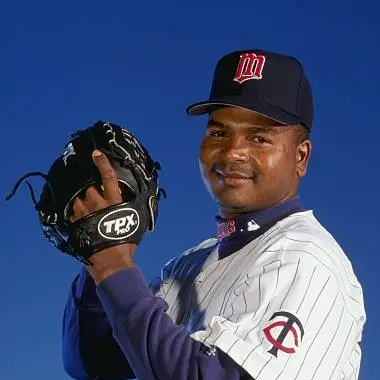 Héctor Pacheco Carrasco was born on October 22, 1969 in the Dominican Republic. He was signed by the New York Mets as an amateur free agent in 1988. Carrasco spent time in four different organizations as a minor leaguer, finally breaking in with the Cincinnati Reds during the 1994 season. His 2.24 ERA with six saves over 56.1 innings as a rookie helped him finish eighth place in the 1994 NL Rookie of the Year voting. Carrasco was traded to the Kansas City Royals at the deadline in 1997. The Arizona Diamondbacks took him during the expansion draft in the following off-season, but he didn't make the team out of camp and was claimed on waivers by the Minnesota Twins. He had a 4.38 ERA and a 1.791 WHIP across 61.2 innings for the Twins in 1998, which made him one of the team's better relievers. As a team, Minnesota owned a 4.47 bullpen ERA that year. His ERA ballooned up to 4.96 in 1999, before calming down a bit to 4.25 over 61 appearances in 2000. Carrasco was especially good during the months of July and August, pitching to a 2.28 ERA through 27.2 innings. This hot streak gave the Twins an opportunity to trade him, sending him off to the Boston Red Sox in a late season waiver trade. Minnesota received outfield prospect Lew Ford, a former 12th round pick who was still just in Single-A. Carrasco began to struggle again in Boston, posting a 9.45 ERA during his eight September appearances. This included a blown save on September 15th, and a registered loss on September 29th. The Red Sox fell three games short in a tight AL East race, also missing out of a wild card spot. He returned to the Twins as a free agent in the off-season, meaning the Red Sox had traded Ford to Minnesota for just eight games of lackluster relief work in a tight playoff race. Carrasco had a 4.64 ERA in 73.2 relief innings during the 2001 season, while Ford was in their minor league system becoming a legit prospect. This was the final season Carrasco spent with the Twins. He had a 4.53 ERA between his two stints there, getting used out of the bullpen 219 times. Carrasco continued pitching at the big league level through 2007, pitching for three different teams. He had a career year on the inaugural Washington Nationals team in 2005, posting a 2.04 ERA over 88.1 innings. Washington briefly made him a starter during one stretch of the season, and he even had a stretch of three consecutive scoreless starts. The shortest of these was 5.2 innings.
 -
Jeffrey Howard Cirillo was born on September 23, 1969 in Pasadena, California. The Milwaukee Brewers drafted him in round 11 of the 1991 MLB Draft. He made his big league debut for Milwaukee in 1994, and became their regular third baseman in 1995. Cirillo hit .300 or better each year between 1996 and 1999, making his first All-Star team in 1997. The Brewers traded him to the Colorado Rockies as part of a three team deal after the 1999 season. Cirillo hit .320 during his two years with the Rockies, making his second All-Star team in 2000. He drove in a career high 115 runs that season. The Seattle Mariners acquired him in a trade after the 2001 season. He began to decline over the next several seasons, batting just .258 with a .667 between 2002 and 2006. This included a stint with the San Diego Padres, and a return to Milwaukee in 2005. The Minnesota Twins signed Cirillo to a one year contract ahead of the 2007 campaign. He went 1-for-2 with a walk and an RBI single as the designated hitter in their Opening Day win over the Baltimore Orioles, but quickly found himself on the disabled list with pain in the same knee that had been giving him issues for a few years at that point. He received a cortisone shot, and was back on the field in early May. The former All-Star struggled upon returning to the Twins lineup, batting .220 in 17 appearances during the month of May. He was mostly playing designated hitter, with the occasional start at third base. June was a much better month for Cirillo, batting .327 with eight RBI. However, he began to struggle again in July. Minnesota designated him for assignment in early August, and Cirillo was claimed off of waivers by the Arizona Diamondbacks. He had slashed .261/.327/.386 in 50 games for the Twins. Arizona won the NL West in 2007, which allowed Cirillo to make the postseason for the first time in his 14-year career. He went 2-for-6 in a bench role for the Diamondbacks that October, helping them reach the NLCS. Cirillo retired after the season. He was a studio analyst on Brewers television broadcasts between 2008 and 2011. Cirillo then went into scouting, first working for the Diamondbacks and then the Los Angeles Angels. View full player
.thumb.png.131fdf97b843dfc7f73f4f987002a0f8.png)