


.png.7846f23ff7308bd0a60773982c8c4137.png)
William Malone
-
Posts
786 -
Joined
-
Last visited
Content Type
Profiles
News
Minnesota Twins Videos
2026 Minnesota Twins Top Prospects Ranking
2022 Minnesota Twins Draft Picks
Minnesota Twins Free Agent & Trade Rumors, Notes, & Tidbits
Guides & Resources
2023 Minnesota Twins Draft Picks
The Minnesota Twins Players Project
2024 Minnesota Twins Draft Picks
2025 Minnesota Twins Draft Pick Tracker
2026 Minnesota Twins Draft Tracker: Picks & Bonuses
Forums
Blogs
Events
Store
Downloads
Gallery
Everything posted by William Malone
-
Ronald Peter Perranoski was born on April 1, 1936 in Paterson, New Jersey. The Chicago Cubs signed him as an amateur free agent in 1958. He was one of three prospects traded to the Los Angeles Dodgers for All-Star second baseman Don Zimmer in 1960. Perranoski made his Major League debut in 1961, and quickly become one of baseball's best relief pitchers. He pitched seven years for the Dodgers, leading the National League in relief appearances three times. Perranoski had 100 saves and a 2.56 ERA over this stretch. He did have some notable postseason struggles while in Los Angeles, owning a 5.75 postseason ERA with them. The Dodgers were still able to win the World Series in 1963 and 1965. They were swept by the Baltimore Orioles in the 1966 World Series. The Dodgers sent Perranoski to the Minnesota Twins in a blockbuster deal after the 1967 campaign. Minnesota sent All-Star starter Mudcat Grant and 1965 AL MVP Zoilo Versalles to Los Angeles. They received Perranoski, All-Star catcher John Roseboro and veteran pitcher Bob Miller. Perranoski was fantastic during his three full seasons with the Twins. He had a 2.49 ERA between 1968 and 1970, leading the American League with 31 saves in 1969 and again with 34 saves in 1970. But just like his time with the Dodgers, postseason play proved to be a difficult task for Perranoski. He allowed walk-off hits in games one and two of the 1969 ALCS. A year later, he allowed five runs in game two of the 1970 ALCS. Minnesota was swept in each series, which were the first two ever played. Before 1969, the American League regular season champion would just go straight to the World Series. He returned to the Twins in 1971, but was placed on waivers after recording a 6.75 ERA over 36 appearances. The Detroit Tigers claimed him, and he finished out the season there. Perranoski briefly returned to the Dodgers in 1972, and pitched for the California Angels in 1973. The Dodgers hired him as their minor league pitching coordinator in 1974. Perranoski was hired as their Major League pitching coach in 1981, helping the Dodgers win two rings during his 14 years in that role. He was the San Francisco Giants pitching coach for three years in the late 90's, then became a longtime special assistant to general manager Brian Sabean. Perranoski won three more World Series rings in this role, retiring after the Giants third championship in 2014. He passed away in 2020 at the age of 84. View full player
-
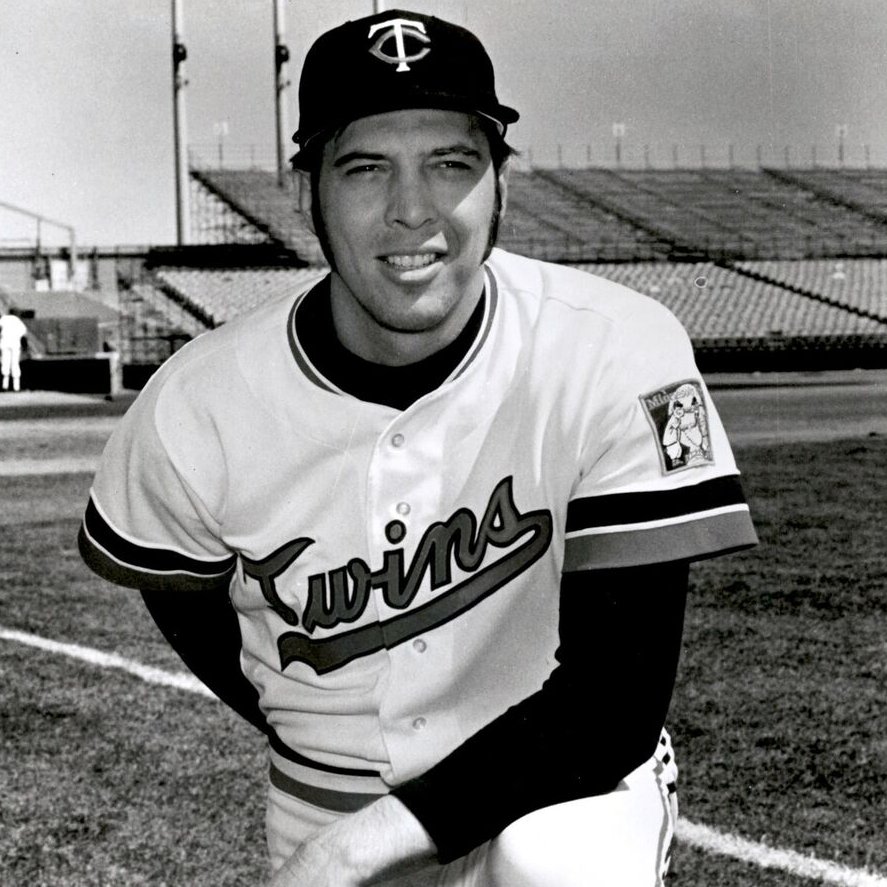 Richard Lee Woodson was born on March 30, 1945 in Oelwein, Iowa. The Minnesota Twins signed him as an amateur free agent in 1964. He broke camp with the Twins in 1969, and his Major League debut did not go well. Woodson entered with the score tied and the bases loaded in the 12th inning of a road game against the Kansas City Royals. Joe Keough was the first batter he was tasked with facing, and Keough delivered a walk-off single. Outing number two didn't go well either. Woodson lasted only one inning while starting against the California Angels, allowing three runs. Minnesota was able to climb out from their early hole and win that game 5-4. Things started to calm down after that, and Woodson finished his rookie year with a 3.67 ERA over 110.1 innings. He was 7-5 with one save, making ten starts and 34 relief appearances. Woodson was 1-2 with one save and a 3.82 ERA for the Twins in 1970, working exclusively out of the bullpen. He made appearances in the 1969 and 1970 ALCS, allowing three runs across 2.2 innings of postseason relief work. Woodson spent all of 1971 in Triple-A, then worked as a full time starter for Minnesota in 1972. He was 14-14 with a 2.72 ERA, tossing nine complete games and three shutouts. Woodson was 10-8 with a 3.95 ERA in 1973, but was limited to just 23 starts due to injuries. History was made after the 1973 season when Woodson became the first player in Major League history to file for salary arbitration. Players had been allowed to do this since the 1968 Collective Bargaining Agreement, but no player had dared to test the owners yet. Woodson was the first player, going toe to toe with Twins owner Calvin Griffin. The arbitrator sided with Woodson, granting him the $30,000 salary against the Minnesota counteroffer of $23,000. This victory led to 28 other players across baseball filing for arbitration before Opening Day, but it also led to a fractured relationship between Woodson and the Twins organization. He was traded to the New York Yankees for Mike Pazik and cash just one month into the 1974 season. Woodson had gotten off to a 1-1 start through four starts, owning a 4.33 ERA. He struggled with the Yankees, posting a 5.79 ERA after the trade. Woodson was traded to the Atlanta Braves in the off-season, and was sent to the minor leagues. He had a 7.02 miserable Triple-A ERA in 1974, then retired when the year was over.
 -
Richard Lee Woodson was born on March 30, 1945 in Oelwein, Iowa. The Minnesota Twins signed him as an amateur free agent in 1964. He broke camp with the Twins in 1969, and his Major League debut did not go well. Woodson entered with the score tied and the bases loaded in the 12th inning of a road game against the Kansas City Royals. Joe Keough was the first batter he was tasked with facing, and Keough delivered a walk-off single. Outing number two didn't go well either. Woodson lasted only one inning while starting against the California Angels, allowing three runs. Minnesota was able to climb out from their early hole and win that game 5-4. Things started to calm down after that, and Woodson finished his rookie year with a 3.67 ERA over 110.1 innings. He was 7-5 with one save, making ten starts and 34 relief appearances. Woodson was 1-2 with one save and a 3.82 ERA for the Twins in 1970, working exclusively out of the bullpen. He made appearances in the 1969 and 1970 ALCS, allowing three runs across 2.2 innings of postseason relief work. Woodson spent all of 1971 in Triple-A, then worked as a full time starter for Minnesota in 1972. He was 14-14 with a 2.72 ERA, tossing nine complete games and three shutouts. Woodson was 10-8 with a 3.95 ERA in 1973, but was limited to just 23 starts due to injuries. History was made after the 1973 season when Woodson became the first player in Major League history to file for salary arbitration. Players had been allowed to do this since the 1968 Collective Bargaining Agreement, but no player had dared to test the owners yet. Woodson was the first player, going toe to toe with Twins owner Calvin Griffin. The arbitrator sided with Woodson, granting him the $30,000 salary against the Minnesota counteroffer of $23,000. This victory led to 28 other players across baseball filing for arbitration before Opening Day, but it also led to a fractured relationship between Woodson and the Twins organization. He was traded to the New York Yankees for Mike Pazik and cash just one month into the 1974 season. Woodson had gotten off to a 1-1 start through four starts, owning a 4.33 ERA. He struggled with the Yankees, posting a 5.79 ERA after the trade. Woodson was traded to the Atlanta Braves in the off-season, and was sent to the minor leagues. He had a 7.02 miserable Triple-A ERA in 1974, then retired when the year was over. View full player
-
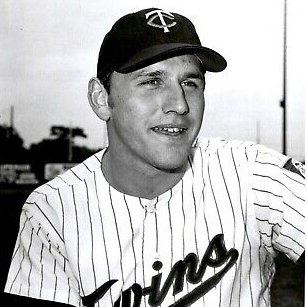 Steven Lee Barber was born on March 13, 1948 in Grand Rapids, Michigan. The Minnesota Twins signed him as an undrafted free agent out of the University of Arizona in 1969. He pitched 18 games for them between the 1970 and 1971 seasons, going 1-0 with a 5.08 ERA and two saves. One of those two saves came in his Major League debut. Barber finished a 6-4 win over the Chicago White Sox with two scoreless innings on April 9, 1970. His lone decision was a win on April 19, 1971. He replaced a struggling Jim Kaat, who was tagged for six runs over four innings. Despite allowing two runs over 3.2 innings himself, the Minnesota offense scored a bunch of runs on their own to help Barber get credit for the win.
 -
Steven Lee Barber was born on March 13, 1948 in Grand Rapids, Michigan. The Minnesota Twins signed him as an undrafted free agent out of the University of Arizona in 1969. He pitched 18 games for them between the 1970 and 1971 seasons, going 1-0 with a 5.08 ERA and two saves. One of those two saves came in his Major League debut. Barber finished a 6-4 win over the Chicago White Sox with two scoreless innings on April 9, 1970. His lone decision was a win on April 19, 1971. He replaced a struggling Jim Kaat, who was tagged for six runs over four innings. Despite allowing two runs over 3.2 innings himself, the Minnesota offense scored a bunch of runs on their own to help Barber get credit for the win. View full player
-
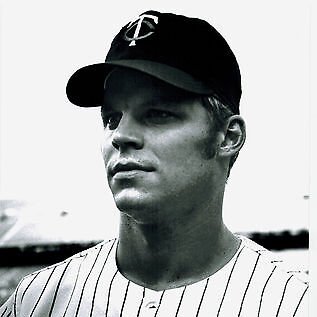 Peter Whitfield Hamm was born on September 20, 1947 in Buffalo, New York. The Minnesota Twins drafted him in round nine of the 1967 MLB Draft. He debuted for them on July 29, 1970. Hamm pitched parts of two seasons for the Twins, making eight starts and 15 relief appearances. He was 2-6 with a 6.41 ERA. The only complete game of his career came on September 2, 1971 when Minnesota beat the Chicago White Sox by a 10-3 score. Minnesota traded him to the Chicago White Sox for cash in the off-season. Chicago released him, and he spent 1972 in the Reds minor league system. This was the end of his professional baseball journey.
 -
Peter Whitfield Hamm was born on September 20, 1947 in Buffalo, New York. The Minnesota Twins drafted him in round nine of the 1967 MLB Draft. He debuted for them on July 29, 1970. Hamm pitched parts of two seasons for the Twins, making eight starts and 15 relief appearances. He was 2-6 with a 6.41 ERA. The only complete game of his career came on September 2, 1971 when Minnesota beat the Chicago White Sox by a 10-3 score. Minnesota traded him to the Chicago White Sox for cash in the off-season. Chicago released him, and he spent 1972 in the Reds minor league system. This was the end of his professional baseball journey. View full player
-
John Harold Haydel was born on July 9, 1944 in Houma, Louisiana. The Milwaukee Brewers signed him as an amateur free agent in 1962. He was acquired by the Minnesota Twins in the 1969 Rule-5 Draft. Haydel didn't make the Twins roster out of camp, but a cash deal was worked out to keep him in the Minnesota system. He finally debuted for the Twins on September 7, 1970. Haydel pitched nine relief innings that month, allowing three runs and striking out four. He was 4-2 with a 4.28 ERA working out of the Twins bullpen in 1971. Haydel earned his only career save on August 29, 1971 against the Cleveland Indians. View full player
-
 John Harold Haydel was born on July 9, 1944 in Houma, Louisiana. The Milwaukee Brewers signed him as an amateur free agent in 1962. He was acquired by the Minnesota Twins in the 1969 Rule-5 Draft. Haydel didn't make the Twins roster out of camp, but a cash deal was worked out to keep him in the Minnesota system. He finally debuted for the Twins on September 7, 1970. Haydel pitched nine relief innings that month, allowing three runs and striking out four. He was 4-2 with a 4.28 ERA working out of the Twins bullpen in 1971. Haydel earned his only career save on August 29, 1971 against the Cleveland Indians.
 -
Paul Hawthorne Ratliff was born on January 23, 1944 in San Diego, California. The Minnesota Twins signed him as an amateur free agent in 1962. He made their Opening Day roster in 1963 at the age of 19, but was sent back to the minors after appearing in just ten games. Ratliff was 4-for-24 (.190) with one home run three RBI while up in the big leagues that year. He spent the next several seasons exclusively in the minor leagues, not resurfacing again at the Major League level until 1970. Ratliff hit .268 with five home runs and 22 RBI, appearing in 69 games as the backup catcher to George Mitterwald. He started at catcher in game three of the 1970 ALCS, going 1-for-4 in a loss to the Baltimore Orioles. Minnesota traded him to the Milwaukee Brewers early on in the 1971 season. He had appeared in just 21 games for the Twins, and played 23 more for the Brewers that year. Ratliff spent 1972 with the Brewers, which concluded his time in the Majors. View full player
-
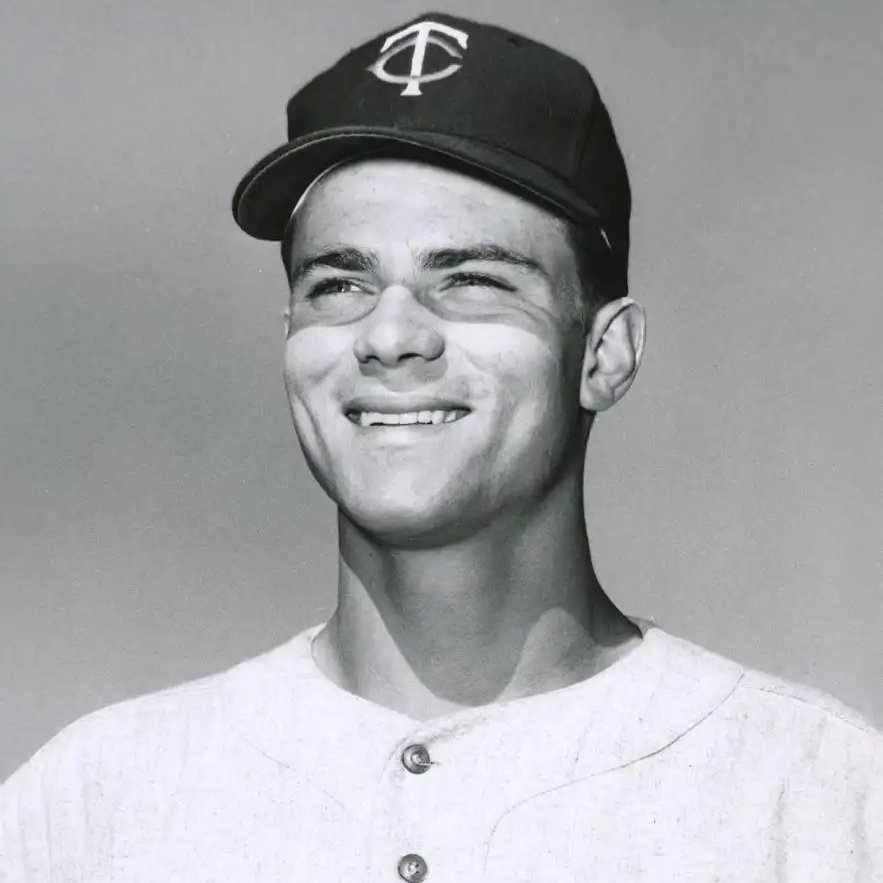 Paul Hawthorne Ratliff was born on January 23, 1944 in San Diego, California. The Minnesota Twins signed him as an amateur free agent in 1962. He made their Opening Day roster in 1963 at the age of 19, but was sent back to the minors after appearing in just ten games. Ratliff was 4-for-24 (.190) with one home run three RBI while up in the big leagues that year. He spent the next several seasons exclusively in the minor leagues, not resurfacing again at the Major League level until 1970. Ratliff hit .268 with five home runs and 22 RBI, appearing in 69 games as the backup catcher to George Mitterwald. He started at catcher in game three of the 1970 ALCS, going 1-for-4 in a loss to the Baltimore Orioles. Minnesota traded him to the Milwaukee Brewers early on in the 1971 season. He had appeared in just 21 games for the Twins, and played 23 more for the Brewers that year. Ratliff spent 1972 with the Brewers, which concluded his time in the Majors.
 -
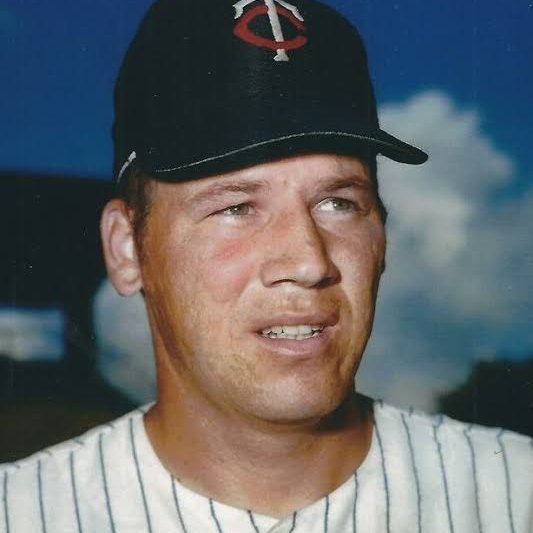 Thomas Arthur Tischinski was born on July 12, 1944 in Kansas City, Missouri. The Kansas City Athletics signed him as an amateur free agent in 1962. He was acquired by the Minnesota Twins in the 1967 minor league draft, and he made his Major League debut for them in 1969. Tischinski played 82 games for the Twins over parts of three seasons, being used sparingly as a third catcher. He hit .181 with six RBI. His only big league home run came on August 21, 1970 off of Casey Cox of the Washington Senators. Minnesota won the American League West in 1969 and 1970, but Tischinski never appeared on their postseason roster. He passed away in 2024 at the age of 79.
 -
Thomas Arthur Tischinski was born on July 12, 1944 in Kansas City, Missouri. The Kansas City Athletics signed him as an amateur free agent in 1962. He was acquired by the Minnesota Twins in the 1967 minor league draft, and he made his Major League debut for them in 1969. Tischinski played 82 games for the Twins over parts of three seasons, being used sparingly as a third catcher. He hit .181 with six RBI. His only big league home run came on August 21, 1970 off of Casey Cox of the Washington Senators. Minnesota won the American League West in 1969 and 1970, but Tischinski never appeared on their postseason roster. He passed away in 2024 at the age of 79. View full player
-
Herman Alexander Hill was born on October 12, 1945 in Tuskegee, Alabama. The Minnesota Twins signed him as an amateur free agent in 1966. He reached the Major Leagues on September 2, 1969. Hill played 43 games for the Twins between the 1969 and 1970 seasons. He was mostly deployed as a pinch runner of defensive replacement, accumulating 25 plate appearances in those games. They traded him to the St. Louis Cardinals on October 20, 1970. Hill tragically died on December 14, 1970 while playing winter ball in Venezuela. While enjoying an off-day at the beach with teammates, he was swept out to sea by a large wave and drowned. His body was found by Venezuelan marines three days later. View full player
-
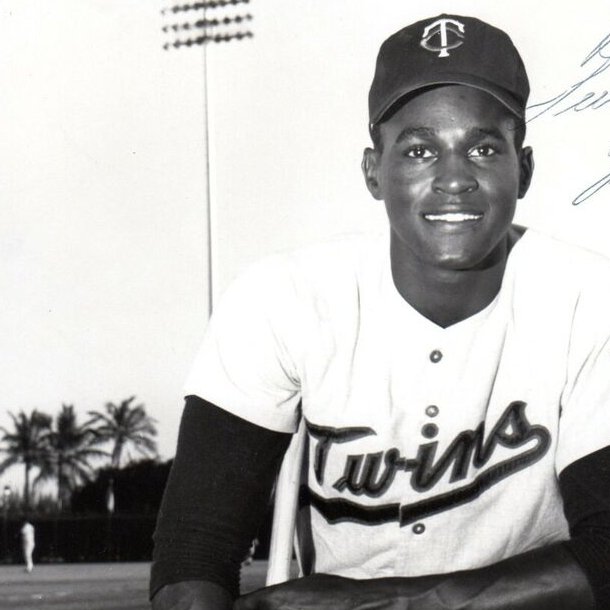 Herman Alexander Hill was born on October 12, 1945 in Tuskegee, Alabama. The Minnesota Twins signed him as an amateur free agent in 1966. He reached the Major Leagues on September 2, 1969. Hill played 43 games for the Twins between the 1969 and 1970 seasons. He was mostly deployed as a pinch runner of defensive replacement, accumulating 25 plate appearances in those games. They traded him to the St. Louis Cardinals on October 20, 1970. Hill tragically died on December 14, 1970 while playing winter ball in Venezuela. While enjoying an off-day at the beach with teammates, he was swept out to sea by a large wave and drowned. His body was found by Venezuelan marines three days later.
 -
James William Nettles was born on March 2, 1947 in San Diego, California. He is the younger brother of Graig Nettles, who also played for the Minnesota Twins. Minnesota drafted him in round four of the 1968 MLB Draft. Nettles reached the big league level in 1970, and played parts of three seasons for the club. He hit .225 with ten home runs over 185 games for the Twins between 1970 and 1972. Nettles spent all of 1973 with their Triple-A affiliate, and was traded to the Detroit Tigers for first baseman Paul Jata the following off-season. He continued to play professionally until 1986, but only appeared in 55 more big league games after leaving Minnesota. Nettles spent several years as a minor league manager or hitting coach, retiring after the 2006 season. View full player
-
 James William Nettles was born on March 2, 1947 in San Diego, California. He is the younger brother of Graig Nettles, who also played for the Minnesota Twins. Minnesota drafted him in round four of the 1968 MLB Draft. Nettles reached the big league level in 1970, and played parts of three seasons for the club. He hit .225 with ten home runs over 185 games for the Twins between 1970 and 1972. Nettles spent all of 1973 with their Triple-A affiliate, and was traded to the Detroit Tigers for first baseman Paul Jata the following off-season. He continued to play professionally until 1986, but only appeared in 55 more big league games after leaving Minnesota. Nettles spent several years as a minor league manager or hitting coach, retiring after the 2006 season.
 -
Cristobal Rigoberto Mendoza Carreras was born on December 3, 1934 in Cuba. He signed with the Washington Senators in 1958, and spent over a decade in the minor leagues. Mendoza finally made his Major League debut for the Minnesota Twins in 1970 at the age of 35. His time in the big leagues lasted just 16 games. Mendoza was 3-for-16 (.188) with two RBI for the Twins. He never started a game, and all his at-bats came as a pinch hitter or after a double switch. The American League didn't adopt the designated hitter rule until 1972. Mendoza spent the rest of his life in various coaching roles. He was coaching in the Orioles minor league system for much of the late 1970's through early 1990's, serving as their big league third base coach for one season in 1988. Mendoza moved to the Cleveland Indians organization in 1992, and spent over 20 years coaching at the lower levels of their minor league system. Much of this time was spent giving some of their youngest Latin American prospects one-on-one attention, helping them with the transition to American pro ball. He passed away in 2024 at the age of 89. View full player
-
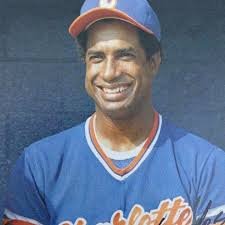 Cristobal Rigoberto Mendoza Carreras was born on December 3, 1934 in Cuba. He signed with the Washington Senators in 1958, and spent over a decade in the minor leagues. Mendoza finally made his Major League debut for the Minnesota Twins in 1970 at the age of 35. His time in the big leagues lasted just 16 games. Mendoza was 3-for-16 (.188) with two RBI for the Twins. He never started a game, and all his at-bats came as a pinch hitter or after a double switch. The American League didn't adopt the designated hitter rule until 1972. Mendoza spent the rest of his life in various coaching roles. He was coaching in the Orioles minor league system for much of the late 1970's through early 1990's, serving as their big league third base coach for one season in 1988. Mendoza moved to the Cleveland Indians organization in 1992, and spent over 20 years coaching at the lower levels of their minor league system. Much of this time was spent giving some of their youngest Latin American prospects one-on-one attention, helping them with the transition to American pro ball. He passed away in 2024 at the age of 89.
 -
.thumb.png.131fdf97b843dfc7f73f4f987002a0f8.png) Whether because of his alliterative name or his attention-grabbing MLB debut, Terry Tiffee left a memorable impression on Twins fans in a relatively short time. We caught up with him to see what's happening with the former infielder. Whether because of his alliterative name or his attention-grabbing MLB debut, Terry Tiffee left a memorable impression on Twins fans in a relatively short time. We caught up with him to see what's happening with the former infielder. Before he was the “Ice Cream Man” mashing doubles in New Britain or winning an Olympic medal in Beijing, Terry Tiffee was a 26th-round draft pick just hoping someone would take a chance on him. The Twins did, and it paid off fast. Tiffee made an immediate impact in 2004 with a go-ahead double in his debut and a walk-off homer days later. Now, he’s coaching softball in Texas and passing on lessons learned from Gardy and Co. to the next generation. We caught up with Tiffee to talk about milk-carton giveaways, getting called up in a playoff race, and why hitting in Vegas might be the most fun you can have with a bat. Tiffee fell to round 26 of the 1999 MLB Draft due to concerns about his signability. "I had an 85% scholarship to LSU coming out of junior college. There were a lot of scouts telling me I was going in the top five rounds… a lot of them were passing on me because they didn’t think I would sign. But I had an in with the Twins, because my junior college coach ended up becoming a Twins scout, Greg Miller. He knew I wanted to play. He knew I wanted to sign. He knew what I was looking for, money wise. So, they kind of had the inside track. After day one of the draft, he called me up and said ‘hey, do you still want to be drafted?’ and kind of went through the parameters of what it would be. I said ‘yeah man, just draft me and we’ll figure it out." Despite drafting him in a lower round, Twins general manager Terry Ryan was always a fan of Tiffee. "I went straight to instructional league after signing. [Terry Ryan] saw me play there. He was always on my side. I guess he always liked me. He liked how I hit. Defensively, I had to get a lot better. It’s always tough. When you’re from the lower levels of the draft, you get very few opportunities unless you’ve got somebody who likes you. And luckily, I did." Tiffee led the Double-A New Britain Rock Cats with 93 RBI in 2003. It was a loaded offense that featured Joe Mauer (.341 average), Justin Morneau (1.004 OPS), Jason Bartlett (.296 average with 41 steals) and Josh Rabe (.303 average with 72 RBI). "A lot of us had actually climbed the ranks together. Bartlett and Rabe were my roommates... It was fun playing [in New Britain]. We had a great team. Morneau was there, which was a surprise. A lot of people thought he was going to be in Triple-A, or maybe even the big leagues. Once the weather got better, the ball just flew there. Stan [Cliburn], our manager, a lot of us had him in Low-A [Quad Cities River Bandits] and it did not go great that year. That was my first year of pro ball, and I had a lot to learn. Just playing the day-to-day and how to do stuff off the field and all that good stuff that you learn in Low-A. We had him in instructional league a couple of years after that. A lot of us had come up together, so then we got stuck with him again in Double-A. Which kind of really helped us. We were all familiar with each other, and we knew what to expect. It was a good mix of guys that knew how to play, and a good mix of managers and coaches that understood what we could do. Understood our potential. Then we just kind of ran with it, and once it warmed up we all started hitting. You know, hitting is contagious. Stan was a hitting manager. He wanted you to hit the ball hard and hit it as far as you could. That was a fun summer." Driving in all those runs for the Rock Cats helped Tiffee earn a fun nickname. "They had a lot of giveaways that summer. You could hit the blow up milk carton thing they had, and win money. They had the ice cream inning, and they ended up calling me the ice cream man. After, I think it was seven runs, everyone in the stands got free ice cream. That was a big deal. It seemed like every stadium you went to, if you did something that was semi-not normal, you could win money. Like hit a grand slam, or hit the gas thing, or the milk carton. And so, we’re all broke Double-A players. Those are the things that motivate you as a broke Double-A player." The Twins called up Tiffee in September 2004, and his first week in the big leagues featured a number of clutch hits. Tiffee had an eighth inning, go-ahead two run double in his Major League debut. He had the game’s only RBI the next night, which was a low scoring pitcher’s duel between Brad Radke and Kenny Rogers. Two days after that, he launched a walk-off home run to beat the Kansas City Royals. "Man, it all flew by. It was a whirlwind, and it was going fast. I do remember my first hit against the Rangers. It was controversial. It bounced and went over the base, and ended up landing foul. They all thought it was foul, but it ended up being fair. And then, I don’t know if it was two or three days later, but I hit the walk-off right handed. It was just awesome being there. That’s what you dream of as a kid. Just getting there, and getting an opportunity to play. Man, it was a dream come true. That whole week was kind of a blur with highlights here and there." Twins manager Ron Gardenhire was always willing to play September call-ups, even in a tight playoff race. "That was a huge deal with the Twins. It was one of the reasons I signed with them, instead of going to LSU. They do promote from within. Gardy did a good job. He gave us plenty of opportunities in spring training. The coaches were always around us in the minor leagues. They knew we could play, and they trusted us. And one of the big things was that they didn’t call you up unless they knew you could help. They didn’t just call you up to sit there and watch. They knew you could play, and they knew you could help the team. That’s all I really tried to do. I knew I wasn’t there to be the star, or to have a spot every day. I just wanted to do whatever I could to help the team." Team USA won bronze at the 2008 Olympics. It was a diverse roster that featured players with Major League experience like Tiffee, top big league prospects such as Brian Duensing, and even college players such as Stephen Strasburg. Current Major League players aren’t eligible for Olympic rosters, but Tiffee got selected while having a great year for the Las Vegas 51s, a Triple-A affiliate of the Los Angeles Dodgers. "I signed with the Dodgers. They gave me an opportunity. We ended up going to Vegas. And, man, hitting in Vegas is unbelievable. I’ll say that was a perfect spot for me. I could hit the ball in the air and hit the ball on the ground, and I just tried to wear the wall out. That whole league, you know, it was awesome. Ironically, that spring training, we went over to China to play the Padres in a three game series. I was in camp with them and they sent a bunch of their guys that had some experience over there to Beijing. We got to play on the Olympic field. I didn’t really think a lot about it. But once I got into Triple-A in Vegas and was having a really good year… I knew I might have a chance to potentially make that team. We really didn’t know until we got selected. We knew they were going to take some minor league guys with some experience, because we were going to be playing other professional players from leagues. But we really didn’t know who they were going to take. I was at the All-Star Game in Louisville when we got selected. I just got extremely lucky on that deal, I’ll be honest. I had a great year at the right time. It happened to be an Olympic year. At no point in my life did I ever think I’d play in the Olympics. But man, it was one of the best experiences of my life. It was awesome." Tiffee is currently the head softball coach at Legacy High School in Texas. "Getting into softball was just something that happened. I wanted to do baseball. And in order to coach down here, even with big league experience, very rarely can you get a head coaching job down here in baseball. There just isn’t a lot available. Usually, they have guys that have been here a long time. They know the administration, the hiring process, all that good stuff. All the political stuff that goes on... But once I got into softball, I kind of enjoyed it. I really enjoyed the speed of it. It was a lot faster than baseball. So I ended up really liking coaching it." He talked about the differences between baseball and his new sport. "It’s very similar. The only difference is the pitching aspect and the bunting/slapping type aspect. And some of the bunting aspects, you can do it in baseball, but the slapping you don’t see a lot of…It all starts on the mound, or in the circle. The pitcher is what matters. It matters even more so in softball. If you have a good one, you can win a lot of games with just a good pitcher and a little bit of hitting." Tiffee is able to take things he learned with the Twins, and apply it to softball. "The crazy thing is that I do take a lot of the stuff we did with the Twins. I take a lot of the things we did in spring training, and I make our girls do it. I translate all that stuff into softball, and we do all the same stuff. It’s all at a fast pace. It’s all about not making mistakes and picking your teammates up. All that stuff that Gardy and everybody used to do day in and day out in spring training. I implement all that stuff here in softball." His main goal is getting his girls ready to succeed at the next level. "I’m just trying to work as hard as I can to get these girls as good as they can get. It’s not about me anymore. I’ve done everything I wanted to do…I like to see them have success. It’s my third year [at Legacy High School]. The really good group is a senior this year and juniors next year. But we had some really good players at Lake Ridge [his last school]. One of them, Tia Warsop, is leading Oklahoma State in hitting. She’s a sophomore right now. She was a stud for us. We had a catcher [Raigan Brannon] who is at Lamar. We had a lot of speed [at Lake Ridge]. Right now, I have a tenth grader who is going to be a power five commit. She’s already got ten bombs. Hit 14 last year, and was All-State as a freshman. LSU has already been here watching her at practice. I have a senior pitcher that’s going to end up with over 700 strikeouts. She’s going to Northwestern State in Louisiana. I have a couple other girls committed to D2’s, and three or four other girls that will be committed eventually to at least D2’s and above." Big thanks to Terry Tiffee for taking the time to chat with us! If you have memories from his time with the Twins, feel free to share them in the comments! View full article
Whether because of his alliterative name or his attention-grabbing MLB debut, Terry Tiffee left a memorable impression on Twins fans in a relatively short time. We caught up with him to see what's happening with the former infielder. Whether because of his alliterative name or his attention-grabbing MLB debut, Terry Tiffee left a memorable impression on Twins fans in a relatively short time. We caught up with him to see what's happening with the former infielder. Before he was the “Ice Cream Man” mashing doubles in New Britain or winning an Olympic medal in Beijing, Terry Tiffee was a 26th-round draft pick just hoping someone would take a chance on him. The Twins did, and it paid off fast. Tiffee made an immediate impact in 2004 with a go-ahead double in his debut and a walk-off homer days later. Now, he’s coaching softball in Texas and passing on lessons learned from Gardy and Co. to the next generation. We caught up with Tiffee to talk about milk-carton giveaways, getting called up in a playoff race, and why hitting in Vegas might be the most fun you can have with a bat. Tiffee fell to round 26 of the 1999 MLB Draft due to concerns about his signability. "I had an 85% scholarship to LSU coming out of junior college. There were a lot of scouts telling me I was going in the top five rounds… a lot of them were passing on me because they didn’t think I would sign. But I had an in with the Twins, because my junior college coach ended up becoming a Twins scout, Greg Miller. He knew I wanted to play. He knew I wanted to sign. He knew what I was looking for, money wise. So, they kind of had the inside track. After day one of the draft, he called me up and said ‘hey, do you still want to be drafted?’ and kind of went through the parameters of what it would be. I said ‘yeah man, just draft me and we’ll figure it out." Despite drafting him in a lower round, Twins general manager Terry Ryan was always a fan of Tiffee. "I went straight to instructional league after signing. [Terry Ryan] saw me play there. He was always on my side. I guess he always liked me. He liked how I hit. Defensively, I had to get a lot better. It’s always tough. When you’re from the lower levels of the draft, you get very few opportunities unless you’ve got somebody who likes you. And luckily, I did." Tiffee led the Double-A New Britain Rock Cats with 93 RBI in 2003. It was a loaded offense that featured Joe Mauer (.341 average), Justin Morneau (1.004 OPS), Jason Bartlett (.296 average with 41 steals) and Josh Rabe (.303 average with 72 RBI). "A lot of us had actually climbed the ranks together. Bartlett and Rabe were my roommates... It was fun playing [in New Britain]. We had a great team. Morneau was there, which was a surprise. A lot of people thought he was going to be in Triple-A, or maybe even the big leagues. Once the weather got better, the ball just flew there. Stan [Cliburn], our manager, a lot of us had him in Low-A [Quad Cities River Bandits] and it did not go great that year. That was my first year of pro ball, and I had a lot to learn. Just playing the day-to-day and how to do stuff off the field and all that good stuff that you learn in Low-A. We had him in instructional league a couple of years after that. A lot of us had come up together, so then we got stuck with him again in Double-A. Which kind of really helped us. We were all familiar with each other, and we knew what to expect. It was a good mix of guys that knew how to play, and a good mix of managers and coaches that understood what we could do. Understood our potential. Then we just kind of ran with it, and once it warmed up we all started hitting. You know, hitting is contagious. Stan was a hitting manager. He wanted you to hit the ball hard and hit it as far as you could. That was a fun summer." Driving in all those runs for the Rock Cats helped Tiffee earn a fun nickname. "They had a lot of giveaways that summer. You could hit the blow up milk carton thing they had, and win money. They had the ice cream inning, and they ended up calling me the ice cream man. After, I think it was seven runs, everyone in the stands got free ice cream. That was a big deal. It seemed like every stadium you went to, if you did something that was semi-not normal, you could win money. Like hit a grand slam, or hit the gas thing, or the milk carton. And so, we’re all broke Double-A players. Those are the things that motivate you as a broke Double-A player." The Twins called up Tiffee in September 2004, and his first week in the big leagues featured a number of clutch hits. Tiffee had an eighth inning, go-ahead two run double in his Major League debut. He had the game’s only RBI the next night, which was a low scoring pitcher’s duel between Brad Radke and Kenny Rogers. Two days after that, he launched a walk-off home run to beat the Kansas City Royals. "Man, it all flew by. It was a whirlwind, and it was going fast. I do remember my first hit against the Rangers. It was controversial. It bounced and went over the base, and ended up landing foul. They all thought it was foul, but it ended up being fair. And then, I don’t know if it was two or three days later, but I hit the walk-off right handed. It was just awesome being there. That’s what you dream of as a kid. Just getting there, and getting an opportunity to play. Man, it was a dream come true. That whole week was kind of a blur with highlights here and there." Twins manager Ron Gardenhire was always willing to play September call-ups, even in a tight playoff race. "That was a huge deal with the Twins. It was one of the reasons I signed with them, instead of going to LSU. They do promote from within. Gardy did a good job. He gave us plenty of opportunities in spring training. The coaches were always around us in the minor leagues. They knew we could play, and they trusted us. And one of the big things was that they didn’t call you up unless they knew you could help. They didn’t just call you up to sit there and watch. They knew you could play, and they knew you could help the team. That’s all I really tried to do. I knew I wasn’t there to be the star, or to have a spot every day. I just wanted to do whatever I could to help the team." Team USA won bronze at the 2008 Olympics. It was a diverse roster that featured players with Major League experience like Tiffee, top big league prospects such as Brian Duensing, and even college players such as Stephen Strasburg. Current Major League players aren’t eligible for Olympic rosters, but Tiffee got selected while having a great year for the Las Vegas 51s, a Triple-A affiliate of the Los Angeles Dodgers. "I signed with the Dodgers. They gave me an opportunity. We ended up going to Vegas. And, man, hitting in Vegas is unbelievable. I’ll say that was a perfect spot for me. I could hit the ball in the air and hit the ball on the ground, and I just tried to wear the wall out. That whole league, you know, it was awesome. Ironically, that spring training, we went over to China to play the Padres in a three game series. I was in camp with them and they sent a bunch of their guys that had some experience over there to Beijing. We got to play on the Olympic field. I didn’t really think a lot about it. But once I got into Triple-A in Vegas and was having a really good year… I knew I might have a chance to potentially make that team. We really didn’t know until we got selected. We knew they were going to take some minor league guys with some experience, because we were going to be playing other professional players from leagues. But we really didn’t know who they were going to take. I was at the All-Star Game in Louisville when we got selected. I just got extremely lucky on that deal, I’ll be honest. I had a great year at the right time. It happened to be an Olympic year. At no point in my life did I ever think I’d play in the Olympics. But man, it was one of the best experiences of my life. It was awesome." Tiffee is currently the head softball coach at Legacy High School in Texas. "Getting into softball was just something that happened. I wanted to do baseball. And in order to coach down here, even with big league experience, very rarely can you get a head coaching job down here in baseball. There just isn’t a lot available. Usually, they have guys that have been here a long time. They know the administration, the hiring process, all that good stuff. All the political stuff that goes on... But once I got into softball, I kind of enjoyed it. I really enjoyed the speed of it. It was a lot faster than baseball. So I ended up really liking coaching it." He talked about the differences between baseball and his new sport. "It’s very similar. The only difference is the pitching aspect and the bunting/slapping type aspect. And some of the bunting aspects, you can do it in baseball, but the slapping you don’t see a lot of…It all starts on the mound, or in the circle. The pitcher is what matters. It matters even more so in softball. If you have a good one, you can win a lot of games with just a good pitcher and a little bit of hitting." Tiffee is able to take things he learned with the Twins, and apply it to softball. "The crazy thing is that I do take a lot of the stuff we did with the Twins. I take a lot of the things we did in spring training, and I make our girls do it. I translate all that stuff into softball, and we do all the same stuff. It’s all at a fast pace. It’s all about not making mistakes and picking your teammates up. All that stuff that Gardy and everybody used to do day in and day out in spring training. I implement all that stuff here in softball." His main goal is getting his girls ready to succeed at the next level. "I’m just trying to work as hard as I can to get these girls as good as they can get. It’s not about me anymore. I’ve done everything I wanted to do…I like to see them have success. It’s my third year [at Legacy High School]. The really good group is a senior this year and juniors next year. But we had some really good players at Lake Ridge [his last school]. One of them, Tia Warsop, is leading Oklahoma State in hitting. She’s a sophomore right now. She was a stud for us. We had a catcher [Raigan Brannon] who is at Lamar. We had a lot of speed [at Lake Ridge]. Right now, I have a tenth grader who is going to be a power five commit. She’s already got ten bombs. Hit 14 last year, and was All-State as a freshman. LSU has already been here watching her at practice. I have a senior pitcher that’s going to end up with over 700 strikeouts. She’s going to Northwestern State in Louisiana. I have a couple other girls committed to D2’s, and three or four other girls that will be committed eventually to at least D2’s and above." Big thanks to Terry Tiffee for taking the time to chat with us! If you have memories from his time with the Twins, feel free to share them in the comments! View full article -
Remembering Random Twins: Exclusive Interview with Terry Tiffee
William Malone posted an article in History
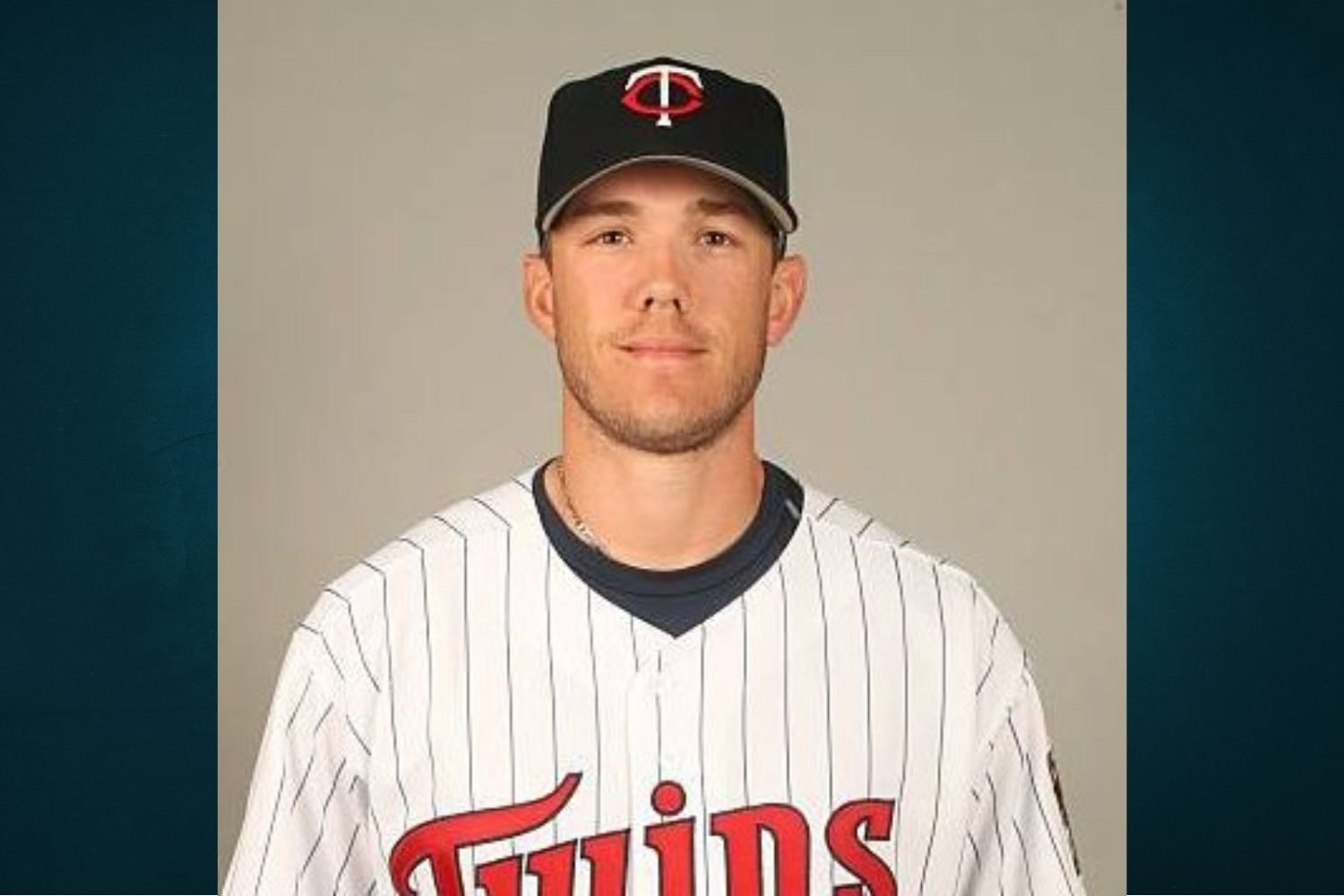 Before he was the “Ice Cream Man” mashing doubles in New Britain or winning an Olympic medal in Beijing, Terry Tiffee was a 26th-round draft pick just hoping someone would take a chance on him. The Twins did, and it paid off fast. Tiffee made an immediate impact in 2004 with a go-ahead double in his debut and a walk-off homer days later. Now, he’s coaching softball in Texas and passing on lessons learned from Gardy and Co. to the next generation. We caught up with Tiffee to talk about milk-carton giveaways, getting called up in a playoff race, and why hitting in Vegas might be the most fun you can have with a bat. Tiffee fell to round 26 of the 1999 MLB Draft due to concerns about his signability. "I had an 85% scholarship to LSU coming out of junior college. There were a lot of scouts telling me I was going in the top five rounds… a lot of them were passing on me because they didn’t think I would sign. But I had an in with the Twins, because my junior college coach ended up becoming a Twins scout, Greg Miller. He knew I wanted to play. He knew I wanted to sign. He knew what I was looking for, money wise. So, they kind of had the inside track. After day one of the draft, he called me up and said ‘hey, do you still want to be drafted?’ and kind of went through the parameters of what it would be. I said ‘yeah man, just draft me and we’ll figure it out." Despite drafting him in a lower round, Twins general manager Terry Ryan was always a fan of Tiffee. "I went straight to instructional league after signing. [Terry Ryan] saw me play there. He was always on my side. I guess he always liked me. He liked how I hit. Defensively, I had to get a lot better. It’s always tough. When you’re from the lower levels of the draft, you get very few opportunities unless you’ve got somebody who likes you. And luckily, I did." Tiffee led the Double-A New Britain Rock Cats with 93 RBI in 2003. It was a loaded offense that featured Joe Mauer (.341 average), Justin Morneau (1.004 OPS), Jason Bartlett (.296 average with 41 steals) and Josh Rabe (.303 average with 72 RBI). "A lot of us had actually climbed the ranks together. Bartlett and Rabe were my roommates... It was fun playing [in New Britain]. We had a great team. Morneau was there, which was a surprise. A lot of people thought he was going to be in Triple-A, or maybe even the big leagues. Once the weather got better, the ball just flew there. Stan [Cliburn], our manager, a lot of us had him in Low-A [Quad Cities River Bandits] and it did not go great that year. That was my first year of pro ball, and I had a lot to learn. Just playing the day-to-day and how to do stuff off the field and all that good stuff that you learn in Low-A. We had him in instructional league a couple of years after that. A lot of us had come up together, so then we got stuck with him again in Double-A. Which kind of really helped us. We were all familiar with each other, and we knew what to expect. It was a good mix of guys that knew how to play, and a good mix of managers and coaches that understood what we could do. Understood our potential. Then we just kind of ran with it, and once it warmed up we all started hitting. You know, hitting is contagious. Stan was a hitting manager. He wanted you to hit the ball hard and hit it as far as you could. That was a fun summer." Driving in all those runs for the Rock Cats helped Tiffee earn a fun nickname. "They had a lot of giveaways that summer. You could hit the blow up milk carton thing they had, and win money. They had the ice cream inning, and they ended up calling me the ice cream man. After, I think it was seven runs, everyone in the stands got free ice cream. That was a big deal. It seemed like every stadium you went to, if you did something that was semi-not normal, you could win money. Like hit a grand slam, or hit the gas thing, or the milk carton. And so, we’re all broke Double-A players. Those are the things that motivate you as a broke Double-A player." The Twins called up Tiffee in September 2004, and his first week in the big leagues featured a number of clutch hits. Tiffee had an eighth inning, go-ahead two run double in his Major League debut. He had the game’s only RBI the next night, which was a low scoring pitcher’s duel between Brad Radke and Kenny Rogers. Two days after that, he launched a walk-off home run to beat the Kansas City Royals. "Man, it all flew by. It was a whirlwind, and it was going fast. I do remember my first hit against the Rangers. It was controversial. It bounced and went over the base, and ended up landing foul. They all thought it was foul, but it ended up being fair. And then, I don’t know if it was two or three days later, but I hit the walk-off right handed. It was just awesome being there. That’s what you dream of as a kid. Just getting there, and getting an opportunity to play. Man, it was a dream come true. That whole week was kind of a blur with highlights here and there." Twins manager Ron Gardenhire was always willing to play September call-ups, even in a tight playoff race. "That was a huge deal with the Twins. It was one of the reasons I signed with them, instead of going to LSU. They do promote from within. Gardy did a good job. He gave us plenty of opportunities in spring training. The coaches were always around us in the minor leagues. They knew we could play, and they trusted us. And one of the big things was that they didn’t call you up unless they knew you could help. They didn’t just call you up to sit there and watch. They knew you could play, and they knew you could help the team. That’s all I really tried to do. I knew I wasn’t there to be the star, or to have a spot every day. I just wanted to do whatever I could to help the team." Team USA won bronze at the 2008 Olympics. It was a diverse roster that featured players with Major League experience like Tiffee, top big league prospects such as Brian Duensing, and even college players such as Stephen Strasburg. Current Major League players aren’t eligible for Olympic rosters, but Tiffee got selected while having a great year for the Las Vegas 51s, a Triple-A affiliate of the Los Angeles Dodgers. "I signed with the Dodgers. They gave me an opportunity. We ended up going to Vegas. And, man, hitting in Vegas is unbelievable. I’ll say that was a perfect spot for me. I could hit the ball in the air and hit the ball on the ground, and I just tried to wear the wall out. That whole league, you know, it was awesome. Ironically, that spring training, we went over to China to play the Padres in a three game series. I was in camp with them and they sent a bunch of their guys that had some experience over there to Beijing. We got to play on the Olympic field. I didn’t really think a lot about it. But once I got into Triple-A in Vegas and was having a really good year… I knew I might have a chance to potentially make that team. We really didn’t know until we got selected. We knew they were going to take some minor league guys with some experience, because we were going to be playing other professional players from leagues. But we really didn’t know who they were going to take. I was at the All-Star Game in Louisville when we got selected. I just got extremely lucky on that deal, I’ll be honest. I had a great year at the right time. It happened to be an Olympic year. At no point in my life did I ever think I’d play in the Olympics. But man, it was one of the best experiences of my life. It was awesome." Tiffee is currently the head softball coach at Legacy High School in Texas. "Getting into softball was just something that happened. I wanted to do baseball. And in order to coach down here, even with big league experience, very rarely can you get a head coaching job down here in baseball. There just isn’t a lot available. Usually, they have guys that have been here a long time. They know the administration, the hiring process, all that good stuff. All the political stuff that goes on... But once I got into softball, I kind of enjoyed it. I really enjoyed the speed of it. It was a lot faster than baseball. So I ended up really liking coaching it." He talked about the differences between baseball and his new sport. "It’s very similar. The only difference is the pitching aspect and the bunting/slapping type aspect. And some of the bunting aspects, you can do it in baseball, but the slapping you don’t see a lot of…It all starts on the mound, or in the circle. The pitcher is what matters. It matters even more so in softball. If you have a good one, you can win a lot of games with just a good pitcher and a little bit of hitting." Tiffee is able to take things he learned with the Twins, and apply it to softball. "The crazy thing is that I do take a lot of the stuff we did with the Twins. I take a lot of the things we did in spring training, and I make our girls do it. I translate all that stuff into softball, and we do all the same stuff. It’s all at a fast pace. It’s all about not making mistakes and picking your teammates up. All that stuff that Gardy and everybody used to do day in and day out in spring training. I implement all that stuff here in softball." His main goal is getting his girls ready to succeed at the next level. "I’m just trying to work as hard as I can to get these girls as good as they can get. It’s not about me anymore. I’ve done everything I wanted to do…I like to see them have success. It’s my third year [at Legacy High School]. The really good group is a senior this year and juniors next year. But we had some really good players at Lake Ridge [his last school]. One of them, Tia Warsop, is leading Oklahoma State in hitting. She’s a sophomore right now. She was a stud for us. We had a catcher [Raigan Brannon] who is at Lamar. We had a lot of speed [at Lake Ridge]. Right now, I have a tenth grader who is going to be a power five commit. She’s already got ten bombs. Hit 14 last year, and was All-State as a freshman. LSU has already been here watching her at practice. I have a senior pitcher that’s going to end up with over 700 strikeouts. She’s going to Northwestern State in Louisiana. I have a couple other girls committed to D2’s, and three or four other girls that will be committed eventually to at least D2’s and above." Big thanks to Terry Tiffee for taking the time to chat with us! If you have memories from his time with the Twins, feel free to share them in the comments!
 -
 Stephen Robert Brye was born on February 4, 1949 in Alameda, California. The Minnesota Twins drafted him 17th overall 1967, He debuted for them in 1970, going 2-for-11 (.182) at the plate in limited big league action. Brye appeared in 28 games for the Twins in 1971, and began to play more regularly starting in 1972. He hit .264 with 19 home runs and 143 RBI across 500 games between 1972 and 1976, seeing a healthy dose of action at all three outfield spots. Brye is most remembered for failing to catch a seemingly routine fly ball on the final day of the 1976 regular season. This allowed Kansas City Royals third baseman George Brett to win the batting title over Hal McRae, who also played for the Royals. There is no conclusive evidence that Brye did this on purpose, but countless people have come up with conspiracy theories as to why such an easy fly ball off the bat of Brett fell in for a hit. One theory is that Brye did not want an African American player to win the batting title. Another common theory is that Brye did not want a designated hitter to win the award. The DH rule was adopted by the American League in 1972, and many players still objected to it in the early years. Brye has always insisted that he simply got a bad read on the ball. The Milwaukee Brewers acquired him for cash during spring training in 1977. He played 94 games for them that season, and 66 more for the Pittsburgh Pirates in 1978.
 -
Stephen Robert Brye was born on February 4, 1949 in Alameda, California. The Minnesota Twins drafted him 17th overall 1967, He debuted for them in 1970, going 2-for-11 (.182) at the plate in limited big league action. Brye appeared in 28 games for the Twins in 1971, and began to play more regularly starting in 1972. He hit .264 with 19 home runs and 143 RBI across 500 games between 1972 and 1976, seeing a healthy dose of action at all three outfield spots. Brye is most remembered for failing to catch a seemingly routine fly ball on the final day of the 1976 regular season. This allowed Kansas City Royals third baseman George Brett to win the batting title over Hal McRae, who also played for the Royals. There is no conclusive evidence that Brye did this on purpose, but countless people have come up with conspiracy theories as to why such an easy fly ball off the bat of Brett fell in for a hit. One theory is that Brye did not want an African American player to win the batting title. Another common theory is that Brye did not want a designated hitter to win the award. The DH rule was adopted by the American League in 1972, and many players still objected to it in the early years. Brye has always insisted that he simply got a bad read on the ball. The Milwaukee Brewers acquired him for cash during spring training in 1977. He played 94 games for them that season, and 66 more for the Pittsburgh Pirates in 1978. View full player
-
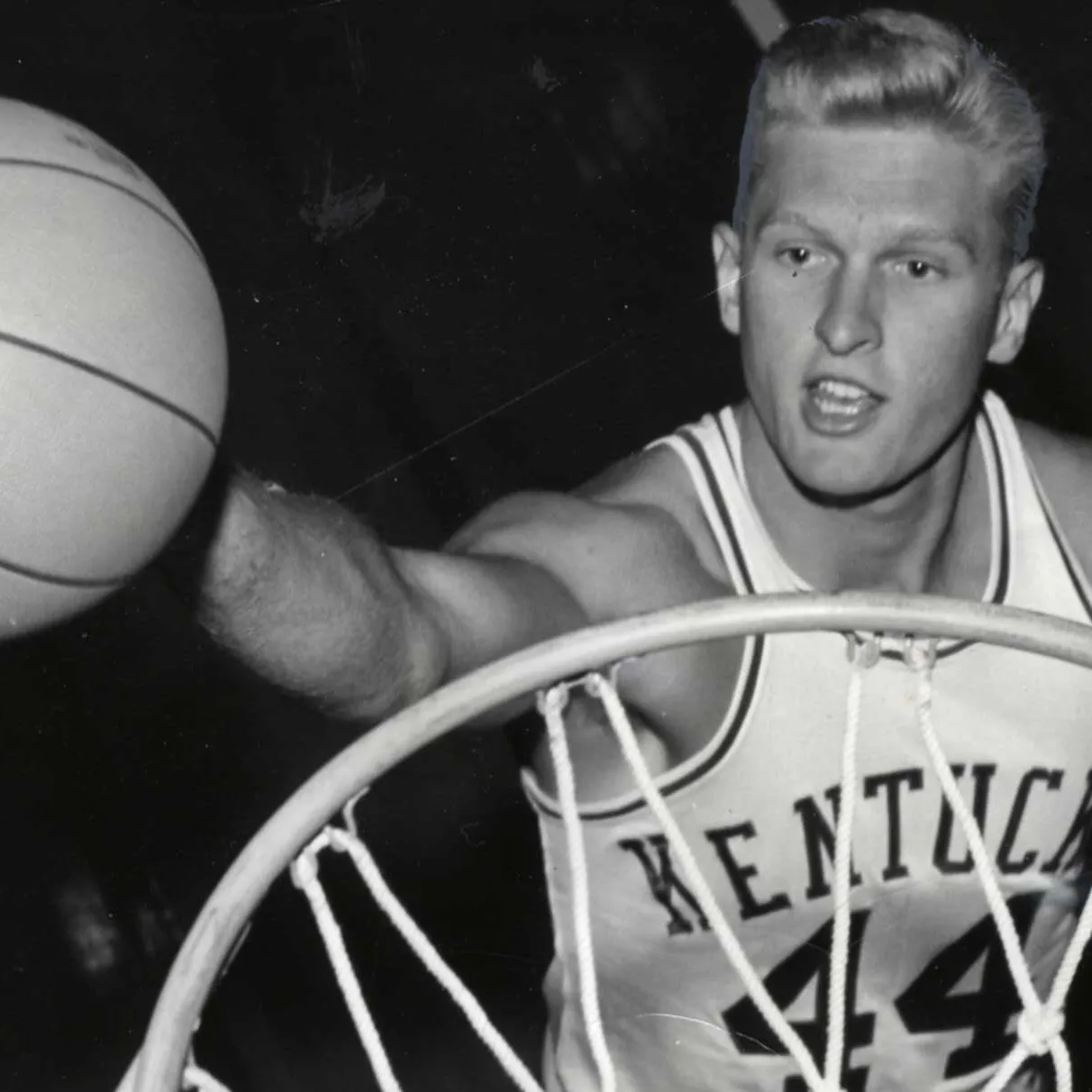 Charles Francis Nash was born on July 24, 1932 in Jersey City, New Jersey. He was an All-American basketball player at the University of Kentucky. The Los Angeles Lakers took him 14th overall in the 1964 NBA Draft, but he only played one season in the NBA before choosing the path of minor league baseball. Nash made his Major League debut for the Chicago White Sox in 1967, appearing in three games for them. Basketball came calling again, and Nash played for the Kentucky Colonels of the ABA during the 1968-69 season. He returned to baseball once again, playing ten games for the Minnesota Twins between the 1969 and 1970 campaigns. Nash was 3-for-13 (.231) at the plate for Minnesota, drawing two walks and driving in two runs. This was the end of his Major League career, although he continued to play at the minor league level through 1972. Nash passed away in 2023 at the age of 80.
 -
Charles Francis Nash was born on July 24, 1932 in Jersey City, New Jersey. He was an All-American basketball player at the University of Kentucky. The Los Angeles Lakers took him 14th overall in the 1964 NBA Draft, but he only played one season in the NBA before choosing the path of minor league baseball. Nash made his Major League debut for the Chicago White Sox in 1967, appearing in three games for them. Basketball came calling again, and Nash played for the Kentucky Colonels of the ABA during the 1968-69 season. He returned to baseball once again, playing ten games for the Minnesota Twins between the 1969 and 1970 campaigns. Nash was 3-for-13 (.231) at the plate for Minnesota, drawing two walks and driving in two runs. This was the end of his Major League career, although he continued to play at the minor league level through 1972. Nash passed away in 2023 at the age of 80. View full player
.thumb.png.131fdf97b843dfc7f73f4f987002a0f8.png)


