


.png.7846f23ff7308bd0a60773982c8c4137.png)
William Malone
-
Posts
786 -
Joined
-
Last visited
Content Type
Profiles
News
Minnesota Twins Videos
2026 Minnesota Twins Top Prospects Ranking
2022 Minnesota Twins Draft Picks
Minnesota Twins Free Agent & Trade Rumors, Notes, & Tidbits
Guides & Resources
2023 Minnesota Twins Draft Picks
The Minnesota Twins Players Project
2024 Minnesota Twins Draft Picks
2025 Minnesota Twins Draft Pick Tracker
2026 Minnesota Twins Draft Tracker: Picks & Bonuses
Forums
Blogs
Events
Store
Downloads
Gallery
Everything posted by William Malone
-
Francis Ralph Quilici was born on May 11, 1939 in Chicago, Illinois. The Minnesota Twins signed him as an amateur free agent in 1961. He reached the Major Leagues in 1965, playing 56 games and hitting .208 as a rookie. Quilici started all seven World Series games for Minnesota that fall, going 4-for-20 (.200) with two doubles and an RBI. The Twins fell to the Los Angeles Dodgers. He spent the entire 1966 season in Triple-A, and played just 23 big league games in 1967. Quilici finally began to play regularly in 1968, batting .245 in 97 games. This included his first career home run on September 29th, which was the final day of the regular season. He played 229 games between the 1968 and 1969 campaigns, helping Minnesota win back-to-back AL West crowns. Tragedy struck the Twins organization when assistant coach Sherry Robertson was killed in an automobile accident on October 23, 1970. Quilici retired, and filled the vacant position on the Minnesota staff for the 1971 season. The club fired Bill Rigney midway through the 1972 season, naming the 33-year old Quilici as the interim manager. They lifted the interim tag in the off-season, and he managed the Twins for three full seasons. Quilici compiled a record of 280-287 at the helm. He remained close to the organization after getting fired, working as a radio broadcaster in the late 1970's and early 1980's. Quilici remained close to the organization, even in an unofficial capacity, for the rest of his life. He passed away on May 14, 2018. View full player
-
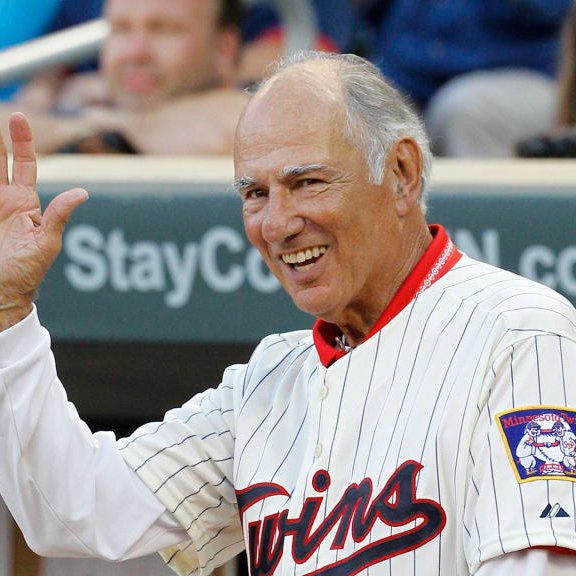 Francis Ralph Quilici was born on May 11, 1939 in Chicago, Illinois. The Minnesota Twins signed him as an amateur free agent in 1961. He reached the Major Leagues in 1965, playing 56 games and hitting .208 as a rookie. Quilici started all seven World Series games for Minnesota that fall, going 4-for-20 (.200) with two doubles and an RBI. The Twins fell to the Los Angeles Dodgers. He spent the entire 1966 season in Triple-A, and played just 23 big league games in 1967. Quilici finally began to play regularly in 1968, batting .245 in 97 games. This included his first career home run on September 29th, which was the final day of the regular season. He played 229 games between the 1968 and 1969 campaigns, helping Minnesota win back-to-back AL West crowns. Tragedy struck the Twins organization when assistant coach Sherry Robertson was killed in an automobile accident on October 23, 1970. Quilici retired, and filled the vacant position on the Minnesota staff for the 1971 season. The club fired Bill Rigney midway through the 1972 season, naming the 33-year old Quilici as the interim manager. They lifted the interim tag in the off-season, and he managed the Twins for three full seasons. Quilici compiled a record of 280-287 at the helm. He remained close to the organization after getting fired, working as a radio broadcaster in the late 1970's and early 1980's. Quilici remained close to the organization, even in an unofficial capacity, for the rest of his life. He passed away on May 14, 2018.
 -
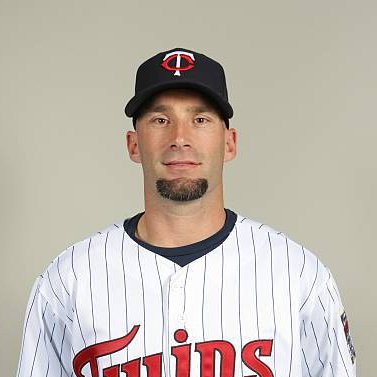 Howard Roddy Clark was born on February 13, 1974 in San Diego, California. The Baltimore Orioles drafted him in round 27 of the 1992 MLB Draft. He spent a decade in their minor league system, eventually making his Major League debut on July 16, 2002. Clark played sparingly for the Toronto Blue Jays in 2003 and 2004. After spending all of 2005 in the minors, he resurfaced once again at the big league level with the Orioles in 2006. Clark returned to Toronto in 2007. During this six year stretch, he hit .262 with three home runs in 130 games. Clark was one of 89 names cited in the infamous Mitchell Report, which was released on December 13, 2007. The Minnesota Twins had signed him to a minor league contract just weeks before the report was released. He apologized to reporters during the first media availability of spring training in 2008, claiming he made a "wrong decision." Twins manager Ron Gardenhire expressed his support for Clark. He spent most of 2008 in the minors, appearing in just four Major League games for the Twins. This brief stint did include a walk-off double against the Texas Rangers on May 19, 2008. That was the final hit of his big league career. Clark spent three years as the Orioles assistant hitting coach (2017-19), and two more in the same role for the Chicago White Sox (2021-22). He has also spent a lot of time coaching in the minor leagues. As of 2025, Clark is a hitting coach in the St. Louis Cardinals system.
 -
Howard Roddy Clark was born on February 13, 1974 in San Diego, California. The Baltimore Orioles drafted him in round 27 of the 1992 MLB Draft. He spent a decade in their minor league system, eventually making his Major League debut on July 16, 2002. Clark played sparingly for the Toronto Blue Jays in 2003 and 2004. After spending all of 2005 in the minors, he resurfaced once again at the big league level with the Orioles in 2006. Clark returned to Toronto in 2007. During this six year stretch, he hit .262 with three home runs in 130 games. Clark was one of 89 names cited in the infamous Mitchell Report, which was released on December 13, 2007. The Minnesota Twins had signed him to a minor league contract just weeks before the report was released. He apologized to reporters during the first media availability of spring training in 2008, claiming he made a "wrong decision." Twins manager Ron Gardenhire expressed his support for Clark. He spent most of 2008 in the minors, appearing in just four Major League games for the Twins. This brief stint did include a walk-off double against the Texas Rangers on May 19, 2008. That was the final hit of his big league career. Clark spent three years as the Orioles assistant hitting coach (2017-19), and two more in the same role for the Chicago White Sox (2021-22). He has also spent a lot of time coaching in the minor leagues. As of 2025, Clark is a hitting coach in the St. Louis Cardinals system. View full player
-
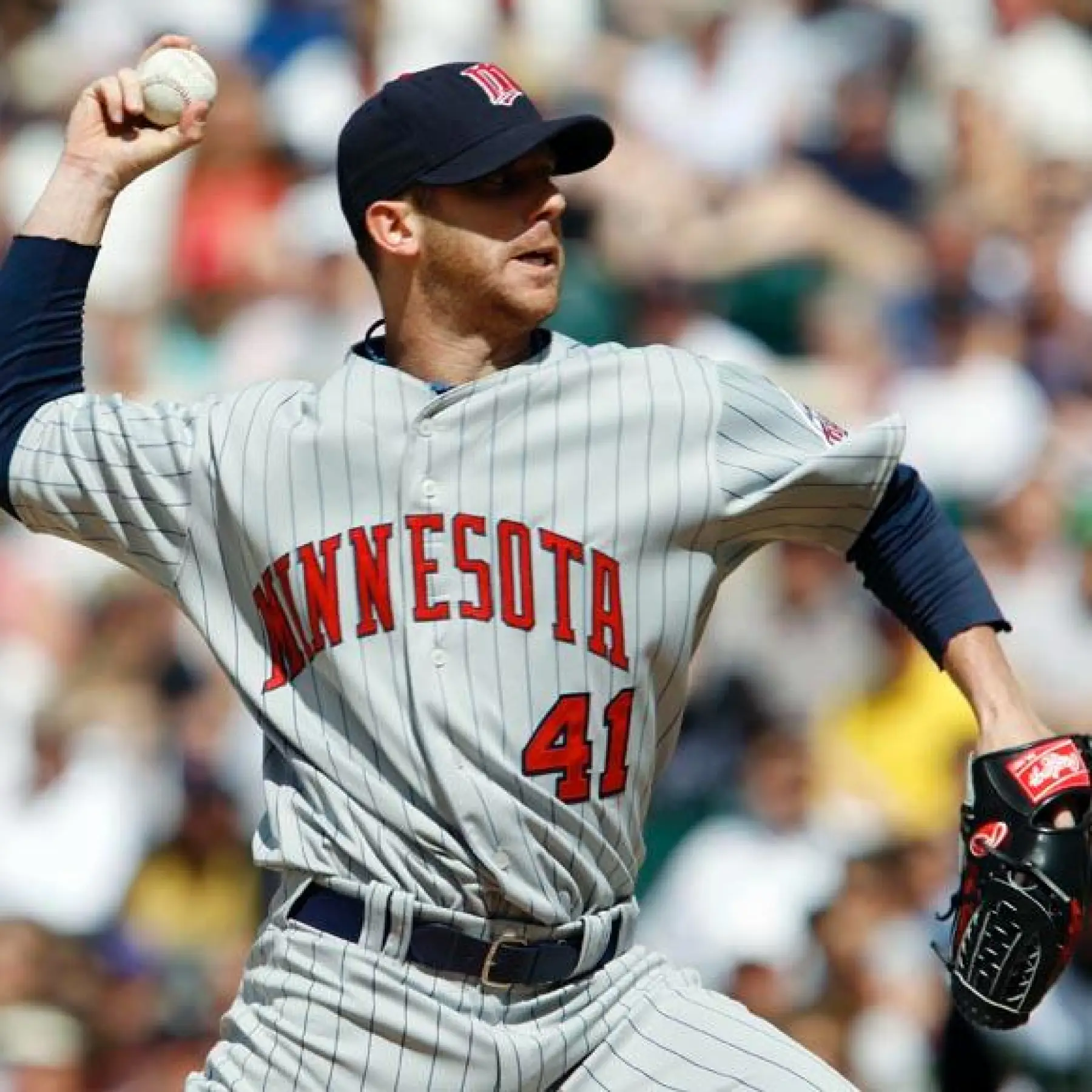 Robert John Korecky was born on September 16, 1979 in Hillside, New Jersey. The Philadelphia Phillies selected him in round 19 of the 2002 MLB Draft. He was traded to the Minnesota Twins as part of the return package for Eric Milton on December 17, 2003. Minnesota also received Nick Punto and Carlos Silva. Korecky had 31 saves for the Double-A New Britain Rock Cats in 2004. Injuries limited him over the next few seasons, but a healthy Korecky had 35 saves for the Triple-A Rochester Red Wings in 2007. The Twins called him up to the Majors on April 25, 2008. He made his big league debut the next night, allowing a run in one relief inning against the Texas Rangers. His most memorable moment as a big league player came on May 19, 2008 in another game against the Rangers. Minnesota had lost their designated hitter and run out of bench bats during a 12 inning marathon game. This forced Korecky to bat, and he delivered a base hit against Texas reliever Frank Francisco in the 11th inning. This made him the first Twins pitcher since 1972 to record a hit in an American League game. They were unable to score that inning, leaving the bases loaded. Korecky tossed a 1-2-3 top of the 12th, and then Minnesota won in the bottom half on a Howie Clark walk-off double. Korecky was in the on-deck circle. He made 16 big league relief appearances for the Twins in 2008, going 2-0 with a 4.58 ERA. The Twins waived him in the off-season. The Arizona Diamondbacks claimed Korecky. He appeared in five Major League games for them in 2009. Korecky continued to pitch professionally until 2016, but his time in the big leagues was limited. He made one appearance for the Toronto Blue Jays in 2012, and two more in 2014.
 -
Robert John Korecky was born on September 16, 1979 in Hillside, New Jersey. The Philadelphia Phillies selected him in round 19 of the 2002 MLB Draft. He was traded to the Minnesota Twins as part of the return package for Eric Milton on December 17, 2003. Minnesota also received Nick Punto and Carlos Silva. Korecky had 31 saves for the Double-A New Britain Rock Cats in 2004. Injuries limited him over the next few seasons, but a healthy Korecky had 35 saves for the Triple-A Rochester Red Wings in 2007. The Twins called him up to the Majors on April 25, 2008. He made his big league debut the next night, allowing a run in one relief inning against the Texas Rangers. His most memorable moment as a big league player came on May 19, 2008 in another game against the Rangers. Minnesota had lost their designated hitter and run out of bench bats during a 12 inning marathon game. This forced Korecky to bat, and he delivered a base hit against Texas reliever Frank Francisco in the 11th inning. This made him the first Twins pitcher since 1972 to record a hit in an American League game. They were unable to score that inning, leaving the bases loaded. Korecky tossed a 1-2-3 top of the 12th, and then Minnesota won in the bottom half on a Howie Clark walk-off double. Korecky was in the on-deck circle. He made 16 big league relief appearances for the Twins in 2008, going 2-0 with a 4.58 ERA. The Twins waived him in the off-season. The Arizona Diamondbacks claimed Korecky. He appeared in five Major League games for them in 2009. Korecky continued to pitch professionally until 2016, but his time in the big leagues was limited. He made one appearance for the Toronto Blue Jays in 2012, and two more in 2014. View full player
-
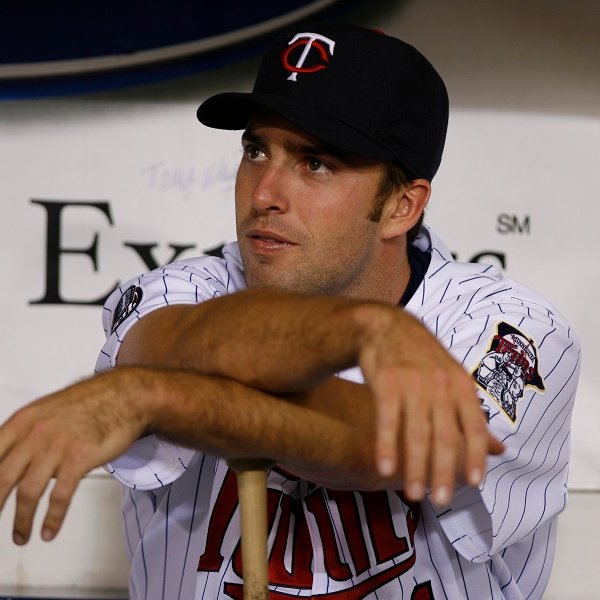 Joshua Wayne Rabe was born on October 15, 1978 in Quincy, Illinois. The Minnesota Twins drafted him in round 11 of the 2000 MLB Draft. He made his Major League debut as a pinch runner on July 17, 2006. Rabe got his first big league at-bat the next night, going 1-for-4 and scoring a run in an 8-1 win over the Tampa Bay Devil Rays. His first career RBI came on an infield single against Jason Davis of the Cleveland Indians on July 21st. He hit his first home run against Nate Robertson of the Detroit Tigers on July 29th. Rabe was batting .311 with two home runs through 19 games when Minnesota when he was sent back down to Triple-A on August 17th. They re-called him when the rosters expanded in September, but he played very sparingly and only had four at-bats in five games that month. Minnesota mostly used him as a pinch runner. Rabe did not make their postseason roster that fall. He broke camp with the Twins in 2007, but his season quickly ended due to a shoulder injury. Rabe only appeared in 14 games that season, going 6-for-31 (.194) at the plate. Minnesota optioned him off the 40-man roster in the off-season, and Rabe elected free agency. The Camden Riversharks of the Atlantic League signed Rabe. He was batting .361 with 30 RBI across 44 games for them, but a back injury ended his season. It ultimately ended his career as well. Quincy University hired Rabe as their head baseball coach in 2011. He went 348-205 in 11 seasons at the helm, reaching the NCAA Division II tournament seven times. The Hawks also reached the Division II College World Series in 2017, going 0-2 in the eight team double-elimination format. Rabe left this role and became the school's athletic director in 2022. As of 2025, he still holds that position.
 -
Joshua Wayne Rabe was born on October 15, 1978 in Quincy, Illinois. The Minnesota Twins drafted him in round 11 of the 2000 MLB Draft. He made his Major League debut as a pinch runner on July 17, 2006. Rabe got his first big league at-bat the next night, going 1-for-4 and scoring a run in an 8-1 win over the Tampa Bay Devil Rays. His first career RBI came on an infield single against Jason Davis of the Cleveland Indians on July 21st. He hit his first home run against Nate Robertson of the Detroit Tigers on July 29th. Rabe was batting .311 with two home runs through 19 games when Minnesota when he was sent back down to Triple-A on August 17th. They re-called him when the rosters expanded in September, but he played very sparingly and only had four at-bats in five games that month. Minnesota mostly used him as a pinch runner. Rabe did not make their postseason roster that fall. He broke camp with the Twins in 2007, but his season quickly ended due to a shoulder injury. Rabe only appeared in 14 games that season, going 6-for-31 (.194) at the plate. Minnesota optioned him off the 40-man roster in the off-season, and Rabe elected free agency. The Camden Riversharks of the Atlantic League signed Rabe. He was batting .361 with 30 RBI across 44 games for them, but a back injury ended his season. It ultimately ended his career as well. Quincy University hired Rabe as their head baseball coach in 2011. He went 348-205 in 11 seasons at the helm, reaching the NCAA Division II tournament seven times. The Hawks also reached the Division II College World Series in 2017, going 0-2 in the eight team double-elimination format. Rabe left this role and became the school's athletic director in 2022. As of 2025, he still holds that position. View full player
-
.thumb.png.131fdf97b843dfc7f73f4f987002a0f8.png)
Willy's What If: the Twins never trade Johan Santana
William Malone commented on William Malone's blog entry in William Malone IV blogs about Twins
Did Terry Ryan hate long term deal? Or did he know he was in a situation where you only got one or two at a time. Think about the Rockies. Whiff on Kris Bryant and you’ve got to just wait it out. You don’t have funds to outspend anything that goes wrong. Which was the Twins situation back then. Bottom five in payroll every year from 1995-08. Even now, they have a bit more to spend. Not even bottom ten in payroll right now. -
Willy's What If: the Twins never trade Johan Santana
William Malone commented on William Malone's blog entry in William Malone IV blogs about Twins
He did give a long deal to Hunter. He got a five year deal in 2003 that took away his first three free agency years. Hunter had close to nine years of service time (over parts of 11 seasons) when he left the Twins. Sure, it wasn’t one of those decade long megadeals. But those usually come with opt outs anyway. Those ARod/Griffey deals from early 2000’s had them. ARod used his in 2007, and basically re-signed that same deal but was starting over from beginning again. Griffey was too injury prone to use his opt out. His market value wasn’t the same anymore -
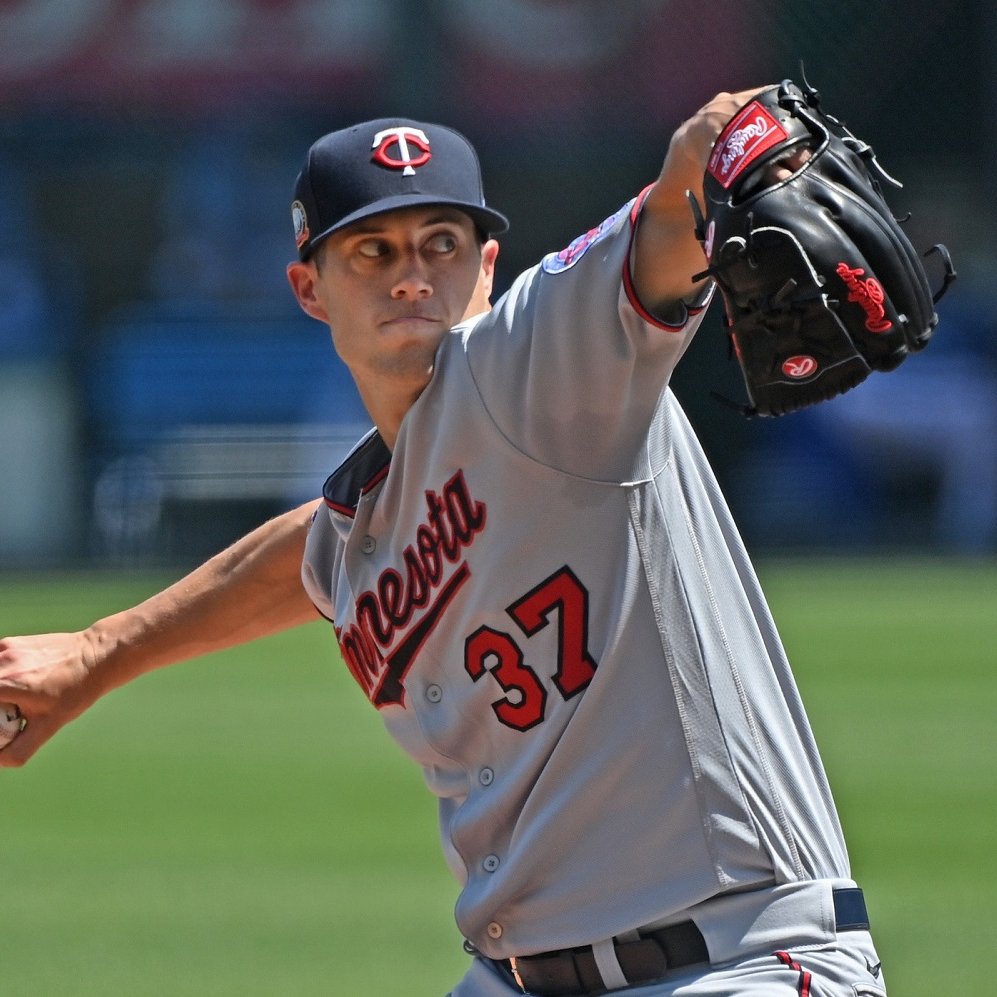 Matthew Robert Wisler was born on September 12, 1992 in Bryan, Ohio. The San Diego Padres drafted him in round seven of the 2011 MLB Draft. Wisler rose through their minor league system and blossomed into one of baseball's best prospects. Baseball America ranked him as the league's 34th best prospect in 2015. He was a major piece of the return package sent to the Atlanta Braves in a blockbuster deal for Craig Kimbrel and Melvin Upton Jr. Wisler debuted for the Braves in 2015, going 8-8 with a 4.71 ERA in 19 starts. He performed even worse over the next few seasons, owning a 5.27 ERA during his four years in Atlanta. They traded him to the Cincinnati Reds at the deadline in 2018, and he was designated for assignment after the season. Wisler pitched for the Padres and the Seattle Mariners in 2019. The Minnesota Twins claimed Wisler off of waivers during the off-season. He had a career year during the COVID shortened 2010 season, recording a 1.07 ERA with 35 strikeouts in 25.1 innings of action. Despite this performance, he was left off the Twins playoff roster and non-tendered when the year was over. The San Francisco Giants signed him, but he was designated for assignment in June with an ERA north of six. Wisler was claimed by the Tampa Bay Rays, and pitched well over parts of two seasons. He had a 2.25 ERA in 66 appearances for Tampa Bay, but he missed a large chunk of 2022 with a neck injury. They designated him for assignment after the season, Wisler spent the next few seasons struggling on minor league deals. He retired in 2024.
 -
Matthew Robert Wisler was born on September 12, 1992 in Bryan, Ohio. The San Diego Padres drafted him in round seven of the 2011 MLB Draft. Wisler rose through their minor league system and blossomed into one of baseball's best prospects. Baseball America ranked him as the league's 34th best prospect in 2015. He was a major piece of the return package sent to the Atlanta Braves in a blockbuster deal for Craig Kimbrel and Melvin Upton Jr. Wisler debuted for the Braves in 2015, going 8-8 with a 4.71 ERA in 19 starts. He performed even worse over the next few seasons, owning a 5.27 ERA during his four years in Atlanta. They traded him to the Cincinnati Reds at the deadline in 2018, and he was designated for assignment after the season. Wisler pitched for the Padres and the Seattle Mariners in 2019. The Minnesota Twins claimed Wisler off of waivers during the off-season. He had a career year during the COVID shortened 2010 season, recording a 1.07 ERA with 35 strikeouts in 25.1 innings of action. Despite this performance, he was left off the Twins playoff roster and non-tendered when the year was over. The San Francisco Giants signed him, but he was designated for assignment in June with an ERA north of six. Wisler was claimed by the Tampa Bay Rays, and pitched well over parts of two seasons. He had a 2.25 ERA in 66 appearances for Tampa Bay, but he missed a large chunk of 2022 with a neck injury. They designated him for assignment after the season, Wisler spent the next few seasons struggling on minor league deals. He retired in 2024. View full player
-
Willy's What If: the Twins never trade Johan Santana
William Malone commented on William Malone's blog entry in William Malone IV blogs about Twins
Like 80% of trades don't move the needle for any team. This one is just an example. Santana never really helped the Mets. None of the return pieces helped the Twins. Which makes both fan bases sit there and say "we lost the trade." This isn't the NBA where you get that one guy and he changes your franchise. Just look at how Mike Trout can't help the Angels. That's why these blockbuster trades don't really move needles for anyone. -
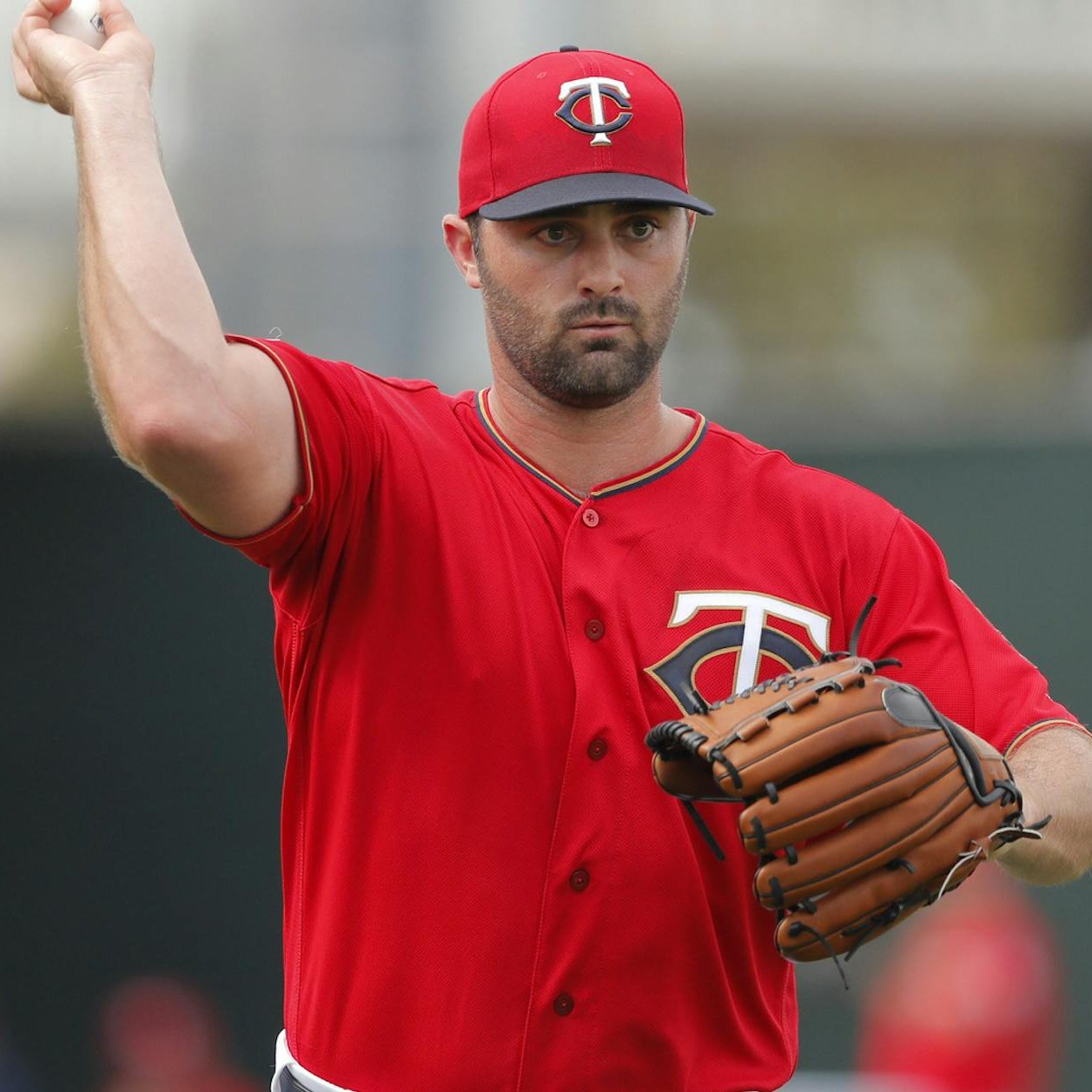 Matthew William Magill was born on November 10, 1989. The Los Angeles Dodgers drafted him in round 31 of the 2008 MLB Draft. He reached the Major Leagues in 2013, making six starts with a 6.51 ERA for the Dodgers. Magill didn't get back to the big leagues until 2016 with the Cincinnati Reds, where he allowed three earned runs in 4.1 relief innings. He signed a minor league contract with the Minnesota Twins on January 24, 2018. The Twins selected his contract in late April, and he tossed 2.1 shutout innings out of the bullpen against the Reds in his first appearance for them. It was the first of six outings on the season where Magill got at least six outs without allowing a run. He finished the season with a 3.81 ERA over 56.2 innings. This was inflated by a stretch of six consecutive appearances between late June and early July in which Magill allowed at least one earned run. He allowed multiple runs in three of those. Outside of that stretch, Magill was one of the Twins best relievers that season. Minnesota brought him back in 2019. He began the season on the injured list with a shoulder injury, but the team activated him on April 26th. Magill didn't allow a run in 13 of his first 14 relief appearances that season, but was tagged for five runs in 0.2 innings on June 2nd against the Tampa Bay Rays. This began a downturn that led to the Twins designating him for assignment just after the All-Star break. He was traded to the Seattle Mariners for cash, owning a 4.45 ERA in 28 games for Minnesota at the time of this deal. Magill turned his season around with the Mariners, and even began getting closer reps for a struggling Seattle club. He had a 3.63 ERA with five saves after heading out west. Magill made 11 appearances for the Mariners during the COVID shortened 2020 season, but finished the year on the 60-day injured list due to a shoulder strain. He was never able to get fully healthy after that, eventually retiring after the 2022 season. The Texas Rangers have hired Magill as a mental health coach.
 -
Matthew William Magill was born on November 10, 1989. The Los Angeles Dodgers drafted him in round 31 of the 2008 MLB Draft. He reached the Major Leagues in 2013, making six starts with a 6.51 ERA for the Dodgers. Magill didn't get back to the big leagues until 2016 with the Cincinnati Reds, where he allowed three earned runs in 4.1 relief innings. He signed a minor league contract with the Minnesota Twins on January 24, 2018. The Twins selected his contract in late April, and he tossed 2.1 shutout innings out of the bullpen against the Reds in his first appearance for them. It was the first of six outings on the season where Magill got at least six outs without allowing a run. He finished the season with a 3.81 ERA over 56.2 innings. This was inflated by a stretch of six consecutive appearances between late June and early July in which Magill allowed at least one earned run. He allowed multiple runs in three of those. Outside of that stretch, Magill was one of the Twins best relievers that season. Minnesota brought him back in 2019. He began the season on the injured list with a shoulder injury, but the team activated him on April 26th. Magill didn't allow a run in 13 of his first 14 relief appearances that season, but was tagged for five runs in 0.2 innings on June 2nd against the Tampa Bay Rays. This began a downturn that led to the Twins designating him for assignment just after the All-Star break. He was traded to the Seattle Mariners for cash, owning a 4.45 ERA in 28 games for Minnesota at the time of this deal. Magill turned his season around with the Mariners, and even began getting closer reps for a struggling Seattle club. He had a 3.63 ERA with five saves after heading out west. Magill made 11 appearances for the Mariners during the COVID shortened 2020 season, but finished the year on the 60-day injured list due to a shoulder strain. He was never able to get fully healthy after that, eventually retiring after the 2022 season. The Texas Rangers have hired Magill as a mental health coach. View full player
-
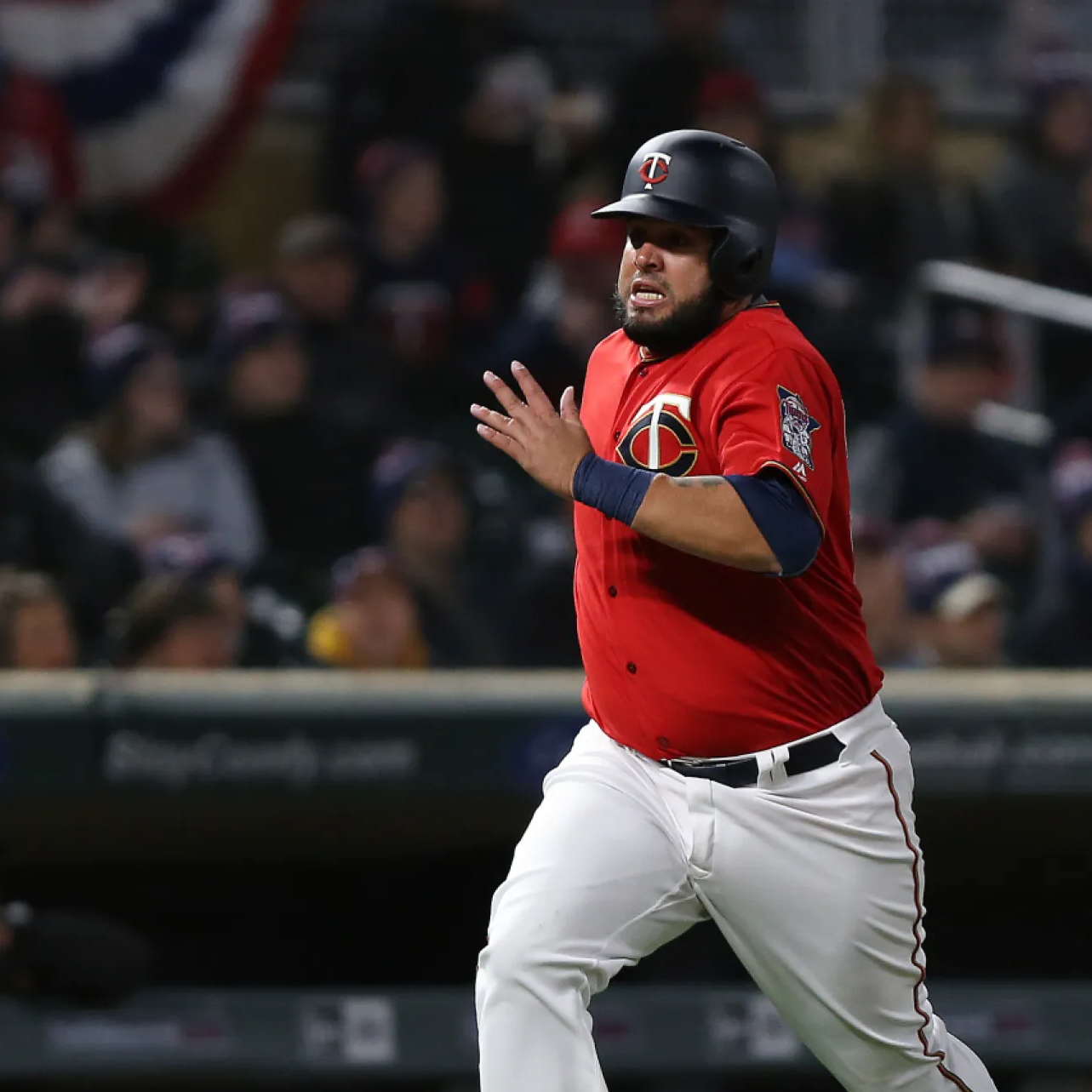 Juan Jose Graterol Montevideo was born on February 14, 1989 in Venezuela. He was signed by the Kansas City Royals as an amateur free agent in 2005. Graterol spent over a decade in the minor leagues, before finally getting a big league call-up with the Los Angeles Angels in 2016. Playing sparingly as a third catcher, he saw action in 58 games for the Angels between 2016 and 2018. He was designated for assignment on June 18, 2018. The Minnesota Twins signed Graterol to a minor league contract shortly after Los Angeles released him. He was called up in very late September, going 1-for-7 in limited action at the plate. Joe Mauer replaced Graterol at catcher in the final game of the regular season that year, allowing the Twins legend to get behind home plate one final time. Graterol spent the next few years jumping around on minor league deals, playing in six big league games for the Cincinnati Reds in 2019. He retired after the 2023 season, and is currently the bullpen catcher for the Kansas City Royals.
 -
Juan Jose Graterol Montevideo was born on February 14, 1989 in Venezuela. He was signed by the Kansas City Royals as an amateur free agent in 2005. Graterol spent over a decade in the minor leagues, before finally getting a big league call-up with the Los Angeles Angels in 2016. Playing sparingly as a third catcher, he saw action in 58 games for the Angels between 2016 and 2018. He was designated for assignment on June 18, 2018. The Minnesota Twins signed Graterol to a minor league contract shortly after Los Angeles released him. He was called up in very late September, going 1-for-7 in limited action at the plate. Joe Mauer replaced Graterol at catcher in the final game of the regular season that year, allowing the Twins legend to get behind home plate one final time. Graterol spent the next few years jumping around on minor league deals, playing in six big league games for the Cincinnati Reds in 2019. He retired after the 2023 season, and is currently the bullpen catcher for the Kansas City Royals. View full player
-
Robert Luis Wilson was born on April 8, 1983 in Dunedin, Florida. The Anaheim Angels drafted him in round 48 of the 2002 MLB Draft. He reached the Major League level in 2008, but only played sparingly as a third catcher. Wilson had just 13 big league plate appearances between the 2008 and 2009 seasons, going 2-for-11 (.182) with a walk and a sacrifice bunt. He began to get more regular playing time as a backup catcher in 2010, playing 172 games for the Angels over the next three seasons. Wilson spent the next several years bouncing around on minor league deals, occasionally resurfacing at the Major League level. He played 133 big league games for four different teams between 2013 and 2017; the Arizona Diamondbacks, Texas Rangers, Tampa Bay Rays and Detroit Tigers. The Minnesota Twins signed Wilson to a minor league deal ahead of the 2018 campaign. He was called up in early May after starting catcher Jason Castro suffered a season ending knee injury. Wilson hit .178 with two home runs and 16 RBI across 47 games for the Twins, primarily backing up Mitch Garver. Despite his offensive struggles, he was able to manage the pitching staff quite well. Minnesota had a 4.12 ERA with Wilson behind the plate, compared to a 4.63 clip with any other catcher. They went 24-21 in the 45 games he started. He was traded to the Chicago Cubs for Chris Gimenez and cash on August 30, 2018. Wilson had sprained his ankle a few days earlier, and was on the ten day injured list. The Cubs were expecting him to serve as a third catcher once rosters expanded in September, but he never came off the injured list. Wilson played 15 games for the Tigers in 2019, spending most of that year in the minors. He retired after the season, and was hired by the Texas Rangers to manage their Double-A affiliate. Wilson was added to their Major League staff in 2021, and helped them win a World Series in 2023. View full player
-
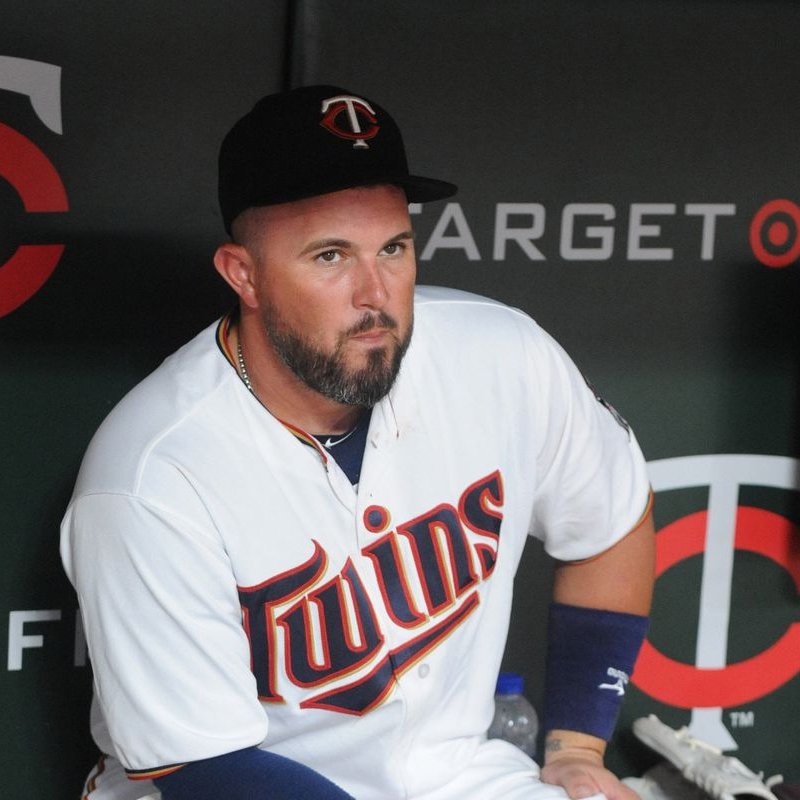 Robert Luis Wilson was born on April 8, 1983 in Dunedin, Florida. The Anaheim Angels drafted him in round 48 of the 2002 MLB Draft. He reached the Major League level in 2008, but only played sparingly as a third catcher. Wilson had just 13 big league plate appearances between the 2008 and 2009 seasons, going 2-for-11 (.182) with a walk and a sacrifice bunt. He began to get more regular playing time as a backup catcher in 2010, playing 172 games for the Angels over the next three seasons. Wilson spent the next several years bouncing around on minor league deals, occasionally resurfacing at the Major League level. He played 133 big league games for four different teams between 2013 and 2017; the Arizona Diamondbacks, Texas Rangers, Tampa Bay Rays and Detroit Tigers. The Minnesota Twins signed Wilson to a minor league deal ahead of the 2018 campaign. He was called up in early May after starting catcher Jason Castro suffered a season ending knee injury. Wilson hit .178 with two home runs and 16 RBI across 47 games for the Twins, primarily backing up Mitch Garver. Despite his offensive struggles, he was able to manage the pitching staff quite well. Minnesota had a 4.12 ERA with Wilson behind the plate, compared to a 4.63 clip with any other catcher. They went 24-21 in the 45 games he started. He was traded to the Chicago Cubs for Chris Gimenez and cash on August 30, 2018. Wilson had sprained his ankle a few days earlier, and was on the ten day injured list. The Cubs were expecting him to serve as a third catcher once rosters expanded in September, but he never came off the injured list. Wilson played 15 games for the Tigers in 2019, spending most of that year in the minors. He retired after the season, and was hired by the Texas Rangers to manage their Double-A affiliate. Wilson was added to their Major League staff in 2021, and helped them win a World Series in 2023.
 -
Hello, fellow humans! My name is William Malone IV. Son of William Malone III. And I come with great news! It is another "What If Wednesday" with your ole pal William Malone IV. Scenario: what if the Minnesota Twins never trade Johan Santana? This is a trade that clearly didn't work out for the Twins. It also didn't really work out for the New York Mets. They signed Santana to a six year extension, on top of the one year he initially had left in Minnesota. This locked him up for seven full seasons. Santana threw a pitch in just four of those seasons, and New York never reached the postseason while he was on their payroll. Trading Santana didn't benefit the Twins that much. Signing him to a long term deal wouldn't have moved many needles as well. So what happens if the Twins just keep him for the 2008 season, then allow Santana to walk in free agency. Fans always hate the idea of letting a player leave "for nothing." But an extra season of baseball's best pitcher is not nothing. Santana was still brilliant in 2008, leading the National League in ERA and innings pitched. He pitched a complete game shutout on three days rest in the Mets 161st regular season game. This temporarily kept New York in the playoff race, although they would get eliminated the next day. His infamous injuries would start coming into play a year later, as 2008 was the last time Santana made at least 30 starts in a season. What if his 2008 season was in a Twins uniform? Minnesota was still pretty good that year. They lost an AL Central tiebreaker game to the Chicago White Sox, but you'd have to imagine it wouldn't be necessary if Johan Santana was toeing the rubber 34 times. It's safe to assume that Santana is worth at least one win. Despite missing the playoffs in 2008 and making the playoffs in 2009, the 2008 squad was probably a bit better. Minnesota scored more runs in 2008. They also allowed less runs in 2008. This is why the 2008 Twins actually wound up winning more baseball games. The AL Central was just weaker in 2009. Even without the game's best pitcher, that was still a really good ball club. As far as their playoff chances go, Francisco Liriano is a big key in all of this. There are many fans across Twins Territory who claim they had a real shot at winning a World Series in 2006 had Liriano not gone down with an elbow injury late in the year. Now you finally have the Santana-Liriano rotation duo. Liriano did have a 3.91 ERA in 2008, which doesn't seem that impressive. But that's ballooned by an 11.32 ERA in three April starts upon returning from Tommy John surgery. The Twins optioned him down to Triple-A, and called him up back in early August. He made 11 starts from August 3rd until the end of that season, looking like he did in 2006. Maybe not quite as good, but it was ace level pitching down the stretch. He had a 2.74 ERA in those 11 starts, registering six wins and only one loss. That guy and Santana both healthy in a playoff rotation? Now we're talking! It's hard to project what would've happened in the playoffs, but the American League playoff field that year lacked high end aces. Cliff Lee and Roy Halladay finished first and second in the AL Cy Young voting, but they were both on clubs that finished far out of postseason contention. Relievers Francisco Rodriguez and Mariano Rivera finished third and fourth. Of the eight pitchers who got votes, only two were starters on playoff teams; Daisuke Matsuzaka and Ervin Santana. The Tampa Bay Rays wound up winning the American League that year with a very good rotation of James Shields, Matt Garza, Scott Kazmir and Andy Sonnanstine. Very good pitchers, but nobody like Johan Santana. The way Liriano had pitched over the final two months, maybe nobody like him either. Winning the American League came down one thing; could you mash? Tampa Bay averaged 5.2 runs per game against the Chicago White Sox, beating them in four games. The ALCS between Boston and Tampa Bay was quite the high scoring affair. The Rays scored 9, 9, 13 and 3 runs in the four games they won. Tight squeeze in that 3-1 game seven, but they mashed their way to three other wins. And while the American League was short on ace pitching in their postseason field, so was the National League. The Phillies came out of the NL, and this was before they added guys like Lee and Halladay. It's already been mentioned that they finished first and second in the AL Cy Young voting that year. Those guys showed up in the City of Brotherly Love a little bit later on. In 2008, it was Cole Hamels and a lot of Nick Blackburn level guys behind him. But they mashed! Ryan Howard, Jimmy Rollins, Chase Utley, Pat Burrell, Shane Victorino, Jason Worth! Those guys could hit! And it was hitting year. Could the Twins have mashed to this level, only with Santana backing them up as a safety net? Joe Mauer won his second batting title that year. Justin Morneau was the MVP runner-up, falling shy of Dustin Pedroia. Maybe! Maybe not. What do y'all think. Tell your ole pal William Malone IV in the comments!
-
Scott Erickson
William Malone replied to William Malone's topic in The Minnesota Twins Players Project
It’s all relative. For as great as Morris was in 1991 playoffs, he was awful in 1992 playoffs (0-3, 7.43 ERA in four starts). Blue Jays were able to skate around it. I don’t know if Twins could have. They also wouldn’t have home field in 1992, which was clearly important in both 1987 and 1991. It wasn’t record based. It alternated. AL East champ had home field in 1992, regardless of record. NL champ had home field in World Series, regardless of record. -
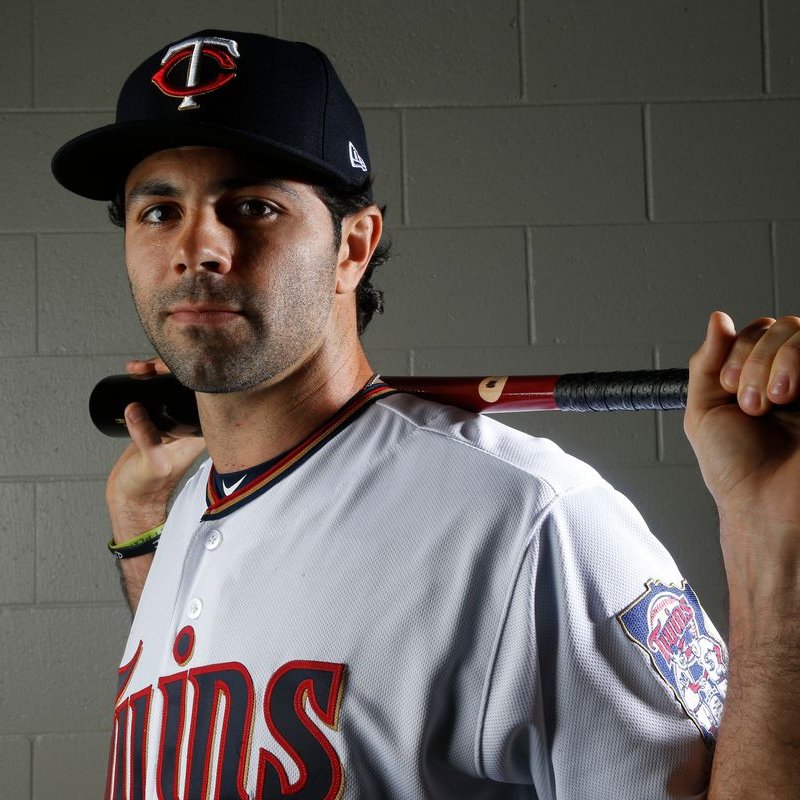 Ryan Michael LaMarre was born on November 21, 1988 in Royal Oak, Michigan. The Cincinnati Reds drafted him in round two of the 2010 MLB Draft. He made his Major League debut for them in 2015, going 2-for-25 (.080) at the big league level that season. The Reds non-tendered him after the season. LaMarre played briefly at the big league level for the Boston Red Sox and Oakland Athletics over the next two seasons, going 0-for-12 (.000) at the plate. He signed a minor league contract with the Minnesota Twins ahead of the 2018 season. LaMarre was arguably their best hitter during Grapefruit League action, batting .475 with ten RBI and a 1.286 OPS. This performance allowed him to break camp with the club. He entered as a pinch runner on Opening Day, coming around to score the game's tying run on a Robbie Grossman single. Minnesota had been down to their final out. They wound up losing in 11 innings, but LaMarre did pick up his first hit of the season before that game concluded. LaMarre had his first career multi-hit game on April 18th during a marathon game against the Cleveland Indians in Puerto Rico. He went 3-for-4 despite not starting, coming off the bench in a 16 inning win. The third hit was a walk-off single, raising his average on the young season to .583 (7-for-12). It took until June 1st for LaMarre to get his first extra base hit of the season. This began a three game hitting streak that raised his average to .310 (18-for-58). However, he quickly cooled off and was designated for assignment in early July. The Chicago White Sox claimed LaMarre off waivers. He hit .303 with two home runs and ten RBI across 33 games with them in the second part of 2018. They non-tendered him after the season, and he became a free agent. LaMarre signed a minor league contract with the Atlanta Braves. He hit .311 over a full Triple-A season in 2019, and was traded back to the Twins for cash on September 8th. Minnesota added him to the big league roster, and he finished out the year as a September call-up. LaMarre was 5-for-23 (.217) with two home runs during his second stint in the Twin Cities. He spent the COVID shortened 2020 campaign at the Chicago Cubs alternate site, never getting activated to the big league roster. LaMarre signed a minor league deal with the New York Yankees the next season, and was added to the Major League roster in mid-May. He played nine games for the Yankees, going 4-for-21 (.190) with two home runs at the plate. LaMarre returned to the Yankees on a minor league deal in 2022. The Twins brought him back for a third stint in the organization in 2023. He was released in mid-July and announced his retirement.
 -
Ryan Michael LaMarre was born on November 21, 1988 in Royal Oak, Michigan. The Cincinnati Reds drafted him in round two of the 2010 MLB Draft. He made his Major League debut for them in 2015, going 2-for-25 (.080) at the big league level that season. The Reds non-tendered him after the season. LaMarre played briefly at the big league level for the Boston Red Sox and Oakland Athletics over the next two seasons, going 0-for-12 (.000) at the plate. He signed a minor league contract with the Minnesota Twins ahead of the 2018 season. LaMarre was arguably their best hitter during Grapefruit League action, batting .475 with ten RBI and a 1.286 OPS. This performance allowed him to break camp with the club. He entered as a pinch runner on Opening Day, coming around to score the game's tying run on a Robbie Grossman single. Minnesota had been down to their final out. They wound up losing in 11 innings, but LaMarre did pick up his first hit of the season before that game concluded. LaMarre had his first career multi-hit game on April 18th during a marathon game against the Cleveland Indians in Puerto Rico. He went 3-for-4 despite not starting, coming off the bench in a 16 inning win. The third hit was a walk-off single, raising his average on the young season to .583 (7-for-12). It took until June 1st for LaMarre to get his first extra base hit of the season. This began a three game hitting streak that raised his average to .310 (18-for-58). However, he quickly cooled off and was designated for assignment in early July. The Chicago White Sox claimed LaMarre off waivers. He hit .303 with two home runs and ten RBI across 33 games with them in the second part of 2018. They non-tendered him after the season, and he became a free agent. LaMarre signed a minor league contract with the Atlanta Braves. He hit .311 over a full Triple-A season in 2019, and was traded back to the Twins for cash on September 8th. Minnesota added him to the big league roster, and he finished out the year as a September call-up. LaMarre was 5-for-23 (.217) with two home runs during his second stint in the Twin Cities. He spent the COVID shortened 2020 campaign at the Chicago Cubs alternate site, never getting activated to the big league roster. LaMarre signed a minor league deal with the New York Yankees the next season, and was added to the Major League roster in mid-May. He played nine games for the Yankees, going 4-for-21 (.190) with two home runs at the plate. LaMarre returned to the Yankees on a minor league deal in 2022. The Twins brought him back for a third stint in the organization in 2023. He was released in mid-July and announced his retirement. View full player
-
Mark Clifford Funderburk was born on May 16, 1957 in Charlotte, North Carolina. The Minnesota Twins drafted him in round 16 of the 1976 MLB Draft. He reached the Major League level in 1981, appearing in eight games with a .200 average and two RBI. Funderburk spent the entire 1982 season in the minor leagues, and was released by the organization that off-season. He spent the next few seasons playing in various foreign leagues, coming back to the Twins on a minor league deal in 1985. Funderburk resurfaced at the Major League level later that year. He hit .314 with two home runs and 14 RBI during 23 games as a September call-up. Minnesota returned him to the minor leagues in 1986, and Funderburk stayed in their system through the end of 1987. View full player
-
 Mark Clifford Funderburk was born on May 16, 1957 in Charlotte, North Carolina. The Minnesota Twins drafted him in round 16 of the 1976 MLB Draft. He reached the Major League level in 1981, appearing in eight games with a .200 average and two RBI. Funderburk spent the entire 1982 season in the minor leagues, and was released by the organization that off-season. He spent the next few seasons playing in various foreign leagues, coming back to the Twins on a minor league deal in 1985. Funderburk resurfaced at the Major League level later that year. He hit .314 with two home runs and 14 RBI during 23 games as a September call-up. Minnesota returned him to the minor leagues in 1986, and Funderburk stayed in their system through the end of 1987.
.thumb.png.131fdf97b843dfc7f73f4f987002a0f8.png)
