


.png.7846f23ff7308bd0a60773982c8c4137.png)
William Malone
-
Posts
786 -
Joined
-
Last visited
Content Type
Profiles
News
Minnesota Twins Videos
2026 Minnesota Twins Top Prospects Ranking
2022 Minnesota Twins Draft Picks
Minnesota Twins Free Agent & Trade Rumors, Notes, & Tidbits
Guides & Resources
2023 Minnesota Twins Draft Picks
The Minnesota Twins Players Project
2024 Minnesota Twins Draft Picks
2025 Minnesota Twins Draft Pick Tracker
2026 Minnesota Twins Draft Tracker: Picks & Bonuses
Forums
Blogs
Events
Store
Downloads
Gallery
Everything posted by William Malone
-
Kevin John Mulvey was born on May 26, 1985 in Sayreville, New Jersey. The New York Mets selected him in round two of the 2006 MLB Draft out of Villanova University. He blossomed into one of their better pitching prospects, and played in the 2007 Futures Game on All-Star weekend. New York traded him to the Minnesota Twins as part of the Johan Santana trade. At the time of the deal, Baseball America ranked Mulvey as the Mets fourth best prospect. Mulvey made his Major League debut for the Twins on July 20, 2009 in a high leverage relief appearance. Minnesota was trailing by a run in the eighth inning with two outs and a runner on second base. Ron Gardenhire gave the ball to Mulvey, who got Oakland Athletics shortstop Orlando Cabrera to line out. The Twins had 2-3-4 due up in the ninth inning, but they weren't able to score a game tying run. His second relief appearance came two days later, but was not as successful. Mulvey allowed four runs in one inning, and was optioned back to Triple-A after the game. Minnesota acquired veteran reliever Jon Rauch from the Arizona Diamondbacks for a player to be named later in a post-deadline waiver deal later that season. They designated Mulvey for assignment to make room for Rauch on the 40-man roster, and he was claimed on waivers by the Diamondbacks. The two teams later agreed to call Mulvey the de facto player to be named later. He made four starts and four more relief appearances for the Diamondbacks over parts of two seasons, going 0-3 with a 6.92 ERA. Mulvey returned to the Mets on a minor league deal in 2012 after spending all of 2011 in Triple-A. He struggled that April, and retired in May. Mulvey has been the head coach at Villanova University, his alma mater, since 2017. Through 2025, he is 139-256-1. View full player
-
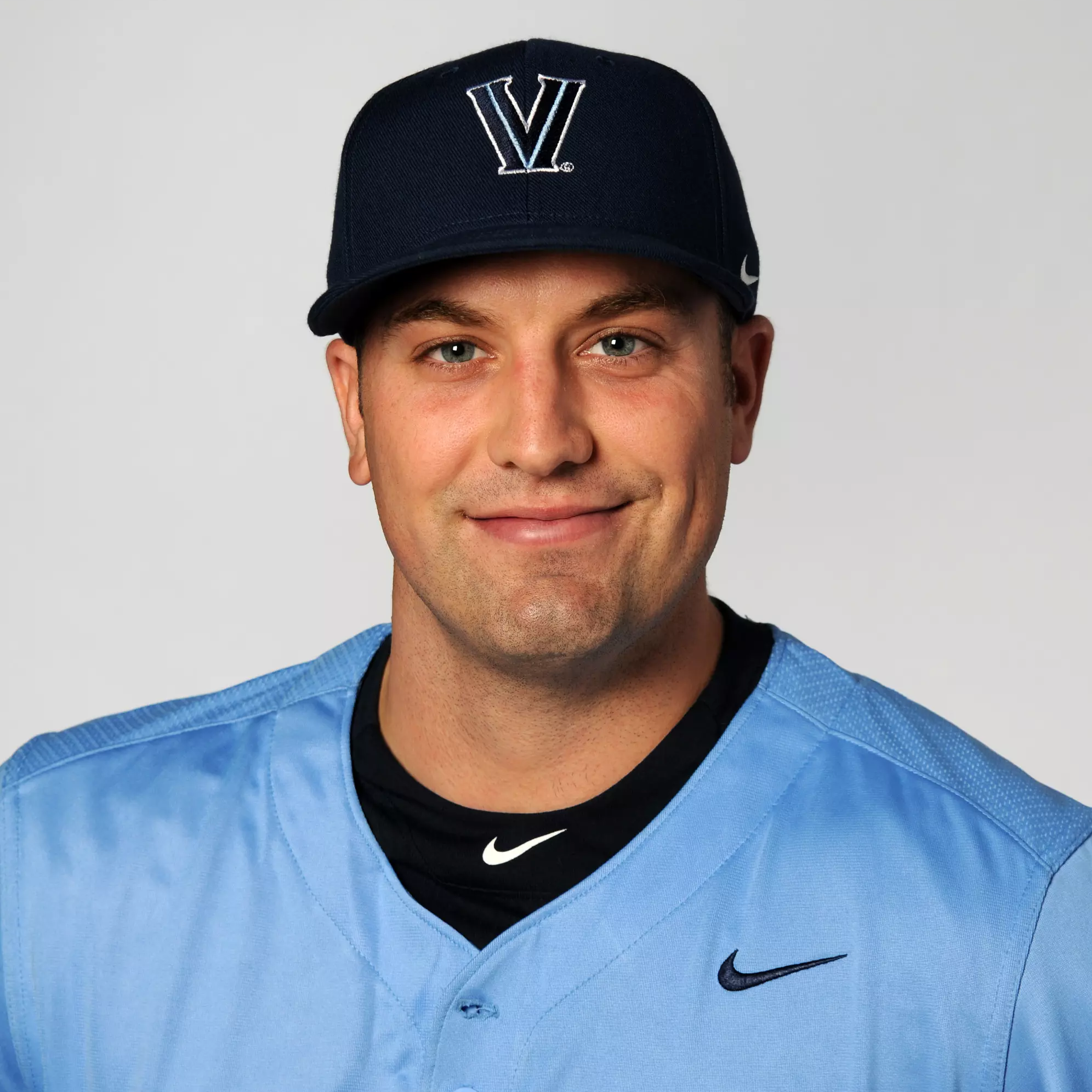 Kevin John Mulvey was born on May 26, 1985 in Sayreville, New Jersey. The New York Mets selected him in round two of the 2006 MLB Draft out of Villanova University. He blossomed into one of their better pitching prospects, and played in the 2007 Futures Game on All-Star weekend. New York traded him to the Minnesota Twins as part of the Johan Santana trade. At the time of the deal, Baseball America ranked Mulvey as the Mets fourth best prospect. Mulvey made his Major League debut for the Twins on July 20, 2009 in a high leverage relief appearance. Minnesota was trailing by a run in the eighth inning with two outs and a runner on second base. Ron Gardenhire gave the ball to Mulvey, who got Oakland Athletics shortstop Orlando Cabrera to line out. The Twins had 2-3-4 due up in the ninth inning, but they weren't able to score a game tying run. His second relief appearance came two days later, but was not as successful. Mulvey allowed four runs in one inning, and was optioned back to Triple-A after the game. Minnesota acquired veteran reliever Jon Rauch from the Arizona Diamondbacks for a player to be named later in a post-deadline waiver deal later that season. They designated Mulvey for assignment to make room for Rauch on the 40-man roster, and he was claimed on waivers by the Diamondbacks. The two teams later agreed to call Mulvey the de facto player to be named later. He made four starts and four more relief appearances for the Diamondbacks over parts of two seasons, going 0-3 with a 6.92 ERA. Mulvey returned to the Mets on a minor league deal in 2012 after spending all of 2011 in Triple-A. He struggled that April, and retired in May. Mulvey has been the head coach at Villanova University, his alma mater, since 2017. Through 2025, he is 139-256-1.
 -
.thumb.png.131fdf97b843dfc7f73f4f987002a0f8.png) It was a great conversation to have! This is part of a 90 minute phone call, had to leave a lot out. And we could've talked so much more. Just loves baseball. Loved his time with the Twins.
It was a great conversation to have! This is part of a 90 minute phone call, had to leave a lot out. And we could've talked so much more. Just loves baseball. Loved his time with the Twins. -
Gregory Richard Myers was born on April 14, 1966 in Riverside, California. The Toronto Blue Jays selected him in round three of the 1984 MLB Draft. He debuted for them in 1987, and played sparingly as a third catcher for the next several seasons. Myers played 240 games for Toronto between 1987 and 1992. He did not play during the 1991 ALCS, but was on the Blue Jays postseason roster. They traded him to the California Angels near the deadline in 1992. He played parts of four seasons for the Angels, before signing with the Minnesota Twins as a free agent ahead of the 1996 campaign. Myers hit .286 with six home runs and 47 RBI that summer. He had a five RBI game on April 24th, and a multi-homer game on June 10th. Myers hit .267 with five home runs and 28 RBI for Minnesota in 1997, but was traded to the Atlanta Braves at the deadline. The rest of his lengthy career was spent shuffling around the league as a backup catcher. Myers played for the Braves (1997, 1999), San Diego Padres (1998-99), Baltimore Orioles (2000-01), Oakland Athletics (2001-02), and another stint back with the Blue Jays (2003-05). He had a career year with Toronto in 2003, batting .307 with 15 home runs and 52 RBI. Several teams Myers played for were highly competitive. He reached the World Series with San Diego in 1998 and Atlanta in 1999, losing to the New York Yankees both times. Myers also reached the playoffs twice while in Oakland. He was a career .190 hitter in the playoffs, starting three games and appearing in 16. View full player
-
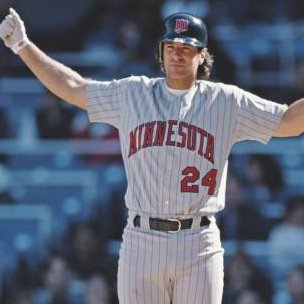 Gregory Richard Myers was born on April 14, 1966 in Riverside, California. The Toronto Blue Jays selected him in round three of the 1984 MLB Draft. He debuted for them in 1987, and played sparingly as a third catcher for the next several seasons. Myers played 240 games for Toronto between 1987 and 1992. He did not play during the 1991 ALCS, but was on the Blue Jays postseason roster. They traded him to the California Angels near the deadline in 1992. He played parts of four seasons for the Angels, before signing with the Minnesota Twins as a free agent ahead of the 1996 campaign. Myers hit .286 with six home runs and 47 RBI that summer. He had a five RBI game on April 24th, and a multi-homer game on June 10th. Myers hit .267 with five home runs and 28 RBI for Minnesota in 1997, but was traded to the Atlanta Braves at the deadline. The rest of his lengthy career was spent shuffling around the league as a backup catcher. Myers played for the Braves (1997, 1999), San Diego Padres (1998-99), Baltimore Orioles (2000-01), Oakland Athletics (2001-02), and another stint back with the Blue Jays (2003-05). He had a career year with Toronto in 2003, batting .307 with 15 home runs and 52 RBI. Several teams Myers played for were highly competitive. He reached the World Series with San Diego in 1998 and Atlanta in 1999, losing to the New York Yankees both times. Myers also reached the playoffs twice while in Oakland. He was a career .190 hitter in the playoffs, starting three games and appearing in 16.
 -
Matthew Lovick Walbeck was born on October 2, 1969 in Sacramento California. The Chicago Cubs selected him in round eight of the 1987 MLB Draft. He made his Major League debut for them in 1993. Walbeck played 11 games for the Cubs, going 6-for-30 (.200) with one home run and six RBI. The Minnesota Twins acquired him via trade during the off-season. Minnesota allowed Walbeck to get regular playing time at the big league level, starting him 89 times behind the plate in 1994. He hit .204 with five home runs and 35 RBI, catching a no-hitter thrown by Scott Erickson on April 27th and leading the American League by catching 42 potential base stealers. Walbeck continued at the Twins primary catcher in 1995, batting .257 with one home run and 44 RBI over 115 games. His role got smaller in 1996 after Minnesota signed veteran catcher Greg Myers. Minnesota traded him to the Detroit Tigers on December 11, 1996. Walbeck played seven more big league seasons after leaving the Twins. He played for the Tigers (1997, 2002-03), the Anaheim Angels (1998-00) and Philadelphia Phillies (2001). His career slash line was .233/.280/.315 with 28 home runs and 208 RBI. The Tigers hired Walbeck to manage in their minor league system immediately after he retired. He won two Midwest League championships in three years at the Class-A level, and was then moved up to manage in Double-A. The Texas Rangers hired him as their Major League third base coach in 2008, but he was let go after just one season. Walbeck has since managed in the Pittsburgh Pirates and Atlanta Braves farm systems. View full player
-
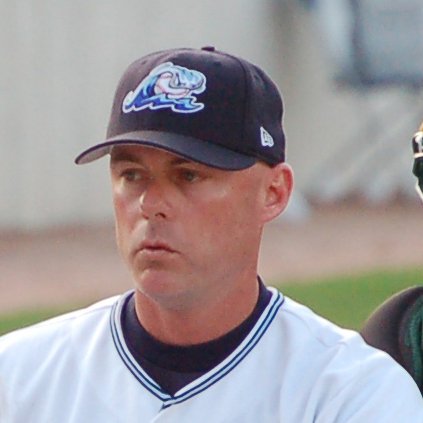 Matthew Lovick Walbeck was born on October 2, 1969 in Sacramento California. The Chicago Cubs selected him in round eight of the 1987 MLB Draft. He made his Major League debut for them in 1993. Walbeck played 11 games for the Cubs, going 6-for-30 (.200) with one home run and six RBI. The Minnesota Twins acquired him via trade during the off-season. Minnesota allowed Walbeck to get regular playing time at the big league level, starting him 89 times behind the plate in 1994. He hit .204 with five home runs and 35 RBI, catching a no-hitter thrown by Scott Erickson on April 27th and leading the American League by catching 42 potential base stealers. Walbeck continued at the Twins primary catcher in 1995, batting .257 with one home run and 44 RBI over 115 games. His role got smaller in 1996 after Minnesota signed veteran catcher Greg Myers. Minnesota traded him to the Detroit Tigers on December 11, 1996. Walbeck played seven more big league seasons after leaving the Twins. He played for the Tigers (1997, 2002-03), the Anaheim Angels (1998-00) and Philadelphia Phillies (2001). His career slash line was .233/.280/.315 with 28 home runs and 208 RBI. The Tigers hired Walbeck to manage in their minor league system immediately after he retired. He won two Midwest League championships in three years at the Class-A level, and was then moved up to manage in Double-A. The Texas Rangers hired him as their Major League third base coach in 2008, but he was let go after just one season. Walbeck has since managed in the Pittsburgh Pirates and Atlanta Braves farm systems.
 -
Casey Michael Fien was born on October 21, 1983 in Santa Rosa, California. The Detroit Tigers selected him in round 20 of the 2006 MLB Draft. He made his Major League debut in 2009, pitching 11 games over parts of two seasons for the Tigers. Fien spent the 2011 season in the Houston Astros farm system on a minor league deal. The Minnesota Twins signed him to a minor league deal ahead of the 2012 campaign. Minnesota called up Fien in early-July, and he was one of their best relievers by the end of the season. Fien made 35 relief appearances that year, boasting a 2.06 ERA and a 0.971 WHIP. His first Major League win came on July 20th, tossing two shutout innings during an 11 inning win over the Kansas City Royals. He made an Opening Day roster for the first time in 2013. Fien made 73 relief appearances for the Twins that summer, which tied Brian Duensing for the team lead. He was 5-2 with a 3.92 ERA, striking out over ten hitters per nine innings. Fien once again made 73 appearances in 2014, leading the Twins. He was 5-6 with a 3.98 ERA, and earned his first career big league save against the Toronto Blue Jays on June 11th. Fien was 4-6 with a 3.55 ERA for Minnesota in 2015, making 62 appearances. His performance after the All-Star break was especially good, posting a 3.09 ERA as the Twins fell just shy of a postseason berth. They had still been mathematically alive until their second to last regular season game. Things got rocky for Fien in 2016. He had a 7.90 ERA through 14 appearances, and was designated for assignment. Fien finished his Twins tenure with a 3.79 ERA across 257 appearances, going 17-15 with one save. He had brief stints with the Los Angeles Dodgers, Seattle Mariners and Philadelphia Phillies after leaving Minnesota. View full player
-
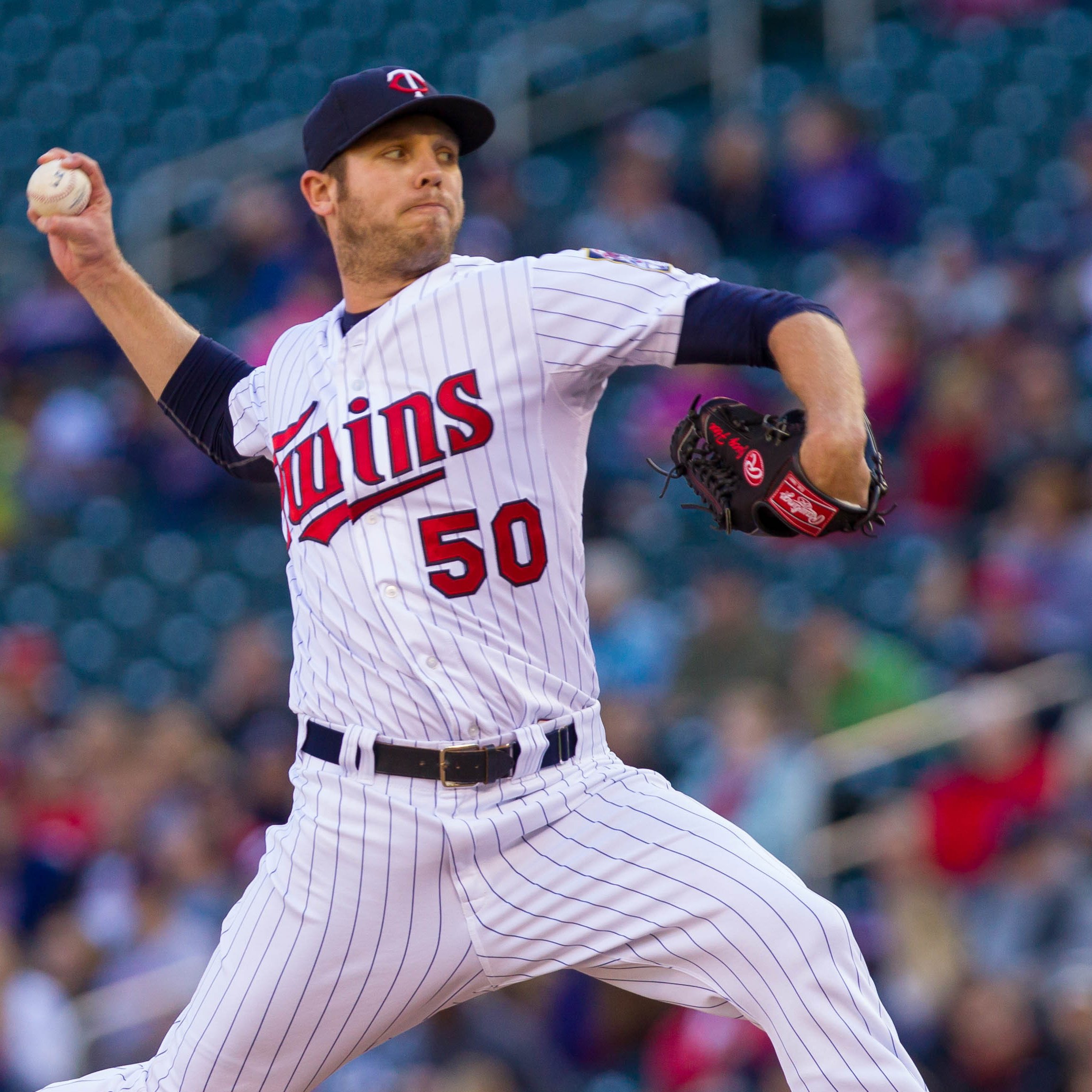 Casey Michael Fien was born on October 21, 1983 in Santa Rosa, California. The Detroit Tigers selected him in round 20 of the 2006 MLB Draft. He made his Major League debut in 2009, pitching 11 games over parts of two seasons for the Tigers. Fien spent the 2011 season in the Houston Astros farm system on a minor league deal. The Minnesota Twins signed him to a minor league deal ahead of the 2012 campaign. Minnesota called up Fien in early-July, and he was one of their best relievers by the end of the season. Fien made 35 relief appearances that year, boasting a 2.06 ERA and a 0.971 WHIP. His first Major League win came on July 20th, tossing two shutout innings during an 11 inning win over the Kansas City Royals. He made an Opening Day roster for the first time in 2013. Fien made 73 relief appearances for the Twins that summer, which tied Brian Duensing for the team lead. He was 5-2 with a 3.92 ERA, striking out over ten hitters per nine innings. Fien once again made 73 appearances in 2014, leading the Twins. He was 5-6 with a 3.98 ERA, and earned his first career big league save against the Toronto Blue Jays on June 11th. Fien was 4-6 with a 3.55 ERA for Minnesota in 2015, making 62 appearances. His performance after the All-Star break was especially good, posting a 3.09 ERA as the Twins fell just shy of a postseason berth. They had still been mathematically alive until their second to last regular season game. Things got rocky for Fien in 2016. He had a 7.90 ERA through 14 appearances, and was designated for assignment. Fien finished his Twins tenure with a 3.79 ERA across 257 appearances, going 17-15 with one save. He had brief stints with the Los Angeles Dodgers, Seattle Mariners and Philadelphia Phillies after leaving Minnesota.
 -
Remembering Random Twins: exclusive interview with Matt Merullo
William Malone posted an article in History
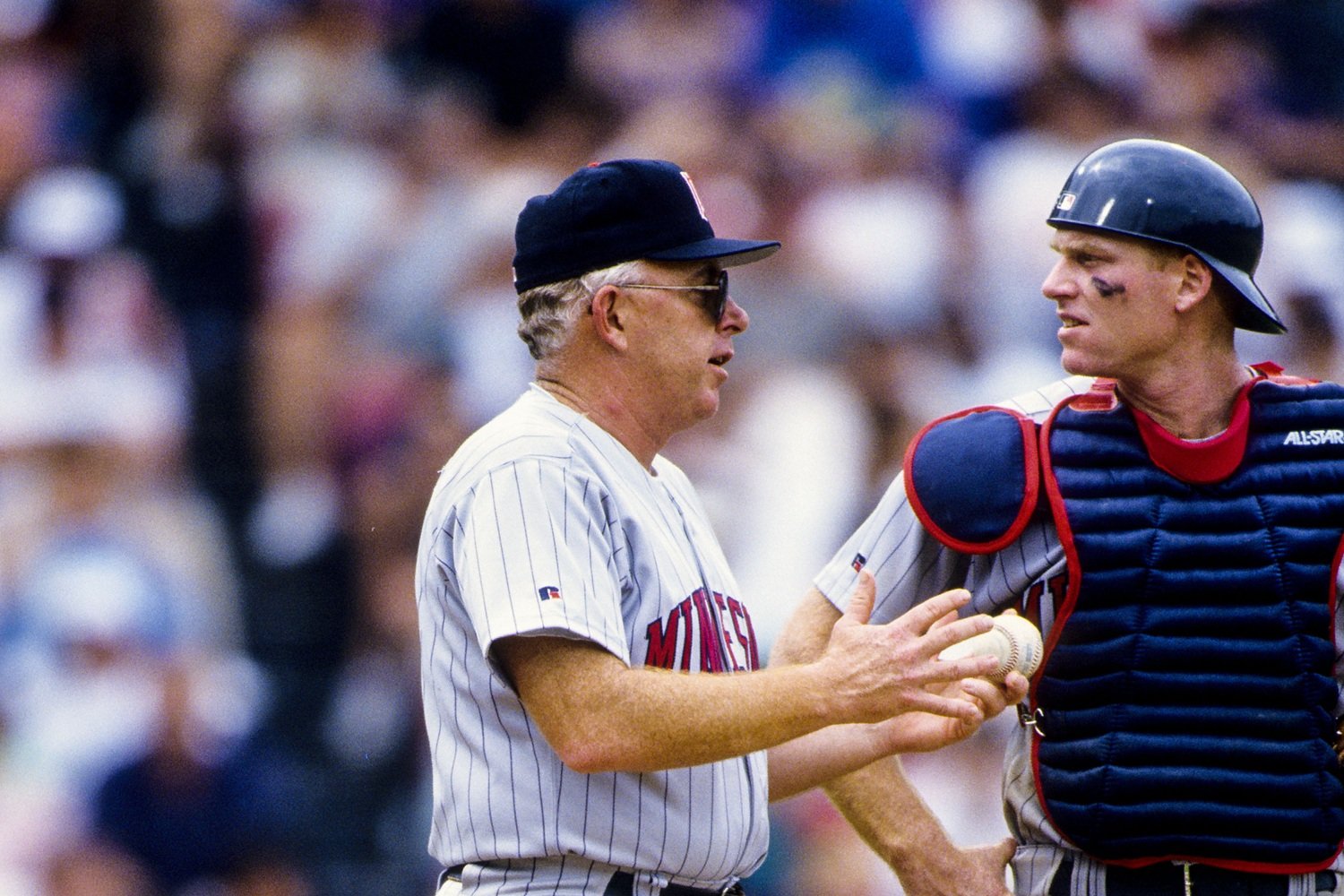 Matt Merullo fell in love with baseball through his grandfather, Lennie, who played seven seasons for the Chicago Cubs and helped them win the National League pennant in 1945. My grandfather's house was all about baseball, that's for sure. My mother came from a family of teachers, and her mother was a librarian. So books were really important and another side of life. But having my grandfather, it was like a museum. And he was scouting at the time, so he was still involved in the game. As a younger kid, he would take me around with him while he was scouting the minor leagues. I would get to sit with him and other scouts. I got to really learn the game while watching guys. They'd all tell me "hey look at the on-deck hitter" or "look at the shortstop's feet." Things like "watch how the catcher sets up with men on base. It was just fascinating. It was such a huge advantage for a young kid. Terry Ryan, then a rookie general manager, signed a veteran Merullo in 1995 to back-up Matt Walbeck behind the plate. [The Twins] were one of about five teams who were interested in me. [Terry Ryan] just said everything I wanted to hear. He knew all about me. He was a former scout too, and he knew my grandfather. I just felt like the way they played the game was how I was brought up to play. It just felt like a great fit. Merullo had a career year for the Minnesota Twins in 1995, batting .282/.335/.379 in 76 games. Tom Kelly was just great at putting guys in situations where they had a chance to have success. I probably faced more left-handed pitchers that year than any other year of my career. He just knew I could battle them. He didn't mind starting me against certain guys, and most of them happened to be left-handed. It was a good year. I would've liked to hit for a bit more power. But I had this thing with my elbow. My right arm just wouldn't straighten out. It cut the extension down on my swing a little bit. But it was a very fun year for me. His lone home run for the Twins was a grand slam off of Kansas City Royals reliever Billy Brewer on August 5, 1995. 3-2 pitch. It was a breaking ball that was up. We were ahead by a few runs in the game, and this kind of blew it open. You know, I was battling. It was August. And just like any other home run that I hit, they came when I wasn't trying to hit them. But that one was a good shot. I remember telling the newspaper guys, it was right around my birthday. I said, "I'm finally 30 years old and maturing as a hitter." But it's neat to be able to say you've got a grand slam in the big leagues. Minnesota struggled to a last place finish in 1995, but that didn't stop Tom Kelly from working hard to lay the groundwork for the next era of Twins baseball. TK [Tom Kelly] was just a blue-collar baseball guy. He threw batting practice, he hit fungos, he sat in the back of the plane and played cards. He'd break chops and pat you on the back. You kinda knew where you stood with him. He just made you want to play hard. The motivation was just to respect the game. Play the game the right way. We were not a good team in 1995. I get a little consolation looking back at the White Sox last year, or the Rockies this year. But we would go into towns playing top division teams, and the writing is on the wall. TK would just tell us "play the game the right way, boys." It was definitely a working man's approach to the game. We know it's hard. There's no secret answers. He was a worker. Merullo worked behind the plate for a young pitching staff, which included rookies Brad Radke and LaTroy Hawkins. He caught both their big league debuts, which happened to come on the same day; April 29, 1995 against the Baltimore Orioles. I knew they were gonna be good pitchers if they stayed healthy. Both of them had a calm demeanor about them, and they didn't really seem to get shaken up. They never got rattled and had [sic] this presence, even when they were young. They were just good, young pitchers. It was a pleasure to catch them. I had come up in the White Sox organization with some guys like Alex Fernandez and Jack McDowell. They had the same kind of professional approach to the game at a young age. And with good stuff. While playing for the Twins, Merullo had a unique way of getting to the ballpark. Kirby Puckett used to break my chops, but it was beautiful out there in the summertime. I hated driving to the Metrodome. So I was close enough that I just bought myself a mountain bike to ride past all these lakes and through these parks and stuff to go to the ballpark. The Arizona Diamondbacks hired Merullo as a scout after his playing career ended. Their inaugural season was in 1998, and scouting for an expansion team comes with challenges. Certain teams would have a nice place to go if they were coming out of high school. And we didn't. We didn't have a Gulf Coast League team or an Arizona League team. The lowest level we had in the United States was Missoula, Montana. It was primarily a league of college players who were just drafted. We didn't really have that entry level for high school players, at least from the States. But in terms of scouting players, you're all looking for the same things. Despite not playing a big league game until 1998, Arizona hired Buck Showalter as their manager all the way back in 1995. Showalter took an active role in laying the Diamondbacks foundation, including their scouting philosophies. The Diamondbacks were essentially started by Buck Showalter. He set up the whole thing. I can remember when he was still managing there, we had organizational meetings where he spoke to the scouts. It was very simple stuff. It's a game of speed and strength. Not necessarily size, but pound-for-pound strength. A lot of the scouts came from different organizations and had long histories. Everybody likes to think they have a certain philosophy or play the game the right way, but essentially, we're all trying to do the same thing. Merullo focused on scouting high school and college players in the northeastern United States for the Diamondbacks. He had a very high scouting report on New Jersey native Mike Trout, but the Diamondbacks chose to go in a different direction. The Diamondbacks, I guess you could say, had their own special philosophy. I like to say we were the smartest team in last place. We had degrees from everywhere in that scouting office. Myself, and the other scout. Another guy who was a former big league player and had been in player development, Shawn Barton. The two of us had the highest reports on [Trout]. But the general consensus was still kinda "eh." Things like "who else from that town has ever been there" and "why is East Carolina the only school that wants him." They're finding all these warts. I described him by saying he's gonna be like Robin Yount. Meaning he's gonna play center field. He's gonna hit 20 home runs and steal 20 bases as a 19-year old. But he plays and moves around like Kirk Gibson. Maybe not the smoothest guy in the world. But he's strong as an ox, and fast, and he can play center field. So you've got speed, you've got power, and it's rare. The 2009 MLB Draft was broadcast on MLB Network from their studios in Secaucus, New Jersey. Trout was the only player who showed up and sat in studio for the festivities. Arizona had the 16th and 17th overall selections, choosing to take high school third baseman Bobby Borchering and Notre Dame outfielder A.J. Pollock. The Los Angeles Angels eventually selected Trout with the 25th pick. [Trout] shows up, and he's the only guy in the dugout they've got in the studio...I'm representing the Diamondbacks, with all the other teams sitting at tables. Phones next to us coming from the front offices on our selections. Trout knew me, and the phone rang twice. He learned in and looked at me while I'm answering the phone. I'm looking at him and my eyes go down. It's not him. Phone rings again, same thing. Sorry guy, not you. So we passed on him. A couple of articles came out. My scouting director has been nice enough to joke around saying if he had just listened to me, we'd all still have jobs with the Diamondbacks. It's sometimes difficult to evaluate amateur players in the northeastern United States. I don't want to say it's obvious, but in same ways it is. The northeast has a very short window to evaluate players. The kids in high school don't start playing until April. And you've got chase around colleges down in Florida or the Carolinas that are heading south on their opening trips. It's hard to cram things into your schedule. There might be a Division II school who has somebody you're interested in. And then you're trying to get your supervisors and cross-checkers and scouting directors all pointed in the right direction so they can see the guys you think are potentially high picks. The Baltimore Orioles hired Merullo to manage in their farm system. He managed Short Season Single-A and Rookie ball teams. These rosters are often made up of players who are fresh out of high school or college, and playing professional baseball for the first time. I felt very at home coming off of scouting. I had been watching college players for the last 12-15 years, as well as high school guys. I knew what their level of play was already like. For instance, there was a second baseman from Clemson. He wound up getting to the big leagues, Stevie Wilkerson. Four-year starter at Clemson in the middle of the field, mainly shortstop. But we had him at second base. And the first couple of weeks, I'm realizing that he can't get to the base on time on stolen bases. These are good throws, and he's getting to the base same time as the runner. Finally, I said, "What did they teach you at Clemson? To stay there and see if the ball is hit to you?" He said, "Yeah." So I had to teach him if that ball is hit to where you left, so be it. That's how it works. You've got to get to second base and be ready for a throw. Be able to put a tag down. This game is faster than what you're used to, even at Clemson. A lot of it is teaching. It was so fun. I had Mike Yastrzemski coming out of Vanderbilt. I remember scouting him when he was in high school [in Danvers, Massachusetts]. Trey Mancini was on that team. We had a catcher named Austin Wynns who got to the big leagues. I had a great staff. My pitching coach, Alan Mills, was awesome. He was a 12-year veteran of the big leagues as a reliever, and also had been coaching for ten years or so. He helped me a lot as a manager. Merullo took advice from a Hall of Fame manager to help him deal with young players in the minors. There was a quote I read from Tony La Russa. He said, "It's a lot more fun to believe in your players than to doubt them." That struck me. And I'd always tell the other coaches, this game is going to let you know what you can't do. So it's the coach's job to remind these players what they can do. You know if you just don't have the speed to get an infield hit like other guys do. Or the arm isn't there on a sacrifice fly. Guys have a tendency to do too much or try too hard. Coaches need to remind you what you are good at. Just tell them to keep it up. Merullo is now an assistant coach at Guilford High School in Connecticut. His son, Nick, is the head coach. Nick has grown the program into a state powerhouse. It's fun to connect with my son and do this volunteer thing for a couple months each spring. I get so much joy. He's a teacher, number one. He teaches fifth graders. The structure he has and the way he carries himself. Never shows up the players, and has a great feel on when to go to the mound. I hardly ever see him get back from the mound to the dugout, and then see the pitcher throw a ball. It's always a strike. He's got a knack for it. 2021 was his first year, and it was a rough year coming off of COVID. He went from 2-18 his first year, to a .500 record the next year. And then in 2023, we were lucky to have some good pitchers and some guys who had started as freshmen in 2021. We made the state finals. We lost that game, but we had an 18-game winning streak up until that loss.
 -
Image courtesy of HISTORICAL ARCHIVE, MINIMUM USAGE FEE APPLIES; Matt Merullo fell in love with baseball through his grandfather, Lennie, who played seven seasons for the Chicago Cubs and helped them win the National League pennant in 1945. My grandfather's house was all about baseball, that's for sure. My mother came from a family of teachers, and her mother was a librarian. So books were really important and another side of life. But having my grandfather, it was like a museum. And he was scouting at the time, so he was still involved in the game. As a younger kid, he would take me around with him while he was scouting the minor leagues. I would get to sit with him and other scouts. I got to really learn the game while watching guys. They'd all tell me "hey look at the on-deck hitter" or "look at the shortstop's feet." Things like "watch how the catcher sets up with men on base. It was just fascinating. It was such a huge advantage for a young kid. Terry Ryan, then a rookie general manager, signed a veteran Merullo in 1995 to back-up Matt Walbeck behind the plate. [The Twins] were one of about five teams who were interested in me. [Terry Ryan] just said everything I wanted to hear. He knew all about me. He was a former scout too, and he knew my grandfather. I just felt like the way they played the game was how I was brought up to play. It just felt like a great fit. Merullo had a career year for the Minnesota Twins in 1995, batting .282/.335/.379 in 76 games. Tom Kelly was just great at putting guys in situations where they had a chance to have success. I probably faced more left-handed pitchers that year than any other year of my career. He just knew I could battle them. He didn't mind starting me against certain guys, and most of them happened to be left-handed. It was a good year. I would've liked to hit for a bit more power. But I had this thing with my elbow. My right arm just wouldn't straighten out. It cut the extension down on my swing a little bit. But it was a very fun year for me. His lone home run for the Twins was a grand slam off of Kansas City Royals reliever Billy Brewer on August 5, 1995. 3-2 pitch. It was a breaking ball that was up. We were ahead by a few runs in the game, and this kind of blew it open. You know, I was battling. It was August. And just like any other home run that I hit, they came when I wasn't trying to hit them. But that one was a good shot. I remember telling the newspaper guys, it was right around my birthday. I said, "I'm finally 30 years old and maturing as a hitter." But it's neat to be able to say you've got a grand slam in the big leagues. Minnesota struggled to a last place finish in 1995, but that didn't stop Tom Kelly from working hard to lay the groundwork for the next era of Twins baseball. TK [Tom Kelly] was just a blue-collar baseball guy. He threw batting practice, he hit fungos, he sat in the back of the plane and played cards. He'd break chops and pat you on the back. You kinda knew where you stood with him. He just made you want to play hard. The motivation was just to respect the game. Play the game the right way. We were not a good team in 1995. I get a little consolation looking back at the White Sox last year, or the Rockies this year. But we would go into towns playing top division teams, and the writing is on the wall. TK would just tell us "play the game the right way, boys." It was definitely a working man's approach to the game. We know it's hard. There's no secret answers. He was a worker. Merullo worked behind the plate for a young pitching staff, which included rookies Brad Radke and LaTroy Hawkins. He caught both their big league debuts, which happened to come on the same day; April 29, 1995 against the Baltimore Orioles. I knew they were gonna be good pitchers if they stayed healthy. Both of them had a calm demeanor about them, and they didn't really seem to get shaken up. They never got rattled and had [sic] this presence, even when they were young. They were just good, young pitchers. It was a pleasure to catch them. I had come up in the White Sox organization with some guys like Alex Fernandez and Jack McDowell. They had the same kind of professional approach to the game at a young age. And with good stuff. While playing for the Twins, Merullo had a unique way of getting to the ballpark. Kirby Puckett used to break my chops, but it was beautiful out there in the summertime. I hated driving to the Metrodome. So I was close enough that I just bought myself a mountain bike to ride past all these lakes and through these parks and stuff to go to the ballpark. The Arizona Diamondbacks hired Merullo as a scout after his playing career ended. Their inaugural season was in 1998, and scouting for an expansion team comes with challenges. Certain teams would have a nice place to go if they were coming out of high school. And we didn't. We didn't have a Gulf Coast League team or an Arizona League team. The lowest level we had in the United States was Missoula, Montana. It was primarily a league of college players who were just drafted. We didn't really have that entry level for high school players, at least from the States. But in terms of scouting players, you're all looking for the same things. Despite not playing a big league game until 1998, Arizona hired Buck Showalter as their manager all the way back in 1995. Showalter took an active role in laying the Diamondbacks foundation, including their scouting philosophies. The Diamondbacks were essentially started by Buck Showalter. He set up the whole thing. I can remember when he was still managing there, we had organizational meetings where he spoke to the scouts. It was very simple stuff. It's a game of speed and strength. Not necessarily size, but pound-for-pound strength. A lot of the scouts came from different organizations and had long histories. Everybody likes to think they have a certain philosophy or play the game the right way, but essentially, we're all trying to do the same thing. Merullo focused on scouting high school and college players in the northeastern United States for the Diamondbacks. He had a very high scouting report on New Jersey native Mike Trout, but the Diamondbacks chose to go in a different direction. The Diamondbacks, I guess you could say, had their own special philosophy. I like to say we were the smartest team in last place. We had degrees from everywhere in that scouting office. Myself, and the other scout. Another guy who was a former big league player and had been in player development, Shawn Barton. The two of us had the highest reports on [Trout]. But the general consensus was still kinda "eh." Things like "who else from that town has ever been there" and "why is East Carolina the only school that wants him." They're finding all these warts. I described him by saying he's gonna be like Robin Yount. Meaning he's gonna play center field. He's gonna hit 20 home runs and steal 20 bases as a 19-year old. But he plays and moves around like Kirk Gibson. Maybe not the smoothest guy in the world. But he's strong as an ox, and fast, and he can play center field. So you've got speed, you've got power, and it's rare. The 2009 MLB Draft was broadcast on MLB Network from their studios in Secaucus, New Jersey. Trout was the only player who showed up and sat in studio for the festivities. Arizona had the 16th and 17th overall selections, choosing to take high school third baseman Bobby Borchering and Notre Dame outfielder A.J. Pollock. The Los Angeles Angels eventually selected Trout with the 25th pick. [Trout] shows up, and he's the only guy in the dugout they've got in the studio...I'm representing the Diamondbacks, with all the other teams sitting at tables. Phones next to us coming from the front offices on our selections. Trout knew me, and the phone rang twice. He learned in and looked at me while I'm answering the phone. I'm looking at him and my eyes go down. It's not him. Phone rings again, same thing. Sorry guy, not you. So we passed on him. A couple of articles came out. My scouting director has been nice enough to joke around saying if he had just listened to me, we'd all still have jobs with the Diamondbacks. It's sometimes difficult to evaluate amateur players in the northeastern United States. I don't want to say it's obvious, but in same ways it is. The northeast has a very short window to evaluate players. The kids in high school don't start playing until April. And you've got chase around colleges down in Florida or the Carolinas that are heading south on their opening trips. It's hard to cram things into your schedule. There might be a Division II school who has somebody you're interested in. And then you're trying to get your supervisors and cross-checkers and scouting directors all pointed in the right direction so they can see the guys you think are potentially high picks. The Baltimore Orioles hired Merullo to manage in their farm system. He managed Short Season Single-A and Rookie ball teams. These rosters are often made up of players who are fresh out of high school or college, and playing professional baseball for the first time. I felt very at home coming off of scouting. I had been watching college players for the last 12-15 years, as well as high school guys. I knew what their level of play was already like. For instance, there was a second baseman from Clemson. He wound up getting to the big leagues, Stevie Wilkerson. Four-year starter at Clemson in the middle of the field, mainly shortstop. But we had him at second base. And the first couple of weeks, I'm realizing that he can't get to the base on time on stolen bases. These are good throws, and he's getting to the base same time as the runner. Finally, I said, "What did they teach you at Clemson? To stay there and see if the ball is hit to you?" He said, "Yeah." So I had to teach him if that ball is hit to where you left, so be it. That's how it works. You've got to get to second base and be ready for a throw. Be able to put a tag down. This game is faster than what you're used to, even at Clemson. A lot of it is teaching. It was so fun. I had Mike Yastrzemski coming out of Vanderbilt. I remember scouting him when he was in high school [in Danvers, Massachusetts]. Trey Mancini was on that team. We had a catcher named Austin Wynns who got to the big leagues. I had a great staff. My pitching coach, Alan Mills, was awesome. He was a 12-year veteran of the big leagues as a reliever, and also had been coaching for ten years or so. He helped me a lot as a manager. Merullo took advice from a Hall of Fame manager to help him deal with young players in the minors. There was a quote I read from Tony La Russa. He said, "It's a lot more fun to believe in your players than to doubt them." That struck me. And I'd always tell the other coaches, this game is going to let you know what you can't do. So it's the coach's job to remind these players what they can do. You know if you just don't have the speed to get an infield hit like other guys do. Or the arm isn't there on a sacrifice fly. Guys have a tendency to do too much or try too hard. Coaches need to remind you what you are good at. Just tell them to keep it up. Merullo is now an assistant coach at Guilford High School in Connecticut. His son, Nick, is the head coach. Nick has grown the program into a state powerhouse. It's fun to connect with my son and do this volunteer thing for a couple months each spring. I get so much joy. He's a teacher, number one. He teaches fifth graders. The structure he has and the way he carries himself. Never shows up the players, and has a great feel on when to go to the mound. I hardly ever see him get back from the mound to the dugout, and then see the pitcher throw a ball. It's always a strike. He's got a knack for it. 2021 was his first year, and it was a rough year coming off of COVID. He went from 2-18 his first year, to a .500 record the next year. And then in 2023, we were lucky to have some good pitchers and some guys who had started as freshmen in 2021. We made the state finals. We lost that game, but we had an 18-game winning streak up until that loss. View full article
-
Diego Castillo was born on January 18, 1994 in the Dominican Republic. The Tampa Bay Rays signed him as an international free agent in 2014. He reached the Majors in 2018, and pitched parts of four seasons for the Rays. Castillo was 14-14 with a 2.99 ERA and 26 saves during his time in Tampa Bay, making 17 starts and 150 relief appearances. His most dominant campaign came during the COVID shortened 2020 season. Castillo had a 1.66 ERA in 22 regular season appearances, and a 1.64 ERA during ten more postseason outings. They traded him to the Seattle Mariners at the deadline in 2021. Castillo pitched well down the stretch that year, and had another strong season in 2022. However, he struggled mightily in 2023, and was eventually designated for assignment. He signed a minor league contract with the Texas Rangers during the ensuing off-season, but was released towards the end of spring training. The Minnesota Twins signed him to a minor league deal just two days later. Castillo started out strong with the St. Paul Saints (AAA) in 2024, recording five saves with a 2.50 ERA through his first 18 appearances. This earned him a big league opportunity with the Twins. His overall results were solid, allowing just two runs over seven innings out of the Twins bullpen. However, Castillo was struggling with control with seven walks in those seven innings. Minnesota designated him for assignment, and he returned to St. Paul after clearing waivers. He began to struggle once back in St. Paul, and finished the season with a 5.59 over 40 minor league appearances. Castillo did return to the Twins in September for two more big league outings, allowing one run over three innings. As of Opening Day in 2025, he is pitching in the Colorado Rockies farm system on a minor league deal. View full player
-
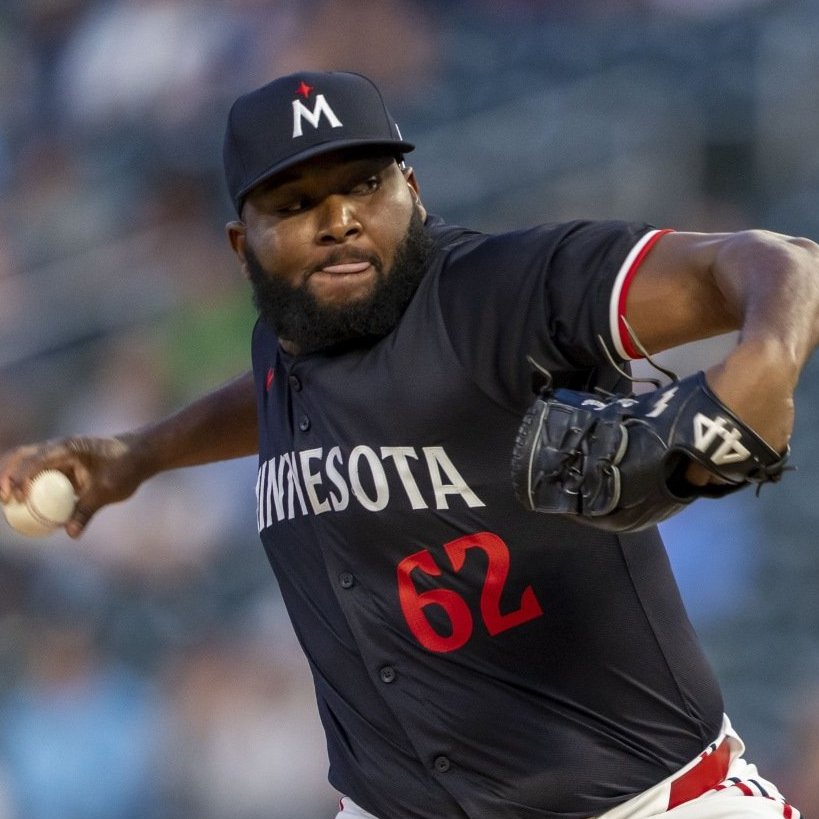 Diego Castillo was born on January 18, 1994 in the Dominican Republic. The Tampa Bay Rays signed him as an international free agent in 2014. He reached the Majors in 2018, and pitched parts of four seasons for the Rays. Castillo was 14-14 with a 2.99 ERA and 26 saves during his time in Tampa Bay, making 17 starts and 150 relief appearances. His most dominant campaign came during the COVID shortened 2020 season. Castillo had a 1.66 ERA in 22 regular season appearances, and a 1.64 ERA during ten more postseason outings. They traded him to the Seattle Mariners at the deadline in 2021. Castillo pitched well down the stretch that year, and had another strong season in 2022. However, he struggled mightily in 2023, and was eventually designated for assignment. He signed a minor league contract with the Texas Rangers during the ensuing off-season, but was released towards the end of spring training. The Minnesota Twins signed him to a minor league deal just two days later. Castillo started out strong with the St. Paul Saints (AAA) in 2024, recording five saves with a 2.50 ERA through his first 18 appearances. This earned him a big league opportunity with the Twins. His overall results were solid, allowing just two runs over seven innings out of the Twins bullpen. However, Castillo was struggling with control with seven walks in those seven innings. Minnesota designated him for assignment, and he returned to St. Paul after clearing waivers. He began to struggle once back in St. Paul, and finished the season with a 5.59 over 40 minor league appearances. Castillo did return to the Twins in September for two more big league outings, allowing one run over three innings. As of Opening Day in 2025, he is pitching in the Colorado Rockies farm system on a minor league deal.
 -
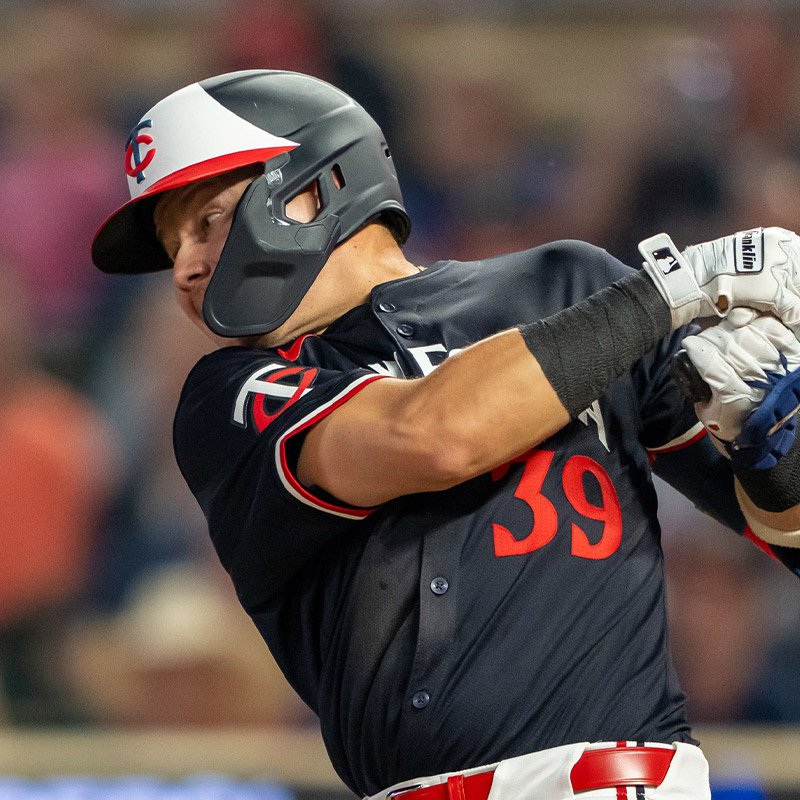 Diego Alejandro Castillo was born on October 28, 1997 in Venezuela. The New York Yankees signed him as an amateur free agent in 2014. He reached the Double-A level of their system before getting traded to the Pittsburgh Pirates for right handed relief pitcher Clay Holmes at the 2021 trade deadline. Castillo made his Major League debut for the Pirates in 2022, batting .206 with 11 home runs in 96 games that summer. They designated him for assignment after the season. He spent almost all of 2023 in the Arizona Diamondbacks farm system, playing just one big league game that season. Castillo was a frequent flier on the waiver wire during the off-season, technically spending time with four different organizations before spring training even began. The Minnesota Twins eventually wound up with him. Castillo spent most of 2024 in Triple-A, batting .272 with five home runs in 71 games for the St. Paul Saints. He did have a four game big league stint for the Twins in July, going 2-for-6 (.333) with two walks and three runs scored. Castillo also drove in two runs. As of Opening Day in 2025, Castillo is playing in the New York Mets system on a minor league contract.
 -
Diego Alejandro Castillo was born on October 28, 1997 in Venezuela. The New York Yankees signed him as an amateur free agent in 2014. He reached the Double-A level of their system before getting traded to the Pittsburgh Pirates for right handed relief pitcher Clay Holmes at the 2021 trade deadline. Castillo made his Major League debut for the Pirates in 2022, batting .206 with 11 home runs in 96 games that summer. They designated him for assignment after the season. He spent almost all of 2023 in the Arizona Diamondbacks farm system, playing just one big league game that season. Castillo was a frequent flier on the waiver wire during the off-season, technically spending time with four different organizations before spring training even began. The Minnesota Twins eventually wound up with him. Castillo spent most of 2024 in Triple-A, batting .272 with five home runs in 71 games for the St. Paul Saints. He did have a four game big league stint for the Twins in July, going 2-for-6 (.333) with two walks and three runs scored. Castillo also drove in two runs. As of Opening Day in 2025, Castillo is playing in the New York Mets system on a minor league contract. View full player
-
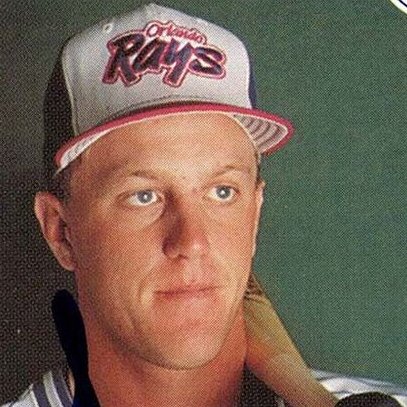 Dan Patrick Masteller was born on March 17, 1968 in Toldeo, Ohio. The Minnesota Twins selected him in round 11 of the 1989 MLB Draft. His only stint in the Majors was 71 games of action for the Twins in 1995. Masteller hit .237/.303/.343 with three home runs and 21 RBI. He spent time at first base and corner outfield. Two of his three big league homers provided the last place Twins with some of their most dramatic and memorable moments of the 1995 campaign. The first came on July 28th against former Cy Young winner Jack McDowell in walk-off fashion, helping Minnesota topple the New York Yankees. He also hit a game tying home run in the ninth inning against Hall of Fame closer Lee Smith on September 10th. The Twins wound up winning that game in extra innings, with the winning run coming around to score on an error. Minnesota released Masteller after the season. He played one year in the Montreal Expos minor league system, and then retired.
 -
Dan Patrick Masteller was born on March 17, 1968 in Toldeo, Ohio. The Minnesota Twins selected him in round 11 of the 1989 MLB Draft. His only stint in the Majors was 71 games of action for the Twins in 1995. Masteller hit .237/.303/.343 with three home runs and 21 RBI. He spent time at first base and corner outfield. Two of his three big league homers provided the last place Twins with some of their most dramatic and memorable moments of the 1995 campaign. The first came on July 28th against former Cy Young winner Jack McDowell in walk-off fashion, helping Minnesota topple the New York Yankees. He also hit a game tying home run in the ninth inning against Hall of Fame closer Lee Smith on September 10th. The Twins wound up winning that game in extra innings, with the winning run coming around to score on an error. Minnesota released Masteller after the season. He played one year in the Montreal Expos minor league system, and then retired. View full player
-
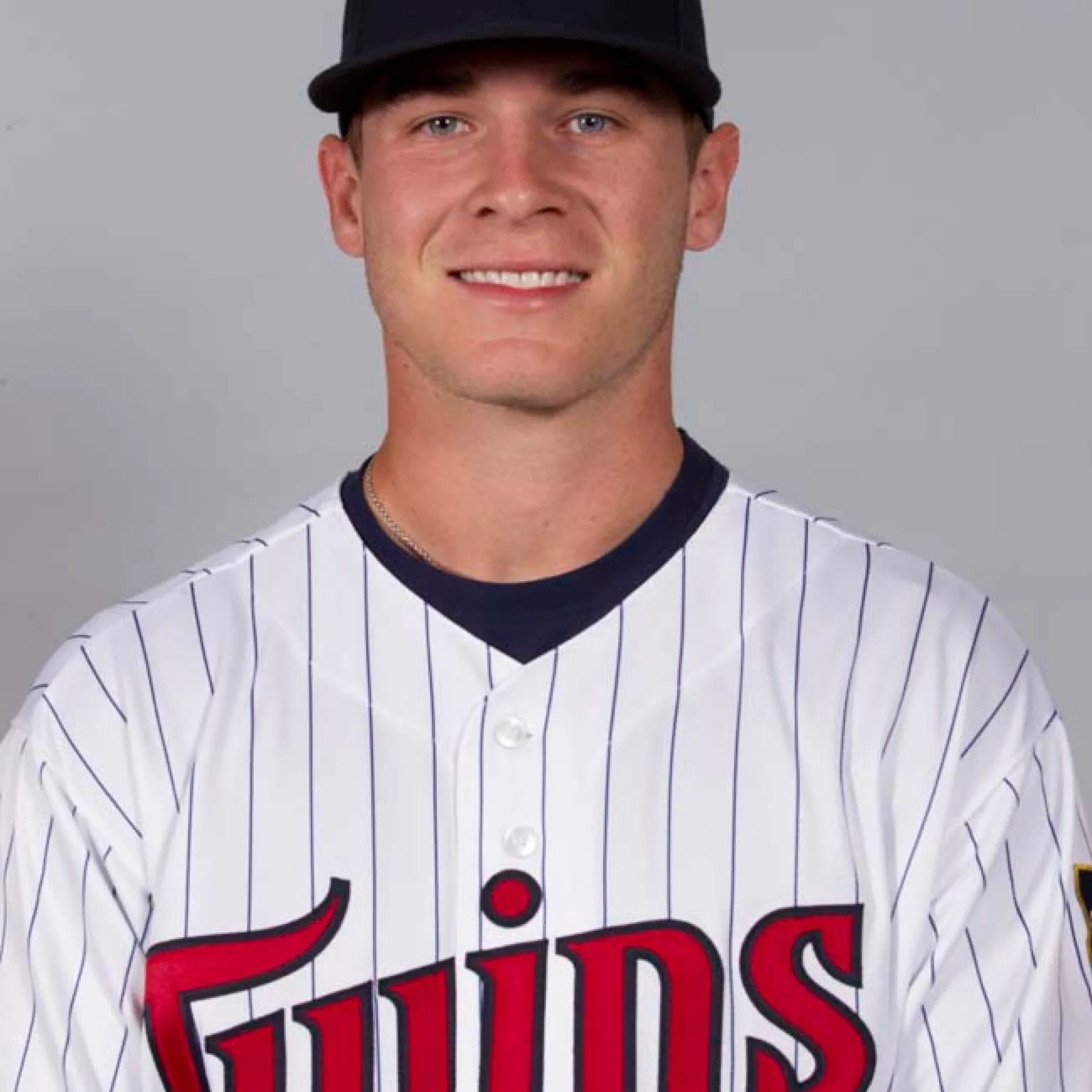 Christopher Ryan Herrmann was born on November 24, 1987 in Tomball, Texas. The Minnesota Twins selected him in round six of the 2009 MLB Draft. Herrmann was used exclusivity as an outfielder during his first summer of professional baseball, batting .297 in 59 games for the Elizabethton Twins (Rookie). He began to mix in reps at catcher for the Fort Myers Miracle (High-A) in 2010, but still spent most of his time in the outfield. Herrmann began to spend more time at catcher over the next two seasons, and made his big league debut as a September call-up in 2012. He was 1-for-18 (.056) for the Twins in 2012. His first career RBI came on an run scoring ground out against Chris Seddon of the Cleveland Indians on September 19th. Herrmann played four games at catcher, and two in left field. The next three seasons were spent split between Triple-A and the Majors. Herrmann played 135 games for the Twins between 2013 and 2015, and 152 for the Rochester Red Wings. He continued to log time as both a catcher and corner outfielder, hitting .188 with six home runs and 32 RBI during his big league stints. Minnesota traded him to the Arizona Diamondbacks for outfield prospect Daniel Palka on November 10, 2015. Herrmann spent two years with the Diamondbacks, batting .222 with 16 home runs and 55 RBI across 162 games. He played for the Seattle Mariners in 2018, and the Oakland Athletics in 2019. Herrmann continued to play professionally through 2023, spending time in various minor league systems and independent leagues.
 -
Christopher Ryan Herrmann was born on November 24, 1987 in Tomball, Texas. The Minnesota Twins selected him in round six of the 2009 MLB Draft. Herrmann was used exclusivity as an outfielder during his first summer of professional baseball, batting .297 in 59 games for the Elizabethton Twins (Rookie). He began to mix in reps at catcher for the Fort Myers Miracle (High-A) in 2010, but still spent most of his time in the outfield. Herrmann began to spend more time at catcher over the next two seasons, and made his big league debut as a September call-up in 2012. He was 1-for-18 (.056) for the Twins in 2012. His first career RBI came on an run scoring ground out against Chris Seddon of the Cleveland Indians on September 19th. Herrmann played four games at catcher, and two in left field. The next three seasons were spent split between Triple-A and the Majors. Herrmann played 135 games for the Twins between 2013 and 2015, and 152 for the Rochester Red Wings. He continued to log time as both a catcher and corner outfielder, hitting .188 with six home runs and 32 RBI during his big league stints. Minnesota traded him to the Arizona Diamondbacks for outfield prospect Daniel Palka on November 10, 2015. Herrmann spent two years with the Diamondbacks, batting .222 with 16 home runs and 55 RBI across 162 games. He played for the Seattle Mariners in 2018, and the Oakland Athletics in 2019. Herrmann continued to play professionally through 2023, spending time in various minor league systems and independent leagues. View full player
-
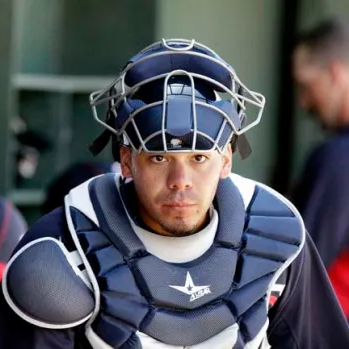 René Rivera was born on July 31, 1983 in Puerto Rico. The Seattle Mariners drafted him in round two of the 2001 MLB Draft. He made his Major League debut for them in 2004, playing 53 games over parts of three seasons in Seattle. Rivera didn't play in the Majors between 2007 and 2010, spending time in various farm systems and independent leagues. The Minnesota Twins signed Rivera to a minor league contract ahead of the 2011 campaign. He made his long awaited return to the big leagues that summer when superstar catcher Joe Mauer was placed on the disabled list. Rivera played 44 games for the Twins that summer, batting .144 while backing up Drew Butera. He was worth five defensive runs saved, and caught ten of 25 potential base stealers. Minnesota re-signed Rivera to another minor league deal that winter, but he spent all of 2012 in Triple-A. Keeping Rivera in Triple-A for the entire 2012 season caused a bit of controversy. The team chose to add Chris Herrmann as a third catcher when the rosters expanded in September, causing Rivera to claim the team had broken a promise to him. Herrmann, who wasn't on the 40-man roster heading into September, made the jump straight from Double-A. Rivera left the Twins that off-season, and wound up having a lengthy career as a back-up catcher. He played for the San Diego Padres (2013-14), Tampa Bay Rays (2015), New York Mets (2016-17, 2019-20), Chicago Cubs (2017), Los Angeles Angels (2018), Atlanta Braves (2018), Cleveland Indians (2021) and Washington Nationals (2021). His career average was .221 over 542 career games. Rivera was 1-for-3 in the 2016 NL Wild Card Game while with the Mets, which was his only career postseason action. As of 2025, Rivera is managing the Lakeland Flying Tigers. They are a Single-A affiliate of the Detroit Tigers. He was their bench coach in 2024.
 -
René Rivera was born on July 31, 1983 in Puerto Rico. The Seattle Mariners drafted him in round two of the 2001 MLB Draft. He made his Major League debut for them in 2004, playing 53 games over parts of three seasons in Seattle. Rivera didn't play in the Majors between 2007 and 2010, spending time in various farm systems and independent leagues. The Minnesota Twins signed Rivera to a minor league contract ahead of the 2011 campaign. He made his long awaited return to the big leagues that summer when superstar catcher Joe Mauer was placed on the disabled list. Rivera played 44 games for the Twins that summer, batting .144 while backing up Drew Butera. He was worth five defensive runs saved, and caught ten of 25 potential base stealers. Minnesota re-signed Rivera to another minor league deal that winter, but he spent all of 2012 in Triple-A. Keeping Rivera in Triple-A for the entire 2012 season caused a bit of controversy. The team chose to add Chris Herrmann as a third catcher when the rosters expanded in September, causing Rivera to claim the team had broken a promise to him. Herrmann, who wasn't on the 40-man roster heading into September, made the jump straight from Double-A. Rivera left the Twins that off-season, and wound up having a lengthy career as a back-up catcher. He played for the San Diego Padres (2013-14), Tampa Bay Rays (2015), New York Mets (2016-17, 2019-20), Chicago Cubs (2017), Los Angeles Angels (2018), Atlanta Braves (2018), Cleveland Indians (2021) and Washington Nationals (2021). His career average was .221 over 542 career games. Rivera was 1-for-3 in the 2016 NL Wild Card Game while with the Mets, which was his only career postseason action. As of 2025, Rivera is managing the Lakeland Flying Tigers. They are a Single-A affiliate of the Detroit Tigers. He was their bench coach in 2024. View full player
-
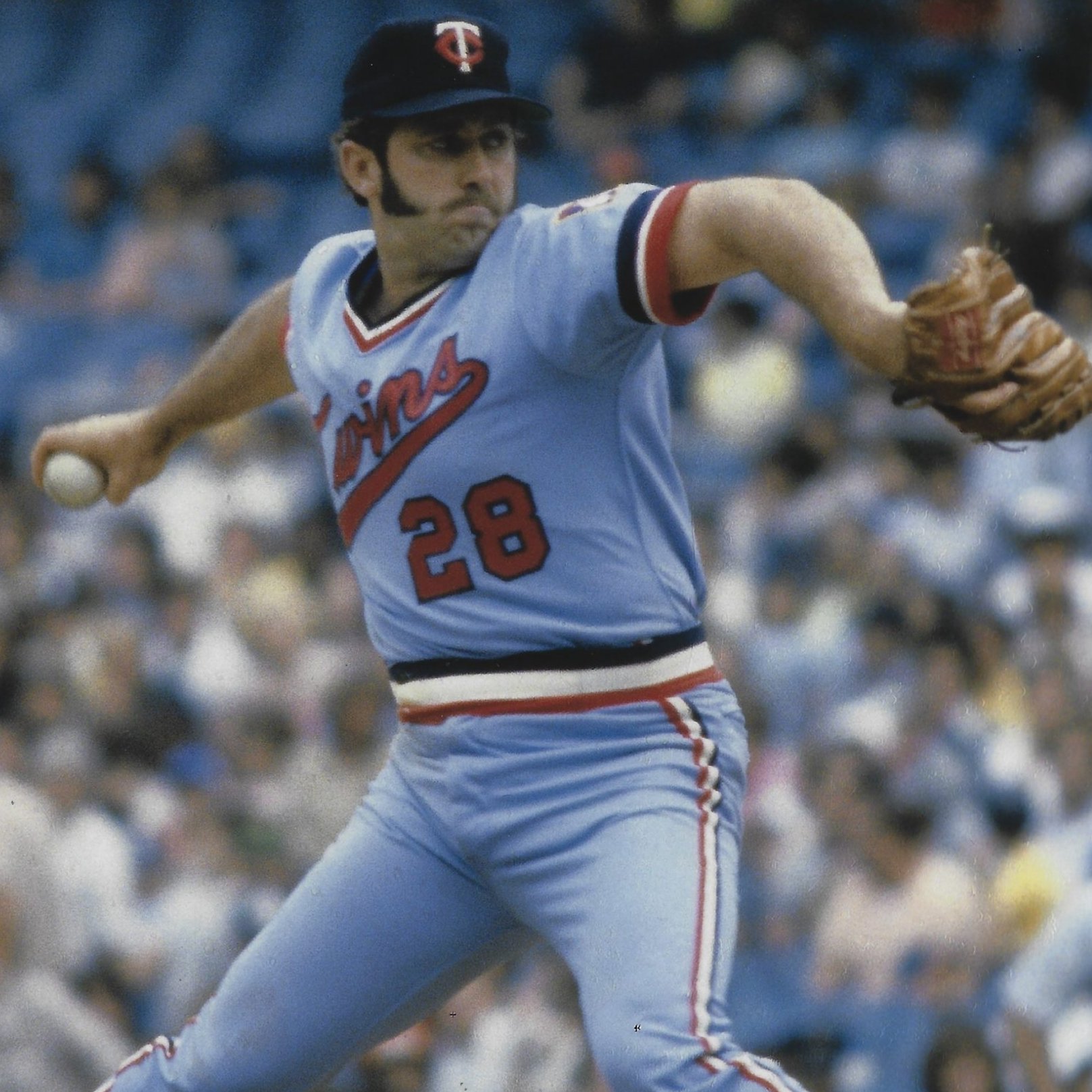 Michael Grant Marshall was born on January 15, 1943 in Zephyrhills, Florida. The Philadelphia Phillies signed him as an amateur free agent in 1960. He reached the Major Leagues in 1967 as a member of the Detroit Tigers. Marshall also had stints with the Seattle Pilots and Houston Astros, before establishing himself as one of the game's best relievers with the Montreal Expos. He had a 2.94 ERA during his four seasons in Montreal, leading the National League with 31 saves in 1973. The Los Angeles Dodgers acquired him in a trade that winter. Marshall became the first relief pitcher to win the Cy Young Award in 1974, winning 15 games and recording 21 saves over an insane 106 relief appearances and 208.1 innings. The Minnesota Twins acquired him in 1978, after he had brief stints with the Atlanta Braves and Texas Rangers. Marshall had 21 saves with a 2.45 ERA during his first year with the Twins, finishing seventh in the AL Cy Young voting. He led the American League with 32 saves in in 1979, also leading the league with 90 relief appearances. This helped him finish fifth in the Cy Young voting. It was his fourth career top five Cy Young finish. His 1980 season was a disappointment, pitching to a 6.12 ERA in his age 37 season. He finished his career with the New York Mets in 1981, owning a 2.61 ERA over 20 appearances. Marshall passed away in 2021 at the age of 78.
 -
Michael Grant Marshall was born on January 15, 1943 in Zephyrhills, Florida. The Philadelphia Phillies signed him as an amateur free agent in 1960. He reached the Major Leagues in 1967 as a member of the Detroit Tigers. Marshall also had stints with the Seattle Pilots and Houston Astros, before establishing himself as one of the game's best relievers with the Montreal Expos. He had a 2.94 ERA during his four seasons in Montreal, leading the National League with 31 saves in 1973. The Los Angeles Dodgers acquired him in a trade that winter. Marshall became the first relief pitcher to win the Cy Young Award in 1974, winning 15 games and recording 21 saves over an insane 106 relief appearances and 208.1 innings. The Minnesota Twins acquired him in 1978, after he had brief stints with the Atlanta Braves and Texas Rangers. Marshall had 21 saves with a 2.45 ERA during his first year with the Twins, finishing seventh in the AL Cy Young voting. He led the American League with 32 saves in in 1979, also leading the league with 90 relief appearances. This helped him finish fifth in the Cy Young voting. It was his fourth career top five Cy Young finish. His 1980 season was a disappointment, pitching to a 6.12 ERA in his age 37 season. He finished his career with the New York Mets in 1981, owning a 2.61 ERA over 20 appearances. Marshall passed away in 2021 at the age of 78. View full player
-
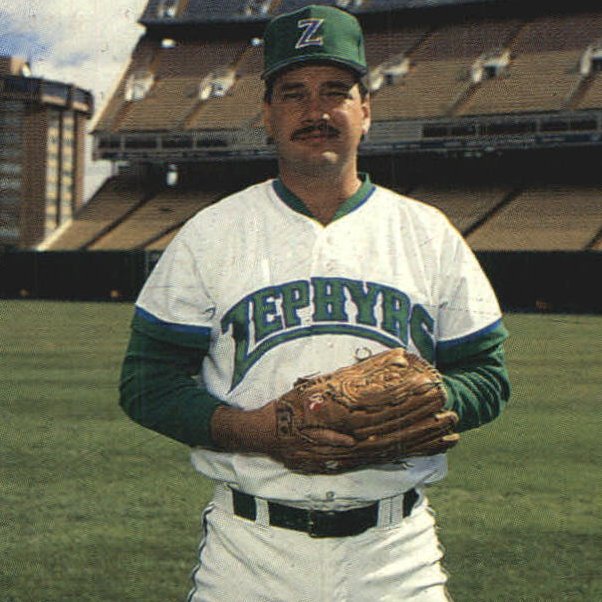 Michael John Kinnunen was born on April 1, 1958 in Seattle, Washington. The Minnesota Twins selected him in round ten of the 1979 MLB Draft. He rose quickly through the minors, beginning the 1980 season in Triple-A. Kinnunen was called up to make his Major League debut that June. He made 21 relief appearances as a rookie, posting a 5.11 ERA across 24.2 innings. Kinnunen was often used in lower leverage situations. He never recorded a win, loss, save, blown save, or hold for the Twins. Minnesota kept him in Triple-A for the entire 1981 campaign, and traded him to the St. Louis Cardinals after that season. Kennunen bounced around in a few different minor league systems, not reaching the Majors again until 1986 with the Baltimore Orioles. He made 27 relief appearances for them over parts of two seasons, recording a 5.33 ERA.
 -
Michael John Kinnunen was born on April 1, 1958 in Seattle, Washington. The Minnesota Twins selected him in round ten of the 1979 MLB Draft. He rose quickly through the minors, beginning the 1980 season in Triple-A. Kinnunen was called up to make his Major League debut that June. He made 21 relief appearances as a rookie, posting a 5.11 ERA across 24.2 innings. Kinnunen was often used in lower leverage situations. He never recorded a win, loss, save, blown save, or hold for the Twins. Minnesota kept him in Triple-A for the entire 1981 campaign, and traded him to the St. Louis Cardinals after that season. Kennunen bounced around in a few different minor league systems, not reaching the Majors again until 1986 with the Baltimore Orioles. He made 27 relief appearances for them over parts of two seasons, recording a 5.33 ERA. View full player
.thumb.png.131fdf97b843dfc7f73f4f987002a0f8.png)

