


.png.7846f23ff7308bd0a60773982c8c4137.png)
William Malone
-
Posts
786 -
Joined
-
Last visited
Content Type
Profiles
News
Minnesota Twins Videos
2026 Minnesota Twins Top Prospects Ranking
2022 Minnesota Twins Draft Picks
Minnesota Twins Free Agent & Trade Rumors, Notes, & Tidbits
Guides & Resources
2023 Minnesota Twins Draft Picks
The Minnesota Twins Players Project
2024 Minnesota Twins Draft Picks
2025 Minnesota Twins Draft Pick Tracker
2026 Minnesota Twins Draft Tracker: Picks & Bonuses
Forums
Blogs
Events
Store
Downloads
Gallery
Everything posted by William Malone
-
Delmon Demarcus Young was born on September 14, 1985 in Montgomery, Alabama. The Tampa Bay Devil Rays selected him with the first overall pick in the 2003 MLB Draft. He made his Major League debut late in 2006, and was runner-up for AL Rookie of the Year in 2007. Tampa Bay traded him to the Minnesota Twins in a six piece deal on November 28, 2007. Young hit .290 with ten home runs and 69 RBI during his first season with the Twins, stealing 14 bases. He hit a dramatic three run homer to tie up a game against Mariano Rivera on August 12th, but Minnesota wound up losing in 12 innings. His defense was very erratic. Young led all American League left fielders with eight errors, but also led them with 11 assists. He began the 2009 season in a left field platoon with Denard Span. As the season went along, center fielder Carlos Gómez began to struggle offensively and lose playing time. This allowed Span to become the regular option in center, giving Young the opportunity to play almost everyday in the second half. Young earned the year's final AL Player of the Week honor, finishing the regular season with a streak of five consecutive multi-hit efforts. The Twins were in a situation where every game mattered too. They finished tied with the Detroit Tigers through 162 games, and had to play a tie-breaker contest for the AL Central crown. Young went 1-for-5 with a walk in their "Game 163" win. A career year in 2010 helped Young finish tenth place in AL MVP voting. His 112 RBI were fifth in the American League, and he belted a career high 21 homers. He also led all left fielders with 12 assists. This was all fueled by a monster month of July, where Young hit .434 with 30 RBI. He was named AL Player of the Month. Minnesota captured their second straight division crown. Young was 4-for-12 (.333) in the ALDS. Many players on the Twins had down years in 2011, and Young was no exception. He was traded to the Detroit Tigers for two minor league pitchers in an August waiver deal. Young finished out the year in Detroit, and played for them in 2012 as well. His regular season numbers were often lacking, but Young would make up for it in October. He had a .927 OPS in 22 playoff games for the Tigers, helping them reach the ALCS in 2011 and the World Series in 2012. Young was named ALCS MVP in 2012, and was their only hitter who showed up in the 2012 World Series. An elite San Francisco Giants pitching staff held Detroit to a .159 team batting average during the Fall Classic, but Young hit .357 with a 1.043 OPS. The Giants swept Detroit in four games. He spent the next few seasons as a platoon bat for the Philadelphia Phillies (2013), Tampa Bay Rays (2013) and Baltimore Orioles (2014-15). Young continued to have a knack for postseason heroics, including a home run for Tampa Bay in the 2013 AL Wild Card Game. Trailing 6-4 in game two of the 2014 ALDS, Young hit a three run double in the eighth inning to give Baltimore the lead against his old Tigers club. 2015 was his final Major League season, but Young continued to play professionally in various international leagues until 2021. View full player
-
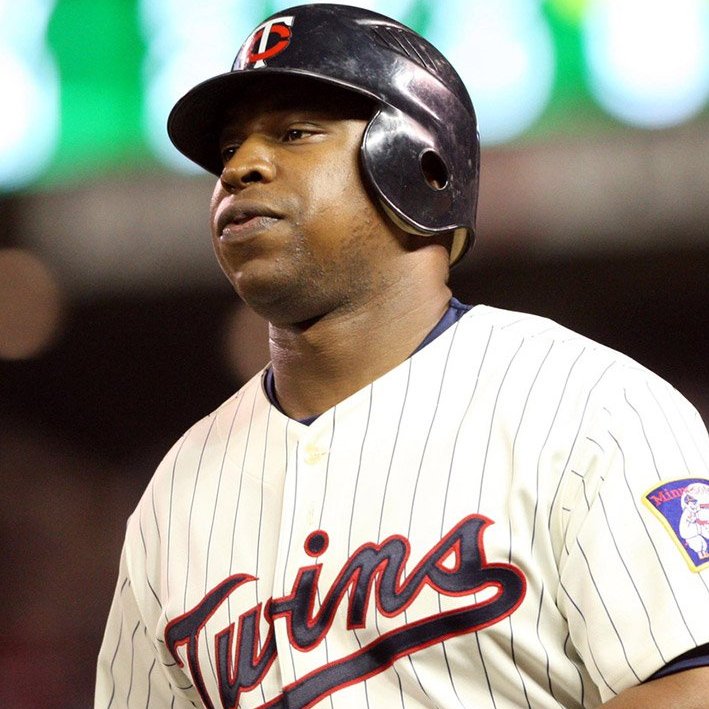 Delmon Demarcus Young was born on September 14, 1985 in Montgomery, Alabama. The Tampa Bay Devil Rays selected him with the first overall pick in the 2003 MLB Draft. He made his Major League debut late in 2006, and was runner-up for AL Rookie of the Year in 2007. Tampa Bay traded him to the Minnesota Twins in a six piece deal on November 28, 2007. Young hit .290 with ten home runs and 69 RBI during his first season with the Twins, stealing 14 bases. He hit a dramatic three run homer to tie up a game against Mariano Rivera on August 12th, but Minnesota wound up losing in 12 innings. His defense was very erratic. Young led all American League left fielders with eight errors, but also led them with 11 assists. He began the 2009 season in a left field platoon with Denard Span. As the season went along, center fielder Carlos Gómez began to struggle offensively and lose playing time. This allowed Span to become the regular option in center, giving Young the opportunity to play almost everyday in the second half. Young earned the year's final AL Player of the Week honor, finishing the regular season with a streak of five consecutive multi-hit efforts. The Twins were in a situation where every game mattered too. They finished tied with the Detroit Tigers through 162 games, and had to play a tie-breaker contest for the AL Central crown. Young went 1-for-5 with a walk in their "Game 163" win. A career year in 2010 helped Young finish tenth place in AL MVP voting. His 112 RBI were fifth in the American League, and he belted a career high 21 homers. He also led all left fielders with 12 assists. This was all fueled by a monster month of July, where Young hit .434 with 30 RBI. He was named AL Player of the Month. Minnesota captured their second straight division crown. Young was 4-for-12 (.333) in the ALDS. Many players on the Twins had down years in 2011, and Young was no exception. He was traded to the Detroit Tigers for two minor league pitchers in an August waiver deal. Young finished out the year in Detroit, and played for them in 2012 as well. His regular season numbers were often lacking, but Young would make up for it in October. He had a .927 OPS in 22 playoff games for the Tigers, helping them reach the ALCS in 2011 and the World Series in 2012. Young was named ALCS MVP in 2012, and was their only hitter who showed up in the 2012 World Series. An elite San Francisco Giants pitching staff held Detroit to a .159 team batting average during the Fall Classic, but Young hit .357 with a 1.043 OPS. The Giants swept Detroit in four games. He spent the next few seasons as a platoon bat for the Philadelphia Phillies (2013), Tampa Bay Rays (2013) and Baltimore Orioles (2014-15). Young continued to have a knack for postseason heroics, including a home run for Tampa Bay in the 2013 AL Wild Card Game. Trailing 6-4 in game two of the 2014 ALDS, Young hit a three run double in the eighth inning to give Baltimore the lead against his old Tigers club. 2015 was his final Major League season, but Young continued to play professionally in various international leagues until 2021.
 -
Garrett Thomas Jones was born on June 21, 1981 in Harvey, Illinois. The Atlanta Braves selected him in round 14 of the 1999 MLB Draft out of high school. He spent three years in their system, but never advanced past rookie ball. Atlanta released him after the 2001 season, and he signed with the Minnesota Twins. Jones blossomed into a solid power hitting prospect while in the Twins farm system. He hit .311 with 33 doubles, 30 home runs and 92 RBI for the New Britain Rock Cats (AA) in 2004. The career first baseman began to take some reps as a corner outfielder in 2006. Jones made his long awaited Major League debut on May 15, 2007 as the Twins designated hitter. His first taste of big league action was successful, going 1-for-3 with a walk and a run scored. Minnesota lost a 15-7 shootout against the Cleveland Indians. He played 31 games for the Twins as a rookie, shuffling up-and-down between the Majors and Triple-A several times. Jones hit .208/.262/.338 with five extra base hits and five RBI. He got starts and first base, designated hitter, and both corner outfield spots. His first home run came against Gavin Floyd of the Chicago White Sox on September 23rd. Jones also homered against Josh Beckett of the Boston Red Sox. Jones spent all of 2008 with the Rochester Red Wings (AAA), batting .279 with 23 home runs and 93 RBI. Minnesota never called him up, and he became a free agent after getting removed from their 40-man roster that off-season. The Pittsburgh Pirates signed him to a minor league contract. Pittsburgh proved to be a solid fit for Jones. They called him up in late June of 2009, and he remained a regular piece of their roster through 2013. Jones hit .256 with 100 home runs and 325 RBI during his five years with the Pirates. The Miami Marlins signed Jones to a two year, $7.5 million contract ahead of the 2014 campaign. He hit .246 with 15 home runs and 53 RBI during the first year of that deal. They traded him to the New York Yankees in the off-season. Jones hit .215 with five home runs in 57 games for the Yankees, and was designated for assignment in August. He spent 2016 and 2017 in Japan, then retired. View full player
-
 Garrett Thomas Jones was born on June 21, 1981 in Harvey, Illinois. The Atlanta Braves selected him in round 14 of the 1999 MLB Draft out of high school. He spent three years in their system, but never advanced past rookie ball. Atlanta released him after the 2001 season, and he signed with the Minnesota Twins. Jones blossomed into a solid power hitting prospect while in the Twins farm system. He hit .311 with 33 doubles, 30 home runs and 92 RBI for the New Britain Rock Cats (AA) in 2004. The career first baseman began to take some reps as a corner outfielder in 2006. Jones made his long awaited Major League debut on May 15, 2007 as the Twins designated hitter. His first taste of big league action was successful, going 1-for-3 with a walk and a run scored. Minnesota lost a 15-7 shootout against the Cleveland Indians. He played 31 games for the Twins as a rookie, shuffling up-and-down between the Majors and Triple-A several times. Jones hit .208/.262/.338 with five extra base hits and five RBI. He got starts and first base, designated hitter, and both corner outfield spots. His first home run came against Gavin Floyd of the Chicago White Sox on September 23rd. Jones also homered against Josh Beckett of the Boston Red Sox. Jones spent all of 2008 with the Rochester Red Wings (AAA), batting .279 with 23 home runs and 93 RBI. Minnesota never called him up, and he became a free agent after getting removed from their 40-man roster that off-season. The Pittsburgh Pirates signed him to a minor league contract. Pittsburgh proved to be a solid fit for Jones. They called him up in late June of 2009, and he remained a regular piece of their roster through 2013. Jones hit .256 with 100 home runs and 325 RBI during his five years with the Pirates. The Miami Marlins signed Jones to a two year, $7.5 million contract ahead of the 2014 campaign. He hit .246 with 15 home runs and 53 RBI during the first year of that deal. They traded him to the New York Yankees in the off-season. Jones hit .215 with five home runs in 57 games for the Yankees, and was designated for assignment in August. He spent 2016 and 2017 in Japan, then retired.
 -
Felix Anthony Martinez was born on May 31, 1950 in La Junta, Colorado. The New York Yankees signed him as an amateur free agent in 1974 out of Colorado State University. He made his Major League debut for them later that same year. Martinez had a 2.77 ERA with ten saves over parts of three seasons with the Yankees. They traded him to the Baltimore Orioles on June 15, 1976. Martinez became a longtime staple of the Orioles bullpen, going 52-40 with a 3.46 ERA and 105 saves. The Orioles reached the World Series twice during his tenure there, losing to the Pittsburgh Pirates in 1979 and defeating the Philadelphia Phillies in 1983. He had a 1.74 ERA with two saves in postseason play. Martinez struggled in his final years with the Orioles, posting a 5.44 ERA between 1985 and 1986. Baltimore released him on June 4, 1987 while he was struggling on a minor league rehab assignment. The defending champion Minnesota Twins signed him to a minor league deal ahead of the 1988 campaign. He made their Opening Day roster at age 37. It was a pitching staff full of veterans hoping to hold onto their careers a little bit longer.43-year olds Joe Niekro and Steve Carlton were both on the team as well. None of these three veterans were able to last a month. Martinez was released after just three appearances, where he allowed nine runs over four innings. Martinez has lived out most of his retired years in the greater Baltimore area. He spent three seasons as the pitching coach in the Atlantic League. View full player
-
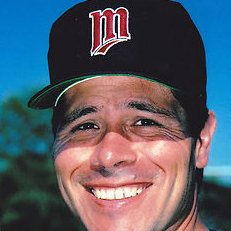 Felix Anthony Martinez was born on May 31, 1950 in La Junta, Colorado. The New York Yankees signed him as an amateur free agent in 1974 out of Colorado State University. He made his Major League debut for them later that same year. Martinez had a 2.77 ERA with ten saves over parts of three seasons with the Yankees. They traded him to the Baltimore Orioles on June 15, 1976. Martinez became a longtime staple of the Orioles bullpen, going 52-40 with a 3.46 ERA and 105 saves. The Orioles reached the World Series twice during his tenure there, losing to the Pittsburgh Pirates in 1979 and defeating the Philadelphia Phillies in 1983. He had a 1.74 ERA with two saves in postseason play. Martinez struggled in his final years with the Orioles, posting a 5.44 ERA between 1985 and 1986. Baltimore released him on June 4, 1987 while he was struggling on a minor league rehab assignment. The defending champion Minnesota Twins signed him to a minor league deal ahead of the 1988 campaign. He made their Opening Day roster at age 37. It was a pitching staff full of veterans hoping to hold onto their careers a little bit longer.43-year olds Joe Niekro and Steve Carlton were both on the team as well. None of these three veterans were able to last a month. Martinez was released after just three appearances, where he allowed nine runs over four innings. Martinez has lived out most of his retired years in the greater Baltimore area. He spent three seasons as the pitching coach in the Atlantic League.
 -
Matthew Chou Bowman was born on May 31, 1991 in Chevy Chase, Maryland. The New York Mets selected him in round 13 of the 2012 MLB Draft out of Princeton University. He was taken by the St. Louis Cardinals in the 2015 Rule-5 Draft, debuting for them in 2016. Bowman pitched three years for the Cardinals, owning a 4.10 ERA with two saves across 156 relief appearances. They non-tendered him after the 2018 campaign, and he was claimed on waivers by the Cincinnati Reds. He had a 3.66 ERA in 32 innings out of the Cincinnati bullpen in 2019, but missed 2020 after undergoing Tommy John surgery. It was a long road back to the Majors post-surgery for Bowman. Various setbacks caused him to miss all of 2021 and 2022 as well. His long awaited return to competitive action came on a minor league deal with the New York Yankees in 2023. He had a 3.99 ERA with five saves in Triple-A that summer, and was called up to the big leagues in September. Bowman pitched four innings for the Yankees that month. The Minnesota Twins signed Bowman to a minor league contract ahead of the 2024 season. He opened the year with five straight scoreless innings for the St. Paul Saints (AAA), and was called up to the Majors on April 13th. His Twins debut came two days later in a long relief outing against the Baltimore Orioles. Bowman allowed the first batter he faced to homer, but quickly settled in after that. The home run would be the only run he allowed over three innings in a 7-4 loss. Bowman allowed only one base runner over his next three appearances for Minnesota, covering 3.1 innings and registering two holds. He struggled in an April 26th showing against the Los Angeles Angles, surrendering a hit and three walks. The Twins designated him for assignment after the game. Bowman was traded to the Arizona Diamondbacks for cash on May 2nd. Arizona was the second of four teams Bowman would pitch for in 2024. He followed up a short, and unsuccessful, stint with the Diamondbacks by having an even shorter and less successful cup of coffee with the Seattle Mariners. Things finally leveled off a bit with the Baltimore Orioles, where he finished the year by logging 15.2 innings with a 3.45 ERA. As of Opening Day in 2025, Bowman was still with the Orioles. View full player
-
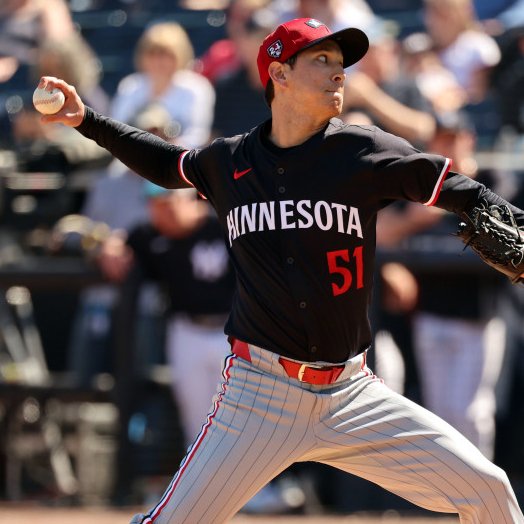 Matthew Chou Bowman was born on May 31, 1991 in Chevy Chase, Maryland. The New York Mets selected him in round 13 of the 2012 MLB Draft out of Princeton University. He was taken by the St. Louis Cardinals in the 2015 Rule-5 Draft, debuting for them in 2016. Bowman pitched three years for the Cardinals, owning a 4.10 ERA with two saves across 156 relief appearances. They non-tendered him after the 2018 campaign, and he was claimed on waivers by the Cincinnati Reds. He had a 3.66 ERA in 32 innings out of the Cincinnati bullpen in 2019, but missed 2020 after undergoing Tommy John surgery. It was a long road back to the Majors post-surgery for Bowman. Various setbacks caused him to miss all of 2021 and 2022 as well. His long awaited return to competitive action came on a minor league deal with the New York Yankees in 2023. He had a 3.99 ERA with five saves in Triple-A that summer, and was called up to the big leagues in September. Bowman pitched four innings for the Yankees that month. The Minnesota Twins signed Bowman to a minor league contract ahead of the 2024 season. He opened the year with five straight scoreless innings for the St. Paul Saints (AAA), and was called up to the Majors on April 13th. His Twins debut came two days later in a long relief outing against the Baltimore Orioles. Bowman allowed the first batter he faced to homer, but quickly settled in after that. The home run would be the only run he allowed over three innings in a 7-4 loss. Bowman allowed only one base runner over his next three appearances for Minnesota, covering 3.1 innings and registering two holds. He struggled in an April 26th showing against the Los Angeles Angles, surrendering a hit and three walks. The Twins designated him for assignment after the game. Bowman was traded to the Arizona Diamondbacks for cash on May 2nd. Arizona was the second of four teams Bowman would pitch for in 2024. He followed up a short, and unsuccessful, stint with the Diamondbacks by having an even shorter and less successful cup of coffee with the Seattle Mariners. Things finally leveled off a bit with the Baltimore Orioles, where he finished the year by logging 15.2 innings with a 3.45 ERA. As of Opening Day in 2025, Bowman was still with the Orioles.
 -
Joseph Michael Nathan was born on November 22, 1974 in Houston, Texas. The San Francisco Giants selected him as a shortstop in round six of the 1995 MLB Draft. He struggled offensively at the Low-A level that summer, and quit baseball. Nathan returned to Stony Brook University, finishing his degree in business management. After graduating in 1997, he returned to the Giants organization and attempted to develop as a pitcher. Nathan quickly became one of the Giants best pitching prospects. He made his Major League debut in 1999, going 7-4 with a 4.18 ERA as a starting pitcher that season. Injuries and ineffectiveness began to plague Nathan over the next several seasons, but he eventually found success in the San Francisco bullpen. Nathan had a 2.96 ERA over 78 relief appearances in 2003. He was traded to the Minnesota Twins for catcher A.J. Pierzynski during the off-season. The Twins also acquired pitching prospects Francisco Liriano and Boof Bonser in the deal. Minnesota had an open competition for the closer role during spring training in 2004, with Nathan beating out J.C. Romero and Jesse Crain. Over his first 53 appearances of the season, Nathan 34-for-35 in save opportunities with a 0.82 ERA. He had struck out 62 hitters in 54.2 innings. He blew two saves and allowed six earned runs over his next three outings, but things quickly settled back down. Nathan finished the season 44-for-47 in save chances, posting a 1.62 ERA and a 0.982 WHIP. This performance earned him a fourth place finish in AL Cy Young voting, and a 12th place AL MVP finish. The 2004 season was the beginning of an incredibly dominant six year run. His 246 saves between 2004 and 2009 was the most in baseball. Among the 11 pitchers with at least 150 saves during that six year span, he ranked second in ERA (1.87) and third in save percentage (90.77%). He finished fifth in the 2006 AL Cy Young voting in 2006, posting a 1.33 ERA and a 0.790 WHIP. His 47 saves in 2009 set a Twins single season record. An MRI on March 9, 2010 revealed that Nathan had a torn UCL in his right elbow. He attempted to bypass Tommy John surgery and pitch with the damaged ligament, but eventually chose the path of surgery after a bad spring training outing on March 21st. This caused Nathan to miss the entire 2010 season. His return to big league action in 2011 was very rocky. Nathan opened the year 3-for-3 in save chances, but he had to work around traffic in each outing. The floodgates eventually opened up, and Nathan had a 7.63 ERA through 17 outings. Minnesota placed him on the disabled list with a right flexor strain. He was a little better after his return in late June, posting a 3.38 ERA over his final 31 games. Nathan finished the season with a 4.84 ERA across 48 appearances. He signed with the Texas Rangers as a free agent. Nathan was back to his elite self with the Rangers, registering 80 saves with a 2.09 ERA over two seasons with the club. He signed with the Detroit Tigers in 2014, regressing to a 4.81 ERA. Nathan still had 35 saves despite the dangerously high ERA, thanks to an elite Tigers offense and starting staff always proving Nathan with multi-run leads to protect. He had a save on Opening Day against the Twins in 2015, but that was his final appearance for Detroit. Nathan woke up the next day with pain in his elbow, and underwent a second Tommy John surgery. He signed a minor league deal with the Chicago Cubs, and was able to return from Tommy John surgery in late July of 2016. Nathan had three scoreless appearances for the Cubs, but was still designated for assignment with bad underlying stats. San Francisco signed him after that. Nathan tossed 4.1 more shutout innings for them, but was again released with bad underlying stats. He received a World Series ring from the Cubs, who won the World Series that fall. The Washington Nationals signed him to a minor league contract in 2017, but released him as spring training came to a close. Nathan signed a one day contract with the Twins, and then retired. As of 2025, he has the highest all-time save percentage among players with at least 300 career saves. View full player
-
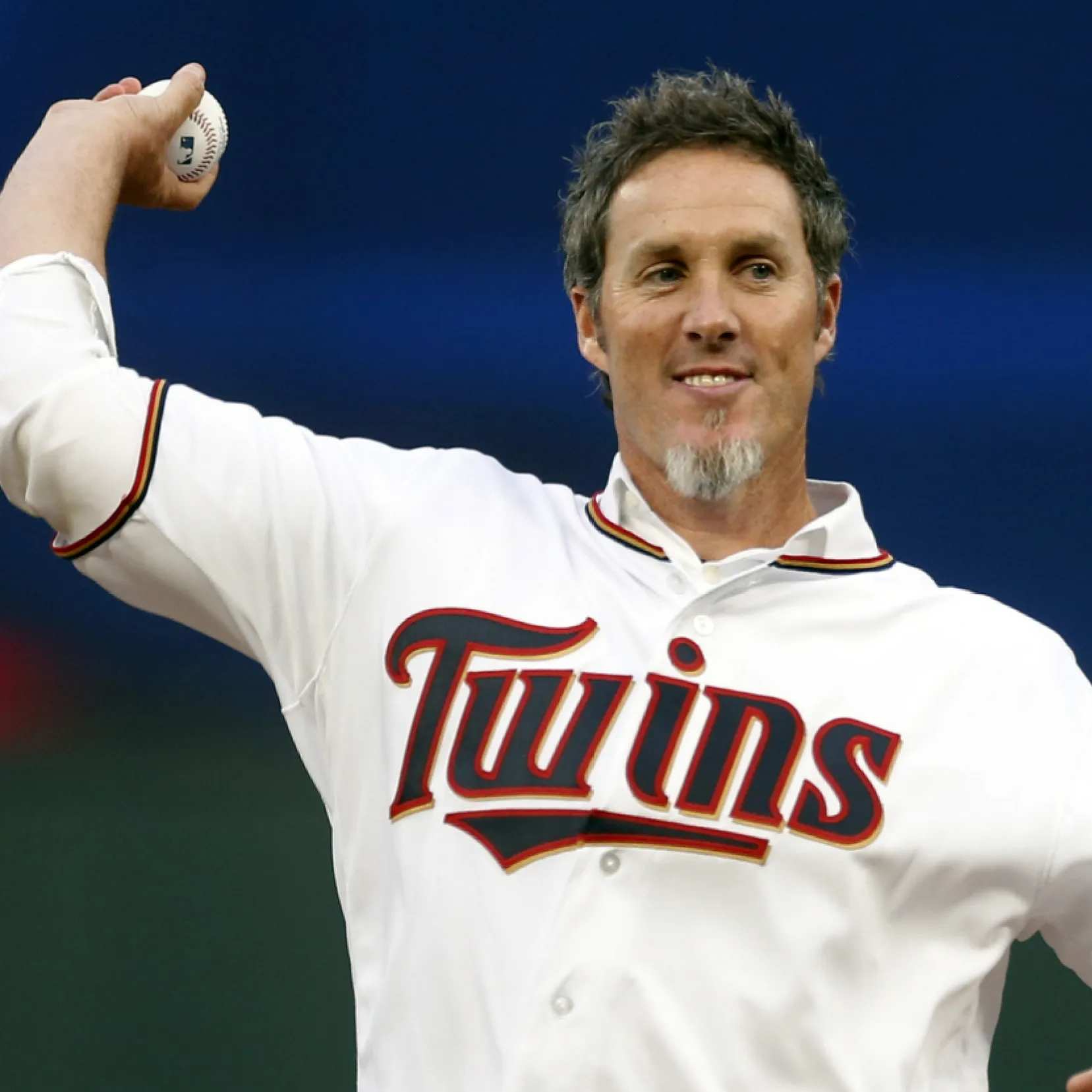 Joseph Michael Nathan was born on November 22, 1974 in Houston, Texas. The San Francisco Giants selected him as a shortstop in round six of the 1995 MLB Draft. He struggled offensively at the Low-A level that summer, and quit baseball. Nathan returned to Stony Brook University, finishing his degree in business management. After graduating in 1997, he returned to the Giants organization and attempted to develop as a pitcher. Nathan quickly became one of the Giants best pitching prospects. He made his Major League debut in 1999, going 7-4 with a 4.18 ERA as a starting pitcher that season. Injuries and ineffectiveness began to plague Nathan over the next several seasons, but he eventually found success in the San Francisco bullpen. Nathan had a 2.96 ERA over 78 relief appearances in 2003. He was traded to the Minnesota Twins for catcher A.J. Pierzynski during the off-season. The Twins also acquired pitching prospects Francisco Liriano and Boof Bonser in the deal. Minnesota had an open competition for the closer role during spring training in 2004, with Nathan beating out J.C. Romero and Jesse Crain. Over his first 53 appearances of the season, Nathan 34-for-35 in save opportunities with a 0.82 ERA. He had struck out 62 hitters in 54.2 innings. He blew two saves and allowed six earned runs over his next three outings, but things quickly settled back down. Nathan finished the season 44-for-47 in save chances, posting a 1.62 ERA and a 0.982 WHIP. This performance earned him a fourth place finish in AL Cy Young voting, and a 12th place AL MVP finish. The 2004 season was the beginning of an incredibly dominant six year run. His 246 saves between 2004 and 2009 was the most in baseball. Among the 11 pitchers with at least 150 saves during that six year span, he ranked second in ERA (1.87) and third in save percentage (90.77%). He finished fifth in the 2006 AL Cy Young voting in 2006, posting a 1.33 ERA and a 0.790 WHIP. His 47 saves in 2009 set a Twins single season record. An MRI on March 9, 2010 revealed that Nathan had a torn UCL in his right elbow. He attempted to bypass Tommy John surgery and pitch with the damaged ligament, but eventually chose the path of surgery after a bad spring training outing on March 21st. This caused Nathan to miss the entire 2010 season. His return to big league action in 2011 was very rocky. Nathan opened the year 3-for-3 in save chances, but he had to work around traffic in each outing. The floodgates eventually opened up, and Nathan had a 7.63 ERA through 17 outings. Minnesota placed him on the disabled list with a right flexor strain. He was a little better after his return in late June, posting a 3.38 ERA over his final 31 games. Nathan finished the season with a 4.84 ERA across 48 appearances. He signed with the Texas Rangers as a free agent. Nathan was back to his elite self with the Rangers, registering 80 saves with a 2.09 ERA over two seasons with the club. He signed with the Detroit Tigers in 2014, regressing to a 4.81 ERA. Nathan still had 35 saves despite the dangerously high ERA, thanks to an elite Tigers offense and starting staff always proving Nathan with multi-run leads to protect. He had a save on Opening Day against the Twins in 2015, but that was his final appearance for Detroit. Nathan woke up the next day with pain in his elbow, and underwent a second Tommy John surgery. He signed a minor league deal with the Chicago Cubs, and was able to return from Tommy John surgery in late July of 2016. Nathan had three scoreless appearances for the Cubs, but was still designated for assignment with bad underlying stats. San Francisco signed him after that. Nathan tossed 4.1 more shutout innings for them, but was again released with bad underlying stats. He received a World Series ring from the Cubs, who won the World Series that fall. The Washington Nationals signed him to a minor league contract in 2017, but released him as spring training came to a close. Nathan signed a one day contract with the Twins, and then retired. As of 2025, he has the highest all-time save percentage among players with at least 300 career saves.
 -
Joseph Patrick Mauer was born on April 19, 1983 in St. Paul, Minnesota. The Minnesota Twins selected him first overall in the 2001 MLB Draft. He agreed to a signing bonus of $5.15 million, passing up the opportunity to play quarterback at Florida State University. Mauer reported to the Elizabethton Twins (Rookie) and hit .400 in 32 games that summer. He hit .302 for the Quad Cities River Bandits (Class-A) in 2002, and .338 in 2003 while splitting the season between the Fort Myers Miracle (High-A) and New Britain Rock Cats (Double-A). Baseball America ranked Mauer as the league's number one prospect entering 2004, and he made the Opening Day roster that year without ever having played in Triple-A. His much anticipated Major League debut couldn't have gone much better. Mauer went 2-for-3 with two walks and two runs scored. A six pitch walk to lead-off the eighth inning helped spark a four run, game tying rally. He also singled in the 11th inning, and eventually scored on Shannon Stewart's walk-off home run. Mauer tore the meniscus in his right knee while diving to catch a foul ball in his second career game, requiring surgery and landing him on the disabled list. He returned to the lineup in June. Mauer played 33 more games before the Twins shut him down due to reoccurring knee pain. His rookie year slash line was .308/.369/.570 with six home runs and 17 RBI over 35 games. Mauer was fully healthy in 2005, playing in 131 games. This included 110 starts behind home plate. He hit .294/.372/.411 with nine home runs, 55 RBI and a career high 13 stolen bases. History was made in 2006 when Mauer became the first catcher in American League history to win the batting title. He hit .347, securing the crown over New York Yankees shortstop Derek Jeter on the final day of regular season action. Mauer entered the 162nd game leading by the slightest margin of decimal points. He went 2-for-4 in a win over the Chicago White Sox, while Jeter went 1-for-5 in a loss against the Toronto Blue Jays. The young catcher finished sixth place in AL MVP voting, and won his first career Silver Slugger award. The Twins and Mauer agreed to a four year, $33 million contract just days before spring training in 2007. This helped void all his future arbitration years. He hit .293 with seven home runs and 60 RBI, missing parts of May and June with a quad injury. Mauer led all catchers with a .998 fielding percentage, and caught a league best 53.3% of potential base stealers. He won his second career batting title in 2008, hitting .328 and finishing fourth place in AL MVP voting. Mauer also won his second career Silver Slugger, and first career Gold Glove. He was particularly dominant during the Twins stretch run, batting .365 with 19 RBI that September. Every game was important in a very tight AL Central race, which came down to a "Game 163" tiebreaker against the White Sox. Minnesota lost that game 1-0. Mauer missed the opening month of 2009 with a knee injury, but returned with a vengeance. He homered in his first at-bat of the regular season on May 1st, and followed that up with a four hit night on May 2nd. Mauer wound up hitting .414 with a 1.338 OPS that May, easily winning AL Player of the Month. This historical season rolled on, and the superstar catcher wound up receiving 27 of 28 first place votes for AL MVP. He became the first American League player to lead the league in average, on-base percentage and slugging percentage since George Brett in 1980. As of 2025, it's the only time a catcher in any league has led all three categories in a single season. The 2009 season was highlighted by an epic "Game 163" tiebreaker for the AL Central crown against the Detroit Tigers. Minnesota won in 12th inning. Mauer was 2-for-4 with two walks and a double. He was 5-for-12 (.417) with two walks in the ALDS that fall, but the Twins were swept by New York. Minnesota rewarded Mauer with an eight year, $184 million contract just before spring training in 2010. At the time, it was the fourth largest contract in Major League history, and the biggest given to any catcher. Mauer hit .327/.402/.469 in the Twins inaugural season at Target Field, winning his third consecutive Gold Glove and fourth career Silver Slugger. His average and on-base percentage were both third in the American League. He finished eighth in MVP voting. Mauer missed most of spring training in 2011 after undergoing knee surgery during the off-season, but was still active on Opening Day. He went 8-for-34 (.235) through nine games, and was shut down with what the team called bi-lateral leg weakness. The Twins activated him in late-June, and Mauer finished the season slashing .287/.360/.368 over 82 games. His debut appearance as a first baseman came on July 7th. He turned the first ball hit towards him into an unassisted double play. This was the first of 16 starts he made at first base in 2011. A healthy Mauer was back to his expected All-Star form in 2012. He hit .319 and led the American League with a .416 on-base percentage. Mauer followed that up by hitting .324 in 2013, but the year came to an unexpected end on August 19th. New York Mets first baseman Ike Davis hit a foul tip against his mask, which developed into a season ending concussion. Despite the early finish to his season, Mauer was awarded with his fifth career Silver Slugger. The Twins announced that Mauer would make a full time move to first base ahead of the 2014 campaign. His offense wasn't the same post-concussion, as he slashed .267/.353/.380 between 2014 and 2016. Things rebounded a bit in 2017, with Mauer hitting .305 and helping Minnesota reach the postseason for the first time since 2010. This resurgence included several clutch hits during their playoff push. Mauer hit .333 with runners in scoring position during the 2017 season, and hit .343 with 19 RBI during the month of September. He was 1-for-5 during their Wild Card Game loss against the Yankees. Mauer suffered another concussion on May 18, 2018. He missed almost a month, and retirement rumors began to swirl. Mauer finished the season batting .282/.351/.379, appearing in 127 games. The Twins legend put on the catching gear one final time during the final regular season game, catching one pitch from reliever Matt Belisle before getting removed to a massive ovation from the Target Field crown. His retirement became official on November 9, 2018. View full player
-
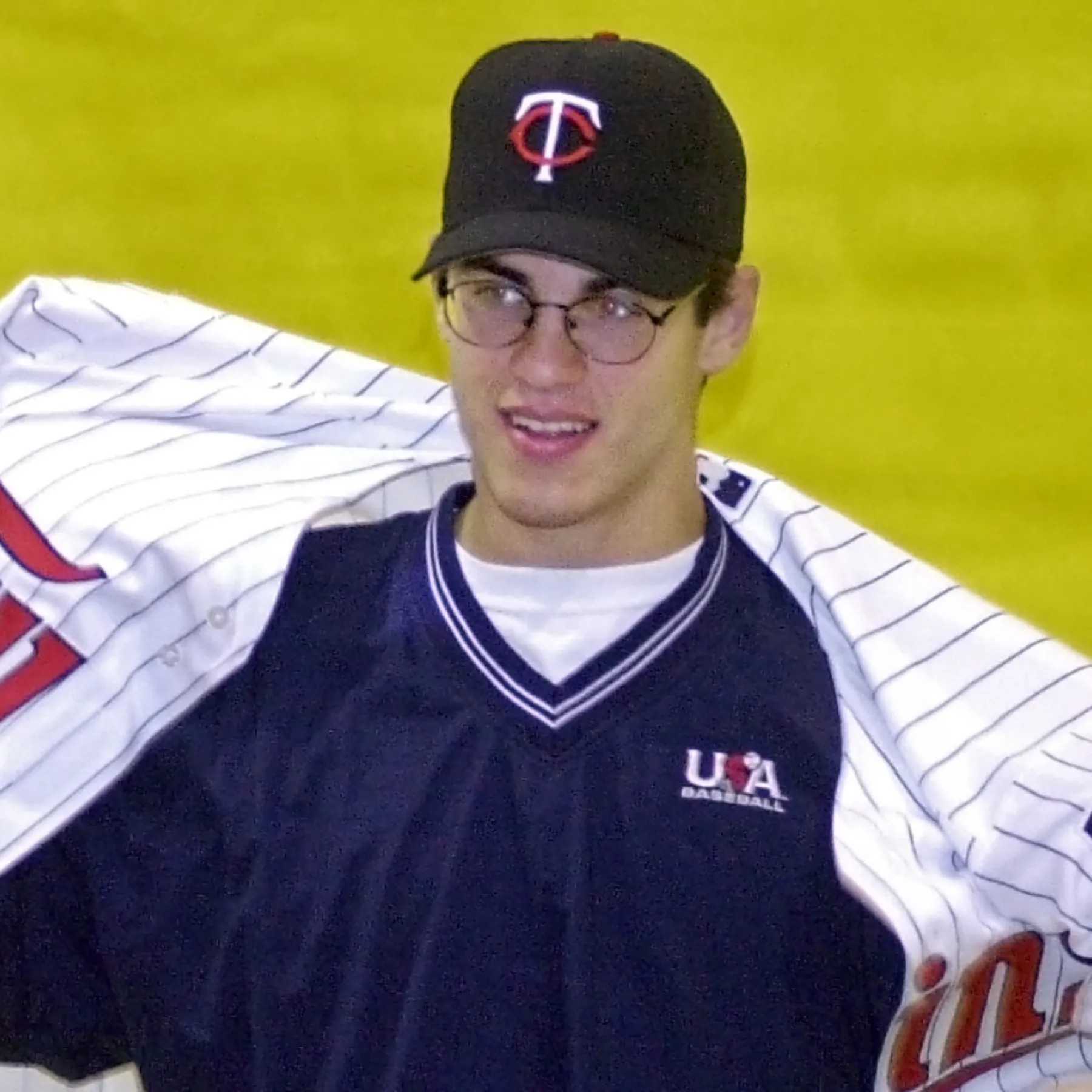 Joseph Patrick Mauer was born on April 19, 1983 in St. Paul, Minnesota. The Minnesota Twins selected him first overall in the 2001 MLB Draft. He agreed to a signing bonus of $5.15 million, passing up the opportunity to play quarterback at Florida State University. Mauer reported to the Elizabethton Twins (Rookie) and hit .400 in 32 games that summer. He hit .302 for the Quad Cities River Bandits (Class-A) in 2002, and .338 in 2003 while splitting the season between the Fort Myers Miracle (High-A) and New Britain Rock Cats (Double-A). Baseball America ranked Mauer as the league's number one prospect entering 2004, and he made the Opening Day roster that year without ever having played in Triple-A. His much anticipated Major League debut couldn't have gone much better. Mauer went 2-for-3 with two walks and two runs scored. A six pitch walk to lead-off the eighth inning helped spark a four run, game tying rally. He also singled in the 11th inning, and eventually scored on Shannon Stewart's walk-off home run. Mauer tore the meniscus in his right knee while diving to catch a foul ball in his second career game, requiring surgery and landing him on the disabled list. He returned to the lineup in June. Mauer played 33 more games before the Twins shut him down due to reoccurring knee pain. His rookie year slash line was .308/.369/.570 with six home runs and 17 RBI over 35 games. Mauer was fully healthy in 2005, playing in 131 games. This included 110 starts behind home plate. He hit .294/.372/.411 with nine home runs, 55 RBI and a career high 13 stolen bases. History was made in 2006 when Mauer became the first catcher in American League history to win the batting title. He hit .347, securing the crown over New York Yankees shortstop Derek Jeter on the final day of regular season action. Mauer entered the 162nd game leading by the slightest margin of decimal points. He went 2-for-4 in a win over the Chicago White Sox, while Jeter went 1-for-5 in a loss against the Toronto Blue Jays. The young catcher finished sixth place in AL MVP voting, and won his first career Silver Slugger award. The Twins and Mauer agreed to a four year, $33 million contract just days before spring training in 2007. This helped void all his future arbitration years. He hit .293 with seven home runs and 60 RBI, missing parts of May and June with a quad injury. Mauer led all catchers with a .998 fielding percentage, and caught a league best 53.3% of potential base stealers. He won his second career batting title in 2008, hitting .328 and finishing fourth place in AL MVP voting. Mauer also won his second career Silver Slugger, and first career Gold Glove. He was particularly dominant during the Twins stretch run, batting .365 with 19 RBI that September. Every game was important in a very tight AL Central race, which came down to a "Game 163" tiebreaker against the White Sox. Minnesota lost that game 1-0. Mauer missed the opening month of 2009 with a knee injury, but returned with a vengeance. He homered in his first at-bat of the regular season on May 1st, and followed that up with a four hit night on May 2nd. Mauer wound up hitting .414 with a 1.338 OPS that May, easily winning AL Player of the Month. This historical season rolled on, and the superstar catcher wound up receiving 27 of 28 first place votes for AL MVP. He became the first American League player to lead the league in average, on-base percentage and slugging percentage since George Brett in 1980. As of 2025, it's the only time a catcher in any league has led all three categories in a single season. The 2009 season was highlighted by an epic "Game 163" tiebreaker for the AL Central crown against the Detroit Tigers. Minnesota won in 12th inning. Mauer was 2-for-4 with two walks and a double. He was 5-for-12 (.417) with two walks in the ALDS that fall, but the Twins were swept by New York. Minnesota rewarded Mauer with an eight year, $184 million contract just before spring training in 2010. At the time, it was the fourth largest contract in Major League history, and the biggest given to any catcher. Mauer hit .327/.402/.469 in the Twins inaugural season at Target Field, winning his third consecutive Gold Glove and fourth career Silver Slugger. His average and on-base percentage were both third in the American League. He finished eighth in MVP voting. Mauer missed most of spring training in 2011 after undergoing knee surgery during the off-season, but was still active on Opening Day. He went 8-for-34 (.235) through nine games, and was shut down with what the team called bi-lateral leg weakness. The Twins activated him in late-June, and Mauer finished the season slashing .287/.360/.368 over 82 games. His debut appearance as a first baseman came on July 7th. He turned the first ball hit towards him into an unassisted double play. This was the first of 16 starts he made at first base in 2011. A healthy Mauer was back to his expected All-Star form in 2012. He hit .319 and led the American League with a .416 on-base percentage. Mauer followed that up by hitting .324 in 2013, but the year came to an unexpected end on August 19th. New York Mets first baseman Ike Davis hit a foul tip against his mask, which developed into a season ending concussion. Despite the early finish to his season, Mauer was awarded with his fifth career Silver Slugger. The Twins announced that Mauer would make a full time move to first base ahead of the 2014 campaign. His offense wasn't the same post-concussion, as he slashed .267/.353/.380 between 2014 and 2016. Things rebounded a bit in 2017, with Mauer hitting .305 and helping Minnesota reach the postseason for the first time since 2010. This resurgence included several clutch hits during their playoff push. Mauer hit .333 with runners in scoring position during the 2017 season, and hit .343 with 19 RBI during the month of September. He was 1-for-5 during their Wild Card Game loss against the Yankees. Mauer suffered another concussion on May 18, 2018. He missed almost a month, and retirement rumors began to swirl. Mauer finished the season batting .282/.351/.379, appearing in 127 games. The Twins legend put on the catching gear one final time during the final regular season game, catching one pitch from reliever Matt Belisle before getting removed to a massive ovation from the Target Field crown. His retirement became official on November 9, 2018.
 -
Darnell Glenn Ford was born on May 19, 1952 in Los Angeles, California. The Oakland Athletics selected him with the 18th overall pick in the 1970 MLB Draft. He was traded to the Minnesota Twins in 1974, and made his Major League debut for them in 1975. Ford played 130 games for the Twins as a rookie, batting .280/.333/.434 with 15 home runs and 59 RBI. Highlights from his first big league campaign include separate hit streaks of 12 and 14 games, plus homering three times with six RBI during a Fourth of July doubleheader. He led the Twins with 20 home runs in 1976, adding 24 doubles and seven triples to the mix. His 51 extra base hits were eight most in the American League that summer, and his .457 slugging percentage was ninth. Ford was especially good in the second half, slashing .296/.348/.518 after the All-Star break. Minnesota had gotten off to a disastrous start as a team that season, and were 16 games out of first place at one point. A late season rally saw them fall just five games short of winning the AL West. Ford got off to another slow start in 1977, but he hit .305/.366/.489 after July 1st. This surge was attributed to Tony Oliva telling him to change where his feet were positioned in the batter's box, moving Ford away from home plate after watching him struggle to hit inside pitches. He had 82 RBI and a career best 36 doubles in 1978. Minnesota traded Ford to the California Angels after the 1978 season. There were several reasons for the trade, the biggest one being how far apart Ford and Twins owner Calvin Griffin were in extension negotiations. He also wanted to be closer to home after the murder of childhood friend and former Twins teammate Lyman Bostock. The two had grown up playing baseball together as kids in Los Angeles, and formed a dynamic center field-right field duo as teammates for the Twins. Ford played three years for the Angels, slashing .284/.332/.448 with 43 home runs and 175 RBI. This included a career high 101 RBI during the 1979 season. He played for the Baltimore Orioles from 1982 to 1985, helping them win the World Series in 1983. He's kept himself busy with several business ventures since retiring. Ford has worked in real estate, raised horses, and ran a firm dedicated to helping athletes figure out life after sports. View full player
-
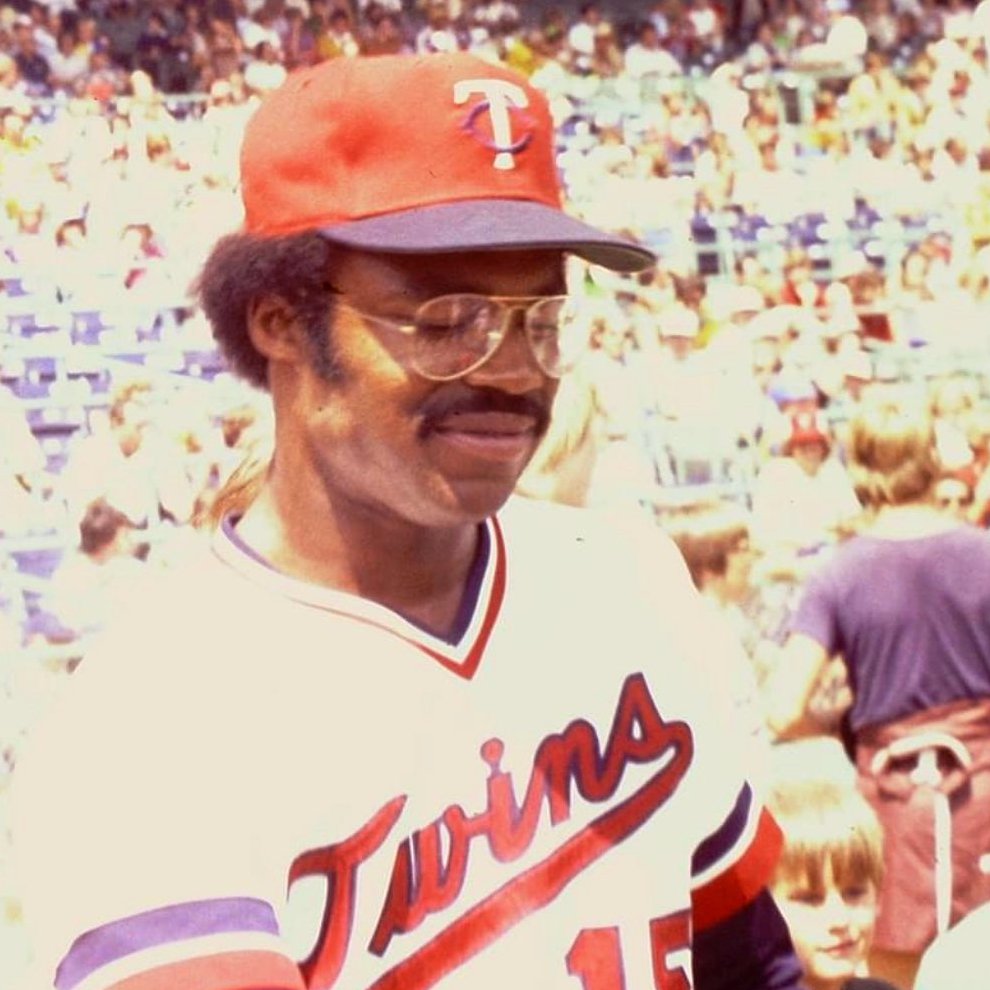 Darnell Glenn Ford was born on May 19, 1952 in Los Angeles, California. The Oakland Athletics selected him with the 18th overall pick in the 1970 MLB Draft. He was traded to the Minnesota Twins in 1974, and made his Major League debut for them in 1975. Ford played 130 games for the Twins as a rookie, batting .280/.333/.434 with 15 home runs and 59 RBI. Highlights from his first big league campaign include separate hit streaks of 12 and 14 games, plus homering three times with six RBI during a Fourth of July doubleheader. He led the Twins with 20 home runs in 1976, adding 24 doubles and seven triples to the mix. His 51 extra base hits were eight most in the American League that summer, and his .457 slugging percentage was ninth. Ford was especially good in the second half, slashing .296/.348/.518 after the All-Star break. Minnesota had gotten off to a disastrous start as a team that season, and were 16 games out of first place at one point. A late season rally saw them fall just five games short of winning the AL West. Ford got off to another slow start in 1977, but he hit .305/.366/.489 after July 1st. This surge was attributed to Tony Oliva telling him to change where his feet were positioned in the batter's box, moving Ford away from home plate after watching him struggle to hit inside pitches. He had 82 RBI and a career best 36 doubles in 1978. Minnesota traded Ford to the California Angels after the 1978 season. There were several reasons for the trade, the biggest one being how far apart Ford and Twins owner Calvin Griffin were in extension negotiations. He also wanted to be closer to home after the murder of childhood friend and former Twins teammate Lyman Bostock. The two had grown up playing baseball together as kids in Los Angeles, and formed a dynamic center field-right field duo as teammates for the Twins. Ford played three years for the Angels, slashing .284/.332/.448 with 43 home runs and 175 RBI. This included a career high 101 RBI during the 1979 season. He played for the Baltimore Orioles from 1982 to 1985, helping them win the World Series in 1983. He's kept himself busy with several business ventures since retiring. Ford has worked in real estate, raised horses, and ran a firm dedicated to helping athletes figure out life after sports.
 -
Melvin Fredrick Nelson was born on May 30, 1936 in San Diego, California. The St. Louis Cardinals signed him as an amateur free agent in 1956. He began his professional baseball journey as an outfielder, but eventually transitioned to the mound while rising through the minor league ranks. Nelson made his Major League debut for the Cardinals in 1960, making one start and one relief appearance that season. He didn't reach the bigs again until 1963 with the Los Angeles Angels, going 2-3 with a 5.30 ERA and one save over 52.3 innings. Nelson was released by the Angels early on in 1964, and he finished out that year in the Minnesota Twins minor league system. They called him up in 1965. Nelson made three starts and 25 relief appearances for the Twins that summer, going 0-4 with a 4.12 ERA and three saves. Minnesota reached the World Series, falling to the Los Angeles Dodgers in seven games. Nelson was on their playoff roster, but he did not enter any games. He spent all of 1966 in Triple-A, and most of 1967 as well. Minnesota called him up for one big league appearance on September 15, 1967. Nelson allowed two runs in 0.1 innings. St. Louis brought him back in 1968. Nelson finally pitched in a World Series game that fall, tossing a shutout inning in game six. The Detroit Tigers wound up winning the series in seven games. Nelson had a successful scouting career after his playing days were over, working in several front offices between 1973 and 2006. He received World Series rings while working for the Oakland Athletics in 1989 and the New York Yankees in 1996. Nelson passed away in 2021. View full player
-
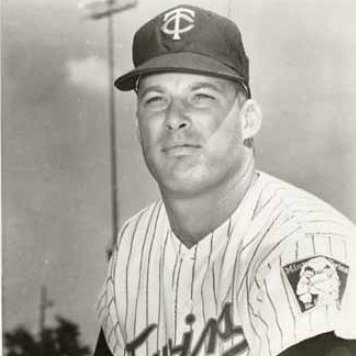 Melvin Fredrick Nelson was born on May 30, 1936 in San Diego, California. The St. Louis Cardinals signed him as an amateur free agent in 1956. He began his professional baseball journey as an outfielder, but eventually transitioned to the mound while rising through the minor league ranks. Nelson made his Major League debut for the Cardinals in 1960, making one start and one relief appearance that season. He didn't reach the bigs again until 1963 with the Los Angeles Angels, going 2-3 with a 5.30 ERA and one save over 52.3 innings. Nelson was released by the Angels early on in 1964, and he finished out that year in the Minnesota Twins minor league system. They called him up in 1965. Nelson made three starts and 25 relief appearances for the Twins that summer, going 0-4 with a 4.12 ERA and three saves. Minnesota reached the World Series, falling to the Los Angeles Dodgers in seven games. Nelson was on their playoff roster, but he did not enter any games. He spent all of 1966 in Triple-A, and most of 1967 as well. Minnesota called him up for one big league appearance on September 15, 1967. Nelson allowed two runs in 0.1 innings. St. Louis brought him back in 1968. Nelson finally pitched in a World Series game that fall, tossing a shutout inning in game six. The Detroit Tigers wound up winning the series in seven games. Nelson had a successful scouting career after his playing days were over, working in several front offices between 1973 and 2006. He received World Series rings while working for the Oakland Athletics in 1989 and the New York Yankees in 1996. Nelson passed away in 2021.
 -
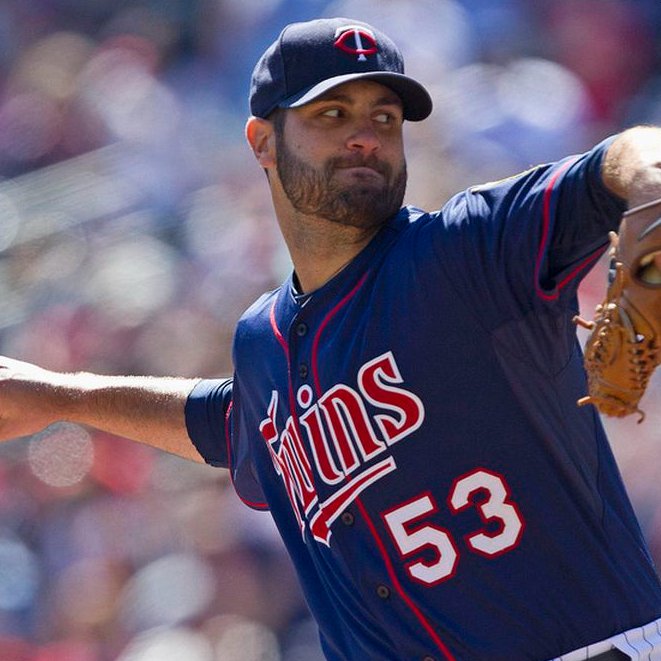 Robert Nicholas Blackburn was born on February 24, 1982 in Ada, Oklahoma. The Minnesota Twins selected him in round 29 of the 2001 MLB Draft. He had a 5.00 ERA in rookie ball during the 2002 season, and a 4.86 ERA at Class-A in 2003. Despite these struggles and his status as a lower draft pick, Minnesota kept moving Blackburn up through their minor league ranks. He blossomed into one of their best prospects as the years went on. Blackburn made his Major League debut as a September call-up in 2007, and Baseball American ranked him as the league's 56th best prospect entering 2008. He went 11-11 with a 4.05 ERA in 2008, finishing eighth in the AL Rookie of the Year voting. Blackburn won a crucial game against the Chicago White Sox on September 24th, which evened up both teams in the AL Central standings through 158 games. Five days later, Blackburn tossed a gem in the 2008 AL Central Tiebreaker Game against that same White Sox club. Unfortunately, Chicago starter John Danks was a little bit better and the Twins lost 1-0. Blackburn had an almost identical 2009 season, going 11-11 with a 4.03 ERA. His ability to show up in big games late in the year was a reoccurring theme. He had a 1.65 ERA over his final four regular season starts, completing seven innings in three of them. This included a September 29th win over the Detroit Tigers, who the Twins beat in a "Game 163" a few days later. Blackburn got the ball in game two of the ALDS against the eventual World Series champion New York Yankees. He went 5.2 innings, allowing just one run. Minnesota lost the game in 11 innings. The Twins and Blackburn were able to void all his future arbitration years by agreeing to a four year, $14 million deal during spring training in 2010. The deal also included a fifth year club option. Blackburn was optioned to Triple-A in late July with a 6.66 ERA through 18 starts. He was re-called in late-August after Kevin Slowey suffered a triceps injury. For a third straight year, Blackburn was able to provide Minnesota with some big innings down the stretch of a tight divisional race. He had a 3.16 ERA after returning to the bigs, making eight starts and one relief appearance. Minnesota was less competitive in 2011, but Blackburn was a bright spot early on. He finished June with a 3.15 ERA through 16 starts, but control issues began to haunt him in July. The Twins eventually shut him down due to forearm tightness. He finished the year 7-10 with a 4.49 ERA. Blackburn was never fully healthy after that. He had 7.39 ERA in 19 starts during the 2012 campaign, undergoing surgery to remove a bone chip in his throwing elbow after the year concluded. A knee injury derailed his 2013 season before it could ever really begin, limiting Blackburn to just six minor league rehab games. The Twins declined his 2014 contract option, and Blackburn retired with all these injuries starting to add up. Since retiring, Blackburn has coached at various high schools and lower level colleges in his home state of Oklahoma.
 -
Robert Nicholas Blackburn was born on February 24, 1982 in Ada, Oklahoma. The Minnesota Twins selected him in round 29 of the 2001 MLB Draft. He had a 5.00 ERA in rookie ball during the 2002 season, and a 4.86 ERA at Class-A in 2003. Despite these struggles and his status as a lower draft pick, Minnesota kept moving Blackburn up through their minor league ranks. He blossomed into one of their best prospects as the years went on. Blackburn made his Major League debut as a September call-up in 2007, and Baseball American ranked him as the league's 56th best prospect entering 2008. He went 11-11 with a 4.05 ERA in 2008, finishing eighth in the AL Rookie of the Year voting. Blackburn won a crucial game against the Chicago White Sox on September 24th, which evened up both teams in the AL Central standings through 158 games. Five days later, Blackburn tossed a gem in the 2008 AL Central Tiebreaker Game against that same White Sox club. Unfortunately, Chicago starter John Danks was a little bit better and the Twins lost 1-0. Blackburn had an almost identical 2009 season, going 11-11 with a 4.03 ERA. His ability to show up in big games late in the year was a reoccurring theme. He had a 1.65 ERA over his final four regular season starts, completing seven innings in three of them. This included a September 29th win over the Detroit Tigers, who the Twins beat in a "Game 163" a few days later. Blackburn got the ball in game two of the ALDS against the eventual World Series champion New York Yankees. He went 5.2 innings, allowing just one run. Minnesota lost the game in 11 innings. The Twins and Blackburn were able to void all his future arbitration years by agreeing to a four year, $14 million deal during spring training in 2010. The deal also included a fifth year club option. Blackburn was optioned to Triple-A in late July with a 6.66 ERA through 18 starts. He was re-called in late-August after Kevin Slowey suffered a triceps injury. For a third straight year, Blackburn was able to provide Minnesota with some big innings down the stretch of a tight divisional race. He had a 3.16 ERA after returning to the bigs, making eight starts and one relief appearance. Minnesota was less competitive in 2011, but Blackburn was a bright spot early on. He finished June with a 3.15 ERA through 16 starts, but control issues began to haunt him in July. The Twins eventually shut him down due to forearm tightness. He finished the year 7-10 with a 4.49 ERA. Blackburn was never fully healthy after that. He had 7.39 ERA in 19 starts during the 2012 campaign, undergoing surgery to remove a bone chip in his throwing elbow after the year concluded. A knee injury derailed his 2013 season before it could ever really begin, limiting Blackburn to just six minor league rehab games. The Twins declined his 2014 contract option, and Blackburn retired with all these injuries starting to add up. Since retiring, Blackburn has coached at various high schools and lower level colleges in his home state of Oklahoma. View full player
-
Sidney Alson Ponson was born on November 2, 1976 in Aruba. The Baltimore Orioles signed him as an amateur free agent in 1993. He made his Major League debut for them in 1998, finishing fifth place in the AL Rookie of the Year voting that season. Ponson was traded to the San Francisco Giants at the deadline in 2003, and then re-signed with the Orioles the following off-season. They released him after he was arrested for DWI on August 25, 2005. It was his third arrest in a nine month span. He finished his Orioles career with a 4.86 ERA, going 73-85 in 212 starts. Ponson pitched for the St. Louis Cardinals and New York Yankees in 2006, posting a 6.25 ERA over 16 starts and three relief appearances. The Minnesota Twins signed him to a minor league contract in 2007. He won a spot in their Opening Day rotation, but the leash was going to be short. Minnesota had an impressive core of pitching at the Triple-A level. Matt Garza, Glen Perkins and Kevin Slowey were all ranked in the Baseball America preseason top 100. Scott Baker was there too. Garza, Perkins and Baker were all on the 40-man roster as well. With the pressure to perform squarely on his shoulders, Ponson allowed eight runs against the Yankees in his Twins debut. He wound up making seven starts for Minnesota, going 2-5 with a 6.93 ERA. Both wins came against a 96 loss Tampa Bay Devil Rays squad. Ponson recorded a 5.74 ERA in 33 starts for the Yankees, Texas Rangers and Kansas City Royals between the 2008 and 2009 seasons. He tossed a gem for Team Netherlands against the Dominican Republic in the 2009 World Baseball Classic, preventing the tournament's betting favorites from even advancing past pool play. View full player
-
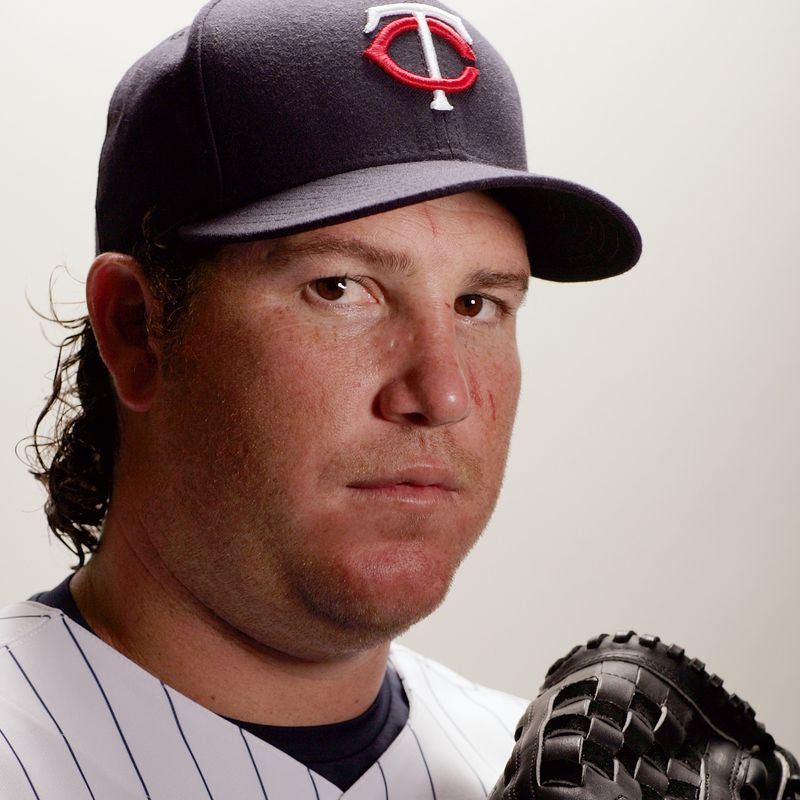 Sidney Alson Ponson was born on November 2, 1976 in Aruba. The Baltimore Orioles signed him as an amateur free agent in 1993. He made his Major League debut for them in 1998, finishing fifth place in the AL Rookie of the Year voting that season. Ponson was traded to the San Francisco Giants at the deadline in 2003, and then re-signed with the Orioles the following off-season. They released him after he was arrested for DWI on August 25, 2005. It was his third arrest in a nine month span. He finished his Orioles career with a 4.86 ERA, going 73-85 in 212 starts. Ponson pitched for the St. Louis Cardinals and New York Yankees in 2006, posting a 6.25 ERA over 16 starts and three relief appearances. The Minnesota Twins signed him to a minor league contract in 2007. He won a spot in their Opening Day rotation, but the leash was going to be short. Minnesota had an impressive core of pitching at the Triple-A level. Matt Garza, Glen Perkins and Kevin Slowey were all ranked in the Baseball America preseason top 100. Scott Baker was there too. Garza, Perkins and Baker were all on the 40-man roster as well. With the pressure to perform squarely on his shoulders, Ponson allowed eight runs against the Yankees in his Twins debut. He wound up making seven starts for Minnesota, going 2-5 with a 6.93 ERA. Both wins came against a 96 loss Tampa Bay Devil Rays squad. Ponson recorded a 5.74 ERA in 33 starts for the Yankees, Texas Rangers and Kansas City Royals between the 2008 and 2009 seasons. He tossed a gem for Team Netherlands against the Dominican Republic in the 2009 World Baseball Classic, preventing the tournament's betting favorites from even advancing past pool play.
 -
Ramón Diógenes Ortiz was born on May 23, 1973 in the Dominican Republic. The Anaheim Angels signed him as an amateur free agent in 1995. He made his Major League debut in 1999, and pitched six seasons for the Angels. Ortiz was 59-49 with a 4.60 ERA for them, winning a career high 16 games in 2003. He helped Anaheim win the 2002 World Series, going 2-0 with a 9.00 ERA in three postseason starts that fall. Ortiz pitched for the Cincinnati Reds in 2005, and the Washington Nationals in 2006. The Minnesota Twins signed him ahead of the 2007 campaign. Despite having Johan Santana at the top of their rotation, the team was in desperate need of starting pitching. The always reliable Brad Radke had just retired, and Francisco Liriano was going to miss the entire season after undergoing Tommy John surgery. Things started out great for Ortiz in 2007. He opened the year by tossing seven innings of two run ball against the Baltimore Orioles. That was followed up by an eight inning, one run gem against the New York Yankees. When April ended, he was 3-1 with a 2.56 ERA through five starts. Ortiz wasn't able to keep this pace though, and Twins manager Ron Gardenhire eventually had to put Ortiz in the bullpen. He finished his Twins tenure with a 5.14 ERA, going 4-4 across ten starts and 18 relief appearances. Minnesota traded Ortiz to the Colorado Rockies at the deadline, acquiring infield prospect Matt Macri. Ortiz struggled with the Rockies, posting a 7.62 ERA in 13.0 innings out of their bullpen. Colorado reached the World Series that fall, but Ortiz was left off their postseason roster. He was no longer a big league regular after that 2007 season. Ortiz continued to pitch professionally in various leagues until 2016, but his time in the Majors going forward was brief and sporadic. He pitched 16 games for the Los Angeles Dodgers in 2010, 22 games for the Chicago Cubs in 2011, and seven games for the Toronto Blue Jays in 2013. View full player
-
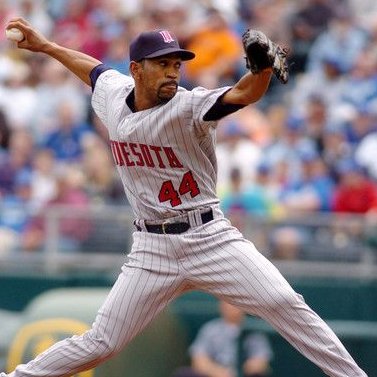 Ramón Diógenes Ortiz was born on May 23, 1973 in the Dominican Republic. The Anaheim Angels signed him as an amateur free agent in 1995. He made his Major League debut in 1999, and pitched six seasons for the Angels. Ortiz was 59-49 with a 4.60 ERA for them, winning a career high 16 games in 2003. He helped Anaheim win the 2002 World Series, going 2-0 with a 9.00 ERA in three postseason starts that fall. Ortiz pitched for the Cincinnati Reds in 2005, and the Washington Nationals in 2006. The Minnesota Twins signed him ahead of the 2007 campaign. Despite having Johan Santana at the top of their rotation, the team was in desperate need of starting pitching. The always reliable Brad Radke had just retired, and Francisco Liriano was going to miss the entire season after undergoing Tommy John surgery. Things started out great for Ortiz in 2007. He opened the year by tossing seven innings of two run ball against the Baltimore Orioles. That was followed up by an eight inning, one run gem against the New York Yankees. When April ended, he was 3-1 with a 2.56 ERA through five starts. Ortiz wasn't able to keep this pace though, and Twins manager Ron Gardenhire eventually had to put Ortiz in the bullpen. He finished his Twins tenure with a 5.14 ERA, going 4-4 across ten starts and 18 relief appearances. Minnesota traded Ortiz to the Colorado Rockies at the deadline, acquiring infield prospect Matt Macri. Ortiz struggled with the Rockies, posting a 7.62 ERA in 13.0 innings out of their bullpen. Colorado reached the World Series that fall, but Ortiz was left off their postseason roster. He was no longer a big league regular after that 2007 season. Ortiz continued to pitch professionally in various leagues until 2016, but his time in the Majors going forward was brief and sporadic. He pitched 16 games for the Los Angeles Dodgers in 2010, 22 games for the Chicago Cubs in 2011, and seven games for the Toronto Blue Jays in 2013.
 -
Matthew Michael Macri was born on May 29, 1982 in Des Moines, Iowa. The Colorado Rockies selected him in round five of the 2004 MLB Draft. He was traded to the Minnesota Twins for veteran pitcher Ramón Ortiz in 2007. Macri had a fantastic Major League debut on May 24, 2008. He went 2-for-3 with a walk, a stolen base, a run scored, and an RBI single against Detroit Tigers starter Nate Robinson. Unfortunately, this was about all Minnesota had going for them that day. They lost 19-3. His first career extra base hit came against New York Yankees southpaw Andy Pettitte on June 2nd. Macri hit his first big league home run against Aaron Laffy of the Cleveland Indians on June 12th. He wound up slashing .324/.361/.441 over 18 games for the Twins that season. Macri did most of his damage against left handed pitching, and was only 2-for-10 (.200) against righties. Minnesota sent Macri to Triple-A when camp broke in 2009. He struggled with the Rochester Red Wings, slashing .225/.296/.400 in 114 games. The Twins removed him from the 40-man roster on August 18, 2009. Macri cleared waivers, and remained in the Minnesota system. His minor league struggles continued in 2010, and the Twins released him. His final professional season came on a minor league deal with the Rockies in 2011, never making it back to the bigs after his 18 game surge in 2008. View full player
-
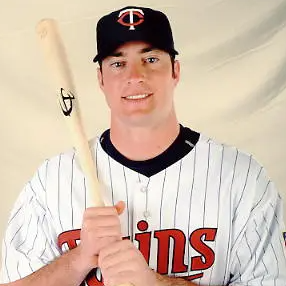 Matthew Michael Macri was born on May 29, 1982 in Des Moines, Iowa. The Colorado Rockies selected him in round five of the 2004 MLB Draft. He was traded to the Minnesota Twins for veteran pitcher Ramón Ortiz in 2007. Macri had a fantastic Major League debut on May 24, 2008. He went 2-for-3 with a walk, a stolen base, a run scored, and an RBI single against Detroit Tigers starter Nate Robinson. Unfortunately, this was about all Minnesota had going for them that day. They lost 19-3. His first career extra base hit came against New York Yankees southpaw Andy Pettitte on June 2nd. Macri hit his first big league home run against Aaron Laffy of the Cleveland Indians on June 12th. He wound up slashing .324/.361/.441 over 18 games for the Twins that season. Macri did most of his damage against left handed pitching, and was only 2-for-10 (.200) against righties. Minnesota sent Macri to Triple-A when camp broke in 2009. He struggled with the Rochester Red Wings, slashing .225/.296/.400 in 114 games. The Twins removed him from the 40-man roster on August 18, 2009. Macri cleared waivers, and remained in the Minnesota system. His minor league struggles continued in 2010, and the Twins released him. His final professional season came on a minor league deal with the Rockies in 2011, never making it back to the bigs after his 18 game surge in 2008.
 -
Michael Steven Stenhouse was born on May 29, 1958 in Pueblo, Colorado. The Montreal Expos selected him fourth overall out of Harvard University in the 1980 MLB Draft. He made his Major League debut in 1982, and played parts of three seasons in Montreal. Stenhouse hit .171 with four home runs over 105 games for the Expos. The Minnesota Twins acquired him in a trade on January 9, 1985. He played a career high 81 games for the Twins in 1985, slashing .223/.330/.335 with five home runs and 21 RBI. Stenhouse began the season as their regular designated hitter, but began to lose playing time throughout the season. The emergence of rookie shortstop Greg Gagne pushed veteran Roy Samlley out of a job on defense, and Smalley began to take a healthy share of reps at DH. Minnesota traded him to the Boston Red Sox after the season. He was 2-for-21 (.095) in limited big league action. Stenhouse has periodically worked as a broadcaster in retirement, doing radio broadcasts for the Expos and Pawtucket Red Sox (AAA). He currently runs the Rhode Island Center for Freedom and Prosperity, which is a public think tank that seeks to advance free market ideas. View full player
.thumb.png.131fdf97b843dfc7f73f4f987002a0f8.png)
