Greggory Masterson
-
Posts
819 -
Joined
-
Last visited
-
Days Won
2
Content Type
Profiles
News
Minnesota Twins Videos
2026 Minnesota Twins Top Prospects Ranking
2022 Minnesota Twins Draft Picks
Minnesota Twins Free Agent & Trade Rumors, Notes, & Tidbits
Guides & Resources
2023 Minnesota Twins Draft Picks
The Minnesota Twins Players Project
2024 Minnesota Twins Draft Picks
2025 Minnesota Twins Draft Pick Tracker
2026 Minnesota Twins Draft Tracker: Picks & Bonuses
Forums
Blogs
Events
Store
Downloads
Gallery
Everything posted by Greggory Masterson
-
What We as Fans Know Definitively About Byron Buxton’s Knee
Greggory Masterson commented on Greggory Masterson's blog entry in Brewed in the Trough
Just checked, and all of the information is there! -
What We as Fans Know Definitively About Byron Buxton’s Knee
Greggory Masterson posted a blog entry in Brewed in the Trough
It’s a frustrating situation. As we formulate our own opinions about what the Twins should do about the Byron Buxton conundrum, it’s important to understand all of the information we have. Whether you hope to provide an opinion on how his recovery should be handled, whether he’ll play center field in 2024 if ever again, or if he should retire, we need to keep in mind the facts about Buxton’s knee that we personally know. Here they are: -
Why Every Single Twins Hitter Is Actually Just Another Miguel Sano
Greggory Masterson commented on Greggory Masterson's blog entry in Brewed in the Trough
From your assessment, it looks like my intentions came through well. I appreciate the compliment. -
Why Every Single Twins Hitter Is Actually Just Another Miguel Sano
Greggory Masterson commented on Greggory Masterson's blog entry in Brewed in the Trough
I need constructive criticism. -
Why Every Single Twins Hitter Is Actually Just Another Miguel Sano
Greggory Masterson commented on Greggory Masterson's blog entry in Brewed in the Trough
Very proud to have come up with that one on the fly. Really ties the piece together. -
We've all been there before, battling against a Pollyanna Twins fan who just doesn't get it! The guy is a bum! As they obstinately prattle on citing reason or having watched an MLB game before, the rage grows inside of you until you remember your trump card: He's just another Miguel Sano. For your reference, I've compiled a list of 2023 Twins hitters and why they're just another Miguel Sano. If you ever meet someone who just won't listen to a baseball genius like yourself, you'll always have this argument. Christian Vazquez: Overpaid albatross of a contract the Twins will never win paying him 10 million a year! Just another Miguel Sano! Carlos Correa: OVERPAID! Rod in his leg! Big arm but nothing else! Just another Miguel Sano! Byron Buxton: Always hurt! Strikes out too much! I thought I was promised him and Sano were going to lead this team to multiple World Series whatever happened to that! Just another Miguel Sano! Max Kepler: Had a pop-up year in 2019 and has done NOTHING since! Just another Miguel Sano! Jorge Polanco: Another bust who only made one All Star team! I was promised 12 more! Just another Miguel Sano! Jordan Luplow: Was on waivers just like Sano should have been! Just another Miguel Sano! Ryan Jeffers: Big lumbering oaf who strikes out too much! Just another Miguel Sano! Michael A. Taylor: Runs into one once in a while but everything else is a strikeout! Just another Miguel Sano! Matt Wallner: Big arm one-trick-pony who strikes out looking too much! Just another Miguel Sano! Willi Castro: Swings at everything! No plate discipline! Just another Miguel Sano! Edouard Julien: A butcher in the field and takes too many strikes! Goes up looking to walk! Just another Miguel Sano! Jose Miranda: Bad third baseman who swings at everything! Just another Miguel Sano! Trevor Larnach: Too many strikeouts! Just another Miguel Sano! Kyle Garlick: Supposed to hit righties but doesn't! Just another Miguel Sano! Donovan Solano: A butcher at third base! Just another Miguel Sano! Gilberto Celestino: Saw him a couple years ago but not sure where he is now! Just another Miguel Sano! Kyle Farmer: Actually no I like him he works really hard he plays the game the right way and isn't afraid to get dirty I'd let him date my daughter. Nick Gordon: Bust who used to be a shortstop! Just another Miguel Sano! Andrew Stevenson: Killed the ball in the minors but can't hit MLB pitching! Just another Miguel Sano! Alex Kirilloff: Made an error at first base! Always injured! Never lived up to the hype! Just another Miguel Sano! Royce, Lewis,: Third baseman who's always hurt! Gets away with it because he's overhyped! Just another Miguel Sano! Joey Gallo: *enters cardiac arrest*
- 19 comments
-
- 11
-

-

-

-
I also think that the answer is going to need to be internal. Hopefully one of the AAA bats or Jose Miranda can fill in the gap. I’m not willing to bet on Solano repeating and probably getting more money, and given this year’s results discussed in the article, I have very little faith a veteran can be counted on to fill that hole. My initial thought on Solano was that he’d play out the first half of the season as a placeholder until other bats were deemed ready. Maybe something similar happens with worse results, but I don’t expect a Solano season from anyone they’d bring in like that
- 32 replies
-
- 2
-
-
- donovan solano
- jose miranda
- (and 3 more)
-
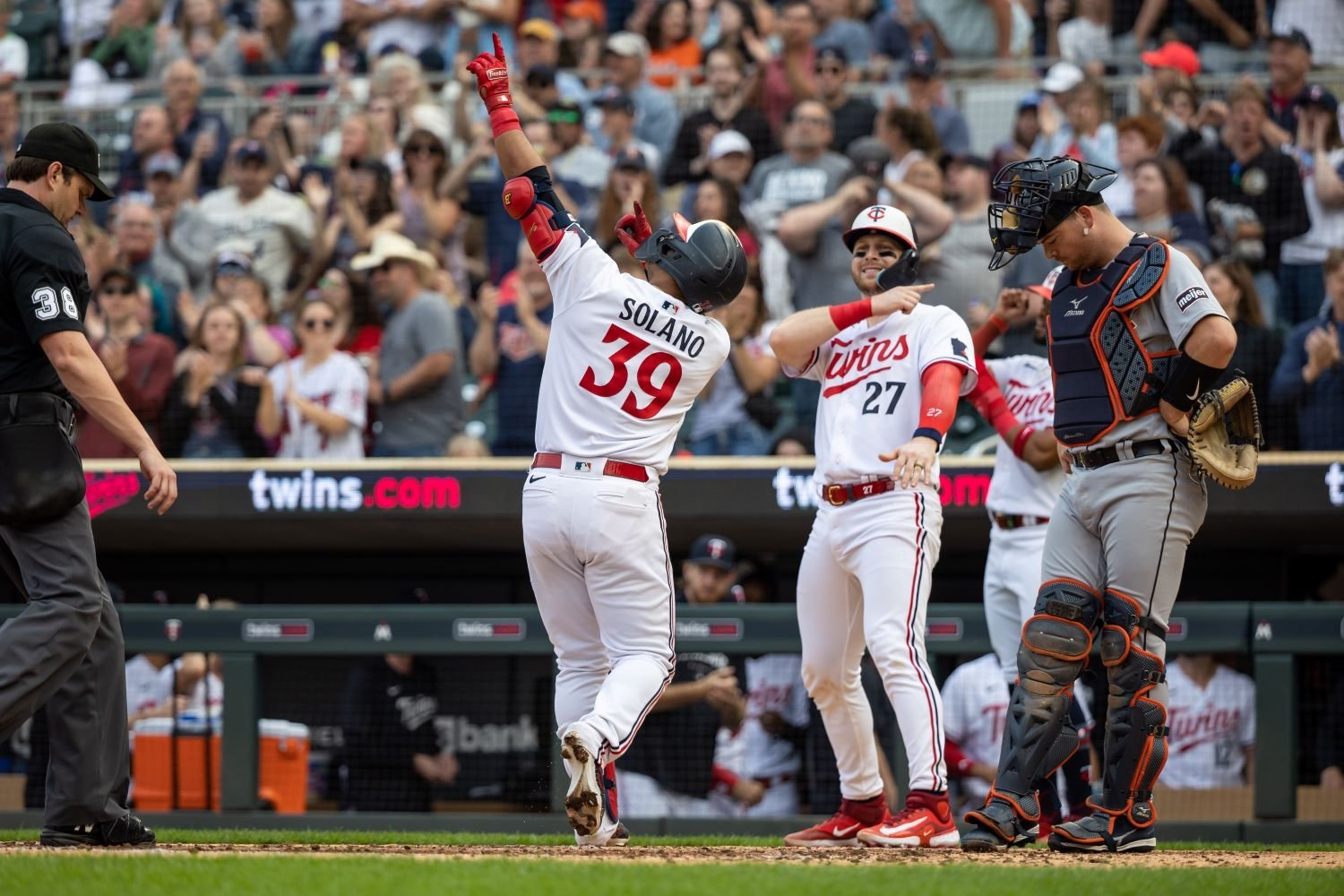 Donovan Solano is a 35-year-old utility infielder with 32 career home runs. He signed for $2 million last offseason to be an emergency option at second or third base and play first base or DH against lefthanded starters for the Twins. Donovan Solano also was third in plate appearances and fourth in OPS among Twins in 2023. Solano was an afterthought coming into 2023. Although he was the National League’s Silver Slugger in the shortened 2020 season, he was never a renowned hitter and was merely league-average at the dish in 2021 and 2022. Furthermore, he was no longer considered a good defensive second baseman, mostly playing first base and designated hitter in 2022. Going into the 2023 season, one of the Twins’ top needs was a competent right-handed bat, primarily to platoon and play some corner position. Between Max Kepler, Trevor Larnach, Alex Kirilloff, Nick Gordon in Minnesota, and Edouard Julien in St. Paul, the Twins had more than enough lefties and needed a bit of salt to their pepper. The December signing of lefty Joey Gallo was not that salt. However, by the beginning of spring training, there still was no platoon bat to be found on the roster. It may have ended up being Kyle Garlick by default had Solano not signed for $2 million to no fanfare. It bears repeating that Solano was a top-5 hitter for the Twins. He played first base more than anyone else on the roster—a bat-first position—and he was an above-average hitter, right around the average OPS for first basemen and designated hitters in 2023 (Solano’s OPS was .760—10% above league average—compared to .775 and .756 for first basemen and designated hitters, respectively). With Solano’s contract expiring and him being 36 by the beginning of next season, it seems unlikely he will be back with the Twins in 2024, filling a similar role. Hence, it stands to reason that his role would need a replacement—some sort of right-handed corner bat who can platoon against lefties and tread water against righties if needed. Corner positions are the easiest to find competent bats, so logic would suggest that it shouldn’t take too much work to find someone to fill Solano’s shoes. The Twins themselves found him during spring training and committed 1.3% of the 2023 payroll to him. In theory, these bit players are a dime a dozen. In practice, however, finding the right player requires a bit more work. Now, this role player could already be in the system, as someone like Chris Williams or Michael Helman could be options there. Jose Miranda could regain his footing and take hold of that role as well. However, if the Twins feel more comfortable finding a veteran for that role, they must choose wisely. Let me show you. At the beginning of the season, I selected 10 Solano-adjacent players to follow through the year. They were each free agents coming into 2023 and comparable to Solano in some way, mostly in role, handedness, and salary Among right-handed first base or designated hitter types, I chose Nelson Cruz ($1 million salary), Luke Voit ($2 million with a $12 million team option for 2024), Yuli Gurriel ($1.25 million), Jesus Aguilar ($3.2 million), and Andrew McCutchen ($5 million). I included Mike Moustakas ($740,000) based on name recognition. I also selected right-handed or switch-hitting outfielders Wil Myers ($7 million), Jurickson Profar ($7.75 million), and AJ Pollack ($7 million), as well as third baseman Evan Longoria ($4 million). Had the Twins brought any of those guys to camp, the reaction would probably have been at least at the minimal level that Solano’s was. 2023 went well for Solano. It went poorly for almost every other name on that list. Only McCutchen had an above-average OPS (113 OPS+, compared to Solano’s 110). Longoria was the only player beyond McCutchen to be rated as better than replacement level, per Baseball Reference (1.5 rWAR for McCutchen, 0.5 rWAR for Longoria, 1.8 rWAR for Solano). The other eight players registered negative WAR. Three players had a season OPS that started with a five: Voit (.548), Myers (.541), and Pollock (.524). Gurriel, signed to be Miami’s everyday first baseman, joined McCutchen and Longoria as the only player to remain on the team’s roster all year. However, he played only 108 games and registered 329 plate appearances, compared to Solano’s 134 and 450 plate appearances. The other seven players didn’t make it through the year with their new teams. Colorado traded away Moustakas to the Angels and Profar to the Padres at the deadline. Profar in particular was a curious case, as he left Colorado with -1.7 WAR then only played 14 games for the Padres, but hit quite well in that short opportunity. Pollock was traded for a player to be named later from Seattle to San Francisco, where he had six plate appearances before being released. Cruz and Myers were released by San Diego and Cincinnati, respectively, in the middle of the year. Neither found a place to play out the rest of the season. Aguilar was released by the (with all due respect) opossum shelter that is the Oakland A’s. The Braves signed him but never played a game above AAA. Voit takes the cake for the released crowd, as Milwaukee released him not once but twice. After the second release, he signed with the Mets but didn’t play a game. His $12 million option will not be getting picked up. It’s easy to look at the value that Solano gave the Twins and assume that another affordable corner bat can be picked up easily, but the recent past suggests that finding that savvy veteran bat is more complicated than we might think.
- 32 comments
-
- 9
-
-
- donovan solano
- jose miranda
- (and 3 more)
-
Donovan Solano wasn't the first name most people thought of when looking for a platoon bat last offseason. But many of the names that did come to mind fared much, much worse than he did in 2023. It's going to be hard to find a replacement. Image courtesy of Jordan Johnson-USA TODAY Sports Donovan Solano is a 35-year-old utility infielder with 32 career home runs. He signed for $2 million last offseason to be an emergency option at second or third base and play first base or DH against lefthanded starters for the Twins. Donovan Solano also was third in plate appearances and fourth in OPS among Twins in 2023. Solano was an afterthought coming into 2023. Although he was the National League’s Silver Slugger in the shortened 2020 season, he was never a renowned hitter and was merely league-average at the dish in 2021 and 2022. Furthermore, he was no longer considered a good defensive second baseman, mostly playing first base and designated hitter in 2022. Going into the 2023 season, one of the Twins’ top needs was a competent right-handed bat, primarily to platoon and play some corner position. Between Max Kepler, Trevor Larnach, Alex Kirilloff, Nick Gordon in Minnesota, and Edouard Julien in St. Paul, the Twins had more than enough lefties and needed a bit of salt to their pepper. The December signing of lefty Joey Gallo was not that salt. However, by the beginning of spring training, there still was no platoon bat to be found on the roster. It may have ended up being Kyle Garlick by default had Solano not signed for $2 million to no fanfare. It bears repeating that Solano was a top-5 hitter for the Twins. He played first base more than anyone else on the roster—a bat-first position—and he was an above-average hitter, right around the average OPS for first basemen and designated hitters in 2023 (Solano’s OPS was .760—10% above league average—compared to .775 and .756 for first basemen and designated hitters, respectively). With Solano’s contract expiring and him being 36 by the beginning of next season, it seems unlikely he will be back with the Twins in 2024, filling a similar role. Hence, it stands to reason that his role would need a replacement—some sort of right-handed corner bat who can platoon against lefties and tread water against righties if needed. Corner positions are the easiest to find competent bats, so logic would suggest that it shouldn’t take too much work to find someone to fill Solano’s shoes. The Twins themselves found him during spring training and committed 1.3% of the 2023 payroll to him. In theory, these bit players are a dime a dozen. In practice, however, finding the right player requires a bit more work. Now, this role player could already be in the system, as someone like Chris Williams or Michael Helman could be options there. Jose Miranda could regain his footing and take hold of that role as well. However, if the Twins feel more comfortable finding a veteran for that role, they must choose wisely. Let me show you. At the beginning of the season, I selected 10 Solano-adjacent players to follow through the year. They were each free agents coming into 2023 and comparable to Solano in some way, mostly in role, handedness, and salary Among right-handed first base or designated hitter types, I chose Nelson Cruz ($1 million salary), Luke Voit ($2 million with a $12 million team option for 2024), Yuli Gurriel ($1.25 million), Jesus Aguilar ($3.2 million), and Andrew McCutchen ($5 million). I included Mike Moustakas ($740,000) based on name recognition. I also selected right-handed or switch-hitting outfielders Wil Myers ($7 million), Jurickson Profar ($7.75 million), and AJ Pollack ($7 million), as well as third baseman Evan Longoria ($4 million). Had the Twins brought any of those guys to camp, the reaction would probably have been at least at the minimal level that Solano’s was. 2023 went well for Solano. It went poorly for almost every other name on that list. Only McCutchen had an above-average OPS (113 OPS+, compared to Solano’s 110). Longoria was the only player beyond McCutchen to be rated as better than replacement level, per Baseball Reference (1.5 rWAR for McCutchen, 0.5 rWAR for Longoria, 1.8 rWAR for Solano). The other eight players registered negative WAR. Three players had a season OPS that started with a five: Voit (.548), Myers (.541), and Pollock (.524). Gurriel, signed to be Miami’s everyday first baseman, joined McCutchen and Longoria as the only player to remain on the team’s roster all year. However, he played only 108 games and registered 329 plate appearances, compared to Solano’s 134 and 450 plate appearances. The other seven players didn’t make it through the year with their new teams. Colorado traded away Moustakas to the Angels and Profar to the Padres at the deadline. Profar in particular was a curious case, as he left Colorado with -1.7 WAR then only played 14 games for the Padres, but hit quite well in that short opportunity. Pollock was traded for a player to be named later from Seattle to San Francisco, where he had six plate appearances before being released. Cruz and Myers were released by San Diego and Cincinnati, respectively, in the middle of the year. Neither found a place to play out the rest of the season. Aguilar was released by the (with all due respect) opossum shelter that is the Oakland A’s. The Braves signed him but never played a game above AAA. Voit takes the cake for the released crowd, as Milwaukee released him not once but twice. After the second release, he signed with the Mets but didn’t play a game. His $12 million option will not be getting picked up. It’s easy to look at the value that Solano gave the Twins and assume that another affordable corner bat can be picked up easily, but the recent past suggests that finding that savvy veteran bat is more complicated than we might think. View full article
- 32 replies
-
- 2
-
-
- donovan solano
- jose miranda
- (and 3 more)
-
I'm not staking a claim in Martin being ready (or Brooks Lee, to be frank, but that's neither here nor there); I was just using that as a potential point of optimism that fans may be fast-forwarding to instead of appreciating the here and now.
- 42 replies
-
- 2
-
-
- pablo lopez
- sonny gray
- (and 3 more)
-
I didn't write this to memorialize some world-beating, all-time great team. I want fans to take a moment and appreciate the highs and lows of the season before immediately pivoting into looking ahead. The Twins were overmatched in this series and didn't execute. But there was a lot of fun watching them between March and October. If you're not satisfied with the outcome, more power to you. I wouldn't put myself in the satisfied camp, either. But we watch baseball because we love the game and we love watching our favorite team. If you wait all season for the outcome of the postseason to decide whether it was time well spent, you're going to spend a lot of your life deciding that you hated your hobby post hoc. This season was fun. Not perfect, but fun. It's not worth screwing ourselves up in knots to will the team to victory when we have no power to change anything. There is no "demanding more." It's frankly unhealthy to put stock in trying to affect outcomes you can't control. If you can't enjoy a season for what it is, I don't know why you're watching in the first place. I'm not satisfied in the outcome, but I took pleasure in watching a competitive team. You don't know what will happen next year.
- 42 replies
-
- 9
-
-
-
- pablo lopez
- sonny gray
- (and 3 more)
-
7 months of hindsight will make some decisions pretty clear
- 30 replies
-
- 1
-
-
- kenta maeda
- sonny gray
- (and 2 more)
-
It's over. But take time to appreciate it for what it was when you're ready. Image courtesy of Jordan Johnson-USA TODAY Sports Maybe you're the crying type. Maybe you're the angry type. Maybe you're the type to bury it and not admit it hurts. But it does. You wouldn't be reading this if you didn't care about your Minnesota Twins. Whatever emotions you want to engage with, engage with them. Whatever complaints you have about the end of the season—whether it's with the manager, the hitters, the pitchers, the front office, the umpires, or TC Bear (he knows what he did)—let them be heard. The end comes at least one game too early for 29 teams, and it came for your Minnesota Twins. I won't tell you how to mourn this season or how long it should affect you. Pardon my French, Edouard Julien, but it sucks. When you're ready to start looking forward to next year, we'll be here for that. You'll have plenty of opportunity to read about next year's potential. Free agent targets, projections, trade candidates, philosophic waxing, and everything in between will fill the front page. Hope springs eternal. There's so much to be excited about next year. Nearly all of the pieces of the 2023 team are already penciled in for 2024. The top-flight rotation and bullpen may see minimal turnover. It's easy to dream on the promising starts to the careers of rookies Royce Lewis, Edouard Julien, and Matt Wallner. Carlos Correa's foot will hopefully be healed and ready for Opening Day. An offseason will help Byron Buxton. Top prospects like Brooks Lee and Austin Martin are ready to join the mix. But that's not today. No one will blame you for looking ahead to next year. There's a lot of reason to believe that the 2024 team can be better than this year's team as young players take the next steps and season-long injuries can heal. However, we need to appreciate what we just watched. Coming into the year, very few analysts, experts, or pundits picked Minnesota to win the Central. There was more steam behind them securing the third seed in the worst division in baseball than there was that they would get a playoff berth. Yet here they stand. The Twins had a pitching staff that competed for the best in the game, besting any Minnesota squad from the past three decades, at minimum. Two pitchers—Sonny Gray and Pablo López—will likely rank in the top eight in Cy Young voting in the American League. We got to watch that. A trio of rookies—Lewis, Julien, and Wallner—injected so much energy into this organization. Although our instincts tell us they will only improve, it's not guaranteed. Frankly, this could be the best season that any of them ever have. They may play at this level for most of their careers. We don't know what the future holds for them. We do know how they made us feel this year, though. What happens next year, or in the years down the road, doesn't change the fun that it was for this team. After back-to-back-to-back division championships between 2002 and 2004, expectations were great. Surely 2005 would be the year they take the next step and get back into a deep playoff run. We know how that ended. An incredible core of young and controllable talent led the 2016 Cubs to the Promised Land for the first time in 108 years. Surely a young team like that could contend for the World Series for a decade. It's been seven years, they've won one playoff game since, and the core is completely disbanded. This isn't an attempt to put a damper on your dreams. It's a call to appreciate what you watched this season. Sure. This team struck out way more than anyone would like. We all pulled our hair out watching called strike threes on middle-middle fastballs. The offense was positively anemic for half the year, and once they got themselves figured out, the stellar pitching's wheels began to wobble. Inexplicable injuries seemed to pile up, and no timetables were ever clear. The two most highly-paid players were dragged down by season-long, nagging injuries. But this team won the division. But fans got to watch meaningful October baseball. But those in attendance got to revitalize and call up the ghosts of the crowd that used to inhabit the Hubert. H. Humphrey Metrodome. But this was the team that broke the streak. No longer will it be brought up on national broadcasts that the Twins had lost their previous 18 playoff games. No one will talk about 2004 again. This was the team that made it happen. From breaking the longest playoff losing streak in North American professional sports history to the individual moments of joy watching the Max Kepler resurgence or a Jorge Polanco professional plate appearance. This team provided joy. Appreciate it before turning the page to next year. Appreciate the energy of Kyle Farmer, the emergence of Ryan Jeffers, the chaos of Willi Castro, the random bombs from Michael A. Taylor and Joey Gallo, and the barrels into the gap of Donovan Solano. Appreciate an entire bullpen throwing gas, Jhoan Durán and Caleb Thielbar's elite curveballs, Brock Stewart's comeback story, Emilio Pagán's redemption arc, the Dallas Keuchel experience, the late-season moves to the pen of Louie Varland and Chris Paddack, and one of (if not the) best starting rotations in Twins history: Gray, López, Joe Ryan, Bailey Ober, Kenta Maeda, Varland, Tyler Mahle, Keuchel, and José De León. Appreciate how this season made you feel, and the fun you had along the way, before looking into who should get a qualifying offer. Thank you, everyone, for this season—especially those of you who work at 1 Twins Way. View full article
- 42 replies
-
- 3
-
-
- pablo lopez
- sonny gray
- (and 3 more)
-
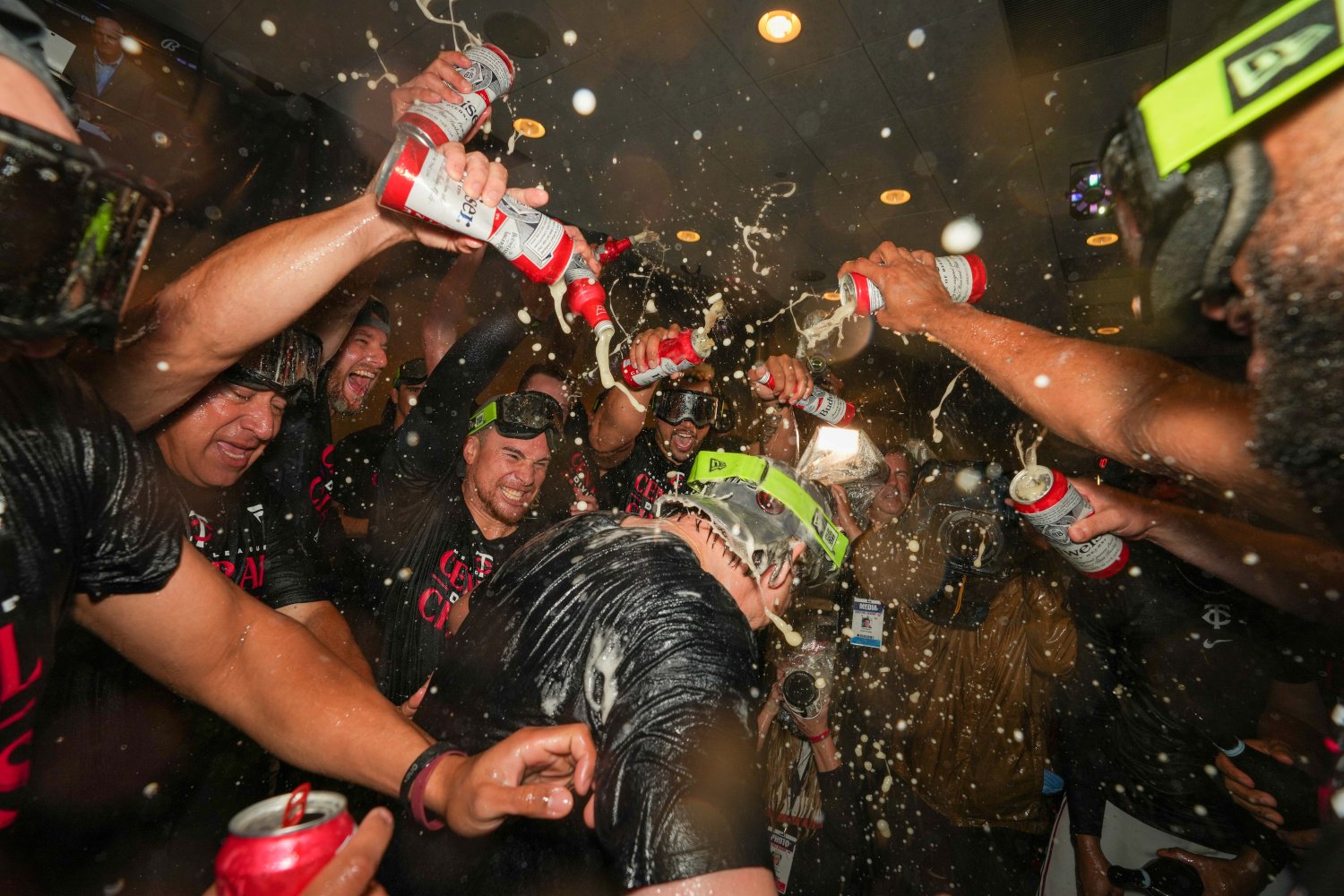 Maybe you're the crying type. Maybe you're the angry type. Maybe you're the type to bury it and not admit it hurts. But it does. You wouldn't be reading this if you didn't care about your Minnesota Twins. Whatever emotions you want to engage with, engage with them. Whatever complaints you have about the end of the season—whether it's with the manager, the hitters, the pitchers, the front office, the umpires, or TC Bear (he knows what he did)—let them be heard. The end comes at least one game too early for 29 teams, and it came for your Minnesota Twins. I won't tell you how to mourn this season or how long it should affect you. Pardon my French, Edouard Julien, but it sucks. When you're ready to start looking forward to next year, we'll be here for that. You'll have plenty of opportunity to read about next year's potential. Free agent targets, projections, trade candidates, philosophic waxing, and everything in between will fill the front page. Hope springs eternal. There's so much to be excited about next year. Nearly all of the pieces of the 2023 team are already penciled in for 2024. The top-flight rotation and bullpen may see minimal turnover. It's easy to dream on the promising starts to the careers of rookies Royce Lewis, Edouard Julien, and Matt Wallner. Carlos Correa's foot will hopefully be healed and ready for Opening Day. An offseason will help Byron Buxton. Top prospects like Brooks Lee and Austin Martin are ready to join the mix. But that's not today. No one will blame you for looking ahead to next year. There's a lot of reason to believe that the 2024 team can be better than this year's team as young players take the next steps and season-long injuries can heal. However, we need to appreciate what we just watched. Coming into the year, very few analysts, experts, or pundits picked Minnesota to win the Central. There was more steam behind them securing the third seed in the worst division in baseball than there was that they would get a playoff berth. Yet here they stand. The Twins had a pitching staff that competed for the best in the game, besting any Minnesota squad from the past three decades, at minimum. Two pitchers—Sonny Gray and Pablo López—will likely rank in the top eight in Cy Young voting in the American League. We got to watch that. A trio of rookies—Lewis, Julien, and Wallner—injected so much energy into this organization. Although our instincts tell us they will only improve, it's not guaranteed. Frankly, this could be the best season that any of them ever have. They may play at this level for most of their careers. We don't know what the future holds for them. We do know how they made us feel this year, though. What happens next year, or in the years down the road, doesn't change the fun that it was for this team. After back-to-back-to-back division championships between 2002 and 2004, expectations were great. Surely 2005 would be the year they take the next step and get back into a deep playoff run. We know how that ended. An incredible core of young and controllable talent led the 2016 Cubs to the Promised Land for the first time in 108 years. Surely a young team like that could contend for the World Series for a decade. It's been seven years, they've won one playoff game since, and the core is completely disbanded. This isn't an attempt to put a damper on your dreams. It's a call to appreciate what you watched this season. Sure. This team struck out way more than anyone would like. We all pulled our hair out watching called strike threes on middle-middle fastballs. The offense was positively anemic for half the year, and once they got themselves figured out, the stellar pitching's wheels began to wobble. Inexplicable injuries seemed to pile up, and no timetables were ever clear. The two most highly-paid players were dragged down by season-long, nagging injuries. But this team won the division. But fans got to watch meaningful October baseball. But those in attendance got to revitalize and call up the ghosts of the crowd that used to inhabit the Hubert. H. Humphrey Metrodome. But this was the team that broke the streak. No longer will it be brought up on national broadcasts that the Twins had lost their previous 18 playoff games. No one will talk about 2004 again. This was the team that made it happen. From breaking the longest playoff losing streak in North American professional sports history to the individual moments of joy watching the Max Kepler resurgence or a Jorge Polanco professional plate appearance. This team provided joy. Appreciate it before turning the page to next year. Appreciate the energy of Kyle Farmer, the emergence of Ryan Jeffers, the chaos of Willi Castro, the random bombs from Michael A. Taylor and Joey Gallo, and the barrels into the gap of Donovan Solano. Appreciate an entire bullpen throwing gas, Jhoan Durán and Caleb Thielbar's elite curveballs, Brock Stewart's comeback story, Emilio Pagán's redemption arc, the Dallas Keuchel experience, the late-season moves to the pen of Louie Varland and Chris Paddack, and one of (if not the) best starting rotations in Twins history: Gray, López, Joe Ryan, Bailey Ober, Kenta Maeda, Varland, Tyler Mahle, Keuchel, and José De León. Appreciate how this season made you feel, and the fun you had along the way, before looking into who should get a qualifying offer. Thank you, everyone, for this season—especially those of you who work at 1 Twins Way.
- 42 comments
-
- 18
-
-
-
- pablo lopez
- sonny gray
- (and 3 more)
-
It’s a question many fans have been asking. After two games, we might have an answer. On May 22, 2023, the San Francisco Giants did damage to Twins fans’ psyches. In the second inning of the game, Sean Manaea entered from the bullpen. Before then-promising rookie Edouard Julien had a chance to register a single plate appearance, he was lifted for Donovan Solano. Likewise, in the third inning, young, exciting first baseman Alex Kirilloff was lifted for platoon bat Kyle Garlick. By the end of the third inning, two fan-favorite hitters were removed with one plate appearance combined. Understandably, fans were upset. Baldelli’s penchant for pinch-hitting had gone too far. The Twins had to spend the rest of the game with platoon bats hitting, and Julien and Kirilloff were no longer available. We asked the question here. Would the Twins use the same aggressiveness? The Twins were one of the top-performing teams in the league using pinch hitters, and they were especially effective in the second half. But could Baldelli get played like a fiddle by a savvy manager? What if the other team brought in a lefty early? Would he again fall for it and burn his bench in the second inning? We’ve already gotten some indication as to how he’ll handle it. In the first game of the Wild Card round, Blue Jays manager John Schneider called lefty Tim Mayza in from the bullpen in the fifth inning, a man on first, and Max Kepler—a lefty—up to bat. Baldelli left Kepler, who has hit lefties well this year, in the game, and he hit a single. Baldelli opened the bench with runners on first and second and a lefty in Kirilloff batting, calling on pinch-hitting extraordinaire Donovan Solano. It was a big-ish spot in a 3-0 game, as a signature Solano barrel into the gap could score another run or two, and Kirilloff has struggled against lefties in his career. Solano flew out to right and remained in the game. Willi Castro came in for Matt Wallner as a defensive replacement after Wallner’s plate appearance in the seventh inning. Kyle Farmer also hit for Julien in the seventh inning, with Genesis Cabrera, a lefty, in for Toronto. Farmer was expected to enter the game for Julien late anyway to tighten up the infield defense, and the lefty coming in just made it a more obvious spot. Even the staunchest critics of Baldelli’s antics would allow these moves. But what if the Blue Jays pulled a Manaea on them? Let’s revisit that day and add some context. Everyone knew the Giants were planning to use an opener, John Brebbia, that day in May, but there was uncertainty as to who would follow him. Manaea, a career-long starter, was a suspect, as he had a disastrous start to his season and had come into three games to that point from the bullpen already. However, in full view of everyone, Manaea threw a bullpen at Target Field that afternoon. As such, the Twins had assumed he would not be an option in that night’s game, as pitchers don’t usually throw bullpen sessions before pitching multiple innings. The lineup was constructed based on the assumption that Manaea wouldn’t be an option. They were caught with their pants down. It didn’t help that the Twins were already down four runs in the second inning. All of these factors provide some justification for what transpired that day—but it still was a miscue. So, what if something similar happened in the playoffs? An astute manager might pull one over on Baldelli again and, hypothetically, bring in lefty starter Yusei Kikuchi in relief of righty starter Jose Berrios in the fourth inning of a tie ball game. Just such a thing happened. With one on and no one out, Kikuchi was brought in at the same spot in the order that Mayza was the day prior. Once again, Kepler remained in the game. Once again, he reached on a single against a lefty. Once again, with two on, Donovan Solano entered the game for Kirilloff. He walked, setting up a Carlos Correa single to drive in the first run of the game. After that, Wallner was lifted for Castro—a move that didn’t happen until the seventh inning the day prior—due to defense and not hitting. However, the team was in a position that necessitated a ball be put in play and another run score. Wallner has not hit lefties well and strikes out a lot. Castro did his job, though it resulted in a double-play. Still, the score was now 2-0 Minnesota. “Sure, the situation is a nice cover, Gregg! Baldelli would have pulled them in the fourth anyway!” you yell at your screen. I counter. In the fifth inning, the third prime candidate for being platooned came up to bat against Kikuchi. Julien was allowed to hit, and Farmer stayed on the bench. The difference? Probably that there was no one on base and one out when Julien had his turn. Farmer would later pinch-run for Julien in the seventh, after Julien had another crack at a righty—with a man on base. Maybe two games isn’t enough time to detect a pattern, but it looks like Baldelli has a strategy in mind. He won’t take the superior hitters out of the lineup early unless he has reason to believe it’s a critical moment—men on base in a tight game. You don’t know if you’ll get another chance, so gamble now, but don’t pull one of your best hitters just because you can. With Houston coming up, it’s doubtful we’ll see too many of these scenarios. They have one lefty starter—Framber Valdez—and a couple of lefty relievers who seem unlikely to make the ALDS roster. Once Valdez leaves his start, the lefties will come in to finish the game. If one of the lower-level lefty relievers does make the roster, I’m sure Baldelli and fans will have no issue with Donovan Solano hitting against him. There’s reason for even skeptical fans to believe that the bench will be handled competently, even if opposing managers dig into their bag of tricks. View full article
-
Baldelli's Playoff Pinch-Hitting: Will It Pay Off or Backfire?
Greggory Masterson posted an article in Twins
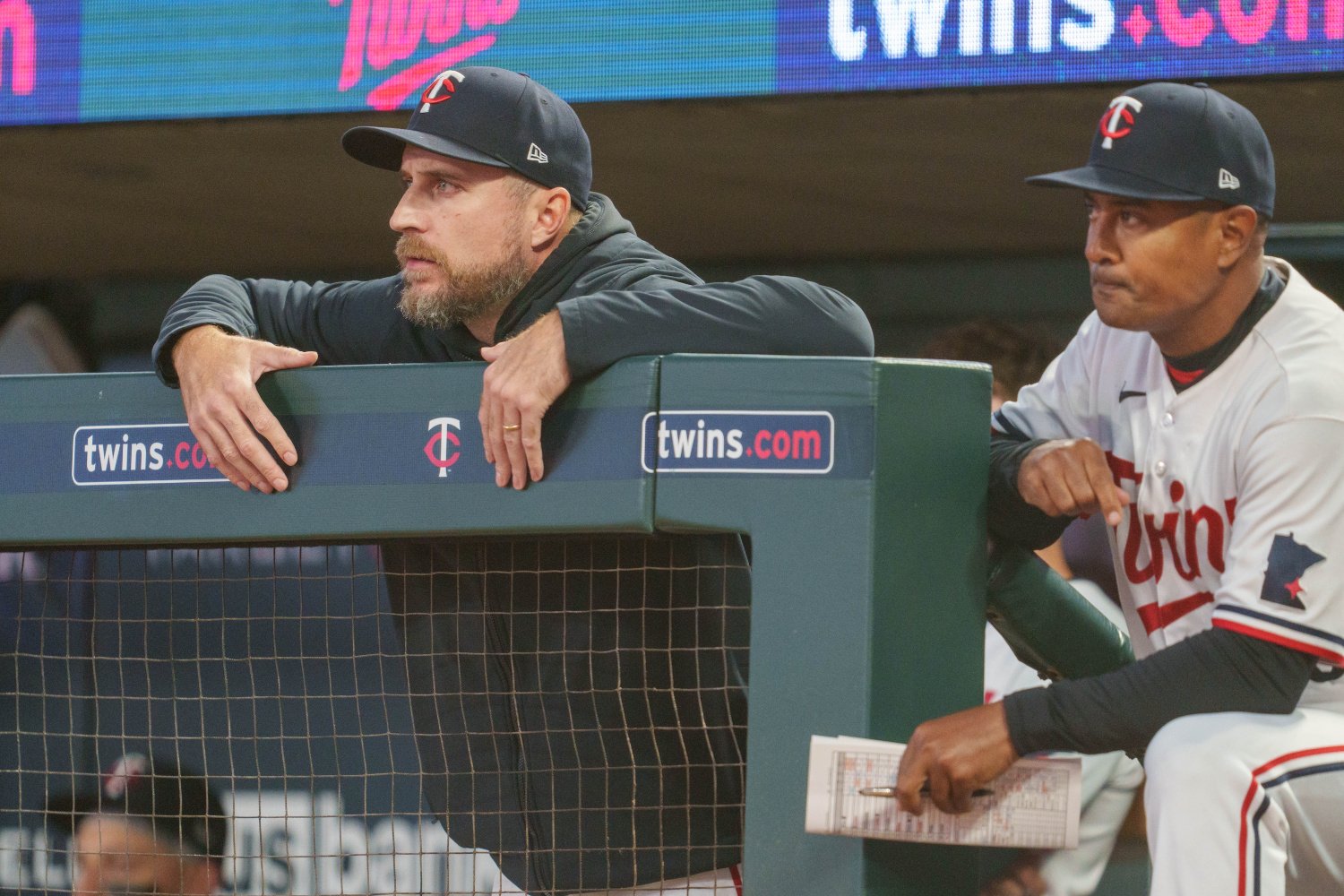 On May 22, 2023, the San Francisco Giants did damage to Twins fans’ psyches. In the second inning of the game, Sean Manaea entered from the bullpen. Before then-promising rookie Edouard Julien had a chance to register a single plate appearance, he was lifted for Donovan Solano. Likewise, in the third inning, young, exciting first baseman Alex Kirilloff was lifted for platoon bat Kyle Garlick. By the end of the third inning, two fan-favorite hitters were removed with one plate appearance combined. Understandably, fans were upset. Baldelli’s penchant for pinch-hitting had gone too far. The Twins had to spend the rest of the game with platoon bats hitting, and Julien and Kirilloff were no longer available. We asked the question here. Would the Twins use the same aggressiveness? The Twins were one of the top-performing teams in the league using pinch hitters, and they were especially effective in the second half. But could Baldelli get played like a fiddle by a savvy manager? What if the other team brought in a lefty early? Would he again fall for it and burn his bench in the second inning? We’ve already gotten some indication as to how he’ll handle it. In the first game of the Wild Card round, Blue Jays manager John Schneider called lefty Tim Mayza in from the bullpen in the fifth inning, a man on first, and Max Kepler—a lefty—up to bat. Baldelli left Kepler, who has hit lefties well this year, in the game, and he hit a single. Baldelli opened the bench with runners on first and second and a lefty in Kirilloff batting, calling on pinch-hitting extraordinaire Donovan Solano. It was a big-ish spot in a 3-0 game, as a signature Solano barrel into the gap could score another run or two, and Kirilloff has struggled against lefties in his career. Solano flew out to right and remained in the game. Willi Castro came in for Matt Wallner as a defensive replacement after Wallner’s plate appearance in the seventh inning. Kyle Farmer also hit for Julien in the seventh inning, with Genesis Cabrera, a lefty, in for Toronto. Farmer was expected to enter the game for Julien late anyway to tighten up the infield defense, and the lefty coming in just made it a more obvious spot. Even the staunchest critics of Baldelli’s antics would allow these moves. But what if the Blue Jays pulled a Manaea on them? Let’s revisit that day and add some context. Everyone knew the Giants were planning to use an opener, John Brebbia, that day in May, but there was uncertainty as to who would follow him. Manaea, a career-long starter, was a suspect, as he had a disastrous start to his season and had come into three games to that point from the bullpen already. However, in full view of everyone, Manaea threw a bullpen at Target Field that afternoon. As such, the Twins had assumed he would not be an option in that night’s game, as pitchers don’t usually throw bullpen sessions before pitching multiple innings. The lineup was constructed based on the assumption that Manaea wouldn’t be an option. They were caught with their pants down. It didn’t help that the Twins were already down four runs in the second inning. All of these factors provide some justification for what transpired that day—but it still was a miscue. So, what if something similar happened in the playoffs? An astute manager might pull one over on Baldelli again and, hypothetically, bring in lefty starter Yusei Kikuchi in relief of righty starter Jose Berrios in the fourth inning of a tie ball game. Just such a thing happened. With one on and no one out, Kikuchi was brought in at the same spot in the order that Mayza was the day prior. Once again, Kepler remained in the game. Once again, he reached on a single against a lefty. Once again, with two on, Donovan Solano entered the game for Kirilloff. He walked, setting up a Carlos Correa single to drive in the first run of the game. After that, Wallner was lifted for Castro—a move that didn’t happen until the seventh inning the day prior—due to defense and not hitting. However, the team was in a position that necessitated a ball be put in play and another run score. Wallner has not hit lefties well and strikes out a lot. Castro did his job, though it resulted in a double-play. Still, the score was now 2-0 Minnesota. “Sure, the situation is a nice cover, Gregg! Baldelli would have pulled them in the fourth anyway!” you yell at your screen. I counter. In the fifth inning, the third prime candidate for being platooned came up to bat against Kikuchi. Julien was allowed to hit, and Farmer stayed on the bench. The difference? Probably that there was no one on base and one out when Julien had his turn. Farmer would later pinch-run for Julien in the seventh, after Julien had another crack at a righty—with a man on base. Maybe two games isn’t enough time to detect a pattern, but it looks like Baldelli has a strategy in mind. He won’t take the superior hitters out of the lineup early unless he has reason to believe it’s a critical moment—men on base in a tight game. You don’t know if you’ll get another chance, so gamble now, but don’t pull one of your best hitters just because you can. With Houston coming up, it’s doubtful we’ll see too many of these scenarios. They have one lefty starter—Framber Valdez—and a couple of lefty relievers who seem unlikely to make the ALDS roster. Once Valdez leaves his start, the lefties will come in to finish the game. If one of the lower-level lefty relievers does make the roster, I’m sure Baldelli and fans will have no issue with Donovan Solano hitting against him. There’s reason for even skeptical fans to believe that the bench will be handled competently, even if opposing managers dig into their bag of tricks.
 -
0-18. Who Got Us Here? Part 3: 2019-Present
Greggory Masterson commented on Greggory Masterson's article in Twins
Whoops. For some reason, in my head, the Metrodome was in Bloomington… -
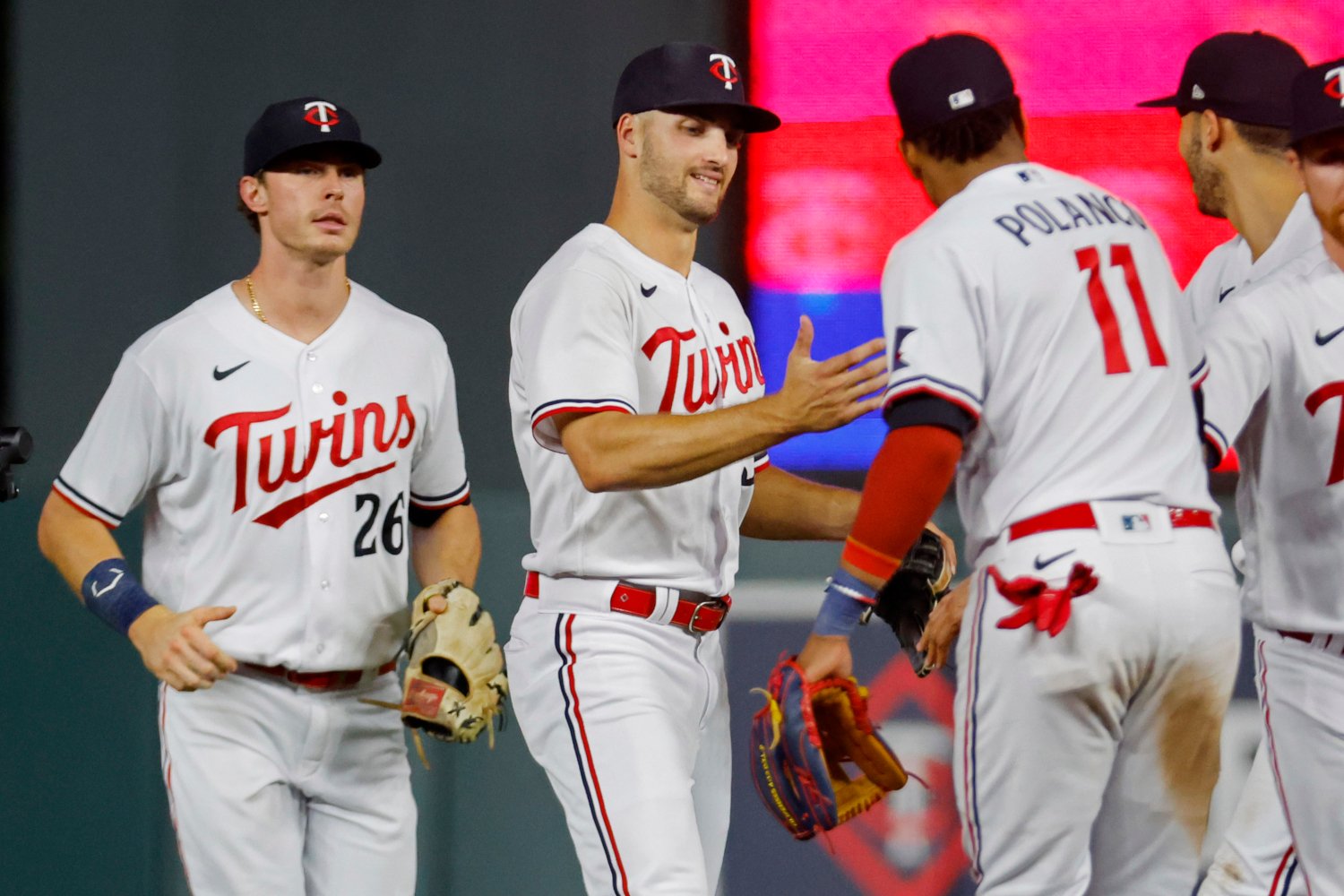 This is Part 3 of a series looking at how much the Twins organization has turned over since the beginning of the club's infamous 0-18 streak. For the best reading experience, start with Part 2, which reviews the 2004 and 2006 playoff teams and outlines the concepts and aim of this series. 2019: Full-Frontal Offensive Assault One more suit change: a third manager. Rocco Baldelli became the third captain of the ship before the 2019 season. Joe Mauer, the last piece even tangentially related to the 2004 series, had also retired. If you believe that a ship can change if enough boards are removed, we're out of swaps to make unless you're clinging for your life to the Dave St. Peter part. Nothing remains of the 2004 iteration. Most positions have had at least four different players manning them in the intervening iterations. This team, which set the single-season home run record in the regular season, returned several participants in the 2017 Wild Card game. Jorge Polanco, who this year snapped a streak of five consecutive trips to the playoffs with a different starting shortstop, was joined by German Wunderkind Max Kepler, free-swinger Eddie Rosario, Swiss Army knife reliever Taylor Rogers, and Jose Berrios, who was used as a reliever in the 2017 Wild Card but had established himself as the team's top starting pitcher. Lumbering slugger Miguel Sano played third base, which he would have in 2017 had he not had to get a titanium rod put in his leg toward the end of that season. Fellow former ultra-prospect Byron Buxton had played in the 2017 game until an injury at the wall forced his removal, and he had likewise had an early end to his 2019 at the hands of an outfield wall. Added to this fourth core were veteran role players C.J. Cron, Jonathan Schoop, and Marwin Gonzalez. Nelson Cruz, the best free agent signing in decades for the club, was the clubhouse leader and the team's face. Mitch Garver had emerged as the top catcher, winning a Silver Slugger and starting all three playoff games. Fourth outfielder Jake Cave was pushed into service. A young infielder named Luis Arraez (batting average, ever heard of it!?) started at second base—the sixth different second baseman in six playoff appearances (Cuddyer, Castillo, Punto, Hudson, Dozier, Arraez). Ehire Adrianza and Jason Castro played significant roles on that team but did not see any playoff action despite playing in the 2017 game. On the pitching side, Berrios was joined by Jake Odorizzi and Randy Dobnak (whose former employment will NOT be mentioned in this piece). The bullpen was almost wholly overhauled between the 2017 Wild Card and 2019 ALDS, including team veterans Tyler Duffey, Trevor May, and Kyle Gibson all pitching out of the bullpen. Frisby-throwing Sergio Romo was also a major cog. Pop-up bullpen pieces in 2019 also made appearances (and many fans will never let you forget it): Cody Stashak and Zack Littell notably pitched in the middle innings, and Devin Smeltzer threw 3.1 scoreless innings after Dobnak's early exit in Game 2. Flame-throwing 20-year-old Brusdar Graterol found his way into a game, also. However, the same shanty continued to be sung. Not even the greatest power offense in baseball history could stop the rising tide. The count is 16. Returning pieces from 2017: José Berríos, Max Kepler, Jorge Polanco, Taylor Rogers, Eddie Rosario New pieces in 2019: Luis Arraez, Jake Cave, C.J. Cron, Nelson Cruz, Randy Dobnak, Tyler Duffey, Mitch Garver, Kyle Gibson, Marwin Gonzalez, Brusdar Graterol, Zack Littell, Trevor May, Jake Odorizzi, Sergio Romo, Miguel Sanó, Jonathan Schoop, Devin Smeltzer, Cody Stashak Italics indicate the player never appeared in the playoffs for Minnesota after this year 2020: The Ghost Ship Let's just say that the world contracted scurvy and leave it at that. The most recent trip to the postseason for your Minnesota Twins came at the end of a truncated 60-game season with an expanded playoff structure, so the Twins were only guaranteed two games. The streak could only grow by two games, max. It's striking how similar the 2020 team was to the 2019 team in its construction. Nearly all significant players returned to run it back, though on the hitting side Schoop and Cron—both 20-homer hitters, mind you, hit free agency. Arraez was prepared to take over second base fully, and former MVP third baseman Josh Donaldson, the largest free agent signing in team history to that point, bumped Sano over to Cron's spot at first base. Donaldson was not healthy enough for the playoffs, so he doesn't even factor into this discussion. Buxton was dealing with a brain injury following getting plunked in the head during the last series of the season, but he still unadvisedly started the first game and pinch-ran in the second, getting picked off at first in a crucial moment. Alex Kirilloff debuted in the playoffs that year. Ryan Jeffers started at catcher, partly due to his hot start to his career but also because of injuries and a lack of effectiveness in the other catchers. These two represented the first appearance of a fifth core. Willians Astudillo, a member of the 2019 team who did a little bit of everything a little bit less than optimally and true backup catcher Alex Avila were the only two other new batters who played in the 2020 Wild Card. However, they registered one plate appearance combined. On the pitching side, Berrios was joined by Kenta Maeda, who finished second in the AL Cy Young voting after coming over in a trade that sent Graterol to the Los Angeles Dodgers. There were only two games, so there were only two starting pitchers. Rogers, Romo, Duffey, May, and Stashak all returned to throw in the 2020 playoffs, the first four representing the high-leverage portion of the bullpen, but Stashak is best remembered as a cudgel used to criticize Baldelli for bullpen mismanagement. He replaced Berrios in the sixth inning of Game 2, allowing the winning run in his second frame of relief. Minnesota local Caleb Thielbar made his heroic return to the big leagues—after taking a coaching job at Division II Augustana in Sioux Falls—in 2020 and pitched in Game 1. Gibson had left in free agency after 2019, and although Littell and Smeltzer each saw time during the regular season, neither contributed to the Twins' postseason efforts. The count is 18. Returning pieces from 2019: Luis Arraez, José Berríos, Jake Cave, Nelson Cruz, Tyler Duffey, Mitch Garver, Marwin Gonzalez, Max Kepler, Trevor May, Jorge Polanco, Taylor Rogers, Sergio Romo, Eddie Rosario, Miguel Sano, Cody Stashak New pieces in 2020: Willians Astudillo, Alex Avila, Byron Buxton, Ryan Jeffers, Alex Kirlloff, Kenta Maeda, Caleb Thielbar Italics indicate the player is no longer in the Minnesota Twins organization (2023) Summary and Looking Ahead Props to you for getting this far. It's at nearly 5,000 words. And many painful memories have been drudged through, but I find it fascinating, and I hope you did too. With Joe Pohlad taking the reins of the team as the club's principal owner, there have been three owners since the streak started. The GM position has changed four times. There have been three managers. The last contributors in the 2004 series left the team over a decade ago. Almost all of Joe Mauer's potential Hall of Fame career was encompassed in this streak. Only three players from the 2017 Wild Card are slated to play in the 2023 postseason—Buxton, Kepler, and Polanco—and Buxton doesn't look promising. Kepler and Polanco are the only returning members from the 2019 playoffs. Buxton, Kepler, Polanco, Thielbar, Kirilloff, and Jeffers are the members returning from the 2020 squad. The Twins have brought in several veteran depth pieces like Kyle Farmer, Donovan Solano, Michael A. Taylor—you know their names by now; I won't go through a whole roster again. They have a new, bona fide, archetypal captain placed at the center of the clubhouse in Carlos Correa. They also have more parts of the fifth core making statements. Former number one overall pick Royce Lewis, eagle-eyed French Canadian Superhunk Edouard Julien, and all-around power Minnesotan Matt Wallner have each been considerable additions to this team, and it's starting to be built around them, as the remnants of the fourth core—Buxton, Polanco, and Kepler—begin to age out. This is the fifth core that's had a chance to end the streak. It's frankly absurd. Only two players have been part of four trips to the postseason—Cuddyer and Mauer—and they're long gone. Kepler and Polanco will add their names to that list in 2023. Before this year's postseason, 98 different Twins have played in a postseason game since the last time they registered a win. None of them have been able to break the streak. But let's go back to where we started. Do the Twins really have an 18-game losing streak dating back to 2004? Are these Twins those Twins? They've rebranded twice. They moved out of their old stadium. They're located in a new city. They even replaced their new scoreboard with a new scoreboard. I've heard a lot about the new scoreboard. Regardless of your definition, the organization fully turned over at least once during that time. Is it even accurate to claim that these are the same teams? I know that this type of question has been asked every year for the past decade, along with stats about how old some of the Twins were the last time they won a playoff game, but it's worth pondering what ties one iteration of a team to another. If the only thing that remains of the original team is the name, then why do we care? I wish I had an answer. The Twins have lost 18 straight. I'm not trying to argue against that. That absurdity could have broken my brain to the extent that I'm citing Plutarch on a silly little fan site about grown men donning stirrups and playing games of rounders at the old ballyard. But I hope that you were able to enjoy the trip down memory lane. I know I enjoyed writing this. Let's load up the Friend Ship and set sail.
- 7 comments
-
- 3
-
-
- max kepler
- jorge polanco
- (and 3 more)
-
As we reach the current day, those involved with the beginning of this streak have long since left the organization, and few even remain from the 2017 team, but it's still the same story. What even is a Minnesota Twin? Image courtesy of Bruce Kluckhohn-USA TODAY Sports This is Part 3 of a series looking at how much the Twins organization has turned over since the beginning of the club's infamous 0-18 streak. For the best reading experience, start with Part 2, which reviews the 2004 and 2006 playoff teams and outlines the concepts and aim of this series. 2019: Full-Frontal Offensive Assault One more suit change: a third manager. Rocco Baldelli became the third captain of the ship before the 2019 season. Joe Mauer, the last piece even tangentially related to the 2004 series, had also retired. If you believe that a ship can change if enough boards are removed, we're out of swaps to make unless you're clinging for your life to the Dave St. Peter part. Nothing remains of the 2004 iteration. Most positions have had at least four different players manning them in the intervening iterations. This team, which set the single-season home run record in the regular season, returned several participants in the 2017 Wild Card game. Jorge Polanco, who this year snapped a streak of five consecutive trips to the playoffs with a different starting shortstop, was joined by German Wunderkind Max Kepler, free-swinger Eddie Rosario, Swiss Army knife reliever Taylor Rogers, and Jose Berrios, who was used as a reliever in the 2017 Wild Card but had established himself as the team's top starting pitcher. Lumbering slugger Miguel Sano played third base, which he would have in 2017 had he not had to get a titanium rod put in his leg toward the end of that season. Fellow former ultra-prospect Byron Buxton had played in the 2017 game until an injury at the wall forced his removal, and he had likewise had an early end to his 2019 at the hands of an outfield wall. Added to this fourth core were veteran role players C.J. Cron, Jonathan Schoop, and Marwin Gonzalez. Nelson Cruz, the best free agent signing in decades for the club, was the clubhouse leader and the team's face. Mitch Garver had emerged as the top catcher, winning a Silver Slugger and starting all three playoff games. Fourth outfielder Jake Cave was pushed into service. A young infielder named Luis Arraez (batting average, ever heard of it!?) started at second base—the sixth different second baseman in six playoff appearances (Cuddyer, Castillo, Punto, Hudson, Dozier, Arraez). Ehire Adrianza and Jason Castro played significant roles on that team but did not see any playoff action despite playing in the 2017 game. On the pitching side, Berrios was joined by Jake Odorizzi and Randy Dobnak (whose former employment will NOT be mentioned in this piece). The bullpen was almost wholly overhauled between the 2017 Wild Card and 2019 ALDS, including team veterans Tyler Duffey, Trevor May, and Kyle Gibson all pitching out of the bullpen. Frisby-throwing Sergio Romo was also a major cog. Pop-up bullpen pieces in 2019 also made appearances (and many fans will never let you forget it): Cody Stashak and Zack Littell notably pitched in the middle innings, and Devin Smeltzer threw 3.1 scoreless innings after Dobnak's early exit in Game 2. Flame-throwing 20-year-old Brusdar Graterol found his way into a game, also. However, the same shanty continued to be sung. Not even the greatest power offense in baseball history could stop the rising tide. The count is 16. Returning pieces from 2017: José Berríos, Max Kepler, Jorge Polanco, Taylor Rogers, Eddie Rosario New pieces in 2019: Luis Arraez, Jake Cave, C.J. Cron, Nelson Cruz, Randy Dobnak, Tyler Duffey, Mitch Garver, Kyle Gibson, Marwin Gonzalez, Brusdar Graterol, Zack Littell, Trevor May, Jake Odorizzi, Sergio Romo, Miguel Sanó, Jonathan Schoop, Devin Smeltzer, Cody Stashak Italics indicate the player never appeared in the playoffs for Minnesota after this year 2020: The Ghost Ship Let's just say that the world contracted scurvy and leave it at that. The most recent trip to the postseason for your Minnesota Twins came at the end of a truncated 60-game season with an expanded playoff structure, so the Twins were only guaranteed two games. The streak could only grow by two games, max. It's striking how similar the 2020 team was to the 2019 team in its construction. Nearly all significant players returned to run it back, though on the hitting side Schoop and Cron—both 20-homer hitters, mind you, hit free agency. Arraez was prepared to take over second base fully, and former MVP third baseman Josh Donaldson, the largest free agent signing in team history to that point, bumped Sano over to Cron's spot at first base. Donaldson was not healthy enough for the playoffs, so he doesn't even factor into this discussion. Buxton was dealing with a brain injury following getting plunked in the head during the last series of the season, but he still unadvisedly started the first game and pinch-ran in the second, getting picked off at first in a crucial moment. Alex Kirilloff debuted in the playoffs that year. Ryan Jeffers started at catcher, partly due to his hot start to his career but also because of injuries and a lack of effectiveness in the other catchers. These two represented the first appearance of a fifth core. Willians Astudillo, a member of the 2019 team who did a little bit of everything a little bit less than optimally and true backup catcher Alex Avila were the only two other new batters who played in the 2020 Wild Card. However, they registered one plate appearance combined. On the pitching side, Berrios was joined by Kenta Maeda, who finished second in the AL Cy Young voting after coming over in a trade that sent Graterol to the Los Angeles Dodgers. There were only two games, so there were only two starting pitchers. Rogers, Romo, Duffey, May, and Stashak all returned to throw in the 2020 playoffs, the first four representing the high-leverage portion of the bullpen, but Stashak is best remembered as a cudgel used to criticize Baldelli for bullpen mismanagement. He replaced Berrios in the sixth inning of Game 2, allowing the winning run in his second frame of relief. Minnesota local Caleb Thielbar made his heroic return to the big leagues—after taking a coaching job at Division II Augustana in Sioux Falls—in 2020 and pitched in Game 1. Gibson had left in free agency after 2019, and although Littell and Smeltzer each saw time during the regular season, neither contributed to the Twins' postseason efforts. The count is 18. Returning pieces from 2019: Luis Arraez, José Berríos, Jake Cave, Nelson Cruz, Tyler Duffey, Mitch Garver, Marwin Gonzalez, Max Kepler, Trevor May, Jorge Polanco, Taylor Rogers, Sergio Romo, Eddie Rosario, Miguel Sano, Cody Stashak New pieces in 2020: Willians Astudillo, Alex Avila, Byron Buxton, Ryan Jeffers, Alex Kirlloff, Kenta Maeda, Caleb Thielbar Italics indicate the player is no longer in the Minnesota Twins organization (2023) Summary and Looking Ahead Props to you for getting this far. It's at nearly 5,000 words. And many painful memories have been drudged through, but I find it fascinating, and I hope you did too. With Joe Pohlad taking the reins of the team as the club's principal owner, there have been three owners since the streak started. The GM position has changed four times. There have been three managers. The last contributors in the 2004 series left the team over a decade ago. Almost all of Joe Mauer's potential Hall of Fame career was encompassed in this streak. Only three players from the 2017 Wild Card are slated to play in the 2023 postseason—Buxton, Kepler, and Polanco—and Buxton doesn't look promising. Kepler and Polanco are the only returning members from the 2019 playoffs. Buxton, Kepler, Polanco, Thielbar, Kirilloff, and Jeffers are the members returning from the 2020 squad. The Twins have brought in several veteran depth pieces like Kyle Farmer, Donovan Solano, Michael A. Taylor—you know their names by now; I won't go through a whole roster again. They have a new, bona fide, archetypal captain placed at the center of the clubhouse in Carlos Correa. They also have more parts of the fifth core making statements. Former number one overall pick Royce Lewis, eagle-eyed French Canadian Superhunk Edouard Julien, and all-around power Minnesotan Matt Wallner have each been considerable additions to this team, and it's starting to be built around them, as the remnants of the fourth core—Buxton, Polanco, and Kepler—begin to age out. This is the fifth core that's had a chance to end the streak. It's frankly absurd. Only two players have been part of four trips to the postseason—Cuddyer and Mauer—and they're long gone. Kepler and Polanco will add their names to that list in 2023. Before this year's postseason, 98 different Twins have played in a postseason game since the last time they registered a win. None of them have been able to break the streak. But let's go back to where we started. Do the Twins really have an 18-game losing streak dating back to 2004? Are these Twins those Twins? They've rebranded twice. They moved out of their old stadium. They're located in a new city. They even replaced their new scoreboard with a new scoreboard. I've heard a lot about the new scoreboard. Regardless of your definition, the organization fully turned over at least once during that time. Is it even accurate to claim that these are the same teams? I know that this type of question has been asked every year for the past decade, along with stats about how old some of the Twins were the last time they won a playoff game, but it's worth pondering what ties one iteration of a team to another. If the only thing that remains of the original team is the name, then why do we care? I wish I had an answer. The Twins have lost 18 straight. I'm not trying to argue against that. That absurdity could have broken my brain to the extent that I'm citing Plutarch on a silly little fan site about grown men donning stirrups and playing games of rounders at the old ballyard. But I hope that you were able to enjoy the trip down memory lane. I know I enjoyed writing this. Let's load up the Friend Ship and set sail. View full article
-
Things are really starting to change around here, but one thing stays consistent: playoff futility. Image courtesy of Matthew Emmons-USA TODAY Sports This is Part 2 of a series looking at how much the Twins organization has turned over since the beginning of the club's infamous 0-18 streak. For the best reading experience, start with Part 1, which reviews the 2004 and 2006 playoff teams and outlines the concepts and aim of this series. 2009: Sailing Back East The Twins missed the playoffs in 2007 and 2008, though in 2008, that miss resulted from a lost Game 163 tiebreaker against the White Sox. Luckily, they used that Game 163 experience and came out on top of another Game 163 tiebreaker in 2009 to clinch the Central crown. At this point, parts of the team separate from the players started getting replaced. After Terry Ryan's retirement, Bill Smith became the club's general manager. If you're counting that position as a part of the Twins' ship, we have our first turnover of a lead executive. Also, Carl Pohlad passed away early in 2009, and his son, Jim, took control. Although there were only two seasons between 2006 and 2009, almost every piece from the previous series wasn't a factor in the 2009 series. Only Mauer, Cuddyer, Punto, Nathan, and Guerrier had played in 2006. Longtime franchise staples Hunter, Santana, and Radke, who each had captured the hearts of Twins fans in the early parts of the decade were no longer with the team. Hunter left in free agency, Santana was the subject of a long, messy trade season after 2007, and Radke retired after 2006. Kubel played in his first series since 2004, and Francisco Liriano had his playoff debut in 2009 despite being an integral part of the 2006 team in the regular season. Morneau, like would happen in 2010, missed the postseason due to injury. Cuddyer started at first base in his place, his third playoff position in three years (second base, right field, first base). The lineup featured new, young pieces like Denard Span, Delmon Young, Carlos Gomez, and backup catcher Jose Morales (not to be confused with LOOGY Jose Mijares, who was also on this squad. This group was supplemented by veterans like Orlando Cabrera—whose deadline acquisition was something of a catalyst for the team— and utility man Brenden Harris. Almost everyone in this offense was developed entirely by the Twins or was traded for early in their careers. Oh, designated hitter Matt Tolbert was there, too. Can't forget Tolbert. The likes of Carl Pavano, Nick Blackburn, and Brian Deuensing replaced Santana, Radke, and Bonser. Nathan was supplemented in the pen by Liriano, Mijares, and Guerrier and a combination of Game 163 11th inning LOOGY hero Ron Mahay and 6'11" tattooed behemoth Jon Rauch. Although less than a quarter of the players who were trounced by the A's in 2006 returned for this series, the Yankees (and Phil Cuzzi) swept the Twins in short order. Only Cuddyer, Kubel, and Nathan faced the Yankees in the 2004 ALDS and again in 2009. Jorge Posada, Derek Jeter, Alex Rodriguez, Hideki Matsui, Andy Pettitte, and Mariano Rivera played in both for the Yankees, in case you were wondering. The count is at nine. Returning pieces from 2006: Michael Cuddyer, Matt Guerrier, Joe Mauer, Joe Nathan, Nick Punto New pieces in 2006: Nick Blackburn, Orlando Cabrera, Brian Deuensing, Carlos Gomez, Brendan Harris, Jason Kubel, Francisco Liriano, Ron Mahay, Jose Mijares, Jose Morales, Carl Pavano, Jon Rauch, Matt Tolbert, Delmon Young Italics indicate the player never appeared in the playoffs for Minnesota after this year 2010: Redux Guess who's back? That's right, it's a sea battle between the Twins and Yankees in the ALDS. The Twins had a crew reasonably similar to the 2009 squad. Nathan's 2009 injury left Cuddyer as the only player who had played in all four playoffs, though Kubel had also played in 2004 but did not play in 2006, and Jesse Crain played in both 2004 and 2006 but didn't pitch in the 2009 postseason. The Yankees returned Jeter, Rodriquez, Posada, Pettitte, and Rivera from the 2004 series. The Twins swapped one Orlando out for another, parting with Cabrera but signing veteran second baseman Orlando Hudson in the offseason. Four times in four years the Twins now had new second baseman (Cuddyer, Luis Castillo, Punto, and Hudson) and shortstop (Guzman, Bartlett, Cabrera, J.J. Hardy). Hardy came back in a trade that sent away the prize jewel of the Santana trade, Gomez. Other notable changes included one of the greatest year-to-year step-ups you'll find, replacing Brenden Harris with future Hall of Fame slugger Jim Thome at DH. Although Thome's career was winding down, he could still wallop the ball, and his presence was more than welcome. Danny Valencia, then a promising third baseman of the future, had a terrific series for the squad, and Jason Repko, a great name to pull when you're Remembering Some Guys™, also played a role. Scott Baker made his playoff debut as a reliever, and Liriano replaced Nick Blackburn in the playoff rotation instead of relieving as he did in 2009. Matt Capps, Proven Closer™, was a trade deadline acquisition to replace an injured Joe Nathan. Besides Jesse Crain returning to the picture, the only other bullpen difference was Brian Fuentes in place of Mahay, which fits, given their relative obscurity among Twins fans. As could be expected, there was no massive overhaul between playoff teams in back-to-back years. The substantive differences were the loss of Nathan, the Orlando swap, Gomez for Hardy, and the presence of Jim Thome. Otherwise, the turnover was insignificant. The count is 12. Hopefully, the Twins can get a third straight crack at the Damn Yankees in 2011. Returning pieces from 2009: Michael Cuddyer, Brain Deuensing, Matt Guerrier, Jason Kubel, Francisco Liriano, Joe Mauer, Jose Mijares, Carl Pavano, Jon Rauch, Denard Span, Matt Tolbert, Delmon Young New pieces in 2010: Scott Baker, Matt Capps, Jesse Crain, Brian Fuentes, J.J. Hardy, Orlando Hudson, Jason Repko, Jim Thome, Danny Valencia Italics indicate the player never appeared in the playoffs for Minnesota after this year 2017: The Ship Sails Again So. A lot happened. As would be expected when a team misses the playoffs for six consecutive seasons, there aren't many similarities. This is to be expected. Six years is enough for an entire successful career in Major League Baseball. Since 2010, Terry Ryan had been given control of the team following Bill Smith's 2011 firing. Ryan was also relieved of his duties in the middle of 2016, replaced by interim general manager Rob Antony before the hire of Thad Levine as the Twin's GM and Derek Falvey as President of Baseball Operations. I'm not great at math, but that's four men who were called GM between trips to the postseason. Longtime manager Ron Gardenhire had also been fired. Hometown hero Paul Molitor took over as the team's skipper. Only Mauer remained from the 2010 team. Crain left the team after the 2010 season, and then Cuddyer and Kubel followed suit after the 2011 season, marking the departures of the remaining Twins who played in the 2004 ALDS when the streak started. If you've been waiting for a golden opportunity to state that the team has officially turned over, here's your chance. New ownership took the helm prior to 2009. Executive and field managers were replaced. No players remained from the 2004 series. And only one player even remained from the 2010 team. Mauer himself wasn't the same. The former MVP catcher was in the waning hours of his career and playing first base. Sure, you could argue that he was part of the streak because he was on the team but injured in 2004, but he played no part in that series. And he's the only connecting unit to that team unless you wanted to include someone like President Dave St. Peter, who plays no part in the on-field matters. It's like replacing every piece of a ship except one board that's getting close to disrepair and another with no functional purpose. And even the board in disrepair didn't come with the ship when you bought it from the ship store. To add to that, an entire core came and went in the intervening years. It could be debated whether an organization can have a core when they are one of the worst teams in the league, but the team was no longer built around the M&M Boys in that stretch. Although the team didn't win, they did have promising pieces that they hoped to form into a competitive team. Even after the exits of assumed building blocks like Span or Young, the entire Twins careers of fan favorites and exciting young players (and All-Stars) like Valencia, Trevor Plouffe, Ben Revere, Brian Dozier, Aaron Hicks, Oswaldo Arcia, Eduardo Escobar, Danny Santana, Eduardo Núñez, and Kennys Vargas existed entirely or at least mainly within this window of time. Did I cast a wide net with those names? Yes. Are they all good examples? No. But it was an era of Twins baseball. The team tried to build around that rag-tag group. I think that counts as a separate core. Many well-respected evaluators had big dreams for many of those players. We can skip the specifics of this playoff team that only played one game. Remarkably, they were the first team to go from losing 100 games in one season to making the playoffs in the next—in no small part due to the addition of a second Wild Card team. Many of the above names had played in that one-game Wild Card. Many who played in that Wild Card would go on to play in more playoffs for the Twins. You can see the names below. The count is 13. Returning pieces from 2010: Joe Mauer New pieces in 2017: Ehire Adrianza, Matt Belisle, Jose Berrios, Alan Busenitz, Byron Buxton, Jason Castro, Brian Dozier, Eduardo Escobar, Chris Gimenez, Zack Granite, Robbie Grossman, Trevor Hildenberger, Max Kepler, Jorge Polanco, Taylor Rogers, Eddie Rosario, Ervin Santana Italics indicate the player never appeared in the playoffs for Minnesota after this year View full article
-
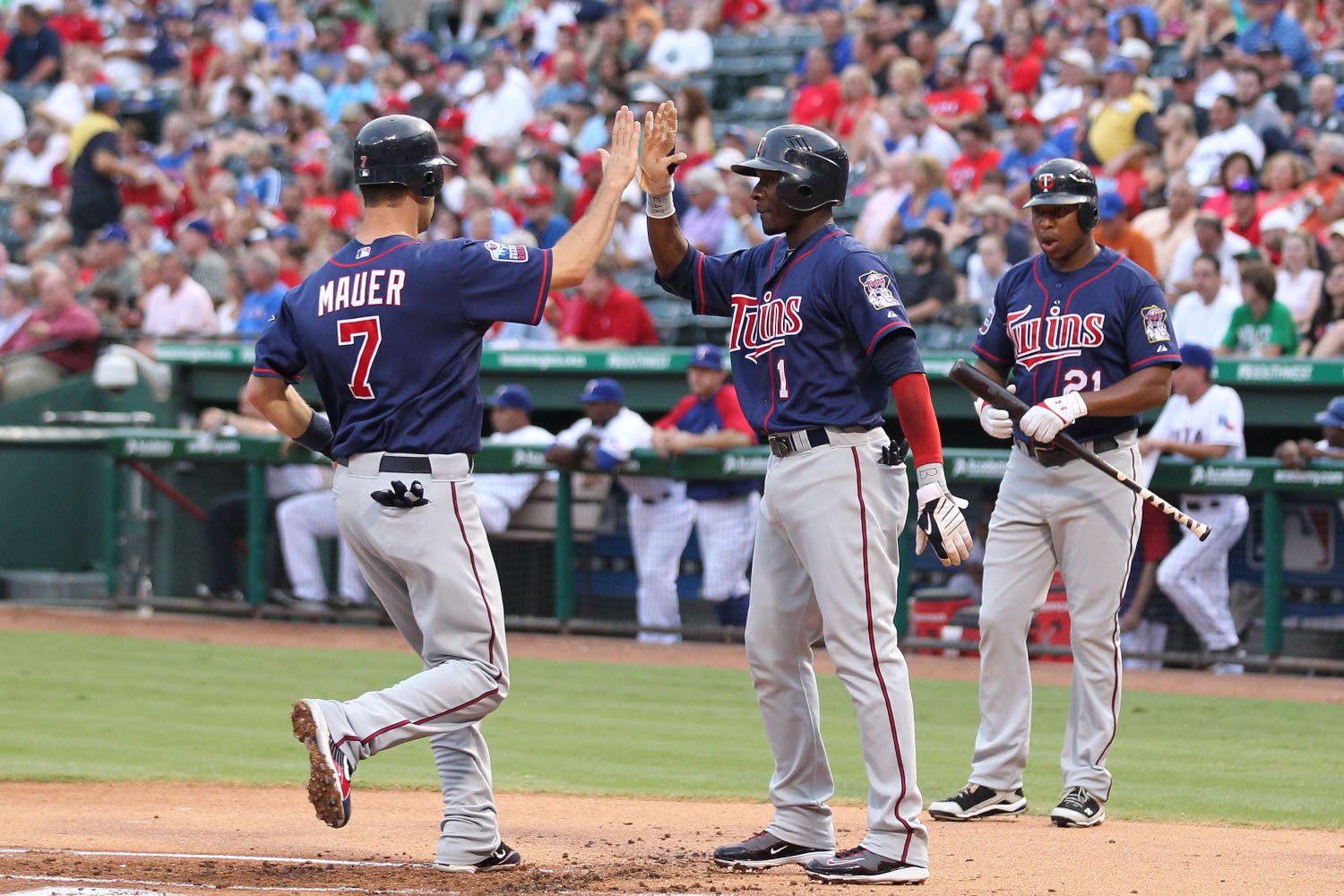 This is Part 2 of a series looking at how much the Twins organization has turned over since the beginning of the club's infamous 0-18 streak. For the best reading experience, start with Part 1, which reviews the 2004 and 2006 playoff teams and outlines the concepts and aim of this series. 2009: Sailing Back East The Twins missed the playoffs in 2007 and 2008, though in 2008, that miss resulted from a lost Game 163 tiebreaker against the White Sox. Luckily, they used that Game 163 experience and came out on top of another Game 163 tiebreaker in 2009 to clinch the Central crown. At this point, parts of the team separate from the players started getting replaced. After Terry Ryan's retirement, Bill Smith became the club's general manager. If you're counting that position as a part of the Twins' ship, we have our first turnover of a lead executive. Also, Carl Pohlad passed away early in 2009, and his son, Jim, took control. Although there were only two seasons between 2006 and 2009, almost every piece from the previous series wasn't a factor in the 2009 series. Only Mauer, Cuddyer, Punto, Nathan, and Guerrier had played in 2006. Longtime franchise staples Hunter, Santana, and Radke, who each had captured the hearts of Twins fans in the early parts of the decade were no longer with the team. Hunter left in free agency, Santana was the subject of a long, messy trade season after 2007, and Radke retired after 2006. Kubel played in his first series since 2004, and Francisco Liriano had his playoff debut in 2009 despite being an integral part of the 2006 team in the regular season. Morneau, like would happen in 2010, missed the postseason due to injury. Cuddyer started at first base in his place, his third playoff position in three years (second base, right field, first base). The lineup featured new, young pieces like Denard Span, Delmon Young, Carlos Gomez, and backup catcher Jose Morales (not to be confused with LOOGY Jose Mijares, who was also on this squad. This group was supplemented by veterans like Orlando Cabrera—whose deadline acquisition was something of a catalyst for the team— and utility man Brenden Harris. Almost everyone in this offense was developed entirely by the Twins or was traded for early in their careers. Oh, designated hitter Matt Tolbert was there, too. Can't forget Tolbert. The likes of Carl Pavano, Nick Blackburn, and Brian Deuensing replaced Santana, Radke, and Bonser. Nathan was supplemented in the pen by Liriano, Mijares, and Guerrier and a combination of Game 163 11th inning LOOGY hero Ron Mahay and 6'11" tattooed behemoth Jon Rauch. Although less than a quarter of the players who were trounced by the A's in 2006 returned for this series, the Yankees (and Phil Cuzzi) swept the Twins in short order. Only Cuddyer, Kubel, and Nathan faced the Yankees in the 2004 ALDS and again in 2009. Jorge Posada, Derek Jeter, Alex Rodriguez, Hideki Matsui, Andy Pettitte, and Mariano Rivera played in both for the Yankees, in case you were wondering. The count is at nine. Returning pieces from 2006: Michael Cuddyer, Matt Guerrier, Joe Mauer, Joe Nathan, Nick Punto New pieces in 2006: Nick Blackburn, Orlando Cabrera, Brian Deuensing, Carlos Gomez, Brendan Harris, Jason Kubel, Francisco Liriano, Ron Mahay, Jose Mijares, Jose Morales, Carl Pavano, Jon Rauch, Matt Tolbert, Delmon Young Italics indicate the player never appeared in the playoffs for Minnesota after this year 2010: Redux Guess who's back? That's right, it's a sea battle between the Twins and Yankees in the ALDS. The Twins had a crew reasonably similar to the 2009 squad. Nathan's 2009 injury left Cuddyer as the only player who had played in all four playoffs, though Kubel had also played in 2004 but did not play in 2006, and Jesse Crain played in both 2004 and 2006 but didn't pitch in the 2009 postseason. The Yankees returned Jeter, Rodriquez, Posada, Pettitte, and Rivera from the 2004 series. The Twins swapped one Orlando out for another, parting with Cabrera but signing veteran second baseman Orlando Hudson in the offseason. Four times in four years the Twins now had new second baseman (Cuddyer, Luis Castillo, Punto, and Hudson) and shortstop (Guzman, Bartlett, Cabrera, J.J. Hardy). Hardy came back in a trade that sent away the prize jewel of the Santana trade, Gomez. Other notable changes included one of the greatest year-to-year step-ups you'll find, replacing Brenden Harris with future Hall of Fame slugger Jim Thome at DH. Although Thome's career was winding down, he could still wallop the ball, and his presence was more than welcome. Danny Valencia, then a promising third baseman of the future, had a terrific series for the squad, and Jason Repko, a great name to pull when you're Remembering Some Guys™, also played a role. Scott Baker made his playoff debut as a reliever, and Liriano replaced Nick Blackburn in the playoff rotation instead of relieving as he did in 2009. Matt Capps, Proven Closer™, was a trade deadline acquisition to replace an injured Joe Nathan. Besides Jesse Crain returning to the picture, the only other bullpen difference was Brian Fuentes in place of Mahay, which fits, given their relative obscurity among Twins fans. As could be expected, there was no massive overhaul between playoff teams in back-to-back years. The substantive differences were the loss of Nathan, the Orlando swap, Gomez for Hardy, and the presence of Jim Thome. Otherwise, the turnover was insignificant. The count is 12. Hopefully, the Twins can get a third straight crack at the Damn Yankees in 2011. Returning pieces from 2009: Michael Cuddyer, Brain Deuensing, Matt Guerrier, Jason Kubel, Francisco Liriano, Joe Mauer, Jose Mijares, Carl Pavano, Jon Rauch, Denard Span, Matt Tolbert, Delmon Young New pieces in 2010: Scott Baker, Matt Capps, Jesse Crain, Brian Fuentes, J.J. Hardy, Orlando Hudson, Jason Repko, Jim Thome, Danny Valencia Italics indicate the player never appeared in the playoffs for Minnesota after this year 2017: The Ship Sails Again So. A lot happened. As would be expected when a team misses the playoffs for six consecutive seasons, there aren't many similarities. This is to be expected. Six years is enough for an entire successful career in Major League Baseball. Since 2010, Terry Ryan had been given control of the team following Bill Smith's 2011 firing. Ryan was also relieved of his duties in the middle of 2016, replaced by interim general manager Rob Antony before the hire of Thad Levine as the Twin's GM and Derek Falvey as President of Baseball Operations. I'm not great at math, but that's four men who were called GM between trips to the postseason. Longtime manager Ron Gardenhire had also been fired. Hometown hero Paul Molitor took over as the team's skipper. Only Mauer remained from the 2010 team. Crain left the team after the 2010 season, and then Cuddyer and Kubel followed suit after the 2011 season, marking the departures of the remaining Twins who played in the 2004 ALDS when the streak started. If you've been waiting for a golden opportunity to state that the team has officially turned over, here's your chance. New ownership took the helm prior to 2009. Executive and field managers were replaced. No players remained from the 2004 series. And only one player even remained from the 2010 team. Mauer himself wasn't the same. The former MVP catcher was in the waning hours of his career and playing first base. Sure, you could argue that he was part of the streak because he was on the team but injured in 2004, but he played no part in that series. And he's the only connecting unit to that team unless you wanted to include someone like President Dave St. Peter, who plays no part in the on-field matters. It's like replacing every piece of a ship except one board that's getting close to disrepair and another with no functional purpose. And even the board in disrepair didn't come with the ship when you bought it from the ship store. To add to that, an entire core came and went in the intervening years. It could be debated whether an organization can have a core when they are one of the worst teams in the league, but the team was no longer built around the M&M Boys in that stretch. Although the team didn't win, they did have promising pieces that they hoped to form into a competitive team. Even after the exits of assumed building blocks like Span or Young, the entire Twins careers of fan favorites and exciting young players (and All-Stars) like Valencia, Trevor Plouffe, Ben Revere, Brian Dozier, Aaron Hicks, Oswaldo Arcia, Eduardo Escobar, Danny Santana, Eduardo Núñez, and Kennys Vargas existed entirely or at least mainly within this window of time. Did I cast a wide net with those names? Yes. Are they all good examples? No. But it was an era of Twins baseball. The team tried to build around that rag-tag group. I think that counts as a separate core. Many well-respected evaluators had big dreams for many of those players. We can skip the specifics of this playoff team that only played one game. Remarkably, they were the first team to go from losing 100 games in one season to making the playoffs in the next—in no small part due to the addition of a second Wild Card team. Many of the above names had played in that one-game Wild Card. Many who played in that Wild Card would go on to play in more playoffs for the Twins. You can see the names below. The count is 13. Returning pieces from 2010: Joe Mauer New pieces in 2017: Ehire Adrianza, Matt Belisle, Jose Berrios, Alan Busenitz, Byron Buxton, Jason Castro, Brian Dozier, Eduardo Escobar, Chris Gimenez, Zack Granite, Robbie Grossman, Trevor Hildenberger, Max Kepler, Jorge Polanco, Taylor Rogers, Eddie Rosario, Ervin Santana Italics indicate the player never appeared in the playoffs for Minnesota after this year
- 1 comment
-
- 1
-
-
- joe mauer
- brian dozier
- (and 3 more)
-
What's in a streak? Let's consult everything, from game tape, to Baseball Reference, to Greek philosophy to find out. Get ready to Remember Some Guys™. Image courtesy of Jason Bridge-USA TODAY Sports It's been a long time since the Twins won a playoff game. I don't have to belabor that point. However, allow me to belabor that point. In the last 19 seasons, the Twins have made the playoffs seven separate times. Seven separate teams have taken the field since the last time. When the 2023 playoffs start, five separate, distinct cores will have attempted to win just one playoff game. The first team in this string of futility featured not one but two players born during the John F. Kennedy presidency. One player for the Twins in 2023 was born a month before George W. Bush was elected. It's been a long time. I invite you to come along on this journey with me as we examine the anatomy of the team that has reached a level of playoff futility never seen before, a level that may even reach higher this year. We'll even consult philosophers dead for nearly 2000 years and ask: Have the Twins lost 18 consecutive playoff games? If you haven't already had the thought that Greggory Masterson is the most insufferable Twins Daily contributor you've ever read, you will today. I'm going to discuss one of Baby's First philosophical questions. If you've ever had the misfortune of sitting in an introduction to philosophy course (or worse, watching Marvel's WandaVision), you may have heard of the thought experiment called Theseus's Ship. It goes something like this. Imagine a great wooden ship. Years go by, and it makes many voyages. Occasionally, it needs repairs. Rotten or damaged wood is removed and replaced with new boards. Eventually, all of the original pieces of the ship have been removed and replaced. None of the original pieces of the ship are currently part of the ship. Is this still the same ship, or did it become a new ship? If it became a new ship, at what point did it cease being the old one? When every single original piece was finally removed? When it 50% old and new materials? Is it a new ship every time that a single piece is removed? If it is still the original ship, what if all of the old, original pieces were kept and reassembled back into a ship? Is this newly constructed ship a new one, distinct from the first, even though all of the original pieces are back in place, or do we have two of the same ships? I'm not here to answer those questions. I am here to document the absurdity of the number of boards that have been added and removed from the Twins ship. You can call it whatever you want—the Champion Ship or the Friend Ship are the names I like. Let's start at the beginning. 2004: The Maiden Voyage A bully good crew manned this ship captained by Ron Gardenhire. The Twins were coming off back-to-back-to-back AL Central championships, and they were led by a group who had been there from the first one in 2002, like Torii Hunter, Jacque Jones, Corey Koskie, and Christian Guzman. Even Matthew LeCroy was still around, and Brad Radke was getting the last out of his shredded arm. This core was the first of five to lead the team unsuccessfully into the belly of the whale. In truth, many were already on the way out, as fellow members of the early 2000s core like Doug Mientiewicz, A.J. Pierzynski, and David Ortiz had already begun the phasing out process. Ironically, the three would each win a championship in 2004 or 2005. Supplementing the core affectionately known as the team that saved baseball in Minnesota or the Get to Know 'em Twins were veterans like 2003 trade deadline hero Shannon Stewart, journeyman catcher Henry Blanco—who was thrust into the starting role after an early injury to then-rookie 21-year-old Joe Mauer—and pinch-hitting extraordinaire Jose Offerman. A second core was beginning to emerge with players like Justin Morneau, Michael Cuddyer—who played second base down the stretch that year—and a pre-wrecked-knee Jason Kubel—who batted six times as a DH in Game 2. Also along for the ride were batters thought to be part of the following core like Luis Rivas and Lew Ford, neither of whom had terribly productive careers with Minnesota after 2004, though Ford received MVP votes that year and had a solid 2005. On the pitching side, supplementing Radke was a crew of Cy Young Johan Santana, Kyle Lohse, and Carlos Silva, who each took wildly different career paths following 2004. In the bullpen, Joe Nathan was beginning his reign as one of the top closers in the game behind Mariano Rivera. Other notable names in that pen were J.C. Romero, Juan Rincon, and Jesse Crain. Oh, there was also Terry Mulholland, a great name to know if you're into Immaculate Grid. The wily veteran served as the team's long reliever and spot starter. He predates the Kennedy assassination, and when paired with backup-backup-backup catcher Pat Borders—who was also born before the incident at the grassy knoll—he was the pitching side to a battery whose ages added up to the third-highest number of any pitcher-catcher combo in MLB history. Also, Borders was the MVP of the 1992 World Series. That's a lot of names, and with the Twins coming off three consecutive division crowns, the sky was the limit. Twins who played in the 2004 ALDS: Grant Balfour, Henry Blanco, Pat Borders, Jesse Crain, Michael Cuddyer, Lew Ford, Christian Guzman, Torii Hunter, Jacque Jones, Corey Koskie, Jason Kubel, Matt LeCroy, Kyle Lohse, Justin Morneau, Terry Mulholland, Joe Nathan, Jose Offerman, Brad Radke Juan Rincon, Luis Rivas, J.C. Romero, Johan Santana, Shannon Stewart Italics indicate the player never appeared in the playoffs for Minnesota after this year 2006: Sunk in the Bay After something of a disaster in 2005, the Twins bounced back in 2006 to secure their fourth division championship in five years. However, the years were already showing on the construction of the ship. Of the 24 players who appeared in the 2004 ALDS, only nine returned to the field for the 2006 playoffs—Hunter, Morneau, Cuddyer, Ford, Santana, Radke, Nathan, Crain, and Rincon. Technically Ruben Sierra could have made the cut, as he was a member of the 2004 Yankees (as you may well remember), but he didn't make it to the end of the year with the Twins. In truth, Mauer and cult hero Nick Punto were members of the 2004 team but were injured before the 2004 playoffs. Likewise, Kubel did not play in the 2006 playoffs, but he would return in the following years. You can make your own judgments on whether those count as continuous pieces. Luis Castillo and Rondell White—the closest Terry Ryan got to acquiring hitmen—made their only appearances for the Twins in the playoffs this year. A bit more obscure were Phil Nevin's three plate appearances. This is your reminder that Phil Nevin was a Twin and that he played in a playoff game for them. I'd be remiss if I didn't mention the man who played DH and hit 8th instead of Nevin in the final two games—Jason Tyner. On the pitching side, much looked similar regarding the most notable names from 2004. Still, Matt Guerrier and standard-issue bullpen goofballs (big LOOGY) Dennys Reyes and (submarine pitcher) Pat Neshek made appearances. While I have you here, look up Dennys Reyes's statistics as a Twin. He was way better than you remember. Folk hero and September Rookie of the Month Boo(ooooooooooo)f Bonser replaced Silva in the rotation, pitching Game 2 Radke's final MLB appearance came in the third game, pitching with half an arm and enough cortisone in his body to kill a horse. 2006 also featured a third of an inning pitched by a rookie, 23-year-old Glen Perkins, who would never throw another pitch in the playoffs. Sadly, these were the last playoffs in Minnesota for Santana, Hunter, and Morneau. Morneau's case is unfortunate, as although he was a Twin in 2009 and 2010, injuries kept him out of the playoffs both years. 2006 was the last time Twins fans could watch him swing it in the postseason for their hometown team. By now, the only remaining leading cast members of the early 2000s teams were Radke and Hunter. Sure, some players like Santana and Cuddyer were around in those days, but they weren't the faces of the franchise. At this point, the focus had turned to the core built around the M&M Boys: Mauer and Morneau. But, for the first time in this streak, the Twins were swept. They couldn't muster even one win like they had in 2004. The count is at six. Returning pieces from 2004: Jesse Crain, Michael Cuddyer, Lew Ford, Torii Hunter, Justin Morneau, Joe Nathan, Brad Radke, Juan Rincon, Johan Santana New pieces in 2006: Jason Bartlett, Boof Bonser, Luis Castillo, Matt Guerrier, Joe Mauer, Pat Neshek, Phil Nevin, Glen Perkins, Nick Punto, Dennys Reyes, Jason Tyner, Rondell White Italics indicate the player never appeared in the playoffs for Minnesota after this year Look out for part two, which will cover 2009-2017. View full article
-
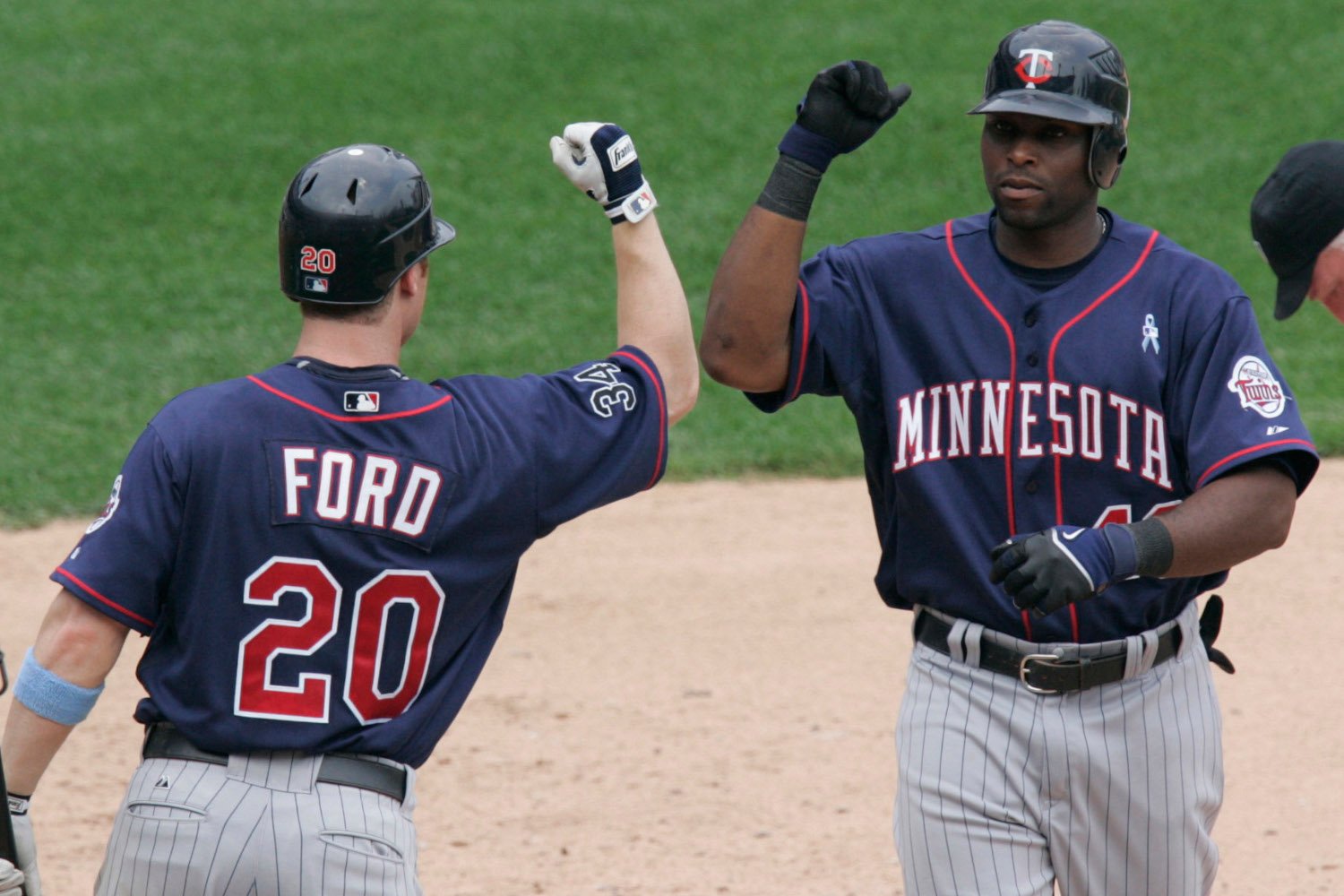 It's been a long time since the Twins won a playoff game. I don't have to belabor that point. However, allow me to belabor that point. In the last 19 seasons, the Twins have made the playoffs seven separate times. Seven separate teams have taken the field since the last time. When the 2023 playoffs start, five separate, distinct cores will have attempted to win just one playoff game. The first team in this string of futility featured not one but two players born during the John F. Kennedy presidency. One player for the Twins in 2023 was born a month before George W. Bush was elected. It's been a long time. I invite you to come along on this journey with me as we examine the anatomy of the team that has reached a level of playoff futility never seen before, a level that may even reach higher this year. We'll even consult philosophers dead for nearly 2000 years and ask: Have the Twins lost 18 consecutive playoff games? If you haven't already had the thought that Greggory Masterson is the most insufferable Twins Daily contributor you've ever read, you will today. I'm going to discuss one of Baby's First philosophical questions. If you've ever had the misfortune of sitting in an introduction to philosophy course (or worse, watching Marvel's WandaVision), you may have heard of the thought experiment called Theseus's Ship. It goes something like this. Imagine a great wooden ship. Years go by, and it makes many voyages. Occasionally, it needs repairs. Rotten or damaged wood is removed and replaced with new boards. Eventually, all of the original pieces of the ship have been removed and replaced. None of the original pieces of the ship are currently part of the ship. Is this still the same ship, or did it become a new ship? If it became a new ship, at what point did it cease being the old one? When every single original piece was finally removed? When it 50% old and new materials? Is it a new ship every time that a single piece is removed? If it is still the original ship, what if all of the old, original pieces were kept and reassembled back into a ship? Is this newly constructed ship a new one, distinct from the first, even though all of the original pieces are back in place, or do we have two of the same ships? I'm not here to answer those questions. I am here to document the absurdity of the number of boards that have been added and removed from the Twins ship. You can call it whatever you want—the Champion Ship or the Friend Ship are the names I like. Let's start at the beginning. 2004: The Maiden Voyage A bully good crew manned this ship captained by Ron Gardenhire. The Twins were coming off back-to-back-to-back AL Central championships, and they were led by a group who had been there from the first one in 2002, like Torii Hunter, Jacque Jones, Corey Koskie, and Christian Guzman. Even Matthew LeCroy was still around, and Brad Radke was getting the last out of his shredded arm. This core was the first of five to lead the team unsuccessfully into the belly of the whale. In truth, many were already on the way out, as fellow members of the early 2000s core like Doug Mientiewicz, A.J. Pierzynski, and David Ortiz had already begun the phasing out process. Ironically, the three would each win a championship in 2004 or 2005. Supplementing the core affectionately known as the team that saved baseball in Minnesota or the Get to Know 'em Twins were veterans like 2003 trade deadline hero Shannon Stewart, journeyman catcher Henry Blanco—who was thrust into the starting role after an early injury to then-rookie 21-year-old Joe Mauer—and pinch-hitting extraordinaire Jose Offerman. A second core was beginning to emerge with players like Justin Morneau, Michael Cuddyer—who played second base down the stretch that year—and a pre-wrecked-knee Jason Kubel—who batted six times as a DH in Game 2. Also along for the ride were batters thought to be part of the following core like Luis Rivas and Lew Ford, neither of whom had terribly productive careers with Minnesota after 2004, though Ford received MVP votes that year and had a solid 2005. On the pitching side, supplementing Radke was a crew of Cy Young Johan Santana, Kyle Lohse, and Carlos Silva, who each took wildly different career paths following 2004. In the bullpen, Joe Nathan was beginning his reign as one of the top closers in the game behind Mariano Rivera. Other notable names in that pen were J.C. Romero, Juan Rincon, and Jesse Crain. Oh, there was also Terry Mulholland, a great name to know if you're into Immaculate Grid. The wily veteran served as the team's long reliever and spot starter. He predates the Kennedy assassination, and when paired with backup-backup-backup catcher Pat Borders—who was also born before the incident at the grassy knoll—he was the pitching side to a battery whose ages added up to the third-highest number of any pitcher-catcher combo in MLB history. Also, Borders was the MVP of the 1992 World Series. That's a lot of names, and with the Twins coming off three consecutive division crowns, the sky was the limit. Twins who played in the 2004 ALDS: Grant Balfour, Henry Blanco, Pat Borders, Jesse Crain, Michael Cuddyer, Lew Ford, Christian Guzman, Torii Hunter, Jacque Jones, Corey Koskie, Jason Kubel, Matt LeCroy, Kyle Lohse, Justin Morneau, Terry Mulholland, Joe Nathan, Jose Offerman, Brad Radke Juan Rincon, Luis Rivas, J.C. Romero, Johan Santana, Shannon Stewart Italics indicate the player never appeared in the playoffs for Minnesota after this year 2006: Sunk in the Bay After something of a disaster in 2005, the Twins bounced back in 2006 to secure their fourth division championship in five years. However, the years were already showing on the construction of the ship. Of the 24 players who appeared in the 2004 ALDS, only nine returned to the field for the 2006 playoffs—Hunter, Morneau, Cuddyer, Ford, Santana, Radke, Nathan, Crain, and Rincon. Technically Ruben Sierra could have made the cut, as he was a member of the 2004 Yankees (as you may well remember), but he didn't make it to the end of the year with the Twins. In truth, Mauer and cult hero Nick Punto were members of the 2004 team but were injured before the 2004 playoffs. Likewise, Kubel did not play in the 2006 playoffs, but he would return in the following years. You can make your own judgments on whether those count as continuous pieces. Luis Castillo and Rondell White—the closest Terry Ryan got to acquiring hitmen—made their only appearances for the Twins in the playoffs this year. A bit more obscure were Phil Nevin's three plate appearances. This is your reminder that Phil Nevin was a Twin and that he played in a playoff game for them. I'd be remiss if I didn't mention the man who played DH and hit 8th instead of Nevin in the final two games—Jason Tyner. On the pitching side, much looked similar regarding the most notable names from 2004. Still, Matt Guerrier and standard-issue bullpen goofballs (big LOOGY) Dennys Reyes and (submarine pitcher) Pat Neshek made appearances. While I have you here, look up Dennys Reyes's statistics as a Twin. He was way better than you remember. Folk hero and September Rookie of the Month Boo(ooooooooooo)f Bonser replaced Silva in the rotation, pitching Game 2 Radke's final MLB appearance came in the third game, pitching with half an arm and enough cortisone in his body to kill a horse. 2006 also featured a third of an inning pitched by a rookie, 23-year-old Glen Perkins, who would never throw another pitch in the playoffs. Sadly, these were the last playoffs in Minnesota for Santana, Hunter, and Morneau. Morneau's case is unfortunate, as although he was a Twin in 2009 and 2010, injuries kept him out of the playoffs both years. 2006 was the last time Twins fans could watch him swing it in the postseason for their hometown team. By now, the only remaining leading cast members of the early 2000s teams were Radke and Hunter. Sure, some players like Santana and Cuddyer were around in those days, but they weren't the faces of the franchise. At this point, the focus had turned to the core built around the M&M Boys: Mauer and Morneau. But, for the first time in this streak, the Twins were swept. They couldn't muster even one win like they had in 2004. The count is at six. Returning pieces from 2004: Jesse Crain, Michael Cuddyer, Lew Ford, Torii Hunter, Justin Morneau, Joe Nathan, Brad Radke, Juan Rincon, Johan Santana New pieces in 2006: Jason Bartlett, Boof Bonser, Luis Castillo, Matt Guerrier, Joe Mauer, Pat Neshek, Phil Nevin, Glen Perkins, Nick Punto, Dennys Reyes, Jason Tyner, Rondell White Italics indicate the player never appeared in the playoffs for Minnesota after this year Look out for part two, which will cover 2009-2017.
- 2 comments
-
- 1
-
-
- torii hunter
- johan santana
- (and 3 more)
-
Pinch-hitting was a disaster for the Twins at the beginning of the year. However, they're still one of the best teams in the league at it. Image courtesy of Matt Blewett-USA TODAY Sports If you ask a Twins fan, “What does Rocco Baldelli love more than anything else?” you’ll probably hear some form of “make substitutions” as a response. Depending on the fan, that response could have any level of emotion to it. Love it or hate it, Rocco loves himself some substitutions. His strategy of trying to win right now—with less concern about what will happen later in the game—has led to the Twins pinch-hitting the third most times in the league in 2023 (and the tenth most pinch-running). He especially likes platoon swaps in-game, sometimes rolling out total line changes when the opponent brings in a left-handed reliever with as many as four pinch hitters. The rationale is straightforward. Left-handed hitters struggle against left-handed pitchers. The lefty greats are usable against same-handed pitchers, but none can do nearly the same amount of damage that they can against righties. Even an average righty hitter could be the better choice in that case. Those average righties can start against left-handed pitchers, too. After the opposing lefty leaves, a manager can bring in all of the left-handed hitters and maintain a strong lineup. Baldelli has undoubtedly bought into that idea. As early as Opening Day, the play was on. In the sixth inning, Kyle Farmer hit for Nick Gordon against lefty Amir Garrett and walked. Donovan Solano then hit for Joey Gallo and singled, driving in Trevor Larnach for the season’s first run. They finished the last four innings at second and first base, respectively. The strategy was off to a good start. After Opening Day, though: yeesh. In a June 30th mailbag, Athletic writer Aaron Gleeman reported that although the Twins had used the second-most pinch hitters in MLB to that point in the season (91 in 82 games), they ranked 26th in OPS at a paltry .496. That’s a pretty abysmal performance. For reference, Alex Kirilloff and Edouard Julien—players who have essentially been banned from hitting against lefties this season—have a .470 and .452 OPS against left-handed pitchers, respectively. They were only marginally worse than all pinch hitters to that point in the season. Against lefties specifically, Minnesota had the 28th-highest OPS from pinch hitters: .490. At that point, fans and team personnel had to question whether the lineup jumbling and complicated role structure on the team was worth the effort. Why not just let the young lefties play the whole game? Did they need to go through all this effort just to get a different version of a bad result? Fast-forward to mid-September. It’s been two and a half months since that low point. The Twins currently have a .723 OPS from their pinch hitters on the season, just a hair under the MLB average for all hitters. That’s good for eighth in the league. Somehow, after all that struggle and consternation, the Twins have cracked the top ten. From the beginning of July through September 15th, Twins pinch hitters had 80 plate appearances (third in MLB) with a .997 OPS (second in MLB) and a 170 wRC+ (best in MLB). Their pinch hitters have been on an absolute tear. That includes a .785 OPS (sixth in MLB) against lefties from their pinch hitters. Now, 80 plate appearances is little to go off. It’s a month’s worth of plate appearances for a full-time player. However, it does provide hope that the big-bench, pinch-hitting approach can work in the playoffs. 11 different players had pinch-hit since the beginning of July, and only Solano, Matt Wallner, and Christian Vazquez had an OPS below .750 during that time. Admittedly, fans can count on one hand the number of times many of the names at the top of the list have pinch-hit—two for Jorge Polanco, three for Ryan Jeffers, and so on. However, other than Donovan Solano (11 plate appearances), who has otherwise been the paragon of consistency on this team, the guys the Twins will look to as pinch hitters have performed well. Jordan Luplow (11 PA) and Kyle Farmer (10 PA) will be looked to mid-game against lefties, and they have a 1.260 and .800 OPS, respectively, as pinch hitters. Edouard Julien (11 PA) would be considered a substitution if he sits against a lefty starter, and he’s had a .909 OPS as a pinch hitter since the beginning of July. Of course, these are small samples, and dividing it amongst individual hitters isn’t an entirely meaningful analytical exercise. However, the practice of pinch-hitting has helped the team throughout the year, especially in the second half. There is reason to feel trepidation about Baldelli opening up his bench during playoff games. An early move that doesn’t work out can kneecap a team later in the game. There is a general pinch-hitter penalty for batters, as coming in cold off the bench isn’t an ideal way to prepare for a plate appearance. However, it’s been working lately. Some have suggested that players have adapted to the unorthodox style, and there’s something to be said for a learning curve. No one truly has a day off on these Twins teams. If it’s a system that a player is unfamiliar with, it might take a while to adjust. In this small sample, they have adjusted. Or it’s just noise. I won’t sit here and declare it fixed or a brilliant strategy. It’s just worth remembering that the practice hasn’t been as comically bad as it initially seemed. In the Wild Card, there might be a total of five such pinch hits. Who knows if it will actually work, but recent performance has me hopeful that it will. View full article