



Adam Friedman
-
Posts
102 -
Joined
-
Last visited
Content Type
Profiles
News
Minnesota Twins Videos
2026 Minnesota Twins Top Prospects Ranking
2022 Minnesota Twins Draft Picks
Minnesota Twins Free Agent & Trade Rumors, Notes, & Tidbits
Guides & Resources
2023 Minnesota Twins Draft Picks
The Minnesota Twins Players Project
2024 Minnesota Twins Draft Picks
2025 Minnesota Twins Draft Pick Tracker
2026 Minnesota Twins Draft Tracker: Picks & Bonuses
Forums
Blogs
Events
Store
Downloads
Gallery
Everything posted by Adam Friedman
-
The Big Question for the Minnesota Twins at DH: Alex Kirilloff's New Home
Adam Friedman posted an article in Twins
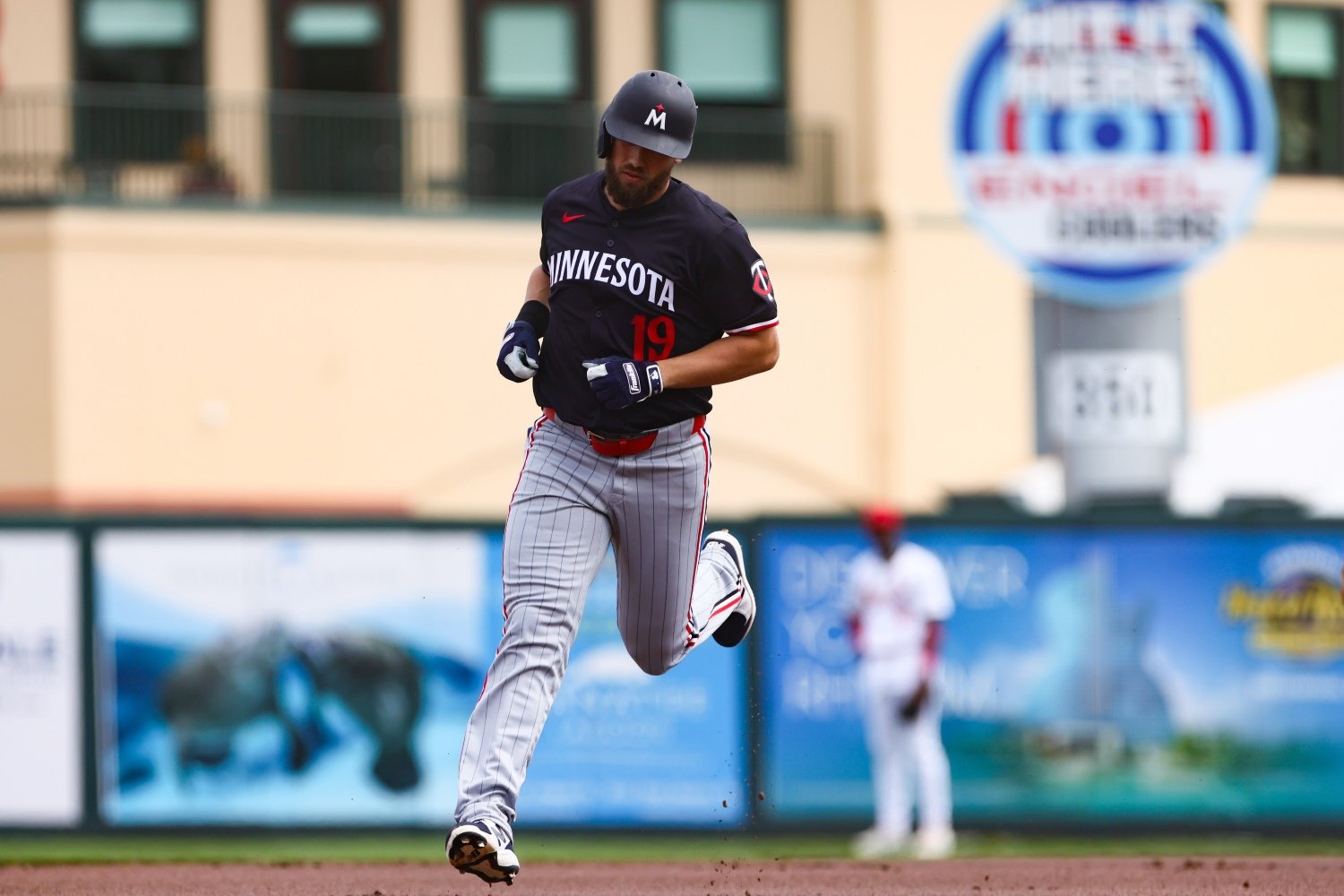 Last year, the Twins used the designated hitter position to keep Byron Buxton in the lineup, and to get injured players off their feet once Buxton was on the injured list. Buxton's plan to play center field this year opens up the DH spot for a new player to play full-time—at least to start the season. Alex Kirilloff will likely be the primary DH against right-handed pitchers, with Carlos Santana, the superior defender, handling first base. Kirilloff's new role brings up the question Twins fans have asked since 2021: will he finally have a productive and healthy season? It’s easy to be skeptical of the former top prospect. He hasn’t played 90 games in a season and has had some nasty rough patches, where his signature line drives to left-center field were replaced with strikeouts and routine ground balls to second base. With limited first-base reps expected this season, Kirilloff needs to step it up offensively to add value. The Twins hope that less time at first base will keep him healthy enough to be the hitter Twins fans once dreamed of. What are the key variables? Health Kirilloff has had persistent health issues since 2021, mainly focused on his wrist. He underwent surgery in July of 2021 to repair a torn ligament. In 2022, he tried to come back from that surgery and struggled to play through the lingering pain. To relieve the pain, he had another procedure in August of 2022, in which they shaved off some of his ulna bone to attempt to relieve the pain. In 2023, Kirilloff finally put the wrist issues behind him, after starting the season on the injured list due to being a bit behind schedule. But, in July, a new issue came up that he never recovered from. Kirilloff suffered a shoulder strain, which put him on the injured list for much of the season, and after his return, he wasn't the same--or, put another way, he was his same old, largely ineffective self. Following the season, he underwent another operation to repair his shoulder. Hopefully, the wrist issues are in the rearview mirror, and his shoulder cooperates so he can finally have an entire season at his best. Performance With all the frustrations around Kirilloff's health, his performance has become an afterthought. It feels like we’ve seen him at his best in stretches, but it quickly goes awry. A great example of this was his tremendous May in 2023, in which he posted a fantastic 167 wRC+. It seemed like we were finally getting the hitter we were promised, but that didn’t come to fruition, as he struggled in June and was good (but not great) when he played for the rest of the way. It's unrealistic to expect Kirilloff to put together a season in which he performs like he did in May 2023, but if the Twins can get something close, he will massively elevate the lineup and make the DH plan work. Kirilloff's 2023 ended painfully, when he was pulled off the playoff roster after struggling offensively and missing an essential play at first base in the pivotal Game 3 loss against Houston. It’s clear there's a great hitter in him, and if he can tap into his massive talent for most of the 2024 season, he will be a big bonus for the lineup. If not, Brooks Lee, Trevor Larnach, and others will look to push him out of a job.
 -
Is Anthony DeSclafani enough to boost the rotation of a Minnesota Twins team that wants to be true contenders? Image courtesy of © Darren Yamashita-USA TODAY Sports Is Anthony DeSclafani enough to boost the rotation of a Minnesota Twins team that wants to be true contenders? While the acquisitions of reliever Justin Topa and top-100 prospect Gabriel González were exciting pieces to receive for Jorge Polanco as part of a four-player package, the inclusion of Anthony Desclafani revealed that the Twins likely finalized their 2024 rotation in an uninspiring fashion. The addition of Desclafani leaves the rotation in a concerning spot for a team looking to contend not just for an AL Central title but also a World Series title. Slotting him in as the fifth starter leaves the backend of the rotation mediocre, doesn't address the need for an additional frontline starter to pair with Pablo López, and brings in more injury questions for a rotation full of them. Questionable Backend of the Rotation The Twins went into the offseason with the makings of a strong starting rotation despite the imminent departures of Sonny Gray and Kenta Maeda. They needed to acquire a frontline starter to pair with López, and Chris Paddack; Joe Ryan; and Bailey Ober would fill in. Beyond forming a 1-2 punch at the front of the rotation, the trio at the back would stand above their peers. Despite a disappointing 2023, Ryan is projected to post a solid 4.01 ERA by Fangraphs' ZiPS projection system. ZiPS projects Ober to post a 3.98 ERA. These results would be an improvement on the Twins' worst two rotation mainstays from 2023- Ryan and Maeda, who posted a 4.51 ERA and 4.23 ERA. If Ober and Ryan, who have shown the ability to outpitch these projections at times, meet these projections, that would be a significant step up on last year's rotation, one of the best in Twins history. DeSclafani, on the other hand, is projected to post a 4.30 ERA. That's okay and is still an improvement on Maeda and Ryan's 2023 performance, but it diminishes a potentially elite backend of the rotation. DeSclafani's presence isn't a disaster by any means, but his taking up a place on the staff prevents the back of the rotation from being the strength it could and should be. Still Needing a Frontline Starter With their strong lineup, bullpen, and some strong starters, the expectations for the 2024 Twins are to repeat as division champions and try to make it to the ALCS or beyond. To do that, they need an additional playoff-caliber starter without Gray. The front office might argue that Paddack is ready to be that guy after his promising glimpses out of the bullpen in 2023. That may be true, but he has not been good since his rookie season in 2019. Five years and a Tommy John surgery later, he's not a guy to rely upon. The Twins also might believe Ryan or Ober can step up, but they didn't show that this past year, and the Twins didn't believe in them when they planned early exits for both of them in the ALDS. Ryan especially may be able to become a high-end number two starter, but he's relying on his improved slider to work, and he needs to keep the ball in the park. These options are not what a team that is more likely than not to make a playoff appearance per betting odds should plan on. They can still get a frontline starter before the season starts or even at the deadline, but the DeSclafani addition indicates that move won't happen. For now, these are the options, and they need to be better for the team to meet its goals in October. Injury Questions On top of the pure talent of the rotation not fitting with the ambitions this organization should have for 2024, it's also riddled with injury questions. Pitchers often have injury concerns, but the fewer injury concerns on the staff, the less likely injuries are to derail a promising season. Paddack is coming off his second Tommy John surgery and hasn't pitched more than 110 innings since 2021. Ober has been fragile for his entire professional career, and his 164 innings in 2023 were the first time he pitched more than 110 innings. DeSclafani brings a flexor strain, which he is yet to be cleared from, although there's hope he's ready by Opening Day. These concerns are enough to make one queasy about the rotation entering the year. The Jorge Polanco trade had many interesting components and parts to be excited about. But the way the rotation shakes out with DeSclafani as the fifth starter and no additional frontline starter is not where it should be. Will the Twins make another move to upgrade their rotation to one worthy of the team, or is this it? View full article
-
Anthony DeSclafani in the Rotation Raises More Questions than Answers
Adam Friedman posted an article in Twins
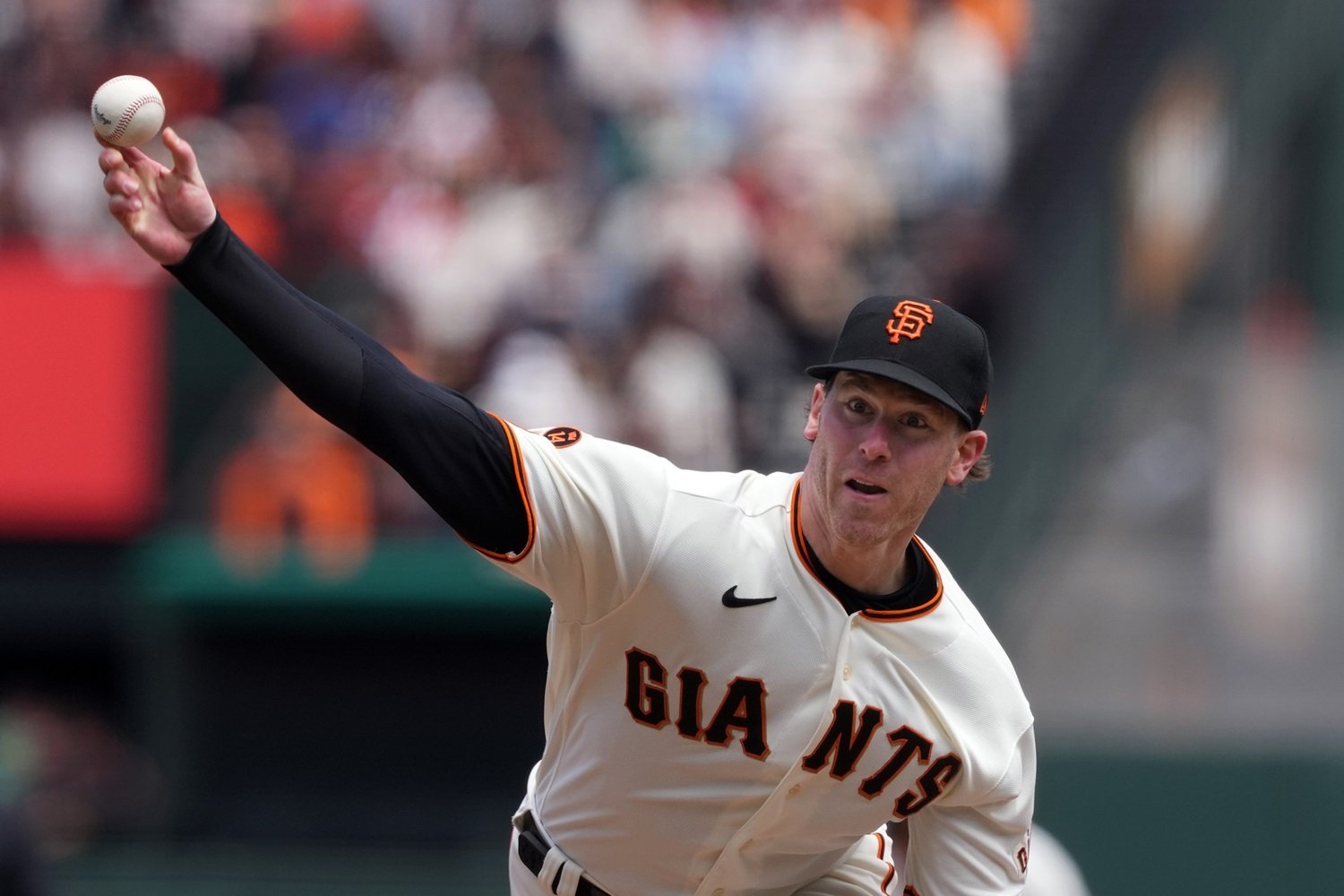 While the acquisitions of reliever Justin Topa and top-100 prospect Gabriel González were exciting pieces to receive for Jorge Polanco as part of a four-player package, the inclusion of Anthony Desclafani revealed that the Twins likely finalized their 2024 rotation in an uninspiring fashion. The addition of Desclafani leaves the rotation in a concerning spot for a team looking to contend not just for an AL Central title but also a World Series title. Slotting him in as the fifth starter leaves the backend of the rotation mediocre, doesn't address the need for an additional frontline starter to pair with Pablo López, and brings in more injury questions for a rotation full of them. Questionable Backend of the Rotation The Twins went into the offseason with the makings of a strong starting rotation despite the imminent departures of Sonny Gray and Kenta Maeda. They needed to acquire a frontline starter to pair with López, and Chris Paddack; Joe Ryan; and Bailey Ober would fill in. Beyond forming a 1-2 punch at the front of the rotation, the trio at the back would stand above their peers. Despite a disappointing 2023, Ryan is projected to post a solid 4.01 ERA by Fangraphs' ZiPS projection system. ZiPS projects Ober to post a 3.98 ERA. These results would be an improvement on the Twins' worst two rotation mainstays from 2023- Ryan and Maeda, who posted a 4.51 ERA and 4.23 ERA. If Ober and Ryan, who have shown the ability to outpitch these projections at times, meet these projections, that would be a significant step up on last year's rotation, one of the best in Twins history. DeSclafani, on the other hand, is projected to post a 4.30 ERA. That's okay and is still an improvement on Maeda and Ryan's 2023 performance, but it diminishes a potentially elite backend of the rotation. DeSclafani's presence isn't a disaster by any means, but his taking up a place on the staff prevents the back of the rotation from being the strength it could and should be. Still Needing a Frontline Starter With their strong lineup, bullpen, and some strong starters, the expectations for the 2024 Twins are to repeat as division champions and try to make it to the ALCS or beyond. To do that, they need an additional playoff-caliber starter without Gray. The front office might argue that Paddack is ready to be that guy after his promising glimpses out of the bullpen in 2023. That may be true, but he has not been good since his rookie season in 2019. Five years and a Tommy John surgery later, he's not a guy to rely upon. The Twins also might believe Ryan or Ober can step up, but they didn't show that this past year, and the Twins didn't believe in them when they planned early exits for both of them in the ALDS. Ryan especially may be able to become a high-end number two starter, but he's relying on his improved slider to work, and he needs to keep the ball in the park. These options are not what a team that is more likely than not to make a playoff appearance per betting odds should plan on. They can still get a frontline starter before the season starts or even at the deadline, but the DeSclafani addition indicates that move won't happen. For now, these are the options, and they need to be better for the team to meet its goals in October. Injury Questions On top of the pure talent of the rotation not fitting with the ambitions this organization should have for 2024, it's also riddled with injury questions. Pitchers often have injury concerns, but the fewer injury concerns on the staff, the less likely injuries are to derail a promising season. Paddack is coming off his second Tommy John surgery and hasn't pitched more than 110 innings since 2021. Ober has been fragile for his entire professional career, and his 164 innings in 2023 were the first time he pitched more than 110 innings. DeSclafani brings a flexor strain, which he is yet to be cleared from, although there's hope he's ready by Opening Day. These concerns are enough to make one queasy about the rotation entering the year. The Jorge Polanco trade had many interesting components and parts to be excited about. But the way the rotation shakes out with DeSclafani as the fifth starter and no additional frontline starter is not where it should be. Will the Twins make another move to upgrade their rotation to one worthy of the team, or is this it?
 -
As the 2024 season approaches, uncertainty looms over the Twins' center field situation. With Michael A. Taylor's departure feeling fairly likely and Byron Buxton's injury history, can they find the stability they need to defend their division title? Image courtesy of © Neville E. Guard-USA TODAY Sports As the 2024 season approaches, uncertainty looms over the Twins' center field situation. With Michael A. Taylor's departure feeling fairly likely and Byron Buxton's injury history, can they find the stability they need to defend their division title? Center field is full of potential solutions, but also plenty of question marks. Beyond Byron Buxton, candidates include Willi Castro, Nick Gordon, and Austin Martin. However, Castro may not carry forward his success from 2023; Gordon was a disaster before missing the rest of the season with a fractured shin; and Martin could use a bit more time in Triple A, after a delayed start to 2023 with a UCL sprain. Plus, there are defensive questions about all three. Center-Field Stability One call the Twins should make is to the San Francisco Giants, with an eye toward acquiring Austin Slater as some valuable insurance. While not providing the elite defense in center that Buxton and Michael A. Taylor do, public defensive metrics indicate he's generally been around average in center, without being asked to be an everyday player. While not a star by any means, Slater has been slightly above average as a hitter, with a career 105 wRC+. Should Buxton be unavailable to play center field, having Slater would raise the floor and prevent disaster. His well-rounded skill set can answer one of the team's main questions, as they look to defend their division title. Lefty Masher Beyond the defensive value, Slater is a reliably terrific hitter against lefties--something the Twins have needed for years. He posted a 123 wRC+ against lefties in 2023, and owns a 131 wRC+ for his career, making him an excellent weapon for Rocco Baldelli to pencil into the lineup in those matchups and pinch-hitting opportunities against lefty relievers, in the event that the Twins did trade for him. Unlike previous right-handed platoon outfielders over the last few years (namely Kyle Garlick and Jordan Luplow), Slater provides flexibility. Should Buxton go down, he could platoon with Gordon or Castro (a switch-hitter) in center. Should Buxton remain healthy, he can fill in for Max Kepler or Matt Wallner in a corner. Adding Slater gives Baldelli and the Twins more options to play the matchups. The Trade Under Derek Falvey, the Twins have made awful trades with Farhan Zaidi and the Giants, bringing in Sam Dyson in 2019 and trading away Late Night LaMonte Wade, Jr. in 2020. However, bringing in Slater would address multiple needs, and there is plenty of reason for both sides to make the deal. From the Giants' standpoint, they just signed Korean star Jung Hoo Lee, so they have their center fielder for the next six years. In addition, Mitch Haniger is already on their books as a lefty-mashing righty platoon bat. Beyond Lee and Haniger, Luis Matos, formerly one of their top prospects and still just 21 years old, makes Slater redundant for San Francisco. Matos struggled against righties in his first year in the big leagues but crushed lefties, with a 135 wRC+. He can stick in center, and is undoubtedly part of their long-term future. Slater will be a free agent following the 2024 season and is projected to make $3.6 million in arbitration before then. One potential fit could be Kyle Farmer, who is projected to make $6.6 million in arbitration, amid an budget crunch and a surplus of infielders this offseason for Minnesota. Susan Slusser of the San Francisco Chronicle reported that San Francisco is looking to add a shortstop to take some pressure off top-100 prospect, 22-year-old Marco Luciano. Farmer could be the perfect short-term solution for the Giants at shortstop, and the additional $3 million in payroll that Farmer will add relative to Slater is insignificant in their budget. The Twins may have to add a prospect to make this trade work, but if Zaidi views Farmer as a shortstop, the teams and players match up well. Slater could be an essential role player for the Twins in 2024, just like Farmer was in 2023. Would you want the Twins to trade for Austin Slater? View full article
- 27 replies
-
- 1
-

-
- austin slater
- byron buxton
- (and 3 more)
-
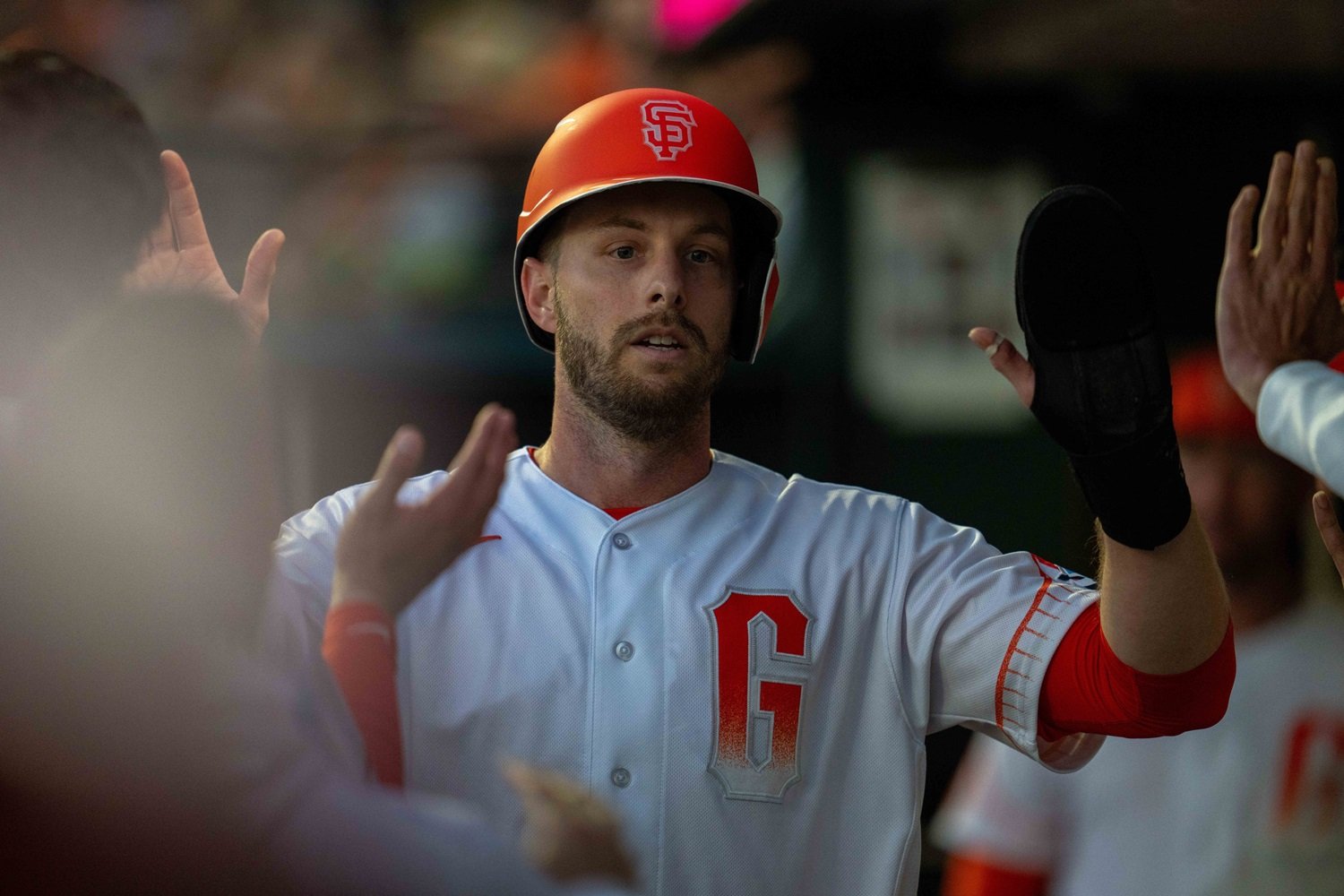 Center field is full of potential solutions, but also plenty of question marks. Beyond Byron Buxton, candidates include Willi Castro, Nick Gordon, and Austin Martin. However, Castro may not carry forward his success from 2023; Gordon was a disaster before missing the rest of the season with a fractured shin; and Martin could use a bit more time in Triple A, after a delayed start to 2023 with a UCL sprain. Plus, there are defensive questions about all three. Center-Field Stability One call the Twins should make is to the San Francisco Giants, with an eye toward acquiring Austin Slater as some valuable insurance. While not providing the elite defense in center that Buxton and Michael A. Taylor do, public defensive metrics indicate he's generally been around average in center, without being asked to be an everyday player. While not a star by any means, Slater has been slightly above average as a hitter, with a career 105 wRC+. Should Buxton be unavailable to play center field, having Slater would raise the floor and prevent disaster. His well-rounded skill set can answer one of the team's main questions, as they look to defend their division title. Lefty Masher Beyond the defensive value, Slater is a reliably terrific hitter against lefties--something the Twins have needed for years. He posted a 123 wRC+ against lefties in 2023, and owns a 131 wRC+ for his career, making him an excellent weapon for Rocco Baldelli to pencil into the lineup in those matchups and pinch-hitting opportunities against lefty relievers, in the event that the Twins did trade for him. Unlike previous right-handed platoon outfielders over the last few years (namely Kyle Garlick and Jordan Luplow), Slater provides flexibility. Should Buxton go down, he could platoon with Gordon or Castro (a switch-hitter) in center. Should Buxton remain healthy, he can fill in for Max Kepler or Matt Wallner in a corner. Adding Slater gives Baldelli and the Twins more options to play the matchups. The Trade Under Derek Falvey, the Twins have made awful trades with Farhan Zaidi and the Giants, bringing in Sam Dyson in 2019 and trading away Late Night LaMonte Wade, Jr. in 2020. However, bringing in Slater would address multiple needs, and there is plenty of reason for both sides to make the deal. From the Giants' standpoint, they just signed Korean star Jung Hoo Lee, so they have their center fielder for the next six years. In addition, Mitch Haniger is already on their books as a lefty-mashing righty platoon bat. Beyond Lee and Haniger, Luis Matos, formerly one of their top prospects and still just 21 years old, makes Slater redundant for San Francisco. Matos struggled against righties in his first year in the big leagues but crushed lefties, with a 135 wRC+. He can stick in center, and is undoubtedly part of their long-term future. Slater will be a free agent following the 2024 season and is projected to make $3.6 million in arbitration before then. One potential fit could be Kyle Farmer, who is projected to make $6.6 million in arbitration, amid an budget crunch and a surplus of infielders this offseason for Minnesota. Susan Slusser of the San Francisco Chronicle reported that San Francisco is looking to add a shortstop to take some pressure off top-100 prospect, 22-year-old Marco Luciano. Farmer could be the perfect short-term solution for the Giants at shortstop, and the additional $3 million in payroll that Farmer will add relative to Slater is insignificant in their budget. The Twins may have to add a prospect to make this trade work, but if Zaidi views Farmer as a shortstop, the teams and players match up well. Slater could be an essential role player for the Twins in 2024, just like Farmer was in 2023. Would you want the Twins to trade for Austin Slater?
- 27 comments
-
- 7
-
-
- austin slater
- byron buxton
- (and 3 more)
-
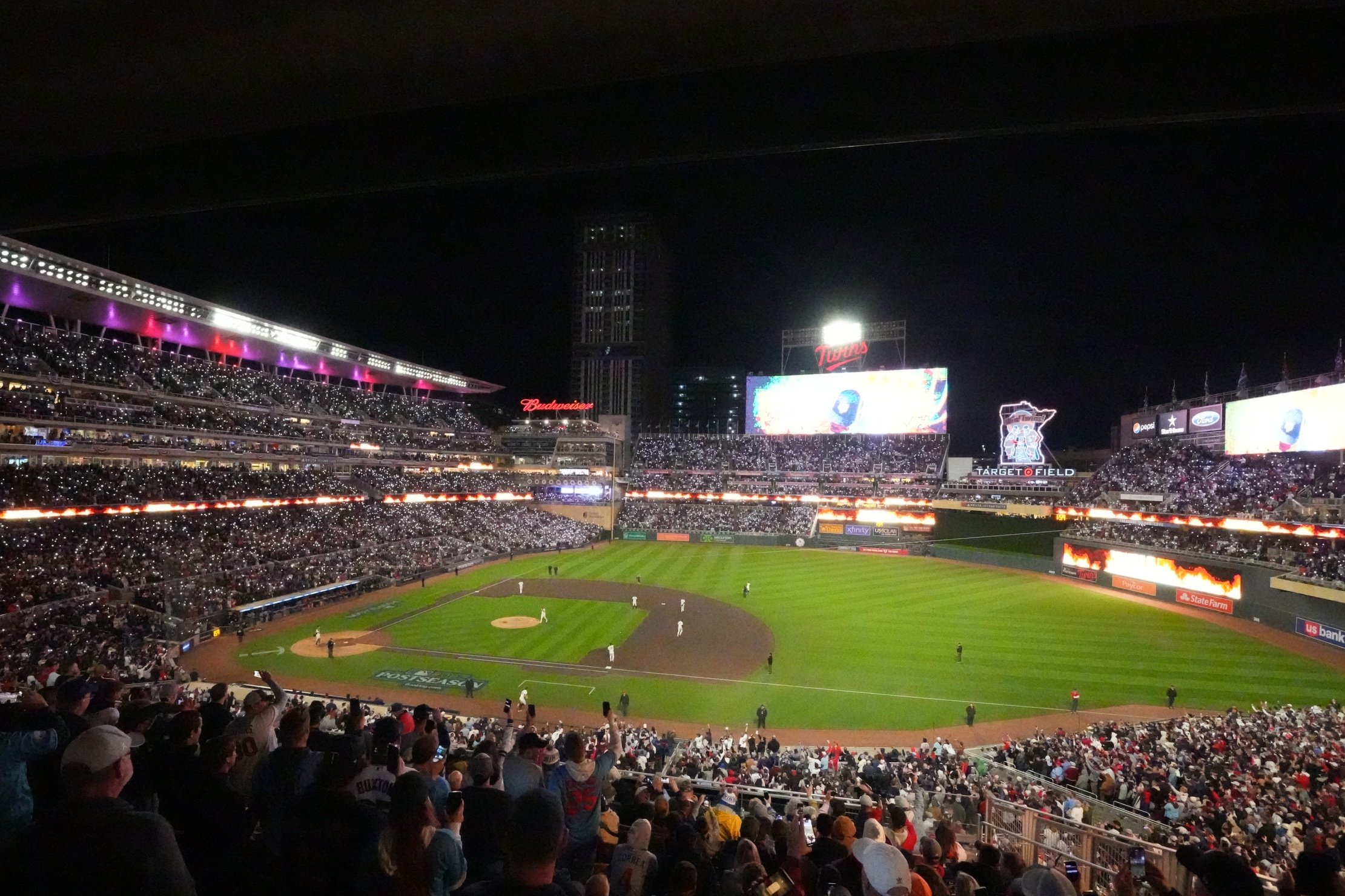 Late on Tuesday night, Bobby Nightengale of the Star Tribune and Dan Hayes of the Athletic reported that the Twins will lower their payroll from around $155 million in 2023 to $125 million - $140 million in 2024. Twins fans could expect this as the team hinted this was coming due to the lost revenue from their television deal with Bally Sports ending. Hoping didn't make it any less frustrating. The vibes around the team were the best they had been in years, but now fans are rightfully angry. This Team Deserves Investment When the Twins ended the longest playoff losing streak in North American Sports history, Target Field erupted, and fans everywhere were jubilant. After years of playoff frustration, this team finally showed something when the lights were bright and lifted a humongous monkey off the entire fanbase's back. They were the talk of the Minnesota media market, for once. While fans were disappointed after the Game 4 exit against Houston, fans and media believed they could build on that short run in the coming years to go even further. If they add a couple of impact players to their terrific core, the sky should be the limit for this team. But it now seems unlikely they will make the necessary additions to elevate the team from good to great. Harsh Roster Ramifications The consequences of slashing payroll during a "winning window" are severe. To make regular season success as likely as possible, depth is critical. We saw that in 2023 when Michael A. Taylor, Donovan Solano, and Kyle Farmer stepped up as leaders off the field and essential contributors on the field. With a slashed payroll, veteran depth becomes a luxury that the Twins can't afford. Without that veteran depth, if things get nasty on the injury front, things will likely spiral like in 2022. The top of the roster will suffer, too. If ownership just held payroll to what it was in 2023, the Twins would have the flexibility to add at least one more marquee talent. Under these conditions, they will likely lose a key player like Jorge Polanco. If they want to add impact talent, it'll have to be via trade, costing them prospects critical to maintaining a cheap yet successful team. Whichever route they opt for, choosing to reduce your total available assets is detrimental to any team. Penny Pinching Billionaires The Twins cite diminished television revenue as the reason for cutting the payroll. While this is a reasonable explanation, there are also reasons they shouldn't do this from a business perspective. Making a playoff run brings in extra revenue with a sold-out ballpark and more expensive tickets. Further, enthusiasm leads to a more extensive season ticket base, a key revenue driver. By retreating from this team financially, enthusiasm will go down, and so will ticket sales- not just in 2024 but for multiple years. The Twins point out that they pushed payroll to franchise-record highs in recent years. But nobody should thank the Pohlads for spending in line with their market size for the last few years. They underinvested during the Joe Mauer and Justin Morneau era and retreated from spending during a long and hard rebuild in the following years. The criticism they receive for not spending has been merited for most of their time owning this team and is merited now. The Pohlads are the second-richest family in Minnesota. The Twins aren't their primary source of income. No Pohlad, present or future, would be impacted if they chose to go into the red to invest in this team, and we won't even know if they go into the red because their books aren't public. This family is wealthy beyond our imagination and owns a constantly appreciating asset that happens to be our favorite baseball team. If they want us to believe them that they are good stewards of this multi-billion dollar "community asset," they should show some respect for the community and try to win a World Series- instead of sucking any bit of profit out of the organization that they can.
 -
Fans are rightfully disappointed after the Twins announced they will reduce payroll in 2024. Image courtesy of Matt Blewett-USA TODAY Sports Fans are rightfully disappointed after the Twins announced they will reduce payroll in 2024. Late on Tuesday night, Bobby Nightengale of the Star Tribune and Dan Hayes of the Athletic reported that the Twins will lower their payroll from around $155 million in 2023 to $125 million - $140 million in 2024. Twins fans could expect this as the team hinted this was coming due to the lost revenue from their television deal with Bally Sports ending. Hoping didn't make it any less frustrating. The vibes around the team were the best they had been in years, but now fans are rightfully angry. This Team Deserves Investment When the Twins ended the longest playoff losing streak in North American Sports history, Target Field erupted, and fans everywhere were jubilant. After years of playoff frustration, this team finally showed something when the lights were bright and lifted a humongous monkey off the entire fanbase's back. They were the talk of the Minnesota media market, for once. While fans were disappointed after the Game 4 exit against Houston, fans and media believed they could build on that short run in the coming years to go even further. If they add a couple of impact players to their terrific core, the sky should be the limit for this team. But it now seems unlikely they will make the necessary additions to elevate the team from good to great. Harsh Roster Ramifications The consequences of slashing payroll during a "winning window" are severe. To make regular season success as likely as possible, depth is critical. We saw that in 2023 when Michael A. Taylor, Donovan Solano, and Kyle Farmer stepped up as leaders off the field and essential contributors on the field. With a slashed payroll, veteran depth becomes a luxury that the Twins can't afford. Without that veteran depth, if things get nasty on the injury front, things will likely spiral like in 2022. The top of the roster will suffer, too. If ownership just held payroll to what it was in 2023, the Twins would have the flexibility to add at least one more marquee talent. Under these conditions, they will likely lose a key player like Jorge Polanco. If they want to add impact talent, it'll have to be via trade, costing them prospects critical to maintaining a cheap yet successful team. Whichever route they opt for, choosing to reduce your total available assets is detrimental to any team. Penny Pinching Billionaires The Twins cite diminished television revenue as the reason for cutting the payroll. While this is a reasonable explanation, there are also reasons they shouldn't do this from a business perspective. Making a playoff run brings in extra revenue with a sold-out ballpark and more expensive tickets. Further, enthusiasm leads to a more extensive season ticket base, a key revenue driver. By retreating from this team financially, enthusiasm will go down, and so will ticket sales- not just in 2024 but for multiple years. The Twins point out that they pushed payroll to franchise-record highs in recent years. But nobody should thank the Pohlads for spending in line with their market size for the last few years. They underinvested during the Joe Mauer and Justin Morneau era and retreated from spending during a long and hard rebuild in the following years. The criticism they receive for not spending has been merited for most of their time owning this team and is merited now. The Pohlads are the second-richest family in Minnesota. The Twins aren't their primary source of income. No Pohlad, present or future, would be impacted if they chose to go into the red to invest in this team, and we won't even know if they go into the red because their books aren't public. This family is wealthy beyond our imagination and owns a constantly appreciating asset that happens to be our favorite baseball team. If they want us to believe them that they are good stewards of this multi-billion dollar "community asset," they should show some respect for the community and try to win a World Series- instead of sucking any bit of profit out of the organization that they can. View full article
-
The free agent starting pitching class includes the presumptive National League Cy Young, the greatest player of all time, and a handful of proven MLB frontline starters. Still, there's a good chance you've never heard of the most intriguing starting pitcher in the class. Yoshinobu Yamamoto may be the best Japanese pitcher ever to come to Major League Baseball, and there have been some great ones. Image courtesy of © Yukihito Taguchi-USA TODAY Sports The free agent starting pitching class includes the presumptive National League Cy Young, the greatest player of all time, and a handful of proven MLB frontline starters. Still, there's a good chance you've never heard of the most intriguing starting pitcher in the class. Yoshinobu Yamamoto may be the best Japanese pitcher ever to come to Major League Baseball, and there have been some great ones. If the Twins can make one more massive long-term investment in this team, Yoshinobu Yamamoto makes the most sense of any free agent, reasonably assuming Minnesota won't shatter an MLB record to sign his Japanese compatriot, Shohei Ohtani . Given the lack of investment in any free agent pitching and the status of the T.V. deal, it would be surprising to see the Twins shell out big money, but besides Ohtani, there's nobody better in the free agent market to help the Twins build off their 2023 division title and playoff run. A Special NPB Performer Yamamato burst onto the NPB scene for the Orix Buffaloes at 19 years old in 2017 and hasn't looked back. In that season, he posted a 2.35 ERA in 57.1 IP. He then hit a new level in 2021, winning the first of three consecutive Sawamura Awards (the NPB equivalent of the Cy Young Award)- becoming the first player to do so since 1958. He has been simply dominant to the tune of a 1.82 career ERA- including a 1.16 ERA in 2023. Tim Britton of the Athletic put together a version of ERA+ for Japanese pitchers who came over to MLB- which adjusts their ERA for the NPB run-scoring environment. Using this metric over their final three seasons in NPB, Yamamoto will be the best NPB pitcher to come stateside, edging out Masahiro Tanaka . Ace-Level Stuff Yamamoto's success in the NPB makes him an exciting free-agent target, but his stuff makes him an incredibly tantalizing talent. He has a mid-to-upper 90s fastball, a nasty splitter, and a unique and fantastic high-spin curveball- which work together to keep the ball on the ground and strike out plenty of hitters. That is a nasty mix that will allow him to get lefties and righties out. Yamamoto has only given up 36 home runs in 967 NPB innings. That is an absurd .4 HR/9. Further, in 2023, he posted a solid 9.3 SO/9 and a fantastic 1.5 BB/9. Keeping the ball in the ballpark, minimizing walks, and putting up a solid strikeout rate bodes well for sustainable success. Scouts, unsurprisingly, view him as a potential number-one starter and as a step up from Kodai Senga , who had an exceptional rookie season in 2023. A Rare Expensive Opportunity A 25-year-old with ace-level stuff is not often available in free agency, so Yamamoto will demand a lot of money- likely over $200 million, and the team who signs him will have to pay Orix a posting fee over $20 million. But Yamamoto seems highly likely to perform even better than his massive contract because it's unlikely any team will pay what he's worth, given his lack of MLB experience. The Twins have never paid a starting pitcher long-term, but the chance to bring in a number-one starter at a slightly depressed value hasn't come around. They should pay over the market value because he's far more likely than a typical free agent to outperform his market over the entire term of the contract. The Twins front office should pay for Yamamoto's stuff and upside because he could be as good as any starting pitcher they've had in years. The Mets are reportedly the favorites to land Yamamoto, so it's unlikely the Twins will land him, but they should attempt to make him an offer he can't refuse- one that accurately values his ace-level upside. With a Yamamoto/Pablo Lopez one-two punch for the immediate future, the sky is the limit for the rotation. Do you want the Twins to pursue Yamamoto? View full article
-
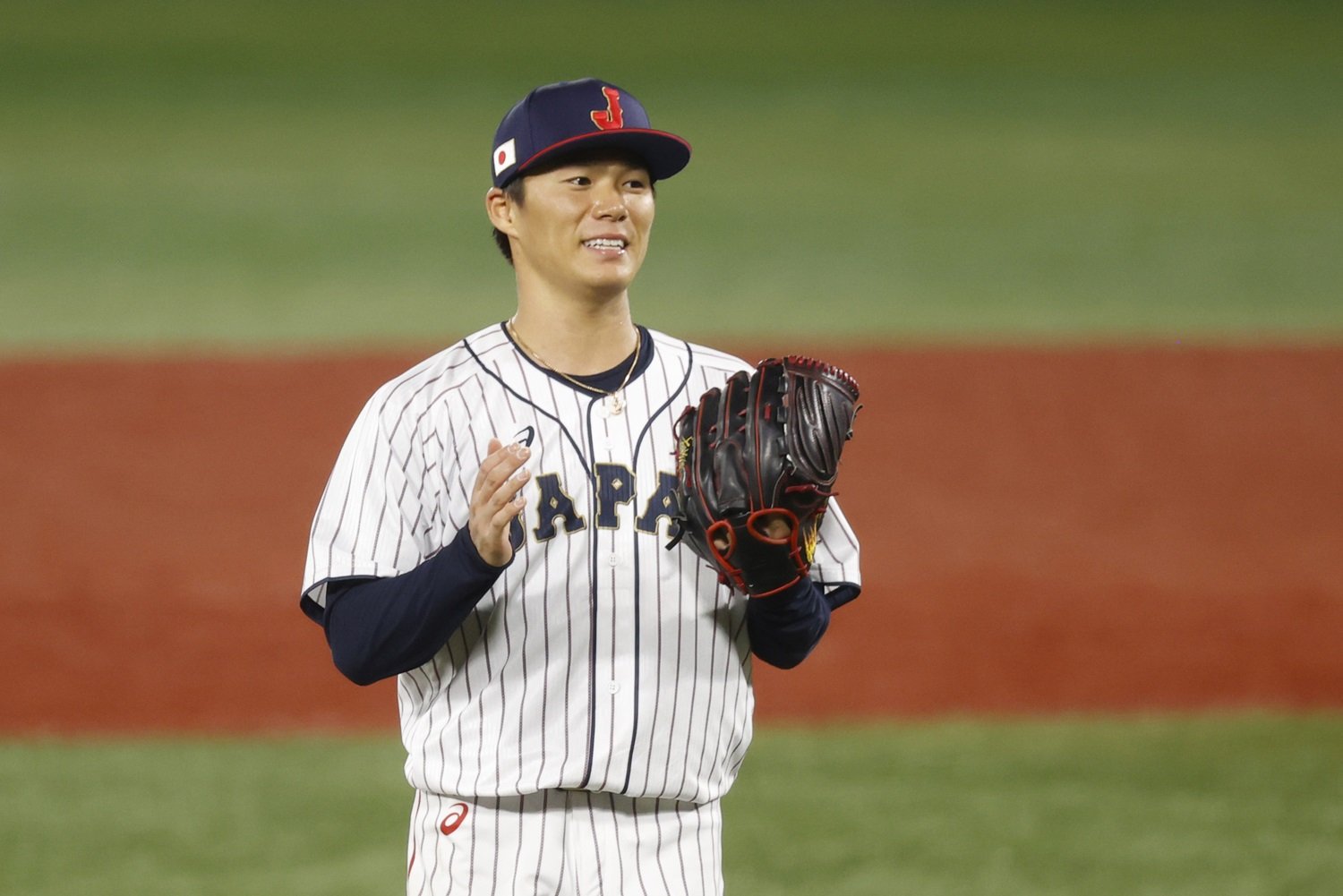 If the Twins can make one more massive long-term investment in this team, Yoshinobu Yamamoto makes the most sense of any free agent, reasonably assuming Minnesota won't shatter an MLB record to sign his Japanese compatriot, Shohei Ohtani . Given the lack of investment in any free agent pitching and the status of the T.V. deal, it would be surprising to see the Twins shell out big money, but besides Ohtani, there's nobody better in the free agent market to help the Twins build off their 2023 division title and playoff run. A Special NPB Performer Yamamato burst onto the NPB scene for the Orix Buffaloes at 19 years old in 2017 and hasn't looked back. In that season, he posted a 2.35 ERA in 57.1 IP. He then hit a new level in 2021, winning the first of three consecutive Sawamura Awards (the NPB equivalent of the Cy Young Award)- becoming the first player to do so since 1958. He has been simply dominant to the tune of a 1.82 career ERA- including a 1.16 ERA in 2023. Tim Britton of the Athletic put together a version of ERA+ for Japanese pitchers who came over to MLB- which adjusts their ERA for the NPB run-scoring environment. Using this metric over their final three seasons in NPB, Yamamoto will be the best NPB pitcher to come stateside, edging out Masahiro Tanaka . Ace-Level Stuff Yamamoto's success in the NPB makes him an exciting free-agent target, but his stuff makes him an incredibly tantalizing talent. He has a mid-to-upper 90s fastball, a nasty splitter, and a unique and fantastic high-spin curveball- which work together to keep the ball on the ground and strike out plenty of hitters. That is a nasty mix that will allow him to get lefties and righties out. Yamamoto has only given up 36 home runs in 967 NPB innings. That is an absurd .4 HR/9. Further, in 2023, he posted a solid 9.3 SO/9 and a fantastic 1.5 BB/9. Keeping the ball in the ballpark, minimizing walks, and putting up a solid strikeout rate bodes well for sustainable success. Scouts, unsurprisingly, view him as a potential number-one starter and as a step up from Kodai Senga , who had an exceptional rookie season in 2023. A Rare Expensive Opportunity A 25-year-old with ace-level stuff is not often available in free agency, so Yamamoto will demand a lot of money- likely over $200 million, and the team who signs him will have to pay Orix a posting fee over $20 million. But Yamamoto seems highly likely to perform even better than his massive contract because it's unlikely any team will pay what he's worth, given his lack of MLB experience. The Twins have never paid a starting pitcher long-term, but the chance to bring in a number-one starter at a slightly depressed value hasn't come around. They should pay over the market value because he's far more likely than a typical free agent to outperform his market over the entire term of the contract. The Twins front office should pay for Yamamoto's stuff and upside because he could be as good as any starting pitcher they've had in years. The Mets are reportedly the favorites to land Yamamoto, so it's unlikely the Twins will land him, but they should attempt to make him an offer he can't refuse- one that accurately values his ace-level upside. With a Yamamoto/Pablo Lopez one-two punch for the immediate future, the sky is the limit for the rotation. Do you want the Twins to pursue Yamamoto?
 -
C: Christian Vazquez ($10.00M) 1B: Pete Alonso ($22M) 2B: Ed Julien ($.77M) 3B: Royce Lewis ($0.77M) SS: Carlos Correa ($33.33M) LF: Trevor Larnach ($0.77M) CF: Byron Buxton ($15.00M) RF: Max Kepler ($10.00M) DH: Matt wallner ($0.77M) 4th OF: Willi Castro ($3.20M) Utility: Austin Martin ($0.77M) Utility: Kevin Kiermeir ($10M) Backup C: Ryan Jeffers ($2.30M) SP1: Pablo Lopez ($8.25M) SP2: Joe Ryan ($0.77M) SP3: Bailey Ober ($0.77M) SP4: Chris Paddack ($2.53M) SP5: Max fried ($14.4M) RP: Jhoan Duran ($0.77M) RP: Brock Stewart ($0.77M) RP: Griffin Jax ($0.77M) RP: Jorge Alcala ($1.00M) RP: Caleb Thielbar ($3.00M) RP: Cole Sands ($0.77M) RP: Jovani Moran ($0.77M) RP: Kody Funderburk ($0.77M) Payroll is 6.91% over budget
-
It seems somewhat likely Correas plantar fasciitis is gone in 2024, which would make me expect that he is back to being one of the best shortstops in baseball on both sides of the ball. Of course it’s harder to be optimistic about Buxton, but he’s the much smaller portion of the money going to those two. Either way, I’d love to see ownership increase payroll, despite the TV deal issues- which feels highly unlikely. They would then be able to add one more big contract.
- 41 replies
-
- 3
-
-
- juan soto
- pete alonso
- (and 2 more)
-
I love Noot. He’d be a fun addition. He has a bunch of team control left, so we would have to give up a haul.
-
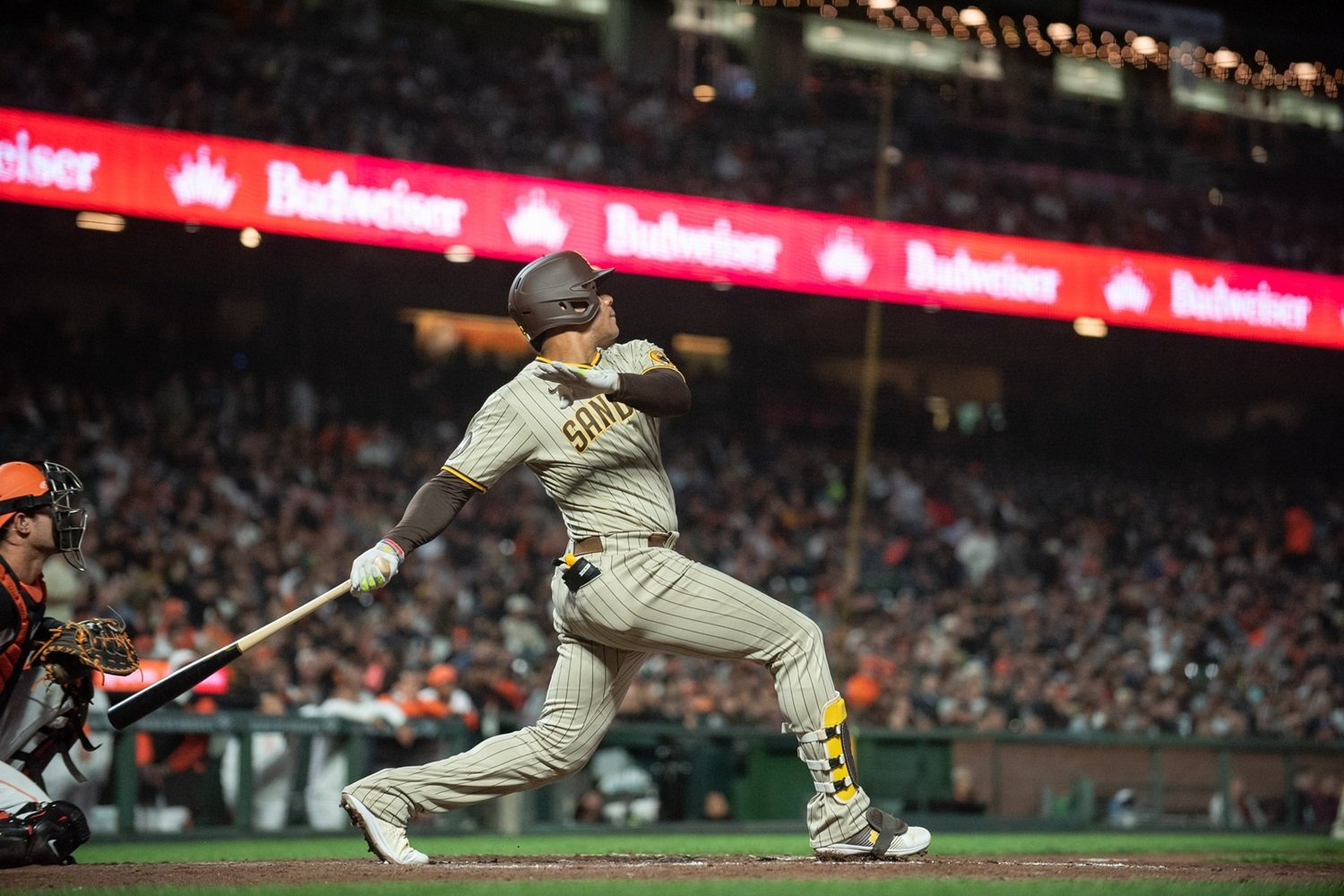 Juan Soto San Diego's superstar left fielder, Juan Soto, is the best potential trade candidate this offseason. The Padres have indicated they will look to get under the luxury tax, and Soto has one year of team control left and is projected to receive $33 million in his final year of arbitration, so trading him is a logical way for the Padres to shed payroll and stock their team for future seasons. Soto is one of the best hitters in baseball and is on a hall-of-fame track at just 24 years old. He has a wRC+ of at least 143 every year of his career and, in his age-20 season, led the Nationals to a World Series. In 2023, he had an out-of-this-world 18.6% BB% and just 18.2% K%, and he hit 35 home runs. He would upgrade the Twins lineup in an almost unimaginable way. A Soto deal would look like the 2020 Mookie Betts trade, where Boston received one year of a superstar in Betts and for the Dodgers' top prospect, Alex Verdugo, and two top 15 organizational prospects. If the Twins were to trade for Soto, Matt Wallner would be replaced and could serve as part of the package after a tremendous first year in the majors. Soto is estimated to be owed $33 million in 2024, his final year of arbitration, and any team trading for him would likely seek to extend him for around $500 million. They've surprised us before in recent years, but this makes the Twins unlikely suitors. But if they want to add one more massive contract, Soto would be well worth it. Pete Alonso The Polar Bear is most known for his two Home Run Derby championships, but Pete Alonso is also a great hitter in games. Alonso can hit the ball out to all fields and has hit at least 37 home runs in every season of his career. He carries an above-average BB% at 9.9% for his career and a poor but not terrible 22.3% K%. His strikeout rate was up, and his batting average was down massively in 2023, which corresponds with a dip in his wRC+ to 121 from 141, but the batted ball data indicates he was still phenomenal, and the dips in result may be due to bad luck. Publicly, the Mets' leadership stated he will be back in 2024, but that is at odds with indications that they may take a step back and continue building up their farm system. If the Twins add Alonso, it would certainly impact the future of Alex Kirilloff, whose offseason surgery news seems optimistic. Given Alonso is a step or two down from Soto as a hitter, is projected to be owed $22 million in 2023, and is at the bottom of the defensive spectrum, the trade cost wouldn't be too prohibitive. With the trade price of Alonso, an expensive extension feels less necessary, especially with him being a qualifying offer-eligible. Getting such a great hitter from the biggest-spending team in baseball feels unrealistic, but given the Mets' and the Twins' respective circumstances, it just might make sense. Anthony Santander After the Orioles' abrupt end to a 101-win season, they will need to be players in the starting pitching market, and freeing up payroll to address the rotation with the harsh payroll constraints they've operated under historically could mean moving on from Santander's projected $12 million. Santander, a switch-hitting corner outfielder, has historically hit for enough power to be an above-average hitter despite an average BB% and below-average K%. Investing in Santander would likely mean that the Twins chose to trade Max Kepler. They could then put Matt Wallner in right field, where his cannon of an arm is better utilized, and Santander in left field. Santander has been more productive over the last few seasons than Kepler. He had a wRC+ above 119 every year- except in 2021. Kepler was poor in 2021 and 2022 before his massive bounce back in 2023. Looking into the small sample size of the postseason, Kepler carries a .505 OPS in his postseason career, while Santander stepped up with a .930 OPS in his first postseason appearances this season. Bringing in Santander and moving Kepler would provide Rocco Baldelli flexibility with a switch-hitter who also brings a superior offensive production track record. Chas McCormick In 2023, Chas McCormick established himself as one of the best overall centerfielders in baseball, with a terrific 133 wRC+ and above-average defense. However, throughout the season, he fell in and out of favor with the organization, especially Dusty Baker. Baker appears to view his defense in centerfield as a problem and often left him out of the lineup or in left field. This seeming lack of faith could mean that another organization may view McCormick as more valuable than Houston, and he could be moved this winter. McCormick would provide elite Byron Buxton insurance and has shown he can play left field or right field solidly if Buxton is healthy. He strikes out a ton but was a great hitter in 2023, fueled by a .489 slugging percentage. McCormick would be a massive upgrade on Michael A. Taylor offensively and provide certainty in center field for the three seasons he's still under team control. Given his great bat (especially against lefties), solid defense at a premium position, and three years of team control, McCormick may be the most valuable trade piece in this article despite being one of the least well-known. However, if the Twins feel they cannot rely on Buxton, bringing him in would be sensible. Upgrading the lineup will be a challenge, given all the homegrown talent the Twins have, but it should be a priority for this front office. Despite the payroll uncertainty, they have the chips to make a trade asset deal. Now is the time to make a big splash to build on the 2023 playoff run and push for a championship. Who would you like to see the Twins target in the trade market?
- 41 comments
-
- 4
-
-
- juan soto
- pete alonso
- (and 2 more)
-
After breaking the longest playoff losing streak in North American sports history, the Twins look to improve on a solid foundation. With a relatively weak free agent market, the best way to improve the team may be to deal from their surplus. We know this front office can aim high, so let's start with some candidates if they're looking to take a big swing. Image courtesy of © Ed Szczepanski-USA TODAY Sports After breaking the longest playoff losing streak in North American sports history, the Twins look to improve on a solid foundation. With a relatively weak free agent market, the best way to improve the team may be to deal from their surplus. We know this front office can aim high, so let's start with some candidates if they're looking to take a big swing. Juan Soto San Diego's superstar left fielder, Juan Soto, is the best potential trade candidate this offseason. The Padres have indicated they will look to get under the luxury tax, and Soto has one year of team control left and is projected to receive $33 million in his final year of arbitration, so trading him is a logical way for the Padres to shed payroll and stock their team for future seasons. Soto is one of the best hitters in baseball and is on a hall-of-fame track at just 24 years old. He has a wRC+ of at least 143 every year of his career and, in his age-20 season, led the Nationals to a World Series. In 2023, he had an out-of-this-world 18.6% BB% and just 18.2% K%, and he hit 35 home runs. He would upgrade the Twins lineup in an almost unimaginable way. A Soto deal would look like the 2020 Mookie Betts trade, where Boston received one year of a superstar in Betts and for the Dodgers' top prospect, Alex Verdugo, and two top 15 organizational prospects. If the Twins were to trade for Soto, Matt Wallner would be replaced and could serve as part of the package after a tremendous first year in the majors. Soto is estimated to be owed $33 million in 2024, his final year of arbitration, and any team trading for him would likely seek to extend him for around $500 million. They've surprised us before in recent years, but this makes the Twins unlikely suitors. But if they want to add one more massive contract, Soto would be well worth it. Pete Alonso The Polar Bear is most known for his two Home Run Derby championships, but Pete Alonso is also a great hitter in games. Alonso can hit the ball out to all fields and has hit at least 37 home runs in every season of his career. He carries an above-average BB% at 9.9% for his career and a poor but not terrible 22.3% K%. His strikeout rate was up, and his batting average was down massively in 2023, which corresponds with a dip in his wRC+ to 121 from 141, but the batted ball data indicates he was still phenomenal, and the dips in result may be due to bad luck. Publicly, the Mets' leadership stated he will be back in 2024, but that is at odds with indications that they may take a step back and continue building up their farm system. If the Twins add Alonso, it would certainly impact the future of Alex Kirilloff, whose offseason surgery news seems optimistic. Given Alonso is a step or two down from Soto as a hitter, is projected to be owed $22 million in 2023, and is at the bottom of the defensive spectrum, the trade cost wouldn't be too prohibitive. With the trade price of Alonso, an expensive extension feels less necessary, especially with him being a qualifying offer-eligible. Getting such a great hitter from the biggest-spending team in baseball feels unrealistic, but given the Mets' and the Twins' respective circumstances, it just might make sense. Anthony Santander After the Orioles' abrupt end to a 101-win season, they will need to be players in the starting pitching market, and freeing up payroll to address the rotation with the harsh payroll constraints they've operated under historically could mean moving on from Santander's projected $12 million. Santander, a switch-hitting corner outfielder, has historically hit for enough power to be an above-average hitter despite an average BB% and below-average K%. Investing in Santander would likely mean that the Twins chose to trade Max Kepler. They could then put Matt Wallner in right field, where his cannon of an arm is better utilized, and Santander in left field. Santander has been more productive over the last few seasons than Kepler. He had a wRC+ above 119 every year- except in 2021. Kepler was poor in 2021 and 2022 before his massive bounce back in 2023. Looking into the small sample size of the postseason, Kepler carries a .505 OPS in his postseason career, while Santander stepped up with a .930 OPS in his first postseason appearances this season. Bringing in Santander and moving Kepler would provide Rocco Baldelli flexibility with a switch-hitter who also brings a superior offensive production track record. Chas McCormick In 2023, Chas McCormick established himself as one of the best overall centerfielders in baseball, with a terrific 133 wRC+ and above-average defense. However, throughout the season, he fell in and out of favor with the organization, especially Dusty Baker. Baker appears to view his defense in centerfield as a problem and often left him out of the lineup or in left field. This seeming lack of faith could mean that another organization may view McCormick as more valuable than Houston, and he could be moved this winter. McCormick would provide elite Byron Buxton insurance and has shown he can play left field or right field solidly if Buxton is healthy. He strikes out a ton but was a great hitter in 2023, fueled by a .489 slugging percentage. McCormick would be a massive upgrade on Michael A. Taylor offensively and provide certainty in center field for the three seasons he's still under team control. Given his great bat (especially against lefties), solid defense at a premium position, and three years of team control, McCormick may be the most valuable trade piece in this article despite being one of the least well-known. However, if the Twins feel they cannot rely on Buxton, bringing him in would be sensible. Upgrading the lineup will be a challenge, given all the homegrown talent the Twins have, but it should be a priority for this front office. Despite the payroll uncertainty, they have the chips to make a trade asset deal. Now is the time to make a big splash to build on the 2023 playoff run and push for a championship. Who would you like to see the Twins target in the trade market? View full article
- 41 replies
-
- 1
-
-
- juan soto
- pete alonso
- (and 2 more)
-
Three Keys for the Twins to Slay the Astros
Adam Friedman replied to Adam Friedman's topic in Twins Daily Front Page News
The Astros don’t really have any lefty’s in their bullpen. Their righties can get lefties out, but they won’t force Rocco to consider pinch hitting. It should give Julien, Wallner, and Kirilloff the chance to really get going. -
Three Keys for the Twins to Slay the Astros
Adam Friedman replied to Adam Friedman's topic in Twins Daily Front Page News
I get this point, but I think it’s critical to keep Lewis, Polanco, and Julien in the lineup against righties. The Astros are going to score some runs and we need to play good defense to limit it, but it’s just as important to score runs against them. The silver lining is that against Valdez Julien will sit and Farmer can play third. -
Three Keys for the Twins to Slay the Astros
Adam Friedman replied to Adam Friedman's topic in Twins Daily Front Page News
Yup. Even if they contain Alvarez and Altuve, they’re going to need some runs this series! -
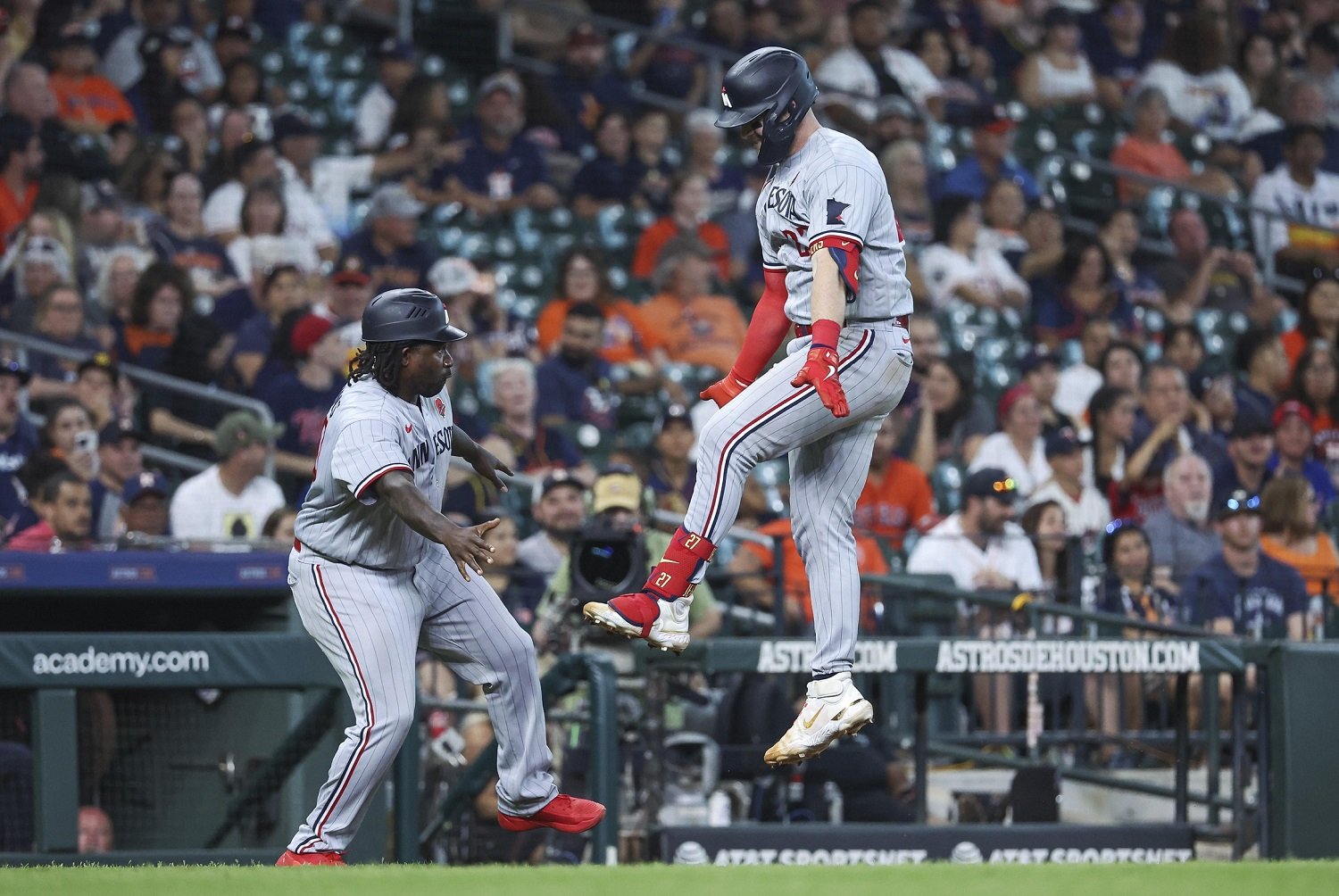 I argued a couple of weeks ago that while the Astros are still a great team, they have vulnerabilities that make them a beatable opponent for the Twins, despite Minnesota being the underdog. To exploit the weaknesses of the first Houston team in the last seven years to win fewer than 95 games with 90, the Twins can do three key things to put themselves in a great position to advance. Contain Altuve and Alvarez The 2023 Astros are not as deep as prior Houston teams in the lineup. They will start at least three below-average hitters by wRC+, yet their offense still finished the regular season fifth in wRC+, largely because they get exceptional production from future Hall of Famer Jose Altuve and arguably the best hitter in baseball, Yordan Alvarez. Kyle Tucker and Alex Bregman are also terrific and playoff-proven hitters, but they aren't quite at the top-tier level of Altuve and Alvarez. Beyond that core of four, the Astros only have two other players with a wRC+ above 100, meaning they are above average. Those two are Yainer Diaz and Chas McCormick, neither of whom is guaranteed to start any postseason games based on Dusty Baker's lineups down the stretch. With this lack of depth, the Astros will heavily rely on Altuve and Alvarez to provide them with the production needed to win the series. It's doubtful that the Twins will be able to shut this pair of superstars down completely, so the goal will be to scatter singles from them and prevent them from hurting the Twins with the long ball. That would force the rest of the Astros to win the series for them, which should be a big ask for that group of hitters against the Twins' strong pitching staff. Twins Hitters Top to Bottom Step Up Against an Inferior Pitching Staff Justin Verlander is a future Hall of Famer and Framber Valdez is a tough lefty who troubled the Twins in the 2020 playoffs. In 2023, neither was as good as Kevin Gausman, and the Astros bullpen is not as deep as Toronto's. Beyond the top two starters, there is a massive drop-off to Hunter Brown, Cristian Javier , and J.P. France. Overall, the Astros finished 14th in ERA and 17th in FIP. Houston's elite offense is its strength, unlike Toronto, whose pitching carried them, so the Twins will need to expose the weaker pitching they will see in this series and score more than 2.5 runs per game. To expose the Astros' pitching staff, the Twins will need the hitters who struggled against Toronto to step up. That includes but is not limited to Edouard Julien, Max Kepler, Alex Kirilloff, Matt Wallner, and Ryan Jeffers. Many in that group could be aided by a short left field wall- especially Julien, Kirilloff, and Jeffers. It didn't matter that this group was poor against Toronto because the Blue Jays only scored one run. That level of run prevention is unlikely to be repeated against an offense of Houston's quality and experience, so the Twins will need a few hitters in this group to step up and help the offense put up closer to five runs per game. Continue to Make Plays in the Field The Wild Card Series was an even affair between two good but very even teams. Both teams pitched well, and neither hit much, but the Twins separated themselves from the Blue Jays by playing tremendous defense to steal outs and prevent runs. Carlos Correa was amazing defensively, cutting down Bo Bichette at home after a Jorge Polanco mistake, and in Game 2 leading a pickoff play against Vladimir Guerrero Jr. Julien was also solid at second, contrary to his reputation, and Michael A. Taylor made some dazzling plays in center field. To beat Houston, the Twins will need to not only pitch well and score more runs but also continue to take away runs in the field. As we saw, it can be the difference in tight games. It will be crucial to be exceptional in the field against a far superior offense to Toronto's. Missing a play and giving them a run and an extra out could be disastrous, but taking away a hit or making a heads-up play to steal an out can also boost the pitching staff as they grind against a good offense. Defense could be the separator that gets the Twins to the ALCS and snaps the Astros' six-year streak. Final Thoughts Knocking off a dynasty and ending an incredible streak of dominance in the American League will not be easy. But this Astros team isn't as strong as they have been in recent years, so pulling off the upset is possible if the Twins execute defensively and on the bump, and the lineup comes to life against a mediocre pitching staff. Will the Twins do what's needed to come within four wins of their first World Series birth since 1991?
 -
Starting on Saturday afternoon, the Minnesota Twins will play a second-round playoff series for the first time since 2001. After beating Toronto, it's easy for fans to dream about a deep run, at least to the American League Championship Series (ALCS). To do that, the Twins will have to snap another streak... the Houston Astros' six-year streak of making it to the ALCS. Image courtesy of Troy Taormina-USA TODAY Sports Starting on Saturday afternoon, the Minnesota Twins will play a second-round playoff series for the first time since 2001. After beating Toronto, it's easy for fans to dream about a deep run, at least to the American League Championship Series (ALCS). To do that, the Twins will have to snap another streak... the Houston Astros' six-year streak of making it to the ALCS. I argued a couple of weeks ago that while the Astros are still a great team, they have vulnerabilities that make them a beatable opponent for the Twins, despite Minnesota being the underdog. To exploit the weaknesses of the first Houston team in the last seven years to win fewer than 95 games with 90, the Twins can do three key things to put themselves in a great position to advance. Contain Altuve and Alvarez The 2023 Astros are not as deep as prior Houston teams in the lineup. They will start at least three below-average hitters by wRC+, yet their offense still finished the regular season fifth in wRC+, largely because they get exceptional production from future Hall of Famer Jose Altuve and arguably the best hitter in baseball, Yordan Alvarez. Kyle Tucker and Alex Bregman are also terrific and playoff-proven hitters, but they aren't quite at the top-tier level of Altuve and Alvarez. Beyond that core of four, the Astros only have two other players with a wRC+ above 100, meaning they are above average. Those two are Yainer Diaz and Chas McCormick, neither of whom is guaranteed to start any postseason games based on Dusty Baker's lineups down the stretch. With this lack of depth, the Astros will heavily rely on Altuve and Alvarez to provide them with the production needed to win the series. It's doubtful that the Twins will be able to shut this pair of superstars down completely, so the goal will be to scatter singles from them and prevent them from hurting the Twins with the long ball. That would force the rest of the Astros to win the series for them, which should be a big ask for that group of hitters against the Twins' strong pitching staff. Twins Hitters Top to Bottom Step Up Against an Inferior Pitching Staff Justin Verlander is a future Hall of Famer and Framber Valdez is a tough lefty who troubled the Twins in the 2020 playoffs. In 2023, neither was as good as Kevin Gausman, and the Astros bullpen is not as deep as Toronto's. Beyond the top two starters, there is a massive drop-off to Hunter Brown, Cristian Javier , and J.P. France. Overall, the Astros finished 14th in ERA and 17th in FIP. Houston's elite offense is its strength, unlike Toronto, whose pitching carried them, so the Twins will need to expose the weaker pitching they will see in this series and score more than 2.5 runs per game. To expose the Astros' pitching staff, the Twins will need the hitters who struggled against Toronto to step up. That includes but is not limited to Edouard Julien, Max Kepler, Alex Kirilloff, Matt Wallner, and Ryan Jeffers. Many in that group could be aided by a short left field wall- especially Julien, Kirilloff, and Jeffers. It didn't matter that this group was poor against Toronto because the Blue Jays only scored one run. That level of run prevention is unlikely to be repeated against an offense of Houston's quality and experience, so the Twins will need a few hitters in this group to step up and help the offense put up closer to five runs per game. Continue to Make Plays in the Field The Wild Card Series was an even affair between two good but very even teams. Both teams pitched well, and neither hit much, but the Twins separated themselves from the Blue Jays by playing tremendous defense to steal outs and prevent runs. Carlos Correa was amazing defensively, cutting down Bo Bichette at home after a Jorge Polanco mistake, and in Game 2 leading a pickoff play against Vladimir Guerrero Jr. Julien was also solid at second, contrary to his reputation, and Michael A. Taylor made some dazzling plays in center field. To beat Houston, the Twins will need to not only pitch well and score more runs but also continue to take away runs in the field. As we saw, it can be the difference in tight games. It will be crucial to be exceptional in the field against a far superior offense to Toronto's. Missing a play and giving them a run and an extra out could be disastrous, but taking away a hit or making a heads-up play to steal an out can also boost the pitching staff as they grind against a good offense. Defense could be the separator that gets the Twins to the ALCS and snaps the Astros' six-year streak. Final Thoughts Knocking off a dynasty and ending an incredible streak of dominance in the American League will not be easy. But this Astros team isn't as strong as they have been in recent years, so pulling off the upset is possible if the Twins execute defensively and on the bump, and the lineup comes to life against a mediocre pitching staff. Will the Twins do what's needed to come within four wins of their first World Series birth since 1991? View full article
-
Walker JenkinsBrooks LeeEmmanuel RodriguezMarco RayaDavid FestaAustin MartinYunior SeverinoCharlee SotoBrandon WinokurLuke KeaschallYasser MercedesConnor PrielippSimeon Woods RichardsonKala'i RosarioDanny De AndradeTanner SchobelCory LewisJose SalasNoah MillerJair Camargo
-
The Astros are Not the Juggernaut You Remember
Adam Friedman replied to Adam Friedman's topic in Twins Daily Front Page News
I certainly give credence to their experience and success. I don’t love the idea of playing them in the Wild Card round. Their lineup just isn’t that deep, and they don’t have any Cy Young contenders -
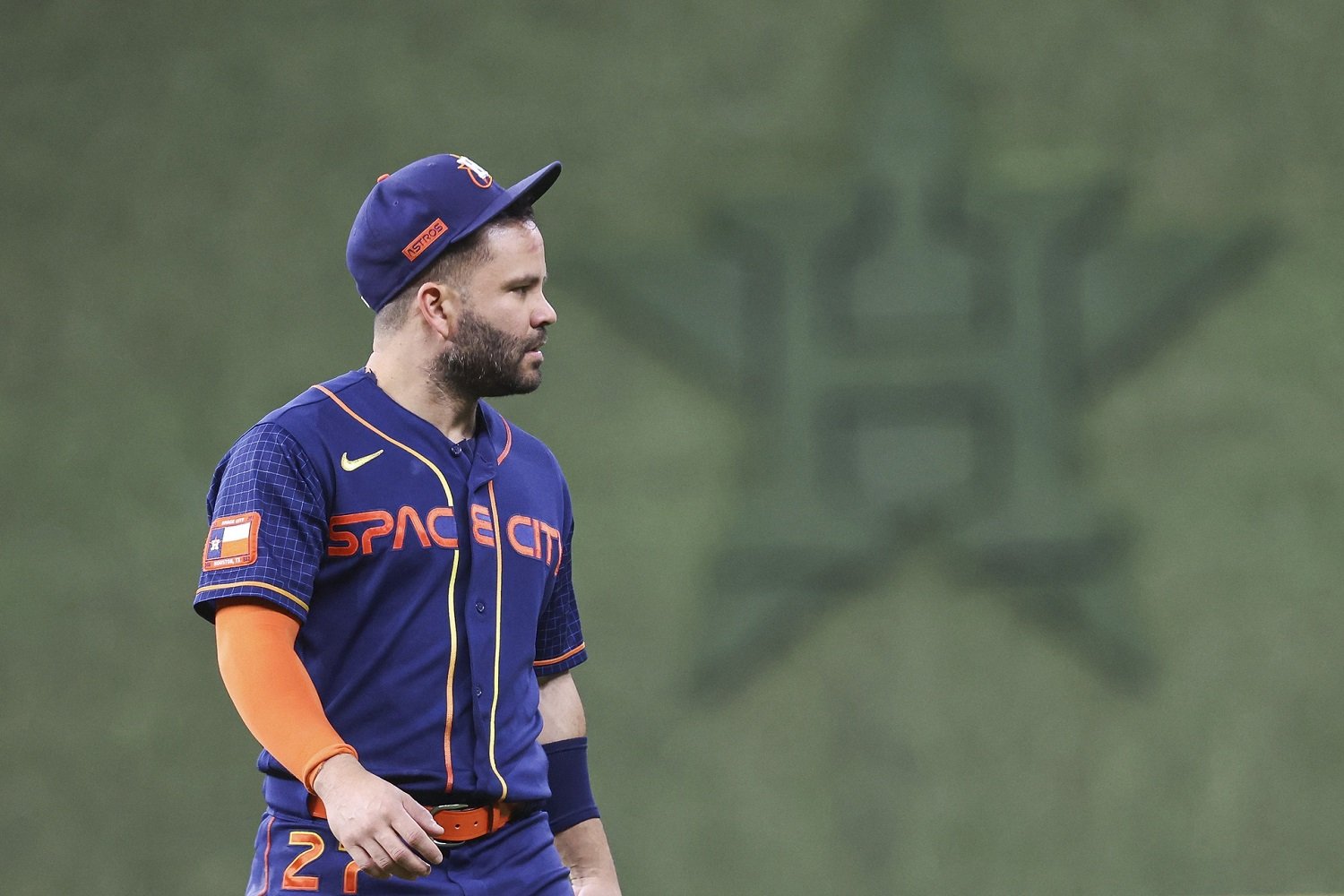 Since the Astros exited what was, at the time, the most extreme tank and rebuild ever, they've been the class of the American League. They started winning in 2015, but in 2017, they took the leap to being an elite team and haven't looked back. They won the World Series in 2017* and 2022 and have made the ALCS every year - including in 2019 and 2021, when they advanced to the World Series and lost. Losing in the Wild Card round is hard to envision, but this team may be different. Are they different enough for the Twins to win their first playoff series since 2004 and end this absurd run of postseason success? What's the Same? Core of Elite Hitters While they are in their second season without Carlos Correa, the Astros have retained their other core elite position players. Jose Altuve, Alex Bregman, Kyle Tucker, and Yordan Alvarez comprise the elite core. Altuve and Alvarez have missed significant time but have been their usual outstanding selves when healthy. This group has historically performed in the postseason, and each player has been a critical cog in the dynasty. Alvarez is one of the best hitters in baseball. He destroys righties and lefties and doesn't really have a zone where he struggles. He's posted an absurd .422 wOBA this season, underperforming an even crazier .437 xwOBA. He hits the ball hard, controls the strike zone, and strikes out at a reasonable rate. The top of this lineup is daunting, and where one big hit can change a game in the postseason, it's reasonable to see them coming through and extending the Twins' postseason losing streak. What's Different? Lineup Length One of the significant differences between this team and past Astros teams is reduced lineup length. They've had six players (who've played at least 90 games) perform below average offensively with a wRC+ of less than 100. Those six players are Martin Maldonado, José Abreu, Jeremy Peña, Corey Julks, Jake Meyers, and Mauricio Dubón. They can play Yainer Diaz at catcher over Maldonado, but Dusty Baker hasn't done that much this season, and the pitchers prefer Maldonado. They are stuck with Abreu and Peña in the lineup. Julks and Meyers can be replaced by Michael Brantley and Chas McCormick respectively, but Brantley has missed most of the season due to injury and has not been his usual self since returning and is 36 years old. After having a stretch as one of the elite centerfielders in baseball, McCormick missed time with an injury and seems to have somewhat fallen out of favor with Baker - drawing criticism from some fans and media. The Astros lineup isn't as strong as in years past from top to bottom, but they can still put a formidable lineup out there. Despite the lack of length, the Astros rank 5th in baseball in wRC+ this season, a few spots ahead of the Twins, who sit in 9th. Whether they play McCormick and Diaz or stick with Meyers and Maldonado will dictate how much pressure they can apply to Twins' pitchers from the top to the bottom of their lineup. Mediocre Pitching The most shocking development in Houston is a pitching staff that has taken a big step back. Their staff ranks 9th in ERA but 16th in fWAR, and 18th in FIP. Their starters have been mediocre, and their bullpen has, too. They brought Justin Verlander back to shore up their playoff rotation, but he's far from Cy Young form. Hector Neris and Bryan Abreu have been stellar in the bullpen, but former Twin Ryan Pressley hasn't been elite in closing games. Abreu has been stellar, but he gave up a 10th-inning home run to Ryan Jeffers in Houston in May. Where the Astros pitching should scare Twins fans is game one. Their best pitcher is Framber Valdez, who's left-handed. The Twins' struggles against lefties are well-documented. Valdez starting will likely prevent some of the Twins' best players - Matt Wallner, Edouard Julien, and Alex Kirilloff - from starting in game one, which is disappointing. While Valdez is a terrible matchup for the Twins, the Astros staff isn't star-studded and dominant like in years past. The Astros ranked first in 2022 in FIP, so the drop to the middle of the pack is surprising. They removed Justin Verlander in the offseason (and then regained him at the trade deadline), but this steep dropoff was still unexpected. The Astros' pitching isn't atrocious, but the Twins should be confident in their ability to hit them. While the Astros have apparent weaknesses, their top-end talent is still far better than most teams in the league. That core group of superstars is also why they sit atop the AL West, holding a 1.5-game lead. If they hold on, Twins fans won't need to have nightmares of a Yordan Alvarez missile soaring onto the plaza at Target Field until the ALDS. Surely, worrying about a second-round matchup with Houston would be a fabulous problem to have for Twins fans, and a matchup against the Astros wouldn't be as intimidating as it once was.
 -
Needless to say, the Astros know how to win in the playoffs. While still a threat, this is not the same team you remember. Image courtesy of Troy Taormina-USA TODAY Sports Needless to say, the Astros know how to win in the playoffs. While still a threat, this is not the same team you remember. Since the Astros exited what was, at the time, the most extreme tank and rebuild ever, they've been the class of the American League. They started winning in 2015, but in 2017, they took the leap to being an elite team and haven't looked back. They won the World Series in 2017* and 2022 and have made the ALCS every year - including in 2019 and 2021, when they advanced to the World Series and lost. Losing in the Wild Card round is hard to envision, but this team may be different. Are they different enough for the Twins to win their first playoff series since 2004 and end this absurd run of postseason success? What's the Same? Core of Elite Hitters While they are in their second season without Carlos Correa, the Astros have retained their other core elite position players. Jose Altuve, Alex Bregman, Kyle Tucker, and Yordan Alvarez comprise the elite core. Altuve and Alvarez have missed significant time but have been their usual outstanding selves when healthy. This group has historically performed in the postseason, and each player has been a critical cog in the dynasty. Alvarez is one of the best hitters in baseball. He destroys righties and lefties and doesn't really have a zone where he struggles. He's posted an absurd .422 wOBA this season, underperforming an even crazier .437 xwOBA. He hits the ball hard, controls the strike zone, and strikes out at a reasonable rate. The top of this lineup is daunting, and where one big hit can change a game in the postseason, it's reasonable to see them coming through and extending the Twins' postseason losing streak. What's Different? Lineup Length One of the significant differences between this team and past Astros teams is reduced lineup length. They've had six players (who've played at least 90 games) perform below average offensively with a wRC+ of less than 100. Those six players are Martin Maldonado, José Abreu, Jeremy Peña, Corey Julks, Jake Meyers, and Mauricio Dubón. They can play Yainer Diaz at catcher over Maldonado, but Dusty Baker hasn't done that much this season, and the pitchers prefer Maldonado. They are stuck with Abreu and Peña in the lineup. Julks and Meyers can be replaced by Michael Brantley and Chas McCormick respectively, but Brantley has missed most of the season due to injury and has not been his usual self since returning and is 36 years old. After having a stretch as one of the elite centerfielders in baseball, McCormick missed time with an injury and seems to have somewhat fallen out of favor with Baker - drawing criticism from some fans and media. The Astros lineup isn't as strong as in years past from top to bottom, but they can still put a formidable lineup out there. Despite the lack of length, the Astros rank 5th in baseball in wRC+ this season, a few spots ahead of the Twins, who sit in 9th. Whether they play McCormick and Diaz or stick with Meyers and Maldonado will dictate how much pressure they can apply to Twins' pitchers from the top to the bottom of their lineup. Mediocre Pitching The most shocking development in Houston is a pitching staff that has taken a big step back. Their staff ranks 9th in ERA but 16th in fWAR, and 18th in FIP. Their starters have been mediocre, and their bullpen has, too. They brought Justin Verlander back to shore up their playoff rotation, but he's far from Cy Young form. Hector Neris and Bryan Abreu have been stellar in the bullpen, but former Twin Ryan Pressley hasn't been elite in closing games. Abreu has been stellar, but he gave up a 10th-inning home run to Ryan Jeffers in Houston in May. Where the Astros pitching should scare Twins fans is game one. Their best pitcher is Framber Valdez, who's left-handed. The Twins' struggles against lefties are well-documented. Valdez starting will likely prevent some of the Twins' best players - Matt Wallner, Edouard Julien, and Alex Kirilloff - from starting in game one, which is disappointing. While Valdez is a terrible matchup for the Twins, the Astros staff isn't star-studded and dominant like in years past. The Astros ranked first in 2022 in FIP, so the drop to the middle of the pack is surprising. They removed Justin Verlander in the offseason (and then regained him at the trade deadline), but this steep dropoff was still unexpected. The Astros' pitching isn't atrocious, but the Twins should be confident in their ability to hit them. While the Astros have apparent weaknesses, their top-end talent is still far better than most teams in the league. That core group of superstars is also why they sit atop the AL West, holding a 1.5-game lead. If they hold on, Twins fans won't need to have nightmares of a Yordan Alvarez missile soaring onto the plaza at Target Field until the ALDS. Surely, worrying about a second-round matchup with Houston would be a fabulous problem to have for Twins fans, and a matchup against the Astros wouldn't be as intimidating as it once was. View full article
-
As the August 1st trade deadline approached, the Twins needed to add at least one reliever to their thin bullpen. They had added Dylan Floro a week prior but needed more help than he could provide. Despite the seemingly obvious need, the front office decided to stand pat, not making a single deadline acquisition. Image courtesy of Rick Osentoski-USA TODAY Sports As the August 1st trade deadline approached, the Twins needed to add at least one reliever to their thin bullpen. They had added Dylan Floro a week prior but needed more help than he could provide. Despite the seemingly obvious need, the front office decided to stand pat, not making a single deadline acquisition. They rationalized this decision by saying that teams they expected to sell ended up changing plans. While that may have been true, they could have paid more for a player who was moved or enticed a team to move a player who was not traded by ramping up their offer. By not adding a reliever, the front office put their playoff hopes in the hands of a questionable group- especially in the back and middle of the bullpen. They put their trust in continued success from unproven pitchers, who had shown some promise, rather than just paying a bit of extra prospect capital. This decision has proved disastrous. Since the deadline, the Twins bullpen ranks 28th in fWAR, 25th in ERA, and 28th in FIP. The Twins didn't sign a single major league free agent reliever and made just one trade for bullpen help in the Floro deal (while trading away another major league reliever) and are paying the price. Despite improved offensive performance, the bullpen's horrendous month of August has made it more difficult than necessary to pull away from the Guardians in the division. If they make the playoffs, it's hard to see them having a bullpen capable of making a playoff run. While Brock Stewart is trying to make a return early next month, that is far from a sure thing. They sure could've used additional help at the trade deadline. The Faltering Relievers The Twins believed they could get sustained solid middle relief from many of Jordan Balazovic, Jovani Moran, and Caleb Thielbar. That calculation has proved more wrong than even skeptics would've believed. Just how bad has each of those options been since the deadline? Balazovic only made five more appearances after the deadline. In those appearances, he pitched seven innings with a 7.71 ERA driven by a horrendous 6.43 K/9, matching an even worse 6.43 BB/9. Balzovic's success before the deadline was primarily smoke and mirrors, as he posted a minuscule 6.23 K/9 up to the deadline. He responded to their vote of confidence with a complete implosion. He is back up with the Twins, replacing the injured Oliver Ortega. Moran had been pitching regularly leading up to the deadline and not well. He made one final appearance after the deadline on August 6th, where his walk problem continued. He walked three in one inning (not giving up any runs), was promptly sent to AAA, and has yet to return. Thielbar had been on the injured list since June 9th, when he was brought back on July 30th after dealing with an oblique strain. Until he went on the injured list, Thielbar was very effective with a 1.74 ERA, but he missed two months and is 36 years old, so relying on him by not getting bullpen help seemed questionable. The veteran lefty has yet to be his usual self since his return. His 3.24 ERA is fine, but he carries a 5.07 FIP and 4.71 x FIP, suggesting he's due for some negative regression- unless he starts pitching better. The front office put their faith in getting results internally when they made no additions at the trade deadline. That hasn't happened. They got decent performances from Floro before his calamitous (and reasonably unlucky) inning in Milwaukee, but they needed more. Griffin Jax, Jhoan Duran, and Emilio Pagán are the only three fairly reliable relievers at Rocco Baldelli's disposal right now, and that's just not good enough for a team trying to wrap up a division title and maybe even make a run in the playoffs. The front office put the team in this position, and when their weak bullpen hurts their chances to make the playoffs or, more likely, destroys their opportunities to make a playoff run, they'll have nobody to blame but themselves. View full article
-
Unraveling Relief: Twins' Post-Deadline Bullpen Woes Exposed
Adam Friedman posted an article in Twins
 They rationalized this decision by saying that teams they expected to sell ended up changing plans. While that may have been true, they could have paid more for a player who was moved or enticed a team to move a player who was not traded by ramping up their offer. By not adding a reliever, the front office put their playoff hopes in the hands of a questionable group- especially in the back and middle of the bullpen. They put their trust in continued success from unproven pitchers, who had shown some promise, rather than just paying a bit of extra prospect capital. This decision has proved disastrous. Since the deadline, the Twins bullpen ranks 28th in fWAR, 25th in ERA, and 28th in FIP. The Twins didn't sign a single major league free agent reliever and made just one trade for bullpen help in the Floro deal (while trading away another major league reliever) and are paying the price. Despite improved offensive performance, the bullpen's horrendous month of August has made it more difficult than necessary to pull away from the Guardians in the division. If they make the playoffs, it's hard to see them having a bullpen capable of making a playoff run. While Brock Stewart is trying to make a return early next month, that is far from a sure thing. They sure could've used additional help at the trade deadline. The Faltering Relievers The Twins believed they could get sustained solid middle relief from many of Jordan Balazovic, Jovani Moran, and Caleb Thielbar. That calculation has proved more wrong than even skeptics would've believed. Just how bad has each of those options been since the deadline? Balazovic only made five more appearances after the deadline. In those appearances, he pitched seven innings with a 7.71 ERA driven by a horrendous 6.43 K/9, matching an even worse 6.43 BB/9. Balzovic's success before the deadline was primarily smoke and mirrors, as he posted a minuscule 6.23 K/9 up to the deadline. He responded to their vote of confidence with a complete implosion. He is back up with the Twins, replacing the injured Oliver Ortega. Moran had been pitching regularly leading up to the deadline and not well. He made one final appearance after the deadline on August 6th, where his walk problem continued. He walked three in one inning (not giving up any runs), was promptly sent to AAA, and has yet to return. Thielbar had been on the injured list since June 9th, when he was brought back on July 30th after dealing with an oblique strain. Until he went on the injured list, Thielbar was very effective with a 1.74 ERA, but he missed two months and is 36 years old, so relying on him by not getting bullpen help seemed questionable. The veteran lefty has yet to be his usual self since his return. His 3.24 ERA is fine, but he carries a 5.07 FIP and 4.71 x FIP, suggesting he's due for some negative regression- unless he starts pitching better. The front office put their faith in getting results internally when they made no additions at the trade deadline. That hasn't happened. They got decent performances from Floro before his calamitous (and reasonably unlucky) inning in Milwaukee, but they needed more. Griffin Jax, Jhoan Duran, and Emilio Pagán are the only three fairly reliable relievers at Rocco Baldelli's disposal right now, and that's just not good enough for a team trying to wrap up a division title and maybe even make a run in the playoffs. The front office put the team in this position, and when their weak bullpen hurts their chances to make the playoffs or, more likely, destroys their opportunities to make a playoff run, they'll have nobody to blame but themselves.
- 22 comments
-
- 3
-
-
- jordan balazovic
- dylan floro
- (and 2 more)


