



Adam Friedman
-
Posts
102 -
Joined
-
Last visited
1 Follower

Adam Friedman's Achievements






-
Vahn LackeyWalker JenkinsKaelen CulpepperMarek HoustonRiley QuickEmmanuel RodriguezEduardo TaitCharlee SotoHendry MendezBrandon WinokurRyan GallagherCarson TinneyGabriel GonzalezQuentin YoungEnrique JimenezKhadim DiawEthan WachsmannCJ CulpepperAdrian Bohorquez
-
Walker JenkinsKaelen CulpepperEmmanuel RodriguezEduardo TaitDasan HillRiley QuickKendry RojasMarek HoustonCharlee SotoHendry MendezRyan GallagherGabriel GonzalezQuentin YoungBrandon WinokurJames EllwangerCJ CulpepperKhadim DiawKyler FedkoKyle DeBargeJohn Klein
-
 DannySD reacted to an article:
4 Reasons for Optimism About the 2026 Minnesota Twins
DannySD reacted to an article:
4 Reasons for Optimism About the 2026 Minnesota Twins
-
nclahammer reacted to an article:
4 Reasons for Optimism About the 2026 Minnesota Twins
-
Permanent Twins Fan reacted to an article:
4 Reasons for Optimism About the 2026 Minnesota Twins
-
Wizard11 reacted to an article:
4 Reasons for Optimism About the 2026 Minnesota Twins
-
Strombomb reacted to an article:
4 Reasons for Optimism About the 2026 Minnesota Twins
-
PatPfund reacted to an article:
4 Reasons for Optimism About the 2026 Minnesota Twins
-
DocBauer reacted to an article:
4 Reasons for Optimism About the 2026 Minnesota Twins
-
 mikelink45 reacted to an article:
4 Reasons for Optimism About the 2026 Minnesota Twins
mikelink45 reacted to an article:
4 Reasons for Optimism About the 2026 Minnesota Twins
-
tarheeltwinsfan reacted to an article:
4 Reasons for Optimism About the 2026 Minnesota Twins
-
Hunter4848 reacted to an article:
4 Reasons for Optimism About the 2026 Minnesota Twins
-
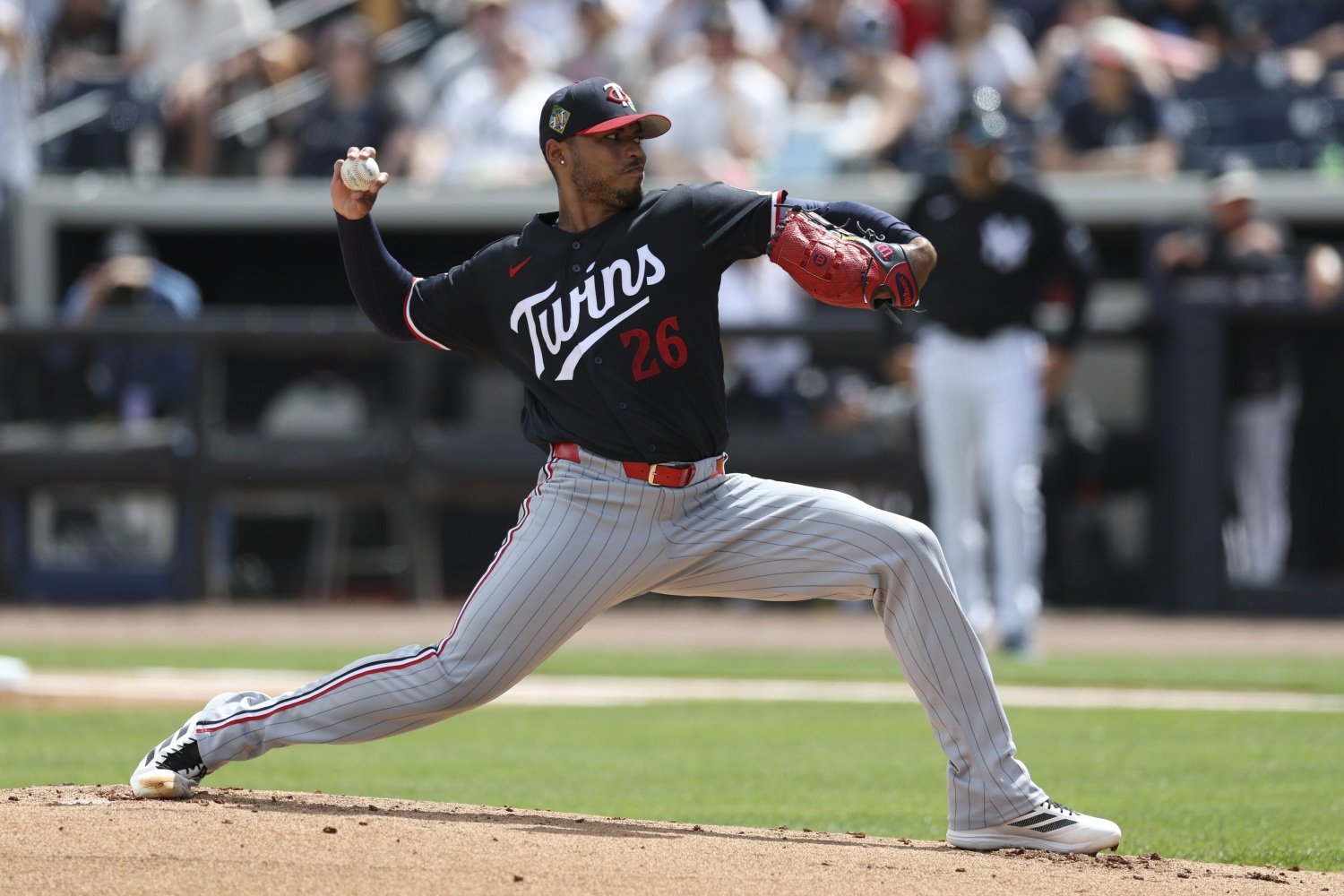
 Image courtesy of © Nathan Ray Seebeck-Imagn Images After a 92-loss season, a trade deadline fire sale, and a lackluster offseason, Twins fans are overwhelmingly pessimistic about 2026. Still, there’s talent on the roster, with emerging players and potential breakout candidates. The Twins also remain in a poor division—one they could win if enough goes right, giving hope for an entertaining and potentially competitive season ahead. Star Players Returning With the trade deadline selloff, the Twins lost their top bullpen talent. Yet, star players remain in the rotation and lineup. The longest-tenured Twin, Byron Buxton, is coming off his healthiest season in nearly a decade, while remaining productive. Buxton delivered 5.0 FanGraphs WAR in 2025, combining 35 home runs and 24 steals (without being caught) with cromulent center-field defense. At 32, he still has fuel left, and fans should enjoy a future Twins Hall of Famer. After waiting for a healthy season, seeing another would make the 2026 team highly watchable. Joe Ryan has been at the center of trade rumors since the 2025 trade deadline, but he is still in Minnesota. He’s coming off his most successful season and could be moved at the 2026 deadline, but fans should appreciate him for now. Ryan might not have finished last year the way he hoped, but he still racked up 171 innings, 194 strikeouts, and a 3.42 ERA. He has established himself as a true frontline starter, giving the team a chance every fifth day. He's also aesthetically pleasing to watch, not only for his fluid movements and occasional bursts of emotion, but for the fact that he pounds the strike zone and doesn't get himself into trouble by walking people. Even if things go wrong elsewhere, as long as Ryan stays healthy, Twins fans will have a frontline starter to watch every fifth day. Emerging New Core While the current core (not Buxton or Ryan, perhaps, but Matt Wallner, Royce Lewis and company) has disappointed many fans, a new offensive group is ready to step up. They’ll begin 2026 in St. Paul, but are nearly ready to debut. The core is headlined by Emmanuel Rodriguez, Walker Jenkins, and Kaelen Culpepper, with Gabriel Gonzalez staking an increasingly strong claim as the fourth piece in the puzzle. This group offers both upside and varying profiles, which will be on display at both CHS Field and Target Field throughout the 2026 season. Jenkins projects as the highest-upside player, combining excellent bat-to-ball skills with notable gap-to-gap power, speed, and reliable defense. Rodriguez carries exceptional power and a disciplined approach at the plate, complemented by strong defense and speed. Gonzalez, in contrast, is a free swinger who generates line drives across the field from the right side. Culpepper brings strong contact ability and the skills to stay at shortstop, making him a potential regular at a premium position. This group will be imperative to the organization’s success in 2026, 2027, and beyond, making their development a key storyline this season. 2025 Trade Deadline Paying Quick Dividends As painful as the 2025 trade deadline was, the Twins got solid returns on most of the deals. The players Minnesota received range in how close they are to being ready for the big leagues, but many players will make an impact in 2026. Taj Bradley and Mick Abel will certainly impact the 2026 Twins after coming over from Tampa Bay (for Griffin Jax) and Philadelphia (for Jhoan Duran), respectively. Both will be in the rotation, after Abel beat Zebby Matthews for the last spot with a fantastic spring. Should those two pitch well, it will be a good start to the deadline sell-off paying off, setting the organization up well in the long run. Besides those two starters, the outfield should see James Outman and Alan Roden this year. There’s also a chance Kendry Rojas or Hendry Mendez will debut. By season’s end, last year's trade deadline could be seen as a positive turning point for fans, with Abel and Bradley headlining a new wave of talent. The Left Side of the Infield: Two Last Chances Recent years haven’t gone well for Royce Lewis and Brooks Lee. They’re nearing the end of their runway to stay in the Twins' long-term plans. Otherwise, the team will consider internal or external alternatives. After Lewis’s ascension in 2023 and a good start to 2024, he was very poor at the plate during the 2024 collapse and throughout 2025. He did, however, improve to average or better at third base. For him to be a productive player, he needs to turn it around offensively. Maybe, with new hitting coaches and some new voices in the clubhouse (and his back against the wall), he can get going once again. Lee has not come anywhere near the heights that Lewis hit at his peak. In 2025, he got on base at a putrid .285 rate and lacked the slug to offset that deficiency. Defensively, he graded out poorly at second, third, and short. The key for Lee will be whether he can improve on either or both sides of the ball enough to be a competent starting shortstop. He showed he’s motivated by overhauling his body in the winter. With Culpepper approaching and Marek Houston emerging for 2027, Lewis and Lee must perform to remain in consideration. Even though expectations are rightfully low for this team, there’s a world where enough clicks for them to remain competitive, and even win the poor AL Central. Even if they can’t compete, though, there are plenty of fun things to look forward to with this team. View full article
 -
 After a 92-loss season, a trade deadline fire sale, and a lackluster offseason, Twins fans are overwhelmingly pessimistic about 2026. Still, there’s talent on the roster, with emerging players and potential breakout candidates. The Twins also remain in a poor division—one they could win if enough goes right, giving hope for an entertaining and potentially competitive season ahead. Star Players Returning With the trade deadline selloff, the Twins lost their top bullpen talent. Yet, star players remain in the rotation and lineup. The longest-tenured Twin, Byron Buxton, is coming off his healthiest season in nearly a decade, while remaining productive. Buxton delivered 5.0 FanGraphs WAR in 2025, combining 35 home runs and 24 steals (without being caught) with cromulent center-field defense. At 32, he still has fuel left, and fans should enjoy a future Twins Hall of Famer. After waiting for a healthy season, seeing another would make the 2026 team highly watchable. Joe Ryan has been at the center of trade rumors since the 2025 trade deadline, but he is still in Minnesota. He’s coming off his most successful season and could be moved at the 2026 deadline, but fans should appreciate him for now. Ryan might not have finished last year the way he hoped, but he still racked up 171 innings, 194 strikeouts, and a 3.42 ERA. He has established himself as a true frontline starter, giving the team a chance every fifth day. He's also aesthetically pleasing to watch, not only for his fluid movements and occasional bursts of emotion, but for the fact that he pounds the strike zone and doesn't get himself into trouble by walking people. Even if things go wrong elsewhere, as long as Ryan stays healthy, Twins fans will have a frontline starter to watch every fifth day. Emerging New Core While the current core (not Buxton or Ryan, perhaps, but Matt Wallner, Royce Lewis and company) has disappointed many fans, a new offensive group is ready to step up. They’ll begin 2026 in St. Paul, but are nearly ready to debut. The core is headlined by Emmanuel Rodriguez, Walker Jenkins, and Kaelen Culpepper, with Gabriel Gonzalez staking an increasingly strong claim as the fourth piece in the puzzle. This group offers both upside and varying profiles, which will be on display at both CHS Field and Target Field throughout the 2026 season. Jenkins projects as the highest-upside player, combining excellent bat-to-ball skills with notable gap-to-gap power, speed, and reliable defense. Rodriguez carries exceptional power and a disciplined approach at the plate, complemented by strong defense and speed. Gonzalez, in contrast, is a free swinger who generates line drives across the field from the right side. Culpepper brings strong contact ability and the skills to stay at shortstop, making him a potential regular at a premium position. This group will be imperative to the organization’s success in 2026, 2027, and beyond, making their development a key storyline this season. 2025 Trade Deadline Paying Quick Dividends As painful as the 2025 trade deadline was, the Twins got solid returns on most of the deals. The players Minnesota received range in how close they are to being ready for the big leagues, but many players will make an impact in 2026. Taj Bradley and Mick Abel will certainly impact the 2026 Twins after coming over from Tampa Bay (for Griffin Jax) and Philadelphia (for Jhoan Duran), respectively. Both will be in the rotation, after Abel beat Zebby Matthews for the last spot with a fantastic spring. Should those two pitch well, it will be a good start to the deadline sell-off paying off, setting the organization up well in the long run. Besides those two starters, the outfield should see James Outman and Alan Roden this year. There’s also a chance Kendry Rojas or Hendry Mendez will debut. By season’s end, last year's trade deadline could be seen as a positive turning point for fans, with Abel and Bradley headlining a new wave of talent. The Left Side of the Infield: Two Last Chances Recent years haven’t gone well for Royce Lewis and Brooks Lee. They’re nearing the end of their runway to stay in the Twins' long-term plans. Otherwise, the team will consider internal or external alternatives. After Lewis’s ascension in 2023 and a good start to 2024, he was very poor at the plate during the 2024 collapse and throughout 2025. He did, however, improve to average or better at third base. For him to be a productive player, he needs to turn it around offensively. Maybe, with new hitting coaches and some new voices in the clubhouse (and his back against the wall), he can get going once again. Lee has not come anywhere near the heights that Lewis hit at his peak. In 2025, he got on base at a putrid .285 rate and lacked the slug to offset that deficiency. Defensively, he graded out poorly at second, third, and short. The key for Lee will be whether he can improve on either or both sides of the ball enough to be a competent starting shortstop. He showed he’s motivated by overhauling his body in the winter. With Culpepper approaching and Marek Houston emerging for 2027, Lewis and Lee must perform to remain in consideration. Even though expectations are rightfully low for this team, there’s a world where enough clicks for them to remain competitive, and even win the poor AL Central. Even if they can’t compete, though, there are plenty of fun things to look forward to with this team.
- 52 comments
-
- 12
-
-
-
- byron buxton
- brooks lee
- (and 2 more)
-
Image courtesy of William Parmeter As their 2024 first-round pick, Kaelen Culpepper, broke out in 2025, the Twins continued their draft strategy of many years. The Twins selected a fairly similar prospect in the 2025 first round. They selected Marek Houston, a shortstop out of Wake Forest. Like Culpepper, Houston was selected as a high-floor, right-handed-hitting college prospect who brings a hit over power approach at the plate. Despite those similarities, evaluators don’t expect Houston to have the same success at the plate as Culpepper. On the other hand, he’s a sure-fire shortstop who has a slick glove that’s good enough for the majors right now. The question with him is whether he can find a way to produce offensively. What’s to Like The glove is the headliner with Houston. He’s athletic and has a plus arm, profiling as a very good defender at shortstop. In his short time in pro ball in 2026, he’s already put plenty of highlights on his reel. He’s firmly established himself as the best defensive shortstop in the Twins system. If he can hit at any reasonable level, he could be a key feature in the Twins' plans. While his bat remains a question, Houston has some qualities to build on. In college, he showed the ability to draw walks at an extremely high rate (15.4% in his last year at Wake Forest) and limit his strikeout rate (15.4% as well). He also added power to his game, popping 15 home runs, to produce a 135 wRC+, setting himself up well for the draft. That power came with Houston gaining 20 pounds, but based on exit velocities, he still has weight to be gained and power to be added. In just 12 games at Low-A Fort Myers, he produced, batting .370 with a 150 wRC+.He isn’t going to hit .370. but that is just a display of what to look for with Houston - a high batting average and on-base percentage to pair with great defense. What's Not To Like As discussed, there aren't many questions about Houston’s defense. The question is whether or not the bat can be good enough to get his glove into the lineup. Over just 24 total games, split evenly between Fort Myers and Cedar Rapids, he put up just a .680 OPS - leaving plenty of room for improvement. Two issues in the offensive profile in that small sample size were that he didn’t walk like he did in the minors and struck out at just an above-average level. To make his offense work, the young shortstop needs to find the approach he had in college. That means controlling the strike zone while limiting strikeouts. Improving the approach will help Houston, but he also needs to do more damage when he makes contact. Of his 27 hits, only six were extra for extra bases, and only one of those was a home run. That is backed up by the batted ball data from single-A. Despite hitting .370 at the level, Houston had a horrendous .259 xwOBA, posted a 90th percentile exit velocity of just 96.2 MPH, and pulled the ball in the air at a 12th percentile rate. These are the warts on the offensive side for Houston that he’ll need to clean up to ascend in his first full year at pro ball. What to Look for in 2026 Houston should get a good run at High-A Cedar Rapids in 2026, where he can show off his defensive chops but also have a chance to show improvement on the offensive side. That would look like getting his approach back to where it was in college, which means striking out and walking at similar rates. That would indicate he might be able to get on base at a rate that, paired with his defense, makes him a valuable big-league contributor. For a true breakout that indicates a chance at stardom, the Wake Forest product needs to bring his exit velocities closer to average or above average and find more opportunities to lift the ball to the pull side. If he does this, he’ll start to appear on national Top 100 lists, and Twins fans will start getting very excited about a potential two-way star. Houston’s defense gives him a great chance to make the big leagues at some point, but the offense has plenty of questions. Do you expect to see strides in Houston's power in 2026? View full article
-
Twins Daily 2026 Top 20 Prospects: #9 Marek Houston, SS
Adam Friedman posted an article in Minor Leagues
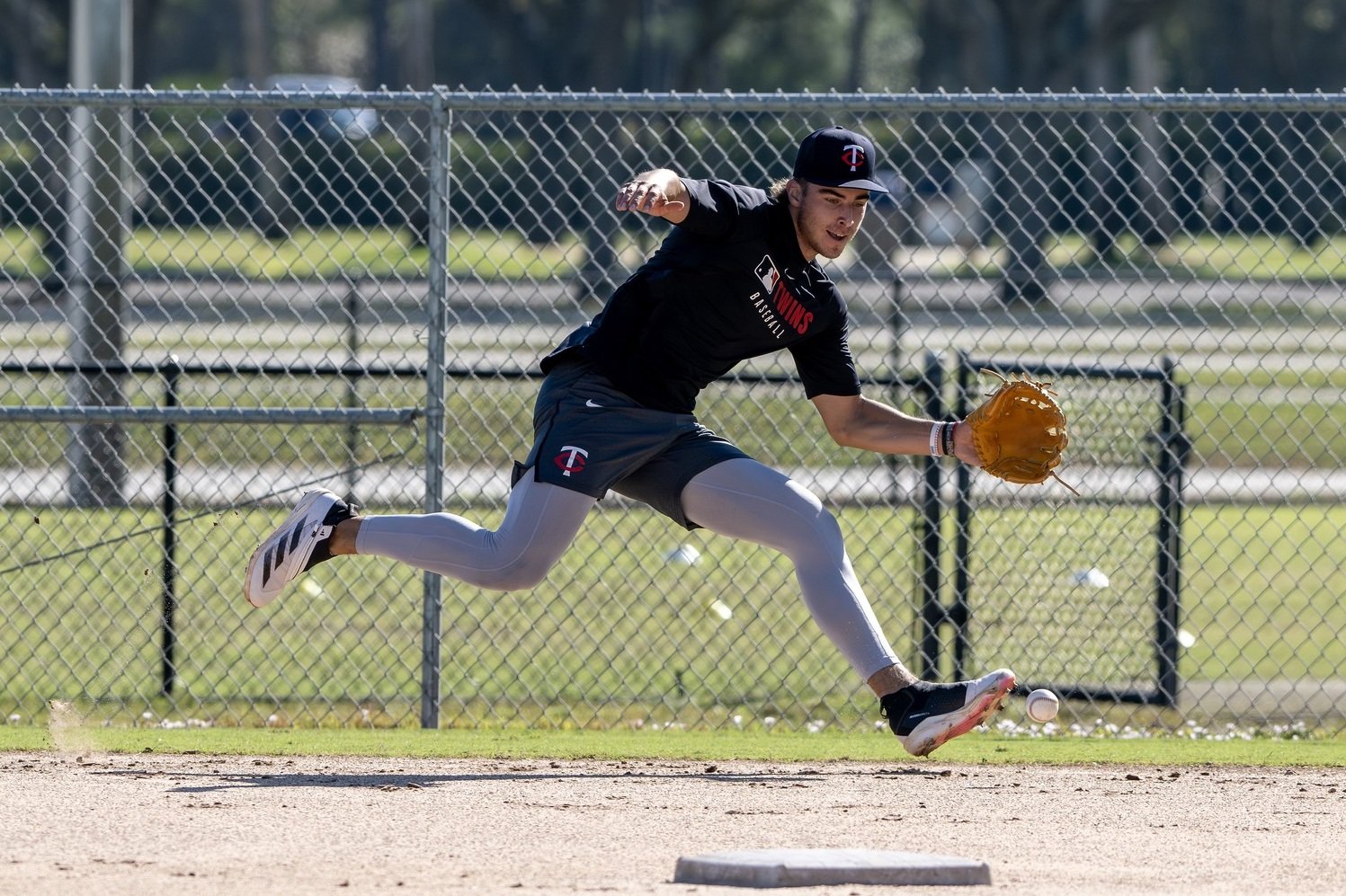 As their 2024 first-round pick, Kaelen Culpepper, broke out in 2025, the Twins continued their draft strategy of many years. The Twins selected a fairly similar prospect in the 2025 first round. They selected Marek Houston, a shortstop out of Wake Forest. Like Culpepper, Houston was selected as a high-floor, right-handed-hitting college prospect who brings a hit over power approach at the plate. Despite those similarities, evaluators don’t expect Houston to have the same success at the plate as Culpepper. On the other hand, he’s a sure-fire shortstop who has a slick glove that’s good enough for the majors right now. The question with him is whether he can find a way to produce offensively. What’s to Like The glove is the headliner with Houston. He’s athletic and has a plus arm, profiling as a very good defender at shortstop. In his short time in pro ball in 2026, he’s already put plenty of highlights on his reel. He’s firmly established himself as the best defensive shortstop in the Twins system. If he can hit at any reasonable level, he could be a key feature in the Twins' plans. While his bat remains a question, Houston has some qualities to build on. In college, he showed the ability to draw walks at an extremely high rate (15.4% in his last year at Wake Forest) and limit his strikeout rate (15.4% as well). He also added power to his game, popping 15 home runs, to produce a 135 wRC+, setting himself up well for the draft. That power came with Houston gaining 20 pounds, but based on exit velocities, he still has weight to be gained and power to be added. In just 12 games at Low-A Fort Myers, he produced, batting .370 with a 150 wRC+.He isn’t going to hit .370. but that is just a display of what to look for with Houston - a high batting average and on-base percentage to pair with great defense. What's Not To Like As discussed, there aren't many questions about Houston’s defense. The question is whether or not the bat can be good enough to get his glove into the lineup. Over just 24 total games, split evenly between Fort Myers and Cedar Rapids, he put up just a .680 OPS - leaving plenty of room for improvement. Two issues in the offensive profile in that small sample size were that he didn’t walk like he did in the minors and struck out at just an above-average level. To make his offense work, the young shortstop needs to find the approach he had in college. That means controlling the strike zone while limiting strikeouts. Improving the approach will help Houston, but he also needs to do more damage when he makes contact. Of his 27 hits, only six were extra for extra bases, and only one of those was a home run. That is backed up by the batted ball data from single-A. Despite hitting .370 at the level, Houston had a horrendous .259 xwOBA, posted a 90th percentile exit velocity of just 96.2 MPH, and pulled the ball in the air at a 12th percentile rate. These are the warts on the offensive side for Houston that he’ll need to clean up to ascend in his first full year at pro ball. What to Look for in 2026 Houston should get a good run at High-A Cedar Rapids in 2026, where he can show off his defensive chops but also have a chance to show improvement on the offensive side. That would look like getting his approach back to where it was in college, which means striking out and walking at similar rates. That would indicate he might be able to get on base at a rate that, paired with his defense, makes him a valuable big-league contributor. For a true breakout that indicates a chance at stardom, the Wake Forest product needs to bring his exit velocities closer to average or above average and find more opportunities to lift the ball to the pull side. If he does this, he’ll start to appear on national Top 100 lists, and Twins fans will start getting very excited about a potential two-way star. Houston’s defense gives him a great chance to make the big leagues at some point, but the offense has plenty of questions. Do you expect to see strides in Houston's power in 2026?
 -
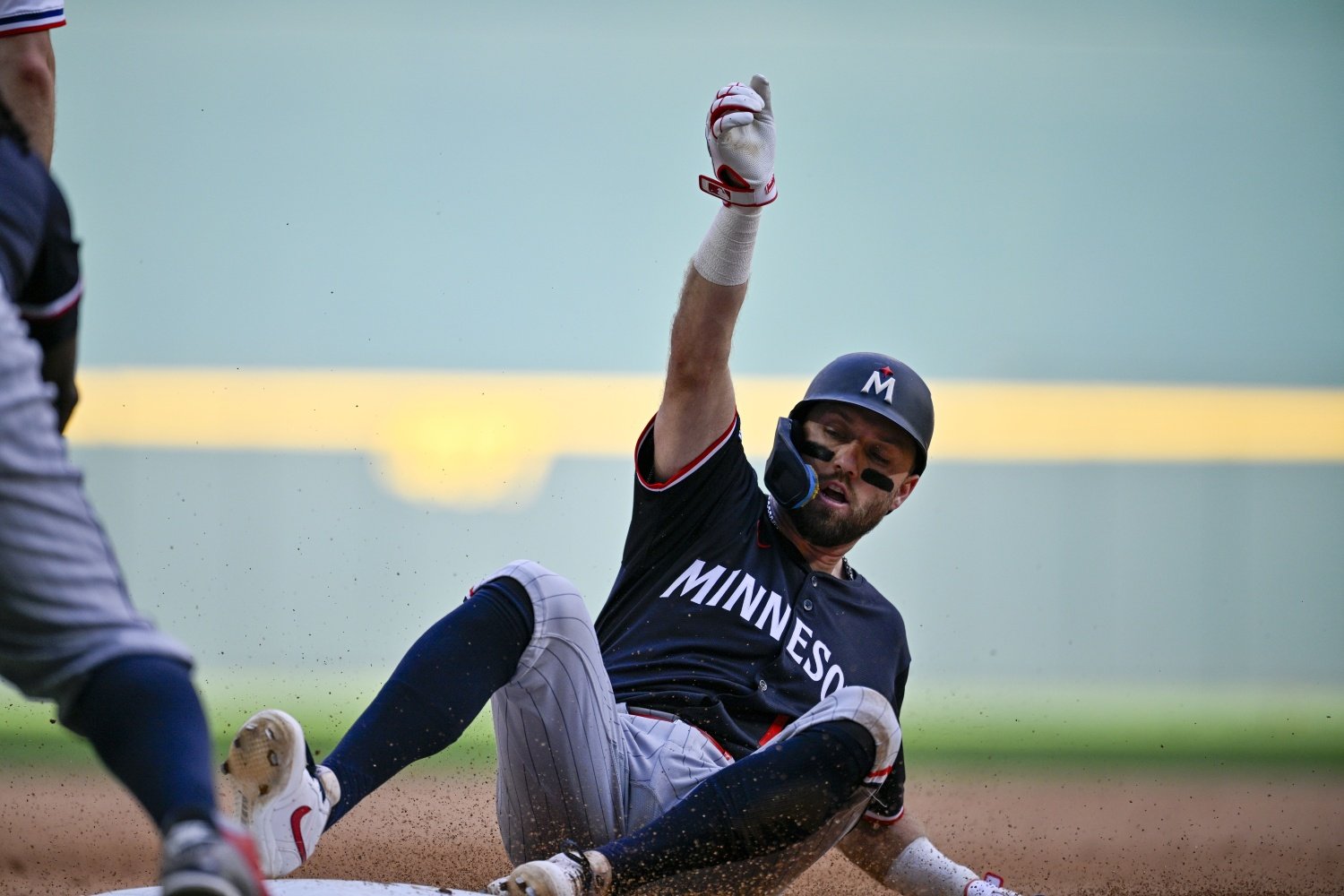 After his breakout 2025 season, Kody Clemens appears to be the Twins’ presumptive starting first baseman in 2026. While there's good reason to believe he can continue to produce, the team would be better off if he were pushed into a utility role. Clemens had a lackluster career before the Phillies traded him to the Twins for cash in April. He had a high strikeout rate and a low walk rate, without the requisite power to make up for them. To make matters worse, he was 29 years old, so there wasn't much reason to expect a turnaround. Yet, the son of one of the game's greatest pitchers became a bright spot in an ugly season for Minnesota. Why Clemens Can Continue to Rake Clemens improved his walk rate a bit, but the main change that drove his improvement was a 2-mph increase in bat speed, which took him from below-average to average. Swinging harder led to upticks in his Barrel rate, hard-hit rate, and other batted-ball quality metrics. These metrics show that his production was not a fluke, and there's a chance he can replicate it. Notably, his .331 xwOBA was above-average, outpacing his actual results, suggesting some positive regression to come. It's easy to understand why Clemens is a big part of the Twins' vision for 2026. Beyond the offense, he was also an excellent defender at first base—and has been throughout his career, making it even more sensible for him to take over the position. In the best-case scenario for the team, though, he would occupy a smaller role. Red Flags in the Second Half While Clemens had the best year of his career in 2025, there were some negatives in it. For one, while the metrics suggest his performance is sustainable, he dropped off in the second half. It's possible that the chaotic trade deadline impacted him. He was atrocious in August, right after the deadline, indicating that that theory may have some merit. Beyond the raw numbers falling, he also saw his hard-hit rate dip in the second half, which is a real cause for concern. In addition to his poor second half, Clemens is also a player with as steep a dropoff against same-sided pitching as you'll see. Put simply, he cannot hit lefties at all. This limitation will force Derek Shelton to pinch-hit for him early in games, leading to whoever his platoon partner is at first being burned early and having to face a nasty righty later in the game. Given his second-half struggles and inability to hit left-handed pitchers, planning on Clemens at first base should not be the plan. The Right Role for Clemens As you'd imagine, a 29-year-old journeyman whom the Twins got in exchange for cash has limitations. But that doesn't mean he can't be a helpful player as they try to improve on their mess of a 2025. Clemens can hit righties for power, and his batted-ball data indicates that will continue. He can also defend at an average or better level at first, in the corner outfield spots, and at second base. The Twins should put him in a position to succeed by making the necessary roster moves to have him serve as a utility man. That means adding a first baseman, whether through free agency or trade. Doing so will allow Clemens to thrive and take pressure off him to keep hitting in 2026. The new first baseman would slot into the middle of the lineup, and Clemens could move to the bottom third. Beyond that, should Clemens continue to hit, he can slot in at second or left field, should Alan Roden or Luke Keaschall struggle. As we've seen with Willi Castro, a utility man who can hit is very valuable for a team. Their presence maximizes everybody else’s impact. That's the role that Clemens should be in, rather than being one of the league's worst-hitting first basemen. Would you like to see Kody Clemens as a first baseman, utility man, or something else for Minnesota in 2026?
 -
Image courtesy of © Jerome Miron-Imagn Images After his breakout 2025 season, Kody Clemens appears to be the Twins’ presumptive starting first baseman in 2026. While there's good reason to believe he can continue to produce, the team would be better off if he were pushed into a utility role. Clemens had a lackluster career before the Phillies traded him to the Twins for cash in April. He had a high strikeout rate and a low walk rate, without the requisite power to make up for them. To make matters worse, he was 29 years old, so there wasn't much reason to expect a turnaround. Yet, the son of one of the game's greatest pitchers became a bright spot in an ugly season for Minnesota. Why Clemens Can Continue to Rake Clemens improved his walk rate a bit, but the main change that drove his improvement was a 2-mph increase in bat speed, which took him from below-average to average. Swinging harder led to upticks in his Barrel rate, hard-hit rate, and other batted-ball quality metrics. These metrics show that his production was not a fluke, and there's a chance he can replicate it. Notably, his .331 xwOBA was above-average, outpacing his actual results, suggesting some positive regression to come. It's easy to understand why Clemens is a big part of the Twins' vision for 2026. Beyond the offense, he was also an excellent defender at first base—and has been throughout his career, making it even more sensible for him to take over the position. In the best-case scenario for the team, though, he would occupy a smaller role. Red Flags in the Second Half While Clemens had the best year of his career in 2025, there were some negatives in it. For one, while the metrics suggest his performance is sustainable, he dropped off in the second half. It's possible that the chaotic trade deadline impacted him. He was atrocious in August, right after the deadline, indicating that that theory may have some merit. Beyond the raw numbers falling, he also saw his hard-hit rate dip in the second half, which is a real cause for concern. In addition to his poor second half, Clemens is also a player with as steep a dropoff against same-sided pitching as you'll see. Put simply, he cannot hit lefties at all. This limitation will force Derek Shelton to pinch-hit for him early in games, leading to whoever his platoon partner is at first being burned early and having to face a nasty righty later in the game. Given his second-half struggles and inability to hit left-handed pitchers, planning on Clemens at first base should not be the plan. The Right Role for Clemens As you'd imagine, a 29-year-old journeyman whom the Twins got in exchange for cash has limitations. But that doesn't mean he can't be a helpful player as they try to improve on their mess of a 2025. Clemens can hit righties for power, and his batted-ball data indicates that will continue. He can also defend at an average or better level at first, in the corner outfield spots, and at second base. The Twins should put him in a position to succeed by making the necessary roster moves to have him serve as a utility man. That means adding a first baseman, whether through free agency or trade. Doing so will allow Clemens to thrive and take pressure off him to keep hitting in 2026. The new first baseman would slot into the middle of the lineup, and Clemens could move to the bottom third. Beyond that, should Clemens continue to hit, he can slot in at second or left field, should Alan Roden or Luke Keaschall struggle. As we've seen with Willi Castro, a utility man who can hit is very valuable for a team. Their presence maximizes everybody else’s impact. That's the role that Clemens should be in, rather than being one of the league's worst-hitting first basemen. Would you like to see Kody Clemens as a first baseman, utility man, or something else for Minnesota in 2026? View full article
-
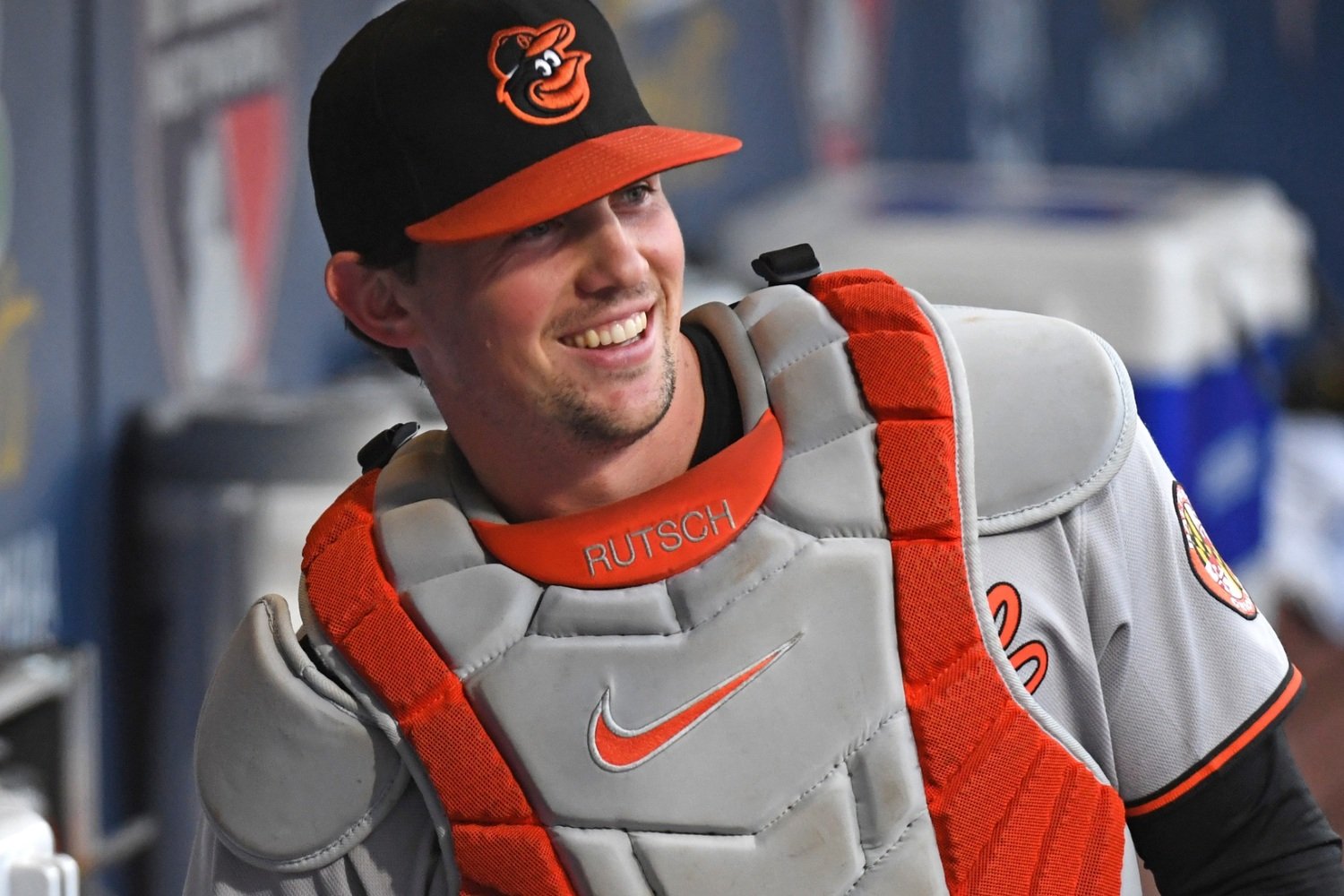 After the 2025 trade deadline sell-off, the Twins appear to have waved the white flag on this season. But with the group they have, they still should try to compete next year. To make clear their intentions to compete for the 2026 playoffs, they should target Adley Rutschman, of the Baltimore Orioles. In the flurry of deadline moves, they added organizational catching depth in top-100 prospect Eduardo Tait and Enrique Jimenez. Still, questions remain at the position for the next couple of years, with Christian Vázquez's contract expiring this offseason and just one year of team control remaining for Ryan Jeffers. If things go perfectly for Tait, he could be in the bigs in 2027, but 2028 is a more likely (even then, optimistic) target for the 18-year-old slugging backstop. That doesn't line up well with Jeffers' timeline, but it's perfect for Rutschman, who has two more years of control after this season. Why Rutschman May be Available The 2019 first overall pick was a sensation when he came up for the Orioles in 2022. He put together a 4.9-WAR season, according to Baseball Reference, in just 113 games, and the Orioles started winning when he was called up. He continued to rake and defend, and the Orioles continued to win in 2023, making the playoffs for the first time since 2016. Since 2023, however, things have gotten worse for Rutschman and the Orioles. In 2024, he dropped off offensively, from very good to slightly above average, and his defensive metrics also took a dip. Baltimore got swept for the second year in a row in the Wild Card round, and everything got even worse in 2025. The 27-year-old has been belowaverage offensively, and the Orioles fell out of playoff contention almost immediately. He has also dealt with injuries this season, after being an iron man early in his career, and is now on the injured list with an oblique injury. With Rutschman's injuries in the background, Baltimore extended their up-and-coming catcher, Samuel Basallo, through 2033. Given Rutschman's going to get more expensive next season and is nearing free agency, they may move him now to get good value. A Fit in Minnesota While Rutschman has been on a downward trajectory, he's still just 27 and may have elite upside—as shown in 2022 and 2023. We've seen him be one of the better players in the league, and one that elevates a whole organization, which is exactly what the Twins need right now. He would be an upgrade defensively over Jeffers. According to Baseball Prospectus, Rutschman has been 4.3 runs better than an average catcher (between framing, blocking and throwing) this year, and he’s never been below average. Jeffers is at -2.6 runs this year, and hasn’t been above average since 2022. Rutschman also has that extra year of control left. Jeffers seems likely to be traded this offseason, given that he brings value offensively as a catcher and is a free agent after the 2026 season. He has shown significant defensive deficiencies both in framing and controlling the running game. Rutschman and Jeffers will be similarly expensive next season, but the Orioles' catcher is clearly the better overall player. If he can regain his previous offensive form and upgrade the Twins' catching defense, he would be an extremely valuable addition for both 2026 and 2027. When you're trying to compete but not all-in, the kind of talent he carries is a great profile to help the team overperform and get back to the playoffs. Also, with minimal expectations, it's a great time for the team to take on a player whose stock is down. With a fanbase that is completely disengaged from the organization, the Twins' brass could renew excitement (and hemorrhage fewer season ticket holders than we expect)by bringing in a big name like Rutschman. Adding a player like that would signify that, while they've shaken things up quite a bit and need to restock the bullpen, they're serious about giving 2026 a go, with their young core. Putting aside your minimal expectations of this organization, should the Twins trade for Rutschman?
 -
Image courtesy of © Eric Hartline-Imagn Images After the 2025 trade deadline sell-off, the Twins appear to have waved the white flag on this season. But with the group they have, they still should try to compete next year. To make clear their intentions to compete for the 2026 playoffs, they should target Adley Rutschman, of the Baltimore Orioles. In the flurry of deadline moves, they added organizational catching depth in top-100 prospect Eduardo Tait and Enrique Jimenez. Still, questions remain at the position for the next couple of years, with Christian Vázquez's contract expiring this offseason and just one year of team control remaining for Ryan Jeffers. If things go perfectly for Tait, he could be in the bigs in 2027, but 2028 is a more likely (even then, optimistic) target for the 18-year-old slugging backstop. That doesn't line up well with Jeffers' timeline, but it's perfect for Rutschman, who has two more years of control after this season. Why Rutschman May be Available The 2019 first overall pick was a sensation when he came up for the Orioles in 2022. He put together a 4.9-WAR season, according to Baseball Reference, in just 113 games, and the Orioles started winning when he was called up. He continued to rake and defend, and the Orioles continued to win in 2023, making the playoffs for the first time since 2016. Since 2023, however, things have gotten worse for Rutschman and the Orioles. In 2024, he dropped off offensively, from very good to slightly above average, and his defensive metrics also took a dip. Baltimore got swept for the second year in a row in the Wild Card round, and everything got even worse in 2025. The 27-year-old has been belowaverage offensively, and the Orioles fell out of playoff contention almost immediately. He has also dealt with injuries this season, after being an iron man early in his career, and is now on the injured list with an oblique injury. With Rutschman's injuries in the background, Baltimore extended their up-and-coming catcher, Samuel Basallo, through 2033. Given Rutschman's going to get more expensive next season and is nearing free agency, they may move him now to get good value. A Fit in Minnesota While Rutschman has been on a downward trajectory, he's still just 27 and may have elite upside—as shown in 2022 and 2023. We've seen him be one of the better players in the league, and one that elevates a whole organization, which is exactly what the Twins need right now. He would be an upgrade defensively over Jeffers. According to Baseball Prospectus, Rutschman has been 4.3 runs better than an average catcher (between framing, blocking and throwing) this year, and he’s never been below average. Jeffers is at -2.6 runs this year, and hasn’t been above average since 2022. Rutschman also has that extra year of control left. Jeffers seems likely to be traded this offseason, given that he brings value offensively as a catcher and is a free agent after the 2026 season. He has shown significant defensive deficiencies both in framing and controlling the running game. Rutschman and Jeffers will be similarly expensive next season, but the Orioles' catcher is clearly the better overall player. If he can regain his previous offensive form and upgrade the Twins' catching defense, he would be an extremely valuable addition for both 2026 and 2027. When you're trying to compete but not all-in, the kind of talent he carries is a great profile to help the team overperform and get back to the playoffs. Also, with minimal expectations, it's a great time for the team to take on a player whose stock is down. With a fanbase that is completely disengaged from the organization, the Twins' brass could renew excitement (and hemorrhage fewer season ticket holders than we expect)by bringing in a big name like Rutschman. Adding a player like that would signify that, while they've shaken things up quite a bit and need to restock the bullpen, they're serious about giving 2026 a go, with their young core. Putting aside your minimal expectations of this organization, should the Twins trade for Rutschman? View full article
-
Could Trevor Larnach Net Minnesota Twins a Trade Offer Worth Taking?
Adam Friedman posted an article in Twins
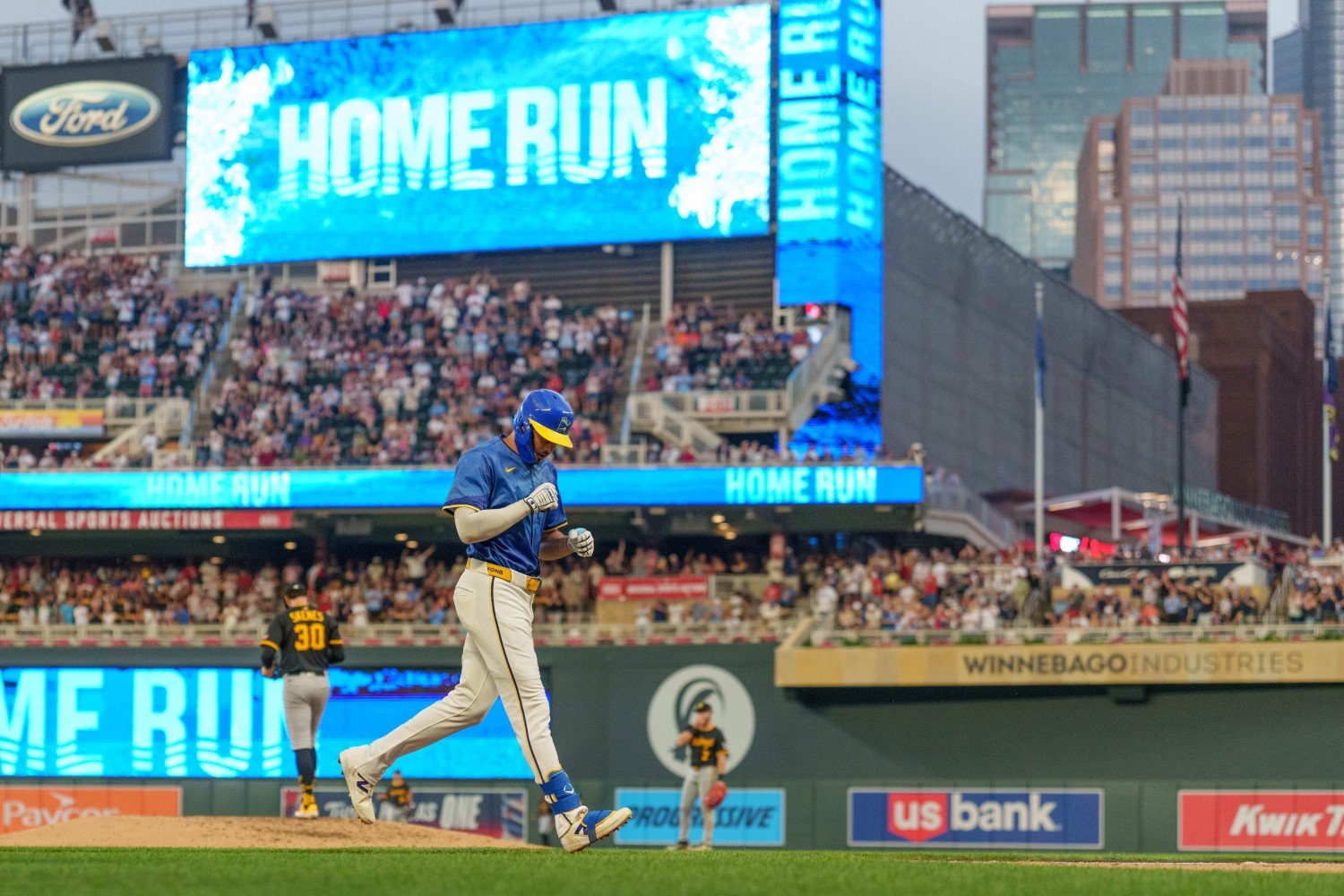 As the Twins approach the trade deadline staring down the possibility of making just one playoff appearance in five seasons, it's time to consider shaking up the core that has underwhelmed. Larnach is one of the core players who makes the most sense to move. With him plateauing as a good but flawed regular and Matt Wallner, Emmanuel Rodriguez, Walker Jenkins, and Luke Keaschall (who can play outfield) all in their plans for the foreseeable future, now is the moment to trade away the burly lefty. It's been a tumultuous career for the Twins' 2018 first-round pick. Larnach has battled through injuries and made significant adjustments to a league that stopped throwing him almost any fastballs. He seems to have settled in as a solid hitter against righties, with little defensive value, and not as much power as the team would've wanted. He leaned further into that medium-power profile, significantly flattening his swing in the offseason, seeking more line drives. Given his value at the plate and two and a half years of team control, the Twins still should be able to get some value in a trade from a contender. His increasing salary via arbitration could be additional motivation for the front office to shop him. There have been some similar players moved in the past couple of trade deadlines, but of course, there is no exact match for Larnach. We'll try to figure out the value based on those trades. A few teams may target Larnach as just the left-handed slugger they need for their playoff push, too. Those are teams struggling against righties and/or lacking production from left field or at designated hitter. There could also be people in those front offices who may see untapped potential in the 28-year-old. They may think there's more power, given his solid but formerly high-end max exit velocities. Benchmark Trades Using past trades to assess potential future trades is tricky, because every player and contract situation is unique. Larnach, as a trade candidate, is especially unusual, because established big-leaguers with two and a half years of team control aren't often traded. There are, however, a couple of helpful comparisons. Jake Burger to the Rangers After another lackluster season for Miami, the Fish decided to move Jake Burger ahead of the 2025 season, while he was still under team control for four years. Texas got a bat with limited defensive value and no baserunning acumen. Also similar to Larnach, he was a former first-round pick and top-100 prospect. The Marlins sought to replace Burger with prospects who held more upside down the line, despite the extreme uncertainty surrounding each player in the return. Miami received three young prospects in the deal, none of whom are close to contributing to the big-league club, but each had a very high ceiling. Echedvry Vargas was ranked 17th in MLB.com's Rangers rankings, Max Acosta was a bit lower on the list but formerly a highly-regarded toolsy prospect, and Bryan Mendoza seemed to be on the rise, dominating Single-A hitters to a 2.18 ERA in 2024, before a promotion to High-A. This trade shows the perils of doing a deal like this. On its face, Miami got a few prospects who could impact the organization and be stars if they hit the jackpot. But just half a season later, Vargas is getting dominated in High-A, Acosta is stalling out in Triple-A, and Mendoza has completely lost the strike zone, with 29 walks in 50.2 innings. If the Twins go for a group of extremely young prospects, the odds are that they'll come up empty and ship out a contributor for nothing. Lane Thomas to the Guardians The return Washington got for Lane Thomas at the last trade deadline, when they sent him to Cleveland, is playing out much better than the Burger deal. Thomas had less remaining team control than Larnach at the time of the deal, but was also a slightly better player than Larnach. The most exciting piece headed to Washington was Alex Clemney, a big 20-year-old lefty. At the time of the trade, he was 19 at Single-A with a 4.67 ERA, but he was striking out 12.6 batters per nine innings. This performance was accompanied by a high walk rate, which he still maintains at High-A. However, he has brought his ERA down to 3.07 as a very young player for his level. He also appeared at the Futures Game in 2025, so he may be on track to make this trade hurt for the Guardians. With Clemney, Cleveland gave up José Tena, a switch-hitting infielder who was blocked by their solid depth. He slotted in as the Nationals' primary third baseman in early 2025 and has been an average at the plate but carried putrid defense, so he's back in Triple-A, where maybe he can improve as a hitter and learn to play first base. Washington also received Rafael Ramirez Jr., who is still 19 and on a sound track so far, after receiving a substantial signing bonus of $800,000 as an international free agent. Washington pulled off a much better deal than Miami, and something comparable could be possible with Larnach for the Twins. If they have a chance to add a Tena-type Triple-A player and upside with youngsters like Clemney and Ramirez Jr., they should pull the trigger. Potential Suitors If Larnach is on the move in the coming week, Minnesota will likely send him to a contending team that is struggling to get production from left field and DH. A few National League contenders fit the bill. Los Angeles Dodgers A team we'd think has no flaws, the Dodgers have received poor production from left field, collectively putting up -0.1 fWAR from the position. They may get sick of throwing the floundering Michael Conforto out there against righties, so Larnach could solve that issue and slot in for them for the next few years. Undoubtedly, they'll have no issues with paying his salary. The Dodgers, of course, are the best organization in baseball and have some intriguing prospects who could be available in this deal. Derek Falvey and Jeremy Zoll would be wise to target Jackson Ferris. He has struggled to throw strikes this season, but is a nasty lefty with a similar profile to Clemney. The Dodgers received Ferris for Michael Busch, who is similar in many ways to Larnach, so this may be a match. Larnach and Ferris could also be a part of a larger deal involving Jhoan Duran or Griffin Jax, should the Dodges win those bidding wars. Beyond Ferris, the Twins could try to revitalize James Outman, who has been horrendous since his breakout 2023 season. With his all-around skillset, he'd be worth trying to fix as an add-in. San Diego Padres The Padres have struggled against left-handed pitchers and have gotten nothing from left field, which is currently being manned by Gavin Sheets. Larnach could be a massive boost for them down the stretch to address these needs. A.J. Preller has gone all in at recent deadlines, leaving their system a bit light. Therefore, setting his sights a bit lower on a functional player (but not a superstar) could be wise. The Friars are also looking to move Dylan Cease, given their financial challenges, and the Twins could try to get involved as a third team in such a deal. Cease would go elsewhere, but Larnach would land with San Diego and Minnesota could snare another team's prospect in the spin of the wheel. Of what's left in their system, most of their best prospects are either too talented for Larnach's value or very young. Right-handed reliever Bradgley Rodriguez, is one appealing name. The flamethrower has appeared in the majors this season, but is now back at Triple-A. He throws hard, gets strikeouts, and limits walks. At a deadline where the Twins may be dealing Duran or Jax, Rodriguez could be a wise target to fill in at the back end of the bullpen in 2026 and beyond. Henry Baez and Braden Nett in Double-A may be more exciting for the Twins. Both are hard throwers, thriving at the level at 22 and 23, respectively. Baez has much better control, while Nett has a superior prospect pedigree. While this is not the best farm system in baseball, Preller always seems to replenish it with more talent. It could be a good deal for everybody if the Twins get one or two of these pitching prospects, plus a teenage lottery ticket-type prospect. Cincinnati Reds A team that we know is familiar to the Twins, Cincinnati has a problem in left field because Spencer Steer is stalling out, and Will Benson is struggling. The Twins could pick up the phone with this familiar trading partner and make something happen, providing the help that Emilio Pagán is asking for. Reds fans desperately wanted Josh Naylor, who was traded from Arizona to Seattle, so Larnach could be a nice plan B. As a team (like the Twins) who relies on their farm system to make up their big-league roster, Cincinnati doesn't have much sitting in Triple-A that matches Larnach's value. Héctor Rodríguez, a 21-year-old left-handed hitting corner outfielder, is an interesting potential target. His reputation is that of a free swinger, but this season, he has increased his walk rate despite moving up to Double-A, and he has seemingly developed more home run power. While a Trevor Larnach-level career may be an excellent outcome for him, his bat-to-ball skills and potentially newfound power, along with the potential for solid defense, show some upside. Adding him for Larnach would get another player for a new core and some upside. Zach Maxwell is a behemoth of a right-handed pitcher, standing at 6'6" and throwing in the upper 90s. He's struggled at Triple-A and has not been able to find the necessary control to succeed. At that height, he may fit into the Twins' mold and be a pitcher they could target, as well. A fun but different potential target is Christian Encarnacion-Strand. The former Twins prospect has been horrible with the big-league club, but perhaps the Twins still see something in him, even after trading him. Fixing him could allow them to address their perennial right-handed hitting masher and first-baseman needs. Larnach can help some contending teams out there, and it seems likely the Twins could get some value for him and potentially some real upside. Is he a good piece to move to start transitioning the Twins' core towards a younger group?
 -
Image courtesy of © Matt Blewett-Imagn Images As the Twins approach the trade deadline staring down the possibility of making just one playoff appearance in five seasons, it's time to consider shaking up the core that has underwhelmed. Larnach is one of the core players who makes the most sense to move. With him plateauing as a good but flawed regular and Matt Wallner, Emmanuel Rodriguez, Walker Jenkins, and Luke Keaschall (who can play outfield) all in their plans for the foreseeable future, now is the moment to trade away the burly lefty. It's been a tumultuous career for the Twins' 2018 first-round pick. Larnach has battled through injuries and made significant adjustments to a league that stopped throwing him almost any fastballs. He seems to have settled in as a solid hitter against righties, with little defensive value, and not as much power as the team would've wanted. He leaned further into that medium-power profile, significantly flattening his swing in the offseason, seeking more line drives. Given his value at the plate and two and a half years of team control, the Twins still should be able to get some value in a trade from a contender. His increasing salary via arbitration could be additional motivation for the front office to shop him. There have been some similar players moved in the past couple of trade deadlines, but of course, there is no exact match for Larnach. We'll try to figure out the value based on those trades. A few teams may target Larnach as just the left-handed slugger they need for their playoff push, too. Those are teams struggling against righties and/or lacking production from left field or at designated hitter. There could also be people in those front offices who may see untapped potential in the 28-year-old. They may think there's more power, given his solid but formerly high-end max exit velocities. Benchmark Trades Using past trades to assess potential future trades is tricky, because every player and contract situation is unique. Larnach, as a trade candidate, is especially unusual, because established big-leaguers with two and a half years of team control aren't often traded. There are, however, a couple of helpful comparisons. Jake Burger to the Rangers After another lackluster season for Miami, the Fish decided to move Jake Burger ahead of the 2025 season, while he was still under team control for four years. Texas got a bat with limited defensive value and no baserunning acumen. Also similar to Larnach, he was a former first-round pick and top-100 prospect. The Marlins sought to replace Burger with prospects who held more upside down the line, despite the extreme uncertainty surrounding each player in the return. Miami received three young prospects in the deal, none of whom are close to contributing to the big-league club, but each had a very high ceiling. Echedvry Vargas was ranked 17th in MLB.com's Rangers rankings, Max Acosta was a bit lower on the list but formerly a highly-regarded toolsy prospect, and Bryan Mendoza seemed to be on the rise, dominating Single-A hitters to a 2.18 ERA in 2024, before a promotion to High-A. This trade shows the perils of doing a deal like this. On its face, Miami got a few prospects who could impact the organization and be stars if they hit the jackpot. But just half a season later, Vargas is getting dominated in High-A, Acosta is stalling out in Triple-A, and Mendoza has completely lost the strike zone, with 29 walks in 50.2 innings. If the Twins go for a group of extremely young prospects, the odds are that they'll come up empty and ship out a contributor for nothing. Lane Thomas to the Guardians The return Washington got for Lane Thomas at the last trade deadline, when they sent him to Cleveland, is playing out much better than the Burger deal. Thomas had less remaining team control than Larnach at the time of the deal, but was also a slightly better player than Larnach. The most exciting piece headed to Washington was Alex Clemney, a big 20-year-old lefty. At the time of the trade, he was 19 at Single-A with a 4.67 ERA, but he was striking out 12.6 batters per nine innings. This performance was accompanied by a high walk rate, which he still maintains at High-A. However, he has brought his ERA down to 3.07 as a very young player for his level. He also appeared at the Futures Game in 2025, so he may be on track to make this trade hurt for the Guardians. With Clemney, Cleveland gave up José Tena, a switch-hitting infielder who was blocked by their solid depth. He slotted in as the Nationals' primary third baseman in early 2025 and has been an average at the plate but carried putrid defense, so he's back in Triple-A, where maybe he can improve as a hitter and learn to play first base. Washington also received Rafael Ramirez Jr., who is still 19 and on a sound track so far, after receiving a substantial signing bonus of $800,000 as an international free agent. Washington pulled off a much better deal than Miami, and something comparable could be possible with Larnach for the Twins. If they have a chance to add a Tena-type Triple-A player and upside with youngsters like Clemney and Ramirez Jr., they should pull the trigger. Potential Suitors If Larnach is on the move in the coming week, Minnesota will likely send him to a contending team that is struggling to get production from left field and DH. A few National League contenders fit the bill. Los Angeles Dodgers A team we'd think has no flaws, the Dodgers have received poor production from left field, collectively putting up -0.1 fWAR from the position. They may get sick of throwing the floundering Michael Conforto out there against righties, so Larnach could solve that issue and slot in for them for the next few years. Undoubtedly, they'll have no issues with paying his salary. The Dodgers, of course, are the best organization in baseball and have some intriguing prospects who could be available in this deal. Derek Falvey and Jeremy Zoll would be wise to target Jackson Ferris. He has struggled to throw strikes this season, but is a nasty lefty with a similar profile to Clemney. The Dodgers received Ferris for Michael Busch, who is similar in many ways to Larnach, so this may be a match. Larnach and Ferris could also be a part of a larger deal involving Jhoan Duran or Griffin Jax, should the Dodges win those bidding wars. Beyond Ferris, the Twins could try to revitalize James Outman, who has been horrendous since his breakout 2023 season. With his all-around skillset, he'd be worth trying to fix as an add-in. San Diego Padres The Padres have struggled against left-handed pitchers and have gotten nothing from left field, which is currently being manned by Gavin Sheets. Larnach could be a massive boost for them down the stretch to address these needs. A.J. Preller has gone all in at recent deadlines, leaving their system a bit light. Therefore, setting his sights a bit lower on a functional player (but not a superstar) could be wise. The Friars are also looking to move Dylan Cease, given their financial challenges, and the Twins could try to get involved as a third team in such a deal. Cease would go elsewhere, but Larnach would land with San Diego and Minnesota could snare another team's prospect in the spin of the wheel. Of what's left in their system, most of their best prospects are either too talented for Larnach's value or very young. Right-handed reliever Bradgley Rodriguez, is one appealing name. The flamethrower has appeared in the majors this season, but is now back at Triple-A. He throws hard, gets strikeouts, and limits walks. At a deadline where the Twins may be dealing Duran or Jax, Rodriguez could be a wise target to fill in at the back end of the bullpen in 2026 and beyond. Henry Baez and Braden Nett in Double-A may be more exciting for the Twins. Both are hard throwers, thriving at the level at 22 and 23, respectively. Baez has much better control, while Nett has a superior prospect pedigree. While this is not the best farm system in baseball, Preller always seems to replenish it with more talent. It could be a good deal for everybody if the Twins get one or two of these pitching prospects, plus a teenage lottery ticket-type prospect. Cincinnati Reds A team that we know is familiar to the Twins, Cincinnati has a problem in left field because Spencer Steer is stalling out, and Will Benson is struggling. The Twins could pick up the phone with this familiar trading partner and make something happen, providing the help that Emilio Pagán is asking for. Reds fans desperately wanted Josh Naylor, who was traded from Arizona to Seattle, so Larnach could be a nice plan B. As a team (like the Twins) who relies on their farm system to make up their big-league roster, Cincinnati doesn't have much sitting in Triple-A that matches Larnach's value. Héctor Rodríguez, a 21-year-old left-handed hitting corner outfielder, is an interesting potential target. His reputation is that of a free swinger, but this season, he has increased his walk rate despite moving up to Double-A, and he has seemingly developed more home run power. While a Trevor Larnach-level career may be an excellent outcome for him, his bat-to-ball skills and potentially newfound power, along with the potential for solid defense, show some upside. Adding him for Larnach would get another player for a new core and some upside. Zach Maxwell is a behemoth of a right-handed pitcher, standing at 6'6" and throwing in the upper 90s. He's struggled at Triple-A and has not been able to find the necessary control to succeed. At that height, he may fit into the Twins' mold and be a pitcher they could target, as well. A fun but different potential target is Christian Encarnacion-Strand. The former Twins prospect has been horrible with the big-league club, but perhaps the Twins still see something in him, even after trading him. Fixing him could allow them to address their perennial right-handed hitting masher and first-baseman needs. Larnach can help some contending teams out there, and it seems likely the Twins could get some value for him and potentially some real upside. Is he a good piece to move to start transitioning the Twins' core towards a younger group? View full article
-
Thank you for voting for your top prospects!
Adam Friedman posted a topic in Twins Minor League Talk
Walker JenkinsLuke KeaschallEmmanuel RodriguezKaelen CulpepperCharlee SotoDasan HillConnor PrielippBrandon WinokurKyle DeBargeAndrew MorrisBilly AmickCJ CulpepperEduardo BeltreMarco RayaDanny De AndradeGabriel GonzalezCory LewisCarson McCuskerRicardo OlivarPayton Eeles -
Thank you for voting for your top prospects!
Adam Friedman posted a topic in Twins Minor League Talk
Walker JenkinsLuke KeaschallEmmanuel RodriguezKaelen CulpepperCharlee SotoDasan HillConnor PrielippBrandon WinokurKyle DeBargeAndrew MorrisBilly AmickCJ CulpepperEduardo BeltreMarco RayaDanny De AndradeGabriel GonzalezCory LewisCarson McCuskerRicardo OlivarPayton Eeles -
He checks all the boxes, but was the front office reading the right checklist? Image courtesy of © Jeff Curry-Imagn Images On Wednesday, the Twins reportedly addressed their most glaring need by signing Harrison Bader to a one-year contract for a bit over $6 million. He provides terrific outfield defense and a platoon bat to face left-handed pitchers. With Austin Martin and Michael Helman as the only internal options for that role, this move makes sense. That's the simplest test of any move, and this one passes with flying colors. Apply a more stringent standard, though, and cracks appear. What Bader Provides As Twins Daily has covered, Bader's principal skill is his defense in center field. Should Byron Buxton need a day off or get hurt and be out for a month, Bader provides excellent backup. When he plays in an outfield corner, his glove should be downright elite. The veteran may also provide some skill on the basepaths. However, his baserunning metrics were average (or worse) for the first time in his career in 2024, likely heavily impacted by his poor 68% success rate on stolen bases, in 25 attempts. Bader has been comfortably above-average against lefties, looking at his career as a whole. However, he was poor overall at the plate last year, with an 85 wRC+ (100 is average)—and he was worse against southpaws than righties, posting a 70 wRC+ against them. What the Twins Need Minnesota certainly needs a capable center fielder to play behind Byron Buxton, after last year's group at that position (outside of Buxton) was terrible defensively. Despite his defense, though, Bader’s flaws at the plate are a big issue. This team’s lineup is riddled with hitters who are hard to rely on, due to inconsistent performance, poor health records, or both. Matt Wallner is the only hitter on the team who has hit throughout his career and hasn't dealt with significant injury issues in the last year. Even then, many fans question his sustainability due to a few massive slumps and his high-strikeout profile. For a team shouldering so much risk on the offensive side of the ball, somebody who has consistently hit lefties just made sense for this role. It is true, however, that each run Bader will save in center is as good as one created at the plate. Alternatives to Bader There were other free agents with more offense-focused skill sets from the right side of the plate whom the Twins could have targeted. Austin Hays, Ramón Laureano, and Randal Grichuk signed for less than Bader and are true lefty mashers. But the Twins opted to go with the defensive profile, despite almost no offensive upside. If the Twins can get strong offensive performances from their core pieces, Bader will fill in nicely and be a great role player. However, if health is an issue and the Twins don't get bounce-backs from their young players who struggled down the stretch, Bader could be a frustrating piece amid a sputtering offense. Do you think the Twins were right to sign Bader over the more offensive-focused players? View full article
