



Parker Hageman
-
Posts
4,152 -
Joined
-
Last visited
-
Days Won
6
Content Type
Profiles
News
Minnesota Twins Videos
2026 Minnesota Twins Top Prospects Ranking
2022 Minnesota Twins Draft Picks
Minnesota Twins Free Agent & Trade Rumors, Notes, & Tidbits
Guides & Resources
2023 Minnesota Twins Draft Picks
The Minnesota Twins Players Project
2024 Minnesota Twins Draft Picks
2025 Minnesota Twins Draft Pick Tracker
2026 Minnesota Twins Draft Tracker: Picks & Bonuses
Forums
Blogs
Events
Store
Downloads
Gallery
Everything posted by Parker Hageman
-
 His strikeout rate on the curveball is high (and probably higher than what he experienced in the minors) but the majority of his strikeouts came on fastballs. I think he has shown he has a good contact rate throughout the minors -- he likely just needs to get acclimated to major league pitching and that rate will come down a bit.
 -
When the Minnesota Twins acquired catcher John Ryan Murphy from the Yankees, the Twins’ front office touted his potential to be an impact player both as a defensive catcher and an offensive one as well. In the aftermath of the deal, Twins assistant GM Rob Antony toldreporters that his staff felt that Murphy had the potential to be a solid “two-way” catcher -- meaning he would be able to contribute both behind the plate and next to it. Sharing that sentiment was Yankees GM Brian Cashman who felt that Murphy had the talent to start but was blocked by Brian McCann and being chased by catching prospect Gary Sanchez, making him the perfect trade piece to a team seeking a catcher with starter potential and nabbing Aaron Hicks, whom Fangraphs.com just determined as one of the game’s most “well-rounded” players, in the process. So can Murphy be a two-way player? Let’s set aside the catching aspect and focus on the stick.The bar to be an average offensive catcher is not set very high. In fact, overall in 2015, major league catchers posted a collective .682 OPS. In his limited exposure with the Yankees this past season (172 plate appearances), Murphy (who we are dubbing “The Serial Killer” for his use of three names) cleared this with ease. But here’s the rub: While he proved that he could mash fastballs but he hasn’t shown that he can handle the curveball yet in his time at the major league level. Throw him a heat and you will likely see a solidly stroked line drive but spin him a curve and he’ll barely nub it past the mound. It is not that he is swinging through the bender, he simply has trouble hitting it squarely. To be fair, it is a small sample size and Murphy has not seen a high number of curves (according to Fangraphs.com it has been just 9% of his pitch mix since 2014), but the 24-year-old has not managed to put one in play with any sort of authority. As you can see from the chart below, with the exception of a floating liner and a couple of pop-outs, the majority of balls he has put in play have been choppers to the third baseman: Download attachment: export (3).png Like this one: http://i.imgur.com/J39NN7x.gif Here is Murphy’s only hit this season on a curveball: http://i.imgur.com/pw6yNRK.gif Is this an ominous sign that Murphy may never fully develop into a complete hitter? Will he be eaten alive by big mind-bending breakers next year? Obviously the sample size is nowhere near significant enough to make any informed deductions but let’s jump to conclusions nonetheless. Murphy is still a young hitter and, in terms of the weak contact, the common theme appears to be being caught off-guard by professional-grade curveballs on hitters' and even counts -- those counts in which a minor league hitter might expect a fastball. What we see is a guess hitter at this point in his career. In the examples above, he was guessing fastball and was well out front when the breaking ball came. There are plenty of good major league hitters who are unable to do much damage on curveballs. Mike Trout, Robinson Cano, Evan Longoria were among some of the game’s better hitters this past season who have done little against curveballs. What makes them better hitters is avoiding biting on those pitches. For Murphy, preparation and experience will likely help him become more consistent. This may be an exercise in pebble-hunting to be sure, but if he is able to refine his approach against curves Murphy just might become that two-way catcher the Twins coveted. Click here to view the article
-
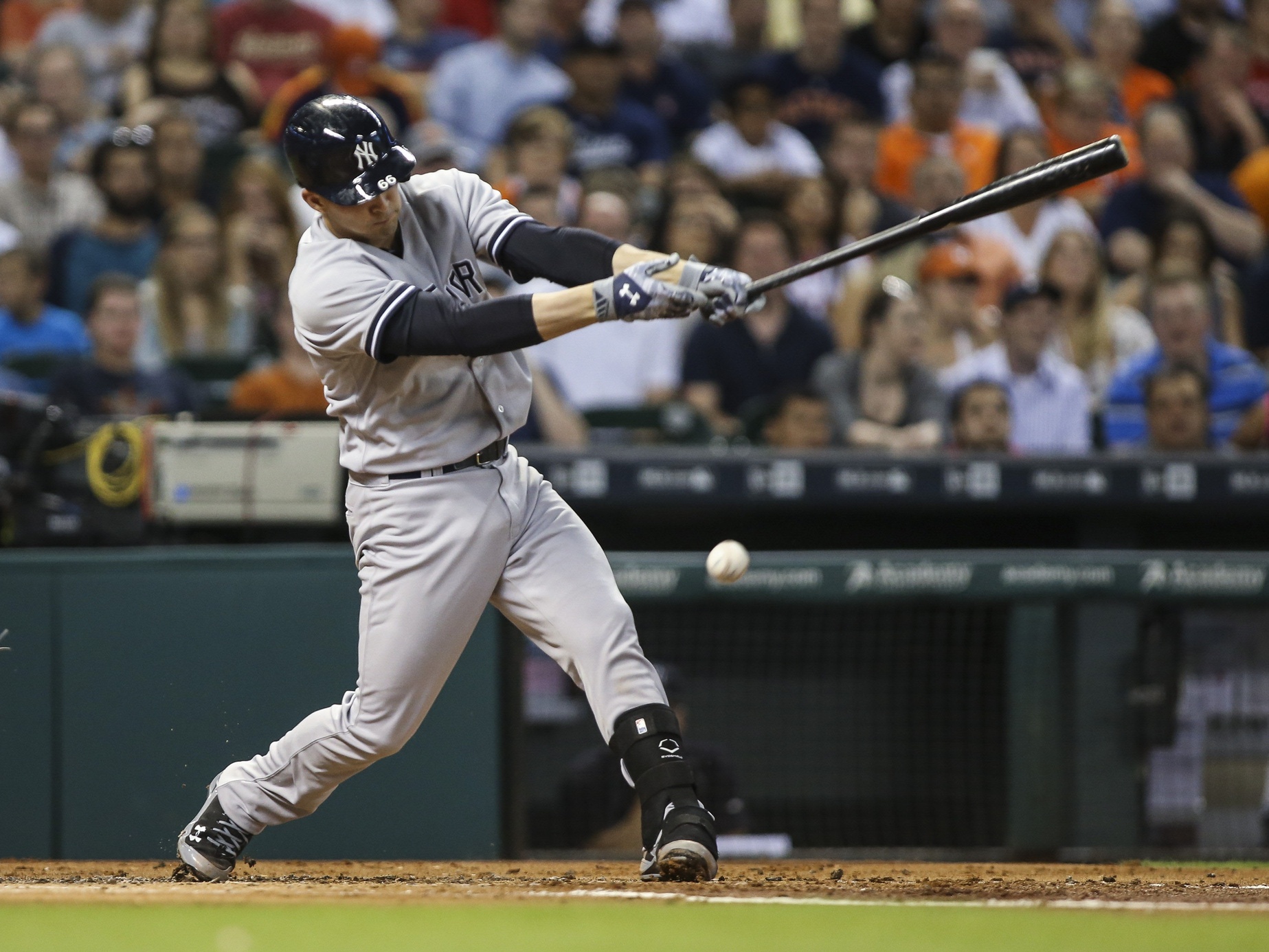 The bar to be an average offensive catcher is not set very high. In fact, overall in 2015, major league catchers posted a collective .682 OPS. In his limited exposure with the Yankees this past season (172 plate appearances), Murphy (who we are dubbing “The Serial Killer” for his use of three names) cleared this with ease. But here’s the rub: While he proved that he could mash fastballs but he hasn’t shown that he can handle the curveball yet in his time at the major league level. Throw him a heat and you will likely see a solidly stroked line drive but spin him a curve and he’ll barely nub it past the mound. It is not that he is swinging through the bender, he simply has trouble hitting it squarely. To be fair, it is a small sample size and Murphy has not seen a high number of curves (according to Fangraphs.com it has been just 9% of his pitch mix since 2014), but the 24-year-old has not managed to put one in play with any sort of authority. As you can see from the chart below, with the exception of a floating liner and a couple of pop-outs, the majority of balls he has put in play have been choppers to the third baseman: Like this one: http://i.imgur.com/J39NN7x.gif Here is Murphy’s only hit this season on a curveball: http://i.imgur.com/pw6yNRK.gif Is this an ominous sign that Murphy may never fully develop into a complete hitter? Will he be eaten alive by big mind-bending breakers next year? Obviously the sample size is nowhere near significant enough to make any informed deductions but let’s jump to conclusions nonetheless. Murphy is still a young hitter and, in terms of the weak contact, the common theme appears to be being caught off-guard by professional-grade curveballs on hitters' and even counts -- those counts in which a minor league hitter might expect a fastball. What we see is a guess hitter at this point in his career. In the examples above, he was guessing fastball and was well out front when the breaking ball came. There are plenty of good major league hitters who are unable to do much damage on curveballs. Mike Trout, Robinson Cano, Evan Longoria were among some of the game’s better hitters this past season who have done little against curveballs. What makes them better hitters is avoiding biting on those pitches. For Murphy, preparation and experience will likely help him become more consistent. This may be an exercise in pebble-hunting to be sure, but if he is able to refine his approach against curves Murphy just might become that two-way catcher the Twins coveted.
 -
Without more footage, I can't answer what is leading to his strikeout issues. It's not velocity. That is not a current issue as he hasn't seen a ton of it. And I don't expect velocity to be an issue once he comes to MLB. As was the case with Jung Ho Kang, he had not see much high velocity (95+) in the KBO but he managed to do well against MLB fastballs. In fact, he hit .451 against fastballs that were 95+ or higher -- that led baseball. He struck out at a high rate (21%) and still did so with the Pirates but velocity was not a problem. Park's strikeout totals in a lesser league is not an indication of him not being capable of hitting major league pitching. In AA ball -- a league that is more similar to the KBO (although AA has much better velocity) -- Miguel Sano struck out in 27% of his plate appearances. That's not far different from Park's 26% in the KBO last year. They both walked at about the same rate. What is likely the case is that Park, like Sano, was not seeing a ton of pitches in the zone. As a middle of the order guy, I am assuming he was being aggressive and likely expanded the zone when he shouldn't have. On the other hand, Park's more prolific upper cut swing does not allow the barrel to be on the same plane as the ball for an extended period of time which could explain why he his strike rate would rise from 2012 when he showed a more level swing.
-
On this week's NO JUICE PODCAST, Dan Anderson and Parker Hageman discuss how the Twins entered the offseason like a person hopped up on angel dust jumping out of a four-story building. They landed a Korean superstar, they traded a backup catcher and they flipped their starting center fielder to the New York Yankees. Will this make the Twins better in 2016? LISTEN UP.Later, GopherHole.com’s Nadine Babu joins the show to provide an insider’s perspective to the happenings of the University of Minnesota’s football program. The takeaway? The Tim Brewster Era was a mess. Download attachment: img_2057.jpg Listen below, on iTunes or on Stitcher: NO JUICE PODCAST, EPISODE #75: EARLY OFFSEASON BONANZA Click here to view the article
-
 Later, GopherHole.com’s Nadine Babu joins the show to provide an insider’s perspective to the happenings of the University of Minnesota’s football program. The takeaway? The Tim Brewster Era was a mess. Listen below, on iTunes or on Stitcher: NO JUICE PODCAST, EPISODE #75: EARLY OFFSEASON BONANZA
 -
Yes, he hit a ton of grounders to short in the second half of last year. He struggled to get under all pitches at that time (http://twinsdaily.com/articles.html/_/minnesota-twins-news/for-brian-dozier-its-deja-vu-all-over-again-r4179) and, it turns out, he was hindered by an injury. There's no question Dozier should use the entire field more to increase his on-base presence -- particularly if he is at the top of the order -- but I still want him to hunt those fastballs and pull them down the line. What makes you think that Dozier doesn't have "true power"? Last year, 48% of his hits went for extra bases -- that was 4th highest in the AL. Look, some of the power hitters, like Kennys Vargas as an example, get too focused on pulling the ball and that leads to teams just feeding them pitches away. They need that ability in order to not get eaten alive by good pitching.
-
I don't know why it would -- the top three home run leaders at Target Field as Plouffe, Dozier and Willingham. Clearly that method works for some. In 2013, Willingham battled a knee injury which hindered his natural pull swing. And by "pull swing" it does not mean pulling away, just that he was getting to the point of contact well ahead of his body. Willingham, according to some HitFX data, did this better than almost all other hitters. In the case of Plouffe, he got away from going away like he did in 2014 but also jumped from 14 to 22 home runs. Pull power. Dozier we all know loves to shoot the foul pole. In the case of Park, that isn't his style. He lets the ball travel deep and uses his hands to get to the point of contact. That's one reason he looks good at handling non-fastballs. I'm certainly not suggesting he get away from that but home runs are simply harder to hit to center at Target Field. Bottom line, I don't think you should be bummed out. Looking to pull and trying to pull are two different approaches. Going up there pulling everything no matter where pitched is not a great approach. Looking for a pitch to pull is different. This is more of what guys like Willingham and Dozier were doing.
-
In terms of power? Sure. Let's be clear: Having this type of power in Korea does not necessarily translate into a good overall hitter in MLB but the fact that he has led the league for four straight years in home runs means something. In the case of Thames, while his power never translated to the major league level, he did have power in the minors. He shows much more of a pull hitter, much more of an upper cut swing in the KBO. Not to mention, it is 318 feet down the right field line at his home park -- that's four feet further than Yankee Stadium's short porch and the power alley is 24 feet closer than the Yankees. Given the competition and how Thames' upper-cut swing seems built to handle the abundance of breaking balls and offspeed stuff... I haven't seen much of Yamaico Navarro's swing on video so...no comment.
-
For sure a fair point. He's doing what an elite hitter is expected to do with the given competition. There's certainly the possibility he can adapt quickly but as we've seen with Jung-ho Kang, who overwhelmed the same underwhelming KBO pitchers in 2014, there is a development curve in transitioning to MLB.
-
"Don't want to be "that guy" but... Do they test for steroids in the KBO" Yes. They began testing for illegal substances in 2003.
-
On Monday, the world learned that the Minnesota Twins had outbid all of the 29 other clubs and secured the rights to negotiate with 29-year-old Byung-ho Park, a KBO superstar who has put up video game numbers over his career. For most, Park is a complete mystery. For the Twins, they have scouted Park endlessly in order to feel confident in spending at least $12.85 million. More likely than not, they have done exhaustive due diligence on him. The Twins are plopping down more upfront than they will pay any of their current players next year outside of Ervin Santana and Joe Mauer. And, if Park and the Twins do come to terms on a contract, they will pay him even more (which will be the true test in the organization’s confidence in their evaluators). Park’s home run totals have caught the attention of Major League Baseball but the question is, will his power play at the game’s highest level and will Target Field be a suitable venue for his swing?When the Twins signed Josh Willingham, the team acquired a hitter who was almost built for the configuration of their ballpark. As other right-handers had experienced, a ball driven into center or the right-center gap was met with resistance and died in the outfield. Willingham, meanwhile, yanked almost every pitch he swung at and did so with authority. He eventually passed the wisdom down to some of the current Twins. As he told Brian Dozier “the fences are a lot closer in left.” Both Dozier and Trevor Plouffe have since passed Willingham for the home run lead at Target Field but each has credited Willingham with the power guidance. So, does Park fit into that pull-power mold? Thanks to the contributors of YouTube, we have access to several seasons worth of Park's home run compilations that, if you are a Twins Daily writer with no life, you can chart each one of those available and analyze the data to answer that very question. There is little doubt that Park has power, inferior competition of not. At age 25 in 2012, he launched 31 home runs -- a career-best and the most in the league that year -- but that would just be an appetizer for the coming main course. After 37 in 2013, he socked 52 in 2014 and 53 in 2015. Even with the league's caveats (lower velocity, smaller ballparks, juiced baseballs), hitters do not reach those totals that consistently without being a special talent. In 2012 (which you can watch the compilation of home runs here), Park was much more of a standard power hitter: He pulled the majority of his home runs and most of the pitches were located belt-high in the zone but he also showed the propensity to turn on pitches down-and-away and middle-away. The zone chart below (from the pitcher's perspective) shows the location of each of his home runs that year. Download attachment: BYP_Z_2012.png The top video shows the level swing that Park displayed to destroy pitches in the middle (horizontal) of the zone while the lower clip demonstrates how he would turn on some pitches down and away. http://i.imgur.com/cz84gzr.gif http://i.imgur.com/My1IwUo.gif More importantly, he punctuated nearly every round-tripper with a majestic bat flip. Despite having fly ball tendencies, Park’s swing was much more level in 2012 than its current iteration. Plus 51.6% of his home runs were pulled, which would play decently at Target Field, but this changed drastically over the next few years. The home runs were not all skyscraping bombs, some were actually wallscrapers that needed assistance over the fence. By 2014 (video here), there was a transformation in his swing. Park developed a steep upper-cut, giving his bat much more tilt in order for it to meet pitches on the same plane as they descended in the zone, creating towering flies that cleared fences ( ) by great distances. Bat flip enthusiasts were disappointed to see that he was no longer flipping his bat shortly after contact, instead following through the entire swing. What remained constant was how he kept his hands inside and close to his body before firing the barrel at the ball. He allowed the ball to travel deeper into the zone and drove balls into the middle of the field where the majority of his home runs left the field. Download attachment: BYP_Z_2014.png As you can see in the zone chart above, in addition to power coverage throughout the zone, Park was hitting more home runs down in the zone than before. In 2012 he did not have a home run on any pitch down-and-in. In 2014, he smacked 10. He also managed to redirect a lot of his pitches on the inner half into center or opposite field. While most hitters like Willingham would yank pitches down-and-in, Park actually hit a number of those pitches out in center. Watch this home run on a breaking ball on the inner-half. Since 2010 in the major leagues, according to ESPN/TruMedia’s data 94.7% of home runs on breaking balls inside were pulled, 5.1% went to center while just 0.2% went the other way. Meanwhile Park’s ability to keep his hands back and inside allows him to muscle this 80-mph pitch out towards right field: http://i.imgur.com/yLnWVC5.gif Take a closer look at how Park keeps his hands in next to his body in order to pull this 82-mph breaking ball down the left field line: http://i.imgur.com/XY9K89S.gif What’s interesting about Park’s 2014 numbers is that he hit 52 home runs but managed just 16 doubles. That speaks volumes towards his fly balls methods. If the ball wasn’t launched 100 feet past the fence, it was probably getting caught. In 2015 this changed a bit as he hit 53 home runs but followed that up with another 35 doubles leading to his absurd .714 slugging. While only 30 of Park’s 53 home runs this past season would be available for video review, the trends for Park in 2015 (video here) were very similar to 2014. He had excellent power across all zones with the bulk of his home runs coming in zones that aligned with his downward bat tilt. Download attachment: BYP_Z_2015.png What did change, however, is that Park shot an even higher percentage of his charted home runs out to center field. As one scout noted, Park was given a 80-power grade on an 80-scale. Different evaluators will undoubtedly rate players differently but, for comparison’s sake, over the years Baseball America has rated Cubs’ Kris Bryant and Royals’ Mike Moustakas as 80-grade power. Among the Twins’ regulars only Miguel Sano was labeled with that kind of power tool but Baseball America rated Sano’s power at “just” a 70 (with Bryant and Texas’ Joey Gallo ahead of him). As we’ve seen, there are few ballparks of any size that can contain Sano’s power in any direction. That said, Target Field has been ultra tough on right-handers when it comes to home runs to center or right field. Download attachment: HR Distribution.png If he is signed by the Twins, Target Field will indeed act as a deterrent to Park’s big flies to center. As one of the toughest venues to hit balls out toward center-right center, this should significantly reduce his home run expectations before even factoring in the jump in competition. What about velocity? There is no question that the average velocity of pitchers in the KBO are well below the increasing average velocity of their MLB counterparts. In fact, most of that league’s velocity maxes out at the high-80s/low-90s. The same scout who suggested Park had 80-grade power, also said that he would struggle with fastballs inside. While facing little in the way of major league-caliber velocity, Park hit most of his home runs on fastballs below 90 MPH. Download attachment: BYP_HR.png Park also showed in 2014 that he would use several different leg kicks depending on what the situation required. One, a big leg load with everything on his back leg before firing forward, the other a simple toe tap load that is just as effective: http://i.imgur.com/0myGe9g.gif http://i.imgur.com/FEdfYuX.gif When Park’s former Nexen teammate Jung-ho Kang made the transition from the KBO to the Pittsburgh Pirates in 2015, he initially shelved his bigger leg kick in spring training. Like Park, Kang had a big leg kick but would use a muted version when faced with two-strike situations. Stateside, the added velocity and lack of familiarity with the new pitchers forced Kang into going with his muted kick more frequently. As his rookie season progressed, as he adapted to the speed of the game and grew more familiar with the competition, he deployed the big kick more often. Because of that, it is no surprise to see that Kang hit just four home runs in his first 74 games but 11 over his last 52. More likely than not, Park will have an adaptation process like that of Kang. In all, don’t expect a huge translation in home run numbers from Park’s KBO seasons if he signs with the Twins -- both immediately and down the road. That’s not going far out on a limb but because of his straightaway power and heavy fly ball tendencies, plenty of those that would have become souvenirs in KBO’s smaller stadiums will remain in play, particularly at Target Field. Likewise, the need to acclimate to the improved competition will likely stifle his numbers at the season’s onset. Long term, he possesses an amazingly athletic swing with an 80-grade power tool and over time he should contribute to the Minnesota’s lineup. Click here to view the article
-
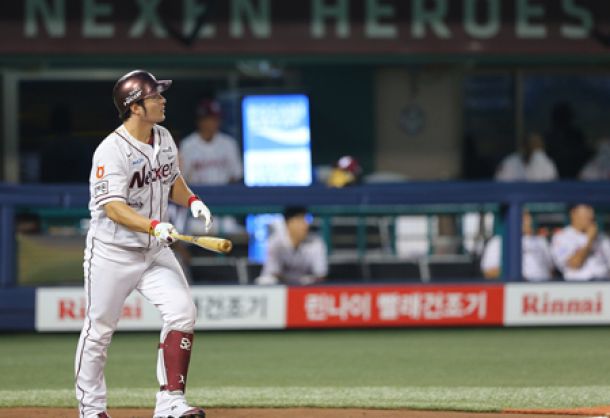 When the Twins signed Josh Willingham, the team acquired a hitter who was almost built for the configuration of their ballpark. As other right-handers had experienced, a ball driven into center or the right-center gap was met with resistance and died in the outfield. Willingham, meanwhile, yanked almost every pitch he swung at and did so with authority. He eventually passed the wisdom down to some of the current Twins. As he told Brian Dozier “the fences are a lot closer in left.” Both Dozier and Trevor Plouffe have since passed Willingham for the home run lead at Target Field but each has credited Willingham with the power guidance. So, does Park fit into that pull-power mold? Thanks to the contributors of YouTube, we have access to several seasons worth of Park's home run compilations that, if you are a Twins Daily writer with no life, you can chart each one of those available and analyze the data to answer that very question. There is little doubt that Park has power, inferior competition of not. At age 25 in 2012, he launched 31 home runs -- a career-best and the most in the league that year -- but that would just be an appetizer for the coming main course. After 37 in 2013, he socked 52 in 2014 and 53 in 2015. Even with the league's caveats (lower velocity, smaller ballparks, juiced baseballs), hitters do not reach those totals that consistently without being a special talent. In 2012 (which you can watch the compilation of home runs here), Park was much more of a standard power hitter: He pulled the majority of his home runs and most of the pitches were located belt-high in the zone but he also showed the propensity to turn on pitches down-and-away and middle-away. The zone chart below (from the pitcher's perspective) shows the location of each of his home runs that year. The top video shows the level swing that Park displayed to destroy pitches in the middle (horizontal) of the zone while the lower clip demonstrates how he would turn on some pitches down and away. http://i.imgur.com/cz84gzr.gif http://i.imgur.com/My1IwUo.gif More importantly, he punctuated nearly every round-tripper with a majestic bat flip. Despite having fly ball tendencies, Park’s swing was much more level in 2012 than its current iteration. Plus 51.6% of his home runs were pulled, which would play decently at Target Field, but this changed drastically over the next few years. The home runs were not all skyscraping bombs, some were actually wallscrapers that needed assistance over the fence. By 2014 (video here), there was a transformation in his swing. Park developed a steep upper-cut, giving his bat much more tilt in order for it to meet pitches on the same plane as they descended in the zone, creating towering flies that cleared fences ( ) by great distances. Bat flip enthusiasts were disappointed to see that he was no longer flipping his bat shortly after contact, instead following through the entire swing.What remained constant was how he kept his hands inside and close to his body before firing the barrel at the ball. He allowed the ball to travel deeper into the zone and drove balls into the middle of the field where the majority of his home runs left the field. As you can see in the zone chart above, in addition to power coverage throughout the zone, Park was hitting more home runs down in the zone than before. In 2012 he did not have a home run on any pitch down-and-in. In 2014, he smacked 10. He also managed to redirect a lot of his pitches on the inner half into center or opposite field. While most hitters like Willingham would yank pitches down-and-in, Park actually hit a number of those pitches out in center. Watch this home run on a breaking ball on the inner-half. Since 2010 in the major leagues, according to ESPN/TruMedia’s data 94.7% of home runs on breaking balls inside were pulled, 5.1% went to center while just 0.2% went the other way. Meanwhile Park’s ability to keep his hands back and inside allows him to muscle this 80-mph pitch out towards right field: http://i.imgur.com/yLnWVC5.gif Take a closer look at how Park keeps his hands in next to his body in order to pull this 82-mph breaking ball down the left field line: http://i.imgur.com/XY9K89S.gif What’s interesting about Park’s 2014 numbers is that he hit 52 home runs but managed just 16 doubles. That speaks volumes towards his fly balls methods. If the ball wasn’t launched 100 feet past the fence, it was probably getting caught. In 2015 this changed a bit as he hit 53 home runs but followed that up with another 35 doubles leading to his absurd .714 slugging. While only 30 of Park’s 53 home runs this past season would be available for video review, the trends for Park in 2015 (video here) were very similar to 2014. He had excellent power across all zones with the bulk of his home runs coming in zones that aligned with his downward bat tilt. What did change, however, is that Park shot an even higher percentage of his charted home runs out to center field. As one scout noted, Park was given a 80-power grade on an 80-scale. Different evaluators will undoubtedly rate players differently but, for comparison’s sake, over the years Baseball America has rated Cubs’ Kris Bryant and Royals’ Mike Moustakas as 80-grade power. Among the Twins’ regulars only Miguel Sano was labeled with that kind of power tool but Baseball America rated Sano’s power at “just” a 70 (with Bryant and Texas’ Joey Gallo ahead of him). As we’ve seen, there are few ballparks of any size that can contain Sano’s power in any direction. That said, Target Field has been ultra tough on right-handers when it comes to home runs to center or right field. If he is signed by the Twins, Target Field will indeed act as a deterrent to Park’s big flies to center. As one of the toughest venues to hit balls out toward center-right center, this should significantly reduce his home run expectations before even factoring in the jump in competition. What about velocity? There is no question that the average velocity of pitchers in the KBO are well below the increasing average velocity of their MLB counterparts. In fact, most of that league’s velocity maxes out at the high-80s/low-90s. The same scout who suggested Park had 80-grade power, also said that he would struggle with fastballs inside. While facing little in the way of major league-caliber velocity, Park hit most of his home runs on fastballs below 90 MPH. Park also showed in 2014 that he would use several different leg kicks depending on what the situation required. One, a big leg load with everything on his back leg before firing forward, the other a simple toe tap load that is just as effective: http://i.imgur.com/0myGe9g.gif http://i.imgur.com/FEdfYuX.gif When Park’s former Nexen teammate Jung-ho Kang made the transition from the KBO to the Pittsburgh Pirates in 2015, he initially shelved his bigger leg kick in spring training. Like Park, Kang had a big leg kick but would use a muted version when faced with two-strike situations. Stateside, the added velocity and lack of familiarity with the new pitchers forced Kang into going with his muted kick more frequently. As his rookie season progressed, as he adapted to the speed of the game and grew more familiar with the competition, he deployed the big kick more often. Because of that, it is no surprise to see that Kang hit just four home runs in his first 74 games but 11 over his last 52. More likely than not, Park will have an adaptation process like that of Kang. In all, don’t expect a huge translation in home run numbers from Park’s KBO seasons if he signs with the Twins -- both immediately and down the road. That’s not going far out on a limb but because of his straightaway power and heavy fly ball tendencies, plenty of those that would have become souvenirs in KBO’s smaller stadiums will remain in play, particularly at Target Field. Likewise, the need to acclimate to the improved competition will likely stifle his numbers at the season’s onset. Long term, he possesses an amazingly athletic swing with an 80-grade power tool and over time he should contribute to the Minnesota’s lineup.
 -
Don’t look for “OF” to be next to Miguel Sano’s name in any of the box scores in the Dominican this off-season because he won’t be there.On Saturday, a writer covering Sano’s Estrellas Orientales, William Aish, tweeted that Sano told him that the Twins did not want him to receive actual playing time in the outfield, only to practice in the outfield. Sano would continue to play third base and DH in winter league games. While manager Paul Molitor told reporters at the Torii Hunter press conference that the team wants to have Sano see reps in the outfield, the message, as passed along from Ryan to the Star Tribune’s Lavelle Neal in today’s article, was that the organization expects him to get comfortable and get a feel for being out there, only during batting practice. With the 2016 unclear, Ryan also said that he is not looking to trade away any of the existing players. The potential signing of Byung-ho Park added a wrinkle. If the Twins were truly interested in keeping Trevor Plouffe at third, Joe Mauer at first and using Park as the DH, then Sano would undoubtedly need to learn a new position. Could this signal the team's intention of trading Plouffe, as Nick Nelson discussed on Monday? Or is it possible that the Twins move an outfielder like Eddie Rosario...but do the Twins have that much confidence in their staff to teach Sano the nuances of left field in just two months? If everything remains the same, the Twins will need to find an position for Sano in the field but, for now, there does not seem to be urgency to get the young star acclimated to a new position. Click here to view the article
-
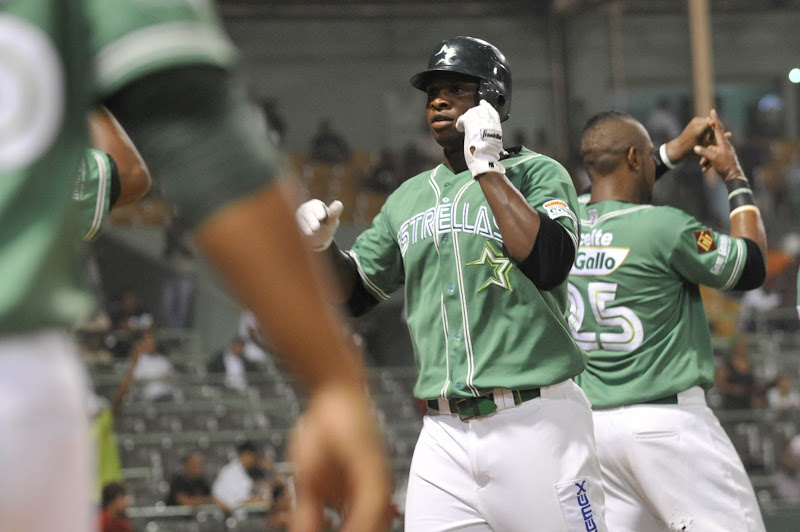 On Saturday, a writer covering Sano’s Estrellas Orientales, William Aish, tweeted that Sano told him that the Twins did not want him to receive actual playing time in the outfield, only to practice in the outfield. Sano would continue to play third base and DH in winter league games. While manager Paul Molitor told reporters at the Torii Hunter press conference that the team wants to have Sano see reps in the outfield, the message, as passed along from Ryan to the Star Tribune’s Lavelle Neal in today’s article, was that the organization expects him to get comfortable and get a feel for being out there, only during batting practice. With the 2016 unclear, Ryan also said that he is not looking to trade away any of the existing players. The potential signing of Byung-ho Park added a wrinkle. If the Twins were truly interested in keeping Trevor Plouffe at third, Joe Mauer at first and using Park as the DH, then Sano would undoubtedly need to learn a new position. Could this signal the team's intention of trading Plouffe, as Nick Nelson discussed on Monday? Or is it possible that the Twins move an outfielder like Eddie Rosario...but do the Twins have that much confidence in their staff to teach Sano the nuances of left field in just two months? If everything remains the same, the Twins will need to find an position for Sano in the field but, for now, there does not seem to be urgency to get the young star acclimated to a new position.
 -
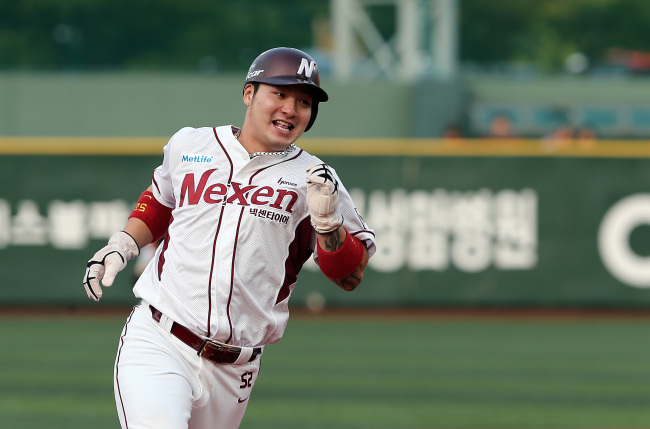 According to early reports from Pittsburgh Tribune's Travis Sawchick and KBO writer Daniel Kim that have since been confirmed by the Minnesota Twins, the team has won the rights to Park, a 28-year-old first baseman who has hit 52 and 53 home runs in each of the last two seasons, with a $12.85 million bid and will have a 30-day negotiating window to come to terms on a contract. Park's addition presents a new mystery as to how the Twins will move forward constructing their roster for 2016. If Park and the team agree to terms, Park's role will likely be as a designated hitter with some time at first base. However, with Mauer at first and Trevor Plouffe at third (for the time being), manager Paul Molitor told reporters at the Torii Hunter retirement press conference that the organization would have Miguel Sano, a first base/designated hitter-type, familiarize himself with playing left field. In his offseason interview, Twins general manager Terry Ryan told Twins Daily that he was interested in adding power. "I’ll take any kind of power," Ryan said. "Left or right-handed. It doesn’t matter. Somebody can hit the ball over the fence, you’re going to have interest. Power is hard to find, especially in this place." Power is what Park provides. Park has immense power potential, as demonstrated by his 52 and 53 home run seasons over the last two years in the KBO. While he can hit the ball a long way (reportedly hammering a pitch 522 feet this past September), he also has 303 strikeouts to his name since the beginning of 2014. http://i.imgur.com/XUJiIIQ.gif Will Park's power translate to the major leagues? Last winter the Pittsburgh Pirates added shortstop Jung-ho Kang to their roster. Kang, who had finished runner-up to Park's home run total, had a slow introduction to MLB pitching, hitting just 4 home runs in his first 72 games and 11 in his last 54.
 -
On this week's NO JUICE PODCAST, Dan Anderson and Parker Hageman review the 2015 World Series and discuss the pivotal plays/decisions in Game 5 that led to the Royals victory over the Mets. Parker attends the Torii Hunter retirement press conference and shares his thoughts on the event. LISTEN UP.They talk about the Gophers football program. They both state on record they like Karl-Anthony Towns. Dan visits Missour-a. Listen below, on iTunes or on Stitcher: NO JUICE PODCAST, EPISODE #74: TORII HUNTER'S GOODBYE Click here to view the article
-
 They talk about the Gophers football program. They both state on record they like Karl-Anthony Towns. Dan visits Missour-a. Listen below, on iTunes or on Stitcher: NO JUICE PODCAST, EPISODE #74: TORII HUNTER'S GOODBYE
 -
Article: Would You Hire Ron Gardenhire?
Parker Hageman replied to Parker Hageman's topic in Twins Daily Front Page News
Seems to be that Andy Green impressed more than Gardenhire fell behind. -
Article: Would You Hire Ron Gardenhire?
Parker Hageman replied to Parker Hageman's topic in Twins Daily Front Page News
That's essentially what Clint Hurdle did with the Pirates. In the book "Big Data Baseball" (good read by the way), Hurdle was very much a similar manager to Ron Gardenhire in his days with the Rockies and early with the Pirates. It was only after being confronted by his GM that he embraced more of the overall process that stemmed from the front office's analytics team. He still managed with an old school slant but he was more understanding of the use of the shifts, lineup construction and player acquisition. -
Article: Would You Hire Ron Gardenhire?
Parker Hageman posted a topic in Twins Daily Front Page News
Will Ron Gardenhire ever manage again? Not this season it appears, that is, unless one of his employed colleagues finds themselves on the wrong end of a midseason pink slip. After taking a year off, the former Twins manager was passed over by several clubs this offseason, including the Washington Nationals and the San Diego Padres. The latter was particularly a surprise considering that it was widely assumed by insiders that Gardenhire’s major league managing experience made him the frontrunner for the Padres opening. "We're betting on a person, we're betting on a guy we feel like can be a leader," Padres GM AJ Preller told the San Diego Union-Tribune before finalizing their decision, "someone who can bring more on the relationship and culture side, more on the day-to-day leadership. The clubhouse, the communication, I think that's going to be the biggest thing." Nevertheless, when the Padres front office made their decision, it was Andy Green, someone with no major league managing experience, over Gardenhire and his track record of 13 seasons including a Manager of the Year award and a five-time runner-up.While Gardenhire had plenty of on-field managerial shortcomings during his tenure with the Twins – including being late to embracing strategy such as defensive shifts, platooning and effective lineup construction -- being a relationship builder and running a clubhouse was never in question. Gardenhire has earned a reputation as being adverse to the analytics side of the game but during the TwinsDaily Offseason Handbook interview with Terry Ryan, Ryan adamantly defended his former manager suggesting that “Gardy is up to snuff on analytics” despite what some outside critics believe. The Twins analytics department incessantly fed Gardenhire reports and data to aid in his decision-making. Of course knowing them and using them are two totally different things. “Believe me, I love to look at numbers,” Gardenhire said in his Hammond Stadium office in his final spring training with the Twins in 2014. “I’ve always been into numbers, I go with match-ups and all these things, I also believe in a starting lineup, trying to put a consistent lineup down. But I use match-ups all the time. I’ve been a little more old school as far as the lineup, one-two-three, that type of thing, the way I grew up playing ball and these things. I see a lot of different lineups nowadays and I’ve been reading into it a little bit more, talking to our people -- it can come up interesting sometimes.” The fact that the Dodgers, with a front office which was remodeled completely with the intention of using an analytical slant, has not even contacted Gardenhire for an interview likely speaks volumes toward how that community views him as a manager. (Naturally, they are set to interview Kirk Gibson who comes from an anti-analytics organization himself.) That is not necessarily a knock – after all, the two managers in this past World Series, Ned Yost and Terry Collins, are not known for being forward-thinkers when it comes to using data – but more clubs are expecting their leadership to have this knowledge to better implement on the field what the front office creates off of it. To be sure, Gardenhire did not lose the position in San Diego so much as Andy Green won it. “I had heard when he interviewed there that he really knocked it out of the park,” Diamondbacks manager Chip Hale told the Arizona Republic. “They were really excited about him. I’m really proud of him. That’s quite an accomplishment at 38.” At his introductory press conference, Preller raved about his attributes. “There have been big-league managers that have been successful from all different paths. We were open-minded to really any of those paths and finding the right person who had presence, energy, was intelligent on the baseball side, was very prepared. He checked all those boxes. He’s a guy who we feel can connect with our organization and players and take us to a different level.” Reportedly, Gardenhire earned enough respect in the San Diego front office that they wanted his experience around the clubhouse, even if it was in a lesser role. According to Dennis Lin of the San Diego Union-Tribune, multiple sources told him that the Padres have offered Gardenhire a bench coach position. On Wednesday, Gardenhire joined MLB Network Radio and told the show that the position was not officially offered. “I don’t think anything has been formerly offered,” he said. “I’ve had a good conversation. The San Diego group was unbelievable.” He also commended Preller on his talents and called him a “brilliant young man”, saying that Preller’s baseball junkie attitude is something that he respects. While most insiders believe Gardenhire would reject the offer, a season tutoring Green while learning the finer points of the National League style of the game would probably be better than sitting out another year. With just the Dodgers’ position open and no other job prospects remaining, unless he is willing to guide Green through his first year as an major league manager, Gardenhire will likely spend the summer waiting for the phone to ring. Click here to view the article -
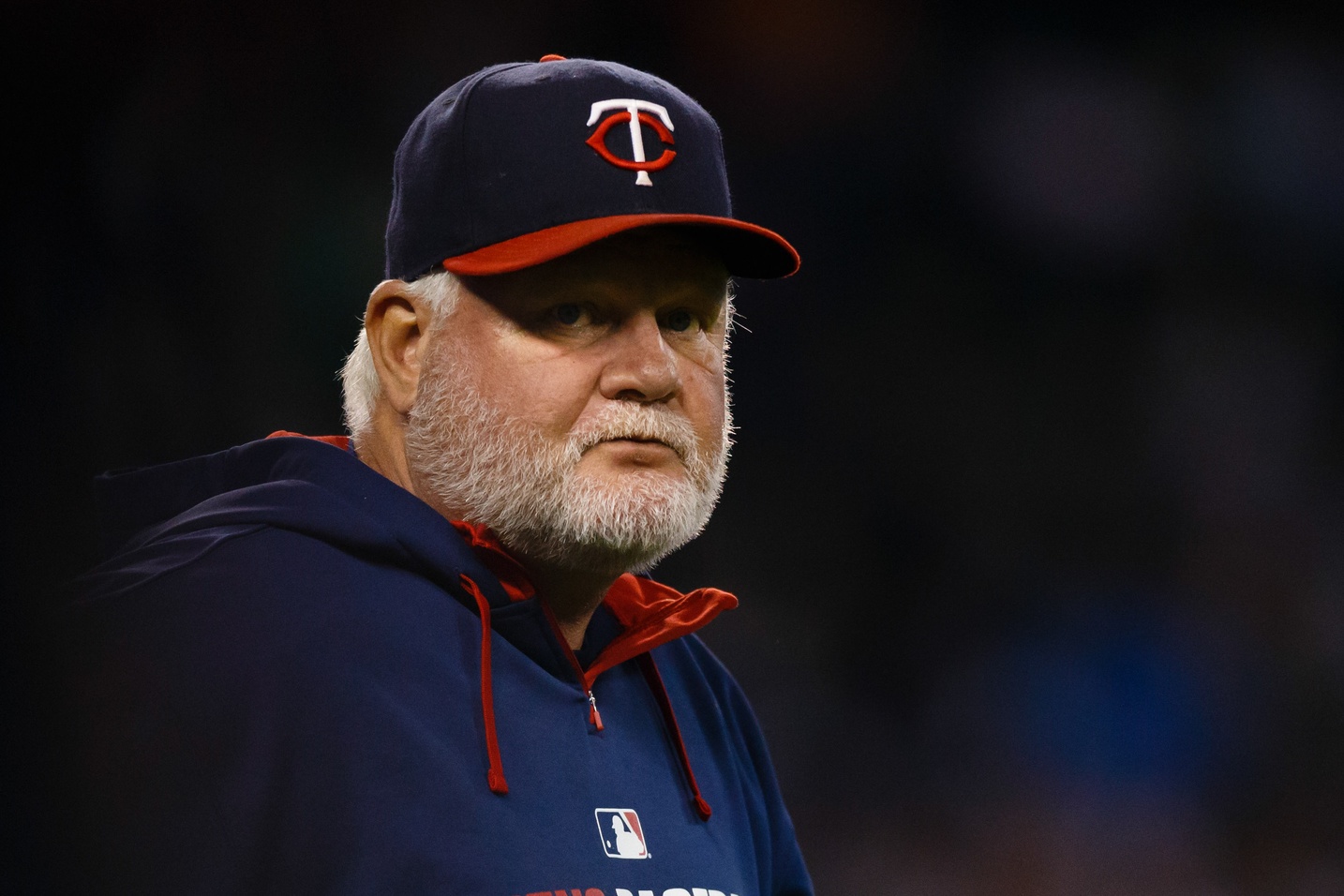 While Gardenhire had plenty of on-field managerial shortcomings during his tenure with the Twins – including being late to embracing strategy such as defensive shifts, platooning and effective lineup construction -- being a relationship builder and running a clubhouse was never in question. Gardenhire has earned a reputation as being adverse to the analytics side of the game but during the TwinsDaily Offseason Handbook interview with Terry Ryan, Ryan adamantly defended his former manager suggesting that “Gardy is up to snuff on analytics” despite what some outside critics believe. The Twins analytics department incessantly fed Gardenhire reports and data to aid in his decision-making. Of course knowing them and using them are two totally different things. “Believe me, I love to look at numbers,” Gardenhire said in his Hammond Stadium office in his final spring training with the Twins in 2014. “I’ve always been into numbers, I go with match-ups and all these things, I also believe in a starting lineup, trying to put a consistent lineup down. But I use match-ups all the time. I’ve been a little more old school as far as the lineup, one-two-three, that type of thing, the way I grew up playing ball and these things. I see a lot of different lineups nowadays and I’ve been reading into it a little bit more, talking to our people -- it can come up interesting sometimes.” The fact that the Dodgers, with a front office which was remodeled completely with the intention of using an analytical slant, has not even contacted Gardenhire for an interview likely speaks volumes toward how that community views him as a manager. (Naturally, they are set to interview Kirk Gibson who comes from an anti-analytics organization himself.) That is not necessarily a knock – after all, the two managers in this past World Series, Ned Yost and Terry Collins, are not known for being forward-thinkers when it comes to using data – but more clubs are expecting their leadership to have this knowledge to better implement on the field what the front office creates off of it. To be sure, Gardenhire did not lose the position in San Diego so much as Andy Green won it. “I had heard when he interviewed there that he really knocked it out of the park,” Diamondbacks manager Chip Hale told the Arizona Republic. “They were really excited about him. I’m really proud of him. That’s quite an accomplishment at 38.” At his introductory press conference, Preller raved about his attributes. “There have been big-league managers that have been successful from all different paths. We were open-minded to really any of those paths and finding the right person who had presence, energy, was intelligent on the baseball side, was very prepared. He checked all those boxes. He’s a guy who we feel can connect with our organization and players and take us to a different level.” Reportedly, Gardenhire earned enough respect in the San Diego front office that they wanted his experience around the clubhouse, even if it was in a lesser role. According to Dennis Lin of the San Diego Union-Tribune, multiple sources told him that the Padres have offered Gardenhire a bench coach position. On Wednesday, Gardenhire joined MLB Network Radio and told the show that the position was not officially offered. “I don’t think anything has been formerly offered,” he said. “I’ve had a good conversation. The San Diego group was unbelievable.” He also commended Preller on his talents and called him a “brilliant young man”, saying that Preller’s baseball junkie attitude is something that he respects. While most insiders believe Gardenhire would reject the offer, a season tutoring Green while learning the finer points of the National League style of the game would probably be better than sitting out another year. With just the Dodgers’ position open and no other job prospects remaining, unless he is willing to guide Green through his first year as an major league manager, Gardenhire will likely spend the summer waiting for the phone to ring.
 -
Article: Now Available: 2016 Offseason Handbook
Parker Hageman replied to Nick Nelson's topic in Twins Daily Front Page News
Gotta give a lot of that credit to the Twins Daily team and community for coming up with plenty of interesting questions and topics for Terry Ryan. Thanks to everyone that submitted those! -
We all know the baseball season doesn't work like that. It may start as Escobar/Dozier but who knows if Escobar maintains his second-half production. Then there's injuries. Plus Santana would also be a decent option to pinch run (the Royals have essentially won ballgames because of their pinch running speed off the bench) or maybe a defensive replacement in the infield (particularly if Sano is playing third base). If Buxton starts the year in AAA, Santana gives the Twins a backup CF to Hicks. Polanco probably has a higher offensive ceiling, sure, but there is no harm it letting him start the season in Rochester. If Santana doesn't figure things out, showing little progress in the spring, put him through waivers and see if he goes through (if he does, that speaks volumes). The Twins have options. Depth isn't a bad thing. I'd just advise against rushing him out the door.
- 77 replies
-
- 1
-

-
- danny santana
- terry ryan
- (and 1 more)
-
I get Escobar and Dozier, but I'm not sure Polanco is necessarily ahead of Santana on the depth chart. He made 20 errors himself in 880 innings this year. Gordon is several years away. Nunez might not be with the team. Frankly, I don't know what his role would be or how Molitor would use him. That's up to what he does this spring. I just know that he has enough positives to want to keep around to see if he can improve his results.
