



Parker Hageman
-
Posts
4,152 -
Joined
-
Last visited
-
Days Won
6
Content Type
Profiles
News
Minnesota Twins Videos
2026 Minnesota Twins Top Prospects Ranking
2022 Minnesota Twins Draft Picks
Minnesota Twins Free Agent & Trade Rumors, Notes, & Tidbits
Guides & Resources
2023 Minnesota Twins Draft Picks
The Minnesota Twins Players Project
2024 Minnesota Twins Draft Picks
2025 Minnesota Twins Draft Pick Tracker
2026 Minnesota Twins Draft Tracker: Picks & Bonuses
Forums
Blogs
Events
Store
Downloads
Gallery
Everything posted by Parker Hageman
-
 I can assure you that the GIFs did not select themselves.
- 23 replies
-
- 8
-

-
- minnesota twins
- max kepler
- (and 3 more)
-
The hitch is not that big of an issue. You've probably heard Roy Smalley reference it several times on a broadcast but when I spoke to Brunansky about that, specifically in regards to his inability to hit pitches up in the zone and if he felt that the hand load was the reason. "That's just poor pitch selection," he said. "Those are pitches he needs to realize that he can't attack. If he has to with two-strikes, yeah, we'll try to fight that off but he likes the ball down in the zone." Now, it's obviously ludicrous to compare a hitter like Arcia to Barry Bonds but Bonds had a similar load process where the hands dropped substantially in the process -- https://www.youtube.com/watch?v=VUTW4FsMeNQ. Bonds, however, had an unbelievable understanding of his zone. Arcia definitely lacks that. The head movement is far more egregious and the Twins have tried to get him to still that a bit more. Pull his front side out against lefties is another major issue. His swing is by no means perfect but the pros outweigh the cons in my opinion.
- 23 replies
-
- 3
-
-
- minnesota twins
- max kepler
- (and 3 more)
-
When I wrote about the Twins changing hitting philosophy throughout the system earlier this month, it was spurred by an interview of outfielder Joe Benson conducted by Baseball Prospectus in 2011. At that time four years ago Benson said that the team stressed staying as quiet as possible and getting your foot down early. That alone had the feel of something from a bygone era -- sort of like finding out that team doctors would slap leeches on a pitcher’s arm if he felt something snap -- and it was obvious why the Twins take heat in comparison to the forward-thinking and -preaching organizations. Over the years people have decried Minnesota’s outdated practice of trying to get hitters to fit into a certain swing mold rather than allow their natural athleticism shine through. Those who have had power potential, like David Ortiz or Carlos Gomez, left the system feeling as if their development was suppressed by the outmoded philosophy when they couldn’t conform. While it may not be noticeable on the surface, this philosophy has been changing within the system and the five hitters below are prime examples of the shift in direction.It may not be overwhelmingly apparent but the team has gone to lengths to embrace the louder, more athletic mechanics in their players. Evidence exists up and down the organizational ladder of hitters eschewing the old patterns for their natural swing. What follows is by no means selected from a comprehensive list as the amount of footage available for the players in the system is limited. There could be hitters in Elizabethton, the GCL or the Dominican Summer League with beautiful hacks that are not captured on the Internet. Based on their swings, these are five players within the Twins system that deserve your attention over the next few years to see if the new methods pay dividends. LaMonte Wade // 21 years old // Elizabethton (Rk) & Cedar Rapids (Low-A) http://i.imgur.com/w6jgHU7.gif The Twins drafted Wade out of the University of Maryland this past year and he immediately exceeded expectations. Projected to be a top of the lineup-type bat, Wade hit .302 but popped nine home runs in 64 games with the Elizabethton Twins. It was strange considering he had hit all of seven over three collegiate seasons while playing with metal bats. The above clip is a bad angle but it highlights Wade’s hands. Watch the load process and how he gets his barrel on plane with the pitch quickly (unlike Adam Walker’s swing which you will see below). That type of barrel movement should result in plenty of contact. Wade’s lower half work is where he generates power. The below clip is a take but watch his front leg and the hip start to rotate as he watches the pitch go by. http://i.imgur.com/RQ8u0II.gif In all, there are a lot of good movements from Wade in his swing and an indication that he is able to generate some power. In recent Twins history, as a leadoff-type and center fielder, Wade would have been the prime candidate to receive an overhaul to quiet his mechanics. He still has plenty to prove as he faces better competition and the organization may tone down his swing yet, so keep an eye on him as he advances up the ladder. Oswaldo Arcia // 24 years old // Minnesota (MLB) & Rochester (AAA) http://i.imgur.com/4IOzAsG.gif I love to hate to love Oswaldo Arcia’s swing. There’s so much to love -- from the leg kick to the gather process -- but there is also just enough hesitation in his decision-making that it seems one miscue can throw the entire system all kattywompus. There are times when I think he could benefit from calming everything down but that seems to defeat the purpose. His swing is one of the rare loud movement swings that somehow slipped into commission at some point in 2013 after years in the minors of using the toe-tap. It almost felt defiant. When he times a pitch properly and finds a pitch below his belt, he can hammer it a long way but when Arcia started to struggle as opponents adjusted to him in 2014, I fully expected the Twins to revamp his swing. Twins hitting coach Tom Brunansky said that was not his style. “You can't come and change,” Brunansky said in regards to Arcia’s approach. “The hardest thing to do is tell a young hitter who has had success in the minor leagues who needs to to change it at the major league level because they are going to say 'I hit like this'...how are we to say it doesn’t work?” There’s no question that Arcia’s swing has flaws. After all, it seems that only Rush Limbaugh has had more issues with lefties in his career than Arcia. That is a significant flaw that the front office was hoping the outfielder could correct in his stint in Rochester this past year. Despite an insane stretch in July in which he hit eight home runs, Arcia failed to show any progress against southpaws and his performance tanked in AAA. Out of options, Arcia still has the basis of what could be a fundamentally potent swing and the Twins could certainly benefit from having home run power from the left side of the plate. Adam Brett Walker // 24 years old // Chattanooga (AA) http://i.imgur.com/0nGtUiL.gif When you watch that swing, you don’t fully appreciate how far Adam Brett Walker’s swing has come until you compare it to where it was at while playing in college. In 2015 Walker did what he had been doing for most of his career -- socked a bunch of extra base hits and then struck out a ton in the other at-bats. His 31 home runs for the Lookouts finished second only to Miguel Sano for home runs in the organization but his 195 punchouts topped Sano for the dubious honor of most K’s in the system. While the jump in the competition was partially responsible for the increase of an already elevated strikeout rate, Walker also unveiled a refined swing which showed much more emphasis on his lower half. The leg kick certainly generated power but his inability to recognize pitches also witnessed a ton of silly swings where Walker was well out in front at the point of contact and turned over or missed a lot of pitches. Even with the struggles, it is a good direction for Walker and for the Twins. There is no doubting that Walker was a raw power talent coming out of Jacksonville University but his swing was basic, almost something the Twins would have instructed just a few years ago (hands still, get that foot down early). Now they have outfitted him with a superior swing that should give him a better opportunity for success. http://i.imgur.com/QLZ3iv7.gif Walker has obvious pitch selection issues and his barrel doesn’t stay on plane long so he will never likely hit for average and always strikeout at a high clip but the light tower power is unquestionable. Lewin Diaz // 19 years old // GCL Twins (Rk) & Elizabethton (Rk) http://i.imgur.com/IqDV8cw.gif MLB.com’s Jesse Sanchez reported that some unidentified scouts said that Lewin Diaz reminded them of the Phillies’ Ryan Howard when the Twins signed him in 2013 for a cool $1.4 million. While the body type comp may hold true, upon inspection you can see from the GIF above that Diaz is much more athletic in his swing that the small stride, . Not to detract from Howard’s approach -- as a career 357 home runs speaks for itself -- but Diaz is clearly a different style of hitter. Diaz’s mechanics have a mid-level leg kick and barrel tip toward the pitcher before bringing the bat through the zone. While he may share a shape similar to Howard's, his swing structure actually has more in common with someone like . The Twins were famously derided by Papi for tinkering too much with his swing. Hopefully the lesson learned is that they will allow a prospect like Diaz to continue to work with this swing model rather than revamp it for an antiquated approach. Max Kepler // 22 years old // Chattanooga (AA) & Minnesota (MLB) http://i.imgur.com/oM6PqBY.gif Of all the swings that I’ve watch this season, Max Kepler’s is my favorite. It is even more impressive when you consider what he swing looked like as a high school kid in Germany. After entering the Twins system, the organization seemed to outfit him with the standard low movement swing that was a staple of all their outfielders over the last decade. However, in 2015, the Twins went the other direction and got him to get more athletic with his swing. Lookouts hitting coach and former Twin Chad Allen said the staff worked hard to get Kepler to become more aggressive -- partly with his mechanics and partly with his mentality at the plate. At six-foot-four, Kepler has the stature to provide power. So why try to reduce that potential by toning everything down? Now that he has reached the point where he has caught up to the game, it will be fun to watch what he does with the proper swing. Click here to view the article
- 23 replies
-
- 3
-
-
- minnesota twins
- max kepler
- (and 3 more)
-
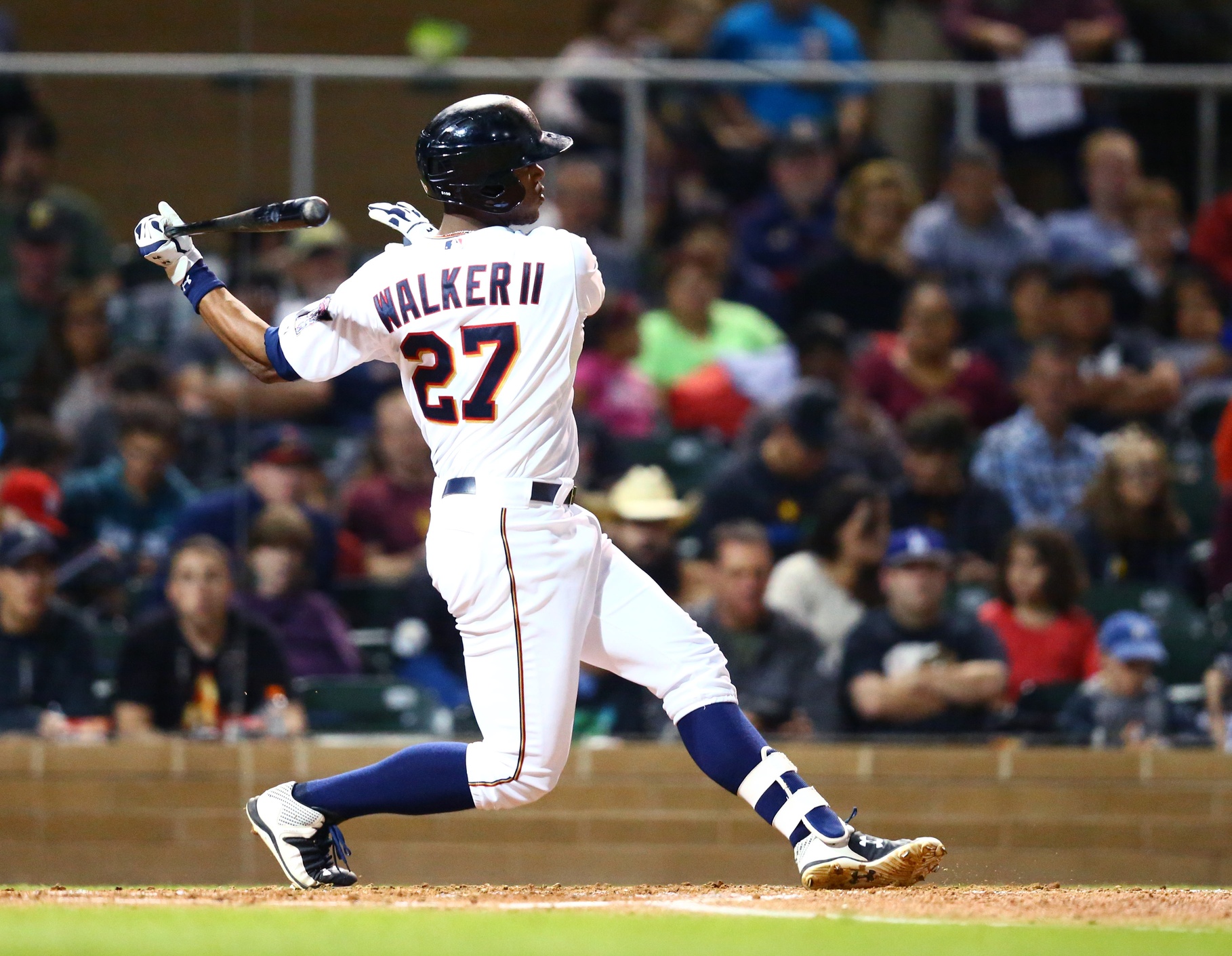 It may not be overwhelmingly apparent but the team has gone to lengths to embrace the louder, more athletic mechanics in their players. Evidence exists up and down the organizational ladder of hitters eschewing the old patterns for their natural swing. What follows is by no means selected from a comprehensive list as the amount of footage available for the players in the system is limited. There could be hitters in Elizabethton, the GCL or the Dominican Summer League with beautiful hacks that are not captured on the Internet. Based on their swings, these are five players within the Twins system that deserve your attention over the next few years to see if the new methods pay dividends. LaMonte Wade // 21 years old // Elizabethton (Rk) & Cedar Rapids (Low-A) http://i.imgur.com/w6jgHU7.gif The Twins drafted Wade out of the University of Maryland this past year and he immediately exceeded expectations. Projected to be a top of the lineup-type bat, Wade hit .302 but popped nine home runs in 64 games with the Elizabethton Twins. It was strange considering he had hit all of seven over three collegiate seasons while playing with metal bats. The above clip is a bad angle but it highlights Wade’s hands. Watch the load process and how he gets his barrel on plane with the pitch quickly (unlike Adam Walker’s swing which you will see below). That type of barrel movement should result in plenty of contact. Wade’s lower half work is where he generates power. The below clip is a take but watch his front leg and the hip start to rotate as he watches the pitch go by. http://i.imgur.com/RQ8u0II.gif In all, there are a lot of good movements from Wade in his swing and an indication that he is able to generate some power. In recent Twins history, as a leadoff-type and center fielder, Wade would have been the prime candidate to receive an overhaul to quiet his mechanics. He still has plenty to prove as he faces better competition and the organization may tone down his swing yet, so keep an eye on him as he advances up the ladder. Oswaldo Arcia // 24 years old // Minnesota (MLB) & Rochester (AAA) http://i.imgur.com/4IOzAsG.gif I love to hate to love Oswaldo Arcia’s swing. There’s so much to love -- from the leg kick to the gather process -- but there is also just enough hesitation in his decision-making that it seems one miscue can throw the entire system all kattywompus. There are times when I think he could benefit from calming everything down but that seems to defeat the purpose. His swing is one of the rare loud movement swings that somehow slipped into commission at some point in 2013 after years in the minors of using the toe-tap. It almost felt defiant. When he times a pitch properly and finds a pitch below his belt, he can hammer it a long way but when Arcia started to struggle as opponents adjusted to him in 2014, I fully expected the Twins to revamp his swing. Twins hitting coach Tom Brunansky said that was not his style. “You can't come and change,” Brunansky said in regards to Arcia’s approach. “The hardest thing to do is tell a young hitter who has had success in the minor leagues who needs to to change it at the major league level because they are going to say 'I hit like this'...how are we to say it doesn’t work?” There’s no question that Arcia’s swing has flaws. After all, it seems that only Rush Limbaugh has had more issues with lefties in his career than Arcia. That is a significant flaw that the front office was hoping the outfielder could correct in his stint in Rochester this past year. Despite an insane stretch in July in which he hit eight home runs, Arcia failed to show any progress against southpaws and his performance tanked in AAA. Out of options, Arcia still has the basis of what could be a fundamentally potent swing and the Twins could certainly benefit from having home run power from the left side of the plate. Adam Brett Walker // 24 years old // Chattanooga (AA) http://i.imgur.com/0nGtUiL.gif When you watch that swing, you don’t fully appreciate how far Adam Brett Walker’s swing has come until you compare it to where it was at while playing in college. In 2015 Walker did what he had been doing for most of his career -- socked a bunch of extra base hits and then struck out a ton in the other at-bats. His 31 home runs for the Lookouts finished second only to Miguel Sano for home runs in the organization but his 195 punchouts topped Sano for the dubious honor of most K’s in the system. While the jump in the competition was partially responsible for the increase of an already elevated strikeout rate, Walker also unveiled a refined swing which showed much more emphasis on his lower half. The leg kick certainly generated power but his inability to recognize pitches also witnessed a ton of silly swings where Walker was well out in front at the point of contact and turned over or missed a lot of pitches. Even with the struggles, it is a good direction for Walker and for the Twins. There is no doubting that Walker was a raw power talent coming out of Jacksonville University but his swing was basic, almost something the Twins would have instructed just a few years ago (hands still, get that foot down early). Now they have outfitted him with a superior swing that should give him a better opportunity for success. http://i.imgur.com/QLZ3iv7.gif Walker has obvious pitch selection issues and his barrel doesn’t stay on plane long so he will never likely hit for average and always strikeout at a high clip but the light tower power is unquestionable. Lewin Diaz // 19 years old // GCL Twins (Rk) & Elizabethton (Rk) http://i.imgur.com/IqDV8cw.gif MLB.com’s Jesse Sanchez reported that some unidentified scouts said that Lewin Diaz reminded them of the Phillies’ Ryan Howard when the Twins signed him in 2013 for a cool $1.4 million. While the body type comp may hold true, upon inspection you can see from the GIF above that Diaz is much more athletic in his swing that the small stride, . Not to detract from Howard’s approach -- as a career 357 home runs speaks for itself -- but Diaz is clearly a different style of hitter. Diaz’s mechanics have a mid-level leg kick and barrel tip toward the pitcher before bringing the bat through the zone. While he may share a shape similar to Howard's, his swing structure actually has more in common with someone like .The Twins were famously derided by Papi for tinkering too much with his swing. Hopefully the lesson learned is that they will allow a prospect like Diaz to continue to work with this swing model rather than revamp it for an antiquated approach. Max Kepler // 22 years old // Chattanooga (AA) & Minnesota (MLB) http://i.imgur.com/oM6PqBY.gif Of all the swings that I’ve watch this season, Max Kepler’s is my favorite. It is even more impressive when you consider what he swing looked like as a high school kid in Germany. After entering the Twins system, the organization seemed to outfit him with the standard low movement swing that was a staple of all their outfielders over the last decade. However, in 2015, the Twins went the other direction and got him to get more athletic with his swing. Lookouts hitting coach and former Twin Chad Allen said the staff worked hard to get Kepler to become more aggressive -- partly with his mechanics and partly with his mentality at the plate. At six-foot-four, Kepler has the stature to provide power. So why try to reduce that potential by toning everything down? Now that he has reached the point where he has caught up to the game, it will be fun to watch what he does with the proper swing.
 -
Article: Twins Continue To Add Outfield Depth
Parker Hageman replied to Parker Hageman's topic in Twins Daily Front Page News
#Mastroianna That scenario sounds about right. -
Article: Twins Continue To Add Outfield Depth
Parker Hageman replied to Parker Hageman's topic in Twins Daily Front Page News
In the world where the Twins KNOW what they have in him. -
The Minnesota Twins released their list of non-roster invitees to spring camp. The list included several of the usual suspect and some of the more recent additions. Surprisingly, also included was 30-year-old outfielder Ryan Sweeney, who was last seen in the majors as a Chicago Cubs roster crunch causality heading into the 2015 regular season. So what could the Twins possibly want with him?Sweeney’s addition is a depth move for the organization, placing him alongside Darin Mastroianni and Joe Benson as candidates for a fourth outfielder role. A once lauded prospect, Sweeney was considered among Baseball America’s Top 100 prospects from 2005 through 2007 and was projected to be a source of power based on his 6-foot-4 frame. Even at the upper levels of the minor leagues that power never manifested but his ability to play all three outfield positions allowed him to maintain steady employment among a variety of teams. READ: A Look At The Latest Signings Injuries, however, cut into his playing time during what should have been his peak years. In 2012, while playing for Boston, Sweeney punched a wall at Fenway Park, required surgery to repair the injury and cost him 59 games. Meanwhile, in 2013, Sweeney found his niche once he was recalled to the Cubs in May. From May until the end of June, he hit .295/.342/.527 with four home runs in 121 plate appearances. However, Sweeney wound up cracking a rib in a collision with Safeco’s wall that took him out of action for six weeks. When he returned to the lineup, he hit just .225/.300/.338. Nevertheless, the Cubs re-signed Sweeney shortly after that to a two-year, $3.5 million contract, betting that he could rebound to his pre-injury production. In a part-time capacity in 2014 Sweeney never hit well enough (.251/.304/.338) to merit more exposure, and a hamstring injury in May sidelined him for an extended stretch. "I don't know why I pulled my hamstring. I hadn't done it in seven or eight years,” told the Chicago Tribune while rehabbing the injury in Mesa at the team’s training facility. “But I was dealing with other stuff with my leg, so maybe I was overcompensating for it. Any time I've (injured) it, it has been on the base paths. So to do it while running after a fly was new to me." When the Cubs had to make their final roster decision heading into 2015, they opted to go with an additional infielder in Jonathan Herrera rather than the veteran outfielder, and designated Sweeney for assignment, paying him $1.5 million in the process. While he never played for another team over the rest of the season, Sweeney’s representative said in an email that the seven-year veteran had other playing options for 2014 but choose instead to recover from the various injuries including the hamstring issue and also a case of plantar fasciitis that affected his performance over the last several years. Heading into his age-30 season, Sweeney was committed to coming into 2016 at one hundred percent. READ: Should Mauer Be In The Outfield? What does Sweeney’s signing suggest about the team’s confidence in their outfield? There appears to be a glaring lack of confidence in their center field options but not enough commitment to upgrade with a Rajai Davis-type (who was just signed by the Cleveland Indians). Outside of Bryon Buxton, the Twins have Danny Santana and have cited Eddie Rosario as a potential option. They have brought in Mastroianni and Benson. Sweeney certainly possesses a small level of intrigue as he is capable of playing above average defense with an outside chance of contributing with the stick. However, he will battle two known commodities in Mastroianni and Benson. With Eddie Rosario and Oswaldo Arcia ahead of him, Sweeney’s left-handed presence gives him little advantage in a cluttered outfield. That being said, Sweeney can provide depth at the position and can be a recall candidate playing in Rochester if anything goes sour in Minnesota. Click here to view the article
-
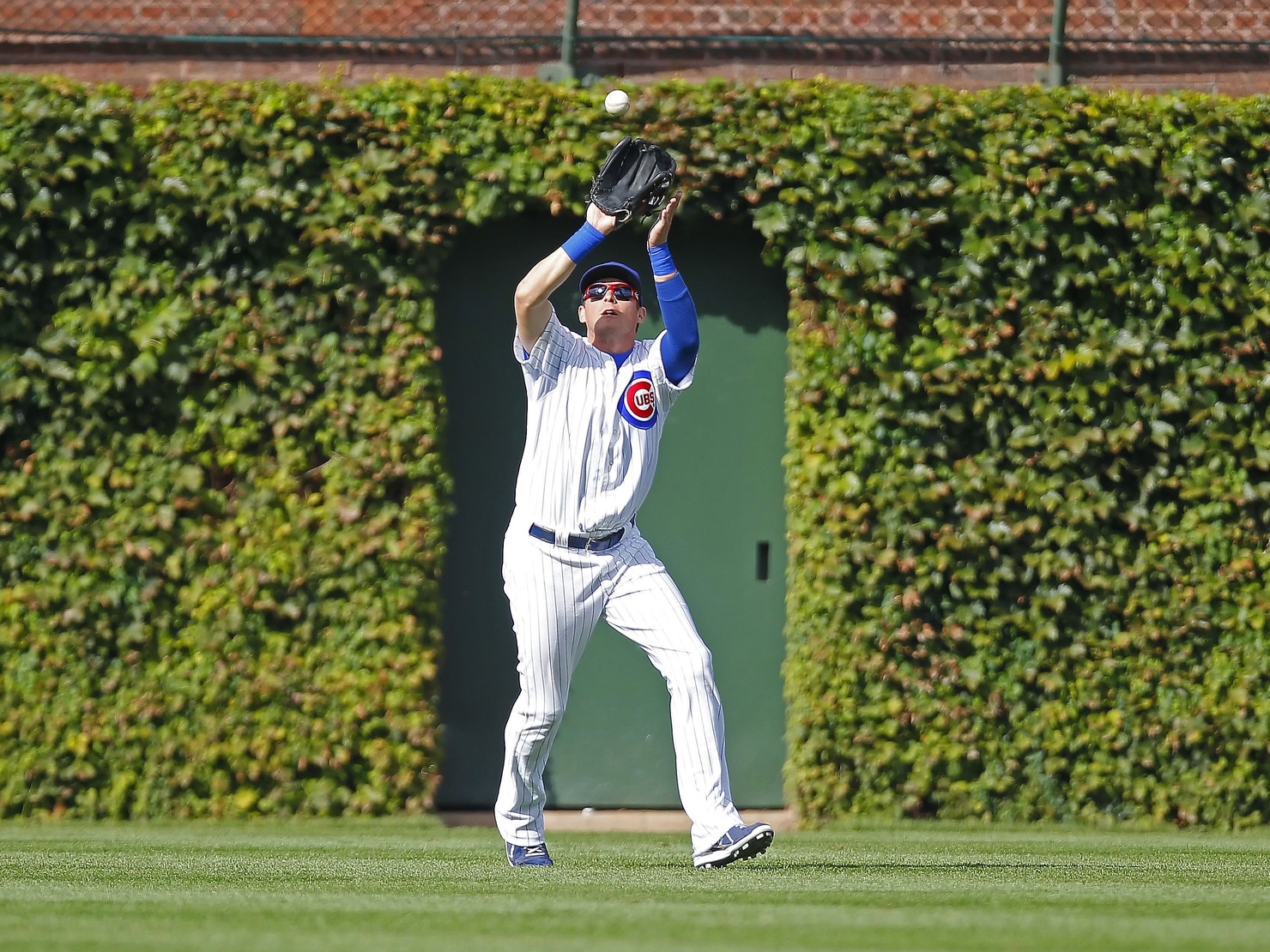 Sweeney’s addition is a depth move for the organization, placing him alongside Darin Mastroianni and Joe Benson as candidates for a fourth outfielder role. A once lauded prospect, Sweeney was considered among Baseball America’s Top 100 prospects from 2005 through 2007 and was projected to be a source of power based on his 6-foot-4 frame. Even at the upper levels of the minor leagues that power never manifested but his ability to play all three outfield positions allowed him to maintain steady employment among a variety of teams. READ: A Look At The Latest Signings Injuries, however, cut into his playing time during what should have been his peak years. In 2012, while playing for Boston, Sweeney punched a wall at Fenway Park, required surgery to repair the injury and cost him 59 games. Meanwhile, in 2013, Sweeney found his niche once he was recalled to the Cubs in May. From May until the end of June, he hit .295/.342/.527 with four home runs in 121 plate appearances. However, Sweeney wound up cracking a rib in a collision with Safeco’s wall that took him out of action for six weeks. When he returned to the lineup, he hit just .225/.300/.338. Nevertheless, the Cubs re-signed Sweeney shortly after that to a two-year, $3.5 million contract, betting that he could rebound to his pre-injury production. In a part-time capacity in 2014 Sweeney never hit well enough (.251/.304/.338) to merit more exposure, and a hamstring injury in May sidelined him for an extended stretch. "I don't know why I pulled my hamstring. I hadn't done it in seven or eight years,” told the Chicago Tribune while rehabbing the injury in Mesa at the team’s training facility. “But I was dealing with other stuff with my leg, so maybe I was overcompensating for it. Any time I've (injured) it, it has been on the base paths. So to do it while running after a fly was new to me." When the Cubs had to make their final roster decision heading into 2015, they opted to go with an additional infielder in Jonathan Herrera rather than the veteran outfielder, and designated Sweeney for assignment, paying him $1.5 million in the process. While he never played for another team over the rest of the season, Sweeney’s representative said in an email that the seven-year veteran had other playing options for 2014 but choose instead to recover from the various injuries including the hamstring issue and also a case of plantar fasciitis that affected his performance over the last several years. Heading into his age-30 season, Sweeney was committed to coming into 2016 at one hundred percent. READ: Should Mauer Be In The Outfield? What does Sweeney’s signing suggest about the team’s confidence in their outfield? There appears to be a glaring lack of confidence in their center field options but not enough commitment to upgrade with a Rajai Davis-type (who was just signed by the Cleveland Indians). Outside of Bryon Buxton, the Twins have Danny Santana and have cited Eddie Rosario as a potential option. They have brought in Mastroianni and Benson. Sweeney certainly possesses a small level of intrigue as he is capable of playing above average defense with an outside chance of contributing with the stick. However, he will battle two known commodities in Mastroianni and Benson. With Eddie Rosario and Oswaldo Arcia ahead of him, Sweeney’s left-handed presence gives him little advantage in a cluttered outfield. That being said, Sweeney can provide depth at the position and can be a recall candidate playing in Rochester if anything goes sour in Minnesota.
 -
Article: Before They Were Stars
Parker Hageman replied to Parker Hageman's topic in Twins Daily Front Page News
Puckett's power surge has a fascinating background: http://twinsdaily.com/_/minnesota-twins-news/how-did-kirby-puckett-become-a-power-hitter-r3387 -
Article: Before They Were Stars
Parker Hageman replied to Parker Hageman's topic in Twins Daily Front Page News
Absolutely. That's why I found Dollar Sign On The Muscle to be a fascinating book -- there were reports from late 1970s/early 1980s prospects that you could follow up on later to see if the ol' bird dogs had been right. Would love to go through what some of the Twins' old reports were like. -
With LaTroy Hawkins, Torii Hunter and now Michael Cuddyer retiring in the same offseason, baseball will lose three players identified, raised and groomed within the Minnesota Twins’ development system that provided value across multiple teams in the league. Although the members of that trio were drafted, signed and developed in different years, they each shared a lengthy and, with the exception of Hawkins, All- Star caliber careers. And while we know what they all eventually became as players, with the advent of the Baseball Hall of Fame’s Diamond Mind collection, an archive of the game’s scouting reports over the years, we rewind and look back on who these players were before they reached the majors. Check out these scouting reports from the former Twins.Unfortunately, the Baseball Hall of Fame’s Diamond Mind scouting report collection does not have any reports on Hunter’s amateur days archived but it does have several reports on Hawkins and Cuddyer. Hawkins’ two reports – both from 1995 and both from Chicago White Sox scouts – paints the picture of a talented yet immature pitcher. The first, dated June 1995, followed a Hawkins start while with the Minnesota Twins’ then AAA affiliate, the Salt Lake City Buzz. White Sox scout Ed Pebley was fairly nonplussed by the future major leaguers’ immediate potential, considering his fastball which sat at 88-91 MPH in this particular outing “fringe average” (Hawkins would late hit 94.2 average fastball while with the Astros in 2009). Pebley labeled him a “Chance ML Prospect”, gave his blessing for the Sox to acquire and felt that Hawkins “could work his way into a rotation or be a good middle man for somebody” and that Hawkins would “be worth some kind of value down the road that could help a club out in some role.” Download attachment: Hawkins_Pebly.jpg In 1995 Hawkins entered the season rated as Baseball America’s 30th overall prospect in the game but, like Pebley inferred, Hawkins did experience a sizeable dip in strikeouts once he hit the minor league’s highest level. With a near one-to-one strikeout-to-innings pitched ratio from rookie ball through AA, Hawkins apparently lost some zip on the fastball while attempting to work through some mechanical issues. At six-foot-five with gangly arms, Hawkins battled for years to find a consistent delivery and when he arrived to Salt Lake, the Twins organization worked on fixing his mechanics at the expense of his velocity. In the Pacific Coast League that year, Hawkins finished the season 9-7 with a 3.55 ERA in 22 starts but he would rack up just 74 strikeouts over 144.1 innings. With little pitching available with the parent club that year (the Twins would allow an AL-worst 6.17 runs per game), the Twins gave the 22-year-old six starts to see what the future might hold. READ: LaTroy Hawkins’ All-Time Best Teammates The Twins sent Hawkins to the Arizona Fall League that winter where he would refine his approach. It was with Peoria that the White Sox’s scout Mike Sgobba took in a four-inning outing for Hawkins in November 1995. Unlike Pebley, Sgobba would anoint Hawkins a “[Definite] ML prospect” and that he has the chance to be a “2nd or 3rd starter in ML when he gets in sync”. Like a true scout, Sgobba added that he would “like to be his agent”. Download attachment: Hawkins_Sgobba.jpg Hawkins, of course, would eventually make it as a starter like Pebley and Sgobba projected, just not a successful one: In 98 starts, he amassed a 26-44 record with a rotund 6.11 ERA. Instead, Hawkins’ talent was better suited for the role of a reliever, which he performed admirably over 944 appearances, accumulating 127 saves and owning a 3.32 ERA. His 1,042 games played in rank 10th all time. Unlike Hawkins, the Baseball Hall of Fame only has a scouting report on Michael Cuddyer archived from his high school days. And not just his pre-draft scout report, this report comes from Brad Kohler of MLB’s scouting bureau who was following Cuddyer’s summer season between his sophomore and junior year. While teams often sign 16-year-olds out of Latin America, it still seems rather difficult to try to project what someone will be like physically five or six years later. With American-born players, teams are afforded the luxury of following a prospect around for several more years of maturation before committing them to their pipeline. Still, Kohler’s report provides a glimpse of where Cuddyer stood as a 16-year-old prospect. Download attachment: Cuddyer_Kohler.jpg The teenaged Cuddyer played his summer ball for East VA Commonwealth where Kohler found him to have a “strong, compact” build. Kohler projected Cuddyer to have major league potential and viewed him as a line drive hitter with the possibility of adding major league-type power to his swing. Described as a straight away and opposite field hitter, Cuddyer’s career would eventually make him more of a pull-type but he distributed balls evenly across the field and showed a great deal of straight away power that was muted once the Twins left the Metrodome. Ultimately, Kohler summarized, Cuddyer had the “ability to be [a] front line prospect in 1997” when he was eligible for the draft. READ: Nearing The End Of An Era Much like free-swinging sluggers, scouts miss a lot too. Kohler, for example, was profiled in the Washington Post just a few short months after watching Cuddyer’s performance. In it, Kohler was particularly excited about a player out of Pennsylvania by the name of Justin Hazelton and told all the scouts represented at the showcase and anyone who would listen that this kid could play. The Tigers had a scout near Kohler and, maybe because of Kohler’s influence or possibly because of the scout’s own review, Detroit snapped Hazelton up in the 10th round of the 1996 draft. As it turned out, Hazelton couldn’t play. At least not in the professional ranks. After making it as high as low-A ball, Hazelton* retired with a career line of .187/.309/.267 and three home runs. *After calling it quits, Hazelton would later resurface as the Cardinals’ Matt Adams’ personal offseason hitting instructor -- both hailing from the tiny Pennsylvania town of Phillipsburg (pop 2,770). Hazelton’s story highlights just how difficult it can be to predict a high school player’s future. Cuddyer continued to progress as a prospect while at Great Bridge High School and was eventually drafted by the Twins ninth overall in 1997. Just eight picks later, Cuddyer’s teammate pitcher John Curtice was selected by the Red Sox and the pair became the first high school teammates to be drafted in the first round. Curtice would wash out of baseball at the high-A level but Cuddyer would go on to have a lengthy career which included the development of major league power as Kohler projected (197 career home runs) as well as a batting title in 2013 (.331 average with the Rockies). Here are some other scouting reports on other notable past and present Twins players: Willie Banks: “Reminds me of Bob Gibson….not only will be a high draft pick, but is capable of pitching in the big leagues very quickly becoming an ‘impact player’. Billy Blitzer, Cubs scout Tom Brunansky: “LF arm or 1B. Bat potential and running speed with physical assets. Has signed letter of intent to Stanford University for football. He would prefer baseball. Goin to cost $40,000 or more to buy him out of top school. I pass on him.” Tom Ferrick, Kansas City Royals scout “Would or will be tough sign. Has scholarship to Stanford. Comes from college oriented family. Would go $25,000 but believe his is willing to sign if he gets $60,000 to $75,000. Not worth it.” Joe Stephenson, Boston Red Sox scout Greg Gagne: “I wish he could hit at all…makes all the plays…but right now bat shows no promise.” Larry Monroe, White Sox scout Jacque Jones: “Arm is fringe average as is speed down line but knows how to make best use of both. Swing can get long and needs more patience on breaking ball. Power is fringe…Solid OF who will fit somewhere because of his bat and ability to run down ball. Could live with in but could also play LF. Great fourth OF at worst.” George Bradley, White Sox scout “Trouble with off speed pitches. Must learn to stay back. Has loop in his swing…Comes to play. Can make things happen. Has a chance to hit and with a little pop. Will be able to steal a few bases and play solid defense.” Gary Pallent, White Sox scout Matt LeCroy: “Play will be best suited to play 1B, lacks physical tools to be a catcher…potential to be impact offensive player at ML level with hitting for AVG/HR’s/&RBI’s.” Kevin Burrell, White Sox scout “Built like offensive guard in the NFL. Will have to watch body in the future and won’t have any problem seeing it…Has an outside chance to survive in minor leagues as C, but could only be a back-up at the big-league level.” Doug Laumann, White Sox scout Bobby Kielty: “Similar build to Jeremy Burnitz (Brewers); solid frame with athleticism; exhibits some “raw power” in batting practice; switching hitter that makes contact however has free swinger tendency…Extra OF projections in future.” Phil Rossi, New York Yankees scout Chuck Knoblauch: “Has some correctable fielding mechanics. Arm might be a bit shy from the hole…Plays game much like Dan Gladden or Wally Backman. Intelligence plus desire may allow him to move up quickly.” Marty Esposito, Minnesota Twins scout “Unanimously voted top prospect in the Cape League by scouts. He can do it all. With excellent attitude and is a gamer and a hustler who can beat you in many ways. Loves the game, and his mental approach is excellent. I really like this kid and I’m convinced he will play in the ML someday. Should go in the first.” Donald Labossiere, San Diego Padres scout Dave McCarty: “Has put on the best power display I’ve seen in a long time – hit long and high home runs that no park will hold. Great power” Bill Werle, Indians scout, 1991 “Can drive ball but does not have power-type swing.” John Cox, Orioles scout, 1995 Doug Mientkiewicz: “Very slow and does not show defensive tools…Arm is short as is range, hands are adequate. Does not move well around [first base] bag…Saw enough to make a believer out of me with the bat and has really improved home run stroke. Would move back to catching where he was in HS and see if arm would be better would take a chance on LH bat who might catch or be utility.” George Bradley, White Sox scout “Bat makes him a fringe prospect. Possible fill-in type guy at the corners. Left-hand bat off of bench. Also has caught some in past. Turned down good money from Blue Jays out of high school. Probably not signable for worth. Bill Meyer, White Sox scout Joe Mauer: “Future ML All-Star behind the plate… Advanced hitting approach for younger player. Stays inside the ball very well…Hits most balls from center to left field line. Rarely pulls, but feel that will be the next step-has the ability now to hit some pull HRs, but seldom strays from current approach…Chance to jump to AA next year, but only 19.” Jim Pransky, Oakland A’s scout Joe Nathan: “Has slight nervous twitch in face and head which is noticeable.” John Tumminia, White Sox scout Carl Pavano: “Not well proportioned pitchers body. Gained 15-20 LBS this winter. Needs Weight Watchers program. Not signable this round with LSU scholarship.” John Tumminia, White Sox scout Glen Perkins: “Weight is something that he might want to watch in future…Team’s #1 – will be Friday guy in Big 10 conference…poised lefty with workman-like approach…FB is best pitch and knows how to use it both sides of the plate…Our kind of guy.” Jim Pransky, Oakland A’s scout AJ Pierzynski: “Sunken chested and could use upper-body development…Poor speed but doesn’t stop being aggressive…Aggressive in everything he does. Intense. Has a ML ego and some showmanship. Getting a lot of attention and ESPN filmed a special on him today. Very young – not 18 until December – and fame maybe taking a toll.” George Bradley, White Sox scout Mark Redman: “I see him having the type of career and being the type of pitcher that Charlie Leibrandt was.” Doug Laumann, Kansas City Royals scout Roy Smalley: “Is Gene Mauch’s nephew. No question about his arm or fielding – his bat is what keeps him from getting the kind of money he thinks he should get. Would if possible draft him and see what would happen.” Joe Stephenson, Boston Red Sox scout Shannon Stewart: “Gave him a 2 arm because he has two arms.” Ed Creech, Pirates scout Jim Thome: “Plays a good college SS [at Illinois Central College], but lacks the range and quickness this position requires at the pro-ball level. I believe he would be a solid [defensive third baseman], because he has good hands, handles the slow roller well, has two step lateral movement for 3B and may have a plus arm from there. Will hit for average and supply the power this position requires.” Tony Levoto, Kansas City Royals scout Click here to view the article
- 11 replies
-
- 2
-
-
- michael cuddyer
- latroy hawkins
- (and 3 more)
-
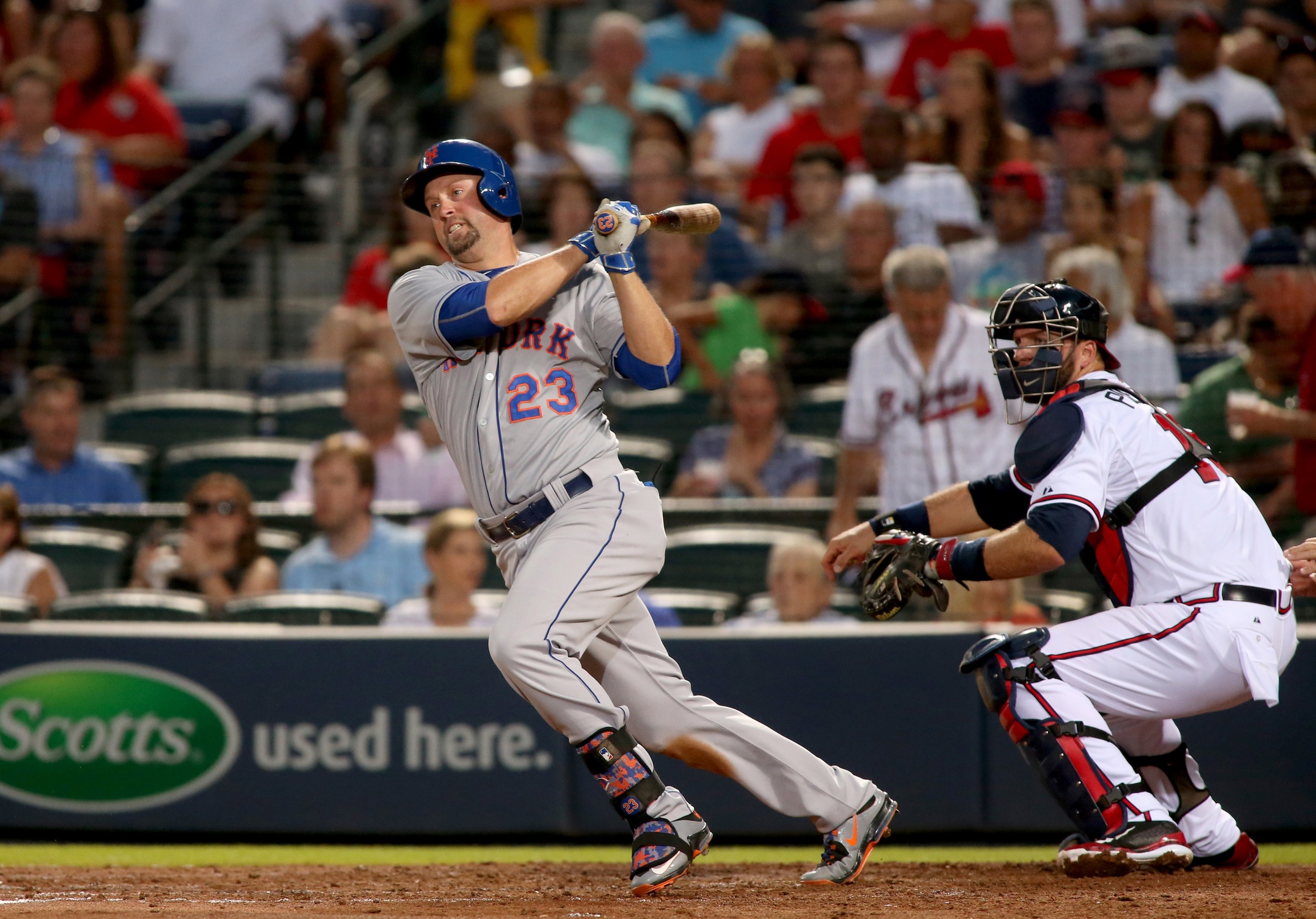 Unfortunately, the Baseball Hall of Fame’s Diamond Mind scouting report collection does not have any reports on Hunter’s amateur days archived but it does have several reports on Hawkins and Cuddyer. Hawkins’ two reports – both from 1995 and both from Chicago White Sox scouts – paints the picture of a talented yet immature pitcher. The first, dated June 1995, followed a Hawkins start while with the Minnesota Twins’ then AAA affiliate, the Salt Lake City Buzz. White Sox scout Ed Pebley was fairly nonplussed by the future major leaguers’ immediate potential, considering his fastball which sat at 88-91 MPH in this particular outing “fringe average” (Hawkins would late hit 94.2 average fastball while with the Astros in 2009). Pebley labeled him a “Chance ML Prospect”, gave his blessing for the Sox to acquire and felt that Hawkins “could work his way into a rotation or be a good middle man for somebody” and that Hawkins would “be worth some kind of value down the road that could help a club out in some role.” In 1995 Hawkins entered the season rated as Baseball America’s 30th overall prospect in the game but, like Pebley inferred, Hawkins did experience a sizeable dip in strikeouts once he hit the minor league’s highest level. With a near one-to-one strikeout-to-innings pitched ratio from rookie ball through AA, Hawkins apparently lost some zip on the fastball while attempting to work through some mechanical issues. At six-foot-five with gangly arms, Hawkins battled for years to find a consistent delivery and when he arrived to Salt Lake, the Twins organization worked on fixing his mechanics at the expense of his velocity. In the Pacific Coast League that year, Hawkins finished the season 9-7 with a 3.55 ERA in 22 starts but he would rack up just 74 strikeouts over 144.1 innings. With little pitching available with the parent club that year (the Twins would allow an AL-worst 6.17 runs per game), the Twins gave the 22-year-old six starts to see what the future might hold. READ: LaTroy Hawkins’ All-Time Best Teammates The Twins sent Hawkins to the Arizona Fall League that winter where he would refine his approach. It was with Peoria that the White Sox’s scout Mike Sgobba took in a four-inning outing for Hawkins in November 1995. Unlike Pebley, Sgobba would anoint Hawkins a “[Definite] ML prospect” and that he has the chance to be a “2nd or 3rd starter in ML when he gets in sync”. Like a true scout, Sgobba added that he would “like to be his agent”. Hawkins, of course, would eventually make it as a starter like Pebley and Sgobba projected, just not a successful one: In 98 starts, he amassed a 26-44 record with a rotund 6.11 ERA. Instead, Hawkins’ talent was better suited for the role of a reliever, which he performed admirably over 944 appearances, accumulating 127 saves and owning a 3.32 ERA. His 1,042 games played in rank 10th all time. Unlike Hawkins, the Baseball Hall of Fame only has a scouting report on Michael Cuddyer archived from his high school days. And not just his pre-draft scout report, this report comes from Brad Kohler of MLB’s scouting bureau who was following Cuddyer’s summer season between his sophomore and junior year. While teams often sign 16-year-olds out of Latin America, it still seems rather difficult to try to project what someone will be like physically five or six years later. With American-born players, teams are afforded the luxury of following a prospect around for several more years of maturation before committing them to their pipeline. Still, Kohler’s report provides a glimpse of where Cuddyer stood as a 16-year-old prospect. The teenaged Cuddyer played his summer ball for East VA Commonwealth where Kohler found him to have a “strong, compact” build. Kohler projected Cuddyer to have major league potential and viewed him as a line drive hitter with the possibility of adding major league-type power to his swing. Described as a straight away and opposite field hitter, Cuddyer’s career would eventually make him more of a pull-type but he distributed balls evenly across the field and showed a great deal of straight away power that was muted once the Twins left the Metrodome. Ultimately, Kohler summarized, Cuddyer had the “ability to be [a] front line prospect in 1997” when he was eligible for the draft. READ: Nearing The End Of An Era Much like free-swinging sluggers, scouts miss a lot too. Kohler, for example, was profiled in the Washington Post just a few short months after watching Cuddyer’s performance. In it, Kohler was particularly excited about a player out of Pennsylvania by the name of Justin Hazelton and told all the scouts represented at the showcase and anyone who would listen that this kid could play. The Tigers had a scout near Kohler and, maybe because of Kohler’s influence or possibly because of the scout’s own review, Detroit snapped Hazelton up in the 10th round of the 1996 draft. As it turned out, Hazelton couldn’t play. At least not in the professional ranks. After making it as high as low-A ball, Hazelton* retired with a career line of .187/.309/.267 and three home runs. *After calling it quits, Hazelton would later resurface as the Cardinals’ Matt Adams’ personal offseason hitting instructor -- both hailing from the tiny Pennsylvania town of Phillipsburg (pop 2,770). Hazelton’s story highlights just how difficult it can be to predict a high school player’s future. Cuddyer continued to progress as a prospect while at Great Bridge High School and was eventually drafted by the Twins ninth overall in 1997. Just eight picks later, Cuddyer’s teammate pitcher John Curtice was selected by the Red Sox and the pair became the first high school teammates to be drafted in the first round. Curtice would wash out of baseball at the high-A level but Cuddyer would go on to have a lengthy career which included the development of major league power as Kohler projected (197 career home runs) as well as a batting title in 2013 (.331 average with the Rockies). Here are some other scouting reports on other notable past and present Twins players: Willie Banks: “Reminds me of Bob Gibson….not only will be a high draft pick, but is capable of pitching in the big leagues very quickly becoming an ‘impact player’. Billy Blitzer, Cubs scout Tom Brunansky: “LF arm or 1B. Bat potential and running speed with physical assets. Has signed letter of intent to Stanford University for football. He would prefer baseball. Goin to cost $40,000 or more to buy him out of top school. I pass on him.” Tom Ferrick, Kansas City Royals scout “Would or will be tough sign. Has scholarship to Stanford. Comes from college oriented family. Would go $25,000 but believe his is willing to sign if he gets $60,000 to $75,000. Not worth it.” Joe Stephenson, Boston Red Sox scout Greg Gagne: “I wish he could hit at all…makes all the plays…but right now bat shows no promise.” Larry Monroe, White Sox scout Jacque Jones: “Arm is fringe average as is speed down line but knows how to make best use of both. Swing can get long and needs more patience on breaking ball. Power is fringe…Solid OF who will fit somewhere because of his bat and ability to run down ball. Could live with in but could also play LF. Great fourth OF at worst.” George Bradley, White Sox scout “Trouble with off speed pitches. Must learn to stay back. Has loop in his swing…Comes to play. Can make things happen. Has a chance to hit and with a little pop. Will be able to steal a few bases and play solid defense.” Gary Pallent, White Sox scout Matt LeCroy: “Play will be best suited to play 1B, lacks physical tools to be a catcher…potential to be impact offensive player at ML level with hitting for AVG/HR’s/&RBI’s.” Kevin Burrell, White Sox scout “Built like offensive guard in the NFL. Will have to watch body in the future and won’t have any problem seeing it…Has an outside chance to survive in minor leagues as C, but could only be a back-up at the big-league level.” Doug Laumann, White Sox scout Bobby Kielty: “Similar build to Jeremy Burnitz (Brewers); solid frame with athleticism; exhibits some “raw power” in batting practice; switching hitter that makes contact however has free swinger tendency…Extra OF projections in future.” Phil Rossi, New York Yankees scout Chuck Knoblauch: “Has some correctable fielding mechanics. Arm might be a bit shy from the hole…Plays game much like Dan Gladden or Wally Backman. Intelligence plus desire may allow him to move up quickly.” Marty Esposito, Minnesota Twins scout “Unanimously voted top prospect in the Cape League by scouts. He can do it all. With excellent attitude and is a gamer and a hustler who can beat you in many ways. Loves the game, and his mental approach is excellent. I really like this kid and I’m convinced he will play in the ML someday. Should go in the first.” Donald Labossiere, San Diego Padres scout Dave McCarty: “Has put on the best power display I’ve seen in a long time – hit long and high home runs that no park will hold. Great power” Bill Werle, Indians scout, 1991 “Can drive ball but does not have power-type swing.” John Cox, Orioles scout, 1995 Doug Mientkiewicz: “Very slow and does not show defensive tools…Arm is short as is range, hands are adequate. Does not move well around [first base] bag…Saw enough to make a believer out of me with the bat and has really improved home run stroke. Would move back to catching where he was in HS and see if arm would be better would take a chance on LH bat who might catch or be utility.” George Bradley, White Sox scout “Bat makes him a fringe prospect. Possible fill-in type guy at the corners. Left-hand bat off of bench. Also has caught some in past. Turned down good money from Blue Jays out of high school. Probably not signable for worth. Bill Meyer, White Sox scout Joe Mauer: “Future ML All-Star behind the plate… Advanced hitting approach for younger player. Stays inside the ball very well…Hits most balls from center to left field line. Rarely pulls, but feel that will be the next step-has the ability now to hit some pull HRs, but seldom strays from current approach…Chance to jump to AA next year, but only 19.” Jim Pransky, Oakland A’s scout Joe Nathan: “Has slight nervous twitch in face and head which is noticeable.” John Tumminia, White Sox scout Carl Pavano: “Not well proportioned pitchers body. Gained 15-20 LBS this winter. Needs Weight Watchers program. Not signable this round with LSU scholarship.” John Tumminia, White Sox scout Glen Perkins: “Weight is something that he might want to watch in future…Team’s #1 – will be Friday guy in Big 10 conference…poised lefty with workman-like approach…FB is best pitch and knows how to use it both sides of the plate…Our kind of guy.” Jim Pransky, Oakland A’s scout AJ Pierzynski: “Sunken chested and could use upper-body development…Poor speed but doesn’t stop being aggressive…Aggressive in everything he does. Intense. Has a ML ego and some showmanship. Getting a lot of attention and ESPN filmed a special on him today. Very young – not 18 until December – and fame maybe taking a toll.” George Bradley, White Sox scout Mark Redman: “I see him having the type of career and being the type of pitcher that Charlie Leibrandt was.” Doug Laumann, Kansas City Royals scout Roy Smalley: “Is Gene Mauch’s nephew. No question about his arm or fielding – his bat is what keeps him from getting the kind of money he thinks he should get. Would if possible draft him and see what would happen.” Joe Stephenson, Boston Red Sox scout Shannon Stewart: “Gave him a 2 arm because he has two arms.” Ed Creech, Pirates scout Jim Thome: “Plays a good college SS [at Illinois Central College], but lacks the range and quickness this position requires at the pro-ball level. I believe he would be a solid [defensive third baseman], because he has good hands, handles the slow roller well, has two step lateral movement for 3B and may have a plus arm from there. Will hit for average and supply the power this position requires.” Tony Levoto, Kansas City Royals scout
 -
According to Berardino's report, Ryan told reporters that he specifically did not shut Sano down. It may have come from someone else in the organization (Brad Steil?) but it did not come from Ryan.
-
Twins say it was entirely Sano's decision. Sano told DR media that it was Twins. Interesting.
-
I wonder if the trade market for third basemen like Plouffe may have played a role. While it remains to be seen, the A's seemingly didn't get much for Brett Lawrie -- who is very similar to Plouffe. It could be that the Twins started to realize that during the winter meetings and decided they actually need to get Sano ready for outfield play.
-
Miguel Sano’s off-season plans change directions once again: According to reports from the Dominican Republic, the Minnesota Twins have informed their prized slugger that he needs to stop playing winter ball.Sano was not in the lineup for the Estrella Orientales on Tuesday and was absent again on Wednesday. When prompted, Sano told reporters that he received the news from the organization on Tuesday that they would like him to no longer participate in the league. The message was that the team wanted Sano to rest so that he could enter spring training at full strength. Sano said that he wanted to continue to play for his home country but would respect the wishes of his employer. Sano, who had played just 15 games with the team (none of which were spent in the outfield), missed 10 games while attending a card show in Chicago. In the short stretch in the Liga de Beisbol Dominicano, he posted a .241/.344/.426 line with a 15/8 K/BB ratio while hitting two home runs including this mighty wallop: The timing for the request is odd but not without its merits. After all, Sano finished the 2015 regular season dealing with a hamstring injury that limited his play. While the early offseason hubbub revolved around Sano’s transition to the outfield, as was pointed out in early November, Sano did not expect to see any time in the outfield in winter ball, saying that he was just told to get a feel for the position during batting practice and warm-ups. The Twins later clarified that they would use the time during spring camp to teach Sano a corner outfield position. However, if injury was a concern, why let him participate in winter ball at all? The main goal the Twins outlined for Sano’s offseason was to trim down. According to the Star Tribune’s LaVelle Neal, Sano finished the season at 270 pounds -- nearly 8 pounds heavier than his measured 262 at the beginning of camp and 40 pounds more than his weight when he checked into camp in 2013, which he then considered his “ideal weight”. An emphasis was placed on his diet and conditioning this offseason and his withdraw for winter ball may allow the organization to keep close tabs on his weight, particularly if he reports to Fort Myers. With the Twins’ stated intentions of using him as an outfielder in 2016, ensuring that Sano does not inflict further damage to his hamstring while monitoring his conditioning does not seem unreasonable. Click here to view the article
-
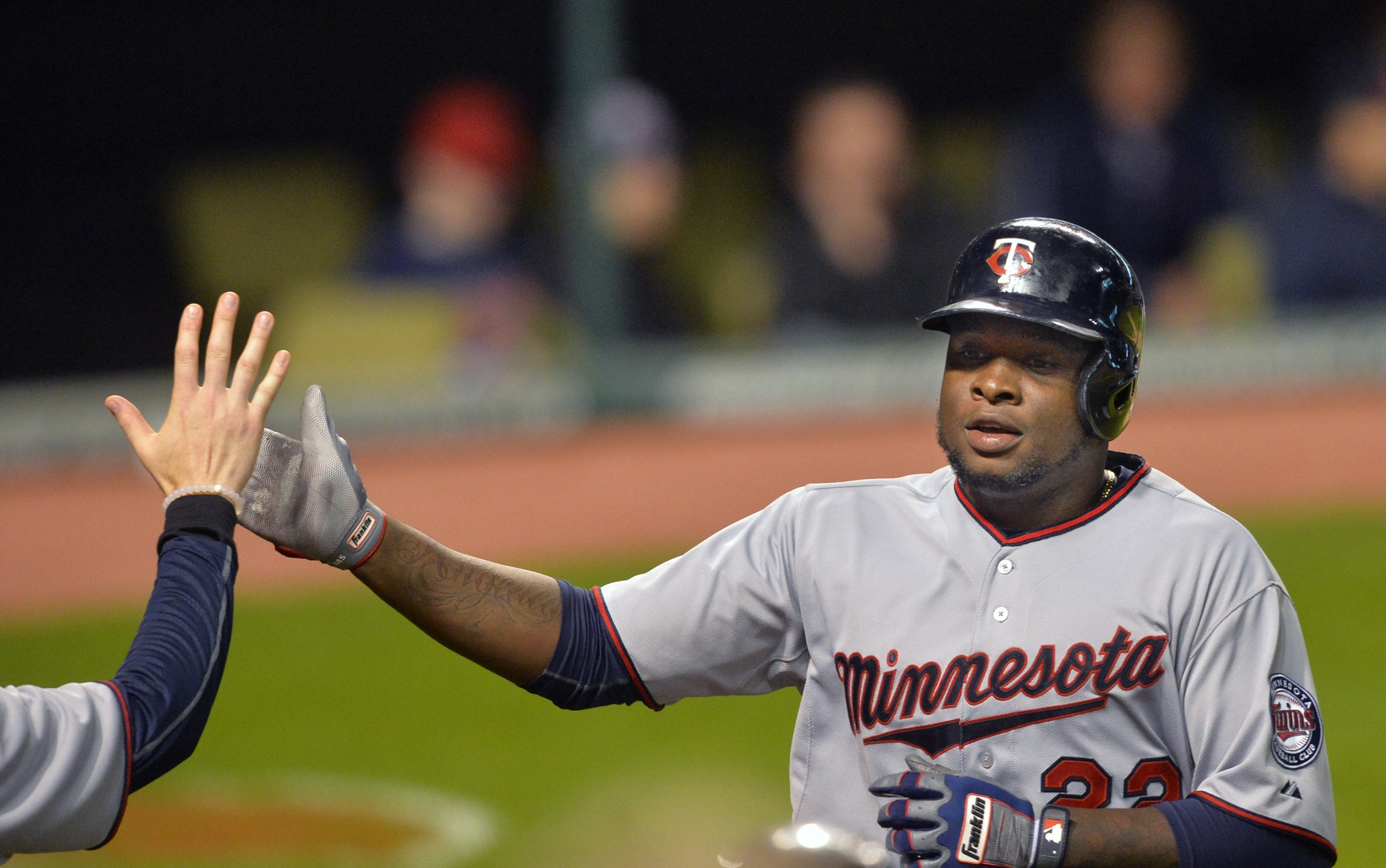 Sano was not in the lineup for the Estrella Orientales on Tuesday and was absent again on Wednesday. When prompted, Sano told reporters that he received the news from the organization on Tuesday that they would like him to no longer participate in the league. The message was that the team wanted Sano to rest so that he could enter spring training at full strength. Sano said that he wanted to continue to play for his home country but would respect the wishes of his employer. Sano, who had played just 15 games with the team (none of which were spent in the outfield), missed 10 games while attending a card show in Chicago. In the short stretch in the Liga de Beisbol Dominicano, he posted a .241/.344/.426 line with a 15/8 K/BB ratio while hitting two home runs including this mighty wallop: The timing for the request is odd but not without its merits. After all, Sano finished the 2015 regular season dealing with a hamstring injury that limited his play. While the early offseason hubbub revolved around Sano’s transition to the outfield, as was pointed out in early November, Sano did not expect to see any time in the outfield in winter ball, saying that he was just told to get a feel for the position during batting practice and warm-ups. The Twins later clarified that they would use the time during spring camp to teach Sano a corner outfield position. However, if injury was a concern, why let him participate in winter ball at all? The main goal the Twins outlined for Sano’s offseason was to trim down. According to the Star Tribune’s LaVelle Neal, Sano finished the season at 270 pounds -- nearly 8 pounds heavier than his measured 262 at the beginning of camp and 40 pounds more than his weight when he checked into camp in 2013, which he then considered his “ideal weight”. An emphasis was placed on his diet and conditioning this offseason and his withdraw for winter ball may allow the organization to keep close tabs on his weight, particularly if he reports to Fort Myers. With the Twins’ stated intentions of using him as an outfielder in 2016, ensuring that Sano does not inflict further damage to his hamstring while monitoring his conditioning does not seem unreasonable.
 -
I'm not sure what you are missing here. Valencia, by his standards, had a career year. The statement was not that he suddenly became a hot commodity in the league. Move on.
- 42 replies
-
- 2
-
-
- joe benson
- carlos gomez
- (and 2 more)
-
Not true. He batted with the platoon advantage in just 39% of his plate appearance this year, well below even the average (55%) and proved he could handle the assignment as he hit .285/.325/.556 against right-handed pitching this year while hitting 13 of his 18 home runs off of them.
- 42 replies
-
- 2
-
-
- joe benson
- carlos gomez
- (and 2 more)
-
I don't know if it is "worth noting" but the Blue Jays had acquired Troy Tulowitzki when they DFA'd Valencia and he was snapped up by the team with the first option (Oakland). And, if you believe MLB Trade Rumors, Valencia is drawing interest on the market.
- 42 replies
-
- 4
-
-
- joe benson
- carlos gomez
- (and 2 more)
-
No question and this isn't say it is a bad thing overall. As Seth mentioned, there are plenty of hitters where this style works. The Twins just seemed to default to it without consideration of the player.
- 42 replies
-
- 2
-
-
- joe benson
- carlos gomez
- (and 2 more)
-
As your turkey and pumpkin pies were still being digested from Thanksgiving dinner, you may have missed the news that the Minnesota Twins had signed old friend Joe Benson to a minor league contract. Benson, you may recall, was a promising center fielder in the organization who was ranked in Baseball America’s Top 100 list. He was lauded by scouts and prospect evalutators as a rare five-tool player. However, injuries and ineffectiveness facilitated his exit in 2013. Because of his potential, Benson has bounced around the minor leagues with Texas to Miami to Atlanta to Sugar Land to New York. Now headed for his age-28 season, Benson is back with his original team and ready to provide depth in the Rochester outfield. The following this isn’t a story or analysis on Benson, per se. This is a tale about the Twins’ hitting philosophy and how it has changed over the past few years.Here is Benson’s swing in September 2011 during his only stint at the Major League level. http://i.imgur.com/yrJlZk4.gif Does that swing look familiar? It’s basically Brian Dozier. Getting that front foot out and down early and then let the hands and hips supply the power. That style is no accident as it has been passed down to numerous hitters throughout the organization. In 2011, Baseball America’s David Laurila interviewed Benson along with then-New Britain Rock Cats hitting instructor Tom Brunansky and wondered what if any philosophies were being instilled by the coaching staff throughout the system. “Absolutely,” Benson replied. “Stay as quiet as possible at the plate, get your foot down early, and especially with Bruno, working on where I need to get to in order to get extension through the baseball.” Keep quiet. Foot down early. These have been the tenets of the Minnesota Twins’ hitting philosophy for some years. It is the offensive version of “pitch to contact”. In 2013, Bobby Tewksbary -- the private hitting instructor responsible for helping cultivate the swings of Chris Colabello and Josh Donaldson through his Elite Swing Mechanics program -- visited the Minnesota Twins camp. In scouting Benson’s hacks Tewksbary noted “I would bet he had really good patterns earlier in his career, then has been coached out of them. I hope he finds the right feel again. All scouting reports say he is a tremendous athlete and I know it isn’t fun to struggle like he has.” Benson wasn’t the only hitter whose athleticism was coached out of them in the system. After demonstrating decent movements with his lower half and hand load while in , the Twins eventually reduced Byron Buxton’s swing patterns to the same muted, compact linear mechanics as seen by Benson above. Rather than try to embrace his natural movements, the organization eliminated them. Stop moving. Get your foot down. Like Benson, Carlos Gomez was also instructed to get his foot down early and remain still at the plate -- not matter how much his instincts told him to move and create rhythm. This led to a 645 OPS during his Minnesota tenure before reinventing himself in Milwaukee as a centerfielder with power. http://i.imgur.com/MPgEXuA.gif Before http://i.imgur.com/8JbMzO4.gif After If you were a speed guy, regardless of your power potential, the Twins would outfit their hitters with a specific swing which may or may not be the best fit. But it wasn’t just speedy outfielders that received this treatment. Danny Valencia was another victim of the team’s outdated teachings. In 2010, the third baseman had an excellent rookie campaign, hitting for power and average as a 25-year-old. His power jumped in 2011 but his pull tendencies allowed the league to quickly figured him out and his numbers suffered greatly. It wasn’t until he hit the ripe age of 30 and the Blue Jays organization that he was able to change his ingrained approach. He got his foot down later. He generated power through creating depth in his load process. In short, just the opposite of what the Twins taught him. The result was a career-high in home runs (18). Of course, not everyone has had instant success when throwing off the swing shackles. When Benson was selected off waivers by the Texas Rangers in 2013, he immediately changed his mechanics but his season in the Rangers organization left a lot to be desired. That was followed by a year in Miami’s system in which he performed well in AA but now was significantly older than the league’s average. In 2015 he came one cut away from making the Atlanta Braves roster out of camp before being assigned to the minors (where he was eventually cut midseason). http://i.imgur.com/yrJlZk4.gif Before http://i.imgur.com/fbXwTfC.gif After Benson may put it all together in his age-28 season, similar to how Valencia did for his age-30 year, and provide the Twins with outfield depth a phone call away in Rochester but you have to wonder what Benson’s career might have looked like had he been given an opportunity with more appropriate mechanics. After all, most evaluators agree that Benson was one of those rare five-tool talents. There are signs that the organization is not going to repeat the mistakes of the past. While it may have been coincidental, since the Twins dismissed minor league hitting coordinator Bill Springman for “philosophical differences” prior to the 2014 season, there appears to be less of an emphasis on adhering to the no movement/foot down early. Since then, inside the organization, players who would normally be expected to maintain the low movement/foot down early method have been encouraged to make adjustments. Prime example is outfielder Max Kepler whose transition to a big leg kick to generate power in his breakout year. In a conversation with Chattanooga hitting coach Chad Allen -- who Springman had a hand in hiring -- Allen affirmed that the swing change was by design, motivated by the staff. Meanwhile Brunansky has said in the past that he isn’t interested in remaining rigid when it comes to a player’s swing. He noted that he has not tried to change Oswaldo Arcia’s big leg kick and loud hand movements despite the decline in performance. When Aaron Hicks struggled to perform from the left side and felt that a leg kick would help, Brunansky worked with him to refine it, not remove it. On the front office side, the Twins have locked up Byung Ho Park to a four-year deal, an indication that they are not deterred by Park’s big movement swing patterns. Previously, the Twins were notoriously blamed for ruining players' swing or hindering their potential by forcing them into the Twins' mold. Their reputation preceded them as hitters would leave the organization, find success elsewhere, and occasionally disparage the instruction they received in the system. Now, when it comes to developing the talent in the system, the organization seems to be headed in the right direction. Click here to view the article
- 42 replies
-
- 3
-
-
- joe benson
- carlos gomez
- (and 2 more)
-
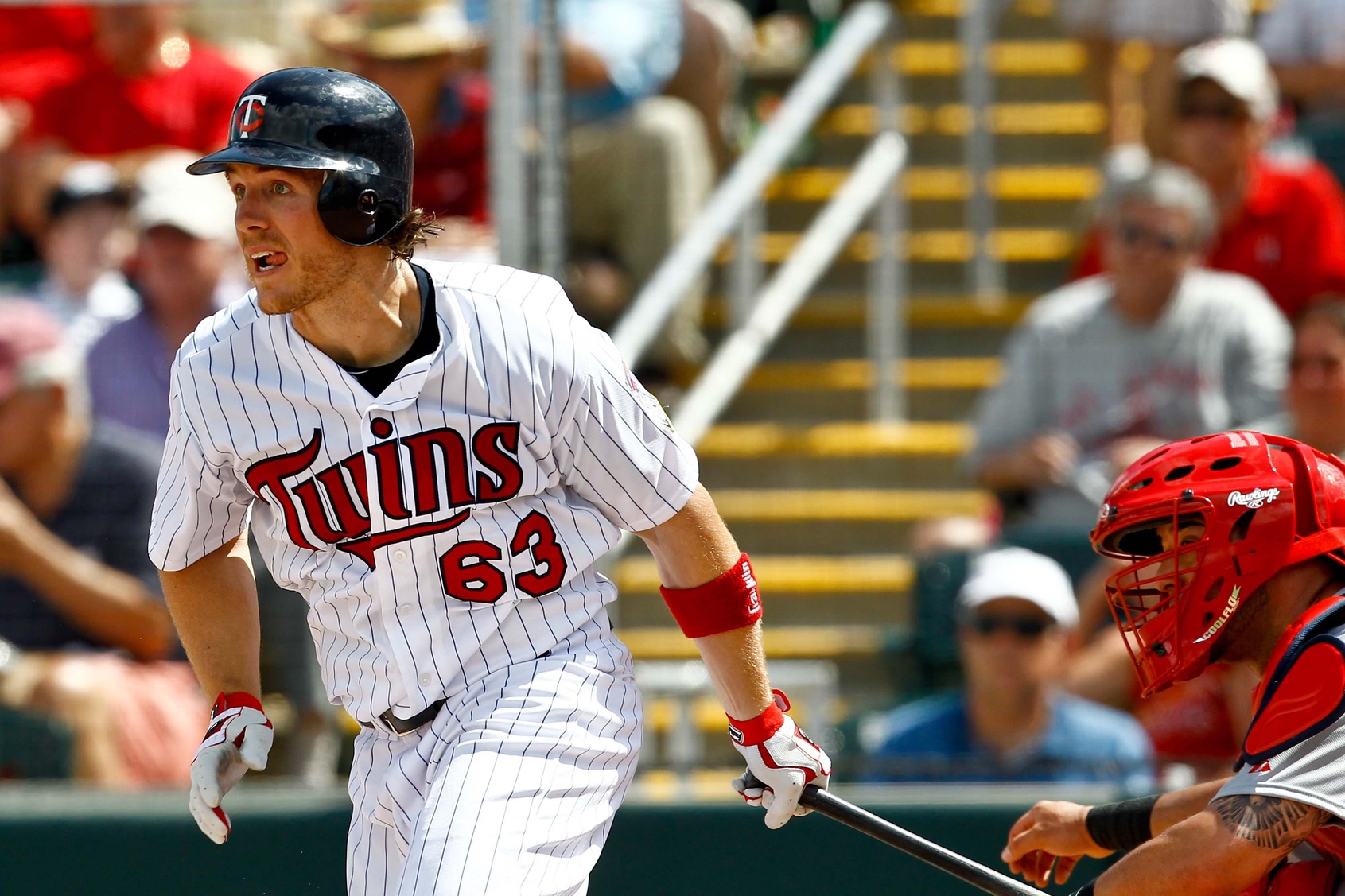 Here is Benson’s swing in September 2011 during his only stint at the Major League level. http://i.imgur.com/yrJlZk4.gif Does that swing look familiar? It’s basically Brian Dozier. Getting that front foot out and down early and then let the hands and hips supply the power. That style is no accident as it has been passed down to numerous hitters throughout the organization. In 2011, Baseball America’s David Laurila interviewed Benson along with then-New Britain Rock Cats hitting instructor Tom Brunansky and wondered what if any philosophies were being instilled by the coaching staff throughout the system. “Absolutely,” Benson replied. “Stay as quiet as possible at the plate, get your foot down early, and especially with Bruno, working on where I need to get to in order to get extension through the baseball.” Keep quiet. Foot down early. These have been the tenets of the Minnesota Twins’ hitting philosophy for some years. It is the offensive version of “pitch to contact”. In 2013, Bobby Tewksbary -- the private hitting instructor responsible for helping cultivate the swings of Chris Colabello and Josh Donaldson through his Elite Swing Mechanics program -- visited the Minnesota Twins camp. In scouting Benson’s hacks Tewksbary noted “I would bet he had really good patterns earlier in his career, then has been coached out of them. I hope he finds the right feel again. All scouting reports say he is a tremendous athlete and I know it isn’t fun to struggle like he has.” Benson wasn’t the only hitter whose athleticism was coached out of them in the system. After demonstrating decent movements with his lower half and hand load while in , the Twins eventually reduced Byron Buxton’s swing patterns to the same muted, compact linear mechanics as seen by Benson above. Rather than try to embrace his natural movements, the organization eliminated them. Stop moving. Get your foot down.Like Benson, Carlos Gomez was also instructed to get his foot down early and remain still at the plate -- not matter how much his instincts told him to move and create rhythm. This led to a 645 OPS during his Minnesota tenure before reinventing himself in Milwaukee as a centerfielder with power. http://i.imgur.com/MPgEXuA.gif Before http://i.imgur.com/8JbMzO4.gif After If you were a speed guy, regardless of your power potential, the Twins would outfit their hitters with a specific swing which may or may not be the best fit. But it wasn’t just speedy outfielders that received this treatment. Danny Valencia was another victim of the team’s outdated teachings. In 2010, the third baseman had an excellent rookie campaign, hitting for power and average as a 25-year-old. His power jumped in 2011 but his pull tendencies allowed the league to quickly figured him out and his numbers suffered greatly. It wasn’t until he hit the ripe age of 30 and the Blue Jays organization that he was able to change his ingrained approach. He got his foot down later. He generated power through creating depth in his load process. In short, just the opposite of what the Twins taught him. The result was a career-high in home runs (18). https://twitter.com/ParkerHageman/statuses/627566890098016256 Of course, not everyone has had instant success when throwing off the swing shackles. When Benson was selected off waivers by the Texas Rangers in 2013, he immediately changed his mechanics but his season in the Rangers organization left a lot to be desired. That was followed by a year in Miami’s system in which he performed well in AA but now was significantly older than the league’s average. In 2015 he came one cut away from making the Atlanta Braves roster out of camp before being assigned to the minors (where he was eventually cut midseason). http://i.imgur.com/yrJlZk4.gif Before http://i.imgur.com/fbXwTfC.gif After Benson may put it all together in his age-28 season, similar to how Valencia did for his age-30 year, and provide the Twins with outfield depth a phone call away in Rochester but you have to wonder what Benson’s career might have looked like had he been given an opportunity with more appropriate mechanics. After all, most evaluators agree that Benson was one of those rare five-tool talents. There are signs that the organization is not going to repeat the mistakes of the past. While it may have been coincidental, since the Twins dismissed minor league hitting coordinator Bill Springman for “philosophical differences” prior to the 2014 season, there appears to be less of an emphasis on adhering to the no movement/foot down early. Since then, inside the organization, players who would normally be expected to maintain the low movement/foot down early method have been encouraged to make adjustments. Prime example is outfielder Max Kepler whose transition to a big leg kick to generate power in his breakout year. In a conversation with Chattanooga hitting coach Chad Allen -- who Springman had a hand in hiring -- Allen affirmed that the swing change was by design, motivated by the staff. Meanwhile Brunansky has said in the past that he isn’t interested in remaining rigid when it comes to a player’s swing. He noted that he has not tried to change Oswaldo Arcia’s big leg kick and loud hand movements despite the decline in performance. When Aaron Hicks struggled to perform from the left side and felt that a leg kick would help, Brunansky worked with him to refine it, not remove it. On the front office side, the Twins have locked up Byung Ho Park to a four-year deal, an indication that they are not deterred by Park’s big movement swing patterns. Previously, the Twins were notoriously blamed for ruining players' swing or hindering their potential by forcing them into the Twins' mold. Their reputation preceded them as hitters would leave the organization, find success elsewhere, and occasionally disparage the instruction they received in the system. Now, when it comes to developing the talent in the system, the organization seems to be headed in the right direction.
 -
What argument? This is a simply statement of fact (he hasn't hit the curveball well) with in a small sample size (which is noted several times within the post that you felt needed repeating and a sweet emoticon to emphasize). Right. Thank you for repeating my conclusion in regards to The Serial Killer.
-
I hope someday I can look like this with my shirt off too.
