



Parker Hageman
-
Posts
4,152 -
Joined
-
Last visited
-
Days Won
6
Content Type
Profiles
News
Minnesota Twins Videos
2026 Minnesota Twins Top Prospects Ranking
2022 Minnesota Twins Draft Picks
Minnesota Twins Free Agent & Trade Rumors, Notes, & Tidbits
Guides & Resources
2023 Minnesota Twins Draft Picks
The Minnesota Twins Players Project
2024 Minnesota Twins Draft Picks
2025 Minnesota Twins Draft Pick Tracker
2026 Minnesota Twins Draft Tracker: Picks & Bonuses
Forums
Blogs
Events
Store
Downloads
Gallery
Everything posted by Parker Hageman
-
 It's about process. Things that are incorporated right away into the game (new pitches, mechanics, swings, etc) don't necessarily make an impact immediately. As I mentioned, I think it is a combination of both but no one seems to be mentioning the tangible, physical change of providing a different angle to the hitter. Both are substantial but oddly, only one has been reported/discussed.
 -
Man. Always forgettin about Nolasco. I think the likelihood is low but there's probably a chance that they start with both Milone/Nolasco (love them some veterans) and have Duffey/Berrios in Rochester. Ugh. I feel gross. Need to take a shower.
-
I would bet that's how the season finishes up but I get the impression the Twins love to have a lefty in the rotation -- I can see Milone starting after camp.
-
If the Minnesota Twins somehow miraculously find themselves in the postseason, they will have Ervin Santana’s month of September as a big reason for that. Yes, it is crazy considering that by the end of August the fan base was ready to declare Santana’s signing a huge mistake. Over his first nine starts of the year, Santana owned a 5.53 ERA -- the sixth highest in baseball in that span. He had allowed 11 home runs -- tied for second-most in that time -- and he managed to strike out just 14% of batters he faced. In an instant, that all changed. Over the past 30 days Santana has the second lowest ERA (1.47) falling just behind the Cubs' Jake Arrieta (0.37), who has been pitching out of his mind this season. In a matter of a few weeks, Santana has gone from a pariah to a savior. How did that happen?In late August, following a stretch of starts in which Santana allowed 25 runs over 24.2 innings and a sad 11-to-11 strikeout-to-walk ratio, Minnesota Twins pitching coach Neil Allen identified Santana’s compromised release point as the source for his struggles. He used some unorthodox drills in order to help Santana rediscover his natural release point. At Tropicana Field, the Pioneer Press’s Mike Berardino described the bullpen session: On his recent media tour including an in-game chat with Fox Sports North’s Dick Bremer and Bert Blyleven, Santana has been crediting that session as the reason for his turnaround late in the year. Over his 11 seasons at the major league level, Santana told the audience that he had never attempted any sort of drills like the one Allen put him through in Tampa. Allen's choice of drills -- specifically the shortstop-ground ball drill -- appeared designed to help a problem with Santana’s struggles while pitching from the stretch. Prior to the session, Santana struggled mightily when throwing with runners on base, allowing seven home runs with runners on base. Essentially, he made every bad situation worse. However, after that session, Santana has limited the hard hit contact and has missed more bats. Download attachment: Santana_Stretch.png While there is little evidence of Santana’s vertical release point (height) changing much, PitchF/X data shows one major change he has made to his approach -- his horizontal release point is drastically different. Turns out, Santana has shifted from the third base side of the rubber to the first base side of the slab. Download attachment: Snatana Rubber.png While the narrative surrounding Santana has been focused on the bullpen session where Neil Allen taught him all the secrets of throwing good, the fact that Santana has made a tangible change in his approach has been wholly ignored or overlooked by the local media and hired baseball pundits. Meanwhile, GammonsDaily.com’s Alec Dopp astutely picked up on Santana’s mound changes and posted about them on September 15, showing visual stills of his new release and their implications. By BrooksBaseball.net’s database, as Dopp showed, Santana began throwing from the first base side of the rubber for his August 19 start in New York -- or about a week before his magical bullpen session with Allen. Does repositioning on the mound really give a pitcher that much of an advantage? Even adjusting a few inches on the pitching rubber can supply an entirely new angle for a the same old pitch -- it adds an element of deception, says Washington Nationals’ starter Doug Fister. “Whether it’s my height, where I stand on the rubber, the sinker I throw, whatever it may be. Trying to deceive a hitter is what I’m trying to do, keep him off-balance,” Fister told the Washington Times. “So, if moving over a little bit can help just a fraction of an inch, then hey, I’m going to try to take as much benefit out of it as I can.” Since repositioning towards the first base side of the rubber, Santana has seen an increase in swings-and-misses out of his slider, particularly on pitches located in the strike zone. His chase rate grew from 34% to 39%. His swinging strike rate on the pitch went from 17% to 22%. Opponents’ well-hit average went from .167 to .046. Perhaps the minor adjustment has added another element of difficulty to the pitch. Download attachment: output_wzmhdv.gif Then there is just a comfort level that moving a few steps over can provide to a pitcher. In Milwaukee, Brewers’ top prospect Taylor Jungmann cited his move from the first base side to the third base side in AA Nashville as one of the reasons he has had success in 2015. “I can’t explain it but I started throwing more strikes. My mechanics were a little more fluid. I didn’t change a whole lot; I just moved to the other side of the rubber,” Jungmann told the Milwaukee Journal Sentinel. “It felt natural. It made it a little easier to be consistent with my (pitching) motion. The biggest thing was getting my breaking ball back.” Of course, it doesn’t always work for everybody. Back in 2012, then-Orioles pitcher Jake Arrieta explained to the mediahis logic as to why he went back to the first base side of the rubber after a tryst with the third base side. Going back to the first base side "[m]ade the pitches more effective because I could command them better. And the comfort level was much greater, much better. You need to find a delivery that you can repeat on every pitch.” Fast forward to 2015 and Arrieta is now one of the game’s best pitchers and uses the extreme third base side of the rubber to do all of his hurling. The Nationals’ pitching coach Steve McCatty downplayed the effects of that type of adjustment saying “Can it have a major impact where you say, ‘Oh my God, we landed on the Moon?’ Some guys it does. But most of the time, it’s not a big deal.” Did the shift have some game-changing effect on Santana’s pitching or was it Allen’s tutelage that helped revive his season? The answer is likely both. Santana’s shift may provide him with a more deceptive angle and comfort on the mound while Allen’s drills helped correct his release point and helped him to not fall off towards first as much. Either way, there is no denying how markedly different Santana has been since the end of August. Naturally, the biggest disappointment is that if Santana somehow leads the team to the postseason because of his PED usage, he would be unable to participate in any games. Still, no matter how the remainder of the season plays out, Santana has rebounded nicely in this season and has given the Twins front office some reassurance that he can be a key component in next year’s rotation. Click here to view the article
-
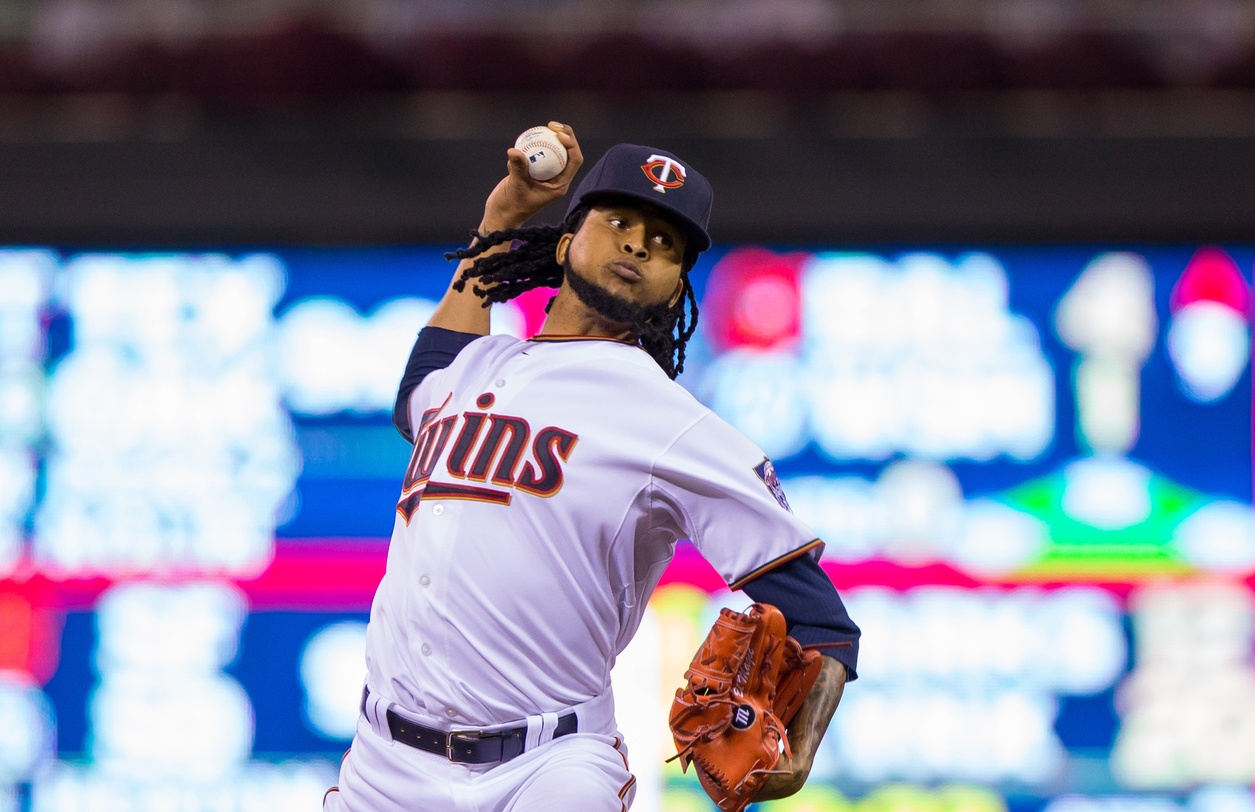 In late August, following a stretch of starts in which Santana allowed 25 runs over 24.2 innings and a sad 11-to-11 strikeout-to-walk ratio, Minnesota Twins pitching coach Neil Allen identified Santana’s compromised release point as the source for his struggles. He used some unorthodox drills in order to help Santana rediscover his natural release point. At Tropicana Field, the Pioneer Press’s Mike Berardino described the bullpen session: On his recent media tour including an in-game chat with Fox Sports North’s Dick Bremer and Bert Blyleven, Santana has been crediting that session as the reason for his turnaround late in the year. Over his 11 seasons at the major league level, Santana told the audience that he had never attempted any sort of drills like the one Allen put him through in Tampa. Allen's choice of drills -- specifically the shortstop-ground ball drill -- appeared designed to help a problem with Santana’s struggles while pitching from the stretch. Prior to the session, Santana struggled mightily when throwing with runners on base, allowing seven home runs with runners on base. Essentially, he made every bad situation worse. However, after that session, Santana has limited the hard hit contact and has missed more bats. While there is little evidence of Santana’s vertical release point (height) changing much, PitchF/X data shows one major change he has made to his approach -- his horizontal release point is drastically different. Turns out, Santana has shifted from the third base side of the rubber to the first base side of the slab. While the narrative surrounding Santana has been focused on the bullpen session where Neil Allen taught him all the secrets of throwing good, the fact that Santana has made a tangible change in his approach has been wholly ignored or overlooked by the local media and hired baseball pundits. Meanwhile, GammonsDaily.com’s Alec Dopp astutely picked up on Santana’s mound changes and posted about them on September 15, showing visual stills of his new release and their implications. By BrooksBaseball.net’s database, as Dopp showed, Santana began throwing from the first base side of the rubber for his August 19 start in New York -- or about a week before his magical bullpen session with Allen. Does repositioning on the mound really give a pitcher that much of an advantage? Even adjusting a few inches on the pitching rubber can supply an entirely new angle for a the same old pitch -- it adds an element of deception, says Washington Nationals’ starter Doug Fister. “Whether it’s my height, where I stand on the rubber, the sinker I throw, whatever it may be. Trying to deceive a hitter is what I’m trying to do, keep him off-balance,” Fister told the Washington Times. “So, if moving over a little bit can help just a fraction of an inch, then hey, I’m going to try to take as much benefit out of it as I can.” Since repositioning towards the first base side of the rubber, Santana has seen an increase in swings-and-misses out of his slider, particularly on pitches located in the strike zone. His chase rate grew from 34% to 39%. His swinging strike rate on the pitch went from 17% to 22%. Opponents’ well-hit average went from .167 to .046. Perhaps the minor adjustment has added another element of difficulty to the pitch. Then there is just a comfort level that moving a few steps over can provide to a pitcher. In Milwaukee, Brewers’ top prospect Taylor Jungmann cited his move from the first base side to the third base side in AA Nashville as one of the reasons he has had success in 2015. “I can’t explain it but I started throwing more strikes. My mechanics were a little more fluid. I didn’t change a whole lot; I just moved to the other side of the rubber,” Jungmann told the Milwaukee Journal Sentinel. “It felt natural. It made it a little easier to be consistent with my (pitching) motion. The biggest thing was getting my breaking ball back.” Of course, it doesn’t always work for everybody. Back in 2012, then-Orioles pitcher Jake Arrieta explained to the media his logic as to why he went back to the first base side of the rubber after a tryst with the third base side. Going back to the first base side "[m]ade the pitches more effective because I could command them better. And the comfort level was much greater, much better. You need to find a delivery that you can repeat on every pitch.” Fast forward to 2015 and Arrieta is now one of the game’s best pitchers and uses the extreme third base side of the rubber to do all of his hurling. The Nationals’ pitching coach Steve McCatty downplayed the effects of that type of adjustment saying “Can it have a major impact where you say, ‘Oh my God, we landed on the Moon?’ Some guys it does. But most of the time, it’s not a big deal.” Did the shift have some game-changing effect on Santana’s pitching or was it Allen’s tutelage that helped revive his season? The answer is likely both. Santana’s shift may provide him with a more deceptive angle and comfort on the mound while Allen’s drills helped correct his release point and helped him to not fall off towards first as much. Either way, there is no denying how markedly different Santana has been since the end of August. Naturally, the biggest disappointment is that if Santana somehow leads the team to the postseason because of his PED usage, he would be unable to participate in any games. Still, no matter how the remainder of the season plays out, Santana has rebounded nicely in this season and has given the Twins front office some reassurance that he can be a key component in next year’s rotation.
 -
It kinda does but not necessarily so. If you read the post, Dozier said before that that he's no more banged up than anyone else. Which...whatever. Players downplay or hide injuries all the time, I guess. Interesting that Berardino added speculation of a right shoulder injury. I haven't seen anywhere else of that being an issue for Dozier.
-
The Cleveland Indians series seemed to be just what Brian Dozier needed. Mired in a prolonged slump in the second half, Dozier recorded five hits including a legitimate opposite field home run (as rare as unicorn eggs for him) and a double. Other would-be hits were taken away by the stalwart Cleveland defense but the process was there -- he was hitting the ball hard. A catalyst at the top of the order, the Twins have been sorely missing his contributions at the plate in the season’s second half. Once capable of dropping home runs in bunches, Dozier has struggled mightily to even elevate the ball. Similar to his 2014 season, his power potential disappeared late in the year. Is this, as the late Yogi Berra would say, deja vu all over again?Dozier’s first half contributions helped propel an offense that was still searching for an identity. Prior to the All-Star break, the Twins’ second baseman led the team in home runs (19), doubles (26) and scored a whopping 67 times while driving in another 50. In fact Dozier was so much on fire that even a NBC baseball correspondent declared him the game’s best second baseman -- and there was little resistance to this claim for good reason: Brian Dozier was simply the game’s best second baseman through the first half of the season. With the offensive numbers, steady defense and media darling status, it would be only a mere formality before he would be selected to participate in baseball’s midsummer classic. But something happened in Cincinnati. Rancid Skyline Chili, perhaps. Or maybe he drank straight from the Ohio River. Either way, when the season’s second half started, Dozier slid slowly into an offensive funk. Looking over Dozier’s splits between the first half and the second half tells the story that you already know. His slash line dropped across the board meaning he wasn’t getting as many hits, he wasn’t getting on base and he wasn’t hitting for power. Moving to two indicator stats on the far right, we know why. Dozier was not hitting the ball as hard and struggled to elevate the ball leading to the drop in power numbers. Download attachment: Dozier_Splits.png Those are the numbers which explain what you have seen or felt when watching Dozier over the last two months. It is as if his at-bats have been replaced by a slightly better Kurt Suzuki and no one is saying anything about it. Dozier denies being hurt -- no more so than anyone else who has played almost every game at this point in the season, anyway -- but he did tell reporters that something is happening with his swing that he is trying to fix. “I won’t go into much detail, but I’m having trouble getting (extension),” Dozier told the Pioneer Press’s Mike Berardino last Sunday. “I can take getting out. I get out a lot. Everybody does. But pitches that I’m supposed to hit off the wall, I’ve been struggling with due to a couple of things. I’ve been trying to find ways around it. It’s starting to feel better, but the past couple of weeks I’m having trouble getting extended, getting my top hand through the ball.” For the second straight season, Dozier’s power has disappeared after July. Most telling this year is the ground ball rate. As you can see in the chart above, Dozier’s worm-burners have increased greatly over the last few months. At the beginning of the year, the grounders that he would hit would most frequently come on pitches that were outside of the zone -- those that he was fooled on or trying to protect in two-strike situations. Of late, Dozier has been beating pitching in the strike zone into the ground. Download attachment: output_teunBq.gif Dozier’s swing is unique. Royals pitcher Chris Young, a hurler who works up in the zone for a living, told Fangraphs.com’s Eno Sarris last year that Dozier, because of his level swing plane, will “yank that high pitch all day long.” Dozier’s skill at dismantling high fastballs is unparalleled and part of that is due to his swing. Whereas a significant portion of the game’s more prolific power hitters let the barrel drop or take a longer path to the ball, Dozier’s swing is compact and he does not allow his hands and bat to drop. For posterity, compare Dozier’s swing to that of Torii Hunter: http://i.imgur.com/hzdJjeh.gif http://i.imgur.com/DmPGVBK.gif Setting aside the fact that they are two different hitters on two different pitches, watch their hands and then the barrel of the bat. Dozier’s swing was tailor-made to handle pitches up in the zone. For Dozier, the swing plane can get tangled on pitches lower in the zone -- he is hitting a career .175 on pitches in the lower third of the strike zone -- but his seems even more susceptible on pitches that wind up lower than he anticipated. For example, in the season’s first half Dozier went off on pitches regularly on even counts (i.e. 0-0, 1-1 and 3-2) nabbing 27 hits in those situations. Still maintaining the same aggressiveness in those counts, he has collected just eight hits while creating more outs. What has changed is the pitches he has swung at. In the first half, Dozier hunted pitches up. More recently, those swings have been middle-in or substantially lower in the zone. Download attachment: output_lTi9Qe.gif So there is an element of teams adjusting to him and firing the occasional wrinkle or keeping the ball down in those counts. Like this example in the recent series against Houston. Dozier, attempting to maintain an aggressive approach with Byron Buxton on third, committed to swinging at the first pitch of the at-bat and was thrown a curve. http://i.imgur.com/mXJJyRS.gif Dozier mentioned that he is struggling on pitches that he is supposed to hit off the wall and the data confirms that. That area is the section between the elevated portion of the strike zone and the bottom of the zone. From May to mid-July, Dozier had hit nine of his home runs on pitches that were in the middle third of the zone. Since then, he has just two home runs and, as you can see in the GIF above, a ton more ground balls. Dozier provided a vague diagnoses on his swing to reporters, citing his inability to achieve extension and having issues with his top hand. His sudden spike in grounders -- particularly on pitches in the middle of the zone -- would confirm that type of problem with the top hand. So what is the driving factor behind this offensive coma? There is no one, clear answer. There is an element of pressing combined with pitchers trying to keep him off-balance in counts he had grown comfortable in. Dozier’s swing issues have generated more grounders. And while he says he is not hurting or tired, there is still no question that players suffer wear and tear. Then you just have angry Regression Gods that have nothing better to do but make a hitter miserable. Overall, Dozier is fine. He is not striking out an inordinate amount of times (not significantly higher than the first half anyway) or having terrible at-bats -- and he is still able to pop off on a high fastball as witnessed in the last series against Cleveland. That said, the Twins have just 10 games remaining and are struggling to keep their heads above water in the postseason hunt. They need some life from Brian Dozier. Click here to view the article
-
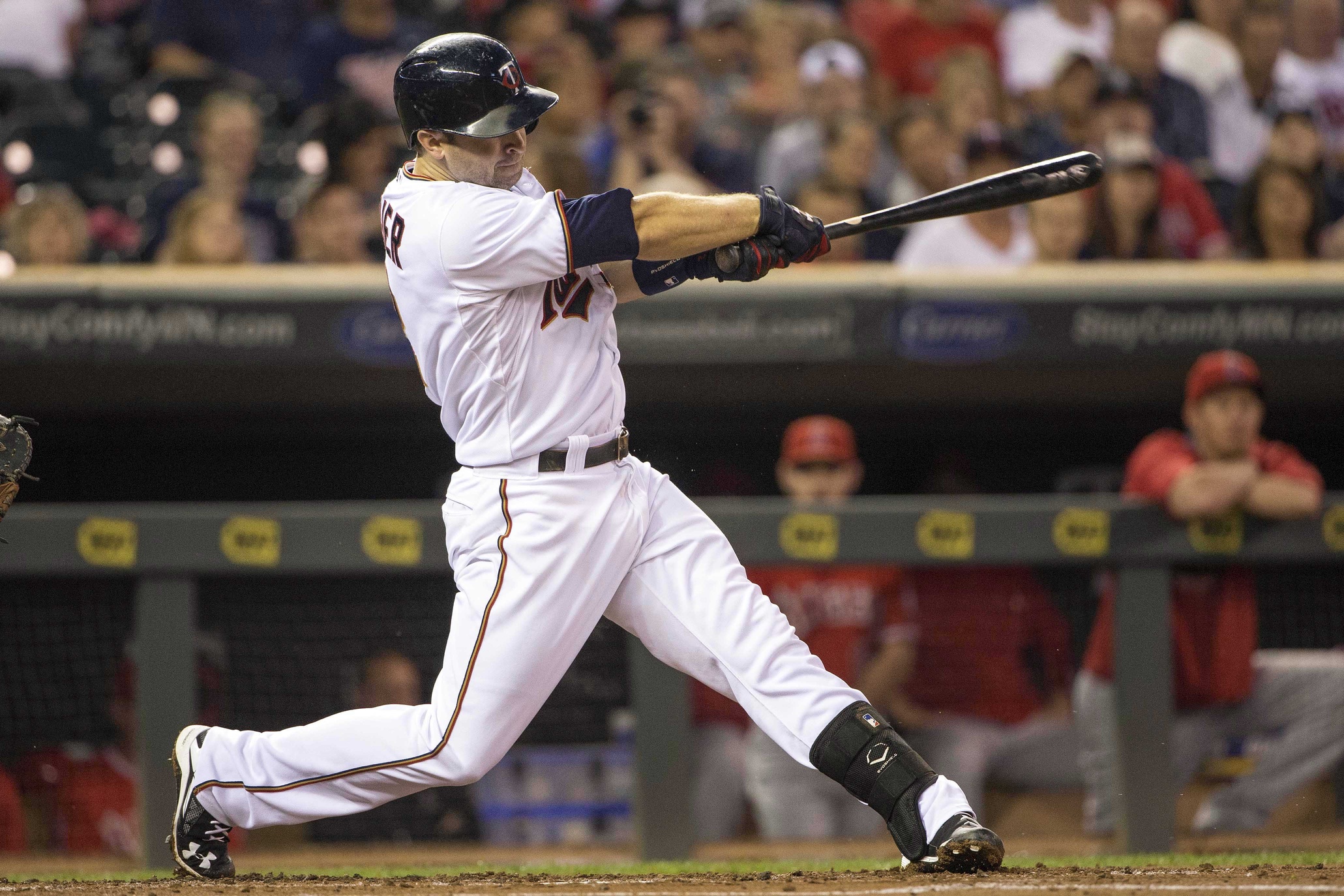 Dozier’s first half contributions helped propel an offense that was still searching for an identity. Prior to the All-Star break, the Twins’ second baseman led the team in home runs (19), doubles (26) and scored a whopping 67 times while driving in another 50. In fact Dozier was so much on fire that even a NBC baseball correspondent declared him the game’s best second baseman -- and there was little resistance to this claim for good reason: Brian Dozier was simply the game’s best second baseman through the first half of the season. With the offensive numbers, steady defense and media darling status, it would be only a mere formality before he would be selected to participate in baseball’s midsummer classic. But something happened in Cincinnati. Rancid Skyline Chili, perhaps. Or maybe he drank straight from the Ohio River. Either way, when the season’s second half started, Dozier slid slowly into an offensive funk. Looking over Dozier’s splits between the first half and the second half tells the story that you already know. His slash line dropped across the board meaning he wasn’t getting as many hits, he wasn’t getting on base and he wasn’t hitting for power. Moving to two indicator stats on the far right, we know why. Dozier was not hitting the ball as hard and struggled to elevate the ball leading to the drop in power numbers. Those are the numbers which explain what you have seen or felt when watching Dozier over the last two months. It is as if his at-bats have been replaced by a slightly better Kurt Suzuki and no one is saying anything about it. Dozier denies being hurt -- no more so than anyone else who has played almost every game at this point in the season, anyway -- but he did tell reporters that something is happening with his swing that he is trying to fix. “I won’t go into much detail, but I’m having trouble getting (extension),” Dozier told the Pioneer Press’s Mike Berardino last Sunday. “I can take getting out. I get out a lot. Everybody does. But pitches that I’m supposed to hit off the wall, I’ve been struggling with due to a couple of things. I’ve been trying to find ways around it. It’s starting to feel better, but the past couple of weeks I’m having trouble getting extended, getting my top hand through the ball.” For the second straight season, Dozier’s power has disappeared after July. Most telling this year is the ground ball rate. As you can see in the chart above, Dozier’s worm-burners have increased greatly over the last few months. At the beginning of the year, the grounders that he would hit would most frequently come on pitches that were outside of the zone -- those that he was fooled on or trying to protect in two-strike situations. Of late, Dozier has been beating pitching in the strike zone into the ground. Dozier’s swing is unique. Royals pitcher Chris Young, a hurler who works up in the zone for a living, told Fangraphs.com’s Eno Sarris last year that Dozier, because of his level swing plane, will “yank that high pitch all day long.” Dozier’s skill at dismantling high fastballs is unparalleled and part of that is due to his swing. Whereas a significant portion of the game’s more prolific power hitters let the barrel drop or take a longer path to the ball, Dozier’s swing is compact and he does not allow his hands and bat to drop. For posterity, compare Dozier’s swing to that of Torii Hunter: http://i.imgur.com/hzdJjeh.gif http://i.imgur.com/DmPGVBK.gif Setting aside the fact that they are two different hitters on two different pitches, watch their hands and then the barrel of the bat. Dozier’s swing was tailor-made to handle pitches up in the zone. For Dozier, the swing plane can get tangled on pitches lower in the zone -- he is hitting a career .175 on pitches in the lower third of the strike zone -- but his seems even more susceptible on pitches that wind up lower than he anticipated. For example, in the season’s first half Dozier went off on pitches regularly on even counts (i.e. 0-0, 1-1 and 3-2) nabbing 27 hits in those situations. Still maintaining the same aggressiveness in those counts, he has collected just eight hits while creating more outs. What has changed is the pitches he has swung at. In the first half, Dozier hunted pitches up. More recently, those swings have been middle-in or substantially lower in the zone. So there is an element of teams adjusting to him and firing the occasional wrinkle or keeping the ball down in those counts. Like this example in the recent series against Houston. Dozier, attempting to maintain an aggressive approach with Byron Buxton on third, committed to swinging at the first pitch of the at-bat and was thrown a curve. http://i.imgur.com/mXJJyRS.gif Dozier mentioned that he is struggling on pitches that he is supposed to hit off the wall and the data confirms that. That area is the section between the elevated portion of the strike zone and the bottom of the zone. From May to mid-July, Dozier had hit nine of his home runs on pitches that were in the middle third of the zone. Since then, he has just two home runs and, as you can see in the GIF above, a ton more ground balls. Dozier provided a vague diagnoses on his swing to reporters, citing his inability to achieve extension and having issues with his top hand. His sudden spike in grounders -- particularly on pitches in the middle of the zone -- would confirm that type of problem with the top hand. So what is the driving factor behind this offensive coma? There is no one, clear answer. There is an element of pressing combined with pitchers trying to keep him off-balance in counts he had grown comfortable in. Dozier’s swing issues have generated more grounders. And while he says he is not hurting or tired, there is still no question that players suffer wear and tear. Then you just have angry Regression Gods that have nothing better to do but make a hitter miserable. Overall, Dozier is fine. He is not striking out an inordinate amount of times (not significantly higher than the first half anyway) or having terrible at-bats -- and he is still able to pop off on a high fastball as witnessed in the last series against Cleveland. That said, the Twins have just 10 games remaining and are struggling to keep their heads above water in the postseason hunt. They need some life from Brian Dozier.
 -
I have to say, I'm shocked the Twins were able to get to Salazar like that. They certainly weren't letting him get deep in the count, at least by swinging right away. Gotta do the same to Kluber.
-
If you are looking for a serious series, this is it. Until now, there has not been an important, meaningful series played in Minnesota this late in the season since 2010. With postseason aspirations hanging in the balance and the regular season schedule coming to an end, the Twins begin perhaps the most significant three-game set of the year at Target Field, against the Cleveland Indians on Tuesday night. Of course, the Indians will not make it easy. Over their last thirty games, not many teams have played better baseball than they have. Amassing a 19-11 record, only the Toronto Blue Jays have compiled a better American League record than Cleveland over that stretch. Can the Twins overcome Cleveland’s reinvented brand of baseball and make headway in the Wild Card race?At the trade deadline, the Indians began to ship out their veteran players, trading the likes of outfielder David Murphy, Brandon Moss, Michael Bourn and Nick Swisher and using less known commodities in guys like Abraham Almonte and Giovanny Urshela instead. Those moves were also preceded by the promotion of super-rookie Francisco Lindor in June. Like the Twins whose recent play has been fueled by young players like Miguel Sano and Eddie Rosario, the Indians have turned the keys over to the kids. “That’s what we talked about at the (trade) deadline,” Indians manager Terry Francona told reporters. “We wanted to see younger guys, but we also would never sacrifice winning, ever.” Two of the game’s better hitters in the second-half of the season have been Lindor (.356 BA, 3rd highest in the second half), who has cemented his role in the two spot of the team’s lineup, and Michael Brantley (.347, 8th highest in 2nd half), who has hit directly behind Lindor in the order. The pair has managed to do this by pasting fastballs. Lindor has hit an MLB-high .461 off of fastballs in the season’s second half while Brantley has hit .408 (4th highest). The Twins pitching staff would be better served feeding the duo a steady diet of off-speed and breaking balls this series. With Lindor sandwiched between Jason Kipnis and Brantley at the top of the lineup the Indians suddenly have one of the most productive one-two-three combination. Whereas the Twins’ first three hitters are posting a .665 OPS since the break (third lowest in MLB), the Indians have produced at a robust .855 OPS (third best). This all has led to a renaissance of run production for the Tribe: After averaging 3.92 runs per game in the season’s first half, the Indians’ offense has been a much better supporter of the team’s pitching efforts in the latter portion of the year, plating 4.5 runs per game. It has not been just the offense that has improved. Reducing runs scored has been a major factor for the team’s strong second-half. Defensively, the addition of Lindor at short and Urshela at third has given the Indians a significant boost in run prevention. In the season’s first half, the team posted a -1 runs saved. Since the break they have saved 19 runs, the second most in baseball. “We knew that if we got to a point in time that we felt we weren’t making the progress we hoped as a team, that we had a couple of very good defensive options for us in Triple-A in Francisco Lindor at shortstop and obviously Giovanny Urshela at third base,” the Indians General Manager Chris Antonetti told Grantland.com’s Ben Lindbergh. “We felt pretty confident in their defensive ability to come up and contribute at the major league level.” While the Twins’ offense has been better at Target Field, the Indians pitching staff has also been one of the stingiest when it comes to allowing runs on the road in the second half of the season. Since the break Cleveland’s hurlers have averaged 3.69 runs per game while playing outside of Progressive Field -- only the St Louis Cardinals (3.64) have fared better in that time. Leading the way for the Tribe in that time is Wednesday’s starter, Corey Kluber. The Indians veteran right-hander has posted a 7.00 strikeout-to-walk ratio in the second-half, coming in behind just Clayton Kershaw and Madison Bumgarner in that department. Meanwhile, in their three meetings in 2015, Kluber has saved his best and limited the Twins’ lineup to just seven hits in 82 at-bats (.085 BA). Tuesday night’s starter, Danny Salazar, has compiled a 3.10 ERA over his last 69.2 innings while racking up 66 strikeouts courtesy of a mid-90s fastball and a swing-and-miss changeup. Similar to Kluber, Salazar has had plenty of success versus the Twins this year, holding them to a .159 average against while striking out 21 in 13 innings. Oh, and the game doesn’t get any easier once Cleveland turns to the bullpen either. Since the break, the Indians relievers have allowed just 1.1 runs per game -- only the Blue Jays’ pen has allowed fewer runs in that span. Will the Twins separate themselves from the Indians and make headway for their first postseason berth in five years? Regardless of the outcome, this stands to be the most important series to be played on Minnesota soil in quite some time. Make sure to get to the ballpark. Click here to view the article
-
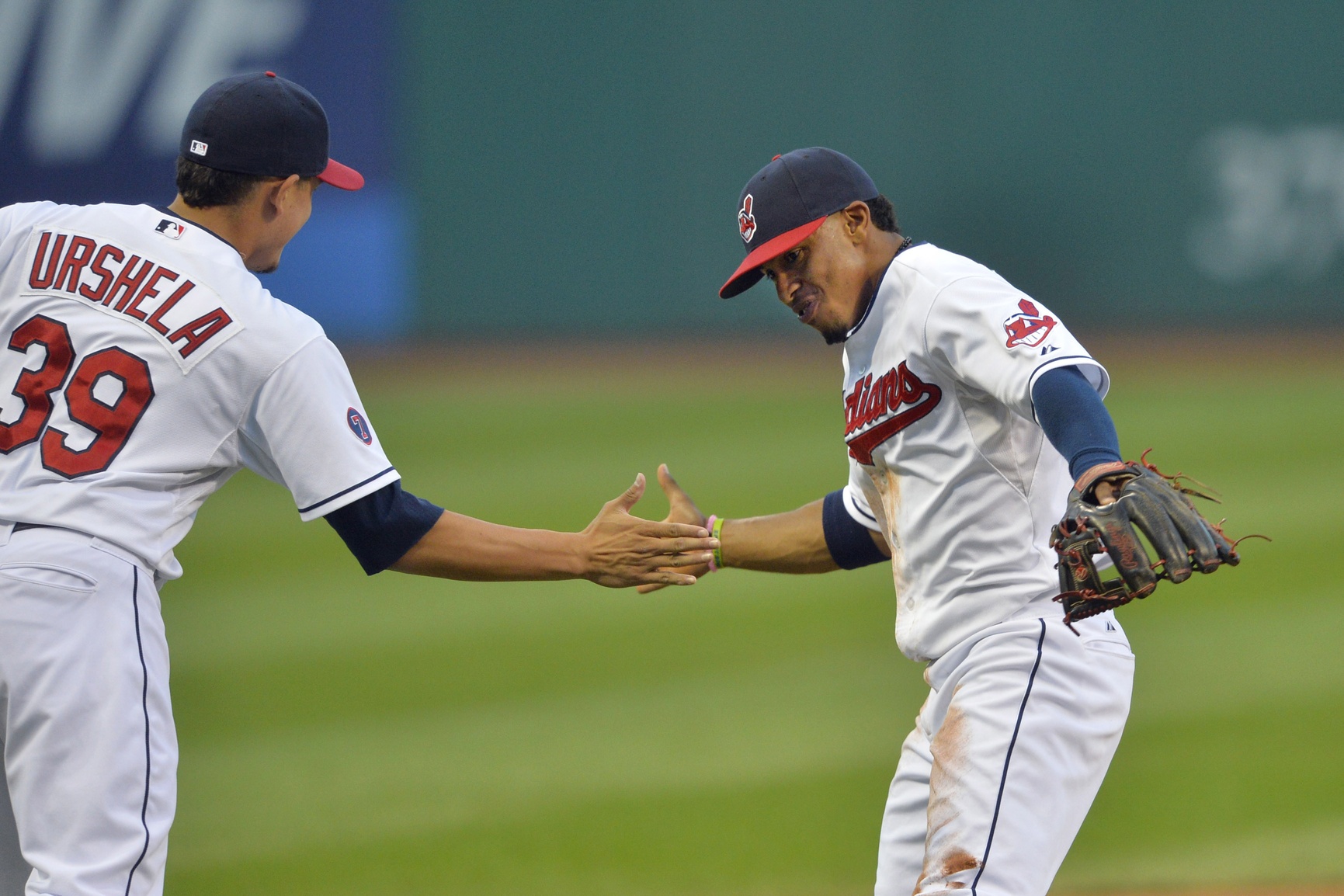 At the trade deadline, the Indians began to ship out their veteran players, trading the likes of outfielder David Murphy, Brandon Moss, Michael Bourn and Nick Swisher and using less known commodities in guys like Abraham Almonte and Giovanny Urshela instead. Those moves were also preceded by the promotion of super-rookie Francisco Lindor in June. Like the Twins whose recent play has been fueled by young players like Miguel Sano and Eddie Rosario, the Indians have turned the keys over to the kids. “That’s what we talked about at the (trade) deadline,” Indians manager Terry Francona told reporters. “We wanted to see younger guys, but we also would never sacrifice winning, ever.” Two of the game’s better hitters in the second-half of the season have been Lindor (.356 BA, 3rd highest in the second half), who has cemented his role in the two spot of the team’s lineup, and Michael Brantley (.347, 8th highest in 2nd half), who has hit directly behind Lindor in the order. The pair has managed to do this by pasting fastballs. Lindor has hit an MLB-high .461 off of fastballs in the season’s second half while Brantley has hit .408 (4th highest). The Twins pitching staff would be better served feeding the duo a steady diet of off-speed and breaking balls this series. With Lindor sandwiched between Jason Kipnis and Brantley at the top of the lineup the Indians suddenly have one of the most productive one-two-three combination. Whereas the Twins’ first three hitters are posting a .665 OPS since the break (third lowest in MLB), the Indians have produced at a robust .855 OPS (third best). This all has led to a renaissance of run production for the Tribe: After averaging 3.92 runs per game in the season’s first half, the Indians’ offense has been a much better supporter of the team’s pitching efforts in the latter portion of the year, plating 4.5 runs per game. It has not been just the offense that has improved. Reducing runs scored has been a major factor for the team’s strong second-half. Defensively, the addition of Lindor at short and Urshela at third has given the Indians a significant boost in run prevention. In the season’s first half, the team posted a -1 runs saved. Since the break they have saved 19 runs, the second most in baseball. “We knew that if we got to a point in time that we felt we weren’t making the progress we hoped as a team, that we had a couple of very good defensive options for us in Triple-A in Francisco Lindor at shortstop and obviously Giovanny Urshela at third base,” the Indians General Manager Chris Antonetti told Grantland.com’s Ben Lindbergh. “We felt pretty confident in their defensive ability to come up and contribute at the major league level.” While the Twins’ offense has been better at Target Field, the Indians pitching staff has also been one of the stingiest when it comes to allowing runs on the road in the second half of the season. Since the break Cleveland’s hurlers have averaged 3.69 runs per game while playing outside of Progressive Field -- only the St Louis Cardinals (3.64) have fared better in that time. Leading the way for the Tribe in that time is Wednesday’s starter, Corey Kluber. The Indians veteran right-hander has posted a 7.00 strikeout-to-walk ratio in the second-half, coming in behind just Clayton Kershaw and Madison Bumgarner in that department. Meanwhile, in their three meetings in 2015, Kluber has saved his best and limited the Twins’ lineup to just seven hits in 82 at-bats (.085 BA). Tuesday night’s starter, Danny Salazar, has compiled a 3.10 ERA over his last 69.2 innings while racking up 66 strikeouts courtesy of a mid-90s fastball and a swing-and-miss changeup. Similar to Kluber, Salazar has had plenty of success versus the Twins this year, holding them to a .159 average against while striking out 21 in 13 innings. Oh, and the game doesn’t get any easier once Cleveland turns to the bullpen either. Since the break, the Indians relievers have allowed just 1.1 runs per game -- only the Blue Jays’ pen has allowed fewer runs in that span. Will the Twins separate themselves from the Indians and make headway for their first postseason berth in five years? Regardless of the outcome, this stands to be the most important series to be played on Minnesota soil in quite some time. Make sure to get to the ballpark.
 -
** NOTE: This was originally published at my Over The Baggy blog in April 2011 following Tsuyoshi Nishioka's unfortunate injure at the second base bag at the legs of Nick Swisher. With Jung Ho Kang's recent injury and CJ Nitkowski's post at FOX Sports about the subject, I felt like there was some additional information that pertains to this incident. Enjoy** In just over a week of regular season games, it became clear that Tsuyoshi Nishioka had a slow learning curve when it came to the nuances of baseball on this side of the Pacific. Coming over from Chiba Lotte Marines, Nishioka was lauded for his eye at the plate, racking up numerous walks and an impressive on-base percentage to go along with it. Yet, we had not been privy to this discerning eye rather one that does not seem quite calibrated. After all, in 26 plate appearance he has struck out eight times - going down looking whopping six. Most fans knee-jerkingly want to deem Nishioka overmatched by Major League Baseball’s superior firepower without considering that Japan’s strike zone, while vertically larger, is typically narrower than the one we have over here. Although he had the ability to hash out the details of the stateside strike zone without the threat of bodily injury, he was not afforded the same luxury when discovering the realities of the American basepaths. This past winter, when asked if he had any advice for his incoming countryman based on his experience assimilating to the American game, Kaz Matsui offered some words of wisdom for Nishioka including: With just a handful of middle infielders making the conversion from Nippon Professional Baseball to the major leagues, it has been a slow process for those players to embrace the type of play necessary to compete with the vigorous effort shared by their major league counterparts around second base: “Be careful about getting spiked during double plays” At TheBaseballCodes.com, a website dedicated to many spoken and unspoken rules of the game, the authors discussed the differences of the style between the two countries on the basepaths. Former major leaguer and ex-Yakult Swallow second baseman, Rex Hudler, said of his tenure in Japan’s Central League in 1993 that: To be sure, this non-aggressive behavior has been practiced for generations in Japan. It had been an element missing from their game for so long that, back in 1987, the Tokyo Giants sent a handful of their prized prospects to workout with the then-low A Miami Marlins in order to indoctrinate them in the ways of “hard-nosed” baseball. More specifically, they were sent to learn how to go into second base with their “spikes” up. Seeing has the “hard-nosed” movement just began to take roots in the early 1990s in Japan, it is easy to see why, as middle infielders began to transition from the Far East to the United States, most were not adequately prepared for the intensity that is shown on this side of the globe. “They didn’t come after me on double plays. They didn’t like to break up double plays. They weren’t real physical in their game. I was a physical guy, I liked contact. I had to ask the Americans on the other teams to come get me. I said, ‘come on, let’s make it fun, let’s make it exciting.’ ” In another instance cited at TheBaseballCodes.com, according to Rod Allen*, the color commentator for the Tigers at Fox Sports Detroit, referenced another second baseman that came over to the White Sox in 2005: *Allen, who also played in Japan himself, is remembered for one of the , another practice not observed overseas. While Iguchi never suffered a serious injury like Nishioka’s, he was sent sprawling several times including one that resulted in a deep knee bruise courtesy of Oakland’s Scott Hatteberg in 2005. However, another celebrated Japanese infielder, Akinori Iwamura, a third baseman for most of his career with the Yakult Swallows, was badly injured in a brush up at second. Unlike Iguchi or Matsui, Iwamura’s initial introduction allowed him to maintain his original position of third base in 2007 but was soon pressed off of the hot corner when prospect Evan Longoria was deemed ready. The Rays moved Iwamura around the diamond to second where, with the exception of a dust-up with the Yankees’ Shelley Duncan in spring training, he handled himself quite well. In 2009 however, Iwamura would suffer a very similar injury to Nishioka in the very same manner. While playing a series against the Marlins, in the bottom of the eighth inning Florida’s Wes Helms bounced a check-swing double-play ball to Rays pitcher Dan Wheeler. Wheeler fielded the ball and spun to second to feed the covering Iwamura. Iwamura received the throw on the base but then planted his front foot out in front of the bag to make the relay throw to first. Instead of completing the throw, the Marlins’ Chris Coghlan came in hard to the exposed Iwamura and wiped the infield dirt with him. The play resulted in a torn knee ligament for Iwamura and he was sidelined for the majority of the 2009 season. The following year, Iwamura never really regained his pre-injury abilities and wound up hitting just .173/.285/.250 in 229 plate appearances split between Pittsburgh and Oakland. Because of his unfamiliarity for needing to bail out quickly when turning the double play, Iwamura likely accelerated his way out of major league baseball. In addition to not only lacking the awareness to have a quick release, there is another element contributing to Nishioka’s unfortunate injury at second. As a shortstop, Nishioka was in the process of transition back to a position he had not played since 2005. This was a similar plight shared by his predecessor Kaz Matsui. When the Mets decided that Matsui’s defense at short was not up to snuff for the major league level, they switch him over to second base. Of course, while some might think that simply moving 50 paces to your left is an easy task, Matsui had some issues: That description sounds awfully familiar to what transpired in the Bronx on Thursday afternoon. In revisiting the clip, the footage clearly shows that Nishioka’s focus is on the baseball and not the whereabouts of the incoming Swisher: So for Nishioka, in just his sixth game at second base in seven years, he had to relearn the situational awareness that comes with the territory. Whereas when he was playing shortstop, the play happened before his eyes. Similar to a quarterback being rushed by a blind-side blitz, here we see a prime example of someone who is not entirely cognizant of the unfolding events. With these cases in mind, it can easily be concluded that because Japanese players do not grow up in a baseball culture that is taught to be vigilant of some two-hundred and ten pound individual bearing down on you, they seem to have a harder time adapting to the position – particularly the middle infield. This is exacerbated when accounting for the fact that they receive little on-the-job training at the minor league level. As much as it was likely stressed in Florida to Nishioka regarding the league’s ability to go gung-ho into the keystone, there really is no way of conveying this message (even more so when considering the language barrier) until a player is actually experiencing it. And for a player like Nishioka, he had to learn the lesson the hard way.
-
I've had a history of that lately.
-
Again, yeah. In the broad, simplified sense a player who is constantly playing against older competition is likely to see muted stats. And once they get experience they'll likely see improvement. In Escobar's case, it wasn't just age that was suppressing his minor league production. And it is not just experience that has led to him driving the ball now. Escobar's advanced defensive abilities was cited as the reason he was consistently playing at higher levels. Evaluators were never certain what he was going to provide offensively and likely didn't do him any favors in that department by moving him up.
-
It's a valid point but in this case I wouldn't get too worked up about his age. Escobar's approach at the plate in those years were as a prototypical middle infielder trying to put the ball in play, shoot it behind the runner and just make contact (he didn't a whole lot). The ability to drive the ball has only developed as of late after he made some adjustments in his approach.
-
Eduardo Escobar’s emergence in the Minnesota Twins’ lineup as an offensive threat is probably unanticipated but as a hitter who popped off 35 doubles a season ago, it should not be wholly unexpected either. Still, there is something crazy about seeing Escobar’s name among the elite shortstops when it comes to offensive production. After hitting .269/.318/.358 in a little over 650 minor league games, the Twins’ switch-hitting middle infield has carved himself out a sudden reputation as an offensive minded player. According to ESPN’s database, Escobar is among the top shortstops when it comes to batting average (2nd), on-base percentage (2nd), and slugging (4th). Over the last 30 days, Escobar has even been out-producing Miguel Sano. While Sano has hit a beastly .270/.381/.606, Escobar has mashed an unbelievable .351/.386/.691 in that stretch. There is no question that Escobar’s contributions have been a welcomed bright spot to a position that was completely punchless over the season’s first half. Where did this offense come from and can he maintain this level of production?When the Twins acquired Escobar in the Francisco Liriano trade in 2012, the response was overwhelmingly m’eh. Baseball America’s Matt Eddy noted that while scouts loved his defensive talents, he had “farther to go with the bat”. His glove work and ability to play multiple positions earned Escobar his first trip to the majors with the Chicago White Sox. In a little over 100 plate appearances spread over two seasons, Escobar failed to hit for average, power or get on base at a replacement level clip. So it is understandable to see why prospectors and analysts had little faith that the Venezuelan would be able to contribute as a regular. Some observers noted Escobar’s occasional gap power as promise but his overall approach in the minors had been to make contact, put the ball in play and use the opposite field. Starting in 2014, Escobar showed a higher tendency to pull the ball from both sides of the plate, leading to an increase in extra-base hits. Last season, Escobar upped his extra-base hit totals, popping off for 35 doubles and adding another six home runs. What was interesting about the distribution of those extra base hits a year ago compared to the ones he’s hitting now is that in 2014, the majority of his extra bases came on balls that hugged the foul lines. This season, Escobar is showing much more gap power. Download attachment: Escobar.png Escobar has not made too many wholesale changes to his swing over his professional career but the biggest difference is that he is swinging more aggressively. From the left side of the plate, what jumps out is that he is loading his hips more (turning the front leg in) prior to the stride forward. That side stays closed longer and allows him to use his lower half. Additionally, he stays down with his top half, allowing for a solid swing plane and bat path in order to drive balls down in the zone. 2012 http://i.imgur.com/796GEJU.gif 2013 http://i.imgur.com/R2v2pQE.gif 2015 http://i.imgur.com/r3gc4bX.gif From the right side, he uses a leg kick and incorporates his lower half extremely well which he didn’t do as much prior to 2014. 2013 http://i.imgur.com/ftprrGb.gif 2014 http://i.imgur.com/6G4sLUL.gif 2015 http://i.imgur.com/2ZXj9iu.gif As well, Escobar has improved his plate coverage from the right side of the plate. Prior to this season, he was not able to do much with pitches down and away. This season he has been hitting the ever-living fire out of the ball in the zone. Download attachment: trumedia_baseball_grid.png Download attachment: trumedia_baseball_grid (2).png Can Escobar continue this onslaught and help push the team towards the playoffs? Now a threat to hit for average and power, opponents will undoubtedly key in on ways to quiet his bat over the final weeks of the season. For his part, Escobar should continue to make hay out of pitches that find their way to the low part of the zone. Click here to view the article
-
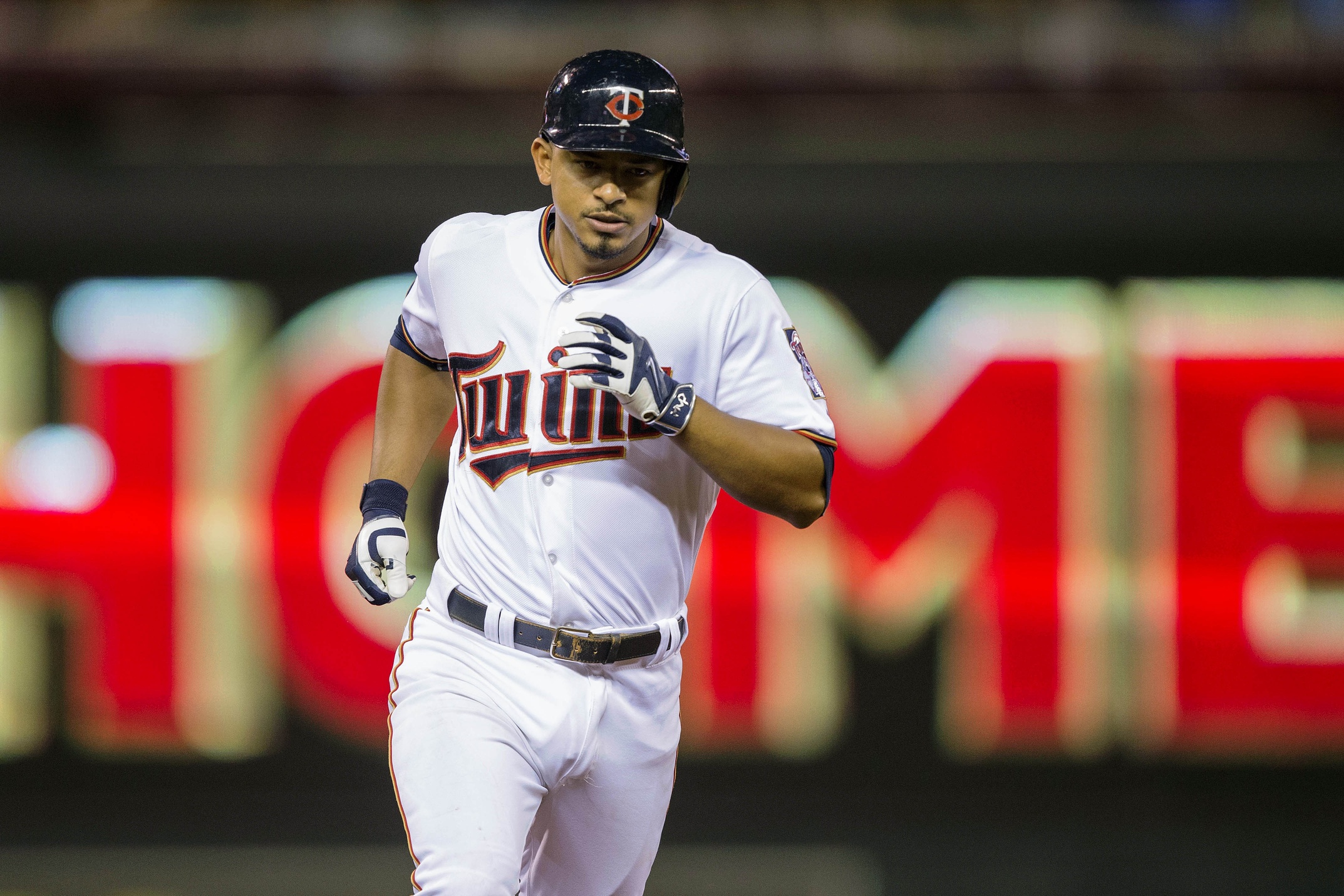 When the Twins acquired Escobar in the Francisco Liriano trade in 2012, the response was overwhelmingly m’eh. Baseball America’s Matt Eddy noted that while scouts loved his defensive talents, he had “farther to go with the bat”. His glove work and ability to play multiple positions earned Escobar his first trip to the majors with the Chicago White Sox. In a little over 100 plate appearances spread over two seasons, Escobar failed to hit for average, power or get on base at a replacement level clip. So it is understandable to see why prospectors and analysts had little faith that the Venezuelan would be able to contribute as a regular. Some observers noted Escobar’s occasional gap power as promise but his overall approach in the minors had been to make contact, put the ball in play and use the opposite field. Starting in 2014, Escobar showed a higher tendency to pull the ball from both sides of the plate, leading to an increase in extra-base hits. Last season, Escobar upped his extra-base hit totals, popping off for 35 doubles and adding another six home runs. What was interesting about the distribution of those extra base hits a year ago compared to the ones he’s hitting now is that in 2014, the majority of his extra bases came on balls that hugged the foul lines. This season, Escobar is showing much more gap power. Escobar has not made too many wholesale changes to his swing over his professional career but the biggest difference is that he is swinging more aggressively. From the left side of the plate, what jumps out is that he is loading his hips more (turning the front leg in) prior to the stride forward. That side stays closed longer and allows him to use his lower half. Additionally, he stays down with his top half, allowing for a solid swing plane and bat path in order to drive balls down in the zone. 2012 http://i.imgur.com/796GEJU.gif 2013 http://i.imgur.com/R2v2pQE.gif 2015 http://i.imgur.com/r3gc4bX.gif From the right side, he uses a leg kick and incorporates his lower half extremely well which he didn’t do as much prior to 2014. 2013 http://i.imgur.com/ftprrGb.gif 2014 http://i.imgur.com/6G4sLUL.gif 2015 http://i.imgur.com/2ZXj9iu.gif As well, Escobar has improved his plate coverage from the right side of the plate. Prior to this season, he was not able to do much with pitches down and away. This season he has been hitting the ever-living fire out of the ball in the zone. Can Escobar continue this onslaught and help push the team towards the playoffs? Now a threat to hit for average and power, opponents will undoubtedly key in on ways to quiet his bat over the final weeks of the season. For his part, Escobar should continue to make hay out of pitches that find their way to the low part of the zone.
 -
On this week's NO JUICE PODCAST, Dan Anderson and Parker Hageman join the Star Tribune's LaVelle E Neal at Alary's Bar in St. Paul to discuss the team’s postseason dream including what the rotation will look like the remainder of the year, why the Twins did not call up top pitching prospect Jose Berrios, who will get the ball in the one-game Wild Card playoff and much more. LISTEN UP.Other topics include: Previewing the NFL seasonPartying with Eddie Vedder at Alary'sLiving a Victorian era lifestyleJourney versus Foo Fighters andWho put peanut butter in David Ortiz's underwear.Listen below, on iTunes or on Stitcher: NO JUICE PODCAST, EPISODE #69: LIVE WITH LAVELLE Click here to view the article
-
 Other topics include: Previewing the NFL season Partying with Eddie Vedder at Alary's Living a Victorian era lifestyle Journey versus Foo Fighters and Who put peanut butter in David Ortiz's underwear. Listen below, on iTunes or on Stitcher: NO JUICE PODCAST, EPISODE #69: LIVE WITH LAVELLE
 -
On this week's NO JUICE PODCAST, Dan Anderson and Parker Hageman talk about how the Minnesota Twins are still in playoff contention. They fawn over Miguel Sano's incredible power, Byron Buxton's struggles at the plate, discuss the decision to not bringing up Jose Berrios and more. LISTEN UP.Other topics include: Minnesota Gophers football previewTop 5 Minnesota sporting events you should have been atTop 5 places in the Metro Area not in Minneapolis or St. Paul to have beersCurt Schilling's use of TwitterAnd more...Listen below, on iTunes or on Stitcher: NO JUICE PODCAST, EPISODE #68: THEY'RE STILL IN THIS THING Click here to view the article
-
 Other topics include: Minnesota Gophers football preview Top 5 Minnesota sporting events you should have been at Top 5 places in the Metro Area not in Minneapolis or St. Paul to have beers Curt Schilling's use of Twitter And more... Listen below, on iTunes or on Stitcher: NO JUICE PODCAST, EPISODE #68: THEY'RE STILL IN THIS THING
 -
Article: Sano Doubting Miguel's Talent
Parker Hageman replied to Parker Hageman's topic in Twins Daily Front Page News
Feels like I've read that analysis somewhere. To be clear, I think Sullivan did a good job on his write-up of Sano. It's often more difficult to analyze these types of changes if you are not following a team on a game-by-game basis so good on him for recognizing Sano's adjustments as well. -
Article: Sano Doubting Miguel's Talent
Parker Hageman replied to Parker Hageman's topic in Twins Daily Front Page News
I believe the database has a minimum before switching it over to the actual SLG (or whatever stat being highlighted). -
Article: Sano Doubting Miguel's Talent
Parker Hageman replied to Parker Hageman's topic in Twins Daily Front Page News
One of the beat writers should chase that down. That's a really good question. My guess is that it is a little bit of both. Sano's adjustment in reducing movement (see the Toronto swing) suggests that he was working on something with a coach and not just trying new things. -
On Tuesday night, with the Twins trailing the White Sox by a run in the seventh inning, Miguel Sano turned on a 3-2 pitch from Nate Jones and launched it into the second deck at Target Field to tie the game. Heavy breathing ensued. The shot ushered in a rally the following inning in which the Twins jumped all over the Sox bullpen and posted three more runs to take the late inning lead and they never looked back. Sano has been nothing short of amazing since pulling on his Minnesota Twins uniform for the first time. While the power numbers are already mind-blowing, Sano’s ability to make adjustments against baseball’s best pitchers suggests the best is yet to come.There is no denying the fact that Sano has been blessed with tons of baseball tools which are developed well beyond those of a typical player at his age. At this point in his young career, his power is unparalleled by 22-year-olds throughout history and he already has a master’s degree in zone comprehension. These two factors alone have made him an unmitigated force in the middle of the lineup which sorely needed a thumping heart. "I know in a very short amount of time he has developed a following that can really only compare to the likes of Jim Thome and Harmon Killebrew,” Twins president Dave St. Peter told the Pioneer Press’s Charley Walters. “[P]eople don't want to miss a Miguel Sano at-bat because you just never know what might happen, and at any given moment, he may hit a home run 500-plus feet. That's a trait very few players have." For the past month we have ooh’d and ahh’d over his moonshots and catwalk clanks. Since August 5th, Sano owns the fourth-highest slugging percentage (.722) and the fifth-lowest out rate (53.7%) among all hitters in that time frame. These are the direct results of Sano’s ability to adjust quickly at the game’s highest level without missing a beat. Here’s the really interesting thing: Whether you noticed it or not, Sano already went through a small hiccup at the plate this year and made the necessary changes on the fly to become this monster masher he has been over the last month. After starting his career hitting .378 with a pair of home runs, he cooled down during a series against Oakland. At that time, Sano stepped on a baseball during warm-ups at the O.co Colisuem and twisted his ankle. Perhaps the combination of teams adjusting to him and the injury played a role over the next 15 game where he hit .184 with a pair of home runs and a few doubles. Nevertheless, by early August, Sano was firing on all cylinders again -- amassing 10 home runs over his next 24 games. Sano has made several changes to his swing since his arrival to Minnesota that have boosted his performance at the plate. http://noontimebaseball.com/wp-content/uploads/2015/08/Sano_1stHR_front.gif http://i.imgur.com/1rnFlZT.gif Sano showed early on that he was extremely adept at hammering pitches that were middle-in and middle-middle. Over the first four home runs he tagged in his career, all were in one of those two zone locations. Teams clearly took note of that. After he began struggling in the Oakland series, he began to tinker a bit with his set-up. Hitting coach Tom Brunansky expressed concern that he was pulling off the ball and Sano seemed to institute several changes at the plate to help combat that. He displayed a stance where he was slightly open on his front leg, holding the bat high and striding inward toward the plate. This stride was likely implemented in order to try to have him stay closed on his swing. http://i.imgur.com/IxJaZOX.gif http://i.imgur.com/dy9eAvt.gif After the Seattle series, Sano made a few more modifications to his stance and his swing. In Toronto, he lowered his hands prior to the gathering process (you will noticed in the previous clips he ended up dropping them when he loaded for his swing) and closed his stance. When hitters are going through funks, hitting coach and instructors often advise hitters to calm everything down for a while. They encourage hitters to reduce as much movement (such as keeping his hands in one spot rather than dropping them from an elevated pre-swing position) and focus on bat to ball. http://i.imgur.com/0Mg1O5F.gif Since then, Sano’s swing has gone through a slight transformation. Once again his hands are held high with noticeable pre-swing motion (creating a rhythm) but rather than toe-tapping to make front-foot contact with the ground before the pitch is released, Sano is lifting with a minor kick and getting that foot down well after the pitch is released -- to the dismay of many of the league’s pitchers including Chicago’s Nate Jones. http://i.imgur.com/JVYgdNa.gif The biggest takeaway from his previous swing and the one currently employed is how efficiently he is loading/gathering before driving toward the ball. In the comparison images below, you see that in the more recent swing [middle and right], Sano is turning his hip inward slightly and staying closed on his front side. http://i.imgur.com/2rBpkSs.png In the earlier model his hip is square to the pitcher before flying open when he would swing. This version left him less able to drive pitches on the outer-half as well as a man with his size, stature and strength should and could. The new model has allowed him to punish anything that flies from east to west in the strike zone. Download attachment: trumedia_baseball_grid (4).png Download attachment: trumedia_baseball_grid (3).png Sano’s adjustments at the plate go beyond just the physical swing. When pitchers began to attack the strike zone early in the count in hopes of putting him in a hole right away, Sano countered by taking aggressive swings at the first pitch. When he began his “struggles” in Oakland, pitchers threw in the zone 55.6% of the time to which Sano offered at just 17% of those pitches. Over those 15 games, he accumulated just two first-pitch hits. After incorporating the improved mechanics, Sano has made pitchers pay for trying to sneak a quick strike on him. Since August 5th, he has offered at nearly a quarter of those pitches and has launched five first-pitch home runs. It is remarkable to have a player understand what the opposition is trying to do to him and adjust this quickly. Call it clicking or call it confidence or excellence. Whatever superlative you want to use when describing Miguel Sano at the plate right now is deserved. Sano has found the right swing to maximize his zone coverage and allow for his natural strength to handle anything that finds its way over the plate. This, combined with his competitive comprehension (such as attacking in first-pitch situations) has made him perhaps the most dangerous hitter in baseball at the moment. With just over a month of baseball left to play in the 2015 season, people should be waiting eagerly to see what the big man will do for an encore. Click here to view the article

