



Parker Hageman
-
Posts
4,162 -
Joined
-
Last visited
-
Days Won
6
Content Type
Profiles
Minnesota Twins News, Rumors & Analysis
Minnesota Twins Videos
2026 Minnesota Twins Top Prospect Rankings
2022 Minnesota Twins Draft Picks & Signing Bonuses
Minnesota Twins Trade & Free Agent Rumors
Minnesota Twins Fan Guides & Resources
2023 Minnesota Twins Draft Picks & Signing Bonuses
2024 Minnesota Twins Draft Picks & Signing Bonuses
2025 Minnesota Twins Draft Picks & Signing Bonuses
2026 Minnesota Twins Draft Picks & Signing Bonuses
Forums
Blogs
Events
Store
Downloads
Gallery
Everything posted by Parker Hageman
-
 I believe last week Molitor said the backup is Gimenez with Kepler as the emergency beyond that.
-
Like always, the Minnesota Twins’ Opening Day roster decisions seemed to surprise many. The reaction was understandable considering Byungho Park had manhandled pitching and appeared to have found some semblance of plate discipline in the process. More than that, they opted to carry 13 pitchers and not one of them was the younger and perhaps more potent arms like Jose Berrios and JT Chargois. Not to mention Alex Wimmers, who many thought earned a spot this spring, was also ticketed for Rochester. On paper the roster is powerfully unsexy. As unattractive as it looks, the Twins front office say they have the necessary personnel on the roster to start the seasons in the right direction. Like always, the Minnesota Twins’ Opening Day roster decisions seemed to surprise many. The reaction was understandable considering Byungho Park had manhandled pitching and appeared to have found some semblance of plate discipline in the process. More than that, they opted to carry 13 pitchers and not one of them was the younger and perhaps more potent arms like Jose Berrios and JT Chargois. Not to mention Alex Wimmers, who many thought earned a spot this spring, was also ticketed for Rochester. On paper the roster is powerfully unsexy. As unattractive as it looks, the Twins front office say they have the necessary personnel on the roster to start the seasons in the right direction. “I think when you look at a team and when you are building toward what we talk about all along -- a championship caliber team -- you need to build around a young core of players,” Twins Chief Baseball Officer Derek Falvey said in the drizzling rain during Sunday’s workout at Target Field. “I think a lot of that core is here.” Over in fair territory, Falvey’s inaugural 25-man roster took infield and batting practice on a gloomy and chilly Opening Day eve. Falvey, of course, did not construct the roster on his own. In replacing Terry Ryan, the Twins organization now has a two-headed decision-making monster in the form of Falvey and general manager Thad Levine. Combine that with the vital input from field manager Paul Molitor and suddenly there are multiple voices and influence over roster decisions in the new front office era. While the three tenors are singing in unison, the process of finalizing the 25-man roster did not come without what Levine considered positive debate from the group in private. “Everyone has a difference of opinion,” the Twins general manager said about the whittling of the roster. “I think one thing we are going to do throughout our careers here together is that we’re all able to air those conversations behind closed doors but when we walk out we are going to be in concert with one another. I think that’s healthy.” Any analytical-slated front office worth its weight would tell you that spring training statistics are virtually meaningless. Heck, even the old-school scouting front office knows better than to trust spring training performances. Nevertheless, it was hard to dismiss Park or Alex Wimmers’ performance over the month of March. Sure, the games may be meaningless but Park was still mashing the ball. He was showing improvement on higher velocity fastballs. He was controlling the strike zone better. That had to account for something and that undoubtedly led to interesting internal discussions in the manager’s office. “Quite frankly, I think if everyone thinks the same way and it’s quote a no-brainer we’re probably missing something,” said Levine. “So whether or not someone is specifically playing the devil’s advocate to make sure we’ve talked about the other side of it, I think that’s healthy towards the decision-making process.” As Falvey tells it, emphasis on the final roster spots was placed on players who they believed can establish the identity of the team. Falvey said that the Twins believe they have the right core of young players in Byron Buxton, Max Kepler, Jorge Polanco and Miguel Sano to build around, so they wanted to have experienced players who have a strong track record of being prepared and diligent about their work. “We talked a lot about the culture we wanted to create in the clubhouse and how that leads to what we want on the field,” Falvey said. “Guys like Matt Belisle, Chris Gimenez and Craig Breslow, guys who have been around other organizations and some really successful moments in time. They know they have to hold themselves to high standards at two o’clock in the afternoon when no one is paying attention or nine o’clock in the morning on the backfield in Fort Myers.” With the current roster working out on Target Field, Levine stresses not to focus on the here and now because that will change in an instant. As a veteran of the Texas Rangers’ front office, he’s seen how quickly the roster can churn due to injuries and performance. One of his strengths coming into the Twins organization is his ability to diagnose roster issues and swiftly respond. “Unequivocally, we all put a lot of pressure on that 25-man roster for Opening Day but in practice, it’s going to change dramatically over the course of a year,” said Levine. “It may change dramatically over the first 10-to-15 days of the season, you never know.” “Our focus at the beginning is to make sure you have the next wave of defense and the next wave of defense after that ready and lined up and I think that’s what a lot of spring training is nowadays. It’s less about who is making your Opening Day and who you believe can help you win games throughout the course of a year.” That means Park, Vargas, Berrios, Wimmers and others better be ready in Rochester when their time is needed. “Those guys will help us at some point this year,” Levine said. “We know that. We feel more confident about that coming out of spring training. It’s not an if, it’s a when.” View full article
-
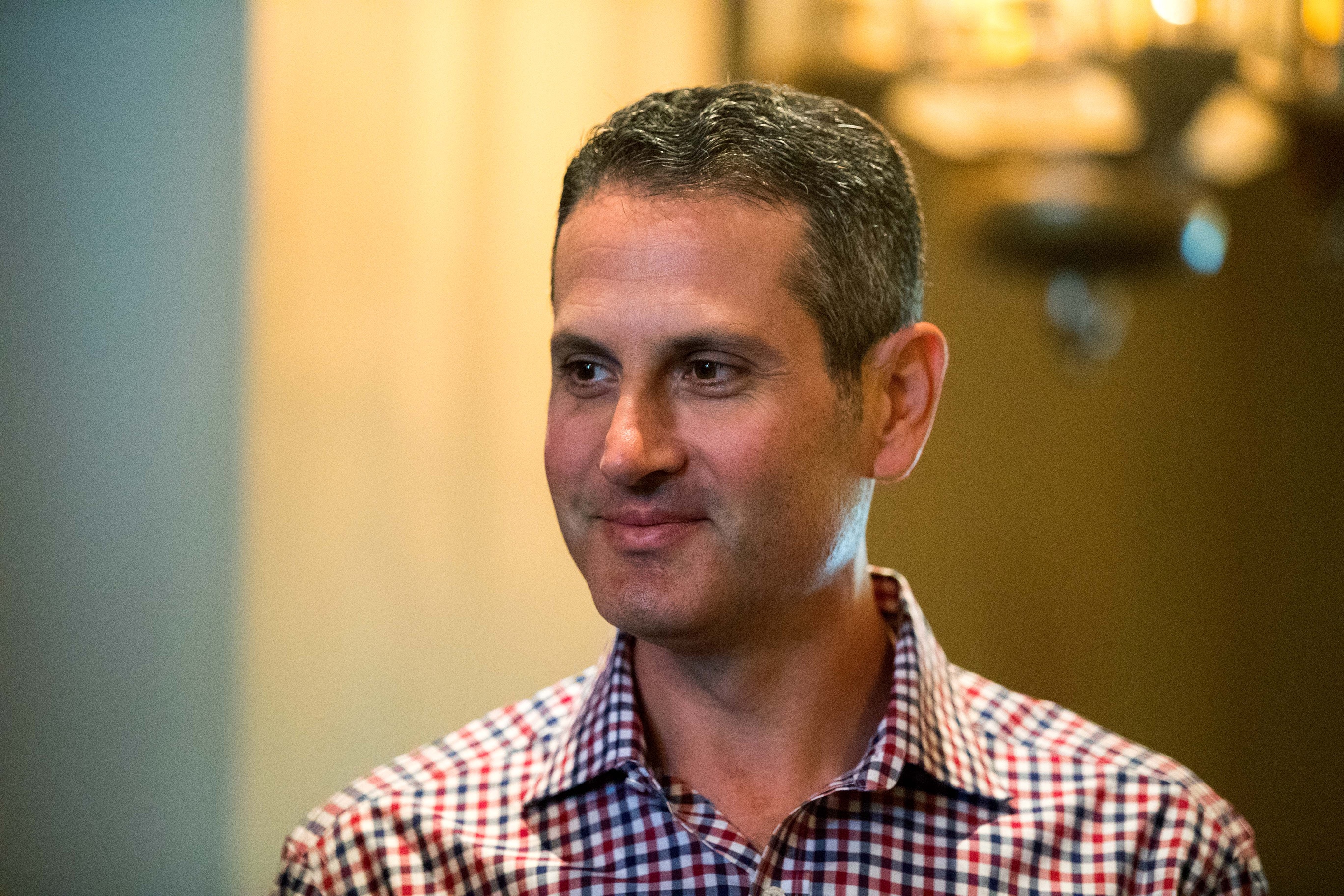 “I think when you look at a team and when you are building toward what we talk about all along -- a championship caliber team -- you need to build around a young core of players,” Twins Chief Baseball Officer Derek Falvey said in the drizzling rain during Sunday’s workout at Target Field. “I think a lot of that core is here.” Over in fair territory, Falvey’s inaugural 25-man roster took infield and batting practice on a gloomy and chilly Opening Day eve. Falvey, of course, did not construct the roster on his own. In replacing Terry Ryan, the Twins organization now has a two-headed decision-making monster in the form of Falvey and general manager Thad Levine. Combine that with the vital input from field manager Paul Molitor and suddenly there are multiple voices and influence over roster decisions in the new front office era. While the three tenors are singing in unison, the process of finalizing the 25-man roster did not come without what Levine considered positive debate from the group in private. “Everyone has a difference of opinion,” the Twins general manager said about the whittling of the roster. “I think one thing we are going to do throughout our careers here together is that we’re all able to air those conversations behind closed doors but when we walk out we are going to be in concert with one another. I think that’s healthy.” Any analytical-slated front office worth its weight would tell you that spring training statistics are virtually meaningless. Heck, even the old-school scouting front office knows better than to trust spring training performances. Nevertheless, it was hard to dismiss Park or Alex Wimmers’ performance over the month of March. Sure, the games may be meaningless but Park was still mashing the ball. He was showing improvement on higher velocity fastballs. He was controlling the strike zone better. That had to account for something and that undoubtedly led to interesting internal discussions in the manager’s office. “Quite frankly, I think if everyone thinks the same way and it’s quote a no-brainer we’re probably missing something,” said Levine. “So whether or not someone is specifically playing the devil’s advocate to make sure we’ve talked about the other side of it, I think that’s healthy towards the decision-making process.” As Falvey tells it, emphasis on the final roster spots was placed on players who they believed can establish the identity of the team. Falvey said that the Twins believe they have the right core of young players in Byron Buxton, Max Kepler, Jorge Polanco and Miguel Sano to build around, so they wanted to have experienced players who have a strong track record of being prepared and diligent about their work. “We talked a lot about the culture we wanted to create in the clubhouse and how that leads to what we want on the field,” Falvey said. “Guys like Matt Belisle, Chris Gimenez and Craig Breslow, guys who have been around other organizations and some really successful moments in time. They know they have to hold themselves to high standards at two o’clock in the afternoon when no one is paying attention or nine o’clock in the morning on the backfield in Fort Myers.” With the current roster working out on Target Field, Levine stresses not to focus on the here and now because that will change in an instant. As a veteran of the Texas Rangers’ front office, he’s seen how quickly the roster can churn due to injuries and performance. One of his strengths coming into the Twins organization is his ability to diagnose roster issues and swiftly respond. “Unequivocally, we all put a lot of pressure on that 25-man roster for Opening Day but in practice, it’s going to change dramatically over the course of a year,” said Levine. “It may change dramatically over the first 10-to-15 days of the season, you never know.” “Our focus at the beginning is to make sure you have the next wave of defense and the next wave of defense after that ready and lined up and I think that’s what a lot of spring training is nowadays. It’s less about who is making your Opening Day and who you believe can help you win games throughout the course of a year.” That means Park, Vargas, Berrios, Wimmers and others better be ready in Rochester when their time is needed. “Those guys will help us at some point this year,” Levine said. “We know that. We feel more confident about that coming out of spring training. It’s not an if, it’s a when.”
-
It should be noted that our friends at 612Brew will also be present at Target Field this year:
-
That's fine. Then don't use a "scout" to do the work.
-
- 95 replies
-
- 12
-

-
I don't think Seth is advocating throwing at a player (maybe he is) but that is the reality of the situation. I think there is definitely the possibility that this player or his teammate gets his tower buzzed or dotted between his shoulders the next time up. It's sad, really. A pitcher doesn't execute his pitch and gets tanked. Instead of just moving on, some pitchers gets butthurt and try to seek their pound of flesh. In other cultures, like Korea, the batflip is just a part of the game. Pitchers over there don't see it as an attempt to show them up: http://www.espn.com/espn/feature/story/_/id/17668845/korean-bat-flip I think we should all start embracing that mentality too.
-
Report From The Fort: Studying Santana
Parker Hageman replied to John Bonnes's topic in Twins Daily Front Page News
One of the things that jumps out about Santana's 2016 season is how much more he was able to coax hitters to swing at fastball out of the strike zone. OOZ Sw% 2012 - 18.9 OOZ Sw% 2013 - 21.6 OOZ Sw% 2014 - 24.6 OOZ Sw% 2015 - 20.0 OOZ Sw% 2016 - 27.2 Threw a few more fastballs off the plate. A lot of hitters made contact with those but they weren't square. -
Not literally, but when Baez caught the ball Cruz wasn't even in his slide yet.
-
Baseball is about the player, not the coach.
-
ON BAT FLIPS AND CELLYS. As a fan, I love bat flips. Pimp everything, I often hashtag on Twitter. Some of that mantra is definitely tongue in cheek but ultimately I love watching players enjoying the moment. Same goes for pitchers who fist pump after firing a bullet past a hitter during a pivotal at-bat during the game. Some view them as a disrespectful showing up of a pitcher or an opposing team (the "act like a professional" crowd) but, to me, the bat flips are a fun way to show emotion during a sport which is essentially glorified stickball. So that brings me to this... Take this number from a University of South Carolina-Aiken hitter. The dude hammers a pitch in which the players on the field barely move. It's a tank shot grand slam. Big moment, big shot. The player decides to flip (launch?) the bat in the air, sending it spinning end over end. https://twitter.com/ParkerHageman/status/844977913665634309 Frankly, to me, it's fun. To the coach of the USC Aiken team it was highly disrespectful: https://twitter.com/ParkerHageman/status/845073358689579012 "We had a player do a stupid think last night after hitting a grand slam," USC-Aiken's coach Kenny Thomas wrote on his Facebook page. "I immediately took him out of the game and apologized to North Greenville Coach (sp). Those of you that know me know I DO NOT condone this type of actions or this type of disrespect for the game." First, as was pointed out on Twitter, the language the coach used contains a lot of "I"s. That's a terrible attitude for an amateur coach to have at any level. Focus on the "we" not the "you". Second, lighten up. As was pointed out before, this is a glorified kids game. Third, this is Division 2 baseball. Most if not all players on the roster have very little likelihood of making the jump to professional baseball so this is as close as they will get. Let them enjoy the moment. We have just wrapped up the World Baseball Classic, which by any measure was a good display of how different cultures celebrate big moments. Not all players agreed with the flare that some of the Caribbean players showed during the tournament. "I hope kids watching the W.B.C. can watch the way we play the game and appreciate the way we play the game as opposed to the way Puerto Rico plays or the Dominican plays," Kinsler told The New York Times. "That's not taking anything away from them. That just wasn't the way we were raised. They were raised differently and to show emotion and passion when you play. We do show emotion; we do show passion. But we just do it in a different way." And Bert Blyleven, protector of the precious baseball code, chimed in. "There's a fine line between showing emotion & being 'a hot dog.' Some guys on PR were 'hot dogging'," he said recently on MLB Network radio. Twins Daily’s John Bonnes correctly pointed out that the line between the two is thick, the difference maker being which team you are on. What constitutes “hot dogging”? Was the USC-Aiken kid “hot dogging”? Is this “hot dogging”? https://twitter.com/ParkerHageman/status/841996433670733824 Yadier Molina has the Dominican’s Nelson Cruz out by a mile and Javier Baez, who is quite good at applying tags, converts a no-look, point-at-your-backstop catch and tag. It was equal parts impressive and fun. The game of baseball has been accused of "dying" far too often. While MLB itself is still making a ton of money, the majority of the viewership has AARP cards. For various reasons, the youth have been tuning out in droves. In response, MLB has done asinine things like adding a pace of play clock, eliminating the pitches in the intentional walk, and trying to introduce slow-pitch softball rules to avoid extra inning play all while still choosing to broadcast their crown jewel international event’s championship game at 9 PM Eastern Time on a weeknight, ensuring that a vast amount of young kids will not stay up to watch the end of the game. MLB doesn’t need to plod through this rules overhaul crusade it seems to be hell bent on conducting in order to recapture the youth market. People don’t want crisper pace of play or a quick end to a contest. They want fun. To that end, the game’s culture needs to embrace the flair and flips not discourage it. I'm not suggesting this will solve all of the game's problems but it can't hurt. Make baseball fun again.
-
Pitch Framing and Twins Pitchers
Parker Hageman commented on John Foley's blog entry in Baseball Intelligence
Great work John. -
I think this is where a lot people giving instruction and those swinging have major differences. Nobody (today, it seems) likes to hear someone say they are chopping at the ball or swinging down. As Zinter points out, there are some that do excel at being able to take their hands to the ball without having the steep path to the ball that creates the grounders/low launch angles. Personally, I'm an elevate sort of guy but the idea that you can't have the swing down/stay inside the baseball mentality is silly. Both can co-exist. I really enjoyed the video of Ben Zobrist talking his process on preparing to hit:
-
Great arm. It can get a little squirrely at times too. Example A: https://twitter.com/ParkerHageman/status/841844017025409024
-
Stop By, Say Hi (Get To Know Us)
Parker Hageman replied to Seth Stohs's topic in Minnesota Twins Talk
I miss good baseball. -
WSJ: The Gurus Behind Baseball’s Search for the Perfect Swing Jared Diamond at the Wall Street Journal tackled one of my favorite growing elements of the game today: the independent hitting coach. These are guys like Doug Latta (who worked with Marlon Byrd and Justin Turner), Bobby Tewksbary (Chris Colabello and Josh Donaldson) and Craig Wallenbrock (JD Martinez) who have gone against the game's more accepted practices and transformed players into From the article: We've heard a lot about new pitching practices since Derek Falvey and Thad Levine have taken over. There are new programs designed by external pitching coaches that have been embraced by both the front office and coaching staff. Driveline Baseball and Florida Baseball Ranch have influenced multiple members of the pitching staff. You have to wonder if that will also be true about the hitting side of things. So there are plenty of pitchers working with independent pitching coaches and clinics, but there doesn't seem to be a ton of Twins players working with independent hitting coaches, or at least none that are openly chatting about it. Chris Colabello, who was previously with the Twins, did a lot of his reinvention with Bobby Tewksbary before he reached the organization. While here, Colabello was occasionally asked to adjust the approach he worked on with Tewksbary. A few seasons ago, I was talking to then-hitting coach Tom Brunansky about some of the younger hitters in camp. "Any young hitter that comes up and has the ability to be here, there's always kind of movement that goes on that they're going to have to clean up a little bit once they get used to the league and the pace of the league and the league shows them as hitters what they need to do," Brunansky told me and then he pivoted specifically to Colabello. "There's a lot going on with that swing." I don't know if the Twins have hitters who have avoided the independent-type coaches or if the organization intentionally veered away from targeting players who have worked with such coaches. What I do know is that the Twins had their previous hitting philosophy and they weren't going to change from it. In talking with Max Kepler last week, I was genuinely surprised that he had the chop the ball mindset. More and more, hitting coaches are talking launch angles and hitting the ball in the air, which doesn't necessarily jive with the chop down mentality. From conversations with multiple players currently with and outside of the org, I know this was a point of emphasis they made. Unfortunately, I did not get a chance to speak with James Rowson during my visit to Fort Myers, but I get the sense he is not an advocate of chopping the ball -- hitting the ball square (Rowson's number one goal) and chopping are conflicting approaches. https://twitter.com/ParkerHageman/status/810537248072548352
-
Right, yes, -- it's a three year period.
-
As one catcher said, it's hard to frame a pitch that never gets to you.
-
I mean, this is where people will argue the value portion of the framing statistic. Did Suzuki, et al's play really cost the Twins' 65 runs? Probably not that simple.
-
One of things we talked about that I did not include in this piece was how much focusing on framing can hurt the running game. Here's what Castro had to say about that... "I think if you devote your entire attention to it, it can take away from other aspects. That’s what you put in the time to practice and then when the game comes you rely on your ability and trust that what you’ve been working on will coming in during the game...You’re not going to try to "frame" a pitch a guy is trying to steal on. You are less worried about trying to stick it and have the umpire see as long as he can because if you do that, you’re not going to have a chance to throw anybody out. There are sacrifices to be made if a guy is running, the framing aspect goes right out there window."
-
And that's how the industry is starting to look at it too. Nick Nelson has a good quote from Mitch Garver on the subject in this week's Write Of Spring newsletter. Check that out.
-
I'm partial to this one... https://twitter.com/KentMurphy/status/813596227472334852
-
Ask Minnesota Twins’ new catcher Jason Castro on the down low if he is tired of being approached about pitch framing and he will roll his eyes, smirk, and sigh. Castro has had no shortage of questions from the media about that narrative. Search “Castro” and “framing” on Twitter and you will see all sorts of commentary on the subject. Even before his first regular season game in a Twins uniform, he has been billed as a potential staff savior -- finally giving the team a backstop capable of tipping the odds in the pitcher's’ favor. Everybody wants to know his secret and how he learned what he did in order to be at the top of his craft. You’d think he would be sick of talking about it by now. He might very well be. Nevertheless, despite already explaining his background in triplicate, he happily walks you through his journey again. His first point, however, is that he doesn’t consider it framing. To Castro, “framing” sounds intentionally misleading -- like an act on a little league field where a youth catcher tries to yank a ball that crosses over the empty batter’s box back over the plate, hoping the high school-aged umpire who gets paid hourly has a momentary lapse of judgement. No, Castro doesn’t think of what he does as framing. He says it is simply receiving the ball the right way, which is to say, a skill an exemplary catcher should possess. While Castro was with the Astros, the organization called their catchers together for an internal meeting and let them know that the nerds upstairs found something useful, something that they felt would give their team an edge. He says he wasn’t all too familiar with the concept at that time but the data and the added value it could provide made sense. “You’d always as a catcher try to be quiet and receive the ball, it was a new way how to look at how to catch a baseball,” Castro said walking through how his former organization presented their argument. At Stanford University, Castro said he developed and improved other core attributes for a catcher -- throwing out runners, blocking pitches, and general game calling abilities. The art of receiving was not one of those pillars. Now the Astros wanted him to add what they felt was a vital part of a catcher’s game. They had new technologies available and new ways to measure the contributions. Houston’s coaches showed the catchers tips and tricks that would, in theory, help obtain a few more strikes outside of the zone but, more importantly, keep pitches in the zone from being wrongly called balls. While stealing strikes was an added benefit for the upgraded receiving techniques, the Astros’ main focus was not losing any strikes. “Keeping strikes in the strike zone,” he explained. “Not doing anything to the pitch to take away from its quality. If it is on the corner and it is breaking one direction, you are trying to counteract the break so it doesn’t, by the time you catch the ball, pull your arm out of the zone.” Houston’s efforts worked. From 2009 through 2011 the Astros had an in-zone called strike percentage right at the league’s average. In terms of overall framing statistics, they were just outside of the top ten among all MLB teams. In short, they were actually pretty decent during a time before baseball put added emphasis on the practice. Good, not great. Over the last three seasons, meanwhile, Castro and the Astros have overtaken baseball as one of the game’s premiere receiving teams. Their in-zone called strike percentage was the second-highest in the game, just behind Buster Posey and the San Francisco Giants, and their overall framing runs rate was the fifth-highest. What is the secret? Castro says it is planning and thinking ahead of the pitcher. “When these guys throw 90-plus, 95-mile per hour sliders with really late, sharp break and if you are not preparing to catch the ball in a certain way, when you do catch it it is going to pull your glove out of the zone and it’s just how to think about how to counteract that force.” There are people who will say that “framing” is overrated, overvalued, influenced by the pitcher, influenced by the umpire, doesn’t exist, or is waiting to be corrected by robots. Some will argue that if the pitch crosses the agreed upon confines of the strike zone, it shouldn’t matter what the catcher is doing. A strike is a strike and a ball is a ball. Whatever the outside sentiments might be about the statistic, within the current state of affairs receiving the ball correctly is a very real skill. Castro says he can feel when he is doing it right and when he is off. “In the game you can tell if a pitcher makes a really good pitch and it's diving out of the zone and you catch it correctly to counteract the sink, you’re trying to stop the movement as soon as possible without taking you with it, you can feel when you do it right and when you are able to keep that ball in the zone and not let it pull you out.” As the Giants and Astros have topped the leaderboard in that area, the Minnesota Twins have floundered at the bottom of the rankings, costing their pitching staff numerous strikes each season. Castro’s mindset is vastly different than the previously signed free agent catcher. When Kurt Suzuki was signed, he was asked about his thoughts on the increasing emphasis on pitch framing. “I don’t put too much stock in that,” Suzuki said in 2014. “Don’t get me wrong, I think that has a lot to do with it but at the same time what a pitcher does has a lot to do with it. If he’s all over the place he’s obviously not going to get those borderline calls, not matter how good you make it look. If you are around the plate consistently, you are going to get those calls.” Castro, on the other hand, was a lot less inclined to place the blame on his battery mate. “There’s a general execution of a pitch helps the way a catcher receives it a lot,” Castro says. “If he’s generally around where you are trying to set up, it makes our job a lot easier. If they are spraying the zone a little bit more and you have to be reactive instead of being able to anticipate that makes it a lot more difficult.” http://i.imgur.com/d8nifEl.gif ESPN/TruMedia’s heat map comparison of Castro, Cervelli, Posey and Suzuki. Red is good, blue is bad. This year’s pitching staff has been giving Castro’s work strong reviews so far. Trevor May, who recently suffered an unfortunate UCL tear that will take him out the remainder of the year, said he enjoyed working with Castro this spring. "He adjusts where he sets up, based on the count and what he's looking for, and based on your stuff and how it moves,” May said. “Honestly, as a pitcher that gives you a lot of confidence, knowing that if he wants the ball a little off the plate or he wants the ball to come back over the plate or if he wants the outer-third for a strike you can tell based on how he's setting up and what he's calling. It's very clear. And he's a big target, he looks like Joe [Mauer] back there. So that's always nice." Castro’s stature is somewhat of a hindrance for a catcher in the modern framing-centric era. Like May said, Castro is a big target. Mauer, at six-foot-five, struggled to get strikes called in the lower portion of the strike zone (something of a real problem for a staff that boasted sinker ball pitchers). At six-foot-three, catchers of Castro’s size are typically thought of as an issue, especially given the southward expanding strike zone. That said, Castro’s numbers suggest that he has been above average in that department, even with his size. That’s because, he says, he is mindful of his physique and he works particularly hard to ensure he is giving the umpire the best view of the strike zone. “I’m a bigger catcher, so I figured it is something even more important for me to position myself to give the umpire a better lane to see the pitch,” he says. “That definitely helps. You can definitely tell when you are set up on one side of the plate and your pitcher misses, you can tell when you probably blocked the umpire from see where the pitch really crossed. For bigger guys, it’s something to take into account.” It was not that long ago when finding a catcher with strong “framing” skills was a hidden value, something that data-savvy teams could exploit by acquiring backstop artists on the cheap. That’s no longer the case. When the Pittsburgh Pirates identified Russell Martin as a potentially strong receiver, they landed him on a two-year, $17 million contract - a fairly modest price for a decent two-way catcher. After he was credited as a key instrument in rejuvenating the Pirates’ pitching staff, Martin was wooed away from the Steel City to Toronto, where he was given a five-year, $82 million deal. The Pirates pivoted and traded left-handed reliever Justin Wilson to the Yankees for Francisco Cervelli. Cervelli proved to be another gem with the glove and contributed moderately with the bat as well. For that, he received a three-year, $31 million extension. By that comparison, at around $8 million a year, Castro has been a veritable bargain. The Twins stress that Castro’s addition goes beyond how many strikes he can keep or steal. His defensive contributions are not one dimensional. “I think everything was made exclusively around his pitch-framing, but we signed Jason with the idea that he had a number of other attributes outside of that,” Twins’ Chief Baseball Officer Derek Falvey told Twins Daily. “He does that well, no question, but leadership in the clubhouse, game planning, how he prepares a pitching staff, how he thinks about advance information, all those things he does exceptionally well and he’s impacting our guys here.” Falvey also acknowledged that the organization is working diligently at improving the measurables of all catchers in the system. There is a chance that Castro will also be able to help bring along other catchers like Mitch Garver, who made significant improvements in the minor leagues last year. “It’s a process,” says Castro. “It’s like anything else when you make a change it’s not going to be night and day, it’s going to be incremental and you just have to work at it until it becomes second nature.” View full article
-
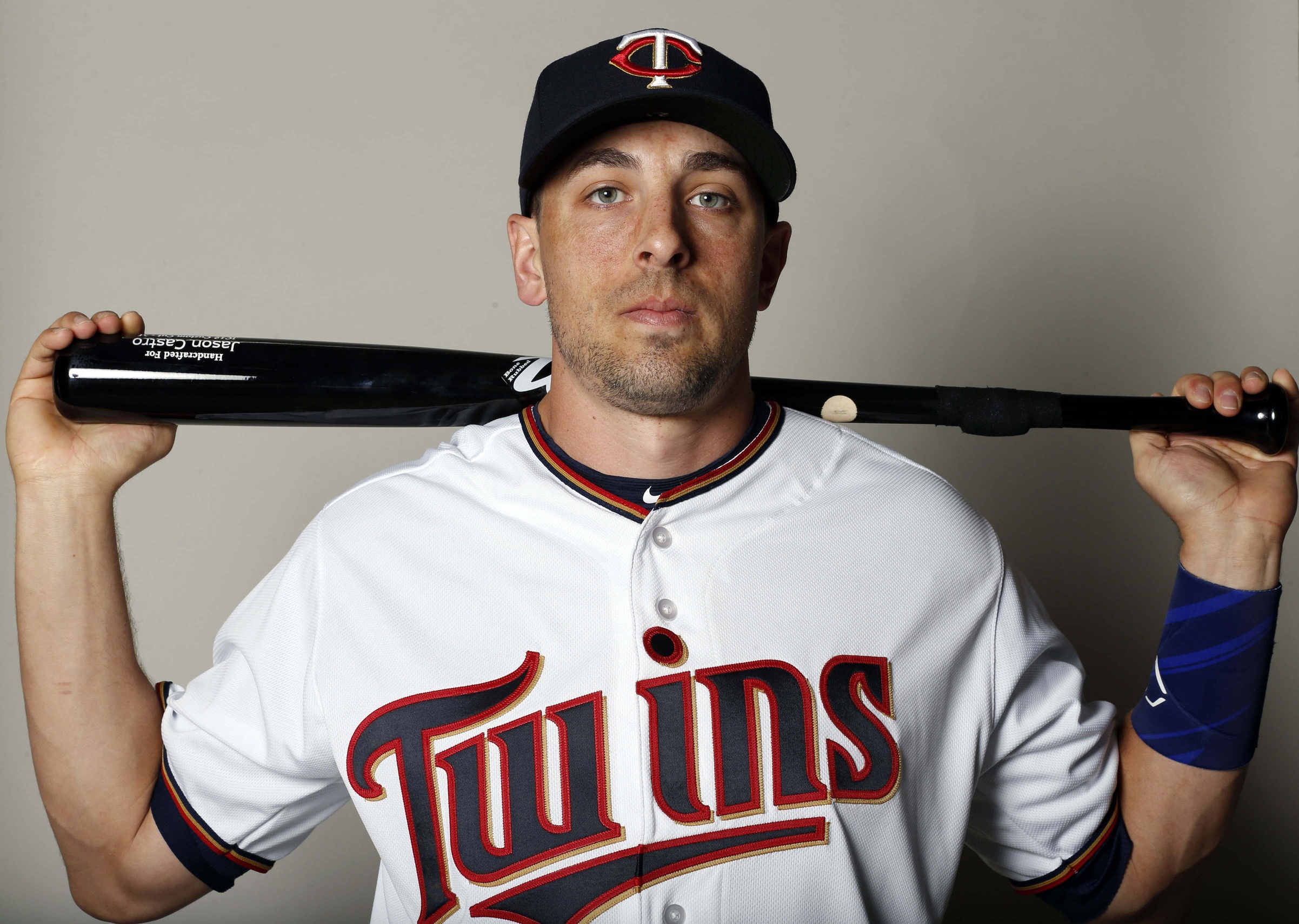 His first point, however, is that he doesn’t consider it framing. To Castro, “framing” sounds intentionally misleading -- like an act on a little league field where a youth catcher tries to yank a ball that crosses over the empty batter’s box back over the plate, hoping the high school-aged umpire who gets paid hourly has a momentary lapse of judgement. No, Castro doesn’t think of what he does as framing. He says it is simply receiving the ball the right way, which is to say, a skill an exemplary catcher should possess. While Castro was with the Astros, the organization called their catchers together for an internal meeting and let them know that the nerds upstairs found something useful, something that they felt would give their team an edge. He says he wasn’t all too familiar with the concept at that time but the data and the added value it could provide made sense. “You’d always as a catcher try to be quiet and receive the ball, it was a new way how to look at how to catch a baseball,” Castro said walking through how his former organization presented their argument. At Stanford University, Castro said he developed and improved other core attributes for a catcher -- throwing out runners, blocking pitches, and general game calling abilities. The art of receiving was not one of those pillars. Now the Astros wanted him to add what they felt was a vital part of a catcher’s game. They had new technologies available and new ways to measure the contributions. Houston’s coaches showed the catchers tips and tricks that would, in theory, help obtain a few more strikes outside of the zone but, more importantly, keep pitches in the zone from being wrongly called balls. While stealing strikes was an added benefit for the upgraded receiving techniques, the Astros’ main focus was not losing any strikes. “Keeping strikes in the strike zone,” he explained. “Not doing anything to the pitch to take away from its quality. If it is on the corner and it is breaking one direction, you are trying to counteract the break so it doesn’t, by the time you catch the ball, pull your arm out of the zone.” Houston’s efforts worked. From 2009 through 2011 the Astros had an in-zone called strike percentage right at the league’s average. In terms of overall framing statistics, they were just outside of the top ten among all MLB teams. In short, they were actually pretty decent during a time before baseball put added emphasis on the practice. Good, not great. Over the last three seasons, meanwhile, Castro and the Astros have overtaken baseball as one of the game’s premiere receiving teams. Their in-zone called strike percentage was the second-highest in the game, just behind Buster Posey and the San Francisco Giants, and their overall framing runs rate was the fifth-highest. What is the secret? Castro says it is planning and thinking ahead of the pitcher. “When these guys throw 90-plus, 95-mile per hour sliders with really late, sharp break and if you are not preparing to catch the ball in a certain way, when you do catch it it is going to pull your glove out of the zone and it’s just how to think about how to counteract that force.” There are people who will say that “framing” is overrated, overvalued, influenced by the pitcher, influenced by the umpire, doesn’t exist, or is waiting to be corrected by robots. Some will argue that if the pitch crosses the agreed upon confines of the strike zone, it shouldn’t matter what the catcher is doing. A strike is a strike and a ball is a ball. Whatever the outside sentiments might be about the statistic, within the current state of affairs receiving the ball correctly is a very real skill. Castro says he can feel when he is doing it right and when he is off. “In the game you can tell if a pitcher makes a really good pitch and it's diving out of the zone and you catch it correctly to counteract the sink, you’re trying to stop the movement as soon as possible without taking you with it, you can feel when you do it right and when you are able to keep that ball in the zone and not let it pull you out.” As the Giants and Astros have topped the leaderboard in that area, the Minnesota Twins have floundered at the bottom of the rankings, costing their pitching staff numerous strikes each season. Castro’s mindset is vastly different than the previously signed free agent catcher. When Kurt Suzuki was signed, he was asked about his thoughts on the increasing emphasis on pitch framing. “I don’t put too much stock in that,” Suzuki said in 2014. “Don’t get me wrong, I think that has a lot to do with it but at the same time what a pitcher does has a lot to do with it. If he’s all over the place he’s obviously not going to get those borderline calls, not matter how good you make it look. If you are around the plate consistently, you are going to get those calls.” Castro, on the other hand, was a lot less inclined to place the blame on his battery mate. “There’s a general execution of a pitch helps the way a catcher receives it a lot,” Castro says. “If he’s generally around where you are trying to set up, it makes our job a lot easier. If they are spraying the zone a little bit more and you have to be reactive instead of being able to anticipate that makes it a lot more difficult.” http://i.imgur.com/d8nifEl.gif ESPN/TruMedia’s heat map comparison of Castro, Cervelli, Posey and Suzuki. Red is good, blue is bad. This year’s pitching staff has been giving Castro’s work strong reviews so far. Trevor May, who recently suffered an unfortunate UCL tear that will take him out the remainder of the year, said he enjoyed working with Castro this spring. "He adjusts where he sets up, based on the count and what he's looking for, and based on your stuff and how it moves,” May said. “Honestly, as a pitcher that gives you a lot of confidence, knowing that if he wants the ball a little off the plate or he wants the ball to come back over the plate or if he wants the outer-third for a strike you can tell based on how he's setting up and what he's calling. It's very clear. And he's a big target, he looks like Joe [Mauer] back there. So that's always nice." Castro’s stature is somewhat of a hindrance for a catcher in the modern framing-centric era. Like May said, Castro is a big target. Mauer, at six-foot-five, struggled to get strikes called in the lower portion of the strike zone (something of a real problem for a staff that boasted sinker ball pitchers). At six-foot-three, catchers of Castro’s size are typically thought of as an issue, especially given the southward expanding strike zone. That said, Castro’s numbers suggest that he has been above average in that department, even with his size. That’s because, he says, he is mindful of his physique and he works particularly hard to ensure he is giving the umpire the best view of the strike zone. “I’m a bigger catcher, so I figured it is something even more important for me to position myself to give the umpire a better lane to see the pitch,” he says. “That definitely helps. You can definitely tell when you are set up on one side of the plate and your pitcher misses, you can tell when you probably blocked the umpire from see where the pitch really crossed. For bigger guys, it’s something to take into account.” It was not that long ago when finding a catcher with strong “framing” skills was a hidden value, something that data-savvy teams could exploit by acquiring backstop artists on the cheap. That’s no longer the case. When the Pittsburgh Pirates identified Russell Martin as a potentially strong receiver, they landed him on a two-year, $17 million contract - a fairly modest price for a decent two-way catcher. After he was credited as a key instrument in rejuvenating the Pirates’ pitching staff, Martin was wooed away from the Steel City to Toronto, where he was given a five-year, $82 million deal. The Pirates pivoted and traded left-handed reliever Justin Wilson to the Yankees for Francisco Cervelli. Cervelli proved to be another gem with the glove and contributed moderately with the bat as well. For that, he received a three-year, $31 million extension. By that comparison, at around $8 million a year, Castro has been a veritable bargain. The Twins stress that Castro’s addition goes beyond how many strikes he can keep or steal. His defensive contributions are not one dimensional. “I think everything was made exclusively around his pitch-framing, but we signed Jason with the idea that he had a number of other attributes outside of that,” Twins’ Chief Baseball Officer Derek Falvey told Twins Daily. “He does that well, no question, but leadership in the clubhouse, game planning, how he prepares a pitching staff, how he thinks about advance information, all those things he does exceptionally well and he’s impacting our guys here.” Falvey also acknowledged that the organization is working diligently at improving the measurables of all catchers in the system. There is a chance that Castro will also be able to help bring along other catchers like Mitch Garver, who made significant improvements in the minor leagues last year. “It’s a process,” says Castro. “It’s like anything else when you make a change it’s not going to be night and day, it’s going to be incremental and you just have to work at it until it becomes second nature.”
-
Report From The Fort: Minor League Notebook
Parker Hageman replied to Seth Stohs's topic in Twins Daily Front Page News
Interesting. I wonder how long Burdi's been doing the Baseball Ranch program.

