



Nick Nelson
-
Posts
8,326 -
Joined
-
Last visited
-
Days Won
56
Content Type
Profiles
News
Minnesota Twins Videos
2026 Minnesota Twins Top Prospects Ranking
2022 Minnesota Twins Draft Picks
Minnesota Twins Free Agent & Trade Rumors, Notes, & Tidbits
Guides & Resources
2023 Minnesota Twins Draft Picks
The Minnesota Twins Players Project
2024 Minnesota Twins Draft Picks
2025 Minnesota Twins Draft Pick Tracker
2026 Minnesota Twins Draft Tracker: Picks & Bonuses
Forums
Blogs
Events
Store
Downloads
Gallery
Everything posted by Nick Nelson
-
 Fair points. I didn't really mean to frame it as a 1:1 comparison, more so just an example of a Twins team that's been able to overcome low expectations and compete with a young rotation. But your final statement is hard to deny. If some of these young pitchers catch on and the team contends, we may look back and wish the front office did more. (That said, I still fully expect multiple significant pitching additions before the season.)
- 94 replies
-
- 6
-

-
- jordan balazovic
- jhoan duran
- (and 1 more)
-
They were basically all injured, and/or trying to build their stamina back up after the lost season. That's kind of the underlying point in this post ... the lost season in 2020 was hugely disruptive to prospect development so last year was basically spent getting everyone back on track. That's why the coming season feels pivotal. Now it's go time.
- 94 replies
-
- 9
-
-

-
- jordan balazovic
- jhoan duran
- (and 1 more)
-
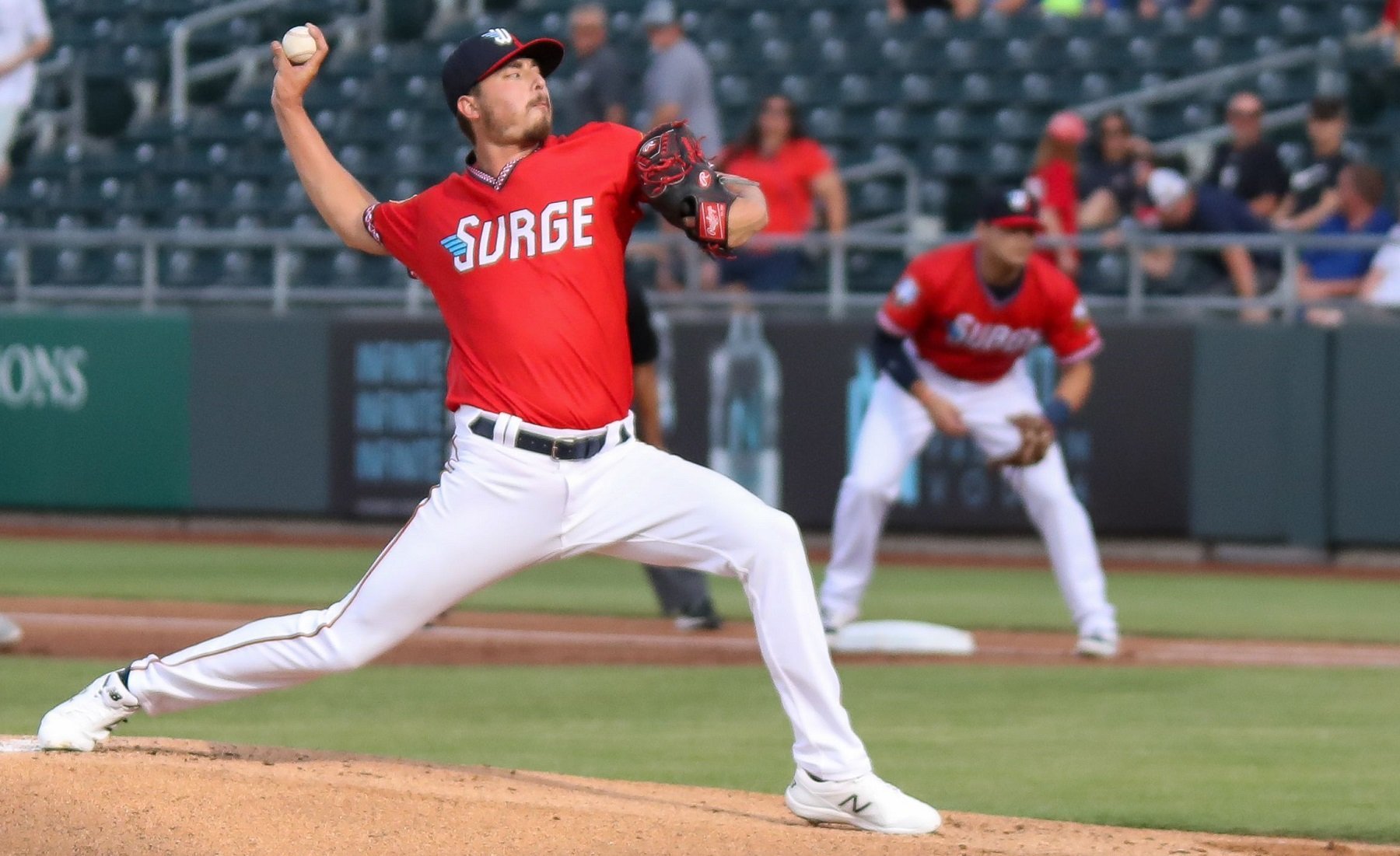 Aaron Gleeman penned a great piece for The Athletic last week addressing the team's hesitance to spend on pitching. This has been a trend for years, and now has become a glaring oddity, given the severe need for rotation help. Unless they sign Carlos Rodón (unlikely), it is clear the Twins have actively decided to bow out of the high-end free agent pitching market this offseason. They had money in hand, and yet they let every frontline type fall off the board, with no signs of serious pursuit. Why? Part of it undoubtedly ties to a fundamental aversion to risk, but I think there are deeper strategic underpinnings. When you look at the organization's pitching pipeline, and the number of MLB-ready arms that need to be evaluated, it becomes a bit easier to understand the desire for extreme flexibility. A pipeline ready to pay off It's no secret: this front office was brought in to develop pitching. That was Cleveland's specialization when Derek Falvey was there, and it's been a calling card of successful mid-market organizations over the years. There seems to be a sense that Falvey has fallen short in this regard, but we're judging an incomplete picture. Realistically it takes around five years or so to draft-and-develop a pitcher. This regime had a minor-league season wiped out by COVID in their fourth. When you look at the proliferation of intriguing arms in the system that are approaching MLB-readiness, the plan appears to be on track following a jarring disruption. All of these pitching prospects could feasibly be listed with an ETA of 2022: Jordan Balazovic, RHP (23 next season) Jhoan Duran, RHP (24) Josh Winder, RHP (25) Cole Sands, RHP (24) Chris Vallimont, RHP (25) Simeon Woods Richardson, RHP (21) Drew Strotman, RHP (25) Matt Canterino, RHP (24) Louie Varland, RHP (24) When I say these are "interesting" pitching prospects, I don't mean, "These are guys with raw stuff who could put up numbers if they figure things out." They've all put up numbers. In some cases, ridiculous numbers. Most of them have reached the high minors, and nearly all are at an age where good prospects tend to take the big-league step. Are the Twins viewing 2022 as a season to fully evaluate the quality of these pitchers and assess the strategy they've been developing for half a decade? It seems that way to me. What to expect after the lockout If this theory is correct, it doesn't mean the Twins are going to stand idly and let Dylan Bundy be their only pitching addition. None of the prospects mentioned above will be ready to go out of the gates, barring an unforeseen spring development. But it does mean they'll likely continue to avoid larger investments in pitchers, and the commitments those entail. I wouldn't be surprised to see them sign one or two of the better mid-tier starters remaining – say, Zack Greinke or Michael Pineda – and then round out the staff with a bunch of hybrid starter/reliever types who can contribute bulk innings while offering some upside. I outlined what a model might look like in practice back in early November. This model would be ideal for gradually bringing along young rookie starters in a controlled setting. You're not asking them to go out and throw six innings every fifth day, which none are physically built up to do. You're simply asking them to let loose and impact games. Maybe even win some games. Is this a "rebuild"? Falvey has bristled at the notion his team is headed for a rebuild in 2022. "I'm not using that word," he told reporters. Is he off base? Even if the approach I've put forth above is accurate, I think it's fair to steer away from such a characterization. "Rebuild" implies having no real aspiration to contend, but rather starting anew with a long-term scope. The Twins aren't starting anew. They're sticking with the rebuilding plan that's already been in place throughout this front office's tenure. These internally-developed arms were always going to the hold the key to Falvey and Thad Levine's vision for a sustainable winner. It's time to get a gauge on the validity of that vision. A prototype to follow Looking back through franchise history, we can find a pretty decent parallel for what a youthful takeover of the rotation could look like: the 2008 season. That season, too, had the makings of a rebuild on the surface. Minnesota traded Johan Santana for prospects during the previous offseason, while letting Torii Hunter walk. They didn't go out and make any big moves in free agency. The rotation ended up being led by Scott Baker, Nick Blackburn, Kevin Slowey, and Glen Perkins. Of those four, only Baker had more than 100 innings of major-league experience coming into the campaign. All were between 24 and 26 years old. Ironically, the biggest misstep by the front office that year was signing Liván Hernández under the pretense that this young group of starters needed a veteran leader. Hernández posted a 5.48 ERA over 23 starts before being cut in August to make room for Francisco Liriano – another young starter who rounded out the youth-led rotation. That youth-led rotation proved very capable. The Twins came within a game of a postseason berth, thanks in part to a solid offense led by a pair of MVP contenders in Justin Morneau and Joe Mauer. The 2022 Twins offense, led by Byron Buxon, Jorge Polanco and others, will have a chance to win if they get any help from the pitching. Why can't that help come primarily from the internal pipeline? It's happened before. A learning year Despite my efforts here to understand and justify the front office's lack of aggressiveness on the pitching market, I can't deny that the youth movement plan is a long shot. For every example like the 2008 Twins, there are plenty more where inexperience doomed a young rotation. But I'd argue that even in that scenario, the coming season can be a valuable one. They can throw numerous guys into the fire, take stock of what they've got, and assess their needs going forward more accurately. Ideally, they'll add at least one more moderately good free agent starter and another impact arm via trade, so as to improve their odds and lessen the total reliance on unknowns. But as a general course of action, I don't hate the idea of letting the pipeline produce. It's not the start of a rebuild. It's the summation of a rebuild that was initiated six years ago when Falvey and Levine first took over. MORE FROM TWINS DAILY — Order the Offseason Handbook — Latest Twins coverage from our writers — Recent Twins discussion in our forums — Follow Twins Daily via Twitter, Facebook or email
- 94 comments
-
- 19
-
-
- jordan balazovic
- jhoan duran
- (and 1 more)
-
There's been a lot of frustration expressed over the Twins and their unwillingness to spend on free agent pitching. I share that frustration. I'm not going to defend it here. I'm just going to try and explain the likely reasoning behind it. Aaron Gleeman penned a great piece for The Athletic last week addressing the team's hesitance to spend on pitching. This has been a trend for years, and now has become a glaring oddity, given the severe need for rotation help. Unless they sign Carlos Rodón (unlikely), it is clear the Twins have actively decided to bow out of the high-end free agent pitching market this offseason. They had money in hand, and yet they let every frontline type fall off the board, with no signs of serious pursuit. Why? Part of it undoubtedly ties to a fundamental aversion to risk, but I think there are deeper strategic underpinnings. When you look at the organization's pitching pipeline, and the number of MLB-ready arms that need to be evaluated, it becomes a bit easier to understand the desire for extreme flexibility. A pipeline ready to pay off It's no secret: this front office was brought in to develop pitching. That was Cleveland's specialization when Derek Falvey was there, and it's been a calling card of successful mid-market organizations over the years. There seems to be a sense that Falvey has fallen short in this regard, but we're judging an incomplete picture. Realistically it takes around five years or so to draft-and-develop a pitcher. This regime had a minor-league season wiped out by COVID in their fourth. When you look at the proliferation of intriguing arms in the system that are approaching MLB-readiness, the plan appears to be on track following a jarring disruption. All of these pitching prospects could feasibly be listed with an ETA of 2022: Jordan Balazovic, RHP (23 next season) Jhoan Duran, RHP (24) Josh Winder, RHP (25) Cole Sands, RHP (24) Chris Vallimont, RHP (25) Simeon Woods Richardson, RHP (21) Drew Strotman, RHP (25) Matt Canterino, RHP (24) Louie Varland, RHP (24) When I say these are "interesting" pitching prospects, I don't mean, "These are guys with raw stuff who could put up numbers if they figure things out." They've all put up numbers. In some cases, ridiculous numbers. Most of them have reached the high minors, and nearly all are at an age where good prospects tend to take the big-league step. Are the Twins viewing 2022 as a season to fully evaluate the quality of these pitchers and assess the strategy they've been developing for half a decade? It seems that way to me. What to expect after the lockout If this theory is correct, it doesn't mean the Twins are going to stand idly and let Dylan Bundy be their only pitching addition. None of the prospects mentioned above will be ready to go out of the gates, barring an unforeseen spring development. But it does mean they'll likely continue to avoid larger investments in pitchers, and the commitments those entail. I wouldn't be surprised to see them sign one or two of the better mid-tier starters remaining – say, Zack Greinke or Michael Pineda – and then round out the staff with a bunch of hybrid starter/reliever types who can contribute bulk innings while offering some upside. I outlined what a model might look like in practice back in early November. This model would be ideal for gradually bringing along young rookie starters in a controlled setting. You're not asking them to go out and throw six innings every fifth day, which none are physically built up to do. You're simply asking them to let loose and impact games. Maybe even win some games. Is this a "rebuild"? Falvey has bristled at the notion his team is headed for a rebuild in 2022. "I'm not using that word," he told reporters. Is he off base? Even if the approach I've put forth above is accurate, I think it's fair to steer away from such a characterization. "Rebuild" implies having no real aspiration to contend, but rather starting anew with a long-term scope. The Twins aren't starting anew. They're sticking with the rebuilding plan that's already been in place throughout this front office's tenure. These internally-developed arms were always going to the hold the key to Falvey and Thad Levine's vision for a sustainable winner. It's time to get a gauge on the validity of that vision. A prototype to follow Looking back through franchise history, we can find a pretty decent parallel for what a youthful takeover of the rotation could look like: the 2008 season. That season, too, had the makings of a rebuild on the surface. Minnesota traded Johan Santana for prospects during the previous offseason, while letting Torii Hunter walk. They didn't go out and make any big moves in free agency. The rotation ended up being led by Scott Baker, Nick Blackburn, Kevin Slowey, and Glen Perkins. Of those four, only Baker had more than 100 innings of major-league experience coming into the campaign. All were between 24 and 26 years old. Ironically, the biggest misstep by the front office that year was signing Liván Hernández under the pretense that this young group of starters needed a veteran leader. Hernández posted a 5.48 ERA over 23 starts before being cut in August to make room for Francisco Liriano – another young starter who rounded out the youth-led rotation. That youth-led rotation proved very capable. The Twins came within a game of a postseason berth, thanks in part to a solid offense led by a pair of MVP contenders in Justin Morneau and Joe Mauer. The 2022 Twins offense, led by Byron Buxon, Jorge Polanco and others, will have a chance to win if they get any help from the pitching. Why can't that help come primarily from the internal pipeline? It's happened before. A learning year Despite my efforts here to understand and justify the front office's lack of aggressiveness on the pitching market, I can't deny that the youth movement plan is a long shot. For every example like the 2008 Twins, there are plenty more where inexperience doomed a young rotation. But I'd argue that even in that scenario, the coming season can be a valuable one. They can throw numerous guys into the fire, take stock of what they've got, and assess their needs going forward more accurately. Ideally, they'll add at least one more moderately good free agent starter and another impact arm via trade, so as to improve their odds and lessen the total reliance on unknowns. But as a general course of action, I don't hate the idea of letting the pipeline produce. It's not the start of a rebuild. It's the summation of a rebuild that was initiated six years ago when Falvey and Levine first took over. MORE FROM TWINS DAILY — Order the Offseason Handbook — Latest Twins coverage from our writers — Recent Twins discussion in our forums — Follow Twins Daily via Twitter, Facebook or email View full article
- 94 replies
-
- 1
-
-
- jordan balazovic
- jhoan duran
- (and 1 more)
-
The Lockout Diaries: Week 2
Nick Nelson replied to Nick Nelson's topic in Twins Daily Front Page News
There's a limit on the number of MLB coaches you can have in the dugout & in uniform, but no limit on total coaching staff size. The Giants took advantage of this last year and it seems as though the Twins (and others) are trying to follow suit. I'm not exactly sure which guys listed in the article won't be suiting up but my guess would be Hernandez, Ramirez, Diaz, Dahmann. -
 With a lack of high-profile developments taking place, fans make do with what we have. There's little choice but to overthink and obsess over the small morsels of news that trickle out amidst an ongoing labor stoppage. For instance, while the major-league phase of the Rule 5 draft didn't happen, there was a minor-league phase last week. The Twins gained no one, and lost outfielder Gabriel Maciel to Oakland. Under normal circumstances, I would pay very little mind to this loss. Maciel wasn't among Twins Daily's top 30 prospects in the latest rankings, and he is coming off a really underwhelming season in which he slashed .238/.311/.311 over 73 games at Single-A as a 22-year-old. Then again, under normal circumstances, I'd have other things to occupy my mind. In the absence of any MLB player movements, or even rumors of such, this is all I've got. And so I find myself spending an inordinate amount of time thinking about Gabriel Maciel. The outfielder came to the Twins at the 2018 trade deadline, in a package for Eduardo Escobar that also included Jhoan Duran and Ernie De La Trinidad. The latter turns 26 in January and looks to be org filler more or less, but Duran is the one who can make that trade look like a slam-dunk win for the Twins. Maciel always felt like a longshot – the second fiddle CF prospect behind Gilberto Celestino, who was acquired from Houston during the same deadline sell-off. Will the Twins rue the day they let Maciel get away? What do the Athletics see in him that compelled them to select him and add him to their Triple-A roster mix? How does his departure impact the organization's dwindling outfield depth? The answers are fairly mundane. 1: Probably not. 2: He's a center fielder who can run, and there's really no risk. 3: Minimally. Nothing to see here. And yet, it's all we have to see right now, so I can't stop looking. There is at least one Twins-related distraction to pull away our collective gaze. The club rounded out its coaching staff on Friday, announcing two new additions – first base coach Hank Conger and assistant pitching coach Luis Ramirez – to bring the unit to 11 members. Conger comes aboard as the new first base coach, moving Tommy Watkins across the diamond. Supplanted third base coach Tony Diaz is now the assistant bench coach behind Jayce Tingler. Here's how it maps out, with new hitting coach David Popkins also in the fold: Manager: Rocco Baldelli Bench Coach: Jayce Tingler Pitching Coach: Wes Johnson Hitting Coach: David Popkins Assistant Hitting Coach: Rudy Hernandez Assistant Pitching Coach: Luis Ramirez Assistant Bench Coach (Infield Instructor): Tony Diaz First Base Coach (Catching Instructor): Hank Conger Third Base Coach (Outfield Instructor): Tommy Watkins Bullpen Coach: Pete Maki Quality Control Coach: Nate Dammann Conger is an especially interesting add from my view, mainly because I'm so familiar with him from his playing days, which weren't long ago. He's still only 33, and was an active MLB player as recently as 2016. He'll be able to relate to current players on an especially authentic level, which was seemingly a strength of Jeremy Hefner. The year before Derek Falvey and Thad Levine took over the Twins front office, Conger was in Houston backing up Jason Castro, who ended up being the new regime's first free agent signing in the following offseason. There's a fun bit of symmetry. A former first-round pick and top prospect, Conger played in the 2010 Futures Game alongside several notable names Mike Trout, Eric Hosmer, Mike Moustakas, Logan Morrison, Ben Revere, Anthony Slama (!). Conger was selected by the Angels in the first round of the 2006 draft – five picks after the Twins took Chris Parmelee. Man, that was a wild draft. Clayton Kershaw, Tim Lincecum and Max Scherzer were taken within five picks of each other, but the first overall pick was Luke Hochevar. These stream-of-conscious musings and research wormholes keep my baseball mind engaged for the time being, and for that I'm grateful. I know it'll only grow tougher over time as the lockout drags on and the little bits of news that trigger these musings dry up.
 -
Dear journal, It's been 14 days since darkness fell upon the world of baseball. The first half of December has come and gone with no Winter Meetings, no Rule 5 draft, no significant league activity of any kind really. But we're not entirely without news to analyze. With a lack of high-profile developments taking place, fans make do with what we have. There's little choice but to overthink and obsess over the small morsels of news that trickle out amidst an ongoing labor stoppage. For instance, while the major-league phase of the Rule 5 draft didn't happen, there was a minor-league phase last week. The Twins gained no one, and lost outfielder Gabriel Maciel to Oakland. Under normal circumstances, I would pay very little mind to this loss. Maciel wasn't among Twins Daily's top 30 prospects in the latest rankings, and he is coming off a really underwhelming season in which he slashed .238/.311/.311 over 73 games at Single-A as a 22-year-old. Then again, under normal circumstances, I'd have other things to occupy my mind. In the absence of any MLB player movements, or even rumors of such, this is all I've got. And so I find myself spending an inordinate amount of time thinking about Gabriel Maciel. The outfielder came to the Twins at the 2018 trade deadline, in a package for Eduardo Escobar that also included Jhoan Duran and Ernie De La Trinidad. The latter turns 26 in January and looks to be org filler more or less, but Duran is the one who can make that trade look like a slam-dunk win for the Twins. Maciel always felt like a longshot – the second fiddle CF prospect behind Gilberto Celestino, who was acquired from Houston during the same deadline sell-off. Will the Twins rue the day they let Maciel get away? What do the Athletics see in him that compelled them to select him and add him to their Triple-A roster mix? How does his departure impact the organization's dwindling outfield depth? The answers are fairly mundane. 1: Probably not. 2: He's a center fielder who can run, and there's really no risk. 3: Minimally. Nothing to see here. And yet, it's all we have to see right now, so I can't stop looking. There is at least one Twins-related distraction to pull away our collective gaze. The club rounded out its coaching staff on Friday, announcing two new additions – first base coach Hank Conger and assistant pitching coach Luis Ramirez – to bring the unit to 11 members. Conger comes aboard as the new first base coach, moving Tommy Watkins across the diamond. Supplanted third base coach Tony Diaz is now the assistant bench coach behind Jayce Tingler. Here's how it maps out, with new hitting coach David Popkins also in the fold: Manager: Rocco Baldelli Bench Coach: Jayce Tingler Pitching Coach: Wes Johnson Hitting Coach: David Popkins Assistant Hitting Coach: Rudy Hernandez Assistant Pitching Coach: Luis Ramirez Assistant Bench Coach (Infield Instructor): Tony Diaz First Base Coach (Catching Instructor): Hank Conger Third Base Coach (Outfield Instructor): Tommy Watkins Bullpen Coach: Pete Maki Quality Control Coach: Nate Dammann Conger is an especially interesting add from my view, mainly because I'm so familiar with him from his playing days, which weren't long ago. He's still only 33, and was an active MLB player as recently as 2016. He'll be able to relate to current players on an especially authentic level, which was seemingly a strength of Jeremy Hefner. The year before Derek Falvey and Thad Levine took over the Twins front office, Conger was in Houston backing up Jason Castro, who ended up being the new regime's first free agent signing in the following offseason. There's a fun bit of symmetry. A former first-round pick and top prospect, Conger played in the 2010 Futures Game alongside several notable names Mike Trout, Eric Hosmer, Mike Moustakas, Logan Morrison, Ben Revere, Anthony Slama (!). Conger was selected by the Angels in the first round of the 2006 draft – five picks after the Twins took Chris Parmelee. Man, that was a wild draft. Clayton Kershaw, Tim Lincecum and Max Scherzer were taken within five picks of each other, but the first overall pick was Luke Hochevar. These stream-of-conscious musings and research wormholes keep my baseball mind engaged for the time being, and for that I'm grateful. I know it'll only grow tougher over time as the lockout drags on and the little bits of news that trigger these musings dry up. View full article
-
I'm not sure how signing Kevin Pillar or Odubel Herrera to be a fourth OF impedes anyone's development. Especially because part of the development plan, IMO, should involve entrenching Kirilloff at 1B and trading Kepler. They're not taking development time away from anyone by signing another OF, just like they're not blocking paths for pitching prospects by signing a couple more starters. There will be plenty of chances for everyone who deserves them in a long injury-riddled MLB season. When's the last time a good Twins prospect was "blocked"?
-
Well if you go this route, "not planning to contend" sorta becomes a self-fulfilling prophecy. You want really want Celestino as Buxton's top backup heading into the season? Sounds like a recipe for disaster. Larnach did not show he was ready. I don't see the downside in signing someone like Dickerson to at least buy some development time. I can understand why people would be averse to throwing money at the big names near the top of this list (even I am, I think), but I'm unsure why anyone would be opposed to targeting those on the lower half. Even if Kirilloff, Buxton and Kepler are all OF starters on Opening Day, there's a severe lack of proven MLB-quality depth behind them at present.
-
Correct. But the Twins are currently at about $90M in committed payroll for 2022 and they haven't spent less than ~$120M since 2017, the first year this front office took over. So I'm going to hope/assume they're looking to take advantage of their flexibility and improve the roster. The idea here is to explore some different ways they could do so.
-
The problem is that basically all the top free agent starters and shortstops have signed already. Meanwhile the Twins are still almost 50M short of their 2021 budget. How are they going to spend that money? Throwing it at free agent relievers would be very ill-advised, IMO.
-
You're comfortable with Gordon and Cave as the top OF backups? Aight. Personally I think they should (and will) trade Kepler. In which case they definitely do need an OF.
-
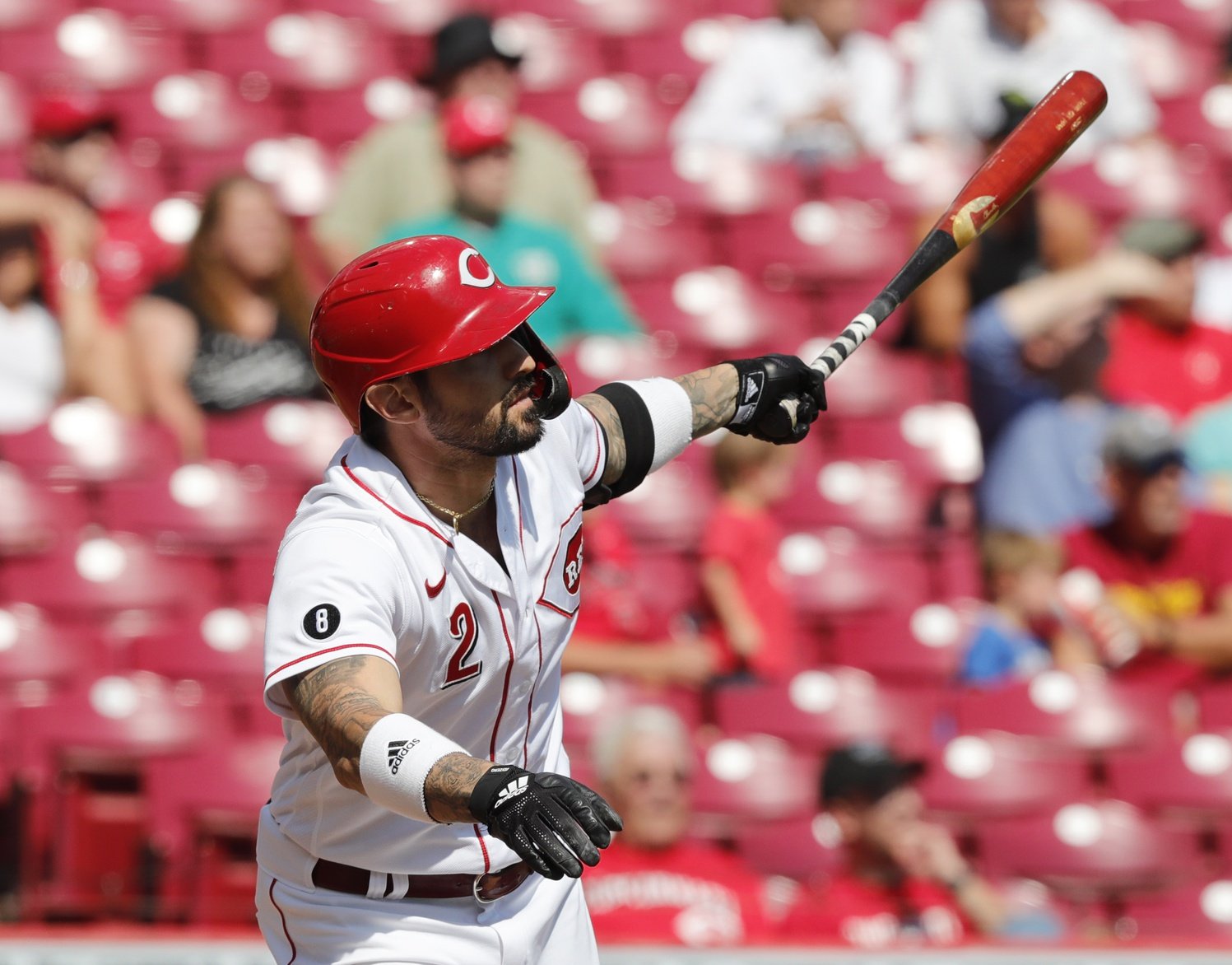 This rapid erosion of outfield depth has been driven in part by the aforementioned moves, which mostly worked out very poorly. But there are other factors at play, too: It became clear during his rookie year that Alex Kirilloff is better suited at first base than outfield, and that the team prefers him there. A rocky debut for Trevor Larnach casts doubt on his ability to step in as a regular, at least in the immediate future. Jake Cave obliterated all confidence by following up a bad season with an awful one. The Twins evidently prefer not to use utilityman Luis Arraez in the outfield. Max Kepler is one of the most logical trade chips this offseason for a front office that desperately needs to add quality pitching. Locking up Byron Buxton long-term certainly helps to counter this trend, but as we all know, solid contingency plans behind Buxton are more necessity than luxury. It seems safe to say the Twins need to add at least a very solid fourth outfielder, if not an impact starter in one of the corners, ahead of 2022. Two pieces of good news on this front: 1) The outfield free agent market is not nearly as picked over as the starting pitching and shortstop markets; 2) Due to their lack of action on the SP/SS markets, the Twins still have considerable spending flexibility. If they're looking for a productive way to channel those available funds, targeting a high-end outfielder could make sense. It would represent a pivot similar to the one we saw two offseasons ago when they missed out on Zack Wheeler and signed Josh Donaldson. Here are 10 remaining free agent outfielders who the Twins could set their sights on when baseball activity resumes, listed roughly in order of the most ambitious to the least. 10 Free Agent Outfielders that Could Interest the Twins 1. Kris Bryant (30) Dreaming big here. MLB Trade Rumors ranked him as the fourth-best free agent overall and predicted a six-year, $160 million contract for the former MVP and five-time All-Star. It ain't gonna happen. But man, would it be fun to drop him into the middle of this lineup for the next half-decade. 2. Nick Castellanos (30) Coming off his best season in the majors, Castellanos is arguably the best pure bat in free agency. Over the past five seasons he's slashing .286/.339/.518 with 124 home runs and 397 RBIs, and he launched 34 homers for the Reds in 2021. He'll get a lesser deal than Bryant, but is still looking at $20+ million annually over several years. The lack of defensive value – he can only play right field, and not very well – is a major ding to his appeal. Signing him would also cost a draft pick since he declined a qualifying offer. 3. Seiya Suzuki (27) One of the foremost stars in Japan's Nippon Professional Baseball league, Suzuki was posted earlier this offseason by the Hiroshima Carp and is ready to make a move stateside. Easily the youngest player on this list, Suzuki is a good right-handed hitter seemingly entering his prime. Last year in NPB he slashed .317/.433/.639 with 38 homers in 132 games, and he's considered a fairly strong defender in right field. Cody Christie wrote last month about the merits of signing Suzuki, who's projected by MLBTR to land a five-year, $55 million deal. He has reportedly drawn strong interest from some East Coast heavy hitters. 4. Michael Conforto (29) An intriguing case. I was a little surprised to see Conforto turn down a qualifying offer from the Mets, because he's coming off a pretty underwhelming season (.729 OPS, 0.8 fWAR) and doesn't seem primed to land a mega-deal at this moment. His depressed stock along with the attached draft pick compensation could make free agency challenging for Conforto, who posted a 134 OPS+ in the four seasons prior to 2021. For a team that likes him, the cost in dollars should be relatively reasonable, and a shorter-term duration may be available. Conforto primarily plays right field these days but has plenty of experience in left and even in center. 5. Corey Dickerson (33) I had the Twins signing Dickerson in my offseason blueprint because it just feels like a thing. He's in a buy-low position coming off a couple of mediocre seasons, and has ties to the Baldelli-era Rays. Even with his diminished production in 2020-21 (.266/.321/.406), Dickerson's been more decent than bad, and he has an .815 career OPS. In 2019 he slashed .304/.341/.565 between Pittsburgh and Philly. A lefty swinger, Dickerson is generally a left fielder, but gained some experience in center and right last year. 6. Kevin Pillar (33) If the Twins choose to lower their sights from impact starter to fourth outfielder, Pillar would be a logical fit. He's a natural center fielder but made 20+ starts in all three outfield spots for the Mets last year. He's a veteran with more than 1,000 games worth of MLB experience. He's a righty swinger who hits better against lefties, so he'd fit well into an outfield mix that includes Kepler, Kirilloff and Larnach. Aging into his mid-30s, Pillar is not the defensive wiz he once was and he's a reliably below-average hitter, so this wouldn't be the most inspiring move but it'd make sense. 7. Odúbel Herrera (30) Herrera falls into a similar category as Pillar: not really a full-time starter, but a player you could comfortably expect to get 100+ games out of in a part-time role. He's a good defender who can handle all three spots but mainly plays center. Like Pillar, Herrera isn't a great hitter but he's a respectable one. 8. Joc Pederson (30) He was a key factor on some very good Dodgers teams in the not-so-distant past, but Pederson's performance has dropped off over the past couple years, yielding just a 0.5 fWAR in 180 games. He's young enough that the possibility of tapping back into that previous level still exists, which makes him a somewhat interesting target, but he's so redundant with Kepler that it's tough to envision a fit unless the latter is traded. 9. Eddie Rosario (30) Look I'm not recommending this but it's certainly on the table as a possibility. One year after leaving the Twins as a non-tender, Rosario is back in free agency. He's coming off his worst season overall but rejuvenated his market somewhat with a sensational run in the late season and playoffs, thriving on the big stage in Atlanta. He should still be available on a cheapish short-term deal, and there's still plenty of love for Eddie in Minnesota. If the Twins move Kirilloff to first full-time, I could see Rosario brought in as a plug to let Larnach and others develop while sparking some enthusiasm for casual fans in what increasingly appears to be a rebuilding year. 10. Jake Marisnick (31) The former top prospect simply never developed any offensive game, with the exception a great 2017 in Houston (draw your own conclusions), but he's stuck around because of his speed and great glove. He's pretty much a pure bench guy at this point but would be well suited for that role and a clear upgrade over Cave. Do any of these names appeal to you? Are there others on your radar? How aggressive should the Twins be in their pursuit of an outfielder this offseason? Share your thoughts in the comments. MORE FROM TWINS DAILY — Order the Offseason Handbook — Latest Twins coverage from our writers — Recent Twins discussion in our forums — Follow Twins Daily via Twitter, Facebook or email
 -
One year ago, the Twins were so flush with outfield depth that they were comfortable non-tendering Eddie Rosario, leaving Akil Baddoo unprotected in the Rule 5 draft, and trading LaMonte Wade Jr. for a reliever project. Today they find themselves so thin on outfielders that acquiring a new one — perhaps even a significantly impactful one — could be a sneaky high priority once the lockout ends. This rapid erosion of outfield depth has been driven in part by the aforementioned moves, which mostly worked out very poorly. But there are other factors at play, too: It became clear during his rookie year that Alex Kirilloff is better suited at first base than outfield, and that the team prefers him there. A rocky debut for Trevor Larnach casts doubt on his ability to step in as a regular, at least in the immediate future. Jake Cave obliterated all confidence by following up a bad season with an awful one. The Twins evidently prefer not to use utilityman Luis Arraez in the outfield. Max Kepler is one of the most logical trade chips this offseason for a front office that desperately needs to add quality pitching. Locking up Byron Buxton long-term certainly helps to counter this trend, but as we all know, solid contingency plans behind Buxton are more necessity than luxury. It seems safe to say the Twins need to add at least a very solid fourth outfielder, if not an impact starter in one of the corners, ahead of 2022. Two pieces of good news on this front: 1) The outfield free agent market is not nearly as picked over as the starting pitching and shortstop markets; 2) Due to their lack of action on the SP/SS markets, the Twins still have considerable spending flexibility. If they're looking for a productive way to channel those available funds, targeting a high-end outfielder could make sense. It would represent a pivot similar to the one we saw two offseasons ago when they missed out on Zack Wheeler and signed Josh Donaldson. Here are 10 remaining free agent outfielders who the Twins could set their sights on when baseball activity resumes, listed roughly in order of the most ambitious to the least. 10 Free Agent Outfielders that Could Interest the Twins 1. Kris Bryant (30) Dreaming big here. MLB Trade Rumors ranked him as the fourth-best free agent overall and predicted a six-year, $160 million contract for the former MVP and five-time All-Star. It ain't gonna happen. But man, would it be fun to drop him into the middle of this lineup for the next half-decade. 2. Nick Castellanos (30) Coming off his best season in the majors, Castellanos is arguably the best pure bat in free agency. Over the past five seasons he's slashing .286/.339/.518 with 124 home runs and 397 RBIs, and he launched 34 homers for the Reds in 2021. He'll get a lesser deal than Bryant, but is still looking at $20+ million annually over several years. The lack of defensive value – he can only play right field, and not very well – is a major ding to his appeal. Signing him would also cost a draft pick since he declined a qualifying offer. 3. Seiya Suzuki (27) One of the foremost stars in Japan's Nippon Professional Baseball league, Suzuki was posted earlier this offseason by the Hiroshima Carp and is ready to make a move stateside. Easily the youngest player on this list, Suzuki is a good right-handed hitter seemingly entering his prime. Last year in NPB he slashed .317/.433/.639 with 38 homers in 132 games, and he's considered a fairly strong defender in right field. Cody Christie wrote last month about the merits of signing Suzuki, who's projected by MLBTR to land a five-year, $55 million deal. He has reportedly drawn strong interest from some East Coast heavy hitters. 4. Michael Conforto (29) An intriguing case. I was a little surprised to see Conforto turn down a qualifying offer from the Mets, because he's coming off a pretty underwhelming season (.729 OPS, 0.8 fWAR) and doesn't seem primed to land a mega-deal at this moment. His depressed stock along with the attached draft pick compensation could make free agency challenging for Conforto, who posted a 134 OPS+ in the four seasons prior to 2021. For a team that likes him, the cost in dollars should be relatively reasonable, and a shorter-term duration may be available. Conforto primarily plays right field these days but has plenty of experience in left and even in center. 5. Corey Dickerson (33) I had the Twins signing Dickerson in my offseason blueprint because it just feels like a thing. He's in a buy-low position coming off a couple of mediocre seasons, and has ties to the Baldelli-era Rays. Even with his diminished production in 2020-21 (.266/.321/.406), Dickerson's been more decent than bad, and he has an .815 career OPS. In 2019 he slashed .304/.341/.565 between Pittsburgh and Philly. A lefty swinger, Dickerson is generally a left fielder, but gained some experience in center and right last year. 6. Kevin Pillar (33) If the Twins choose to lower their sights from impact starter to fourth outfielder, Pillar would be a logical fit. He's a natural center fielder but made 20+ starts in all three outfield spots for the Mets last year. He's a veteran with more than 1,000 games worth of MLB experience. He's a righty swinger who hits better against lefties, so he'd fit well into an outfield mix that includes Kepler, Kirilloff and Larnach. Aging into his mid-30s, Pillar is not the defensive wiz he once was and he's a reliably below-average hitter, so this wouldn't be the most inspiring move but it'd make sense. 7. Odúbel Herrera (30) Herrera falls into a similar category as Pillar: not really a full-time starter, but a player you could comfortably expect to get 100+ games out of in a part-time role. He's a good defender who can handle all three spots but mainly plays center. Like Pillar, Herrera isn't a great hitter but he's a respectable one. 8. Joc Pederson (30) He was a key factor on some very good Dodgers teams in the not-so-distant past, but Pederson's performance has dropped off over the past couple years, yielding just a 0.5 fWAR in 180 games. He's young enough that the possibility of tapping back into that previous level still exists, which makes him a somewhat interesting target, but he's so redundant with Kepler that it's tough to envision a fit unless the latter is traded. 9. Eddie Rosario (30) Look I'm not recommending this but it's certainly on the table as a possibility. One year after leaving the Twins as a non-tender, Rosario is back in free agency. He's coming off his worst season overall but rejuvenated his market somewhat with a sensational run in the late season and playoffs, thriving on the big stage in Atlanta. He should still be available on a cheapish short-term deal, and there's still plenty of love for Eddie in Minnesota. If the Twins move Kirilloff to first full-time, I could see Rosario brought in as a plug to let Larnach and others develop while sparking some enthusiasm for casual fans in what increasingly appears to be a rebuilding year. 10. Jake Marisnick (31) The former top prospect simply never developed any offensive game, with the exception a great 2017 in Houston (draw your own conclusions), but he's stuck around because of his speed and great glove. He's pretty much a pure bench guy at this point but would be well suited for that role and a clear upgrade over Cave. Do any of these names appeal to you? Are there others on your radar? How aggressive should the Twins be in their pursuit of an outfielder this offseason? Share your thoughts in the comments. MORE FROM TWINS DAILY — Order the Offseason Handbook — Latest Twins coverage from our writers — Recent Twins discussion in our forums — Follow Twins Daily via Twitter, Facebook or email View full article
-
 "The one constant through all the years, Ray, has been baseball." It's a quote that perfectly encapsulates what so many of us cherish about baseball: the reliability. Major League Baseball is America's oldest professional sports league. During the season, there's a game to look forward to almost every night. Each spring brings hope anew for the downtrodden (e.g. Twins fans). Even during the long, cold offseason, there's always the possibility you'll wake up to a fresh piece of news, or a rumor that stokes the imagination and sparks conversation. Except now. With MLB locking out the players union, everything is shut down indefinitely. It's a bizarre and – for me – unprecedented scenario. I was only nine years old when the last labor stoppage took place back in 1994 and don't remember it much. I suppose the COVID-19 shutdown of 2020 was somewhat comparable, but we all had plenty of other things occupying our mental space then. Now, we're at the mercy of contentious haggling between millionaires and billionaires, with no underlying factor other than an expired contract. How long until a new agreement is reached and league activity resumes? One month? Two? Will spring training or even the regular season be delayed? Canceled? At this moment it's impossible to know. We're a mere week into the lockout and the lack of MLB news hasn't yet become all that noticeable or out of the ordinary. Though that's beginning to change as days pass with no customary Winter Meetings, no Rule 5 draft. My morale remains reasonably high as of now. I'm still buzzing from the good vibes of Byron Buxton's new long-term contract, as well as the inductions of Tony Oliva and Jim Kaat into then Hall of Fame. Holiday season is afoot. Cheer is in the air. It's easy enough not to think of the frustration that lies ahead if this lockout drags long into the new year. For now.
 -
Dear journal, It's been seven days since darkness fell upon the world of baseball. Here I begin my chronicling of this strange total absence of my favorite sport, with an end point unknown. "The one constant through all the years, Ray, has been baseball." It's a quote that perfectly encapsulates what so many of us cherish about baseball: the reliability. Major League Baseball is America's oldest professional sports league. During the season, there's a game to look forward to almost every night. Each spring brings hope anew for the downtrodden (e.g. Twins fans). Even during the long, cold offseason, there's always the possibility you'll wake up to a fresh piece of news, or a rumor that stokes the imagination and sparks conversation. Except now. With MLB locking out the players union, everything is shut down indefinitely. It's a bizarre and – for me – unprecedented scenario. I was only nine years old when the last labor stoppage took place back in 1994 and don't remember it much. I suppose the COVID-19 shutdown of 2020 was somewhat comparable, but we all had plenty of other things occupying our mental space then. Now, we're at the mercy of contentious haggling between millionaires and billionaires, with no underlying factor other than an expired contract. How long until a new agreement is reached and league activity resumes? One month? Two? Will spring training or even the regular season be delayed? Canceled? At this moment it's impossible to know. We're a mere week into the lockout and the lack of MLB news hasn't yet become all that noticeable or out of the ordinary. Though that's beginning to change as days pass with no customary Winter Meetings, no Rule 5 draft. My morale remains reasonably high as of now. I'm still buzzing from the good vibes of Byron Buxton's new long-term contract, as well as the inductions of Tony Oliva and Jim Kaat into then Hall of Fame. Holiday season is afoot. Cheer is in the air. It's easy enough not to think of the frustration that lies ahead if this lockout drags long into the new year. For now. View full article
-
? I’m pretty sure the only player I ever fully dedicated a preseason MVP prediction article to is Miguel Sano (2016, let’s not talk about it). But the sentiment is valid for sure.
-
A Holiday Gift Guide for the Twins Fan in Your Life
Nick Nelson replied to Nick Nelson's topic in Twins Daily Front Page News
Great rec! Posnanski is one of my all-time favorite baseball writers -
There's no place like home for the holidays. Home plate, that is. If you've got any hardcore Twins fans on your list and are looking for a gift that will delight them this year, we've got some recommendations to help make shopping easier. From books to clothing to memorabilia, you'll find options below covering the gamut. For transparency, none of the authors or companies featured here are sponsors of this guide, nor are they even aware we're putting it together, although many have partnered with Twins Daily in the past. We're recommending them because we like the products, and many of the folks behind them are locals, small business owners. and fellow Twins fans. BOOKS The Big 50: The Men and Moments that Made the Minnesota Twins by Aaron Gleeman Aaron is a phenomenal writer, diligent researcher, and lifelong Twins fan, making him the perfect fit to write this expansive journey through the franchise's history. With stat-centric slant, AG counts down the 50 most important players and milestones since the team moved to Minnesota. Minnesota Twins: The Complete Illustrated History by Dennis Brackin, Patrick Reusse I received this as a gift some years ago and I love it. It's the perfect coffee table book: a big glossy hardcover full of colorful photos and nostalgic memories. If you've read his columns in the past or listened to his recent appearance on Gleeman and the Geek, you know how good a storyteller Reusse is. Game Used: My Life in Stitches With the Minnesota Twins by Dick Bremer With help from co-author Jim Bruton, Bremer shares more than 100 anecdotes drawn from a 30-plus year run as Twins TV play-by-play announcer. Dick spoke a little bit about the book during a "Minnesota Made" interview with David Youngs for Twins Daily earlier this year. Minnesota Twins Baseball: Hardball History on the Prairie by Stew Thornley A must-have for any baseball history buff. Thornley is an official scorekeeper for the Twins and also one of the premier Minnesota sports historians around. If your gift recipient is familiar with much of the mainstream Twins history – Killebrew, Carew, Oliva, et al – but interested in learning about some of the lesser-known wrinkles of the franchise's legacy, this is a great choice. ATTIRE Baseball Shirts from Pick & Shovel Wear A locally-owned company featuring fun, creative designs oriented toward the realm of nerds and diehards. They have a bunch of great nostalgic throwbacks, from the "RBI Baseball" themed World Series moments to the "Walks Will Haunt" Metrodome nod. I personally might recommend the "Sota Pop" shirt. Baseball Shirts from Sota Stick Similar to the above, Sota Stick offers a variety of clever designs spanning multiple Minnesota sports, and is run by side-hustling Twins fans. You've likely seen players wearing their shirts (such as "Hip Hip Jorge" and "La Tortuga") during press conferences and warm-ups. I think their Hormel Row of Fame "Weiner Winner" shirt is my personal fave. One thing I'll emphasize is that the shirts from both Pick & Shovel Wear and Sota Stick are very high-quality: comfortable, well-fitting, durable. I have tees from both companies that are multiple years old and I still wear frequently. Twins Official Online Shop Naturally, you can also hit up the team's official store for licensed gear and replica jerseys. The price points will be higher. COLLECTIBLES AND MEMORABILIA Browse Fan HQ You'll find a wide variety of autographed items, from baseballs to photos to cards and more, on Fan HQ's website. You can even submit your own item to get it signed directly by someone like Kent Hrbek, Justin Morneau, and newly-minted Hall of Famer Tony Oliva. Have any favorites we missed, or under-the-radar gifts that you'd recommend for a Twins fan this holiday season? Share it in the comments! View full article
-
 From books to clothing to memorabilia, you'll find options below covering the gamut. For transparency, none of the authors or companies featured here are sponsors of this guide, nor are they even aware we're putting it together, although many have partnered with Twins Daily in the past. We're recommending them because we like the products, and many of the folks behind them are locals, small business owners. and fellow Twins fans. BOOKS The Big 50: The Men and Moments that Made the Minnesota Twins by Aaron Gleeman Aaron is a phenomenal writer, diligent researcher, and lifelong Twins fan, making him the perfect fit to write this expansive journey through the franchise's history. With stat-centric slant, AG counts down the 50 most important players and milestones since the team moved to Minnesota. Minnesota Twins: The Complete Illustrated History by Dennis Brackin, Patrick Reusse I received this as a gift some years ago and I love it. It's the perfect coffee table book: a big glossy hardcover full of colorful photos and nostalgic memories. If you've read his columns in the past or listened to his recent appearance on Gleeman and the Geek, you know how good a storyteller Reusse is. Game Used: My Life in Stitches With the Minnesota Twins by Dick Bremer With help from co-author Jim Bruton, Bremer shares more than 100 anecdotes drawn from a 30-plus year run as Twins TV play-by-play announcer. Dick spoke a little bit about the book during a "Minnesota Made" interview with David Youngs for Twins Daily earlier this year. Minnesota Twins Baseball: Hardball History on the Prairie by Stew Thornley A must-have for any baseball history buff. Thornley is an official scorekeeper for the Twins and also one of the premier Minnesota sports historians around. If your gift recipient is familiar with much of the mainstream Twins history – Killebrew, Carew, Oliva, et al – but interested in learning about some of the lesser-known wrinkles of the franchise's legacy, this is a great choice. ATTIRE Baseball Shirts from Pick & Shovel Wear A locally-owned company featuring fun, creative designs oriented toward the realm of nerds and diehards. They have a bunch of great nostalgic throwbacks, from the "RBI Baseball" themed World Series moments to the "Walks Will Haunt" Metrodome nod. I personally might recommend the "Sota Pop" shirt. Baseball Shirts from Sota Stick Similar to the above, Sota Stick offers a variety of clever designs spanning multiple Minnesota sports, and is run by side-hustling Twins fans. You've likely seen players wearing their shirts (such as "Hip Hip Jorge" and "La Tortuga") during press conferences and warm-ups. I think their Hormel Row of Fame "Weiner Winner" shirt is my personal fave. One thing I'll emphasize is that the shirts from both Pick & Shovel Wear and Sota Stick are very high-quality: comfortable, well-fitting, durable. I have tees from both companies that are multiple years old and I still wear frequently. Twins Official Online Shop Naturally, you can also hit up the team's official store for licensed gear and replica jerseys. The price points will be higher. COLLECTIBLES AND MEMORABILIA Browse Fan HQ You'll find a wide variety of autographed items, from baseballs to photos to cards and more, on Fan HQ's website. You can even submit your own item to get it signed directly by someone like Kent Hrbek, Justin Morneau, and newly-minted Hall of Famer Tony Oliva. Have any favorites we missed, or under-the-radar gifts that you'd recommend for a Twins fan this holiday season? Share it in the comments!
 -
Last week, Major League Baseball's Collective Bargain Agreement officially expired, triggering a lockout and dousing the excitement of a stunningly active early offseason. While the Twins weren't major players in that action, they were able to get in a couple of key moves before the clock struck midnight, so fans aren't left completely hanging in the wind. Let's cover where things stand heading into this dark and desolate winter. BIG BUX: Buxton Signs $100M Extension Not so long ago, reports cast a bleak light on Byron Buxton's future with the Twins. Extension talks appeared to be mired in a futile standstill. A trade sounded more likely than not. Fanbase morale was nosediving, if my interactions with others and my own internal feelings were any indication. Alas, to their immense credit, ownership and the front office got it done. Last Wednesday, Buxton inked a historic seven-year, $100 million contract that will keep him in Minnesota through 2028. He said all along he wanted to stick with the club that drafted and developed him, in the place he'd come to call home. Last week Buxton made good on his word. It's a unique deal that balances risk with reward for both sides. While the guaranteed base numbers are relatively low ($9M in 2022 and $15M in the following years), Buxton can boost his annual salaries – modestly by staying on the field, and massively by ranking near the top of AL MVP voting. Talk about betting on yourself. We all know Buxton is an MVP-caliber player when on the field. For teams, the luxury of needing to pay for only a fraction of that potential if it doesn't come to fruition is basically unheard of. This was truly a no-brainer for the Twins, and a vitally-needed salve for a wounded fanbase. While sticking to their strategic scruples, the front office managed to craft a creative framework that Buxton can feel good about. All he really asked for was a two-way commitment, which came in the form of a no-trade clause. There's simply no knocking this amazing deal. Beyond the sheer baseball logic of such a team-friendly arrangement, there are deeper factors at play. Buxton is a world-class athlete and person whose actions convey his character. His loyalty to this franchise is no lip service, in spite of past friction and a surrounding roster that's currently in disrepair. To let such a homegrown generational talent and spectacular ballpark attraction blossom elsewhere, despite this expression of loyalty, would've been unforgivable. The risk that Buxton comes up short of delivering on the guaranteed value of this contract is vastly outweighed by the specter of him making everyone forget about David Ortiz (and not in a good way). The Twins needed to get this done and they did. It was such a pivotal and overwhelming big-picture priority for me that – and I know some will disagree – I won't be able to view this offseason as a complete failure regardless of what else happens from here. Twins Add Bundy to Fill Rotation Spot With all that said, the state of the pitching staff is a proverbial fly in the ointment. As Thursday's lockout loomed, teams went into a free agent frenzy for starting pitching, and the Twins were mostly left out in the cold. Mostly, but not entirely. The club did sign right-hander Dylan Bundy to hopefully fill a spot in the middle or back of their rotation. As lower-tier flyers go, he's a respectable one – still under 30 with an intriguing history. Formerly a top draft pick and top prospect, Bundy flashed his upside in 2020 before turning in a total clunker last year. While your mileage may vary on him as a player, no one can deny the contract is interesting. Bundy will earn $4 million next year, with an $11 million team option for 2023. Much like the Buxton deal, here we have a player betting on himself in a bold way. If Bundy can bounce back and pitch well enough to sell the Twins on picking up his option, he can more than triple the total value of the deal. Motivation will not be an issue. In many ways, this is a very typical veteran pitching target for the Twins front office, so we probably shouldn't be too surprised. Bundy has some success in his track record, but wasn't in high demand, in large part because of his proneness to home runs. We've seen this story before. In some cases, the Twins have seen good results with this approach (Michael Pineda and Jake Odorizzi). In other cases, not so good (J.A. Happ and Matt Shoemaker). We'll see which way this one goes, but to suggest it's inherently doomed hints at a lot of recency bias. Regardless, Minnesota has plenty of work left to do on the pitching front. With the upper tiers of the free agency mostly cleared out, they'll almost have to turn to the trade market in order to make at least one truly impactful splash in the rotation. Newly re-signed Jake Cave was dropped from the 40-man roster to make room for Bundy. Minaya, Coulombe, Megill Non-tendered The bullpen, too, still needs plenty of attention. Minnesota is keeping its options open for relief pitching, and cleared some room last week on the roster. Juan Minaya and Danny Coulombe were both arbitration-eligible and slated to earn about $1 million next year. Instead, they were both non-tendered, although Coulombe was quickly re-signed to a minor-league deal. Also non-tendered and re-signed was right-hander Trevor Megill, who had been claimed off waivers the same day. It sounds like this was merely a procedural move to keep him in the organization but off the 40-man. His big fastball will likely get a shot in spring training. Joining Coulombe and Megill as likely spring non-roster invites is righty Jake Faria, who signed a minors deal. Faria was once highly thought of as a prospect in the Rays system, and had a nice rookie season back in 2017, but hasn't had much success to speak of since. I suspect the Twins are keying on his split-finger fastball, which held opponents to a .156 average and generated a 33.8% whiff rate amidst his struggles last year, while being thrown only 20% of the time. Rounding out the arbitration picture, the Twins did tender a contract to Taylor Rogers (along with Mitch Garver and Luis Arraez), while striking deals with Tyler Duffey ($3.8M), Caleb Thielbar ($1.3M) and Jharel Cotton ($700K). Almost $50 Million Left to Spend? Whenever baseball ramps up again, the Twins will theoretically have quite a bit of spending money in hand, unless they intend to cut down payroll dramatically from where it stood in 2021. As you can see in the updated payroll projection below, they're currently about $48 million short of that figure. (Salaries for Garver, Arraez, and Rogers are still estimates since no agreements have yet been reached.) The 40-man roster has two open spots following the addition of Bundy, and removals of Minaya, Coulombe, and Cave. The Twins still have several critical holes to address, so they'll need all the flexibility they can get. This front office seems to operate best as stakes heighten in the late weeks of the offseason (many of their biggest moves have come in late January and February) so maybe they'll be in their element during a potential crunch time for roster-building if the lockout ends a few weeks ahead of spring training. Then again, with the top-shelf supply from the free agent pitching and shortstop markets getting decimated over the past couple weeks, the Twins have really seen their spectrum of options shrink. The work is going to be cut out for them. MORE FROM TWINS DAILY — Order the Offseason Handbook — Latest Twins coverage from our writers — Recent Twins discussion in our forums — Follow Twins Daily via Twitter, Facebook or email View full article
-
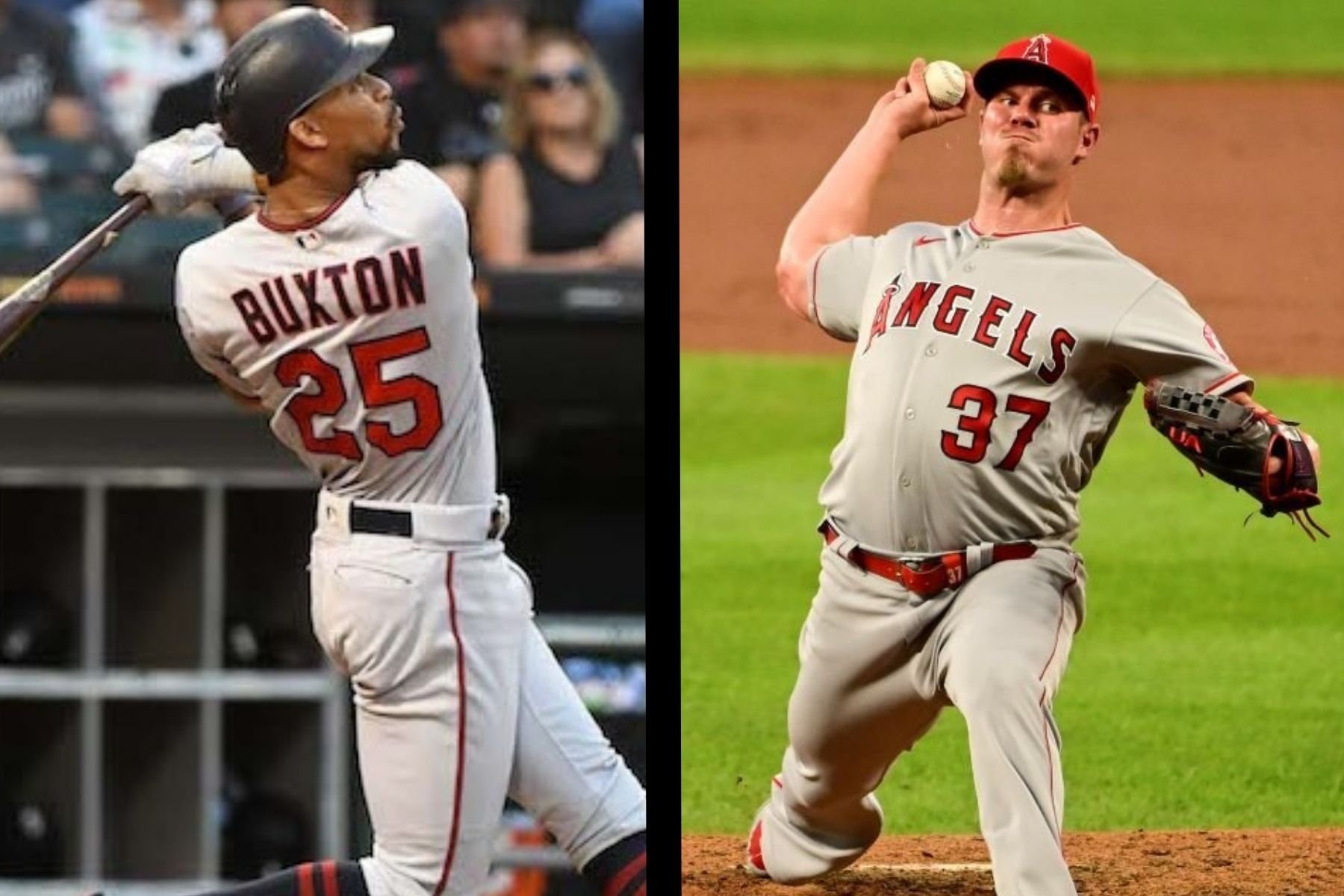 BIG BUX: Buxton Signs $100M Extension Not so long ago, reports cast a bleak light on Byron Buxton's future with the Twins. Extension talks appeared to be mired in a futile standstill. A trade sounded more likely than not. Fanbase morale was nosediving, if my interactions with others and my own internal feelings were any indication. Alas, to their immense credit, ownership and the front office got it done. Last Wednesday, Buxton inked a historic seven-year, $100 million contract that will keep him in Minnesota through 2028. He said all along he wanted to stick with the club that drafted and developed him, in the place he'd come to call home. Last week Buxton made good on his word. It's a unique deal that balances risk with reward for both sides. While the guaranteed base numbers are relatively low ($9M in 2022 and $15M in the following years), Buxton can boost his annual salaries – modestly by staying on the field, and massively by ranking near the top of AL MVP voting. Talk about betting on yourself. We all know Buxton is an MVP-caliber player when on the field. For teams, the luxury of needing to pay for only a fraction of that potential if it doesn't come to fruition is basically unheard of. This was truly a no-brainer for the Twins, and a vitally-needed salve for a wounded fanbase. While sticking to their strategic scruples, the front office managed to craft a creative framework that Buxton can feel good about. All he really asked for was a two-way commitment, which came in the form of a no-trade clause. There's simply no knocking this amazing deal. Beyond the sheer baseball logic of such a team-friendly arrangement, there are deeper factors at play. Buxton is a world-class athlete and person whose actions convey his character. His loyalty to this franchise is no lip service, in spite of past friction and a surrounding roster that's currently in disrepair. To let such a homegrown generational talent and spectacular ballpark attraction blossom elsewhere, despite this expression of loyalty, would've been unforgivable. The risk that Buxton comes up short of delivering on the guaranteed value of this contract is vastly outweighed by the specter of him making everyone forget about David Ortiz (and not in a good way). The Twins needed to get this done and they did. It was such a pivotal and overwhelming big-picture priority for me that – and I know some will disagree – I won't be able to view this offseason as a complete failure regardless of what else happens from here. Twins Add Bundy to Fill Rotation Spot With all that said, the state of the pitching staff is a proverbial fly in the ointment. As Thursday's lockout loomed, teams went into a free agent frenzy for starting pitching, and the Twins were mostly left out in the cold. Mostly, but not entirely. The club did sign right-hander Dylan Bundy to hopefully fill a spot in the middle or back of their rotation. As lower-tier flyers go, he's a respectable one – still under 30 with an intriguing history. Formerly a top draft pick and top prospect, Bundy flashed his upside in 2020 before turning in a total clunker last year. While your mileage may vary on him as a player, no one can deny the contract is interesting. Bundy will earn $4 million next year, with an $11 million team option for 2023. Much like the Buxton deal, here we have a player betting on himself in a bold way. If Bundy can bounce back and pitch well enough to sell the Twins on picking up his option, he can more than triple the total value of the deal. Motivation will not be an issue. In many ways, this is a very typical veteran pitching target for the Twins front office, so we probably shouldn't be too surprised. Bundy has some success in his track record, but wasn't in high demand, in large part because of his proneness to home runs. We've seen this story before. In some cases, the Twins have seen good results with this approach (Michael Pineda and Jake Odorizzi). In other cases, not so good (J.A. Happ and Matt Shoemaker). We'll see which way this one goes, but to suggest it's inherently doomed hints at a lot of recency bias. Regardless, Minnesota has plenty of work left to do on the pitching front. With the upper tiers of the free agency mostly cleared out, they'll almost have to turn to the trade market in order to make at least one truly impactful splash in the rotation. Newly re-signed Jake Cave was dropped from the 40-man roster to make room for Bundy. Minaya, Coulombe, Megill Non-tendered The bullpen, too, still needs plenty of attention. Minnesota is keeping its options open for relief pitching, and cleared some room last week on the roster. Juan Minaya and Danny Coulombe were both arbitration-eligible and slated to earn about $1 million next year. Instead, they were both non-tendered, although Coulombe was quickly re-signed to a minor-league deal. Also non-tendered and re-signed was right-hander Trevor Megill, who had been claimed off waivers the same day. It sounds like this was merely a procedural move to keep him in the organization but off the 40-man. His big fastball will likely get a shot in spring training. Joining Coulombe and Megill as likely spring non-roster invites is righty Jake Faria, who signed a minors deal. Faria was once highly thought of as a prospect in the Rays system, and had a nice rookie season back in 2017, but hasn't had much success to speak of since. I suspect the Twins are keying on his split-finger fastball, which held opponents to a .156 average and generated a 33.8% whiff rate amidst his struggles last year, while being thrown only 20% of the time. Rounding out the arbitration picture, the Twins did tender a contract to Taylor Rogers (along with Mitch Garver and Luis Arraez), while striking deals with Tyler Duffey ($3.8M), Caleb Thielbar ($1.3M) and Jharel Cotton ($700K). Almost $50 Million Left to Spend? Whenever baseball ramps up again, the Twins will theoretically have quite a bit of spending money in hand, unless they intend to cut down payroll dramatically from where it stood in 2021. As you can see in the updated payroll projection below, they're currently about $48 million short of that figure. (Salaries for Garver, Arraez, and Rogers are still estimates since no agreements have yet been reached.) The 40-man roster has two open spots following the addition of Bundy, and removals of Minaya, Coulombe, and Cave. The Twins still have several critical holes to address, so they'll need all the flexibility they can get. This front office seems to operate best as stakes heighten in the late weeks of the offseason (many of their biggest moves have come in late January and February) so maybe they'll be in their element during a potential crunch time for roster-building if the lockout ends a few weeks ahead of spring training. Then again, with the top-shelf supply from the free agent pitching and shortstop markets getting decimated over the past couple weeks, the Twins have really seen their spectrum of options shrink. The work is going to be cut out for them. MORE FROM TWINS DAILY — Order the Offseason Handbook — Latest Twins coverage from our writers — Recent Twins discussion in our forums — Follow Twins Daily via Twitter, Facebook or email
 -
Some would say their comfort level with him is exactly the problem. It led them to part ways with LaMonte Wade Jr. last offseason. It led them to give him 300 PAs the past two seasons while he hit like trash. It leads them to treat him as their primary backup CF even though he's not good there. Now it's leading them to give him a 40-man roster spot during the offseason, which has plenty of opportunity cost on its own, never mind the contract. Why are the Twins so "comfortable" with Jake Cave? That's what many of us have trouble understanding.
-
I can say with confidence Cave is not popular, neither with the casual nor hardcore crowd. That's not an assumption. I interact with a lot of fans here and on Twitter. Why would he be? He's been a terrible player receiving an inordinate amount of playing time (when healthy) for two years.
-
Thought I was being pretty clear in referencing the lockout, which is expected by essentially everyone involved with the sport. For the Twins to go into such a hiatus while surrounded by several unfavorable storylines would not be great for their brand. I didn't think it to be very controversial.
