



Nash Walker
-
Posts
898 -
Joined
-
Last visited
-
Days Won
1
Content Type
Profiles
News
Minnesota Twins Videos
2026 Minnesota Twins Top Prospects Ranking
2022 Minnesota Twins Draft Picks
Minnesota Twins Free Agent & Trade Rumors, Notes, & Tidbits
Guides & Resources
2023 Minnesota Twins Draft Picks
The Minnesota Twins Players Project
2024 Minnesota Twins Draft Picks
2025 Minnesota Twins Draft Pick Tracker
2026 Minnesota Twins Draft Tracker: Picks & Bonuses
Forums
Blogs
Events
Store
Downloads
Gallery
Everything posted by Nash Walker
-
No American League starter with 200 IP over the last two years has a lower ERA than Athletics’ RHP Chris Bassitt. Multiple reports are saying he could be available in trade. Should the Twins go after him? View full video
-
No American League starter with 200 IP over the last two years has a lower ERA than Athletics’ RHP Chris Bassitt. Multiple reports are saying he could be available in trade. Should the Twins go after him?
-
 Excellent write-up Andrew!!! Thank you for this!!!
 -
Trade Target: Luis Castillo
Nash Walker replied to Nash Walker's topic in Twins Daily Front Page News
Thanks Doc! I agree this could absolutely be a ploy. -
As we all know, the Minnesota Twins need pitching, and need some high-end pitching. Free agency is not the only way to acquire players. The Twins may have to investigate trade possibilities, and the Cincinnati Reds are a team looking to make deals and have a true, young ace. Jon Morosi reported Monday that Reds starter Luis Castillo could be on the move this offseason. His availability presents a prime opportunity for the Twins. THE PLAYER Luis Castillo, 28, is precisely the type of pitcher the Twins should be seeking. An established, hard-throwing right-hander who’s under team control through 2023 at modest salaries. Castillo is already an excellent, durable starter. He’s thrown 618 innings since 2018, the 10th most in MLB. His ERA+ of 123 since 2017 (100 is average) ties him with Marcus Stroman for the 11th highest. Castillo is elite at limiting home runs and missing barrels. Castillo’s 10.7 Wins Above Replacement since 2019 trails only Lance Lynn (15), Jacob deGrom (14.9), Gerrit Cole (14.4), Zack Wheeler (14.4), Max Scherzer (13.6), and Lucas Giolito (11). Most excitingly, Castillo’s stuff - a 97 mph fastball, a devastating 88 mph changeup, and a fantastic 86 mph slider - provide dreamable upside. Over his final 20 starts of 2021, Castillo posted a 2.69 ERA. He's a Cy Young candidate in 2022. THE COST Oh boy. A ton. For all of the reasons listed above, plenty of teams will vie for Castillo. He’s projected to make $7.6 million in 2022 and, with a strong season, could get $10 or $11 million in 2023. Call it two years and $18 million. That’s an incredible bargain. The Reds have signaled that they’re ready to slash payroll this offseason. Castillo and fellow starter Sonny Gray would likely be the most sought-after in an overhaul. Castillo’s upside, though, makes him the one to target. MLB Trade Simulators is an imperfect tool but can give us a sniff of player values. Castillo’s is predictably hefty. According to the simulator, the Twins would need to part with Austin Martin, Royce Lewis, and Matt Canterino (or a package of similar value). The Twins have no track record of paying such a price. But with three gaping holes in the rotation and an embarrassing summer to overcome, do they have the right to be conservative this winter? THE BOTTOM LINE The Twins must address at least one rotation hole via the trade market. It’s simply untenable to sign three quality starters via free agency. The Twins don’t have the payroll or the leverage. We’ve heard many excuses of why free-agent starters don’t choose Minnesota. The weather, the income tax, the contract offer, and so on. The Twins can rarely secure a player of Castillo’s ilk and upside. They can finally make a splash and a statement. By trading for Castillo, the Twins would signal that they are serious about 2022 and 2023. The move would alert free agents - Marcus Stroman, Robbie Ray, and others - that you’re committed to improving and winning. The Twins indeed had opportunities to make impactful moves in recent years. Those chances are gone. What matters now is how aggressive they are in living up to the notion that a “rebuild” is not in the cards. If you’re going to do it, do it. MORE FROM TWINS DAILY — Latest Twins coverage from our writers — Recent Twins discussion in our forums — Follow Twins Daily via Twitter, Facebook, or email View full article
-
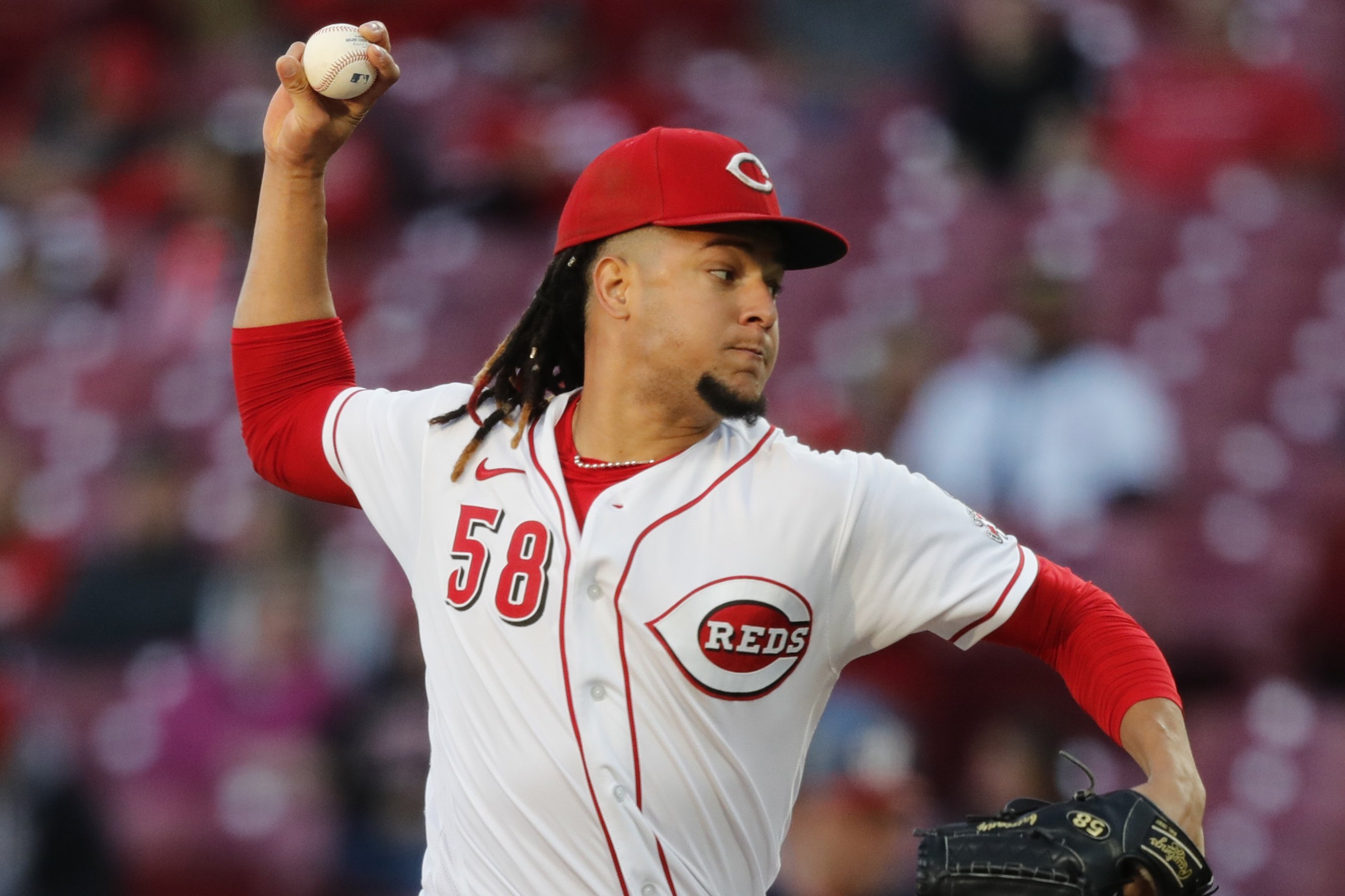 Jon Morosi reported Monday that Reds starter Luis Castillo could be on the move this offseason. His availability presents a prime opportunity for the Twins. THE PLAYER Luis Castillo, 28, is precisely the type of pitcher the Twins should be seeking. An established, hard-throwing right-hander who’s under team control through 2023 at modest salaries. Castillo is already an excellent, durable starter. He’s thrown 618 innings since 2018, the 10th most in MLB. His ERA+ of 123 since 2017 (100 is average) ties him with Marcus Stroman for the 11th highest. Castillo is elite at limiting home runs and missing barrels. Castillo’s 10.7 Wins Above Replacement since 2019 trails only Lance Lynn (15), Jacob deGrom (14.9), Gerrit Cole (14.4), Zack Wheeler (14.4), Max Scherzer (13.6), and Lucas Giolito (11). Most excitingly, Castillo’s stuff - a 97 mph fastball, a devastating 88 mph changeup, and a fantastic 86 mph slider - provide dreamable upside. Over his final 20 starts of 2021, Castillo posted a 2.69 ERA. He's a Cy Young candidate in 2022. THE COST Oh boy. A ton. For all of the reasons listed above, plenty of teams will vie for Castillo. He’s projected to make $7.6 million in 2022 and, with a strong season, could get $10 or $11 million in 2023. Call it two years and $18 million. That’s an incredible bargain. The Reds have signaled that they’re ready to slash payroll this offseason. Castillo and fellow starter Sonny Gray would likely be the most sought-after in an overhaul. Castillo’s upside, though, makes him the one to target. MLB Trade Simulators is an imperfect tool but can give us a sniff of player values. Castillo’s is predictably hefty. According to the simulator, the Twins would need to part with Austin Martin, Royce Lewis, and Matt Canterino (or a package of similar value). The Twins have no track record of paying such a price. But with three gaping holes in the rotation and an embarrassing summer to overcome, do they have the right to be conservative this winter? THE BOTTOM LINE The Twins must address at least one rotation hole via the trade market. It’s simply untenable to sign three quality starters via free agency. The Twins don’t have the payroll or the leverage. We’ve heard many excuses of why free-agent starters don’t choose Minnesota. The weather, the income tax, the contract offer, and so on. The Twins can rarely secure a player of Castillo’s ilk and upside. They can finally make a splash and a statement. By trading for Castillo, the Twins would signal that they are serious about 2022 and 2023. The move would alert free agents - Marcus Stroman, Robbie Ray, and others - that you’re committed to improving and winning. The Twins indeed had opportunities to make impactful moves in recent years. Those chances are gone. What matters now is how aggressive they are in living up to the notion that a “rebuild” is not in the cards. If you’re going to do it, do it. MORE FROM TWINS DAILY — Latest Twins coverage from our writers — Recent Twins discussion in our forums — Follow Twins Daily via Twitter, Facebook, or email
 -
The Reds may be looking to sell off some veterans this offseason. Could Luis Castillo be a fit for the Twins? View full video
-
The Reds may be looking to sell off some veterans this offseason. Could Luis Castillo be a fit for the Twins?
-
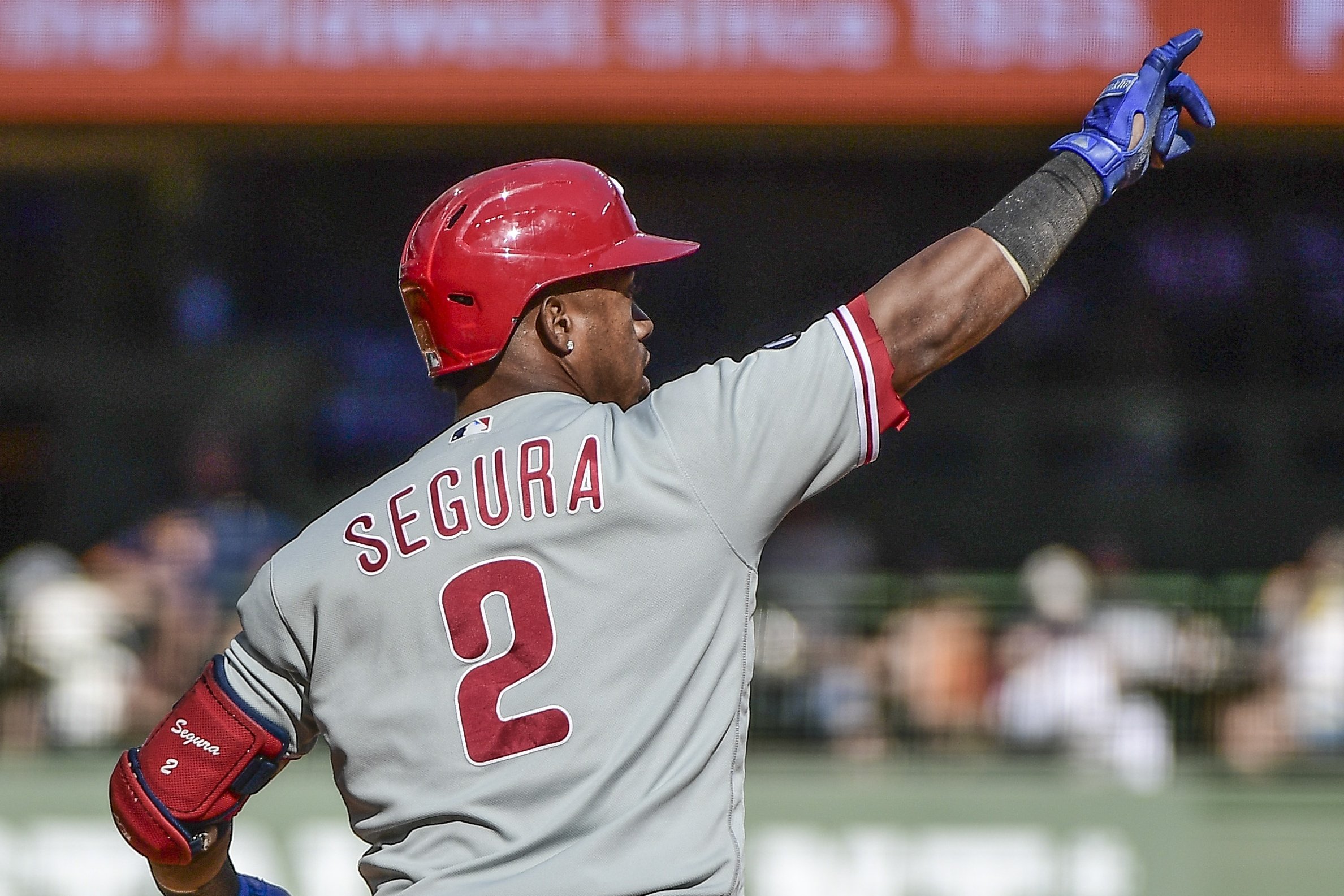 THE SITUATION The Andrelton Simmons signing was brilliant on paper. The Twins added one of the best defensive players of this generation while moving Jorge Polanco to second, where he’d go on to thrive on both sides. Unfortunately, Simmons didn’t carry his weight and produced one of the worst offensive seasons by a Twin in 20 years. The Twins must avoid a similar landmine in filling the shortstop hole in 2022. Additionally, the spot needs to be warm if Royce Lewis is ready to staff it in 2023. It’s undoubtedly a tremendous free-agent class, and the Twins could opt to pursue one of Marcus Semien, Carlos Correa, Corey Seager, Javier Báez, or Trevor Story. They may go back to Simmons or opt for a similarly low-priced commitment to Freddy Galvis or José Iglesias. The latter would allow more allocation to starting pitching, which should be the primary focus this offseason. While it’s tantalizing, committing $20+ million to a star shortstop will eat up a considerable amount of available free agency payroll. The most admirable option is striking the middle. By swinging a trade for Jean Segura, the Twins thread the needle between improving in 2022 and leaving the door open for Lewis in 2023. Oh, and they save some money for pitching too. THE PLAYER Segura was quietly fantastic for the Philadelphia Phillies in 2021, slashing .290/.348/.436 (111 OPS+) with 27 doubles, three triples, and 14 homers in 131 games. He was worth 3.7 Wins Above Replacement, which would’ve ranked third to Polanco (4.8) and Byron Buxton (4.5) on the Twins. The 31-year-old has averaged 3.86 Wins Above Replacement in five full seasons since a 2016 breakout for the Diamondbacks. Segura hits for a high average, doesn’t strike out (especially for this era), and consistently posts better-than-average OPS marks. Segura’s last entire season at shortstop was in 2019, when he was slightly below average defensively, according to Defensive Runs Saved (-3) and Outs Above Average (-7). He’s played primarily second base since, especially after the Phillies signed Didi Gregorius to play short. Segura’s batted-ball data won’t jump off the page, but he’s consistently in the top 10% of the league for lowest strikeout and whiff rate. He has above-average speed and 10-15 homer power. The Twins have plenty of pop and could use another Luis Arraez-type in their lineup. THE COST The Seattle Mariners signed Segura to a 5-year, $70 million deal after his outstanding 2016, then traded him after two seasons. He’s now entering his final guaranteed year of the agreement and will make $14.85 million in 2022. Segura has a club option for 2023 at $17 million with a $1 million buyout. Segura’s salary places him in-between the blue-bloods of this class (Semien, Correa, etc.) and the bargains (Simmons, Galvis, Iglesias). It’s essentially a one-year, $14.85 million deal with an option for a second. It's is an ideal contract for the Twins, as they aren’t sure Lewis will be ready to start at short in 2023 but also want to leave the possibility open. According to FanGraphs, Segura was worth $19.8 million in 2021. THE TRADE You may be asking why the Phillies would trade their starting second baseman when they’re trying to compete? Well, you could be right. There’s a chance the Phillies aren’t entertaining offers for Segura. But why wouldn’t they? Philadelphia needs as much relief help as it can get. The team has an estimated $171 million already committed to 2022 and sported a 27th-ranked bullpen last year (1.1 fWAR). The Phillies are spending ~$62 million on their infield and could stand to re-allocate those funds to the pitching side. Further, the Phillies currently have MLB’s 4th-weakest farm system, per Pipeline. They could hand off Segura’s contract while also adding young talent. On the Twins side, the price may be two mid-level prospects. Say, RHP Cole Sands and INF Edouard Julien? THE BOTTOM LINE No one wants to see Simmons helplessly wave his bat for the Twins again in 2022. They need improvement in the short term and perspective for the long term. Segura is an opportunity for that. He’s a solid player on a solid contract and allows the Twins to focus most of their spending on the rotation. What are your thoughts on Jean Segura? MORE FROM TWINS DAILY — Latest Twins coverage from our writers — Recent Twins discussion in our forums — Follow Twins Daily via Twitter, Facebook, or email
 -
The Twins find themselves in an identical scenario at shortstop this offseason: they need one. More importantly, they need to thread the needle between filling the spot in 2022 and leaving it open for Royce Lewis in 2023. Here’s a solution. THE SITUATION The Andrelton Simmons signing was brilliant on paper. The Twins added one of the best defensive players of this generation while moving Jorge Polanco to second, where he’d go on to thrive on both sides. Unfortunately, Simmons didn’t carry his weight and produced one of the worst offensive seasons by a Twin in 20 years. The Twins must avoid a similar landmine in filling the shortstop hole in 2022. Additionally, the spot needs to be warm if Royce Lewis is ready to staff it in 2023. It’s undoubtedly a tremendous free-agent class, and the Twins could opt to pursue one of Marcus Semien, Carlos Correa, Corey Seager, Javier Báez, or Trevor Story. They may go back to Simmons or opt for a similarly low-priced commitment to Freddy Galvis or José Iglesias. The latter would allow more allocation to starting pitching, which should be the primary focus this offseason. While it’s tantalizing, committing $20+ million to a star shortstop will eat up a considerable amount of available free agency payroll. The most admirable option is striking the middle. By swinging a trade for Jean Segura, the Twins thread the needle between improving in 2022 and leaving the door open for Lewis in 2023. Oh, and they save some money for pitching too. THE PLAYER Segura was quietly fantastic for the Philadelphia Phillies in 2021, slashing .290/.348/.436 (111 OPS+) with 27 doubles, three triples, and 14 homers in 131 games. He was worth 3.7 Wins Above Replacement, which would’ve ranked third to Polanco (4.8) and Byron Buxton (4.5) on the Twins. The 31-year-old has averaged 3.86 Wins Above Replacement in five full seasons since a 2016 breakout for the Diamondbacks. Segura hits for a high average, doesn’t strike out (especially for this era), and consistently posts better-than-average OPS marks. Segura’s last entire season at shortstop was in 2019, when he was slightly below average defensively, according to Defensive Runs Saved (-3) and Outs Above Average (-7). He’s played primarily second base since, especially after the Phillies signed Didi Gregorius to play short. Segura’s batted-ball data won’t jump off the page, but he’s consistently in the top 10% of the league for lowest strikeout and whiff rate. He has above-average speed and 10-15 homer power. The Twins have plenty of pop and could use another Luis Arraez-type in their lineup. THE COST The Seattle Mariners signed Segura to a 5-year, $70 million deal after his outstanding 2016, then traded him after two seasons. He’s now entering his final guaranteed year of the agreement and will make $14.85 million in 2022. Segura has a club option for 2023 at $17 million with a $1 million buyout. Segura’s salary places him in-between the blue-bloods of this class (Semien, Correa, etc.) and the bargains (Simmons, Galvis, Iglesias). It’s essentially a one-year, $14.85 million deal with an option for a second. It's is an ideal contract for the Twins, as they aren’t sure Lewis will be ready to start at short in 2023 but also want to leave the possibility open. According to FanGraphs, Segura was worth $19.8 million in 2021. THE TRADE You may be asking why the Phillies would trade their starting second baseman when they’re trying to compete? Well, you could be right. There’s a chance the Phillies aren’t entertaining offers for Segura. But why wouldn’t they? Philadelphia needs as much relief help as it can get. The team has an estimated $171 million already committed to 2022 and sported a 27th-ranked bullpen last year (1.1 fWAR). The Phillies are spending ~$62 million on their infield and could stand to re-allocate those funds to the pitching side. Further, the Phillies currently have MLB’s 4th-weakest farm system, per Pipeline. They could hand off Segura’s contract while also adding young talent. On the Twins side, the price may be two mid-level prospects. Say, RHP Cole Sands and INF Edouard Julien? THE BOTTOM LINE No one wants to see Simmons helplessly wave his bat for the Twins again in 2022. They need improvement in the short term and perspective for the long term. Segura is an opportunity for that. He’s a solid player on a solid contract and allows the Twins to focus most of their spending on the rotation. What are your thoughts on Jean Segura? MORE FROM TWINS DAILY — Latest Twins coverage from our writers — Recent Twins discussion in our forums — Follow Twins Daily via Twitter, Facebook, or email View full article
-
The Twins should be looking to thread the needle at shortstop this offseason. By trading for the Phillies’ Jean Segura, they’d do just that.
-
The Twins should be looking to thread the needle at shortstop this offseason. By trading for the Phillies’ Jean Segura, they’d do just that. View full video
-
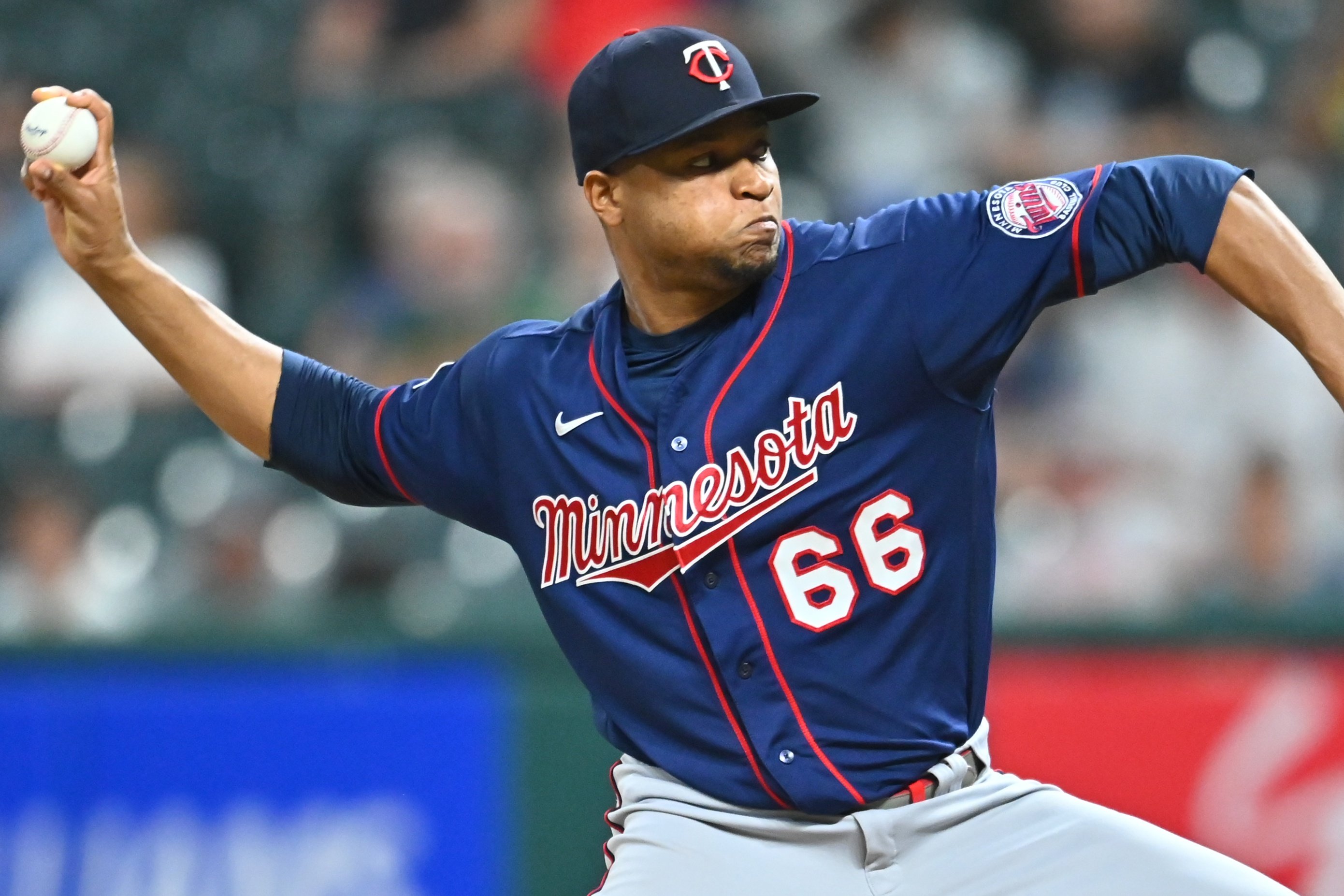 TAYLOR ROGERS 2021: 40 1/3 IP, 3.35 ERA (128 ERA+), 2.13 FIP, 35% K, 5% BB Rogers bounced back from a rough 2020 as the Twins’ steadiest bullpen piece throughout the first half. Over his first 35 appearances, Rogers posted a 2.45 ERA and 2.02 FIP while holding opponents to a .600 OPS. The All-Star lefty then gave up five runs over his next 1 2/3 innings, including a grand slam in the Twins’ last game before the break. Rogers’ season ended shortly after due to a sprained finger. The ERA paints a much worse picture for Rogers in 2021, but he was essentially the same weapon he’s been for much of his career. Even then, his looming ~$7 million price tag and finger injury could give the Twins a tricky decision on arbitration day. GRADE: A- TYLER DUFFEY 2021: 62 1/3 IP, 3.18 ERA (134 ERA+), 3.49 FIP, 24% K, 11% BB Duffey entered 2021 as one of the game’s best set-up men with a remarkable 2.31 ERA and 34% strikeout rate in 2019 and 2020 combined. Alarmingly, Duffey’s velocity was down this spring, raising questions about his arm heading into Opening Day. Those concerns were valid. Duffey posted a 5.87 ERA and 20% strikeout rate over his first 15+ innings of the season. His velocity dwindled, and his luster as a lockdown set-up man was on shaky ground. Fortunately, Duffey bounced back with a 2.30 ERA over his last 47 innings, solidifying himself back in the top-25 among American League relievers. Still, his fastball velocity is down over a tick from 2019, and he walked way too many. GRADE: B- JORGE ALCALA 2021: 59 2/3 IP, 3.92 ERA (109 ERA+), 4.06 FIP, 27% K, 6% BB Alcala was terrific in the shortened 2020 season, posting a 2.63 ERA and 29% strikeout rate in 24 innings. A full season breakout felt viable in 2021 for the hard-throwing right-hander. Like Duffey, Alcala got off to a plodding start, evidenced by a 5.73 ERA and .464 opponent’s slugging percentage in his first 40 games. Alcala struck out just 22% of hitters during that span. Alcala’s stuff is too good for such inflated numbers. With improved command in his final 22 innings, Alcala allowed just two runs (0.82 ERA) while striking out 27 and walking only three of the 77 batters he faced. GRADE: B- CALEB THIELBAR 2021: 64 IP, 3.23 ERA (132 ERA+), 3.47 FIP, 29% K, 7.5% BB One of the best stories of the 60-game campaign, Thielbar posted a 2.25 ERA and 2.34 FIP in his first 20 Major League innings since 2015. Thielbar continued a strong 2020 season immediately in 2021. He struck out nine and walked none over his first 4 1/3 scoreless innings. Thielbar subsequently allowed 15 runs over his next 27 innings, contributing to a shaky Twins bullpen. The Northfield native then put together an outstanding second half. He produced a 1.76 ERA with a 25% strikeout rate after the break. Thielbar emerged as the Twins’ best left-handed reliever after Rogers went on the injured list. His spot on next year’s team feels secure. GRADE: A ALEXANDER COLOMÉ 2021: 65 IP, 4.15 ERA (103 ERA+), 4.23 FIP, 20% K, 8% BB The Twins signed Colomé to be the pitcher he’d been over his entire eight-year career. Colomé owned a 2.95 ERA and saved 138 games before signing with Minnesota last offseason. His debut couldn’t have gone any worse. Starting with a blown save on Opening Day, Colomé allowed 16 runs and five homers over his first 26 2/3 innings with the Twins. His Win Probability Added was a staggering -2.29. Colomé eventually found his stride and pitched much better down the stretch, with a 3.29 ERA and 3.38 FIP over his last 38 games. Colomé served as the Twins’ primary closer and saved 15 of 19 games from late June to the end of the season. GRADE: D+ JUAN MINAYA 2021: 40 IP, 2.48 ERA (173 ERA+), 3.97 FIP, 26% K, 12% BB Opponents hit .189 with a .624 OPS against Minaya, whom the Twins signed to a Minor League deal before the season. He upped the usage of his outstanding changeup, which increased the effectiveness of his mid-90s fastball. Minaya had previous Major League success with the White Sox, but this was his best season. His ground-ball rate rose to a tremendous 55%, and he posted a career-high 1.1 Wins Above Replacement. Minaya’s peripherals - a 3.97 FIP in particular - create some uncertainty for sustaining success in 2022. Either way, the Twins have a ~$1 million decision to make, and there’s certainly space for him in the bullpen. GRADE: A HANSEL ROBLES 2021: 44 IP, 4.91 ERA (87 ERA+), 4.83 FIP, 23% K, 13% BB Robles had a disastrous 2020 season for the Angels after a stellar 2019 where he posted a 2.48 ERA and saved 23 games. The Twins signed him for $2 million, betting that the Covid season was an outlier for the hard-throwing veteran. It looked that way early. Robles was fantastic with a 2.83 ERA through June 12th. Opponents hit .172/.305/.283 off him during that span. Unfortunately, iffy command caught up to him and previously escaped jams no longer were. Robles allowed 15 runs over his next 15 1/3 innings and slashed much of the trade value he previously had. The Twins moved him to the Red Sox at the deadline for RHP Alex Scherff, and Robles pitched reasonably well down the stretch with a 3.60 ERA and 30% strikeout rate. GRADE: D REPORT CARDS Starting Rotation Infield Outfield
- 7 comments
-
- 1
-

-
- taylor rogers
- caleb thielbar
- (and 3 more)
-
The Twins expected to have another great bullpen in 2021. It ended up being a tale of two halves, with much of the group struggling out of the gate before settling in. How did each member grade? TAYLOR ROGERS 2021: 40 1/3 IP, 3.35 ERA (128 ERA+), 2.13 FIP, 35% K, 5% BB Rogers bounced back from a rough 2020 as the Twins’ steadiest bullpen piece throughout the first half. Over his first 35 appearances, Rogers posted a 2.45 ERA and 2.02 FIP while holding opponents to a .600 OPS. The All-Star lefty then gave up five runs over his next 1 2/3 innings, including a grand slam in the Twins’ last game before the break. Rogers’ season ended shortly after due to a sprained finger. The ERA paints a much worse picture for Rogers in 2021, but he was essentially the same weapon he’s been for much of his career. Even then, his looming ~$7 million price tag and finger injury could give the Twins a tricky decision on arbitration day. GRADE: A- TYLER DUFFEY 2021: 62 1/3 IP, 3.18 ERA (134 ERA+), 3.49 FIP, 24% K, 11% BB Duffey entered 2021 as one of the game’s best set-up men with a remarkable 2.31 ERA and 34% strikeout rate in 2019 and 2020 combined. Alarmingly, Duffey’s velocity was down this spring, raising questions about his arm heading into Opening Day. Those concerns were valid. Duffey posted a 5.87 ERA and 20% strikeout rate over his first 15+ innings of the season. His velocity dwindled, and his luster as a lockdown set-up man was on shaky ground. Fortunately, Duffey bounced back with a 2.30 ERA over his last 47 innings, solidifying himself back in the top-25 among American League relievers. Still, his fastball velocity is down over a tick from 2019, and he walked way too many. GRADE: B- JORGE ALCALA 2021: 59 2/3 IP, 3.92 ERA (109 ERA+), 4.06 FIP, 27% K, 6% BB Alcala was terrific in the shortened 2020 season, posting a 2.63 ERA and 29% strikeout rate in 24 innings. A full season breakout felt viable in 2021 for the hard-throwing right-hander. Like Duffey, Alcala got off to a plodding start, evidenced by a 5.73 ERA and .464 opponent’s slugging percentage in his first 40 games. Alcala struck out just 22% of hitters during that span. Alcala’s stuff is too good for such inflated numbers. With improved command in his final 22 innings, Alcala allowed just two runs (0.82 ERA) while striking out 27 and walking only three of the 77 batters he faced. GRADE: B- CALEB THIELBAR 2021: 64 IP, 3.23 ERA (132 ERA+), 3.47 FIP, 29% K, 7.5% BB One of the best stories of the 60-game campaign, Thielbar posted a 2.25 ERA and 2.34 FIP in his first 20 Major League innings since 2015. Thielbar continued a strong 2020 season immediately in 2021. He struck out nine and walked none over his first 4 1/3 scoreless innings. Thielbar subsequently allowed 15 runs over his next 27 innings, contributing to a shaky Twins bullpen. The Northfield native then put together an outstanding second half. He produced a 1.76 ERA with a 25% strikeout rate after the break. Thielbar emerged as the Twins’ best left-handed reliever after Rogers went on the injured list. His spot on next year’s team feels secure. GRADE: A ALEXANDER COLOMÉ 2021: 65 IP, 4.15 ERA (103 ERA+), 4.23 FIP, 20% K, 8% BB The Twins signed Colomé to be the pitcher he’d been over his entire eight-year career. Colomé owned a 2.95 ERA and saved 138 games before signing with Minnesota last offseason. His debut couldn’t have gone any worse. Starting with a blown save on Opening Day, Colomé allowed 16 runs and five homers over his first 26 2/3 innings with the Twins. His Win Probability Added was a staggering -2.29. Colomé eventually found his stride and pitched much better down the stretch, with a 3.29 ERA and 3.38 FIP over his last 38 games. Colomé served as the Twins’ primary closer and saved 15 of 19 games from late June to the end of the season. GRADE: D+ JUAN MINAYA 2021: 40 IP, 2.48 ERA (173 ERA+), 3.97 FIP, 26% K, 12% BB Opponents hit .189 with a .624 OPS against Minaya, whom the Twins signed to a Minor League deal before the season. He upped the usage of his outstanding changeup, which increased the effectiveness of his mid-90s fastball. Minaya had previous Major League success with the White Sox, but this was his best season. His ground-ball rate rose to a tremendous 55%, and he posted a career-high 1.1 Wins Above Replacement. Minaya’s peripherals - a 3.97 FIP in particular - create some uncertainty for sustaining success in 2022. Either way, the Twins have a ~$1 million decision to make, and there’s certainly space for him in the bullpen. GRADE: A HANSEL ROBLES 2021: 44 IP, 4.91 ERA (87 ERA+), 4.83 FIP, 23% K, 13% BB Robles had a disastrous 2020 season for the Angels after a stellar 2019 where he posted a 2.48 ERA and saved 23 games. The Twins signed him for $2 million, betting that the Covid season was an outlier for the hard-throwing veteran. It looked that way early. Robles was fantastic with a 2.83 ERA through June 12th. Opponents hit .172/.305/.283 off him during that span. Unfortunately, iffy command caught up to him and previously escaped jams no longer were. Robles allowed 15 runs over his next 15 1/3 innings and slashed much of the trade value he previously had. The Twins moved him to the Red Sox at the deadline for RHP Alex Scherff, and Robles pitched reasonably well down the stretch with a 3.60 ERA and 30% strikeout rate. GRADE: D REPORT CARDS Starting Rotation Infield Outfield View full article
-
Nash Walker breaks down the performances of the 2021 Twins bullpen, one of the most disappointing aspects of the 2021 squad, particularly the first two months of the season. View full video
-
Nash Walker breaks down the performances of the 2021 Twins bullpen, one of the most disappointing aspects of the 2021 squad, particularly the first two months of the season.
-
The six-month semester is over, and it’s time for Twins report cards. How did members of the outfield grade out? Considerations: Expectations Projections Results Injury Leverage/Value *MINIMUM 200 PLATE APPEARANCES TO QUALIFY* ALEX KIRILLOFF 2021: 59 games, .251/.299/.423 (98 OPS+), 8 HR, 11 2B, 3B, 34 RBI, 22% K, 6% BB Kirilloff went 0-for-15 to start his MLB career, with hard-hit outs dominating his results. Once a few dropped in, they didn’t stop. The rookie had an excellent 15-game stretch where he hit .306/.343/.581 (.924) with four homers and five doubles, separated by an IL stint. Even with a torn wrist ligament, Kirilloff posted some of the gaudiest Statcast numbers in the league. He slugged just .423 on the season, but that number should’ve been over 100 points higher based on the quality of contact. His season ultimately ended in July when he chose to undergo surgery. It was a disappointing finish to a promising debut. Assuming his wrist heals, Kirilloff figures to man a spot in the heart of the Twins’ order in 2022 and beyond. He also looked strong at first base and held his own in the outfield. GRADE: B BYRON BUXTON 2021: 61 G, .306/.358/.647 (171 OPS+), 19 HR, 23 2B, 32 RBI, 9/10 SB, 24% K, 5% BB Buxton’s season was nothing short of incredible. It was also incredibly short. Buxton appeared in 61 games, missing extended time with a hip injury and a broken hand. It was his brightest flash of upside, maintaining massive power and blazing speed and adding it to the best centerfield defense in the world. Buxton had one of the best months in Twins history in an MVP April and looked on his way to the season-long award. The complete package of a superstar was on display. Buxton recorded 42 extra-base hits and 4.5 bWAR in just 254 plate appearances. Therein lies the excellence and frustration with Buxton, whose future could depend on what the Twins decide to do this offseason. Will they extend, hold, or trade their most talented (and arguably best) young star since Joe Mauer? GRADE: A- MAX KEPLER 2021: 121 G, .211/.306/.413 (98 OPS+), 19 HR, 21 2B, 3B, 54 RBI, 10/10 SB, 20% K, 11% BB Kepler reverted to his offensive profile from the first three years of his career, which is a less-than-solid, low-OBP, low-AVG contributor. Then and now, Kepler is a borderline asset because of his superb defense in right field. Kepler ranked second to only Manuel Margot in Outs Above Average (8) among right-fielders. But how much is that defense worth? It’s a tricky question. This version of Kepler is a below-average hitter and especially below-average for a right-fielder. He limits a lineup that carried more potential than results over the last two years. Kepler was 19% better than the league in his last 182 games heading into the season, so maybe 2021 was just a down year. Or perhaps it was Kepler coming back to earth. The Twins have a decision to make on him this winter, with a potential $25.25 million owed through 2024. GRADE: C- LUIS ARRAEZ 2021: 121 G, .294/.357/.376 (105 OPS+), 2 HR, 17 2B, 6 3B, 42 RBI, 10% K, 9% BB Arraez worked through a knee issue and hit his customary .317 with a .380 On-Base Percentage over his first 326 plate appearances. Rumblings of a potential batting title loomed until Arraez hit a snag at the end. The 24-year-old throwback hit just .241/.291/.302 (.593) over his final 33 games. This stretch sapped his last line, making year three look more mediocre than anything. Arraez may have been hurting, worn down, or a mixture of both, but his streakiness is a significant development. When he’s not roping singles or walking, it’s hard to justify keeping Arraez in the lineup. He can be a liability defensively with very little power. Arraez is under contract through 2025 but could be surprising trade bait this winter. GRADE: B- TREVOR LARNACH 2021: 79 games, .223/.322/.350 (88 OPS+), 7 HR, 12 2B, 28 RBI, 35% K, 10% BB It was a tale of two seasons for Larnach, who the Twins called up to provide left-handed spank when Kirilloff went down. Larnach immediately went 2-for-15 out of the gate and looked understandably over his skis. Not so fast: a 3-for-5 game against Oakland kicked off an excellent stretch for the rookie. From mid-May to early July, Larnach slashed .274/.365/.452 (.817) with seven homers and seven doubles. He was controlling the strike zone like a veteran while hitting for power. But this game can be cruel. Pitchers responded and started dicing Larnach up, beating him regularly with offspeed before gradually blowing fastballs by him. Larnach’s season turned. He went 13-for-88 (.148) with 43 strikeouts and 11 walks over his final 27 games. The future remains bright for Larnach, but he may need some extended time in St. Paul to get things together at the plate. GRADE: C+ BRENT ROOKER 2021: 58 games, .201/.291/.397 (89 OPS+), 9 HR, 10 2B, 16 RBI, 33% K, 7% BB The primary beneficiary of the Nelson Cruz trade, Rooker was recalled on July 23rd and looked to be taking advantage of a new opportunity. He hit .281/.361/.625 (.986) with three homers in 32 at-bats after the promotion. Rooker started 37 of the Twins’ next 55 games but hit just .203/.306/.375 with 50 strikeouts and 11 walks in 147 plate appearances. Rooker hit the ball hard and consistently found the barrel but struggled to make contact at times and didn’t walk much to make up for it. With an open DH spot on the 2022 team, the Twins may benefit from giving Rooker more chances to tap into his immense power profile. For now, it’s still potential. GRADE: D+ NELSON CRUZ 2021: 85 G, .294/.370/.537 (148 OPS+), 19 HR, 13 2B, 3B, 50 RBI, 18% K, 10% BB Cruz capped off his unbelievable tenure in Minnesota with another terrific 85 games. He was once again the Twins’ best hitter and remained a terrifying power bat until he was traded before the deadline. On top of his production, Cruz allowed the Twins to acquire Joe Ryan and Drew Strotman from Tampa Bay, with Ryan looking like a staple in the rotation for years to come. Cruz hit .304/.386/.598 with 76 home runs in 258 games as a Twin, solidifying himself as one of the great signings in team history. The impact he had on the organization will be felt for much longer than he spent playing for them. GRADE: A WILLIANS ASTUDILLO 2021: 72 games, .236/.259/.375, 7 HR, 8 2B, 21 RBI, 6% K, 1% BB Astudillo entered 2021 as basically a career league-average hitter in 95 games. He hit .295 with a 99 OPS+ in three seasons, with the ability to catch, play first and third base, and even pitch. The beloved utilityman crashed at the plate in 2021. Astudillo’s .634 OPS placed him more than 25% below MLB average. He appeared as a catcher in only nine games, illustrating the Twins’ faith in him behind the plate. Astudillo added some value with four electric innings out of the bullpen (2.25 ERA), but it seems his time in Minnesota could be over. He’s owed an estimated $1.2 million in his first year of arbitration. GRADE: D- OTHER GRADES: INFIELD STARTING PITCHERS RELIEF PITCHERS... COMING SOON! MORE FROM TWINS DAILY — Order the Offseason Handbook — Latest Twins coverage from our writers — Recent Twins discussion in our forums — Follow Twins Daily via Twitter, Facebook or email View full article
-
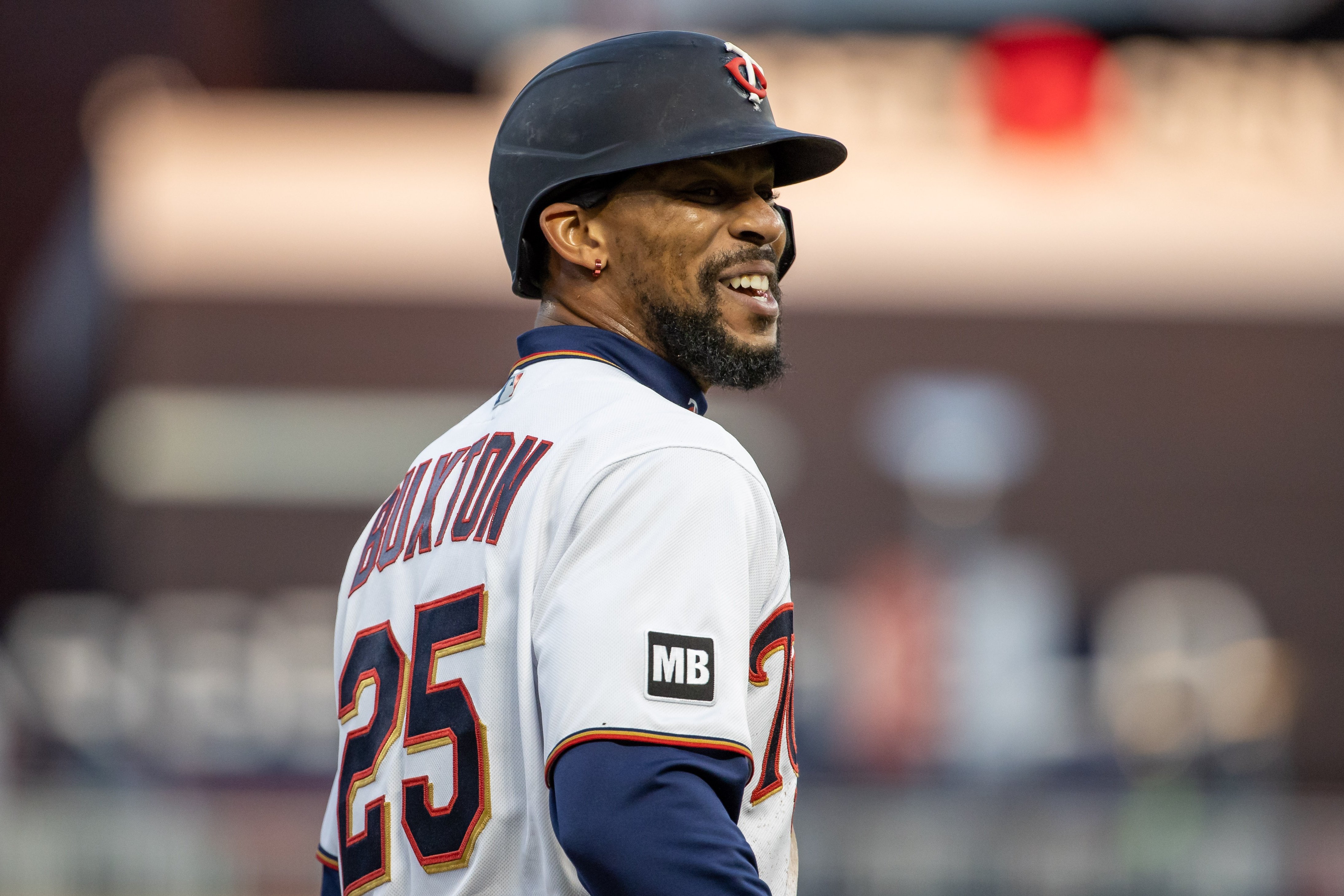 Considerations: Expectations Projections Results Injury Leverage/Value *MINIMUM 200 PLATE APPEARANCES TO QUALIFY* ALEX KIRILLOFF 2021: 59 games, .251/.299/.423 (98 OPS+), 8 HR, 11 2B, 3B, 34 RBI, 22% K, 6% BB Kirilloff went 0-for-15 to start his MLB career, with hard-hit outs dominating his results. Once a few dropped in, they didn’t stop. The rookie had an excellent 15-game stretch where he hit .306/.343/.581 (.924) with four homers and five doubles, separated by an IL stint. Even with a torn wrist ligament, Kirilloff posted some of the gaudiest Statcast numbers in the league. He slugged just .423 on the season, but that number should’ve been over 100 points higher based on the quality of contact. His season ultimately ended in July when he chose to undergo surgery. It was a disappointing finish to a promising debut. Assuming his wrist heals, Kirilloff figures to man a spot in the heart of the Twins’ order in 2022 and beyond. He also looked strong at first base and held his own in the outfield. GRADE: B BYRON BUXTON 2021: 61 G, .306/.358/.647 (171 OPS+), 19 HR, 23 2B, 32 RBI, 9/10 SB, 24% K, 5% BB Buxton’s season was nothing short of incredible. It was also incredibly short. Buxton appeared in 61 games, missing extended time with a hip injury and a broken hand. It was his brightest flash of upside, maintaining massive power and blazing speed and adding it to the best centerfield defense in the world. Buxton had one of the best months in Twins history in an MVP April and looked on his way to the season-long award. The complete package of a superstar was on display. Buxton recorded 42 extra-base hits and 4.5 bWAR in just 254 plate appearances. Therein lies the excellence and frustration with Buxton, whose future could depend on what the Twins decide to do this offseason. Will they extend, hold, or trade their most talented (and arguably best) young star since Joe Mauer? GRADE: A- MAX KEPLER 2021: 121 G, .211/.306/.413 (98 OPS+), 19 HR, 21 2B, 3B, 54 RBI, 10/10 SB, 20% K, 11% BB Kepler reverted to his offensive profile from the first three years of his career, which is a less-than-solid, low-OBP, low-AVG contributor. Then and now, Kepler is a borderline asset because of his superb defense in right field. Kepler ranked second to only Manuel Margot in Outs Above Average (8) among right-fielders. But how much is that defense worth? It’s a tricky question. This version of Kepler is a below-average hitter and especially below-average for a right-fielder. He limits a lineup that carried more potential than results over the last two years. Kepler was 19% better than the league in his last 182 games heading into the season, so maybe 2021 was just a down year. Or perhaps it was Kepler coming back to earth. The Twins have a decision to make on him this winter, with a potential $25.25 million owed through 2024. GRADE: C- LUIS ARRAEZ 2021: 121 G, .294/.357/.376 (105 OPS+), 2 HR, 17 2B, 6 3B, 42 RBI, 10% K, 9% BB Arraez worked through a knee issue and hit his customary .317 with a .380 On-Base Percentage over his first 326 plate appearances. Rumblings of a potential batting title loomed until Arraez hit a snag at the end. The 24-year-old throwback hit just .241/.291/.302 (.593) over his final 33 games. This stretch sapped his last line, making year three look more mediocre than anything. Arraez may have been hurting, worn down, or a mixture of both, but his streakiness is a significant development. When he’s not roping singles or walking, it’s hard to justify keeping Arraez in the lineup. He can be a liability defensively with very little power. Arraez is under contract through 2025 but could be surprising trade bait this winter. GRADE: B- TREVOR LARNACH 2021: 79 games, .223/.322/.350 (88 OPS+), 7 HR, 12 2B, 28 RBI, 35% K, 10% BB It was a tale of two seasons for Larnach, who the Twins called up to provide left-handed spank when Kirilloff went down. Larnach immediately went 2-for-15 out of the gate and looked understandably over his skis. Not so fast: a 3-for-5 game against Oakland kicked off an excellent stretch for the rookie. From mid-May to early July, Larnach slashed .274/.365/.452 (.817) with seven homers and seven doubles. He was controlling the strike zone like a veteran while hitting for power. But this game can be cruel. Pitchers responded and started dicing Larnach up, beating him regularly with offspeed before gradually blowing fastballs by him. Larnach’s season turned. He went 13-for-88 (.148) with 43 strikeouts and 11 walks over his final 27 games. The future remains bright for Larnach, but he may need some extended time in St. Paul to get things together at the plate. GRADE: C+ BRENT ROOKER 2021: 58 games, .201/.291/.397 (89 OPS+), 9 HR, 10 2B, 16 RBI, 33% K, 7% BB The primary beneficiary of the Nelson Cruz trade, Rooker was recalled on July 23rd and looked to be taking advantage of a new opportunity. He hit .281/.361/.625 (.986) with three homers in 32 at-bats after the promotion. Rooker started 37 of the Twins’ next 55 games but hit just .203/.306/.375 with 50 strikeouts and 11 walks in 147 plate appearances. Rooker hit the ball hard and consistently found the barrel but struggled to make contact at times and didn’t walk much to make up for it. With an open DH spot on the 2022 team, the Twins may benefit from giving Rooker more chances to tap into his immense power profile. For now, it’s still potential. GRADE: D+ NELSON CRUZ 2021: 85 G, .294/.370/.537 (148 OPS+), 19 HR, 13 2B, 3B, 50 RBI, 18% K, 10% BB Cruz capped off his unbelievable tenure in Minnesota with another terrific 85 games. He was once again the Twins’ best hitter and remained a terrifying power bat until he was traded before the deadline. On top of his production, Cruz allowed the Twins to acquire Joe Ryan and Drew Strotman from Tampa Bay, with Ryan looking like a staple in the rotation for years to come. Cruz hit .304/.386/.598 with 76 home runs in 258 games as a Twin, solidifying himself as one of the great signings in team history. The impact he had on the organization will be felt for much longer than he spent playing for them. GRADE: A WILLIANS ASTUDILLO 2021: 72 games, .236/.259/.375, 7 HR, 8 2B, 21 RBI, 6% K, 1% BB Astudillo entered 2021 as basically a career league-average hitter in 95 games. He hit .295 with a 99 OPS+ in three seasons, with the ability to catch, play first and third base, and even pitch. The beloved utilityman crashed at the plate in 2021. Astudillo’s .634 OPS placed him more than 25% below MLB average. He appeared as a catcher in only nine games, illustrating the Twins’ faith in him behind the plate. Astudillo added some value with four electric innings out of the bullpen (2.25 ERA), but it seems his time in Minnesota could be over. He’s owed an estimated $1.2 million in his first year of arbitration. GRADE: D- OTHER GRADES: INFIELD STARTING PITCHERS RELIEF PITCHERS... COMING SOON! MORE FROM TWINS DAILY — Order the Offseason Handbook — Latest Twins coverage from our writers — Recent Twins discussion in our forums — Follow Twins Daily via Twitter, Facebook or email
- 6 comments
-
- 2
-
-
- byron buxton
- alex kirilloff
- (and 2 more)
-
Description: The Twins expected to have one of the better American League outfields in 2021 with Alex Kirilloff and Max Kepler flanking Byron Buxton. Injuries and ineffectiveness hijacked their plans. How did the outfielders grade out? View full video
-
Description: The Twins expected to have one of the better American League outfields in 2021 with Alex Kirilloff and Max Kepler flanking Byron Buxton. Injuries and ineffectiveness hijacked their plans. How did the outfielders grade out?
-
Jorge Polanco was the Twins’ MVP in 2021 with sterling numbers across the board. How would you grade him and the rest of the infield? Do you agree with these grades? View full video
-
Jorge Polanco was the Twins’ MVP in 2021 with sterling numbers across the board. How would you grade him and the rest of the infield? Do you agree with these grades?
-
Earlier this week, we handed out grades for eight Twins starting pitchers. The six-month semester is over, and it’s time for Twins report cards. How did the infielders grade out? Considerations: Expectations Projections Results Injury Leverage/Value *MINIMUM 200 PLATE APPEARANCES TO QUALIFY* JORGE POLANCO 2021: 152 games, .269/.323/.503 (125 OPS+), 33 HR, 35 2B, 98 RBI, 18% K, 7% BB Undoubtedly the brightest star on the 2021 Twins, Polanco ultimately surged after a troubling start. Written off by many following a disappointing 2020 and treacherous April, "Polo" hit .279/.333/.541 with 32 homers and 31 doubles over his last 129 games. He hit a remarkable .333 with a 1.048 OPS with runners in scoring position. Polanco’s outstanding season didn’t offset the overall disappointment of the team but provided positivity and hope in times of need for Twins fans. He is one of the few sure things for 2022. That’s important. Polo was a much better second baseman than shortstop, ranking almost dead even in Outs Above Average (OAA) and Defensive Runs Saved (DRS). It went as well as any could’ve hoped. GRADE: A+ JOSH DONALDSON 2021: 135 games, .247/.352/.475 (127 OPS+), 26 HR, 26 2B, 72 RBI, 21% K, 13.6% BB Donaldson’s season halted before it started when he came up lame while running out a double on Opening Day. His leg horrors had returned, and it once again looked like his season would be significantly compromised. Donaldson indeed dealt with some aliments along the way, but he never again landed on the IL and produced his customary, strong season. He ranked fifth among MLB third baseman in wRC+ (124) and ninth in Win Probability Added (1.45). Defensively, Donaldson was average at third base. The perception of JD’s campaign might differ if he hadn’t started 0-for-18 with two outs and runners in scoring position. Or if he didn’t miss half the season in 2020. All-in-all, he remains one of the best third basemen in the world. GRADE: B MIGUEL SANÓ 2021: 135 games, .223/.312/.466 (113 OPS+), 30 HR, 24 2B, 75 RBI, 34% K, 11% BB By the time he got going at the plate, the Twins were out of contention, and many had tuned out. That’s an unfortunate reality, as Sanó was both healthy and productive for the season’s final three months. The streaky nature of Sanó’s game was on full display again in 2021. He was unplayable out of the gate, hitting .157/.271/.381 over his first 40 games. The Twins moved him to a platoon role, and he responded by hitting .250/.329/.500 with 21 homers over his last 377 plate appearances, earning back his starting job. It’s hard to argue that Sanó notably contributed to the team, evidenced by his 0.4 Wins Above Replacement mark at FanGraphs. But finishing with 30 homers after such a brutal start certainly helped his stock. GRADE: C- MITCH GARVER 2021: 68 games, .256/.358/.517 (140 OPS+), 13 HR, 15 2B, 34 RBI, 29.2%, 12.8% BB Like Polanco and Sanó, Garver got off to a brutal start, hitting .161/.212/.387 with 12 strikeouts and two walks in his first 33 plate appearances. And like his counterparts, he quickly turned it around. In 102 plate appearances from April 16th until June 1st, Garver hit .247/.373/.541 with six homers and seven doubles. His walk rate climbed to nearly 17% over that span. Sadly, a brutal injury knocked him out for the next month and a half. Garver returned and was even better, hitting .297 with a .927 OPS over his final 27 games. The Sauce was back as a premier offensive catcher, and he also ranked in the 93rd percentile in framing. GRADE: A- RYAN JEFFERS 2021: 85 G, .199/.270/.401 (83 OPS+), 14 HR, 10 2B, 3B, 35 RBI, 37% K, 7.5% BB The Twins thrust Jeffers into an unfavorable role from the outset, with Garver getting the starts against lefties and the rookie left to deal with right-handers. It didn’t go well. Jeffers went 5-for-34 (.147) with 18 strikeouts and three walks in April which earned him a spot on the Saints roster. Called up and handed the reigns after Garver went down, Jeffers hit lefties reasonably well and had some stretches of productivity. The sky-high strikeout rate and lack of consistent walks are both issues, but Jeffers graded favorably on the defensive side with above-average framing. The Twins will likely leave their Designated Hitter hole open for rotation in 2022. This allows Garver and Jeffers to start against lefties, which is a much better plan for the duo than the 2021 misread. GRADE: D+ ANDRELTON SIMMONS 2021: 131 games, .223/.283/.274 (57 OPS+), 3 HR, 12 2B, 31 RBI, 13.8% K, 7.1% BB The Twins signed Simmons to upgrade the infield defense drastically, a move that looked brilliant at the time. What they didn’t know is that he’d be one of the most extensive lineup holes they’ve had in years. Simmons’ .558 OPS is the lowest by a Twin in over 20 years (min. 450 PA). Simmons entered the season with a career .696 OPS. His defense was close to as advertised. Simmons ranked second to Nicky Lopez among AL shortstops in Outs Above Average (16) and second to Carlos Correa in Defensive Runs Saved (14). Still, it wasn’t nearly enough to make up for a historically bad offensive performance. Simmons went 9-for-20 out of the gate and then hit .212/.265/.258 with 12 extra-base hits the rest of the way. GRADE: D NICK GORDON 2021: 73 G, .240/.292/.355 (79 OPS+), 4 HR, 9 2B, 3B, 23 RBI, 10 SB, 25% K, 6% BB Gordon reaching the Twins is a significant accomplishment in itself. He went through a lot to finally land in the bigs, and he earned an extended look down the stretch. Gordon hit .263/.316/.391 with 14 extra-base hits over his first 66 games before going one for his last 21. He held his own at multiple defensive spots, instilling confidence in many that he could fill a utility role for the team in 2022 and beyond. Gordon logged innings at second base, shortstop, third base, centerfield, left field, and right field. There’s definite value in that. Gordon’s overall line isn’t fantastic, and he’ll need to draw more walks or strike out less to improve offensively. There’s some power in his bat, he’s great on the bases, and his versatility is tantalizing. GRADE: B- 2021 MINNESOTA TWINS GRADES Starting Pitchers Infielders Relief Pitchers - Coming Soon! Outfielders - Coming Soon! MORE FROM TWINS DAILY — Latest Twins coverage from our writers — Recent Twins discussion in our forums — Follow Twins Daily via Twitter, Facebook, or email — For The Locked On Twins Podcast, Click Here View full article
-
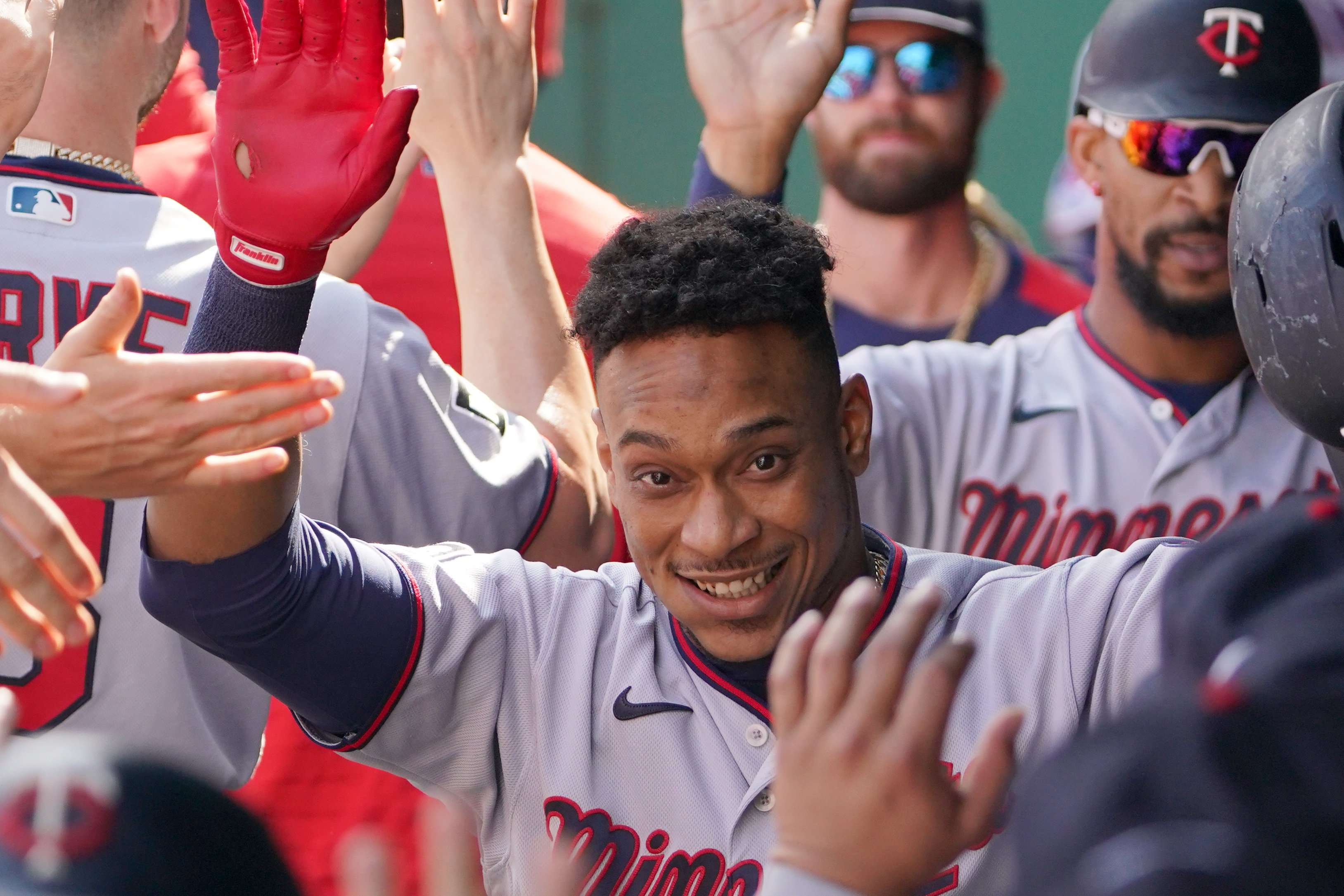 Considerations: Expectations Projections Results Injury Leverage/Value *MINIMUM 200 PLATE APPEARANCES TO QUALIFY* JORGE POLANCO 2021: 152 games, .269/.323/.503 (125 OPS+), 33 HR, 35 2B, 98 RBI, 18% K, 7% BB Undoubtedly the brightest star on the 2021 Twins, Polanco ultimately surged after a troubling start. Written off by many following a disappointing 2020 and treacherous April, "Polo" hit .279/.333/.541 with 32 homers and 31 doubles over his last 129 games. He hit a remarkable .333 with a 1.048 OPS with runners in scoring position. Polanco’s outstanding season didn’t offset the overall disappointment of the team but provided positivity and hope in times of need for Twins fans. He is one of the few sure things for 2022. That’s important. Polo was a much better second baseman than shortstop, ranking almost dead even in Outs Above Average (OAA) and Defensive Runs Saved (DRS). It went as well as any could’ve hoped. GRADE: A+ JOSH DONALDSON 2021: 135 games, .247/.352/.475 (127 OPS+), 26 HR, 26 2B, 72 RBI, 21% K, 13.6% BB Donaldson’s season halted before it started when he came up lame while running out a double on Opening Day. His leg horrors had returned, and it once again looked like his season would be significantly compromised. Donaldson indeed dealt with some aliments along the way, but he never again landed on the IL and produced his customary, strong season. He ranked fifth among MLB third baseman in wRC+ (124) and ninth in Win Probability Added (1.45). Defensively, Donaldson was average at third base. The perception of JD’s campaign might differ if he hadn’t started 0-for-18 with two outs and runners in scoring position. Or if he didn’t miss half the season in 2020. All-in-all, he remains one of the best third basemen in the world. GRADE: B MIGUEL SANÓ 2021: 135 games, .223/.312/.466 (113 OPS+), 30 HR, 24 2B, 75 RBI, 34% K, 11% BB By the time he got going at the plate, the Twins were out of contention, and many had tuned out. That’s an unfortunate reality, as Sanó was both healthy and productive for the season’s final three months. The streaky nature of Sanó’s game was on full display again in 2021. He was unplayable out of the gate, hitting .157/.271/.381 over his first 40 games. The Twins moved him to a platoon role, and he responded by hitting .250/.329/.500 with 21 homers over his last 377 plate appearances, earning back his starting job. It’s hard to argue that Sanó notably contributed to the team, evidenced by his 0.4 Wins Above Replacement mark at FanGraphs. But finishing with 30 homers after such a brutal start certainly helped his stock. GRADE: C- MITCH GARVER 2021: 68 games, .256/.358/.517 (140 OPS+), 13 HR, 15 2B, 34 RBI, 29.2%, 12.8% BB Like Polanco and Sanó, Garver got off to a brutal start, hitting .161/.212/.387 with 12 strikeouts and two walks in his first 33 plate appearances. And like his counterparts, he quickly turned it around. In 102 plate appearances from April 16th until June 1st, Garver hit .247/.373/.541 with six homers and seven doubles. His walk rate climbed to nearly 17% over that span. Sadly, a brutal injury knocked him out for the next month and a half. Garver returned and was even better, hitting .297 with a .927 OPS over his final 27 games. The Sauce was back as a premier offensive catcher, and he also ranked in the 93rd percentile in framing. GRADE: A- RYAN JEFFERS 2021: 85 G, .199/.270/.401 (83 OPS+), 14 HR, 10 2B, 3B, 35 RBI, 37% K, 7.5% BB The Twins thrust Jeffers into an unfavorable role from the outset, with Garver getting the starts against lefties and the rookie left to deal with right-handers. It didn’t go well. Jeffers went 5-for-34 (.147) with 18 strikeouts and three walks in April which earned him a spot on the Saints roster. Called up and handed the reigns after Garver went down, Jeffers hit lefties reasonably well and had some stretches of productivity. The sky-high strikeout rate and lack of consistent walks are both issues, but Jeffers graded favorably on the defensive side with above-average framing. The Twins will likely leave their Designated Hitter hole open for rotation in 2022. This allows Garver and Jeffers to start against lefties, which is a much better plan for the duo than the 2021 misread. GRADE: D+ ANDRELTON SIMMONS 2021: 131 games, .223/.283/.274 (57 OPS+), 3 HR, 12 2B, 31 RBI, 13.8% K, 7.1% BB The Twins signed Simmons to upgrade the infield defense drastically, a move that looked brilliant at the time. What they didn’t know is that he’d be one of the most extensive lineup holes they’ve had in years. Simmons’ .558 OPS is the lowest by a Twin in over 20 years (min. 450 PA). Simmons entered the season with a career .696 OPS. His defense was close to as advertised. Simmons ranked second to Nicky Lopez among AL shortstops in Outs Above Average (16) and second to Carlos Correa in Defensive Runs Saved (14). Still, it wasn’t nearly enough to make up for a historically bad offensive performance. Simmons went 9-for-20 out of the gate and then hit .212/.265/.258 with 12 extra-base hits the rest of the way. GRADE: D NICK GORDON 2021: 73 G, .240/.292/.355 (79 OPS+), 4 HR, 9 2B, 3B, 23 RBI, 10 SB, 25% K, 6% BB Gordon reaching the Twins is a significant accomplishment in itself. He went through a lot to finally land in the bigs, and he earned an extended look down the stretch. Gordon hit .263/.316/.391 with 14 extra-base hits over his first 66 games before going one for his last 21. He held his own at multiple defensive spots, instilling confidence in many that he could fill a utility role for the team in 2022 and beyond. Gordon logged innings at second base, shortstop, third base, centerfield, left field, and right field. There’s definite value in that. Gordon’s overall line isn’t fantastic, and he’ll need to draw more walks or strike out less to improve offensively. There’s some power in his bat, he’s great on the bases, and his versatility is tantalizing. GRADE: B- 2021 MINNESOTA TWINS GRADES Starting Pitchers Infielders Relief Pitchers - Coming Soon! Outfielders - Coming Soon! MORE FROM TWINS DAILY — Latest Twins coverage from our writers — Recent Twins discussion in our forums — Follow Twins Daily via Twitter, Facebook, or email — For The Locked On Twins Podcast, Click Here
 -
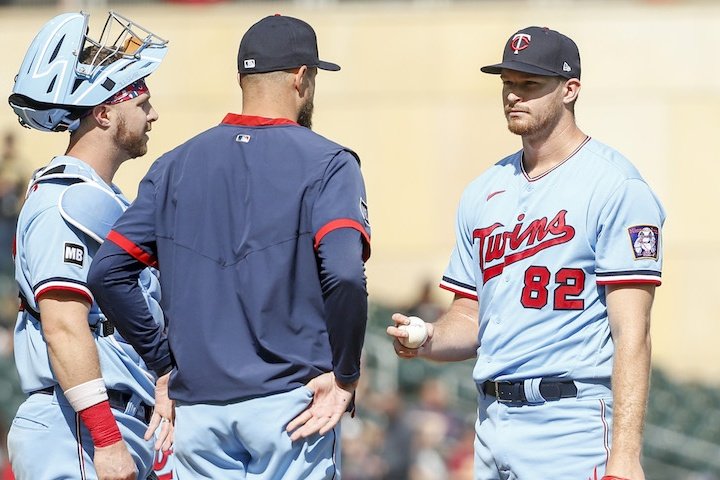 Considerations: Expectations Projections Results Injury Leverage/Value *MINIMUM 50 INNINGS TO QUALIFY* KENTA MAEDA 2021: 21 starts, 106 1/3 IP, 4.66 ERA (91 ERA+), 25% K, 7% BB After a career year in 2020, expectations were through the roof for Kenta Maeda in 2021. He was now the clear No. 1 on the staff, with PECOTA projecting him to be the third most valuable pitcher (by WARP) in the American League, behind only Shane Bieber and Gerrit Cole. PECOTA cast him as a top-six starter in all of baseball, ahead of aces Max Scherzer, Walker Buehler, and Corbin Burnes. It was apparent from Opening Day that wasn’t going to happen. Maeda’s command was faulty for much of the first half, contributing to a 5.56 ERA in his first 12 starts. His fastball velocity was down an entire tick from 2020, a key warning sign for his eventual elbow surgery. Before he was pulled for good at Yankee Stadium, Maeda was on an eight-start stretch where he posted a 2.98 ERA, 3.08 FIP, and a 4:1 strikeout-to-walk rate, in line with 2020. He was replicating the dominance, but it wouldn’t last long. Maeda underwent Tommy John surgery on September 1st, knocking him out until next June at the absolute earliest. It was an injury-riddled, forgettable season for Maeda, although he did pitch well for much of his second half. GRADE: C- JOSÉ BERRÍOS 2021 (with Twins): 20 starts, 121 2/3 IP, 3.48 ERA (122 ERA+), 25.7% K, 6.5% BB For the first time since his breakout in 2017, Berríos entered the season as the Twins’ second-best starter. He dazzled the Milwaukee Brewers in the second game of the year, pitching six perfect innings and further flashing his immense talent. Would this be his Cy Young tour? It wasn’t, but Berríos was still very good for the Twins. He replicated his numbers to this point of his career, which paints him as one of the best 20 or 30 starters in baseball. Berríos carried the Twins’ rotation through injuries and ineffectiveness, leading the team in innings despite being traded in July. José’s 2021 season, along with his career as a Twin, will be remembered in a very positive way. He’s the Twins’ best homegrown pitcher since Johan Santana, and he regularly gave them a chance to win. GRADE: B+ MICHAEL PINEDA 2021: 21 starts, 109 1/3 IP, 3.62 ERA (117 ERA+), 19.2% K, 4.6% BB We won’t know the full effects of the 2020 Covid season for quite some time, but it impacted Pineda. Because of his suspension, he pitched only 26 2/3 game innings from September of 2019 to April of 2021. On the one hand, Pineda barely surpassed 100 innings and required numerous IL stints throughout the year. His fastball velocity was down, and his strikeout rate was the lowest of his career. But here’s the beauty with him: it often doesn’t matter. He gets outs. Pineda was solidly above league-average with depleted stuff and ranked 20th in ERA+ (117) among 64 American League pitchers who threw at least 100 innings. Pineda was also outstanding in September, posting a 1.85 ERA in five Twins wins. The righty could return for another run if both sides see fit. GRADE: B MATT SHOEMAKER 2021: 11 starts, 60 1/3 IP, 8.06 ERA (53 ERA+), 14.1% K, 9.5% BB It may be hard to believe, but Shoemaker’s $2 million deal with the Twins initially looked savvy. He had a track record of injuries but also of success. Shoemaker entered the year with a career 103 ERA+, placing him above league average in over 600 innings. It was a reasonable plan: get as many quality innings as possible from Shoemaker and replace him with Randy Dobnak if need be. Great in theory, awful in practice. Shoemaker exploded after a strong debut in Detroit, allowing 53 runs over his next 54 1/3 innings. Shoemaker allowed opponents to hit .297/.367/.537 with 15 homers in just over 60 innings. His opponent’s OPS of .903 matches Kirby Puckett’s All-Star campaign in 1986, when he won the Silver Slugger award and finished sixth for MVP. Woof. GRADE: F- J.A. HAPP 2021: 19 starts, 98 1/3 IP, 6.77 ERA (63 ERA+), 17.3% K, 7% BB The J.A. Happ signing is an excellent example of ceiling and floor. The Twins inked Happ with an expectation of 150 innings of decent ball. Happ owned a 3.74 ERA in over 900 innings since 2015, so the veteran seemed like a sure thing. “Happer" was off and running with a sterling 1.91 ERA and .509 opponent’s OPS over his first five starts. With Alexander Colomé struggling, Matt Shoemaker matching him, and Andrelton Simmons middling, did the Twins make the right call on Happ? Oh, no, no, no. Unfortunately, the declining strikeout rates and fastball velocity were indeed an omen. The towering lefty got crushed by the White Sox in his next start and never looked back. From that point on, Happ allowed 92 runs in 124 innings. The Twins needed him, and he responded by allowing 28 homers, or over two per nine innings. Happ was slightly better than Shoemaker but did his damage over a larger sample. He was traded for RHP John Gant at the deadline. GRADE: F- BAILEY OBER 2021: 20 starts, 92 1/3 IP, 4.19 ERA (102 ERA+), 25.3% K, 5% BB Let’s get back on track with a promising rookie. Any reasonable expectation for Ober’s 2021 likely involved a late-September call-up, despite awe-inspiring numbers in the minors and increased velocity. Ober blew that out of the water. He had a 5.84 ERA after six starts, but his response was everything. Ober emerged as the Twins’ best starter with a 3.59 ERA and .282 opponent’s On-Base Percentage over his final 14 starts. Ober shut down prolific offenses along the way. He held the Red Sox scoreless at Fenway, stymied the White Sox at Target Field, and finished his campaign with five-plus great innings against a desperate and outstanding Blue Jays lineup. For someone who very few even mentioned among the Twins’ best handful of pitching prospects, he did pretty well. Most impressively, Ober still posted a better-than-average ERA despite allowing more homers (20) than walks (19). There’s room for growth. GRADE: A RANDY DOBNAK 2021: 6 starts, 14 games, 50 2/3 IP, 7.64 ERA (56 ERA+), 11.8% K, 5.3% BB "Dobber" signed an extension after shining for much of his first two seasons as a Twin. He posted a 3.12 ERA and 3.56 FIP in a combined 75 innings. In 2020, Dobnak’s sinker had more horizontal movement than any sinker in baseball (min. 300 pitches). You’d have to double the 3.4 inches of break on second-placed Adrian Houser’s sinker (3.4) to even get near Dobnak (7.8). Due to his finger injury or strange usage patterns early in the season, Dobnak never got on track in 2021. He was largely poor out of the bullpen and equally struggled as a starter. He got crushed with a declining groundball and strikeout rate. Hope for Dobnak remains. His sinker movement was still in elite territory but was down significantly from 2020. If he can get healthy and shore up his command, a bounce back in 2022 is definitely in the cards. GRADE: F GRIFFIN JAX 2021: 14 starts, 82 IP, 6.37 ERA (67 ERA+), 18.1% K, 8.1% BB Jax, like Ober, carried little expectations going into the season. He’d posted solid minor league numbers but remained under the radar due to less-than-stellar velocity or strikeout rates. Called up in early June, Jax entered his first four games as a reliever before making his first start on July 3rd in Kansas City. He became a fixture in the rotation, starting 14 games and working through massive home run issues (23 allowed in 82 IP). It’s hard to post a 6.37 ERA and *increase* your stock, but Jax had drastic splits. He held opponents to a .175 average and .597 OPS the first time through the order. This shows that Jax’s stuff can play, just maybe not as a starter. With a slider averaging nearly 3,000 RPMs of spin and a fastball that can reach 95, a future bullpen role looks promising. Spot him up against mostly righties with an exclusive fastball-slider combo and enjoy the results. GRADE: D+ 2021 MINNESOTA TWINS GRADES Starting Pitchers Infielders - Coming Soon! Relief Pitchers - Coming Soon! Outfielders - Coming Soon! MORE FROM TWINS DAILY — Latest Twins coverage from our writers — Recent Twins discussion in our forums — Follow Twins Daily via Twitter, Facebook, or email — For The Locked On Twins Podcast, Click Here
- 8 comments
-
- 2
-
-
- kenta maeda
- jose berrios
- (and 2 more)
