



Matt Braun
-
Posts
1,393 -
Joined
-
Last visited
-
Days Won
1
Content Type
Profiles
News
Minnesota Twins Videos
2026 Minnesota Twins Top Prospects Ranking
2022 Minnesota Twins Draft Picks
Minnesota Twins Free Agent & Trade Rumors, Notes, & Tidbits
Guides & Resources
2023 Minnesota Twins Draft Picks
The Minnesota Twins Players Project
2024 Minnesota Twins Draft Picks
2025 Minnesota Twins Draft Pick Tracker
2026 Minnesota Twins Draft Tracker: Picks & Bonuses
Forums
Blogs
Events
Store
Downloads
Gallery
Everything posted by Matt Braun
-
Twins Minor League Report (9/10): Wichita Flips the Script
Matt Braun posted an article in Minor Leagues
 TRANSACTIONS RHP Cory Lewis activated (St. Paul) LHP Aaron Rozek placed on Development List (St. Paul) Saints Sentinel St. Paul 1, Columbus 7 Box Score John Klein: 4 IP, 2 H, 3 ER, 5 BB, 4 K HR: None Multi-hit games: None Little went right for the Saints on Wednesday. Our friends in St. Paul continued a dreary season, falling by six in an uncompetitive game. Starter John Klein had a rough go of it. Control eluded him, as the righty walked five, which portended a 12-walk game authored by Saints pitching. His first two innings were excellent, though, as he whiffed three and didn’t allow a base runner. The Saints scored their lone run of the day off a Walker Jenkins RBI double in the third. 2024 first overall pick and 15th-ranked MLB prospect, Travis Bazzana, took three walks in five plate appearances. Wind Surge Wisdom Wichita 2, Corpus Christi 1 Box Score C.J. Culpepper: 5 IP, 2 H, 0 ER, 4 BB, 2 K HR: Harry Genth (2) Multi-hit games: Kala’i Rosario (2-for-4), Maddux Houghton (2-for-4) The Wind Surge scored two in the ninth to win on Wednesday. Perhaps inspired by J.J. McCarthy and the Vikings on Monday, Wichita turned what once looked like a hopeless endeavor into a sweet reality. They had nothing going. Nothing. They were whiffing at an unthinkable rate. Only twice did a Wind Surge runner even touch third. Bringing in one of those guys? Ushering them home safely? What, are you crazy? Jose Salas struck out and Maddux Houghton grounded out to start the ninth. Hooks pitcher Anderson Bido was already thinking about his celebratory dinner. Harry Genth walked to the plate. A recent indy-ball signee. OPS’d over 1.500 for Haverford this year. Stands 5’8.” “No problem”, thought Bido, who decided to bend in a first-pitch slider to Genth. The righty walloped the pitch, sending the ball flying deep into the night as the game shockingly moved to a tie. Wichita wasn’t finished. Fired up by Genth’s shot, Hendry Mendez took a walk, Kala’i Rosario singled, and Ricardo Olivar punched a liner to center to score Mendez and take the lead outright. Kade Bragg held on in the ninth to secure the win. Hooks center fielder Joseph Sullivan is the sixth-ranked prospect in the Houston Astros system. He went hitless in four at-bats. Kernels Nuggets The Kernels did not play on Wednesday, but will be back on Thursday for the second game of their playoff series. Mussel Matters The Mighty Mussels season has ended. We’ll see them again in 2026. TWINS DAILY PLAYERS OF THE DAY Twins Daily Minor League Pitcher of the Day – C.J. Culpepper Twins Daily Minor League Hitter of the Day – Hendry Mendez PROSPECT SUMMARY Here’s a look at how the Twins Daily Top 20 Twins Prospects performed: #1 – Walker Jenkins (St. Paul) - 1-4, 2B, RBI, 2 K #2 – Luke Keaschall (Twins) - 1-4, 2B, BB, K #4 – Emmanuel Rodriguez (St. Paul) - 0-3, BB, K #11 – Gabriel Gonzalez (St. Paul) - 1-3, BB, 2 K #18 – C.J. Culpepper (Wichita) - 5 IP, 2 H, 0 ER, 4 BB, 2 K #20 – Hendry Mendez (Wichita) - 1-2, R, 2 BB THURSDAY’S PROBABLE STARTERS Columbus @ St. Paul (6:37 PM) - RHP Darren McCaughan Wichita @ Corpus Christi (6:35 PM) - RHP Alejandro Hidalgo Beloit @ Cedar Rapids (6:35 PM) - LHP Dasan Hill
- 1 comment
-
- 5
-

-

-
- c.j. culpepper
- hendry mendez
- (and 3 more)
-
Image courtesy of Thiéres Rabelo TRANSACTIONS RHP Cory Lewis activated (St. Paul) LHP Aaron Rozek placed on Development List (St. Paul) Saints Sentinel St. Paul 1, Columbus 7 Box Score John Klein: 4 IP, 2 H, 3 ER, 5 BB, 4 K HR: None Multi-hit games: None Little went right for the Saints on Wednesday. Our friends in St. Paul continued a dreary season, falling by six in an uncompetitive game. Starter John Klein had a rough go of it. Control eluded him, as the righty walked five, which portended a 12-walk game authored by Saints pitching. His first two innings were excellent, though, as he whiffed three and didn’t allow a base runner. The Saints scored their lone run of the day off a Walker Jenkins RBI double in the third. 2024 first overall pick and 15th-ranked MLB prospect, Travis Bazzana, took three walks in five plate appearances. Wind Surge Wisdom Wichita 2, Corpus Christi 1 Box Score C.J. Culpepper: 5 IP, 2 H, 0 ER, 4 BB, 2 K HR: Harry Genth (2) Multi-hit games: Kala’i Rosario (2-for-4), Maddux Houghton (2-for-4) The Wind Surge scored two in the ninth to win on Wednesday. Perhaps inspired by J.J. McCarthy and the Vikings on Monday, Wichita turned what once looked like a hopeless endeavor into a sweet reality. They had nothing going. Nothing. They were whiffing at an unthinkable rate. Only twice did a Wind Surge runner even touch third. Bringing in one of those guys? Ushering them home safely? What, are you crazy? Jose Salas struck out and Maddux Houghton grounded out to start the ninth. Hooks pitcher Anderson Bido was already thinking about his celebratory dinner. Harry Genth walked to the plate. A recent indy-ball signee. OPS’d over 1.500 for Haverford this year. Stands 5’8.” “No problem”, thought Bido, who decided to bend in a first-pitch slider to Genth. The righty walloped the pitch, sending the ball flying deep into the night as the game shockingly moved to a tie. Wichita wasn’t finished. Fired up by Genth’s shot, Hendry Mendez took a walk, Kala’i Rosario singled, and Ricardo Olivar punched a liner to center to score Mendez and take the lead outright. Kade Bragg held on in the ninth to secure the win. Hooks center fielder Joseph Sullivan is the sixth-ranked prospect in the Houston Astros system. He went hitless in four at-bats. Kernels Nuggets The Kernels did not play on Wednesday, but will be back on Thursday for the second game of their playoff series. Mussel Matters The Mighty Mussels season has ended. We’ll see them again in 2026. TWINS DAILY PLAYERS OF THE DAY Twins Daily Minor League Pitcher of the Day – C.J. Culpepper Twins Daily Minor League Hitter of the Day – Hendry Mendez PROSPECT SUMMARY Here’s a look at how the Twins Daily Top 20 Twins Prospects performed: #1 – Walker Jenkins (St. Paul) - 1-4, 2B, RBI, 2 K #2 – Luke Keaschall (Twins) - 1-4, 2B, BB, K #4 – Emmanuel Rodriguez (St. Paul) - 0-3, BB, K #11 – Gabriel Gonzalez (St. Paul) - 1-3, BB, 2 K #18 – C.J. Culpepper (Wichita) - 5 IP, 2 H, 0 ER, 4 BB, 2 K #20 – Hendry Mendez (Wichita) - 1-2, R, 2 BB THURSDAY’S PROBABLE STARTERS Columbus @ St. Paul (6:37 PM) - RHP Darren McCaughan Wichita @ Corpus Christi (6:35 PM) - RHP Alejandro Hidalgo Beloit @ Cedar Rapids (6:35 PM) - LHP Dasan Hill View full article
-
Matt Braun breaks down the most notable starts of the past week. This time, we look at Joe Ryan's dominant outing against the Padres, as well as Taj Bradley's two starts, which flashed promise and swing-and-miss potential. View full video
-
Matt Braun breaks down the most notable starts of the past week. This time, we look at Joe Ryan's dominant outing against the Padres, as well as Taj Bradley's two starts, which flashed promise and swing-and-miss potential.
-
Image courtesy of © Bruce Kluckhohn-Imagn Images Byron Buxton tripled the other day. That’s hardly an unusual feat. This one was his sixth of the year, and the 30th of his career. But there’s something odd about the play. Can you spot it? ZFh6M2pfWGw0TUFRPT1fVWxCUlYxZFFWUW9BVzFzRFZnQUhBQUpmQUFBQ0Ixa0FCVklCQmdzSFYxZFNBMUJX.mp4 This is no longer a Byron Buxton article. Sorry, Buck. This is a Brooks Baldwin article. There’s something about alliterative “B’s,” I guess. I mean, look at him! Baldwin never even dares to approach the warning track; as if a curse will befall him and his family and his teammates if he touches the outer dirt. He even takes a few steps backwards after his initial attack in anticipation of a violent ricochet. The chyron obscures the ball’s landing spot, but a violent ricochet that is not. Based on how the ball spins, I don’t think it hit the wall first; it landed in the dirt, before back-spinning off the wall, finally registering to Baldwin that he’s safe to retrieve the object. In the meantime, Buxton is running like a maniac. It’s just Baldwin’s luck that Byron was the batter to smack this ball. Had basically any other Twin done it, they would have just safely strode into second, made some sort of celebratory hand signal to the dugout, and remained pleased with their improved OPS. Buxton, however, makes hay with his speed and decisive baserunning. He smelled a three-bagger. So he bolted as if this was “The Short Sprint” (a re-imagining of Stephen King’s "The Long Walk"). Yet, even Buxton knows something is up. Look at this frame: He wisely checks to see if the cutoff man offers a threat to his adventure to third base. He does not. The infield hasn’t even received the ball yet. So he lets down his guard, unleashes an exaltation, and saunters into the base, perhaps a little confused that he didn’t need to dirty his jersey in the process. This was likely the easiest triple of Buxton’s career, and it didn’t involve an odd bounce or a fielding mishap during a catch attempt. Though we’re most familiar with Baldwin as an infielder, he has years of experience in the outfield from his time at UNC-Wilmington and through the minor leagues. This isn’t a case of a green youngster finding his footing at a new position; this is a man scared to death of Minnesota’s right field. That’s probably rational. We’ve seen some strange outcomes from balls in play entangling with the overhang. And Baldwin had yet to field a flyball that encroached on right field’s menacing overhang. I’m convinced he made up his mind that any ball hit with authority over his head was the fielding equivalent of no man’s land, and that he would keep his distance (and his dignity). It’s just that this level of authority was that of a Lieutenant, not a Chief of Police. I’m not sure everyone noticed exactly what happened here. I asked my baseball-watching girlfriend if something seemed odd and she said no. Cory Provus did: he read Baldwin’s actions and the flight of the ball, and concluded that it was not only a threat to bludgeon the wall, but maybe even to land in the overhang. “In the air to right,” he says casually. “And deep,” he adds with sudden raised tenor. “Back it goes,” the first line of his signature home run call. “And that is in play and off the wall,” uttered with confusion. He had been had, tricked by the behaviour of a fielder trying his best. This wasn’t a disaster. It’s not like the Miguel Sanó walk-off against Detroit a few years ago in which multiple fielders committed atrocious mistakes while attempting to perform athletic feats at the highest level. Arguably, the outcome would have been the same had he tried to catch the ball and simply bungled it, something that even elite fielders sometimes do at the wall. Maybe Baldwin’s only sin was that his conservatism looked aesthetically strange. Oh, and this is what happened two plays later. ZFh6M2pfWGw0TUFRPT1fQXdBSFZWMEFVRmNBV2xVRVVnQUhWd1ZUQUFBRFVsQUFCVnhSVVFwVUFBb0dCMUZW.mp4 Ball don’t lie? View full article
-
Overhang Hangover: Target Field’s Weirdest Quirk Strikes Again
Matt Braun posted an article in Twins
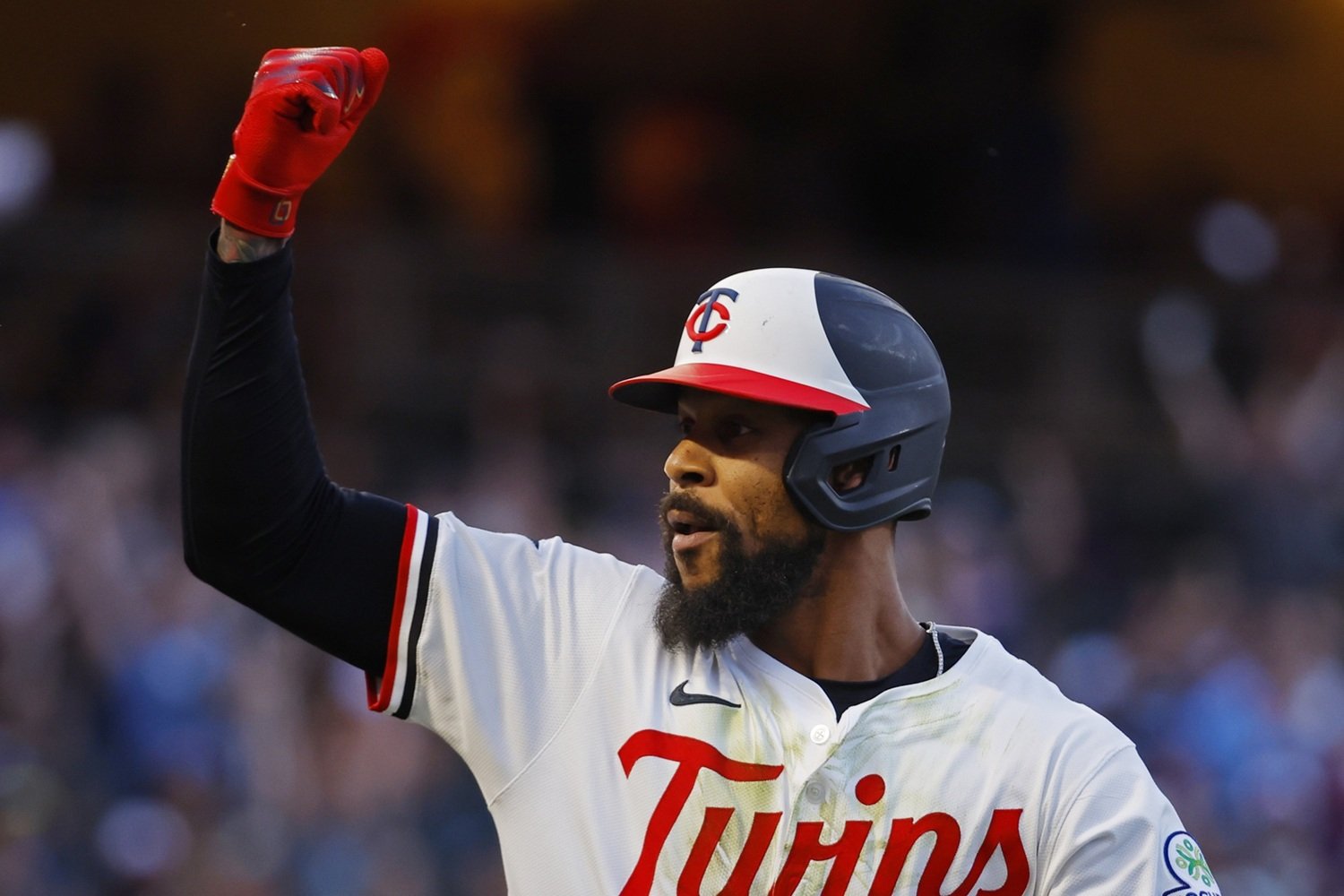 Byron Buxton tripled the other day. That’s hardly an unusual feat. This one was his sixth of the year, and the 30th of his career. But there’s something odd about the play. Can you spot it? ZFh6M2pfWGw0TUFRPT1fVWxCUlYxZFFWUW9BVzFzRFZnQUhBQUpmQUFBQ0Ixa0FCVklCQmdzSFYxZFNBMUJX.mp4 This is no longer a Byron Buxton article. Sorry, Buck. This is a Brooks Baldwin article. There’s something about alliterative “B’s,” I guess. I mean, look at him! Baldwin never even dares to approach the warning track; as if a curse will befall him and his family and his teammates if he touches the outer dirt. He even takes a few steps backwards after his initial attack in anticipation of a violent ricochet. The chyron obscures the ball’s landing spot, but a violent ricochet that is not. Based on how the ball spins, I don’t think it hit the wall first; it landed in the dirt, before back-spinning off the wall, finally registering to Baldwin that he’s safe to retrieve the object. In the meantime, Buxton is running like a maniac. It’s just Baldwin’s luck that Byron was the batter to smack this ball. Had basically any other Twin done it, they would have just safely strode into second, made some sort of celebratory hand signal to the dugout, and remained pleased with their improved OPS. Buxton, however, makes hay with his speed and decisive baserunning. He smelled a three-bagger. So he bolted as if this was “The Short Sprint” (a re-imagining of Stephen King’s "The Long Walk"). Yet, even Buxton knows something is up. Look at this frame: He wisely checks to see if the cutoff man offers a threat to his adventure to third base. He does not. The infield hasn’t even received the ball yet. So he lets down his guard, unleashes an exaltation, and saunters into the base, perhaps a little confused that he didn’t need to dirty his jersey in the process. This was likely the easiest triple of Buxton’s career, and it didn’t involve an odd bounce or a fielding mishap during a catch attempt. Though we’re most familiar with Baldwin as an infielder, he has years of experience in the outfield from his time at UNC-Wilmington and through the minor leagues. This isn’t a case of a green youngster finding his footing at a new position; this is a man scared to death of Minnesota’s right field. That’s probably rational. We’ve seen some strange outcomes from balls in play entangling with the overhang. And Baldwin had yet to field a flyball that encroached on right field’s menacing overhang. I’m convinced he made up his mind that any ball hit with authority over his head was the fielding equivalent of no man’s land, and that he would keep his distance (and his dignity). It’s just that this level of authority was that of a Lieutenant, not a Chief of Police. I’m not sure everyone noticed exactly what happened here. I asked my baseball-watching girlfriend if something seemed odd and she said no. Cory Provus did: he read Baldwin’s actions and the flight of the ball, and concluded that it was not only a threat to bludgeon the wall, but maybe even to land in the overhang. “In the air to right,” he says casually. “And deep,” he adds with sudden raised tenor. “Back it goes,” the first line of his signature home run call. “And that is in play and off the wall,” uttered with confusion. He had been had, tricked by the behaviour of a fielder trying his best. This wasn’t a disaster. It’s not like the Miguel Sanó walk-off against Detroit a few years ago in which multiple fielders committed atrocious mistakes while attempting to perform athletic feats at the highest level. Arguably, the outcome would have been the same had he tried to catch the ball and simply bungled it, something that even elite fielders sometimes do at the wall. Maybe Baldwin’s only sin was that his conservatism looked aesthetically strange. Oh, and this is what happened two plays later. ZFh6M2pfWGw0TUFRPT1fQXdBSFZWMEFVRmNBV2xVRVVnQUhWd1ZUQUFBRFVsQUFCVnhSVVFwVUFBb0dCMUZW.mp4 Ball don’t lie?
 -
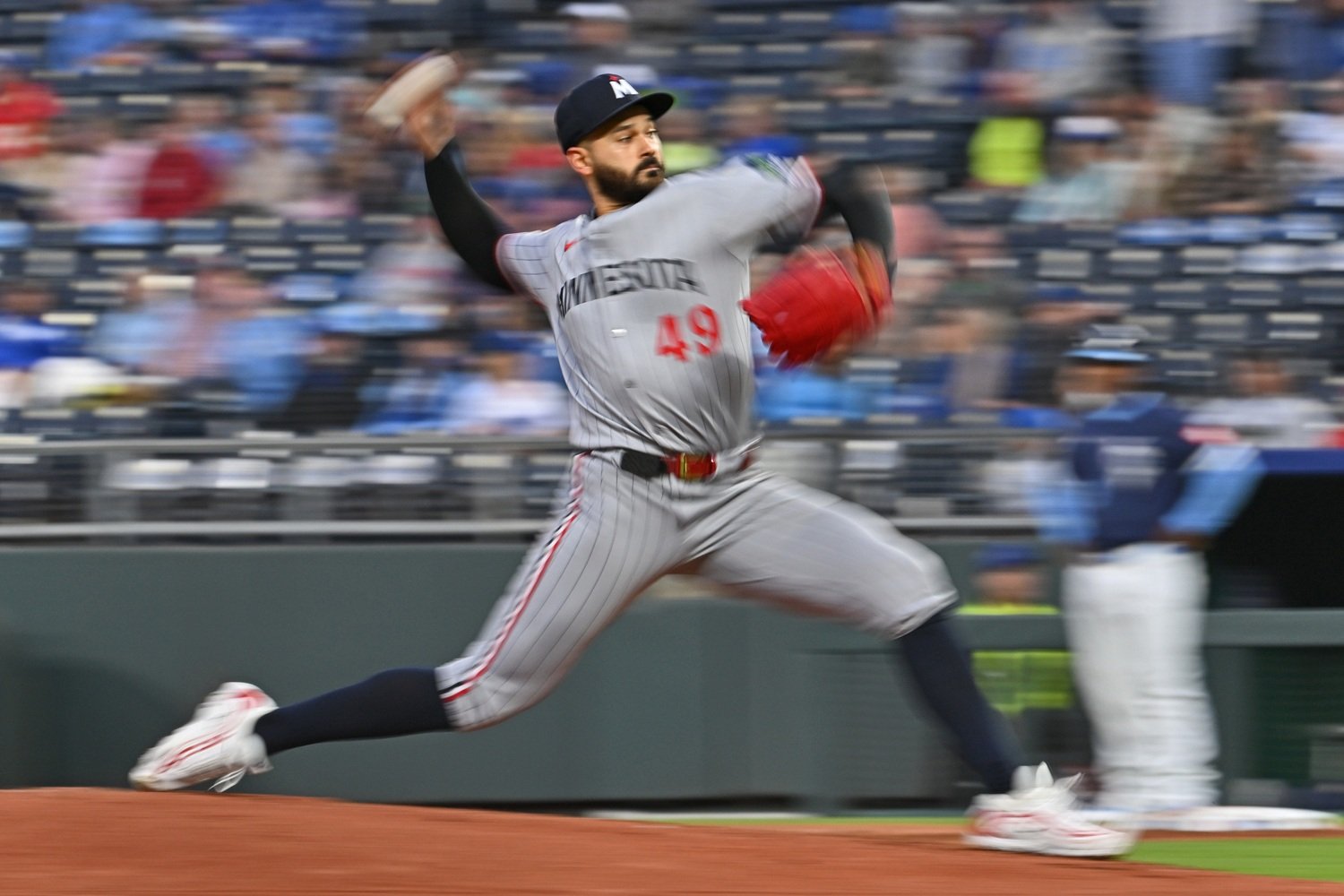 Box Score Pablo López: 6 IP, 6 H, 2 ER, 1 BB, 4 K Home Runs: None Bottom 3 WPA: Matt Wallner (-.164), Byron Buxton (-.144), Austin Martin (-.117) Win Probability Chart (via FanGraphs) So the wagon continues to move. “Lethargic” doesn’t quite cover it; this is a team with dead, calcified innards only playing baseball because everyone involved is contractually obligated to do so. The power of the American dollar. At least Pablo López is back. And he looked good. Mostly good. He wasn’t quite Sean Connery, but, rather, served as a solid Roger Moore, providing undeniable quality while lacking in the certain something that pushes his play to the top of the heap. The swing and miss—his bread and butter—wasn’t quite back, necessitating a reliance on fly balls. It mostly worked. Until he hung a sweeper to Maikel Garcia in the third. So it goes. Unfortunately for the Twins, Michael Wacha was starting for the Royals. The bastard. His endless supply of tricks typically befuddles Minnesota’s batters, and Friday was no exception; his floating changeup and looping breaking stuff portended five strikeouts and a lone earned run across 5 ⅔ innings. The veteran knows how to tangle up his opponent. It’s like watching hitters swing at an invisible ball. Or swing underwater. Or swing blindfolded. You get it. But they did get him once. The culprit? Jhonny Pereda, who bled a 68.5 MPH double down the first base line to drive in Brooks Lee. Typically, this would be the paragraph that transitions us from the middle stages to the late stages; describes minor events; recounts reliever entrances; describes any changes in the game state. Not today. The Twins felt no need to alter their position: their suffocating mediocrity fell to the side of bland inaction. No hero journeyed forth. No great lesson was learned. Nothing was risked. Instead, a group of ballplayers strode to the batter’s box, accomplished little of note, and trudged back with indistinction. It would drive one to be upset if there was anything in this team worth finding emotion for. A runner reached against Carlos Estévez in the ninth. Mickey Gasper pinch-hit as the go-ahead run. He hit the ball hard, to his credit. Right at Kyle Isbel in center field. It's futile, everything about this team. Notes: Trevor Larnach is on a 16-game on-base streak. Pablo López's four strikeouts give him 497 in his Twins career, the 29th-most in team history. He's seven away from tying Dean Chance. Royce Lewis has tied a single-season career-high with six stolen bases. The Twins have stolen 30 bases since the start of August, the sixth-most in MLB. They stole 65 in 2024 overall. Post-Game Interview: What’s Next? The Twins play the Royals again on Saturday, as Joe Ryan is set to start opposite Stephen Kolek. First pitch is at 6:15 PM. Bullpen Usage Spreadsheet
- 54 comments
-
- 3
-

-
-
- pablo lopez
- jhonny pereda
- (and 3 more)
-
Image courtesy of © Peter Aiken-Imagn Images Box Score Pablo López: 6 IP, 6 H, 2 ER, 1 BB, 4 K Home Runs: None Bottom 3 WPA: Matt Wallner (-.164), Byron Buxton (-.144), Austin Martin (-.117) Win Probability Chart (via FanGraphs) So the wagon continues to move. “Lethargic” doesn’t quite cover it; this is a team with dead, calcified innards only playing baseball because everyone involved is contractually obligated to do so. The power of the American dollar. At least Pablo López is back. And he looked good. Mostly good. He wasn’t quite Sean Connery, but, rather, served as a solid Roger Moore, providing undeniable quality while lacking in the certain something that pushes his play to the top of the heap. The swing and miss—his bread and butter—wasn’t quite back, necessitating a reliance on fly balls. It mostly worked. Until he hung a sweeper to Maikel Garcia in the third. So it goes. Unfortunately for the Twins, Michael Wacha was starting for the Royals. The bastard. His endless supply of tricks typically befuddles Minnesota’s batters, and Friday was no exception; his floating changeup and looping breaking stuff portended five strikeouts and a lone earned run across 5 ⅔ innings. The veteran knows how to tangle up his opponent. It’s like watching hitters swing at an invisible ball. Or swing underwater. Or swing blindfolded. You get it. But they did get him once. The culprit? Jhonny Pereda, who bled a 68.5 MPH double down the first base line to drive in Brooks Lee. Typically, this would be the paragraph that transitions us from the middle stages to the late stages; describes minor events; recounts reliever entrances; describes any changes in the game state. Not today. The Twins felt no need to alter their position: their suffocating mediocrity fell to the side of bland inaction. No hero journeyed forth. No great lesson was learned. Nothing was risked. Instead, a group of ballplayers strode to the batter’s box, accomplished little of note, and trudged back with indistinction. It would drive one to be upset if there was anything in this team worth finding emotion for. A runner reached against Carlos Estévez in the ninth. Mickey Gasper pinch-hit as the go-ahead run. He hit the ball hard, to his credit. Right at Kyle Isbel in center field. It's futile, everything about this team. Notes: Trevor Larnach is on a 16-game on-base streak. Pablo López's four strikeouts give him 497 in his Twins career, the 29th-most in team history. He's seven away from tying Dean Chance. Royce Lewis has tied a single-season career-high with six stolen bases. The Twins have stolen 30 bases since the start of August, the sixth-most in MLB. They stole 65 in 2024 overall. Post-Game Interview: What’s Next? The Twins play the Royals again on Saturday, as Joe Ryan is set to start opposite Stephen Kolek. First pitch is at 6:15 PM. Bullpen Usage Spreadsheet View full article
- 54 replies
-
- 1
-
-
- pablo lopez
- jhonny pereda
- (and 3 more)
-
For better or for worse, it seems that the Twins under this regime are rigid with their internal evaluations and don’t tend to give chances to a hot bat unless they’re a legit prospect. I’d be shocked if Sabato came up this year unless injuries start to pile up.
- 35 replies
-
- 4
-
-
- aaron sabato
- quentin young
- (and 4 more)
-
Gave the Beatles White Album a play while writing this one. Not my favorite from them, but it’s definitely incomparable and diverse, even if it does run a little long.
- 35 replies
-
- 3
-
-
- aaron sabato
- quentin young
- (and 4 more)
-
Image courtesy of Rob Thompson (photo of Aaron Sabato) TRANSACTIONS RHP David Festa returned to Minnesota Twins (and subsequently likely ruled out for 2025) Saints Sentinel St. Paul 5, Louisville 6 (10 Innings) Box Score SP: Andrew Morris: 5 IP, 3 H, 2 ER, 0 BB, 5 K HR: Jonah Bride (3), Aaron Sabato 2 (11, 12) Multi-hit games: Gabriel Gonzalez (2-for-5, R), Aaron Sabato (3-for-5, 2 HR, 2B, 2 R, 3 RBI) The Saints fell in extras on Wednesday. Andrew Morris continues to excel in his return to the pitching mound. Across his last 16 frames, the righty has allowed five earned runs and just nine hits while striking out 21. The recent run starting on August 9th lowered his season ERA from 4.41 to 4.08, and his WHIP has fallen similarly; down to 1.41 from the heights of 1.61. Wednesday was more of the same—and his five-inning start was the longest since the injury. The “Marco Raya in relief” experiment reached its zenith, as the 23-year-old dominated, tossing three shutout innings with five strikeouts. The secret? A sweeper that earned nine swings-and-misses across 18 offerings. Now that’s dastardly. Aaron Sabato provided the thump. Lots of it. The first of his blasts was the most majestic: a 435-foot shot to dead center that could have busted the batter’s eye. The second was a more humble 383-footer sent the other way. He also doubled. Big leaguer rehabber, Tyler Stephenson, caught and homered for the Bats. Outfielder Héctor Rodríguez is ranked as the ninth-best prospect in the Reds’ system. He singled twice in two at-bats for Louisville. Wind Surge Wisdom The Wind Surge were postponed due to inclement weather. They will play a doubleheader on September 4th. Kernels Nuggets Cedar Rapids 0, Quad Cities 4 Box Score SP: Garrett Horn: 1 IP, 3 H, 2 ER, 2 BB, 1 K HR: None Multi-hit games: None The Kernels were shut out on Wednesday. Frankly, this was a dull game for our protagonists. They collected three hits—the full extent of their offensive potency—and allowed a cromulent but unnotable amount of runs. Spencer Bengard was the player of the game with four shutout innings out of the bullpen, striking out five. That’s about it. MLB’s 48th overall prospect, catcher Blake Mitchell, went 1-for-3 with a double and a walk. Mussel Matters Fort Myers 3, St. Lucie 2 Box Score SP: Eli Jones: 5 ⅔ IP, 5 H, 0 ER, 2 BB, 4 K HR: None Multi-hit games: None The Mighty Mussels won on a walk-off on Wednesday. Eli Jones stole the show. The 2024 seventh-rounder out of South Carolina put forth one of his best starts of the year, holding the Mets scoreless for 94 pitches across 5 2/3 innings. It wasn’t easy; St. Lucie knocked him for five hits and stole just as many bases. The righty hunkered down. Wasn’t shaken. Remained like iron in his will. And he walked off the mound with a clean slate. The Mighty Mussels attacked when they could, scoring one in the first on a Quentin Young sacrifice fly, and another in the third with a Dameury Pena RBI single. Speeding up to the ninth, Fort Myers loaded the bases for Young to potentially send his team home happy. The youngster hit a soft line drive the drawn-in second baseman could not corral, necessitating Ryan Sprock to suddenly begin dashing home. The throw beat him. The catcher’s foot? Perhaps an inch off the plate. The home plate umpire saw it all the way and called the surprised Sprock safe, ushering in a celebration as confused and tepid as the walk-off itself. The Mighty Mussels Twitter account didn’t post the play, but if you have access to minor league streaming, do look it up. It’s bizarre. Rehabbing big leaguer Emmanuel Rodriguez played center field for seven innings, reached base twice, and stole a base. The Mets claim a great variety of talent in their farm system, and their best prospect in this game was second baseman Mitch Voit, ranked as their ninth-best prospect. He singled twice in five at-bats. TWINS DAILY PLAYERS OF THE DAY Twins Daily Minor League Pitcher of the Day – Eli Jones Twins Daily Minor League Hitter of the Day – Aaron Sabato PROSPECT SUMMARY Here’s a look at how the Twins Daily Top 20 Twins Prospects performed: #1 – Walker Jenkins (St. Paul) - 1-4, 2B, RBI, BB, K #2 – Luke Keaschall (Twins) - 1-4, 2B, R, RBI, BB #4 – Emmanuel Rodriguez (Fort Myers) - 1-3, 2 R, BB, K #5 – Eduardo Tait (Cedar Rapids) - 0-4, 2 K #11 – Gabriel Gonzalez (St. Paul) - 2-5, R, 2 K #12 – Marco Raya (St. Paul) - 3 IP, 1 H, 0 ER, 0 BB, 5 K #13 – Marek Houston (Cedar Rapids) - 0-2 #14 – Brandon Winokur (Cedar Rapids) - 1-3, BB, 2 K #15 – Andrew Morris (St. Paul) - 5 IP, 3 H, 2 ER, 0 BB, 5 K #17 – Kyle DeBarge (Cedar Rapids) - 0-4, K THURSDAY’S PROBABLE STARTERS St. Paul @ Louisville (5:35 PM) - RHP John Klein Tulsa @ Wichita (7:05 PM) - RHP C.J. Culpepper Cedar Rapids @ Quad Cities (6:30 PM) - RHP Adrian Bohorquez St. Lucie @ Fort Myers (6:05 PM) - RHP Christian Becerra View full article
- 35 replies
-
- 1
-
-
- aaron sabato
- quentin young
- (and 4 more)
-
Twins Minor League Report (9/3): Aaron Sabato Goes Berzerk
Matt Braun posted an article in Minor Leagues
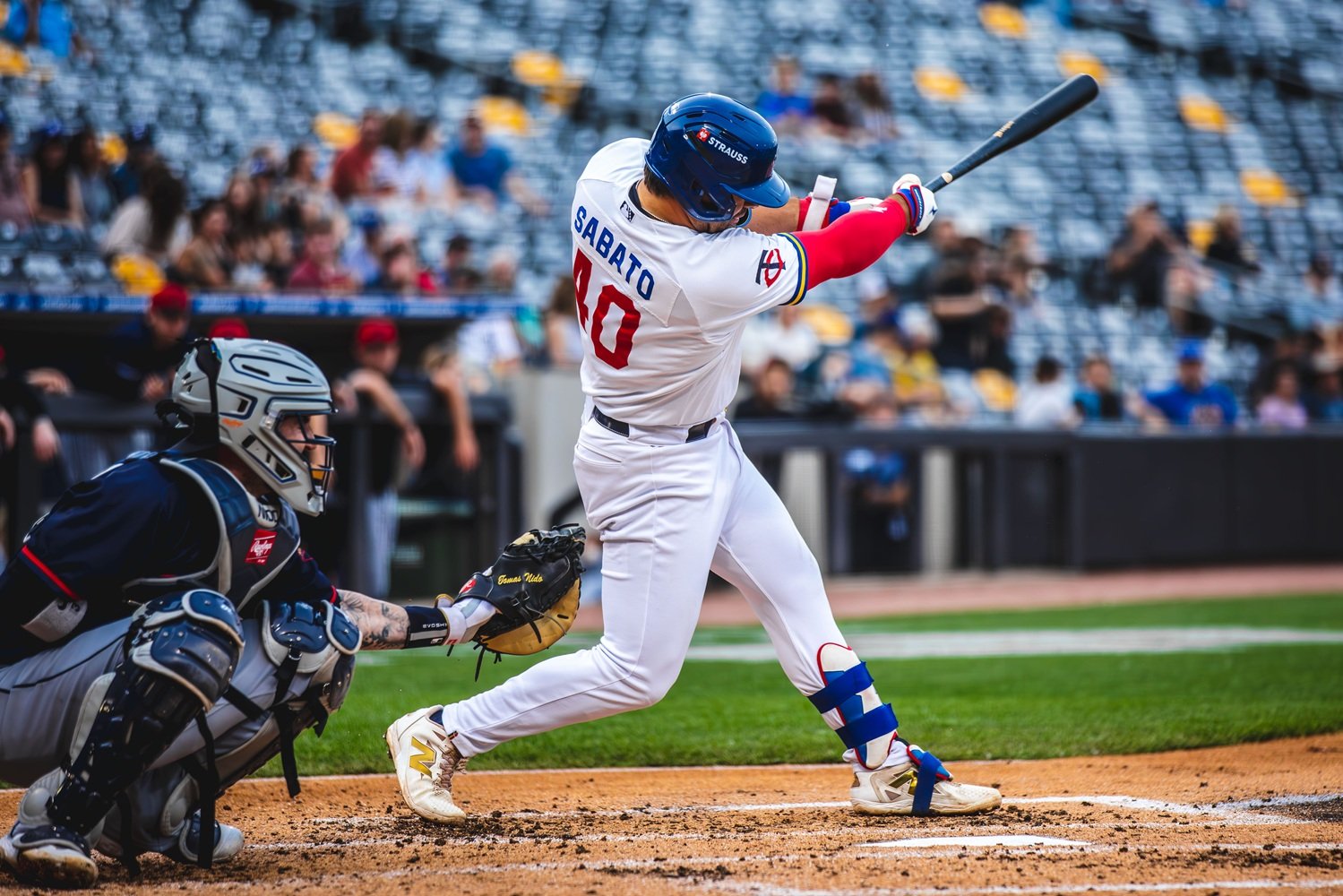 TRANSACTIONS RHP David Festa returned to Minnesota Twins (and subsequently likely ruled out for 2025) Saints Sentinel St. Paul 5, Louisville 6 (10 Innings) Box Score SP: Andrew Morris: 5 IP, 3 H, 2 ER, 0 BB, 5 K HR: Jonah Bride (3), Aaron Sabato 2 (11, 12) Multi-hit games: Gabriel Gonzalez (2-for-5, R), Aaron Sabato (3-for-5, 2 HR, 2B, 2 R, 3 RBI) The Saints fell in extras on Wednesday. Andrew Morris continues to excel in his return to the pitching mound. Across his last 16 frames, the righty has allowed five earned runs and just nine hits while striking out 21. The recent run starting on August 9th lowered his season ERA from 4.41 to 4.08, and his WHIP has fallen similarly; down to 1.41 from the heights of 1.61. Wednesday was more of the same—and his five-inning start was the longest since the injury. The “Marco Raya in relief” experiment reached its zenith, as the 23-year-old dominated, tossing three shutout innings with five strikeouts. The secret? A sweeper that earned nine swings-and-misses across 18 offerings. Now that’s dastardly. Aaron Sabato provided the thump. Lots of it. The first of his blasts was the most majestic: a 435-foot shot to dead center that could have busted the batter’s eye. The second was a more humble 383-footer sent the other way. He also doubled. Big leaguer rehabber, Tyler Stephenson, caught and homered for the Bats. Outfielder Héctor Rodríguez is ranked as the ninth-best prospect in the Reds’ system. He singled twice in two at-bats for Louisville. Wind Surge Wisdom The Wind Surge were postponed due to inclement weather. They will play a doubleheader on September 4th. Kernels Nuggets Cedar Rapids 0, Quad Cities 4 Box Score SP: Garrett Horn: 1 IP, 3 H, 2 ER, 2 BB, 1 K HR: None Multi-hit games: None The Kernels were shut out on Wednesday. Frankly, this was a dull game for our protagonists. They collected three hits—the full extent of their offensive potency—and allowed a cromulent but unnotable amount of runs. Spencer Bengard was the player of the game with four shutout innings out of the bullpen, striking out five. That’s about it. MLB’s 48th overall prospect, catcher Blake Mitchell, went 1-for-3 with a double and a walk. Mussel Matters Fort Myers 3, St. Lucie 2 Box Score SP: Eli Jones: 5 ⅔ IP, 5 H, 0 ER, 2 BB, 4 K HR: None Multi-hit games: None The Mighty Mussels won on a walk-off on Wednesday. Eli Jones stole the show. The 2024 seventh-rounder out of South Carolina put forth one of his best starts of the year, holding the Mets scoreless for 94 pitches across 5 2/3 innings. It wasn’t easy; St. Lucie knocked him for five hits and stole just as many bases. The righty hunkered down. Wasn’t shaken. Remained like iron in his will. And he walked off the mound with a clean slate. The Mighty Mussels attacked when they could, scoring one in the first on a Quentin Young sacrifice fly, and another in the third with a Dameury Pena RBI single. Speeding up to the ninth, Fort Myers loaded the bases for Young to potentially send his team home happy. The youngster hit a soft line drive the drawn-in second baseman could not corral, necessitating Ryan Sprock to suddenly begin dashing home. The throw beat him. The catcher’s foot? Perhaps an inch off the plate. The home plate umpire saw it all the way and called the surprised Sprock safe, ushering in a celebration as confused and tepid as the walk-off itself. The Mighty Mussels Twitter account didn’t post the play, but if you have access to minor league streaming, do look it up. It’s bizarre. Rehabbing big leaguer Emmanuel Rodriguez played center field for seven innings, reached base twice, and stole a base. The Mets claim a great variety of talent in their farm system, and their best prospect in this game was second baseman Mitch Voit, ranked as their ninth-best prospect. He singled twice in five at-bats. TWINS DAILY PLAYERS OF THE DAY Twins Daily Minor League Pitcher of the Day – Eli Jones Twins Daily Minor League Hitter of the Day – Aaron Sabato PROSPECT SUMMARY Here’s a look at how the Twins Daily Top 20 Twins Prospects performed: #1 – Walker Jenkins (St. Paul) - 1-4, 2B, RBI, BB, K #2 – Luke Keaschall (Twins) - 1-4, 2B, R, RBI, BB #4 – Emmanuel Rodriguez (Fort Myers) - 1-3, 2 R, BB, K #5 – Eduardo Tait (Cedar Rapids) - 0-4, 2 K #11 – Gabriel Gonzalez (St. Paul) - 2-5, R, 2 K #12 – Marco Raya (St. Paul) - 3 IP, 1 H, 0 ER, 0 BB, 5 K #13 – Marek Houston (Cedar Rapids) - 0-2 #14 – Brandon Winokur (Cedar Rapids) - 1-3, BB, 2 K #15 – Andrew Morris (St. Paul) - 5 IP, 3 H, 2 ER, 0 BB, 5 K #17 – Kyle DeBarge (Cedar Rapids) - 0-4, K THURSDAY’S PROBABLE STARTERS St. Paul @ Louisville (5:35 PM) - RHP John Klein Tulsa @ Wichita (7:05 PM) - RHP C.J. Culpepper Cedar Rapids @ Quad Cities (6:30 PM) - RHP Adrian Bohorquez St. Lucie @ Fort Myers (6:05 PM) - RHP Christian Becerra
- 35 comments
-
- 5
-
-
-
- aaron sabato
- quentin young
- (and 4 more)
-
Walker JenkinsLuke KeaschallKaelen CulpepperEmmanuel RodriguezEduardo TaitMick AbelKendry RojasConnor PrielippGabriel GonzalezDasan HillMarek HoustonCharlee SotoBrandon WinokurRiley QuickMarco RayaKala'i RosarioAndrew MorrisKhadim DiawKyle DeBargeHendry Mendez
-
Which of these two similar players should we prefer? Neither dominated in the majors during their short stints, and they may be on the outskirts of the starting rotation, as new talent injects into the organization. Yet, they could still become useful pieces for a team hosting open tryouts for future bullpen roles. View full video
-
Which of these two similar players should we prefer? Neither dominated in the majors during their short stints, and they may be on the outskirts of the starting rotation, as new talent injects into the organization. Yet, they could still become useful pieces for a team hosting open tryouts for future bullpen roles.
-
oin me in an analysis of Minnesota's recent starting pitcher performance using the power of Baseball Savant. We'll break down their play using stats that isolate specific pitch effectiveness, while also viewing their scatterplot as a whole to understand what worked, and, perhaps, what did not work. View full video
-
oin me in an analysis of Minnesota's recent starting pitcher performance using the power of Baseball Savant. We'll break down their play using stats that isolate specific pitch effectiveness, while also viewing their scatterplot as a whole to understand what worked, and, perhaps, what did not work.
-
Twins 7, Padres 4: Lively Bats & Cortes Ejection Lead to Victory
Matt Braun posted an article in Twins
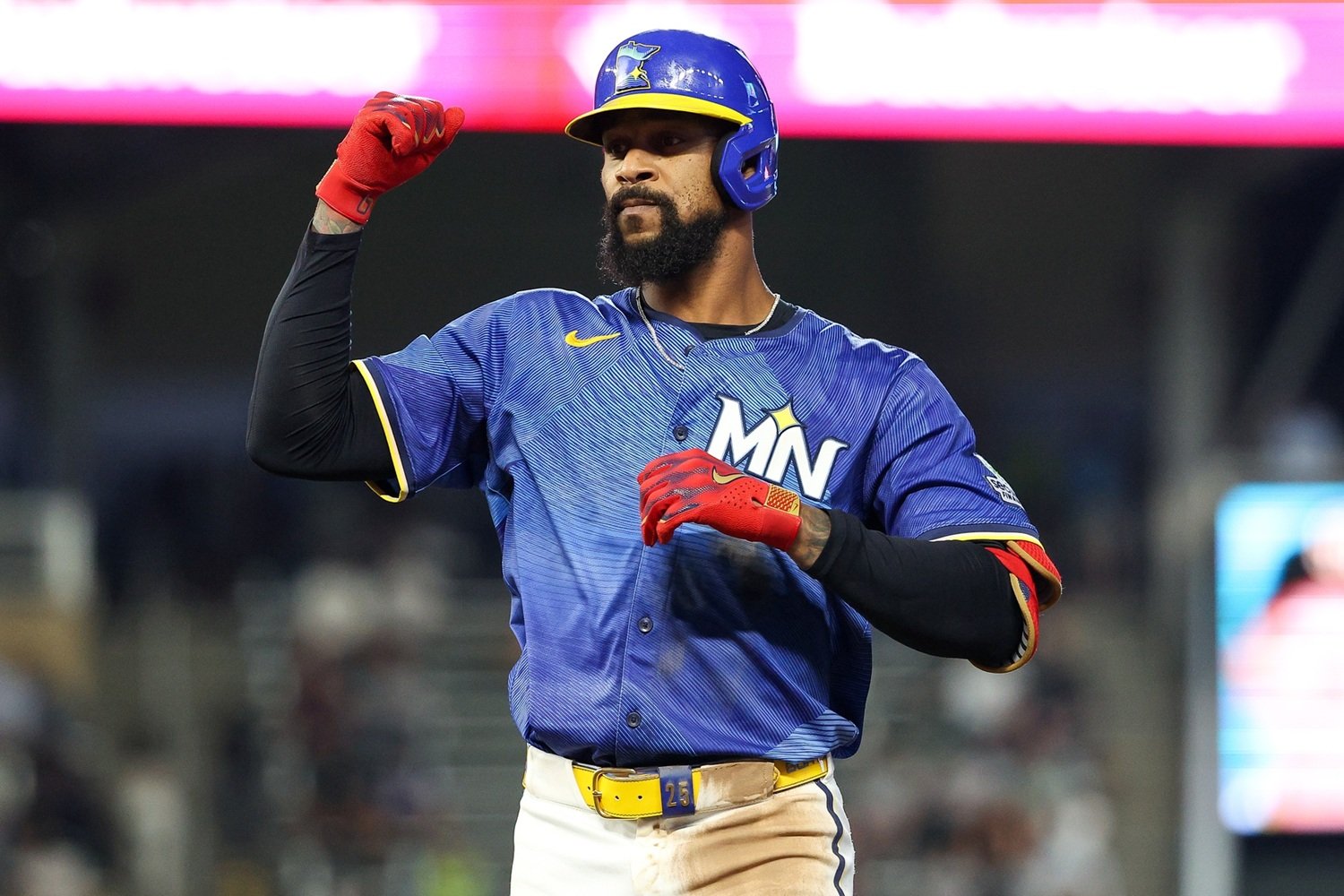 Box Score Zebby Matthews: 6 IP, 7 H, 2 ER, 0 BB, 3 K Home Runs: Royce Lewis (9) Top 3 WPA: Kody Clemena (.211), Trevor Larnach (.177), Royce Lewis (.118) Win Probability Chart (via FanGraphs) Oh, we’re still here. 162 means 162, huh? Every team? Even with football starting soon? Ok, the Ship of Theseus Twins roll on, this time hosting the Padres in a battle between an energetic playoff contender and the rotting husk of what used to be a competitive collection of men. Zebby Matthews and his powerful jawline toed the rubber for the Twins, as Nestor Cortes and his association of tricks that one may call “crafty” took the mound for the Padres. Initial results favored no one. San Diego tried and failed to score in the game’s opening frames. Minnesota, as well, placed men on base, but an invisible barrier cursed second base, causing Ryan Jeffers to attempt in vain to turn a single into a double in the first, and forcing Austin Martin to remain stationary after he doubled with two outs in the second. Stronger attempts will be needed to score. The third brought runs. A sacrifice fly from Luis Arraez. who was returning to Target Field in a non-Twins uniform for the first time. Then a matching RBI groundout by Byron Buxton. Then a second run for the Padres. Soon, chaos. Cortes was thrown out of the game. Unceremoniously. He disagreed with the home plate umpire calling ball four on a close pitch in a 3-2 count and voiced his opinion. The umpire disagreed with his disagreement. Unfortunately for the lefty, umpires hold the ultimate executive ability to do something about it. A simple finger point clarified Cortes’ position remaining in the game. Mike Shildt came to support his player and mime the motions of an upset manager otherwise privy to the uselessness of his objections. A new pitcher trudged in from the bullpen. His ejection came with runners on first and second. Royce Lewis singled to load the bases. Kody Clemens grounded into a gentleman’s “fielder’s choice,” which is the perfectly vague term scorers use to avoid bruised egos from defenders. An accurate description is that Jake Cronenworth mangled a potential double play, causing two runs to score as runners nestled in at second and third. Trevor Larnach chopped a single up the gut to plate two more—and while Minnesota threatened for more in the inning—they settled for a four-piece giving them a 5-2 lead. Sorry, Lewis just homered. 6-2 lead. Sorry, Buxton just drove in a run on a single. 7-2 lead. San Diego plated two more runs to push the situation into "save" territory. Evidently, the man for the job was Kody Funderburk : the lefty emerged from the pen, likely as confused as any that he was the one serving as the closer. Nonetheless, he did it, holding the Padres scoreless to secure the win for the Twins. Notes: With his first steal of the game, Byron Buxton recorded the first 20-20 season of his career. Buxton played in his 873rd game as a Twin, the 24th-most in team history. He's three away from tying Denny Hocking. Kody Funderburk earned the second save of his MLB career. Austin Martin is slashing .538/.647/.769 in 17 plate appearances against the San Diego Padres. Post-Game Interview: Bullpen Usage Spreadsheet
- 18 comments
-
- 5
-
-
- royce lewis
- kody clemens
- (and 3 more)
-
Image courtesy of © Matt Krohn-Imagn Images Box Score Zebby Matthews: 6 IP, 7 H, 2 ER, 0 BB, 3 K Home Runs: Royce Lewis (9) Top 3 WPA: Kody Clemena (.211), Trevor Larnach (.177), Royce Lewis (.118) Win Probability Chart (via FanGraphs) Oh, we’re still here. 162 means 162, huh? Every team? Even with football starting soon? Ok, the Ship of Theseus Twins roll on, this time hosting the Padres in a battle between an energetic playoff contender and the rotting husk of what used to be a competitive collection of men. Zebby Matthews and his powerful jawline toed the rubber for the Twins, as Nestor Cortes and his association of tricks that one may call “crafty” took the mound for the Padres. Initial results favored no one. San Diego tried and failed to score in the game’s opening frames. Minnesota, as well, placed men on base, but an invisible barrier cursed second base, causing Ryan Jeffers to attempt in vain to turn a single into a double in the first, and forcing Austin Martin to remain stationary after he doubled with two outs in the second. Stronger attempts will be needed to score. The third brought runs. A sacrifice fly from Luis Arraez. who was returning to Target Field in a non-Twins uniform for the first time. Then a matching RBI groundout by Byron Buxton. Then a second run for the Padres. Soon, chaos. Cortes was thrown out of the game. Unceremoniously. He disagreed with the home plate umpire calling ball four on a close pitch in a 3-2 count and voiced his opinion. The umpire disagreed with his disagreement. Unfortunately for the lefty, umpires hold the ultimate executive ability to do something about it. A simple finger point clarified Cortes’ position remaining in the game. Mike Shildt came to support his player and mime the motions of an upset manager otherwise privy to the uselessness of his objections. A new pitcher trudged in from the bullpen. His ejection came with runners on first and second. Royce Lewis singled to load the bases. Kody Clemens grounded into a gentleman’s “fielder’s choice,” which is the perfectly vague term scorers use to avoid bruised egos from defenders. An accurate description is that Jake Cronenworth mangled a potential double play, causing two runs to score as runners nestled in at second and third. Trevor Larnach chopped a single up the gut to plate two more—and while Minnesota threatened for more in the inning—they settled for a four-piece giving them a 5-2 lead. Sorry, Lewis just homered. 6-2 lead. Sorry, Buxton just drove in a run on a single. 7-2 lead. San Diego plated two more runs to push the situation into "save" territory. Evidently, the man for the job was Kody Funderburk : the lefty emerged from the pen, likely as confused as any that he was the one serving as the closer. Nonetheless, he did it, holding the Padres scoreless to secure the win for the Twins. Notes: With his first steal of the game, Byron Buxton recorded the first 20-20 season of his career. Buxton played in his 873rd game as a Twin, the 24th-most in team history. He's three away from tying Denny Hocking. Kody Funderburk earned the second save of his MLB career. Austin Martin is slashing .538/.647/.769 in 17 plate appearances against the San Diego Padres. Post-Game Interview: Bullpen Usage Spreadsheet View full article
-
Rosario has probably been the most difficult prospect in recent years for me to understand. The good has been great, but the bad has been putrid. I think he has the athleticism to eventually masquerade as a league-average corner defender, yet that isn't a guarantee. All of this is to say I don't envy the position the Twins FO are in when it comes to analyzing his future.
- 14 replies
-
- 3
-
-
- emmanuel rodriguez
- kalai rosario
- (and 3 more)
-
Shoot, I meant to have him as an honorable mention. My bad.
- 14 replies
-
- 1
-
-
- emmanuel rodriguez
- kalai rosario
- (and 3 more)
-
Image courtesy of William Parmeter (photo of Emmanuel Rodriguez) TRANSACTIONS OF Emmanuel Rodriguez sent to A Fort Myers on Rehab RHP Cory Lewis transferred to development list (AAA St. Paul) LHP Brady Feigl released (AAA St. Paul) RHP Pierson Ohl optioned to AAA St. Paul INF Ryan Daniels transferred to full-season IL (Fort Myers) RHP Simeon Woods Richardson returned to Twins Saints Sentinel St. Paul 3, Toledo 1 Box Score Kendry Rojas: 4 IP, 4 H, 0 ER, 1 BB, 5 K HR: José Miranda (7), DaShawn Keirsey Jr. (3) Multi-hit games: None The Saints came out on top in a close affair on Wednesday. Kendry Rojas turned in easily his best start as a Saint. The lefty eschewed whatever malaise had cursed him in his last three starts; against the Mud Hens, he mostly avoided the barrel and whiffed five batters over four shutout innings, walking just one. He threw 77 pitches. Some strike-throwing issues persisted—just 46 of his pitches went for strikes—but that’s a nitpicky complaint in an otherwise encouraging outing. St. Paul condensed their offense to two critical swings: José Miranda in the eighth, and DaShawn Keirsey Jr. in the ninth for insurance. Noah Davis earned the game’s final five outs to notch his second save of the season with the Saints. Though the Tigers boast tremendous prospect talent, most of their best youngsters are in AA, leaving seventh-ranked Hao-Yu Lee as the highest-ranked player in Wednesday’s game. He collected two hits in four trips to the plate. Wind Surge Wisdom Wichita 8, Arkansas 5 Box Score Ryan Gallagher: 5 IP, 6 H, 4 ER, 3 BB, 5 K HR: Kala’i Rosario (21) Multi-hit games: Kala’i Rosario (3-for-5, HR, 3B, 2B, 3 R, RBI), Hendry Mendez (3-for-3, 2B, 2 R, 2 RBI, 2 BB), Nate Baez (2-for-5, R), Andrew Cossetti (2-for-4, RBI) Wichita dropped an avalanche of hits to win on Wednesday. Ryan Gallagher’s acclimation to the Wind Surge continues to be rough. The UC Santa Barbara product’s ERA with the team now sits at 6.12 after Wednesday’s outing. The problem? A nearly-escaped fifth inning turned nightmare when Hunter Fitz-Gerald homered to push Gallagher from a reasonable two-run start to a less acceptable four mark. Three walks and a run-scoring wild pitch did not help either. Hopefully, his next start gets him back on track. Fortunately, Wichita’s bats were potent all night. Kala’i Rosario, Hendry Mendez, and Nate Baez—their two, three, and four hitters—all cracked multiple hits; Rosario nearly cycled (again); and Mendez reached base safely all five times. Rosario is slashing .310/.444/.701 (that’s correct) across 23 games in August. Seattle’s sixth-ranked prospect, Michael Arroyo, played second base and collected two hits in five at-bats. Kernels Nuggets Cedar Rapids 1, Beloit 0 Box Score Jose Olivares: 4 ⅔ IP, 2 H, 0 ER, 5 BB, 6 K HR: None Multi-hit games: Misael Urbina (2-for-3, 3B, RBI), Caden Kendle (2-for-3) The Kernels won with a shutout on Wednesday. If you don’t know where the ball is going, then neither does the opponent. Jose Olivares epitomized this philosophy. Walking five likely drove his pitching coach mad, yet results favored the righty; the Sky Carp only once ever sent a man to third base, and never ushered one home off Olivares (or anyone, for that matter.) Brennan Oxford, Eston Stull, Julio Bonilla, and Paulshawn Pasqualotto worked to deliver the shutout to its conclusion. The game’s only run arrived off a Misael Urbina RBI triple. Because an error preceded Urbina’s hit, no pitcher was charged with an earned run, meaning there were no earned runs at all in Wednesday’s game. Those are Margaritaville jerseys worn in honor of America’s finest proprietor of leisure and beach lethargy, Jimmy Buffett. Recent first-round pick and 39th-ranked prospect, Aiva Arquette, went 0-3 with a walk and two strikeouts for the Sky Carp. Mussel Matters Game One: Fort Myers 5, Dunedin 1 (7 Innings) Box Score Christian Becerra: 5 IP, 4 H, 1 ER, 0 BB, 3 K HR: None Multi-hit games: Jacob McCombs (2-for-4, RBI), Dameury Pena (2-for-4, 2B, 2 R), Peyton Carr (2-for-3, 2B, R, 2 RBI, BB) The Mighty Mussels easily took the first of their two games on Wednesday. Perhaps inspired by the presence of Emmanuel Rodriguez, Fort Myers played a well-rounded ballgame. Christian Becerra spearheaded the pitching effort, covering five frames with a leadoff homer as his lone blemish. The Blue Jays only accrued a trio of singles off the hurler the rest of the way. He struck out three. Though Dunedin scored first, the Mighty Mussels responded with three scores in the second. Dameury Pena smacked a double to left, then ran home when Peyton Carr smashed a two-bagger of his own. Feeling left out, Yasser Mercedes also doubled. Feeling content with a hit of any variety, Bryan Acuna singled in Mercedes to cap the rally. RBI singles by Carr and Jacob McCombs in successive innings gave Fort Myers a healthy four-run cushion. Rodriguez singled, walked, and struck out in four plate appearances. No member of Toronto’s top 30 prospect list played in this game. Game Two: Fort Myers 1, Dunedin 3 (7 Innings) Box Score Michael Ross: 3 IP, 2 H, 1 ER, 1 BB, 2 K HR: None Multi-hit games: Dameury Pena (2-for-3, R) The Mighty Mussels couldn’t complete the doubleheader sweep on Wednesday. Dunedin jumped on starter Michael Ross for a pair of first inning runs aided by a Bryan Acuna throwing error. A third inning run scored off a balk. Fort Myers peppered Blue Jays pitchers for seven hits yet couldn’t escape the shutout until they had two outs in the sixth, when Yasser Mercedes smoked a double to score Dameury Pena. The aforementioned Pena is slashing .352/.413/.380 in 18 games in August. Again, no one on Toronto’s top 30 prospect list played in this game. TWINS DAILY PLAYERS OF THE DAY Twins Daily Minor League Pitcher of the Day – Kendry Rojas Twins Daily Minor League Hitter of the Day – Kala'i Rosario (honorable mention to Hendry Mendez) PROSPECT SUMMARY Here’s a look at how the Twins Daily Top 20 Twins Prospects performed: #1 – Walker Jenkins (St. Paul) - 0-4, 2 K #2 – Luke Keaschall (Twins) - 2-5, HR, 2B, R, RBI, 2 K #3 – Kaelen Culpepper (Wichita) - 1-5, RBI, K #4 – Emmanuel Rodriguez (Fort Myers) - 1-3, BB, K #5 – Eduardo Tait (Cedar Rapids) - 0-3, BB, 2 K #9 – Kendry Rojas (St. Paul) - 4 IP, 4 H, 0 ER, 1 BB, 5 K #11 – Gabriel Gonzalez (St. Paul) - 0-3, BB, 2 K #13 – Marek Houston (Cedar Rapids) - 1-4 #14 – Brandon Winokur (Cedar Rapids) - 0-4, K #17 – Kyle DeBarge (Cedar Rapids) - 0-4, R, 2 K #20 – Hendry Mendez (Wichita) - 3-3, 2B, 2 R, 2 RBI, 2 BB THURSDAY’S PROBABLE STARTERS St. Paul @ Toledo (5:35 PM) - RHP Andrew Morris Arkansas @ Wichita (7:05 PM) - RHP Sam Armstrong Beloit @ Cedar Rapids (6:35 PM) - LHP Garrett Horn Fort Myers @ Dunedin (5:30 PM) - RHP Eli Jones View full article
-
Twins Minor League Report (8/27): Emmanuel Rodriguez Returns
Matt Braun posted an article in Minor Leagues
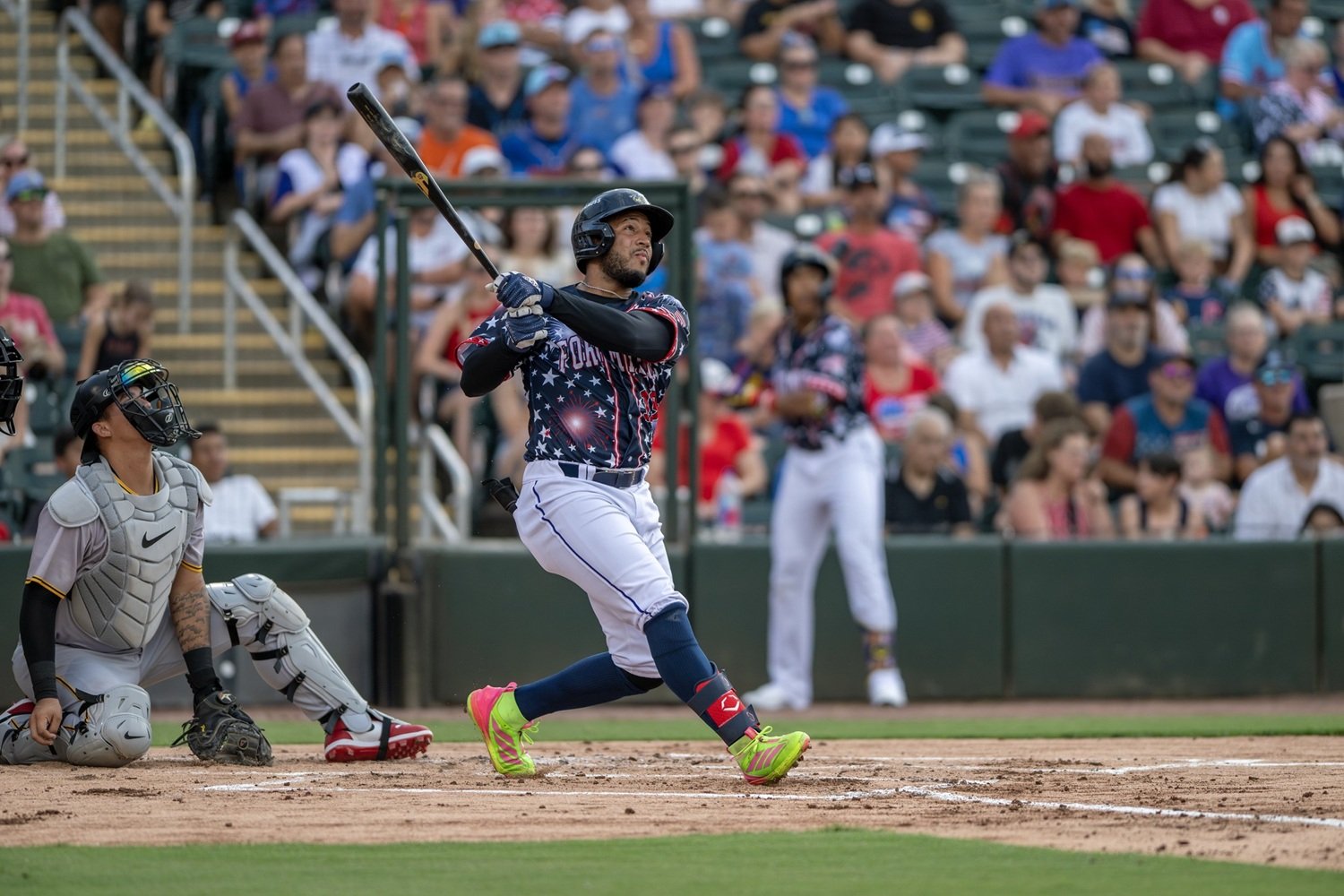 TRANSACTIONS OF Emmanuel Rodriguez sent to A Fort Myers on Rehab RHP Cory Lewis transferred to development list (AAA St. Paul) LHP Brady Feigl released (AAA St. Paul) RHP Pierson Ohl optioned to AAA St. Paul INF Ryan Daniels transferred to full-season IL (Fort Myers) RHP Simeon Woods Richardson returned to Twins Saints Sentinel St. Paul 3, Toledo 1 Box Score Kendry Rojas: 4 IP, 4 H, 0 ER, 1 BB, 5 K HR: José Miranda (7), DaShawn Keirsey Jr. (3) Multi-hit games: None The Saints came out on top in a close affair on Wednesday. Kendry Rojas turned in easily his best start as a Saint. The lefty eschewed whatever malaise had cursed him in his last three starts; against the Mud Hens, he mostly avoided the barrel and whiffed five batters over four shutout innings, walking just one. He threw 77 pitches. Some strike-throwing issues persisted—just 46 of his pitches went for strikes—but that’s a nitpicky complaint in an otherwise encouraging outing. St. Paul condensed their offense to two critical swings: José Miranda in the eighth, and DaShawn Keirsey Jr. in the ninth for insurance. Noah Davis earned the game’s final five outs to notch his second save of the season with the Saints. Though the Tigers boast tremendous prospect talent, most of their best youngsters are in AA, leaving seventh-ranked Hao-Yu Lee as the highest-ranked player in Wednesday’s game. He collected two hits in four trips to the plate. Wind Surge Wisdom Wichita 8, Arkansas 5 Box Score Ryan Gallagher: 5 IP, 6 H, 4 ER, 3 BB, 5 K HR: Kala’i Rosario (21) Multi-hit games: Kala’i Rosario (3-for-5, HR, 3B, 2B, 3 R, RBI), Hendry Mendez (3-for-3, 2B, 2 R, 2 RBI, 2 BB), Nate Baez (2-for-5, R), Andrew Cossetti (2-for-4, RBI) Wichita dropped an avalanche of hits to win on Wednesday. Ryan Gallagher’s acclimation to the Wind Surge continues to be rough. The UC Santa Barbara product’s ERA with the team now sits at 6.12 after Wednesday’s outing. The problem? A nearly-escaped fifth inning turned nightmare when Hunter Fitz-Gerald homered to push Gallagher from a reasonable two-run start to a less acceptable four mark. Three walks and a run-scoring wild pitch did not help either. Hopefully, his next start gets him back on track. Fortunately, Wichita’s bats were potent all night. Kala’i Rosario, Hendry Mendez, and Nate Baez—their two, three, and four hitters—all cracked multiple hits; Rosario nearly cycled (again); and Mendez reached base safely all five times. Rosario is slashing .310/.444/.701 (that’s correct) across 23 games in August. Seattle’s sixth-ranked prospect, Michael Arroyo, played second base and collected two hits in five at-bats. Kernels Nuggets Cedar Rapids 1, Beloit 0 Box Score Jose Olivares: 4 ⅔ IP, 2 H, 0 ER, 5 BB, 6 K HR: None Multi-hit games: Misael Urbina (2-for-3, 3B, RBI), Caden Kendle (2-for-3) The Kernels won with a shutout on Wednesday. If you don’t know where the ball is going, then neither does the opponent. Jose Olivares epitomized this philosophy. Walking five likely drove his pitching coach mad, yet results favored the righty; the Sky Carp only once ever sent a man to third base, and never ushered one home off Olivares (or anyone, for that matter.) Brennan Oxford, Eston Stull, Julio Bonilla, and Paulshawn Pasqualotto worked to deliver the shutout to its conclusion. The game’s only run arrived off a Misael Urbina RBI triple. Because an error preceded Urbina’s hit, no pitcher was charged with an earned run, meaning there were no earned runs at all in Wednesday’s game. Those are Margaritaville jerseys worn in honor of America’s finest proprietor of leisure and beach lethargy, Jimmy Buffett. Recent first-round pick and 39th-ranked prospect, Aiva Arquette, went 0-3 with a walk and two strikeouts for the Sky Carp. Mussel Matters Game One: Fort Myers 5, Dunedin 1 (7 Innings) Box Score Christian Becerra: 5 IP, 4 H, 1 ER, 0 BB, 3 K HR: None Multi-hit games: Jacob McCombs (2-for-4, RBI), Dameury Pena (2-for-4, 2B, 2 R), Peyton Carr (2-for-3, 2B, R, 2 RBI, BB) The Mighty Mussels easily took the first of their two games on Wednesday. Perhaps inspired by the presence of Emmanuel Rodriguez, Fort Myers played a well-rounded ballgame. Christian Becerra spearheaded the pitching effort, covering five frames with a leadoff homer as his lone blemish. The Blue Jays only accrued a trio of singles off the hurler the rest of the way. He struck out three. Though Dunedin scored first, the Mighty Mussels responded with three scores in the second. Dameury Pena smacked a double to left, then ran home when Peyton Carr smashed a two-bagger of his own. Feeling left out, Yasser Mercedes also doubled. Feeling content with a hit of any variety, Bryan Acuna singled in Mercedes to cap the rally. RBI singles by Carr and Jacob McCombs in successive innings gave Fort Myers a healthy four-run cushion. Rodriguez singled, walked, and struck out in four plate appearances. No member of Toronto’s top 30 prospect list played in this game. Game Two: Fort Myers 1, Dunedin 3 (7 Innings) Box Score Michael Ross: 3 IP, 2 H, 1 ER, 1 BB, 2 K HR: None Multi-hit games: Dameury Pena (2-for-3, R) The Mighty Mussels couldn’t complete the doubleheader sweep on Wednesday. Dunedin jumped on starter Michael Ross for a pair of first inning runs aided by a Bryan Acuna throwing error. A third inning run scored off a balk. Fort Myers peppered Blue Jays pitchers for seven hits yet couldn’t escape the shutout until they had two outs in the sixth, when Yasser Mercedes smoked a double to score Dameury Pena. The aforementioned Pena is slashing .352/.413/.380 in 18 games in August. Again, no one on Toronto’s top 30 prospect list played in this game. TWINS DAILY PLAYERS OF THE DAY Twins Daily Minor League Pitcher of the Day – Kendry Rojas Twins Daily Minor League Hitter of the Day – Kala'i Rosario (honorable mention to Hendry Mendez) PROSPECT SUMMARY Here’s a look at how the Twins Daily Top 20 Twins Prospects performed: #1 – Walker Jenkins (St. Paul) - 0-4, 2 K #2 – Luke Keaschall (Twins) - 2-5, HR, 2B, R, RBI, 2 K #3 – Kaelen Culpepper (Wichita) - 1-5, RBI, K #4 – Emmanuel Rodriguez (Fort Myers) - 1-3, BB, K #5 – Eduardo Tait (Cedar Rapids) - 0-3, BB, 2 K #9 – Kendry Rojas (St. Paul) - 4 IP, 4 H, 0 ER, 1 BB, 5 K #11 – Gabriel Gonzalez (St. Paul) - 0-3, BB, 2 K #13 – Marek Houston (Cedar Rapids) - 1-4 #14 – Brandon Winokur (Cedar Rapids) - 0-4, K #17 – Kyle DeBarge (Cedar Rapids) - 0-4, R, 2 K #20 – Hendry Mendez (Wichita) - 3-3, 2B, 2 R, 2 RBI, 2 BB THURSDAY’S PROBABLE STARTERS St. Paul @ Toledo (5:35 PM) - RHP Andrew Morris Arkansas @ Wichita (7:05 PM) - RHP Sam Armstrong Beloit @ Cedar Rapids (6:35 PM) - LHP Garrett Horn Fort Myers @ Dunedin (5:30 PM) - RHP Eli Jones
- 14 comments
-
- 5
-
-
-
- emmanuel rodriguez
- kalai rosario
- (and 3 more)
-
Image courtesy of © Kamil Krzaczynski-Imagn Images Box Score SP: Zebby Matthews: 4 2/3 IP, 8 H, 4 ER, 3 BB, 4 K Home Runs: Royce Lewis (7) Top 3 WPA: Royce Lewis (.440), Luke Keaschall (.146), Brooks Lee (.123) Win Probability Chart (via FanGraphs) Apathy is the worst of all human emotions. Some may believe that title belongs to sadness, but there’s a beauty in its sting; the knowledge that there’s something in this world to provoke such a feeling—the rawness of genuine morose dawning—reminds us that we still care. Caring is important. Indifference is nasty, with its creeping, lingering sense that things don’t matter. It consumes and destroys. Gobbles and spits out. All things matter as long as you place importance upon them. The Twins have given us extraordinarily little to consider important. Fresh off a convincing sweep at home at the hands of one of the worst teams in the AL, Minnesota’s doldrum-findings appeared complete. They’ve played swampy, dreck-full baseball since their great trade-off just three weeks ago, with just a handful of bright spots working to inspire. One of those bright spots might be Zebby Matthews. The 25-year-old has flashed immense strikeout ability in his three August starts, whiffing 21 across 14 2/3 frames. Various bugaboos and afflictions—the common menace, cursing young players looking to establish themselves—have limited his effectiveness to “mild,” rather than “dominant,” but potential clearly thrives in him. Perhaps Friday could be a coming-together party for the righty. Unfortunately, Matthews ran into the same inconsistencies he had seen before. His slider ferried hitters to the dugout, but command eluded him; Chicago pounced for a first-inning run, attacked once more in the fourth, and he was essentially knocked out of the game with a two-run Colson Montgomery homer in the fifth. Aaron Civale started for the White Sox. His usual bag of tricks—looping curves; fastballs that break left or right but never straight—baffled the Twins for three frames. He looked set to hold Minnesota at bay all night. Then, a beautiful moment. A shining beacon suddenly streaking through the screen. Just as we all can be heroes, just for one day, we can also experience gorgeous flashbacks to previous elations, reminding us briefly of what once was. With three men on, Royce Lewis stepped up to the plate. Civale threw a cutter. It sat too high. It flattened out. Lewis swung and drilled the pitch out to left. For a second, he remained in his back-swing; with bat aimed directly towards the sky. Though it had been some time, he knew the feeling of hitting a grand slam. He must know. He perhaps just needed to remember what it was like. The ball traveled 386 feet out to left field and bounced off a seat. 2023 no longer seemed so far away. The bomb aided in a curt outing for Civale, giving way to the White Sox’s tender underbelly: their bullpen. And it proved to be a weakness once again. Trevor Larnach drove in a go-ahead run in the sixth, which begat a Luke Keaschall RBI knock one batter later. Unsatisfied, Minnesota returned for more in the sixth, striking Wikelman González for two; one off an errant throw by infielder Chase Meidroth; the other thanks to an opposite-field slash by Edouard Julien. The tenor of this piece—undoubtedly already all over the place—nearly took a turn. Génesis Cabrera entered in the eighth. Innocuous enough. He earned his first out after two pitches. Innocuous enough. The next six batters reached base. Huh. The White Sox did it the old-fashioned way: one base at a time, advancing on Cabrera and eventually Justin Topa in a methodical rally that put three runs on the board. Win probability suddenly favored Chicago. Topa netted a pop-out turned savior rally-ender when Miguel Vargas broke for the plate, just for Lewis’ throw home to nab him by two steps. Providence never dipped further the rest of the way. Byron Buxton added a ninth and final run to the Twins' total, and Topa sat down the White Sox in the ninth to conclude an eventful game. Notes: The grand slam was the sixth of Royce Lewis' career. Four players, Byron Buxton, Luke Keaschall, Brooks Lee, and Lewis, reached base at least three times on Friday. Buxton earned his 100th (and 101st) hit of the season, the second time he's reached that milestone in his career (2017). Post-Game Interview: What’s Next? The Twins stay in Chicago for game two of their series against the White Sox. The talented yet enigmatic TBD will start opposite Davis Martin. First pitch arrives at 6:10 PM. Bullpen Usage Spreadsheet View full article
-
Twins 9, White Sox 7: Royce Lewis Slam Sets Tone in Series Opener
Matt Braun posted an article in Twins
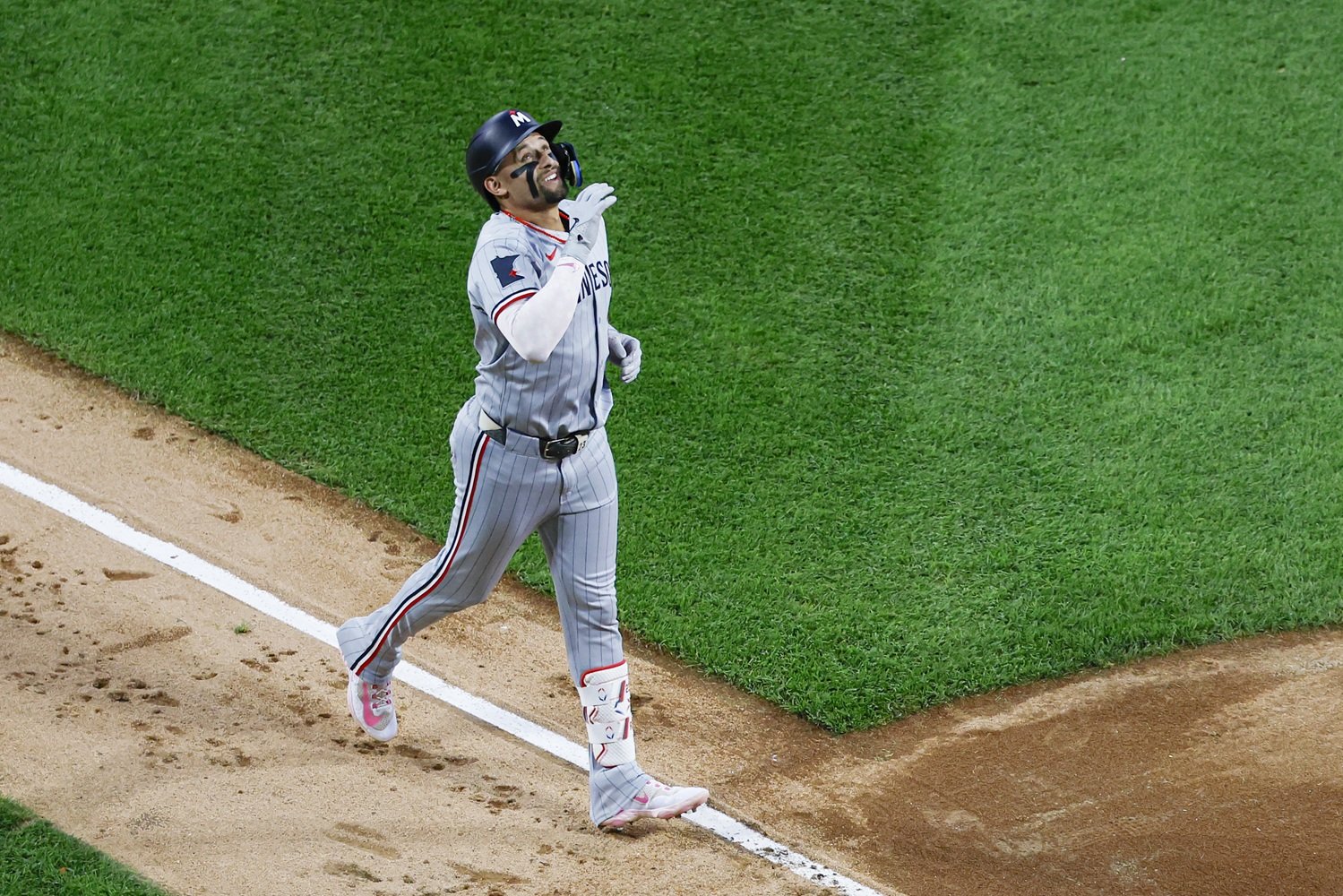 Box Score SP: Zebby Matthews: 4 2/3 IP, 8 H, 4 ER, 3 BB, 4 K Home Runs: Royce Lewis (7) Top 3 WPA: Royce Lewis (.440), Luke Keaschall (.146), Brooks Lee (.123) Win Probability Chart (via FanGraphs) Apathy is the worst of all human emotions. Some may believe that title belongs to sadness, but there’s a beauty in its sting; the knowledge that there’s something in this world to provoke such a feeling—the rawness of genuine morose dawning—reminds us that we still care. Caring is important. Indifference is nasty, with its creeping, lingering sense that things don’t matter. It consumes and destroys. Gobbles and spits out. All things matter as long as you place importance upon them. The Twins have given us extraordinarily little to consider important. Fresh off a convincing sweep at home at the hands of one of the worst teams in the AL, Minnesota’s doldrum-findings appeared complete. They’ve played swampy, dreck-full baseball since their great trade-off just three weeks ago, with just a handful of bright spots working to inspire. One of those bright spots might be Zebby Matthews. The 25-year-old has flashed immense strikeout ability in his three August starts, whiffing 21 across 14 2/3 frames. Various bugaboos and afflictions—the common menace, cursing young players looking to establish themselves—have limited his effectiveness to “mild,” rather than “dominant,” but potential clearly thrives in him. Perhaps Friday could be a coming-together party for the righty. Unfortunately, Matthews ran into the same inconsistencies he had seen before. His slider ferried hitters to the dugout, but command eluded him; Chicago pounced for a first-inning run, attacked once more in the fourth, and he was essentially knocked out of the game with a two-run Colson Montgomery homer in the fifth. Aaron Civale started for the White Sox. His usual bag of tricks—looping curves; fastballs that break left or right but never straight—baffled the Twins for three frames. He looked set to hold Minnesota at bay all night. Then, a beautiful moment. A shining beacon suddenly streaking through the screen. Just as we all can be heroes, just for one day, we can also experience gorgeous flashbacks to previous elations, reminding us briefly of what once was. With three men on, Royce Lewis stepped up to the plate. Civale threw a cutter. It sat too high. It flattened out. Lewis swung and drilled the pitch out to left. For a second, he remained in his back-swing; with bat aimed directly towards the sky. Though it had been some time, he knew the feeling of hitting a grand slam. He must know. He perhaps just needed to remember what it was like. The ball traveled 386 feet out to left field and bounced off a seat. 2023 no longer seemed so far away. The bomb aided in a curt outing for Civale, giving way to the White Sox’s tender underbelly: their bullpen. And it proved to be a weakness once again. Trevor Larnach drove in a go-ahead run in the sixth, which begat a Luke Keaschall RBI knock one batter later. Unsatisfied, Minnesota returned for more in the sixth, striking Wikelman González for two; one off an errant throw by infielder Chase Meidroth; the other thanks to an opposite-field slash by Edouard Julien. The tenor of this piece—undoubtedly already all over the place—nearly took a turn. Génesis Cabrera entered in the eighth. Innocuous enough. He earned his first out after two pitches. Innocuous enough. The next six batters reached base. Huh. The White Sox did it the old-fashioned way: one base at a time, advancing on Cabrera and eventually Justin Topa in a methodical rally that put three runs on the board. Win probability suddenly favored Chicago. Topa netted a pop-out turned savior rally-ender when Miguel Vargas broke for the plate, just for Lewis’ throw home to nab him by two steps. Providence never dipped further the rest of the way. Byron Buxton added a ninth and final run to the Twins' total, and Topa sat down the White Sox in the ninth to conclude an eventful game. Notes: The grand slam was the sixth of Royce Lewis' career. Four players, Byron Buxton, Luke Keaschall, Brooks Lee, and Lewis, reached base at least three times on Friday. Buxton earned his 100th (and 101st) hit of the season, the second time he's reached that milestone in his career (2017). Post-Game Interview: What’s Next? The Twins stay in Chicago for game two of their series against the White Sox. The talented yet enigmatic TBD will start opposite Davis Martin. First pitch arrives at 6:10 PM. Bullpen Usage Spreadsheet
- 21 comments
-
- 6
-
-

-
- royce lewis
- zebby matthews
- (and 4 more)
