


Twins Video
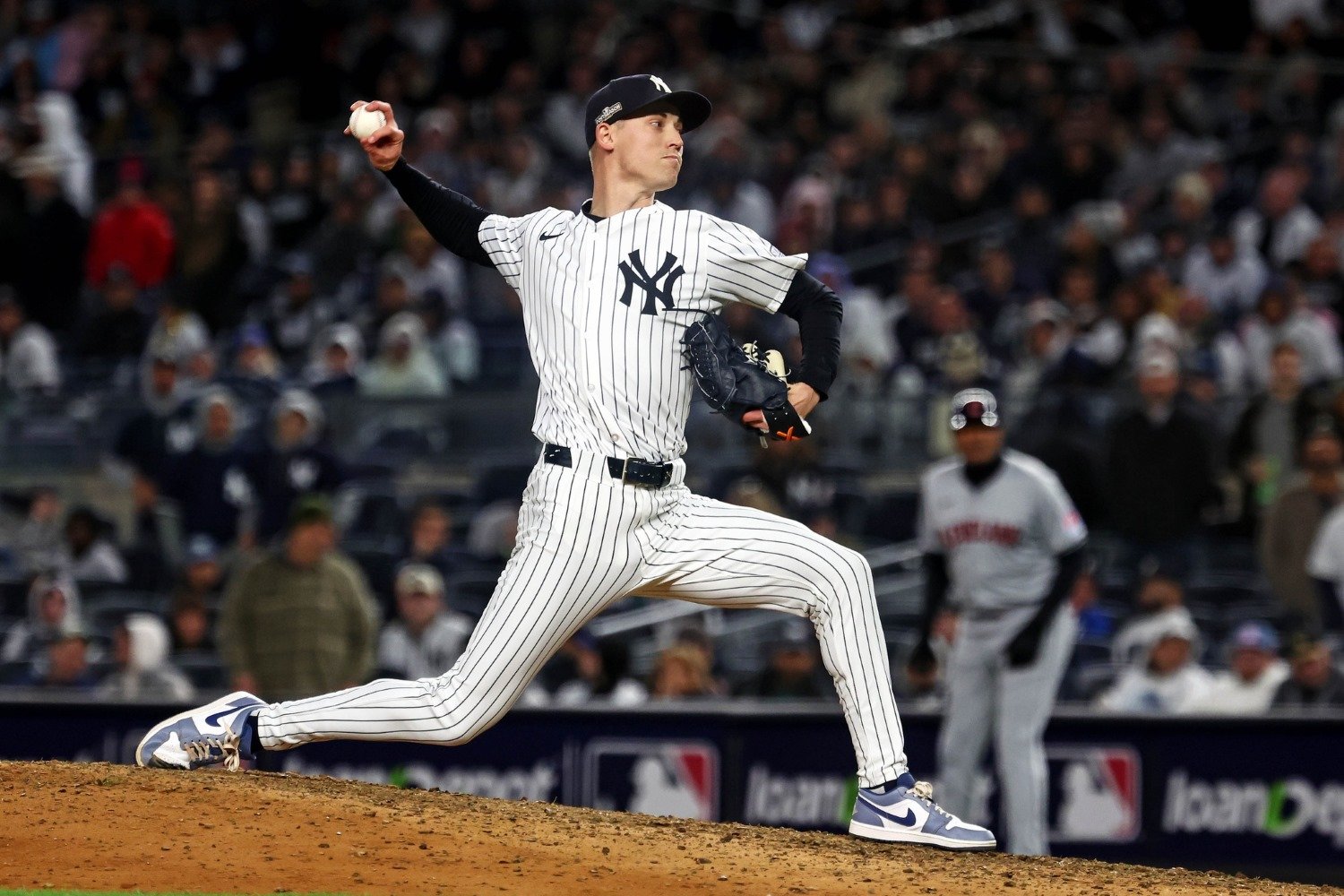
While watching Game 1 of the World Series, it struck me how many relievers on both teams were essentially robbed from other franchises. New York’s first choice out of the bullpen was Clay Holmes, acquired from the Pirates in 2021 (for Diego A. Castillo!) as a no-name 28-year-old with an ERA over 5; he became a multiple-time All-Star. The Dodgers countered with Anthony Banda, a man well-journeyed, finally breaking out in his eighth big-league season. Luke Weaver, Alex Vesia, Michael Kopech, all plucked from different teams, in trades that reflected either desperation or disinterest by the other side or on waivers. Nestor Cortes and Tommy Kahnle were the only relievers to pitch for the squad that initially drafted them, and even those guys trekked across the MLB landscape for years before returning home.
It’s now apparent that the Twins have a weird problem with acquiring relievers. They can develop them—Taylor Rogers, Griffin Jax, and now Cole Sands have all flourished under the Falvey regime—but identifying capable major-league bullpen arms remains as foreign as the Mariana Trench, leaving the bullpen much too shallow. Since 2017, most of the best relief seasons have come from players who have only pitched for the Twins. The biggest exception was 2023 Emilio Pagán. That’s pretty much it. Brock Stewart would count, if he could ever stay healthy.
They have shown a decent propensity for trading for non-big leaguers, like Jorge Alcalá and Jhoan Durán, turning both hurlers into quality bullpen arms. These moves exist in a strange nether where you could ostensibly argue the team did successfully pilfer another franchise, but dealing in minor leaguers is a slightly different game than handling those who have already pitched in the big leagues for a few years. They were trading once-valued members of a losing team when they got both Alcalá and Durán, meaning that the opportunity cost of getting those two was not acquiring some other prospects whose ceilings might have been higher.
In the other realm, the one where the team looks over the major-league ranks for their next quality bullpen arm; the Twins have been dreadful. I’ve roughly counted 20 instances since 2017 in which the team—with the ethos of acquiring a buy-low reliever to potentially improve—dealt for, claimed off waivers, or selected such a player in the Rule 5 draft. These pitchers ranged from Justin Haley to Jhon Romero. Someone like Addison Reed—an established player—doesn't count. Out of all of them, the best result, yet again, was Pagán. The vast majority of cases flamed out terribly. I still have nightmares about Brandon Waddell.
And maybe that’s just how the game works; you’ll never be perfect, after all. What makes it work for teams like the Yankees and Dodgers is that they’re constantly looking for the next breakout reliever. New York burned through seven or eight such players this year alone. If your pitching development is good enough, you will hit on at least a few pitchers each year.
Ironically, two players excluded from my count—Jeff Hoffman and Dennis Santana—had great years in 2024: Hoffman as one of the many All-Stars in Philadelphia’s bullpen, and Santana as a middle-innings guy for the Pirates after they claimed him from the Yankees. Go figure.
And two players who did count on my arbitrary list—Trevor Megill and Ian Hamilton—improved tremendously after the Twins jettisoned them from the roster. Megill served as the damn closer for the Brewers in Devin Williams's absence. Go figure.
Look, dealing in relievers sucks. Consistency is an illusion in this realm. An adjustment or two—or just a few good or bad outings—can radically color perceptions of a player’s performance, turning them from a nobody into a star. I mean, the Yankees’ closer is Luke Weaver. Luke Weaver! On his 6th team! Entering the year with a career ERA over 5.00! How does anyone understand this sport?
I hate concluding by saying the Twins simply need to be better in this aspect. Yet, it’s true; the franchises in the World Series owe no small part of their runs this month to their ability to find elite play from players otherwise thought to be incapable of such performance. Minnesota, however, has failed to find the same success, and they may want to follow the extreme quantity example set forth by the teams still playing competitive baseball.







Recommended Comments
Create an account or sign in to comment
You need to be a member in order to leave a comment
Create an account
Sign up for a new account in our community. It's easy!
Register a new accountSign in
Already have an account? Sign in here.
Sign In Now