



Matt Braun
-
Posts
1,393 -
Joined
-
Last visited
-
Days Won
1
Content Type
Profiles
News
Minnesota Twins Videos
2026 Minnesota Twins Top Prospects Ranking
2022 Minnesota Twins Draft Picks
Minnesota Twins Free Agent & Trade Rumors, Notes, & Tidbits
Guides & Resources
2023 Minnesota Twins Draft Picks
The Minnesota Twins Players Project
2024 Minnesota Twins Draft Picks
2025 Minnesota Twins Draft Pick Tracker
2026 Minnesota Twins Draft Tracker: Picks & Bonuses
Forums
Blogs
Events
Store
Downloads
Gallery
Everything posted by Matt Braun
-
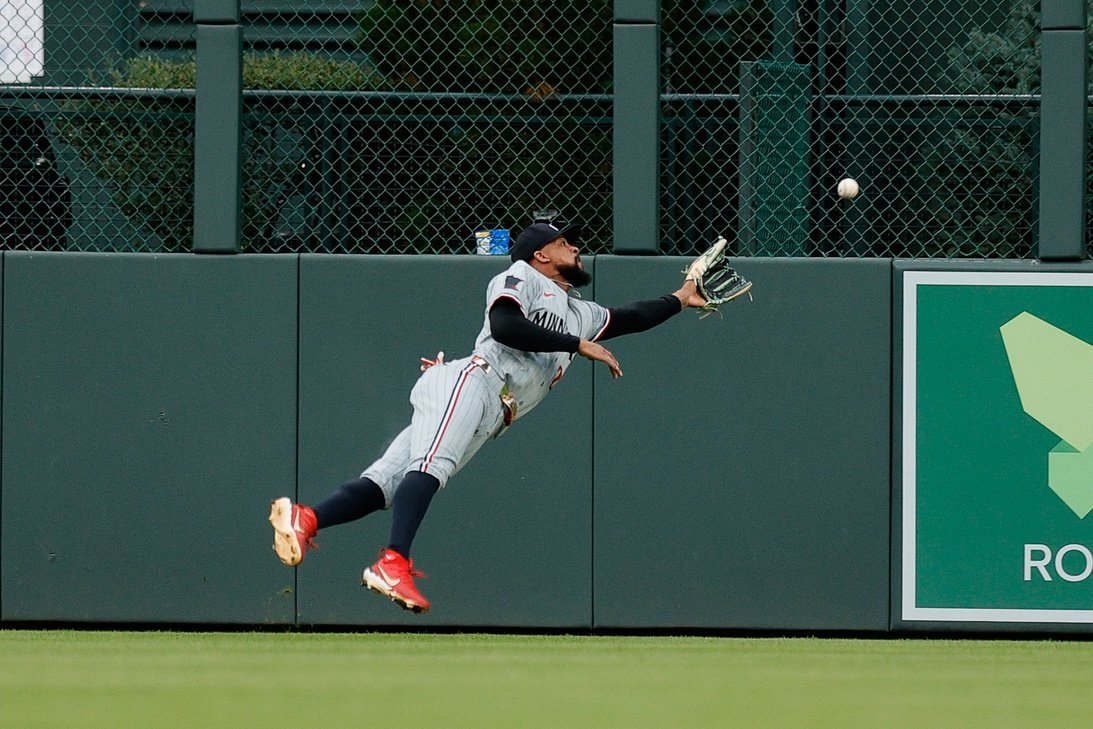 Box Score Chris Paddack: 5 IP, 8 H, 5 ER, 2 BB, 5 K Home Runs: Byron Buxton (22), Willi Castro (10) Bottom 3 WPA: Chris Paddack (-.236), Brooks Lee (-.151), Harrison Bader (-.097) Win Probability Chart (via FanGraphs) The last time the Twins were in Colorado felt different. The 2023 squad chomped on Coors Field as their victory cigar, claiming two final wins in what was window dressing for an already postseason-bound team. They had the liberty of using a position player pitcher to conclude the final game—and the season. This squad, however, is barely clinging onto life. The 2025 Twins are squabbling in an AL wild card melee, constantly oscillating their playoff chances between “unlikely” and “possible.” Minnesota entered Friday on something of a hot streak, with three straight series wins (and also three straight missed sweep opportunities). How would they fare in the first game since the All-Star break? Early? Poorly. Very poorly. Exceedingly poorly. Through 5,116 games as a franchise, the Rockies had never started a game with four consecutive extra-base hits, yet that’s exactly what they did Friday, going double, double, triple, homer to clock Chris Paddack for four runs through as many batters. Welcome to the second half. The Rockies struck for a fifth run in the second before entering a slumber. Meanwhile, the Twins started lethargic and remained stalled for most of Kyle Freeland’s time on the mound. Byron Buxton cracked a solo homer in the fifth—that one was for the Home Run Derby pessimists—yet no other legitimate scoring threat came to fruition while the lefty stood on the mound. Well, there was one. Carlos Correa started the sixth with a walk, and Ty France followed with a single. Staring at a tremendous chance to score at least one run, Minnesota’s next three hitters pooped their pants as all three struck out swinging. Freeland entered the frame with zero strikeouts in the start. It’s incredible how funny this game can be. The botched rally portended a sixth run for Colorado the next half-inning; evidently the dredges of dower baseball proved to be a launching point, though, as Freeland’s exit for the game sparked a sign of life. Buxton outran an infield hit, and Ryan Jeffers served a single into right. As unbelievable as it may be given the ugliness of what came before, the Twins were a swing away from jumping back into things—and Willi Castro provided that swing, crushing a first-pitch sinker 439 feet out to dead center. That proved to be the end of excitement. The Twins never scored again. Their bats petered out against the back end of the Colorado bullpen, leading to an empty and disappointing start to the season's second half. Notes: Ryan Jeffers earned his first four-hit game since May 17th. Christian Vázquez caught in his 912th career game, the fourth-most amongst active catchers. Byron Buxton is slashing .556/.586/.1.074 in his last seven games. Post-Game Interview: What’s Next? The Twins and Rockies match up once more for a rare Saturday evening game as the highly anticipated TBD takes on Antonio Senzatela. First pitch is at 7:10 PM. Bullpen Usage Spreadsheet
- 58 comments
-
- 1
-

-
- chris paddack
- byron buxton
- (and 4 more)
-
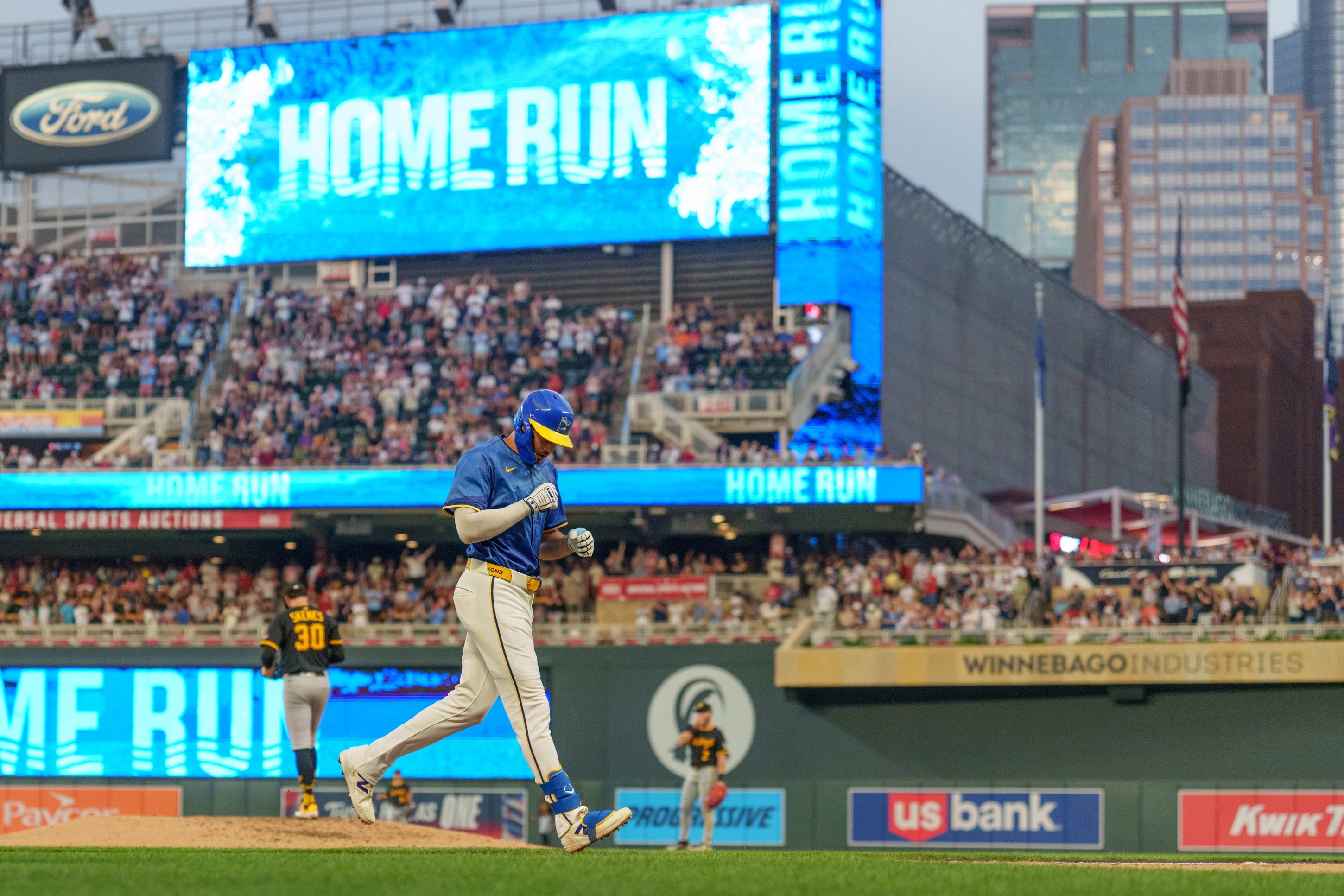 Box Score Joe Ryan: 5 IP, 5 H, 1 ER, 2 BB, 5 K Home Runs: Trevor Larnach (13) Top 3 WPA: Trevor Larnach (.181), Jhoan Durán (.161), Joe Ryan (.145) Win Probability Chart (via FanGraphs) It’s a little early in the season for spectacle, yet the demand for a show never ceases. The Twins entered their final series before the All-Star break with the hottest ticket in town: not only would they send their newly minted All-Star, Joe Ryan, to the mound; the Pirates were ready to counter with pitching supernova Paul Skenes. Plus, Nelly is in the house for a post-game concert. Where else would you want to be? Somehow, Ryan pitched five innings. Through pure guile he did it. The righty stretched the term “laborious” to the point where even the viewer felt strained. He needed more than 30 pitches to work through a somehow scoreless first before another cumbersome frame pushed his pitch count over 50 across just six outs. At that point, he didn’t need a mound visit; he needed an oil change. And maybe a shot of whiskey. Yet, he found a way to net outs, with an even more fastball-heavy approach than usual—and Ryan walked off the mound after the fifth inning with a lead and an ordinary pitching line. Yeah, a lead. Go figure. You don’t need this author to soliloquy until his prose turns purple about how good Paul Skenes is. Since his first overall selection two years ago, he’s smoothly transitioned into being one of the game’s most dominant pitchers… ever (for a pitcher his age.) Early on, it appeared the Twins would be the latest to succumb to his reign. They couldn’t hit anything. Skenes diced and dazzled with a perfect initial trip through the order, earning first pitch strikes to every batter. Someone in the TD group chat wondered if a no-hitter was in order. Grousing and grumbling took place in households across Minnesota. Byron Buxton lessened the qualms with a leadoff infield single in the fourth, quickly advancing to second on a groundout. Enjoying the team’s first chance with a runner in scoring position, Trevor Larnach worked the count full before seeing a curveball neatly placed in the middle part of the strike zone. One sweet lefty swing later, and the Twins had suddenly warted Skenes for two runs. The great running of the bullpens froze the score in place, as hurlers of various skills and walks of life danced their routine on the mound, holding hitters at bay with monotonous consistency. There was one important event, though. Tommy Pham sharply doubled off the right field overhang, sending defensive replacement DaShawn Keirsey Jr. scampering to the wall. He played the bounce well and gunned down the runner attempting to stretch the hit to a double. Unfortunately, Pham’s helmet drove into Carlos Correa’s left leg, and the shortstop crumpled to the ground. He officially exited the game with a mild ankle sprain. The injury neutered what should have been a celebratory tone at Target Field, as the back-end fire-breathers in Minnesota's bullpen carried the game to its endgame with little dramatics. Even a runner on second in the ninth felt trivial, with Jhoan Durán displaying full command of his legendary stuff in a ninth that ended with two hitters striking out with ease. Time for the Nelly concert. I hope he starts with Country Grammar. Notes: Joe Ryan earned his 646th career strikeout, the 16th-most in Twins history. He's 69 away from tying Eric Milton. Griffin Jax locked down his 20th hold of the season, tying him for the 4th-most in MLB. Danny Coulombe appeared in his 323rd MLB game. Trevor Larnach's 48 home runs since 2021 are the 6th-most by a Twin. Post-Game Interview: What’s Next? The Twins and Pirates will grow closer to wrapping up the first half with a penultimate game on Saturday. Mike Burrows is scheduled to pitch opposite the feisty and mercurial TBD. First pitch is at 1:10 PM. Bullpen Usage Spreadsheet
- 36 comments
-
- 5
-
-
- trevor larnach
- joe ryan
- (and 4 more)
-
Image courtesy of Matt Blewett-Imagn Images Box Score Joe Ryan: 5 IP, 5 H, 1 ER, 2 BB, 5 K Home Runs: Trevor Larnach (13) Top 3 WPA: Trevor Larnach (.181), Jhoan Durán (.161), Joe Ryan (.145) Win Probability Chart (via FanGraphs) It’s a little early in the season for spectacle, yet the demand for a show never ceases. The Twins entered their final series before the All-Star break with the hottest ticket in town: not only would they send their newly minted All-Star, Joe Ryan, to the mound; the Pirates were ready to counter with pitching supernova Paul Skenes. Plus, Nelly is in the house for a post-game concert. Where else would you want to be? Somehow, Ryan pitched five innings. Through pure guile he did it. The righty stretched the term “laborious” to the point where even the viewer felt strained. He needed more than 30 pitches to work through a somehow scoreless first before another cumbersome frame pushed his pitch count over 50 across just six outs. At that point, he didn’t need a mound visit; he needed an oil change. And maybe a shot of whiskey. Yet, he found a way to net outs, with an even more fastball-heavy approach than usual—and Ryan walked off the mound after the fifth inning with a lead and an ordinary pitching line. Yeah, a lead. Go figure. You don’t need this author to soliloquy until his prose turns purple about how good Paul Skenes is. Since his first overall selection two years ago, he’s smoothly transitioned into being one of the game’s most dominant pitchers… ever (for a pitcher his age.) Early on, it appeared the Twins would be the latest to succumb to his reign. They couldn’t hit anything. Skenes diced and dazzled with a perfect initial trip through the order, earning first pitch strikes to every batter. Someone in the TD group chat wondered if a no-hitter was in order. Grousing and grumbling took place in households across Minnesota. Byron Buxton lessened the qualms with a leadoff infield single in the fourth, quickly advancing to second on a groundout. Enjoying the team’s first chance with a runner in scoring position, Trevor Larnach worked the count full before seeing a curveball neatly placed in the middle part of the strike zone. One sweet lefty swing later, and the Twins had suddenly warted Skenes for two runs. The great running of the bullpens froze the score in place, as hurlers of various skills and walks of life danced their routine on the mound, holding hitters at bay with monotonous consistency. There was one important event, though. Tommy Pham sharply doubled off the right field overhang, sending defensive replacement DaShawn Keirsey Jr. scampering to the wall. He played the bounce well and gunned down the runner attempting to stretch the hit to a double. Unfortunately, Pham’s helmet drove into Carlos Correa’s left leg, and the shortstop crumpled to the ground. He officially exited the game with a mild ankle sprain. The injury neutered what should have been a celebratory tone at Target Field, as the back-end fire-breathers in Minnesota's bullpen carried the game to its endgame with little dramatics. Even a runner on second in the ninth felt trivial, with Jhoan Durán displaying full command of his legendary stuff in a ninth that ended with two hitters striking out with ease. Time for the Nelly concert. I hope he starts with Country Grammar. Notes: Joe Ryan earned his 646th career strikeout, the 16th-most in Twins history. He's 69 away from tying Eric Milton. Griffin Jax locked down his 20th hold of the season, tying him for the 4th-most in MLB. Danny Coulombe appeared in his 323rd MLB game. Trevor Larnach's 48 home runs since 2021 are the 6th-most by a Twin. Post-Game Interview: What’s Next? The Twins and Pirates will grow closer to wrapping up the first half with a penultimate game on Saturday. Mike Burrows is scheduled to pitch opposite the feisty and mercurial TBD. First pitch is at 1:10 PM. Bullpen Usage Spreadsheet View full article
-
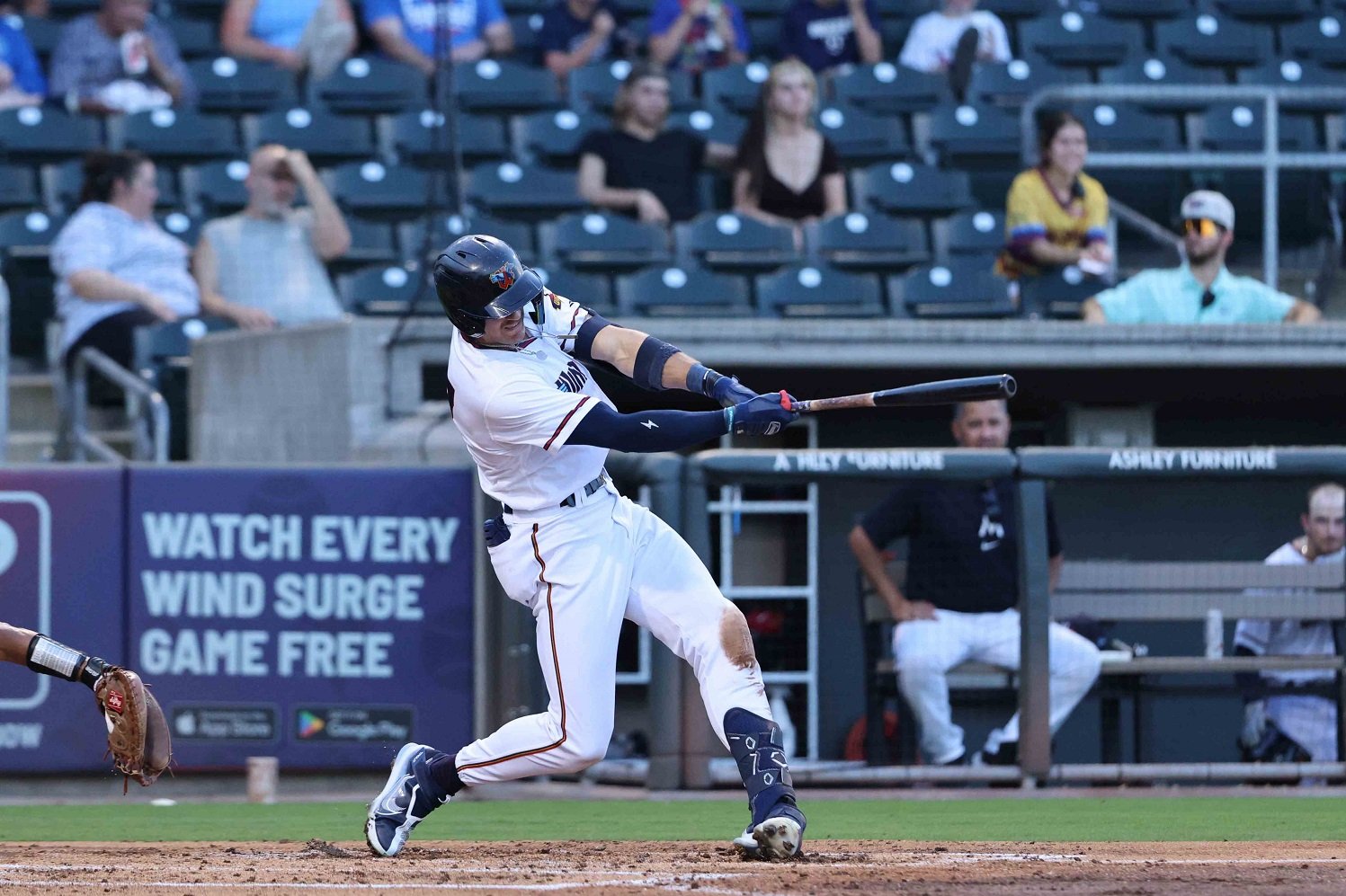 TRANSACTIONS C Jeferson Morales released (St. Paul) LHP Anthony Misiewicz selected by Twins Saints Sentinel St. Paul 5, Iowa 3 Box Score José Ureña: 2 IP, 2 H, 2 ER, 1 BB, 5 K HR: Carson McCusker (17) Multi-hit games: Edouard Julien (3-for-4, 2B, R) St. Paul clawed back from a three-run deficit to win on Wednesday. Early pitching returns were fraught and poor; José Ureña was ambushed for two first-inning runs, while Erasmo Ramírez allowed his first score as a Saint. What could have easily spiraled into a disaster suddenly morphed into a fostered and successful pitching effort thanks to Cory Lewis and Cody Laweryson. The former hurler walked four, but whiffed seven. Effectively wild? The Cubs couldn’t scratch a hit off him across 76 pitches. It was his first scoreless outing since April 2nd. The latter pitcher delivered the final two frames with signature nonchalance. Entering the eighth down 3-2, the Saints had a chance to alter their luck. Jonah Bride walked. Edouard Julien singled. Standing at the plate with his eye on damage, Carson McCusker received a 93 MPH fastball down the middle. What a gift. What a splendid gift. The right-handed slugger swung and belted the offering 431 feet out to dead-center to vault St. Paul into the lead. Saints pitching struck out 16 batters on Wednesday. 43rd-overall ranked prospect Owen Caissie DH’d for the Cubs, walking twice in five plate appearances. Wind Surge Wisdom Wichita 4, San Antonio 6 Box Score Connor Prielipp: 3 ⅔ IP, 5 H, 2 ER, 2 BB, 3 K HR: Nate Baez (3) Multi-hit games: Kaelen Culpepper (2-for-3, 2B, R, BB), Nate Baez (2-for-4, HR, R, 2 RBI) I don’t have anything clever. The Wind Surge lost on Wednesday. Kaelen Culpepper is a baseball-hitting force the greatness of which is indescribable by our limited human lexicon. He’s batting .433 in July with more walks than strikeouts. Sure. He’s batting .349 since his promotion to Wichita. Sure. At this point, they should probably just skip formalities and send him to first base when he steps to the plate. Not too far behind him is Gabriel Gonzalez, who’s hitting a relatively measly .393 in July, but with a .553 OBP. That mark is at .423 for the season. That’s two legitimate contact superstars on the same team. The one who brought the thump on Wednesday, yet, was Nate Baez, who launched his sixth homer of the season in the fifth. Connor Prielipp has pitched 43 2/3 innings in 2025, 20 2/3 more than his previous season high. San Diego Padres’ 16th-ranked prospect Romeo Sanabria pinch-ran and later struck out. Kernels Nuggets Cedar Rapids 10, Peoria 5 Box Score Tanner Hall: 3 IP, 3 H, 5 ER, 2 BB, 0 K HR: Billy Amick (2) Multi-hit games: Billy Amick (2-for-4, HR, 2 R, 3 RBI, 2 BB), Danny De Andrade (3-for-6, 3B, R, 4 RBI), Poncho Ruiz (2-for-3, 2B, 2 R, 2 BB), Misael Urbina (2-for-5, 2B, 3 RBI), Caden Kendle (2-for-5, 2B, R), Justin Connell (2-for-4, 2B, 3 R, BB) The Kernels scored 10 unanswered runs to win on Wednesday. For the second time in three starts, Tanner Hall went three innings while allowing five runs. Repetition may be inevitable in human life, but the 2023 4th-rounder may need to look elsewhere to satisfy his pattern-seeking brain. Fortunately, Cedar Rapids’ bats were revved and ready to attack the ball with gusto. They woke up from a four-inning slumber to plate a four-piece in the fifth, with a three-run homer by Billy Amick serving as the frame’s big blast; Misael Urbina concluded events with a run-scoring single. Unsatisfied, they returned the next inning with an even stronger offensive; this time plating five in a fate-altering onslaught. Caden Kendle began action with a double, and a pair of walks loaded the bases for Danny De Andrade. An ordinary, unclever hitter would have selected something boring—perhaps a run-of-the-mill single—to complete the job. De Andrade doesn’t live like that. He clears the bases with triples. At least, he did so this time. Urbina, whose nickname should be “cleanup,” added a two-run double in the sixth, and one final RBI knock by De Andrade in the seventh capped the scoring for the night. The Chiefs were so stunned, they could do nothing to fight back: Jacob Kisting, Logan Whitaker, Jeremy Lee, and Paulshawn Pasqualotto held them scoreless until the game reached its inevitable ending. The Chiefs are an affiliate of the St. Louis Cardinals. Their best prospect in the game—the 24th team-ranked and tremendously named Travis Honeyman—went 0-2, 2 BB. Mussel Matters Fort Myers 2, Clearwater 3 Box Score Michael Carpenter: 2 ⅔ IP, 4 H, 2 ER, 2 BB, 2 K HR: None Multi-hit games: Dameury Pena (2-for-4, 2B, R, RBI, BB) The Mighty Mussels lost late on Wednesday. Michael Carpenter was not the sharpest. Things were going right, then they took a left, as a scoreless first portended a laborious second, with a pair of runs scoring against the southpaw. That only tied the score, though; a Daniel Pena sacrifice fly and Dameury Pena RBI single gave Fort Myers two runs of their own. They would never score again. The next seven frames were fruitless, despite consistent threats. Despite Dylan Questad’s excellent 4 ⅓ inning effort in relief, he surrendered a run in the eighth, suffering a hard-luck loss. Fort Myers’ .635 team OPS is the worst in the Florida State League. MLB.com’s 63rd-ranked overall prospect, catcher Eduardo Tait, singled once in four at-bats. TWINS DAILY PLAYERS OF THE DAY Twins Daily Minor League Pitcher of the Day – Cory Lewis Twins Daily Minor League Hitter of the Day – Billy Amick PROSPECT SUMMARY Here’s a look at how the Twins Daily Top 20 Twins Prospects performed: #1 – Walker Jenkins (Wichita) - 0-3, R, K #3 – Emmanuel Rodriguez (St. Paul) - 0-3, R, RBI, BB, K #4 – Kaelen Culpepper (Wichita) - 2-3, 2B, R, BB #5 – Connor Prielipp (Wichita) - 3 ⅔ IP, 5 H, 2 ER, 2 BB, 3 K #9 – Brandon Winokur (Cedar Rapids) - 1-5, 3 K #10 – Kyle DeBarge (Cedar Rapids) - 1-6, R #12 – Billy Amick (Cedar Rapids) - 2-4, HR, 2 R, 3 RBI, 2 BB #13 – Gabriel Gonzalez (Wichita) - 1-3, 2B, R, RBI, BB, 2 K #17 – Cory Lewis (St. Paul) - 4 IP, 0 H, 0 ER, 4 BB, 7 K #19 – Danny De Andrade (Cedar Rapids) - 3-6, 3B, R, 4 RBI #20 – Payton Eeles (St. Paul) - 0-3, BB, K THURSDAY’S PROBABLE STARTERS Iowa @ St. Paul (7:07 PM) - RHP Marco Raya San Antonio @ Wichita (7:05 PM) - RHP Darren Bowen Cedar Rapids @ Peoria (6:35 PM) - RHP Jose Olivares Fort Myers @ Clearwater (5:30 PM) - RHP Eli Jones FCL Twins @ FCL Rays (9:00 AM, Completion of July 8 Game) - TBD FCL Rays @ FCL Twins (11:00 AM) - TBD DSL Rangers Red @ DSL Twins (10:00 AM) - TBD
- 9 comments
-
- 6
-
-

-
- kaelen culpepper
- gabriel gonzalez
- (and 4 more)
-
Image courtesy of Rob Thompson (photo of Carson McCusker) TRANSACTIONS C Jeferson Morales released (St. Paul) LHP Anthony Misiewicz selected by Twins Saints Sentinel St. Paul 5, Iowa 3 Box Score José Ureña: 2 IP, 2 H, 2 ER, 1 BB, 5 K HR: Carson McCusker (17) Multi-hit games: Edouard Julien (3-for-4, 2B, R) St. Paul clawed back from a three-run deficit to win on Wednesday. Early pitching returns were fraught and poor; José Ureña was ambushed for two first-inning runs, while Erasmo Ramírez allowed his first score as a Saint. What could have easily spiraled into a disaster suddenly morphed into a fostered and successful pitching effort thanks to Cory Lewis and Cody Laweryson. The former hurler walked four, but whiffed seven. Effectively wild? The Cubs couldn’t scratch a hit off him across 76 pitches. It was his first scoreless outing since April 2nd. The latter pitcher delivered the final two frames with signature nonchalance. Entering the eighth down 3-2, the Saints had a chance to alter their luck. Jonah Bride walked. Edouard Julien singled. Standing at the plate with his eye on damage, Carson McCusker received a 93 MPH fastball down the middle. What a gift. What a splendid gift. The right-handed slugger swung and belted the offering 431 feet out to dead-center to vault St. Paul into the lead. Saints pitching struck out 16 batters on Wednesday. 43rd-overall ranked prospect Owen Caissie DH’d for the Cubs, walking twice in five plate appearances. Wind Surge Wisdom Wichita 4, San Antonio 6 Box Score Connor Prielipp: 3 ⅔ IP, 5 H, 2 ER, 2 BB, 3 K HR: Nate Baez (3) Multi-hit games: Kaelen Culpepper (2-for-3, 2B, R, BB), Nate Baez (2-for-4, HR, R, 2 RBI) I don’t have anything clever. The Wind Surge lost on Wednesday. Kaelen Culpepper is a baseball-hitting force the greatness of which is indescribable by our limited human lexicon. He’s batting .433 in July with more walks than strikeouts. Sure. He’s batting .349 since his promotion to Wichita. Sure. At this point, they should probably just skip formalities and send him to first base when he steps to the plate. Not too far behind him is Gabriel Gonzalez, who’s hitting a relatively measly .393 in July, but with a .553 OBP. That mark is at .423 for the season. That’s two legitimate contact superstars on the same team. The one who brought the thump on Wednesday, yet, was Nate Baez, who launched his sixth homer of the season in the fifth. Connor Prielipp has pitched 43 2/3 innings in 2025, 20 2/3 more than his previous season high. San Diego Padres’ 16th-ranked prospect Romeo Sanabria pinch-ran and later struck out. Kernels Nuggets Cedar Rapids 10, Peoria 5 Box Score Tanner Hall: 3 IP, 3 H, 5 ER, 2 BB, 0 K HR: Billy Amick (2) Multi-hit games: Billy Amick (2-for-4, HR, 2 R, 3 RBI, 2 BB), Danny De Andrade (3-for-6, 3B, R, 4 RBI), Poncho Ruiz (2-for-3, 2B, 2 R, 2 BB), Misael Urbina (2-for-5, 2B, 3 RBI), Caden Kendle (2-for-5, 2B, R), Justin Connell (2-for-4, 2B, 3 R, BB) The Kernels scored 10 unanswered runs to win on Wednesday. For the second time in three starts, Tanner Hall went three innings while allowing five runs. Repetition may be inevitable in human life, but the 2023 4th-rounder may need to look elsewhere to satisfy his pattern-seeking brain. Fortunately, Cedar Rapids’ bats were revved and ready to attack the ball with gusto. They woke up from a four-inning slumber to plate a four-piece in the fifth, with a three-run homer by Billy Amick serving as the frame’s big blast; Misael Urbina concluded events with a run-scoring single. Unsatisfied, they returned the next inning with an even stronger offensive; this time plating five in a fate-altering onslaught. Caden Kendle began action with a double, and a pair of walks loaded the bases for Danny De Andrade. An ordinary, unclever hitter would have selected something boring—perhaps a run-of-the-mill single—to complete the job. De Andrade doesn’t live like that. He clears the bases with triples. At least, he did so this time. Urbina, whose nickname should be “cleanup,” added a two-run double in the sixth, and one final RBI knock by De Andrade in the seventh capped the scoring for the night. The Chiefs were so stunned, they could do nothing to fight back: Jacob Kisting, Logan Whitaker, Jeremy Lee, and Paulshawn Pasqualotto held them scoreless until the game reached its inevitable ending. The Chiefs are an affiliate of the St. Louis Cardinals. Their best prospect in the game—the 24th team-ranked and tremendously named Travis Honeyman—went 0-2, 2 BB. Mussel Matters Fort Myers 2, Clearwater 3 Box Score Michael Carpenter: 2 ⅔ IP, 4 H, 2 ER, 2 BB, 2 K HR: None Multi-hit games: Dameury Pena (2-for-4, 2B, R, RBI, BB) The Mighty Mussels lost late on Wednesday. Michael Carpenter was not the sharpest. Things were going right, then they took a left, as a scoreless first portended a laborious second, with a pair of runs scoring against the southpaw. That only tied the score, though; a Daniel Pena sacrifice fly and Dameury Pena RBI single gave Fort Myers two runs of their own. They would never score again. The next seven frames were fruitless, despite consistent threats. Despite Dylan Questad’s excellent 4 ⅓ inning effort in relief, he surrendered a run in the eighth, suffering a hard-luck loss. Fort Myers’ .635 team OPS is the worst in the Florida State League. MLB.com’s 63rd-ranked overall prospect, catcher Eduardo Tait, singled once in four at-bats. TWINS DAILY PLAYERS OF THE DAY Twins Daily Minor League Pitcher of the Day – Cory Lewis Twins Daily Minor League Hitter of the Day – Billy Amick PROSPECT SUMMARY Here’s a look at how the Twins Daily Top 20 Twins Prospects performed: #1 – Walker Jenkins (Wichita) - 0-3, R, K #3 – Emmanuel Rodriguez (St. Paul) - 0-3, R, RBI, BB, K #4 – Kaelen Culpepper (Wichita) - 2-3, 2B, R, BB #5 – Connor Prielipp (Wichita) - 3 ⅔ IP, 5 H, 2 ER, 2 BB, 3 K #9 – Brandon Winokur (Cedar Rapids) - 1-5, 3 K #10 – Kyle DeBarge (Cedar Rapids) - 1-6, R #12 – Billy Amick (Cedar Rapids) - 2-4, HR, 2 R, 3 RBI, 2 BB #13 – Gabriel Gonzalez (Wichita) - 1-3, 2B, R, RBI, BB, 2 K #17 – Cory Lewis (St. Paul) - 4 IP, 0 H, 0 ER, 4 BB, 7 K #19 – Danny De Andrade (Cedar Rapids) - 3-6, 3B, R, 4 RBI #20 – Payton Eeles (St. Paul) - 0-3, BB, K THURSDAY’S PROBABLE STARTERS Iowa @ St. Paul (7:07 PM) - RHP Marco Raya San Antonio @ Wichita (7:05 PM) - RHP Darren Bowen Cedar Rapids @ Peoria (6:35 PM) - RHP Jose Olivares Fort Myers @ Clearwater (5:30 PM) - RHP Eli Jones FCL Twins @ FCL Rays (9:00 AM, Completion of July 8 Game) - TBD FCL Rays @ FCL Twins (11:00 AM) - TBD DSL Rangers Red @ DSL Twins (10:00 AM) - TBD View full article
-
Image courtesy of Ed Bailey, Wichita Wind Surge (photo of Ricardo Olivar) TRANSACTIONS No moves were made on Sunday. Saints Sentinel St. Paul 1, Gwinnett 12 Box Score Connor Gillaspie: 3 ⅔ IP, 8 H, 9 ER, 4 BB, 1 K HR: Patrick Winkel (6) Multi-hit games: None The Saints were crushed on Sunday. Evidently, the team takes the day of rest a little too seriously: St. Paul is 1-6 in their last seven series finales and have been outscored 68-38 during those games (h/t Sean Aronson.) Few escaped the carnage unscathed. Or at least a little embarrassed. Starter Connor Gillespie was knocked around for nine runs, with a seven-run fourth serving as the damage’s zenith. It’s probably not your day when David Fletcher is hitting homers off you. The bats didn’t do any better. They struck out 15 times. They went 0-for-10 with runners in scoring position. A seventh-inning solo shot from Patrick Winkel marked the only run they could push across. Old friend Sandy León caught for the Stripers and went 0-for-5. Erasmo Ramírez pitched his third scoreless inning for the Saints. Gwinnett is an affiliate of the Atlanta Braves. Their habitual prospect fast-tracking has left their system thinner than usual; as a result, their best youngster on Sunday was reliever and 11th-ranked player, Jhancarlos Lara. He allowed a run in one inning of work. Wind Surge Wisdom Wichita 15, Tulsa 13 Box Score John Klein: 2/3 IP, 2 H, 2 ER, 2 BB, 0 K HR: Kala’i Rosario (9), Ricardo Olivar (10) Multi-hit games: Kaelen Culpepper (3-for-4, R, BB), Walker Jenkins (2-for-4, 3 R, 2 RBI, BB), Gabriel Gonzalez (2-for-3, 4 R, 2 BB), Kala’i Rosario (2-for-4, HR, 2 R, 4 RBI, BB), Ricardo Olivar (3-for-4, HR, 2B, R, 7 RBI), Nate Baez (2-for-5, 3B, R) The Wind Surge won a blistering slugfest on Sunday. You know, there was a time Wichita was losing 7-0. John Klein could not find anything that worked; even the “unearned” runs were a function of his own error, making him fully culpable for the onslaught. Aaron Rozek entered with two outs, allowed the inherited run to score, and then surrendered the sixth and seventh runs of the frame. When the Wind Surge started hitting, their win probability stood at 5.7%. Here’s a short summary of the action: Wichita’s first five hitters in the lineup reached base at least three times. Here’s a longer summary of the action: fueled by a Kala’i Rosario grand slam, the Wind Surge started systematically chipping away at the lead, needing just two innings total to knot the game at eight. By the third, they were ahead. The Drillers briefly retook an advantage before a final Wichita blitz sealed the game for good. Once again, Olivar provided a critical knock, as his sky-scraping fly ball to right-center fell safely and cleared the bases. Olivar ended the day with seven RBIs. The game was the biggest comeback win in Wind Surge history. The Drillers are, of course, an affiliate in the famous Dodgers minor league system. None of their top 30 prospects appeared in Sunday’s game. Kernels Nuggets Cedar Rapids 3, Quad Cities 5 Box Score Alejandro Hidalgo: 4 IP, 4 H, 3 ER, 1 BB, 4 K HR: None Multi-hit games: None The Kernels' offense short-circuited on Sunday. The River Bandits brought pressure first. Quad Cities jumped on starter Alejandro Hidalgo for three runs in the first, capped by a two-run shot by Carson Roccaforte, his third homer of the series. Kernels' pitching celebrates his departure. Cedar Rapids plated a run in response by turning a Billy Amick hit by pitch into a manufactured trip around the plate; he eventually scored on a wild pitch. Then things turned lukewarm. Not quite cold. The Kernels found reaching first base easy; yet the journey beyond proved to be a difficult endeavor. Between the first and ninth frames, a Cedar Rapids runner reached second base just twice. No one touched third. By the time Kyle DeBarge and Amick worked to score two in the ninth, the team ran out of outs. The aforementioned Roccaforte is the 21st-ranked prospect in the Royals system. He may need to jump a few spots. Mussel Matters Fort Myers 7, Bradenton 5 Box Score Jason Doktorczyk: 5 IP, 5 H, 4 ER, 0 BB, 2 K HR: Caleb McNeely (2) Multi-hit games: Dameury Pena (2-for-5, R, RBI), Emmanuel Rodriguez (3-for-4, 2 RBI, BB), Peyton Carr (3-for-4, 2B, R) The Mighty Mussels rallied for seven runs in the ninth to stun Bradenton on Sunday. Let’s jump to the consequential inning. Daniel Pena walked, Peyton Carr singled, and Yohander Martinez was hit by a pitch. Angel Del Rosario’s flyball to center was too short to score a run, but Javier Roman pushed across Fort Myers’ first run by reaching on a fielding error. Dameury Pena singled. Emmanuel Rodriguez singled. Suddenly, the score stood at 5-4, and the offensive malaise that came before was long forgotten. A new pitcher coaxed a groundout from Yasser Mercedes, yet he hung a breaker that Caleb McNeely leaned back and obliterated, sending the runners into a frenzy until everyone realized his hit had safely cleared the fences for a walk-off three-run homer. It was the first walk-off homer for the Mighty Mussels since August 27th, 2024. Brandon Winokur supplied the blast. Rehabbing minor leaguer Emmanuel Rodriguez singled thrice and walked while playing center field for all nine innings. Marauders’ shortstop Wyatt Sanford is the 8th-ranked prospect in the Pirates system. He doubled and tripled in three at-bats. TWINS DAILY PLAYERS OF THE DAY Twins Daily Minor League Pitcher of the Day – Pierson Ohl Twins Daily Minor League Hitter of the Day – Ricardo Olivar PROSPECT SUMMARY Here’s a look at how the Twins Daily Top 20 Twins Prospects performed: #1 – Walker Jenkins (Wichita) - 2-4, 3 R, 2 RBI, BB #3 – Emmanuel Rodriguez (Fort Myers) - 3-4, 2 RBI, BB, K #4 – Kaelen Culpepper (Wichita) - 3-4, R, BB #9 – Brandon Winokur (Cedar Rapids) - 0-3, BB, K #10 – Kyle DeBarge (Cedar Rapids) - 1-5, K #12 – Billy Amick (Cedar Rapids) - 0-3, R, RBI #13 – Gabriel Gonzalez (Wichita) - 2-3, 4 R, 2 BB #18 – Ricardo Olivar (Wichita) - 3-4, HR, 2B, R, 7 RBI #19 – Danny De Andrade (Cedar Rapids) - 1-4, BB #20 – Payton Eeles (St. Paul) - 1-4, 2B, 2 K MONDAY’S PROBABLE STARTERS FCL Twins @ FCL Orioles (9:00 AM) - TBD DSL Twins @ DSL NYY Yankees (10:00 AM) - TBD View full article
-
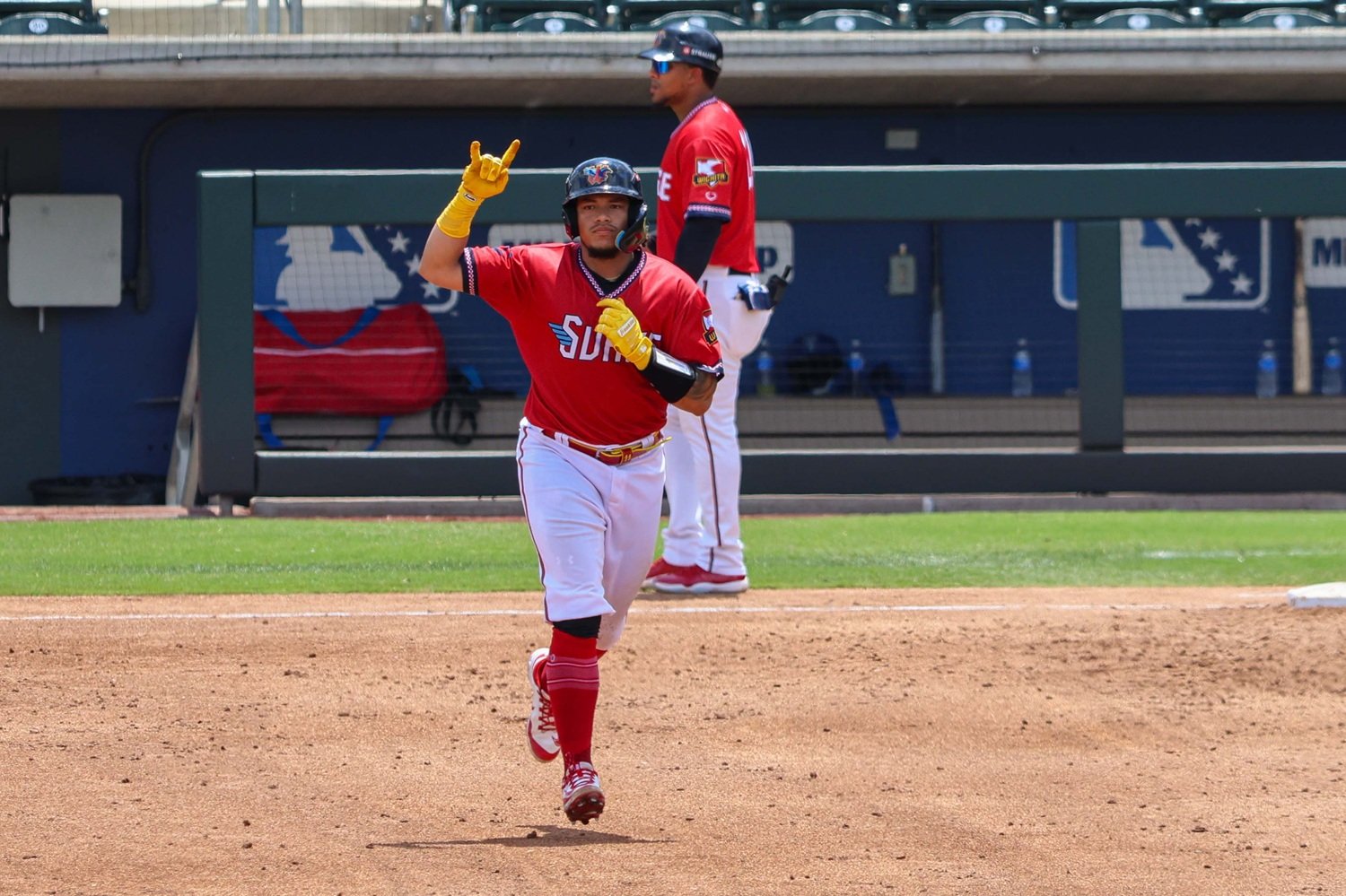 TRANSACTIONS No moves were made on Sunday. Saints Sentinel St. Paul 1, Gwinnett 12 Box Score Connor Gillaspie: 3 ⅔ IP, 8 H, 9 ER, 4 BB, 1 K HR: Patrick Winkel (6) Multi-hit games: None The Saints were crushed on Sunday. Evidently, the team takes the day of rest a little too seriously: St. Paul is 1-6 in their last seven series finales and have been outscored 68-38 during those games (h/t Sean Aronson.) Few escaped the carnage unscathed. Or at least a little embarrassed. Starter Connor Gillespie was knocked around for nine runs, with a seven-run fourth serving as the damage’s zenith. It’s probably not your day when David Fletcher is hitting homers off you. The bats didn’t do any better. They struck out 15 times. They went 0-for-10 with runners in scoring position. A seventh-inning solo shot from Patrick Winkel marked the only run they could push across. Old friend Sandy León caught for the Stripers and went 0-for-5. Erasmo Ramírez pitched his third scoreless inning for the Saints. Gwinnett is an affiliate of the Atlanta Braves. Their habitual prospect fast-tracking has left their system thinner than usual; as a result, their best youngster on Sunday was reliever and 11th-ranked player, Jhancarlos Lara. He allowed a run in one inning of work. Wind Surge Wisdom Wichita 15, Tulsa 13 Box Score John Klein: 2/3 IP, 2 H, 2 ER, 2 BB, 0 K HR: Kala’i Rosario (9), Ricardo Olivar (10) Multi-hit games: Kaelen Culpepper (3-for-4, R, BB), Walker Jenkins (2-for-4, 3 R, 2 RBI, BB), Gabriel Gonzalez (2-for-3, 4 R, 2 BB), Kala’i Rosario (2-for-4, HR, 2 R, 4 RBI, BB), Ricardo Olivar (3-for-4, HR, 2B, R, 7 RBI), Nate Baez (2-for-5, 3B, R) The Wind Surge won a blistering slugfest on Sunday. You know, there was a time Wichita was losing 7-0. John Klein could not find anything that worked; even the “unearned” runs were a function of his own error, making him fully culpable for the onslaught. Aaron Rozek entered with two outs, allowed the inherited run to score, and then surrendered the sixth and seventh runs of the frame. When the Wind Surge started hitting, their win probability stood at 5.7%. Here’s a short summary of the action: Wichita’s first five hitters in the lineup reached base at least three times. Here’s a longer summary of the action: fueled by a Kala’i Rosario grand slam, the Wind Surge started systematically chipping away at the lead, needing just two innings total to knot the game at eight. By the third, they were ahead. The Drillers briefly retook an advantage before a final Wichita blitz sealed the game for good. Once again, Olivar provided a critical knock, as his sky-scraping fly ball to right-center fell safely and cleared the bases. Olivar ended the day with seven RBIs. The game was the biggest comeback win in Wind Surge history. The Drillers are, of course, an affiliate in the famous Dodgers minor league system. None of their top 30 prospects appeared in Sunday’s game. Kernels Nuggets Cedar Rapids 3, Quad Cities 5 Box Score Alejandro Hidalgo: 4 IP, 4 H, 3 ER, 1 BB, 4 K HR: None Multi-hit games: None The Kernels' offense short-circuited on Sunday. The River Bandits brought pressure first. Quad Cities jumped on starter Alejandro Hidalgo for three runs in the first, capped by a two-run shot by Carson Roccaforte, his third homer of the series. Kernels' pitching celebrates his departure. Cedar Rapids plated a run in response by turning a Billy Amick hit by pitch into a manufactured trip around the plate; he eventually scored on a wild pitch. Then things turned lukewarm. Not quite cold. The Kernels found reaching first base easy; yet the journey beyond proved to be a difficult endeavor. Between the first and ninth frames, a Cedar Rapids runner reached second base just twice. No one touched third. By the time Kyle DeBarge and Amick worked to score two in the ninth, the team ran out of outs. The aforementioned Roccaforte is the 21st-ranked prospect in the Royals system. He may need to jump a few spots. Mussel Matters Fort Myers 7, Bradenton 5 Box Score Jason Doktorczyk: 5 IP, 5 H, 4 ER, 0 BB, 2 K HR: Caleb McNeely (2) Multi-hit games: Dameury Pena (2-for-5, R, RBI), Emmanuel Rodriguez (3-for-4, 2 RBI, BB), Peyton Carr (3-for-4, 2B, R) The Mighty Mussels rallied for seven runs in the ninth to stun Bradenton on Sunday. Let’s jump to the consequential inning. Daniel Pena walked, Peyton Carr singled, and Yohander Martinez was hit by a pitch. Angel Del Rosario’s flyball to center was too short to score a run, but Javier Roman pushed across Fort Myers’ first run by reaching on a fielding error. Dameury Pena singled. Emmanuel Rodriguez singled. Suddenly, the score stood at 5-4, and the offensive malaise that came before was long forgotten. A new pitcher coaxed a groundout from Yasser Mercedes, yet he hung a breaker that Caleb McNeely leaned back and obliterated, sending the runners into a frenzy until everyone realized his hit had safely cleared the fences for a walk-off three-run homer. It was the first walk-off homer for the Mighty Mussels since August 27th, 2024. Brandon Winokur supplied the blast. Rehabbing minor leaguer Emmanuel Rodriguez singled thrice and walked while playing center field for all nine innings. Marauders’ shortstop Wyatt Sanford is the 8th-ranked prospect in the Pirates system. He doubled and tripled in three at-bats. TWINS DAILY PLAYERS OF THE DAY Twins Daily Minor League Pitcher of the Day – Pierson Ohl Twins Daily Minor League Hitter of the Day – Ricardo Olivar PROSPECT SUMMARY Here’s a look at how the Twins Daily Top 20 Twins Prospects performed: #1 – Walker Jenkins (Wichita) - 2-4, 3 R, 2 RBI, BB #3 – Emmanuel Rodriguez (Fort Myers) - 3-4, 2 RBI, BB, K #4 – Kaelen Culpepper (Wichita) - 3-4, R, BB #9 – Brandon Winokur (Cedar Rapids) - 0-3, BB, K #10 – Kyle DeBarge (Cedar Rapids) - 1-5, K #12 – Billy Amick (Cedar Rapids) - 0-3, R, RBI #13 – Gabriel Gonzalez (Wichita) - 2-3, 4 R, 2 BB #18 – Ricardo Olivar (Wichita) - 3-4, HR, 2B, R, 7 RBI #19 – Danny De Andrade (Cedar Rapids) - 1-4, BB #20 – Payton Eeles (St. Paul) - 1-4, 2B, 2 K MONDAY’S PROBABLE STARTERS FCL Twins @ FCL Orioles (9:00 AM) - TBD DSL Twins @ DSL NYY Yankees (10:00 AM) - TBD
- 22 comments
-
- 5
-
-
-
- ricardo olivar
- walker jenkins
- (and 4 more)
-
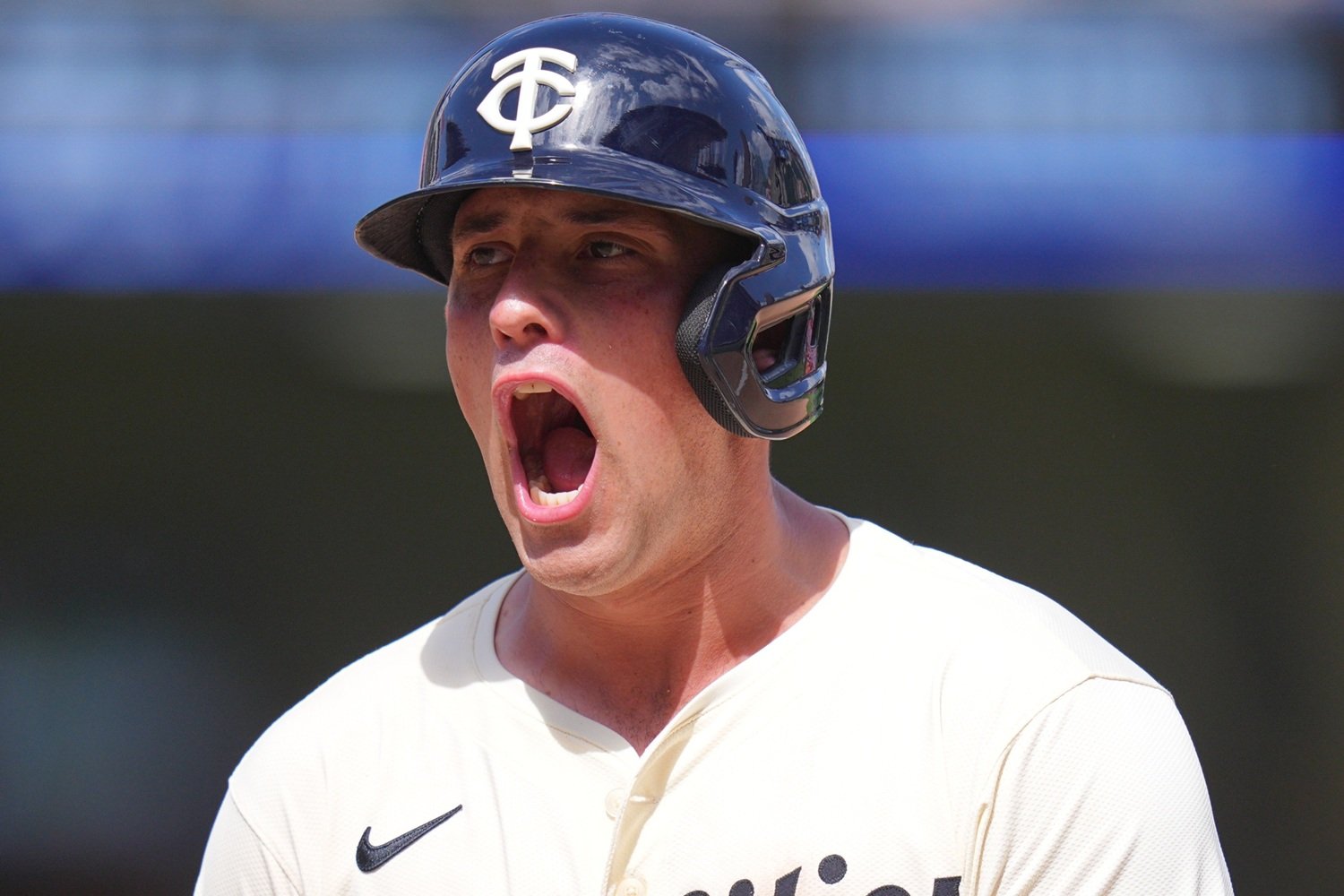 Box Score Cole Sands: 1 IP, 0 H, 0 ER, 0 BB, 2 K Home Runs: Kody Clemens (10) Top 3 WPA: Kody Clemens (.264), Jhoan Durán (.242), Willi Castro (.215) Win Probability Chart (via FanGraphs) Invigoration can only last so long. As of Saturday, Minnesota’s dramatic 4th of July walk-off was as ancient as the Sumerians. The win could possibly kick-start a streak of quality play, but whether such an outcome comes to fruition rests entirely on the Twins, their gumption, and the bare-hanging threads of the starting rotation. For the first time since 2022, Cole Sands started a major league game. His appearance was faux, though; he was just the opener, here to set up Travis Adams as the bulk pitcher. Indeed, Adams entered in the seco—oh wait, that’s Danny Coulombe. Ok, following the veteran lefty, Adams finally arrived on a major-league mound, ready to showcase his stuff at the highest level. Unfortunately, for the 25-year-old, it seemed that the Rays were intimately aware of his scouting report. They pounced on everything. Fastballs? Tattooed. His menagerie of breakers? Smoked. He didn’t earn his first strikeout until his 18th batter, as Tampa Bay’s batters collected nine hits, three of which went for doubles, and plated at least one run in each inning the Sacramento State product pitched in. The good news is that it’s over: the nerves of a debut will never strike again. Now he’ll just face the usual pressures of everyday modern life and the horrors that come with the burden of knowledge. The Twins offense was up for a fight, even if their early returns were tepid. They loaded the bases with no one out against Taj Bradley in the second, but could only plate one run on a cheeky Royce Lewis squibber. Something about that man and full bases creates an unshakable aura. A potential Byron Buxton grand slam fell short at the warning track. The bats laid dormant during Tampa’s turn to plate runs; what was an early lead dissipated into a four-run deficit capable of pushing the watcher to forget Minnesota once held the advantage. The sixth was the turning point. Bradley surrendered two runners. He punched out Matt Wallner to collect the frame’s second out, but Kevin Cash pulled his starter in favor of Kevin Kelly, the reliever who suffered the loss on Friday. Lewis drilled his second pitch to center for the third baseman’s second RBI of the game. A pulse. Then, with two on and a chance to tie the game, Kody Clemens saw a middle-middle fastball and drove the pitch deep out to left field, carrying, carrying, carrying, until it safely fell into the bleachers. As unlikely as odds once looked, the Twins had knotted the game. The seventh and eighth innings came and went with occasional drama, yet neither squad could find the critical separation needed to pull ahead. Jhoan Durán pitched two clutch innings to give the home team a chance to win in the bottom half of the ninth. Byron Buxton started with a walk. Then Willi Castro slashed a single to right, allowing the speedy center fielder to dash to third with no one out. Finally—with likely no one in the stadium expecting it—Brooks Lee bunted. Yandy Díaz had no choice but to give a half-assed Olé as he watched the ball bound fair over first base. Game over. Twins win. Notes: Jhoan Durán pitched multiple innings for the first time in 2025. Travis Adam's nine hits allowed ties a Twins record for most in an MLB debut (h/t Aaron Gleeman.) Adams is also the fourth player selected by the Twins in the 2021 draft to make his MLB debut. The other three did so with other teams (h/t Jamie Cameron.) Danny Coulombe appeared in his 320th career MLB game. Post-Game Interview: What’s Next? The Twins and Rays will play again on Sunday, with Joe Ryan set to face off against Drew Rasmussen. First pitch is at 1:10 PM. Bullpen Usage Spreadsheet
- 70 comments
-
- 2
-
-
- brooks lee
- travis adams
- (and 3 more)
-
Image courtesy of © Brad Rempel-Imagn Images Box Score Cole Sands: 1 IP, 0 H, 0 ER, 0 BB, 2 K Home Runs: Kody Clemens (10) Top 3 WPA: Kody Clemens (.264), Jhoan Durán (.242), Willi Castro (.215) Win Probability Chart (via FanGraphs) Invigoration can only last so long. As of Saturday, Minnesota’s dramatic 4th of July walk-off was as ancient as the Sumerians. The win could possibly kick-start a streak of quality play, but whether such an outcome comes to fruition rests entirely on the Twins, their gumption, and the bare-hanging threads of the starting rotation. For the first time since 2022, Cole Sands started a major league game. His appearance was faux, though; he was just the opener, here to set up Travis Adams as the bulk pitcher. Indeed, Adams entered in the seco—oh wait, that’s Danny Coulombe. Ok, following the veteran lefty, Adams finally arrived on a major-league mound, ready to showcase his stuff at the highest level. Unfortunately, for the 25-year-old, it seemed that the Rays were intimately aware of his scouting report. They pounced on everything. Fastballs? Tattooed. His menagerie of breakers? Smoked. He didn’t earn his first strikeout until his 18th batter, as Tampa Bay’s batters collected nine hits, three of which went for doubles, and plated at least one run in each inning the Sacramento State product pitched in. The good news is that it’s over: the nerves of a debut will never strike again. Now he’ll just face the usual pressures of everyday modern life and the horrors that come with the burden of knowledge. The Twins offense was up for a fight, even if their early returns were tepid. They loaded the bases with no one out against Taj Bradley in the second, but could only plate one run on a cheeky Royce Lewis squibber. Something about that man and full bases creates an unshakable aura. A potential Byron Buxton grand slam fell short at the warning track. The bats laid dormant during Tampa’s turn to plate runs; what was an early lead dissipated into a four-run deficit capable of pushing the watcher to forget Minnesota once held the advantage. The sixth was the turning point. Bradley surrendered two runners. He punched out Matt Wallner to collect the frame’s second out, but Kevin Cash pulled his starter in favor of Kevin Kelly, the reliever who suffered the loss on Friday. Lewis drilled his second pitch to center for the third baseman’s second RBI of the game. A pulse. Then, with two on and a chance to tie the game, Kody Clemens saw a middle-middle fastball and drove the pitch deep out to left field, carrying, carrying, carrying, until it safely fell into the bleachers. As unlikely as odds once looked, the Twins had knotted the game. The seventh and eighth innings came and went with occasional drama, yet neither squad could find the critical separation needed to pull ahead. Jhoan Durán pitched two clutch innings to give the home team a chance to win in the bottom half of the ninth. Byron Buxton started with a walk. Then Willi Castro slashed a single to right, allowing the speedy center fielder to dash to third with no one out. Finally—with likely no one in the stadium expecting it—Brooks Lee bunted. Yandy Díaz had no choice but to give a half-assed Olé as he watched the ball bound fair over first base. Game over. Twins win. Notes: Jhoan Durán pitched multiple innings for the first time in 2025. Travis Adam's nine hits allowed ties a Twins record for most in an MLB debut (h/t Aaron Gleeman.) Adams is also the fourth player selected by the Twins in the 2021 draft to make his MLB debut. The other three did so with other teams (h/t Jamie Cameron.) Danny Coulombe appeared in his 320th career MLB game. Post-Game Interview: What’s Next? The Twins and Rays will play again on Sunday, with Joe Ryan set to face off against Drew Rasmussen. First pitch is at 1:10 PM. Bullpen Usage Spreadsheet View full article
-
Image courtesy of Ed Bailey, Wichita Wind Surge Gabriel Gonzalez is raking. The 21-year-old is slashing .341/413/520 across 321 plate appearances split between A+ Cedar Rapids and AA Wichita (updated following play on 7/4.) He’s not even using the lower level to inflate those numbers; Gonzalez’s OPS is above .900 for both teams. He already has more hits in 2025 than he had over 81 games in 2024. You’d be forgiven if you forgot about Gonzalez, given that he was a part of the four-player return the Twins netted for Jorge Polanco before the 2024 season. Justin Topa and Anthony DeSclafani were the big-leaguers, and therefore claimed attention; Gonzalez—and Darren Bowen—were unproven, even if the outfielder was a notable prospect. Some consternation for Gonzalez stems from his “swing often and crack line drives” approach atypical for a player these days. “He’s chase prone but has the bat-to-ball skills to make up for this to some degree,” wrote Eric Longenhagen in 2024. “He can absolutely punish fastballs, but it’s a very aggressive approach that can lead to too much chase, especially against softer stuff,” explains his MLB.com writeup. That can be a strange profile to understand. Maybe he’s Nick Castellanos. Maybe he’s Ernie Clement. Maybe he’s somewhere in the middle. Aiding his profile is an encouraging walk-to-strikeout rate: the righty has just one more free pass than punchout at AA, and he’s at 27 walks to 37 strikeouts overall in 2025. He’s already walked more than he did in 2024. His 12.3% strikeout rate is the lowest of his career. Though considerations for a major league spot are still a ways away, a path for Gonzalez does exist. He’s perhaps the slightest step further ahead than Walker Jenkins, his teammate on the Wind Surge. Emmanuel Rodriguez is ahead of him in prospect status and level, yet his constant injuries have blurred a vision of him in a daily big league role. Minnesota’s current cadre of outfielders? Byron Buxton and his whelming group of merry men. Harrison Bader might not be a Twin by August, and neither Trevor Larnach nor Matt Wallner have played well enough to demand a lineup spot written in pen. It’s a bit strained—squinting and minor mental gymnastics are required—but Gonzalez could at least get a shot by 2026. In any case, the Twins will need to add him to the 40-man roster after this season to avoid Rule-5 draft eligibility. Gonzalez may also be a lesson for amateur prospect evaluators: always consider a player’s age relative to their level. One year is long enough for a player to improve drastically; just ask Pablo López, who had a 5.04 in A+ ball as a 21-year-old, then zoomed to the majors the next year after dominating AA. It’s sometimes lost that these are young men still developing mentally and physically. Life strengthens all of us differently. Sometimes the 21-year-old we see today is utterly unlike the 20-year-old we met just last year. Gonzalez is a fascinating player. He harkens back to a young Luis Arraez, in that he might not be one of the best prospects in baseball, but his profile and performance demand a look at the major-league level. For a franchise stuck in a quagmire of redundant, lifeless hitters, Gonzalez’s line drives could be a reprieve, a legitimate unique skill set to set apart and push forward an organization looking for answers. View full article
-
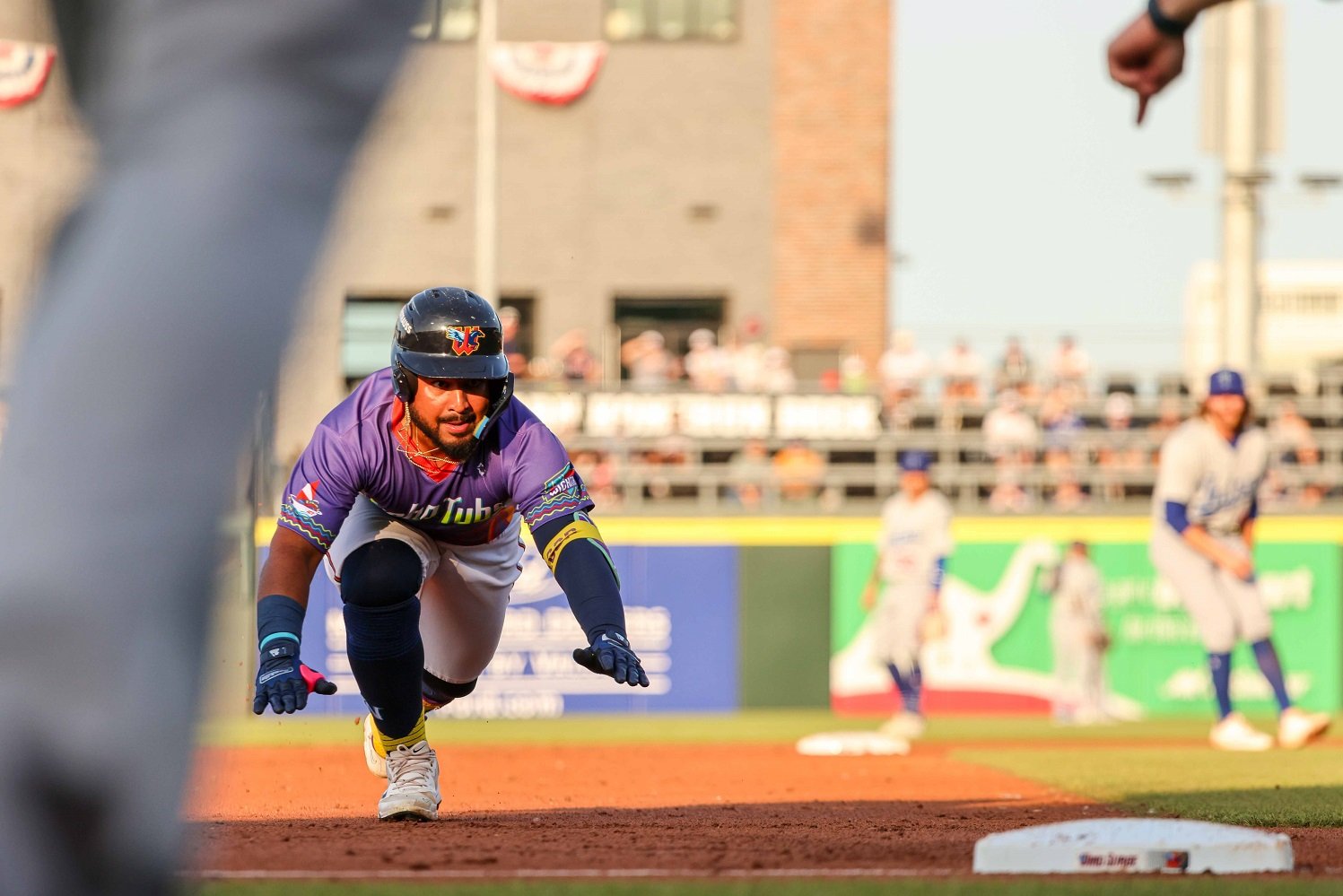 Gabriel Gonzalez is raking. The 21-year-old is slashing .341/413/520 across 321 plate appearances split between A+ Cedar Rapids and AA Wichita (updated following play on 7/4.) He’s not even using the lower level to inflate those numbers; Gonzalez’s OPS is above .900 for both teams. He already has more hits in 2025 than he had over 81 games in 2024. You’d be forgiven if you forgot about Gonzalez, given that he was a part of the four-player return the Twins netted for Jorge Polanco before the 2024 season. Justin Topa and Anthony DeSclafani were the big-leaguers, and therefore claimed attention; Gonzalez—and Darren Bowen—were unproven, even if the outfielder was a notable prospect. Some consternation for Gonzalez stems from his “swing often and crack line drives” approach atypical for a player these days. “He’s chase prone but has the bat-to-ball skills to make up for this to some degree,” wrote Eric Longenhagen in 2024. “He can absolutely punish fastballs, but it’s a very aggressive approach that can lead to too much chase, especially against softer stuff,” explains his MLB.com writeup. That can be a strange profile to understand. Maybe he’s Nick Castellanos. Maybe he’s Ernie Clement. Maybe he’s somewhere in the middle. Aiding his profile is an encouraging walk-to-strikeout rate: the righty has just one more free pass than punchout at AA, and he’s at 27 walks to 37 strikeouts overall in 2025. He’s already walked more than he did in 2024. His 12.3% strikeout rate is the lowest of his career. Though considerations for a major league spot are still a ways away, a path for Gonzalez does exist. He’s perhaps the slightest step further ahead than Walker Jenkins, his teammate on the Wind Surge. Emmanuel Rodriguez is ahead of him in prospect status and level, yet his constant injuries have blurred a vision of him in a daily big league role. Minnesota’s current cadre of outfielders? Byron Buxton and his whelming group of merry men. Harrison Bader might not be a Twin by August, and neither Trevor Larnach nor Matt Wallner have played well enough to demand a lineup spot written in pen. It’s a bit strained—squinting and minor mental gymnastics are required—but Gonzalez could at least get a shot by 2026. In any case, the Twins will need to add him to the 40-man roster after this season to avoid Rule-5 draft eligibility. Gonzalez may also be a lesson for amateur prospect evaluators: always consider a player’s age relative to their level. One year is long enough for a player to improve drastically; just ask Pablo López, who had a 5.04 in A+ ball as a 21-year-old, then zoomed to the majors the next year after dominating AA. It’s sometimes lost that these are young men still developing mentally and physically. Life strengthens all of us differently. Sometimes the 21-year-old we see today is utterly unlike the 20-year-old we met just last year. Gonzalez is a fascinating player. He harkens back to a young Luis Arraez, in that he might not be one of the best prospects in baseball, but his profile and performance demand a look at the major-league level. For a franchise stuck in a quagmire of redundant, lifeless hitters, Gonzalez’s line drives could be a reprieve, a legitimate unique skill set to set apart and push forward an organization looking for answers.
 -
Twins Minor League Report (7/2): Anyone Have Any Offense?
Matt Braun replied to Matt Braun's topic in Twins Minor League Talk
ah **** I screwed that up huh -
Twins Minor League Report (7/2): Anyone Have Any Offense?
Matt Braun posted an article in Minor Leagues
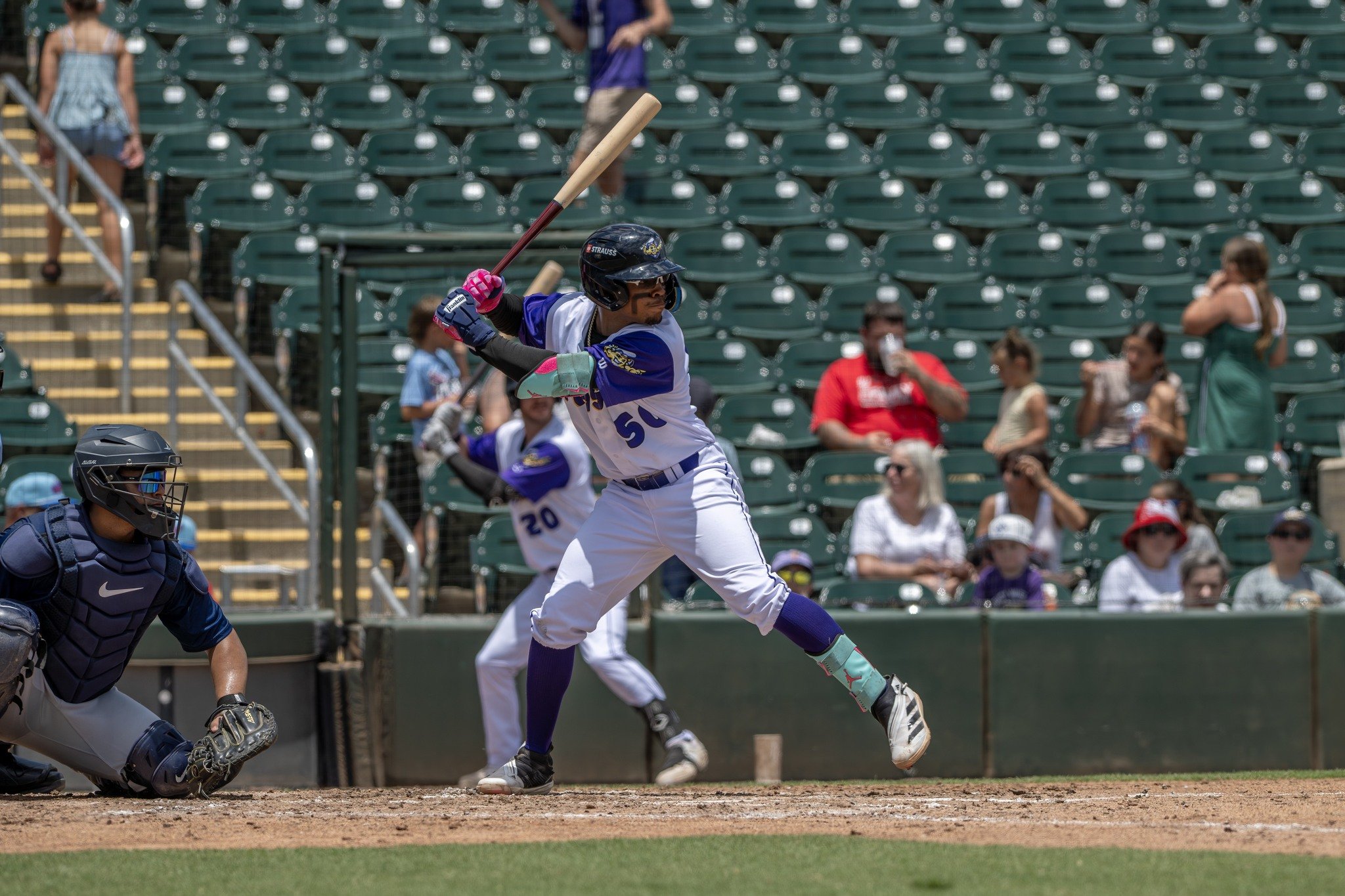 TRANSACTIONS INF Jonah Bride outrighted to AAA St. Paul LHP Kody Funderburk recalled by Twins Saints Sentinel St. Paul 1, Gwinnett 2 Box Score José Ureña: 1 IP, 0 H, 0 ER, 1 BB, 1 K HR: None Multi-hit games: None The Saints lost a close affair on Wednesday. With Bailey Ober a fresh victim of the IL, Minnesota’s fully evaporated starting pitching depth threw the rotation’s status into the land of theories and speculation. They need innings, but there are only so many healthy arms. The Twins clarified the situation by sending newcomer José Ureña out for 18 pitches while having Darren McCaughan cover five frames. In short: we know nothing. McCaughan did pitch well, with his outing being of the shutout variety. St. Paul’s lone score arrived in the third when Carson McCusker smoked a single into the outfield, plating Austin Martin on the play. It seemed like Saints pitching would hold up that one run, yet Pierson Ohl surrendered a deciding two-run shot in the seventh. So it goes. Yunior Severino walked three times. He walked six times total in June. Old friend Sandy León caught for the Stripers and went 0-3. The Gwinnett Stripers are an affiliate of the Atlanta Braves. Their 28th-ranked prospect, outfielder Carlos Rodriguez hit third and doubled once in four trips to the plate. Wind Surge Wisdom Wichita 1, Tulsa 2 Box Score Mike Paredes: 3 IP, 3 H, 0 ER, 1 BB, 1 K HR: Ricardo Olivar (9) Multi-hit games: None The Wind Surge were walked off on Wednesday. You may need some sort of scientific equipment to read Mike Paredes’ season ERA. The righty continued his domination, tossing three shutout innings in what is more of the same for the 2021 18th-rounder. He even picked off a runner. Ricardo Oliver homered. Our analysis of Wichita’s scoring on Wednesday has concluded. Gabriel Gonzalez remains one of the hottest hitters in maybe the entire Twins system? In all of minor league baseball? Amongst anyone who plays professional baseball? The superlatives undersell the 21-year-old’s .341/.411/.511 slash line on the season. And he only improved those numbers by going 1-2 with two walks. He also stole a base. Former Twins farmhand Noah Miller played shortstop for the Drillers and went 1-3 with a walk. He was the highest-ranked prospect for the Drillers playing in Wednesday’s game. Kernels Nuggets Cedar Rapids 6, Quad Cities 5 Box Score Tanner Hall: 4 IP, 1 H, 0 ER, 0 BB, 6 K HR: Billy Amick (1) Multi-hit games: Billy Amick (2-for-5, HR, R, RBI) The Kernels eked out a win on Wednesday. Tanner Hall shook off his previous two clunkers to put forth one of his better starts of the season: a four-shutout-inning outing in which he allowed just one baserunner. He needed just 52 pitches. Cedar Rapids scored first in the fourth thanks to an RBI groundout by Andy Lugo and a run-scoring wild pitch against the following batter. Then Billy Amick homered in the sixth to extend the lead to three. That’s when weird things started to happen. The two teams exchanged runs before Paulshawn Pasqualotto melted down with an uncharacteristic four-run frame, including a back-breaking three-run homer. Matters appeared dire, but then—with the bases loaded—Kyle DeBarge grounded a ball up the middle and the River Bandits' defense blew chunks all over themselves. It scored two runs. We take those. The River Bandits committed five errors; three of which were catcher’s interferences; with two of those occurring in a critical go-ahead ninth inning. Take a step back, dude. The Quad Cities River Bandits are an affiliate of the Kansas City Royals. Their 21st-ranked prospect, Carson Roccaforte, played center field and homered and doubled in four plate appearances. Mussel Matters Fort Myers 1, Bradenton 2 Box Score Michael Carpenter: 1 ⅔ IP, 2 H, 2 ER, 3 BB, 2 K HR: Dameury Pena (5) Multi-hit games: Dameury Pena (2-for-4, HR, R, RBI) The Mighty Mussels fell in a low-scoring affair on Wednesday (there’s a pattern if you noticed). Evidently, Michael Carpenter is not in the baseball gods’ good graces. His recent hot streak turned chilly; a reminder that fortune can switch up fast. No other force is more amazing at turning loving into hatred. Adrian Bohorquez pitched on a different wavelength. The Venezuelan righty—mired in a disappointing season to this point—fired off five scoreless frames in relief, punching out five as his fastball topped out at 97.7 MPH. A lone baserunner reached off an errant curveball plunk. It was easily the best start of the year for the 20-year-old. Fort Myers’ only run came in the sixth thanks to a Dameury Pena homer. Bradenton is an affiliate of the Pittsburgh Pirates. A talented system, the best of their well-regarded youngsters populate their AAA team, leaving their 8th-ranked prospect, Wyatt Sanford as the Marauders' most notable player. He went 0-4. TWINS DAILY PLAYERS OF THE DAY Twins Daily Minor League Pitcher of the Day – Adrian Bohorquez Twins Daily Minor League Hitter of the Day – Dameury Pena PROSPECT SUMMARY Here’s a look at how the Twins Daily Top 20 Twins Prospects performed: #1 – Walker Jenkins (Wichita) - 0-3, BB #4 – Kaelen Culpepper (Wichita) - 1-4, K #9 – Brandon Winokur (Cedar Rapids) - 0-3, R, BB, K #10 – Kyle DeBarge (Cedar Rapids) - 1-5, 2B, K #12 – Billy Amick (Cedar Rapids) - 2-for-5, HR, R, RBI, K #13 – Gabriel Gonzalez (Wichita) - 1-2, 2 BB #18 – Ricardo Olivar (Wichita) - 1-4, HR, R, RBI, 3 K #19 – Danny De Andrade (Cedar Rapids) - 0-3, R, BB, K #20 – Payton Eeles (St. Paul) - 1-3, BB, K THURSDAY’S PROBABLE STARTERS St. Paul @ Gwinnett (6:05 PM) - RHP Cory Lewis Wichita @ Tulsa (6:30 PM) - LHP Connor Prielipp Cedar Rapids @ Quad Cities (6:00 PM) - RHP Jose Olivares Fort Myers @ Bradenton (5:30 PM) - RHP Dylan Questad FCL Orioles @ FCL Twins (9:00 AM) - TBD FCL Orioles @ FCL Twins (Game Two) - TBD DSL Twins @ DSL Cardinals (10:00 AM) - TBD
- 22 comments
-
- 3
-
-
-
- ricardo olivar
- adrian bohorquez
- (and 4 more)
-
Image courtesy of William Parmeter, Fort Myers Mighty Mussels (photo of Dameury Pena) TRANSACTIONS INF Jonah Bride outrighted to AAA St. Paul LHP Kody Funderburk recalled by Twins Saints Sentinel St. Paul 1, Gwinnett 2 Box Score José Ureña: 1 IP, 0 H, 0 ER, 1 BB, 1 K HR: None Multi-hit games: None The Saints lost a close affair on Wednesday. With Bailey Ober a fresh victim of the IL, Minnesota’s fully evaporated starting pitching depth threw the rotation’s status into the land of theories and speculation. They need innings, but there are only so many healthy arms. The Twins clarified the situation by sending newcomer José Ureña out for 18 pitches while having Darren McCaughan cover five frames. In short: we know nothing. McCaughan did pitch well, with his outing being of the shutout variety. St. Paul’s lone score arrived in the third when Carson McCusker smoked a single into the outfield, plating Austin Martin on the play. It seemed like Saints pitching would hold up that one run, yet Pierson Ohl surrendered a deciding two-run shot in the seventh. So it goes. Yunior Severino walked three times. He walked six times total in June. Old friend Sandy León caught for the Stripers and went 0-3. The Gwinnett Stripers are an affiliate of the Atlanta Braves. Their 28th-ranked prospect, outfielder Carlos Rodriguez hit third and doubled once in four trips to the plate. Wind Surge Wisdom Wichita 1, Tulsa 2 Box Score Mike Paredes: 3 IP, 3 H, 0 ER, 1 BB, 1 K HR: Ricardo Olivar (9) Multi-hit games: None The Wind Surge were walked off on Wednesday. You may need some sort of scientific equipment to read Mike Paredes’ season ERA. The righty continued his domination, tossing three shutout innings in what is more of the same for the 2021 18th-rounder. He even picked off a runner. Ricardo Oliver homered. Our analysis of Wichita’s scoring on Wednesday has concluded. Gabriel Gonzalez remains one of the hottest hitters in maybe the entire Twins system? In all of minor league baseball? Amongst anyone who plays professional baseball? The superlatives undersell the 21-year-old’s .341/.411/.511 slash line on the season. And he only improved those numbers by going 1-2 with two walks. He also stole a base. Former Twins farmhand Noah Miller played shortstop for the Drillers and went 1-3 with a walk. He was the highest-ranked prospect for the Drillers playing in Wednesday’s game. Kernels Nuggets Cedar Rapids 6, Quad Cities 5 Box Score Tanner Hall: 4 IP, 1 H, 0 ER, 0 BB, 6 K HR: Billy Amick (1) Multi-hit games: Billy Amick (2-for-5, HR, R, RBI) The Kernels eked out a win on Wednesday. Tanner Hall shook off his previous two clunkers to put forth one of his better starts of the season: a four-shutout-inning outing in which he allowed just one baserunner. He needed just 52 pitches. Cedar Rapids scored first in the fourth thanks to an RBI groundout by Andy Lugo and a run-scoring wild pitch against the following batter. Then Billy Amick homered in the sixth to extend the lead to three. That’s when weird things started to happen. The two teams exchanged runs before Paulshawn Pasqualotto melted down with an uncharacteristic four-run frame, including a back-breaking three-run homer. Matters appeared dire, but then—with the bases loaded—Kyle DeBarge grounded a ball up the middle and the River Bandits' defense blew chunks all over themselves. It scored two runs. We take those. The River Bandits committed five errors; three of which were catcher’s interferences; with two of those occurring in a critical go-ahead ninth inning. Take a step back, dude. The Quad Cities River Bandits are an affiliate of the Kansas City Royals. Their 21st-ranked prospect, Carson Roccaforte, played center field and homered and doubled in four plate appearances. Mussel Matters Fort Myers 1, Bradenton 2 Box Score Michael Carpenter: 1 ⅔ IP, 2 H, 2 ER, 3 BB, 2 K HR: Dameury Pena (5) Multi-hit games: Dameury Pena (2-for-4, HR, R, RBI) The Mighty Mussels fell in a low-scoring affair on Wednesday (there’s a pattern if you noticed). Evidently, Michael Carpenter is not in the baseball gods’ good graces. His recent hot streak turned chilly; a reminder that fortune can switch up fast. No other force is more amazing at turning loving into hatred. Adrian Bohorquez pitched on a different wavelength. The Venezuelan righty—mired in a disappointing season to this point—fired off five scoreless frames in relief, punching out five as his fastball topped out at 97.7 MPH. A lone baserunner reached off an errant curveball plunk. It was easily the best start of the year for the 20-year-old. Fort Myers’ only run came in the sixth thanks to a Dameury Pena homer. Bradenton is an affiliate of the Pittsburgh Pirates. A talented system, the best of their well-regarded youngsters populate their AAA team, leaving their 8th-ranked prospect, Wyatt Sanford as the Marauders' most notable player. He went 0-4. TWINS DAILY PLAYERS OF THE DAY Twins Daily Minor League Pitcher of the Day – Adrian Bohorquez Twins Daily Minor League Hitter of the Day – Dameury Pena PROSPECT SUMMARY Here’s a look at how the Twins Daily Top 20 Twins Prospects performed: #1 – Walker Jenkins (Wichita) - 0-3, BB #4 – Kaelen Culpepper (Wichita) - 1-4, K #9 – Brandon Winokur (Cedar Rapids) - 0-3, R, BB, K #10 – Kyle DeBarge (Cedar Rapids) - 1-5, 2B, K #12 – Billy Amick (Cedar Rapids) - 2-for-5, HR, R, RBI, K #13 – Gabriel Gonzalez (Wichita) - 1-2, 2 BB #18 – Ricardo Olivar (Wichita) - 1-4, HR, R, RBI, 3 K #19 – Danny De Andrade (Cedar Rapids) - 0-3, R, BB, K #20 – Payton Eeles (St. Paul) - 1-3, BB, K THURSDAY’S PROBABLE STARTERS St. Paul @ Gwinnett (6:05 PM) - RHP Cory Lewis Wichita @ Tulsa (6:30 PM) - LHP Connor Prielipp Cedar Rapids @ Quad Cities (6:00 PM) - RHP Jose Olivares Fort Myers @ Bradenton (5:30 PM) - RHP Dylan Questad FCL Orioles @ FCL Twins (9:00 AM) - TBD FCL Orioles @ FCL Twins (Game Two) - TBD DSL Twins @ DSL Cardinals (10:00 AM) - TBD View full article
-
Image courtesy of © Lon Horwedel-Imagn Images A desecration in athletic form. During their 3-0 loss, there was never a time in which the Twins appeared worthy of standing on the same field as Tarik Skubal and the Tigers. Rather, they were rendered a comedic sideshow in an opportunity rarely allotted to them. It had been five years since the last time Minnesota was on ESPN. It may be five more before their next showcase, on whatever network then carries such a thing. I was not excited for this game. I had a feeling that playing against the best team in the AL—and probably the best pitcher in baseball—would turn the showcase from a revelation of a rarely-seen team into an extended mockery; display of foolishness; a reminder that the Twins are no longer the alpha dogs in the division and that (in this form) they may never be. Detroit has zoomed past them. They run the show. The Tigers have found the glorious combination of young, actualized talent and veteran savvy that turns good teams great. It helps that Tarik Skubal is a bad man. He's a bad, bad, bad man. There's a unique sinking feeling—one we all know—that comes with facing an ace starting pitcher. Everyone attached to the opposing organization understands acutely that the men we root for every day are likely to be truly embarrassed. So they were. Skubal struck out eight of the team's first nine batters. The other out was a soft pop fly. He ended with seven shutout innings and 13 strikeouts. Minnesota hitters either fell over trying to hold back on the changeup, or were three days late on the fastball. They accrued just a single and a walk, and even that felt like a miracle. Given the spectacle of the situation—with the national broadcast and show-stopping ace—the Twins gave the country precisely what they wanted. They were sacrificial lambs, walked to a symbolic slaughter against which they couldn't fight back. Not with this lineup. Not with how they hit against lefties. Not when part of their resistance included the now-jettisoned Jonah Bride. Ultimately, there's little about this game that tells us anything we didn't already know about this team. The organization is dogged by a glacial conservatism inherent in the front office's nature, amplified by ownership's sudden purse-closing following the 2023 season. In recent years, they've rarely come out ahead of the curve. Instead, they've chosen to sit and wait, and wait, and wait, and wait, and wait for... something. Perfect health? Perhaps a silver-bullet prospect? A high-interest account to mature, so they can sign someone for more than $4 million? Who knows. In their stead, the team has been overtaken, and thoroughly overmatched by the class of the AL. Sunday was the perfect example of their failures. View full article
-
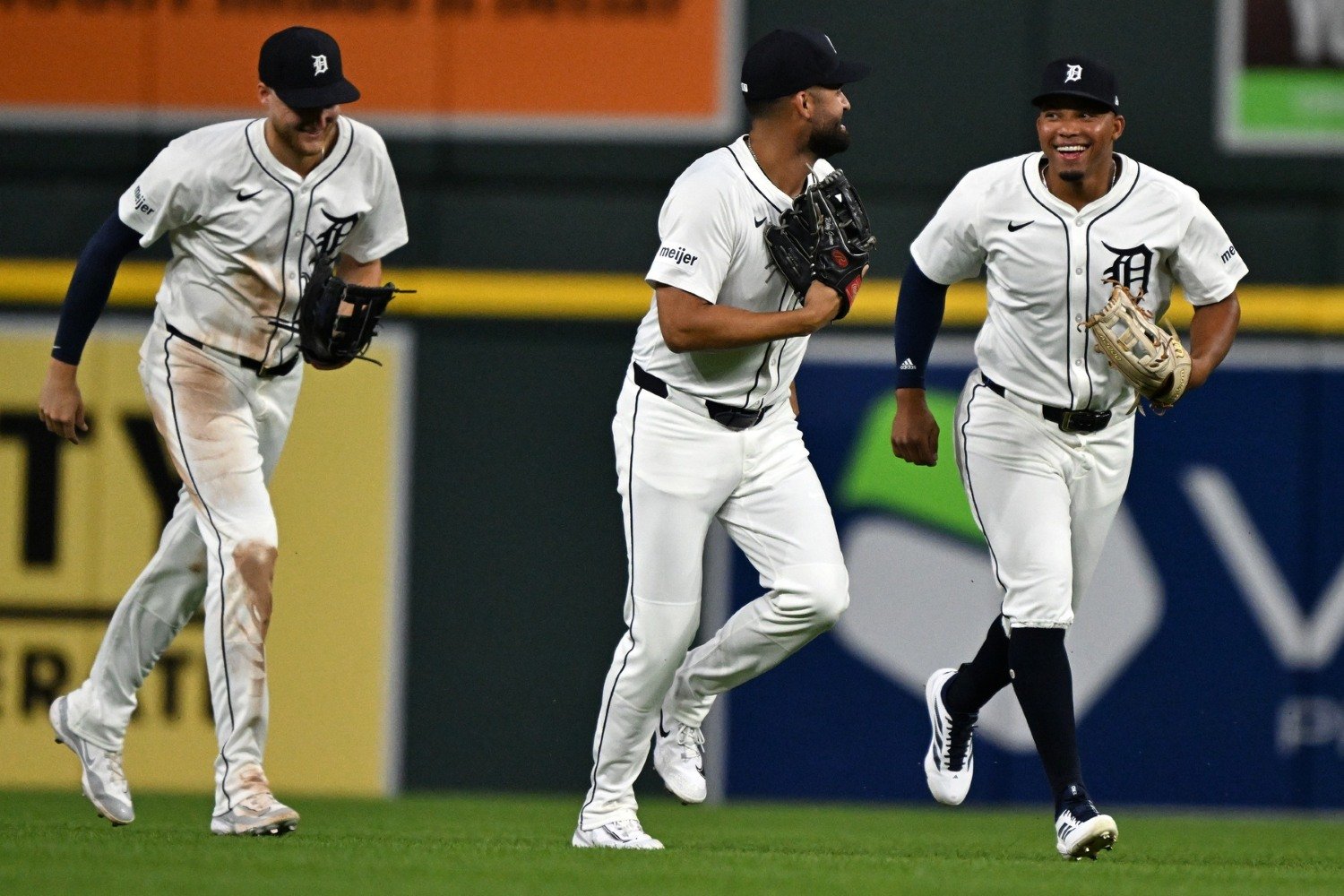 A desecration in athletic form. During their 3-0 loss, there was never a time in which the Twins appeared worthy of standing on the same field as Tarik Skubal and the Tigers. Rather, they were rendered a comedic sideshow in an opportunity rarely allotted to them. It had been five years since the last time Minnesota was on ESPN. It may be five more before their next showcase, on whatever network then carries such a thing. I was not excited for this game. I had a feeling that playing against the best team in the AL—and probably the best pitcher in baseball—would turn the showcase from a revelation of a rarely-seen team into an extended mockery; display of foolishness; a reminder that the Twins are no longer the alpha dogs in the division and that (in this form) they may never be. Detroit has zoomed past them. They run the show. The Tigers have found the glorious combination of young, actualized talent and veteran savvy that turns good teams great. It helps that Tarik Skubal is a bad man. He's a bad, bad, bad man. There's a unique sinking feeling—one we all know—that comes with facing an ace starting pitcher. Everyone attached to the opposing organization understands acutely that the men we root for every day are likely to be truly embarrassed. So they were. Skubal struck out eight of the team's first nine batters. The other out was a soft pop fly. He ended with seven shutout innings and 13 strikeouts. Minnesota hitters either fell over trying to hold back on the changeup, or were three days late on the fastball. They accrued just a single and a walk, and even that felt like a miracle. Given the spectacle of the situation—with the national broadcast and show-stopping ace—the Twins gave the country precisely what they wanted. They were sacrificial lambs, walked to a symbolic slaughter against which they couldn't fight back. Not with this lineup. Not with how they hit against lefties. Not when part of their resistance included the now-jettisoned Jonah Bride. Ultimately, there's little about this game that tells us anything we didn't already know about this team. The organization is dogged by a glacial conservatism inherent in the front office's nature, amplified by ownership's sudden purse-closing following the 2023 season. In recent years, they've rarely come out ahead of the curve. Instead, they've chosen to sit and wait, and wait, and wait, and wait, and wait for... something. Perfect health? Perhaps a silver-bullet prospect? A high-interest account to mature, so they can sign someone for more than $4 million? Who knows. In their stead, the team has been overtaken, and thoroughly overmatched by the class of the AL. Sunday was the perfect example of their failures.
- 28 comments
-
- 3
-

-
-
- tarik skubal
- carlos correa
- (and 2 more)
-
Twins 4, Tigers 1: David Festa Cruises; Byron Buxton Blasts in Detroit
Matt Braun posted an article in Twins
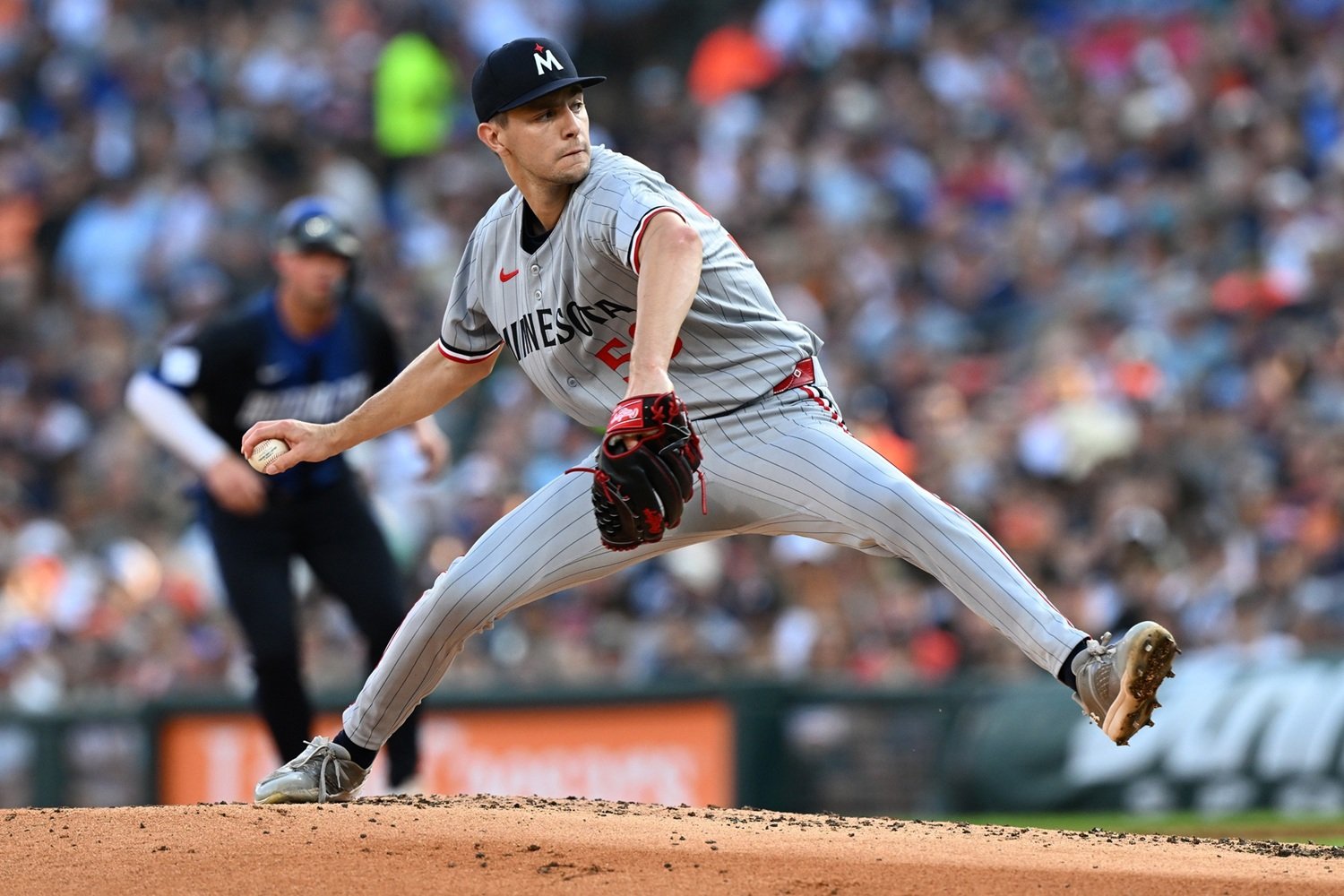 Box Score David Festa: 5 ⅔ IP, 2 H, 0 ER, 0 BB, 6 K Home Runs: Byron Buxton (18) Top 3 WPA: David Festa (.309), Brooks Lee (.184), Byron Buxton (.083) Win Probability Chart (via FanGraphs) Well, it’s time. The Twins have their shot at the kings. The beauty of divisional play is that—no matter how mediocre a team may appear—they’ll always see the best of their competition multiple times a season. Could they be embarrassed in three games? Absolutely. But, they could also shock the team at the top. Does Minnesota have the fight in them to do so? We shall see. Early returns were inconclusive. Former Twins farmhand Sawyer Gipson-Long held the Twins bats at bay, while David Festa did the same. The two only dealt in efficiency: neither pitcher allowed a run for three innings. And it seemed that Gipson-Long would extend the streak into the fourth. He needed just five pitches to coax a pair of groundouts. Easy stuff. Breezy. The inning may as well be over. Then, Matt Wallner doubled. Still, no matter: two outs is a lot. It’s almost three, in fact. Strangely, Brooks Lee shot a skimming heater down the first base line just fair to score Wallner. Huh. That hit augured three consecutive run-scoring frames. Byron Buxton bazooka-ed a solo shot in the fifth, his 18th of the season. Everyone in Michigan knew it was gone the second his bat hit the ball. In the sixth, Lee singled in Willi Castro to conclude what had been a clever trip around the bases; with Castro walking, stealing second, and advancing to third on a wild pitch. Meanwhile, Festa was in a deep groove. Like, a Superstition or 1999 type of groove. The sliders were perfectly placed; fully reminiscent of the promise the lanky righty flashed in 2024. He escaped a minor threat in the second and only finally allowed another baserunner with two outs in the sixth. In total, it was likely the best big-league start Festa had pitched in 2025. (Matters are always helped when your third baseman pulls off plays like this.) Danny Coulombe begat Louis Varland, who begat Griffin Jax, who begat Jhoan Durán. Somewhere in the middle, the Twins scored a fourth run off an honest-to-God squeeze bunt. Jax ran into some trouble. A run scored against him. A few Tigers prowled around the bases, hungry to score. An overwhelming barrage of off-speed pitches, and two very confused hitters later, and Jax walked off the mound fired up and successful. Notes: The Twins scored their four runs on just six hits. It helps when half of those hits are for extra bases, but it also helps when aggressive baserunning tacks on a couple of insurance runs. A blowout win yesterday helped the cause today. The Twins leaned on their bullpen for the last 3-1/3 innings, and three of the four high-leverage relievers they used did not pitch yesterday. Byron Buxton hit his 151st career home run, the 13th-most in Twins history. He's 10 away from tying Max Kepler. Danny Coulombe pitched in his 316th career MLB game on Friday, Post-Game Interview: What’s Next? The Twins and Tigers match up again on Saturday, as Bailey Ober is scheduled to start opposite Casey Mize. First pitch is at 12:10 PM. Bullpen Usage Spreadsheet
- 36 comments
-
- 5
-
-
- byron buxton
- david festa
- (and 3 more)
-
Image courtesy of © Lon Horwedel-Imagn Images Box Score David Festa: 5 ⅔ IP, 2 H, 0 ER, 0 BB, 6 K Home Runs: Byron Buxton (18) Top 3 WPA: David Festa (.309), Brooks Lee (.184), Byron Buxton (.083) Win Probability Chart (via FanGraphs) Well, it’s time. The Twins have their shot at the kings. The beauty of divisional play is that—no matter how mediocre a team may appear—they’ll always see the best of their competition multiple times a season. Could they be embarrassed in three games? Absolutely. But, they could also shock the team at the top. Does Minnesota have the fight in them to do so? We shall see. Early returns were inconclusive. Former Twins farmhand Sawyer Gipson-Long held the Twins bats at bay, while David Festa did the same. The two only dealt in efficiency: neither pitcher allowed a run for three innings. And it seemed that Gipson-Long would extend the streak into the fourth. He needed just five pitches to coax a pair of groundouts. Easy stuff. Breezy. The inning may as well be over. Then, Matt Wallner doubled. Still, no matter: two outs is a lot. It’s almost three, in fact. Strangely, Brooks Lee shot a skimming heater down the first base line just fair to score Wallner. Huh. That hit augured three consecutive run-scoring frames. Byron Buxton bazooka-ed a solo shot in the fifth, his 18th of the season. Everyone in Michigan knew it was gone the second his bat hit the ball. In the sixth, Lee singled in Willi Castro to conclude what had been a clever trip around the bases; with Castro walking, stealing second, and advancing to third on a wild pitch. Meanwhile, Festa was in a deep groove. Like, a Superstition or 1999 type of groove. The sliders were perfectly placed; fully reminiscent of the promise the lanky righty flashed in 2024. He escaped a minor threat in the second and only finally allowed another baserunner with two outs in the sixth. In total, it was likely the best big-league start Festa had pitched in 2025. (Matters are always helped when your third baseman pulls off plays like this.) Danny Coulombe begat Louis Varland, who begat Griffin Jax, who begat Jhoan Durán. Somewhere in the middle, the Twins scored a fourth run off an honest-to-God squeeze bunt. Jax ran into some trouble. A run scored against him. A few Tigers prowled around the bases, hungry to score. An overwhelming barrage of off-speed pitches, and two very confused hitters later, and Jax walked off the mound fired up and successful. Notes: The Twins scored their four runs on just six hits. It helps when half of those hits are for extra bases, but it also helps when aggressive baserunning tacks on a couple of insurance runs. A blowout win yesterday helped the cause today. The Twins leaned on their bullpen for the last 3-1/3 innings, and three of the four high-leverage relievers they used did not pitch yesterday. Byron Buxton hit his 151st career home run, the 13th-most in Twins history. He's 10 away from tying Max Kepler. Danny Coulombe pitched in his 316th career MLB game on Friday, Post-Game Interview: What’s Next? The Twins and Tigers match up again on Saturday, as Bailey Ober is scheduled to start opposite Casey Mize. First pitch is at 12:10 PM. Bullpen Usage Spreadsheet View full article
-
Image courtesy of Ed Bailey, Wichita Wind Surge TRANSACTIONS LHP Rafael Marcano released (Cedar Rapids) RHP Ryan Jensen released (St. Paul) C Patrick Winkel activated from 7-day IL (St. Paul) Saints Sentinel The Saints were rained out on Wednesday and will play a doubleheader Saturday. Wind Surge Wisdom Wichita 10, Springfield 1 Box Score John Klein: 5 IP, 2 H, 1 ER, 1 BB, 9 K HR: Kala’i Rosario (8), Kaelen Culpepper (2) Multi-hit games: Kala’i Rosario (4-for-5, HR, 3B, 2B, R, 6 RBI), Ricardo Olivar (3-for-5) Kala’i Rosario hit for the cycle on Wednesday. He started with a sharply struck double in the first before crushing a homer in the third. A successful day at the ballpark already, Rosario nonetheless tacked on a two-run single in the fourth. At this point, Rosario lived in the infamous “triple away from the cycle” world. He was technically close to finishing the deed, but a triple is a rare outcome for even the quickest players. He did it, though. The footage is something to watch; hard-cutting from the ball’s violent ricochet off the wall to an aggressively helmet-less Rosario dashing around second with singular intent. He slams his hand against the bag. The third base coach smiles and high-fives the hero. A perfect moment. Rosario is the second Wind Surge hitter in franchise history to hit for the cycle (Christian Encarnacion-Strand, July 17, 2022, vs. Arkansas). He’s also the first Wichita hitter this year with five or more RBIs in a game (6). Lost in the exultations was John Klein’s brilliance on the mound. The Brooklyn Park righty mowed down the Cardinals, whiffing nine of them, a season high, with just one earned run. His season ERA with the Wind Surge now sits at 3.10. Kaelen Culpepper homered for the second time since being promoted. As you may have guessed, Springfield is an affiliate of the Cardinals. Their seventh overall pick in 2024, J.J. Wetherholt is ranked as the 17th-best prospect in baseball; he singled and walked in four plate appearances. Kernels Nuggets Cedar Rapids 1, South Bend 4 Box Score Chase Chaney: 6 ⅓ IP, 4 H, 2 ER, 2 BB, 6 K HR: None Multi-hit games: None The Kernels lost plainly on Wednesday. Chase Chaney was the clear star of the show. The righty worked efficiently, netting 19 outs with just 88 pitches. The secret? Grounders. Lots of them. He nabbed nine groundouts, and overall allowed just three balls to leave the infield. Given his prime Keuchel-ian play, he probably deserved an even better line. Poor Kade Bragg was part of the reason why Chaney’s box score didn’t live up to its potential. You may have had a bad day in the office—or restaurant; store; construction; wherever else our readers may gather to sell their labor for money—but few suffered a tougher day than Bragg. He surrendered an inherited run, an earned run, an unearned run, four walks, five stolen bases, and uncorked a wild pitch before Jacob Kisting mercifully ended his night. Go get a good night’s rest, Bragg. You deserve it. The Kernels earned two hits: a double by Andy Lugo and a triple by Danny De Andrade. Kyle DeBarge stole his 40th base of the season. South Bend is, of course, an affiliate of the Cubs, and they played the 71st-ranked prospect in baseball, Jefferson Rojas. The second baseman walked once in four plate appearances. Mussel Matters Fort Myers 3, Tampa 1 Box Score Michael Carpenter: 2 IP, 1 H, 0 ER, 2 BB, 3 K HR: Yasser Mercedes (4) Multi-hit games: Peyton Carr (2-for-3) The Mighty Mussels won narrowly on Wednesday. What a bizarre game. Fort Myers pitchers walked nine, yet allowed just five hits, and nearly escaped with a shutout. On Tampa’s side, their starter, Gage Ziehl, pitched eight innings—an almost unheard of thing in the minors. And he lost. Go figure. Michael Carpenter has left quite an impression lately. He entered his May 21st outing with an ERA over 7, but has allowed just three earned runs across 13 innings. Not a bad showing from the Menomonee Falls native. The Mighty Mussels offensive effort was curt. Yasser Mercedes slashed a two-run homer to right in the game’s opening frames. Then the bats fell dormant. Maybe they were resting. In any case, Angel Del Rosario decided to take matters into his hands. In the eighth, he legged out an infield single, stole second, advanced to third on a pickoff error, and finally scored on a wild pitch. That’s high-quality manufacturing. The steal was Del Rosario’s 25th of the season, the 4th-most in the Florida State League. Tampa is an affiliate of the famous New York Yankees farm system. Though it appears a bit more tepid than usual, they still sent their fifth-ranked player, infielder Roderick Arias. He went 0-5, with four strikeouts. TWINS DAILY PLAYERS OF THE DAY Twins Daily Minor League Pitcher of the Day – John Klein, Wichita (5 IP, 2 H, 1 ER, 1 BB, 9 K) Twins Daily Minor League Hitter of the Day – Kala’i Rosario, Wichita (4-for-5, HR, 3B, 2B, R, 6 RBI) PROSPECT SUMMARY Check out the Prospect Tracker for much more on our Twins Top 20 prospects, which was recently updated! #1 – Walker Jenkins (Wichita) - 1-4, BB, 2 K #4 – Kaelen Culpepper (Wichita) - 1-4, HR, 2 R, 2 RBI, BB #9 – Brandon Winokur (Cedar Rapids) - 0-3, BB, 2 K #10 – Kyle DeBarge (Cedar Rapids) - 0-3, BB #12 – Billy Amick (Cedar Rapids) - 0-2, RBI, BB, K #13 – Gabriel Gonzalez (Wichita) - 1-4, 2B, 2 R, RBI, BB #18 – Ricardo Olivar (Wichita) - 3-5 #19 – Danny De Andrade (Cedar Rapids) - 1-4, 3B, R, K THURSDAY’S PROBABLE STARTERS Louisville @ St. Paul (7:07 PM) - RHP Trent Baker Springfield @ Wichita (7:05 PM) - RHP C.J. Culpepper South Bend @ Cedar Rapids (6:35 PM) - RHP Tanner Hall Fort Myers @ Tampa (5:30 PM) - RHP Adrian Bohorquez FCL Braves @ FCL Twins (11:00 AM) - TBD DSL Cardinals @ DSL Twins (10:00 AM) - TBD Please feel free to ask questions and discuss Wednesday’s games. View full article
- 15 replies
-
- 1
-
-
- kalai rosario
- john klein
- (and 4 more)
-
Twins Minor League Report (6/25): Kala'i Rosario Completes the Cycle!
Matt Braun posted an article in Minor Leagues
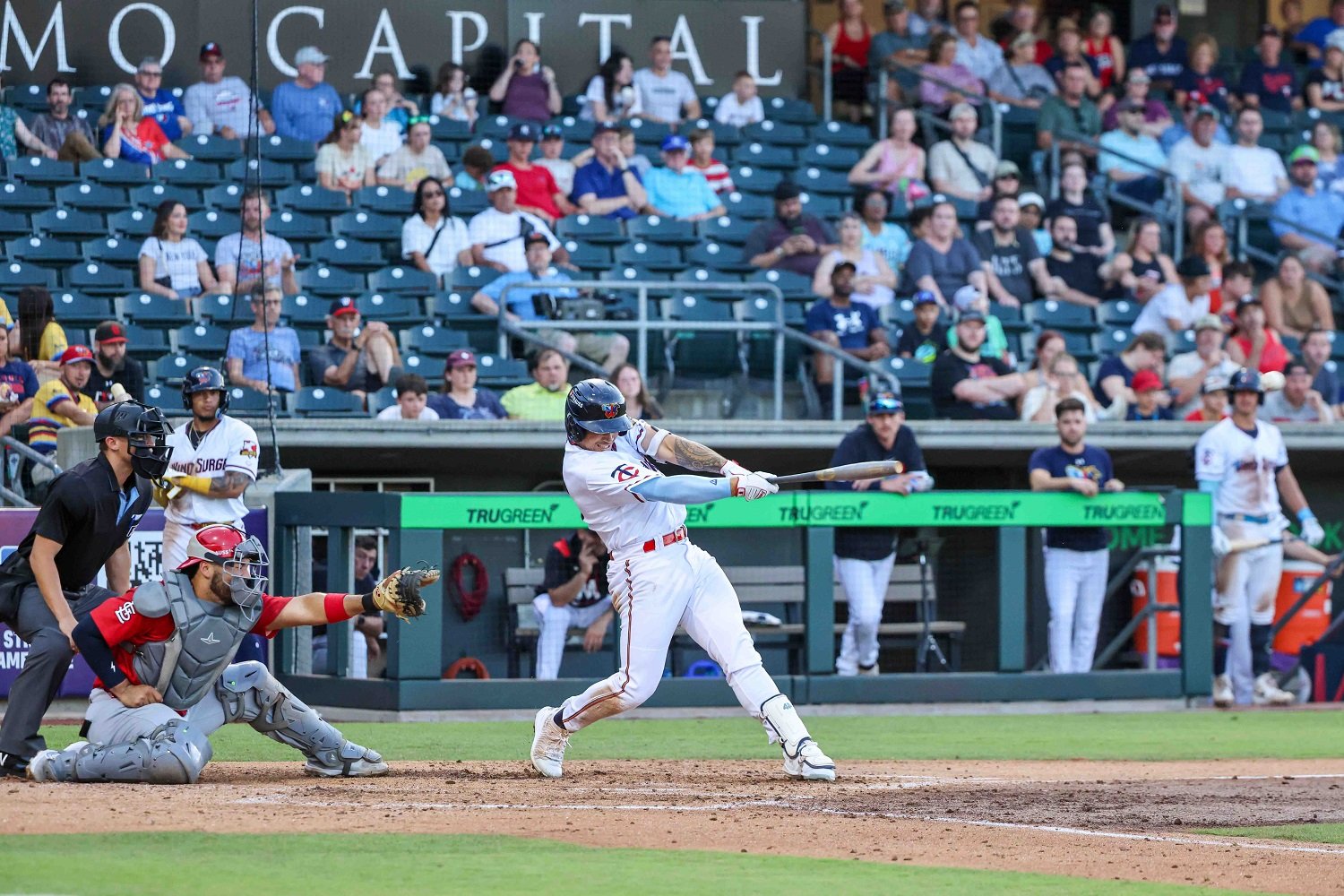 TRANSACTIONS LHP Rafael Marcano released (Cedar Rapids) RHP Ryan Jensen released (St. Paul) C Patrick Winkel activated from 7-day IL (St. Paul) Saints Sentinel The Saints were rained out on Wednesday and will play a doubleheader Saturday. Wind Surge Wisdom Wichita 10, Springfield 1 Box Score John Klein: 5 IP, 2 H, 1 ER, 1 BB, 9 K HR: Kala’i Rosario (8), Kaelen Culpepper (2) Multi-hit games: Kala’i Rosario (4-for-5, HR, 3B, 2B, R, 6 RBI), Ricardo Olivar (3-for-5) Kala’i Rosario hit for the cycle on Wednesday. He started with a sharply struck double in the first before crushing a homer in the third. A successful day at the ballpark already, Rosario nonetheless tacked on a two-run single in the fourth. At this point, Rosario lived in the infamous “triple away from the cycle” world. He was technically close to finishing the deed, but a triple is a rare outcome for even the quickest players. He did it, though. The footage is something to watch; hard-cutting from the ball’s violent ricochet off the wall to an aggressively helmet-less Rosario dashing around second with singular intent. He slams his hand against the bag. The third base coach smiles and high-fives the hero. A perfect moment. Rosario is the second Wind Surge hitter in franchise history to hit for the cycle (Christian Encarnacion-Strand, July 17, 2022, vs. Arkansas). He’s also the first Wichita hitter this year with five or more RBIs in a game (6). Lost in the exultations was John Klein’s brilliance on the mound. The Brooklyn Park righty mowed down the Cardinals, whiffing nine of them, a season high, with just one earned run. His season ERA with the Wind Surge now sits at 3.10. Kaelen Culpepper homered for the second time since being promoted. As you may have guessed, Springfield is an affiliate of the Cardinals. Their seventh overall pick in 2024, J.J. Wetherholt is ranked as the 17th-best prospect in baseball; he singled and walked in four plate appearances. Kernels Nuggets Cedar Rapids 1, South Bend 4 Box Score Chase Chaney: 6 ⅓ IP, 4 H, 2 ER, 2 BB, 6 K HR: None Multi-hit games: None The Kernels lost plainly on Wednesday. Chase Chaney was the clear star of the show. The righty worked efficiently, netting 19 outs with just 88 pitches. The secret? Grounders. Lots of them. He nabbed nine groundouts, and overall allowed just three balls to leave the infield. Given his prime Keuchel-ian play, he probably deserved an even better line. Poor Kade Bragg was part of the reason why Chaney’s box score didn’t live up to its potential. You may have had a bad day in the office—or restaurant; store; construction; wherever else our readers may gather to sell their labor for money—but few suffered a tougher day than Bragg. He surrendered an inherited run, an earned run, an unearned run, four walks, five stolen bases, and uncorked a wild pitch before Jacob Kisting mercifully ended his night. Go get a good night’s rest, Bragg. You deserve it. The Kernels earned two hits: a double by Andy Lugo and a triple by Danny De Andrade. Kyle DeBarge stole his 40th base of the season. South Bend is, of course, an affiliate of the Cubs, and they played the 71st-ranked prospect in baseball, Jefferson Rojas. The second baseman walked once in four plate appearances. Mussel Matters Fort Myers 3, Tampa 1 Box Score Michael Carpenter: 2 IP, 1 H, 0 ER, 2 BB, 3 K HR: Yasser Mercedes (4) Multi-hit games: Peyton Carr (2-for-3) The Mighty Mussels won narrowly on Wednesday. What a bizarre game. Fort Myers pitchers walked nine, yet allowed just five hits, and nearly escaped with a shutout. On Tampa’s side, their starter, Gage Ziehl, pitched eight innings—an almost unheard of thing in the minors. And he lost. Go figure. Michael Carpenter has left quite an impression lately. He entered his May 21st outing with an ERA over 7, but has allowed just three earned runs across 13 innings. Not a bad showing from the Menomonee Falls native. The Mighty Mussels offensive effort was curt. Yasser Mercedes slashed a two-run homer to right in the game’s opening frames. Then the bats fell dormant. Maybe they were resting. In any case, Angel Del Rosario decided to take matters into his hands. In the eighth, he legged out an infield single, stole second, advanced to third on a pickoff error, and finally scored on a wild pitch. That’s high-quality manufacturing. The steal was Del Rosario’s 25th of the season, the 4th-most in the Florida State League. Tampa is an affiliate of the famous New York Yankees farm system. Though it appears a bit more tepid than usual, they still sent their fifth-ranked player, infielder Roderick Arias. He went 0-5, with four strikeouts. TWINS DAILY PLAYERS OF THE DAY Twins Daily Minor League Pitcher of the Day – John Klein, Wichita (5 IP, 2 H, 1 ER, 1 BB, 9 K) Twins Daily Minor League Hitter of the Day – Kala’i Rosario, Wichita (4-for-5, HR, 3B, 2B, R, 6 RBI) PROSPECT SUMMARY Check out the Prospect Tracker for much more on our Twins Top 20 prospects, which was recently updated! #1 – Walker Jenkins (Wichita) - 1-4, BB, 2 K #4 – Kaelen Culpepper (Wichita) - 1-4, HR, 2 R, 2 RBI, BB #9 – Brandon Winokur (Cedar Rapids) - 0-3, BB, 2 K #10 – Kyle DeBarge (Cedar Rapids) - 0-3, BB #12 – Billy Amick (Cedar Rapids) - 0-2, RBI, BB, K #13 – Gabriel Gonzalez (Wichita) - 1-4, 2B, 2 R, RBI, BB #18 – Ricardo Olivar (Wichita) - 3-5 #19 – Danny De Andrade (Cedar Rapids) - 1-4, 3B, R, K THURSDAY’S PROBABLE STARTERS Louisville @ St. Paul (7:07 PM) - RHP Trent Baker Springfield @ Wichita (7:05 PM) - RHP C.J. Culpepper South Bend @ Cedar Rapids (6:35 PM) - RHP Tanner Hall Fort Myers @ Tampa (5:30 PM) - RHP Adrian Bohorquez FCL Braves @ FCL Twins (11:00 AM) - TBD DSL Cardinals @ DSL Twins (10:00 AM) - TBD Please feel free to ask questions and discuss Wednesday’s games.
- 15 comments
-
- 2
-
-
-
- kalai rosario
- john klein
- (and 4 more)
-
Image courtesy of © Troy Taormina-Imagn Images There's no need to beat around the bush: the Twins stink. And they’re injured. The team is on pace to miss the playoffs for the fourth time in five years, and now that the AL Central possesses a legitimately dominant team, the front office should go back to the drawing boards in multiple facets. The main issue for the franchise is that a full-on rebuild is off the table. They’re stuck. Bailing on the Carlos Correa/Byron Buxton nucleus isn't an option. There seemed to be a plan when the team handed out large contracts to Buxton, Correa, Christian Vázquez, and Pablo López, before ownership kneecapped their purchasing power and put the team up for sale. Building a competitive team on the cheap isn’t impossible—just ask the Brewers or Guardians—but building one when four guys take up about half the payroll? That’s a different beast. At least Vázquez’s deal is set to expire after the season. What they could do is re-tool, or refuel—whichever description strikes your fancy. This is something the team did in 2018. Mired in a muck of mediocrity similar to the one the 2025 group appears incapable of escaping, the front office decided to detonate, dealing fan favorites (Eduardo Escobar and Brian Dozier), one-year rentals (Zach Duke and Lance Lynn), and a team-controlled reliever with great potential (Ryan Pressly). Honestly, the return the Twins received was simply ok. Player-wise, it was probably barely a net positive. Receiving Jhoan Duran for Escobar was a clear win, but that’s the only deal in which they inarguably came out on top. The next-best players were ancillary contributors like Devin Smeltzer and Jorge Alcala. In that respect, following the ethos of that deadline may seem like a questionable move. Yet, the deals opened up opportunities. Miguel Sanó took over third base full-time after Escobar left, and had his best hitting season as a pro. Jonathan Schoop enjoyed a solid year as Dozier’s replacement while Luis Arráez snuck into the fold before becoming a mainstay for the next few years. Minnesota eschewed the inessential. The team made the playoffs in 2019 and 2020. With that in mind, let’s look at the levels of trades the team could make. Level 1: Ty France, Harrison Bader, and Chris Paddack These are the easiest players to imagine trading. France’s Statcast page speaks to him being a legitimate bat to lengthen a playoff lineup, while Bader is the prototypical fourth outfielder, with Gold Glove corner defense; an ability to play center; and a bat good enough to stick in a lineup without feeling sick about it. Paddack is healthy and available. Considering pitching is often a war of attrition, that could be valuable to a contender. Yet—given all three are on one-year-deals—the return for any player will be minimal, likely an organizational depth piece blocked in their previous franchise. This level is just a start. Level 2: Willi Castro I love Willi Castro. You probably love Willi Castro. Who doesn’t love Willi Castro? Switch-hitters who can play everywhere and hit—like, really hit, at times—do not grow on trees. Yet, they are a luxury. Can the Twins afford luxuries? I don’t think so. This is his final season before hitting free agency, so if Minnesota wants anything beyond a comp pick, they will need to pounce on a trade. Fortunately, his market should be robust, and he could bring back a Duran-esque prospect. Level 2.5: Trevor Larnach Let’s throw a surprise in here. Larnach, yet again, has proven to be talented, moderately useful, and a disappointment, relative to his potential. His penchant for grounders makes his dreadful defense hard to stomach, and, well, at some point a player hits the Oswaldo Arcia threshold. He is what he is—at least for the Twins. I could see someone like the Rays taking a chance on trying to unlock him. This would be an “opportunities” trade, as mentioned before. Level 3: Griffin Jax and/or Jhoan Duran If you want to compete with the big boys, you need to make big-boy decisions. Jax and Duran are two of the best relievers in franchise history; they’re both top 15 in career fWAR for Twins bullpen arms. And they’re luxuries—volatile ones, at that. Having two fire-breathing dragons in the back end of a bullpen means nothing when the starting pitching crumbles, as it has in recent weeks. At that point, you’re just paying incredible athletes to sit on their ass and watch a game. The good news is that the two are team-controlled for two more seasons after 2025, and bullpen arms are consistently the hottest commodity at the trade deadline. Remember the incredible return Tampa Bay received for Jason Adam last year? Imagine upping that a little, and then imagine doubling it. Level 4: Joe Ryan and/or Bailey Ober Ok, I think this step loses the plot. “Re-tooling” and “rebuilding” can be nebulous terms, but I don’t think it’s crazy to say that dealing reliable starting pitchers leans toward the latter. On the other hand, the Rays traded away Tyler Glasnow and got Ryan Pepiot in return, who has been a very good starting pitcher for them. I don’t know. The Rays are weird. In any case, this is murky territory. Critically, despite interest from other franchises, the team in 2018 did not deal Jake Odorizzi or José Berríos; both starters became All-Stars in 2019. We’ve seen that young hurlers—while intriguing and occasionally brilliant—often take time to adjust at the major-league level. How much do you trust David Festa and Zebby Matthews to be quality big-leaguers in 2026? Would you risk burning a year of Buxton and Correa’s shrinking prime? On top of that, you would be selling low on Ober, which is a strategy the current regime has avoided. This cannot be another year of mild, tepid action. “Business as usual” has resulted in a team behind the 8-ball, in a division now led by a terrific team in Detroit. We saw bold moves pay off for the team seven years ago. Now may be the time to execute a similar plan. View full article
- 132 replies
-
- 2
-

-
- harrison bader
- ty france
- (and 4 more)
-
Could 2025 Twins Execute a 2018-Style MLB Trade Deadline Re-Tool?
Matt Braun posted an article in Twins
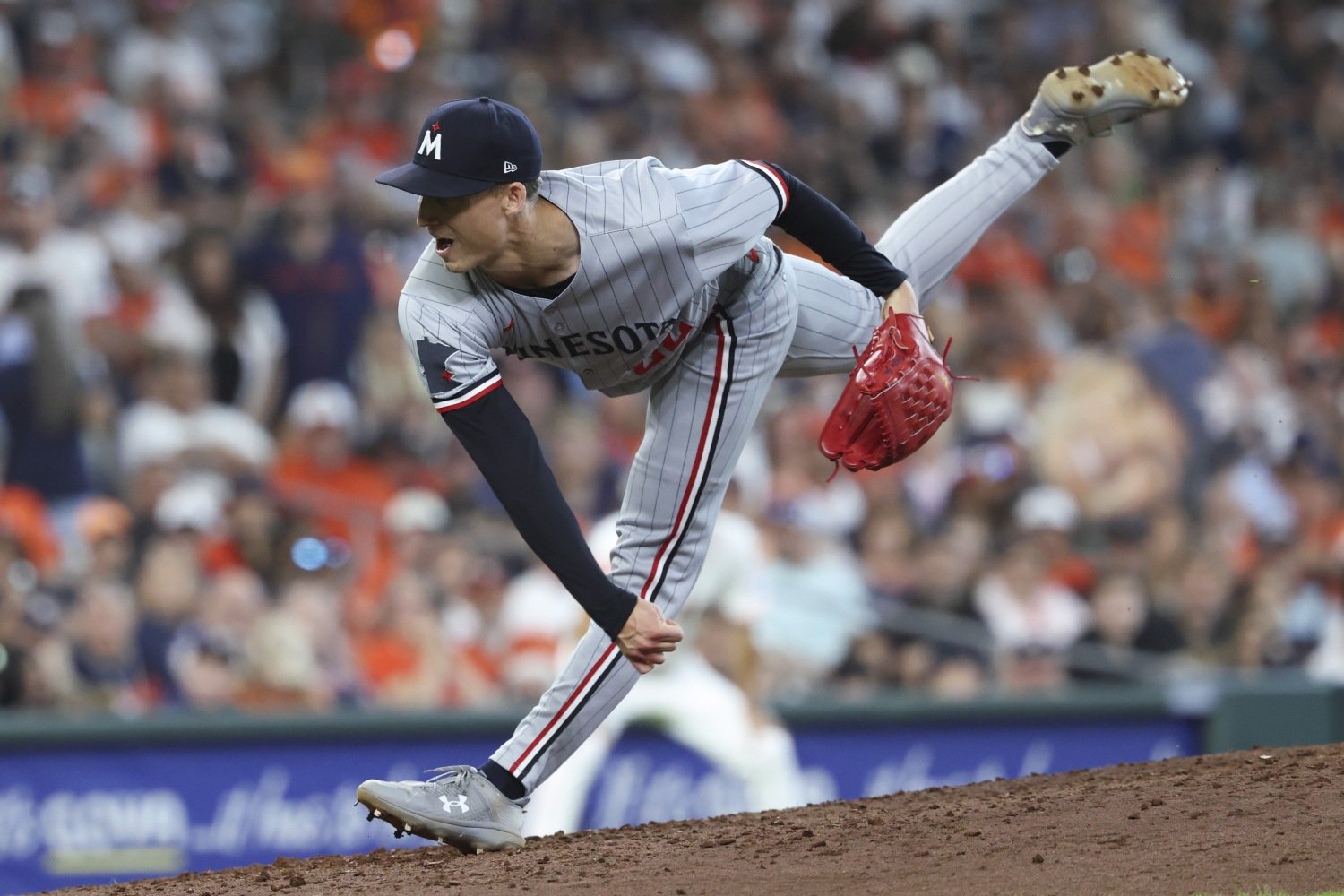 There's no need to beat around the bush: the Twins stink. And they’re injured. The team is on pace to miss the playoffs for the fourth time in five years, and now that the AL Central possesses a legitimately dominant team, the front office should go back to the drawing boards in multiple facets. The main issue for the franchise is that a full-on rebuild is off the table. They’re stuck. Bailing on the Carlos Correa/Byron Buxton nucleus isn't an option. There seemed to be a plan when the team handed out large contracts to Buxton, Correa, Christian Vázquez, and Pablo López, before ownership kneecapped their purchasing power and put the team up for sale. Building a competitive team on the cheap isn’t impossible—just ask the Brewers or Guardians—but building one when four guys take up about half the payroll? That’s a different beast. At least Vázquez’s deal is set to expire after the season. What they could do is re-tool, or refuel—whichever description strikes your fancy. This is something the team did in 2018. Mired in a muck of mediocrity similar to the one the 2025 group appears incapable of escaping, the front office decided to detonate, dealing fan favorites (Eduardo Escobar and Brian Dozier), one-year rentals (Zach Duke and Lance Lynn), and a team-controlled reliever with great potential (Ryan Pressly). Honestly, the return the Twins received was simply ok. Player-wise, it was probably barely a net positive. Receiving Jhoan Duran for Escobar was a clear win, but that’s the only deal in which they inarguably came out on top. The next-best players were ancillary contributors like Devin Smeltzer and Jorge Alcala. In that respect, following the ethos of that deadline may seem like a questionable move. Yet, the deals opened up opportunities. Miguel Sanó took over third base full-time after Escobar left, and had his best hitting season as a pro. Jonathan Schoop enjoyed a solid year as Dozier’s replacement while Luis Arráez snuck into the fold before becoming a mainstay for the next few years. Minnesota eschewed the inessential. The team made the playoffs in 2019 and 2020. With that in mind, let’s look at the levels of trades the team could make. Level 1: Ty France, Harrison Bader, and Chris Paddack These are the easiest players to imagine trading. France’s Statcast page speaks to him being a legitimate bat to lengthen a playoff lineup, while Bader is the prototypical fourth outfielder, with Gold Glove corner defense; an ability to play center; and a bat good enough to stick in a lineup without feeling sick about it. Paddack is healthy and available. Considering pitching is often a war of attrition, that could be valuable to a contender. Yet—given all three are on one-year-deals—the return for any player will be minimal, likely an organizational depth piece blocked in their previous franchise. This level is just a start. Level 2: Willi Castro I love Willi Castro. You probably love Willi Castro. Who doesn’t love Willi Castro? Switch-hitters who can play everywhere and hit—like, really hit, at times—do not grow on trees. Yet, they are a luxury. Can the Twins afford luxuries? I don’t think so. This is his final season before hitting free agency, so if Minnesota wants anything beyond a comp pick, they will need to pounce on a trade. Fortunately, his market should be robust, and he could bring back a Duran-esque prospect. Level 2.5: Trevor Larnach Let’s throw a surprise in here. Larnach, yet again, has proven to be talented, moderately useful, and a disappointment, relative to his potential. His penchant for grounders makes his dreadful defense hard to stomach, and, well, at some point a player hits the Oswaldo Arcia threshold. He is what he is—at least for the Twins. I could see someone like the Rays taking a chance on trying to unlock him. This would be an “opportunities” trade, as mentioned before. Level 3: Griffin Jax and/or Jhoan Duran If you want to compete with the big boys, you need to make big-boy decisions. Jax and Duran are two of the best relievers in franchise history; they’re both top 15 in career fWAR for Twins bullpen arms. And they’re luxuries—volatile ones, at that. Having two fire-breathing dragons in the back end of a bullpen means nothing when the starting pitching crumbles, as it has in recent weeks. At that point, you’re just paying incredible athletes to sit on their ass and watch a game. The good news is that the two are team-controlled for two more seasons after 2025, and bullpen arms are consistently the hottest commodity at the trade deadline. Remember the incredible return Tampa Bay received for Jason Adam last year? Imagine upping that a little, and then imagine doubling it. Level 4: Joe Ryan and/or Bailey Ober Ok, I think this step loses the plot. “Re-tooling” and “rebuilding” can be nebulous terms, but I don’t think it’s crazy to say that dealing reliable starting pitchers leans toward the latter. On the other hand, the Rays traded away Tyler Glasnow and got Ryan Pepiot in return, who has been a very good starting pitcher for them. I don’t know. The Rays are weird. In any case, this is murky territory. Critically, despite interest from other franchises, the team in 2018 did not deal Jake Odorizzi or José Berríos; both starters became All-Stars in 2019. We’ve seen that young hurlers—while intriguing and occasionally brilliant—often take time to adjust at the major-league level. How much do you trust David Festa and Zebby Matthews to be quality big-leaguers in 2026? Would you risk burning a year of Buxton and Correa’s shrinking prime? On top of that, you would be selling low on Ober, which is a strategy the current regime has avoided. This cannot be another year of mild, tepid action. “Business as usual” has resulted in a team behind the 8-ball, in a division now led by a terrific team in Detroit. We saw bold moves pay off for the team seven years ago. Now may be the time to execute a similar plan.
- 132 comments
-
- 8
-
-
-
- harrison bader
- ty france
- (and 4 more)
-
I do personally agree that a tier method is better, but a number ranking is simply easier to analyze and digest in a presentable form, especially considering it's an aggregate.
- 18 replies
-
- 2
-
-
- khadim diaw
- payton eeles
- (and 6 more)
-
Four steals for Jenkins already with Wichita. Could be an interesting development in his game if he continues at that pace.
- 9 replies
-
- 1
-
-
- kaelen culpepper
- adrian bohorquez
- (and 3 more)
-
Image courtesy of Khadim Diaw The new prospect rankings can be found here, let's go over the notable changes. The Big Risers Starting with the positives. Kaelen Culpepper, Dasan Hill, and Ricardo Olivar all jumped multiple spots in our rankings, with Culpepper moving to #4, Hill going to #6, and Olivar reaching #18. Culpepper might be the prospect story of the year for the Twins. Taken 21st overall in the 2024 draft, the Kansas State shortstop has exploded in 2025, slashing .293/.385/.479 with the Kernels in 54 games. Even more exciting is his defense, which Eric Longenhagen calls “bold and creative,” as he harnesses his deft nimbleness and strong arm to impact the game as a plus defender. He was recently promoted to AA Wichita. Perhaps as intriguing, is another 2024 draftee, Hill. Minnesota capitulated stylistically in selecting the prep lefty 69th overall before giving him 2,000,000 reasons to skip going to college. His raw stuff as a 19-year-old is unbelievable. His heater already sits in the mid-90s, and his off-speed stuff is generating swing-and-miss at an exceptional level. He currently holds a 1.65 ERA across 27 ⅓ innings with the Mighty Mussels. The Big Fallers There are only two ways to move up a prospect list: someone ahead of you either graduated or dropped. Unfortunately, the latter was the case for Charlee Soto, Marco Raya, and Cory Lewis (a bad month to be a pitcher, I guess.) Soto flashed tremendous potential in his second season in the Twins’ system, but he last pitched on April 17th due to a right triceps strain. He was recently placed on the 60-day injured list. Raya has been healthy… and that’s about the only thing that’s gone right for him this year. The numbers are gruesome: he carries an 8.66 ERA and 2.04 WHIP in 12 starts with the St. Paul Saints. Still, he’s only 22 years old and will have plenty of time to find his groove again. It almost seems like the Lewis we knew was kidnapped and replaced with a much lesser version. The pitcher who dominated in 2023 and 2024 has been nowhere to be seen; Lewis claims a 9.09 ERA with the Saints in 2025. For his sake—and because we need to see another knuckleballer in the majors—hopefully, the rest of the season is kinder. A legitimate catching prospect? In the Twins system? 2024 3rd-rounder Khadim Diaw enters our list as the team’s 16th-best prospect—and we’re even short-changing him if you ask Kiley McDaniel. The first player of Senegalese descent to be drafted by a major-league club, Diaw moonlighted as a catcher while at Loyola Marymount but showed enough athletic potential for the Twins to select him 96th overall for a cool $597,500. Longenhagn of Fangraphs writes that being “[l]anky and fluid, Diaw loads his glove from the ground and shows the actions to grow into being an average receiver and blocker, though his backhand is presently unreliable. His arm strength is playing below average, but he is quite accurate and is already doing passable work despite threadbare experience.” Offensively, Diaw has been awesome in 2025. He’s slashing .302/.455/.431 with a 12.4% walk rate as a 21-year-old at A+ ball. Indeed, zone control is his calling card: across 714 combined plate appearances in college, summer league, and the minors, Diaw has struck out just 104 times. Diaw does the Ricardo Olivar/early-career Daulton Varsho thing where he splits time between catching and playing the outfield. Given his atypical athleticism for a catcher, Diaw could become something special. If you’re looking for the team’s next big thing, he may be it. All hail the 5’5” terror. Payton Eeles hit his way onto the prospect radar in 2024 when he slashed .306/.435/.497 across three minor league levels, which included a lengthy look with the St. Paul Saints. Eeles’ journey here has been incredible. He spent four years with D-II Cedarville before using his bonus pandemic season to transfer to Coastal Carolina, where he put up a .500 OBP as a fifth-year senior. 5'5" fifth-year seniors don’t get drafted, though, so Eeles went the indy-ball path to finish 2023; he spent just six games as a Southern Maryland Blue Crab in 2024 before the Twins scooped him up. What a signing it may be. Eeles has mainly played second base as a pro but has also spent time in the infield spots to his right, as well as the outfield. He bears a strong resemblance to a Mauricio Dubón-type, both in defensive utility and offensive profile. He missed the start of 2025 due to a knee injury yet is now back to playing with the Saints. Like Carson McCusker before him, he could see big league time because of injury, and because, well, a player with his profile needs to have a shot at the highest level. View full article
- 18 replies
-
- 1
-
-
- khadim diaw
- payton eeles
- (and 6 more)

