


Twins Video
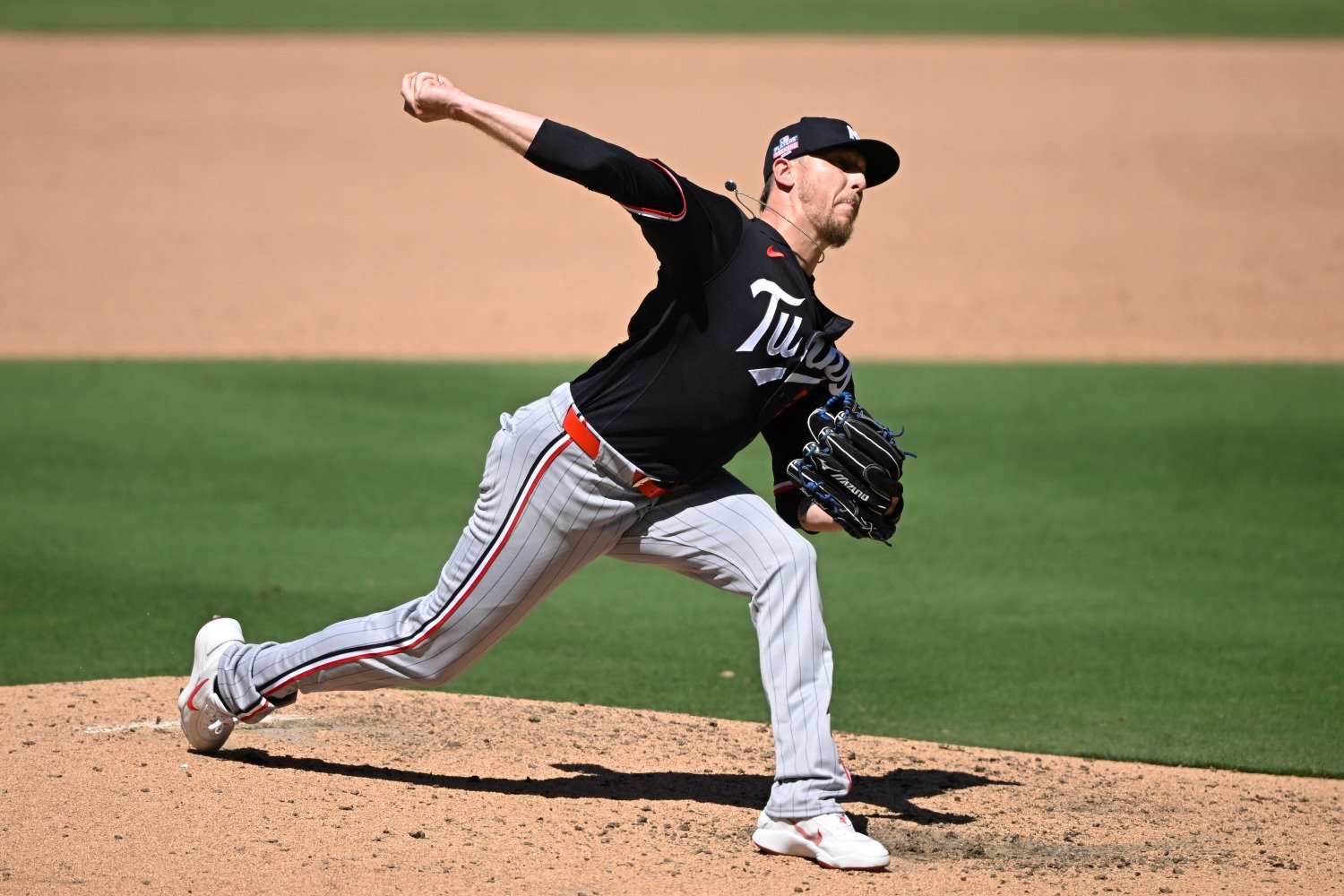
Whether you’re a player, a coach, a fan, or a neutral observer, there are very few things more frustrating in baseball than watching your team miss the strike zone. Balls lead to walks, walks create traffic on the bases, and baserunners lead to extended innings. For the Twins, that has been a particularly frustrating cycle throughout the 2026 season. Minnesota has the 10th-highest walk rate in baseball, at 9.4%. By itself, that’s not a huge problem. The league-average walk rate is right around 9%; being 0.4 percentage points above that mark isn’t catastrophic. But what has happened following those walks has been a much bigger problem.
There have been far too many instances throughout the year where the Twins have taken a lead into the later innings, only to watch that lead disappear because of poor command. A walk here, a hit there, another walk, and suddenly an inning that should have been over has turned into a serious threat. That was a big part of why the Twins were so aggressive at the trade deadline, adding three relievers to shore up what had been one of the biggest weaknesses on the roster. But at this point, it appears that those additions were too little, too late. The issues that plagued this bullpen for much of the season still haven’t completely gone away.
The Twins’ bullpen has issued 238 free passes this season. That’s the fourth-most of any bullpen in baseball, and as a fan, I certainly wouldn’t fault you for being frustrated by that number. That the relief unit is a weakness is no surprise. Minnesota lost several important relievers at the deadline last summer and didn’t do nearly enough to replace them during the offseason. While I applaud the front office for recognizing the problem and trying to address it at the deadline, much of this frustration and inconsistency could have been avoided with more proactivity and earlier investment.
Instead of aggressively replacing their offloaded relief arms during the offseason, Minnesota opted to piece the bullpen together. Taylor Rogers was brought back, while Eric Orze and Anthony Banda arrived via motivated sellers. Only Rogers is currently pitching for the Twins. Orze was eventually optioned to Triple-A, while Banda struggled before his season ended with a lat strain. Unsurprisingly, both of those pitchers had issues with walks.
Even some of the relievers Minnesota added during the season came with command concerns. Jeff Hoffman and Yoendrys Gómez have both posted walk rates above 12% since joining the Twins. Both pitchers had also dealt with command issues at various points in their careers before coming to Minnesota, so the Twins knew what they were getting themselves into.
A bullpen is a lot like air conditioning. You only really notice it when it isn’t working. When everything is going well, nobody’s talking about the relievers. A starter works six or seven innings, a couple of relievers come in and do their jobs, and the closer finishes things off. It’s not particularly exciting, but that’s exactly what you want from a bullpen. The problem is that the Twins haven’t been able to get that kind of consistency.
There have been stretches where the bullpen has looked excellent. There have been individual relievers who have stepped up and performed well. But there have also been far too many nights where Minnesota’s relievers have struggled to find the strike zone, putting unnecessary pressure on themselves and the defense behind them. Too many walks, too many extended innings, too many blown leads. Eventually, those things add up.
The deadline additions gave Minnesota a better group of options than it had earlier in the season, and the Twins should theoretically enter 2027 with a better bullpen than the one they started this season with. But that doesn’t mean the problem can be ignored once the offseason arrives. If this team genuinely wants to compete next season, it has to start with its late-game pitching.
The Twins have invested heavily in high-upside position-player talent via the draft, as well as young starting pitching. But none of that matters much if they can’t protect leads once they get to the sixth, seventh and eighth innings. Walks are frustrating, because they’re often avoidable. When they consistently come from the bullpen, they become even more costly.
Minnesota doesn’t need to build the best bullpen in baseball this offseason. They just need to build one that can consistently throw strikes, avoid putting unnecessary runners on base, and make a lead feel safe. After everything that happened in 2026, that should be one of the biggest priorities of the offseason. If the Twins want to be a competitive team in 2027, they can’t afford to keep walking their way out of games.







Recommended Comments
Create an account or sign in to comment
You need to be a member in order to leave a comment
Create an account
Sign up for a new account in our community. It's easy!
Register a new accountSign in
Already have an account? Sign in here.
Sign In Now