


Twins Video
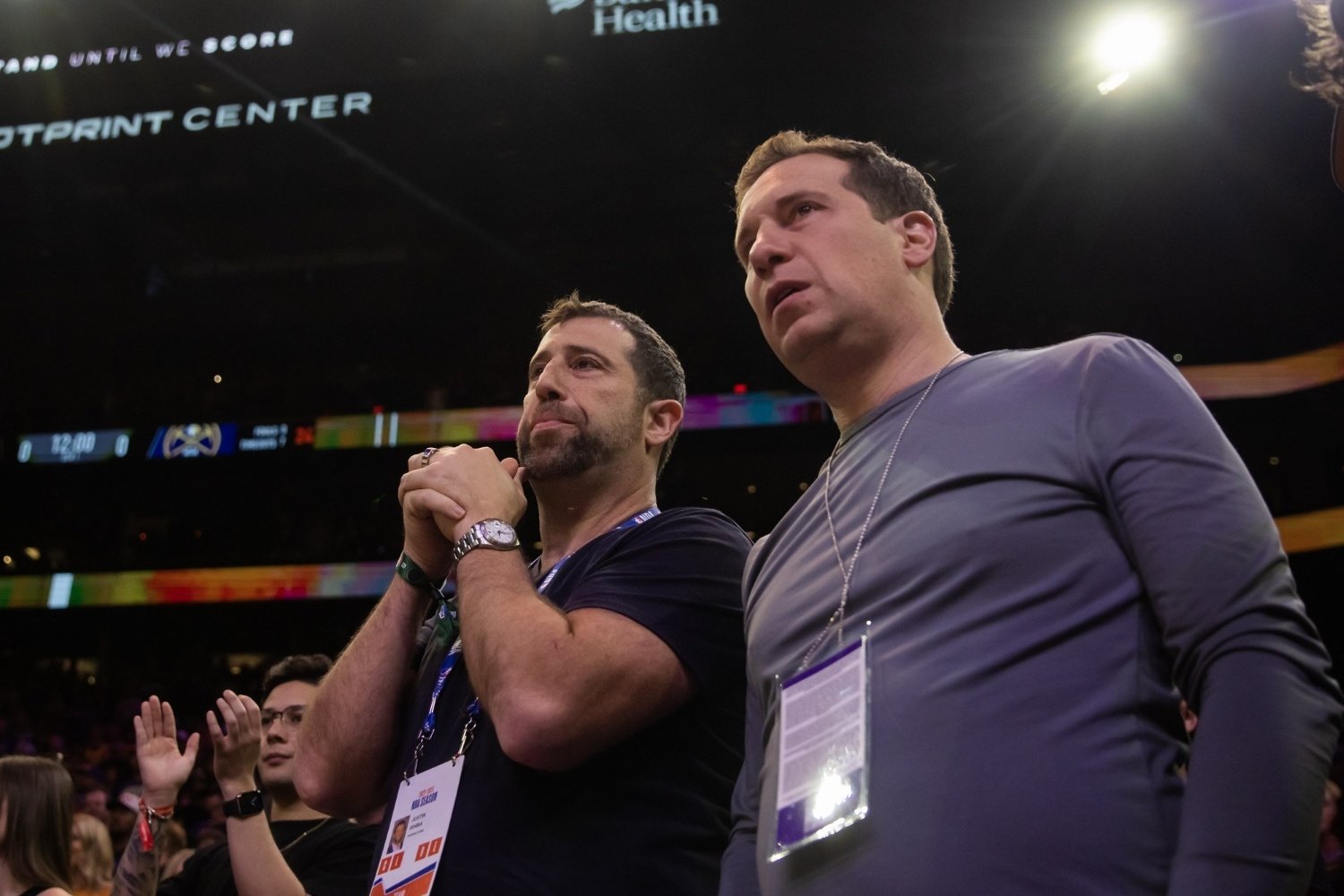
Over the last 40 years, the Pohlad family has been synonymous with the Minnesota Twins, overseeing the construction of Target Field and building a reputation for their philanthropic efforts. Whispers in the sports business world suggest that the franchise could be poised for a significant shift. Justin and Mat Ishbia, the owners of the Phoenix Suns, have reportedly expressed interest in purchasing the Twins. If this happens, the Ishbias would bring a mix of innovation, ambition, and controversy to Minnesota.
A Visionary Approach to Broadcasting
In 2023, Mat Ishbia made waves in the NBA with a groundbreaking TV approach for the Phoenix Suns. As cable subscriptions decline and blackout restrictions frustrate fans, the Suns’ ownership opted for a bold solution. Rather than prioritize the bottom line, they aimed to maximize fan engagement. As Peter Labuza wrote at the time, “The idea is simple: fewer and fewer households have cable, and various fights over retransmission fees have even blacked out those who do. So rather than prioritize profits, the plan is to get as many eyeballs onto games as possible.”
According to ESPN, "The shift could cost the Suns tens of millions in guaranteed money per year in the short term, but it will boost the number of households the games are available in from around 800,000 to more than 2.8 million."
The Ishbias offered fans free HDMI-connected antennas to ensure games could reach as many households as possible. Explaining their decision, Mat Ishbia called the move “the biggest no-brainer of them all” and emphasized his commitment to the community: “It’s the right thing to do, and that’s our job as stewards of the organization.”
This radical approach has been celebrated for its emphasis on accessibility. For years, Twins fans have dealt with a confusing array of blackout rules and limited streaming options, making it difficult for many to watch games. If the Ishbias bring this model to the Twins, it could revolutionize how fans in Minnesota connect with their team.
However, bold moves like these come with financial risks. The Suns’ decision to forgo guaranteed revenue from traditional cable contracts isn't guaranteed to generate enough new fans to justify itself. For a small-market team like the Twins, which relies heavily on revenue sharing and local broadcast deals, such a strategy might be more complex to implement without impacting payroll. Would the Ishbias be willing to sacrifice some of their profit margin to prioritize fan engagement?
A Mixed Legacy in Business
While the Ishbias have earned praise for their innovative sports management, their business dealings haven’t been without controversy. Earlier this year, a class-action lawsuit was filed against United Wholesale Mortgage (UWM) and Mat Ishbia, alleging a scheme to cheat borrowers. The lawsuit claims that UWM violated federal laws, including the RICO Act, by incentivizing mortgage brokers to prioritize UWM’s interests over their clients’ needs.
Although the case is ongoing, it raises questions about Ishbia’s ethics and long-term priorities. Twins fans may wonder: will a focus on innovation and community come at the expense of transparency and trust? While Justin, not Mat, is the prospective principal owner in this reported scenario, the brothers are close and their habits of business are both likely to affect any team they purchase together.
Hands-On Ownership Group
The Ishbias' tenure as owners of the Phoenix Suns has been defined by Mat's high-energy, hands-on approach, which has garnered praise and criticism. The pair's active involvement in the team’s operations has revitalized the franchise’s image, particularly in the wake of the turmoil under previous owner Robert Sarver. Minnesota’s current ownership group has taken a very hands-off approach and trusted the people in the highest positions to make critical decisions.
In Phoenix, the brothers have injected new life into the Suns organization, from their visible enthusiasm during games to bold decision-making in reshaping the roster. Their presence has been a breath of fresh air for fans and employees who value an owner deeply invested in the team’s success. However, this same approach has sparked concerns about over-involvement and potential micromanagement, particularly regarding the autonomy of the front office and coaching staff.
While their involvement underscores their ambition and willingness to take risks, it also raises questions about the balance of power within the organization. The Suns fired their head coach, Frank Vogel, after a first-round playoff loss to the Minnesota Timberwolves. Minnesota has already announced that Derek Falvey will be stepping into a role where he oversees the baseball and business sides of the Twins. Will new owners want to keep current employees like Falvey and manager Rocco Baldelli? This dynamic may create tension, especially if decisions are perceived as owner-driven rather than team-driven, potentially complicating the collaboration needed for sustained success.
Critics of the brothers' style point to the potential pitfalls of micromanagement in professional sports. Owners who blur the line between leadership and operational control risk undermining the expertise of their staff. While Mat’s involvement has been primarily celebrated during his early tenure, there is concern that a continued pattern of heavy-handedness could stifle the creativity and decision-making of the front office. Autonomy is often critical for building a cohesive strategy, particularly in high-pressure situations like the trade deadline or free agency. If staff feel constrained by ownership directives, it could hinder the team’s ability to adapt and make independent decisions that align with long-term goals.
On the other hand, supporters of Ishbia’s approach argue that his passion and accessibility set a positive tone for the organization. His hands-on leadership style, while unconventional, can inspire employees and players alike, by demonstrating a deep commitment to excellence. In some ways, his micromanagement tendencies may reflect a desire to right the wrongs of the past, ensuring that the team operates with accountability and transparency. However, striking the right balance between active involvement and allowing professionals to lead remains a critical challenge for Ishbia as he continues to guide the Suns. Whether his hands-on style fosters long-term success or leads to friction will depend on his ability to trust his team while maintaining the enthusiasm that has already made an impact.
The Bottom Line for Twins Fans
The Ishbias' interest in purchasing the Twins represents an exciting opportunity and a significant gamble. Their tenure with the Suns has demonstrated a commitment to bold ideas, such as prioritizing accessibility over short-term profits. A similar approach in Minnesota could make Twins games more widely available than ever before, reconnecting the team with fans who have felt left out of the fold in recent years.
On the flip side, questions about their financial practices, micromanagement, and the risks associated with their TV model leave room for skepticism. Would the Ishbias’ approach lead to a brighter future for the Twins, or could their boldness backfire in a market where financial stability is key?
For now, the idea of the Ishbias owning the Twins is purely speculative. But if their bid becomes reality, Twins fans could be in for a fascinating new chapter. It is shaping up to be as promising as it is uncertain.
Should their ownership approach worry fans? Leave a comment and start the discussion.









Recommended Comments
Create an account or sign in to comment
You need to be a member in order to leave a comment
Create an account
Sign up for a new account in our community. It's easy!
Register a new accountSign in
Already have an account? Sign in here.
Sign In Now