



Ted Schwerzler
-
Posts
5,149 -
Joined
-
Last visited
Content Type
Profiles
News
Minnesota Twins Videos
2026 Minnesota Twins Top Prospects Ranking
2022 Minnesota Twins Draft Picks
Minnesota Twins Free Agent & Trade Rumors, Notes, & Tidbits
Guides & Resources
2023 Minnesota Twins Draft Picks
The Minnesota Twins Players Project
2024 Minnesota Twins Draft Picks
2025 Minnesota Twins Draft Pick Tracker
2026 Minnesota Twins Draft Tracker: Picks & Bonuses
Forums
Blogs
Events
Store
Downloads
Gallery
Everything posted by Ted Schwerzler
-
Are the Twins Frontrunners for Carlos Correa?
Ted Schwerzler replied to Ted Schwerzler 's topic in Twins Daily Front Page News
Hopefully everyone thinks I'm a bit less of an idiot now?- 61 replies
-
- 1
-

-
- carlos correa
- steve cohen
- (and 1 more)
-
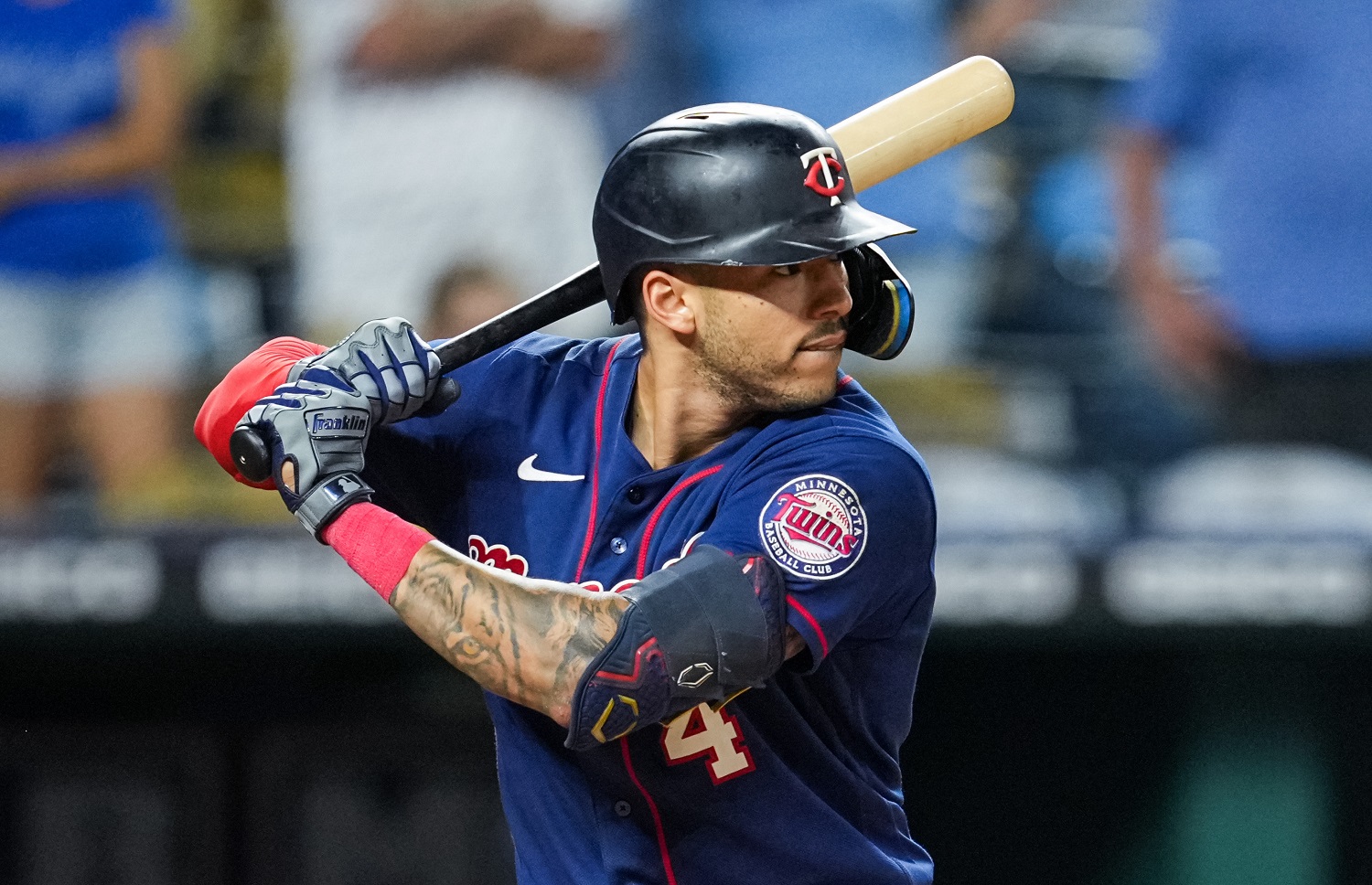 As reported this morning by Jeff Passan, the Minnesota Twins have officially agreed to terms with Carlos Correa. No, it’s not the $300+ million deal that the San Francisco Giants or New York Mets initially agreed to, but it is the largest contract this franchise has ever handed out to a free agent. Correa is locked in at six years and $200 million with a no-trade clause and no opt-outs through his age-33 season. The deal includes vesting options for years seven through ten, which could bring the total value to $270 million. The negotiations over the past several weeks have been an absolute whirlwind. From the time the New York Mets expressed concern over Correas health, through weeks of negotiations decreasing the guaranteed money, Minnesota remained persistent. Their efforts finally paid off Monday night when Correa's agent Scott Boras ended conversations with the Mets. Rocco Baldelli now has a significant amount of certainty regarding his infield on Opening Day. While Royce Lewis remains out for at least the first half of the year, Correa will play shortstop into the foreseeable future. Jorge Polanco is locked in as the starting second baseman, and Minnesota wants Jose Miranda to play the hot corner. It’s conceivable that Joey Gallo could factor in at first base, or it could be a combination of Luis Arraez and Alex Kirilloff. Either way, only the long-term replacement of Miguel Sano is truly up in the air. For Minnesota, the revolving door at shortstop is over. Yes, they acquired Kyle Farmer to set a baseline this offseason, but he’ll now be pushed to more of a utility role. Correa starts at short for the second straight Opening Day. No Minnesota shortstop has made three consecutive Opening Day starts since Cristian Guzman last did so in 2004. That level of fluctuation has never been a good thing at such a premium position. Last year Correa showed an immeasurable amount of leadership and production in the clubhouse. His 4.4 fWAR led the team, and Steamer projections have him coming in at 4.9 fWAR for 2023. Still entering his prime, there is no reason why Minnesota can’t see Correa replicating the 6.0 fWAR season he previously put up with the Houston Astros or potentially pushing the bar even further and winning an MVP. The clubhouse has to be elated to get such a rare monumental talent back for the long haul. Polanco, Arraez, and Miranda all found themselves on FaceTime with Correa during the Twins jersey reveal at Mall of America, and it’s clear this group is more than excited to have him still on their team. Outfielder Byron Buxton took to Twitter to show his emotions as well. For the rest of the roster, there is a bit of fallout to deal with. Correa, as mentioned, likely pushes Farmer to a utility role. Unfortunately, that impacts Nick Gordon the most. He could factor in as an extra outfielder, but the bat of Kyle Garlick could be a bigger draw. On the infield, it’s both Lewis and Brooks Lee that see a bit of an adjustment. Lee has yet to debut and now may have the luxury of more time to develop. Lewis has plenty of runway to clear before his health is restored, but he has positional flexibility already built-in with his athleticism. It remains to be seen what the Twins will do on the trade market. Their outfield seems packed, and now there are some assets on the infield that competitors could covet in trade. At this point, Minnesota is better off having Correa in their clubhouse, and they can shuffle the pieces as they need to when the time comes.
- 35 comments
-
- 9
-

-
- carlos correa
- kyle farmer
- (and 3 more)
-
Let’s all take a collective deep breath here first; they did it. They really did it! In back-to-back offseasons, the Minnesota Twins landed arguably the greatest free agent available. Carlos Correa is staying in Minnesota. Image courtesy of © Jay Biggerstaff-USA TODAY Sports As reported this morning by Jeff Passan, the Minnesota Twins have officially agreed to terms with Carlos Correa. No, it’s not the $300+ million deal that the San Francisco Giants or New York Mets initially agreed to, but it is the largest contract this franchise has ever handed out to a free agent. Correa is locked in at six years and $200 million with a no-trade clause and no opt-outs through his age-33 season. The deal includes vesting options for years seven through ten, which could bring the total value to $270 million. The negotiations over the past several weeks have been an absolute whirlwind. From the time the New York Mets expressed concern over Correas health, through weeks of negotiations decreasing the guaranteed money, Minnesota remained persistent. Their efforts finally paid off Monday night when Correa's agent Scott Boras ended conversations with the Mets. Rocco Baldelli now has a significant amount of certainty regarding his infield on Opening Day. While Royce Lewis remains out for at least the first half of the year, Correa will play shortstop into the foreseeable future. Jorge Polanco is locked in as the starting second baseman, and Minnesota wants Jose Miranda to play the hot corner. It’s conceivable that Joey Gallo could factor in at first base, or it could be a combination of Luis Arraez and Alex Kirilloff. Either way, only the long-term replacement of Miguel Sano is truly up in the air. For Minnesota, the revolving door at shortstop is over. Yes, they acquired Kyle Farmer to set a baseline this offseason, but he’ll now be pushed to more of a utility role. Correa starts at short for the second straight Opening Day. No Minnesota shortstop has made three consecutive Opening Day starts since Cristian Guzman last did so in 2004. That level of fluctuation has never been a good thing at such a premium position. Last year Correa showed an immeasurable amount of leadership and production in the clubhouse. His 4.4 fWAR led the team, and Steamer projections have him coming in at 4.9 fWAR for 2023. Still entering his prime, there is no reason why Minnesota can’t see Correa replicating the 6.0 fWAR season he previously put up with the Houston Astros or potentially pushing the bar even further and winning an MVP. The clubhouse has to be elated to get such a rare monumental talent back for the long haul. Polanco, Arraez, and Miranda all found themselves on FaceTime with Correa during the Twins jersey reveal at Mall of America, and it’s clear this group is more than excited to have him still on their team. Outfielder Byron Buxton took to Twitter to show his emotions as well. For the rest of the roster, there is a bit of fallout to deal with. Correa, as mentioned, likely pushes Farmer to a utility role. Unfortunately, that impacts Nick Gordon the most. He could factor in as an extra outfielder, but the bat of Kyle Garlick could be a bigger draw. On the infield, it’s both Lewis and Brooks Lee that see a bit of an adjustment. Lee has yet to debut and now may have the luxury of more time to develop. Lewis has plenty of runway to clear before his health is restored, but he has positional flexibility already built-in with his athleticism. It remains to be seen what the Twins will do on the trade market. Their outfield seems packed, and now there are some assets on the infield that competitors could covet in trade. At this point, Minnesota is better off having Correa in their clubhouse, and they can shuffle the pieces as they need to when the time comes. View full article
-
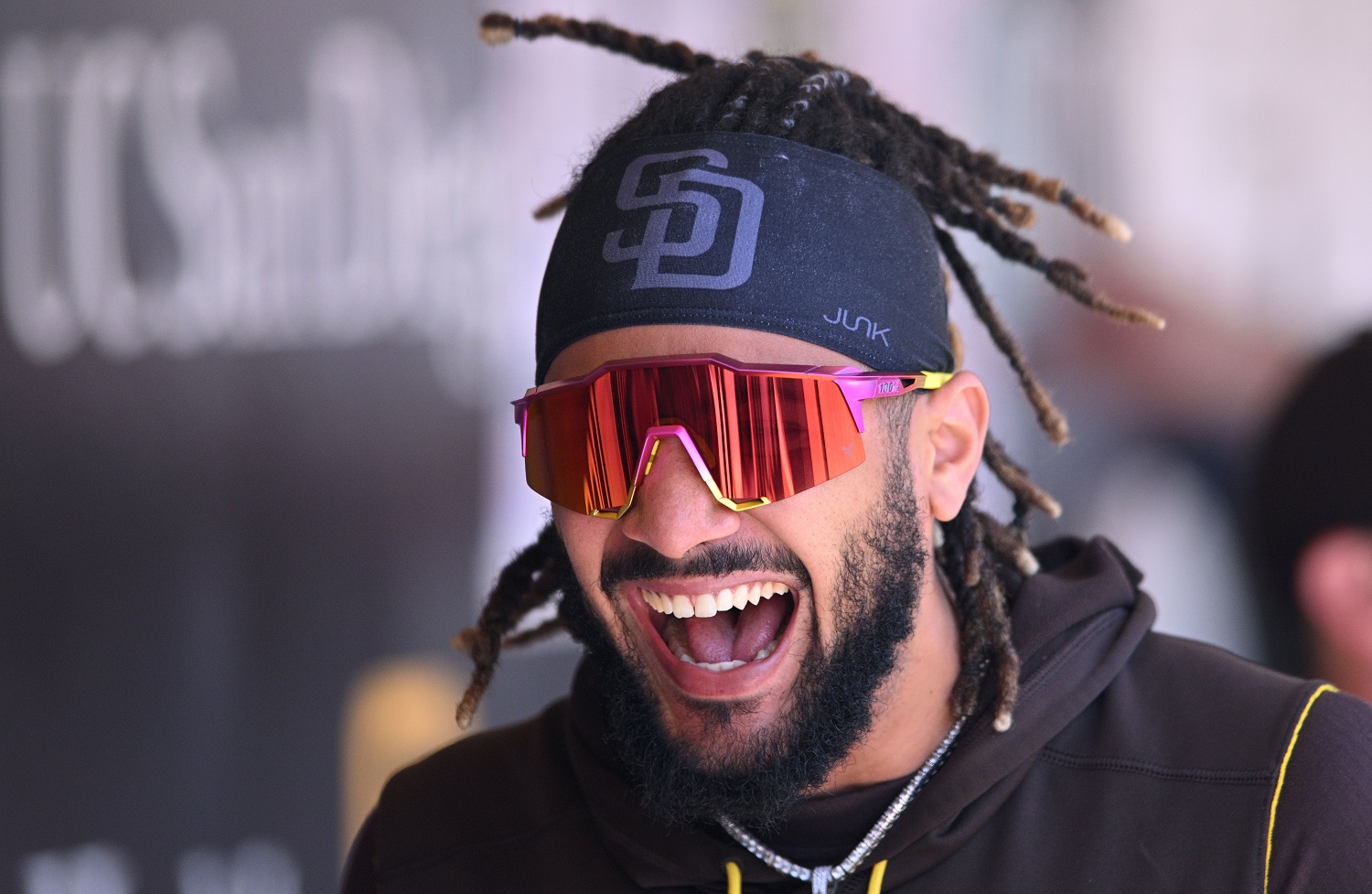 Derek Falvey sent Taylor Rogers (and Brent Rooker) to the San Diego Padres a season ago. He dealt his closer in hopes of getting immediate value in Emilio Pagan while taking a flier on the health of Chris Paddack. It didn’t work out well for anyone in year one, but Minnesota has a second season of their return to right that ship. This time around, the Twins could aim a bit higher. Currently, the Padres project to have a top-five payroll across Major League Baseball. They shocked the sport when signing Xander Bogaerts to an 11-year, $280 million deal. He’ll be into his 40s by the time that wraps up, and they already have a star shortstop in the form of Fernando Tatis Jr., though; that is where opportunity may lie. It seems hard to believe the Padres would want to piece parts out going into the season. The Los Angeles Dodgers are not better than last year, and San Diego is attempting to win the NL West. If there is a logical candidate in the near term, it’s probably shortstop Ha-Seong Kim. Although Tatis is suspended for a PED violation, Bogaerts can take over at shortstop, and Kim could be flipped to gather another asset of need. The former KBO standout is not otherworldly, but he did post a 107 OPS+ last season while playing 150 games. He is a solid defender, and Kim represents an upgrade over assumed Opening Day starter Kyle Farmer. He’s only 27 years old and doesn’t hit free agency until 2027, so the acquisition cost likely would not be cheap. The Padres present some intriguing opportunities that could come once the season begins. If they don’t play to expectations early, there are a handful of talents the organization could piece out. It’s a near certainty that Manny Machado will opt out of his deal and become a free agent again next offseason, making him an attractive rental option. Tatis Jr. could also be moved if the Padres decided his immaturity wasn’t worth keeping around. A young superstar on a long-term deal would net plenty and could be a way for San Diego to reposition themselves within the luxury tax. From a pitching perspective, I suggest Yu Darvish or Blake Snell could be had. Both have bigger dollars remaining, which could help offset whatever the prospect capital would be assumed in return. Darvish and Snell could easily slot in among the top of Minnesota’s rotation, and for a club looking to improve upon either Sonny Gray or Tyler Mahle, that would be a path to get there. It was good to see the Padres load up by adding Juan Soto last season, but it wasn’t enough to advance to the World Series, and there is little reason to assume he won’t be targeting the highest payday by waiting two years to reach free agency. If Preller decides that an extension before 2025 won’t happen, the way San Diego pivots throughout the next season and a half will be incredibly interesting. The Twins have substantial money to spend this offseason yet, and there needs to be more in the way of free agency to make that happen. Trading for salaries that may be bloated but would incorporate a talent boost for the roster is a way to make it happen. The front office hasn’t shied away from making multiple deals with the same teams, and they could go down that path again here.
- 16 comments
-
- 1
-
-
- fernando tatis jr
- blake snell
- (and 2 more)
-
Last season, just before Opening Day, the Minnesota Twins got on the horn with the San Diego Padres and made a move. Fast forward to where we are now, and it’s not unfathomable to think that A.J. Preller could be open for business again. Image courtesy of © Orlando Ramirez-USA TODAY Sports Derek Falvey sent Taylor Rogers (and Brent Rooker) to the San Diego Padres a season ago. He dealt his closer in hopes of getting immediate value in Emilio Pagan while taking a flier on the health of Chris Paddack. It didn’t work out well for anyone in year one, but Minnesota has a second season of their return to right that ship. This time around, the Twins could aim a bit higher. Currently, the Padres project to have a top-five payroll across Major League Baseball. They shocked the sport when signing Xander Bogaerts to an 11-year, $280 million deal. He’ll be into his 40s by the time that wraps up, and they already have a star shortstop in the form of Fernando Tatis Jr., though; that is where opportunity may lie. It seems hard to believe the Padres would want to piece parts out going into the season. The Los Angeles Dodgers are not better than last year, and San Diego is attempting to win the NL West. If there is a logical candidate in the near term, it’s probably shortstop Ha-Seong Kim. Although Tatis is suspended for a PED violation, Bogaerts can take over at shortstop, and Kim could be flipped to gather another asset of need. The former KBO standout is not otherworldly, but he did post a 107 OPS+ last season while playing 150 games. He is a solid defender, and Kim represents an upgrade over assumed Opening Day starter Kyle Farmer. He’s only 27 years old and doesn’t hit free agency until 2027, so the acquisition cost likely would not be cheap. The Padres present some intriguing opportunities that could come once the season begins. If they don’t play to expectations early, there are a handful of talents the organization could piece out. It’s a near certainty that Manny Machado will opt out of his deal and become a free agent again next offseason, making him an attractive rental option. Tatis Jr. could also be moved if the Padres decided his immaturity wasn’t worth keeping around. A young superstar on a long-term deal would net plenty and could be a way for San Diego to reposition themselves within the luxury tax. From a pitching perspective, I suggest Yu Darvish or Blake Snell could be had. Both have bigger dollars remaining, which could help offset whatever the prospect capital would be assumed in return. Darvish and Snell could easily slot in among the top of Minnesota’s rotation, and for a club looking to improve upon either Sonny Gray or Tyler Mahle, that would be a path to get there. It was good to see the Padres load up by adding Juan Soto last season, but it wasn’t enough to advance to the World Series, and there is little reason to assume he won’t be targeting the highest payday by waiting two years to reach free agency. If Preller decides that an extension before 2025 won’t happen, the way San Diego pivots throughout the next season and a half will be incredibly interesting. The Twins have substantial money to spend this offseason yet, and there needs to be more in the way of free agency to make that happen. Trading for salaries that may be bloated but would incorporate a talent boost for the roster is a way to make it happen. The front office hasn’t shied away from making multiple deals with the same teams, and they could go down that path again here. View full article
- 16 replies
-
- 1
-
-
- fernando tatis jr
- blake snell
- (and 2 more)
-
Are the Twins Frontrunners for Carlos Correa?
Ted Schwerzler replied to Ted Schwerzler 's topic in Twins Daily Front Page News
This was edited to better explain. Yes, there would be a physical, but they are comfortable with what they already know and have stated that to him.- 61 replies
-
- 2
-
-
- carlos correa
- steve cohen
- (and 1 more)
-
Are the Twins Frontrunners for Carlos Correa?
Ted Schwerzler replied to Ted Schwerzler 's topic in Twins Daily Front Page News
There will still be a physical, they just trust what they already know. The 10 year deal was offered knowing his injury history. -
While it has always been unlikely that Correa would wind up back in Minnesota, and it remains unlikely, this is probably as close as it has felt to them looking like a front-runner. Image courtesy of © Matt Krohn-USA TODAY Sports It wasn’t supposed to go this way for Carlos Correa. He spent the last offseason seeking a long-term deal over $300 million. He never got that and instead settled for a one-year contract that paid him the highest average annual value we’ve ever seen for an infielder. Now, still unsigned on January 8, his long-term prognosis has been scrutinized, and sources continue to indicate that Minnesota could be the benefactor. It has been multiple weeks since reports trickled in that Carlos Correa would be signing a 12-year, $315 million deal with the New York Mets. They were a late suitor to the party, but stood there with a wad of cash after the San Francisco Giants wanted to rework their 13-year, $350 million offer following a physical. We now know that the issues stemming from the physical all tie back to an ankle that was surgically repaired as a prospect, and the Twins have seen the same information. According to a source, Minnesota is now using the physical to their advantage. Correa was already cleared last March for what was a three-year contract. As recently as Saturday morning another offer was made. While the deal would still likely require a physical, the Twins have indicated they are comfortable with where Correa’s health and body are. Coming into the season, Minnesota knew that Correa would opt out after one season unless he played poorly or was injured. They sought to keep him on a long-term contract, ultimately offering 10-years, $285 million. That didn’t reach the same realm as either the Giants or Mets, and therefore left the Twins short. Prior to San Francisco making their last push, the Twins felt well positioned. Although that may have been shortsighted, it appears the chances may now be higher than ever. New York is looking to rework Correa’s deal, and a source indicated that language protecting the Mets meant his guaranteed money could be cut by as much as one-third. Correa is looking for long-term certainty, and the Mets adding conditions to exit the deal after seven years would be a non-starter. Although the Twins $285 million over 10 years was originally well short on dollars, it’s now in the ballpark of (or even exceeding) the truly guaranteed money. A source indicated the latest offer, which is thought to give Minnesota very firm footing, is in the range of that previous final offer. With New York reluctant on the length at this point, and with alternatives in top prospects Brett Baty and Mark Vientos, the Mets backing out altogether is not unfathomable. Mets owner Steve Cohen recently liked a tweet suggesting that the player needs his team more than the team needs him. Although that may be true for a franchise that has Francisco Lindor at shortstop and would be pushing Correa to the hot corner, it’s certainly not an ideal way to go about welcoming talent. From the get-go, Minnesota has made Correa and his family feel welcomed and a priority. Again, the front office has stood steadfast in holding close to an original offer despite multiple cutbacks from organizations that have since gotten cold feet. The Twins are growing increasingly comfortable that Boras is not simply playing with the Twins as leverage for the Mets. Instead, he has grown annoyed with the proceedings, wants resolution in the coming days, and Minnesota may even now be the frontrunner. It’s a wait-and-see game regarding Cohen and his unlimited amount of dollars. Whether general manager Billy Eppler wants to push forward or not remains to be seen, but the Mets have acted at the last minute multiple times during this saga. Knowing that players like Manny Machado and Shohei Ohtani will be free agents next offseason has helped to keep some of the biggest markets out of this race. Minnesota won’t be in consideration for those two, and this represents their best chance to make a splash of this caliber. Correa’s dollars could come in nearly $100 million more than Joe Mauer’s hometown extension, and seeing that type of commitment would be welcomed by Twins Territory. While it has always been unlikely that Correa would wind up back in Minnesota, and it remains unlikely, this is probably as close as it has felt to them looking like a front-runner. View full article
-
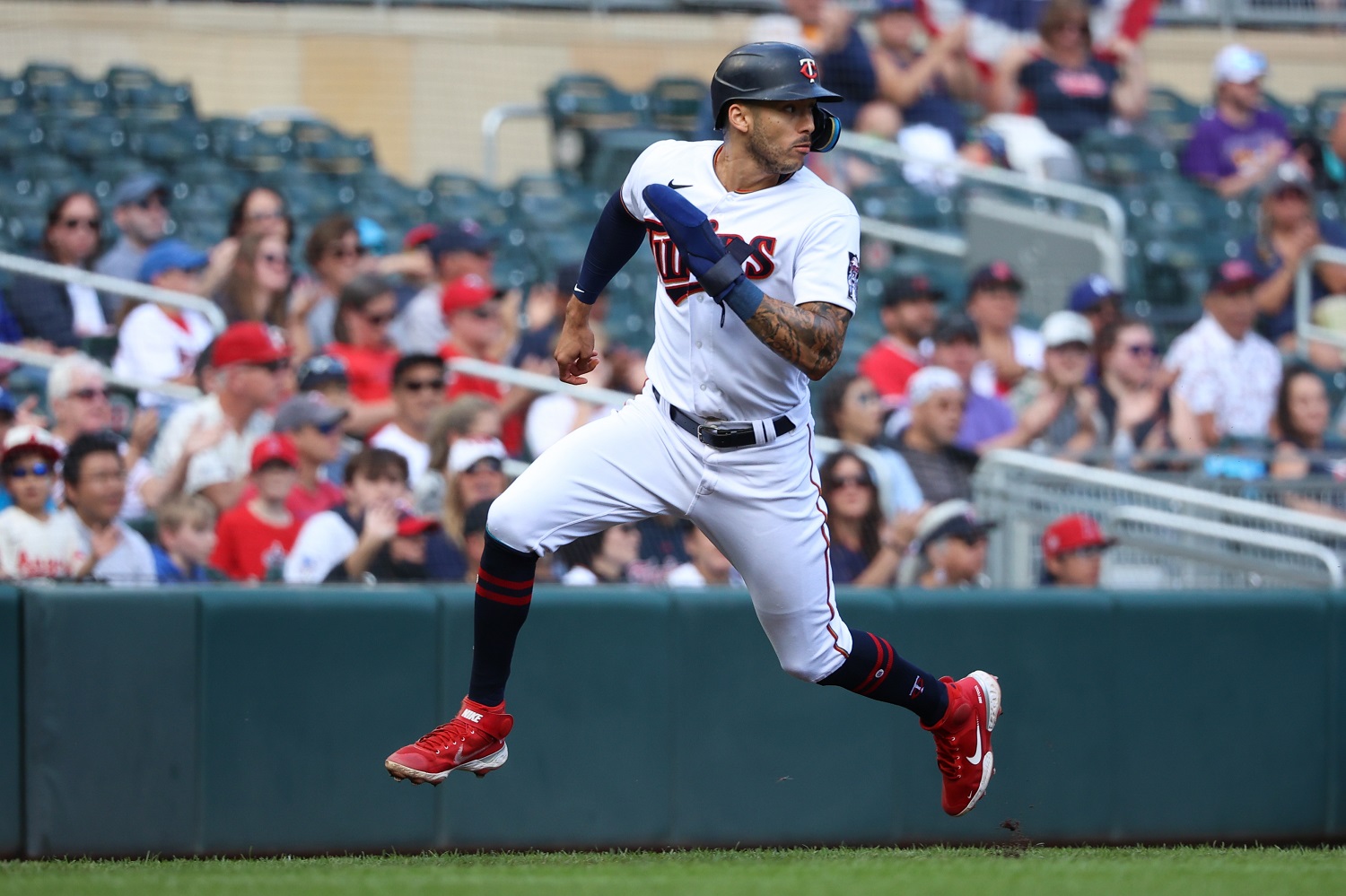 It wasn’t supposed to go this way for Carlos Correa. He spent the last offseason seeking a long-term deal over $300 million. He never got that and instead settled for a one-year contract that paid him the highest average annual value we’ve ever seen for an infielder. Now, still unsigned on January 8, his long-term prognosis has been scrutinized, and sources continue to indicate that Minnesota could be the benefactor. It has been multiple weeks since reports trickled in that Carlos Correa would be signing a 12-year, $315 million deal with the New York Mets. They were a late suitor to the party, but stood there with a wad of cash after the San Francisco Giants wanted to rework their 13-year, $350 million offer following a physical. We now know that the issues stemming from the physical all tie back to an ankle that was surgically repaired as a prospect, and the Twins have seen the same information. According to a source, Minnesota is now using the physical to their advantage. Correa was already cleared last March for what was a three-year contract. As recently as Saturday morning another offer was made. While the deal would still likely require a physical, the Twins have indicated they are comfortable with where Correa’s health and body are. Coming into the season, Minnesota knew that Correa would opt out after one season unless he played poorly or was injured. They sought to keep him on a long-term contract, ultimately offering 10-years, $285 million. That didn’t reach the same realm as either the Giants or Mets, and therefore left the Twins short. Prior to San Francisco making their last push, the Twins felt well positioned. Although that may have been shortsighted, it appears the chances may now be higher than ever. New York is looking to rework Correa’s deal, and a source indicated that language protecting the Mets meant his guaranteed money could be cut by as much as one-third. Correa is looking for long-term certainty, and the Mets adding conditions to exit the deal after seven years would be a non-starter. Although the Twins $285 million over 10 years was originally well short on dollars, it’s now in the ballpark of (or even exceeding) the truly guaranteed money. A source indicated the latest offer, which is thought to give Minnesota very firm footing, is in the range of that previous final offer. With New York reluctant on the length at this point, and with alternatives in top prospects Brett Baty and Mark Vientos, the Mets backing out altogether is not unfathomable. Mets owner Steve Cohen recently liked a tweet suggesting that the player needs his team more than the team needs him. Although that may be true for a franchise that has Francisco Lindor at shortstop and would be pushing Correa to the hot corner, it’s certainly not an ideal way to go about welcoming talent. From the get-go, Minnesota has made Correa and his family feel welcomed and a priority. Again, the front office has stood steadfast in holding close to an original offer despite multiple cutbacks from organizations that have since gotten cold feet. The Twins are growing increasingly comfortable that Boras is not simply playing with the Twins as leverage for the Mets. Instead, he has grown annoyed with the proceedings, wants resolution in the coming days, and Minnesota may even now be the frontrunner. It’s a wait-and-see game regarding Cohen and his unlimited amount of dollars. Whether general manager Billy Eppler wants to push forward or not remains to be seen, but the Mets have acted at the last minute multiple times during this saga. Knowing that players like Manny Machado and Shohei Ohtani will be free agents next offseason has helped to keep some of the biggest markets out of this race. Minnesota won’t be in consideration for those two, and this represents their best chance to make a splash of this caliber. Correa’s dollars could come in nearly $100 million more than Joe Mauer’s hometown extension, and seeing that type of commitment would be welcomed by Twins Territory. While it has always been unlikely that Correa would wind up back in Minnesota, and it remains unlikely, this is probably as close as it has felt to them looking like a front-runner.
- 61 comments
-
- 5
-
-
- carlos correa
- steve cohen
- (and 1 more)
-
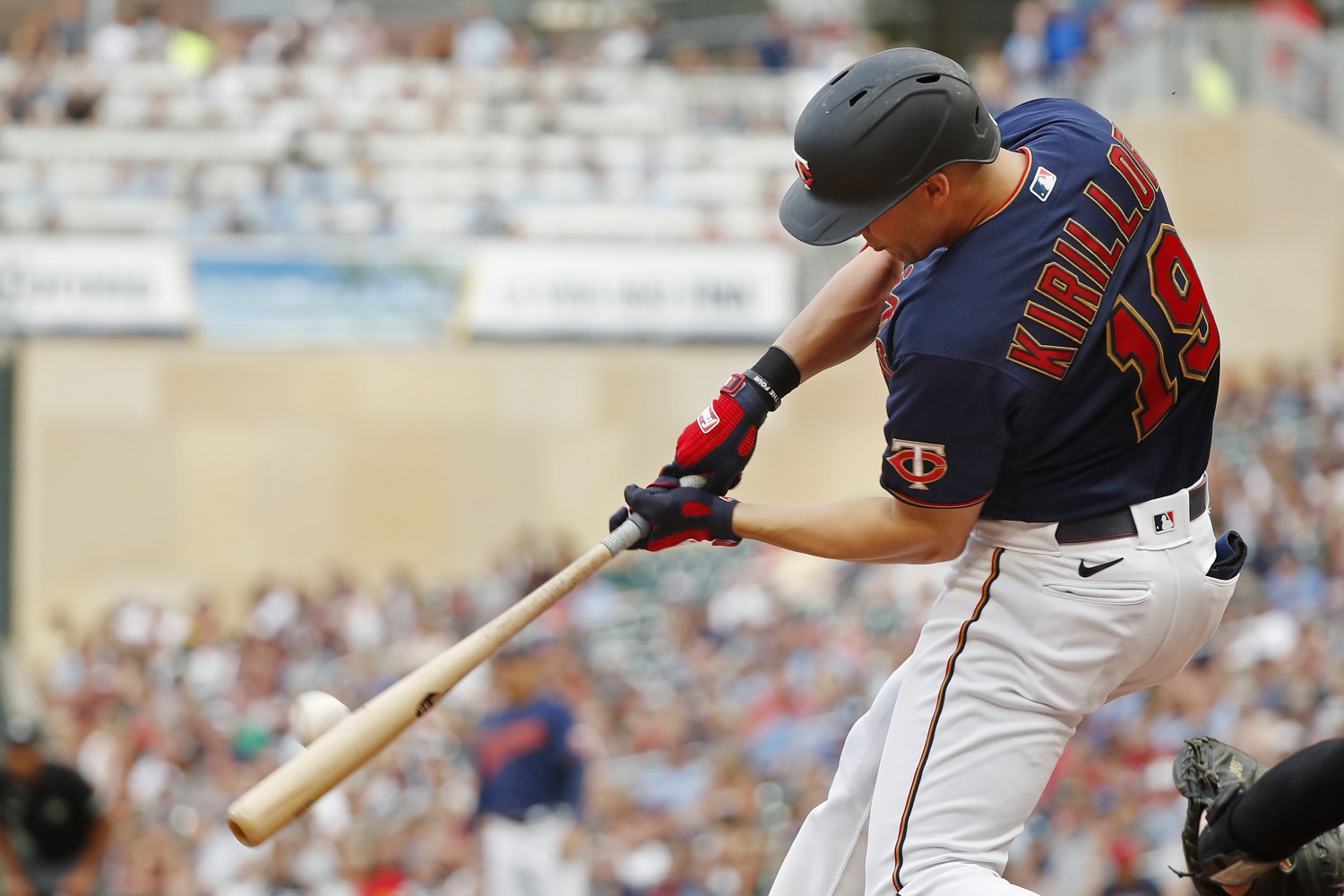 Coming into the offseason there was no denying that a reunion with Carlos Correa needed to be priority number one. With the Twins never advancing far past their original plan during the season, an offer that Scott Boras would entertain never became present. That meant a pivot needed to happen in acquiring more talent for Rocco Baldelli’s group. Both Christian Vazquez and Joey Gallo are fine additions, but they won’t be enough. It’s certainly possible that whatever is done to raise Minnesota’s payroll as a whole before March is uninspiring. That’s why the bulk of Minnesota’s heavy lifting is going to need to come from within. For a team that believes they were snakebit with injury, and an organization that has seen the graduation of many top prospects, it’s beyond fair to tell those established on the 26-man roster “we need you now.” Among those, these are the five (in no particular order) with the most to prove: Ryan Jeffers This should almost go without saying. The Twins front office had an immense amount of belief in Jeffers when they took him in the 2nd round of the 2018 draft. They then doubled down by trading Mitch Garver to the Texas Rangers prior to last season, and sent the only capable prospect in Ben Rortvedt to New York. Unfortunately he couldn’t recreate the 119 OPS+ from his first 26 Major League games, and instead sank to a career worst .648 OPS while playing just 67 games due to injury. Jeffers looked like he was righting the ship for a time before hitting the injured list, and now with Vazquez in the fold, will be fighting for time again. Gary Sanchez is gone, and the Twins farm system remains relatively empty behind the dish. Having Jeffers put it together would be the long awaited promise everyone has been hoping for. Alex Kirilloff Maybe this is a lot to put on a guy that’s only recently just turned 25-years-old, but Kirilloff is no longer a young player. Still ahead of his prime, the biggest issue here is being healthy and real with where he’s at. Kirilloff never got his surgically repaired wrist right last offseason, and therefore was never able to truly take over in left or at first base for the Twins. He’s now undergone an even more substantial procedure, and while the reports have been encouraging, the waiting game has to end. This is a top prospect that looked like a lineup cornerstone. First base could be his with Miguel Sano gone and Luis Arraez having more utility. Finding a way to be a legitimate big league offensive threat is a must. It starts with health. Trevor Larnach Much like Kirilloff, this is a similar scenario with a player that’s almost an entire year older. Larnach will be 26 for Minnesota this season, and despite the flashes a year ago, he played in just 51 games due to a core muscle injury. The solid on-base and slugging skills are real, and he’s always been praised for his incredible bat. We got to see an advanced defender in left, and that would be a substantial boost to the outfield flanking Byron Buxton. Larnach will be given every opportunity to post better than the 104 OPS+ he had in limited action last season, and there is no reason he should be seen as incapable of reaching that. Staying on the field is a must, and like Kirilloff, he will be expected to contribute from the middle of the lineup. Joe Ryan Maybe this jumps out as a weird inclusion for a guy that was the 2022 Opening Day starter, and someone that posted a 3.55 ERA. The problem is he became a true five-and-dive guy while owning a 3.99 FIP and 4.35 xFIP. Ryan feasted on a lot of bad opponents in the AL Central, but he was battered consistently against better competition. A fine guy to have at the back end of the rotation, Ryan’s necessary workload from 2022 is why the Twins could certainly use another arm better than Sonny Gray or Tyler Mahle. He’ll be 27 this season, and there is no denying this is a quality Major League arm, but with the velocity as limited as it is, does Minnesota have a number three or a number five here? Bailey Ober There are a few other arms that may have merit for the final spot, but it should be the guy currently penciled in for the rotation’s final spot. Ober was good to the tune of a 3.21 ERA and 2.92 FIP last season. Even aside from the more gaudy 4.18 xFIP, the problem has always been what level of reliability he’ll bring to the table. Minnesota trotted out arms in droves during 2022 because guys couldn’t stay healthy. Ober was among them, throwing just 56 innings across 11 starts. 2021 was a professional best inning total going 92 1/3 on the year, but he’s never previously surpassed 80 in a single season despite five years of work. It seems the Twins have developed a capable arm, but it can’t be relied on if it breaks down this often. Looking to rebound in an AL Central that should be tight at the top, it will be on players that have gotten used to the divisional race that need to step up. There is plenty of talent for the Twins to make noise if things break in their direction, but it wouldn’t hurt if they made their own luck as well.
- 24 comments
-
- 3
-
-
- ryan jeffers
- bailey ober
- (and 3 more)
-
For the second season in a row Derek Falvey and Thad Levine watched as the roster they architected failed to finish with a winning percentage above .500. Despite leading the AL Central for much of the season, injuries mounted and September baseball became apathetic before an uninspiring October finish. Who helps them turn things around remains paramount for the 2023 club. Image courtesy of Bruce Kluckhohn-USA TODAY Sports Coming into the offseason there was no denying that a reunion with Carlos Correa needed to be priority number one. With the Twins never advancing far past their original plan during the season, an offer that Scott Boras would entertain never became present. That meant a pivot needed to happen in acquiring more talent for Rocco Baldelli’s group. Both Christian Vazquez and Joey Gallo are fine additions, but they won’t be enough. It’s certainly possible that whatever is done to raise Minnesota’s payroll as a whole before March is uninspiring. That’s why the bulk of Minnesota’s heavy lifting is going to need to come from within. For a team that believes they were snakebit with injury, and an organization that has seen the graduation of many top prospects, it’s beyond fair to tell those established on the 26-man roster “we need you now.” Among those, these are the five (in no particular order) with the most to prove: Ryan Jeffers This should almost go without saying. The Twins front office had an immense amount of belief in Jeffers when they took him in the 2nd round of the 2018 draft. They then doubled down by trading Mitch Garver to the Texas Rangers prior to last season, and sent the only capable prospect in Ben Rortvedt to New York. Unfortunately he couldn’t recreate the 119 OPS+ from his first 26 Major League games, and instead sank to a career worst .648 OPS while playing just 67 games due to injury. Jeffers looked like he was righting the ship for a time before hitting the injured list, and now with Vazquez in the fold, will be fighting for time again. Gary Sanchez is gone, and the Twins farm system remains relatively empty behind the dish. Having Jeffers put it together would be the long awaited promise everyone has been hoping for. Alex Kirilloff Maybe this is a lot to put on a guy that’s only recently just turned 25-years-old, but Kirilloff is no longer a young player. Still ahead of his prime, the biggest issue here is being healthy and real with where he’s at. Kirilloff never got his surgically repaired wrist right last offseason, and therefore was never able to truly take over in left or at first base for the Twins. He’s now undergone an even more substantial procedure, and while the reports have been encouraging, the waiting game has to end. This is a top prospect that looked like a lineup cornerstone. First base could be his with Miguel Sano gone and Luis Arraez having more utility. Finding a way to be a legitimate big league offensive threat is a must. It starts with health. Trevor Larnach Much like Kirilloff, this is a similar scenario with a player that’s almost an entire year older. Larnach will be 26 for Minnesota this season, and despite the flashes a year ago, he played in just 51 games due to a core muscle injury. The solid on-base and slugging skills are real, and he’s always been praised for his incredible bat. We got to see an advanced defender in left, and that would be a substantial boost to the outfield flanking Byron Buxton. Larnach will be given every opportunity to post better than the 104 OPS+ he had in limited action last season, and there is no reason he should be seen as incapable of reaching that. Staying on the field is a must, and like Kirilloff, he will be expected to contribute from the middle of the lineup. Joe Ryan Maybe this jumps out as a weird inclusion for a guy that was the 2022 Opening Day starter, and someone that posted a 3.55 ERA. The problem is he became a true five-and-dive guy while owning a 3.99 FIP and 4.35 xFIP. Ryan feasted on a lot of bad opponents in the AL Central, but he was battered consistently against better competition. A fine guy to have at the back end of the rotation, Ryan’s necessary workload from 2022 is why the Twins could certainly use another arm better than Sonny Gray or Tyler Mahle. He’ll be 27 this season, and there is no denying this is a quality Major League arm, but with the velocity as limited as it is, does Minnesota have a number three or a number five here? Bailey Ober There are a few other arms that may have merit for the final spot, but it should be the guy currently penciled in for the rotation’s final spot. Ober was good to the tune of a 3.21 ERA and 2.92 FIP last season. Even aside from the more gaudy 4.18 xFIP, the problem has always been what level of reliability he’ll bring to the table. Minnesota trotted out arms in droves during 2022 because guys couldn’t stay healthy. Ober was among them, throwing just 56 innings across 11 starts. 2021 was a professional best inning total going 92 1/3 on the year, but he’s never previously surpassed 80 in a single season despite five years of work. It seems the Twins have developed a capable arm, but it can’t be relied on if it breaks down this often. Looking to rebound in an AL Central that should be tight at the top, it will be on players that have gotten used to the divisional race that need to step up. There is plenty of talent for the Twins to make noise if things break in their direction, but it wouldn’t hurt if they made their own luck as well. View full article
-
Five Prospects That Will Help the Twins in 2023
Ted Schwerzler replied to Ted Schwerzler 's topic in Twins Daily Front Page News
He may benefit if Polanco gets injured as the defensive bar to clear at 2B is not high.- 23 replies
-
- 2
-
-
- edouard julien
- jordan balazovic
- (and 3 more)
-
Five Prospects That Will Help the Twins in 2023
Ted Schwerzler replied to Ted Schwerzler 's topic in Twins Daily Front Page News
Blayne is coming off a TJ return. The makeup is solid. The arm stuff is good. This is a make or break year for him.- 23 replies
-
- 2
-
-
- edouard julien
- jordan balazovic
- (and 3 more)
-
Five Prospects That Will Help the Twins in 2023
Ted Schwerzler replied to Ted Schwerzler 's topic in Twins Daily Front Page News
Would have included him, but the late TJ makes me uncertain if he returns this year.- 23 replies
-
- 2
-
-
- edouard julien
- jordan balazovic
- (and 3 more)
-
Last season we saw the Minnesota Twins race out to an early season lead in the American League Central division. They held serve for the entirety of the summer, and despite making necessary additions at the trade deadline, sputtered late. In order to stay regain the division in 2023, they’ll need a few players to emerge from the farm. Image courtesy of © Mark J. Rebilas-USA TODAY Sports Despite a strong 2021 in the minor leagues, Jose Miranda did not start the year on the Twins Opening Day roster. He needed to wait for an opportunity and then ran with it once one presented itself. We saw Matt Wallner force his way into the big league outfield by season’s end, and a handful of pitchers including both Simeon Woods Richardson and Louie Varland made their way to the majors. For Rocco Baldelli and the 2023 Minnesota Twins, plenty will be made about the remaining moves to come this offseason. There is no denying that Joey Gallo and Christian Vazquez aren’t enough to supplement this team. There is plenty more to be done in terms of acquisitions, but the more that Minnesota can draw from internal development the better. Who are some of the names on the farm that could fill some gaps in the year ahead? Edouard Julien A late round pick from Auburn in 2019, Julien has progressed nicely. He put on a show during the Arizona Fall League this year, and it only further substantiated his .931 OPS from Double-A Wichita. His power stroke is legit, and that’s a strong asset from the second base position. He could be a replacement for Jorge Polanco should he suffer an injury, or he could move around the diamond some. Julien will be 24 in 2023, and there is almost no reason for him to start anywhere but Triple-A St. Paul this season. He has crushed the ball every place he has gone for Minnesota, and getting this type of production from an 18th round selection is a massive win. Jordan Balazovic If there was a Twins prospect that had a nightmarish 2022 it was Balazovic. He entered the season as arguably Minnesota’s best pitching prospect, and he ended it failing to remain among many top 15’s. His 3.62 ERA at Double-A Wichita last season looked to have him close to Major League ready. Then the season got off to a slow start with a knee injury, and despite suggesting he was healthy, a 7.39 ERA across 70 2/3 Triple-A innings followed. The strikeouts stayed, and while his command faltered some, Balazovic basically became a batting practice pitcher allowing a whopping 2.5 HR/9. His previous career worst was 1.1 HR/9 as an 18-year-old in 2017, and if that can be figured out, a sucessful rebound should be in store. Brooks Lee A candidate to be taken first overall in the 2022 MLB Draft, Lee fell into the Twins lap at number eight. He wound up advancing all the way to Double-A and posted an .839 OPS in his first professional season. I’m still not sure if Lee will remain a shortstop, but there is zero question about his hit tool. There is probably not a ton of power in the bat, but he’s going to be a consistent gap hitter, and he looks extremely refined at the dish already. Barring an unexpected turn of events at shortstop, Lee could factor into an infield that will include young talents like Royce Lewis and Jose Miranda as soon as this year. With a ton of pre-draft hype, he’s lived up to all of it. David Festa Another later round pick that Minnesota has turned into found money, Festa was taken in the 13th round out of Seton Hall. He threw just 8 1/3 innings as a pro during his 2021 debut. Last season he racked up 103 2/3 innings split between two Single-A levels and posted a combined 2.43 ERA. His 9.4 K/9 was strong and Festa allowed only six homers. It may be a leap to think he’ll jump up high enough to make a Major League debut in 2023, but there’s no reason he shouldn’t start at Double-A, and that basically puts him on the doorstep following strong performance. Festa could take a path similar to that of Louie Varland, Bailey Ober, or Josh Winder in being somewhat of an overlooked prospect that forces his way into significant action. Blayne Enlow Another season removed from his Tommy John surgery, this could be the one that Enlow puts it all together. He was a draft prospect that this front office targeted with saved pool money, and he was projected to have a power arm. Throughout his minor league career Enlow has certainly been a strikeout pitcher, and that came back last season. Command was a bit of an issue during his first exposure at Double-A, but that’s not entirely unexpected given the return from injury. He’s done a good job limiting homers and has progressed nicely from a physical development perspective. It remains to be seen if he’ll stay starting or transition to a bullpen role, but there is reason to believe he’s not far from contributing at the Major League level. After a season in which we saw plenty of big league debuts, some from highly noteworthy Minnesota prospects, is there someone you’re excited for in the year ahead? Who do you think is worthy of this list and went unmentioned? View full article
-
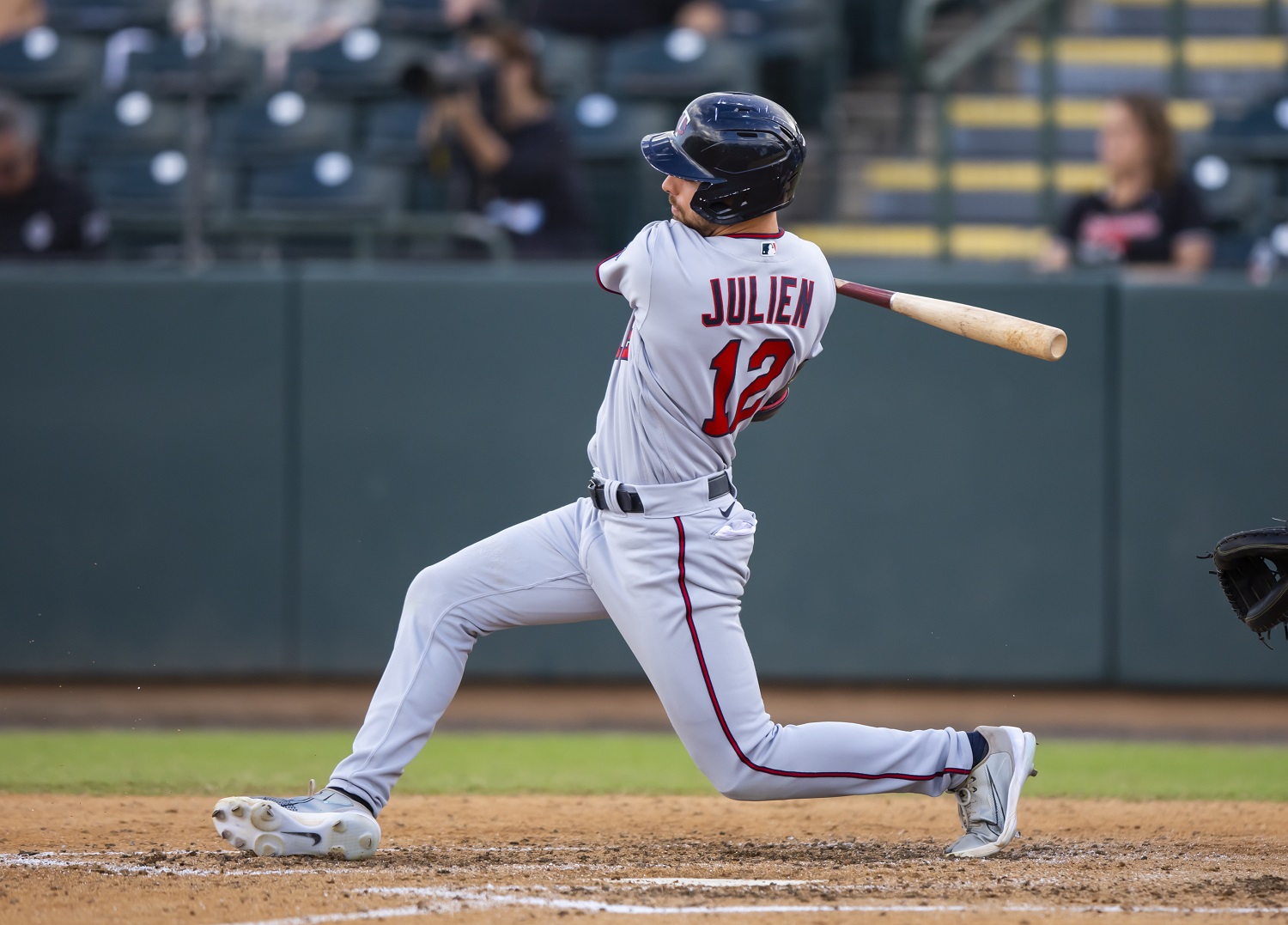 Despite a strong 2021 in the minor leagues, Jose Miranda did not start the year on the Twins Opening Day roster. He needed to wait for an opportunity and then ran with it once one presented itself. We saw Matt Wallner force his way into the big league outfield by season’s end, and a handful of pitchers including both Simeon Woods Richardson and Louie Varland made their way to the majors. For Rocco Baldelli and the 2023 Minnesota Twins, plenty will be made about the remaining moves to come this offseason. There is no denying that Joey Gallo and Christian Vazquez aren’t enough to supplement this team. There is plenty more to be done in terms of acquisitions, but the more that Minnesota can draw from internal development the better. Who are some of the names on the farm that could fill some gaps in the year ahead? Edouard Julien A late round pick from Auburn in 2019, Julien has progressed nicely. He put on a show during the Arizona Fall League this year, and it only further substantiated his .931 OPS from Double-A Wichita. His power stroke is legit, and that’s a strong asset from the second base position. He could be a replacement for Jorge Polanco should he suffer an injury, or he could move around the diamond some. Julien will be 24 in 2023, and there is almost no reason for him to start anywhere but Triple-A St. Paul this season. He has crushed the ball every place he has gone for Minnesota, and getting this type of production from an 18th round selection is a massive win. Jordan Balazovic If there was a Twins prospect that had a nightmarish 2022 it was Balazovic. He entered the season as arguably Minnesota’s best pitching prospect, and he ended it failing to remain among many top 15’s. His 3.62 ERA at Double-A Wichita last season looked to have him close to Major League ready. Then the season got off to a slow start with a knee injury, and despite suggesting he was healthy, a 7.39 ERA across 70 2/3 Triple-A innings followed. The strikeouts stayed, and while his command faltered some, Balazovic basically became a batting practice pitcher allowing a whopping 2.5 HR/9. His previous career worst was 1.1 HR/9 as an 18-year-old in 2017, and if that can be figured out, a sucessful rebound should be in store. Brooks Lee A candidate to be taken first overall in the 2022 MLB Draft, Lee fell into the Twins lap at number eight. He wound up advancing all the way to Double-A and posted an .839 OPS in his first professional season. I’m still not sure if Lee will remain a shortstop, but there is zero question about his hit tool. There is probably not a ton of power in the bat, but he’s going to be a consistent gap hitter, and he looks extremely refined at the dish already. Barring an unexpected turn of events at shortstop, Lee could factor into an infield that will include young talents like Royce Lewis and Jose Miranda as soon as this year. With a ton of pre-draft hype, he’s lived up to all of it. David Festa Another later round pick that Minnesota has turned into found money, Festa was taken in the 13th round out of Seton Hall. He threw just 8 1/3 innings as a pro during his 2021 debut. Last season he racked up 103 2/3 innings split between two Single-A levels and posted a combined 2.43 ERA. His 9.4 K/9 was strong and Festa allowed only six homers. It may be a leap to think he’ll jump up high enough to make a Major League debut in 2023, but there’s no reason he shouldn’t start at Double-A, and that basically puts him on the doorstep following strong performance. Festa could take a path similar to that of Louie Varland, Bailey Ober, or Josh Winder in being somewhat of an overlooked prospect that forces his way into significant action. Blayne Enlow Another season removed from his Tommy John surgery, this could be the one that Enlow puts it all together. He was a draft prospect that this front office targeted with saved pool money, and he was projected to have a power arm. Throughout his minor league career Enlow has certainly been a strikeout pitcher, and that came back last season. Command was a bit of an issue during his first exposure at Double-A, but that’s not entirely unexpected given the return from injury. He’s done a good job limiting homers and has progressed nicely from a physical development perspective. It remains to be seen if he’ll stay starting or transition to a bullpen role, but there is reason to believe he’s not far from contributing at the Major League level. After a season in which we saw plenty of big league debuts, some from highly noteworthy Minnesota prospects, is there someone you’re excited for in the year ahead? Who do you think is worthy of this list and went unmentioned?
- 23 comments
-
- 2
-
-
- edouard julien
- jordan balazovic
- (and 3 more)
-
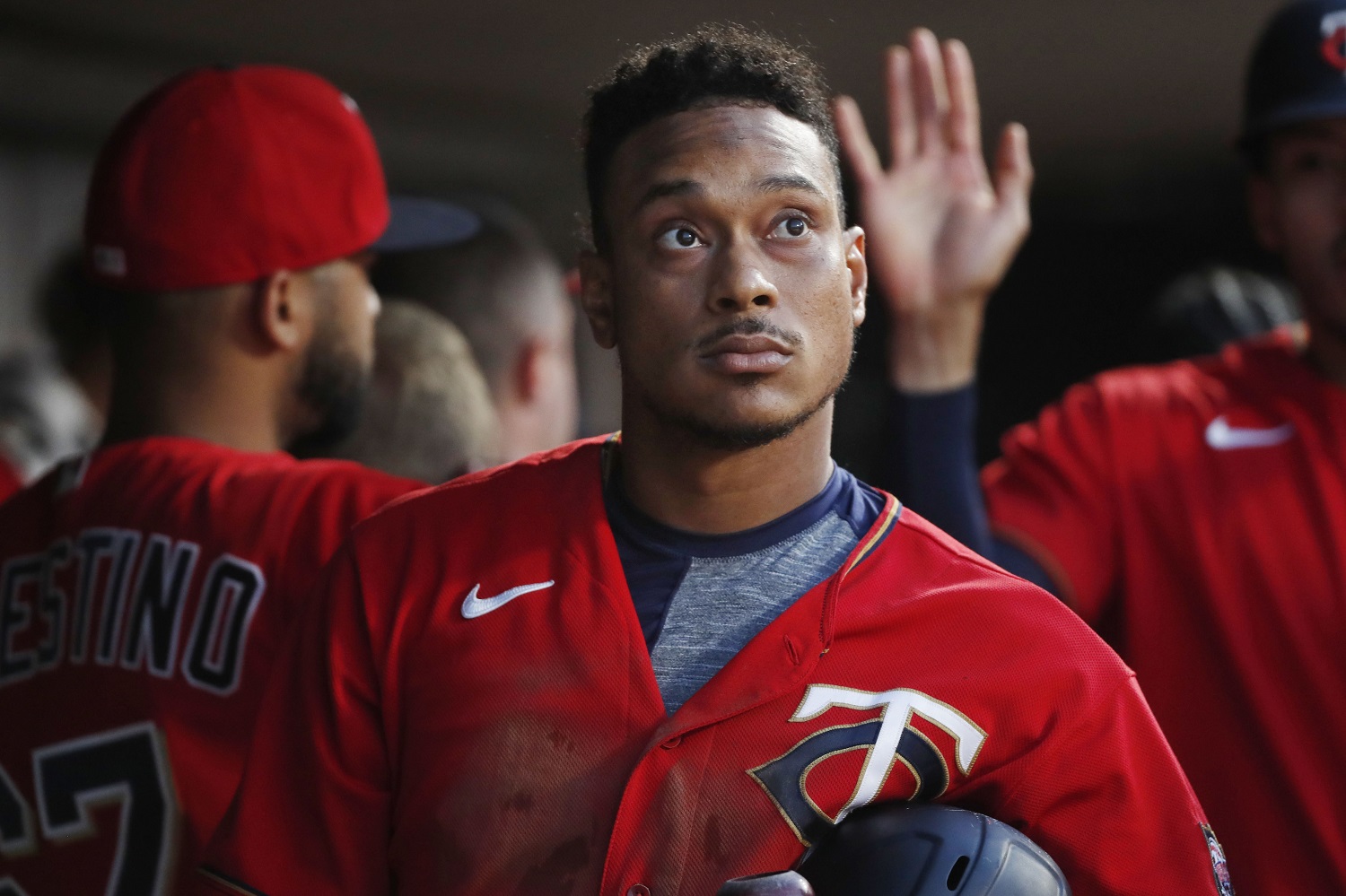 Although the Twins may decide to deal Max Kepler this offseason rather than roster him alongside Joey Gallo, there seems to be less of an inclination that slugging second baseman Jorge Polanco is going anywhere. Although he is a failed shortstop, and has dealt with multiple ankle injuries in recent seasons, it’s clear Polanco is still a key piece of what Rocco Baldelli and the Twins want to do. 2023 is a very important juncture for Polanco with the Twins, and while the decision in front of him is not his, the level of health he can display will trigger an option for an extended payday. When Minnesota inked Polanco to his five-year deal back in 2019, it actually provided an opportunity for the Twins to get seven years out of their former star prospect. The contract includes a vesting option that triggers a $10.5 million salary for 2024 should he reach 550 plate appearances this year, and that would also allow for a $12 million team option to be triggered for 2025 if Minnesota wants to keep him at age-31. Given a full season of play, 550 plate appearances is something any regular should be able to blitz by. In fact, Polanco has done so in two of the past three full seasons (not including the truncated pandemic year), and he nearly accomplished that feat despite playing in just 133 games during 2017. Why this becomes a discussion is because Polanco missed substantial time in 2022, and the 2018 season suggests it may not be a fluke. The Twins truly employ one of the best offensive second baseman in baseball when Polanco is healthy. From 2019-2021 Polanco missed just 24 games. He was horrendous offensively during the Covid season, but still managed a 117 OPS+ combined over that stretch. Blasting a career best 33 homers in 2021 made him nothing short of a lineup pillar, even with team expectations having drastically fallen short. Minnesota may find themselves struggling to quantify Polanco’s production last season given the offensive downturn across the league as a whole. We know again that Rob Manfred and Major League Baseball used multiple different gameballs, and the league saw a substantial drop in OPS across the board. While his slugging percentage fell, Polanco’s .346 OBP checked in as his second-best mark, ranking only behind the .356 he put up in 2019. From a production standpoint, his presence in the lineup remained constant. The problem for Polanco, and the Twins, was the amount of time he was unavailable. Missing more than 35% of the games, Baldelli’s lineups were constantly without their starting second basemen, and fill-in Luis Arraez was already being asked to pull double-duty at first base. If Polanco’s injury history, namely his ankle, winds up being a nagging issue, the Twins could be in for a world of hurt. Despite being a batting champion and dearly beloved by Twins fans, it’s more than clear Arraez’s knees aren’t meant for every day action. Nick Gordon has shown to be a solid utility defender, but isn’t someone you want playing every day. Maybe Polanco gives way to a prospect like Brooks Lee, Austin Martin, or Edouard Julien if he misses time, but it’s safe to assume that both the team and the starter would like to see 2024 vest. We have seen Polanco remain healthy over extended periods of time previously, and he’ll need to play in something like 135 games to trigger the next phase of his contract. Getting him there should be something new athletic trainer Nick Paparesta is focused on through his offseason program, and the Twins would have no problem paying a guy posting 3 or 4 fWAR upwards of $10 million an offseason from now.
- 29 comments
-
- 4
-
-
- jorge polanco
- edouard julien
- (and 3 more)
-
Prior to the 2019 Major League Baseball season Derek Falvey and Thad Levine made shrewd decisions to sign both Jorge Polanco and Max Kepler to extensions. Despite both players being years from free agency, their futures were locked up and gave the organization cost certainty. Now, Polanco’s deal is quickly coming to a crossroad Image courtesy of © Bruce Kluckhohn-USA TODAY Sports Although the Twins may decide to deal Max Kepler this offseason rather than roster him alongside Joey Gallo, there seems to be less of an inclination that slugging second baseman Jorge Polanco is going anywhere. Although he is a failed shortstop, and has dealt with multiple ankle injuries in recent seasons, it’s clear Polanco is still a key piece of what Rocco Baldelli and the Twins want to do. 2023 is a very important juncture for Polanco with the Twins, and while the decision in front of him is not his, the level of health he can display will trigger an option for an extended payday. When Minnesota inked Polanco to his five-year deal back in 2019, it actually provided an opportunity for the Twins to get seven years out of their former star prospect. The contract includes a vesting option that triggers a $10.5 million salary for 2024 should he reach 550 plate appearances this year, and that would also allow for a $12 million team option to be triggered for 2025 if Minnesota wants to keep him at age-31. Given a full season of play, 550 plate appearances is something any regular should be able to blitz by. In fact, Polanco has done so in two of the past three full seasons (not including the truncated pandemic year), and he nearly accomplished that feat despite playing in just 133 games during 2017. Why this becomes a discussion is because Polanco missed substantial time in 2022, and the 2018 season suggests it may not be a fluke. The Twins truly employ one of the best offensive second baseman in baseball when Polanco is healthy. From 2019-2021 Polanco missed just 24 games. He was horrendous offensively during the Covid season, but still managed a 117 OPS+ combined over that stretch. Blasting a career best 33 homers in 2021 made him nothing short of a lineup pillar, even with team expectations having drastically fallen short. Minnesota may find themselves struggling to quantify Polanco’s production last season given the offensive downturn across the league as a whole. We know again that Rob Manfred and Major League Baseball used multiple different gameballs, and the league saw a substantial drop in OPS across the board. While his slugging percentage fell, Polanco’s .346 OBP checked in as his second-best mark, ranking only behind the .356 he put up in 2019. From a production standpoint, his presence in the lineup remained constant. The problem for Polanco, and the Twins, was the amount of time he was unavailable. Missing more than 35% of the games, Baldelli’s lineups were constantly without their starting second basemen, and fill-in Luis Arraez was already being asked to pull double-duty at first base. If Polanco’s injury history, namely his ankle, winds up being a nagging issue, the Twins could be in for a world of hurt. Despite being a batting champion and dearly beloved by Twins fans, it’s more than clear Arraez’s knees aren’t meant for every day action. Nick Gordon has shown to be a solid utility defender, but isn’t someone you want playing every day. Maybe Polanco gives way to a prospect like Brooks Lee, Austin Martin, or Edouard Julien if he misses time, but it’s safe to assume that both the team and the starter would like to see 2024 vest. We have seen Polanco remain healthy over extended periods of time previously, and he’ll need to play in something like 135 games to trigger the next phase of his contract. Getting him there should be something new athletic trainer Nick Paparesta is focused on through his offseason program, and the Twins would have no problem paying a guy posting 3 or 4 fWAR upwards of $10 million an offseason from now. View full article
-
Believe in Buxton for 2023
Ted Schwerzler replied to Ted Schwerzler 's topic in Twins Daily Front Page News
Two things: 1. Altering his style saps his value 2. His style didn't lead to the injury that had him coming up lame from a weird slide.- 64 replies
-
- 3
-
-
- byron buxton
- nick paparesta
- (and 2 more)
-
Believe in Buxton for 2023
Ted Schwerzler replied to Ted Schwerzler 's topic in Twins Daily Front Page News
This really wasn't about a new trainer. It's about the fact he played 92 games despite an injury suffered immediately that required surgery. If he can avoid some fluke thing, yet again, there's no reason to believe he can't be amazing.- 64 replies
-
- 2
-
-
- byron buxton
- nick paparesta
- (and 2 more)
-
Believe in Buxton for 2023
Ted Schwerzler replied to Ted Schwerzler 's topic in Twins Daily Front Page News
I don't even think this is so much on the training staff as it is bad luck. Buxton played 92 games last year despite messing up his knee on a fluke slide. He was needing injections and drains constantly. He was looking at infection. He still produced significantly and was out there that much. We have grown accustomed to it ALWAYS being something. Maybe that continues. On the off chance that it doesn't, he's otherworldly.- 64 replies
-
- 2
-
-
- byron buxton
- nick paparesta
- (and 2 more)
-
Believe in Buxton for 2023
Ted Schwerzler replied to Ted Schwerzler 's topic in Twins Daily Front Page News
This is a bit intentionally misleading. Correlating Buxton's first years with his last is only to support and argument that tears down his value. Since 2019 he has posted a 137 OPS+- 64 replies
-
- 2
-
-
- byron buxton
- nick paparesta
- (and 2 more)
-
Believe in Buxton for 2023
Ted Schwerzler replied to Ted Schwerzler 's topic in Twins Daily Front Page News
I mean, basically none of his injuries are precursors for the next....- 64 replies
-
- 3
-
-
- byron buxton
- nick paparesta
- (and 2 more)
-
Believe in Buxton for 2023
Ted Schwerzler replied to Ted Schwerzler 's topic in Twins Daily Front Page News
I'm not sure what you expect all top prospects to become, but very few are guaranteed Hall of Famers. Buxton also already has more than double Sano's career fWAR...- 64 replies
-
- 4
-
-
- byron buxton
- nick paparesta
- (and 2 more)
-
Of course, it’s the beginning of January and hope springs eternal. Maybe that sentiment is more traditionally reserved for Spring Training, but the dead of winter needs some heat in Twins Territory. An offseason ago the front office paid the man, now in 2023 it’s time to watch Byron Buxton break loose. Image courtesy of © Gary A. Vasquez-USA TODAY Sports Realistically fans of the Minnesota Twins have been awaiting a breakout from Byron Buxton for the better part of seven years. In that time he’s either flashed ability, or shown a very brief glimpse of availability. Only once, in 2020, did we come close to seeing what it looked like together and even that is debatable. For Minnesota, paying Buxton should’ve been a no-brainer. He’s among the best players in the world when healthy, and the only reason they were in position as the only to be able to give him a $100 million contract is because free agency and a $300 million contract has been thwarted by injury. Buxton spent the early portion of his Major League career being instructed to put the ball on the ground, utilize his speed, and sacrifice a power tool that was so evident during his pre-draft process. The Georgia native looked to project as a true five-tool player, and a previous Minnesota regime sought to get less of a ceiling while attempting to ensure a safer floor. By 2017, we began to see how silly that looked. Buxton racked up MVP consideration largely for his defense, winning both a Platinum and Gold Glove. He did hit 16 longballs though, and that came across a big league best 140 games. Injury struck again in 2018, but by 2019 it was clear the Twins star was an offensive threat too. In 2020 he advanced his MVP positioning while posting a career-best 125 OPS+. It’s hard to count the contribution as whole however, given that he played in just over 50% of an already truncated 60 game season. The past two seasons we have seen Buxton compile a 150 OPS+ and look the part of a guy who should rack up bombs and extra-base hits with ease. While still seeking a season of true availability to pair it with, 2022 brings promise. In the first year of a new seven-year deal, Buxton played in 92 games. That is the most he’s logged in any season since 2017, and comes with the caveat that he was injured almost from the get go. Despite needing consistent fluid drains of his knee following a slide against the Boston Red Sox, Buxton continued to produce. Although his pendulum swung a bit too far in the slugging over on-base direction, he managed pain and remained available for Rocco Baldelli’s club for much of the competitive duration. Despite the Twins feeling good about where Buxton is in his offseason program, there is some reason for caution. He underwent a knee surgery following the regular season, and will soon ramp back up to baseball activities. Given what he produced while playing with a substantial injury last season though, it’s more than clear that Minnesota stands to come up big time if he can be kept on the field. That has definitely been the mantra throughout the duration of his eight year career, but Buxton posted numbers that would extrapolate to 49 homers, five triples, and 23 doubles over the course of a full season. His 7.0 fWAR would have ranked 6th in baseball, and behind only American League MVP winner Aaron Judge among hitters. There is no one more focused on keeping Buxton on the field this season than himself, and the Twins are certainly attempting to put a new foot forward with Nick Paparesta leading the training staff. For the vast majority of Minnesota’s roster, the production from those carried over will largely impact how much noise this club makes. We shouldn’t be questioning how good Buxton is anymore, he’s otherworldly. The only question is if he can remain out there, and fighting through what he did a season ago and racking up 92 games, should bring some promise for something we haven’t seen in years. View full article
