Cody Christie
-
Posts
7,806 -
Joined
-
Last visited
-
Days Won
5
Content Type
Profiles
News
Minnesota Twins Videos
2026 Minnesota Twins Top Prospects Ranking
2022 Minnesota Twins Draft Picks
Minnesota Twins Free Agent & Trade Rumors, Notes, & Tidbits
Guides & Resources
2023 Minnesota Twins Draft Picks
The Minnesota Twins Players Project
2024 Minnesota Twins Draft Picks
2025 Minnesota Twins Draft Pick Tracker
2026 Minnesota Twins Draft Tracker: Picks & Bonuses
Forums
Blogs
Events
Store
Downloads
Gallery
Everything posted by Cody Christie
-
 Here was what MLB Network released tonight
 -
Pitching Prospect Dasan Hill’s Breakout Year Put Twins on Notice
Cody Christie posted an article in Minor Leagues
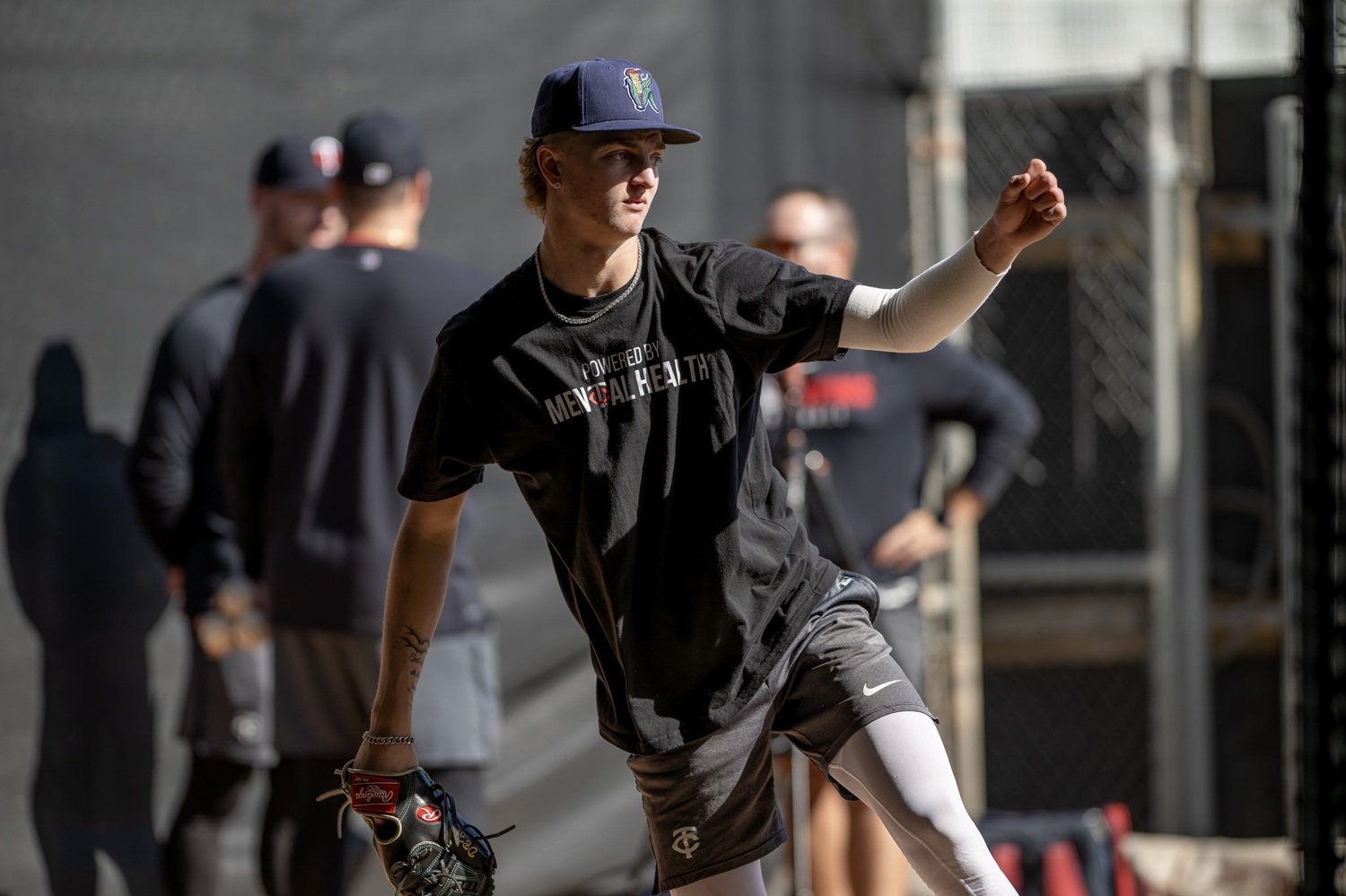 The Twins knew Dasan Hill would be a long-term project when they selected him 69th overall in the 2024 MLB Draft, but his first season in professional baseball quickly showed why the organization is so high on the young left-hander. Hill’s debut across two levels offered both eye-opening upside and clear developmental checkpoints, a combination the Twins are more than comfortable working with. “We’re excited about Dasan,” Twins general manager Jeremy Zoll told FanGraphs of the southpaw Hill, who was drafted out of high school in Texas. “He did a really nice job of missing bats. His changeup came along really well. He had an incredibly high swing and miss rate on that pitch. The breaking balls were a project in spring training, and they kept getting better and better as the year went along. Easy velo from the left side, and it looks like it’s going to be a full four-pitch mix.” Hill wasted little time showing why he was such an intriguing high school arm. His fastball already sits in the mid-90s and can reach higher, and it plays up thanks to late movement and a tough angle created by his crossfire delivery. At the lower levels, the heater alone was often enough to overpower hitters, but it was the development of his secondaries that separated him from most teenage pitchers. “We’re excited to keep pushing him. We challenged him in High-A at the end of the year. He knows that he has to be in the zone a little bit more. That will be a big thing for him, getting ahead of hitters and staying ahead a little bit more. He has a really bright future. His body is projectable and will keep filling out.” That challenge came late in the season when the Twins bumped Hill to Cedar Rapids. Even with limited innings, the move underscored the organization's aggressive view of his long-term outlook. Hill showed flashes of dominance at both stops, finishing the year with a 3.19 ERA, a 3.35 FIP, and a 31.1% strikeout rate over 62 innings between Fort Myers and Cedar Rapids. “He’s 19 and just getting started,” Twins president of baseball and business Derek Falvey added. “The changeup is really, really good — it’s a weapon pitch — but like [Zoll] said, there is a lot of maturation coming with this kid. There’s not just understanding how to pitch, but also his body and physicality.” Beyond the fastball, Hill’s slider and curveball showed meaningful progress as the year went on. The slider has become a potential wipeout pitch against left-handed hitters, while the curveball gives him a viable option versus righties. His changeup, though once viewed as a complementary piece, has already become a legitimate weapon and a separator within the system. The numbers also highlight where the next phase of development must focus. Hill struck out hitters at an impressive rate, but his walk totals pushed his WHIP to 1.35, a reminder that command and efficiency remain works in progress. That inconsistency is not unexpected for a pitcher who spent most of the year at 19 years old and was facing professional hitters for the first time. The Twins were careful with his workload, rarely asking Hill to work deep into games. That approach reflects both his age and the organization’s desire to let his body continue to mature. Even with those limits, Hill established himself as one of the most exciting arms in the farm system and now ranks among the top prospects in the organization. Looking ahead to 2026, Hill is likely to return to High-A or move quickly to Double-A with a clear set of priorities. The Twins will be focused on strike throwing, getting ahead of hitters, and continuing to refine all four pitches. If those pieces come together, Hill has the upside of a future rotation anchor. If command lags behind the stuff, his fastball and slider combination alone could still make him a high-impact bullpen arm. Either way, Hill’s first professional season confirmed what the Twins believed on draft day. The raw ingredients are special, the progress is real, and the timeline will be dictated not by urgency, but by how quickly a very young pitcher turns immense talent into consistency. What would an ideal 2026 season look like for Hill? Can he be a consensus top-100 prospect at this point next season? Leave a comment and start the discussion.
 -
Image courtesy of William Parmeter (Photo of Dasan Hill) The Twins knew Dasan Hill would be a long-term project when they selected him 69th overall in the 2024 MLB Draft, but his first season in professional baseball quickly showed why the organization is so high on the young left-hander. Hill’s debut across two levels offered both eye-opening upside and clear developmental checkpoints, a combination the Twins are more than comfortable working with. “We’re excited about Dasan,” Twins general manager Jeremy Zoll told FanGraphs of the southpaw Hill, who was drafted out of high school in Texas. “He did a really nice job of missing bats. His changeup came along really well. He had an incredibly high swing and miss rate on that pitch. The breaking balls were a project in spring training, and they kept getting better and better as the year went along. Easy velo from the left side, and it looks like it’s going to be a full four-pitch mix.” Hill wasted little time showing why he was such an intriguing high school arm. His fastball already sits in the mid-90s and can reach higher, and it plays up thanks to late movement and a tough angle created by his crossfire delivery. At the lower levels, the heater alone was often enough to overpower hitters, but it was the development of his secondaries that separated him from most teenage pitchers. “We’re excited to keep pushing him. We challenged him in High-A at the end of the year. He knows that he has to be in the zone a little bit more. That will be a big thing for him, getting ahead of hitters and staying ahead a little bit more. He has a really bright future. His body is projectable and will keep filling out.” That challenge came late in the season when the Twins bumped Hill to Cedar Rapids. Even with limited innings, the move underscored the organization's aggressive view of his long-term outlook. Hill showed flashes of dominance at both stops, finishing the year with a 3.19 ERA, a 3.35 FIP, and a 31.1% strikeout rate over 62 innings between Fort Myers and Cedar Rapids. “He’s 19 and just getting started,” Twins president of baseball and business Derek Falvey added. “The changeup is really, really good — it’s a weapon pitch — but like [Zoll] said, there is a lot of maturation coming with this kid. There’s not just understanding how to pitch, but also his body and physicality.” Beyond the fastball, Hill’s slider and curveball showed meaningful progress as the year went on. The slider has become a potential wipeout pitch against left-handed hitters, while the curveball gives him a viable option versus righties. His changeup, though once viewed as a complementary piece, has already become a legitimate weapon and a separator within the system. The numbers also highlight where the next phase of development must focus. Hill struck out hitters at an impressive rate, but his walk totals pushed his WHIP to 1.35, a reminder that command and efficiency remain works in progress. That inconsistency is not unexpected for a pitcher who spent most of the year at 19 years old and was facing professional hitters for the first time. The Twins were careful with his workload, rarely asking Hill to work deep into games. That approach reflects both his age and the organization’s desire to let his body continue to mature. Even with those limits, Hill established himself as one of the most exciting arms in the farm system and now ranks among the top prospects in the organization. Looking ahead to 2026, Hill is likely to return to High-A or move quickly to Double-A with a clear set of priorities. The Twins will be focused on strike throwing, getting ahead of hitters, and continuing to refine all four pitches. If those pieces come together, Hill has the upside of a future rotation anchor. If command lags behind the stuff, his fastball and slider combination alone could still make him a high-impact bullpen arm. Either way, Hill’s first professional season confirmed what the Twins believed on draft day. The raw ingredients are special, the progress is real, and the timeline will be dictated not by urgency, but by how quickly a very young pitcher turns immense talent into consistency. What would an ideal 2026 season look like for Hill? Can he be a consensus top-100 prospect at this point next season? Leave a comment and start the discussion. View full article
-
Image courtesy of Tommy Tomsic (1977 photo of Carew), RVR Photos (photo of Puckett) MLB Network has slowly been rolling out its Franchise Favorites lineups, and when the Minnesota Twins come up, the exercise feels less like a debate and more like a walk down a Twins fan's Memory Lane. This is not just about production or accolades. It's about connection, moments, and the players who came to define generations of Twins baseball. The lineup that emerged balances Hall of Fame talent with lesser players who nonetheless felt like Twins through and through. At the time of this writing, MLB Network has yet to release its Twins list. There are obvious choices, a few tough omissions, and some honorable mentions that could easily start arguments among fans of different eras. Let's take our own shot at naming this team, starting with the position players. Catcher: Joe Mauer (55.6 rWAR, 3rd in franchise history) Behind the plate, Mauer is the clear and correct choice. Few players in franchise history carried the weight of expectations the way Mauer did, and fewer still delivered at his level. A hometown star who became an MVP and one of the best catchers of his generation, Mauer represents the modern Twins as well as anyone. Earl Battey and Butch Wynegar deserve recognition for their durability and leadership, but this spot belongs to No. 7. First Base: Harmon Killebrew (60.6 rWAR, 2nd in franchise history) At first base, Killebrew is unavoidable. His power defined the franchise for years, and his legacy stretches well beyond the box score. Justin Morneau’s MVP season and Doug Mientkiewicz’s defensive excellence earn them honorable mention status, but Killebrew is the standard by which every Twins first baseman is measured. (Don't worry; we haven't forgotten the other high-profile first baseman who belongs on this list.) Second Base: Rod Carew (63.8 rWAR, 1st in franchise history) Second base belongs to Carew, one of the purest hitters the game has ever seen. Carew’s ability to control the bat and dominate in so many ways makes him one of the most iconic players in Twins history. Chuck Knoblauch, Brian Dozier, and Jorge Polanco all had meaningful peaks and signature moments, but Carew sits comfortably above the rest. Third Base: Gary Gaetti (27.1 rWAR) At third base, Gaetti gets the nod. His consistency, defense, and longevity made him a fixture during some of the franchise’s most important seasons. Corey Koskie and Rich Rollins both have strong cases, especially for fans who value different eras, but Gaetti’s complete body of work stands out. Shortstop: Roy Smalley (20.9 rWAR) Shortstop is a position where the Twins have struggled to find stars throughout their history. Smalley earns the starting role thanks to his versatility and impact across multiple stints with the club. Zoilo Versalles brought MVP-level brilliance, Greg Gagne delivered steady production on championship teams, and Carlos Correa made a massive impression in a short time. Smalley’s longevity and overall contribution give him the edge over all of them, though—and his lasting impact as a broadcaster earns him bonus points. Left Field: Shane Mack (19.6 rWAR) Mack represents a specific era that many fans remember fondly. He also might be one of the most underrated players in team history. His bat and energy reinforced competitive teams, even if his peak was shorter than some others'. Bob Allison, Larry Hisle, and Eddie Rosario each brought their own flair and impact, making this one of the more subjective choices on the list. Center Field: Kirby Puckett (51.1 rWAR, 4th in franchise history) Center field is as straightforward as it gets. Puckett is the heart of the franchise. His smile, his clutch performances, and his presence during the World Series years make him the easiest selection on the entire roster. Torii Hunter and Byron Buxton both deserve praise for excellence on both sides of the ball, but Puckett remains untouchable. Right Field: Tony Oliva (43.1 rWAR, 7th in franchise history) Oliva’s selection feels just right (pun intended). His hitting titles and influence on the organization extend well beyond his playing days. Some have even called him “Mr. Twin.” Max Kepler, Tom Brunansky, and Michael Cuddyer each had meaningful runs, but Oliva’s impact resonates across generations. Designated Hitter: Kent Hrbek (38.6 rWAR, 8th in franchise history) Designated hitter is where things get a little creative. Hrbek earns the spot, even if it requires some flexibility. He played just over 100 games at DH, but leaving him out of the lineup entirely would feel wrong. Hrbek’s connection to the fan base and his role in the franchise’s most significant moments justify the choice. Jim Thome, Nelson Cruz, and Chili Davis offer more traditional DH resumes, but this lineup is about favorites, not technicalities. That is ultimately the point of this exercise. A Twins Franchise Favorites lineup is always going to be subjective; that's the fun of it. It invites debate, brings back memories, and shines a light on the players who define the Twins for so many fans. Do you agree with the lineup? Who should be switched out? Leave a comment and start the discussion. View full article
-
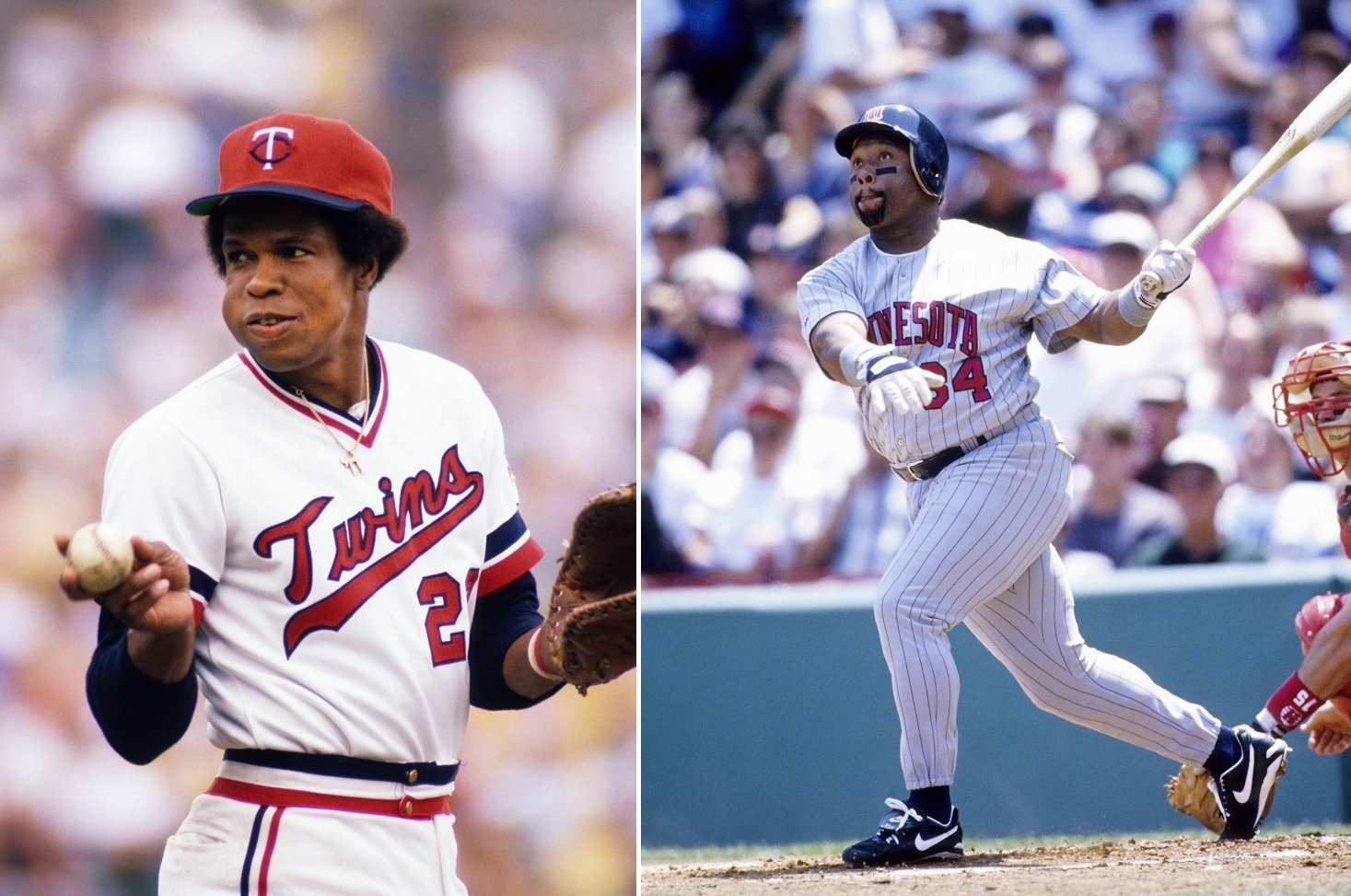 MLB Network has slowly been rolling out its Franchise Favorites lineups, and when the Minnesota Twins come up, the exercise feels less like a debate and more like a walk down a Twins fan's Memory Lane. This is not just about production or accolades. It's about connection, moments, and the players who came to define generations of Twins baseball. The lineup that emerged balances Hall of Fame talent with lesser players who nonetheless felt like Twins through and through. At the time of this writing, MLB Network has yet to release its Twins list. There are obvious choices, a few tough omissions, and some honorable mentions that could easily start arguments among fans of different eras. Let's take our own shot at naming this team, starting with the position players. Catcher: Joe Mauer (55.6 rWAR, 3rd in franchise history) Behind the plate, Mauer is the clear and correct choice. Few players in franchise history carried the weight of expectations the way Mauer did, and fewer still delivered at his level. A hometown star who became an MVP and one of the best catchers of his generation, Mauer represents the modern Twins as well as anyone. Earl Battey and Butch Wynegar deserve recognition for their durability and leadership, but this spot belongs to No. 7. First Base: Harmon Killebrew (60.6 rWAR, 2nd in franchise history) At first base, Killebrew is unavoidable. His power defined the franchise for years, and his legacy stretches well beyond the box score. Justin Morneau’s MVP season and Doug Mientkiewicz’s defensive excellence earn them honorable mention status, but Killebrew is the standard by which every Twins first baseman is measured. (Don't worry; we haven't forgotten the other high-profile first baseman who belongs on this list.) Second Base: Rod Carew (63.8 rWAR, 1st in franchise history) Second base belongs to Carew, one of the purest hitters the game has ever seen. Carew’s ability to control the bat and dominate in so many ways makes him one of the most iconic players in Twins history. Chuck Knoblauch, Brian Dozier, and Jorge Polanco all had meaningful peaks and signature moments, but Carew sits comfortably above the rest. Third Base: Gary Gaetti (27.1 rWAR) At third base, Gaetti gets the nod. His consistency, defense, and longevity made him a fixture during some of the franchise’s most important seasons. Corey Koskie and Rich Rollins both have strong cases, especially for fans who value different eras, but Gaetti’s complete body of work stands out. Shortstop: Roy Smalley (20.9 rWAR) Shortstop is a position where the Twins have struggled to find stars throughout their history. Smalley earns the starting role thanks to his versatility and impact across multiple stints with the club. Zoilo Versalles brought MVP-level brilliance, Greg Gagne delivered steady production on championship teams, and Carlos Correa made a massive impression in a short time. Smalley’s longevity and overall contribution give him the edge over all of them, though—and his lasting impact as a broadcaster earns him bonus points. Left Field: Shane Mack (19.6 rWAR) Mack represents a specific era that many fans remember fondly. He also might be one of the most underrated players in team history. His bat and energy reinforced competitive teams, even if his peak was shorter than some others'. Bob Allison, Larry Hisle, and Eddie Rosario each brought their own flair and impact, making this one of the more subjective choices on the list. Center Field: Kirby Puckett (51.1 rWAR, 4th in franchise history) Center field is as straightforward as it gets. Puckett is the heart of the franchise. His smile, his clutch performances, and his presence during the World Series years make him the easiest selection on the entire roster. Torii Hunter and Byron Buxton both deserve praise for excellence on both sides of the ball, but Puckett remains untouchable. Right Field: Tony Oliva (43.1 rWAR, 7th in franchise history) Oliva’s selection feels just right (pun intended). His hitting titles and influence on the organization extend well beyond his playing days. Some have even called him “Mr. Twin.” Max Kepler, Tom Brunansky, and Michael Cuddyer each had meaningful runs, but Oliva’s impact resonates across generations. Designated Hitter: Kent Hrbek (38.6 rWAR, 8th in franchise history) Designated hitter is where things get a little creative. Hrbek earns the spot, even if it requires some flexibility. He played just over 100 games at DH, but leaving him out of the lineup entirely would feel wrong. Hrbek’s connection to the fan base and his role in the franchise’s most significant moments justify the choice. Jim Thome, Nelson Cruz, and Chili Davis offer more traditional DH resumes, but this lineup is about favorites, not technicalities. That is ultimately the point of this exercise. A Twins Franchise Favorites lineup is always going to be subjective; that's the fun of it. It invites debate, brings back memories, and shines a light on the players who define the Twins for so many fans. Do you agree with the lineup? Who should be switched out? Leave a comment and start the discussion.
- 42 comments
-
- 5
-

-
- kirby puckett
- kent hrbek
- (and 6 more)
-
Why the Twins’ Offseason Points to Another Trade Deadline Sell Off
Cody Christie posted an article in Twins
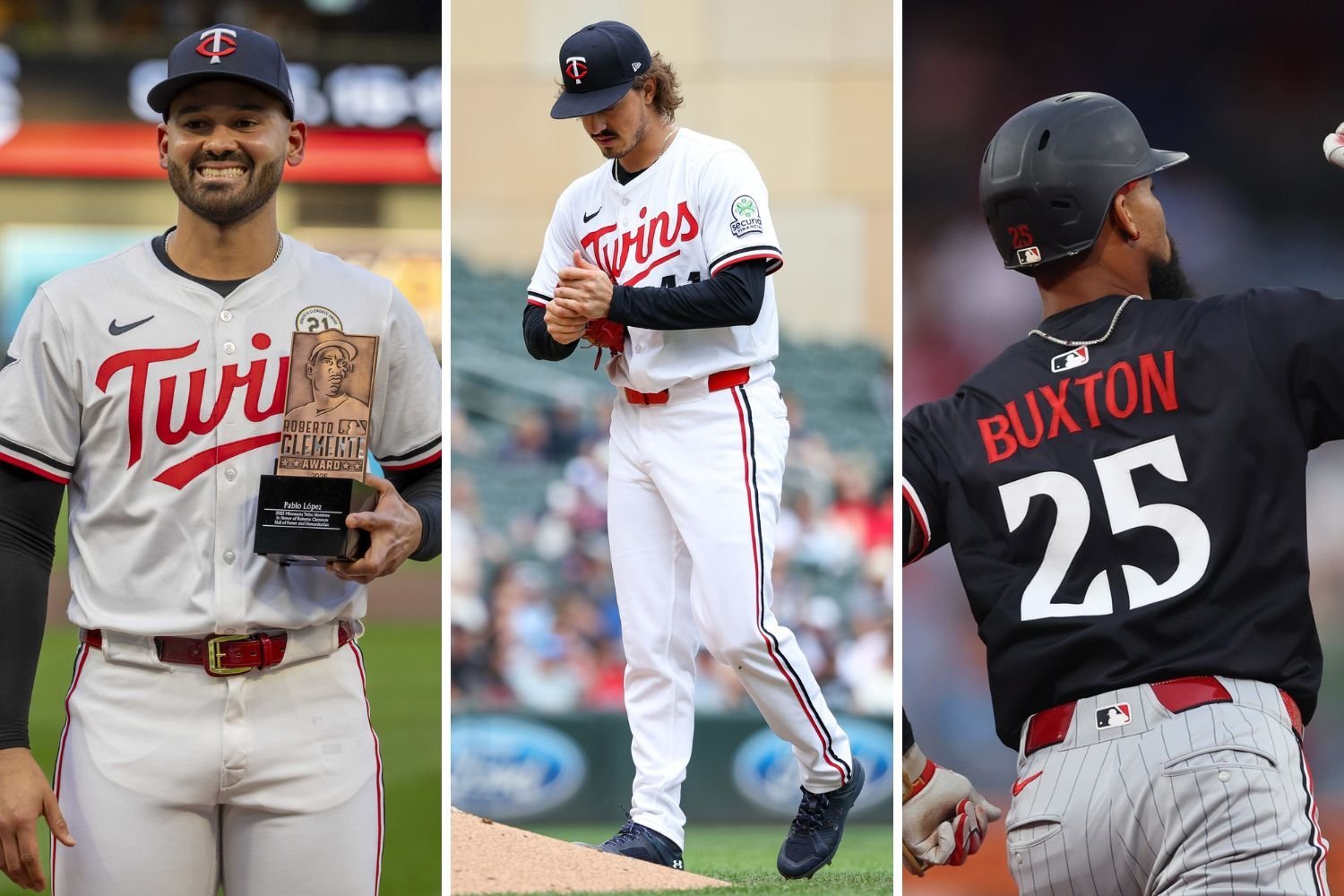 Earlier this winter, it felt inevitable that the Minnesota Twins would be at the center of the offseason rumor mill. Rival fanbases could practically see the headlines forming, imagining Joe Ryan or Pablo López anchoring a playoff rotation elsewhere, or Byron Buxton providing a high-upside spark to a contender. It was the kind of speculation that follows a franchise balancing the aspiration to contend with real (if self-inflicted) financial constraints. Then came the pushback. Derek Falvey and the Twins front office made it clear that the core was staying put. Ryan, López, Buxton, and the rest were not available. Minnesota was not tearing it down, and Falvey had the green light to add around them. On the surface, it was a declaration of intent—a statement that the Twins planned to compete in 2026. Nearly a month later, the gap between words and actions has become hard to ignore. The Twins have been dormant this offseason. Their most notable addition is first baseman Josh Bell, on a one-year deal. Bell has bounced from team to team in recent seasons, and over the last two years, he has combined for exactly 0.0 fWAR. That's not a condemnation of Bell as a player, but it is difficult to frame the move as meaningful roster-building. This looks less like an offseason retool and more like a holding pattern. The fact that the Twins have said they will not trade their stars doesn't mean those players are truly off the table. If anything, Minnesota is operating like a franchise keeping its options open. Offseasons are for selling optimism and season tickets. Trade deadlines are for hard truths. The Twins can present themselves as contenders now, see how the first half unfolds, be sellers again, and regroup next winter if they choose. That flexibility feels intentional. The context matters. At last season’s deadline, financial pressure drove Minnesota to sell, although that wasn’t the only reason. Relievers Jhoan Duran, Griffin Jax, and Louis Varland were moved with multiple years of team control. Carlos Correa and his contract were sent back to Houston, with the Twins footing some of the bill. Those were not baseball-only decisions, and while the Pohlad family’s sale of minority stakes may have brought in cash, it did not magically erase the underlying constraints. It's particularly galling to see Minnesota refuse to improve, because the AL Central remains wide-open. Cleveland remains the division’s standard, with back-to-back division titles and a payroll lower than the Twins. Detroit is pushing forward with a strong young core. Kansas City is openly trying to contend during the Bobby Witt Jr. Era. Even the White Sox found a way to make noise, by landing Munetaka Murakami. Standing pat carries real risk, in a division where incremental gains can swing the race. If the Twins stumble early, the math becomes simple. Another sell-off would not signal failure, so much as pragmatism. Ryan would be the crown jewel. With two years of team control remaining, his value would be immense, especially in a market that has already rewarded teams dealing lesser arms like Shane Baz and Mike Burrows thanks to their control. The price would be enormous, and that alone may keep Ryan in Minnesota (for now). López, however, presents a different equation. He's owed $43.5 million over the next two seasons, a significant commitment for a team watching every dollar. That makes him the more attainable arm for an acquiring club and potentially the more logical trade chip for the Twins. It also means the return for him would be less robust than what the team could get for Ryan. Then there's Buxton—always the wild card, especially with his full no-trade clause. A contending team could talk itself into the upside of an elite center fielder, even with the injury risk baked in. With $45 million owed to Buxton across the next three years, he represents both hope and hazard, depending on your perspective. None of this guarantees that the Twins will sell. But it does suggest that their public insistence on holding the core together may be doing more work than the actual roster moves. Minnesota has protested too much, and history tells us that franchises in this position often pivot quickly once July arrives. If the Twins do make an about-face at the 2026 trade deadline, it shouldn't come as a shock. It will simply confirm what this quiet offseason has been hinting at all along. Are the Twins setting up to sell at the 2026 trade deadline? Leave a comment and start the discussion.
- 35 comments
-
- 8
-
-

-

-
- pablo lopez
- joe ryan
- (and 2 more)
-
Image courtesy of © Jesse Johnson, Matt Krohn, Bill Streicher-Imagn Images Earlier this winter, it felt inevitable that the Minnesota Twins would be at the center of the offseason rumor mill. Rival fanbases could practically see the headlines forming, imagining Joe Ryan or Pablo López anchoring a playoff rotation elsewhere, or Byron Buxton providing a high-upside spark to a contender. It was the kind of speculation that follows a franchise balancing the aspiration to contend with real (if self-inflicted) financial constraints. Then came the pushback. Derek Falvey and the Twins front office made it clear that the core was staying put. Ryan, López, Buxton, and the rest were not available. Minnesota was not tearing it down, and Falvey had the green light to add around them. On the surface, it was a declaration of intent—a statement that the Twins planned to compete in 2026. Nearly a month later, the gap between words and actions has become hard to ignore. The Twins have been dormant this offseason. Their most notable addition is first baseman Josh Bell, on a one-year deal. Bell has bounced from team to team in recent seasons, and over the last two years, he has combined for exactly 0.0 fWAR. That's not a condemnation of Bell as a player, but it is difficult to frame the move as meaningful roster-building. This looks less like an offseason retool and more like a holding pattern. The fact that the Twins have said they will not trade their stars doesn't mean those players are truly off the table. If anything, Minnesota is operating like a franchise keeping its options open. Offseasons are for selling optimism and season tickets. Trade deadlines are for hard truths. The Twins can present themselves as contenders now, see how the first half unfolds, be sellers again, and regroup next winter if they choose. That flexibility feels intentional. The context matters. At last season’s deadline, financial pressure drove Minnesota to sell, although that wasn’t the only reason. Relievers Jhoan Duran, Griffin Jax, and Louis Varland were moved with multiple years of team control. Carlos Correa and his contract were sent back to Houston, with the Twins footing some of the bill. Those were not baseball-only decisions, and while the Pohlad family’s sale of minority stakes may have brought in cash, it did not magically erase the underlying constraints. It's particularly galling to see Minnesota refuse to improve, because the AL Central remains wide-open. Cleveland remains the division’s standard, with back-to-back division titles and a payroll lower than the Twins. Detroit is pushing forward with a strong young core. Kansas City is openly trying to contend during the Bobby Witt Jr. Era. Even the White Sox found a way to make noise, by landing Munetaka Murakami. Standing pat carries real risk, in a division where incremental gains can swing the race. If the Twins stumble early, the math becomes simple. Another sell-off would not signal failure, so much as pragmatism. Ryan would be the crown jewel. With two years of team control remaining, his value would be immense, especially in a market that has already rewarded teams dealing lesser arms like Shane Baz and Mike Burrows thanks to their control. The price would be enormous, and that alone may keep Ryan in Minnesota (for now). López, however, presents a different equation. He's owed $43.5 million over the next two seasons, a significant commitment for a team watching every dollar. That makes him the more attainable arm for an acquiring club and potentially the more logical trade chip for the Twins. It also means the return for him would be less robust than what the team could get for Ryan. Then there's Buxton—always the wild card, especially with his full no-trade clause. A contending team could talk itself into the upside of an elite center fielder, even with the injury risk baked in. With $45 million owed to Buxton across the next three years, he represents both hope and hazard, depending on your perspective. None of this guarantees that the Twins will sell. But it does suggest that their public insistence on holding the core together may be doing more work than the actual roster moves. Minnesota has protested too much, and history tells us that franchises in this position often pivot quickly once July arrives. If the Twins do make an about-face at the 2026 trade deadline, it shouldn't come as a shock. It will simply confirm what this quiet offseason has been hinting at all along. Are the Twins setting up to sell at the 2026 trade deadline? Leave a comment and start the discussion. View full article
-
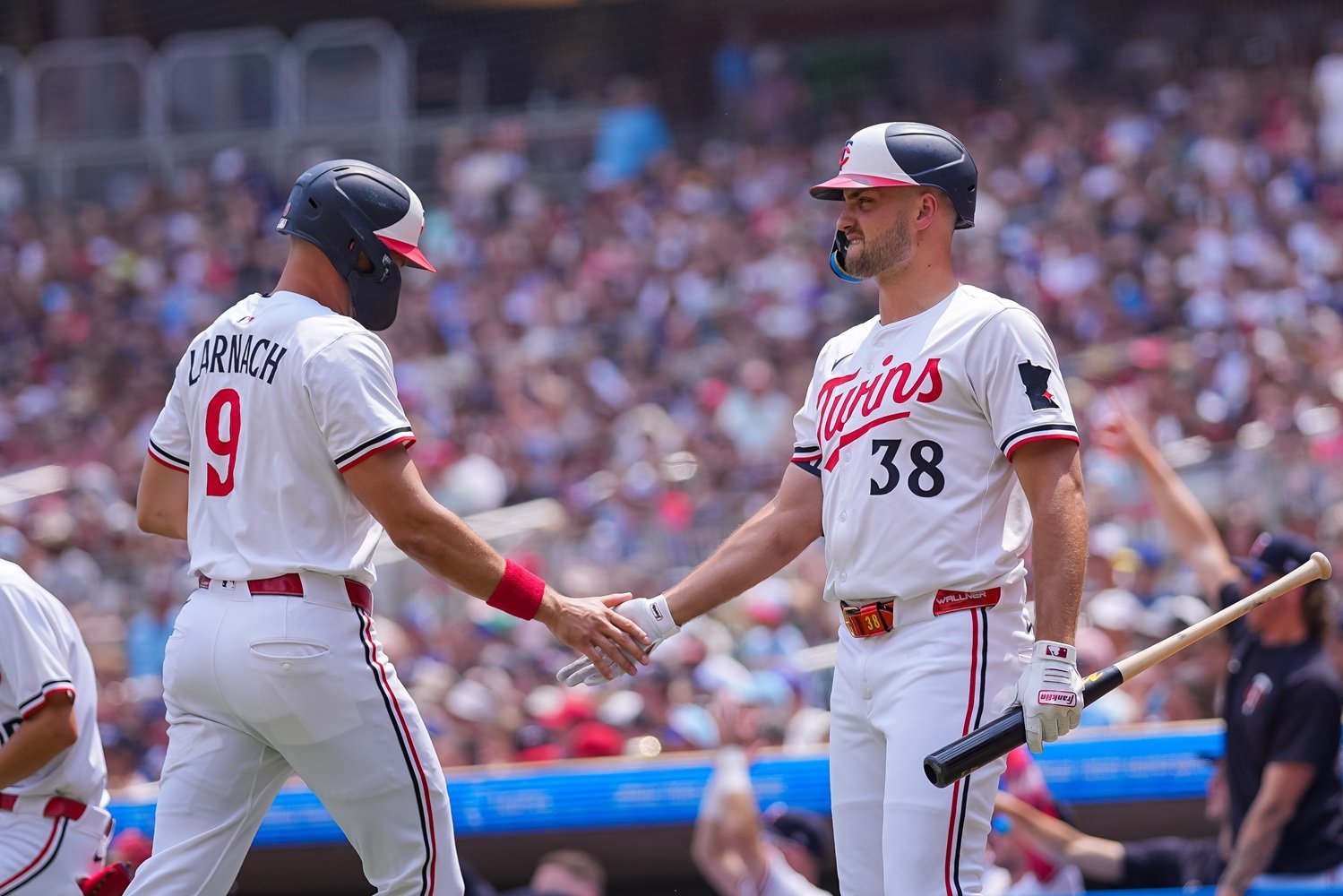 The Twins' projected lineup is a testament to the team's commitment to building from within, and to the success of their scouting and development pipeline. Seven of the nine projected starters were drafted and developed by the organization, and every one of those seven was selected in either the first or second round. In a vacuum, that kind of alignment feels like a win. Draft well, develop well, and let those players carry the roster. But context matters. The team hasn't made the playoffs in either of the last two years, and this season doesn't look likely to break that pattern. Is this lineup a sign that the Twins are maximizing value from premium draft picks, or is it a reflection of financial realities pushing inexpensive, controllable players into everyday roles? The answer, as is often the case, likely lies somewhere in between the extremes. The Case for Optimism There is no denying the upside in what the Twins have built. First- and second-round picks are supposed to become core players. Many do not. Minnesota has managed to turn a long list of those selections into legitimate big-league contributors and, in some cases, foundational pieces. Byron Buxton, Royce Lewis, Brooks Lee, Matt Wallner, Trevor Larnach, Ryan Jeffers, and Luke Keaschall all project as everyday starters. That group spans more than a decade of drafts, from Buxton in 2012 to Keaschall in 2023. The timeline alone suggests this is not a one-year fluke, but rather the product of sustained investment at the top of the draft. According to FanGraphs, the Twins' projected lineup against right-handed pitchers is: CF Byron Buxton (1st Round- 2012) 2B Luke Keashall (2nd Round- 2023) 1B Josh Bell (Free Agent) RF Matt Wallner (1st Round- 2019) C Ryan Jeffers (2nd Round- 2018) DH Trevor Larnach (1st Round- 2018) 3B Royce Lewis (1st Round- 2017) SS Brooks Lee (1st Round- 2022) LF Austin Martin (Trade) Twins president of baseball operations Derek Falvey sees that through the lens of process. “What I think it says is that we’ve had a run of guys that we’ve identified in the draft, near the top,” Falvey said. “No one is going to bat 1.000 in the draft—we all know that—but we have a number of picks who have found a way to contribute at the big-league level. It speaks a lot to our development process, too.” There is also value in cost certainty. These players are producing while still under team control, allowing the Twins to allocate resources elsewhere if ownership allows the front office to spend. When draft picks turn into everyday players, the return on investment is significant. The Counterargument The other side of the conversation is less comfortable. While the lineup is filled with former high draft picks, it is notably light on proven, impact bats acquired from outside the organization. Only Josh Bell and Austin Martin project to start after coming over from another team at any point, and Martin arrived in trade while still a prospect. That absence is not just philosophical. It is financial. Minnesota is projected to operate with a payroll in the league’s bottom third, and the lineup reflects it. Cheap players are not just nice to have. They are (unfortunately) necessary. It's hard not to draw parallels to the Metrodome era, when the Twins routinely fielded rosters built around young, inexpensive talent because they had little choice. Those teams developed well, but they also often lacked the external reinforcements needed to push from mere respectability to contention. Falvey has acknowledged that roster building cannot rely on a single path. “I don’t think there is one-size-fits-all for any team,” he said. “You need to have some homegrown players. There have been stretches of time where we’ve had a bunch of acquisitions on our team. Two of the pitchers at the top of our rotation were traded for, Pablo and Joe, at different stages of their careers. Jhoan Duran was a trade, but he was in [Class A] and we grew him up through the minor leagues.” The concern is whether the current balance is intentional or forced—and whether the team's development infrastructure is good enough to make the most of this homegrown approach. With the exceptions of Buxton and Jeffers, the homegrown hitters holding onto lineup spots have interspersed flashes of brilliance into long periods of either struggle or injury-related absence. Development Versus Ambition Falvey has consistently stressed the importance of blending acquisition methods, rather than shutting any doors. “You don’t want to shut off any valves to potentially get talent into your system,” he said. “Probably the best teams overall, over time, find a way to blend all of that. They get their top draft picks, they pick out a few guys later in the draft. In our case, that’s a Bailey Ober or a Griffin Jax converting himself from an up-and-down starter to a good reliever. We need more of that.” The Twins have done much of that work already. The question is what comes next. If this lineup represents a foundation that will be supplemented aggressively when the time is right, it's easy to view it as a positive sign. If it represents the ceiling imposed by payroll limitations, the optimism dims. A Familiar Crossroads League-wide, no team projects more first- and second-round homegrown position players in its starting lineup than the Twins. That is an accomplishment worth noting. At the same time, projections do not see Minnesota as a clear contender. Thus, the lineup becomes a Rorschach test. It can be read as evidence of strong drafting and development finally paying off. It can also be read as a reminder of past Twins teams that survived on efficiency, rather than ambition. Perhaps the truth is that it's both. The Twins are getting real value from their earliest draft picks. Whether that value is being leveraged into something more meaningful will determine how this era is ultimately remembered. Are the Twins seeing the payoff of strong drafting and development, or are these players in the lineup more because they are affordable than because the roster is complete? Leave a comment and start the discussion.
- 24 comments
-
- 3
-
-
- byron buxton
- luke keaschall
- (and 7 more)
-
Image courtesy of © Brad Rempel-Imagn Images The Twins' projected lineup is a testament to the team's commitment to building from within, and to the success of their scouting and development pipeline. Seven of the nine projected starters were drafted and developed by the organization, and every one of those seven was selected in either the first or second round. In a vacuum, that kind of alignment feels like a win. Draft well, develop well, and let those players carry the roster. But context matters. The team hasn't made the playoffs in either of the last two years, and this season doesn't look likely to break that pattern. Is this lineup a sign that the Twins are maximizing value from premium draft picks, or is it a reflection of financial realities pushing inexpensive, controllable players into everyday roles? The answer, as is often the case, likely lies somewhere in between the extremes. The Case for Optimism There is no denying the upside in what the Twins have built. First- and second-round picks are supposed to become core players. Many do not. Minnesota has managed to turn a long list of those selections into legitimate big-league contributors and, in some cases, foundational pieces. Byron Buxton, Royce Lewis, Brooks Lee, Matt Wallner, Trevor Larnach, Ryan Jeffers, and Luke Keaschall all project as everyday starters. That group spans more than a decade of drafts, from Buxton in 2012 to Keaschall in 2023. The timeline alone suggests this is not a one-year fluke, but rather the product of sustained investment at the top of the draft. According to FanGraphs, the Twins' projected lineup against right-handed pitchers is: CF Byron Buxton (1st Round- 2012) 2B Luke Keashall (2nd Round- 2023) 1B Josh Bell (Free Agent) RF Matt Wallner (1st Round- 2019) C Ryan Jeffers (2nd Round- 2018) DH Trevor Larnach (1st Round- 2018) 3B Royce Lewis (1st Round- 2017) SS Brooks Lee (1st Round- 2022) LF Austin Martin (Trade) Twins president of baseball operations Derek Falvey sees that through the lens of process. “What I think it says is that we’ve had a run of guys that we’ve identified in the draft, near the top,” Falvey said. “No one is going to bat 1.000 in the draft—we all know that—but we have a number of picks who have found a way to contribute at the big-league level. It speaks a lot to our development process, too.” There is also value in cost certainty. These players are producing while still under team control, allowing the Twins to allocate resources elsewhere if ownership allows the front office to spend. When draft picks turn into everyday players, the return on investment is significant. The Counterargument The other side of the conversation is less comfortable. While the lineup is filled with former high draft picks, it is notably light on proven, impact bats acquired from outside the organization. Only Josh Bell and Austin Martin project to start after coming over from another team at any point, and Martin arrived in trade while still a prospect. That absence is not just philosophical. It is financial. Minnesota is projected to operate with a payroll in the league’s bottom third, and the lineup reflects it. Cheap players are not just nice to have. They are (unfortunately) necessary. It's hard not to draw parallels to the Metrodome era, when the Twins routinely fielded rosters built around young, inexpensive talent because they had little choice. Those teams developed well, but they also often lacked the external reinforcements needed to push from mere respectability to contention. Falvey has acknowledged that roster building cannot rely on a single path. “I don’t think there is one-size-fits-all for any team,” he said. “You need to have some homegrown players. There have been stretches of time where we’ve had a bunch of acquisitions on our team. Two of the pitchers at the top of our rotation were traded for, Pablo and Joe, at different stages of their careers. Jhoan Duran was a trade, but he was in [Class A] and we grew him up through the minor leagues.” The concern is whether the current balance is intentional or forced—and whether the team's development infrastructure is good enough to make the most of this homegrown approach. With the exceptions of Buxton and Jeffers, the homegrown hitters holding onto lineup spots have interspersed flashes of brilliance into long periods of either struggle or injury-related absence. Development Versus Ambition Falvey has consistently stressed the importance of blending acquisition methods, rather than shutting any doors. “You don’t want to shut off any valves to potentially get talent into your system,” he said. “Probably the best teams overall, over time, find a way to blend all of that. They get their top draft picks, they pick out a few guys later in the draft. In our case, that’s a Bailey Ober or a Griffin Jax converting himself from an up-and-down starter to a good reliever. We need more of that.” The Twins have done much of that work already. The question is what comes next. If this lineup represents a foundation that will be supplemented aggressively when the time is right, it's easy to view it as a positive sign. If it represents the ceiling imposed by payroll limitations, the optimism dims. A Familiar Crossroads League-wide, no team projects more first- and second-round homegrown position players in its starting lineup than the Twins. That is an accomplishment worth noting. At the same time, projections do not see Minnesota as a clear contender. Thus, the lineup becomes a Rorschach test. It can be read as evidence of strong drafting and development finally paying off. It can also be read as a reminder of past Twins teams that survived on efficiency, rather than ambition. Perhaps the truth is that it's both. The Twins are getting real value from their earliest draft picks. Whether that value is being leveraged into something more meaningful will determine how this era is ultimately remembered. Are the Twins seeing the payoff of strong drafting and development, or are these players in the lineup more because they are affordable than because the roster is complete? Leave a comment and start the discussion. View full article
-
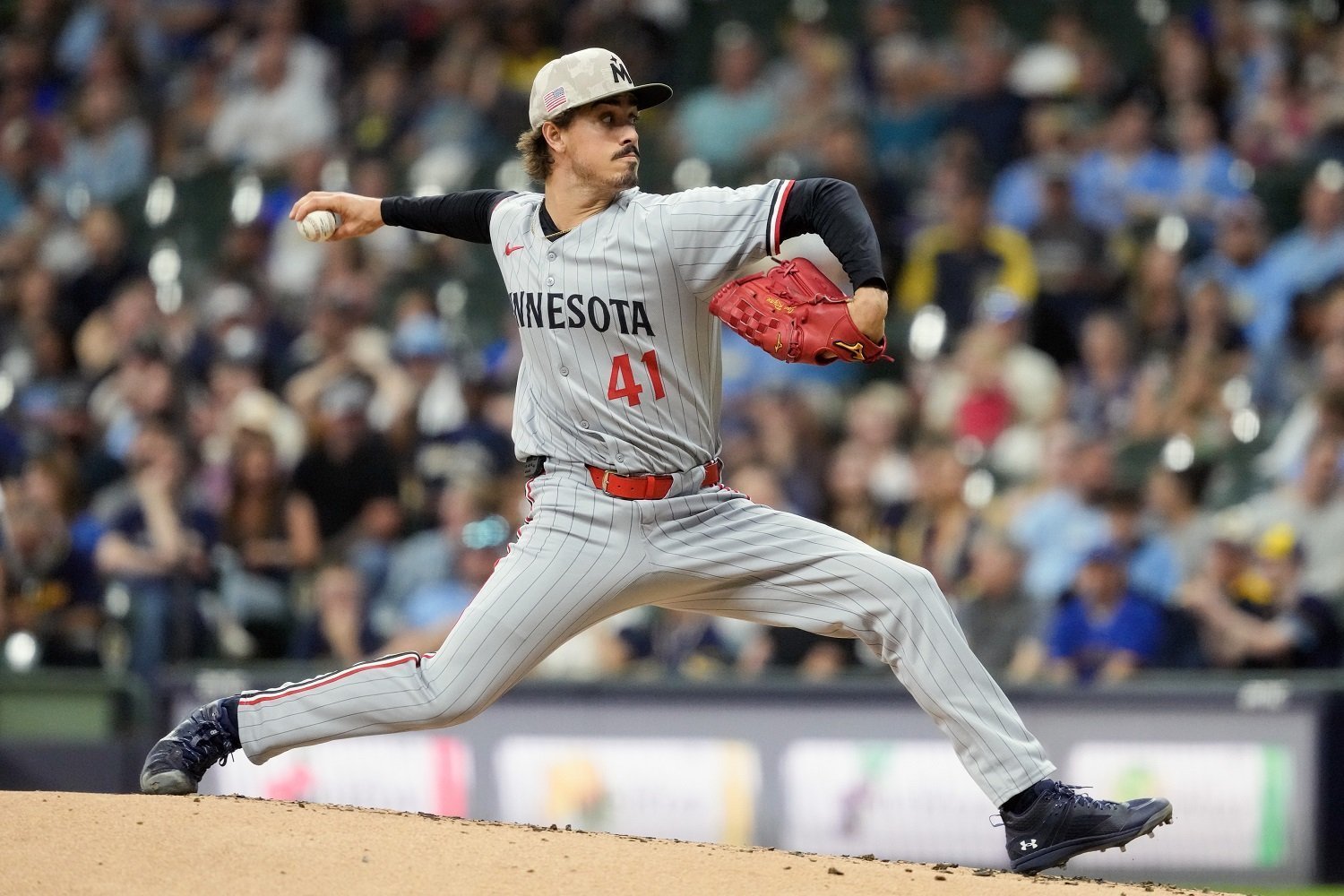 For the second time in three years, the Twins appear poised to take a player all the way through the arbitration process. Minnesota and Joe Ryan were unable to bridge a relatively small gap before the exchange of figures last Thursday, with the club submitting a $5.85 million salary and Ryan countering at $6.35 million. If neither side changes course, an arbitration panel will choose one of those two numbers, and that decision will determine Ryan’s pay for the 2026 season. While teams and players are technically allowed to keep negotiating after figures are exchanged, the Twins have historically treated that deadline as a firm stopping point for one-year deals. That appears to be the case again here, meaning the next step is a hearing—unless a multiyear agreement unexpectedly materializes. Club policy does allow for longer-term contracts after the deadline, though there has been no indication that discussions are trending in that direction. From a performance standpoint, Ryan’s case is straightforward. The 29-year-old just completed the best season of his major-league career, finishing with a 3.42 ERA while striking out 194 hitters across 171 innings. He made his first All-Star team and made 30 starts for the first time, firmly establishing himself as a top-of-the-rotation arm. That production came amid frequent trade speculation at last year’s trade deadline, which continued into the winter, though the front office has repeatedly said it does not intend to move core players right now. This is only Ryan’s second trip through arbitration eligibility. A year ago, he and the Twins avoided a hearing by agreeing to a one-year, $3-million contract, his first significant payday after never earning more than $780,000 in a season. Even at the higher of the two arbitration figures this time around, Ryan would land right around $6 million for 2026, a sizable raise but a modest payday for a pitcher of his caliber. Unless he is traded or signs an extension, Ryan will be arbitration-eligible again in 2027. He's not scheduled to reach free agency until after that season. In the short term, that gives the Twins control. In the longer view, it emphasizes the importance of how this relationship is managed now. It is impossible to ignore the optics. The difference between the two sides is $500,000, a relatively small sum in today’s game. Ryan is widely regarded as one of the better starters in the league, and metrics back that up. FanGraphs estimates that he has generated more than $90 million in on-field value in his career, while earning just over $7 million. That gap speaks to how arbitration and team control suppress salaries, but when a team chooses to fight over such a narrow margin, it invites criticism, too. The Twins do have precedent on which to stand. They have gone to hearings in the past (most notably with Kyle Gibson late in his tenure), in part to give the front office experience with the process. Minnesota’s last hearing was with Nick Gordon in 2024. Gordon filed for $1.25 million, and the Twins offered $900,000. Minnesota won, and Gordon was denied entry into the seven-figure salary club. With changes in leadership over the last year, it is fair to wonder if that institutional mindset still plays a role, even if there is no clear indication that Ryan’s case is being used as a training exercise. There is also the human element. Ryan was candid following last year’s trade deadline sell-off, acknowledging that the stretch run was mentally challenging once postseason hopes disappeared. Illness affected several of his starts, and after one outing in Toronto, he admitted that summoning motivation was sometimes difficult. “I felt like I was in shock for a couple of weeks after that, and then it kind of settled in,” Ryan said. “[My future] is so far out of my control. But it seems like the team is making good decisions from the front office and coaching staff down, to give ourselves a chance to win a couple more ballgames. … I think the team’s going to be in a really good spot going forward." That lack of control remains. If the Twins fall out of contention in 2026, Ryan could once again find himself in the thick of trade discussions, either during the season or next winter. Conversely, if Minnesota hopes to extend him or keep him beyond his remaining years of control, the way this arbitration case plays out could matter. Hearings are adversarial by design, requiring the club to argue why a player does not deserve more. Even when the disparity between bids by the parties involved is modest, that process can linger. Adding another wrinkle is a note from The Athletic's Aaron Gleeman. He shared on social media that a team source said that Ryan is not expected to make an appearance at TwinsFest. Ryan was on the preliminary list of players who were expected to attend, but his name has been removed without an explanation. For now, what comes next is straightforward. Unless there is a late pivot, the Twins and Ryan will present their cases to an arbitration panel, and one number will win. What that decision means for the relationship moving forward, and whether a dispute over $500,000 ends up costing the Twins something far more valuable down the road, remains uncertain. Should the Twins have agreed to Ryan’s salary? What’s the long-term plan with Ryan and the Twins? Leave a comment and start the discussion.
 -
Image courtesy of © Jeff Hanisch-Imagn Images For the second time in three years, the Twins appear poised to take a player all the way through the arbitration process. Minnesota and Joe Ryan were unable to bridge a relatively small gap before the exchange of figures last Thursday, with the club submitting a $5.85 million salary and Ryan countering at $6.35 million. If neither side changes course, an arbitration panel will choose one of those two numbers, and that decision will determine Ryan’s pay for the 2026 season. While teams and players are technically allowed to keep negotiating after figures are exchanged, the Twins have historically treated that deadline as a firm stopping point for one-year deals. That appears to be the case again here, meaning the next step is a hearing—unless a multiyear agreement unexpectedly materializes. Club policy does allow for longer-term contracts after the deadline, though there has been no indication that discussions are trending in that direction. From a performance standpoint, Ryan’s case is straightforward. The 29-year-old just completed the best season of his major-league career, finishing with a 3.42 ERA while striking out 194 hitters across 171 innings. He made his first All-Star team and made 30 starts for the first time, firmly establishing himself as a top-of-the-rotation arm. That production came amid frequent trade speculation at last year’s trade deadline, which continued into the winter, though the front office has repeatedly said it does not intend to move core players right now. This is only Ryan’s second trip through arbitration eligibility. A year ago, he and the Twins avoided a hearing by agreeing to a one-year, $3-million contract, his first significant payday after never earning more than $780,000 in a season. Even at the higher of the two arbitration figures this time around, Ryan would land right around $6 million for 2026, a sizable raise but a modest payday for a pitcher of his caliber. Unless he is traded or signs an extension, Ryan will be arbitration-eligible again in 2027. He's not scheduled to reach free agency until after that season. In the short term, that gives the Twins control. In the longer view, it emphasizes the importance of how this relationship is managed now. It is impossible to ignore the optics. The difference between the two sides is $500,000, a relatively small sum in today’s game. Ryan is widely regarded as one of the better starters in the league, and metrics back that up. FanGraphs estimates that he has generated more than $90 million in on-field value in his career, while earning just over $7 million. That gap speaks to how arbitration and team control suppress salaries, but when a team chooses to fight over such a narrow margin, it invites criticism, too. The Twins do have precedent on which to stand. They have gone to hearings in the past (most notably with Kyle Gibson late in his tenure), in part to give the front office experience with the process. Minnesota’s last hearing was with Nick Gordon in 2024. Gordon filed for $1.25 million, and the Twins offered $900,000. Minnesota won, and Gordon was denied entry into the seven-figure salary club. With changes in leadership over the last year, it is fair to wonder if that institutional mindset still plays a role, even if there is no clear indication that Ryan’s case is being used as a training exercise. There is also the human element. Ryan was candid following last year’s trade deadline sell-off, acknowledging that the stretch run was mentally challenging once postseason hopes disappeared. Illness affected several of his starts, and after one outing in Toronto, he admitted that summoning motivation was sometimes difficult. “I felt like I was in shock for a couple of weeks after that, and then it kind of settled in,” Ryan said. “[My future] is so far out of my control. But it seems like the team is making good decisions from the front office and coaching staff down, to give ourselves a chance to win a couple more ballgames. … I think the team’s going to be in a really good spot going forward." That lack of control remains. If the Twins fall out of contention in 2026, Ryan could once again find himself in the thick of trade discussions, either during the season or next winter. Conversely, if Minnesota hopes to extend him or keep him beyond his remaining years of control, the way this arbitration case plays out could matter. Hearings are adversarial by design, requiring the club to argue why a player does not deserve more. Even when the disparity between bids by the parties involved is modest, that process can linger. Adding another wrinkle is a note from The Athletic's Aaron Gleeman. He shared on social media that a team source said that Ryan is not expected to make an appearance at TwinsFest. Ryan was on the preliminary list of players who were expected to attend, but his name has been removed without an explanation. For now, what comes next is straightforward. Unless there is a late pivot, the Twins and Ryan will present their cases to an arbitration panel, and one number will win. What that decision means for the relationship moving forward, and whether a dispute over $500,000 ends up costing the Twins something far more valuable down the road, remains uncertain. Should the Twins have agreed to Ryan’s salary? What’s the long-term plan with Ryan and the Twins? Leave a comment and start the discussion. View full article
-
Image courtesy of William Parmeter (Photo of Riley Quick) When the Twins selected right-hander Riley Quick with the 36th overall pick last summer, it was easy to see why there was so much internal excitement. College pitchers with polish, athleticism, and a starter’s arsenal don't linger long on draft night. The question now is not whether Quick belongs in the organization’s long-term plans, but how aggressively Minnesota should move him during the 2026 season. Twins general manager Jeremy Zoll addressed that idea earlier this offseason, striking a tone that leaned toward patience but left the door open for flexibility. “Good question,” Zoll replied when asked about the possibility that the Twins would fast-track the 21-year-old right-hander out of the University of Alabama. “We had him throwing down in Fort Myers, post-draft, so we need to get him incorporated into affiliated ball and into a full season. “But we’re really excited about Riley,” Zoll went on to say. “We were really pumped that he was available at that spot. We weren’t sure he was even going to be there, but we want to let him settle in, and we’ll go from there.” President of baseball and business operations Derek Falvey echoed that sentiment, while also explaining why the development path for recent college pitchers has shifted. “I’ll add to that,” interjected Falvey. “With where the draft is now in the calendar year, especially with those college pitchers who have thrown a decent amount, it’s hard for them to ramp back up. So, that first year is kind of an introduction to pro ball. The next year is when we have to see, ‘What does the season look like?’ It’s made the track on that a little different than maybe it’s been before. We’re not going to rush any of those guys. We’re going to make sure they get a good foundation.” That foundation is essential for Quick, who has not appeared in an official game since signing. His junior season at Alabama was impressive, as he posted a 3.92 ERA, a 3.49 FIP, and a 25.9% strikeout rate while competing in the toughest conference in college baseball. On performance alone, it's easy to see the argument for moving him quickly once he is fully integrated into affiliated ball. There are clear pros to pushing Quick aggressively in 2026. He's a mature college arm with experience against high-level competition and a clean, coordinated delivery that stood out to Twins evaluators. His fastball, slider, and changeup already give him three legitimate weapons, and Minnesota has a strong track record of helping college pitchers refine or add to their pitch mix. If Quick shows early command and durability, there is little reason to let him stagnate at lower levels simply for the sake of caution. His athletic background only strengthens that case. Quick was a standout in both baseball and football at Hewitt Trussville High School in Alabama and drew attention from SEC football programs. That athleticism translates to the mound, where his repeatable mechanics and body control suggest a pitcher capable of handling challenges and adjustments quickly. “I got my first SEC offer during COVID, and I was like, this is probably what I’m going to want to do,” said Quick. “Then COVID summer happened, and baseball started getting fired back up again. I started throwing, and I was throwing really good, and I was like, ‘Okay, I think I like striking people out a little bit more.’” The cons of a fast-track approach are just as real. Quick underwent Tommy John surgery in February 2024, and while his return to form has been encouraging, the Twins have every reason to prioritize long-term health over short-term gains. A full professional season will be a new workload benchmark for him. Managing innings and ensuring recovery between appearances will matter more than his level assignment. There is also the developmental side that goes beyond results. Quick is still learning how his stuff plays against professional hitters, and how to sequence his pitches consistently in multiple trips through a lineup. Rushing that process could limit the opportunity for refinement that turns a solid prospect into a reliable major-league starter. Twins assistant general manager Sean Johnson emphasized that there is still more upside to uncover. “We had a great combine interview with him, and it kind of synced up with what we saw on the field,” said Johnson. “And he’s a pitcher, we think there’s even more to unlock with the way he uses his pitches and his arsenal. Our pitcher development guys are just so excited to have him on board.” In the end, the best path for Quick in 2026 likely lives somewhere in the middle. The Twins do not need to artificially slow him down if he proves he's ready for the next challenge, but there is also no benefit to forcing an accelerated timeline simply because the talent is obvious. Letting performance, health, and development dictate the pace allows Minnesota to balance the upside of a quick mover with the responsibility of protecting a valuable arm. If that balance is struck, Quick’s arrival will feel earned rather than rushed, which is exactly how the Twins want their next wave of pitching to emerge. Should the Twins fast-track Quick in 2026? Leave a comment and start the discussion. View full article
-
Should the Twins Promote Riley Quick Rapidly in 2026?
Cody Christie posted an article in Minor Leagues
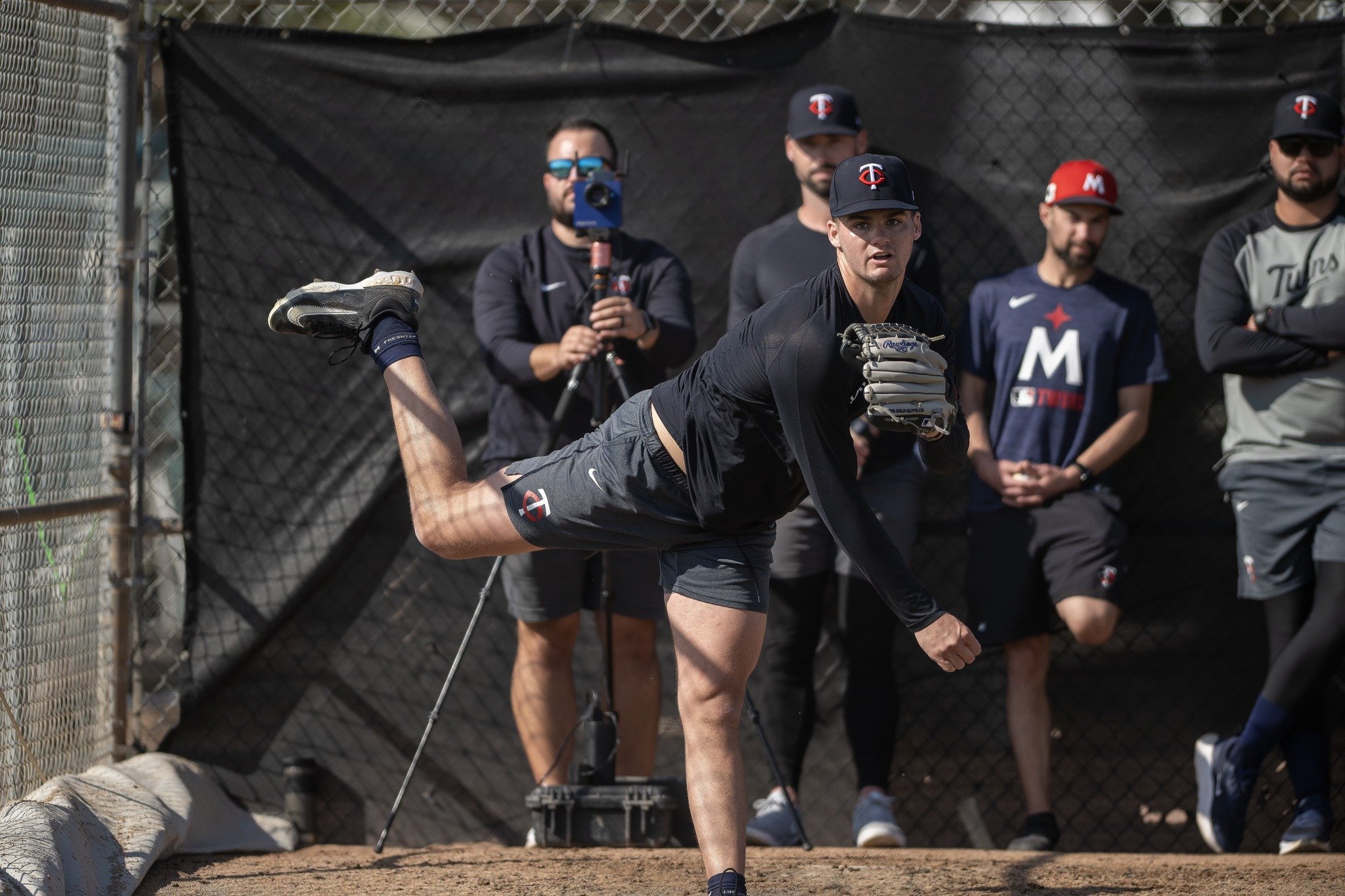 When the Twins selected right-hander Riley Quick with the 36th overall pick last summer, it was easy to see why there was so much internal excitement. College pitchers with polish, athleticism, and a starter’s arsenal don't linger long on draft night. The question now is not whether Quick belongs in the organization’s long-term plans, but how aggressively Minnesota should move him during the 2026 season. Twins general manager Jeremy Zoll addressed that idea earlier this offseason, striking a tone that leaned toward patience but left the door open for flexibility. “Good question,” Zoll replied when asked about the possibility that the Twins would fast-track the 21-year-old right-hander out of the University of Alabama. “We had him throwing down in Fort Myers, post-draft, so we need to get him incorporated into affiliated ball and into a full season. “But we’re really excited about Riley,” Zoll went on to say. “We were really pumped that he was available at that spot. We weren’t sure he was even going to be there, but we want to let him settle in, and we’ll go from there.” President of baseball and business operations Derek Falvey echoed that sentiment, while also explaining why the development path for recent college pitchers has shifted. “I’ll add to that,” interjected Falvey. “With where the draft is now in the calendar year, especially with those college pitchers who have thrown a decent amount, it’s hard for them to ramp back up. So, that first year is kind of an introduction to pro ball. The next year is when we have to see, ‘What does the season look like?’ It’s made the track on that a little different than maybe it’s been before. We’re not going to rush any of those guys. We’re going to make sure they get a good foundation.” That foundation is essential for Quick, who has not appeared in an official game since signing. His junior season at Alabama was impressive, as he posted a 3.92 ERA, a 3.49 FIP, and a 25.9% strikeout rate while competing in the toughest conference in college baseball. On performance alone, it's easy to see the argument for moving him quickly once he is fully integrated into affiliated ball. There are clear pros to pushing Quick aggressively in 2026. He's a mature college arm with experience against high-level competition and a clean, coordinated delivery that stood out to Twins evaluators. His fastball, slider, and changeup already give him three legitimate weapons, and Minnesota has a strong track record of helping college pitchers refine or add to their pitch mix. If Quick shows early command and durability, there is little reason to let him stagnate at lower levels simply for the sake of caution. His athletic background only strengthens that case. Quick was a standout in both baseball and football at Hewitt Trussville High School in Alabama and drew attention from SEC football programs. That athleticism translates to the mound, where his repeatable mechanics and body control suggest a pitcher capable of handling challenges and adjustments quickly. “I got my first SEC offer during COVID, and I was like, this is probably what I’m going to want to do,” said Quick. “Then COVID summer happened, and baseball started getting fired back up again. I started throwing, and I was throwing really good, and I was like, ‘Okay, I think I like striking people out a little bit more.’” The cons of a fast-track approach are just as real. Quick underwent Tommy John surgery in February 2024, and while his return to form has been encouraging, the Twins have every reason to prioritize long-term health over short-term gains. A full professional season will be a new workload benchmark for him. Managing innings and ensuring recovery between appearances will matter more than his level assignment. There is also the developmental side that goes beyond results. Quick is still learning how his stuff plays against professional hitters, and how to sequence his pitches consistently in multiple trips through a lineup. Rushing that process could limit the opportunity for refinement that turns a solid prospect into a reliable major-league starter. Twins assistant general manager Sean Johnson emphasized that there is still more upside to uncover. “We had a great combine interview with him, and it kind of synced up with what we saw on the field,” said Johnson. “And he’s a pitcher, we think there’s even more to unlock with the way he uses his pitches and his arsenal. Our pitcher development guys are just so excited to have him on board.” In the end, the best path for Quick in 2026 likely lives somewhere in the middle. The Twins do not need to artificially slow him down if he proves he's ready for the next challenge, but there is also no benefit to forcing an accelerated timeline simply because the talent is obvious. Letting performance, health, and development dictate the pace allows Minnesota to balance the upside of a quick mover with the responsibility of protecting a valuable arm. If that balance is struck, Quick’s arrival will feel earned rather than rushed, which is exactly how the Twins want their next wave of pitching to emerge. Should the Twins fast-track Quick in 2026? Leave a comment and start the discussion.
 -
Do Twins Have One of Baseball’s Most Underrated Farm Systems?
Cody Christie posted an article in Minor Leagues
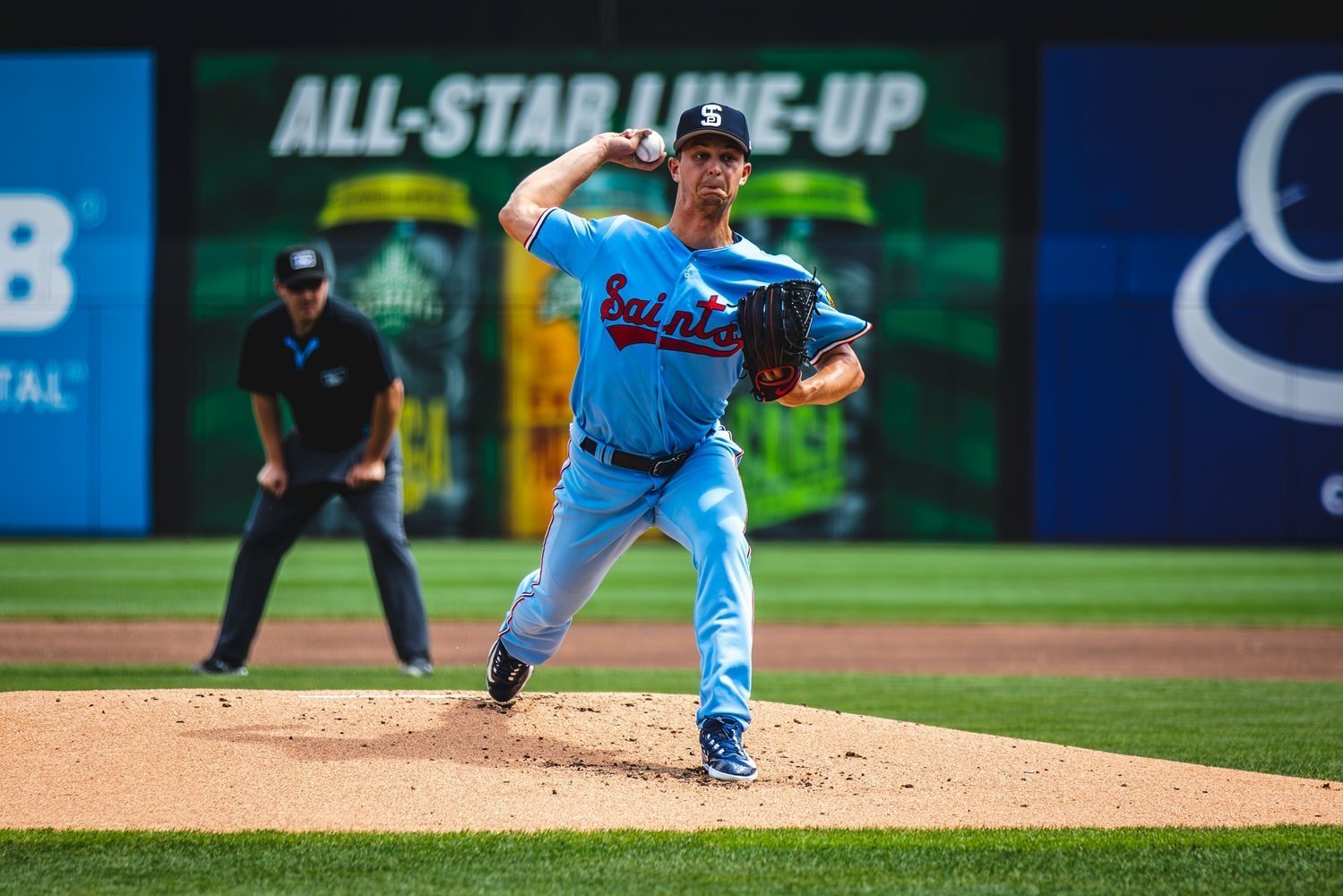 In recent weeks, MLB Pipeline has been rolling out results from a poll of executives across baseball, asking them to weigh in on a wide range of prospect-related questions. One of the more interesting categories focused on which farm systems are the most underrated. Minnesota finished tied for fifth in that poll, trailing only the Pirates, Marlins, Cubs, and Reds. At first glance, that placement might surprise fans who have watched Minnesota’s system in recent years. But when you dig into how the Twins have found talent, developed arms, and restocked through trades, it becomes easier to see why decision-makers around the league view Minnesota as a sneakily strong organization for prospects. Finding and Developing Sleepers The Twins picked up several down-ballot votes in the underrated category, and much of that credit stems from their ability to identify pitchers who outperform their draft position. Minnesota has made a habit of finding college arms outside the early rounds and turning them into legitimate big-league contributors. Bailey Ober is the most obvious example. Drafted in the 12th round in 2017, Ober lacked eye-popping velocity but showed elite command and a deceptive release. The Twins leaned into those traits, helped him add strength, and trusted his ability to miss bats at the top of the zone. The result has been a durable and effective starter who looks nothing like a late-round flier. David Festa followed a similar path. Taken in the 13th round in 2021, Festa arrived with solid stuff but little fanfare. Minnesota worked on refining his fastball shape and sharpening his breaking pitches, and he quickly turned into one of the system’s fastest risers. Festa now profiles as a legitimate rotation option with strikeout upside, another example of development trumping draft pedigree. Zebby Matthews may be the most impressive case study yet, as an 8th-round pick in 2022. A college pitcher with strong analytical markers but limited exposure, Matthews exploded once he entered the Twins system. Velocity gains, improved pitch design, and a clearer developmental plan turned him into one of the more intriguing pitching prospects in the organization. That kind of jump does not happen by accident, and it reinforces why the Twins are viewed as a team that finds value where others might not. These three examples are all pitchers, so the Twins must start finding and developing sleepers on the position player side. Best at Developing Pitchers Minnesota likely believes this is one of its strengths, even if the on-field results have not always matched the internal confidence. Pitcher development is complicated and rarely linear, but the Twins have consistently shown the ability to add velocity to college arms once they enter the system. Ober, Festa, and Matthews are prime examples, but they are not alone. The organization has leaned heavily into modern training methods, biomechanics, and pitch design to help arms reach new ceilings. The Twins also deserve credit for what they have done with pitchers acquired from outside the organization. Joe Ryan arrived from Tampa Bay with a strong fastball and feel for pitching, but Minnesota helped him optimize his arsenal and sequencing. Pablo López took a similar step forward after coming over from Miami, adding new wrinkles to his pitch mix and elevating his overall performance. Development does not stop once a player reaches the majors, and the Twins have shown they can still add value at that stage. Best at Acquiring Prospects in Trades Another area where Minnesota quietly earned recognition is in acquiring prospects through trades. Last season’s trade deadline sell-off brought in a wave of young talent, though the verdict on those deals remains years away. Players like Eduardo Tait, Mick Abel, and Kendry Rojas now sit at various points along the development curve. How well the Twins nurture that group and (eventually) translate it into big-league production will determine whether this reputation holds. The raw materials are there, but prospect capital only matters if it turns into wins at the highest level. There is also a looming fork in the road ahead. If the Twins continue their teardown at the 2026 trade deadline, veterans like López, Ryan, and Ryan Jeffers could bring back another haul of young talent. By next winter, Minnesota could look very different in this category, depending on how aggressively they move and how effectively they maximize returns. For now, executives seem to believe the Twins deserve more credit than they receive. Minnesota may not always dominate the headlines with top-ranked systems. Still, the combination of sleeper finds, pitcher development, and opportunistic trading explains why the organization continues to be viewed as one of baseball’s most underrated farms. How do you feel the Twins rate in the categories mentioned above? Are the Twins one of baseball’s most underrated farm systems? Leave a comment and start the discussion.
- 29 comments
-
- 5
-
-
- bailey ober
- zebby matthews
- (and 6 more)
-
Image courtesy of © Kim Klement Neitzel-Imagn Images If you're a Minnesota Twins fan, January has a way of feeling quiet. The holidays are gone, the roster is mostly settled (whether you like it or not), and spring training is still far enough away to feel theoretical. Yet, every year, the same emotional journey unfolds between the first offseason quotes and the first pitch that actually counts. It is not linear. It is not healthy. But it is predictable. These are the five stages of Twins fandom between January 1 and Opening Day. Stage One: Rational Acceptance This stage usually hits right after the calendar flips. The big free agents are gone. The Twins have not made the splash some fans hoped for, but you've talked yourself into understanding it. You read the payroll context. You understand the TV situation. You remind yourself that last year's plan didn't work, anyway. You tell yourself that internal improvements are real and that smart teams don't always need to make noise. You nod along when someone says flexibility. You say things like 'value' and 'depth' unironically. You convince yourself that this offseason was fine, actually. It is calm here. Briefly. Stage Two: Prospect Inflation Season By late January, rationality gives way to hope via proximity. You start rereading minor-league stat lines. You remember that player development exists. Every prospect is now one adjustment away. The flaws are fixable. The timelines are aggressive, but fair. You begin saying phrases like, "If everything clicks." You mentally pencil two prospects into the Opening Day roster, even though you know better. You talk yourself into believing that this farm system has more answers than questions, because it needs to. You start waking up reluctantly after dreaming of a Walker Jenkins walk-off home run. This is when you say things like, "The floor is higher than people think." Stage Three: Every Player Is in the Best Shape of Their Lives Spring training arrives, and suddenly, the most critical development of the offseason is conditioning. Everyone looks stronger. Everyone looks leaner. Everyone had a great winter. A player you've watched struggle with durability for three seasons is now moving better than ever. A pitcher added muscle. A hitter cleaned up his swing path. The word accountability appears. You tell yourself that health changes everything. You believe that this roster just needed a typical offseason. You ignore the fact that this stage happens every year and means exactly the same thing every time. Still, it feels good. It always does. Stage Four: Lineup Construction Obsession March is for decisions. You begin building lineups in your head that feel balanced and deep. There are matchups. There is versatility. Some platoons finally make sense. You convince yourself that there are more good players than spots. You imagine a rotation that just needs health. You start using the word 'sneaky'. This is the peak of belief. You can see the path. You can explain it to others. You begin to think the Twins might actually be better than last year. You schedule your Opening Day plans. Stage Five: Opening Day Amnesia By the time the season starts, everything before it disappears. The concerns fade. The context resets. The Twins are 0-0. This year is its own thing. You remember why you do this in the first place. No matter how it goes from there, you have arrived. The journey resets next January. And when it does, you will be ready to rationalize it all over again. View full article
-
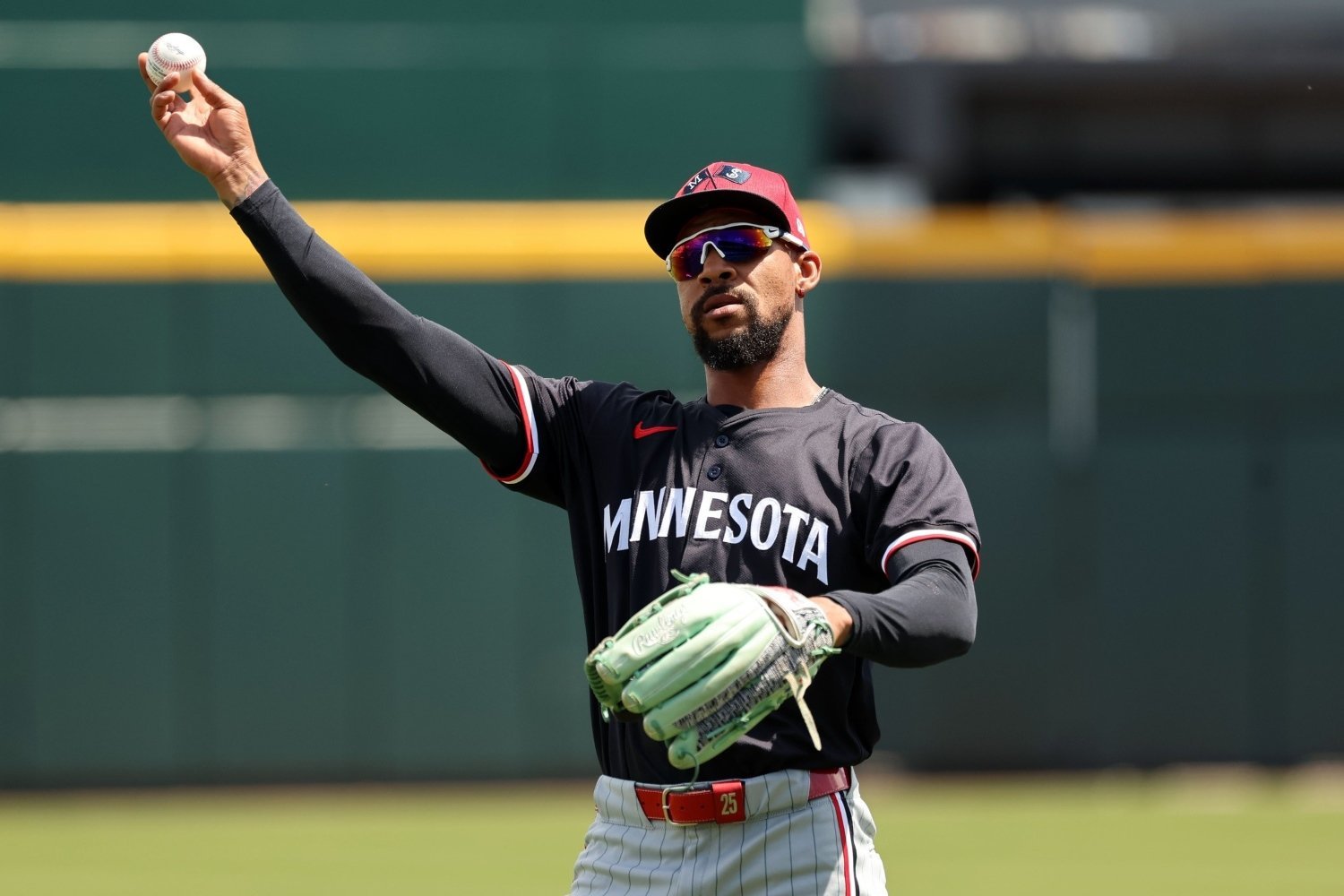 If you're a Minnesota Twins fan, January has a way of feeling quiet. The holidays are gone, the roster is mostly settled (whether you like it or not), and spring training is still far enough away to feel theoretical. Yet, every year, the same emotional journey unfolds between the first offseason quotes and the first pitch that actually counts. It is not linear. It is not healthy. But it is predictable. These are the five stages of Twins fandom between January 1 and Opening Day. Stage One: Rational Acceptance This stage usually hits right after the calendar flips. The big free agents are gone. The Twins have not made the splash some fans hoped for, but you've talked yourself into understanding it. You read the payroll context. You understand the TV situation. You remind yourself that last year's plan didn't work, anyway. You tell yourself that internal improvements are real and that smart teams don't always need to make noise. You nod along when someone says flexibility. You say things like 'value' and 'depth' unironically. You convince yourself that this offseason was fine, actually. It is calm here. Briefly. Stage Two: Prospect Inflation Season By late January, rationality gives way to hope via proximity. You start rereading minor-league stat lines. You remember that player development exists. Every prospect is now one adjustment away. The flaws are fixable. The timelines are aggressive, but fair. You begin saying phrases like, "If everything clicks." You mentally pencil two prospects into the Opening Day roster, even though you know better. You talk yourself into believing that this farm system has more answers than questions, because it needs to. You start waking up reluctantly after dreaming of a Walker Jenkins walk-off home run. This is when you say things like, "The floor is higher than people think." Stage Three: Every Player Is in the Best Shape of Their Lives Spring training arrives, and suddenly, the most critical development of the offseason is conditioning. Everyone looks stronger. Everyone looks leaner. Everyone had a great winter. A player you've watched struggle with durability for three seasons is now moving better than ever. A pitcher added muscle. A hitter cleaned up his swing path. The word accountability appears. You tell yourself that health changes everything. You believe that this roster just needed a typical offseason. You ignore the fact that this stage happens every year and means exactly the same thing every time. Still, it feels good. It always does. Stage Four: Lineup Construction Obsession March is for decisions. You begin building lineups in your head that feel balanced and deep. There are matchups. There is versatility. Some platoons finally make sense. You convince yourself that there are more good players than spots. You imagine a rotation that just needs health. You start using the word 'sneaky'. This is the peak of belief. You can see the path. You can explain it to others. You begin to think the Twins might actually be better than last year. You schedule your Opening Day plans. Stage Five: Opening Day Amnesia By the time the season starts, everything before it disappears. The concerns fade. The context resets. The Twins are 0-0. This year is its own thing. You remember why you do this in the first place. No matter how it goes from there, you have arrived. The journey resets next January. And when it does, you will be ready to rationalize it all over again.
 -
Image courtesy of Rob Thompson, St. Paul Saints (Photo of Mick Abel) In recent weeks, MLB Pipeline has been rolling out results from a poll of executives across baseball, asking them to weigh in on a wide range of prospect-related questions. One of the more interesting categories focused on which farm systems are the most underrated. Minnesota finished tied for fifth in that poll, trailing only the Pirates, Marlins, Cubs, and Reds. At first glance, that placement might surprise fans who have watched Minnesota’s system in recent years. But when you dig into how the Twins have found talent, developed arms, and restocked through trades, it becomes easier to see why decision makers around the league view Minnesota as a sneaky strong organization for prospects. Finding and Developing Sleepers The Twins picked up several down-ballot votes in the underrated category, and much of that credit likely stems from their ability to identify pitchers who outperform their draft position. Minnesota has made a habit of finding college arms outside the early rounds and turning them into legitimate big league contributors. Bailey Ober is the most obvious example. Drafted in the 12th round in 2017, Ober lacked eye-popping velocity but showed elite command and a deceptive release. The Twins leaned into those traits, helped him add strength, and trusted his ability to miss bats at the top of the zone. The result has been a durable and effective starter who looks nothing like a late-round flier. David Festa followed a similar path. Taken in the 13th round in 2021, Festa arrived with solid stuff but little fanfare. Minnesota worked on refining his fastball shape and sharpening his breaking pitches, and he quickly turned into one of the system’s fastest risers. Festa now profiles as a legitimate rotation option with strikeout upside, another example of development trumping draft pedigree. Zebby Matthews may be the most impressive case study yet, as an 8th-round pick in 2022. A college pitcher with strong analytical markers but limited exposure, Matthews exploded once he entered the Twins system. Velocity gains, improved pitch design, and a clearer developmental plan turned him into one of the more intriguing pitching prospects in the organization. That kind of jump does not happen by accident, and it reinforces why the Twins are viewed as a team that finds value where others might not. These three examples are all pitchers, so the Twins must start finding and developing sleepers on the position player side. Best at Developing Pitchers Minnesota likely believes this is one of its strengths, even if the on-field results have not always matched the internal confidence. Pitcher development is complicated and rarely linear, but the Twins have consistently shown the ability to add velocity to college arms once they enter the system. Ober, Festa, and Matthews are prime examples, but they are not alone. The organization has leaned heavily into modern training methods, biomechanics, and pitch design to help arms reach new ceilings. The Twins also deserve credit for what they have done with pitchers acquired from outside the organization. Joe Ryan arrived from Tampa Bay with a strong fastball and feel for pitching, but Minnesota helped him better optimize his arsenal and sequencing. Pablo Lopez took a similar step forward after coming over from Miami, adding new wrinkles to his pitch mix and elevating his overall performance. Development does not stop once a player reaches the majors, and the Twins have shown they can still add value at that stage. Best at Acquiring Prospects in Trades Another area where Minnesota quietly earned recognition is in acquiring prospects through trades. Last season’s trade deadline sell-off brought in a wave of young talent, though the true verdict on those deals remains years away. Players like Eduardo Tait, Mick Abel, and Kendry Rojas now sit at various points along the development curve. How well the Twins nurture that group and eventually translate it into big-league production will determine whether this reputation holds. The raw materials are there, but prospect capital only matters if it turns into wins at the highest level. There is also a looming fork in the road ahead. If the Twins continue their teardown at the 2026 trade deadline, veterans like Lopez, Ryan, and Ryan Jeffers could bring back another significant haul of young talent. By next winter, Minnesota could look very different in this category, depending on how aggressively they move and how effectively they maximize returns. For now, league executives seem to believe the Twins deserve more credit than they receive. Minnesota may not always dominate the headlines with top-ranked systems. Still, the combination of sleeper finds, pitcher development, and opportunistic trading explains why the organization continues to be viewed as one of baseball’s most underrated farms. How do you feel the Twins rate in the categories mentioned above? Are the Twins one of baseball’s most underrated farm systems? Leave a comment and start the discussion. View full article
-
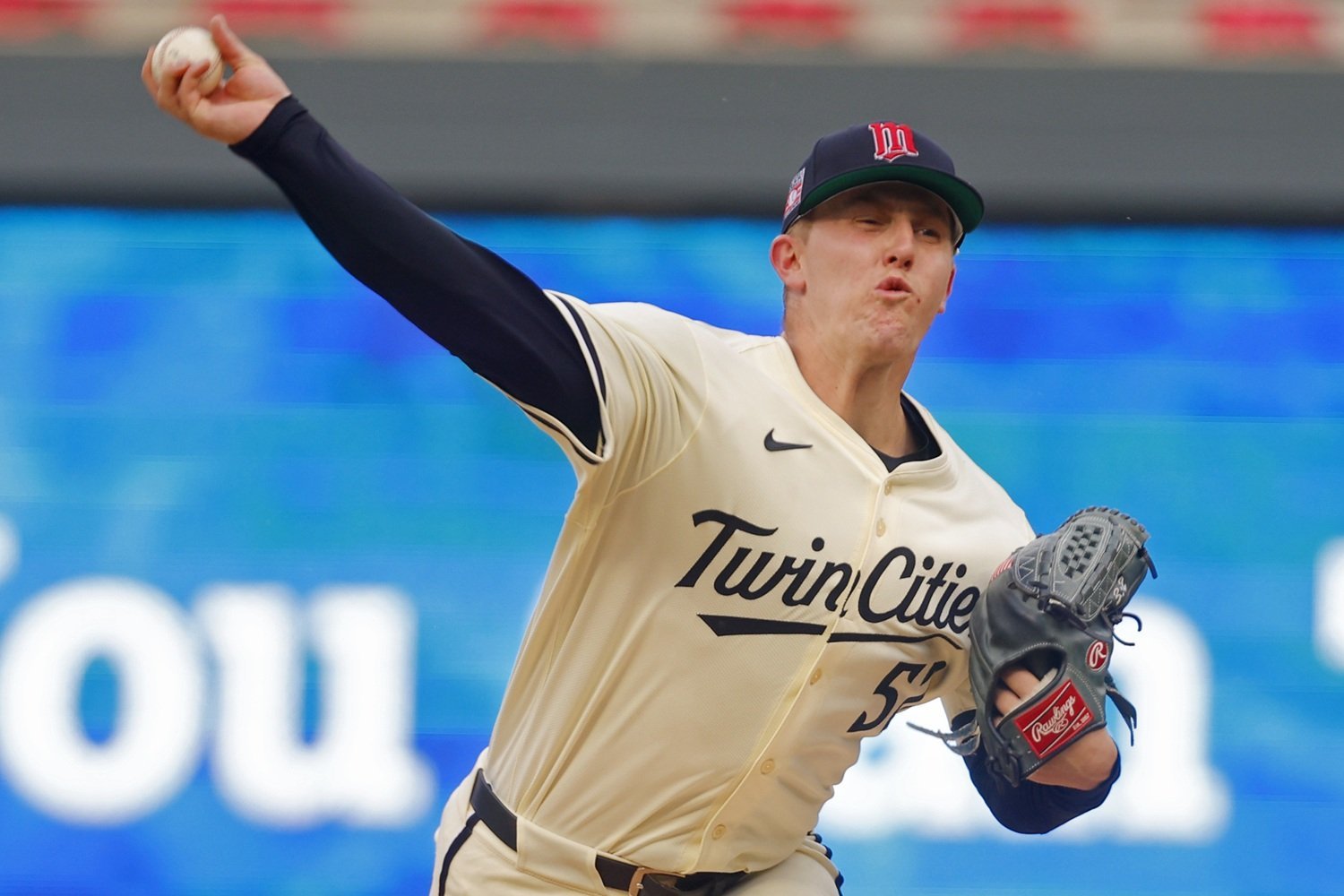 Zebby Matthews did not deliver the season many had hoped for in 2025, especially after his breakout minor league season. The surface numbers were rough, the contact quality was worse than expected, and the results often failed to live up to the promise that followed him up the minor league ladder. Still, writing him off after one uneven year would miss the bigger picture. When you look beyond the ERA and dig into how Matthews actually pitched, there are plenty of reasons to believe his 2026 season could look very different. The run prevention was ugly. Matthews finished his rookie campaign with a 5.56 ERA across just under 80 innings, and the batted ball profile worked against him. Too many balls were hit hard (38.8 Hard-Hit%), and too many were lifted into the air, leaving little margin for error. Even the expected numbers did not entirely bail him out, reinforcing that hitters were squaring him up more often than a pitcher with his stuff should allow. That said, the Twins have every incentive to keep giving Matthews opportunities. He currently projects to be one of the team’s options for the back of the rotation, but there are plenty of arms to consider, including David Festa, Taj Bradley, Mick Abel, and Simeon Woods Richardson. The rotation could also look very different by midseason. With trade speculation swirling around established arms, Matthews is positioned to climb the depth chart simply by staying healthy and available. Opportunity alone matters, and Matthews is likely to get it. What makes that opportunity intriguing is how strong his underlying performance actually was. Matthews posted a 3.79 FIP and paired it with an 18.1 K-BB% that sat well above league average. Those numbers paint the picture of a pitcher who was doing many things right, even as the results lagged behind. For a young starter, that combination is usually a sign of future growth rather than a dead end. There was also tangible progress in his raw stuff. Matthews added velocity to his fastball, pushing it from 95.2 mph to 96.3 mph without sacrificing movement or shape. The issue was not quality but approach. Matthews lived in the heart of the strike zone far too often, and big league hitters rarely miss those mistakes. A more selective fastball plan, especially later in counts, could go a long way toward cutting down the damage. His slider remains the calling card. Thrown harder (88 mph) with tighter action, it became a legitimate bat-missing weapon against right-handed hitters (39.6 Whiff%). Matthews consistently buried it on the outer edge, generating chases and whiffs while limiting quality contact (0.260 xwOBACON). When the slider stayed down, hitters had little chance. When it drifted back into the zone, especially against left-handed bats, it became vulnerable. That is a command refinement issue, not a stuff problem. His splits against lefties are where the puzzle gets interesting. Matthews' K-BB% barely changed by handedness, yet the run prevention gap was massive. He held righties to a 2.73 FIP and lefties to a 4.97 FIP. That points almost entirely to home run susceptibility rather than to an inability to compete. Against left-handed hitters, most of his pitches were punished when they caught too much of the plate. The exception was his changeup. Quietly, it was his best answer to lefties. Matthews located it well on the outer third and avoided the heart of the zone, keeping contact relatively soft. However, he rarely threw the pitch with two strikes and only had one strikeout using arguably his best offspeed pitch for lefties. The result was a pitch that looked useful but never had the chance to impact outcomes. This could be a confidence issue for a player getting accustomed to big-league hitters. Pitch usage is one of the easiest adjustments a pitcher can make, and Matthews feels like a prime candidate. Reducing reliance on fastballs, especially in finishing counts, would better leverage his deep arsenal. Trusting the changeup against lefties, particularly when ahead, could directly address his biggest weakness from a year ago. These are not mechanical overhauls or health gambles. They are strategic tweaks. When you zoom out, Matthews still checks every box teams look for in a mid-rotation starter. He has size, velocity, multiple usable pitches, and command that already grade above average. The foundation is there. The challenge is aligning his approach with his strengths. That is why 2026 feels less like a crossroads and more like an opportunity. If Matthews makes even modest adjustments to how he sequences and deploys his arsenal, the gap between his peripherals and his results should narrow quickly. His 2025 season may have been disappointing, but the 2026 season has all the ingredients for a breakout. Do you believe Matthews can break out in 2026? Leave a comment and start the discussion.
 -
Image courtesy of © Bruce Kluckhohn-Imagn Images Zebby Matthews did not deliver the season many had hoped for in 2025, especially after his breakout minor league season. The surface numbers were rough, the contact quality was worse than expected, and the results often failed to live up to the promise that followed him up the minor league ladder. Still, writing him off after one uneven year would miss the bigger picture. When you look beyond the ERA and dig into how Matthews actually pitched, there are plenty of reasons to believe his 2026 season could look very different. The run prevention was ugly. Matthews finished his rookie campaign with a 5.56 ERA across just under 80 innings, and the batted ball profile worked against him. Too many balls were hit hard (38.8 Hard-Hit%), and too many were lifted into the air, leaving little margin for error. Even the expected numbers did not entirely bail him out, reinforcing that hitters were squaring him up more often than a pitcher with his stuff should allow. That said, the Twins have every incentive to keep giving Matthews opportunities. He currently projects to be one of the team’s options for the back of the rotation, but there are plenty of arms to consider, including David Festa, Taj Bradley, Mick Abel, and Simeon Woods Richardson. The rotation could also look very different by midseason. With trade speculation swirling around established arms, Matthews is positioned to climb the depth chart simply by staying healthy and available. Opportunity alone matters, and Matthews is likely to get it. What makes that opportunity intriguing is how strong his underlying performance actually was. Matthews posted a 3.79 FIP and paired it with an 18.1 K-BB% that sat well above league average. Those numbers paint the picture of a pitcher who was doing many things right, even as the results lagged behind. For a young starter, that combination is usually a sign of future growth rather than a dead end. There was also tangible progress in his raw stuff. Matthews added velocity to his fastball, pushing it from 95.2 mph to 96.3 mph without sacrificing movement or shape. The issue was not quality but approach. Matthews lived in the heart of the strike zone far too often, and big league hitters rarely miss those mistakes. A more selective fastball plan, especially later in counts, could go a long way toward cutting down the damage. His slider remains the calling card. Thrown harder (88 mph) with tighter action, it became a legitimate bat-missing weapon against right-handed hitters (39.6 Whiff%). Matthews consistently buried it on the outer edge, generating chases and whiffs while limiting quality contact (0.260 xwOBACON). When the slider stayed down, hitters had little chance. When it drifted back into the zone, especially against left-handed bats, it became vulnerable. That is a command refinement issue, not a stuff problem. His splits against lefties are where the puzzle gets interesting. Matthews' K-BB% barely changed by handedness, yet the run prevention gap was massive. He held righties to a 2.73 FIP and lefties to a 4.97 FIP. That points almost entirely to home run susceptibility rather than to an inability to compete. Against left-handed hitters, most of his pitches were punished when they caught too much of the plate. The exception was his changeup. Quietly, it was his best answer to lefties. Matthews located it well on the outer third and avoided the heart of the zone, keeping contact relatively soft. However, he rarely threw the pitch with two strikes and only had one strikeout using arguably his best offspeed pitch for lefties. The result was a pitch that looked useful but never had the chance to impact outcomes. This could be a confidence issue for a player getting accustomed to big-league hitters. Pitch usage is one of the easiest adjustments a pitcher can make, and Matthews feels like a prime candidate. Reducing reliance on fastballs, especially in finishing counts, would better leverage his deep arsenal. Trusting the changeup against lefties, particularly when ahead, could directly address his biggest weakness from a year ago. These are not mechanical overhauls or health gambles. They are strategic tweaks. When you zoom out, Matthews still checks every box teams look for in a mid-rotation starter. He has size, velocity, multiple usable pitches, and command that already grade above average. The foundation is there. The challenge is aligning his approach with his strengths. That is why 2026 feels less like a crossroads and more like an opportunity. If Matthews makes even modest adjustments to how he sequences and deploys his arsenal, the gap between his peripherals and his results should narrow quickly. His 2025 season may have been disappointing, but the 2026 season has all the ingredients for a breakout. Do you believe Matthews can break out in 2026? Leave a comment and start the discussion. View full article
-
Image courtesy of David Malamut, Cedar Rapids Kernels (Photo of Eduardo Tait) Context matters with prospects, and Eduardo Tait might be one of the best examples in the Twins system. An 18-year-old holding his own in High-A is not supposed to look clean or finished. It is supposed to look incomplete, with positive signs of what the player can be in the future. That is precisely what Tait showed in 2025, and those clues point directly toward what needs to happen next. At High-A, Tait was not overwhelmed. He was productive. Across 486 plate appearances, he posted league-average offense while being one of the youngest players in the Midwest League. That alone put him on the radar in a more serious way. The Phillies and Twins challenged him aggressively, and he responded by proving the bat belonged. The underlying offensive profile was particularly encouraging. Tait finished with a .174 isolated power and a 103 wRC+, a tick above league average. He had 14 home runs and 32 doubles that tell the story of a hitter already generating real damage even before filling out his frame. The swing path worked. The ball came off his bat with intent. There was obvious room for more. That is where the first significant improvement area for 2026 lives. Tait does plenty of damage, but too much of it still shows up as doubles. With a pull rate north of 47% and nearly 40% of his balls in the air, the ingredients for more home run conversion are already present. Strength gains alone should help, but there is also room for refinement in how he attacks pitches he can lift. Turning a handful of those doubles into home runs would significantly raise the offensive ceiling, especially for a player without defensive questions. The contact foundation gives optimism that this growth will not come at the expense of excessive swing and miss. Tait’s swinging strike rate sat under 13%, and his strikeout rate hovered around 20%. For a teenager facing older pitching, that is more than acceptable. In fact, he faced older pitchers in 100% of his plate appearances. The bat-to-ball skills are fundamental, which makes the next step about selectivity rather than survival. That leads directly to the second area of focus, the walk rate. Around 7% is not disastrous, but it does leave value on the table. Tait showed he could use the whole field, posting a 30% opposite-field rate, suggesting he is not purely a sellout pull hitter. Tightening zone control and learning which pitches he can truly drive should push his on-base percentage forward as he climbs the ladder. For a bat-first catcher, that is not optional. It is required. Of course, none of this exists in a vacuum, because Tait’s future still hinges on where he plays defensively. The bat looks like it can carry a profile, but it carries far more weight if he stays behind the plate. If he can’t catch, he is not one of baseball’s top-100 prospects. Defensive consistency, receiving, and overall polish as a catcher remain the biggest questions in the evaluation. Improvement there would change how the entire industry views him. Even modest defensive progress could solidify his status as a legitimate everyday catching prospect rather than a corner bat with a complicated path. The encouraging part is that none of these issues are red flags. They are checkpoints. Tait is young, left-handed, and already showing power against advanced pitching. He does not need to reinvent himself. He needs incremental growth. Better plate discipline. A bit more home run efficiency. Defensive gains that keep him at catcher. If those boxes start getting checked in 2026, Tait’s profile shifts quickly, and he likely enters next season as a top-50 prospect. The Twins already know the bat is interesting. The next season will determine just how valuable it can become. Can Tait improve in the areas mentioned above? Leave a comment and start the discussion. View full article
-
Eduardo Tait Has a Clear Developmental Checklist for 2026
Cody Christie posted an article in Minor Leagues
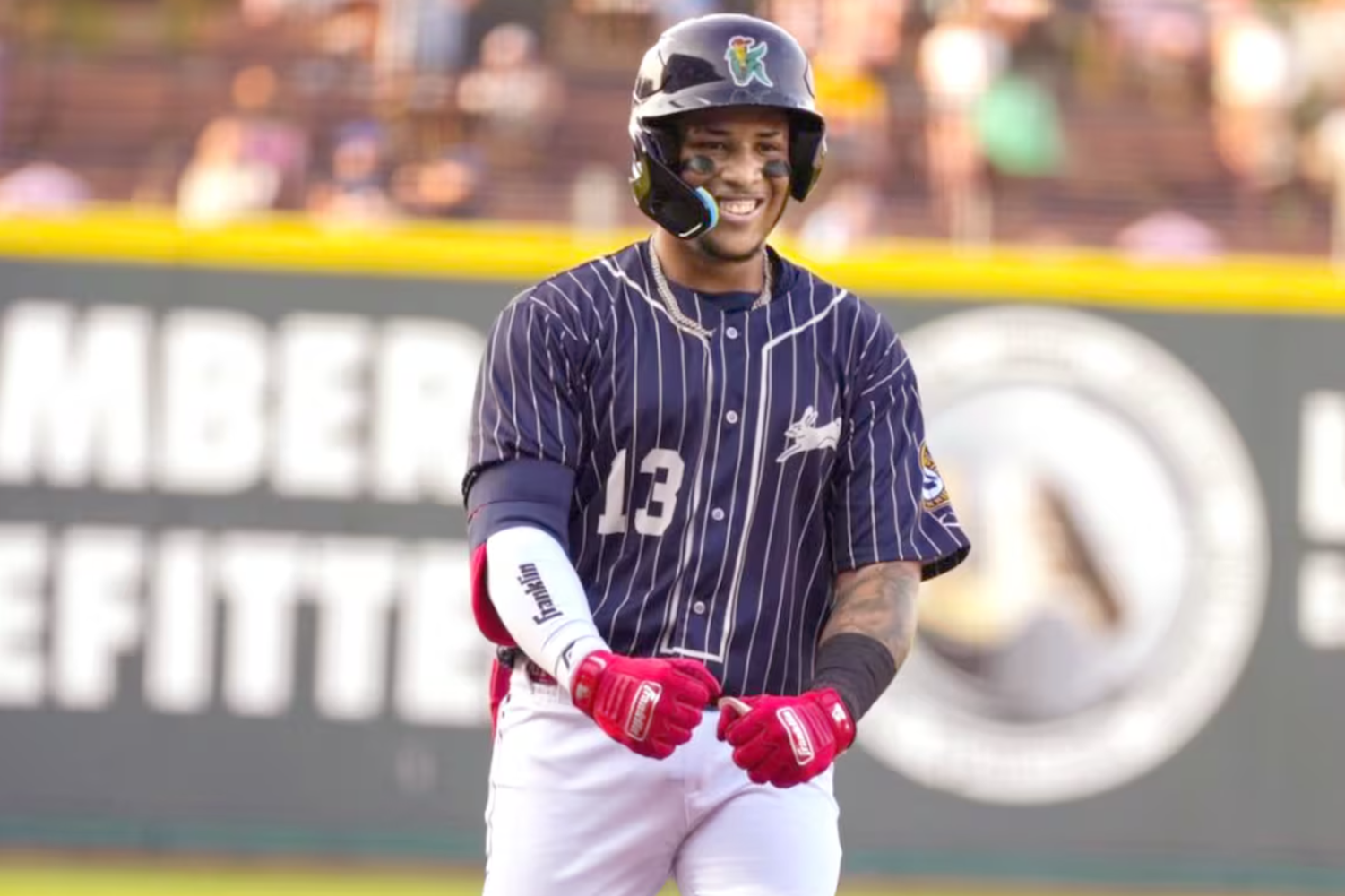 Context matters with prospects, and Eduardo Tait might be one of the best examples in the Twins system. An 18-year-old holding his own in High-A is not supposed to look clean or finished. It is supposed to look incomplete, with positive signs of what the player can be in the future. That is precisely what Tait showed in 2025, and those clues point directly toward what needs to happen next. At High-A, Tait was not overwhelmed. He was productive. Across 486 plate appearances, he posted league-average offense while being one of the youngest players in the Midwest League. That alone put him on the radar in a more serious way. The Phillies and Twins challenged him aggressively, and he responded by proving the bat belonged. The underlying offensive profile was particularly encouraging. Tait finished with a .174 isolated power and a 103 wRC+, a tick above league average. He had 14 home runs and 32 doubles that tell the story of a hitter already generating real damage even before filling out his frame. The swing path worked. The ball came off his bat with intent. There was obvious room for more. That is where the first significant improvement area for 2026 lives. Tait does plenty of damage, but too much of it still shows up as doubles. With a pull rate north of 47% and nearly 40% of his balls in the air, the ingredients for more home run conversion are already present. Strength gains alone should help, but there is also room for refinement in how he attacks pitches he can lift. Turning a handful of those doubles into home runs would significantly raise the offensive ceiling, especially for a player without defensive questions. The contact foundation gives optimism that this growth will not come at the expense of excessive swing and miss. Tait’s swinging strike rate sat under 13%, and his strikeout rate hovered around 20%. For a teenager facing older pitching, that is more than acceptable. In fact, he faced older pitchers in 100% of his plate appearances. The bat-to-ball skills are fundamental, which makes the next step about selectivity rather than survival. That leads directly to the second area of focus, the walk rate. Around 7% is not disastrous, but it does leave value on the table. Tait showed he could use the whole field, posting a 30% opposite-field rate, suggesting he is not purely a sellout pull hitter. Tightening zone control and learning which pitches he can truly drive should push his on-base percentage forward as he climbs the ladder. For a bat-first catcher, that is not optional. It is required. Of course, none of this exists in a vacuum, because Tait’s future still hinges on where he plays defensively. The bat looks like it can carry a profile, but it carries far more weight if he stays behind the plate. If he can’t catch, he is not one of baseball’s top-100 prospects. Defensive consistency, receiving, and overall polish as a catcher remain the biggest questions in the evaluation. Improvement there would change how the entire industry views him. Even modest defensive progress could solidify his status as a legitimate everyday catching prospect rather than a corner bat with a complicated path. The encouraging part is that none of these issues are red flags. They are checkpoints. Tait is young, left-handed, and already showing power against advanced pitching. He does not need to reinvent himself. He needs incremental growth. Better plate discipline. A bit more home run efficiency. Defensive gains that keep him at catcher. If those boxes start getting checked in 2026, Tait’s profile shifts quickly, and he likely enters next season as a top-50 prospect. The Twins already know the bat is interesting. The next season will determine just how valuable it can become. Can Tait improve in the areas mentioned above? Leave a comment and start the discussion.
 -
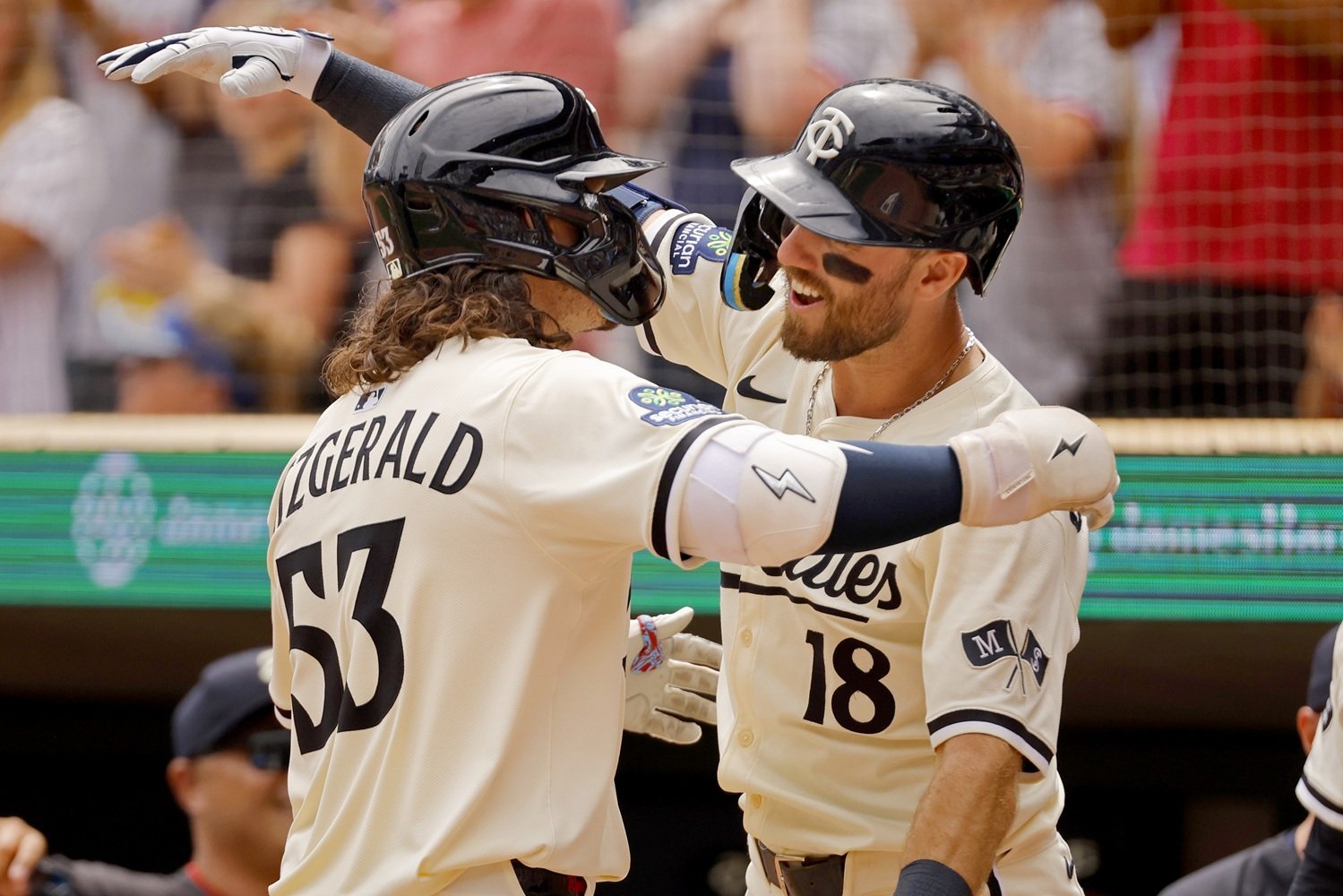 The Twins lost a depth piece on Monday as the Dodgers claimed infielder Ryan Fitzgerald off waivers, according to ESPN’s Alden González. Minnesota designated Fitzgerald for assignment last week to make room on the 40-man roster after acquiring Eric Wagaman from the Marlins, a move that quietly set off a chain reaction between three clubs. Los Angeles had the roster flexibility to make the claim after trading outfielder Esteury Ruiz to Miami late last month. That deal sent Ruiz to the Marlins in exchange for minor league pitcher Adriano Marrero and opened a 40-man spot for the Dodgers. Miami then designated Wagaman for assignment, flipped him to the Twins for minor league pitcher Kade Bragg, and in turn pushed Fitzgerald off Minnesota’s roster. A couple of weeks later, Fitzgerald landed with the Dodgers, turning a series of unrelated transactions into something resembling an accidental three-team trade. Fitzgerald had openly expressed interest on social media in playing professionally in Asia. Still, the Twins blocked that path, likely hoping he would clear waivers and remain in the organization as upper-level depth. Instead, another club with roster space and a reputation for maximizing role players scooped him up. Fitzgerald’s journey to this point has been anything but conventional. Now 31, he spent the early part of his career in independent ball, where he played well enough to earn a minor league deal with the Red Sox in 2018. Five years later, he was selected by the Royals in the minor league phase of the 2023 Rule 5 draft, the same draft that saw Wagaman head to the Angels. Fitzgerald never cracked the Royals’ big league roster and opted for free agency after the 2024 season. That decision led him to Minnesota on a minor league contract and, finally, to the majors. Just shy of his 31st birthday, Fitzgerald made his MLB debut in 2025. His first stint lasted less than a week, but he earned another call-up in August after the Twins shifted into sell mode at the trade deadline and remained with the club for the rest of the season. The production was solid at every stop. Fitzgerald posted an .837 OPS and a 119 wRC+ in 59 games at Triple-A and followed that up with a .758 OPS and a 110 wRC+ across 24 major league games. He also provided defensive versatility, appearing at all four infield positions. Still, with Minnesota prioritizing roster flexibility and younger options heading into 2026, that combination was not enough to secure his spot. For the Dodgers, Fitzgerald represents a low-risk depth addition with real versatility, the kind of player they have turned into meaningful contributors before. For the Twins, it is another reminder of how thin the margin can be for fringe roster players, especially in an offseason filled with 40-man juggling. The ending is bittersweet. Fitzgerald’s path to the majors was long and winding, and his time in Minnesota was brief but productive. Now, he heads to Los Angeles with a chance to stick on one of baseball’s deepest rosters. Even if the Twins could not keep him, something is fitting about a late bloomer getting his opportunity with the defending World Series champions.
 -
The Twins lost a depth piece on Monday as the Dodgers claimed infielder Ryan Fitzgerald off waivers, according to ESPN’s Alden González. Minnesota designated Fitzgerald for assignment last week to make room on the 40-man roster after acquiring Eric Wagaman from the Marlins, a move that quietly set off a chain reaction between three clubs. Los Angeles had the roster flexibility to make the claim after trading outfielder Esteury Ruiz to Miami late last month. That deal sent Ruiz to the Marlins in exchange for minor league pitcher Adriano Marrero and opened a 40-man spot for the Dodgers. Miami then designated Wagaman for assignment, flipped him to the Twins for minor league pitcher Kade Bragg, and in turn pushed Fitzgerald off Minnesota’s roster. A couple of weeks later, Fitzgerald landed with the Dodgers, turning a series of unrelated transactions into something resembling an accidental three-team trade. Fitzgerald had openly expressed interest on social media in playing professionally in Asia. Still, the Twins blocked that path, likely hoping he would clear waivers and remain in the organization as upper-level depth. Instead, another club with roster space and a reputation for maximizing role players scooped him up. Fitzgerald’s journey to this point has been anything but conventional. Now 31, he spent the early part of his career in independent ball, where he played well enough to earn a minor league deal with the Red Sox in 2018. Five years later, he was selected by the Royals in the minor league phase of the 2023 Rule 5 draft, the same draft that saw Wagaman head to the Angels. Fitzgerald never cracked the Royals’ big league roster and opted for free agency after the 2024 season. That decision led him to Minnesota on a minor league contract and, finally, to the majors. Just shy of his 31st birthday, Fitzgerald made his MLB debut in 2025. His first stint lasted less than a week, but he earned another call-up in August after the Twins shifted into sell mode at the trade deadline and remained with the club for the rest of the season. The production was solid at every stop. Fitzgerald posted an .837 OPS and a 119 wRC+ in 59 games at Triple-A and followed that up with a .758 OPS and a 110 wRC+ across 24 major league games. He also provided defensive versatility, appearing at all four infield positions. Still, with Minnesota prioritizing roster flexibility and younger options heading into 2026, that combination was not enough to secure his spot. For the Dodgers, Fitzgerald represents a low-risk depth addition with real versatility, the kind of player they have turned into meaningful contributors before. For the Twins, it is another reminder of how thin the margin can be for fringe roster players, especially in an offseason filled with 40-man juggling. The ending is bittersweet. Fitzgerald’s path to the majors was long and winding, and his time in Minnesota was brief but productive. Now, he heads to Los Angeles with a chance to stick on one of baseball’s deepest rosters. Even if the Twins could not keep him, something is fitting about a late bloomer getting his opportunity with the defending World Series champions. View full rumor
-
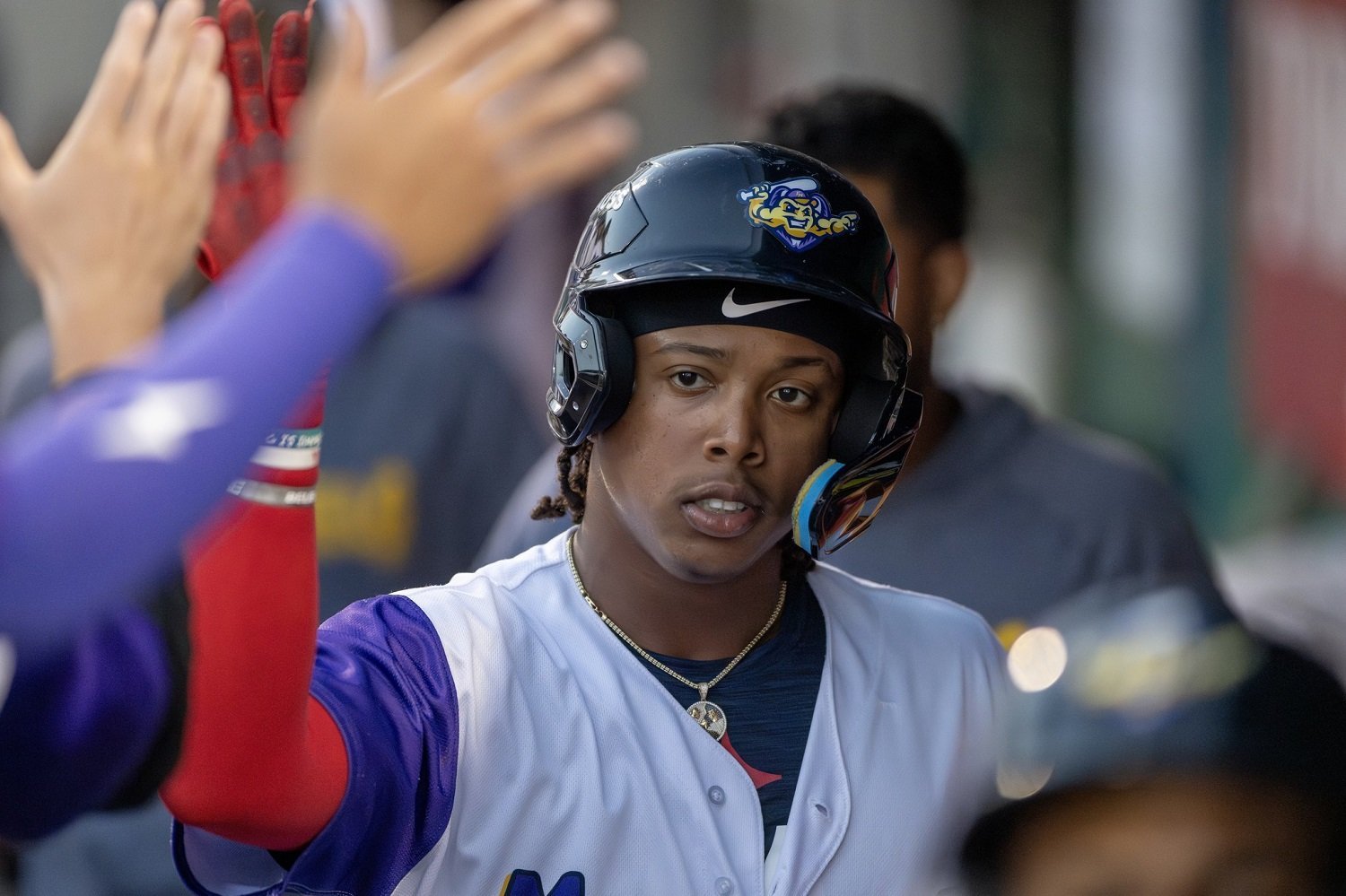 The international market has always been a necessary avenue for the Minnesota Twins. They operate without the financial muscle of some of their American League rivals, so they need to excel in areas like Latin America, a segment of the talent market wherein costs are much lower. It is also one where the returns have been frustratingly limited. Looking back at the international classes from 2019 through 2022 provides both promise and persistent questions about development, patience, and ceiling. 2019 International Class The clear success story from this group is Emmanuel Rodriguez, currently ranked as a consensus top-100 prospect. At the time, he was MLB Pipeline’s 12th overall prospect in his international class. At the time of his signing, MLB Pipeline wrote, “Athletic with a strong body and medium frame, Rodriguez has shown a solid hitting approach and advanced knowledge of the strike zone for a player his age. He has an efficient swing that creates lots of backspin and generates power to all fields.” Rodriguez has become one of the most intriguing players in the system, with most prospect rankings slotting him just behind Walker Jenkins. Injuries have slowed his rise, but the underlying profile remains rare. A walk rate north of 20% paired with a strikeout rate above 30% is unusual, but Rodriguez still produced a 135 wRC+ in 2025 thanks to his power and elite strike zone awareness. He played the entire season at Triple-A St. Paul, putting him on track for a 2026 debut. Rodriguez represents the best version of what the Twins hope to find internationally. Advanced plate discipline, projection, and a carrying tool that can survive modern pitching environments make him a potential star, even if approach adjustments will be required. 2021 International Class There was no 2020 signing period, as MLB combined two international classes because of the pandemic. Danny De Andrade has quietly built one of the more stable offensive resumes in the system. At the time of his signing, MLB Pipeline ranked him the 14th-best prospect in his class. “De Andrade has the ingredients to develop into an impact hitter," Pipeline's report read. "He shows off excellent bat speed from the right side of the plate and can drive the ball to all fields.” Last season, De Andrade repeated High A and posted a wRC+ above 100 for the fourth straight season. His .317 OBP and .387 slugging percentage do not jump off the page, but a career-best .158 ISO hints at gradual strength gains. Defensively, De Andrade has moved off shortstop, splitting time between second and third base, which puts more pressure on the bat. Fredy Michel shows the other side of the international equation. Once ranked 27th in his signing class, Michel never found consistency at the plate. Across parts of three seasons, he hit no higher than .163 and averaged a 77 wRC+. Despite early speed and double-digit steal totals, his bat stalled, and he has not appeared in affiliated ball since 2023. 2022 International Class Yasser Mercedes entered 2025 looking like a potential breakout. After a strong 2024, he struggled in Fort Myers, slashing .199/.309/.331 with an 87 wRC+. The speed remains loud, with 36 steals, and he continues to log most of his innings in center field. The offensive inconsistency underscores how thin the margin can be for toolsy international prospects. “The 17-year-old Mercedes had some of the best raw tools in this international class," MLB Pipeline wrote at the time of his signing. "He has the chance to drive the ball from the right side of the plate and could end up having better than average power as he fills out that frame and physically matures.” Yilber Herrera might be the most extreme example of modern plate discipline without contact. In 49 games between the Complex League and Low-A, he posted a .361 wOBA and a 114 wRC+ despite hitting below .160. A 25.9% walk rate carried the profile, but the lack of contact will be tested quickly as he climbs. Defensively, he has begun to see less time at shortstop. “The teen has a good feel for hitting and can spray the ball across the outfield," his scouting report said when he first signed. "He’s a smart baserunner when he gets on base. Herrera has a chance to stay at shortstop because of his above-average defensive actions and plus arm potential.” Bryan Acuna brings pedigree and projection, as both his brothers played in the big leagues last season (Ronald Acuna Jr. and Luisangel Acuna). Ranked just inside MLB Pipeline’s top 40 in his class, he reached Low-A Fort Myers in 2025 and posted a 96 wRC+ in 78 games. Strikeouts remain an issue, and power production has been minimal so far. The feel for the game is evident, but the bat needs to translate that feel into results. At the time, MLB Pipeline said, “Bryan grew up around the game, and it shows. He’s been praised for his plus makeup and feel for hitting. He’s aggressive and a playmaker. What he lacks in now tools, he makes up for with his baseball IQ, feel for the game and overall awareness.” Across these four classes, a pattern emerges. The Twins have found players with strong plate discipline, athleticism, and makeup, but turning those traits into consistent impact has been difficult. Rodriguez stands as the exception, not the rule. For a mid-market team, falling behind internationally is not an option. These signings show flashes of a coherent philosophy, but the next step is to translate that promise into big-league production. Which of these international prospects do you believe still has the best chance to break through, and what changes would you like to see from the Twins in their approach to the international market? Leave a comment and start the discussion.
- 32 comments
-
- 9
-
-
- emmanuel rodriguez
- danny de andrade
- (and 4 more)
-
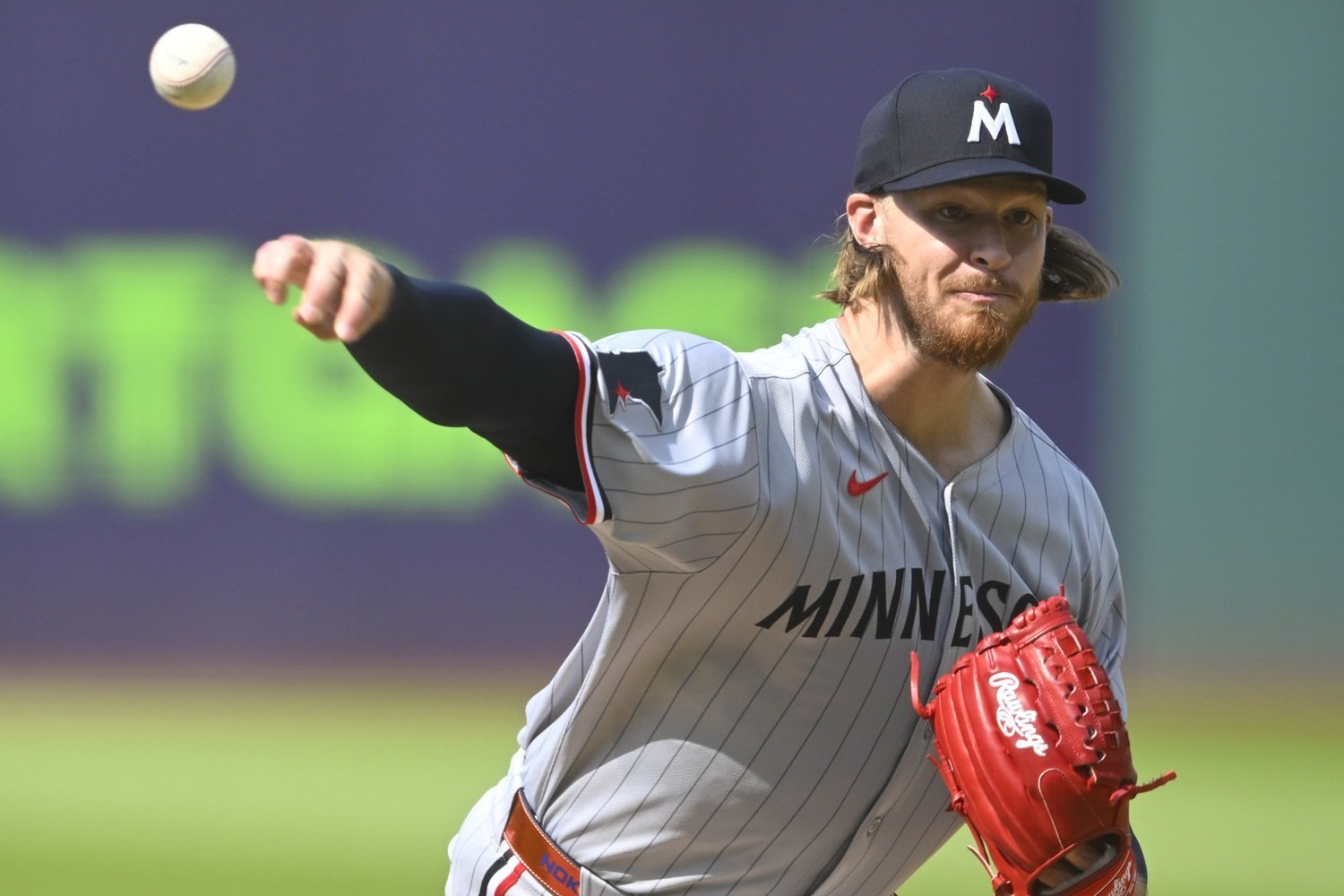 The Twins continued their arbitration housekeeping on Thursday by reaching an agreement with Bailey Ober, avoiding a hearing and keeping one of their longest tenured starters in the fold for the 2026 season. According to KSTP’s Darren Wolfson, Minnesota and Ober settled on a $5.2 million deal that covers the upcoming season. Ober remains under team control through 2027, meaning he will be arbitration eligible one more time before potentially reaching free agency. MLB Trade Rumors projected Ober to earn $4.6 million, so the right-hander came out ahead in the process, earning a notable raise despite a down year. That dip in production was real. Ober endured the toughest season of his big league career in 2025, never quite getting right after dealing with a lingering hip injury. Even with time off, the issue persisted, and Ober ultimately tried to pitch through it. The results reflected that struggle. His fastball velocity dipped, his margin for error shrank, and hitters punished more mistakes than they had in previous seasons. Over 146 1/3 innings, Ober posted a 5.10 ERA and a 1.30 WHIP, numbers that looked jarring compared to his typically steady profile. Home runs were a significant problem (1.8 HR/9), and the lack of velocity made his trademark command-based approach far less effective. Still, the Twins clearly believe there is enough of a track record to justify the investment, as his second year of arbitration eligibility brings a $1.65 million raise and a continued spot in the rotation. Assuming health, Ober remains a key part of Minnesota’s pitching plans. The rotation is expected to be anchored by Pablo Lopez and Joe Ryan, with Ober firmly in that next tier if he looks anything like his pre-2025 self. His ability to eat innings, limit walks, and deliver reliable starts has been invaluable when he is right. That said, the margin for error is thinner than it once was. Behind the projected top three sits a wave of young arms eager to make their mark. Simeon Woods Richardson showed he belongs. Zebby Matthews is knocking on the door. Mick Abel, Taj Bradley, and David Festa all bring varying degrees of upside and urgency. The competition is real, and it is not going away. Even deeper down the pipeline, help could arrive by midseason. Kendry Rojas continues to develop into an intriguing option. Marco Raya and Connor Prielipp have the stuff to force the issue if they aren’t moved to bullpen roles. Andrew Morris has quietly put himself on the radar as well. Minnesota’s organizational pitching depth means performance will matter more than pedigree. For Ober, the path forward is straightforward. He must show that the hip injury is behind him and that his velocity and command have returned. If he does, the Twins have a mid-rotation starter on a reasonable salary who can stabilize things behind Lopez and Ryan. If not, the pressure from below will only intensify. Thursday’s agreement is a vote of confidence, but it is not unconditional. The Twins avoided arbitration and secured cost certainty, while Ober earned a raise and another opportunity to prove that 2025 was the exception, not the new rule. How he responds will go a long way in shaping Minnesota’s rotation not just in 2026, but beyond.