Cody Christie
-
Posts
7,808 -
Joined
-
Last visited
-
Days Won
5
Content Type
Profiles
News
Minnesota Twins Videos
2026 Minnesota Twins Top Prospects Ranking
2022 Minnesota Twins Draft Picks
Minnesota Twins Free Agent & Trade Rumors, Notes, & Tidbits
Guides & Resources
2023 Minnesota Twins Draft Picks
The Minnesota Twins Players Project
2024 Minnesota Twins Draft Picks
2025 Minnesota Twins Draft Pick Tracker
2026 Minnesota Twins Draft Tracker: Picks & Bonuses
Forums
Blogs
Events
Store
Downloads
Gallery
Everything posted by Cody Christie
-
 Image courtesy of Malamut Photography (photo of Brandon Winokur) The non-linearity of player development is especially important to remember for someone like Brandon Winokur. Had he honored a college commitment instead of signing professionally, the former high school standout would have only become draft-eligible this summer. Instead, he has already spent parts of four seasons in professional baseball, learning how to transform tremendous athletic gifts into on-field performance. The Twins believed in that upside when they selected Winokur in the third round of the 2023 MLB Draft. Standing 6-foot-6 and playing shortstop, he was one of the most uncommon athletes available that year. Scouts saw flashes of five-tool ability, but questions surrounding his hit tool and signability caused some organizations to look elsewhere. Minnesota was willing to bet on the upside, signing him for a $1.5 million bonus that reflected the confidence typically reserved for a second-round pick. Since entering the organization, Winokur has shown both why evaluators were intrigued and why he remains a work in progress. His first two full professional seasons featured stretches of exciting production mixed with understandable growing pains. The numbers did not always jump off the page, but the underlying tools consistently did. Last season with High-A Cedar Rapids, Winokur showcased the rare power-speed combination that makes him such an intriguing prospect. He tied for the Midwest League lead with 17 home runs while stealing 26 bases, giving a glimpse of the impact player he could become. Power has never been the question. Winokur possesses some of the best raw power in the Twins farm system. The challenge has been accessing it consistently during games. Earlier in his professional career, his swing path often kept him from consistently finding the barrel, resulting in weakly hit balls to the opposite field or ground balls pulled to the left. The focus has been on making mechanical adjustments that allow his natural strength to translate into more authoritative contact. The results are beginning to show. Through 54 games this season, Winokur owns a .268/.389/.444 slash line with 10 doubles, two triples, and seven home runs. Perhaps even more encouraging is the growth in his approach. After posting an 8.3% walk rate across his first two full seasons, that number has climbed to 14.6% in 2026. His strikeout rate remains elevated, at 30.0%, the highest mark he has posted since rookie ball, but the tradeoff is leading to better overall offensive production. Last season, Winokur produced a 98 wRC+ with Cedar Rapids, essentially league-average offense. This year, that figure has jumped to 119. His batting average has climbed more than 40 points after hitting .226 across 122 games in 2025. Advanced metrics paint a similarly encouraging picture, with his wOBA rising from .327 to .389. Much of that improvement stems from the quality of contact he is generating. His line-drive rate has increased dramatically from 19.4% a season ago to 30.9% this year. Instead of relying solely on flashes of athleticism, Winokur is making more consistent hard contact and forcing opposing pitchers to work around him. His slugging average on contact (SLGCON), which is a solid indicator of how a young player's power is playing overall, is up from .536 last season to .698. The athleticism remains a major part of his profile, as well. When Minnesota drafted him, many evaluators assumed his size would eventually push him off shortstop. His combination of agility and athleticism has allowed him to spend far more time at the position than initially expected. This season, however, the organization has started increasing his workload elsewhere. He has made 24 starts at third base, 12 at shortstop, and another 18 in center field. That defensive versatility only adds to his value. His plus arm fits naturally at third base, while his speed allows him to cover significant ground in the outfield. As he continues adding strength to his frame, it would not be surprising to see more of his future defensive opportunities come at third base and in the outfield, rather than at shortstop. The biggest takeaway from Winokur's 2026 season is that progress is becoming visible. He's controlling the strike zone better, driving the ball with more authority, and producing more consistently than he did a year ago. The Twins have always believed there was significant upside hiding beneath the rawness, and this season has provided some of the strongest evidence yet that their evaluation was correct. That progress was recognized recently when Winokur earned Cedar Rapids Kernels Player of the Month honors for May. He led the club and ranked second in the Midwest League with 33 hits during the month, while batting .333 with four home runs, four doubles, and 17 RBI. There's still work to be done. The strikeouts need to come down, and continued offensive refinement will determine whether he reaches his ceiling. However, it is important to remember that Winokur will spend the entire 2026 season as a 21-year-old. Increasingly, the minor leagues have been compressed, and expectations of prospects' development have been accelerated. Sometimes, that distorts perceptions of players who are taking a perfectly normal amount of time to blossom. Winokur doesn't even have to be added to the 40-man roster to be shielded from the Rule 5 Draft until next November. For a player who wouldn’t have entered the professional ranks yet had he chosen the college route, the development is arriving right on time. More importantly for the Twins, Winokur is beginning to look a lot like the player they envisioned when they made one of the most ambitious bets of the 2023 draft. What stands out about Winokur in 2026? Leave a comment and start the discussion. View full article
 -
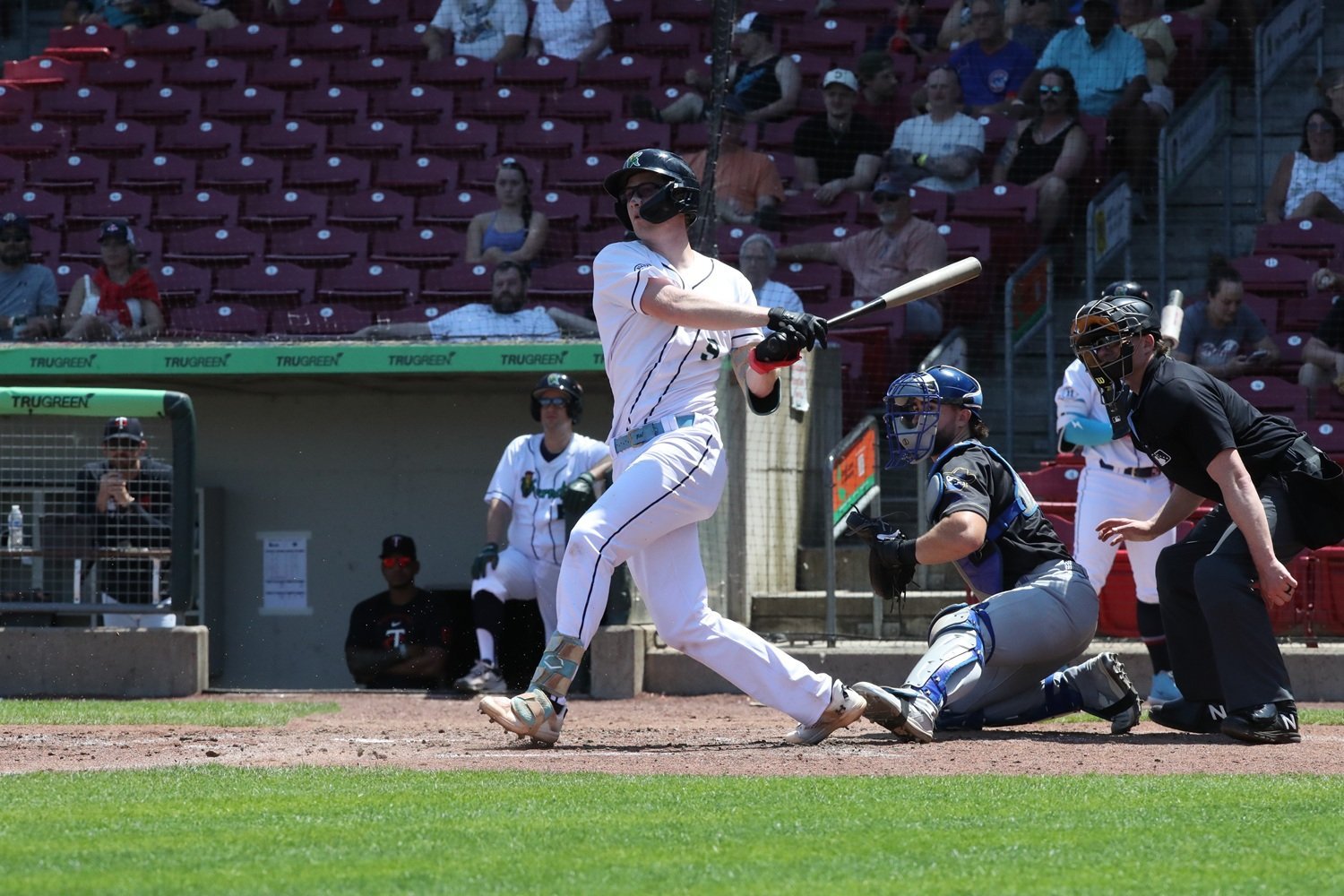 The non-linearity of player development is especially important to remember for someone like Brandon Winokur. Had he honored a college commitment instead of signing professionally, the former high school standout would have only become draft-eligible this summer. Instead, he has already spent parts of four seasons in professional baseball, learning how to transform tremendous athletic gifts into on-field performance. The Twins believed in that upside when they selected Winokur in the third round of the 2023 MLB Draft. Standing 6-foot-6 and playing shortstop, he was one of the most uncommon athletes available that year. Scouts saw flashes of five-tool ability, but questions surrounding his hit tool and signability caused some organizations to look elsewhere. Minnesota was willing to bet on the upside, signing him for a $1.5 million bonus that reflected the confidence typically reserved for a second-round pick. Since entering the organization, Winokur has shown both why evaluators were intrigued and why he remains a work in progress. His first two full professional seasons featured stretches of exciting production mixed with understandable growing pains. The numbers did not always jump off the page, but the underlying tools consistently did. Last season with High-A Cedar Rapids, Winokur showcased the rare power-speed combination that makes him such an intriguing prospect. He tied for the Midwest League lead with 17 home runs while stealing 26 bases, giving a glimpse of the impact player he could become. Power has never been the question. Winokur possesses some of the best raw power in the Twins farm system. The challenge has been accessing it consistently during games. Earlier in his professional career, his swing path often kept him from consistently finding the barrel, resulting in weakly hit balls to the opposite field or ground balls pulled to the left. The focus has been on making mechanical adjustments that allow his natural strength to translate into more authoritative contact. The results are beginning to show. Through 54 games this season, Winokur owns a .268/.389/.444 slash line with 10 doubles, two triples, and seven home runs. Perhaps even more encouraging is the growth in his approach. After posting an 8.3% walk rate across his first two full seasons, that number has climbed to 14.6% in 2026. His strikeout rate remains elevated, at 30.0%, the highest mark he has posted since rookie ball, but the tradeoff is leading to better overall offensive production. Last season, Winokur produced a 98 wRC+ with Cedar Rapids, essentially league-average offense. This year, that figure has jumped to 119. His batting average has climbed more than 40 points after hitting .226 across 122 games in 2025. Advanced metrics paint a similarly encouraging picture, with his wOBA rising from .327 to .389. Much of that improvement stems from the quality of contact he is generating. His line-drive rate has increased dramatically from 19.4% a season ago to 30.9% this year. Instead of relying solely on flashes of athleticism, Winokur is making more consistent hard contact and forcing opposing pitchers to work around him. His slugging average on contact (SLGCON), which is a solid indicator of how a young player's power is playing overall, is up from .536 last season to .698. The athleticism remains a major part of his profile, as well. When Minnesota drafted him, many evaluators assumed his size would eventually push him off shortstop. His combination of agility and athleticism has allowed him to spend far more time at the position than initially expected. This season, however, the organization has started increasing his workload elsewhere. He has made 24 starts at third base, 12 at shortstop, and another 18 in center field. That defensive versatility only adds to his value. His plus arm fits naturally at third base, while his speed allows him to cover significant ground in the outfield. As he continues adding strength to his frame, it would not be surprising to see more of his future defensive opportunities come at third base and in the outfield, rather than at shortstop. The biggest takeaway from Winokur's 2026 season is that progress is becoming visible. He's controlling the strike zone better, driving the ball with more authority, and producing more consistently than he did a year ago. The Twins have always believed there was significant upside hiding beneath the rawness, and this season has provided some of the strongest evidence yet that their evaluation was correct. That progress was recognized recently when Winokur earned Cedar Rapids Kernels Player of the Month honors for May. He led the club and ranked second in the Midwest League with 33 hits during the month, while batting .333 with four home runs, four doubles, and 17 RBI. There's still work to be done. The strikeouts need to come down, and continued offensive refinement will determine whether he reaches his ceiling. However, it is important to remember that Winokur will spend the entire 2026 season as a 21-year-old. Increasingly, the minor leagues have been compressed, and expectations of prospects' development have been accelerated. Sometimes, that distorts perceptions of players who are taking a perfectly normal amount of time to blossom. Winokur doesn't even have to be added to the 40-man roster to be shielded from the Rule 5 Draft until next November. For a player who wouldn’t have entered the professional ranks yet had he chosen the college route, the development is arriving right on time. More importantly for the Twins, Winokur is beginning to look a lot like the player they envisioned when they made one of the most ambitious bets of the 2023 draft. What stands out about Winokur in 2026? Leave a comment and start the discussion.
 -
Image courtesy of © Jerry Lai-USA TODAY Sports The 2026 season marks the 20th anniversary of Johan Santana capturing his second Cy Young Award with the Minnesota Twins. His dominance during the middle of the 2000s remains one of the greatest stretches by any pitcher in franchise history. Yet when evaluating Santana's Hall of Fame case, it's impossible to ignore one glaring question: What if the voters had gotten the 2005 Cy Young race right? Sandwiched between his unanimous Cy Young victories in 2004 and 2006, Santana produced another elite campaign in 2005. In many ways, it was every bit as impressive as the seasons that earned him the award on either side of it. Santana led the American League in strikeouts (238), WHIP (0.97), hits allowed per nine innings (6.2), and strikeouts per nine innings (9.3). He threw 231 2/3 innings, posted a 2.87 ERA, and continued to establish himself as the most dominant starting pitcher in baseball. Still, when the voting was completed, Santana finished third. The award instead went to Los Angeles Angels starter Bartolo Colon, while New York Yankees closer Mariano Rivera finished second. Santana received only three first-place votes and finished with 51 points. Colon collected 17 first-place votes and finished 67 points ahead of Santana, while Rivera earned eight first-place votes and finished 16 points ahead of the Twins ace. Looking back through a modern lens, the results are difficult to explain. Colon certainly had an impressive season. He went 21-8 for a first-place Angels club and posted a 3.48 ERA across 222 2/3 innings. However, Santana outperformed him in nearly every meaningful category, except wins. The gap becomes even more striking when viewed through today's advanced metrics. Santana finished with 7.1 fWAR, compared to Colon's 4.1 and Rivera's 2.9. That difference represents an enormous advantage. Of course, WAR was not part of the mainstream baseball conversation in 2005. Voters placed far greater emphasis on pitcher wins than they do today. Even so, many of the traditional statistics favored Santana as well. He had a lower ERA, a lower WHIP, more strikeouts, a better strikeout rate, and allowed fewer baserunners than Colon. Santana also recorded seven complete games and two shutouts, demonstrating the type of workload that voters often celebrated during that era. The biggest argument in Colon's favor was simple: 21 wins. The Angels won the American League West with a late-season surge, and Colon went 10-3 after the All-Star break while helping carry Los Angeles to the division title. Meanwhile, the Twins disappointed expectations and finished 83-79, placing third in the AL Central. Team success often influences award voting, even when voters insist otherwise. There was also the narrative element. Colon had become one of baseball's most popular players. Fans appreciated his durability, personality, and unconventional physique. His story resonated in ways that statistics sometimes do not. Santana, meanwhile, was quietly dominant. After making the first All-Star team of his career in 2005, he elevated his performance to another level during the second half. Over his final 13 starts, Santana went 7-2 with a 1.42 ERA and 89 strikeouts in 95 1/3 innings. Opponents managed only a .503 OPS against him, and he allowed one run or fewer in 10 of those 13 outings. It was one of the most overpowering stretches any pitcher produced that season. Yet, it wasn't enough. The consequences of that vote became more apparent as Santana's career unfolded. Because shoulder injuries shortened his peak, Santana finished his career with two Cy Young Awards instead of potentially three. Had he won in 2005, he would have belonged to one of the most exclusive clubs in baseball history. Only 11 pitchers have won three or more Cy Young Awards. Among them, only Roger Clemens remains outside the Hall of Fame, largely because of allegations involving performance-enhancing drugs. Clayton Kershaw and Max Scherzer are expected to be inducted once they become fully eligible. A third Cy Young Award would not have guaranteed Santana a plaque in Cooperstown, but it almost certainly would have strengthened his candidacy. Instead, his Hall of Fame case never gained traction with the Baseball Writers' Association of America. When he appeared on the ballot in 2018, Santana received just 2.4% of the vote and fell off after one year, far below the five percent threshold required to remain eligible. His best path to Cooperstown now runs through the Era Committee, the same process that eventually helped Twins legends Tony Oliva and Jim Kaat earn induction. Whether that happens remains uncertain. What is certain is that Santana's peak remains one of the most dominant stretches baseball has seen in the last quarter-century. From 2004 through 2008, few pitchers in history were better. Yet Hall of Fame debates often come down to milestones, awards, and résumé lines that voters can quickly recognize. The 2005 Cy Young vote took one of those résumé lines away. Twenty years later, it remains one of the most debated award races of the modern era. It may also represent the single biggest reason Johan Santana is still waiting for his Hall of Fame call. This version leans more heavily into the Hall of Fame implications throughout the story, rather than saving them for the end, creating a stronger connection between the 2005 vote and Santana's current Cooperstown outlook. What do you remember about the 2005 Cy Young race? Leave a comment and start the discussion. View full article
-
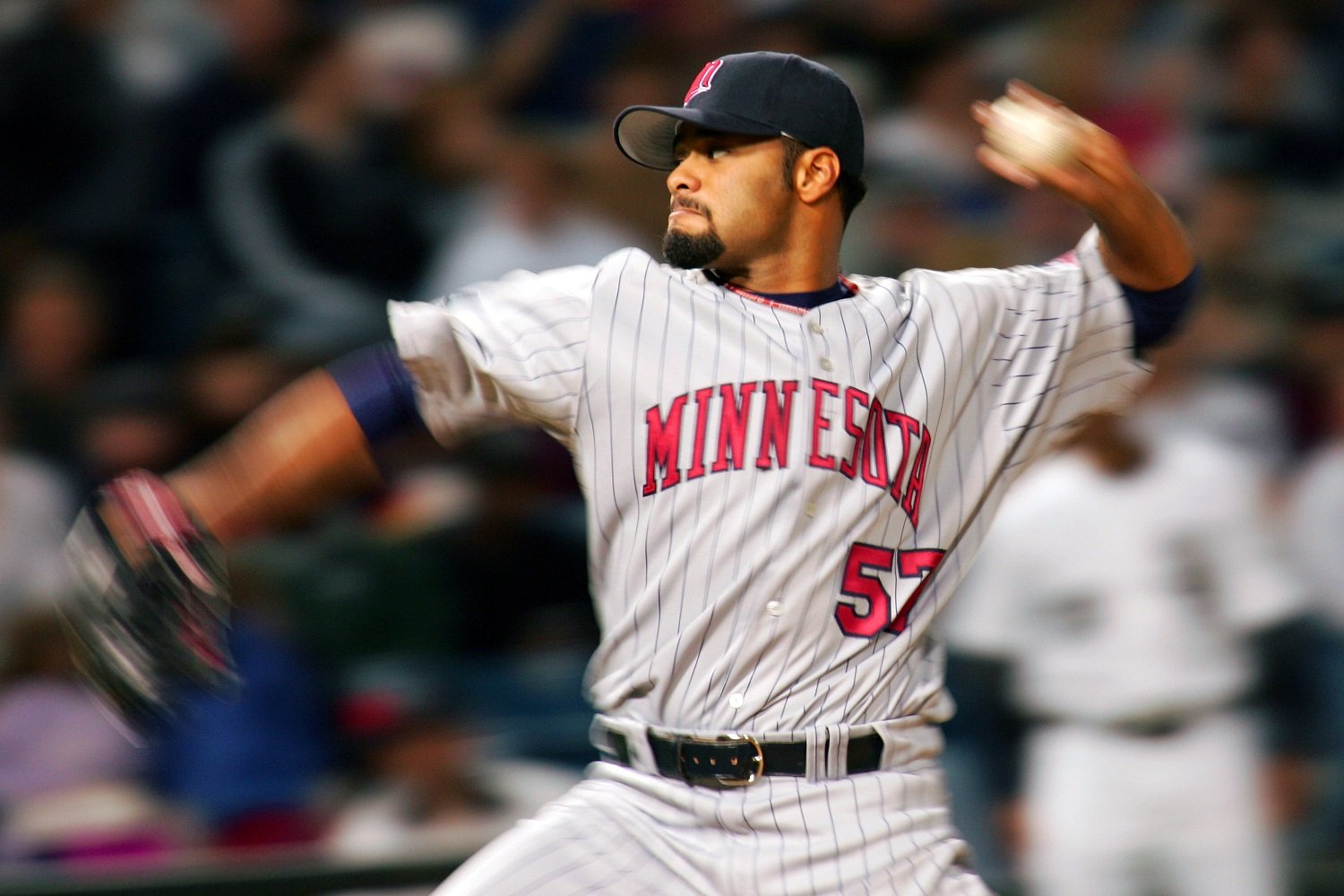 The 2026 season marks the 20th anniversary of Johan Santana capturing his second Cy Young Award with the Minnesota Twins. His dominance during the middle of the 2000s remains one of the greatest stretches by any pitcher in franchise history. Yet when evaluating Santana's Hall of Fame case, it's impossible to ignore one glaring question: What if the voters had gotten the 2005 Cy Young race right? Sandwiched between his unanimous Cy Young victories in 2004 and 2006, Santana produced another elite campaign in 2005. In many ways, it was every bit as impressive as the seasons that earned him the award on either side of it. Santana led the American League in strikeouts (238), WHIP (0.97), hits allowed per nine innings (6.2), and strikeouts per nine innings (9.3). He threw 231 2/3 innings, posted a 2.87 ERA, and continued to establish himself as the most dominant starting pitcher in baseball. Still, when the voting was completed, Santana finished third. The award instead went to Los Angeles Angels starter Bartolo Colon, while New York Yankees closer Mariano Rivera finished second. Santana received only three first-place votes and finished with 51 points. Colon collected 17 first-place votes and finished 67 points ahead of Santana, while Rivera earned eight first-place votes and finished 16 points ahead of the Twins ace. Looking back through a modern lens, the results are difficult to explain. Colon certainly had an impressive season. He went 21-8 for a first-place Angels club and posted a 3.48 ERA across 222 2/3 innings. However, Santana outperformed him in nearly every meaningful category, except wins. The gap becomes even more striking when viewed through today's advanced metrics. Santana finished with 7.1 fWAR, compared to Colon's 4.1 and Rivera's 2.9. That difference represents an enormous advantage. Of course, WAR was not part of the mainstream baseball conversation in 2005. Voters placed far greater emphasis on pitcher wins than they do today. Even so, many of the traditional statistics favored Santana as well. He had a lower ERA, a lower WHIP, more strikeouts, a better strikeout rate, and allowed fewer baserunners than Colon. Santana also recorded seven complete games and two shutouts, demonstrating the type of workload that voters often celebrated during that era. The biggest argument in Colon's favor was simple: 21 wins. The Angels won the American League West with a late-season surge, and Colon went 10-3 after the All-Star break while helping carry Los Angeles to the division title. Meanwhile, the Twins disappointed expectations and finished 83-79, placing third in the AL Central. Team success often influences award voting, even when voters insist otherwise. There was also the narrative element. Colon had become one of baseball's most popular players. Fans appreciated his durability, personality, and unconventional physique. His story resonated in ways that statistics sometimes do not. Santana, meanwhile, was quietly dominant. After making the first All-Star team of his career in 2005, he elevated his performance to another level during the second half. Over his final 13 starts, Santana went 7-2 with a 1.42 ERA and 89 strikeouts in 95 1/3 innings. Opponents managed only a .503 OPS against him, and he allowed one run or fewer in 10 of those 13 outings. It was one of the most overpowering stretches any pitcher produced that season. Yet, it wasn't enough. The consequences of that vote became more apparent as Santana's career unfolded. Because shoulder injuries shortened his peak, Santana finished his career with two Cy Young Awards instead of potentially three. Had he won in 2005, he would have belonged to one of the most exclusive clubs in baseball history. Only 11 pitchers have won three or more Cy Young Awards. Among them, only Roger Clemens remains outside the Hall of Fame, largely because of allegations involving performance-enhancing drugs. Clayton Kershaw and Max Scherzer are expected to be inducted once they become fully eligible. A third Cy Young Award would not have guaranteed Santana a plaque in Cooperstown, but it almost certainly would have strengthened his candidacy. Instead, his Hall of Fame case never gained traction with the Baseball Writers' Association of America. When he appeared on the ballot in 2018, Santana received just 2.4% of the vote and fell off after one year, far below the five percent threshold required to remain eligible. His best path to Cooperstown now runs through the Era Committee, the same process that eventually helped Twins legends Tony Oliva and Jim Kaat earn induction. Whether that happens remains uncertain. What is certain is that Santana's peak remains one of the most dominant stretches baseball has seen in the last quarter-century. From 2004 through 2008, few pitchers in history were better. Yet Hall of Fame debates often come down to milestones, awards, and résumé lines that voters can quickly recognize. The 2005 Cy Young vote took one of those résumé lines away. Twenty years later, it remains one of the most debated award races of the modern era. It may also represent the single biggest reason Johan Santana is still waiting for his Hall of Fame call. This version leans more heavily into the Hall of Fame implications throughout the story, rather than saving them for the end, creating a stronger connection between the 2005 vote and Santana's current Cooperstown outlook. What do you remember about the 2005 Cy Young race? Leave a comment and start the discussion.
- 8 comments
-
- 3
-

-
- johan santana
- bartolo colon
- (and 1 more)
-
4 Under-the-Radar Twins Trade Candidates
Cody Christie posted a topic in Twins Daily Front Page News
Image courtesy of © Matt Blewett-Imagn Images As the MLB Trade Deadline approaches, much of the conversation surrounding the Twins centers on the biggest names on the roster. If Minnesota decides to sell, teams will undoubtedly call about Joe Ryan. Ryan Jeffers could draw interest from clubs looking for help behind the plate, and Byron Buxton's name will continue to generate speculation even if a deal remains unlikely. However, trade deadlines are often shaped by more than just blockbuster moves. Contending teams are constantly searching for complementary pieces that can improve a roster's depth, strengthen a bullpen, or provide matchup advantages down the stretch. Those players rarely generate headlines, but they can still become valuable trade chips. If the Twins find themselves moving pieces at the deadline, these four under-the-radar players could emerge as realistic trade candidates. UTL Kody Clemens Few waiver claims have worked out as well for Minnesota as Clemens. Since joining the organization last season, Clemens has carved out an important role as a versatile bench player capable of contributing on both sides of the ball. In 112 games with the Twins last year, he posted a 96 OPS+ while accumulating 1.2 rWAR. This season, he has taken another step forward with a 112 OPS+ and 0.8 rWAR through 51 games. His value extends beyond the batter's box. Clemens has provided strong defense at first base and has produced some of the best Defensive Runs Saved totals among players at the position. Add in his ability to move around the diamond, and he becomes an attractive option for a contender seeking a left-handed bat with defensive flexibility. The return would likely be modest, but utility players who can fill multiple roles often become valuable deadline additions for playoff contenders. LHP Taylor Rogers Rogers returned to Minnesota, hoping to finish his career where it started, but there is a scenario where he ends the season elsewhere. The veteran left-hander may be entering the final season of his career, and contenders are always searching for experienced bullpen help in July. While Rogers has not completely stabilized Minnesota's relief corps, some underlying numbers suggest he has pitched better than his traditional statistics indicate. His 4.63 ERA stands in sharp contrast to a much stronger 3.10 FIP. He has also been more effective against left-handed hitters, holding them to a .736 OPS compared to an .898 OPS allowed against right-handed batters. A team looking for a veteran left-handed specialist or matchup reliever could view Rogers as a worthwhile addition. His postseason experience and long track record may hold more value to a contender than they do to a Twins club focused on the future. OF Trevor Larnach Larnach spent much of the offseason surrounded by trade speculation. Minnesota reportedly explored moving him during the winter but ultimately held onto the former first-round pick. Instead of seeing his value decline, Larnach has reestablished himself as a productive major league regular. Through his first 52 games, he owns a 113 OPS+ and 0.6 rWAR. He continues to thrive against right-handed pitching, posting an .809 OPS in those matchups. His struggles against left-handed pitchers remain evident, however, as he has managed just a .446 OPS against southpaws. That profile may actually increase his appeal to contenders. Many playoff teams look for platoon bats capable of maximizing favorable matchups. Larnach's left-handed power and success against righties could make him a valuable piece for a club seeking additional offense from a corner outfield spot or designated hitter role. RHP Yoendrys Gómez Few players have boosted their stock more dramatically over the last couple of months than Gómez. The Twins acquired Gómez from the Rays for cash considerations earlier this season, and the move has quickly paid dividends. Since arriving in Minnesota, he has posted a 0.68 ERA, 1.98 FIP, and 0.825 WHIP while striking out 18 batters and walking only five in 13 1/3 innings. Minnesota has utilized a closer-by-committee approach throughout the season, but Gómez became the first Twins reliever to reach three saves. His combination of swing-and-miss stuff and affordable team control could make him attractive to organizations looking for bullpen help. The timing will be important. If Gómez continues pitching at this level throughout June and into July, Minnesota could find itself in a position to sell high on a reliever they acquired for virtually nothing. Even a modest prospect return would represent a strong piece of business for the front office. Trade deadline discussions often focus on stars and headline-grabbing names, but roster depth can be just as valuable for teams chasing a postseason berth. Clemens, Rogers, Larnach, and Gómez each bring a specific skill set that could appeal to contenders looking for affordable upgrades. Whether the Twins ultimately move any of these players remains to be seen. Much will depend on where Minnesota sits in the standings as the deadline approaches. Still, these are the types of players who frequently change uniforms in July and quietly help shape the playoff race. Will the Twins trade any of the players mentioned above? What kind of trade value exists for these lower-tier players? Leave a comment and start the discussion. View full article -
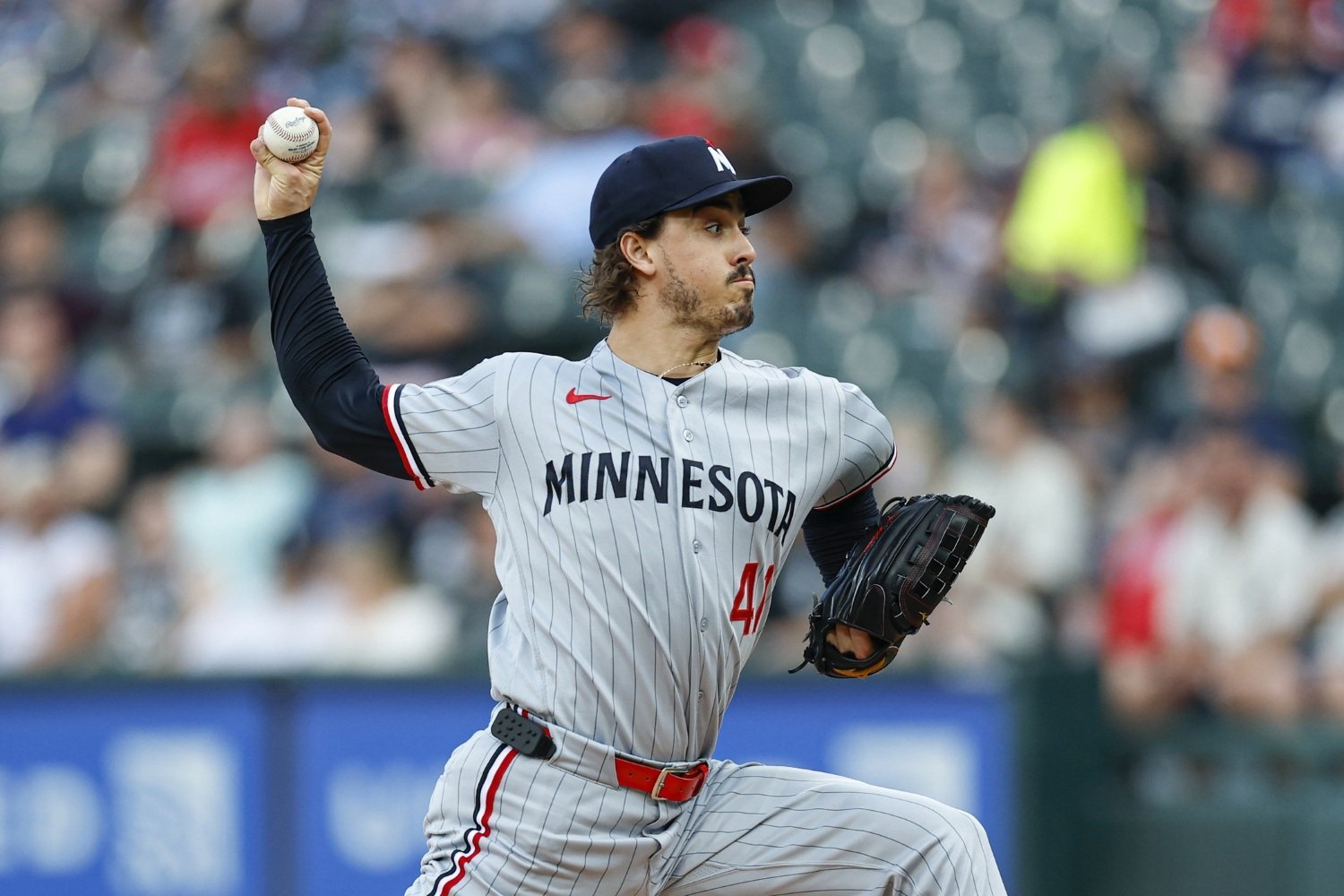 With the Detroit Tigers sitting near the bottom of the American League standings, it has become increasingly clear that Tarik Skubal will be one of the biggest names available before the August 4th MLB Trade Deadline. The two-time American League Cy Young Award winner has already become the subject of countless trade rumors. National outlets have spent weeks projecting landing spots, debating prospect packages, and speculating about which contenders will ultimately win the bidding war for one of baseball's best pitchers. Skubal's recent stint on the injured list has done little to slow the conversation. Expectations are that he will make a rehab appearance next week and return to the Tigers' rotation shortly thereafter. That should leave plenty of time for contenders to evaluate him before the deadline arrives. Trade Suitors for Skubal (and Ryan?) Recently, The Athletic identified seven potential suitors for Skubal, including the Dodgers, Rays, Cubs, Yankees, Padres, Diamondbacks, and Blue Jays. That list illustrates exactly how strong the market could be for a frontline starter. It also creates an interesting opportunity for the Minnesota Twins. While Skubal is expected to headline the pitching market, Joe Ryan may be the best starting pitcher available after him. If one club ultimately lands Skubal, there will be several disappointed contenders left searching for an ace-level arm. Those teams could quickly pivot their attention toward Minnesota and Ryan. In some ways, Ryan's market could become directly tied to Skubal's. Every team involved in the Skubal sweepstakes will likely have a prospect package prepared. Once Skubal comes off the board, those same organizations could redirect their resources toward Ryan. A bidding war that starts with Detroit could easily spill over into Minnesota. Joe Ryan's Trade Value There is even a legitimate argument that Ryan could generate a stronger return than Skubal. That statement might seem surprising given Skubal's accomplishments. He owns two Cy Young Awards and has established himself as one of the most dominant starters in baseball. However, trade value is about more than talent. Control matters. Skubal is scheduled to become a free agent after the season and will be looking for one of the largest contracts in baseball history when he hits the open market. Any acquiring team would be paying a premium for roughly two months of regular season starts and a potential postseason run. Ryan, meanwhile, remains under team control through the 2027 season via arbitration. That extra year is significant. Ryan will earn a raise through arbitration, but his salary will remain far below what an ace-level starter would command on the open market. Teams place enormous value on cost certainty, particularly with a new Collective Bargaining Agreement looming this winter. If baseball moves toward a salary cap and floor system, affordable impact players could become even more valuable. Why the Twins Would Trade Ryan The Twins have hovered around the .500 mark for much of the season and remain within striking distance of a playoff berth. However, that positioning says as much about the state of the American League as it does about Minnesota's performance. The reality is that the Twins have struggled to establish themselves as a true contender. That reality is what makes Ryan such an intriguing trade candidate. At 30 years old, Ryan is pitching some of the best baseball of his career. Through his first 13 starts (70 1/3 innings), he posted a career-best 136 ERA+ and 2.76 FIP with 79 strikeouts and only 14 walks. Those numbers follow a breakout 2025 campaign in which Ryan earned his first All-Star selection. After spending multiple seasons on the fringe of All-Star consideration, he finally received the recognition he deserved. He finished last season with a 125 ERA+ and 194 strikeouts across 171 innings while cementing himself as one of the American League's most reliable starters. For a contender seeking rotation help, Ryan checks nearly every box. He misses bats, limits walks, stays relatively healthy, and comes with an additional year of control. That combination is rare. The Twins may ultimately decide to keep Ryan and continue their pursuit of a postseason spot. There is certainly an argument for retaining one of the organization's best players. There is also an opportunity for the Twins to extend Ryan so they could get closer to the proposed MLB salary floor. But if Minnesota chooses to sell, Detroit's decision on Skubal could have a major impact on the Twins' return package. The first domino on the pitching market is likely Skubal. Once it falls, Ryan could become the most coveted starter available. And if enough teams are left empty-handed after missing out on Detroit's ace, Minnesota may discover that Ryan's market is every bit as strong as Skubal's. It becomes a supply-and-demand situation. That possibility is exactly why the Twins should be paying close attention to what happens in Detroit over the next several weeks. Can Ryan get a larger trade package than Skubal? Leave a comment and start the discussion.
 -
Image courtesy of © Kamil Krzaczynski-Imagn Images With the Detroit Tigers sitting near the bottom of the American League standings, it has become increasingly clear that Tarik Skubal will be one of the biggest names available before the August 4th MLB Trade Deadline. The two-time American League Cy Young Award winner has already become the subject of countless trade rumors. National outlets have spent weeks projecting landing spots, debating prospect packages, and speculating about which contenders will ultimately win the bidding war for one of baseball's best pitchers. Skubal's recent stint on the injured list has done little to slow the conversation. Expectations are that he will make a rehab appearance next week and return to the Tigers' rotation shortly thereafter. That should leave plenty of time for contenders to evaluate him before the deadline arrives. Trade Suitors for Skubal (and Ryan?) Recently, The Athletic identified seven potential suitors for Skubal, including the Dodgers, Rays, Cubs, Yankees, Padres, Diamondbacks, and Blue Jays. That list illustrates exactly how strong the market could be for a frontline starter. It also creates an interesting opportunity for the Minnesota Twins. While Skubal is expected to headline the pitching market, Joe Ryan may be the best starting pitcher available after him. If one club ultimately lands Skubal, there will be several disappointed contenders left searching for an ace-level arm. Those teams could quickly pivot their attention toward Minnesota and Ryan. In some ways, Ryan's market could become directly tied to Skubal's. Every team involved in the Skubal sweepstakes will likely have a prospect package prepared. Once Skubal comes off the board, those same organizations could redirect their resources toward Ryan. A bidding war that starts with Detroit could easily spill over into Minnesota. Joe Ryan's Trade Value There is even a legitimate argument that Ryan could generate a stronger return than Skubal. That statement might seem surprising given Skubal's accomplishments. He owns two Cy Young Awards and has established himself as one of the most dominant starters in baseball. However, trade value is about more than talent. Control matters. Skubal is scheduled to become a free agent after the season and will be looking for one of the largest contracts in baseball history when he hits the open market. Any acquiring team would be paying a premium for roughly two months of regular season starts and a potential postseason run. Ryan, meanwhile, remains under team control through the 2027 season via arbitration. That extra year is significant. Ryan will earn a raise through arbitration, but his salary will remain far below what an ace-level starter would command on the open market. Teams place enormous value on cost certainty, particularly with a new Collective Bargaining Agreement looming this winter. If baseball moves toward a salary cap and floor system, affordable impact players could become even more valuable. Why the Twins Would Trade Ryan The Twins have hovered around the .500 mark for much of the season and remain within striking distance of a playoff berth. However, that positioning says as much about the state of the American League as it does about Minnesota's performance. The reality is that the Twins have struggled to establish themselves as a true contender. That reality is what makes Ryan such an intriguing trade candidate. At 30 years old, Ryan is pitching some of the best baseball of his career. Through his first 13 starts (70 1/3 innings), he posted a career-best 136 ERA+ and 2.76 FIP with 79 strikeouts and only 14 walks. Those numbers follow a breakout 2025 campaign in which Ryan earned his first All-Star selection. After spending multiple seasons on the fringe of All-Star consideration, he finally received the recognition he deserved. He finished last season with a 125 ERA+ and 194 strikeouts across 171 innings while cementing himself as one of the American League's most reliable starters. For a contender seeking rotation help, Ryan checks nearly every box. He misses bats, limits walks, stays relatively healthy, and comes with an additional year of control. That combination is rare. The Twins may ultimately decide to keep Ryan and continue their pursuit of a postseason spot. There is certainly an argument for retaining one of the organization's best players. There is also an opportunity for the Twins to extend Ryan so they could get closer to the proposed MLB salary floor. But if Minnesota chooses to sell, Detroit's decision on Skubal could have a major impact on the Twins' return package. The first domino on the pitching market is likely Skubal. Once it falls, Ryan could become the most coveted starter available. And if enough teams are left empty-handed after missing out on Detroit's ace, Minnesota may discover that Ryan's market is every bit as strong as Skubal's. It becomes a supply-and-demand situation. That possibility is exactly why the Twins should be paying close attention to what happens in Detroit over the next several weeks. Can Ryan get a larger trade package than Skubal? Leave a comment and start the discussion. View full article
-
Keeping a seat warm for a Culpepper call up
-
Royce Lewis is Back, James Outman Designated for Assignment
Cody Christie posted an article in Twins
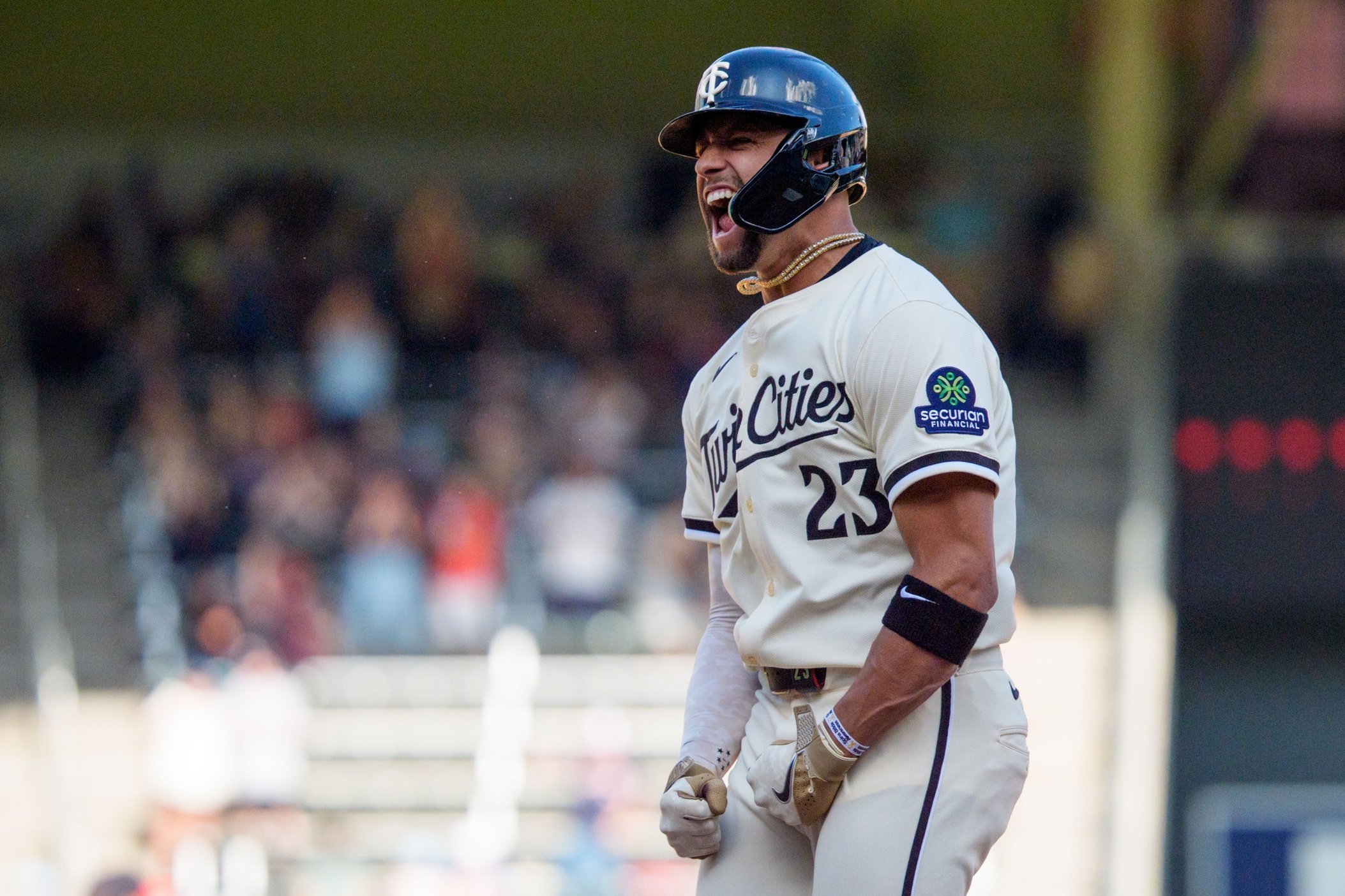 According to multiple reports, the Twins are recalling Royce Lewis from Triple-A St. Paul. In a corresponding move, James Outman has been designated for assignment. Just a few weeks ago, it was fair to wonder whether Lewis had played his last game in a Twins uniform. Injuries have repeatedly interrupted his career, and when he was healthy this season, he simply wasn't producing. Through his first stint with Minnesota in 2026, Lewis hit just .163/.261/.279 while striking out in 31.1% of his plate appearances. The Twins finally made the difficult decision to send him to Triple-A in mid-May, hoping he could reset both physically and mentally. Lewis responded exactly as the organization had hoped. In 13 games with the Saints, Lewis slashed .340/.417/.868 with eight home runs, 19 RBI, and 12 runs scored. Just as encouraging was the reduction in strikeouts. After fanning at an alarming rate in the majors, Lewis cut that number to 19.6% during his time in St. Paul. Of course, success against Triple-A pitching doesn't automatically guarantee major-league success. However, the Twins know better than anyone what Lewis is capable of when healthy and locked in. During the 2022 and 2023 seasons, injuries limited him to just 280 plate appearances, but he still posted a remarkable .307/.364/.549 (.913) slash line. The talent has never been in question. The challenge has always been keeping him on the field and consistently productive. His return also raises interesting questions about how the Twins plan to deploy him defensively. Lewis has spent most of his professional career at third base, and that was his primary position before the demotion. Since then, Brooks Lee has settled in at the hot corner while continuing to strengthen his case as a long-term fixture in the infield. With top prospect and shortstop Kaelen Culpepper tearing up Triple-A, the organization's future infield picture suddenly appeared much more crowded. Rather than limiting himself to third base, Lewis has started expanding his versatility. Earlier this week, he appeared at second base, his first professional game there since a brief experiment in 2024. He also made his first professional appearance at first base, giving the Twins another potential avenue to get his bat into the lineup. That flexibility could prove valuable. First base remains one of the more unsettled spots on the roster. Kody Clemens, Josh Bell, and Victor Caratini have all received significant playing time there this season. Since Ryan Jeffers suffered a hamate fracture in mid-May, Caratini has become the club's primary catcher, reducing his availability at first base. Bell, meanwhile, is hitting just .227/.289/.345 (.634) and is a pending free agent and isn’t in the team’s long-term plans. While the veteran still has value, there is a reasonable argument for reducing his workload if Lewis forces the issue offensively. Clemens presents another interesting wrinkle. He has enjoyed a productive season at the plate while providing defensive flexibility all over the field. The Twins have used him at every outfield position, and Matt Wallner's recent demotion created additional opportunities in the corners. Trevor Larnach and Austin Martin have performed well in those spots, but Clemens' ability to move around the diamond remains an asset. The reality is that Lewis' roster outlook looked dramatically different a month ago. Between his struggles at the plate, his growing salary through arbitration, and the emergence of Lee and Culpepper, there was a legitimate path toward a non-tender this offseason. At $2.85 million this year and with additional raises looming, Lewis needed to remind the organization why he remains worth investing in. His performance in St. Paul accomplished exactly that. As for Outman, the move is far less surprising. The 29-year-old never established a meaningful role on the roster and was used sparingly throughout the season. In 49 games, he posted a 34 OPS+ and accumulated -0.4 rWAR. For a player with parts of five major-league seasons on his résumé, the production simply wasn't enough to justify a roster spot. Now the focus shifts back to Lewis. The Twins don't need him to be the player who dominated Triple-A pitching over the past two weeks. They simply need him to look like the impact talent that once appeared destined to become a franchise cornerstone. The opportunities are still there, even if the path looks different from what it did a year ago. After a month that seemed to place his future in Minnesota in doubt, Lewis has earned another chance. What he does with it could go a long way toward determining whether he's part of the Twins' future or merely receiving one final opportunity to prove he belongs. What stands out about Lewis and his Triple-A performance? How will the Twins use Lewis defensively? Leave a comment and start the discussion.
 -
Image courtesy of © Matt Blewett-Imagn Images According to multiple reports, the Twins are recalling Royce Lewis from Triple-A St. Paul. In a corresponding move, James Outman has been designated for assignment. Just a few weeks ago, it was fair to wonder whether Lewis had played his last game in a Twins uniform. Injuries have repeatedly interrupted his career, and when he was healthy this season, he simply wasn't producing. Through his first stint with Minnesota in 2026, Lewis hit just .163/.261/.279 while striking out in 31.1% of his plate appearances. The Twins finally made the difficult decision to send him to Triple-A in mid-May, hoping he could reset both physically and mentally. Lewis responded exactly as the organization had hoped. In 13 games with the Saints, Lewis slashed .340/.417/.868 with eight home runs, 19 RBI, and 12 runs scored. Just as encouraging was the reduction in strikeouts. After fanning at an alarming rate in the majors, Lewis cut that number to 19.6% during his time in St. Paul. Of course, success against Triple-A pitching doesn't automatically guarantee major-league success. However, the Twins know better than anyone what Lewis is capable of when healthy and locked in. During the 2022 and 2023 seasons, injuries limited him to just 280 plate appearances, but he still posted a remarkable .307/.364/.549 (.913) slash line. The talent has never been in question. The challenge has always been keeping him on the field and consistently productive. His return also raises interesting questions about how the Twins plan to deploy him defensively. Lewis has spent most of his professional career at third base, and that was his primary position before the demotion. Since then, Brooks Lee has settled in at the hot corner while continuing to strengthen his case as a long-term fixture in the infield. With top prospect and shortstop Kaelen Culpepper tearing up Triple-A, the organization's future infield picture suddenly appeared much more crowded. Rather than limiting himself to third base, Lewis has started expanding his versatility. Earlier this week, he appeared at second base, his first professional game there since a brief experiment in 2024. He also made his first professional appearance at first base, giving the Twins another potential avenue to get his bat into the lineup. That flexibility could prove valuable. First base remains one of the more unsettled spots on the roster. Kody Clemens, Josh Bell, and Victor Caratini have all received significant playing time there this season. Since Ryan Jeffers suffered a hamate fracture in mid-May, Caratini has become the club's primary catcher, reducing his availability at first base. Bell, meanwhile, is hitting just .227/.289/.345 (.634) and is a pending free agent and isn’t in the team’s long-term plans. While the veteran still has value, there is a reasonable argument for reducing his workload if Lewis forces the issue offensively. Clemens presents another interesting wrinkle. He has enjoyed a productive season at the plate while providing defensive flexibility all over the field. The Twins have used him at every outfield position, and Matt Wallner's recent demotion created additional opportunities in the corners. Trevor Larnach and Austin Martin have performed well in those spots, but Clemens' ability to move around the diamond remains an asset. The reality is that Lewis' roster outlook looked dramatically different a month ago. Between his struggles at the plate, his growing salary through arbitration, and the emergence of Lee and Culpepper, there was a legitimate path toward a non-tender this offseason. At $2.85 million this year and with additional raises looming, Lewis needed to remind the organization why he remains worth investing in. His performance in St. Paul accomplished exactly that. As for Outman, the move is far less surprising. The 29-year-old never established a meaningful role on the roster and was used sparingly throughout the season. In 49 games, he posted a 34 OPS+ and accumulated -0.4 rWAR. For a player with parts of five major-league seasons on his résumé, the production simply wasn't enough to justify a roster spot. Now the focus shifts back to Lewis. The Twins don't need him to be the player who dominated Triple-A pitching over the past two weeks. They simply need him to look like the impact talent that once appeared destined to become a franchise cornerstone. The opportunities are still there, even if the path looks different from what it did a year ago. After a month that seemed to place his future in Minnesota in doubt, Lewis has earned another chance. What he does with it could go a long way toward determining whether he's part of the Twins' future or merely receiving one final opportunity to prove he belongs. What stands out about Lewis and his Triple-A performance? How will the Twins use Lewis defensively? Leave a comment and start the discussion. View full article
-
The Minnesota Twins have spent much of the season trying to keep Byron Buxton healthy while still allowing him to impact games in center field. On Friday night, that balancing act took another concerning turn. Buxton exited Minnesota’s game against the Kansas City Royals in the third inning after crashing into the center field wall while making a catch on a deep drive from Carter Jensen. The Twins later announced that Buxton suffered a right shoulder contusion. The play immediately drew concern at Target Field. Buxton raced back on Jensen’s drive, secured the out, and slammed into the wall at full speed. Although he remained in the game initially and stayed in center field for the next two outs, the situation quickly changed once he returned to the dugout. “I was concerned about it because he ran into it full speed, hard,” Twins manager Derek Shelton said. “He was shook up a little bit. When he came in, and he said he hit that shoulder, the same shoulder that he had the issue with — he wanted to hit, and I was like, ‘Nah, there's no chance if you’re feeling it in the same spot.’ " Head trainer Nick Paparesta spoke with Buxton after the collision, and the veteran center fielder initially believed he could continue playing. However, after remaining on the field for the rest of the inning, Buxton informed Shelton that the shoulder had taken the brunt of the impact. “He’s way too important to us to take an at-bat to try, so I just took it out of his hands and said no,” Shelton said. The injury is particularly concerning because it involves the same shoulder that recently limited Buxton's ability to play center field. He jammed his shoulder on a slide on May 23, affecting his throwing for roughly a week. Combined with a sore right hip flexor that forced him to miss five games in May, the Twins have been carefully managing his workload over the last several weeks. Buxton was playing center field for only the fourth time since May 13, entering Friday's game. Much of his recent playing time had come as the designated hitter while the Twins tried to keep his bat in the lineup without placing additional stress on his body. That bat has been one of the biggest reasons Minnesota remains in contention. Buxton entered Friday tied for fourth in Major League Baseball with 18 home runs and had homered against Kansas City on Thursday night. He has appeared in 55 of the Twins' first 65 games, an encouraging total for a player whose availability has often been one of the club's biggest questions. Unfortunately, Friday's collision created another health concern at a time when the Twins can least afford to lose him. Shelton said it’s unlikely Buxton will be in Saturday’s lineup because the first pitch was about 13 hours after last night’s game ended. The Twins should have a clearer picture of Buxton's status over the next couple of days, but Friday served as another reminder of both his value and the fine line Minnesota must walk in keeping one of baseball's most dynamic players on the field. View full rumor
-
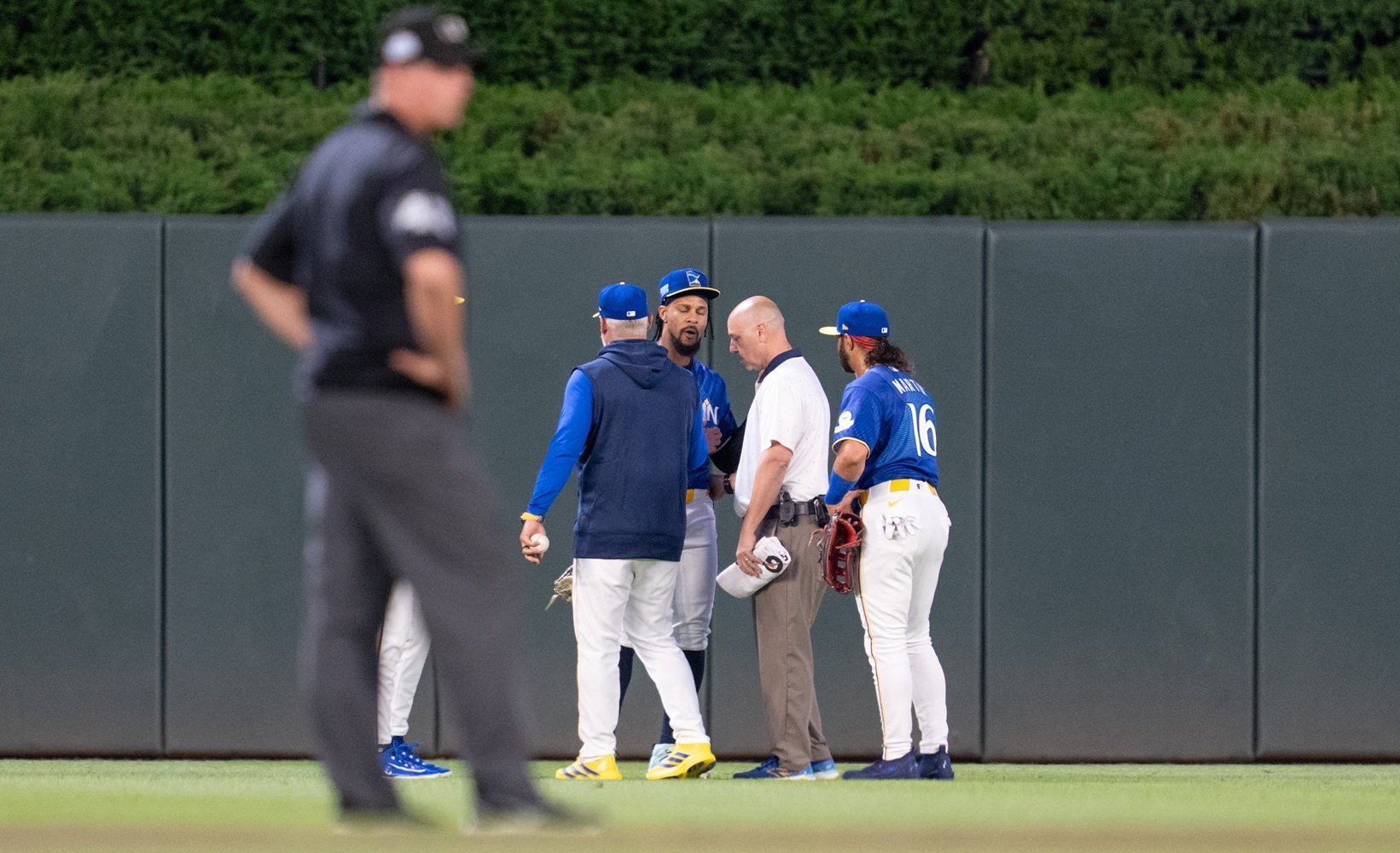 The Minnesota Twins have spent much of the season trying to keep Byron Buxton healthy while still allowing him to impact games in center field. On Friday night, that balancing act took another concerning turn. Buxton exited Minnesota’s game against the Kansas City Royals in the third inning after crashing into the center field wall while making a catch on a deep drive from Carter Jensen. The Twins later announced that Buxton suffered a right shoulder contusion. The play immediately drew concern at Target Field. Buxton raced back on Jensen’s drive, secured the out, and slammed into the wall at full speed. Although he remained in the game initially and stayed in center field for the next two outs, the situation quickly changed once he returned to the dugout. “I was concerned about it because he ran into it full speed, hard,” Twins manager Derek Shelton said. “He was shook up a little bit. When he came in, and he said he hit that shoulder, the same shoulder that he had the issue with — he wanted to hit, and I was like, ‘Nah, there's no chance if you’re feeling it in the same spot.’ " Head trainer Nick Paparesta spoke with Buxton after the collision, and the veteran center fielder initially believed he could continue playing. However, after remaining on the field for the rest of the inning, Buxton informed Shelton that the shoulder had taken the brunt of the impact. “He’s way too important to us to take an at-bat to try, so I just took it out of his hands and said no,” Shelton said. The injury is particularly concerning because it involves the same shoulder that recently limited Buxton's ability to play center field. He jammed his shoulder on a slide on May 23, affecting his throwing for roughly a week. Combined with a sore right hip flexor that forced him to miss five games in May, the Twins have been carefully managing his workload over the last several weeks. Buxton was playing center field for only the fourth time since May 13, entering Friday's game. Much of his recent playing time had come as the designated hitter while the Twins tried to keep his bat in the lineup without placing additional stress on his body. That bat has been one of the biggest reasons Minnesota remains in contention. Buxton entered Friday tied for fourth in Major League Baseball with 18 home runs and had homered against Kansas City on Thursday night. He has appeared in 55 of the Twins' first 65 games, an encouraging total for a player whose availability has often been one of the club's biggest questions. Unfortunately, Friday's collision created another health concern at a time when the Twins can least afford to lose him. Shelton said it’s unlikely Buxton will be in Saturday’s lineup because the first pitch was about 13 hours after last night’s game ended. The Twins should have a clearer picture of Buxton's status over the next couple of days, but Friday served as another reminder of both his value and the fine line Minnesota must walk in keeping one of baseball's most dynamic players on the field.
 -
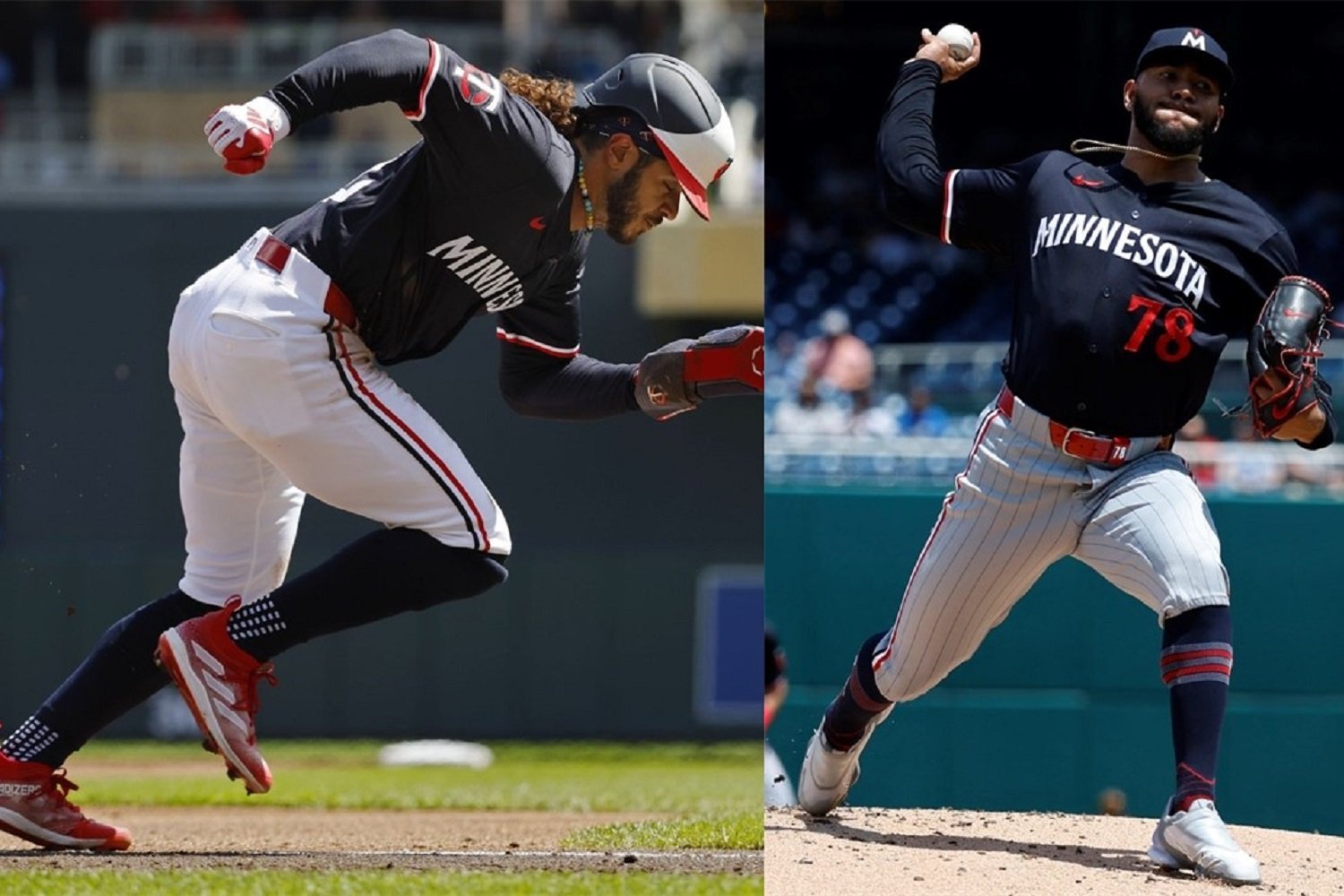 Five years have passed since Derek Falvey made one of the most consequential trades in recent Twins history. At the 2021 trade deadline, Minnesota sent homegrown ace José Berríos to the Toronto Blue Jays in exchange for two Top 100 prospects: Austin Martin and Simeon Woods Richardson. At the time, it felt like a franchise-altering deal. The Twins were selling after a disappointing season, and Toronto was aggressively pursuing a postseason berth. Now, with Berríos sidelined following Tommy John surgery, Woods Richardson heading back to Toronto, and Martin establishing himself as a regular contributor in the major leagues, there is enough distance from the trade to begin evaluating what each side actually received. What Was Said at the Time? When the trade was announced in July 2021, the baseball industry largely viewed it as a major win for Minnesota. The Twins had not actively shopped Berríos entering deadline week, but once they began listening, Toronto's offer exceeded expectations. FanGraphs described the return as a "bounty," noting that Minnesota had landed two Top 100 prospects for a pitcher with only a season and a half of club control remaining. That praise came with plenty of caveats. Martin, the fifth overall pick in the 2020 MLB Draft, possessed elite on-base skills but carried questions about his future defensive home, power potential, and rising strikeout rates. Woods Richardson was viewed as a polished pitching prospect, though evaluators wondered whether his command and lack of premium velocity would limit his upside. The Twins were betting on talent and projection. The Blue Jays were betting on certainty. Berríos Delivered Mixed Results in Toronto Toronto quickly demonstrated its commitment to Berríos by signing him to a seven-year, $131 million extension. However, that extension should not factor into the original trade evaluation. Minnesota only traded away the remainder of the 2021 season and the entirety of 2022. Berríos was excellent down the stretch in 2021. Across 12 starts with Toronto, he posted a 3.58 ERA and 1.10 WHIP while generating 1.5 rWAR. His performance looked very similar to what he had provided for the Twins throughout his career. The following season was a completely different story. Berríos struggled throughout 2022, finishing with a 5.23 ERA while leading the American League in both hits and earned runs allowed. He accumulated a disappointing -0.7 rWAR season. When all was said and done, the Blue Jays received just 0.8 rWAR during the season and a half of team control Minnesota traded away. Martin's Path Has Been Anything But Linear Few prospects have experienced a more winding road through the Twins organization than Austin Martin. Many of the concerns scouts identified in 2021 followed him through the minor leagues. Injuries slowed his development, and there were moments when it appeared he had fallen out of Minnesota's long-term plans altogether. Martin finally debuted in 2025, appearing in 93 games. The overall numbers were underwhelming. He posted a .670 OPS and an 89 OPS+ while finishing with -1.0 rWAR. Yet the story changed dramatically after the 2025 trade deadline. Following a stint at Triple-A and a healthier second half, Martin returned to Minnesota looking like a different player. Over his final 50 games, he produced 0.7 rWAR with a 106 OPS+. He also showcased the athleticism that once made him one of baseball's premier prospects, successfully stealing 11 bases in 15 attempts. On a team that collapsed down the stretch, Martin emerged as one of the few reasons for optimism. Entering 2026, his role remained uncertain. However, a strong April combined with struggles from several teammates helped him earn more consistent playing time. Through 54 games, Martin has already matched last year's 0.7 rWAR total while posting a 102 OPS+. The season has not been without challenges. After recording a .899 OPS in April, that figure dropped to .587 in May. Even so, he has established himself as a legitimate major-league contributor. Because he was a late bloomer, he remains under team control into his early 30s. Woods Richardson's Roller-Coaster Ride While Martin arrived with the bigger prospect pedigree, Woods Richardson arguably provided more value to Minnesota in the short term. Between 2024 and 2025, he developed into a reliable member of the Twins rotation. Across 245 innings, he produced 4.1 rWAR with a 4.11 ERA and a 103 ERA+. His future appeared especially bright late last season. Last September, Woods Richardson unveiled a splitter that transformed his repertoire. Over his final 27 innings, he posted a 2.33 ERA and struck out 36 hitters. The pitch generated swings and misses at a rate he had never previously achieved and looked capable of elevating him from a back-end starter to something more. Unfortunately, that momentum disappeared almost immediately in 2026. His first two starts offered little reason for concern. Against Kansas City and Tampa Bay, Woods Richardson allowed just three earned runs across 11 2/3 innings. Then everything unraveled. Over his next seven starts, he went 0-5 with a 9.79 ERA, surrendering 38 runs in only 30 1/3 innings. Opposing hitters consistently squared up his fastball, and the effectiveness of his splitter vanished. By the time the Twins designated him for assignment, he had accumulated -1.3 rWAR while leading the American League in both losses and earned runs allowed. It was a stunning collapse. So, Who Won the Trade? Trade evaluations rarely provide simple answers, and this one remains incomplete. If the conversation is limited strictly to the value Minnesota traded away, the Twins appear to have done exceptionally well. Berríos produced only 0.8 rWAR during the year and a half of control Toronto acquired before reaching free agency. Meanwhile, Woods Richardson alone generated 4.1 rWAR during his productive 2024 and 2025 seasons. Even after accounting for his disastrous 2026 campaign, he still provided substantially more value than Berríos did during the control window that was exchanged. Martin's story is still being written. After posting a combined 1.4 rWAR over the last two seasons, he remains a controllable major-league player who could continue adding value for several more years. At the moment, the Twins have already received more on-field production than the Blue Jays got from Berríos during the period they originally acquired him. That alone makes the trade look favorable for Minnesota. However, the final verdict may still be years away. Martin is only beginning to establish himself in the majors, and his future contributions could ultimately determine just how significant this trade becomes in Twins history. Five years later, what once looked like a prospect-heavy gamble appears to be paying off. Whether it becomes one of the franchise's best modern trades depends on what Martin does next. How should fans view this trade after five years? Leave a comment and start the discussion.
- 18 comments
-
- 1
-
-
- jose berrios
- austin martin
- (and 1 more)
-
Image courtesy of ©Brad Rempel-Imagn Images It has become one of baseball's most predictable conversations. Whenever the Minnesota Twins hit a rough patch, fall out of contention, or approach the trade deadline, Byron Buxton's name starts appearing in trade speculation. National analysts suggest contenders should call. Fans debate whether the organization should maximize his value. Pundits wonder if the star center fielder deserves a chance to play elsewhere. The discussion has persisted for years, despite one important detail: Buxton has never shown much interest in leaving Minnesota. That's why Joe Mauer's recent comments were particularly noteworthy. No one understands the unique position Buxton occupies better than Mauer. Before Buxton became the face of the franchise, Mauer spent more than a decade carrying that responsibility himself. He experienced the pressure of being a franchise cornerstone, heard the rumors about playing elsewhere, and ultimately chose to spend his entire career in a Twins uniform. Speaking with reporters ahead of a celebrity golf tournament at the end of May, Mauer touched on several topics before the conversation turned to Buxton and his importance to the organization. The parallels between the two stars are impossible to ignore. Both entered professional baseball with enormous expectations. Mauer was selected first overall by the Twins in the 2001 MLB Draft and eventually built a Hall of Fame career. Buxton was viewed as one of the sport's most exciting prospects before Minnesota selected him second overall in 2012 after the Houston Astros chose Carlos Correa with the first pick. Their careers have unfolded differently, but each player became the centerpiece of the franchise during his era. When asked about Buxton's impact on the field, Mauer didn't hesitate. “He’s one of the most exciting players in the game. He can do it all. He can impact the game in so many different ways — not just with the bat, but with his glove, with his base-running, and his tools. You don’t really have to know baseball to know that he just stands out a little bit from the other guys.” Mauer's assessment reflects what Twins fans have seen for years. When healthy, Buxton remains one of the game's most dynamic talents. He can change a game with a home run, save runs in center field, or create havoc on the bases. There simply aren't many players capable of influencing every aspect of the game the way Buxton can. Of course, the conversation around Buxton has never been solely about talent. Health has been the defining storyline of his career, and Mauer knows that reality better than most. His career was affected by multiple injuries, eventually forcing him to retire. “That’s always been kind of his thing, that you’ve got to keep him on the field, and when he can stay healthy, he’s going to put up some good numbers. So happy that he’s staying healthy, and I always enjoy watching him play the game.” Health concerns have often fueled trade discussions. Some outsiders see an injury history and wonder if Minnesota should move on. Others see an elite talent and believe a contender should make an aggressive offer. Mauer understands those conversations because he lived through his own version of them. Before signing his long-term extension, there was speculation about whether the Twins could keep him. Later, as Minnesota endured losing seasons near the end of his career, some wondered if he would seek a better opportunity elsewhere. Instead, Mauer remained committed to the organization, choosing to finish his career where it started. That history gives his perspective on Buxton additional significance. Naturally, trade rumors will continue to follow a player of Buxton's caliber. However, Mauer believes the center fielder has earned the right to determine what comes next. “Buxton put himself in that position to have some input on it,” Mauer said. “He’s been around for a little while, and I believe he’s got a no-trade clause. Every decision is unique. Every player’s got their own things that they prioritize, and that go into a decision like that.” Mauer also said, “I know Buxton wants to win more than anybody, and I think he wants to win in Minnesota, and that would be something that I would like to see. But I just wish the best for him. Such a good guy, was a great teammate, and I hope he gets that chance to win. And I really do hope it’s here in Minnesota.” The trade speculation surrounding Buxton is unlikely to disappear anytime soon. That's the reality of being one of the most talented players in baseball. But Mauer's comments offer an important reminder that often gets lost in hypothetical trade proposals. Players have a voice in these situations, and sometimes their priorities don't align with the outside noise. Mauer heard the rumors and stayed. Buxton has heard them for years and continues to express his desire to remain in Minnesota. For two franchise icons from different generations, that may be the strongest connection of all. Will the Twins explore trade options with Buxton this year? Are there other connections between Buxton and Mauer? Leave a comment and start the discussion. View full article
-
Joe Mauer, Byron Buxton, and Never-Ending Trade Speculation
Cody Christie posted an article in Twins
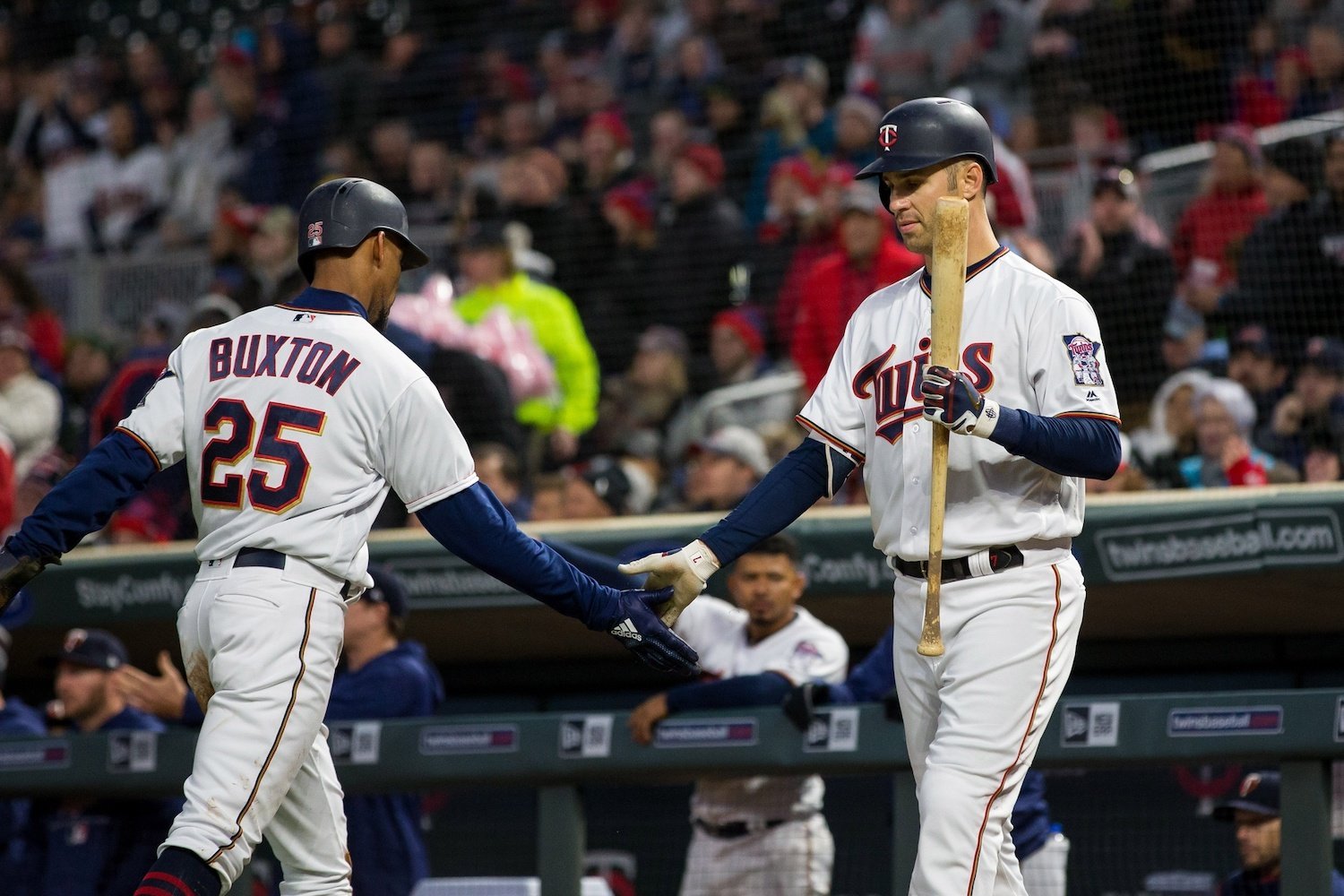 It has become one of baseball's most predictable conversations. Whenever the Minnesota Twins hit a rough patch, fall out of contention, or approach the trade deadline, Byron Buxton's name starts appearing in trade speculation. National analysts suggest contenders should call. Fans debate whether the organization should maximize his value. Pundits wonder if the star center fielder deserves a chance to play elsewhere. The discussion has persisted for years, despite one important detail: Buxton has never shown much interest in leaving Minnesota. That's why Joe Mauer's recent comments were particularly noteworthy. No one understands the unique position Buxton occupies better than Mauer. Before Buxton became the face of the franchise, Mauer spent more than a decade carrying that responsibility himself. He experienced the pressure of being a franchise cornerstone, heard the rumors about playing elsewhere, and ultimately chose to spend his entire career in a Twins uniform. Speaking with reporters ahead of a celebrity golf tournament at the end of May, Mauer touched on several topics before the conversation turned to Buxton and his importance to the organization. The parallels between the two stars are impossible to ignore. Both entered professional baseball with enormous expectations. Mauer was selected first overall by the Twins in the 2001 MLB Draft and eventually built a Hall of Fame career. Buxton was viewed as one of the sport's most exciting prospects before Minnesota selected him second overall in 2012 after the Houston Astros chose Carlos Correa with the first pick. Their careers have unfolded differently, but each player became the centerpiece of the franchise during his era. When asked about Buxton's impact on the field, Mauer didn't hesitate. “He’s one of the most exciting players in the game. He can do it all. He can impact the game in so many different ways — not just with the bat, but with his glove, with his base-running, and his tools. You don’t really have to know baseball to know that he just stands out a little bit from the other guys.” Mauer's assessment reflects what Twins fans have seen for years. When healthy, Buxton remains one of the game's most dynamic talents. He can change a game with a home run, save runs in center field, or create havoc on the bases. There simply aren't many players capable of influencing every aspect of the game the way Buxton can. Of course, the conversation around Buxton has never been solely about talent. Health has been the defining storyline of his career, and Mauer knows that reality better than most. His career was affected by multiple injuries, eventually forcing him to retire. “That’s always been kind of his thing, that you’ve got to keep him on the field, and when he can stay healthy, he’s going to put up some good numbers. So happy that he’s staying healthy, and I always enjoy watching him play the game.” Health concerns have often fueled trade discussions. Some outsiders see an injury history and wonder if Minnesota should move on. Others see an elite talent and believe a contender should make an aggressive offer. Mauer understands those conversations because he lived through his own version of them. Before signing his long-term extension, there was speculation about whether the Twins could keep him. Later, as Minnesota endured losing seasons near the end of his career, some wondered if he would seek a better opportunity elsewhere. Instead, Mauer remained committed to the organization, choosing to finish his career where it started. That history gives his perspective on Buxton additional significance. Naturally, trade rumors will continue to follow a player of Buxton's caliber. However, Mauer believes the center fielder has earned the right to determine what comes next. “Buxton put himself in that position to have some input on it,” Mauer said. “He’s been around for a little while, and I believe he’s got a no-trade clause. Every decision is unique. Every player’s got their own things that they prioritize, and that go into a decision like that.” Mauer also said, “I know Buxton wants to win more than anybody, and I think he wants to win in Minnesota, and that would be something that I would like to see. But I just wish the best for him. Such a good guy, was a great teammate, and I hope he gets that chance to win. And I really do hope it’s here in Minnesota.” The trade speculation surrounding Buxton is unlikely to disappear anytime soon. That's the reality of being one of the most talented players in baseball. But Mauer's comments offer an important reminder that often gets lost in hypothetical trade proposals. Players have a voice in these situations, and sometimes their priorities don't align with the outside noise. Mauer heard the rumors and stayed. Buxton has heard them for years and continues to express his desire to remain in Minnesota. For two franchise icons from different generations, that may be the strongest connection of all. Will the Twins explore trade options with Buxton this year? Are there other connections between Buxton and Mauer? Leave a comment and start the discussion.
 -
Image courtesy of © Bruce Kluckhohn, Geoff Burke-USA TODAY Sports Five years have passed since Derek Falvey made one of the most consequential trades in recent Twins history. At the 2021 trade deadline, Minnesota sent homegrown ace José Berríos to the Toronto Blue Jays in exchange for two Top 100 prospects: Austin Martin and Simeon Woods Richardson. At the time, it felt like a franchise-altering deal. The Twins were selling after a disappointing season, and Toronto was aggressively pursuing a postseason berth. Now, with Berríos sidelined following Tommy John surgery, Woods Richardson designated for assignment, and Martin establishing himself as a regular contributor in the major leagues, there is enough distance from the trade to begin evaluating what each side actually received. What Was Said at the Time? When the trade was announced in July 2021, the baseball industry largely viewed it as a major win for Minnesota. The Twins had not actively shopped Berríos entering deadline week, but once they began listening, Toronto's offer exceeded expectations. FanGraphs described the return as a "bounty," noting that Minnesota had landed two Top 100 prospects for a pitcher with only a season and a half of club control remaining. That praise came with plenty of caveats. Martin, the fifth overall pick in the 2020 MLB Draft, possessed elite on-base skills but carried questions about his future defensive home, power potential, and rising strikeout rates. Woods Richardson was viewed as a polished pitching prospect, though evaluators wondered whether his command and lack of premium velocity would limit his upside. The Twins were betting on talent and projection. The Blue Jays were betting on certainty. Berríos Delivered Mixed Results in Toronto Toronto quickly demonstrated its commitment to Berríos by signing him to a seven-year, $131 million extension. However, that extension should not factor into the original trade evaluation. Minnesota only traded away the remainder of the 2021 season and the entirety of 2022. Berríos was excellent down the stretch in 2021. Across 12 starts with Toronto, he posted a 3.58 ERA and 1.10 WHIP while generating 1.5 rWAR. His performance looked very similar to what he had provided for the Twins throughout his career. The following season was a completely different story. Berríos struggled throughout 2022, finishing with a 5.23 ERA while leading the American League in both hits and earned runs allowed. He accumulated a disappointing -0.7 rWAR season. When all was said and done, the Blue Jays received just 0.8 rWAR during the season and a half of team control Minnesota traded away. Martin's Path Has Been Anything But Linear Few prospects have experienced a more winding road through the Twins organization than Austin Martin. Many of the concerns scouts identified in 2021 followed him through the minor leagues. Injuries slowed his development, and there were moments when it appeared he had fallen out of Minnesota's long-term plans altogether. Martin finally debuted in 2025, appearing in 93 games. The overall numbers were underwhelming. He posted a .670 OPS and an 89 OPS+ while finishing with -1.0 rWAR. Yet the story changed dramatically after the 2025 trade deadline. Following a stint at Triple-A and a healthier second half, Martin returned to Minnesota looking like a different player. Over his final 50 games, he produced 0.7 rWAR with a 106 OPS+. He also showcased the athleticism that once made him one of baseball's premier prospects, successfully stealing 11 bases in 15 attempts. On a team that collapsed down the stretch, Martin emerged as one of the few reasons for optimism. Entering 2026, his role remained uncertain. However, a strong April combined with struggles from several teammates helped him earn more consistent playing time. Through 54 games, Martin has already matched last year's 0.7 rWAR total while posting a 102 OPS+. The season has not been without challenges. After recording a .899 OPS in April, that figure dropped to .587 in May. Even so, he has established himself as a legitimate major-league contributor. Because he was a late bloomer, he remains under team control into his early 30s. Woods Richardson's Roller-Coaster Ride While Martin arrived with the bigger prospect pedigree, Woods Richardson arguably provided more value to Minnesota in the short term. Between 2024 and 2025, he developed into a reliable member of the Twins rotation. Across 245 innings, he produced 4.1 rWAR with a 4.11 ERA and a 103 ERA+. His future appeared especially bright late last season. Last September, Woods Richardson unveiled a splitter that transformed his repertoire. Over his final 27 innings, he posted a 2.33 ERA and struck out 36 hitters. The pitch generated swings and misses at a rate he had never previously achieved and looked capable of elevating him from a back-end starter to something more. Unfortunately, that momentum disappeared almost immediately in 2026. His first two starts offered little reason for concern. Against Kansas City and Tampa Bay, Woods Richardson allowed just three earned runs across 11 2/3 innings. Then everything unraveled. Over his next seven starts, he went 0-5 with a 9.79 ERA, surrendering 38 runs in only 30 1/3 innings. Opposing hitters consistently squared up his fastball, and the effectiveness of his splitter vanished. By the time the Twins designated him for assignment, he had accumulated -1.3 rWAR while leading the American League in both losses and earned runs allowed. It was a stunning collapse. So, Who Won the Trade? Trade evaluations rarely provide simple answers, and this one remains incomplete. If the conversation is limited strictly to the value Minnesota traded away, the Twins appear to have done exceptionally well. Berríos produced only 0.8 rWAR during the year and a half of control Toronto acquired before reaching free agency. Meanwhile, Woods Richardson alone generated 4.1 rWAR during his productive 2024 and 2025 seasons. Even after accounting for his disastrous 2026 campaign, he still provided substantially more value than Berríos did during the control window that was exchanged. Martin's story is still being written. After posting a combined 1.4 rWAR over the last two seasons, he remains a controllable major-league player who could continue adding value for several more years. At the moment, the Twins have already received more on-field production than the Blue Jays got from Berríos during the period they originally acquired him. That alone makes the trade look favorable for Minnesota. However, the final verdict may still be years away. Martin is only beginning to establish himself in the majors, and his future contributions could ultimately determine just how significant this trade becomes in Twins history. Five years later, what once looked like a prospect-heavy gamble appears to be paying off. Whether it becomes one of the franchise's best modern trades depends on what Martin does next. How should fans view this trade after five years? Leave a comment and start the discussion. View full article
-
Joe Ryan Was Visibly Angry After His Winning Start Monday Night. Why?
Cody Christie posted an article in Twins
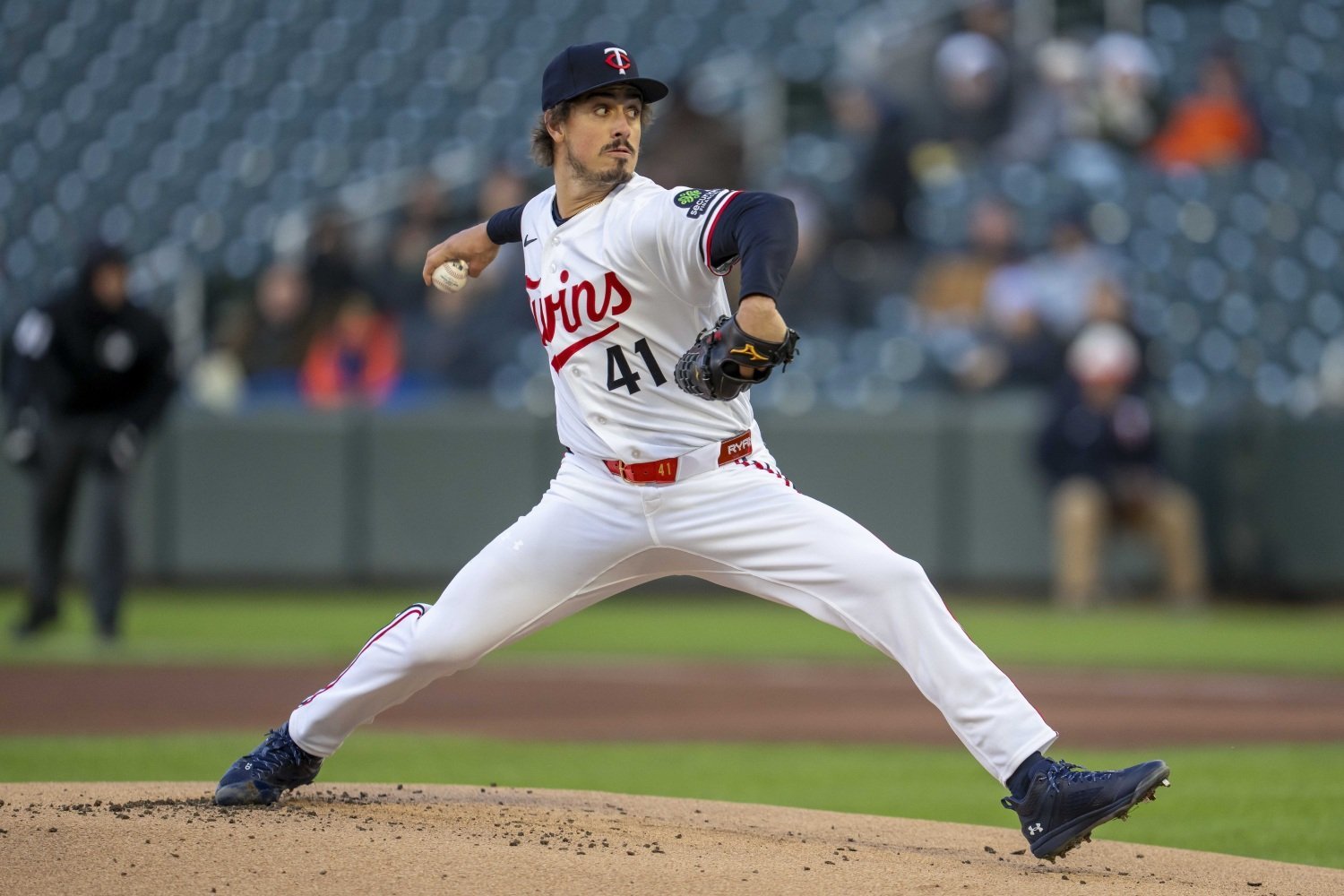 Joe Ryan has never been a pitcher who hides his emotions. Throughout his Twins career, fans have seen his reactions go viral, whether he's celebrating a spectacular defensive play behind him or watching a mistake leave the ballpark before it lands in the seats. Ryan wears his emotions on his sleeve; that's part of what makes him so compelling to watch every fifth day. For some players, showing emotion can become a distraction. For Ryan, it often serves as fuel. His competitiveness is evident in everything from his body language on the mound to his postgame interviews. That's why his comments after Monday's win over the White Sox stood out. Even after another quality start and a much-needed Twins victory, Ryan sounded frustrated with how the game unfolded. Monday's start against the White Sox looked like another example of him leading the Twins to victory. Though he surrendered a pair of home runs, Ryan worked six innings and helped the Twins snap their five-game losing streak. It was his second straight outing against Chicago after facing them last Tuesday, and the results were largely similar. Ryan attacked hitters, limited damage, and handed the game over with Minnesota in position to win. Yet after the game, his mood suggested something was bothering him. When asked about the game plan against the White Sox this time around, Ryan offered a noticeably brief response. "We pitched today, and we won," said Ryan, glancing around and sounding half-exasperated. "It was good." For a pitcher who is typically thoughtful and willing to discuss his approach, the answer felt unusually short. His next response provided more insight into why, in baseball lingo, he had the ass. "I don't feel like I gave enough length,” Ryan explained. “There's some things that could have gone differently, and trying to mix things up when we didn't need to be doing that, and adding things in that we haven't done all year.” What attempts to mix things up bugged him? “Just kind of changing the plan at times, and it limits the innings there. I was probably in a spot to go a couple more innings. Certain things didn't go the way we probably should have stuck to. It happens." That answer raised eyebrows, because Ryan rarely sounds dissatisfied following six innings of work, especially in a victory. The key phrase may have been "adding things in that we haven't done all year." Later, he was asked a follow-up question regarding the game plan and approach. "Just a couple of things we were doing that we'll talk about this week, and we'll figure [it] out. But it won't happen again." Whatever those changes were, Ryan clearly wasn't a fan. His tone conveyed that, as much as his words. Specifically, rather than lamenting his own mistakes, he seemed to imply that there were elements of pitch-calling or planning that put him in a position to fail. The details weren't revealed publicly by players or coaches, but it's fair to wonder whether the adjustments involved how Minnesota attacked Chicago's left-handed hitters. Facing the same team in back-to-back starts is never easy. Hitters gain familiarity. They remember sequencing. They recognize release points. Sometimes, a pitcher and coaching staff feel pressure to introduce something different simply to avoid becoming predictable. The challenge is finding the balance between adjustment and overthinking. Ryan's success this season has been built on trusting what already works. His fastball plays better than its velocity suggests because of its shape and carry through the strike zone. His splitter generates weak contact and swings and misses. His breaking pitches complement everything else. When Ryan is at his best, he's attacking with conviction, rather than searching for something new. Looking at the Baseball Savant pitch data from Monday, there are signs the plan may have shifted. His velocity was up across the board. Ryan's fastball averaged 1.4 mph harder than his season average, and similar increases showed up throughout his pitch mix. The stuff itself wasn't the problem. Against left-handed hitters, Ryan leaned heavily on his fastball and knuckle curve. He threw his four-seamer 54% of the time and his knuckle curve 22% of the time. Compared to his season averages against lefties, that represented an 8% increase in fastball usage and a 6% increase in knuckle curve usage. Those numbers suggest an intentional adjustment. The question becomes whether the change actually played into Chicago's success. Ryan's four-seam fastball has carried a 46.3% Hard Hit rate this season. On Monday, White Sox hitters put 10 of his fastballs into play and produced six hard-hit balls. Fortunately for Ryan, only three became hits. One of those hits left the yard for a home run. While the final line wasn't disastrous, the quality of contact was probably higher than Ryan would have liked. If the plan involved challenging left-handed hitters more aggressively in the zone with fastballs and breaking balls, it's understandable why he may have viewed the results skeptically. Below shows how Ryan approached left-handed batters in his last two starts versus Chicago. Ryan and the Twins leaned harder into the high fastball and went away from using the sweeper the way he did in the previous outing. That's especially true considering how dominant Ryan has been throughout the season. Pitchers who are performing at an elite level often develop tremendous confidence in the routines and strategies that got them there. When something changes, and it leads to damage (even minor damage), it can be frustrating. Perhaps the most notable takeaway from Ryan's comments wasn't that he disagreed with the approach. It was how strongly he felt about it. Ryan has been a major success story of the Twins' pitching development process. Monday served as a reminder that even in collaborative environments, pitchers still need to feel ownership of the game plan. The good news for Minnesota is that Ryan's frustration came after another quality outing, not after a disastrous one. His velocity was excellent. His stuff looked sharp. He still completed six innings and helped secure a much-needed victory. If anything, Ryan's comments reveal the mentality that has helped turn him into one of the American League's best starters. He wasn't satisfied with six innings and a win, because he believed there was more in the tank. He thought he could have pitched deeper into the game and prevented some of the damage if the Twins had stuck with the approach that has carried him all season. For a pitcher leading one of baseball’s most injured rotations, that dissatisfaction may actually be a positive sign. Ryan isn't focused on the box score. He's focused on maximizing every outing. And if his postgame comments are any indication, don't expect to see the same experimental game plan the next time he takes the mound. What will change with Ryan before his next start? Should Ryan have been mad? Leave a comment and start the discussion.
 -
Image courtesy of © Jesse Johnson-Imagn Images Joe Ryan has never been a pitcher who hides his emotions. Throughout his Twins career, fans have seen his reactions go viral, whether he's celebrating a spectacular defensive play behind him or watching a mistake leave the ballpark before it lands in the seats. Ryan wears his emotions on his sleeve, and that's part of what makes him so compelling to watch every fifth day. For some players, showing emotion can become a distraction. For Ryan, it often serves as fuel. His competitiveness is evident in everything from his body language on the mound to his postgame interviews. That's why his comments after Monday's win over the White Sox stood out. Even after another quality start and a much-needed Twins victory, Ryan sounded frustrated with how the game unfolded. Ryan has pitched at an All-Star level this season, even with an early-season injury scare that saw him exit a start after only two batters. He leads MLB with 13 games started and has posted a 135 ERA+ with a 2.76 FIP across 70 1/3 innings. Among AL starters, he has the fourth-best WHIP, sixth-most strikeouts, and fifth-best FIP. Monday's start against the White Sox looked like another example of him leading the Twins to victory. Though he surrendered a pair of home runs, Ryan worked six innings and helped the Twins snap their five-game losing streak. It was his second straight outing against Chicago after facing them last Tuesday, and the results were largely similar. Ryan attacked hitters, limited damage, and handed the game over with Minnesota in position to win. Yet after the game, his mood suggested something was bothering him. When asked about the game plan against the White Sox this time around, Ryan offered a noticeably brief response. "We pitched today, and we won," said Ryan. "It was good." For a pitcher who is typically thoughtful and willing to discuss his approach, the answer felt unusually short. His next response provided more insight into why he appeared frustrated. "I don't feel like I gave enough length,” Ryan explained. “There's some things that could have gone differently, and trying to mix things up when we didn't need to be doing that, and adding things in that we haven't done all year.” He elaborated, “Just kind of changing the plan at times, and it limits the innings there. I was probably in a spot to go a couple more innings. Certain things didn't go the way we probably should have stuck to. It happens." That answer raised eyebrows because Ryan rarely sounds dissatisfied following six innings of work, especially in a victory. The key phrase may have been "adding things in that we haven't done all year." Later, he was asked a follow-up question regarding the game plan and approach. "Just a couple of things we were doing that we'll talk about this week, and we'll figure [it] out. But it won't happen again." Whatever those changes were, Ryan clearly wasn't a fan. The details weren't revealed publicly by players or coaches, but it's fair to wonder whether the adjustments involved how Minnesota attacked Chicago's left-handed hitters. Facing the same team in back-to-back starts is never easy. Hitters gain familiarity. They remember sequencing. They recognize release points. Sometimes, a pitcher and coaching staff feel pressure to introduce something different simply to avoid becoming predictable. The challenge is finding the balance between adjustment and overthinking. Ryan's success this season has been built on trusting what already works. His fastball plays better than its velocity suggests because of its shape and carry through the strike zone. His splitter generates weak contact and swings and misses. His breaking pitches complement everything else. When Ryan is at his best, he's attacking with conviction rather than searching for something new. Looking at the Baseball Savant pitch data from Monday, there are signs the plan may have shifted. His velocity was up across the board. Ryan's fastball averaged 1.4 mph harder than his season average, and similar increases showed up throughout his pitch mix. The stuff itself wasn't the problem. Against left-handed hitters, Ryan leaned heavily on his fastball and knuckle curve. He threw his four-seamer 54% of the time and his knuckle curve 22% of the time. Compared to his season averages against lefties, that represented an 8% increase in fastball usage and a 6% increase in knuckle curve usage. Those numbers suggest an intentional adjustment. The question becomes whether the change actually played into Chicago's success. Ryan's four-seam fastball has carried a 46.3% Hard Hit rate this season. On Monday, White Sox hitters put 10 of his fastballs into play and produced six hard-hit balls. Fortunately for Ryan, only three became hits. One of those hits left the yard for a home run. While the final line wasn't disastrous, the quality of contact was probably higher than Ryan would have liked. If the plan involved challenging left-handed hitters more aggressively in the zone with fastballs and breaking balls, it's understandable why he may have viewed the results skeptically. Below shows how Ryan approached left-handed batters in his last two starts versus Chicago. That's especially true considering how dominant Ryan has been throughout the season. Pitchers who are performing at an elite level often develop tremendous confidence in the routines and strategies that got them there. When something changes, and it leads to damage, even minor damage, it can be frustrating. Perhaps the most notable takeaway from Ryan's comments wasn't that he disagreed with the approach. It was how strongly he felt about it. Ryan has been a major success story of the Twins' pitching development process. Monday served as a reminder that even in collaborative environments, pitchers still need to feel ownership of the game plan. The good news for Minnesota is that Ryan's frustration came after another quality outing, not after a disastrous one. His velocity was excellent. His stuff looked sharp. He still completed six innings and helped secure a much-needed victory. If anything, Ryan's comments reveal the mentality that has helped turn him into one of the American League's best starters. He wasn't satisfied with six innings and a win because he believed there was more in the tank. He thought he could have pitched deeper into the game and prevented some of the damage if the Twins had stuck with the approach that has carried him all season. For a pitcher leading one of baseball’s most injured rotations, that dissatisfaction may actually be a positive sign. Ryan isn't focused on the box score. He's focused on maximizing every outing. And if his postgame comments are any indication, don't expect to see the same experimental game plan the next time he takes the mound. What will change with Ryan before his next start? Should Ryan have been mad? Leave a comment and start the discussion. View full article
-
Image courtesy of © Bruce Kluckhohn-Imagn Images The Minnesota Twins continued searching for bullpen help on Monday night, acquiring right-handed reliever Justin Lawrence from the Pittsburgh Pirates for cash considerations. Pittsburgh designated the veteran reliever for assignment last week, giving Minnesota an opportunity to take a chance on a pitcher whose career has featured both electric highs and frustrating inconsistency. At first glance, Lawrence's numbers don't inspire much confidence. The 31-year-old owns a 5.32 ERA in 22 innings this season and has battled command issues throughout his Major League career. Yet, the Twins clearly see something worth exploring, and Lawrence believes his current performance is better than the stat line suggests. "I think I'm in a better place than what you see in the stat line, mentally, physically, health-wise," Lawrence told reporters. "I felt like I'm in a really good spot. [In] 2024, kind of struggled the entire year, but I felt like I'm in a completely different headspace. My stuff feels really good. I'm still attacking the zone. I'm always best when I'm in the zone. As long as I can stay in the strike zone, keep the sinker down, and be able to just control what I can control, most importantly, the success will come." For a Twins bullpen desperate for stability, Lawrence represents another low-cost gamble with a potentially meaningful payoff. Lawrence brings the type of arm talent Minnesota's bullpen lacks. He throws two fastballs that both average better than 95 MPH, and complements them with a sweeper capable of generating swings and misses. The raw arsenal has allowed him to survive in the big leagues despite inconsistent command. His 23.6% strikeout rate this season sits around league average, and when he's locating his pitches, hitters often struggle to square him up. Across 222 career appearances, however, Lawrence owns a 5.05 ERA. His 11.3% walk rate this season highlights the same issue that has followed him throughout his professional career. The Twins aren't acquiring a finished product. They're betting they can unlock more consistency from a pitcher whose stuff has always outperformed his results. Part of Lawrence's optimism stems from feeling healthier than he has in recent years. After missing most of the 2025 season due to elbow inflammation, he believes his mechanics are moving in the right direction again. "Yeah, I think I'm feeling better, physically,” Lawrence said. “My direction is straight to the plate, so being able to not cut myself off and get out there has been really good." Improved extension and cleaner mechanics could be especially important for a pitcher whose sinker relies on movement and deception. When Lawrence gets down the mound effectively, his fastball plays up, and his breaking ball becomes even tougher to recognize. The photos below show his “foot strike” position from 2025 and 2026. His extension is up noticeably this year, and this is why. The Four-Seamer Experiment One of the more interesting developments in Lawrence's career came when the Pirates encouraged him to throw more four-seam fastballs. Pittsburgh wanted him to incorporate the pitch shortly after acquiring him, but Lawrence wasn't fully comfortable with the adjustment initially. Over the winter, he worked to develop the offering and became more confident using it. However, the process wasn't seamless. As Lawrence worked to create separation between his four-seamer and his traditional sinker, he occasionally struggled to keep the sinker in its ideal locations. Instead of staying at the bottom of the zone, it drifted into more hittable areas. Even so, he believes the four-seamer can be a useful addition moving forward and plans to continue using it. The Twins will likely spend the next several weeks determining whether pitch-mix changes can help him unlock another level, or whether simplifying his approach could yield better results. Everything Comes Back to the Strike Zone When Lawrence discusses his career, one theme repeatedly emerges: throwing strikes. Despite possessing solid velocity and significant movement, he doesn't view command issues as an unavoidable consequence of his stuff. "Not necessarily. There are guys in the league that have amazing stuff and stuff that moves all sorts of directions, and they still throw a ton of strikes. That's always been my key, my whole career, from the minor leagues up. When I'm in the zone is when I'm at my best." That self-awareness may be part of what attracted Minnesota. The Twins don't need Lawrence to become an elite closer. They simply need him to throw enough strikes to let his natural ability work. If he can reduce the walks, the combination of velocity, movement, and swing-and-miss potential becomes much more valuable. A Bullpen Searching for Answers Minnesota's bullpen has been one of the organization's biggest disappointments this season. The Twins entered Tuesday ranked 25th in bullpen ERA and 29th in strikeout rate, ahead of only the Washington Nationals. Walks have also been a persistent problem, particularly during May. Those struggles aren't entirely surprising. Minnesota traded away several veteran relievers at last year's deadline and did little to replace that production over the offseason. The result has been a patchwork group that has struggled to miss bats and protect leads consistently. Lawrence joins recent addition Yoendrys Gómez as another attempt to inject power stuff into the relief corps. Unlike many depth acquisitions, however, Lawrence arrives without minor-league options. That creates an immediate roster challenge. Lawrence joins Taylor Rogers, Anthony Banda, and Gómez as relievers who cannot be freely shuffled between Triple-A and the Major Leagues. For a team that values roster flexibility, carrying multiple non-optionable relievers can become complicated. Still, Minnesota clearly felt the upside justified the risk. The Twins will assume approximately $800,000 remaining on Lawrence's $1.225 million salary. If he pitches well enough to stick on the roster, he'll remain under team control through the next two seasons. At this stage, Twins fans shouldn't expect Lawrence to suddenly become the bullpen's savior. What they should expect is a reliever with legitimate Major League stuff, a recent history of high-leverage success, and enough upside to make this gamble worthwhile. The command issues may never completely disappear, but Minnesota doesn't need perfection. It needs another arm capable of generating strikeouts and handling meaningful innings. For a bullpen desperately searching for answers, Lawrence represents exactly the type of low-cost, high-upside move contenders make during the middle of the season. If he can stay healthy, throw more strikes, and recapture some of the form that made him an All-Star just a few years ago, the Twins may have found much more than a simple depth addition. What stands out about Lawrence? Can he become a late-inning option for the Twins? Leave a comment and start the discussion. View full article
-
What Should Twins Fans Expect from Sidearmer Justin Lawrence?
Cody Christie posted an article in Twins
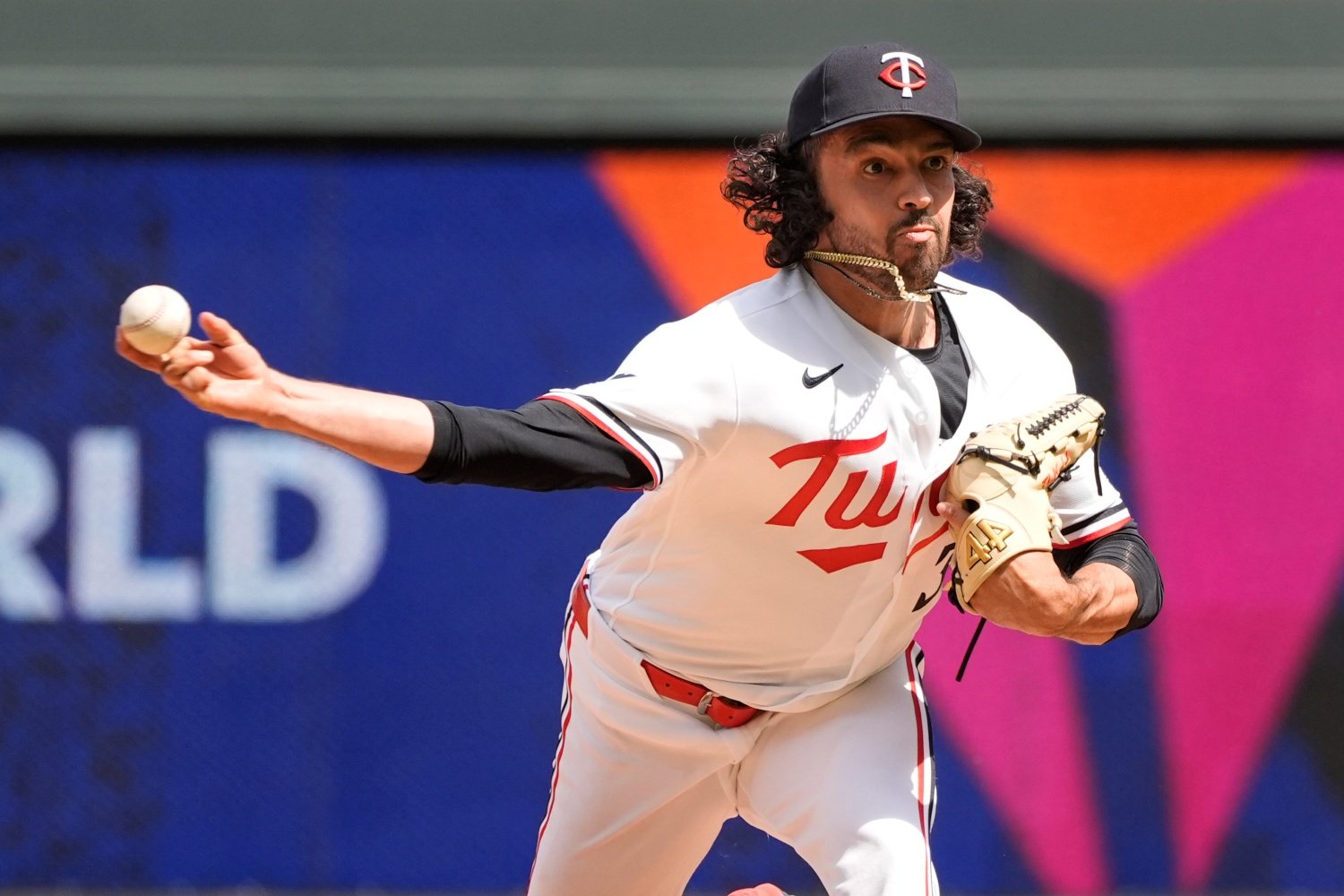 The Minnesota Twins continued searching for bullpen help on Monday night, acquiring right-handed reliever Justin Lawrence from the Pittsburgh Pirates for cash considerations. Pittsburgh designated the veteran reliever for assignment last week, giving Minnesota an opportunity to take a chance on a pitcher whose career has featured both electric highs and frustrating inconsistency. At first glance, Lawrence's numbers don't inspire much confidence. The 31-year-old owns a 5.32 ERA in 22 innings this season and has battled command issues throughout his Major League career. Yet, the Twins clearly see something worth exploring, and Lawrence believes his current performance is better than the stat line suggests. "I think I'm in a better place than what you see in the stat line, mentally, physically, health-wise," Lawrence told reporters. "I felt like I'm in a really good spot. [In] 2024, kind of struggled the entire year, but I felt like I'm in a completely different headspace. My stuff feels really good. I'm still attacking the zone. I'm always best when I'm in the zone. As long as I can stay in the strike zone, keep the sinker down, and be able to just control what I can control, most importantly, the success will come." For a Twins bullpen desperate for stability, Lawrence represents another low-cost gamble with a potentially meaningful payoff. Lawrence brings the type of arm talent Minnesota's bullpen lacks. He throws two fastballs that both average better than 95 MPH, and complements them with a sweeper capable of generating swings and misses. The raw arsenal has allowed him to survive in the big leagues despite inconsistent command. His 23.6% strikeout rate this season sits around league average, and when he's locating his pitches, hitters often struggle to square him up. Across 222 career appearances, however, Lawrence owns a 5.05 ERA. His 11.3% walk rate this season highlights the same issue that has followed him throughout his professional career. The Twins aren't acquiring a finished product. They're betting they can unlock more consistency from a pitcher whose stuff has always outperformed his results. Part of Lawrence's optimism stems from feeling healthier than he has in recent years. After missing most of the 2025 season due to elbow inflammation, he believes his mechanics are moving in the right direction again. "Yeah, I think I'm feeling better, physically,” Lawrence said. “My direction is straight to the plate, so being able to not cut myself off and get out there has been really good." Improved extension and cleaner mechanics could be especially important for a pitcher whose sinker relies on movement and deception. When Lawrence gets down the mound effectively, his fastball plays up, and his breaking ball becomes even tougher to recognize. The photos below show his “foot strike” position from 2025 and 2026. His extension is up noticeably this year, and this is why. The Four-Seamer Experiment One of the more interesting developments in Lawrence's career came when the Pirates encouraged him to throw more four-seam fastballs. Pittsburgh wanted him to incorporate the pitch shortly after acquiring him, but Lawrence wasn't fully comfortable with the adjustment initially. Over the winter, he worked to develop the offering and became more confident using it. However, the process wasn't seamless. As Lawrence worked to create separation between his four-seamer and his traditional sinker, he occasionally struggled to keep the sinker in its ideal locations. Instead of staying at the bottom of the zone, it drifted into more hittable areas. Even so, he believes the four-seamer can be a useful addition moving forward and plans to continue using it. The Twins will likely spend the next several weeks determining whether pitch-mix changes can help him unlock another level, or whether simplifying his approach could yield better results. Everything Comes Back to the Strike Zone When Lawrence discusses his career, one theme repeatedly emerges: throwing strikes. Despite possessing solid velocity and significant movement, he doesn't view command issues as an unavoidable consequence of his stuff. "Not necessarily. There are guys in the league that have amazing stuff and stuff that moves all sorts of directions, and they still throw a ton of strikes. That's always been my key, my whole career, from the minor leagues up. When I'm in the zone is when I'm at my best." That self-awareness may be part of what attracted Minnesota. The Twins don't need Lawrence to become an elite closer. They simply need him to throw enough strikes to let his natural ability work. If he can reduce the walks, the combination of velocity, movement, and swing-and-miss potential becomes much more valuable. A Bullpen Searching for Answers Minnesota's bullpen has been one of the organization's biggest disappointments this season. The Twins entered Tuesday ranked 25th in bullpen ERA and 29th in strikeout rate, ahead of only the Washington Nationals. Walks have also been a persistent problem, particularly during May. Those struggles aren't entirely surprising. Minnesota traded away several veteran relievers at last year's deadline and did little to replace that production over the offseason. The result has been a patchwork group that has struggled to miss bats and protect leads consistently. Lawrence joins recent addition Yoendrys Gómez as another attempt to inject power stuff into the relief corps. Unlike many depth acquisitions, however, Lawrence arrives without minor-league options. That creates an immediate roster challenge. Lawrence joins Taylor Rogers, Anthony Banda, and Gómez as relievers who cannot be freely shuffled between Triple-A and the Major Leagues. For a team that values roster flexibility, carrying multiple non-optionable relievers can become complicated. Still, Minnesota clearly felt the upside justified the risk. The Twins will assume approximately $800,000 remaining on Lawrence's $1.225 million salary. If he pitches well enough to stick on the roster, he'll remain under team control through the next two seasons. At this stage, Twins fans shouldn't expect Lawrence to suddenly become the bullpen's savior. What they should expect is a reliever with legitimate Major League stuff, a recent history of high-leverage success, and enough upside to make this gamble worthwhile. The command issues may never completely disappear, but Minnesota doesn't need perfection. It needs another arm capable of generating strikeouts and handling meaningful innings. For a bullpen desperately searching for answers, Lawrence represents exactly the type of low-cost, high-upside move contenders make during the middle of the season. If he can stay healthy, throw more strikes, and recapture some of the form that made him an All-Star just a few years ago, the Twins may have found much more than a simple depth addition. What stands out about Lawrence? Can he become a late-inning option for the Twins? Leave a comment and start the discussion.
 -
Image courtesy of © Jesse Johnson-Imagn Images When the Minnesota Twins designated Simeon Woods Richardson for assignment over the weekend, it felt shocking on the surface. Less than a year ago, he looked like a dependable back-end starter with room for more. By the end of May, however, he had become one of baseball’s least effective starting pitchers. Woods Richardson accumulated a 0-7 record and a 7.74 ERA. Because he was out of minor-league options, Minnesota could not simply send him back to Triple-A. The only way to remove him from the active roster was to expose him to waivers. The move was surprising because the Twins gave him only a brief look as a reliever before making their decision. Yet, when looking deeper into the numbers, it becomes easier to understand why the organization felt it had run out of alternatives. This outcome seemed almost impossible to envision just a few months ago. Woods Richardson posted a 4.17 ERA across 134 innings in 2024 and followed it with a 4.04 ERA in 111 innings during 2025. He was never viewed as a frontline starter, but he looked capable of holding down a spot at the back of Minnesota's rotation for years. The most encouraging development came late last season. In September, Woods Richardson unveiled a splitter that transformed his arsenal. Over his final 27 innings, he posted a 2.33 ERA while striking out 36 hitters. The new pitch generated swings and misses at an elite rate and appeared to give him the out pitch he had been missing throughout his career. Instead of becoming a launching point for a breakout season, it became the high-water mark of his Twins career. The season did not begin disastrously. In his first two starts, Woods Richardson combined for 11 2/3 innings while limiting the Royals and Rays to three earned runs on 10 hits. He struck out six and walked three. Unfortunately, that’s where the performance started to unravel. Over his next seven starts, he went 0-5 with a 9.79 ERA, while allowing 38 runs in just 30 1/3 innings. The underlying numbers were even more concerning. During that stretch, he recorded only 14 strikeouts compared to 17 walks. Opponents hit .361 against him while slugging .623 and launching seven home runs. When pitchers lose the ability to miss bats and simultaneously lose command, success becomes nearly impossible. That is exactly what happened to Woods Richardson. The splitter was supposed to be the pitch that elevated Woods Richardson to another level. Instead, it became one of the most damaging pitches in baseball. Last September, opponents hit just .077 against his splitter while generating a 37.4% whiff rate. This season, hitters batted .352 against the same pitch, and the whiff rate dropped to 20.4%. The pitch's run value tells an even more alarming story. His splitter produced a neutral run value in 2025 across 187 pitches. This season, after 228 splitters, the pitch carried a staggering minus-13 run value. Opponents produced a .481 weighted on-base average against it. On a per-pitch basis, Woods Richardson's splitter ranked as the worst pitch in Major League Baseball this season with a -5.7 RV/100. The pitch that once looked like a weapon suddenly became unusable. One has to wonder why he kept throwing the pitch. The splitter was not the only offering that regressed. His slider also took a dramatic step backward despite maintaining similar velocity and usage. Last season, opponents hit just .210 against the pitch while it generated a 27.4% whiff rate. This year, hitters posted a .356 batting average against it, and the whiff rate dropped to 17.4%. The decline was so severe that Woods Richardson produced both the worst pitch in baseball (splitter) by RV/100 and another pitch ranking among the 21 worst (slider). When two of a pitcher's primary swing-and-miss offerings suddenly stop missing bats, survival becomes difficult. The deterioration of his secondary pitches showed up in every other area. Woods Richardson was never a dominant strikeout pitcher, but he generated enough swings and misses to remain effective. This season, the strikeouts disappeared with an 18.2 Whiff% and a 22.4 Chase%, both ranking near the bottom of the league. His strikeout rate dropped from 21.5% last season to 11.5% in 2026. At the same time, his control worsened. His walk rate increased by 22%, and he issued 21 walks over his final 32 innings. Too often, he found himself behind in counts and struggling simply to locate pitches in the strike zone. His 5.80 expected ERA and 6.14 FIP suggest some bad luck compared to his 7.74 ERA. However, the results were not simply bad luck. The quality of his pitching had deteriorated significantly. Woods Richardson is still only 25 years old, which means his professional story is far from finished. Pitchers have rebuilt careers after losing velocity, command, or effectiveness, as the Twins have seen with Bailey Ober this season. The raw ingredients that once made SWR a highly regarded prospect still exist. A fresh start with a new organization could help him rediscover the splitter that briefly made him look like a breakout candidate. For the Twins, however, the decision ultimately came down to performance. A year ago, Woods Richardson looked like a controllable rotation piece who had finally found the missing ingredient in his arsenal. Today, he and the Twins are forced to deal with one of the most dramatic year-to-year declines of any pitcher in baseball. The Twins did not designate him for assignment because of one bad month. They did it because nearly every indicator pointed in the same direction. His fastball became more hittable. His splitter lost its magic. His slider stopped generating whiffs. The strikeouts vanished, and the walks piled up. For a pitcher who seemed poised to take the next step, everything went wrong at once. Can Woods Richardson turn it around? Leave a comment and start the discussion. View full article
-
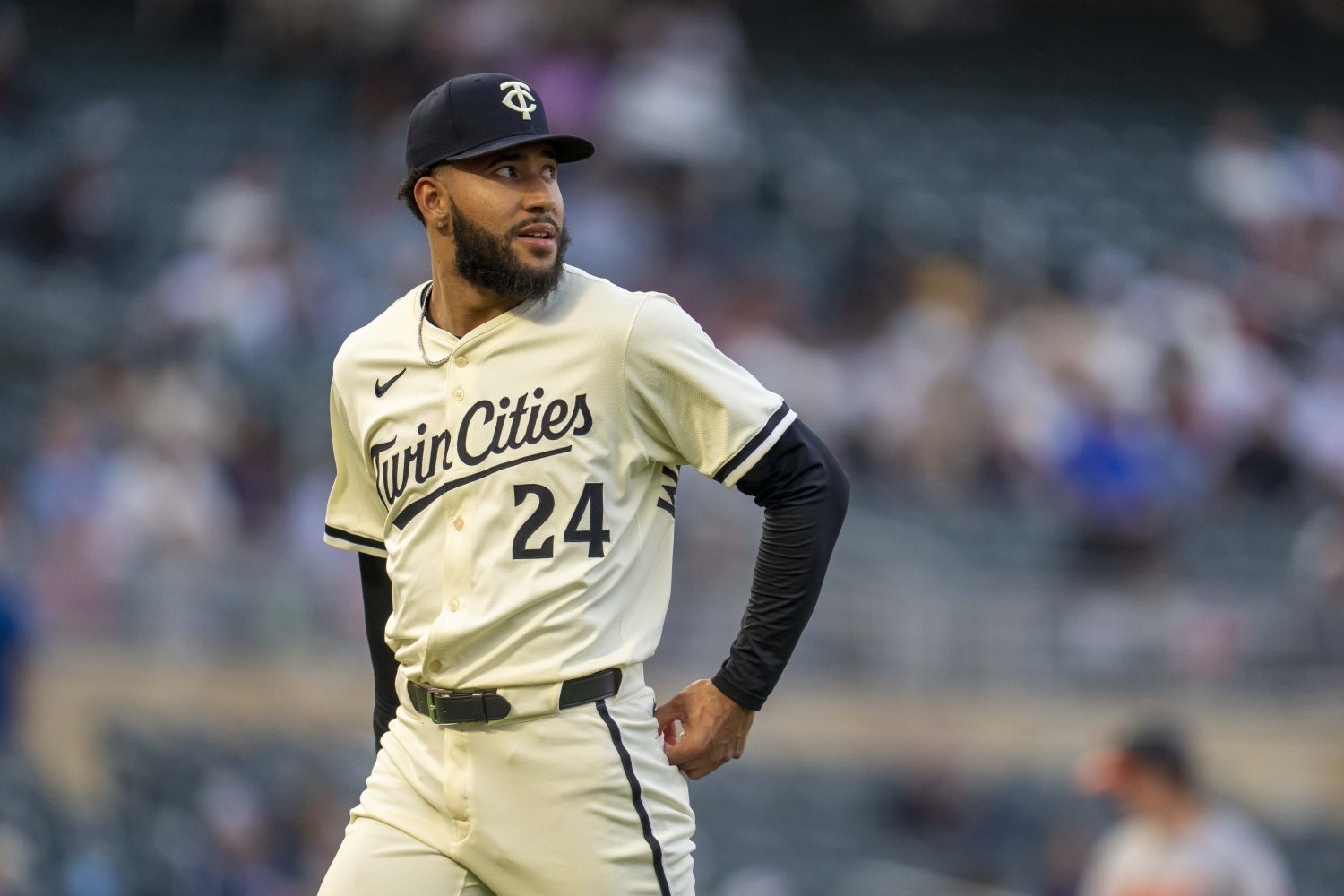 When the Minnesota Twins designated Simeon Woods Richardson for assignment over the weekend, it felt shocking on the surface. Less than a year ago, he looked like a dependable back-end starter with room for more. By the end of May, however, he had become one of baseball’s least effective starting pitchers. Woods Richardson accumulated a 0-7 record and a 7.74 ERA. Because he was out of minor-league options, Minnesota could not simply send him back to Triple-A. The only way to remove him from the active roster was to expose him to waivers. The move was surprising because the Twins gave him only a brief look as a reliever before making their decision. Yet, when looking deeper into the numbers, it becomes easier to understand why the organization felt it had run out of alternatives. This outcome seemed almost impossible to envision just a few months ago. Woods Richardson posted a 4.17 ERA across 134 innings in 2024 and followed it with a 4.04 ERA in 111 innings during 2025. He was never viewed as a frontline starter, but he looked capable of holding down a spot at the back of Minnesota's rotation for years. The most encouraging development came late last season. In September, Woods Richardson unveiled a splitter that transformed his arsenal. Over his final 27 innings, he posted a 2.33 ERA while striking out 36 hitters. The new pitch generated swings and misses at an elite rate and appeared to give him the out pitch he had been missing throughout his career. Instead of becoming a launching point for a breakout season, it became the high-water mark of his Twins career. The season did not begin disastrously. In his first two starts, Woods Richardson combined for 11 2/3 innings while limiting the Royals and Rays to three earned runs on 10 hits. He struck out six and walked three. Unfortunately, that’s where the performance started to unravel. Over his next seven starts, he went 0-5 with a 9.79 ERA, while allowing 38 runs in just 30 1/3 innings. The underlying numbers were even more concerning. During that stretch, he recorded only 14 strikeouts compared to 17 walks. Opponents hit .361 against him while slugging .623 and launching seven home runs. When pitchers lose the ability to miss bats and simultaneously lose command, success becomes nearly impossible. That is exactly what happened to Woods Richardson. The splitter was supposed to be the pitch that elevated Woods Richardson to another level. Instead, it became one of the most damaging pitches in baseball. Last September, opponents hit just .077 against his splitter while generating a 37.4% whiff rate. This season, hitters batted .352 against the same pitch, and the whiff rate dropped to 20.4%. The pitch's run value tells an even more alarming story. His splitter produced a neutral run value in 2025 across 187 pitches. This season, after 228 splitters, the pitch carried a staggering minus-13 run value. Opponents produced a .481 weighted on-base average against it. On a per-pitch basis, Woods Richardson's splitter ranked as the worst pitch in Major League Baseball this season with a -5.7 RV/100. The pitch that once looked like a weapon suddenly became unusable. One has to wonder why he kept throwing the pitch. The splitter was not the only offering that regressed. His slider also took a dramatic step backward despite maintaining similar velocity and usage. Last season, opponents hit just .210 against the pitch while it generated a 27.4% whiff rate. This year, hitters posted a .356 batting average against it, and the whiff rate dropped to 17.4%. The decline was so severe that Woods Richardson produced both the worst pitch in baseball (splitter) by RV/100 and another pitch ranking among the 21 worst (slider). When two of a pitcher's primary swing-and-miss offerings suddenly stop missing bats, survival becomes difficult. The deterioration of his secondary pitches showed up in every other area. Woods Richardson was never a dominant strikeout pitcher, but he generated enough swings and misses to remain effective. This season, the strikeouts disappeared with an 18.2 Whiff% and a 22.4 Chase%, both ranking near the bottom of the league. His strikeout rate dropped from 21.5% last season to 11.5% in 2026. At the same time, his control worsened. His walk rate increased by 22%, and he issued 21 walks over his final 32 innings. Too often, he found himself behind in counts and struggling simply to locate pitches in the strike zone. His 5.80 expected ERA and 6.14 FIP suggest some bad luck compared to his 7.74 ERA. However, the results were not simply bad luck. The quality of his pitching had deteriorated significantly. Woods Richardson is still only 25 years old, which means his professional story is far from finished. Pitchers have rebuilt careers after losing velocity, command, or effectiveness, as the Twins have seen with Bailey Ober this season. The raw ingredients that once made SWR a highly regarded prospect still exist. A fresh start with a new organization could help him rediscover the splitter that briefly made him look like a breakout candidate. For the Twins, however, the decision ultimately came down to performance. A year ago, Woods Richardson looked like a controllable rotation piece who had finally found the missing ingredient in his arsenal. Today, he and the Twins are forced to deal with one of the most dramatic year-to-year declines of any pitcher in baseball. The Twins did not designate him for assignment because of one bad month. They did it because nearly every indicator pointed in the same direction. His fastball became more hittable. His splitter lost its magic. His slider stopped generating whiffs. The strikeouts vanished, and the walks piled up. For a pitcher who seemed poised to take the next step, everything went wrong at once. Can Woods Richardson turn it around? Leave a comment and start the discussion.
 -
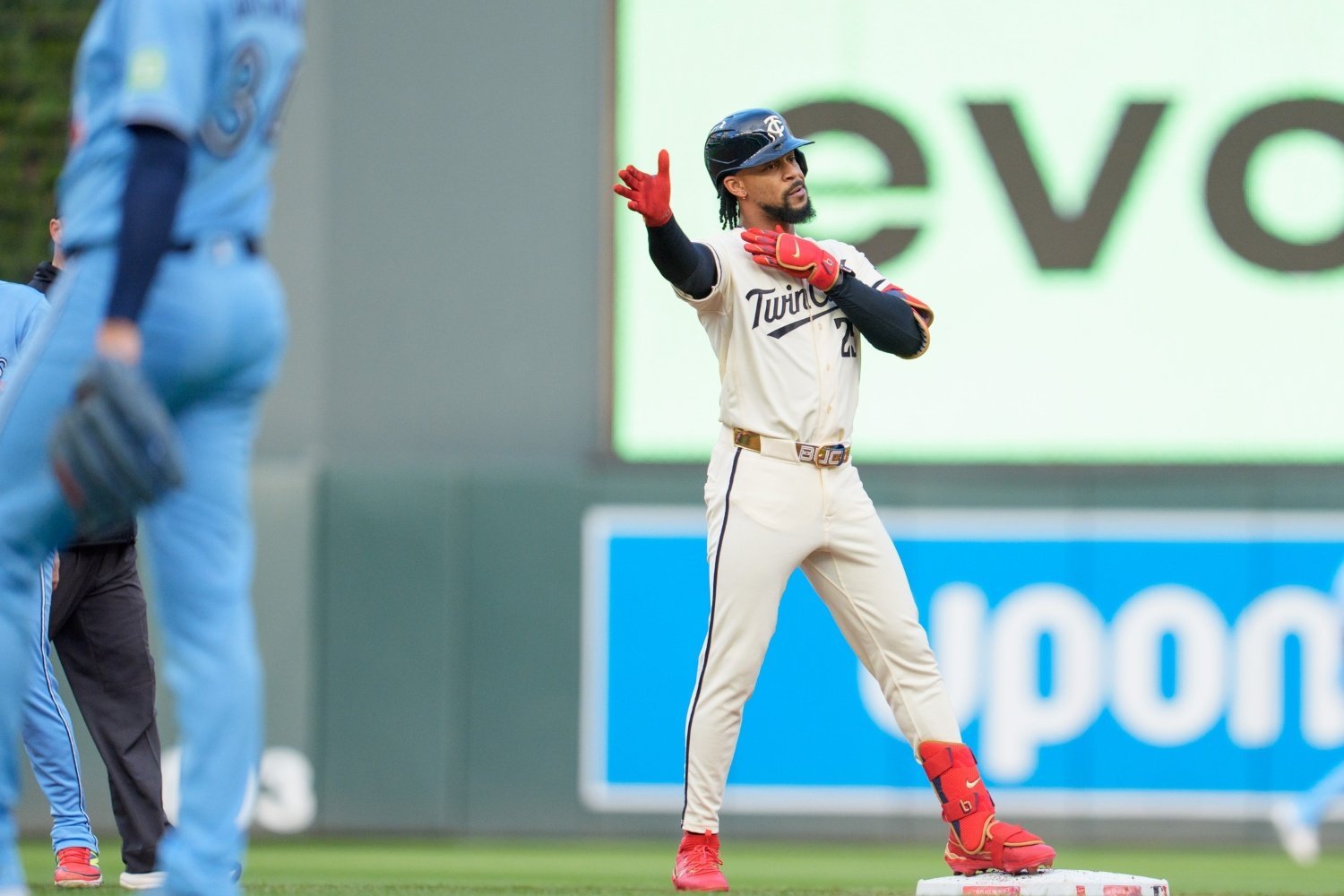 The calendar flipped to June, and the Minnesota Twins remain one of the more difficult teams in baseball to evaluate. At times, they have looked like a club capable of making a run at an American League Wild Card spot. At other times, inconsistency has left them hovering around the fringes of contention. After a sluggish start at the plate in April, several Twins hitters found their rhythm in May and helped keep the lineup afloat. The improvement has been especially important because two players expected to be major contributors this season, Royce Lewis and Matt Wallner, were unable to secure everyday roles and have since been demoted to Triple-A. With those two no longer in the lineup, Minnesota has relied heavily on a different group of contributors. These four hitters stepped up in a big way during May and earned recognition as the Twins' top offensive performers. 4. Luke Keaschall May Stats (21 G): .291/.398/.392 (.790), 1 3B, 6 2B, 11 BB, 14 K, 127 wRC+ Patience can be difficult when it comes to young players, and many fans were beginning to lose confidence in Keaschall after a rough opening month. He finished April with a .542 OPS and a concerning 21-to-8 strikeout-to-walk ratio. The underlying approach, however, suggested there was still room for growth, and May provided evidence that adjustments were beginning to take hold. Keaschall dramatically improved his plate discipline, walking 11 times and striking out only 14 times during the month. His on-base percentage jumped from .267 in April to .395 in May, allowing him to become a much more productive run generator for the lineup. The power numbers are still developing, and there is another level he can reach offensively. However, for a player trying to establish himself in the big leagues, May represented an encouraging step forward and a reminder of why the organization remains excited about his future. 3. Kody Clemens May Stats (23 G): .261/.320/.489 (.809), 3 HR, 1 3B, 8 2B, 5 BB, 19 K, 124 wRC+ Just when Clemens seems to be falling out of Minnesota's plans, he finds another way to make himself valuable. The versatile infielder entered the season fighting for playing time, but May showcased exactly why the Twins continue to keep him in the mix. One of the biggest changes was his improved contact ability. After striking out 24 times during the season's opening month, Clemens trimmed that total to only 19 strikeouts in May despite continuing to see regular opportunities. The improved approach helped push his OPS from .662 in April to .809 in May. The quality of contact also took a noticeable step forward. Clemens collected eight doubles during the month after producing only three in April, showing a greater ability to drive the ball into the gaps. Add in his continued defensive growth at first base, where he ranks near the top of the American League in defensive runs saved, and he has become a quietly important piece of Minnesota's roster. 2. Ryan Jeffers May Stats (13 G): .279/.385/.605 (.989), 3 HR, 5 2B, 8 BB, 6 K, 171 wRC+ There is a strong argument that Jeffers was Minnesota's most valuable player before a fractured left hamate bone in his wrist interrupted his season. The timing of the injury was particularly unfortunate. Jeffers is headed toward free agency after the season and appeared to be putting together the best all-around campaign of his career. Before landing on the injured list, he continued the offensive surge that had already made him one of the club's most productive hitters. After finishing second to Austin Martin in the Twins Daily Hitter of the Month voting for April, Jeffers somehow got even better in May. His 171 wRC+ represented a 16-point improvement over the previous month, and he paired power with outstanding plate discipline. The Twins have managed to survive without him for now, but his absence is still significant. If Minnesota hopes to remain in the playoff race throughout the summer, getting Jeffers healthy and productive again will be a major priority. 1. Byron Buxton May Stats (19 G): .271/.347/.647 (.994), 9 HR, 5 2B, 9 BB, 25 K, 170 wRC+ Even while battling a hip injury, Buxton delivered the most impactful offensive month of any Twin. His season started slowly after spending spring training with Team USA during the World Baseball Classic, but any concerns about rust have completely disappeared. Buxton spent May reminding everyone why he remains one of the most dynamic players in baseball when healthy. The power production was elite. His nine home runs helped fuel a .647 slugging percentage, and his overall offensive profile placed him among the American League's best hitters. Entering June, Buxton ranks third among AL hitters in slugging percentage, fifth in OPS, third in total bases, and third in home runs. Statistics only tell part of the story. There were multiple games throughout the month where Buxton felt like a one-man offense. His ability to change a game with a single swing, create pressure on the bases, and impact opponents in every phase has made him the driving force behind Minnesota's lineup. When the Twins needed someone to carry the offense, Buxton answered the call. The Twins entered May searching for offensive consistency after a frustrating opening month. While questions remain about the roster and the club's long-term outlook, the lineup took a meaningful step forward thanks to contributions from veterans and emerging young players alike. Clemens provided stability, Keaschall showed encouraging development, and Jeffers continued his breakout season before injury struck. Still, no player had a bigger impact than Buxton, whose power surge helped keep Minnesota relevant in the postseason race. As June begins, the Twins will need these hitters to keep their production up. With Lewis and Wallner trying to work their way back from Triple-A and Jeffers sidelined, the burden on the current lineup remains substantial. Fortunately for Minnesota, several key bats appear to be heating up at exactly the right time. Who is missing from the rankings? How would your ballot look? Leave a comment and start the discussion.
- 7 comments
-
- 2
-
-
- luke keaschall
- kody clemens
- (and 2 more)
-
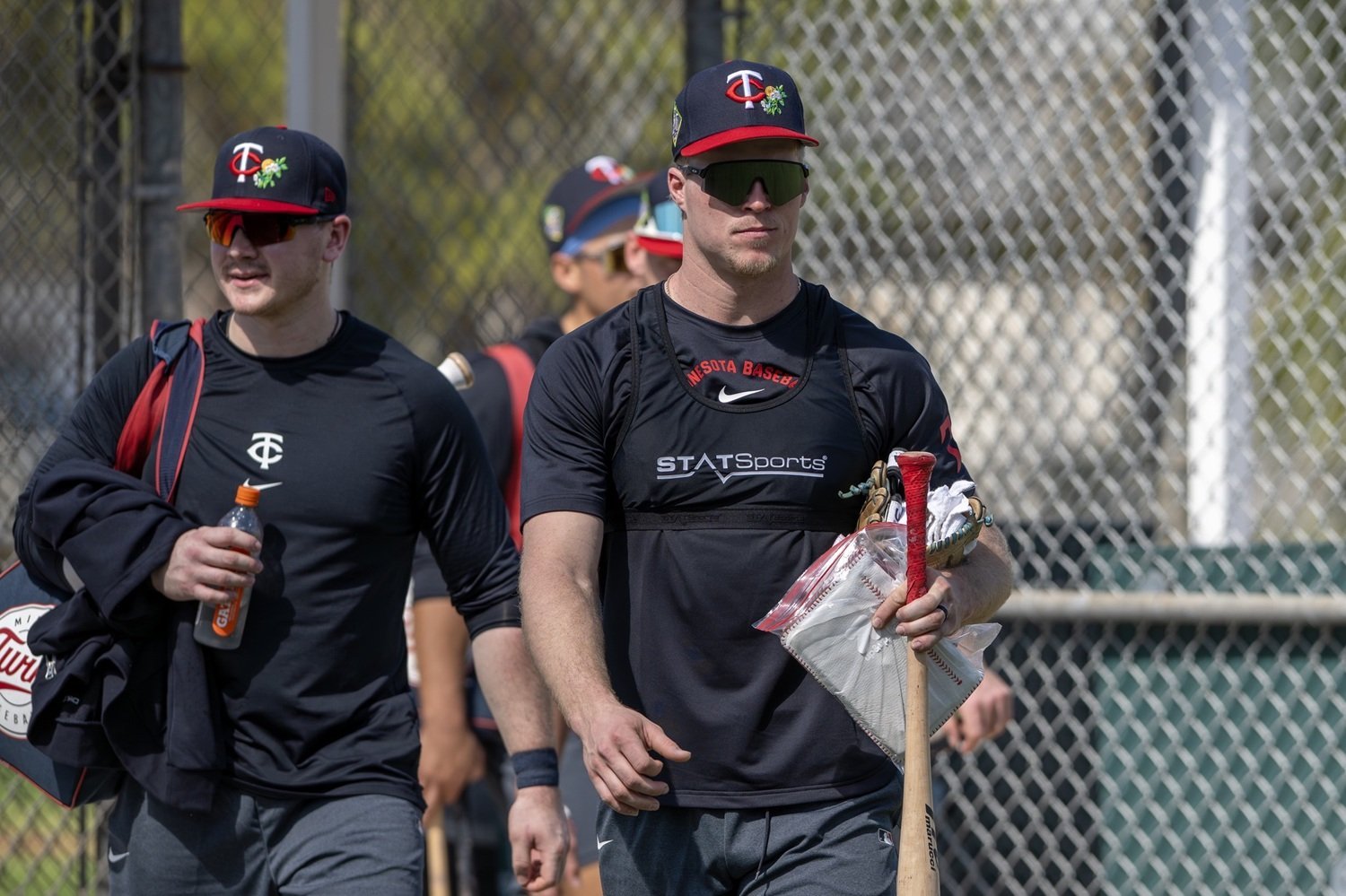 The Minnesota Twins received plenty of positive injury news on Monday as general manager Jeremy Zoll provided updates on several of the organization's top prospects before the opening game of the series against the Chicago White Sox. While the Twins continue to navigate injuries at the major league level, the organization appears closer to welcoming back several important minor league contributors. Some of the club's highest-upside prospects are progressing through their recoveries and could return to game action in the coming weeks. Walker Jenkins Nearing Return The most encouraging update involved Walker Jenkins, Twins Daily's top-ranked prospect, who continues to make strong progress after suffering a left shoulder AC joint sprain in early May. According to Zoll, Jenkins has been “progressing well” and is expected to face live pitching later this week. If everything goes according to plan, the talented outfielder could begin a rehabilitation assignment as soon as next week. Jenkins has already been hitting off pitching machines and participating in defensive work in the outfield, suggesting he is checking off important recovery milestones. A rehab assignment would represent a significant step toward returning to Triple-A St. Paul. Emmanuel Rodriguez Begins Recovery Process While Jenkins is moving toward a return, Rodriguez is just beginning his recovery journey. Rodriguez underwent surgery on May 20 to repair a torn ligament in his left thumb, an injury expected to sideline him for approximately six to eight weeks. The injury occurred when he slid head-first into first base, continuing an unfortunate history of thumb-related ailments. The timetable still gives Rodriguez a realistic chance to return during the second half of the season, but the Twins will undoubtedly take a cautious approach given his injury history. He likely would have already been called up to the Twins if he were healthy. Now, his big-league debut must wait until the season’s second half. Kendry Rojas Trending in the Right Direction One of the more encouraging updates involved rookie pitcher Kendry Rojas. After being scratched from a scheduled appearance last week and landing on the injured list with elbow inflammation, there was understandable concern about the severity of the issue. However, Zoll indicated that Rojas is already feeling "markedly better." The young left-hander could be cleared to resume throwing as soon as the middle of this week. If that happens, he may not require a lengthy buildup before returning to game action. That timeline could prove especially important given Bailey Ober's injury situation at the major league level. Rojas becomes eligible to return on June 10 and could emerge as an option to help fill innings in Minnesota's rotation. There would still be limitations. Rojas has not thrown more than 60 pitches in an outing with the Twins, meaning any starts would likely continue to resemble bullpen games rather than traditional outings. Even so, a quick recovery would be welcome news for both the player and the organization. Charlee Soto Set for Long-Awaited Return Few prospects have endured a longer road back than Soto. The right-hander has not appeared in a game for more than 13 months, but that drought is finally expected to end Wednesday when he makes a rehab appearance with Low-A Fort Myers. Soto's recovery has been marked by multiple setbacks. After making progress with his elbow issues, he developed wrist problems that further delayed his return. Recently, however, the momentum has shifted in a positive direction. He threw a one-inning live batting practice session last week, and everything reportedly went well. Now he is ready to take the next step and return to competitive action for the first time since last season. For a young pitcher whose development has been interrupted by injuries, simply getting back on the mound in a game environment represents an important milestone. Alan Roden Also Closing in on Rehab Assignment Roden appears to be on a similar timeline to Jenkins. Recovering from a right shoulder injury, Roden has resumed throwing to bases and could participate in live batting practice later this week. If those sessions go well, he, too, could begin a rehabilitation assignment sometime next week. Like Jenkins, Roden is progressing through the final stages of recovery and appears to be nearing a return to game action. The Twins are not completely healthy yet, but Monday's collection of updates offered plenty of reasons for optimism. Jenkins and Roden appear close to rehab assignments, Rojas may avoid an extended absence, Soto is finally preparing for his first game in over a year, and Rodriguez has already started the recovery process following surgery. For an organization that relies heavily on its prospect pipeline, getting these players back on the field will be critical as the season moves into the summer months and Minnesota evaluates both its future core and potential major league reinforcements.
- 4 comments
-
- 4
-
-
- walker jenkins
- emmanuel rodriguez
- (and 3 more)